
What are the latest food safety regulations for production lines?
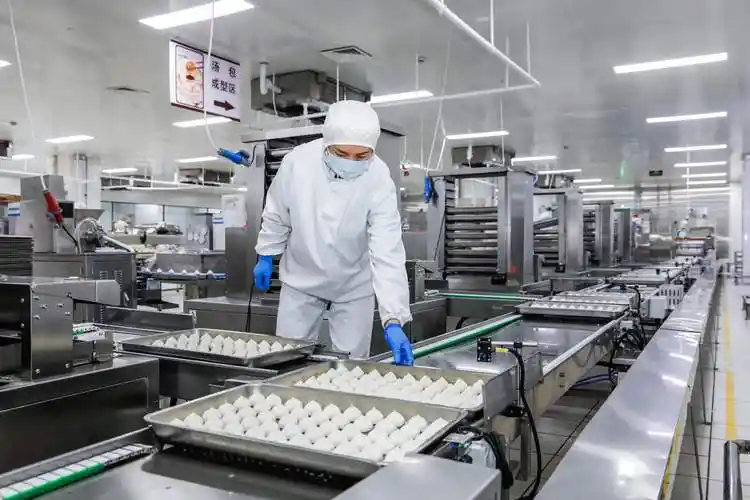
What are the latest food safety regulations for production lines? Four fundamental global frameworks—FSMA, BRCGS, SQF, and HACCP—are at the center of the most recent food safety regulations governing food production lines. The most recent revisions place a strong emphasis on proactive risk prevention, complete digital traceability, stringent processing equipment compliance, and end-to-end supply chain oversight to protect food safety at every stage.
Updated FSMA Regulations for Production Line Compliance
The U.S. Food Safety Modernization Act (FSMA) has moved beyond initial legislation to targeted, detailed enforcement, laying mandatory legal ground rules for any production line selling food products in the U.S. market. 2025 FDA updates mark a pivotal shift from reactive incident response to proactive pre-market control, raising compliance thresholds for both raw food ingredients and processing machinery.
The self-determined GRAS (Generally Recognized as Safe) status for food ingredients is eliminated by a significant 2025 FSMA modification. For official review and approval, all companies claiming GRAS certification for components must provide formal notifications to the FDA. Every stage of the production line, from handling raw materials to packaging and sealing finished food, is subject to this regulation.
Additionally, FSMA raises the hygienic requirements for all equipment used in food processing, including different grinding and crushing devices. All devices, from heavy-duty 500KG grinder models to small grinder machines and CE Certificate grinder units, must have hygienic designs free of any hidden crevices that could shelter dangerous bacteria or trap food residue.
FSMA requires real-time, batch-by-batch record keeping for manufacturing line traceability. In order to record all processing information, this involves keeping track of popular food ingredients like rice, peanuts, and seasam as well as recording the use of important machinery like dust collector grinders, airflow pulverizers, and hammer mills.
Updates to the FSMA in 2026 will increase supply chain liability and make production line managers responsible for the security of raw materials and third-party equipment. In order to remove mechanical safety risks, this involves examining the cooling systems of air-cooled crusher units and charger components for electric grinder devices.
Preventive Controls for Processing Equipment
All grinding equipment on food manufacturing lines must undergo regular maintenance and thorough cleaning in accordance with FSMA’s preventative control regulations. This includes specialist equipment used to process spices and herb-based food ingredients, such as dry fruit powder grinders, dry ginger grinders, and licorice grinders.
All food manufacturing lines should use stainless steel grinding machines since they are easy to properly clean and resistant to corrosion. To avoid cross-contamination between various food batches, high-speed dry grinders, cutting-type grinders, and vacuum mill equipment all need regular safety checks.
Machinery used for multiple food ingredients, such as universal grinder machines processing corn, wheat, and flour, needs strict, dedicated cleaning protocols. This stops allergen transfer between ingredients like black pepper, salt, and sugar that run on the same production line.
Sanitary Standards for Grinding Machinery
FSMA hygiene criteria must be followed by all grinding machines, from small herb grinders to huge industrial weed grinders and cryogenic grinders. Food items like beans, coffee, meat, or mushroom products on the line cannot be contaminated by metal shavings or equipment dust.
To avoid airborne contamination in production areas, dust grinders and vibrating pulverizers need to have sealed dust collection systems. When processing fine food powders that are prone to dust dispersion, including spices, tea, and mushroom extracts, this is particularly important.
BRCGS Issue 9: Global Benchmark for Production Line Safety
Food safety culture and digital management for manufacturing lines are the focus of BRCGS Issue 9, which has been completely implemented from 2023 and is a required standard for large international merchants. It aligns international food compliance procedures by establishing uniform, stringent regulations for equipment safety, allergen control, and traceability.
Every employee on a production line must adhere to established safety procedures as a result of this standard, which makes food safety culture a stand-alone requirement. This involves using crushers, electric grinder tools, and grinding equipment correctly to prevent contamination and physical hazards.
Digital end-to-end traceability is a mandatory requirement under BRCGS Issue 9. Production lines must track every input ingredient, from cassava and tobacco to Medicine and cannabis, alongside equipment like 200KG grinder and Ultrafine Grinder machines used in processing.
Allergen control is upgraded with a dynamic risk assessment mechanism under BRCGS Issue 9. Production lines using coarse crusher machines for nuts or spice grinders for peppers must regularly update cross-contamination matrices and verify that control measures work effectively.
Unannounced Audits and Equipment Compliance
Unannounced on-site audits are currently used by BRCGS to verify production line safety compliance in real time. Auditors check that turbo grinders, bone grinders, and seed grinders are properly cleaned, regularly maintained, and have a current CE certification for use in food processing.
On production lines, equipment used for food production and chemical processing must be kept entirely apart. By doing this, cross-contamination between food-grade grinders for rice, flour, sugar, and other edible materials and industrial grinders for non-food products is avoided.
SQF Code Edition 10: New Compliance Rules for 2025-2026
SQF Code Edition 10, released in July 2025 with audits starting in early 2026, replaces the traditional scoring system with a simple pass/fail evaluation framework. It prioritizes actual compliance at critical production line points over numerical scores.
The updated SQF edition requires certified SQF professionals to oversee production line safety management systems. These trained staff handle equipment validation for key machines, including Hammer Mill, airflow pulverizer, and Vacuum Mill devices used in food processing operations.
To prevent unauthorized manipulation of digital production line data, SQF Edition 10 introduces cybersecurity rules. Securing traceability systems that record grinder usage, food ingredient batches, and cleaning records for meat, coffee, and other food items is part of this.
Upgrades to production line equipment are subject to stricter change management regulations under SQF Edition 10. Before using a new dust collector grinder or cryogenic grinding machine in food manufacturing, a thorough risk assessment and safety verification are necessary.
Environmental Monitoring and Equipment Hygiene
By mandating routine pathogen testing on surfaces close to grinding and crushing machinery, SQF Edition 10 improves environmental monitoring for food manufacturing lines. This includes facilities that prepare licorice, ginger, dry fruits, and other delicate food ingredients that could become contaminated.
All food-contact grinding devices, such as large-scale electric grinder units, black pepper grinders, and cassava grinders, must have stainless steel construction. On production lines, this substance guarantees complete sanitization and long-term food safety.
HACCP: Core Scientific Framework with Smart Implementation
The 2025 revisions concentrate on intelligent, digital implementation for production lines of all sizes, from small-scale operations to huge industrial facilities, but the seven fundamental HACCP principles continue to serve as the worldwide scientific basis for food safety.
From the intake of raw materials to the packing of the finished product, HACCP directs hazard assessments at every stage of the food production process. This involves evaluating the dangers associated with crushers, grinders, and other machinery that comes into contact with food items such blends of corn, beans, and spices.
Key control points (CCPs) on food production lines include grinding, crushing, and cooling stages. For instance, in order to maintain safe, food-grade working limitations, air-cooled crushers and high-speed grinding machines need to be closely monitored for temperature and speed.
Digital HACCP Tools for Small and Large Production Lines
Digital HACCP tools simplify compliance for small food businesses using small grinder machine and universal grinder equipment. These digital platforms automate monitoring alerts and record-keeping for ingredients like tea, tobacco, salt, and other common food inputs.
Large-scale food production lines rely on HACCP to manage heavy-duty processing equipment, such as 500KG Grinder, Industrial Weed Grinder, and Ultrafine Grinder machines. Rigorous validation checks ensure these devices meet safety standards for food and Medicine processing.
Convergence of Global Regulations and Emerging Trends
In 2025, the fundamental objectives of proactive risk prevention and complete supply chain transparency will unite FSMA, BRCGS, SQF, and HACCP. Since there isn’t a single worldwide standard, companies coordinate their production line compliance with the demands of their target market.
All four regulatory frameworks prioritize equipment safety. Dust-tight grinding machines, stainless steel processing equipment, and CE Certificate grinders are becoming common prerequisites for gaining access to international food markets.
Emerging trends like digital data security and climate-related risk management are moving from industry suggestions to legally required regulations. Grinders and crushers on production lines must be modified to handle a variety of raw materials, such as peanuts and seasam, while maintaining digital compliance records.
Grinders for food items like meat, coffee, grains, and spices as well as non-food elements like metal and chemicals are covered by all current food safety rules, which place a high priority on adaptable, safe equipment design with strict physical separation to prevent cross-contamination.
In conclusion, the most recent food safety rules for production lines require complete operational transparency, intelligent equipment management, and constant compliance. Adhering to these regulations guarantees uniform food quality and satisfies the global food markets’ mandated access criteria.
Customize Automatic Production Line:
- Pepper grinding production line
- Carrot Production Line Drying Grinding
- Beans Drying Line
- Automatic Powder Production Line
- Sugar powder production line
- Automatic Banana Powder Production Line
- Automatic Yellow Onion Powder Production Line
- Automatic Ginger Powder Production Line
- Automatic Fruit Powder Production Line
- Automatic Food Production Line
- Automatic Sauce Paste Production Line
- Automatic Garlic Powder Production Line
- Automatic Coffee Powder Production Line
- Automatic Metal Powder Production Line
- Automatic Laundry Powder Production Line
- Automatic Diamond Powder Production Line
- Automatic Turmeric Powder Production Line
- Automatic Protein Powder Production Line
- Automatic Crumb Rubber Powder Producation Line
- Automatic Ceramic Powder Production Line
- Automatic Green Onion Powder Production Line
- Automatic Chalk Production Line
- Automatic Ceramic Powder Production Line
- Automatic Green Onion Powder Production Line
- Automatic Rubber Powder Production Line
- Automatic Potato Powder Production Line
- Automatic Talc Powder Production Line
- Automatic Putty Powder Production Line
- Automatic Tomato Powder Production Line
- Automatic Egg Shell Powder Production Line
- Automatic Protein Powder Production Line
- Automatic Milk Powder Production Line
- Automatic Quartz Powder Production Line
- Automatic Butyl Rubber Powder Production Line
- Automatic Zenith Industrial Powder Production Line
- Automatic Elf Powder Production Line
- Automatic Calcium Carbonate Production Line
- Automatic Red Onion Powder Production Line
- Automatic Hair Line Powder Production Line
- Automatic Chilli Powder Production Line
- Automatic Coca Powder Production Line
- Automatic Aluminum Powder Production Line
- Automatic Washing Powder Production Line
- Automatic Gypsum Powder Production Line
- Automatic Moringa Leaf Powder Production Line
- Automatic Epdm Rubber Powder Production Line
- Automatic Baobab Powder Production Line
- Automatic purple sweet potato Powder Production Line
- Automatic baby powder Production Line
- Automatic vegetable Powder production line
- Spice Pepper Drying Grinding Production Line
- Automatic Liquid Detergent Production Line
- Automatic Laudry Detergent Production Line
- Automatic Sauce Paste production line
- Automatic Tomato Sauce Paste production line
- Automatic Hot Sauce Paste production line
- Automatic Soy Sauce Paste production line
- Automatic Soya Sauce Paste production line
- Automatic Garlic Paste production line
- Automatic Fish Sauce production line
- Automatic BBQ Sauce production line
- Automatic Cranberry Sauce Paste production line
- Automatic Oyster Sauce Paste production line
- Automatic Red Sauce Paste production line
- Automatic Chili Sauce Paste production line
- Automatic Sriracha Sauce production line
- Automatic secret sauce production line
- Automatic Pouch sauce production line
Grinder for Mateirals:
Food Processor; chemical, plastic, pharmaceutical Materials: