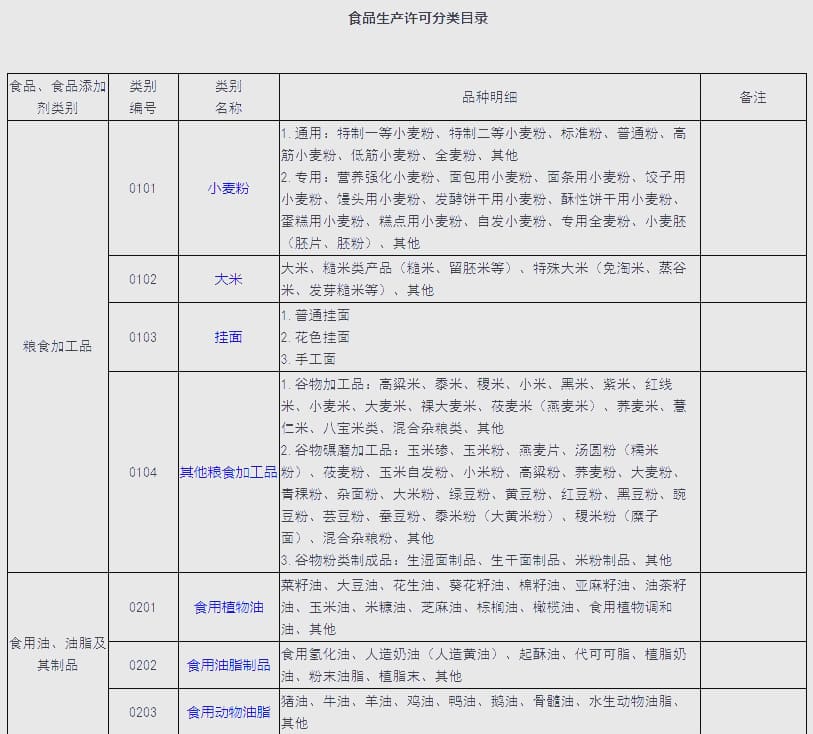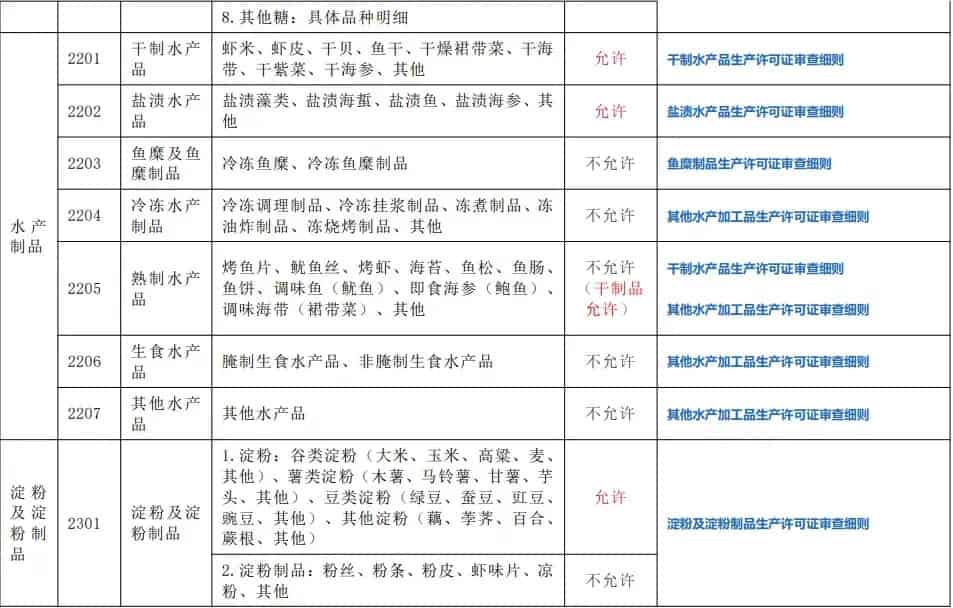
What are the best materials for food contact surfaces?
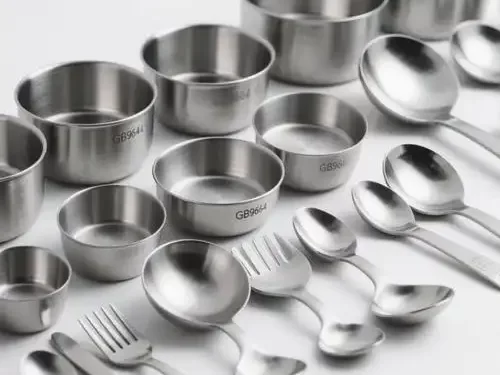
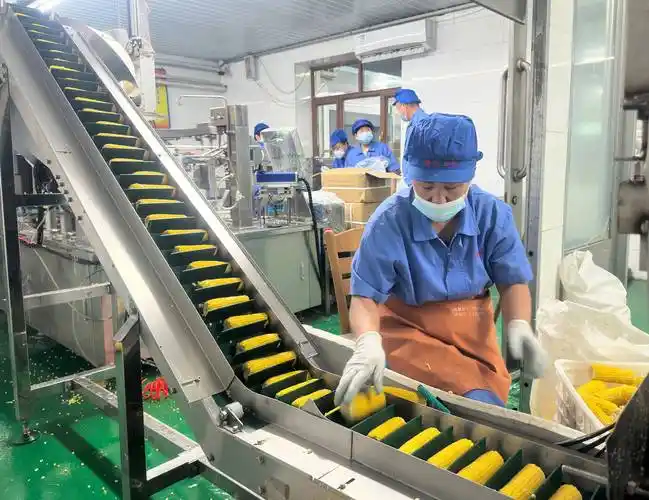
What are the best materials for food contact surfaces? Food-grade stainless steel (particularly 304 and 316L grades) and high-performance food-safe polymers are the best materials for surfaces that come into contact with food because they meet stringent requirements for chemical inertness, corrosion resistance, ease of cleaning, and non-migration to guarantee hygiene and compliance for food production lines.
Food-Grade Stainless Steel: The Top Choice for Production Line Contact Surfaces
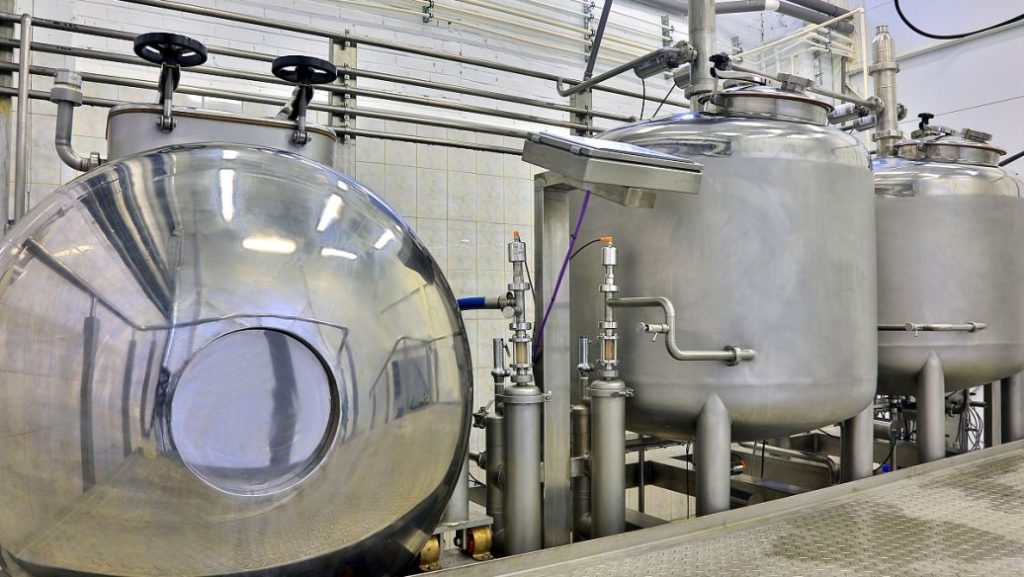
The most popular material for surfaces that come into contact with food in production lines is stainless steel, which is prized for its strength, hygienic qualities, and ability to withstand corrosion from food. Professional surface polishing and alloy composition determine its performance.
The typical entry-level food-quality choice is grade 304 stainless steel, which has 8% nickel and 18% chromium. It handles foods like rice, wheat, flour, and peanuts safely in neutral or slightly acidic food conditions.
This grade of steel is perfect for parts of electric grinder housings, universal grinder units, and compact grinder machines. To get rid of cleaning gaps and stop bacteria from growing, its surface needs to be polished to Ra ≤ 0.8μm.
Welded areas of 304 stainless steel require extra finishing, with Rz ≤12.5μm, to maintain smoothness. It suits low-salt, non-corrosive food processing on most standard production equipment.
316L Stainless Steel: High-Performance Option for Demanding Environments
The superior industrial option for surfaces in contact with food is 316L stainless steel, which has been enhanced with 2–2.5% molybdenum to increase corrosion resistance. It is resistant to acidic cleaning agents, salt, and chloride that are frequently used on production lines.
This grade is ideal for processing high-salt foods such dry ginger, seasam, and spices. It is the preferred material for parts of 500KG, 200KG, and CE Certificate grinders that come into contact with acidic or salty foods.
Its low carbon content (≤0.03%) keeps intergranular corrosion at bay, which is essential for long-term food processing equipment like vacuum mills and cryogenic grinding machines.
In order to comply with FDA and EU safety regulations, electropolishing 316L limits metal ion leaching by producing a thick coating of chromium oxide. Additionally, it is perfect for high-humidity coastal industrial facilities.
430 Stainless Steel: Limited-Use Auxiliary Material
Because it lacks nickel, 430 stainless steel is an inexpensive ferritic material that is less resistant to corrosion. It is not applied to direct food surfaces, just to non-contact auxiliary elements.
This grade can be applied to the external frames of dust collector grinders or coarse crusher units, but it should never be applied to surfaces on manufacturing lines that come into contact with beans, coffee, meat, or acidic food items.
All food-grade stainless steel must adhere to ISO 15510 or ASTM A276 requirements, which call for passivation to restore protective oxide layers after manufacture and smooth, burr-free welds.
Food-Safe Polymers: Ideal for Non-Metal Contact Components
For non-metal food contact components including seals, containers, and moving parts on grinding and crushing machinery, food-grade polymers are lightweight, impact-resistant, and adaptable.
The most widely used food-safe polymer is polypropylene (PP), which can tolerate steam sterilization and heat resistance up to 160°C. It is used for trays and liners in dry ginger and licorice grinding machines and is free of BPA.
PP is suitable with high-speed dry grinders and cutting-type grinder accessories on food lines, and it performs well when handling dry materials like sugar, salt, and black pepper.
High-Performance Polymers for Specialized Production Needs
Excellent chemical resistance makes High-Density Polyethylene (HDPE) ideal for detergent storage containers and low-temperature food ingredients, but it is not resistant to high heat sterilization.
According to FDA safety regulations, polyoxymethylene (POM) is ideal for gears and bearings in airflow pulverizers, Hammer mills, and turbo grinder machines because of its excellent wear resistance and low friction coefficient.
Polyethersulfone (PES) and Polyphenylsulfone (PPSU) are perfect for high-temperature filling pieces and view windows on dairy and beverage processing equipment since they can withstand temperatures up to 200°C.
Polytetrafluoroethylene (PTFE) is chemically inert, making it perfect for seals and gaskets in Air cooled crusher and dust grinder units, preventing leaks and cross-contamination between batches.
Restricted Polymers for Food Contact Use
Strong and transparent, polycarbonate (PC) includes BPA, which is absolutely prohibited by EU laws. Glass or PPSU are now frequently used in place of it on surfaces that come into touch with food.
Because they can leak dangerous chemicals, PVC and other inferior plastics should not come into touch with acidic food. For food production line components, only FDA and EU-approved polymers are utilized.
Material Selection Matching Production Line Environments
To ensure longevity and safety, the type of food, cleaning techniques, and production line operating circumstances all influence the choice of food contact material.
316L stainless steel or PP is needed for acidic foods (pH<4.5), such as vinegar and fruit purees. To stop chemicals from seeping into items made from corn, coffee, and mushrooms, low-grade steel and soft plastics are prohibited.
PES or PTFE is recommended for seals in Ultrafine Grinder and vibrating pulverizer equipment because alkaline cleaning solutions used on production lines can harm inexpensive polymers.
Compliance Standards for Food Contact Materials
Strict international regulations, such as FDA 21 CFR 177, EU 10/2011, and GB 4806.7-2023, must be met by any materials that come into contact with food, with overall migration limitations of ≤10 mg/dm².
Phthalates and BPA are examples of hazardous materials that must remain below legal limits. This is true for any component that comes into contact with food, including huge industrial weed grinder chambers and herb grinder blades.
To prevent contaminating medications, tobacco, and other delicate products, equipment including bone grinders, dry fruit powder grinders, and cassava grinders must use approved materials.
Cleanability and Hygienic Design Key Factors
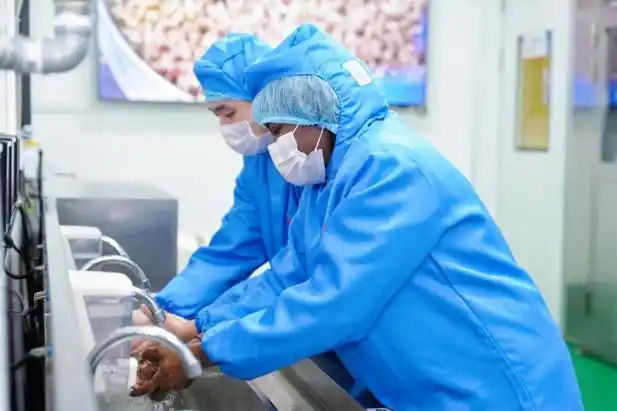
If they are difficult to clean, even safe materials can become dangerous. It is essential to have smooth, non-porous surfaces free of bacterial growth-promoting fractures and depressions.
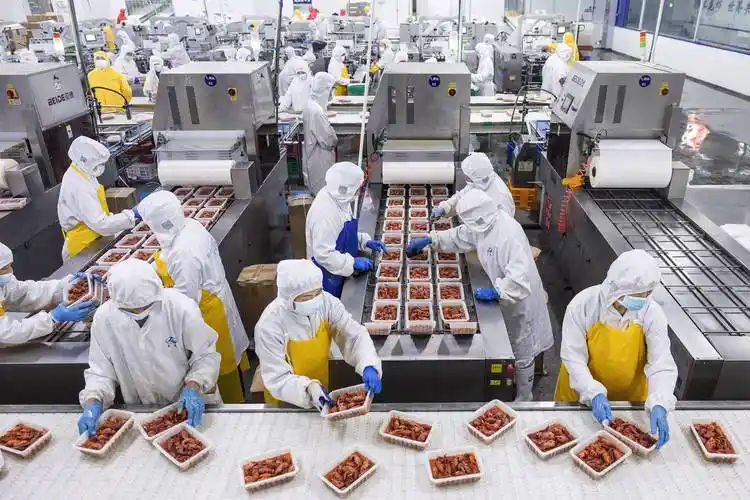
In order to enable regular cleaning procedures for meat, seed, and tea processing lines, stainless steel and food-grade polymers utilized on charging ports, grinder housings, and crusher trays must be simple to sanitize.
By minimizing wear on high-speed grinding machines and lessening the possibility of metal shavings contaminating food batches, proper material selection also prolongs equipment life.
In conclusion, certified food polymers are appropriate for specific non-metal components that balance safety, durability, and regulatory compliance, while 304 and 316L stainless steel are the best all-around materials for the majority of food contact surfaces.
Related Production Line Customization:
Recommend Post about Production Line:
Food Producing Process Flow:
Ultrafine grinding is one of the very key procedure in whole production line. It depends how many mesh that customer need to produce. That’s to say this machine can decide what kind of material will get finally before mxing.
Coarse Crusher Machine —>Grinding Machine —> Vibrating Table Sifter Machine—>Mixing Machine—>Packing Machine —> (Printed Packaging Film Roll or bags ) —> Filling, sealing machine, capping and Labeling Machine —>Pack into Box.

About LKMixer
LKMixer is a professional manufacturer for fertilizer production line, grinder, mixer and granulator, shredder. These machines are widely used in food, pharmaceutical, cosmetic, health care products and chemical industries. The Food materials like Peanut, mushroom, seeds, potato, bean, tobacco, salt, cannabis, tea, Sugar, corn, Coffee, rice, pepper, grain as so on. Grinders have many types such as Pulse Dust Grinder which suitable for zero pollution environment, Turbine Mill which is suitable for coffee bean, 12-120mesh all can meet, Ultrafine Grinding Mill covers 80-200mesh, and also Winnowing Dust Grinder or other grinding machines like SF Hammer. Welcome to contact us for details. Contact us for more information. Proposal, catalog, quotation. Mobile/WhatsApp: +86 18019763531 Tel: +86 21 66037855 Email: sales@lkmixer.com
Contact Us
Tel: +86 66037855
Email:sales@lkmixer.com
Working Time: Monday ~Frinday 9:00AM~17:00PM
Please call us Whatsapp, or mail to us.
Grinder for Sale:
Rubber Powder Grinding Machine
Rubber Powder Grinding Machine Industrial Cumin Seeds Grinder Youtube Video Customization Seeds Grinder According to your…
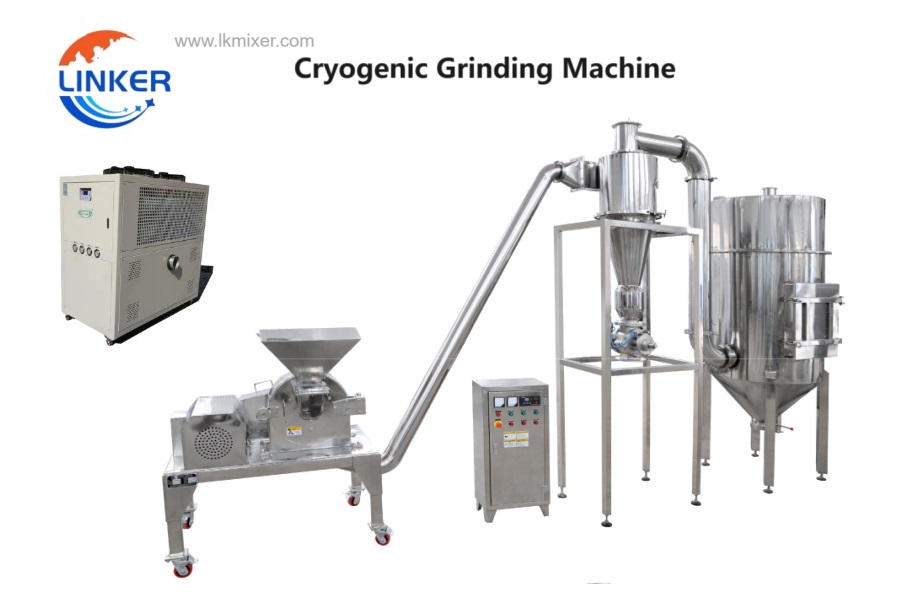
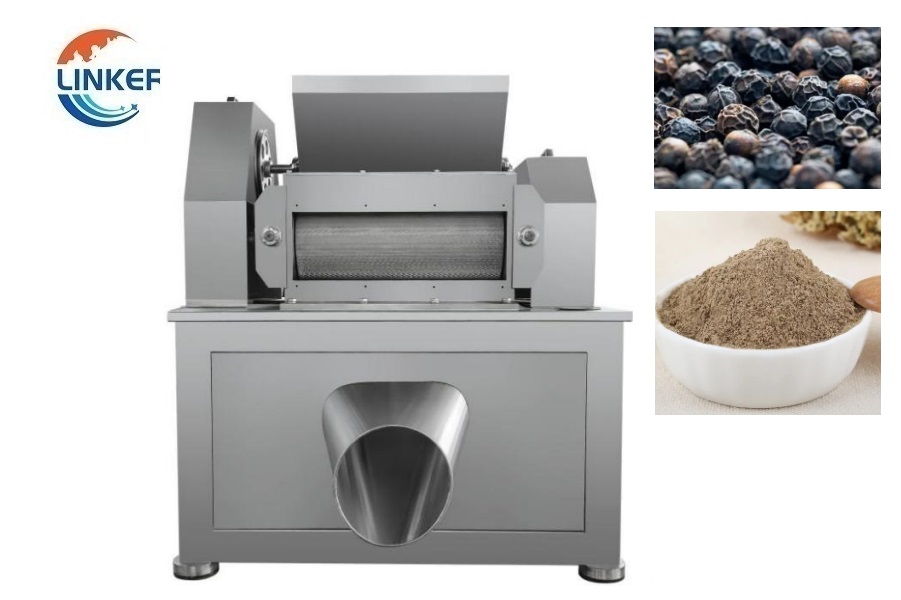
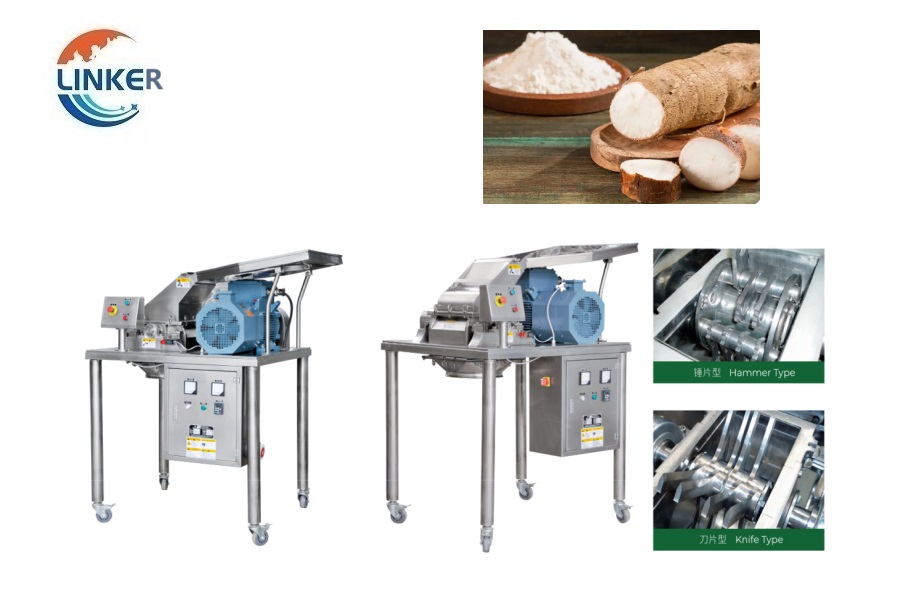
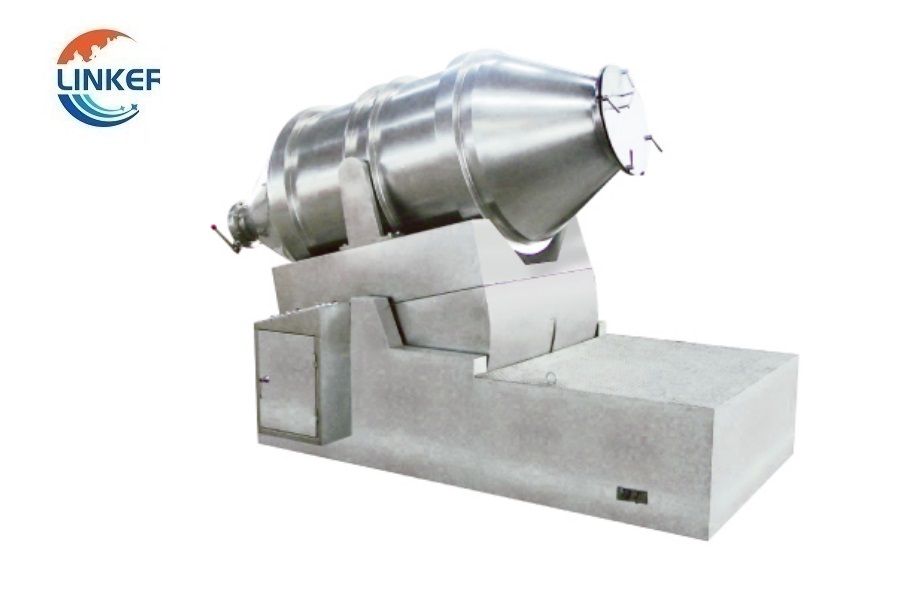
Blenders for Sale:
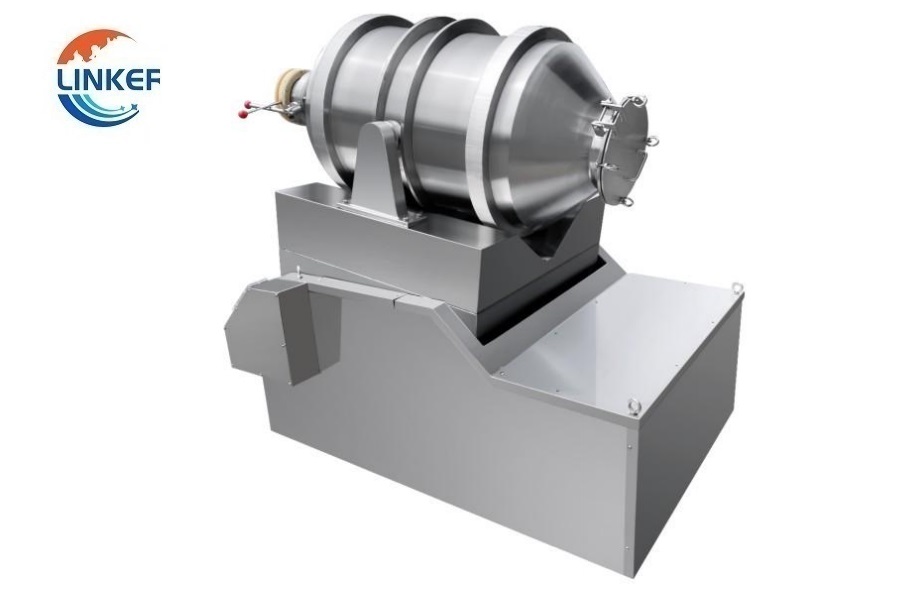
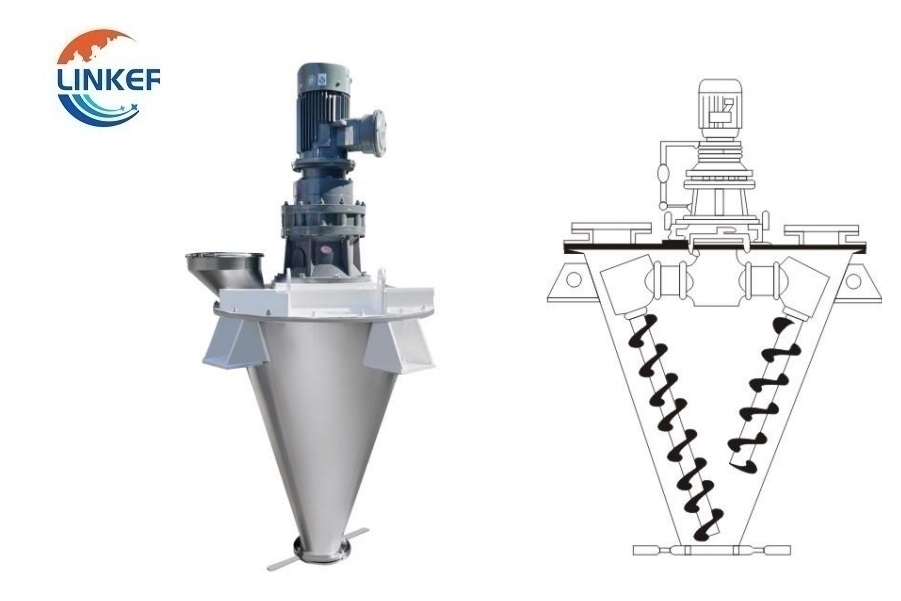
Small Blender 2L 5L 10L 15L 20L
You may also interest in: Small Blender for Sale: LKMixer we have many different model of Small…Solid-Liquid Blender
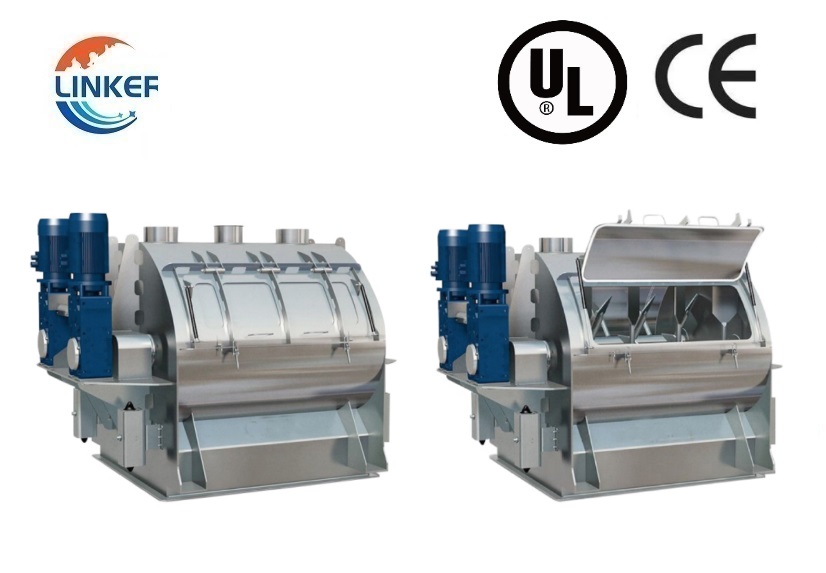
Solid-Liquid Blender for Sale: Solid-Liquid Blender also called Double Shafts Paddle Mixer, it is paddle type and…Fertilizer Production Line
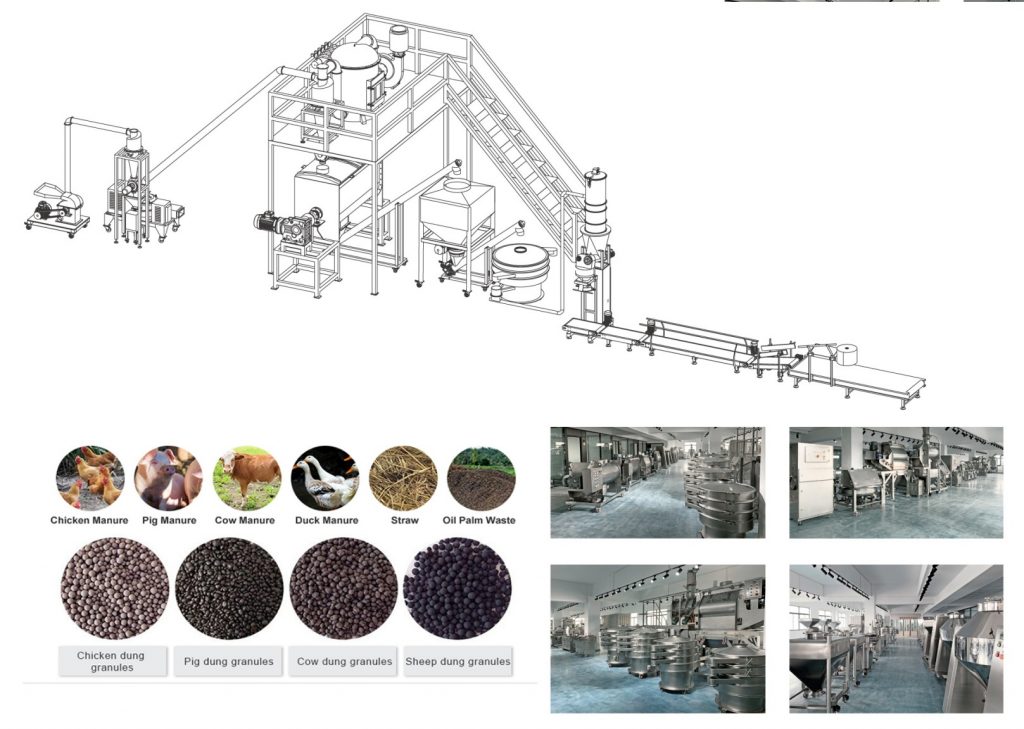
What is fertilizer production line? Fertilizer production line is a whole set of equipment which used to…
Granulator for Sale:
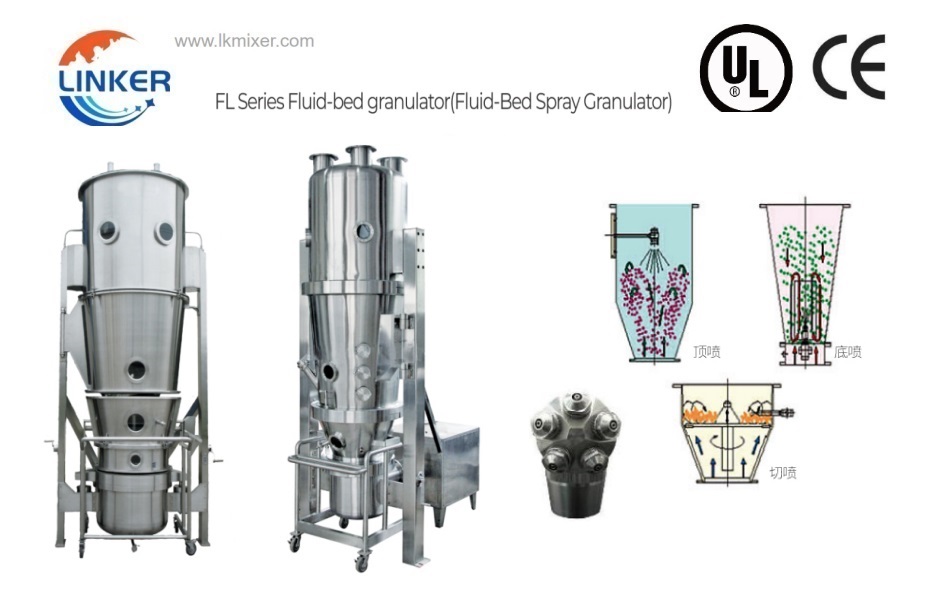
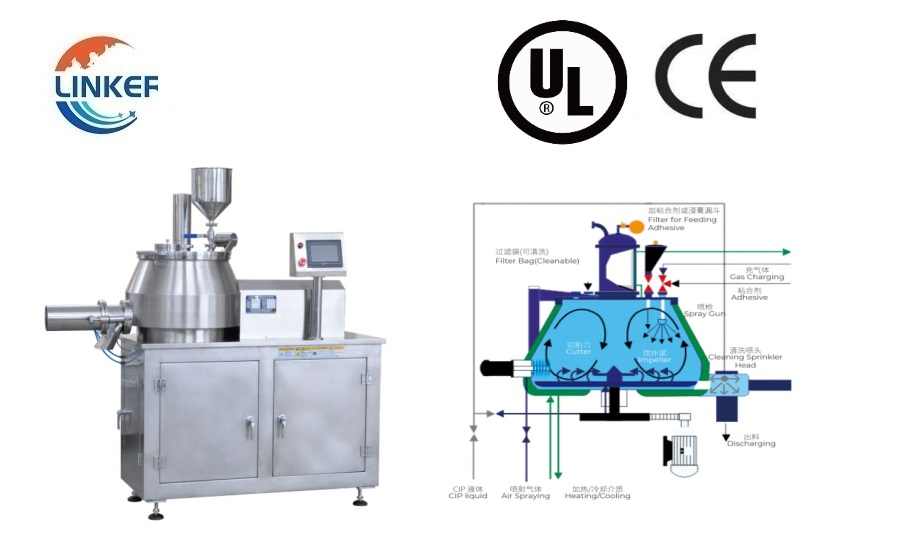
Fluid Bed Granulator
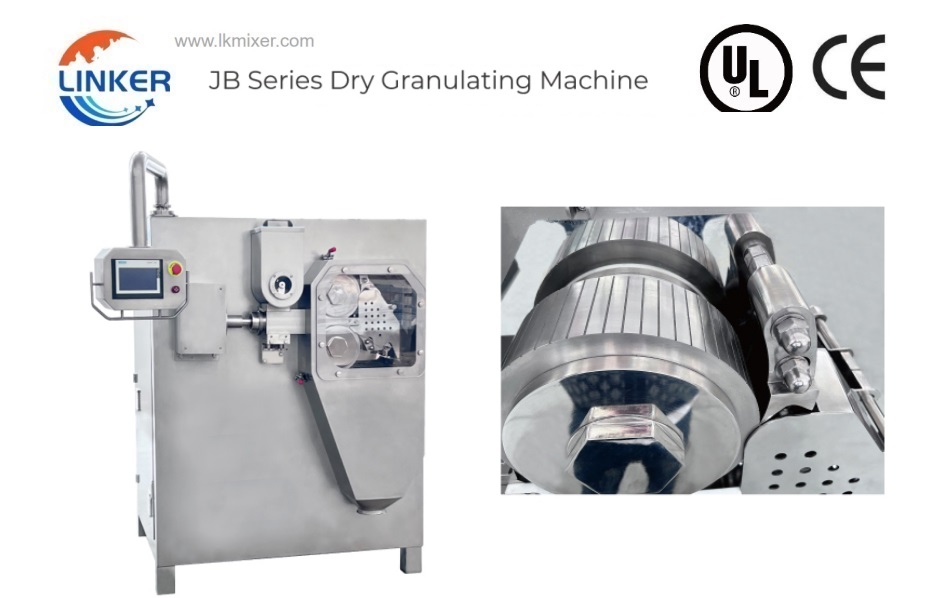
What is a Fluid Bed Granulator? Fluid Bed Granulator is a machine mainly used for pharmaceutical granulation…Dry Granulating Machine
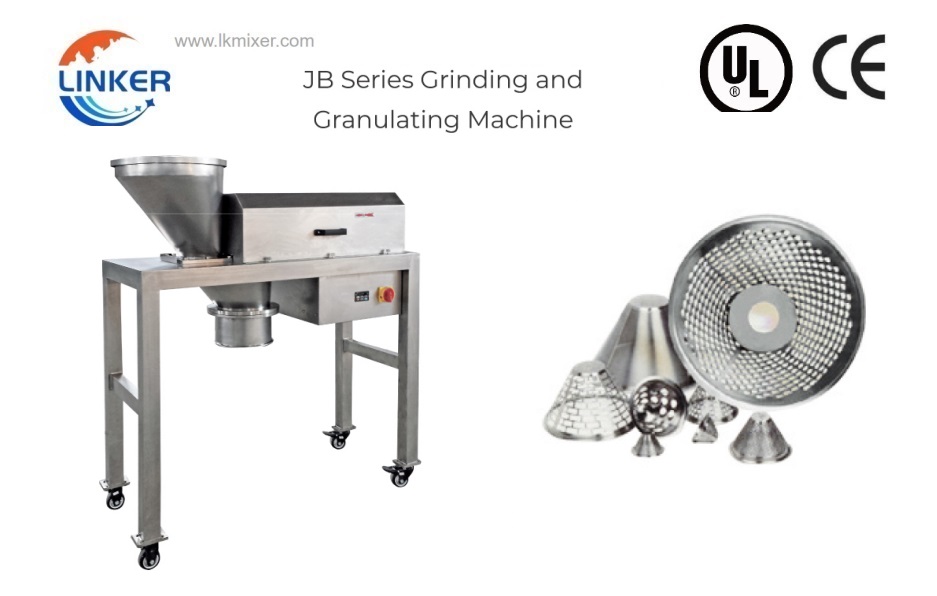
What is a Dry granulating machine? A dry granulating machine uses dry roller press technology to compress…BJB Grinding and Granulating Machine
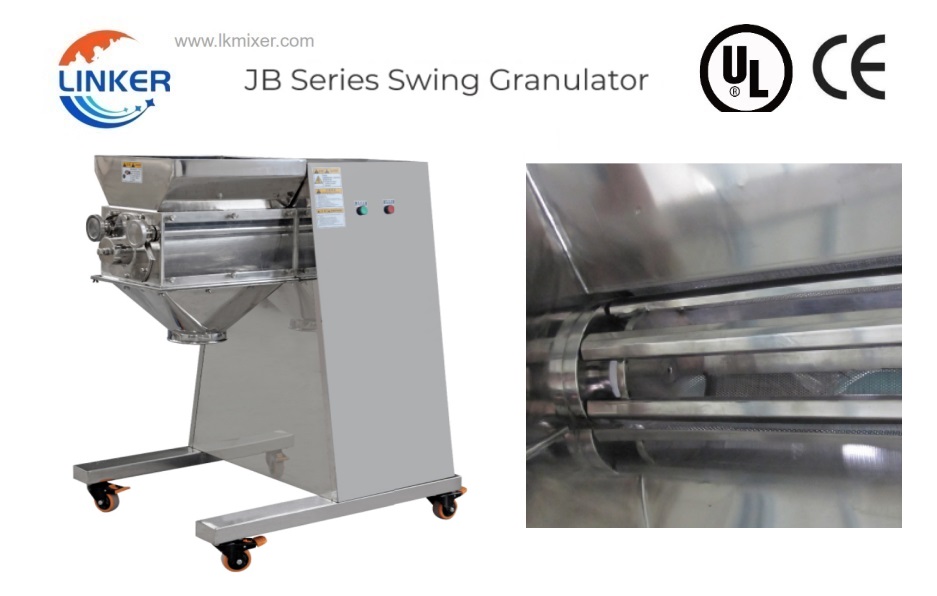
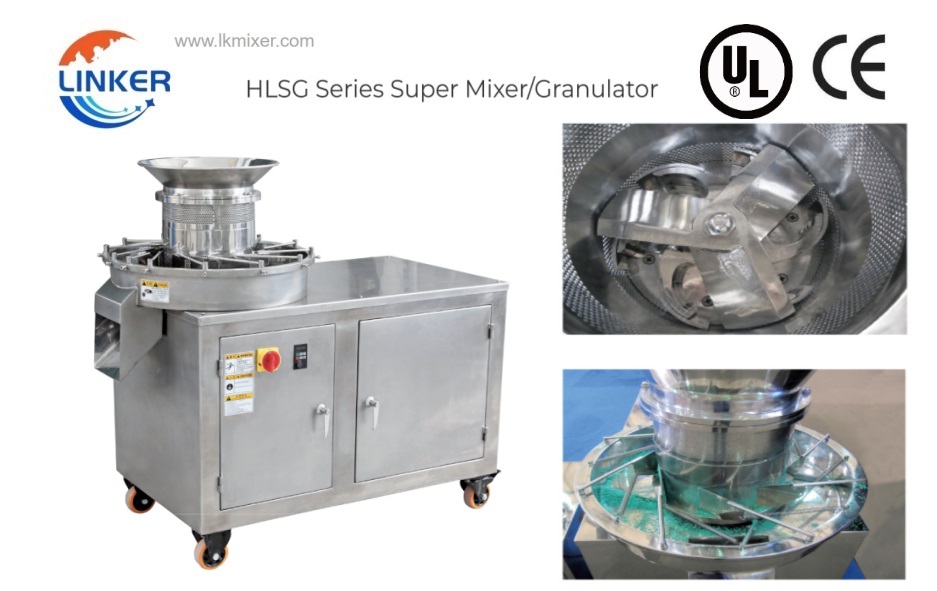
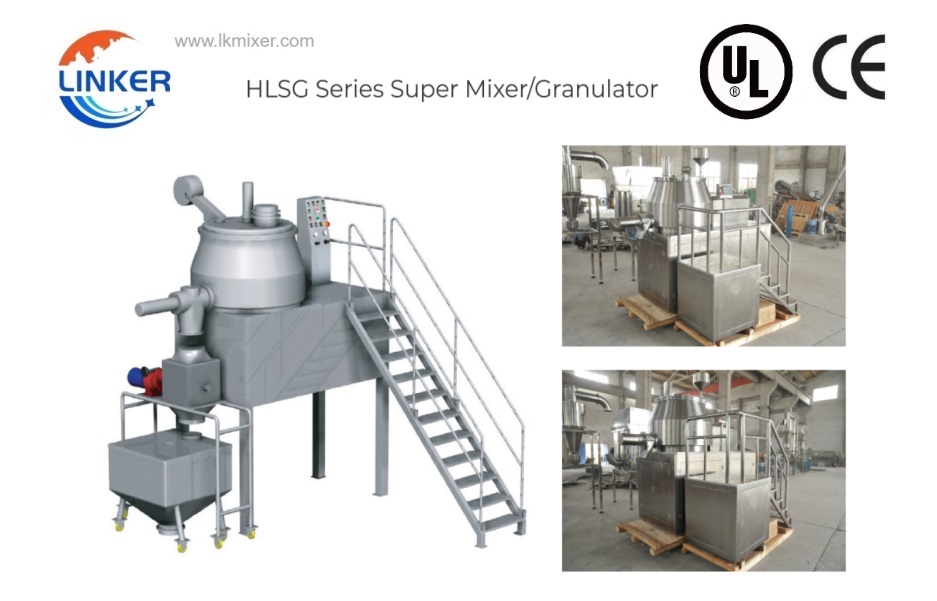
What is a granulating machine? A granulating machine is an industrial device used to shape powdered or…
Conveyor and Auto Feeder for Sale:
Powder Feeder System Pump
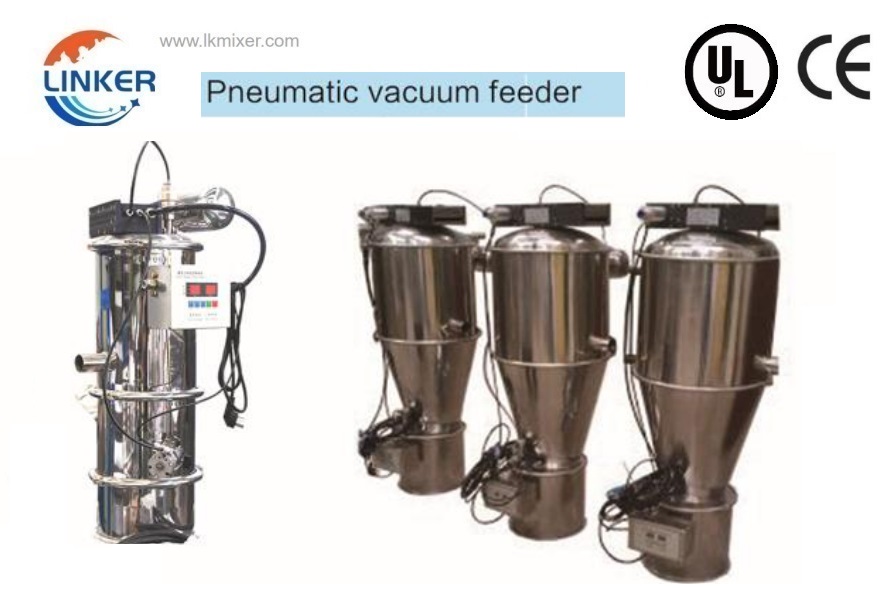
Vacuum Feeder Machine for Sale: Vacuum Feeder is a common used machine to transport the material into…Pneumatic Vacuum Feeder
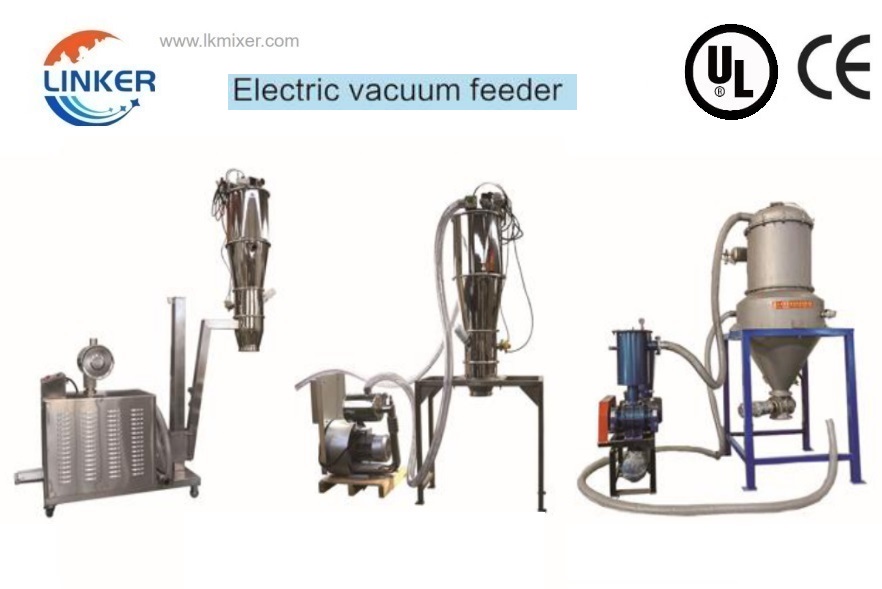
Vacuum Feeder Machine for Sale: Vacuum Feeder is a common used machine to transport the material into…Electric Vacuum Feeder
Vacuum Feeder Machine for Sale: Vacuum Feeder is a common used machine to transport the material into…
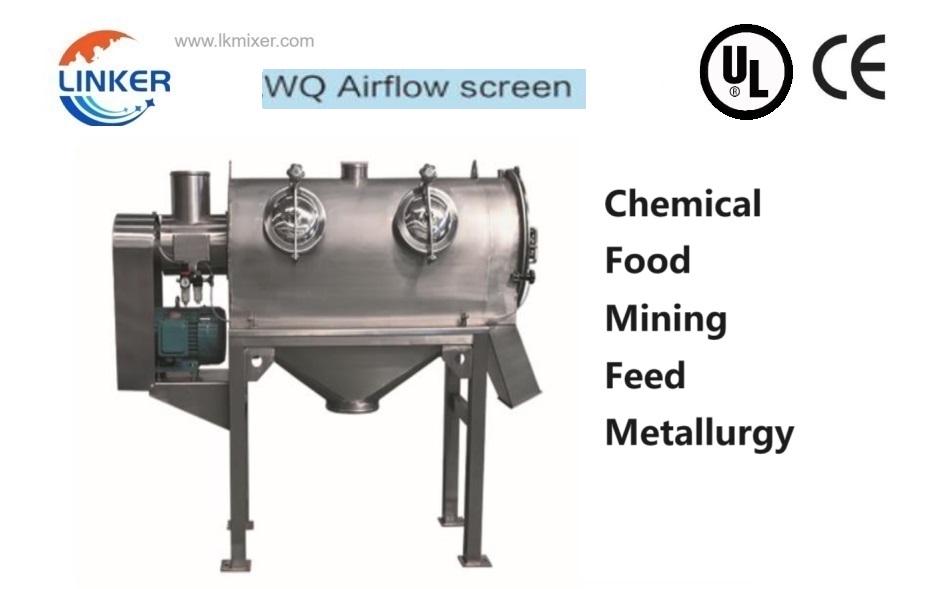
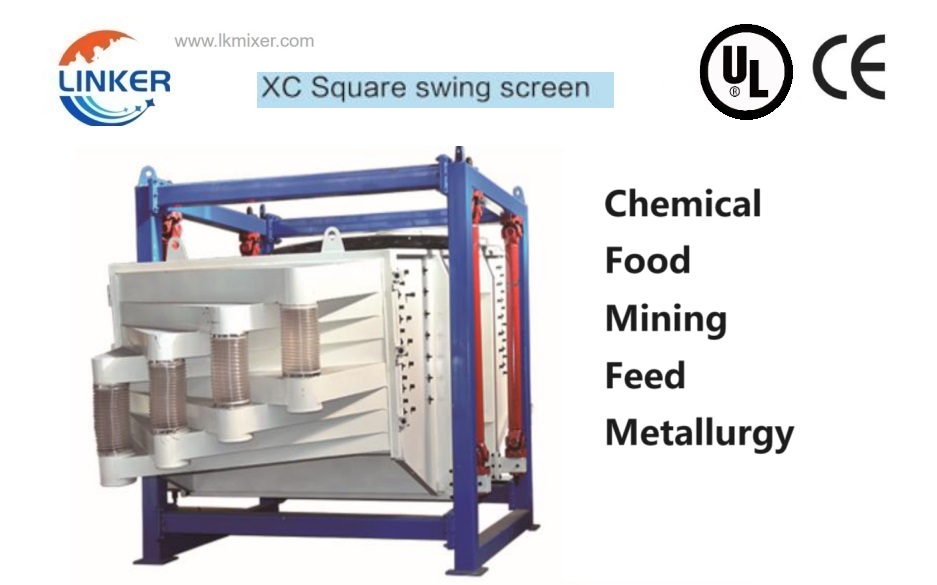
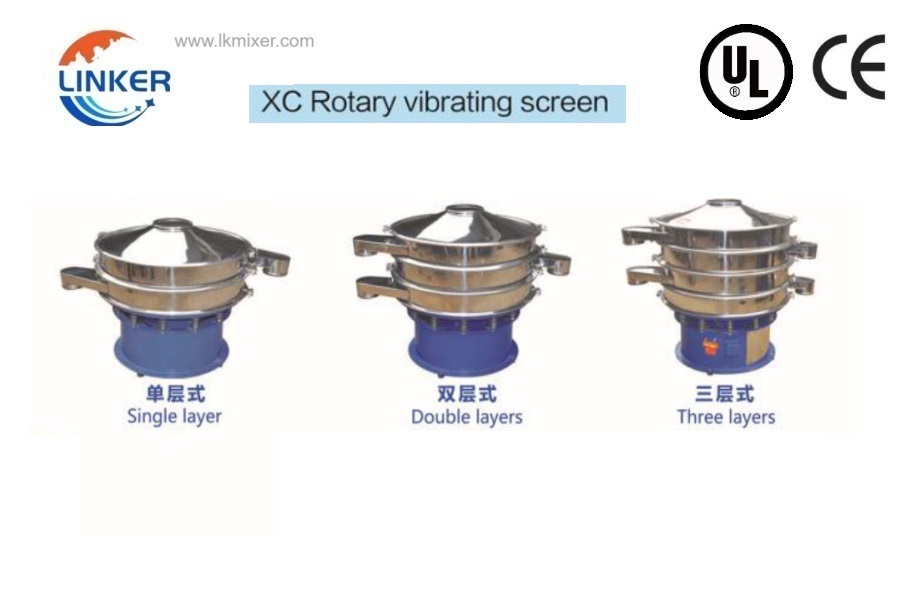
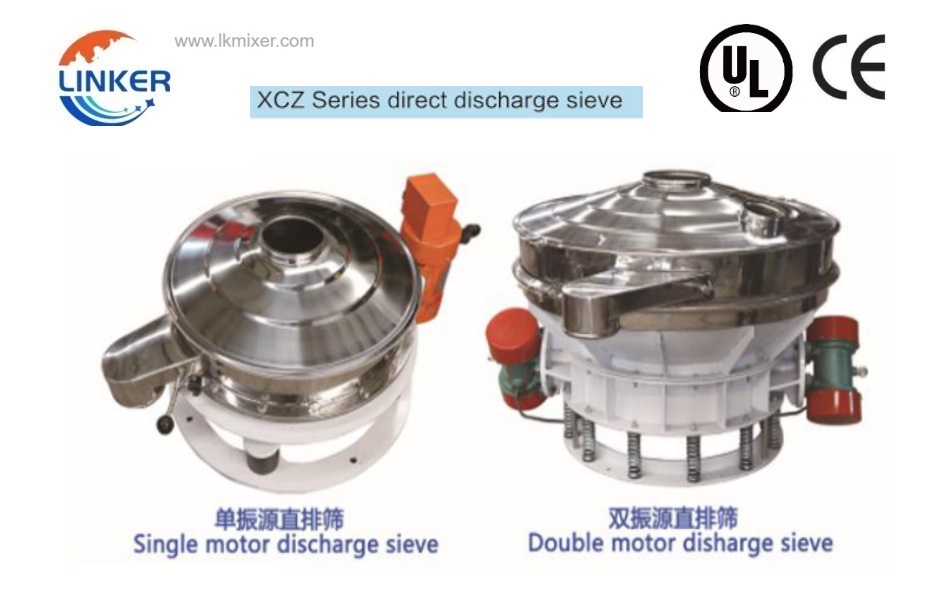
Sifter and screen for Sale:
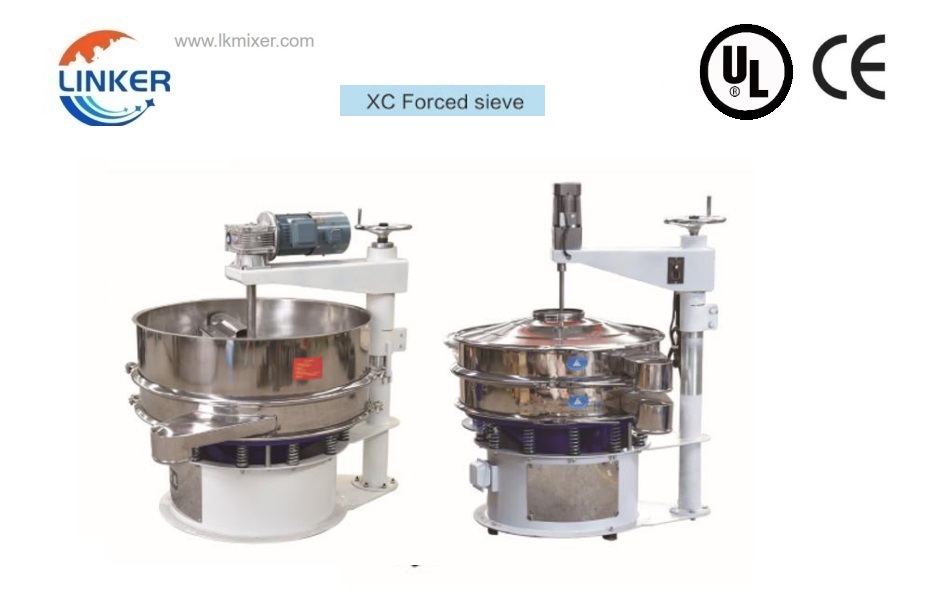
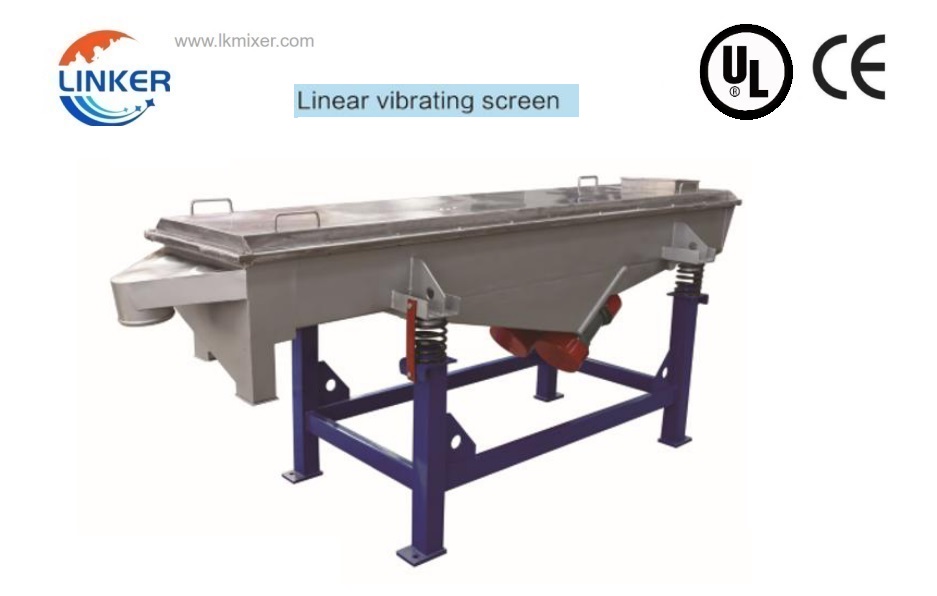
Ultrasonic Screen
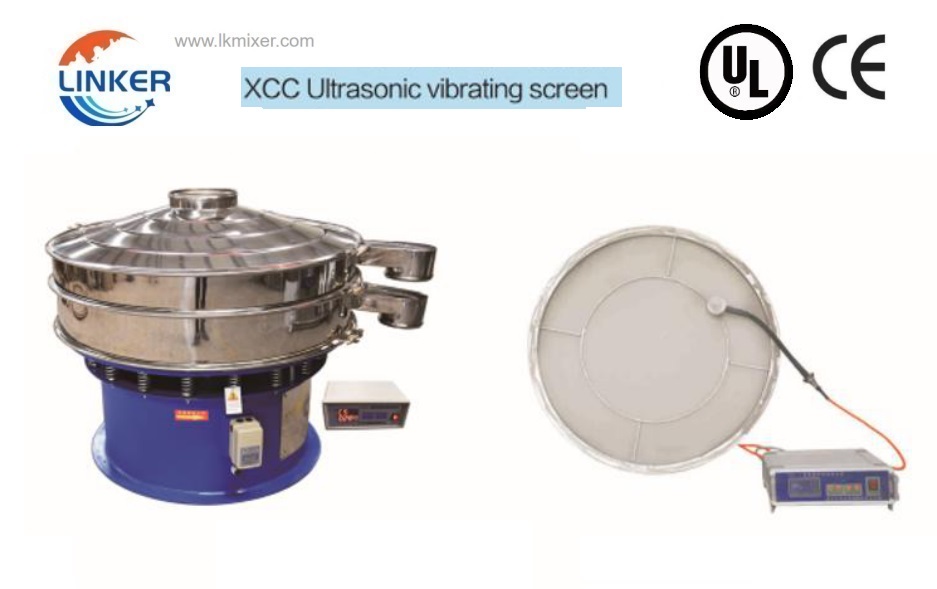
Ultrasonic Screen Machine for Sale: Ultrasonic Screen is a common used machine after the grinding process, it…Rotary Sifter
Rotary Sifter Machine for Sale: Rotary Sifter is a common used machine after the rice grinding process,…Rice Sifter Machine
Rice Sifter Machine for Sale: Rice Sifter Machine is a common used machine after the rice grinding…
Auxiliary Machines, Dryers for Sale:
How do people control robotic arms?
How do people control robotic arms? The way people control robotic arms has evolved from a single…What is a robotic arm for humans called?
What is a robotic arm for humans called? Robotic arms for human use are given various professional…How advanced are robotic arms?
How advanced are robotic arms? Robotic arms have advanced beyond the scope of traditional “automated tools” and…



FAQ(Click and See More)
Why Choose Us?
We have 20 years manufacturing experiences; 15600 cubic meters factory area; 5000sets annual capacity; 55 professional engineers;
What’s your main maket?
South America: Brazil, Colombia, Peru, Bolivia, Uruguay, Paraguay ;Romania;
USA with UL Certification
Middle East: Saudi, Arabia, Oman, Turkey
Europe: Russia, Australia, Belarus, Ukraine, Poland
Can you support OEM?
– Yes, OEM or ODM. Machine can be customized according to customer detail requirement, including capacity and voltages, motor certifications.
– Drawing and raw materials also can be customized.
What after-sale services?
– 7*24 customer service online;
– 7*24 engineers online services;
– 12 months warranty services.
WHAT kind of MACHINE YOUR COMPANY HAVE?
CAN YOU GIVE ME GUIDE ON OTHER MACHINE ? TO FULL MY PRODUCTION LINE
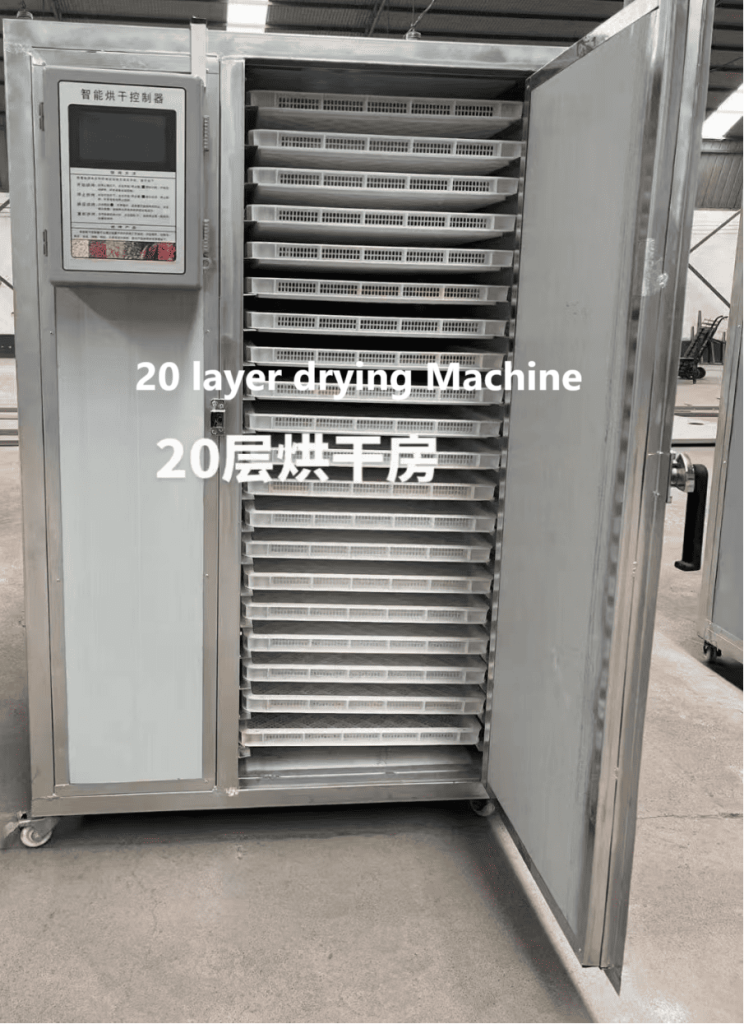
YES ! Our f have factory build more than 20 years now, we can design and customize whole line, besides of the grinding machine, mixing machine, we can also fully support to provide the washing machine, cutting machine, drying machine, packing machine, filling machine. Though we are not producing these machine, but our brother companies co-work together for over 20 years, we have rich experience in providing you a full effective production line, fully automatically or semi-automatically.
HOW TO VISIT YOUR COMPANY?
Our Factory located in Jiangsu Province, very near to Shanghai, you can fly to Shanghai Pudong Airport, we pick you up and take you by car 2 hours ride, can reach our factory, welcome your visit.
WHAT’S YOUR BEFORE & AFTER SERVICE ?
1) Before your purchasing, we need to know your detail request, such as what kind of material you want to grind and mixing, what final product powder or granule you want to reach. Because different material and powder sizes request of different machine to do. We can provide professional advice and rich experience help to choose machine. Most of the products we have already did before for other customer, trail test or run mass production, so we knows which machine is best in performance of grinding and mixing. This is of very importance in helping you choose the right model. We also wish this can help our customer a lot. Even the material we didn’t do before, we will prepare the same material and to do the trail test and send video to you for your reference.
2) One Year guarantee of machine quality. If the machine have problem within one year, we will send you the spare parts to you for replacement, but this not including the damage caused by human causes. We also have 24 hours on line guide for customer, if you have operation difficulty, we will guide by video and on line communication with our engineer for your emergency debug.
3) For small machine, we sell with whole machine, it’s no need to install, and easy to operation, no problems for operation. While for large machine, its’s also not difficult to install with video guideline, but if you need, we can assign our technicians to go abroad, the round ticket, food and residents will be paid by customer.
HOW ABOUT YOUR PAYMENT TERM?
Our payment term is T/T. 50% payment in advance, rest of 50% payment finish before the goods shipped. When we finish the machine production we will do trail test and run the machine take videos for your green light. You pay the rest of 50% payment then.
Recommend Reading
Are robotic arm kits worth the money?
Are robotic arm kits worth the money? The user’s target placement, technological background, and long-term…Can you get a robot arm?
Can you get a robot arm? You cannot buy a robot arm like ordinary consumer…What is an industrial robot arm called?
What is an industrial robot arm called? In technical standards and engineering practice, an industrial…