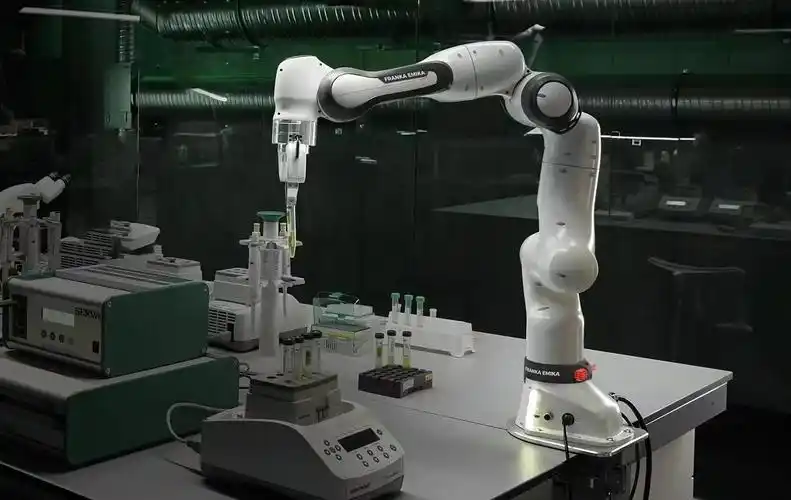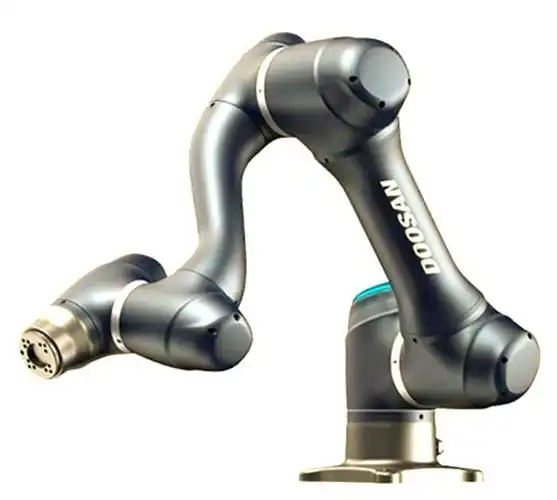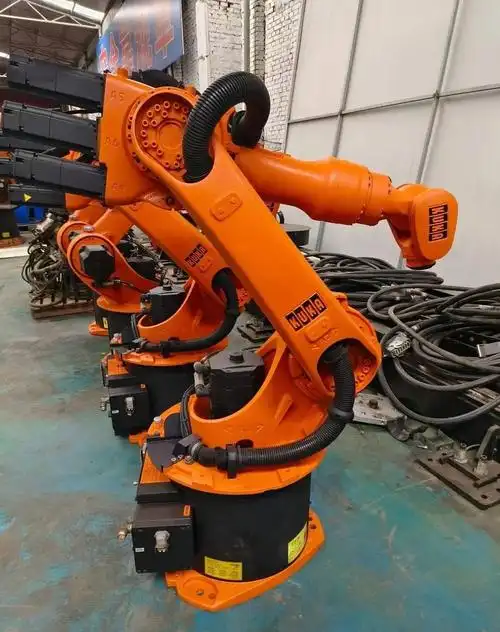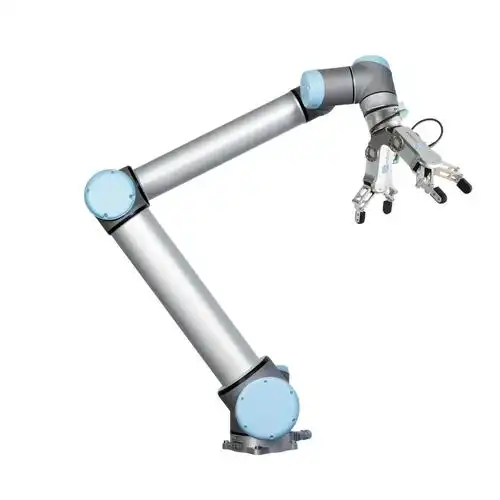
How much does a robotic arm cost?
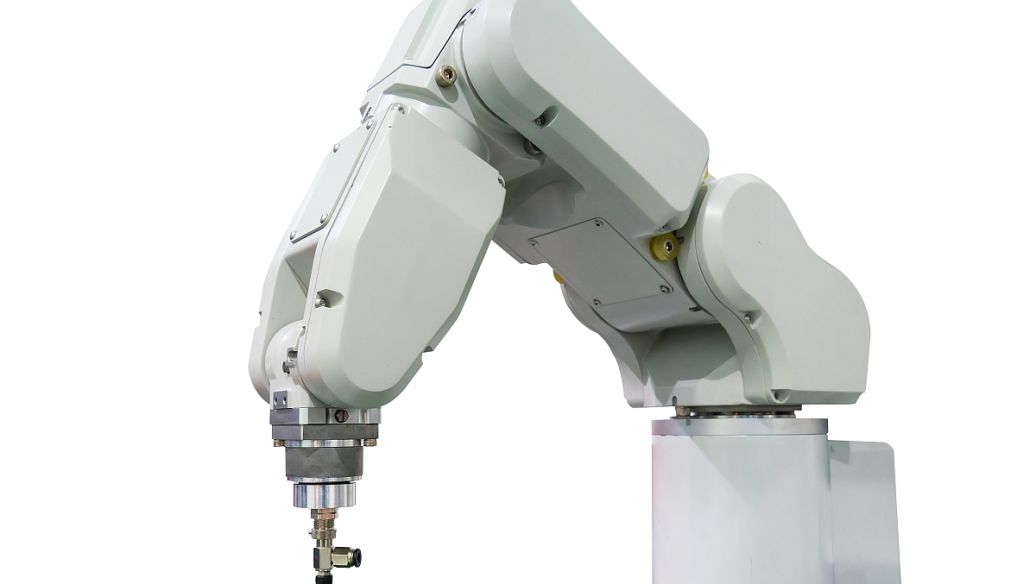
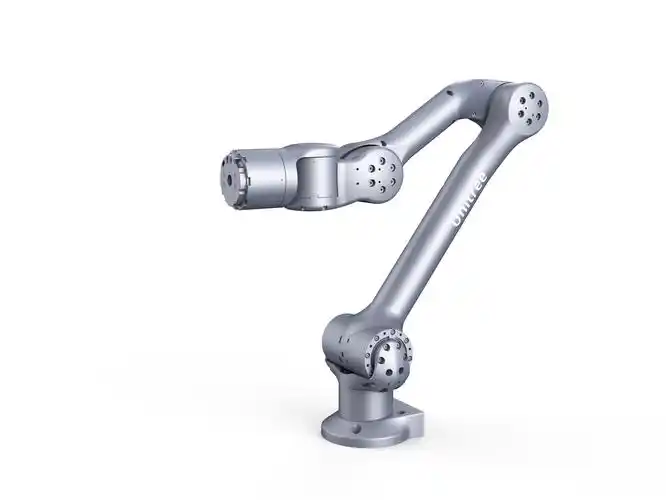
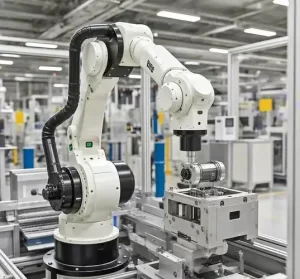
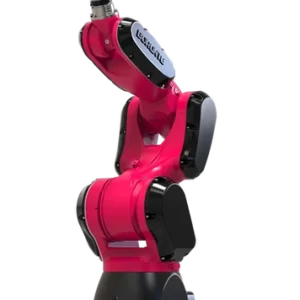
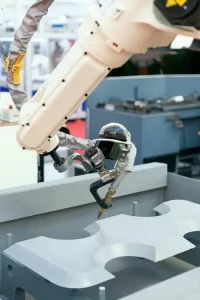
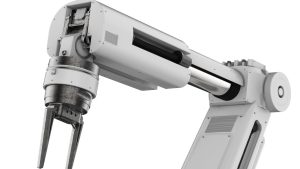
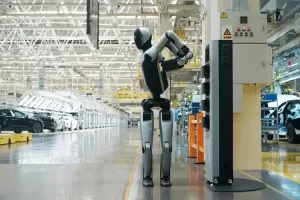
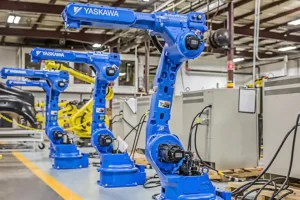
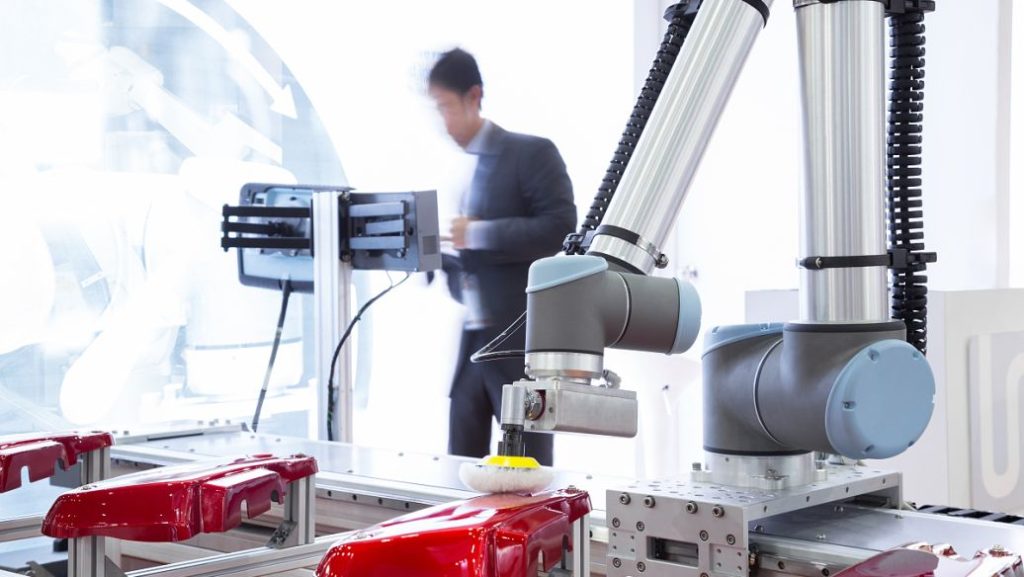
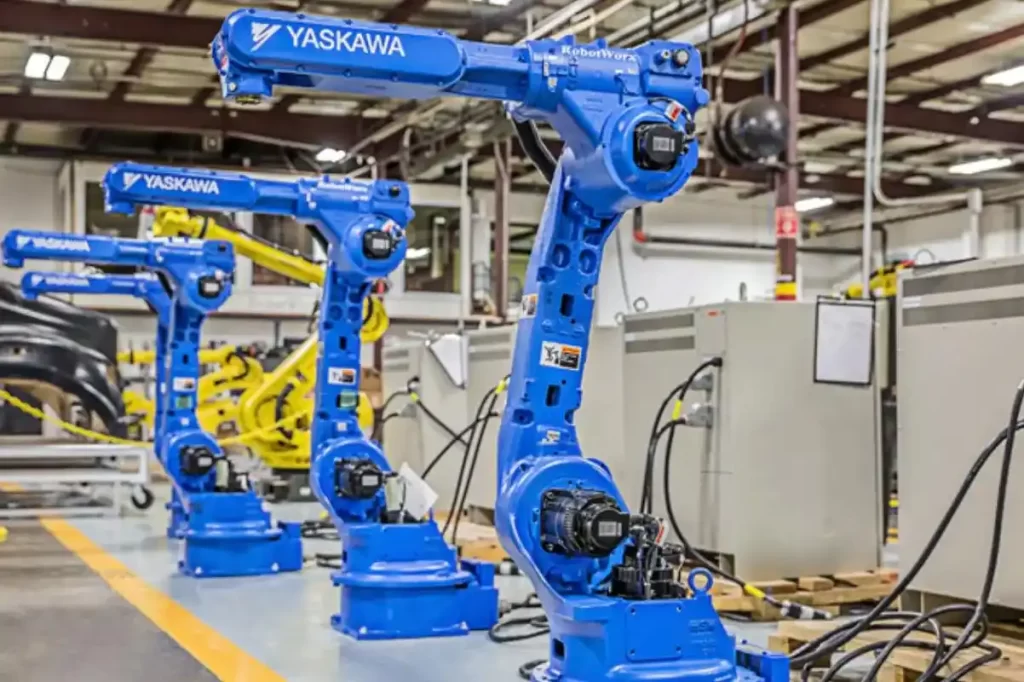
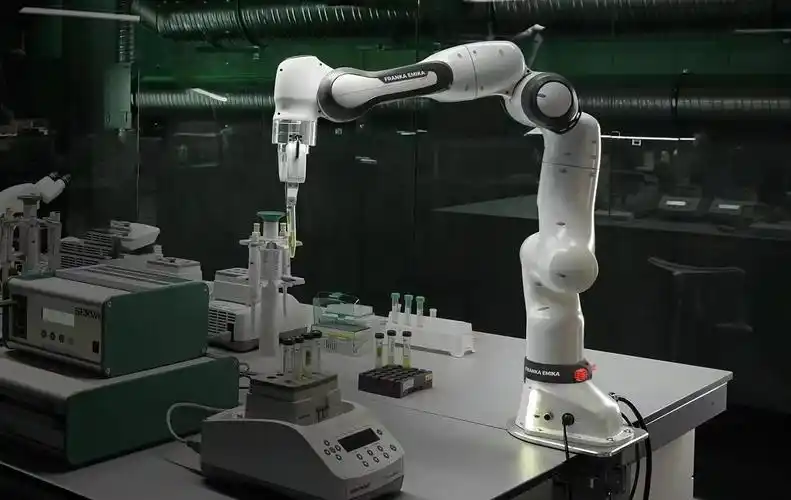
How much does a robotic arm cost?A robotic arm’s cost is a systematic outcome that is influenced by its technical configuration, application scenarios, and compliance requirements rather than a single number.
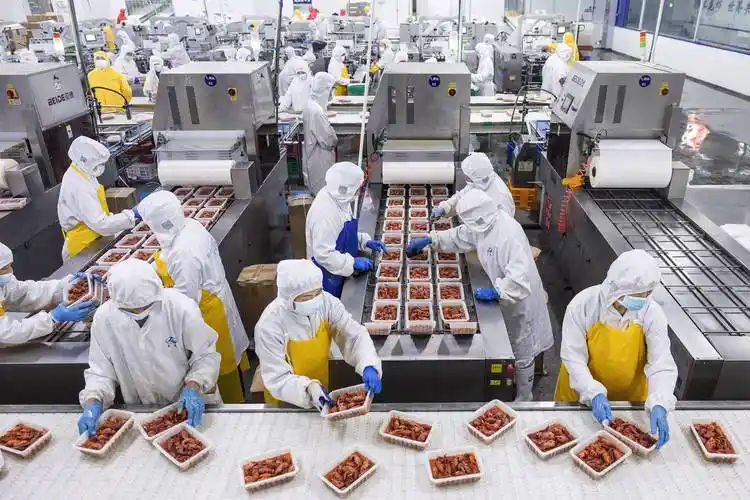
Equipment costs in the food business are much higher than those of typical industrial robotic arms, with a distinctly hierarchical price distribution, because of the stringent requirements for sterility, corrosion resistance, and cleanliness standards.
Basic Performance Level Determines the Lower Price Limit
Typically priced between 20,000 and 50,000 RMB, robotic arms with light loads, low precision, and standard protection are appropriate for basic handling and sorting jobs.
With a repeat positioning precision of ±0.1mm and a load capacity of 1.5–3 kg, this equipment mostly uses aluminum alloy frames and food-grade plastic casings.
They are appropriate for auxiliary stations in dry environments that do not come into direct contact with food, such as moving small grinder machines or electric grinder components, because of their IP54 protection rating.
Certain modular light arms can cost as little as 15,000 RMB in certain markets if functional needs are further decreased, such as just basic trajectory repeat movement.
However, their applicable scenarios are extremely limited, and they lack expandability for tasks involving food processing like handling peanut or seasam products.
Mid-to-High-End Configurations Form the Main Price Range
A robotic arm’s configuration needs to be updated when it needs to carry out essential tasks like filling, labeling, cartoning, or precise sorting.
The structural materials must be made entirely of 316L stainless steel or food-grade coated alloys, the load capacity is increased to 5–10 kg, and the repetition positioning precision must achieve ±0.05mm.
For equipment near cryogenic grinding machines or vacuum mill units, joint seals and cable protection must adhere to IP69K specifications in order to survive high-temperature and high-pressure steam cleaning.
Such equipment typically costs between 80,000 and 200,000 RMB.
Of these, the control system (which includes motion planning and safety logic) accounts for 15% to 20% of the cost, while the servo drive system and high-resolution encoder account for roughly 25%.
Stainless steel structural parts and dead-corner-free casings account for more than 20%, forming the main cost pillars, especially for CE Certificate grinder supporting arms.
Advanced Functions Bring Significant Premiums
Equipment prices can rise by 15% to 25% when a visual guidance system is integrated. Product locations, packing integrity, label misalignment, and foreign object mixing are all assessed using this module.
For jobs like sorting batches of medicines, meat, or mushrooms, it is essential to achieving non-contact quality control.
Vision systems are already commonplace tools used in tasks like sorting sausages and choosing fruits and vegetables. They can be used in conjunction with black pepper or herb grinders.
The cost will rise by an extra 10% to 20% if a force control sensor is added to do precise assembly or flexibly grab delicate objects like eggs and baked goods.
Such sensors enable the robotic arm to sense contact force, avoid crushing or slipping, and achieve a “perception-response” closed loop.
However, their calibration is complex and they have high anti-interference requirements, which significantly increases system integration difficulty and cost, even for arms handling dry ginger grinding machine parts.
Material and Certification Costs Continuously Raise the Baseline
The material cost of food-grade robotic arms comes not only from stainless steel itself but also from its processing technology.
To meet the requirements of no dead corners, easy cleaning, and corrosion resistance, all surfaces must be mirror-polished (Ra≤0.4μm), and seams must be laser-welded and polished into rounded transitions.
Because of these procedures, structural parts are more than 40% more expensive than standard industrial parts, particularly for arms that are utilized with 200KG or 500KG grinders.
Additionally, producers must pay for third-party testing, material traceability, and document system establishment in order to pass food contact material certifications like HACCP, GMP, and EU EC 1935/2004.
Even for arms handling grain, sugar, or salt, this hidden expense, which makes up between 5% and 8% of the overall quotation, cannot be disregarded.
Long-Term Usage Costs Affect Real Value
Only 50% to 60% of a robotic arm’s total cost of ownership (TCO) is covered by the purchase price.
About 8% to 12% of the equipment’s purchase price is spent on maintenance each year in the food business, mostly on sensor calibration, lubrication system upkeep, and seal replacement.
Operating hours and drive efficiency determine energy consumption costs; high-efficiency servo systems can cut power consumption by 15% to 20%, which is crucial for arms that power turbo grinder units or airflow pulverizers.
Even for arms handling bone, seeds, or metal pieces, the design life of equipment is typically 8 to 10 years, but with careful maintenance, it can be extended to 12 years.
Therefore, choosing equipment with modular design, easy disassembly, and remote diagnosis capabilities has a higher initial investment but lower unit output cost and better overall cost performance.
This is particularly true for arms used with Dry Fruit Powder Grinder Machine or high speed Dry Grinder units, which require frequent maintenance.
The Essence of Food-Grade Robotic Arm Pricing
In the end, a food-grade robotic arm’s cost is an engineering manifestation of “safety, efficiency, and compliance.”
Whether processing food, chemical, or cannabis materials, it is an investment in the production system’s quality culture rather than a straightforward equipment buy.
A robotic arm’s worth much outweighs its cost when it can perform 1,200 sterile sorting per hour and operate nonstop for 3,000 hours without human assistance.
Its capacity to function flawlessly with dust grinders, coarse crushers, and hammer mills, guaranteeing effective and legal operations, reflects this value.
This price-value balance is crucial even for arms that are utilized with cutting type grinders, ultrafine grinders, or vibrating pulverizer machines.
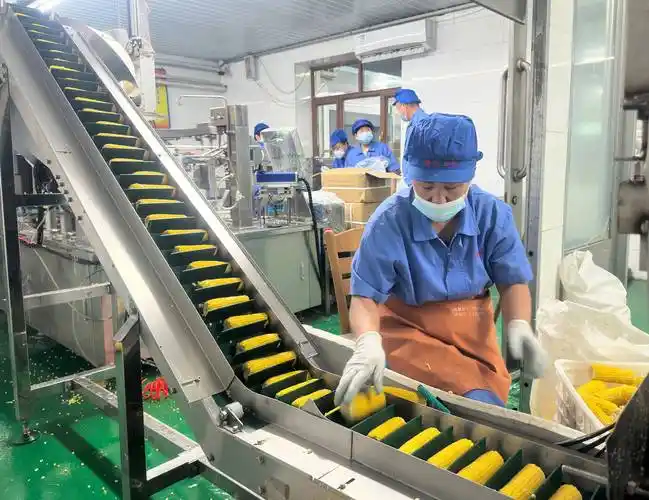
In summary, the cost of a robotic arm is tailored to its role, whether it’s handling coffee, tea, corn, or rice, and should be viewed as a long-term investment in productivity and safety.
How much does a robotic arm cost?
Can a robot arm be used for surgery?
What is another name for a robotic arm?
Can robots work 24 hours a day?
Recommend Post about Robot:
Related Production Line Customization:
Recommend Post about Production Line:
Food Producing Process Flow:
Ultrafine grinding is one of the very key procedure in whole production line. It depends how many mesh that customer need to produce. That’s to say this machine can decide what kind of material will get finally before mxing.
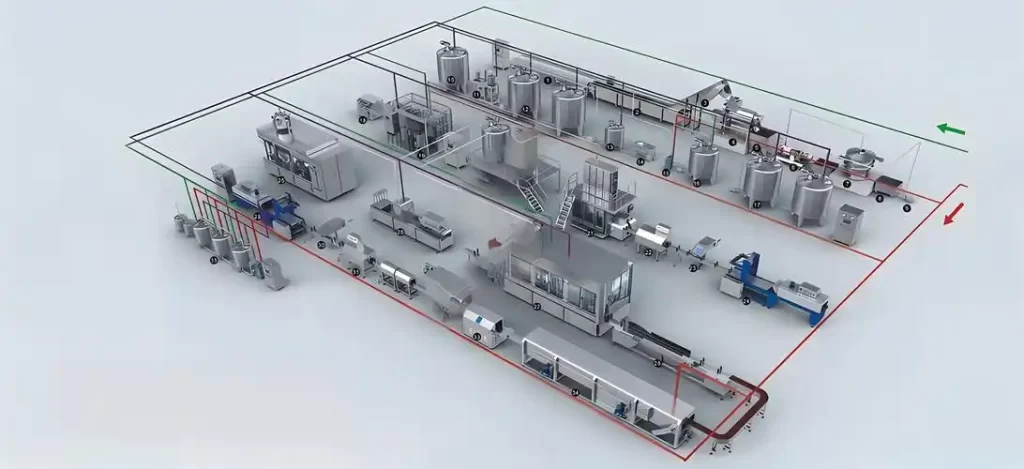
Coarse Crusher Machine —>Grinding Machine —> Vibrating Table Sifter Machine—>Mixing Machine—>Packing Machine —> (Printed Packaging Film Roll or bags ) —> Filling, sealing machine, capping and Labeling Machine —>Pack into Box.

About LKMixer
LKMixer is a professional manufacturer for fertilizer production line, grinder, mixer and granulator, shredder. These machines are widely used in food, pharmaceutical, cosmetic, health care products and chemical industries. The Food materials like Peanut, mushroom, seeds, potato, bean, tobacco, salt, cannabis, tea, Sugar, corn, Coffee, rice, pepper, grain as so on. Grinders have many types such as Pulse Dust Grinder which suitable for zero pollution environment, Turbine Mill which is suitable for coffee bean, 12-120mesh all can meet, Ultrafine Grinding Mill covers 80-200mesh, and also Winnowing Dust Grinder or other grinding machines like SF Hammer. Welcome to contact us for details. Contact us for more information. Proposal, catalog, quotation. Mobile/WhatsApp: +86 18019763531 Tel: +86 21 66037855 Email: sales@lkmixer.com
Contact Us
Tel: +86 66037855
Email:sales@lkmixer.com
Working Time: Monday ~Frinday 9:00AM~17:00PM
Please call us Whatsapp, or mail to us.
Grinder for Sale:
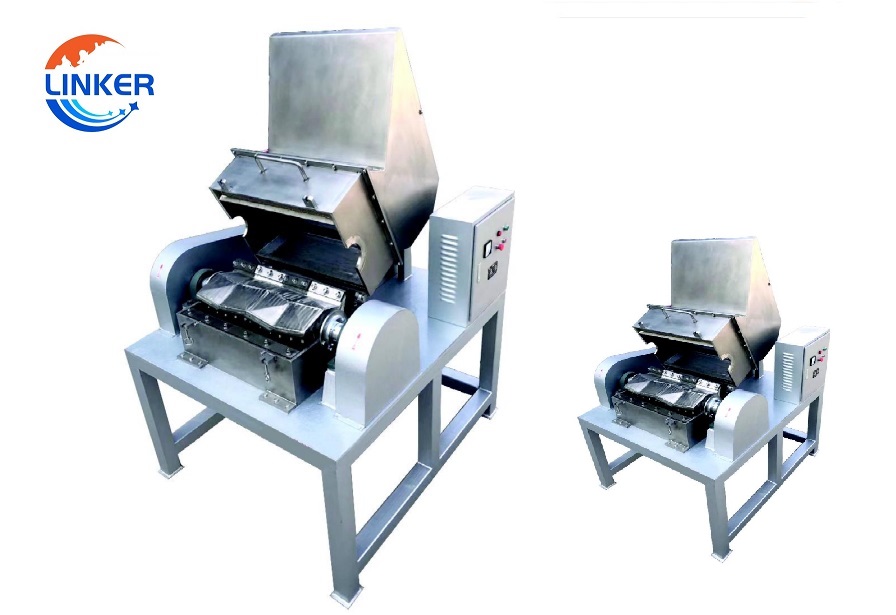
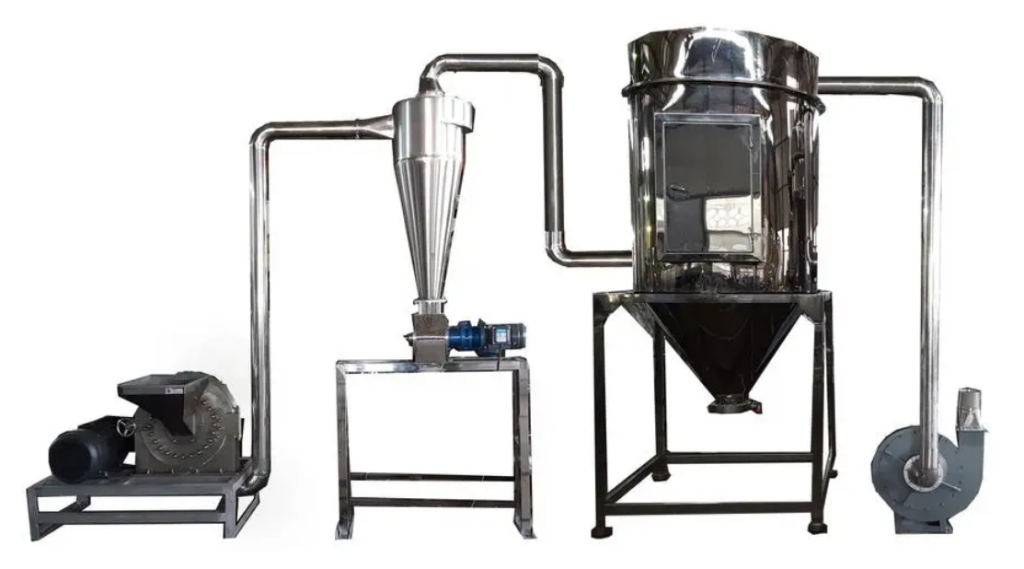
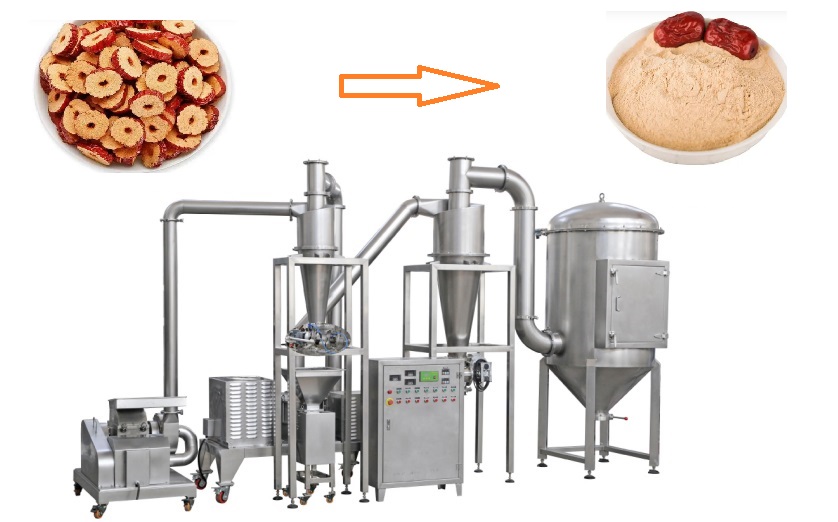
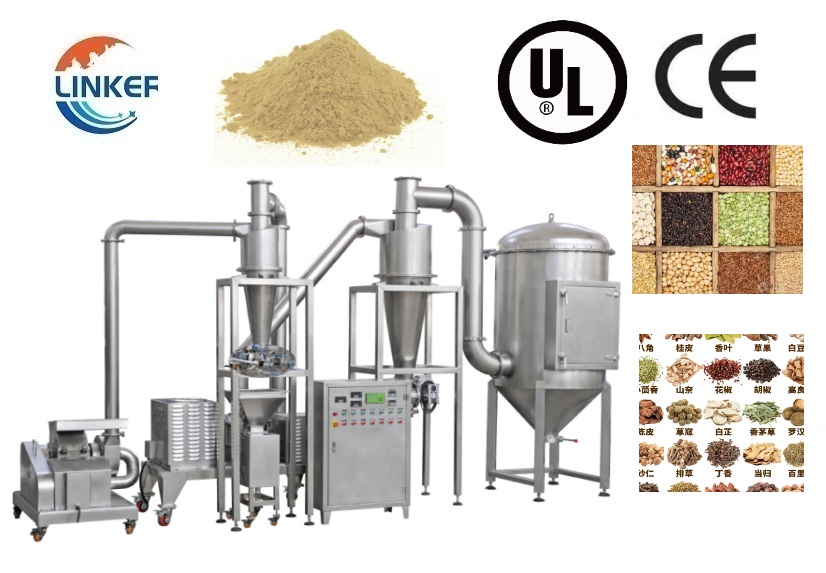
Rubber Powder Grinding Machine
Rubber Powder Grinding Machine Industrial Cumin Seeds Grinder Youtube Video Customization Seeds Grinder According to your…
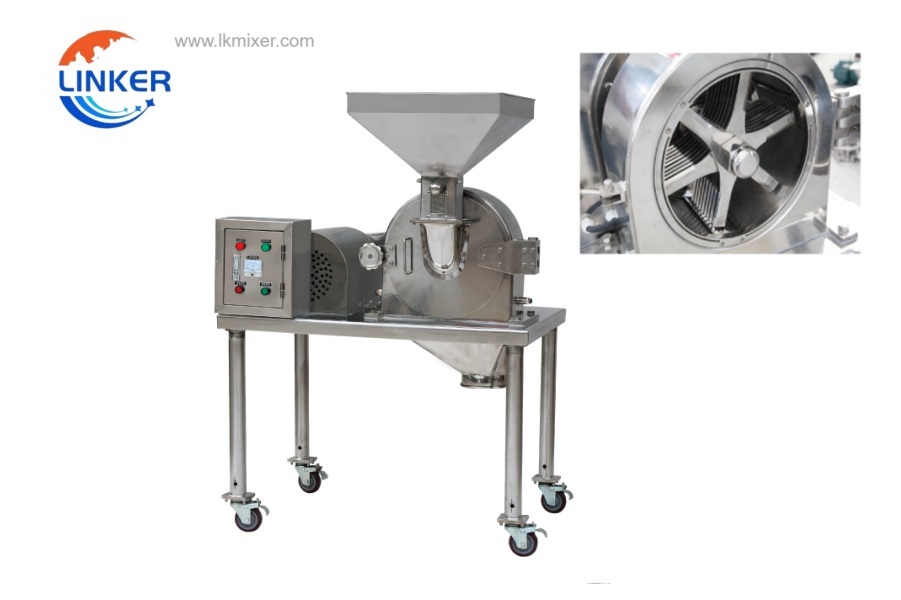
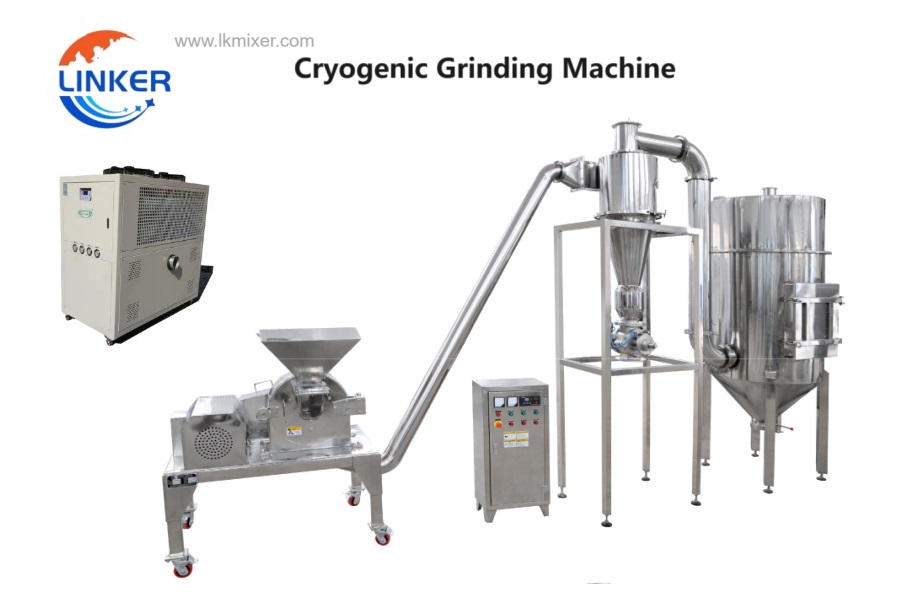
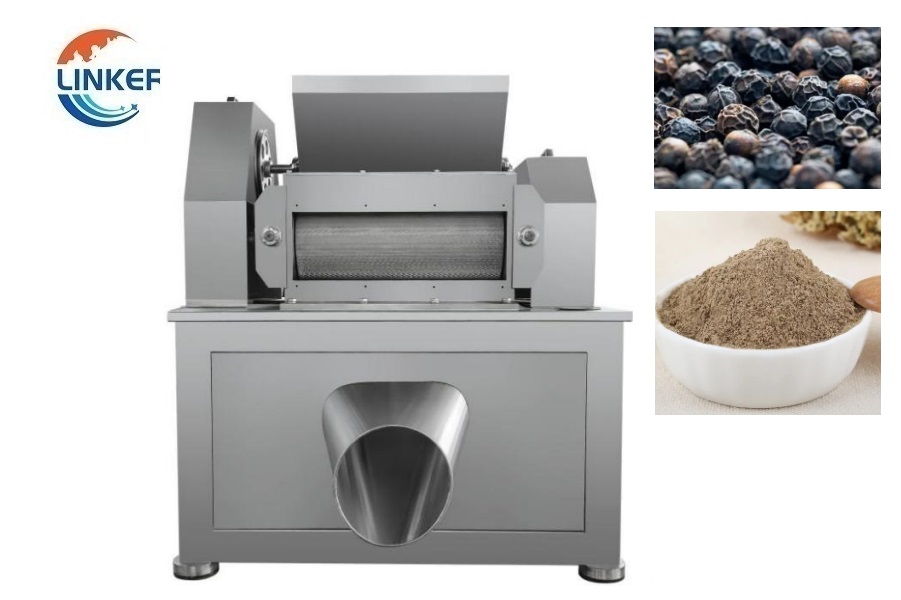
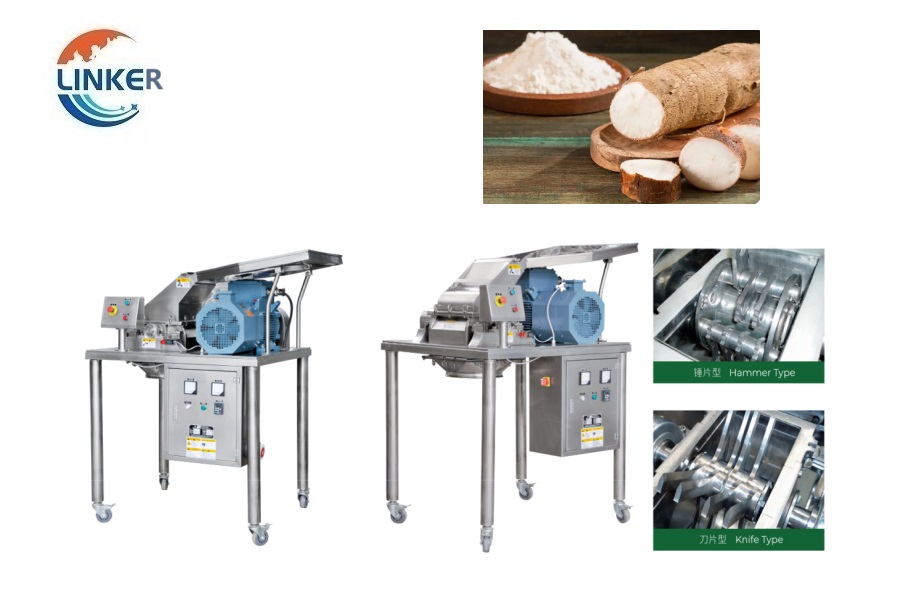
Blenders for Sale:
Small Blender 2L 5L 10L 15L 20L
You may also interest in: Small Blender for Sale: LKMixer we have many different model of Small…Solid-Liquid Blender
Solid-Liquid Blender for Sale: Solid-Liquid Blender also called Double Shafts Paddle Mixer, it is paddle type and…Fertilizer Production Line
What is fertilizer production line? Fertilizer production line is a whole set of equipment which used to…
Granulator for Sale:
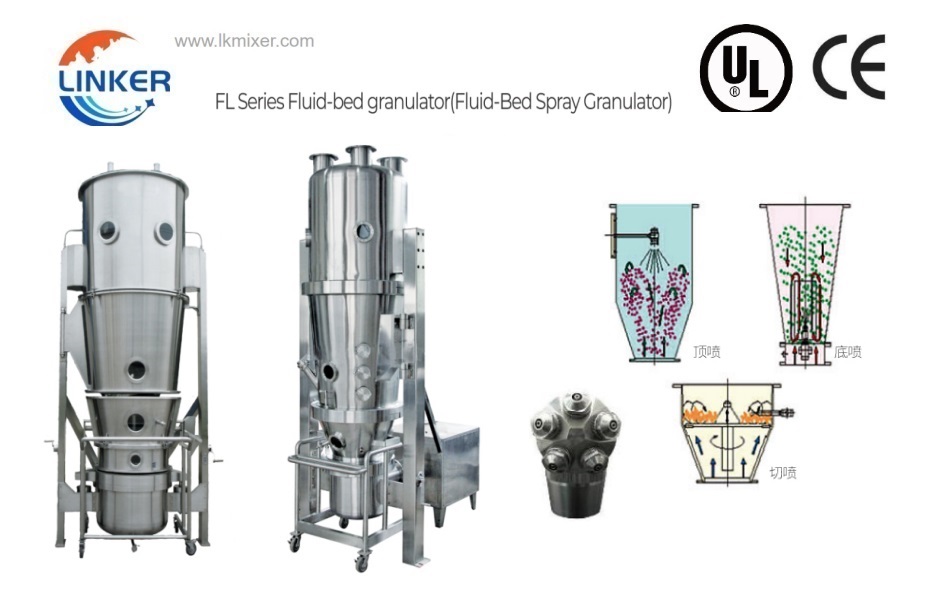
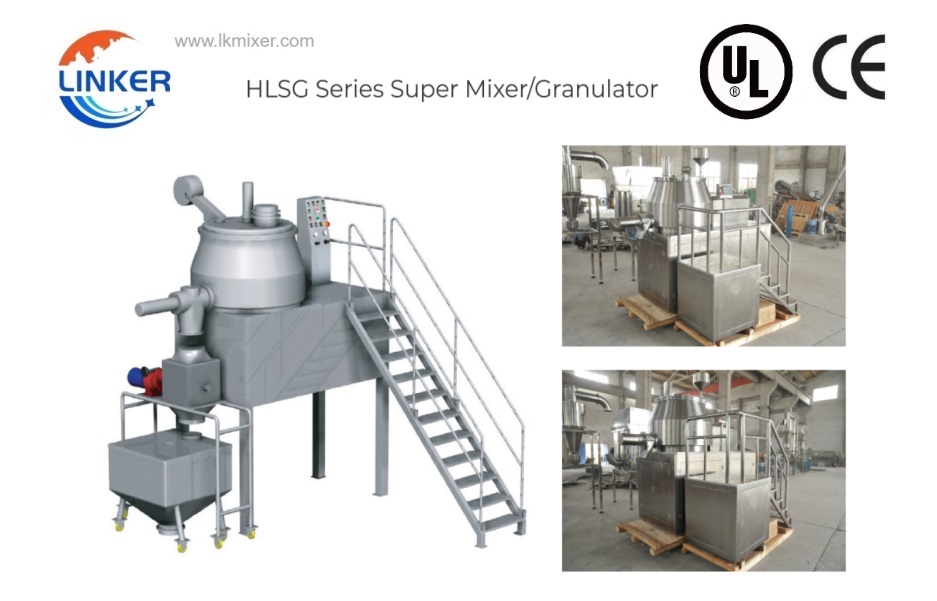
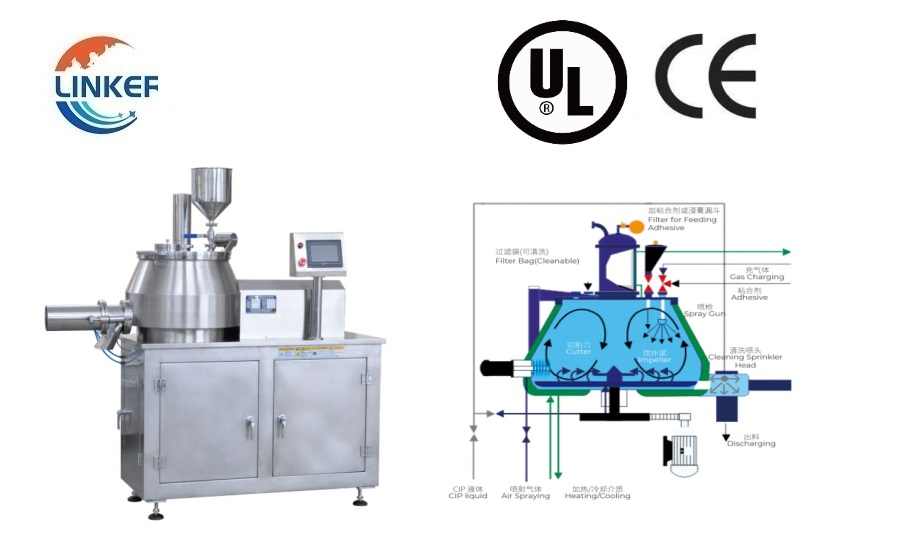
Fluid Bed Granulator
What is a Fluid Bed Granulator? Fluid Bed Granulator is a machine mainly used for pharmaceutical granulation…Dry Granulating Machine
What is a Dry granulating machine? A dry granulating machine uses dry roller press technology to compress…BJB Grinding and Granulating Machine
What is a granulating machine? A granulating machine is an industrial device used to shape powdered or…
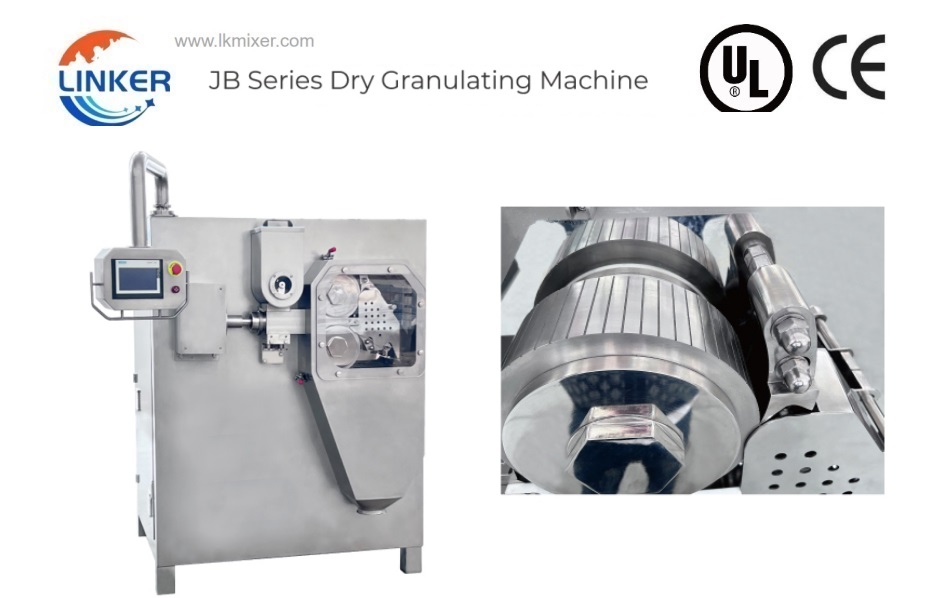
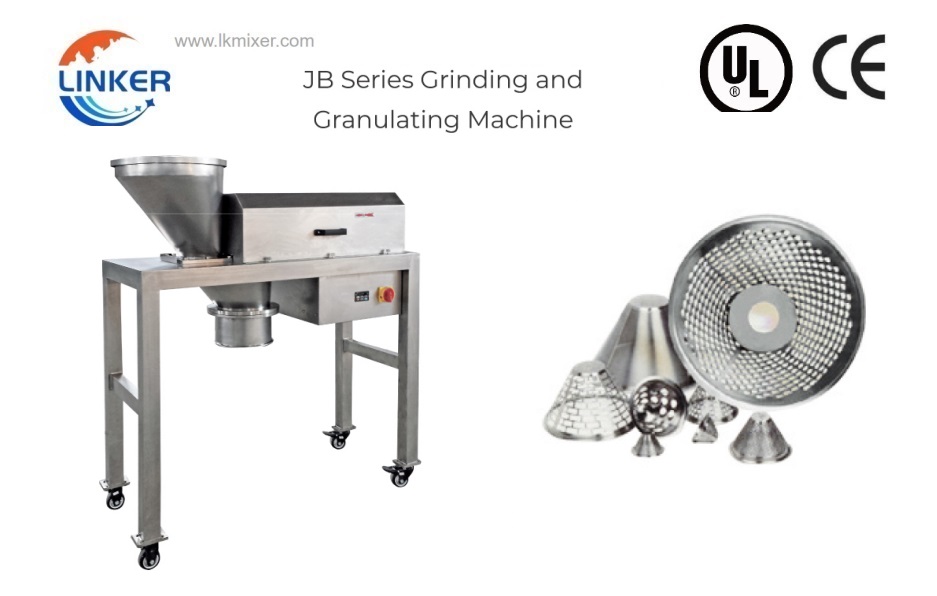
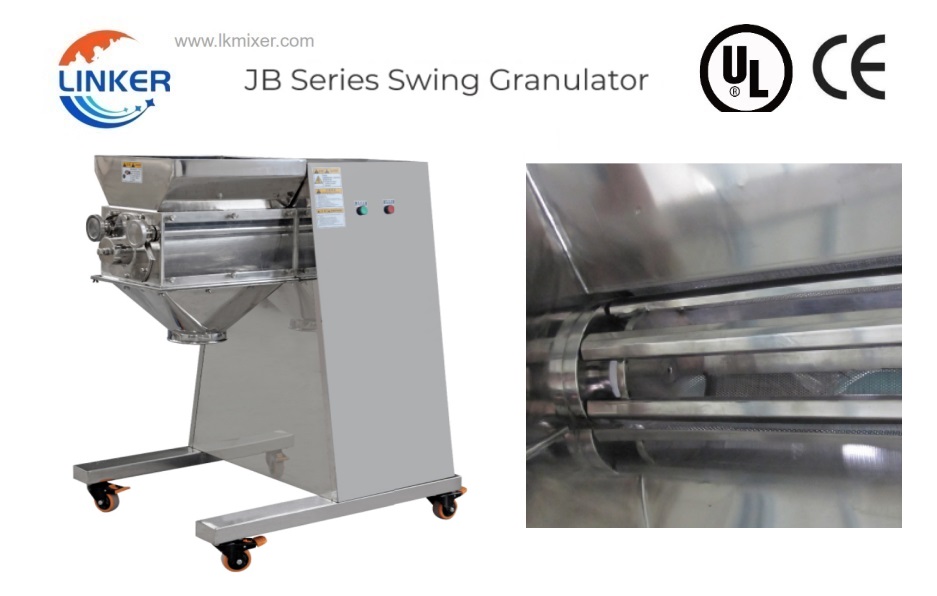
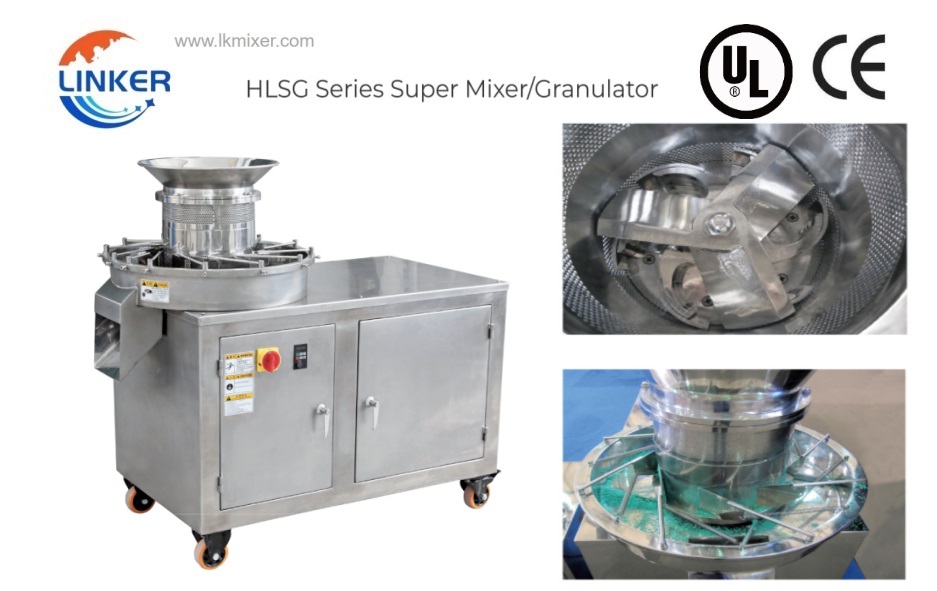
Conveyor and Auto Feeder for Sale:
Powder Feeder System Pump
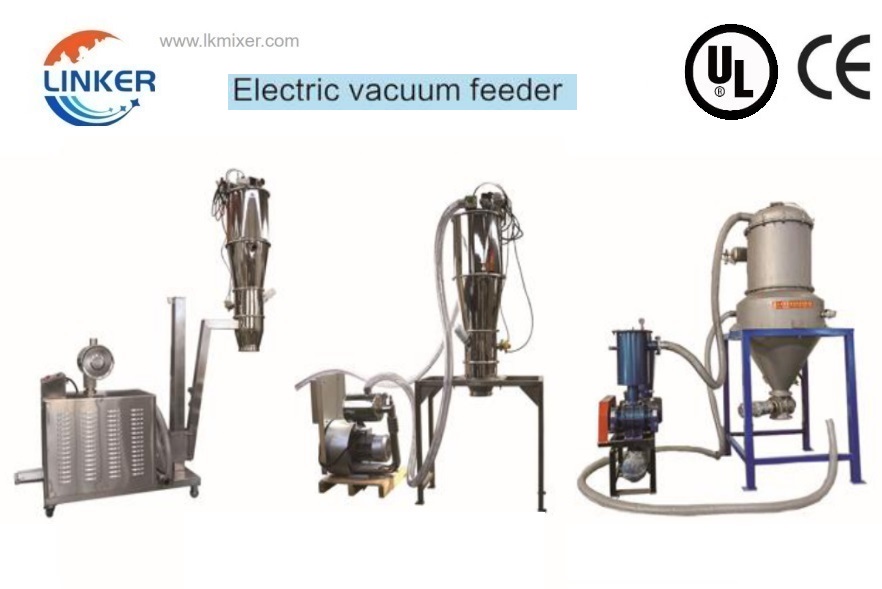
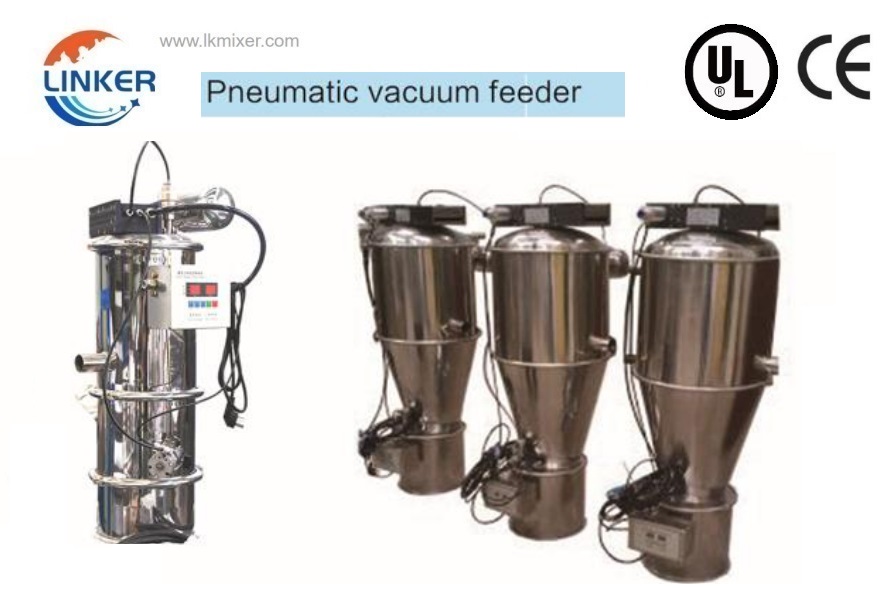
Vacuum Feeder Machine for Sale: Vacuum Feeder is a common used machine to transport the material into…Pneumatic Vacuum Feeder
Vacuum Feeder Machine for Sale: Vacuum Feeder is a common used machine to transport the material into…Electric Vacuum Feeder
Vacuum Feeder Machine for Sale: Vacuum Feeder is a common used machine to transport the material into…
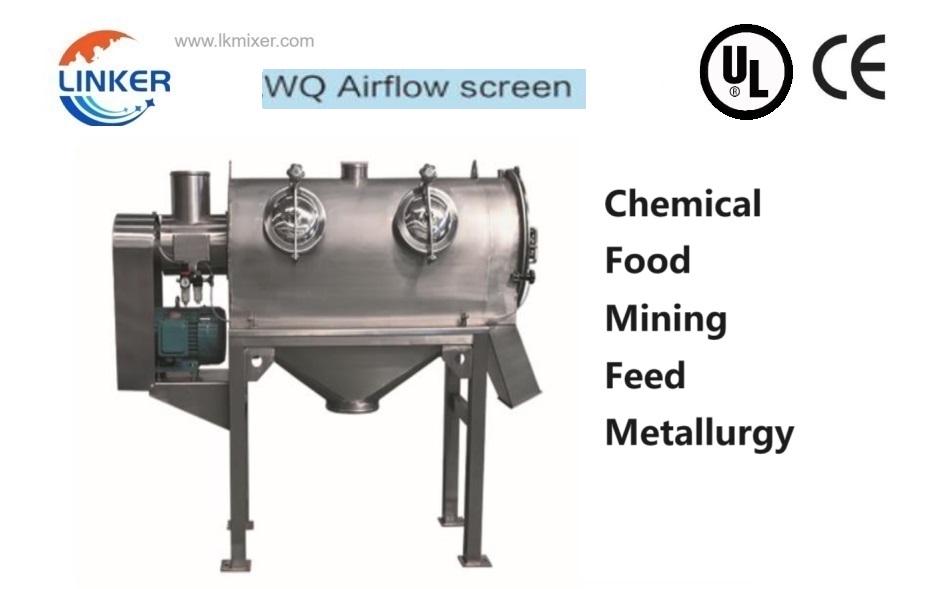
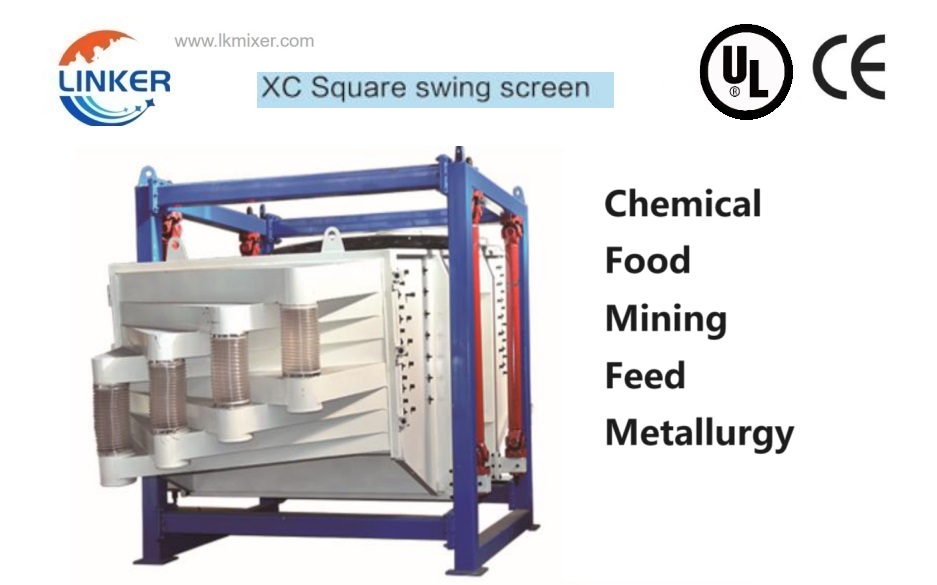
Sifter and screen for Sale:
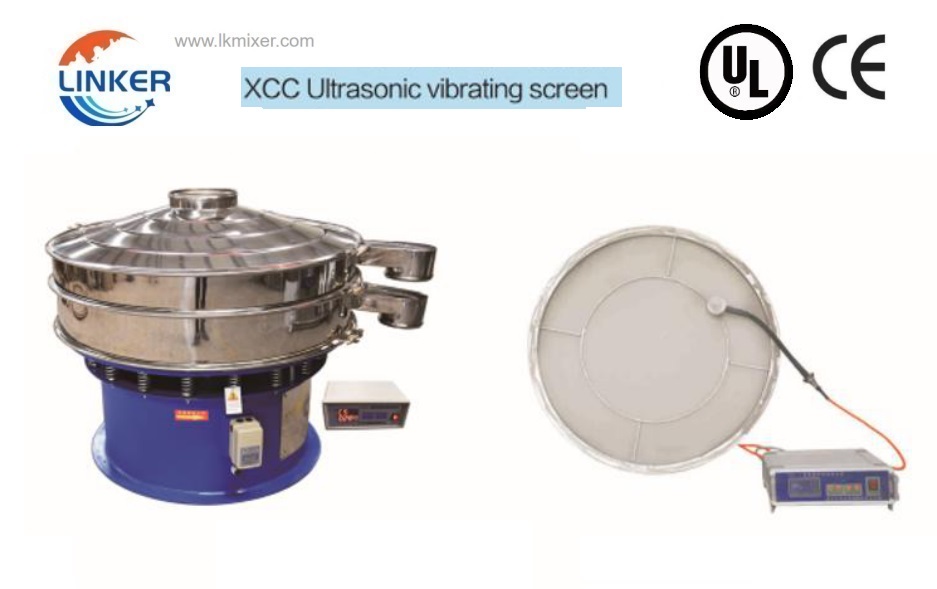
Ultrasonic Screen
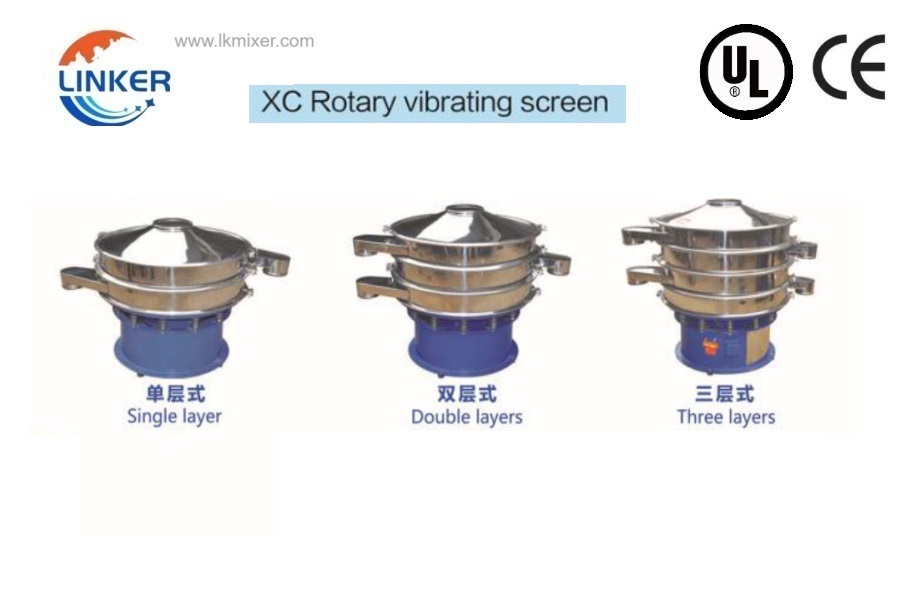
Ultrasonic Screen Machine for Sale: Ultrasonic Screen is a common used machine after the grinding process, it…Rotary Sifter
Rotary Sifter Machine for Sale: Rotary Sifter is a common used machine after the rice grinding process,…Rice Sifter Machine
Rice Sifter Machine for Sale: Rice Sifter Machine is a common used machine after the rice grinding…
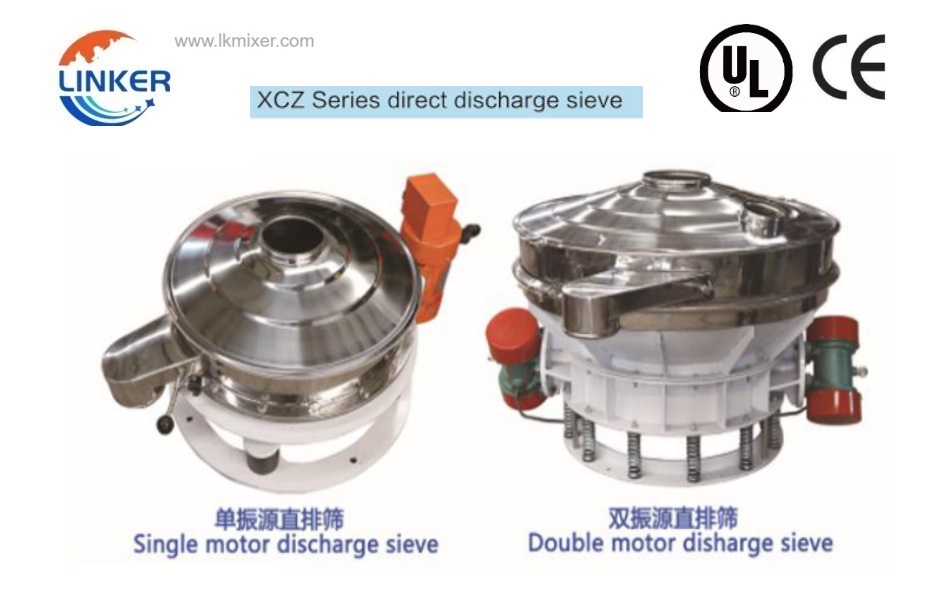
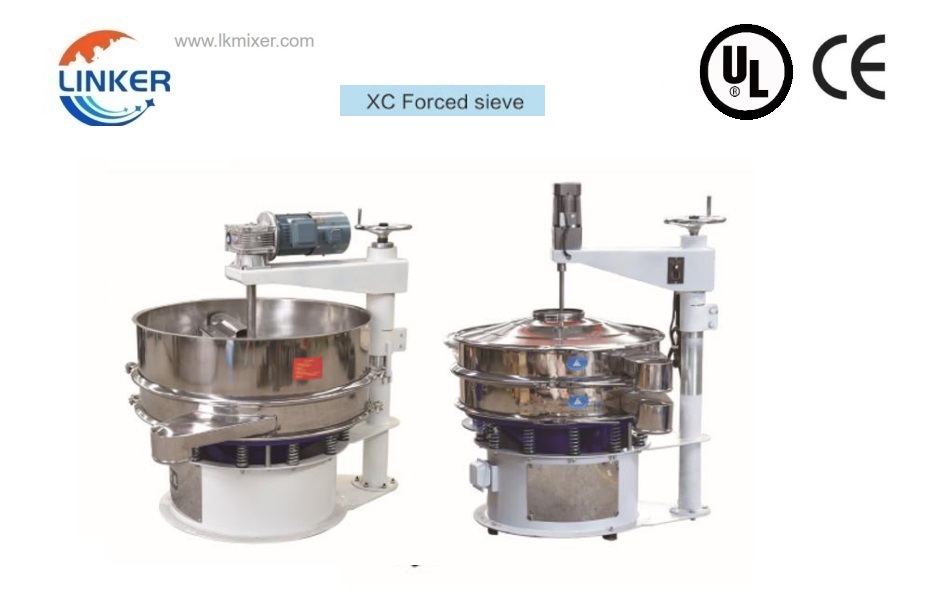
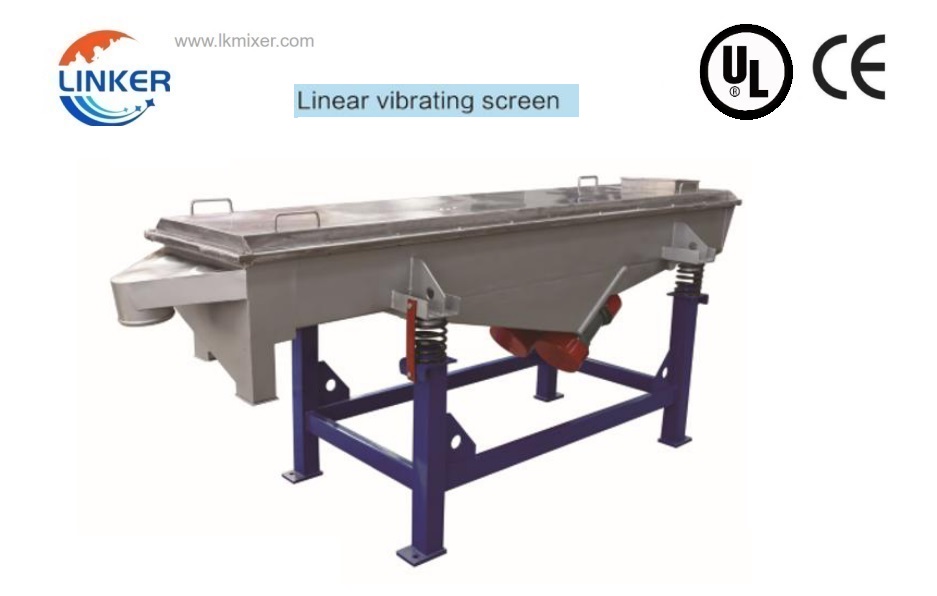
Auxiliary Machines, Dryers for Sale:
How do people control robotic arms?
How do people control robotic arms? The way people control robotic arms has evolved from a single…What is a robotic arm for humans called?
What is a robotic arm for humans called? Robotic arms for human use are given various professional…How advanced are robotic arms?
How advanced are robotic arms? Robotic arms have advanced beyond the scope of traditional “automated tools” and…


FAQ(Click and See More)
Why Choose Us?
We have 20 years manufacturing experiences; 15600 cubic meters factory area; 5000sets annual capacity; 55 professional engineers;
What’s your main maket?
South America: Brazil, Colombia, Peru, Bolivia, Uruguay, Paraguay ;Romania;
USA with UL Certification
Middle East: Saudi, Arabia, Oman, Turkey
Europe: Russia, Australia, Belarus, Ukraine, Poland
Can you support OEM?
– Yes, OEM or ODM. Machine can be customized according to customer detail requirement, including capacity and voltages, motor certifications.
– Drawing and raw materials also can be customized.
What after-sale services?
– 7*24 customer service online;
– 7*24 engineers online services;
– 12 months warranty services.
WHAT kind of MACHINE YOUR COMPANY HAVE?
CAN YOU GIVE ME GUIDE ON OTHER MACHINE ? TO FULL MY PRODUCTION LINE
YES ! Our f have factory build more than 20 years now, we can design and customize whole line, besides of the grinding machine, mixing machine, we can also fully support to provide the washing machine, cutting machine, drying machine, packing machine, filling machine. Though we are not producing these machine, but our brother companies co-work together for over 20 years, we have rich experience in providing you a full effective production line, fully automatically or semi-automatically.
HOW TO VISIT YOUR COMPANY?
Our Factory located in Jiangsu Province, very near to Shanghai, you can fly to Shanghai Pudong Airport, we pick you up and take you by car 2 hours ride, can reach our factory, welcome your visit.
WHAT’S YOUR BEFORE & AFTER SERVICE ?
1) Before your purchasing, we need to know your detail request, such as what kind of material you want to grind and mixing, what final product powder or granule you want to reach. Because different material and powder sizes request of different machine to do. We can provide professional advice and rich experience help to choose machine. Most of the products we have already did before for other customer, trail test or run mass production, so we knows which machine is best in performance of grinding and mixing. This is of very importance in helping you choose the right model. We also wish this can help our customer a lot. Even the material we didn’t do before, we will prepare the same material and to do the trail test and send video to you for your reference.
2) One Year guarantee of machine quality. If the machine have problem within one year, we will send you the spare parts to you for replacement, but this not including the damage caused by human causes. We also have 24 hours on line guide for customer, if you have operation difficulty, we will guide by video and on line communication with our engineer for your emergency debug.
3) For small machine, we sell with whole machine, it’s no need to install, and easy to operation, no problems for operation. While for large machine, its’s also not difficult to install with video guideline, but if you need, we can assign our technicians to go abroad, the round ticket, food and residents will be paid by customer.
HOW ABOUT YOUR PAYMENT TERM?
Our payment term is T/T. 50% payment in advance, rest of 50% payment finish before the goods shipped. When we finish the machine production we will do trail test and run the machine take videos for your green light. You pay the rest of 50% payment then.
Recommend Reading
Are robotic arm kits worth the money?
Are robotic arm kits worth the money? The user’s target placement, technological background, and long-term…Can you get a robot arm?
Can you get a robot arm? You cannot buy a robot arm like ordinary consumer…What is an industrial robot arm called?
What is an industrial robot arm called? In technical standards and engineering practice, an industrial…