Can you get a robot arm?
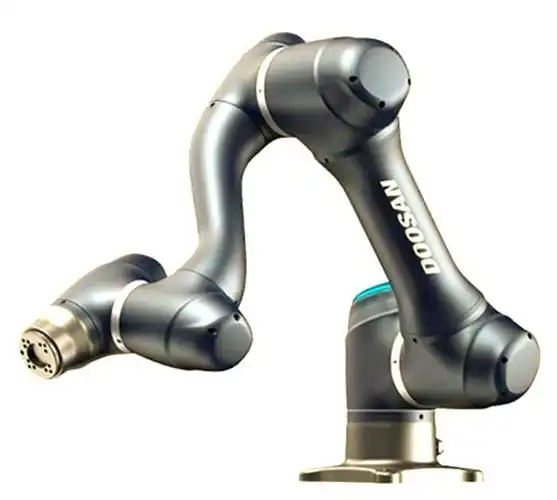
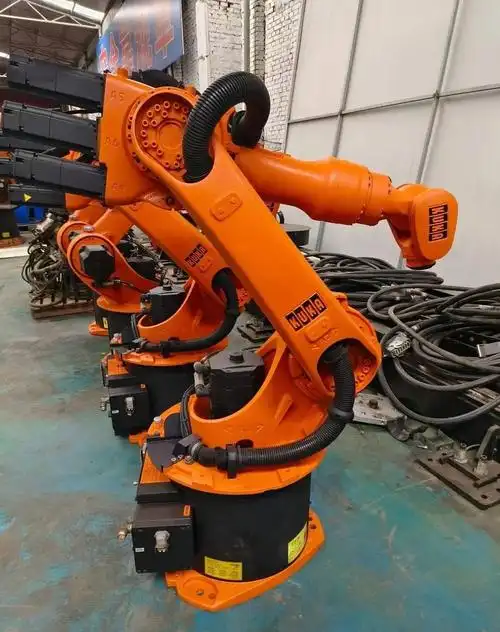
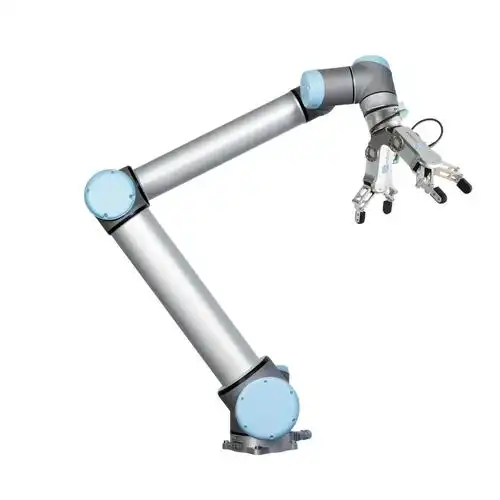
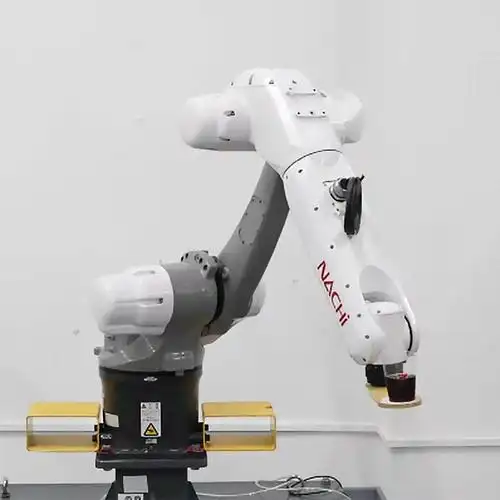
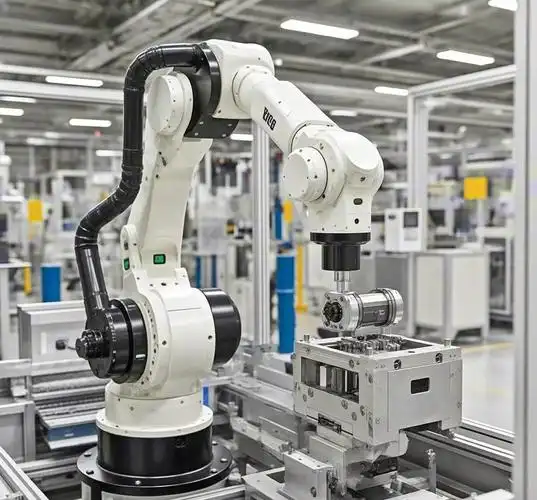
Can you get a robot arm? You cannot buy a robot arm like ordinary consumer goods; it is not freely available for purchase in retail channels like electronic products.
It is essentially a systematic arrangement of professional engineering equipment rather than a straightforward market transaction, and its acquisition technique is heavily reliant on the user, application situation, and technical requirements.
Individual Users Cannot Directly Purchase Industrial-Grade Robot Arms
There aren’t any consumer-grade product lines or standardized retail platforms available.
Even while there are inexpensive desktop computers, they are more like instruction kits or maker prototypes than industrial equipment.
They are only appropriate for basic programming instruction, STEM education, or personal curiosity exploration because their precision and stability are much below industry standards and their load capacity is typically less than 1 kilogram.
These devices, which range in price from a few hundred to 20,000 yuan, are primarily distributed through markets for educational supplies or open-source hardware groups.
Their core value lies in providing programmable interfaces and open control protocols, not in performing high-precision industrial tasks like operating a 500KG Grinder or 200KG grinder.
Main Acquisition Entities: Universities, Research Institutions and Manufacturing Enterprises
The primary organizations that can acquire robot arms are universities, research centers, and manufacturing companies.
Strict laws control these companies’ procurement practices, which must be carried out through government procurement procedures like directed inquiry, competitive negotiation, or public bidding.
Clarifying technical parameters (like degrees of freedom, load, repeat positioning accuracy, and communication protocols), submitting qualification certificates (legal person status, no significant illegal records), passing expert review, and signing technical agreements and after-sales service contracts are typical steps in the procurement process.
For example, national laboratories purchasing robot arms for handling radioactive materials need to meet special standards such as radiation resistance, sealing, and remote control.
Special Requirements for Different Organizational Procurements
When purchasing devices for surgical help, medical institutions and universities must adhere to human-machine collaboration norms and medical equipment safety certifications.
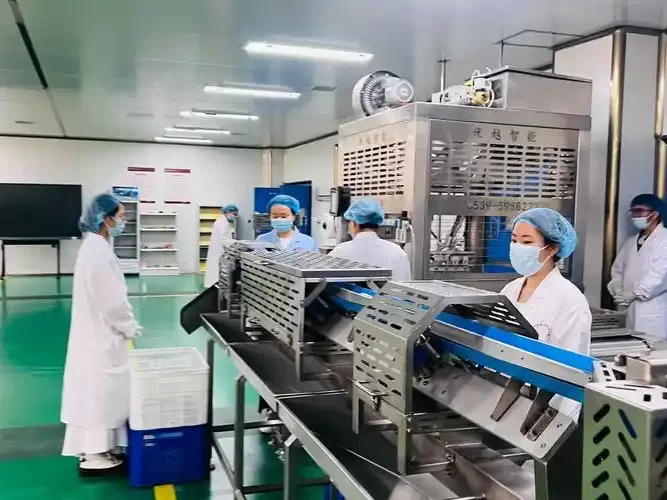
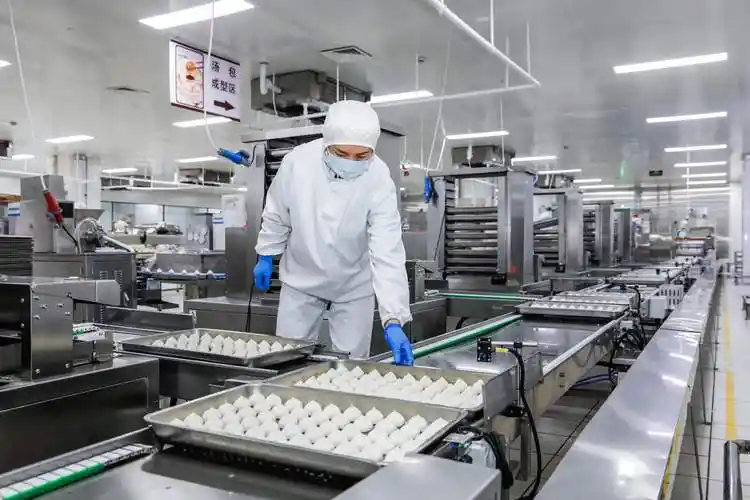
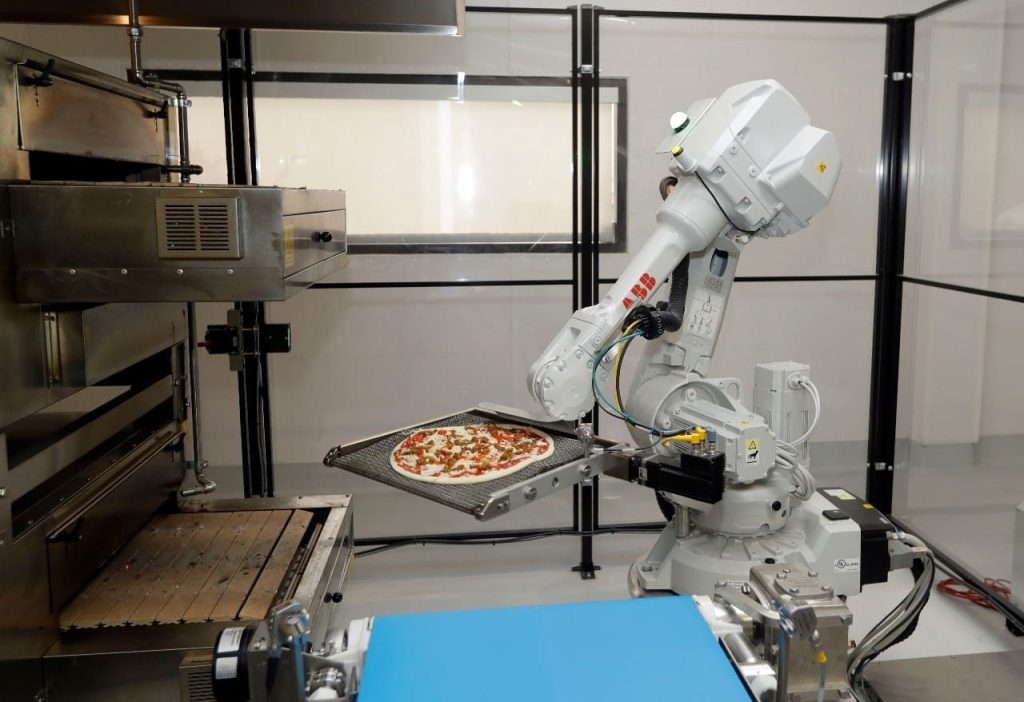
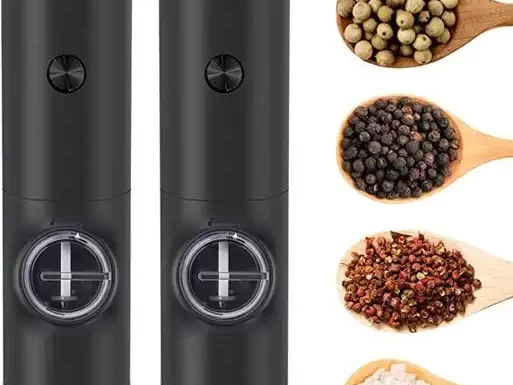
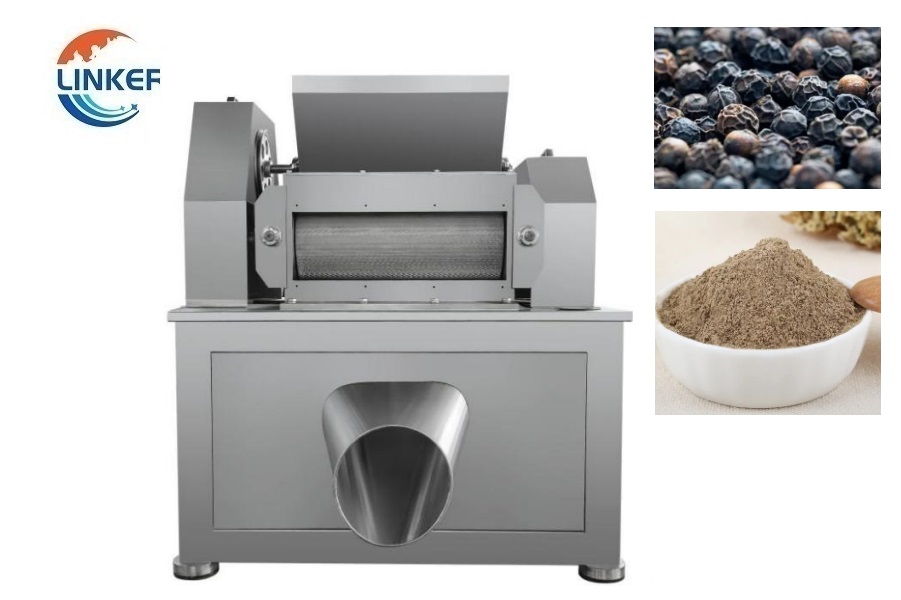
When purchasing robot arms for food processing, manufacturing companies must make sure the equipment is compatible with processing tools such as electric grinders, black pepper grinders, and stainless steel herb grinders.
Instead of one-time payment and delivery, the procurement cycle often lasts many months and includes scheme design, prototype testing, and on-site acceptance.
This is comparable to purchasing specialized food processing equipment, like a CE Certificate grinder, which likewise necessitates stringent technical evaluations.
System Integration: A Necessary Link to Obtain Robot Arms
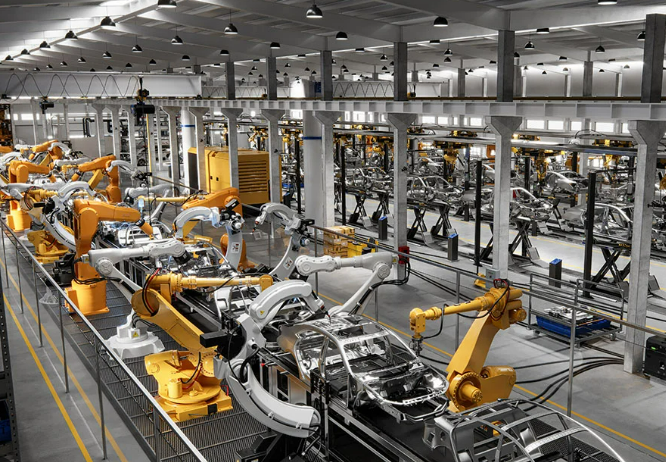
A robot arm cannot perform any production or scientific research duties on its own; it is merely an executive unit.
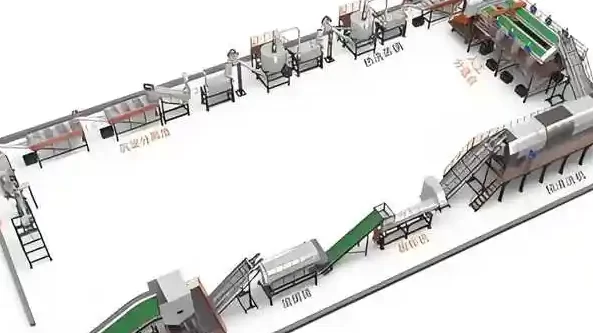
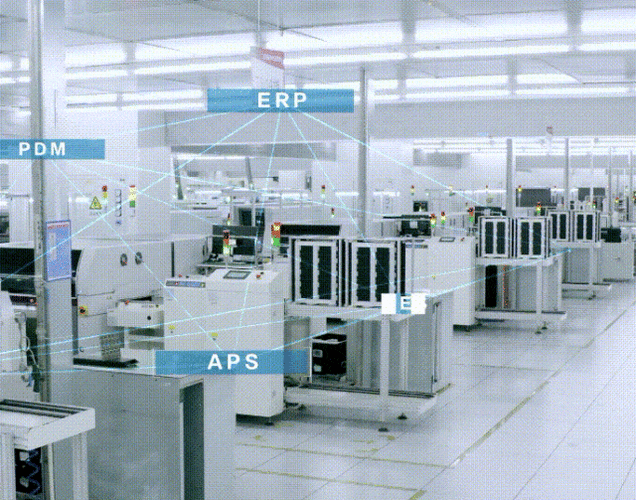
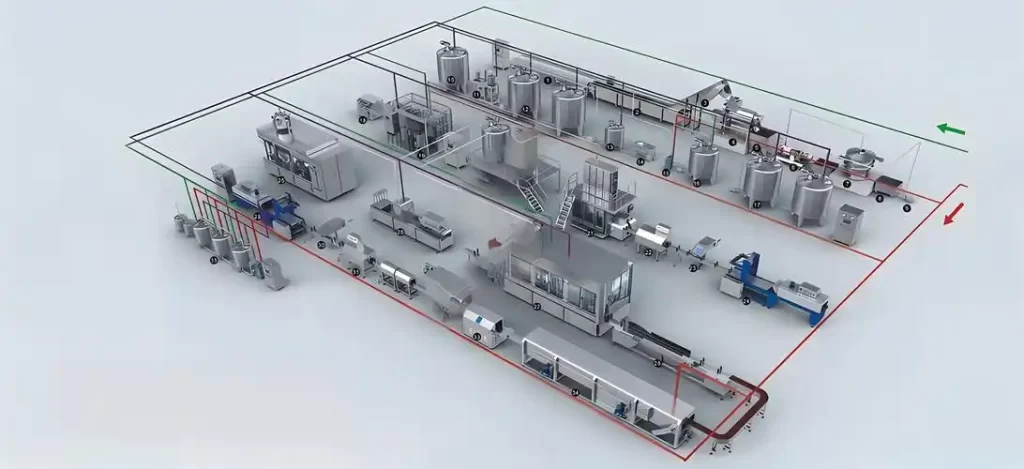
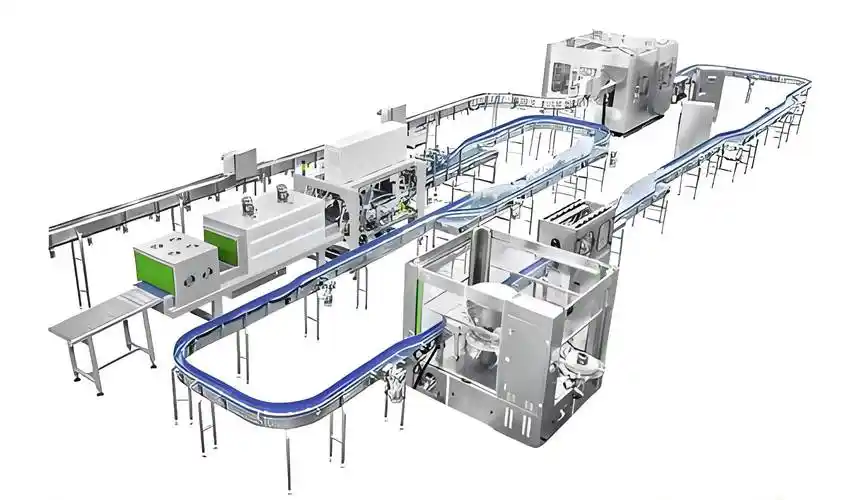
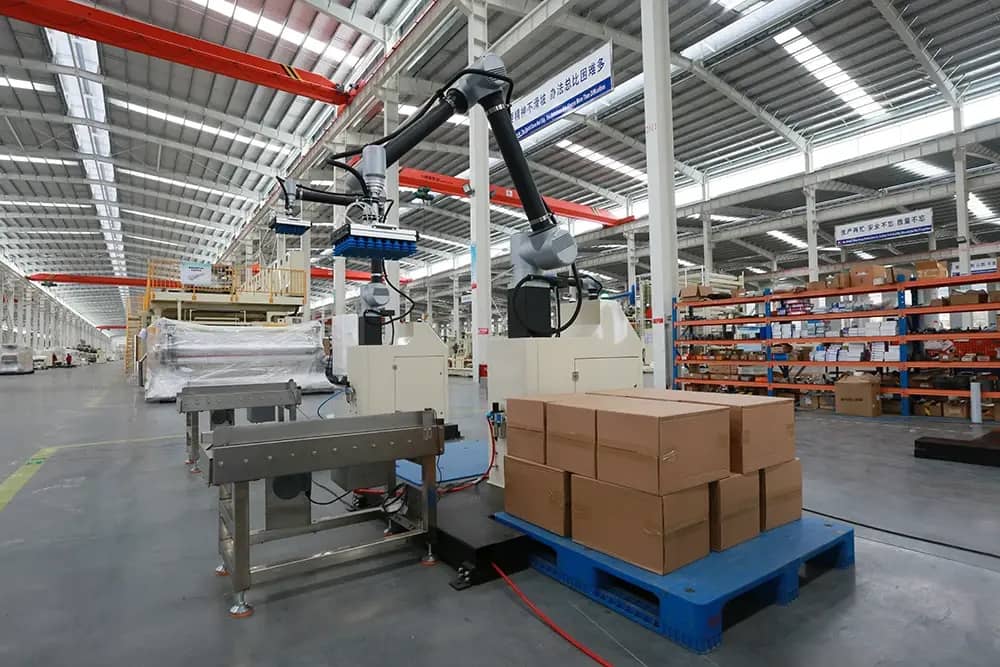
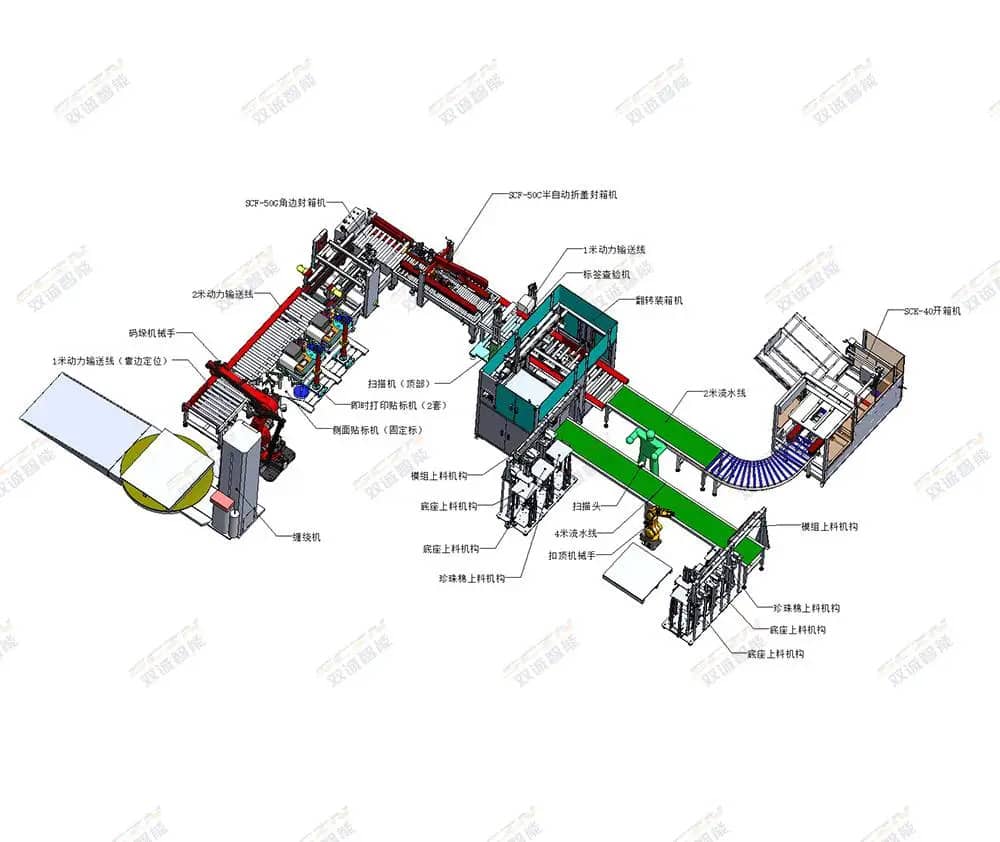
To create a fully automated system, its efficient use must work in tandem with auxiliary devices including force sensors, PLC controllers, safety fences, visual positioning systems, and material conveying lines.
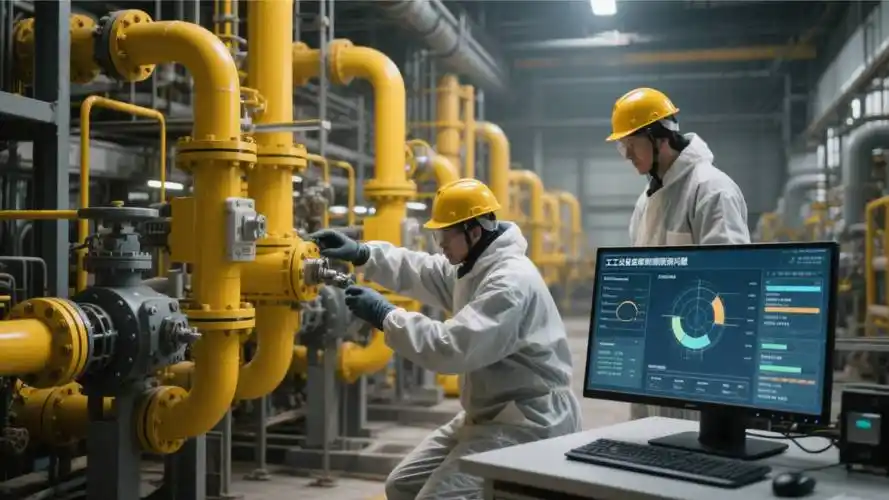
The technological complexity of this integration process is far greater than that of the equipment itself and includes non-standard design, process adaption, trajectory optimization, and safety interlocking.
As a result, the majority of buyers entrust system integration service providers with industry experience rather than purchasing the robot arm directly.
Overall Solutions Customized by Integrators
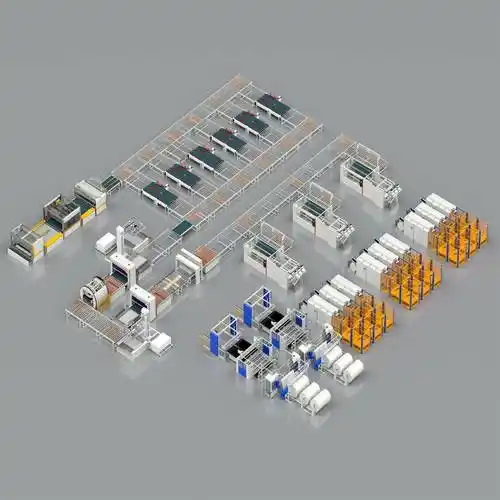
Integrators tailor “robot arm + peripheral equipment + control software” solutions to particular situations.
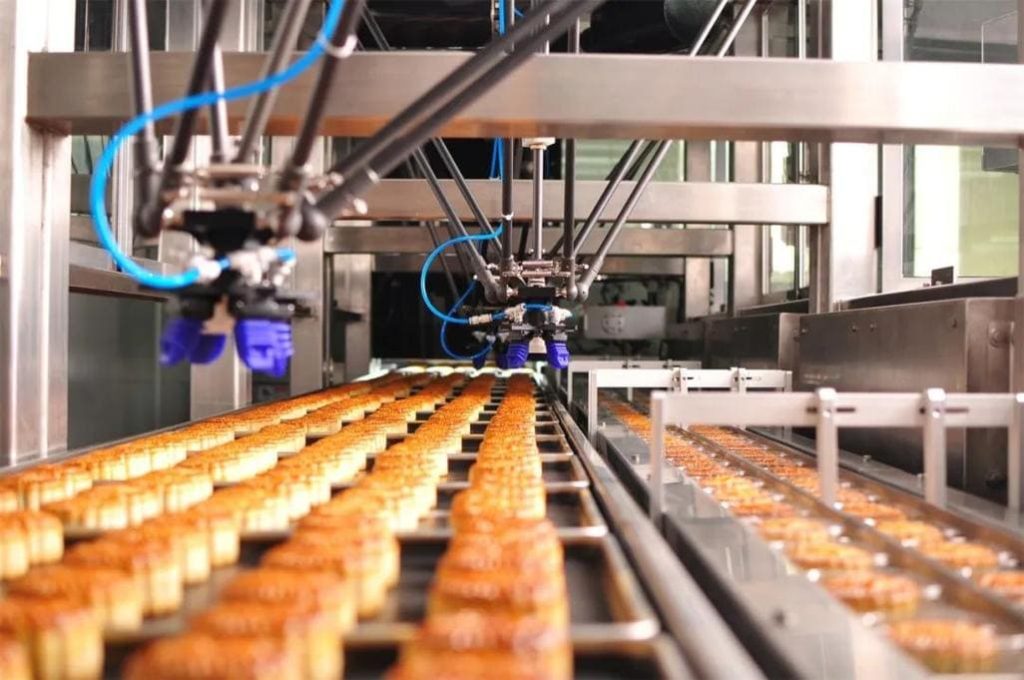
For instance, integrators will pair robot arms with airflow pulverizers, vacuum mills, or high-speed dry grinders to create automated processing lines in food processing situations.
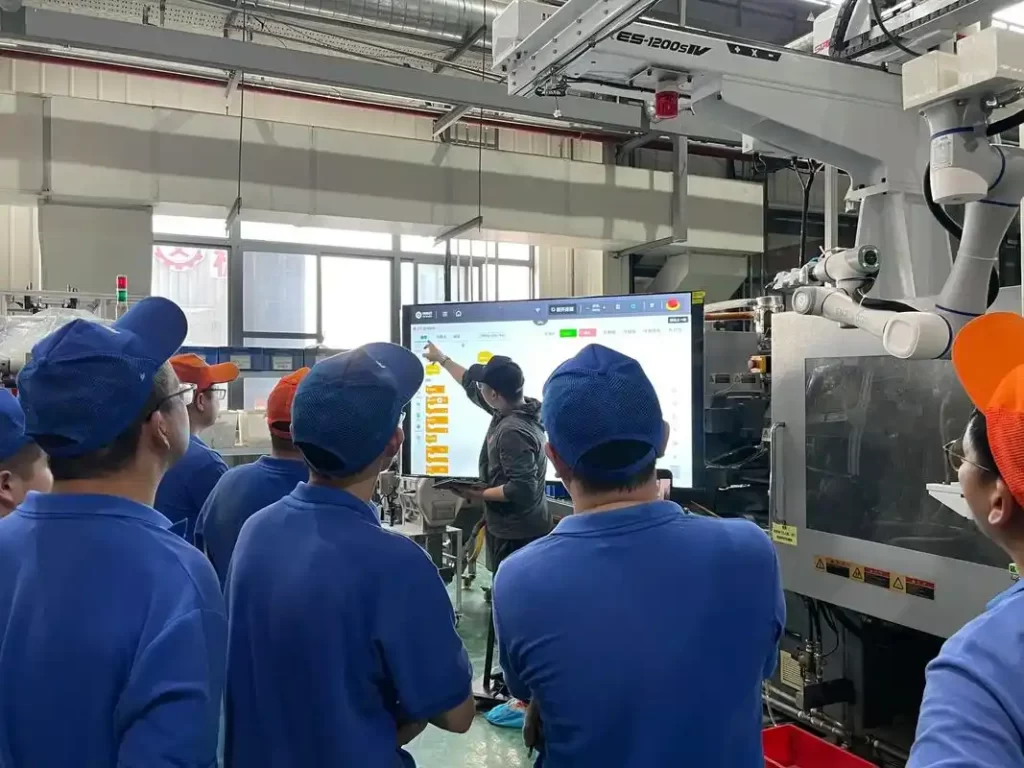
To guarantee the system operates steadily, integrators are in charge of scheme design, equipment selection, installation and commissioning, and employee training.
Because customized needs are too dispersed, resulting in high costs and hazards, body manufacturers typically do not directly offer integration services to end users.
Alternative Acquisition Methods: Not Commercial Purchases
Alternative techniques of acquisition exist, but they do not constitute commercial transactions. Through international cooperation initiatives or government special subsidies, several scientific research programs get equipment gifts.
Open-source communities offer 3D printed structural designs and robot arm control frameworks based on Arduino and Raspberry Pi.
This enables anyone with a rudimentary understanding of electronics and mechanics to put together their own robot arms, just how hobbyists put together a small grinder machine at home.
Through internal circulation, some university labs supply defunct instructional equipment to student projects.
Characteristics of Alternative Acquisition Methods
These alternate approaches are resource redistribution or technology sharing practices rather than market exchanges.
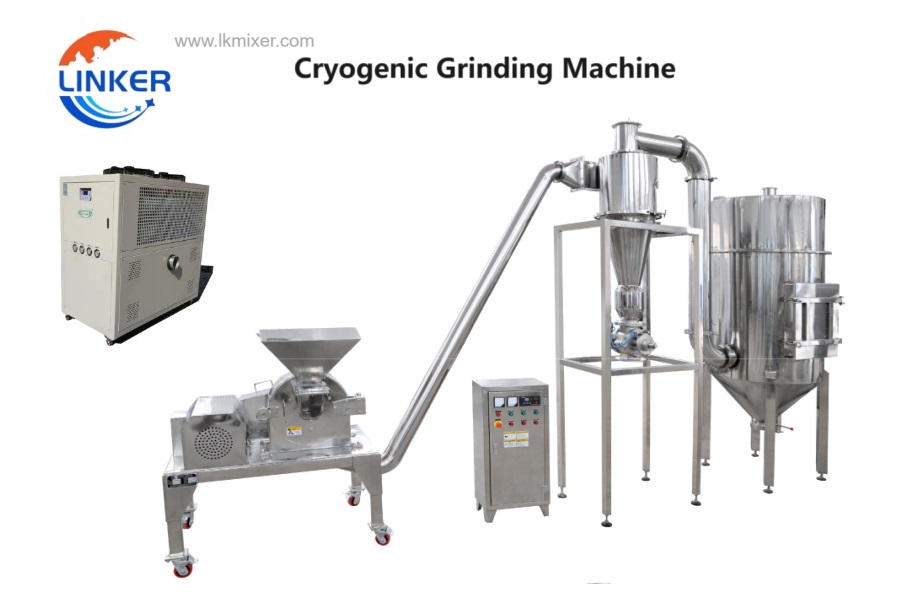
For instance, students can practice using a university’s decommissioned robot arm to operate a dry fruit powder grinder or a cryogenic grinding equipment for experimental projects.
Although they can handle small things like peanuts, seasam, and mushrooms, open-source constructed robot arms are unable to match the demands of industrial production.
Similar to how a homemade electric grinder is intended for personal use rather than industrial output, they are primarily for learning and discovery.
Application Scenarios and Acquisition Matching
Businesses in the food processing sector must acquire robot arms that can work with different types of processing machinery.
In addition to handling products like meat, wheat, corn, coffee, tea, and sugar, these robot arms must be able to run the Dust Grinder, Hammer Mill, and Ultrafine Grinder steadily.
Robotic arms used in the pharmaceutical business to process medical raw materials must be compatible with equipment such as dry ginger and licorice grinders.
Purchasing a robot arm won’t solve any of these issues; instead, professional system integration is needed.
Conclusion: The Essence of “Obtaining a Robot Arm”
In summary, the “purchase” of a robot arm is essentially an organizational behavior, the result of the joint action of technical needs, institutional processes, and engineering integration.
Individuals cannot obtain industrial-grade equipment through market channels, while organizations need to go through standardized procedures, rely on professional integration, and meet technical standards to legally, safely, and effectively deploy the system.
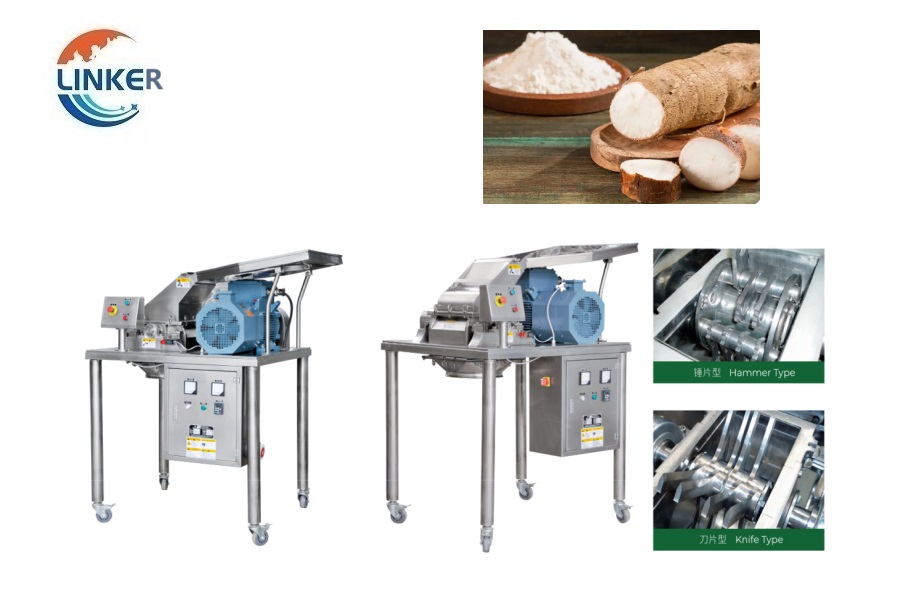
Its essence is not “buying a machine”, but “building a set of automation capabilities”, just like building an automated production line with Air cooled crusher, cassava grinding machine, and robot arms.
The purchase of robot arms necessitates expert planning and integration, regardless of the substance being processed—metal, beans, tobacco, salt, cannabis, or chemicals.
Knowing this helps prevent the misconception that “anyone can buy a robot arm casually” and accurately identify the nature of robot arms.
Robot arms, as fundamental executive units, need to be systematically configured in order to perform their functions in everything from dust collector grinders and turbo grinders to coarse crushers and vibrating pulverizers.
This, which reflects their characteristics as professional engineering equipment, is also the primary distinction between robot arms and common consumer items.
Related Production Line Customization:
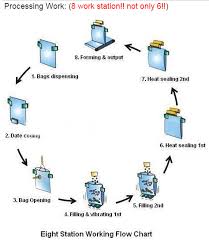
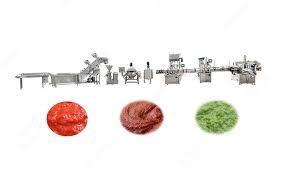
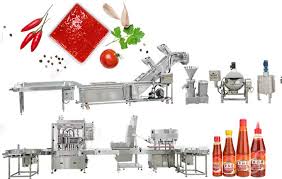
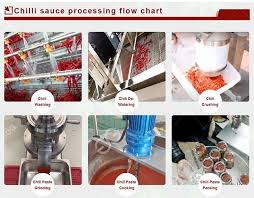
Recommend Post about Production Line:
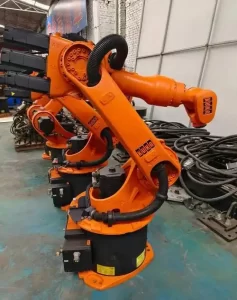
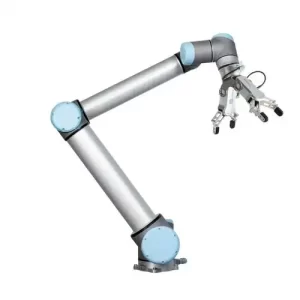
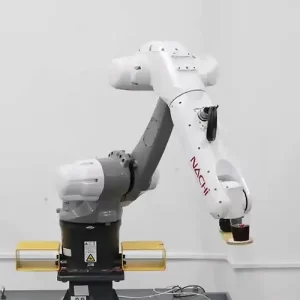
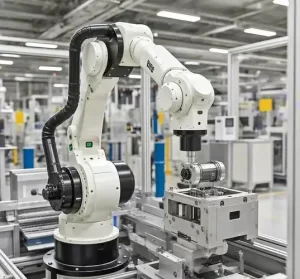
Food Producing Process Flow:
Ultrafine grinding is one of the very key procedure in whole production line. It depends how many mesh that customer need to produce. That’s to say this machine can decide what kind of material will get finally before mxing.
Coarse Crusher Machine —>Grinding Machine —> Vibrating Table Sifter Machine—>Mixing Machine—>Packing Machine —> (Printed Packaging Film Roll or bags ) —> Filling, sealing machine, capping and Labeling Machine —>Pack into Box.

About LKMixer
LKMixer is a professional manufacturer for fertilizer production line, grinder, mixer and granulator, shredder. These machines are widely used in food, pharmaceutical, cosmetic, health care products and chemical industries. The Food materials like Peanut, mushroom, seeds, potato, bean, tobacco, salt, cannabis, tea, Sugar, corn, Coffee, rice, pepper, grain as so on. Grinders have many types such as Pulse Dust Grinder which suitable for zero pollution environment, Turbine Mill which is suitable for coffee bean, 12-120mesh all can meet, Ultrafine Grinding Mill covers 80-200mesh, and also Winnowing Dust Grinder or other grinding machines like SF Hammer. Welcome to contact us for details. Contact us for more information. Proposal, catalog, quotation. Mobile/WhatsApp: +86 18019763531 Tel: +86 21 66037855 Email: sales@lkmixer.com
Contact Us
Tel: +86 66037855
Email:sales@lkmixer.com
Working Time: Monday ~Frinday 9:00AM~17:00PM
Please call us Whatsapp, or mail to us.
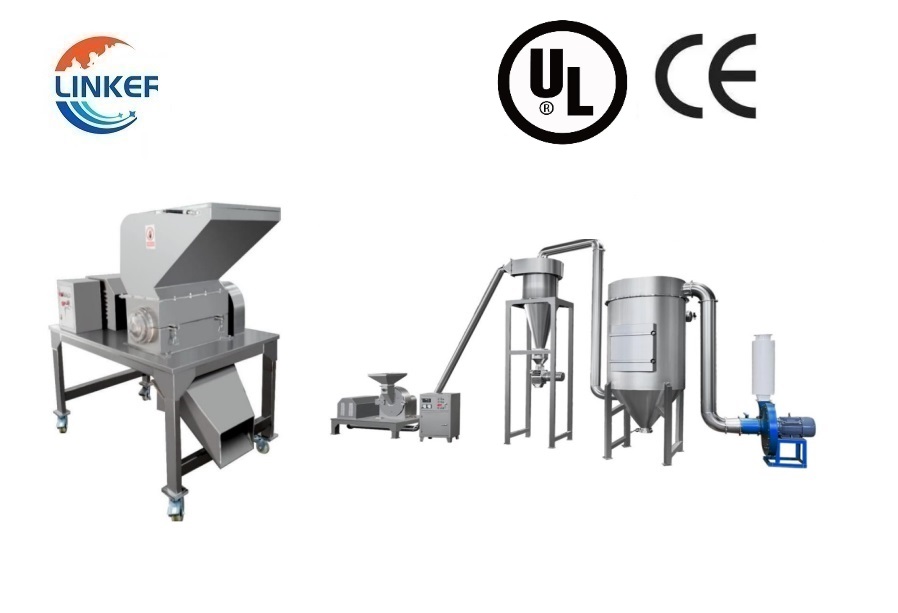
Grinder for Sale:
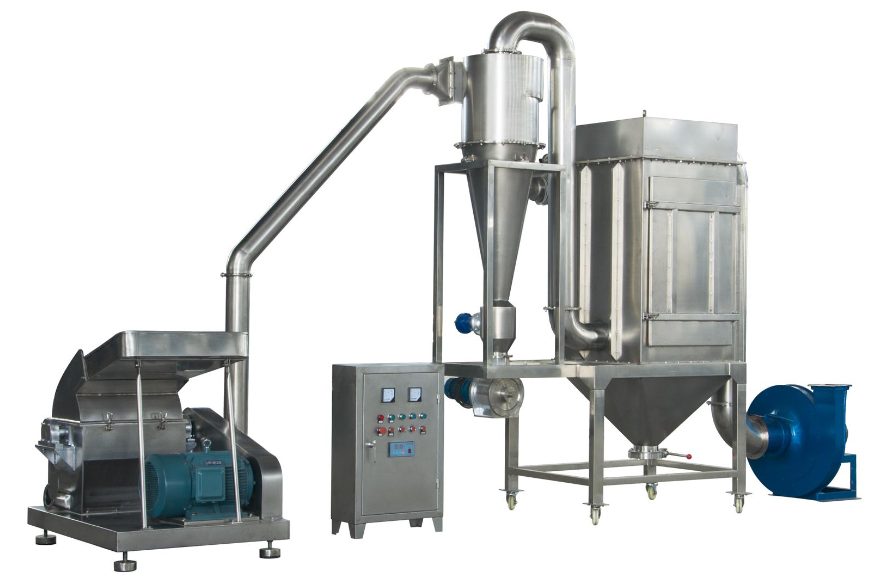
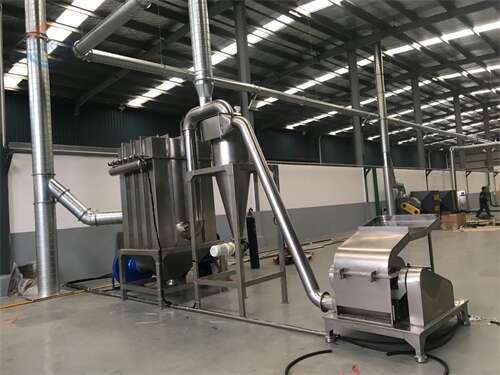
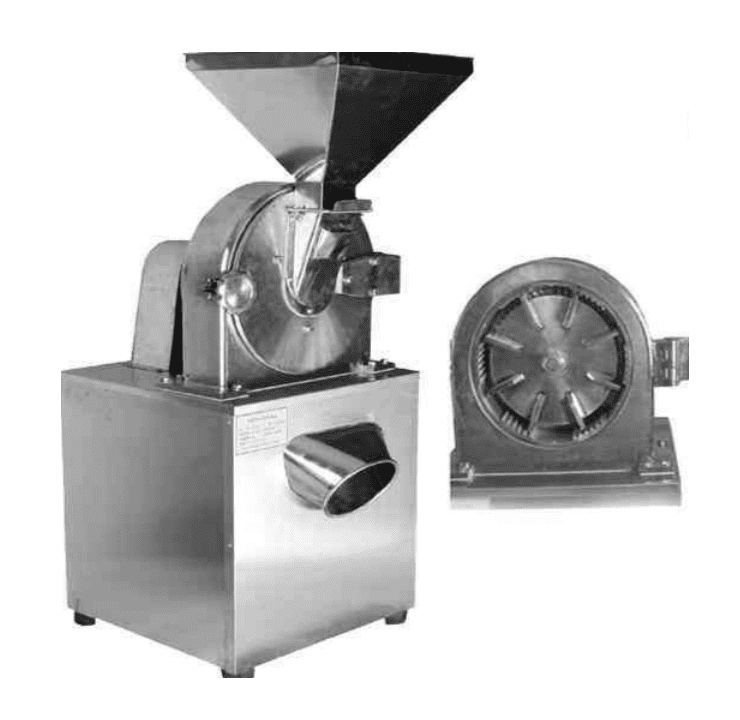
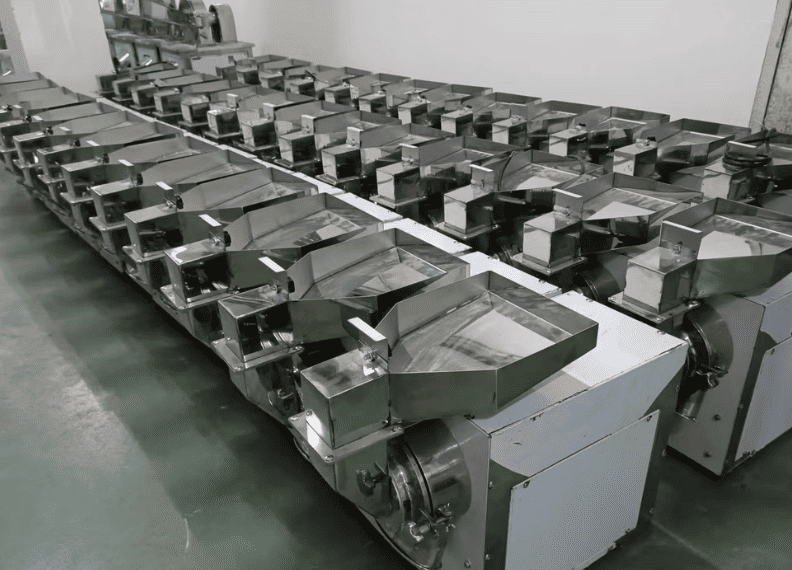
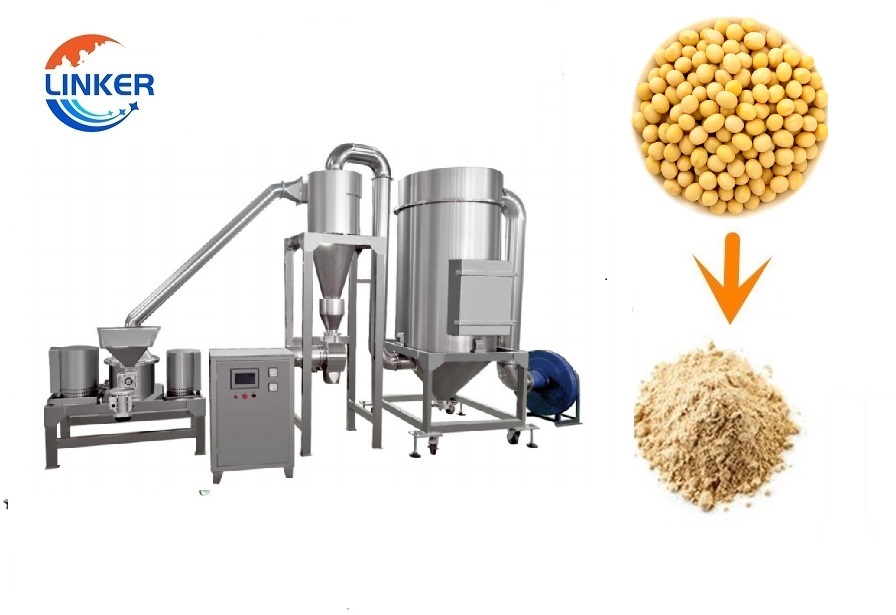
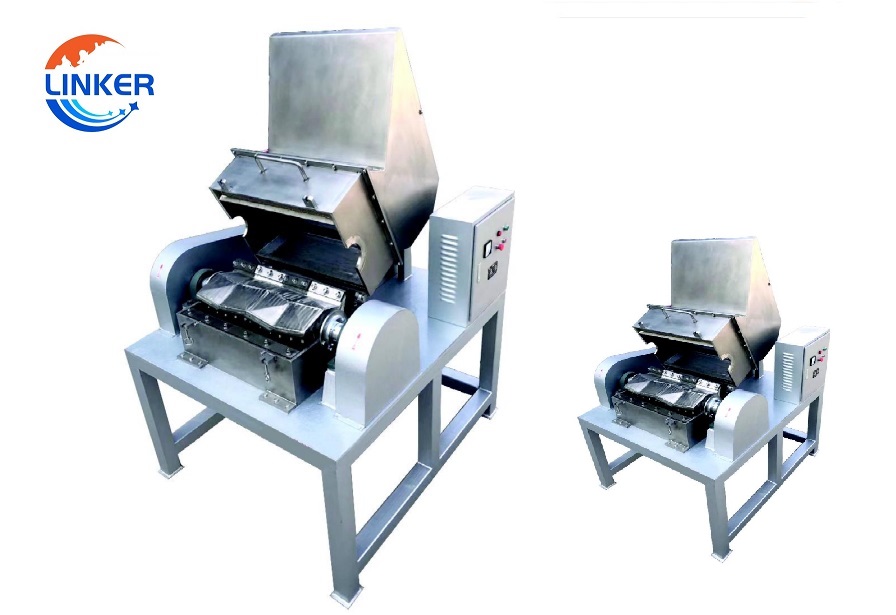
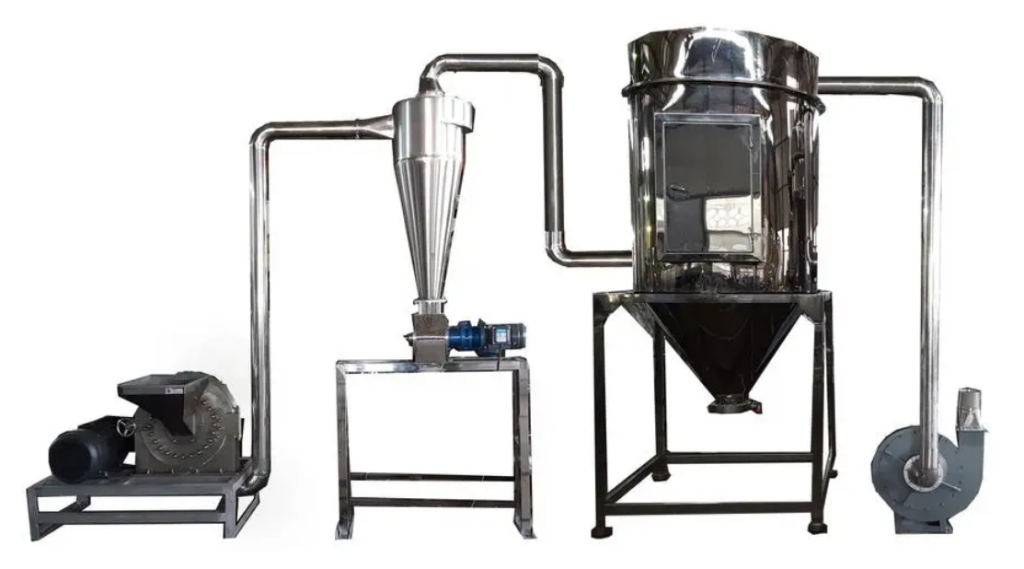
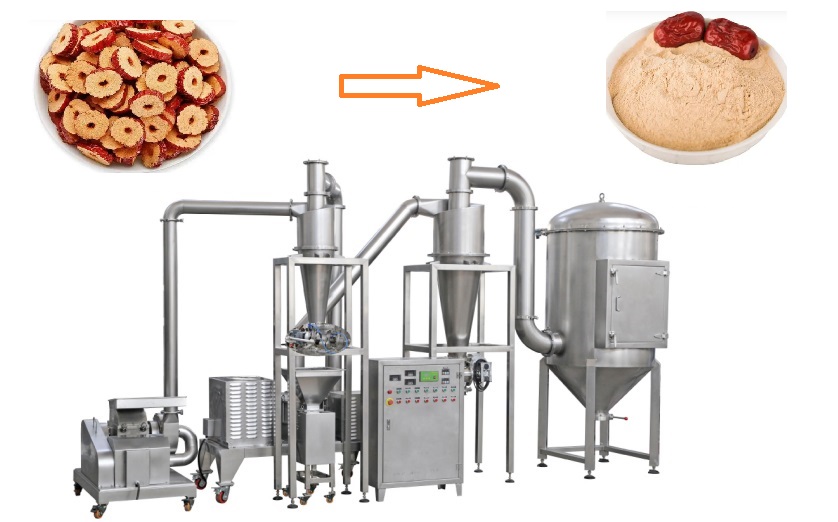
Rubber Powder Grinding Machine
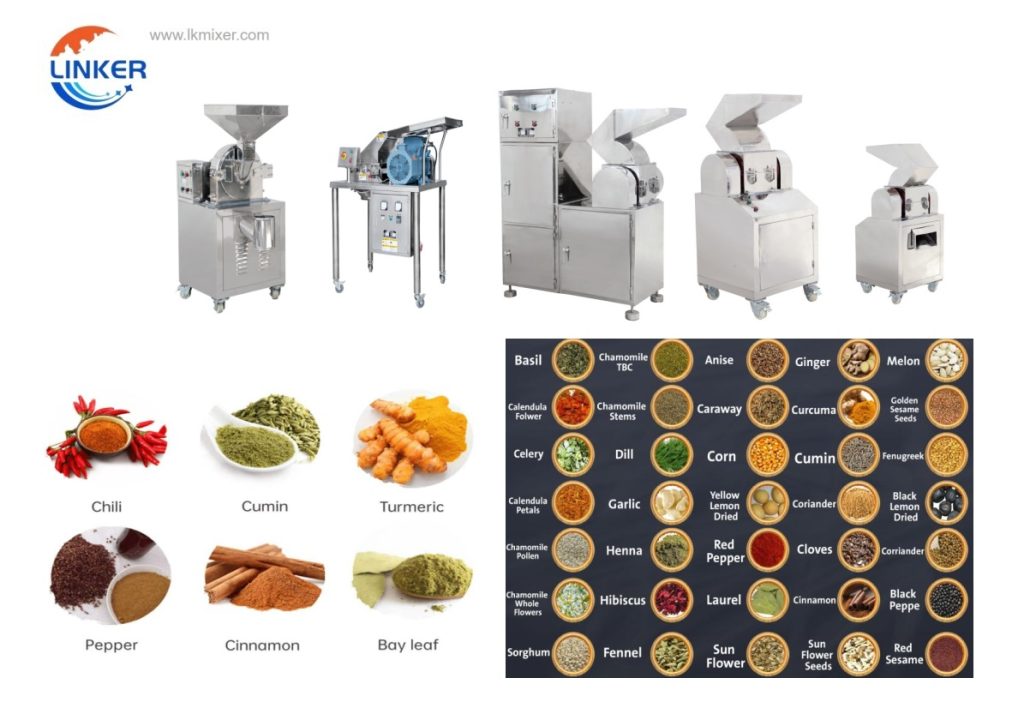
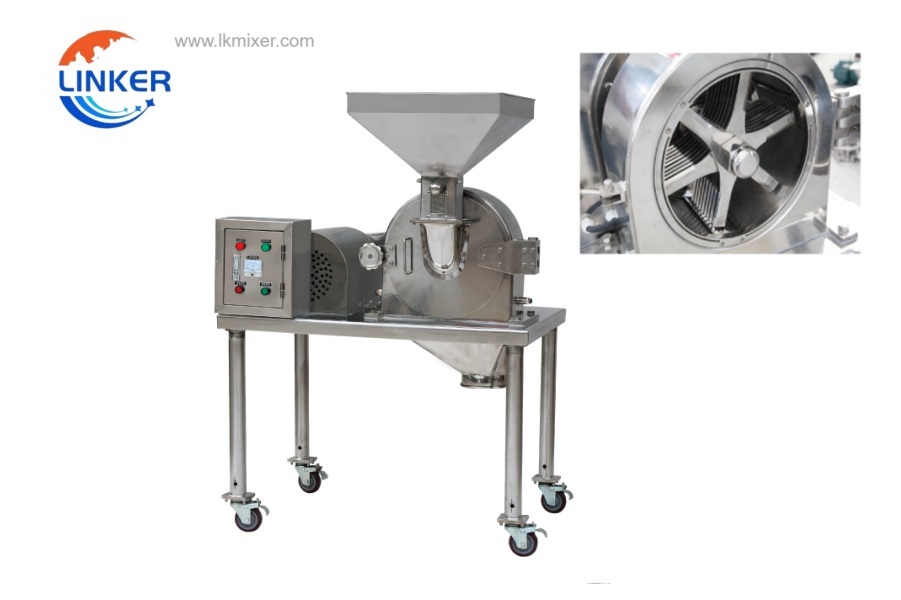
Rubber Powder Grinding Machine Industrial Cumin Seeds Grinder Youtube Video Customization Seeds Grinder According to your…
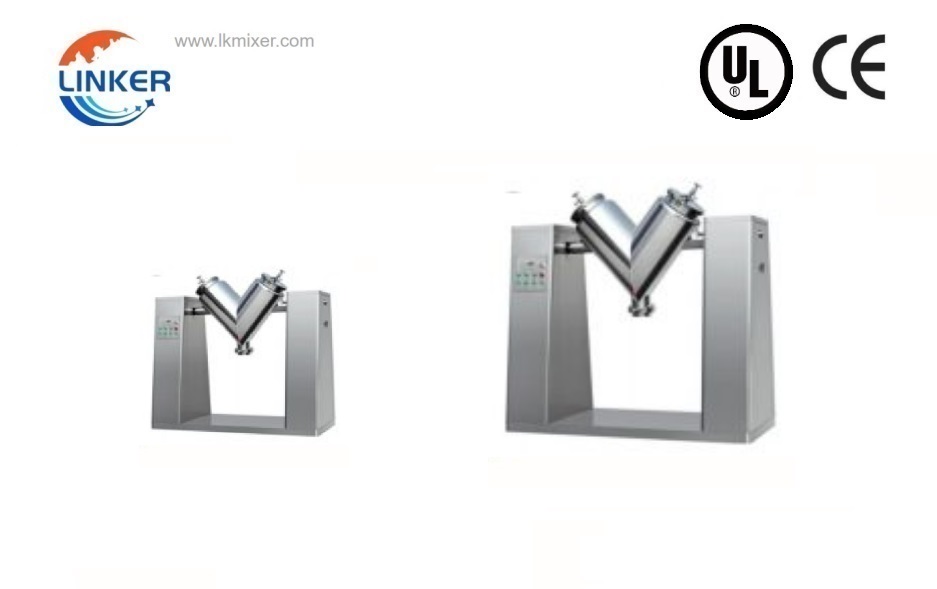
Blenders for Sale:
Small Blender 2L 5L 10L 15L 20L
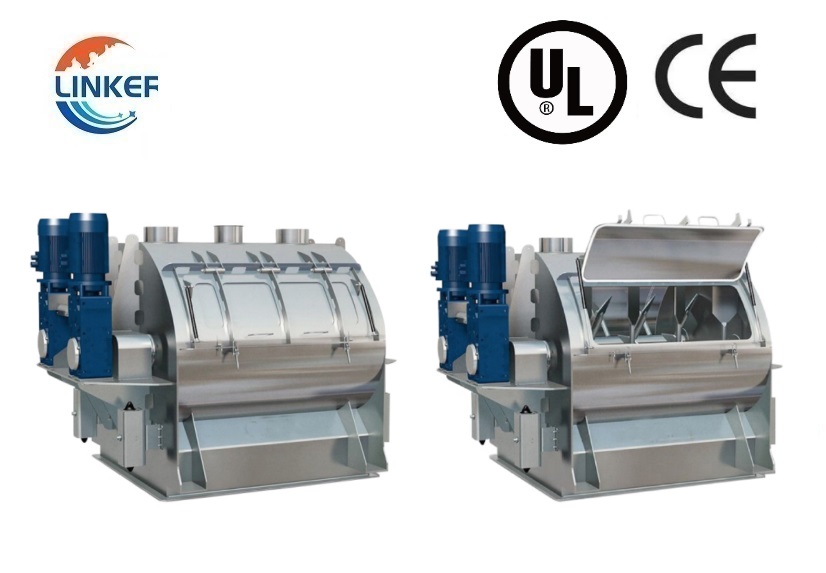
You may also interest in: Small Blender for Sale: LKMixer we have many different model of Small…Solid-Liquid Blender
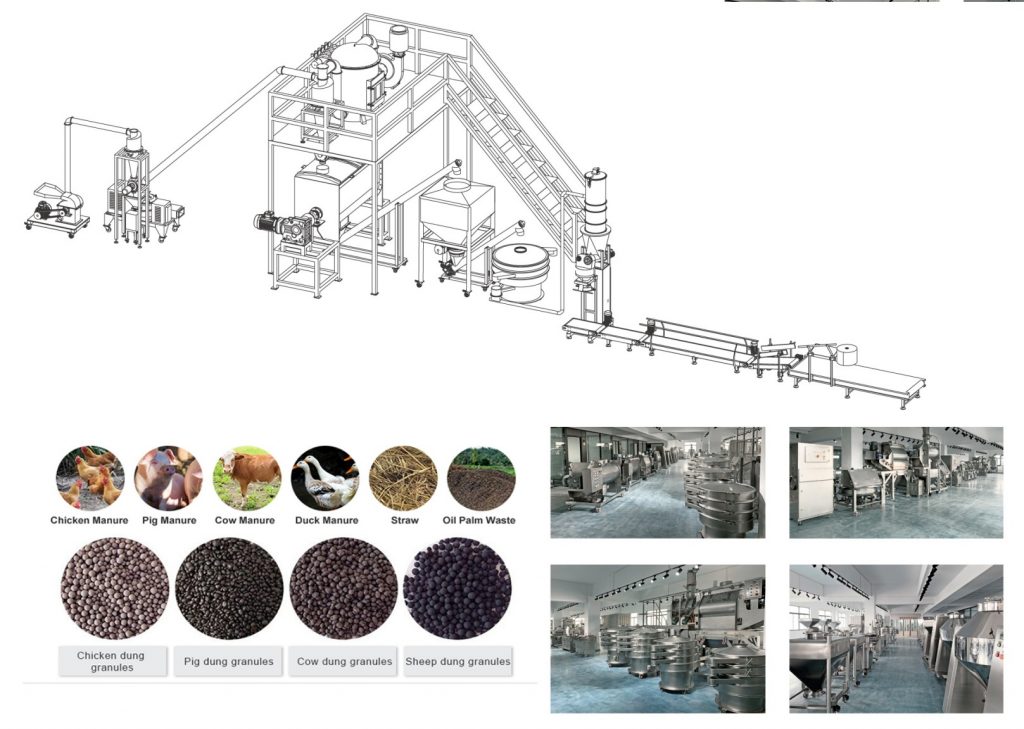
Solid-Liquid Blender for Sale: Solid-Liquid Blender also called Double Shafts Paddle Mixer, it is paddle type and…Fertilizer Production Line
What is fertilizer production line? Fertilizer production line is a whole set of equipment which used to…
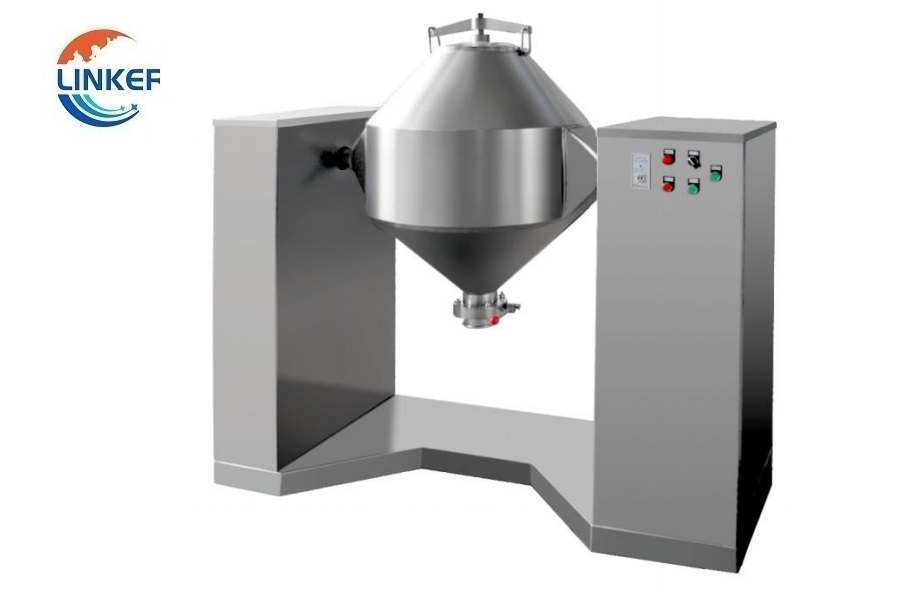
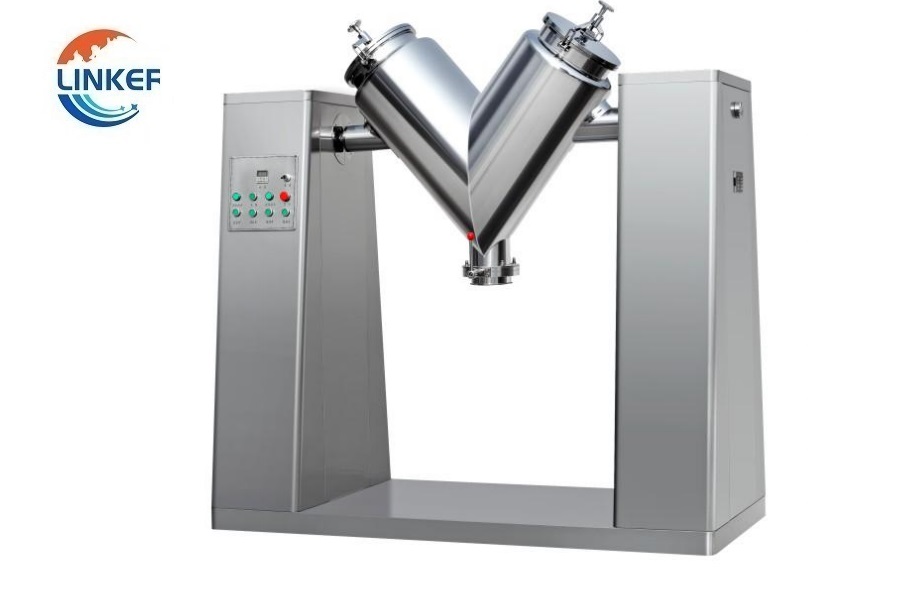
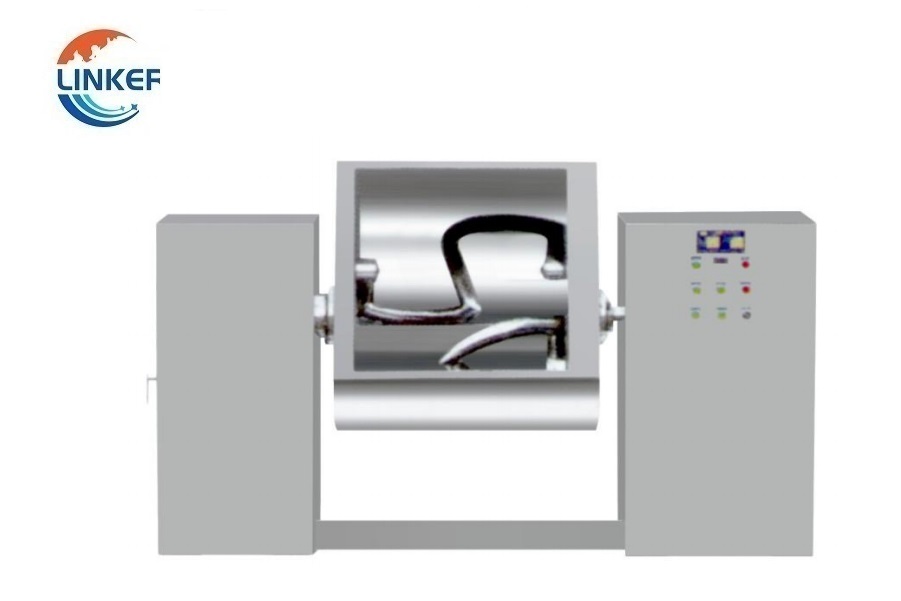
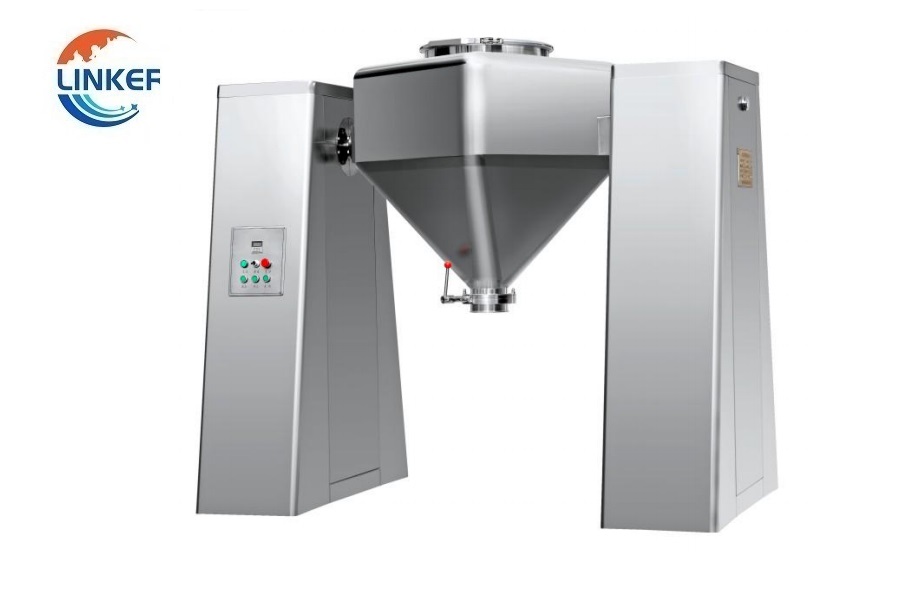
Granulator for Sale:
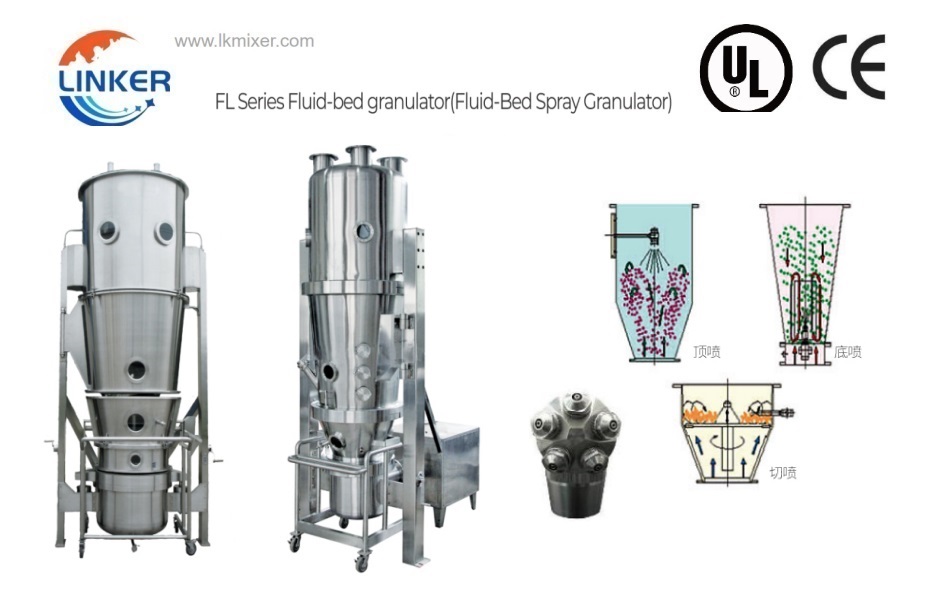
Fluid Bed Granulator
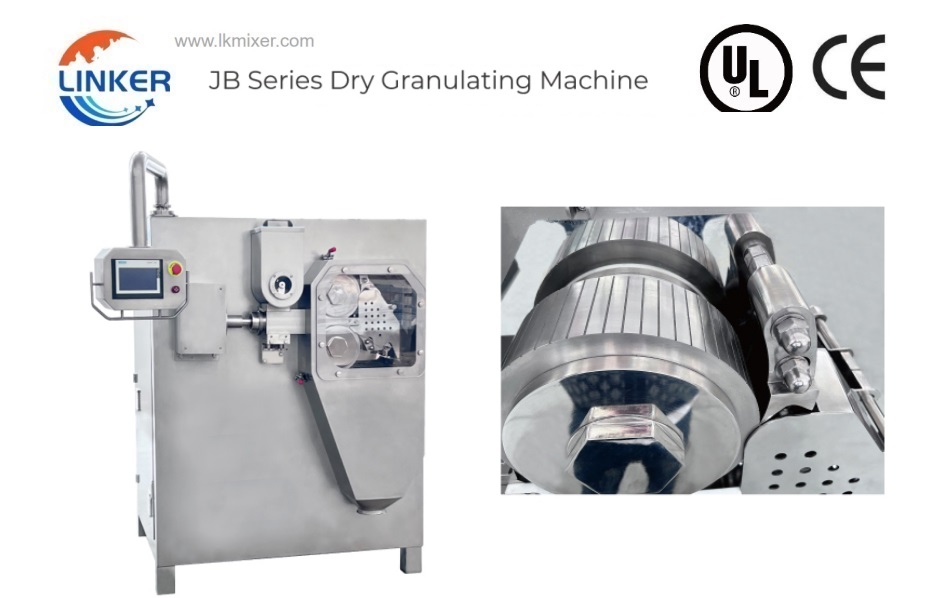
What is a Fluid Bed Granulator? Fluid Bed Granulator is a machine mainly used for pharmaceutical granulation…Dry Granulating Machine
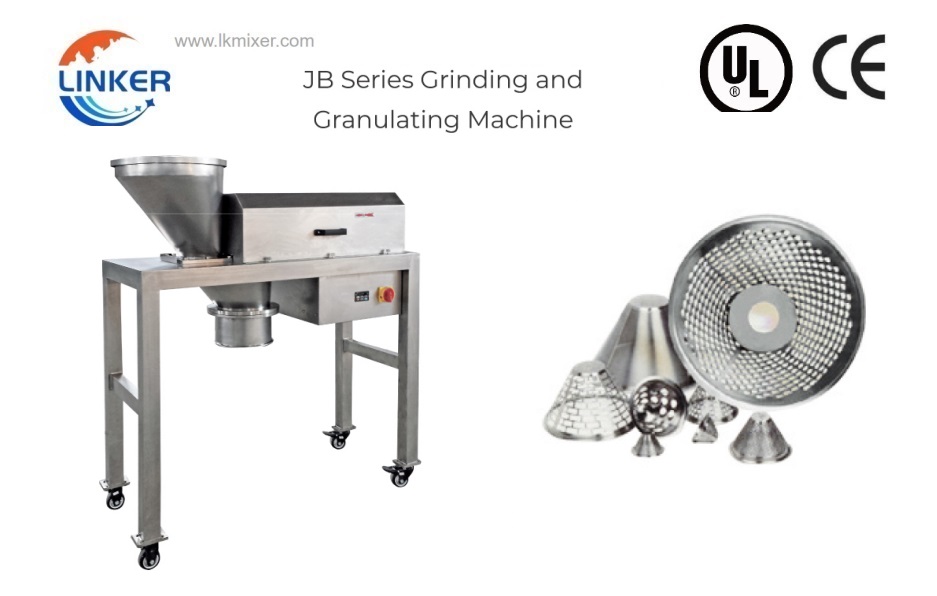
What is a Dry granulating machine? A dry granulating machine uses dry roller press technology to compress…BJB Grinding and Granulating Machine
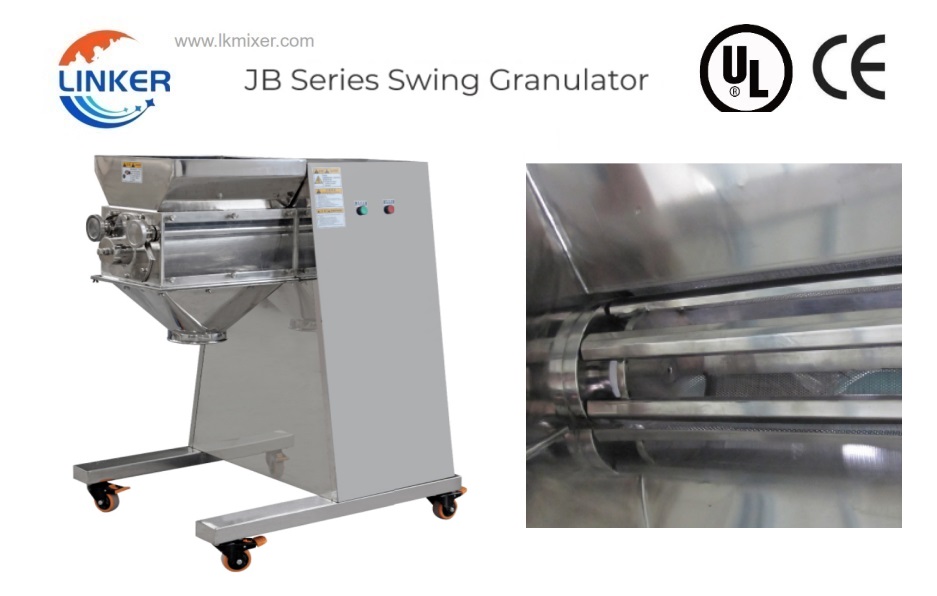
What is a granulating machine? A granulating machine is an industrial device used to shape powdered or…
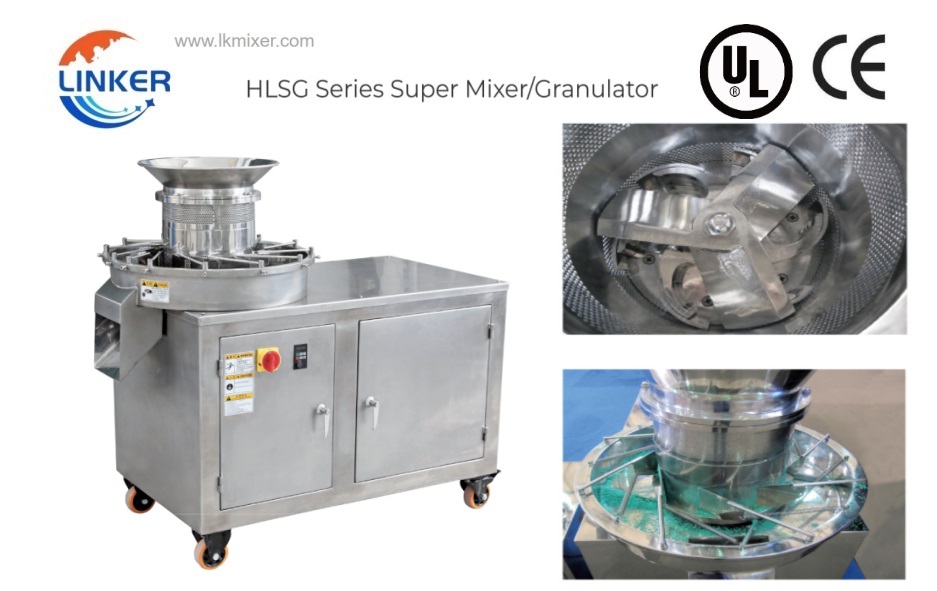
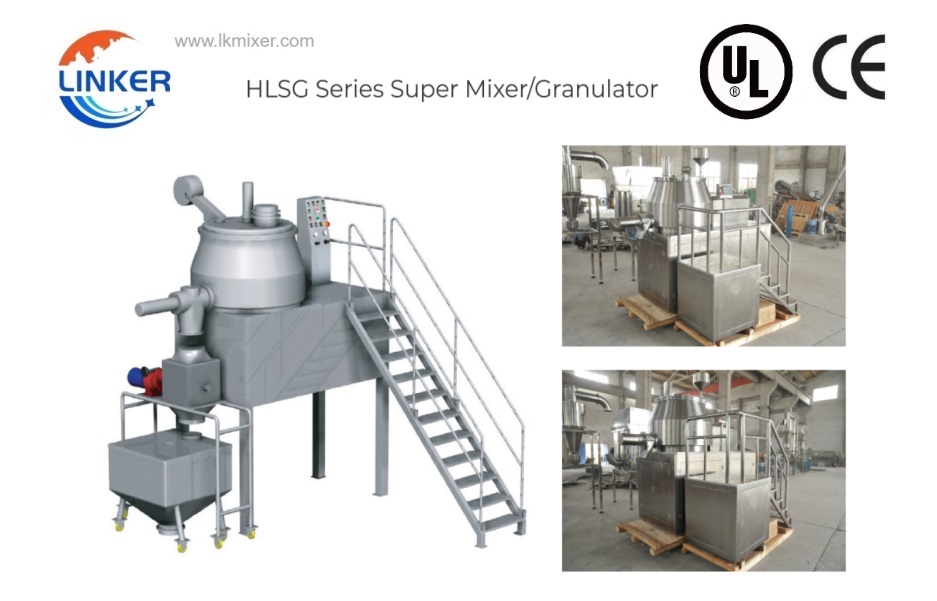
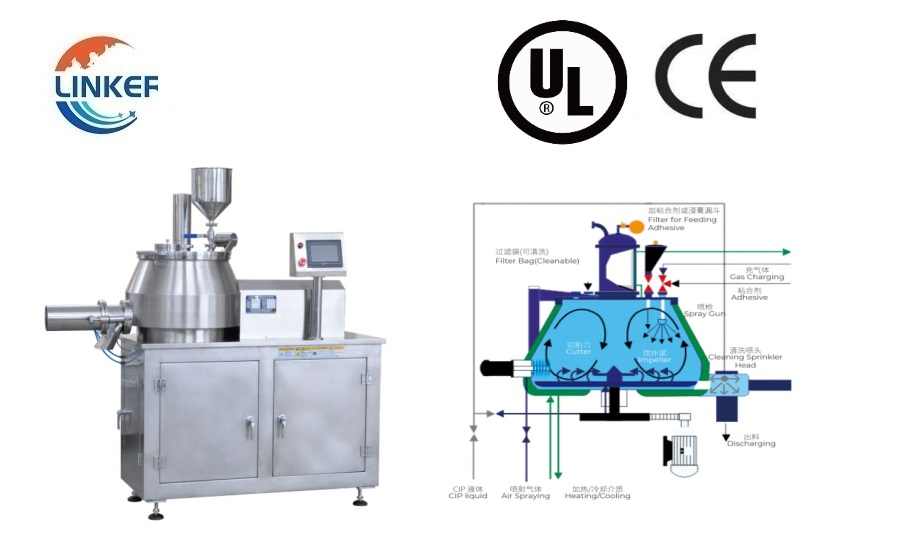
Conveyor and Auto Feeder for Sale:
Powder Feeder System Pump
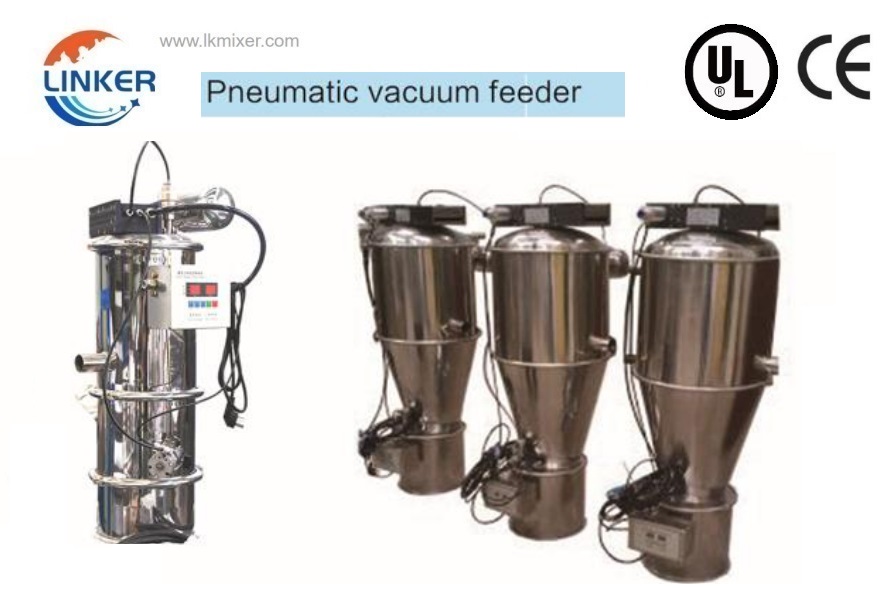
Vacuum Feeder Machine for Sale: Vacuum Feeder is a common used machine to transport the material into…Pneumatic Vacuum Feeder
Vacuum Feeder Machine for Sale: Vacuum Feeder is a common used machine to transport the material into…Electric Vacuum Feeder
Vacuum Feeder Machine for Sale: Vacuum Feeder is a common used machine to transport the material into…
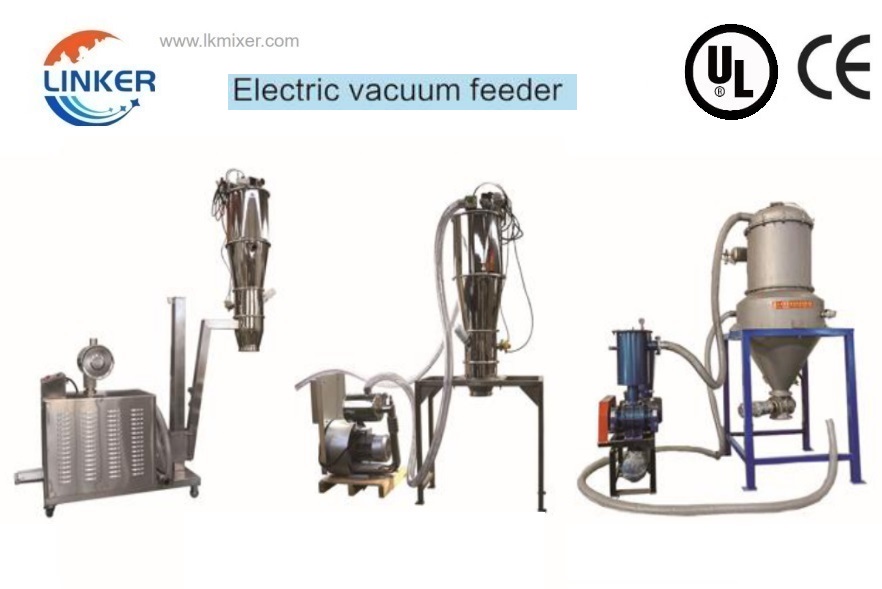
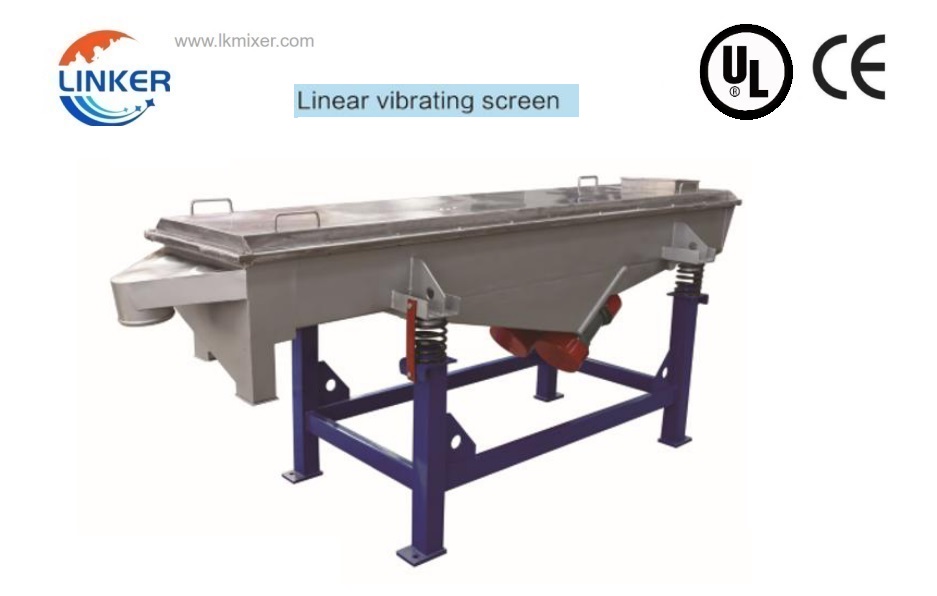
Sifter and screen for Sale:
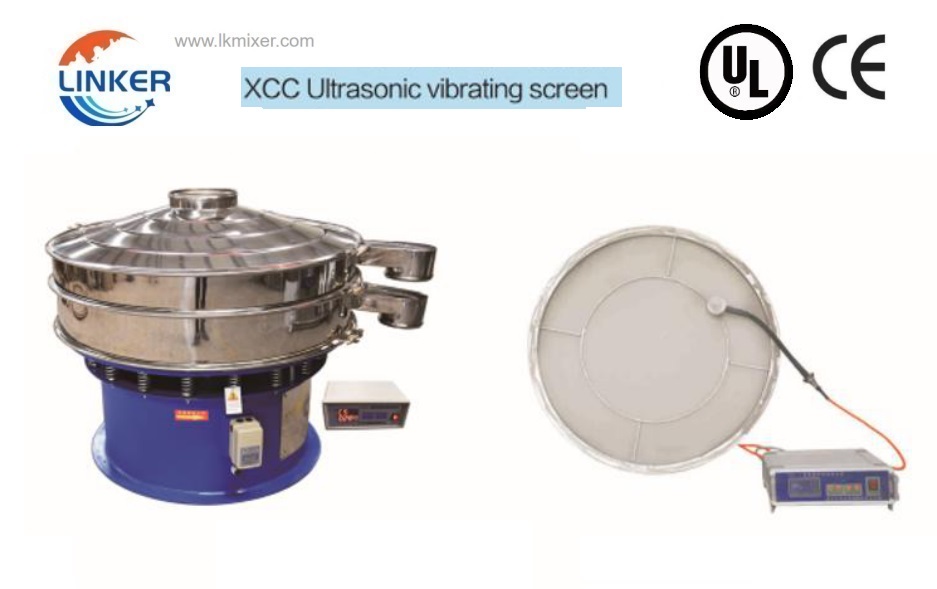
Ultrasonic Screen
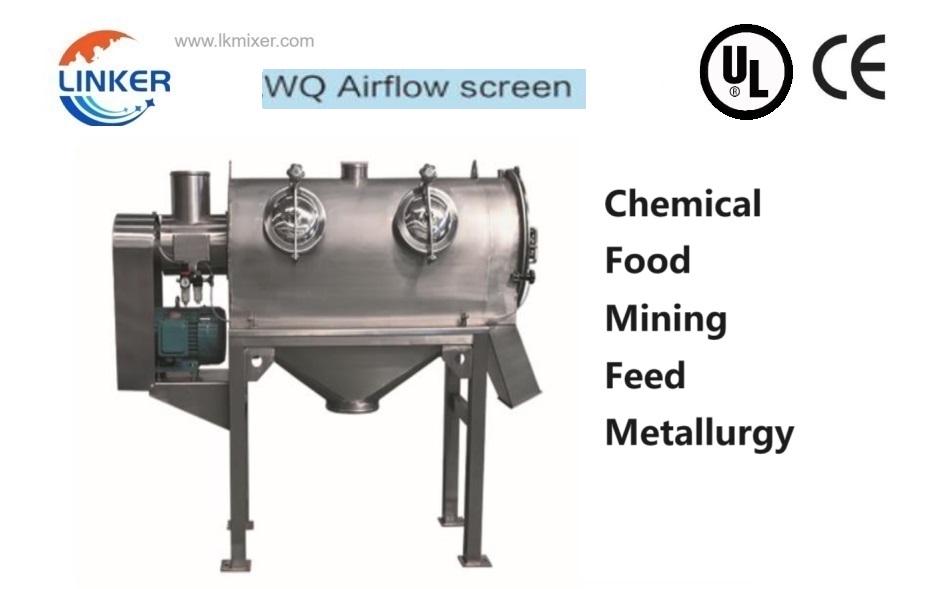
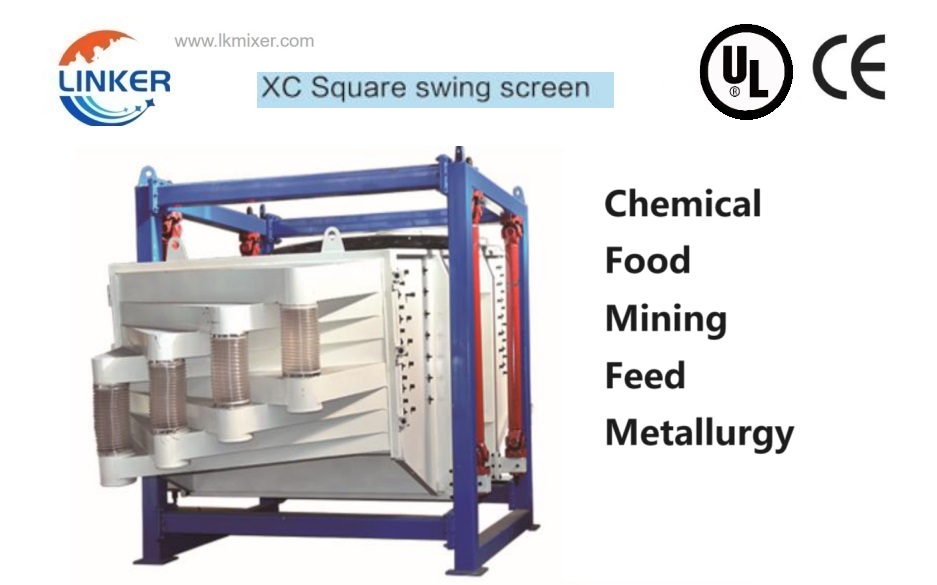
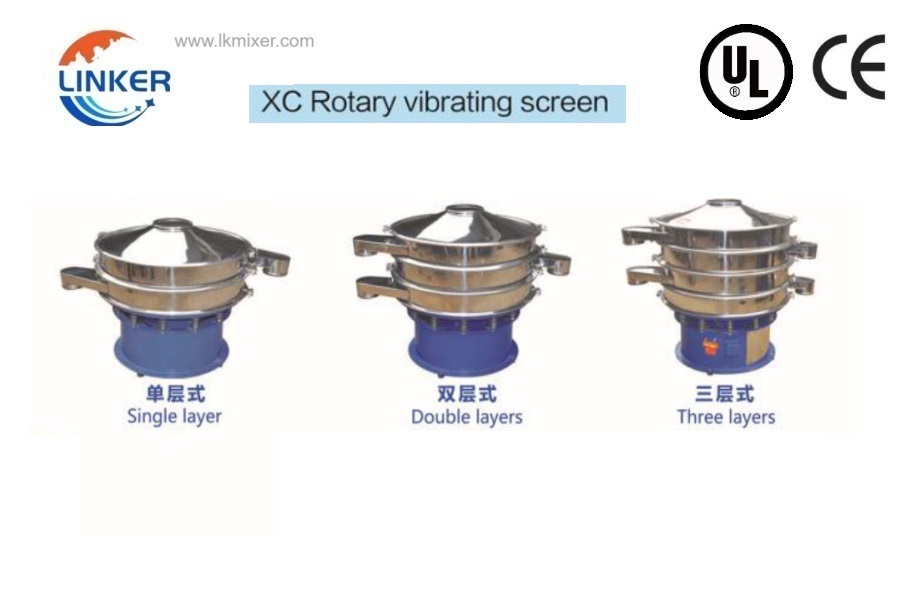
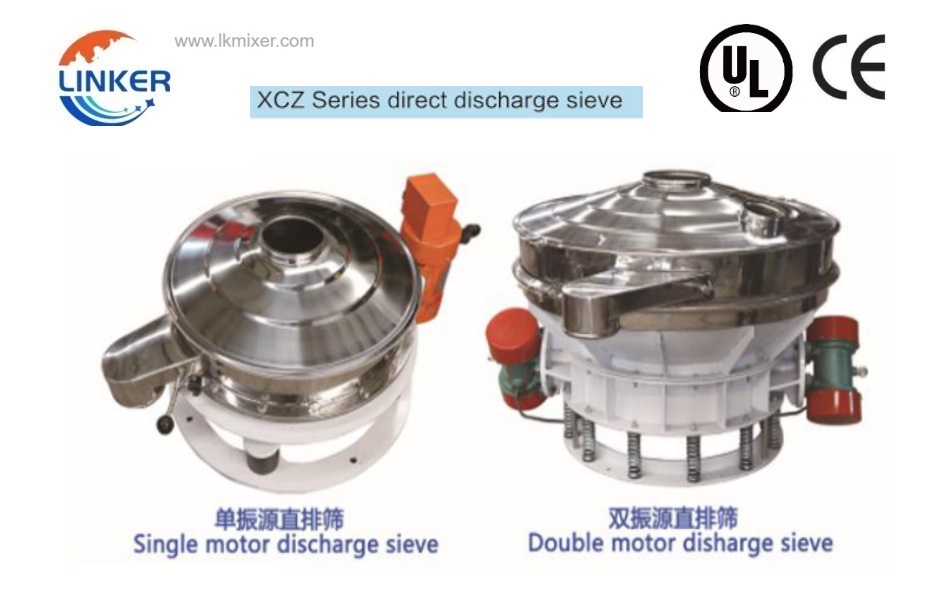
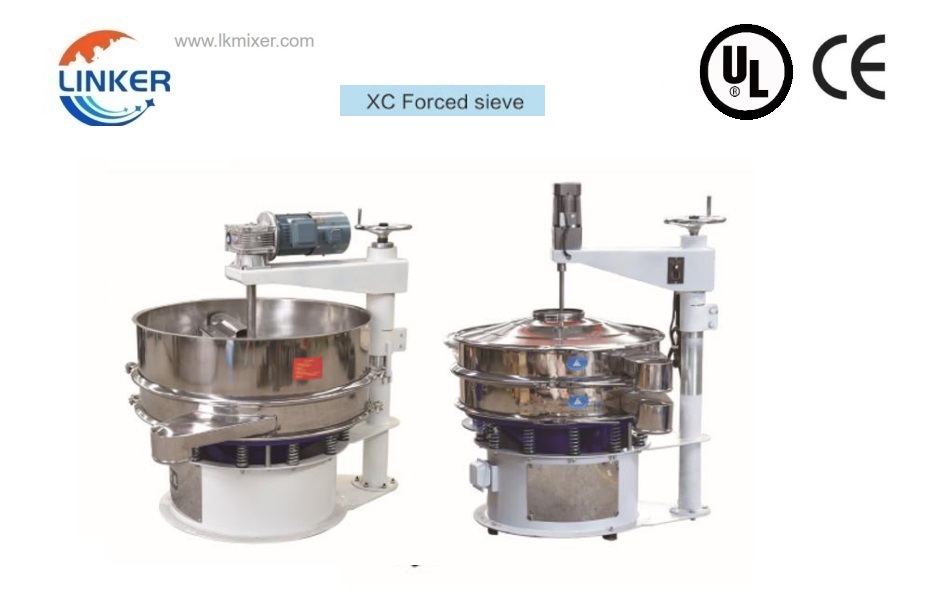
Ultrasonic Screen Machine for Sale: Ultrasonic Screen is a common used machine after the grinding process, it…Rotary Sifter
Rotary Sifter Machine for Sale: Rotary Sifter is a common used machine after the rice grinding process,…Rice Sifter Machine
Rice Sifter Machine for Sale: Rice Sifter Machine is a common used machine after the rice grinding…
Auxiliary Machines, Dryers for Sale:
Powder Feeder System Pump
Vacuum Feeder Machine for Sale: Vacuum Feeder is a common used machine to transport the material into…Industrial Vegetable drying machine
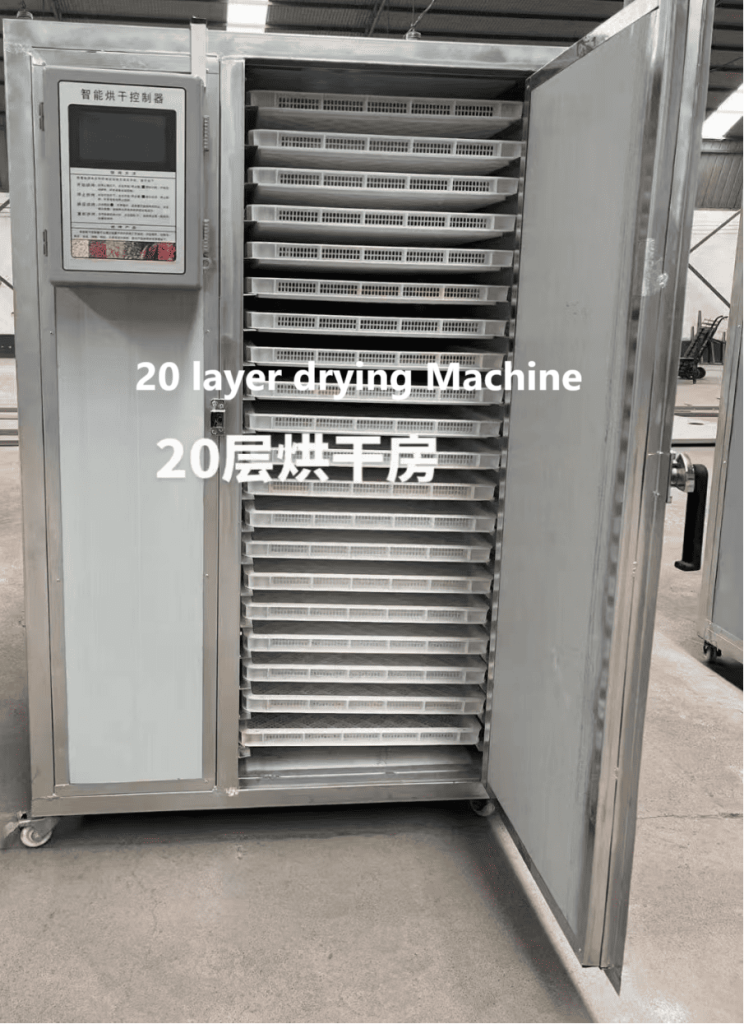
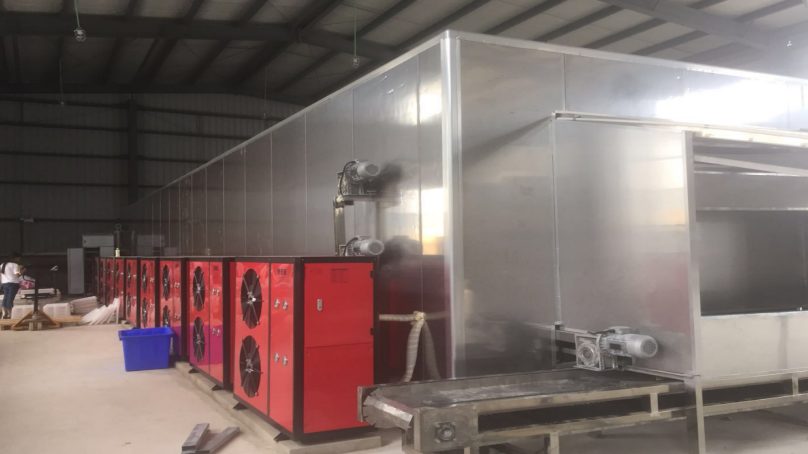
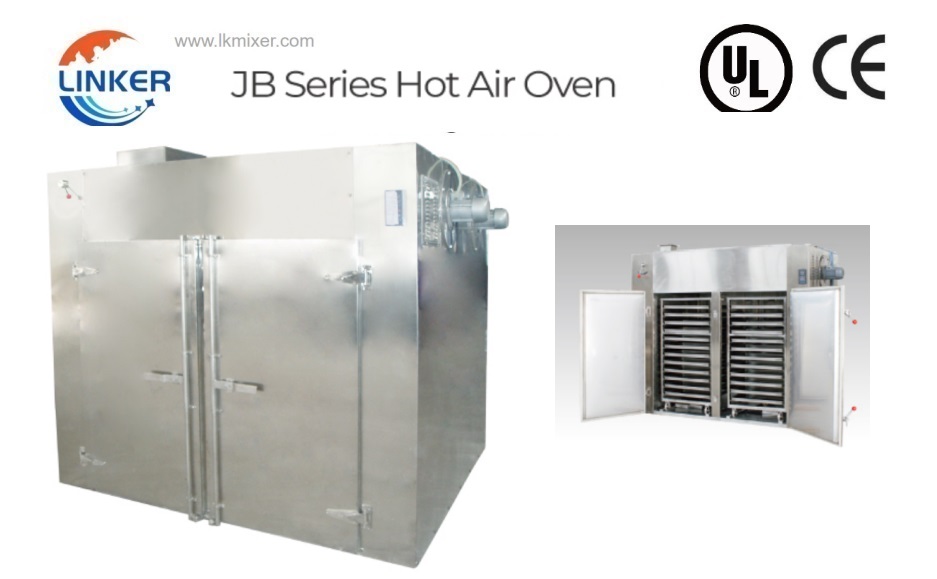
Industrial Vegetable drying machine 20 layers 50KG/batch Industrial fruit drying machine Youtube Video About LKMixer LKMixer is…
FAQ(Click and See More)
Why Choose Us?
We have 20 years manufacturing experiences; 15600 cubic meters factory area; 5000sets annual capacity; 55 professional engineers;
What’s your main maket?
South America: Brazil, Colombia, Peru, Bolivia, Uruguay, Paraguay ;Romania;
USA with UL Certification
Middle East: Saudi, Arabia, Oman, Turkey
Europe: Russia, Australia, Belarus, Ukraine, Poland
Can you support OEM?
– Yes, OEM or ODM. Machine can be customized according to customer detail requirement, including capacity and voltages, motor certifications.
– Drawing and raw materials also can be customized.
What after-sale services?
– 7*24 customer service online;
– 7*24 engineers online services;
– 12 months warranty services.
WHAT kind of MACHINE YOUR COMPANY HAVE?
CAN YOU GIVE ME GUIDE ON OTHER MACHINE ? TO FULL MY PRODUCTION LINE
YES ! Our f have factory build more than 20 years now, we can design and customize whole line, besides of the grinding machine, mixing machine, we can also fully support to provide the washing machine, cutting machine, drying machine, packing machine, filling machine. Though we are not producing these machine, but our brother companies co-work together for over 20 years, we have rich experience in providing you a full effective production line, fully automatically or semi-automatically.
HOW TO VISIT YOUR COMPANY?
Our Factory located in Jiangsu Province, very near to Shanghai, you can fly to Shanghai Pudong Airport, we pick you up and take you by car 2 hours ride, can reach our factory, welcome your visit.
WHAT’S YOUR BEFORE & AFTER SERVICE ?
1) Before your purchasing, we need to know your detail request, such as what kind of material you want to grind and mixing, what final product powder or granule you want to reach. Because different material and powder sizes request of different machine to do. We can provide professional advice and rich experience help to choose machine. Most of the products we have already did before for other customer, trail test or run mass production, so we knows which machine is best in performance of grinding and mixing. This is of very importance in helping you choose the right model. We also wish this can help our customer a lot. Even the material we didn’t do before, we will prepare the same material and to do the trail test and send video to you for your reference.
2) One Year guarantee of machine quality. If the machine have problem within one year, we will send you the spare parts to you for replacement, but this not including the damage caused by human causes. We also have 24 hours on line guide for customer, if you have operation difficulty, we will guide by video and on line communication with our engineer for your emergency debug.
3) For small machine, we sell with whole machine, it’s no need to install, and easy to operation, no problems for operation. While for large machine, its’s also not difficult to install with video guideline, but if you need, we can assign our technicians to go abroad, the round ticket, food and residents will be paid by customer.
HOW ABOUT YOUR PAYMENT TERM?
Our payment term is T/T. 50% payment in advance, rest of 50% payment finish before the goods shipped. When we finish the machine production we will do trail test and run the machine take videos for your green light. You pay the rest of 50% payment then.
Recommend Reading
What is an industrial robot arm called?
What is an industrial robot arm called? In technical standards and engineering practice, an industrial…What is the most common robotic arm?
What is the most common robotic arm? The most popular robotic arm is the 6-degree-of-freedom…Is robot arm an Al?
Is robot arm an Al? A robot arm is a programmable physical execution device with…