Is robot arm an Al?
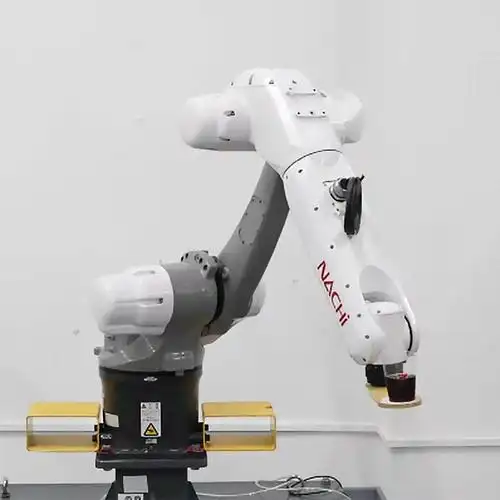
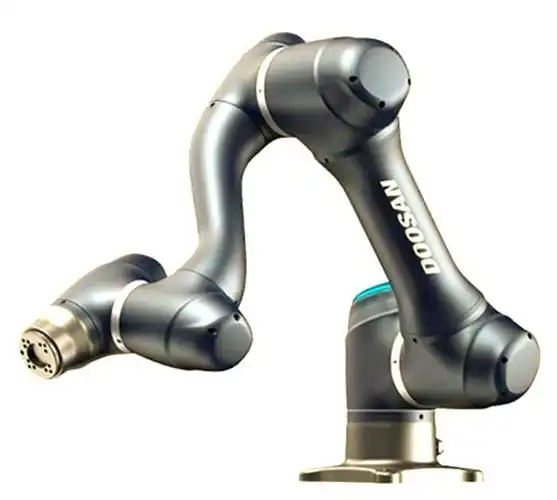
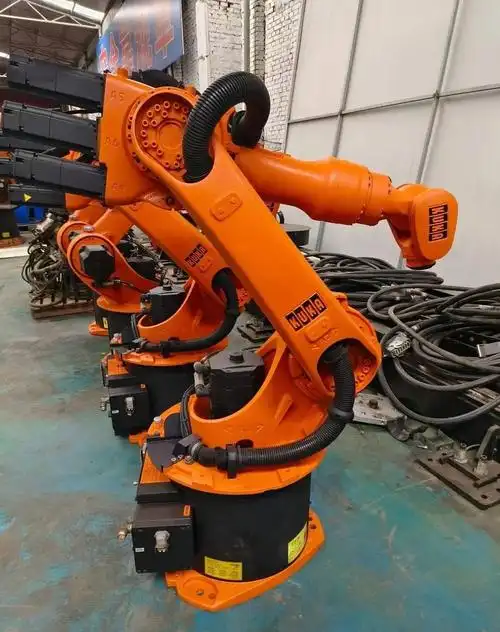
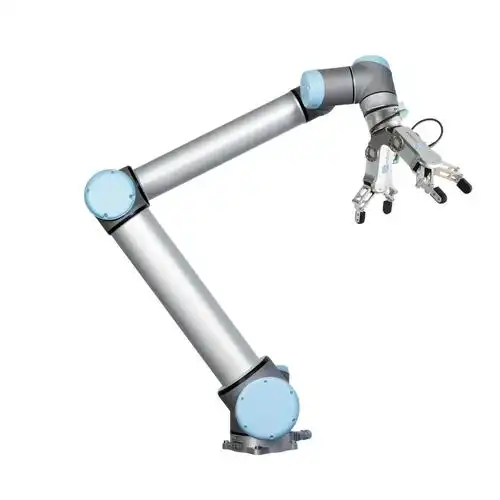
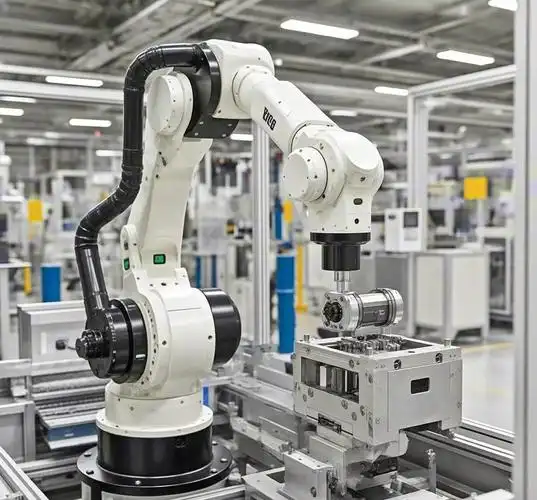
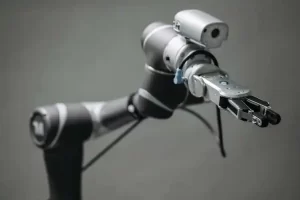
Is robot arm an Al? A robot arm is a programmable physical execution device with several degrees of freedom; it is not an intelligent system in and of itself; rather, it is an automated engineering system.
Confusion between the two will result in a misinterpretation of the essence of the technology since they differ fundamentally in terms of operational logic, functional structure, and technical description.
The Core of a Robot Arm: A Motion Execution System
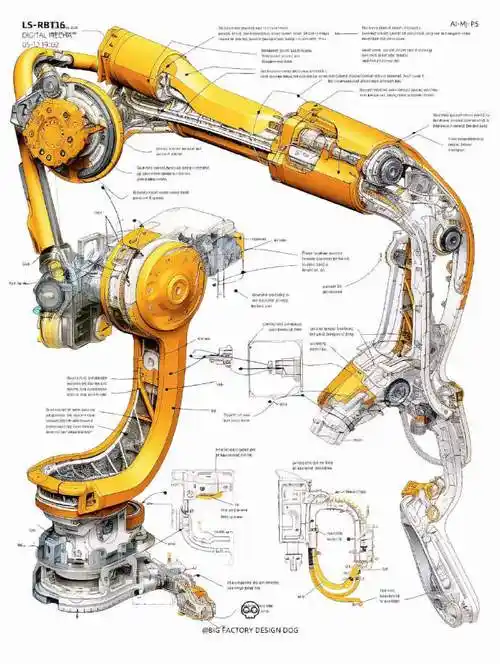
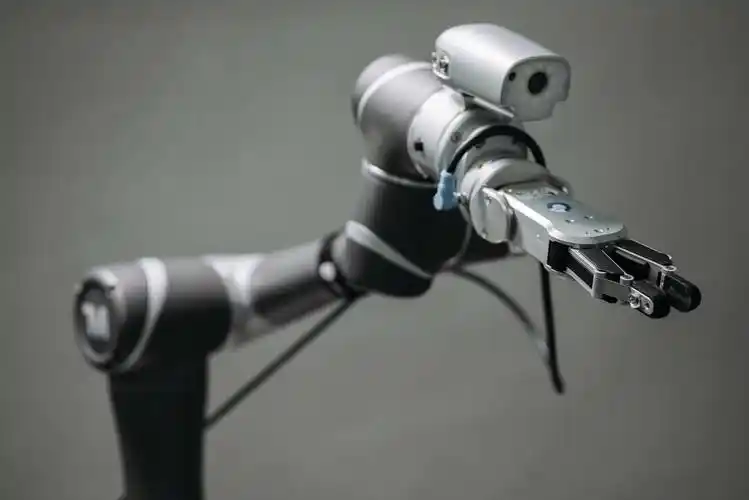
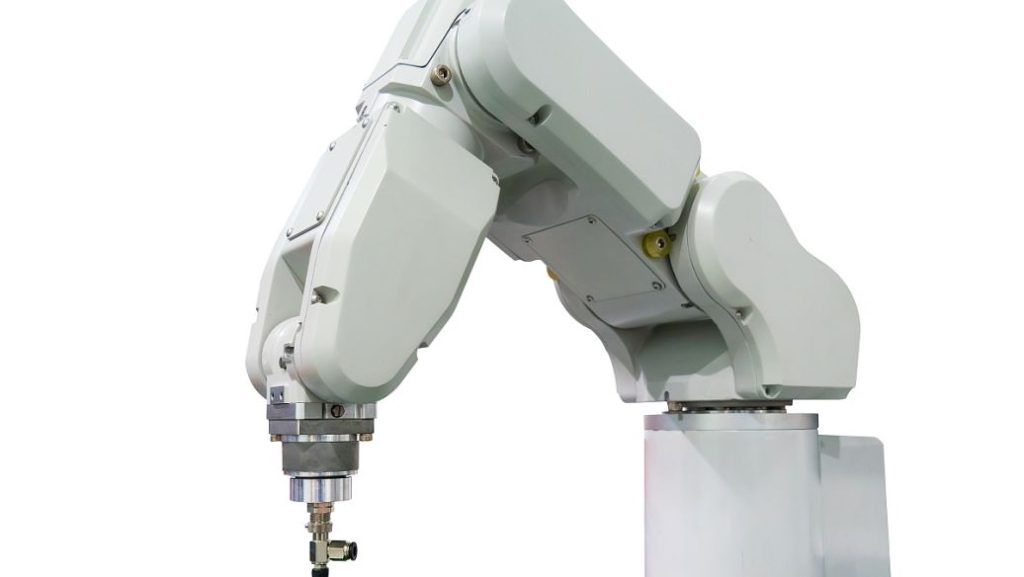
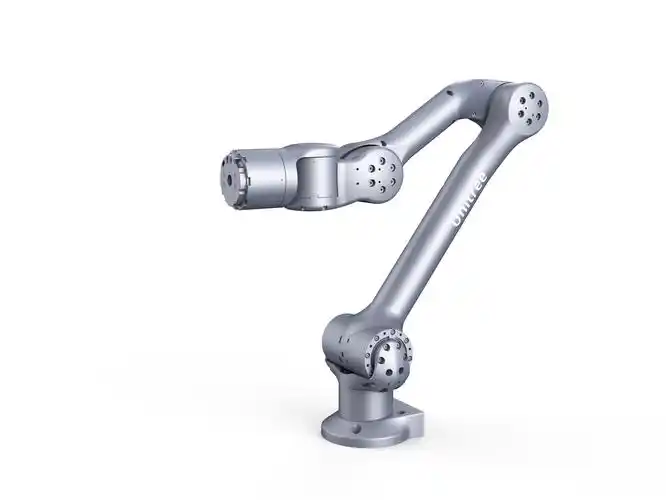
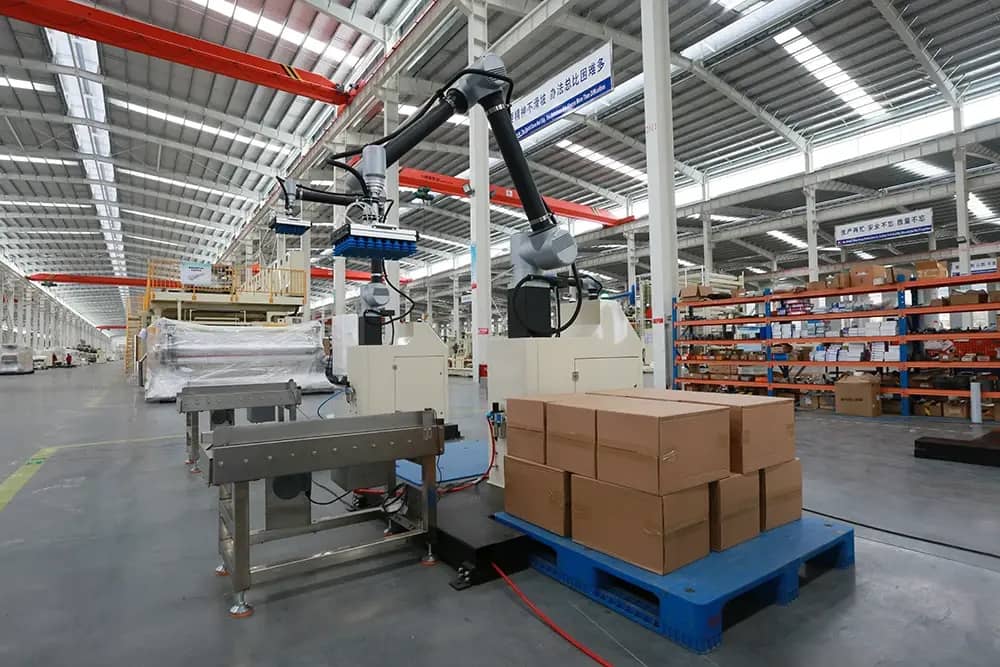
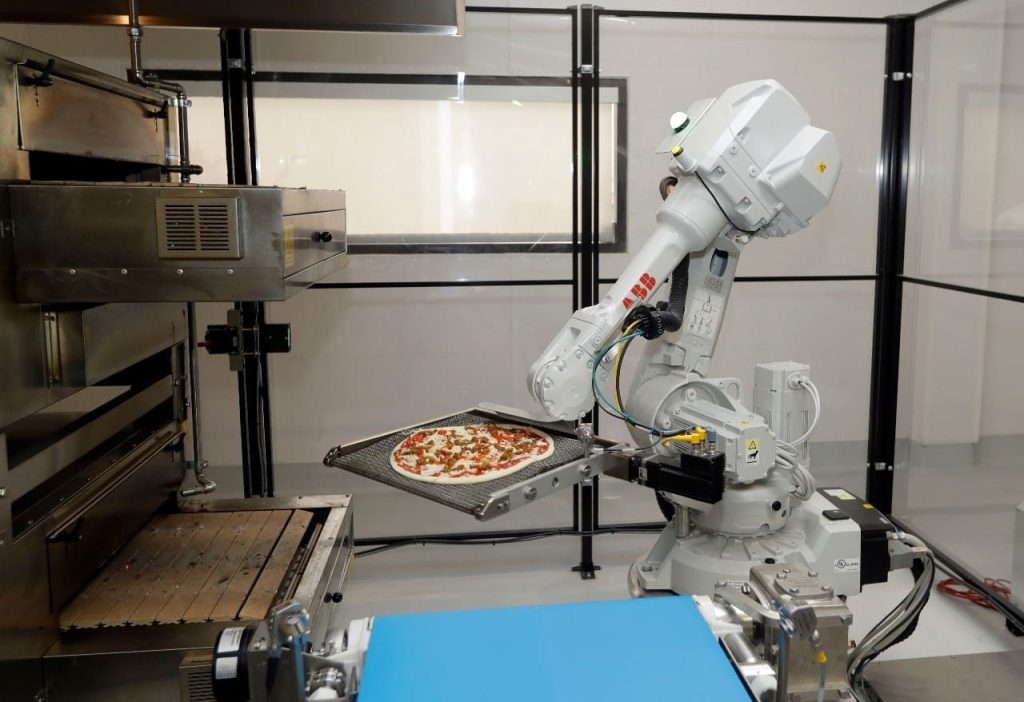
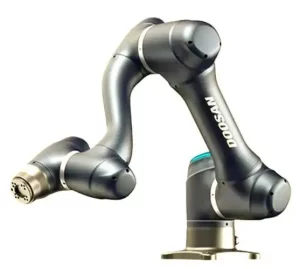
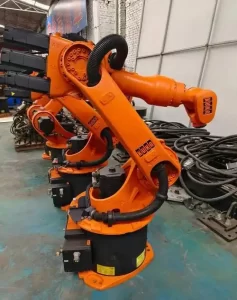
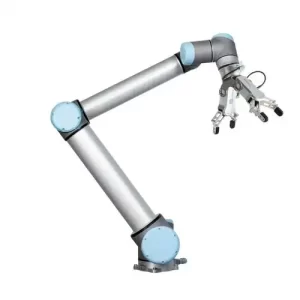
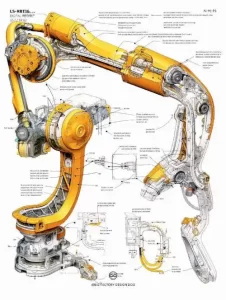
A robot arm’s motion execution system, which includes a base, joints, connecting rods, transmission mechanisms, and an end effector, is its central component.
Its purpose is to carry out repetitive spatial trajectory motions in accordance with preprogrammed programming. It is unable to recognize changes in its surroundings, comprehend the purpose of an activity, or adjust its own conduct.
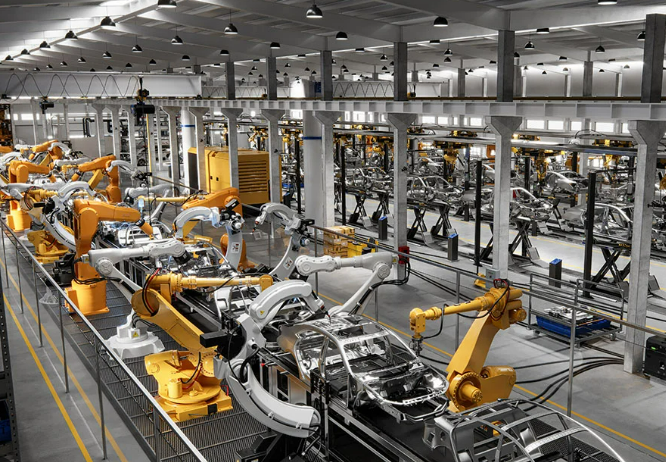
On an automobile welding production line, for instance, a robot arm continuously welds hundreds of times along a predetermined path, and each movement is precisely the same.
Until a safety shutdown is initiated, the workpiece will continue to operate in accordance with the original program even if its position marginally changes.
This behavior mode is called deterministic control, and its reliability comes from mechanical precision and program stability, not intelligent judgment.
This is similar to how a 500KG Grinder or 200KG grinder operates according to fixed parameters without independent judgment.
The Essence of AI: An Algorithm-Driven Decision-Making System
Autonomous perception (obtaining environmental information through sensors), autonomous learning (extracting rules from data and optimizing behavior patterns), and autonomous decision-making (independently choosing the best course of action under uncertain conditions) are the fundamental features of artificial intelligence (AI), which is essentially an algorithm-driven decision-making system.
Algorithm models that operate in computational units and are not dependent on physical carriers—like deep neural networks, reinforcement learning techniques, or Bayesian inference frameworks—realize these possibilities.
A recommendation system, speech recognition engine, or image classification model are all typical AI; they can exist and function without any mechanical structure.
This is different from a robot arm that operates an Electric Grinder or CE Certificate grinder, which relies entirely on physical structure to complete tasks.
Collaboration Between Robot Arms and AI: Not Equivalence
Robot arms frequently collaborate with AI systems in contemporary industrial practice, however this does not imply that robot arms “become” AI.
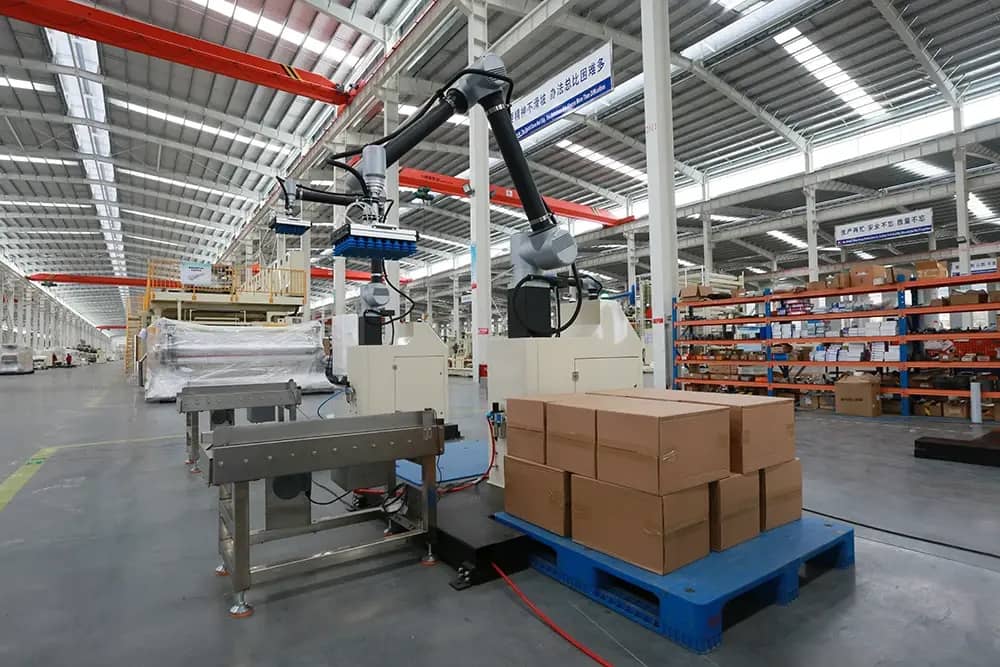
When a workpiece’s position is detected by a visual sensor and fed back to the AI model, the AI model computes a corrected path. The control system then instructs the robot arm to carry out the revised action; in this scenario, the robot arm is the execution layer and AI is the decision-making layer.
Although they work together in a “perception-decision-execution” closed loop, AI is in charge of “thinking,” while the robot arm is in charge of “moving.”
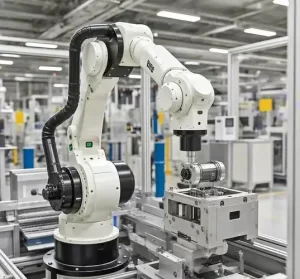
For example, in the precision assembly of electronic components, the end of the robot arm is integrated with a force sensor, and the AI model dynamically adjusts the insertion angle and force through real-time force feedback to achieve micron-level adaptive assembly.
The source of this ability is the online optimization of AI algorithms, not that the robot arm itself has intelligence, just like a stainless steel herb grinder or black pepper grinder needs external control to work.
Academic Consensus: Robot Arms vs. AI
There is broad agreement among academics that AI is an abstract intelligent system and a robot is an embodied physical system.
A robot is defined by the International Organization for Standardization (ISO 8373) as “a reprogrammable, multi-purpose, automatically controlled mechanical arm”; intelligence characteristics are not mentioned.
“Algorithms and models that simulate human cognitive functions” have traditionally been the main focus of IEEE and ACM definitions of AI.
Consequently, a robot arm system with AI vision and adaptive control is an AI-enabled robot system; a robot arm system that only follows predetermined trajectories is a non-AI robot.
The former is a tool, and the latter is an intelligent agent, similar to how a Vacuum Mill or Ultrafine Grinder is a tool, while the AI that controls it is the intelligent core.
Integration of Robot Arms and AI: Fusion Does Not Mean Identity
The two are becoming more integrated as a result of technological advancement, but this does not imply equivalency.
Currently, the term “intelligent robot arm” refers to a combined “AI controller + mechanical actuator” device.
The robot arm itself doesn’t alter, but its AI module can be separately improved, swapped out, or moved to different platforms.
This suggests that the software layer, rather not the hardware layer, is responsible for the intelligent attribute.
The robot arm may still do simple tasks like running an airflow pulverizer or a high-speed dry grinder in accordance with preprogrammed routines even if the AI algorithm is eliminated.
If the robot arm is removed, the AI algorithm can still run in virtual simulation or the cloud.
The two are functionally coupled, not essentially the same, just like a dry ginger grinding machine or licorice grinding machine is coupled with a control system but not the same as the system.
Conclusion: Robot Arm Is Not AI
A robot arm is therefore not AI. AI is the brain that gives these precise hands the capacity to comprehend, learn, and adapt.
When a brain is present, the hands become an extension of intelligence; otherwise, they are merely mechanical.
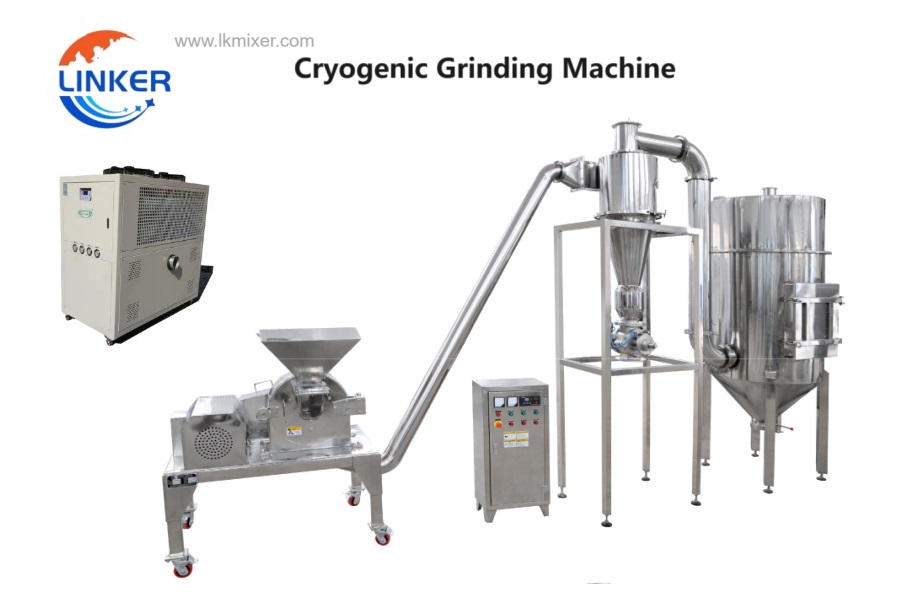
This is comparable to how AI may increase the flexibility and efficiency of a mechanical tool, such as a dry fruit powder grinder or cryogenic grinding machine.
Increasing the strength of the brain is more important for technological advancement than increasing the intelligence of the hands.
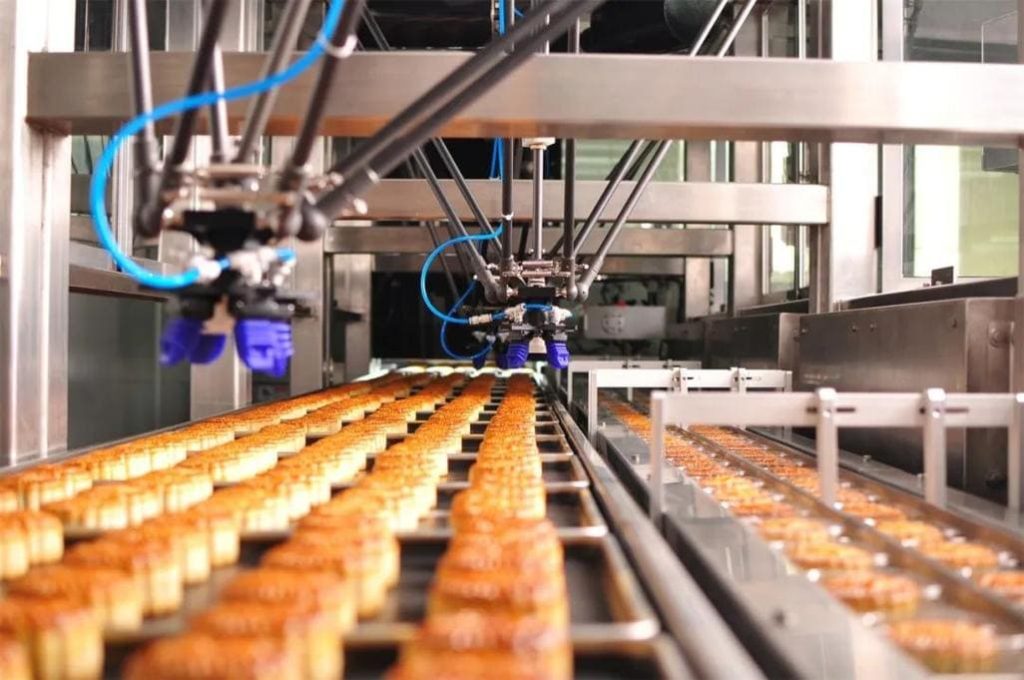
A robot arm used in food processing may handle rice, peanut, or seasam items, but its ability to adjust to various material sizes and forms is made possible by artificial intelligence.
When operating a Dust Grinder or Hammer Mill, the robot arm executes the movement, while AI adjusts the speed and intensity according to the material condition.
Whether it is processing meat, wheat, and corn, or handling coffee, tea, and sugar, the robot arm is the executor, and AI is the decision-maker.
Even in scenarios involving cannabis, tobacco, or salt, the robot arm relies on AI to recognize and handle different materials accurately.
Knowing the distinction between AI and robot arms makes it easier to use these technologies in a variety of sectors, including food processing and industrial manufacturing.
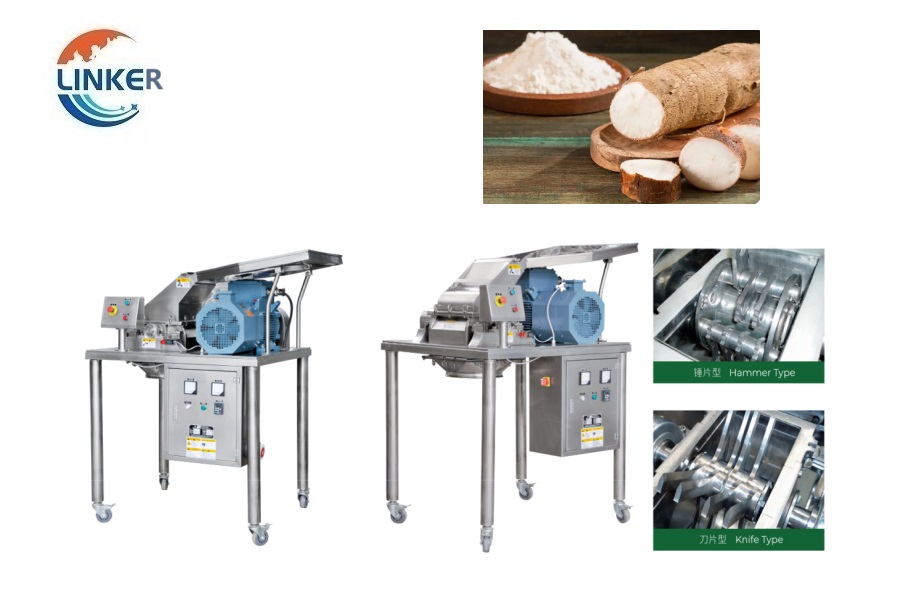
Additionally, it aids in the development and utilization of robot arms for machinery such as air-cooled crushers, cassava grinders, and tiny grinders.
AI is essentially an intelligent algorithm, while the robot arm is a physical tool. They cooperate to further automation and intelligence, but they are never the same.
Avoiding the misconception that “all automated equipment is AI” is essential for technical research, engineering applications, and even popular science.
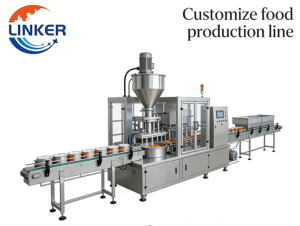
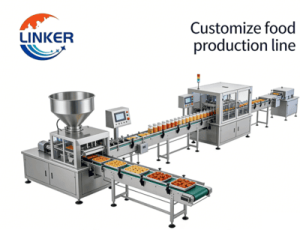
Related Production Line Customization:
Recommend Post about Production Line:
Food Producing Process Flow:
Ultrafine grinding is one of the very key procedure in whole production line. It depends how many mesh that customer need to produce. That’s to say this machine can decide what kind of material will get finally before mxing.
Coarse Crusher Machine —>Grinding Machine —> Vibrating Table Sifter Machine—>Mixing Machine—>Packing Machine —> (Printed Packaging Film Roll or bags ) —> Filling, sealing machine, capping and Labeling Machine —>Pack into Box.

About LKMixer
LKMixer is a professional manufacturer for fertilizer production line, grinder, mixer and granulator, shredder. These machines are widely used in food, pharmaceutical, cosmetic, health care products and chemical industries. The Food materials like Peanut, mushroom, seeds, potato, bean, tobacco, salt, cannabis, tea, Sugar, corn, Coffee, rice, pepper, grain as so on. Grinders have many types such as Pulse Dust Grinder which suitable for zero pollution environment, Turbine Mill which is suitable for coffee bean, 12-120mesh all can meet, Ultrafine Grinding Mill covers 80-200mesh, and also Winnowing Dust Grinder or other grinding machines like SF Hammer. Welcome to contact us for details. Contact us for more information. Proposal, catalog, quotation. Mobile/WhatsApp: +86 18019763531 Tel: +86 21 66037855 Email: sales@lkmixer.com
Contact Us
Tel: +86 66037855
Email:sales@lkmixer.com
Working Time: Monday ~Frinday 9:00AM~17:00PM
Please call us Whatsapp, or mail to us.
Grinder for Sale:
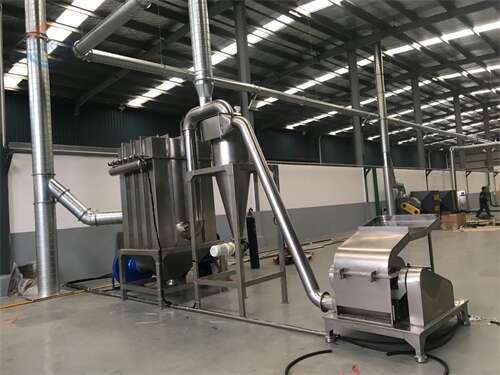
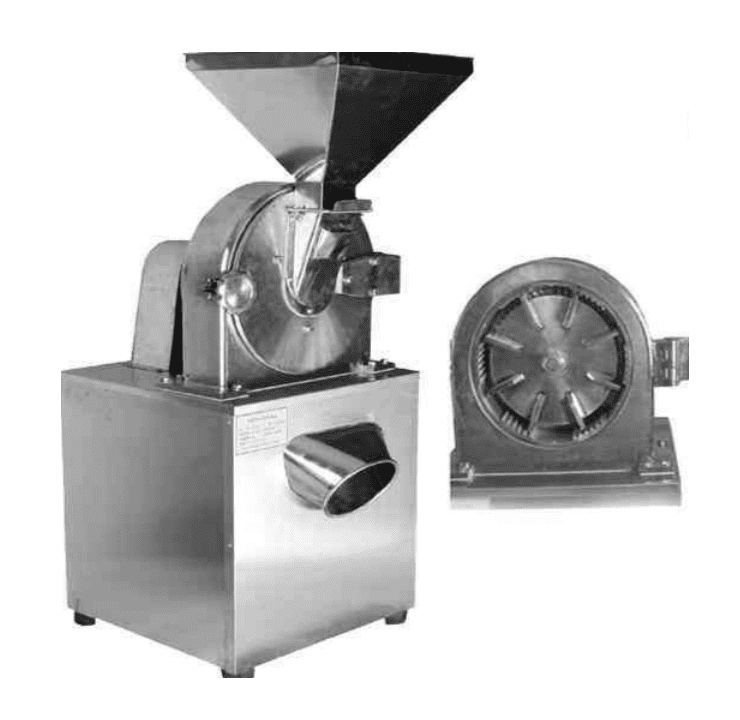
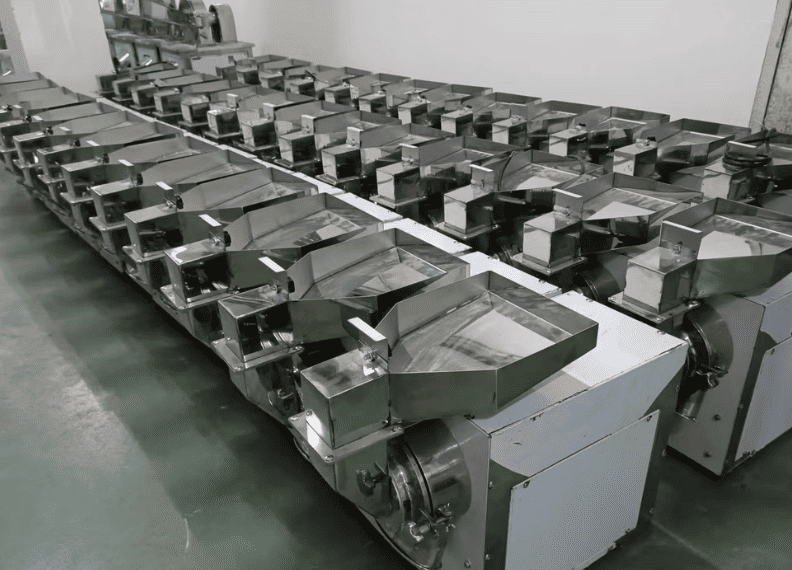
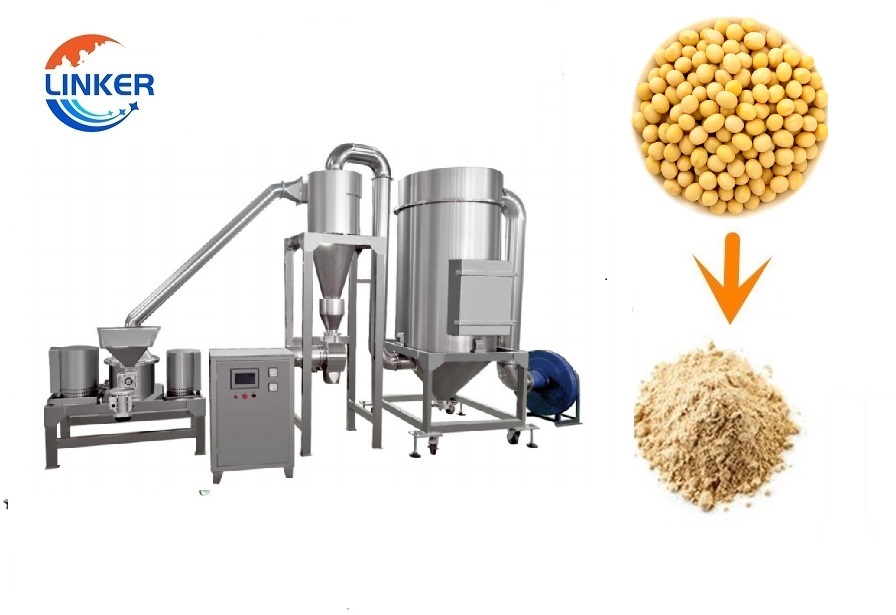
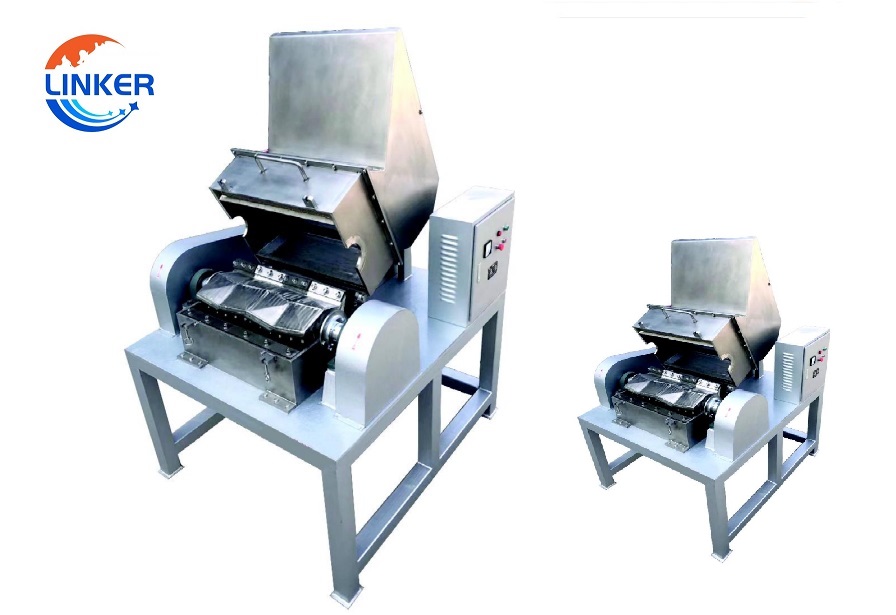
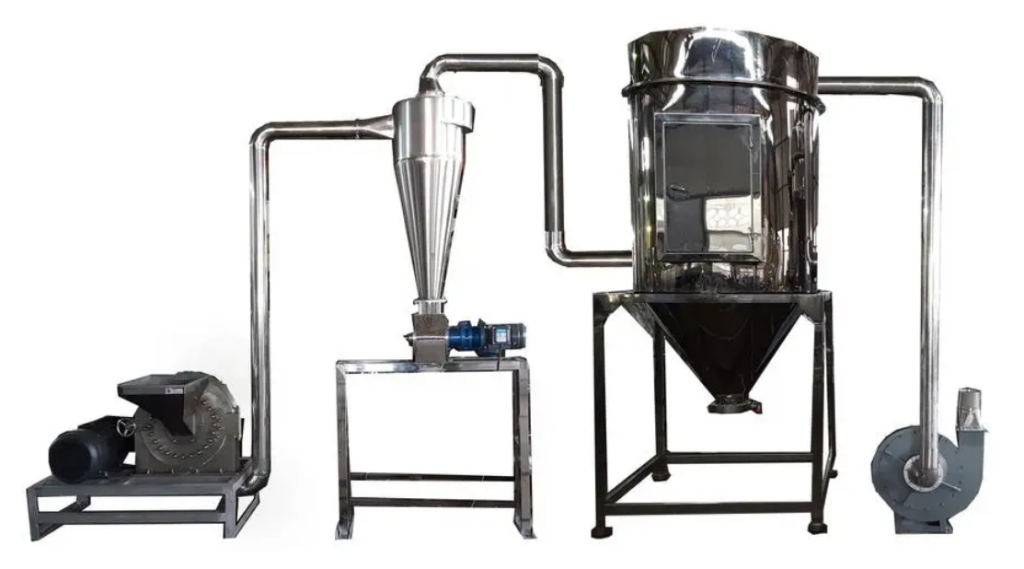
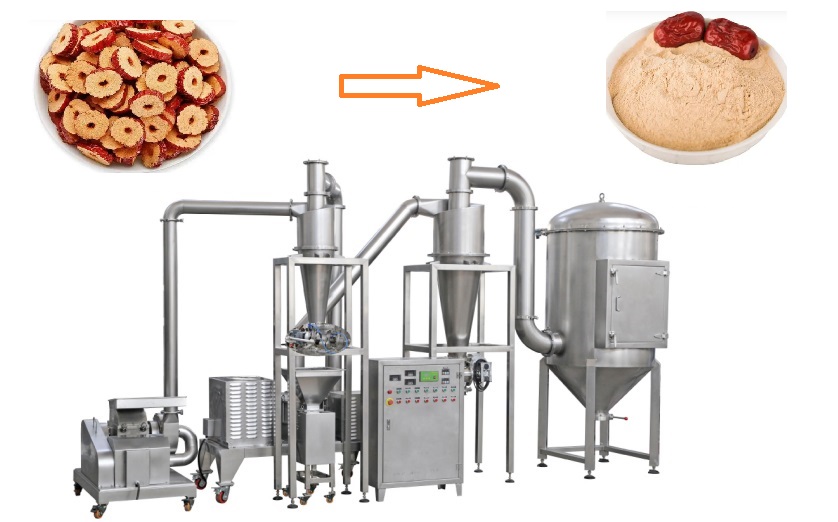
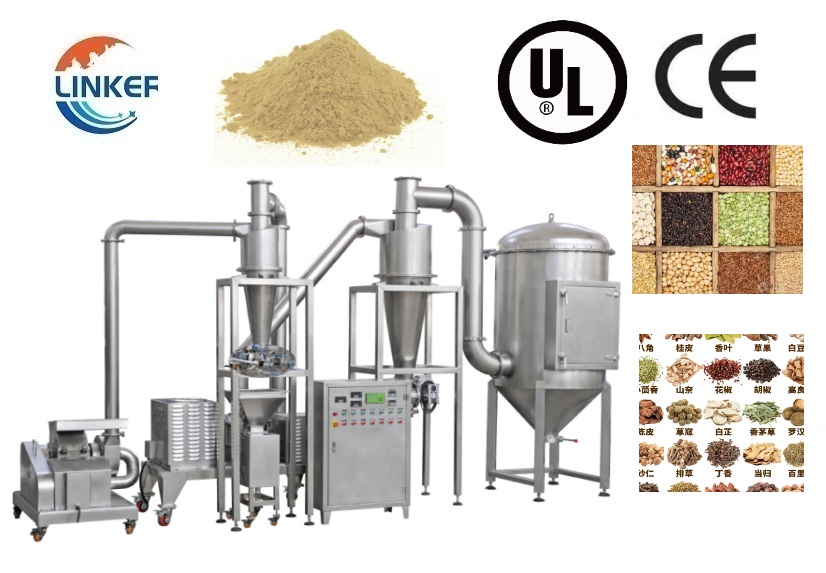
Rubber Powder Grinding Machine
Rubber Powder Grinding Machine Industrial Cumin Seeds Grinder Youtube Video Customization Seeds Grinder According to your…
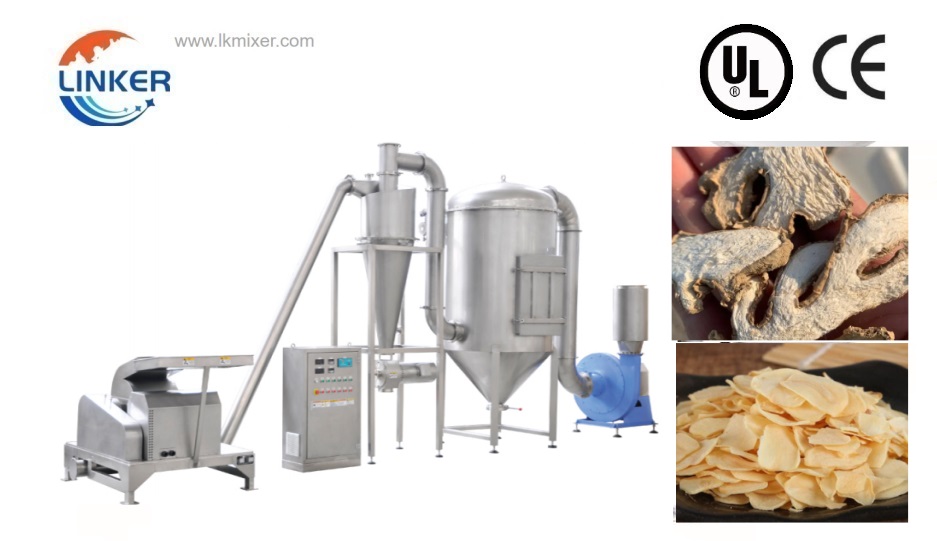
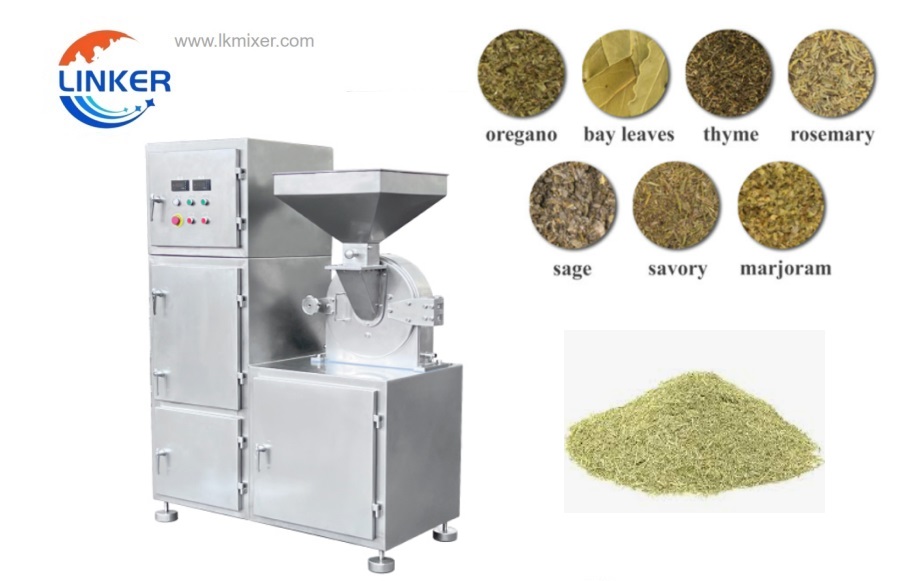
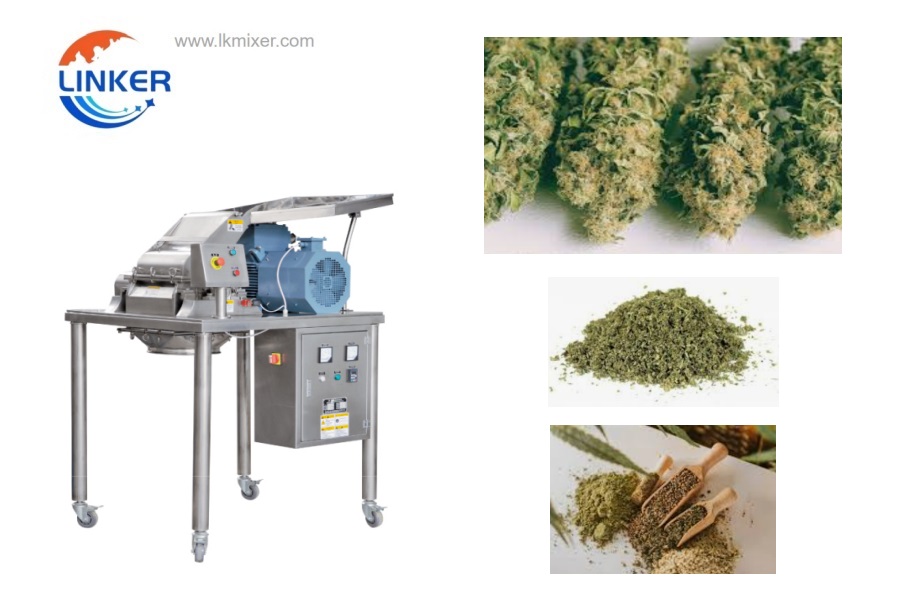
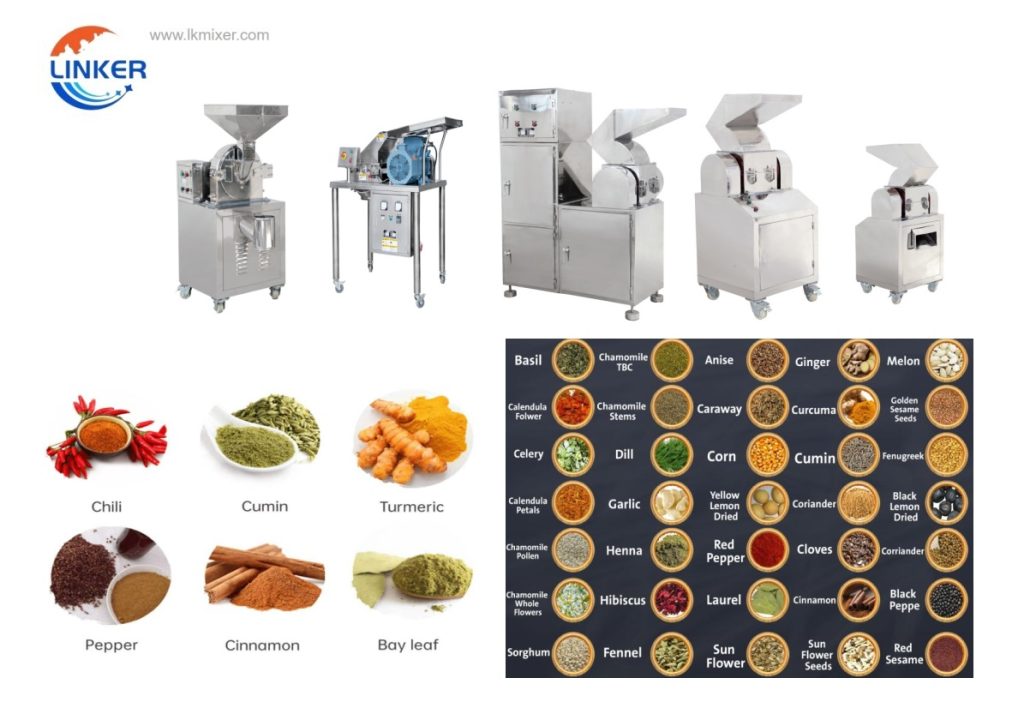
Blenders for Sale:
Small Blender 2L 5L 10L 15L 20L
You may also interest in: Small Blender for Sale: LKMixer we have many different model of Small…Solid-Liquid Blender
Solid-Liquid Blender for Sale: Solid-Liquid Blender also called Double Shafts Paddle Mixer, it is paddle type and…Fertilizer Production Line
What is fertilizer production line? Fertilizer production line is a whole set of equipment which used to…
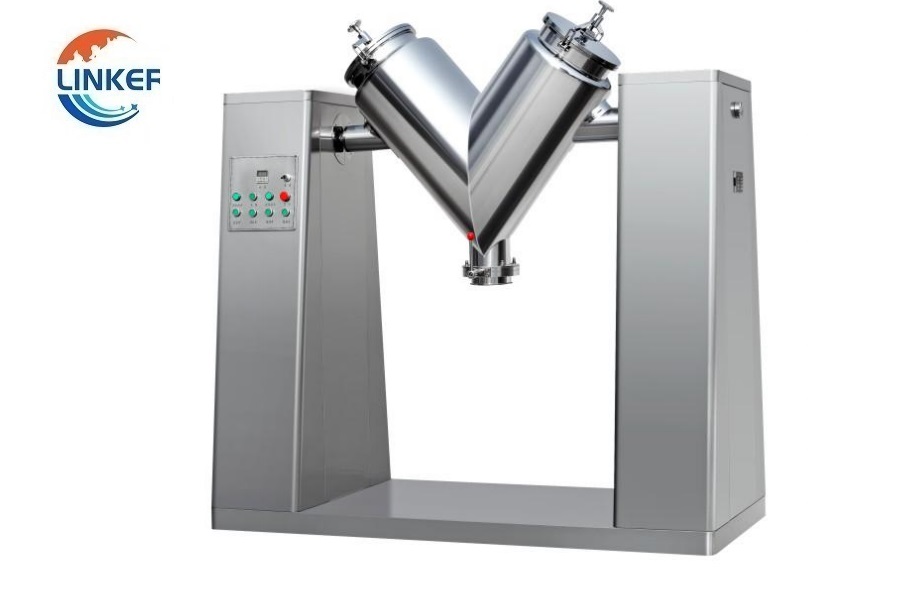
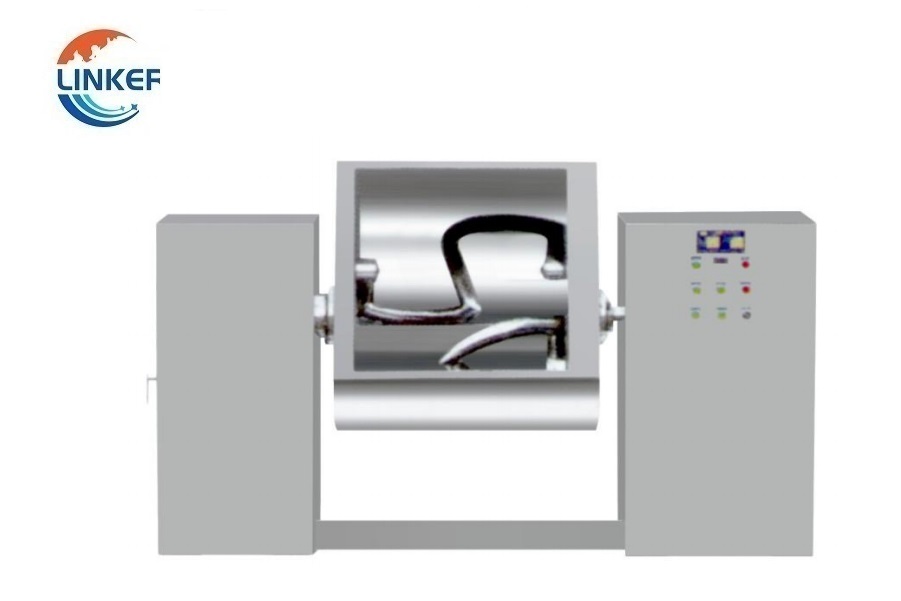
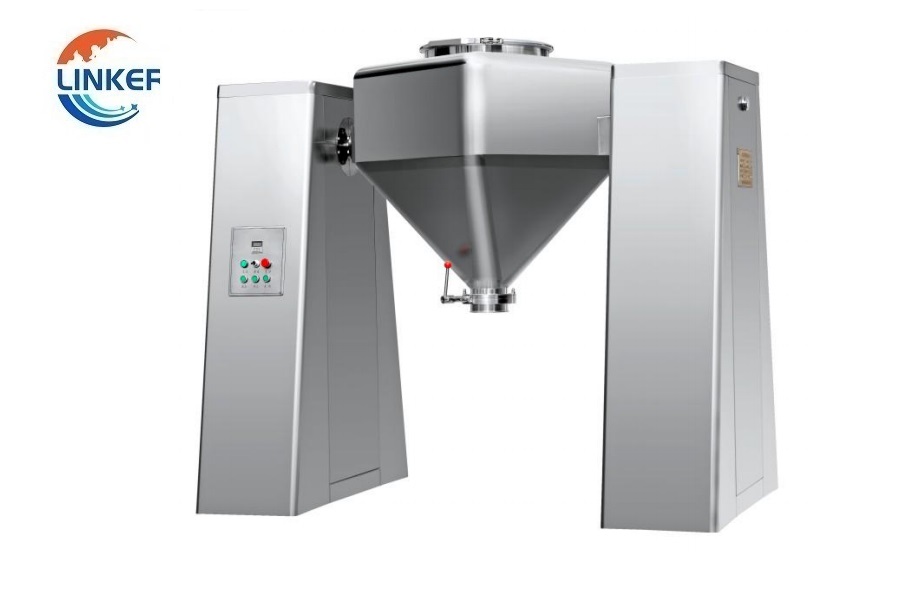
Granulator for Sale:
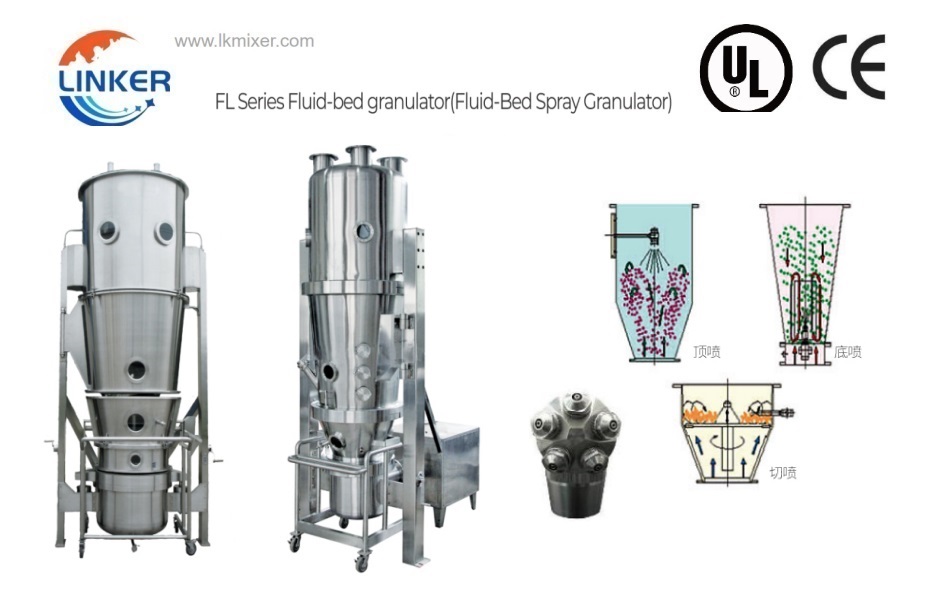
Fluid Bed Granulator
What is a Fluid Bed Granulator? Fluid Bed Granulator is a machine mainly used for pharmaceutical granulation…Dry Granulating Machine
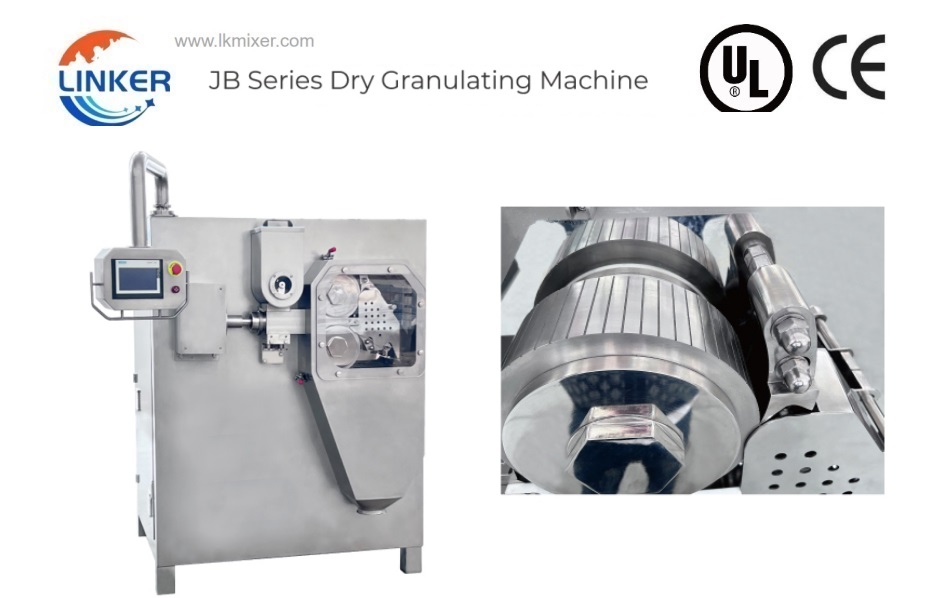
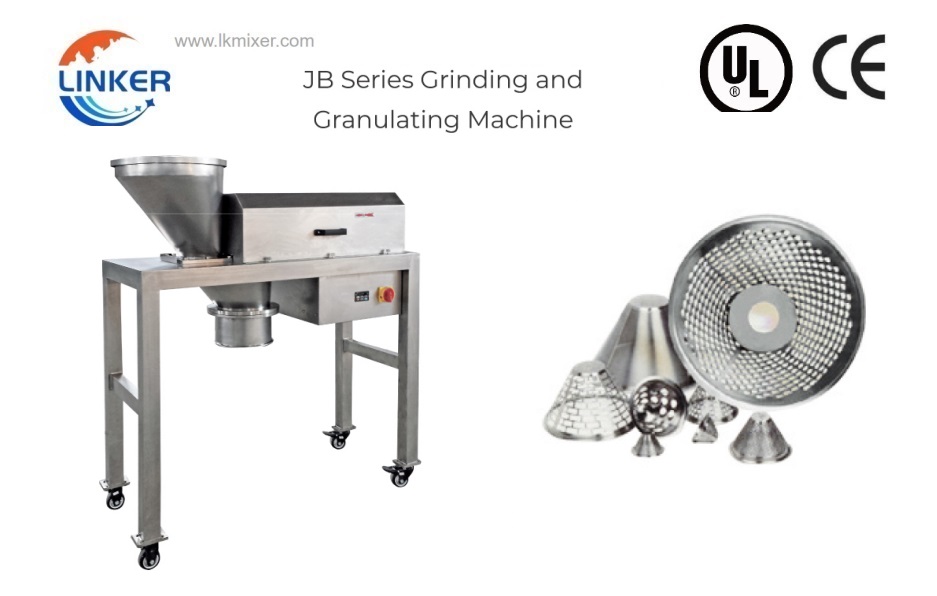
What is a Dry granulating machine? A dry granulating machine uses dry roller press technology to compress…BJB Grinding and Granulating Machine
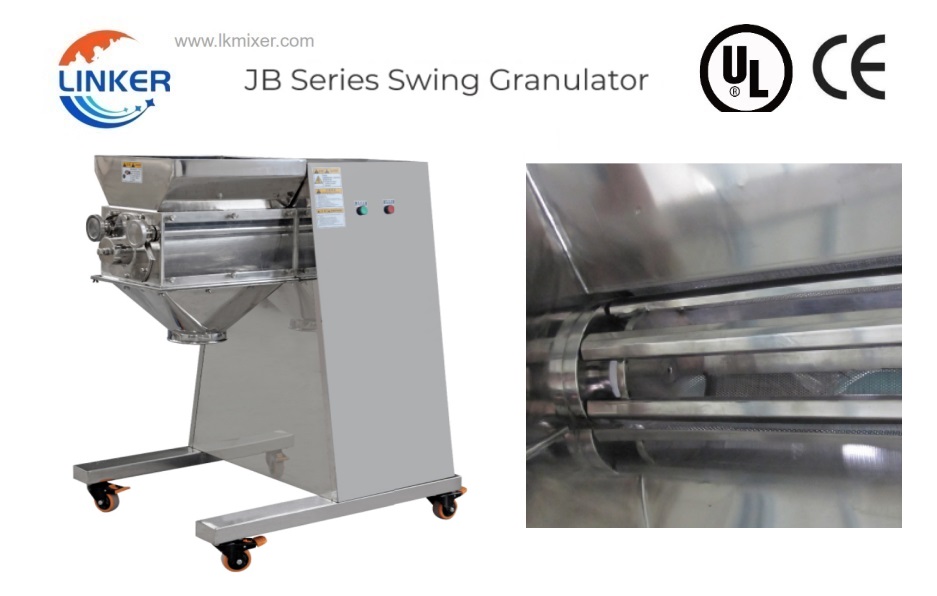
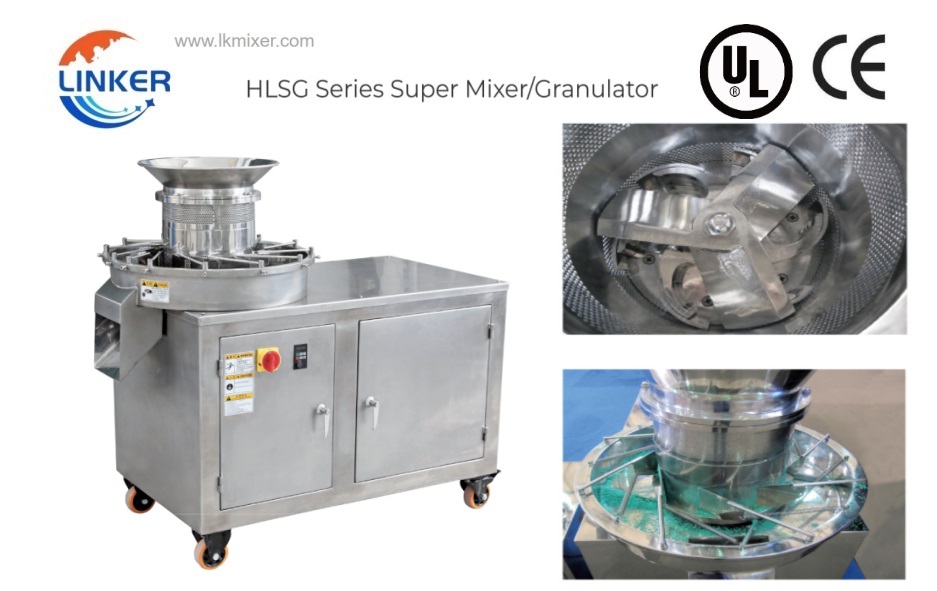
What is a granulating machine? A granulating machine is an industrial device used to shape powdered or…
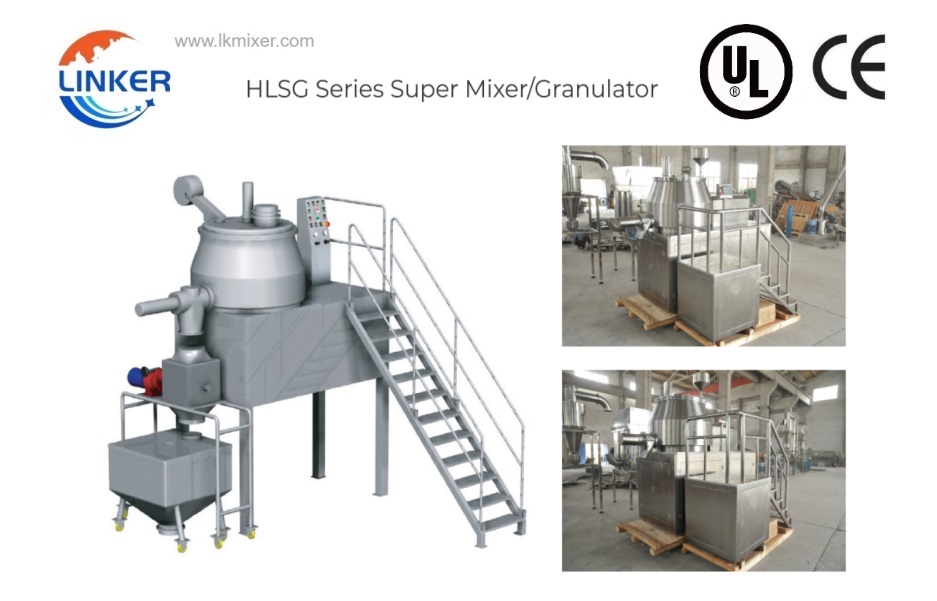
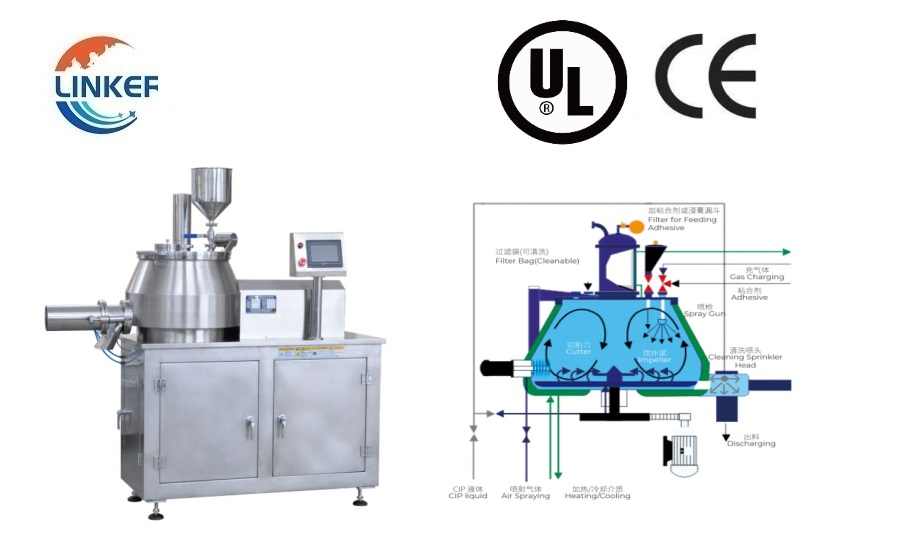
Conveyor and Auto Feeder for Sale:
Powder Feeder System Pump
Vacuum Feeder Machine for Sale: Vacuum Feeder is a common used machine to transport the material into…Pneumatic Vacuum Feeder
Vacuum Feeder Machine for Sale: Vacuum Feeder is a common used machine to transport the material into…Electric Vacuum Feeder
Vacuum Feeder Machine for Sale: Vacuum Feeder is a common used machine to transport the material into…
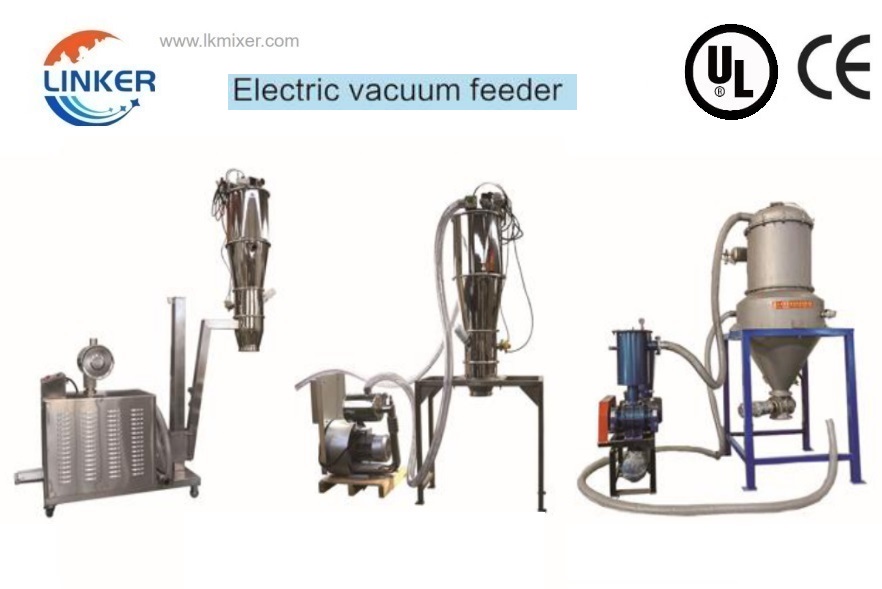
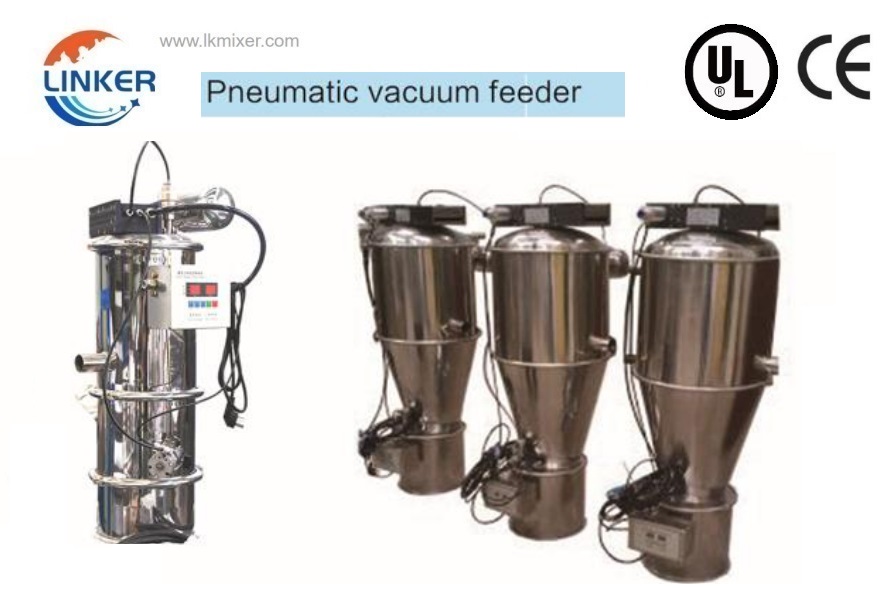
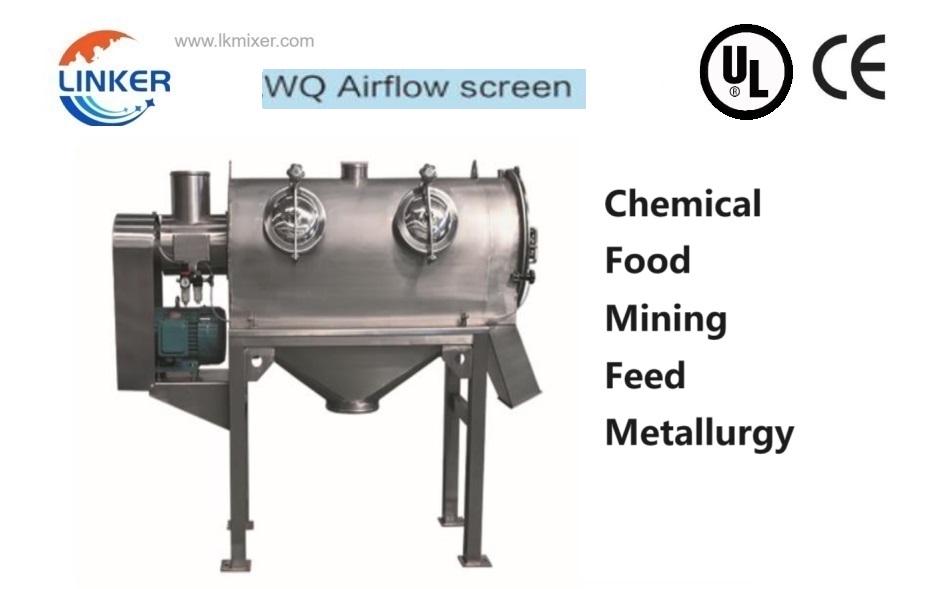
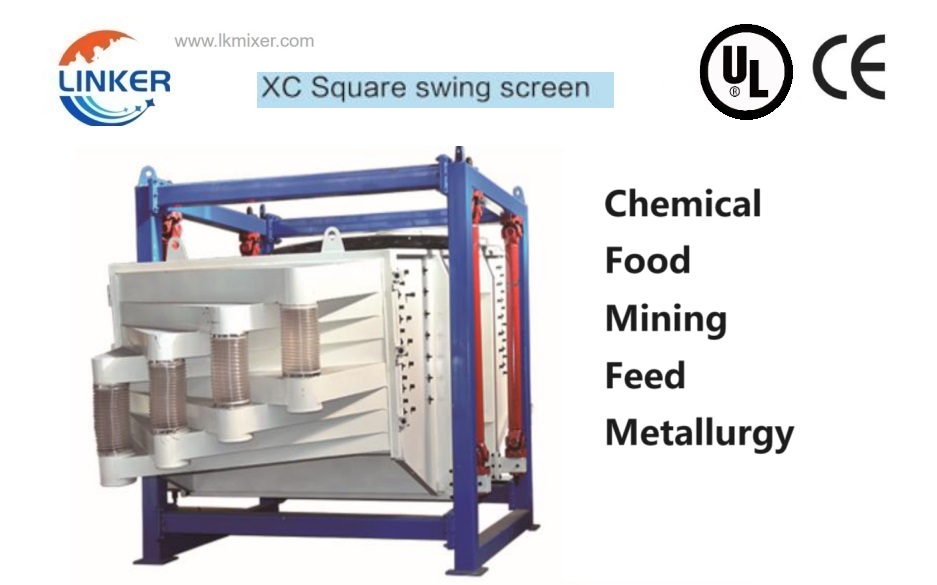
Sifter and screen for Sale:
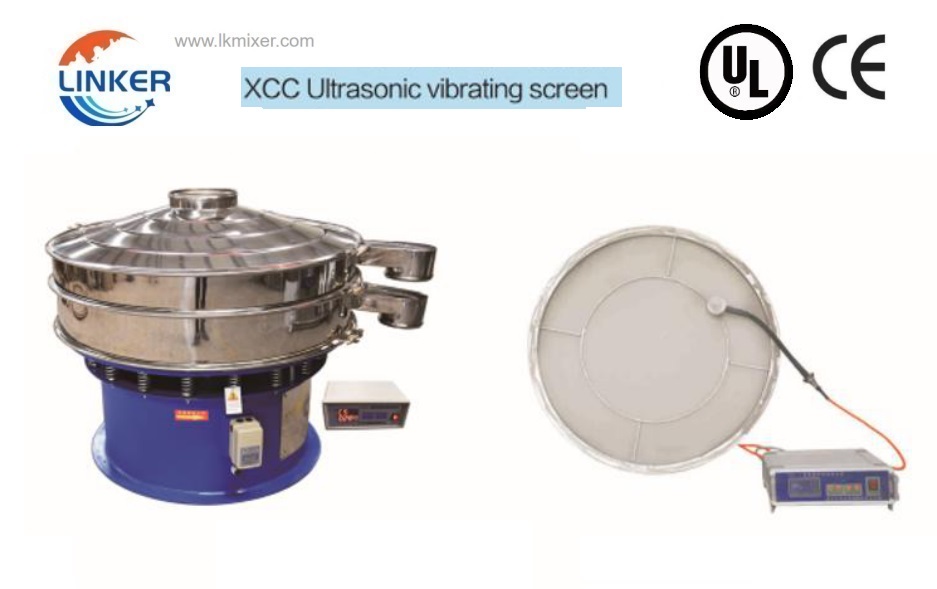
Ultrasonic Screen
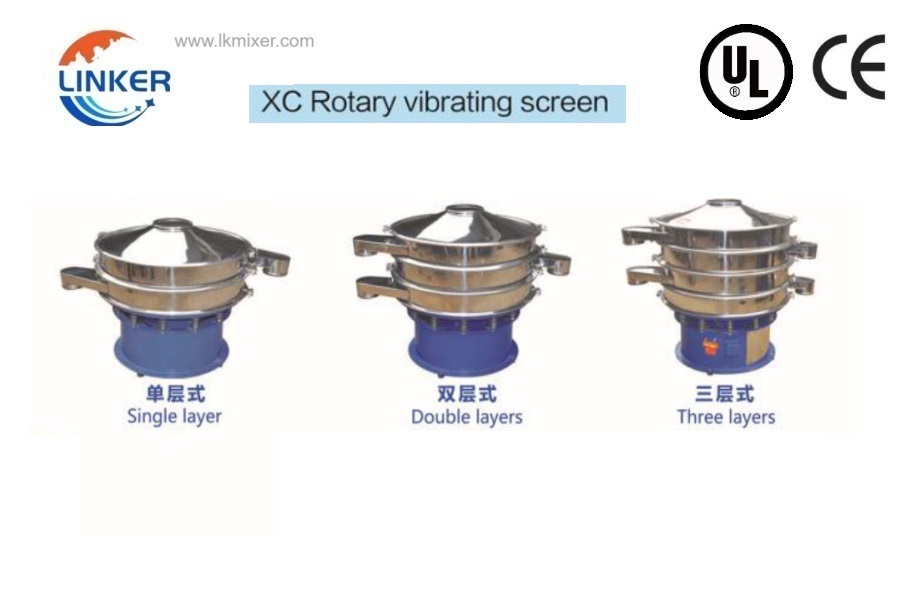
Ultrasonic Screen Machine for Sale: Ultrasonic Screen is a common used machine after the grinding process, it…Rotary Sifter
Rotary Sifter Machine for Sale: Rotary Sifter is a common used machine after the rice grinding process,…Rice Sifter Machine
Rice Sifter Machine for Sale: Rice Sifter Machine is a common used machine after the rice grinding…
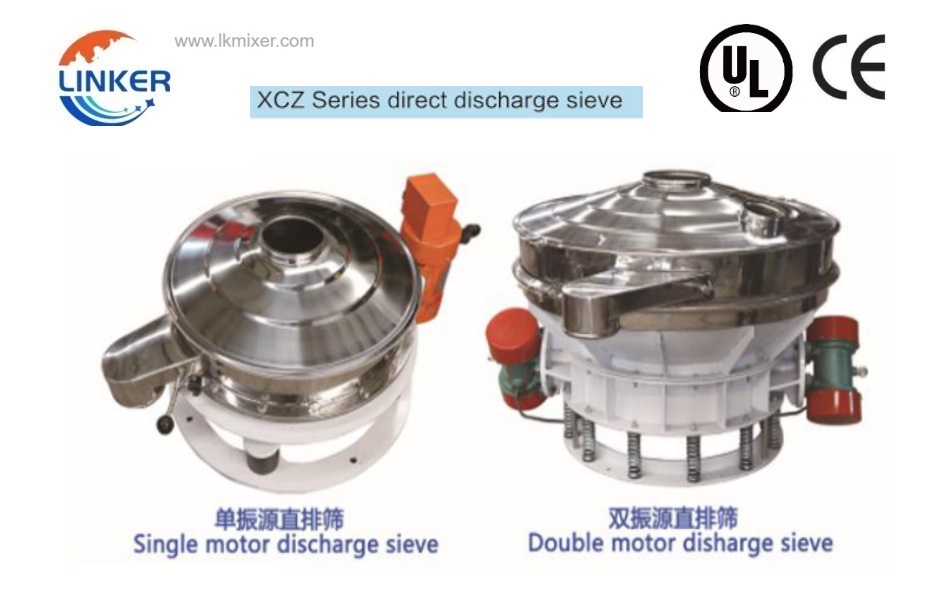
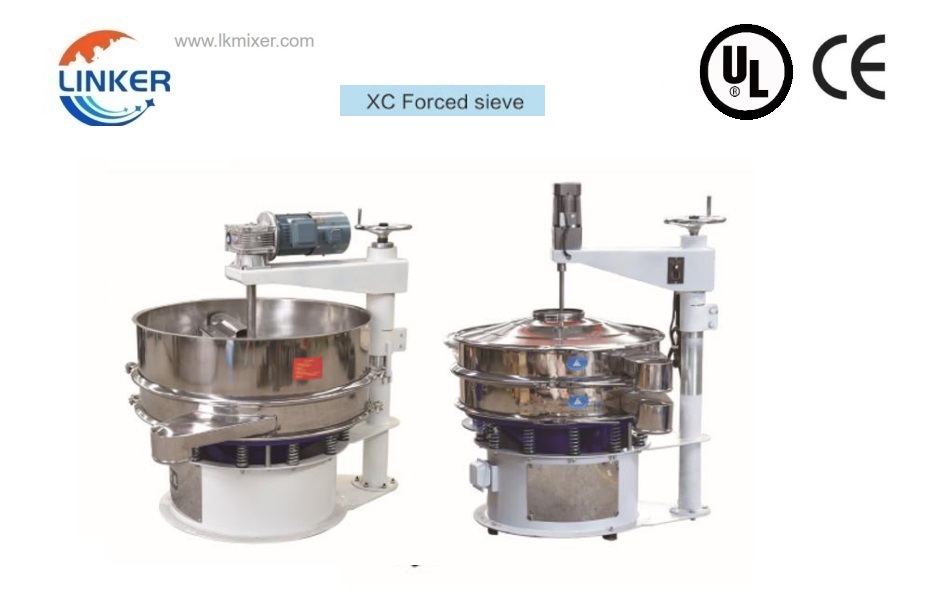
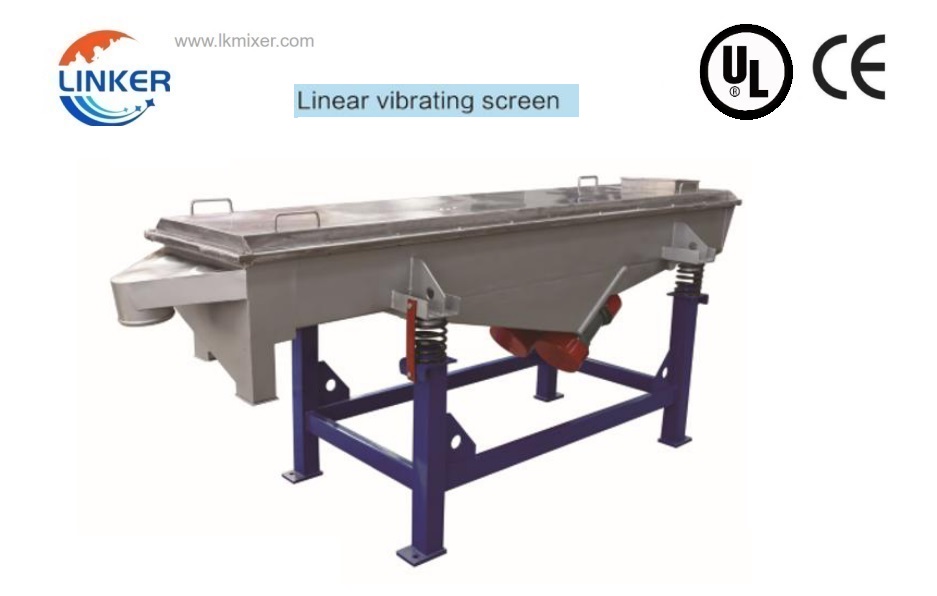
Auxiliary Machines, Dryers for Sale:
Powder Feeder System Pump
Vacuum Feeder Machine for Sale: Vacuum Feeder is a common used machine to transport the material into…Industrial Vegetable drying machine
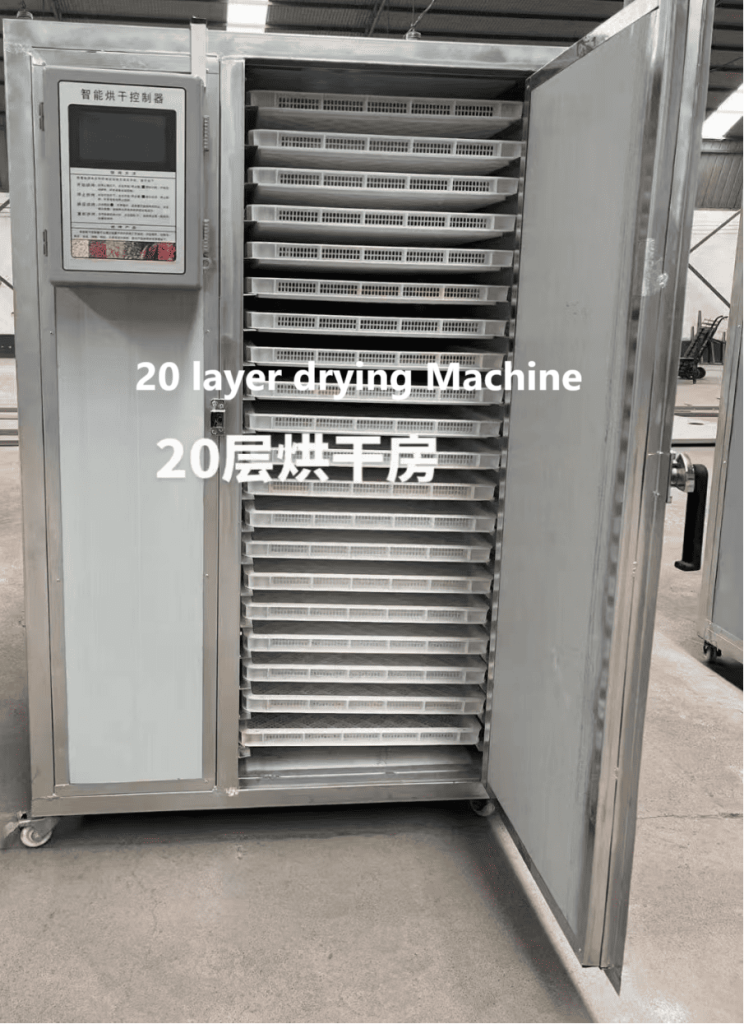
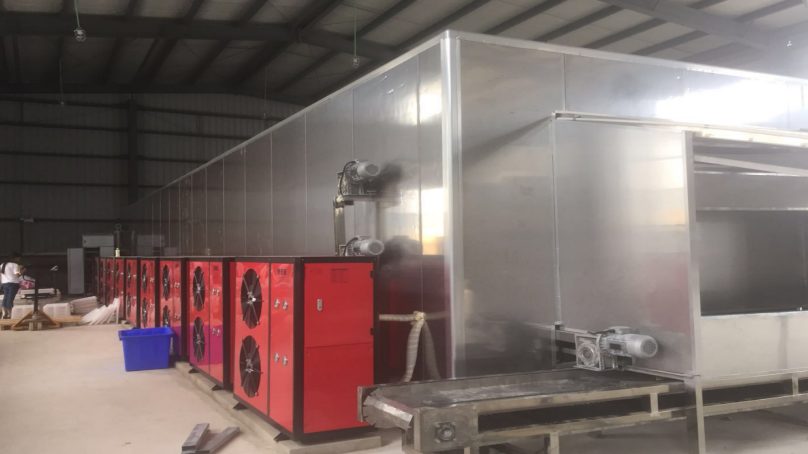
Industrial Vegetable drying machine 20 layers 50KG/batch Industrial fruit drying machine Youtube Video About LKMixer LKMixer is…
FAQ(Click and See More)
Why Choose Us?
We have 20 years manufacturing experiences; 15600 cubic meters factory area; 5000sets annual capacity; 55 professional engineers;
What’s your main maket?
South America: Brazil, Colombia, Peru, Bolivia, Uruguay, Paraguay ;Romania;
USA with UL Certification
Middle East: Saudi, Arabia, Oman, Turkey
Europe: Russia, Australia, Belarus, Ukraine, Poland
Can you support OEM?
– Yes, OEM or ODM. Machine can be customized according to customer detail requirement, including capacity and voltages, motor certifications.
– Drawing and raw materials also can be customized.
What after-sale services?
– 7*24 customer service online;
– 7*24 engineers online services;
– 12 months warranty services.
WHAT kind of MACHINE YOUR COMPANY HAVE?
CAN YOU GIVE ME GUIDE ON OTHER MACHINE ? TO FULL MY PRODUCTION LINE
YES ! Our f have factory build more than 20 years now, we can design and customize whole line, besides of the grinding machine, mixing machine, we can also fully support to provide the washing machine, cutting machine, drying machine, packing machine, filling machine. Though we are not producing these machine, but our brother companies co-work together for over 20 years, we have rich experience in providing you a full effective production line, fully automatically or semi-automatically.
HOW TO VISIT YOUR COMPANY?
Our Factory located in Jiangsu Province, very near to Shanghai, you can fly to Shanghai Pudong Airport, we pick you up and take you by car 2 hours ride, can reach our factory, welcome your visit.
WHAT’S YOUR BEFORE & AFTER SERVICE ?
1) Before your purchasing, we need to know your detail request, such as what kind of material you want to grind and mixing, what final product powder or granule you want to reach. Because different material and powder sizes request of different machine to do. We can provide professional advice and rich experience help to choose machine. Most of the products we have already did before for other customer, trail test or run mass production, so we knows which machine is best in performance of grinding and mixing. This is of very importance in helping you choose the right model. We also wish this can help our customer a lot. Even the material we didn’t do before, we will prepare the same material and to do the trail test and send video to you for your reference.
2) One Year guarantee of machine quality. If the machine have problem within one year, we will send you the spare parts to you for replacement, but this not including the damage caused by human causes. We also have 24 hours on line guide for customer, if you have operation difficulty, we will guide by video and on line communication with our engineer for your emergency debug.
3) For small machine, we sell with whole machine, it’s no need to install, and easy to operation, no problems for operation. While for large machine, its’s also not difficult to install with video guideline, but if you need, we can assign our technicians to go abroad, the round ticket, food and residents will be paid by customer.
HOW ABOUT YOUR PAYMENT TERM?
Our payment term is T/T. 50% payment in advance, rest of 50% payment finish before the goods shipped. When we finish the machine production we will do trail test and run the machine take videos for your green light. You pay the rest of 50% payment then.
Recommend Reading
Can you get a robot arm?
Can you get a robot arm? You cannot buy a robot arm like ordinary consumer…What is an industrial robot arm called?
What is an industrial robot arm called? In technical standards and engineering practice, an industrial…What is the most common robotic arm?
What is the most common robotic arm? The most popular robotic arm is the 6-degree-of-freedom…