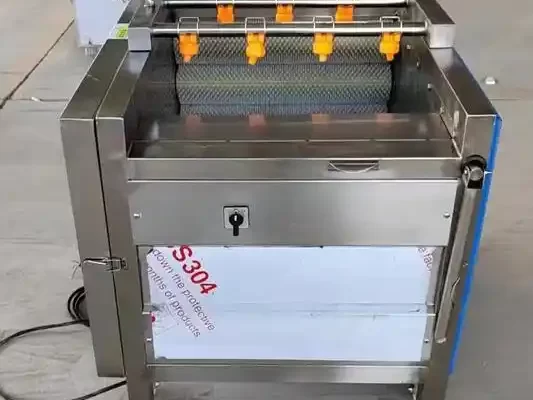
What is an industrial robot arm called?
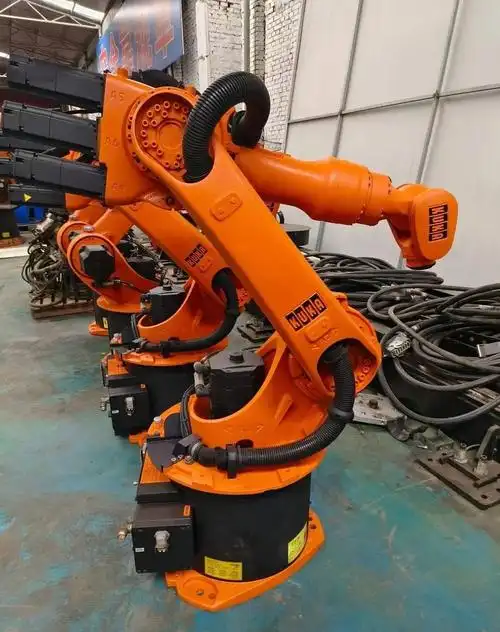
What is an industrial robot arm called? In technical standards and engineering practice, an industrial robot arm has a systematic, multi-level terminology system; its naming is a professional language network created based on structural features, functional positions, and application contexts rather than a single title.
All of these phrases are derived from academic literature, the International Electrotechnical Commission (IEC), and the International Organization for Standardization (ISO). They rigorously differ from names of commercial products and satisfy the criteria of pure technical description.
Terminology in International Standard Definitions
Industrial robot arms are categorized as “manipulators” in ISO 8373:2021 “Robotics Vocabulary” at the level of international standard definitions.
Its basic description is: “A reprogrammable, multi-purpose automated device with at least three axes of motion, which can be fixedly installed or mounted on a mobile platform for automated operations in industrial environments.”
Its two key characteristics—”reprogrammability” and “multi-axis motion”—rather than its particular form are highlighted in this definition.
Therefore, “industrial manipulator” is the most authoritative official term under this standard, highlighting its functional attribute as an executive unit—the ability to grasp, move, assemble, and perform other operations on workpieces.
This term is widely used in standard documents, just like how CE Certificate grinder is defined by industry standards for safe and compliant use.
Mechanical Arm: The Common Name in Engineering and Structural Contexts
The term “mechanical arm” is more popular in engineering and structural contexts, highlighting its kinematic chain structure and physical form.
In most industrial contexts, this phrase can be used interchangeably with “manipulator” and is frequently used in technical documents, equipment manuals, and production line deployment.
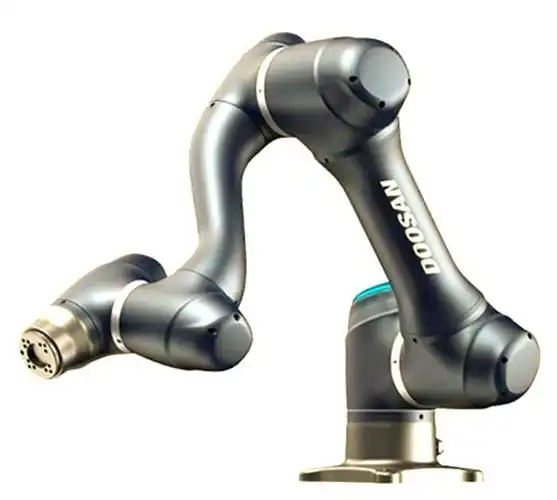
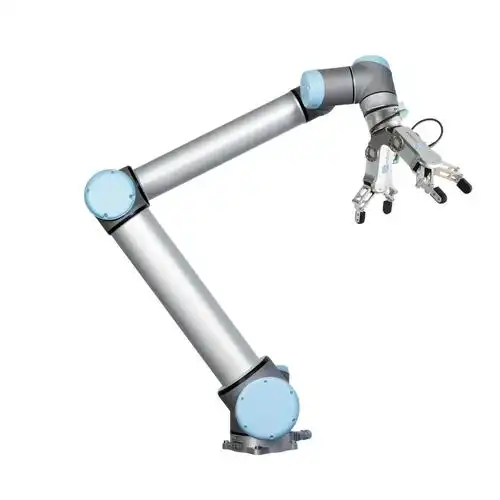
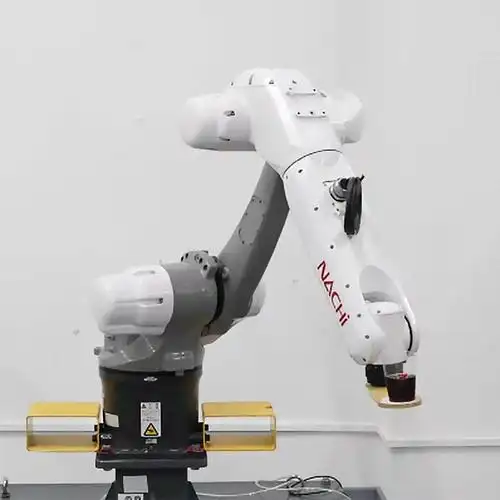
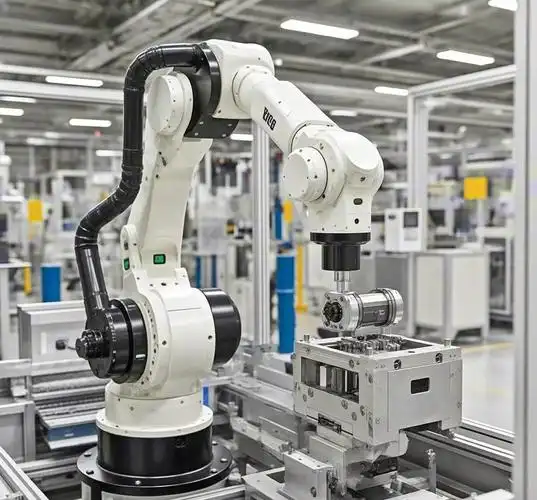
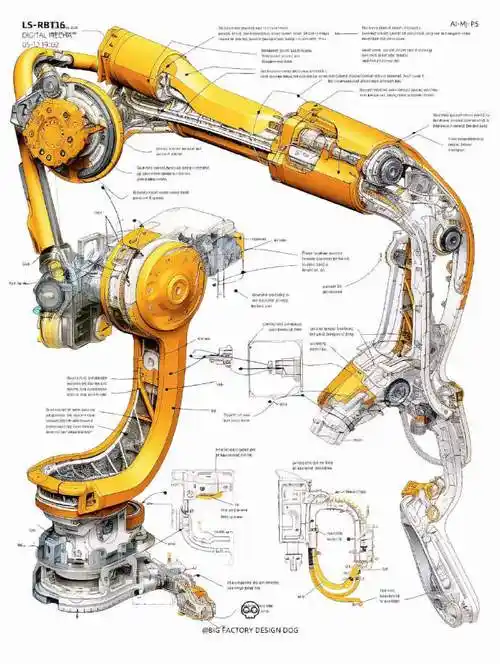
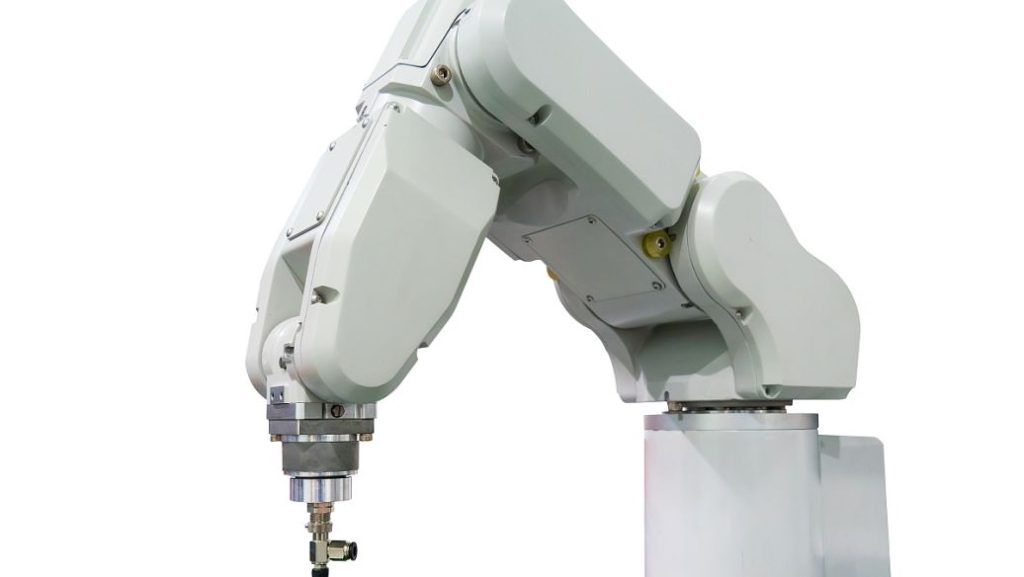
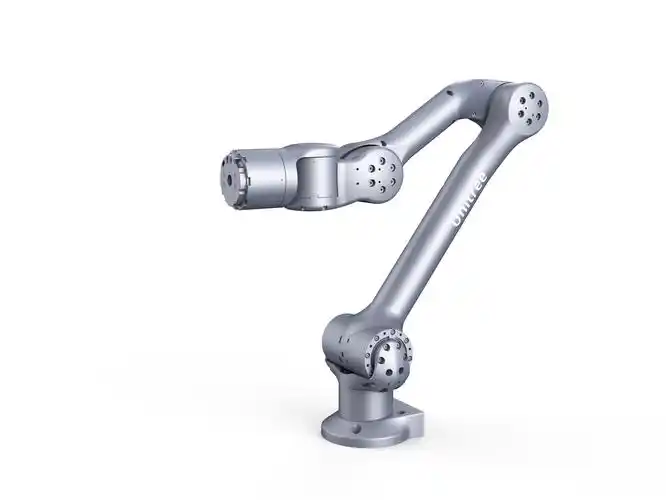
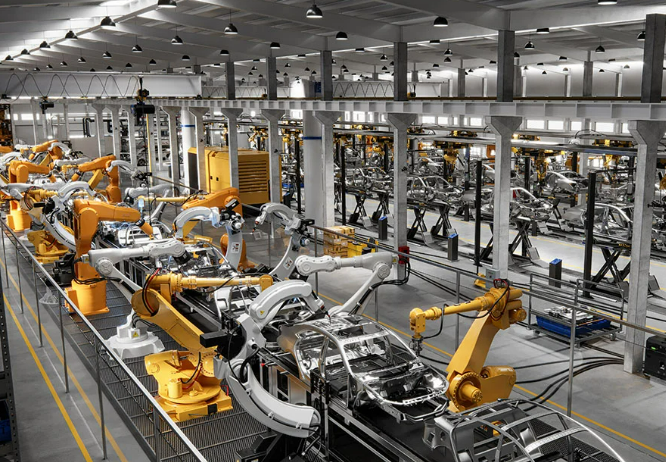
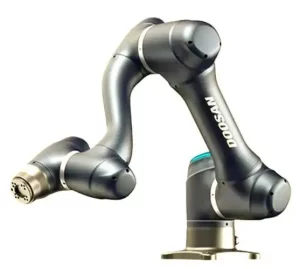
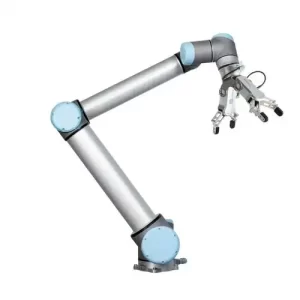
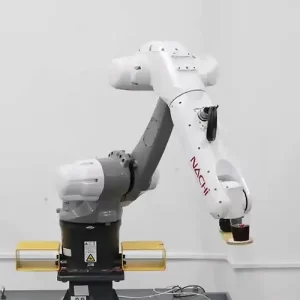
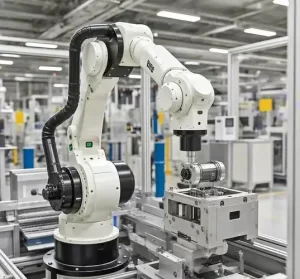
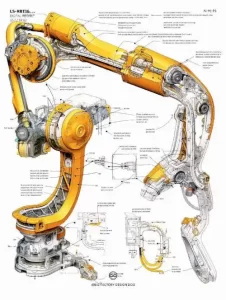
A typical “articulated manipulator” is made up of a base, upper arm, forearm, wrist, and end effector that are connected in series by a number of rotating joints.
With six degrees of freedom (three translations plus three rotations), it mimics the kinematic chain of a human arm and can be positioned in any point in space.
This configuration has become the mainstream in global manufacturing due to its high flexibility, large workspace, and strong adaptability, often used to operate 500KG Grinder, 200KG grinder, and Electric Grinder.
Open Kinematic Chain: The Theoretical Term from a Kinematic Perspective
From a kinematic theory perspective, an industrial robot arm is accurately described as an “open kinematic chain”.
It begins with a fixed base and forms an unclosed motion path by connecting to the end effector via a sequence of joints and connecting rods.
This word is a fundamental idea in academic literature and is utilized in the study of trajectory planning, control algorithms, and dynamic modeling.
The type of joints determines its degrees of freedom: “prismatic joints” provide linear sliding, while “revolute joints” enable rotating motion.
Similar to how a black pepper grinder and a stainless steel herb grinder have distinct structural designs for different jobs, the combination of the two creates robot arm systems with various configurations.
Scenario-Specific Terminology Evolution
Terminology has further changed to reflect functional variations in the segmentation of application scenarios.
The “SCARA robot arm” (Selective Compliance Articulated Robot Arm) is frequently employed in the field of high-precision assembly. Its structure is ideal for inserting electrical components because of its strong rigidity in the vertical direction and considerable flexibility in the horizontal plane.
The “Cartesian manipulator” has a straightforward structure, good positioning accuracy, and three-axis orthogonal linear motion in large-stroke handling circumstances.
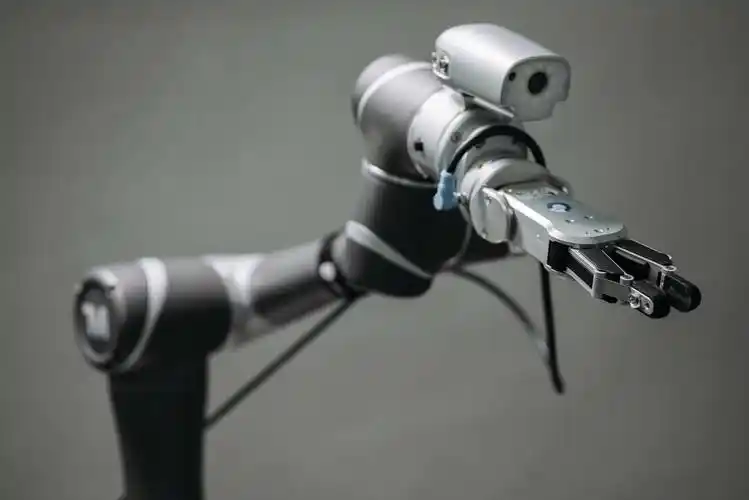
The “collaborative manipulator” is still part of the articulated structure in human-machine collaboration environments, but it incorporates safety sensing and force control to create a shared workspace with humans.
These scenario-specific terms help engineers choose the right equipment, just like selecting a high speed Dry Grinder or airflow pulverizer for different food processing needs.
Parallel Common Expressions in English Terminology
“Industrial robotic arm” and “industrial manipulator” are parallel popular terms in the English terminology system.
Both are not restricted to manufacturers in reputable publications like IEEE, IFR, and ISO; the former emphasizes structural form, while the latter concentrates on functional essence.
While “industrial manipulator” is more likely to be used in technical publications, “industrial robot arm” is the most widely used colloquial general phrase in the Chinese context.
Similar to how words like “Vacuum Mill” and “Ultrafine Grinder” are widely used in the food processing business, both are acknowledged in national standards.
Application Scenarios and Terminology Matching
Industrial robot arms, also known as industrial manipulators, are frequently employed in food processing to handle different materials and run processing machinery.
They can prepare raw materials for medicines, spices, and food products in addition to handling delicate foods like peanuts, seasam, and mushrooms.
Because of its arm-like design, a dry ginger or licorice grinding machine is frequently referred to as a “mechanical arm” when in use.
In contrast, it is more correctly referred to as a “industrial manipulator” in technical studies describing these activities in order to highlight its functional significance.
Terminology for Specialized Industrial Equipment
For specialized industrial equipment, the terminology of industrial robot arms also adapts accordingly.
Because of its flexible movement, the arm is frequently referred to as a “articulated manipulator” when used in conjunction with a cryogenic grinding machine or dry fruit powder grinder machine.
It may be referred to as a “mechanical arm” in everyday use when utilized with a dust grinder or hammer mill, emphasizing its physical form.
Whether managing coffee, tea, sugar, or processing meat, wheat, or maize, this word versatility guarantees accurate communication in a variety of scenarios.
Conclusion: The Four-Dimensional Terminology System of Industrial Robot Arms
In summary, the naming system of industrial robot arms presents a four-dimensional interwoven characteristic: “manipulator” is the standard definition, “mechanical arm” is the engineering common name, “articulated manipulator” is the mainstream structure, and “open kinematic chain” is the theoretical essence.
These terms together build a complete language framework for the same type of device, and their rigor comes from engineering standardization, not commercial promotion.
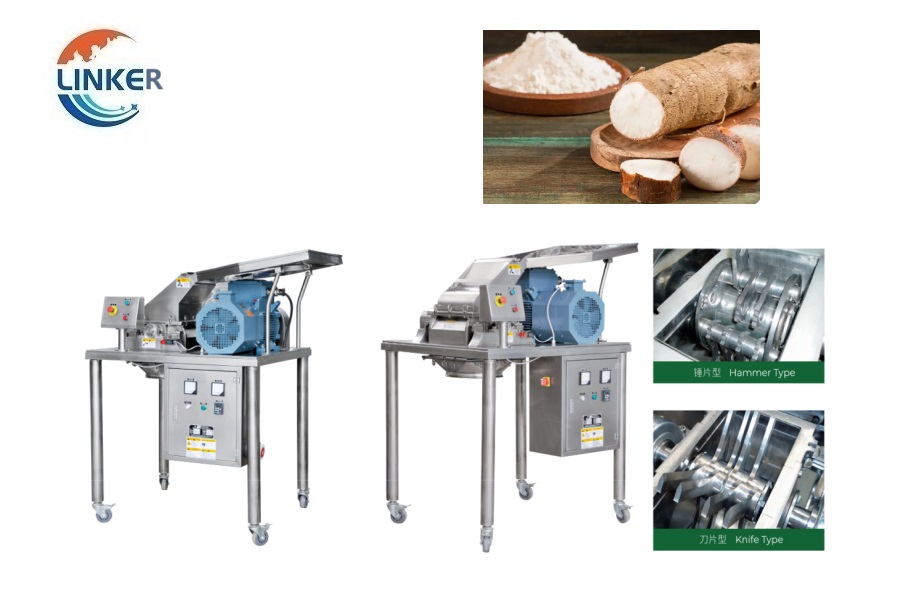
Whether operating a small grinder machine, Air cooled crusher, or cassava grinding machine, the correct terminology helps ensure clear communication among engineers, researchers, and operators.
Industrial robot arms, by any technical term, continue to be an essential part of industrial automation, handling everything from metal, beans, tobacco, and salt to processing food, chemicals, and cannabis.
Their terminology system adapts to the requirements of various technological domains and application scenarios, reflecting the diversity of their structures and functions.
Anyone dealing with industrial automation must understand these words in order to enable accurate technical interchange and effective equipment deployment.
The industrial robot arm (or manipulator) that drives a turbo grinder, vibrating pulverizer, or coarse crusher is essential to contemporary manufacturing.
Related Production Line Customization:
Recommend Post about Production Line:
Food Producing Process Flow:
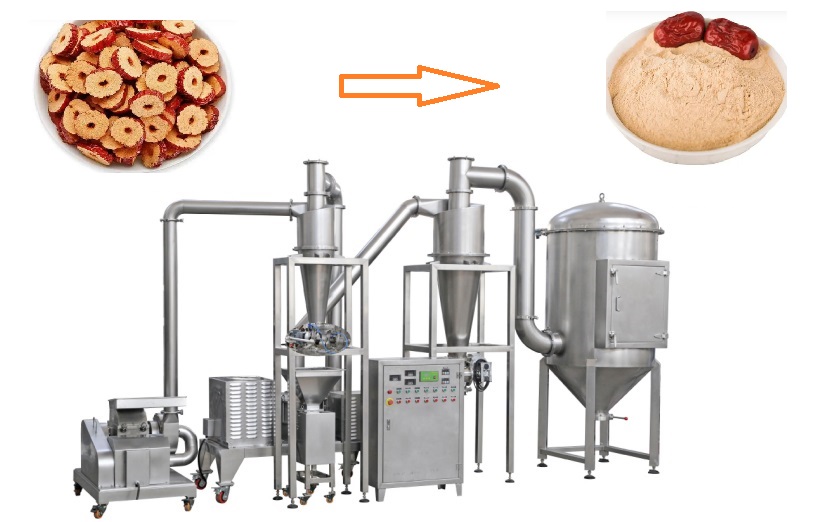
Ultrafine grinding is one of the very key procedure in whole production line. It depends how many mesh that customer need to produce. That’s to say this machine can decide what kind of material will get finally before mxing.
Coarse Crusher Machine —>Grinding Machine —> Vibrating Table Sifter Machine—>Mixing Machine—>Packing Machine —> (Printed Packaging Film Roll or bags ) —> Filling, sealing machine, capping and Labeling Machine —>Pack into Box.

About LKMixer
LKMixer is a professional manufacturer for fertilizer production line, grinder, mixer and granulator, shredder. These machines are widely used in food, pharmaceutical, cosmetic, health care products and chemical industries. The Food materials like Peanut, mushroom, seeds, potato, bean, tobacco, salt, cannabis, tea, Sugar, corn, Coffee, rice, pepper, grain as so on. Grinders have many types such as Pulse Dust Grinder which suitable for zero pollution environment, Turbine Mill which is suitable for coffee bean, 12-120mesh all can meet, Ultrafine Grinding Mill covers 80-200mesh, and also Winnowing Dust Grinder or other grinding machines like SF Hammer. Welcome to contact us for details. Contact us for more information. Proposal, catalog, quotation. Mobile/WhatsApp: +86 18019763531 Tel: +86 21 66037855 Email: sales@lkmixer.com
Contact Us
Tel: +86 66037855
Email:sales@lkmixer.com
Working Time: Monday ~Frinday 9:00AM~17:00PM
Please call us Whatsapp, or mail to us.
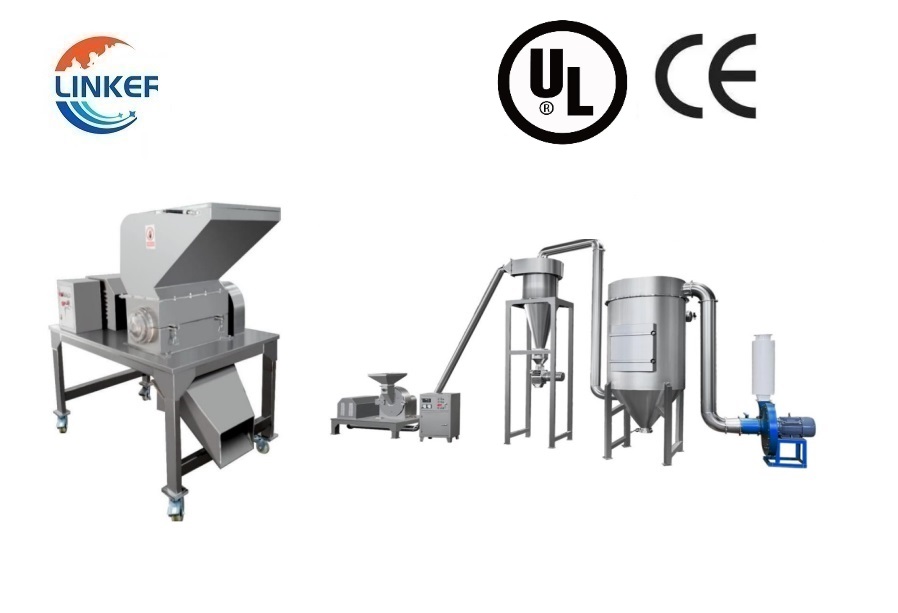
Grinder for Sale:
Rubber Powder Grinding Machine
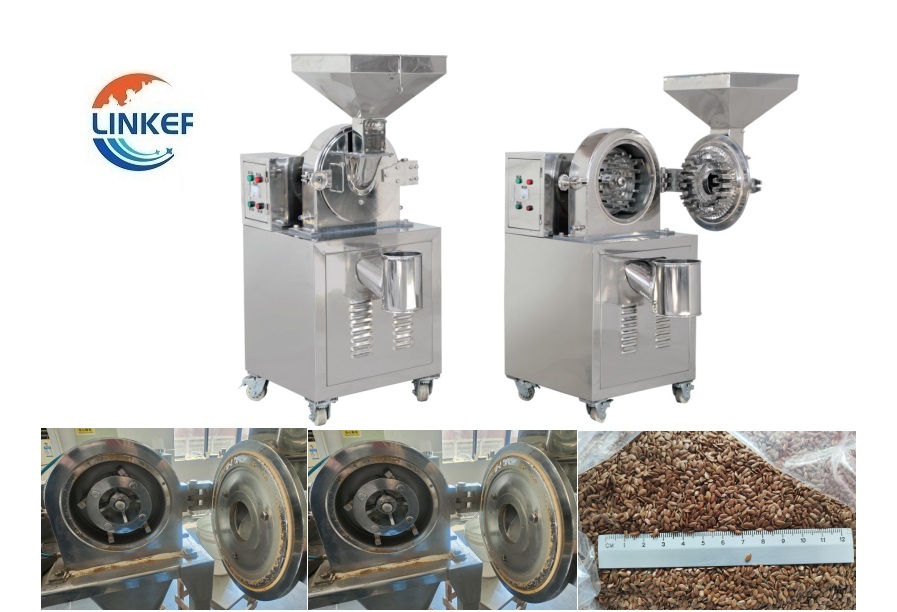
Rubber Powder Grinding Machine Industrial Cumin Seeds Grinder Youtube Video Customization Seeds Grinder According to your…
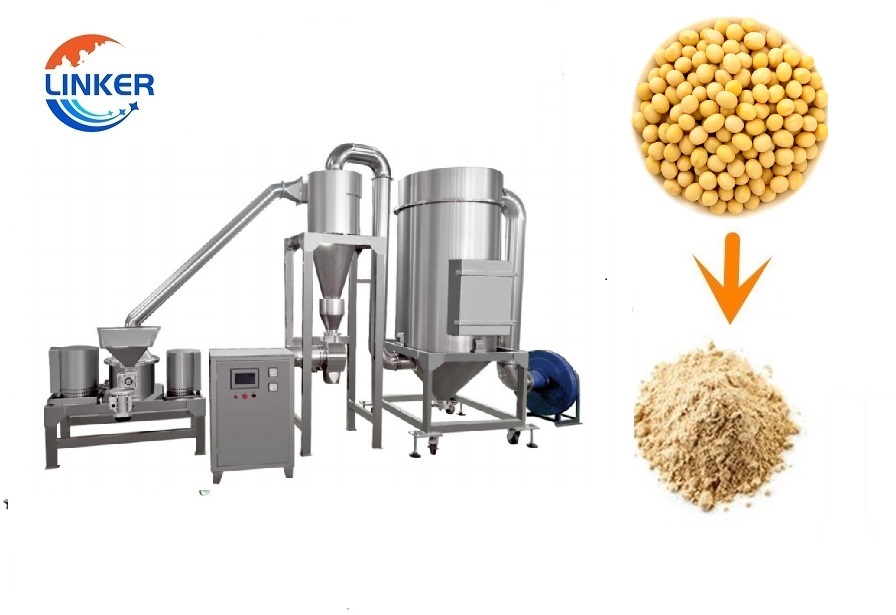
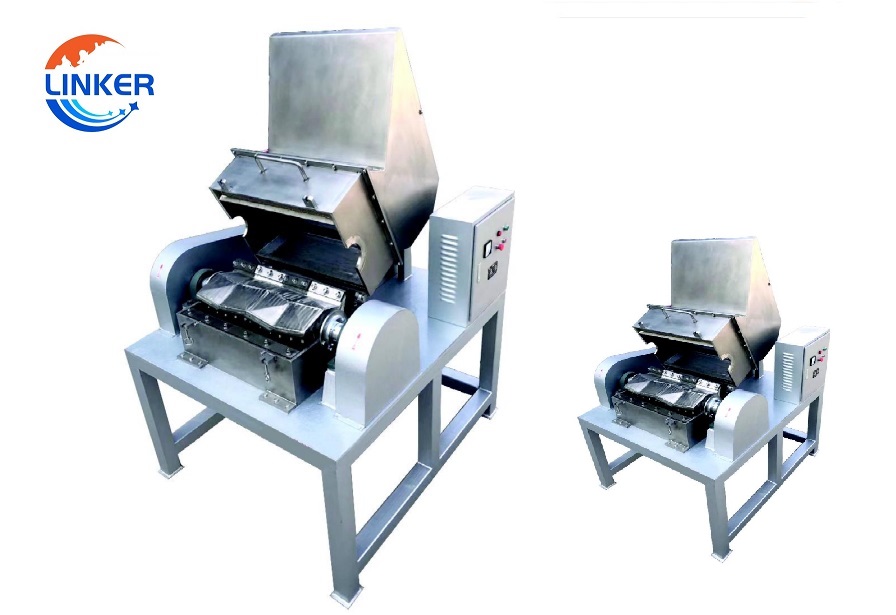
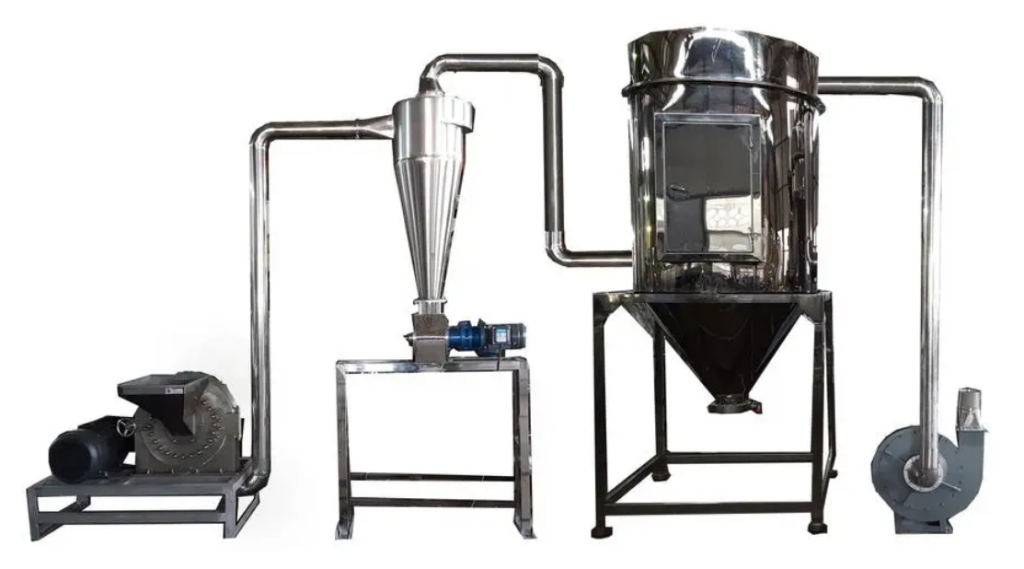
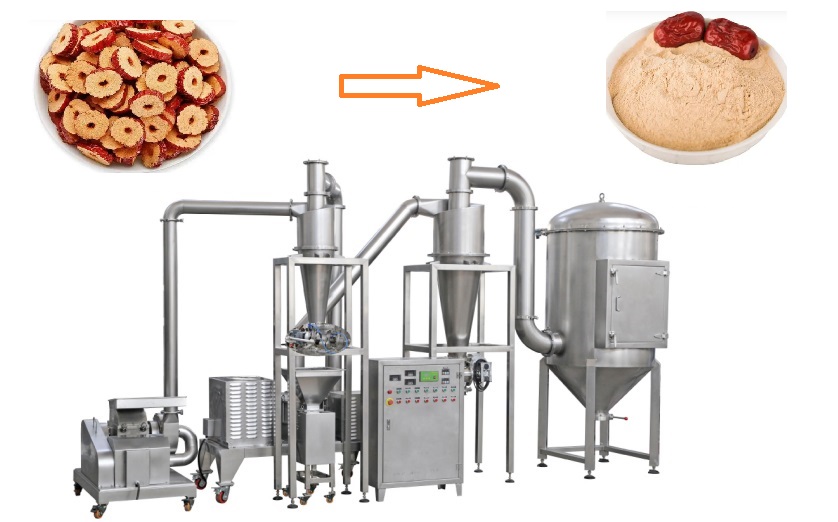
Blenders for Sale:
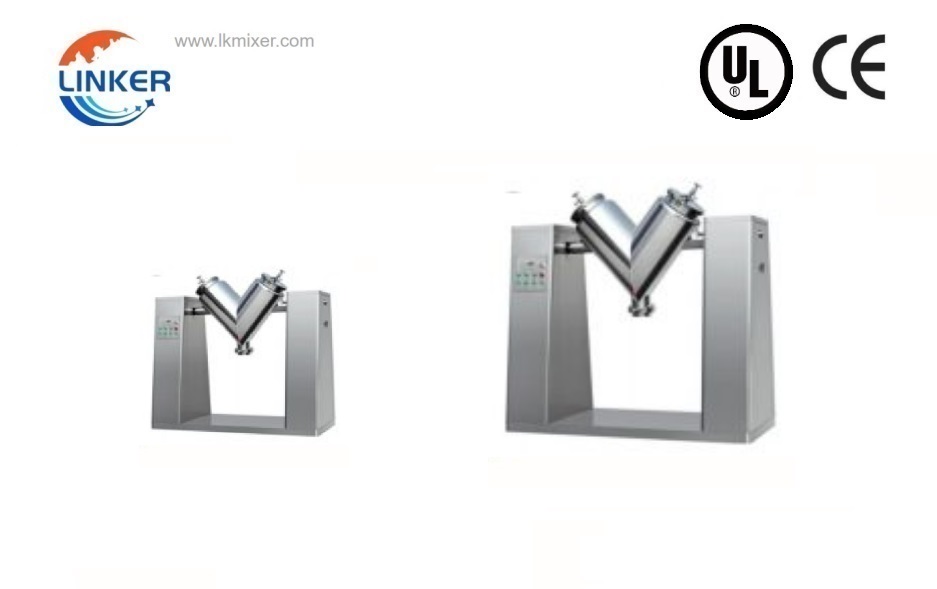
Small Blender 2L 5L 10L 15L 20L
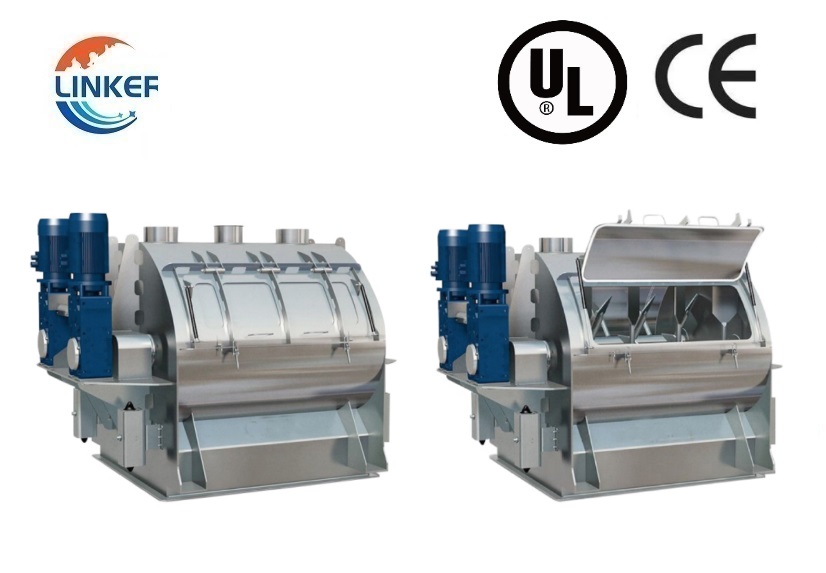
You may also interest in: Small Blender for Sale: LKMixer we have many different model of Small…Solid-Liquid Blender
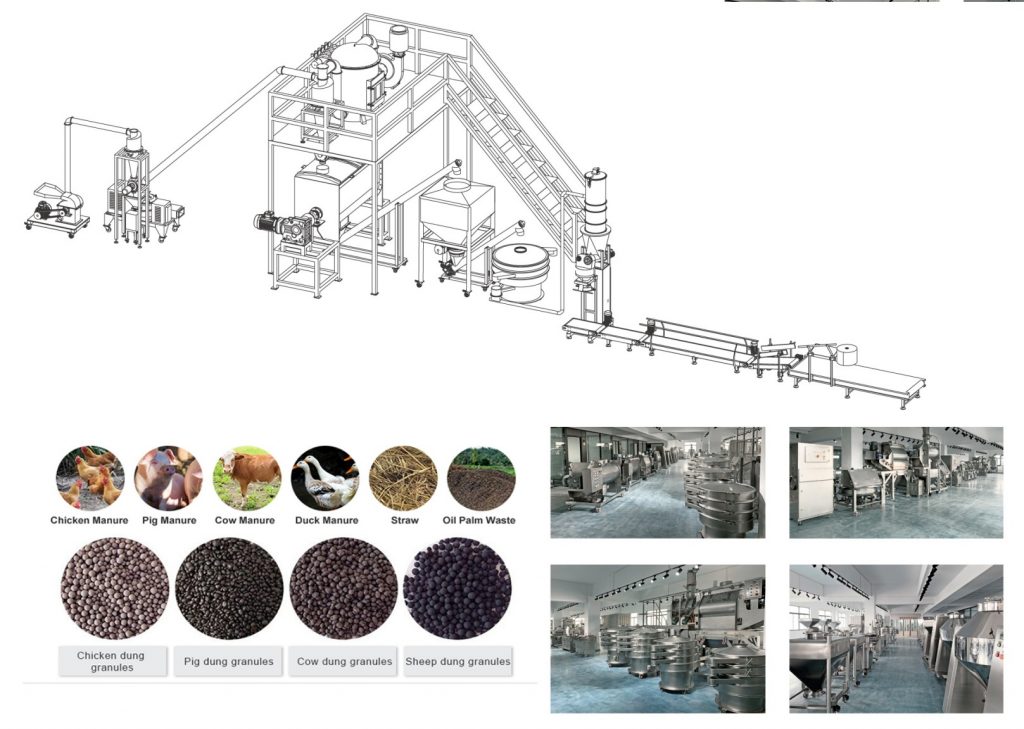
Solid-Liquid Blender for Sale: Solid-Liquid Blender also called Double Shafts Paddle Mixer, it is paddle type and…Fertilizer Production Line
What is fertilizer production line? Fertilizer production line is a whole set of equipment which used to…
Granulator for Sale:
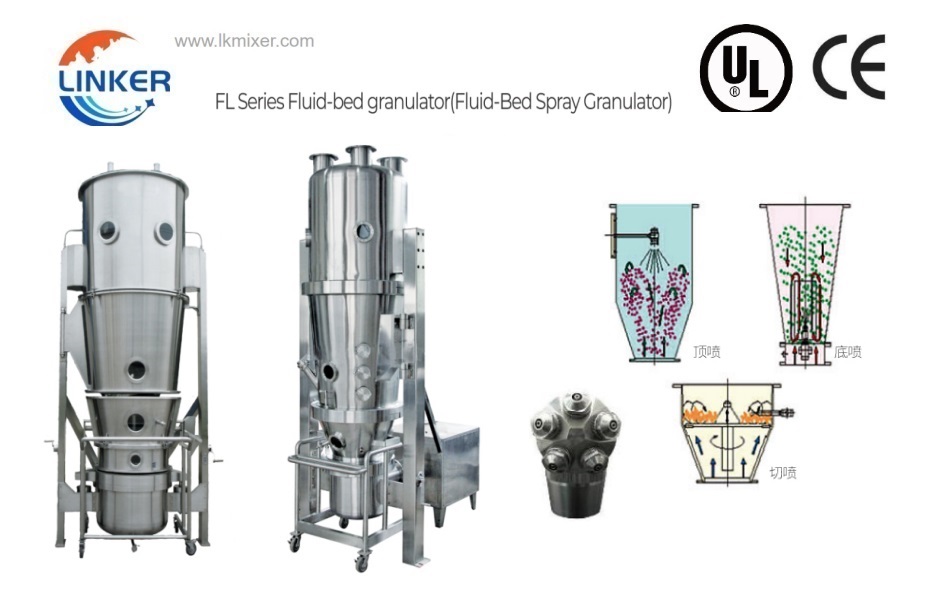
Fluid Bed Granulator
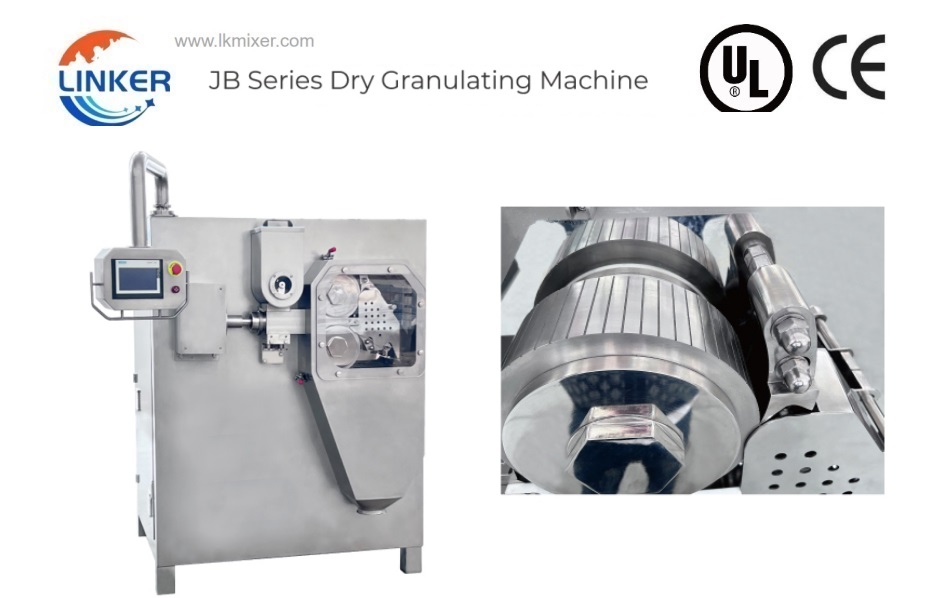
What is a Fluid Bed Granulator? Fluid Bed Granulator is a machine mainly used for pharmaceutical granulation…Dry Granulating Machine
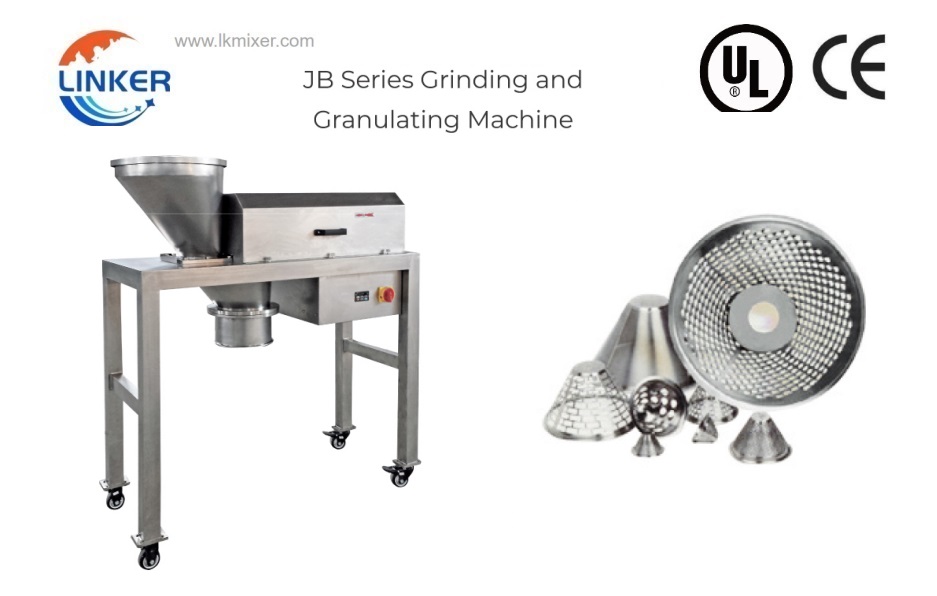
What is a Dry granulating machine? A dry granulating machine uses dry roller press technology to compress…BJB Grinding and Granulating Machine
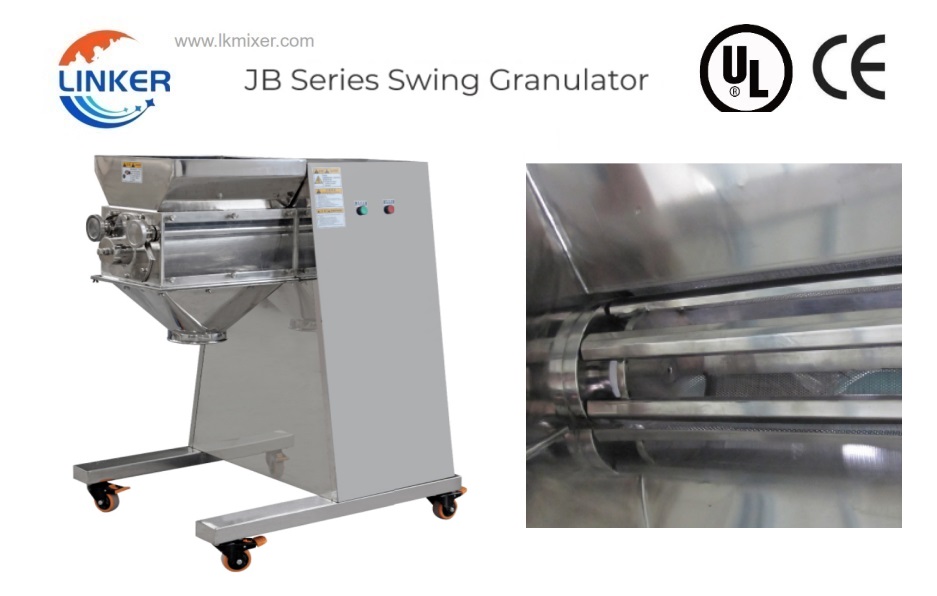
What is a granulating machine? A granulating machine is an industrial device used to shape powdered or…
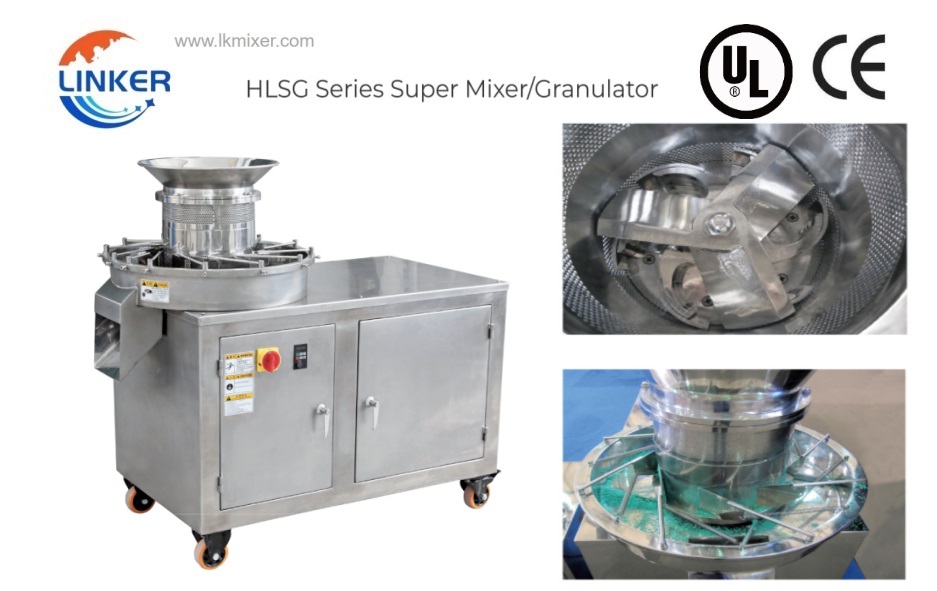
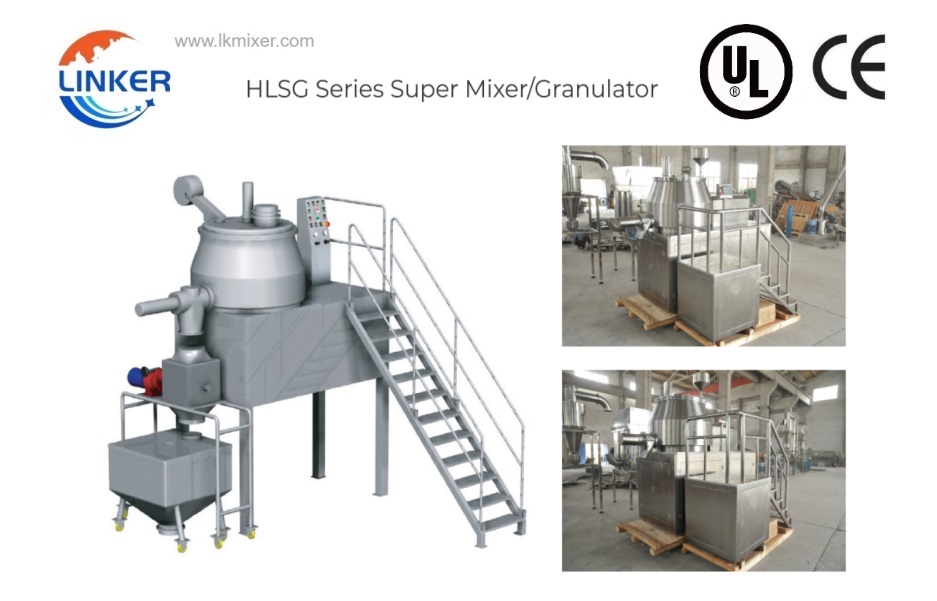
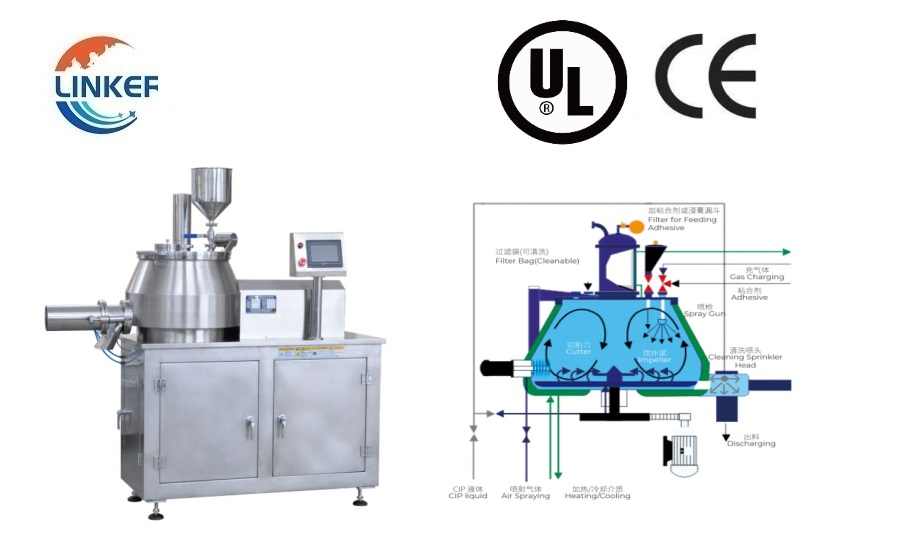
Conveyor and Auto Feeder for Sale:
Powder Feeder System Pump
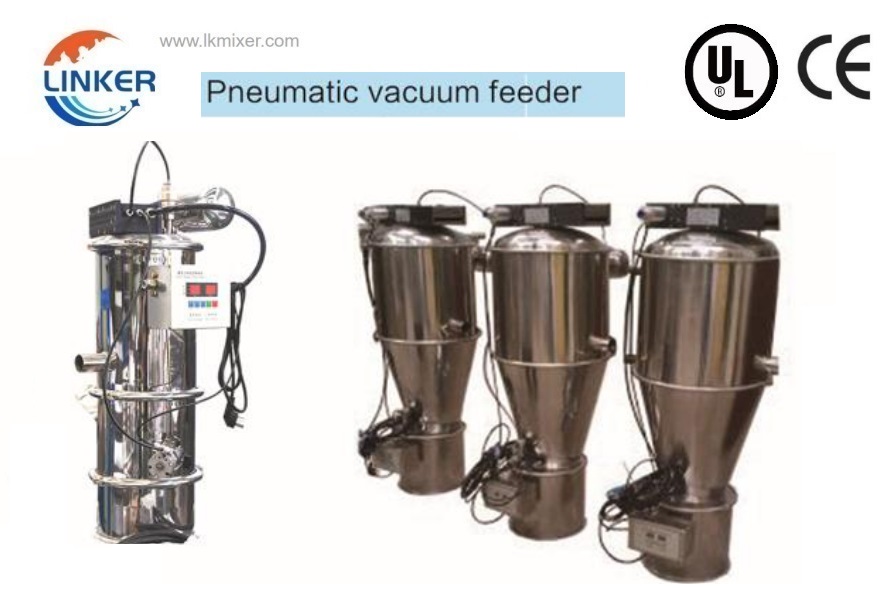
Vacuum Feeder Machine for Sale: Vacuum Feeder is a common used machine to transport the material into…Pneumatic Vacuum Feeder
Vacuum Feeder Machine for Sale: Vacuum Feeder is a common used machine to transport the material into…Electric Vacuum Feeder
Vacuum Feeder Machine for Sale: Vacuum Feeder is a common used machine to transport the material into…
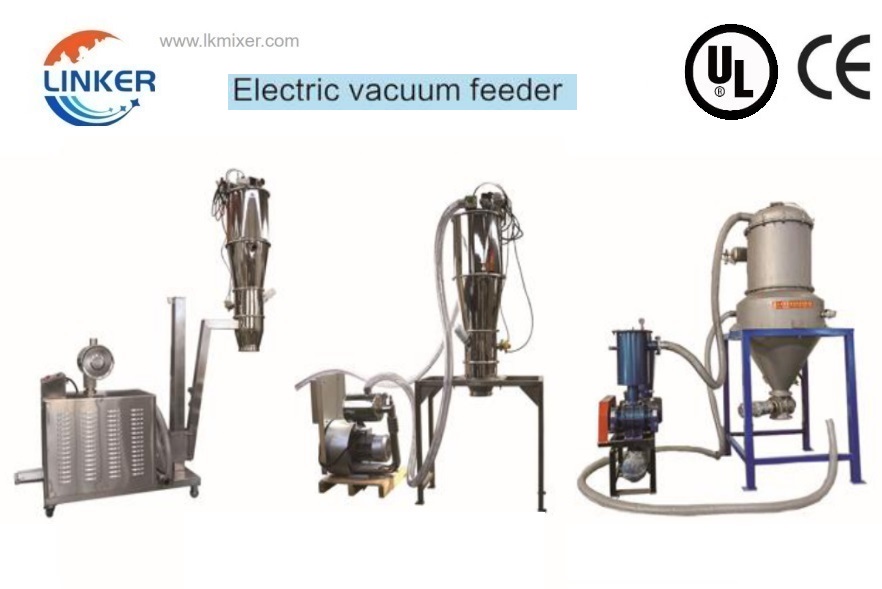
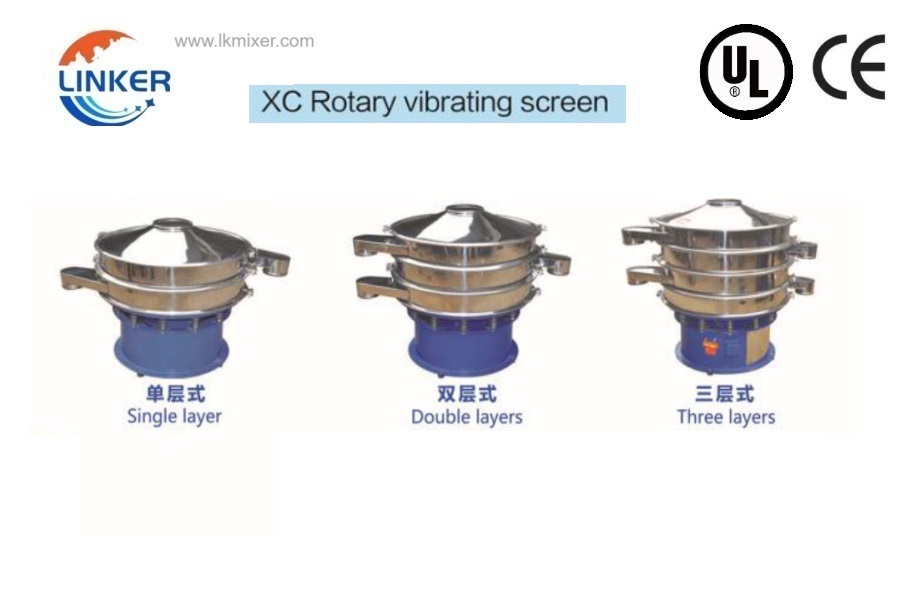
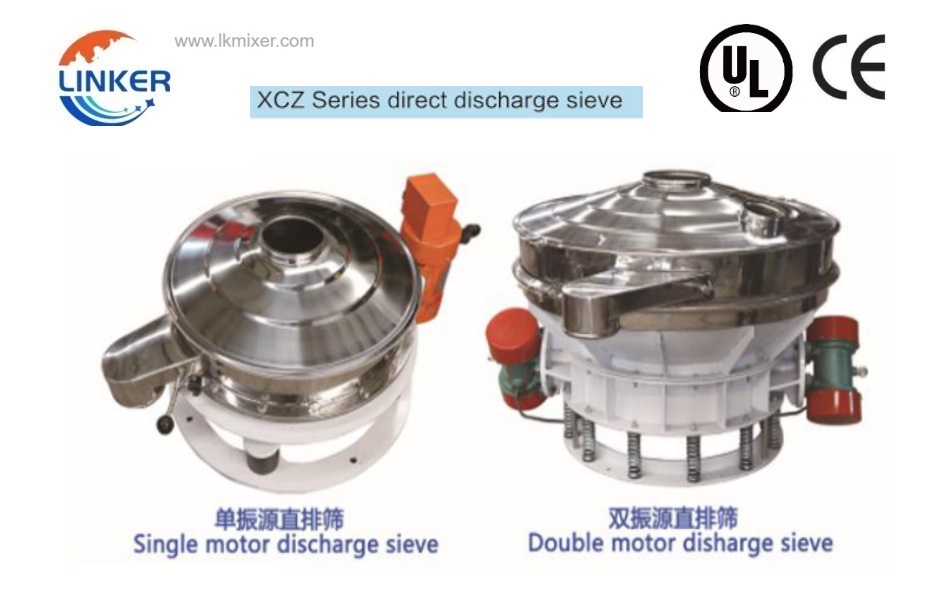
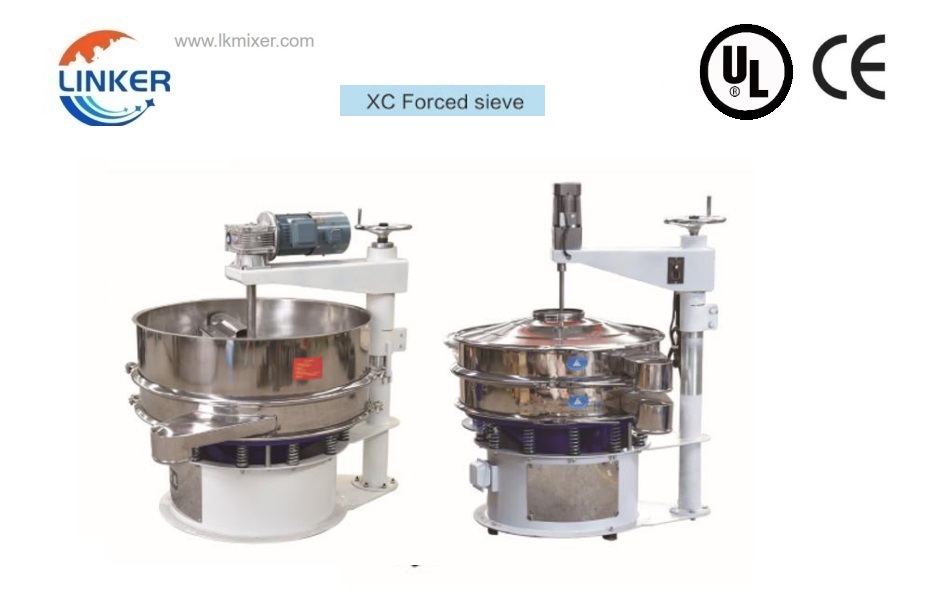
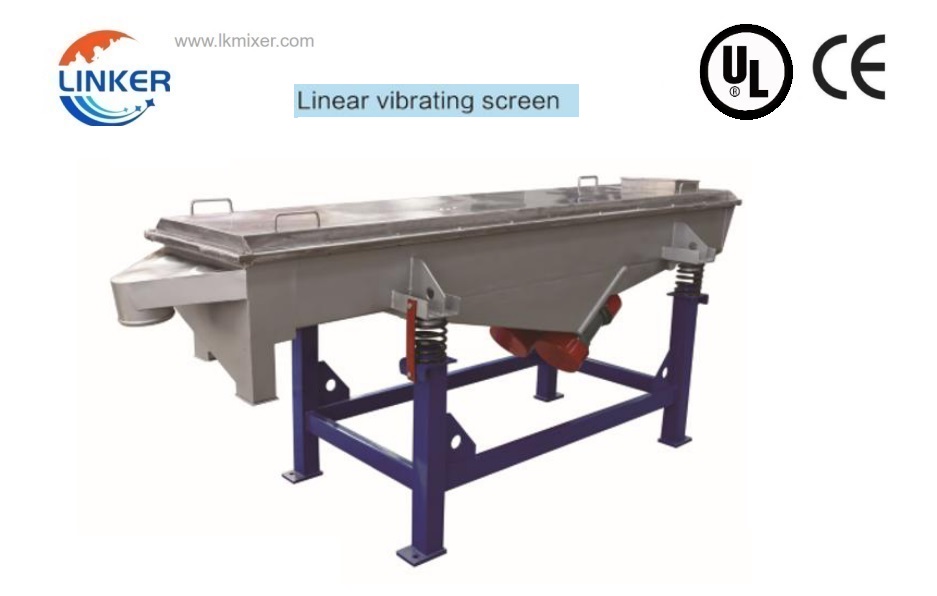
Sifter and screen for Sale:
Ultrasonic Screen
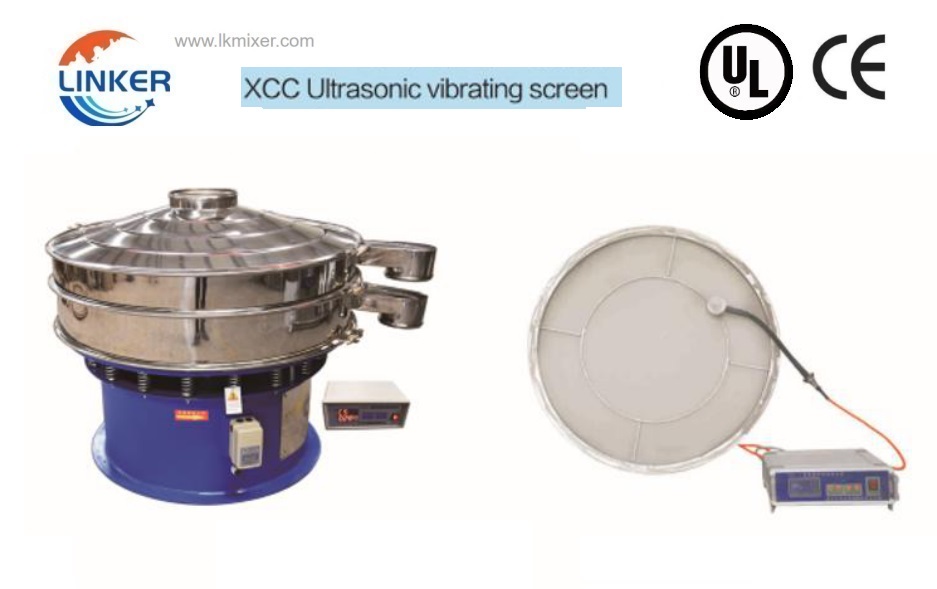
Ultrasonic Screen Machine for Sale: Ultrasonic Screen is a common used machine after the grinding process, it…Rotary Sifter
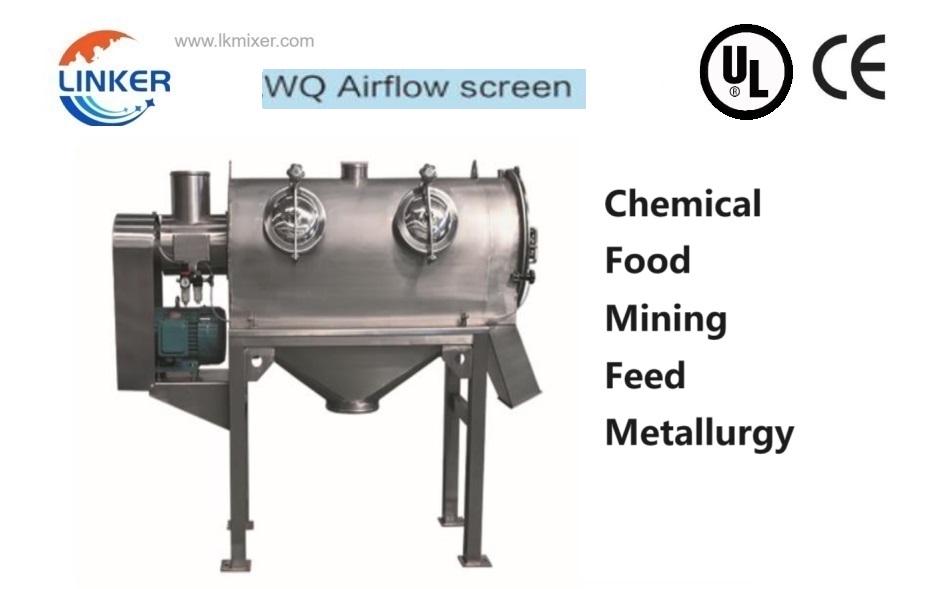
Rotary Sifter Machine for Sale: Rotary Sifter is a common used machine after the rice grinding process,…Rice Sifter Machine
Rice Sifter Machine for Sale: Rice Sifter Machine is a common used machine after the rice grinding…
Auxiliary Machines, Dryers for Sale:
Powder Feeder System Pump
Vacuum Feeder Machine for Sale: Vacuum Feeder is a common used machine to transport the material into…Industrial Vegetable drying machine
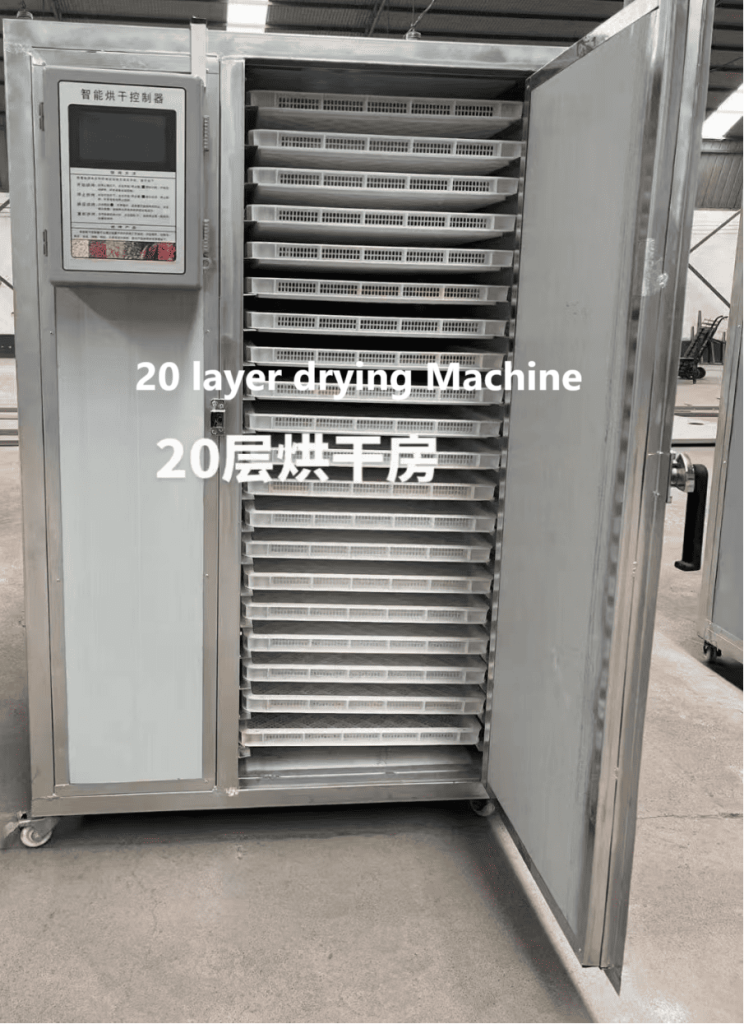
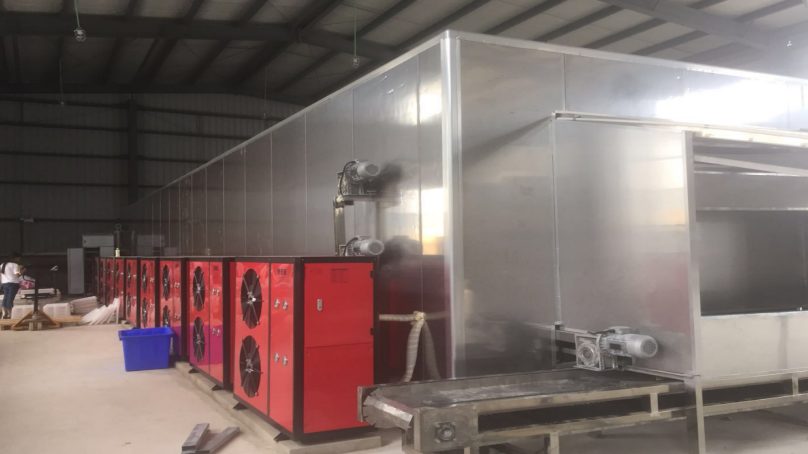
Industrial Vegetable drying machine 20 layers 50KG/batch Industrial fruit drying machine Youtube Video About LKMixer LKMixer is…
FAQ(Click and See More)
Why Choose Us?
We have 20 years manufacturing experiences; 15600 cubic meters factory area; 5000sets annual capacity; 55 professional engineers;
What’s your main maket?
South America: Brazil, Colombia, Peru, Bolivia, Uruguay, Paraguay ;Romania;
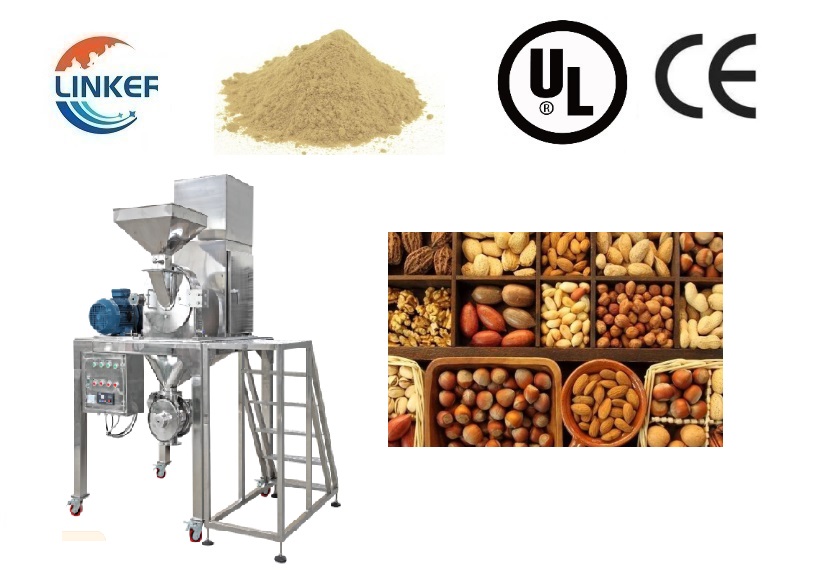
USA with UL Certification
Middle East: Saudi, Arabia, Oman, Turkey
Europe: Russia, Australia, Belarus, Ukraine, Poland
Can you support OEM?
– Yes, OEM or ODM. Machine can be customized according to customer detail requirement, including capacity and voltages, motor certifications.
– Drawing and raw materials also can be customized.
What after-sale services?
– 7*24 customer service online;
– 7*24 engineers online services;
– 12 months warranty services.
WHAT kind of MACHINE YOUR COMPANY HAVE?
CAN YOU GIVE ME GUIDE ON OTHER MACHINE ? TO FULL MY PRODUCTION LINE
YES ! Our f have factory build more than 20 years now, we can design and customize whole line, besides of the grinding machine, mixing machine, we can also fully support to provide the washing machine, cutting machine, drying machine, packing machine, filling machine. Though we are not producing these machine, but our brother companies co-work together for over 20 years, we have rich experience in providing you a full effective production line, fully automatically or semi-automatically.
HOW TO VISIT YOUR COMPANY?
Our Factory located in Jiangsu Province, very near to Shanghai, you can fly to Shanghai Pudong Airport, we pick you up and take you by car 2 hours ride, can reach our factory, welcome your visit.
WHAT’S YOUR BEFORE & AFTER SERVICE ?
1) Before your purchasing, we need to know your detail request, such as what kind of material you want to grind and mixing, what final product powder or granule you want to reach. Because different material and powder sizes request of different machine to do. We can provide professional advice and rich experience help to choose machine. Most of the products we have already did before for other customer, trail test or run mass production, so we knows which machine is best in performance of grinding and mixing. This is of very importance in helping you choose the right model. We also wish this can help our customer a lot. Even the material we didn’t do before, we will prepare the same material and to do the trail test and send video to you for your reference.
2) One Year guarantee of machine quality. If the machine have problem within one year, we will send you the spare parts to you for replacement, but this not including the damage caused by human causes. We also have 24 hours on line guide for customer, if you have operation difficulty, we will guide by video and on line communication with our engineer for your emergency debug.
3) For small machine, we sell with whole machine, it’s no need to install, and easy to operation, no problems for operation. While for large machine, its’s also not difficult to install with video guideline, but if you need, we can assign our technicians to go abroad, the round ticket, food and residents will be paid by customer.
HOW ABOUT YOUR PAYMENT TERM?
Our payment term is T/T. 50% payment in advance, rest of 50% payment finish before the goods shipped. When we finish the machine production we will do trail test and run the machine take videos for your green light. You pay the rest of 50% payment then.
Recommend Reading
Can you get a robot arm?
Can you get a robot arm? You cannot buy a robot arm like ordinary consumer…What is the most common robotic arm?
What is the most common robotic arm? The most popular robotic arm is the 6-degree-of-freedom…Is robot arm an Al?
Is robot arm an Al? A robot arm is a programmable physical execution device with…