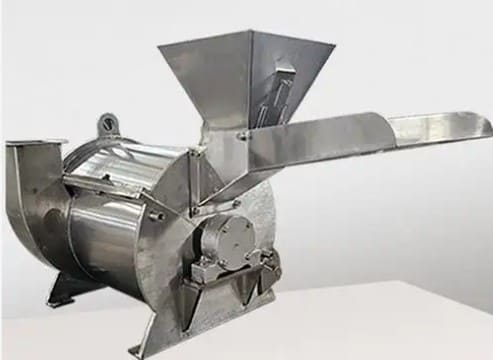
What are 5 disadvantages of robot?

What are 5 disadvantages of robot? The five core disadvantages of robots stem from the fundamental limitations of their physical implementation and cognitive architecture, not the temporary inadequacies of technological iteration.
These flaws form an insurmountable gap between them and biological intelligence in five dimensions: perception, decision-making, interaction, reliability, and energy efficiency.
Fragmentation and Lag of the Perception System
Robots rely on discrete sensors to collect environmental information. Modes such as vision, hearing, and touch are independent of each other, lacking the “embodied intuition” of human multi-channel synchronous integration.
Cameras cannot perceive temperature, material texture, or micro-vibrations, and pressure sensors cannot replace the delicate feedback of the skin on force.
After data collection, it needs to be processed by algorithms, resulting in a general perception-action delay of 0.2 to 1 second, much higher than the 0.1–0.3 second of human neural reflexes.
In dynamic scenarios, such as grabbing moving objects or avoiding suddenly appearing obstacles, this delay directly leads to action failure.
More importantly, robots cannot form “intuitive judgment” through experience accumulation. When facing an irregular object they have never seen before, they can only rely on preset model comparison.
Humans, however, can dynamically build cognition through behaviors such as touching, tilting, and testing, which robots completely lack.
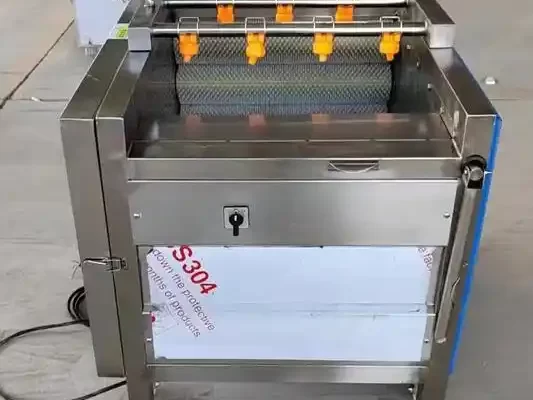
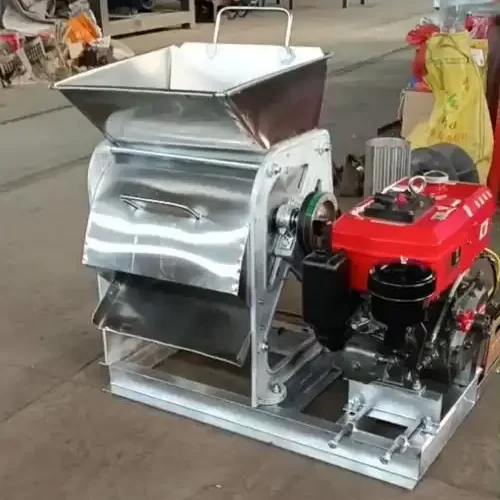
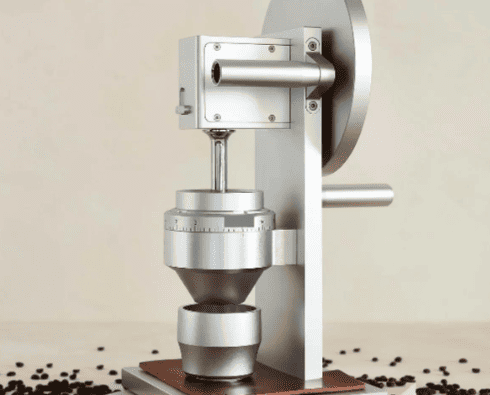
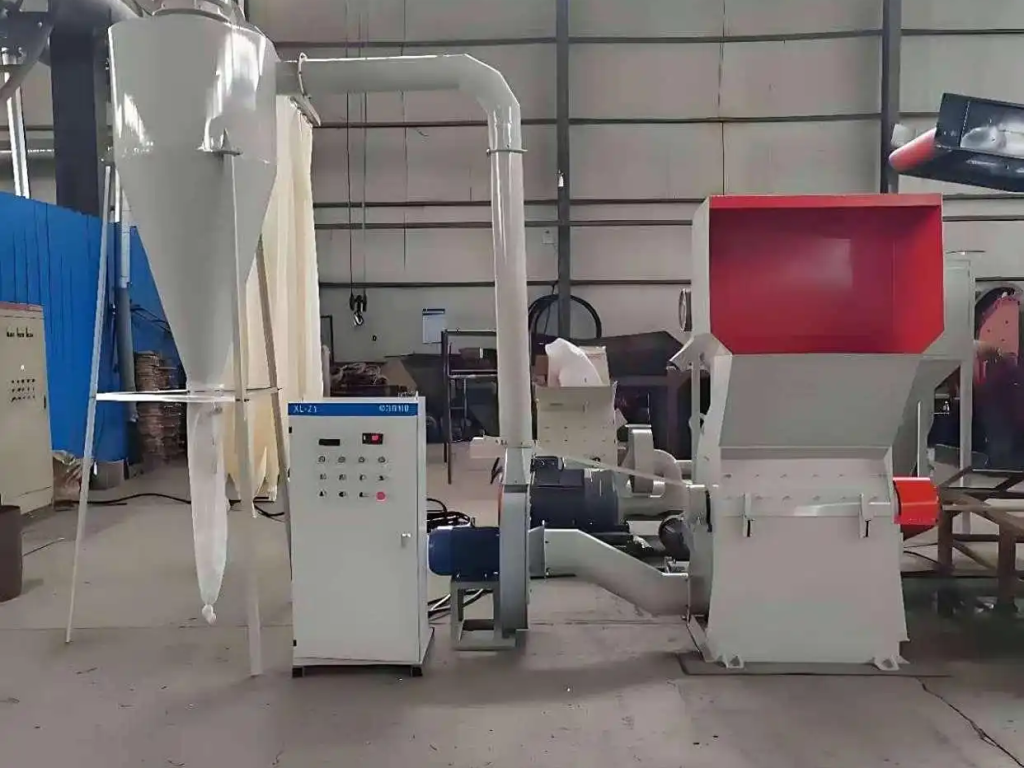
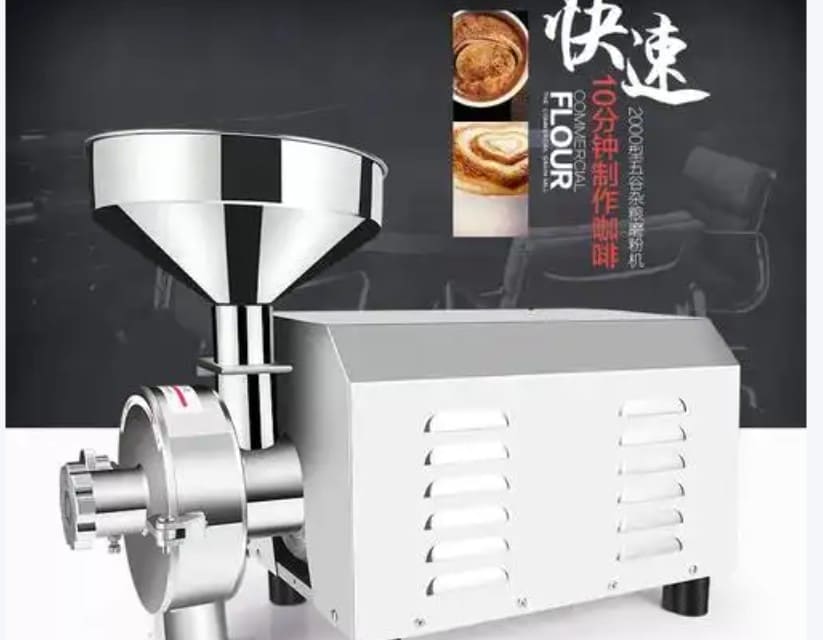
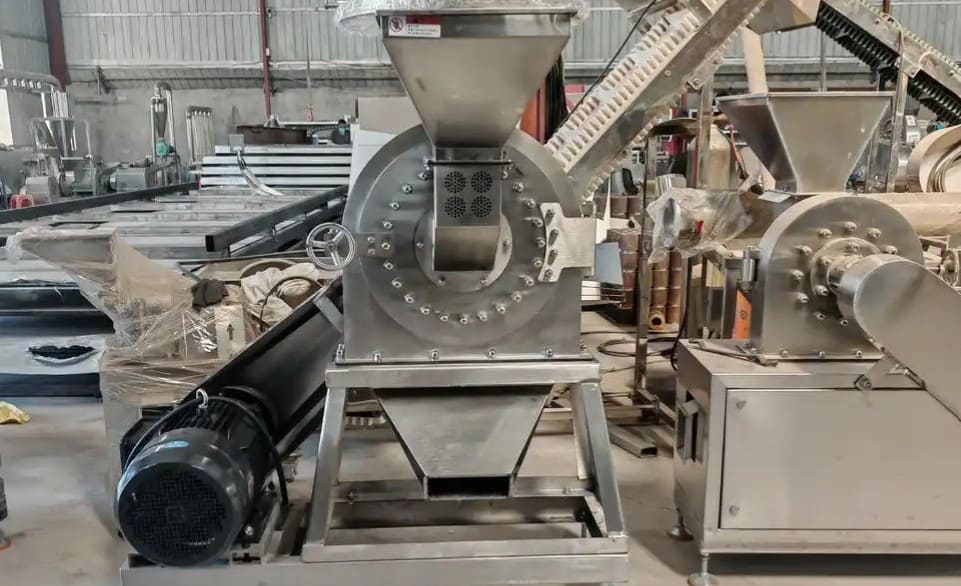
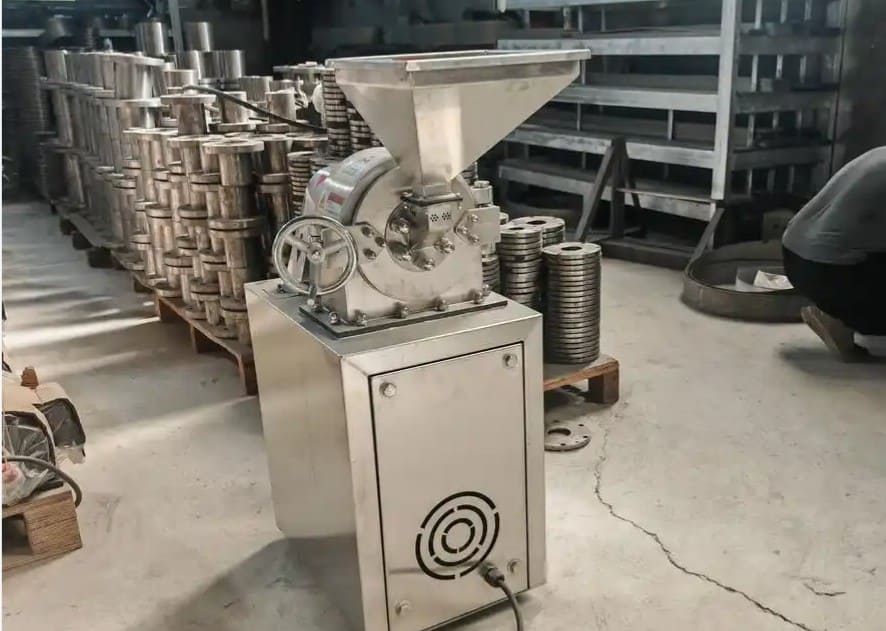
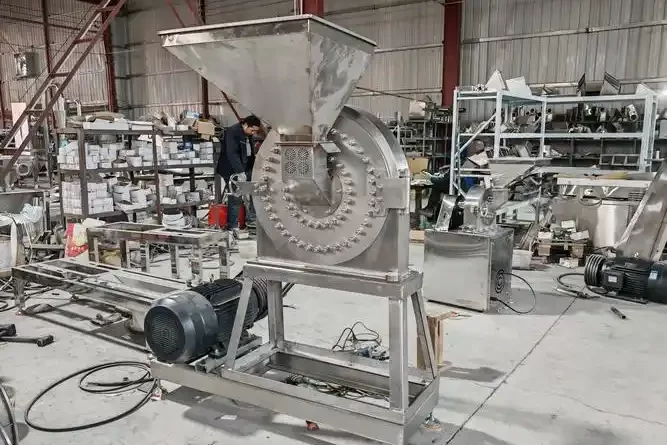
This limitation also affects their ability to operate equipment like 500KG Grinder, 200KG grinder, and Electric Grinder in dynamic factory environments.
Lack of Common Sense and Rigid Reasoning in Cognitive Ability
Robots do not have the common sense knowledge system that humans possess, and cannot understand basic physical and social common sense such as “water flows”, “glass is fragile”, and “humans get tired”.
Their decisions rely entirely on statistical patterns in training data, not causal logic.
When the environment changes slightly—such as raising the position of a racket in a game or adding an unrecorded item on a shelf—robots will completely break down due to model failure.
They can perfectly reproduce trained actions, but cannot transfer knowledge or draw inferences from one instance. This essential difference between “pattern memory” and “causal understanding” makes them fragile in unstructured environments.
For example, when operating a CE Certificate grinder or stainless steel herb grinder, a slight change in material size may cause the robot to fail to complete the task.
They cannot cope with the uncertainty of the real world, unlike humans who can adjust their operations according to changes in materials like peanut, seasam, or mushroom.
Semantic Blind Spots and Emotional Barriers in Human-Robot Interaction
Robots cannot understand the context, metaphors, and emotional intentions behind language. When a user says “Give me a bridge to escape pain”, the system may only search for “bridge” information literally.
It cannot recognize the help signal of suicidal tendency. Idioms, irony, and culturally specific expressions are unparseable noise for robots.
They can generate grammatically correct responses, but cannot perceive despair, humor, or anxiety in words.
In highly sensitive scenarios such as medical care and psychological support, such semantic misjudgment may lead to serious consequences.
The essence of their interaction is “pattern matching”, not “spiritual communication”, lacking the ability of empathy, moral judgment, and value trade-off.
This makes it difficult for them to assist in handling delicate tasks involving Medicine, spice, or food, where human emotional understanding is needed.
System Degradation and Maintenance Difficulties in Long-Term Operation
Mechanical components such as joints, bearings, and cables will inevitably experience wear, fatigue, and calibration drift during continuous operation.
The accuracy of servo motors shifts with temperature changes, the backlash of reducers expands with use time, and sensor output produces zero drift.
These degradation processes are slow and irreversible, leading to the accumulation of positioning errors and the decline of motion accuracy.
The system lacks self-calibration and self-repair capabilities. Fault diagnosis relies on professional personnel to disassemble and inspect, resulting in high maintenance costs and long cycles.
Compared with the self-regeneration and dynamic compensation mechanism of organisms, robots are closed systems with “one-time design”, and their service life is limited by the most fragile mechanical components.
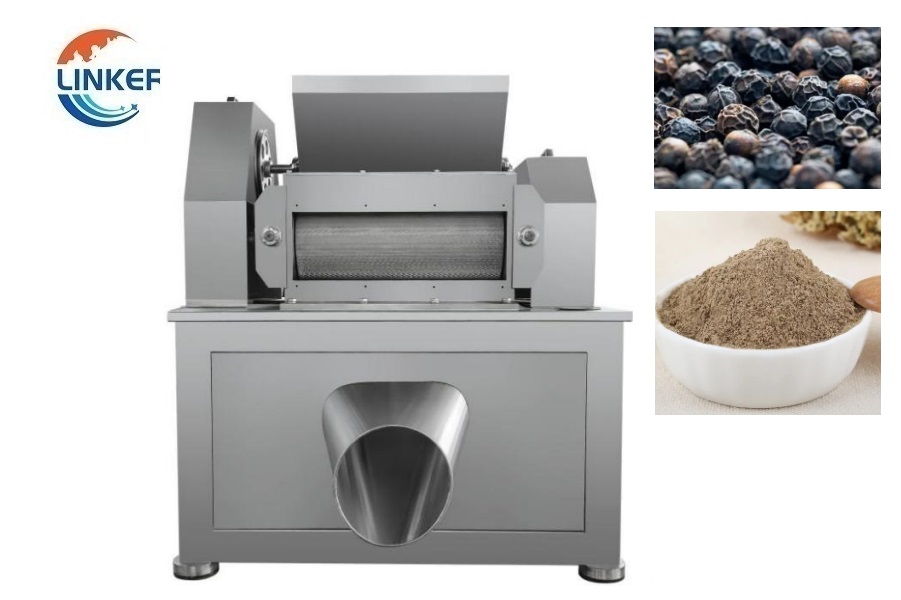
This is especially obvious when operating high-wear equipment like dry ginger grinding machine, licorice grinding machine, and black pepper grinder.
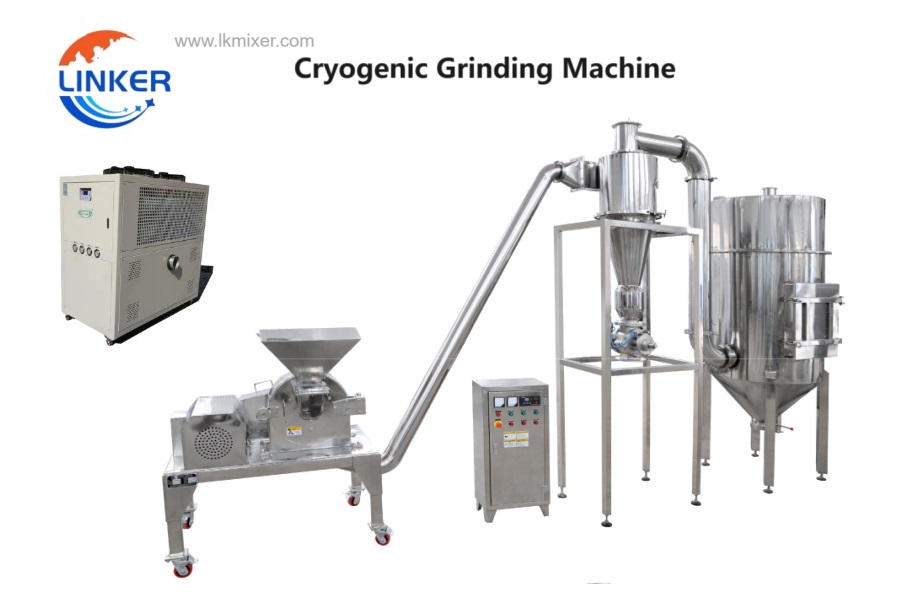
Maintaining robots that operate cryogenic grinding machine or Dry Fruit Powder Grinder Machine often requires professional teams and expensive spare parts, increasing the overall cost.
Physical Barriers to Energy Efficiency and Limitations
Robots are driven by electric energy, and their energy conversion efficiency is much lower than that of biological systems. Muscles directly convert chemical energy into mechanical energy with an efficiency of 20–25%.
However, the comprehensive efficiency of the motor + reducer system is usually less than 10%, and power consumption increases exponentially under high load.
To maintain multi-degree-of-freedom movement, continuous sensor operation, and computing unit work, robots need to be equipped with large-capacity batteries.
But the limitation of battery energy density makes their battery life generally less than a few hours. In tasks such as field inspection, long-term duty, or deep-sea exploration, frequent charging or battery replacement becomes an application bottleneck.
Organisms achieve continuous energy supply through eating, but robots cannot achieve autonomous energy supply, and their “life” is always subject to external energy supply.
This limits their use in remote areas where charging is difficult, such as operating small grinder machine or Air cooled crusher in remote factories.
Specific Impacts of Disadvantages in Various Application Scenarios
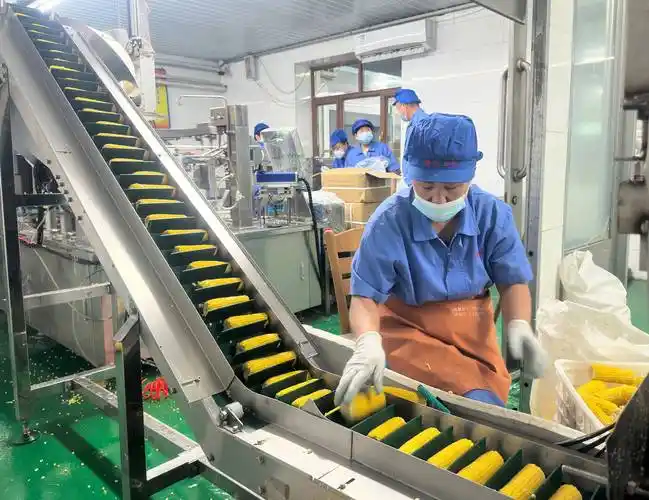
In the food processing industry, the lag of the perception system makes robots unable to accurately distinguish the freshness of meat, wheat, or corn.
This may lead to unqualified products when processing coffee, tea, or sugar with Dust Grinder or Hammer Mill.
The lack of common sense makes it impossible for robots to handle unexpected situations, such as jamming of Ultrafine Grinder or vibrating pulverizer.
In the chemical industry, the low energy efficiency of robots limits their long-term operation when handling chemical materials.
Maintenance difficulties also affect the continuous operation of robots that operate coarse crusher, turbo grinder, and dust collector grinder, increasing production costs.
Even in daily scenarios, such as handling metal, bean, tobacco, or salt, the rigid reasoning of robots may lead to operational errors.
For special materials like cannabis or bone, the semantic blind spots of robots make it difficult for them to understand complex operation requirements, requiring human intervention.
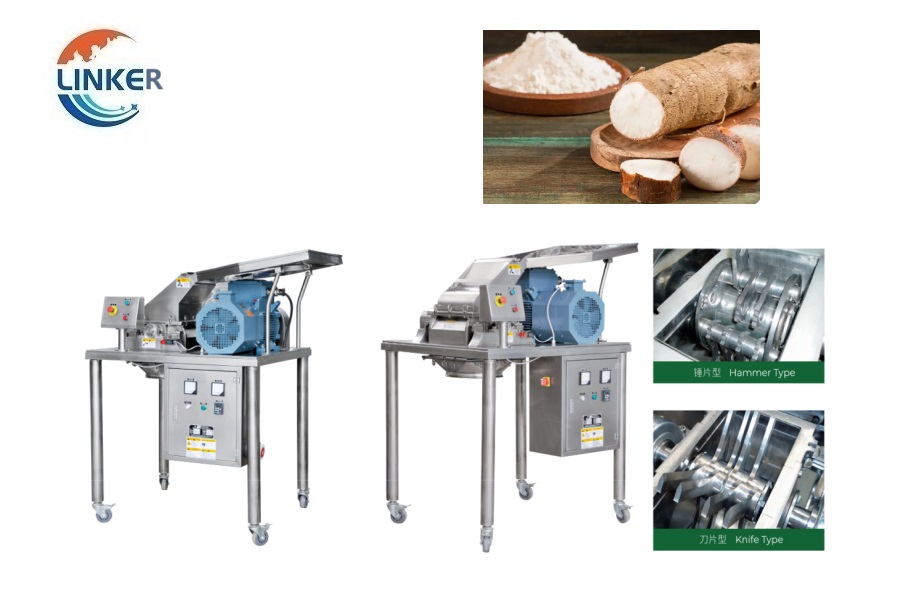
This also applies to equipment like Vacuum Mill and cassava grinding machine, where flexible adjustment based on material characteristics is needed.
Conclusion: Fundamental Limitations of Robots
These disadvantages are not a collection of technical flaws, but fundamental limitations of robots as “artificial constructs” in physical, cognitive, and energy aspects.
They can accurately execute instructions but cannot understand meaning; they can repeat actions a thousand times but cannot adapt to one change; they can simulate conversations but cannot perceive emotions.
Their strength precisely reflects the fragility of their essence.
Even with the continuous advancement of technology, these fundamental limitations are difficult to completely overcome, because they are determined by the inherent characteristics of robots as non-biological systems.
Whether it is operating a high speed Dry Grinder, Electric Grinder, or any other equipment, robots can only play a supporting role and cannot completely replace humans in complex and uncertain scenarios.
Understanding these disadvantages helps us use robots more rationally, giving full play to their advantages while avoiding over-reliance on them.
How much does a robotic arm cost?
Can a robot arm be used for surgery?
What is another name for a robotic arm?
Can robots work 24 hours a day?
Recommend Post about Robot:
Related Production Line Customization:
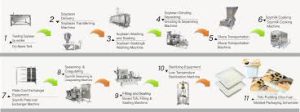
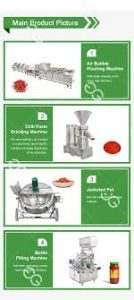
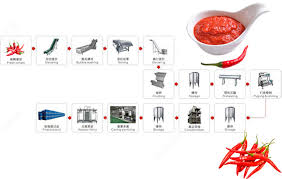
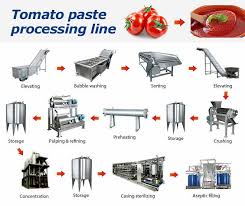
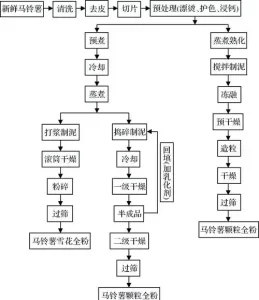
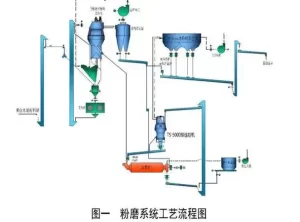
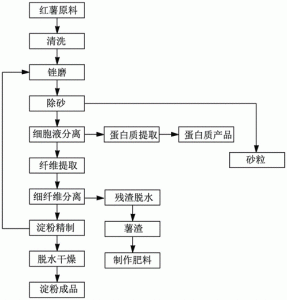
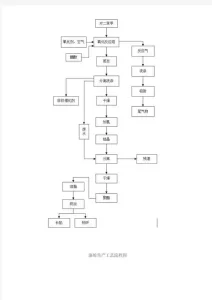

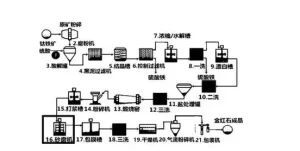
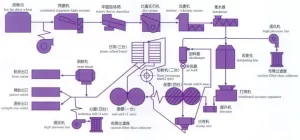
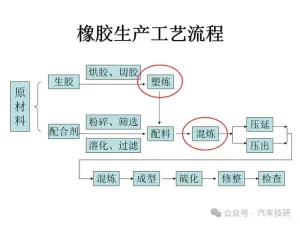
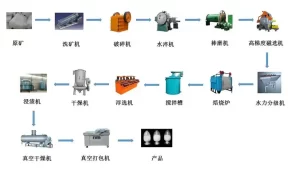
Recommend Post about Production Line:
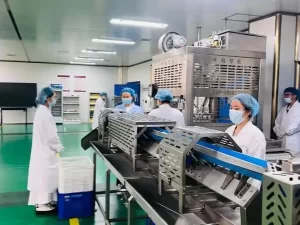
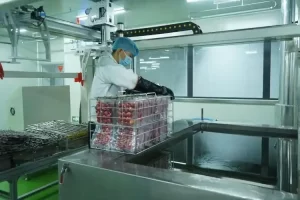
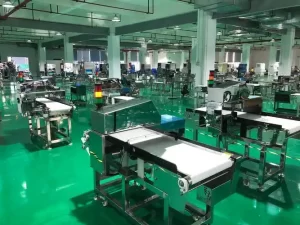
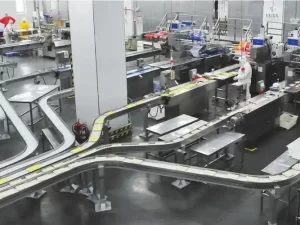

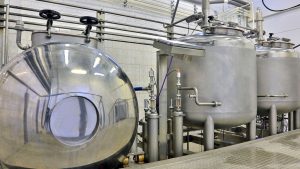
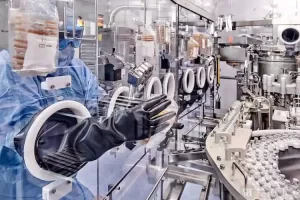
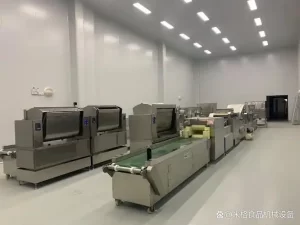
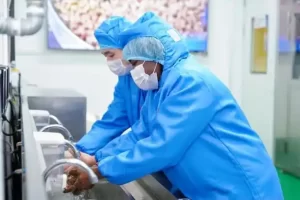
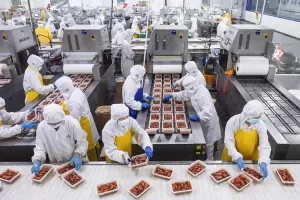
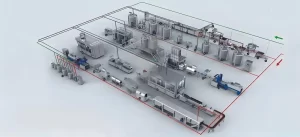
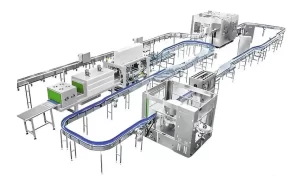
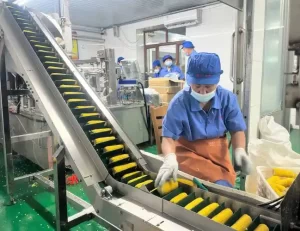
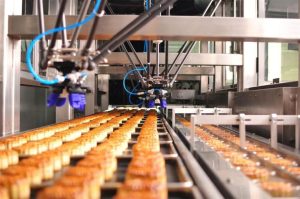
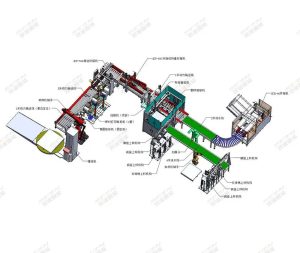
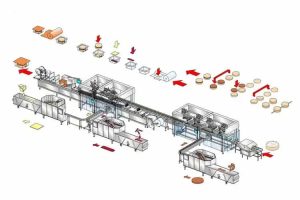
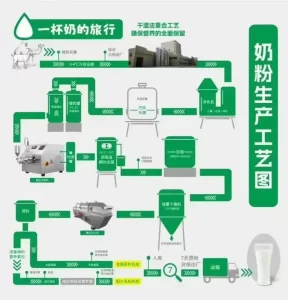
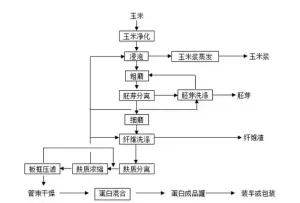
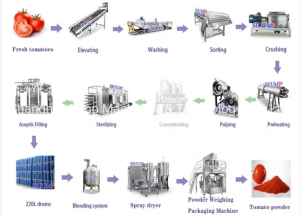
Food Producing Process Flow:
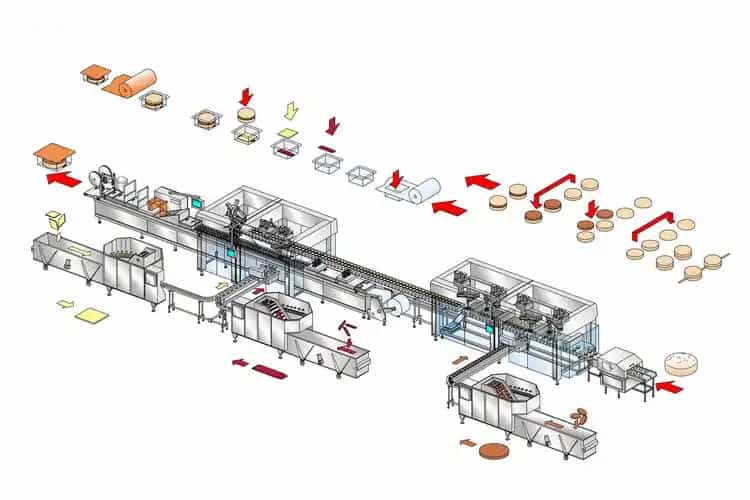
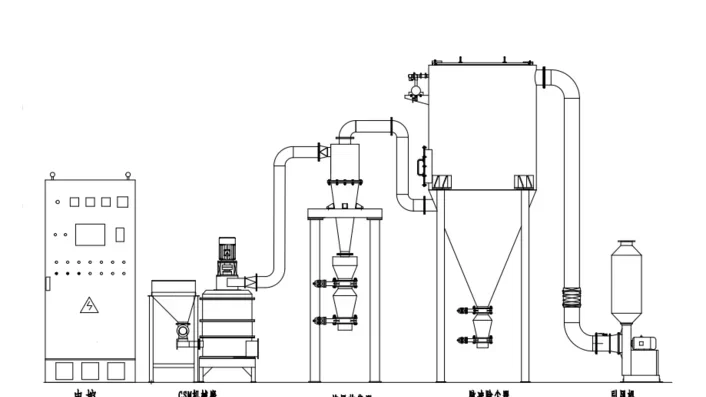
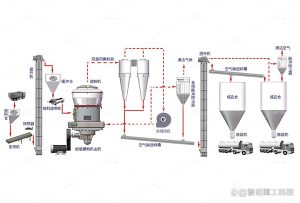
Ultrafine grinding is one of the very key procedure in whole production line. It depends how many mesh that customer need to produce. That’s to say this machine can decide what kind of material will get finally before mxing.
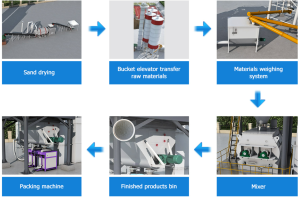
Coarse Crusher Machine —>Grinding Machine —> Vibrating Table Sifter Machine—>Mixing Machine—>Packing Machine —> (Printed Packaging Film Roll or bags ) —> Filling, sealing machine, capping and Labeling Machine —>Pack into Box.

About LKMixer
LKMixer is a professional manufacturer for fertilizer production line, grinder, mixer and granulator, shredder. These machines are widely used in food, pharmaceutical, cosmetic, health care products and chemical industries. The Food materials like Peanut, mushroom, seeds, potato, bean, tobacco, salt, cannabis, tea, Sugar, corn, Coffee, rice, pepper, grain as so on. Grinders have many types such as Pulse Dust Grinder which suitable for zero pollution environment, Turbine Mill which is suitable for coffee bean, 12-120mesh all can meet, Ultrafine Grinding Mill covers 80-200mesh, and also Winnowing Dust Grinder or other grinding machines like SF Hammer. Welcome to contact us for details. Contact us for more information. Proposal, catalog, quotation. Mobile/WhatsApp: +86 18019763531 Tel: +86 21 66037855 Email: sales@lkmixer.com
Contact Us
Tel: +86 66037855
Email:sales@lkmixer.com
Working Time: Monday ~Frinday 9:00AM~17:00PM
Please call us Whatsapp, or mail to us.
Grinder for Sale:
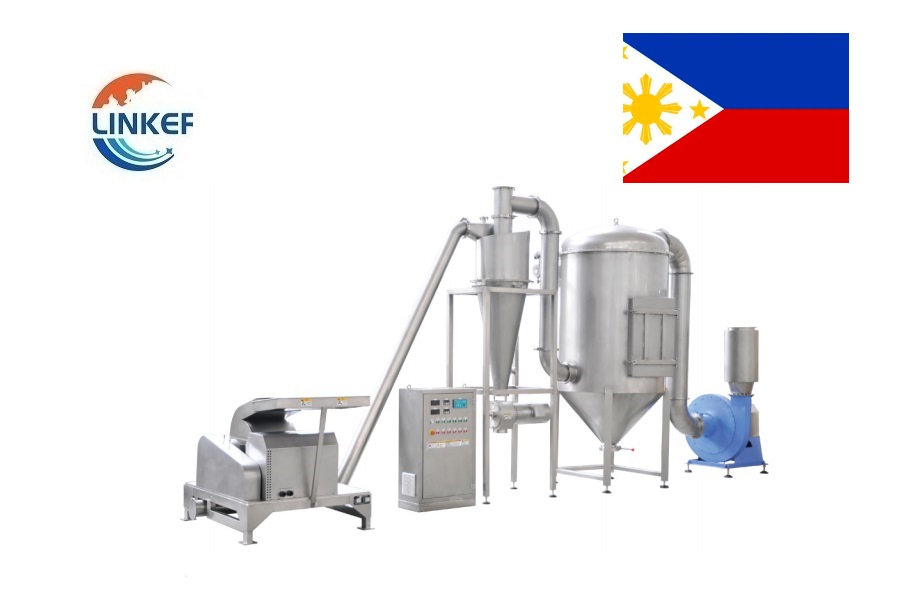
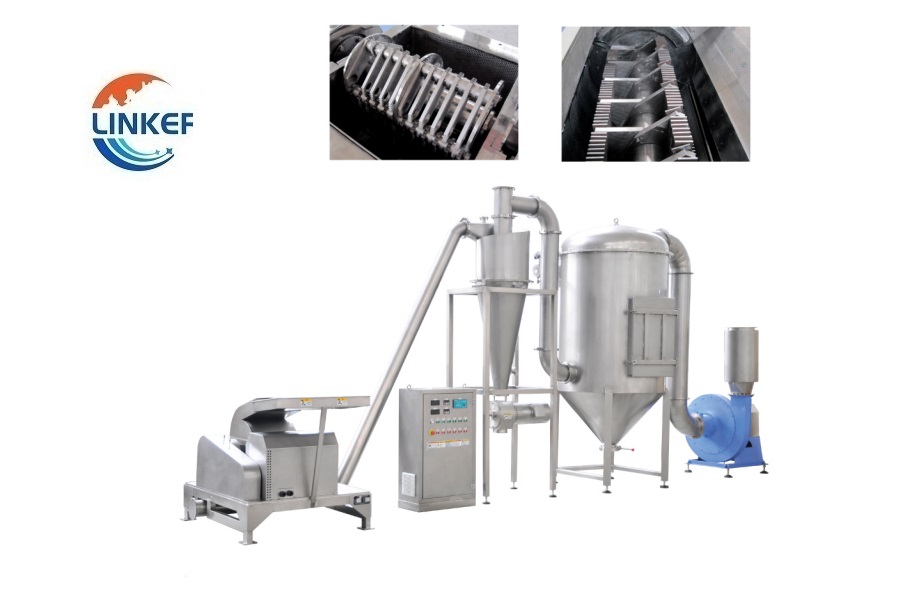
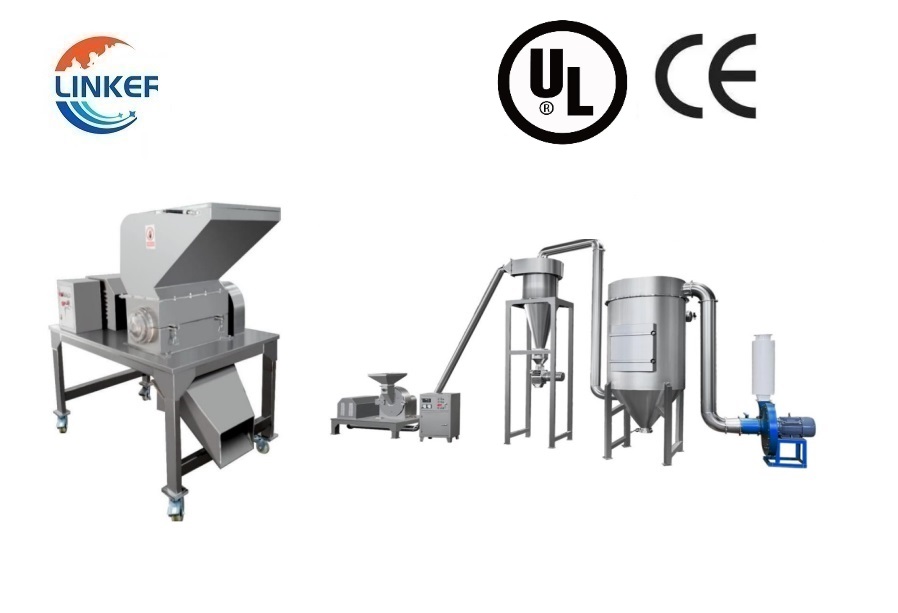
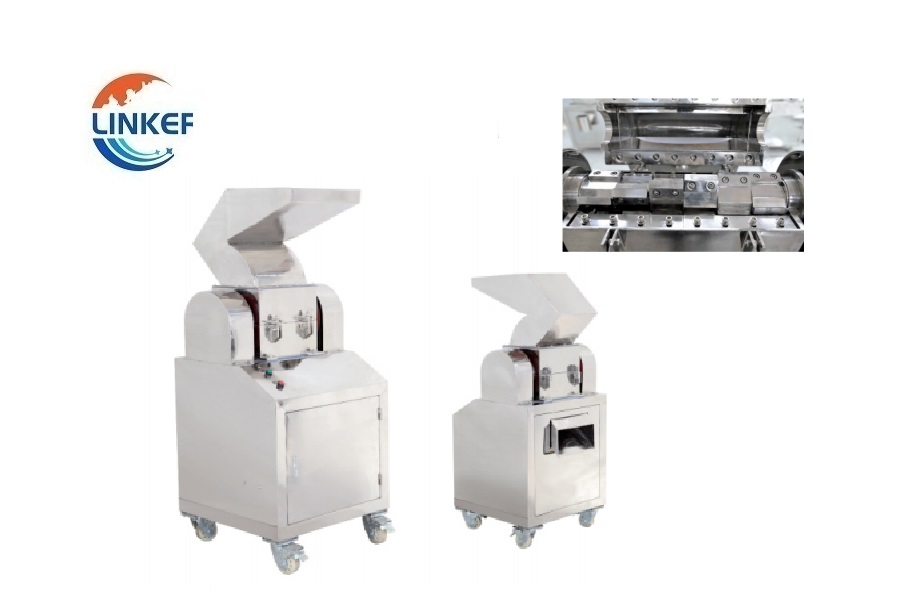
Rubber Powder Grinding Machine
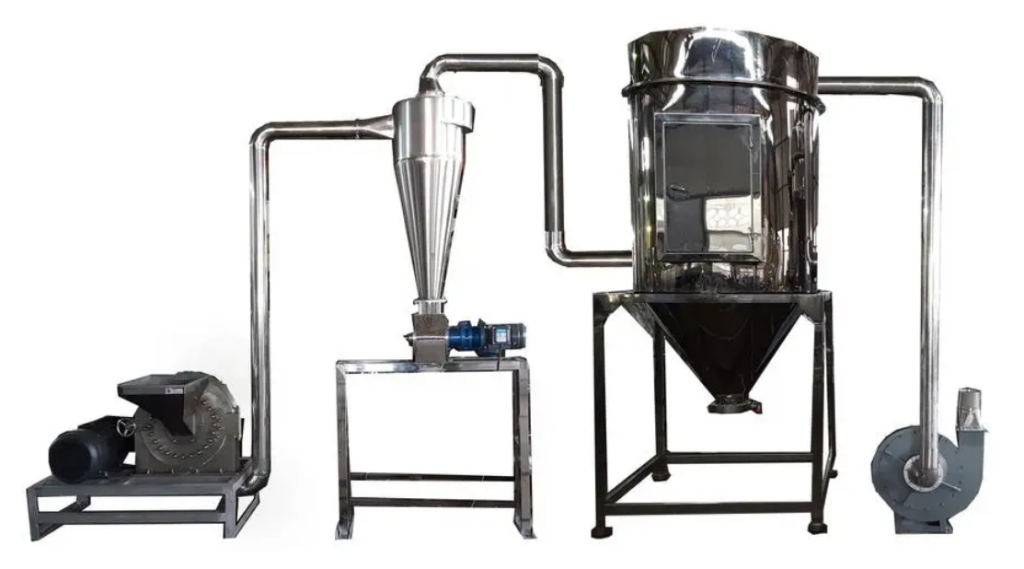
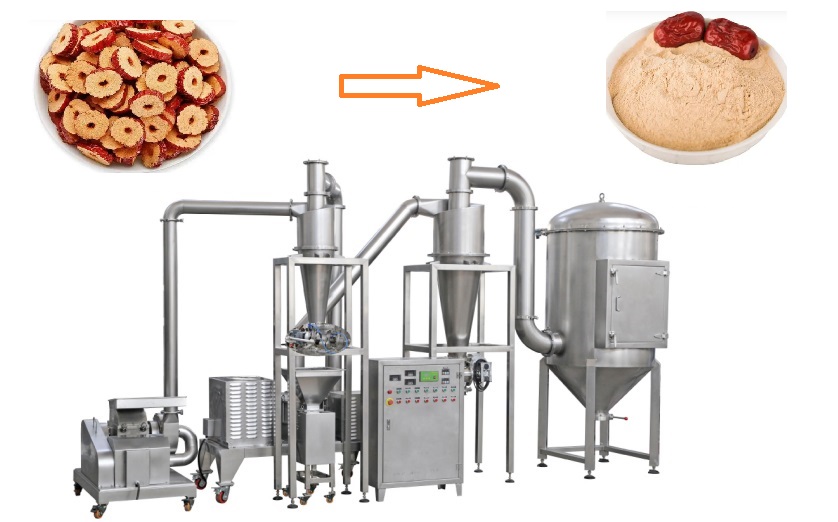
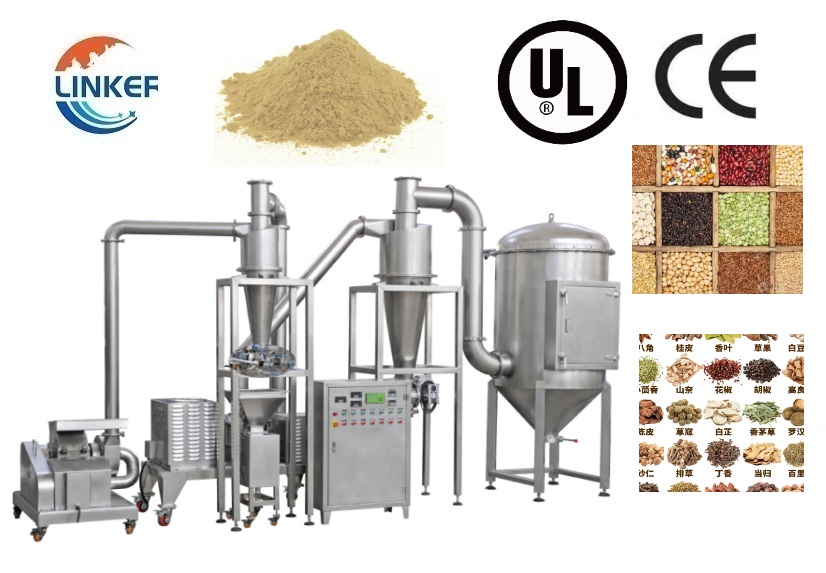
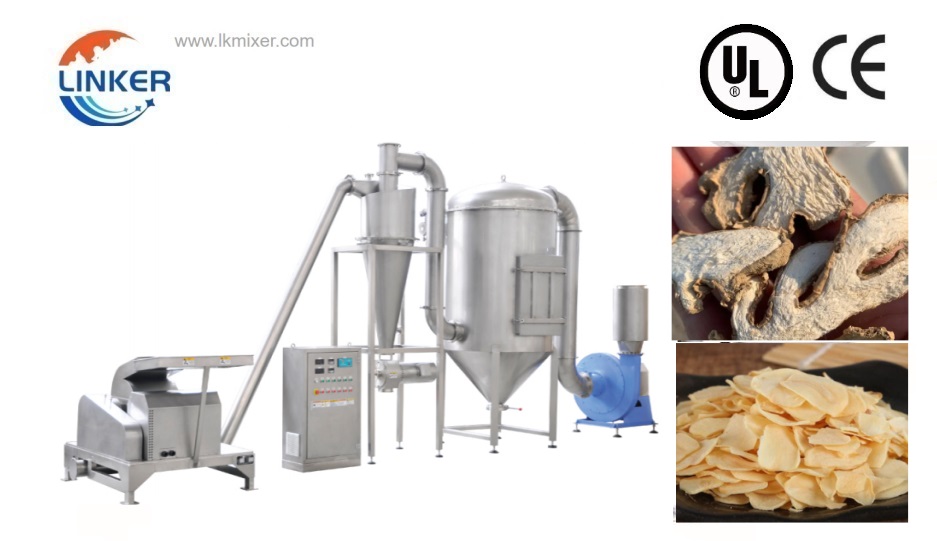
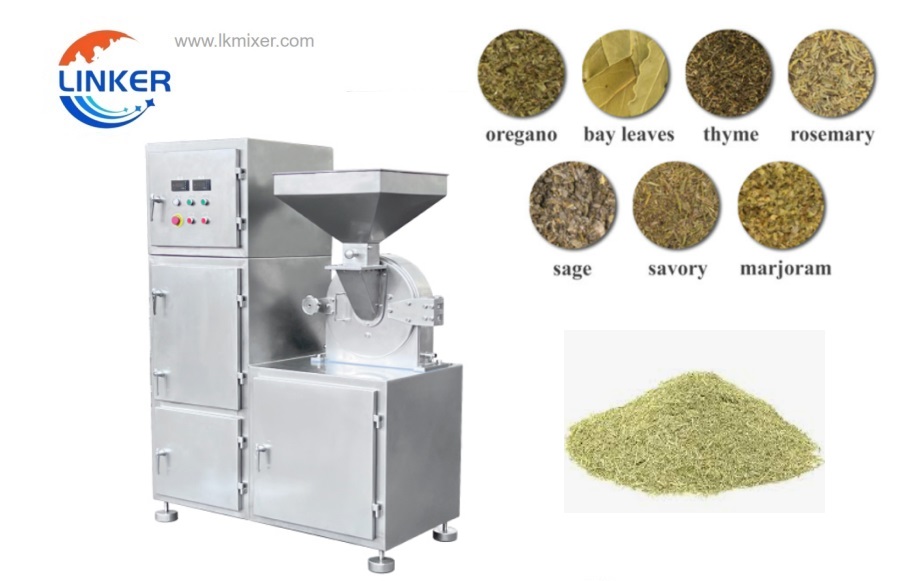
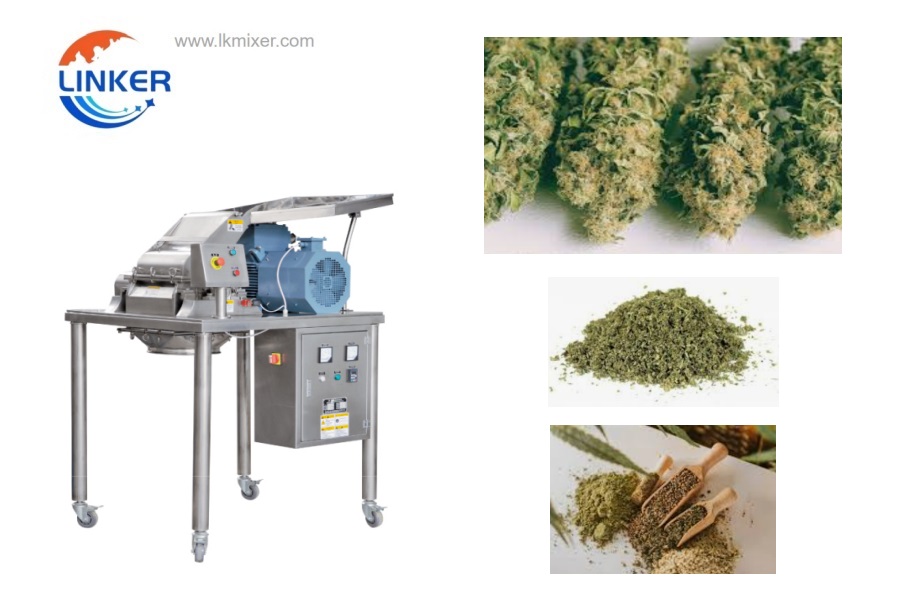
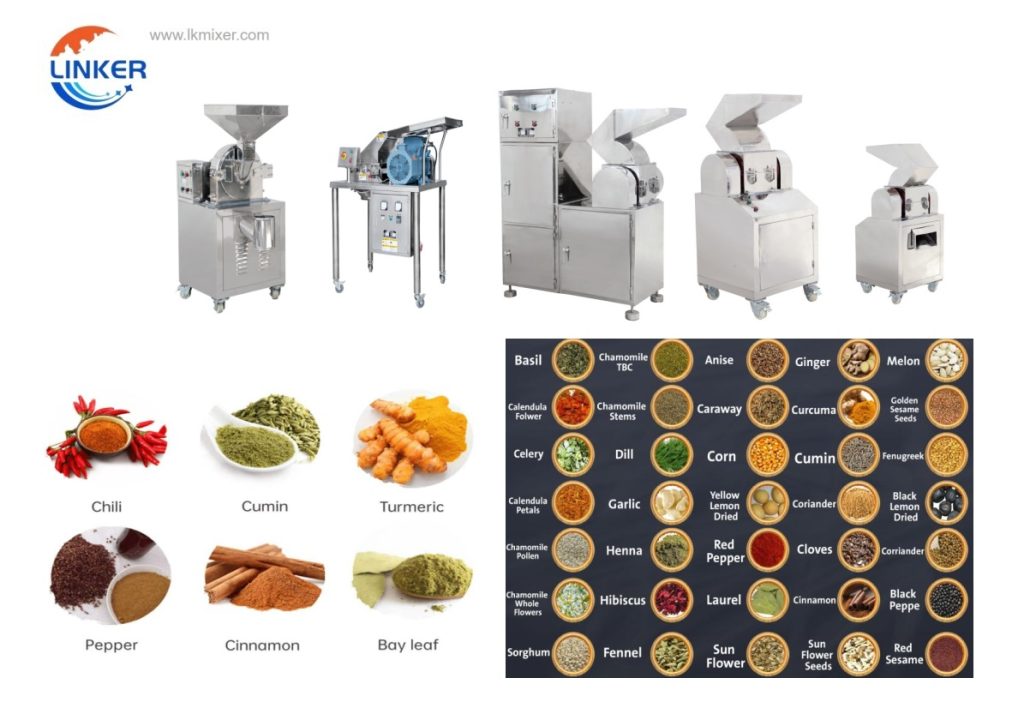
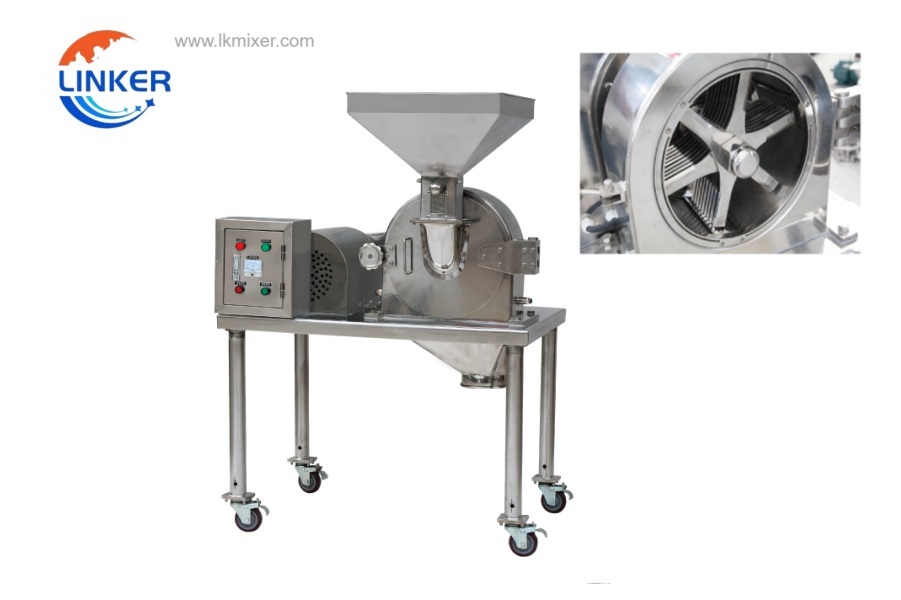
Rubber Powder Grinding Machine Industrial Cumin Seeds Grinder Youtube Video Customization Seeds Grinder According to your…
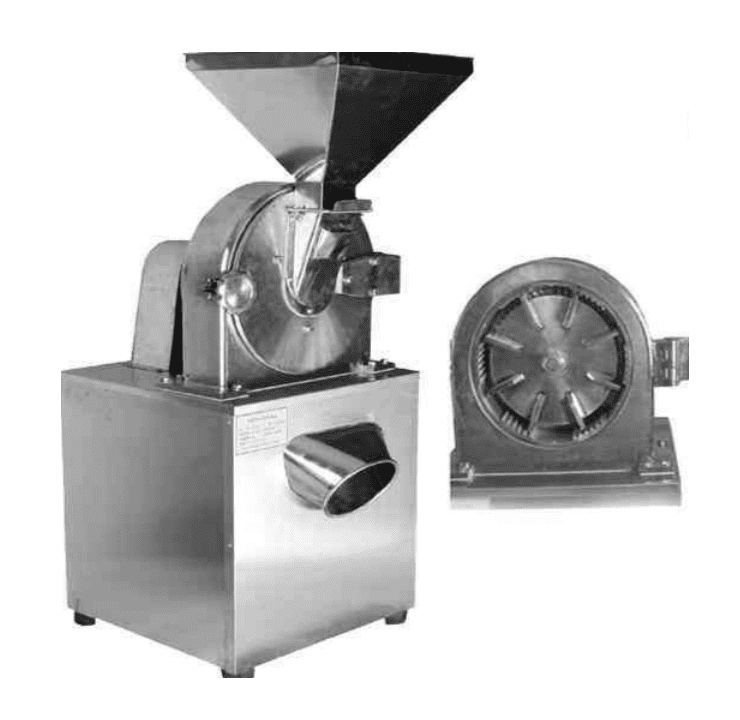
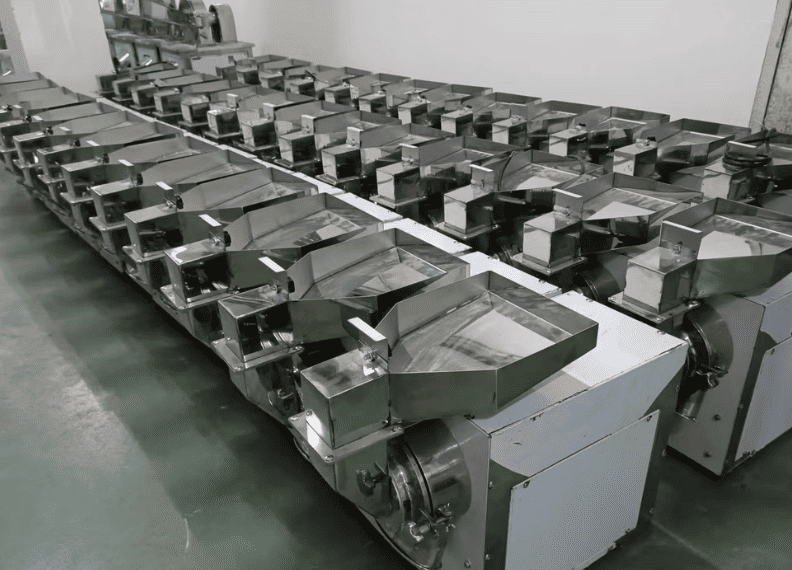
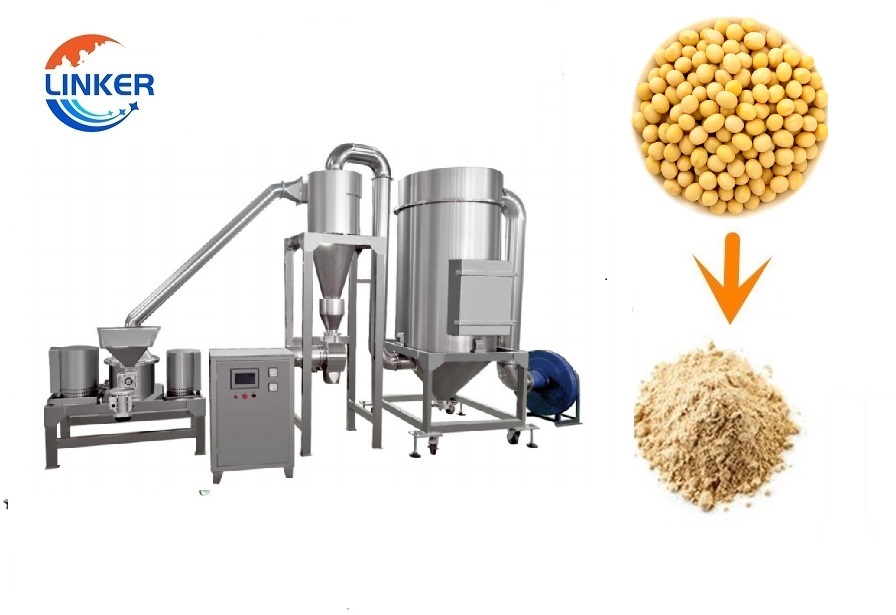
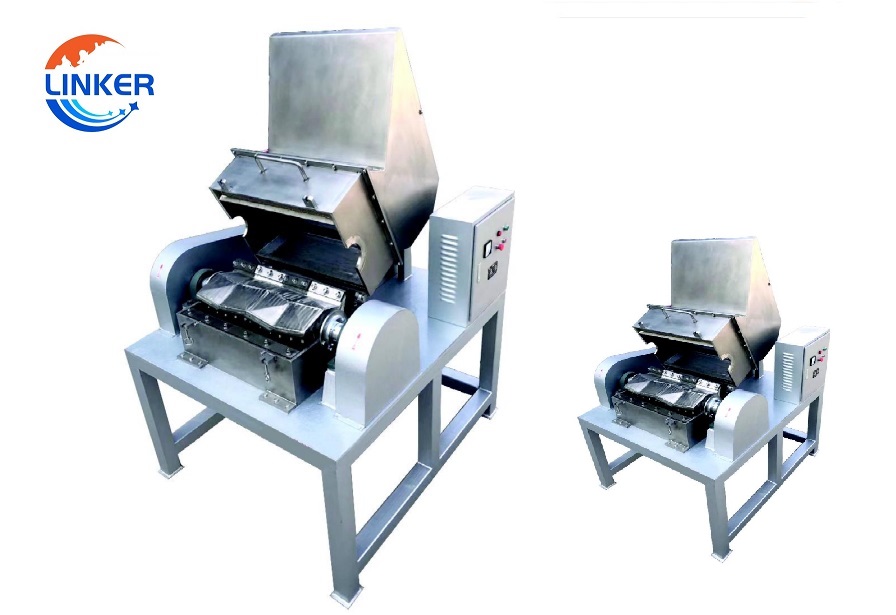
Blenders for Sale:
Small Blender 2L 5L 10L 15L 20L
You may also interest in: Small Blender for Sale: LKMixer we have many different model of Small…Solid-Liquid Blender
Solid-Liquid Blender for Sale: Solid-Liquid Blender also called Double Shafts Paddle Mixer, it is paddle type and…Fertilizer Production Line
What is fertilizer production line? Fertilizer production line is a whole set of equipment which used to…
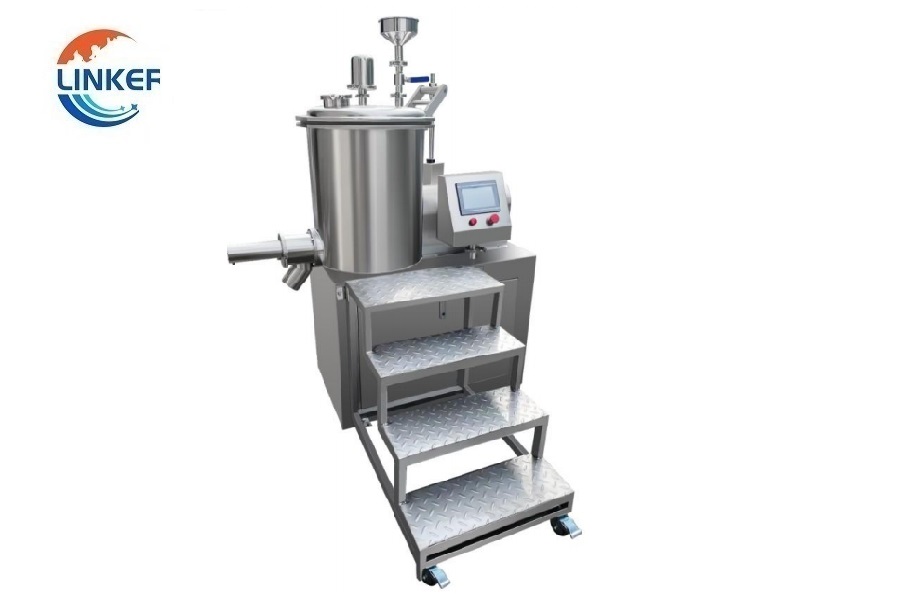
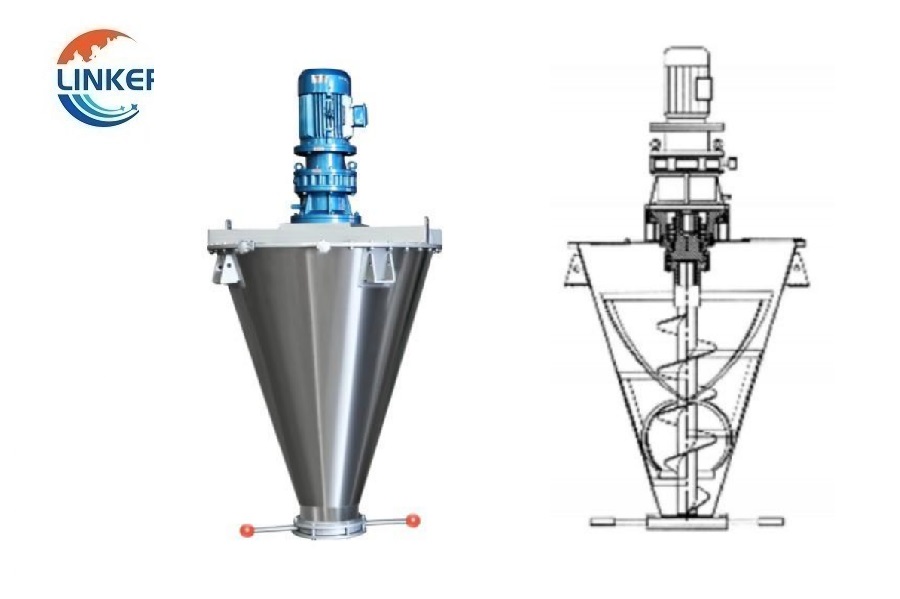
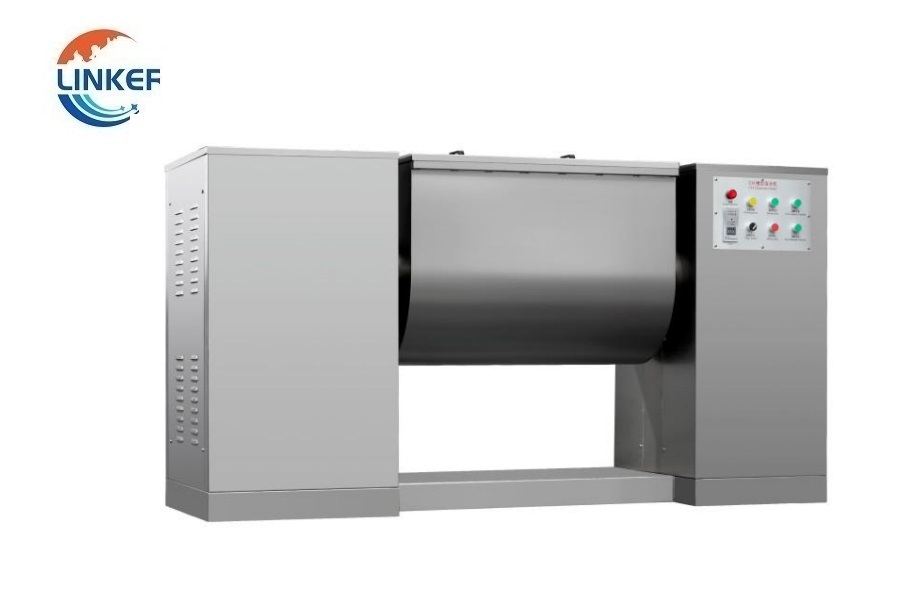
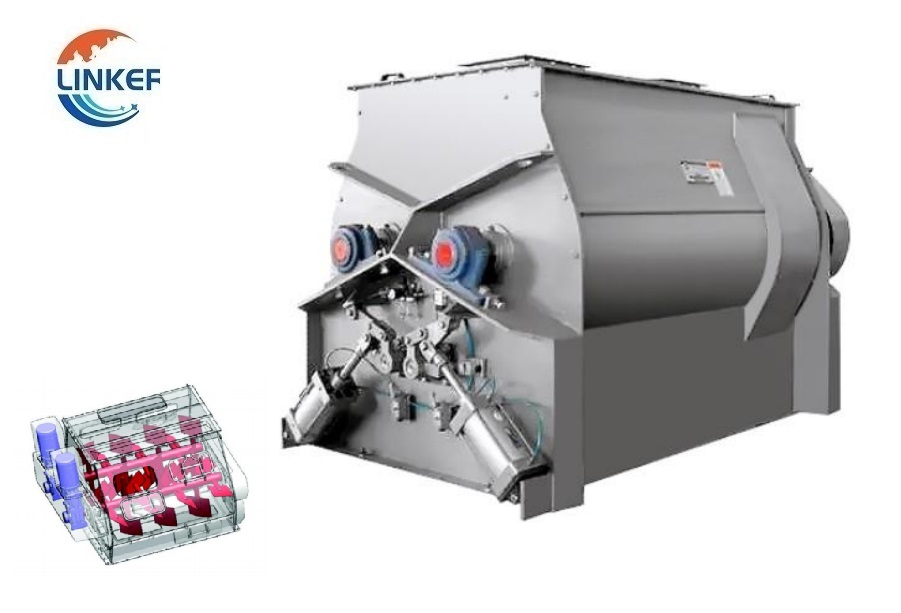
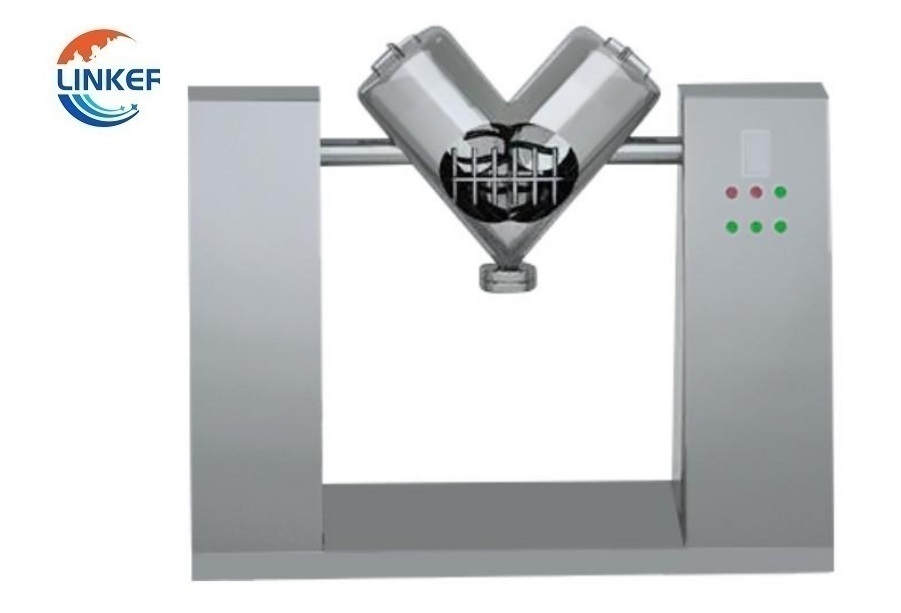
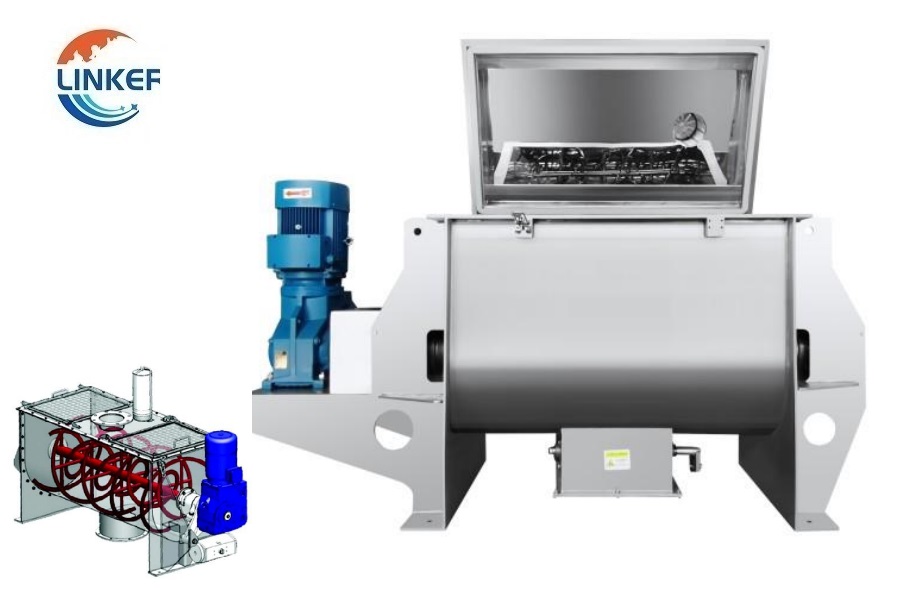
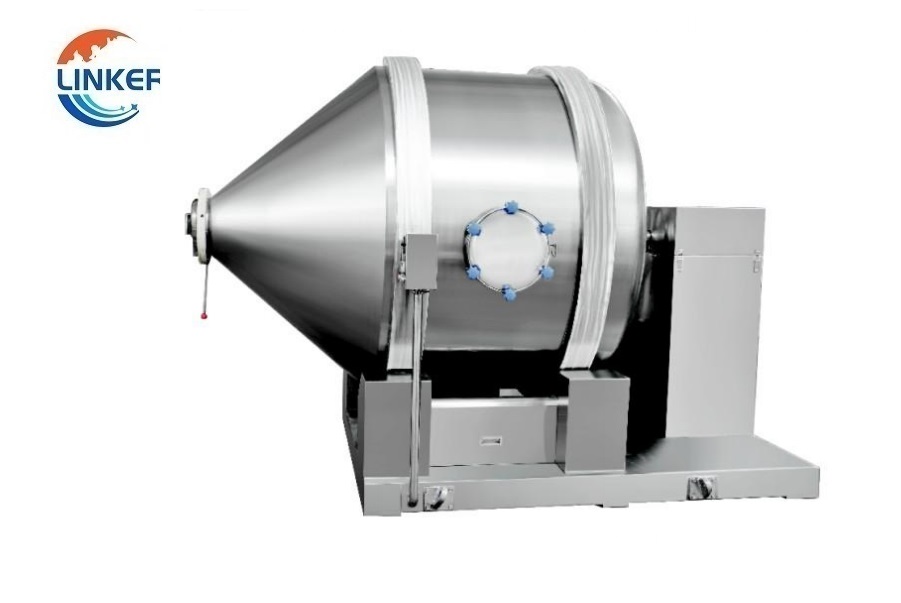
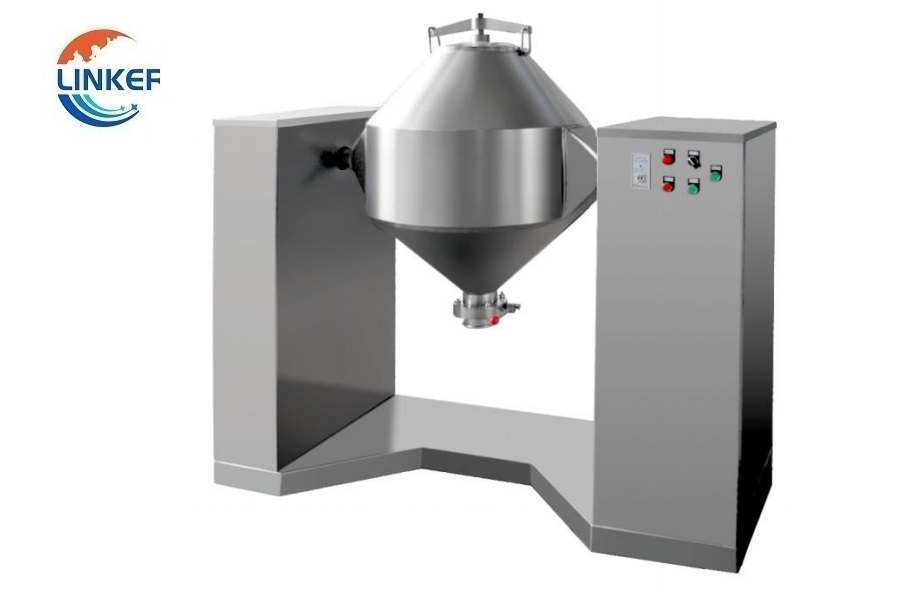
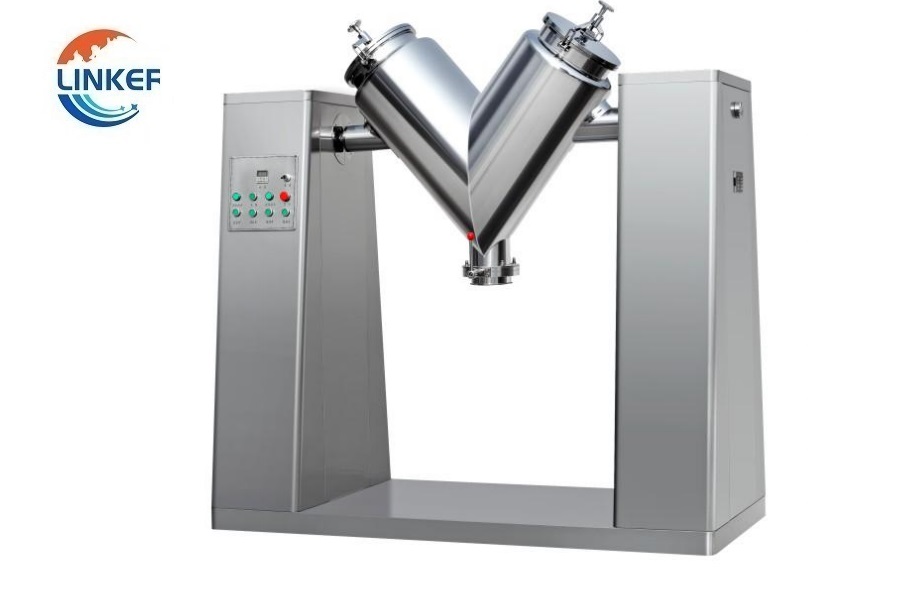
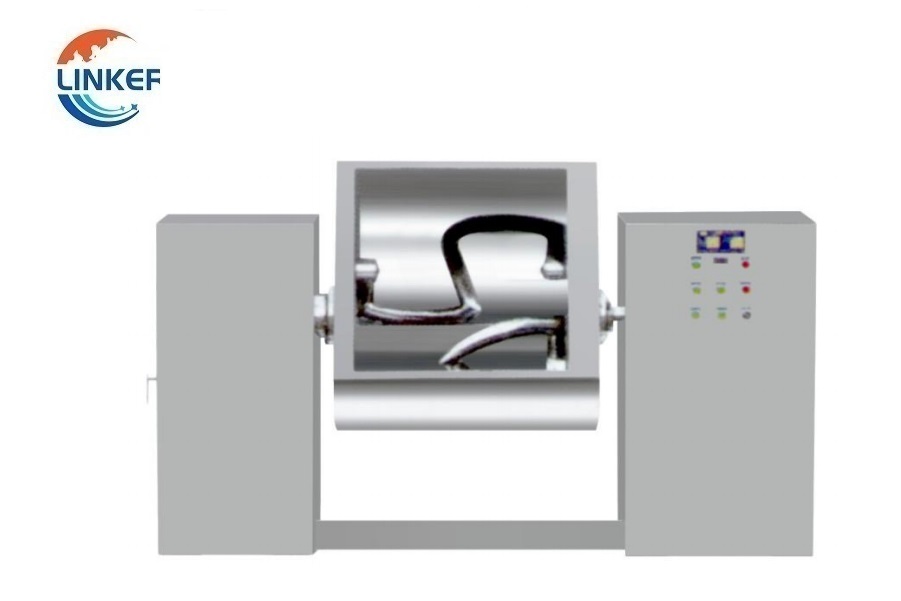
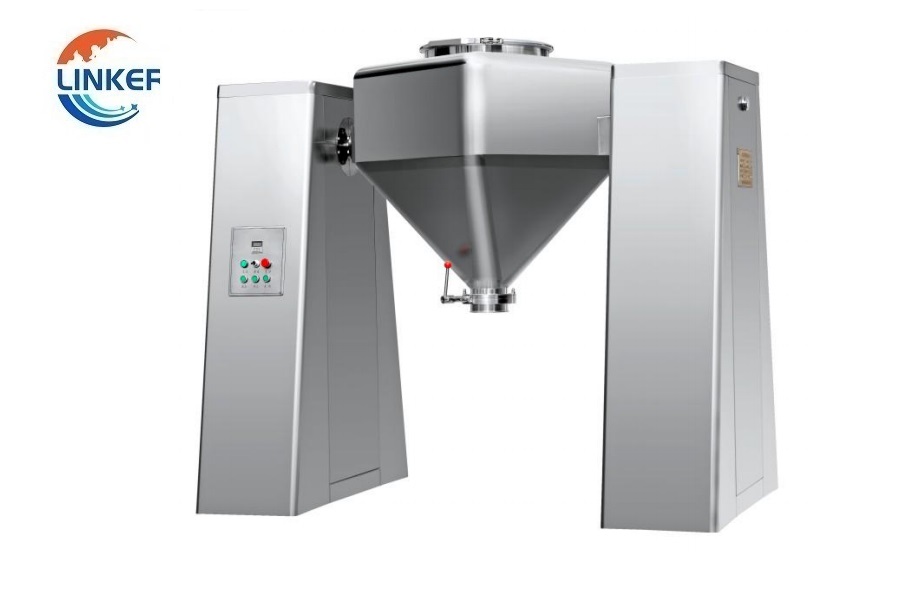
Granulator for Sale:
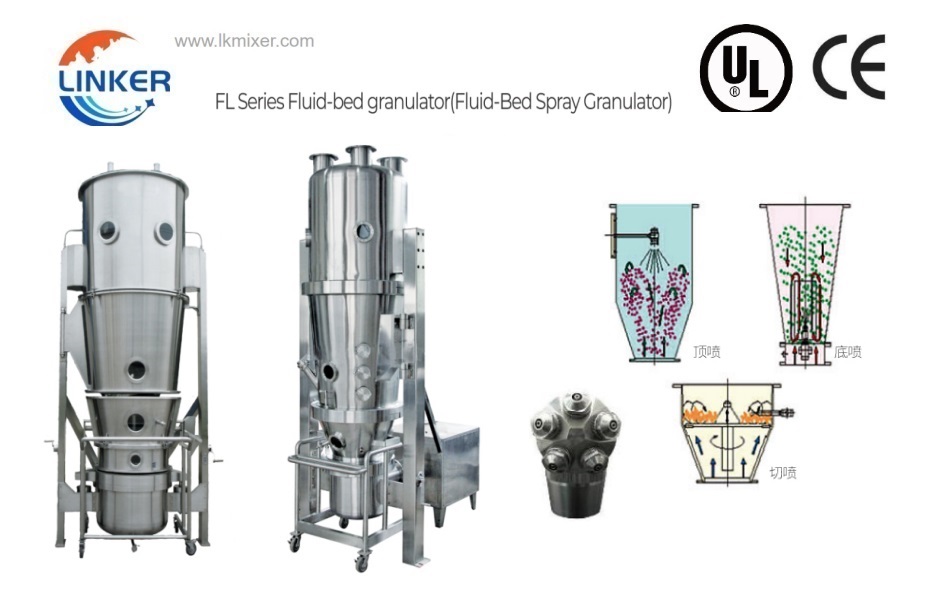
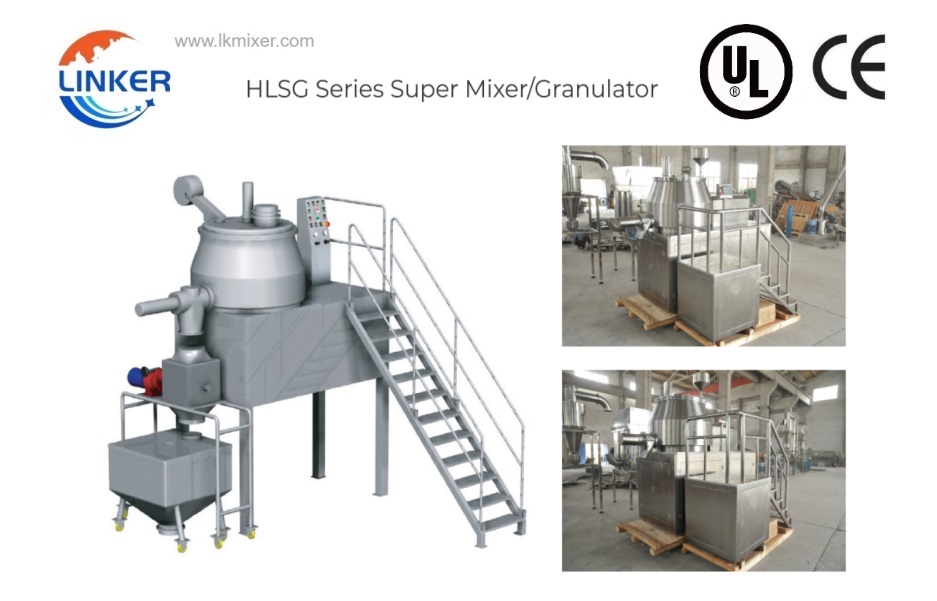
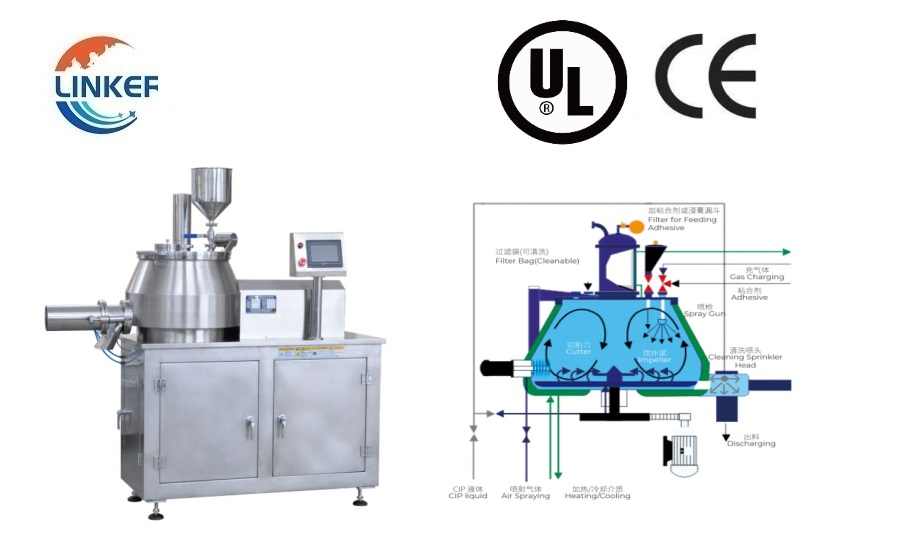
Fluid Bed Granulator
What is a Fluid Bed Granulator? Fluid Bed Granulator is a machine mainly used for pharmaceutical granulation…Dry Granulating Machine
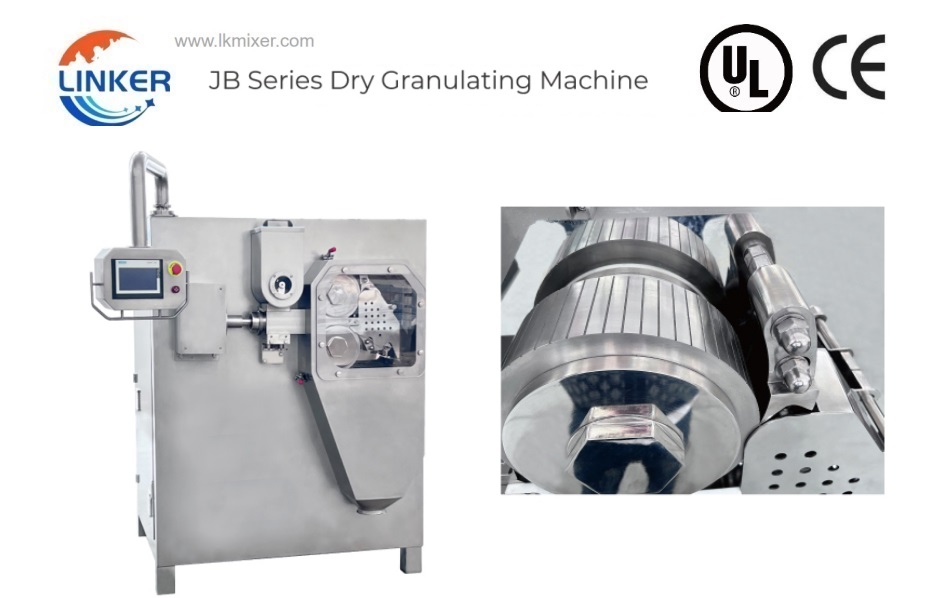
What is a Dry granulating machine? A dry granulating machine uses dry roller press technology to compress…BJB Grinding and Granulating Machine
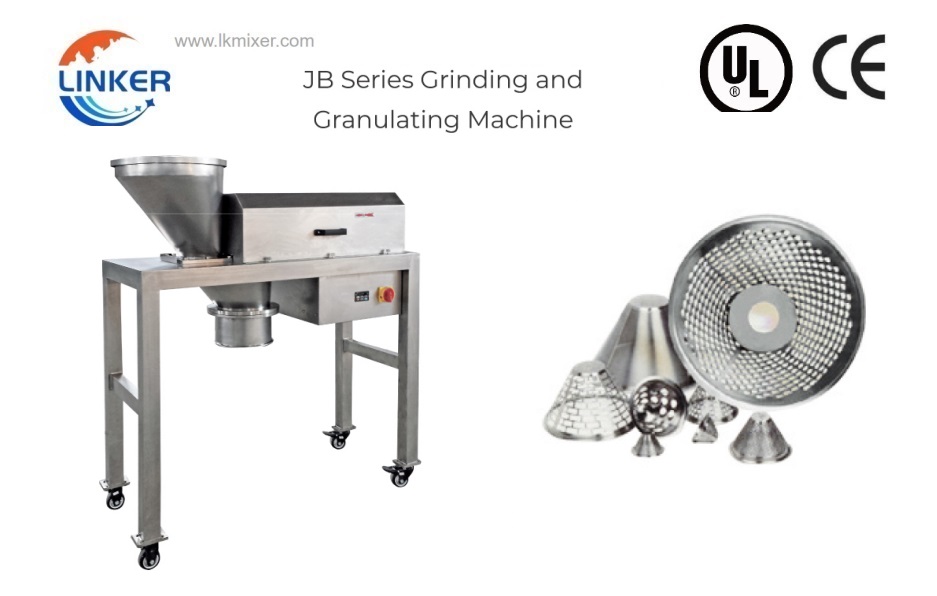
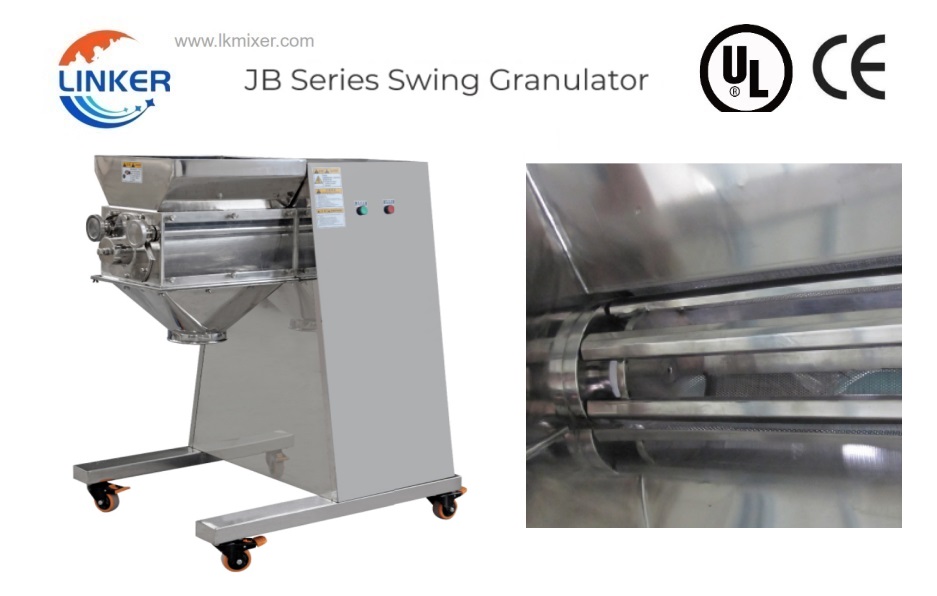
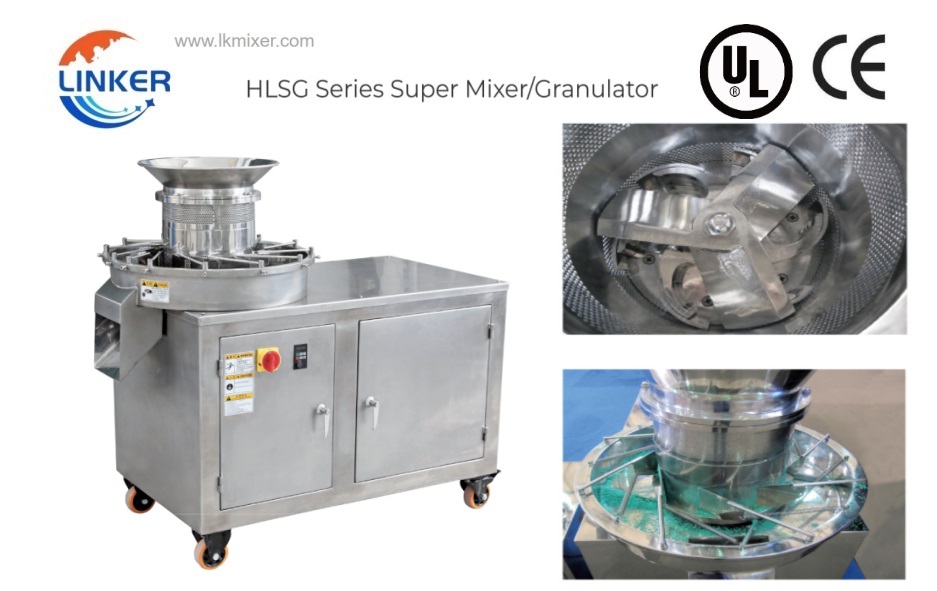
What is a granulating machine? A granulating machine is an industrial device used to shape powdered or…
Conveyor and Auto Feeder for Sale:
Powder Feeder System Pump
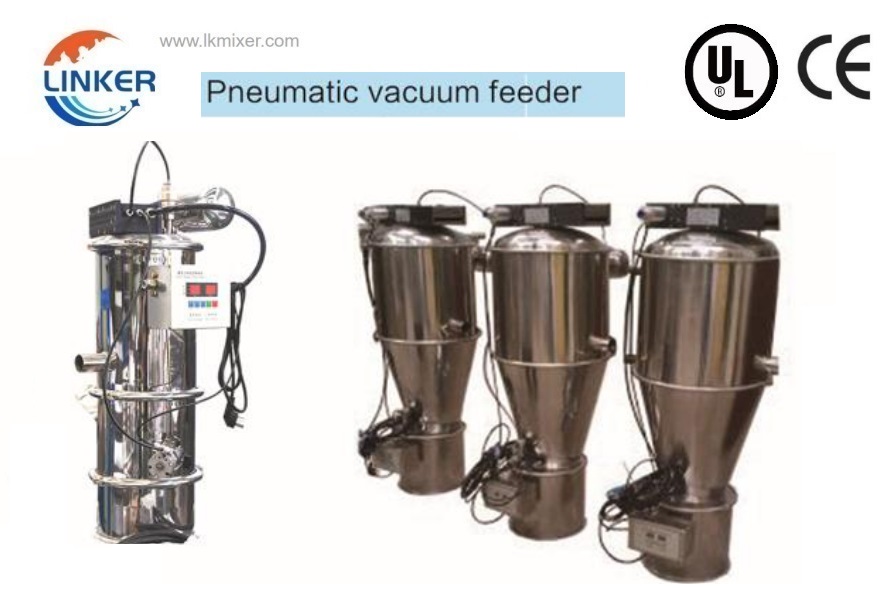
Vacuum Feeder Machine for Sale: Vacuum Feeder is a common used machine to transport the material into…Pneumatic Vacuum Feeder
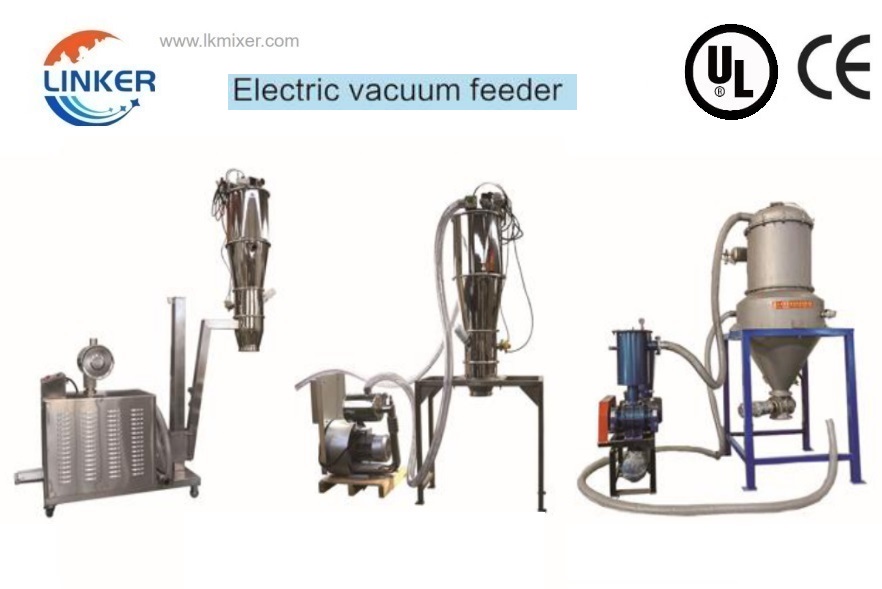
Vacuum Feeder Machine for Sale: Vacuum Feeder is a common used machine to transport the material into…Electric Vacuum Feeder
Vacuum Feeder Machine for Sale: Vacuum Feeder is a common used machine to transport the material into…
Sifter and screen for Sale:
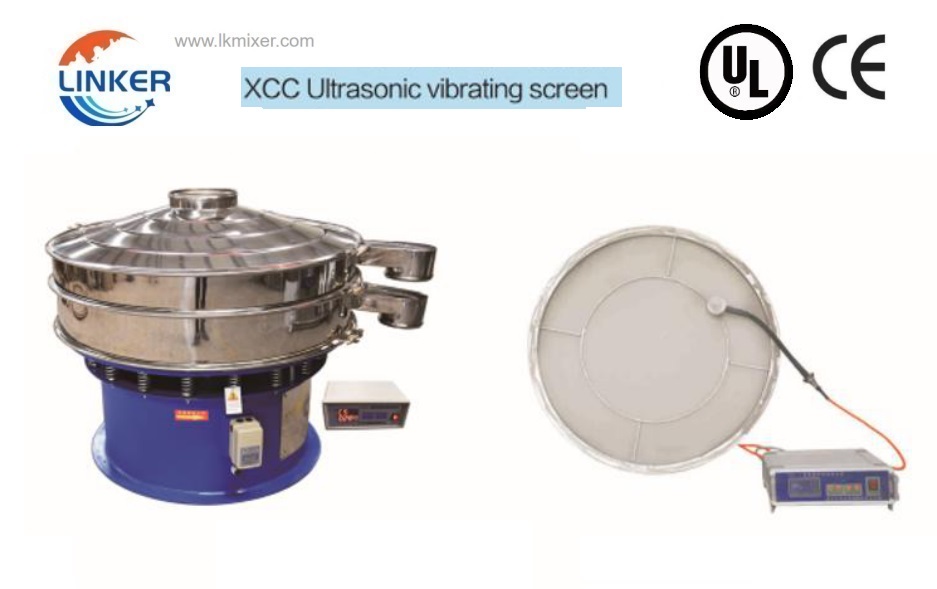
Ultrasonic Screen
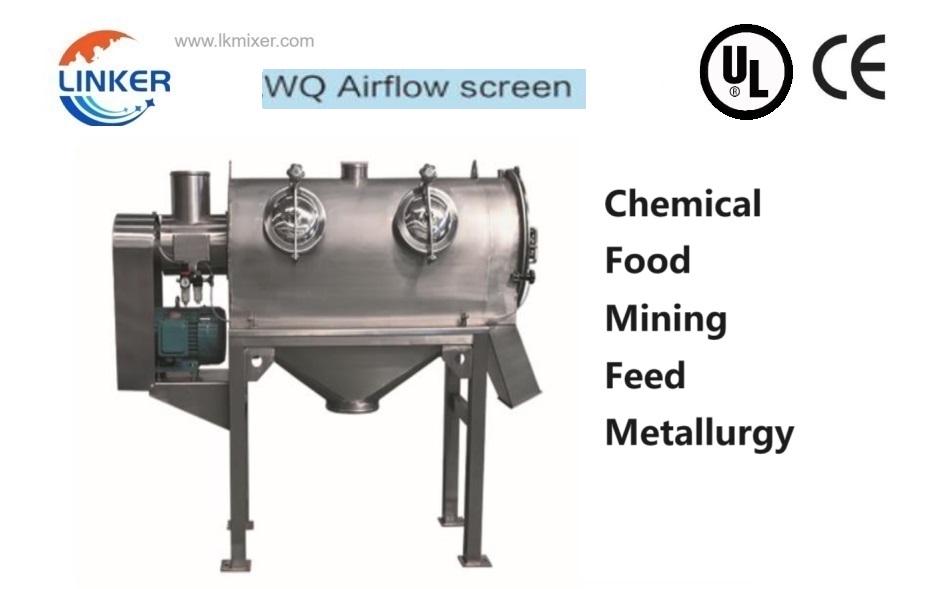
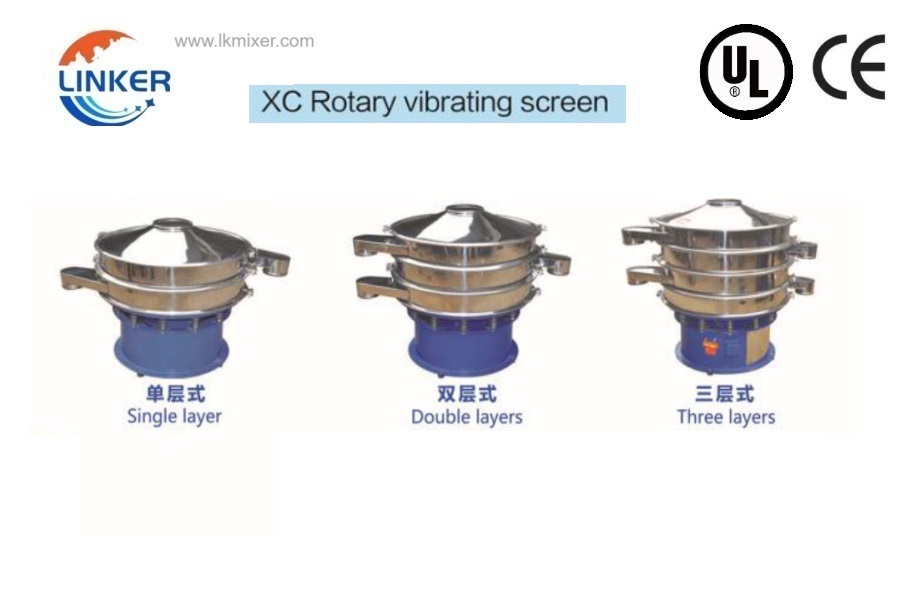
Ultrasonic Screen Machine for Sale: Ultrasonic Screen is a common used machine after the grinding process, it…Rotary Sifter
Rotary Sifter Machine for Sale: Rotary Sifter is a common used machine after the rice grinding process,…Rice Sifter Machine
Rice Sifter Machine for Sale: Rice Sifter Machine is a common used machine after the rice grinding…
Auxiliary Machines, Dryers for Sale:
How do people control robotic arms?
How do people control robotic arms? The way people control robotic arms has evolved from a single…What is a robotic arm for humans called?
What is a robotic arm for humans called? Robotic arms for human use are given various professional…How advanced are robotic arms?
How advanced are robotic arms? Robotic arms have advanced beyond the scope of traditional “automated tools” and…
FAQ(Click and See More)
Why Choose Us?
We have 20 years manufacturing experiences; 15600 cubic meters factory area; 5000sets annual capacity; 55 professional engineers;
What’s your main maket?
South America: Brazil, Colombia, Peru, Bolivia, Uruguay, Paraguay ;Romania;
USA with UL Certification
Middle East: Saudi, Arabia, Oman, Turkey
Europe: Russia, Australia, Belarus, Ukraine, Poland
Can you support OEM?
– Yes, OEM or ODM. Machine can be customized according to customer detail requirement, including capacity and voltages, motor certifications.
– Drawing and raw materials also can be customized.
What after-sale services?
– 7*24 customer service online;
– 7*24 engineers online services;
– 12 months warranty services.
WHAT kind of MACHINE YOUR COMPANY HAVE?
CAN YOU GIVE ME GUIDE ON OTHER MACHINE ? TO FULL MY PRODUCTION LINE
YES ! Our f have factory build more than 20 years now, we can design and customize whole line, besides of the grinding machine, mixing machine, we can also fully support to provide the washing machine, cutting machine, drying machine, packing machine, filling machine. Though we are not producing these machine, but our brother companies co-work together for over 20 years, we have rich experience in providing you a full effective production line, fully automatically or semi-automatically.
HOW TO VISIT YOUR COMPANY?
Our Factory located in Jiangsu Province, very near to Shanghai, you can fly to Shanghai Pudong Airport, we pick you up and take you by car 2 hours ride, can reach our factory, welcome your visit.
WHAT’S YOUR BEFORE & AFTER SERVICE ?
1) Before your purchasing, we need to know your detail request, such as what kind of material you want to grind and mixing, what final product powder or granule you want to reach. Because different material and powder sizes request of different machine to do. We can provide professional advice and rich experience help to choose machine. Most of the products we have already did before for other customer, trail test or run mass production, so we knows which machine is best in performance of grinding and mixing. This is of very importance in helping you choose the right model. We also wish this can help our customer a lot. Even the material we didn’t do before, we will prepare the same material and to do the trail test and send video to you for your reference.
2) One Year guarantee of machine quality. If the machine have problem within one year, we will send you the spare parts to you for replacement, but this not including the damage caused by human causes. We also have 24 hours on line guide for customer, if you have operation difficulty, we will guide by video and on line communication with our engineer for your emergency debug.
3) For small machine, we sell with whole machine, it’s no need to install, and easy to operation, no problems for operation. While for large machine, its’s also not difficult to install with video guideline, but if you need, we can assign our technicians to go abroad, the round ticket, food and residents will be paid by customer.
HOW ABOUT YOUR PAYMENT TERM?
Our payment term is T/T. 50% payment in advance, rest of 50% payment finish before the goods shipped. When we finish the machine production we will do trail test and run the machine take videos for your green light. You pay the rest of 50% payment then.
Recommend Reading
Are robotic arm kits worth the money?
Are robotic arm kits worth the money? The user’s target placement, technological background, and long-term…Can you get a robot arm?
Can you get a robot arm? You cannot buy a robot arm like ordinary consumer…What is an industrial robot arm called?
What is an industrial robot arm called? In technical standards and engineering practice, an industrial…