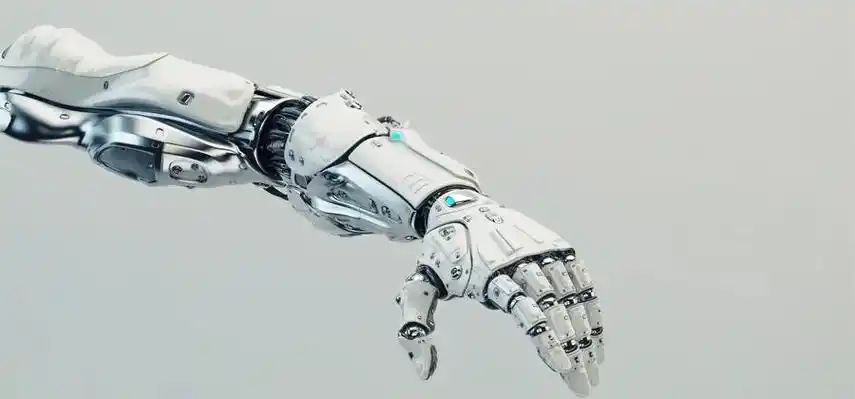
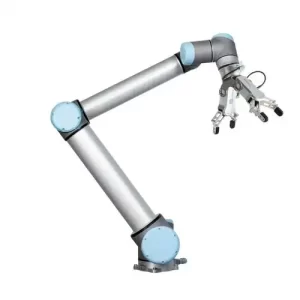
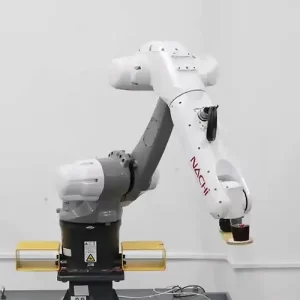
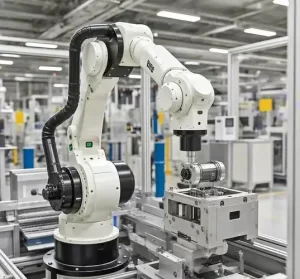
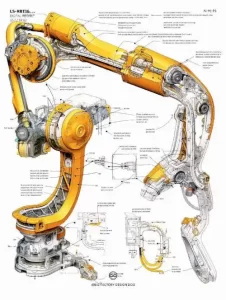
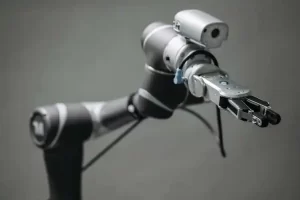
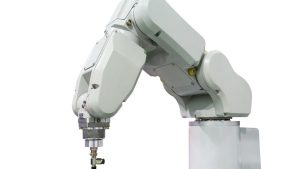
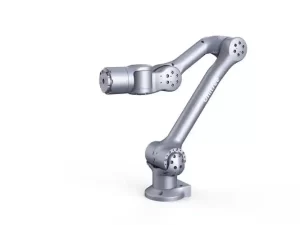
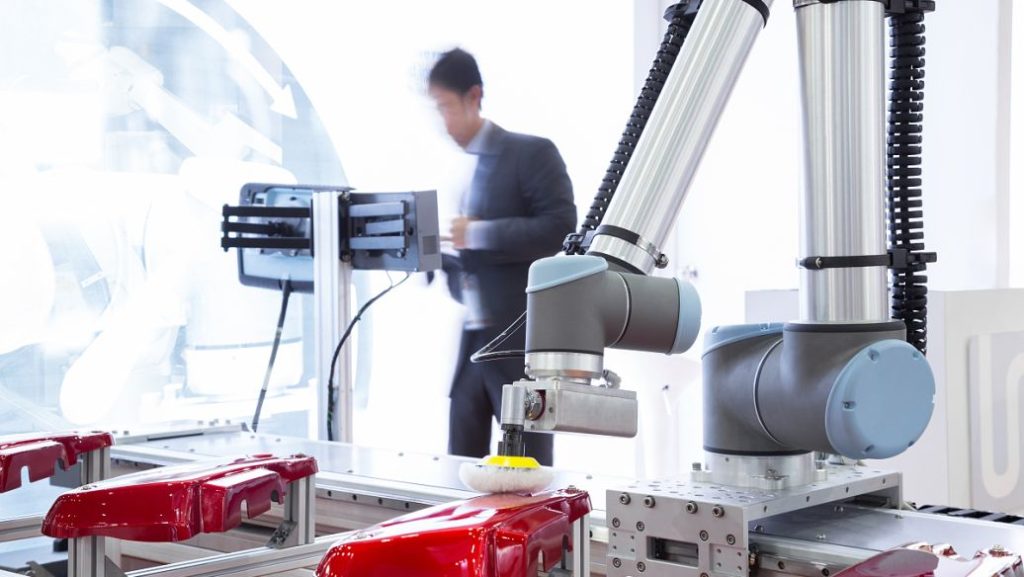
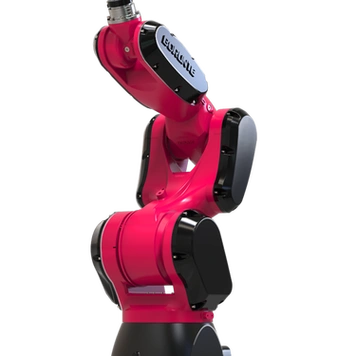
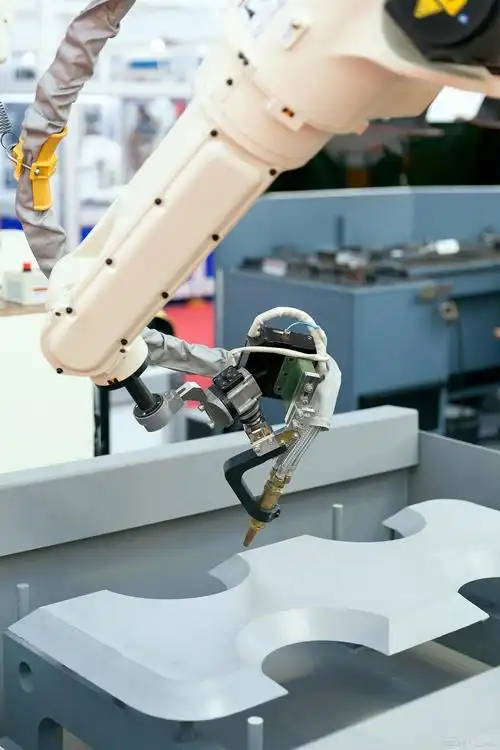
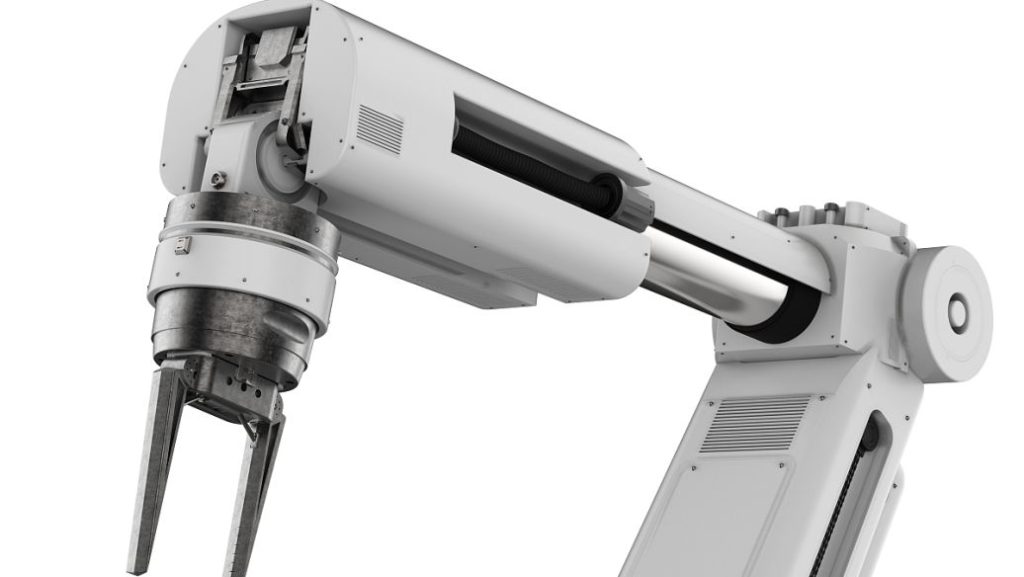
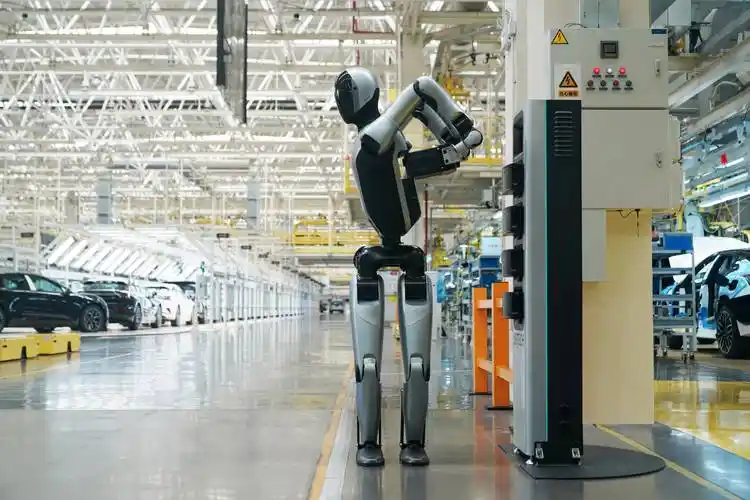
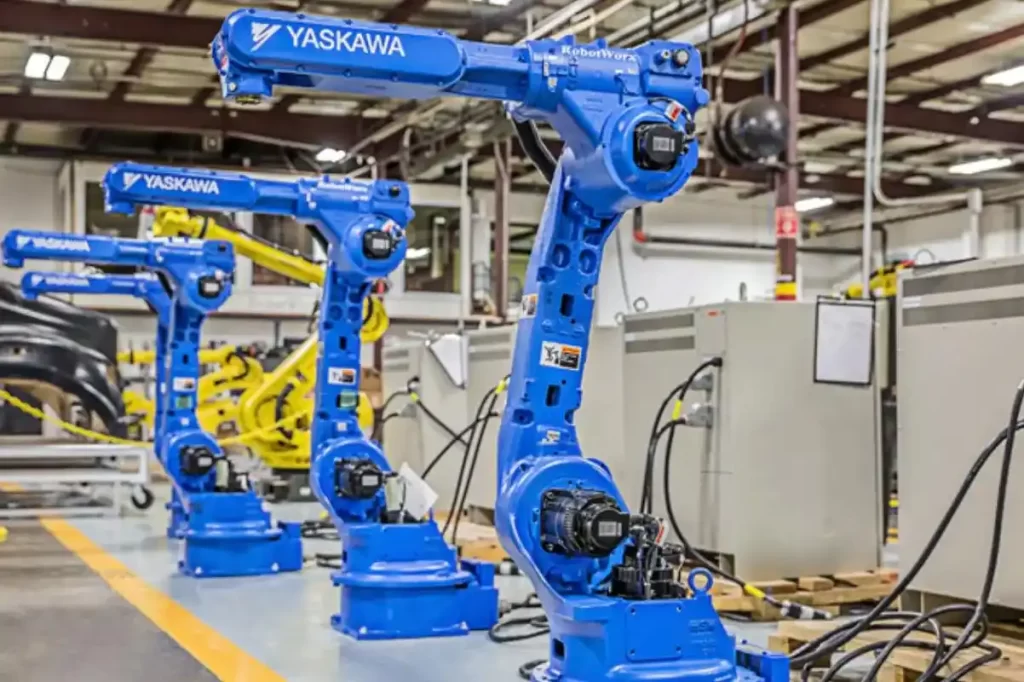
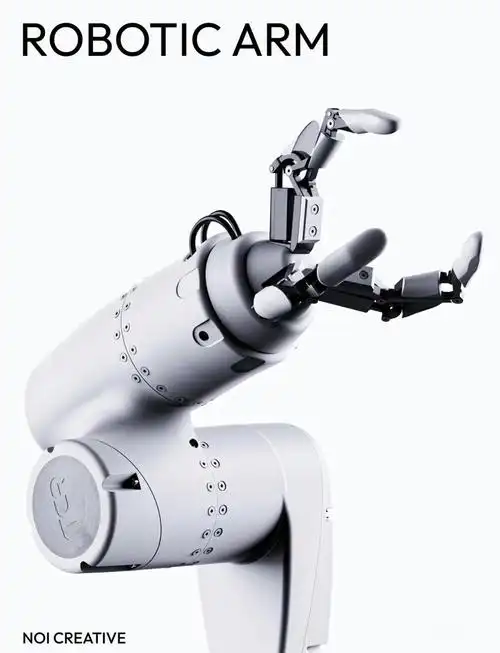
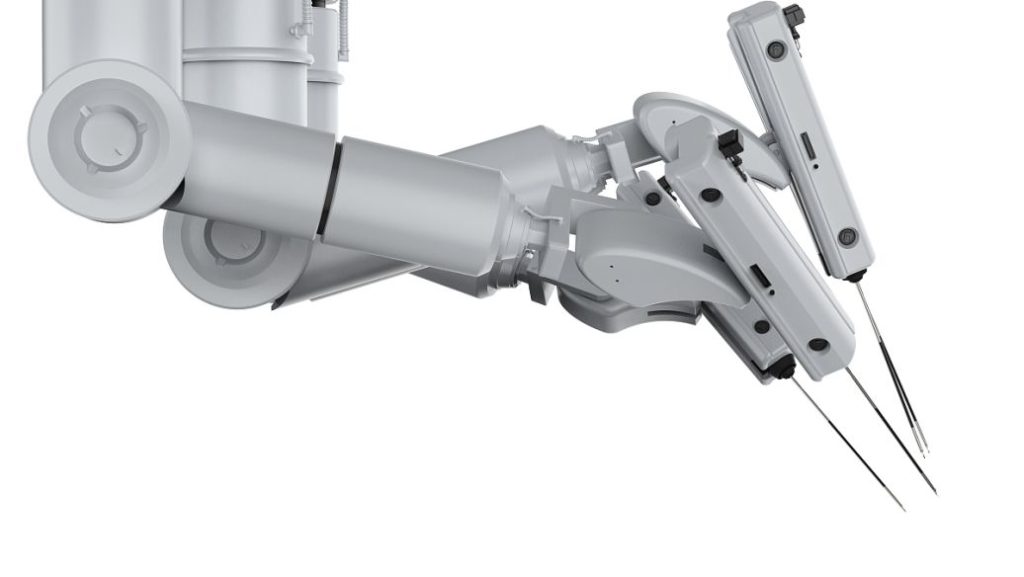
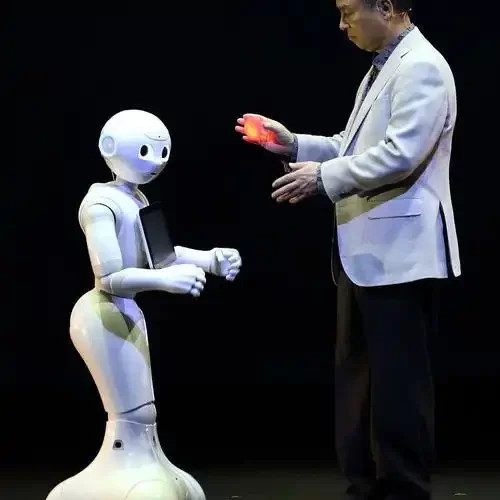
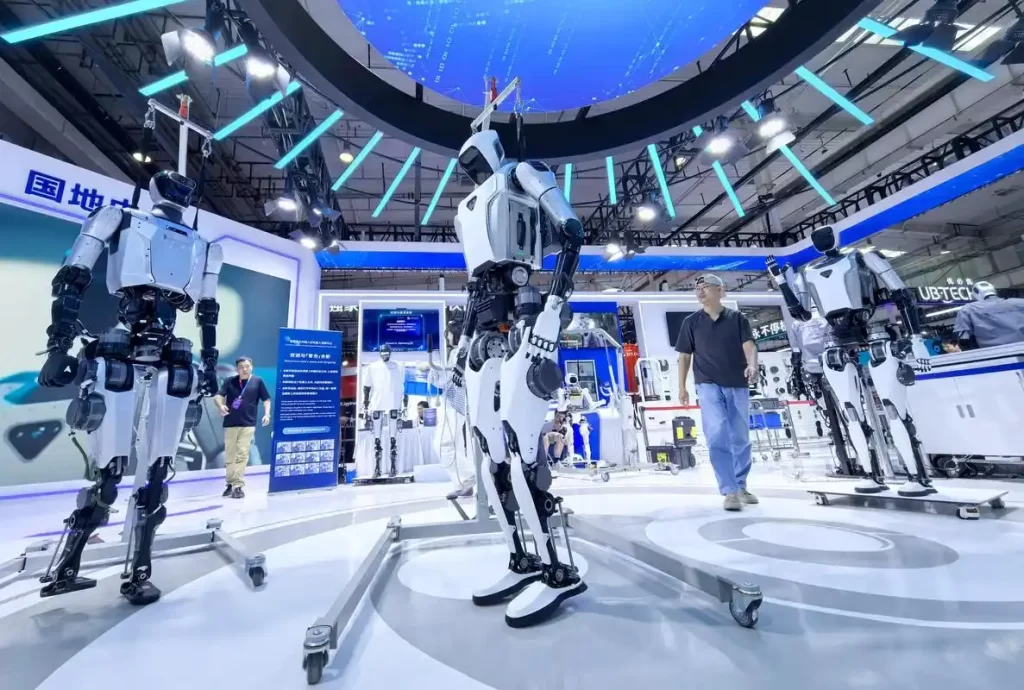
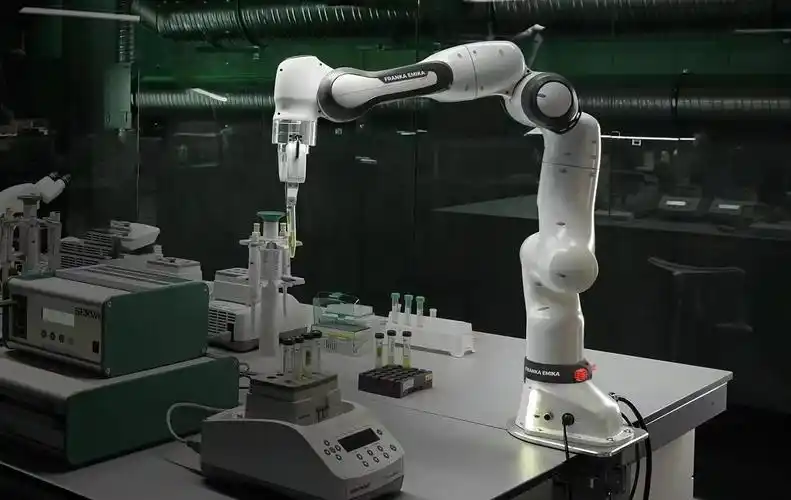
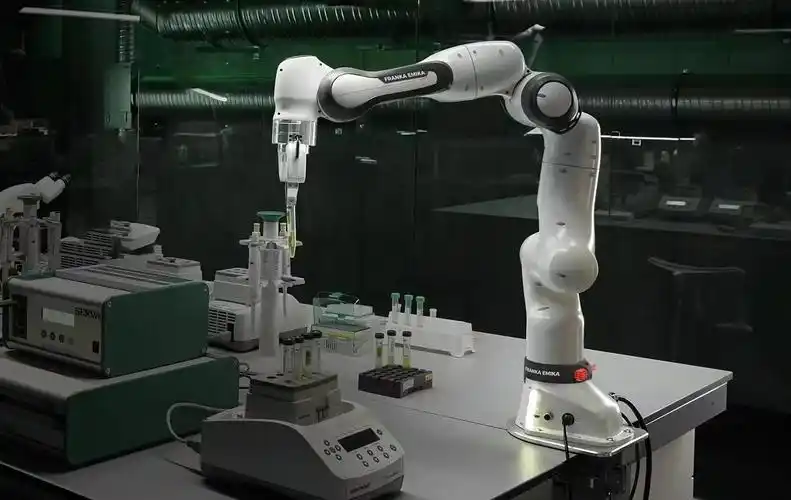
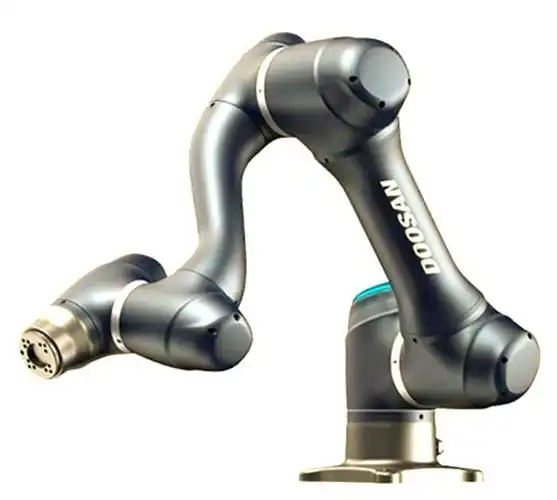
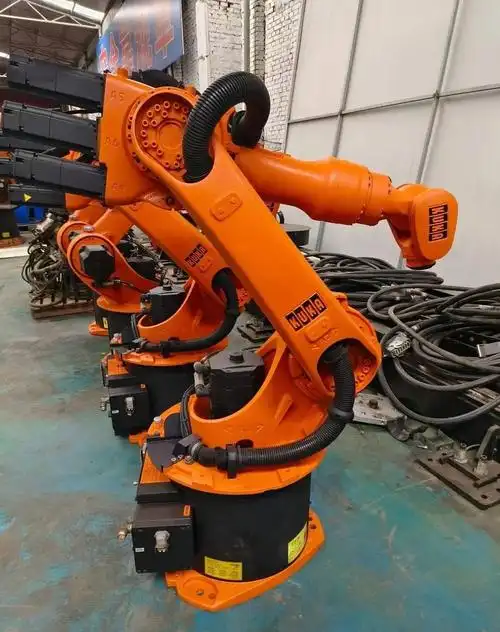
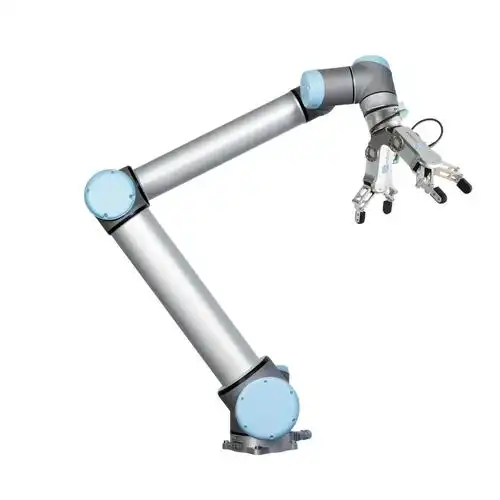
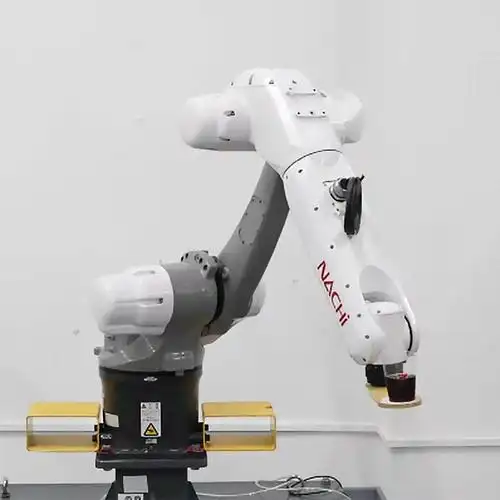
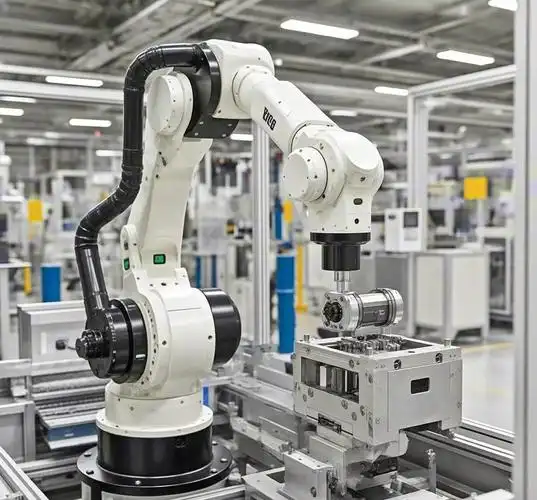
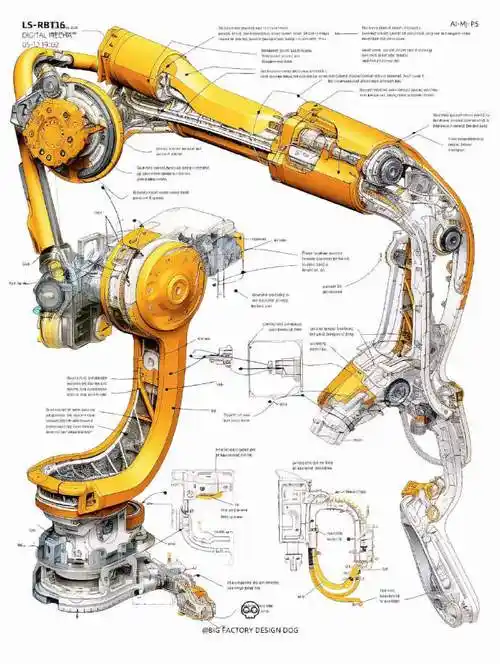
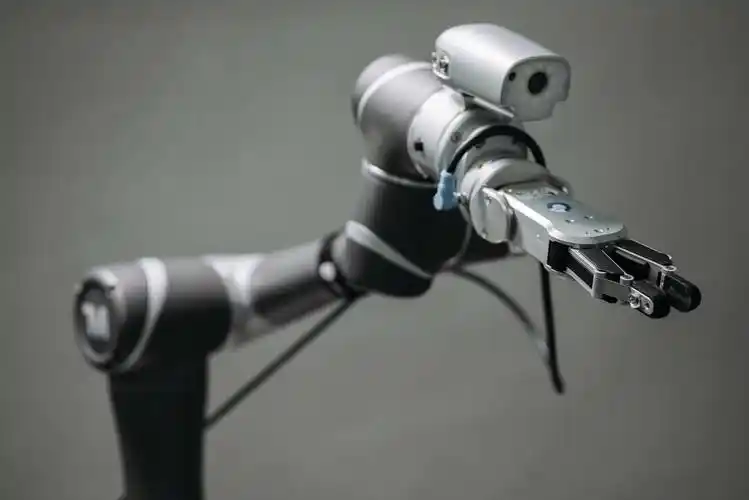
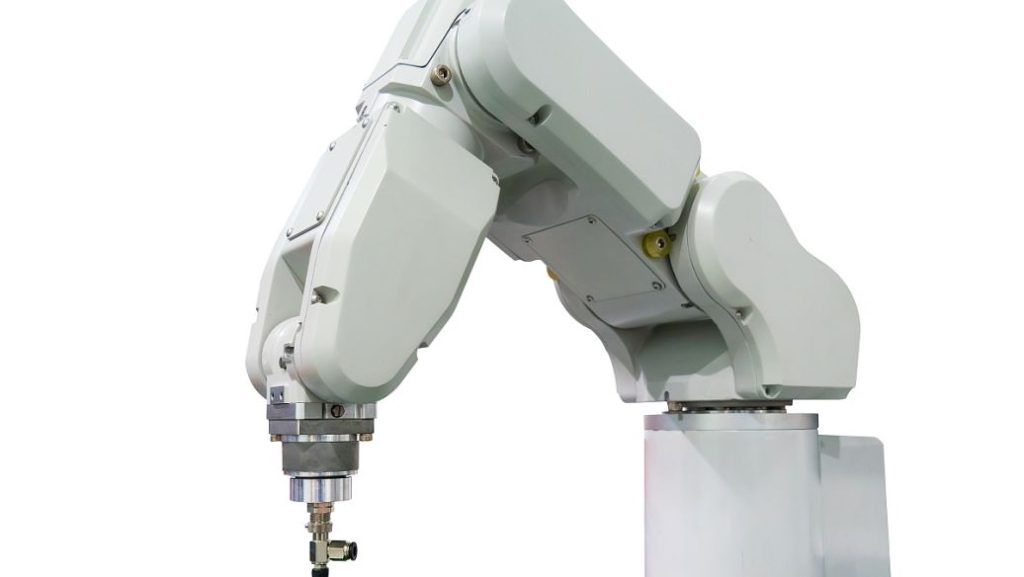
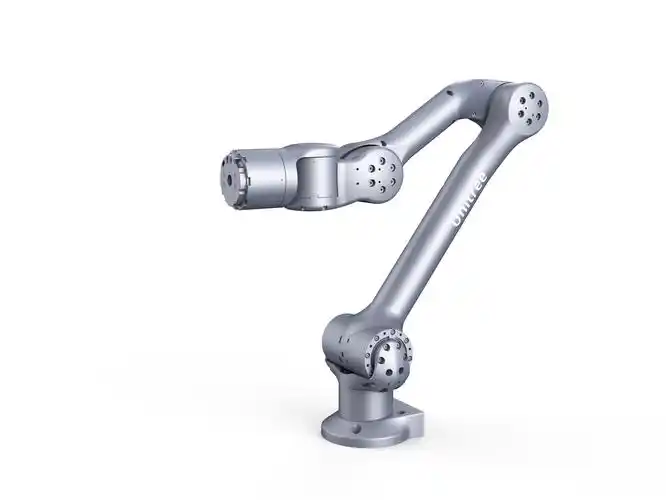
Can you feel with a robotic arm?A robotic arm cannot feel, because it does not have the ability of subjective experience. It can perceive physical changes, but it cannot “feel” them.
Robotic Arms Can Perceive Physical Changes but Not Feel Them
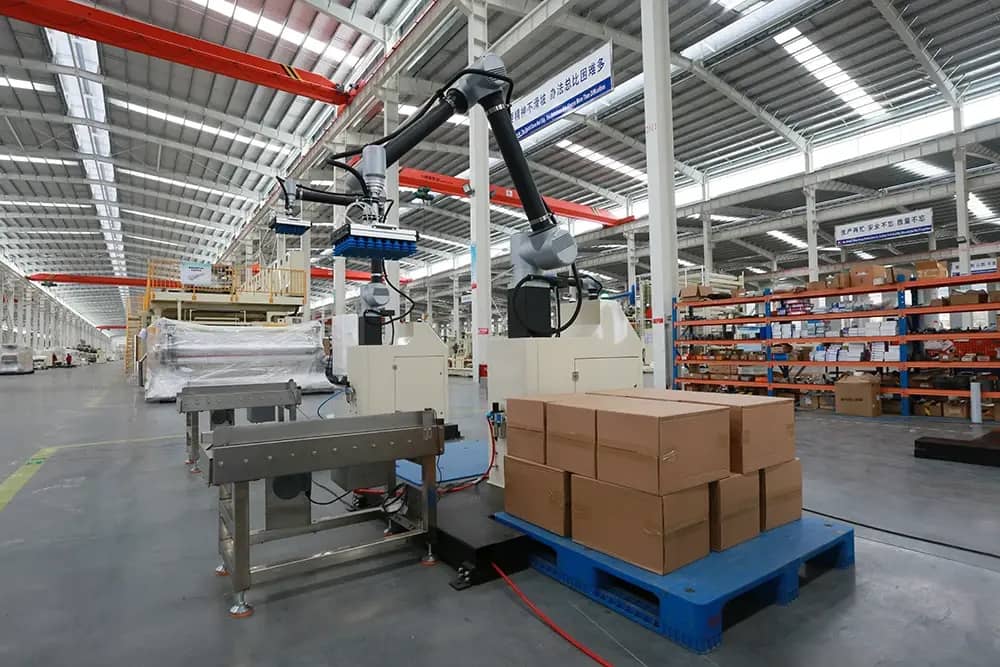
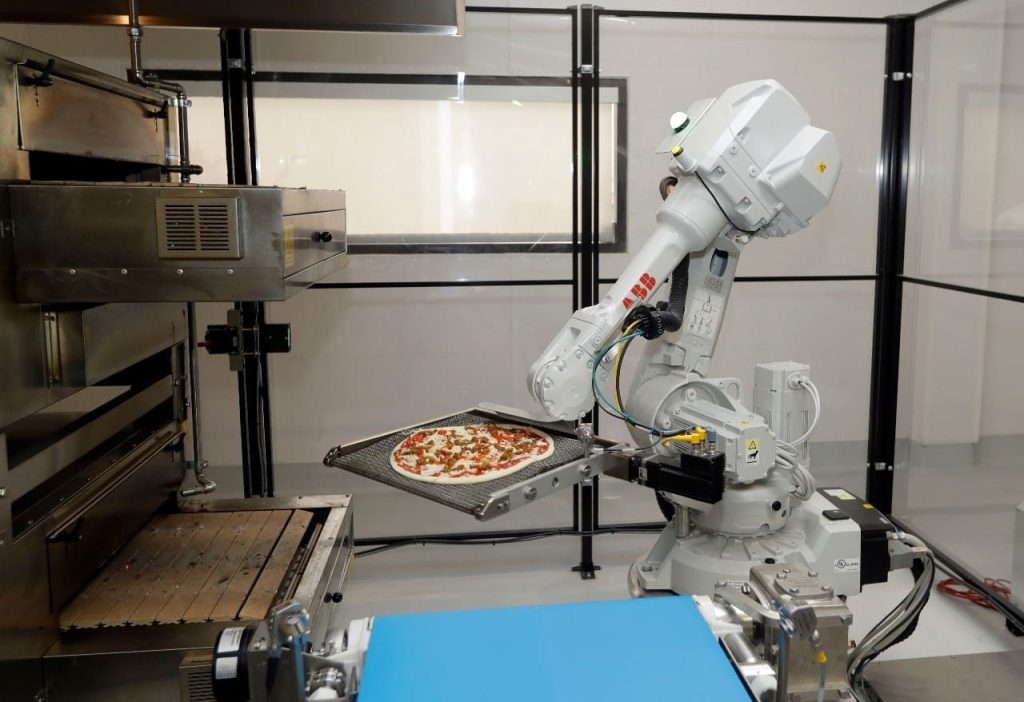
It has tactile sensors that assess temperature, pressure, vibration, and texture. These sensors translate these physical values into electrical impulses so that the control system can examine them. When an egg is grasped by a robotic arm, the sensor can determine whether the force applied beyond the eggshell’s bearing threshold and automatically modify the grip force. This input is not “feeling”; rather, it is exact, repeatable, and programmable. It lacks “gentleness” warmth, “breaking” anxiety, and “touching” pleasure or suffering.
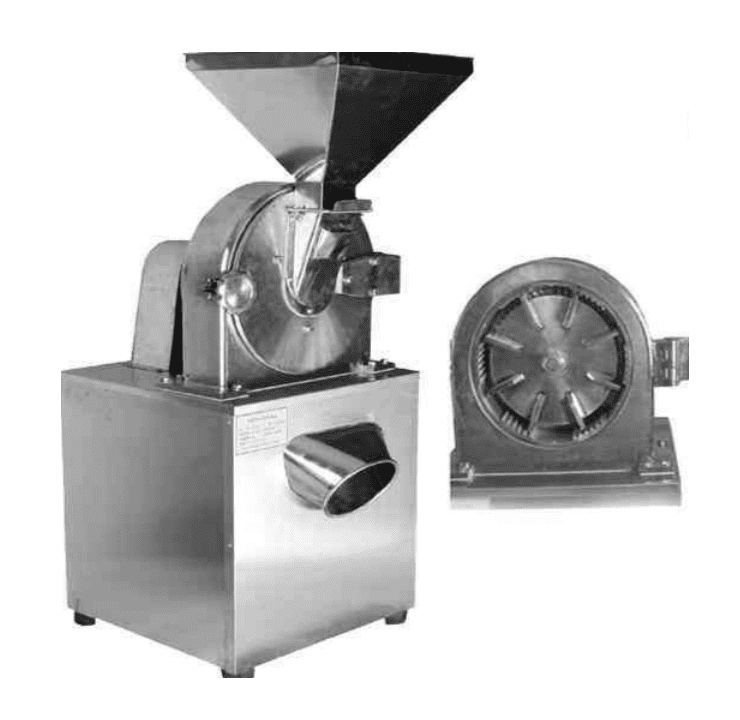
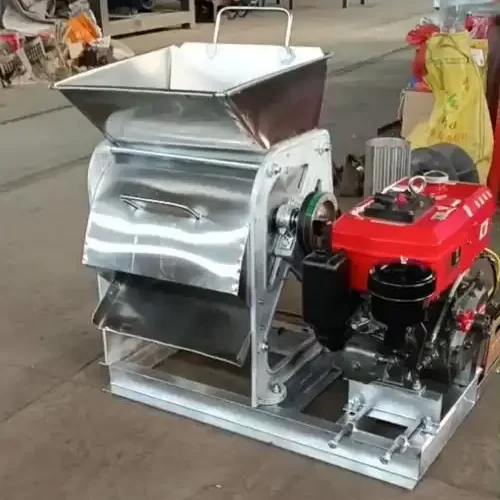
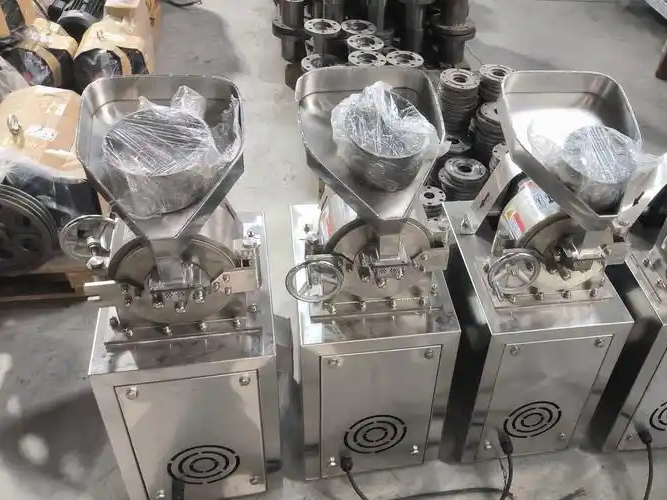
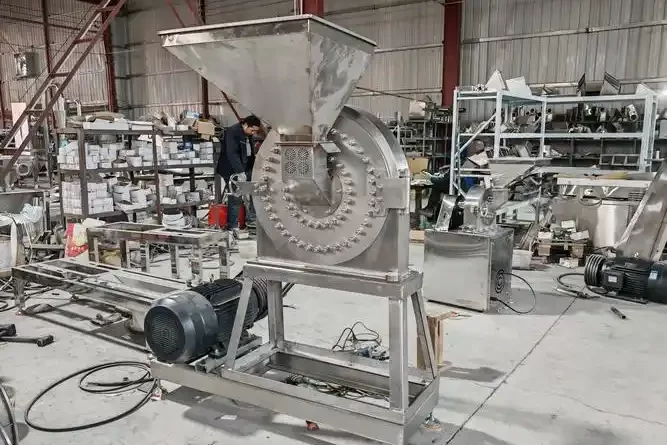
It is just executing a preset force control algorithm, similar to how a 500KG Grinder or 200KG grinder operates according to preset parameters without any subjective experience.
This lack of feeling also affects its operation of other equipment. For example, when operating an Electric Grinder or CE Certificate grinder, it can adjust the force according to sensor data but cannot “feel” the hardness of the material.
It only follows instructions to complete the task, without any emotional or subjective response to the process.
Human Touch: A Subjective Construction of the Nervous System
Human touch is a subjective construction of stimuli by the nervous system. When a fingertip glides across silk, we not only perceive smoothness but also associate it with warmth, delicacy, and even a certain piece of clothing in memory.
This experience involves the interweaving of emotions, memories, and meanings, which is the deep integration of sensory signals by the cerebral cortex.
A robotic arm has no memory, no emotions, and no self. It cannot understand what “softness” means; it only knows that the current pressure value is 1.2 Newtons, and the target range is 0.8 to 1.5 Newtons.
When handling soft materials like peanut, seasam, or mushroom, a human can adjust the force based on the feeling of touch, but a robotic arm can only rely on sensor data.
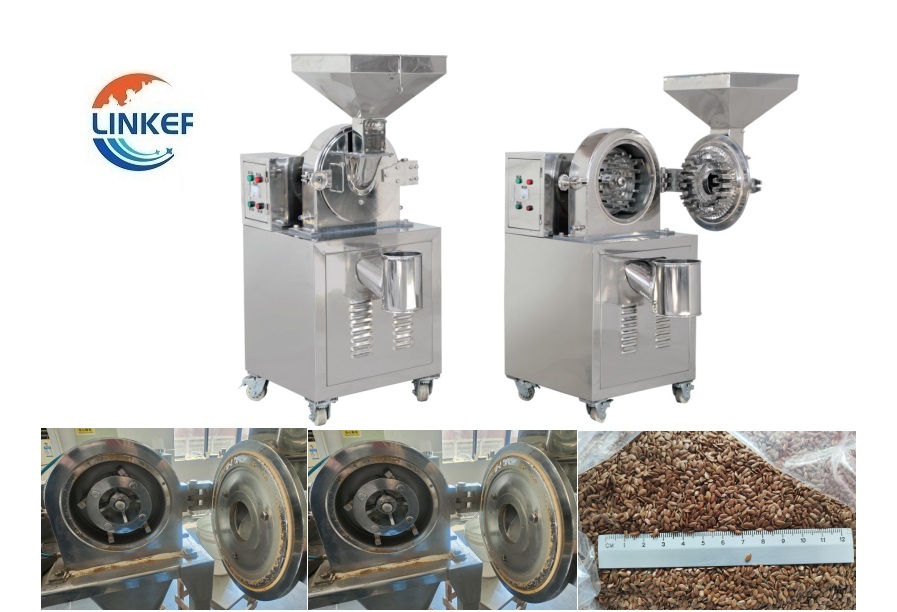
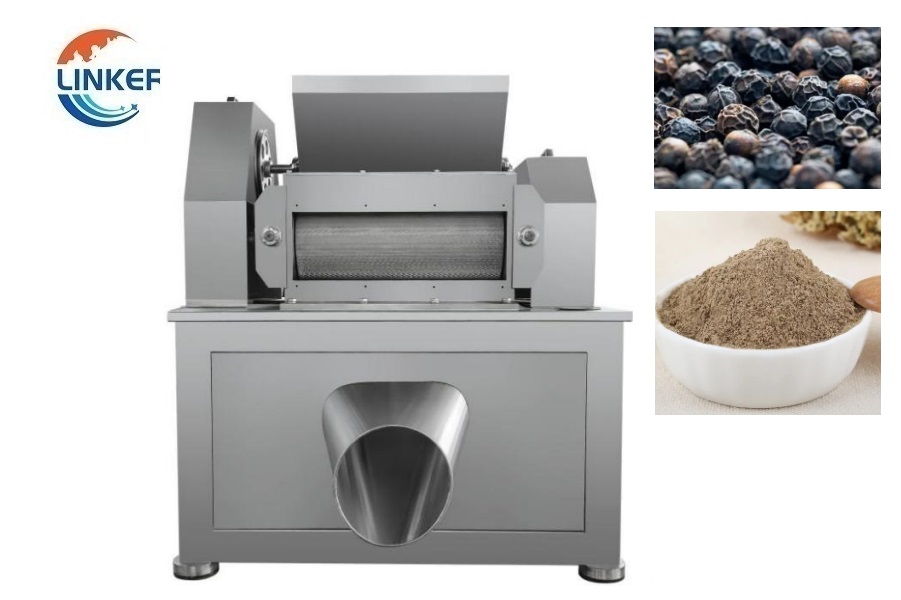
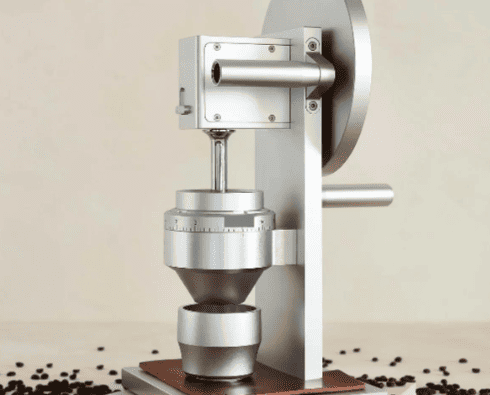
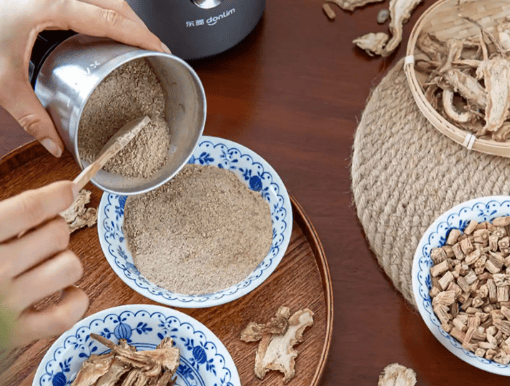
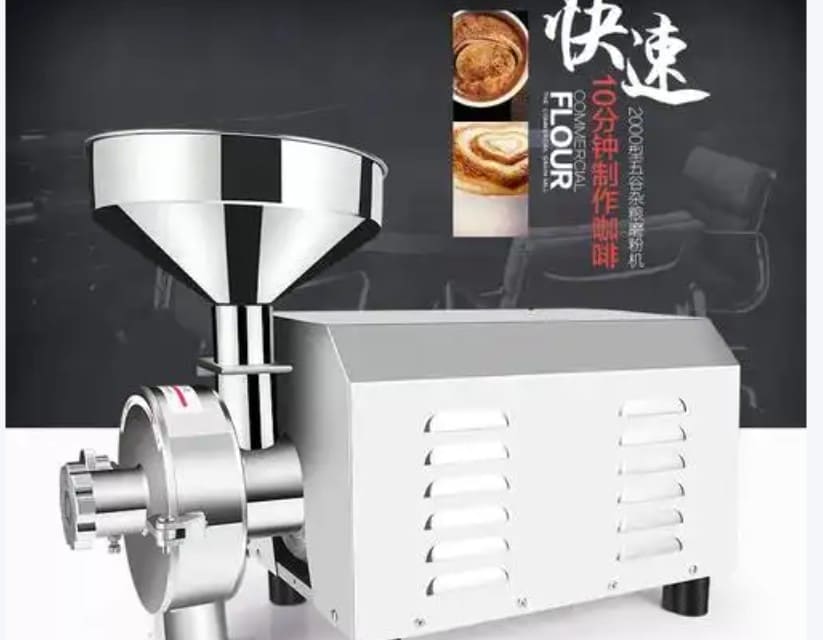
This difference is also obvious when operating a stainless steel herb grinder or black pepper grinder—humans can feel the grinding degree, but robots can only judge by preset parameters.
Qualia: The Inherent and Private Nature of Subjective Experience
This subjective experience, such as “what it feels like to see red,” “what it feels like to taste bitterness,” and “what it feels like to feel pain,” is referred to by philosophers as “qualia.” These are incommunicable, intimate, and innate. A robot does not feel “pain” even if it can mimic a human’s hand-withdrawing reaction to a needle prick or even emit the “ah” sound. It simply carries out a series of trigger conditions: the motor is activated to retract when the sensor reading surpasses the threshold T, and the voice module is called to simultaneously play a pre-recorded sound effect.
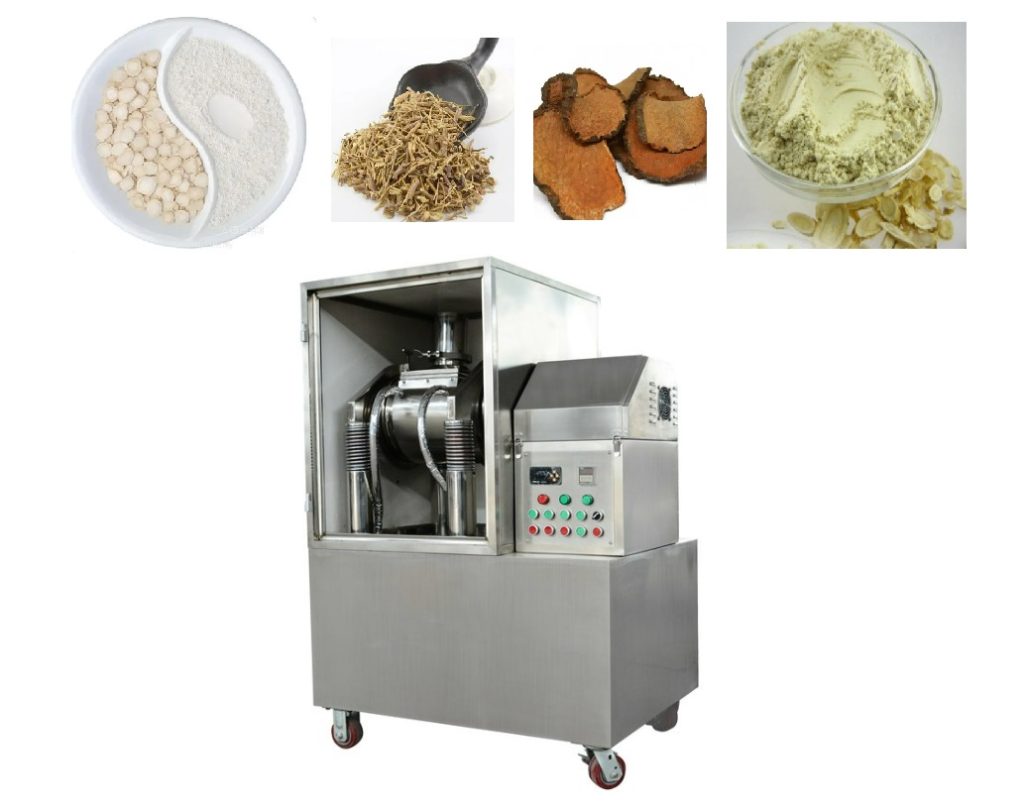
This is a hard-coded reaction chain, not the emergence of consciousness. It is similar to how a dry ginger grinding machine or licorice grinding machine operates according to fixed procedures without any subjective experience of the grinding process.
No matter how precise the robotic arm’s operation is, it cannot generate the subjective feeling of “pain”, “pleasure”, or “comfort”.
Bionic Electronic Skin: Engineering Reflex Arcs, Not Pain Consciousness
Bionic electronic skin, which mimics the multilayer structure of human skin, has been developed thanks to cutting-edge research. Certain materials have simultaneous senses of temperature, pressure, and shear force. Some can even mimic the nerve signals’ pulse coding technique. When the force surpasses the threshold, a “pain reflex” can be triggered by the NRE-skin created by a team at City University of Hong Kong. With a response time of less than 10 milliseconds, the signal avoids the central processing unit and immediately activates the local motor to perform an evasive motion that is similar to a human spinal reflex.
But this is still an engineering “reflex arc”, not “pain consciousness”. It will not feel fear because of “pain”, irritability because of “itch”, or peace of mind because of “being touched”.
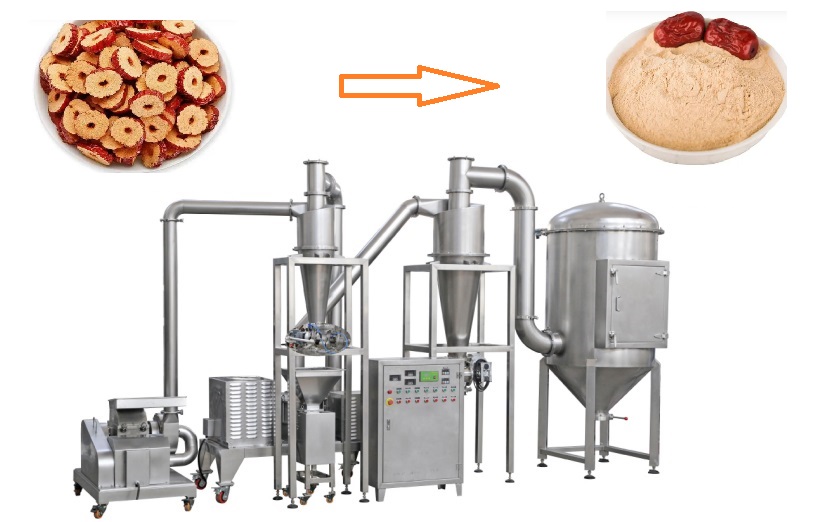
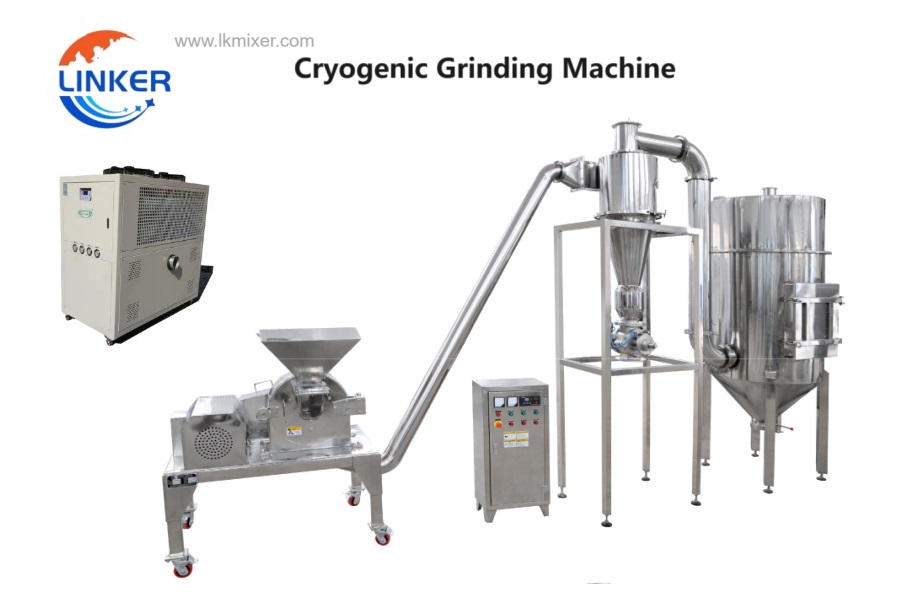
It has no inner world. When operating a cryogenic grinding machine or Dry Fruit Powder Grinder Machine, even if the bionic skin detects excessive vibration, it will only make evasive actions without any “discomfort”.
Deeper Obstacle: Consciousness and Feeling May Not Be Products of Algorithms
A deeper obstacle is that consciousness and feeling may not be products of algorithms. Nobel laureate Penrose proposed that human “understanding” ability—such as seeing that a mathematical proposition is true at a glance, even if it is unprovable in a formal system—transcends computational logic.
This intuition may come from non-computational physical processes at the quantum level.
All current robots, no matter how advanced, are based on classical binary computing. They can simulate the output of “feeling”, but they can never generate the experience of “feeling”.
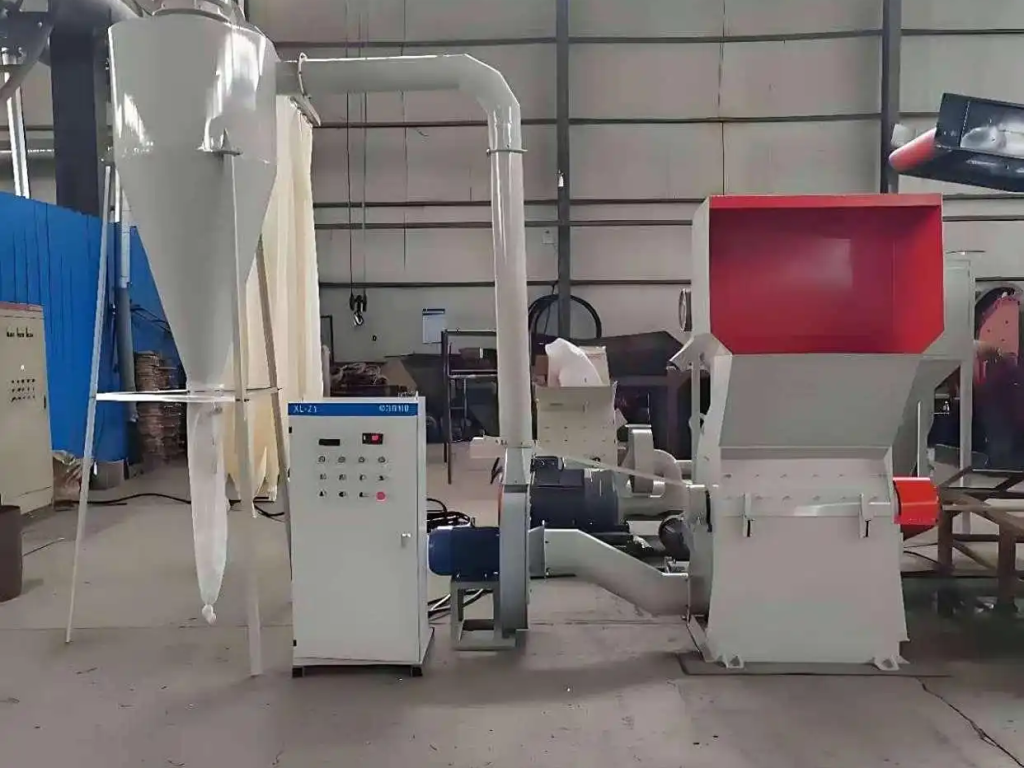
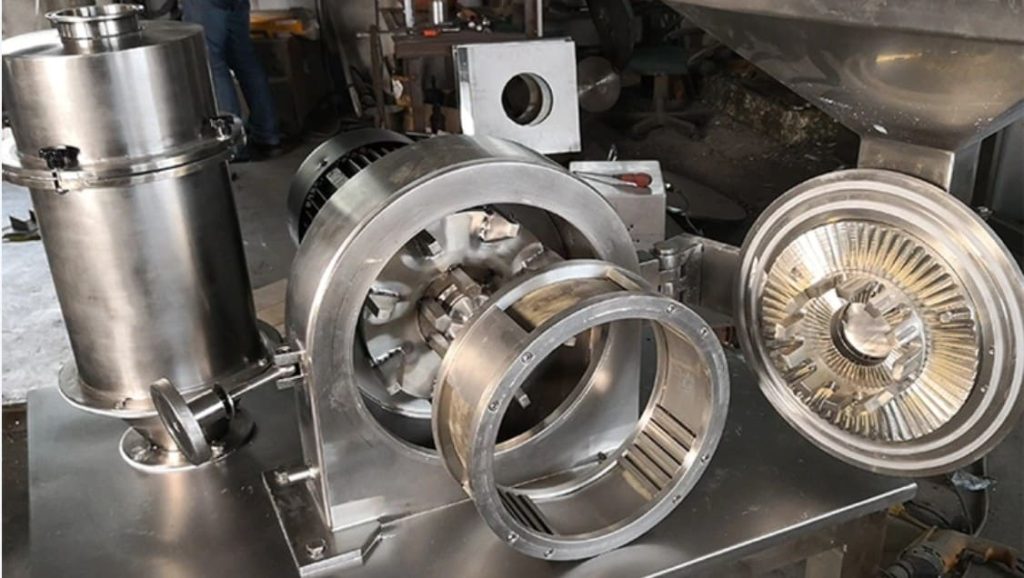
This is like a Vacuum Mill or Ultrafine Grinder that can complete grinding tasks accurately but cannot “feel” the texture change of the material during grinding.
Robotic arms, like these machines, are just tools that execute instructions, without the ability to generate subjective feelings.
Specific Performance in Various Application Scenarios
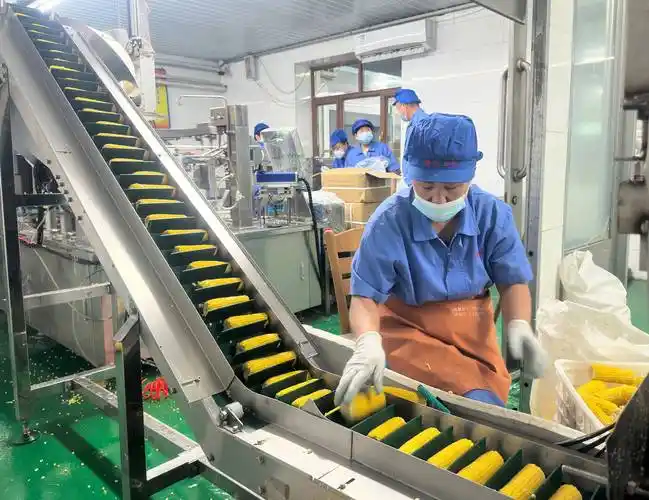
In the food processing industry, a robotic arm can grab meat, wheat, or corn and operate a Dust Grinder or Hammer Mill to process them.
It can detect the hardness of the material through sensors but cannot “feel” whether the material is fresh or not, unlike humans who can judge through touch and smell.
When processing coffee, tea, or sugar, it can adjust the operation parameters according to the set program but cannot “feel” the taste difference brought by different processing degrees.
In the pharmaceutical industry, when handling Medicine raw materials, a robotic arm can avoid damage to the materials through force control but cannot “feel” the fragility of the materials.
When operating a small grinder machine or Air cooled crusher in remote factories, it can work continuously according to instructions but cannot “feel” fatigue or discomfort.
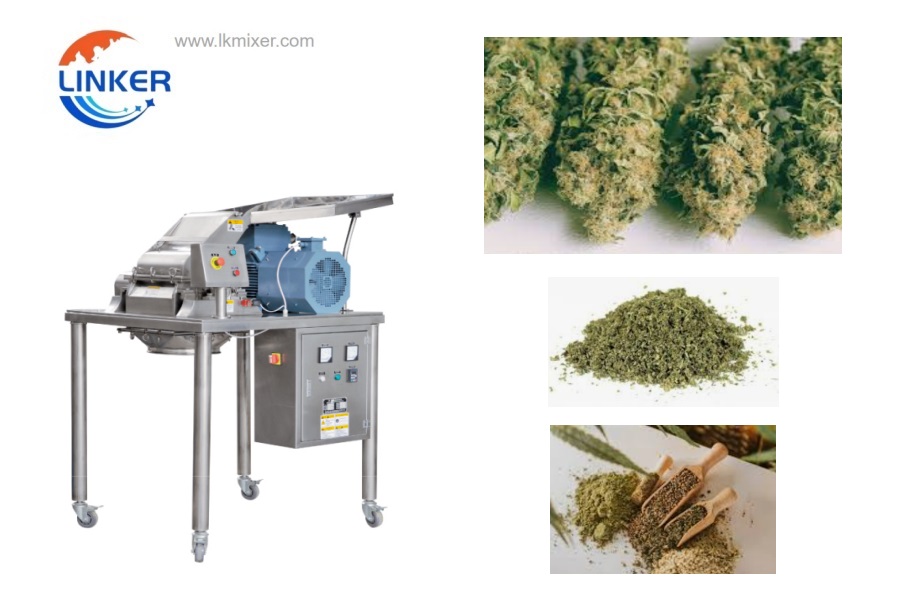
For special materials like cannabis, bone, or chemical, the robotic arm can complete handling tasks accurately but cannot “feel” the danger or particularity of the materials.
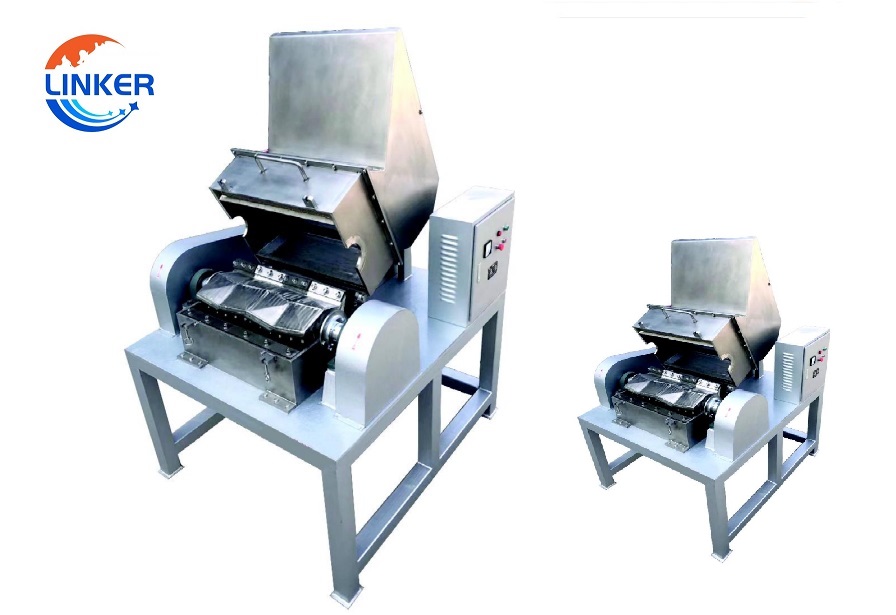
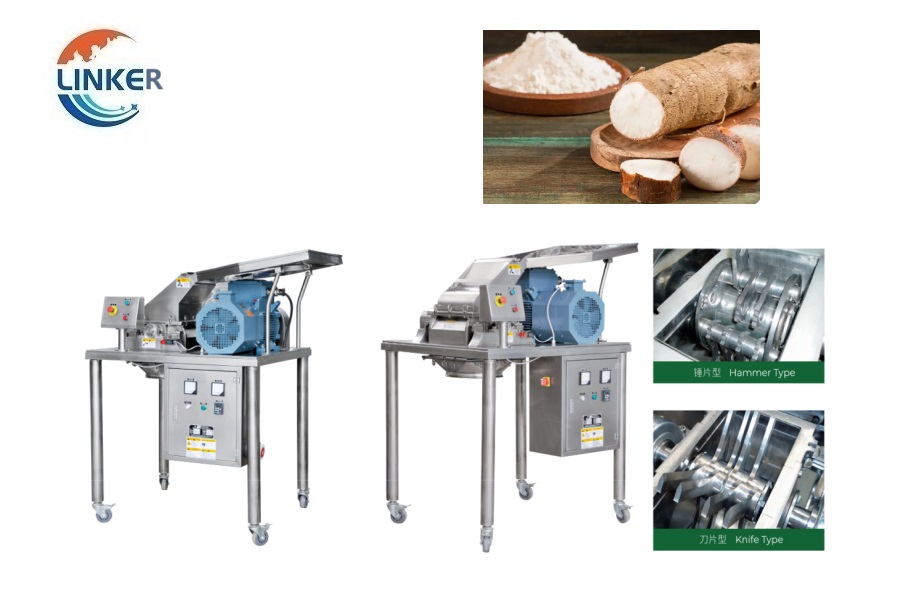
This also applies to equipment like cassava grinding machine or coarse crusher—robots can operate them but cannot have any subjective experience of the operation process.
Conclusion: Robotic Arms Can Imitate the Behavior of Feeling but Not Its Essence
A robotic arm can imitate the behavior of feeling, but it cannot possess the essence of feeling. It can grasp accurately, but cannot touch gently; it can avoid danger quickly, but cannot tremble because of fear.
It can record every touch, but cannot leave any warm memory. Its world is an ocean of data, while human feeling is a ripple caused by the soul in it—that ripple cannot be copied by any algorithm, captured by any sensor, or owned by any robotic arm.
Robotic arms can mimic more realistic touch behaviors, such as differentiating between the textures of metal, beans, tobacco, or salt, even with the ongoing development of bionic technology. They can also modify the dust collector grinder, turbo grinder, or vibrating pulverizer’s operation based on sensor feedback, but they are still unable to “feel” the process. Subjectivity and consciousness, which are exclusive to living things, are the essence of feeling. As man-made instruments, robotic arms are limited to being exact executioners; they cannot be sentient beings. Robotic arms have no true “feeling” of their surroundings and can only carry out duties in accordance with instructions, whether they are operating an electric grinder, a high-speed dry grinder, or any other piece of equipment.
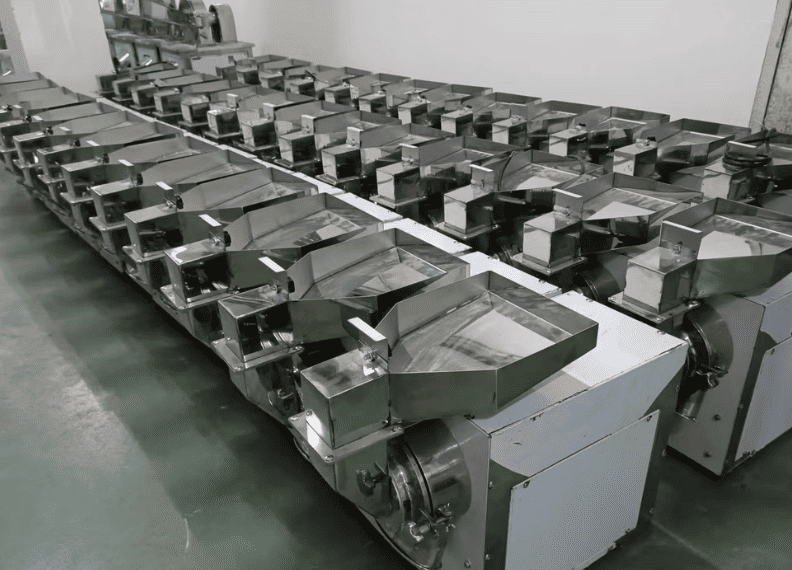
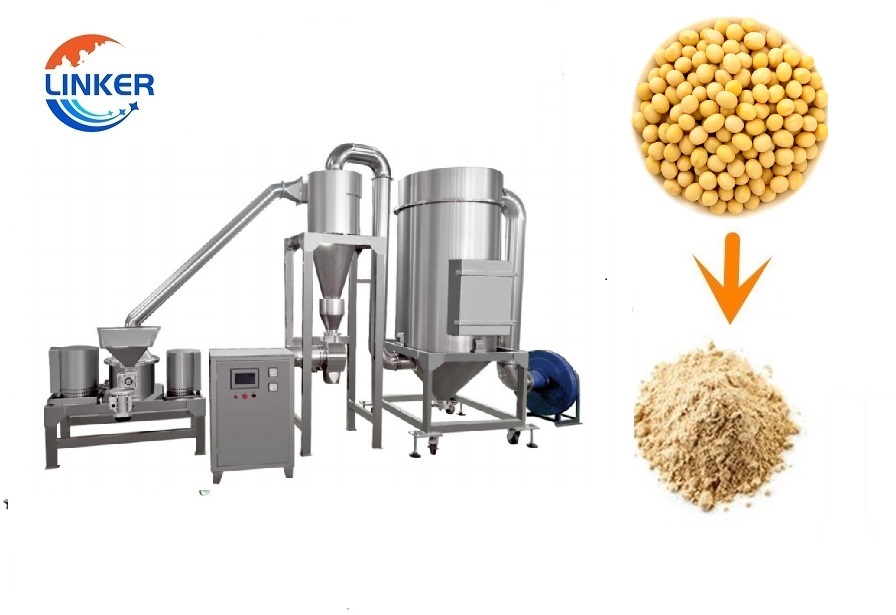
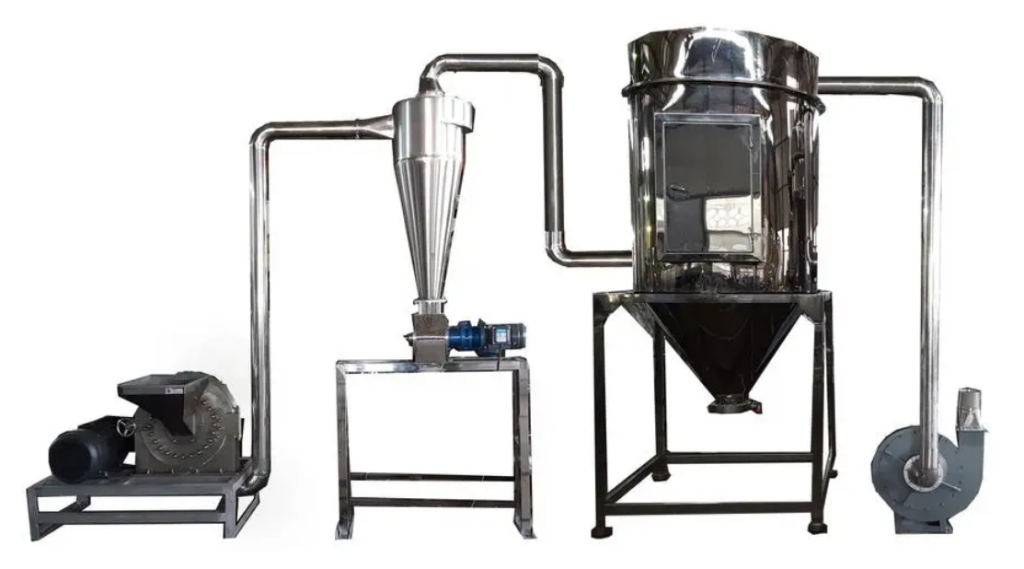
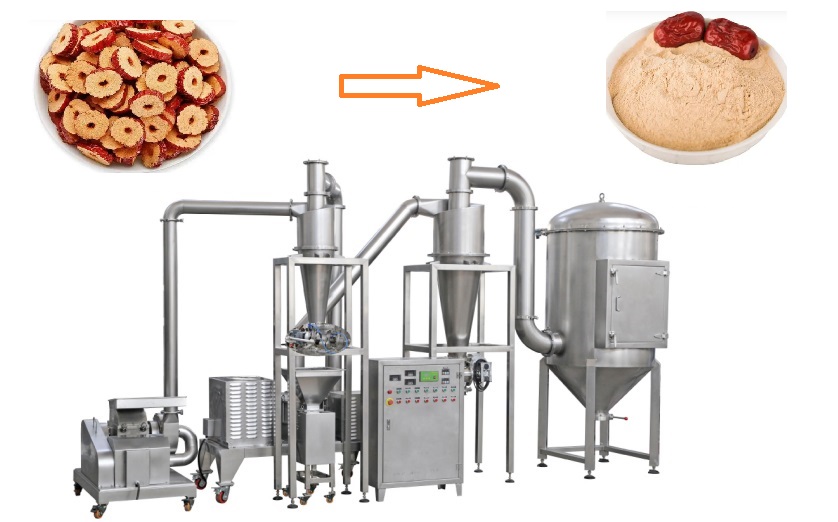
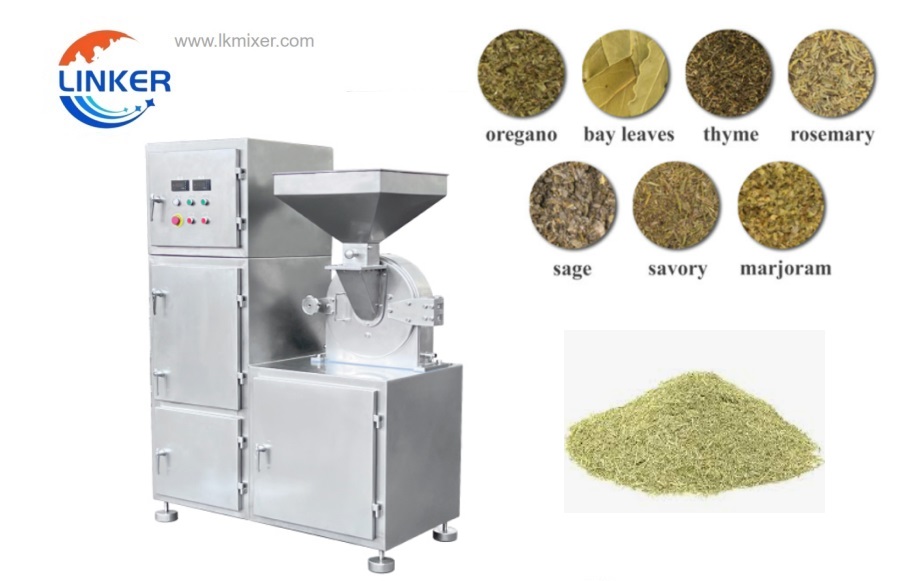
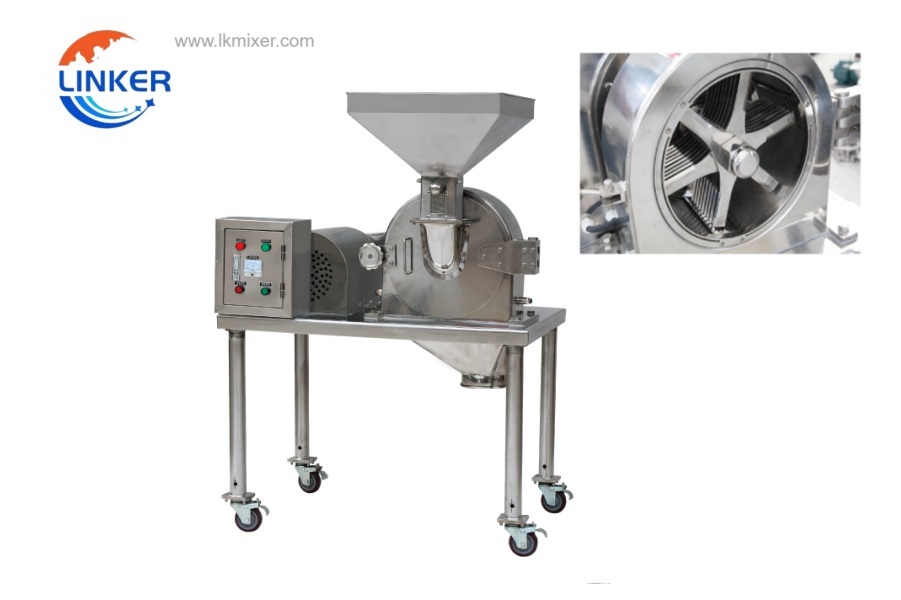
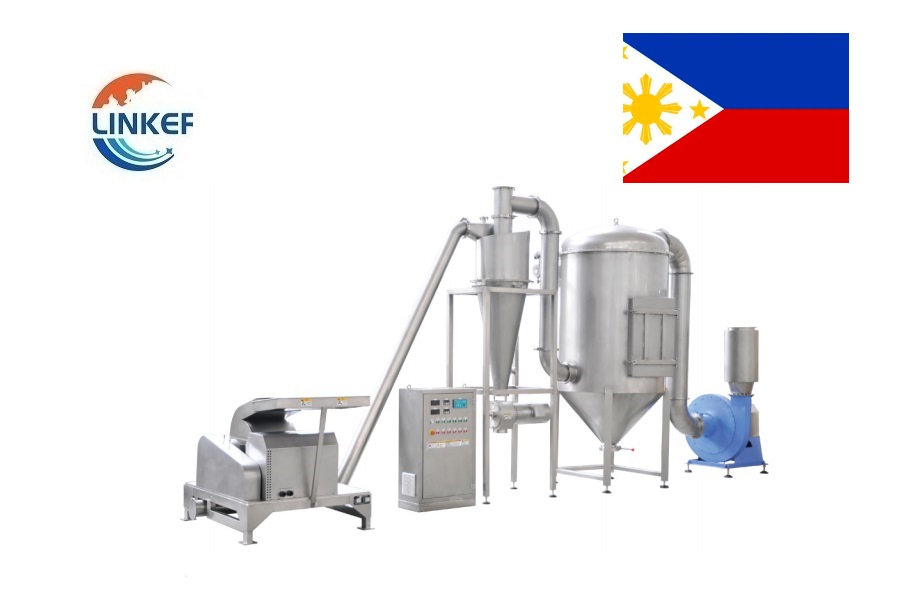
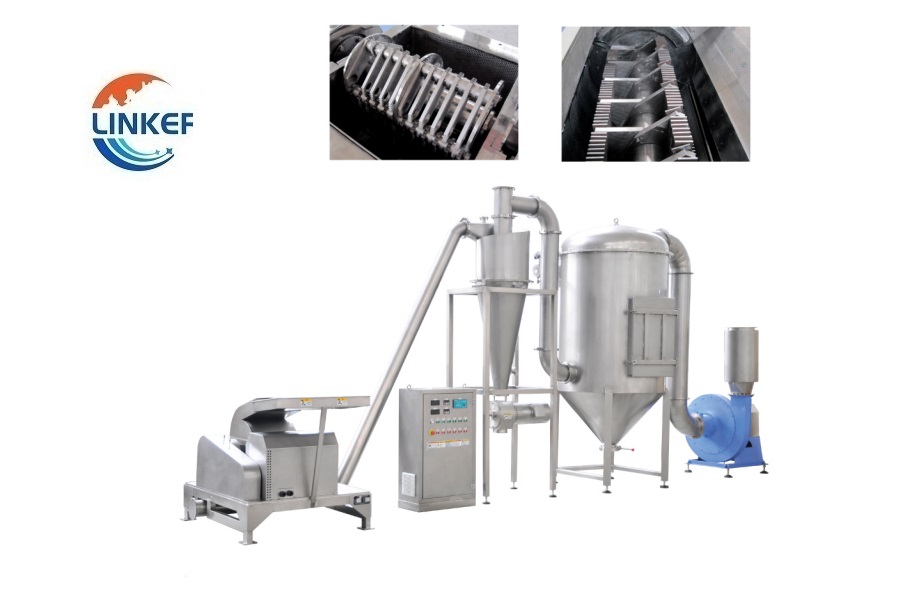
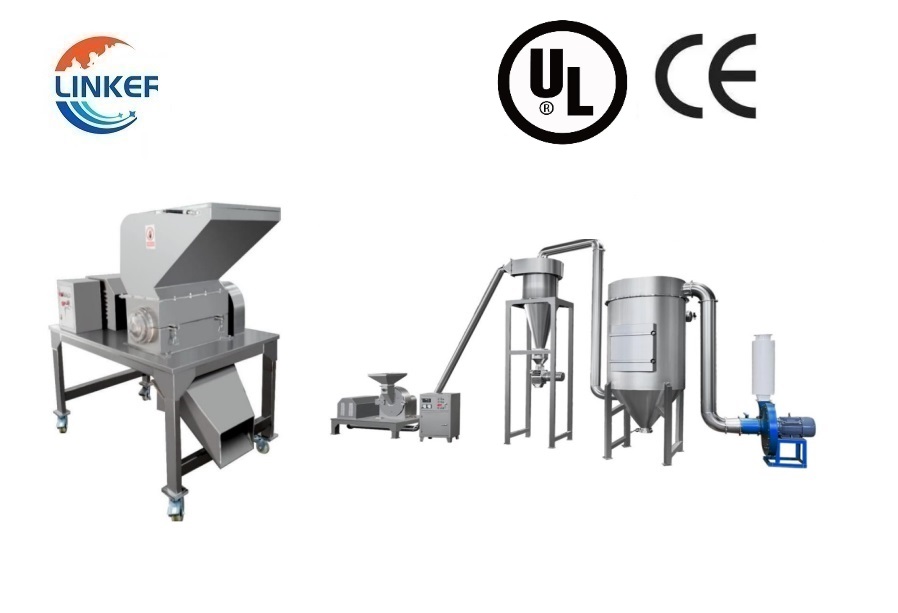
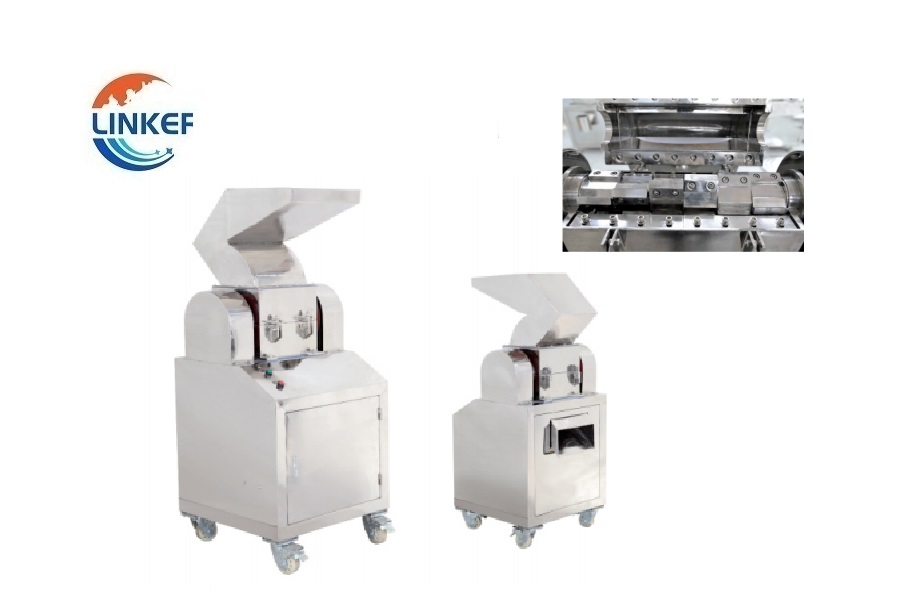
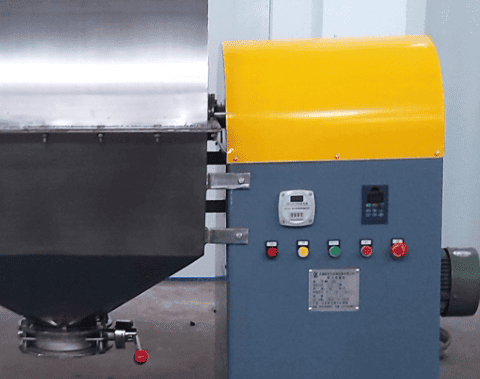
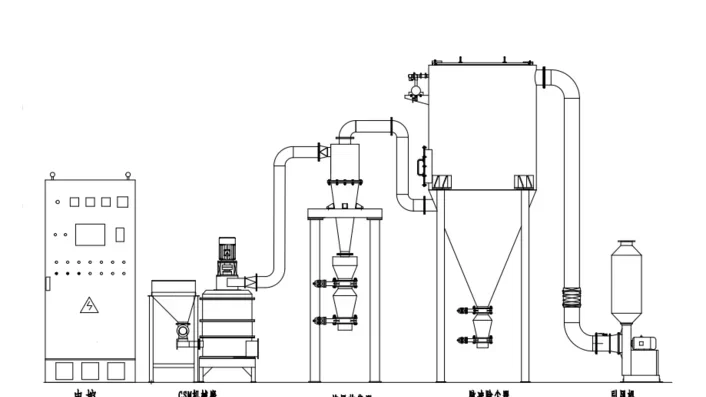
Ultrafine grinding is one of the very key procedure in whole production line. It depends how many mesh that customer need to produce. That’s to say this machine can decide what kind of material will get finally before mxing.
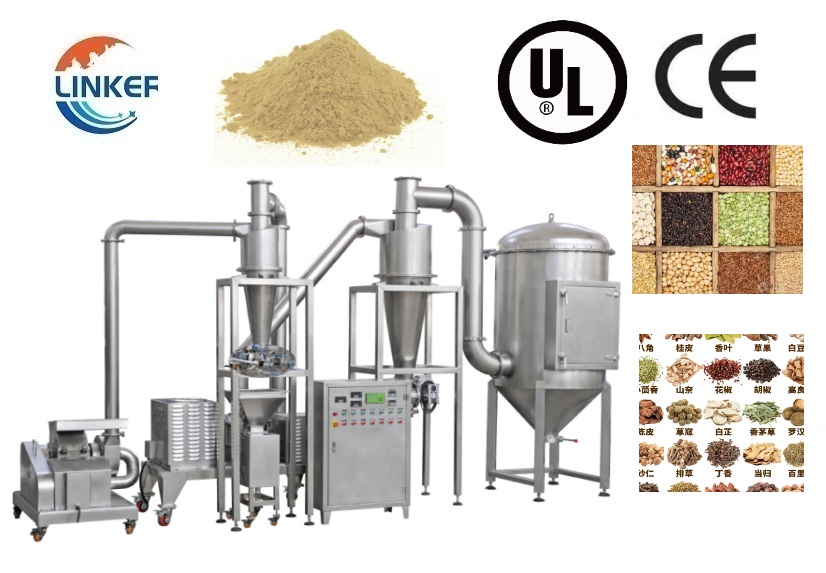
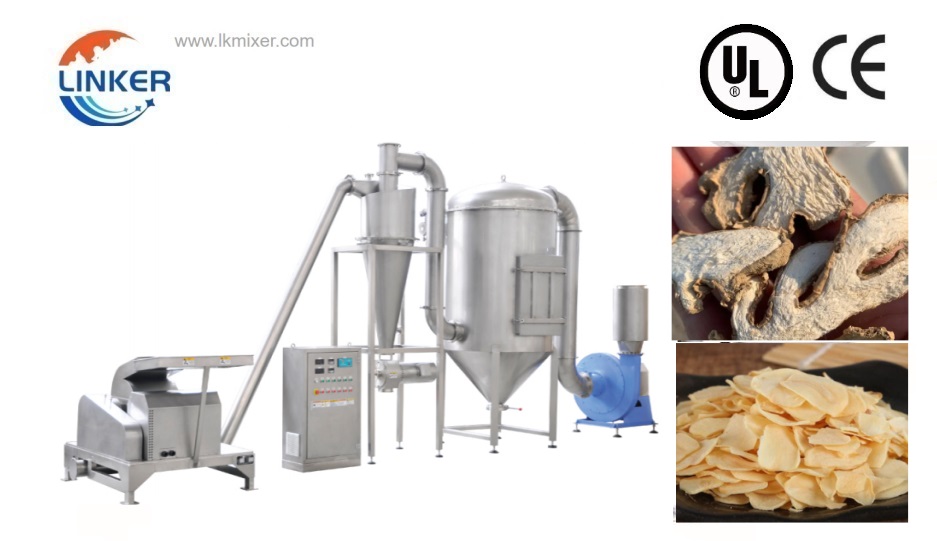
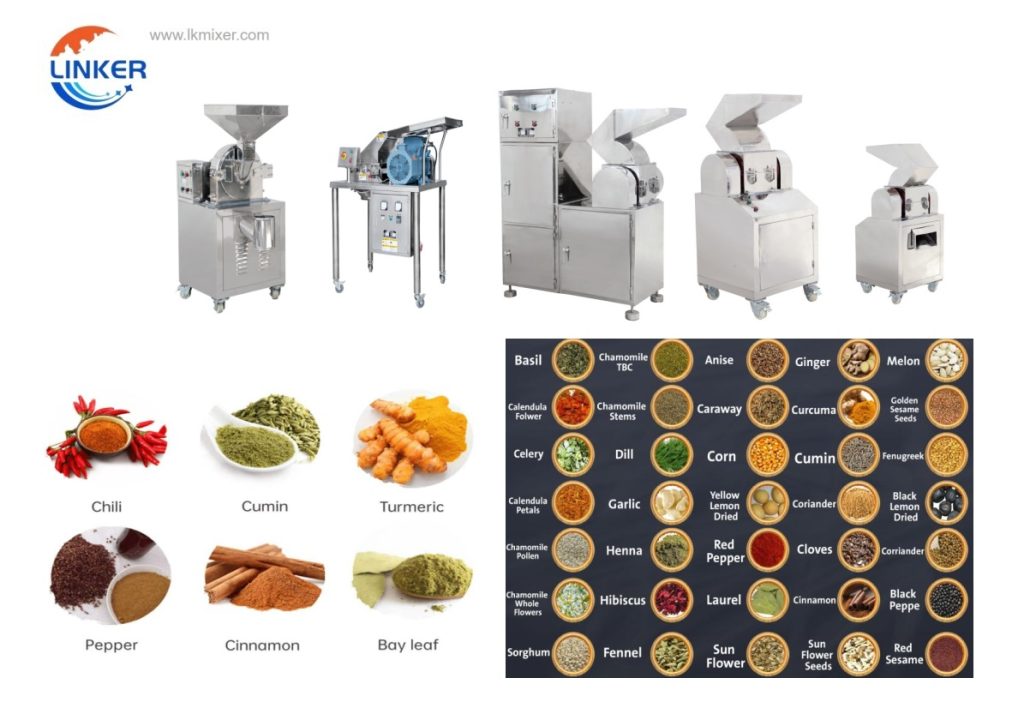
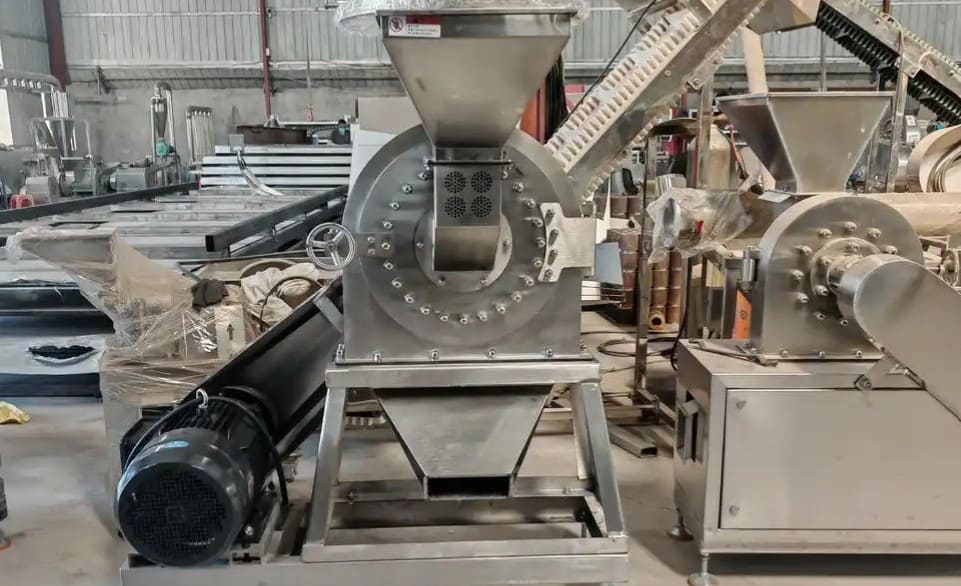
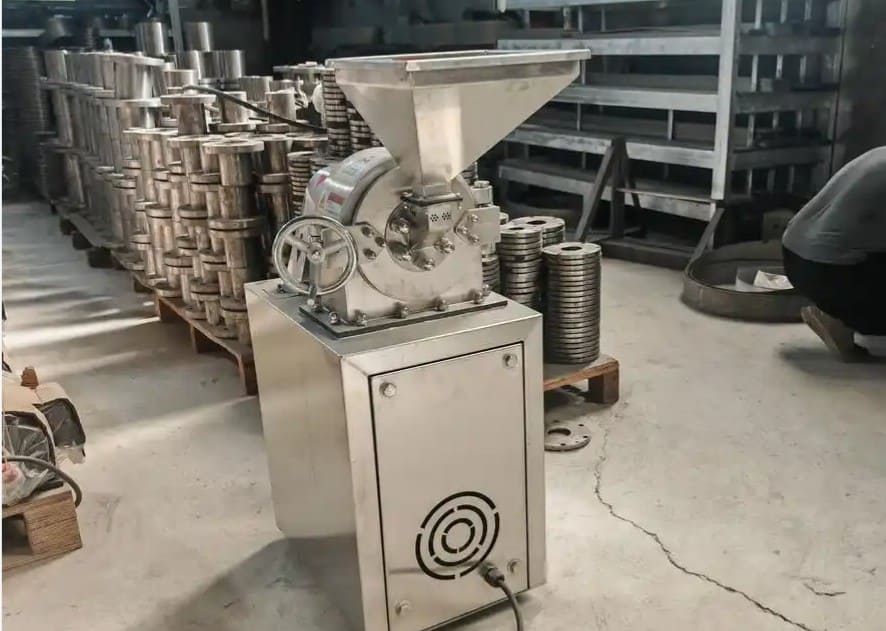
LKMixer is a professional manufacturer for fertilizer production line, grinder, mixer and granulator, shredder. These machines are widely used in food, pharmaceutical, cosmetic, health care products and chemical industries. The Food materials like Peanut, mushroom, seeds, potato, bean, tobacco, salt, cannabis, tea, Sugar, corn, Coffee, rice, pepper, grain as so on. Grinders have many types such as Pulse Dust Grinder which suitable for zero pollution environment, Turbine Mill which is suitable for coffee bean, 12-120mesh all can meet, Ultrafine Grinding Mill covers 80-200mesh, and also Winnowing Dust Grinder or other grinding machines like SF Hammer. Welcome to contact us for details. Contact us for more information. Proposal, catalog, quotation. Mobile/WhatsApp: +86 18019763531 Tel: +86 21 66037855 Email: sales@lkmixer.com
We have 20 years manufacturing experiences; 15600 cubic meters factory area; 5000sets annual capacity; 55 professional engineers;
What’s your main maket?
South America: Brazil, Colombia, Peru, Bolivia, Uruguay, Paraguay ;Romania; USA with UL Certification Middle East: Saudi, Arabia, Oman, Turkey Europe: Russia, Australia, Belarus, Ukraine, Poland
Can you support OEM?
– Yes, OEM or ODM. Machine can be customized according to customer detail requirement, including capacity and voltages, motor certifications. – Drawing and raw materials also can be customized.
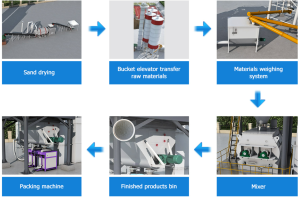
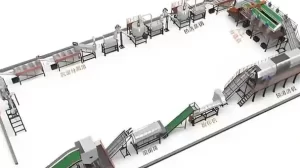
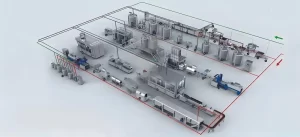
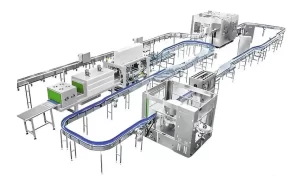
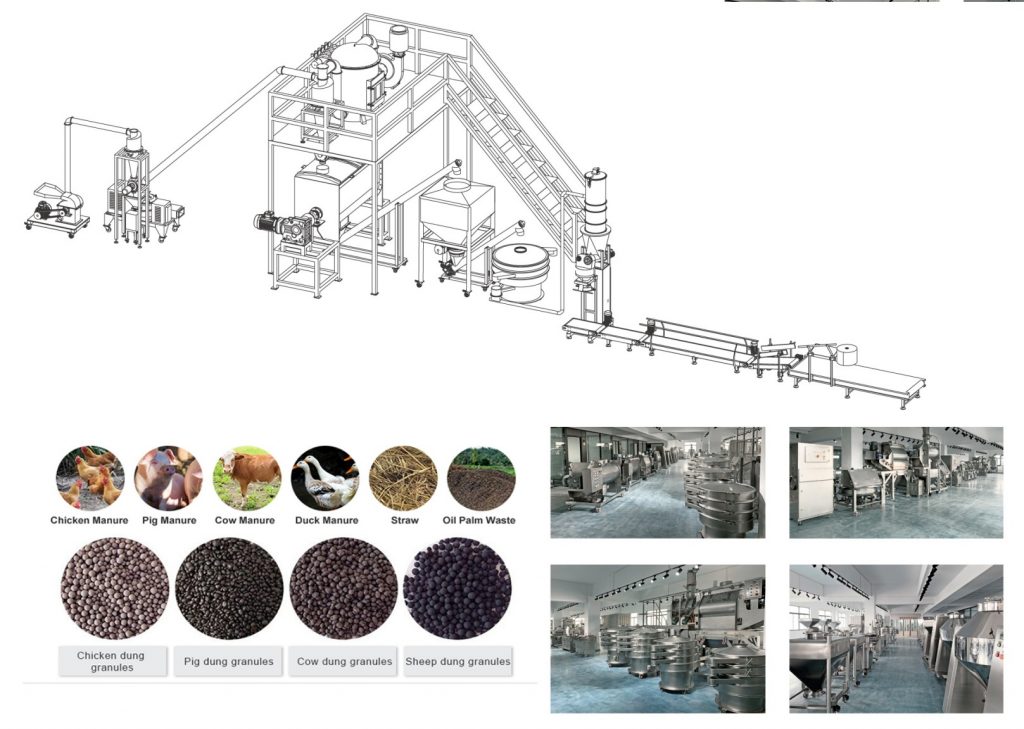
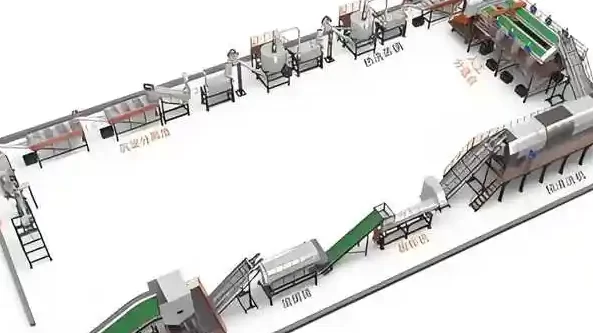
We majorly produce CRUSHER, GRINDER, MIXER, and also have auxiliary machines like DRYER, GRANULATOR, VIBRATING SIFTER, CONVEYOR, etc. We can customize whole production line according to your capacity, material, output sizes of mesh and mm of granule and powder.
CAN YOU GIVE ME GUIDE ON OTHER MACHINE ? TO FULL MY PRODUCTION LINE
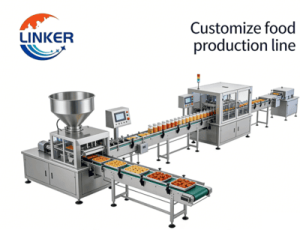
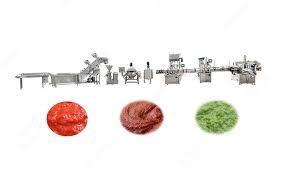
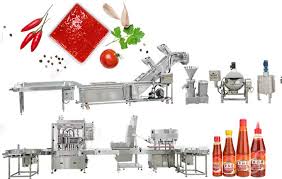
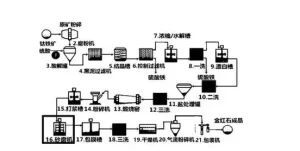
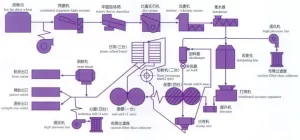
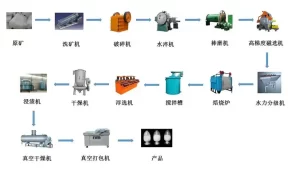
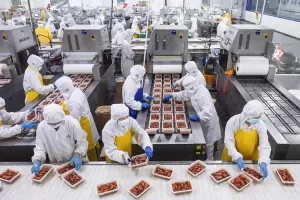
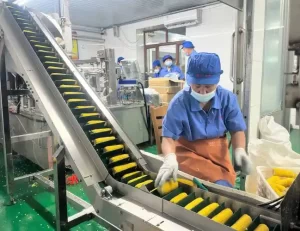
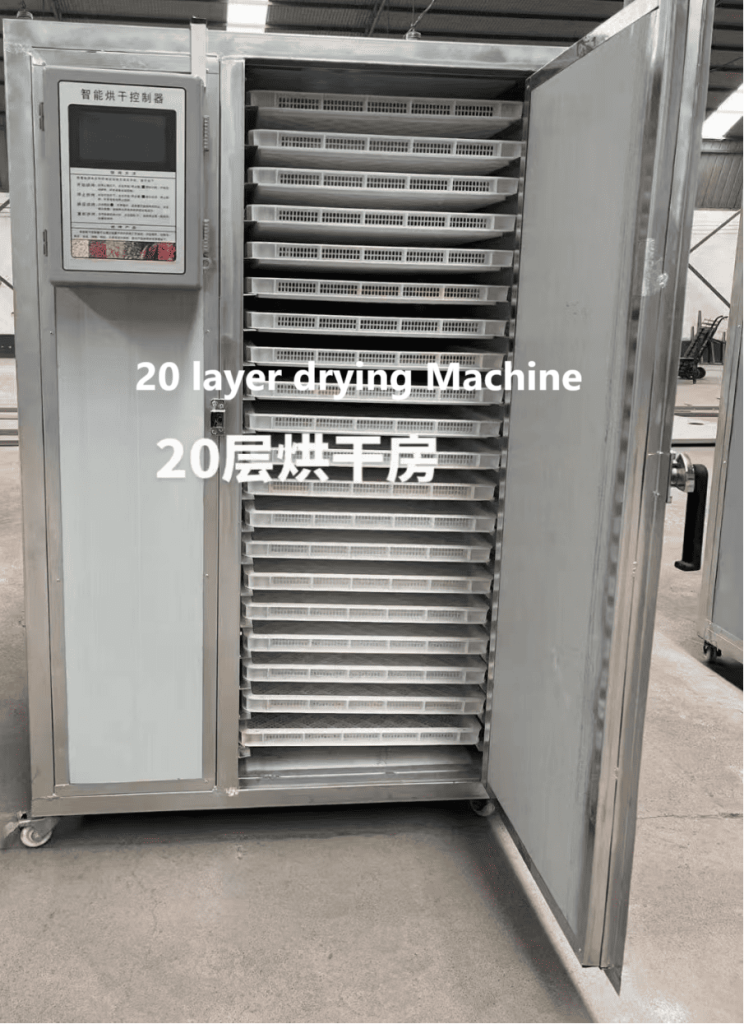
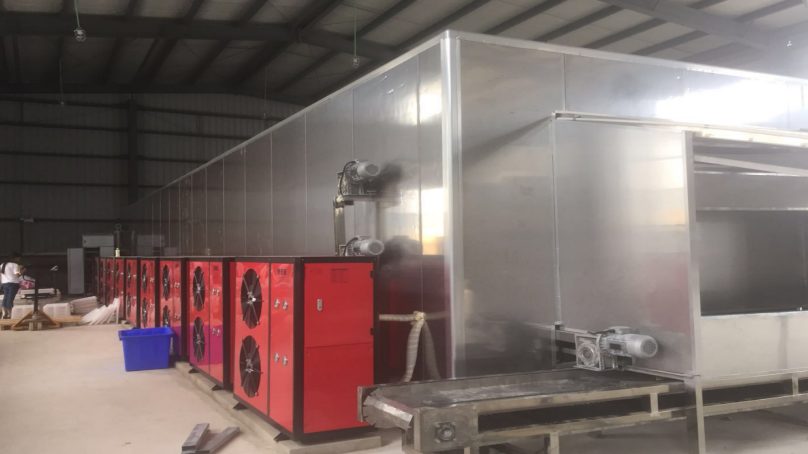
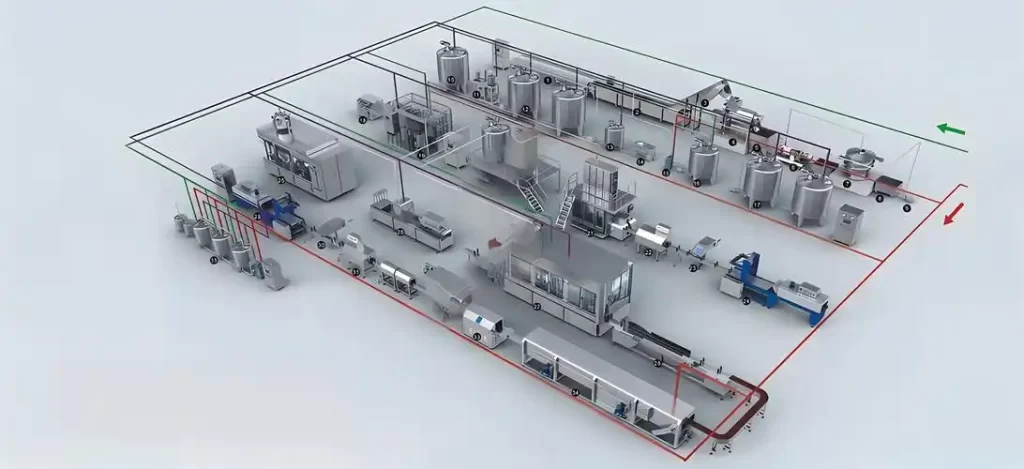
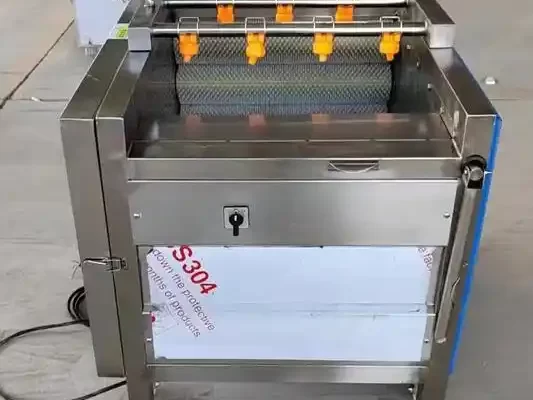
YES ! Our f have factory build more than 20 years now, we can design and customize whole line, besides of the grinding machine, mixing machine, we can also fully support to provide the washing machine, cutting machine, drying machine, packing machine, filling machine. Though we are not producing these machine, but our brother companies co-work together for over 20 years, we have rich experience in providing you a full effective production line, fully automatically or semi-automatically.
HOW TO VISIT YOUR COMPANY?
Our Factory located in Jiangsu Province, very near to Shanghai, you can fly to Shanghai Pudong Airport, we pick you up and take you by car 2 hours ride, can reach our factory, welcome your visit.
WHAT’S YOUR BEFORE & AFTER SERVICE ?
1) Before your purchasing, we need to know your detail request, such as what kind of material you want to grind and mixing, what final product powder or granule you want to reach. Because different material and powder sizes request of different machine to do. We can provide professional advice and rich experience help to choose machine. Most of the products we have already did before for other customer, trail test or run mass production, so we knows which machine is best in performance of grinding and mixing. This is of very importance in helping you choose the right model. We also wish this can help our customer a lot. Even the material we didn’t do before, we will prepare the same material and to do the trail test and send video to you for your reference. 2) One Year guarantee of machine quality. If the machine have problem within one year, we will send you the spare parts to you for replacement, but this not including the damage caused by human causes. We also have 24 hours on line guide for customer, if you have operation difficulty, we will guide by video and on line communication with our engineer for your emergency debug. 3) For small machine, we sell with whole machine, it’s no need to install, and easy to operation, no problems for operation. While for large machine, its’s also not difficult to install with video guideline, but if you need, we can assign our technicians to go abroad, the round ticket, food and residents will be paid by customer.
HOW ABOUT YOUR PAYMENT TERM?
Our payment term is T/T. 50% payment in advance, rest of 50% payment finish before the goods shipped. When we finish the machine production we will do trail test and run the machine take videos for your green light. You pay the rest of 50% payment then.