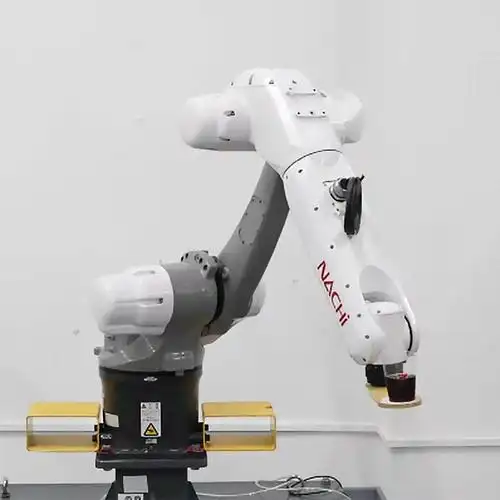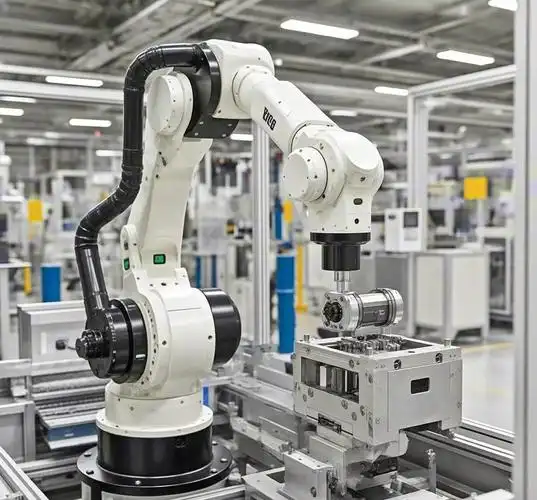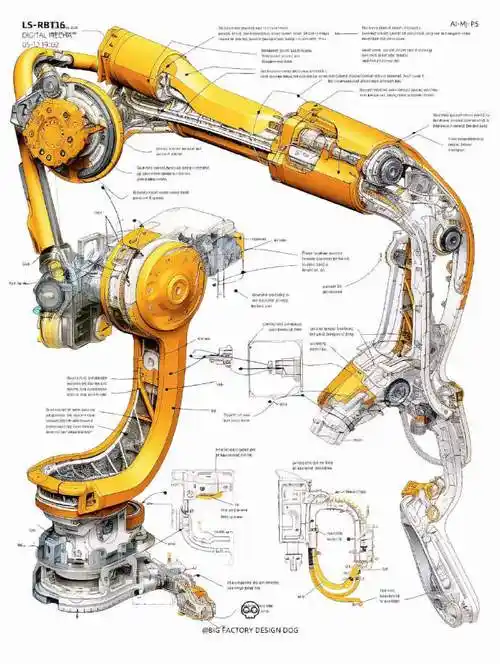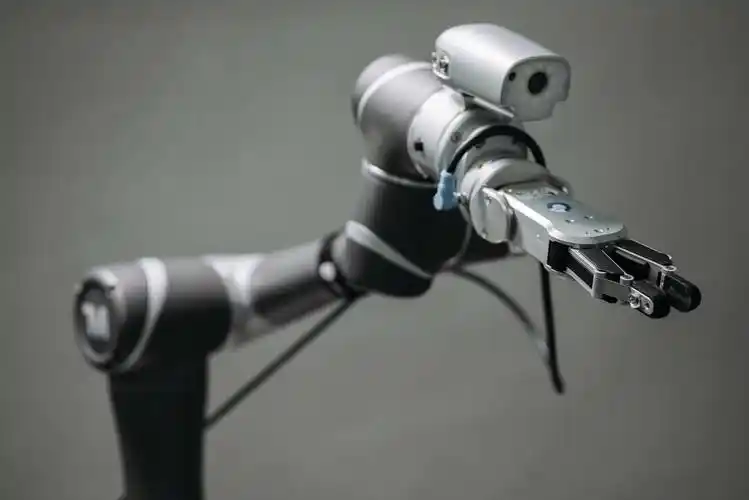
What type of surgery can be performed with robotic arms?
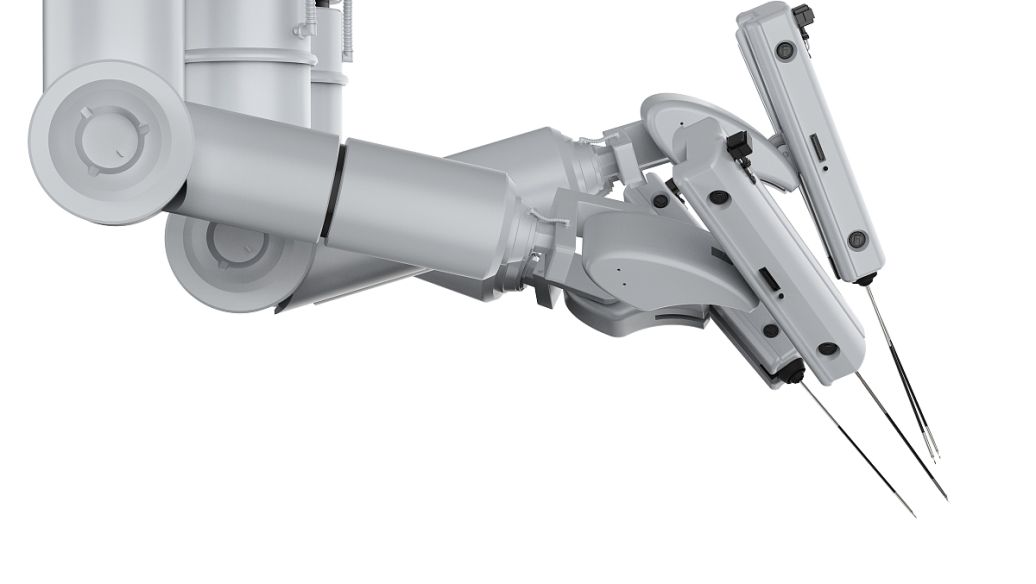
What type of surgery can be performed with robotic arms? Robotic arms have evolved from auxiliary tools to core platforms that reshape surgical paradigms in modern surgery. Their core value is not to replace doctors, but to extend the physical and perceptual boundaries of human operations, achieving precision and minimal invasiveness that are difficult to reach with traditional methods in multiple specialist fields.
Robotic Arms in Urological Surgery: Radical Prostatectomy
Robotic arms are frequently employed in urology for radical prostatectomy. The robotic arm completes the delicate separation of neurovascular bundles and urethral anastomosis deep within the pelvic cavity after instruments are placed through several tiny incisions.
It successfully avoids the “reverse operation” problem of conventional laparoscopic instruments thanks to its 7-degree-of-freedom wrist structure, which can achieve 360-degree rotation and sub-millimeter movement.
This greatly lowers the chance of sexual dysfunction and urine incontinence following surgery. The postoperative hospital stay is reduced to one to three days, and intraoperative blood loss is often regulated between 100 and 300 milliliters, which is significantly less than the over 800 milliliters of open surgery.
The precision of robotic arms is similar to how a CE Certificate grinder or stainless steel herb grinder operates with high accuracy, ensuring no unnecessary damage to surrounding tissues.
Robotic Arms in Gynecological Surgery: Complex Hysterectomy and Pelvic Floor Reconstruction
In gynecology, robotic arm systems are used for complex hysterectomy, endometrial cancer lymph node dissection, and pelvic floor reconstruction surgery.
Its high-definition 3D field of view can clearly identify the distribution of small blood vessels and nerves in the pelvic cavity, which is particularly advantageous in obese patients or cases with anatomical structure disorders caused by previous pelvic surgery.
The stable operation of the robotic arm avoids micro-tremors caused by hand fatigue, making tension-free suturing of deep tissues possible.
This significantly reduces the incidence of postoperative pelvic adhesions and lymphocysts, just like how a black pepper grinder or dry ginger grinding machine operates stably to avoid material waste.
Robotic Arms in Cardiac Surgery: Totally Robotic Coronary Artery Bypass Grafting
In cardiac surgery, robotic arms have achieved fully robotic operation of coronary artery bypass grafting. Through 3 to 5 keyhole incisions in the chest wall, the robotic arm completes end-to-end anastomosis of coronary arteries with a diameter of less than 1.5 millimeters while the heart is beating.
Its motion filtering system can eliminate physiological tremors caused by surgeons standing for a long time, significantly reducing the anastomotic leakage rate.
This technology is particularly suitable for patients at high risk of thoracotomy, such as those with multi-vessel disease, reoperation, or complicated chronic lung disease, and the risk of postoperative sternal infection is close to zero.
The stability of robotic arms is comparable to that of a 500KG Grinder or 200KG grinder, ensuring precise operation even in high-pressure surgical scenarios.
Robotic Arms in Orthopedic Surgery: Spinal Pedicle Screw Placement and Joint Replacement
In orthopedics, robotic arm systems are mainly used for spinal pedicle screw placement and joint replacement surgery. A 3D anatomical model is constructed through preoperative CT images.
Guided by the navigation system, the robotic arm automatically locates the drilling path, with an error controlled within 0.5 millimeters, far better than the 1 to 2 millimeters deviation of manual operation.
In patients with complex scoliosis or osteoporosis, this technology greatly reduces the risk of nerve injury and screw loosening, shortens the operation time, and reduces intraoperative radiation exposure.
This precision is similar to how an Ultrafine Grinder or Vacuum Mill processes materials with minimal error, ensuring the safety and effectiveness of the surgery.
Robotic Arms in Head and Neck Surgery: Transoral Oropharyngeal Tumor Resection
In head and neck surgery, robotic arms have achieved a breakthrough in transoral oropharyngeal tumor resection. Flexible instruments are inserted through the natural oral cavity, and the robotic arm completes precise resection of laryngeal and hypopharyngeal tumors in a narrow space.
This avoids functional damage and appearance changes caused by splitting the mandible or large neck incisions in traditional surgery.
The latest technology combines an artificial intelligence force feedback system, which can perceive changes in tissue resistance and achieve sub-millimeter cutting control, with intraoperative blood loss controlled within 1 milliliter.
The flexibility of robotic arms is like that of a small grinder machine or Air cooled crusher, which can operate flexibly in narrow spaces.
Robotic Arms in Thoracic Surgery: Lobectomy and Esophageal Cancer Radical Resection
Robotic arms are employed in thoracic surgery for esophageal cancer radical resection, mediastinal tumor resection, and lobectomy. Its 3D expanded field of vision allows for anatomical segmentectomy by clearly identifying bronchovascular branches and intersegmental planes.
The robotic arm can precisely guide the puncture needle to the center of the lesion with a positioning deviation of less than 3.5 millimeters in interventional operations like cryoablation of pulmonary nodules, greatly increasing the complete ablation rate.
This accuracy ensures that the lesion is completely treated, just like how a Dust Grinder or Hammer Mill thoroughly processes materials without residue.
Robotic Arms in Breast Surgery: Mastectomy and Breast Reconstruction
In breast surgery, robotic arms support total mastectomy, axillary lymph node dissection, and autologous tissue breast reconstruction. Its ultra-fine operation ability makes DIEP flap vascular anastomosis possible, with an anastomotic diameter as small as 0.3 millimeters, greatly improving the success rate of reconstruction.
No large incision is needed during the operation, and the postoperative scar is hidden, meeting the patient’s dual needs for beauty and function.
The delicate operation of robotic arms is similar to how an Electric Grinder or dry ginger grinding machine processes fragile materials without damage.
Fundamental Limitations of Robotic Arm Surgery
Despite the advanced technology, robotic arm surgery still has fundamental limitations. Its most significant flaw is the lack of real tactile feedback; doctors cannot perceive changes in tissue texture, elasticity, and tension.
This makes it easy to misjudge in areas of dense fibrous tissue or inflammatory adhesions, just like how a cryogenic grinding machine or Dry Fruit Powder Grinder Machine cannot perceive the texture of materials.
Although the system response delay has been optimized to the millisecond level, it may still affect the fluency of operation during high-speed movement or sudden bleeding.
In addition, the large size of the equipment, complex preoperative preparation, and steep learning curve all restrict its popularization in primary medical institutions.
This is similar to the difficulty in popularizing large equipment such as cassava grinding machine or coarse crusher in small workshops due to high requirements.
Conclusion: The Integration of Surgeon’s Wisdom and Robotic Precision
The common essence of these surgeries is the in-depth integration of the surgeon’s clinical wisdom and the physical precision of the robotic arm. It is not an automated surgical machine, but an extension of human will.
In the sterile operating room, an invisible hand is redefining the way of life repair with stability and precision beyond physiological limits.
Robotic arms, like tools such as vibrating pulverizer, turbo grinder, and dust collector grinder in industrial production, are powerful assistants that help humans complete tasks that are difficult to achieve with their own abilities.
Similar to how a high-speed dry grinder or universal grinder efficiently and precisely grinds food, spices, or chemical compounds, they assist surgeons in performing precise operations on tissues connected to medicine.
Robotic arms have become an essential component of modern surgery, giving patients fresh hope when performing intricate anastomoses or handling fragile tissues.
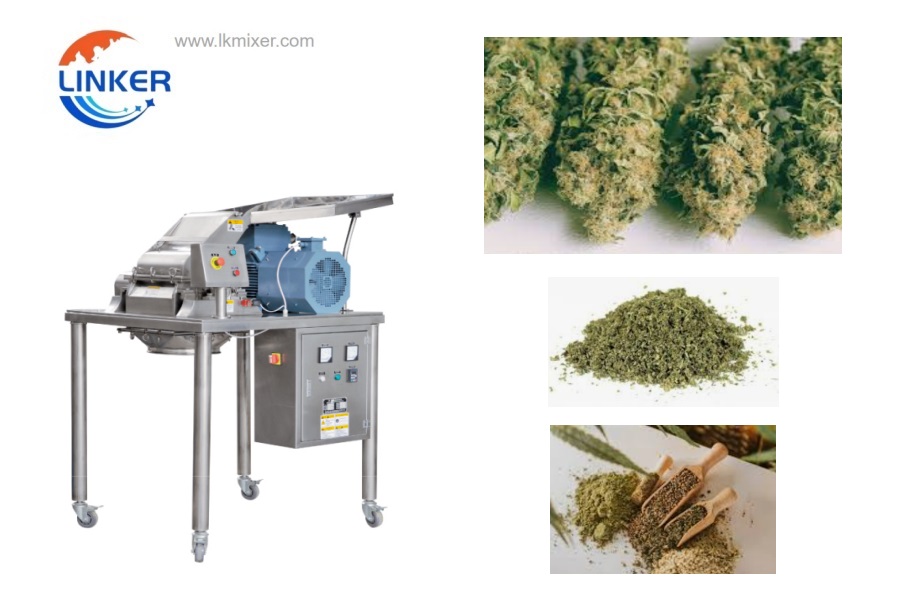
But it’s crucial to keep in mind that robotic arms are merely instruments; the surgeon’s expertise and judgment remain the fundamental components of surgery, just as human supervision is necessary for the operation of any machine, including cannabis processing equipment or an industrial weed grinder.
Future surgical advancements will combine human knowledge with technological accuracy to make procedures safer, more efficient, and less invasive.
How much does a robotic arm cost?
Can a robot arm be used for surgery?
What is another name for a robotic arm?
Can robots work 24 hours a day?
Recommend Post about Robot:
Related Production Line Customization:

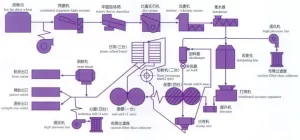
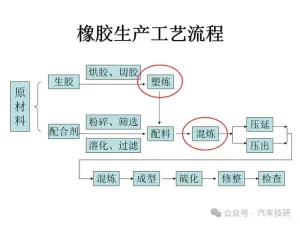
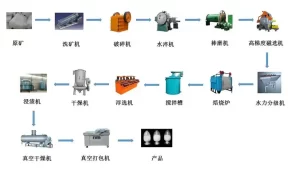
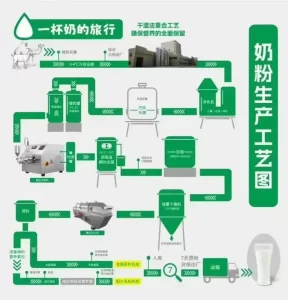
Recommend Post about Production Line:
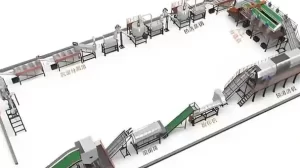

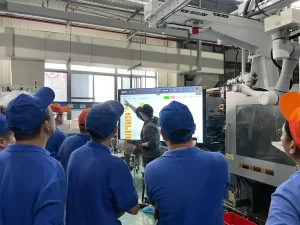
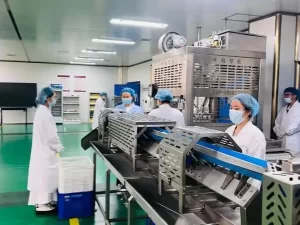
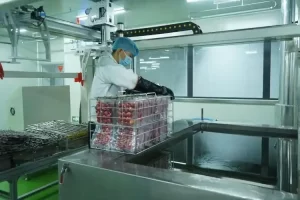
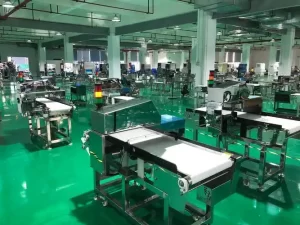
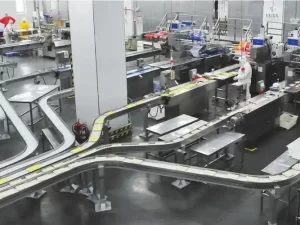
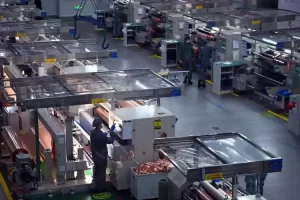

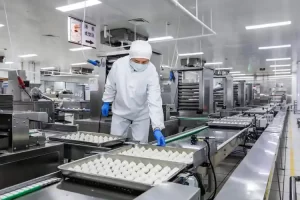
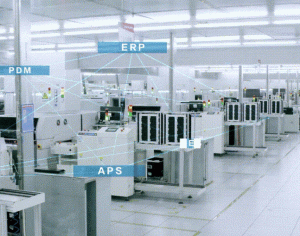
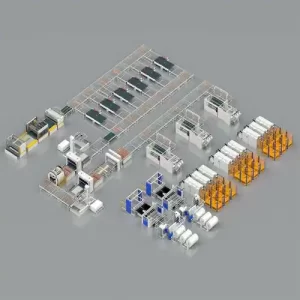
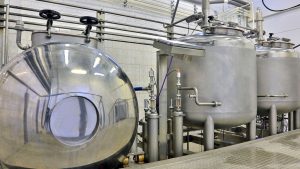
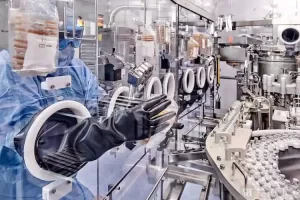
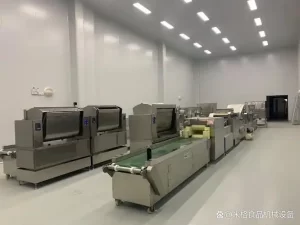
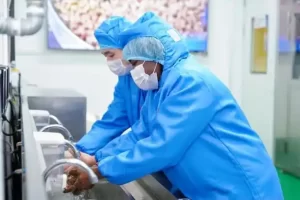

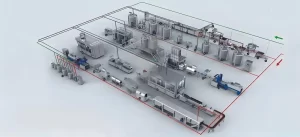
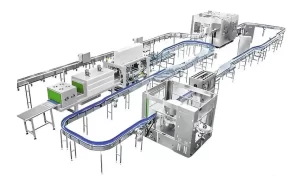
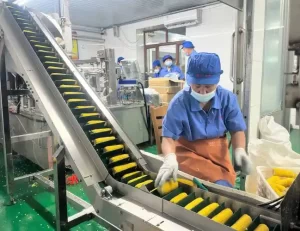
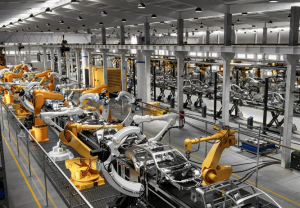
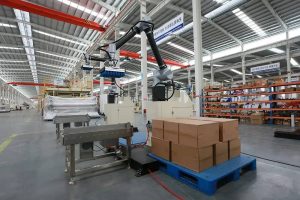
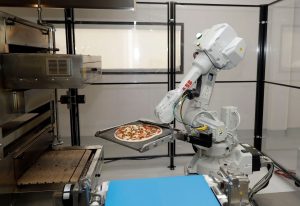
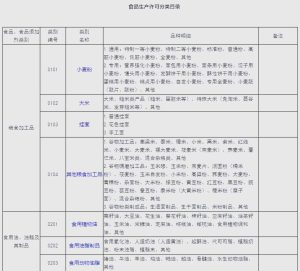
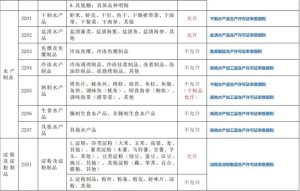
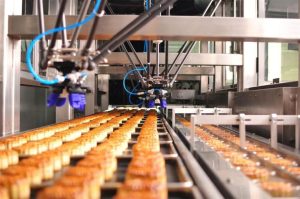
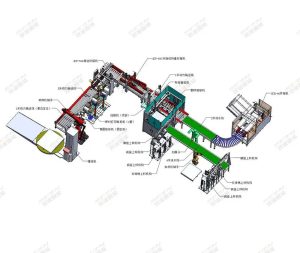
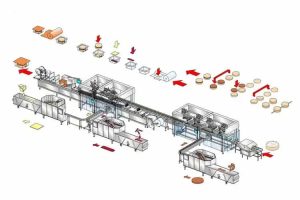
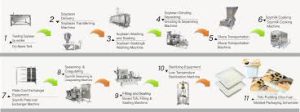
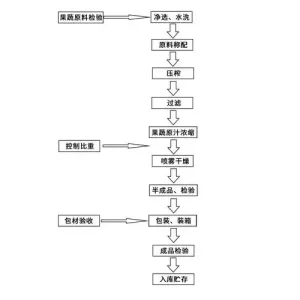
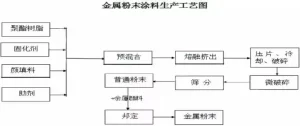
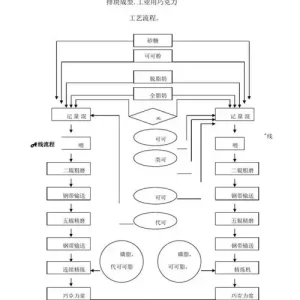
Food Producing Process Flow:
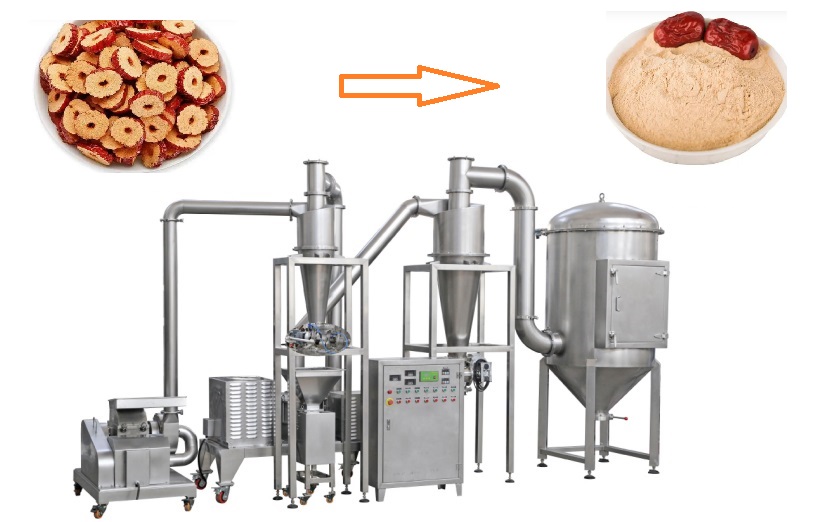
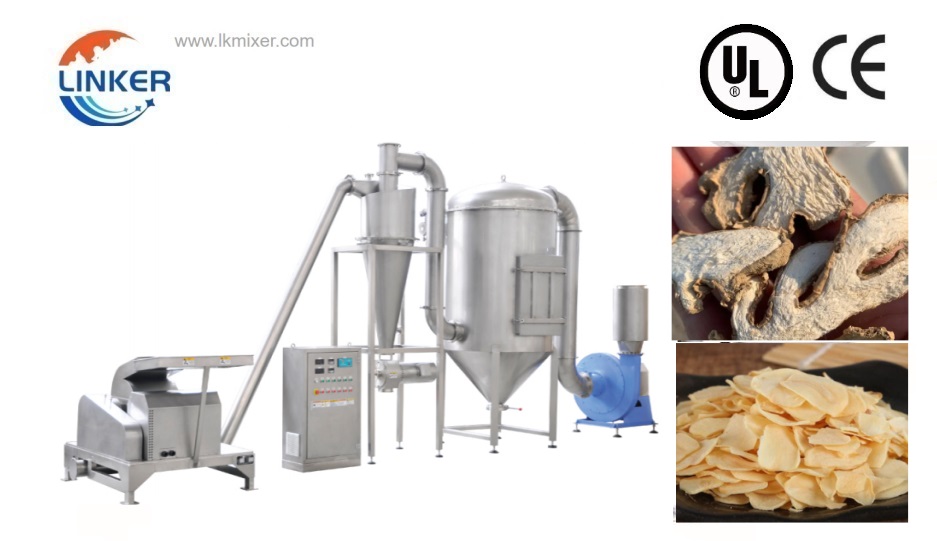
Ultrafine grinding is one of the very key procedure in whole production line. It depends how many mesh that customer need to produce. That’s to say this machine can decide what kind of material will get finally before mxing.
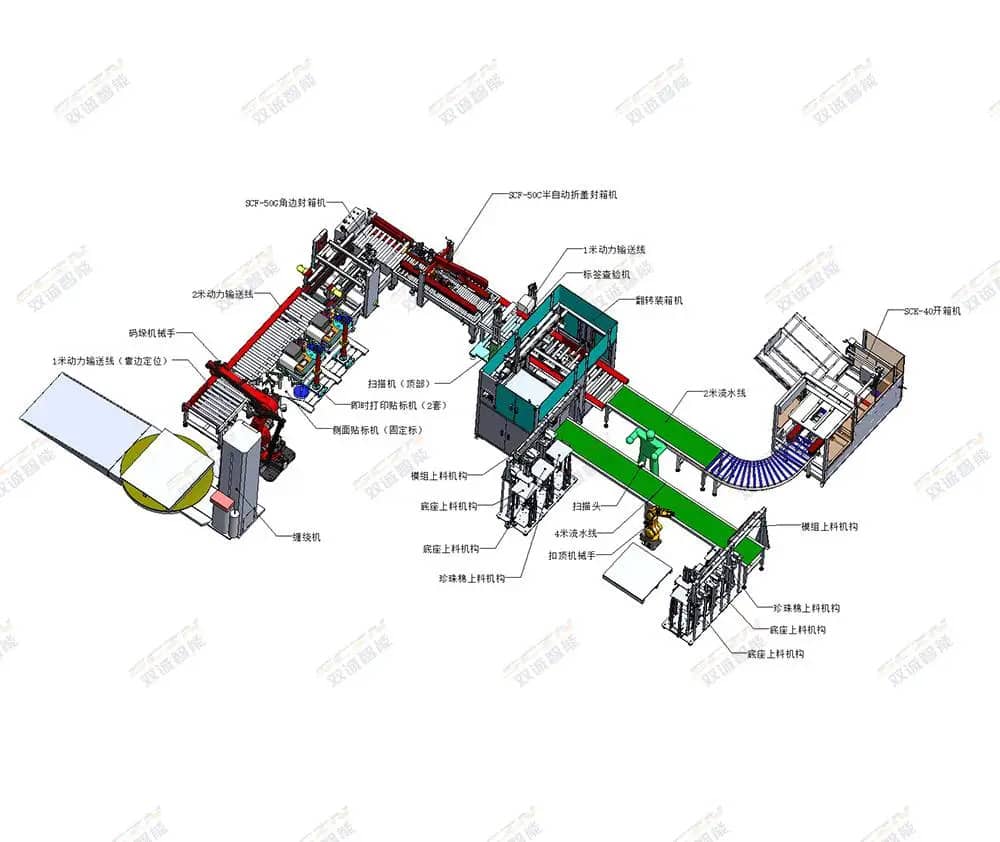
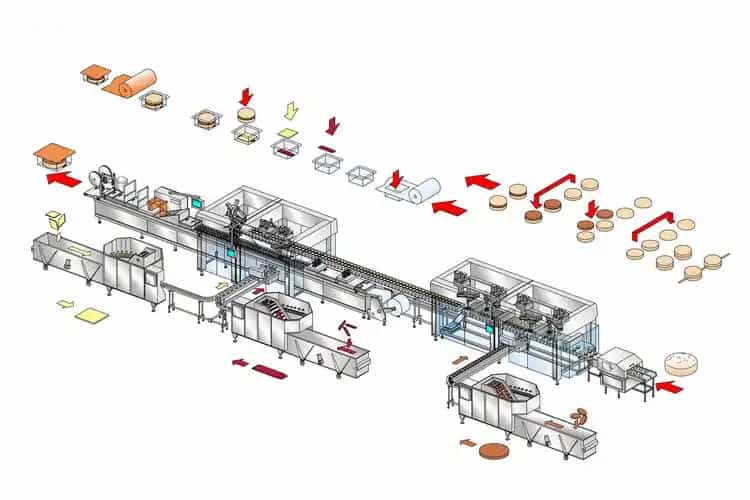
Coarse Crusher Machine —>Grinding Machine —> Vibrating Table Sifter Machine—>Mixing Machine—>Packing Machine —> (Printed Packaging Film Roll or bags ) —> Filling, sealing machine, capping and Labeling Machine —>Pack into Box.

About LKMixer
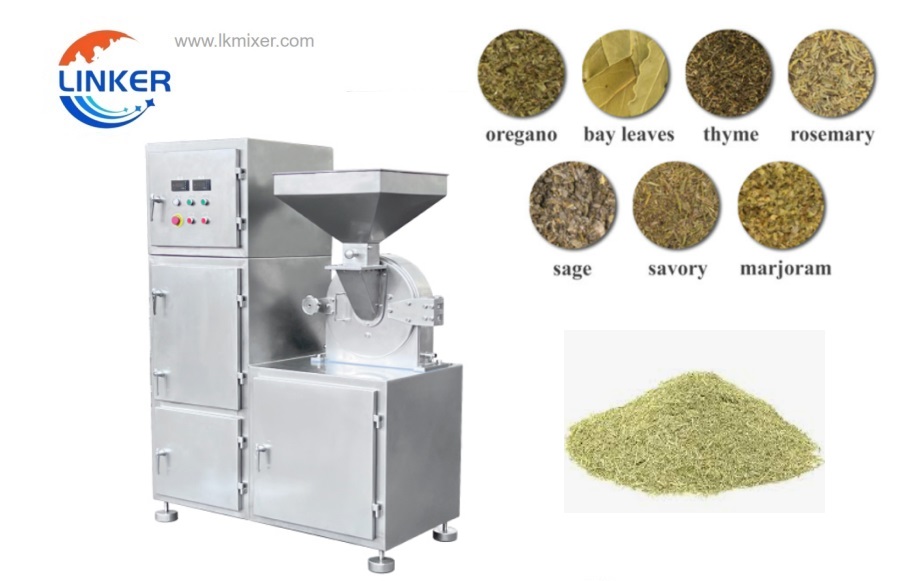
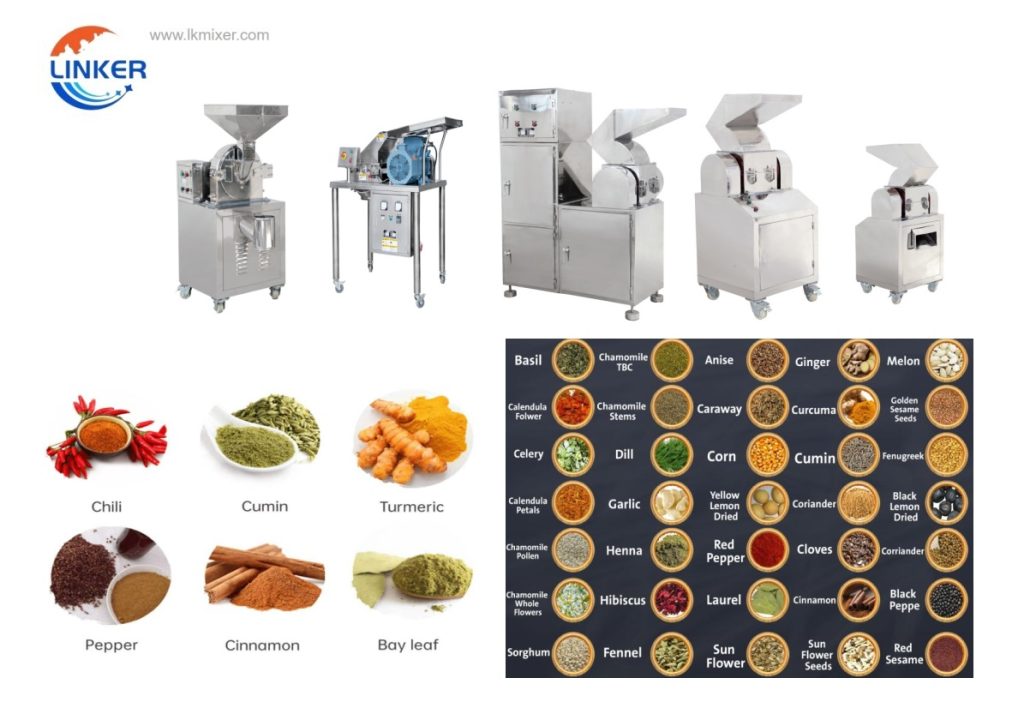
LKMixer is a professional manufacturer for fertilizer production line, grinder, mixer and granulator, shredder. These machines are widely used in food, pharmaceutical, cosmetic, health care products and chemical industries. The Food materials like Peanut, mushroom, seeds, potato, bean, tobacco, salt, cannabis, tea, Sugar, corn, Coffee, rice, pepper, grain as so on. Grinders have many types such as Pulse Dust Grinder which suitable for zero pollution environment, Turbine Mill which is suitable for coffee bean, 12-120mesh all can meet, Ultrafine Grinding Mill covers 80-200mesh, and also Winnowing Dust Grinder or other grinding machines like SF Hammer. Welcome to contact us for details. Contact us for more information. Proposal, catalog, quotation. Mobile/WhatsApp: +86 18019763531 Tel: +86 21 66037855 Email: sales@lkmixer.com
Contact Us
Tel: +86 66037855
Email:sales@lkmixer.com
Working Time: Monday ~Frinday 9:00AM~17:00PM
Please call us Whatsapp, or mail to us.
Grinder for Sale:
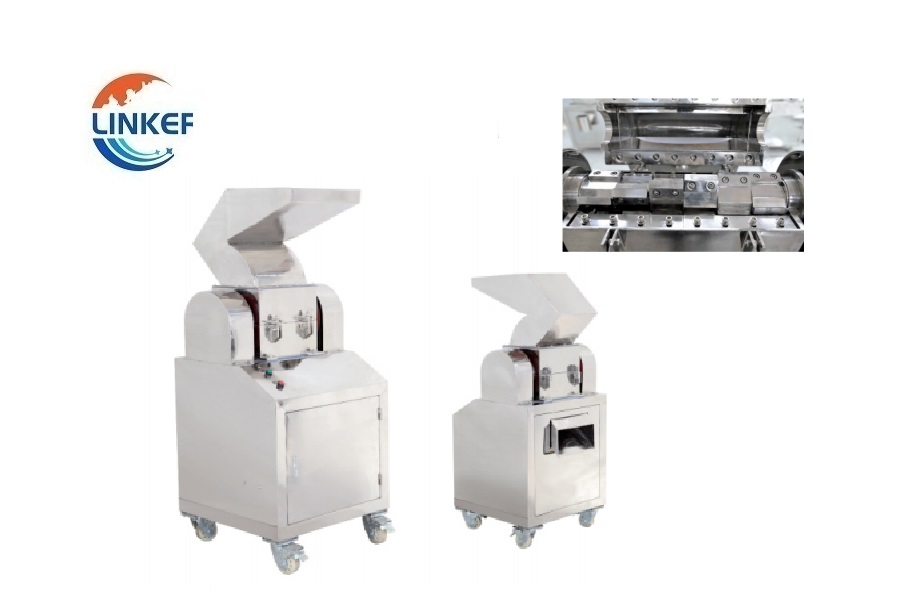
Rubber Powder Grinding Machine
Rubber Powder Grinding Machine Industrial Cumin Seeds Grinder Youtube Video Customization Seeds Grinder According to your…
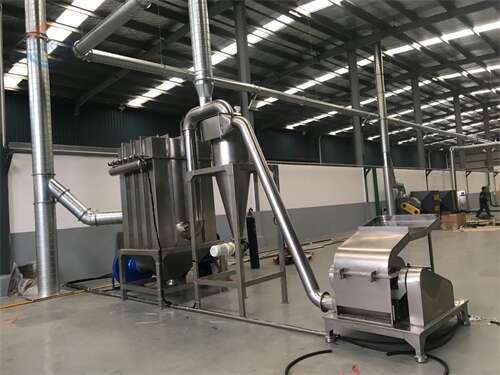
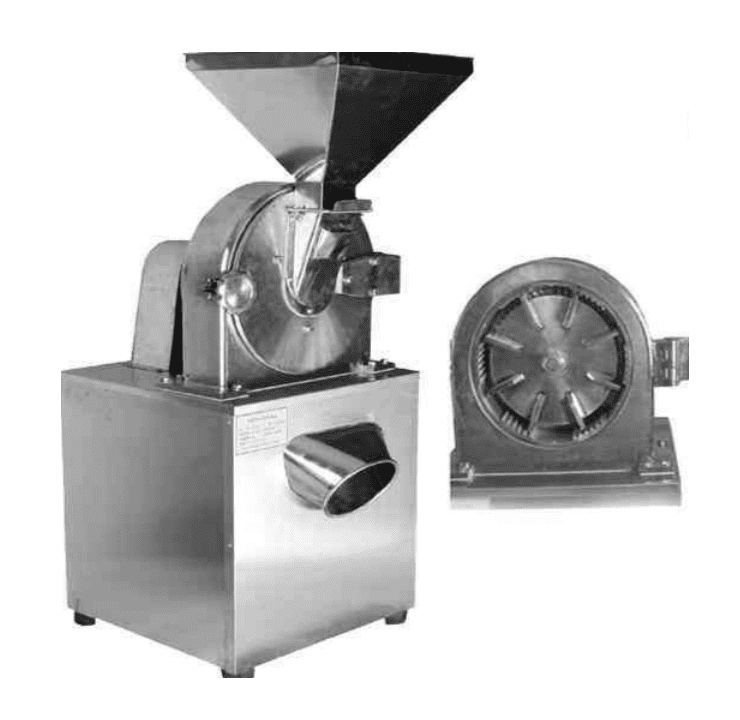
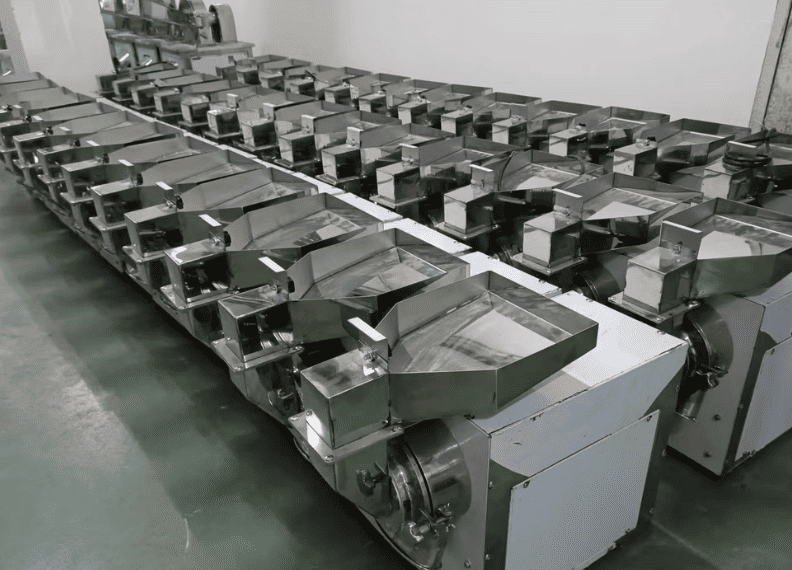
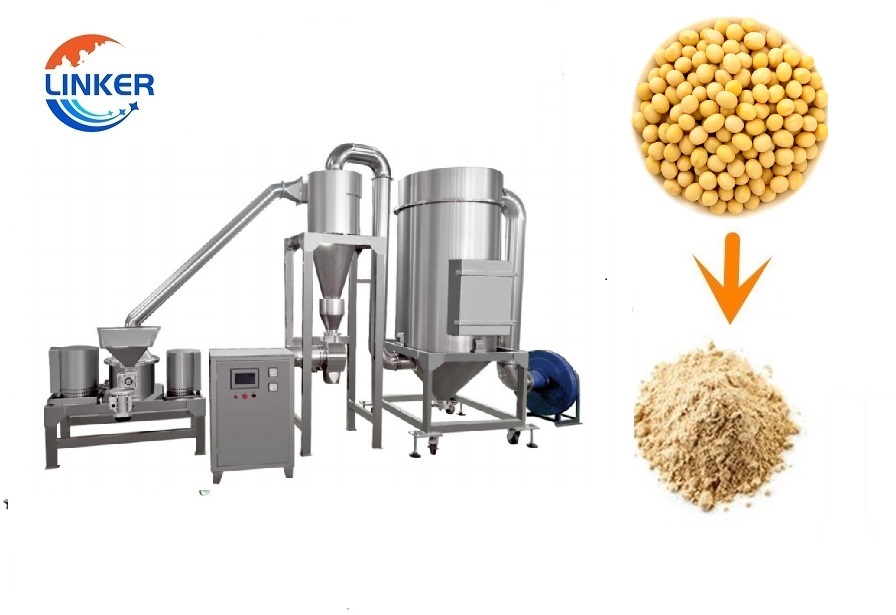
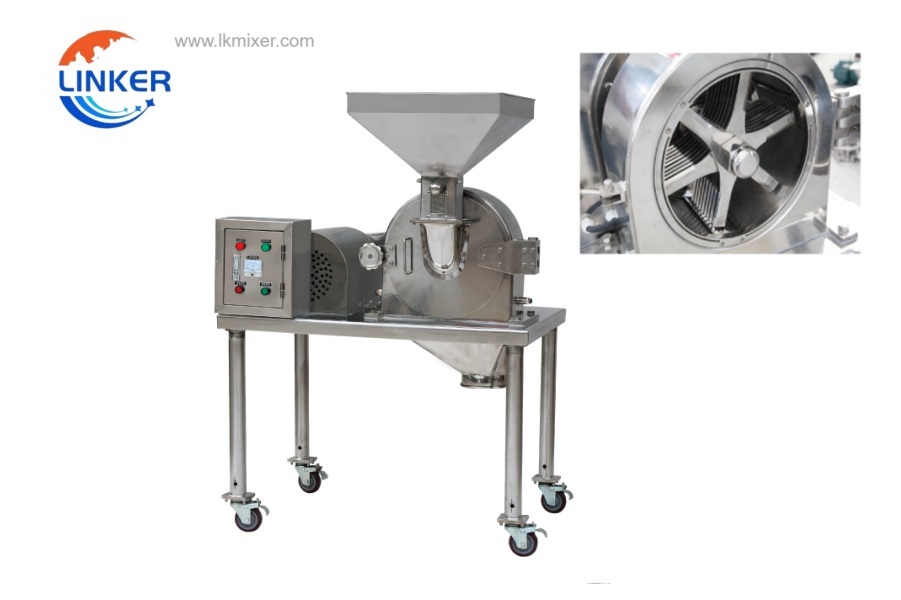
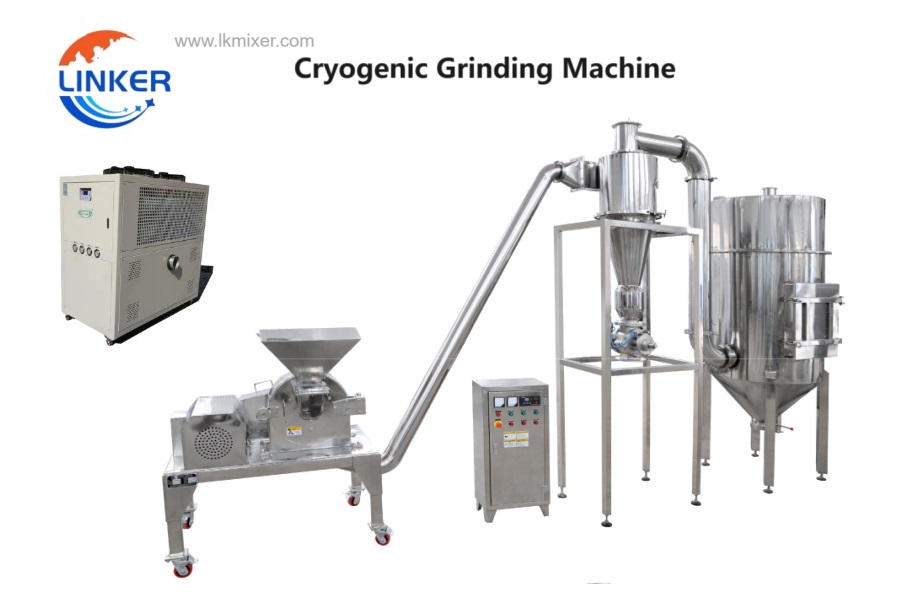
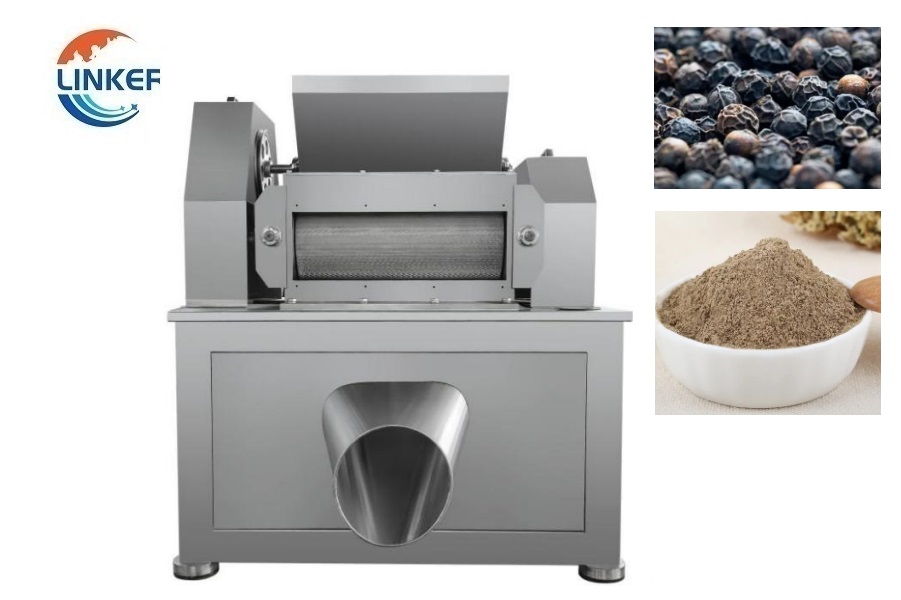
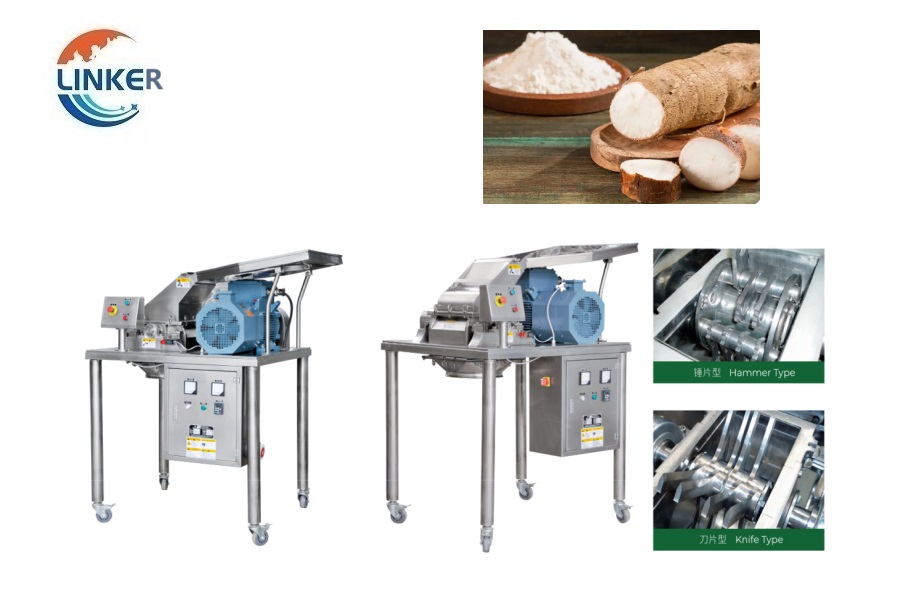
Blenders for Sale:
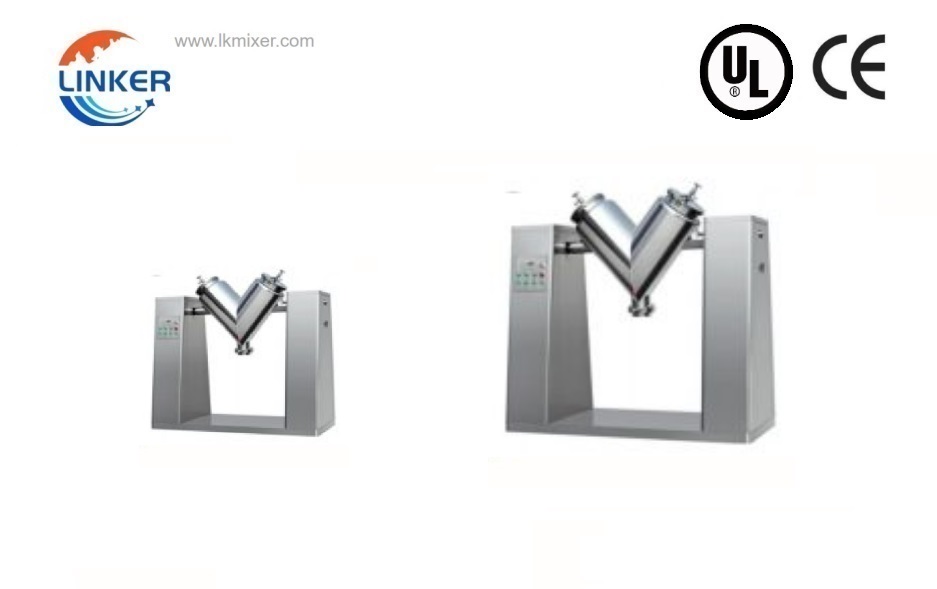
Small Blender 2L 5L 10L 15L 20L
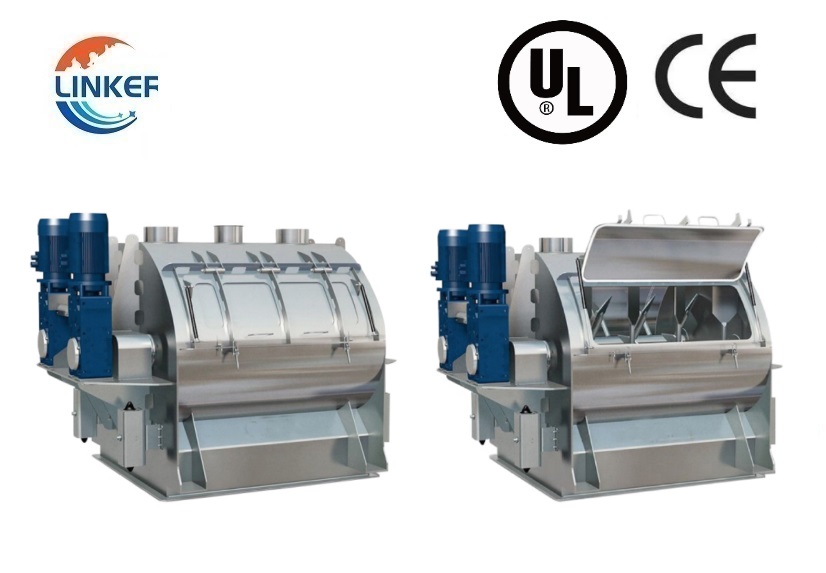
You may also interest in: Small Blender for Sale: LKMixer we have many different model of Small…Solid-Liquid Blender
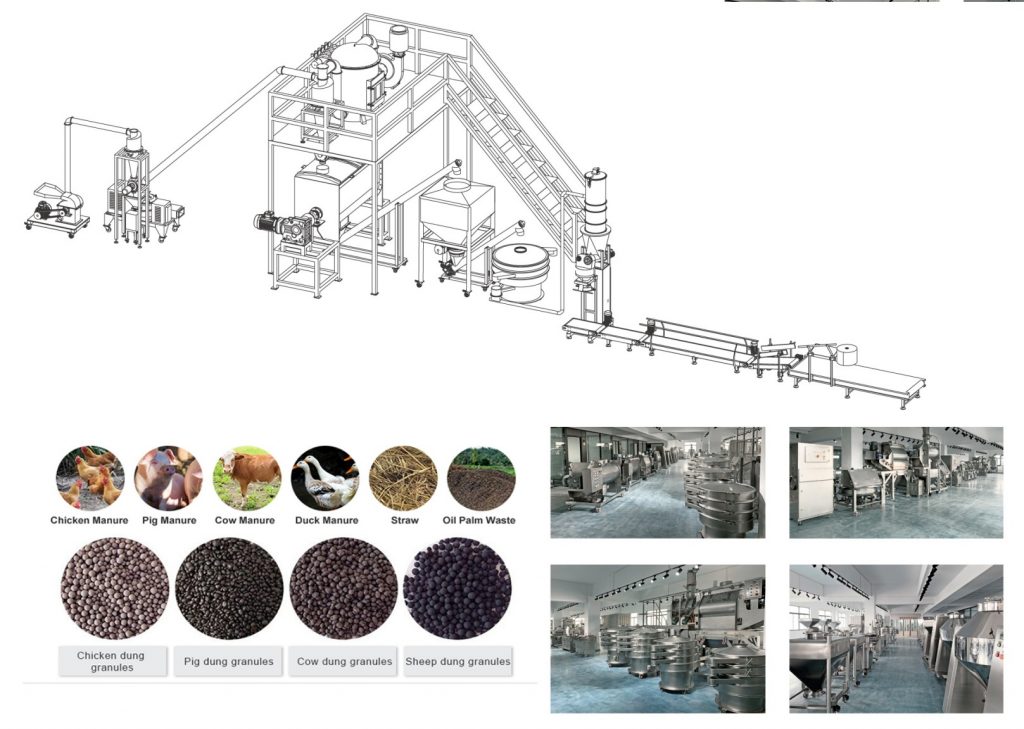
Solid-Liquid Blender for Sale: Solid-Liquid Blender also called Double Shafts Paddle Mixer, it is paddle type and…Fertilizer Production Line
What is fertilizer production line? Fertilizer production line is a whole set of equipment which used to…
Granulator for Sale:
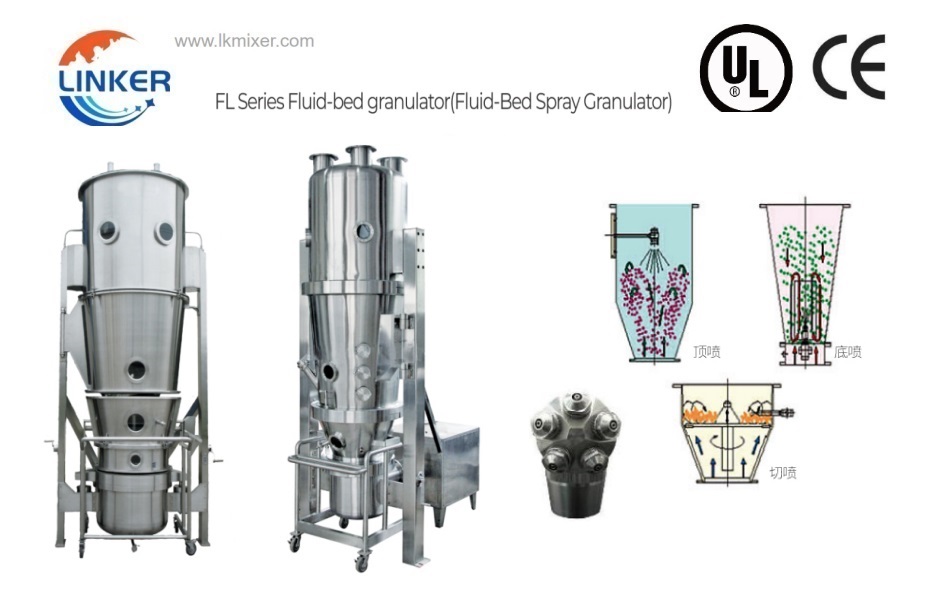
Fluid Bed Granulator
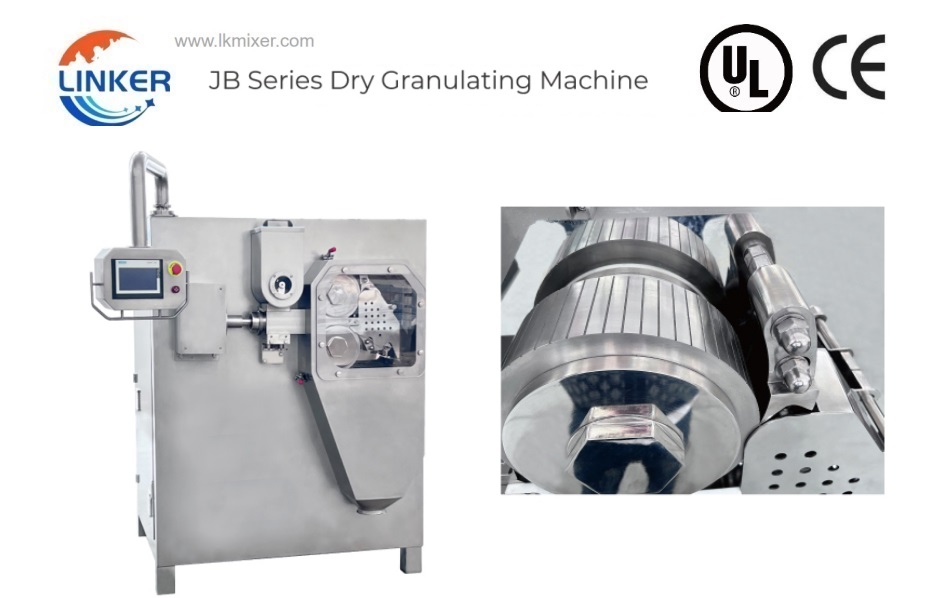
What is a Fluid Bed Granulator? Fluid Bed Granulator is a machine mainly used for pharmaceutical granulation…Dry Granulating Machine
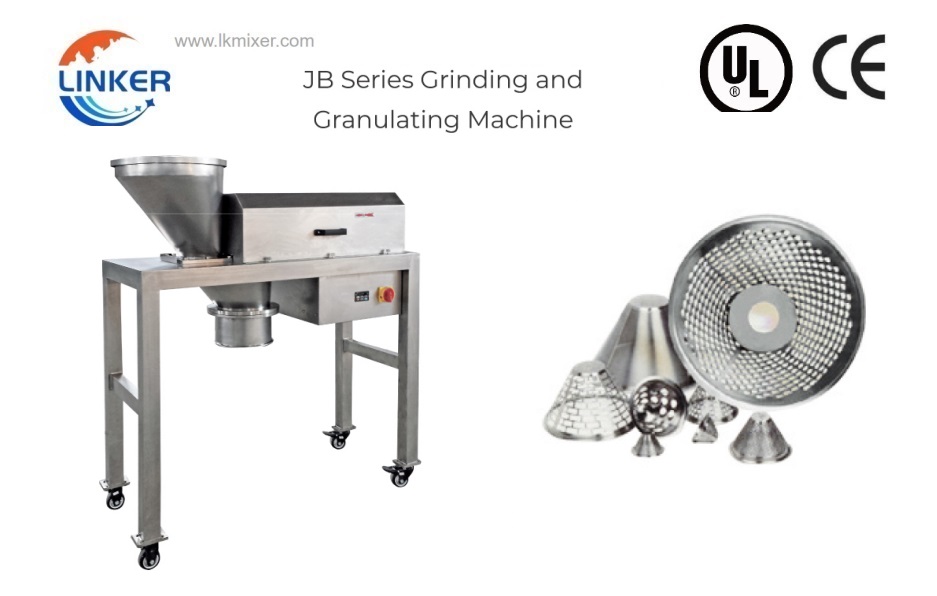
What is a Dry granulating machine? A dry granulating machine uses dry roller press technology to compress…BJB Grinding and Granulating Machine
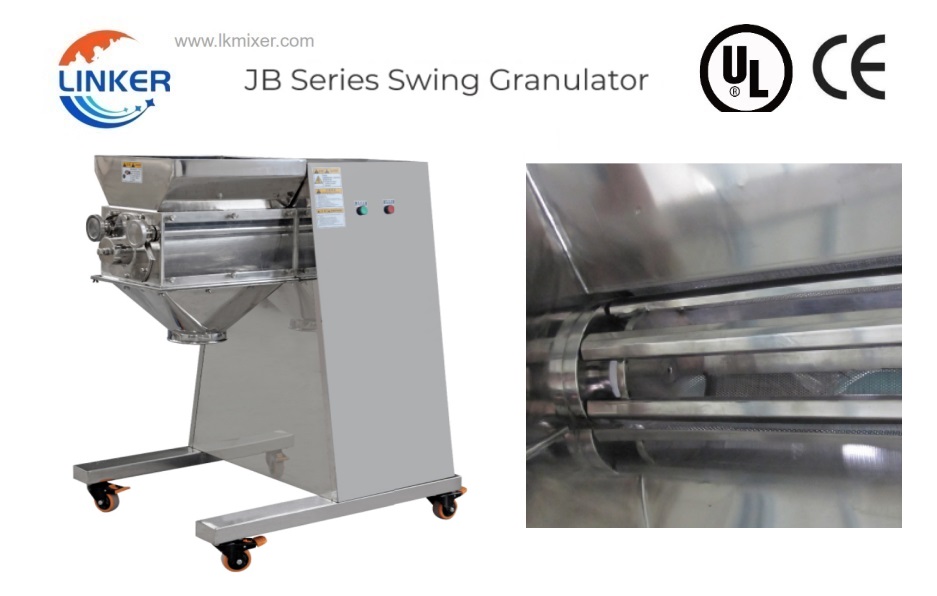
What is a granulating machine? A granulating machine is an industrial device used to shape powdered or…
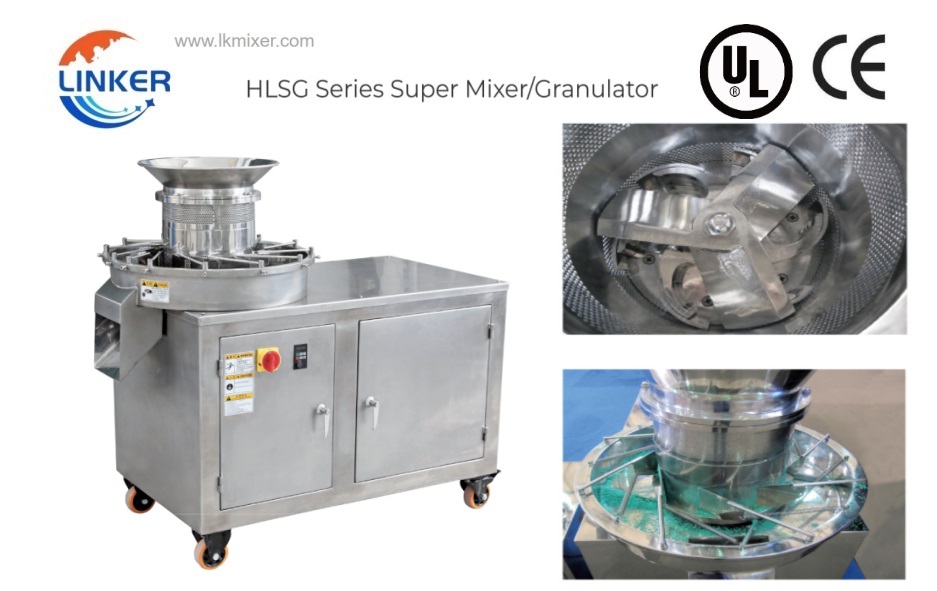
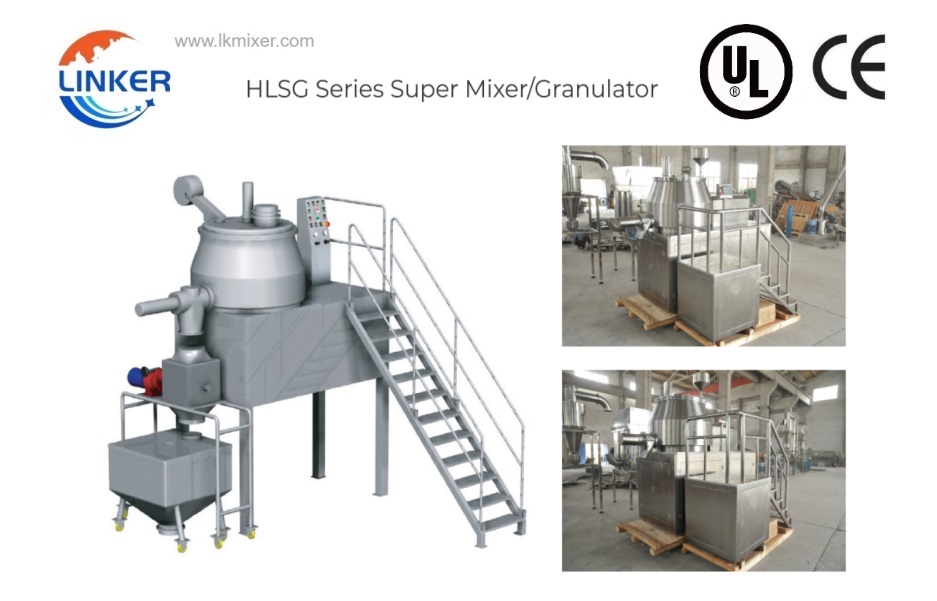
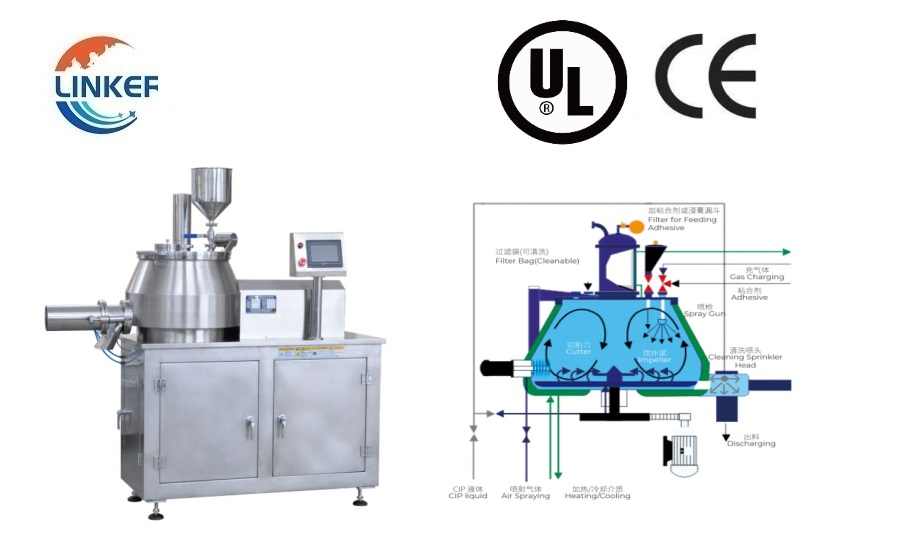
Conveyor and Auto Feeder for Sale:
Powder Feeder System Pump
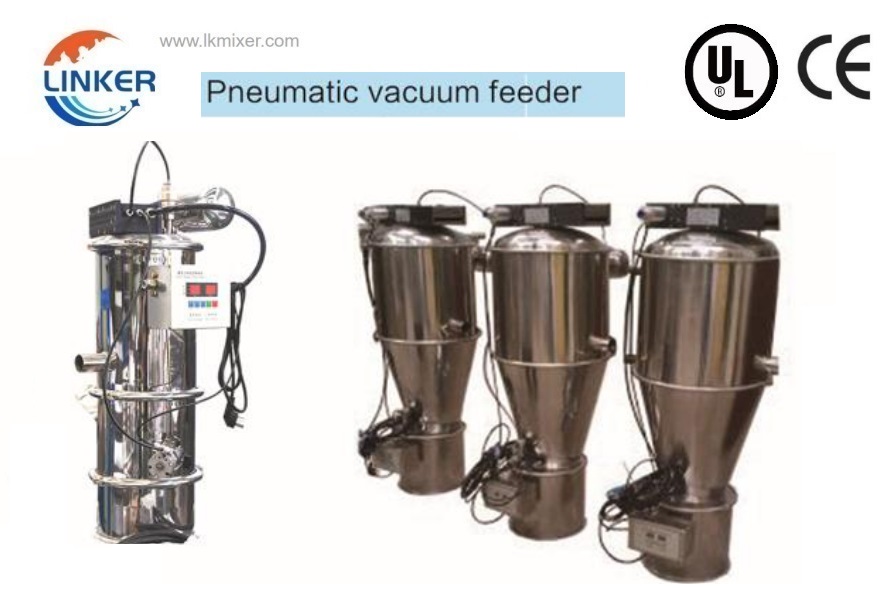
Vacuum Feeder Machine for Sale: Vacuum Feeder is a common used machine to transport the material into…Pneumatic Vacuum Feeder
Vacuum Feeder Machine for Sale: Vacuum Feeder is a common used machine to transport the material into…Electric Vacuum Feeder
Vacuum Feeder Machine for Sale: Vacuum Feeder is a common used machine to transport the material into…
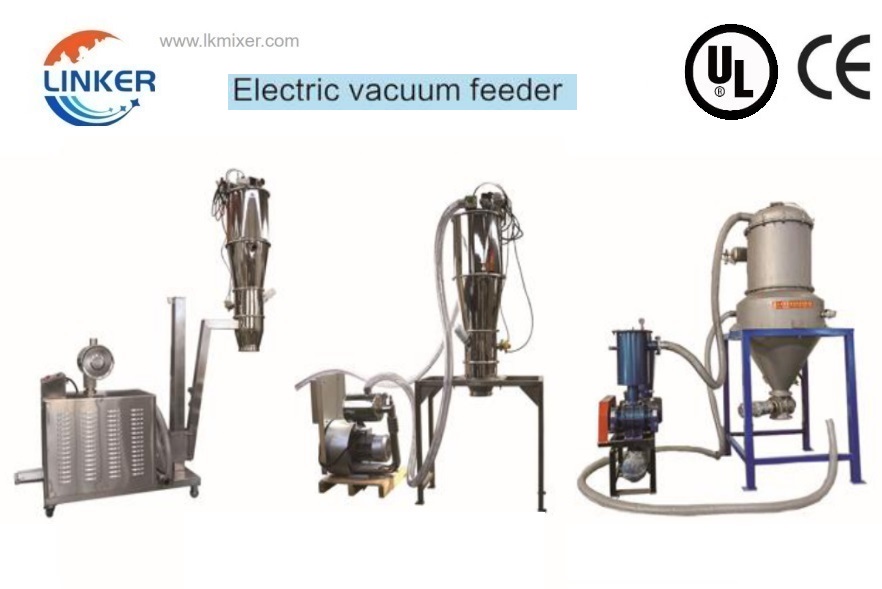
Sifter and screen for Sale:
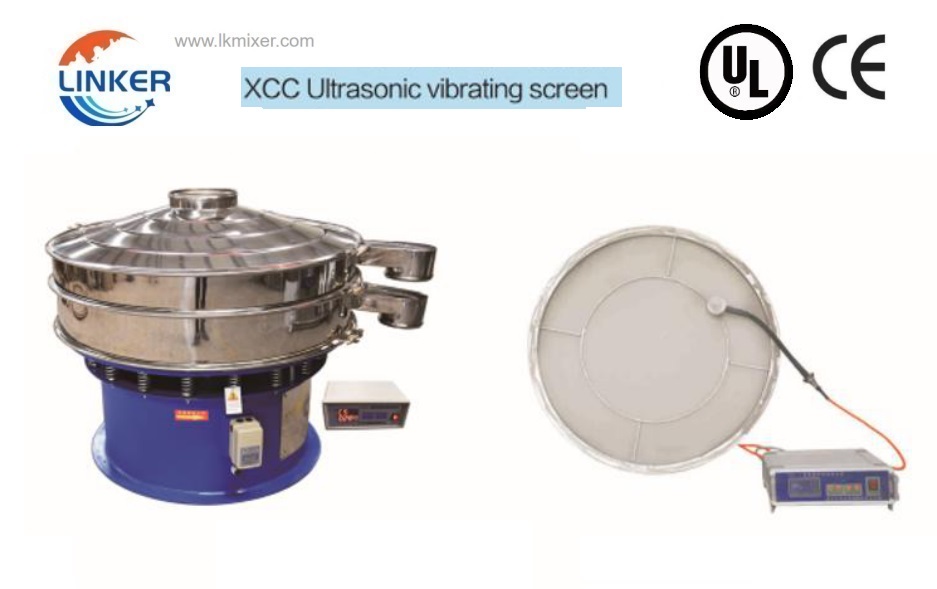
Ultrasonic Screen
Ultrasonic Screen Machine for Sale: Ultrasonic Screen is a common used machine after the grinding process, it…Rotary Sifter
Rotary Sifter Machine for Sale: Rotary Sifter is a common used machine after the rice grinding process,…Rice Sifter Machine
Rice Sifter Machine for Sale: Rice Sifter Machine is a common used machine after the rice grinding…
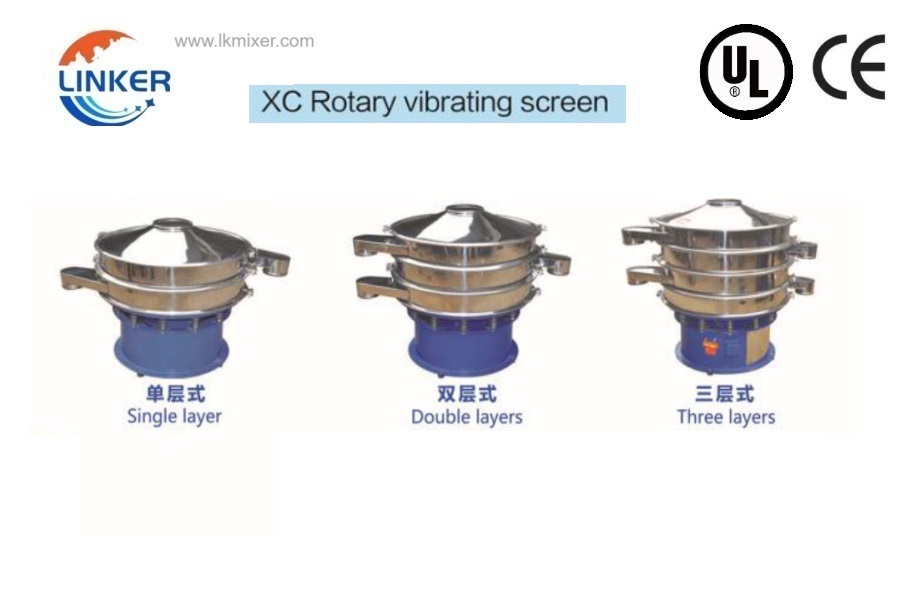
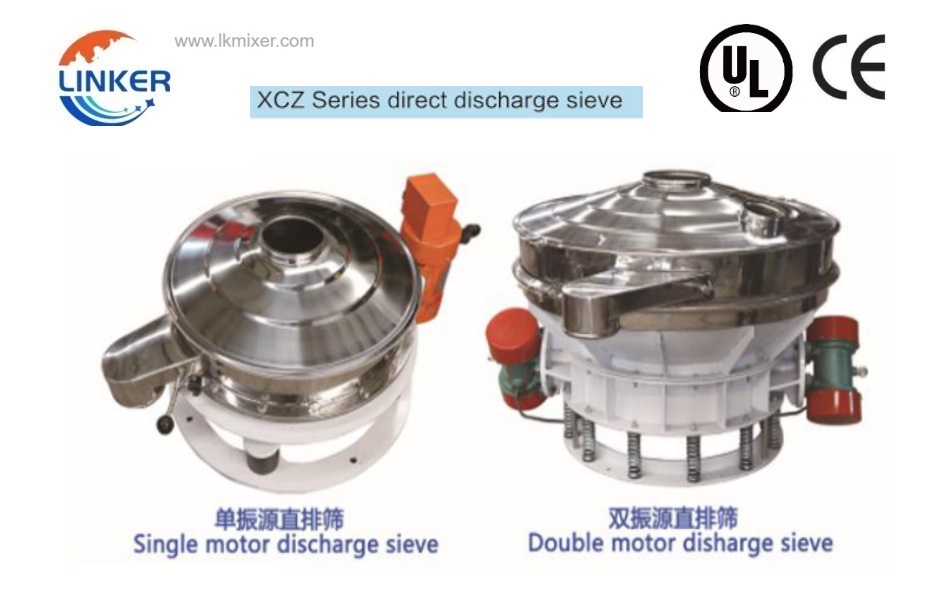
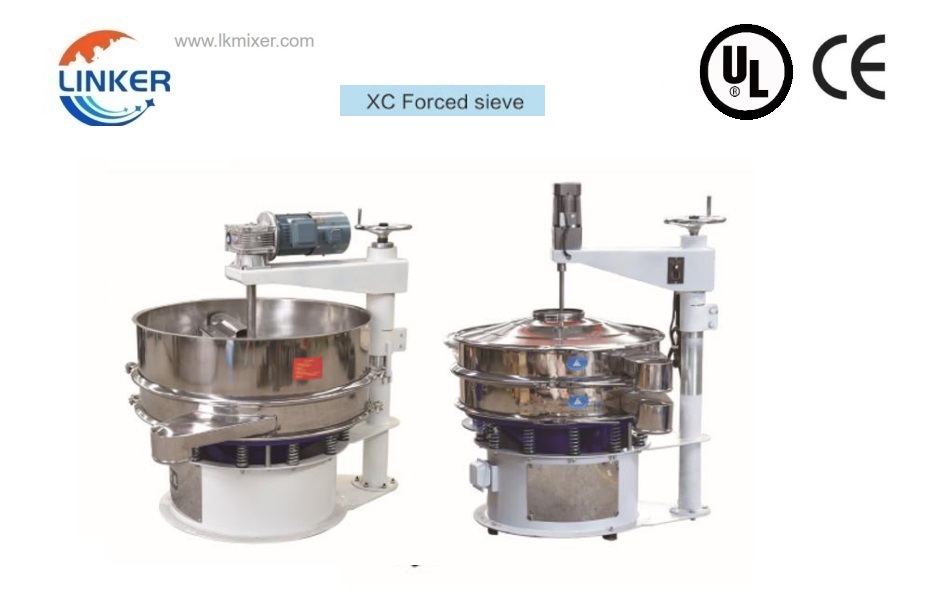
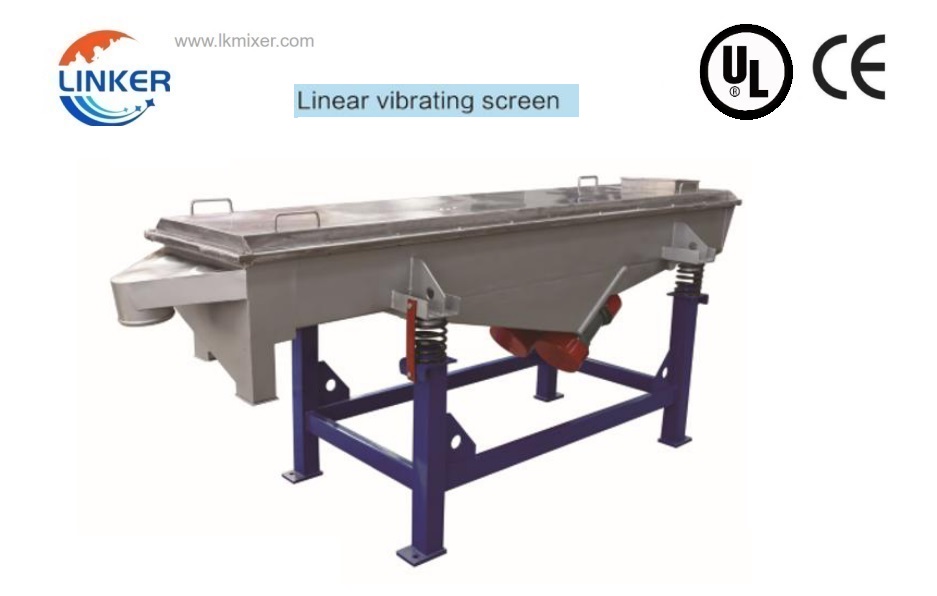
Auxiliary Machines, Dryers for Sale:
How do people control robotic arms?
How do people control robotic arms? The way people control robotic arms has evolved from a single…What is a robotic arm for humans called?
What is a robotic arm for humans called? Robotic arms for human use are given various professional…How advanced are robotic arms?
How advanced are robotic arms? Robotic arms have advanced beyond the scope of traditional “automated tools” and…


FAQ(Click and See More)
Why Choose Us?
We have 20 years manufacturing experiences; 15600 cubic meters factory area; 5000sets annual capacity; 55 professional engineers;
What’s your main maket?
South America: Brazil, Colombia, Peru, Bolivia, Uruguay, Paraguay ;Romania;
USA with UL Certification
Middle East: Saudi, Arabia, Oman, Turkey
Europe: Russia, Australia, Belarus, Ukraine, Poland
Can you support OEM?
– Yes, OEM or ODM. Machine can be customized according to customer detail requirement, including capacity and voltages, motor certifications.
– Drawing and raw materials also can be customized.
What after-sale services?
– 7*24 customer service online;
– 7*24 engineers online services;
– 12 months warranty services.
WHAT kind of MACHINE YOUR COMPANY HAVE?
CAN YOU GIVE ME GUIDE ON OTHER MACHINE ? TO FULL MY PRODUCTION LINE
YES ! Our f have factory build more than 20 years now, we can design and customize whole line, besides of the grinding machine, mixing machine, we can also fully support to provide the washing machine, cutting machine, drying machine, packing machine, filling machine. Though we are not producing these machine, but our brother companies co-work together for over 20 years, we have rich experience in providing you a full effective production line, fully automatically or semi-automatically.
HOW TO VISIT YOUR COMPANY?
Our Factory located in Jiangsu Province, very near to Shanghai, you can fly to Shanghai Pudong Airport, we pick you up and take you by car 2 hours ride, can reach our factory, welcome your visit.
WHAT’S YOUR BEFORE & AFTER SERVICE ?
1) Before your purchasing, we need to know your detail request, such as what kind of material you want to grind and mixing, what final product powder or granule you want to reach. Because different material and powder sizes request of different machine to do. We can provide professional advice and rich experience help to choose machine. Most of the products we have already did before for other customer, trail test or run mass production, so we knows which machine is best in performance of grinding and mixing. This is of very importance in helping you choose the right model. We also wish this can help our customer a lot. Even the material we didn’t do before, we will prepare the same material and to do the trail test and send video to you for your reference.
2) One Year guarantee of machine quality. If the machine have problem within one year, we will send you the spare parts to you for replacement, but this not including the damage caused by human causes. We also have 24 hours on line guide for customer, if you have operation difficulty, we will guide by video and on line communication with our engineer for your emergency debug.
3) For small machine, we sell with whole machine, it’s no need to install, and easy to operation, no problems for operation. While for large machine, its’s also not difficult to install with video guideline, but if you need, we can assign our technicians to go abroad, the round ticket, food and residents will be paid by customer.
HOW ABOUT YOUR PAYMENT TERM?
Our payment term is T/T. 50% payment in advance, rest of 50% payment finish before the goods shipped. When we finish the machine production we will do trail test and run the machine take videos for your green light. You pay the rest of 50% payment then.
Recommend Reading
Are robotic arm kits worth the money?
Are robotic arm kits worth the money? The user’s target placement, technological background, and long-term…Can you get a robot arm?
Can you get a robot arm? You cannot buy a robot arm like ordinary consumer…What is an industrial robot arm called?
What is an industrial robot arm called? In technical standards and engineering practice, an industrial…