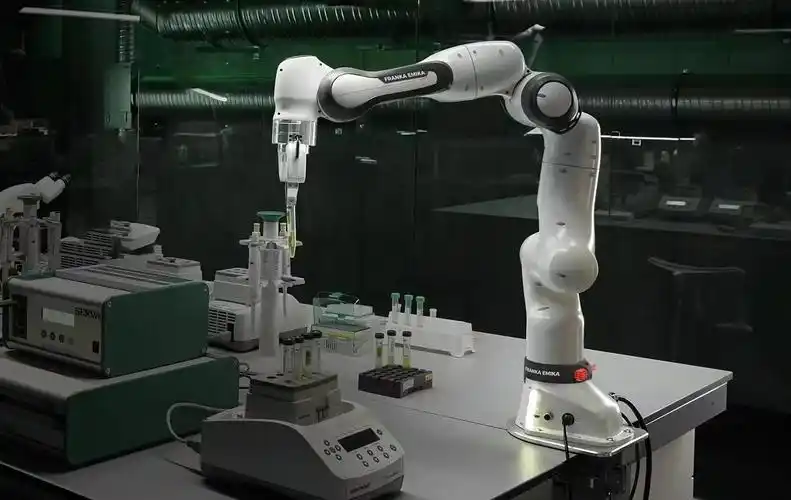
Can robots work 24 hours a day?
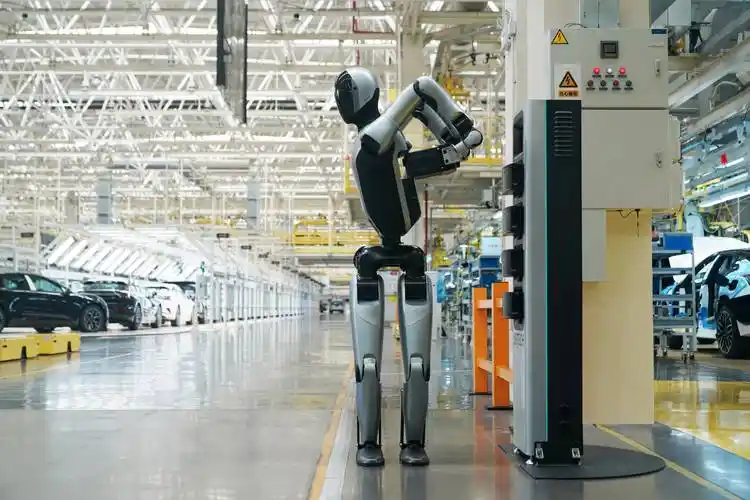
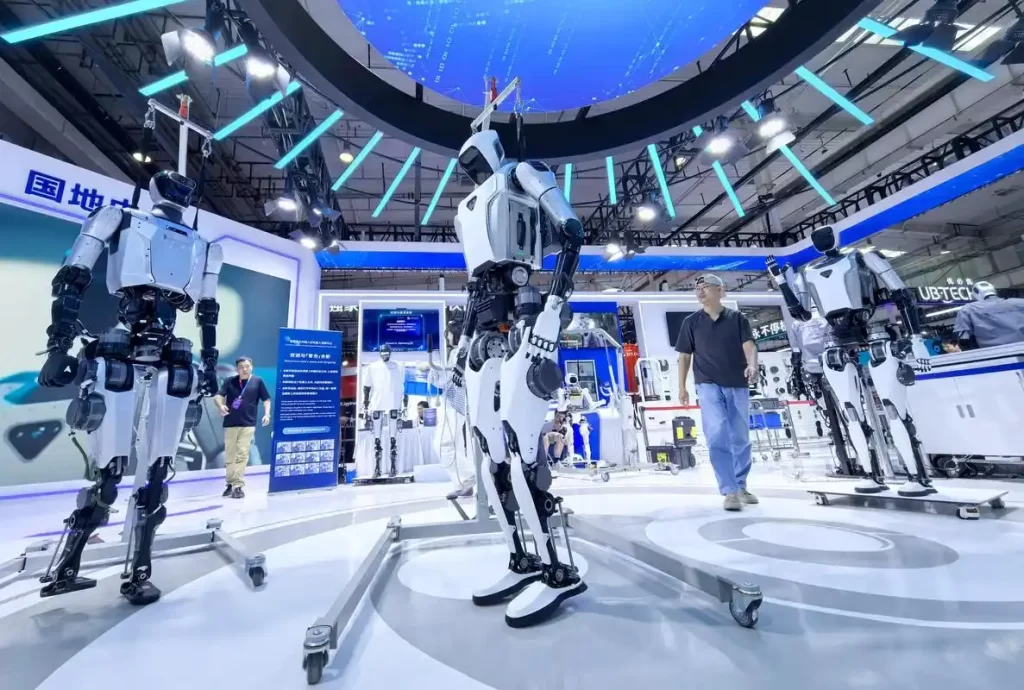
Can robots work 24 hours a day? Yes, robots can work 24 hours a day, and this ability is one of the fundamental technical characteristics that distinguish them from human workers.
It does not come from some mysterious extraordinary performance, but is built on a physical system without biological limitations—no fatigue, no need for sleep, no reliance on circadian rhythms, and no impact from emotional fluctuations or attention decline.
This ability makes robots irreplaceable executive subjects in specific scenarios, but their “uninterrupted” operation is not absolutely unconditional, but limited by the boundaries of engineering implementation.
Robots in Industrial Environments: Continuous Operation Under Controlled Conditions
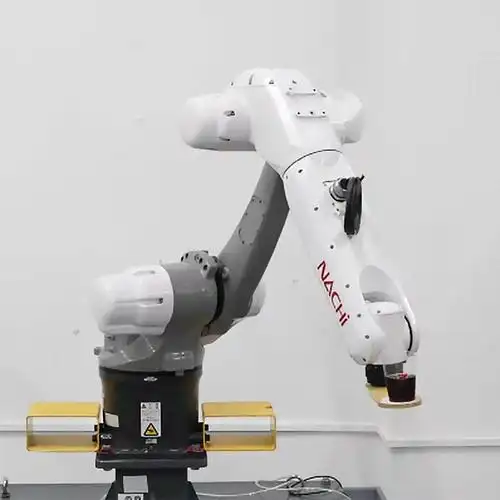
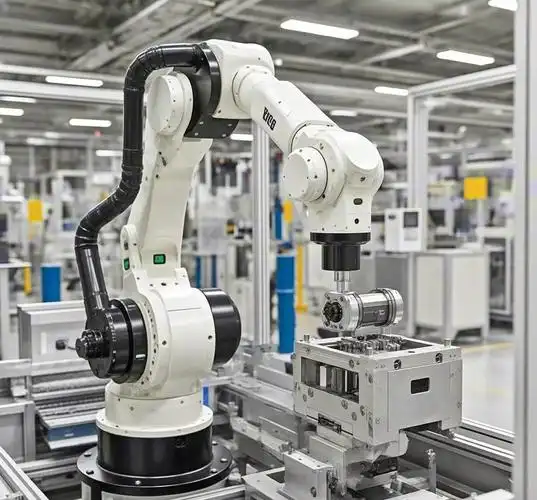
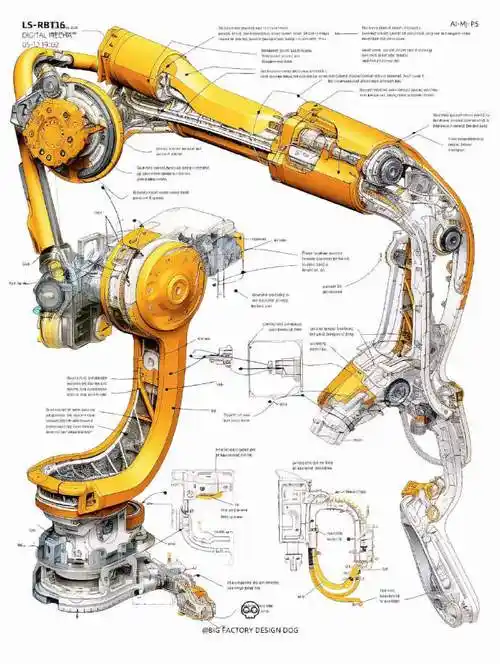
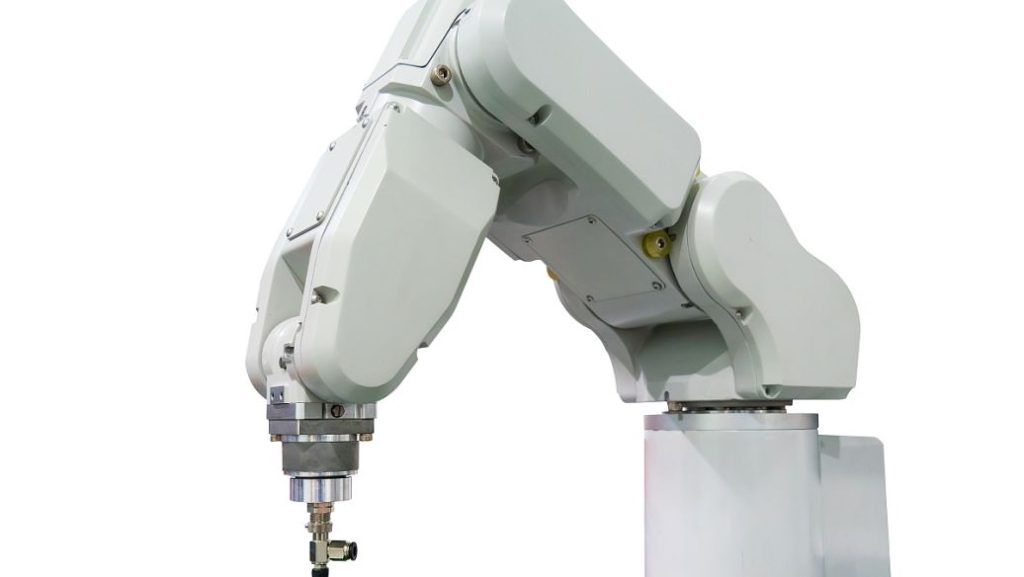
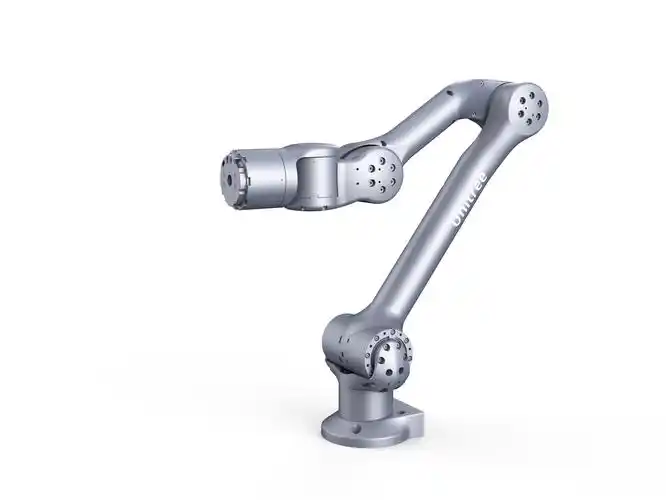
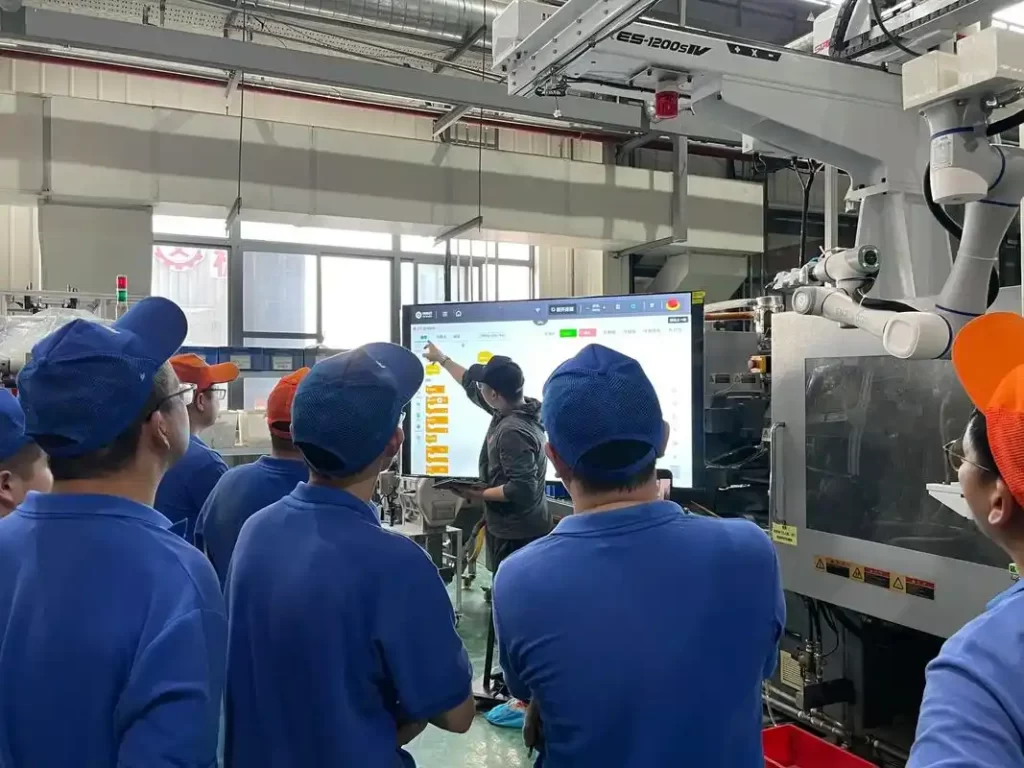
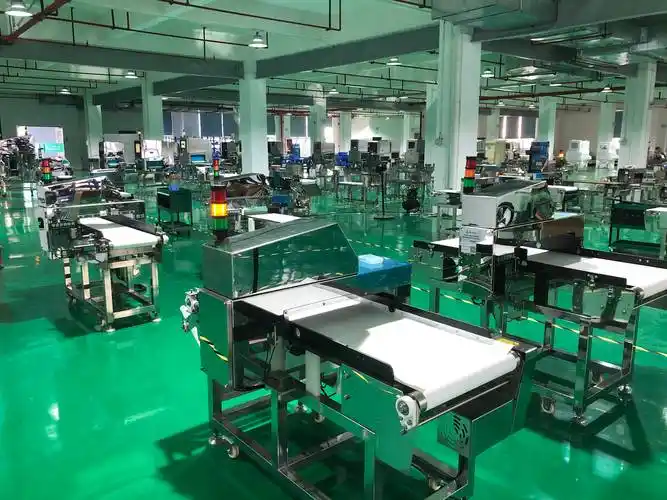
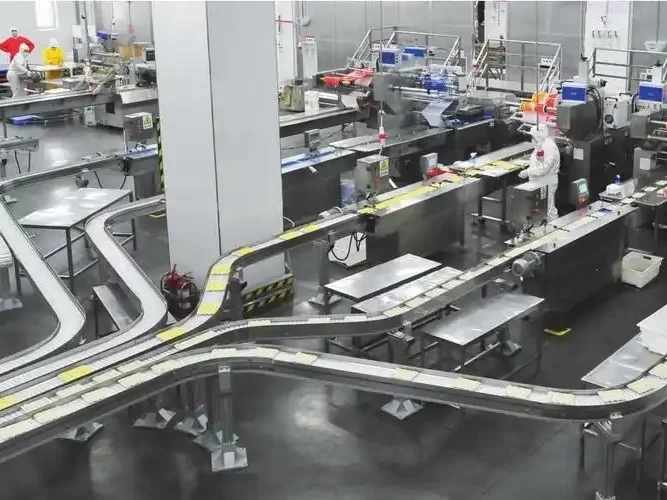
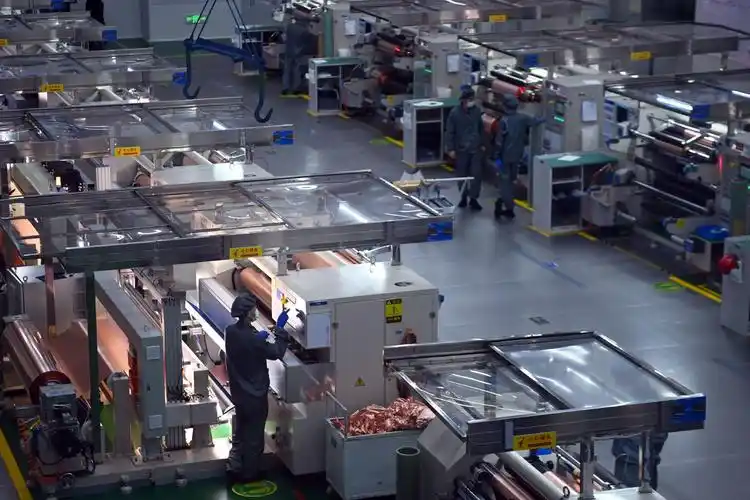
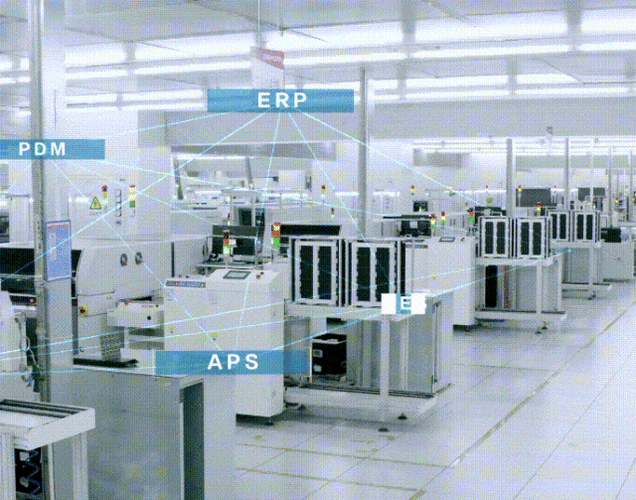
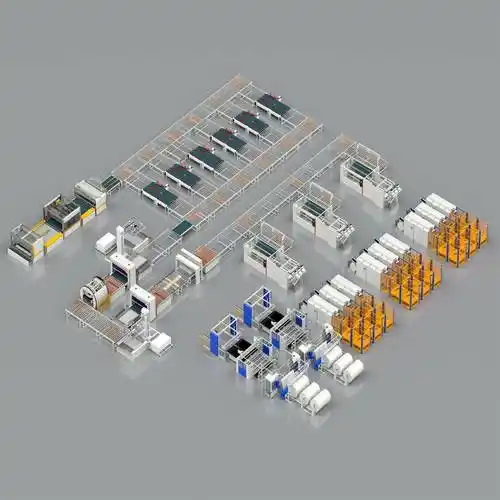
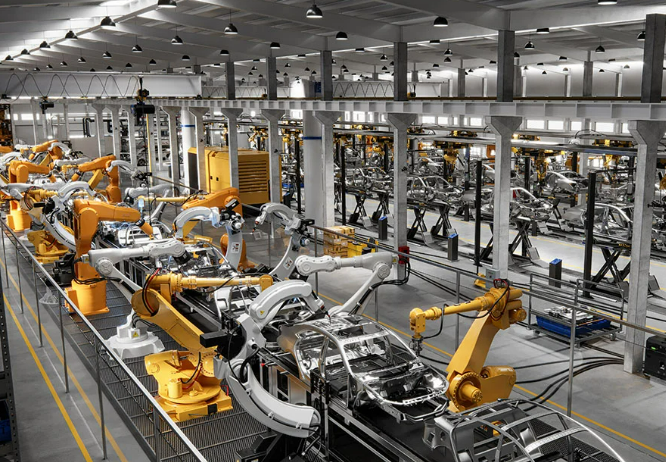
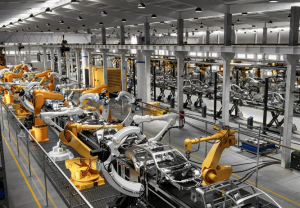
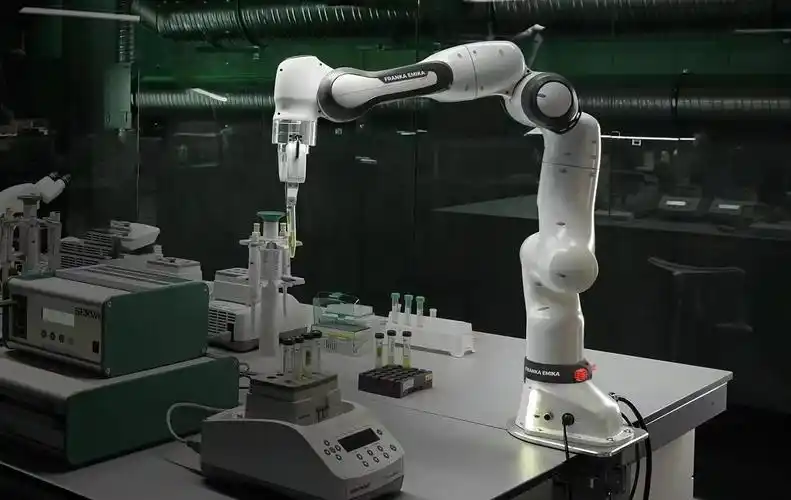
In industrial environments, robots are designed to operate continuously under constant temperature, clean and controllable conditions. Their drive system consists of servo motors, reducers and encoders.
The core components adopt high-durability materials and precision manufacturing processes, which can operate continuously for thousands of hours under rated load. The control system is based on a real-time operating system, with task scheduling, anomaly detection and automatic recovery mechanisms.
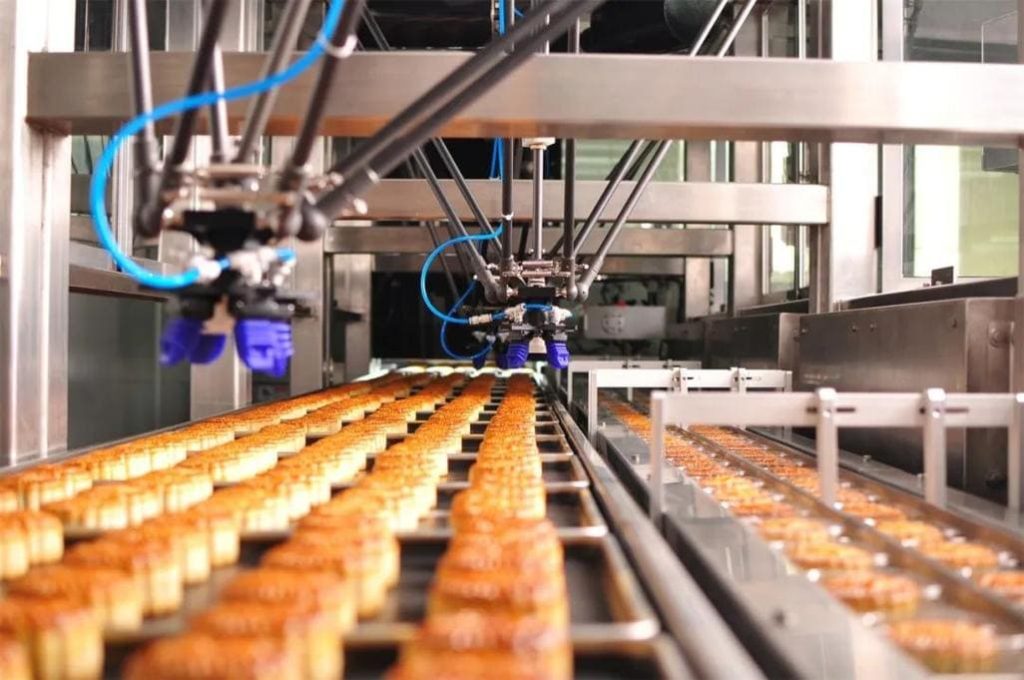
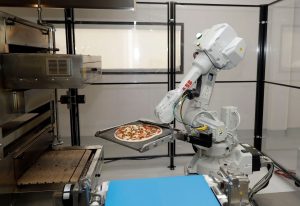
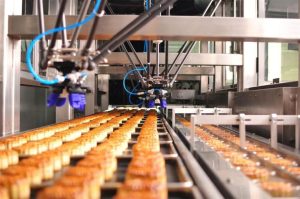
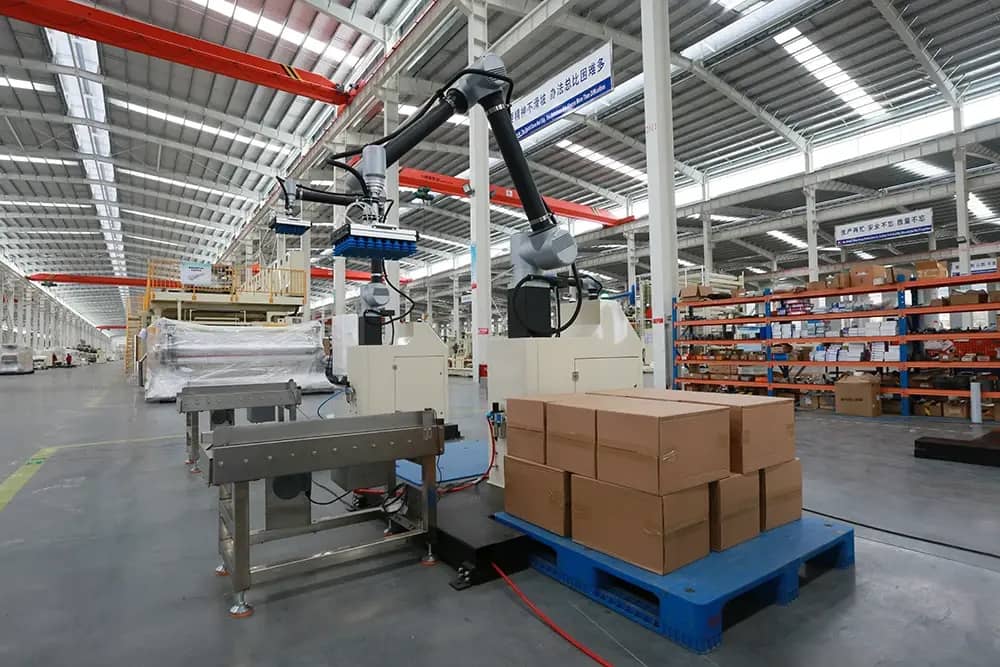
It can complete multi-process cycle operations without human intervention. For example, on the electronic component mounting line, robots can complete dozens of precise positioning and placement per second, with a daily working time of more than 20 hours.
They only stop briefly for material replacement or equipment maintenance. This operation mode significantly improves the stability of the production rhythm and reduces the fluctuation risk caused by human operation.
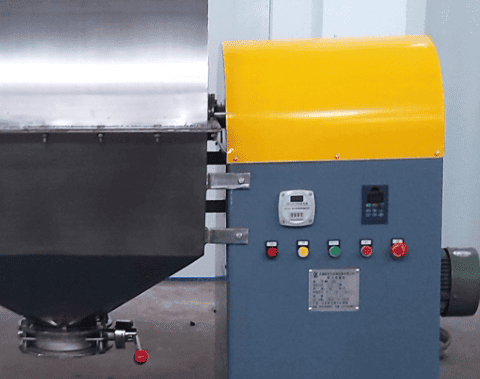
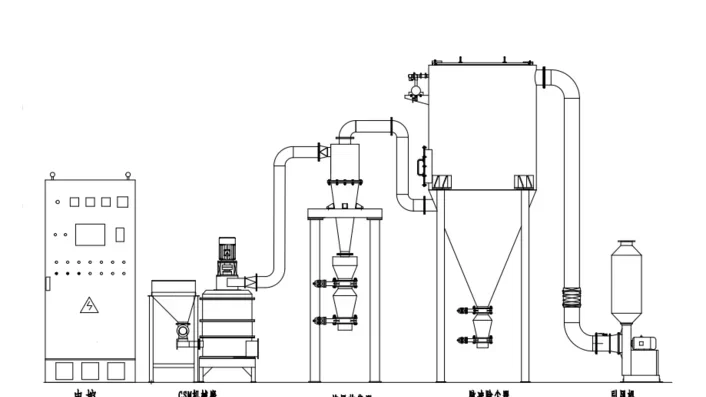
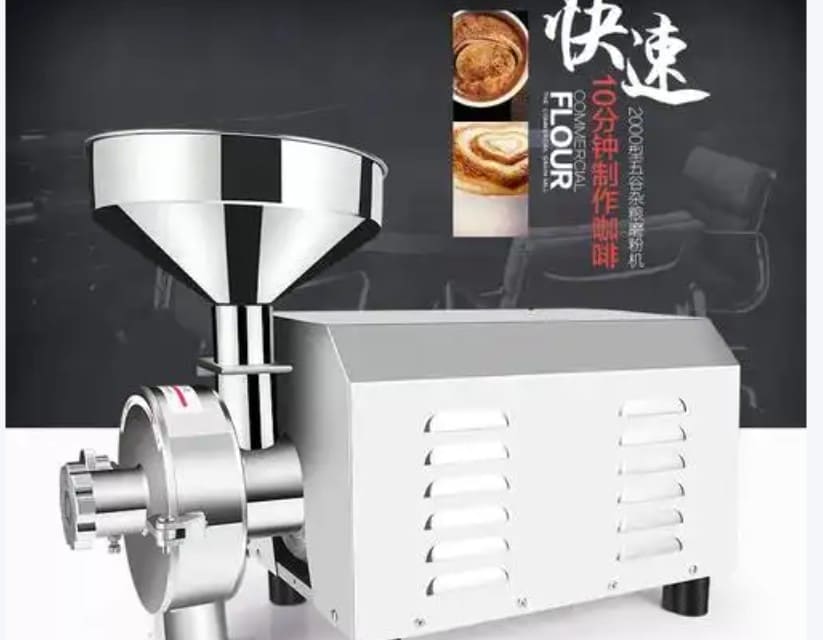
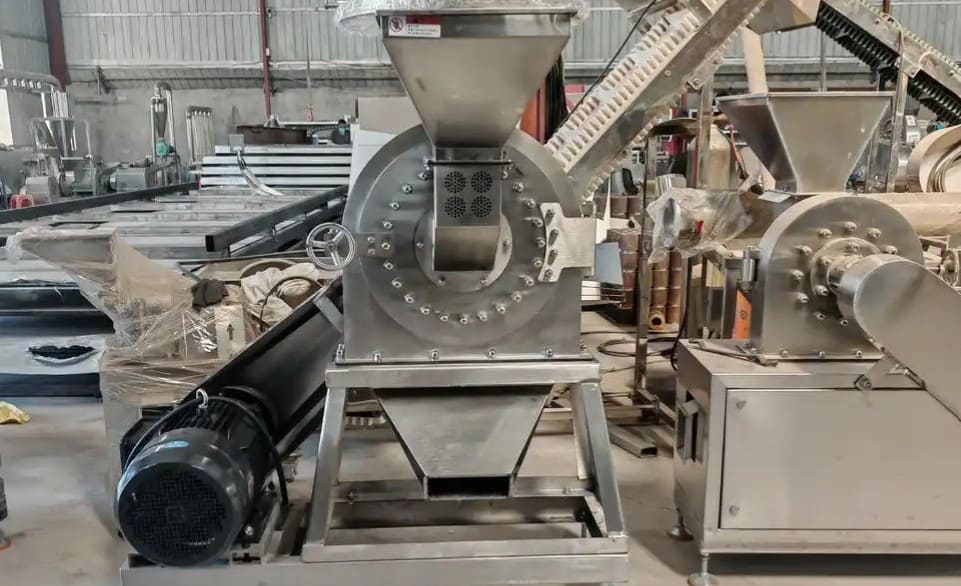
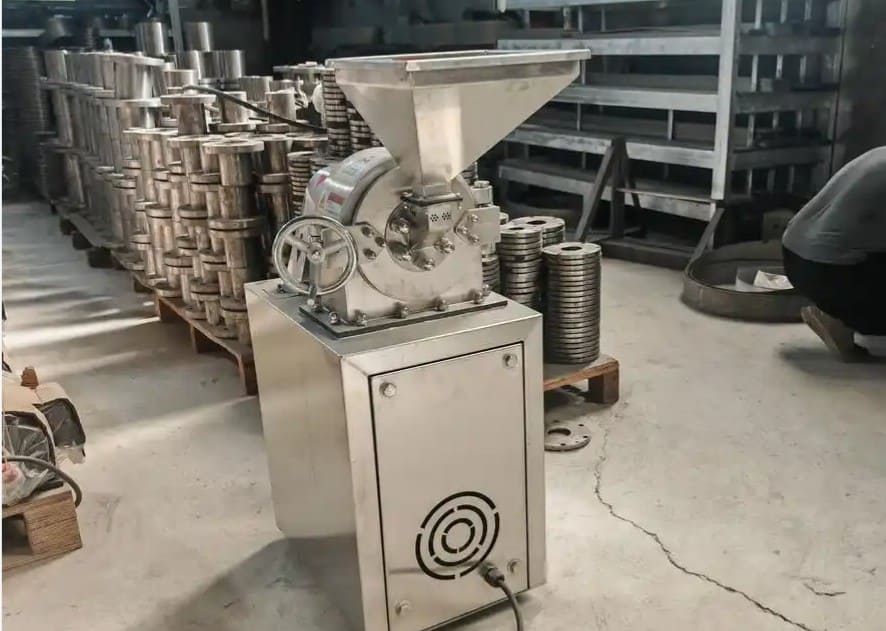
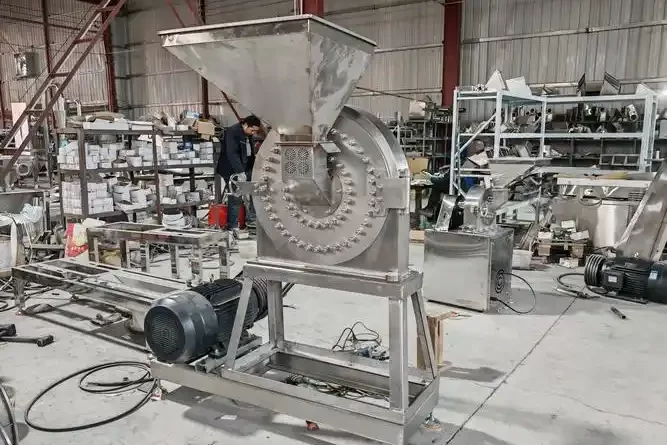
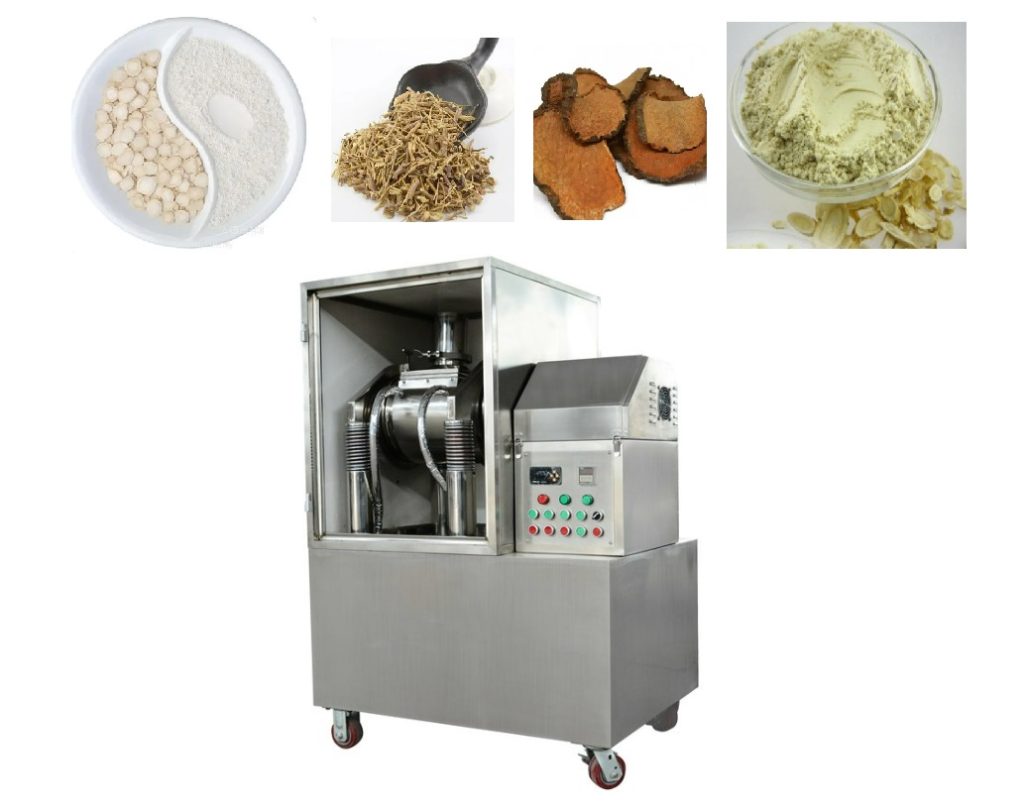
Many industrial robots are specially designed to control processing equipment. They can operate a 500KG Grinder or 200KG grinder continuously for a long time, ensuring stable processing of materials and consistent product quality.
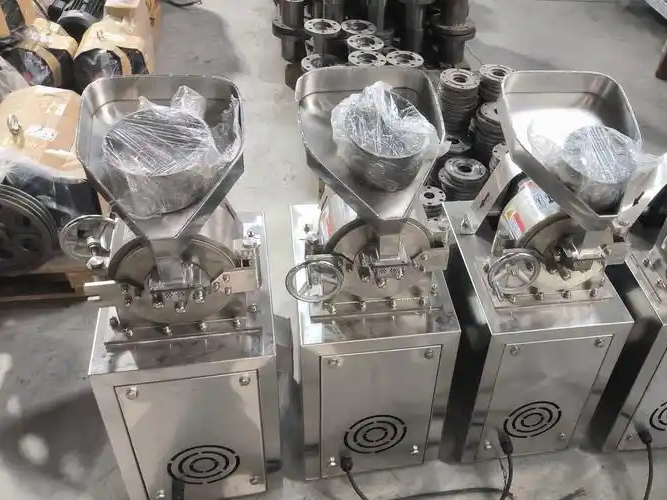
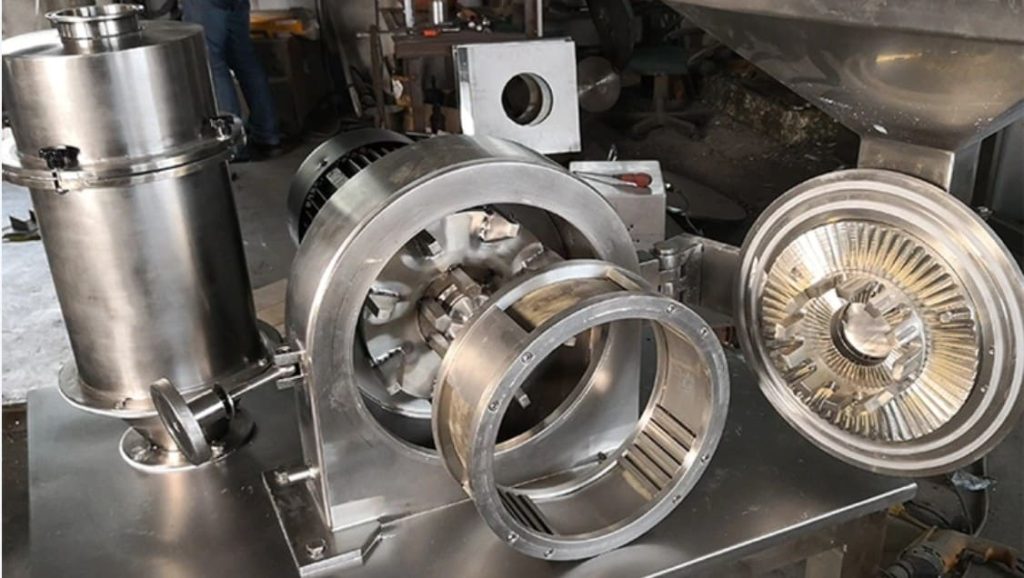
They can also control a CE Certificate grinder or stainless steel herb grinder with high precision, maintaining the same processing standard 24 hours a day, which is difficult for human workers to achieve.
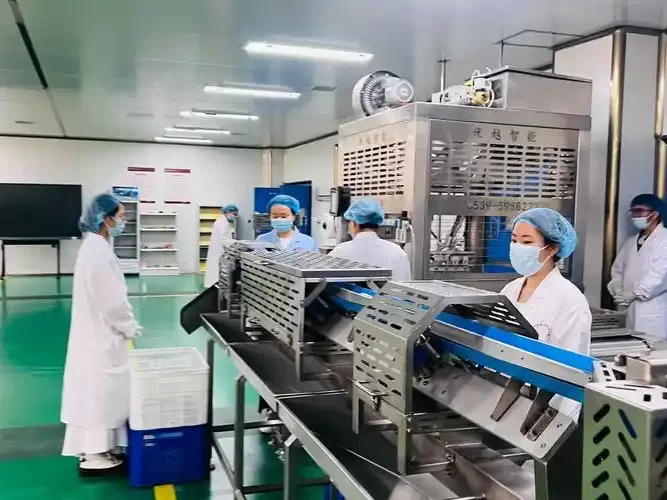
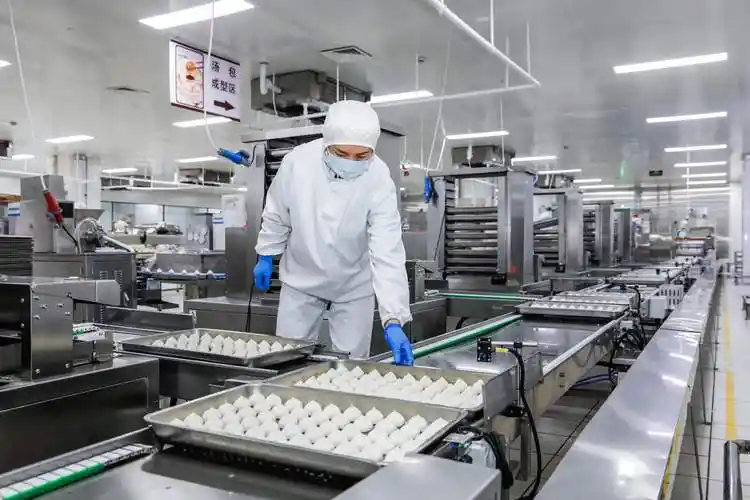
In the food processing workshop, robots assist in operating a black pepper grinder or dry ginger grinding machine, realizing 24-hour automated production and meeting the large demand for food processing.
Robots in Logistics and Warehousing Systems: “Pseudo-Uninterrupted” Operation Through Scheduling
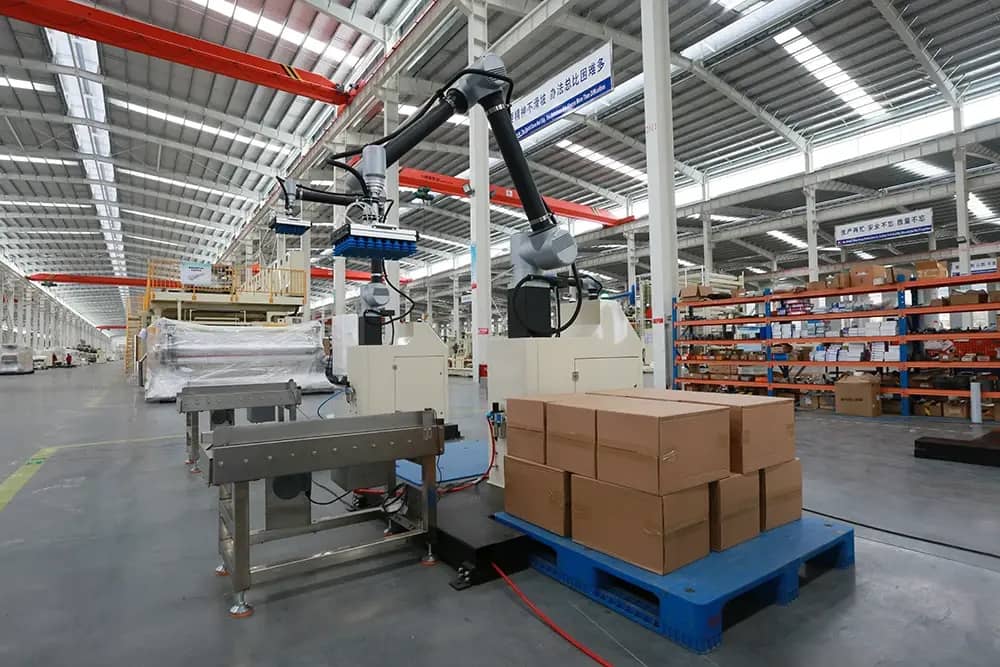
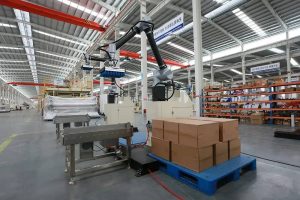
In logistics and warehousing systems, autonomous mobile robots realize path planning through lidar and visual navigation, and can shuttle and transport goods in the warehouse all day long.
Their battery systems support quick replacement or wireless charging, allowing the equipment to automatically drive to the charger when the battery is exhausted, and return to the task sequence immediately after recharging.
Although the running time after a single charge is usually 6 to 10 hours, through multi-machine rotation and intelligent scheduling, the entire system can achieve almost continuous operation flow.
This “pseudo-uninterrupted” mode is essentially a system-level continuous operation achieved through redundant design and resource scheduling. It is similar to how a small grinder machine or Air cooled crusher is arranged in shifts to ensure 24-hour processing.
These warehouse robots can also handle small items such as peanut, seasam, or bean, transporting them between different storage areas efficiently and continuously.
Robots in Extreme Environment Operations: Undertaking Tasks Beyond Human Limits
In extreme environment operations, robots are even more undertaking tasks that humans cannot stay in for a long time. In deep-sea detectors, robotic arms can continuously collect samples under 10,000-meter water pressure.
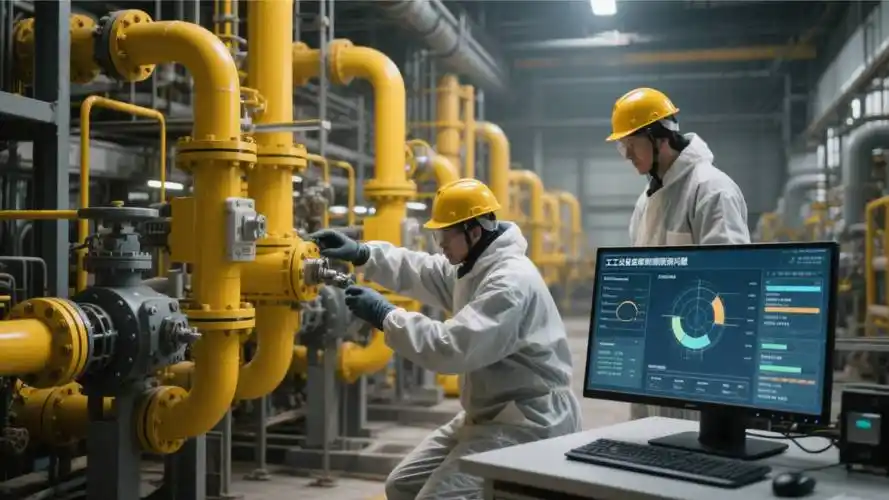
They rely on pressure-resistant casings and thermal insulation materials to maintain the stability of the internal electronic system. In nuclear facility decommissioning projects, remotely operated robots can work continuously for weeks in high-radiation areas to perform disassembly and cleaning.
Their cooling systems and radiation shielding designs ensure the long-term reliability of core components. Although these systems require regular maintenance, their operation cycle is far beyond the human physiological limit.
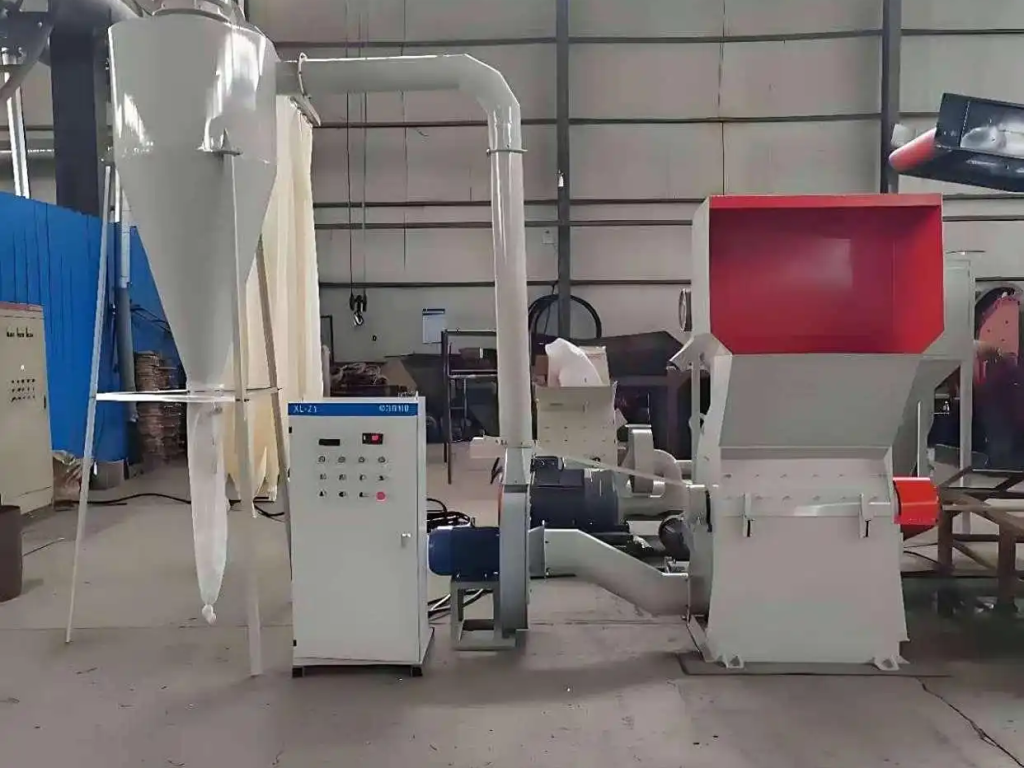
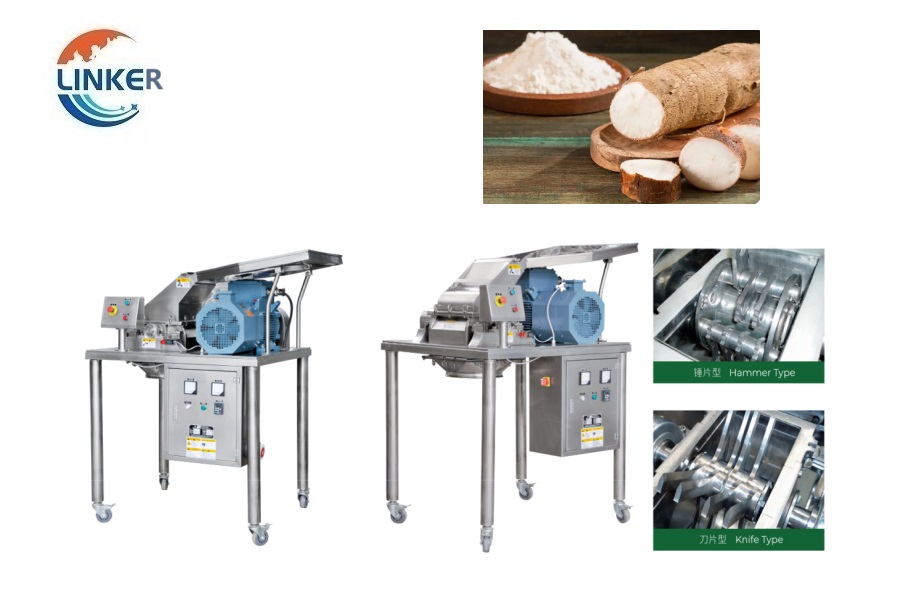
In some harsh industrial environments, robots also operate cassava grinding machine or coarse crusher continuously, avoiding human exposure to harmful substances or harsh working conditions.
They are as reliable as a cryogenic grinding machine or Dry Fruit Powder Grinder Machine in extreme conditions, maintaining stable operation for a long time.
Limitations of “24-Hour Uninterrupted” Operation: Physical Wear and Tear
However, the so-called “24-hour uninterrupted” operation is not endless operation without cost. All robot systems have physical wear and tear: motor bearings gradually wear due to friction, gears produce microcracks due to load, and circuit boards have solder joint fatigue due to thermal cycles.
Even under ideal working conditions, after continuous operation for more than 1,000 hours, the performance of some key components will have measurable attenuation. This is similar to how a Dust Grinder or Hammer Mill will wear out after long-term use.
For example, robots that operate an Ultrafine Grinder or Vacuum Mill continuously will have their precision reduced over time, requiring regular maintenance to restore performance.
This physical wear and tear is an inevitable limitation of all mechanical equipment, including robots.
Limitations from Software Systems and Preventive Maintenance
In addition, software systems are not perfect—problems such as memory leaks, communication interruptions, and sensor drift may accumulate after long-term operation, leading to task failure or system restart.
Therefore, preventive maintenance strategies are generally adopted in actual deployment: regular lubrication, sensor cleaning, firmware updates, and zero calibration.
Although these operations temporarily interrupt the operation, they are necessary links to ensure long-term stability, just like how a universal grinder or airflow pulverizer needs regular maintenance to work continuously.
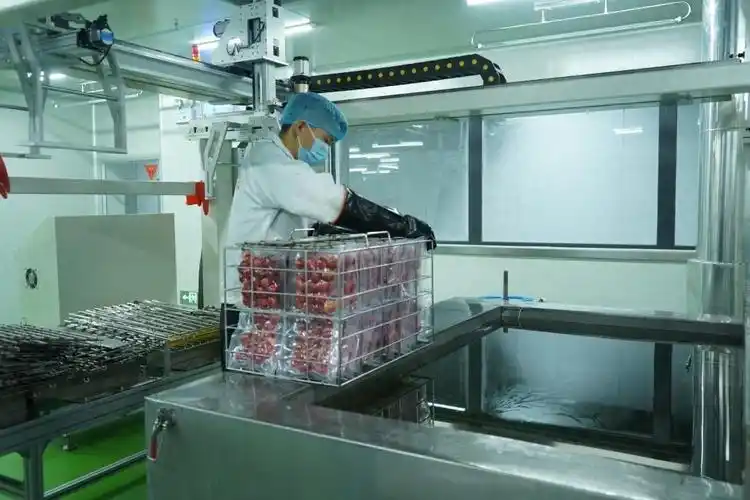
For robots that handle Medicine, chemical, or food materials, regular cleaning and disinfection are also required to ensure product safety, which will also briefly interrupt their 24-hour operation.
Safety Mechanisms: Natural Limitations to Ensure Operation Safety
Safety mechanisms also constitute a natural limitation of operation. To prevent out-of-control or collisions, robots are generally equipped with emergency stop buttons, torque limiters, and redundant environmental perception systems.
Once abnormal vibration, sudden temperature rise, or external interference is detected, the system will automatically enter the protection mode and suspend operation until manual confirmation.
Although this design sacrifices absolute continuity, it ensures the intrinsic safety in the human-machine collaboration environment.
For example, robots that operate a high speed Dry Grinder or Electric Grinder are equipped with safety sensors. If an abnormality is detected, they will stop immediately to avoid accidents.
This safety mechanism is crucial, especially in scenarios where humans and robots work together.
Service Robots: Flexible Continuous Operation Through Task Scheduling
In service robots, such as guide, cleaning, or delivery equipment, their operation mode is more dependent on environmental adaptability. They usually charge, clean sensors, and upload data during non-peak hours.
These “hidden downtime” are cleverly embedded into daily processes, so that users do not perceive the interruption. Their “uninterrupted” operation is flexible continuity achieved through task scheduling and resource management, not perpetual motion in the physical sense.
For example, cleaning robots in shopping malls will charge during the early morning when there are no customers, ensuring that they can work continuously during business hours.
Delivery robots in hospitals can deliver Medicine, water, and other items 24 hours a day by scheduling charging time reasonably.
Application in Special Processing Scenarios
In some special processing scenarios, robots also achieve 24-hour operation through reasonable scheduling. For example, in processing cannabis or chemical materials, robots can work continuously, avoiding direct human contact with harmful substances.
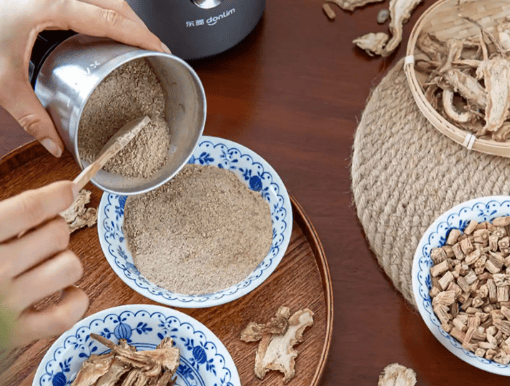
They can also handle meat, wheat, corn, or rice continuously, ensuring the efficiency of food processing. For materials like bone or mushroom, robots can operate a dust collector grinder or Vacuum Mill 24 hours a day, meeting processing needs.
In the processing of tobacco, tea, or coffee, robots maintain stable operation for a long time, ensuring consistent product quality. They can also process spice, salt, or sugar continuously, improving production efficiency.
Conclusion: Robots’ 24-Hour Operation—A Conditional Ability
In summary, robots have the ability to operate 24 hours a day within the scope allowed by engineering, which is essentially a comprehensive embodiment of electric drive, solid-state control, and system redundancy.
But this ability is always limited by material life, thermodynamic limits, and safety logic. It is not a perpetual motion machine in myths, but a continuous operation system with boundaries, rhythms, and maintenance built by human wisdom in the physical world.
Its value does not lie in never resting, but in always being present where humans cannot persist. Just like how tools such as Industrial Weed Grinder or vibrating pulverizer assist humans in production, robots’ 24-hour operation ability brings efficiency and convenience to various fields.
With the continuous advancement of technology, the continuous operation time of robots will be longer, and the maintenance cycle will be longer, making them play a more important role in industrial production, medical care, logistics and other fields.
However, it is important to remember that robots still need maintenance and care, just like any other machine. Their 24-hour operation is a conditional ability, not an unlimited one.
Whether it is operating a turbo grinder, Dust Grinder, or any other equipment, robots’ continuous operation ability is a powerful tool for humans to improve production efficiency and expand work boundaries.
How much does a robotic arm cost?
Can a robot arm be used for surgery?
What is another name for a robotic arm?
Can robots work 24 hours a day?
Recommend Post about Robot:
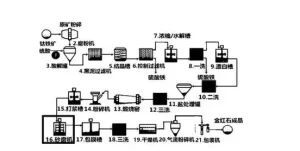
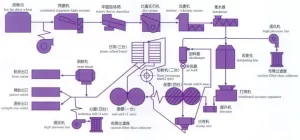
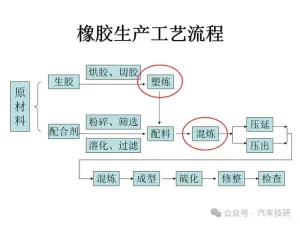
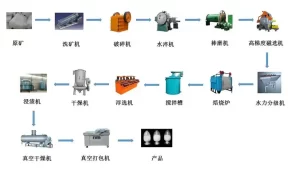
Related Production Line Customization:

Recommend Post about Production Line:

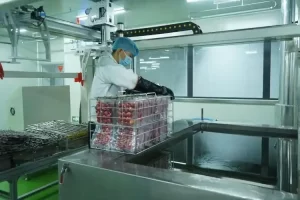
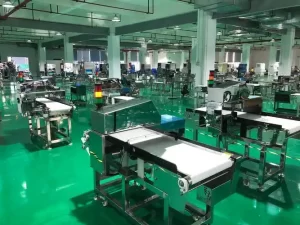
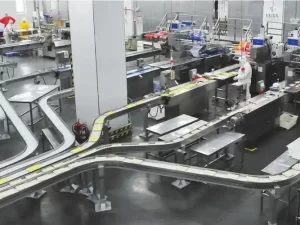
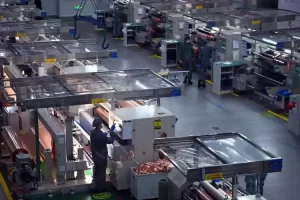

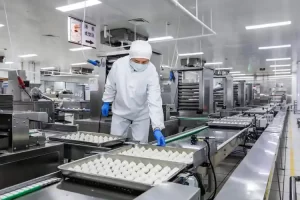
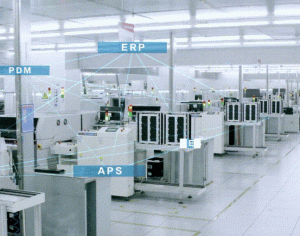
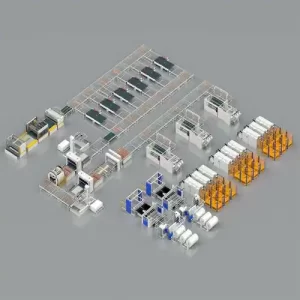
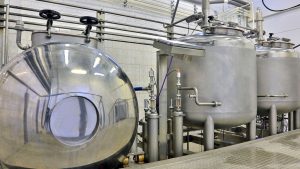
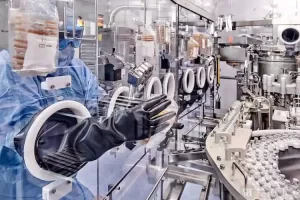
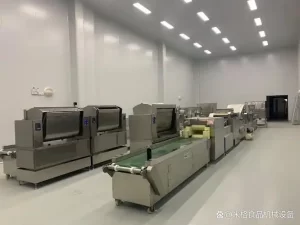

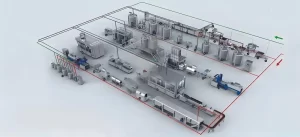
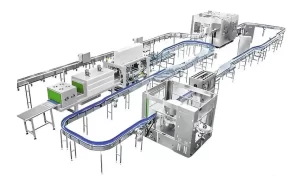
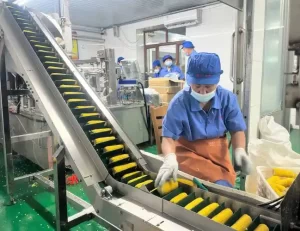
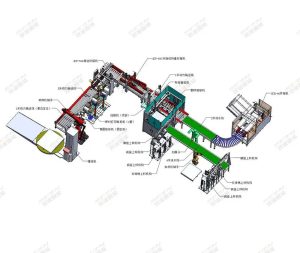
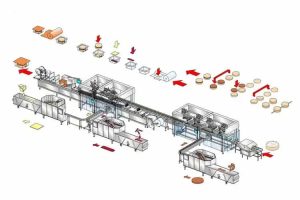
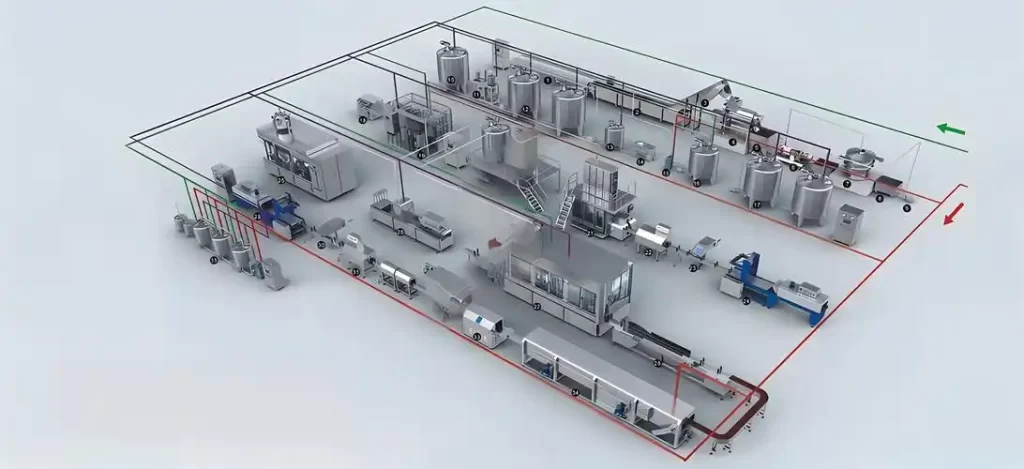
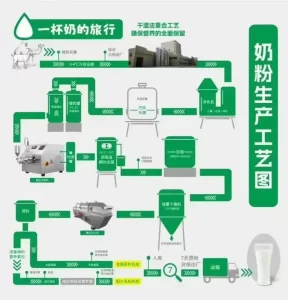
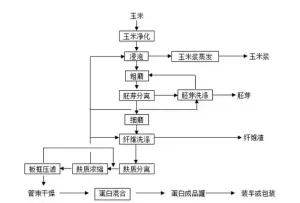
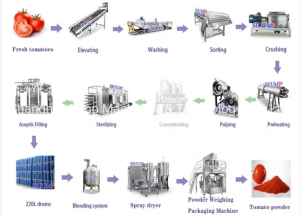
Food Producing Process Flow:
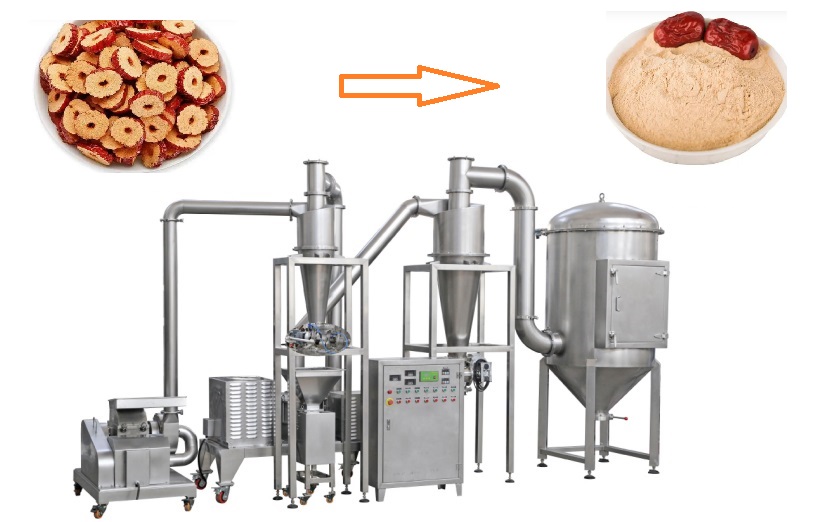
Ultrafine grinding is one of the very key procedure in whole production line. It depends how many mesh that customer need to produce. That’s to say this machine can decide what kind of material will get finally before mxing.
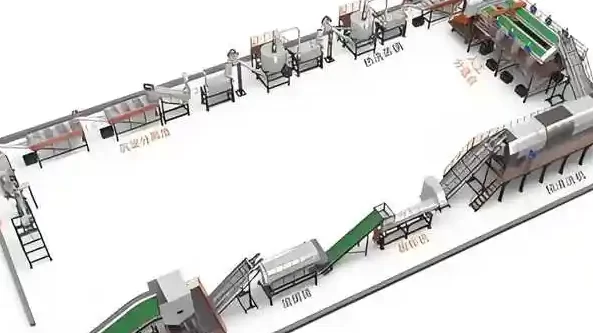
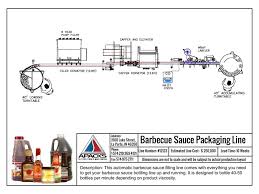
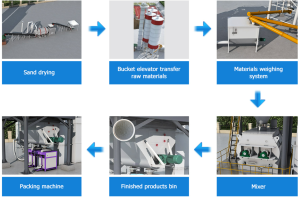
Coarse Crusher Machine —>Grinding Machine —> Vibrating Table Sifter Machine—>Mixing Machine—>Packing Machine —> (Printed Packaging Film Roll or bags ) —> Filling, sealing machine, capping and Labeling Machine —>Pack into Box.

About LKMixer
LKMixer is a professional manufacturer for fertilizer production line, grinder, mixer and granulator, shredder. These machines are widely used in food, pharmaceutical, cosmetic, health care products and chemical industries. The Food materials like Peanut, mushroom, seeds, potato, bean, tobacco, salt, cannabis, tea, Sugar, corn, Coffee, rice, pepper, grain as so on. Grinders have many types such as Pulse Dust Grinder which suitable for zero pollution environment, Turbine Mill which is suitable for coffee bean, 12-120mesh all can meet, Ultrafine Grinding Mill covers 80-200mesh, and also Winnowing Dust Grinder or other grinding machines like SF Hammer. Welcome to contact us for details. Contact us for more information. Proposal, catalog, quotation. Mobile/WhatsApp: +86 18019763531 Tel: +86 21 66037855 Email: sales@lkmixer.com
Contact Us
Tel: +86 66037855
Email:sales@lkmixer.com
Working Time: Monday ~Frinday 9:00AM~17:00PM
Please call us Whatsapp, or mail to us.
Grinder for Sale:
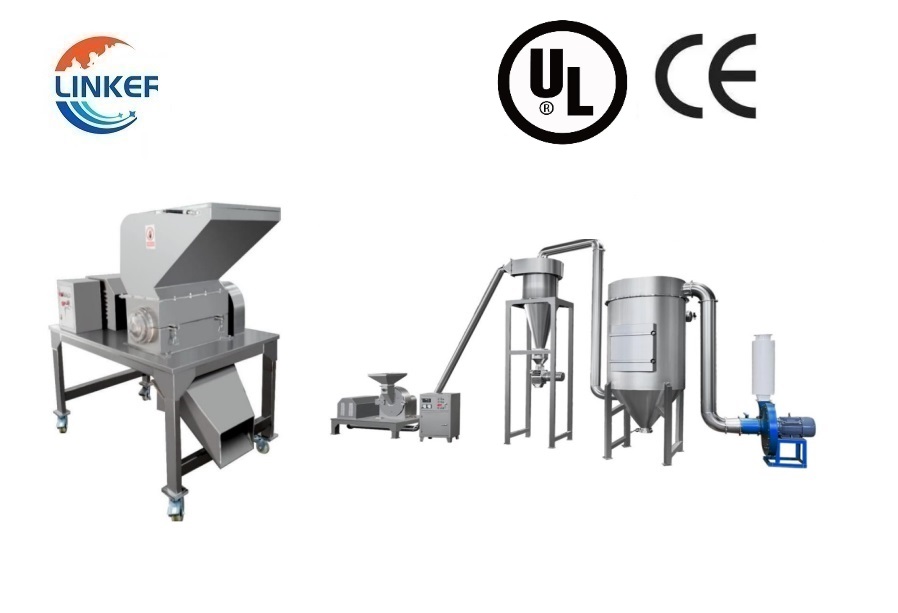
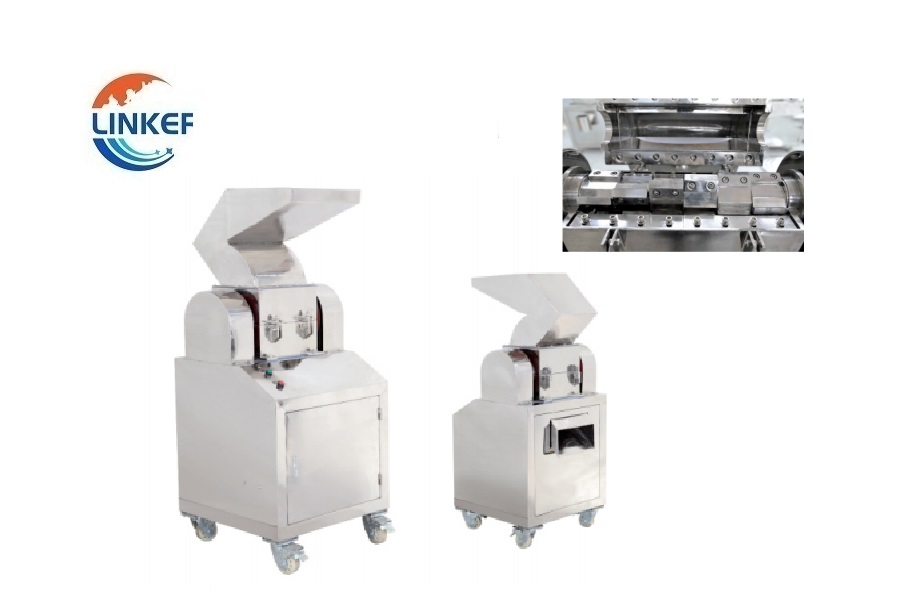
Rubber Powder Grinding Machine
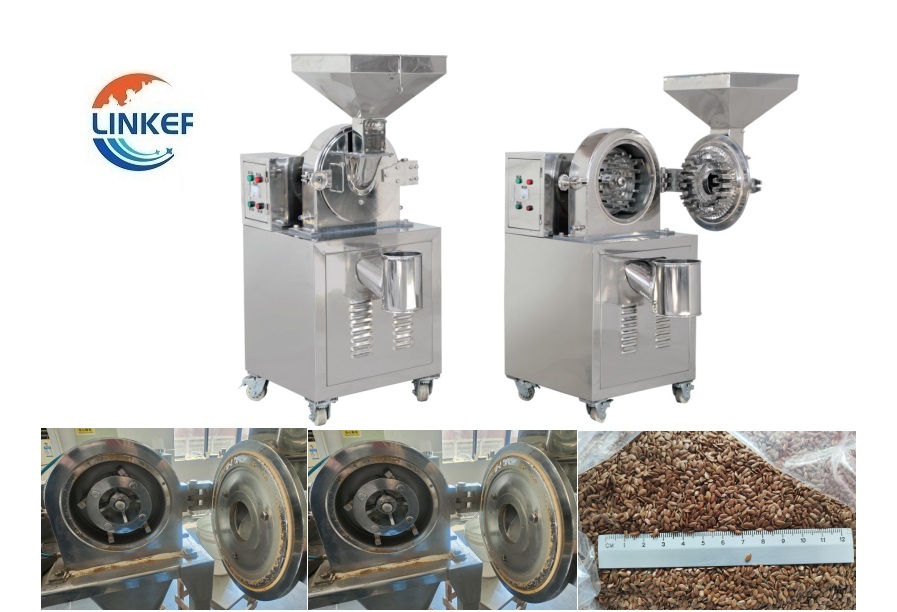
Rubber Powder Grinding Machine Industrial Cumin Seeds Grinder Youtube Video Customization Seeds Grinder According to your…
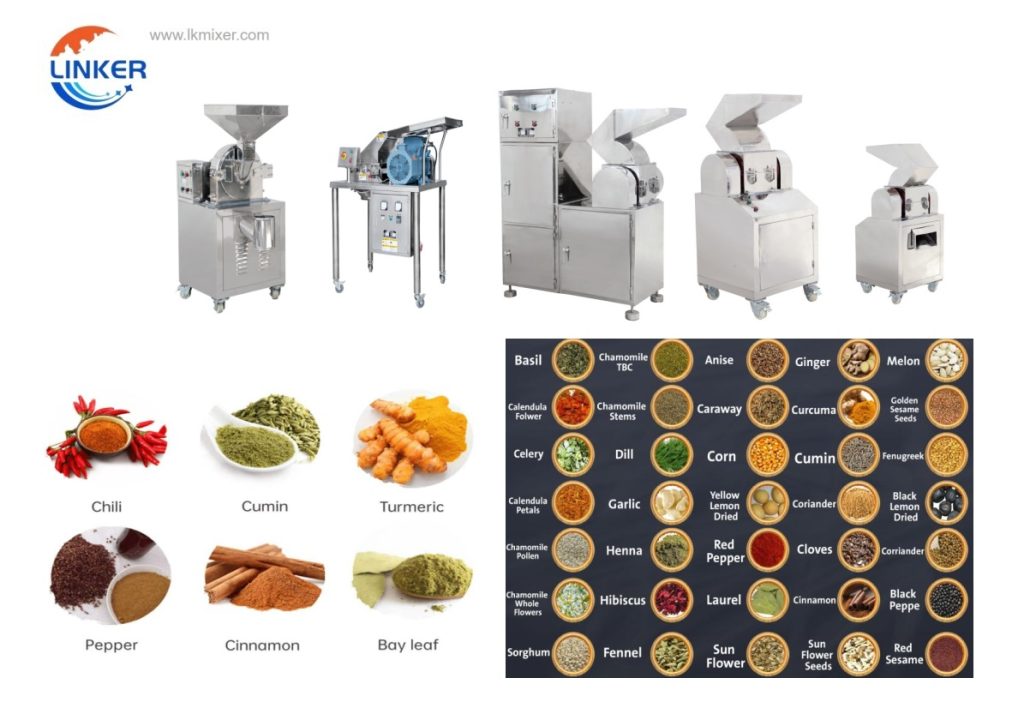
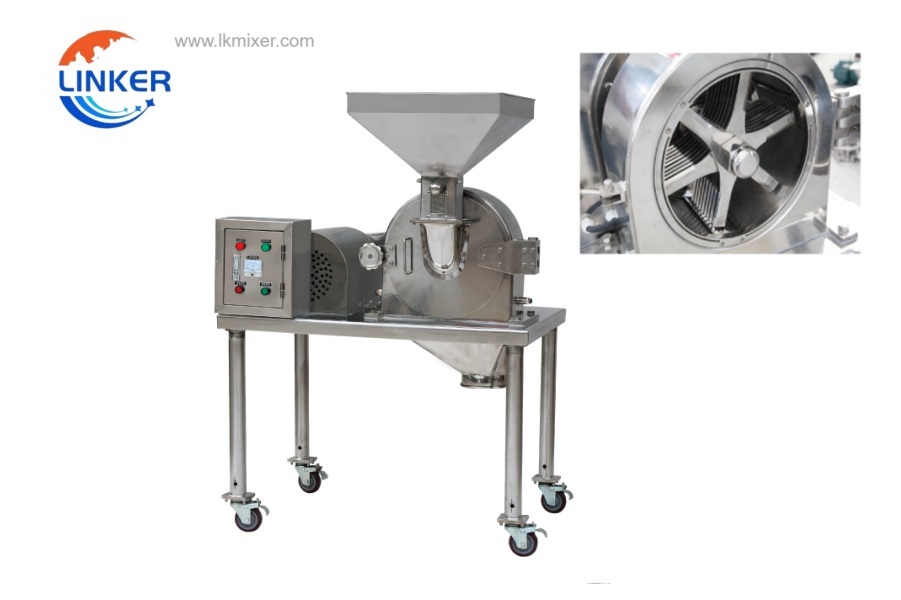
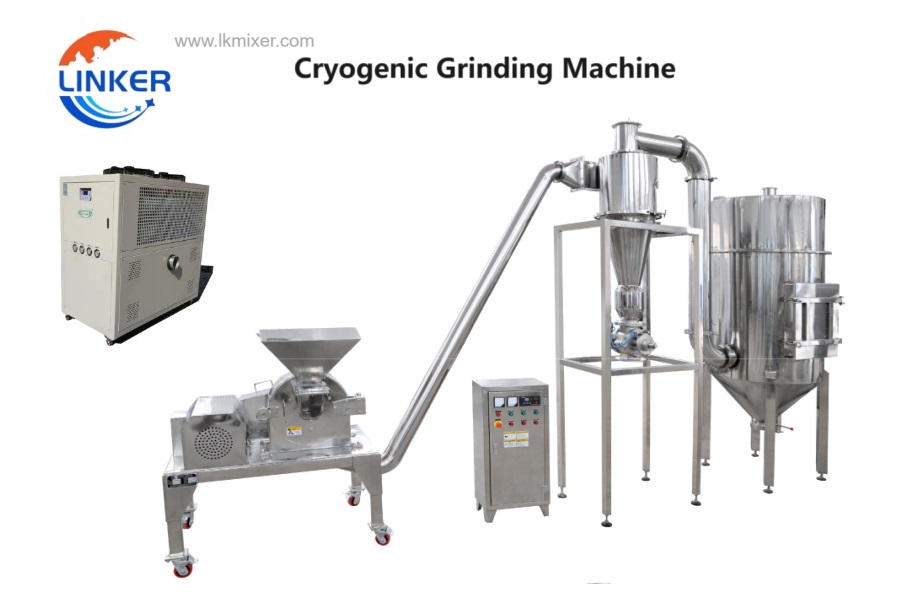
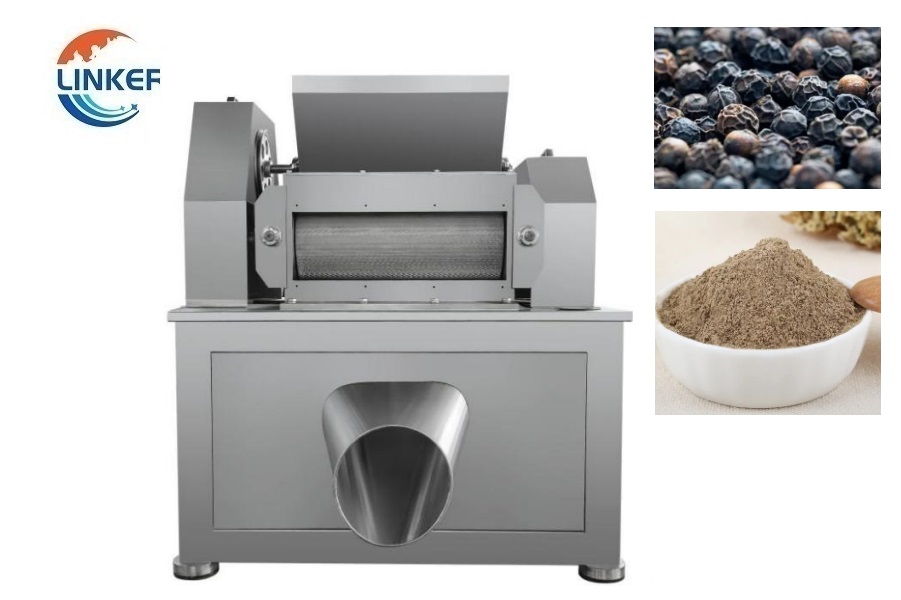
Blenders for Sale:
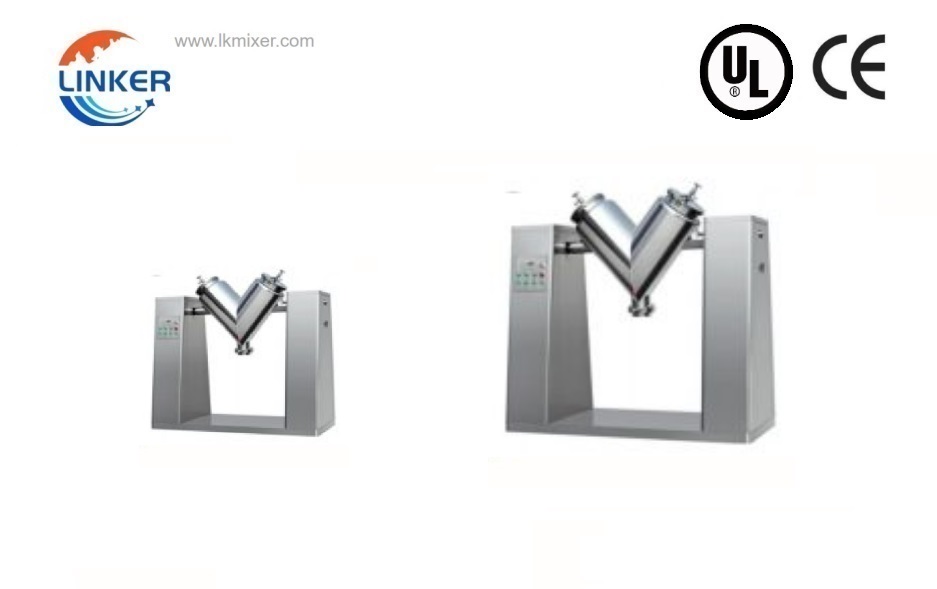
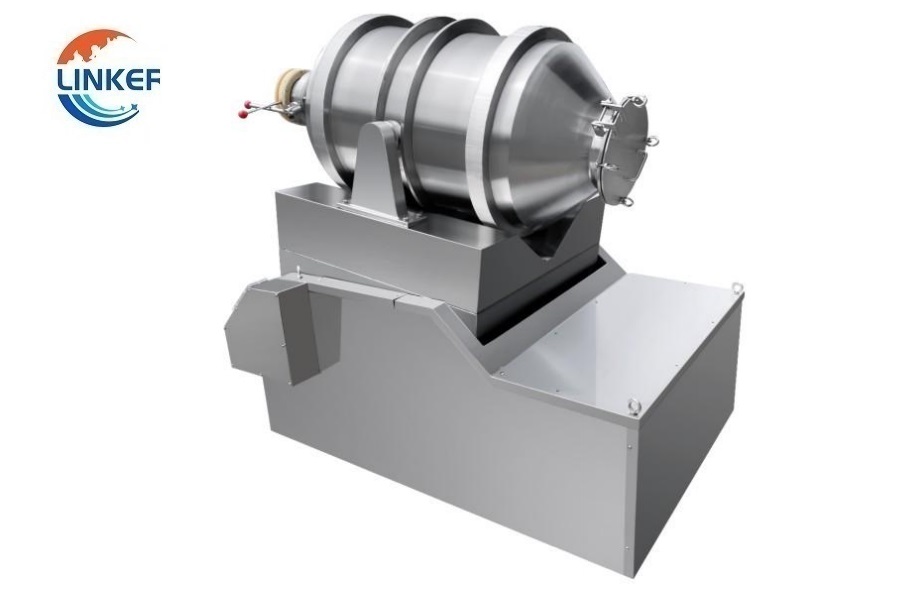
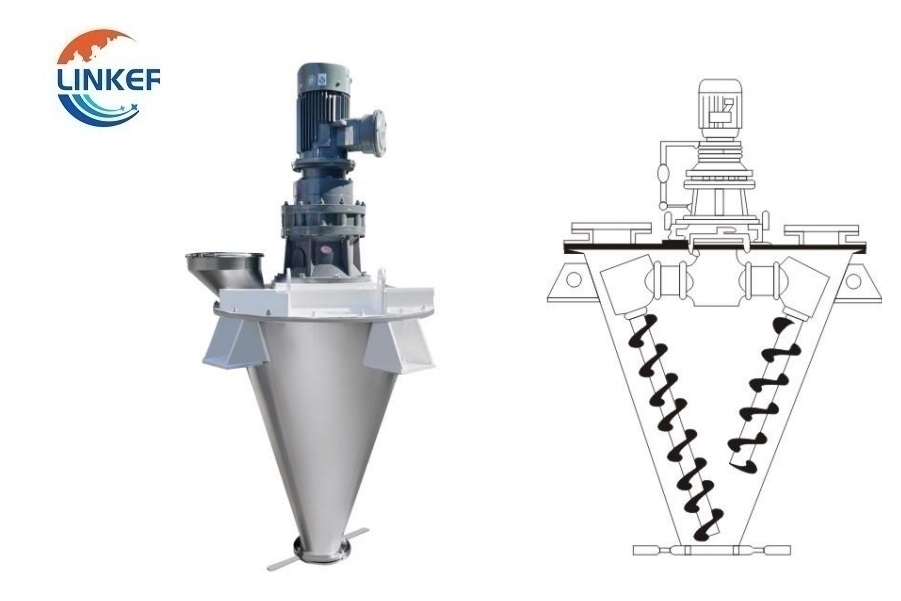
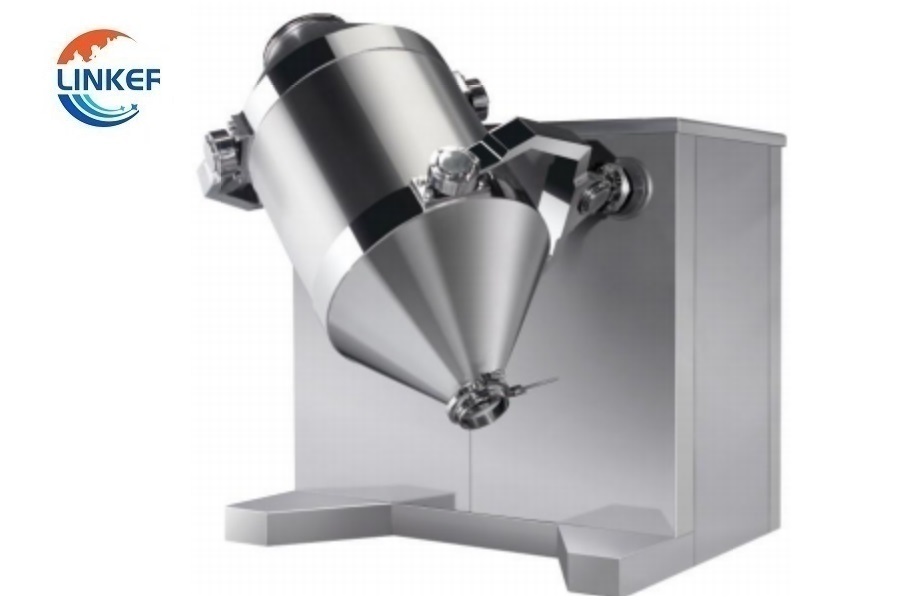
Small Blender 2L 5L 10L 15L 20L
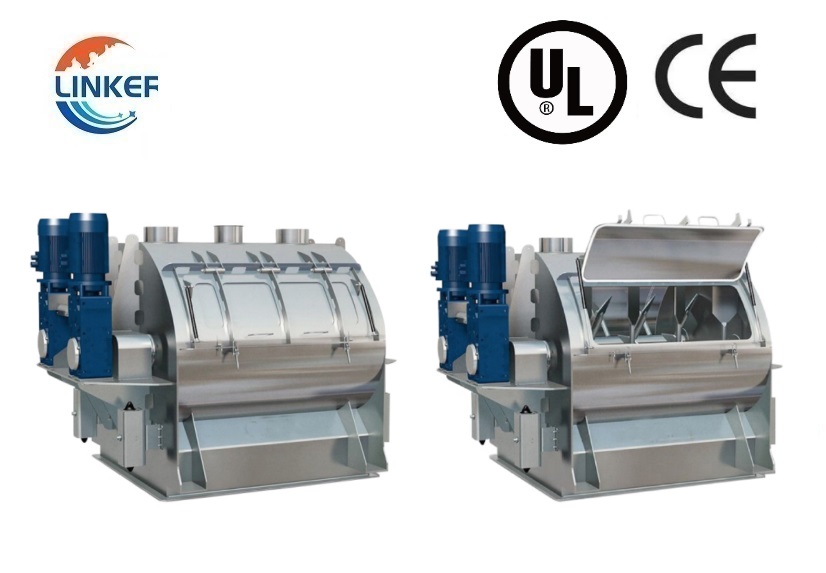
You may also interest in: Small Blender for Sale: LKMixer we have many different model of Small…Solid-Liquid Blender
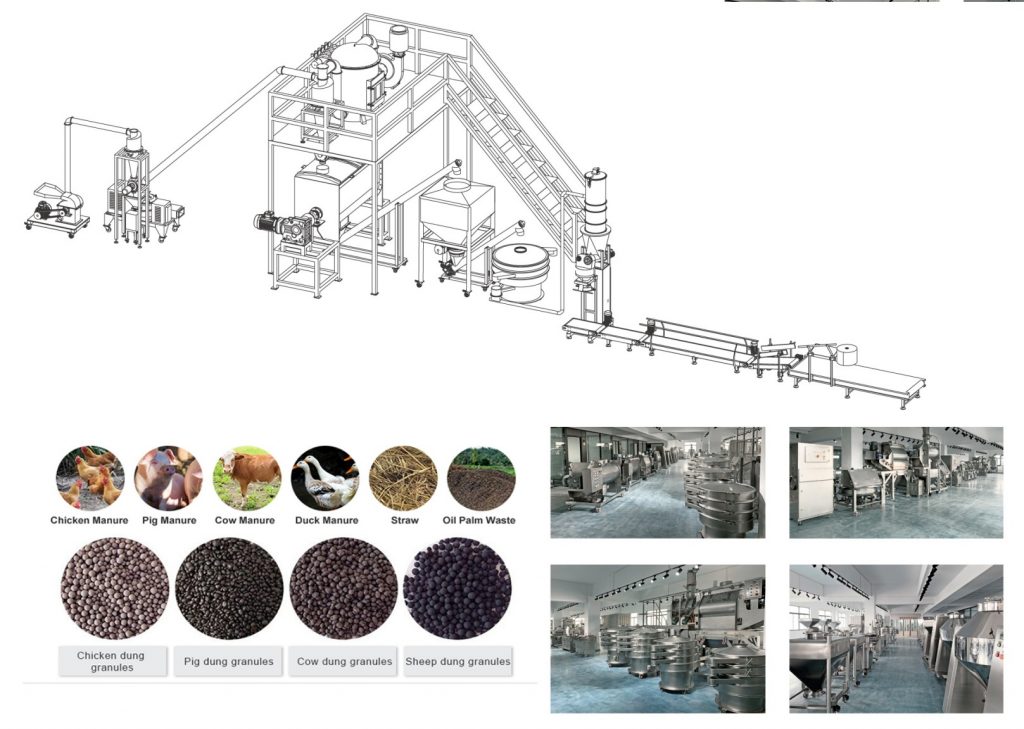
Solid-Liquid Blender for Sale: Solid-Liquid Blender also called Double Shafts Paddle Mixer, it is paddle type and…Fertilizer Production Line
What is fertilizer production line? Fertilizer production line is a whole set of equipment which used to…
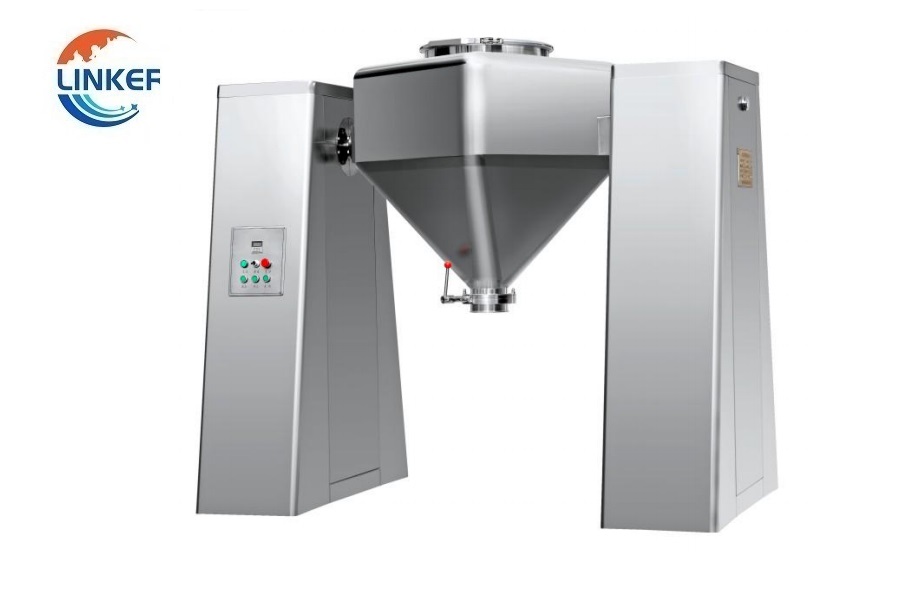
Granulator for Sale:
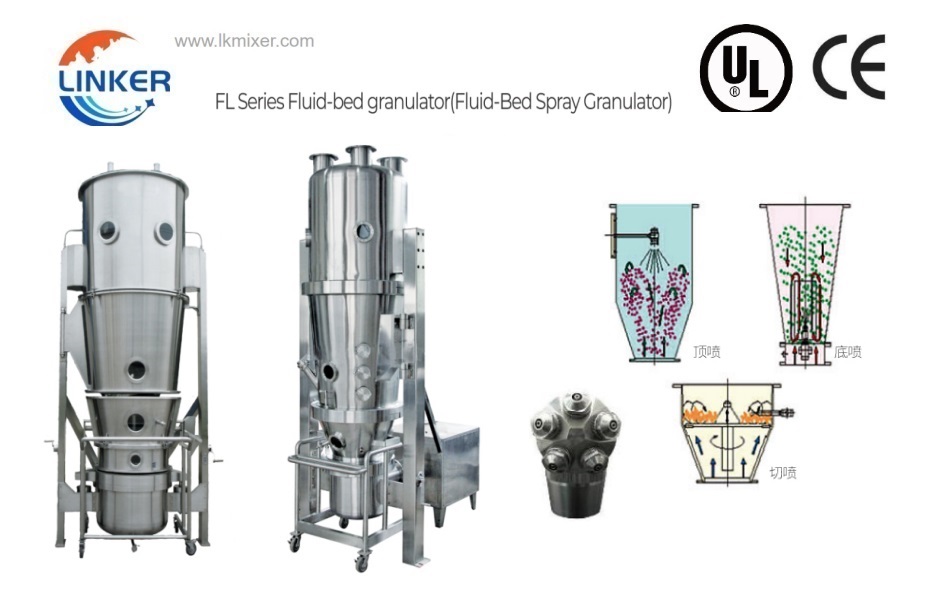
Fluid Bed Granulator
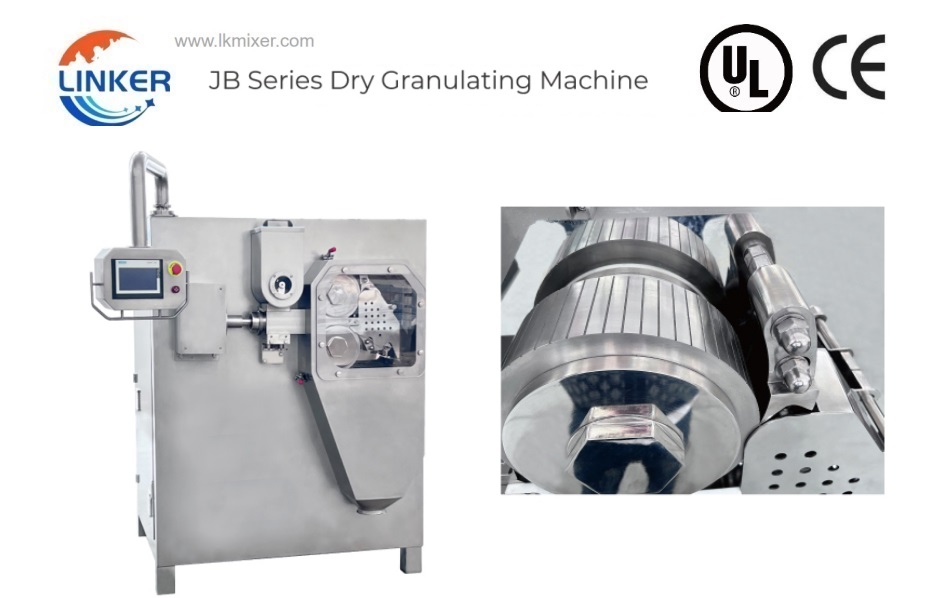
What is a Fluid Bed Granulator? Fluid Bed Granulator is a machine mainly used for pharmaceutical granulation…Dry Granulating Machine
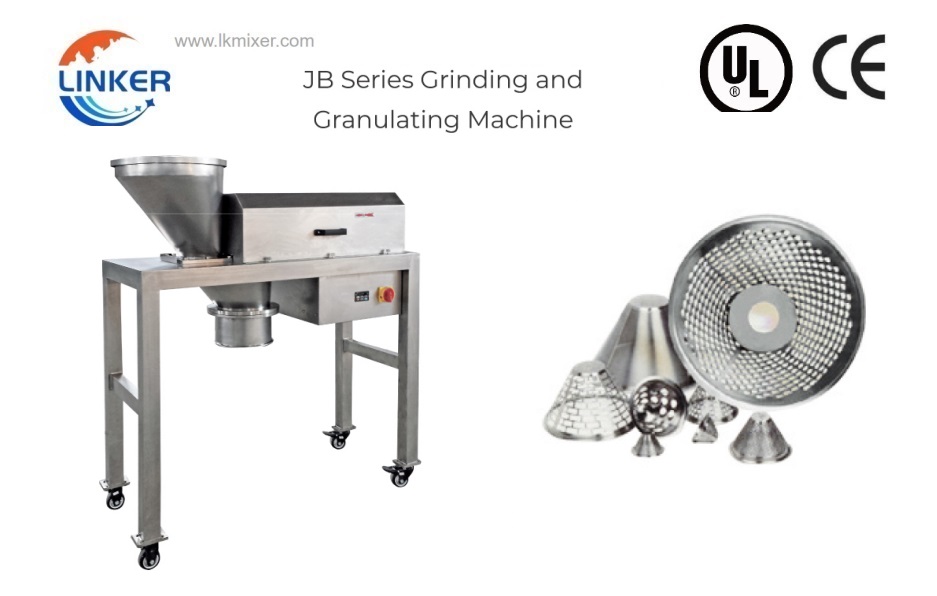
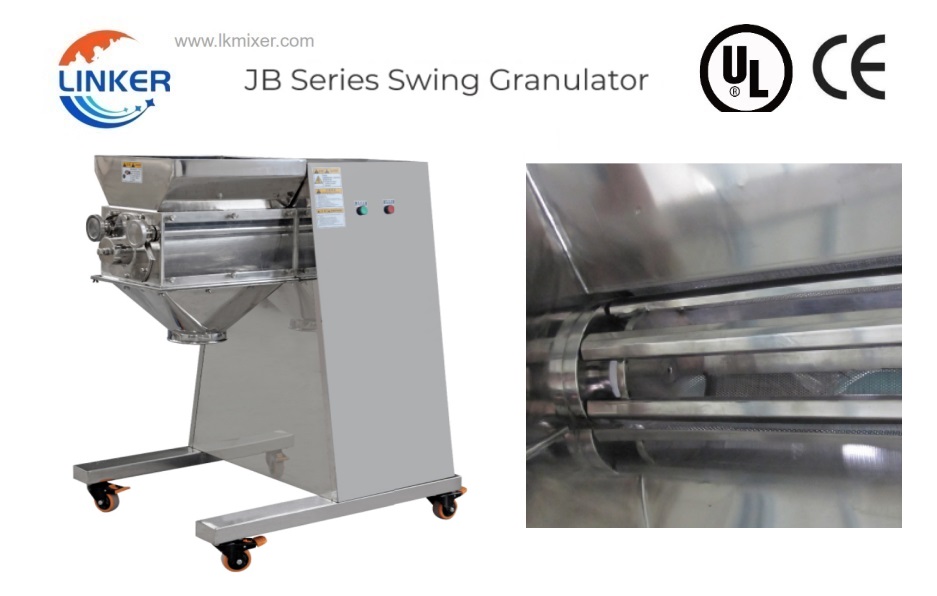
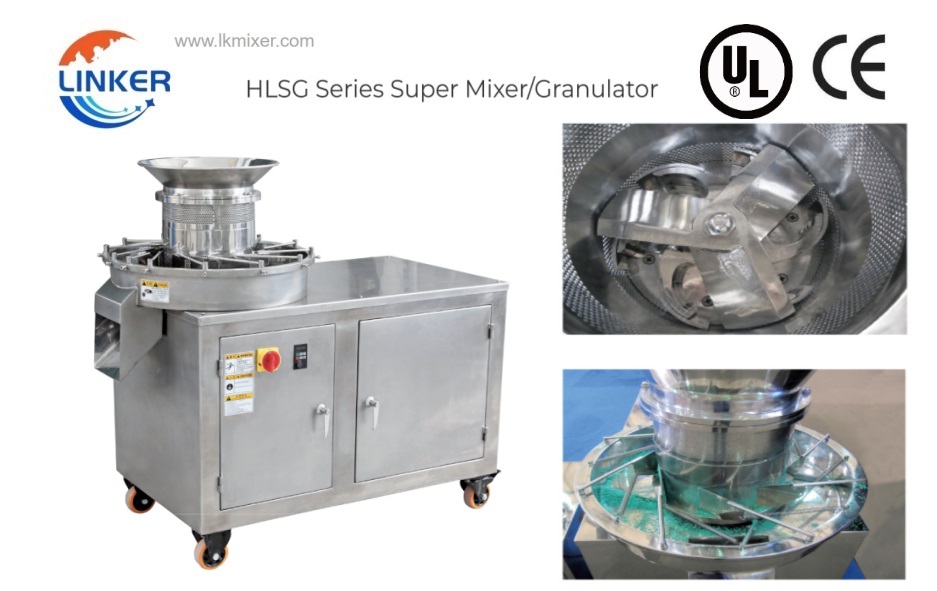
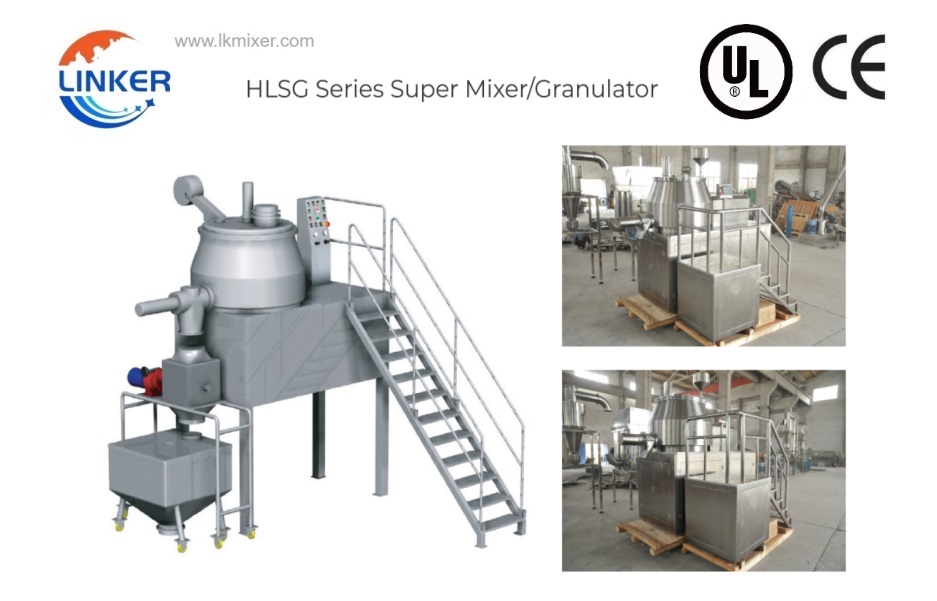
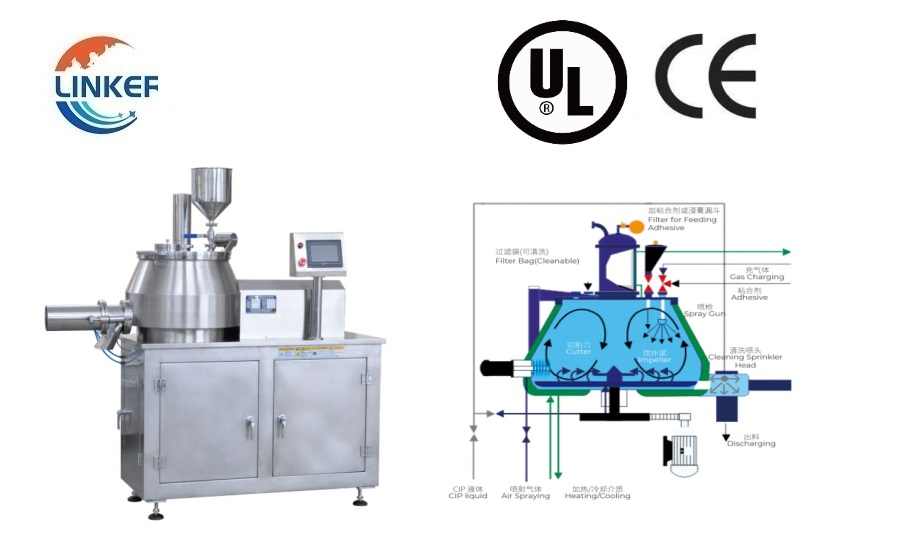
What is a Dry granulating machine? A dry granulating machine uses dry roller press technology to compress…BJB Grinding and Granulating Machine
What is a granulating machine? A granulating machine is an industrial device used to shape powdered or…
Conveyor and Auto Feeder for Sale:
Powder Feeder System Pump
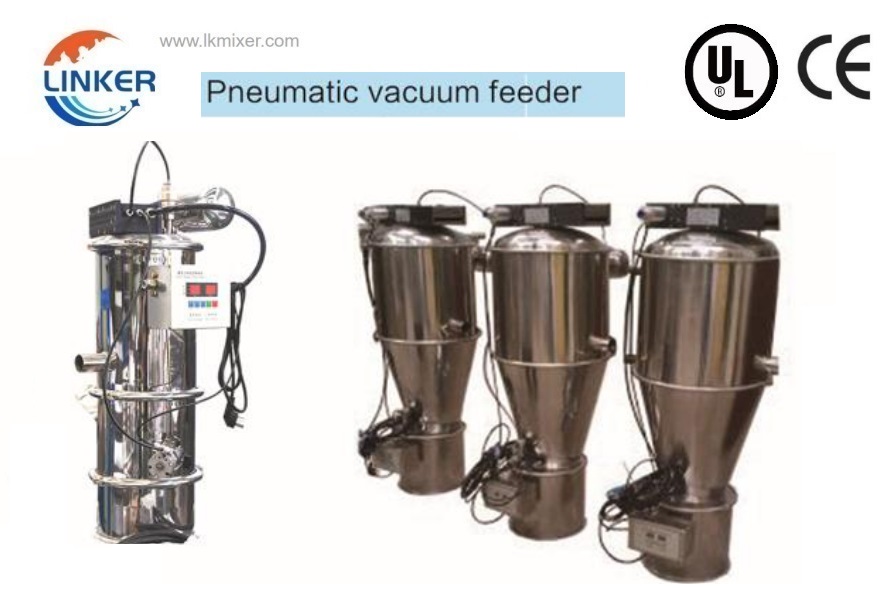
Vacuum Feeder Machine for Sale: Vacuum Feeder is a common used machine to transport the material into…Pneumatic Vacuum Feeder
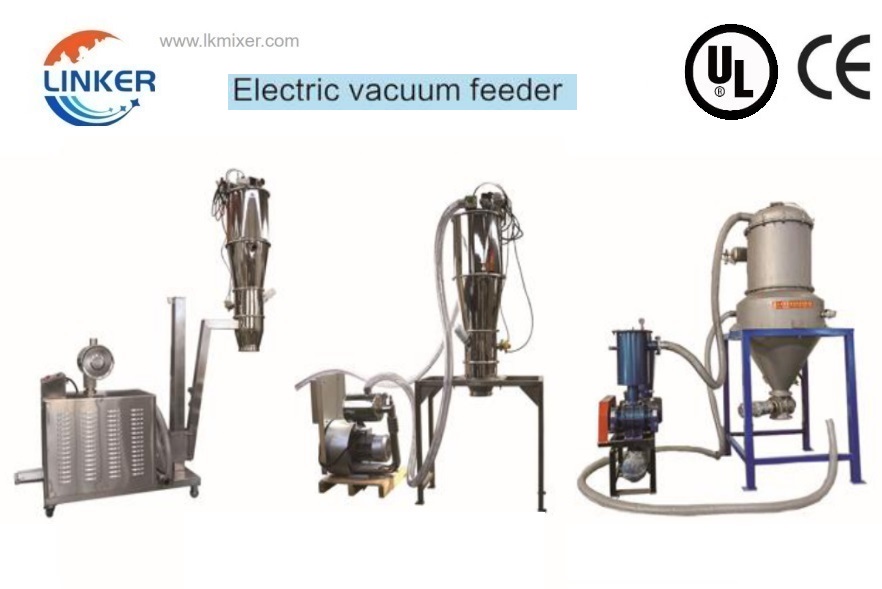
Vacuum Feeder Machine for Sale: Vacuum Feeder is a common used machine to transport the material into…Electric Vacuum Feeder
Vacuum Feeder Machine for Sale: Vacuum Feeder is a common used machine to transport the material into…
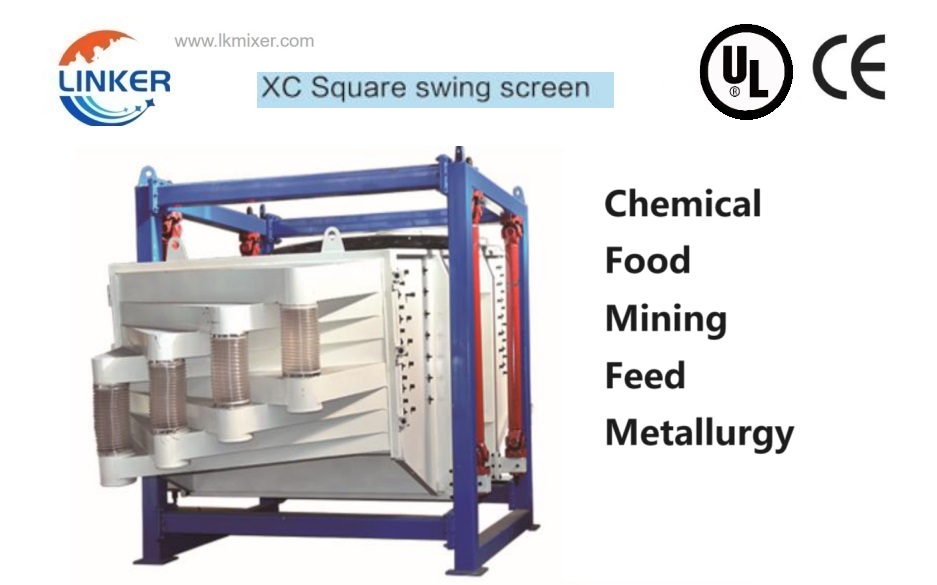
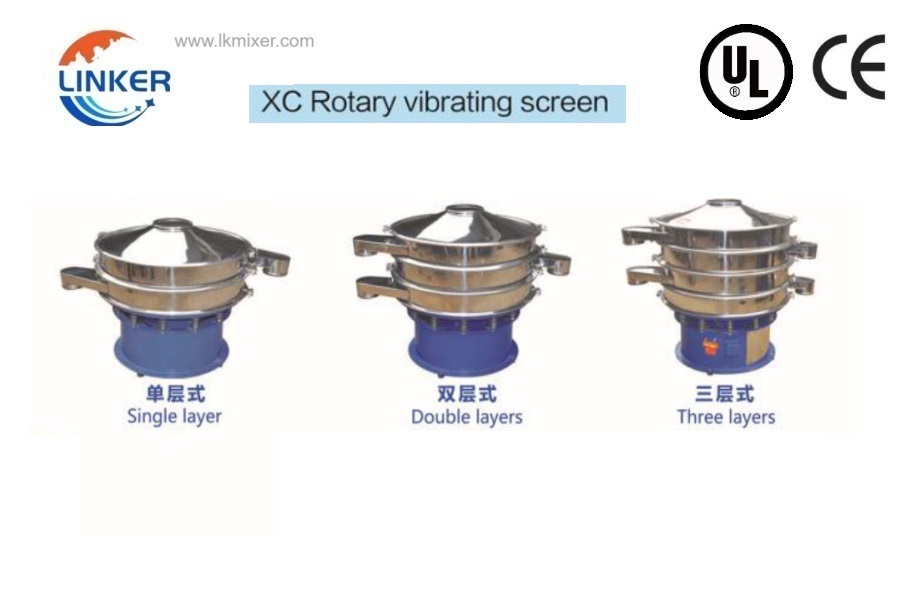
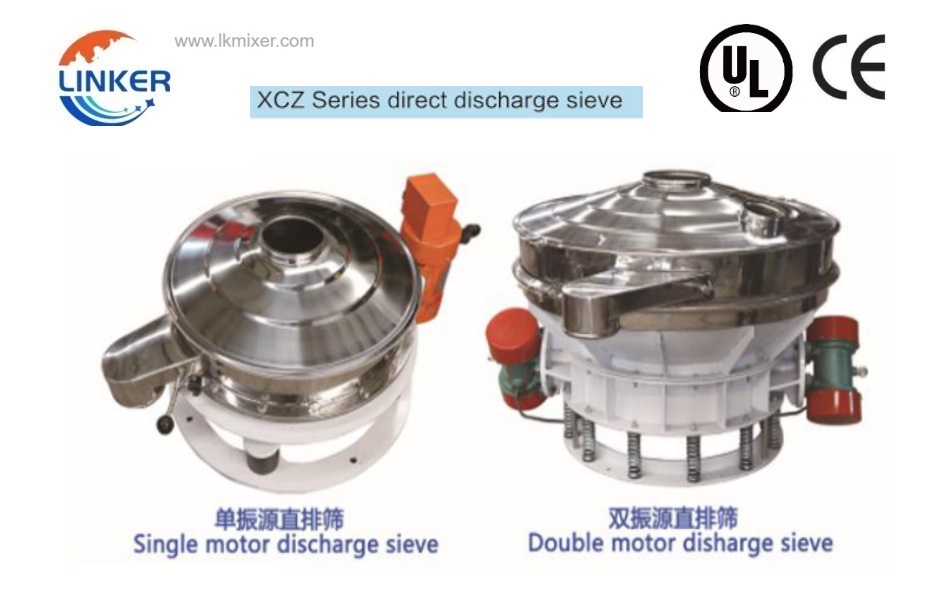
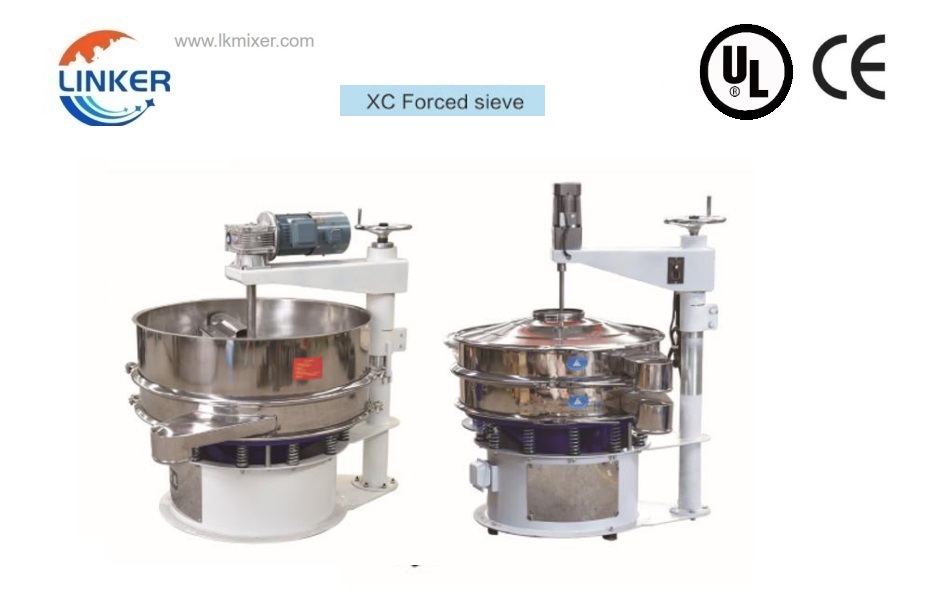
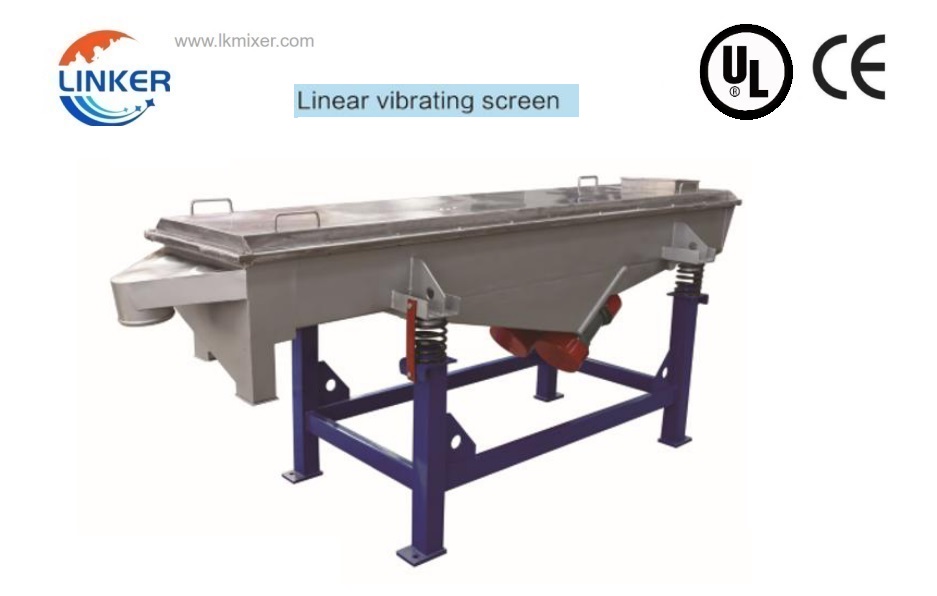
Sifter and screen for Sale:
Ultrasonic Screen
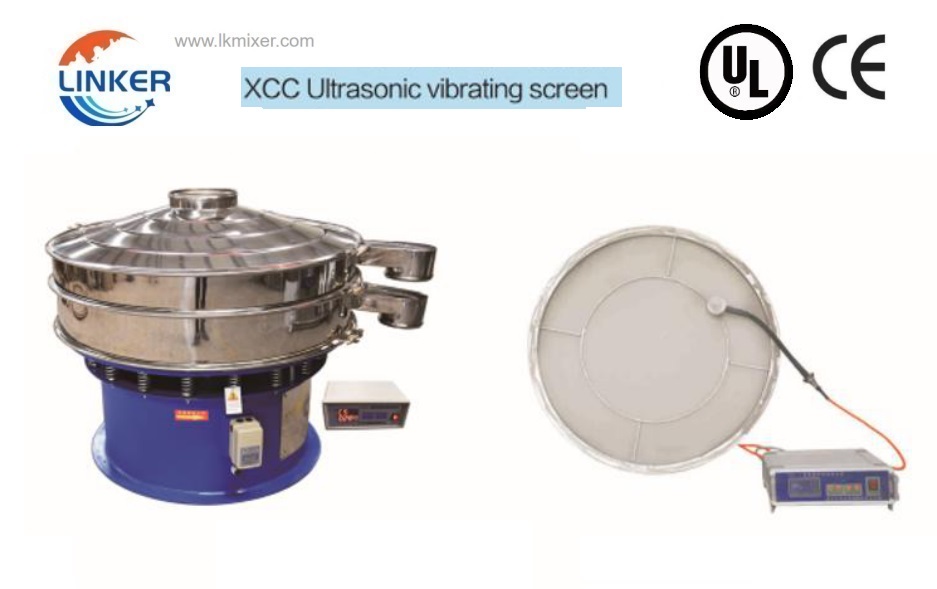
Ultrasonic Screen Machine for Sale: Ultrasonic Screen is a common used machine after the grinding process, it…Rotary Sifter
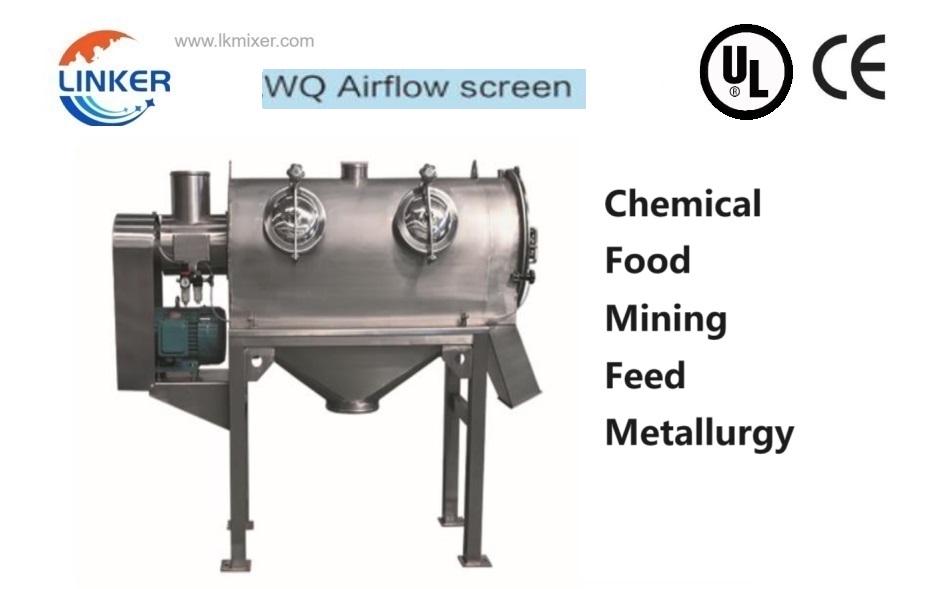
Rotary Sifter Machine for Sale: Rotary Sifter is a common used machine after the rice grinding process,…Rice Sifter Machine
Rice Sifter Machine for Sale: Rice Sifter Machine is a common used machine after the rice grinding…
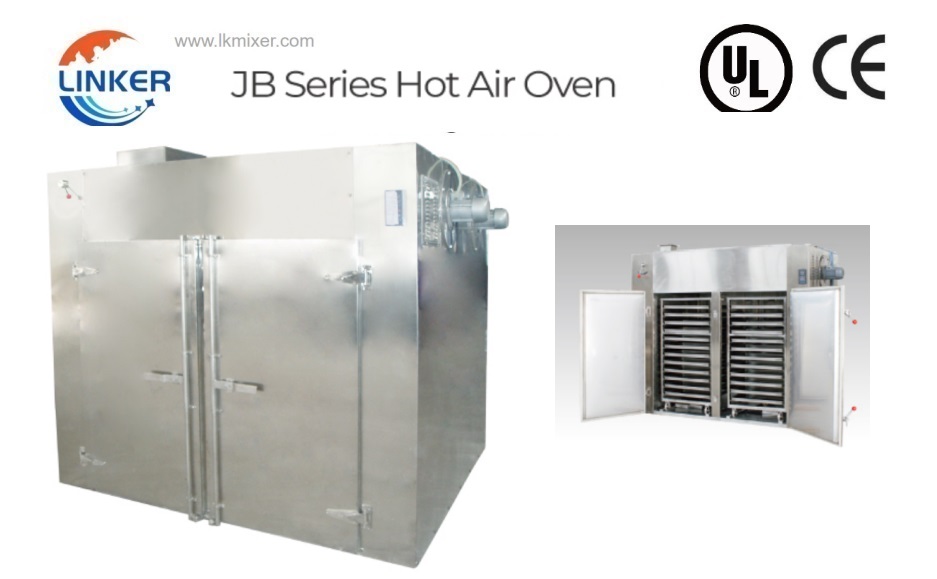
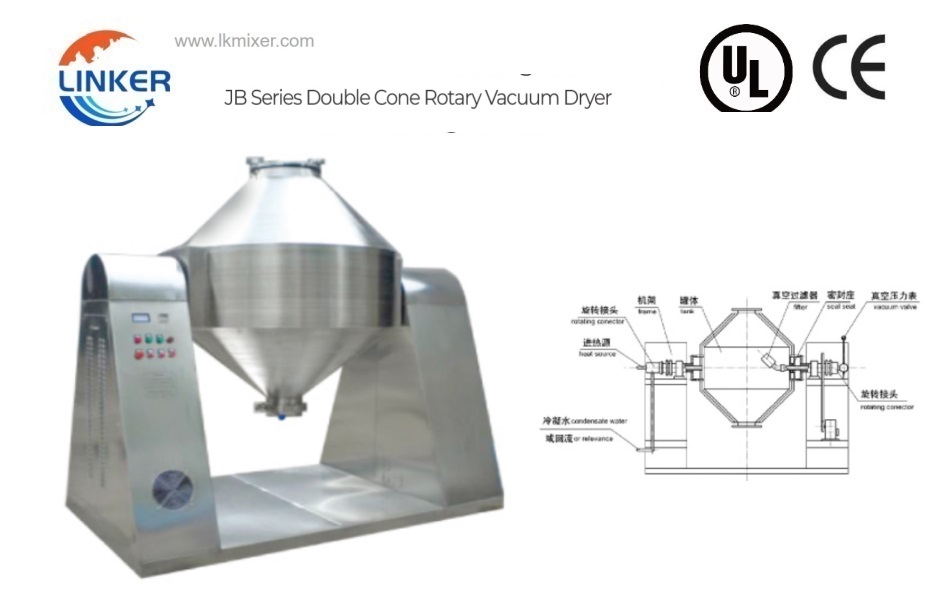
Auxiliary Machines, Dryers for Sale:
How do people control robotic arms?
How do people control robotic arms? The way people control robotic arms has evolved from a single…What is a robotic arm for humans called?
What is a robotic arm for humans called? Robotic arms for human use are given various professional…How advanced are robotic arms?
How advanced are robotic arms? Robotic arms have advanced beyond the scope of traditional “automated tools” and…


FAQ(Click and See More)
Why Choose Us?
We have 20 years manufacturing experiences; 15600 cubic meters factory area; 5000sets annual capacity; 55 professional engineers;
What’s your main maket?
South America: Brazil, Colombia, Peru, Bolivia, Uruguay, Paraguay ;Romania;
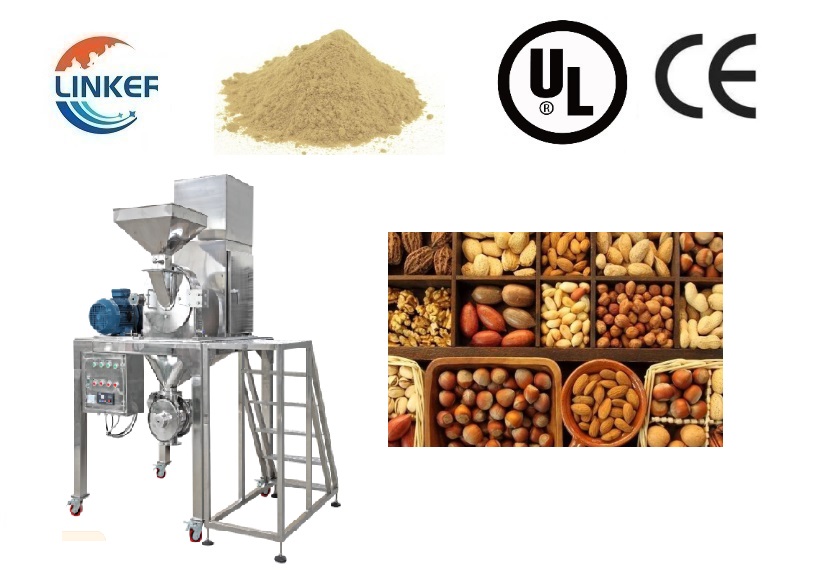
USA with UL Certification
Middle East: Saudi, Arabia, Oman, Turkey
Europe: Russia, Australia, Belarus, Ukraine, Poland
Can you support OEM?
– Yes, OEM or ODM. Machine can be customized according to customer detail requirement, including capacity and voltages, motor certifications.
– Drawing and raw materials also can be customized.
What after-sale services?
– 7*24 customer service online;
– 7*24 engineers online services;
– 12 months warranty services.
WHAT kind of MACHINE YOUR COMPANY HAVE?
CAN YOU GIVE ME GUIDE ON OTHER MACHINE ? TO FULL MY PRODUCTION LINE
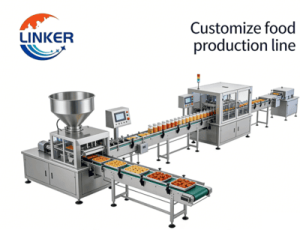
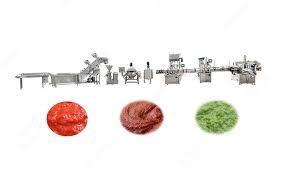
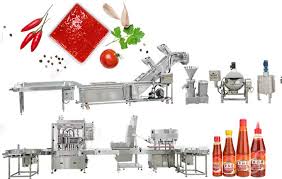
YES ! Our f have factory build more than 20 years now, we can design and customize whole line, besides of the grinding machine, mixing machine, we can also fully support to provide the washing machine, cutting machine, drying machine, packing machine, filling machine. Though we are not producing these machine, but our brother companies co-work together for over 20 years, we have rich experience in providing you a full effective production line, fully automatically or semi-automatically.
HOW TO VISIT YOUR COMPANY?
Our Factory located in Jiangsu Province, very near to Shanghai, you can fly to Shanghai Pudong Airport, we pick you up and take you by car 2 hours ride, can reach our factory, welcome your visit.
WHAT’S YOUR BEFORE & AFTER SERVICE ?
1) Before your purchasing, we need to know your detail request, such as what kind of material you want to grind and mixing, what final product powder or granule you want to reach. Because different material and powder sizes request of different machine to do. We can provide professional advice and rich experience help to choose machine. Most of the products we have already did before for other customer, trail test or run mass production, so we knows which machine is best in performance of grinding and mixing. This is of very importance in helping you choose the right model. We also wish this can help our customer a lot. Even the material we didn’t do before, we will prepare the same material and to do the trail test and send video to you for your reference.
2) One Year guarantee of machine quality. If the machine have problem within one year, we will send you the spare parts to you for replacement, but this not including the damage caused by human causes. We also have 24 hours on line guide for customer, if you have operation difficulty, we will guide by video and on line communication with our engineer for your emergency debug.
3) For small machine, we sell with whole machine, it’s no need to install, and easy to operation, no problems for operation. While for large machine, its’s also not difficult to install with video guideline, but if you need, we can assign our technicians to go abroad, the round ticket, food and residents will be paid by customer.
HOW ABOUT YOUR PAYMENT TERM?
Our payment term is T/T. 50% payment in advance, rest of 50% payment finish before the goods shipped. When we finish the machine production we will do trail test and run the machine take videos for your green light. You pay the rest of 50% payment then.
Recommend Reading
Are robotic arm kits worth the money?
Are robotic arm kits worth the money? The user’s target placement, technological background, and long-term…Can you get a robot arm?
Can you get a robot arm? You cannot buy a robot arm like ordinary consumer…What is an industrial robot arm called?
What is an industrial robot arm called? In technical standards and engineering practice, an industrial…