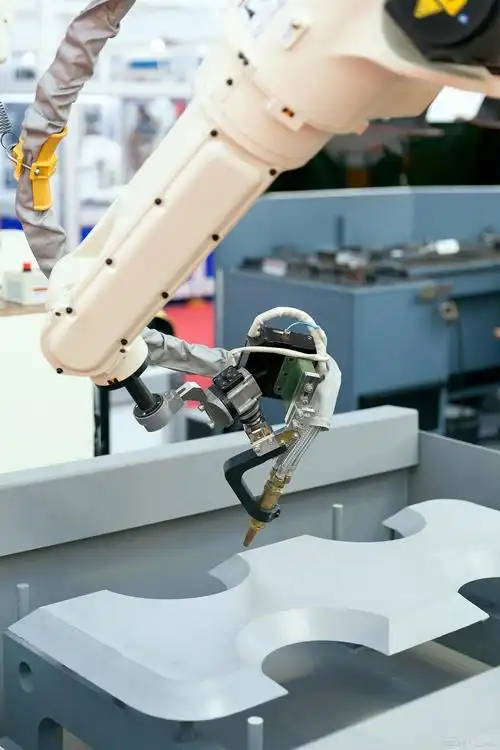
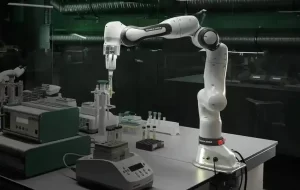
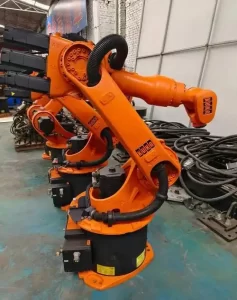
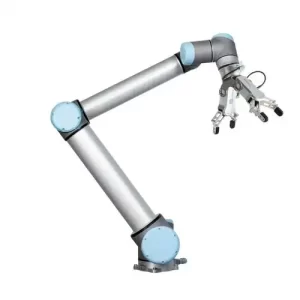
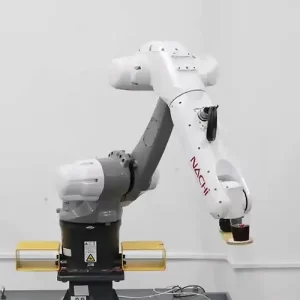
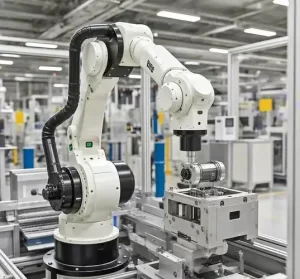
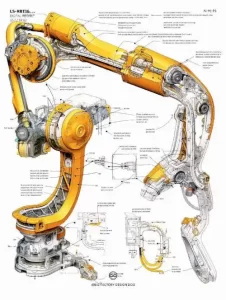
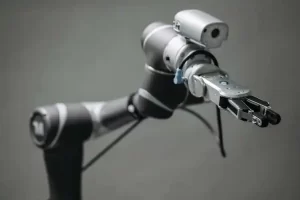
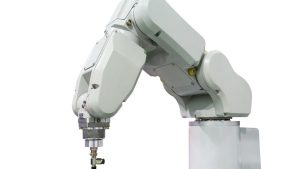
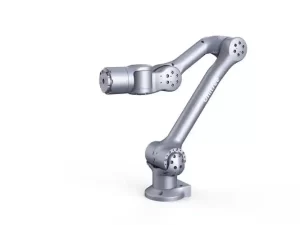
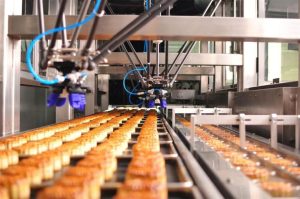
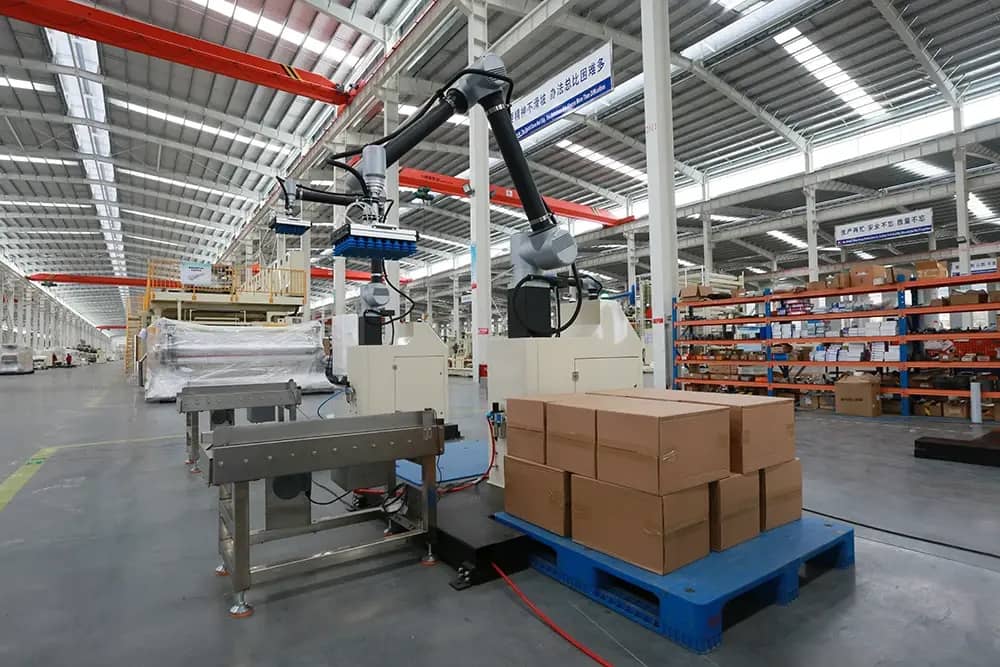
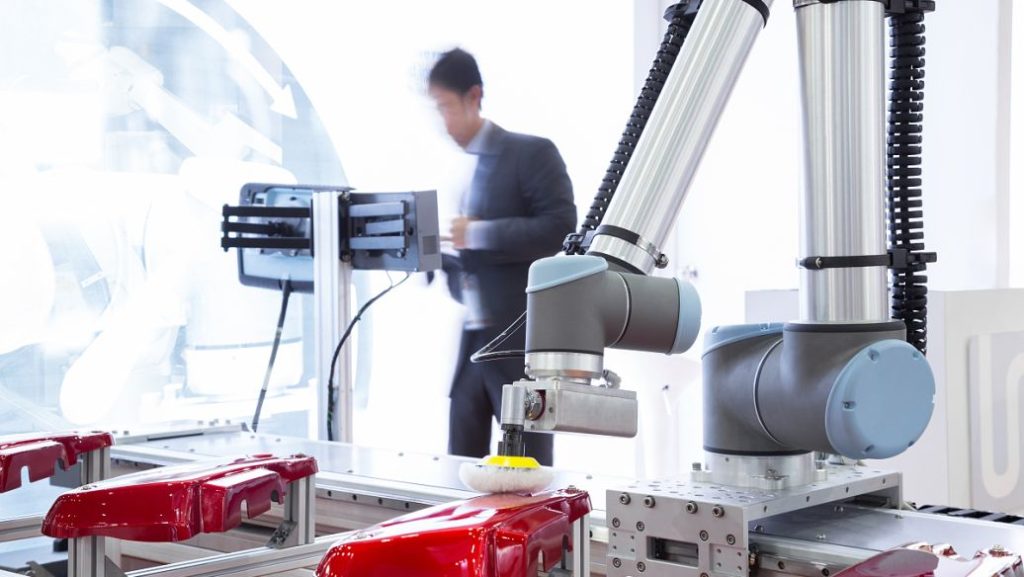
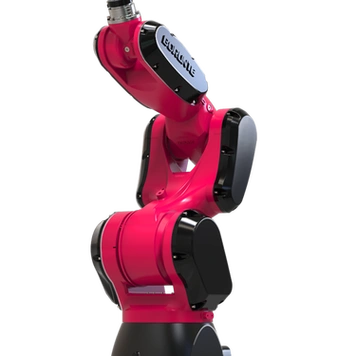
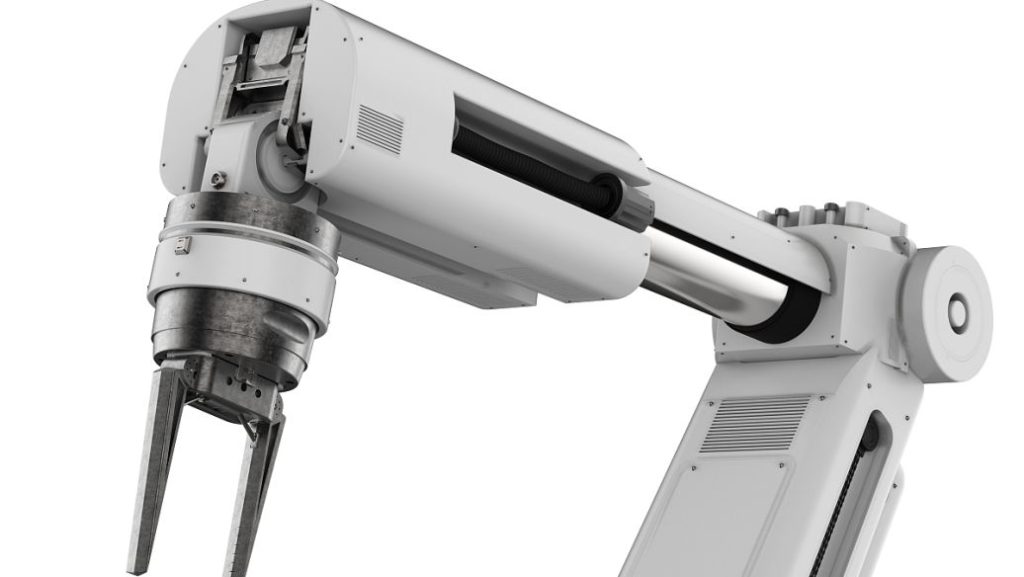
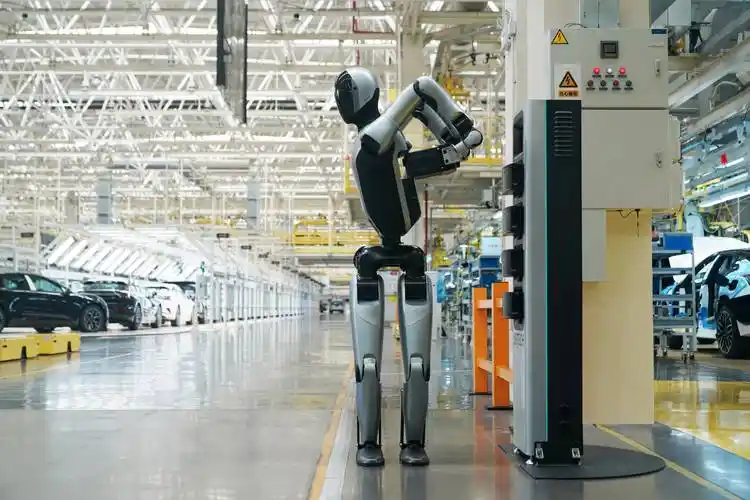
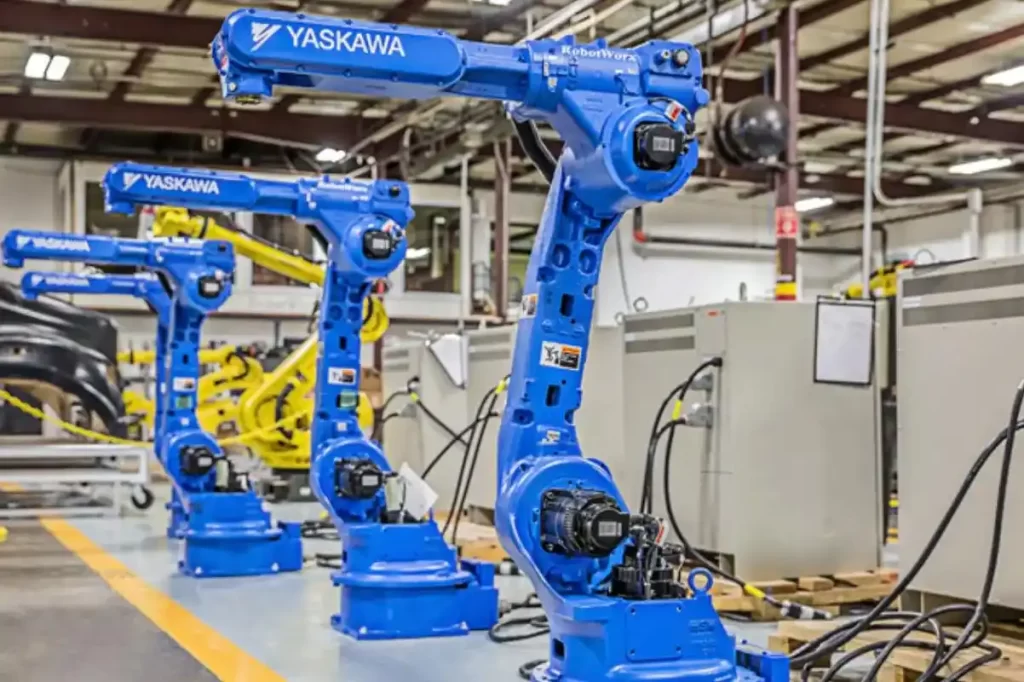
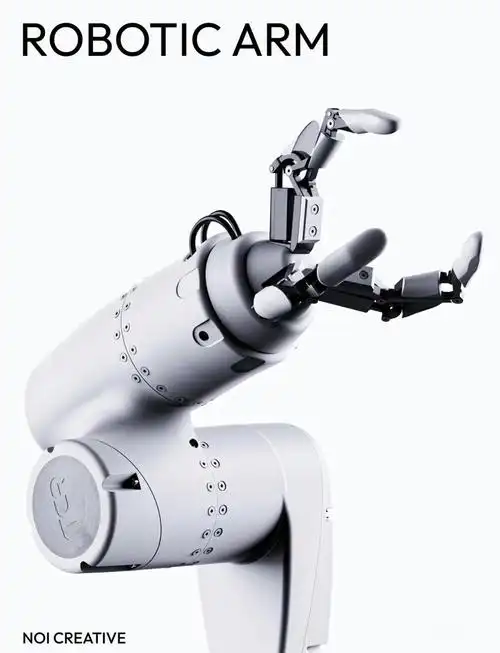
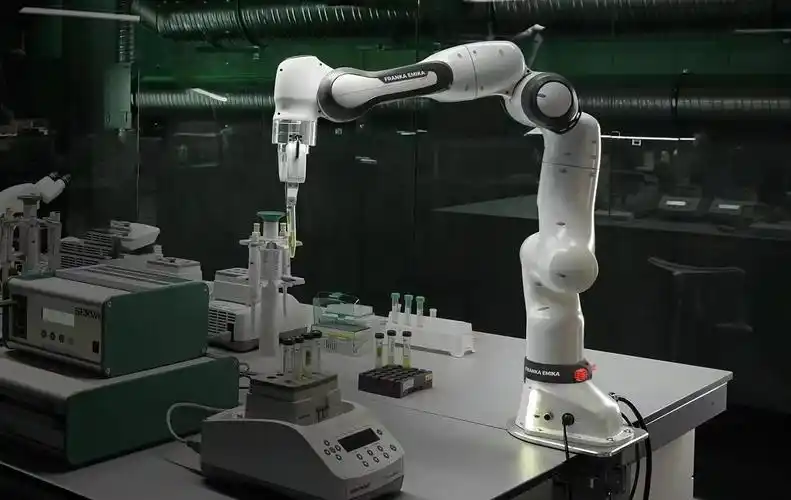
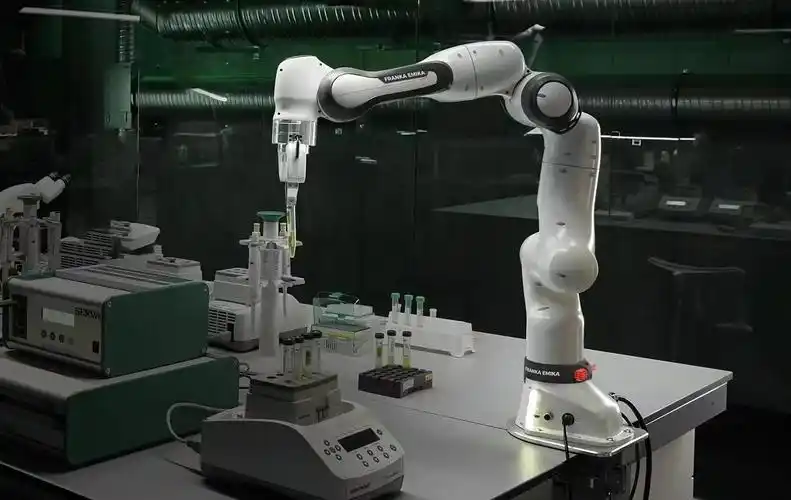
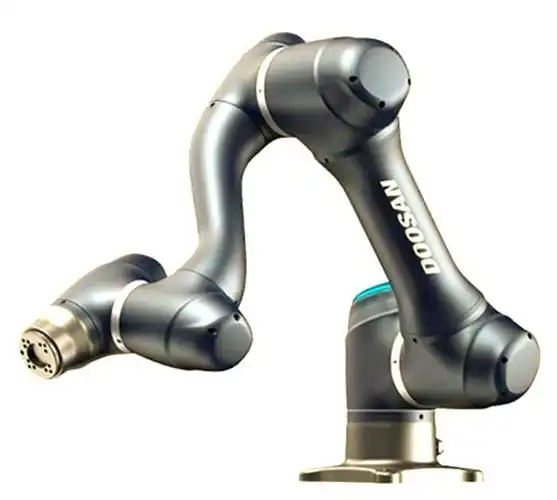
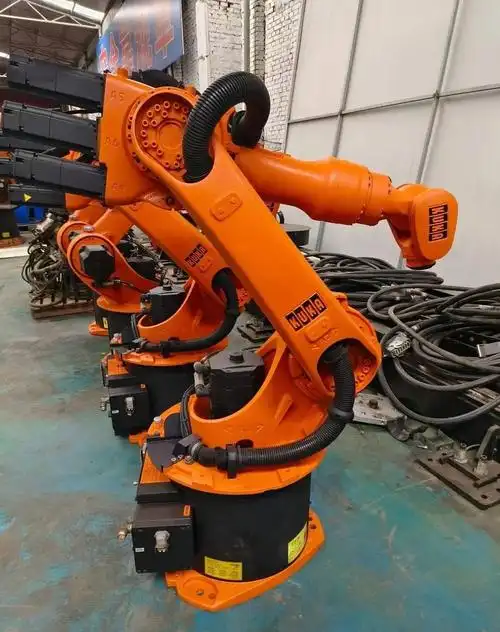
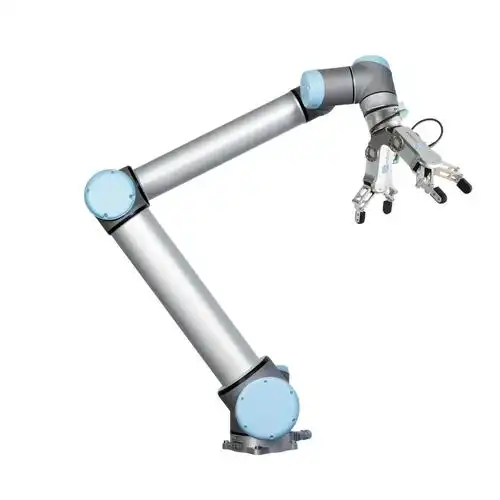
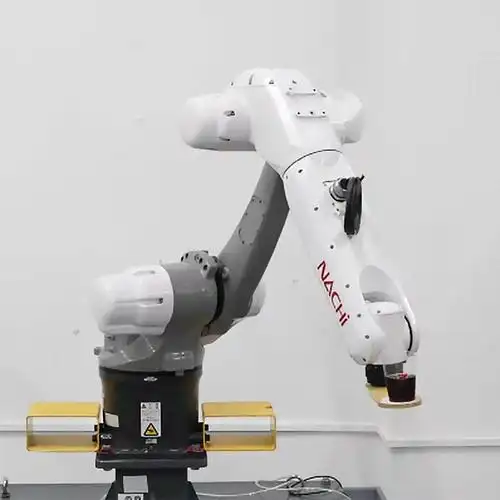
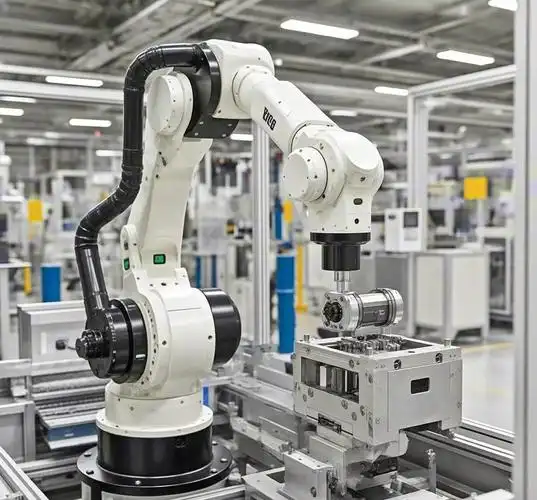
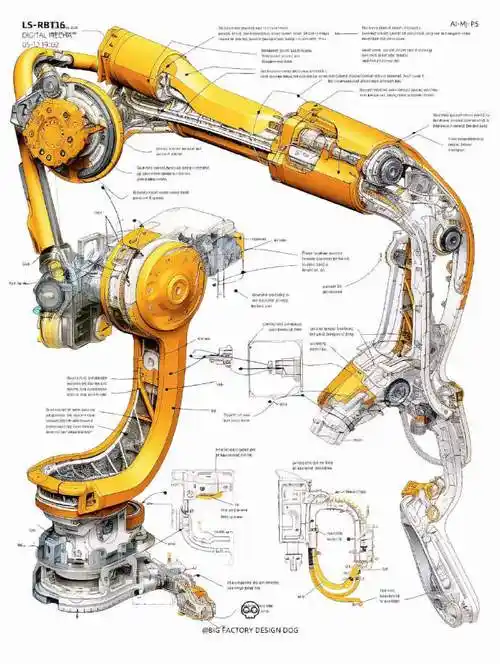
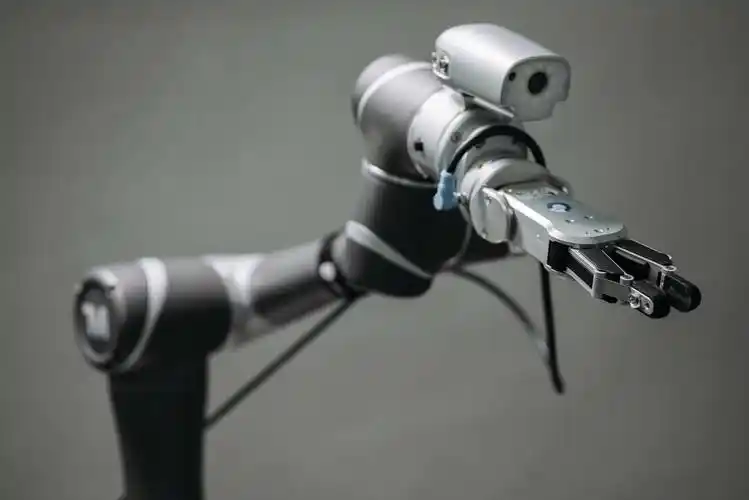
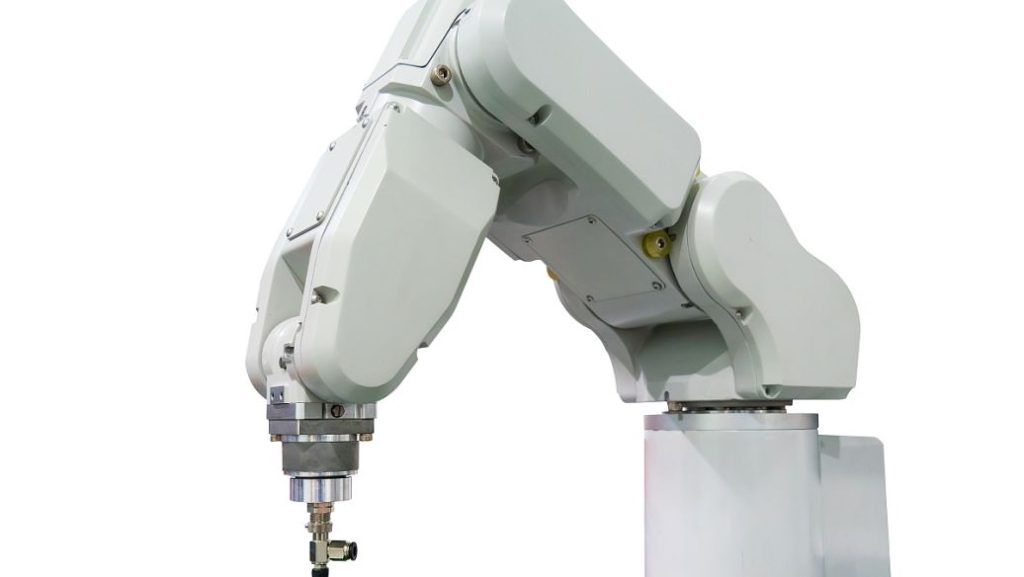
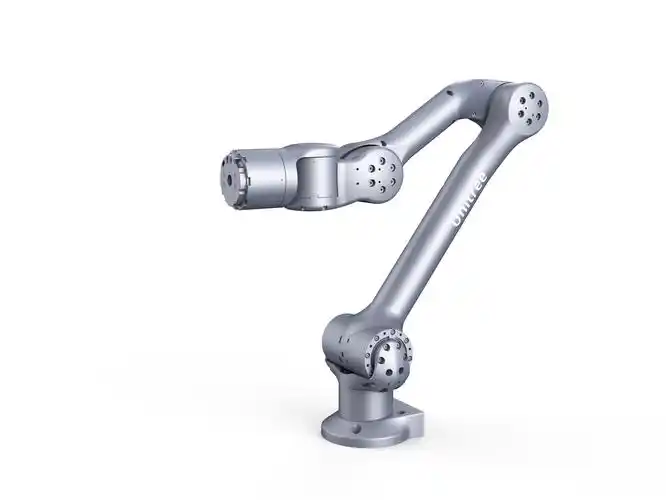
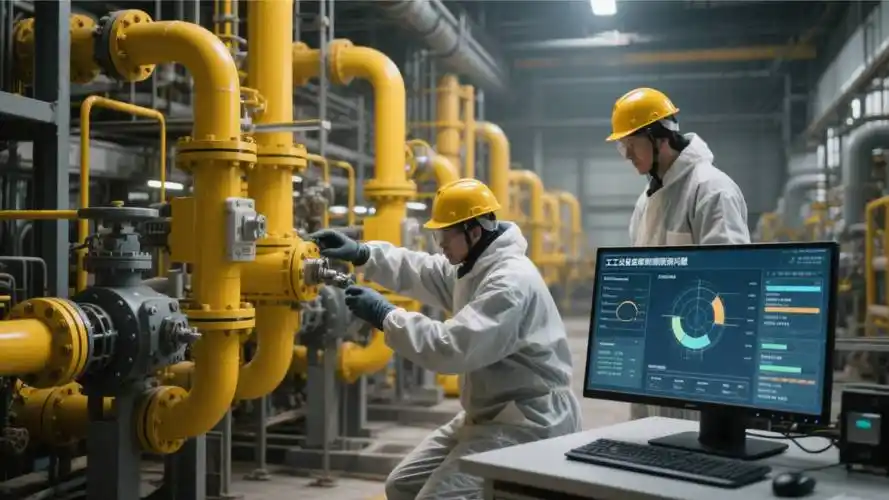
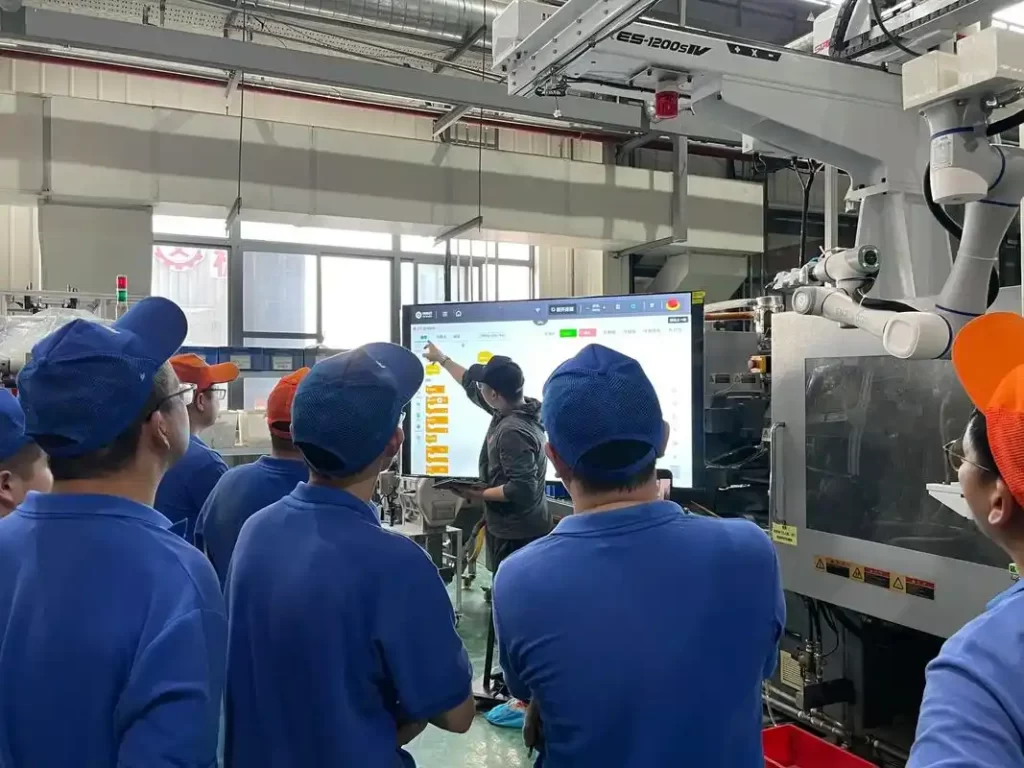
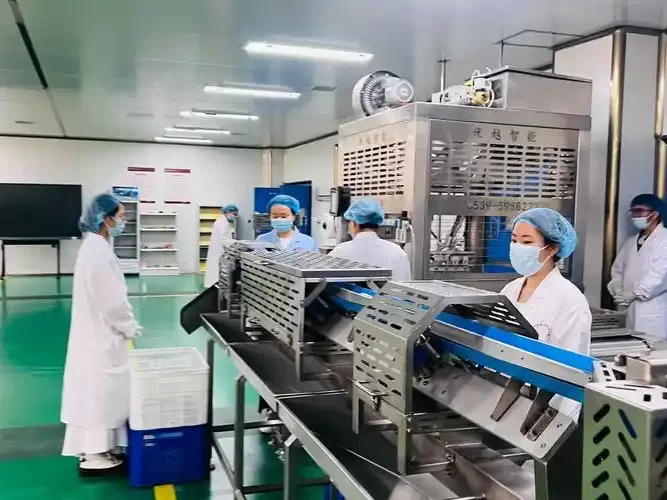
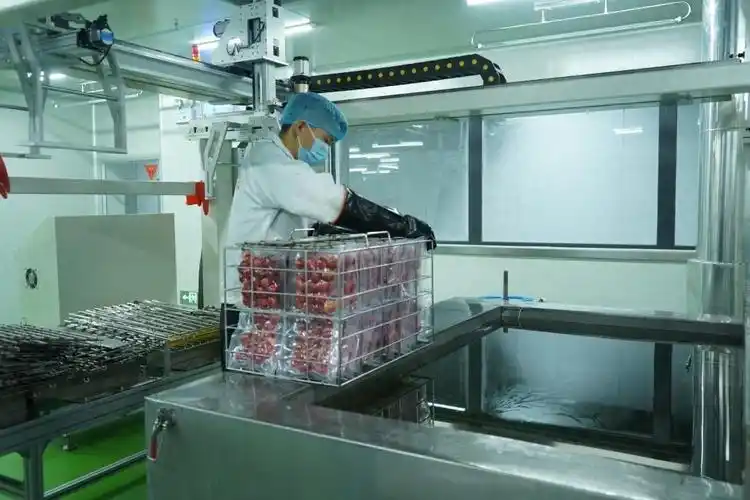
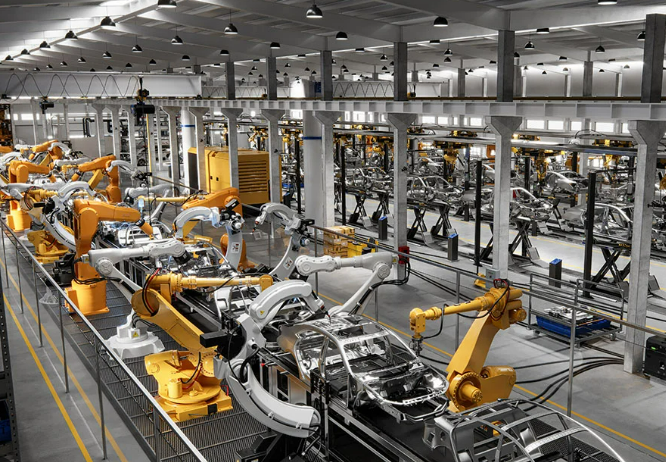
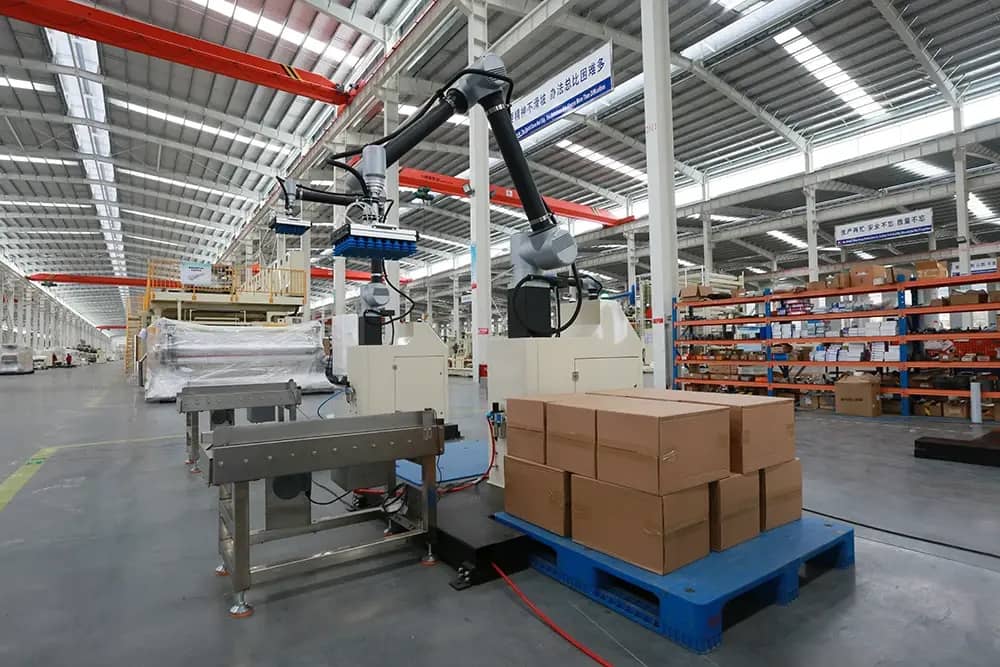
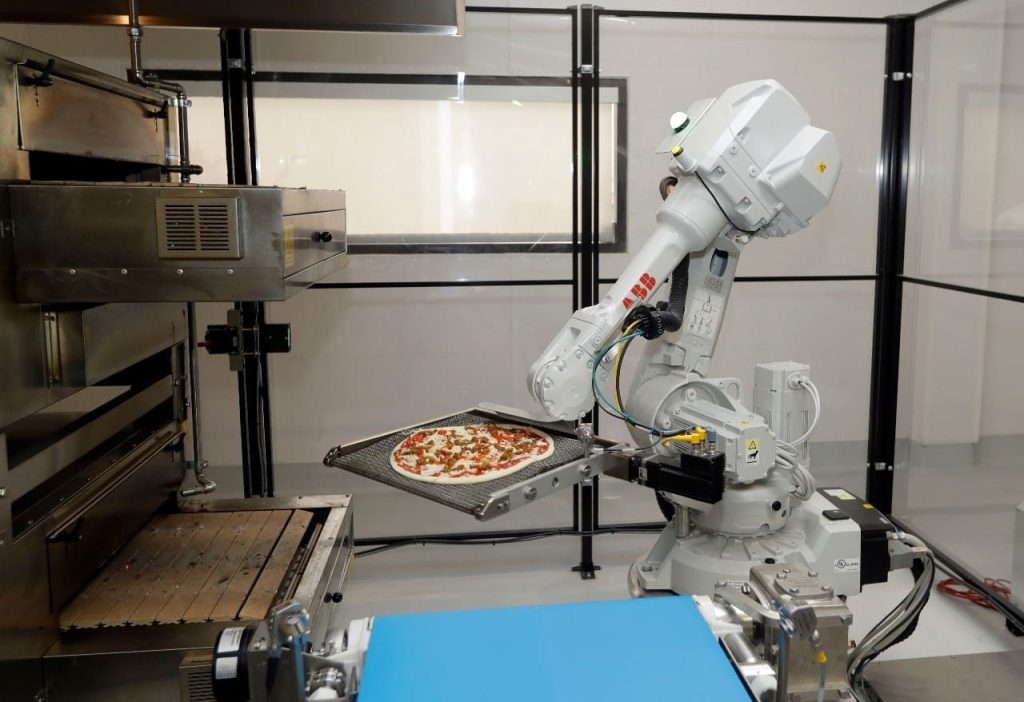
How advanced are robotic arms? Robotic arms have advanced beyond the scope of traditional “automated tools” and evolved into intelligent agent systems that integrate perception, decision-making, execution and learning capabilities.
Their progress is not a breakthrough in a single technology, but a comprehensive achievement of in-depth interdisciplinary integration and the continuous redefinition of engineering limits.
Movement Control: Sub-Millimeter Precision and Flexible Drive
At the level of motion control, modern robotic arms have achieved sub-millimeter or even micrometer repeat positioning accuracy. Combined with high-resolution encoders and torque sensors, they can respond to small resistance changes in milliseconds.
Their joints no longer rely on rigid connecting rods, but adopt flexible drive, pneumatic artificial muscles or magnetorheological fluid transmission, making the motion trajectory closer to the flexibility of biological muscles.
This design not only reduces impact load, but also endows robotic arms with the ability to adaptively deform in unstructured environments.
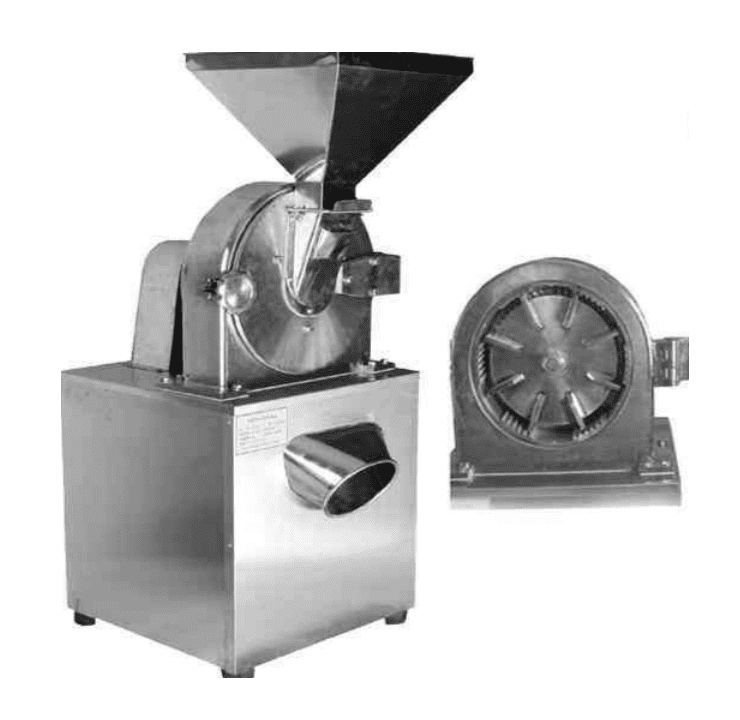
For example, when grabbing irregular objects in complex terrain, they can wrap and fit like fingers instead of rigid clamping. This flexibility is similar to how a CE Certificate grinder or stainless steel herb grinder adjusts its operation according to material characteristics.
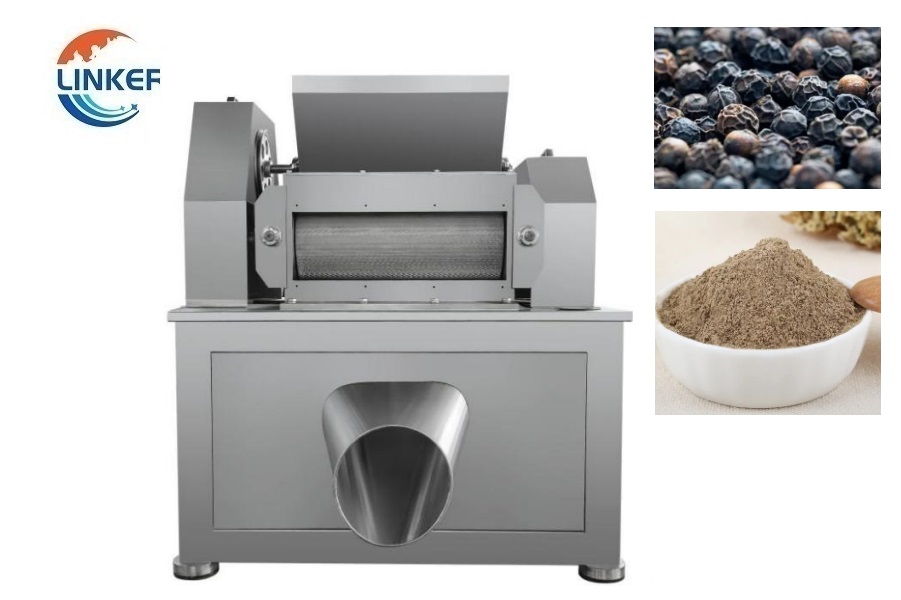
Just like a black pepper grinder or dry ginger grinding machine can handle different materials gently, robotic arms use flexible drive to avoid damaging fragile objects.
Perception System: Multi-Modal Sensing for Intelligent Recognition
The evolution of the perception system is the core of its intelligence. Traditional robotic arms rely on preset coordinates and visual guidance, but now they integrate multi-modal sensing: high-frame-rate 3D vision, infrared thermal imaging, tactile arrays, and even micro-electrochemical sensors.
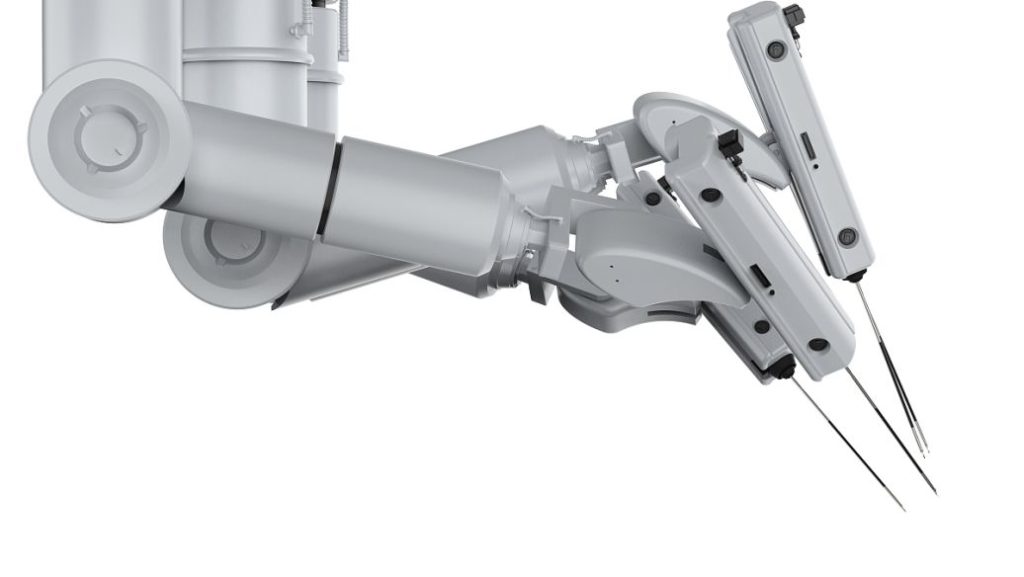
This enables them to “perceive” temperature, material, friction coefficient and surface texture. In surgical scenarios, this ability allows robotic arms to distinguish tumor tissue from healthy nerves and judge tissue tension through tactile feedback.
When disassembling waste electronic equipment, they can identify the aging degree of solder joints and dynamically adjust the peeling force to avoid damaging the substrate. This precise perception is as reliable as an Ultrafine Grinder or Vacuum Mill that can detect material changes.
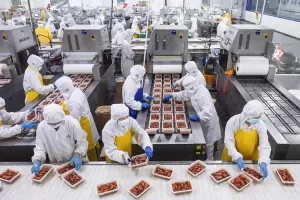
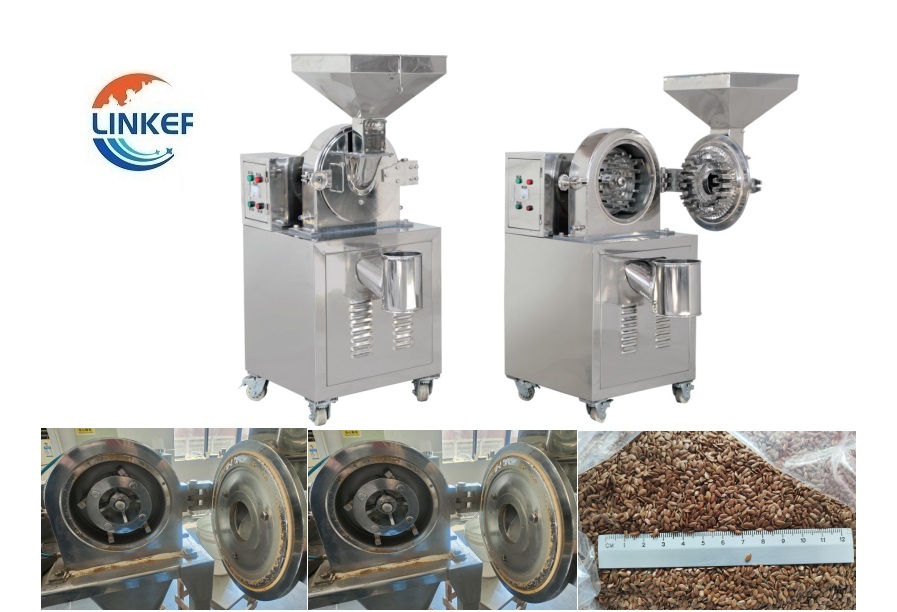
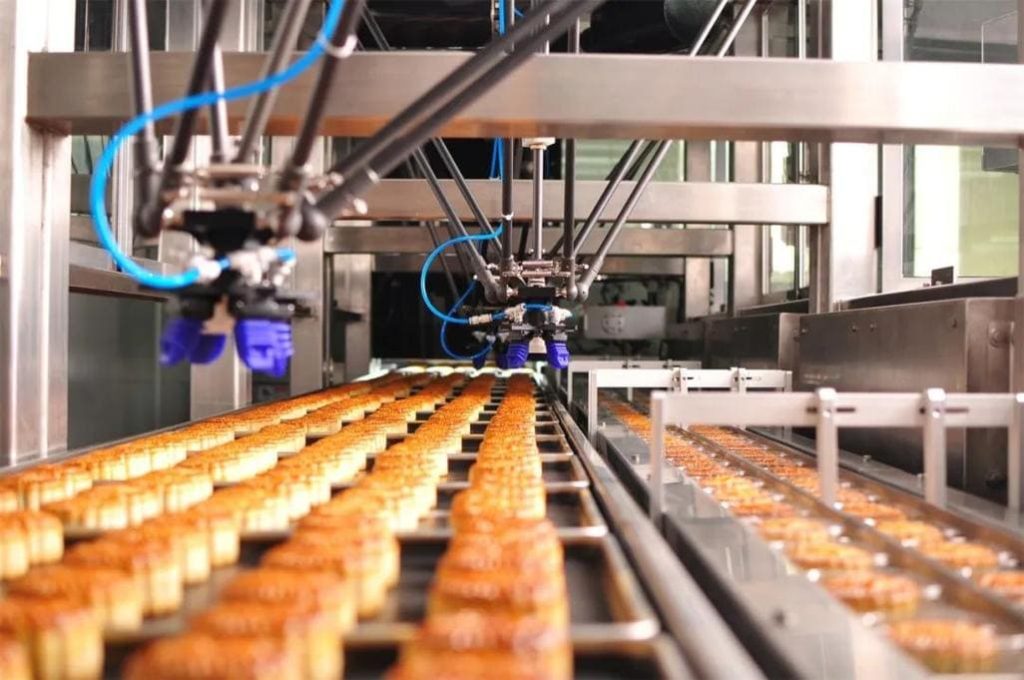
In food processing, robotic arms with advanced perception can distinguish peanut, seasam, or bean, ensuring accurate processing, just like a small grinder machine or Air cooled crusher that adapts to different materials.
Control Algorithms: Adaptive and Anti-Interference Capabilities
The leap in control algorithms is even more critical. Adaptive controllers based on deep reinforcement learning can independently optimize path planning from massive operation data, and handle the grasping of unknown objects without manual programming.
Model predictive control combined with digital twin technology allows robotic arms to simulate tens of thousands of actions in a virtual environment before executing them with the optimal strategy, greatly reducing trial-and-error costs.
In dynamic environments, they can real-time compensate for external disturbances—such as wind, vibration, or slight touches from operators—to maintain task continuity. This “anti-interference robustness” was unattainable for past mechanical systems.
For example, robotic arms that operate a 500KG Grinder or 200KG grinder can adjust their control strategies in real time to cope with changes in material load, ensuring stable operation.
Human-Machine Interaction: From One-Way Instructions to Two-Way Collaboration
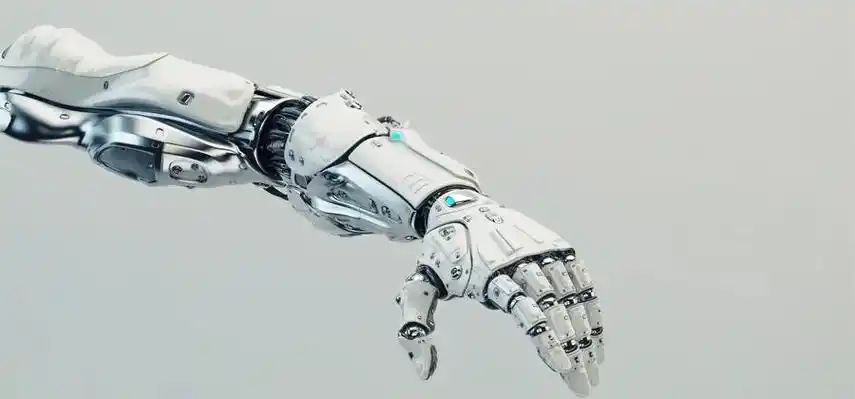
Human-machine interaction has moved from one-way instructions to two-way collaboration. Brain-computer interface technology allows paralyzed people to directly drive robotic arms to complete complex actions such as drinking water and eating through neural signals.
The system can learn individual intention patterns to achieve a natural mapping between “intention and action”. Myoelectrically controlled rehabilitation arms can identify subtle differences in muscle activation and convert weak electrical signals into smooth movements.
This allows users to regain the real sense of “body extension”. More cutting-edge systems have begun to introduce two-way neural feedback: when the robotic arm touches an object, electrical signals can be transmitted back to the brain through transcutaneous electrical stimulation, forming “virtual touch” and realizing closed-loop perception.
This is similar to how an Electric Grinder or high speed Dry Grinder can feedback operation status to users, enabling better human-machine collaboration.
Adaptability in Unstructured Environments: From Factories to Society
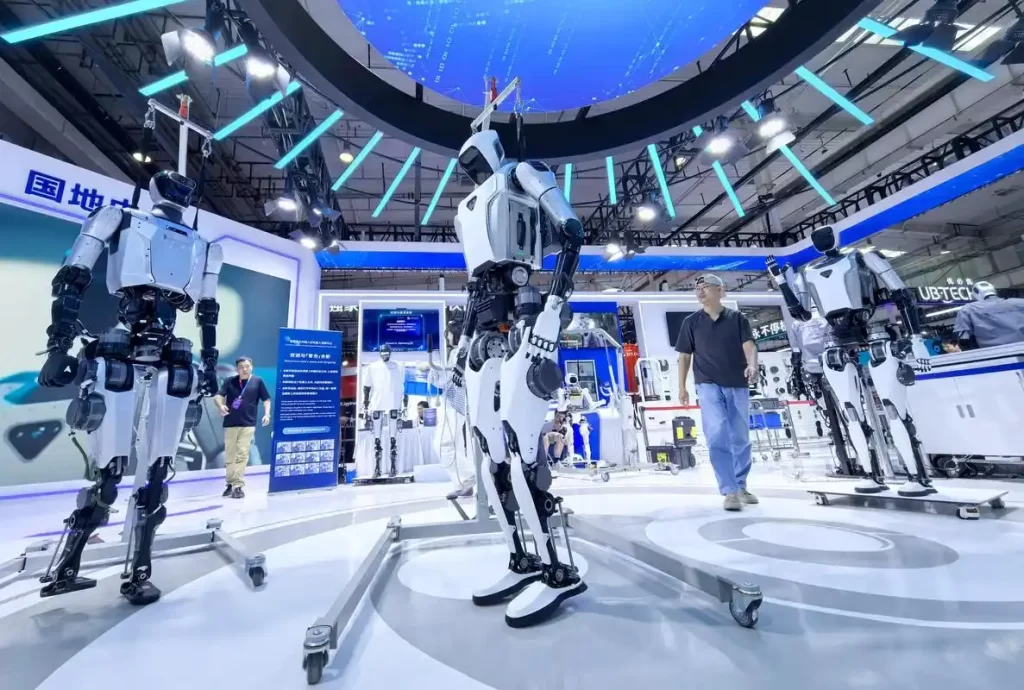
Adaptability in unstructured environments marks their transition from factories to society. In post-disaster ruins, robotic arms can independently identify buried objects, avoid sharp objects, and select the optimal grasping point.
In home scenarios, they can understand semantic instructions such as “pass me the red cup on the table” and judge the reference of “red cup” based on environmental context.
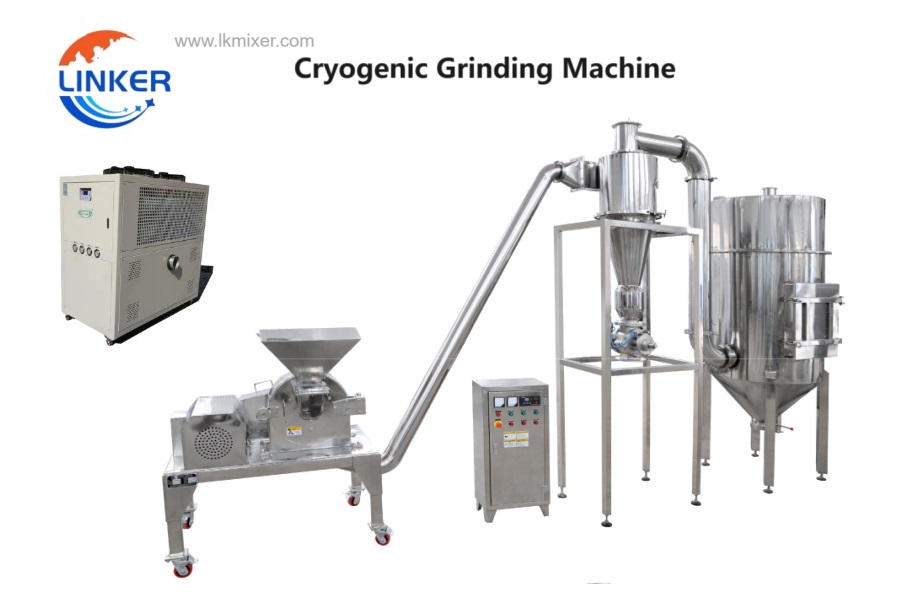
This ability of semantic understanding and situational reasoning makes them no longer rely on preset programs, but have human-like task decomposition and goal reasoning capabilities. They can handle daily tasks flexibly, just like how a cryogenic grinding machine or Dry Fruit Powder Grinder Machine adapts to different working environments.
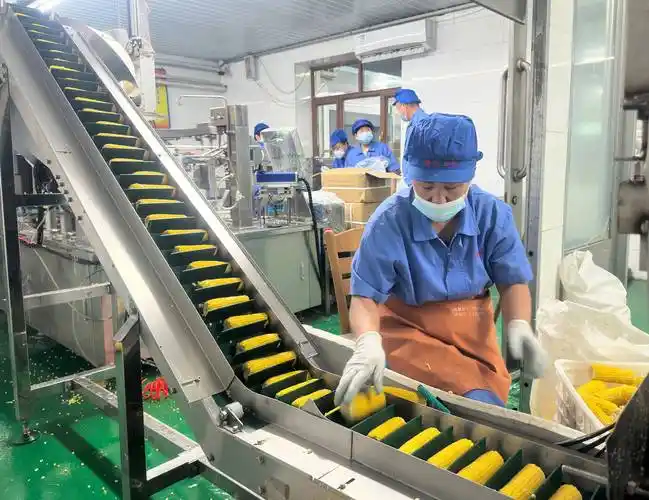
In food processing, they can adapt to different materials such as meat, wheat, corn, or rice, adjusting their operations to ensure processing quality, similar to a Dust Grinder or Hammer Mill.
Material Science: Lighter, Durable and More Biologically Friendly
Advances in materials science are equally profound. The application of lightweight carbon fiber composite structures, self-healing polymer coatings, and degradable joint lubricants makes robotic arms more durable, environmentally friendly, and closer to biological characteristics.
Some experimental prototypes even use liquid metal as the driving medium to achieve continuous movement without mechanical wear.
These advanced materials make robotic arms lighter and more flexible, just like how a universal grinder or airflow pulverizer uses high-quality materials to improve durability. They can operate for a long time without frequent maintenance, reducing the need for frequent charger use.
In processing materials like metal or bone, the durable structure of robotic arms ensures stable operation, while for fragile materials like mushroom or seeds, their gentle design avoids damage.
Advanced Performance in Special Processing Scenarios
In special processing scenarios, the advanced nature of robotic arms is more prominent. For example, when processing cannabis or chemical materials, they can use multi-modal sensing to ensure processing accuracy and safety.
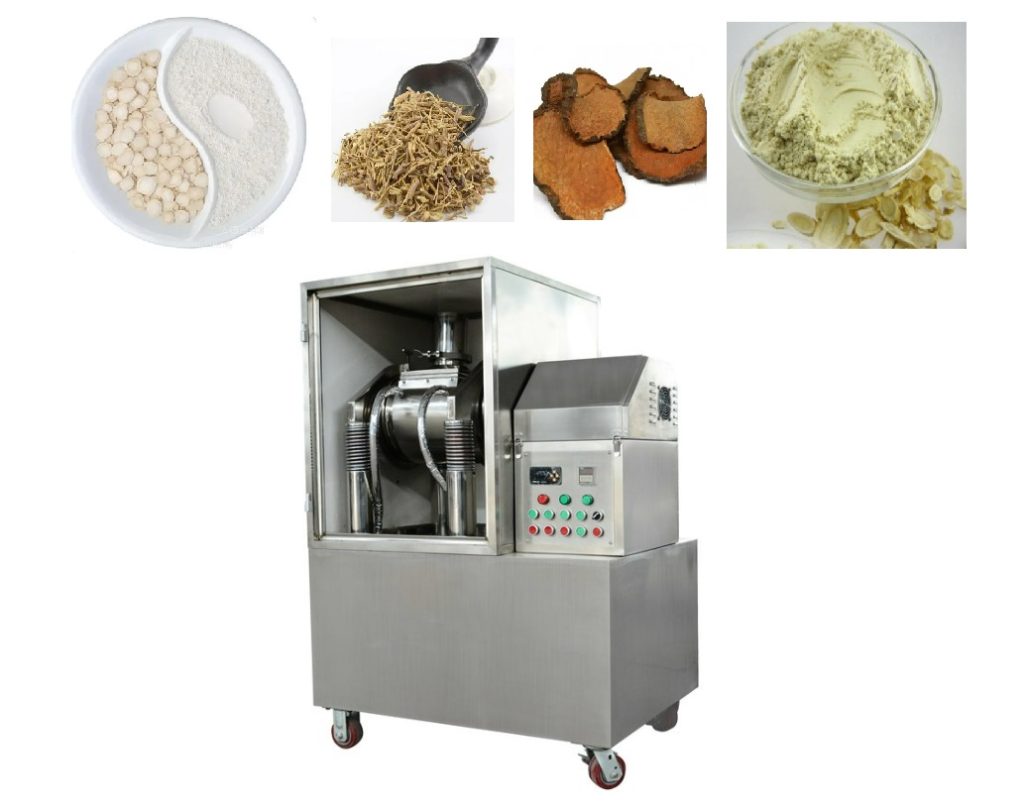
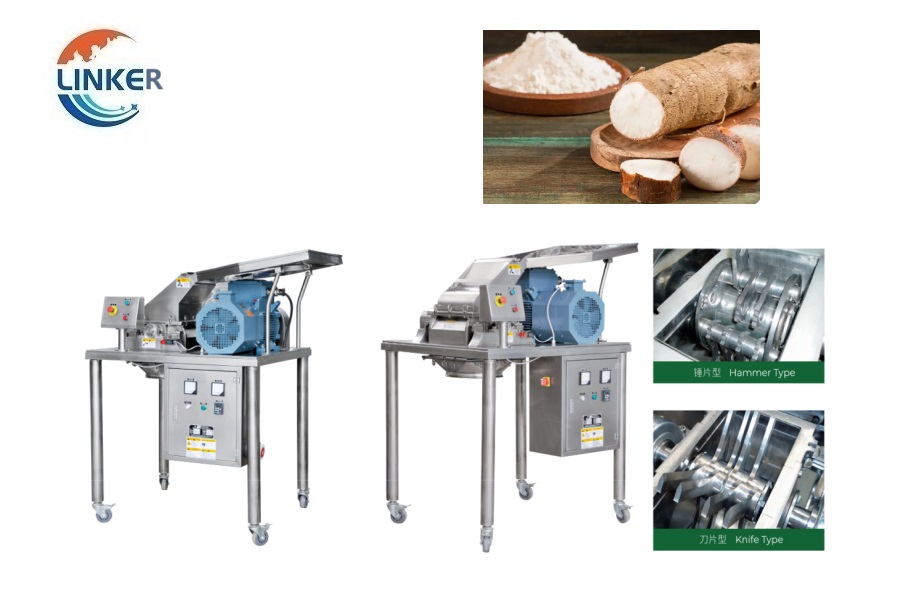
They can operate a licorice grinding machine or cassava grinding machine with precise control, adjusting parameters according to material characteristics to ensure product quality.
When processing tobacco, tea, or coffee, robotic arms can perceive the subtle changes of materials and adjust their movements, just like a vibrating pulverizer or turbo grinder that optimizes operation according to material properties.
For processing spice, salt, or sugar, they can complete precise operations efficiently, meeting the high requirements of food processing, similar to the operation of a dust collector grinder or Vacuum Mill.
Conclusion: The Essence of Robotic Arm Advancement
The advancement of robotic arms does not lie in how fast, heavy, or accurate they can be, but in their ability to remain stable in uncertainty, understand intentions without instructions, and convey care without life.
They are transforming from “executors” to “collaborators”, and from “tools” to “extended will”.
Every slight movement of them is a gentle breakthrough of human beings against their own limitations. Just like how tools such as Industrial Weed Grinder or coarse crusher have evolved to be more intelligent, robotic arms are constantly advancing to better serve humans.
Their advanced nature reflects the progress of human science and technology, bringing convenience and hope to various fields such as industrial production, medical care, and rehabilitation.
Whether it is operating a large or small machine, or assisting humans in daily life or complex surgeries, robotic arms have become an indispensable part of human society, showing the infinite possibilities of human-machine collaboration.
With the continuous advancement of technology, robotic arms will become more advanced, more intelligent, and more integrated with human life, continuing to help humans break through physical limitations and create a better future.
From processing food materials to assisting in medical operations, from industrial production to home services, the advanced performance of robotic arms is changing the way humans live and work, becoming a powerful extension of human hands and wisdom.
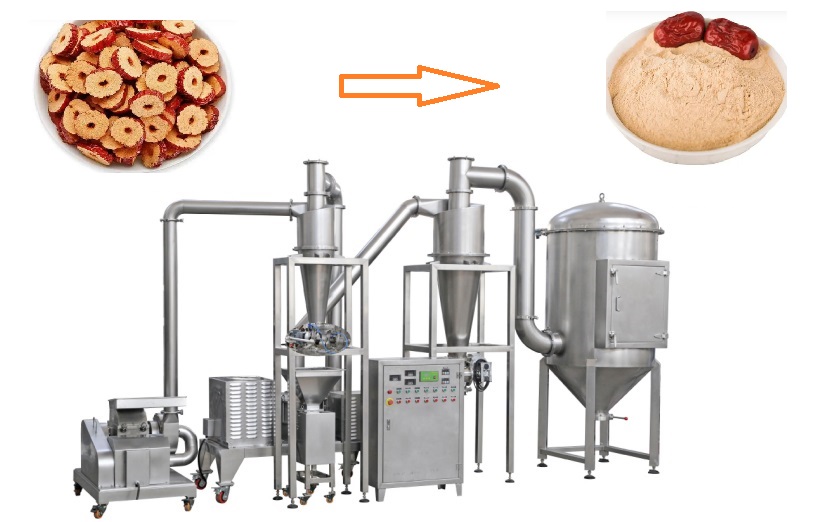
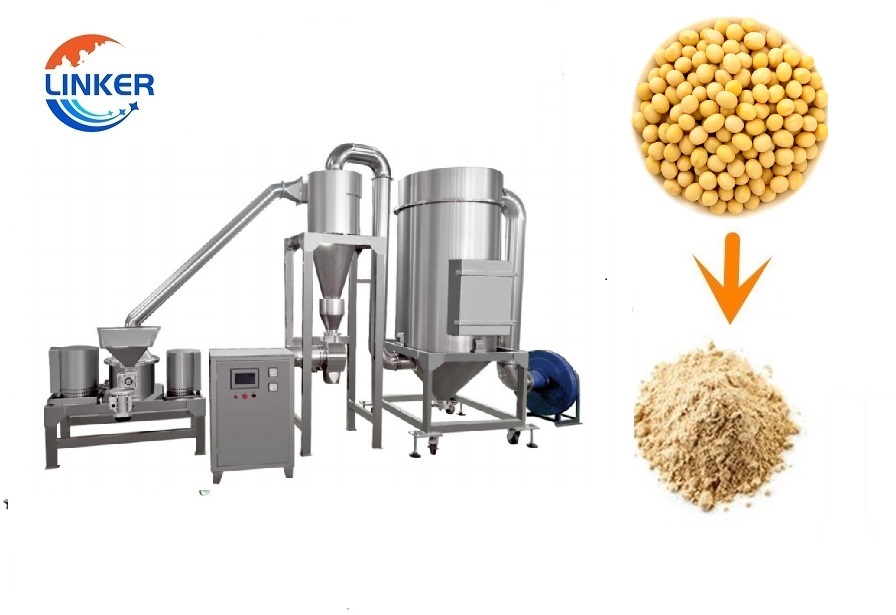
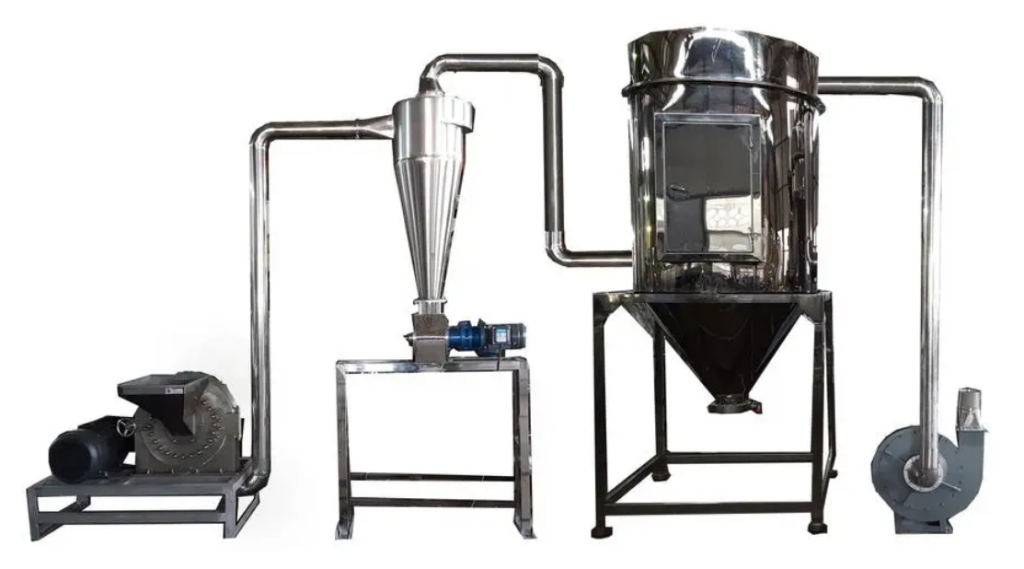
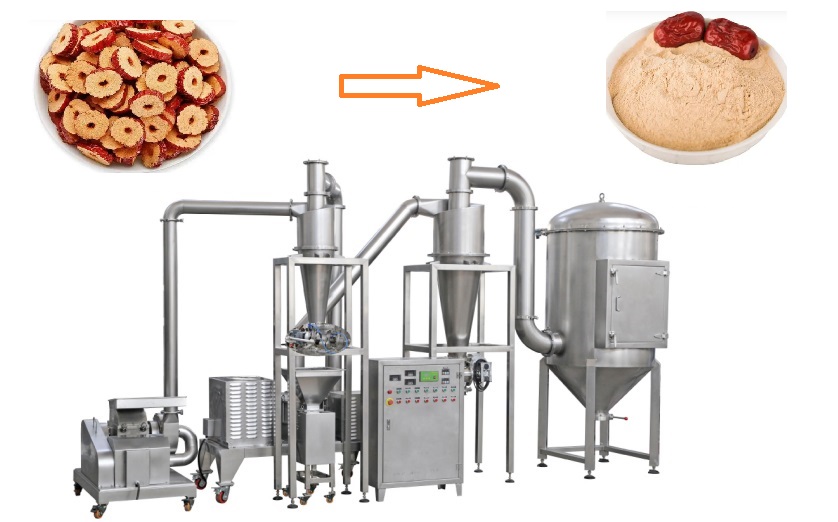
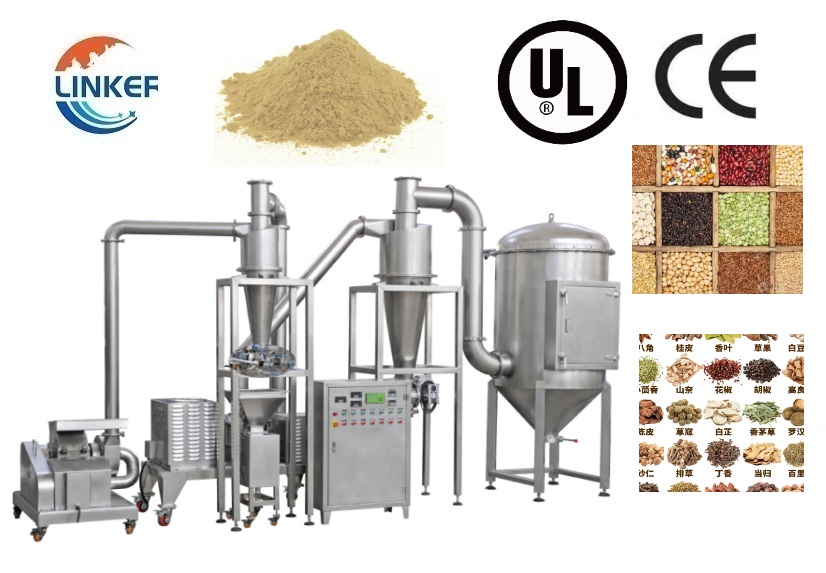
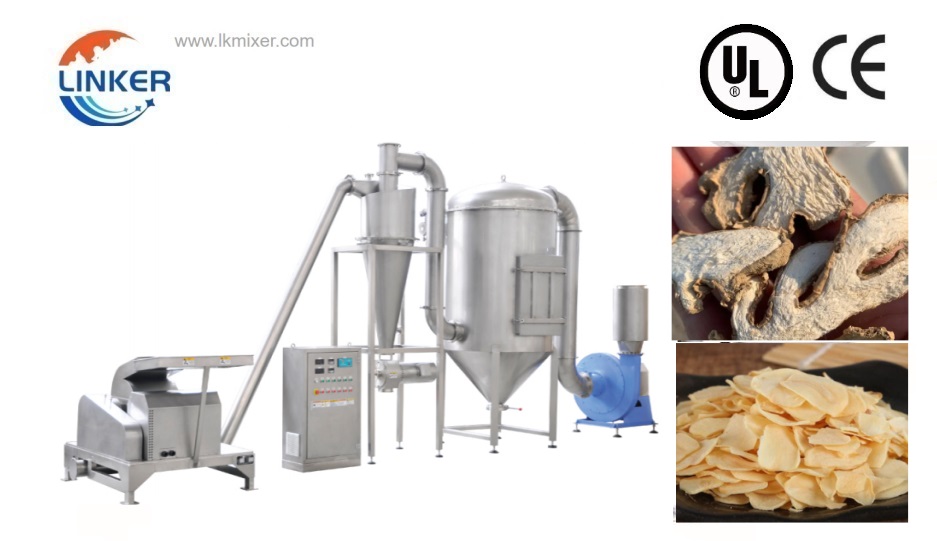
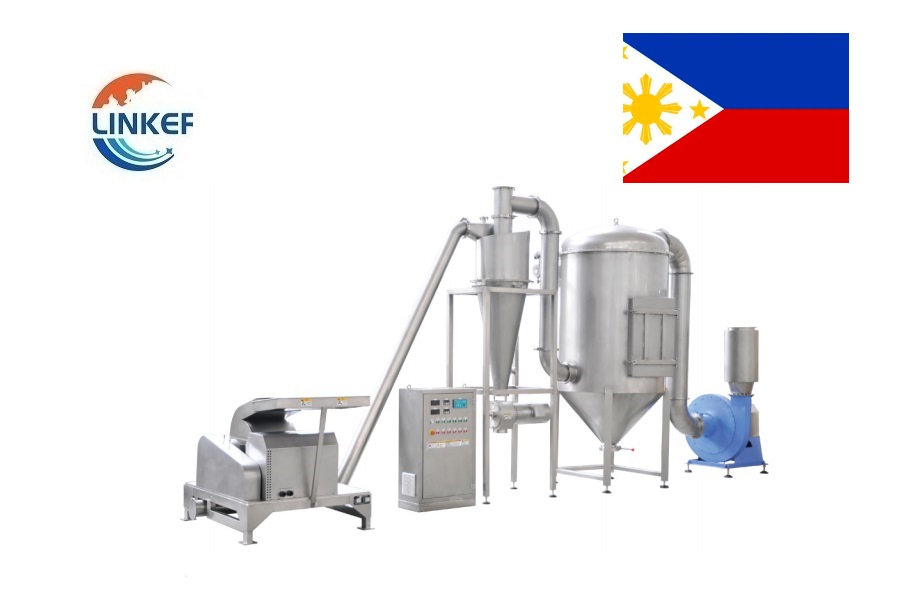
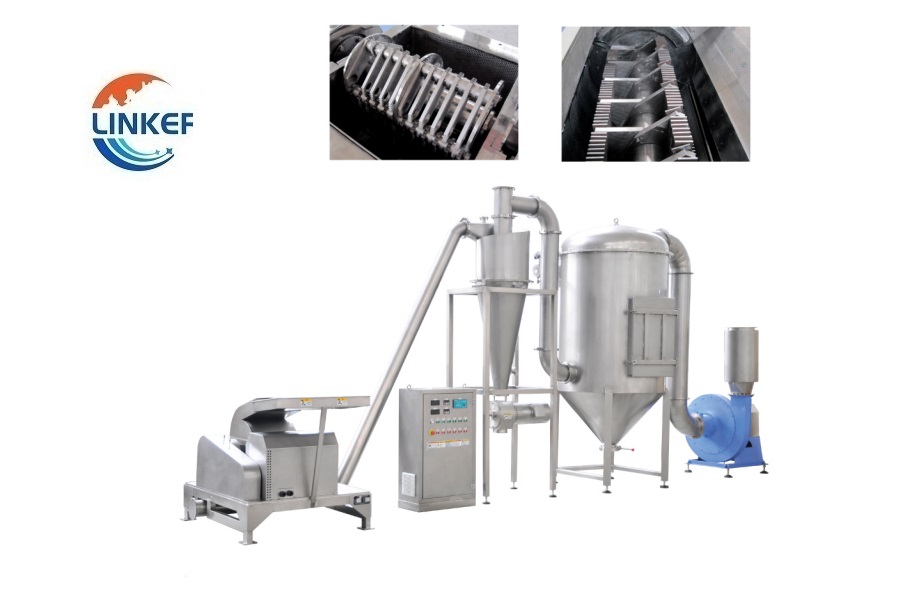
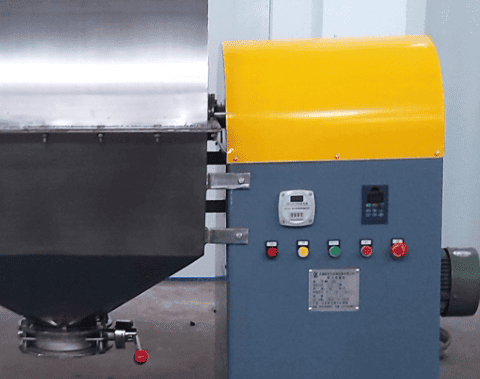
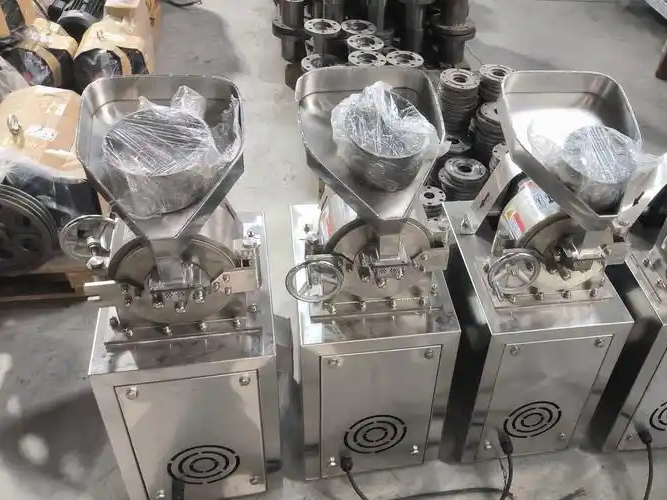
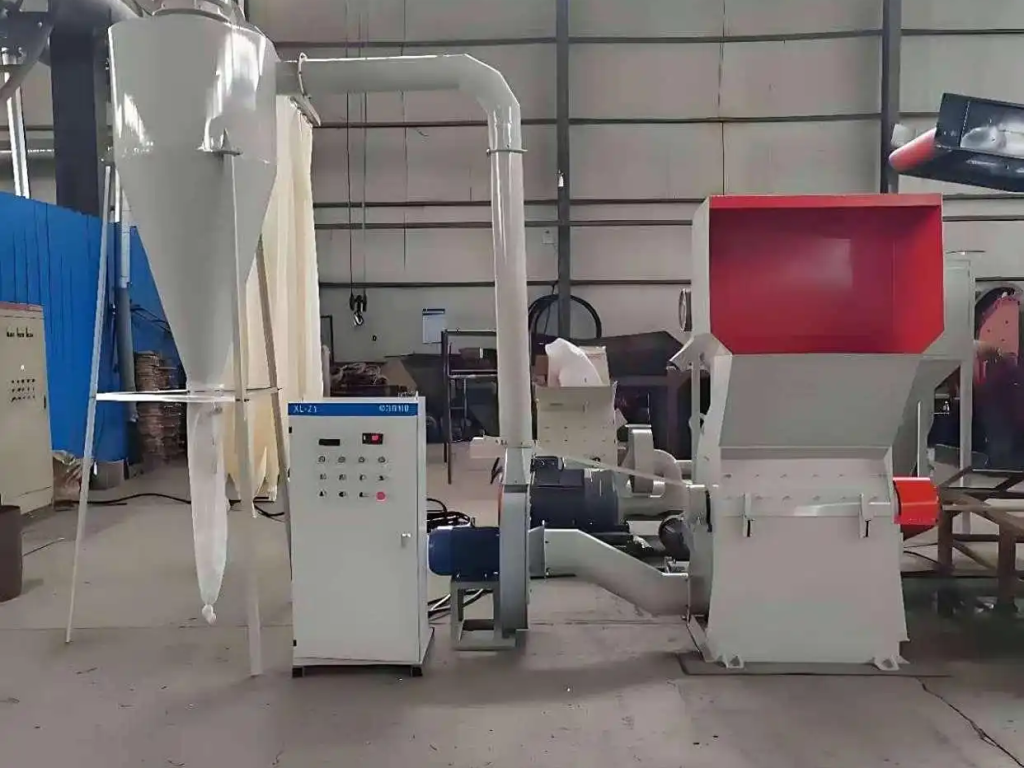
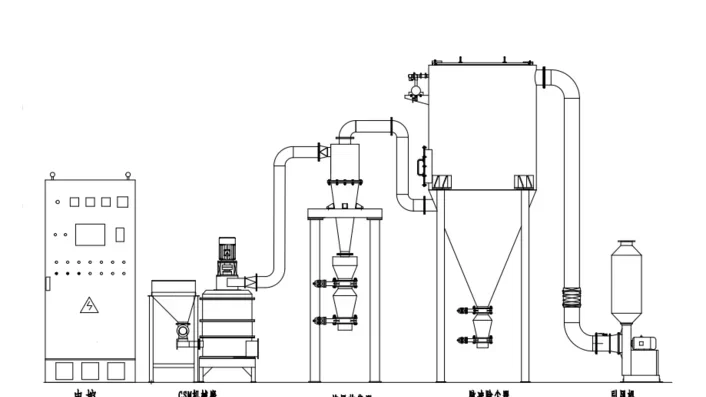
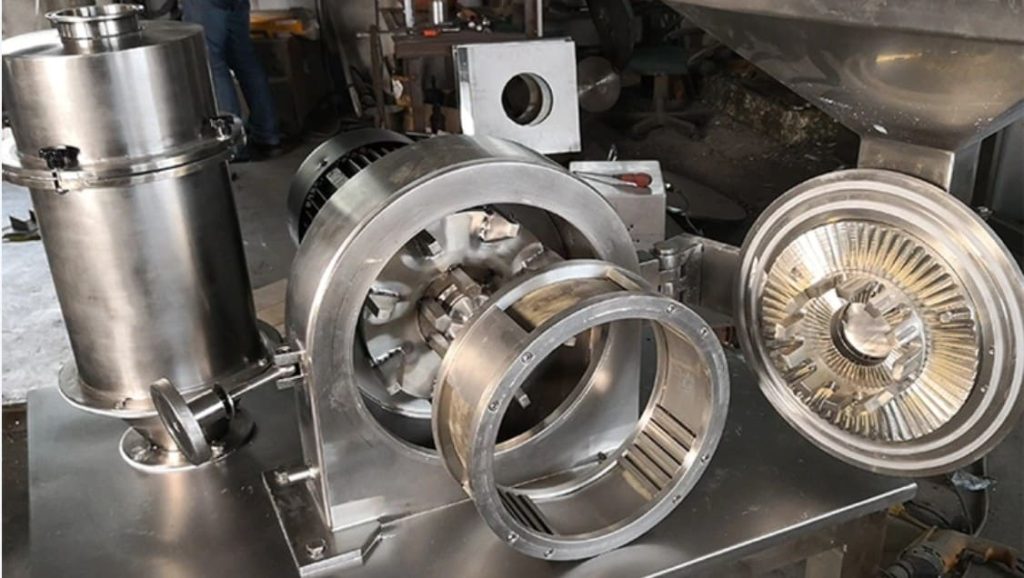
Ultrafine grinding is one of the very key procedure in whole production line. It depends how many mesh that customer need to produce. That’s to say this machine can decide what kind of material will get finally before mxing.
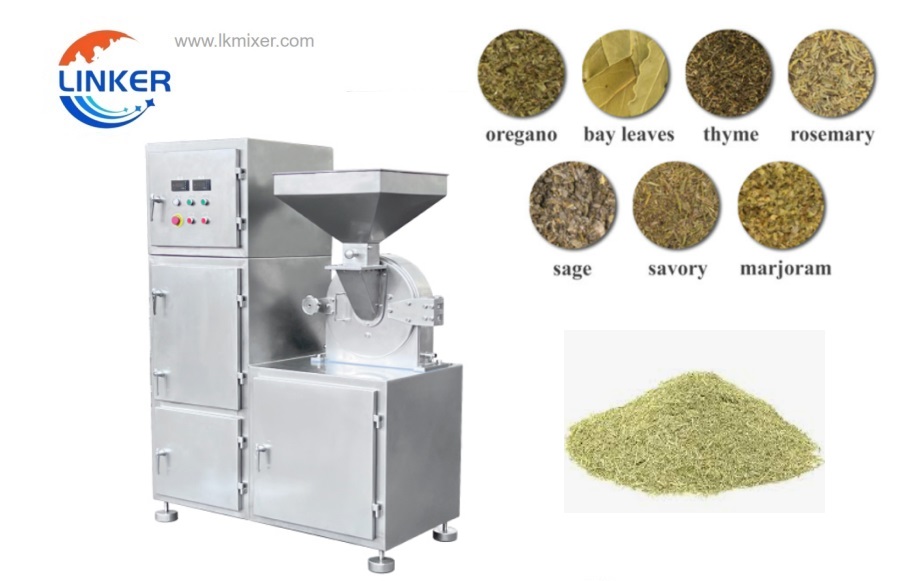
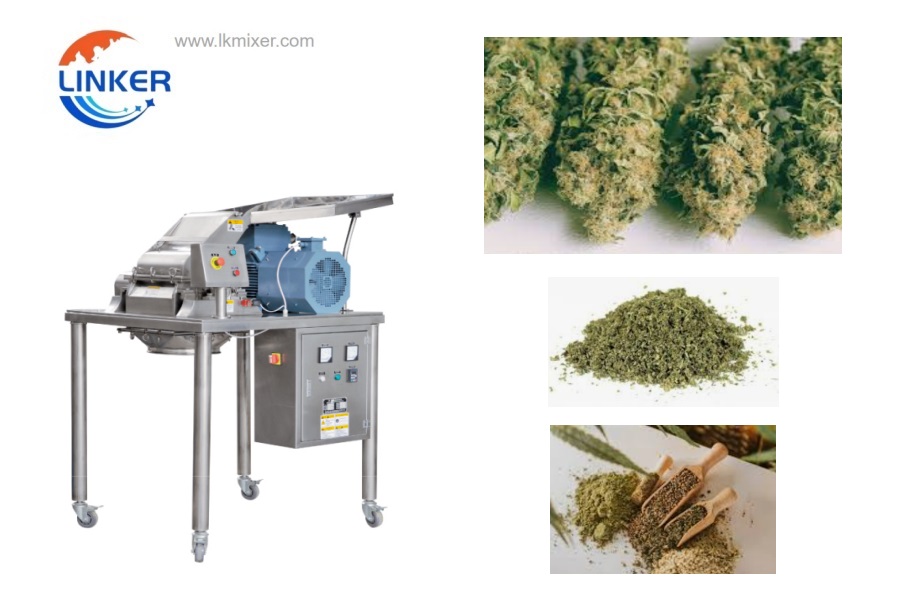
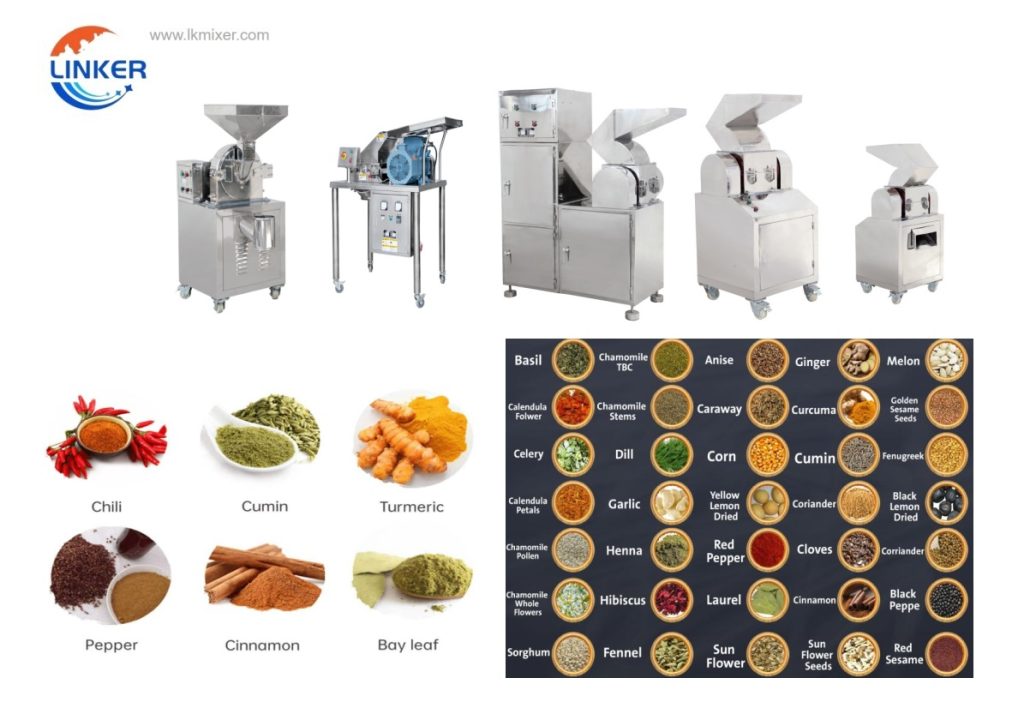
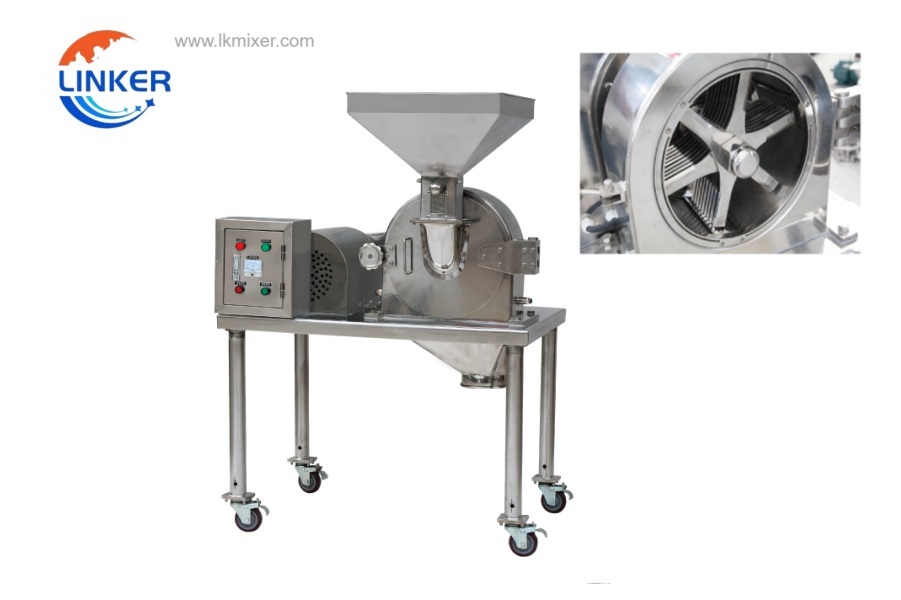
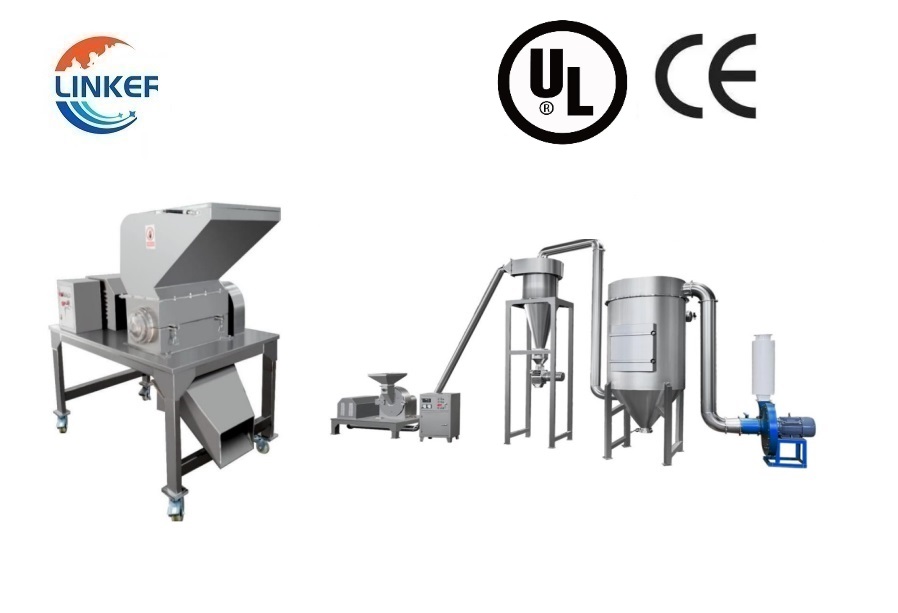
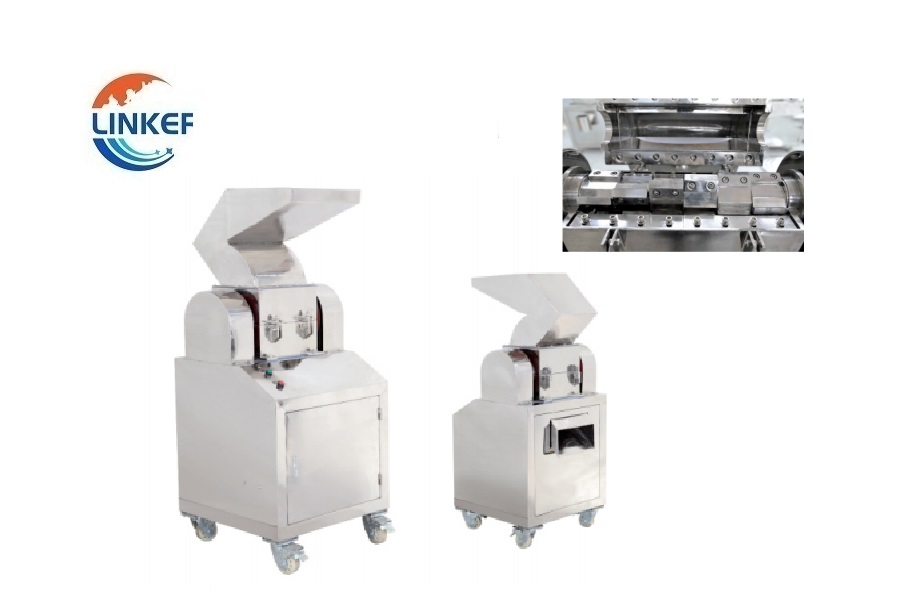
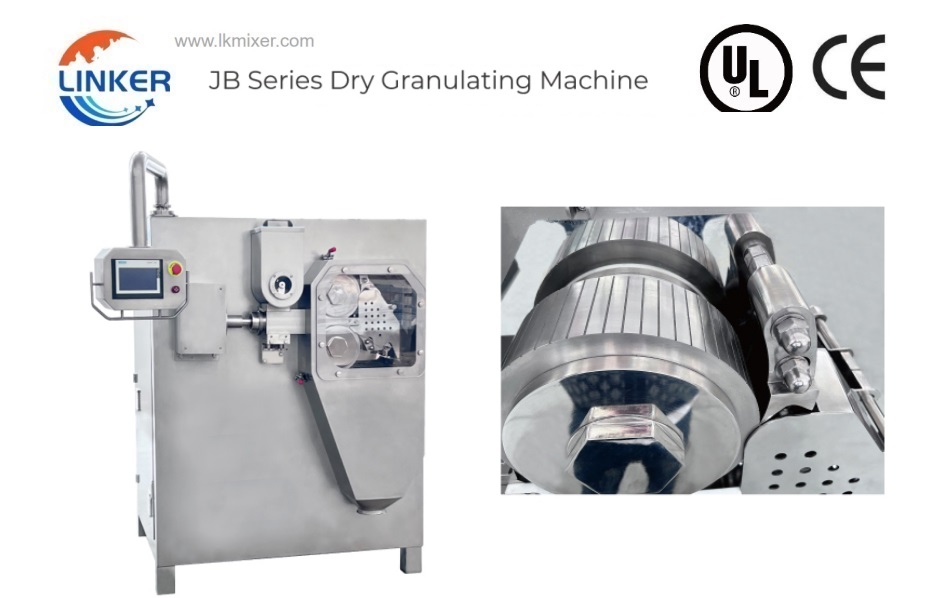
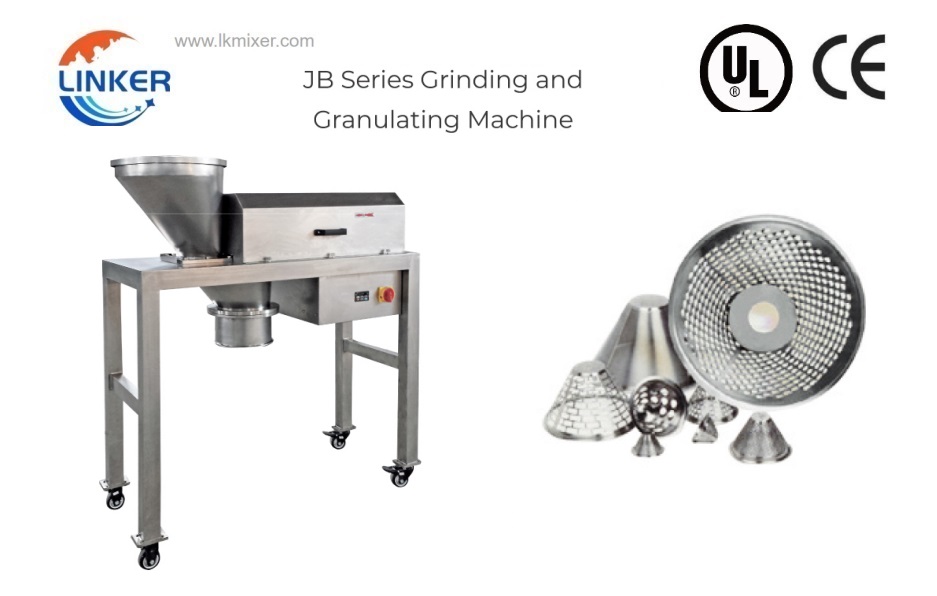
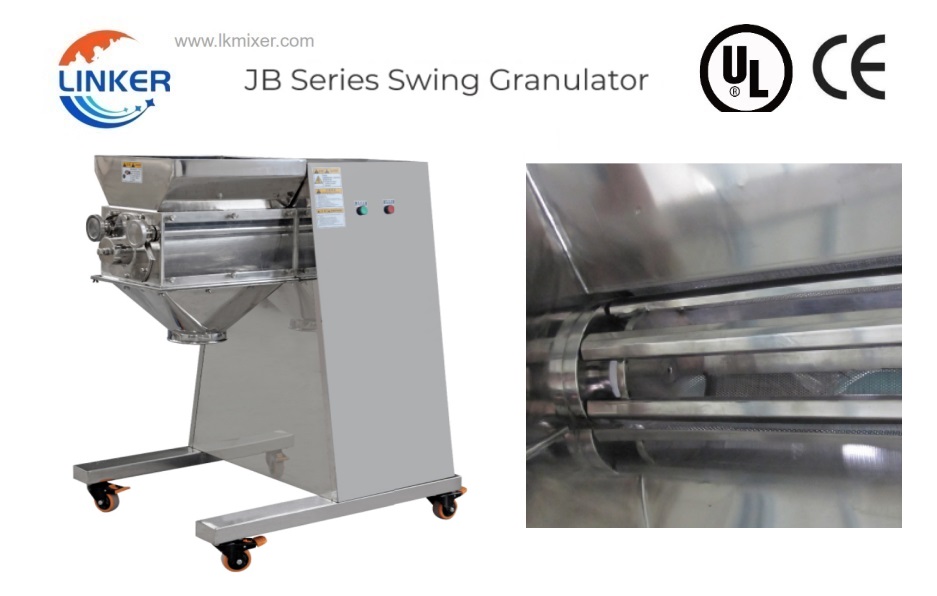
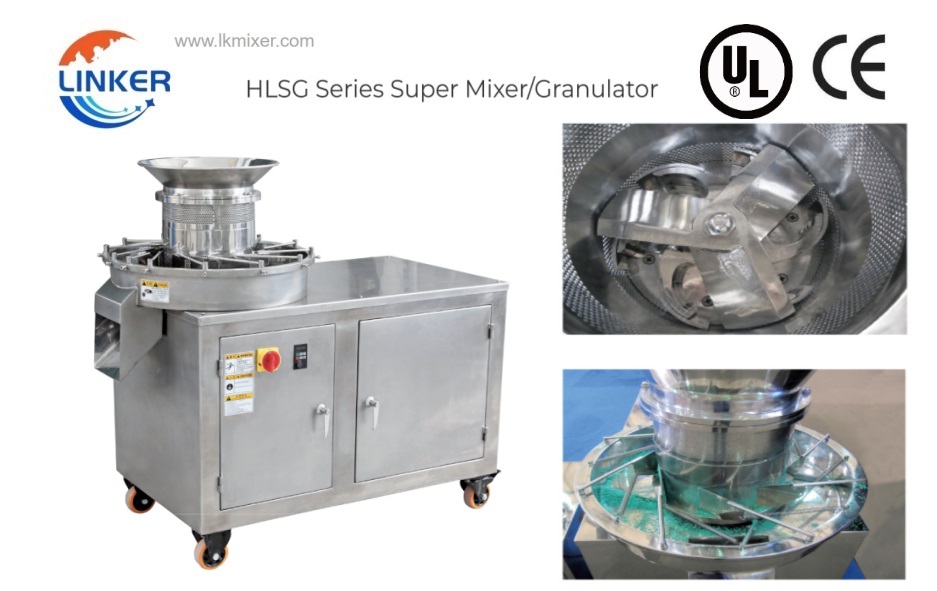
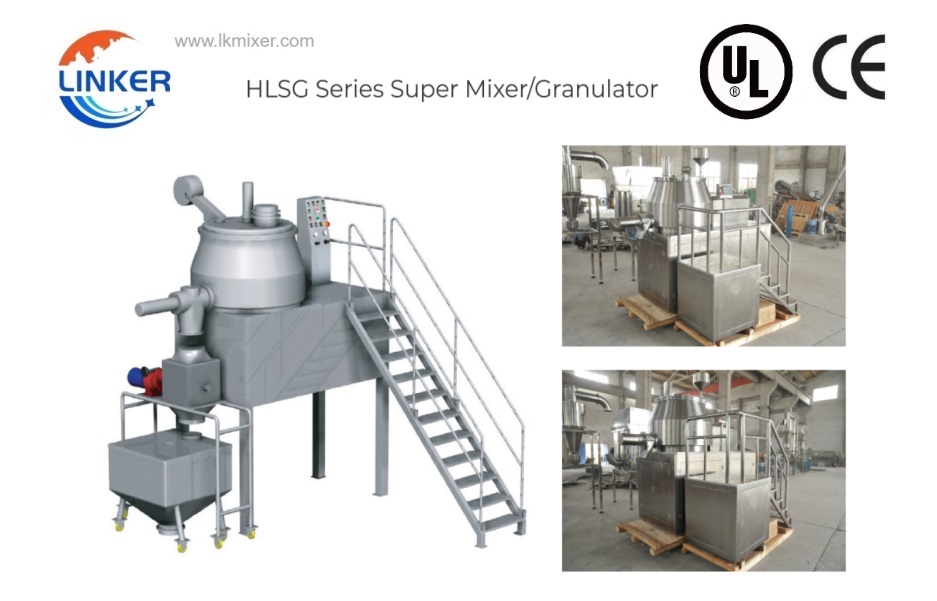
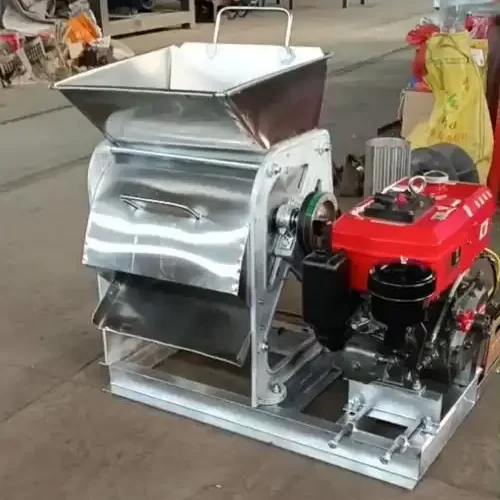
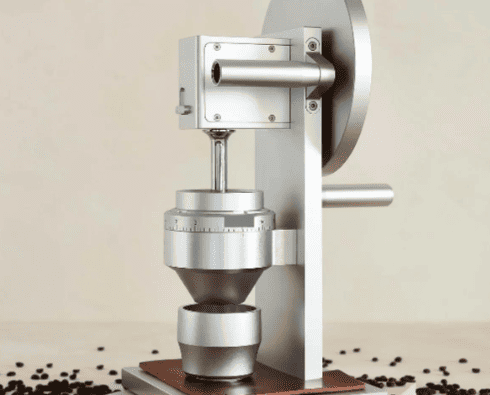
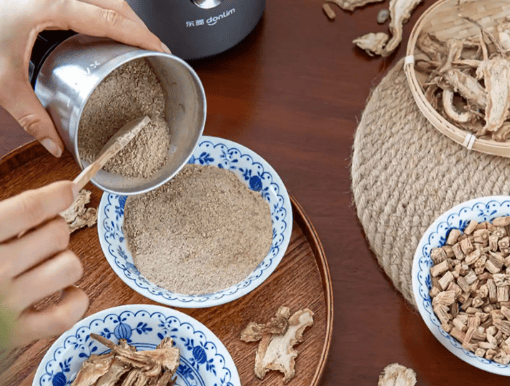
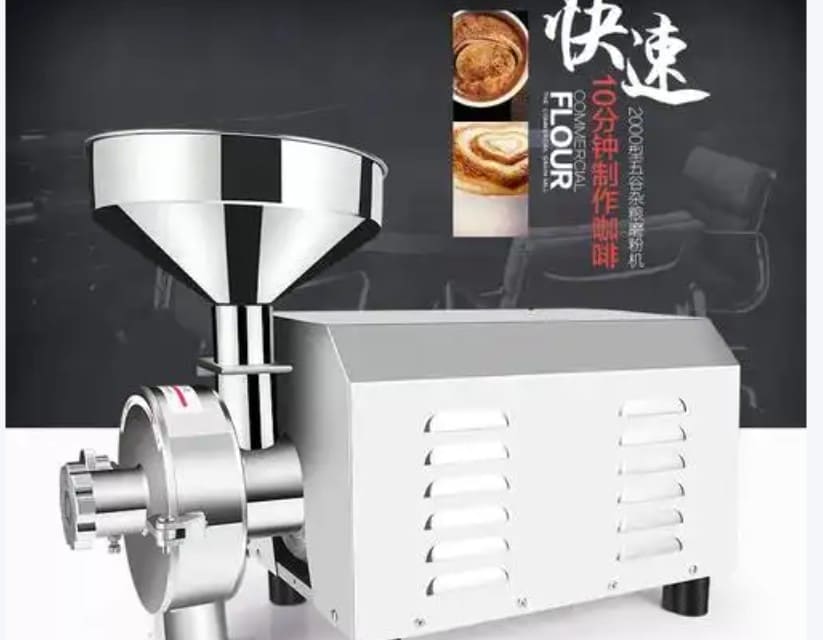
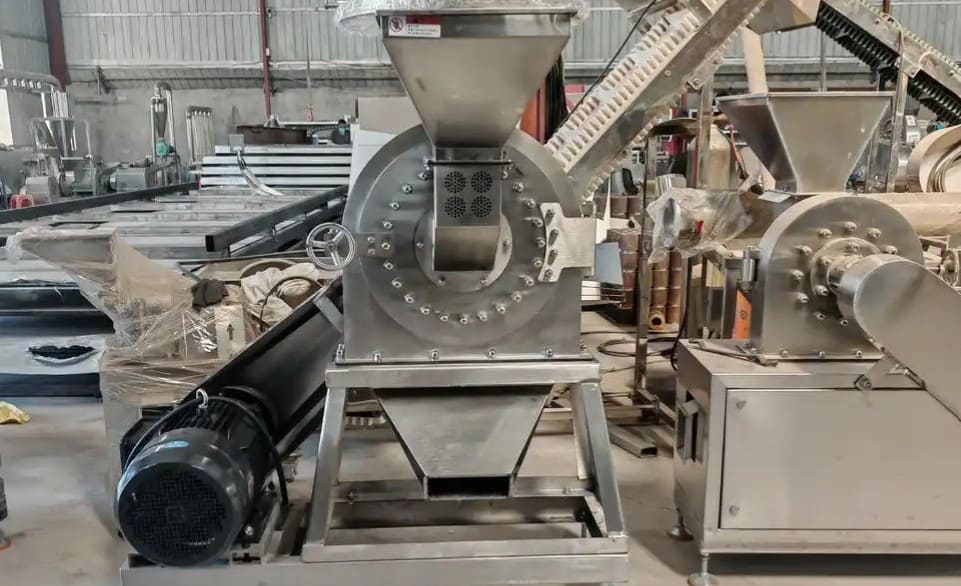
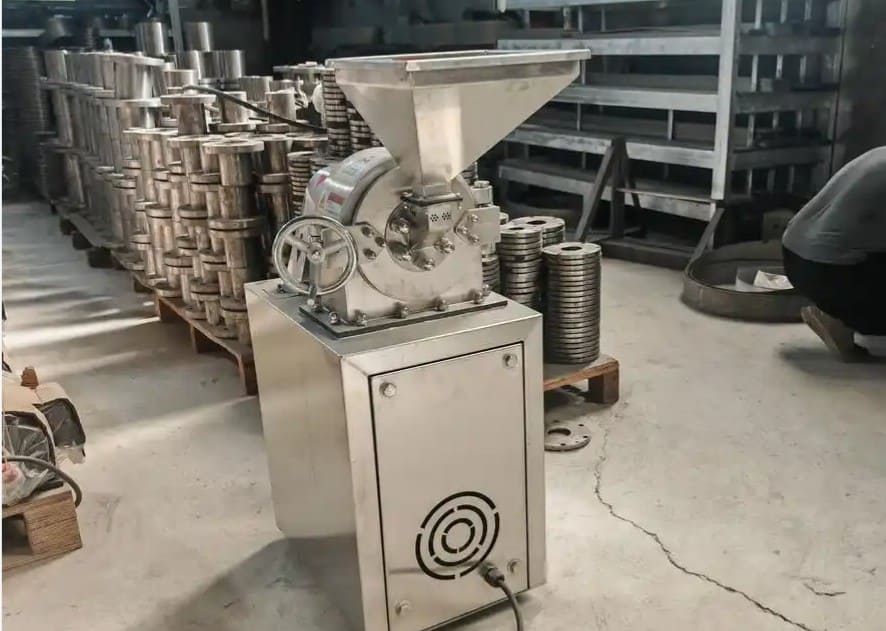
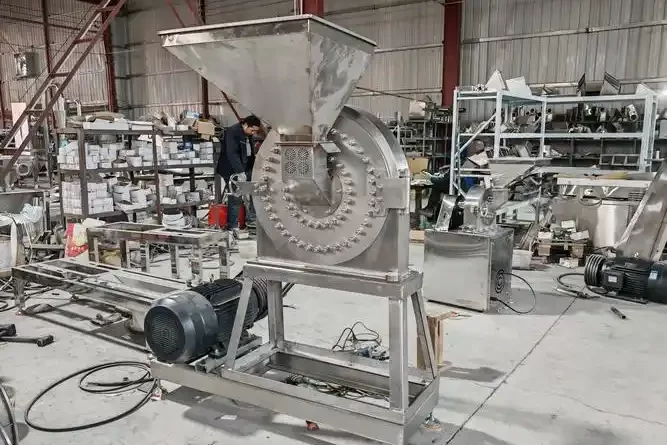
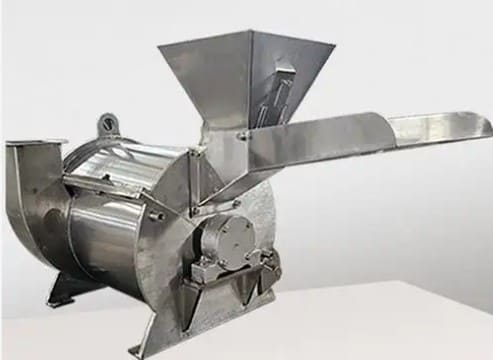
LKMixer is a professional manufacturer for fertilizer production line, grinder, mixer and granulator, shredder. These machines are widely used in food, pharmaceutical, cosmetic, health care products and chemical industries. The Food materials like Peanut, mushroom, seeds, potato, bean, tobacco, salt, cannabis, tea, Sugar, corn, Coffee, rice, pepper, grain as so on. Grinders have many types such as Pulse Dust Grinder which suitable for zero pollution environment, Turbine Mill which is suitable for coffee bean, 12-120mesh all can meet, Ultrafine Grinding Mill covers 80-200mesh, and also Winnowing Dust Grinder or other grinding machines like SF Hammer. Welcome to contact us for details. Contact us for more information. Proposal, catalog, quotation. Mobile/WhatsApp: +86 18019763531 Tel: +86 21 66037855 Email: sales@lkmixer.com
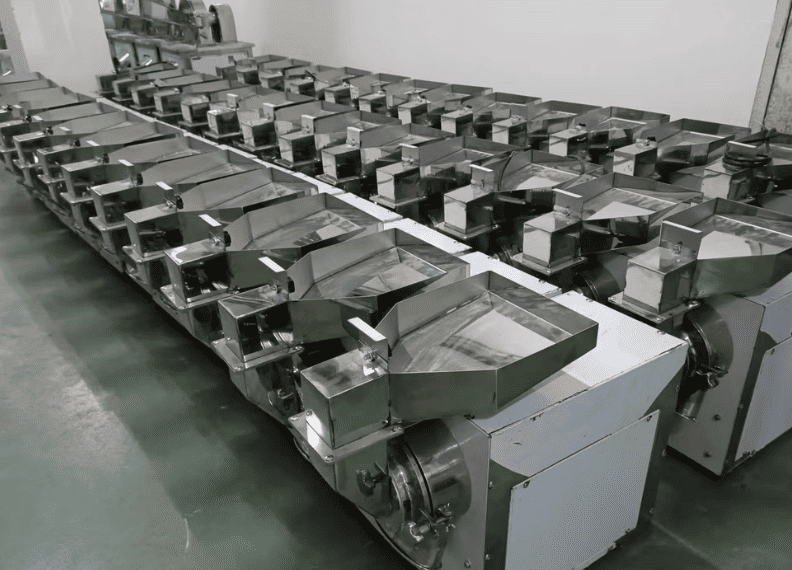
We have 20 years manufacturing experiences; 15600 cubic meters factory area; 5000sets annual capacity; 55 professional engineers;
What’s your main maket?
South America: Brazil, Colombia, Peru, Bolivia, Uruguay, Paraguay ;Romania; USA with UL Certification Middle East: Saudi, Arabia, Oman, Turkey Europe: Russia, Australia, Belarus, Ukraine, Poland
Can you support OEM?
– Yes, OEM or ODM. Machine can be customized according to customer detail requirement, including capacity and voltages, motor certifications. – Drawing and raw materials also can be customized.
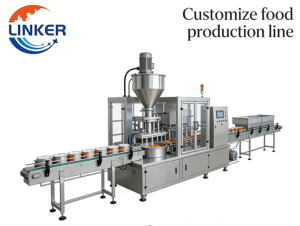
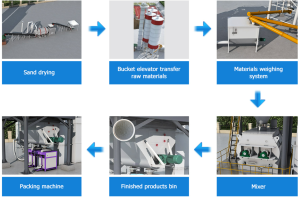
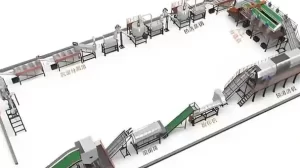
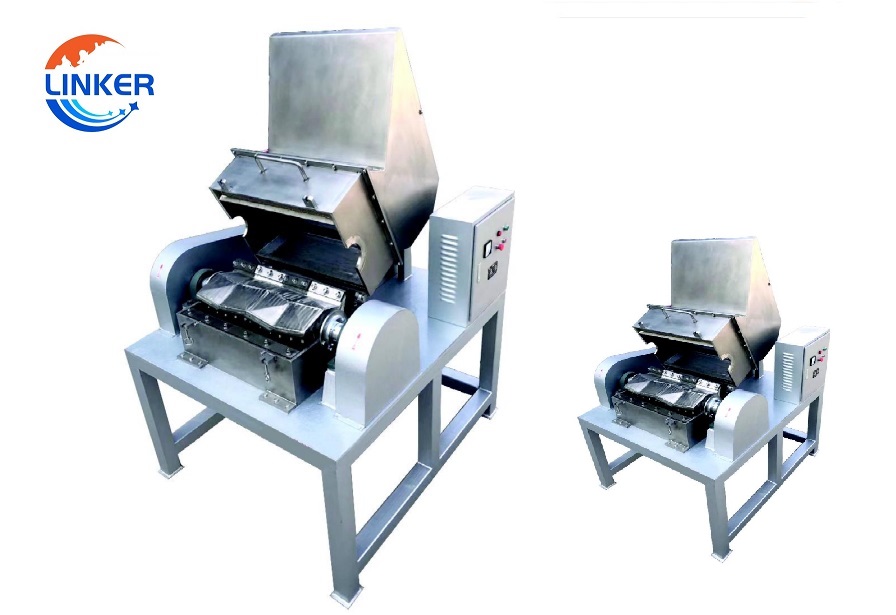
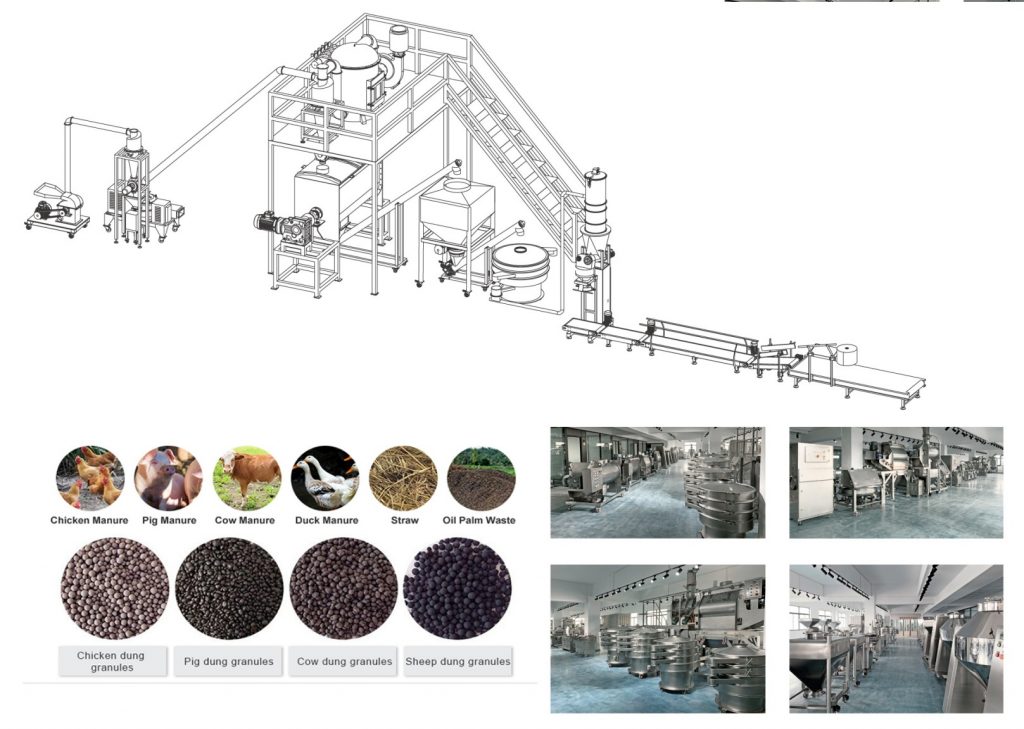
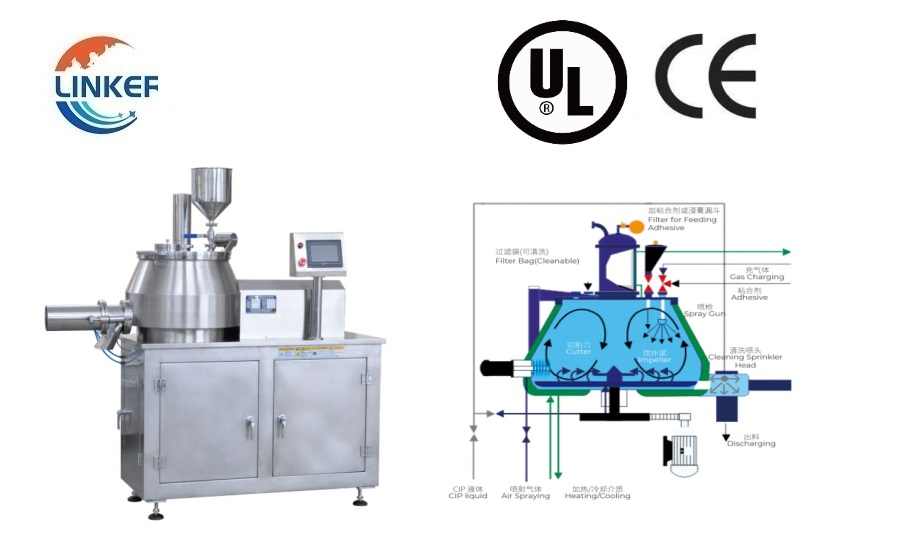
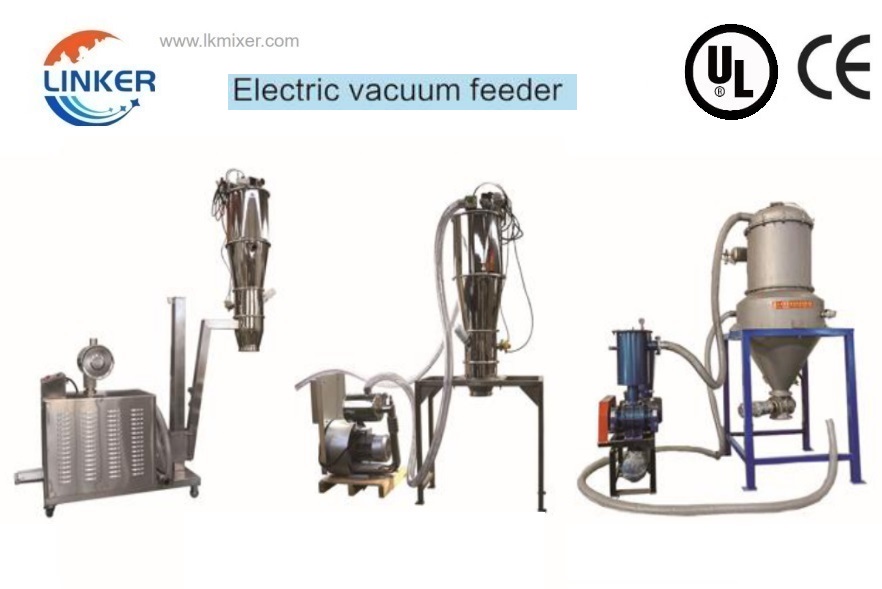
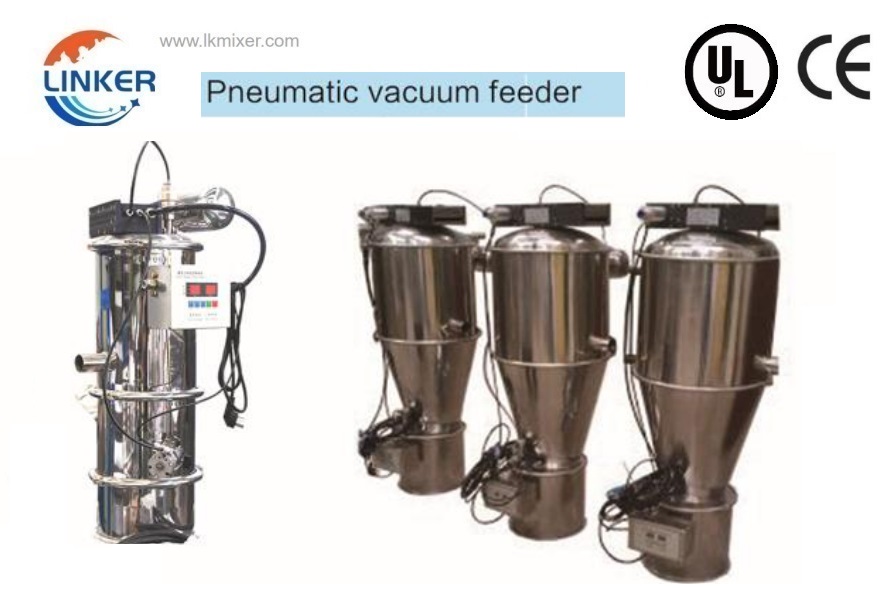
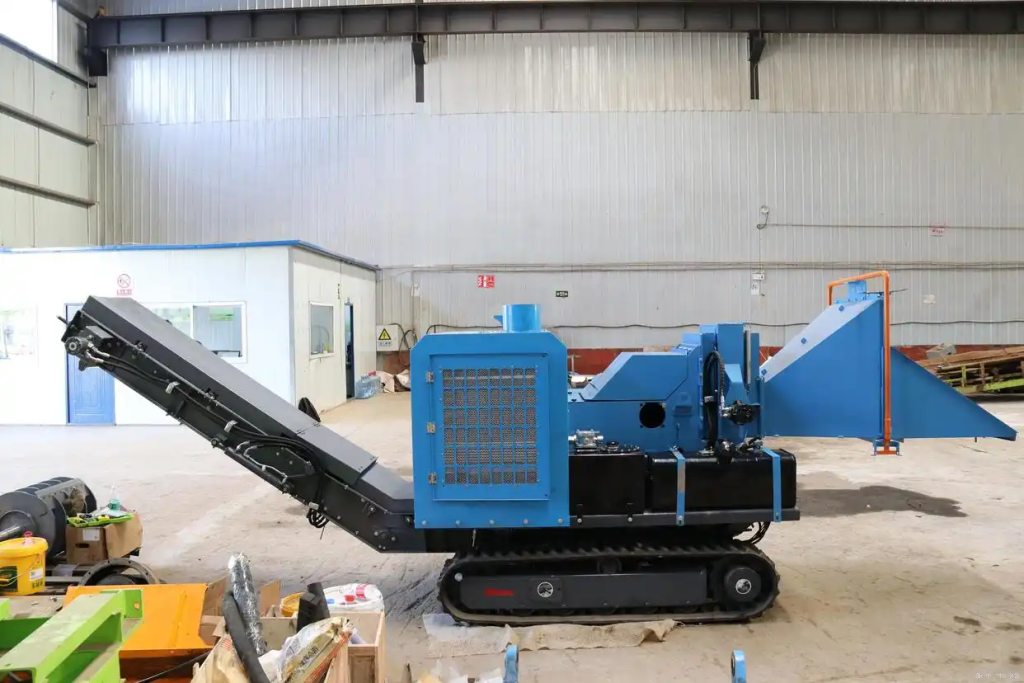
We majorly produce CRUSHER, GRINDER, MIXER, and also have auxiliary machines like DRYER, GRANULATOR, VIBRATING SIFTER, CONVEYOR, etc. We can customize whole production line according to your capacity, material, output sizes of mesh and mm of granule and powder.
CAN YOU GIVE ME GUIDE ON OTHER MACHINE ? TO FULL MY PRODUCTION LINE
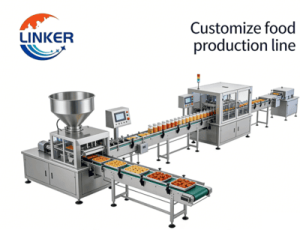
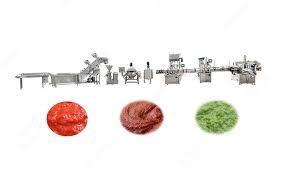
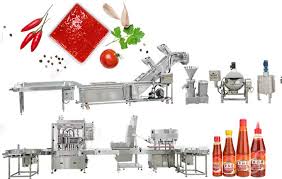
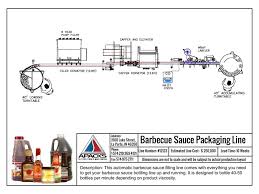
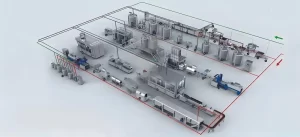
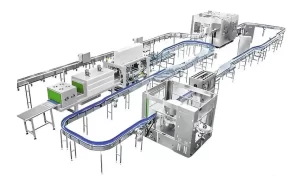
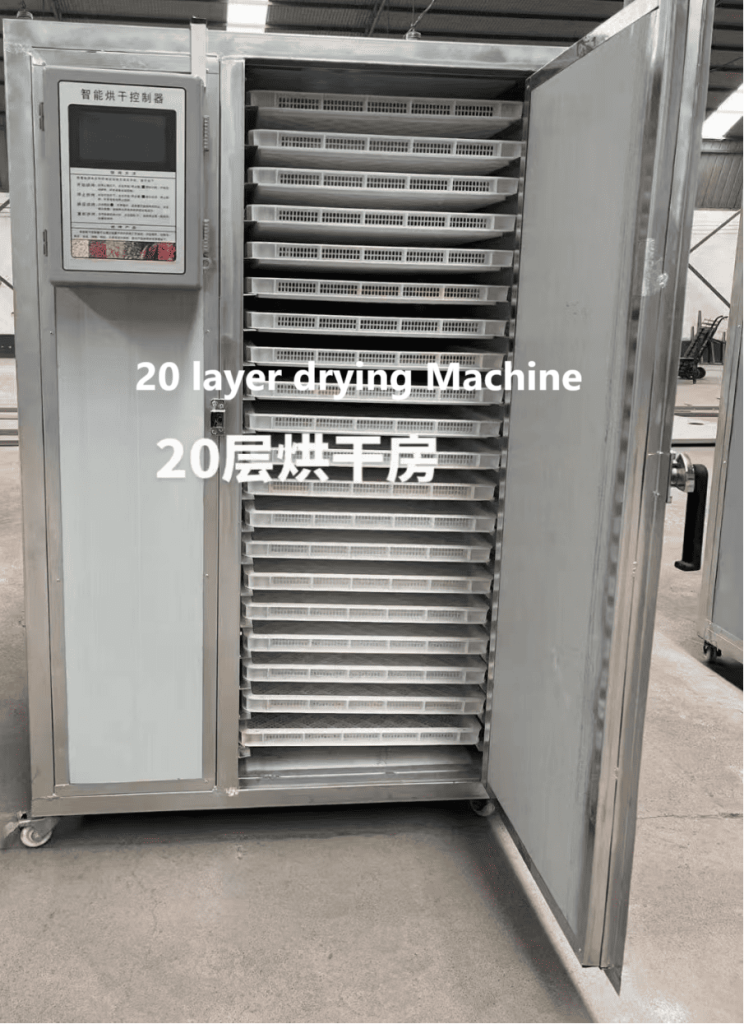
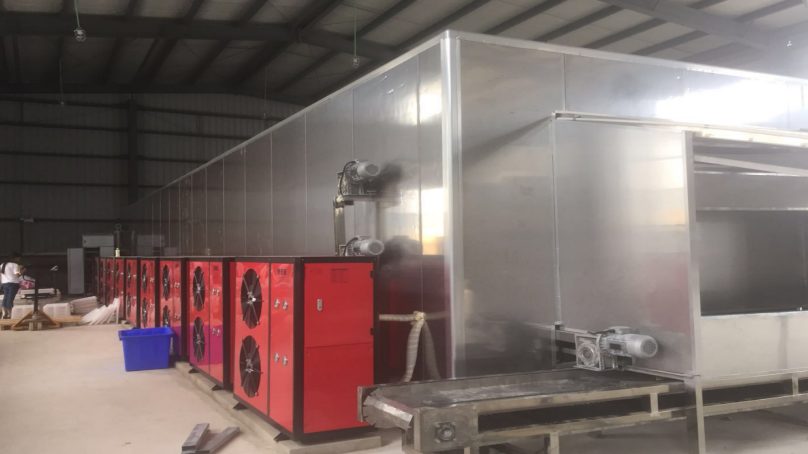
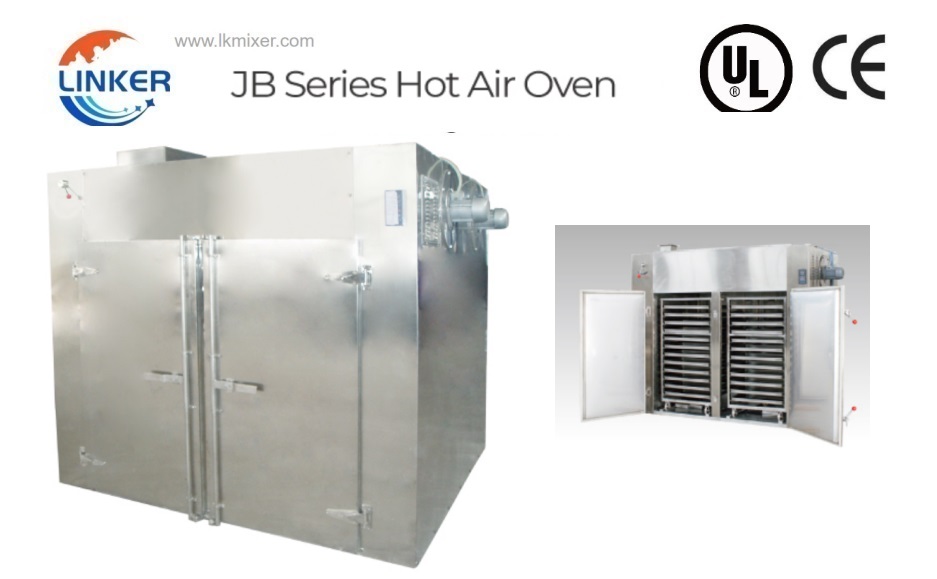
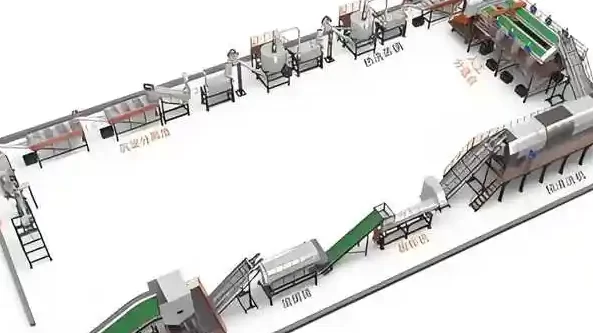
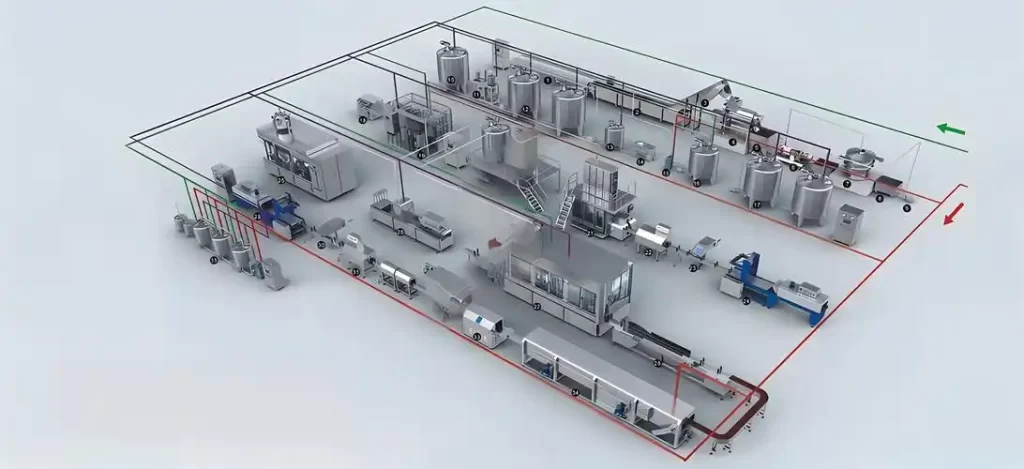
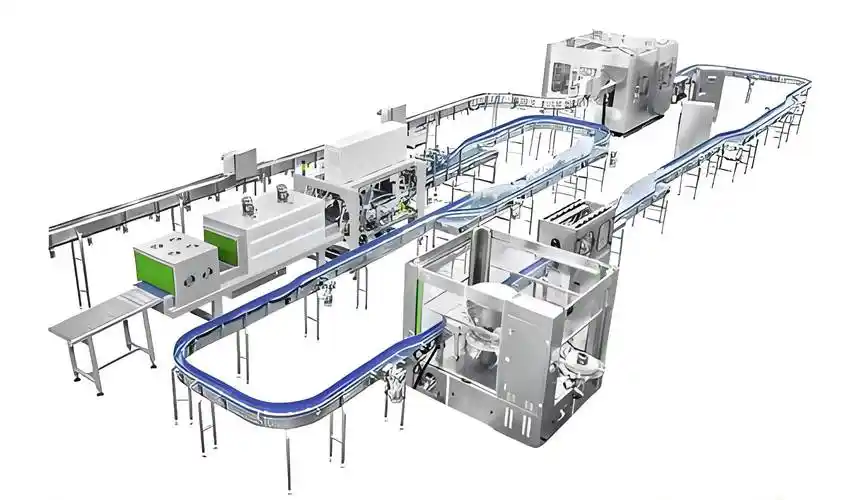
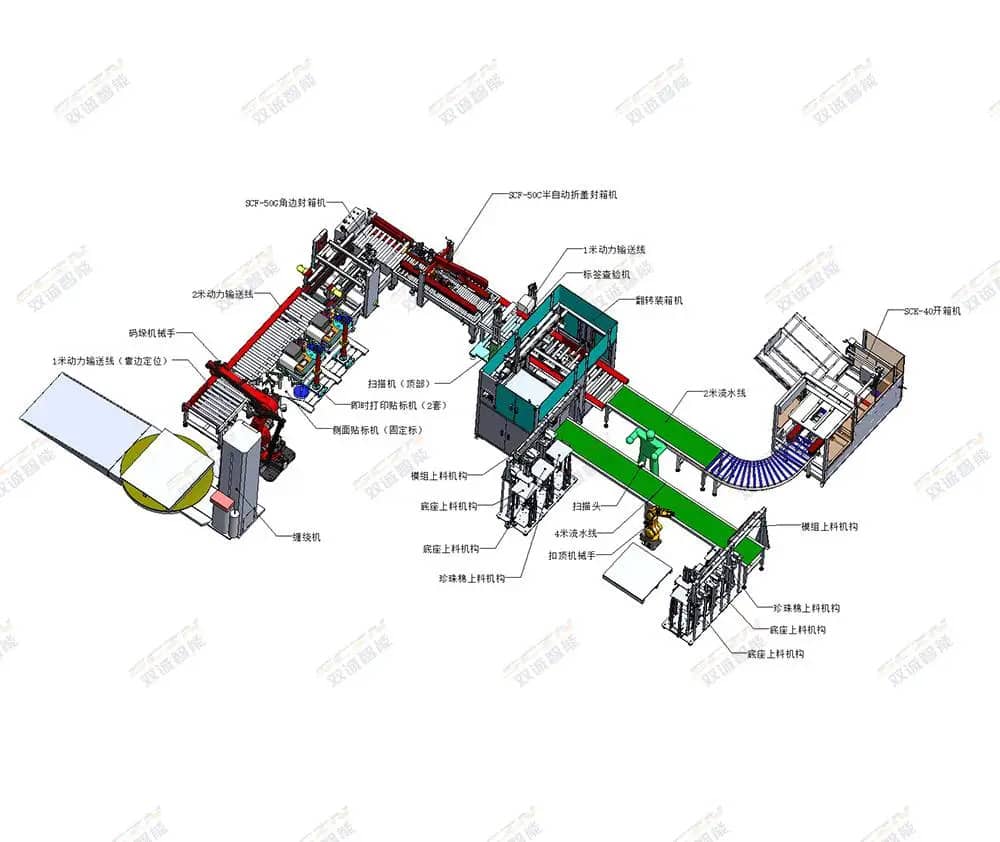
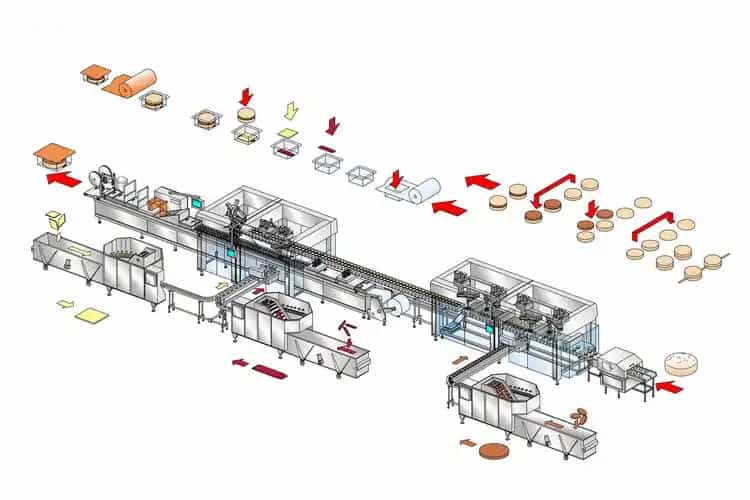
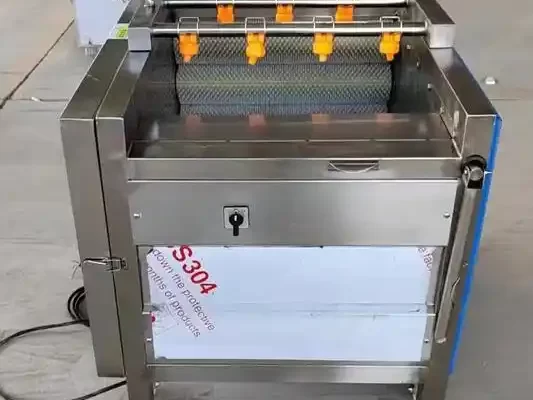
YES ! Our f have factory build more than 20 years now, we can design and customize whole line, besides of the grinding machine, mixing machine, we can also fully support to provide the washing machine, cutting machine, drying machine, packing machine, filling machine. Though we are not producing these machine, but our brother companies co-work together for over 20 years, we have rich experience in providing you a full effective production line, fully automatically or semi-automatically.
HOW TO VISIT YOUR COMPANY?
Our Factory located in Jiangsu Province, very near to Shanghai, you can fly to Shanghai Pudong Airport, we pick you up and take you by car 2 hours ride, can reach our factory, welcome your visit.
WHAT’S YOUR BEFORE & AFTER SERVICE ?
1) Before your purchasing, we need to know your detail request, such as what kind of material you want to grind and mixing, what final product powder or granule you want to reach. Because different material and powder sizes request of different machine to do. We can provide professional advice and rich experience help to choose machine. Most of the products we have already did before for other customer, trail test or run mass production, so we knows which machine is best in performance of grinding and mixing. This is of very importance in helping you choose the right model. We also wish this can help our customer a lot. Even the material we didn’t do before, we will prepare the same material and to do the trail test and send video to you for your reference. 2) One Year guarantee of machine quality. If the machine have problem within one year, we will send you the spare parts to you for replacement, but this not including the damage caused by human causes. We also have 24 hours on line guide for customer, if you have operation difficulty, we will guide by video and on line communication with our engineer for your emergency debug. 3) For small machine, we sell with whole machine, it’s no need to install, and easy to operation, no problems for operation. While for large machine, its’s also not difficult to install with video guideline, but if you need, we can assign our technicians to go abroad, the round ticket, food and residents will be paid by customer.
HOW ABOUT YOUR PAYMENT TERM?
Our payment term is T/T. 50% payment in advance, rest of 50% payment finish before the goods shipped. When we finish the machine production we will do trail test and run the machine take videos for your green light. You pay the rest of 50% payment then.