Do robotic arms exist for humans?
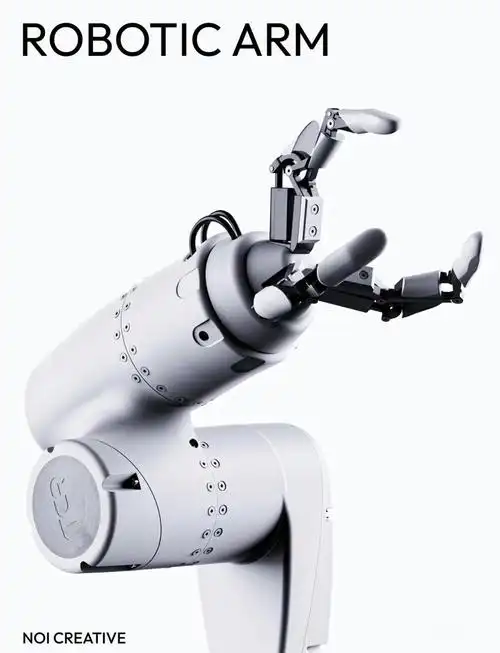
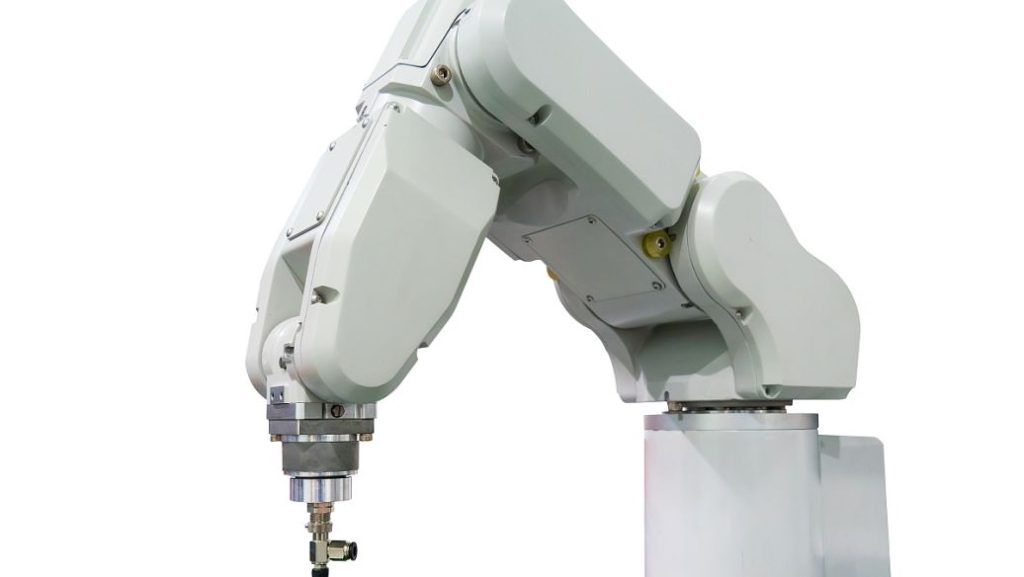
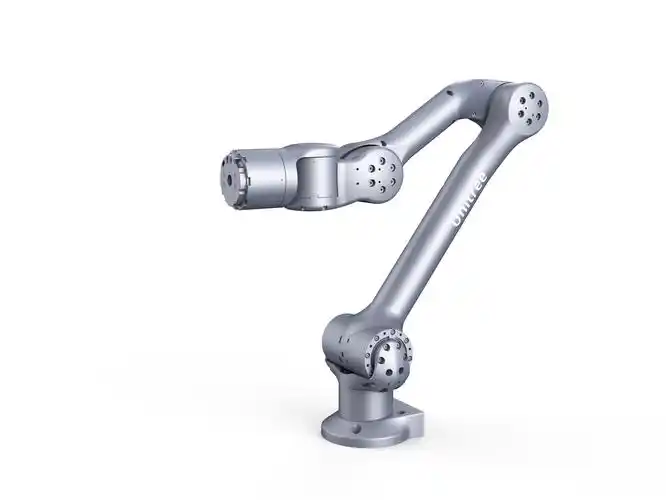
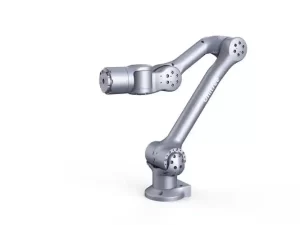
Do robotic arms exist for humans? Yes, robotic arms for human use do exist, and their applications have penetrated many aspects of daily life and medical rehabilitation, no longer limited to industrial environments or laboratory prototypes.
These systems do not replace humans, but serve as extensions of the body to enhance capabilities, compensate for deficiencies, assist in movement, and achieve in-depth collaboration between humans and machines.
Robotic Arms in Rehabilitation Medicine: Restoring Functions for Patients
In the field of rehabilitation medicine, robotic arms have become core tools for patients with stroke, spinal cord injury, or amputation to restore function. By wearing electromyographic sensors, the weak electrical signals from the patient’s remaining muscles can be captured and converted into movement commands for the robotic arm.
When a patient imagines “making a fist”, the sensor detects the electrical activity of the forearm muscles, and the system immediately drives the bionic fingers to complete the grasping action.
This control method does not require complex training and relies on natural physiological reactions, allowing patients to regain basic living abilities such as holding a cup and buttoning clothes within a few weeks.
Some systems even combine virtual reality to strengthen neural remodeling through visual feedback, improving rehabilitation efficiency, just like how a CE Certificate grinder or stainless steel herb grinder is optimized for precise operation.
These robotic arms can also help patients practice handling small items, such as peanut, seasam, or mushroom, simulating daily activities to speed up recovery.
They are as precise as a black pepper grinder or dry ginger grinding machine, ensuring that patients can complete delicate movements without causing additional injury.
Exoskeleton Robotic Arms: Assisting the Elderly and Disabled in Daily Life
For the elderly or disabled with mobility impairments, exoskeleton robotic arms and lower limb assist devices are gradually entering families and communities.
These devices adopt lightweight carbon fiber structures and low-power drive systems, which can be worn on the torso or limbs to provide passive support or active assistance.
In elderly care scenarios, robotic arms can help the elderly stand up from chairs, reach for objects, and carry heavy loads, reducing the burden on caregivers.
In rehabilitation training, they can guide joints to perform standardized movements, preventing muscle atrophy and joint stiffness. This is similar to how a small grinder machine or Air cooled crusher operates in a stable and standardized way.
In scenic spots such as Huangshan and Taishan, exoskeleton devices are already available for tourists to rent, helping those with insufficient physical strength climb to the top easily and realizing “technology-empowered walking”.
Cutting-Edge Brain-Computer Interface: Controlling Robotic Arms with Thoughts
In the frontier of neural interfaces, brain-computer interface technology has achieved clinical verification of “mind-controlled” robotic arms. A non-invasive headband collects weak electrical signals from the cerebral cortex, which are decoded into intent commands such as “reaching out”, “grabbing”, and “rotating” through artificial intelligence algorithms.
Robotic arms can complete complex movements without physical movement. A paralyzed patient can pour water and eat by himself only with his thoughts, regaining the right to live independently.
Although this technology is still in the early stage of application, its breakthrough lies in bypassing the damaged peripheral nerve pathways and directly connecting the brain to the mechanical system, bringing hope to those who have completely lost motor function.
This precision is comparable to that of an Ultrafine Grinder or Vacuum Mill, which can complete complex tasks with minimal error.
Diverse Control Methods for Robotic Arms
There are various ways for humans to control robotic arms. In addition to electromyography and brain-computer interfaces, they also include gesture recognition, voice commands, and teleoperation.
Gesture recognition systems capture hand postures through cameras or wearable gloves, mapping natural gestures to robotic arm movements, which is suitable for surgical assistance or operation in dangerous environments.
Teleoperation uses a master-slave system to allow operators to control remote robotic arms in real time from a safe location, which is widely used in nuclear radiation areas, deep sea, or space missions.
These methods together build an interaction paradigm of “human-led, machine-assisted”, emphasizing human decision-making power and sense of control, just like how a 500KG Grinder or 200KG grinder is controlled by humans to complete industrial tasks.
Voice control is particularly convenient for the elderly, allowing them to command the robotic arm to fetch Medicine, salt, or sugar without manual operation.
This is as convenient as operating an Electric Grinder with a simple switch, making daily life easier for those with limited mobility.
Challenges Faced by Robotic Arms for Human Use
However, these systems still face challenges in weight, battery life, cost, and adaptability. Most devices still weigh several kilograms, and long-term wearing can easily cause fatigue.
Battery life is generally less than 6 hours, which is difficult to meet all-day needs, just like how a cryogenic grinding machine or Dry Fruit Powder Grinder Machine needs frequent charging during long-term operation.
The high manufacturing and calibration costs limit their popularization, similar to the difficulty in popularizing large equipment such as cassava grinding machine or coarse crusher in small-scale scenarios.
Differences in body shape among different users also require the system to have personalized learning capabilities to adapt to individual needs.
Currently, there is no universal “all-purpose robotic arm”; each device is optimized for specific functions, just like how a Dust Grinder is designed for grinding, while a Hammer Mill is for crushing.
Some are designed for daily living assistance, while others focus on rehabilitation training or medical operations.
Application Scenarios in Daily Life and Industry
In daily life, robotic arms for human use can help handle various tasks. For example, they can assist in grinding spice, coffee, or tea with a high speed Dry Grinder, making food preparation easier for those with limited mobility.
They can also help process small materials like bean, seeds, or metal, simulating the operation of a universal grinder or airflow pulverizer.
In some special scenarios, such as processing cannabis or chemical materials, robotic arms can help humans complete tasks safely, avoiding direct contact with harmful substances.
They can also assist in handling meat, wheat, corn, or rice, reducing the physical burden on humans, just like how a vibrating pulverizer or turbo grinder reduces manual labor in industrial production.
For those with hand disabilities, robotic arms can help them use a dust collector grinder or Vacuum Mill, allowing them to participate in light industrial work and regain a sense of value.
Conclusion: Robotic Arms as Extensions of Human Will
These robotic arms are not cold tools, but extensions that carry human will. They do not pursue anthropomorphic appearances, but functional integration—letting those who have lost regain, those who are limited expand, and those who are weak regain strength.
Their existence marks a profound transformation of technology from “replacing humans” to “enhancing humans”.
Just like how tools such as Industrial Weed Grinder or Electric Grinder assist humans in production, robotic arms for human use assist humans in daily life and rehabilitation, bringing convenience and hope.
With the continuous advancement of technology, these devices will become lighter, more durable, and more affordable, gradually entering more families and helping more people live a better life.
They are not here to replace humans, but to work with humans, making the impossible possible and creating a more inclusive and accessible world.
Whether it is helping a paralyzed patient regain the ability to eat independently or assisting an elderly person to move freely, robotic arms for human use are changing lives in subtle ways, proving that technology can be warm and empowering.
Recommend Post about Robot:
Related Production Line Customization:
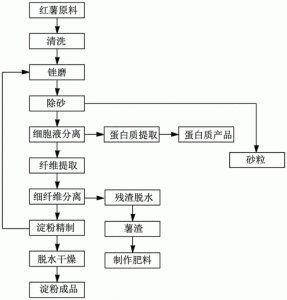
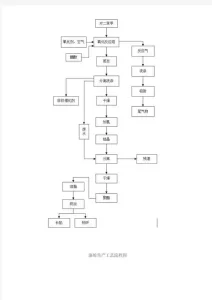
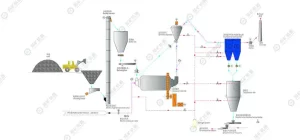
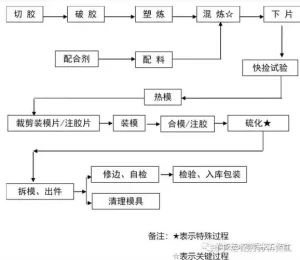

Recommend Post about Production Line:
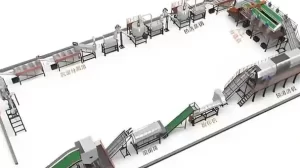
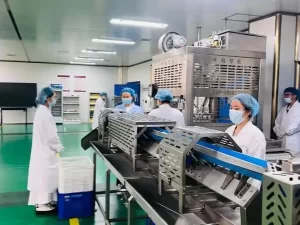
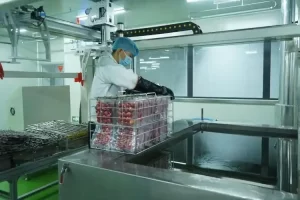
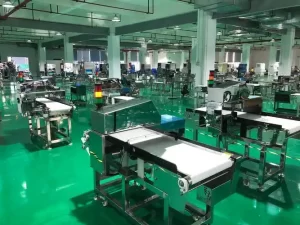
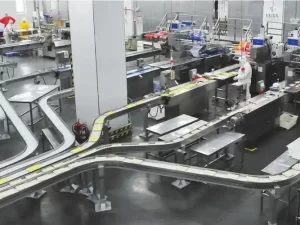
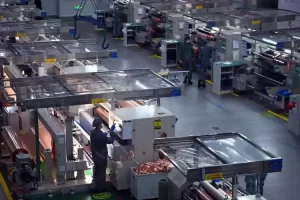

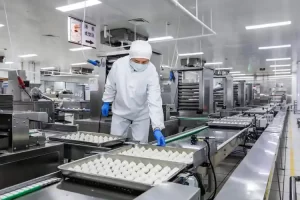
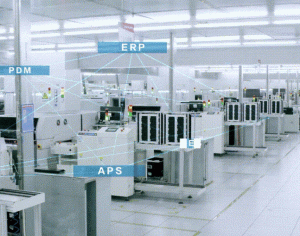
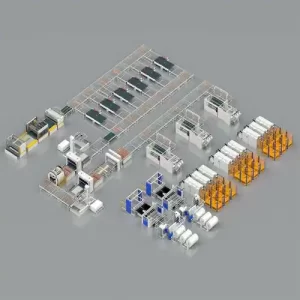
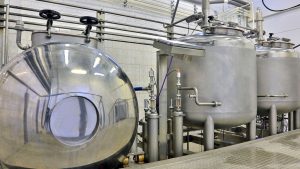
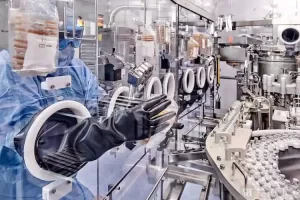
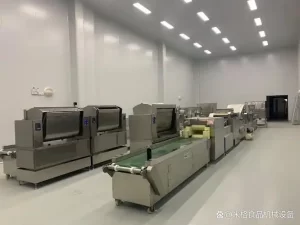
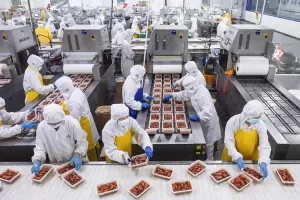
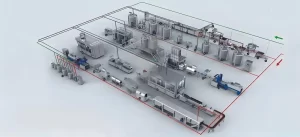
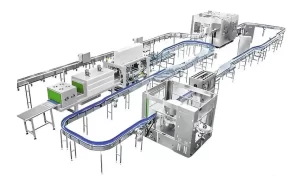
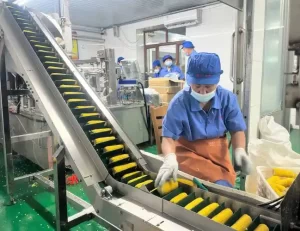
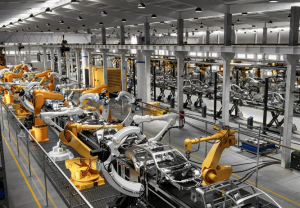
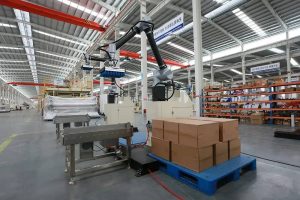
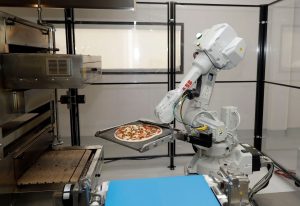
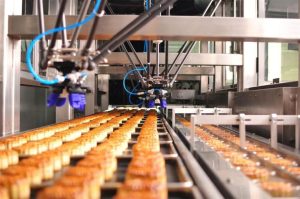
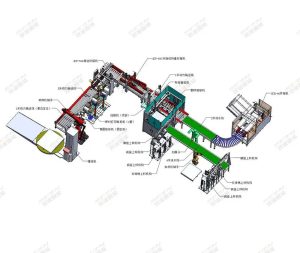
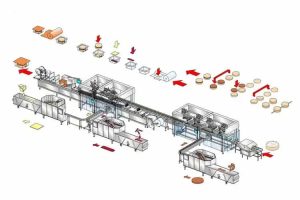
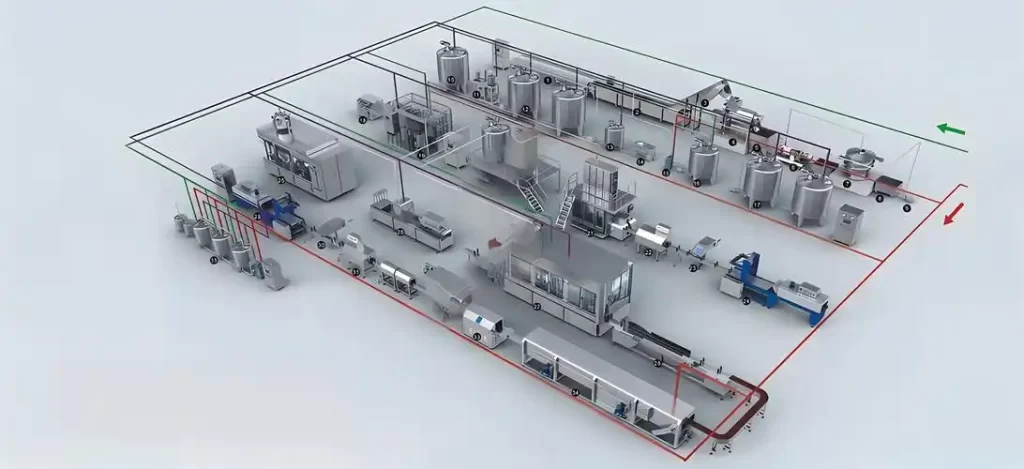
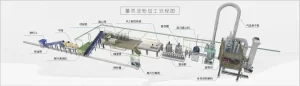
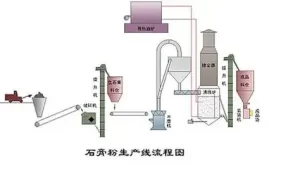
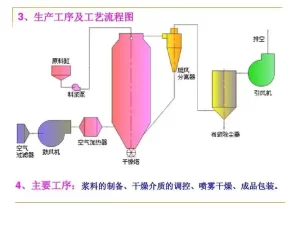
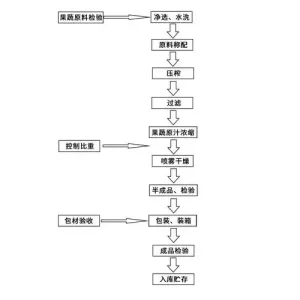
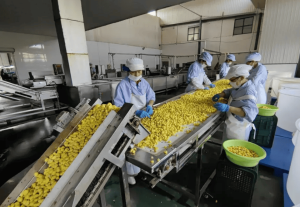
Food Producing Process Flow:
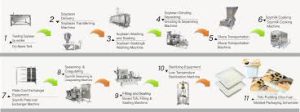
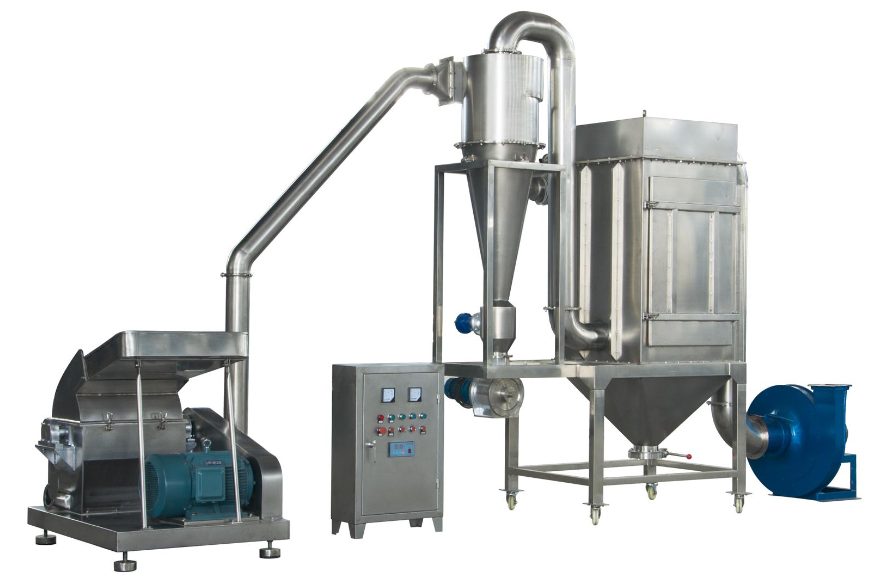
Ultrafine grinding is one of the very key procedure in whole production line. It depends how many mesh that customer need to produce. That’s to say this machine can decide what kind of material will get finally before mxing.
Coarse Crusher Machine —>Grinding Machine —> Vibrating Table Sifter Machine—>Mixing Machine—>Packing Machine —> (Printed Packaging Film Roll or bags ) —> Filling, sealing machine, capping and Labeling Machine —>Pack into Box.

About LKMixer
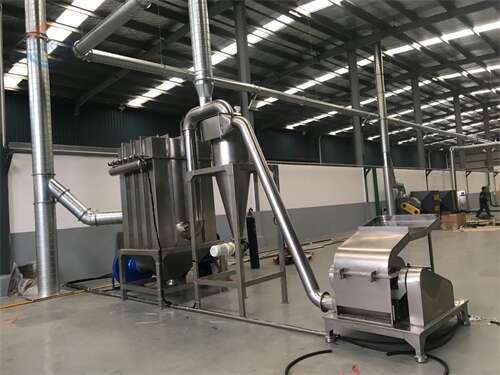
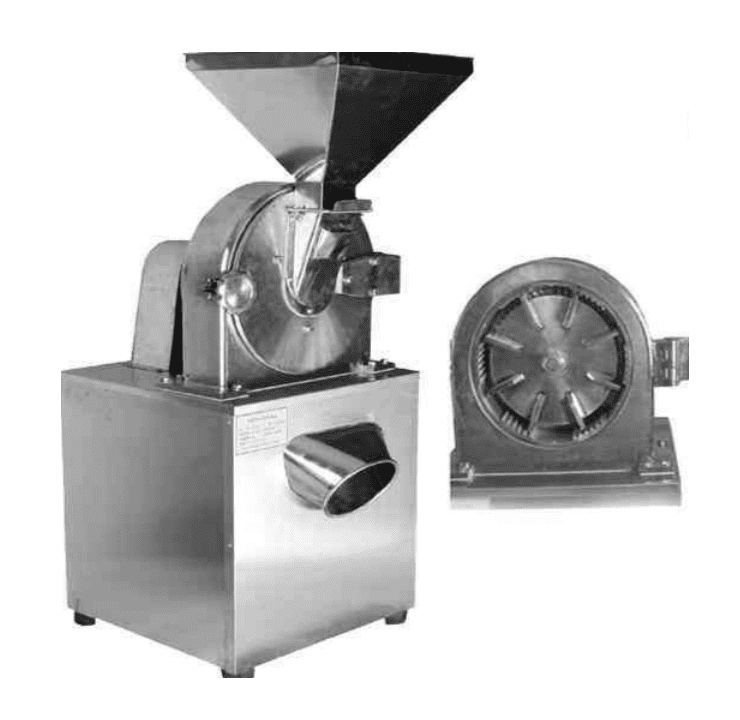
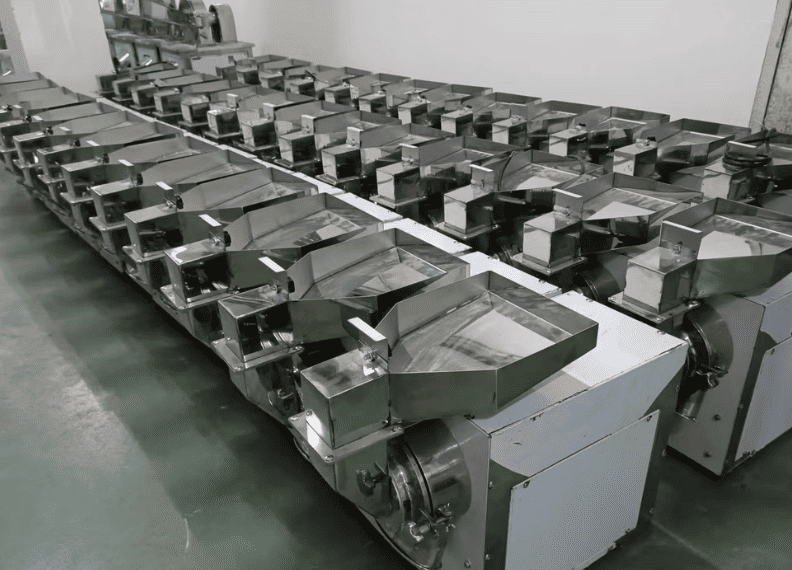
LKMixer is a professional manufacturer for fertilizer production line, grinder, mixer and granulator, shredder. These machines are widely used in food, pharmaceutical, cosmetic, health care products and chemical industries. The Food materials like Peanut, mushroom, seeds, potato, bean, tobacco, salt, cannabis, tea, Sugar, corn, Coffee, rice, pepper, grain as so on. Grinders have many types such as Pulse Dust Grinder which suitable for zero pollution environment, Turbine Mill which is suitable for coffee bean, 12-120mesh all can meet, Ultrafine Grinding Mill covers 80-200mesh, and also Winnowing Dust Grinder or other grinding machines like SF Hammer. Welcome to contact us for details. Contact us for more information. Proposal, catalog, quotation. Mobile/WhatsApp: +86 18019763531 Tel: +86 21 66037855 Email: sales@lkmixer.com
Contact Us
Tel: +86 66037855
Email:sales@lkmixer.com
Working Time: Monday ~Frinday 9:00AM~17:00PM
Please call us Whatsapp, or mail to us.
Grinder for Sale:
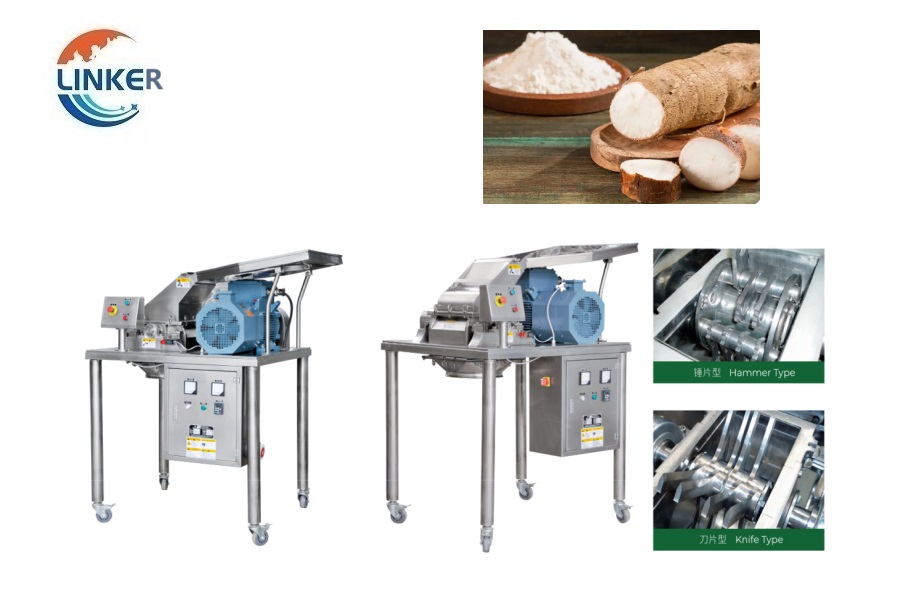
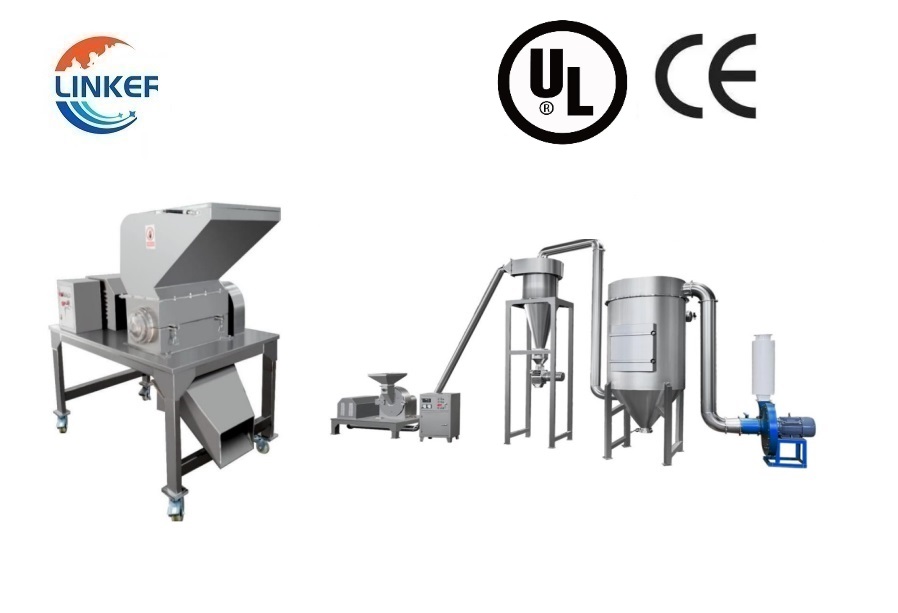
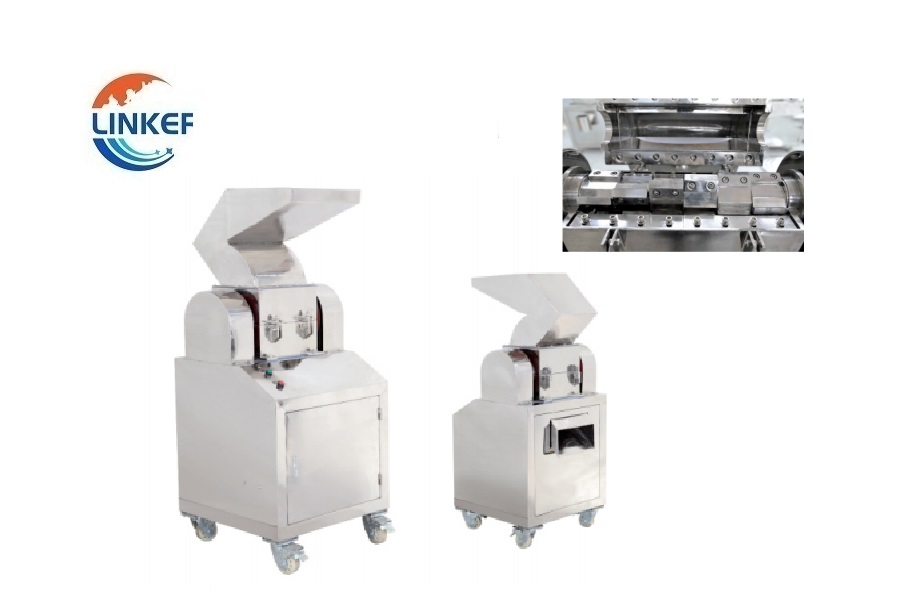
Rubber Powder Grinding Machine
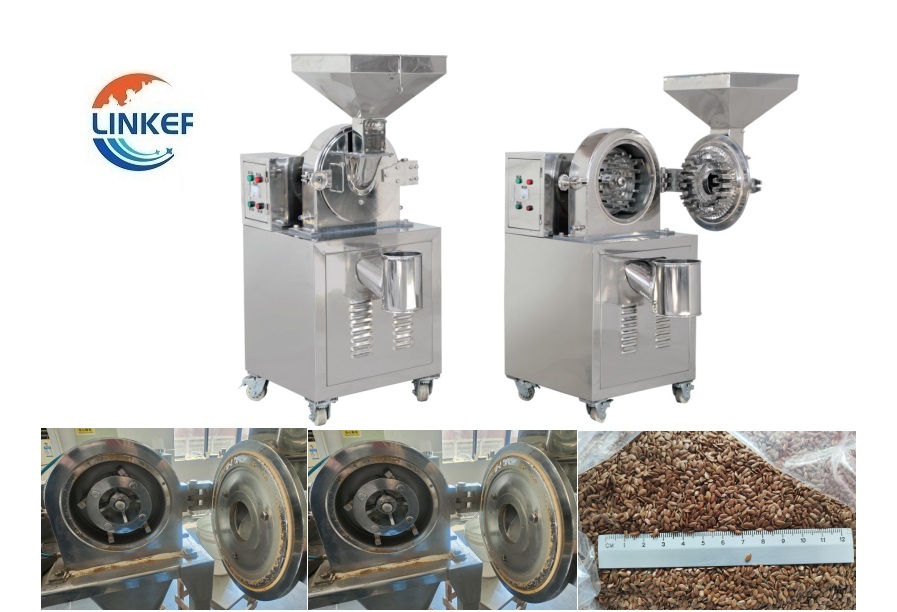
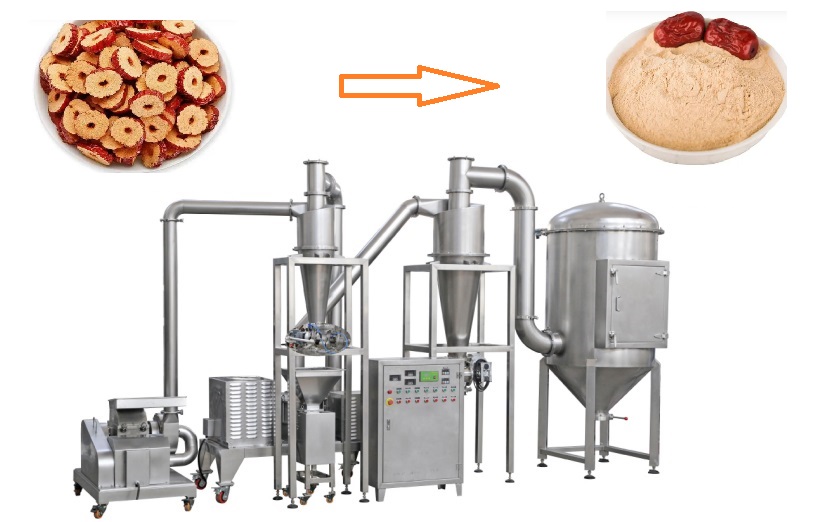
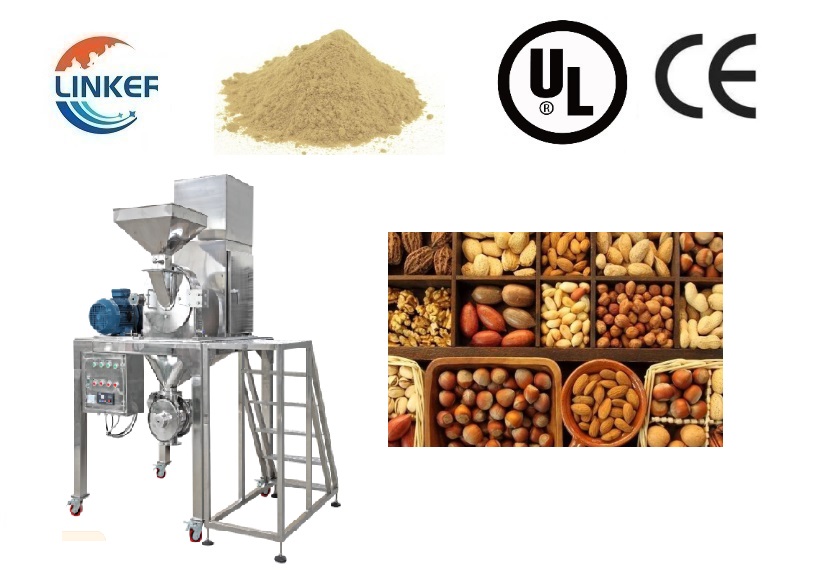
Rubber Powder Grinding Machine Industrial Cumin Seeds Grinder Youtube Video Customization Seeds Grinder According to your…
Blenders for Sale:
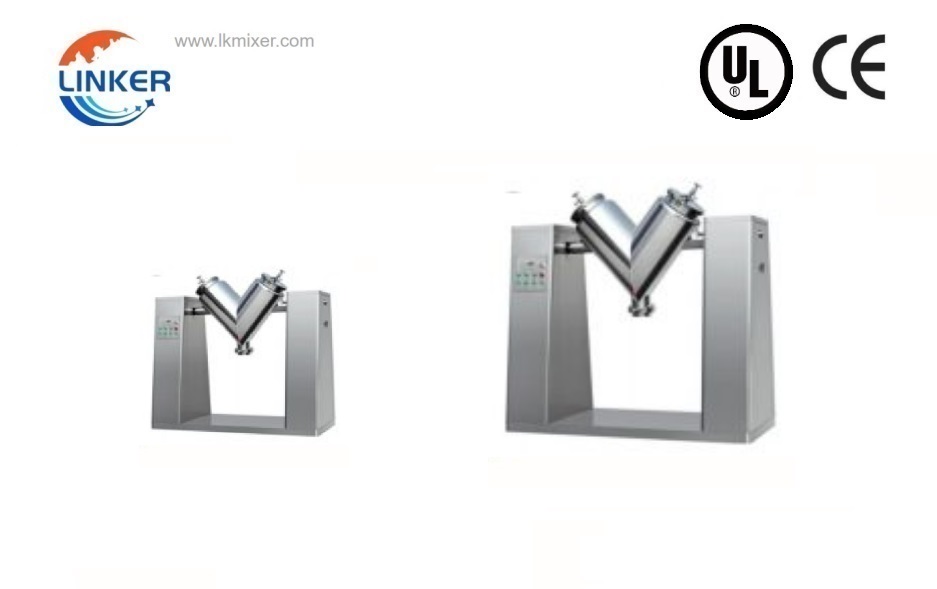
Small Blender 2L 5L 10L 15L 20L
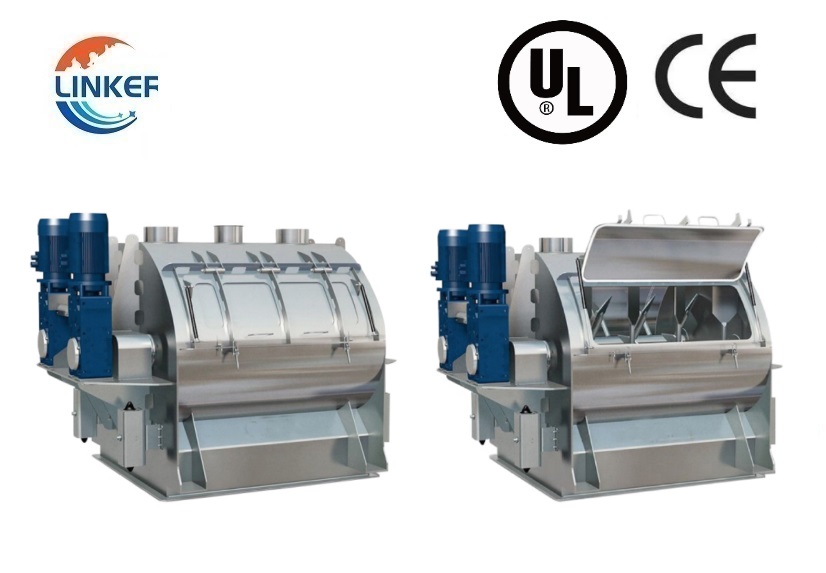
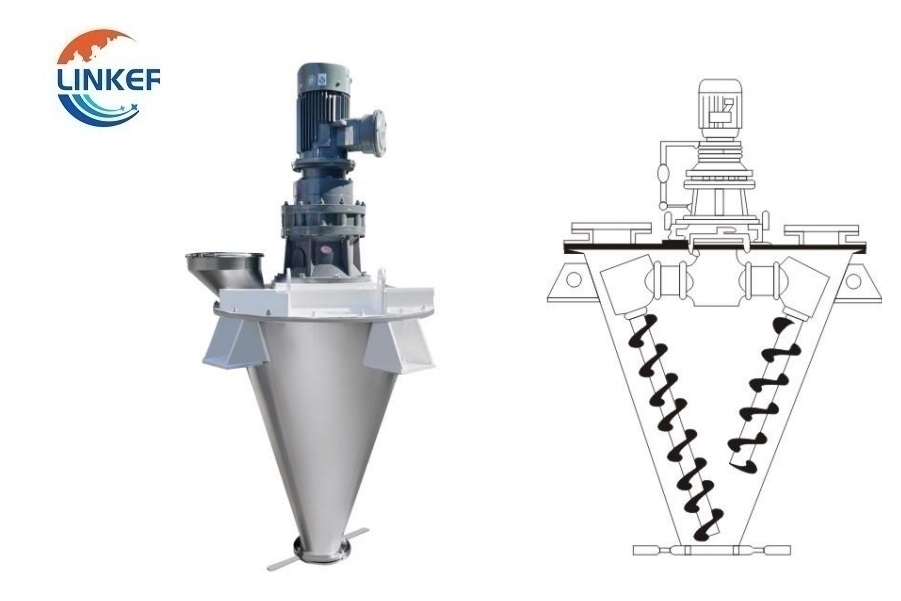
You may also interest in: Small Blender for Sale: LKMixer we have many different model of Small…Solid-Liquid Blender
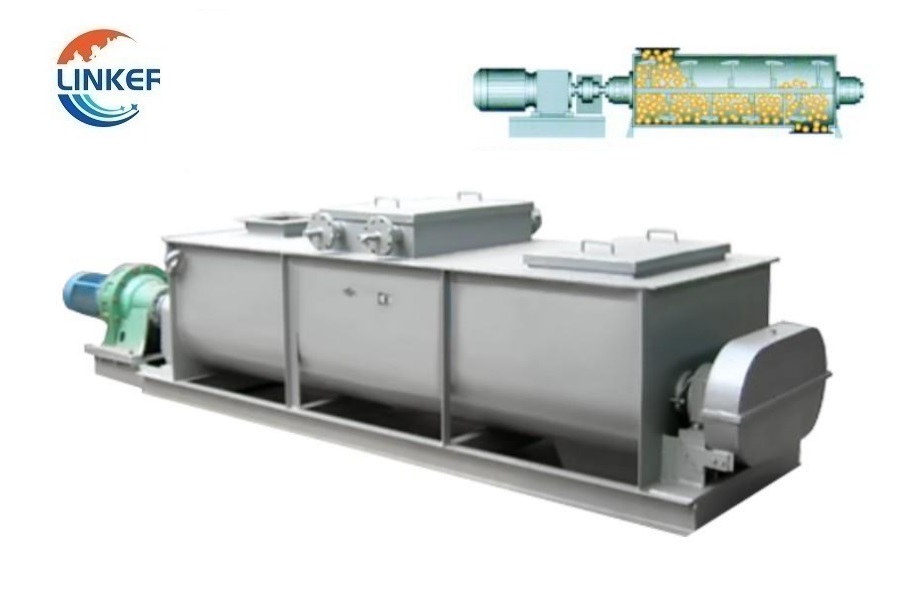
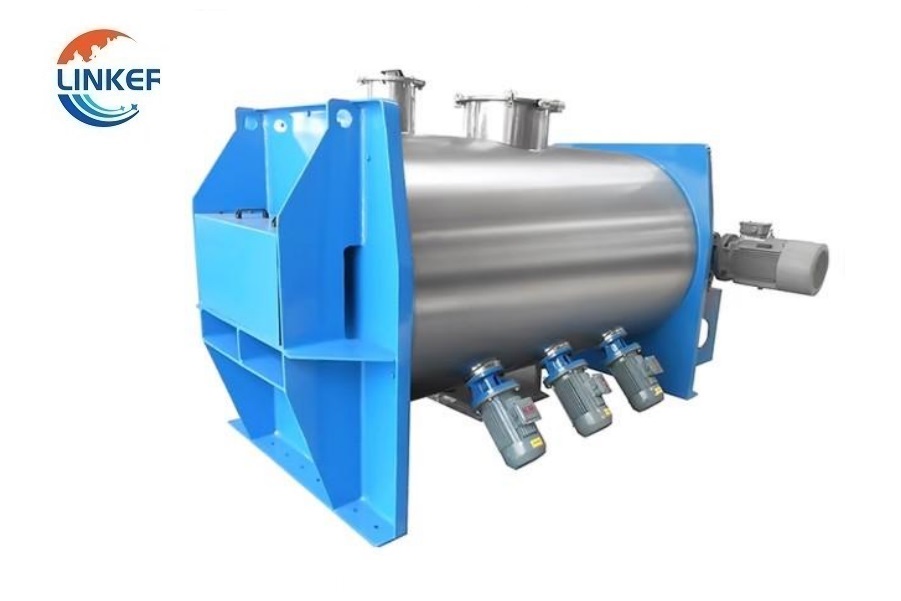
Solid-Liquid Blender for Sale: Solid-Liquid Blender also called Double Shafts Paddle Mixer, it is paddle type and…Fertilizer Production Line
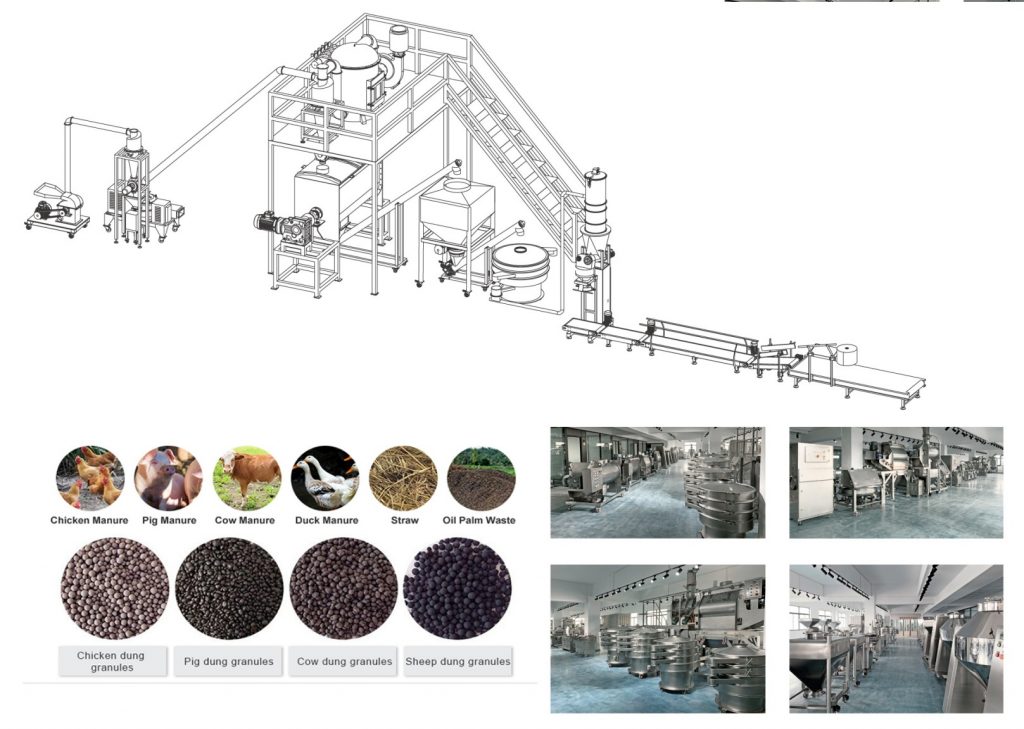
What is fertilizer production line? Fertilizer production line is a whole set of equipment which used to…
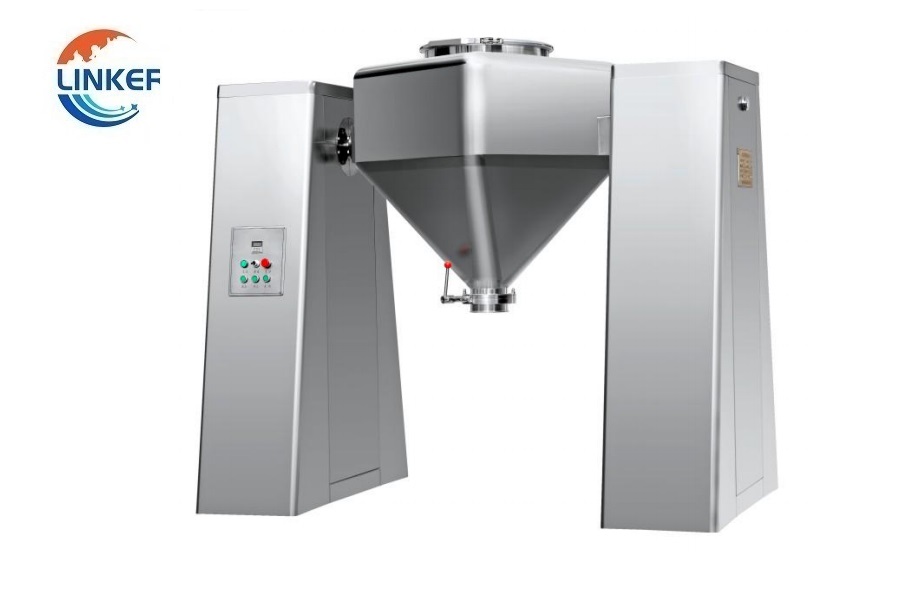
Granulator for Sale:
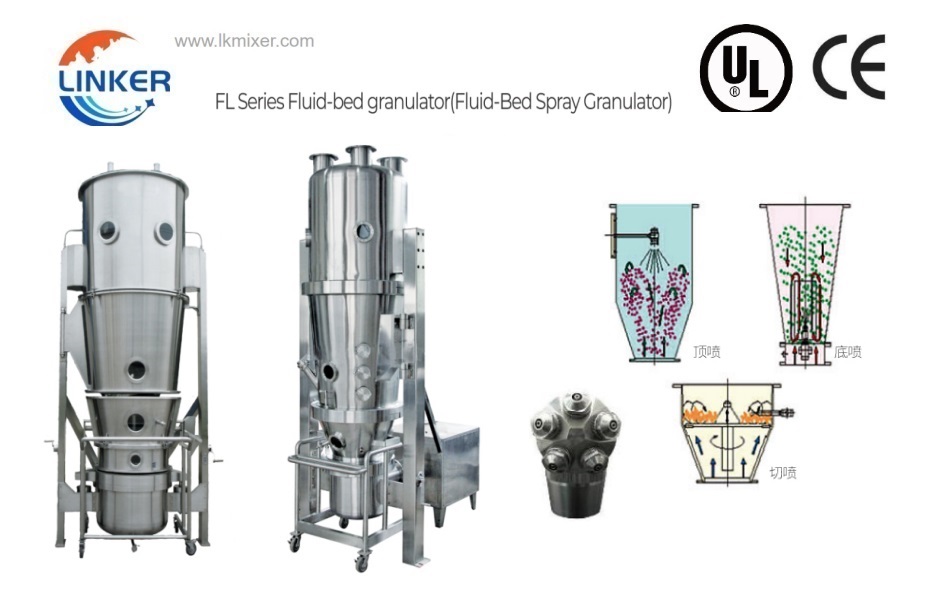
Fluid Bed Granulator
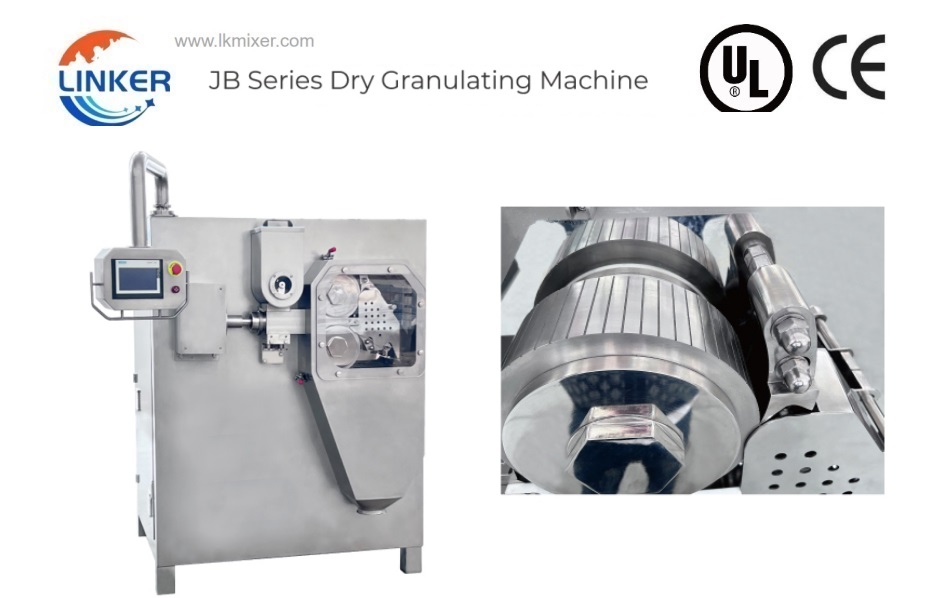
What is a Fluid Bed Granulator? Fluid Bed Granulator is a machine mainly used for pharmaceutical granulation…Dry Granulating Machine
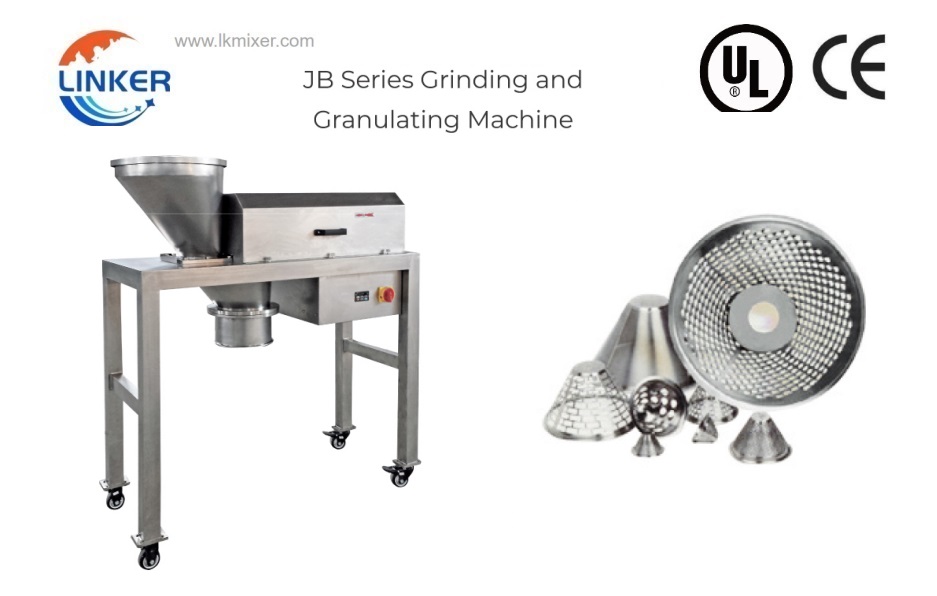
What is a Dry granulating machine? A dry granulating machine uses dry roller press technology to compress…BJB Grinding and Granulating Machine
What is a granulating machine? A granulating machine is an industrial device used to shape powdered or…
Conveyor and Auto Feeder for Sale:
Powder Feeder System Pump
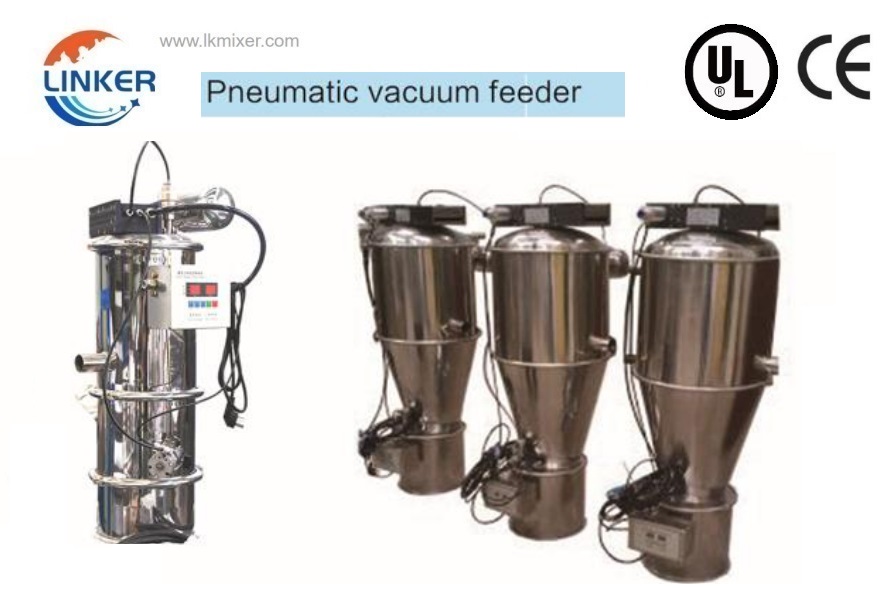
Vacuum Feeder Machine for Sale: Vacuum Feeder is a common used machine to transport the material into…Pneumatic Vacuum Feeder
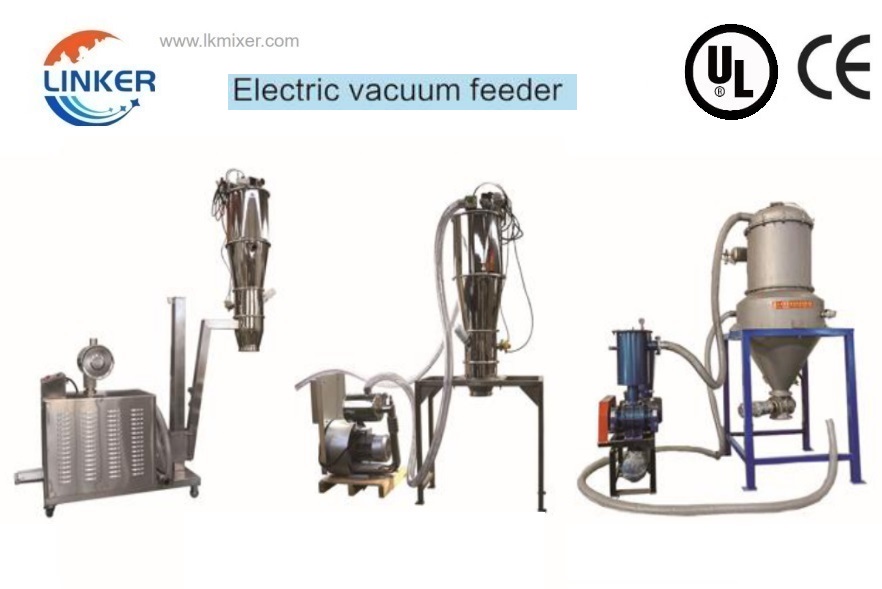
Vacuum Feeder Machine for Sale: Vacuum Feeder is a common used machine to transport the material into…Electric Vacuum Feeder
Vacuum Feeder Machine for Sale: Vacuum Feeder is a common used machine to transport the material into…
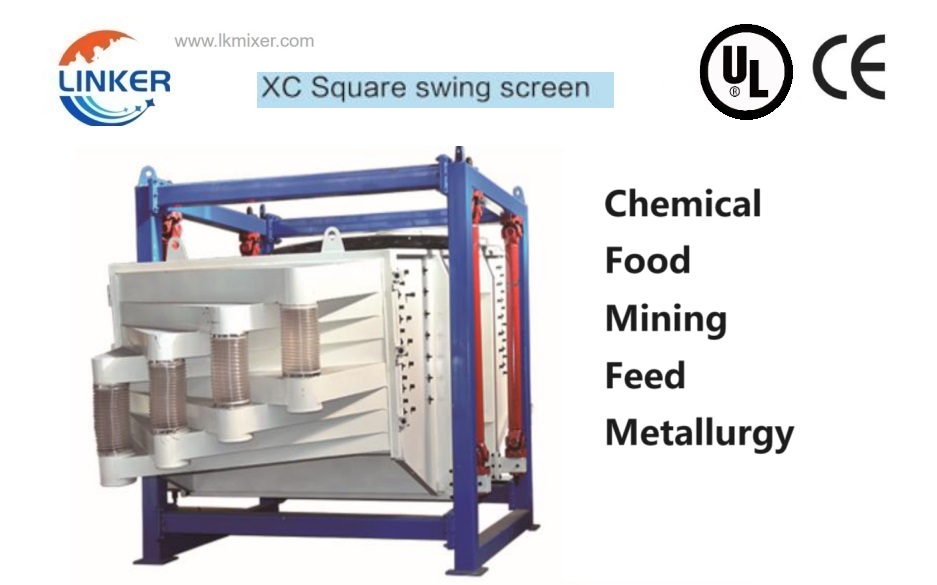
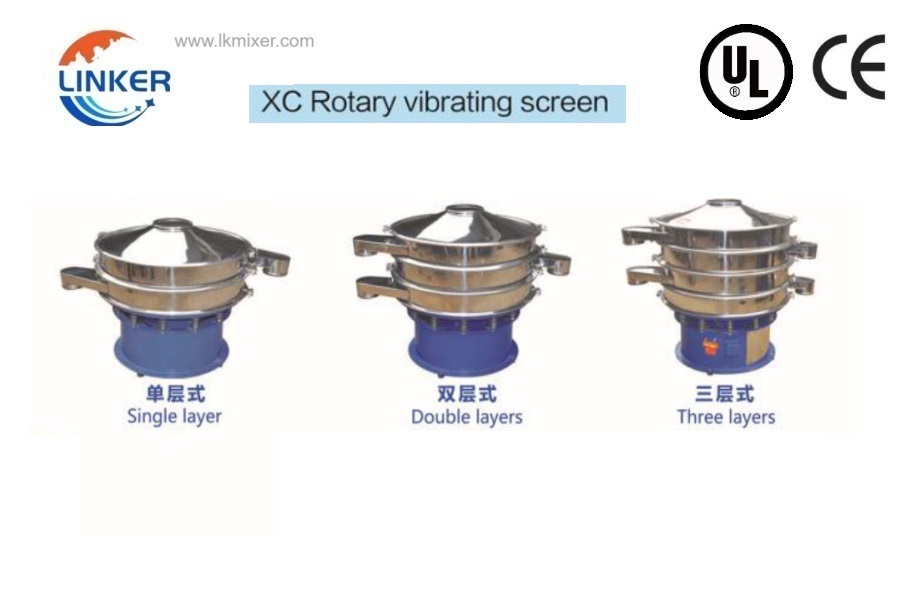
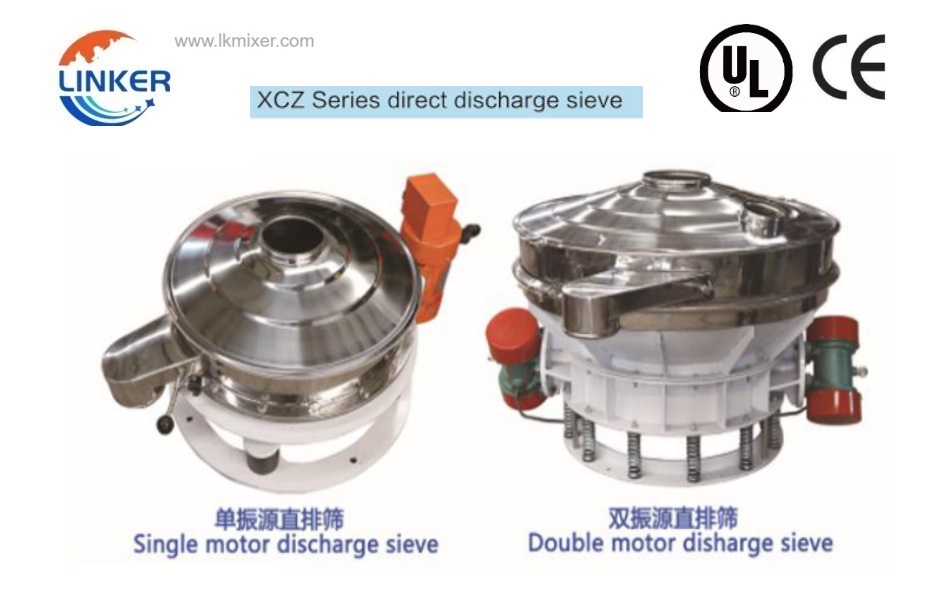
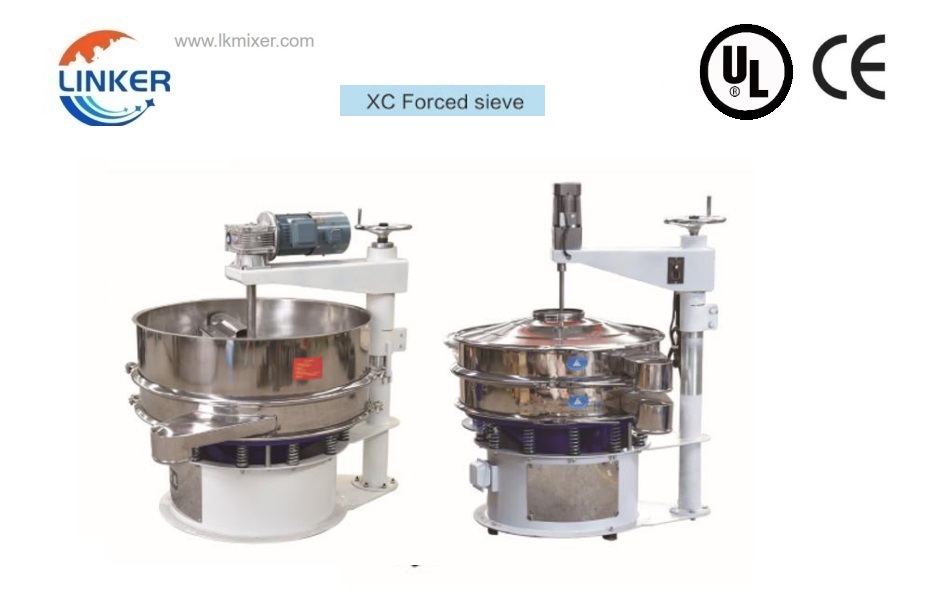
Sifter and screen for Sale:
Ultrasonic Screen
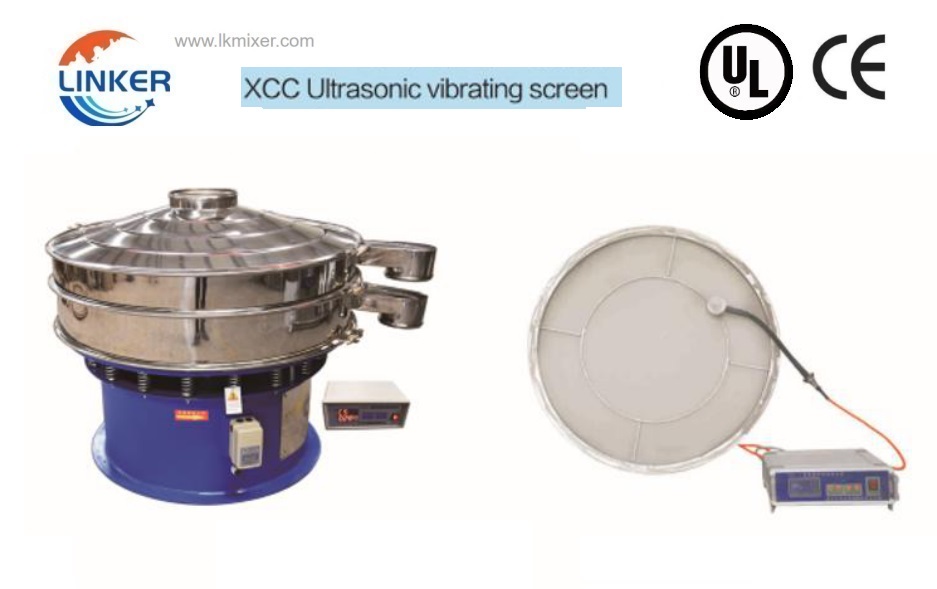
Ultrasonic Screen Machine for Sale: Ultrasonic Screen is a common used machine after the grinding process, it…Rotary Sifter
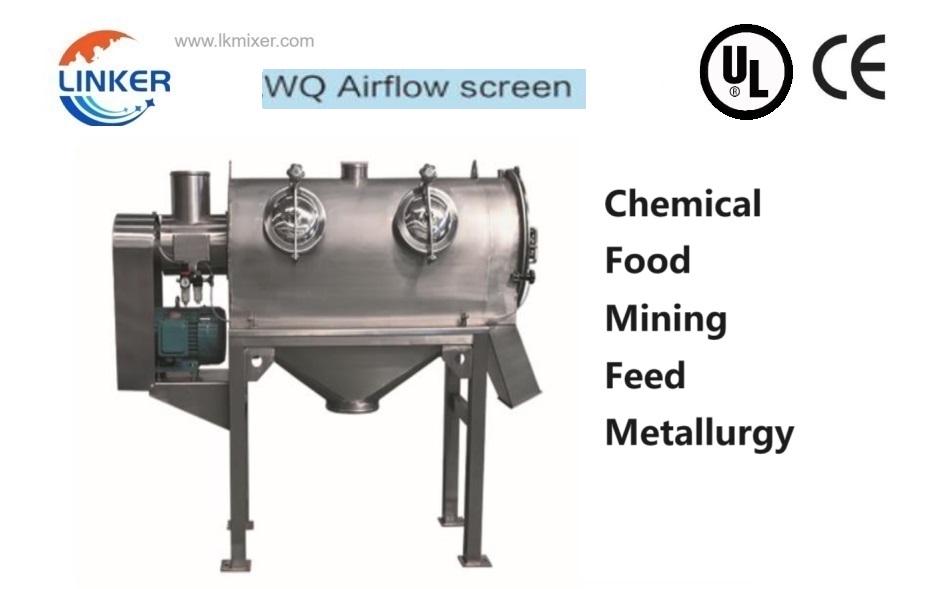
Rotary Sifter Machine for Sale: Rotary Sifter is a common used machine after the rice grinding process,…Rice Sifter Machine
Rice Sifter Machine for Sale: Rice Sifter Machine is a common used machine after the rice grinding…
Auxiliary Machines, Dryers for Sale:
What is a robotic arm used for?
What is a robotic arm used for? Robotic arms have a wide and profound range of uses,…What type of surgery can be performed with robotic arms?
What type of surgery can be performed with robotic arms? Robotic arms have evolved from auxiliary tools…Can you feel with a robotic arm?
Can you feel with a robotic arm?A robotic arm cannot feel, because it does not have the…
FAQ(Click and See More)
Why Choose Us?
We have 20 years manufacturing experiences; 15600 cubic meters factory area; 5000sets annual capacity; 55 professional engineers;
What’s your main maket?
South America: Brazil, Colombia, Peru, Bolivia, Uruguay, Paraguay ;Romania;
USA with UL Certification
Middle East: Saudi, Arabia, Oman, Turkey
Europe: Russia, Australia, Belarus, Ukraine, Poland
Can you support OEM?
– Yes, OEM or ODM. Machine can be customized according to customer detail requirement, including capacity and voltages, motor certifications.
– Drawing and raw materials also can be customized.
What after-sale services?
– 7*24 customer service online;
– 7*24 engineers online services;
– 12 months warranty services.
WHAT kind of MACHINE YOUR COMPANY HAVE?
CAN YOU GIVE ME GUIDE ON OTHER MACHINE ? TO FULL MY PRODUCTION LINE
YES ! Our f have factory build more than 20 years now, we can design and customize whole line, besides of the grinding machine, mixing machine, we can also fully support to provide the washing machine, cutting machine, drying machine, packing machine, filling machine. Though we are not producing these machine, but our brother companies co-work together for over 20 years, we have rich experience in providing you a full effective production line, fully automatically or semi-automatically.
HOW TO VISIT YOUR COMPANY?
Our Factory located in Jiangsu Province, very near to Shanghai, you can fly to Shanghai Pudong Airport, we pick you up and take you by car 2 hours ride, can reach our factory, welcome your visit.
WHAT’S YOUR BEFORE & AFTER SERVICE ?
1) Before your purchasing, we need to know your detail request, such as what kind of material you want to grind and mixing, what final product powder or granule you want to reach. Because different material and powder sizes request of different machine to do. We can provide professional advice and rich experience help to choose machine. Most of the products we have already did before for other customer, trail test or run mass production, so we knows which machine is best in performance of grinding and mixing. This is of very importance in helping you choose the right model. We also wish this can help our customer a lot. Even the material we didn’t do before, we will prepare the same material and to do the trail test and send video to you for your reference.
2) One Year guarantee of machine quality. If the machine have problem within one year, we will send you the spare parts to you for replacement, but this not including the damage caused by human causes. We also have 24 hours on line guide for customer, if you have operation difficulty, we will guide by video and on line communication with our engineer for your emergency debug.
3) For small machine, we sell with whole machine, it’s no need to install, and easy to operation, no problems for operation. While for large machine, its’s also not difficult to install with video guideline, but if you need, we can assign our technicians to go abroad, the round ticket, food and residents will be paid by customer.
HOW ABOUT YOUR PAYMENT TERM?
Our payment term is T/T. 50% payment in advance, rest of 50% payment finish before the goods shipped. When we finish the machine production we will do trail test and run the machine take videos for your green light. You pay the rest of 50% payment then.
Recommend Reading
Are robotic arm kits worth the money?
Are robotic arm kits worth the money? The user’s target placement, technological background, and long-term…Can you get a robot arm?
Can you get a robot arm? You cannot buy a robot arm like ordinary consumer…What is an industrial robot arm called?
What is an industrial robot arm called? In technical standards and engineering practice, an industrial…