What are the 5 parts of a robot?
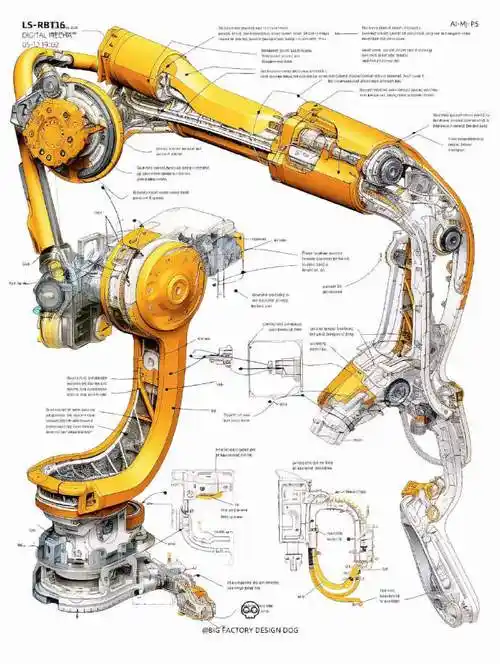
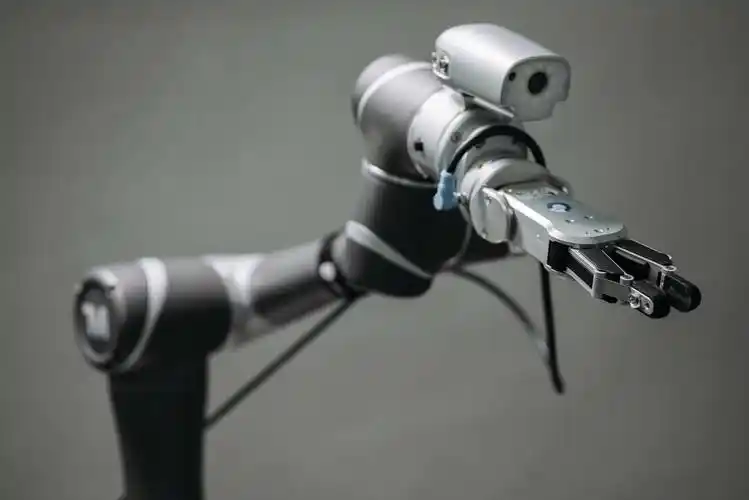
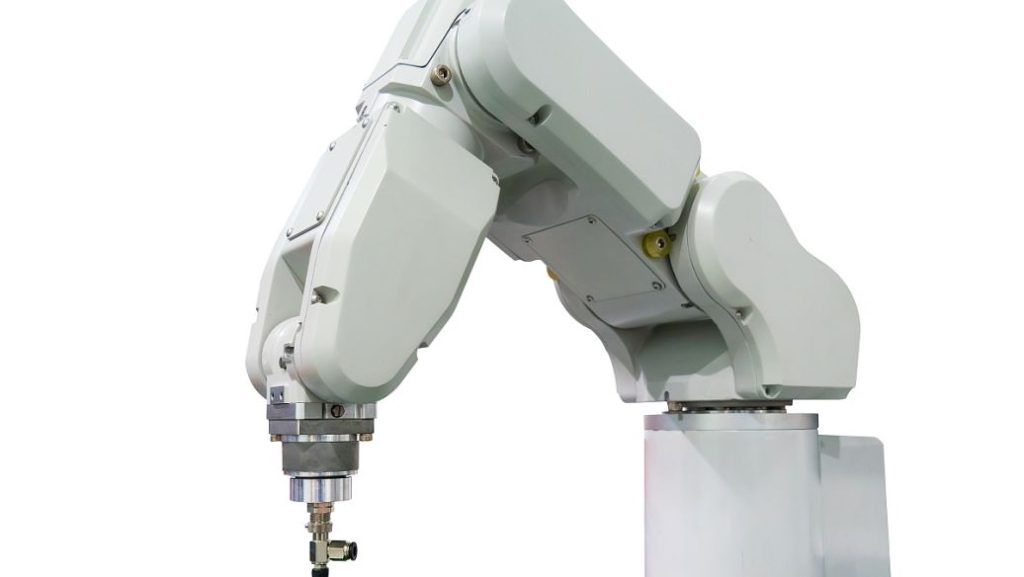
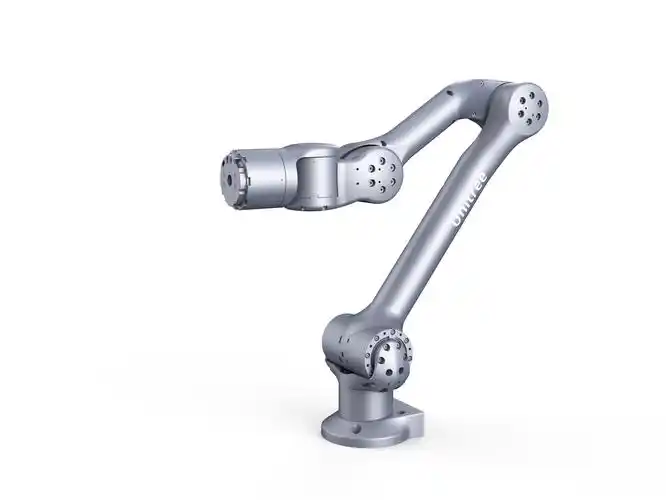
What are the 5 parts of a robot? The five fundamental parts of a robot work together to form a complete technical closed loop for its perception, decision-making, and execution capabilities. Each of these parts is essential to the robot’s systematic operation, supporting everything from physical actions to intelligent responses. These parts don’t exist in isolation; rather, they work together to precisely engineer complex tasks, like operating food processing equipment or grinding machines.
Mechanical Structure System
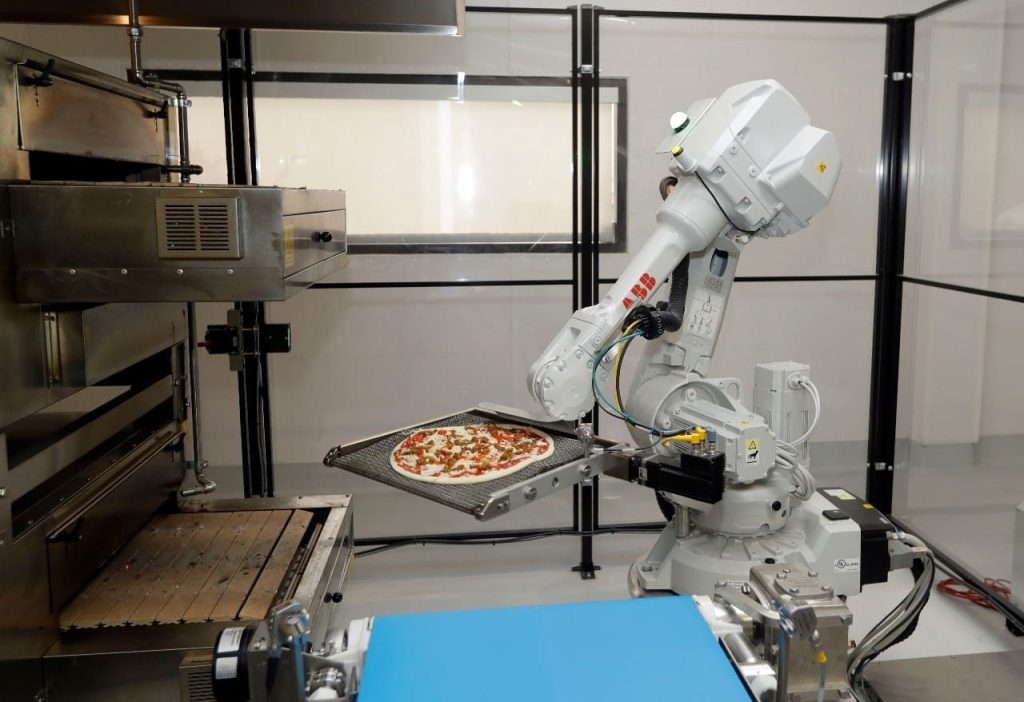
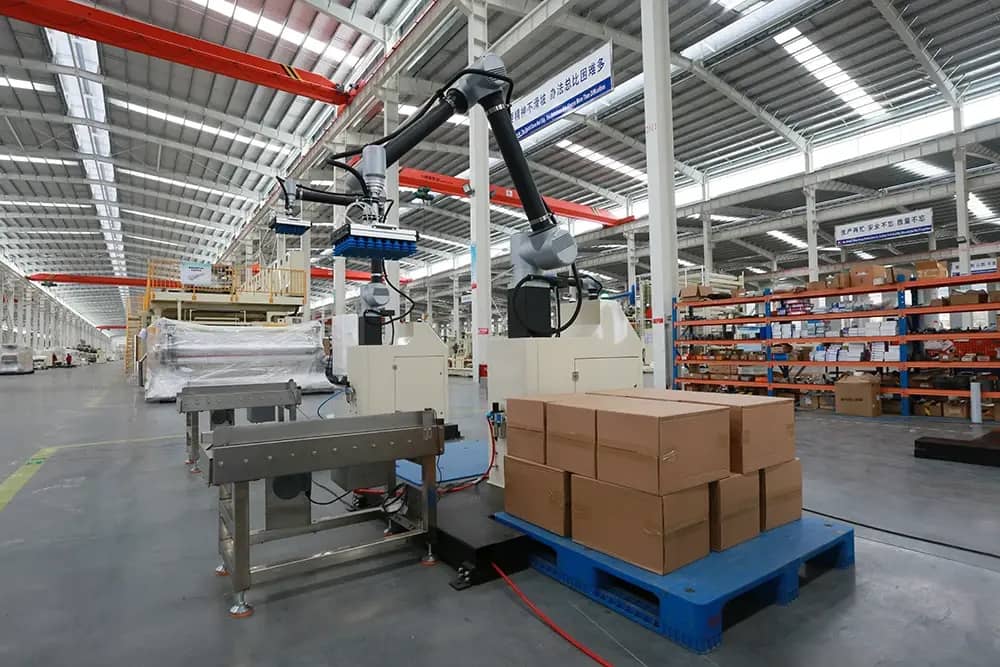
The robot’s mechanical structure system, which is comparable to the skeletal and muscular systems of humans, serves as its physical vehicle for carrying out physical tasks.
The robot’s degrees of freedom, workspace, and load capacity are determined by its base, connecting rods, joints, transmission mechanisms, and end effector.
In order to achieve high-precision motion transmission, joints typically employ a rotating or sliding structure using ball screws, planetary gears, or harmonic reducers.
The shape of the end effector, which can be grippers, welding torches, suction cups, or surgical instruments, directly dictates the kinds of tasks the robot can perform.
Structural materials are mostly high-strength aluminum alloy, carbon fiber composite materials, or stainless steel, balancing light weight and rigidity to ensure stability and vibration resistance during high-speed movement.
This system is crucial for robots operating 500KG Grinder, 200KG grinder, and Electric Grinder in industrial settings.
Drive System
The drive system serves as both the energy conversion hub for motion control and a source of power for the mechanical structure.
Electric drive is the preferred option for industrial and service robots due to its quick reaction, high control precision, and clean, pollution-free operation. Other common drive techniques include hydraulic, pneumatic, and electric drive.
Stepping motors and servo motors are essential parts that create closed-loop control with encoders to precisely alter torque, speed, and position.
Large handling robots and other heavy-load, high-power applications can benefit from hydraulic drives, but there is a chance of oil leakage.
Pneumatic drive is mostly used for light-duty, high-speed sorting tasks, with a simple structure but low control precision.
The efficiency, power density, and heat dissipation capacity of the drive system directly affect the reliability of the robot’s continuous operation, especially when powering high speed Dry Grinder or airflow pulverizer.
Sensing System
The robot can sense its surroundings thanks to the sensor system, which is necessary for intelligent operations.
Visual sensors (such as industrial cameras and depth cameras), force/torque sensors, position encoders, infrared range finders, ultrasonic sensors, and environmental sensing modules (such as temperature, humidity, and gas detection) make up this system.
When it comes to placement and navigation, such as finding rice goods, peanuts, or seasam in food processing, the visual system can recognize an object’s shape, color, and spatial location.
When handling delicate mushroom or spice materials, for example, compliant grabbing or assembly is made possible by the employment of force sensors to sense contact force.
The Inertial Measurement Unit (IMU) provides attitude and acceleration information.
After filtering, fusion, and feature extraction, these sensor data provide real-time, multi-dimensional environmental input for the control system, allowing the robot to adapt to dynamically changing operating conditions, such as adjusting to different materials in a licorice grinding machine or black pepper grinder.
Control System
The control system is the “brain” of the robot, responsible for processing sensory information, planning motion paths, and outputting control commands.
It usually consists of an embedded processor, real-time operating system, motion control algorithms, and human-machine interaction interface.
There are two types of control architectures: reactive (direct perception-action mapping) and hierarchical (high-level planning, middle-level decision-making, low-level execution).
Inverse kinematics solution, trajectory planning, PID control, and adaptive control are key methods that guarantee safe, accurate, and fluid motions.
Artificial intelligence modules, such as machine learning models for job optimization or anomaly detection, are also incorporated into modern control systems; however, their fundamental components remain command executors rather than independent conscious creatures.
The stability and safety of the robot’s operation, such as precisely operating a vacuum mill or ultrafine grinder, are directly determined by the reaction delay, processing power, and fault-tolerance mechanism of the control system.
Energy System
All of the aforementioned subsystems receive a steady, reliable, and secure energy supply from the energy system.
Because of its high energy density, lack of memory effect, and ease of maintenance, the most common type is a rechargeable lithium battery pack, which is frequently utilized in mobility robots and service robots.
When powering a CE Certificate grinder or a stainless steel herb grinder, for example, fixed industrial robots frequently employ AC power grid direct supply, which ensures power quality through voltage stability and filtering modules.
In certain unique situations, such as huge robots handling metal or bone materials, fuel cells or supercapacitors are used to provide long-term operation or immediate high-power requirements.
In order to prevent overheating, overdischarging, or short circuits, the energy management unit is in charge of power monitoring, charge-discharge control, thermal management, and low-power protection.
System design needs to balance battery life, weight, and volume to ensure the robot does not need frequent charging interruptions during the task cycle, even when operating a cryogenic grinding machine or Dry Fruit Powder Grinder Machine.
Synergy of the Five Components
The sensing system gathers environmental data, the control system evaluates and generates commands, the drive system carries out actions, the mechanical structure completes physical operations, and the energy system continuously supplies energy. These five interdependent components come together to form a closed-loop feedback system.
In the same way that a dust grinder or hammer mill modifies operations in response to material circumstances, sensors continuously send back execution results to create a dynamic adjustment system.
For robots handling food, medicine, or hazardous materials, any component failure or performance degradation will result in overall function degradation or even system shutdown.
Thus, the systematic integration of engineering in five dimensions—structure, power, sensing, algorithms, and energy—is the core of robot design.
Whether the robot is running a turbo grinder, vibrating pulverizer, or coarse crusher, its worth is found in the dependability and flexibility of overall cooperation rather than the development of a single component.
The five parts cooperate to guarantee the robot’s steady and effective functioning, from handling coffee, tea, and sugar to processing meat, wheat, and maize.
The combination of these elements guarantees that the robot can perform duties precisely and securely, even in situations containing cannabis, smoke, or salt.
Knowing these five essential components makes it easier to comprehend how robots operate and their broad range of applications in a variety of industries, from food processing to industrial manufacturing.
Related Production Line Customization:
Recommend Post about Production Line:
Food Producing Process Flow:
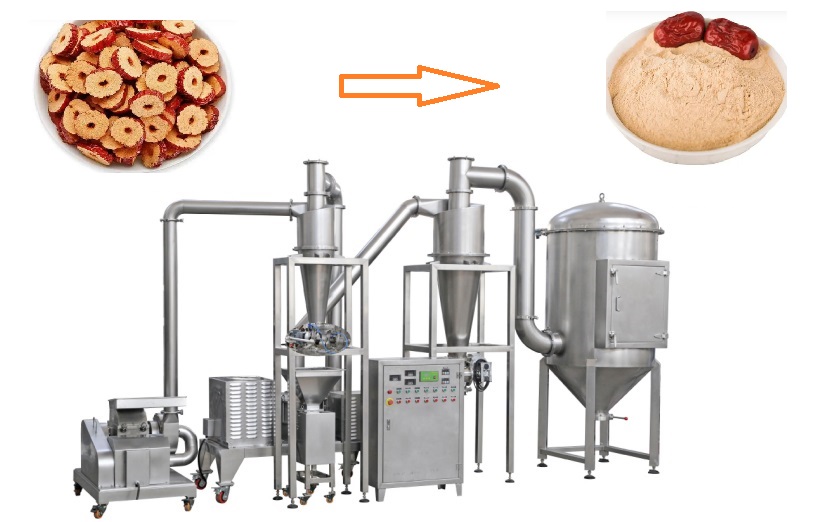
Ultrafine grinding is one of the very key procedure in whole production line. It depends how many mesh that customer need to produce. That’s to say this machine can decide what kind of material will get finally before mxing.
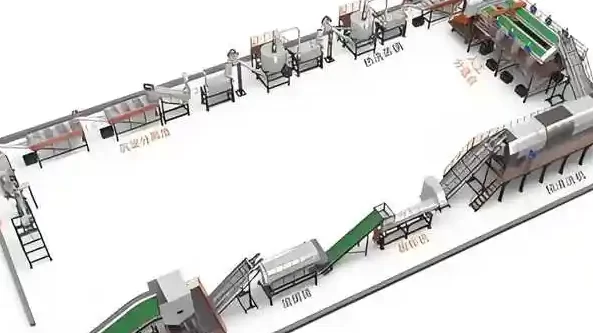
Coarse Crusher Machine —>Grinding Machine —> Vibrating Table Sifter Machine—>Mixing Machine—>Packing Machine —> (Printed Packaging Film Roll or bags ) —> Filling, sealing machine, capping and Labeling Machine —>Pack into Box.

About LKMixer
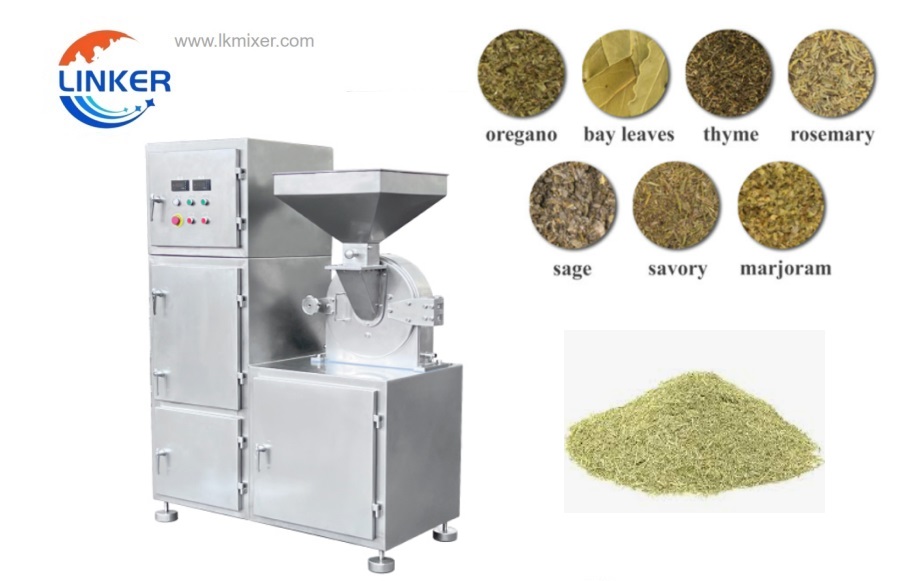
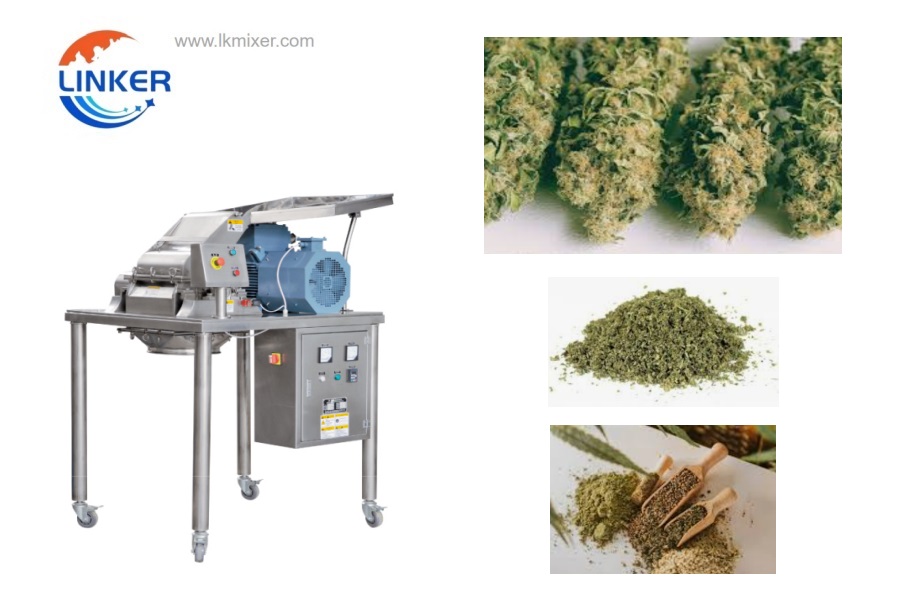
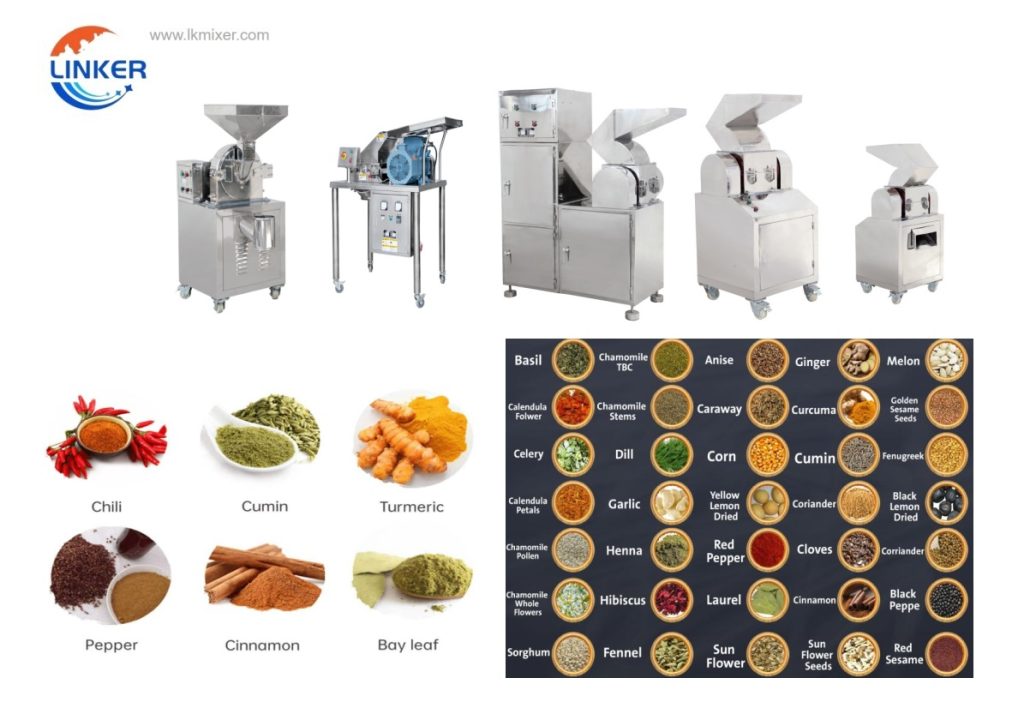
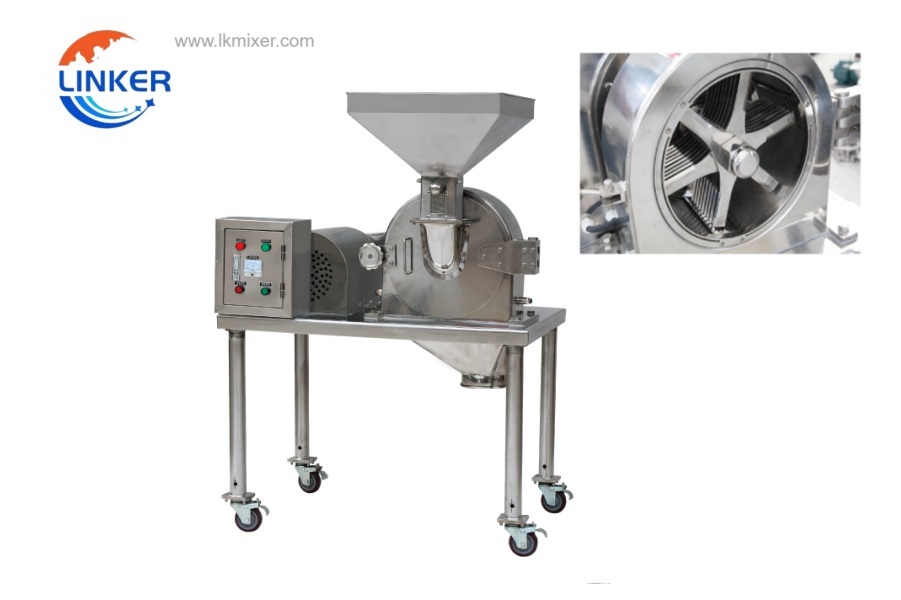
LKMixer is a professional manufacturer for fertilizer production line, grinder, mixer and granulator, shredder. These machines are widely used in food, pharmaceutical, cosmetic, health care products and chemical industries. The Food materials like Peanut, mushroom, seeds, potato, bean, tobacco, salt, cannabis, tea, Sugar, corn, Coffee, rice, pepper, grain as so on. Grinders have many types such as Pulse Dust Grinder which suitable for zero pollution environment, Turbine Mill which is suitable for coffee bean, 12-120mesh all can meet, Ultrafine Grinding Mill covers 80-200mesh, and also Winnowing Dust Grinder or other grinding machines like SF Hammer. Welcome to contact us for details. Contact us for more information. Proposal, catalog, quotation. Mobile/WhatsApp: +86 18019763531 Tel: +86 21 66037855 Email: sales@lkmixer.com
Contact Us
Tel: +86 66037855
Email:sales@lkmixer.com
Working Time: Monday ~Frinday 9:00AM~17:00PM
Please call us Whatsapp, or mail to us.
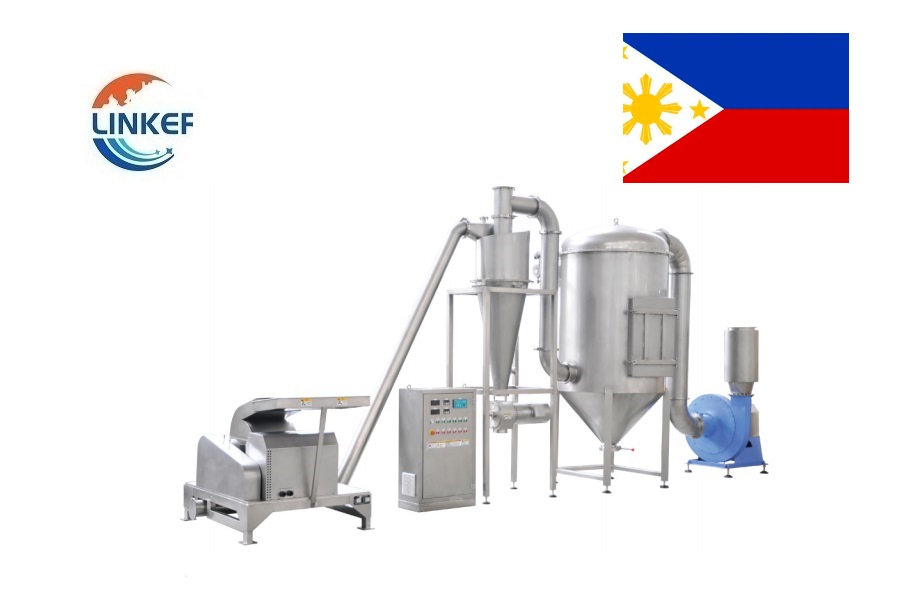
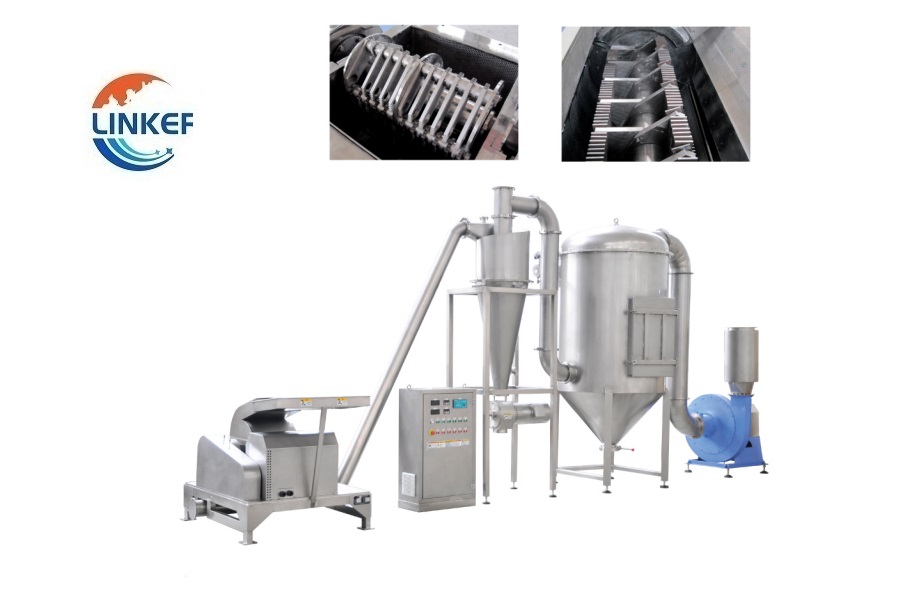
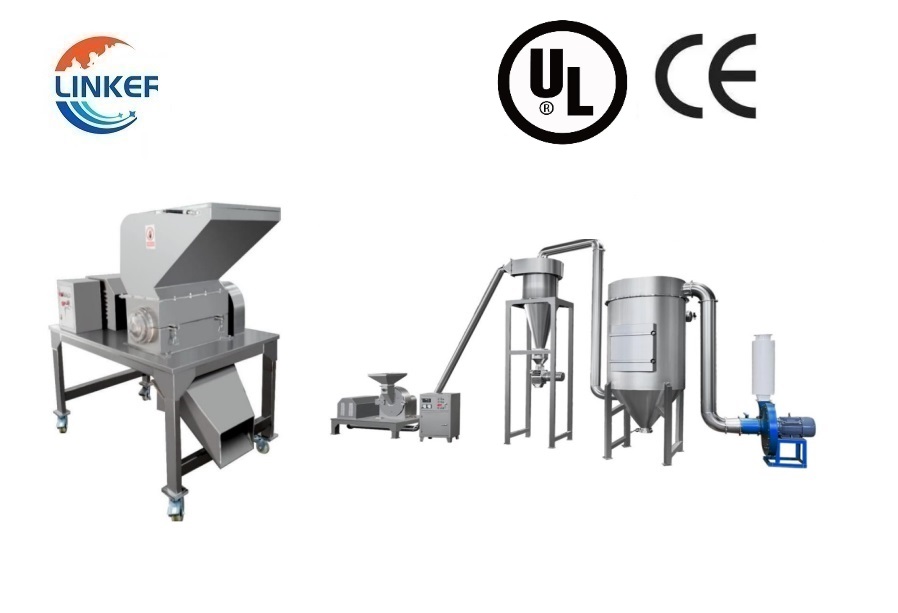
Grinder for Sale:
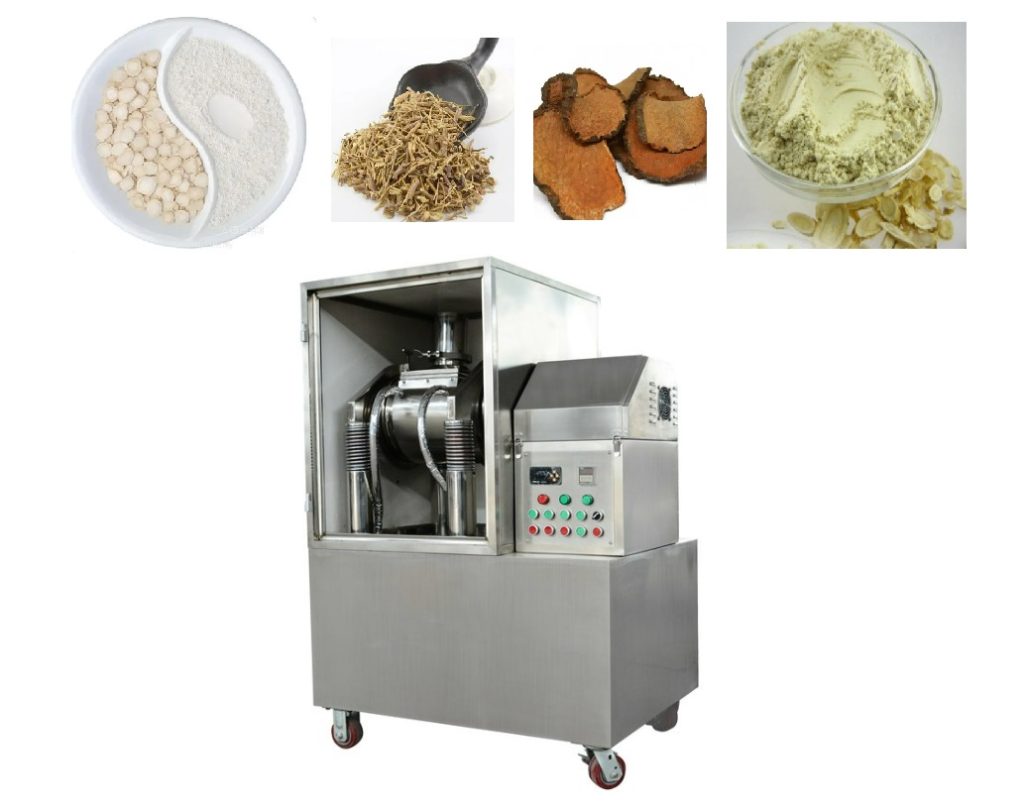
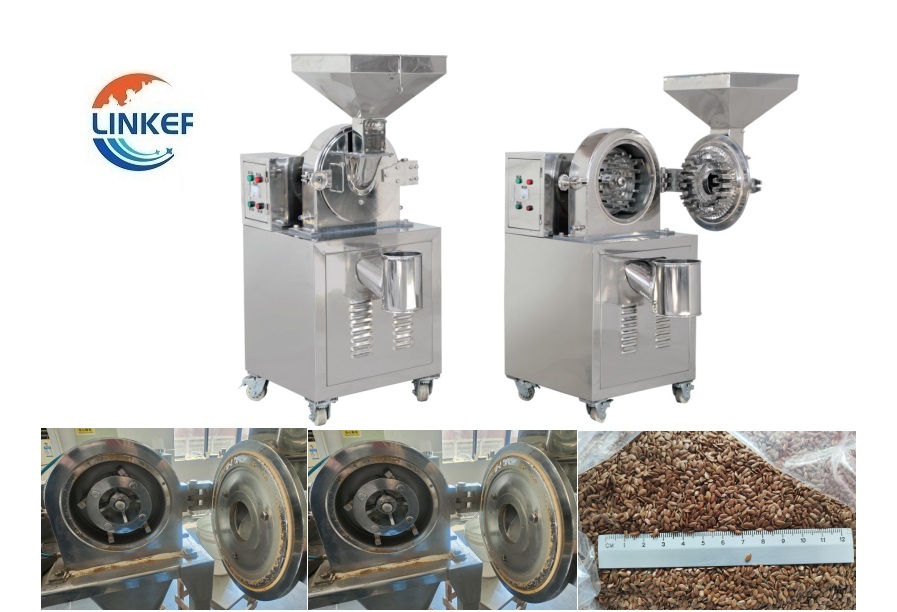
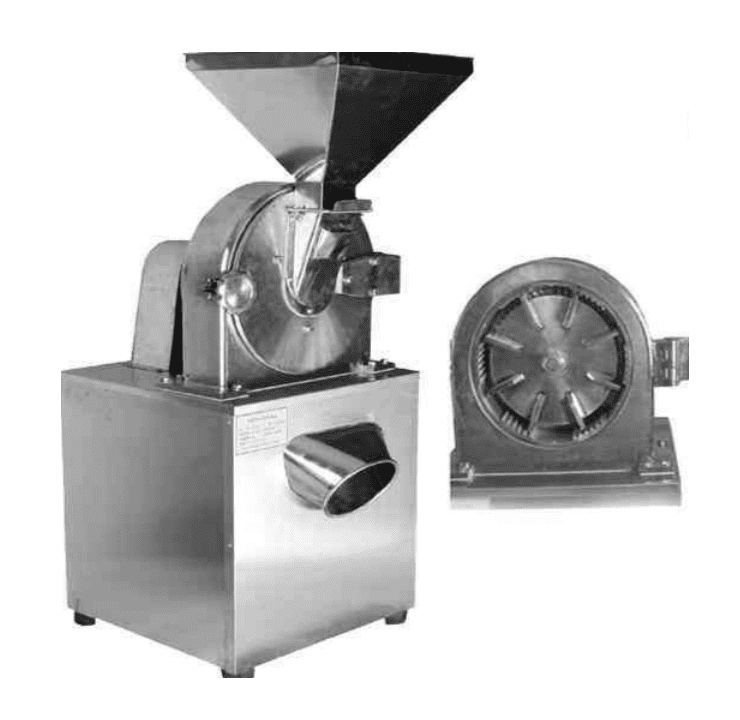
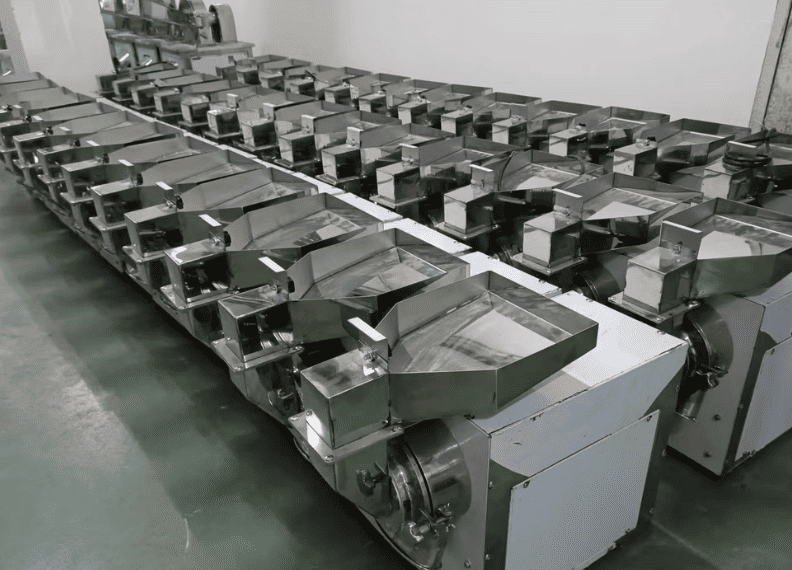
Rubber Powder Grinding Machine
Rubber Powder Grinding Machine Industrial Cumin Seeds Grinder Youtube Video Customization Seeds Grinder According to your…
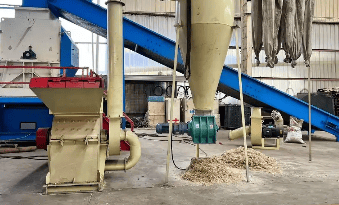
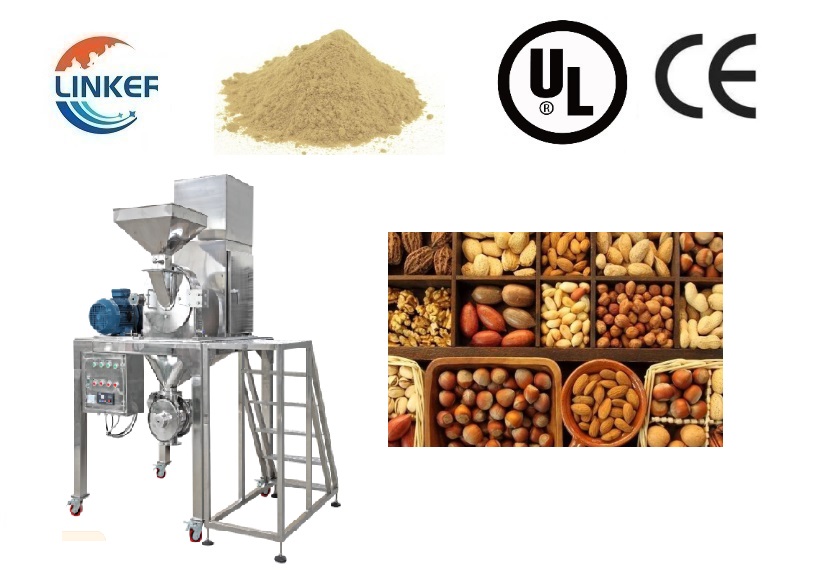
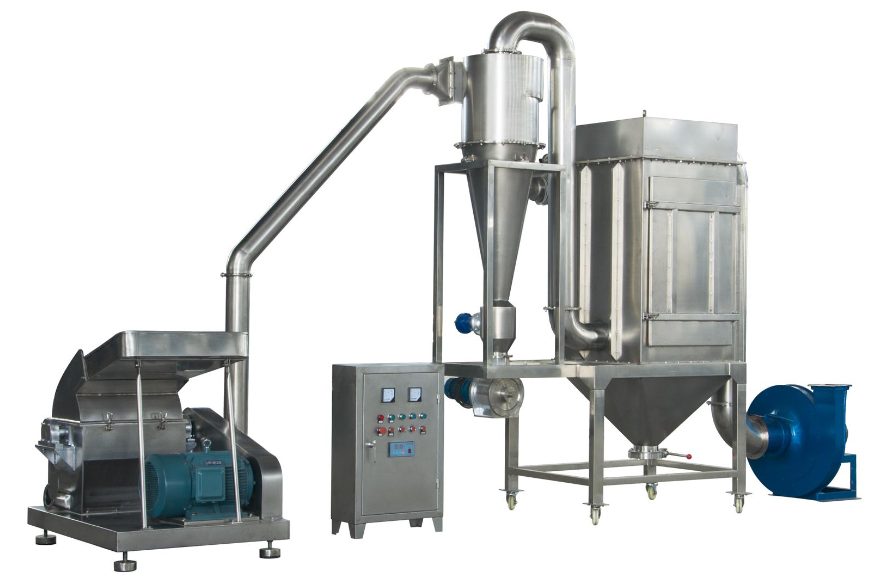
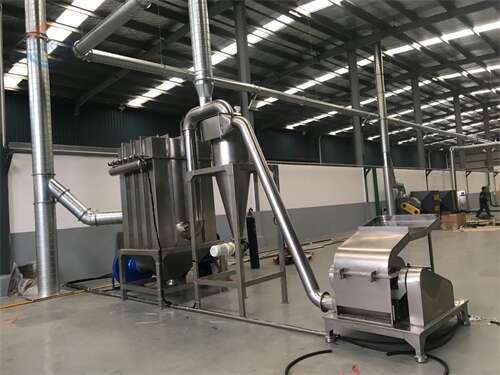
Blenders for Sale:
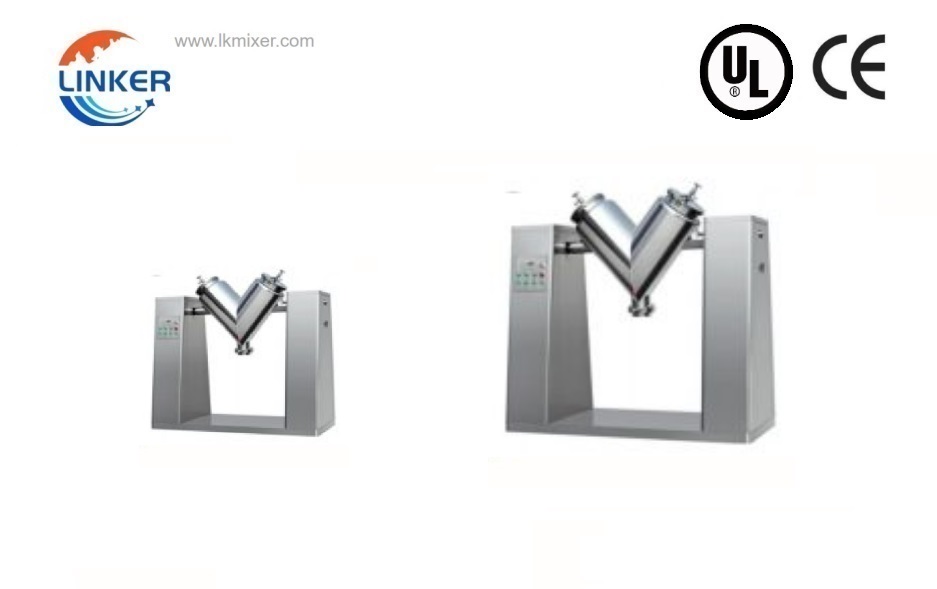
Small Blender 2L 5L 10L 15L 20L
You may also interest in: Small Blender for Sale: LKMixer we have many different model of Small…Solid-Liquid Blender
Solid-Liquid Blender for Sale: Solid-Liquid Blender also called Double Shafts Paddle Mixer, it is paddle type and…Fertilizer Production Line
What is fertilizer production line? Fertilizer production line is a whole set of equipment which used to…
Granulator for Sale:
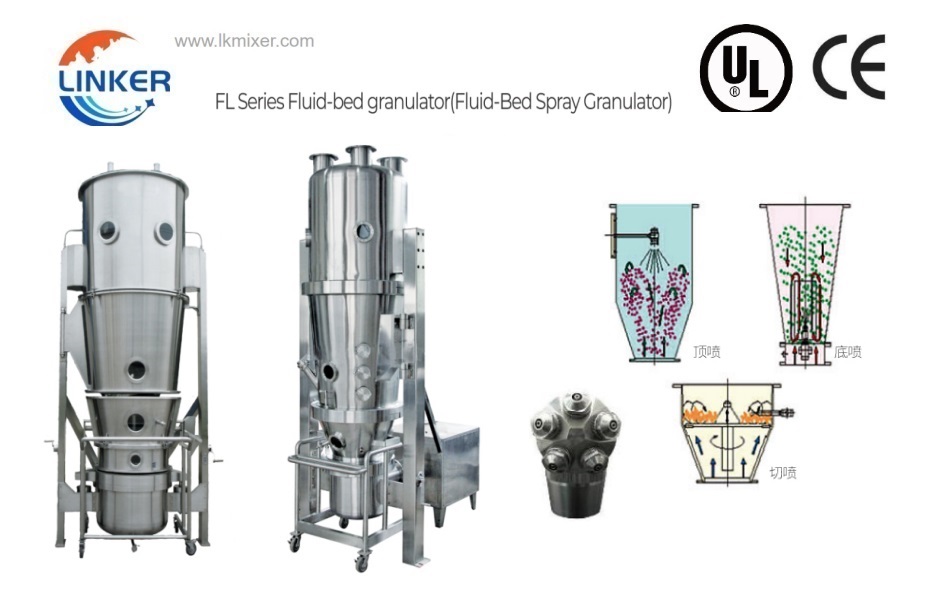
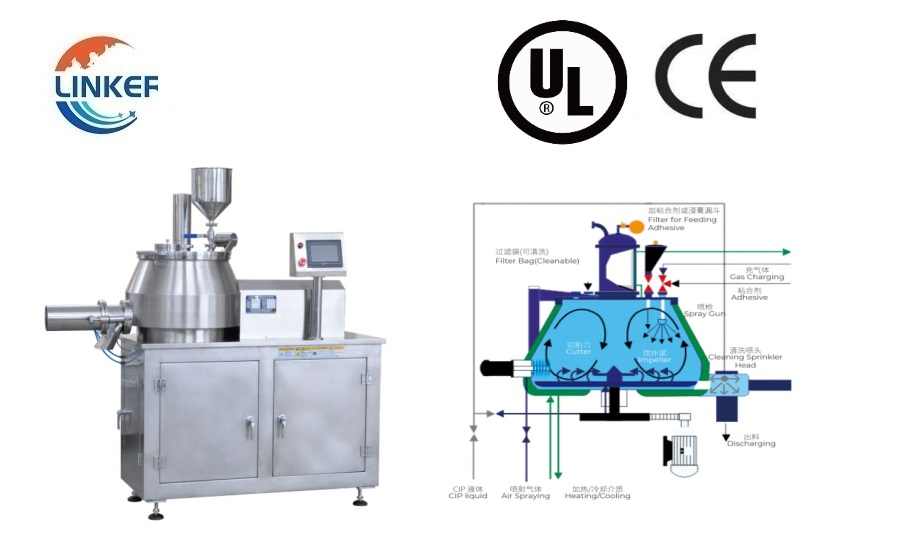
Fluid Bed Granulator
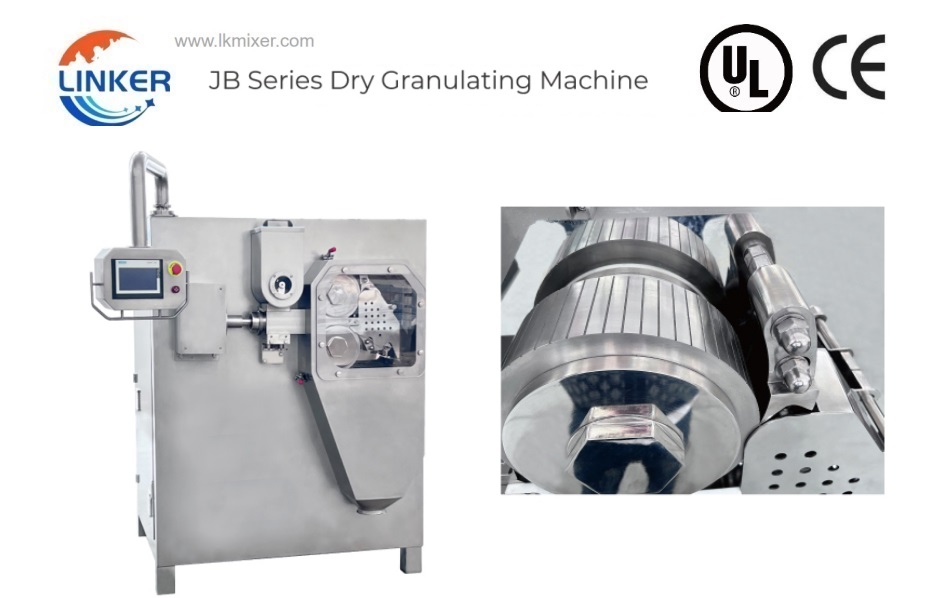
What is a Fluid Bed Granulator? Fluid Bed Granulator is a machine mainly used for pharmaceutical granulation…Dry Granulating Machine
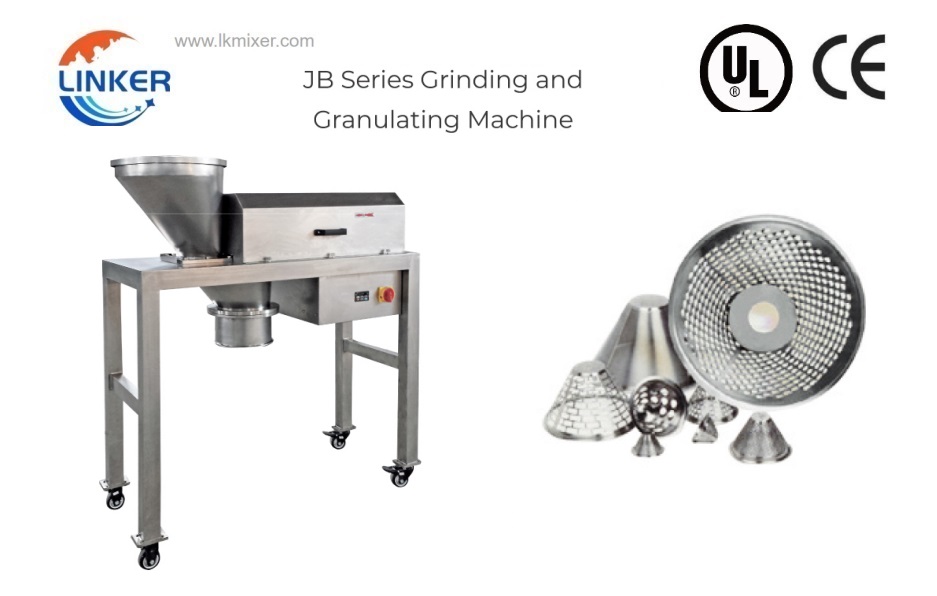
What is a Dry granulating machine? A dry granulating machine uses dry roller press technology to compress…BJB Grinding and Granulating Machine
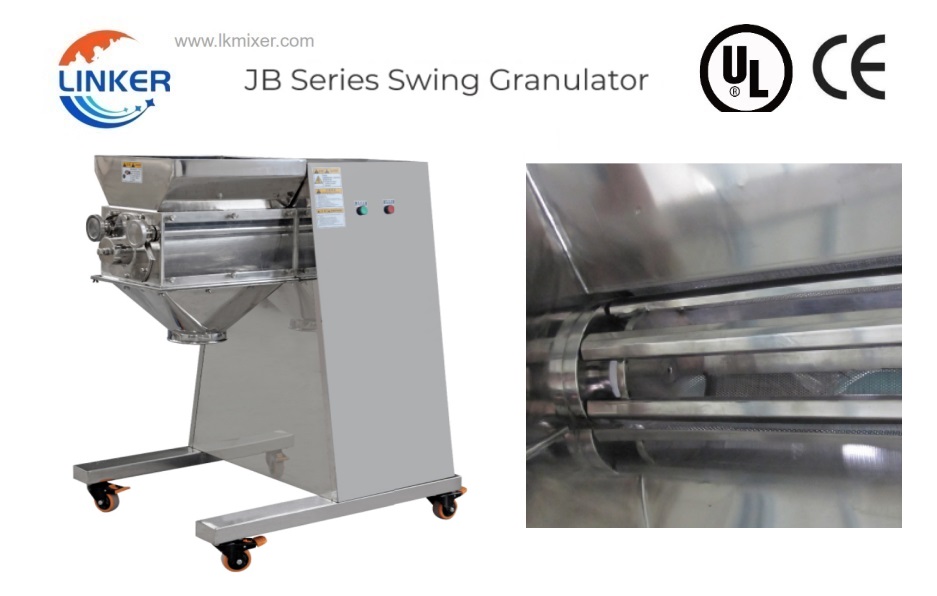
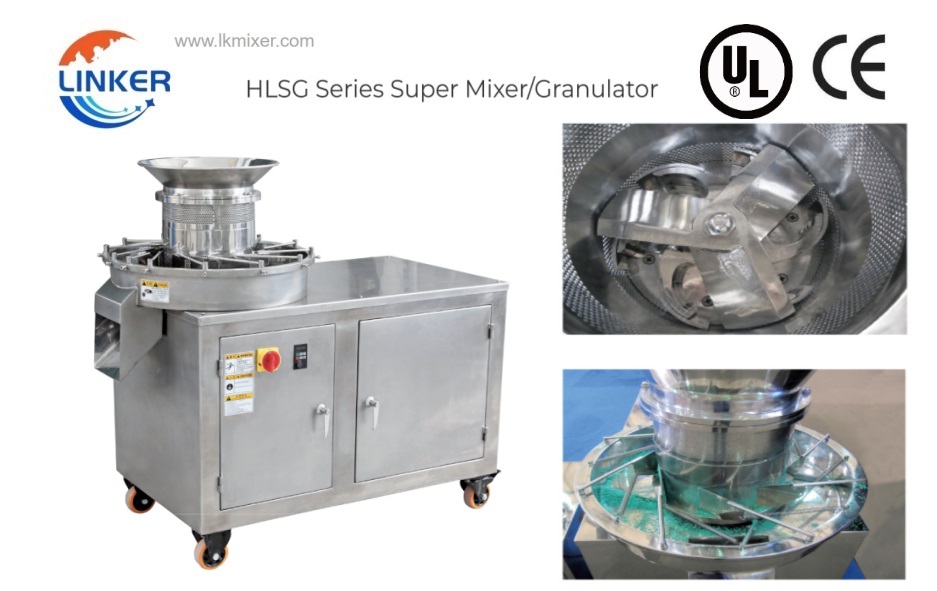
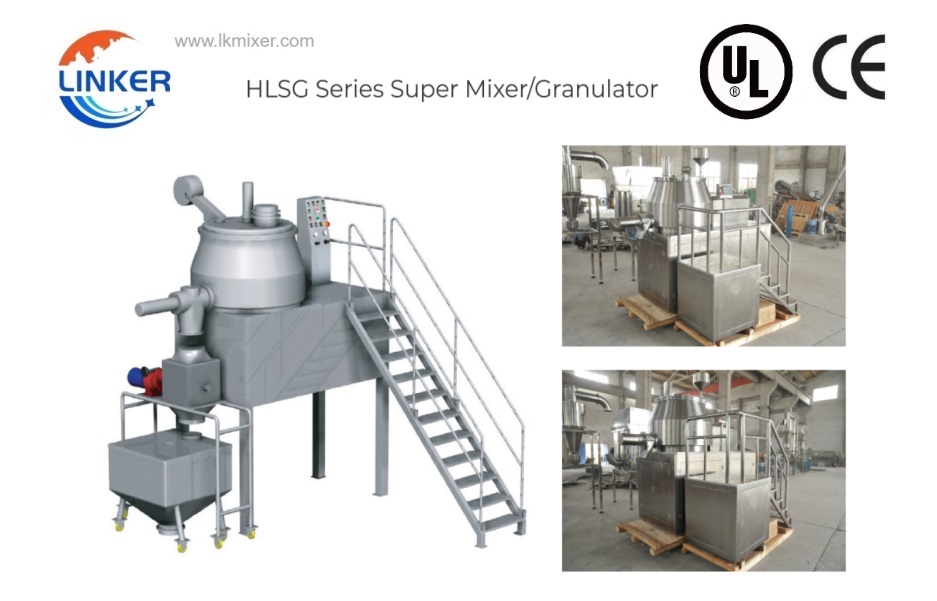
What is a granulating machine? A granulating machine is an industrial device used to shape powdered or…
Conveyor and Auto Feeder for Sale:
Powder Feeder System Pump
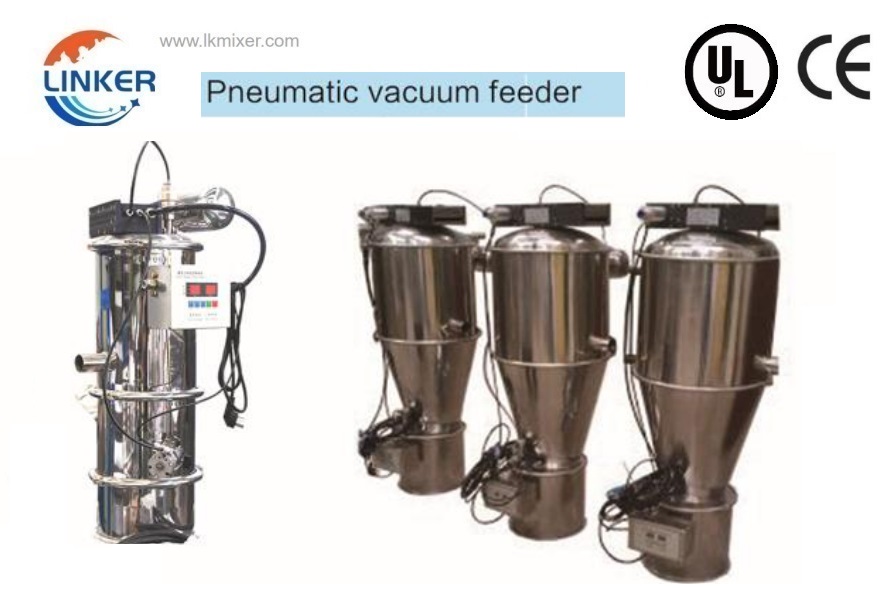
Vacuum Feeder Machine for Sale: Vacuum Feeder is a common used machine to transport the material into…Pneumatic Vacuum Feeder
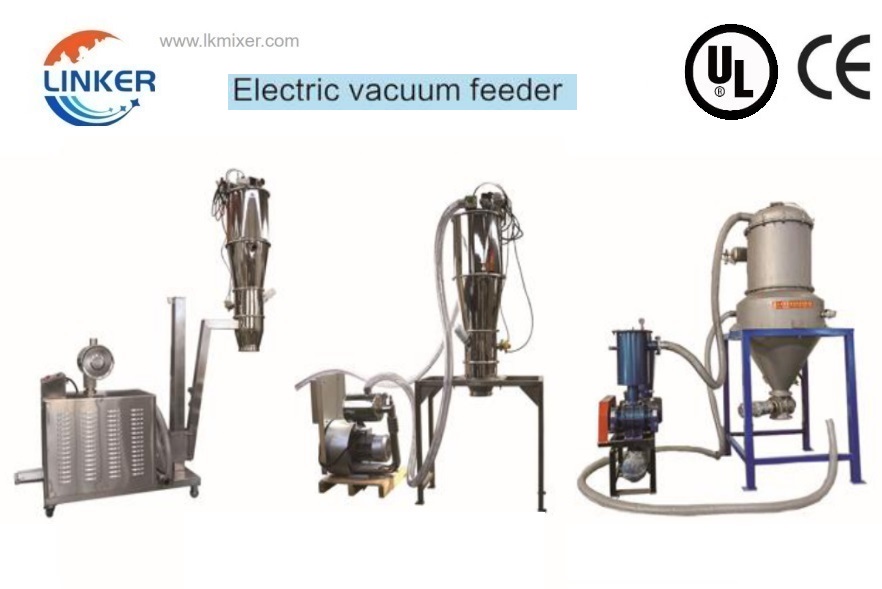
Vacuum Feeder Machine for Sale: Vacuum Feeder is a common used machine to transport the material into…Electric Vacuum Feeder
Vacuum Feeder Machine for Sale: Vacuum Feeder is a common used machine to transport the material into…
Sifter and screen for Sale:
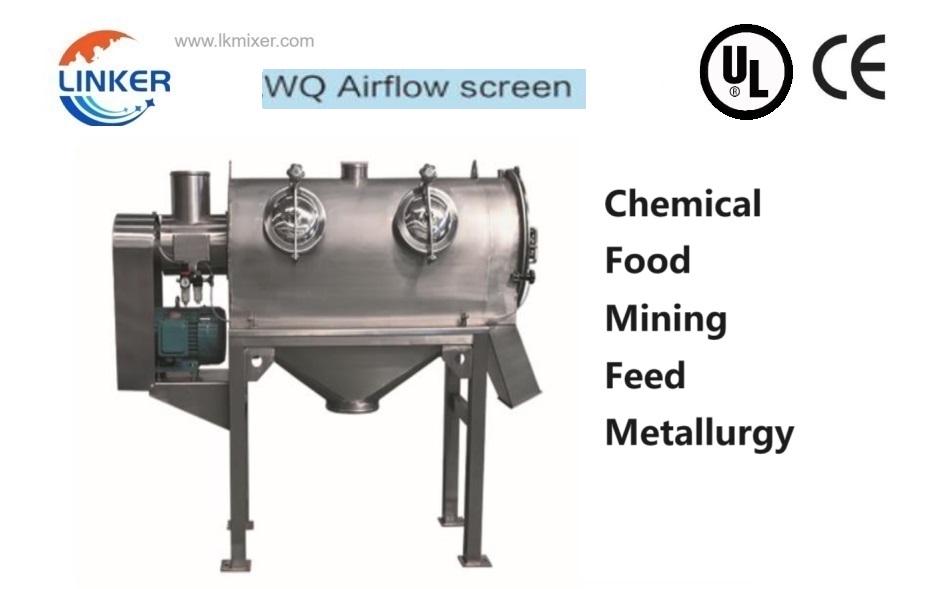
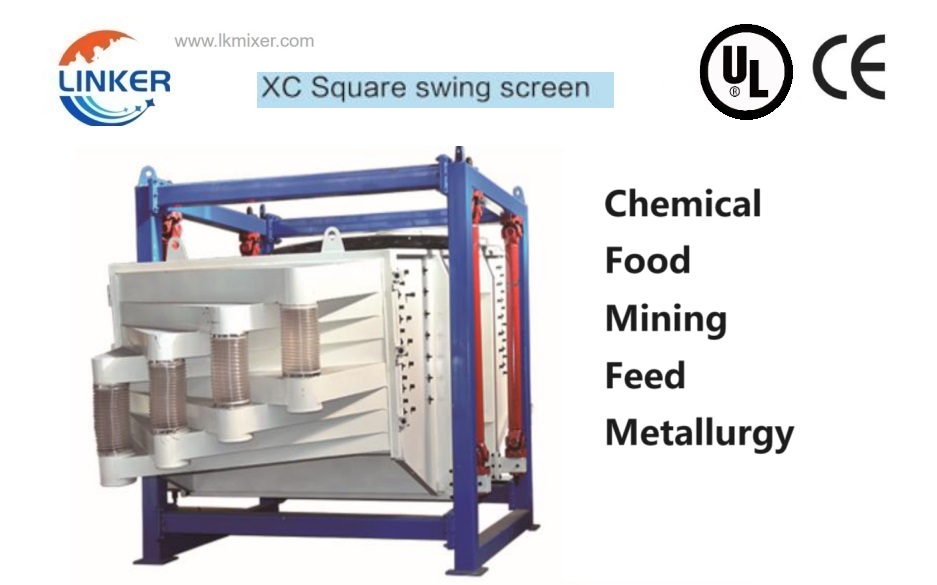
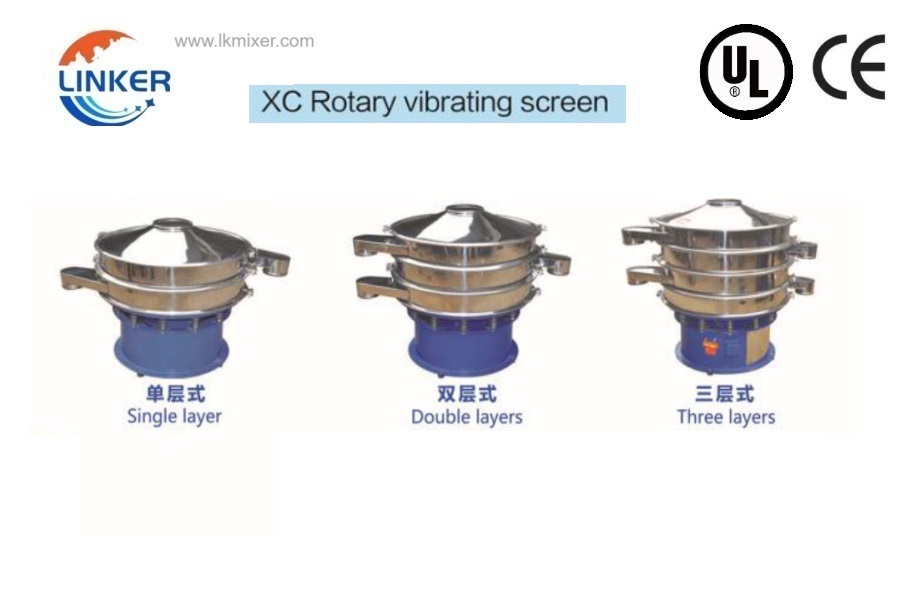
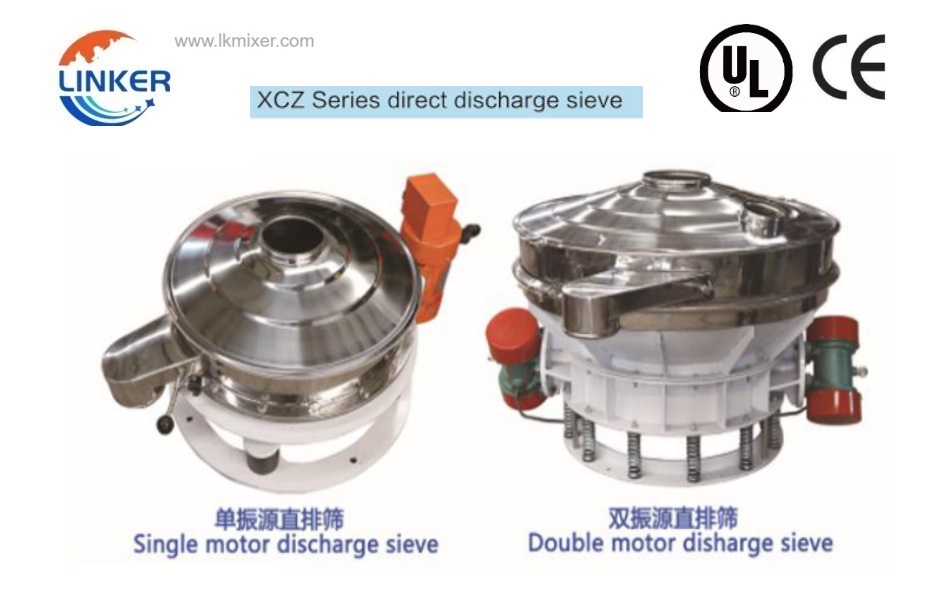
Ultrasonic Screen
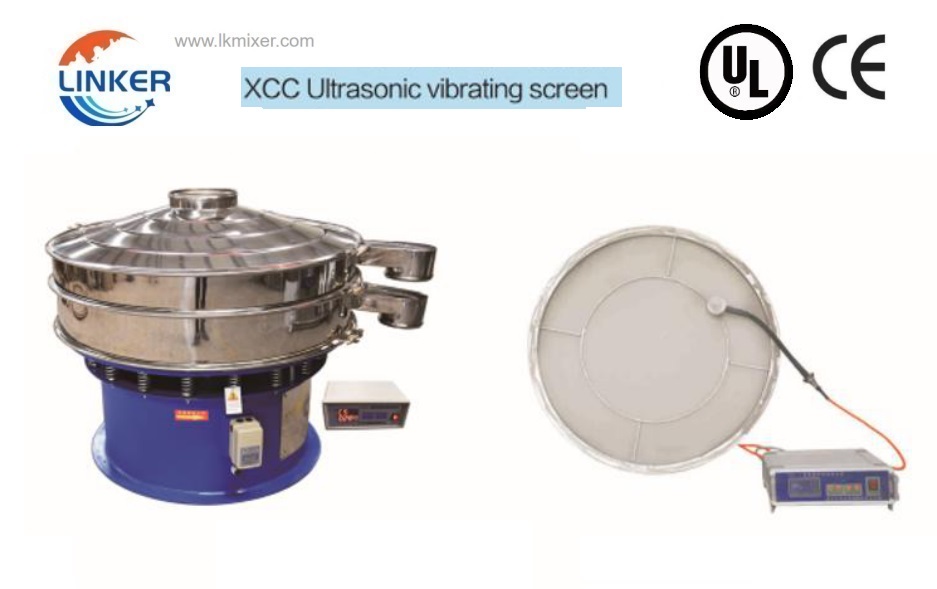
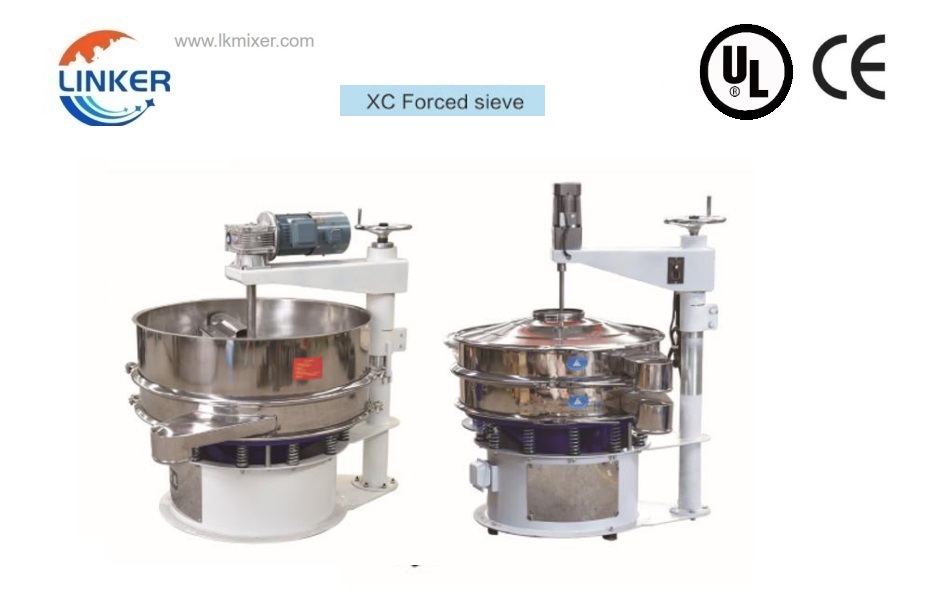
Ultrasonic Screen Machine for Sale: Ultrasonic Screen is a common used machine after the grinding process, it…Rotary Sifter
Rotary Sifter Machine for Sale: Rotary Sifter is a common used machine after the rice grinding process,…Rice Sifter Machine
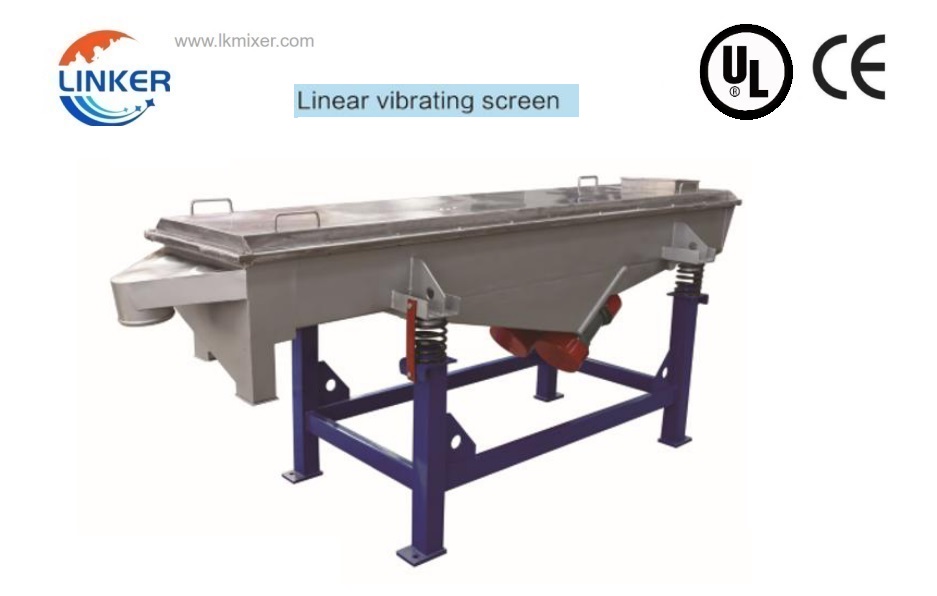
Rice Sifter Machine for Sale: Rice Sifter Machine is a common used machine after the rice grinding…
Auxiliary Machines, Dryers for Sale:
Powder Feeder System Pump
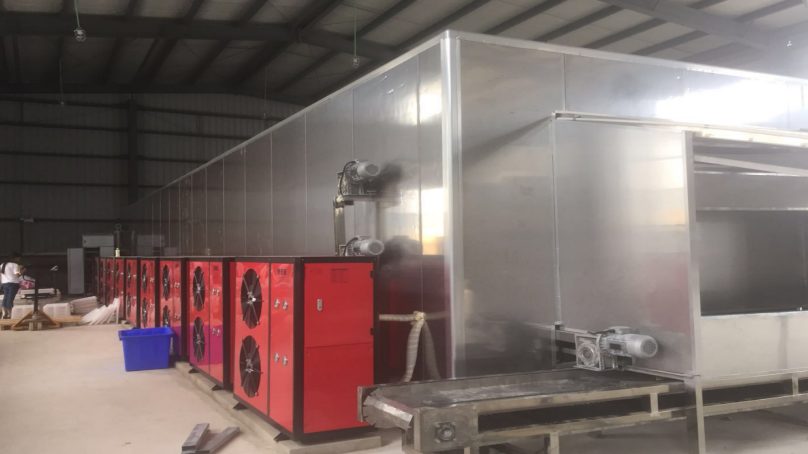
Vacuum Feeder Machine for Sale: Vacuum Feeder is a common used machine to transport the material into…Industrial Vegetable drying machine
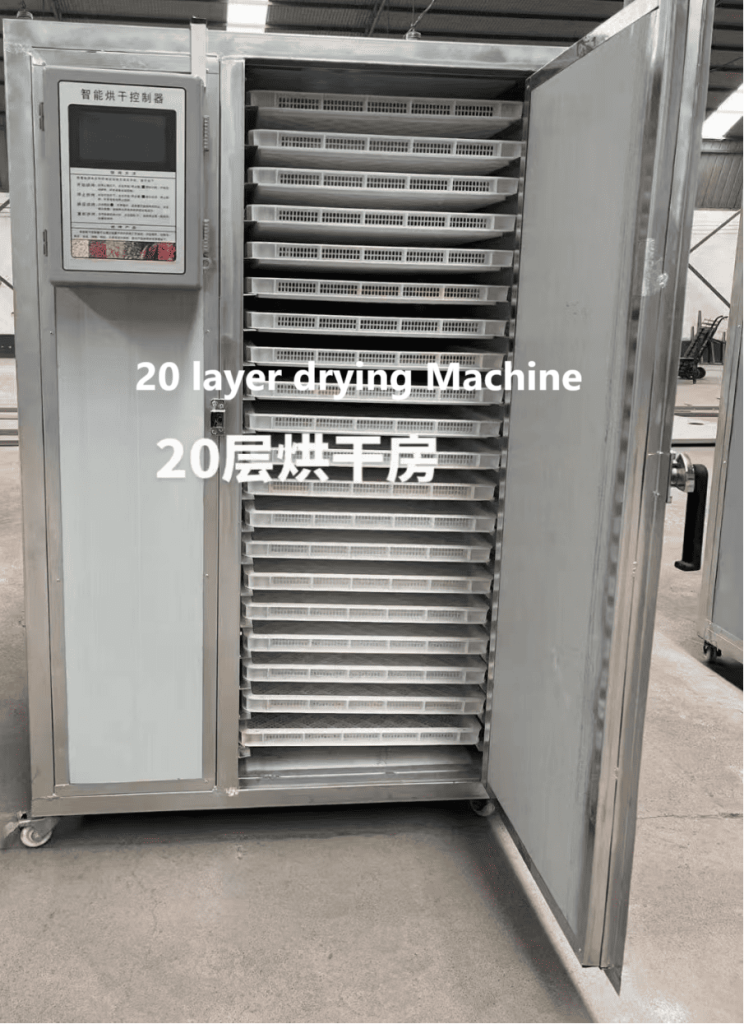
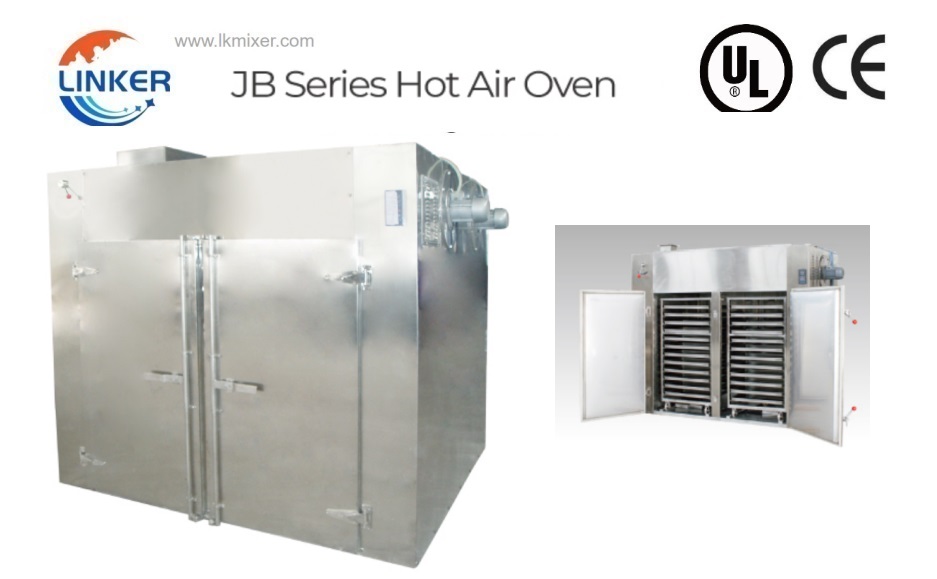
Industrial Vegetable drying machine 20 layers 50KG/batch Industrial fruit drying machine Youtube Video About LKMixer LKMixer is…
FAQ(Click and See More)
Why Choose Us?
We have 20 years manufacturing experiences; 15600 cubic meters factory area; 5000sets annual capacity; 55 professional engineers;
What’s your main maket?
South America: Brazil, Colombia, Peru, Bolivia, Uruguay, Paraguay ;Romania;
USA with UL Certification
Middle East: Saudi, Arabia, Oman, Turkey
Europe: Russia, Australia, Belarus, Ukraine, Poland
Can you support OEM?
– Yes, OEM or ODM. Machine can be customized according to customer detail requirement, including capacity and voltages, motor certifications.
– Drawing and raw materials also can be customized.
What after-sale services?
– 7*24 customer service online;
– 7*24 engineers online services;
– 12 months warranty services.
WHAT kind of MACHINE YOUR COMPANY HAVE?
CAN YOU GIVE ME GUIDE ON OTHER MACHINE ? TO FULL MY PRODUCTION LINE
YES ! Our f have factory build more than 20 years now, we can design and customize whole line, besides of the grinding machine, mixing machine, we can also fully support to provide the washing machine, cutting machine, drying machine, packing machine, filling machine. Though we are not producing these machine, but our brother companies co-work together for over 20 years, we have rich experience in providing you a full effective production line, fully automatically or semi-automatically.
HOW TO VISIT YOUR COMPANY?
Our Factory located in Jiangsu Province, very near to Shanghai, you can fly to Shanghai Pudong Airport, we pick you up and take you by car 2 hours ride, can reach our factory, welcome your visit.
WHAT’S YOUR BEFORE & AFTER SERVICE ?
1) Before your purchasing, we need to know your detail request, such as what kind of material you want to grind and mixing, what final product powder or granule you want to reach. Because different material and powder sizes request of different machine to do. We can provide professional advice and rich experience help to choose machine. Most of the products we have already did before for other customer, trail test or run mass production, so we knows which machine is best in performance of grinding and mixing. This is of very importance in helping you choose the right model. We also wish this can help our customer a lot. Even the material we didn’t do before, we will prepare the same material and to do the trail test and send video to you for your reference.
2) One Year guarantee of machine quality. If the machine have problem within one year, we will send you the spare parts to you for replacement, but this not including the damage caused by human causes. We also have 24 hours on line guide for customer, if you have operation difficulty, we will guide by video and on line communication with our engineer for your emergency debug.
3) For small machine, we sell with whole machine, it’s no need to install, and easy to operation, no problems for operation. While for large machine, its’s also not difficult to install with video guideline, but if you need, we can assign our technicians to go abroad, the round ticket, food and residents will be paid by customer.
HOW ABOUT YOUR PAYMENT TERM?
Our payment term is T/T. 50% payment in advance, rest of 50% payment finish before the goods shipped. When we finish the machine production we will do trail test and run the machine take videos for your green light. You pay the rest of 50% payment then.
Recommend Reading
What is another name for a robotic arm?
What is another name for a robotic arm? In various technical contexts and industrial applications,…Can a robot arm be used for surgery?
Can a robot arm be used for surgery? Although a robot arm can be used…How much does a robotic arm cost?
How much does a robotic arm cost?A robotic arm’s cost is a systematic outcome that…