How to find and select reliable food processing equipment suppliers?
How to find and select reliable food processing equipment suppliers? Finding and choosing trustworthy suppliers of food processing equipment necessitates adhering to the “standards first, verification as the core, and full-cycle evaluation” principle, which emphasizes technical compliance, validation capabilities, localized service, and total cost control rather than just brand or reputation.
Clarify Technical Compliance Benchmarks
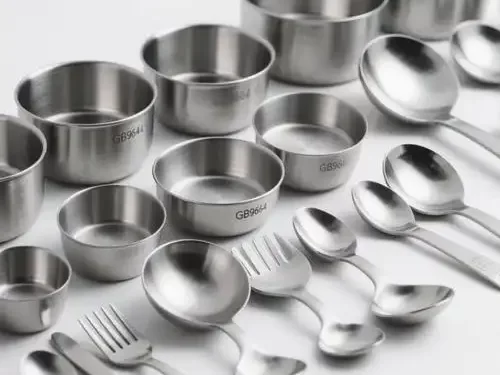
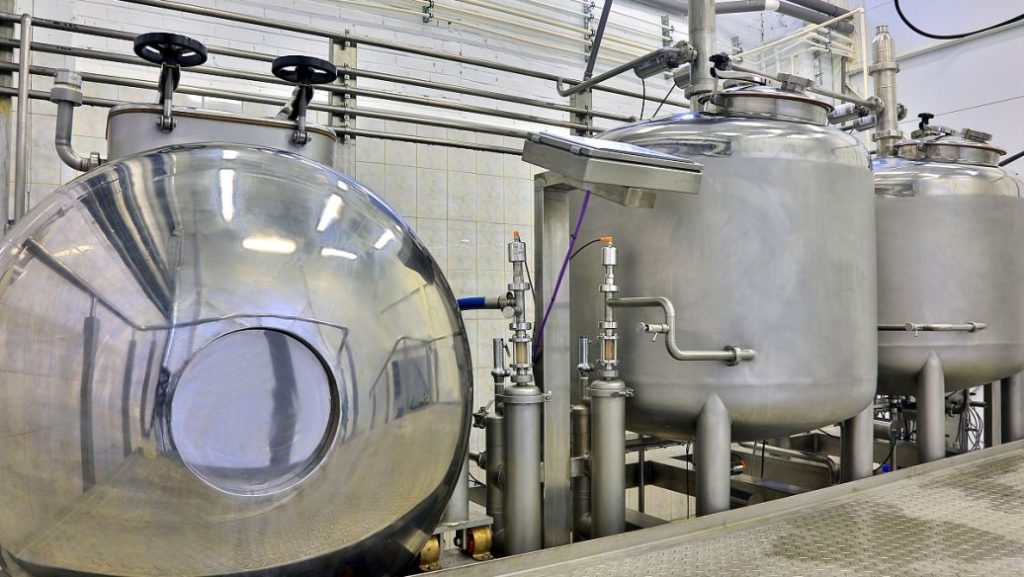
The first step in choosing suppliers is establishing precise technical compliance standards since, in order to prevent hazards to food safety, any equipment that comes into contact with food must adhere to international hygiene and safety regulations. In order to prevent residue buildup, equipment with food contact surfaces must adhere to EHEDG and 3-A hygiene requirements, which call for smooth, non-porous surfaces free of rivets, dead corners, threads, and depressions.
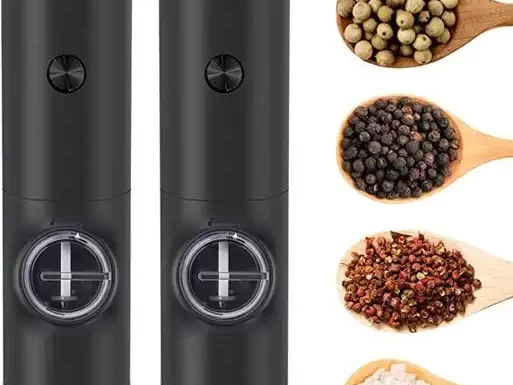
To prevent liquid buildup that harbors germs, joints, flanges, and valves must be self-draining, and welds must be regularly probed and electropolished to Ra ≤ 0.8μm. Food-grade 316L stainless steel or certified polymers, such as PPSU and PES, must pass migration tests in accordance with GB 4806.7, EU 10/2011, or FDA 21 CFR 177 requirements. To avoid water intrusion during cleaning and disinfection, non-contact components including electrical boxes, sensor ports, and electric grinder chargers require IP65 or higher protection. Even if a piece of equipment is inexpensive, it should be excluded if it doesn’t meet certain design standards. This includes subpar grinding machines, crushers, and CE Certificate grinder units.
Evaluate Validation Support Capabilities
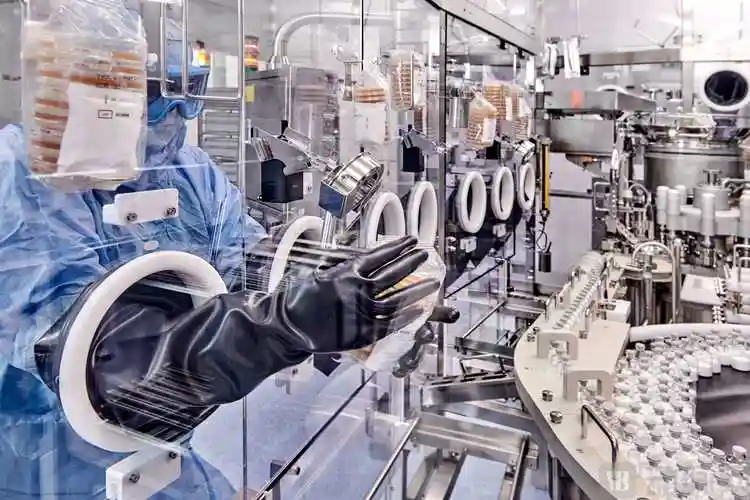
Since trustworthy suppliers must provide comprehensive documentation and support for equipment qualification, validation support is the primary metric used to assess competent suppliers. Complete IQ, OQ, and PQ papers, such as material chemical composition reports, surface roughness test records, and sensor calibration certificates, should be supplied by reliable providers. To satisfy GFSI certification standards, they must additionally provide electrical safety reports, traceable audit trail formats, and CIP/SIP parameter validation data. Suppliers who only provide basic equipment certificates without systematic validation files should be removed from the candidate list since they provide significant compliance concerns. This holds true for every kind of equipment used for processing food and herbs, from small grinders and herb grinders to massive 500 kg grinders and industrial weed grinders.
Equipment-Specific Validation Requirements
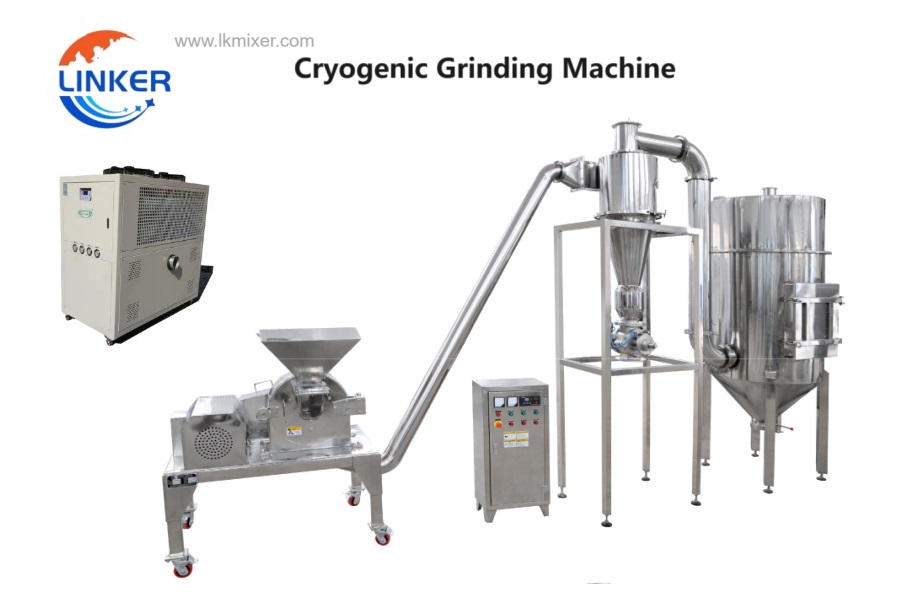
Suppliers are required to supply vibration test reports and dust control system validation data for grinding equipment such as cryogenic grinding machines, vacuum mills, and hammer mills. Material migration test reports for spice and food contact are required for food-specific equipment, such as dry ginger grinders, licorice grinders, and black pepper grinders. In order to meet production line requirements, suppliers should also help create validation plans for airflow pulverizers, cutting type grinders, and high speed dry grinders.
Assess Localized Service Capabilities
Production continuity is strongly impacted by localized service capacity since sluggish response times can result in significant downtime losses for food processing units. For equipment like a 200 kg grinder and coarse crusher, reputable vendors should provide 48-hour vital parts delivery and 24-hour remote diagnosis. They must have expertise adjusting CIP system settings for food production lines and offer competent on-site technical training in addition to sales demos. Suppliers who have multilingual manuals, local service locations, and the capacity to modify equipment for processing rice, corn, peanuts, and seasam should be given preference. It is best to steer clear of trading firms that only use third-party agents and lack internal technical teams, particularly when it comes to large-scale food processing equipment.
Conduct Total Life-Cycle Cost Evaluation
For long-term cost control, the total cost of ownership (TCO) evaluation covers all expenses from installation to decommissioning, going beyond the initial purchase price. TCO include equipment purchase costs, installation fees, energy usage, maintenance costs, downtime losses, labor for equipment verification, and equipment disposal costs. When compared to less expensive options, expensive equipment with energy-efficient designs, low failure rates (MTBF > 5000 hours), and modular parts can lower 5-year TCO by more than 30%. For equipment like universal grinders and ultrafine grinders, suppliers should offer comprehensive TCO calculation models rather than merely verbal assurances of durability.
Energy consumption of motors, steam usage and maintenance frequency of dust collector grinder and vibrating pulverizer should be included in cost calculations.
Implement Multi-Dimensional Cross-Verification
Final supplier selection relies on multi-dimensional verification after technical document review, combining on-site inspections and customer reference checks to confirm authenticity and reliability.
To verify production cleanliness, welding consistency, and the calibration state of testing equipment for stainless steel machinery, on-site factory visits are required. To confirm coverage and effectiveness, suppliers should present CIP cleaning procedures, particularly for machinery handling meat, mushrooms, bones, and seeds. To verify equipment performance for food, medicine, and spice processing, request validation reports from a minimum of three current clients (business names deleted).
Judge High-Risk Warning Signals
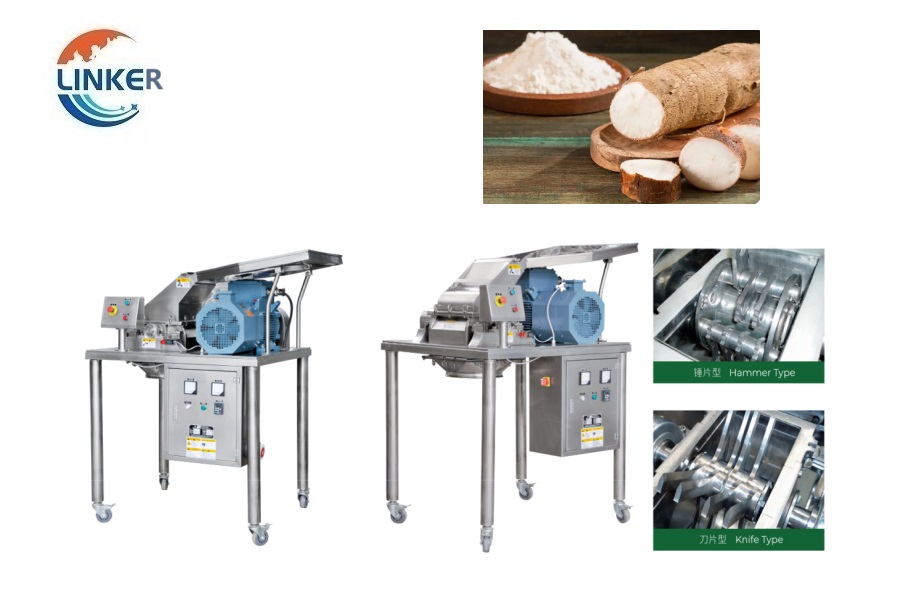
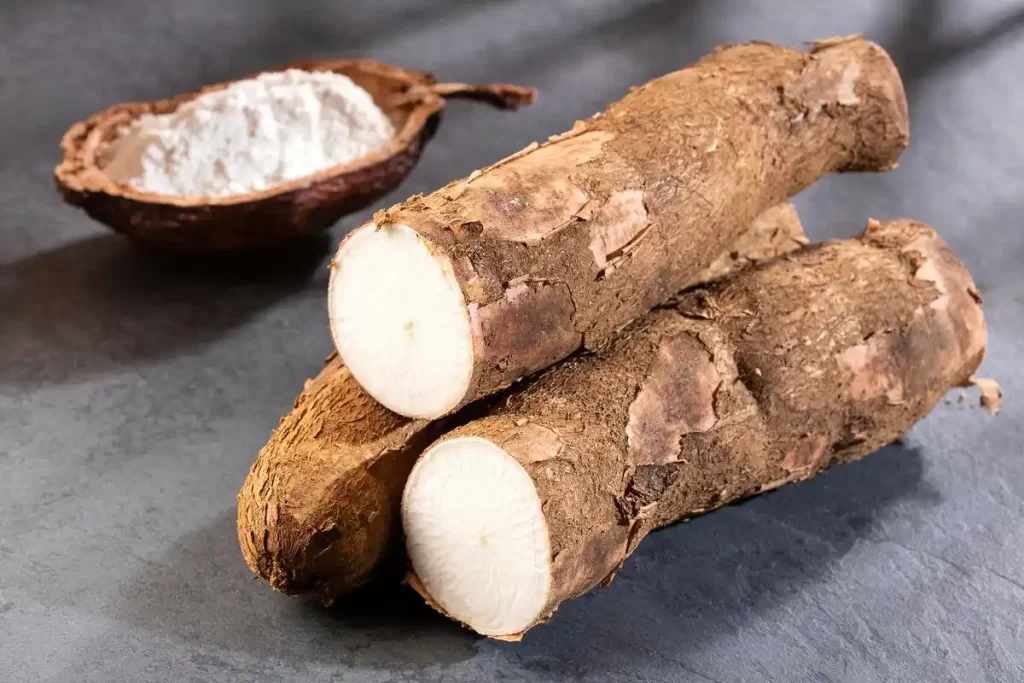
High-risk suppliers should be eliminated right away if they refuse to submit actual validation data or avoid on-site audits. Red flags for selection include inadequate material certificates, vague statements of equipment compliance, and an inability to confirm hygienic design. This inspection includes all equipment used for upcycling food byproducts, such as air-cooled crushers, cassava grinders, turbo grinders, and dry fruit powder grinders.
Final Decision-Making Principles
For food safety defense, choosing a supplier is an engineering decision rather than a straightforward purchase that determines a company’s ability to pass international market access evaluations. To ensure there are no dangers of cross-contamination, all chosen vendors must adhere to regulations for equipment processing tobacco, chemicals, cannabis, and food. Suppliers can only be regarded as trustworthy partners for long-term collaboration if they fulfill all compliance, validation, service, and cost standards.
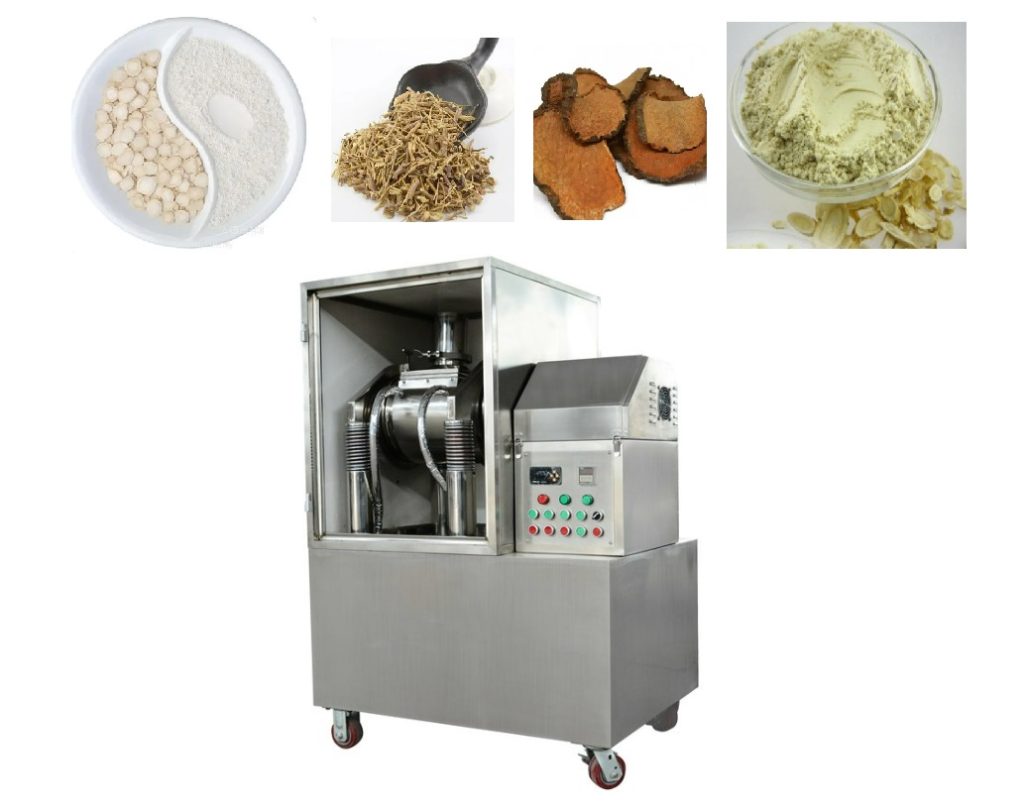
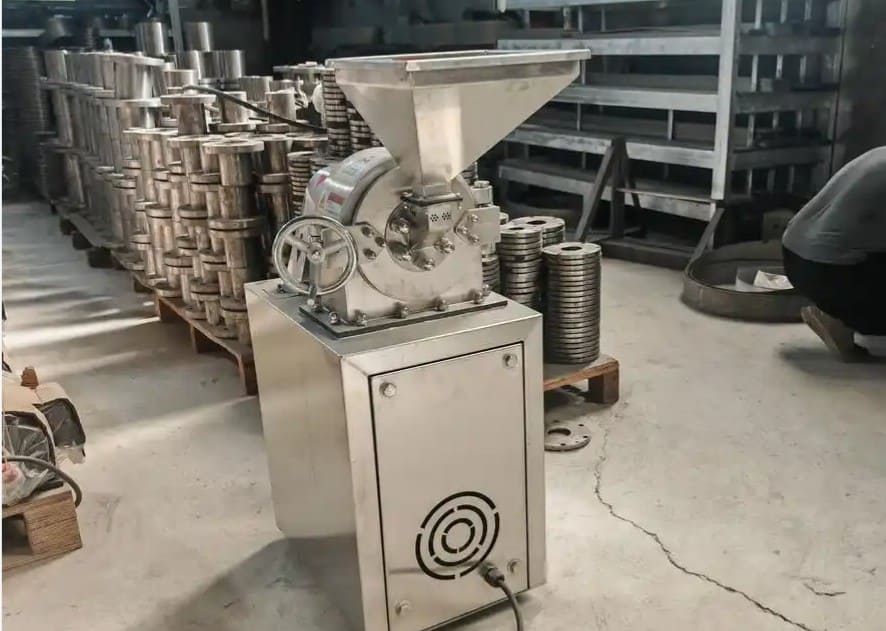
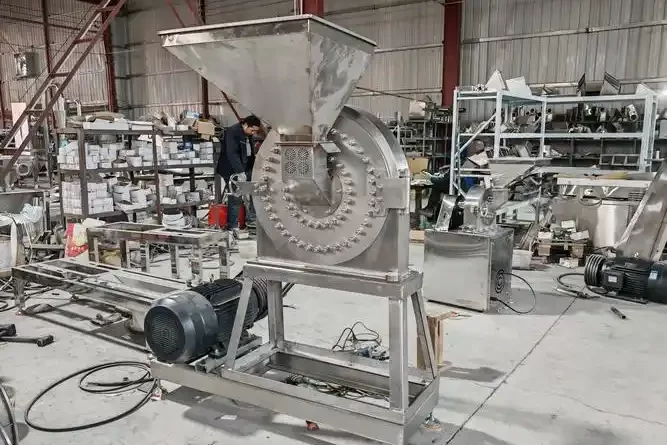
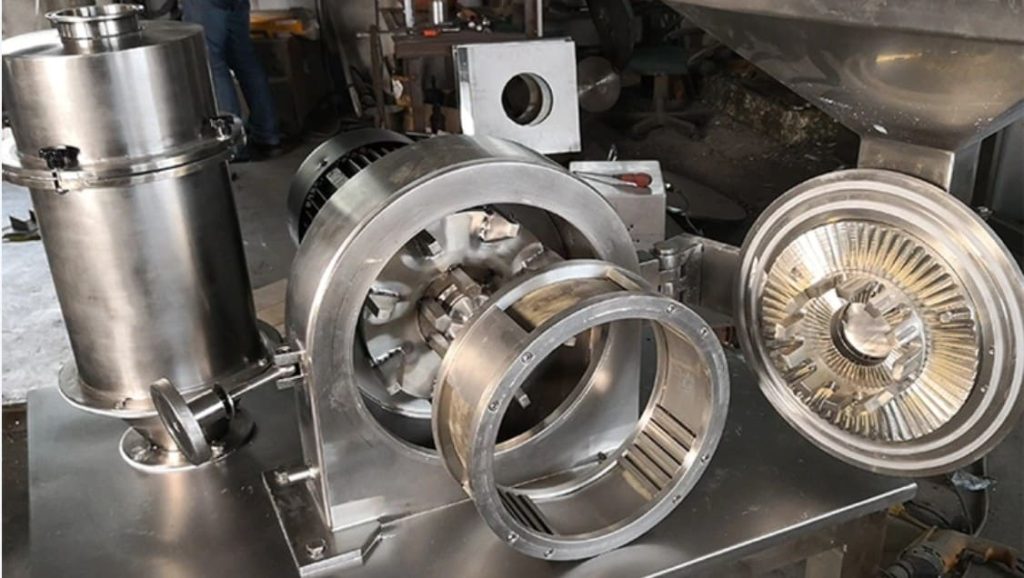
Ultrafine grinding is one of the very key procedure in whole production line. It depends how many mesh that customer need to produce. That’s to say this machine can decide what kind of material will get finally before mxing.
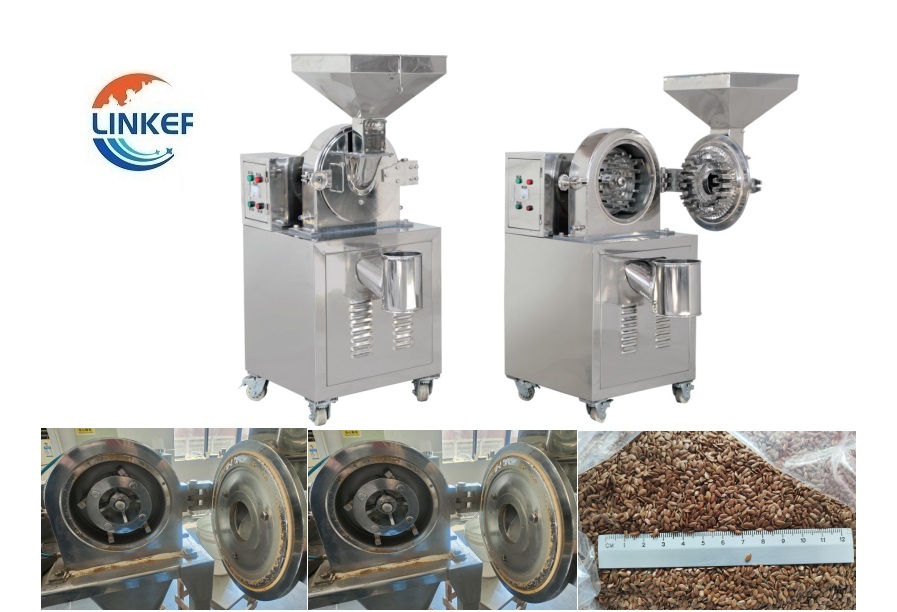
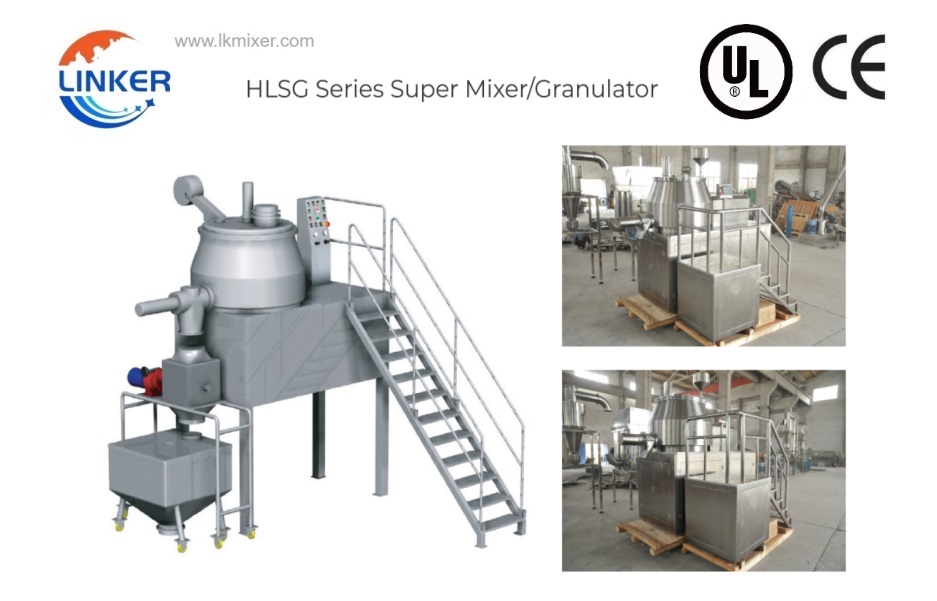
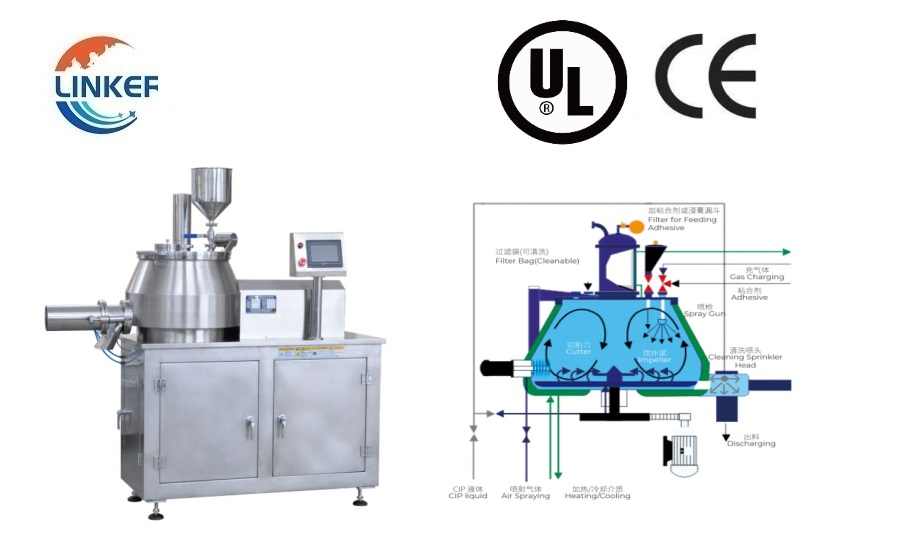
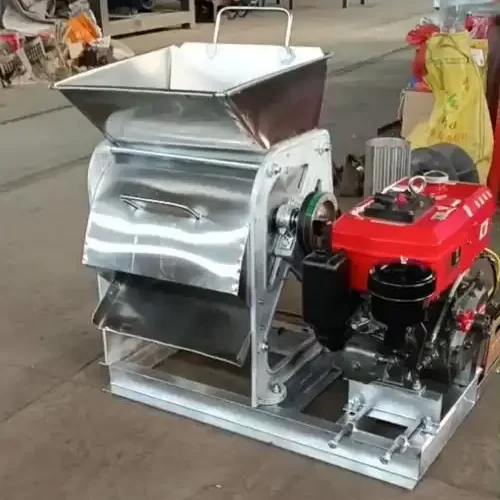
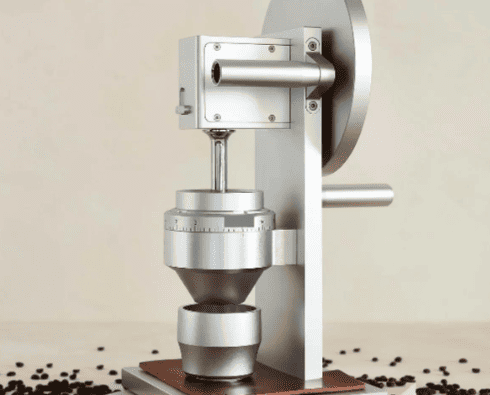
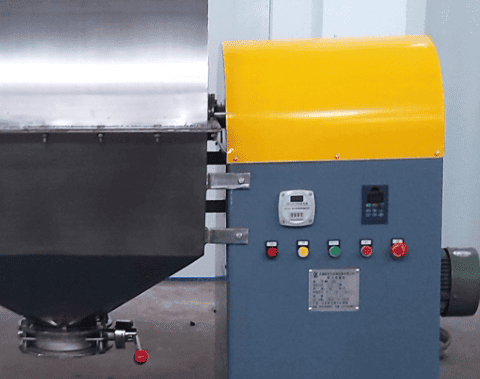
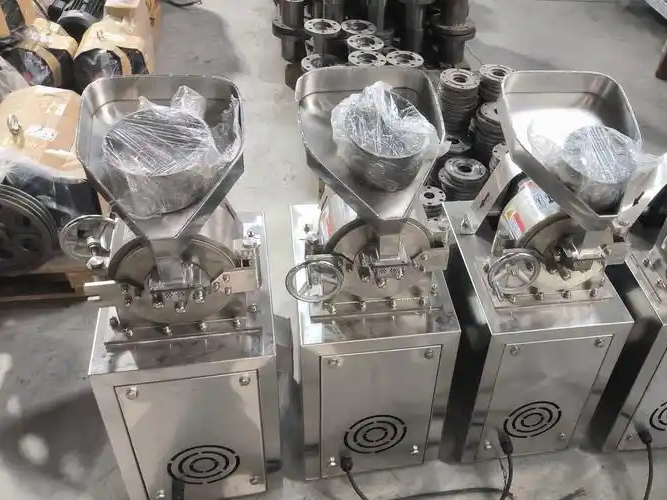
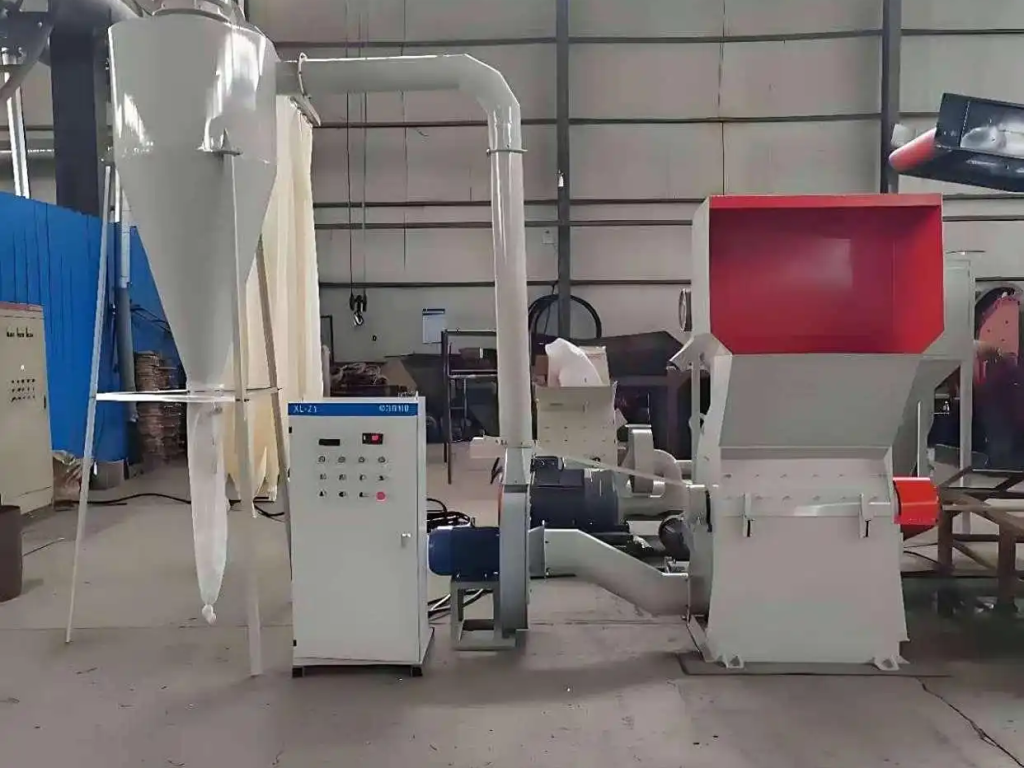
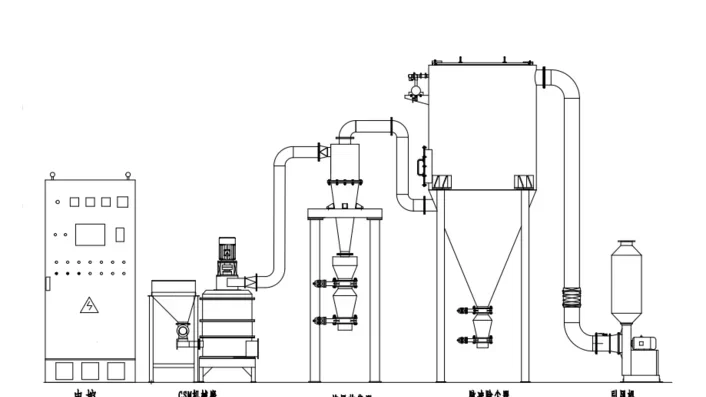
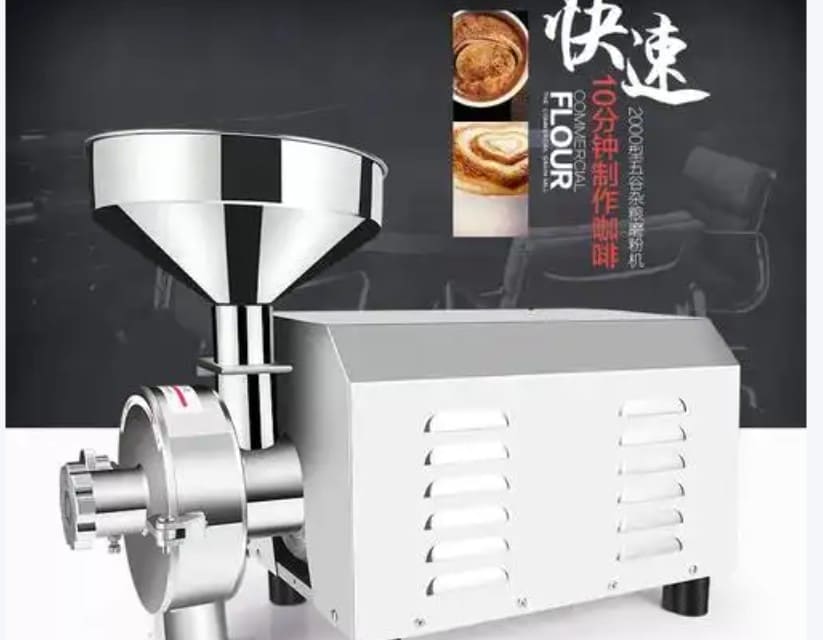
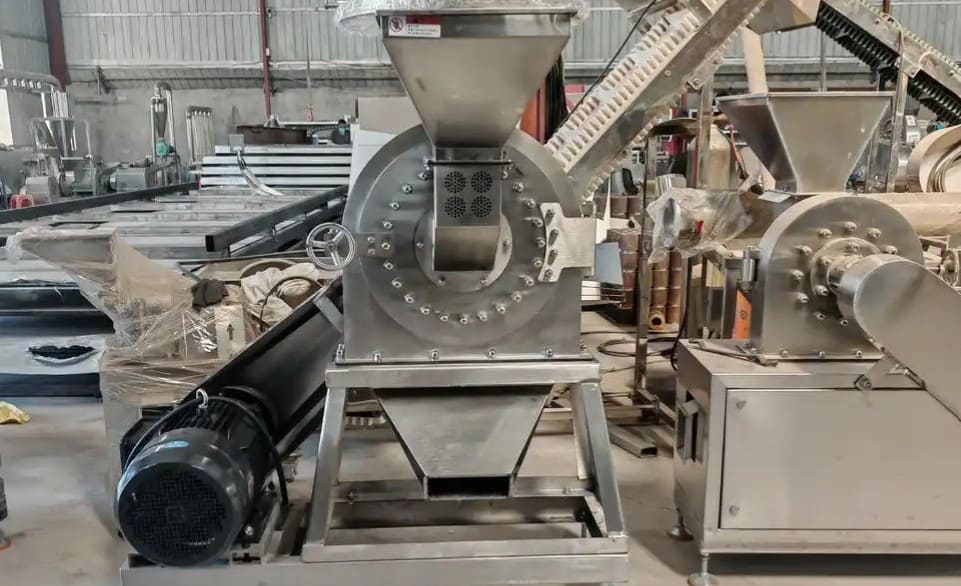
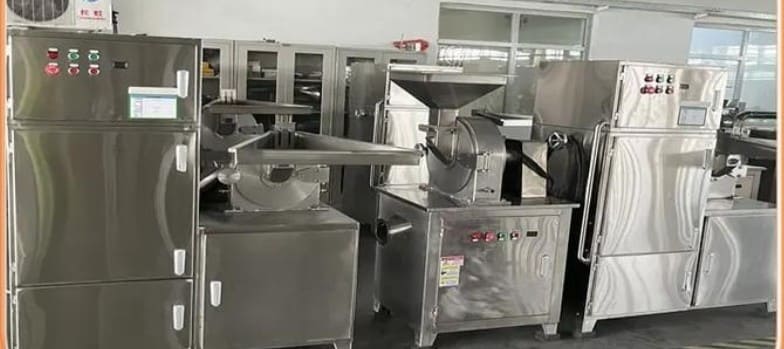
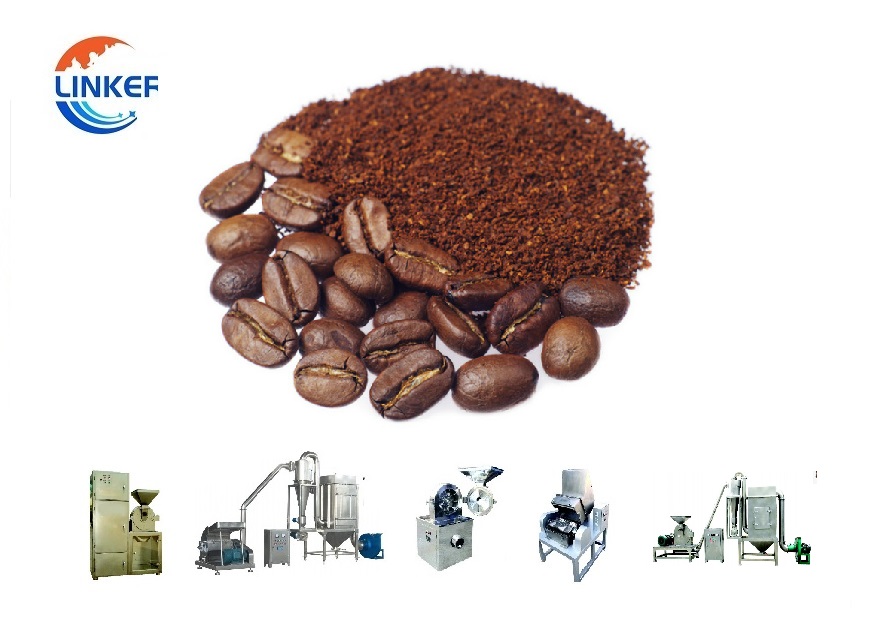
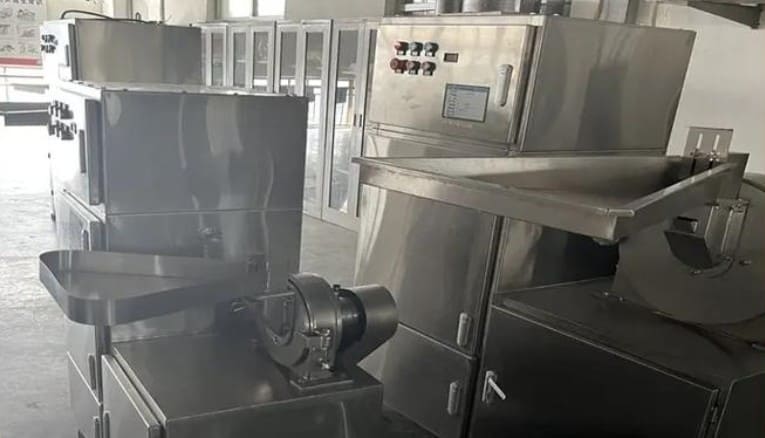
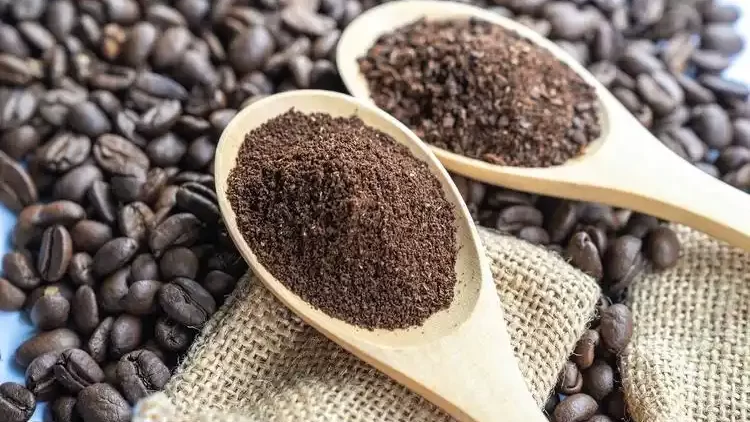
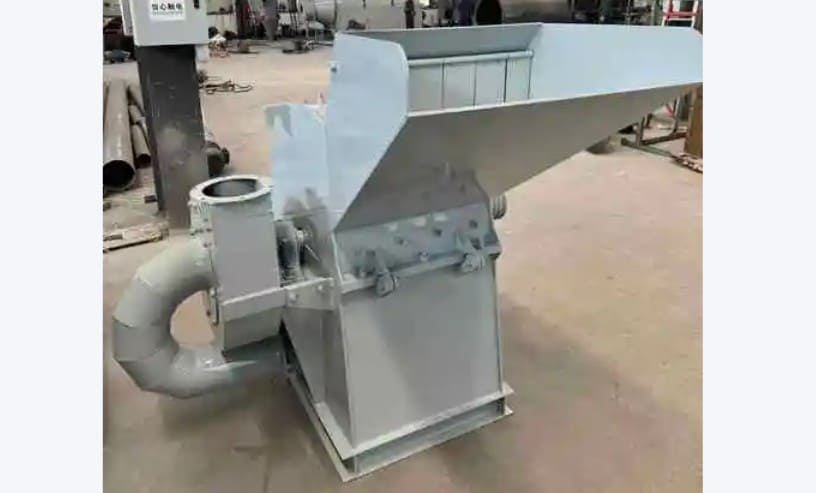
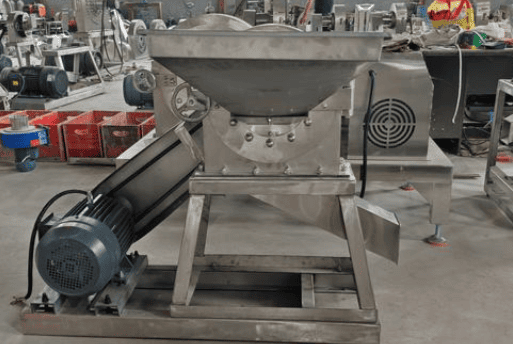
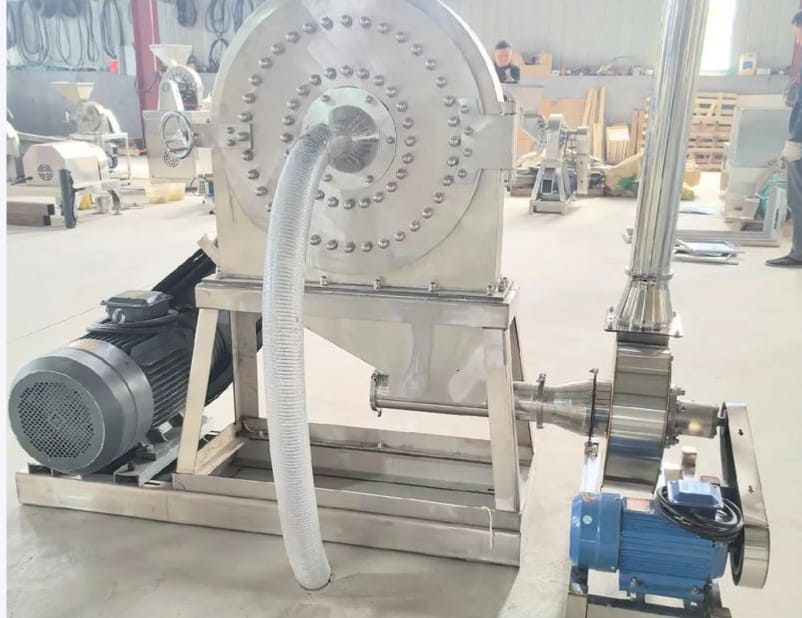
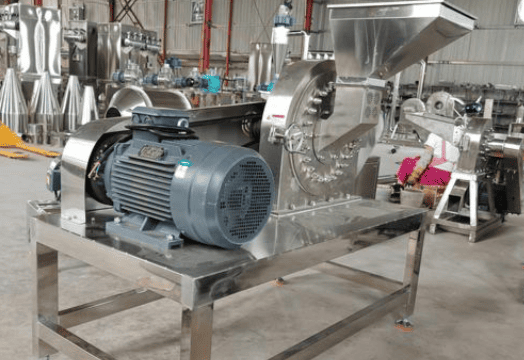
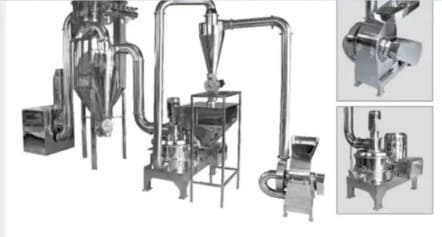
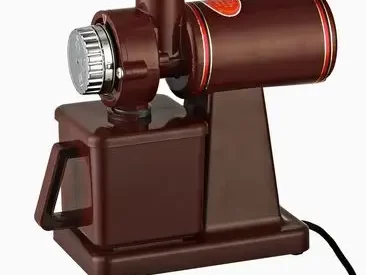
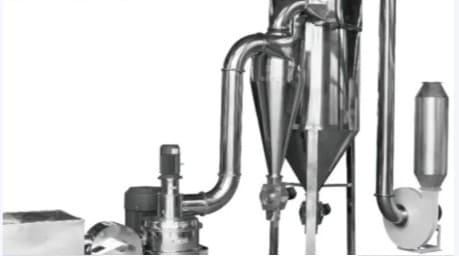
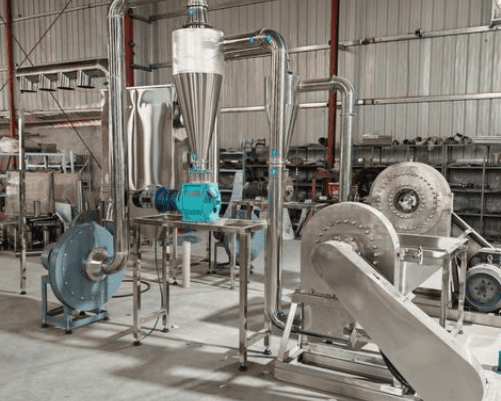
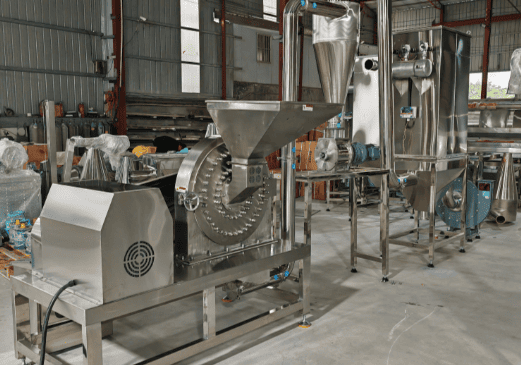
LKMixer is a professional manufacturer for fertilizer production line, grinder, mixer and granulator, shredder. These machines are widely used in food, pharmaceutical, cosmetic, health care products and chemical industries. The Food materials like Peanut, mushroom, seeds, potato, bean, tobacco, salt, cannabis, tea, Sugar, corn, Coffee, rice, pepper, grain as so on. Grinders have many types such as Pulse Dust Grinder which suitable for zero pollution environment, Turbine Mill which is suitable for coffee bean, 12-120mesh all can meet, Ultrafine Grinding Mill covers 80-200mesh, and also Winnowing Dust Grinder or other grinding machines like SF Hammer. Welcome to contact us for details. Contact us for more information. Proposal, catalog, quotation. Mobile/WhatsApp: +86 18019763531 Tel: +86 21 66037855 Email: sales@lkmixer.com
We have 20 years manufacturing experiences; 15600 cubic meters factory area; 5000sets annual capacity; 55 professional engineers;
What’s your main maket?
South America: Brazil, Colombia, Peru, Bolivia, Uruguay, Paraguay ;Romania; USA with UL Certification Middle East: Saudi, Arabia, Oman, Turkey Europe: Russia, Australia, Belarus, Ukraine, Poland
Can you support OEM?
– Yes, OEM or ODM. Machine can be customized according to customer detail requirement, including capacity and voltages, motor certifications. – Drawing and raw materials also can be customized.
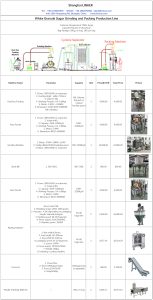
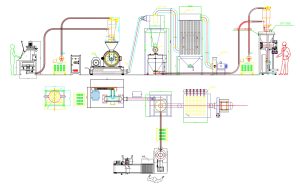
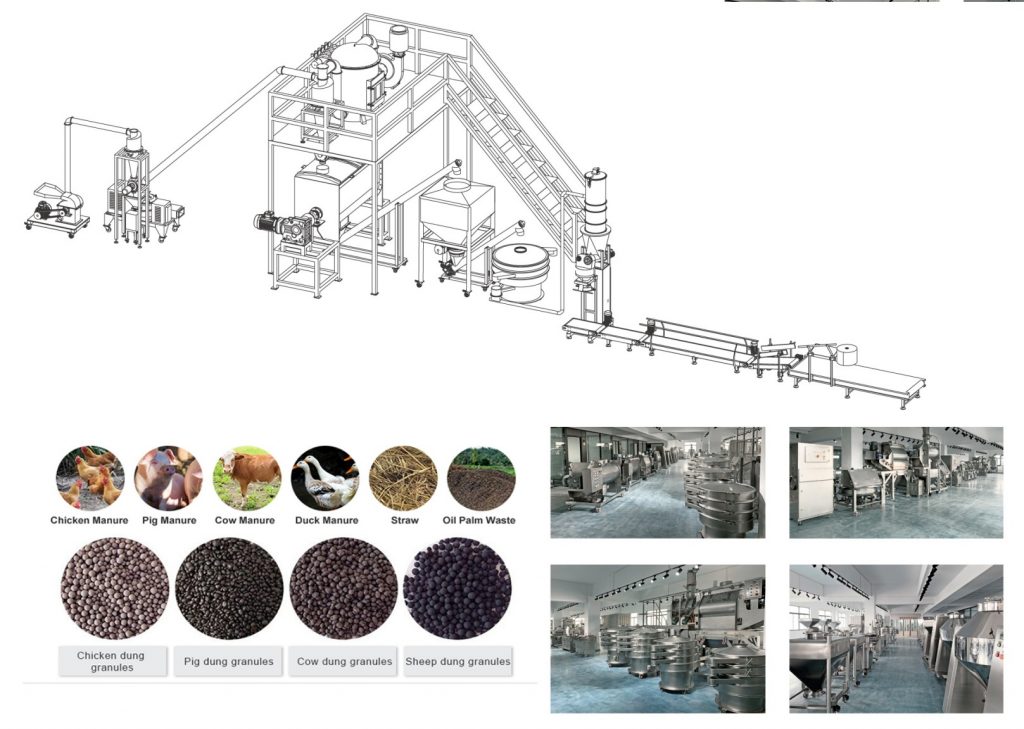
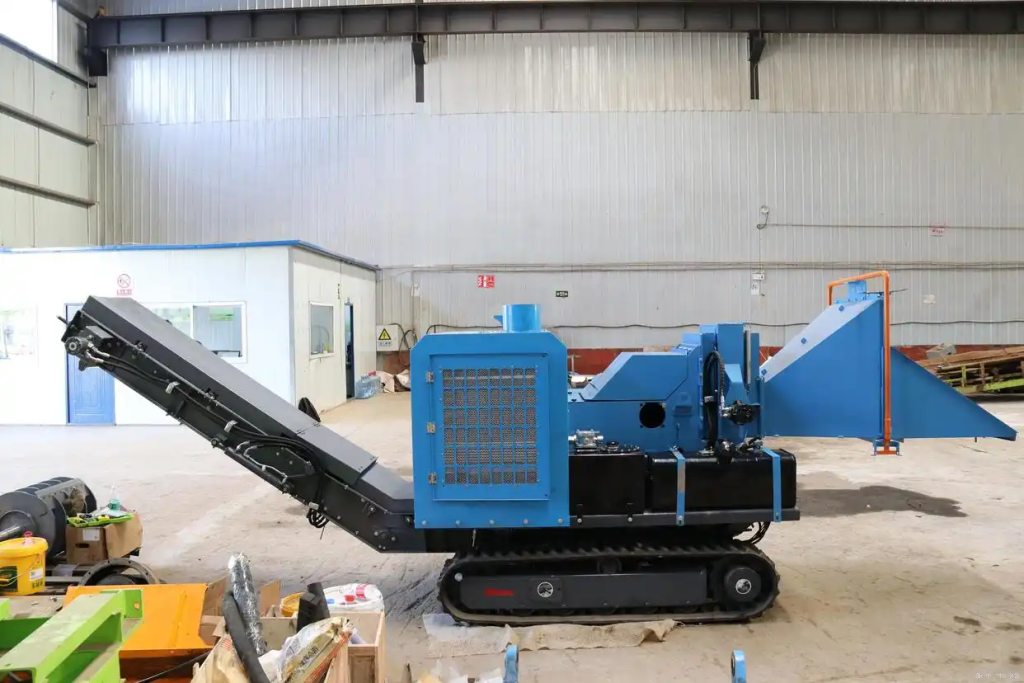
We majorly produce CRUSHER, GRINDER, MIXER, and also have auxiliary machines like DRYER, GRANULATOR, VIBRATING SIFTER, CONVEYOR, etc. We can customize whole production line according to your capacity, material, output sizes of mesh and mm of granule and powder.
CAN YOU GIVE ME GUIDE ON OTHER MACHINE ? TO FULL MY PRODUCTION LINE
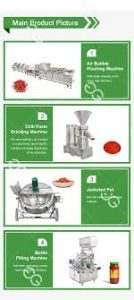
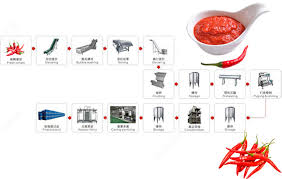
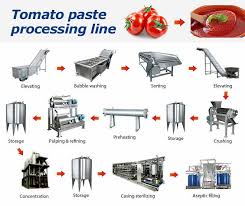
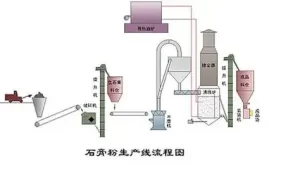
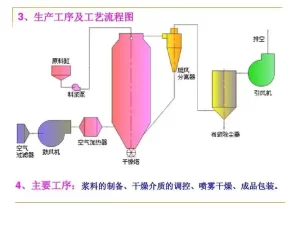
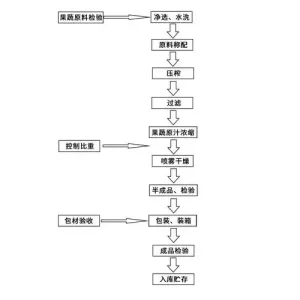
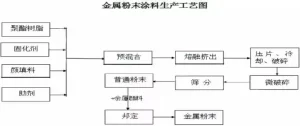
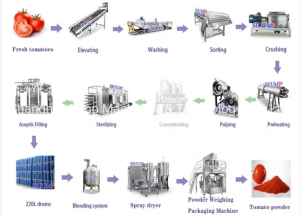
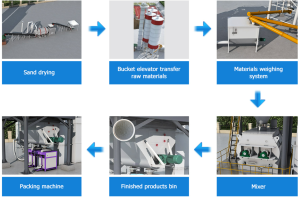
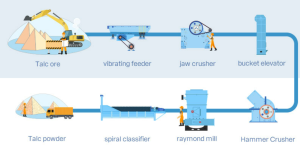
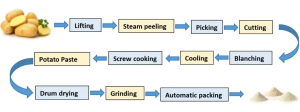
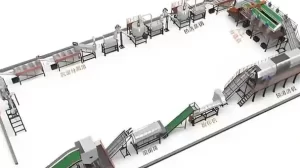
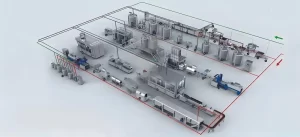
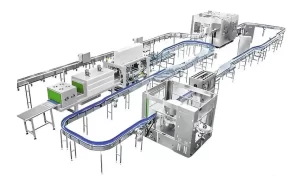
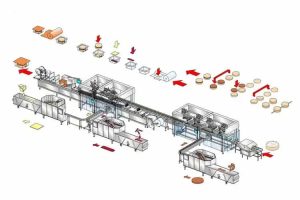
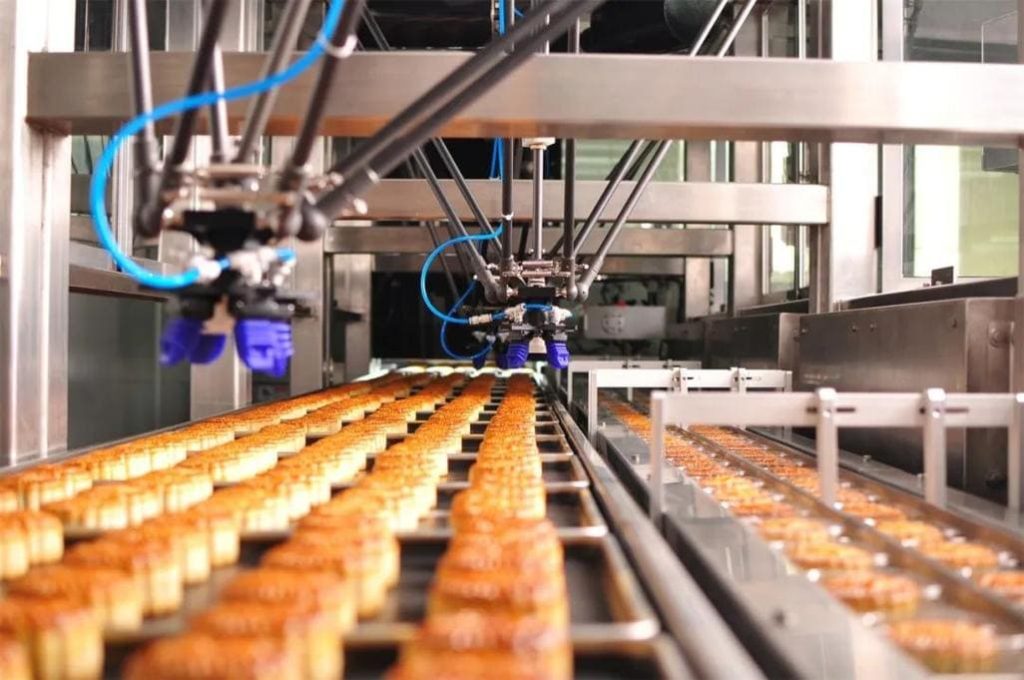
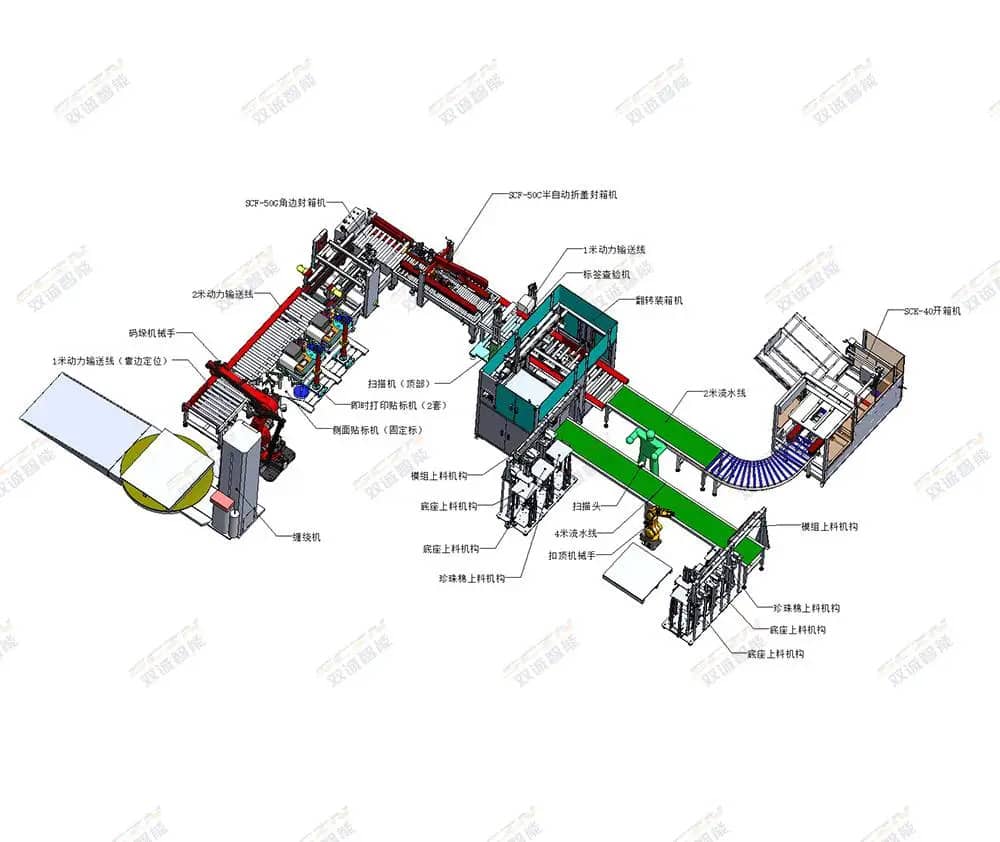
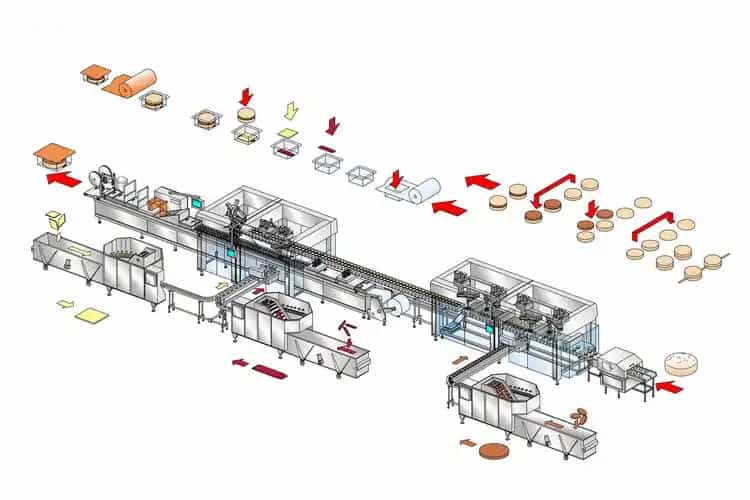
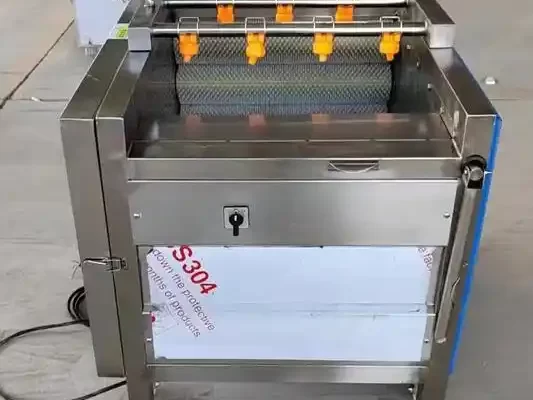
YES ! Our f have factory build more than 20 years now, we can design and customize whole line, besides of the grinding machine, mixing machine, we can also fully support to provide the washing machine, cutting machine, drying machine, packing machine, filling machine. Though we are not producing these machine, but our brother companies co-work together for over 20 years, we have rich experience in providing you a full effective production line, fully automatically or semi-automatically.
HOW TO VISIT YOUR COMPANY?
Our Factory located in Jiangsu Province, very near to Shanghai, you can fly to Shanghai Pudong Airport, we pick you up and take you by car 2 hours ride, can reach our factory, welcome your visit.
WHAT’S YOUR BEFORE & AFTER SERVICE ?
1) Before your purchasing, we need to know your detail request, such as what kind of material you want to grind and mixing, what final product powder or granule you want to reach. Because different material and powder sizes request of different machine to do. We can provide professional advice and rich experience help to choose machine. Most of the products we have already did before for other customer, trail test or run mass production, so we knows which machine is best in performance of grinding and mixing. This is of very importance in helping you choose the right model. We also wish this can help our customer a lot. Even the material we didn’t do before, we will prepare the same material and to do the trail test and send video to you for your reference. 2) One Year guarantee of machine quality. If the machine have problem within one year, we will send you the spare parts to you for replacement, but this not including the damage caused by human causes. We also have 24 hours on line guide for customer, if you have operation difficulty, we will guide by video and on line communication with our engineer for your emergency debug. 3) For small machine, we sell with whole machine, it’s no need to install, and easy to operation, no problems for operation. While for large machine, its’s also not difficult to install with video guideline, but if you need, we can assign our technicians to go abroad, the round ticket, food and residents will be paid by customer.
HOW ABOUT YOUR PAYMENT TERM?
Our payment term is T/T. 50% payment in advance, rest of 50% payment finish before the goods shipped. When we finish the machine production we will do trail test and run the machine take videos for your green light. You pay the rest of 50% payment then.