What is the difference between grinding and grooving?
Grinding and grooving are fundamentally different machining processes: grinding focuses on refining surfaces, while grooving creates specific channels or recesses within a material. Though sometimes performed with similar-looking tools, their purposes, techniques, and outcomes are distinct. Let’s delve deep into each aspect.
1. Design Purpose: Surface Perfection vs. Channel Creation
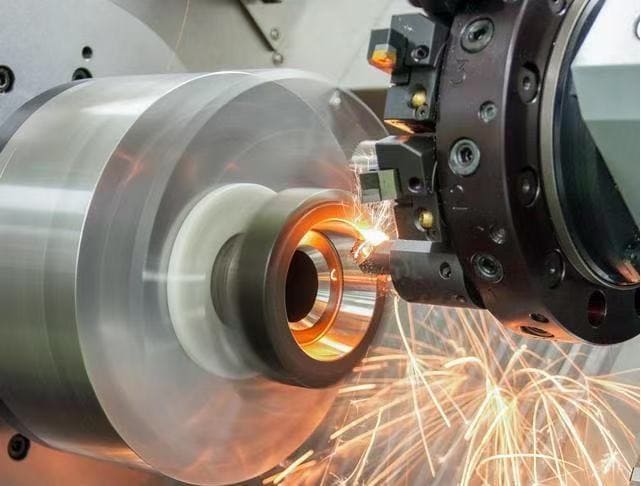
The most fundamental difference lies in their core objective. Grinding is primarily a surface finishing operation. Its goal is to alter the very top layer of a workpiece. This involves removing small amounts of material to achieve a desired surface quality, such as exceptional smoothness, high polish, precise flatness, or a specific edge contour. Think of grinding as the meticulous sanding or smoothing phase. It’s used to eliminate imperfections like scratches, burrs, or weld seams, sharpen cutting edges on tools, or prepare a surface for painting or coating by creating the ideal texture. The emphasis is on the quality and condition of the exposed surface.
Grooving, in contrast, is a form-cutting operation. Its sole purpose is to carve out a defined channel, slot, recess, or trench into the material. This groove serves a specific functional need. It might be a channel for wiring or piping within concrete (as seen in construction), a slot for a gasket or O-ring on a metal part, a fold line in cardboard packaging, a decorative recess in woodworking or stone carving, or a functional slot in a tool sheath. The focus here is on the geometry (depth, width, shape) and location of the groove itself, not primarily on the smoothness of the groove walls, though that can be a secondary consideration. Grooving changes the structure of the workpiece by adding a defined negative space.
2. Tools & Equipment: Abrasive Action vs. Cutting Action
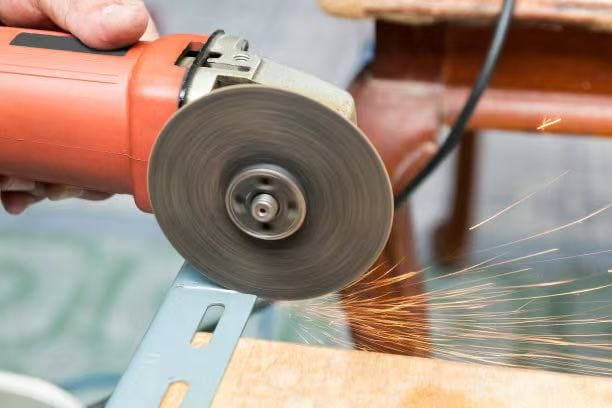
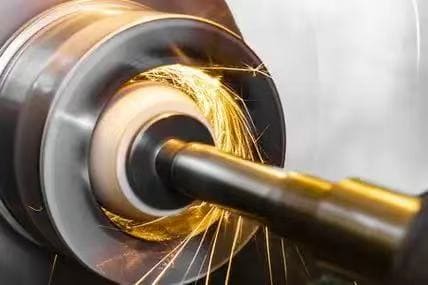
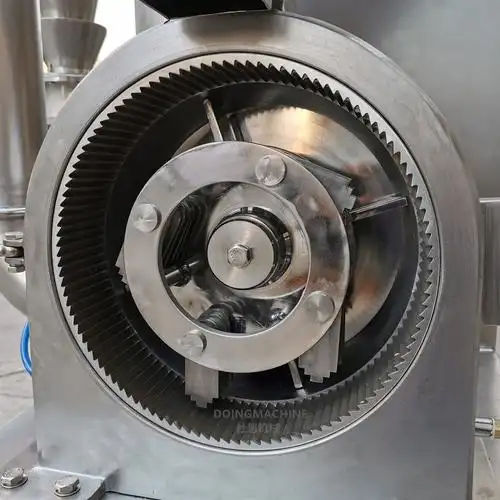
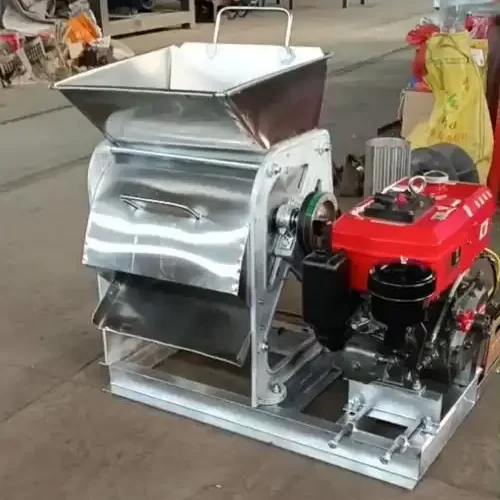
The tools employed reflect the different material removal mechanisms. Grinding relies overwhelmingly on abrasive action. The workhorse tool is the grinding wheel (or belt, stone, disc). These wheels are composed of abrasive grains (like aluminum oxide, silicon carbide, or diamond) bonded together. When the wheel spins at high speed against the workpiece, countless tiny, hard abrasive grains act like miniature cutting tools, shearing off microscopic chips of material. Common grinding tools include bench grinders for sharpening and shaping, angle grinders (often with grinding discs) for versatile material removal and cutting, surface grinders for achieving extreme flatness, and tool post grinders on lathes for precision cylindrical grinding. The key element is the abrasive surface generating friction and wear to remove material.
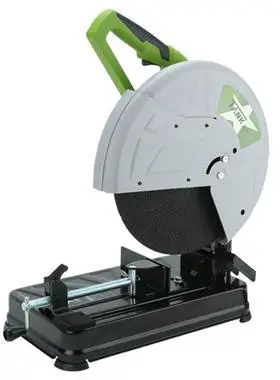
Grooving, however, primarily employs cutting action. While an angle grinder fitted with a thin cutting disc can sometimes be used for shallow or rough grooving, dedicated grooving tools are designed for the task. These include:
- Fixed Grooving Machines: Common in construction for cutting expansion joints or utility channels in concrete/asphalt. These often have precise depth guides, electric or hydraulic feed mechanisms (push rods), and sometimes laser guides or tracking pins for straight lines.
- Grooving Inserts/Tools on Lathes & Mills: For machining grooves in metal parts, specialized single-point cutting tools or inserts with specific geometries are mounted on lathes or milling machines.
- Rotary Cutting Heads: Some groovers use small-diameter, multi-toothed cutting wheels designed for plunge-cutting grooves.
- Oscillating Tools: With appropriate blades, these can create grooves, especially in wood or drywall. The defining feature is a defined cutting edge (blade, insert, or tooth) that shears material to form the groove, rather than relying purely on abrasion over a broad surface.
3. Processing Characteristics: Finish & Tolerance vs. Geometry & Function
The nature of the operation dictates what characteristics are critical. Grinding is characterized by its ability to achieve exceptional surface finishes and tight dimensional tolerances. The fine abrasion process allows for very controlled removal, enabling the production of surfaces that are mirror-smooth (polishing is essentially a very fine grinding process) or held to extremely precise thicknesses or diameters (within microns). Grinding can handle an incredibly wide range of materials – hardened steel that would shatter a cutting tool, brittle ceramics, glass, stone, wood, and composites. Its versatility lies in modifying surfaces across this vast material spectrum. The process parameters (wheel type, grit size, speed, feed, coolant) are meticulously controlled to achieve the desired finish and accuracy without damaging the workpiece.
Grooving is defined by the criticality of groove geometry and its functional purpose. Accuracy in groove depth, width, profile (e.g., V-shape, square, rounded), and position on the workpiece is paramount. A groove for an O-ring must be the exact right depth and width to seal properly; a fold groove in cardboard needs precise depth and position for a clean bend. Grooving often requires specific tooling designed for the exact groove shape needed. Furthermore, grooving can sometimes be just one step in a multi-stage process. For example, creating a groove in horn or wood for a knife sheath might require filling the groove with an adhesive or resin to hold the blade securely after the initial cutting is done. The focus is less on the absolute smoothness of the groove walls (unless specified) and more on achieving the correct channel dimensions and location to serve its intended function within the larger assembly or application.
4. Application Scenarios: Where Each Process Shines
Their distinct purposes naturally lead them to different applications. Grinding finds its niche wherever surface quality, edge condition, or precise dimensional control is paramount. Key examples include:
- Sharpening: Putting or maintaining a keen edge on cutting tools like knives, drill bits, milling cutters, and woodworking tools.
- Deburring & Edge Blending: Removing sharp, dangerous, or unsightly burrs left by other machining operations and creating smooth, rounded edges.
- Surface Finishing: Preparing surfaces for coating (e.g., creating a profile for paint adhesion on metal), polishing stone countertops or metal components to a high luster, smoothing welds.
- Precision Dimensioning: Achieving final, highly accurate sizes and shapes on hardened components using cylindrical grinding, surface grinding, or centerless grinding. Removing material from castings or forgings to meet final dimensions.
- Stock Removal: Quickly removing significant amounts of material, though this is less about fine finish and more about brute force abrasion.
Grooving applications are defined by the need to create a specific recess or channel:
- Construction: Cutting expansion joints in concrete slabs, creating channels (chases) in walls or floors for pipes, wires, or conduits, grooving road surfaces for water drainage or improved traction.
- Packaging: Creating precise fold lines (scores) in corrugated cardboard or paperboard for boxes.
- Manufacturing: Machining O-ring glands, gasket seats, lubrication channels, keyways, or snap-ring grooves onto shafts, pistons, housings, and various engine/machine components.
- Woodworking & Crafting: Cutting decorative flutes, creating recesses for inlays, forming channels for wiring in furniture, making grooves for joinery (like tongue-and-groove).
- Specialized Crafts: Creating the channel in materials like leather, horn, or wood for knife sheaths (often followed by adhesive insertion).
5. Safety & Efficiency: Dust vs. Stability
Operational characteristics also differ significantly. Grinding, particularly dry grinding, is notorious for generating significant amounts of fine dust. This dust can be a major health hazard (e.g., silica dust from concrete/stone, metal fumes), requiring strict respiratory protection (respirators), eye protection (goggles/face shields), and often dust extraction systems. While handheld grinders offer great flexibility, achieving consistent finishes and tolerances, especially on large surfaces, can be time-consuming and requires significant operator skill. Efficiency depends heavily on the operator and the setup.
Dedicated grooving machines often offer advantages in safety and consistent efficiency. Machines designed specifically for grooving, like concrete groovers or CNC lathes/mills with grooving tools, typically incorporate better guarding and more stable workpiece/tool control, reducing the risk of kickback or tool breakage compared to using a handheld grinder for cutting. They are engineered for the specific task of making grooves, meaning they can often perform the operation faster, with greater repeatability, and with less operator fatigue than improvised methods. The use of cutting tools generally produces chips or larger debris rather than fine pervasive dust, though appropriate PPE (eye and ear protection) is still essential. The efficiency gain comes from the machine’s design purpose: optimized feed rates, depth control, and stability for creating grooves.
Angle Grinder vs. Dedicated Grooving Machine: A Crucial Distinction
While an angle grinder is a versatile tool, a grooving machine is a specific machine type. Understanding their differences highlights the grinding/grooving process distinction:
- Principle: An angle grinder uses an abrasive disc (grinding, cutting, flap) that removes material through friction and wear. A grooving machine uses a defined cutting blade or wheel that shears material like a saw or milling cutter.
- Scope: Angle grinders are general-purpose surface modification tools (grinding, sanding, cutting, wire brushing). Grooving machines are specialized for one primary function: creating grooves efficiently and accurately.
- Use: Using an angle grinder involves selecting the right abrasive/cutting disc for the material and task, then carefully manipulating the tool by hand, controlling speed, angle, and pressure – inherently less precise for groove geometry. Using a grooving machine involves selecting the correct blade/profile and then setting precise parameters like depth and feed rate; the machine guides the cut, ensuring consistency and accuracy.
- Speed: Angle grinders spin at very high RPMs (10,000 – 15,000 RPM common, up to 30,000+ RPM for smaller models) for aggressive abrasion/cutting. Dedicated grooving machines typically operate at lower, controlled RPMs (often 1,000 – 5,000 RPM, depending on size and material) optimized for the cutting action of their blades and the need for controlled material removal and chip formation. High speed in cutting can lead to poor surface finish, excessive heat, and tool wear.
Conclusion: Surface vs. Structure
In essence, the difference boils down to intent and outcome. Grinding is the art and science of surface modification. It’s about perfecting the outermost layer – making it smoother, flatter, sharper, or more dimensionally precise. It uses abrasives to wear material away gradually. Grooving is the process of structural alteration by creating defined voids. It’s about cutting specific channels or recesses into the material to fulfill a functional requirement like holding a seal, enabling a fold, routing a wire, or allowing for expansion. It primarily uses defined cutting edges to shear material. While an angle grinder can sometimes perform rough grooving, dedicated grooving machines or tooling offer precision, efficiency, and safety advantages for this specific task. Choosing between grinding and grooving, or selecting the right tool (like an angle grinder vs. a grooving machine), always depends on whether the goal is to refine the surface or to create a structural channel within the material.
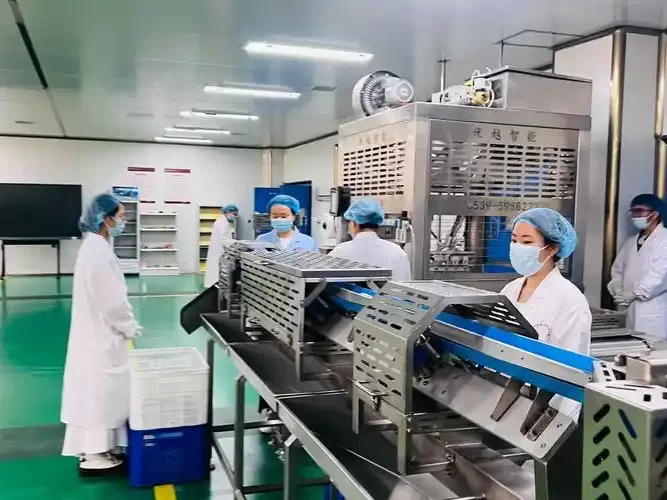
Food Producing Process Flow:
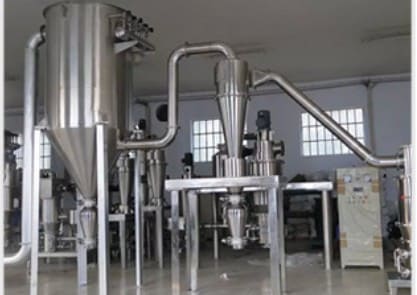
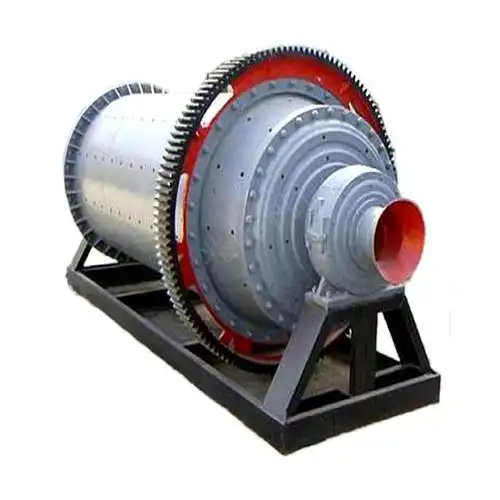
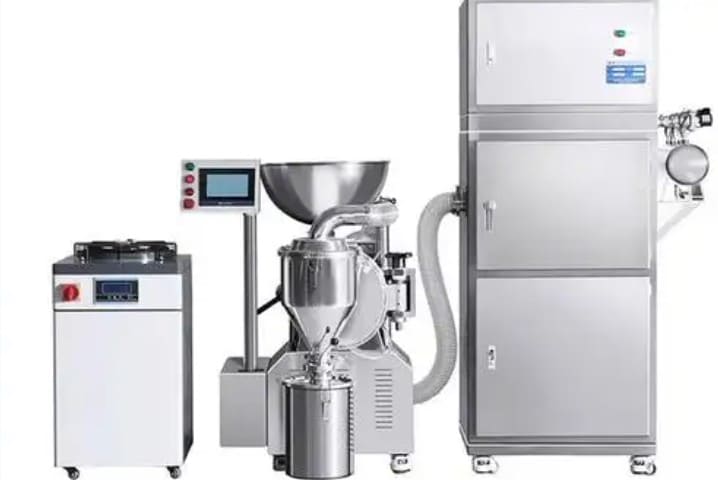
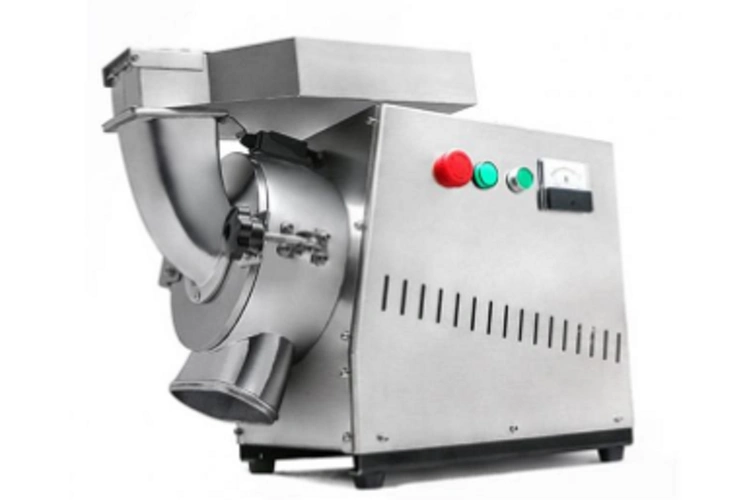
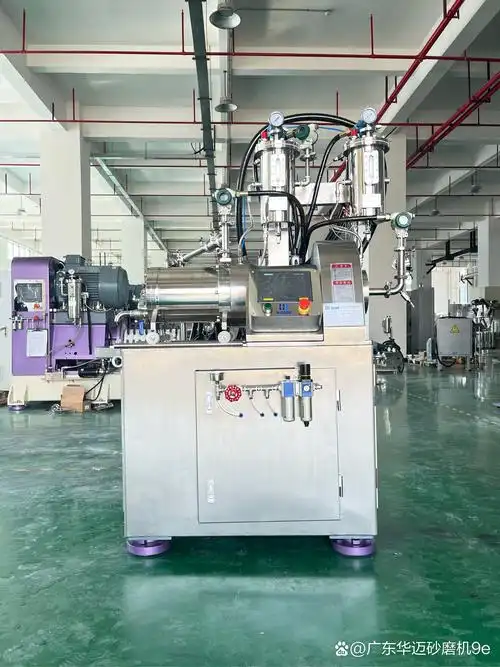
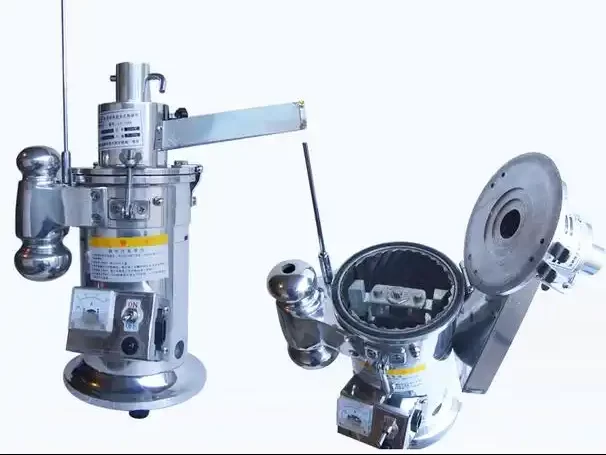
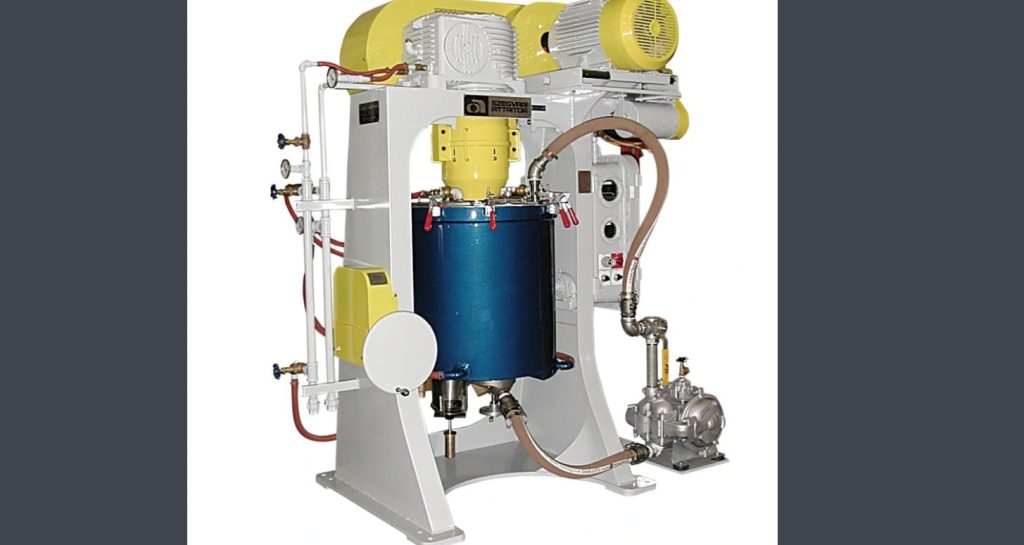
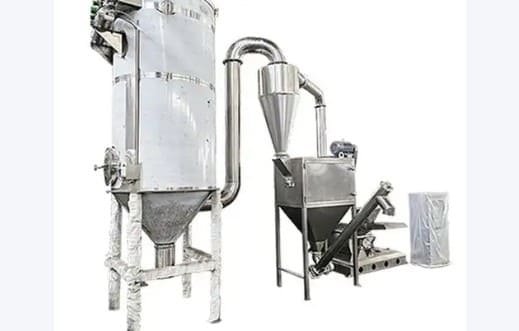
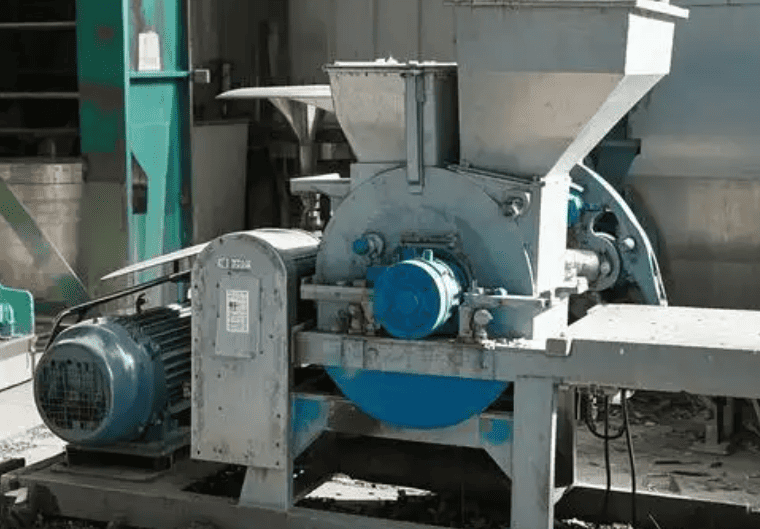
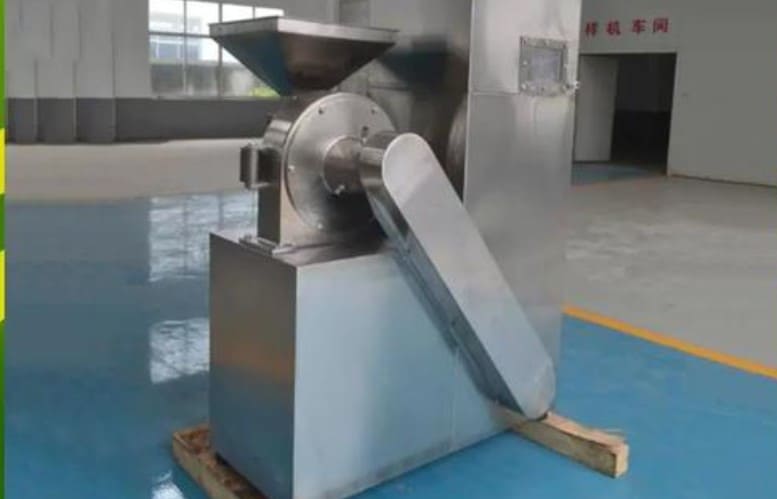
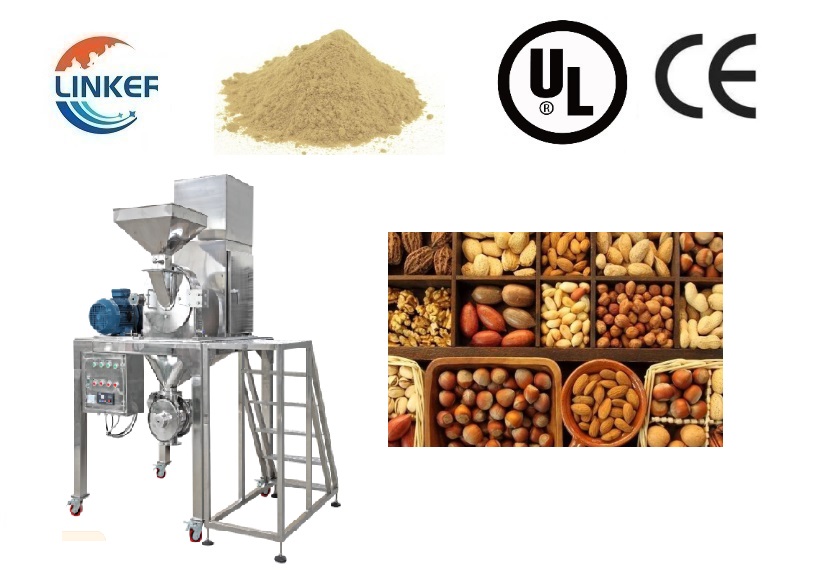
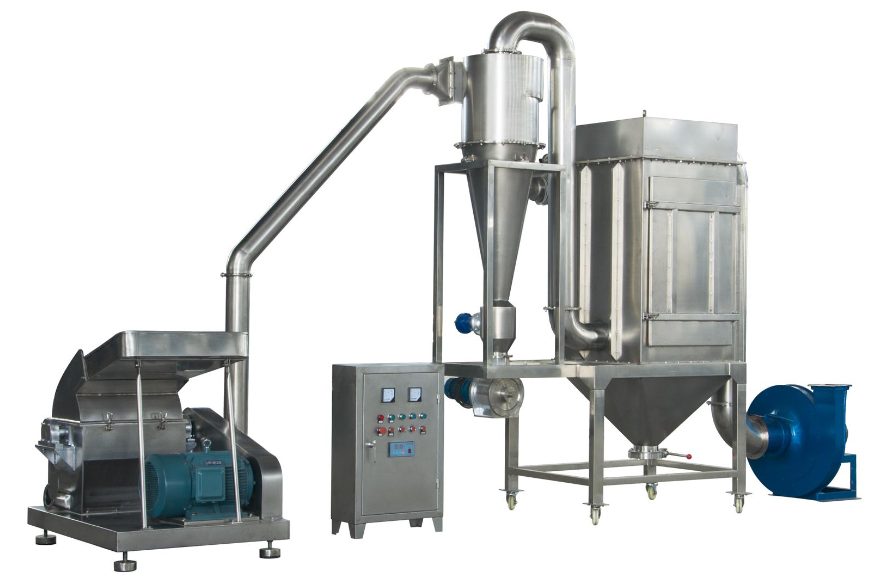
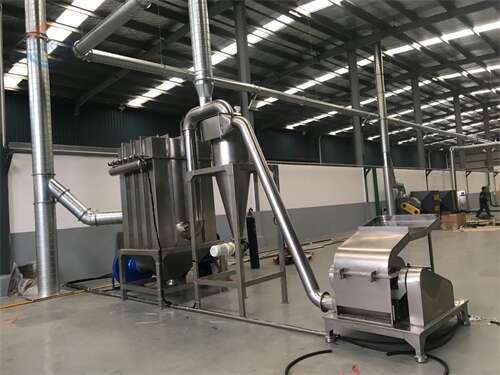
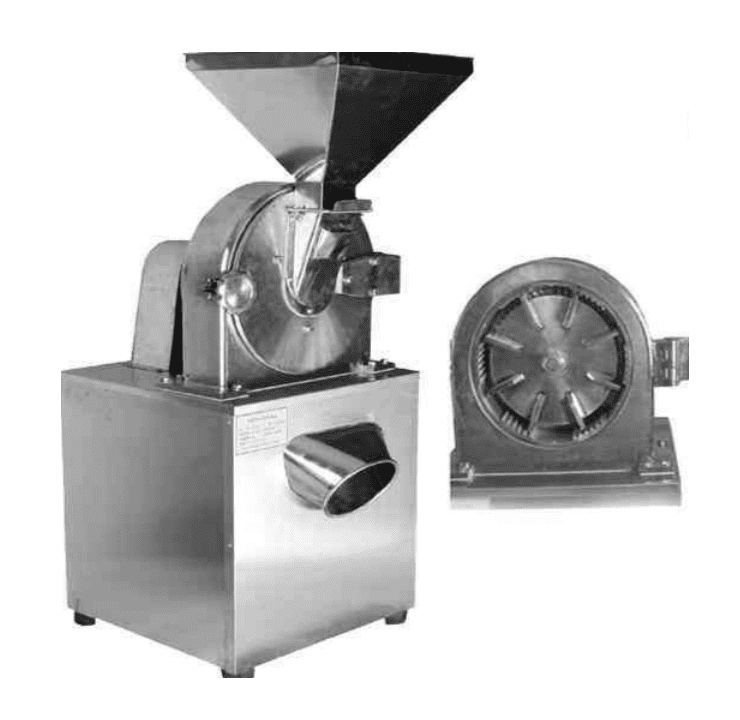
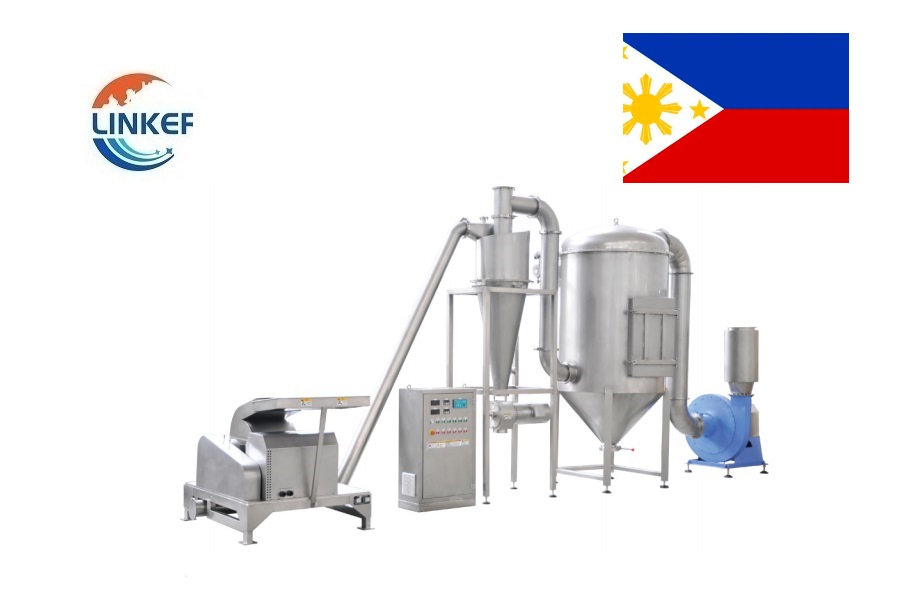
Ultrafine grinding is one of the very key procedure in whole production line. It depends how many mesh that customer need to produce. That’s to say this machine can decide what kind of material will get finally before mxing.
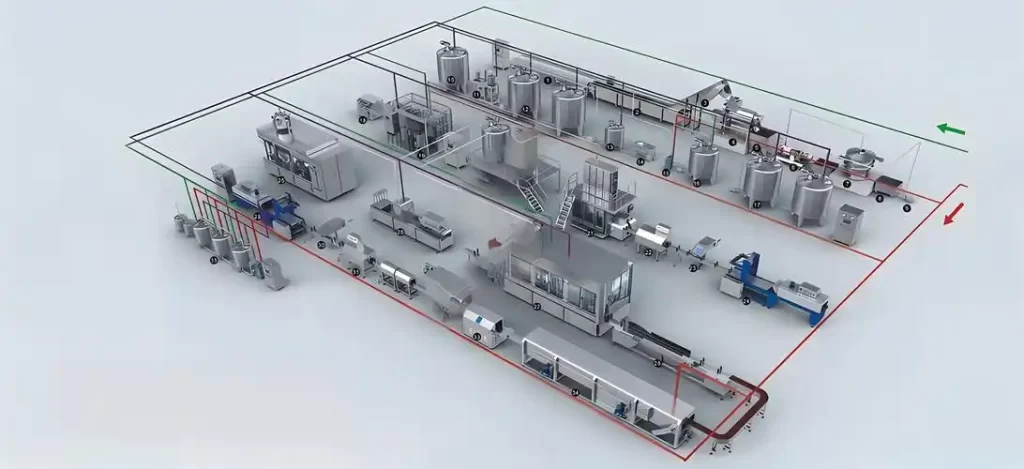
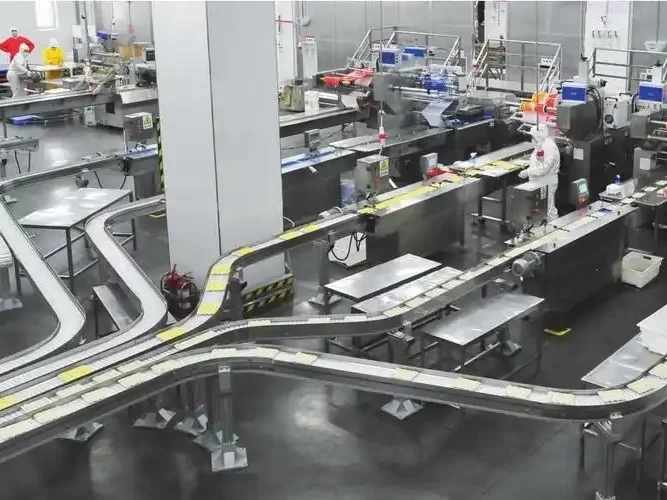
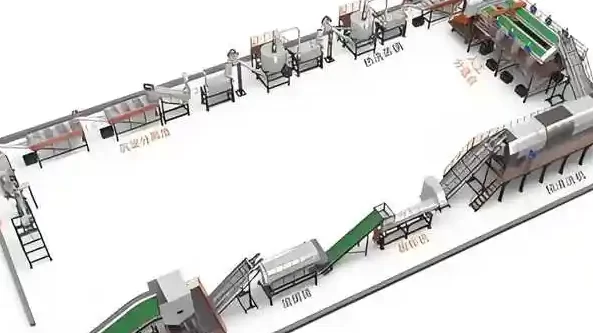
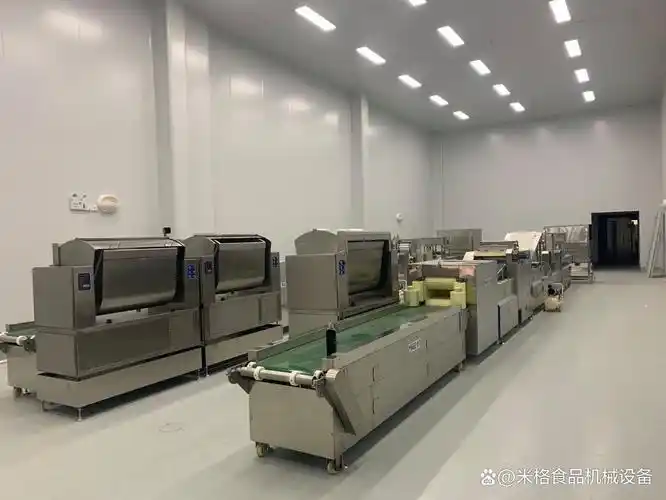
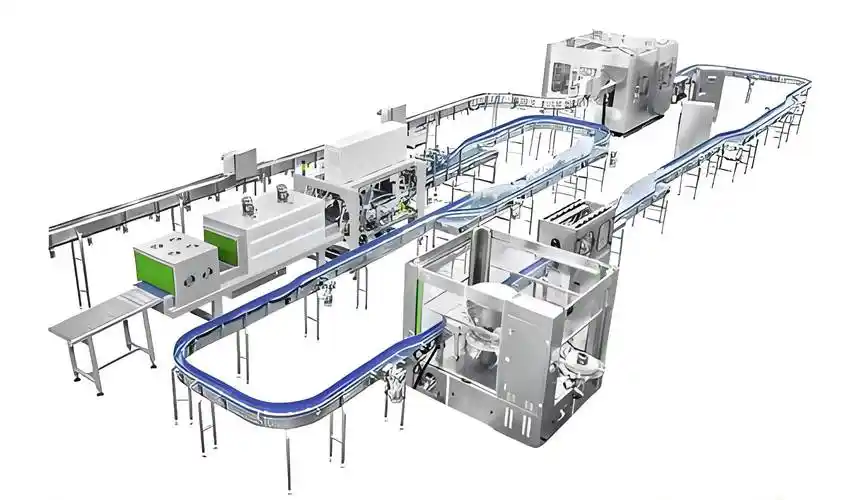
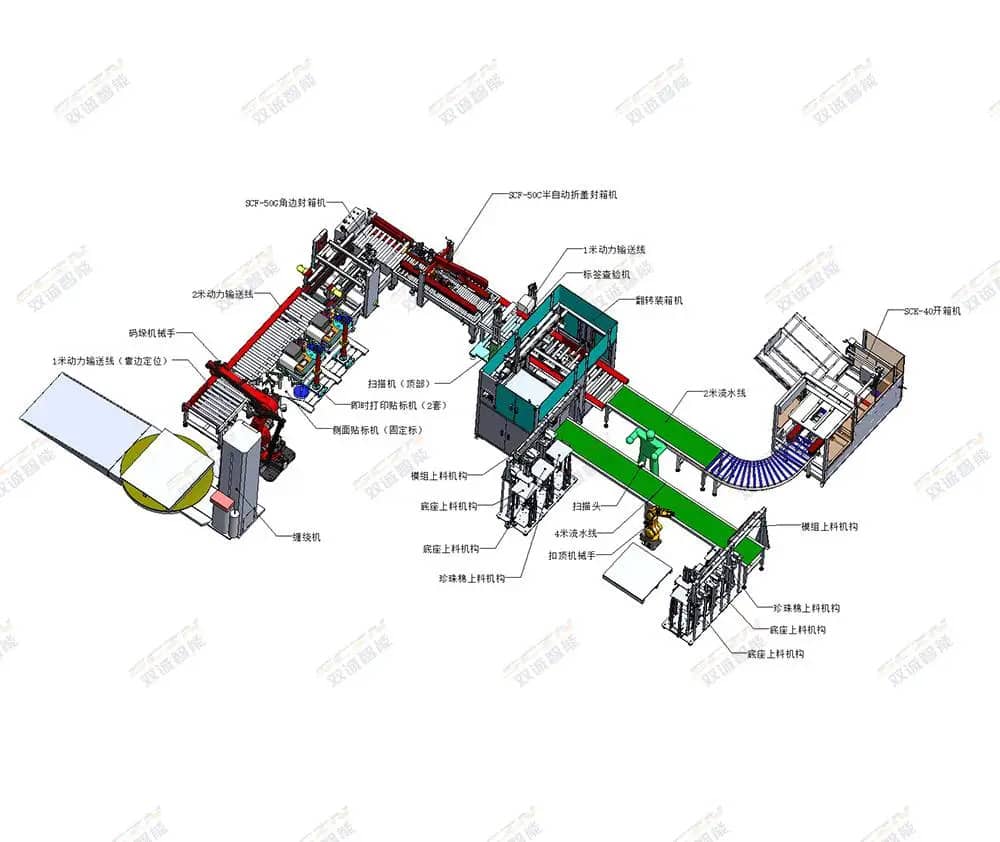
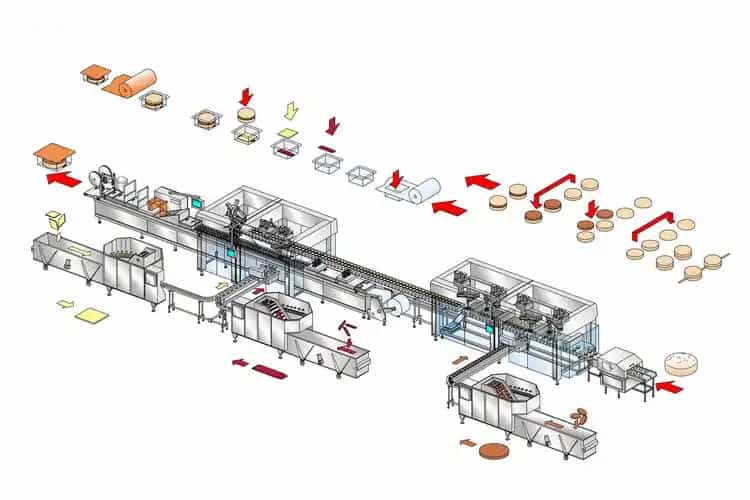
Coarse Crusher Machine —>Grinding Machine —> Vibrating Table Sifter Machine—>Mixing Machine—>Packing Machine —> (Printed Packaging Film Roll or bags ) —> Filling, sealing machine, capping and Labeling Machine —>Pack into Box.

About LKMixer
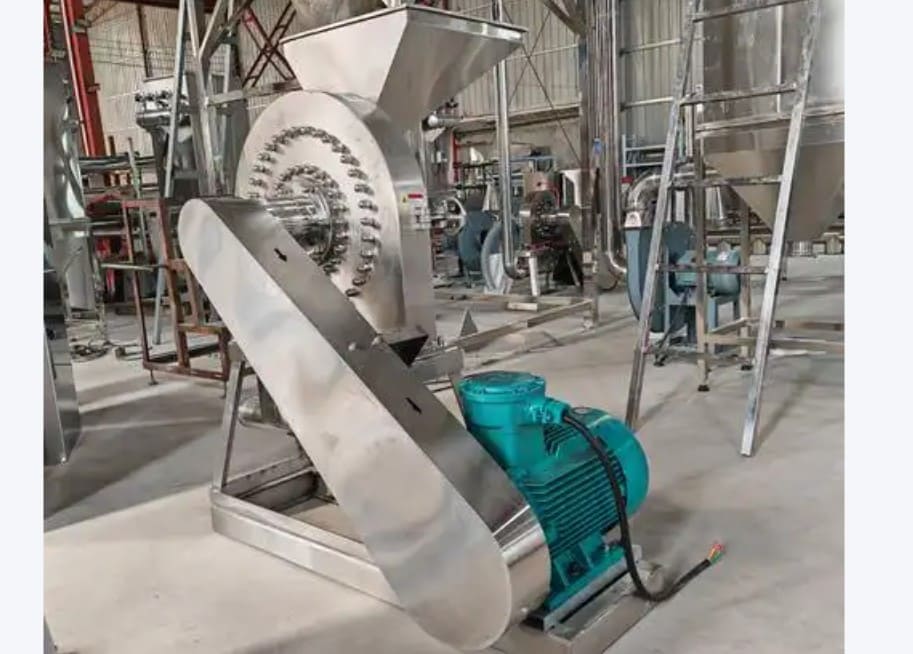
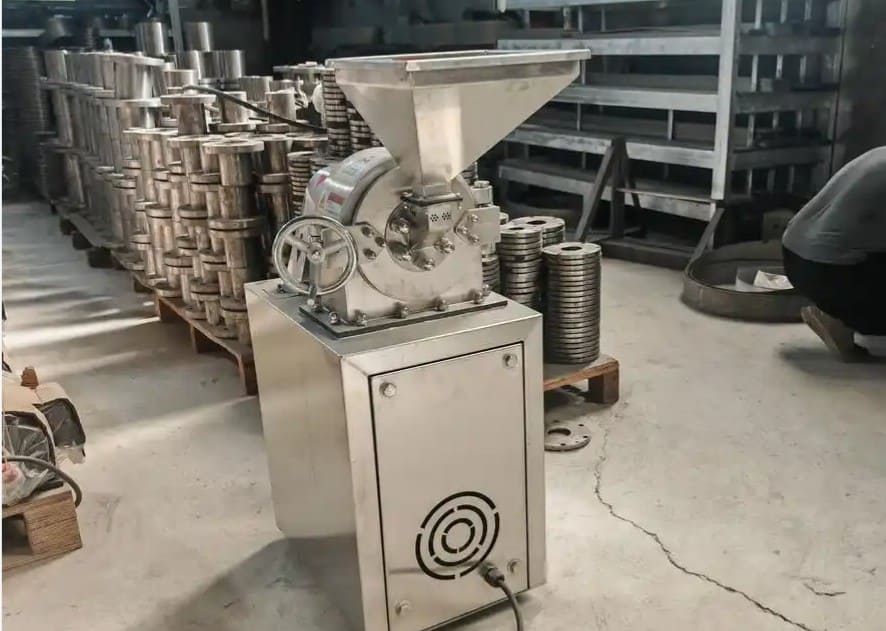
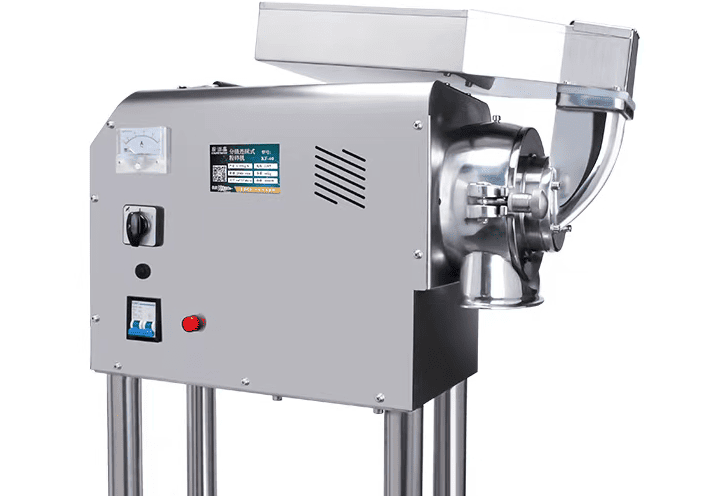
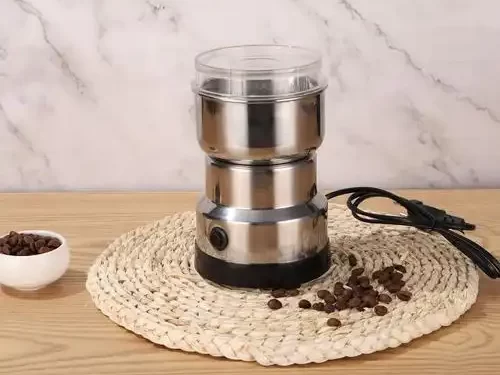
LKMixer is a professional manufacturer for fertilizer production line, grinder, mixer and granulator, shredder. These machines are widely used in food, pharmaceutical, cosmetic, health care products and chemical industries. The Food materials like Peanut, mushroom, seeds, potato, bean, tobacco, salt, cannabis, tea, Sugar, corn, Coffee, rice, pepper, grain as so on. Grinders have many types such as Pulse Dust Grinder which suitable for zero pollution environment, Turbine Mill which is suitable for coffee bean, 12-120mesh all can meet, Ultrafine Grinding Mill covers 80-200mesh, and also Winnowing Dust Grinder or other grinding machines like SF Hammer. Welcome to contact us for details. Contact us for more information. Proposal, catalog, quotation. Mobile/WhatsApp: +86 18019763531 Tel: +86 21 66037855 Email: sales@lkmixer.com
Contact Us
Tel: +86 66037855
Email:sales@lkmixer.com
Working Time: Monday ~Frinday 9:00AM~17:00PM
Please call us Whatsapp, or mail to us.
Grinder for Sale:
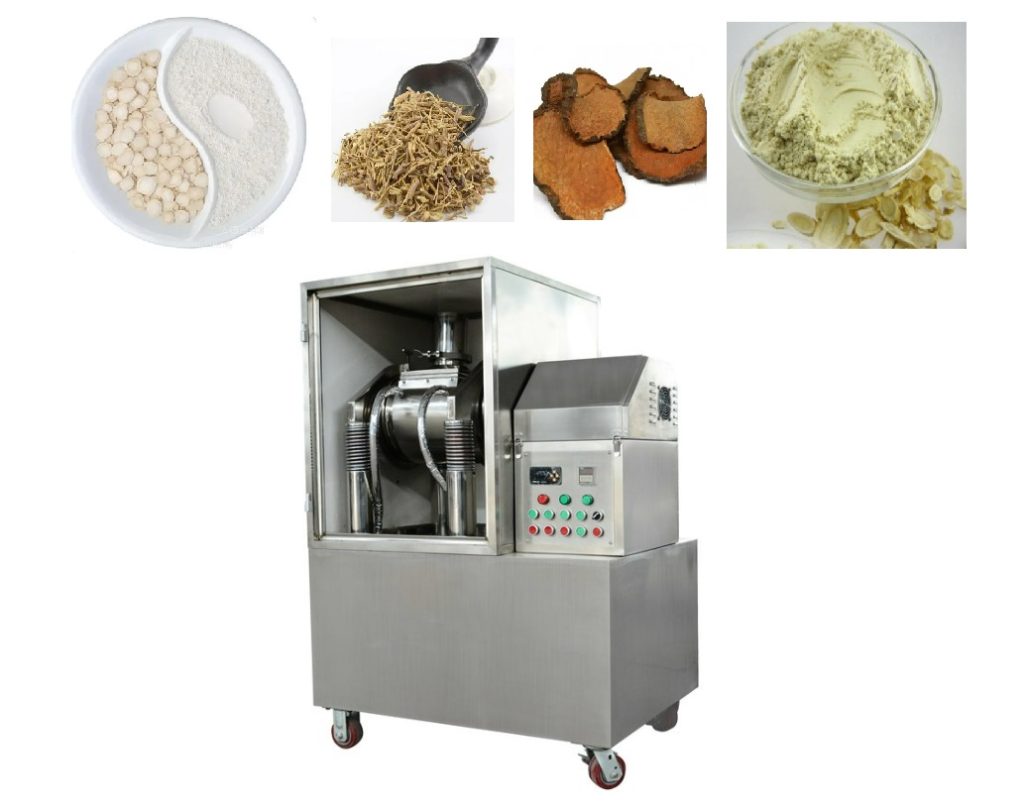
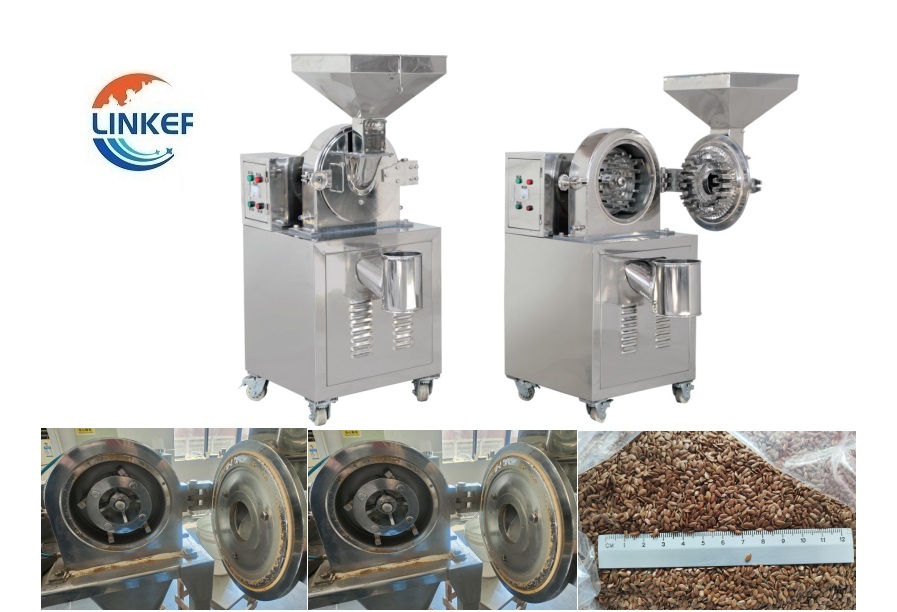
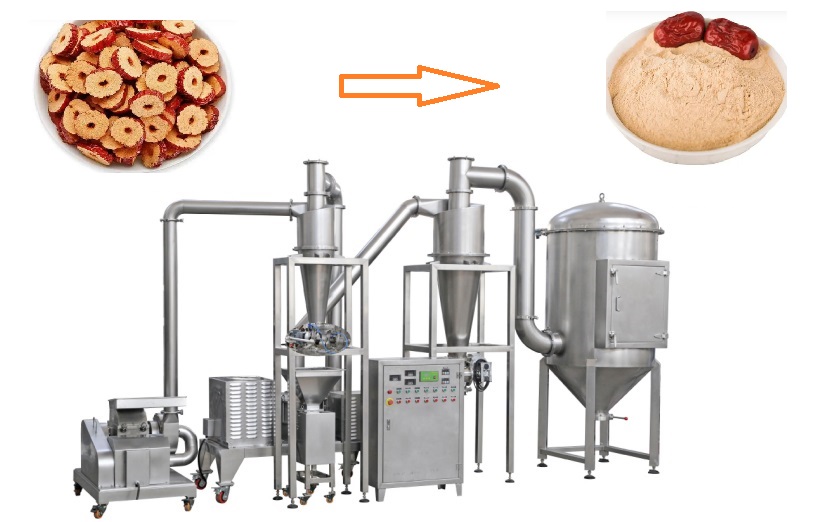
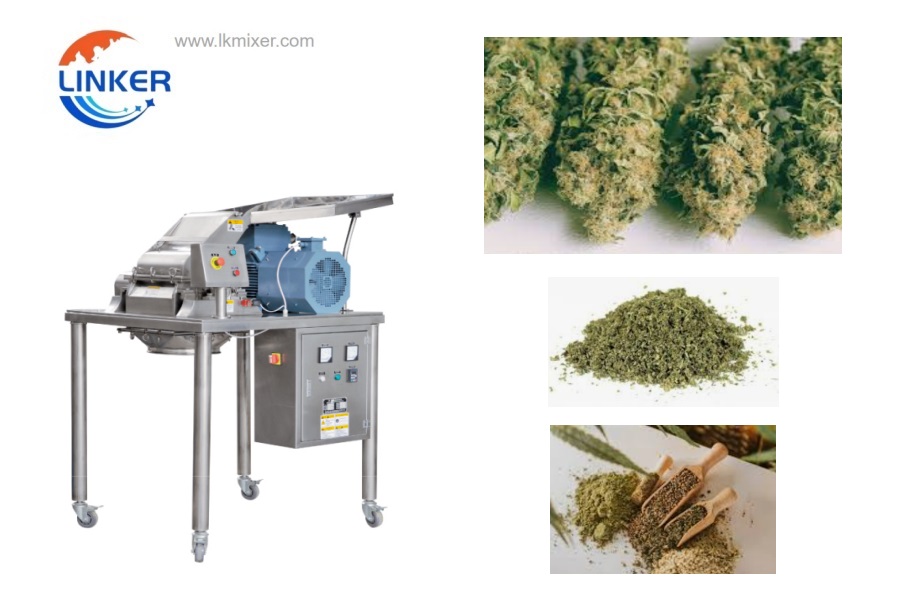
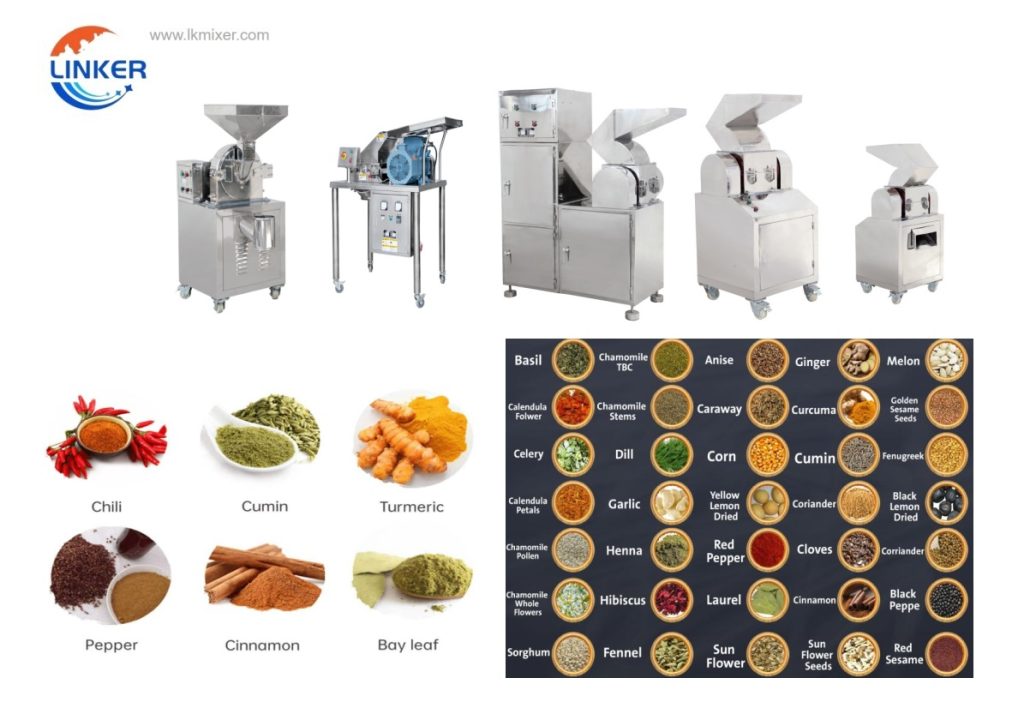
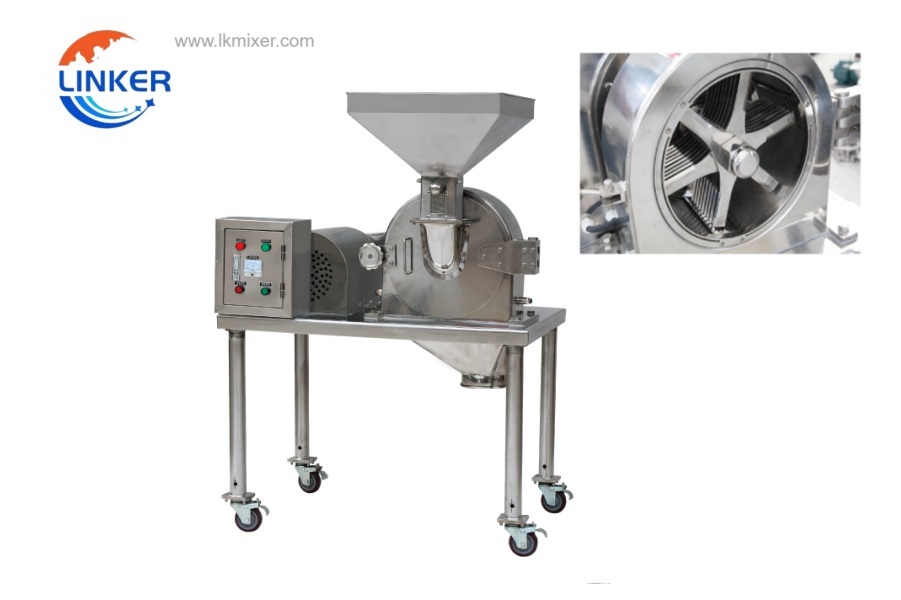
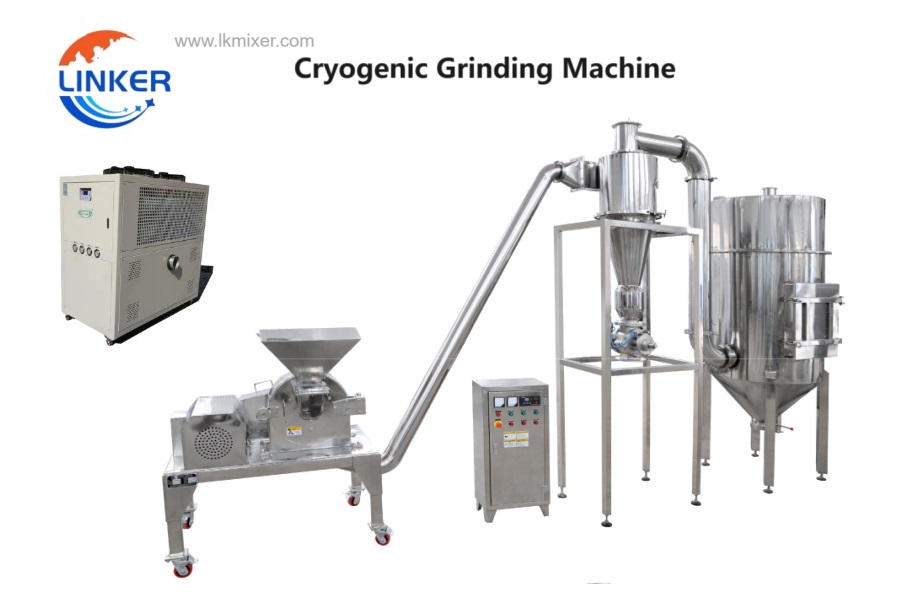
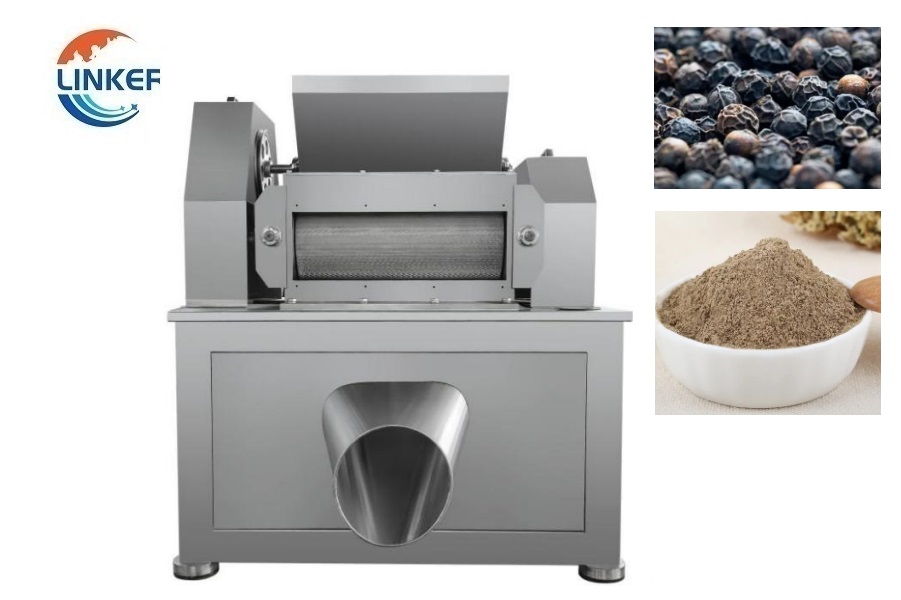
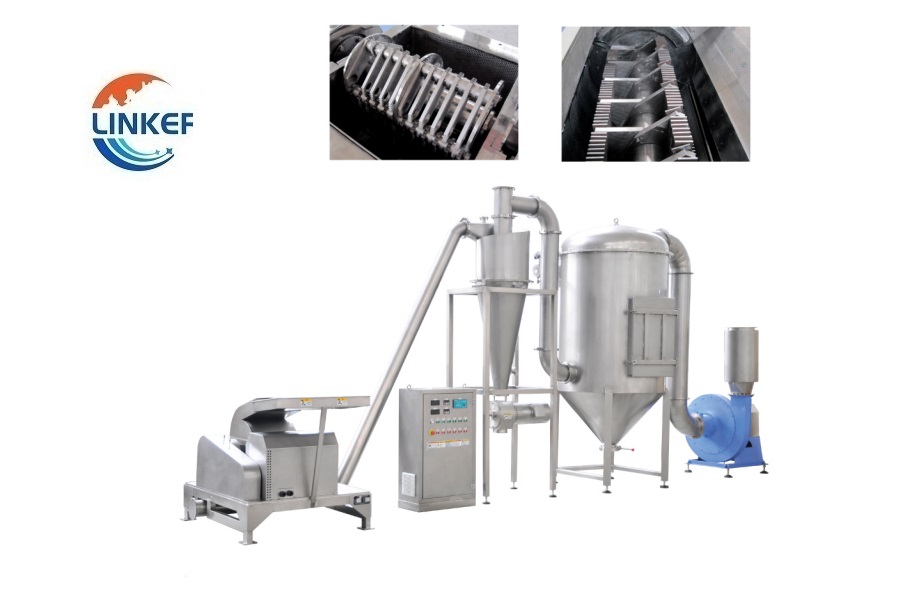
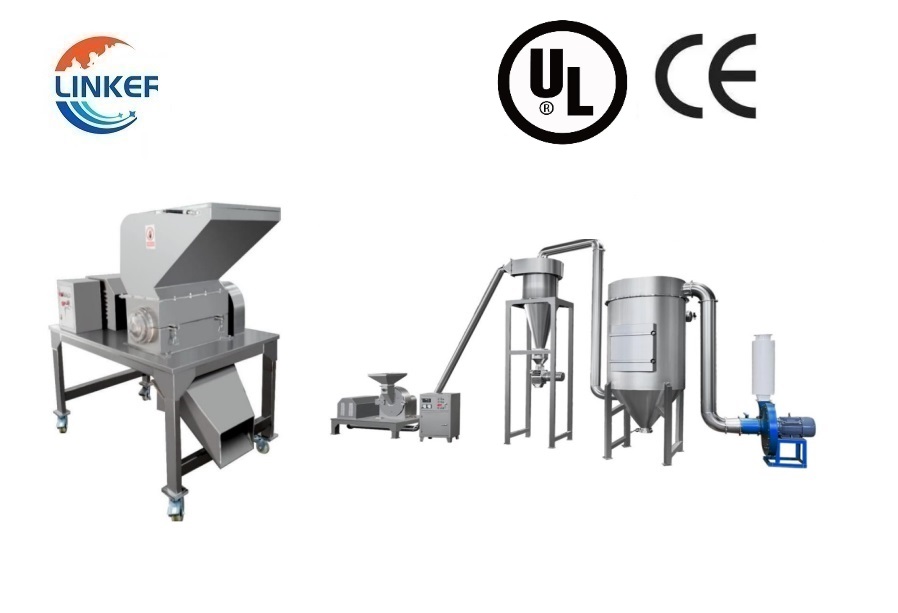
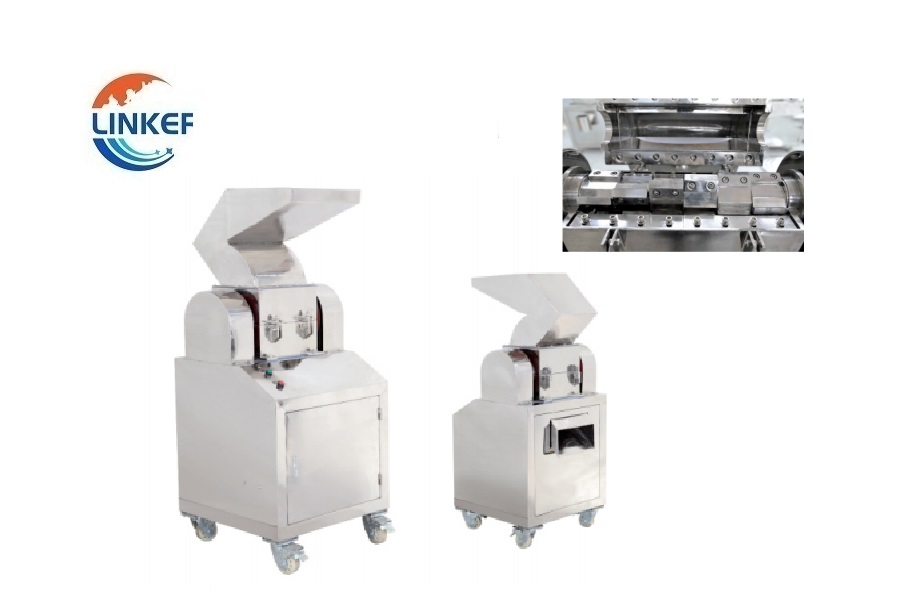
Rubber Powder Grinding Machine
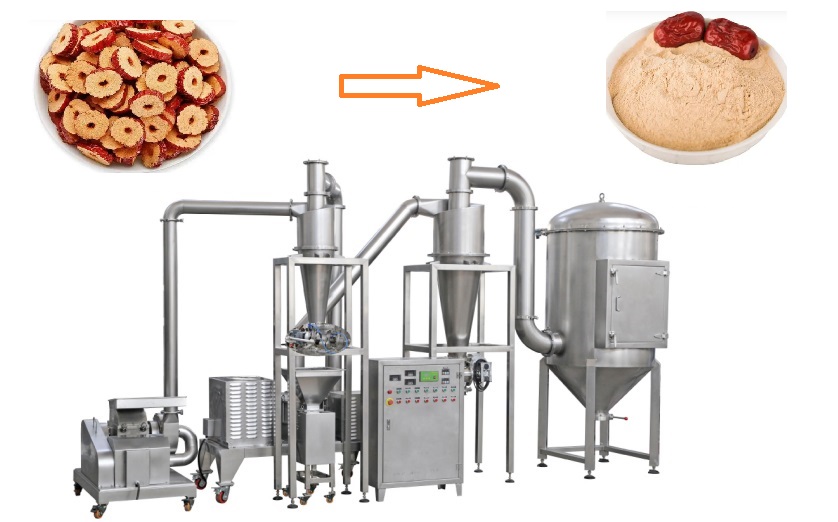
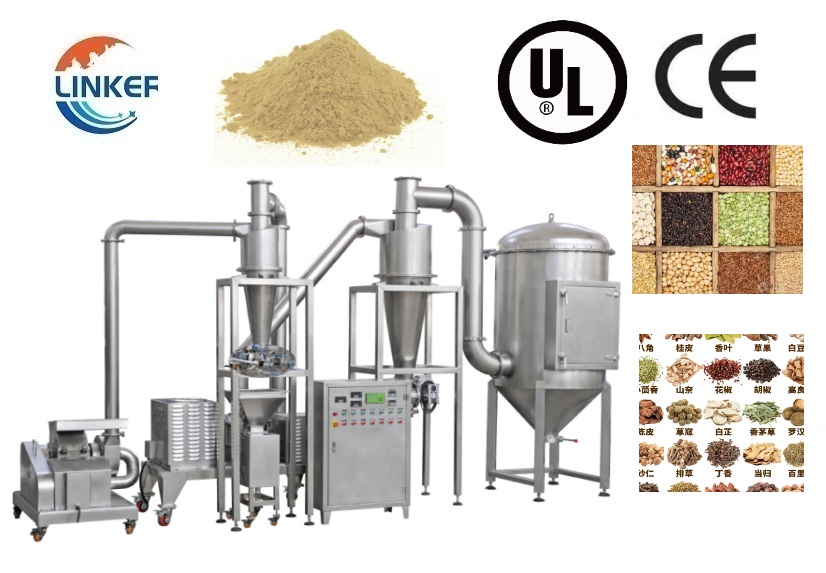
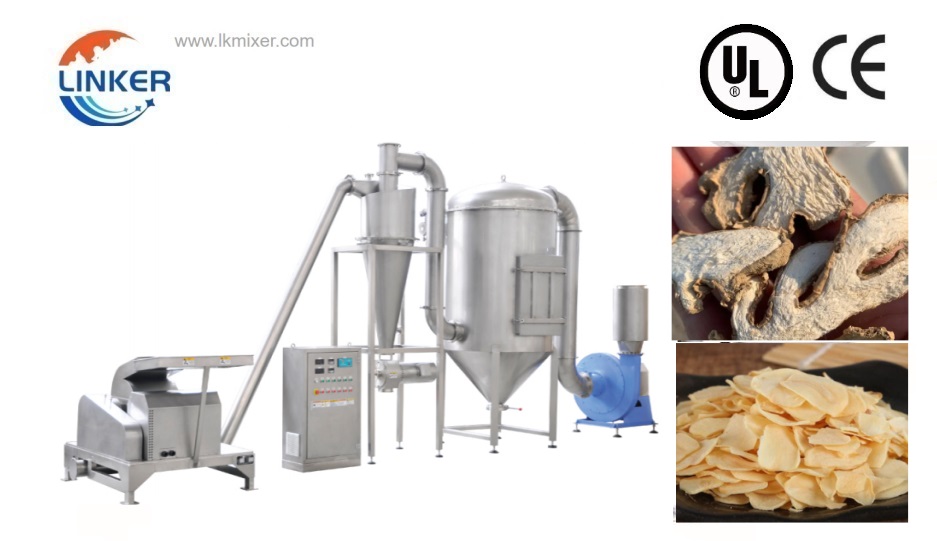
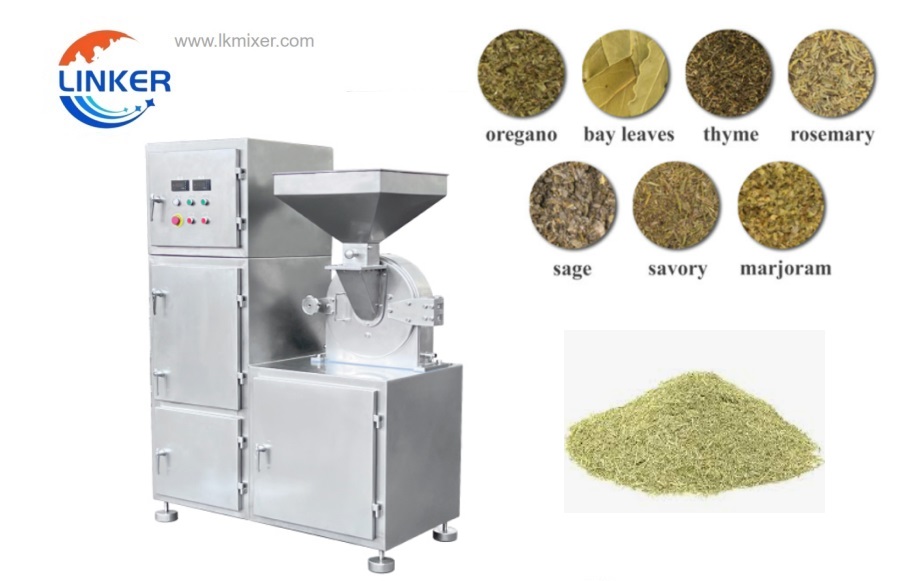
Rubber Powder Grinding Machine Industrial Cumin Seeds Grinder Youtube Video Customization Seeds Grinder According to your…
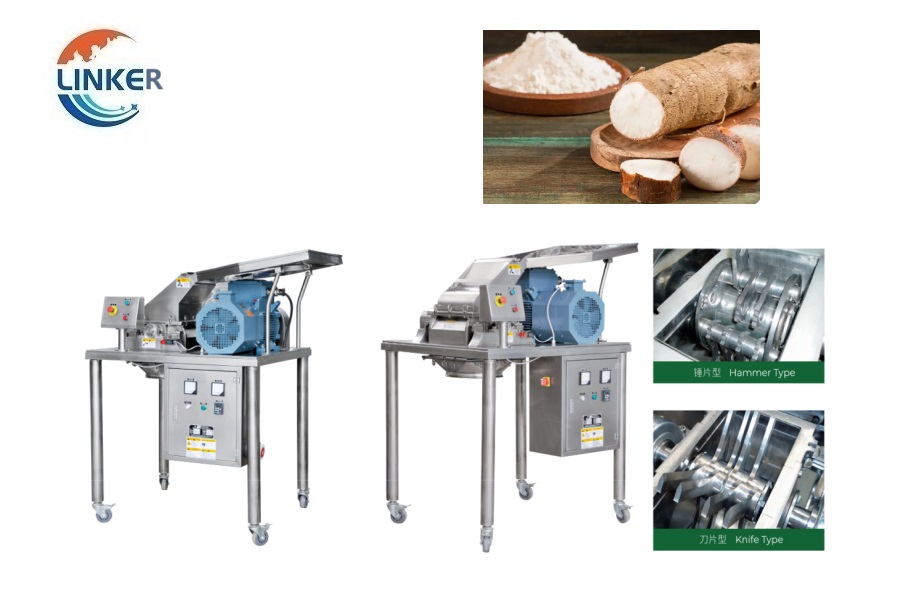
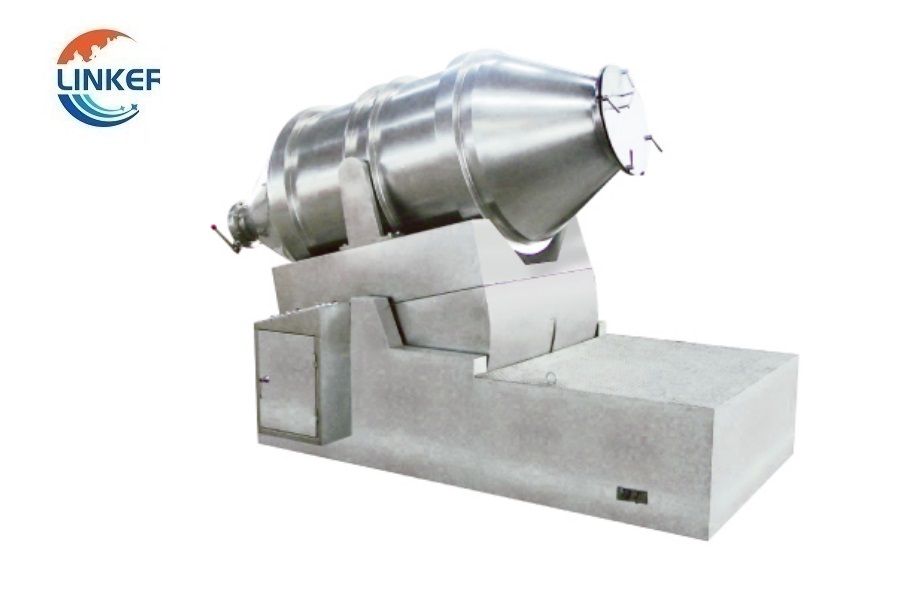
Blenders for Sale:
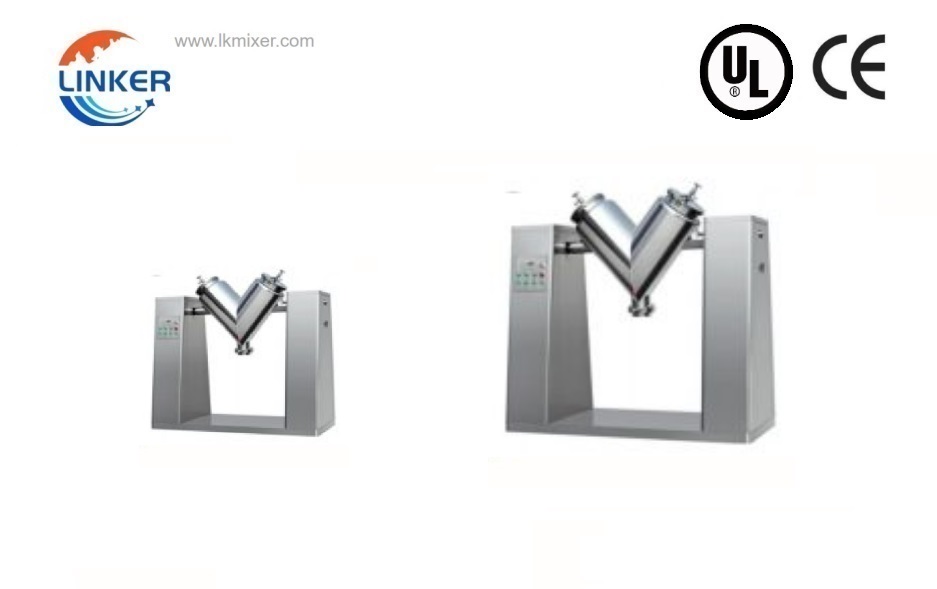
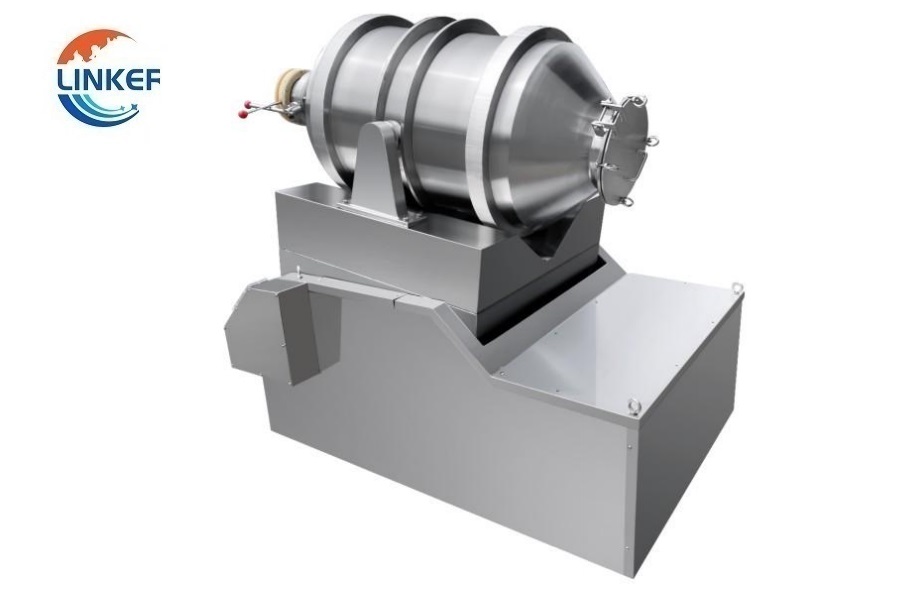
Small Blender 2L 5L 10L 15L 20L
You may also interest in: Small Blender for Sale: LKMixer we have many different model of Small…Solid-Liquid Blender
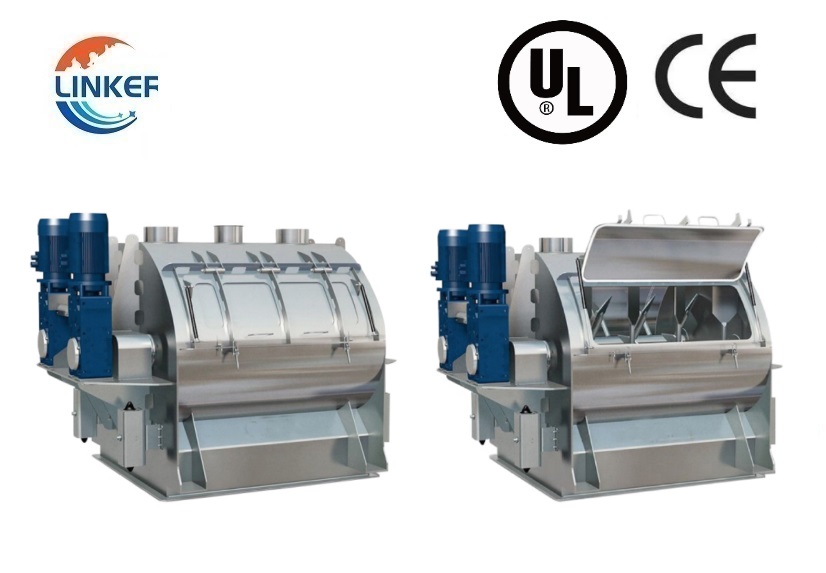
Solid-Liquid Blender for Sale: Solid-Liquid Blender also called Double Shafts Paddle Mixer, it is paddle type and…Fertilizer Production Line
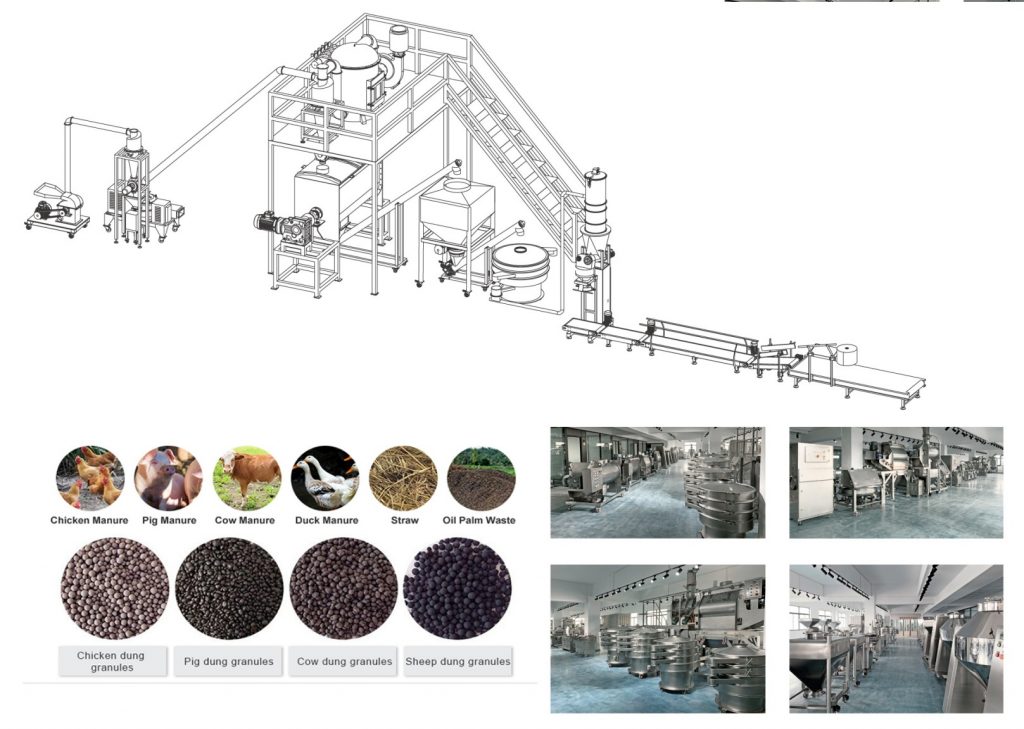
What is fertilizer production line? Fertilizer production line is a whole set of equipment which used to…
Granulator for Sale:
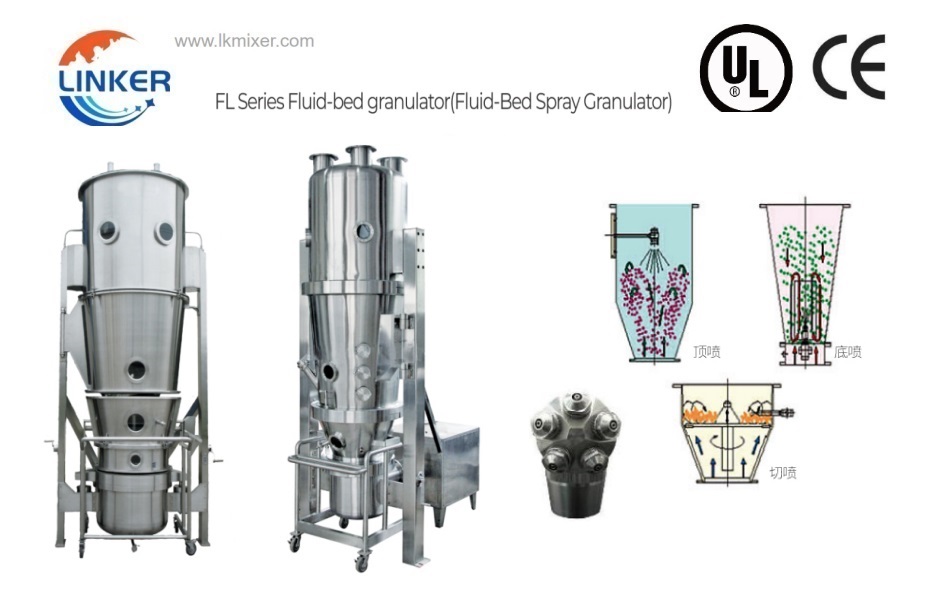
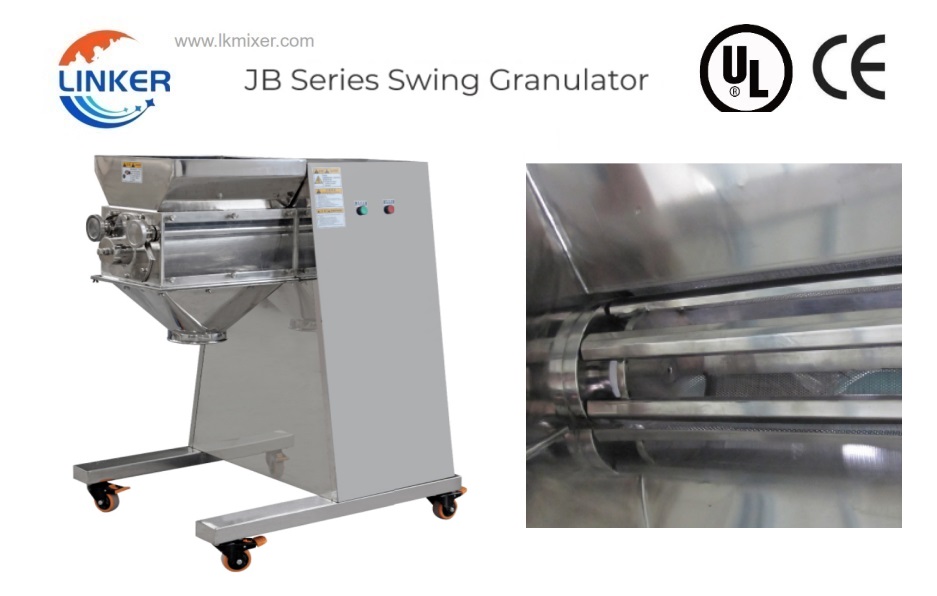
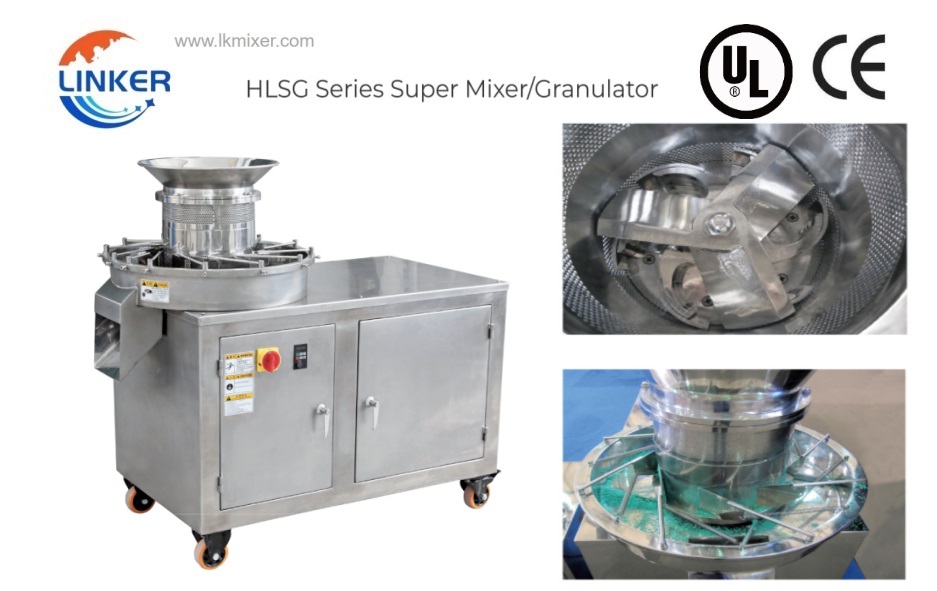
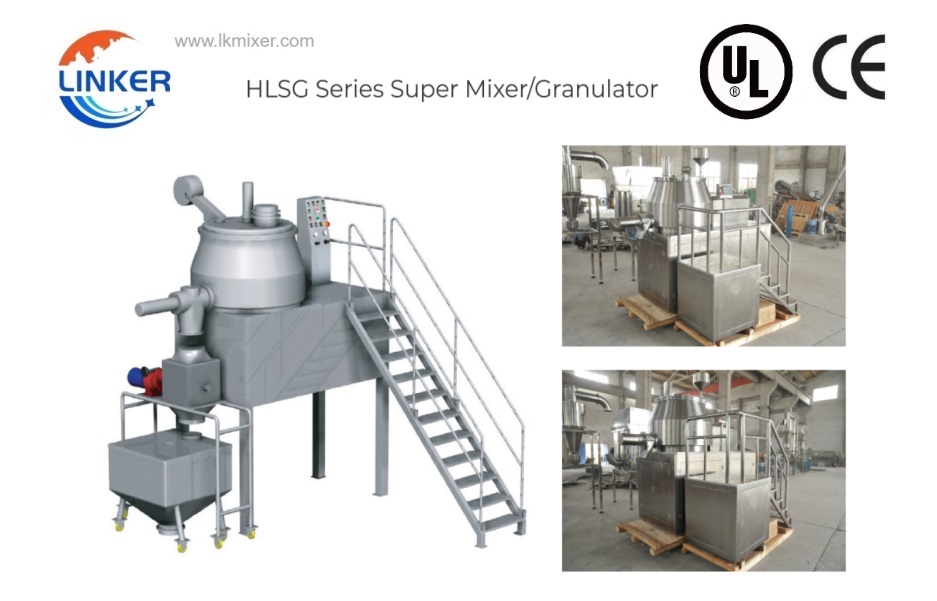
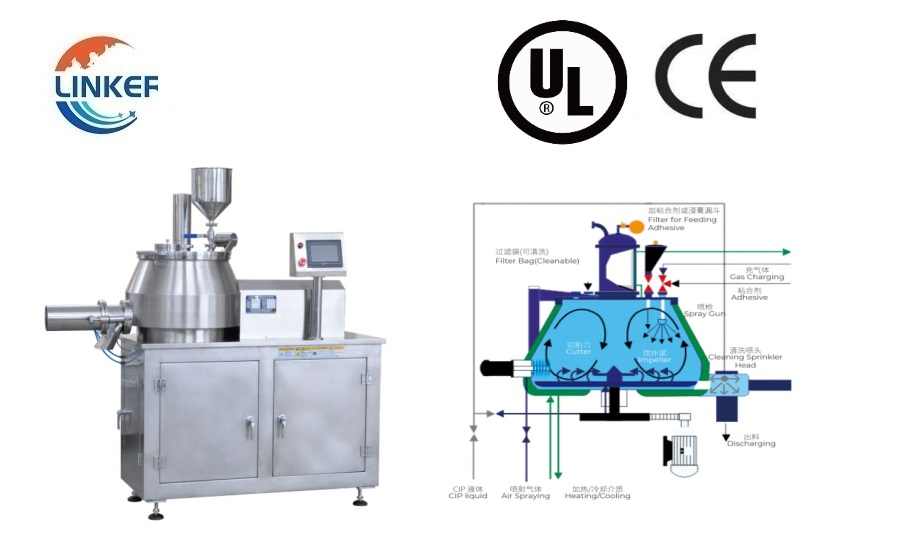
Fluid Bed Granulator
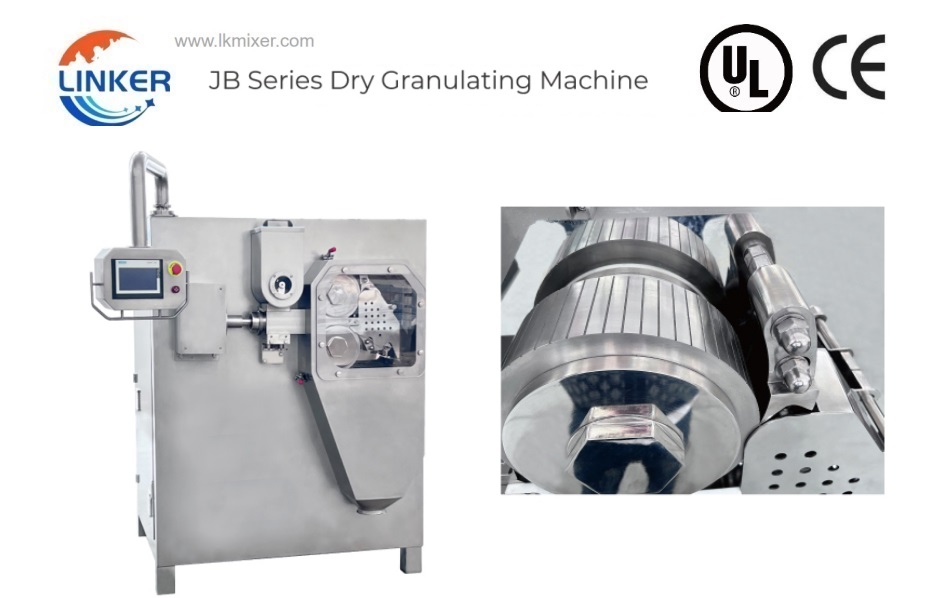
What is a Fluid Bed Granulator? Fluid Bed Granulator is a machine mainly used for pharmaceutical granulation…Dry Granulating Machine
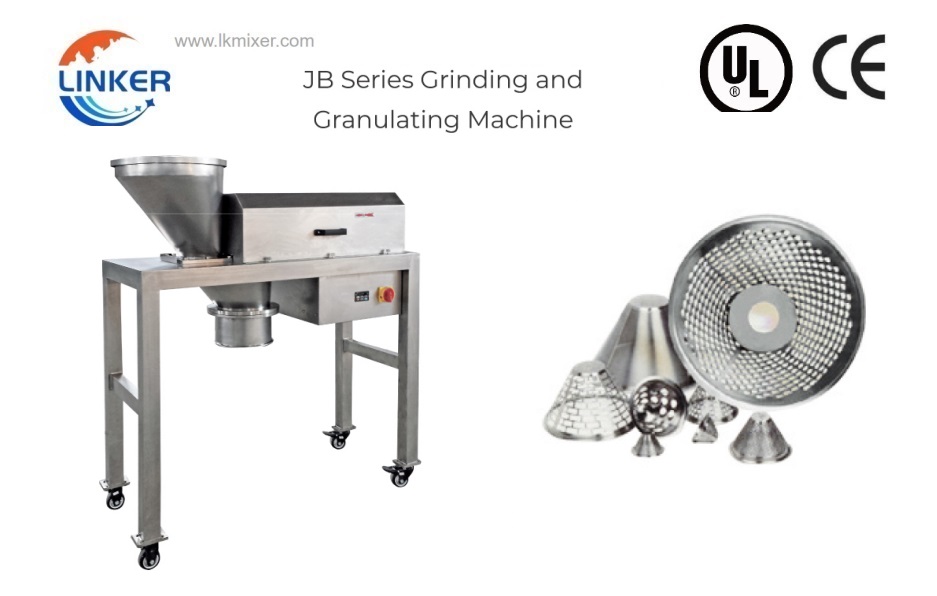
What is a Dry granulating machine? A dry granulating machine uses dry roller press technology to compress…BJB Grinding and Granulating Machine
What is a granulating machine? A granulating machine is an industrial device used to shape powdered or…
Conveyor and Auto Feeder for Sale:
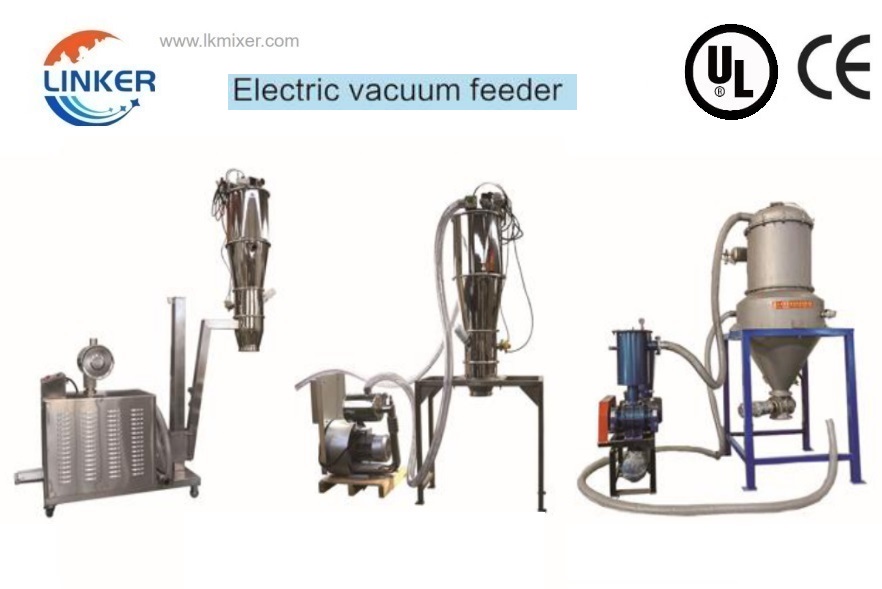
Electric Vacuum Feeder
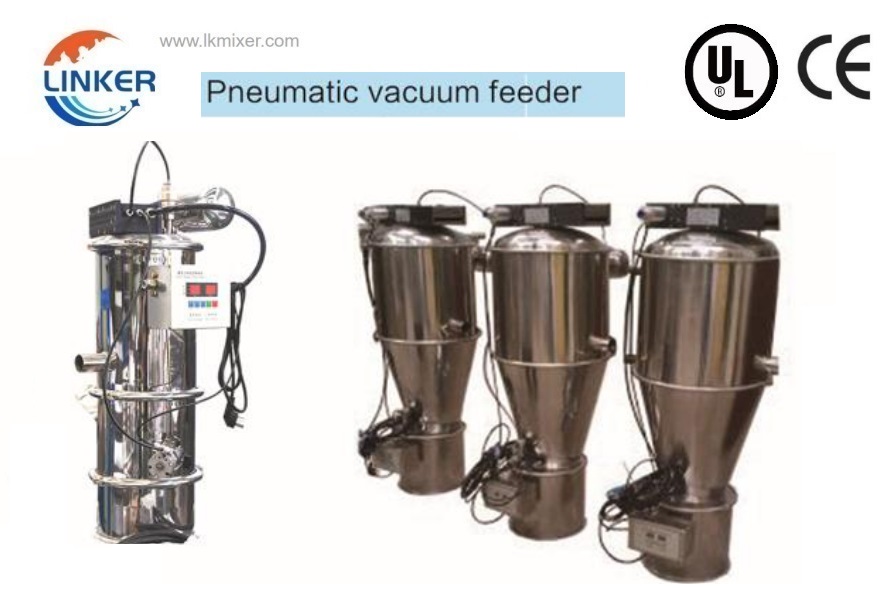
Vacuum Feeder Machine for Sale: Vacuum Feeder is a common used machine to transport the material into…Pneumatic Vacuum Feeder
Vacuum Feeder Machine for Sale: Vacuum Feeder is a common used machine to transport the material into…Powder Feeder System Pump
Vacuum Feeder Machine for Sale: Vacuum Feeder is a common used machine to transport the material into…
Sifter and screen for Sale:
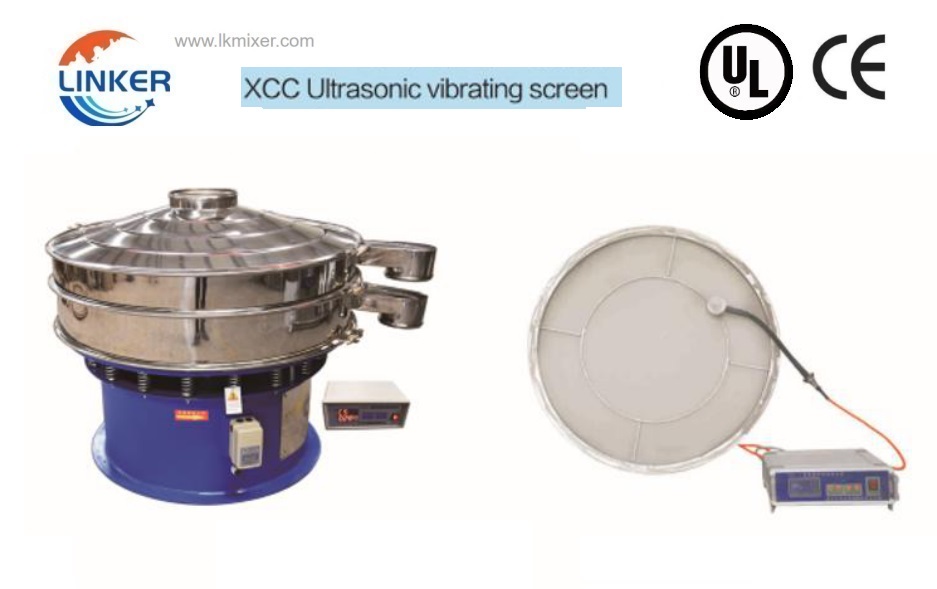
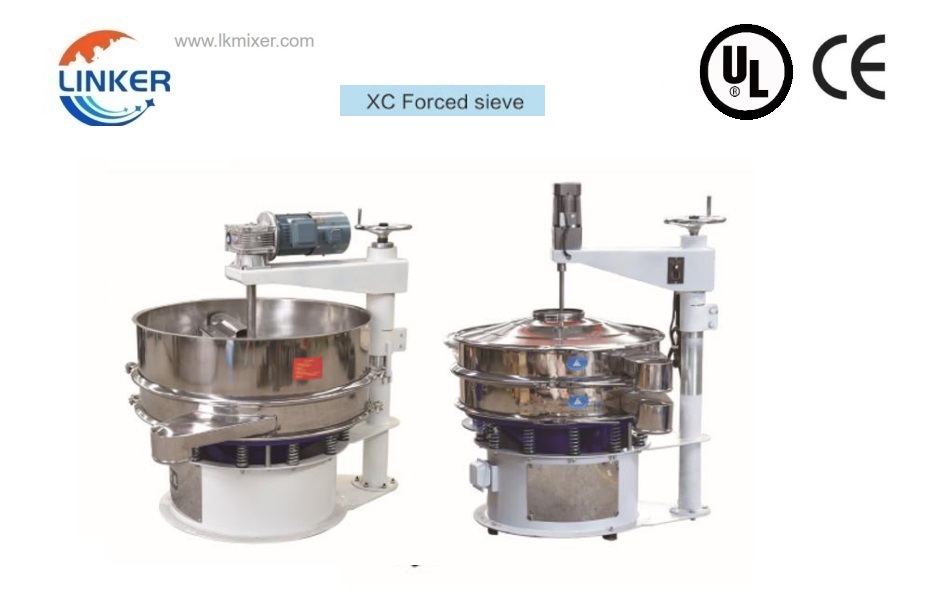
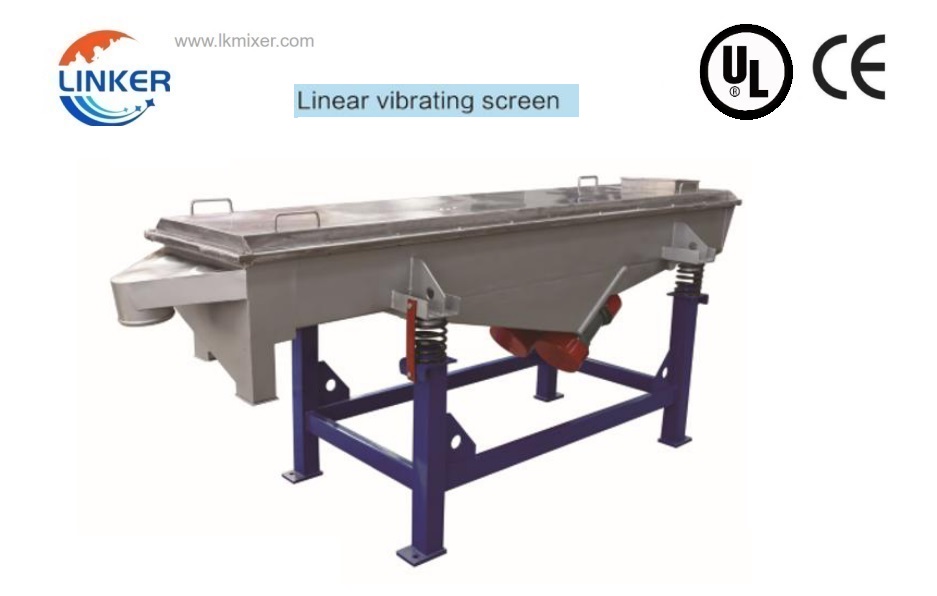
Ultrasonic Screen
Ultrasonic Screen Machine for Sale: Ultrasonic Screen is a common used machine after the grinding process, it…Rotary Sifter
Rotary Sifter Machine for Sale: Rotary Sifter is a common used machine after the rice grinding process,…Rice Sifter Machine
Rice Sifter Machine for Sale: Rice Sifter Machine is a common used machine after the rice grinding…
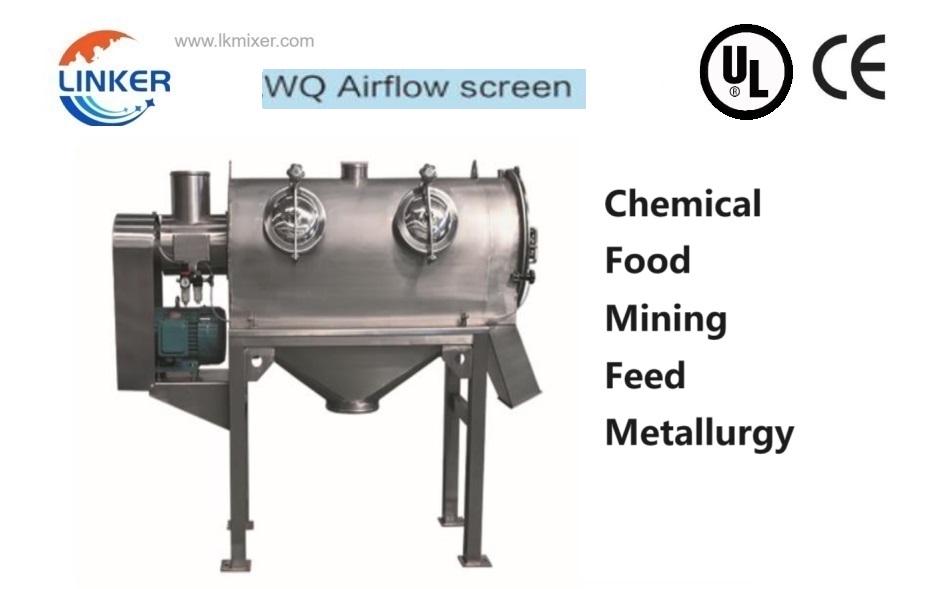
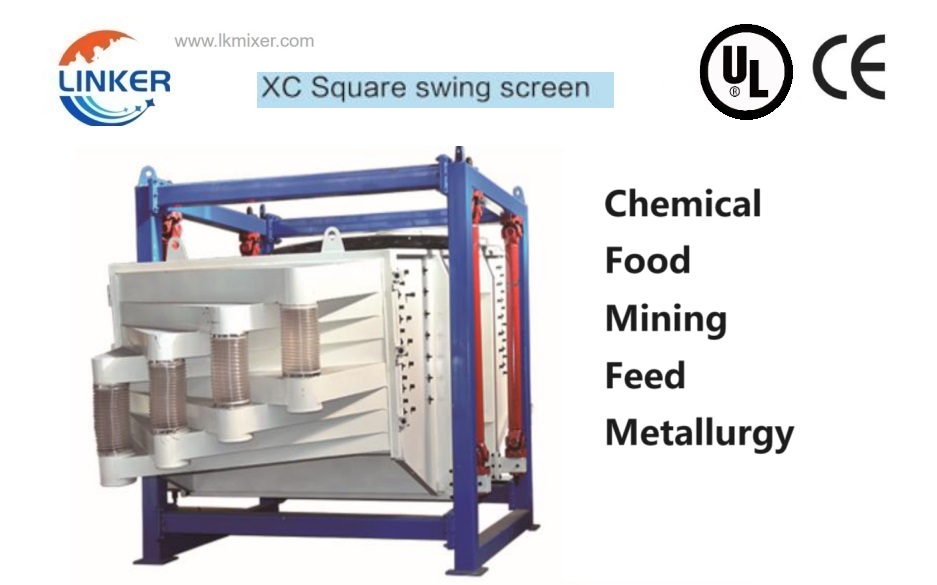
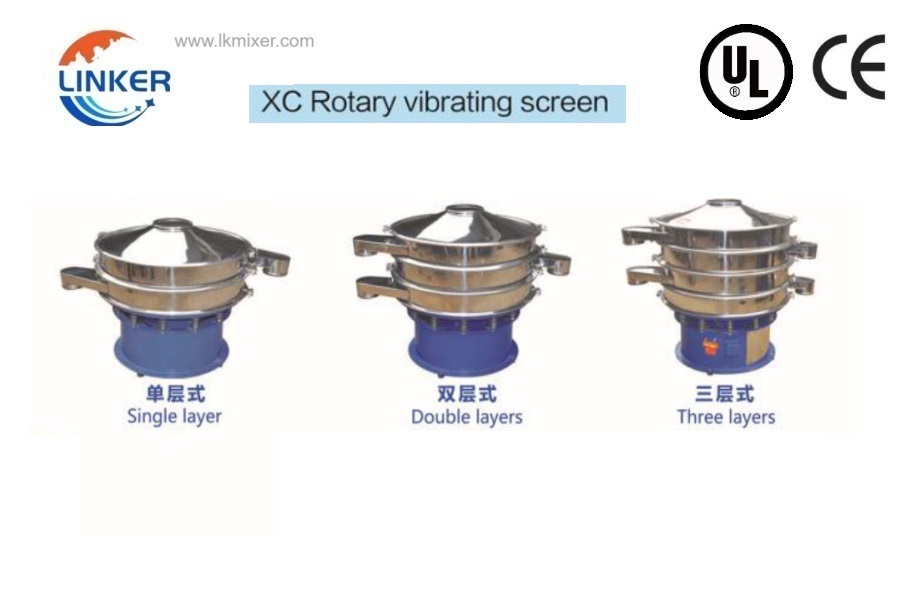
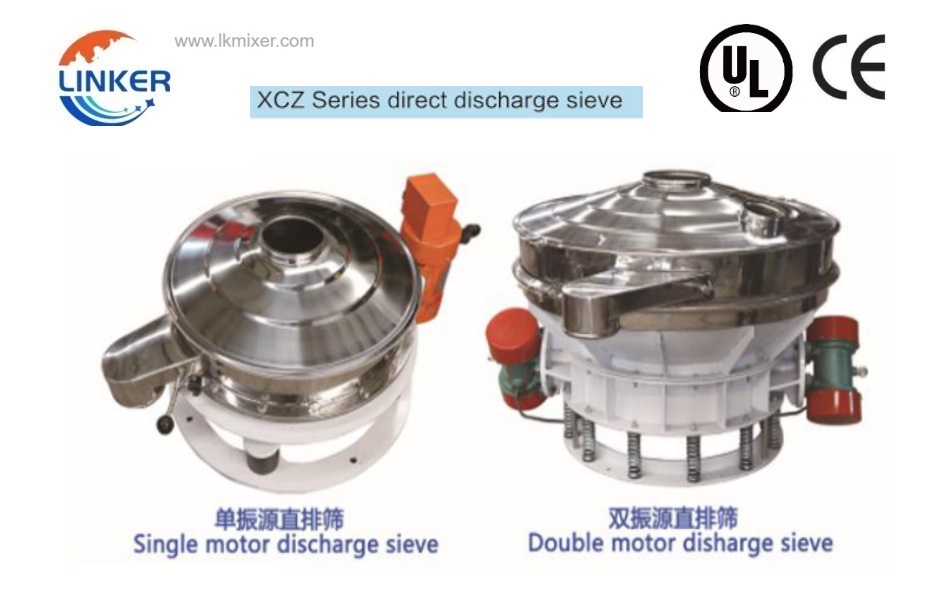
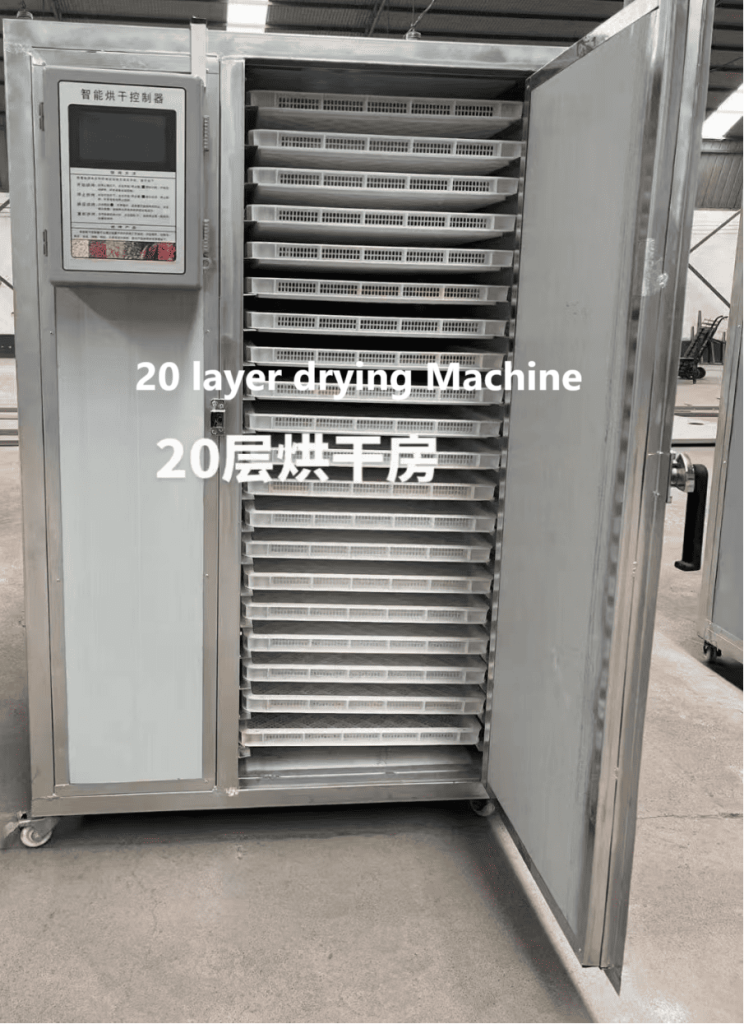
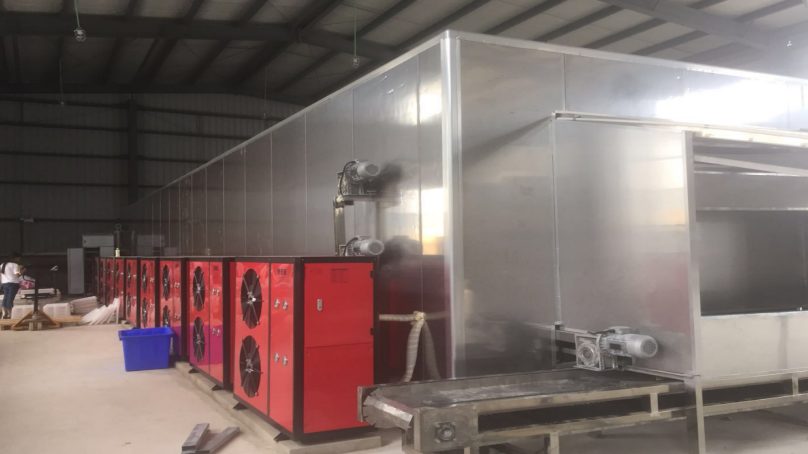
Auxiliary Machines, Dryers for Sale:
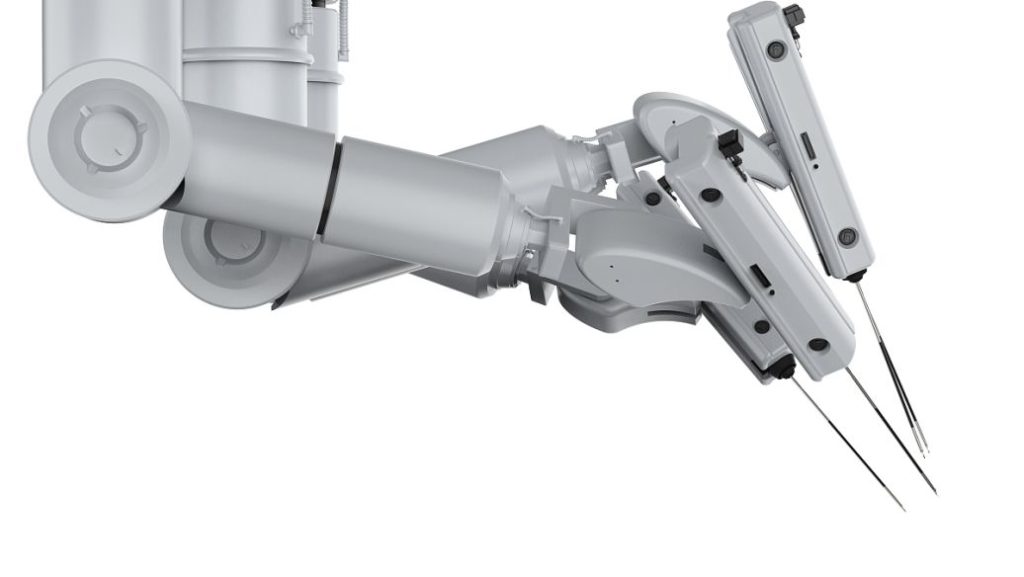
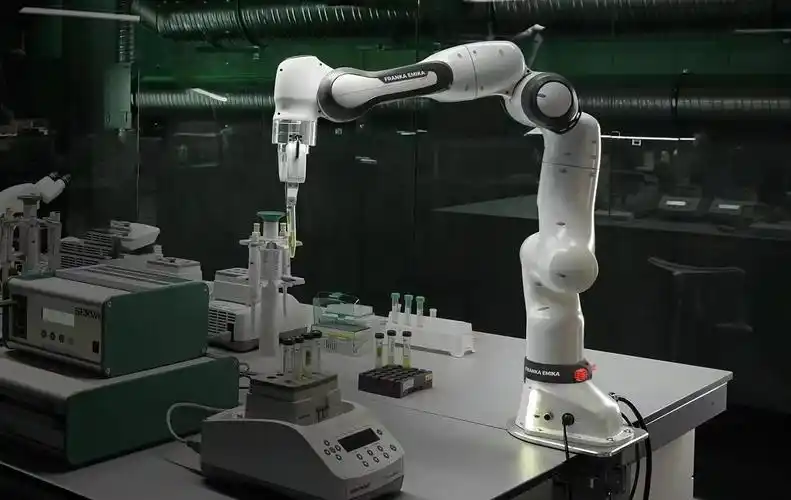
How do people control robotic arms?
How do people control robotic arms? The way people control robotic arms has evolved from a single…What is a robotic arm for humans called?
What is a robotic arm for humans called? Robotic arms for human use are given various professional…How advanced are robotic arms?
How advanced are robotic arms? Robotic arms have advanced beyond the scope of traditional “automated tools” and…




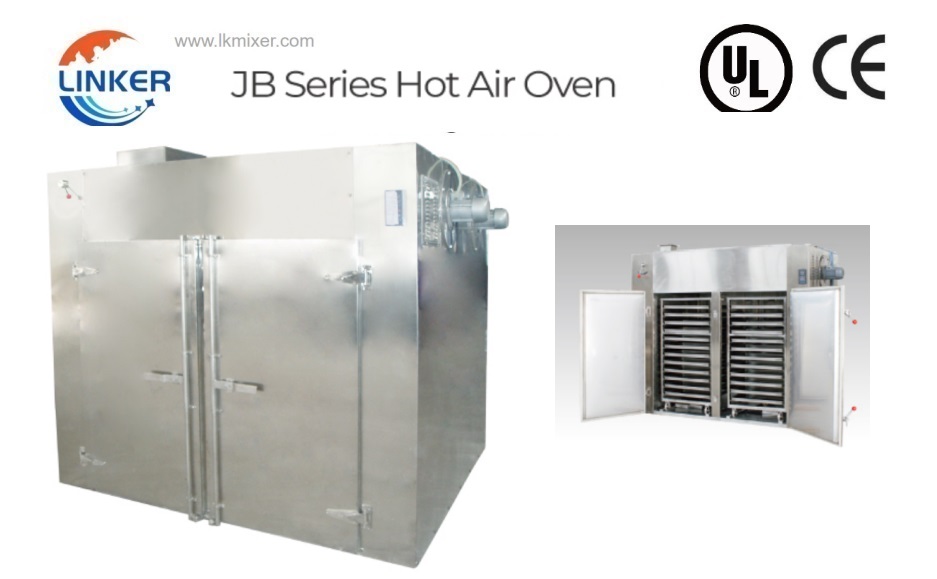
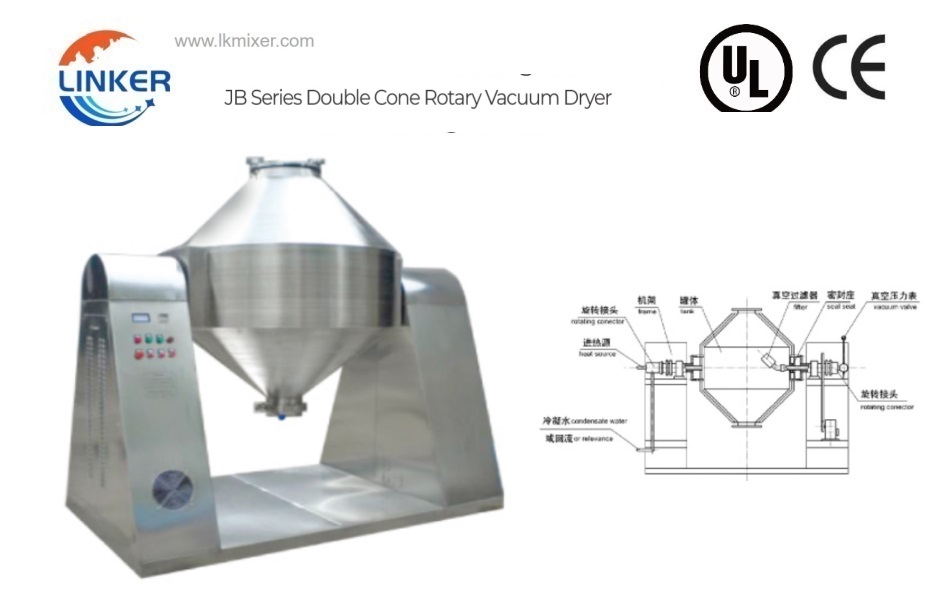
FAQ(Click and See More)
Why Choose Us?
We have 20 years manufacturing experiences; 15600 cubic meters factory area; 5000sets annual capacity; 55 professional engineers;
What’s your main maket?
South America: Brazil, Colombia, Peru, Bolivia, Uruguay, Paraguay ;Romania;
USA with UL Certification
Middle East: Saudi, Arabia, Oman, Turkey
Europe: Russia, Australia, Belarus, Ukraine, Poland
Can you support OEM?
– Yes, OEM or ODM. Machine can be customized according to customer detail requirement, including capacity and voltages, motor certifications.
– Drawing and raw materials also can be customized.
What after-sale services?
– 7*24 customer service online;
– 7*24 engineers online services;
– 12 months warranty services.
WHAT kind of MACHINE YOUR COMPANY HAVE?
CAN YOU GIVE ME GUIDE ON OTHER MACHINE ? TO FULL MY PRODUCTION LINE
YES ! Our f have factory build more than 20 years now, we can design and customize whole line, besides of the grinding machine, mixing machine, we can also fully support to provide the washing machine, cutting machine, drying machine, packing machine, filling machine. Though we are not producing these machine, but our brother companies co-work together for over 20 years, we have rich experience in providing you a full effective production line, fully automatically or semi-automatically.
HOW TO VISIT YOUR COMPANY?
Our Factory located in Jiangsu Province, very near to Shanghai, you can fly to Shanghai Pudong Airport, we pick you up and take you by car 2 hours ride, can reach our factory, welcome your visit.
WHAT’S YOUR BEFORE & AFTER SERVICE ?
1) Before your purchasing, we need to know your detail request, such as what kind of material you want to grind and mixing, what final product powder or granule you want to reach. Because different material and powder sizes request of different machine to do. We can provide professional advice and rich experience help to choose machine. Most of the products we have already did before for other customer, trail test or run mass production, so we knows which machine is best in performance of grinding and mixing. This is of very importance in helping you choose the right model. We also wish this can help our customer a lot. Even the material we didn’t do before, we will prepare the same material and to do the trail test and send video to you for your reference.
2) One Year guarantee of machine quality. If the machine have problem within one year, we will send you the spare parts to you for replacement, but this not including the damage caused by human causes. We also have 24 hours on line guide for customer, if you have operation difficulty, we will guide by video and on line communication with our engineer for your emergency debug.
3) For small machine, we sell with whole machine, it’s no need to install, and easy to operation, no problems for operation. While for large machine, its’s also not difficult to install with video guideline, but if you need, we can assign our technicians to go abroad, the round ticket, food and residents will be paid by customer.
HOW ABOUT YOUR PAYMENT TERM?
Our payment term is T/T. 50% payment in advance, rest of 50% payment finish before the goods shipped. When we finish the machine production we will do trail test and run the machine take videos for your green light. You pay the rest of 50% payment then.
Recommend Reading
What are the best materials for food contact surfaces?
What are the best materials for food contact surfaces? Food-grade stainless steel (particularly 304 and…Can blender be used as food processor?
While blenders and food processors share some overlapping functions, they are fundamentally different tools designed…Is coffee stronger if you grind it finer?
Is coffee stronger if you grind it finer? No, finer grinding doesn’t necessarily make coffee…