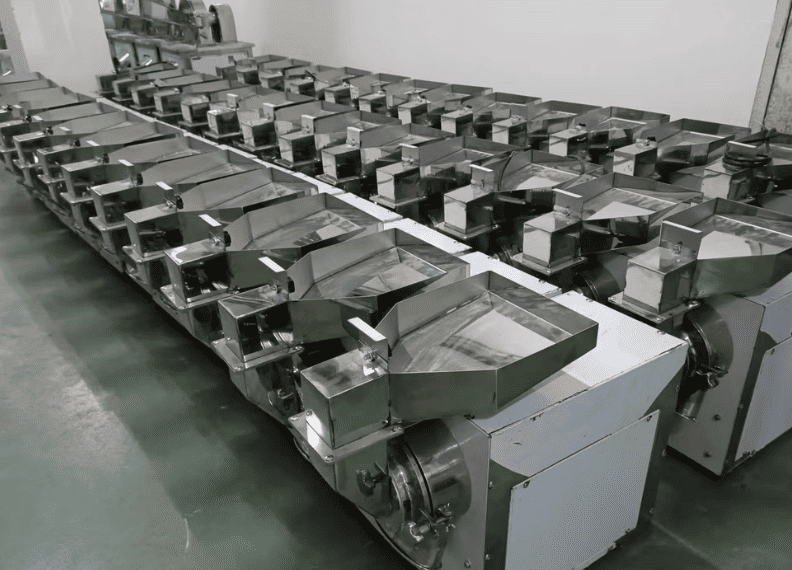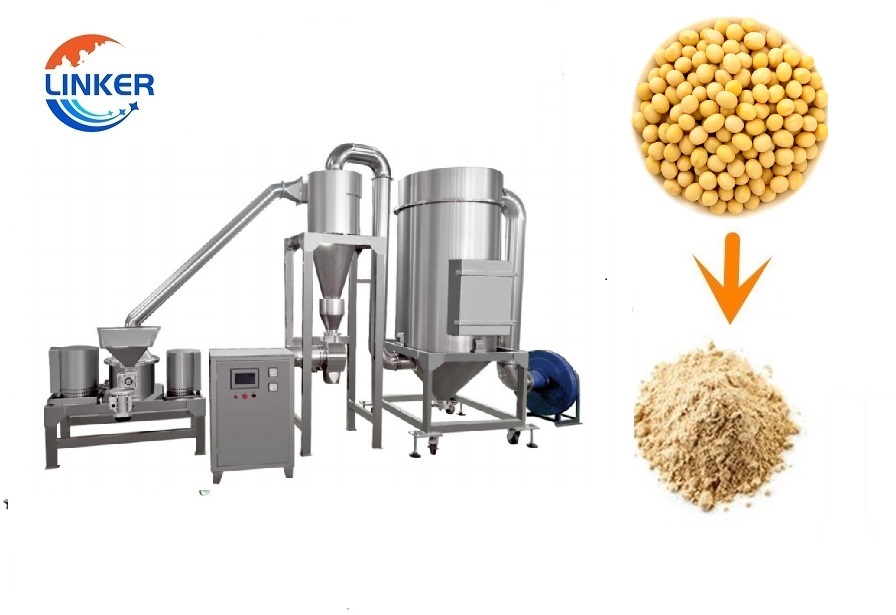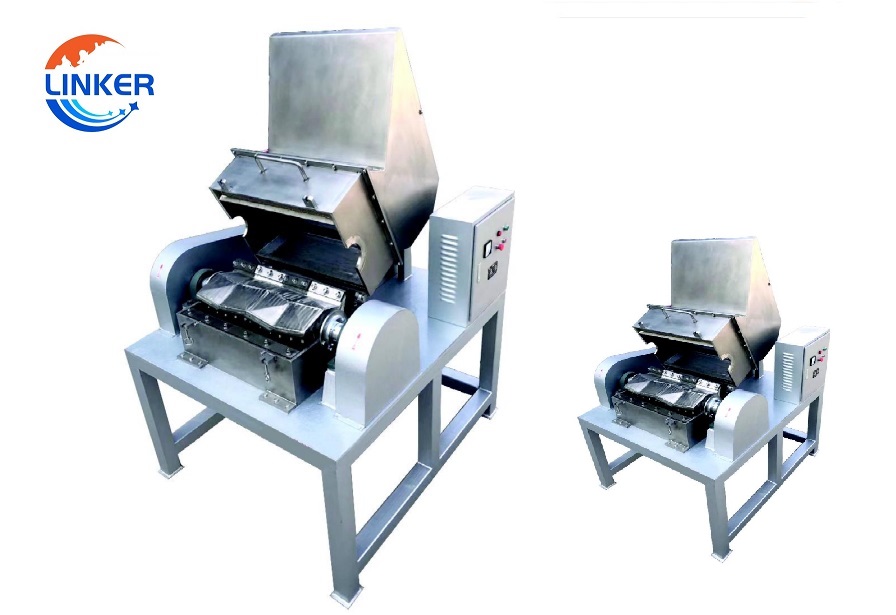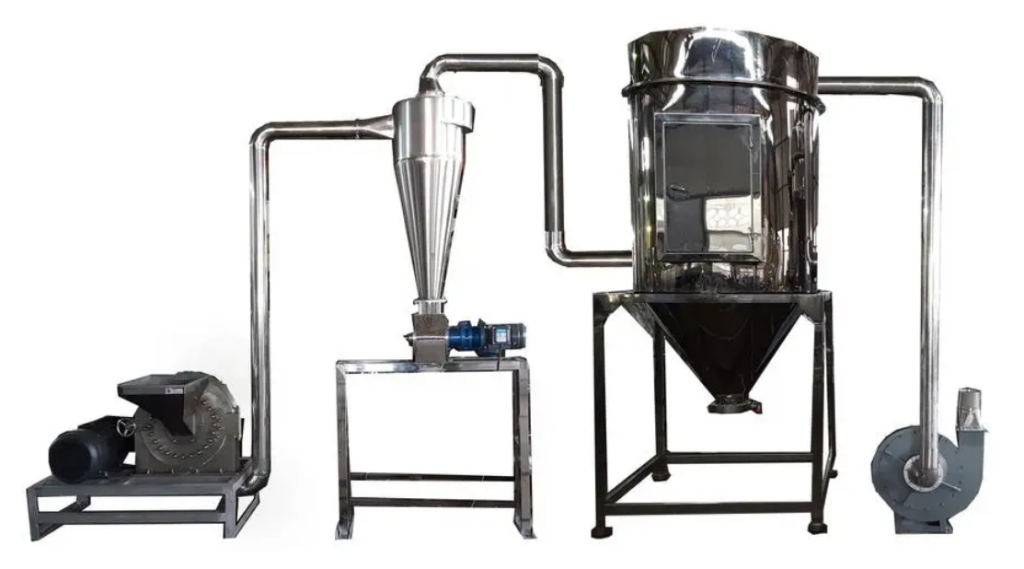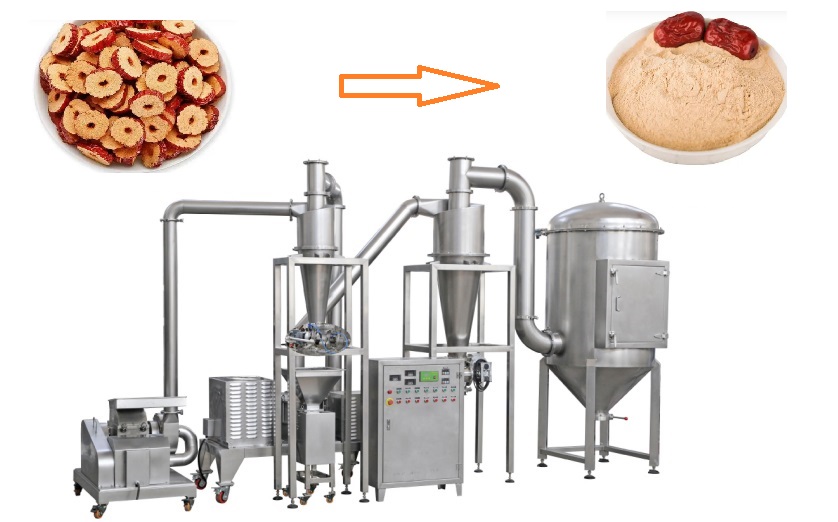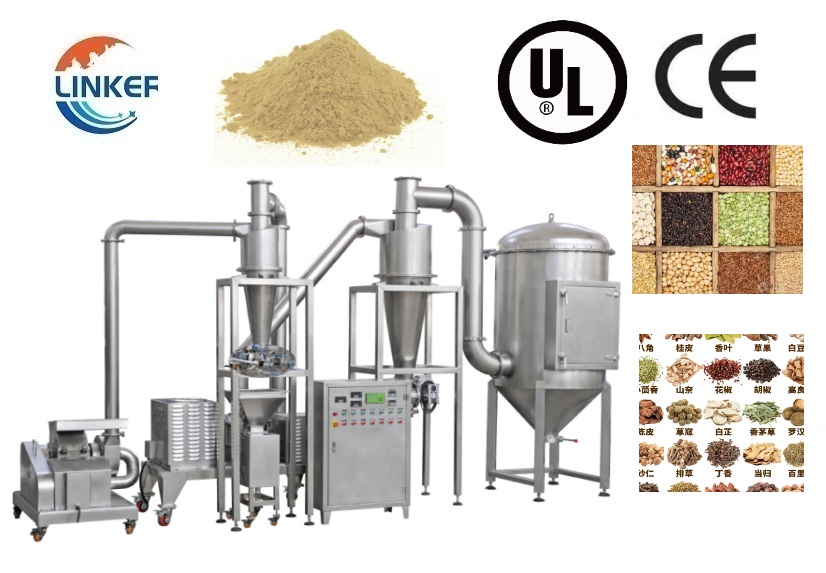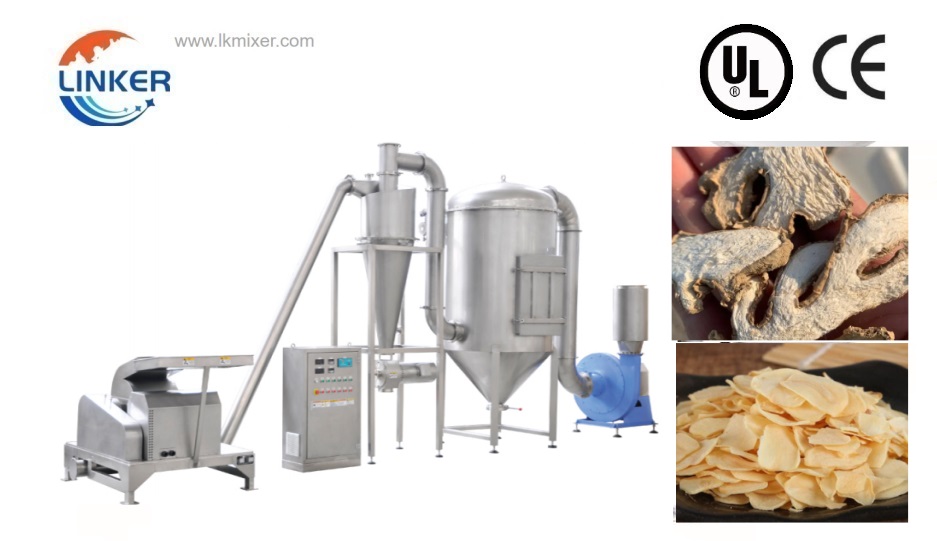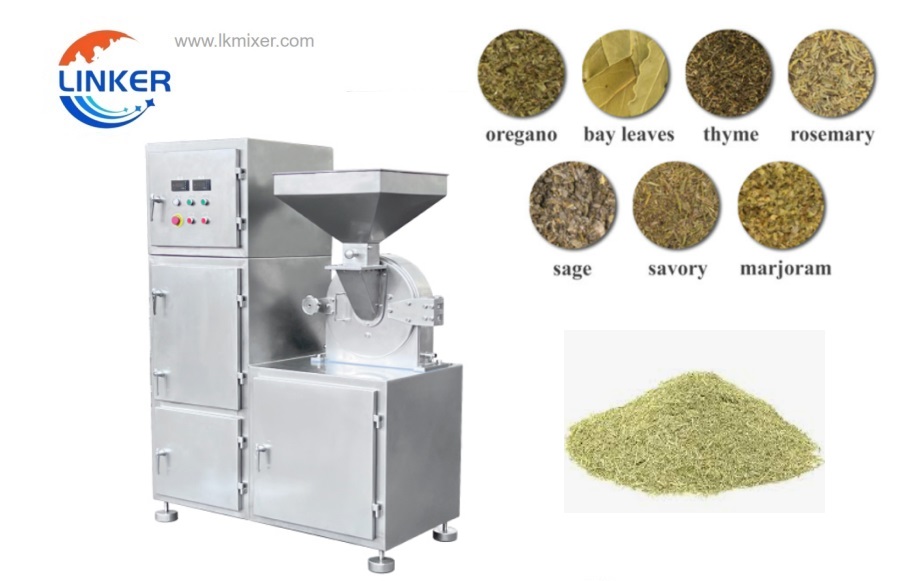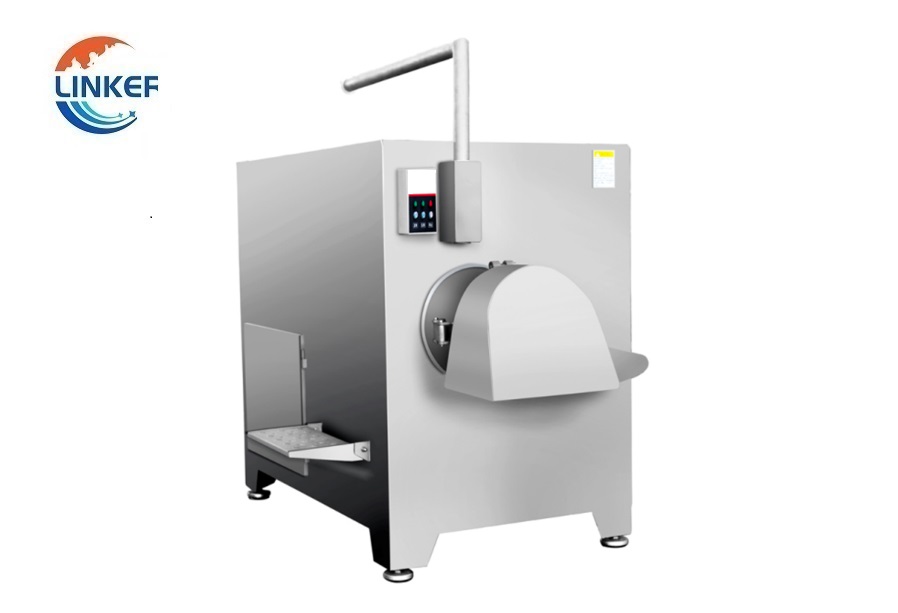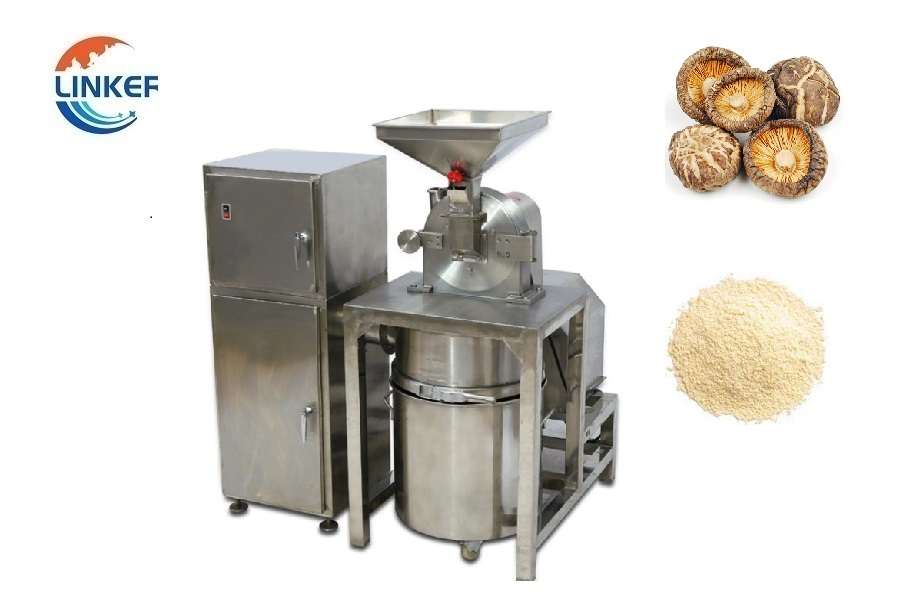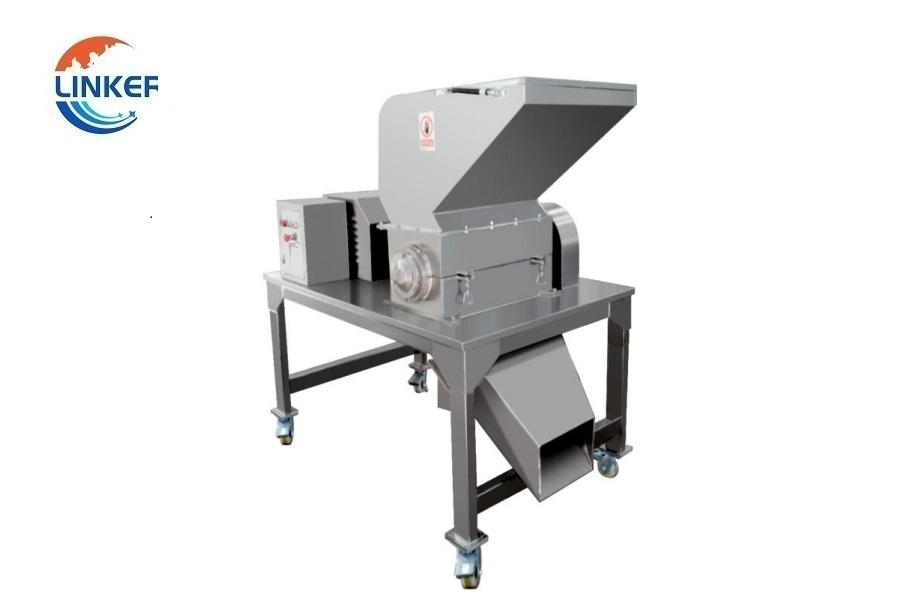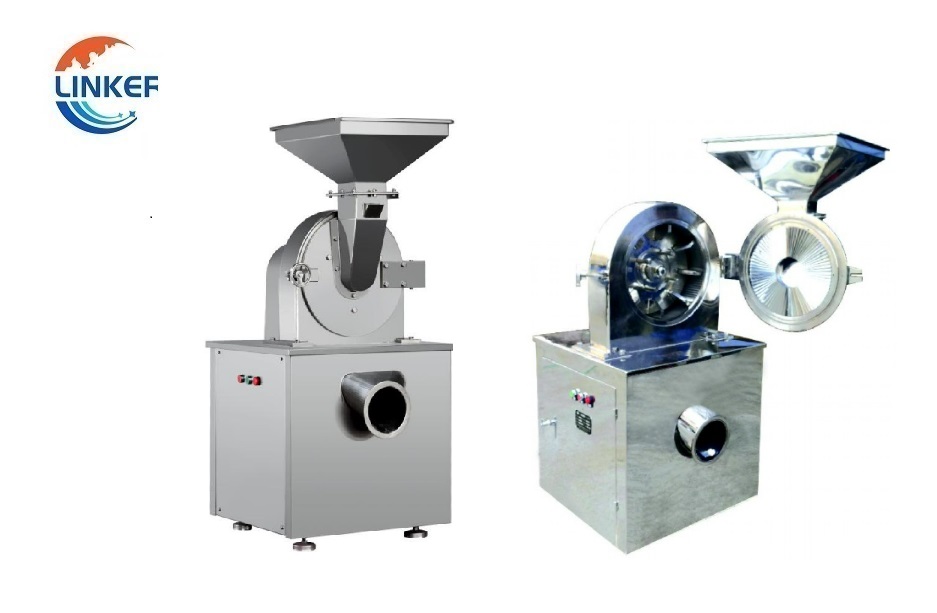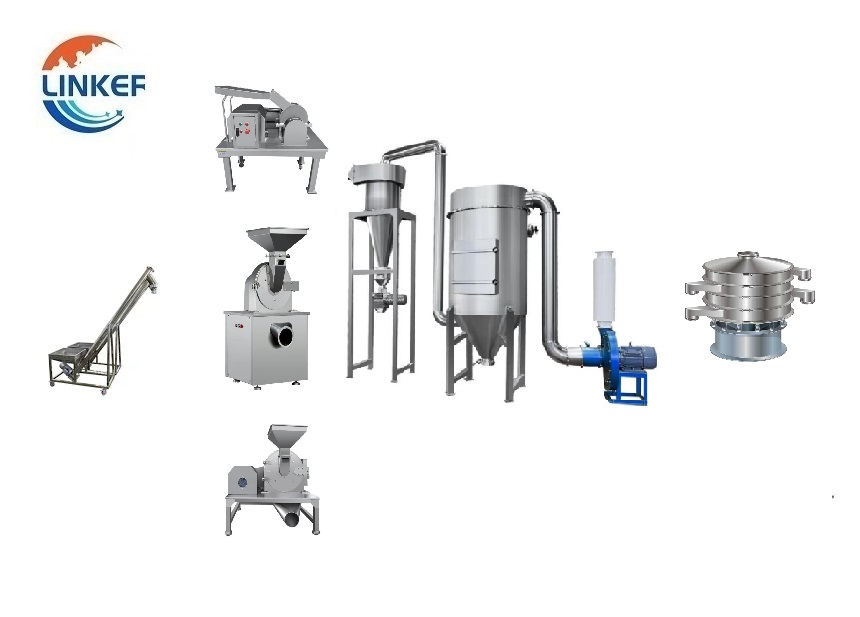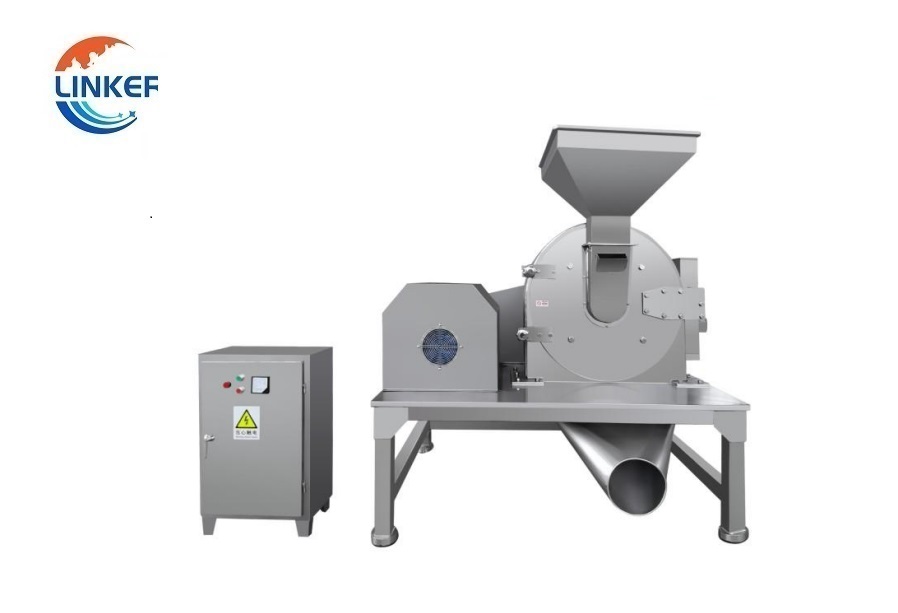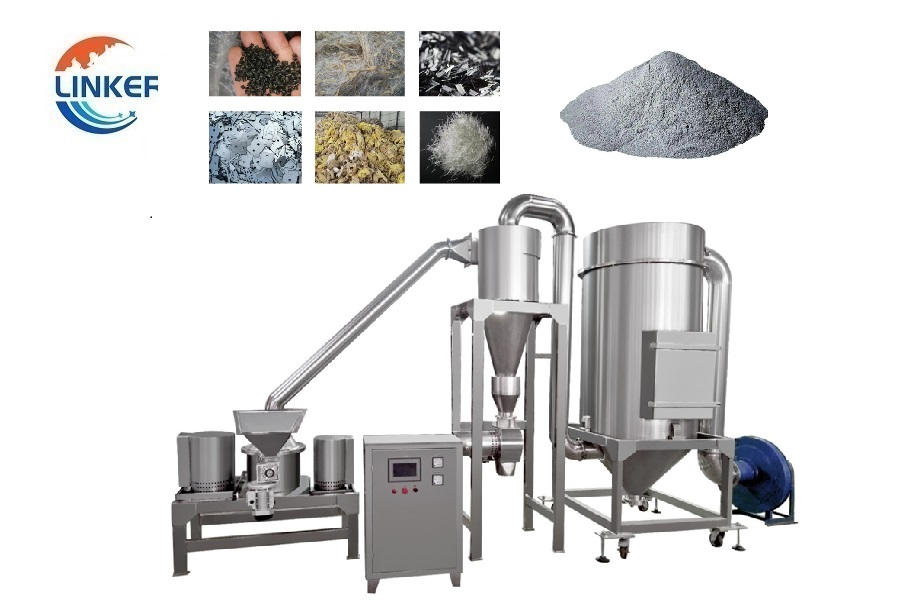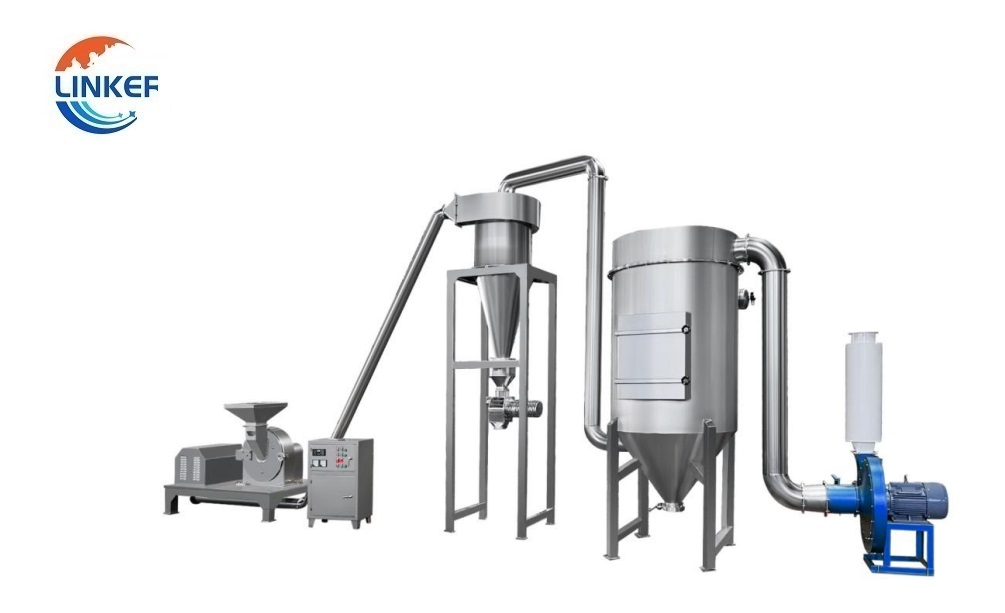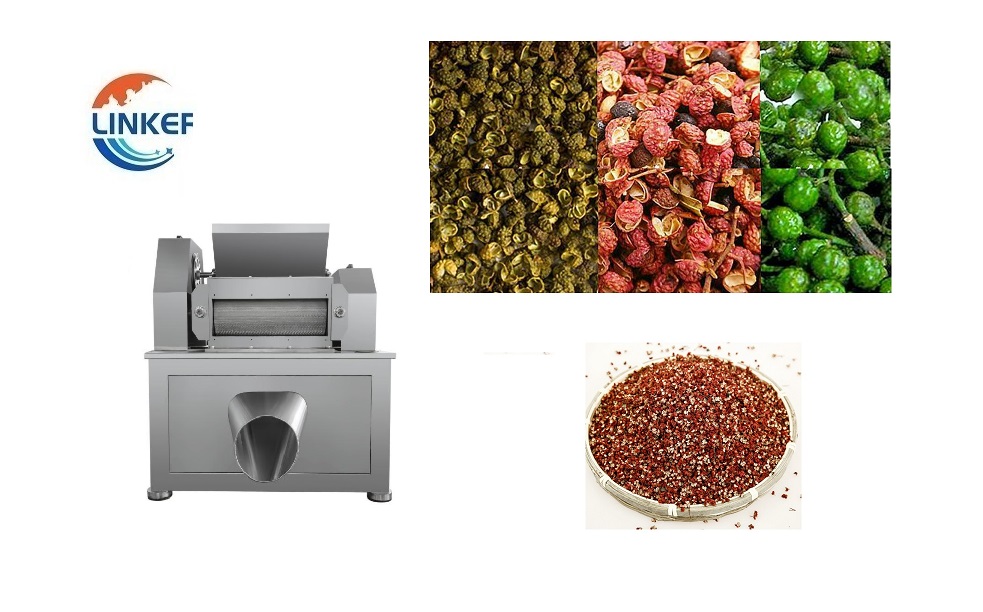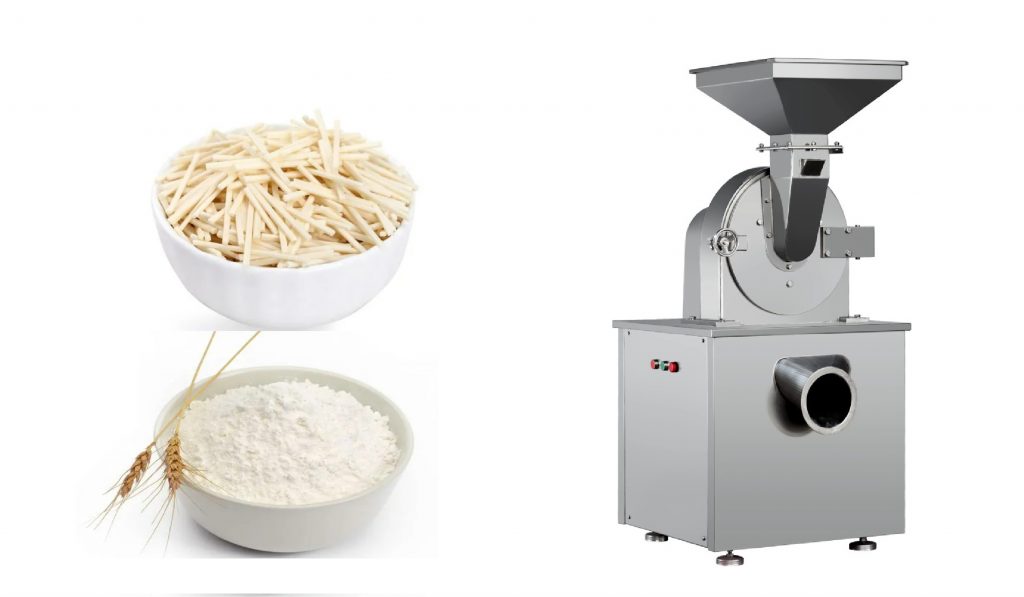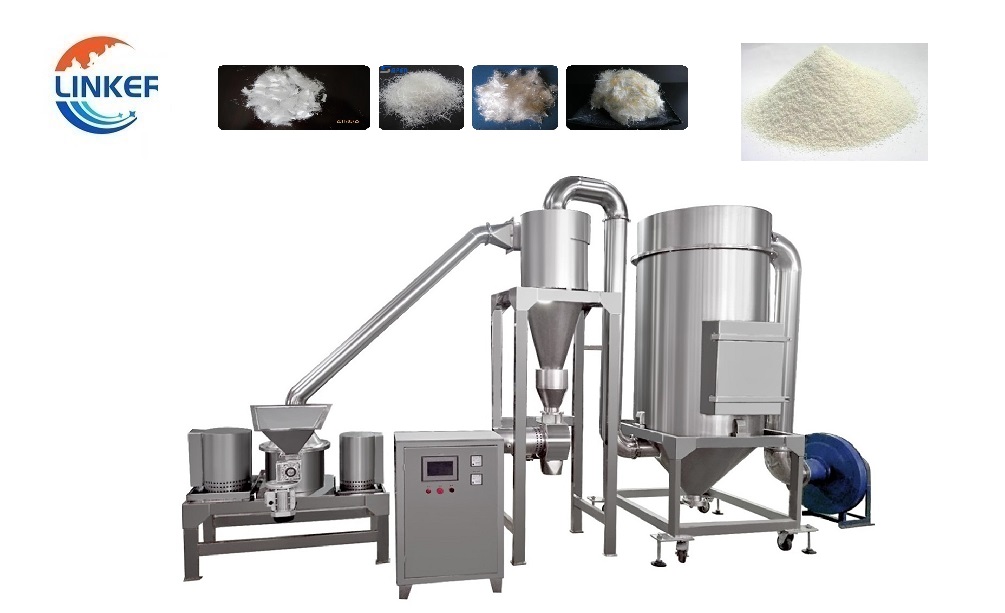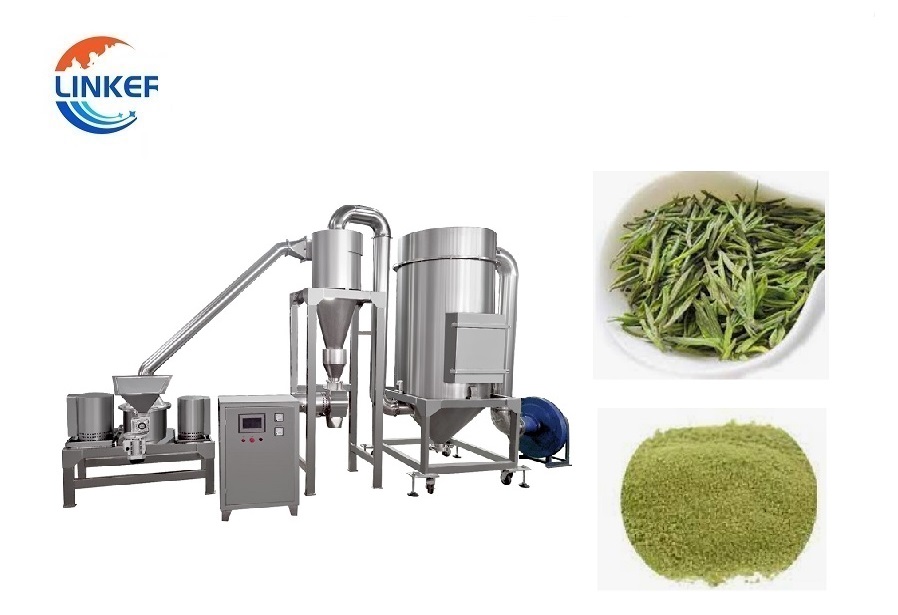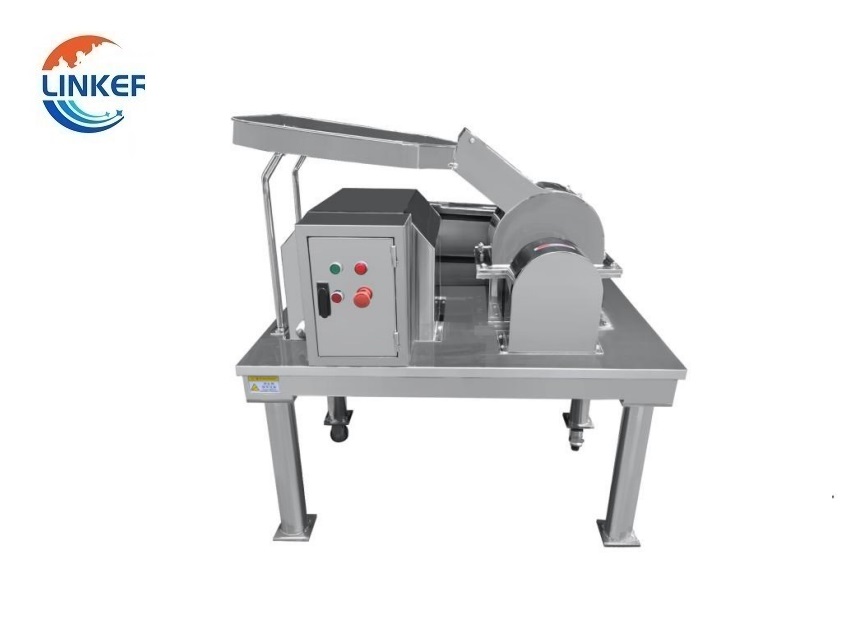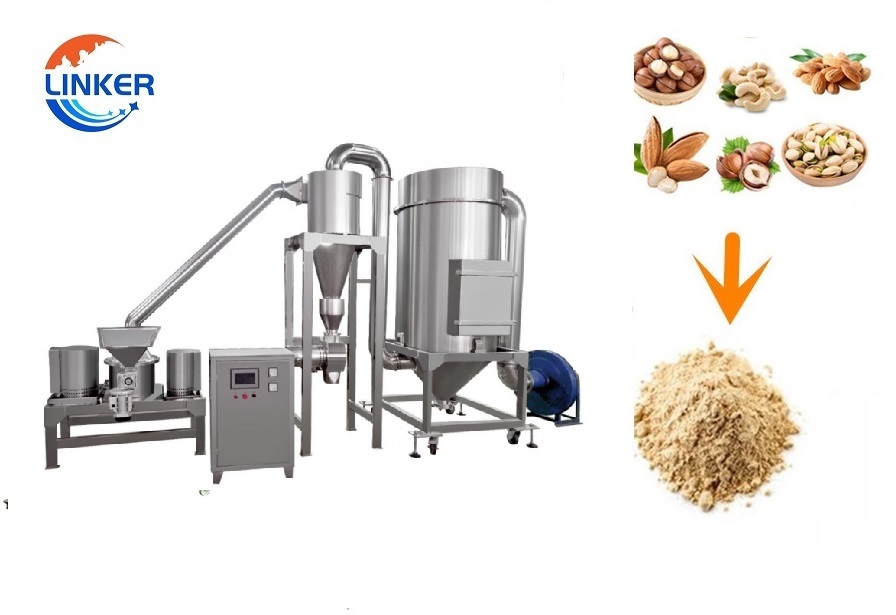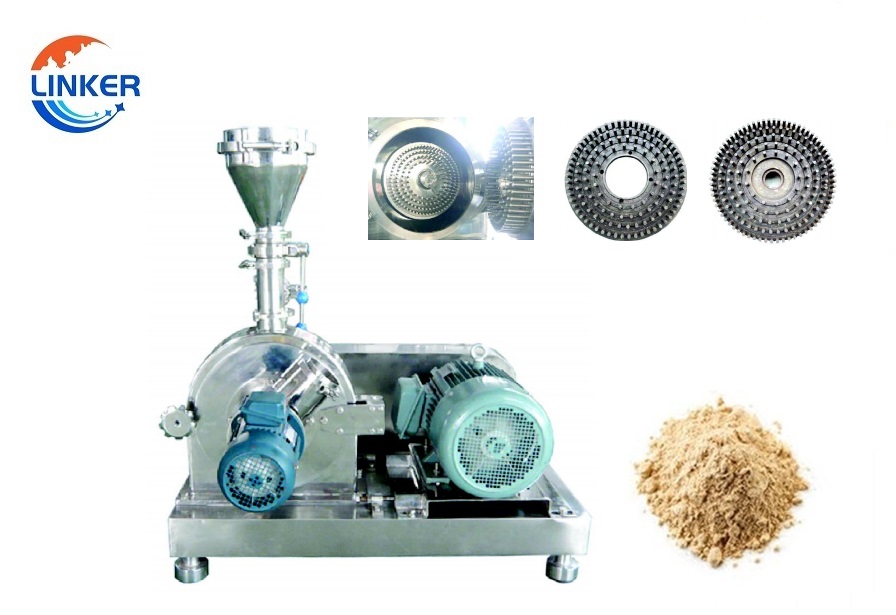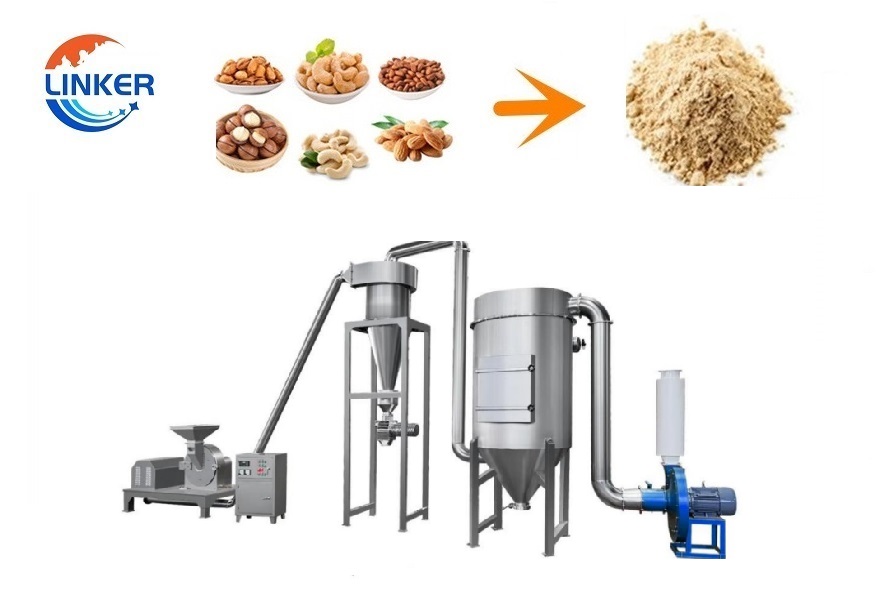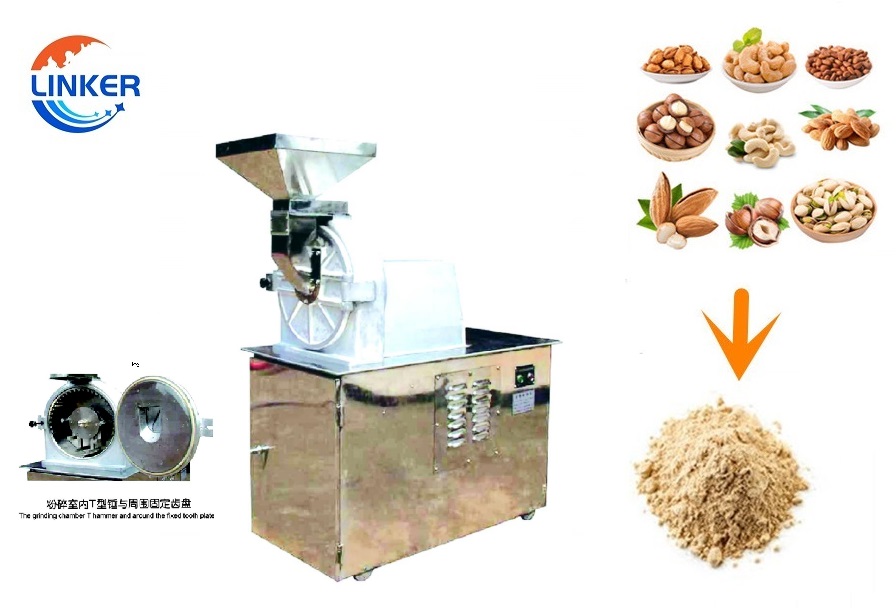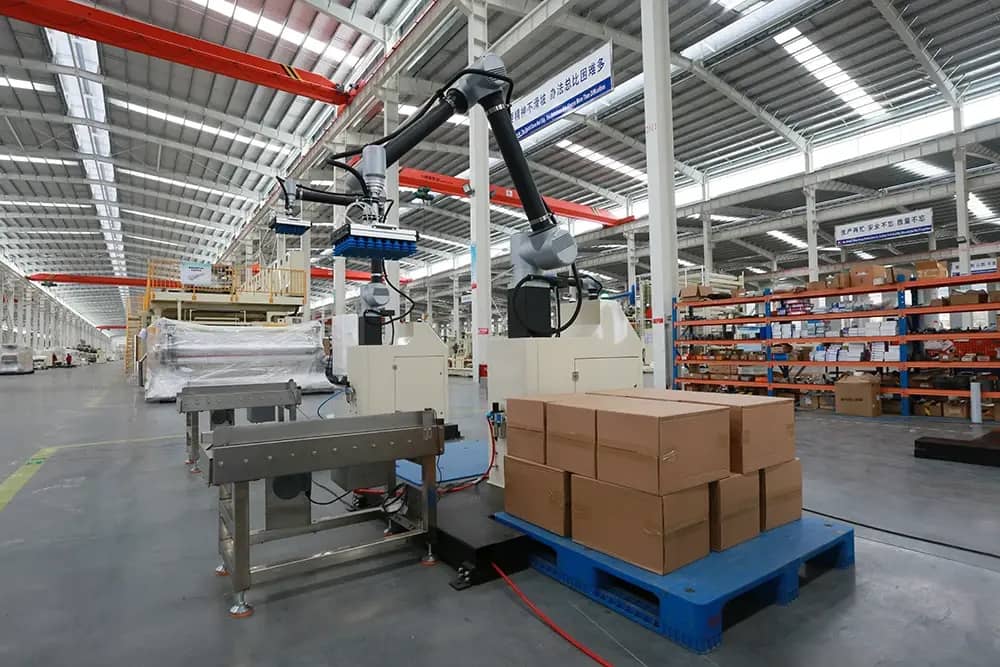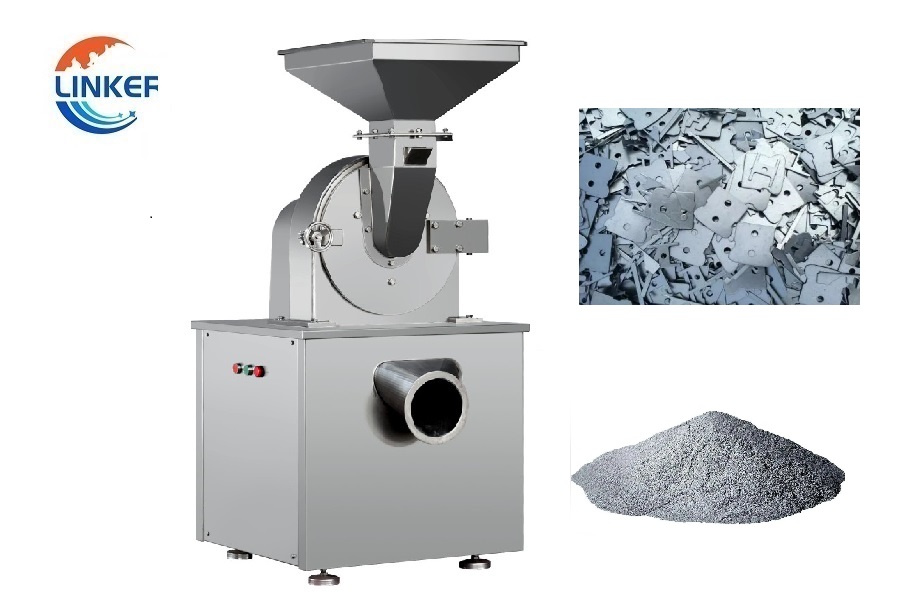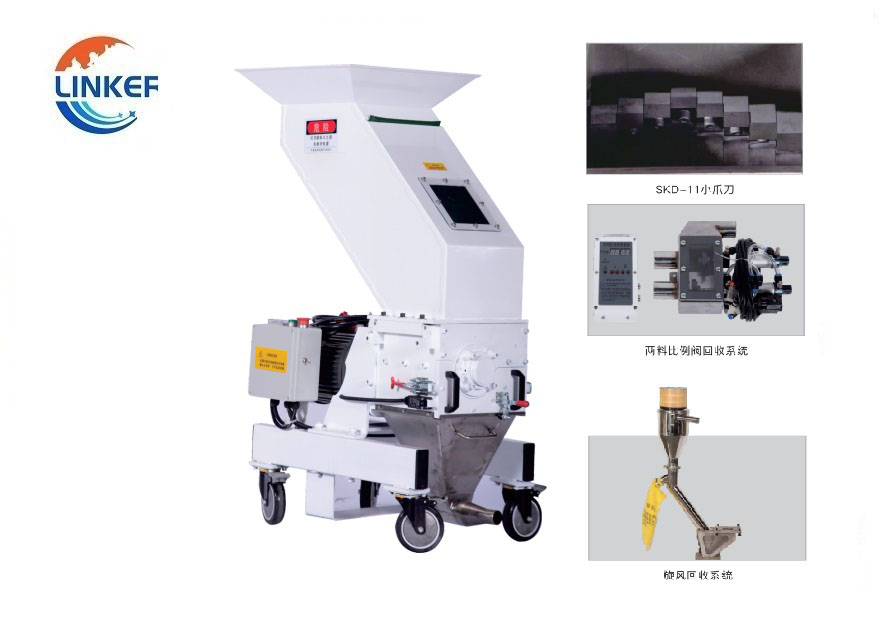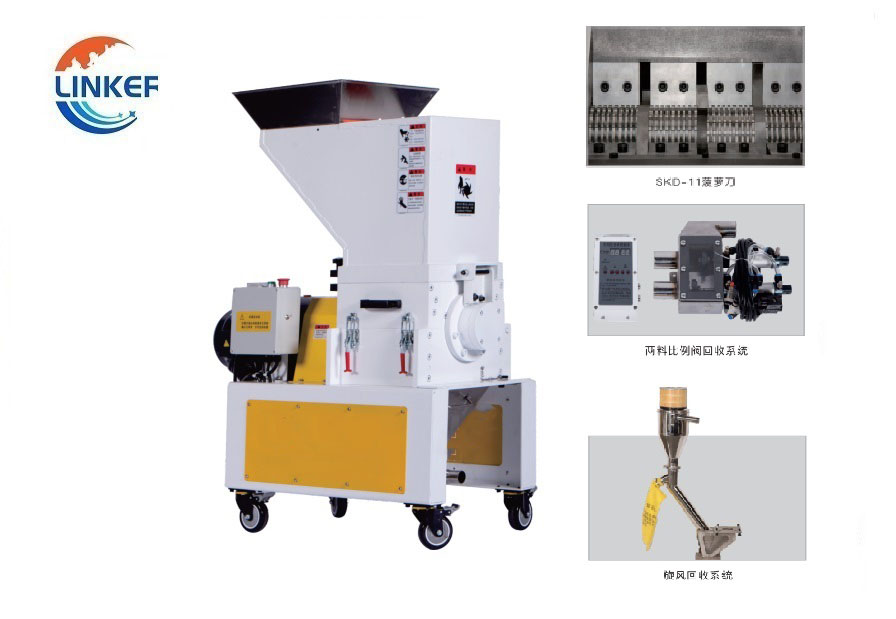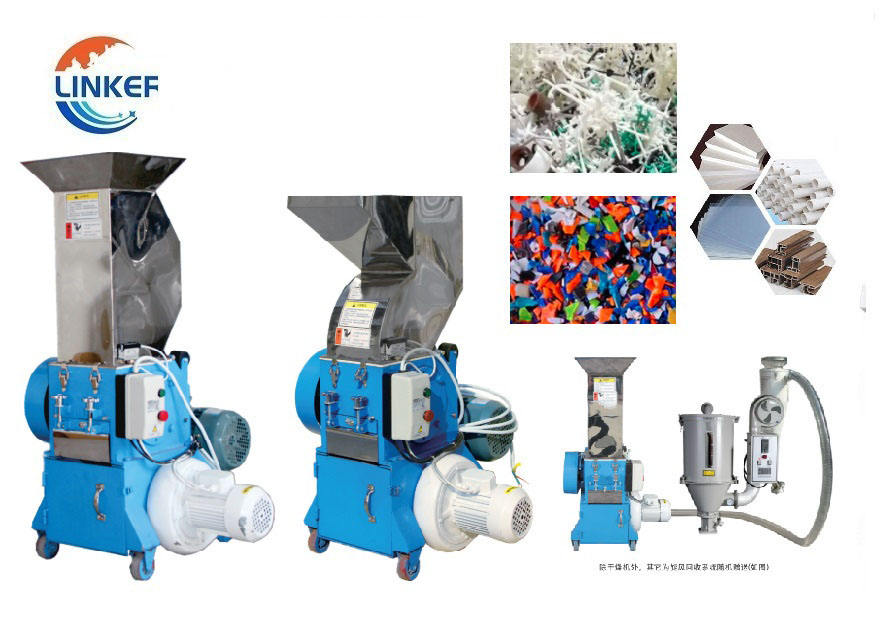
Automatic Banana Powder Production Line
Banana Powder Process Flow
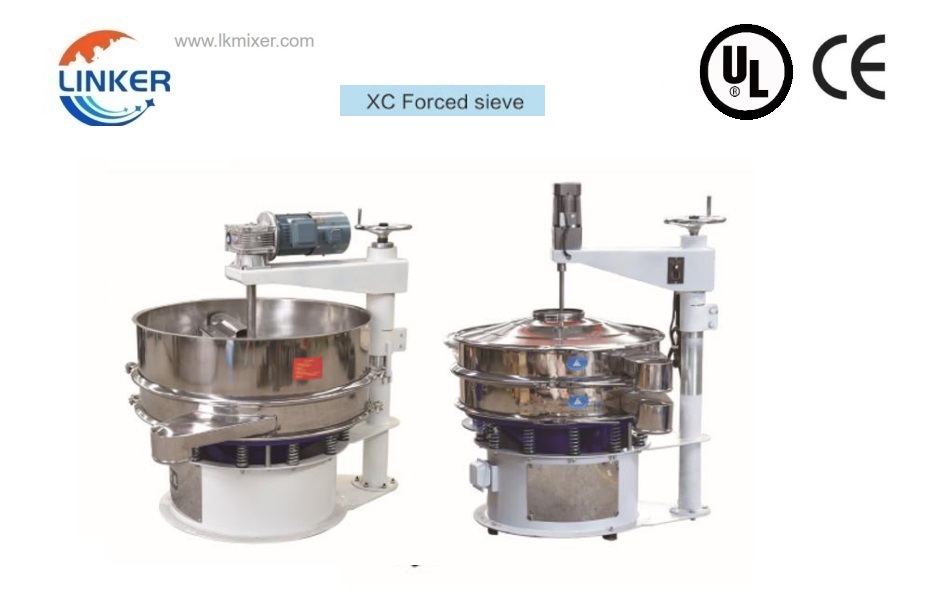
- Banana Washing Machine
- Banana Pealing and Cutting Machine
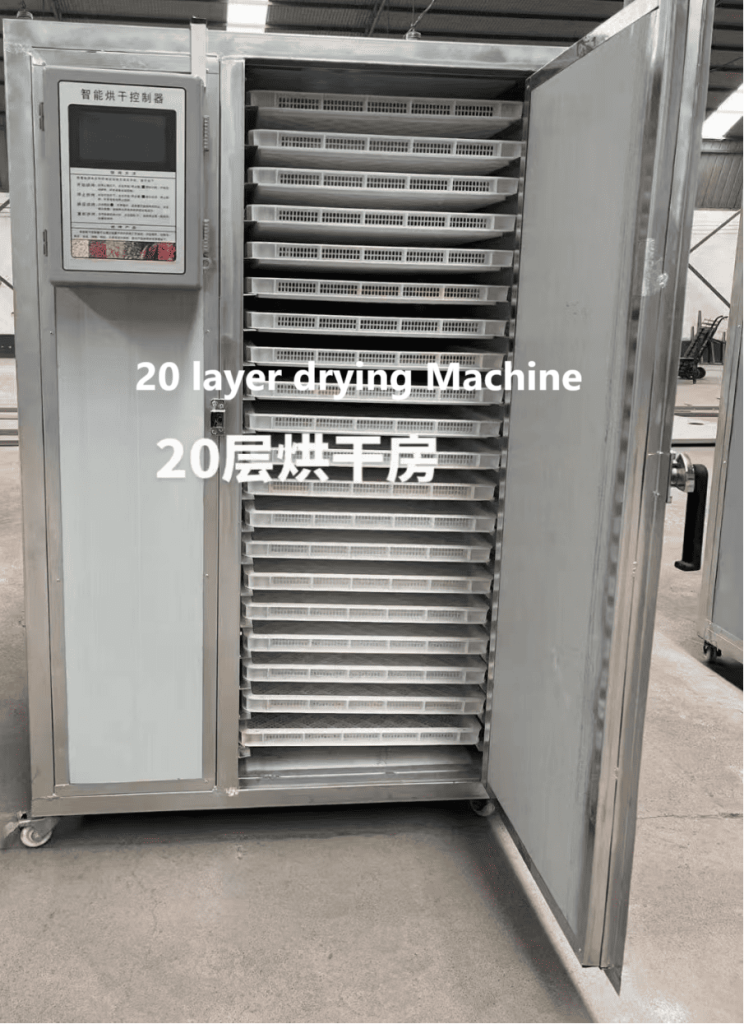
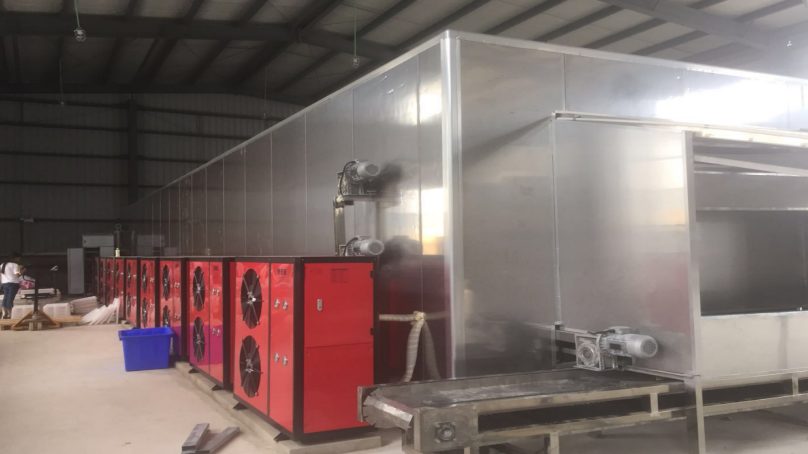
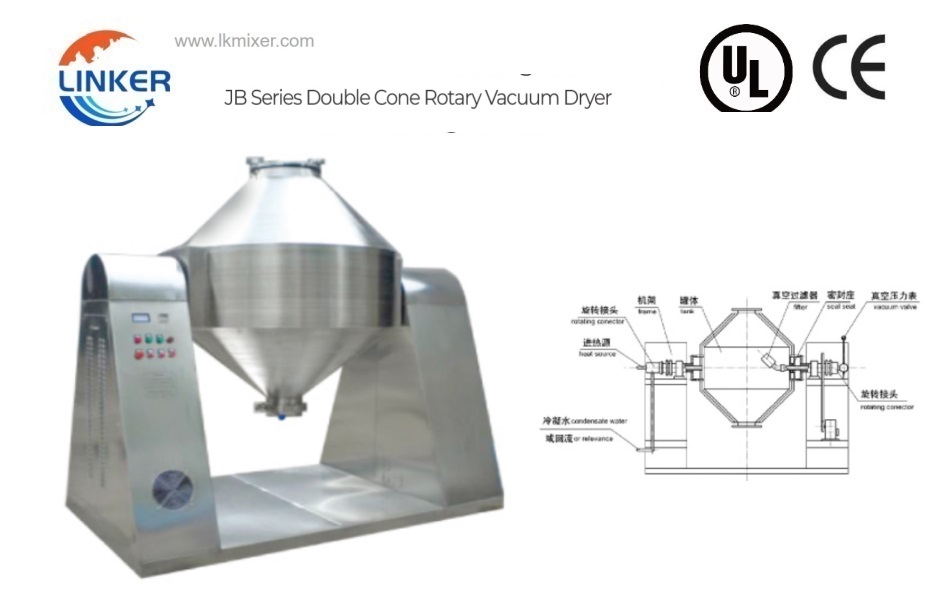
- Banana Drying Machine
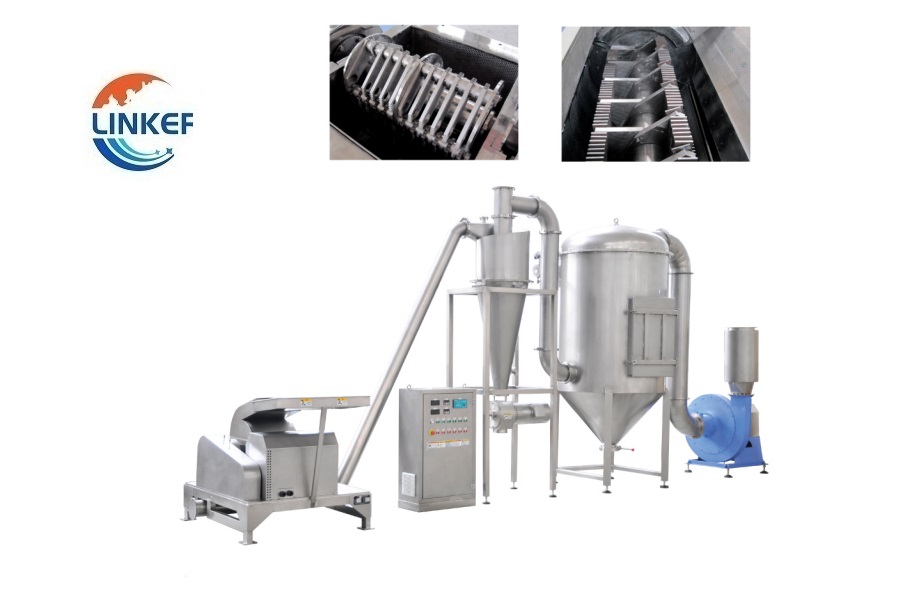
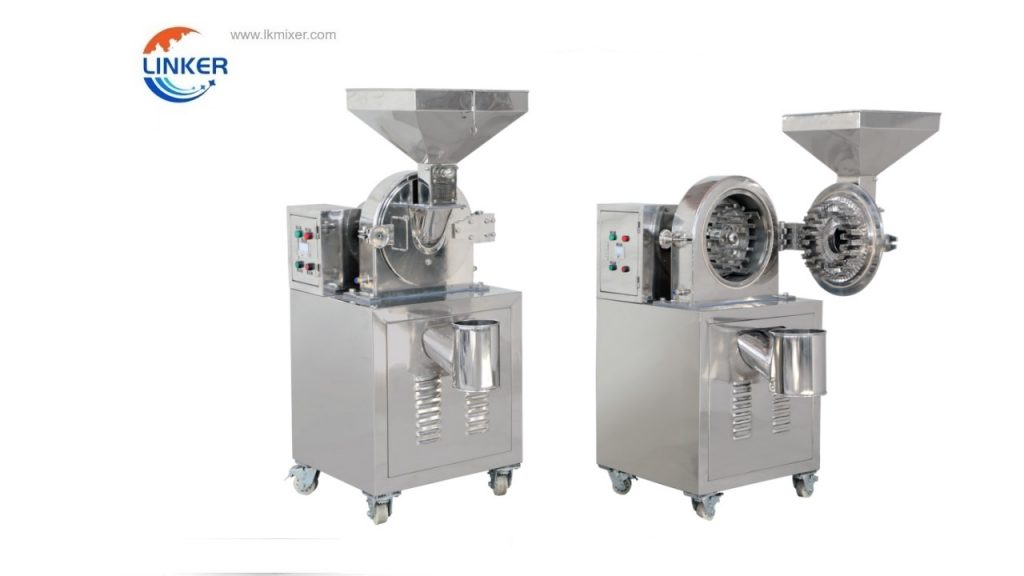
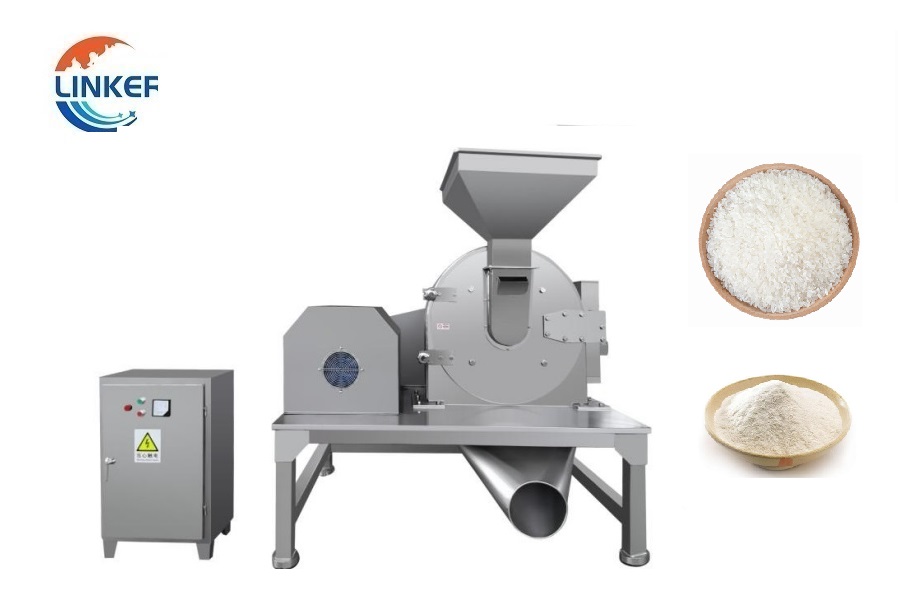
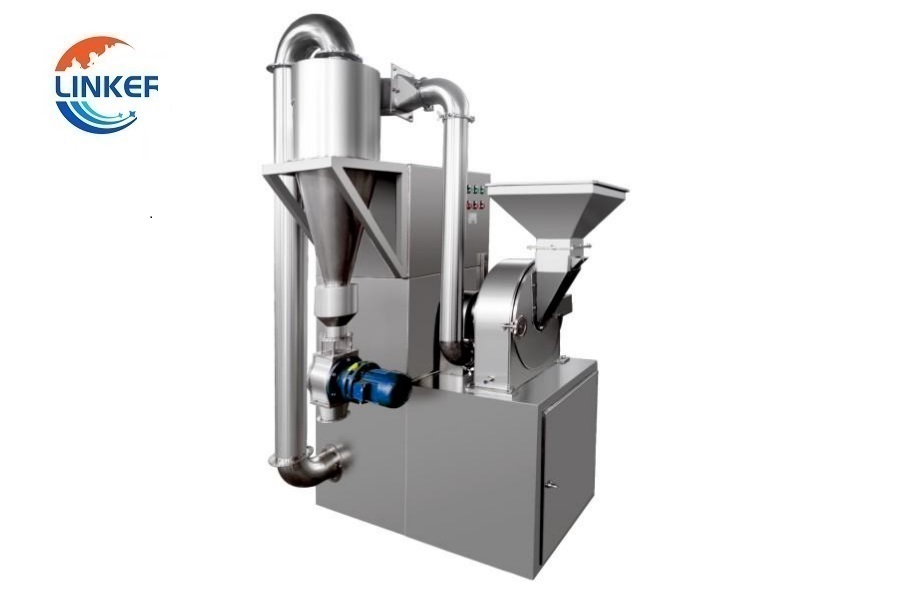
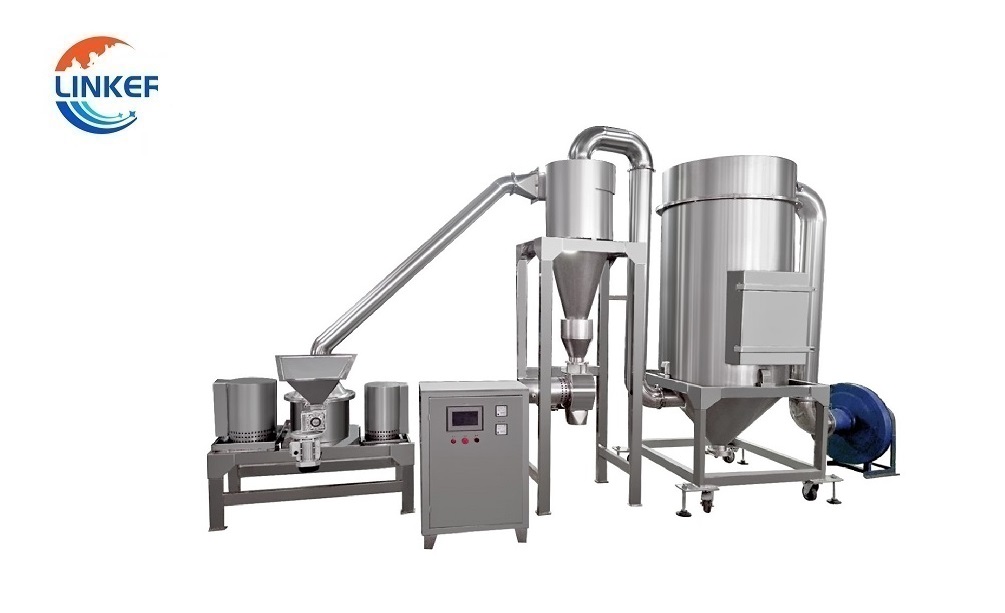
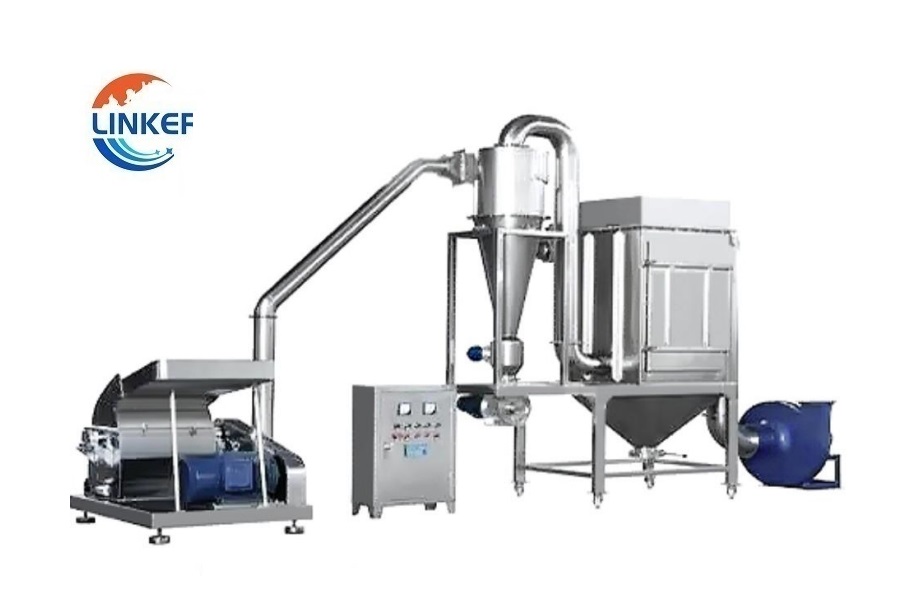
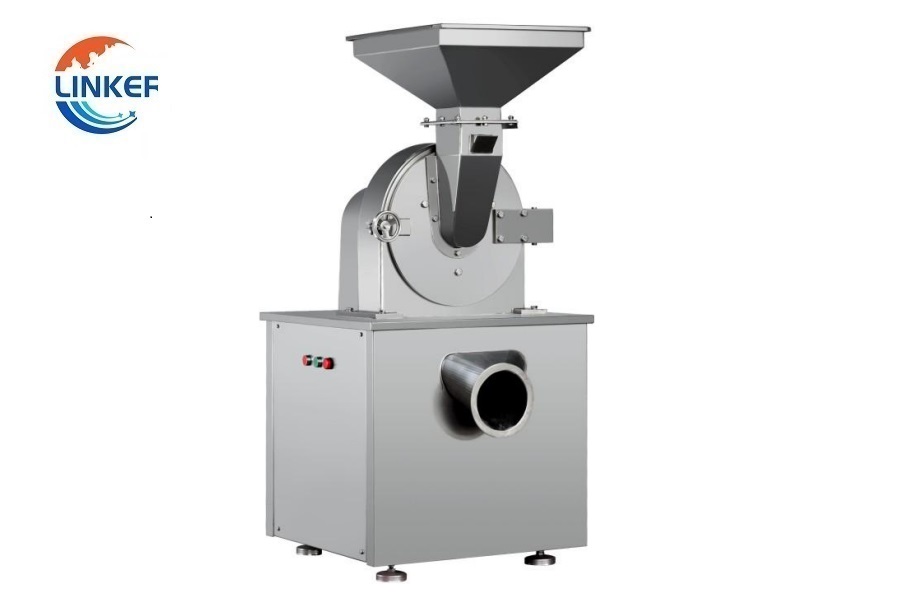
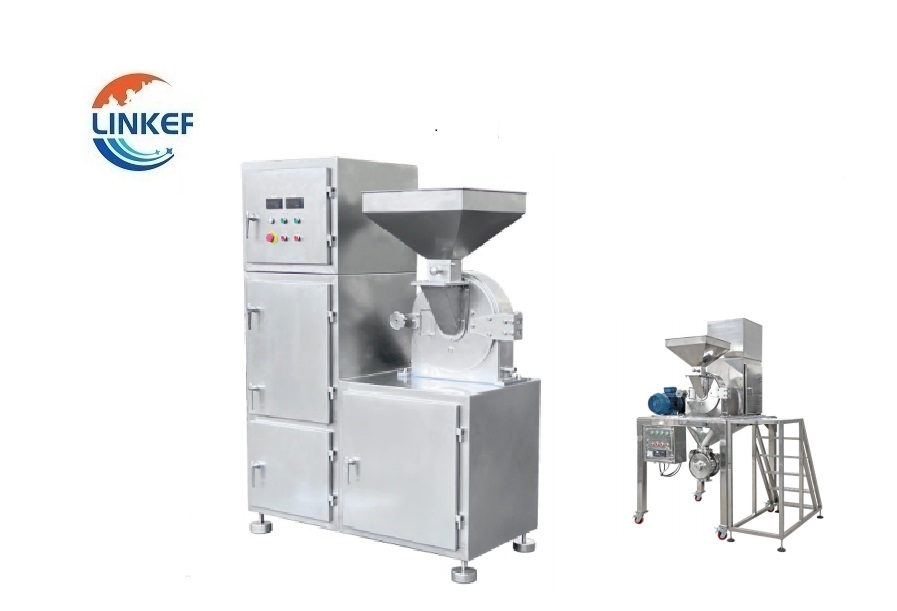
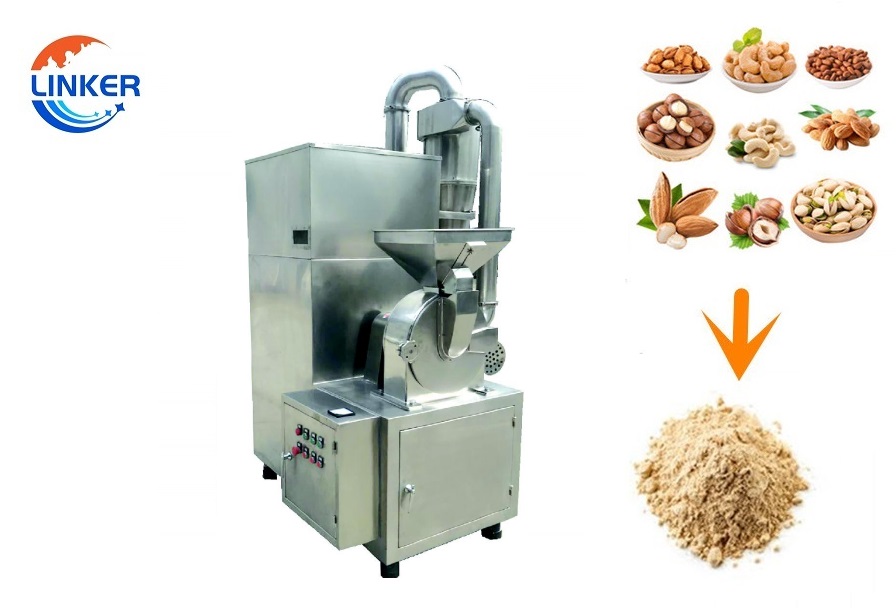
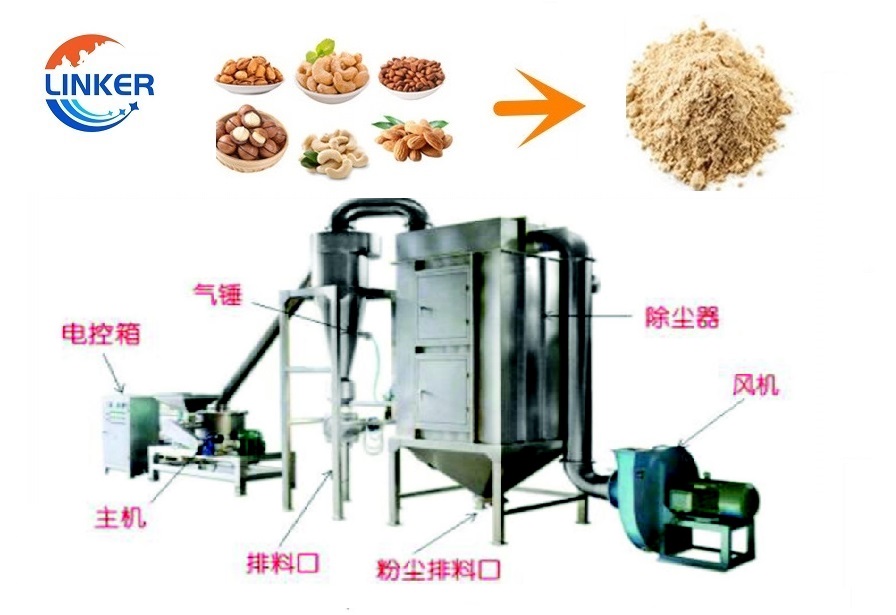
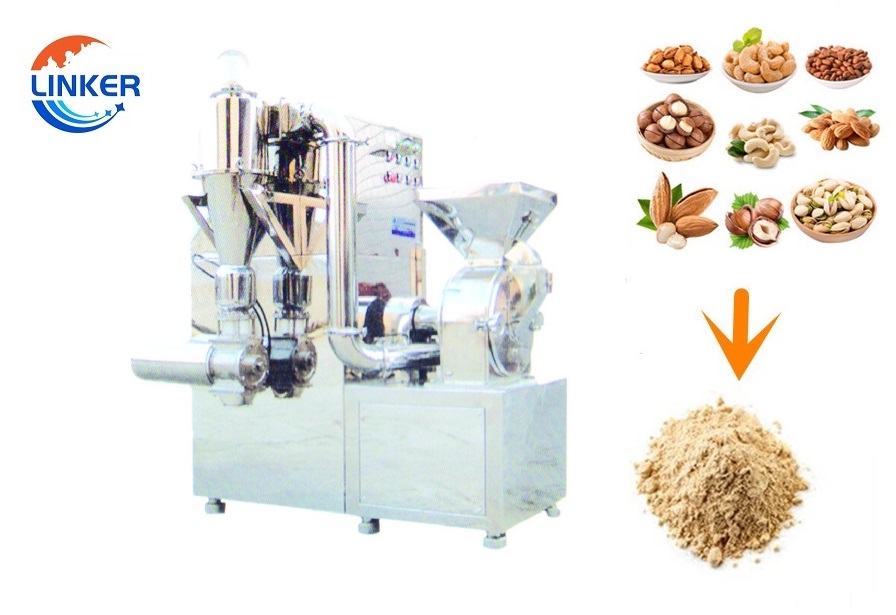
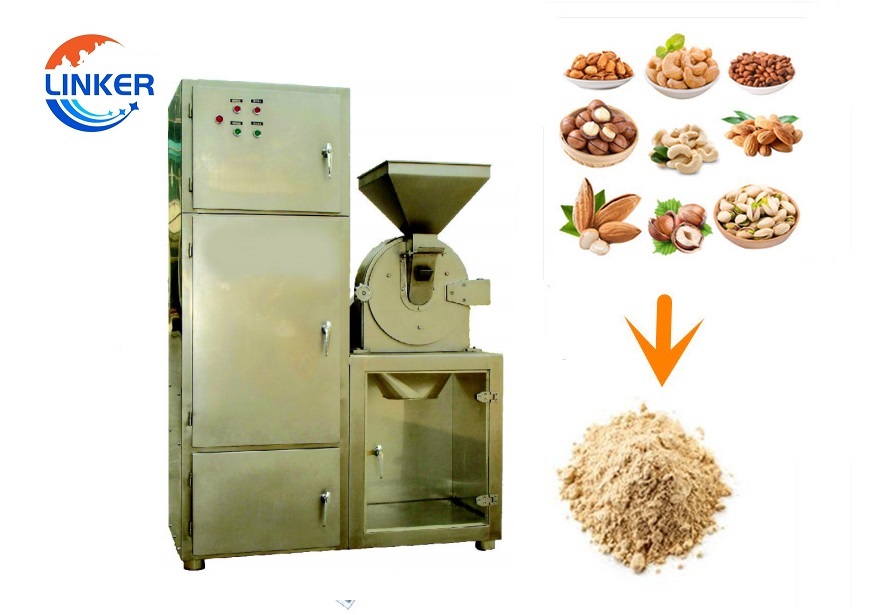
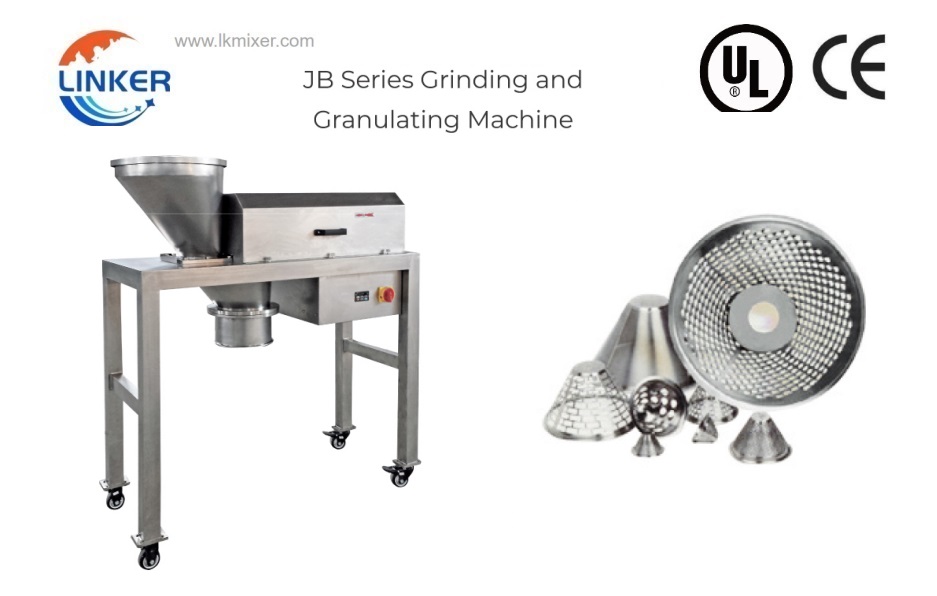
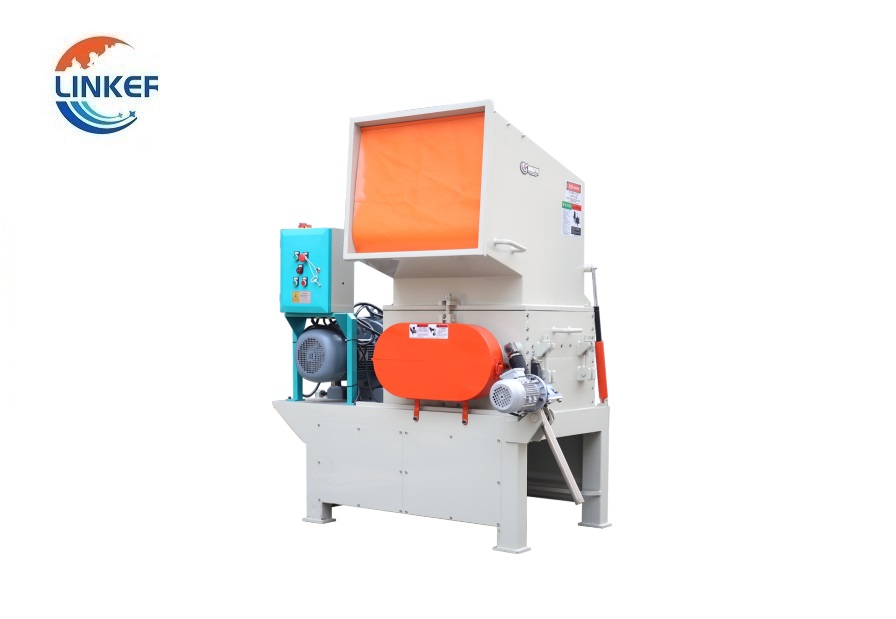
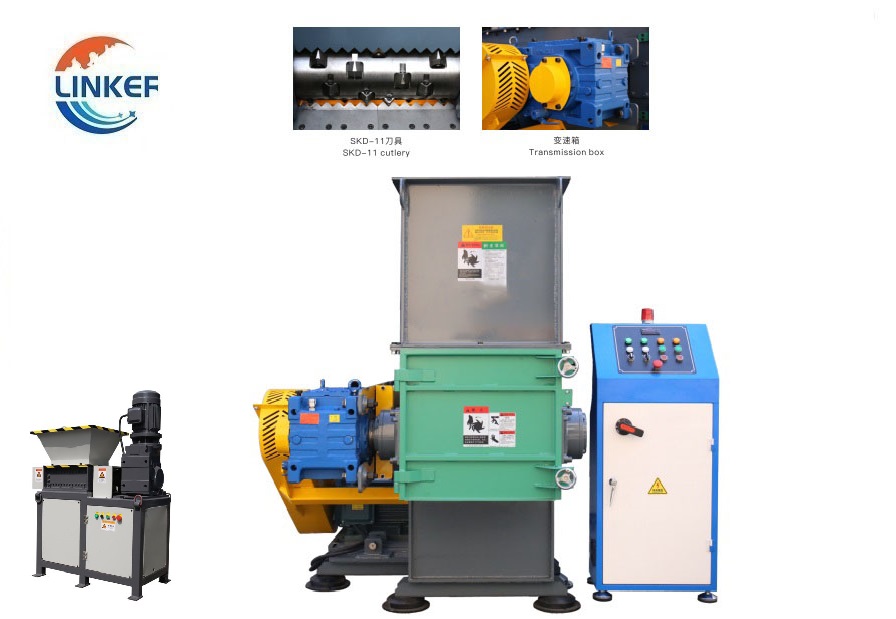
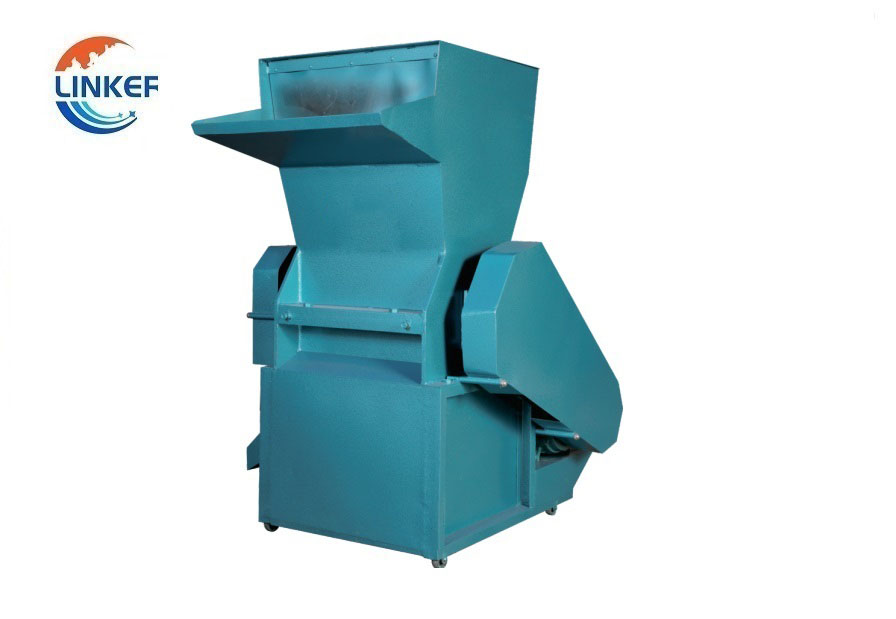
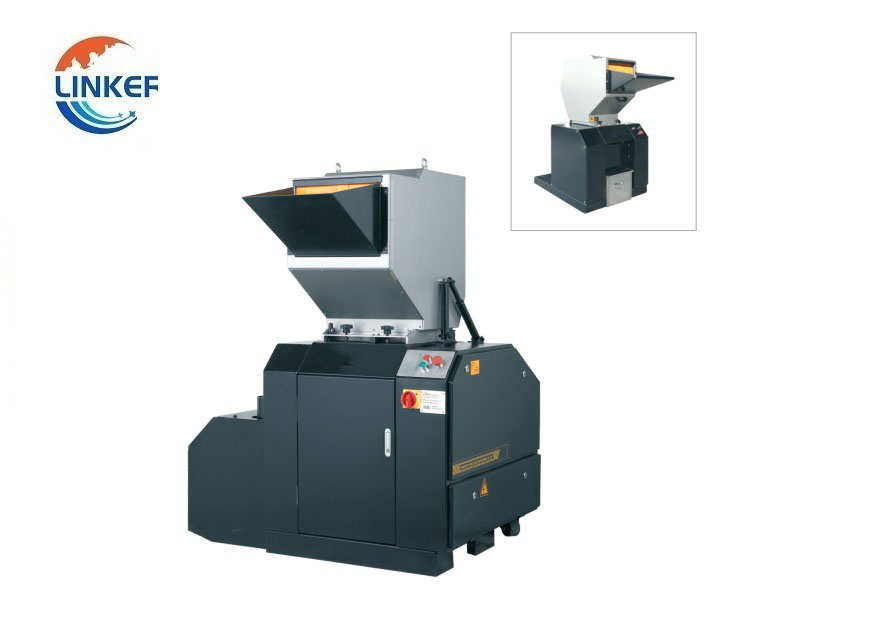
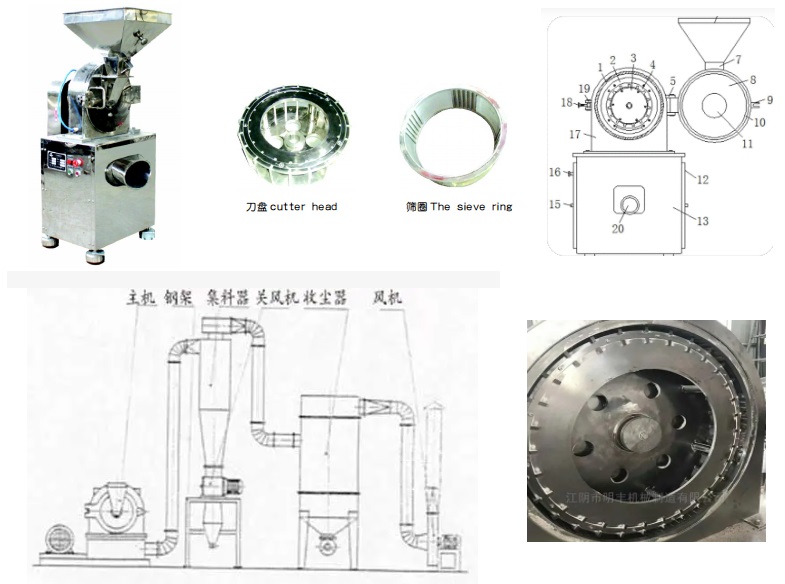
- Banana Grinding Machine
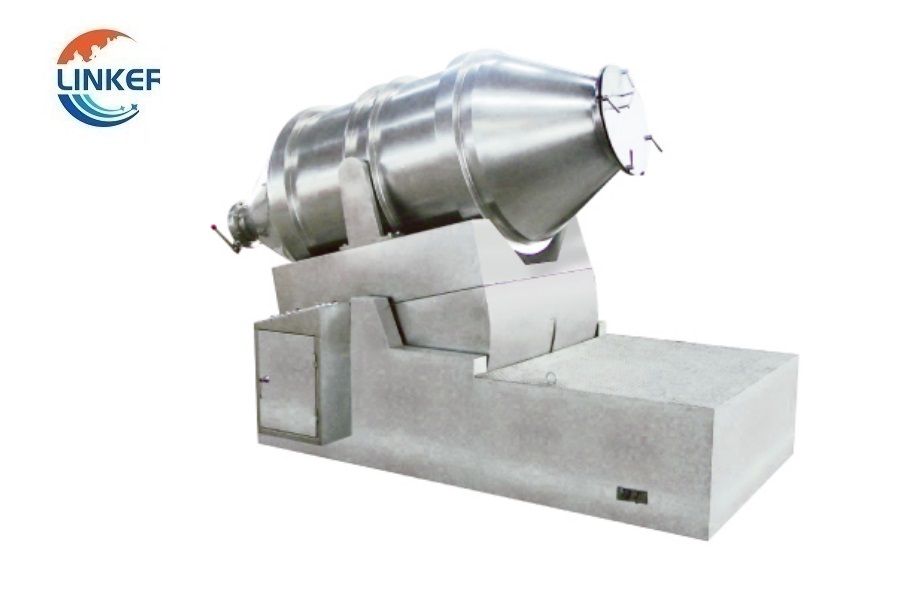
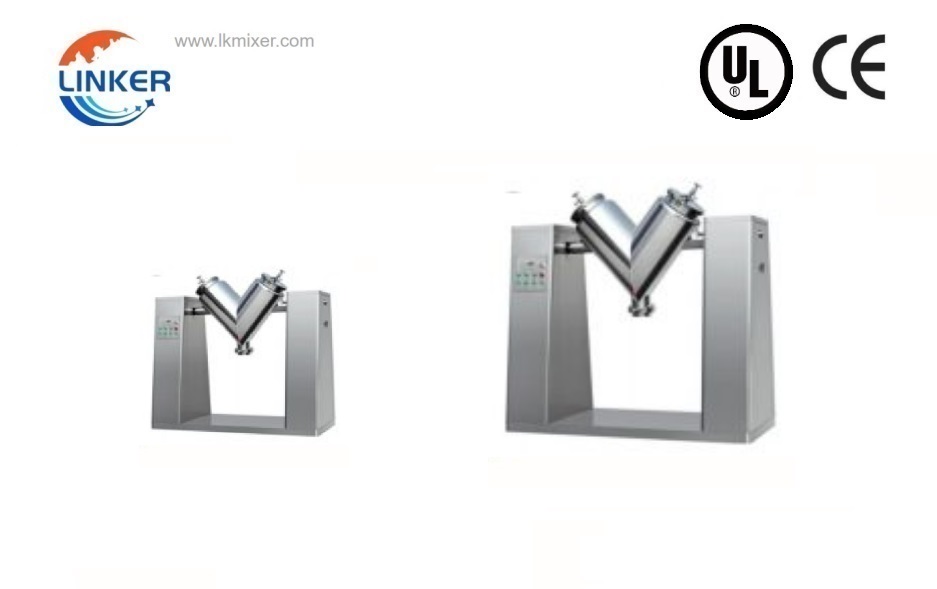
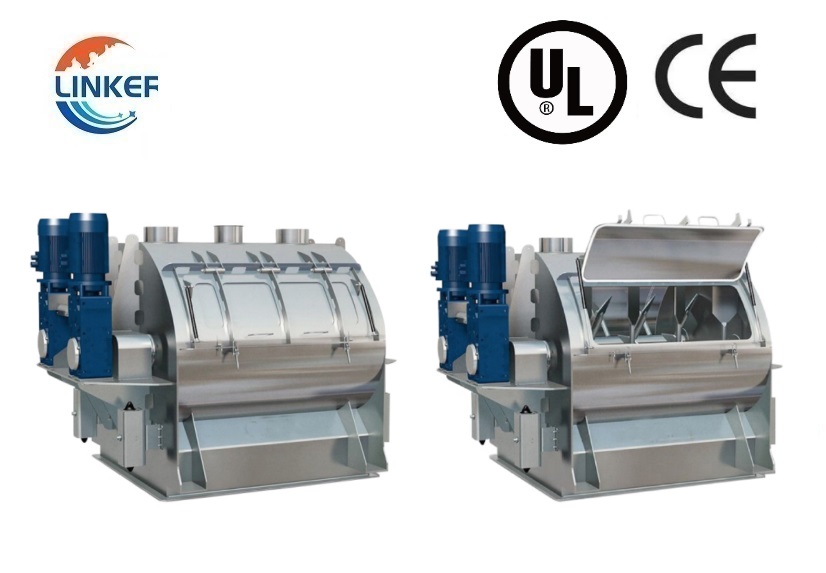
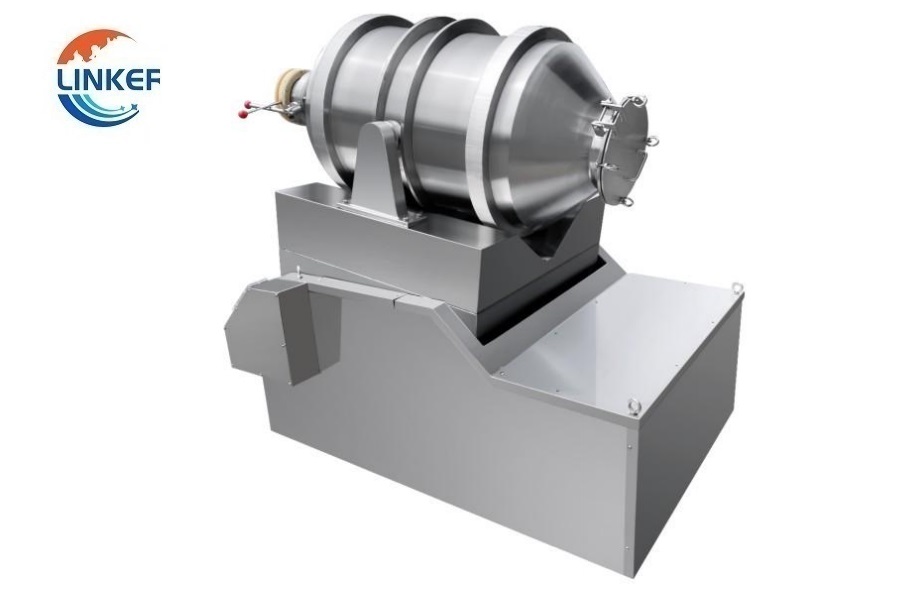
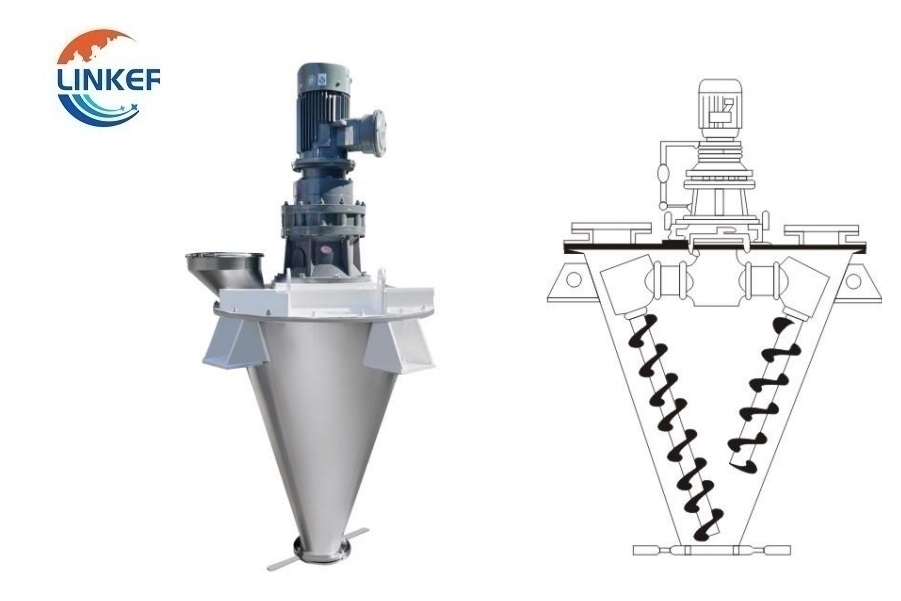
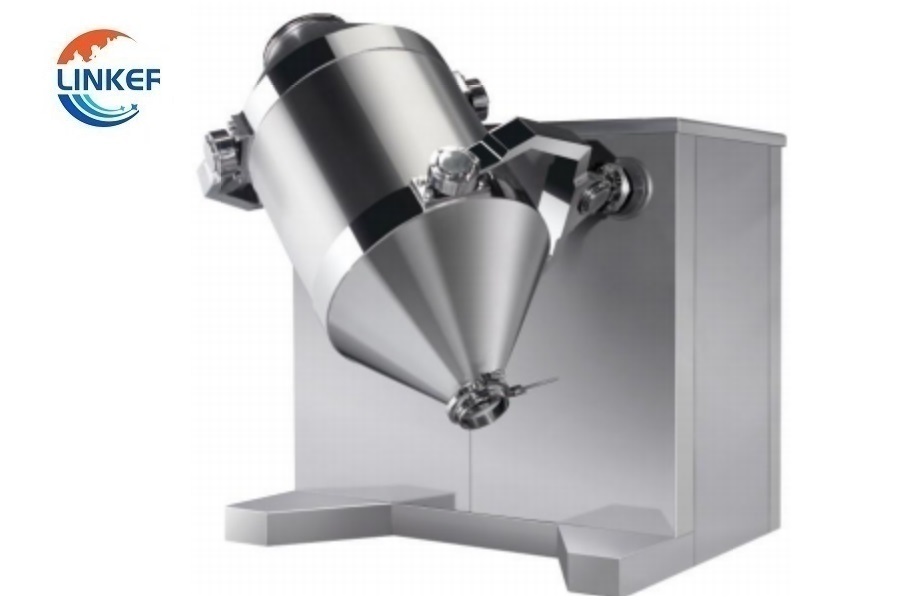
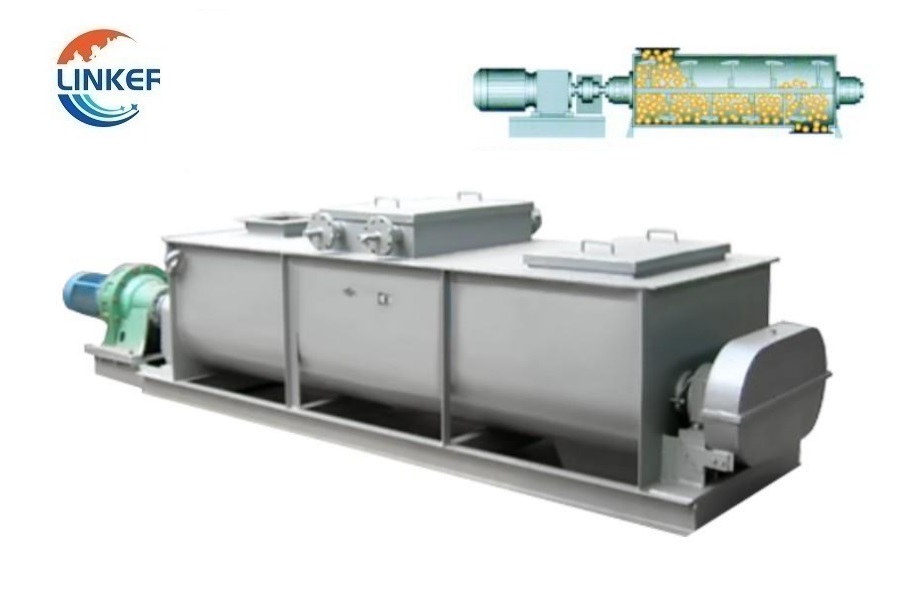
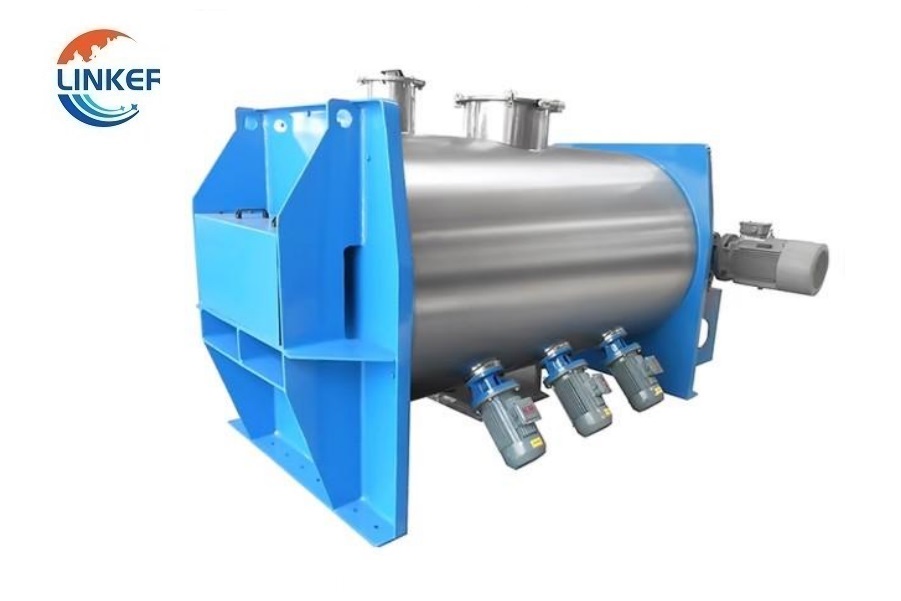
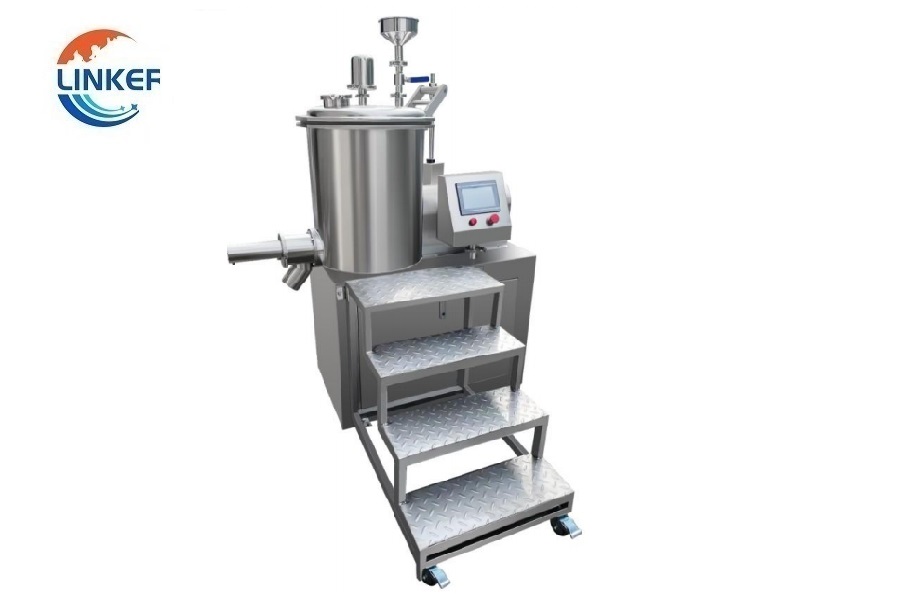
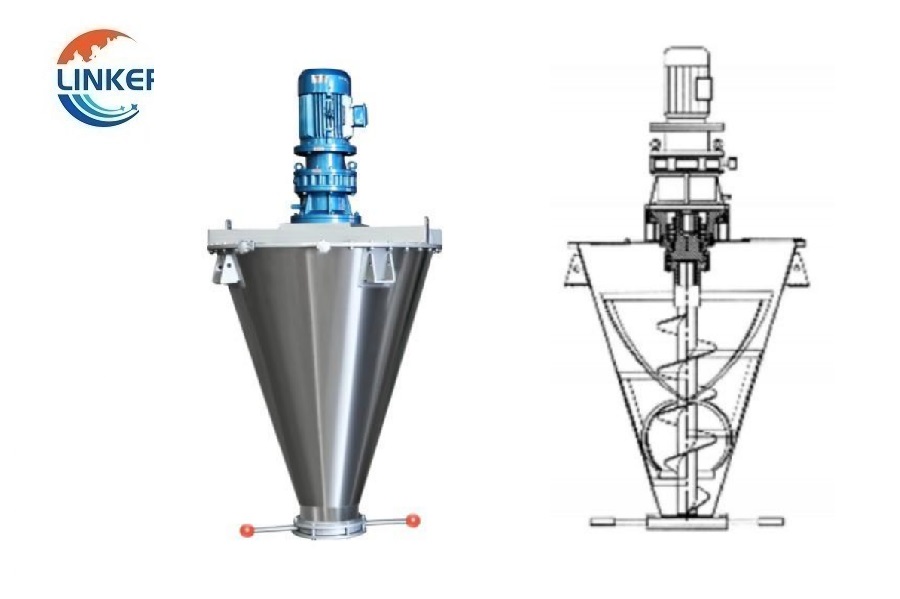
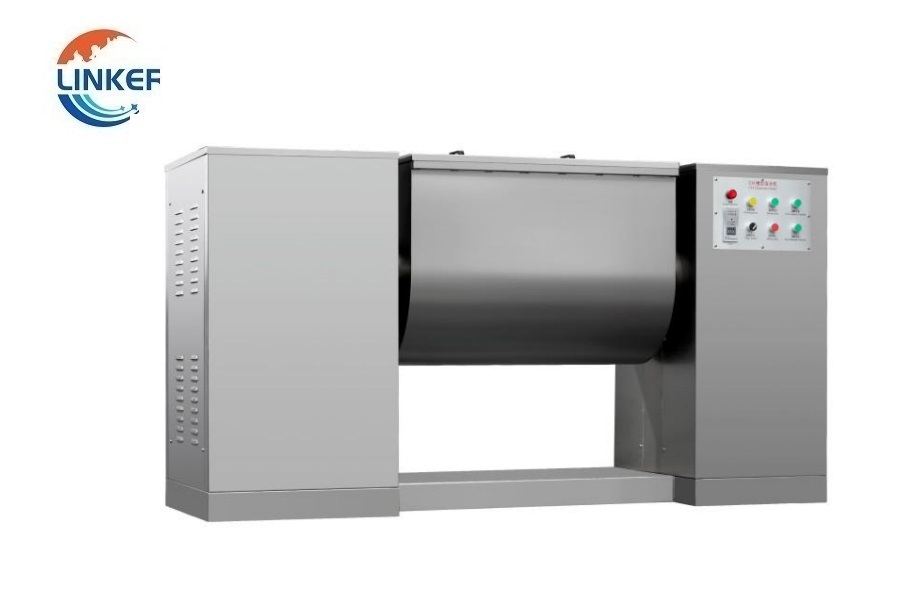
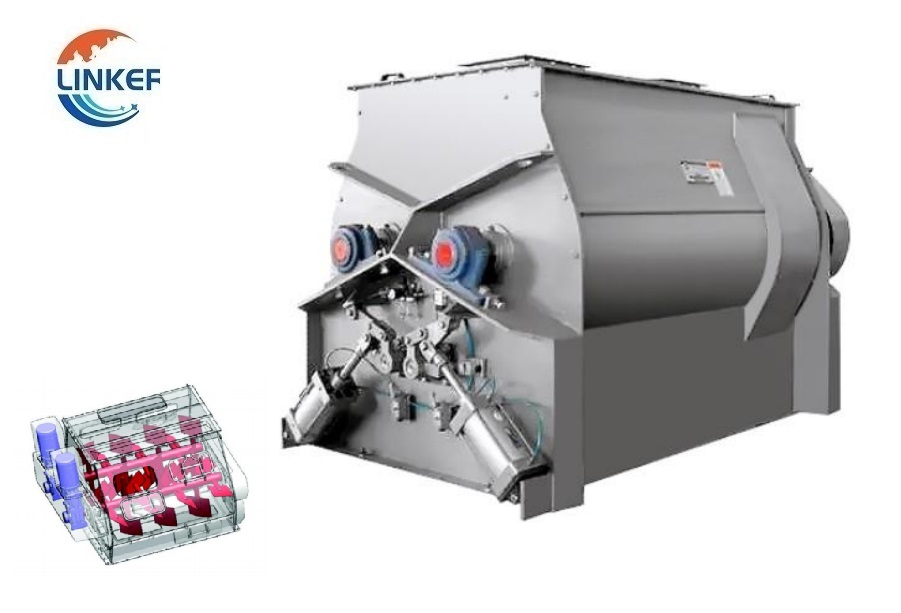
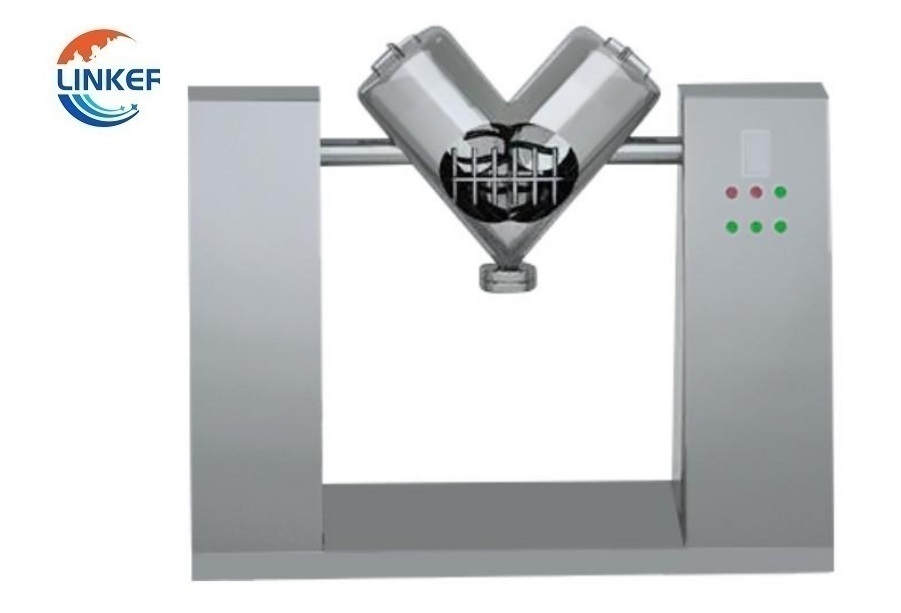
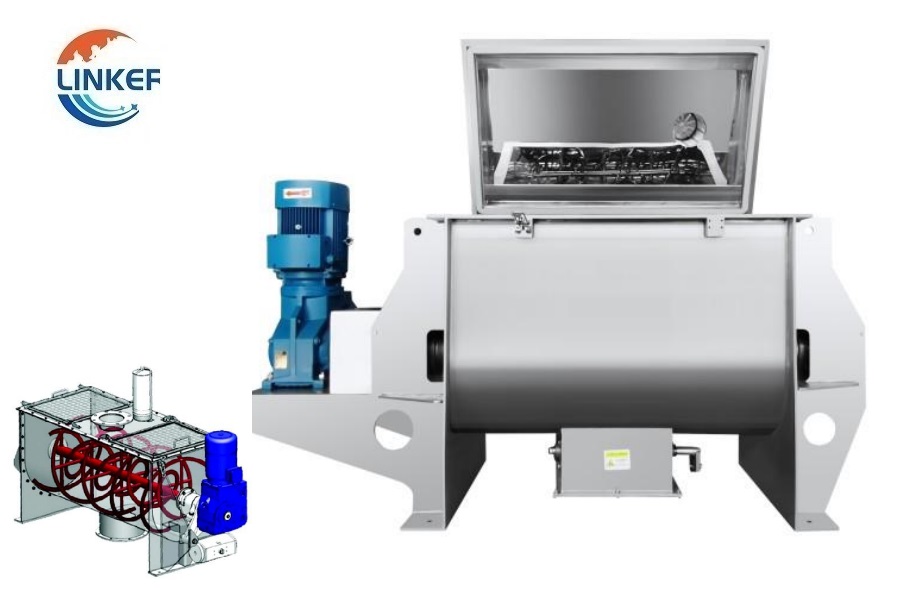
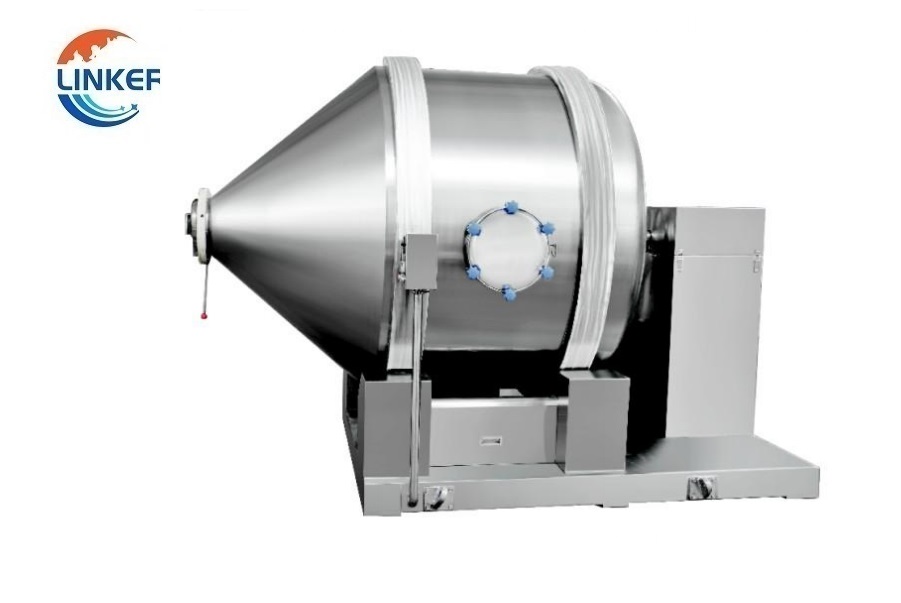
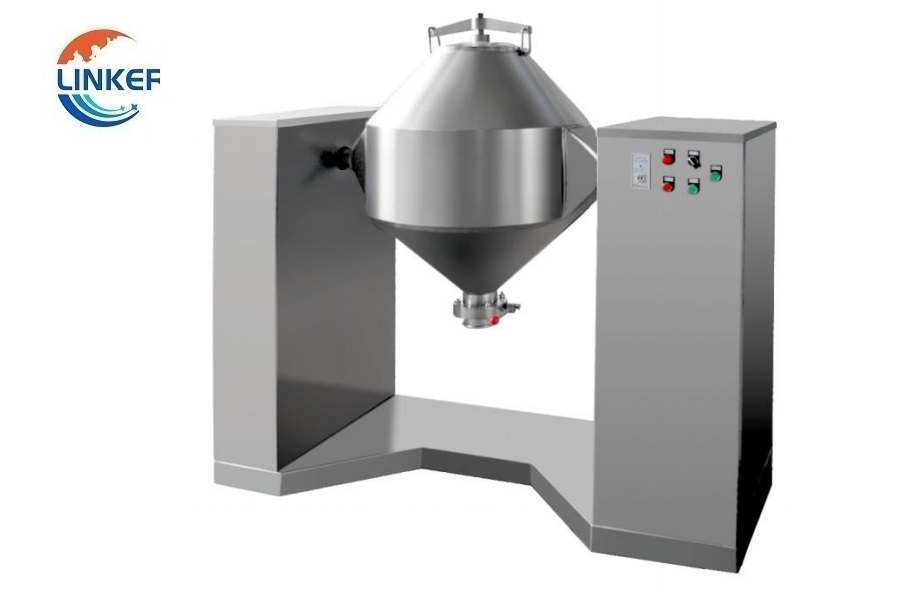
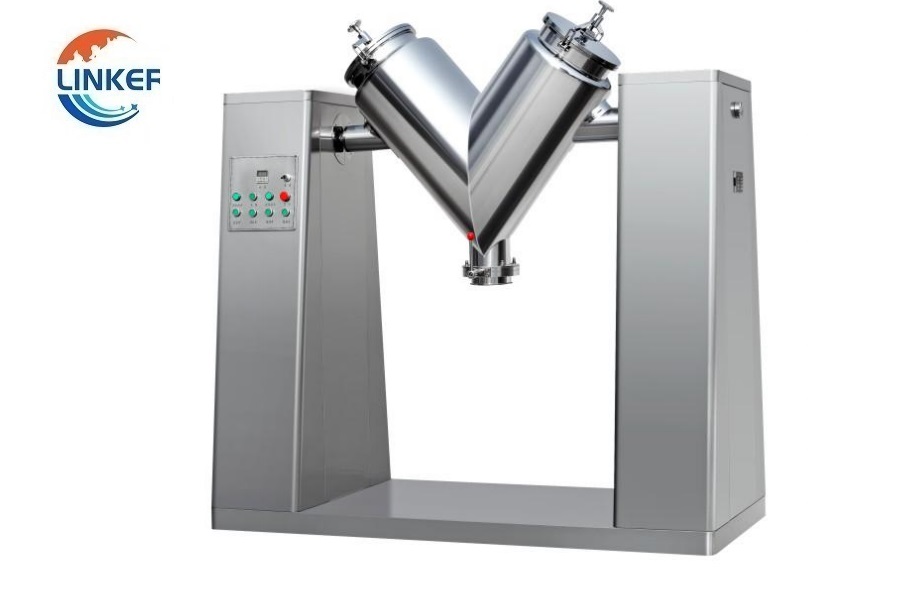
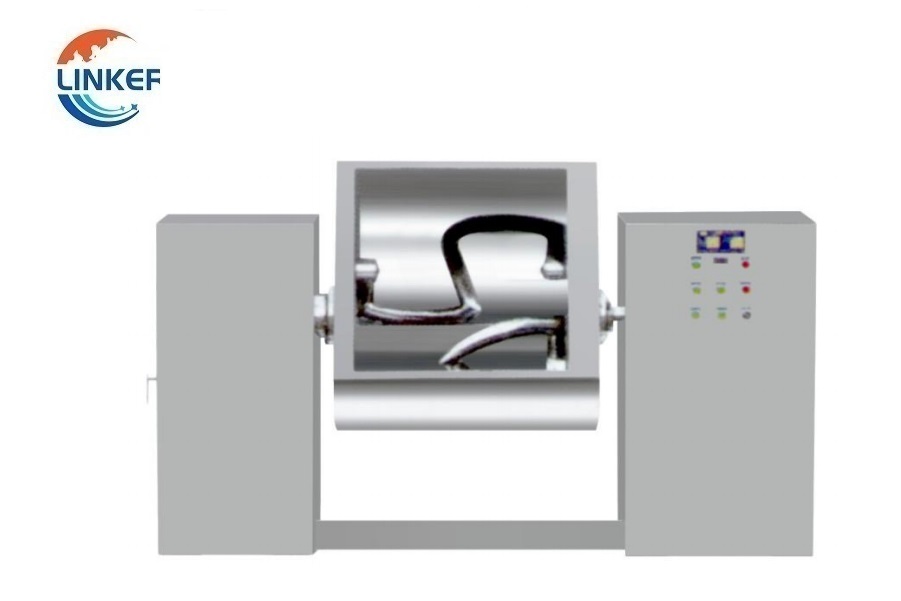
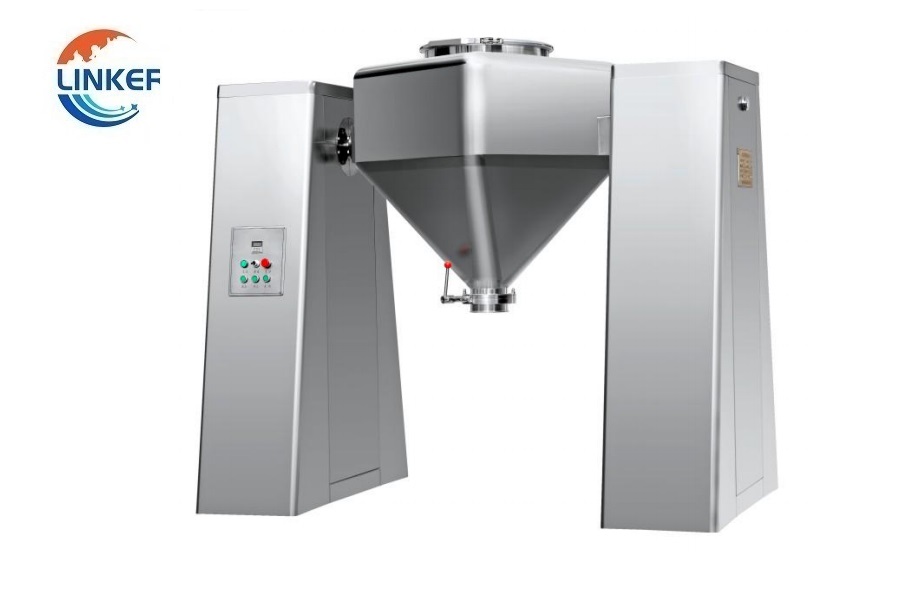
- Banana Powder Mixing Machine
- Banana Powder Filling Machine
- Banana Powder Packing Machine
Banana Powder Automatic Productino Line Design:
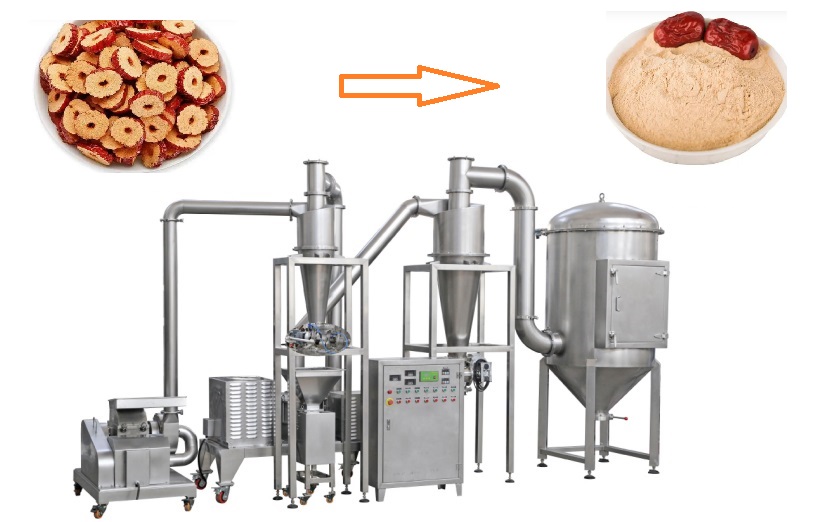
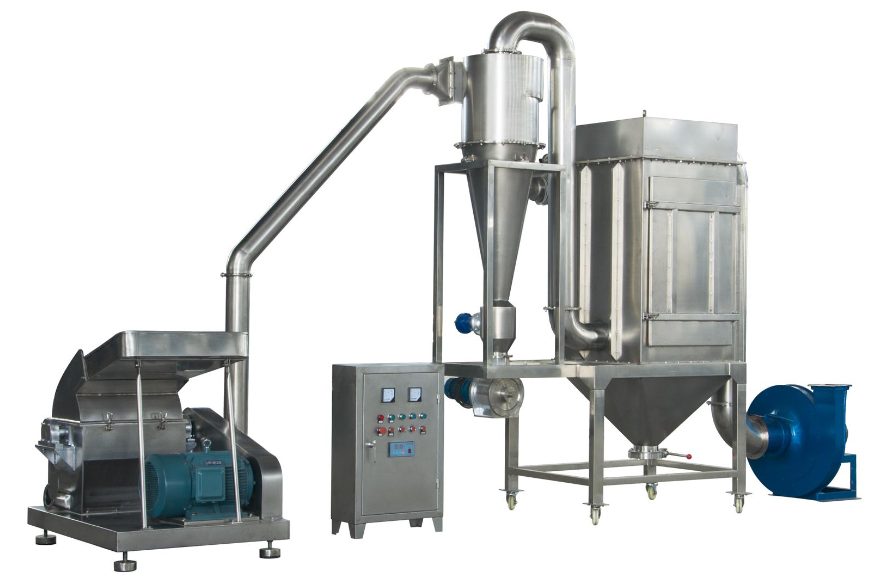
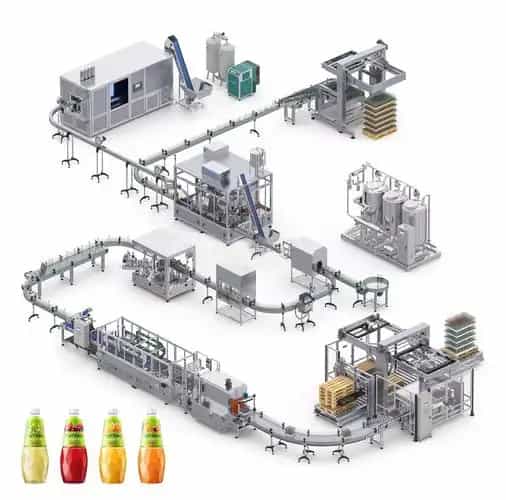
Automatic Banana Powder Production Line
The heart of a fully automatic banana powder production line is to achieve a complete automated process from banana pretreatment to final packaging, covering cleaning, slicing, color preservation, drying, crushing, mixing, and packaging, providing high production efficiency and stable product quality. In order to preserve the original flavor and nutritional components of bananas, this kind of manufacturing line usually uses spray drying or vacuum freeze-drying technology. Depending on the needs, it can be set to semi-automated or completely automatic modes.
At the moment, Jiangsu Changzhou, Shandong Zhucheng, and Zhejiang Hangzhou are the primary suppliers of fully automated banana powder production line equipment, offering comprehensive processing solutions. Key features include:
Modular Design: Integrating raw material pretreatment, concentration, spray drying, post-packaging, and CIP cleaning systems into modules for easy installation and maintenance.
Multi-Purpose Compatibility: A single manufacturing line may be modified for processing multiple fruit powders (such as apple, tomato, and red date powder), optimizing equipment utilization.
Intelligent Control System: Featuring a PLC or more advanced automated control interfaces for fault alarm management, operation monitoring, and integrated parameter setting.
Different Drying Techniques: Depending on the needs of the product, choose between vacuum freeze-drying boxes and centrifugal spray dryers; freeze-drying preserves color and active ingredients more effectively.
Export Adaptability: In order to satisfy usage requirements in Europe, North America, Southeast Asia, and other regions, several manufacturers provide regional voltage and power system configuration.
The following are typical equipment reference price ranges:
About ¥30,000 to ¥40,000 for a small spray drying unit
Depending on capacity and degree of automation, medium to large complete production lines (including drying, crushing, and packing) cost between ¥67,000 and ¥2,980,000.
Bananas used to make banana powder, a gluten-free flour substitute, must be gathered before the majority of their starch matures and turns into sugar, after which they must be dried. Our company provides automated and semi-automated production lines that are customized to meet various needs based on the production scale of banana powder manufacturing plants and processing factories.
I. Banana Powder Processing Workflow Cleaning, blanching, cooling, peeling, slicing, color preservation, air drying, drying, grinding, and packaging are the steps in the banana powder processing workflow. Usually, the peeling process is carried out by hand.
II. Automated Production Line for Banana Powder Manufacturing Plant
For larger-scale banana powder manufacturing plants, equipment for cleaning, blanching, cooling, slicing, air drying, drying, grinding, and packaging is usually selected for high output and automation. In order to guarantee efficient and highly automated manufacturing, elevators and belt conveyors are also put in between various processes.
III. Semi-Automated Production Line at Banana Powder Processing Factory
For flexible processing methods in banana powder processing plants, equipment for cleaning, blanching, cooling, slicing, air drying, drying, grinding, and packaging can be chosen according to needs, slightly surpassing the estimated production scale to accommodate changing processing requirements.
Extended Detailed Description
Overview of Automatic Production Lines for Banana Powder
An autonomous banana powder production line is designed to turn fresh bananas into fine powder through a seamless, automated process. This technique is perfect for large-scale production since it guarantees effectiveness, consistency, and high-quality output. The procedure minimizes human participation while optimizing efficiency, starting with cleaning and concluding with packaging.
Modular Architecture for Increased Effectiveness
The modular design of these production lines enables for easy integration of multiple processes, such as raw material processing, concentration, spray drying, and packing. While operating independently, each module collaborates with the others to minimize downtime and simplify maintenance. For example, the cleaning module can be disconnected for maintenance without stopping the line as a whole. Additionally, this design makes it easier for manufacturers to increase capacity by adding additional modules as needed.
Versatility and Multipurpose Compatibility
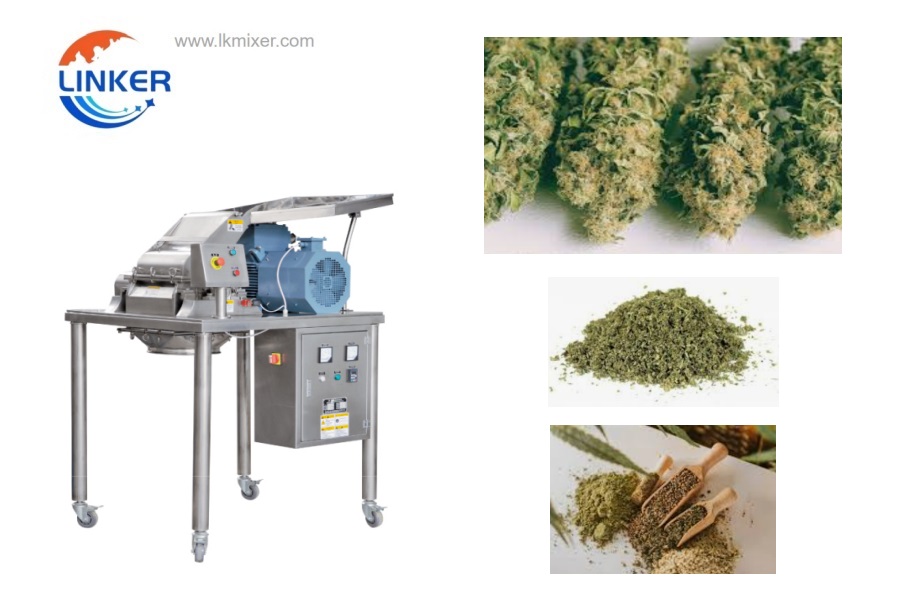
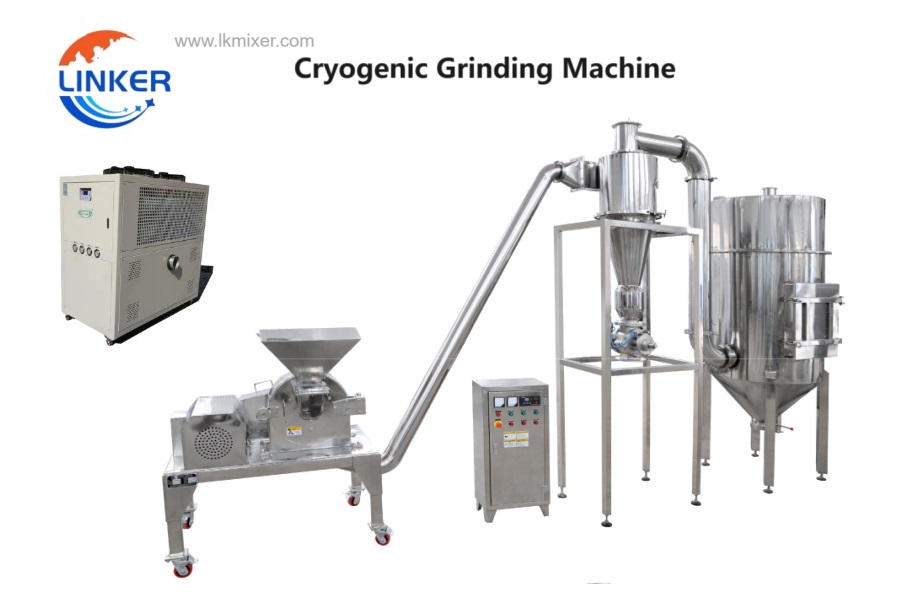
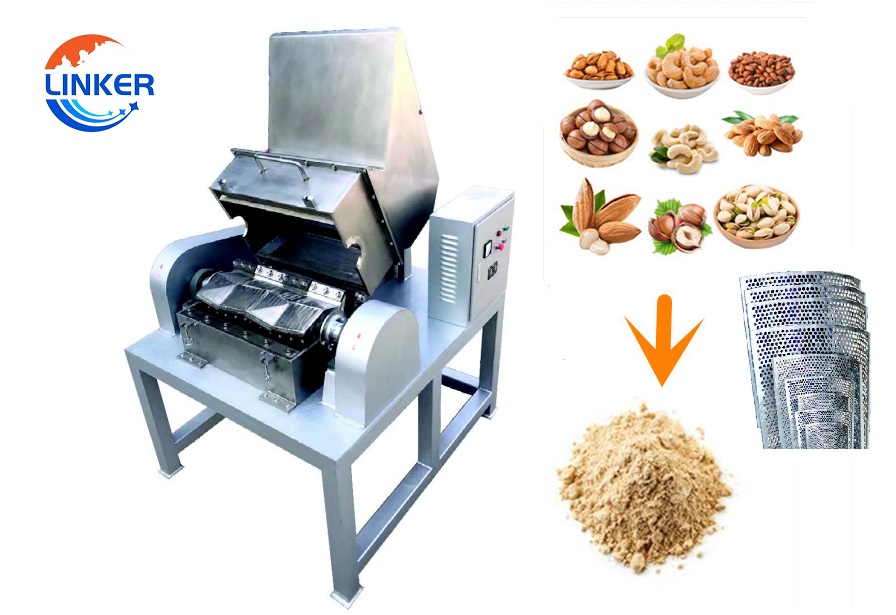
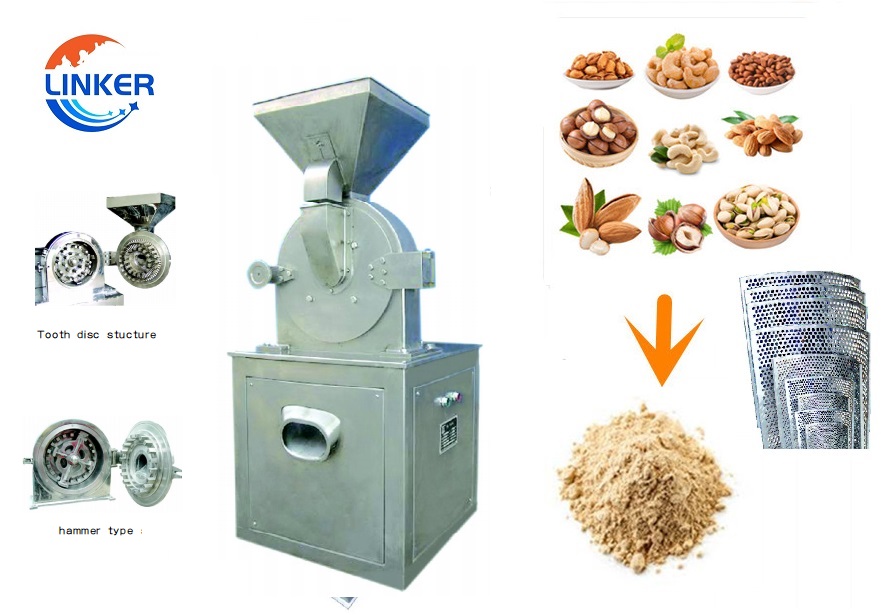
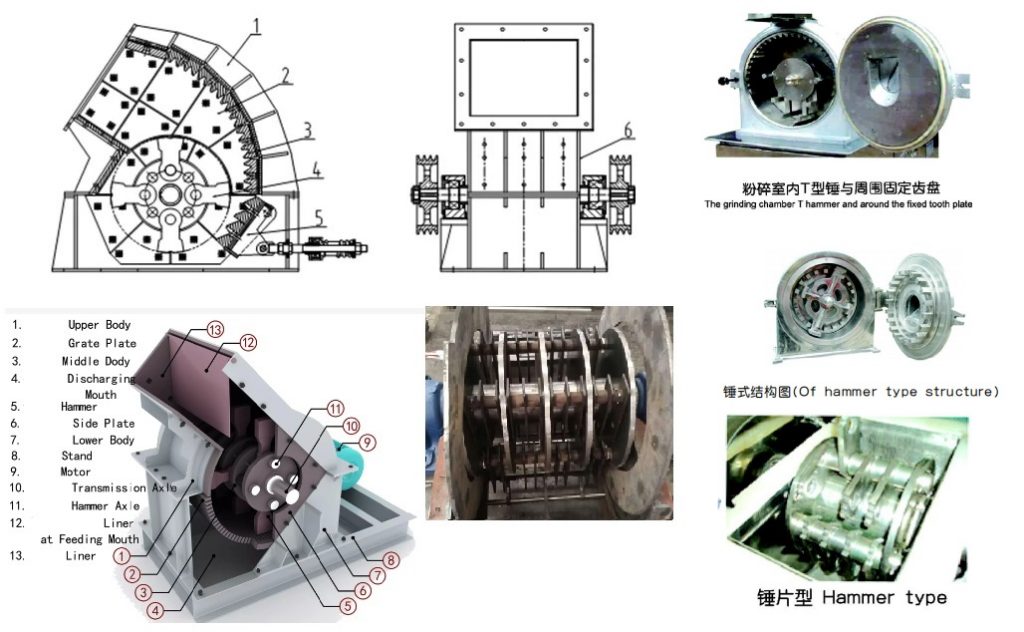
The capacity of contemporary banana powder production lines to handle various fruit powders is one of their most notable characteristics. By altering parameters and components, the same equipment can generate apple, tomato, or red date powder. This adaptability minimizes the need for different machinery, reducing costs and space. To attain the required fineness, specialist equipment such as the universal grinder, hammer mill, or ultrafine grinder are used for grinding. In some circumstances, a cryogenic grinding machine is utilized to retain heat-sensitive nutrients, while a dry fruit powder grinder machine tackles harder ingredients like nuts and seeds.
Intelligent Control Systems for Precision
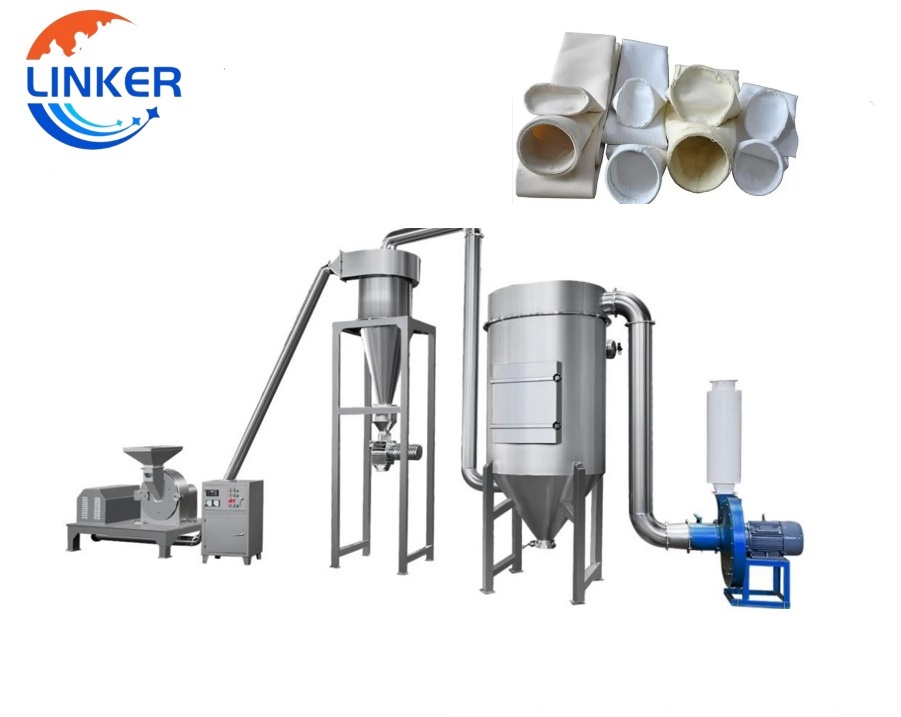
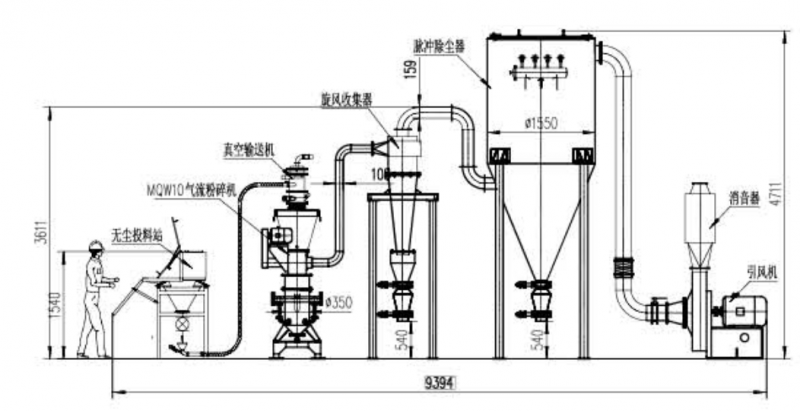
PLC interfaces and other sophisticated control systems are essential to these production lines. Operators can configure parameters, monitor real-time data, and receive alerts for any issues. This lowers waste and guarantees constant product quality. For instance, a high-speed dry grinder or turbo grinder that is carefully regulated to prevent overheating and nutrient loss may be used during the grinding process. Additionally, dust management is automated, with airflow pulverizers and dust collector grinders keeping the workplace tidy.
Drying Techniques: Freeze-Drying vs. Spray-Drying
The choice of drying process substantially effects the final result. Heat-sensitive chemicals may be impacted by spray drying, which is effective for large batches when done with a centrifugal spray dryer. Premium items can benefit from freeze-drying since it better preserves nutrients, color, and flavor when done in vacuum freeze-drying boxes. Following drying, materials are processed using machinery intended to produce fine powder, such as an industrial weed grinder or dust grinder. An air-cooled crusher guarantees smooth operation and avoids clogging for greasy materials like sesame or peanuts.
Grinding Equipment and Applications
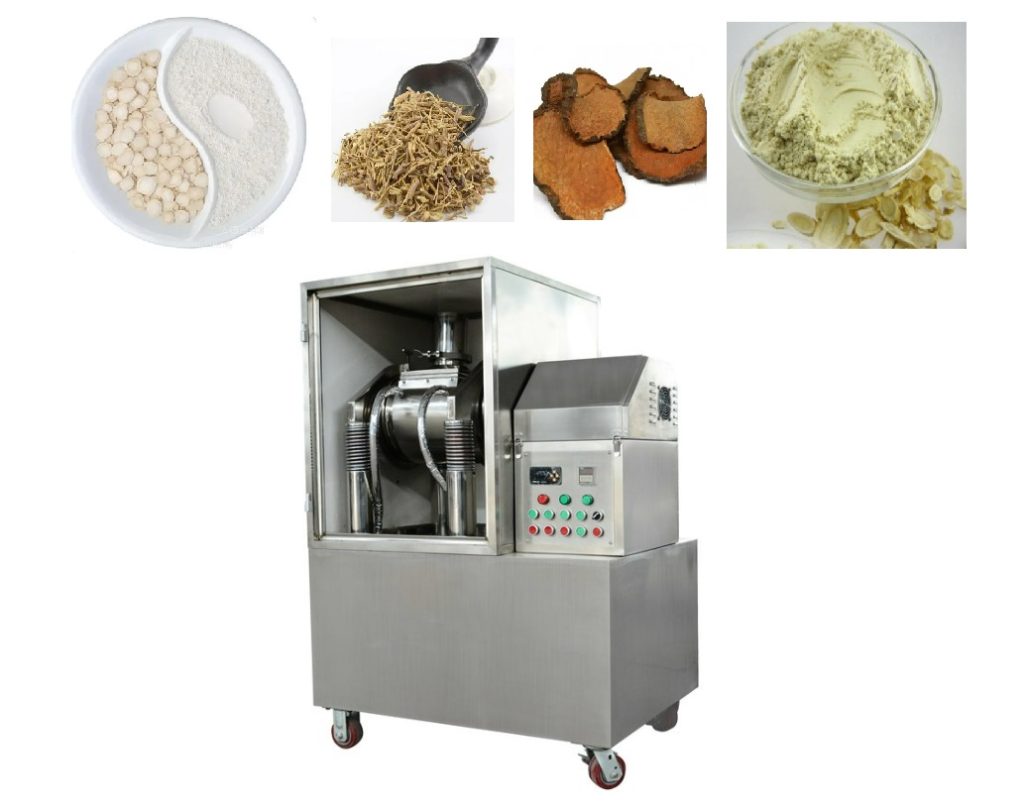
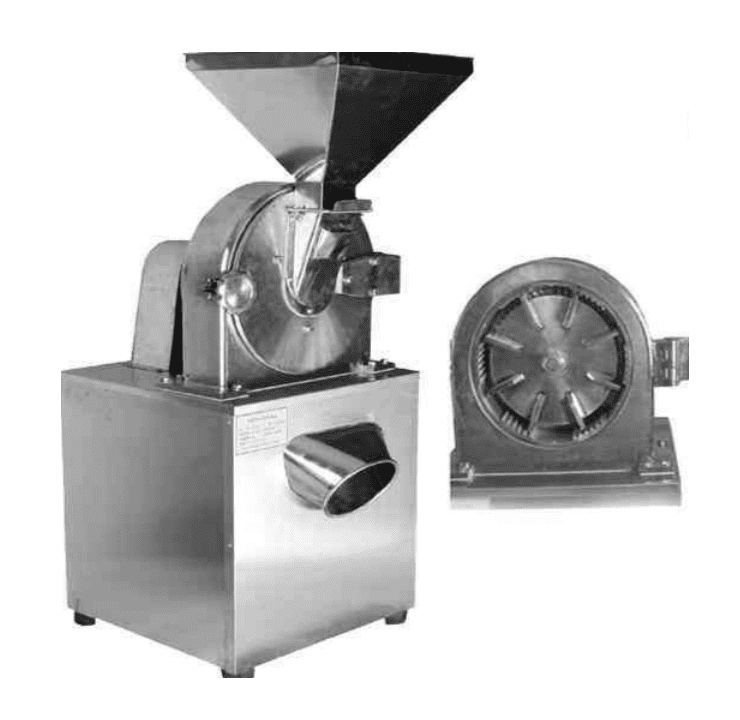
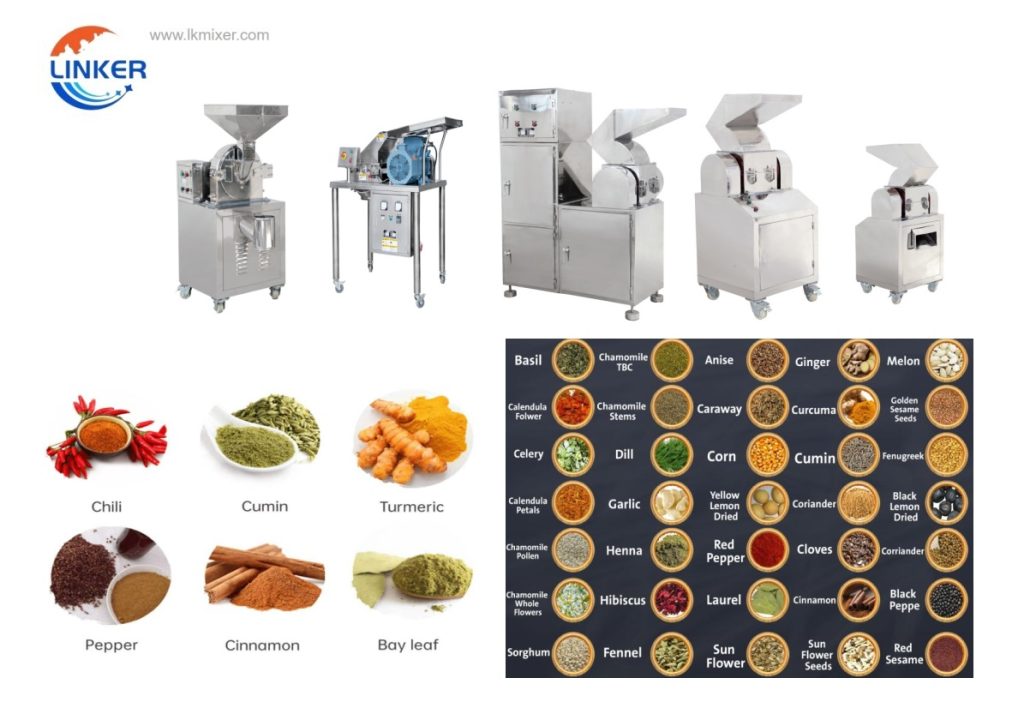
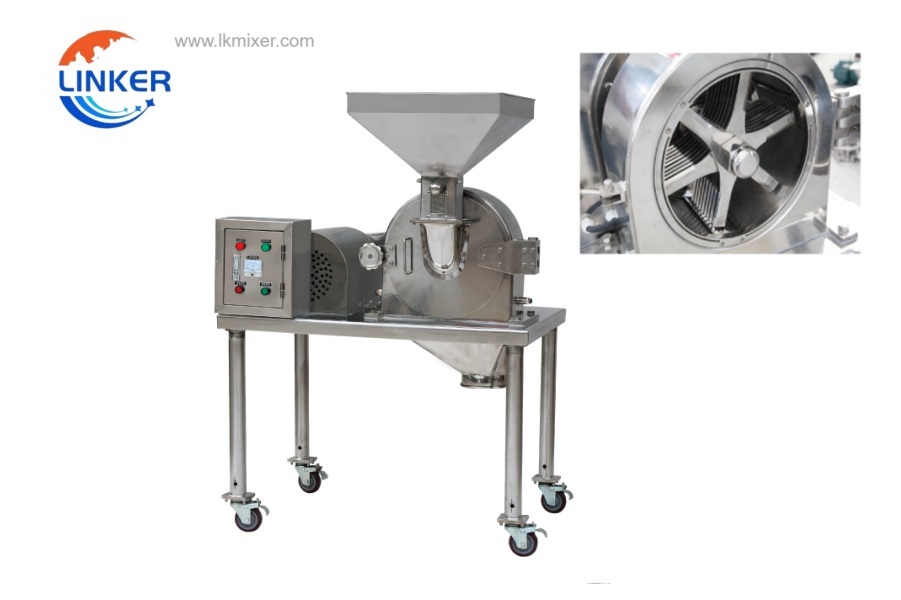
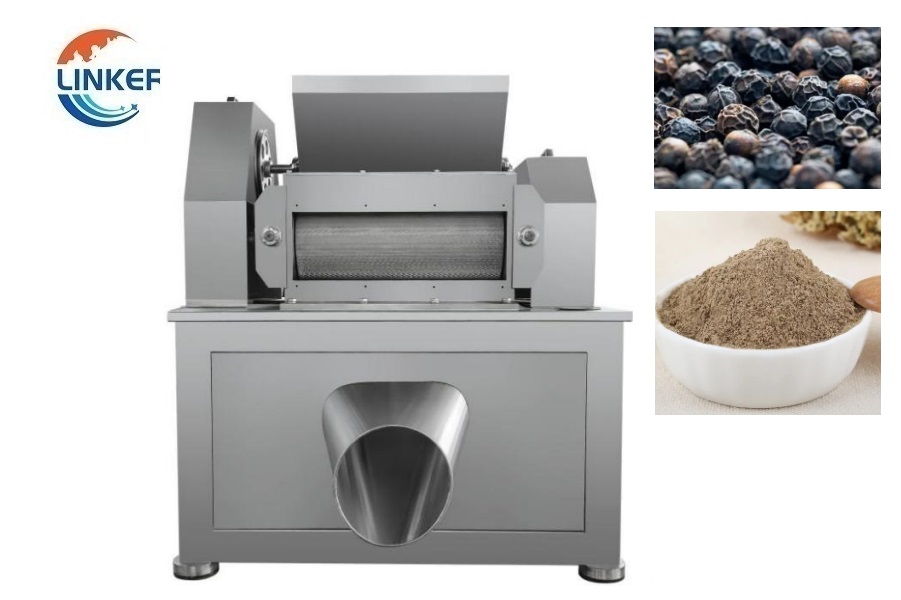
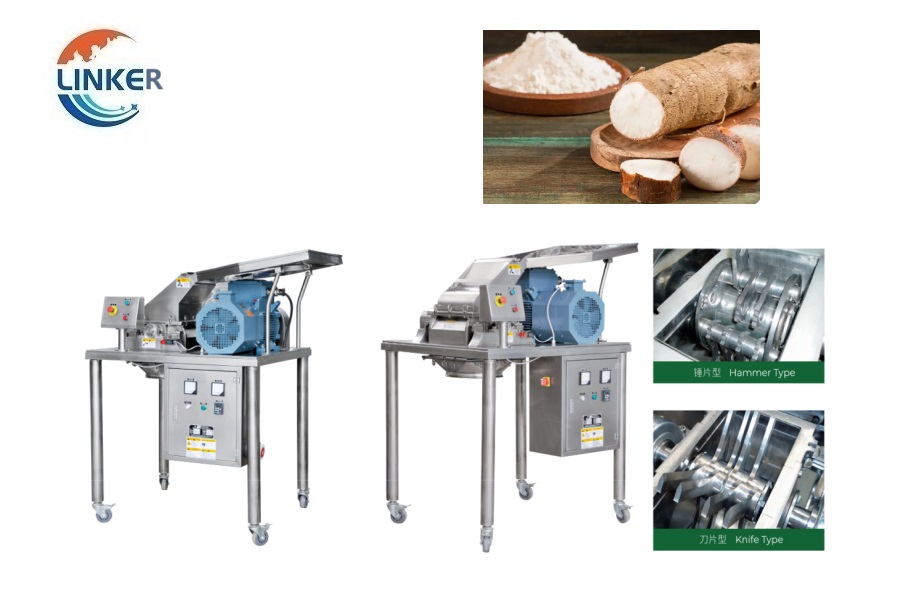
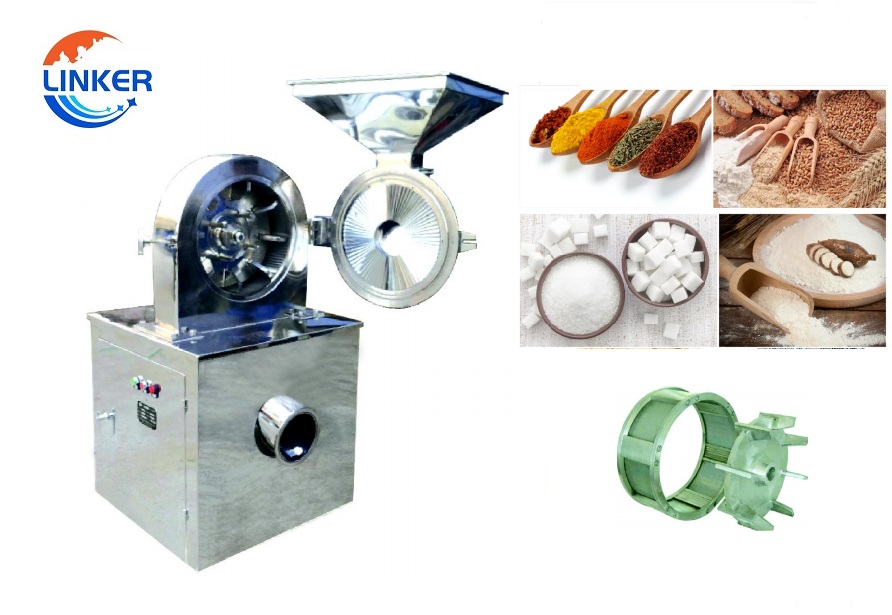
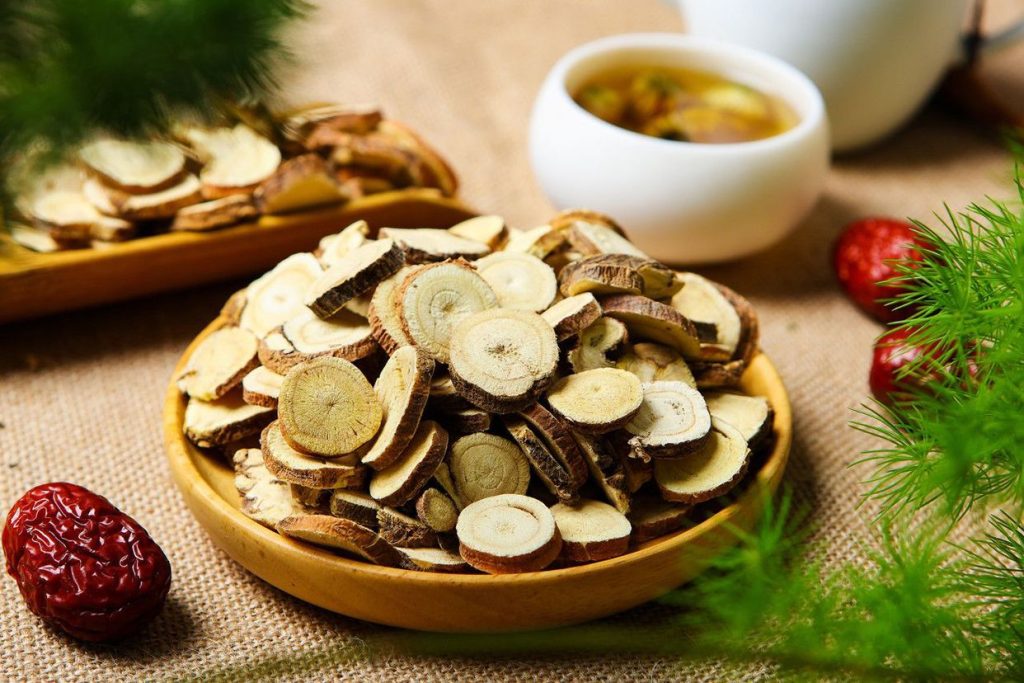
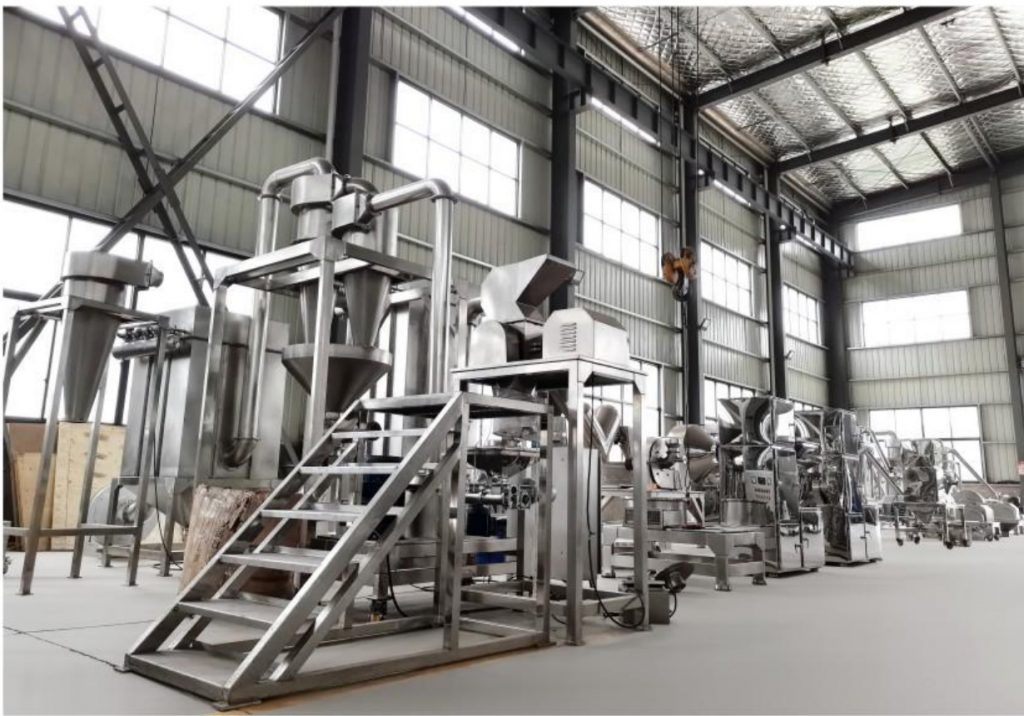
Grinding is a vital step in banana powder manufacture. Different grinders are used depending on the desired texture. While a 500KG or 200KG grinder may handle bigger volumes, a tiny grinder machine might be utilized for low-capacity runs. Black pepper grinders handle spices, while dry ginger or licorice grinders prepare fibrous roots for specific purposes. Other examples include cassava grinding machines for tubers, vacuum mills for oxygen-sensitive materials, and cutting-type grinders for mushroom, bone, or seeds. For food safety, stainless steel grinders are recommended, particularly when it comes to medicines, beans, tobacco, salt, sugar, tea, flour, spices, meat, wheat, chemicals, maize, coffee, rice, and food items.
Assurance of Quality and Packaging
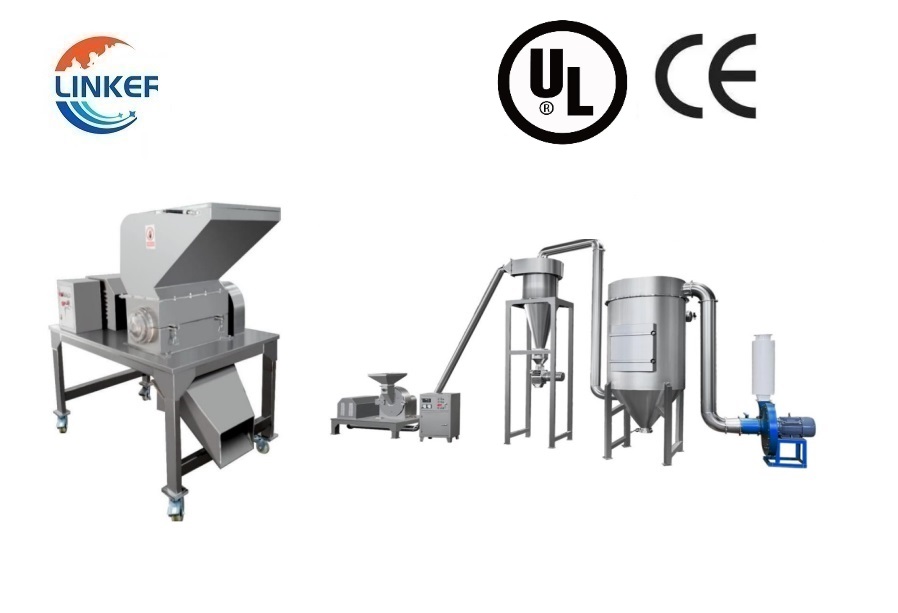
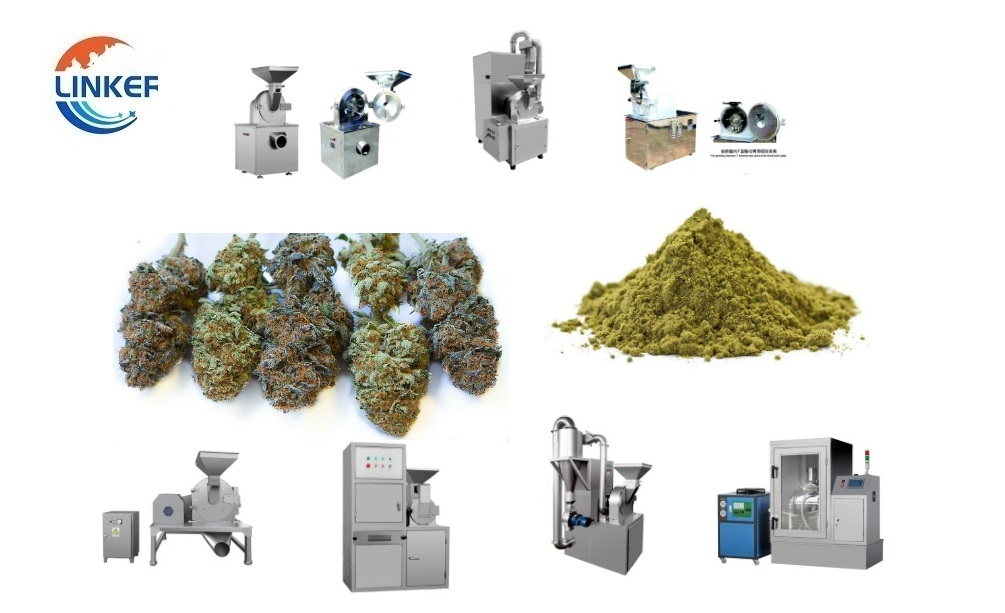
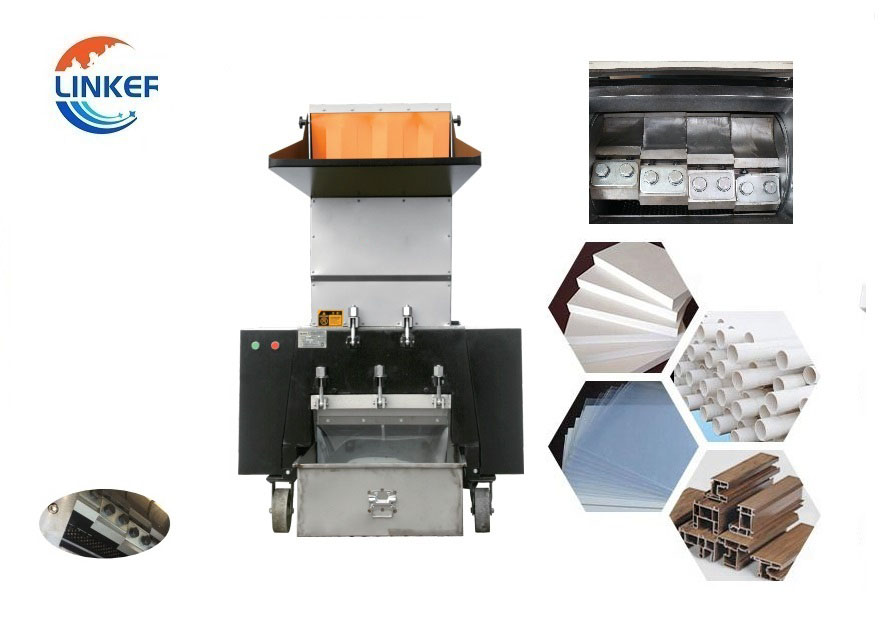
After grinding, the powder is blended and packed automatically. The packaging units are made to increase shelf life and avoid contamination. CE-certified equipment guarantees adherence to global standards, making export to North America and Europe easier. For coarse materials, a coarse crusher could be employed before fine grinding, whereas an electric grinder offers ease for smaller tasks. In specialty applications, such as cannabis processing, an industrial weed grinder assures consistency, and for metal or hard materials, specialized crushers are employed.
Export Customization and Adaptability
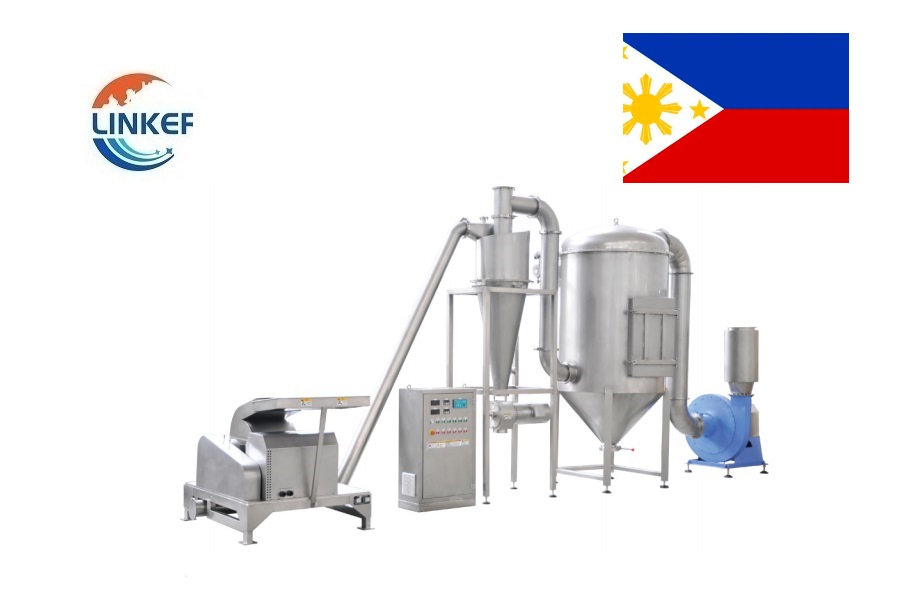
Production lines can be modified with regional voltage and power configurations to satisfy worldwide demands. Because of their versatility, they can be used in a variety of markets, including those in Southeast Asia and the Americas. Large-scale systems also include hammer mills and vibrating pulverizers for bulk processing, while dust grinders keep things hygienic. The integration of charger systems assures uninterrupted power, while air-cooled crushers minimize overheating during extended operation.
In conclusion
Automatic banana powder production lines represent a blend of creativity and pragmatism, giving efficiency, versatility, and quality control. From herb grinders for delicate botanicals to general grinders for multi-purpose application, each component performs a key role. Manufacturers can create excellent banana powder that satisfies industrial and dietary requirements by utilizing technologies like vacuum milling and cryogenic grinding. Whether for gluten-free flour alternatives or spice processing, these lines are built to guarantee quality in every batch.
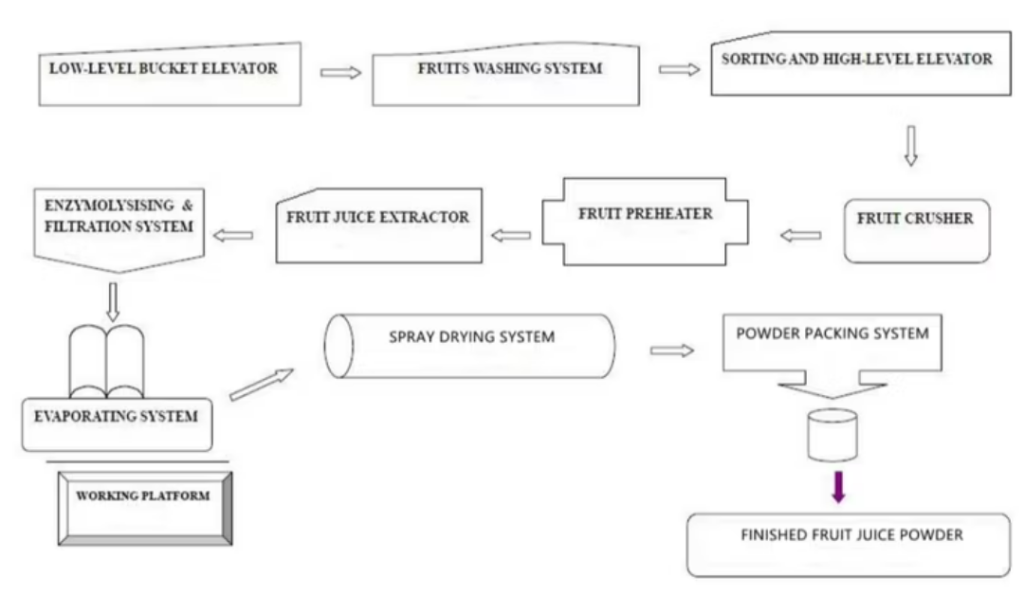
Automatic Banana Powder Production Line
Raw material treatment, color preservation, pulping, homogenization, heating, spray drying, and packing are the main operations of a fully automated banana powder production line. Each phase is highly automated to ensure production efficiency and reliable product quality.
Overview of the Automatic Production Line for Banana Powder
Through a continuous, automated series of processes, an automatic banana powder production line is made to turn fresh bananas into a fine, shelf-stable powder. From raw material intake to final packing, this system incorporates cutting-edge technology to maximize productivity, maintain consistent quality, and retain nutrients and flavor.
Raw Material Washing and Sorting
Fresh bananas are carried by a belt into the washing section, where a high-pressure spray system eliminates surface dirt and impurities. Fruits that are immature, damaged, or of poor quality are then automatically identified and eliminated by optical sorting equipment. Similar to the sorting procedures used for other food products like coffee beans, seeds, or corn, this first step is essential for guaranteeing consistent raw material quality. The automated procedure guarantees only the best fruits progress, setting the foundation for a high-quality end powder.
Slicing and Peeling
The cleaned bananas pass into an automatic peeling machine, which efficiently removes the peel by mechanical pressure or steam-assisted methods. After peeling, the bananas are chopped into uniformly thin slices using an automatic cutter. This homogeneity is crucial for consistent future processing, similar to the preparatory slicing employed in operations for mushroom or dry ginger powder manufacture. The slices give the subsequent processes the best possible surface area.
Color Preservation Treatment
The banana slices instantly enter the color preservation stage to prevent enzymatic browning. This is typically done by immersing them in a 0.2%-0.5% sodium bisulfite solution or through sulfur fumigation in a sealed tank. The procedure includes circulation recovery, timed control, and automated solution dosing. This step is vital for maintaining the appealing color and natural flavor of the banana powder, akin to treatments used in preserving the color of certain spice or tea extracts during processing.
Removal of Impurities and Pulping
The treated slices are fed into a stainless steel pulping machine, which breaks them down into a paste. Black seeds and coarse fibers are next removed from this paste by passing it through a sieve with an opening of roughly 0.5 mm. The end product is a smooth slurry with a solid content that is ideally between 13% and 15%. For beans, nuts like peanuts, or cassava, this pulping process is comparable to the first size reduction carried out by a coarse crusher prior to finer grinding.
Uniformity
The slurry undergoes a two-stage refining process. First, it runs through a colloid mill, and then through a high-pressure homogenizer. This decreases particle size to below 0.05mm, optimizing the homogeneity for spray drying and improving the solubility of the finished powder. The notion of particle size reduction is important to many grinding applications, from the ultrafine grinder used for medicine or chemicals to the hammer mill used for food materials like wheat or rice.
Heating
The homogenized slurry is moved to an insulated tank that has been heated to between 45 and 50 degrees Celsius. In order to facilitate atomization during spray drying, this step reduces the viscosity. Equipped with an agitator to prevent localized overheating, the temperature and time are accurately controlled by the PLC system. In other powder production lines, such those for dry fruit powder or the processing of heat-sensitive materials in a cryogenic grinding machine, precise thermal control is also essential.
Spray Drying
A high-pressure pump transports the heated slurry into a co-current pressure spray drying tower. When the slurry comes into contact with heated air inside the tower, it is quickly atomized and dehydrated into powder. To guarantee that the moisture level of the banana powder stays below 4.16% and maintains optimum flowability, the tower has an automated powder discharge and cooling system. Drying technique is a cornerstone of powder production, distinguishing from methods used for bone meal or tobacco, which could employ a dry grinder or vacuum mill after initial drying.
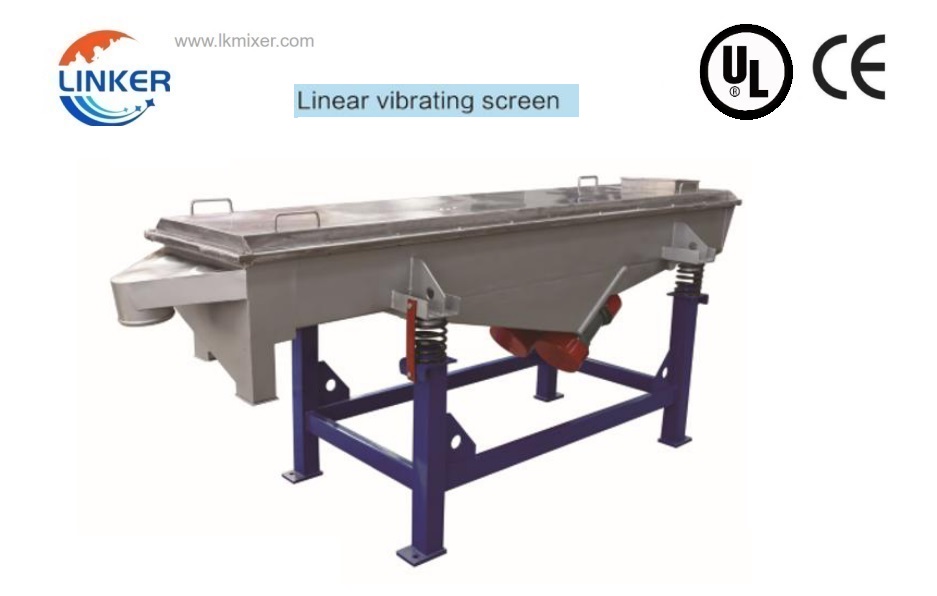
Sieving and Cooling
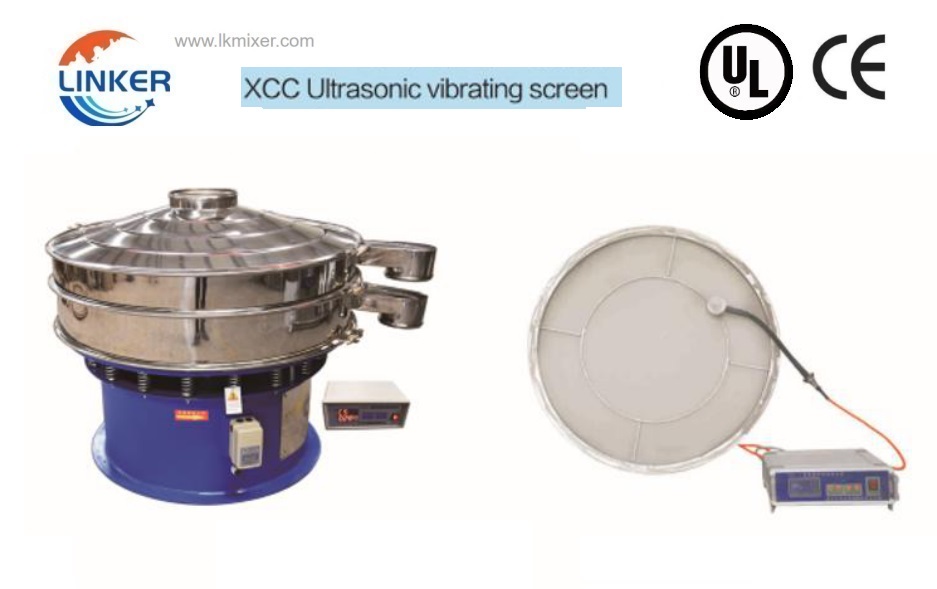
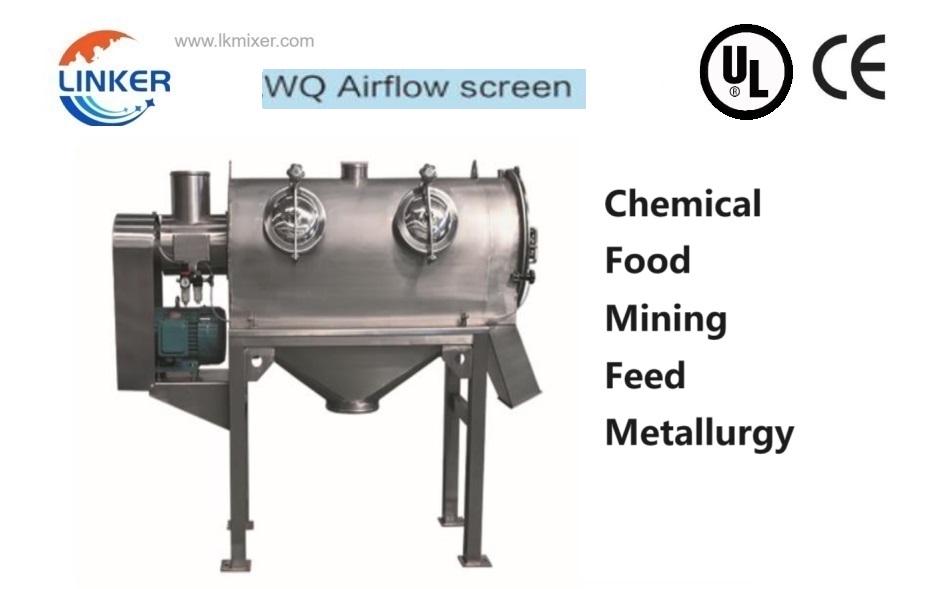
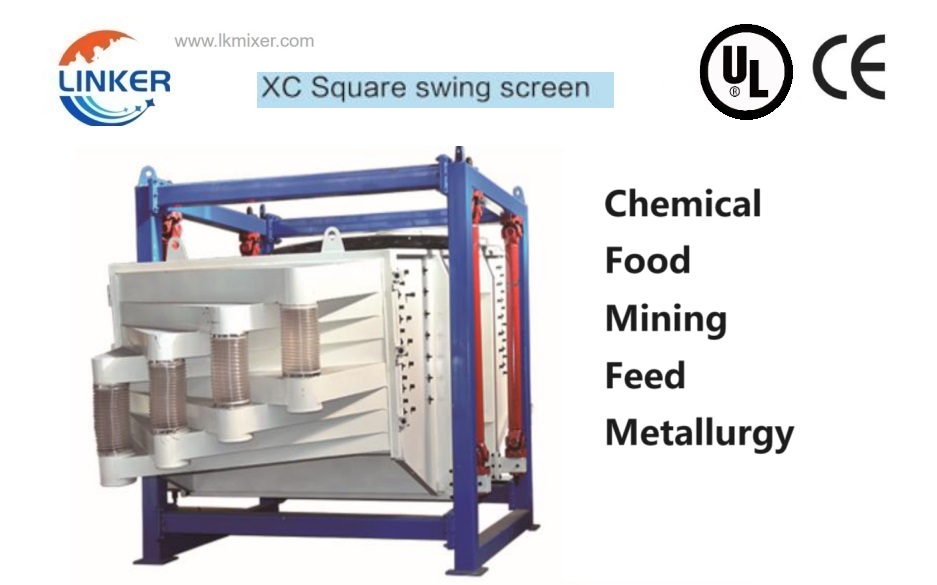
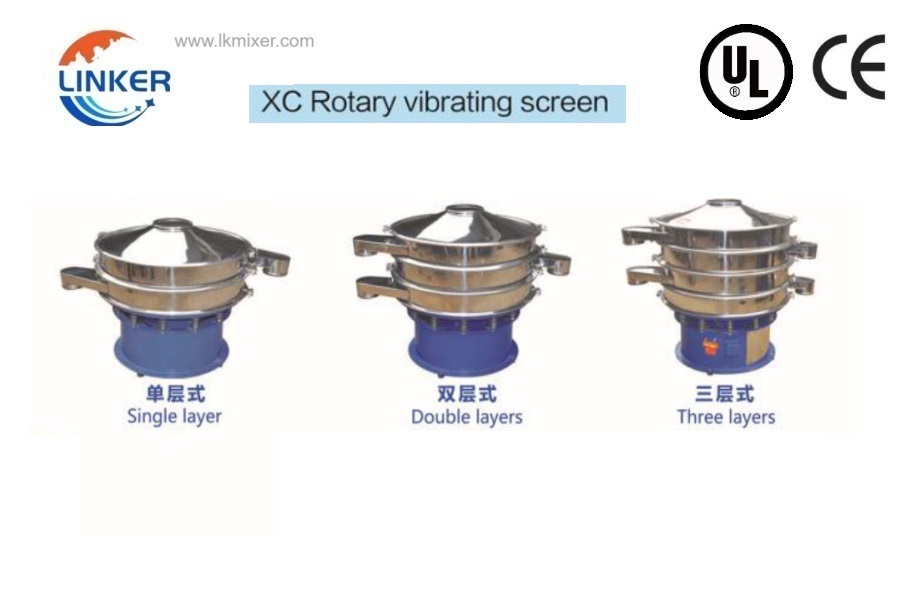
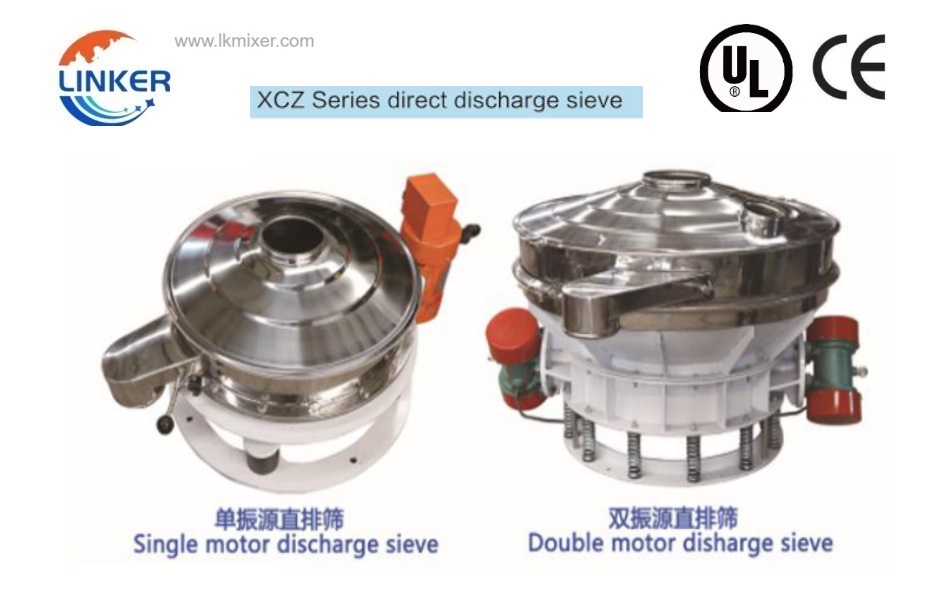
A fluidized bed cooler is used to cool the powder that leaves the drying tower to below 50°C. It next goes through a vibrating sieve for particle size classification, ensuring the final product is loose and free of lumps. Sieving or sifting is a frequent final step in powder processing, whether for banana powder, flour, sugar, salt, or specific powders produced by an airflow pulverizer or vibrating pulverizer.
Automatic Packaging
An automated packing machine receives the cooled and sieved banana powder. Weighing, vacuum sealing, and inert gas flushing (such as nitrogen) are all done by this equipment. To stop moisture absorption and increase shelf life, the powder is usually wrapped in aluminum foil or composite film bags. Automated packaging is standard in the food and chemical industries, ensuring hygiene and efficiency for products ranging from spice blends to tea granules.A central control system (PLC + HMI) manages the entire production line. Belt conveyors or elevators connect the equipment, allowing for completely automated operation from the feeding of raw materials to the packing of the final product. This configuration is suited for large-scale industrial production. Although this line is focused on bananas, it’s crucial to remember that many sectors share the fundamental ideas of automation, size reduction (using tools like a universal grinder, turbo grinder, or high speed grinder), drying, and packaging. For instance, a huge stainless steel dry fruit powder grinder machine shares design principles with components here, and a dust collector grinder is important in any process, like licorice grinding or black pepper grinder operation, to keep a clean environment.Additionally, whether it’s a small grinder machine for boutique spice shops or a 500KG grinder for bulk food processing, equipment bearing the CE Certificate grinder logo guarantees conformity with international safety requirements. Though they are adapted to particular materials like metal (for machining), meat (for rendering), or delicate herbs, the basic objectives of effective, controlled size reduction and product handling remain the same whether using an electric grinder in a kitchen, an industrial cannabis grinder, or specialized cannabis processing equipment.
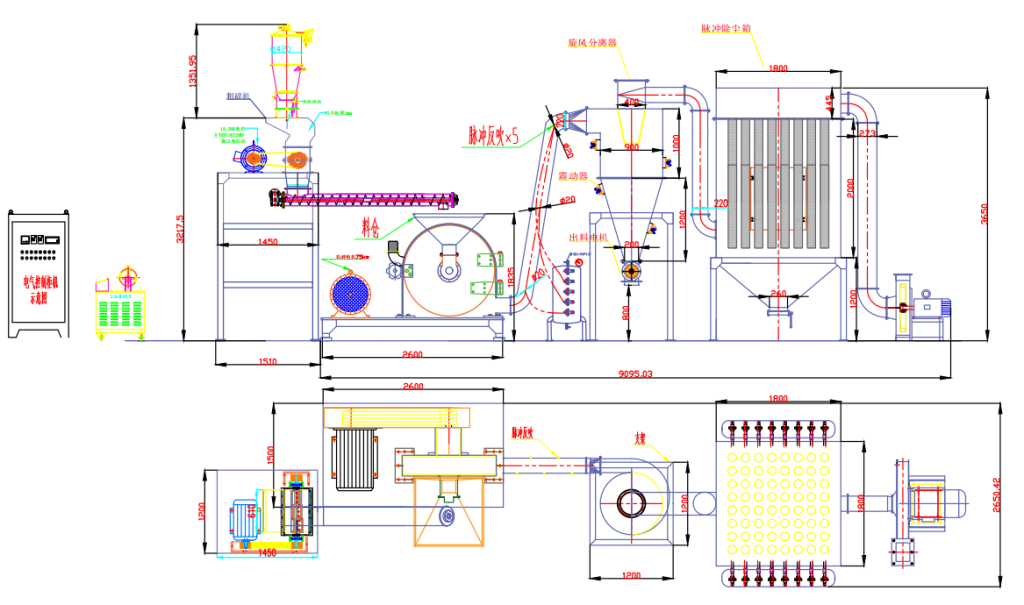

Parameters:

Model Name | SG-600 | |
| Crushing Capacity(kg/h) | 1000~2000 | |
| Power(kw) | 11 | |
| Feeding Size(mm) | <5mm | |
| Fineness(mesh) | 20~40mesh |
Model Name | SG-800 | |
| Crushing Capacity(kg/h) | 2000~4000 | |
| Power(kw) | 15 | |
| Feeding Size(mm) | <5mm | |
| Fineness(mesh) | 20~40mesh |
Trade Capacity
| International Commercial Terms(Incoterms): | FOB, CIF, CFR | Terms of Payment: | LC, T/T, PayPal, Western Union |
| Average Lead Time | 60 working days | Main Markets | North America, South America, Europe, Southeast Asia/ Mideast, East Asia(Japan/ South Korea), Australia, Domestic |
| Nearest Port: | Ningbo Port; Shanghai Port | Factory Address: | JiangSu, China |
Ampere of Motors Customization for Seeds Grinder:
| KW | HP | Ampere |
| 75kw | 100HP | 135A |
| 55kw | 75HP | 99A |
| 30kw | 40HP | 54A |
| 22kw | 30HP | 39A |
| 2.2kw | 3HP | 3.9A |
| 1.5kw | 2HP | 2.7A |
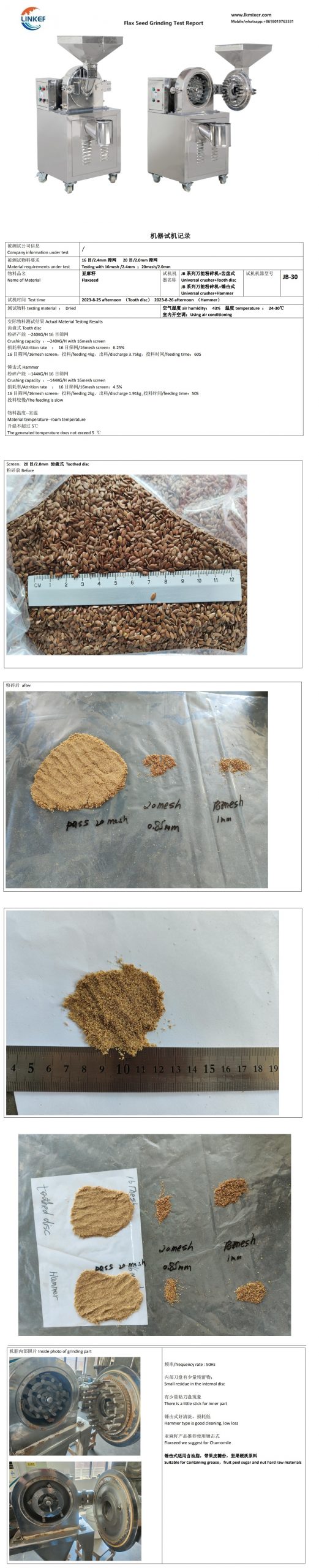
Test Report for Flax Seed Grinder:
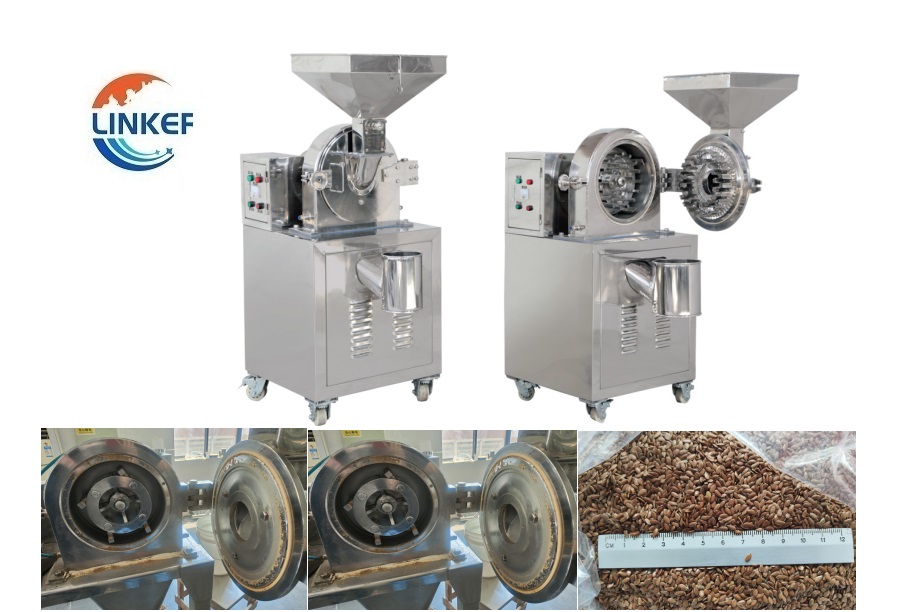
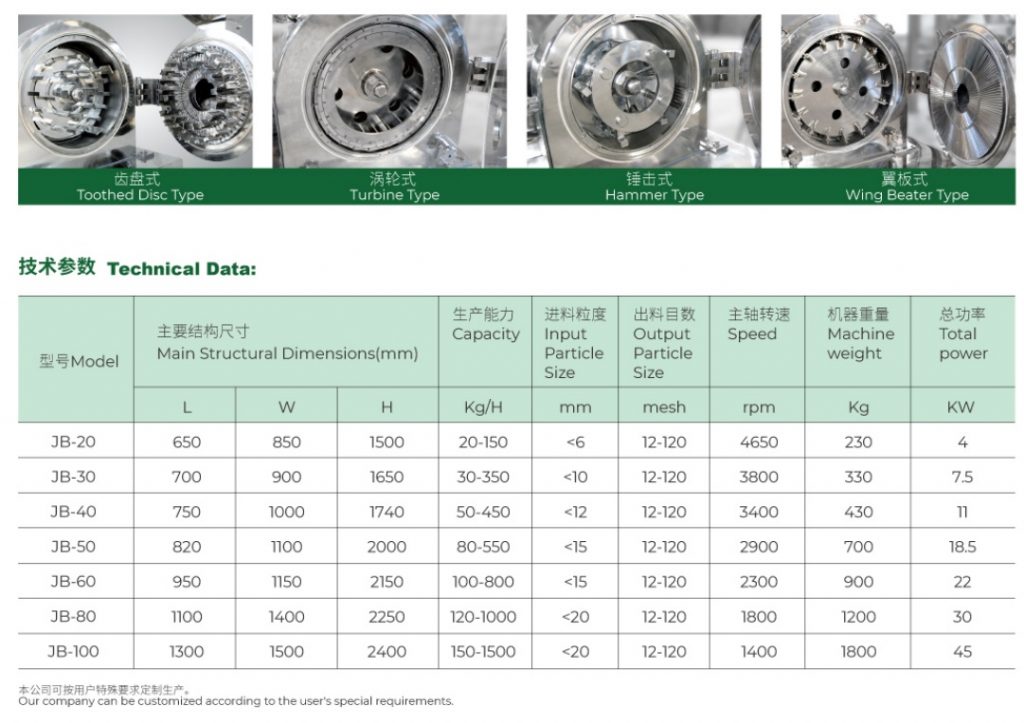
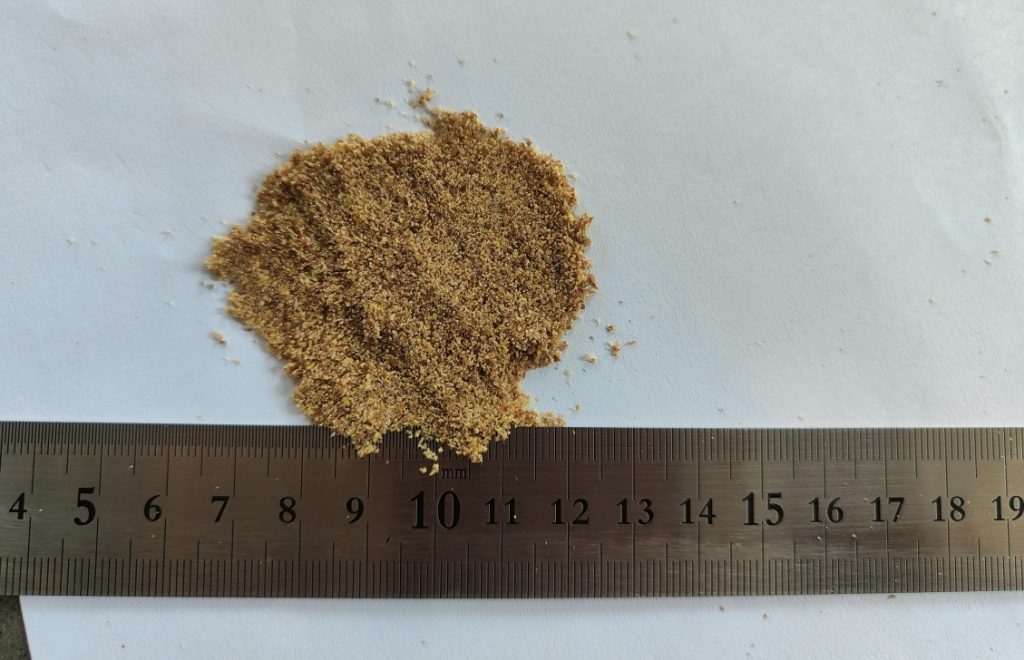
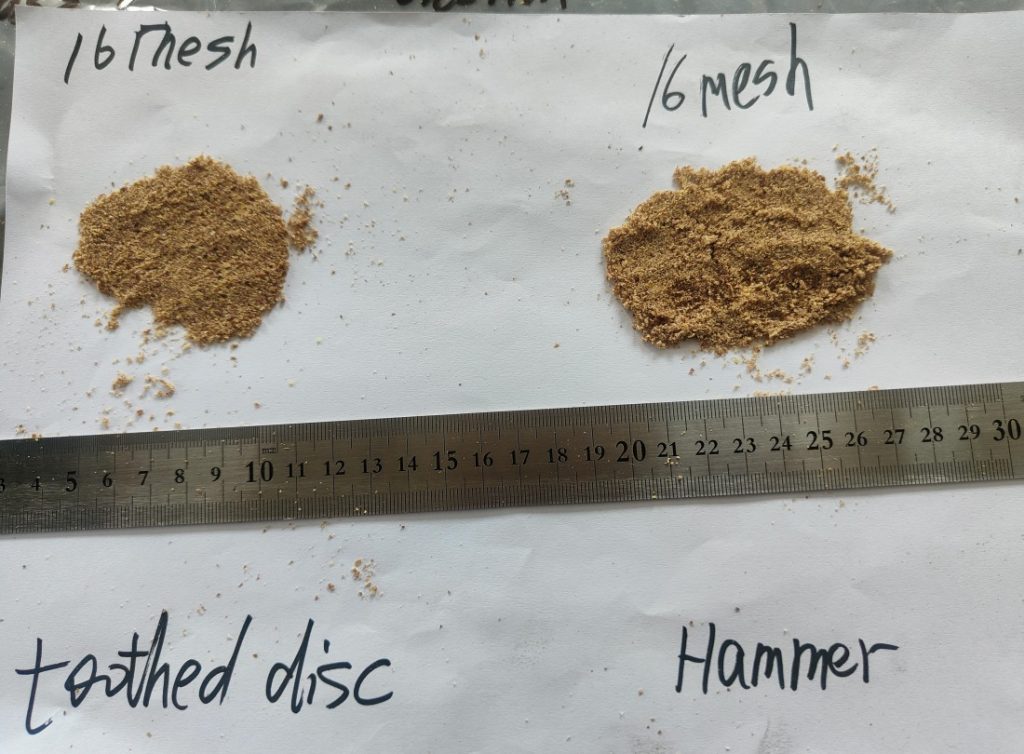
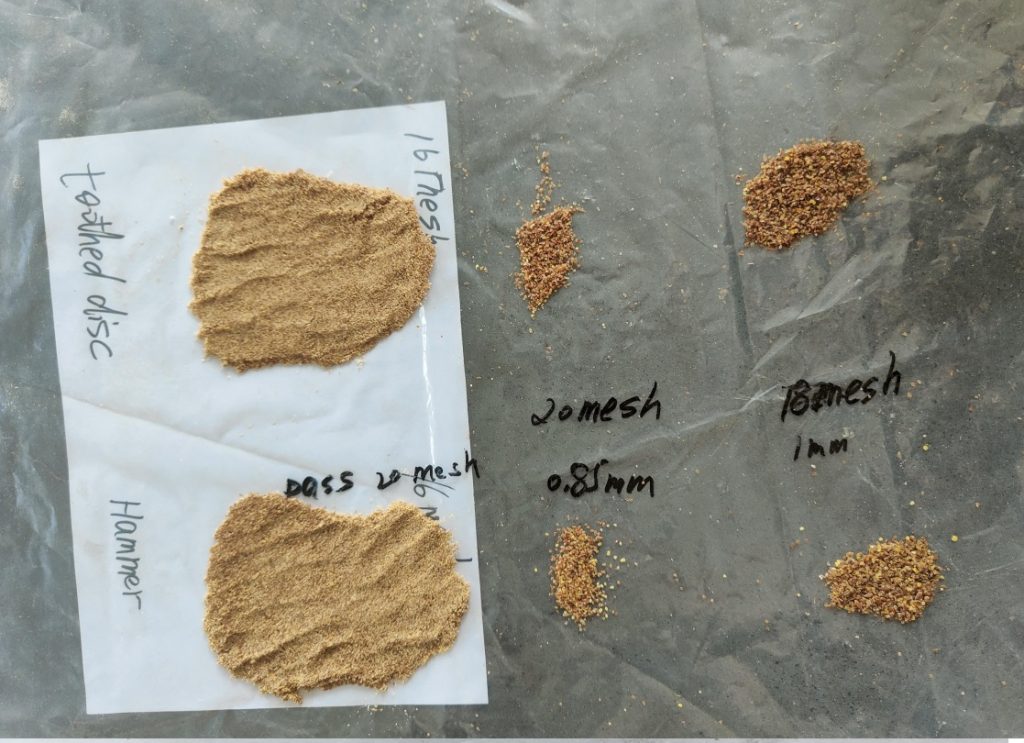
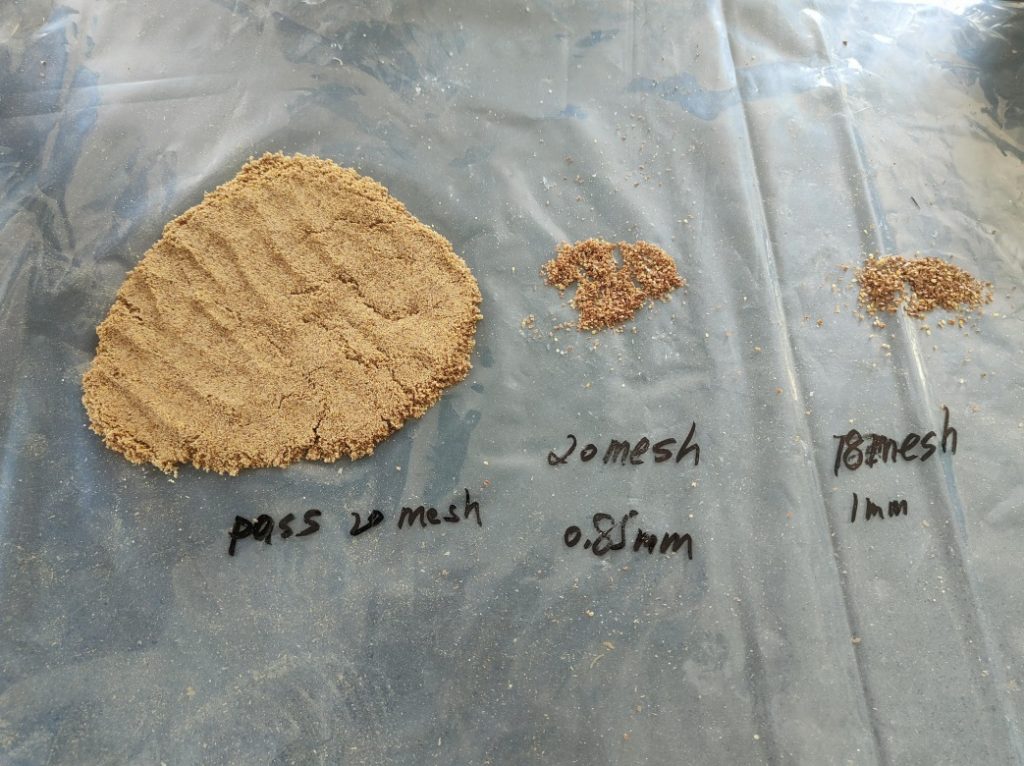
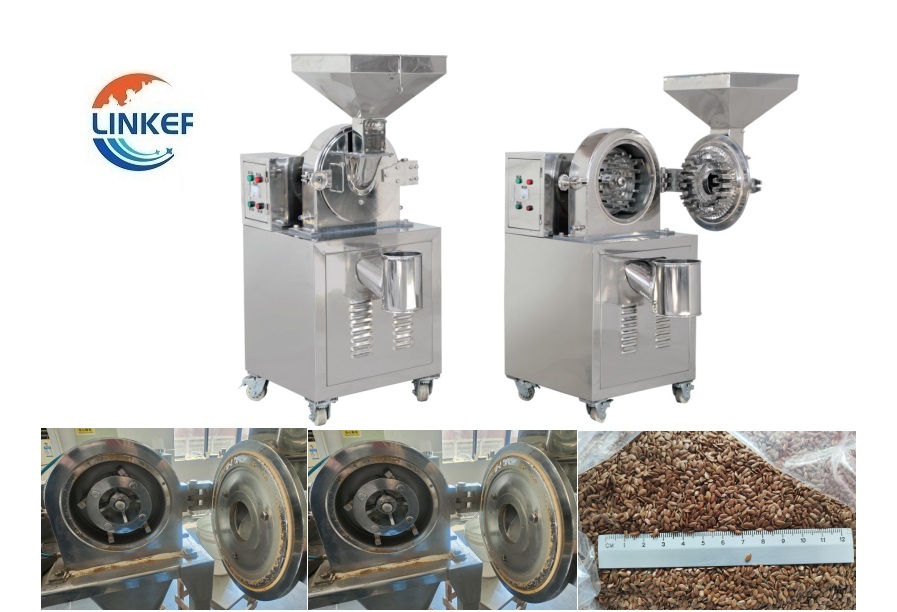
A flax seed grinder is a type of seed nut grinder specifically designed for grinding flax seeds. Flax seeds are small, hard seeds that are packed with nutrition and are commonly used in baking and cooking. Grinding flax seeds helps to unlock their nutrients and make them easier to digest.
Flax seed grinders typically feature sharp blades or burrs that rotate to crush the flax seeds into a fine powder. This powder can then be used in a variety of recipes, such as smoothies, baked goods, and yogurt toppings. Some flax seed grinders are manual and require hand-cranking, while others are electric and feature powerful motors for faster grinding.
When choosing a flax seed grinder, it’s important to look for one with durable blades or burrs that can withstand the hard texture of flax seeds.
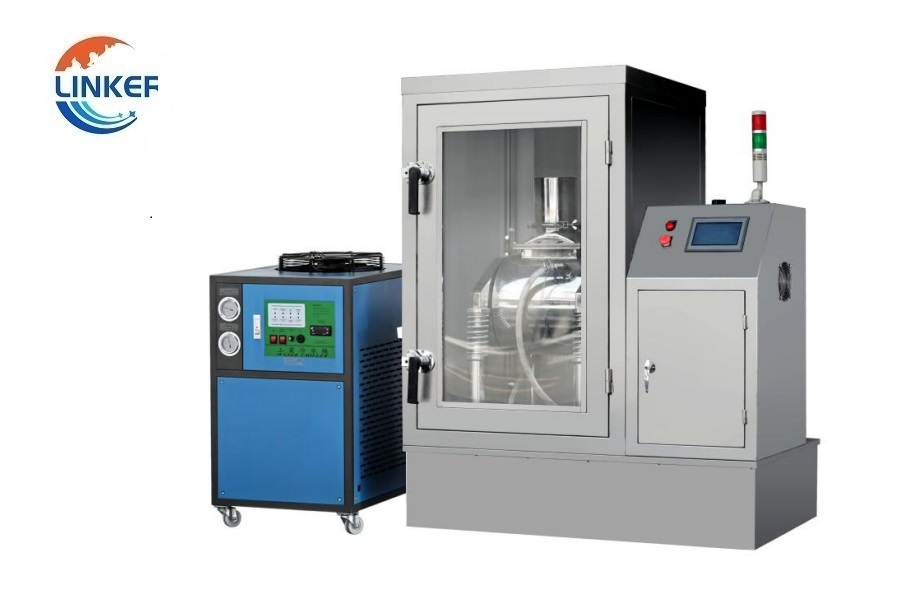
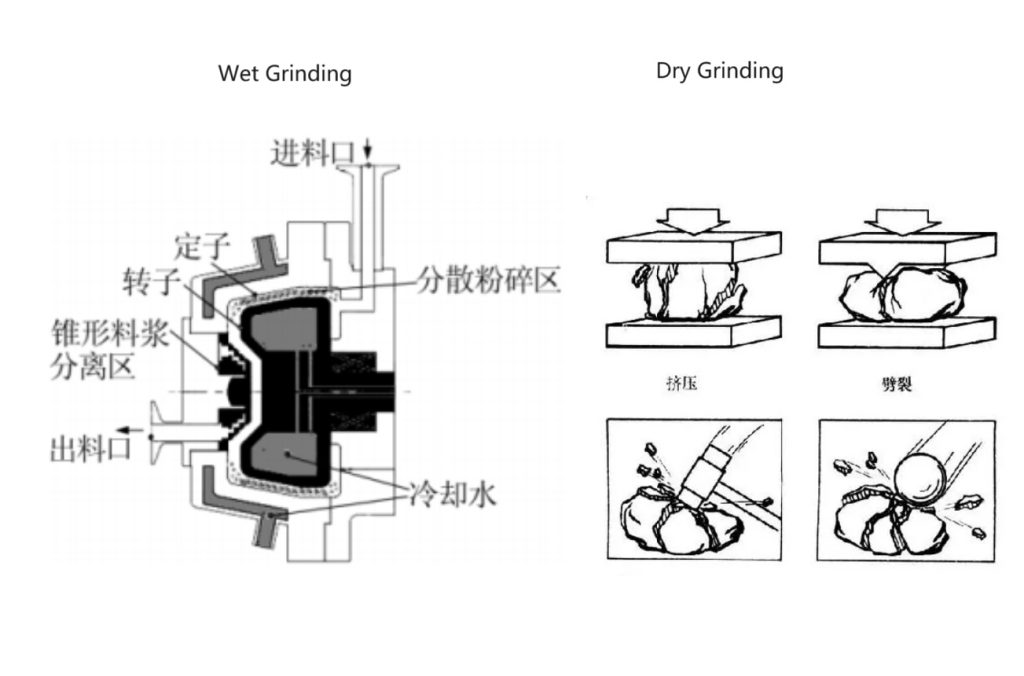
There are 3 ways of cooling down the grinder: water cooling system; air cooling system and liquid nitrogen freezing system. You can choose the right one if the grinder gets too hot. When machines goes too hot, the metal can expand, causing the grinding wheel to get stuck.
| Business Type: | Manufacturer/Factory | Main Products: | Mill, grinder, granulator, mixer, Crushing Equipment |
| Number of Employees: | 100 | Year of Establishment: | 2014.05 |
| Production Capacity | 5000Set/Year | After-sales Service: | Technical Support; on-line teach lessons |
| R&D Capacity: | ODM, OEM | Annual Output Value: | US$5 Million – US$10 Million |
| No. of R&D Staff: | 5 | No. of Production Lines: | 6 |
LK Mixer is a professional manufacturer for grinder, mixer and pulverizer. These machines are widely used in pharmaceutical, cosmetic, health care products and chemical industries. Our main product including granulating machine, grinder, mixer, dryer, etc. All mechanical products in accordance with the China GMP design requirements. And also we have other certifications such as CE, UL for motors.
Business Philosophy
“Quality is the main policy of sales” and “integrity is the principle of success” are the business philosophy of our people. We carry out one-year warranty, lifelong maintenance service, with technical consultation, with material test machine and other services, and long-term supply of equipment. Welcome new and old customers to negotiate cooperation!
Certifications:
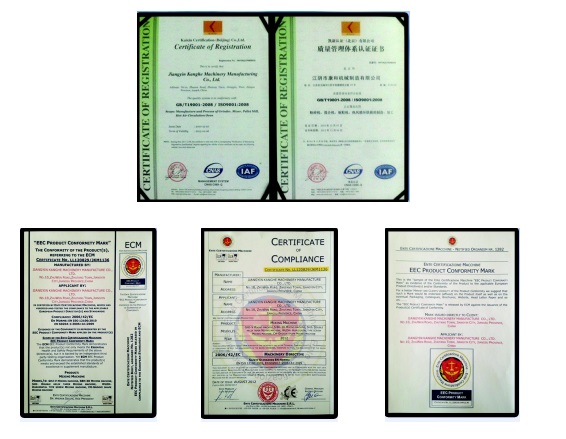
Customer Side Machine Groups Showcase Videos:
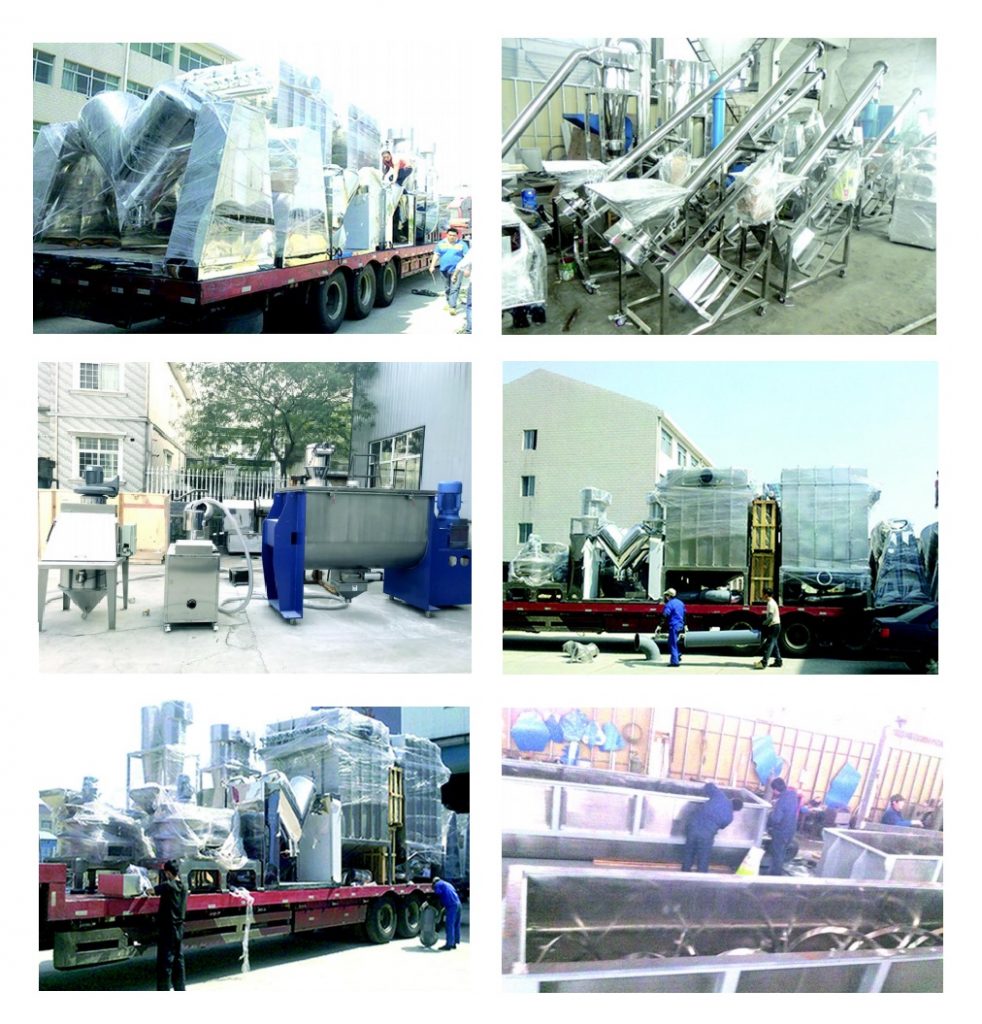
Dust Collector Shipment
Shipment – Packing Method
Two Large Industrial Grinder Ready to Ship
Domestic Shipment Show Case:
Operation Instruction
General Provisions
The operation instructions for a commercial grinder may vary depending on the specific model and manufacturer. However, here are some general guidelines that may apply to many high speed grinders:
- Safety precautions: Before operating the high speed grinder, it is important to review all safety precautions and warnings provided in the user manual. Safety precautions may include wearing appropriate personal protective equipment, such as eye protection and hearing protection, and avoiding loose clothing or jewelry that could become caught in the grinder.
- Preparation: The high speed grinder should be placed on a stable and level surface, and all necessary components should be assembled according to the manufacturer’s instructions. The grinder should also be connected to a power source that is appropriate for its voltage and wattage.
- Loading the grinder: The material to be ground should be loaded into the grinder according to the manufacturer’s instructions. Overloading the grinder may cause damage to the machine and result in poor grinding performance.
- Starting the grinder: The grinder should be started according to the manufacturer’s instructions. This may involve pressing a button, turning a dial, or flipping a switch. The user should ensure that their hands are clear of the grinder and that the material to be ground is positioned properly.
- Adjusting the speed and settings: The speed and other settings of the high speed grinder may be adjusted according to the material being ground and the desired outcome. The user should follow the manufacturer’s instructions for making adjustments to the grinder.
- Monitoring the grinding process: The user should monitor the grinding process to ensure that it is progressing smoothly and that the material is being ground to the desired size and consistency. Any issues or abnormalities should be addressed promptly to prevent damage to the machine.
- Shutting down the grinder: When the grinding process is complete, the grinder should be shut down according to the manufacturer’s instructions. The user should ensure that the machine is completely stopped and that all moving parts have come to a complete stop before attempting to clean or service the grinder.
Overall, the operation instructions for a commercial grinder may involve a number of steps and safety precautions. It is important to carefully review the manufacturer’s instructions and follow proper operating procedures to ensure safe and effective use of the machine.
Preparation Work
Before running a commercial grinder, there are several important preparation steps that should be taken to ensure safe and effective operation of the machine. Here are some general guidelines for preparing to run a high speed grinder:
- Read the user manual: The first step in preparing to run a high speed grinder is to carefully read the user manual provided by the manufacturer. The user manual will provide important information about the specific model of grinder being used, including its features, specifications, and safety precautions.
- Select the appropriate grinding wheel: The grinding wheel used in a high speed grinder should be selected based on the material being ground and the desired outcome. It is important to use the correct type of grinding wheel to prevent damage to the machine and ensure optimal grinding performance.
- Inspect the grinder: Before running the grinder, it is important to inspect it for any signs of damage or wear. The user should check for loose or missing components, cracks or other signs of damage to the machine’s housing or other parts, and any other issues that could affect the grinder’s operation.
- Install the grinding wheel: The grinding wheel should be installed according to the manufacturer’s instructions, making sure that it is securely fastened and aligned properly. The user should also check the wheel for any cracks or other signs of damage before installation.
- Secure the workpiece: The workpiece to be ground should be securely clamped or held in place before starting the grinder. This will help to ensure safe and effective operation and prevent the workpiece from becoming dislodged or damaged during grinding.
- Connect the power source: The high speed grinder should be connected to a power source that is appropriate for its voltage and wattage. It is important to use a properly grounded power source to ensure safe and reliable operation of the machine.
- Test run: Before beginning actual grinding operations, it may be useful to perform a test run to ensure that the grinder is functioning properly and that the grinding wheel is aligned and balanced properly. The user should follow the manufacturer’s instructions for performing a test run.
By following these preparation steps, users can ensure safe and effective operation of a high speed grinder and achieve optimal grinding results.
Treatment of inspection
Inspection of a commercial grinder is an important maintenance procedure that helps ensure safe and effective operation of the machine. Here are some general guidelines for inspecting a high speed grinder:
- Disconnect power source: Before performing any inspection or maintenance on a high speed grinder, the power source should be disconnected to prevent accidental startup.
- Check for wear and damage: The user should inspect the grinder for any signs of wear or damage, such as cracks in the housing, worn or damaged grinding wheels, or loose or missing parts. Any issues should be addressed promptly to prevent further damage to the machine.
- Check alignment and balance of grinding wheel: The grinding wheel should be inspected for proper alignment and balance, as these factors can affect the quality of the grinding operation. If the grinding wheel is not properly aligned or balanced, it should be adjusted or replaced as necessary.
- Check for proper lubrication: The high speed grinder should be inspected for proper lubrication, as inadequate lubrication can cause excessive wear and damage to the machine’s moving parts. The user should follow the manufacturer’s instructions for lubrication, and add lubricant as necessary.
- Inspect electrical components: The electrical components of the high speed grinder, including the wiring, switches, and control panel, should be inspected for any signs of wear, damage, or loose connections. Any issues should be addressed promptly to prevent electrical problems.
- Test run: After completing the inspection, it may be useful to perform a test run of the high speed grinder to ensure that it is functioning properly and that any issues have been addressed.
By following these inspection guidelines, users can help ensure safe and effective operation of a high speed grinder and minimize the risk of damage or injury during grinding operations.
Operation Attention
Running a commercial grinder can be a dangerous operation if proper precautions are not taken. Here are some general guidelines for safe operation of a high speed grinder:
- Personal protective equipment: The user should wear appropriate personal protective equipment, such as safety glasses, hearing protection, and gloves, to prevent injury from flying debris, noise, and contact with the grinding wheel.
- Secure workpiece: The workpiece being ground should be securely clamped or held in place to prevent it from becoming dislodged during grinding.
- Use proper grinding wheel: The user should select the appropriate grinding wheel for the material being ground and ensure that it is installed correctly and securely. The grinding wheel should be inspected for cracks or other damage before use.
- Adjust grinding wheel speed: The speed of the grinding wheel should be adjusted according to the manufacturer’s instructions to ensure optimal grinding performance and prevent damage to the machine or workpiece.
- Avoid excessive pressure: The user should avoid applying excessive pressure to the grinding wheel, as this can cause the wheel to overheat and wear out more quickly.
- Avoid overheating: The high speed grinder should not be operated continuously for extended periods of time, as this can cause overheating and damage to the machine.
- Monitor grinding operation: The user should closely monitor the grinding operation to ensure that the workpiece is being ground properly and that the grinding wheel is functioning correctly.
- Disconnect power source: After completing grinding operations, the power source should be disconnected to prevent accidental startup.
By following these guidelines, users can operate a high speed grinder safely and effectively, and achieve optimal grinding results. It is important to follow the manufacturer’s instructions and all applicable safety regulations when operating any type of machinery.
Applications of Industrial Seed Grinder
Industrial seed grinders are used in a variety of applications across many industries. Here are some of the most common applications of industrial seed grinders:
- Food industry: Industrial seed grinders are used extensively in the food industry to grind seeds, nuts, and spices into fine powders or pastes. These powders and pastes are then used in a variety of products such as sauces, seasonings, and spreads.
- Pharmaceutical industry: In the pharmaceutical industry, industrial seed grinders are used to grind plant material into a fine powder, which is then used to make medicines and supplements.
- Cosmetics industry: Industrial seed grinders are also used in the cosmetics industry to grind plant material into a fine powder or paste, which is then used in products such as face masks, scrubs, and exfoliants.
- Agricultural industry: Industrial seed grinders are used in the agricultural industry to process seeds, such as soybeans, into animal feed.
- Chemical industry: In the chemical industry, industrial seed grinders are used to grind materials such as resins, pigments, and dyes into a fine powder.
- Renewable energy industry: Industrial seed grinders are also used in the renewable energy industry to process biomass into a fine powder, which is then burned to generate electricity.
Overall, industrial seed grinders are versatile machines that are used in many different industries for a variety of applications. They are essential for processing plant material into fine powders and pastes that can be used in many different products.
Food Producing Process Flow:
Ultrafine grinding is one of the very key procedure in whole production line. It depends how many mesh that customer need to produce. That’s to say this machine can decide what kind of material will get finally before mxing.
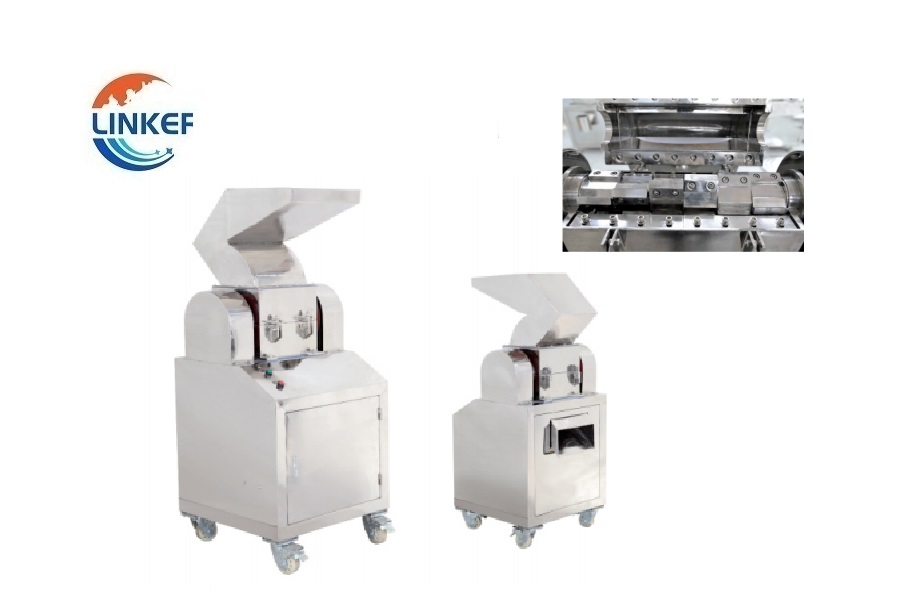
Coarse Crusher Machine —>Grinding Machine —> Vibrating Table Sifter Machine—>Mixing Machine—>Packing Machine —> (Printed Packaging Film Roll or bags ) —> Filling, sealing machine, capping and Labeling Machine —>Pack into Box.
Contact us for detail proposal and cost:

Automatic Banana Powder Production Line Youtube Video
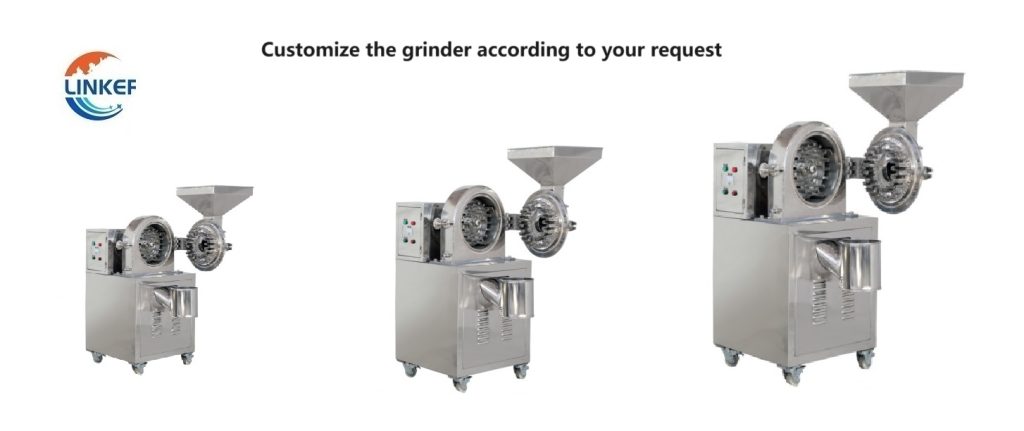
Customization Seeds Grinder According to your Capacity:
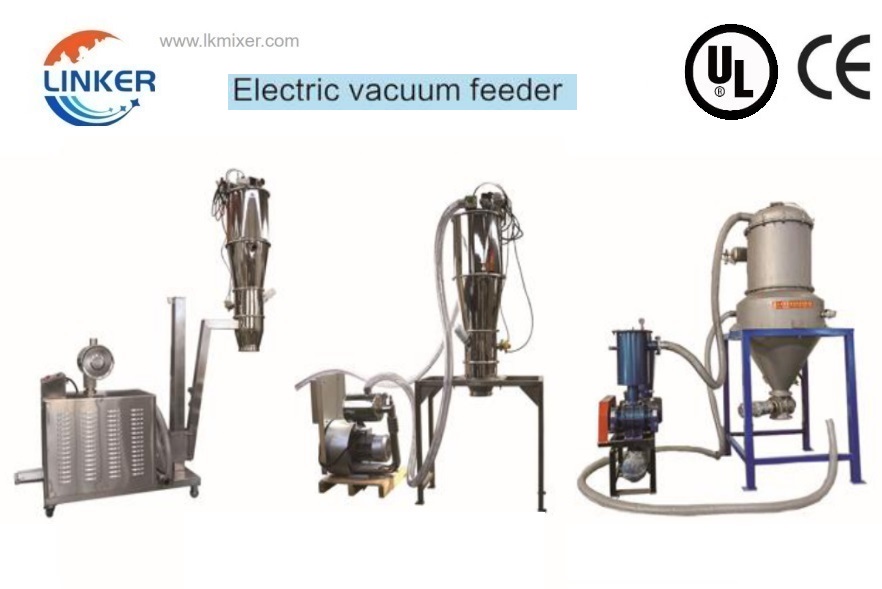
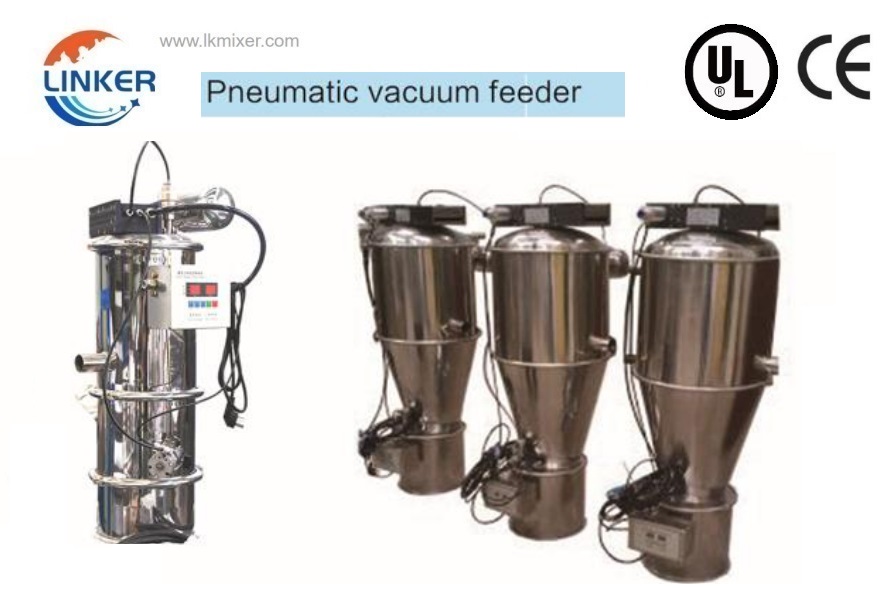
We can customize the capacity according to your special requirement, we can also customize the vacuum feeder connect with your production line (the dimension and width of grinder), for detail contact with our sales for proposal and price.
Videos of Seeds Grinder Machine:
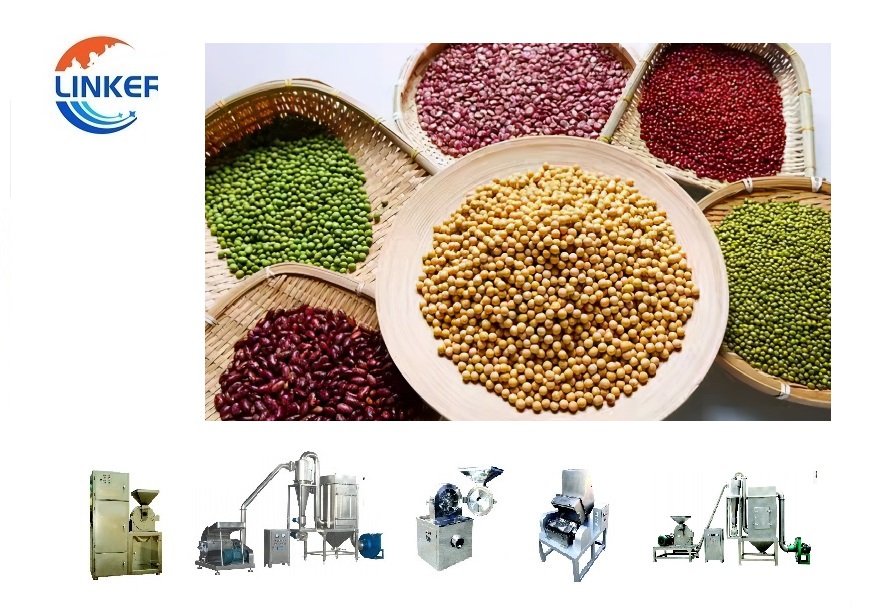
Many model of Seeds Grinder, the universal grinder is suitable to cut the seeds into 12-120mesh, the high efficient grinder is useful, but cost a little bit higher than universal. The super fine grinder can grind into 100mesh to 320mesh. Customer can choose according to your own requirement. here show some example:
About LKMixer
LKMixer is a professional manufacturer for fertilizer production line, grinder, mixer and granulator, shredder. These machines are widely used in food, pharmaceutical, cosmetic, health care products and chemical industries. The Food materials like Peanut, mushroom, seeds, potato, bean, tobacco, salt, cannabis, tea, Sugar, corn, Coffee, rice, pepper, grain as so on. Grinders have many types such as Pulse Dust Grinder which suitable for zero pollution environment, Turbine Mill which is suitable for coffee bean, 12-120mesh all can meet, Ultrafine Grinding Mill covers 80-200mesh, and also Winnowing Dust Grinder or other grinding machines like SF Hammer. Welcome to contact us for details. Contact us for more information. Proposal, catalog, quotation. Mobile/WhatsApp: +86 18019763531 Tel: +86 21 66037855 Email: sales@lkmixer.com
Contact Us
FAQ(Click and See More)
Automatic Powder Production Line
Automatic Vegetable Powder Production Line
Automatic baby Powder Production Line
Automatic purple sweet potato Powder Production Line
Automatic Baobab Powder Production Line
Automatic Epdm Rubber Powder Production Line
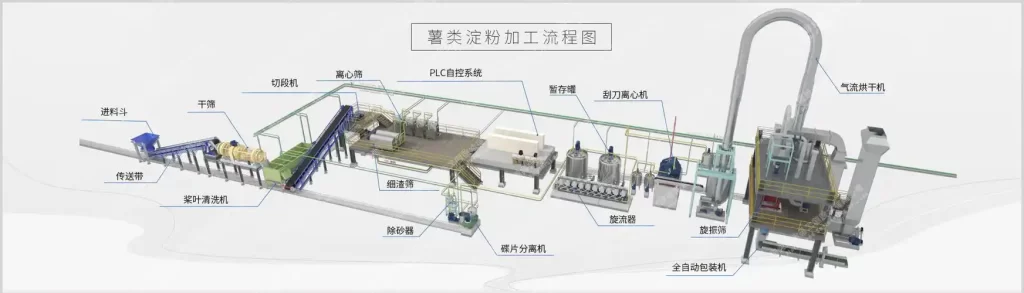
Automatic Moringa Leaf Powder Production Line
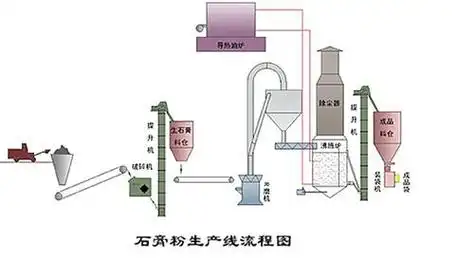
Automatic Gypsum Powder Production Line
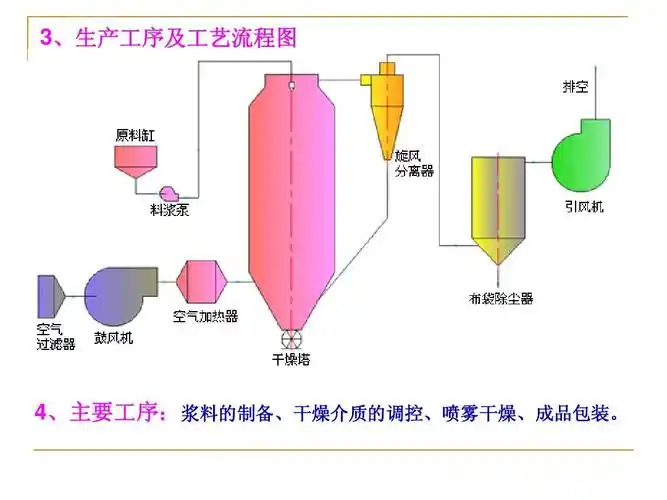
Automatic Washing Powder Production Line
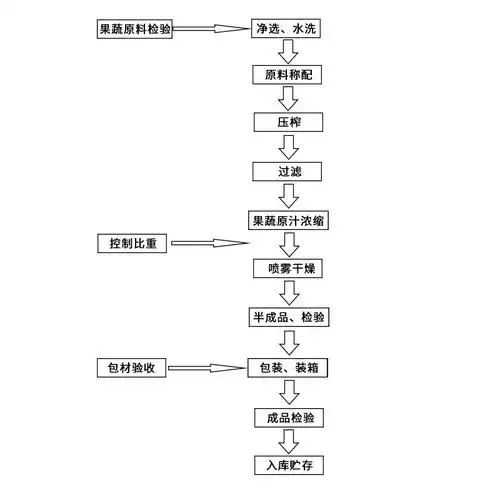
Automatic Fruit Powder Production Line
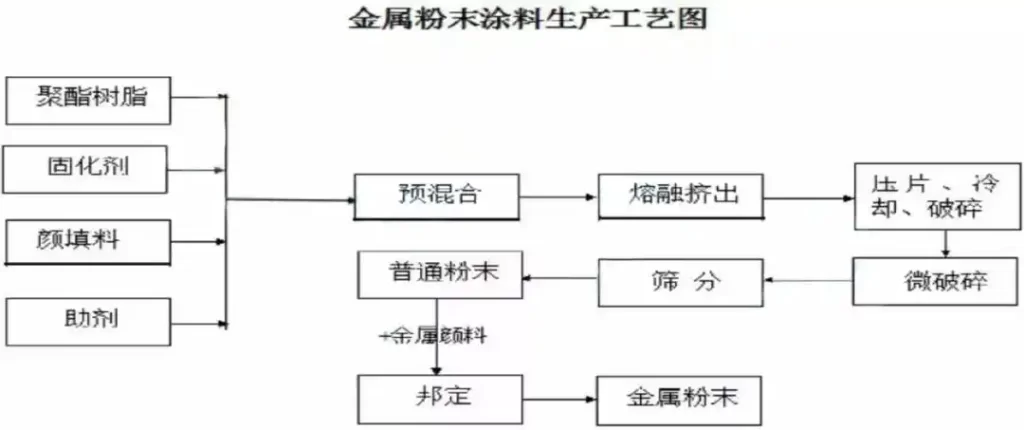
Automatic Aluminum Powder Production Line
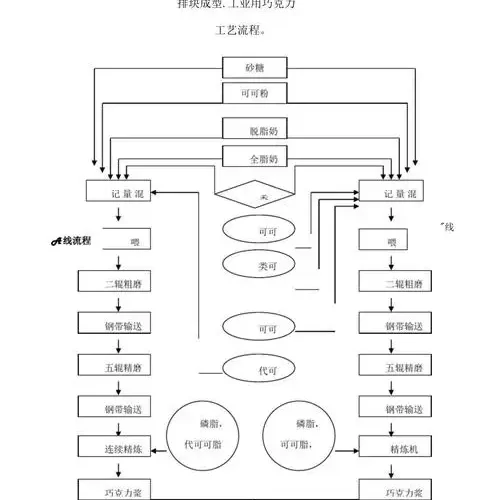
Automatic Coca Powder Production Line
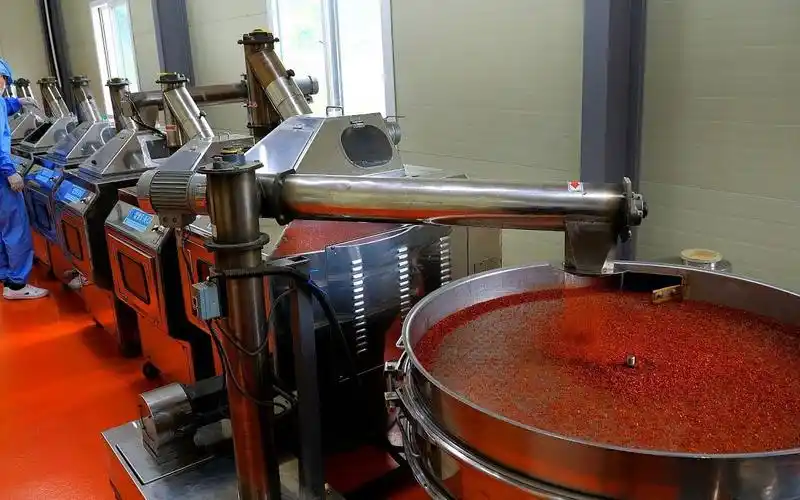
Automatic Chilli Powder Production Line
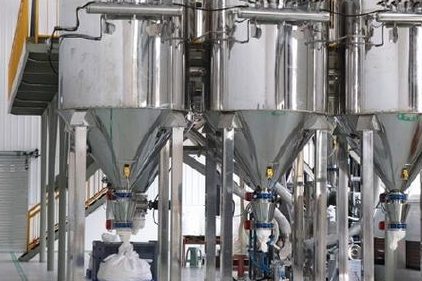
Automatic Hair Line Powder Production Line

Automatic Red Onion Powder Production Line
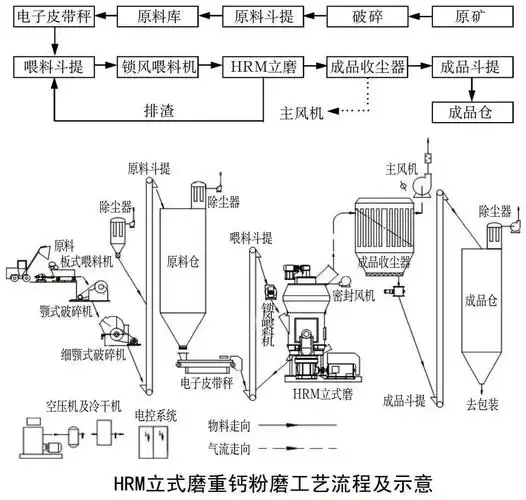
Automatic Calcium Carbonate Production Line
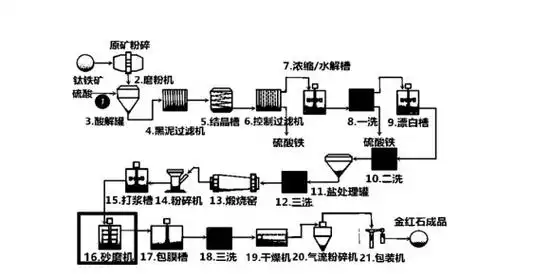
Automatic Elf Powder Production Line
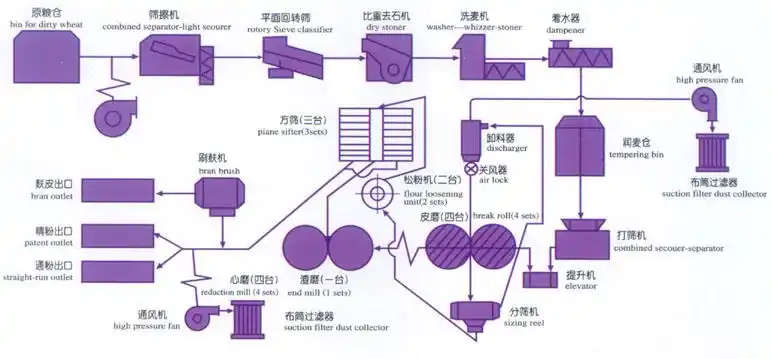
Automatic Zenith Industrial Powder Production Line
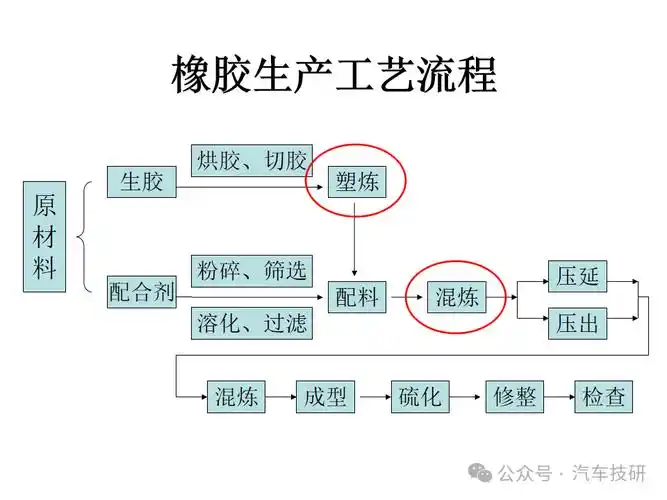
Automatic Butyl Rubber Powder Production Line
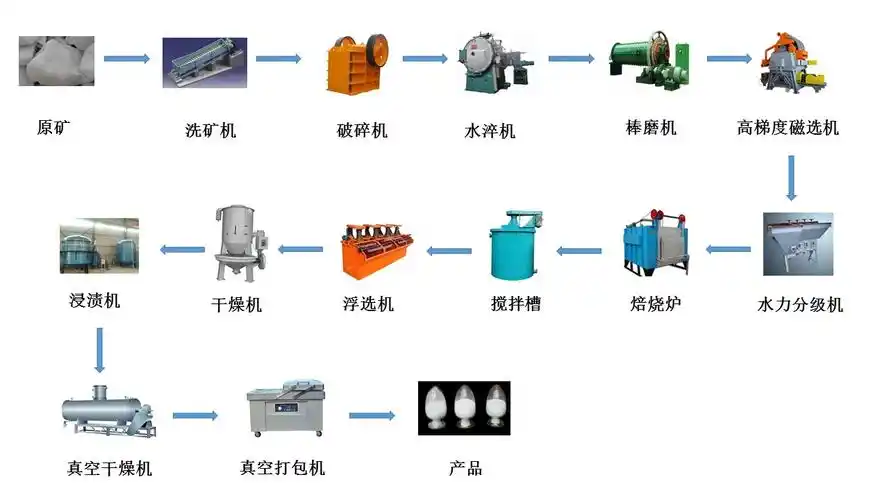
Automatic Quartz Powder Production Line
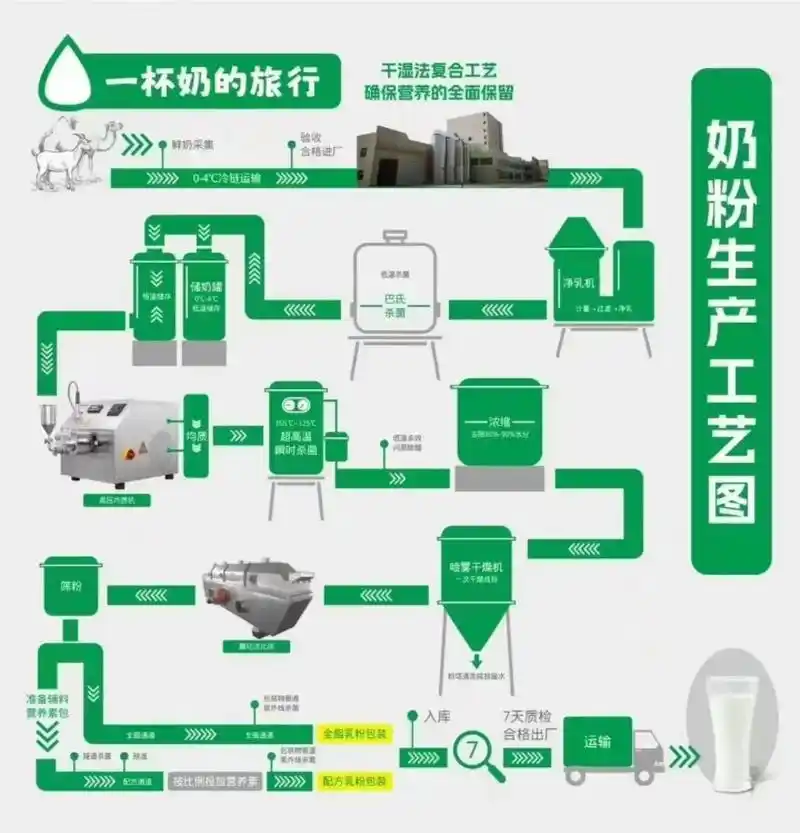
Automatic Milk Powder Production Line
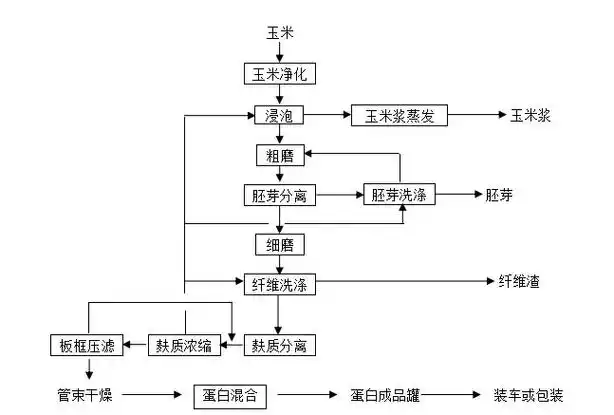
Automatic Protein Powder Production Line
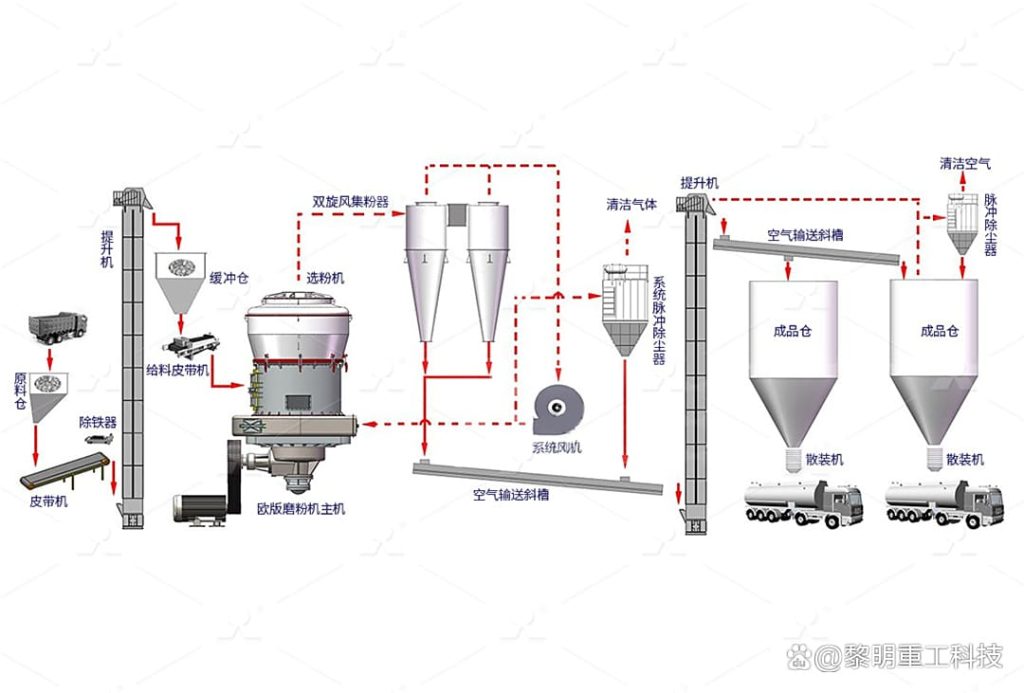
Automatic Egg Shell Powder Production Line
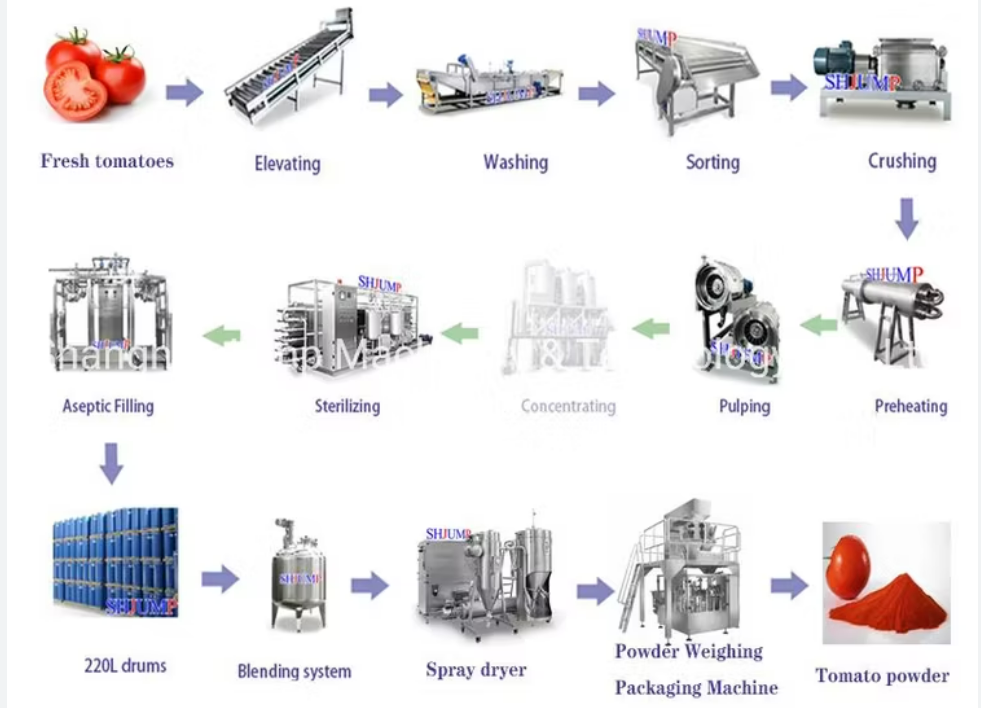
Automatic Tomato Powder Production Line
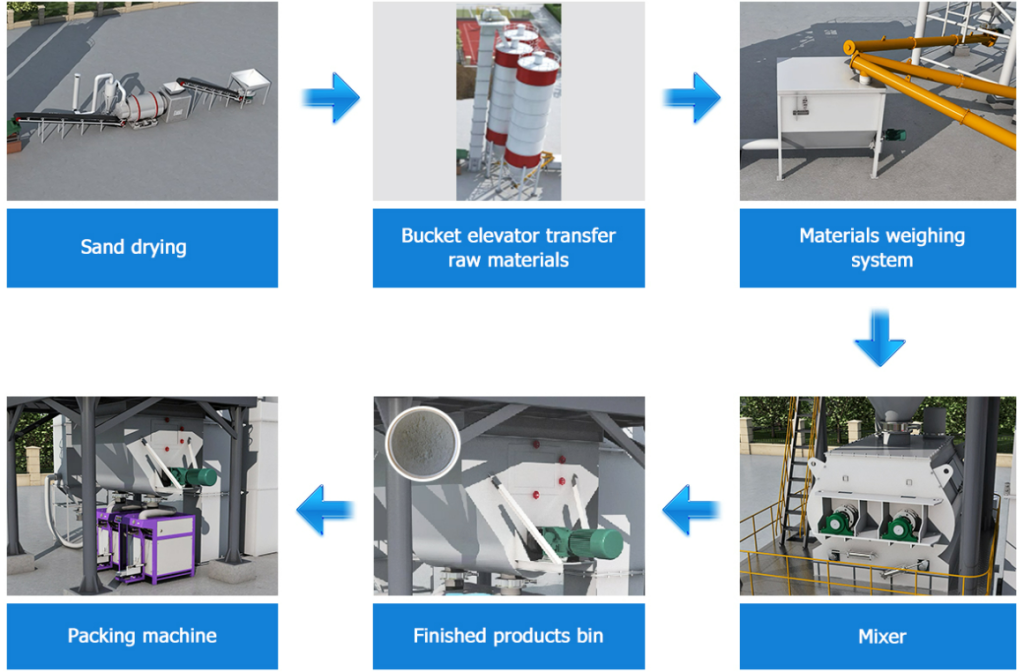
Automatic Putty Powder Production Line
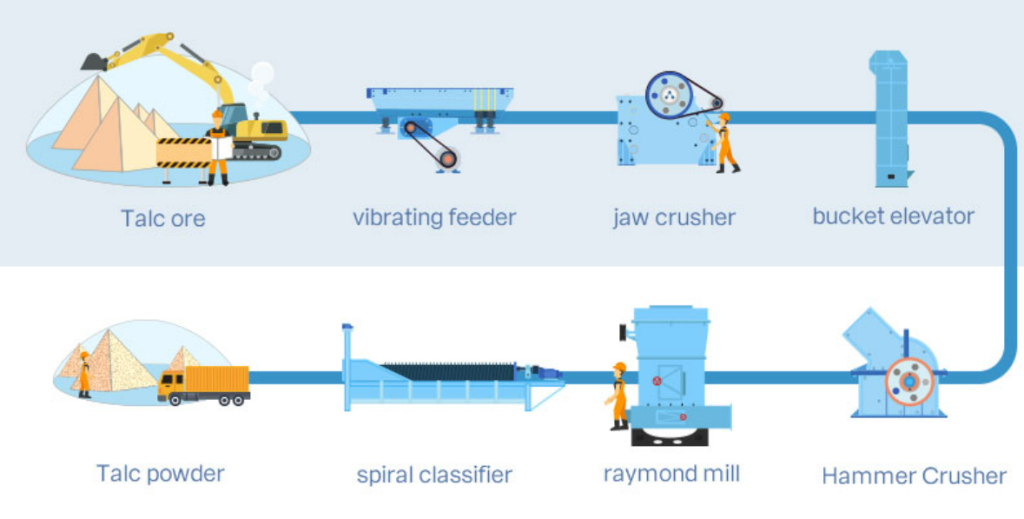
Automatic Talc Powder Production Line
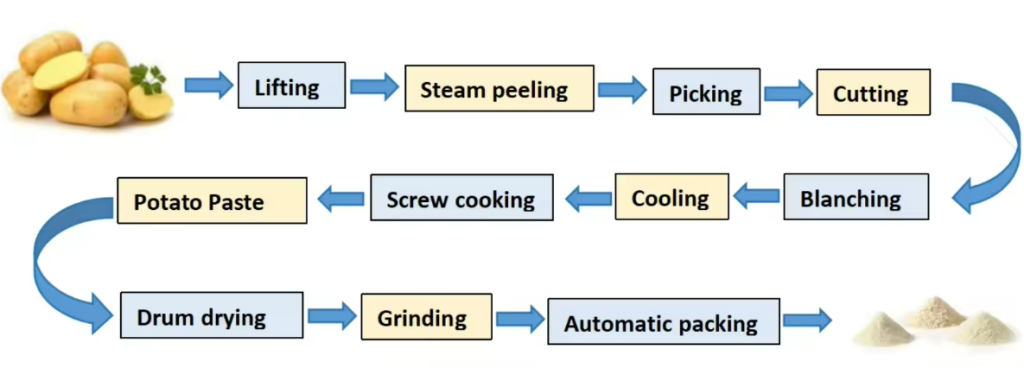
Automatic Potato Powder Production Line
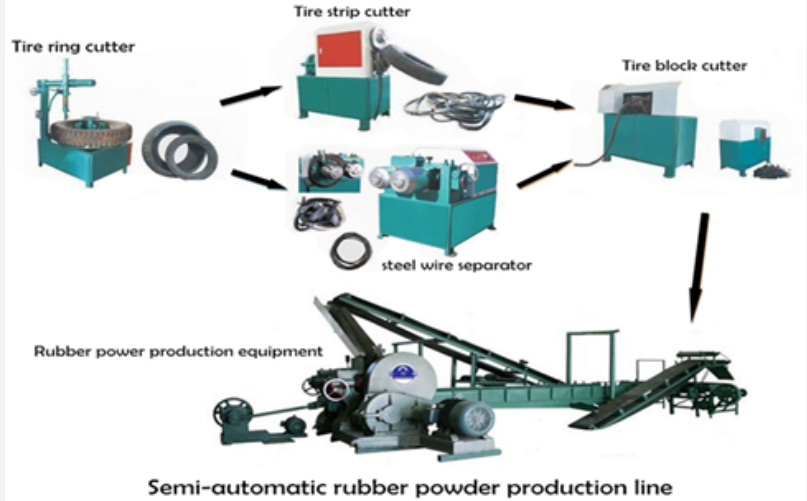
Automatic Rubber Powder Production Line
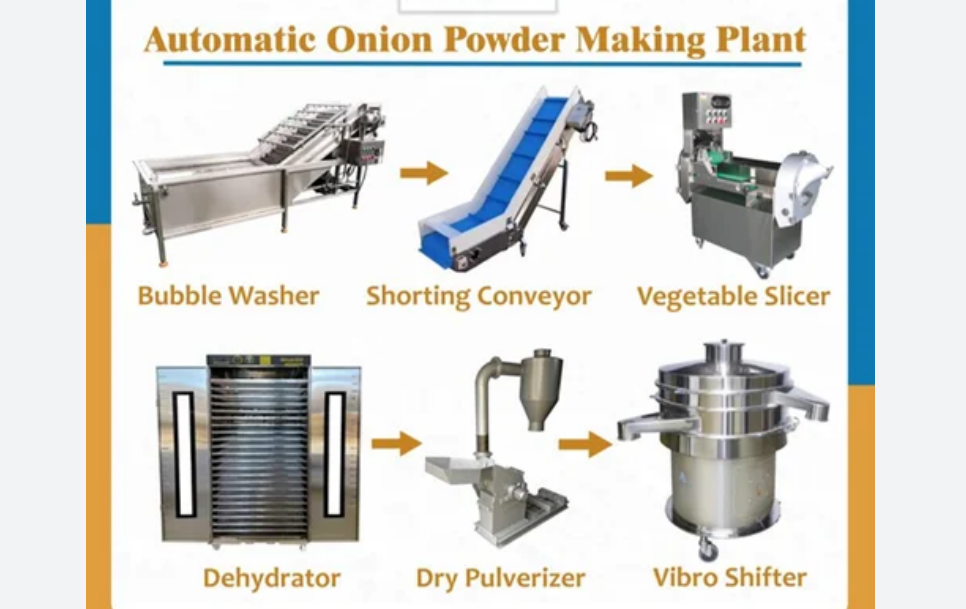
Automatic Green Onion Powder Production Line
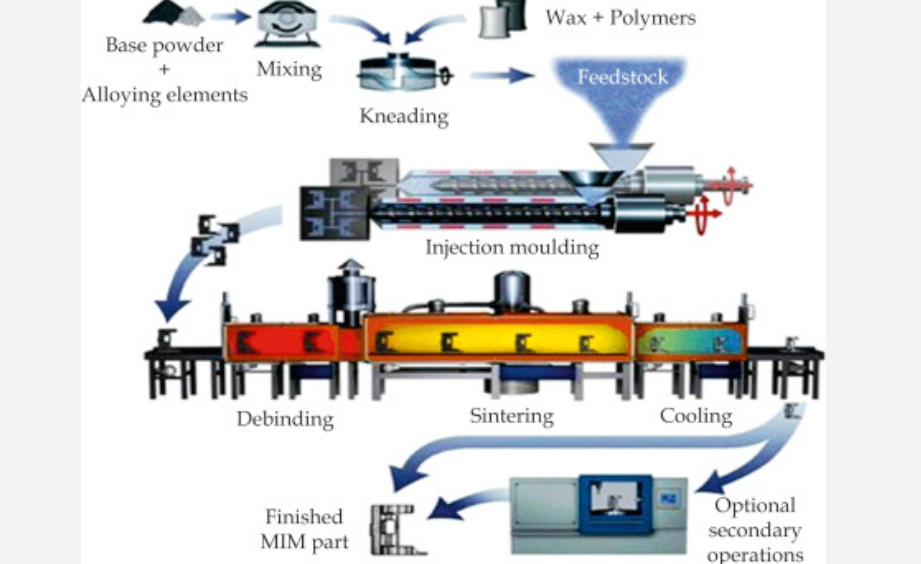
Automatic Ceramic Powder Production Line
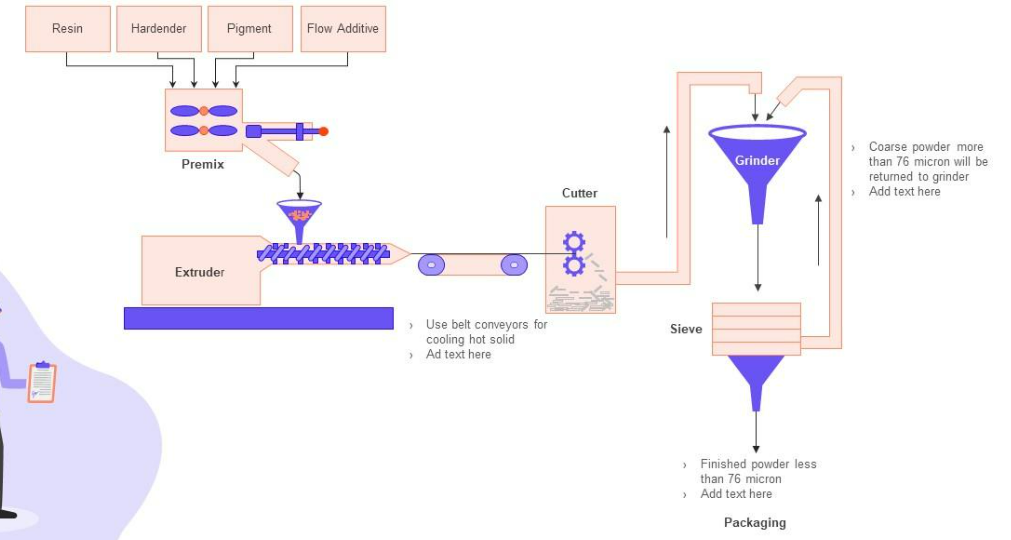
Automatic Chalk Production Line
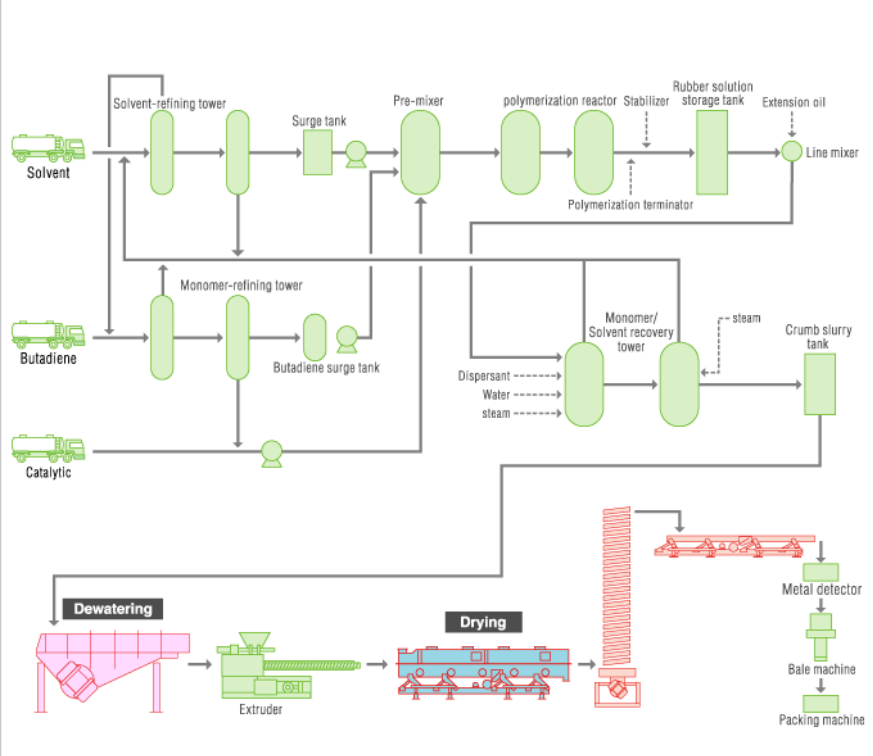
Automatic Crumb Rubber Powder Production Line
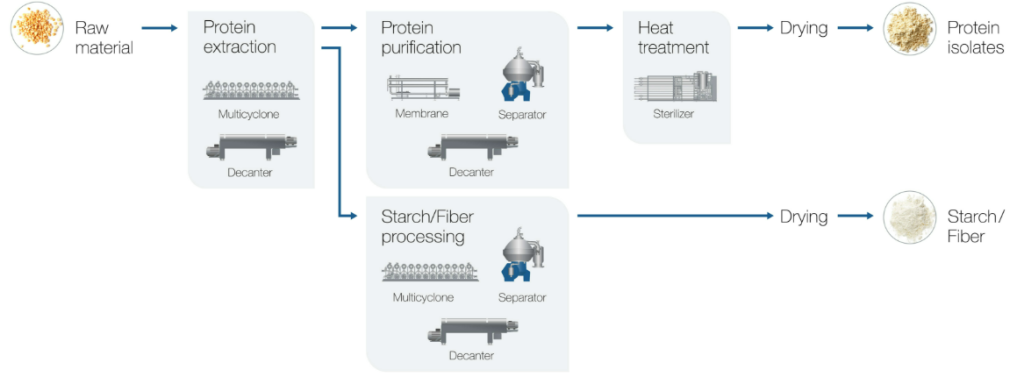
Automatic Protein Powder Production Line
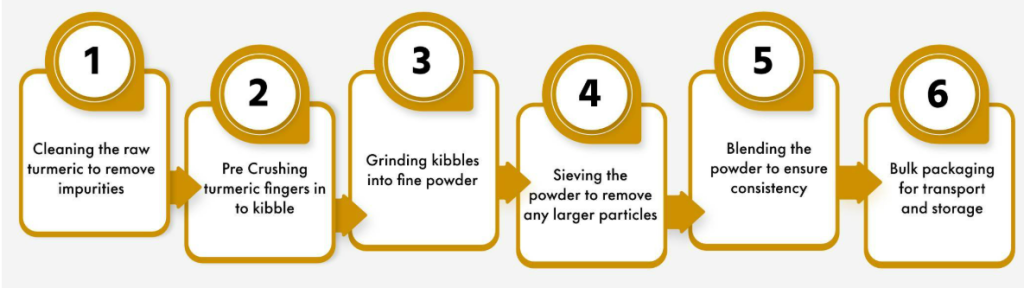
Automatic Turmeric Powder Production Line
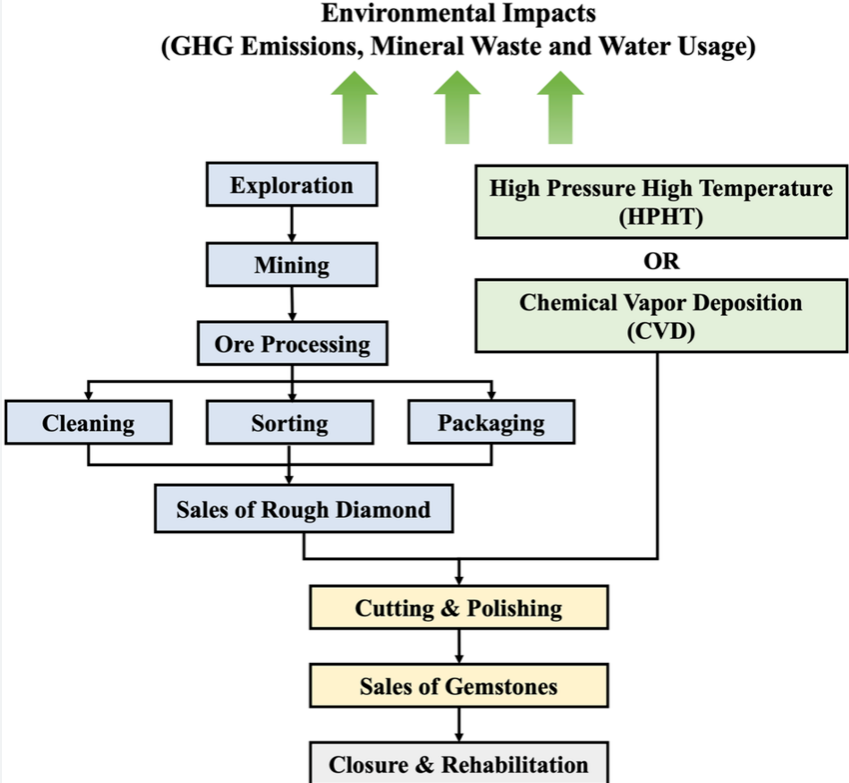
Automatic Diamond Powder Production Line
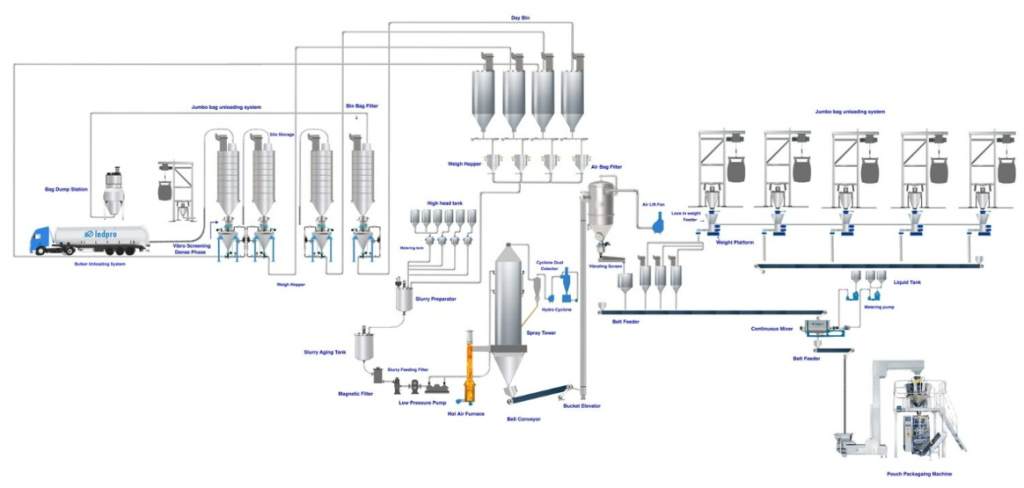
Automatic Laundry Powder Production Line
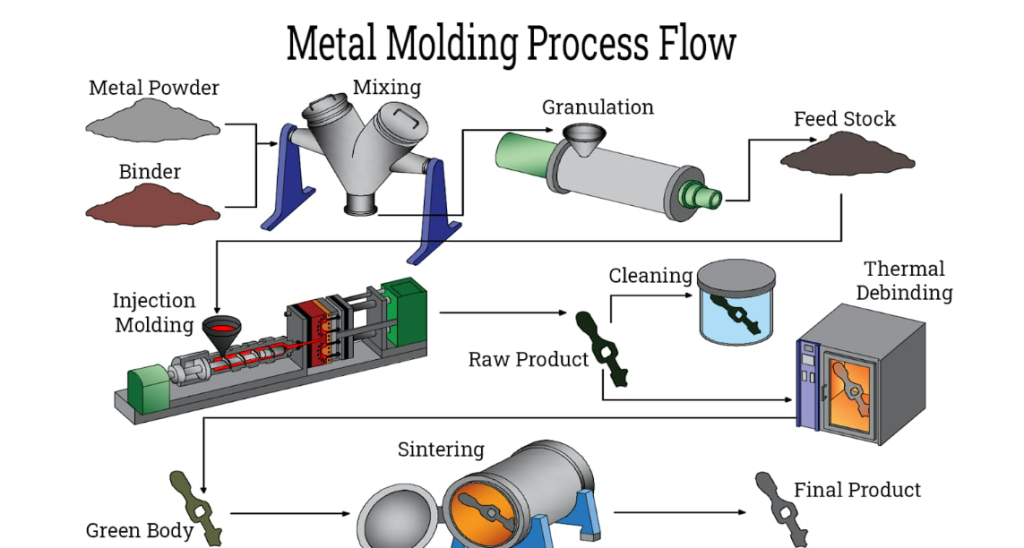
Automatic Metal Powder Production Line
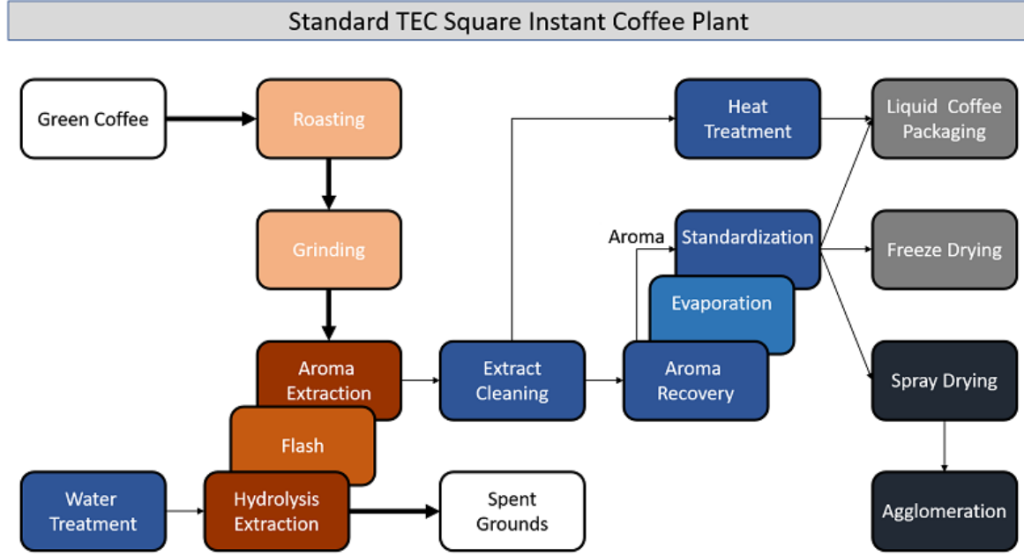
Automatic Coffee Powder Production Line
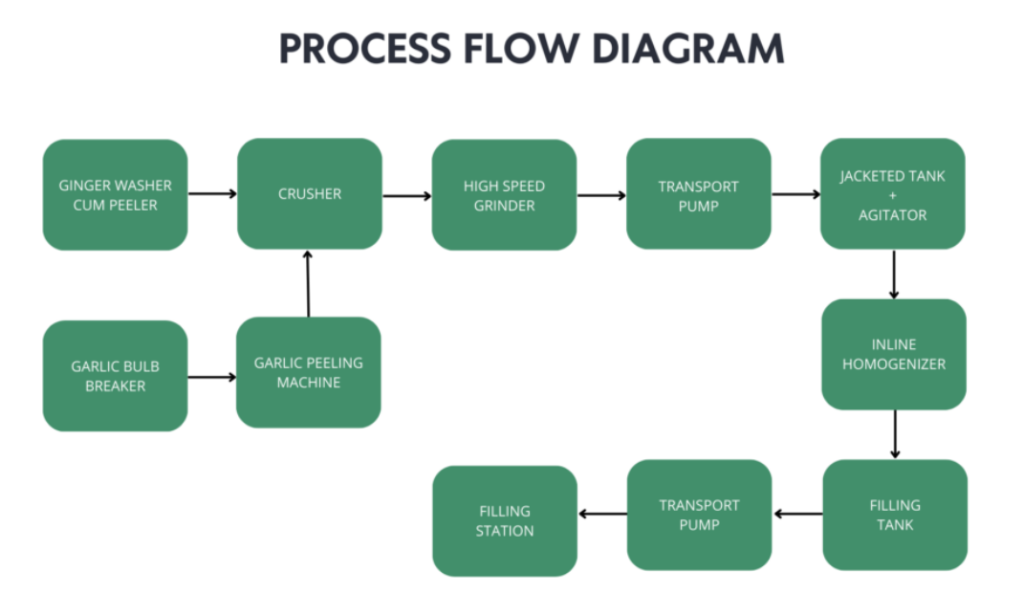
Automatic Ginger Powder Production Line
Automatic Garlic Powder Production Line
Automatic Yellow Onion Powder Production Line
Automatic Sauce Paste Production Line
Automatic Pouch Sauce Paste production line
Automatic secret Sauce Paste production line Price
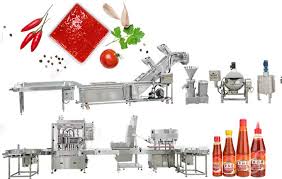
Automatic Sriracha Sauce Paste production line Price
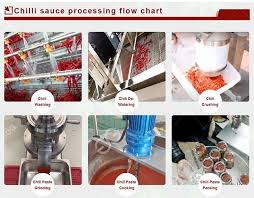
Automatic Chili Sauce Paste production line Price
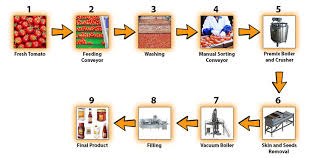
Automatic Red Sauce Paste production line Price
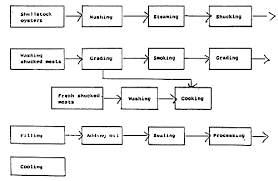
Automatic Oyster Sauce Paste production line Price
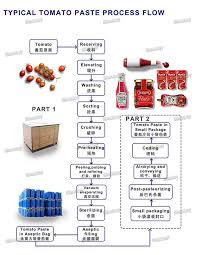
Automatic Cranberry Sauce Paste production line Price
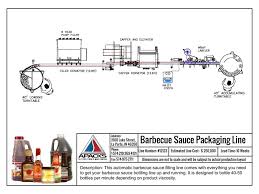
Automatic BBQ Sauce Paste production line Price
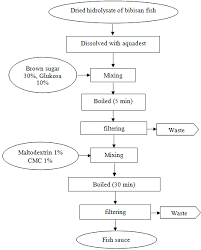
Automatic Fish Sauce Paste production line Price
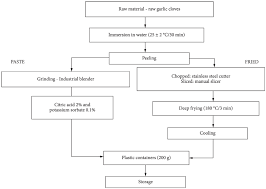
Automatic Garlic Sauce Paste production line Price
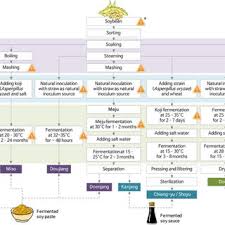
Automatic Soya Sauce Paste production line Price
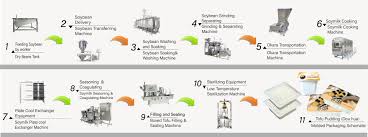
Automatic Soy Sauce Paste production line Price
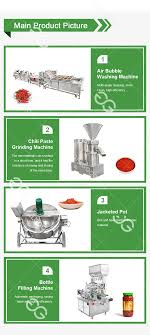
Automatic Hot Sauce Paste production line Price
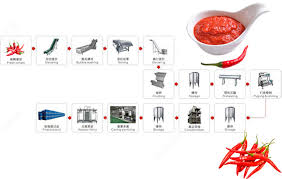
Automatic Sauce Paste production line Price
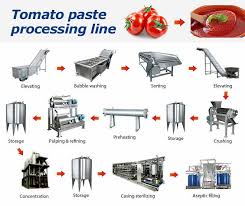
Automatic Tomato Sauce Paste Production Line Price
Read More about Herb Grinder:
Why are herb grinders so expensive?
Are electric herb grinders good?
What is the best way to grind up herbs?
Can you chop herbs in a coffee grinder?
How to grind dried herbs into powder?