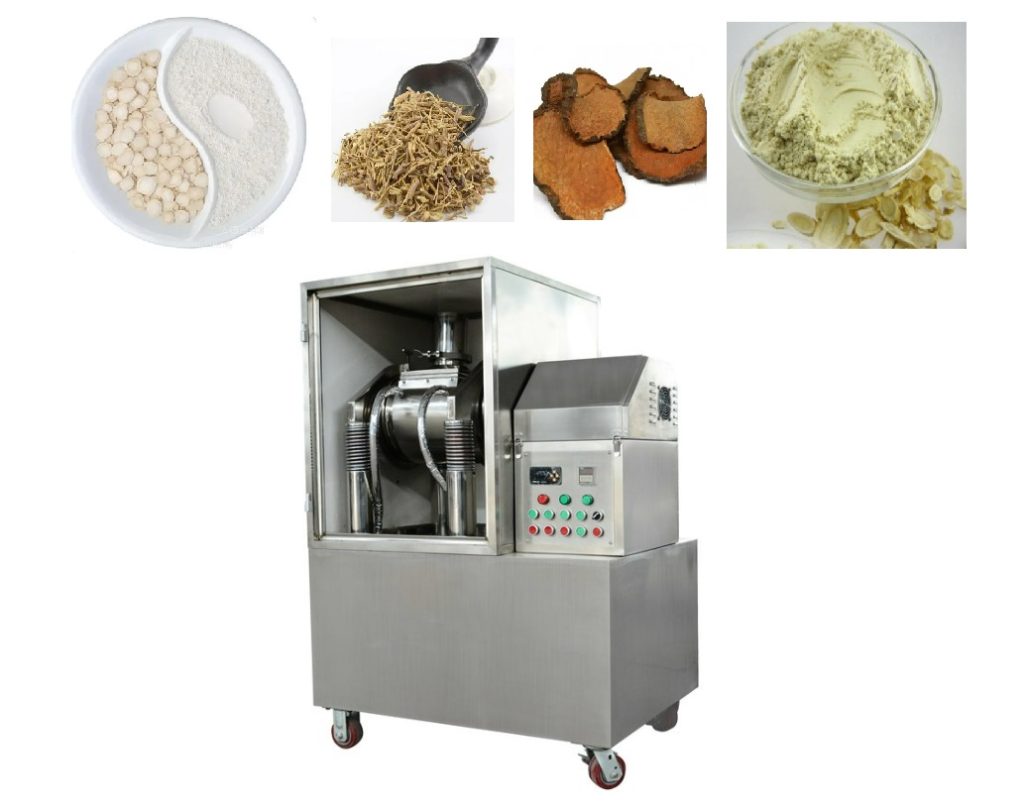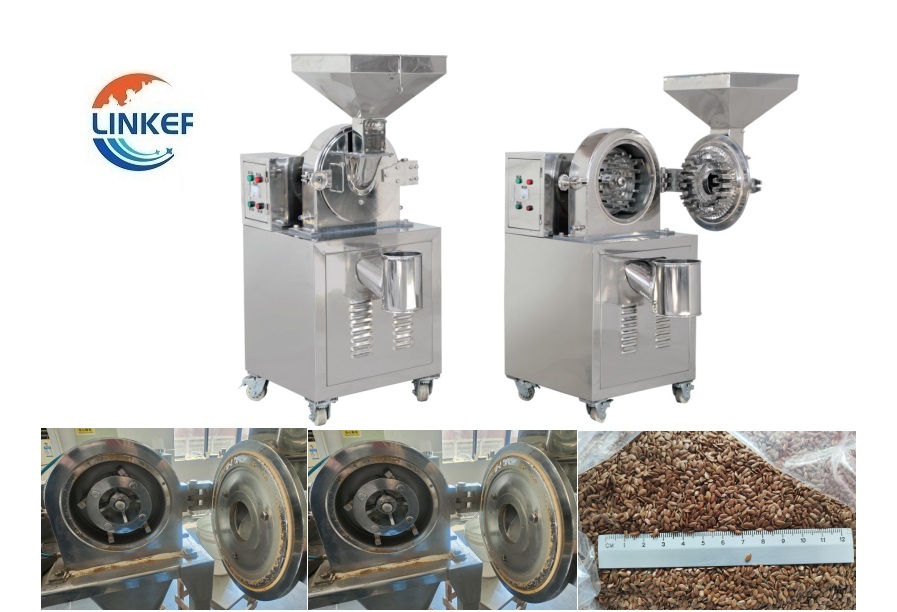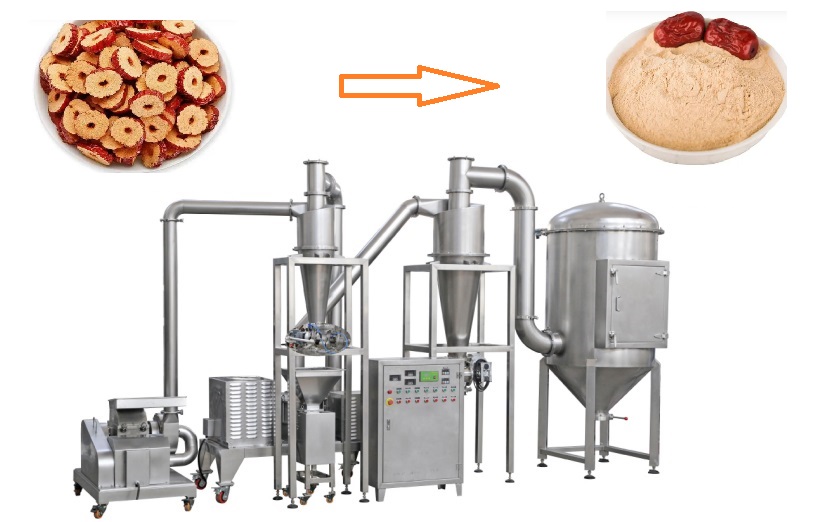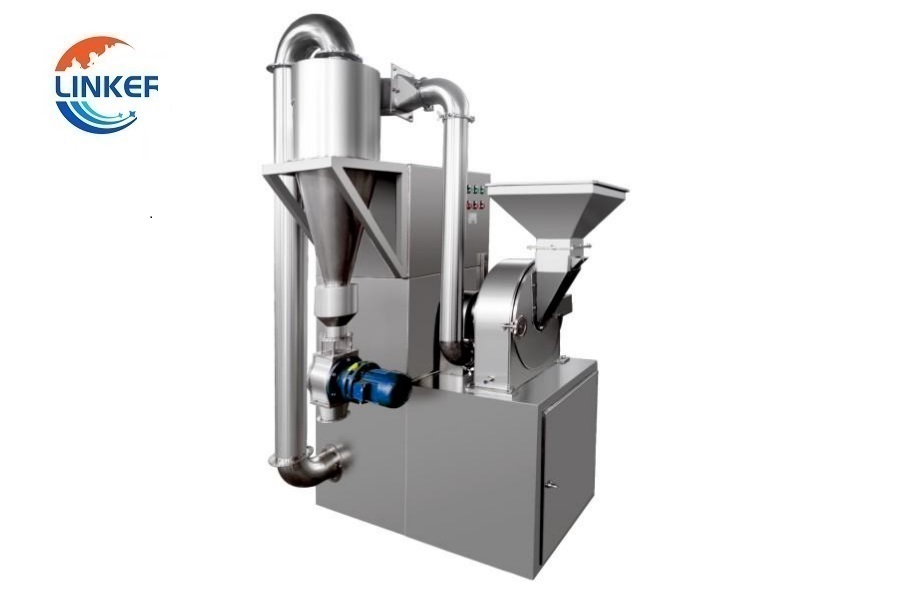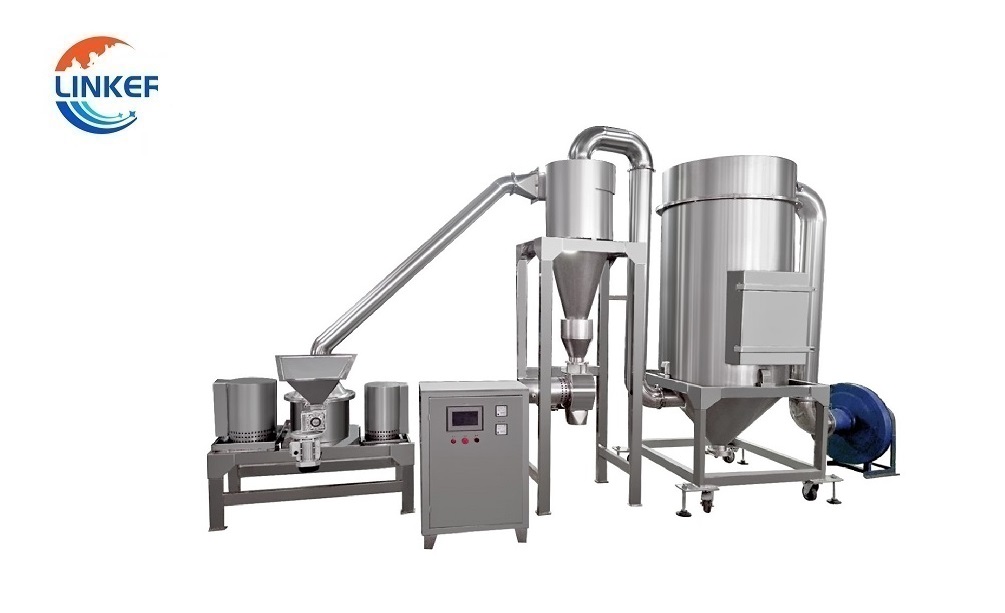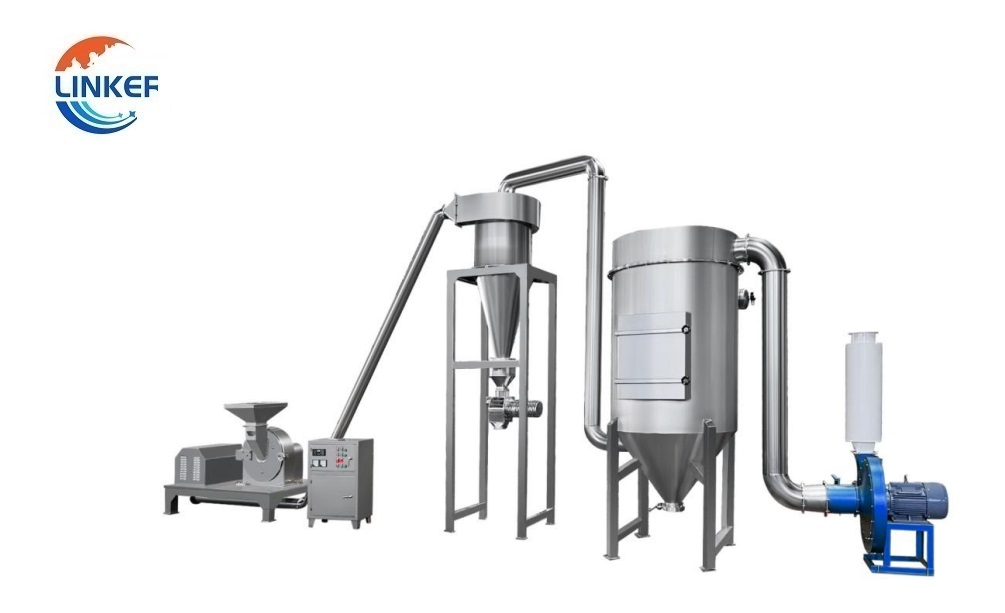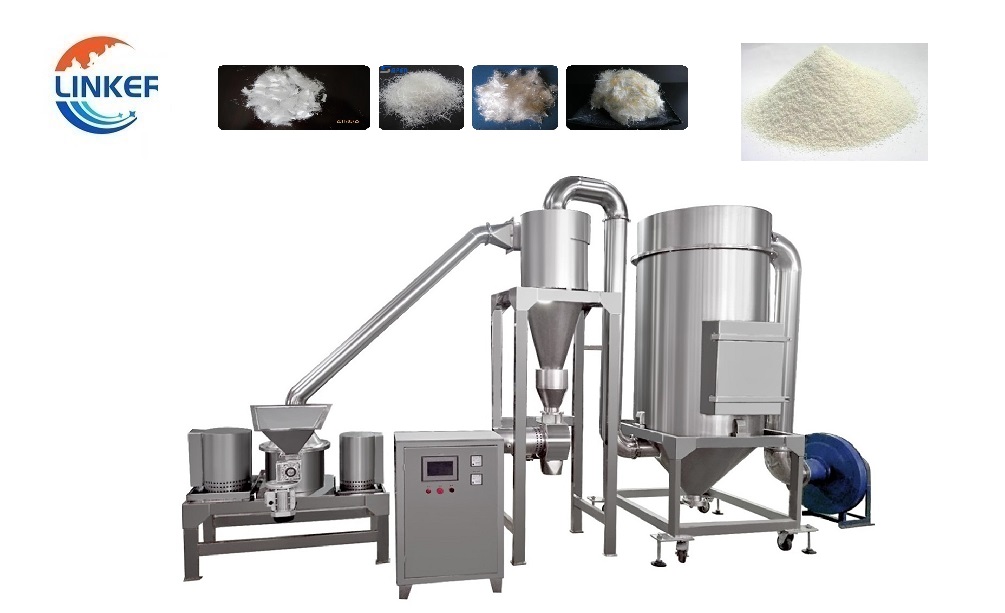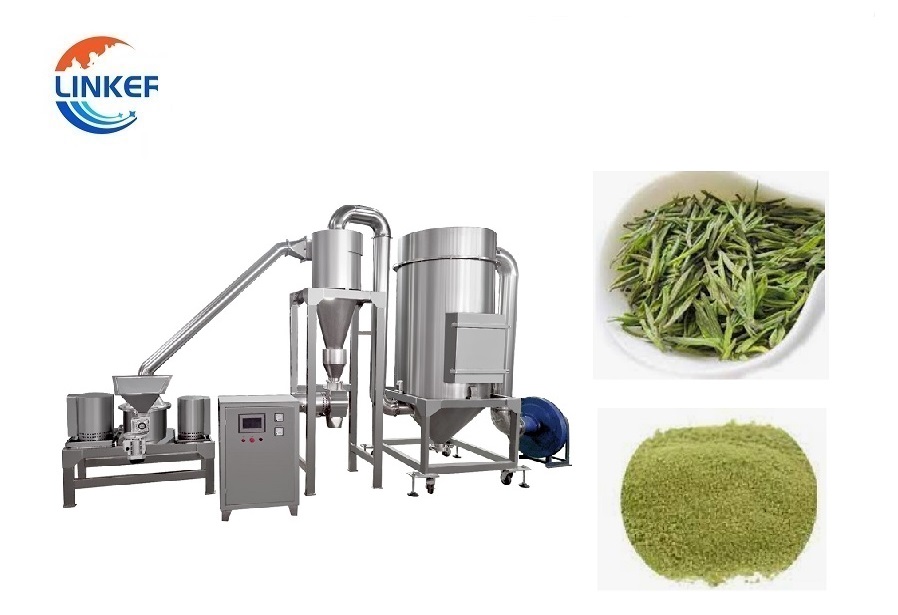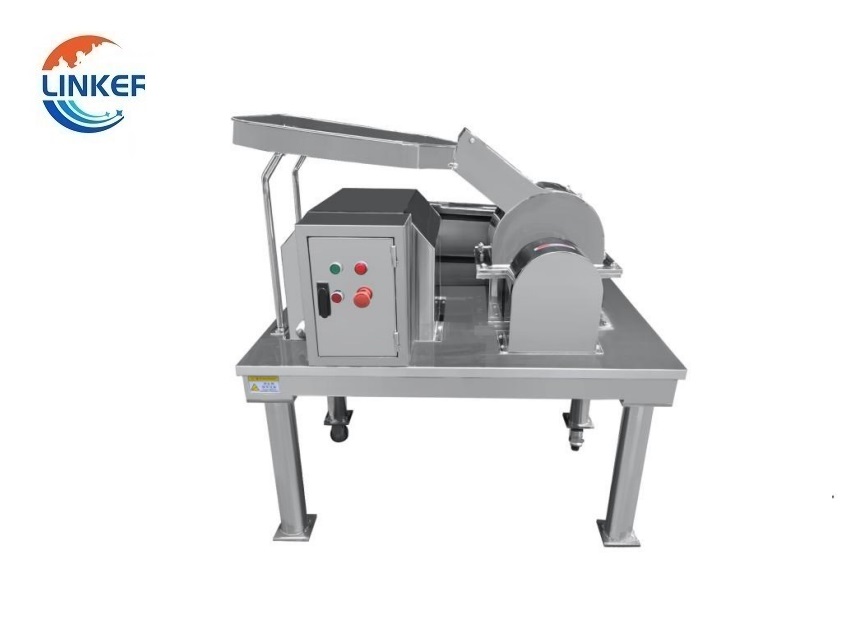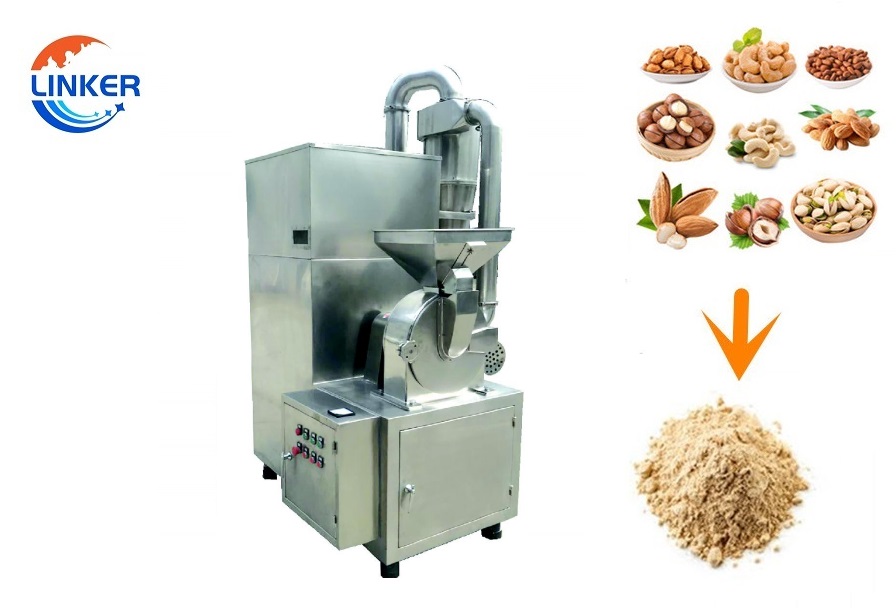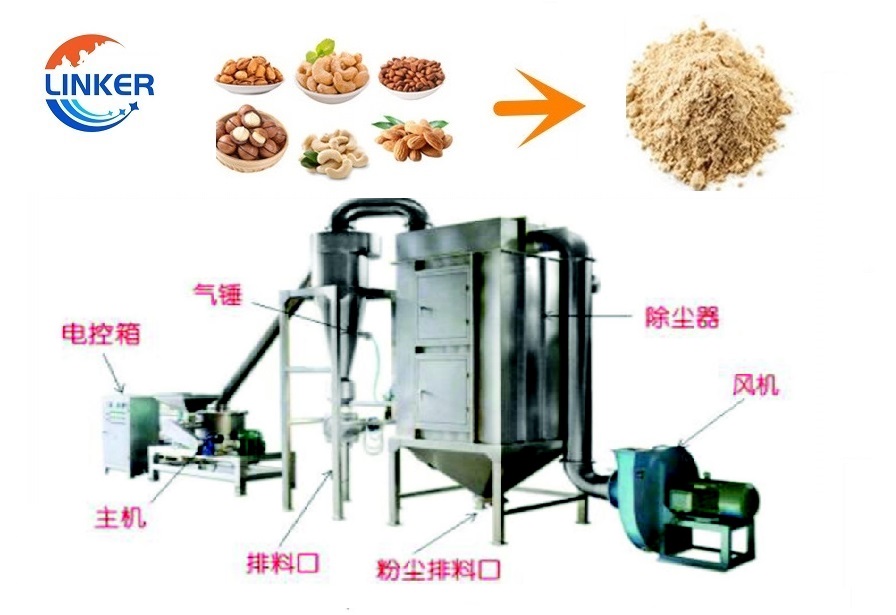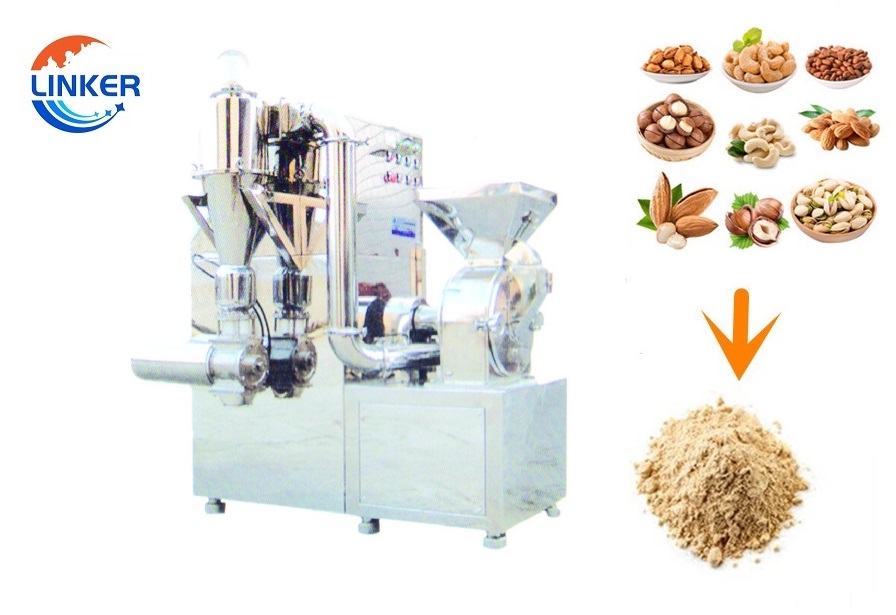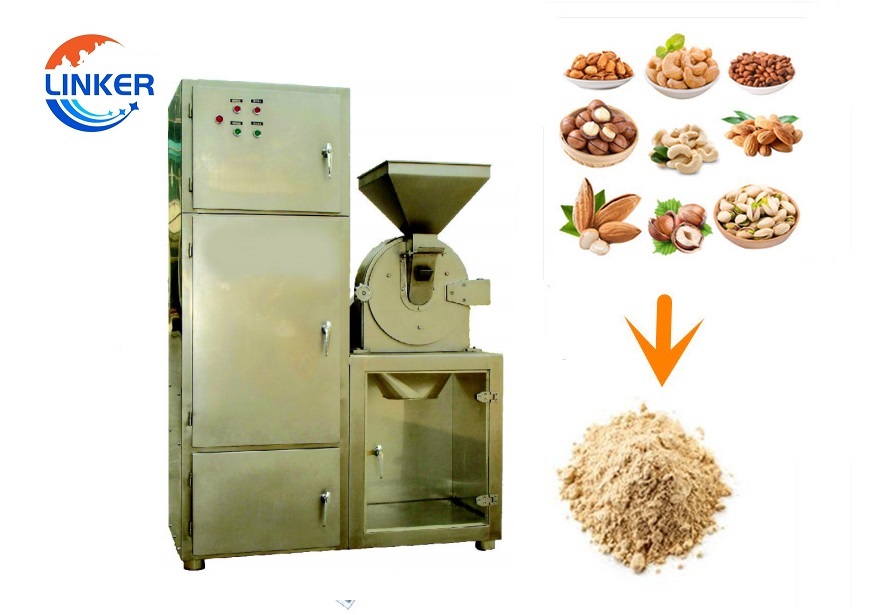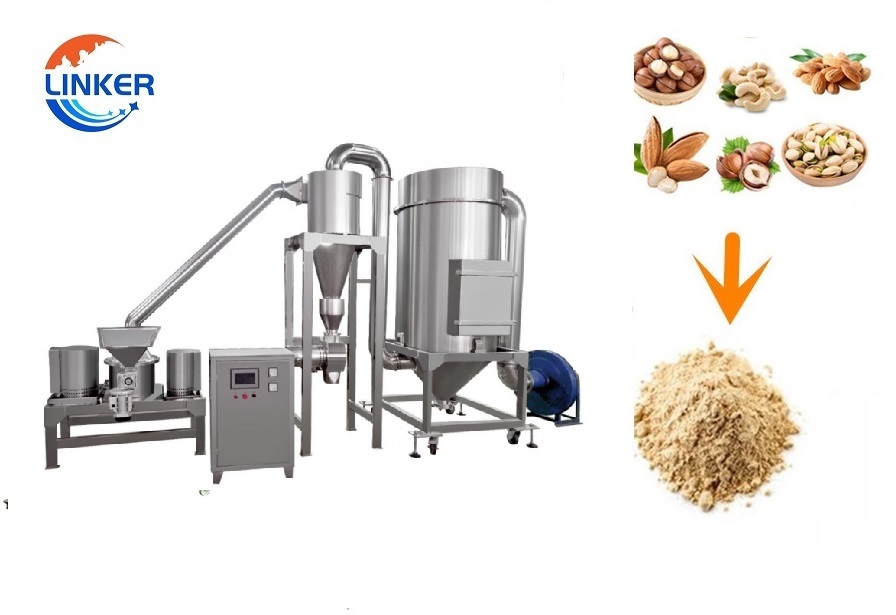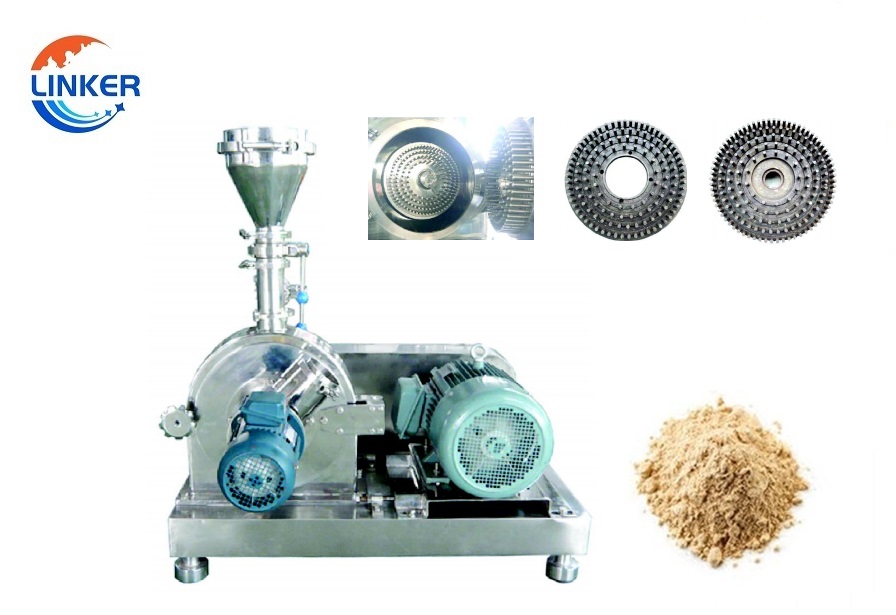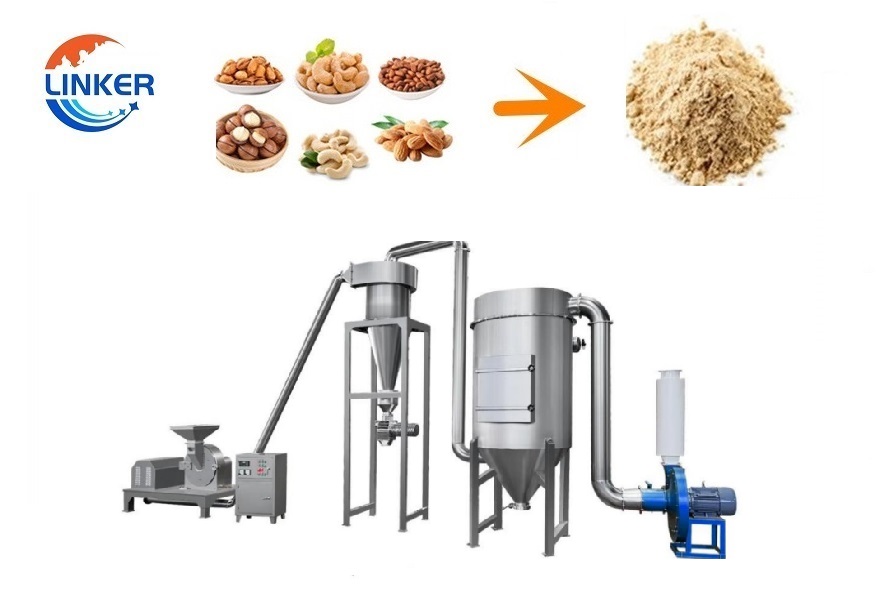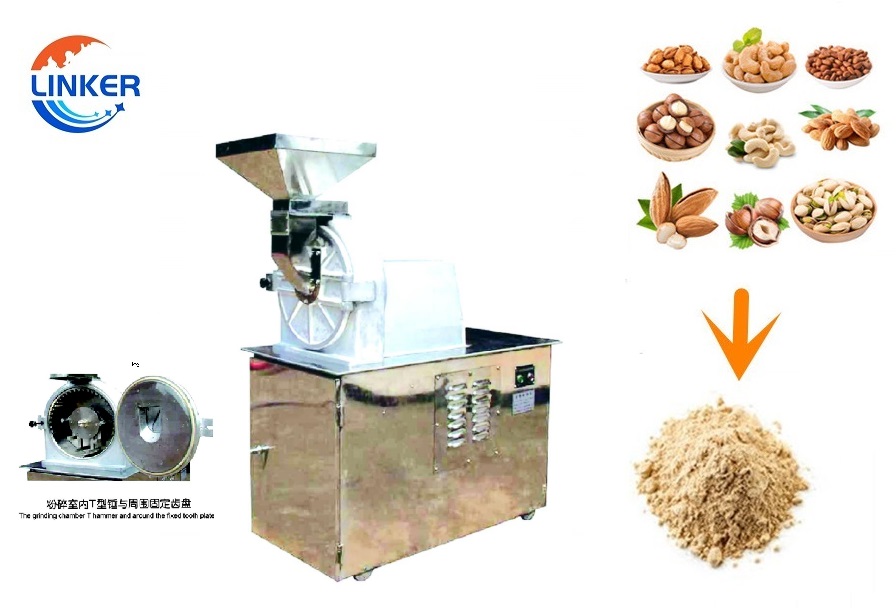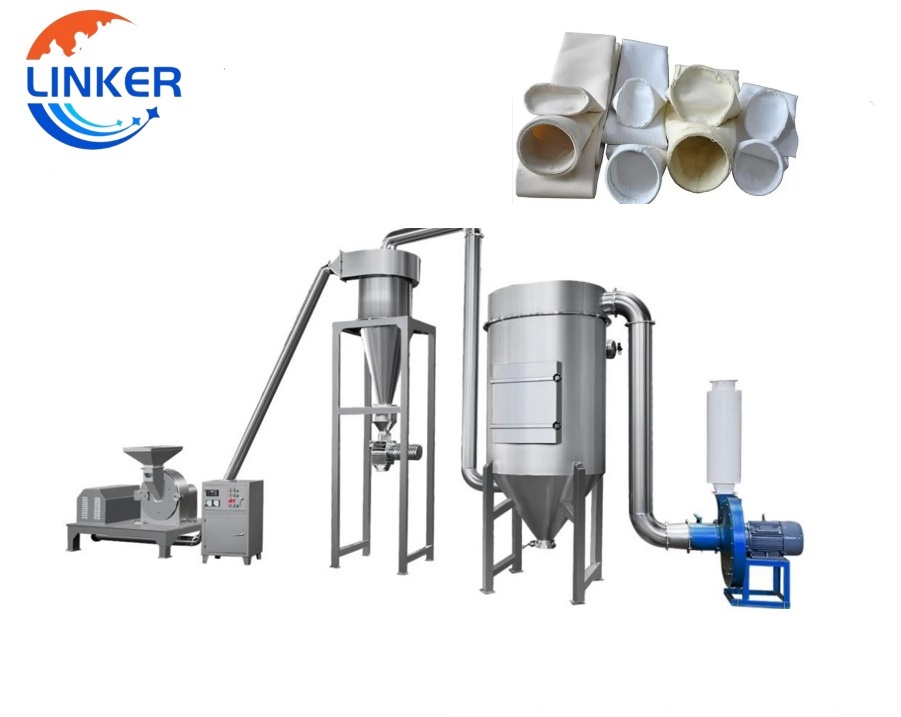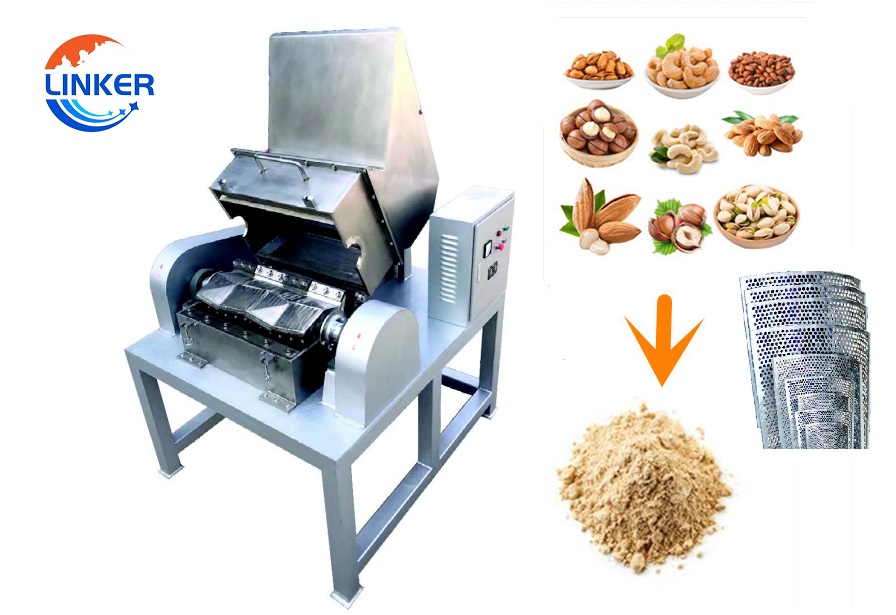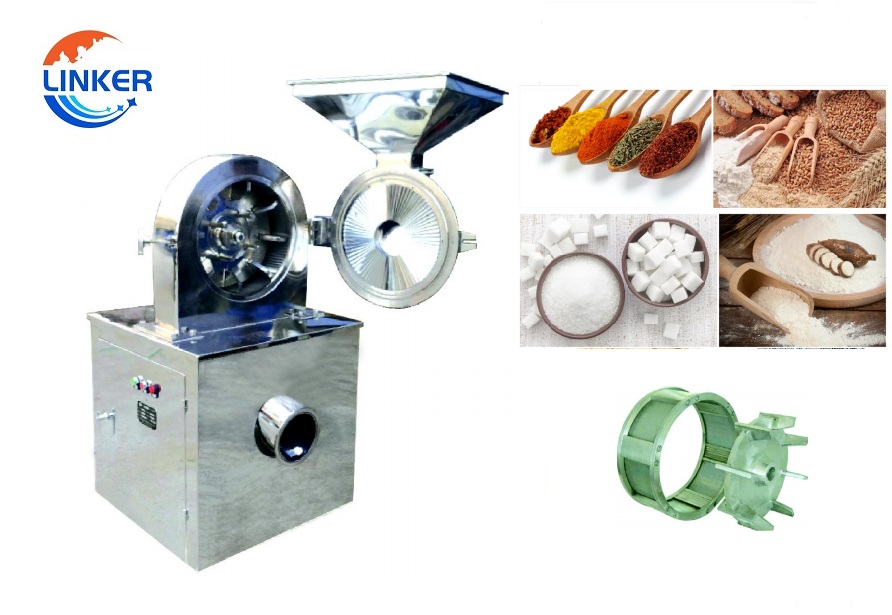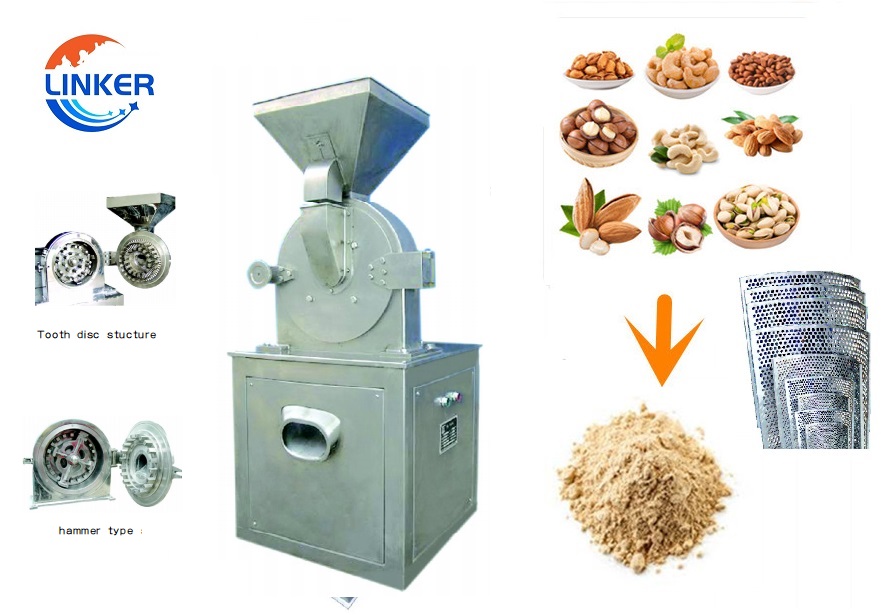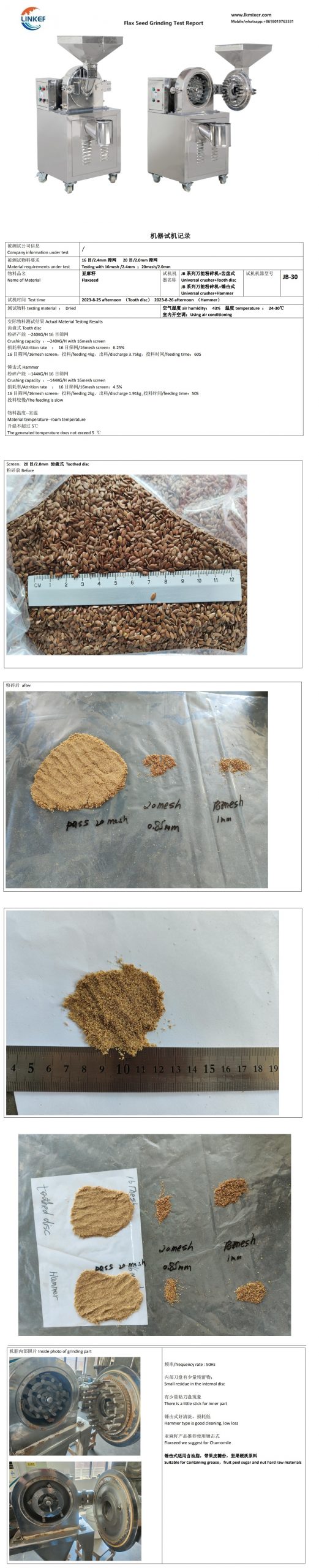
Automatic Epdm Rubber Powder Production Line
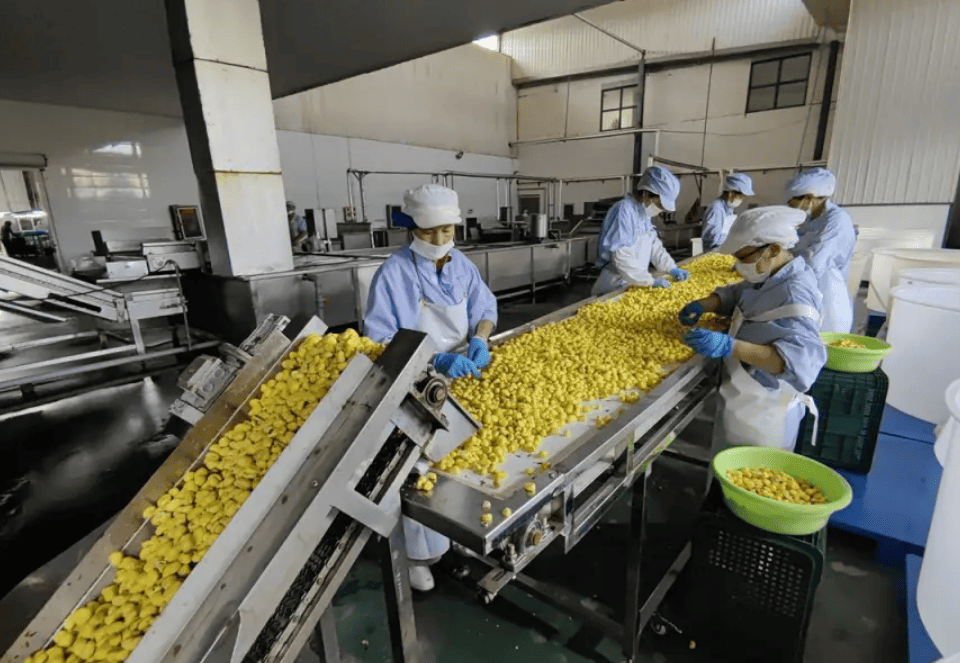
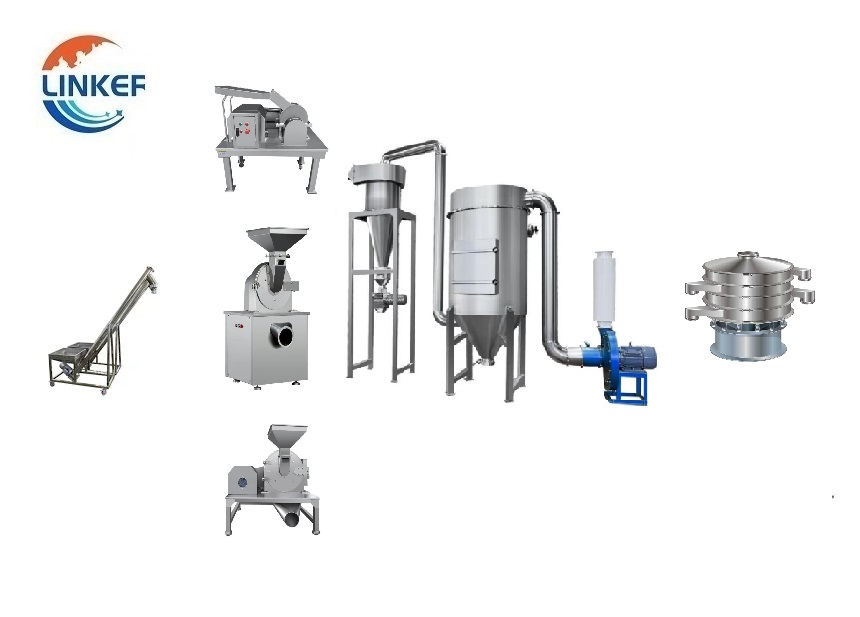
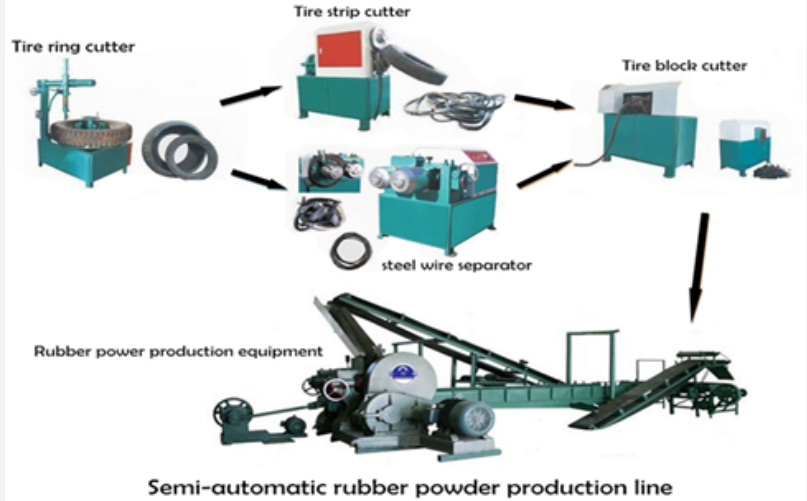
Epdm Rubber Powder Process Flow
- Epdm Rubber Washing Machine
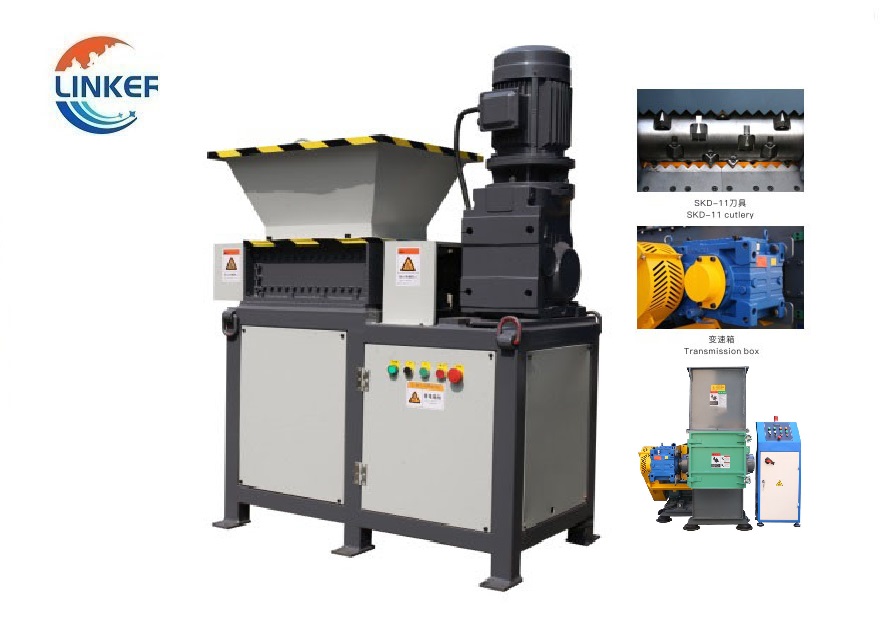
- Epdm Rubber Pealing and Cutting Machine
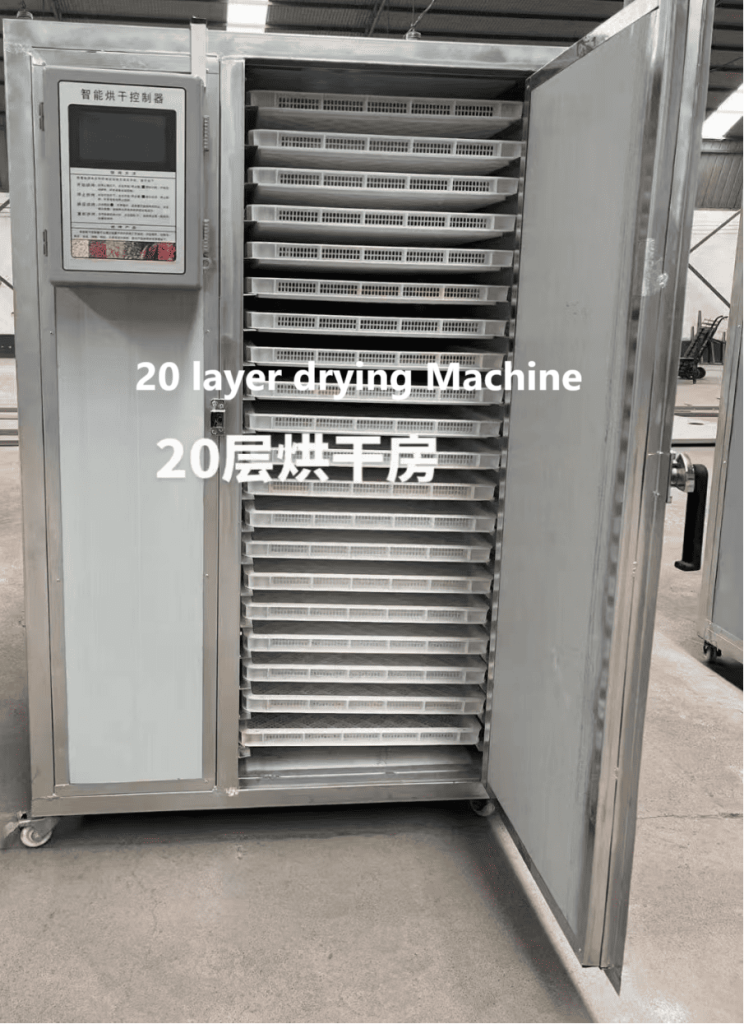
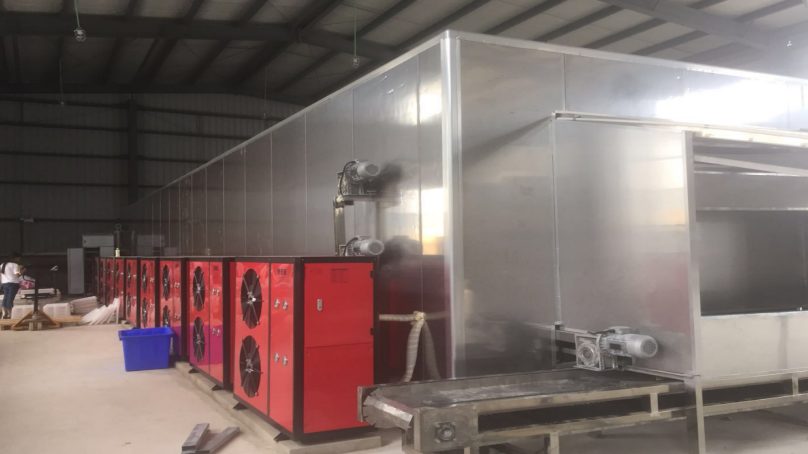
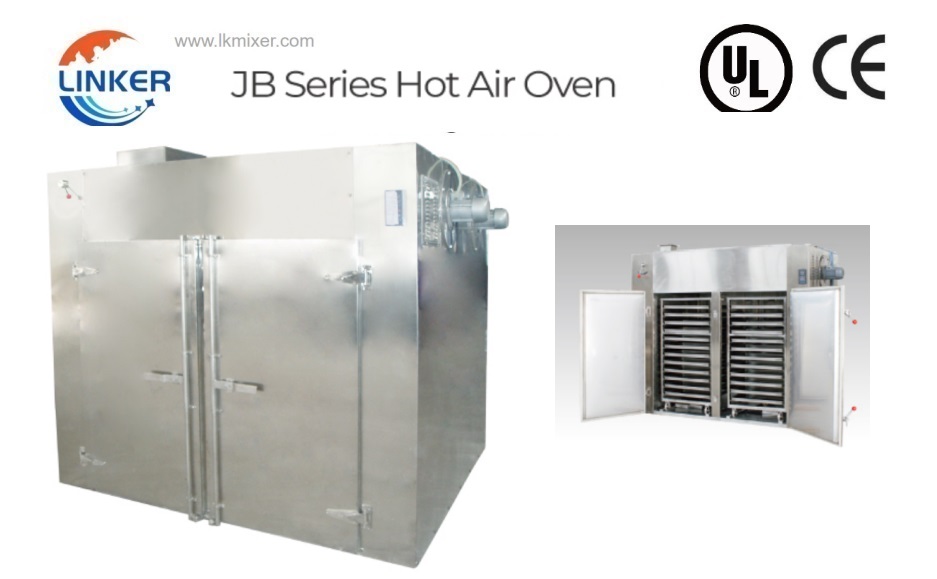
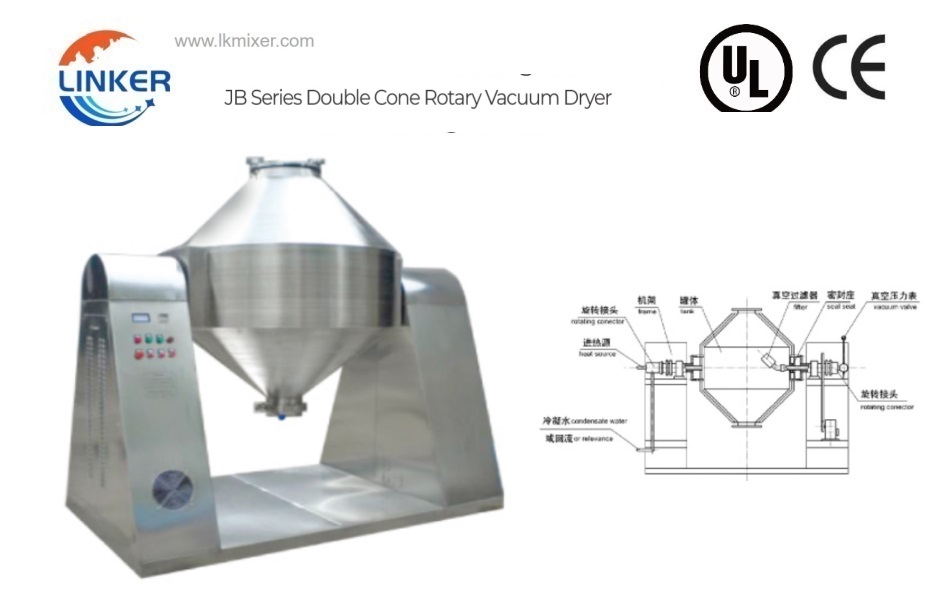
- Epdm Rubber Drying Machine
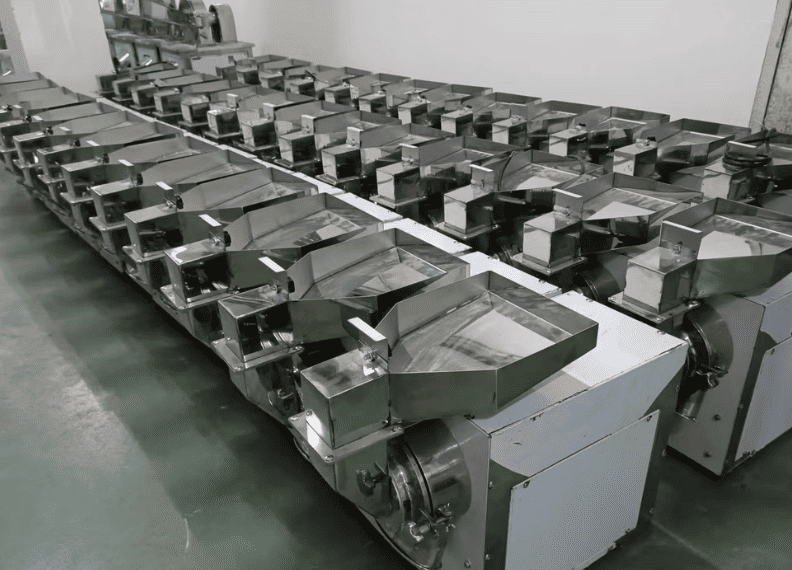
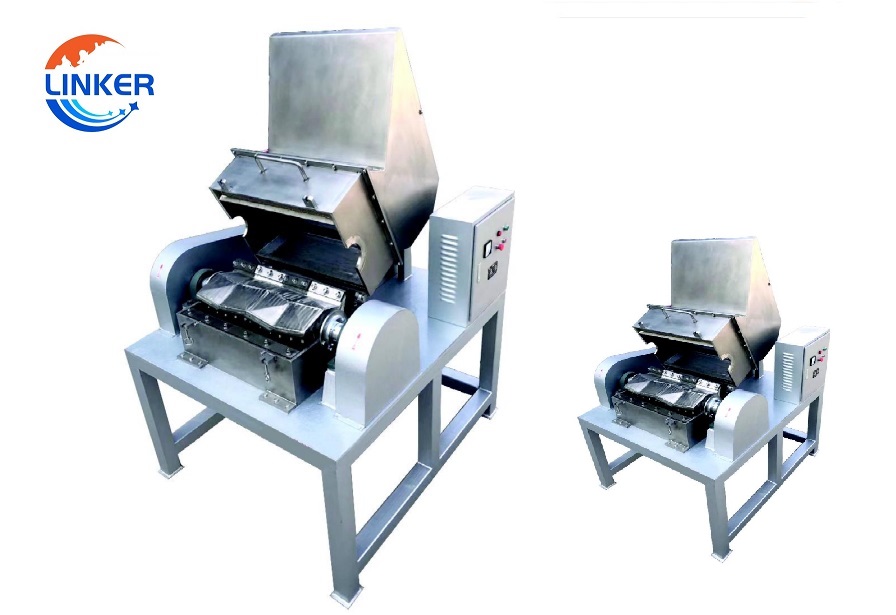
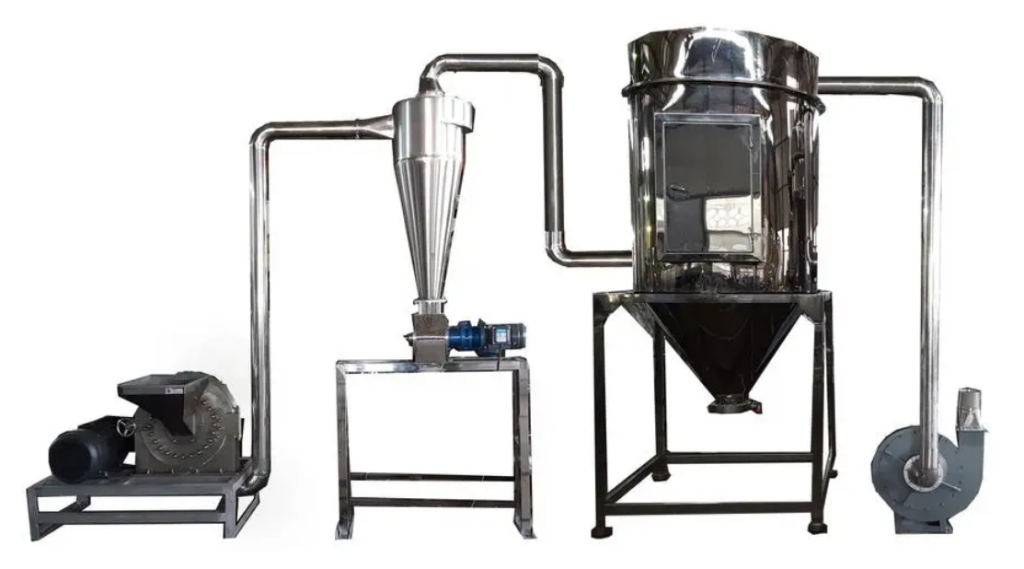
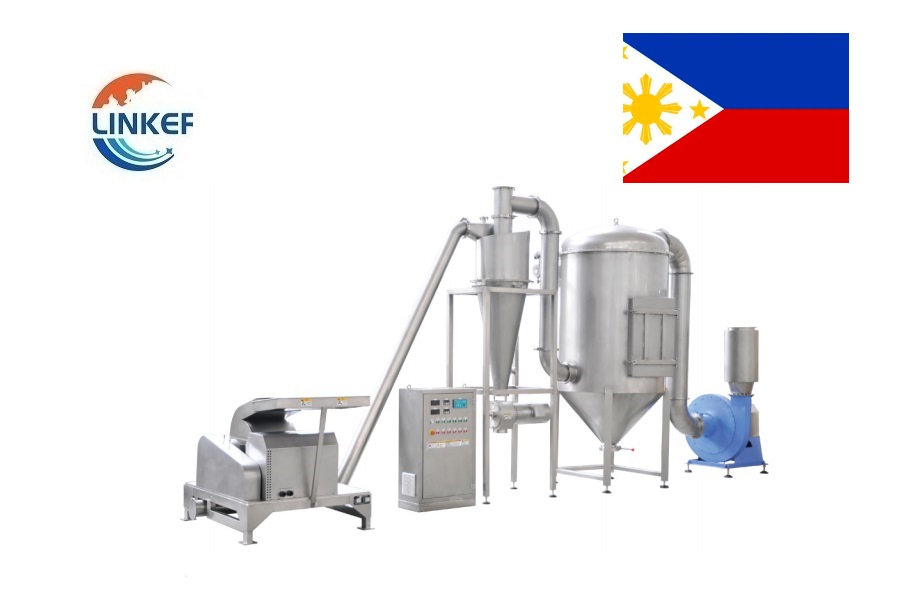
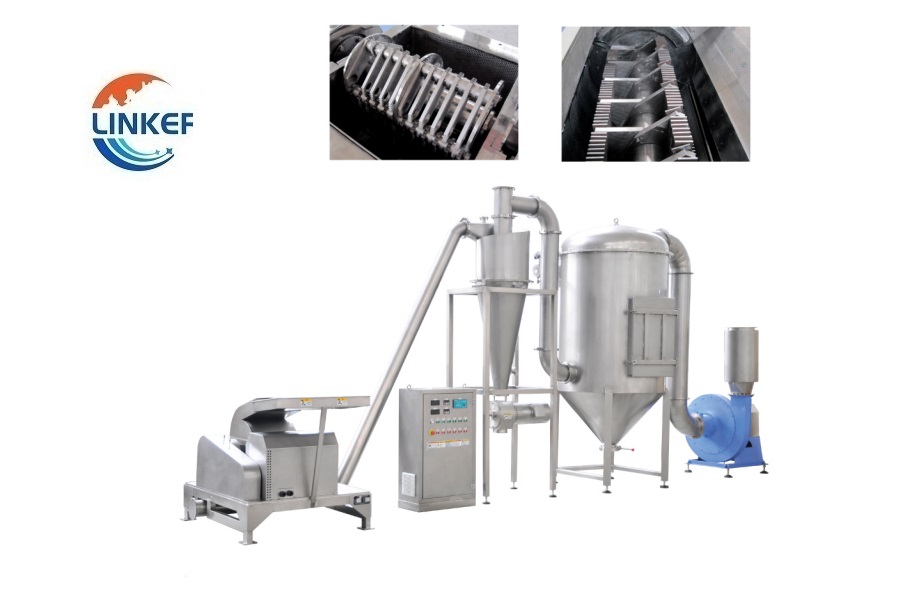
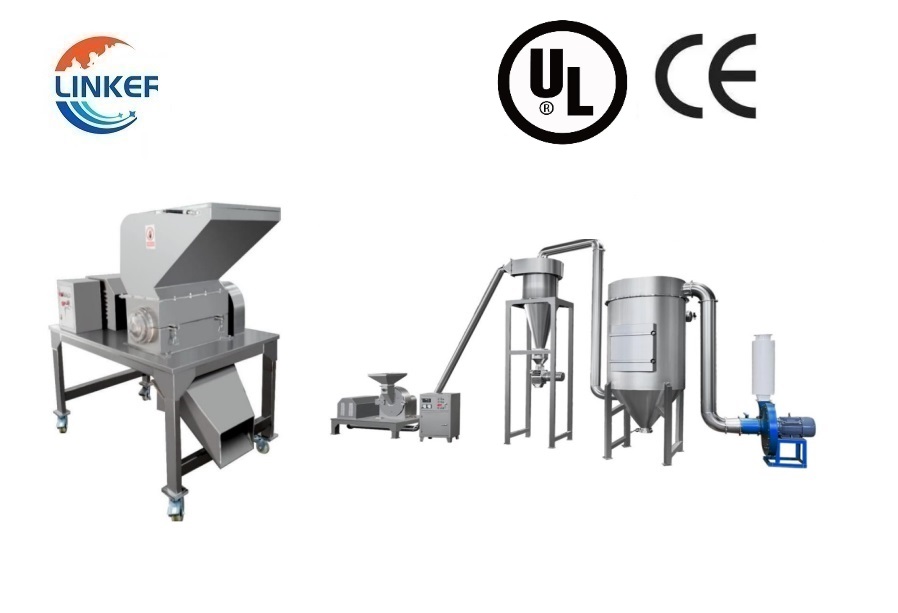
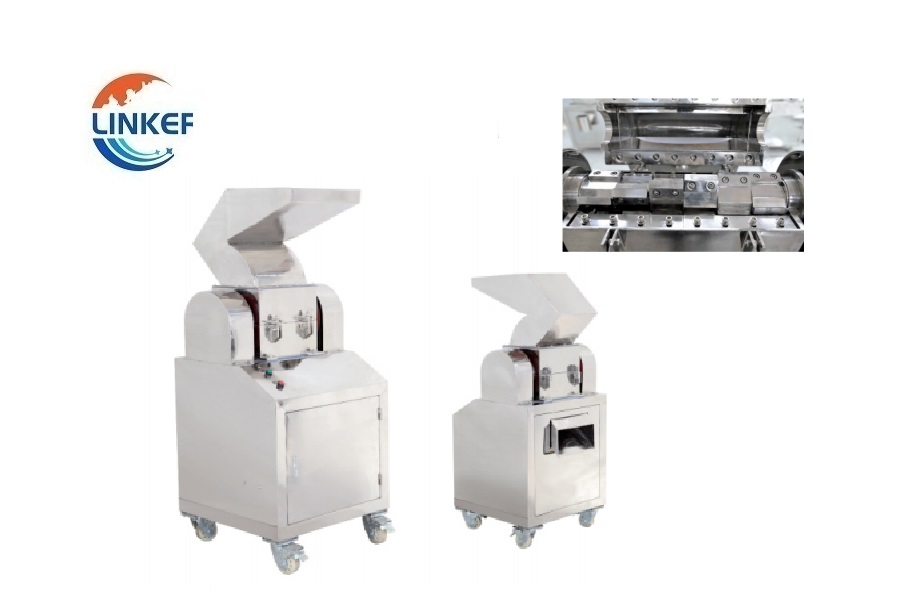
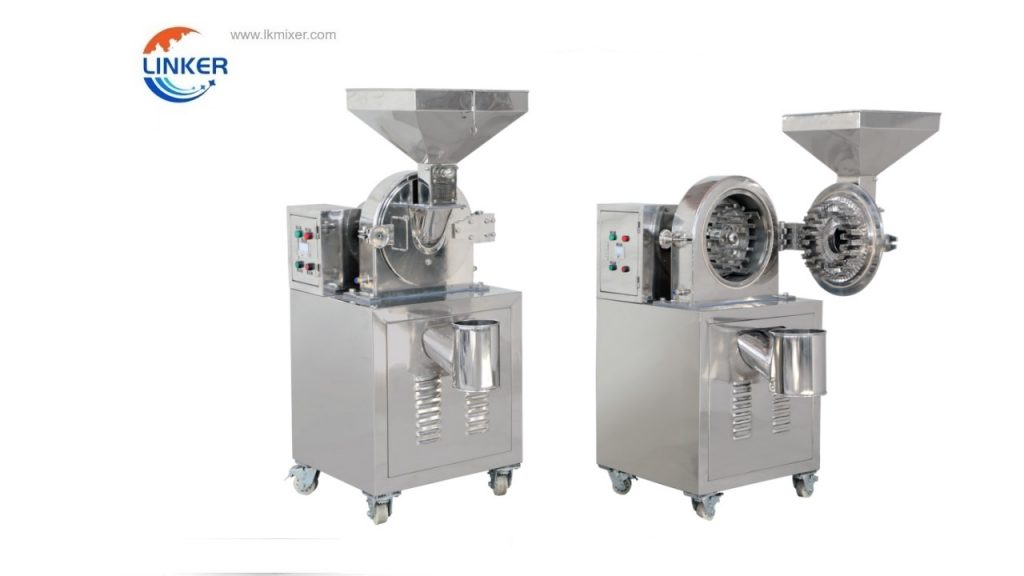
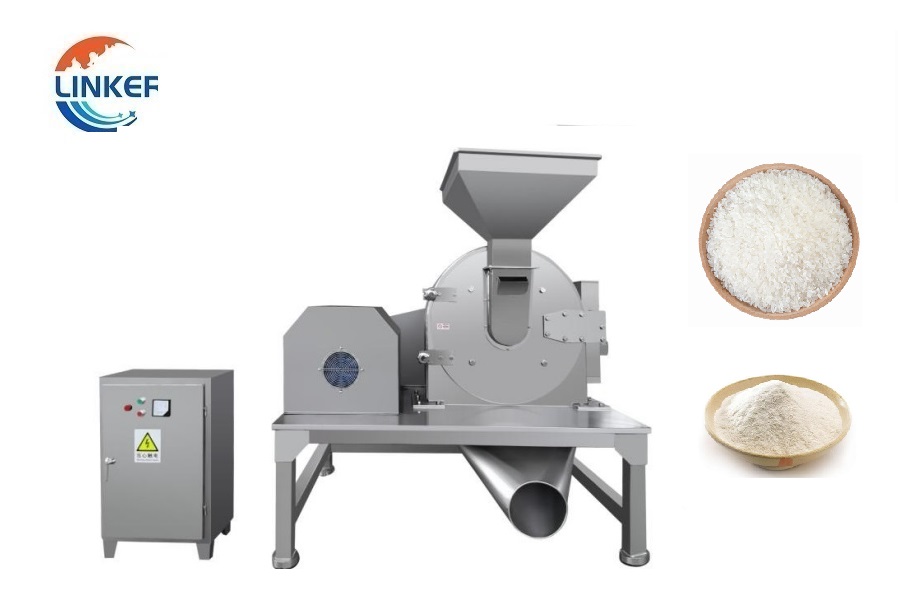
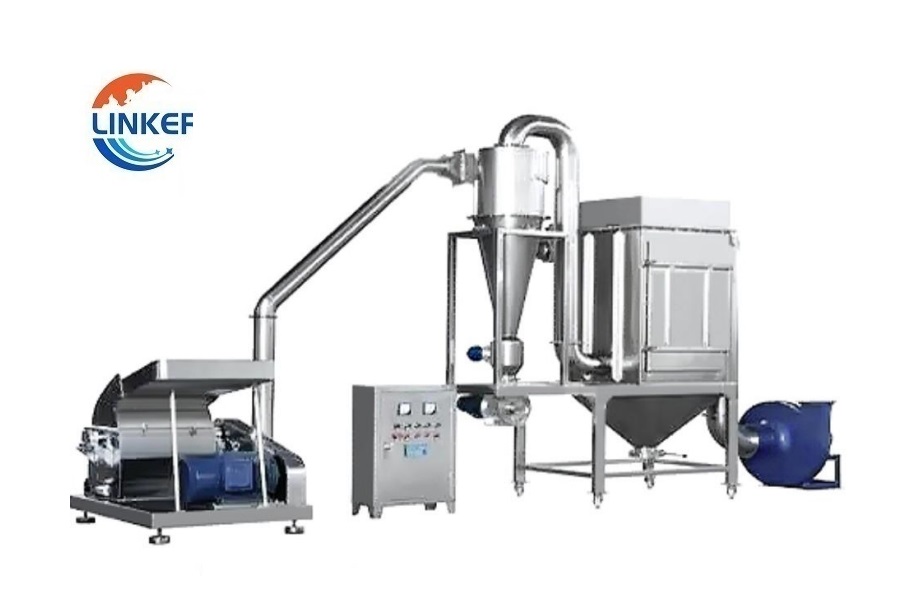
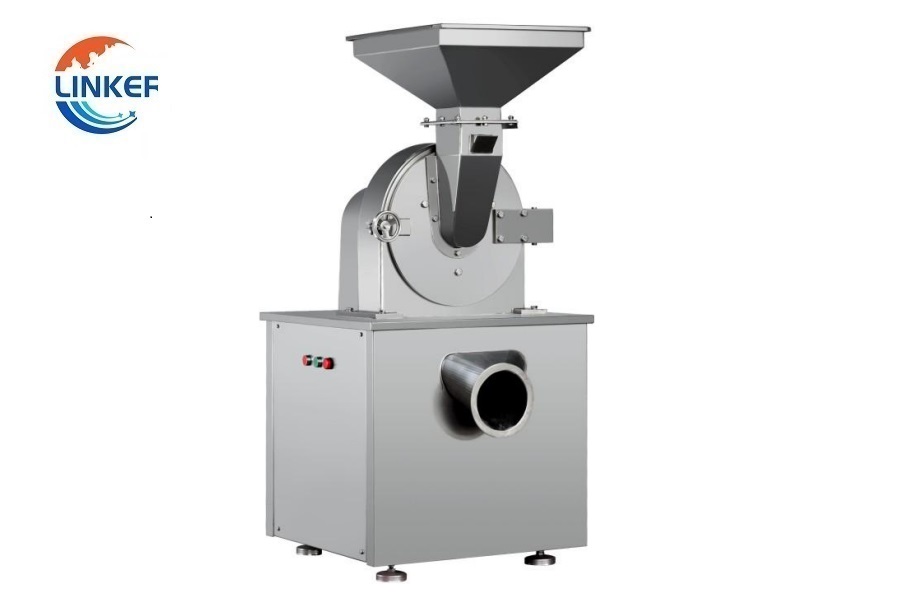
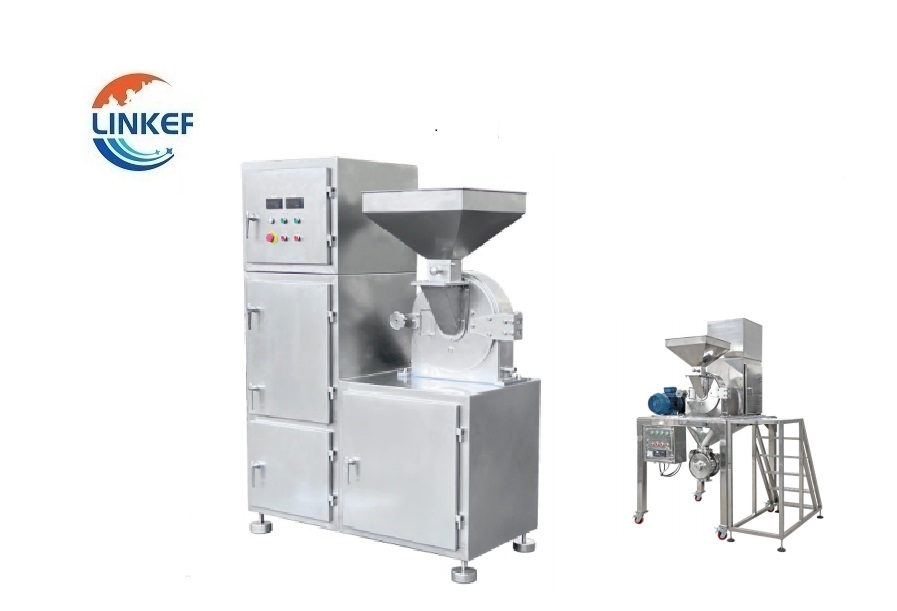
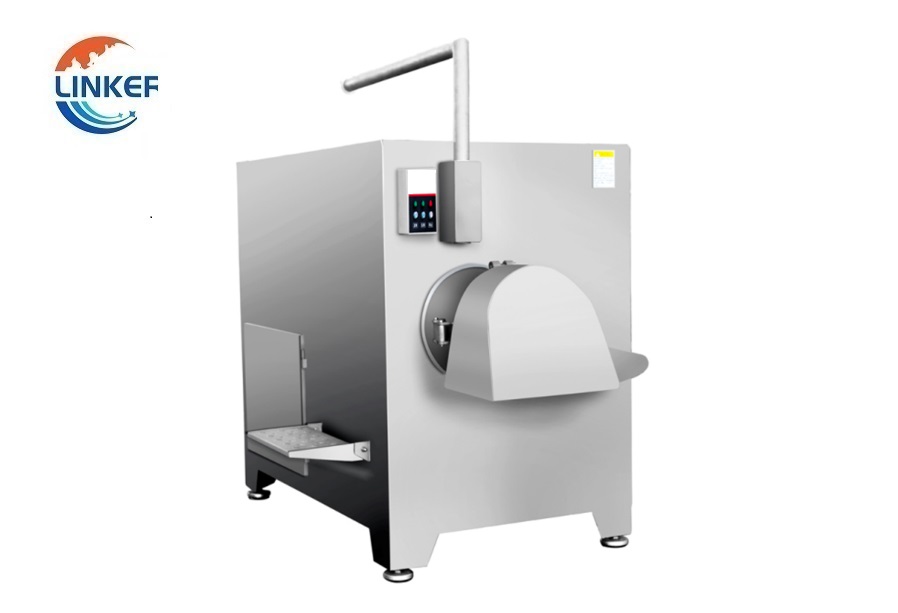
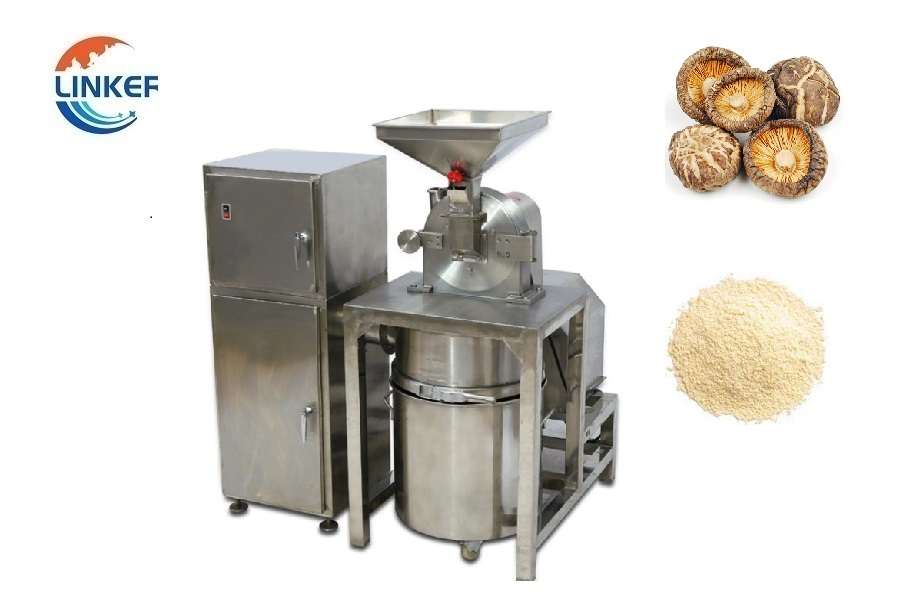
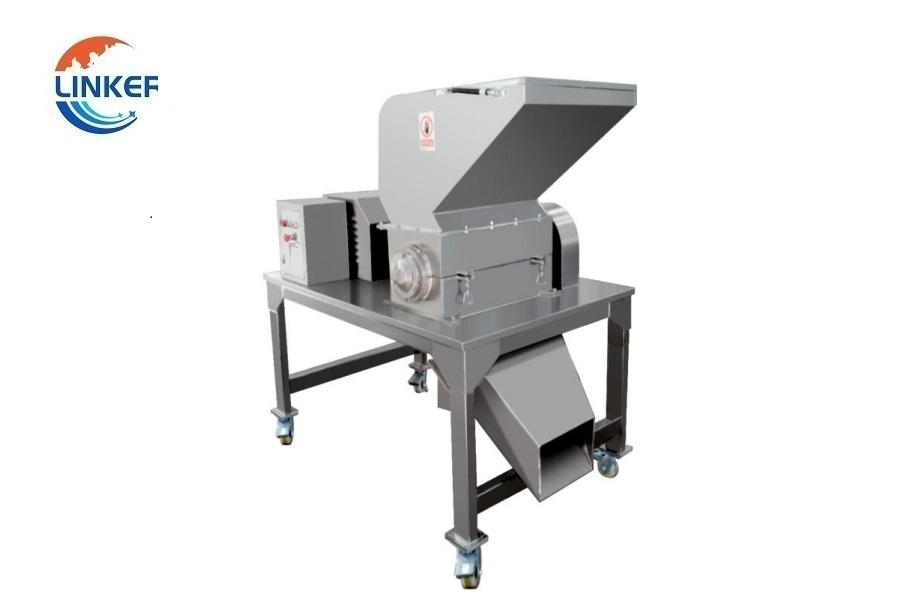
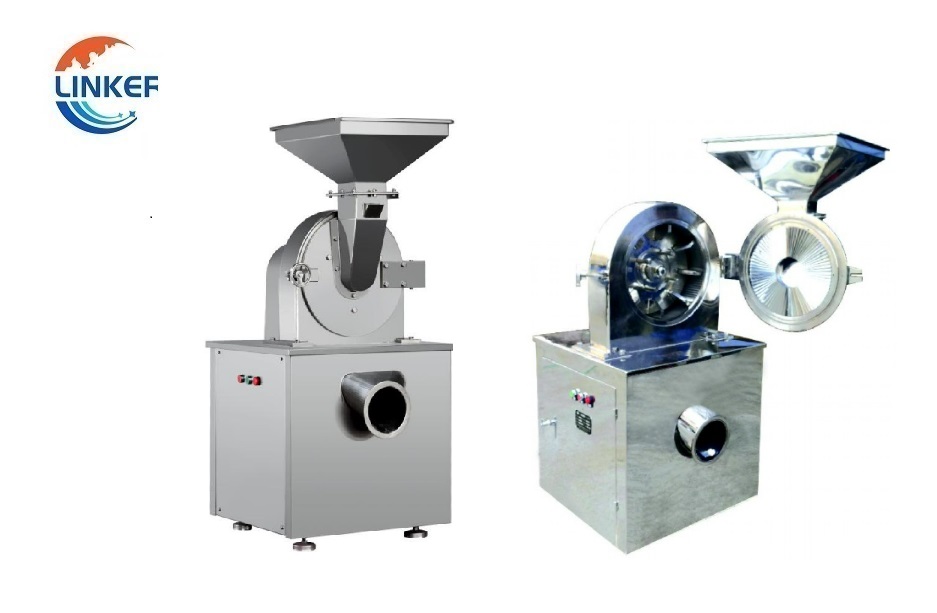
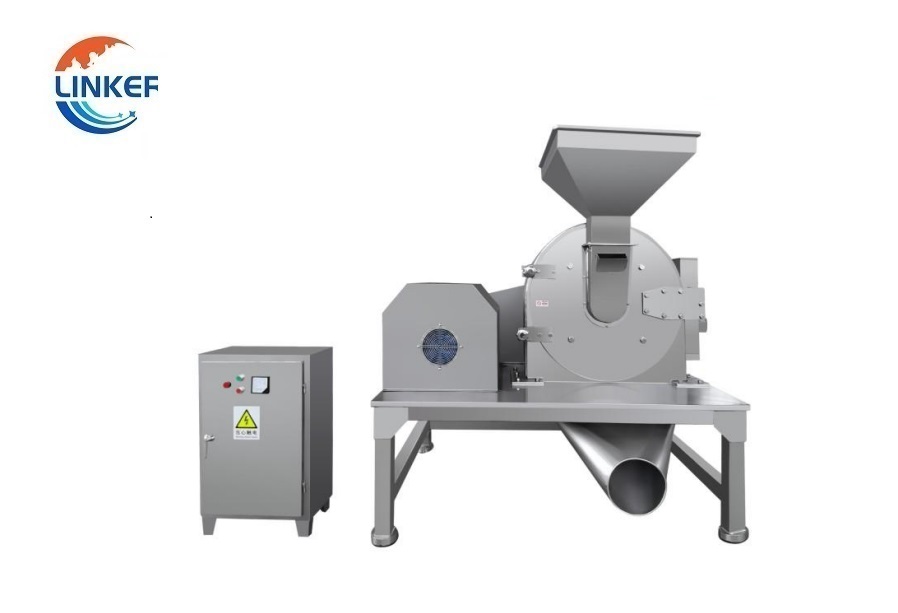
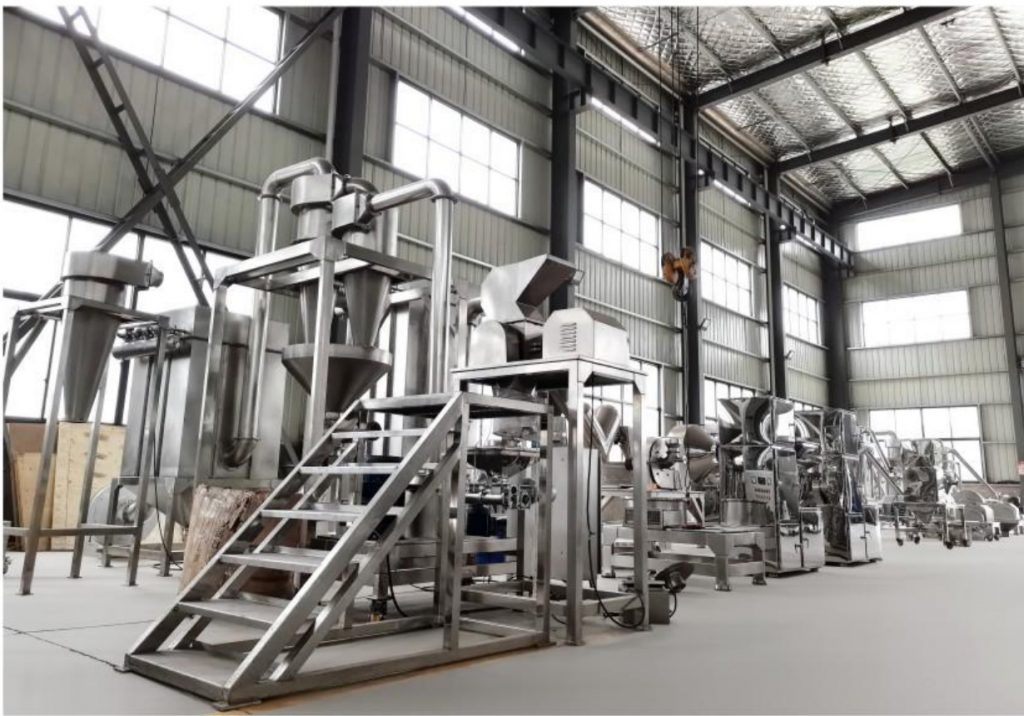
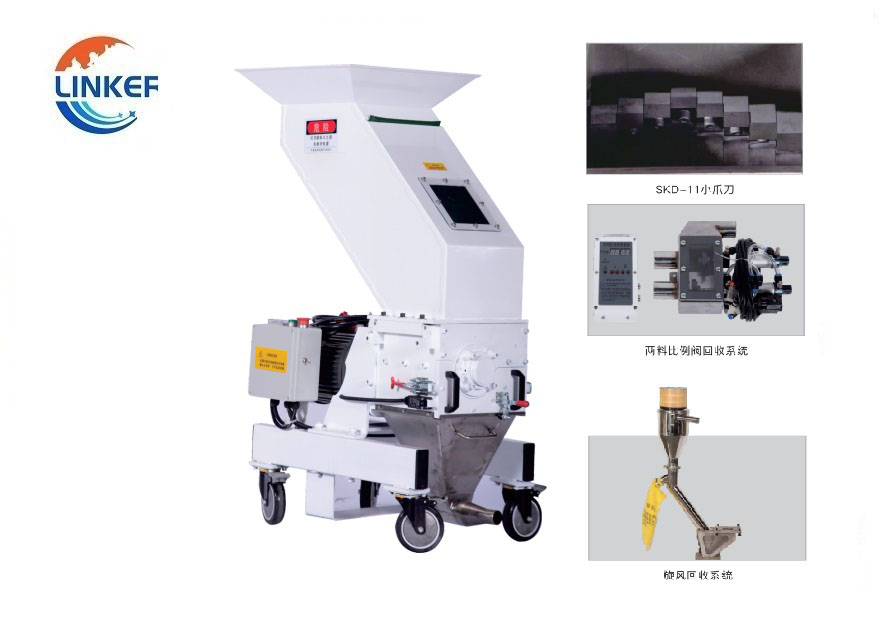
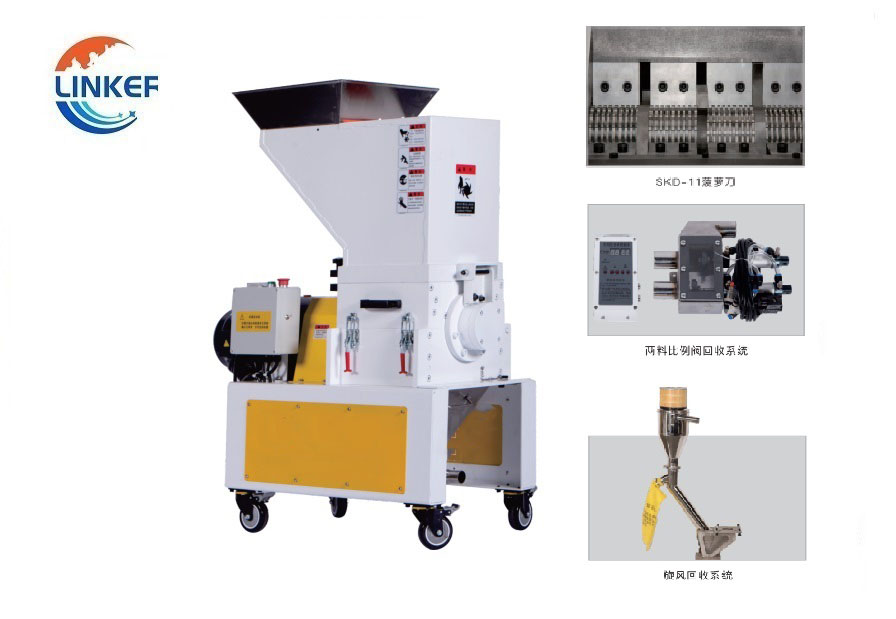
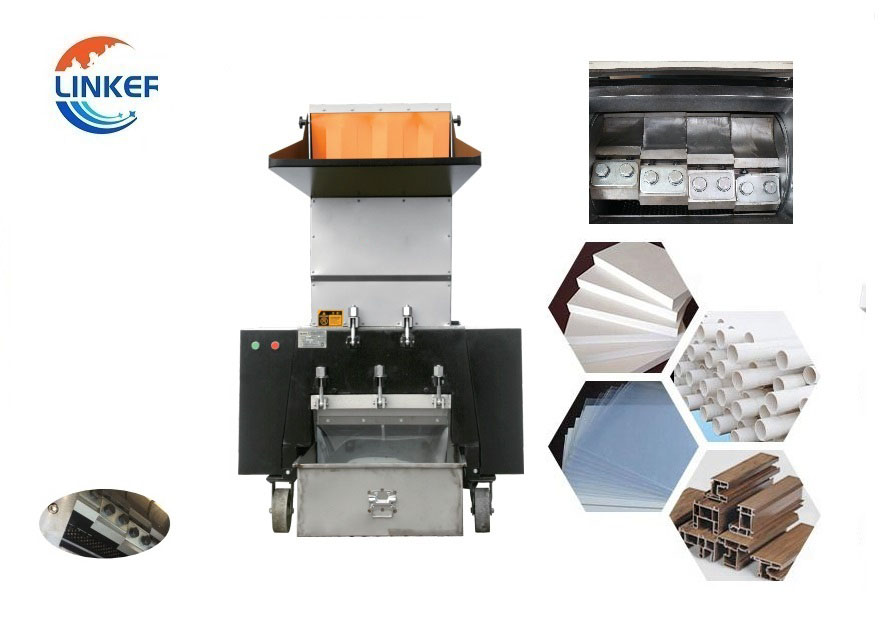
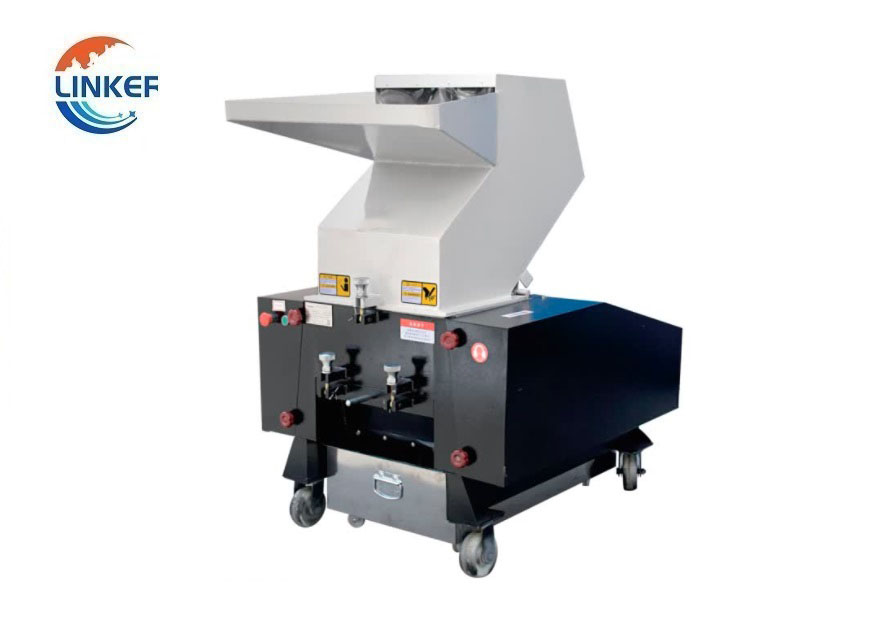
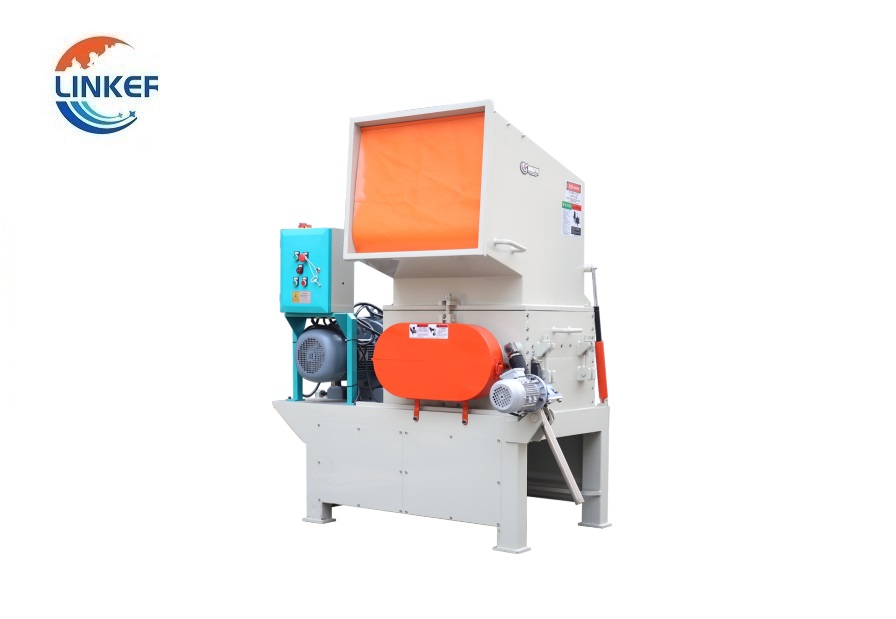
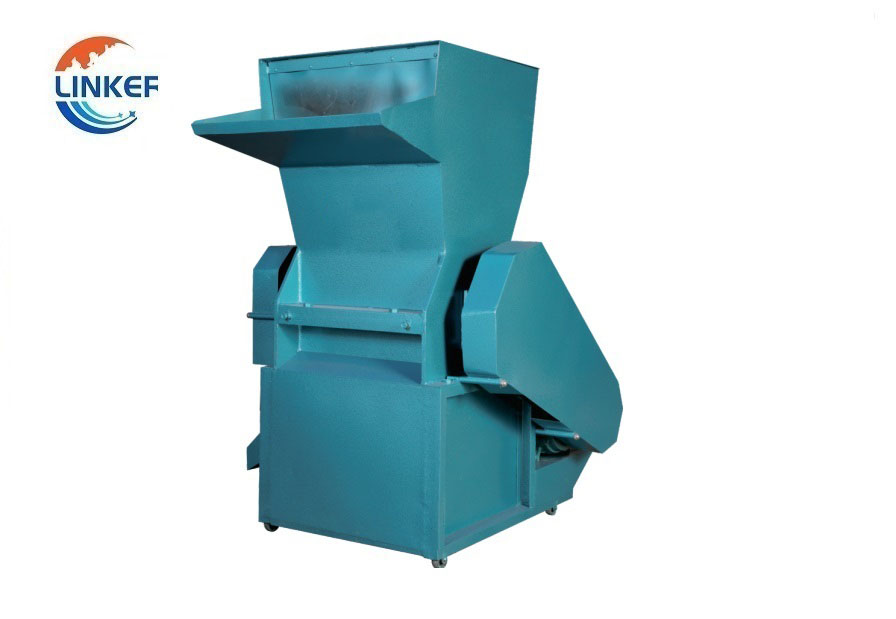
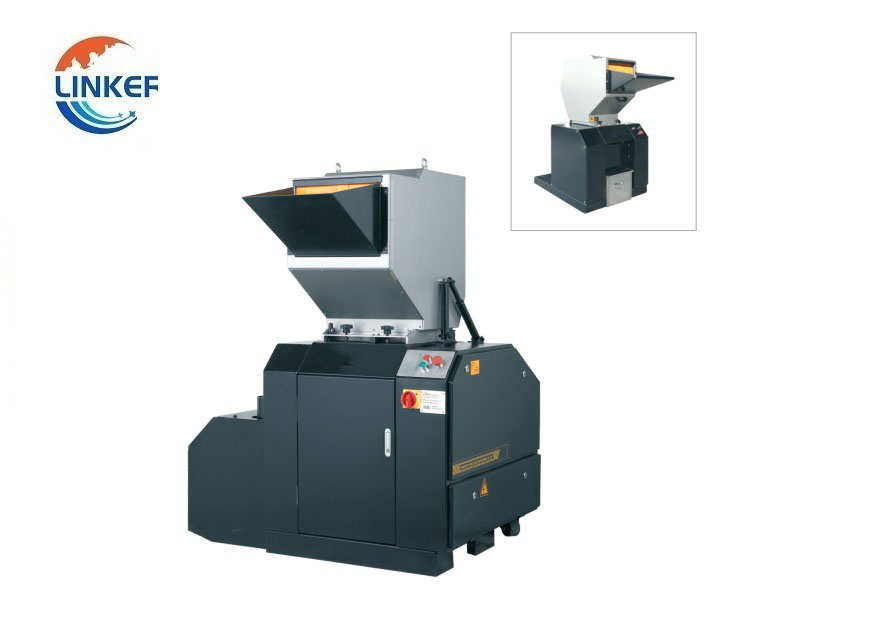
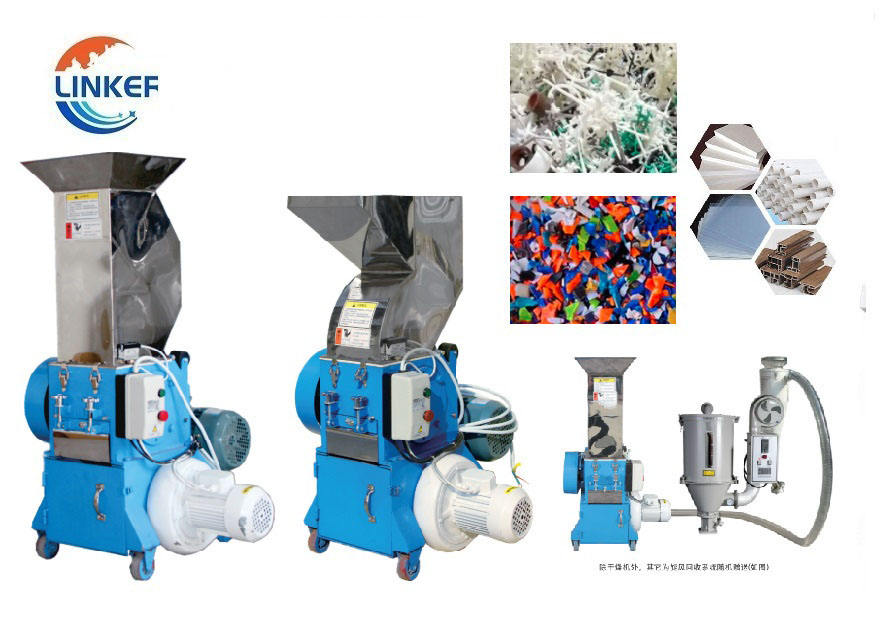
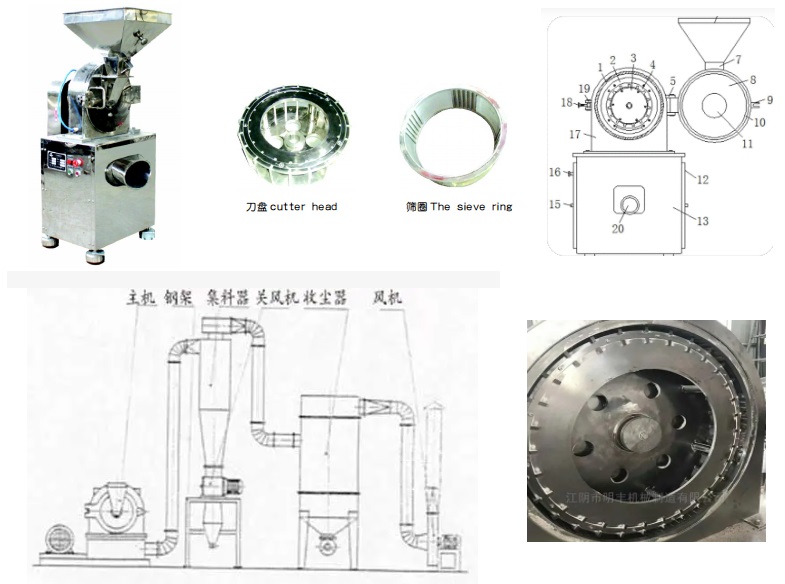
- Epdm Rubber Grinding Machine
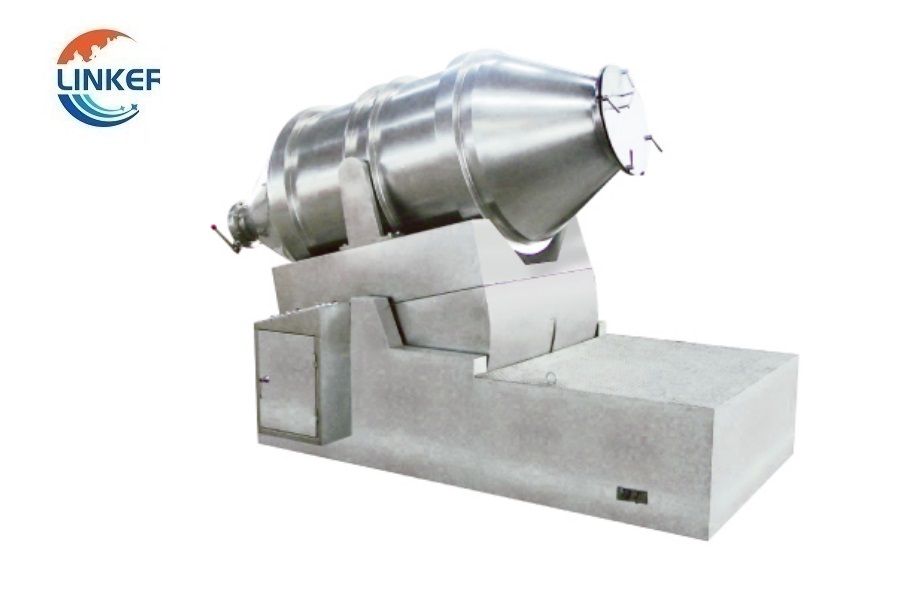
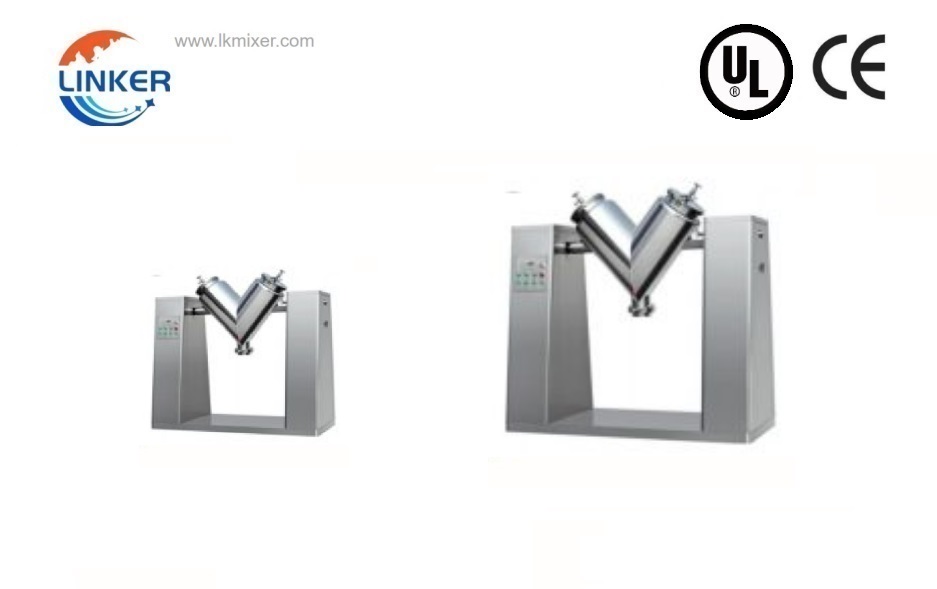
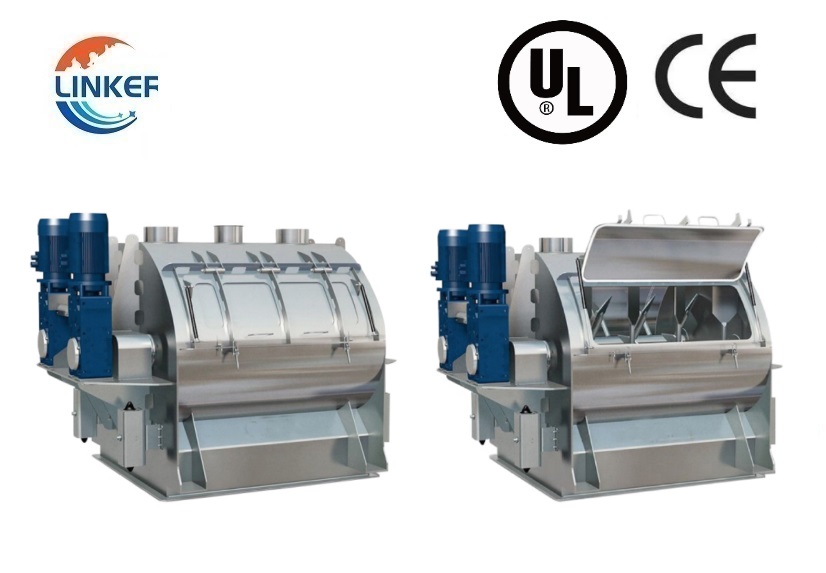
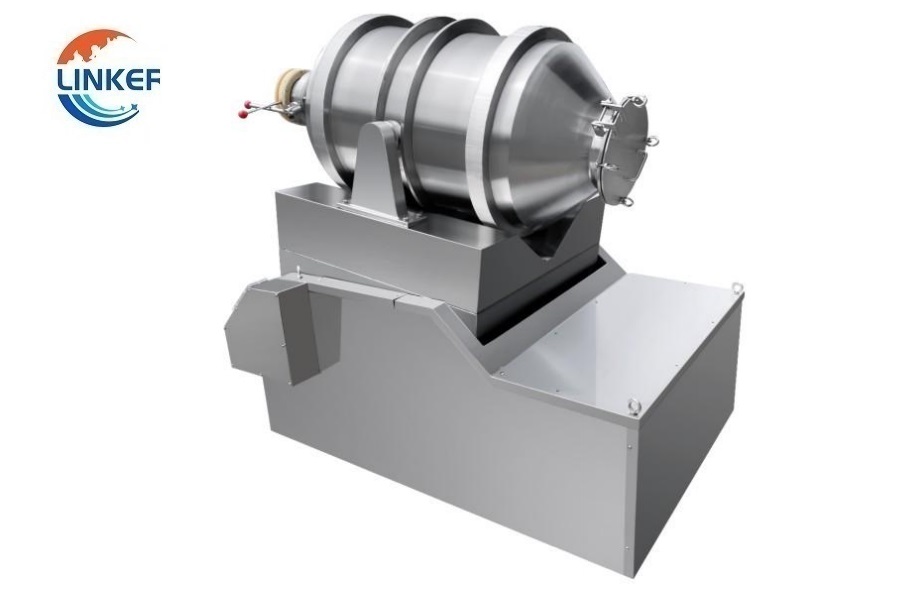
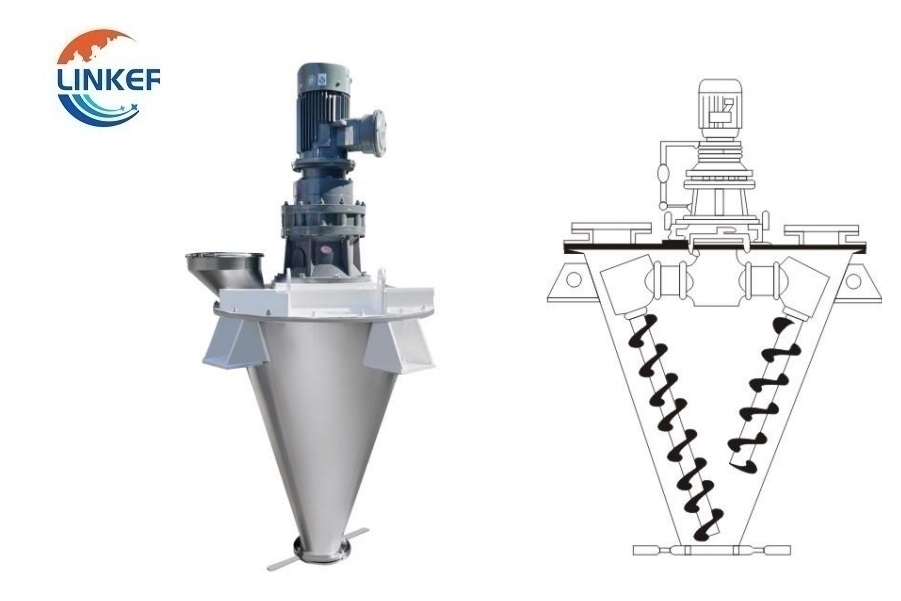
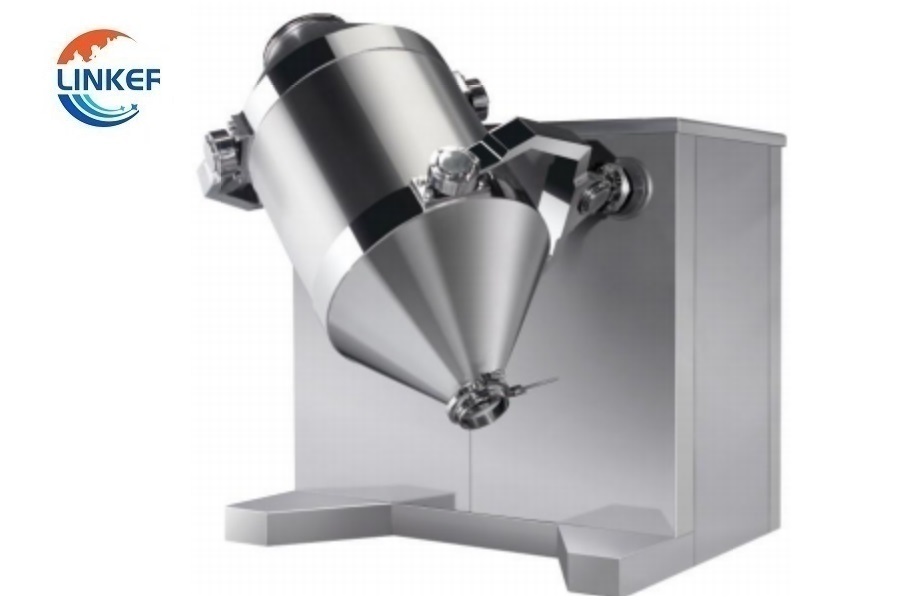
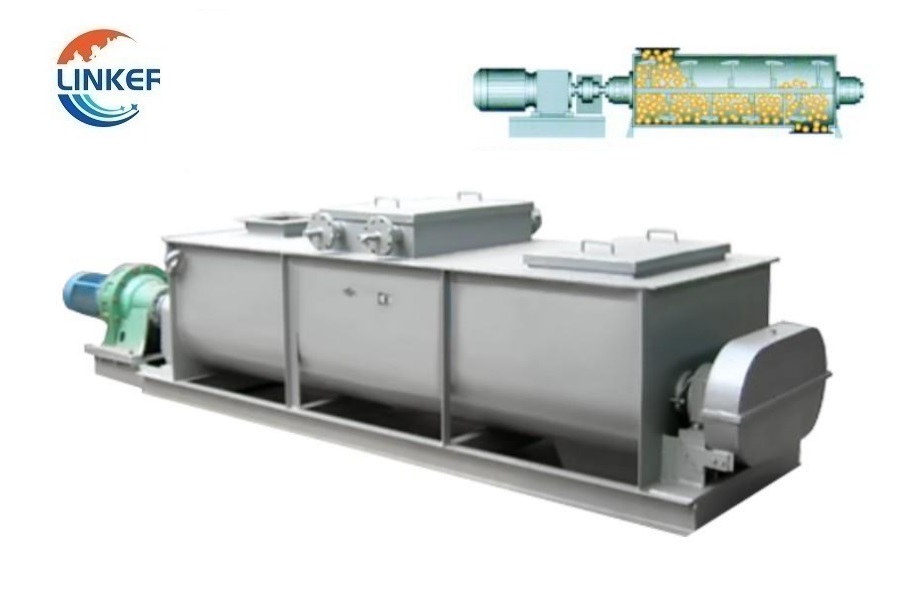
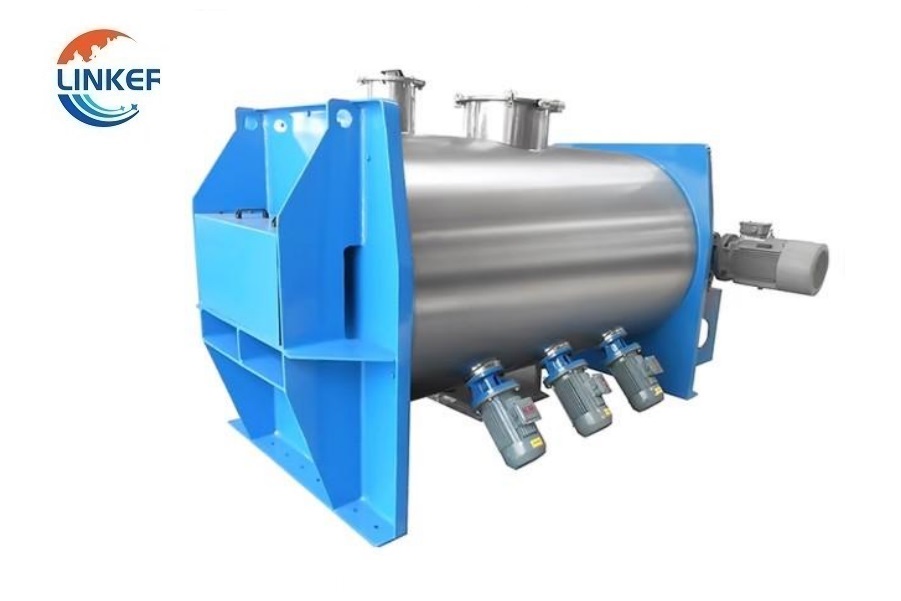
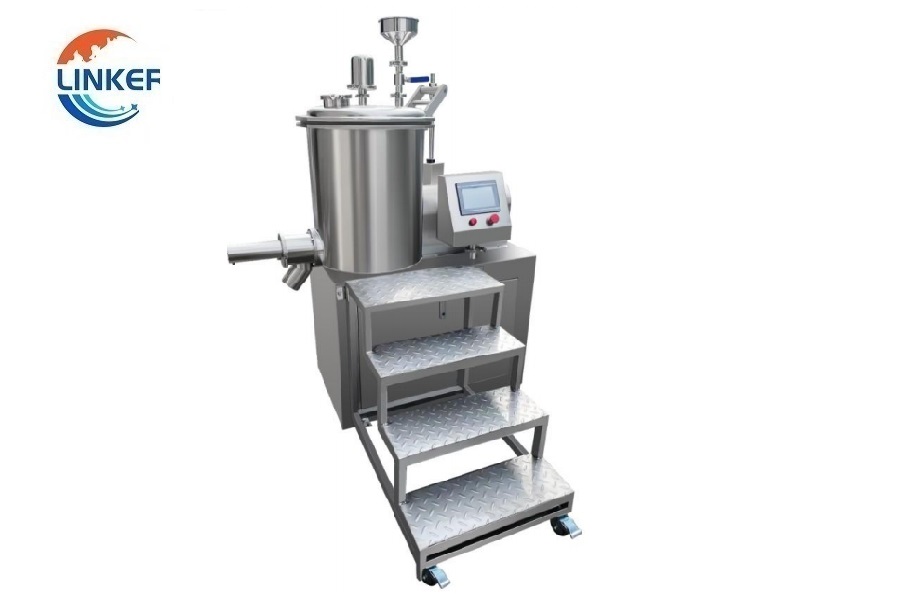
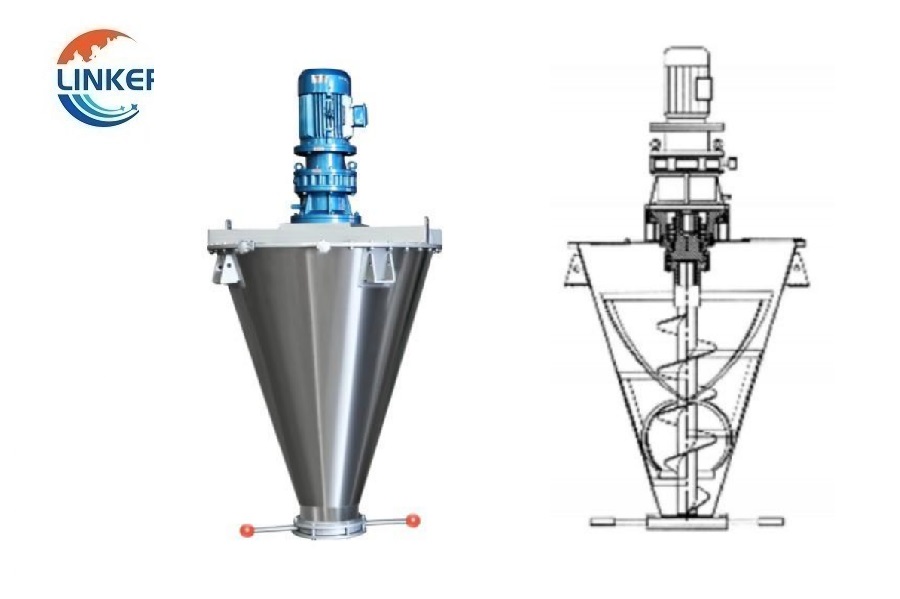
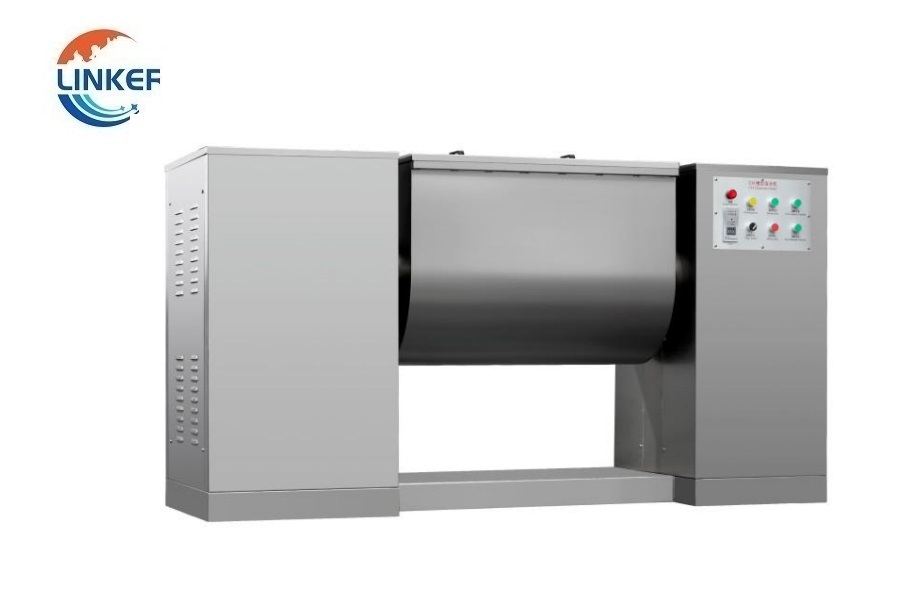
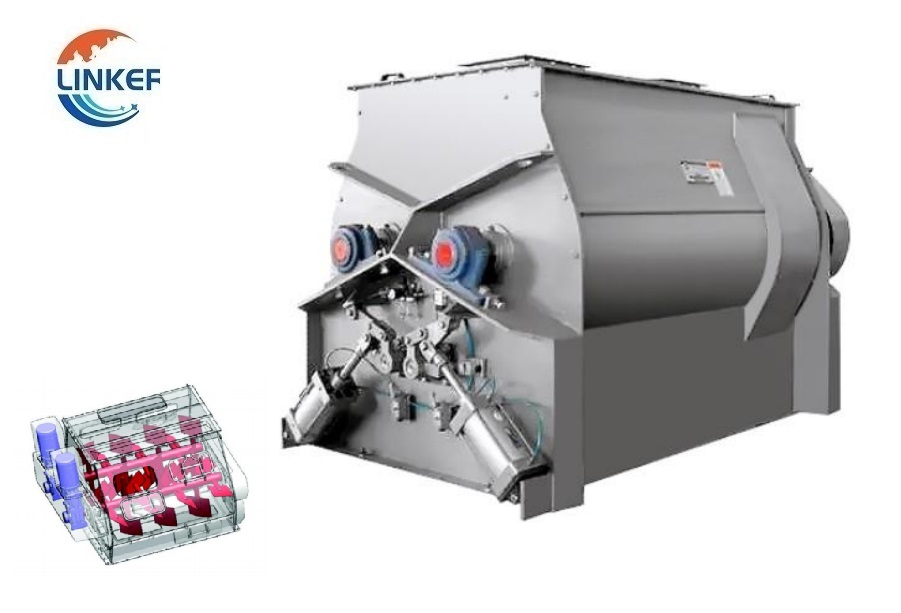
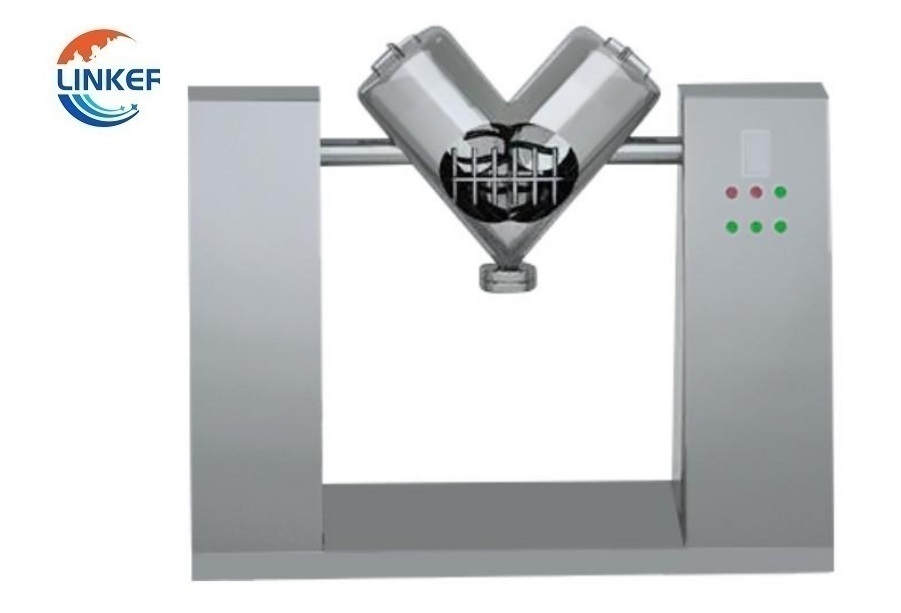
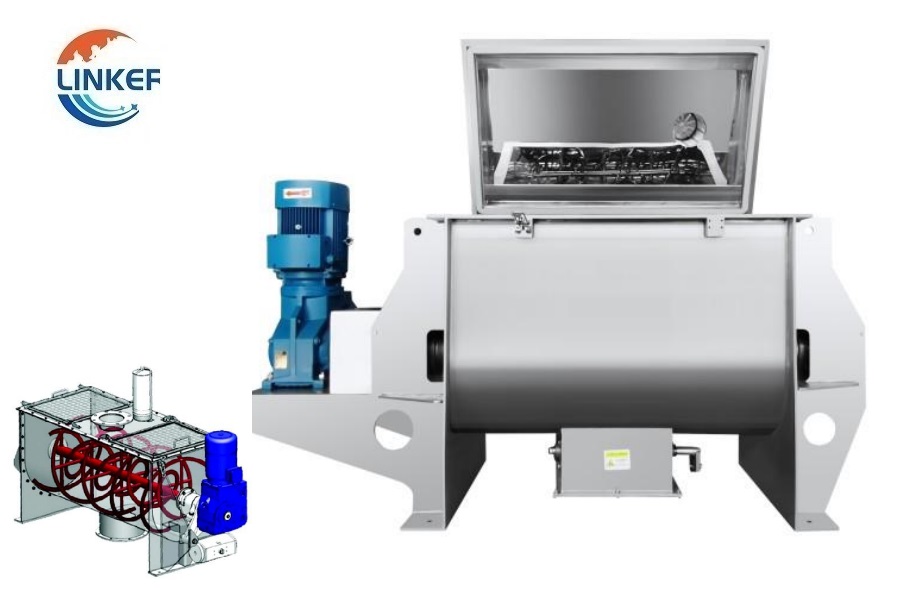
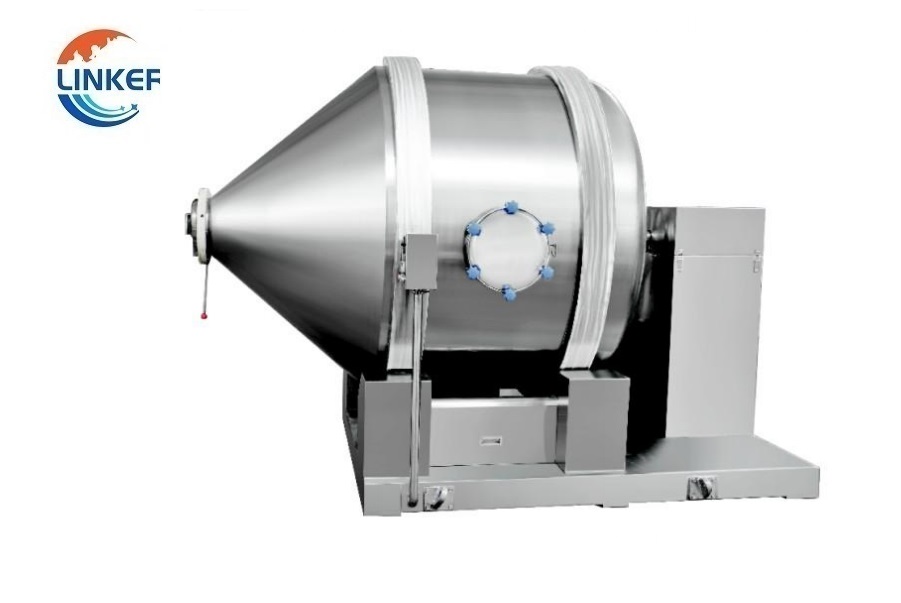
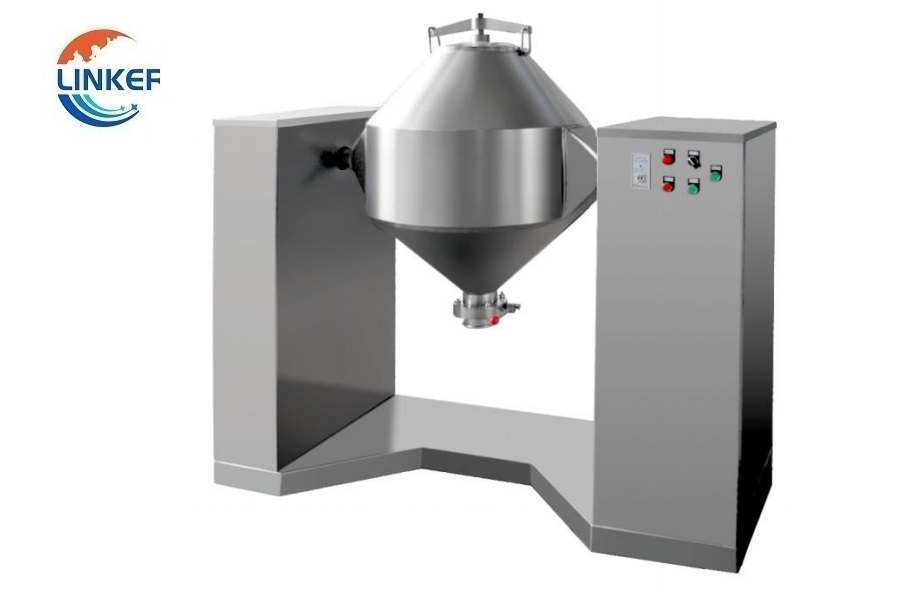
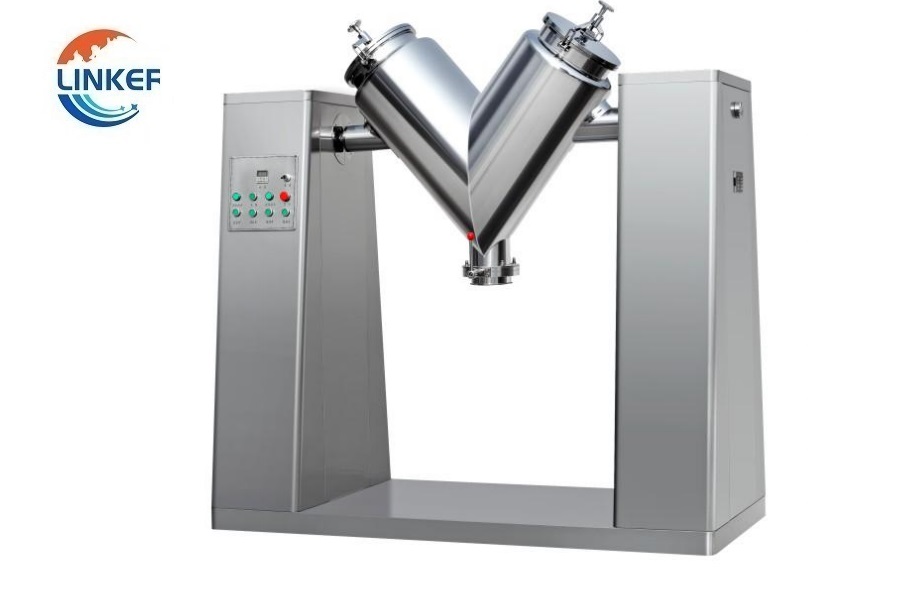
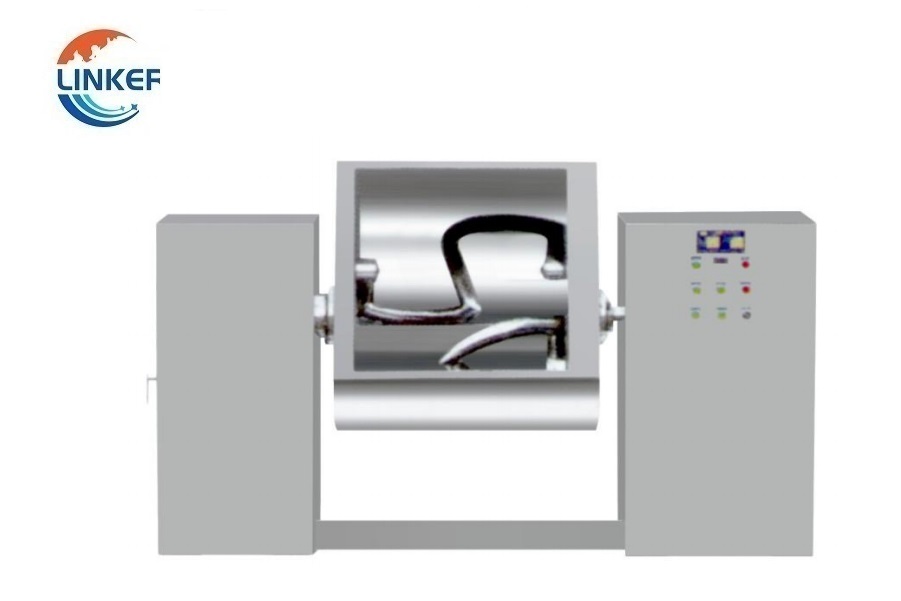
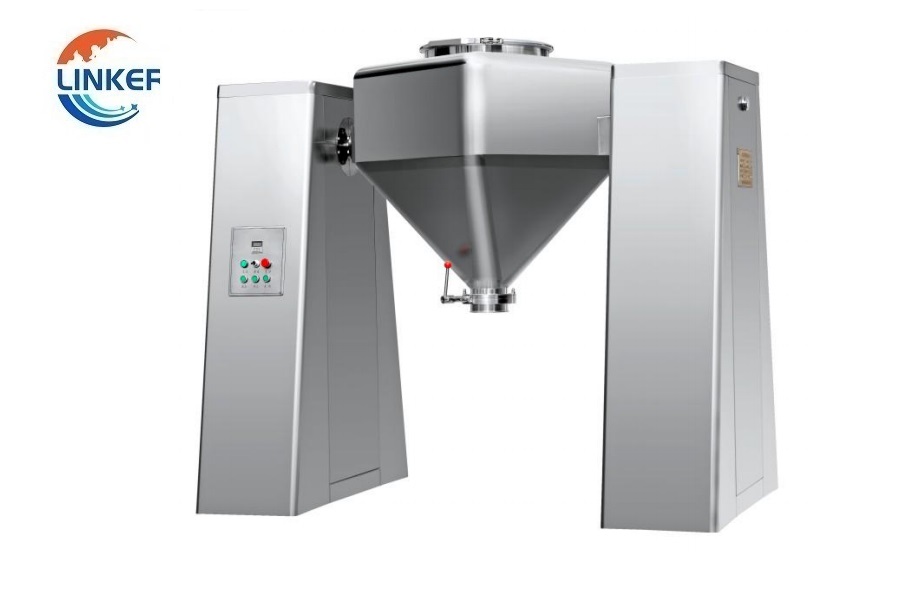
- Epdm Rubber Powder Mixing Machine
- Epdm Rubber Powder Filling Machine
- Epdm Rubber Powder Packing Machine
Epdm Rubber Powder Automatic Productino Line Design:
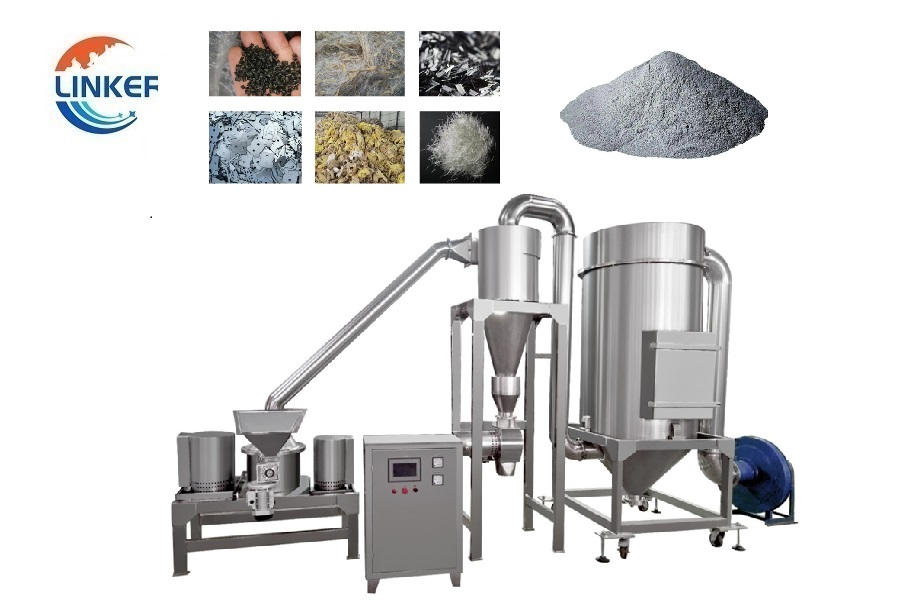
Automatic Epdm Rubber Powder Production Line
To be honest, you have encountered a fundamental “conceptual paradox” in this inquiry—99% of the content in all current public search results is completely two sets of technical systems from the “automatic EPDM rubber powder production line” you actually need. There is an extremely critical but almost deliberately obscured industry divergence by all equipment manufacturers: “EPDM rubber particles” ≠ “EPDM rubber powder”. The former is raw material granulation (physical molding), while the latter is waste material recycling and powder making (crushing and reduction); the former is everywhere, while the latter is almost “not found” in the public domain. Below, I will completely clarify this seriously confused industry fact for you and provide the only feasible breakthrough path, with detailed explanations of each link and natural integration of relevant equipment and raw material terms.
Core Paradox: The Line You Are Looking for Does Not Exist in the Search Results at All
Please first look at this comparison table—if you do not distinguish clearly, you will definitely buy the wrong equipment when purchasing. The automatic EPDM rubber powder production line is mainly used in the environmental protection recycling and rubber product regeneration industries, focusing on crushing waste EPDM products into fine powder for reuse. Unlike production lines for food, Medicine, and other fields that process raw materials such as Seasam, Peanut, wheat, corn, coffee, rice, bean, mushroom, bone, seeds, meat, tea, flour, spice, tobacco, salt, sugar, etc., the automatic EPDM rubber powder production line processes waste rubber, which has higher requirements on equipment wear resistance and crushing efficiency.
The essential difference between the two types of production lines lies in the nature of the process, raw materials, core equipment, product form, industry attribution and automation level. The EPDM recycled rubber powder production line you actually need is based on crushing/reduction: it crushes waste EPDM products (sealing strips, coiled material scraps) into powder through mechanical force. Its raw materials are waste vulcanized rubber (already cross-linked and cannot be reshaped), and the core equipment includes coarse crusher, fine crusher, disc grinder, and classification screen. The product form is irregular powder with 40-120 meshes, which is used for recycling; it belongs to waste rubber recycling and environmental protection regeneration, and the automation level information is completely missing in the search results.
In contrast, 99% of the search results are about EPDM raw particle production lines, which are based on granulation/molding: mixing raw EPDM rubber + additives, extruding and granulating into regular particles. Its raw materials are raw rubber (unvulcanized and plastic), and the core equipment includes internal mixer, screw extruder, granulator, and cooling pool. None of the equipment overlaps with that of EPDM rubber powder production lines. The product form is regular cylindrical/spherical particles with 2-5mm, which can be directly laid/molded; it belongs to rubber mixing, plastic modification, and floor materials, and there are already mature fully automatic granulation lines.
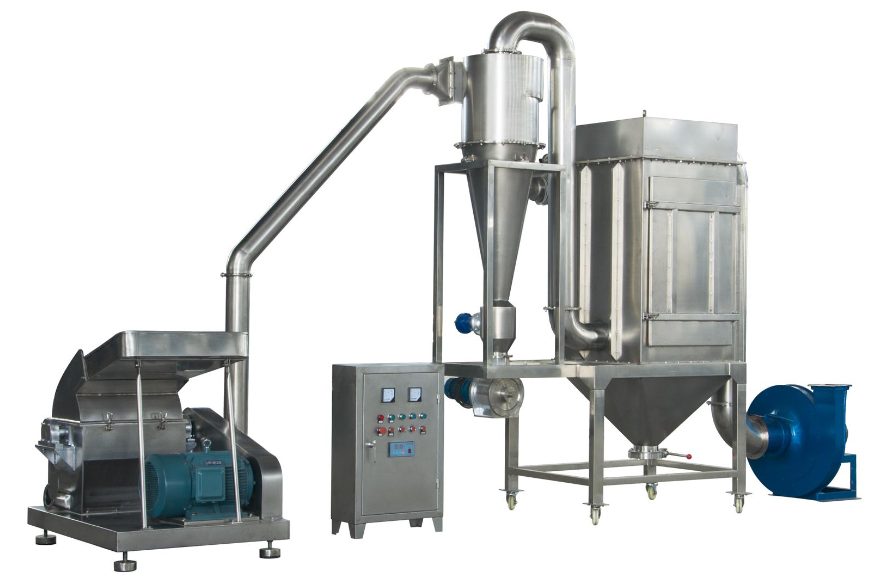
The cruel fact is that the screw extruders, granulators, cooling pools, and die-face hot cutting you see are all for producing “EPDM particles”, not “EPDM rubber powder”. If you purchase equipment according to these equipment lists, you will buy a set of equipment that “makes raw rubber into small particles”, but what you need is equipment that “grinds waste rubber into fine powder”—these are two parallel fields. Most of the key equipment of the automatic EPDM rubber powder production line is made of high-strength stainless steel, which is wear-resistant and corrosion-resistant, adapting to the characteristics of hard waste rubber. At the same time, important equipment such as grinding machines and crushers are equipped with stable chargers to ensure continuous and stable operation, and some export-oriented production lines are equipped with CE Certificate grinders to meet international quality standards.
The Only Relevant Clue: An Old News 20 Years Ago
Among all 10 results, only one is substantially related to “EPDM rubber powder”, but this information itself also has great limitations. This clue is an old news about a plasticized rubber powder production line, which can prove that the fully automatic production line of EPDM rubber powder did exist 20 years ago, but it cannot be used as a procurement basis in 2026.
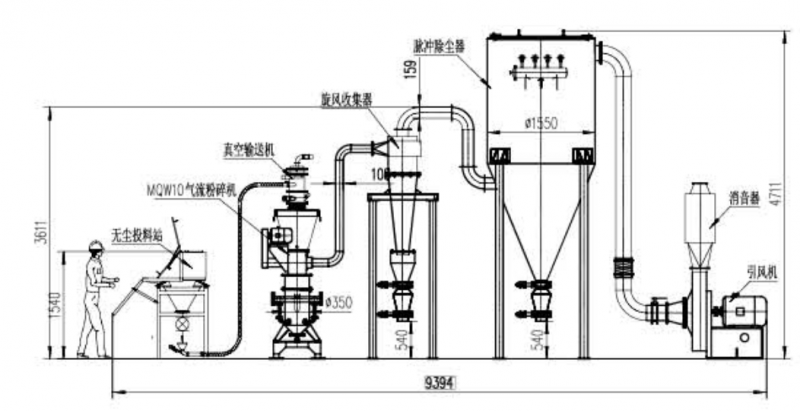
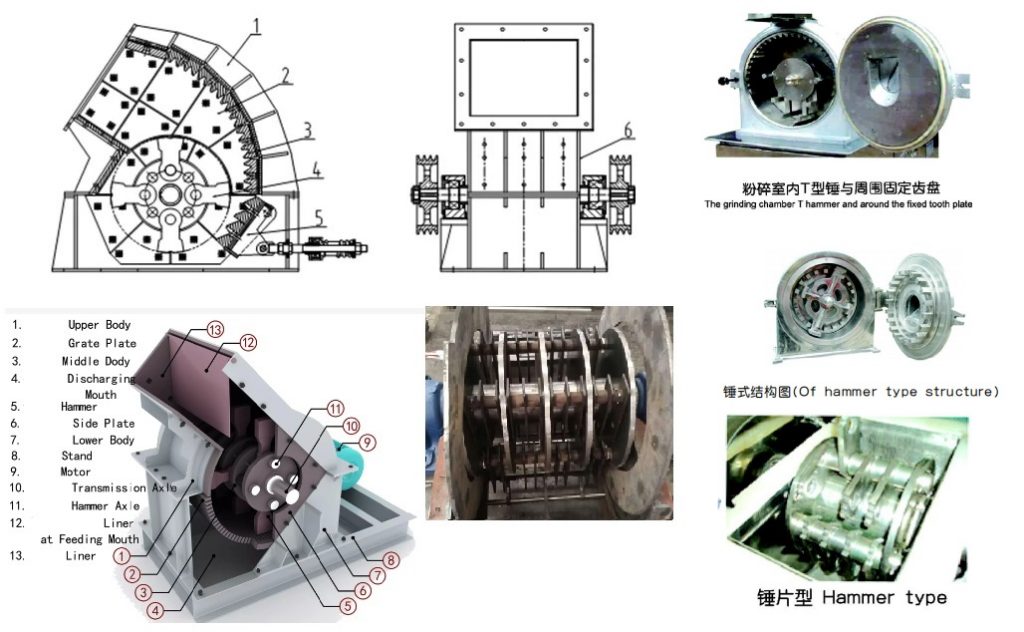
The real value of this case is from Jiangsu Jiangyan Honglei in 2006. The nature of the production line is a plasticized rubber powder production line, which uses waste whole tires as raw materials to produce 10,000 tons of 60-120 mesh fine rubber powder per year. The key intersection is that this production line also has a processing capacity of 7,200 tons/year of “EPDM rubber masterbatch”. Its technical characteristics are normal temperature, fully automatic, and fully enclosed complete sets of equipment—which is exactly the technical route you need. Common crushing equipment used in this production line includes Air cooled crusher, coarse crusher, Hammer Mill, universal grinder, and airflow pulverizer, which can effectively crush waste rubber into fine powder.
However, this information has fatal flaws that I must explain to you. First, the timeliness is seriously outdated: this is a project put into production in 2006, 20 years ago. Second, the status of the equipment manufacturer is unknown: Shanghai Honglei Fine Rubber Powder Complete Equipment Co., Ltd.—whether the enterprise is currently in existence and whether the technology has been upgraded, the search results are zero. Third, it is only a news brief: there is no equipment list, no process flow chart, no details of the automation scheme, only qualitative description.
In addition, this old case also involves some auxiliary equipment, such as Dust Grinder, dust collector grinder, and Vacuum Mill, which are used to collect dust generated during the crushing process, reduce environmental pollution, and ensure the cleanliness of the production environment. Although the equipment technology at that time was relatively backward compared with now, its core crushing and automation logic still has certain reference value for the current EPDM rubber powder production line.
Industry Truth: Why Is the “EPDM Rubber Powder Line” Almost Invisible in the Public Domain?
The automatic EPDM rubber powder production line is in an invisible market of non-standard customization, which is completely different from the production lines of chili powder, washing powder, and gypsum powder you inquired about earlier—those are standard industrial products with mature design institutes and leading equipment manufacturers. However, the EPDM recycled rubber powder line almost never enters the mainstream exhibition areas of B2B platforms or industry exhibitions, and there are three main reasons.
First, the technical source mostly comes from the waste tire recycling industry, and EPDM is only one of the processed materials. Most of the equipment manufacturers of EPDM rubber powder production lines have transformed from waste tire recycling equipment manufacturers, and their technical accumulation is mainly in the field of waste rubber crushing. Common grinding equipment used includes cryogenic grinding machine, high speed Dry Grinder, turbo grinder, and Ultrafine Grinder, which can be adjusted according to different waste rubber materials.
Second, most equipment manufacturers are regional non-standard integrators without national brands. These manufacturers mainly serve local or surrounding waste rubber recycling enterprises, with a small market scope and no need for large-scale publicity and promotion. They usually do not display their equipment on B2B platforms, and their customer sources mainly rely on word-of-mouth and industry recommendations.
Third, customers are mainly recycling resource enterprises and affiliated recycling workshops of rubber products factories, which do not need wide-area marketing. These enterprises usually have fixed channels to purchase equipment and do not need to search for equipment through public platforms, which also leads to the lack of public information about EPDM rubber powder production lines.
Another important reason is the serious information crowding of “EPDM particles” on “EPDM rubber powder”. When searching for “EPDM production line”, 90% of the results are floor material particle lines (school runways, plastic courts), because this is a mature industry with an annual output value of tens of billions, and equipment manufacturers invest a lot of SEO resources. In contrast, EPDM rubber powder is mainly used as an admixture for waterproof coiled materials (reducing costs), recycled raw materials for automotive seals, and base materials for rubber floor tiles. This is a niche market, and its information is seriously marginalized.
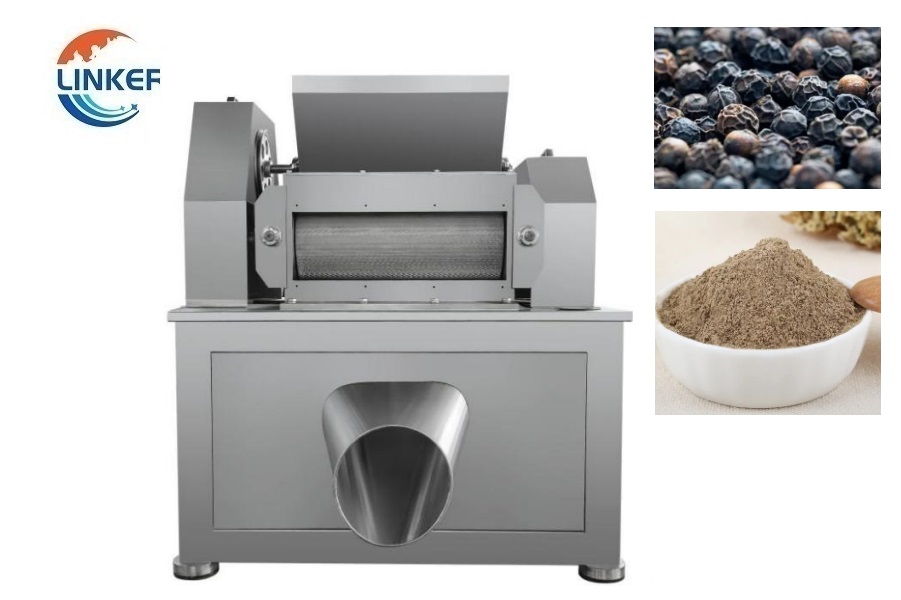
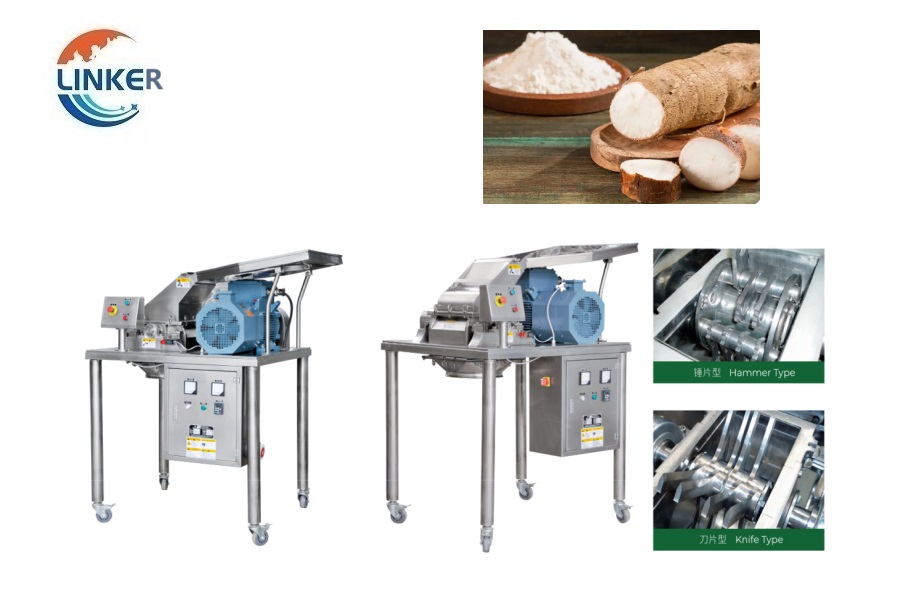
It should be noted that the equipment of the automatic EPDM rubber powder production line is very different from the grinding equipment used in the food and pharmaceutical industries, such as herb grinder, Industrial Weed Grinder, small grinder machine, Electric Grinder, dry ginger grinding machine, licorice grinding machine, black pepper grinder, Dry Fruit Powder Grinder Machine, and cassava grinding machine. These equipment are mainly used for processing food, medicinal materials, and other soft materials, and cannot meet the crushing requirements of hard waste rubber. Similarly, equipment such as 500KG Grinder and 200KG grinder are mainly used for small-scale processing of food and medicinal materials, and are not suitable for large-scale production of EPDM rubber powder.
Your Real Action Path: How to Find This “Invisible Production Line”
Since public searches have proven ineffective, you must switch channels for information acquisition. Below is a three-level breakthrough strategy I designed for you, which can help you efficiently find the automatic EPDM rubber powder production line you need.
Level 1 (Most Efficient): Directionally Dig Out Stock Cases
The goal is to find the subsequent successor of the 2006 Honglei project or the existing owner of a similar production line. This is the highest-probability breakthrough, because if the 2006 production line was actually put into production, there is a high probability of subsequent technological transformation or replication projects.
The specific operations include three aspects. First, trace the equipment manufacturer: search for the industrial and commercial changes, affiliated enterprises, and the whereabouts of the technical team of “Shanghai Honglei Fine Rubber Powder Complete Equipment Co., Ltd.” (through Tianyancha/Qichacha). Second, trace the owner: search for the current status of “Jiangsu Jiangyan Honglei Co., Ltd.”, whether it is still in production, and whether it has replaced equipment. Third, change the keywords: stop using “EPDM rubber powder production line” and switch to the following precise long-tail keywords: “normal temperature fine crushing equipment for waste EPDM rubber”, “complete set of vulcanized rubber powder production line EPDM”, and “automatic powder making system for recycled rubber powder”.
When searching for these keywords, you can also pay attention to the relevant crushing equipment information, such as vibrating pulverizer and cutting type grinder, which may be used in the EPDM rubber powder production line. At the same time, avoid confusing equipment used in other fields, such as metal processing equipment and chemical processing equipment, which have nothing to do with the EPDM rubber powder production line.
Level 2 (Suboptimal): Dimensionality Reduction Strike, Transplant from Waste Tire Line
The principle is that the crushing characteristics of EPDM vulcanized rubber are highly similar to those of tire rubber, and the equipment is completely universal—only the disc gap and screen mesh need to be adjusted. The automation technology of equipment manufacturers in the tire powder field (automatic feeding, automatic adjustment of disc gap, closed-loop screening, PLC control) is already very mature, which can be completely transferred to EPDM waste treatment.
The specific operation is to directly contact waste tire fine rubber powder equipment manufacturers (such as Jiangsu Risek, Zhejiang Lvhuan, Guangzhou Junuo). The inquiry words have been optimized for you: “Our company needs a fully automatic rubber powder production line for processing EPDM vulcanized rubber scraps. The raw materials are cross-linked EPDM sealing strips/coiled materials, the target fineness is 60-120 meshes, and the hourly output is XXX kilograms. Can your company’s equipment for processing tire rubber powder be adapted? Which parts need to be replaced? Do you have cases of EPDM customers?”
The key point is that you must take the initiative to explain that the raw material is “vulcanized rubber waste”, not raw rubber. The core equipment of these waste tire fine rubber powder equipment manufacturers includes coarse crusher, fine crusher, disc grinder, classification screen, etc., which are exactly the core equipment needed for the EPDM rubber powder production line. At the same time, these manufacturers also provide auxiliary equipment such as Dust Grinder and dust collector grinder, which can meet the environmental protection requirements of the production line.
Level 3 (Long-Term): Industry-University-Research Non-Standard Customization
This is suitable for scenarios where you have special requirements (such as ultra-fine powder >120 meshes, low-temperature crushing to preserve physical properties) and sufficient budget. The cost expectation is that such a customized line is 1.5-2 times the price of a standard tire powder line, and the delivery cycle is long.
The specific operations include three aspects. First, search for universities holding patents related to “normal temperature fine crushing” (such as the College of Polymer Science and Engineering, Sichuan University and Qingdao University of Science and Technology). Second, search for “waste rubber low-temperature crushing” technology suppliers (liquid nitrogen crushing, suitable for heat-sensitive EPDM). Cryogenic grinding machine can be used for low-temperature crushing, which can better preserve the physical properties of EPDM rubber powder. Third, entrust non-standard integrators (such as Dongguan Changfeng, Nanjing Kerui) to customize according to the patent scheme.
It should be noted that the non-standard customized production line may involve the modification of some equipment, such as adjusting the structure of the Ultrafine Grinder and turbo grinder to meet the requirements of EPDM rubber powder fineness. At the same time, the customized line also needs to be equipped with a stable charger to ensure the continuous and stable operation of the equipment.
Key Exclusion: What Are the Waterproof Coil Lines, Batching Lines, and Packaging Lines You See?
There are three types of production lines that are easily confused with the EPDM rubber powder production line, which need to be completely excluded or correctly understood. The first is the waterproof coil line: this is a production line for EPDM coils, which uses raw rubber as raw material for extrusion and vulcanization molding, and has nothing to do with “powder”—it should be completely excluded.
The second is the automatic batching line for rubber products: this is the front-end batching for mixed rubber production, serving sealant and cable factories. The product is rubber blocks/rubber strips, not powder—it should be completely excluded. This kind of batching line is mainly used for mixing raw rubber and additives, and its equipment is completely different from the crushing equipment needed for the EPDM rubber powder production line.
The third is the 25kg packaging machine line: this is a general post-packaging equipment for any powder, which cannot infer that there is a powder making line in the front section—it can only be used as a reference for the packaging link and does not solve the powder making problem. This kind of packaging machine is also widely used in the packaging of food, medicinal materials, and other powders, such as the packaging of Seasam, Peanut, wheat, corn, coffee, rice, bean, salt, sugar, etc., and has no direct connection with the EPDM rubber powder production line itself.
Final Decision Advice for You
Please honestly ask yourself the following three questions and choose the action path accordingly. Different actual situations correspond to completely different procurement strategies and next-step actions.
If you already have a source of EPDM waste, urgently need to convert the waste into rubber powder, and have high requirements for automation, the recommended path is Path 2: tire powder equipment manufacturer substitution. The next specific action is to immediately contact 3 tire fine rubber powder equipment manufacturers, send EPDM waste samples, and ask for test grinding reports and complete line schemes. These manufacturers can provide large-scale crushing equipment suitable for EPDM rubber powder production, such as large coarse crushers and fine crushers, which are made of stainless steel and have high wear resistance.
If you need extremely high fineness (>120 meshes) or ultra-pure powder and have sufficient budget, the recommended path is Path 3: industry-university-research customization. The next specific action is to search for relevant patents of Qingdao University of Science and Technology/Sichuan University and find transformation enterprises or independent research and development cooperation. This kind of customized line may need to use high-precision equipment such as cryogenic grinding machine and Ultrafine Grinder to meet the requirements of fineness and physical properties.
If you are only in the preliminary research stage and have not yet determined whether to launch the project, the recommended path is Path 1: stock case exploration. The next specific action is to give priority to tracing the current status of the 2006 Honglei project and obtain real operation data. This can help you understand the actual operation effect, energy consumption, and automation level of the EPDM rubber powder production line, providing a basis for subsequent decision-making.
The final core reminder: the line you need has almost no presence on the public Internet, but it does exist—it exists in the adaptation schemes of tire crushing equipment manufacturers, in the self-built recycling workshops of rubber products factories, and in a corner of that old news in 2006. You must jump out of the mindset of “searching for EPDM-specific lines” and enter the technical translation path of “using tire powder equipment to process EPDM materials”.
If you can tell me the existing form of your waste (whole sealing strips/coiled material scraps/crushed rubber blocks), daily processing capacity (tons/day), and target fineness (how many meshes), I can directly match you with the mainstream equipment models in the current tire rubber powder field, and mark which need to be modified and which can be used directly. At the same time, I can also help you select suitable auxiliary equipment, such as Dust Grinder and dust collector grinder, to ensure the normal operation of the production line and meet environmental protection requirements.
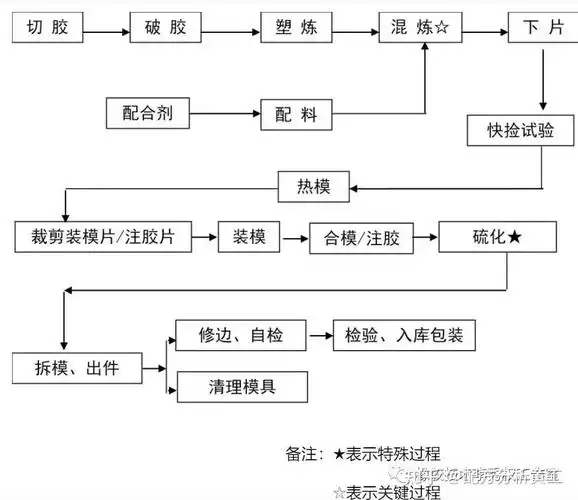
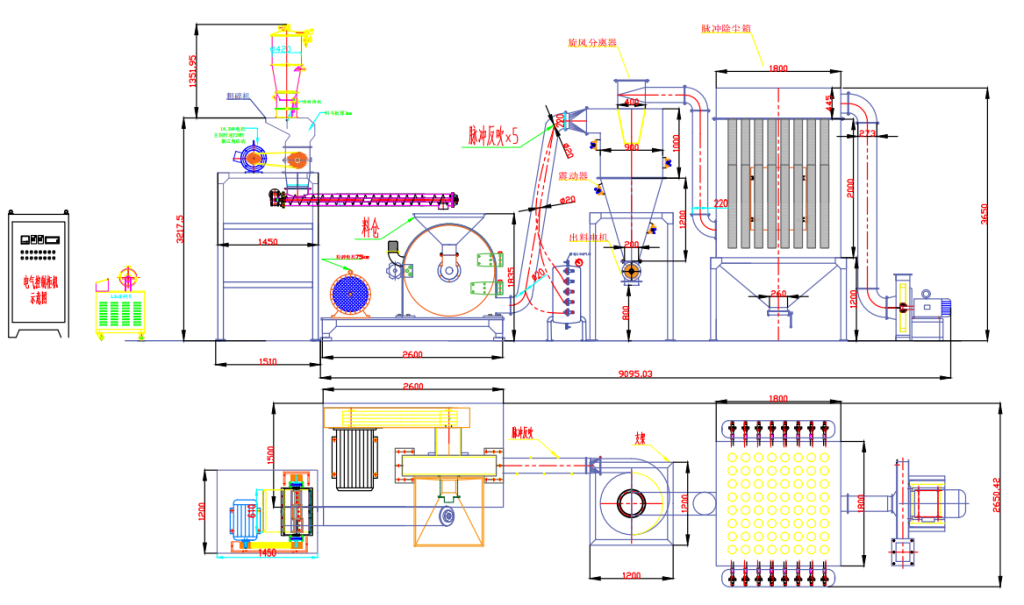

Parameters:

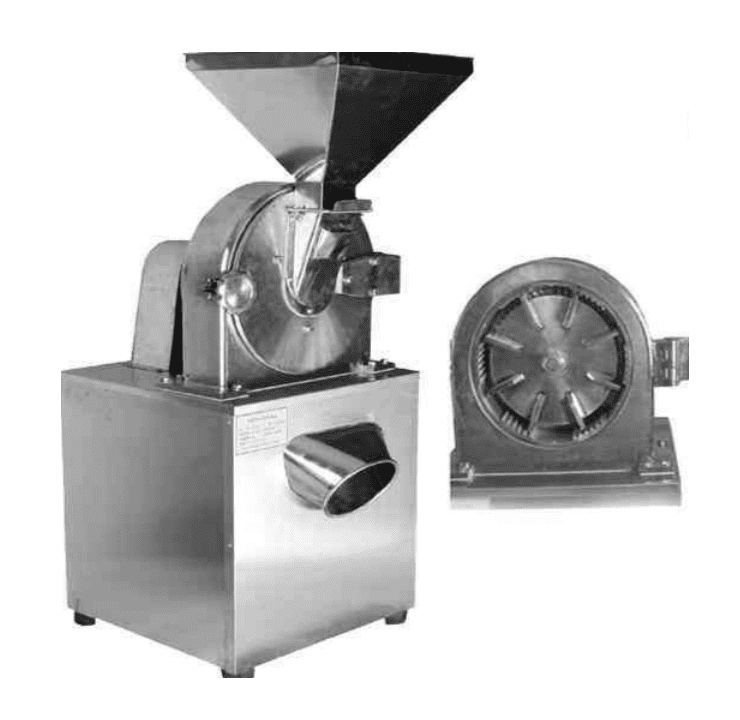
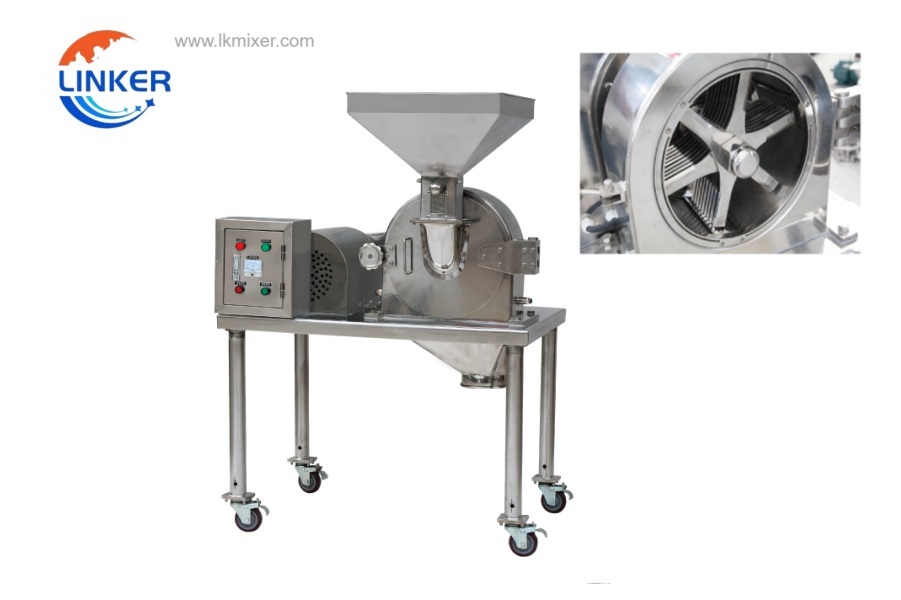
Model Name | SG-600 | |
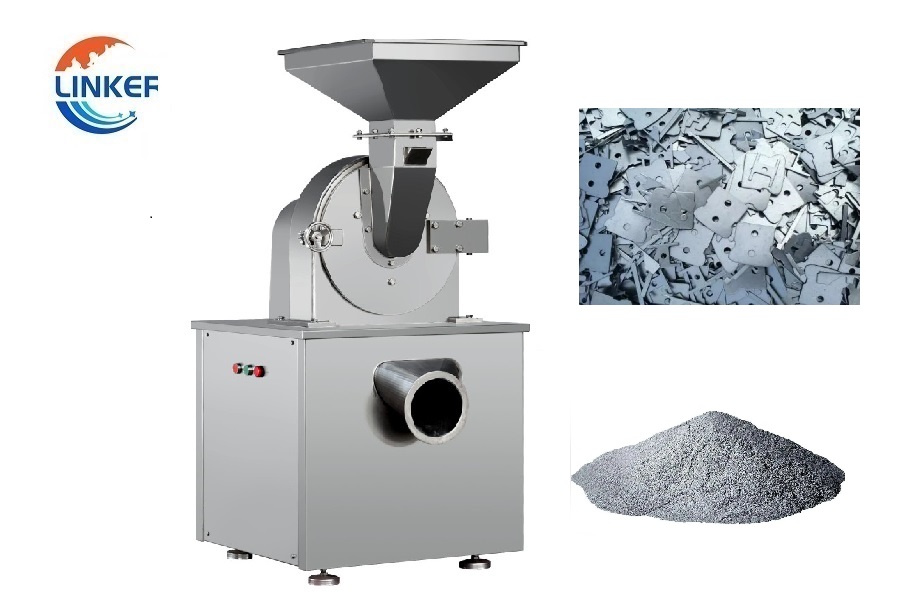
| Crushing Capacity(kg/h) | 1000~2000 | |
| Power(kw) | 11 | |
| Feeding Size(mm) | <5mm | |
| Fineness(mesh) | 20~40mesh |
Model Name | SG-800 | |
| Crushing Capacity(kg/h) | 2000~4000 | |
| Power(kw) | 15 | |
| Feeding Size(mm) | <5mm | |
| Fineness(mesh) | 20~40mesh |
Trade Capacity
| International Commercial Terms(Incoterms): | FOB, CIF, CFR | Terms of Payment: | LC, T/T, PayPal, Western Union |
| Average Lead Time | 60 working days | Main Markets | North America, South America, Europe, Southeast Asia/ Mideast, East Asia(Japan/ South Korea), Australia, Domestic |
| Nearest Port: | Ningbo Port; Shanghai Port | Factory Address: | JiangSu, China |
Ampere of Motors Customization for Seeds Grinder:
| KW | HP | Ampere |
| 75kw | 100HP | 135A |
| 55kw | 75HP | 99A |
| 30kw | 40HP | 54A |
| 22kw | 30HP | 39A |
| 2.2kw | 3HP | 3.9A |
| 1.5kw | 2HP | 2.7A |
Test Report for Flax Seed Grinder:
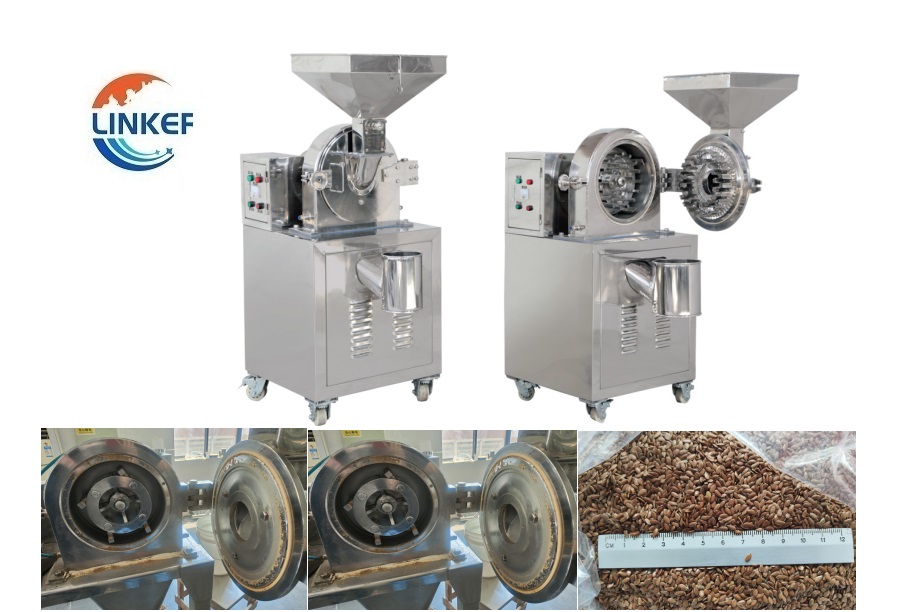
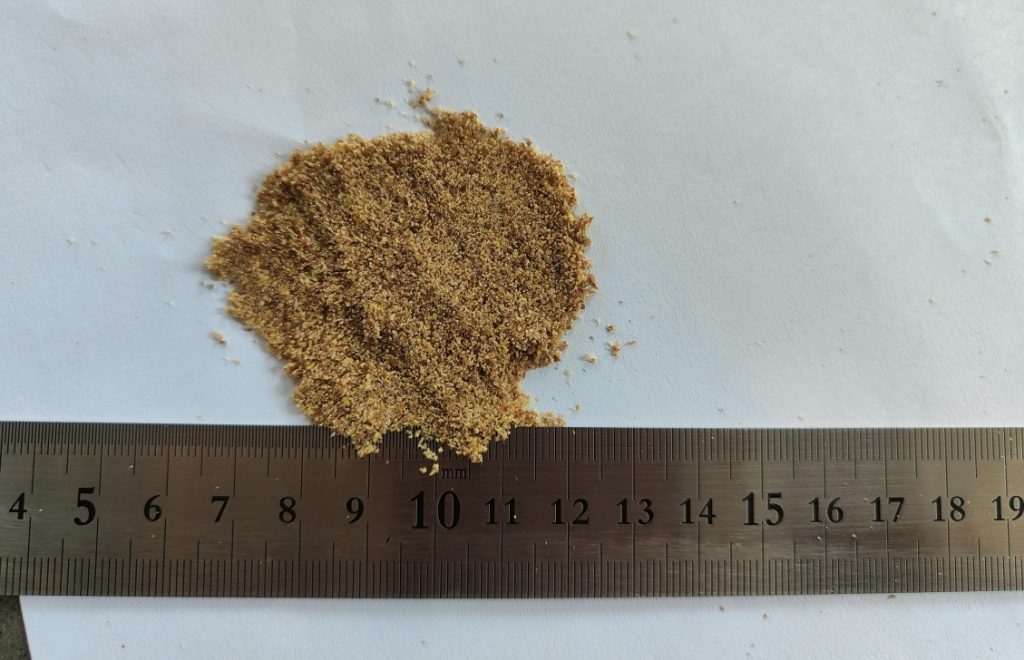
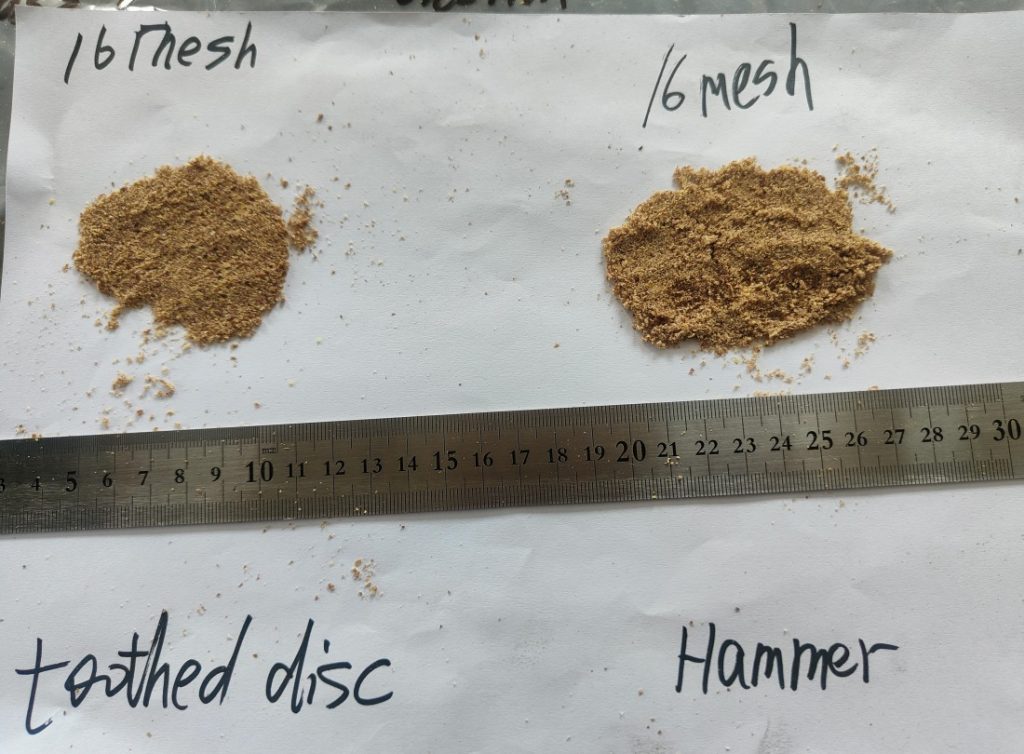
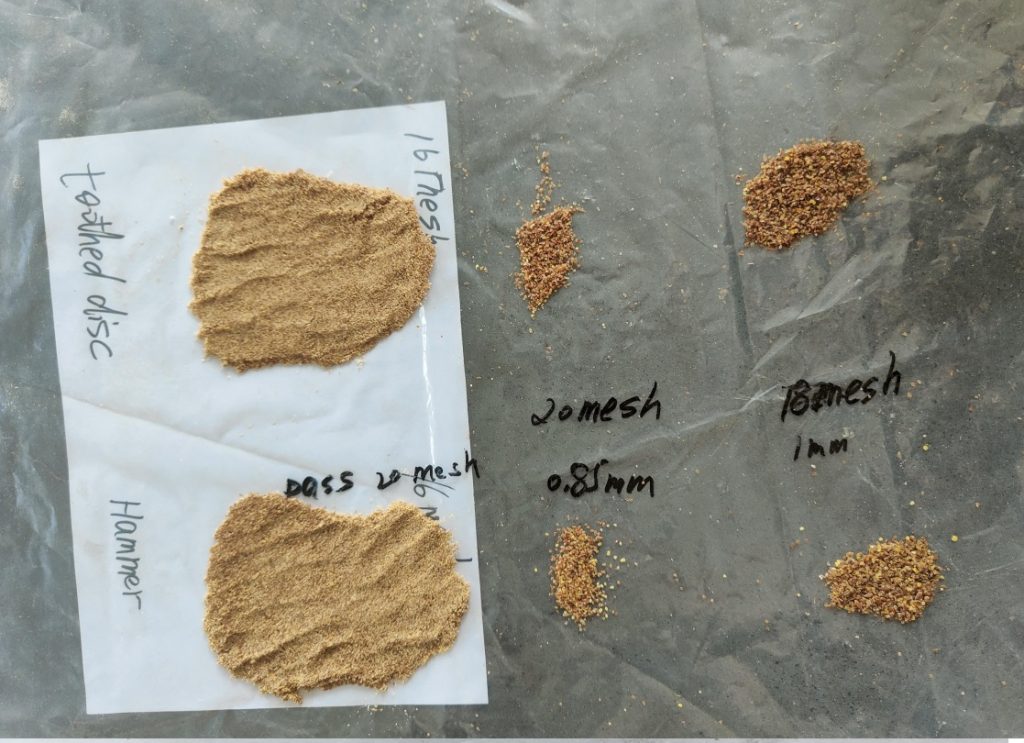
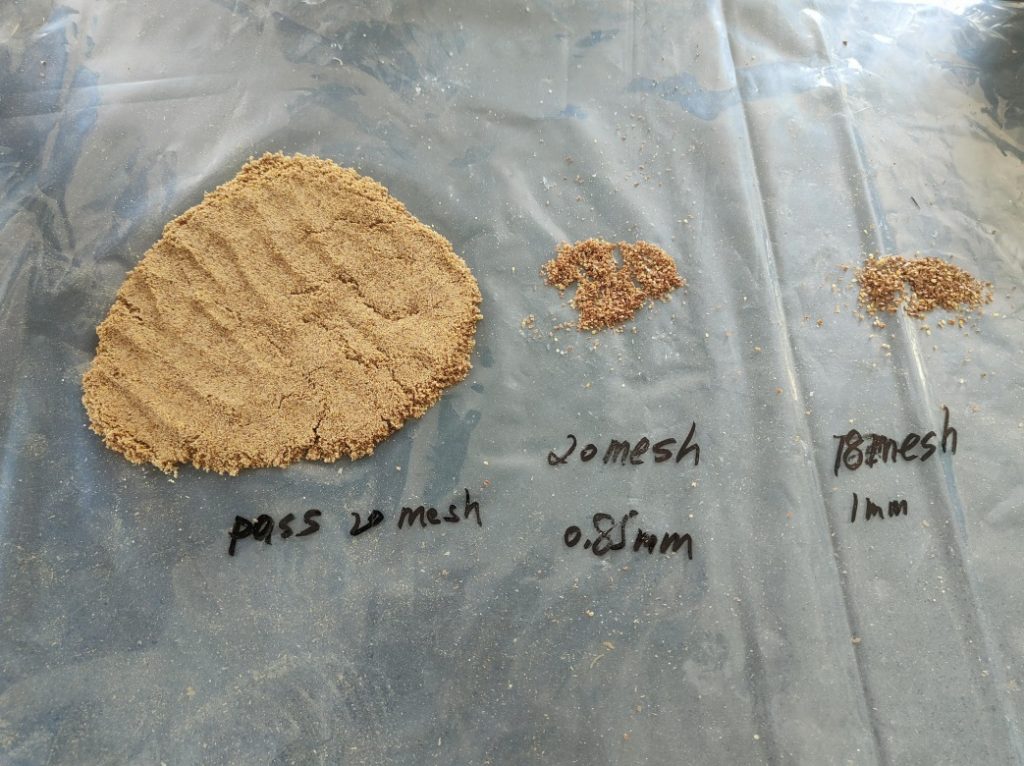
A flax seed grinder is a type of seed nut grinder specifically designed for grinding flax seeds. Flax seeds are small, hard seeds that are packed with nutrition and are commonly used in baking and cooking. Grinding flax seeds helps to unlock their nutrients and make them easier to digest.
Flax seed grinders typically feature sharp blades or burrs that rotate to crush the flax seeds into a fine powder. This powder can then be used in a variety of recipes, such as smoothies, baked goods, and yogurt toppings. Some flax seed grinders are manual and require hand-cranking, while others are electric and feature powerful motors for faster grinding.
When choosing a flax seed grinder, it’s important to look for one with durable blades or burrs that can withstand the hard texture of flax seeds.
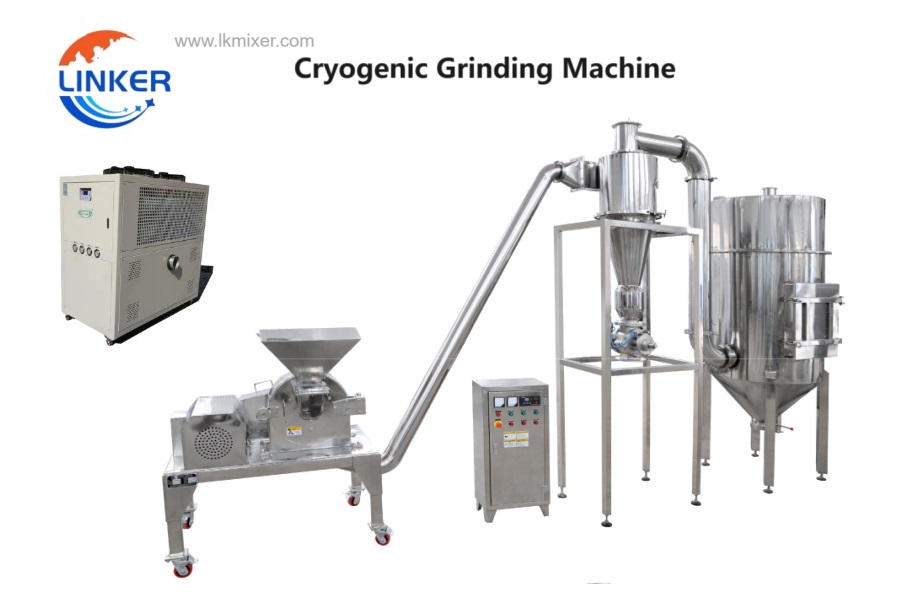
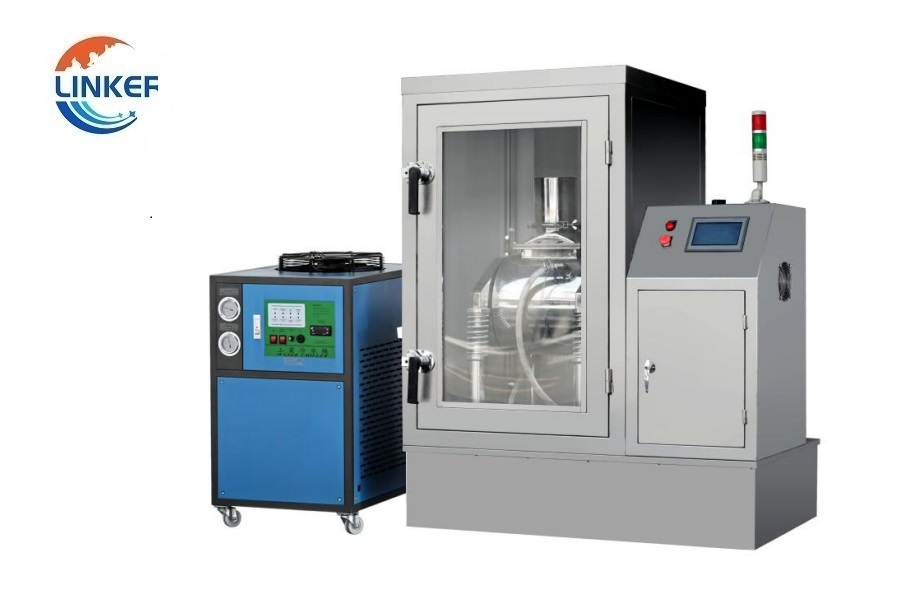
There are 3 ways of cooling down the grinder: water cooling system; air cooling system and liquid nitrogen freezing system. You can choose the right one if the grinder gets too hot. When machines goes too hot, the metal can expand, causing the grinding wheel to get stuck.
| Business Type: | Manufacturer/Factory | Main Products: | Mill, grinder, granulator, mixer, Crushing Equipment |
| Number of Employees: | 100 | Year of Establishment: | 2014.05 |
| Production Capacity | 5000Set/Year | After-sales Service: | Technical Support; on-line teach lessons |
| R&D Capacity: | ODM, OEM | Annual Output Value: | US$5 Million – US$10 Million |
| No. of R&D Staff: | 5 | No. of Production Lines: | 6 |
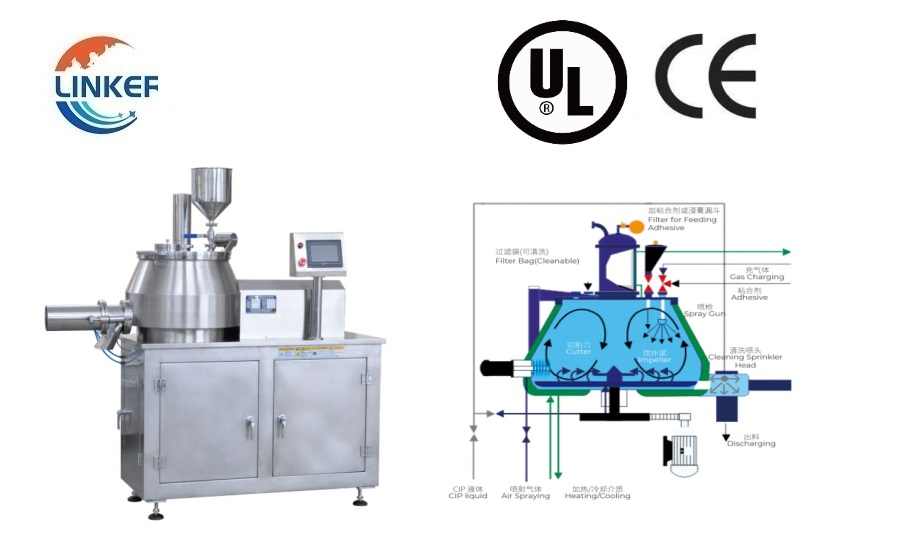
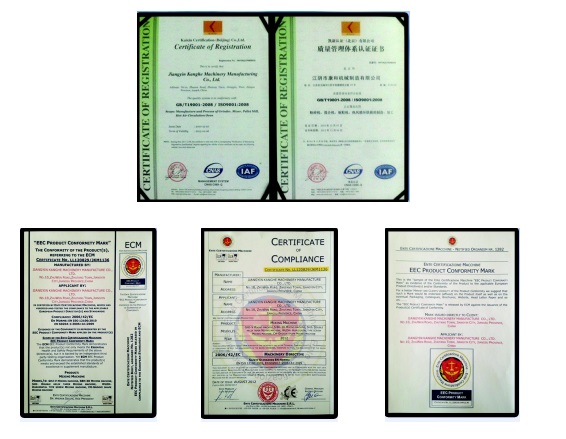
LK Mixer is a professional manufacturer for grinder, mixer and pulverizer. These machines are widely used in pharmaceutical, cosmetic, health care products and chemical industries. Our main product including granulating machine, grinder, mixer, dryer, etc. All mechanical products in accordance with the China GMP design requirements. And also we have other certifications such as CE, UL for motors.
Business Philosophy
“Quality is the main policy of sales” and “integrity is the principle of success” are the business philosophy of our people. We carry out one-year warranty, lifelong maintenance service, with technical consultation, with material test machine and other services, and long-term supply of equipment. Welcome new and old customers to negotiate cooperation!
Certifications:
Customer Side Machine Groups Showcase Videos:
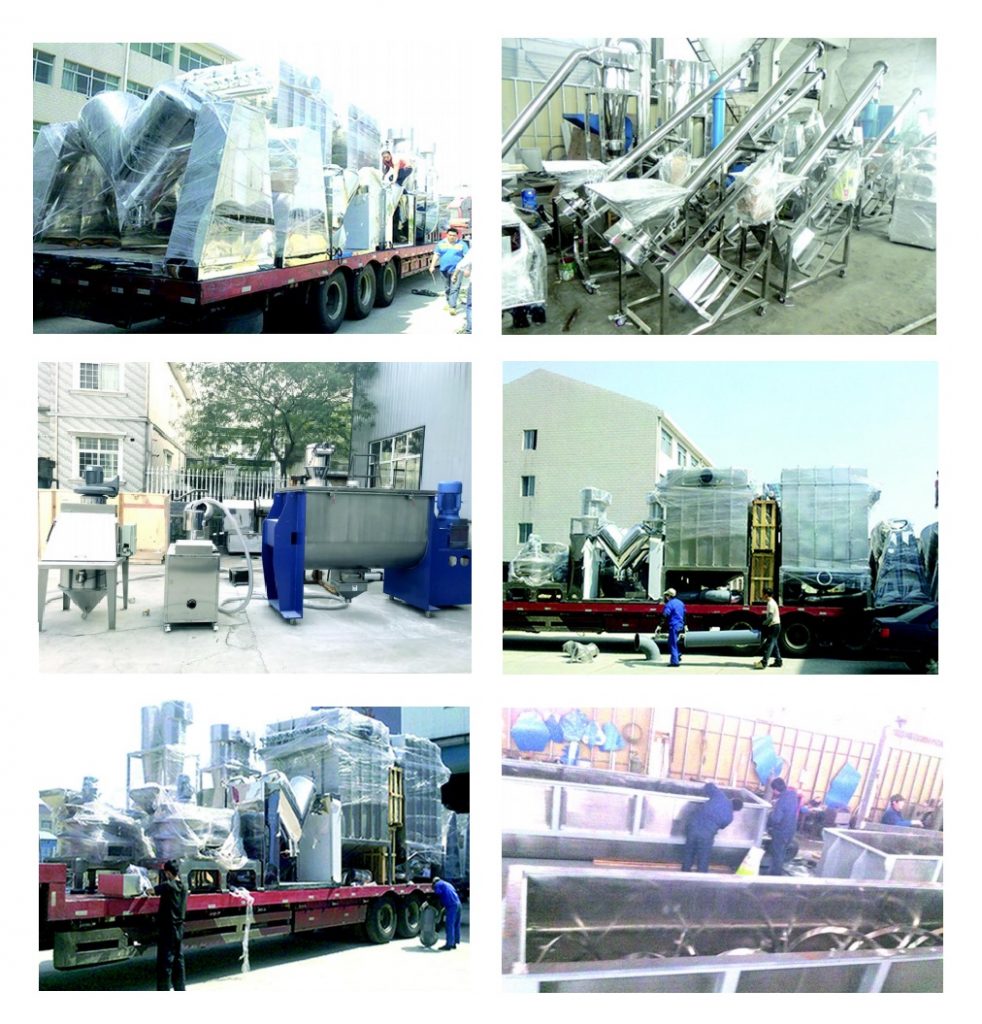
Dust Collector Shipment
Shipment – Packing Method
Two Large Industrial Grinder Ready to Ship
Domestic Shipment Show Case:
Operation Instruction
General Provisions
The operation instructions for a commercial grinder may vary depending on the specific model and manufacturer. However, here are some general guidelines that may apply to many high speed grinders:
- Safety precautions: Before operating the high speed grinder, it is important to review all safety precautions and warnings provided in the user manual. Safety precautions may include wearing appropriate personal protective equipment, such as eye protection and hearing protection, and avoiding loose clothing or jewelry that could become caught in the grinder.
- Preparation: The high speed grinder should be placed on a stable and level surface, and all necessary components should be assembled according to the manufacturer’s instructions. The grinder should also be connected to a power source that is appropriate for its voltage and wattage.
- Loading the grinder: The material to be ground should be loaded into the grinder according to the manufacturer’s instructions. Overloading the grinder may cause damage to the machine and result in poor grinding performance.
- Starting the grinder: The grinder should be started according to the manufacturer’s instructions. This may involve pressing a button, turning a dial, or flipping a switch. The user should ensure that their hands are clear of the grinder and that the material to be ground is positioned properly.
- Adjusting the speed and settings: The speed and other settings of the high speed grinder may be adjusted according to the material being ground and the desired outcome. The user should follow the manufacturer’s instructions for making adjustments to the grinder.
- Monitoring the grinding process: The user should monitor the grinding process to ensure that it is progressing smoothly and that the material is being ground to the desired size and consistency. Any issues or abnormalities should be addressed promptly to prevent damage to the machine.
- Shutting down the grinder: When the grinding process is complete, the grinder should be shut down according to the manufacturer’s instructions. The user should ensure that the machine is completely stopped and that all moving parts have come to a complete stop before attempting to clean or service the grinder.
Overall, the operation instructions for a commercial grinder may involve a number of steps and safety precautions. It is important to carefully review the manufacturer’s instructions and follow proper operating procedures to ensure safe and effective use of the machine.
Preparation Work
Before running a commercial grinder, there are several important preparation steps that should be taken to ensure safe and effective operation of the machine. Here are some general guidelines for preparing to run a high speed grinder:
- Read the user manual: The first step in preparing to run a high speed grinder is to carefully read the user manual provided by the manufacturer. The user manual will provide important information about the specific model of grinder being used, including its features, specifications, and safety precautions.
- Select the appropriate grinding wheel: The grinding wheel used in a high speed grinder should be selected based on the material being ground and the desired outcome. It is important to use the correct type of grinding wheel to prevent damage to the machine and ensure optimal grinding performance.
- Inspect the grinder: Before running the grinder, it is important to inspect it for any signs of damage or wear. The user should check for loose or missing components, cracks or other signs of damage to the machine’s housing or other parts, and any other issues that could affect the grinder’s operation.
- Install the grinding wheel: The grinding wheel should be installed according to the manufacturer’s instructions, making sure that it is securely fastened and aligned properly. The user should also check the wheel for any cracks or other signs of damage before installation.
- Secure the workpiece: The workpiece to be ground should be securely clamped or held in place before starting the grinder. This will help to ensure safe and effective operation and prevent the workpiece from becoming dislodged or damaged during grinding.
- Connect the power source: The high speed grinder should be connected to a power source that is appropriate for its voltage and wattage. It is important to use a properly grounded power source to ensure safe and reliable operation of the machine.
- Test run: Before beginning actual grinding operations, it may be useful to perform a test run to ensure that the grinder is functioning properly and that the grinding wheel is aligned and balanced properly. The user should follow the manufacturer’s instructions for performing a test run.
By following these preparation steps, users can ensure safe and effective operation of a high speed grinder and achieve optimal grinding results.
Treatment of inspection
Inspection of a commercial grinder is an important maintenance procedure that helps ensure safe and effective operation of the machine. Here are some general guidelines for inspecting a high speed grinder:
- Disconnect power source: Before performing any inspection or maintenance on a high speed grinder, the power source should be disconnected to prevent accidental startup.
- Check for wear and damage: The user should inspect the grinder for any signs of wear or damage, such as cracks in the housing, worn or damaged grinding wheels, or loose or missing parts. Any issues should be addressed promptly to prevent further damage to the machine.
- Check alignment and balance of grinding wheel: The grinding wheel should be inspected for proper alignment and balance, as these factors can affect the quality of the grinding operation. If the grinding wheel is not properly aligned or balanced, it should be adjusted or replaced as necessary.
- Check for proper lubrication: The high speed grinder should be inspected for proper lubrication, as inadequate lubrication can cause excessive wear and damage to the machine’s moving parts. The user should follow the manufacturer’s instructions for lubrication, and add lubricant as necessary.
- Inspect electrical components: The electrical components of the high speed grinder, including the wiring, switches, and control panel, should be inspected for any signs of wear, damage, or loose connections. Any issues should be addressed promptly to prevent electrical problems.
- Test run: After completing the inspection, it may be useful to perform a test run of the high speed grinder to ensure that it is functioning properly and that any issues have been addressed.
By following these inspection guidelines, users can help ensure safe and effective operation of a high speed grinder and minimize the risk of damage or injury during grinding operations.
Operation Attention
Running a commercial grinder can be a dangerous operation if proper precautions are not taken. Here are some general guidelines for safe operation of a high speed grinder:
- Personal protective equipment: The user should wear appropriate personal protective equipment, such as safety glasses, hearing protection, and gloves, to prevent injury from flying debris, noise, and contact with the grinding wheel.
- Secure workpiece: The workpiece being ground should be securely clamped or held in place to prevent it from becoming dislodged during grinding.
- Use proper grinding wheel: The user should select the appropriate grinding wheel for the material being ground and ensure that it is installed correctly and securely. The grinding wheel should be inspected for cracks or other damage before use.
- Adjust grinding wheel speed: The speed of the grinding wheel should be adjusted according to the manufacturer’s instructions to ensure optimal grinding performance and prevent damage to the machine or workpiece.
- Avoid excessive pressure: The user should avoid applying excessive pressure to the grinding wheel, as this can cause the wheel to overheat and wear out more quickly.
- Avoid overheating: The high speed grinder should not be operated continuously for extended periods of time, as this can cause overheating and damage to the machine.
- Monitor grinding operation: The user should closely monitor the grinding operation to ensure that the workpiece is being ground properly and that the grinding wheel is functioning correctly.
- Disconnect power source: After completing grinding operations, the power source should be disconnected to prevent accidental startup.
By following these guidelines, users can operate a high speed grinder safely and effectively, and achieve optimal grinding results. It is important to follow the manufacturer’s instructions and all applicable safety regulations when operating any type of machinery.
Applications of Industrial Seed Grinder
Industrial seed grinders are used in a variety of applications across many industries. Here are some of the most common applications of industrial seed grinders:
- Food industry: Industrial seed grinders are used extensively in the food industry to grind seeds, nuts, and spices into fine powders or pastes. These powders and pastes are then used in a variety of products such as sauces, seasonings, and spreads.
- Pharmaceutical industry: In the pharmaceutical industry, industrial seed grinders are used to grind plant material into a fine powder, which is then used to make medicines and supplements.
- Cosmetics industry: Industrial seed grinders are also used in the cosmetics industry to grind plant material into a fine powder or paste, which is then used in products such as face masks, scrubs, and exfoliants.
- Agricultural industry: Industrial seed grinders are used in the agricultural industry to process seeds, such as soybeans, into animal feed.
- Chemical industry: In the chemical industry, industrial seed grinders are used to grind materials such as resins, pigments, and dyes into a fine powder.
- Renewable energy industry: Industrial seed grinders are also used in the renewable energy industry to process biomass into a fine powder, which is then burned to generate electricity.
Overall, industrial seed grinders are versatile machines that are used in many different industries for a variety of applications. They are essential for processing plant material into fine powders and pastes that can be used in many different products.
Food Producing Process Flow:
Ultrafine grinding is one of the very key procedure in whole production line. It depends how many mesh that customer need to produce. That’s to say this machine can decide what kind of material will get finally before mxing.
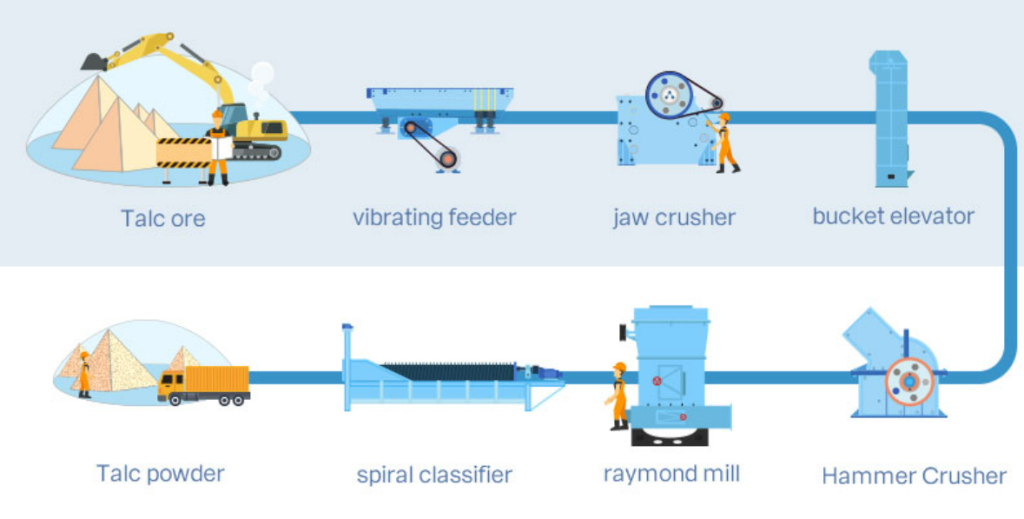
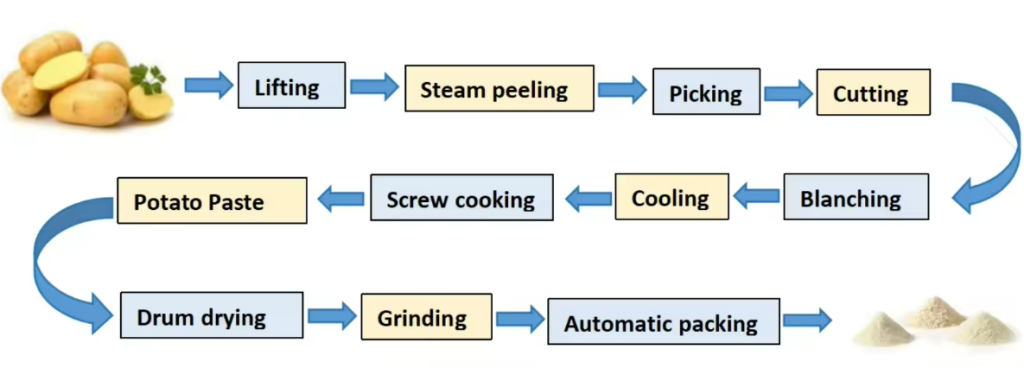
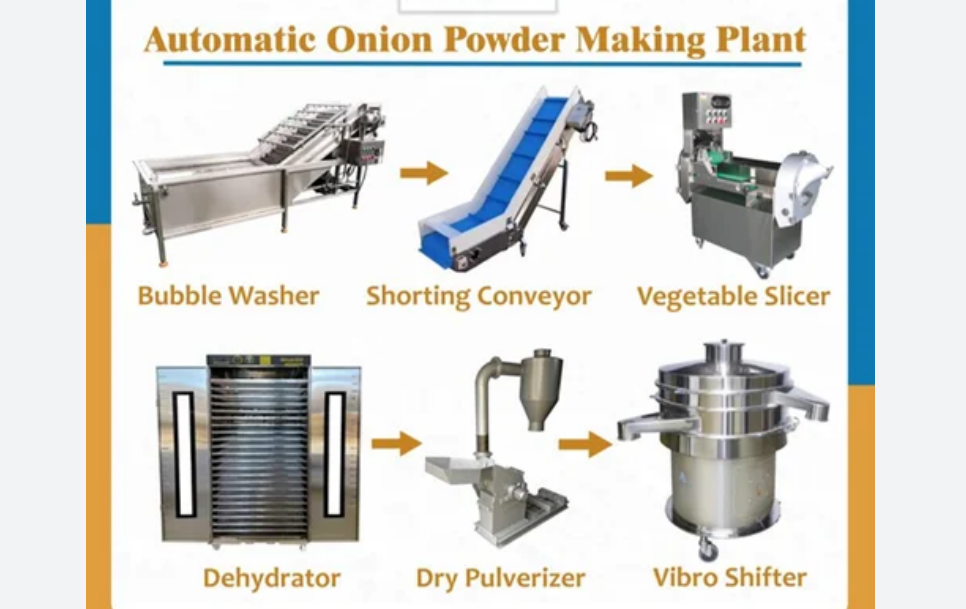
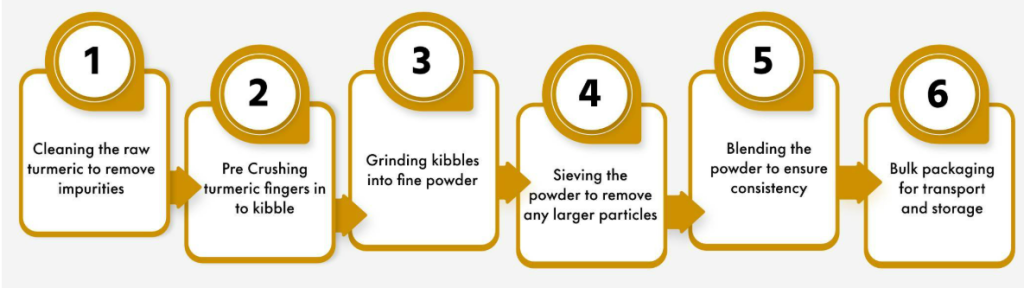
Coarse Crusher Machine —>Grinding Machine —> Vibrating Table Sifter Machine—>Mixing Machine—>Packing Machine —> (Printed Packaging Film Roll or bags ) —> Filling, sealing machine, capping and Labeling Machine —>Pack into Box.
Contact us for detail proposal and cost:

Automatic Banana Powder Production Line Youtube Video
Automatic Powder Production Line
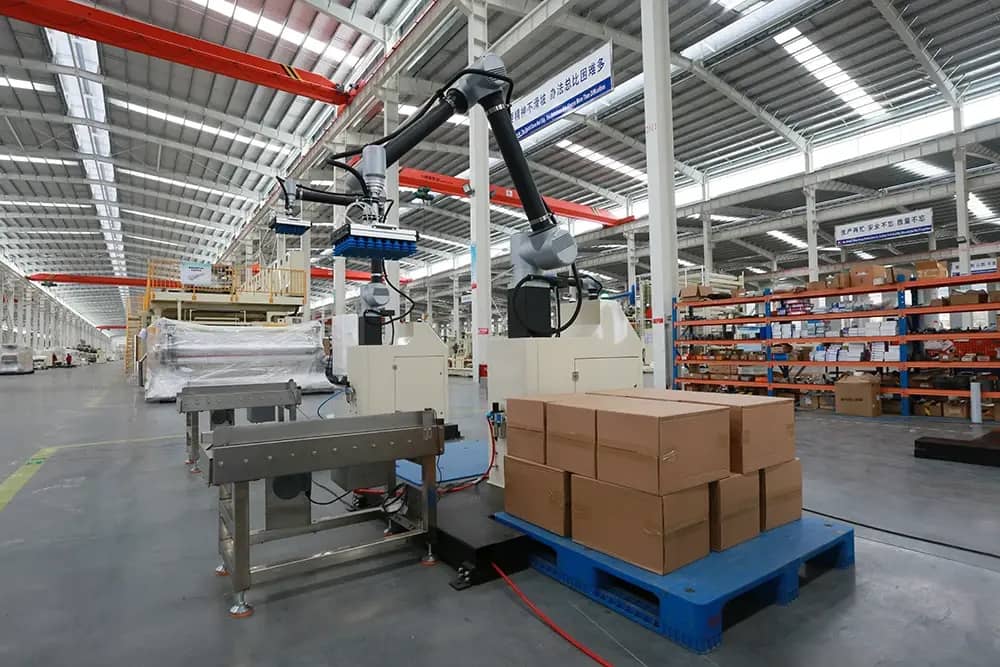
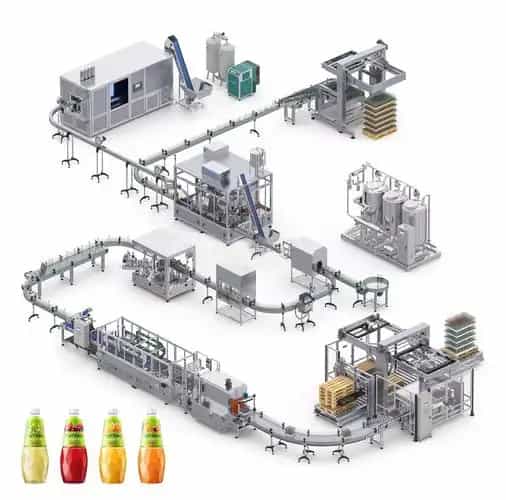
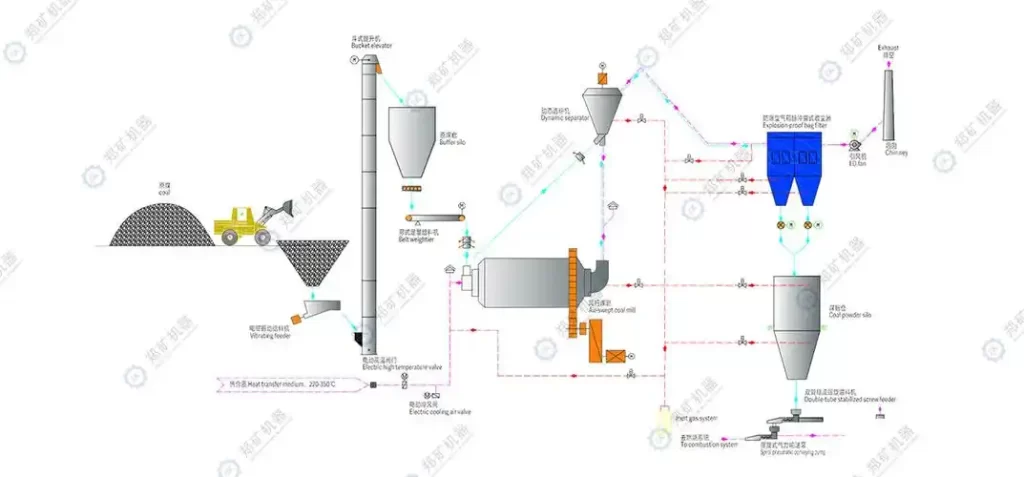
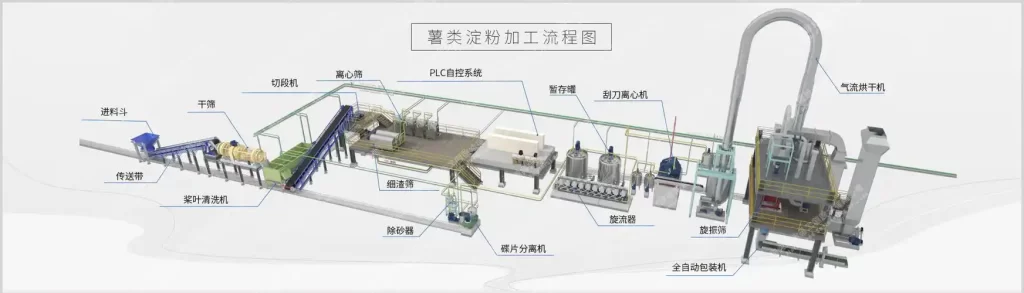
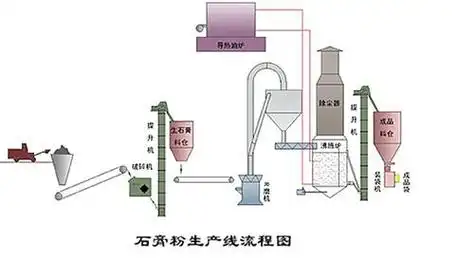
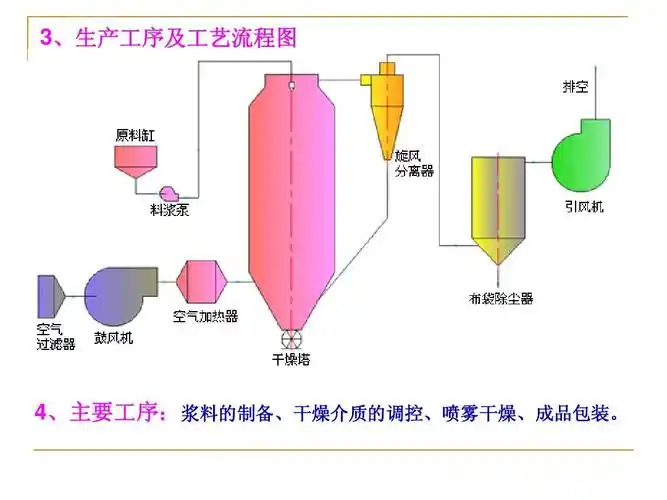
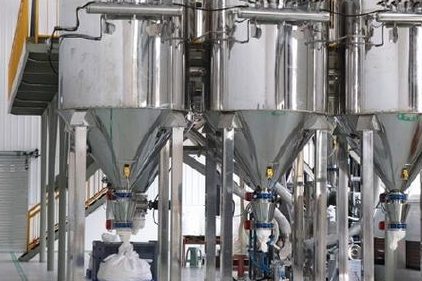
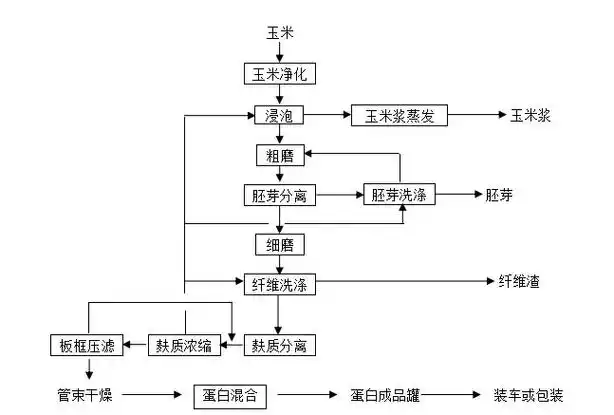
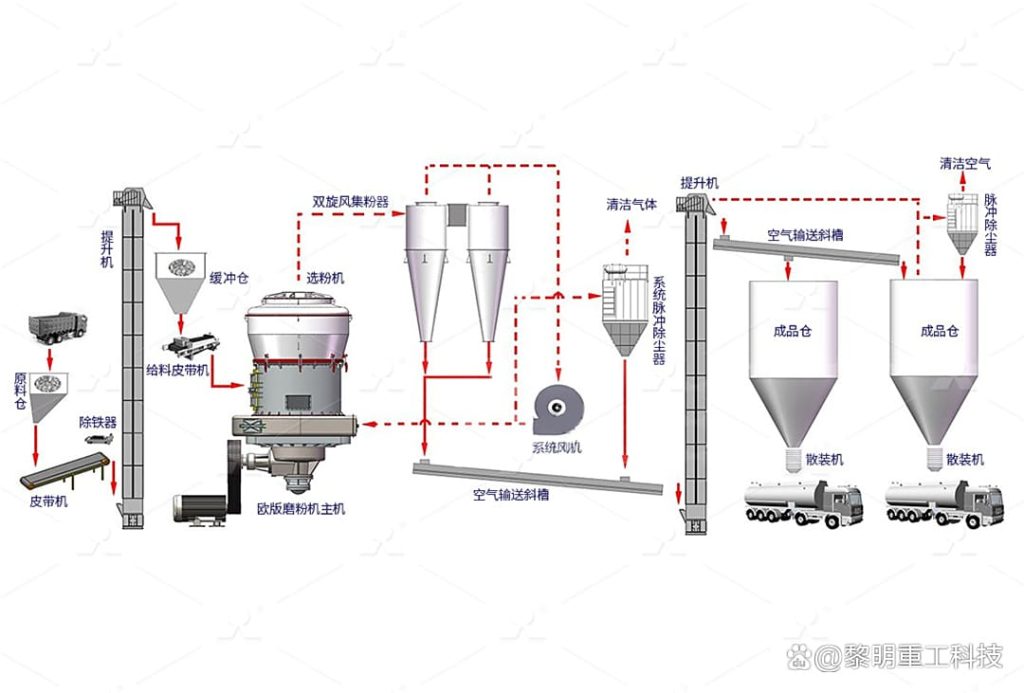
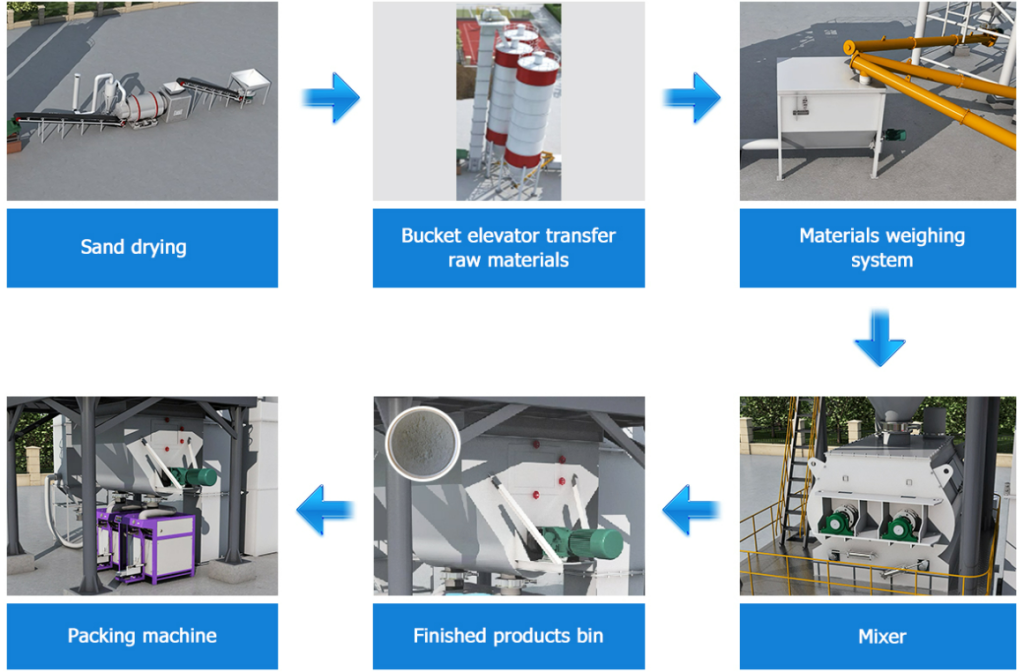
The automatic powder production line is an integrated intelligent system that realizes full-process automation of powder production, from raw material input to finished product packaging. It has become a core equipment in many industries, promoting the transformation from traditional manual operation to precision and efficiency.
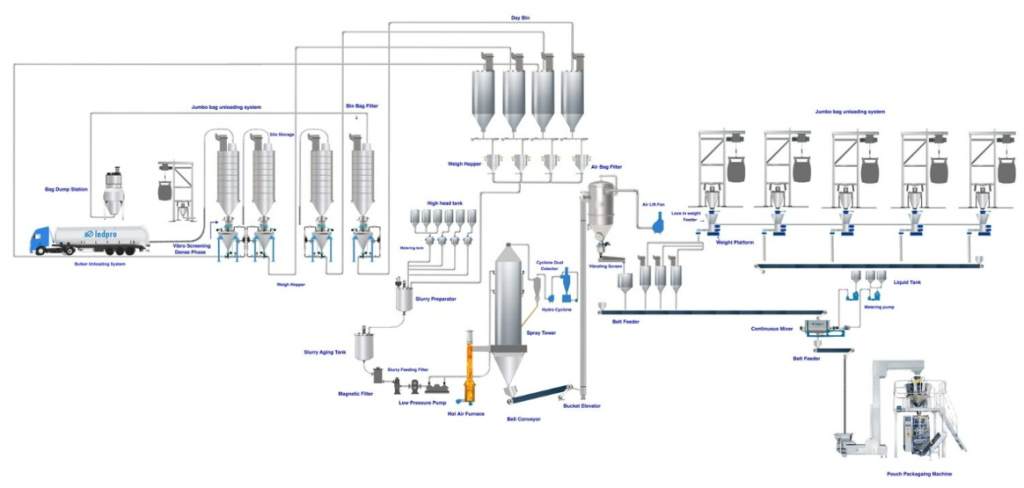
A complete line includes coordinated functional units: raw material storage with silos to prevent caking, crushing and screening to get qualified particles, PLC-controlled batching and mixing with high accuracy, closed conveying systems to avoid dust leakage, and automatic packaging units. A centralized dust removal system ensures environmental protection.
Compared with manual production, it reduces labor intensity and errors, improves efficiency by over 50% and cuts material waste by about 30%. Modular design adapts to different industries, and it is widely used in chemical, food, medicine and other fields, boosting industrial upgrading and intelligent development.
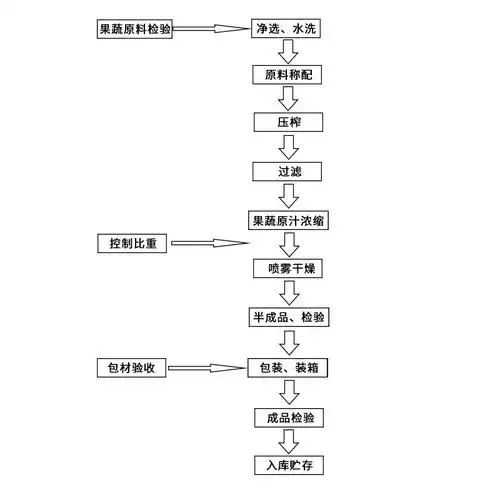
Automatic Vegetable Powder Production Line
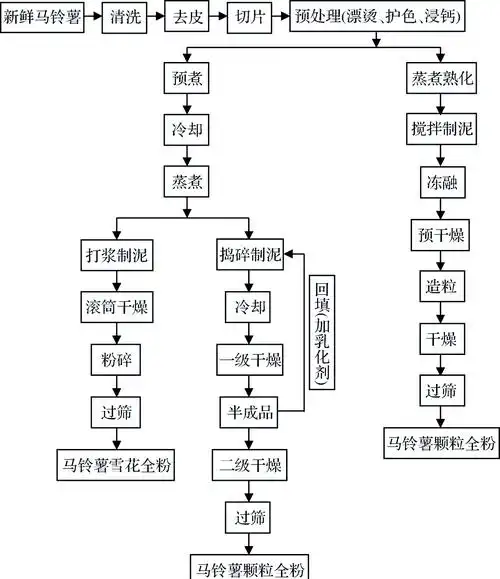
Vegetable Powder Process Flow Vegetable Powder Automatic Productino Line Design: Food Producing Process Flow: Ultrafine grinding is one of the very key procedure in whole production line. It depends how many mesh that customer need to produce. That’s to say this machine can decide what kind of material will get finally before mxing. Coarse Crusher…Automatic baby Powder Production Line
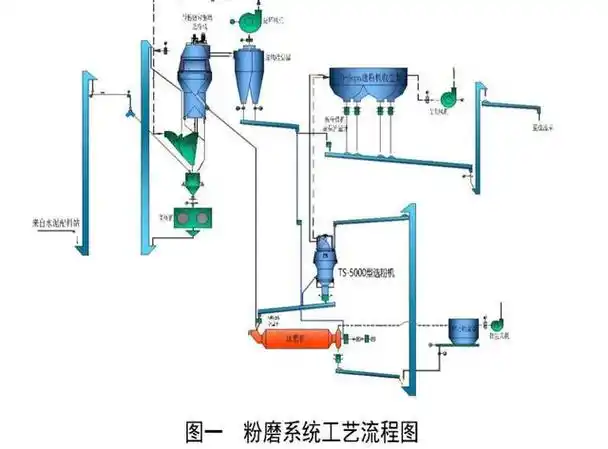
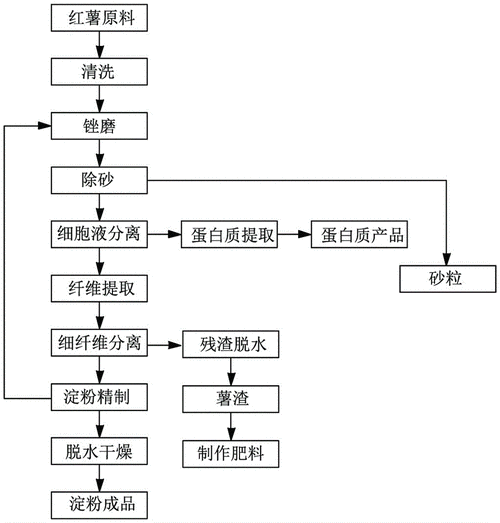
baby Powder Process Flow purple sweet potato Powder Automatic Productino Line Design: Food Producing Process Flow: Ultrafine grinding is one of the very key procedure in whole production line. It depends how many mesh that customer need to produce. That’s to say this machine can decide what kind of material will get finally before mxing….
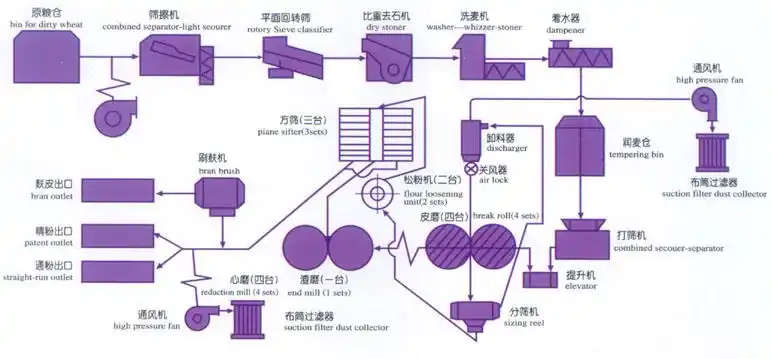
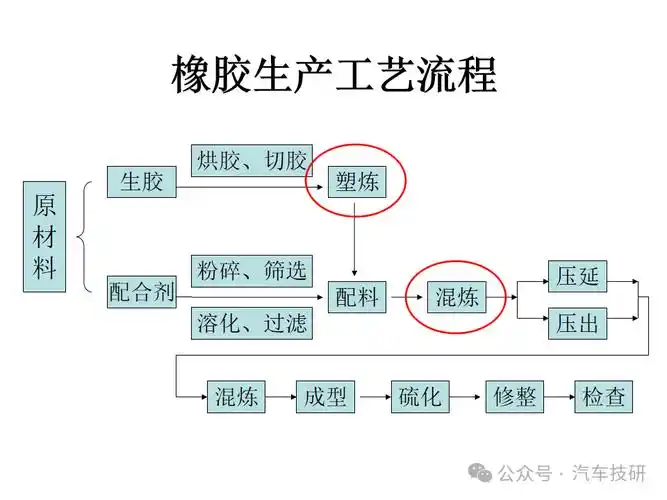
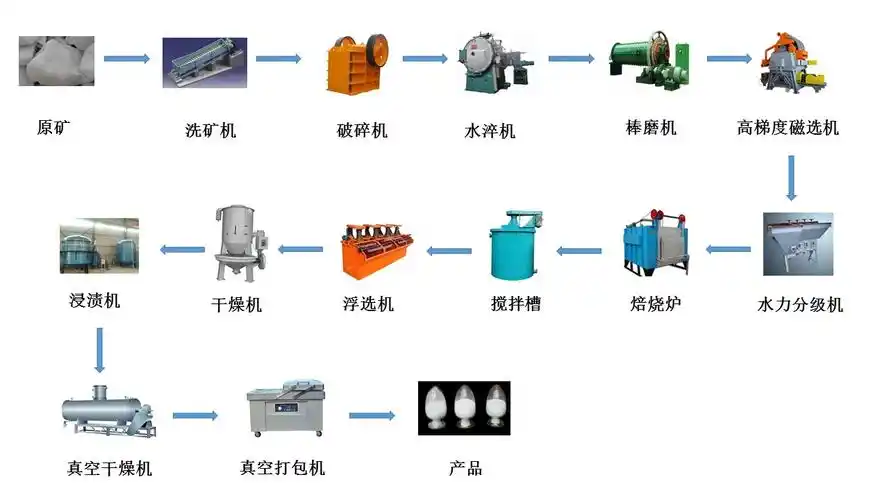
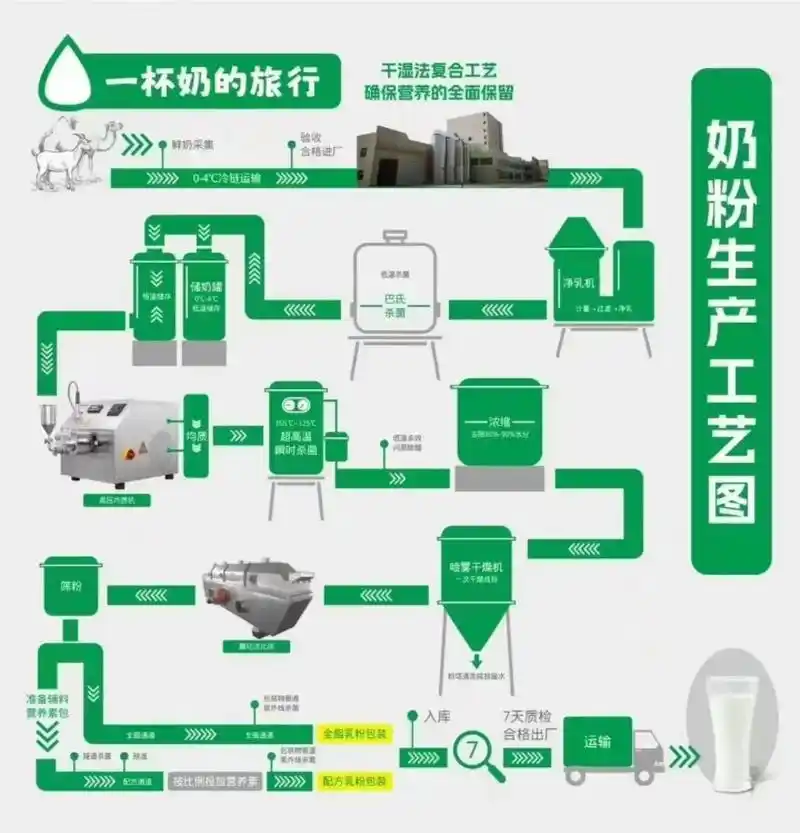
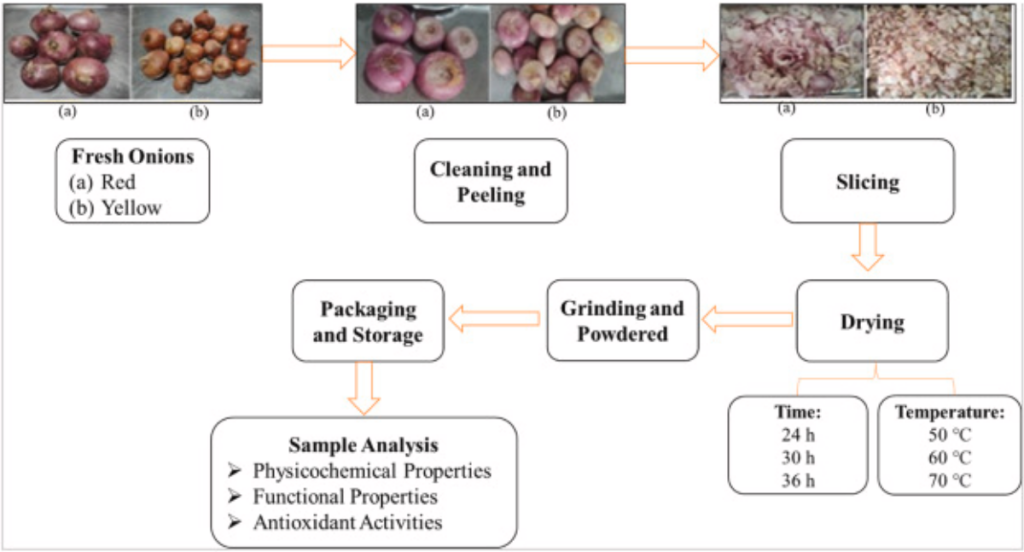
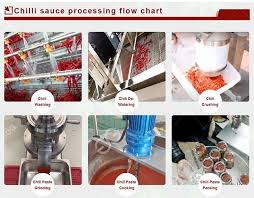
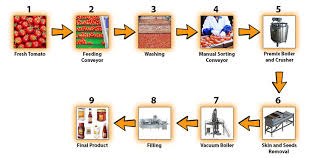
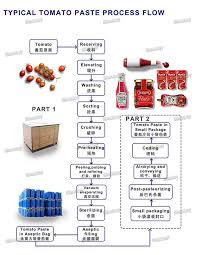
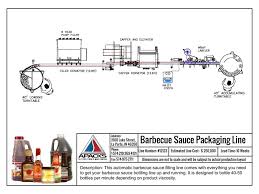
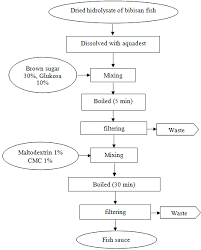
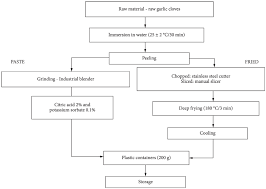
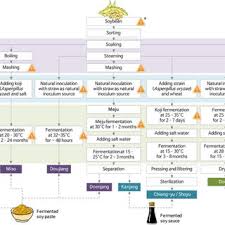
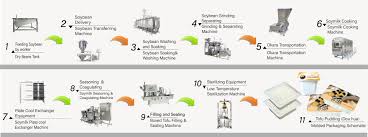
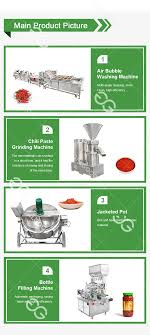
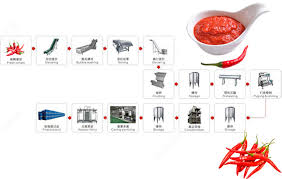
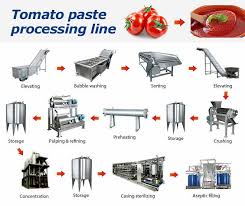
Automatic Sauce Paste Production Line
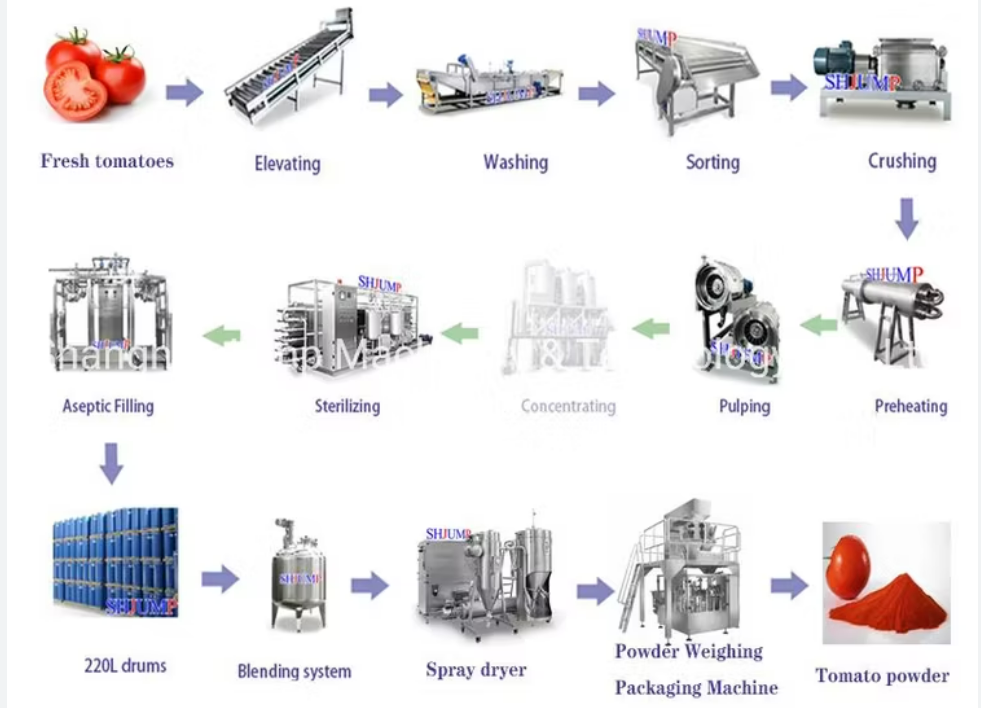
The automatic sauce paste production line is an integrated intelligent system designed to realize full-process automation of sauce and paste production, from raw material processing to finished product packaging. It is a core equipment in the condiment industry, ensuring stable quality and high efficiency in large-scale production.
A complete line consists of coordinated functional units: raw material cleaning and cutting, high-temperature mixing and emulsifying, vacuum degassing to remove air bubbles, sterilization to ensure food safety, and automatic filling and sealing. It adopts PLC control to accurately adjust temperature, mixing speed and filling volume.
Compared with manual production, it avoids contamination, reduces labor costs, and ensures consistent product taste and viscosity. It is widely used in producing tomato sauce, chili sauce, salad dressing and other products, helping enterprises improve production efficiency and market competitiveness.
Automatic Pouch Sauce Paste production line
Pouch Sauce Paste Process Flow Pouch Sauce Paste Automatic Productino Line Design: Food Producing Process Flow: Ultrafine grinding is one of the very key procedure in whole production line. It depends how many mesh that customer need to produce. That’s to say this machine can decide what kind of material will get finally before mxing….Automatic secret Sauce Paste production line Price
secret Sauce Paste Process Flow secret Sauce Paste Automatic Productino Line Design: Food Producing Process Flow: Ultrafine grinding is one of the very key procedure in whole production line. It depends how many mesh that customer need to produce. That’s to say this machine can decide what kind of material will get finally before mxing….
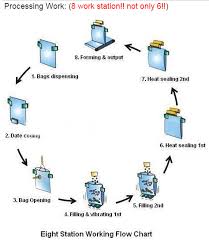
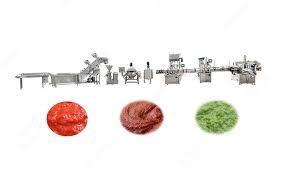
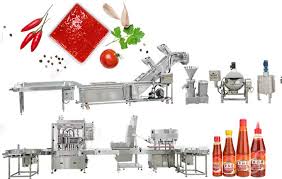
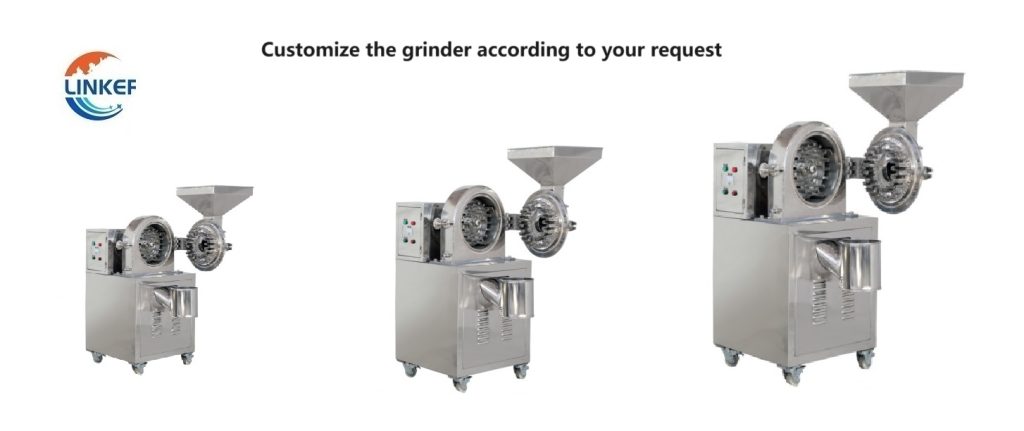
Customization Seeds Grinder According to your Capacity:
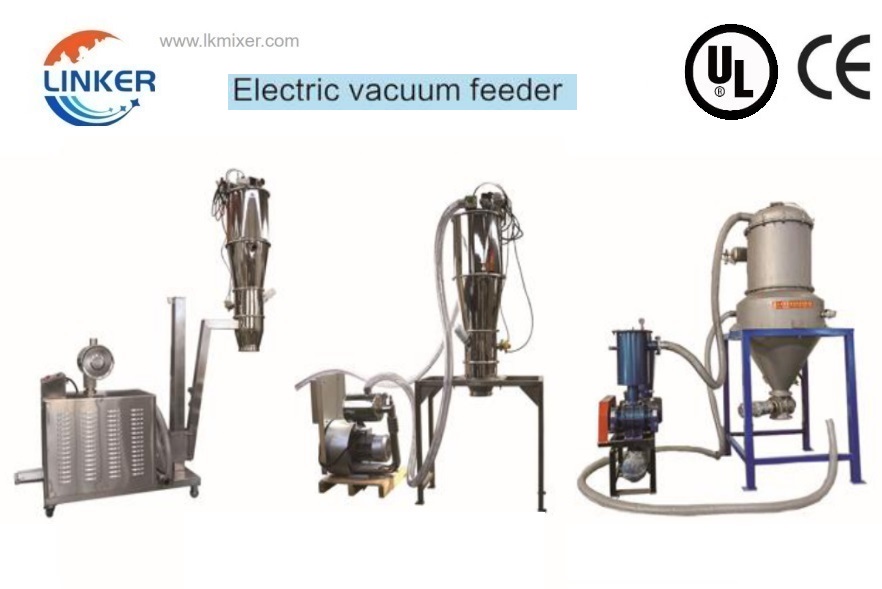
We can customize the capacity according to your special requirement, we can also customize the vacuum feeder connect with your production line (the dimension and width of grinder), for detail contact with our sales for proposal and price.
Videos of Seeds Grinder Machine:
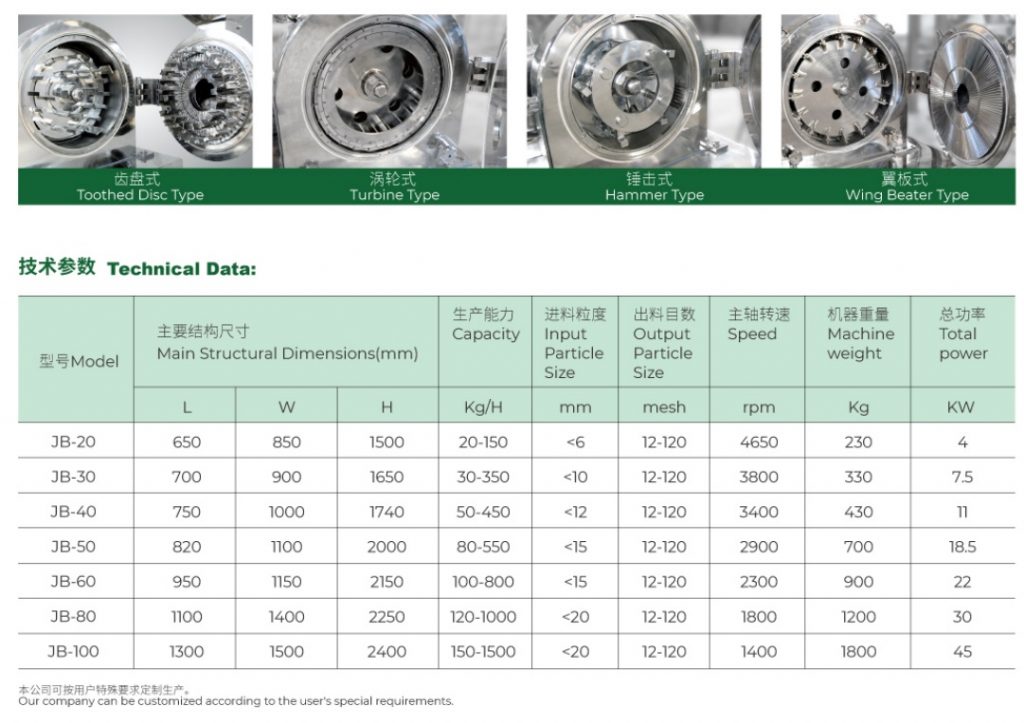
Many model of Seeds Grinder, the universal grinder is suitable to cut the seeds into 12-120mesh, the high efficient grinder is useful, but cost a little bit higher than universal. The super fine grinder can grind into 100mesh to 320mesh. Customer can choose according to your own requirement. here show some example:
About LKMixer
LKMixer is a professional manufacturer for fertilizer production line, grinder, mixer and granulator, shredder. These machines are widely used in food, pharmaceutical, cosmetic, health care products and chemical industries. The Food materials like Peanut, mushroom, seeds, potato, bean, tobacco, salt, cannabis, tea, Sugar, corn, Coffee, rice, pepper, grain as so on. Grinders have many types such as Pulse Dust Grinder which suitable for zero pollution environment, Turbine Mill which is suitable for coffee bean, 12-120mesh all can meet, Ultrafine Grinding Mill covers 80-200mesh, and also Winnowing Dust Grinder or other grinding machines like SF Hammer. Welcome to contact us for details. Contact us for more information. Proposal, catalog, quotation. Mobile/WhatsApp: +86 18019763531 Tel: +86 21 66037855 Email: sales@lkmixer.com
Contact Us
FAQ(Click and See More)
Read More about Herb Grinder:
Why are herb grinders so expensive?
Are electric herb grinders good?
What is the best way to grind up herbs?
Can you chop herbs in a coffee grinder?
How to grind dried herbs into powder?