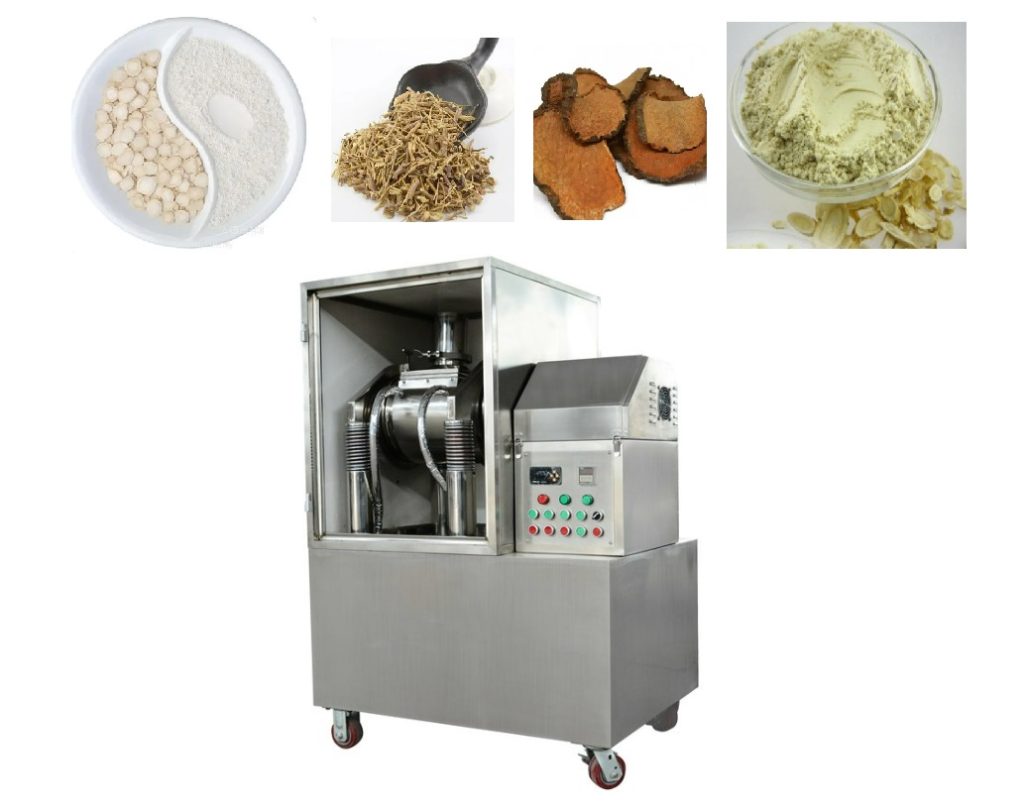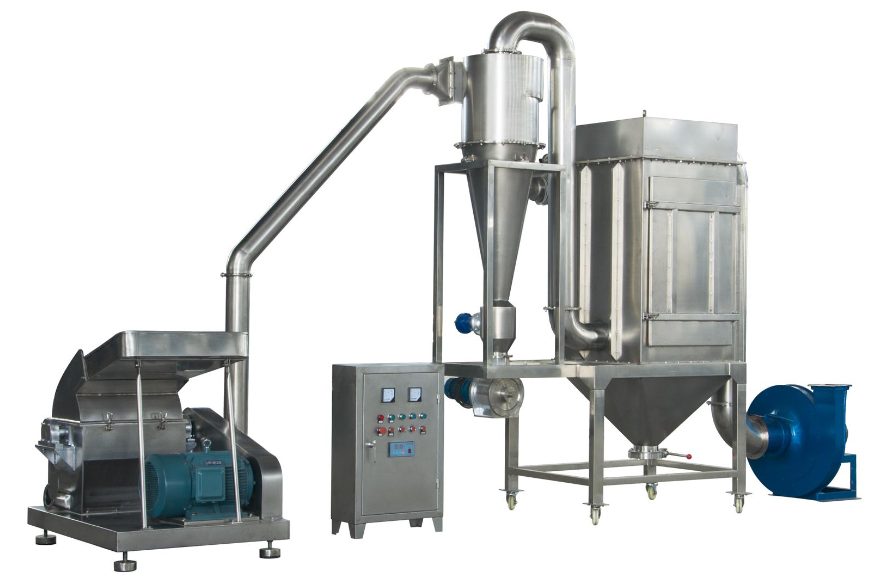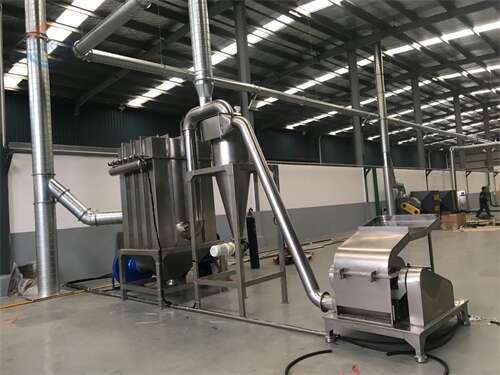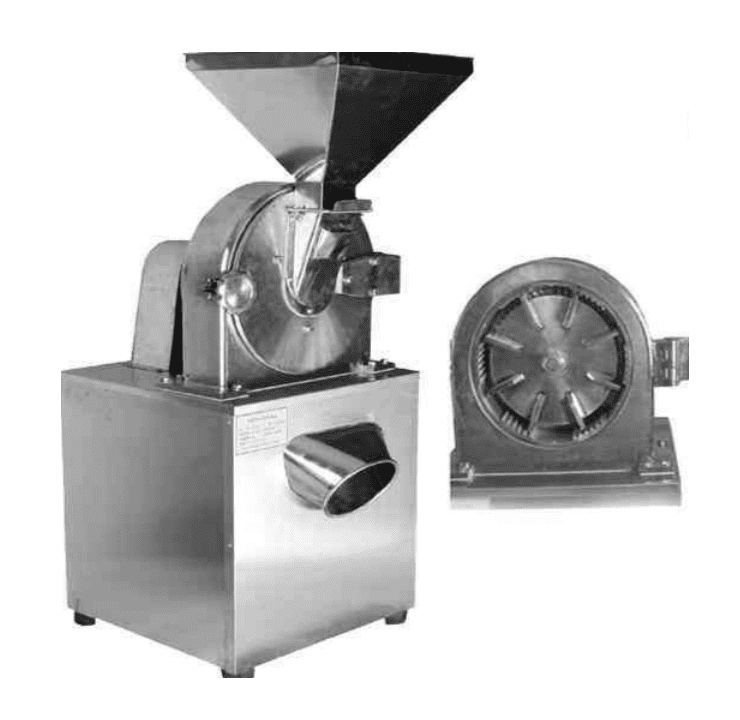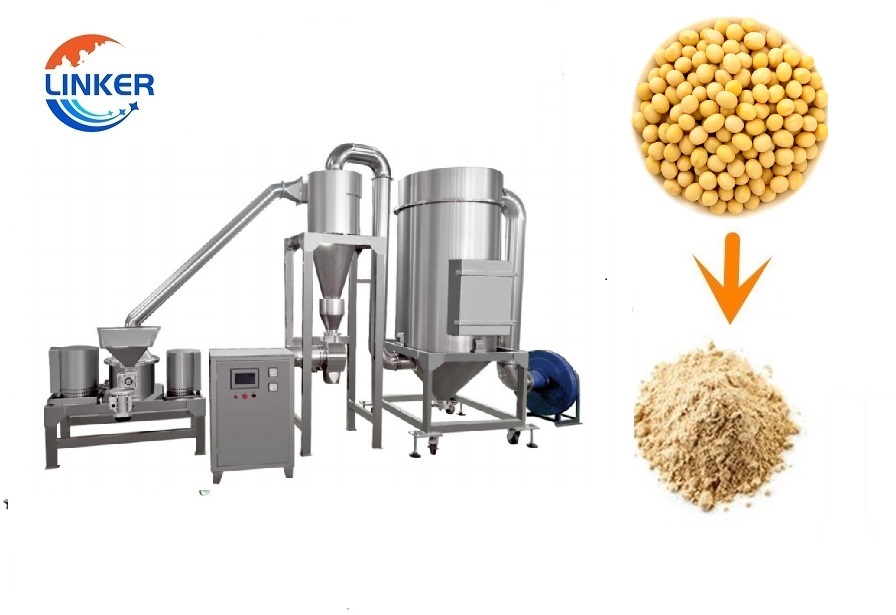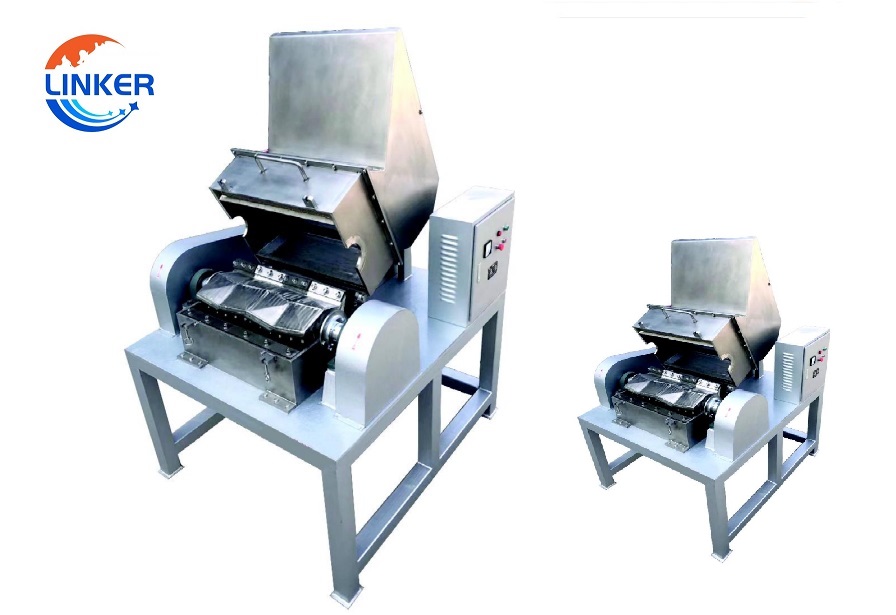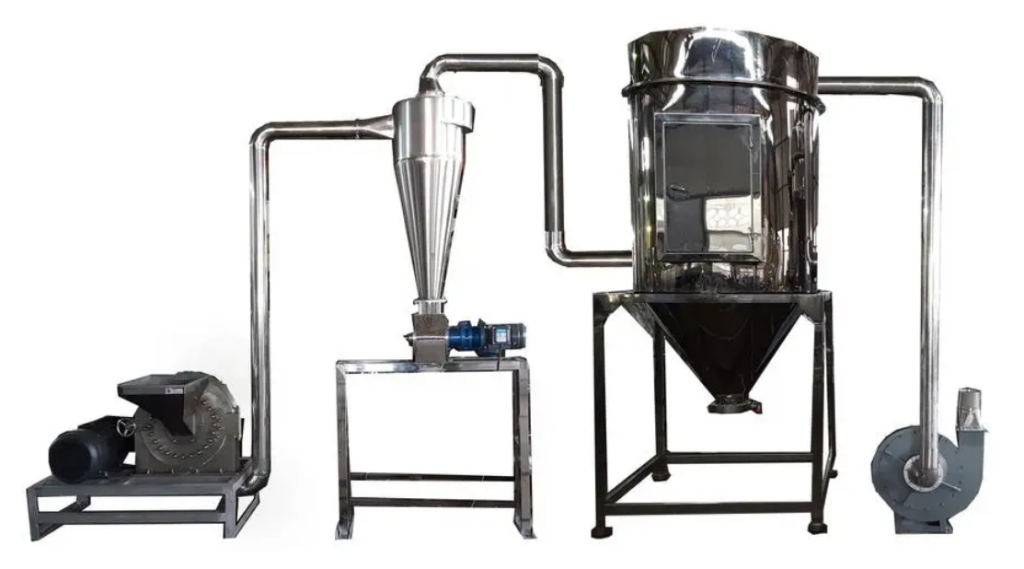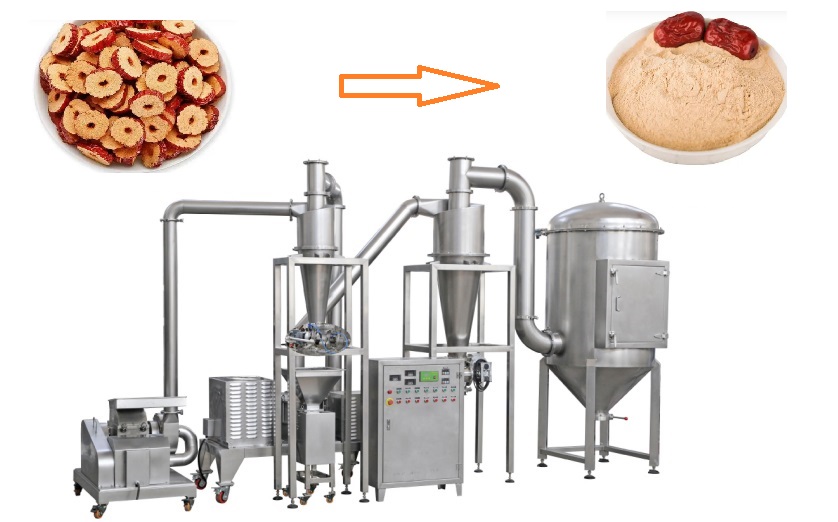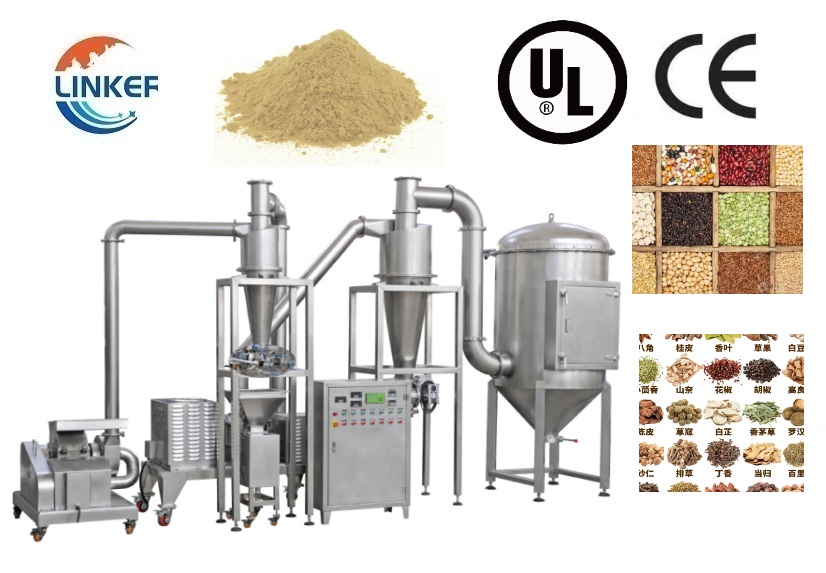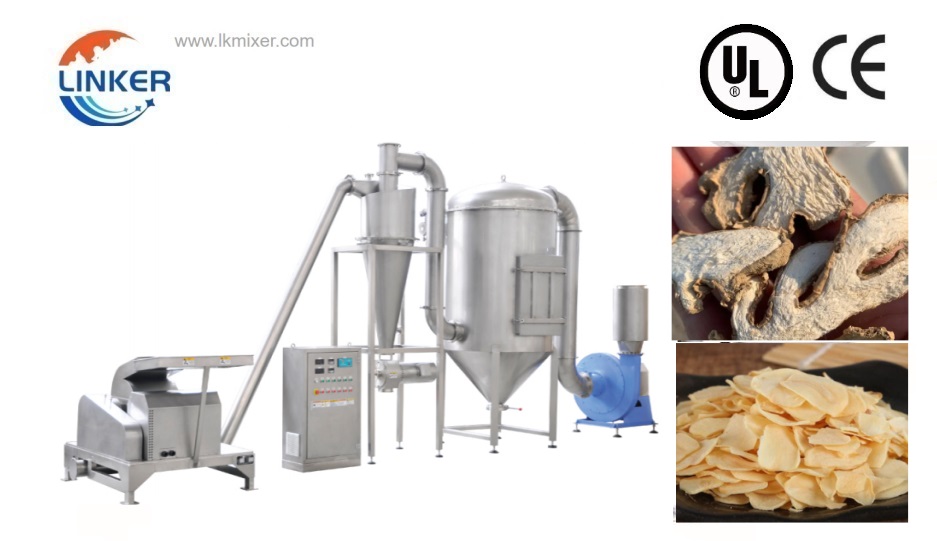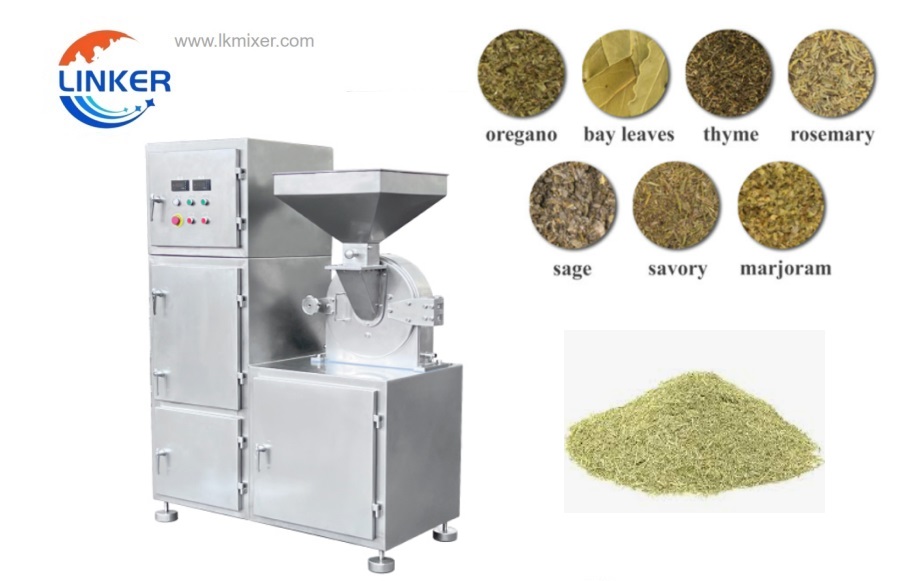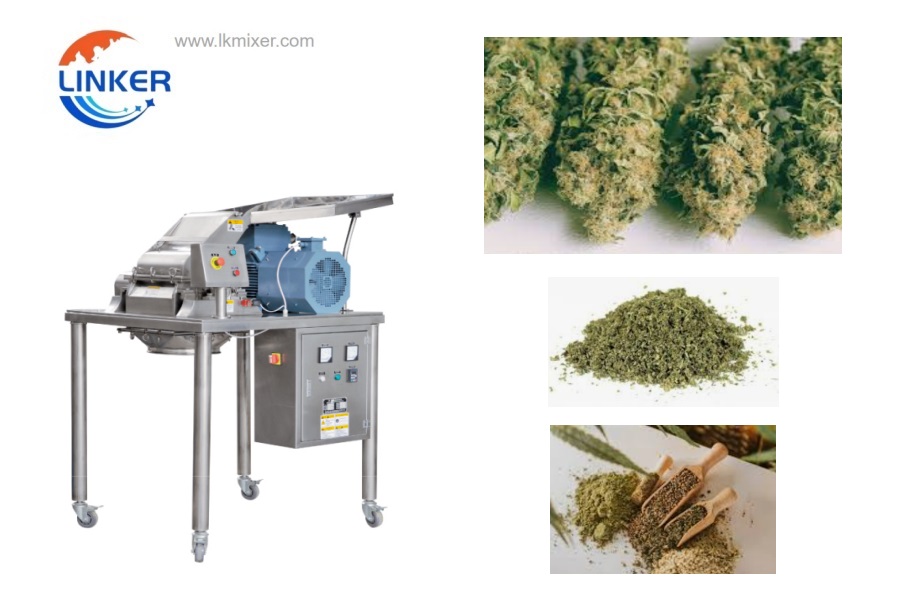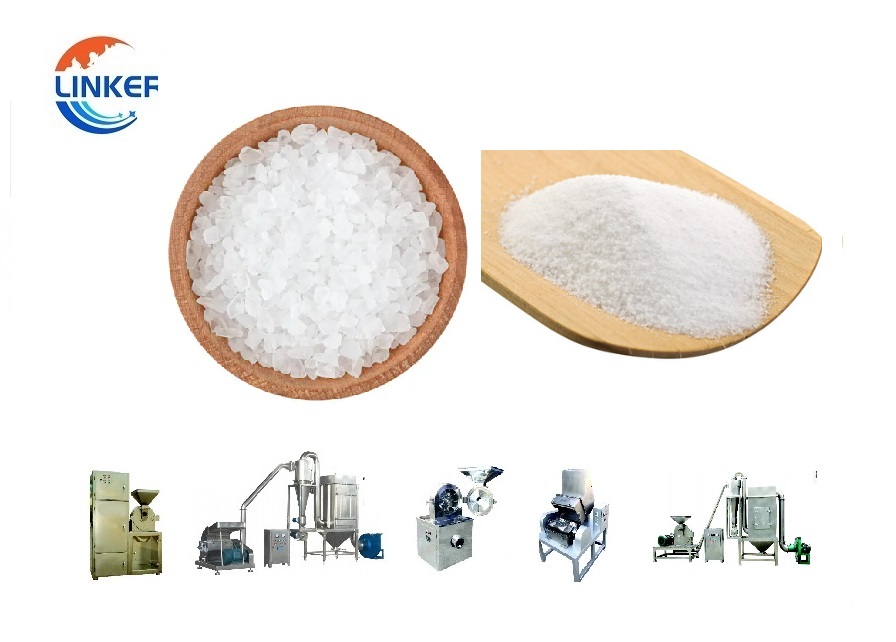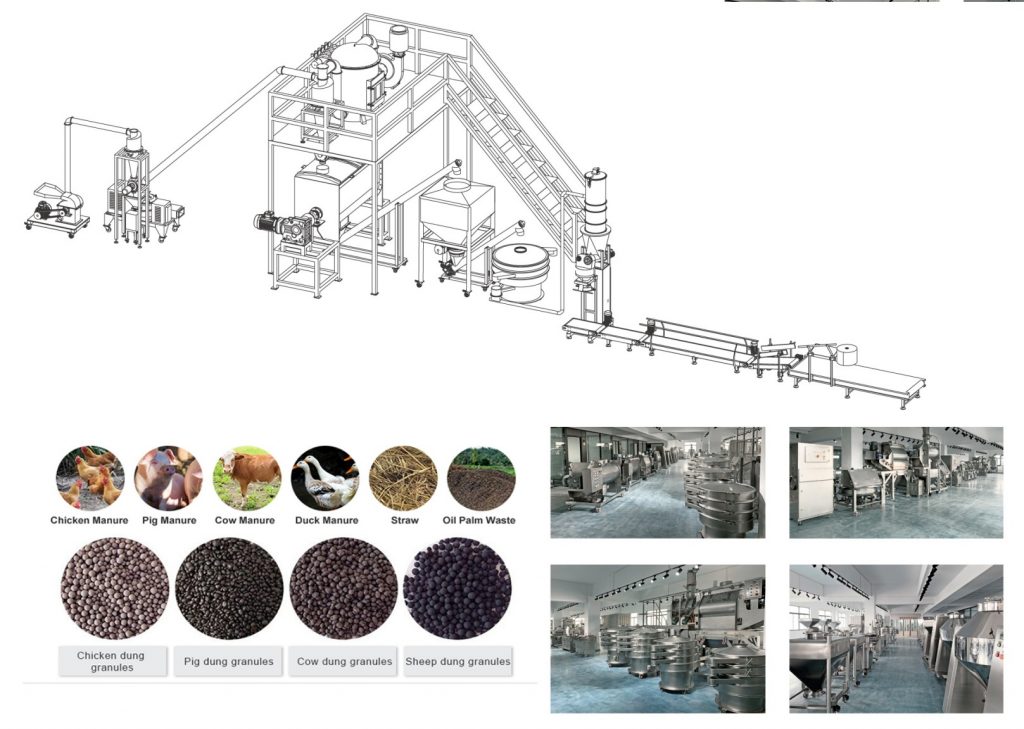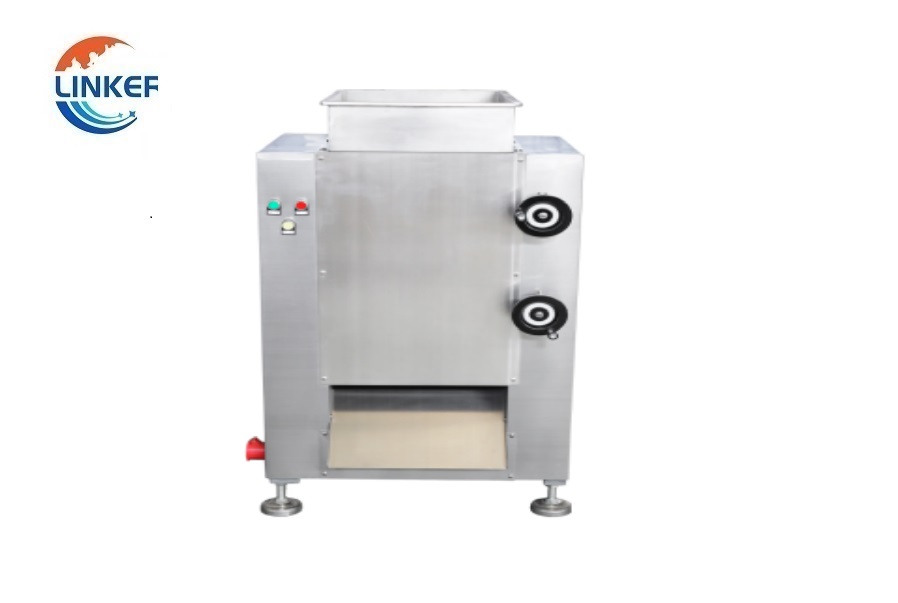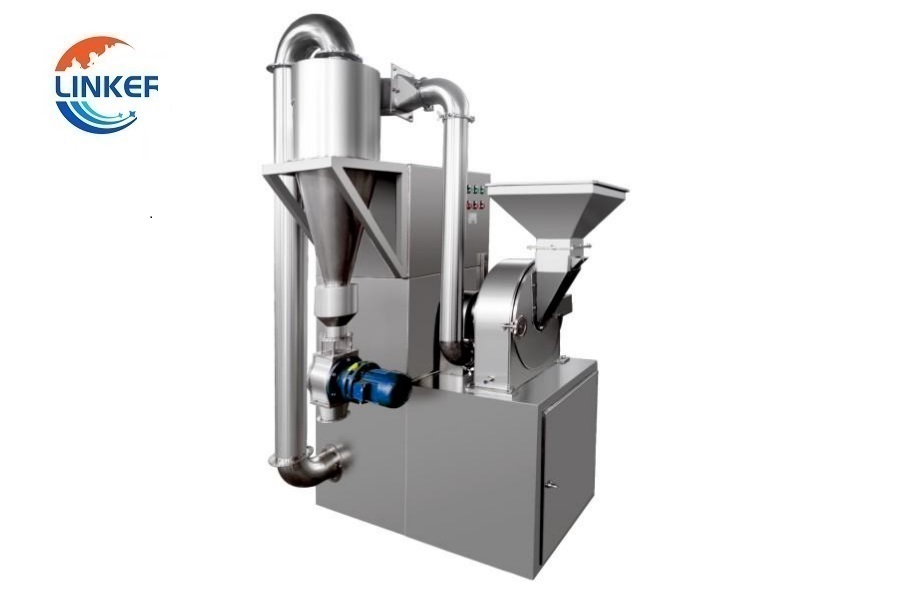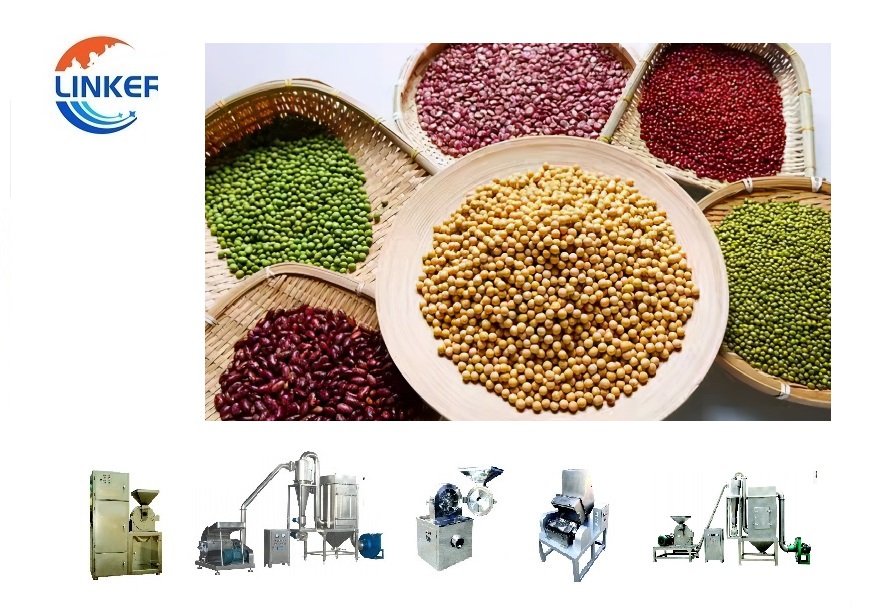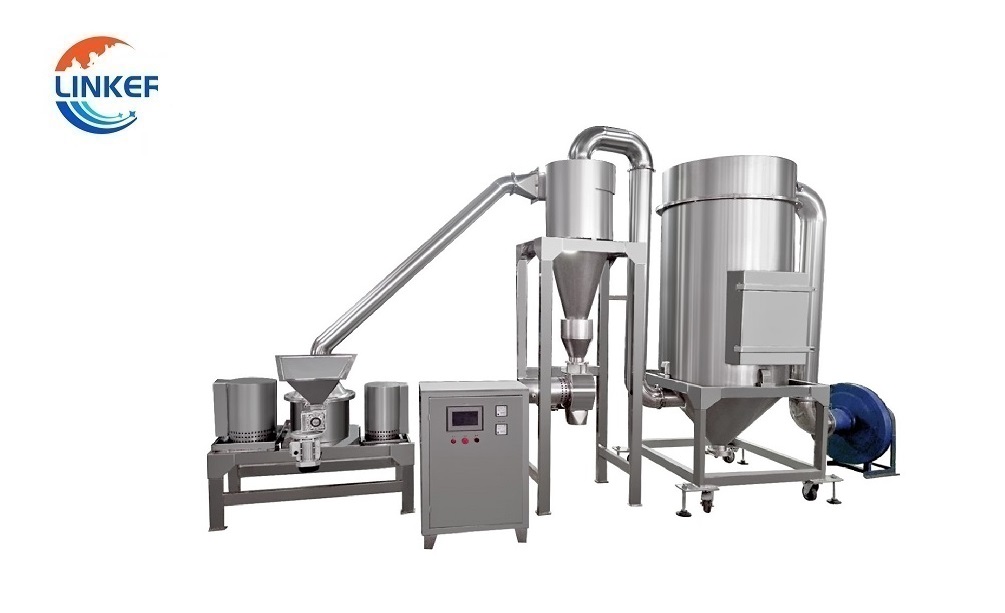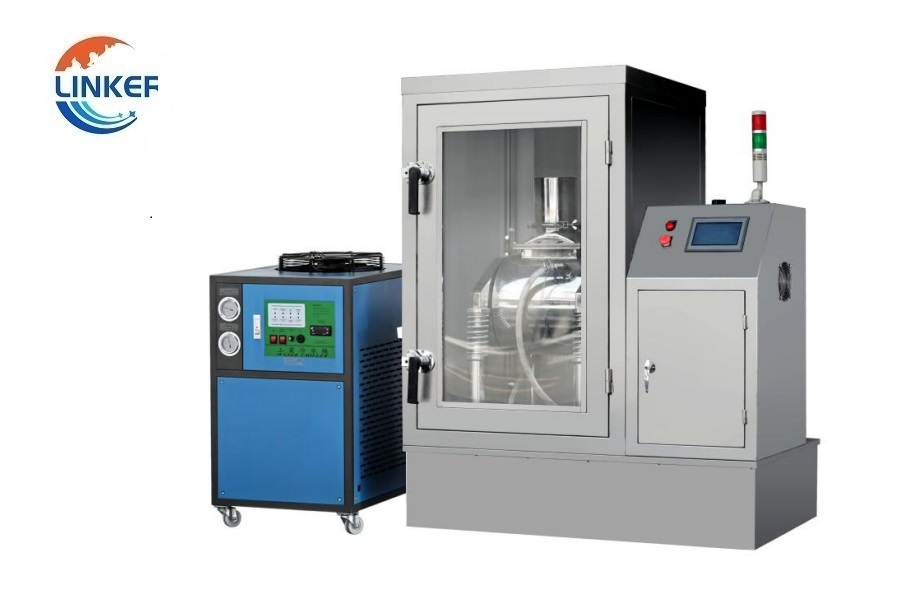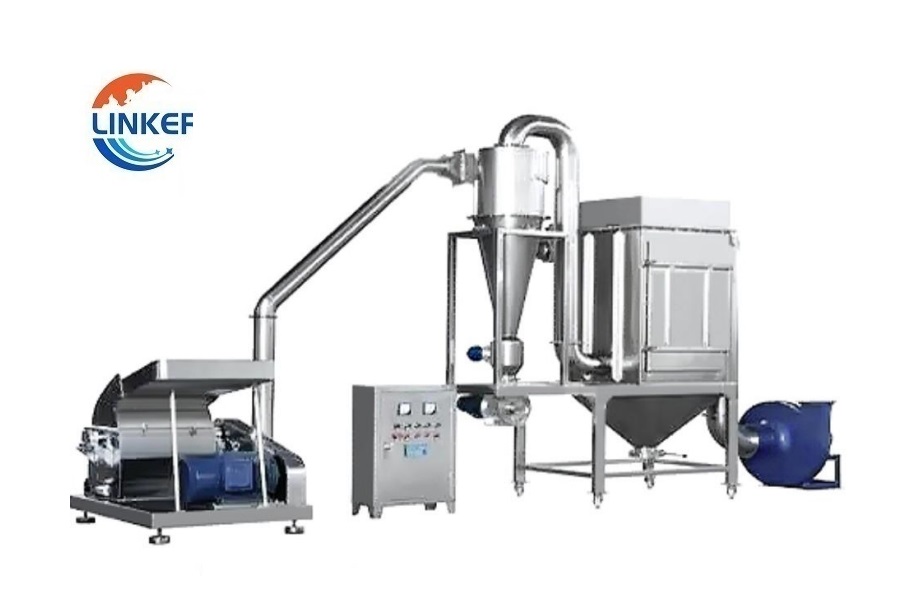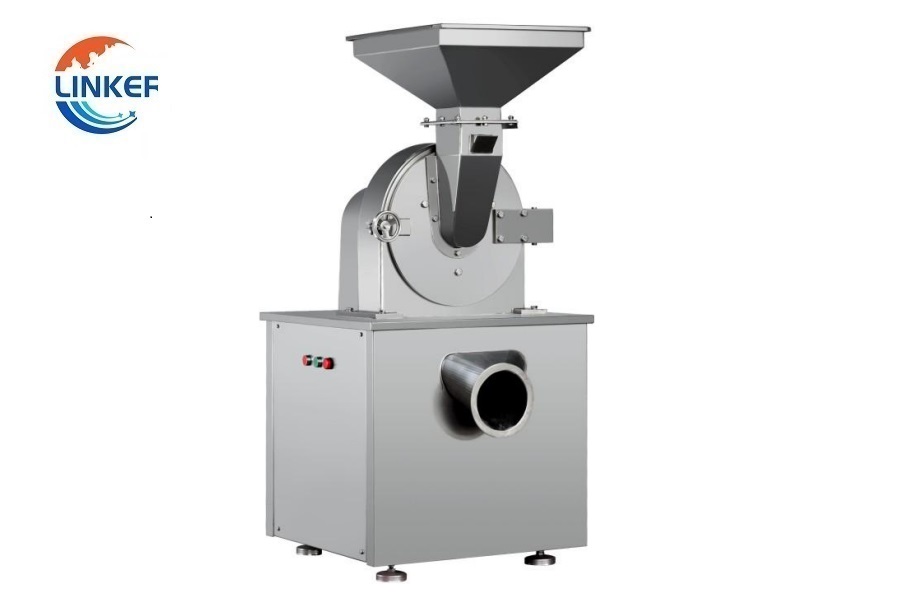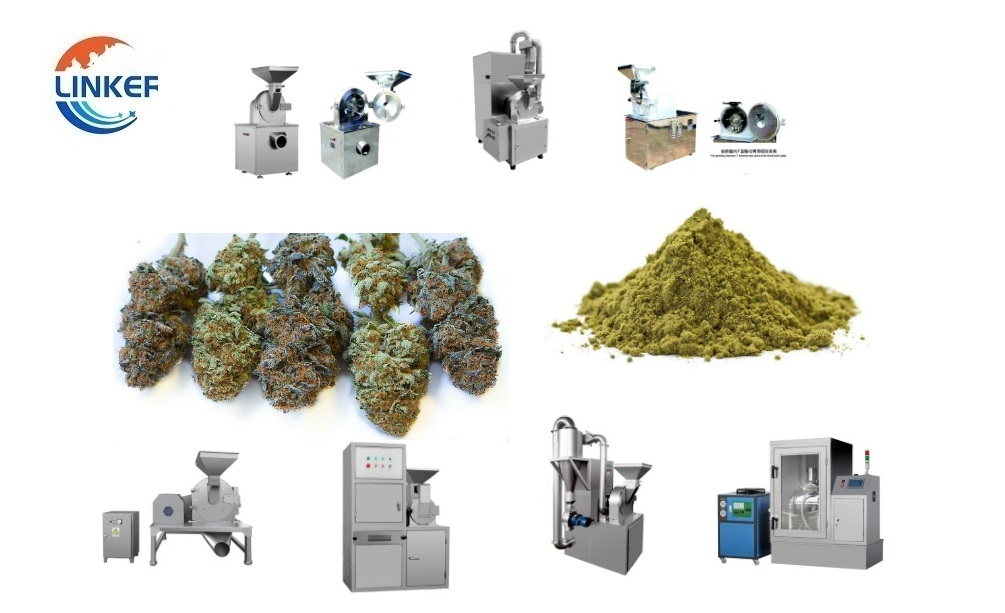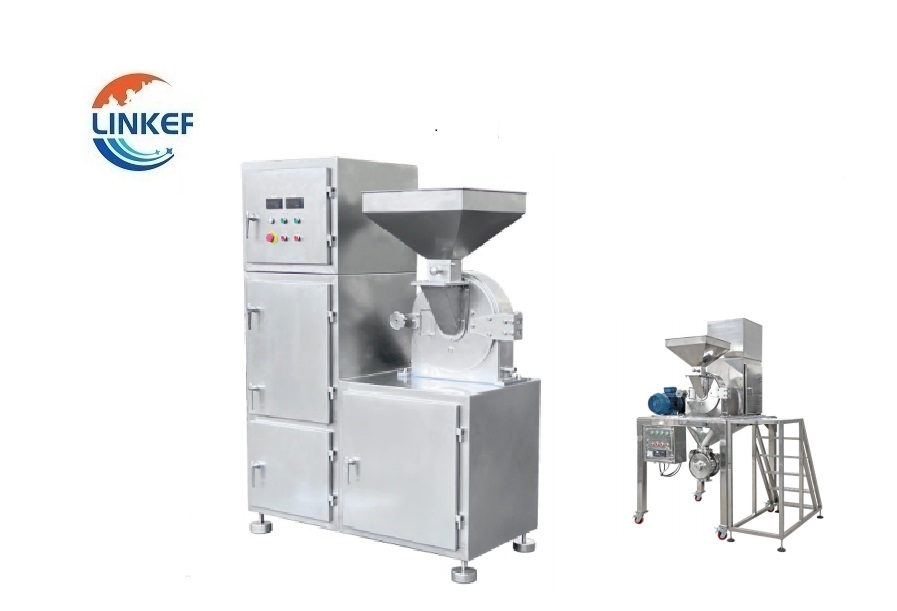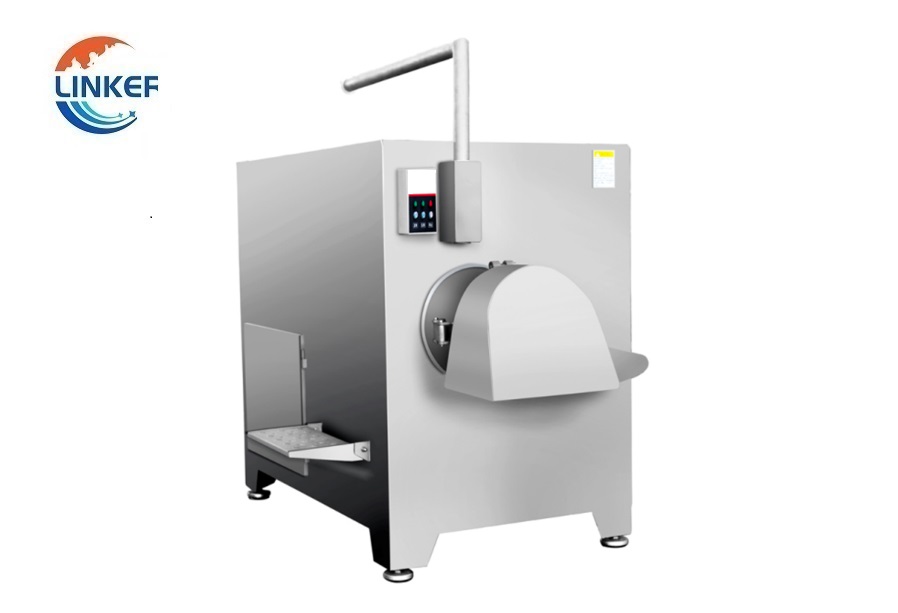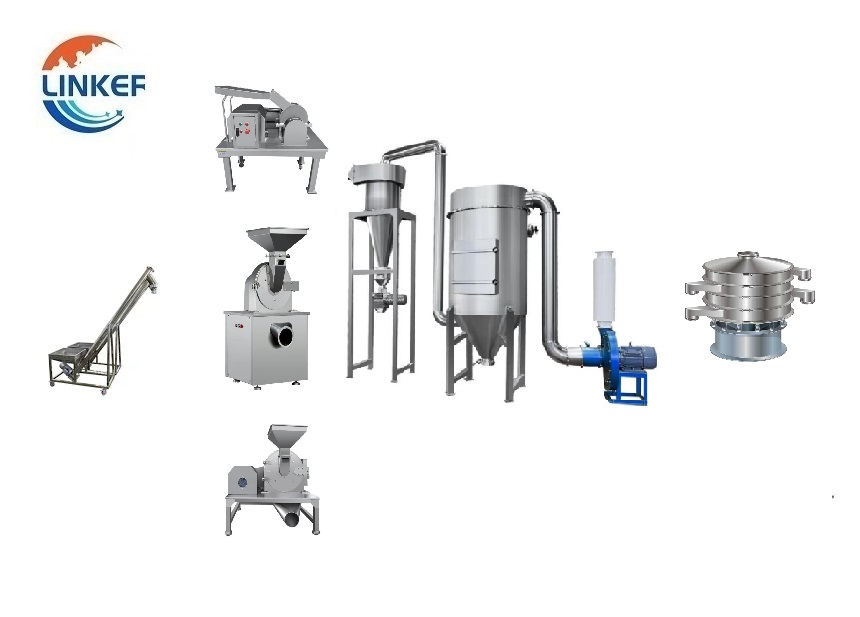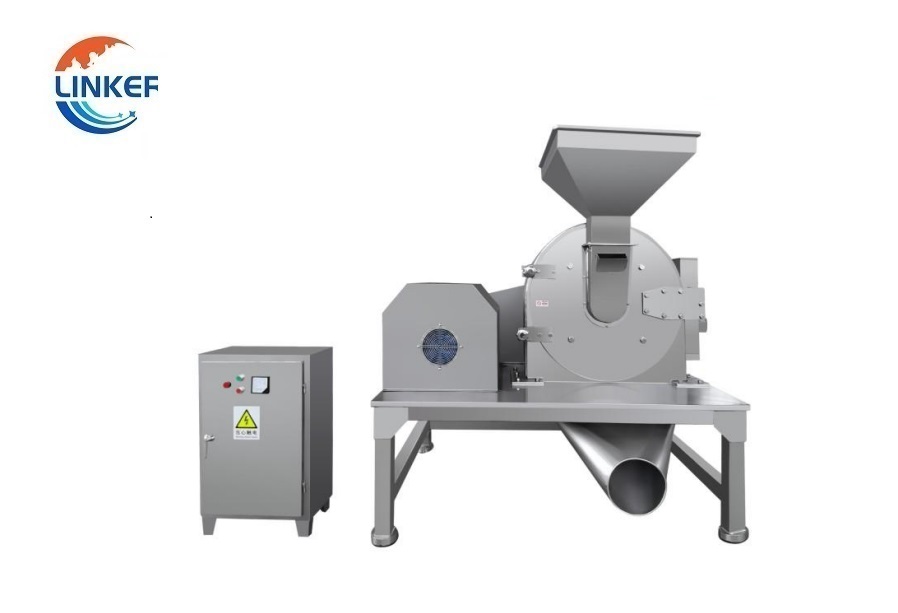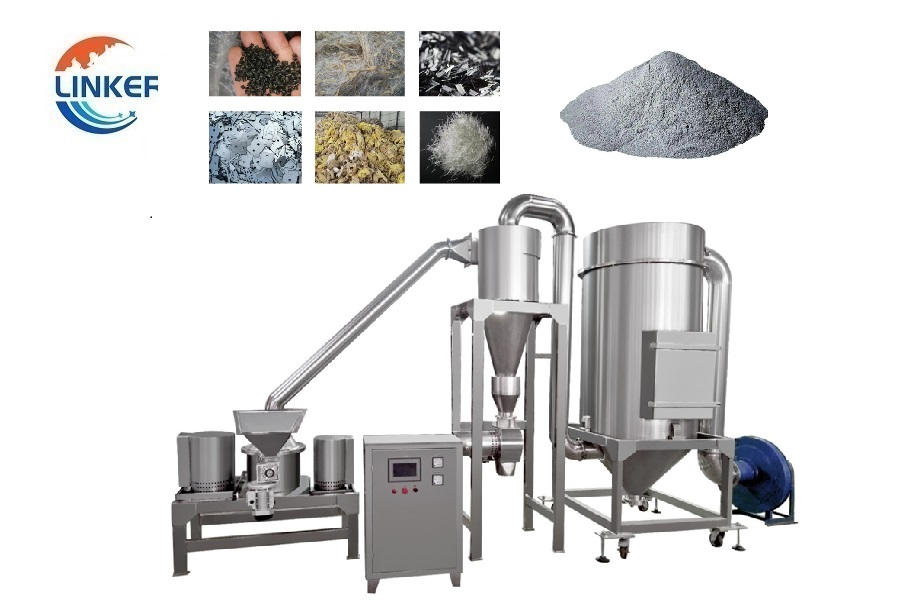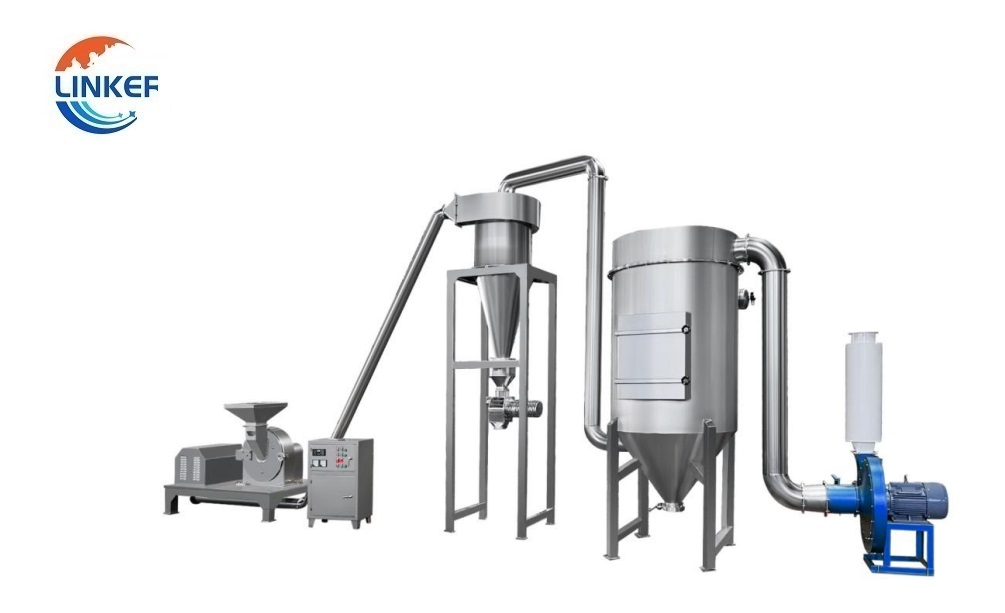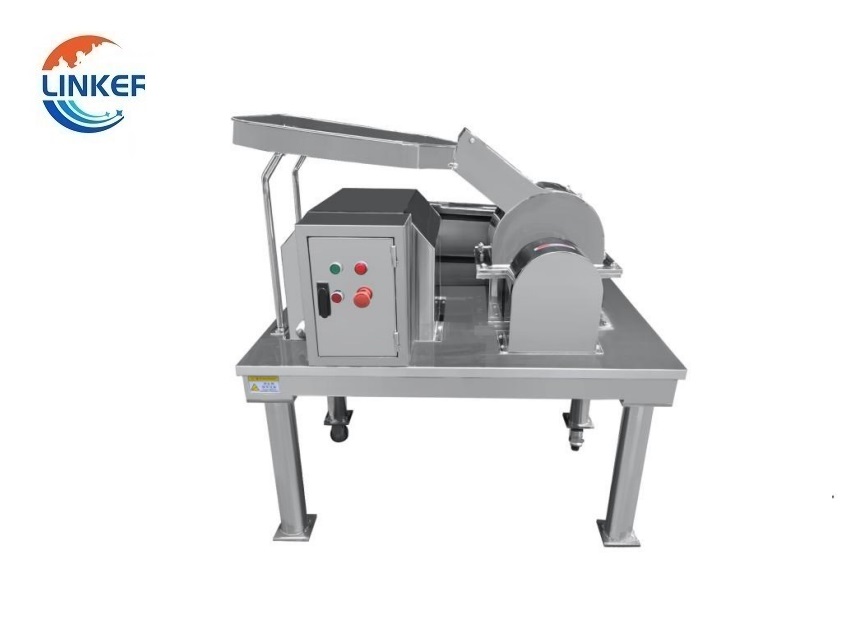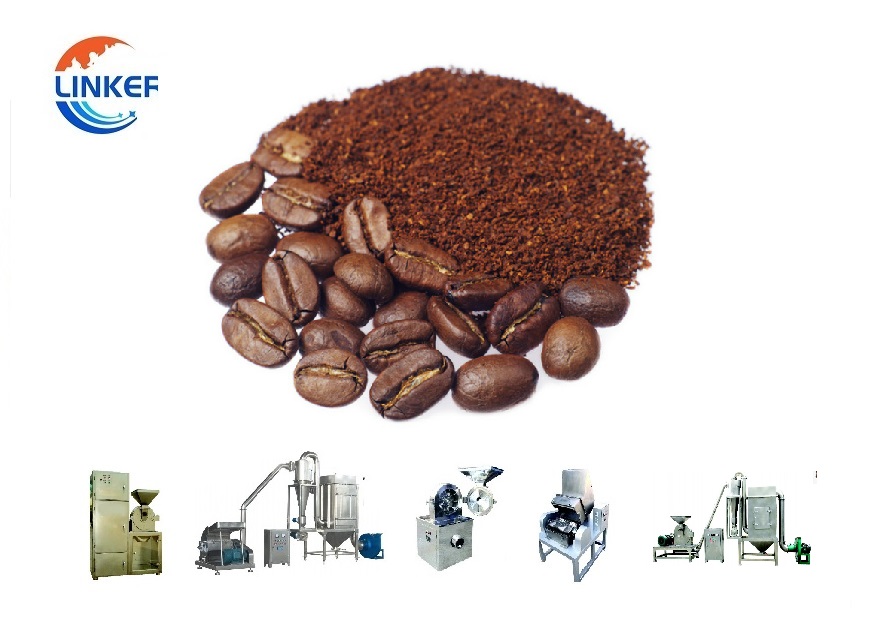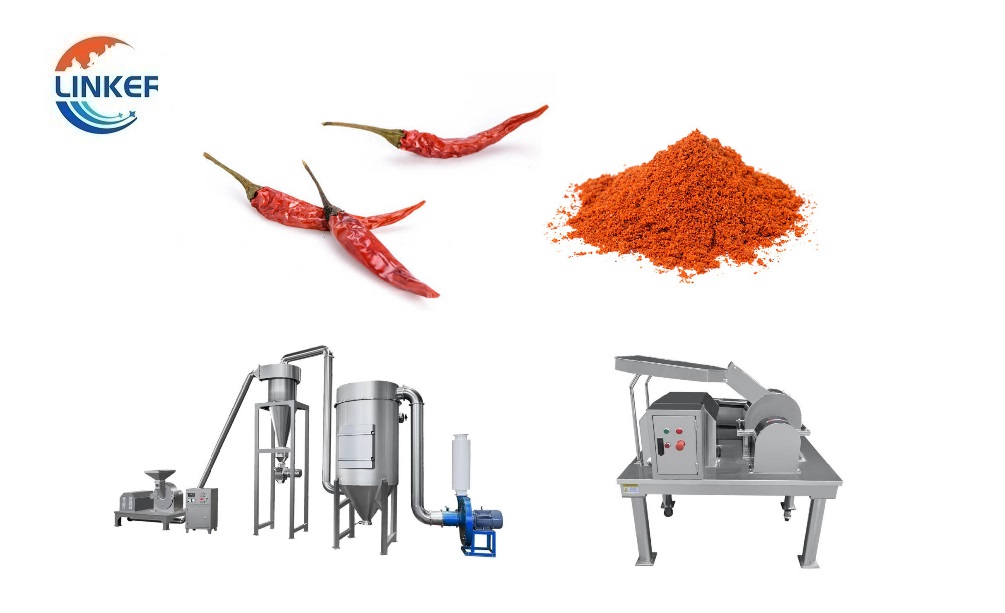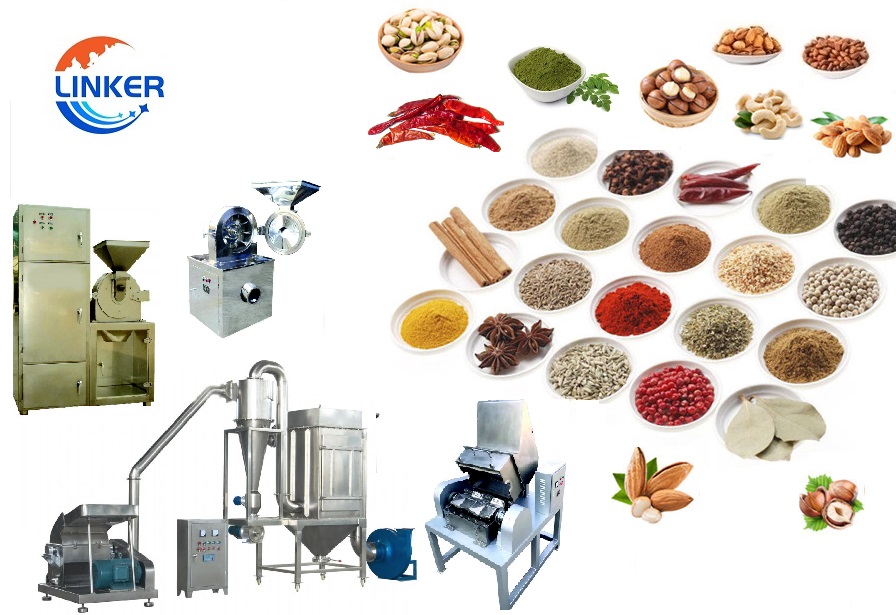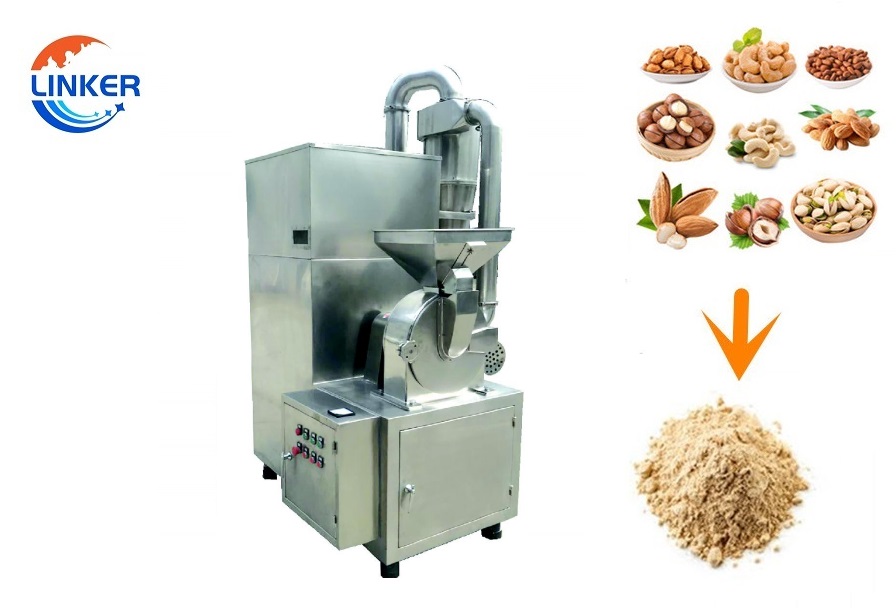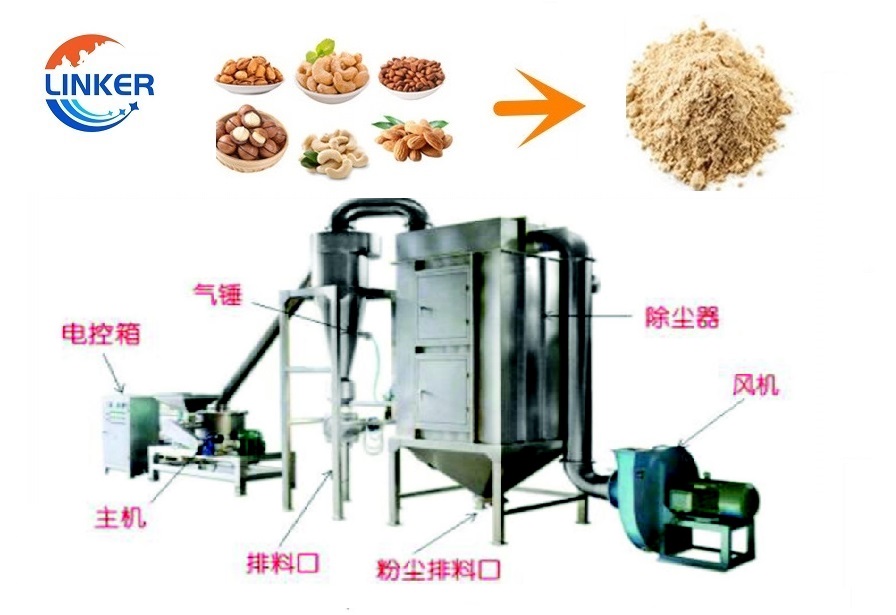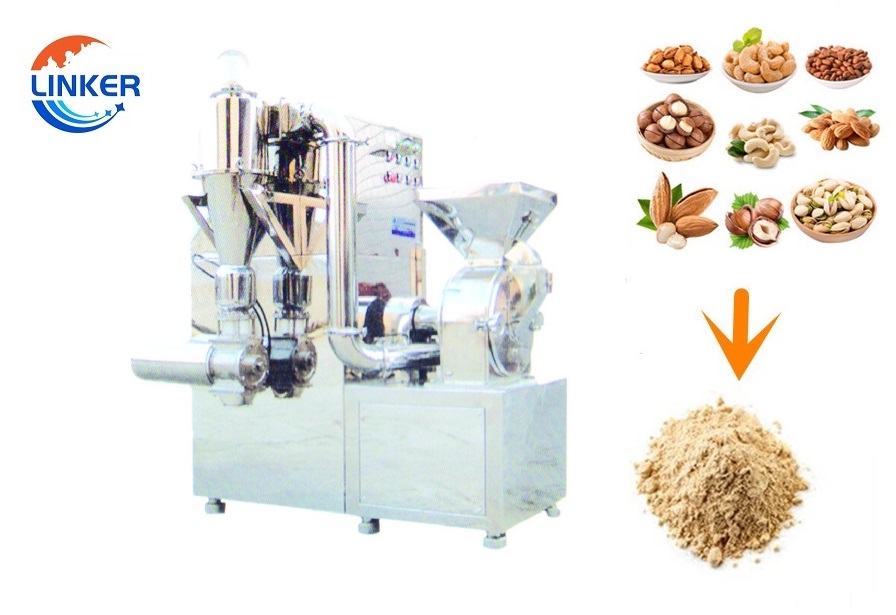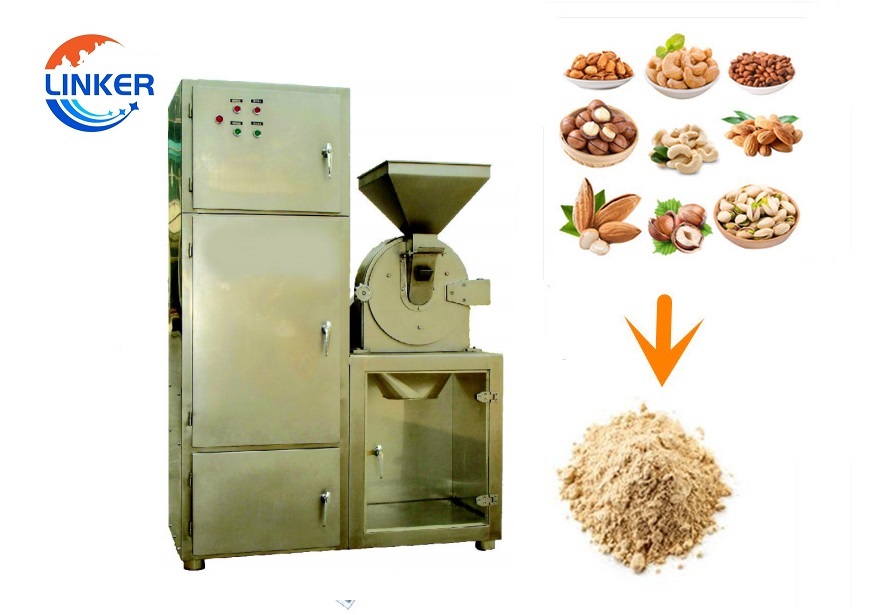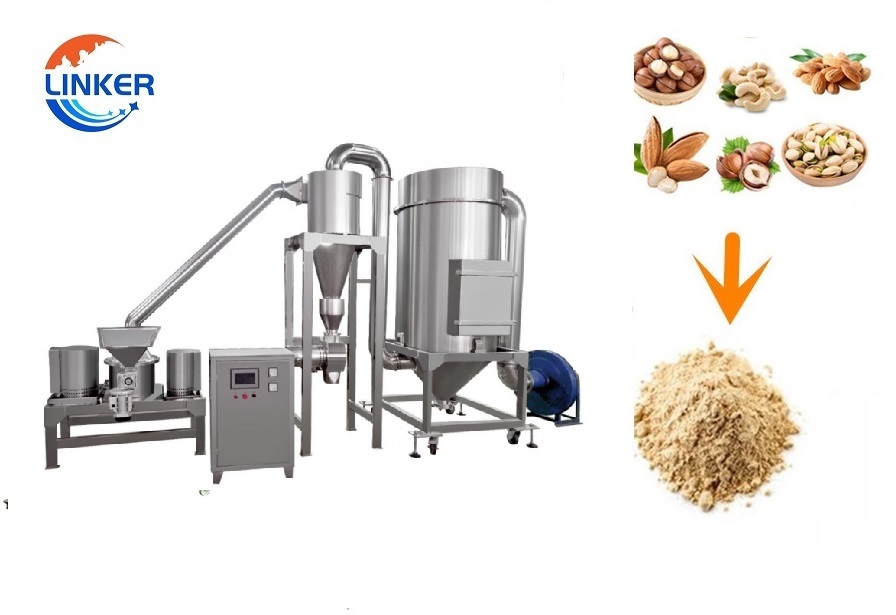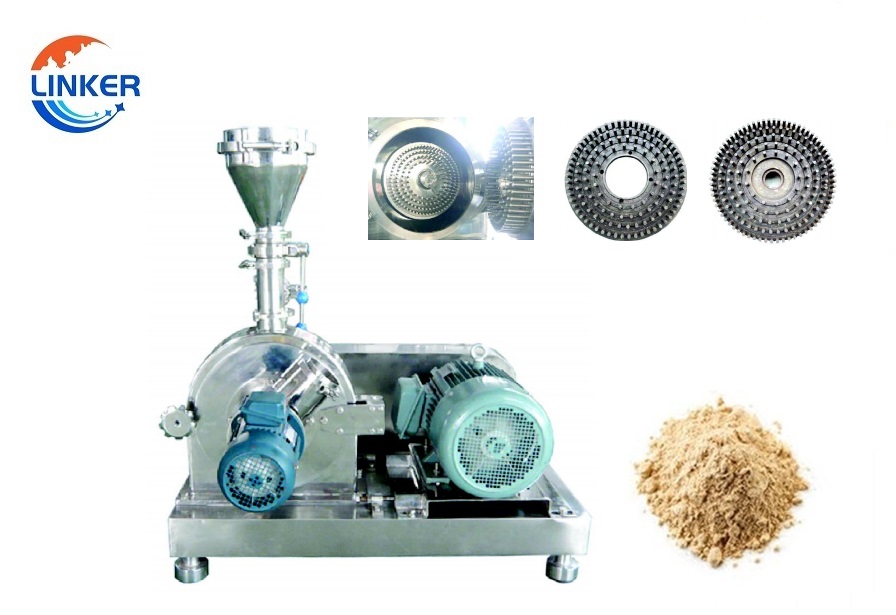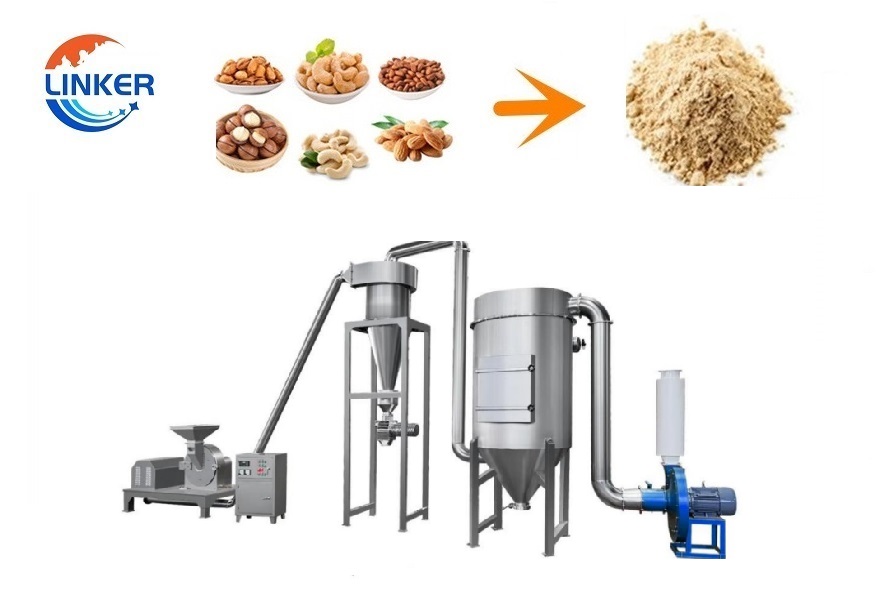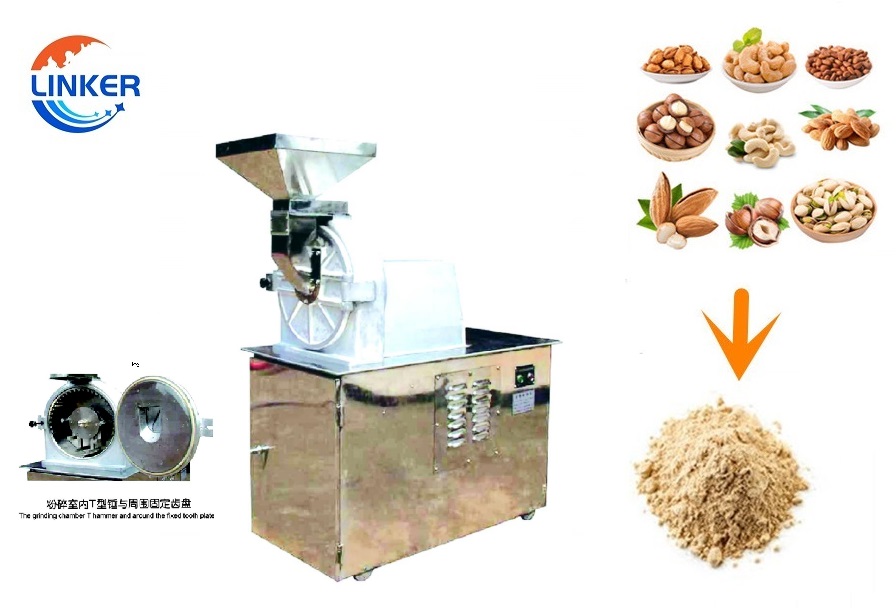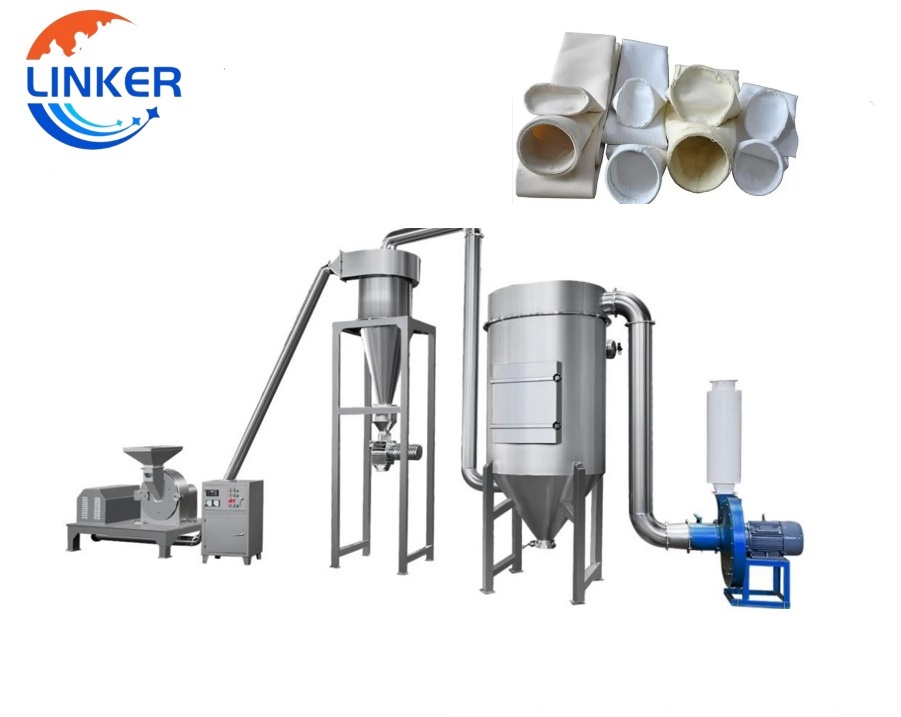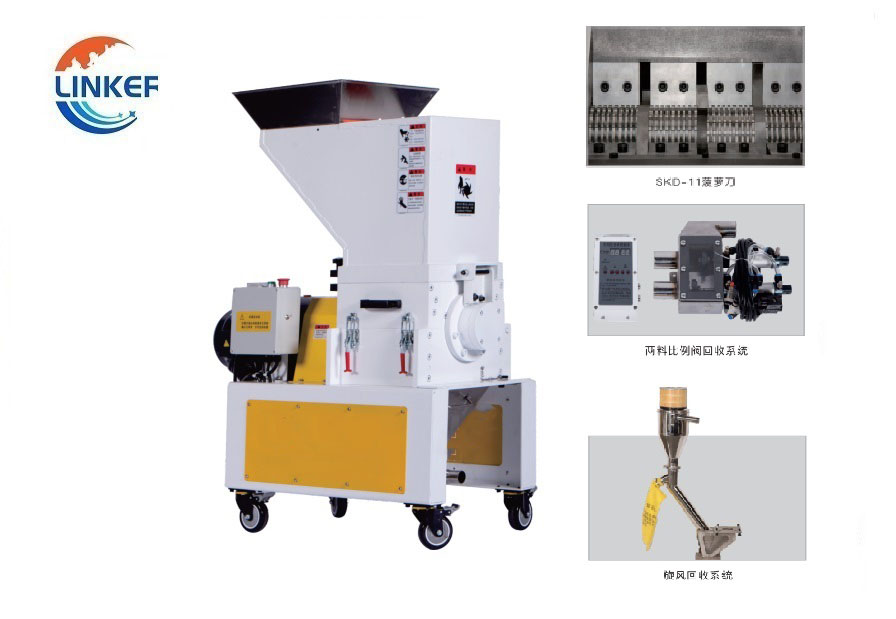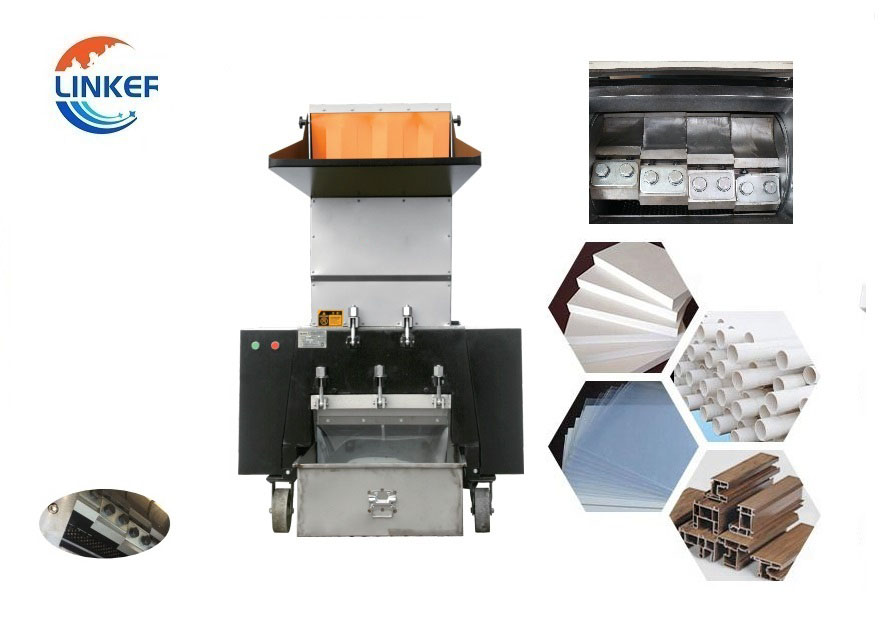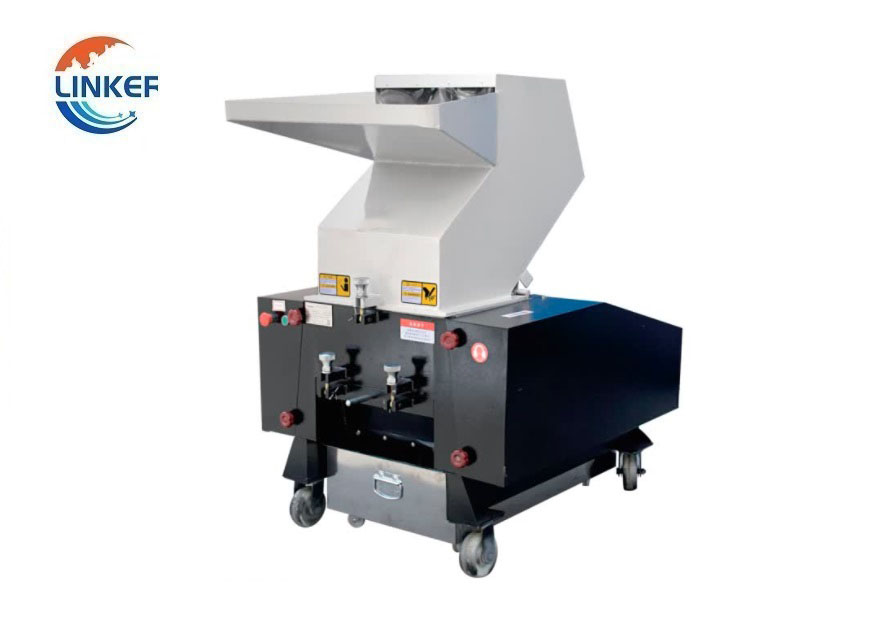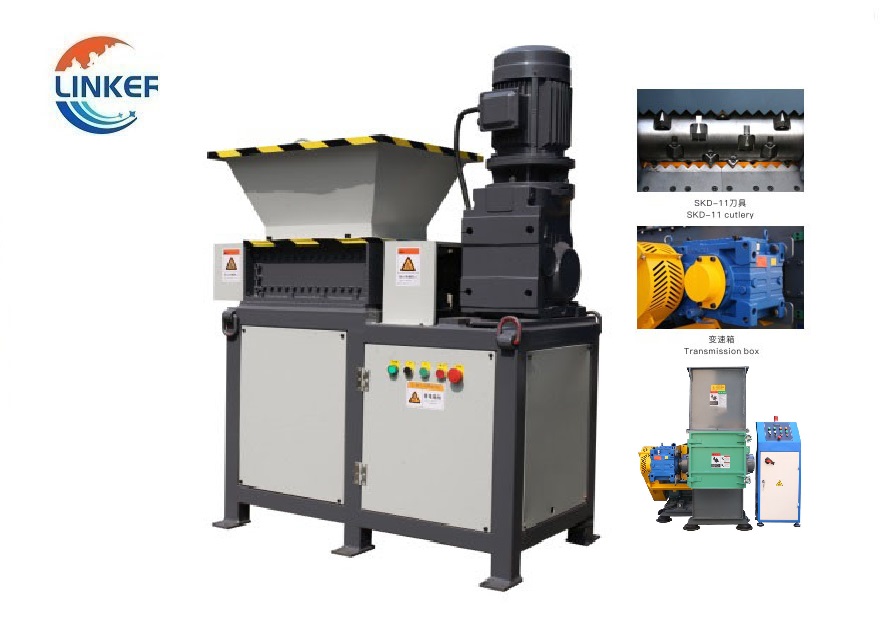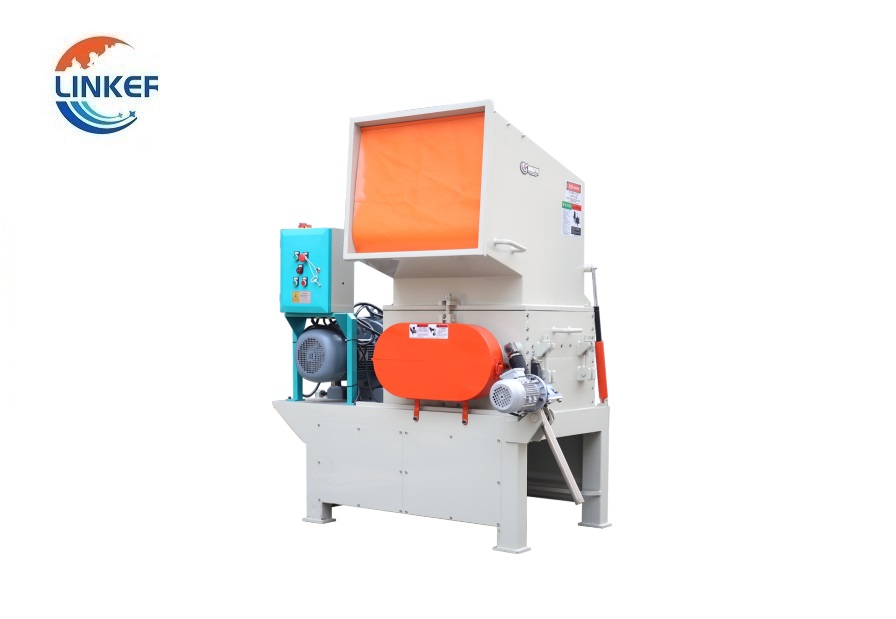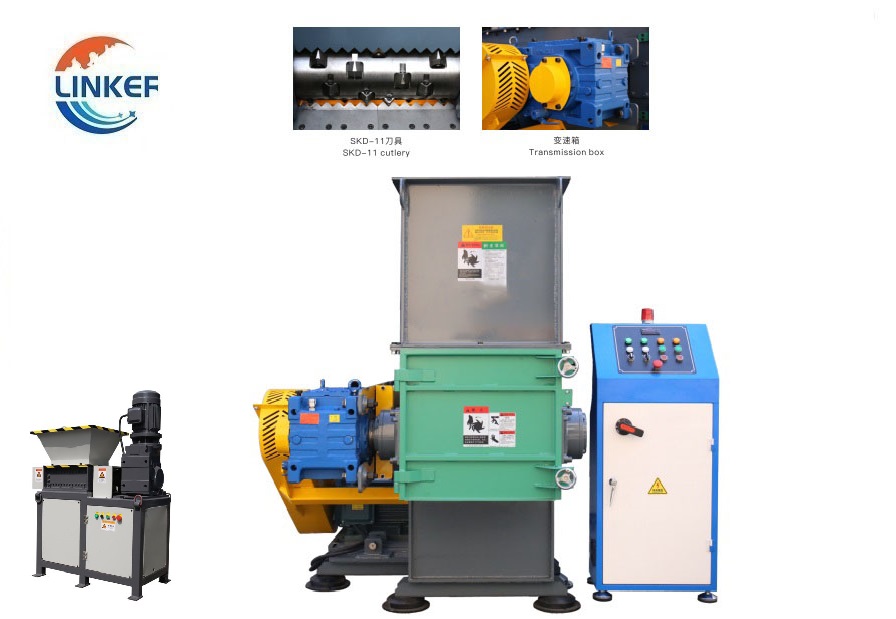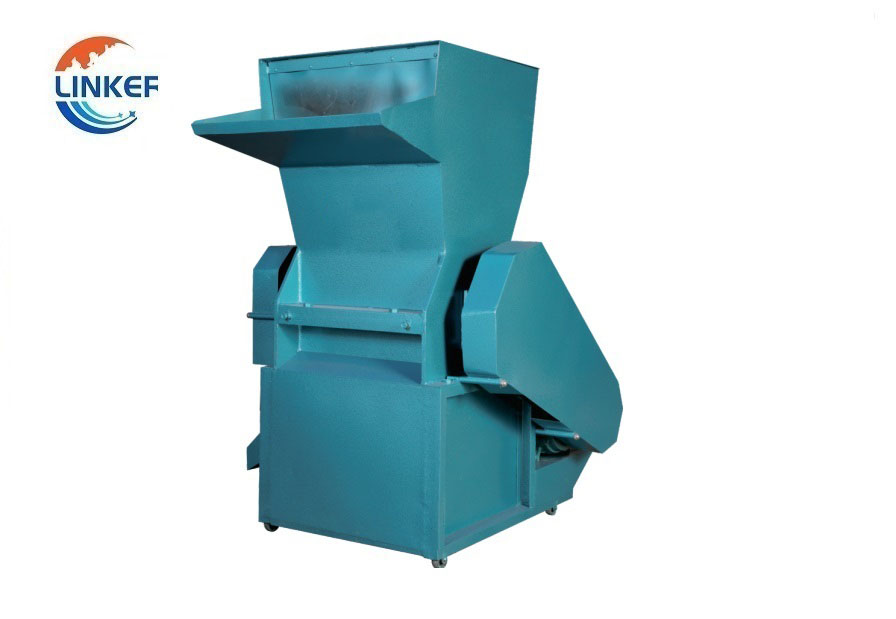
Clay Powder Grinding Machine
Clay Powder Grinding Machine: A Comprehensive Guide
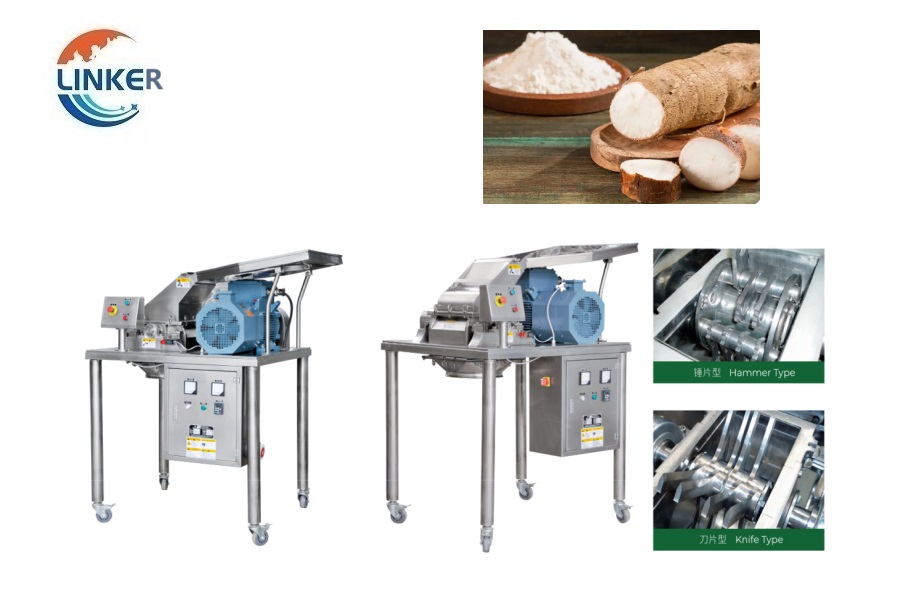
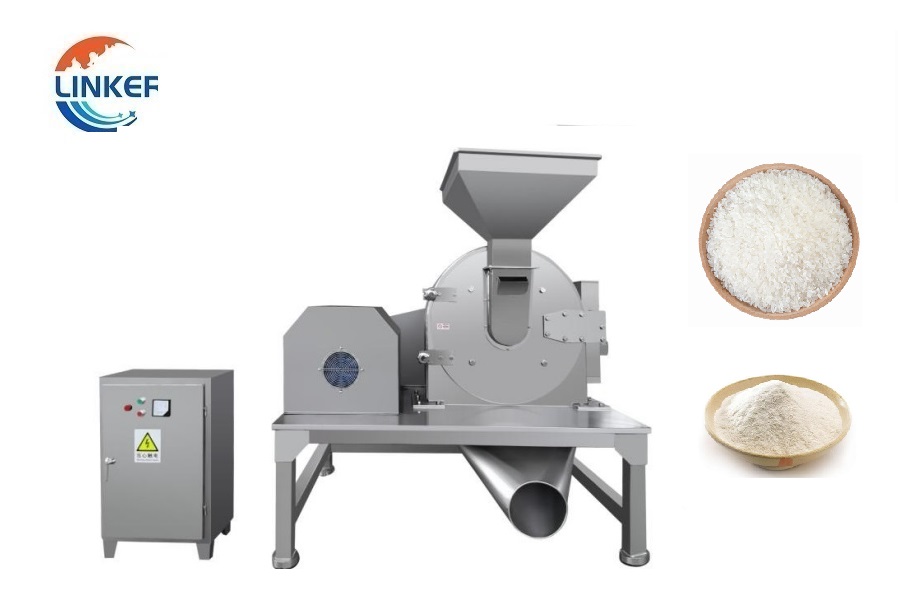
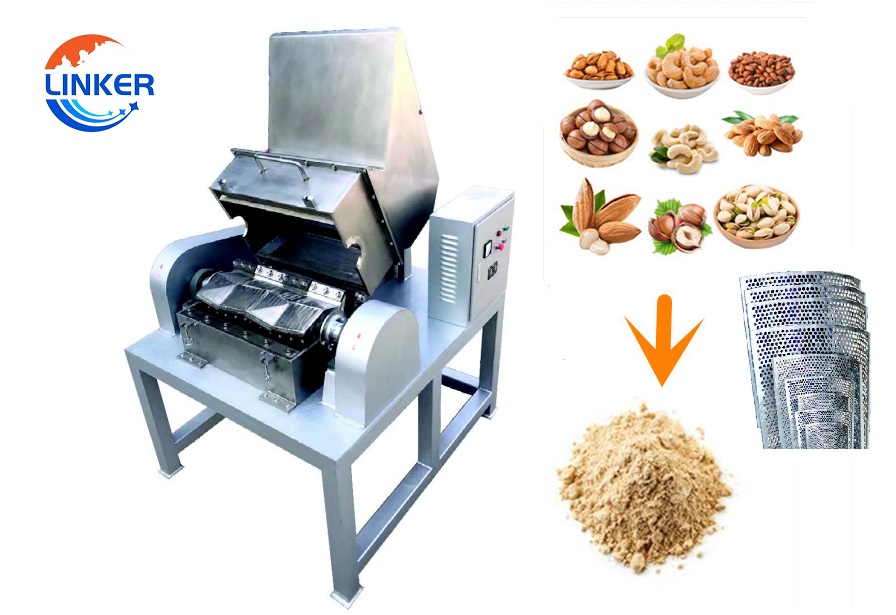
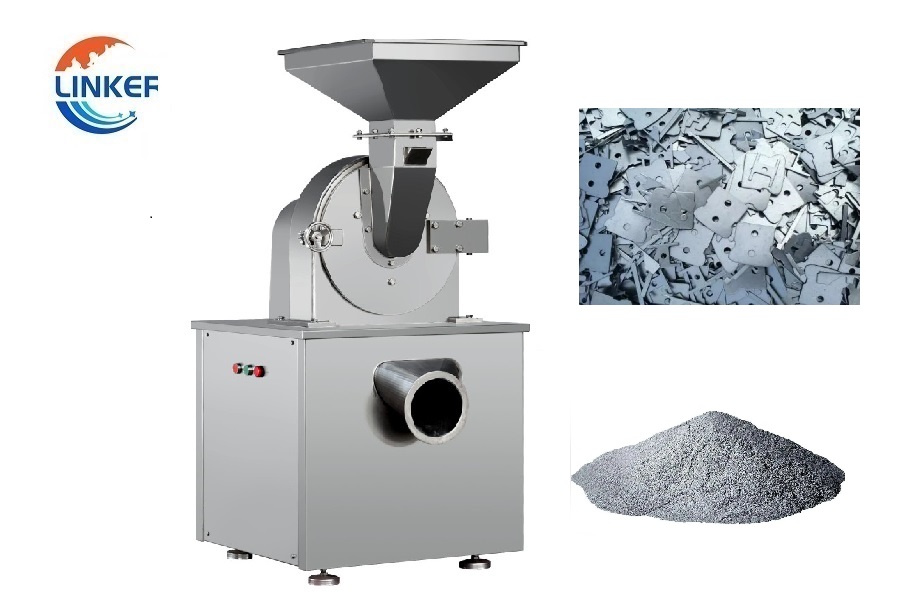
- Feeding granule size: <5mm;
- Powder Size: 20~40 mesh;
- Capacity: 1~4000kg/h(according to different modes and raw materials);
- Motor Power (KW): 11~15kw;
- FOB Unit Price: 1 unit $ 6,646~10,154. More than 5 units: $5,982~9,138. Video
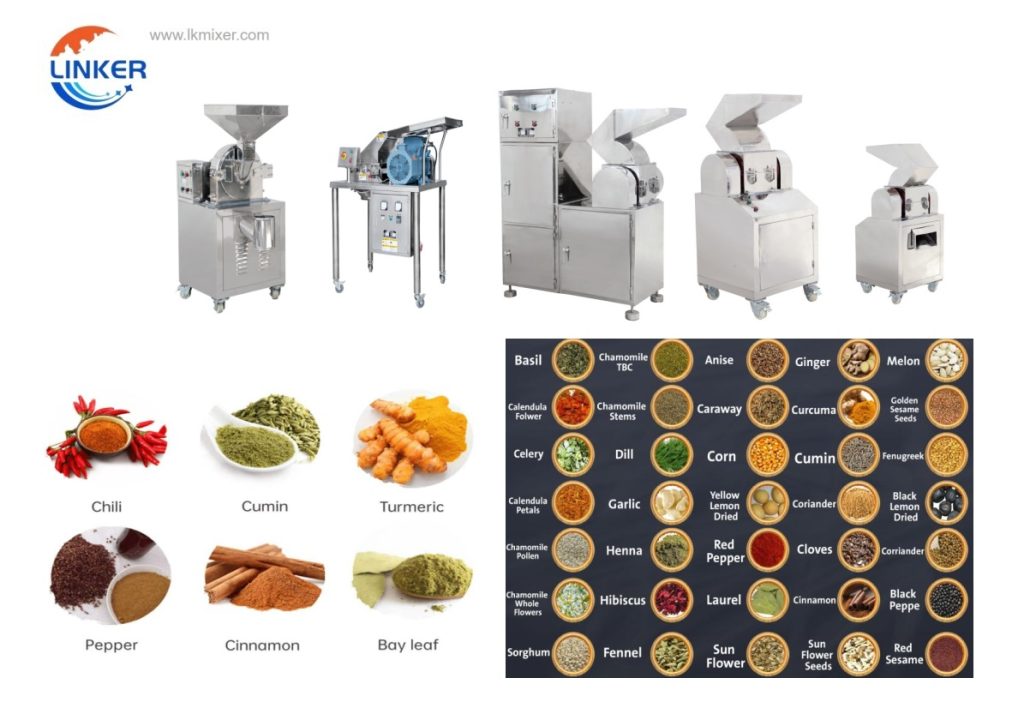
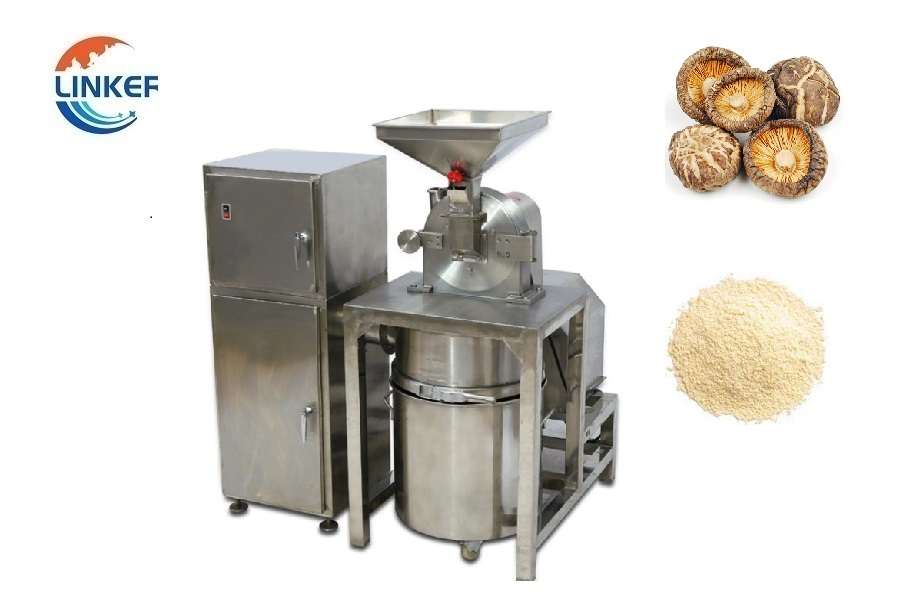
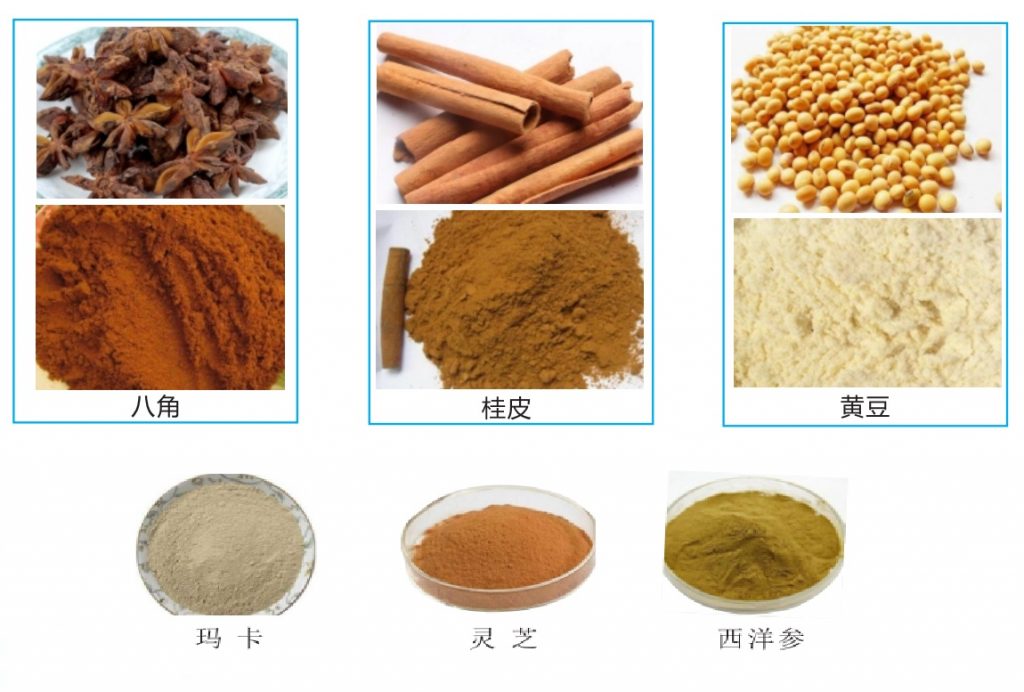
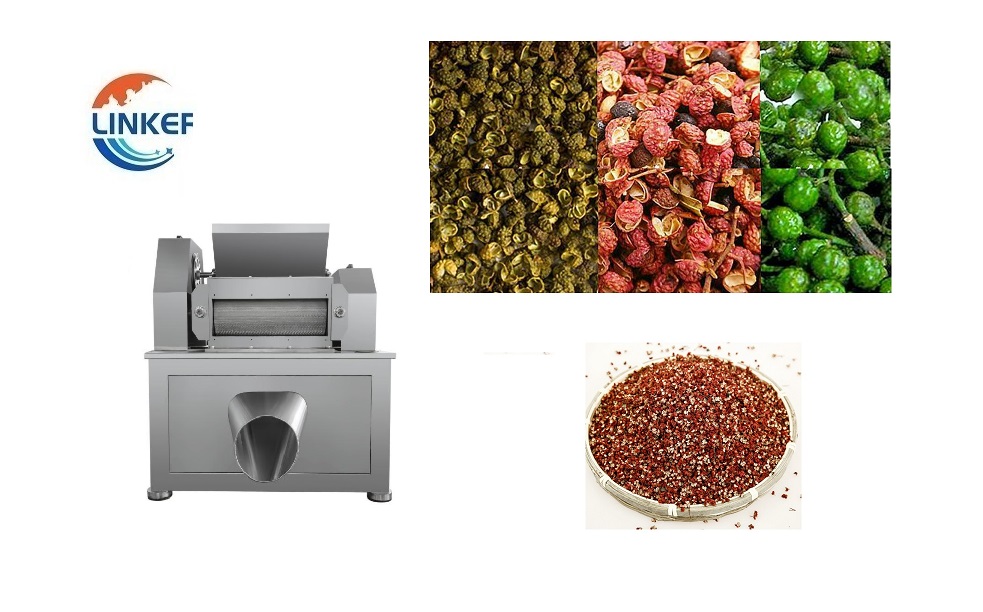
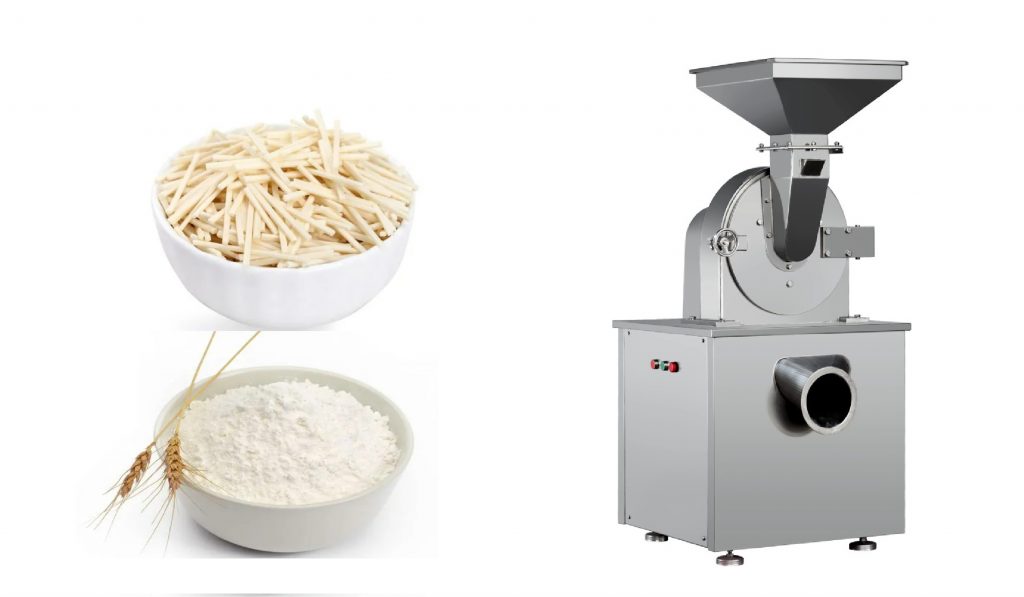
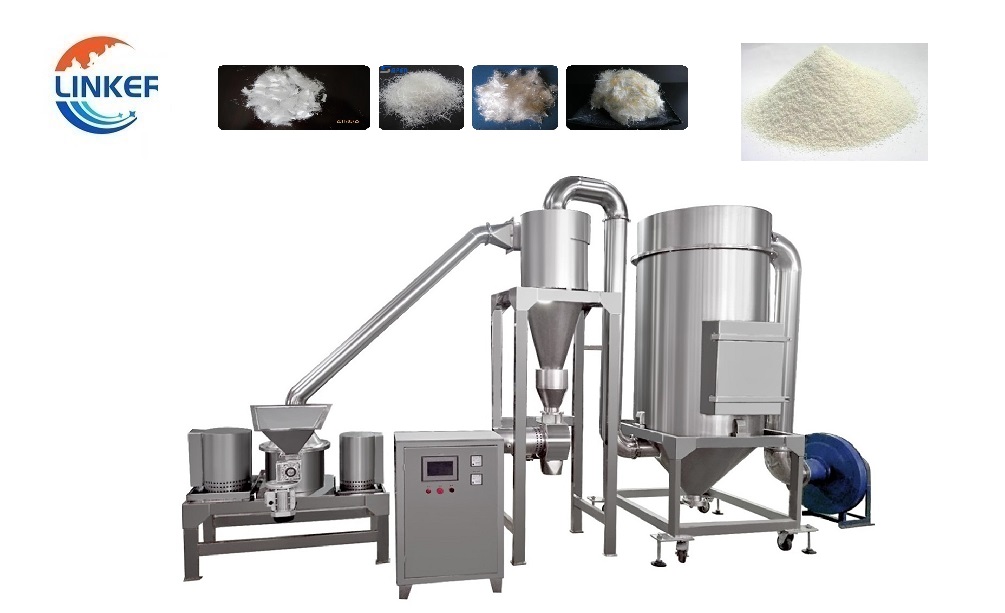
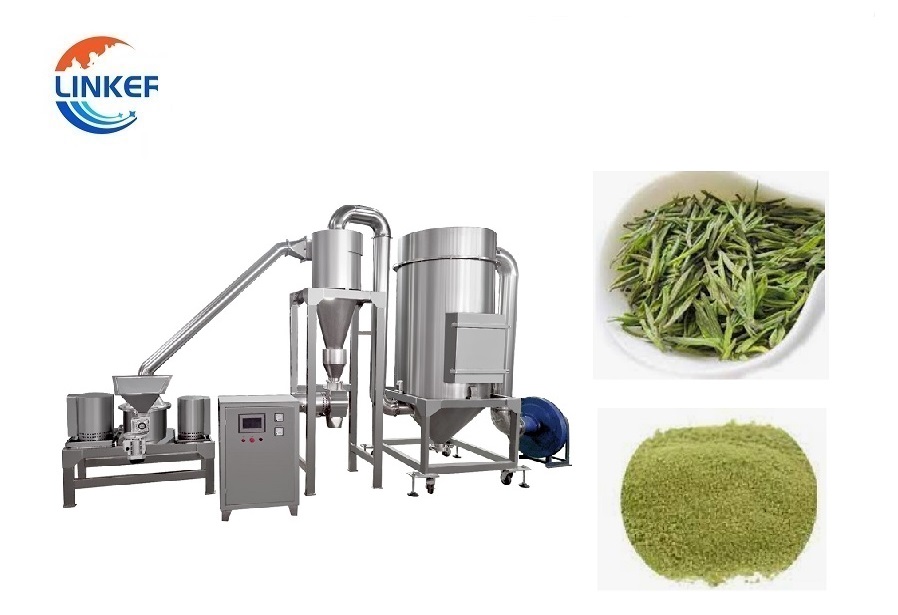
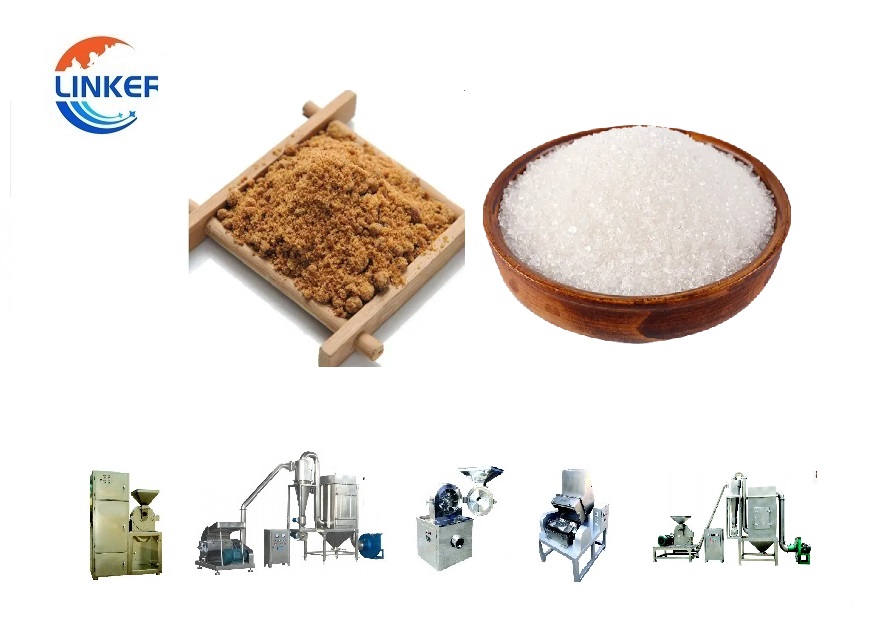
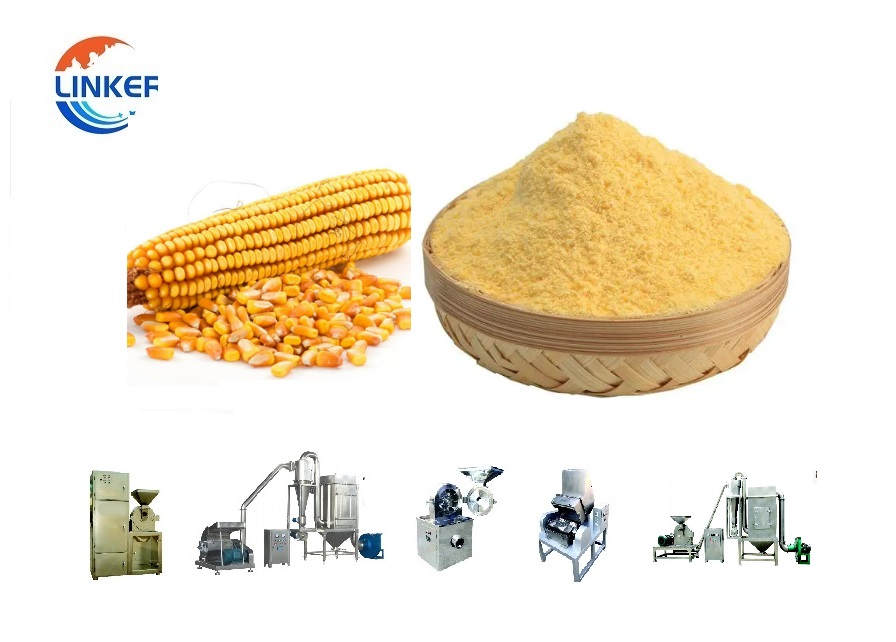
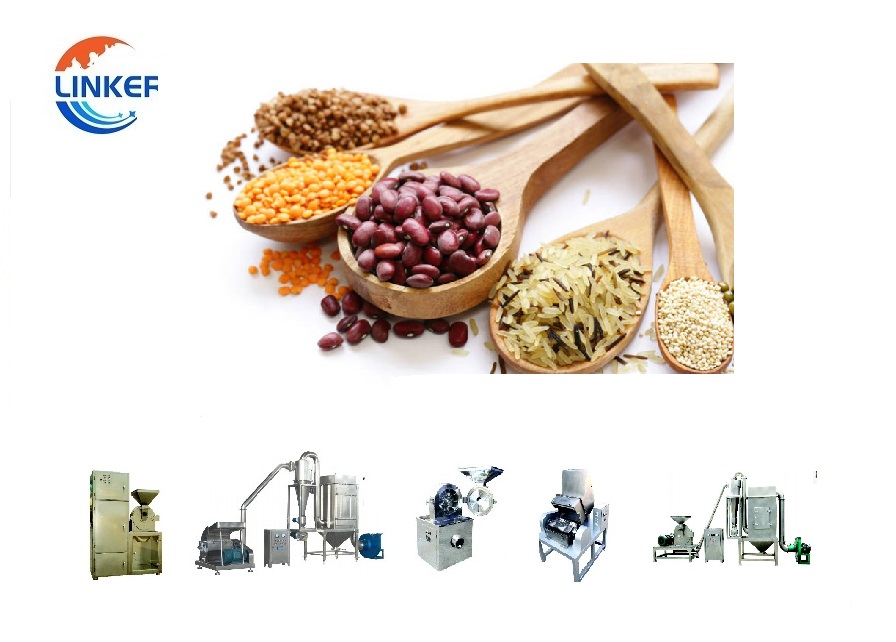
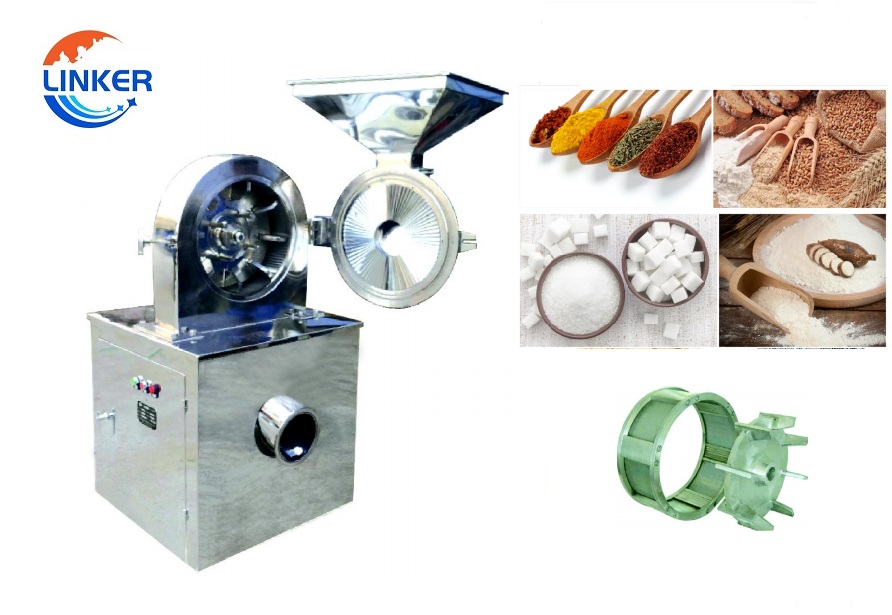
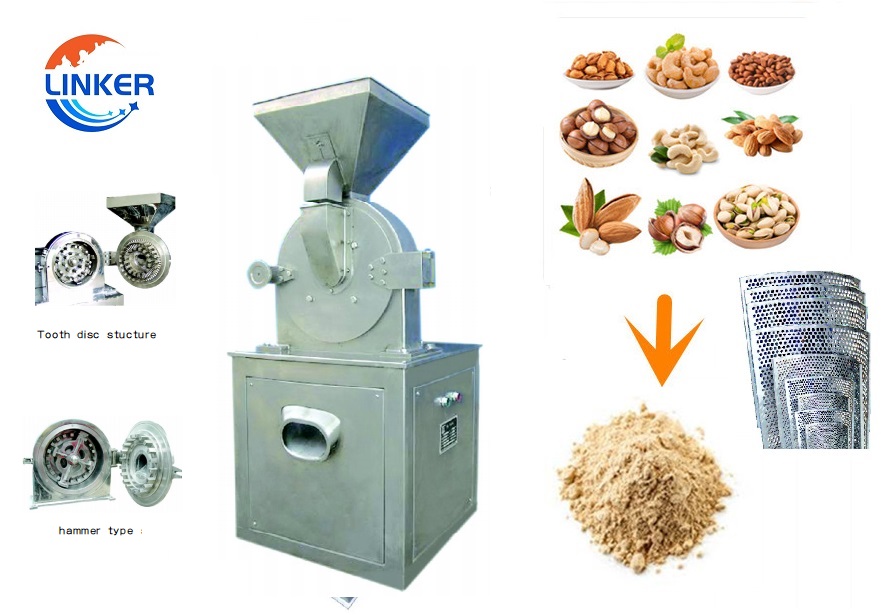
- Application: Medicine, potato, bean, rice, herb, pepper, grain, food, corn, Sugar
Industrial Cumin Seeds Grinder Youtube Video
Clay Powder Grinding Machine
Since clay is a common non-metallic mineral with many different types (such as kaolin, bentonite, attapulgite clay, etc.) and significant differences in physical properties (some are blocky, some are muddy, some have high water content, and some are very dry), a clay powder grinding machine is specialized equipment made to accommodate the various properties of clay. In contrast to standard herb grinders, black pepper grinders, or dry fruit powder grinders, clay powder grinding machines must be chosen according to the precise shape, raw material water content, and desired fineness. There are several varieties to suit varied grinding requirements.
These devices range in size from compact laboratory or small-batch grinders to large industrial models like 500KG grinders. Many of their essential components are made of stainless steel to prevent adhesion and corrosion, and they can be used in conjunction with tools like dust collector grinders, air-cooled crushers, and chargers to maximize production efficiency and product quality.
1. Characteristics and Grinding Difficulties of Clay
Clay materials usually have the following characteristics, which directly determine the direction of grinding equipment selection. These characteristics make clay grinding more challenging than grinding common materials such as Seasam, Peanut, and bean.
1.1 High Viscosity
When clay has a high water content, bonding is quite simple. Screen clogging and severe adhesion on the inner wall are common problems with standard grinding machines, which can cause a significant decrease in production efficiency or even equipment stoppage. When it comes to grinding machines that process dry materials, such licorice and dry ginger grinders, this issue cannot arise.
For example, when the water content of clay exceeds 15%, it will stick to the hammer blades and inner cavity of the grinder, forming lumps that affect the grinding effect. Even a high-speed Dry Grinder may fail to solve this problem without special anti-adhesion design.
1.2 High Humidity
Some clay raw materials (such as mud cakes and sludge-like clay) have a water content of up to 20% or even higher. Traditional grinding machines with screens cannot handle high-humidity materials, as the wet clay will block the screen holes and make it impossible to discharge materials normally.
This is not the same as materials that are typically handled using dry grinding machinery, such wheat, sugar, and salt. Grinding machines with unique structural designs—like screenless models—are necessary for high-humidity clay. These machines’ designs are comparable to those of some cassava grinding machines that process high-humidity raw materials.
1.3 Moderate Hardness
Clay often falls into the soft to medium-hard material category (Mohs hardness is typically less than 5), making it appropriate for impact, shearing, grinding, and other processes. In contrast to grinding hard materials like metal and bone, which require a strong coarse crusher or hammer mill, it does not require very high wear resistance from the equipment.
Because of this feature, most universal grinders may be used to grind clay with a little tweaking. For example, a tiny electric grinder can be used in labs to grind dry clay in small batches.
1.4 Diverse Fineness Requirements
Different application fields have great differences in the fineness requirements of clay powder. For example, it may need 325 meshes as ceramic raw material, while only dozens to 200 meshes are needed as filler or drilling mud raw material. This requires the grinding machine to have flexible fineness adjustment functions.
This is similar to the fineness requirements of different materials processed by an Ultrafine Grinder and airflow pulverizer, where the fineness can be adjusted according to the application scenario. For example, clay powder used in the chemical industry often requires higher fineness than that used in agriculture.
2. Main Types of Clay Powder Grinding Machines
The equipment appropriate for grinding clay may be broadly categorized into the following groups based on variations in the phases of grinding and the final product’s fineness. Each group has distinct structural features that allow it to accommodate various clay raw materials and processing requirements.
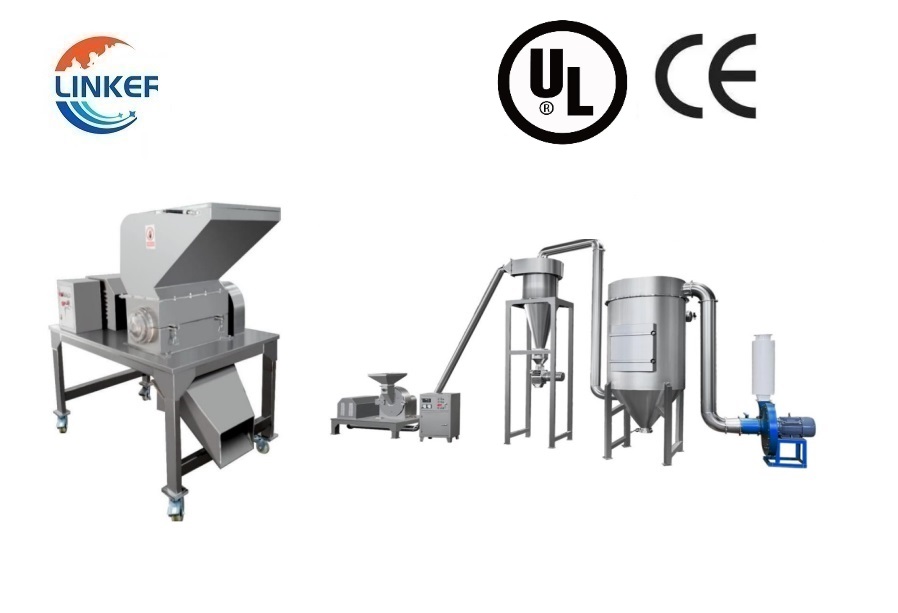
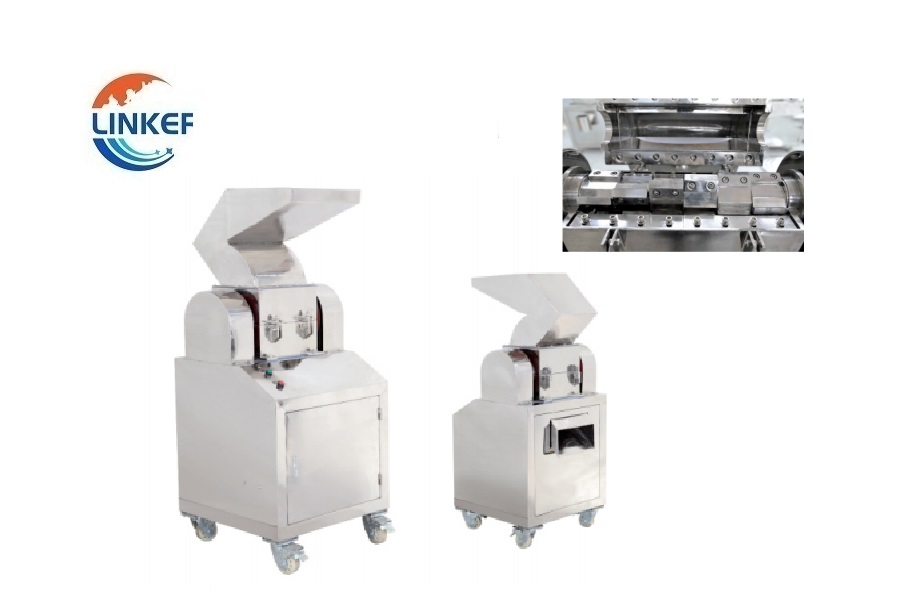
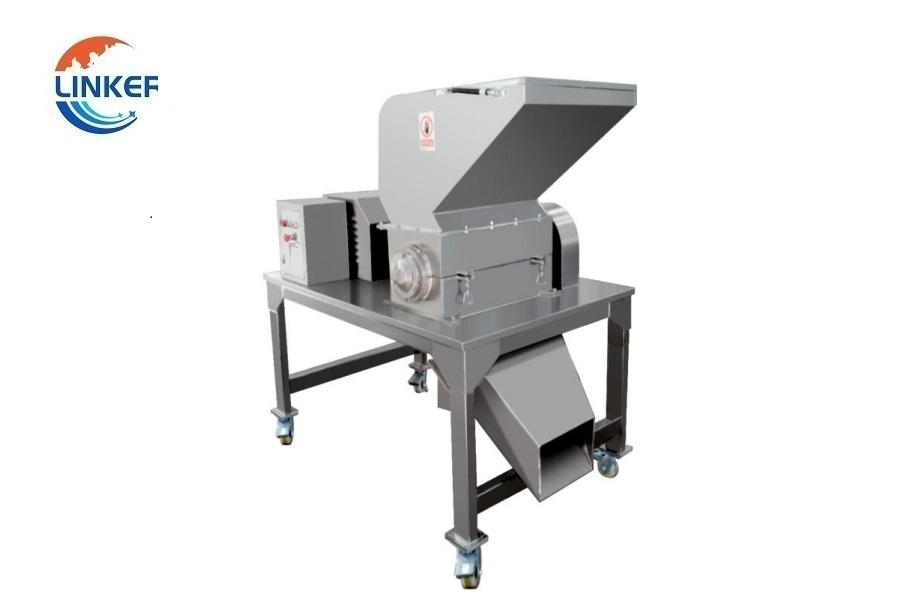
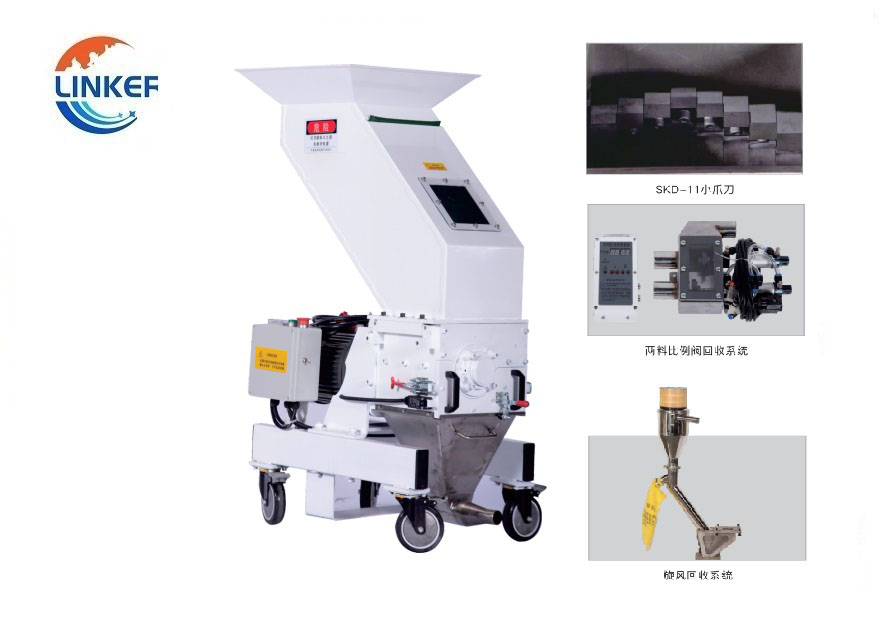
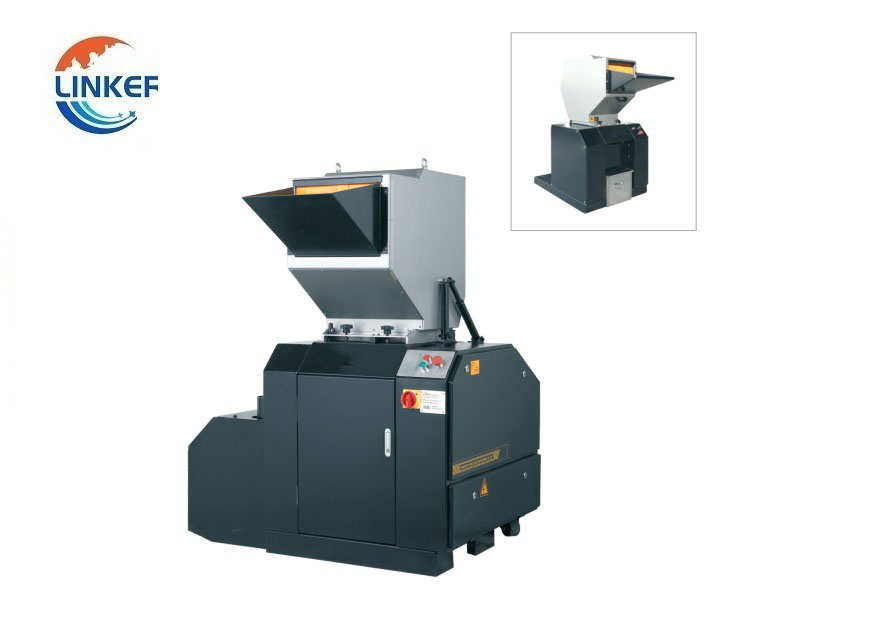
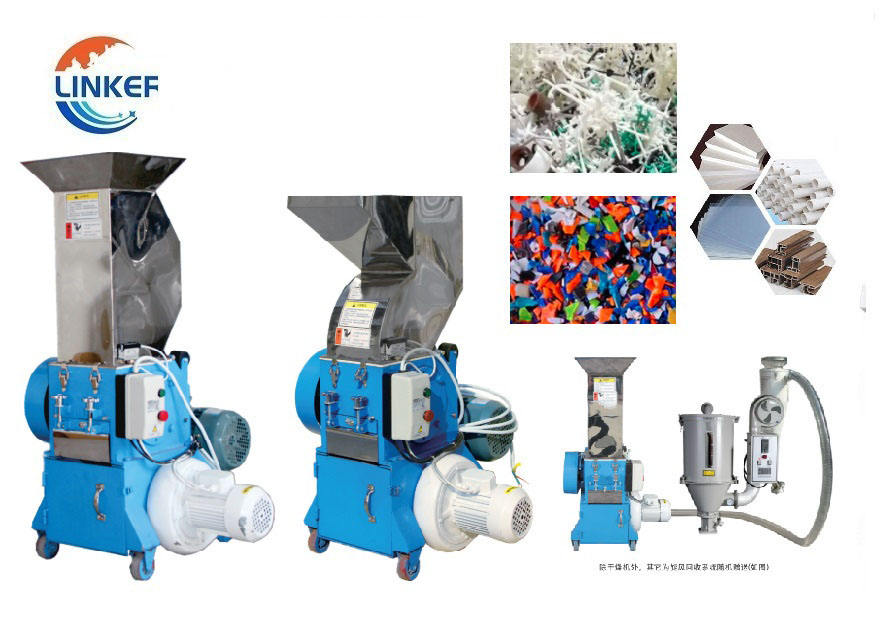
2.1 Coarse and Medium Crushing Equipment: Double-Stage Screenless Grinder (Clay Grinder)
For blocky, muddy or high-humidity clay raw materials, coarse or medium crushing treatment is first needed. The double-stage screenless grinder is a specialized equipment for processing such materials, which is more suitable for high-humidity clay than ordinary Industrial Weed Grinder and cannabis grinder.
Working Principle
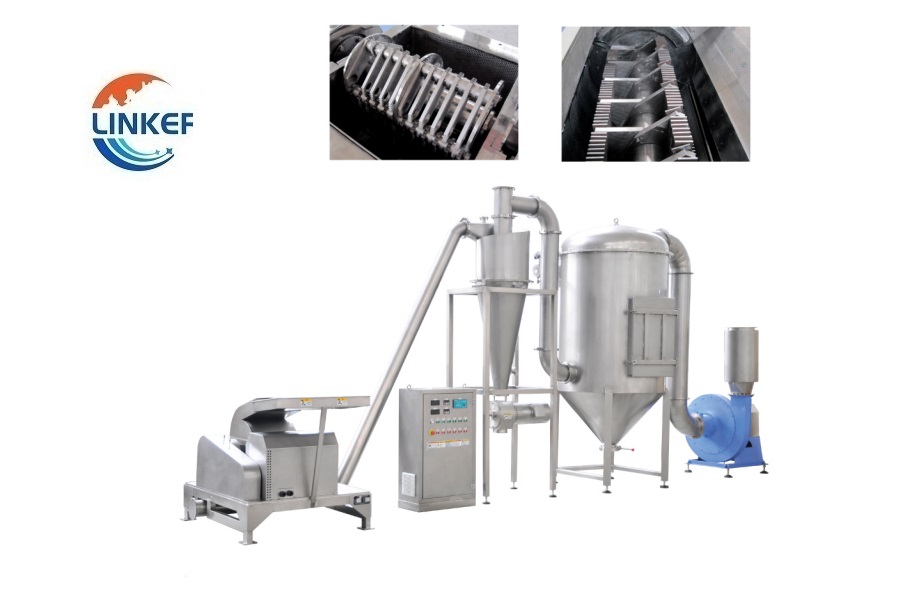
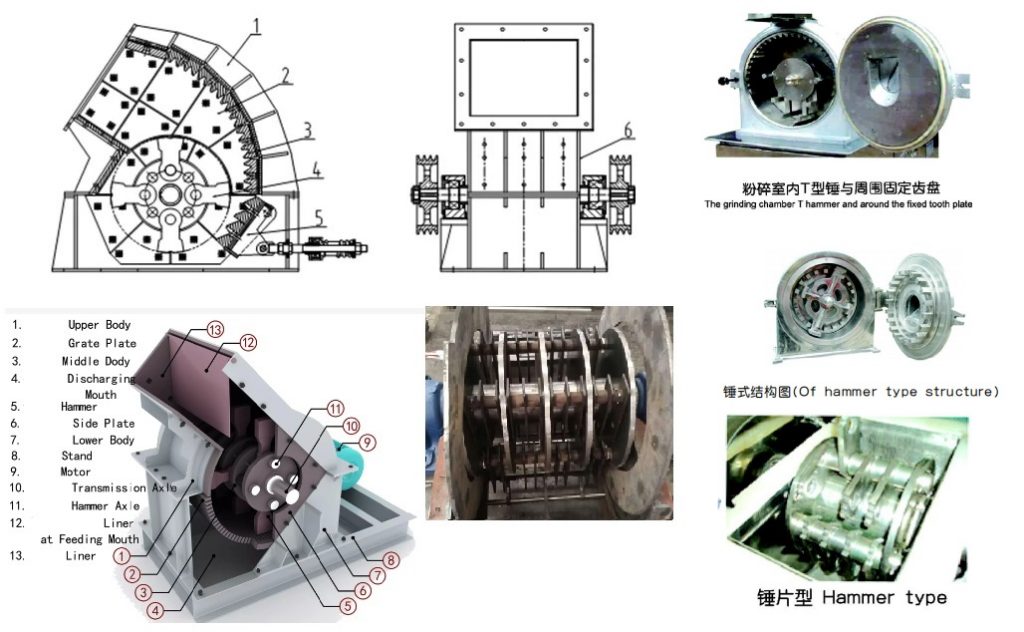
The equipment uses two groups of hammer crushing rotors connected in series up and down. After the materials enter the crushing cavity, they are first crushed by the impact and strike of the hammer heads of the first-stage rotor, and then immediately enter the second-stage rotor for finer crushing.
The equipment adopts a screenless grid bottom design, and the materials are directly discharged from the gap of the hammer heads after being crushed to a certain fineness. This design avoids the problem of screen clogging caused by high-humidity clay, which is a major advantage compared with a cutting type grinder and ordinary small grinder machine.
Core Advantages
No Fear of Moisture and No Clogging: Due to the absence of a screen, there is no strict requirement on the water content of materials. Even materials just fished out of water (water content up to 100%) can be crushed at any time, completely solving the problem of bonding and clogging of high-humidity clay. This is a function that a Dust Grinder and dust collector grinder do not have, as they mainly focus on dust removal rather than anti-clogging.
Stable Discharge Fineness: The fineness of the finished product is usually below 3mm, of which particles below 2mm account for about 85%, and particles below 1mm account for about 70%, which can meet the requirements of subsequent fine grinding. This stability is comparable to that of a 200KG grinder used for medium-scale production.
Strong Adaptability: It is suitable for fine processing of various high-humidity, high-viscosity and brittle materials such as gangue, shale, clay, kaolin, bentonite and sludge. Some large models are equipped with a charger to ensure stable power supply during long-term continuous operation, meeting the needs of industrial production.
2.2 Fine and Ultrafine Grinding Equipment
Based on differences in the grinding stages and the finished product’s fineness, the following kinds of equipment can be roughly classified as suitable for grinding clay. Because of their unique structural characteristics, each group can handle different clay raw materials and processing needs.
2.2.1 Pendulum Grinder (Raymond Mill)
This is a classic dry grinding equipment, suitable for fine grinding of soft to medium-hard materials, and clay is one of its typical applications. It is widely used in the clay processing industry, similar to the application of a turbo grinder in the spice industry.
Working Principle: The pendulum grinder grinds materials through the grinding rollers hanging on the crosshead rolling at medium speed on the grinding ring. The rotating shovel shovels materials from the bottom and guides them between the grinding rollers and the grinding ring, where the materials are crushed by strong grinding and extrusion.
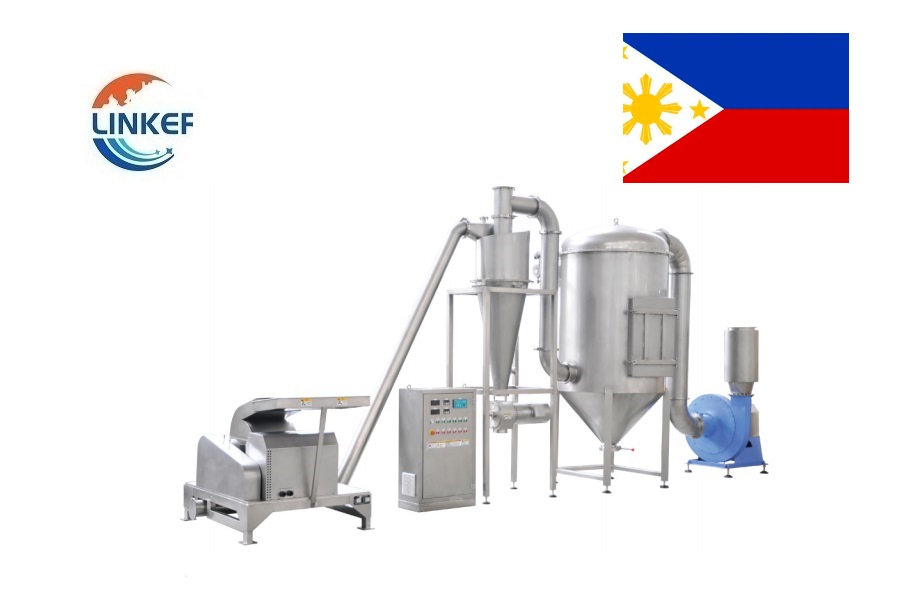
After being crushed, the materials are transported to the upper classifier by air flow. The coarse powder is separated and returned for re-grinding, and the qualified fine powder enters the collection system. This working principle is similar to that of a Vacuum Mill, which integrates grinding and classification.
Core Advantages: It integrates grinding, classification and drying, and can process materials with feed moisture up to 35%. It has a large processing capacity, with a single machine processing capacity ranging from 0.1 ton per hour to 150 tons per hour, and a wide application range.
The product particle size is adjustable, which can realize particle size control from 10μm to 1000μm. It has a solid and durable structure, suitable for long-term continuous production and good wear resistance. Most large models have CE Certificate grinder qualification, meeting international industrial standards.
2.2.2 Classification Impact Mill (CSM Grinder/Ultrafine Impact Mill)
This is an ultrafine grinding equipment integrating mechanical impact crushing and air flow classification, suitable for ultrafine grinding of clay (up to micron level). It is more efficient than a vibrating pulverizer in processing fine clay powder.
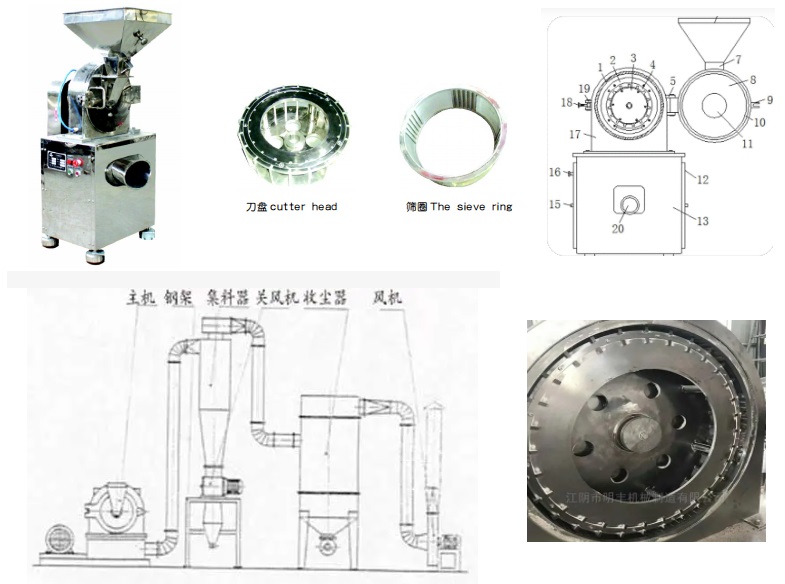
Working Principle: After the materials are fed into the crushing cavity by the feeding device, they are crushed by intense impact, collision and shearing with the high-speed rotating crushing rotor (which can be equipped with various forms such as hammer heads, gear rings and rods).
After being crushed, the materials rise to the high-precision classifier with the air flow. The qualified fine powder passes through the classifier and enters the collection system, while the unqualified coarse powder is thrown out by the classifier and falls back to the crushing area for further crushing. This classification effect is better than that of an airflow pulverizer in processing clay.
Core Advantages: It integrates grinding and classification. The product fineness can be precisely controlled by adjusting the rotating speed of the classifier, replacing the traditional screen adjustment method, and the product particle size distribution is narrow. It is suitable for non-metallic minerals with Mohs hardness below 5, including kaolin and bentonite.
The strong air flow generates a cooling effect, and the temperature rise during the grinding process is low, which is suitable for heat-sensitive materials. The crushing parts can be flexibly replaced (hammer heads, toothed, rod-shaped, etc.) to adapt to the crushing characteristics of different materials, similar to the replaceable parts design of a black pepper grinder and spice grinder.
2.2.3 Air Separation Grinder
This is an integrated grinding equipment mainly based on high-speed impact and combined with air classification. It has a wide application range and clearly lists clay as one of the applicable materials. It is a cost-effective choice for medium-fine clay powder processing.
Working Principle: After the materials enter the crushing chamber, they are crushed by the violent impact, shearing and grinding of the high-speed rotating hammer plates and gear rings. After being crushed, the materials enter the classification area under the action of the induced draft fan, and are classified by air flow according to the particle size and weight.
The fine powder enters the cyclone collector, and the coarse particles return to the crushing chamber for re-grinding. The air separation process has a self-cooling effect, which helps to reduce the grinding temperature, similar to the cooling principle of an Air cooled crusher.
Core Advantages: Air separation replaces screening, forming in one step with high production efficiency. The fineness adjustment is convenient, and the fineness of the finished product can be controlled by adjusting the air volume (usually between 20-325 meshes). It has a good crushing effect on clay, kaolin, bentonite, etc., and can also be used for grinding materials such as tea, wheat and corn after simple adjustment.
2.3 Wet Ultrafine Grinding Equipment: Vertical Agitator Mill/Sand Mill
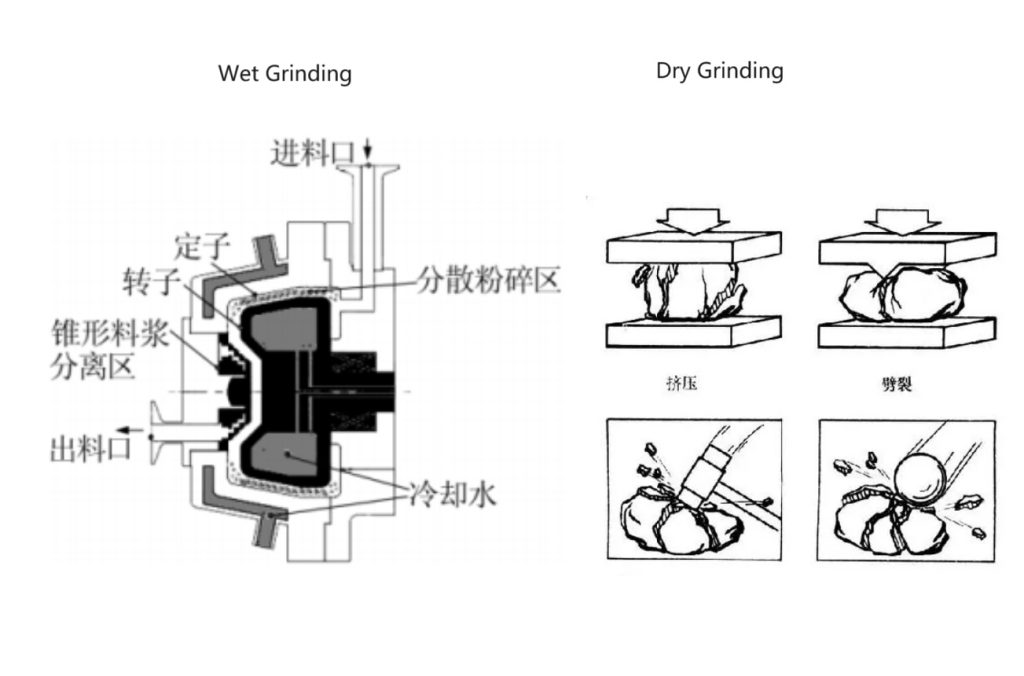
When it is necessary to prepare ultrafine clay slurry (such as papermaking coating grade kaolin, which requires more than 90% of the fineness -2μm), or the material to be processed is the clay slurry after wet purification, wet grinding is the only way. It is different from dry grinding equipment such as a cryogenic grinding machine and focuses on slurry processing.
Working Principle: The cylinder is filled with a certain number of grinding media (such as ceramic beads, zirconium beads, steel balls, etc.). Through the high-speed rotation of the stirrer (rod type, disc type, etc.), the media and slurry are driven to make multi-dimensional circular motion, so that the media generate strong impact force, shearing force and friction force on the materials, thus realizing ultrafine grinding.
Core Advantages: High grinding efficiency, high energy density, short grinding time, and can save more than 40%-60% energy compared with ordinary ball mills. It has high product fineness, and can grind 200μm materials to 1-2μm or even finer.
The particle size distribution is narrow. By optimizing parameters such as medium size and rotating speed, ultrafine products with concentrated particle size distribution can be obtained. It has a wide application range, and vertical sand mills have been widely used in high-efficiency grinding in fields such as paint, cosmetics, Medicine and magnet ferrite.
2.4 Laboratory and Small-Batch Production Equipment
Floor-standing or compact desktop grinding machines can be used for small-batch manufacturing, quality control, or research and development. These pieces of equipment are compact, simple to use, and resemble little laboratory grinders.
Cross Knock Grinder: Suitable for crushing medium-hard and brittle materials, it can process samples such as refractory clay and oxide ceramics. The maximum feed size can reach 25mm, and the final discharge particle size can be less than 100μm. It is easy to clean and suitable for small-batch sample processing.
Hammer Mill: Suitable for crushing brittle and medium-hard samples, it can process refractory clay, minerals, etc. The feed size usually requires less than 5mm, and the final fineness can reach 0.2mm. It can be used with a small Electric Grinder to improve grinding efficiency, and is also suitable for grinding small batches of materials such as seeds and mushroom.
3. Selection Suggestions and Summary
In conclusion, the following crucial elements must be taken into consideration while choosing a clay powder grinding machine. The equipment’s capacity to adjust to the viscosity and humidity of clay must be given more consideration than when choosing standard grinding tools like a rice or coffee grinder.
3.1 Raw Material Form and Water Content
High-Humidity Blocky/Muddy Clay: The double-stage screenless grinder (clay grinder) is the first choice. Its screenless design is the best solution for processing high-humidity and high-viscosity materials, ensuring no clogging and no shutdown during production. Some large models can be matched with a 500KG Grinder to form a complete production line.
Dry Blocky/Granular Clay: According to the target fineness, a pendulum grinder (Raymond mill) or a classification impact mill can be selected. The former is suitable for medium fineness and large-scale production, while the latter is suitable for ultra-fine and high-precision control production needs. It can also be used with a dust collector grinder to ensure a clean working environment.
3.2 Target Fineness
Coarse Powder (0-3mm): The double-stage screenless grinder can meet the requirements. It is suitable for preliminary processing of clay, and the finished product can be used as raw material for building materials.
Medium Fine Powder (20-325 meshes): Both air separation grinder and pendulum grinder are applicable. The air separation grinder is suitable for small and medium-scale production, while the pendulum grinder is suitable for large-scale continuous production, similar to the application of a 200KG grinder in medium-scale processing.
Ultrafine Powder (above 325 meshes, micron level): A classification impact mill (dry method) or a vertical agitator mill/sand mill (wet method) must be selected. Wet grinding usually can obtain finer particle size and better dispersibility, which is suitable for high-end application fields such as fine chemical industry.
3.3 Production Scale
Large-Scale Continuous Production: The pendulum grinder (with a processing capacity of up to 150 tons per hour) is a mature and reliable choice. It is equipped with a stable power system and can be matched with a charger to ensure long-term continuous operation. Most models have CE Certificate grinder qualification.
Medium-Scale and Small-Scale Production: The classification impact mill or air separation grinder can provide flexible production capacity configuration. It is easy to operate and maintain, and suitable for enterprises with variable production needs. A 200KG grinder is a common choice for medium-scale production.
Laboratory Research and Development: A cross knock grinder or a small Hammer Mill can be selected. These equipment are small in size, low in energy consumption, and suitable for small-batch sample grinding and fineness testing, similar to a small Electric Grinder used in laboratories.
3.4 Special Requirements
Avoiding Metal Pollution: For ceramic raw materials or fine chemical raw materials with high purity requirements, equipment with wear-resistant material linings (such as rubber and ceramics) or high-chromium alloy wear-resistant parts should be selected to prevent iron pollution. This is the same as the material requirement of a Meat grinder and Medicine grinder that need to avoid material pollution.
Heat Sensitivity: The air flow cooling effect of the classifying impact mill or the cooling jacket design of wet grinding will be more beneficial if the clay includes organic matter or is temperature sensitive. This is comparable to what a cryogenic grinding machine needs to cool down when handling heat-sensitive materials.
To sum up, the process of grinding clay involves several levels and schemes. From ultra-fine grinding to high-humidity coarse crushing, there is corresponding specialist equipment. In order to match the best grinding solution, it is crucial to specify the raw material properties, goal fineness, production scale, and purity standards.
Regular cleaning and maintenance are necessary to increase the equipment’s service life, regardless of the kind used. To prevent clay adhesion, for instance, the equipment’s interior chamber should be cleaned promptly, and the wear-resistant components should be changed on a regular basis. To guarantee steady performance, consideration should also be given to how well the equipment works with other devices, such as a charger and an electric control system.
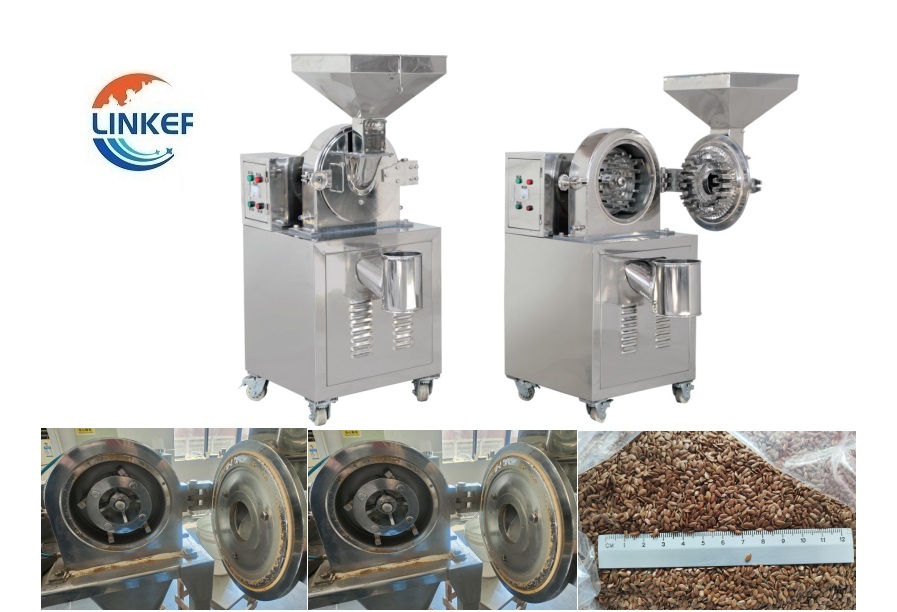
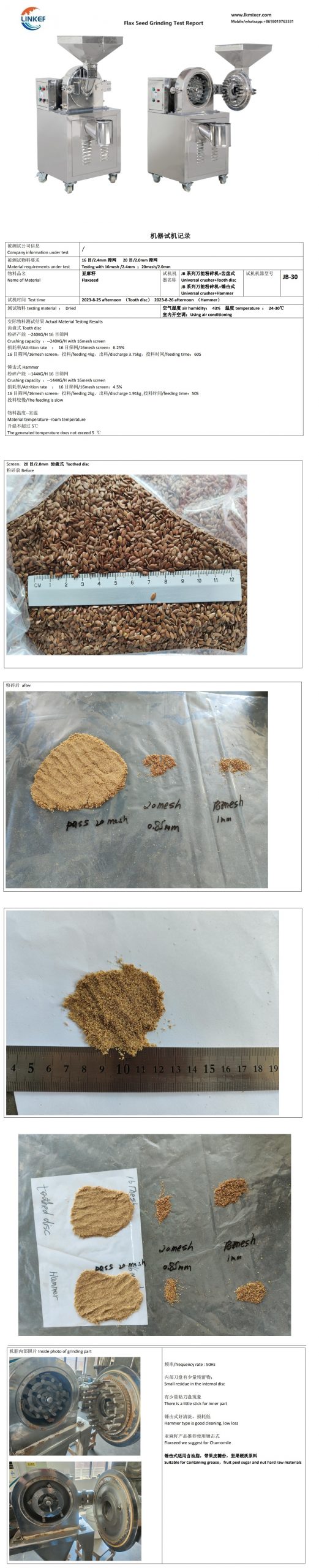
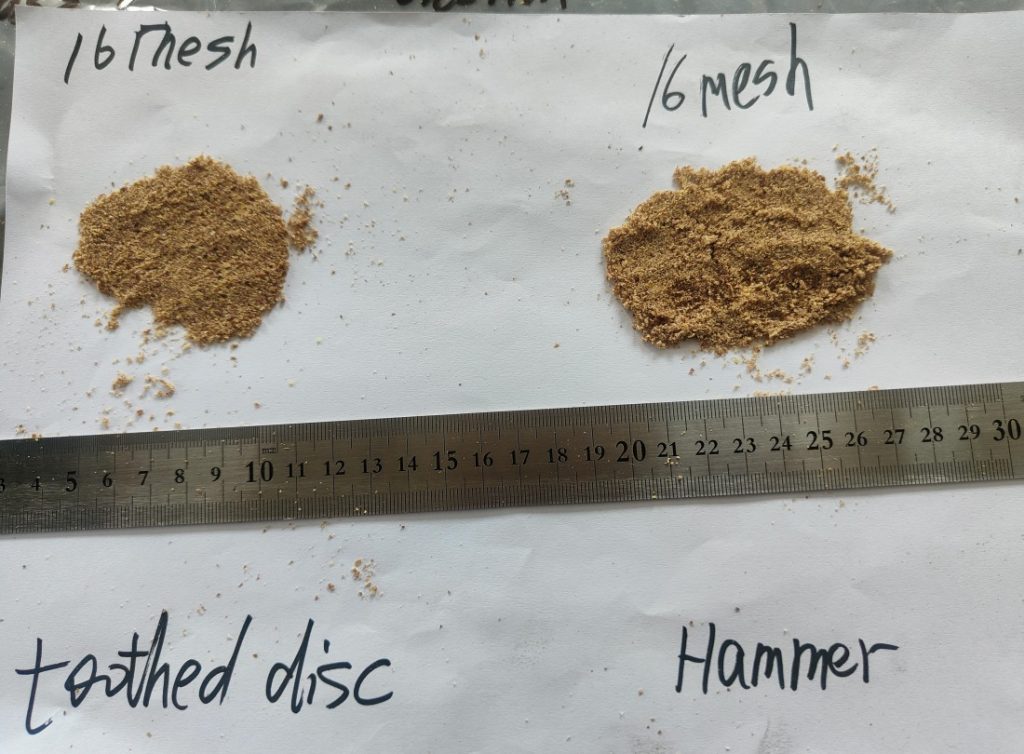
Test Report for Flax Seed Grinder:
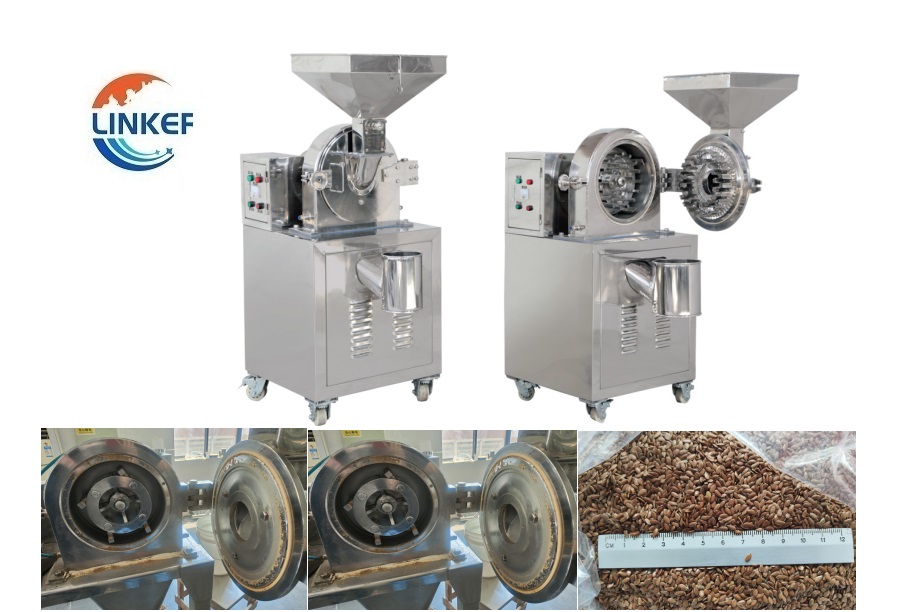
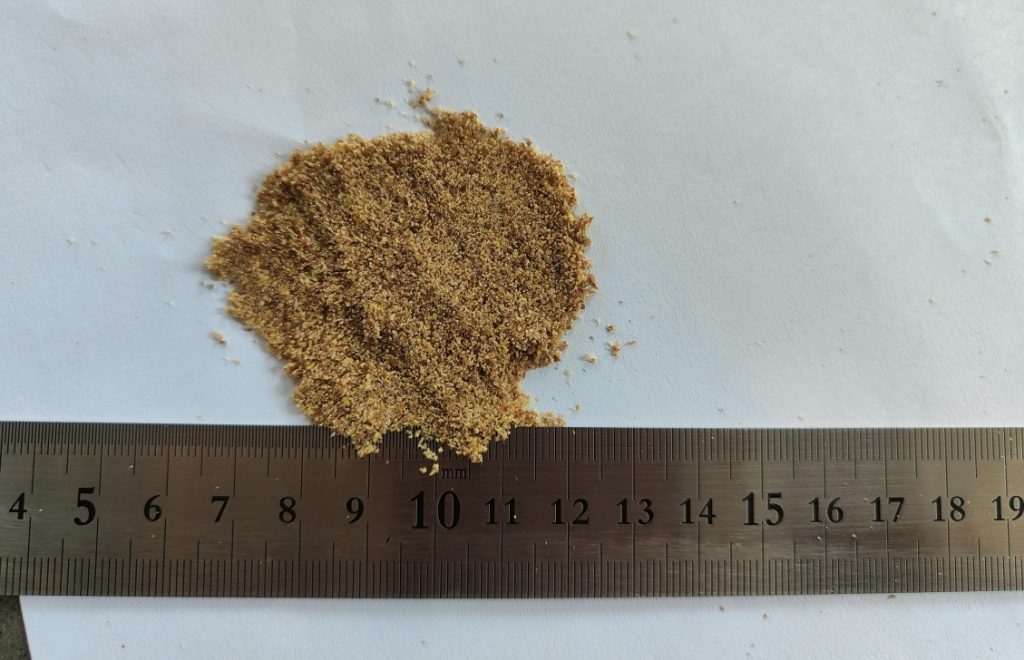
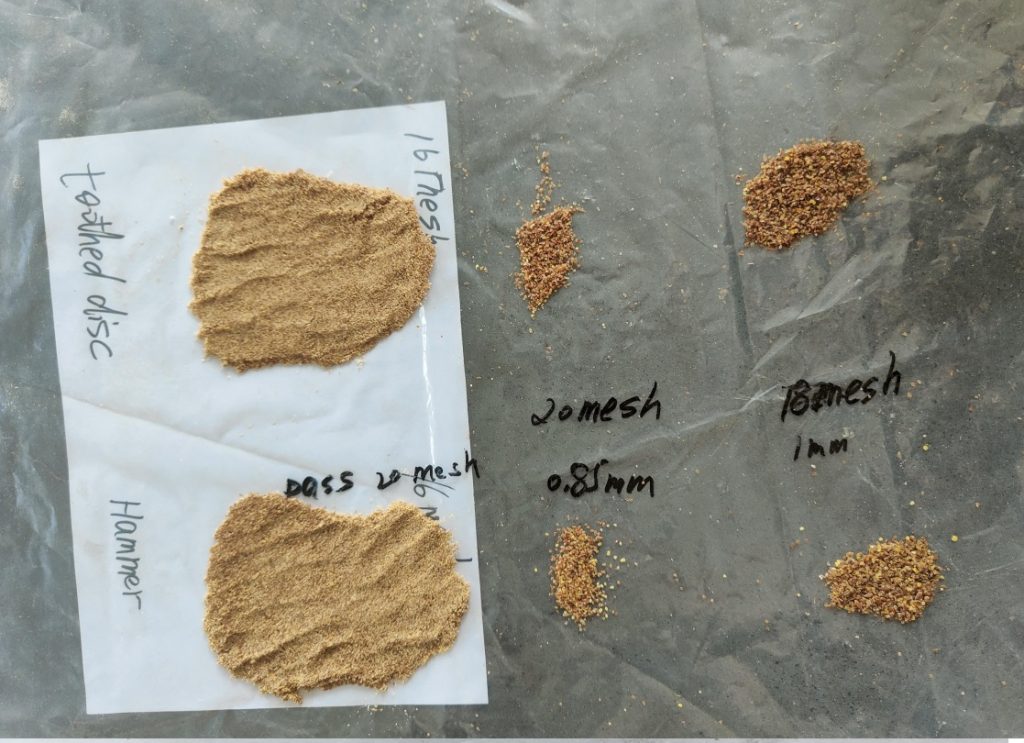
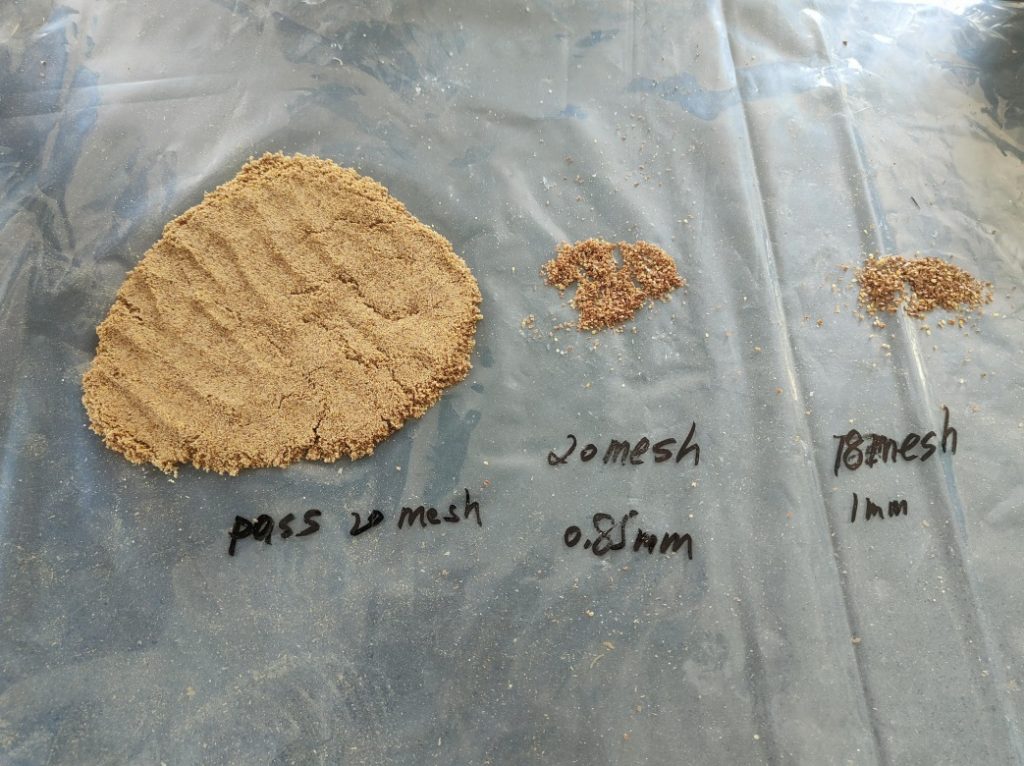
A flax seed grinder is a type of seed nut grinder specifically designed for grinding flax seeds. Flax seeds are small, hard seeds that are packed with nutrition and are commonly used in baking and cooking. Grinding flax seeds helps to unlock their nutrients and make them easier to digest.
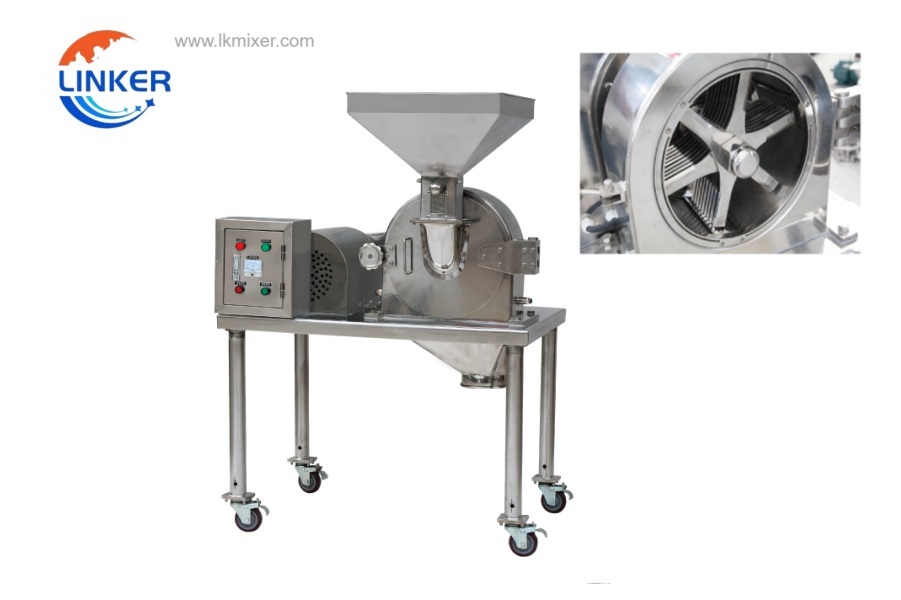
Flax seed grinders typically feature sharp blades or burrs that rotate to crush the flax seeds into a fine powder. This powder can then be used in a variety of recipes, such as smoothies, baked goods, and yogurt toppings. Some flax seed grinders are manual and require hand-cranking, while others are electric and feature powerful motors for faster grinding.
When choosing a flax seed grinder, it’s important to look for one with durable blades or burrs that can withstand the hard texture of flax seeds.
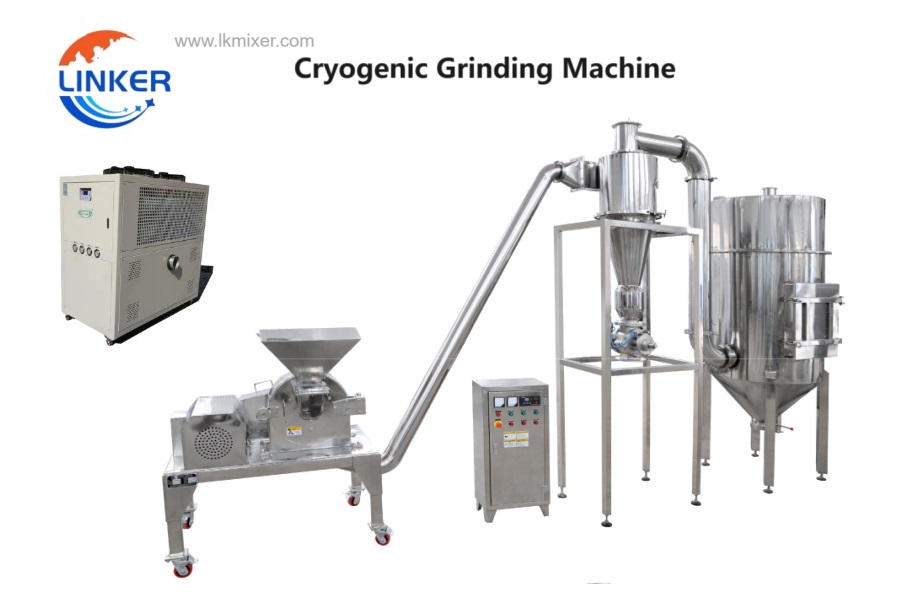
There are 3 ways of cooling down the grinder: water cooling system; air cooling system and liquid nitrogen freezing system. You can choose the right one if the grinder gets too hot. When machines goes too hot, the metal can expand, causing the grinding wheel to get stuck.
| 1 Unit Pirce(FOB USD) | 5 Units Wholesale Unit Price (FOB USD) | |
| SG-600 | 6646 | 5982 |
| SG-800 | 10154 | 9138 |

Feature:
Industrial seed grinders are specialized machines that are designed to grind seeds and other materials into a fine powder or paste. Here are some features that are commonly found in industrial seed grinders:
- High throughput: Industrial seed grinders are designed to process large volumes of seeds quickly and efficiently. They are often used in production environments where a high throughput is essential.
- Variable speed: Many industrial seed grinders have variable speed controls, which allow the operator to adjust the speed of the grinding mechanism. This feature is useful for achieving a consistent particle size and for processing different types of seeds.
- Customizable grinding plates: Some industrial seed grinders come with customizable grinding plates that can be swapped out to accommodate different types of seeds and produce different particle sizes.
- Easy to clean: Industrial seed grinders are designed to be easy to clean and maintain. They often feature removable grinding plates, hopper, and discharge chute that can be easily cleaned and sanitized.
- Heavy-duty construction: Industrial seed grinders are built to withstand heavy use and are constructed with durable materials such as stainless steel or hardened alloys. This ensures that the machine can withstand the rigors of daily use and last for many years.
- Versatility: Industrial seed grinders can often be used to process a variety of materials in addition to seeds, such as nuts, grains, and spices.
Overall, the features of an industrial seed grinder are designed to make the grinding process fast, efficient, and consistent, while also being easy to use and maintain.
Parameters:

Model Name | SG-600 | |
| Crushing Capacity(kg/h) | 1000~2000 | |
| Power(kw) | 11 | |
| Feeding Size(mm) | <5mm | |
| Fineness(mesh) | 20~40mesh |
Model Name | SG-800 | |
| Crushing Capacity(kg/h) | 2000~4000 | |
| Power(kw) | 15 | |
| Feeding Size(mm) | <5mm | |
| Fineness(mesh) | 20~40mesh |
Trade Capacity
| International Commercial Terms(Incoterms): | FOB, CIF, CFR | Terms of Payment: | LC, T/T, PayPal, Western Union |
| Average Lead Time | 60 working days | Main Markets | North America, South America, Europe, Southeast Asia/ Mideast, East Asia(Japan/ South Korea), Australia, Domestic |
| Nearest Port: | Ningbo Port; Shanghai Port | Factory Address: | JiangSu, China |
Ampere of Motors Customization for Seeds Grinder:
| KW | HP | Ampere |
| 75kw | 100HP | 135A |
| 55kw | 75HP | 99A |
| 30kw | 40HP | 54A |
| 22kw | 30HP | 39A |
| 2.2kw | 3HP | 3.9A |
| 1.5kw | 2HP | 2.7A |
| Business Type: | Manufacturer/Factory | Main Products: | Mill, grinder, granulator, mixer, Crushing Equipment |
| Number of Employees: | 100 | Year of Establishment: | 2014.05 |
| Production Capacity | 5000Set/Year | After-sales Service: | Technical Support; on-line teach lessons |
| R&D Capacity: | ODM, OEM | Annual Output Value: | US$5 Million – US$10 Million |
| No. of R&D Staff: | 5 | No. of Production Lines: | 6 |
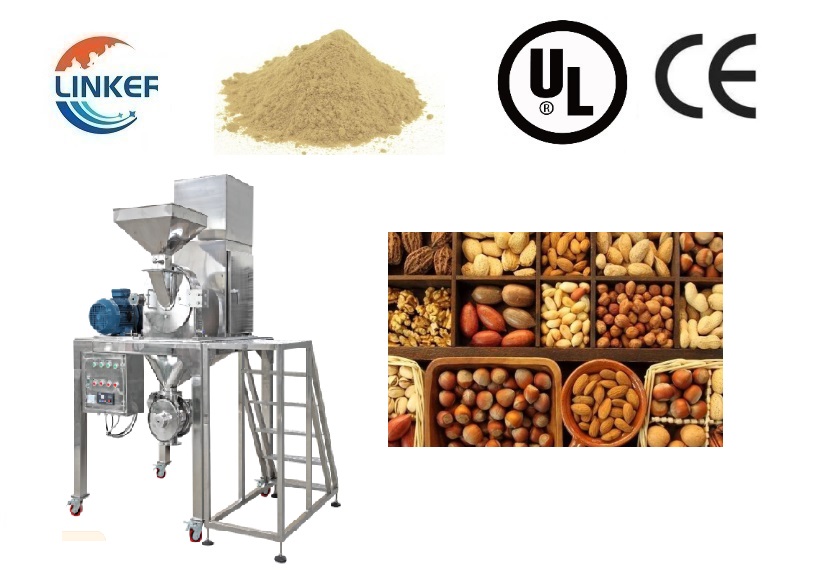
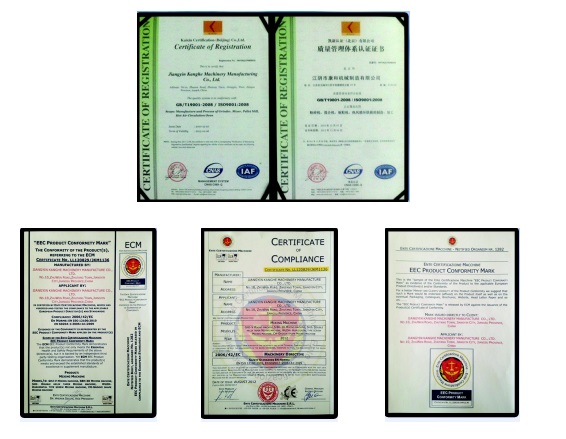
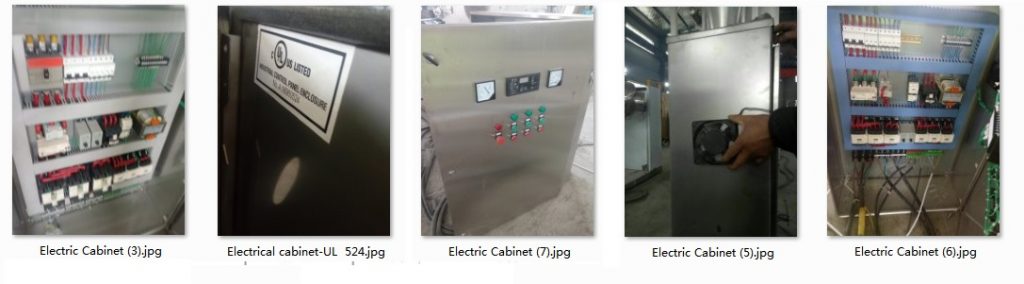
LK Mixer is a professional manufacturer for grinder, mixer and pulverizer. These machines are widely used in pharmaceutical, cosmetic, health care products and chemical industries. Our main product including granulating machine, grinder, mixer, dryer, etc. All mechanical products in accordance with the China GMP design requirements. And also we have other certifications such as CE, UL for motors.
Business Philosophy
“Quality is the main policy of sales” and “integrity is the principle of success” are the business philosophy of our people. We carry out one-year warranty, lifelong maintenance service, with technical consultation, with material test machine and other services, and long-term supply of equipment. Welcome new and old customers to negotiate cooperation!
Certifications:
Electric Cabinet with UL Certification
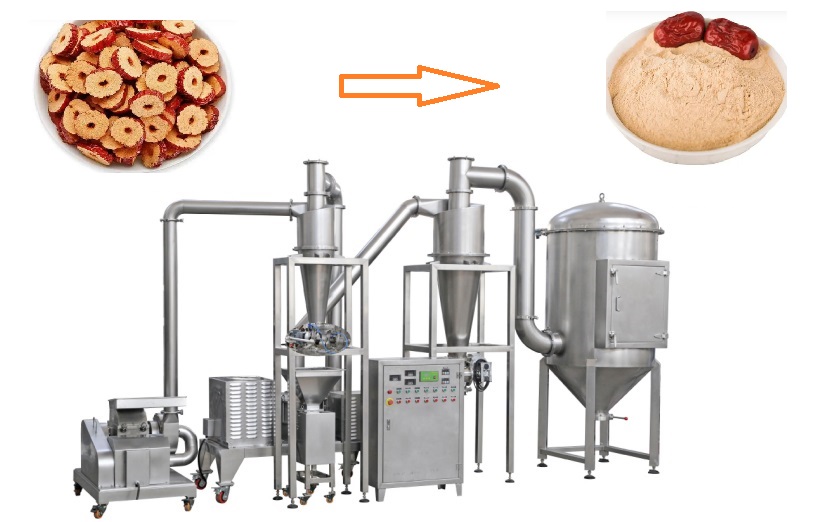
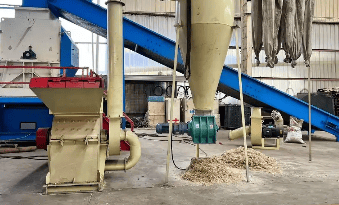
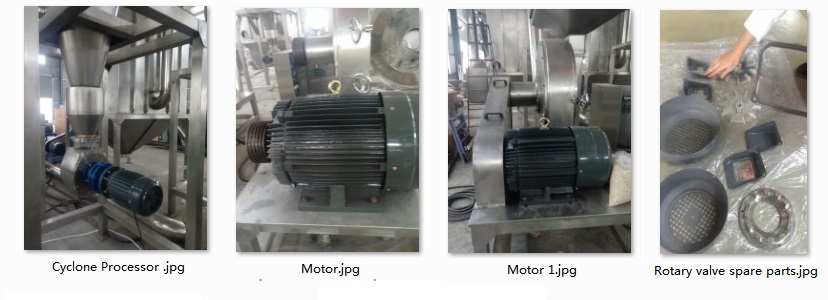
Cyclone Processor and Motors:
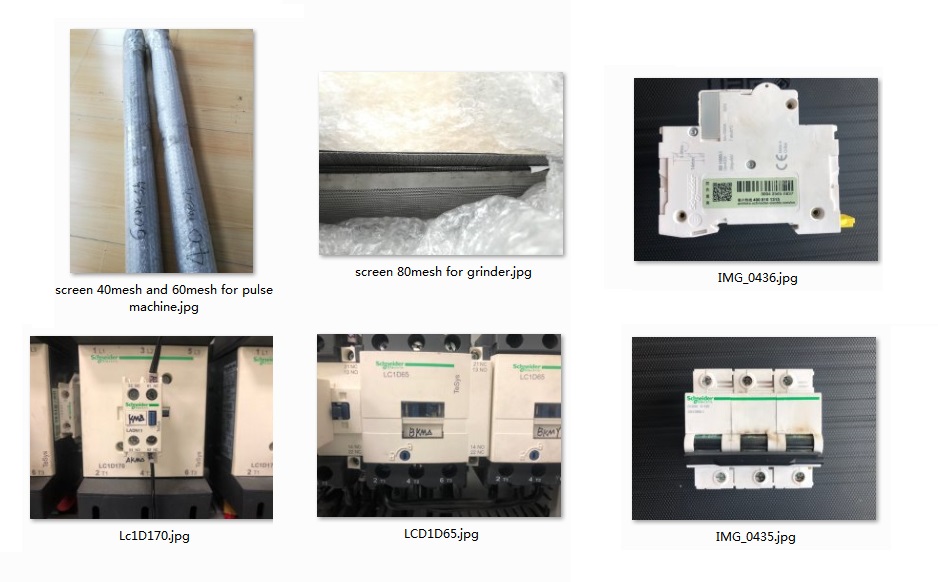
Spare Parts:
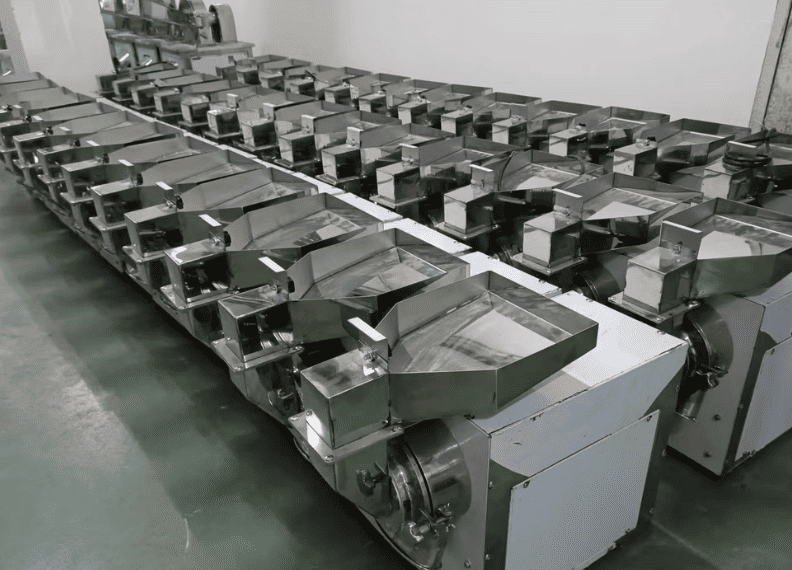
Customer Side Machine Groups Showcase Videos:
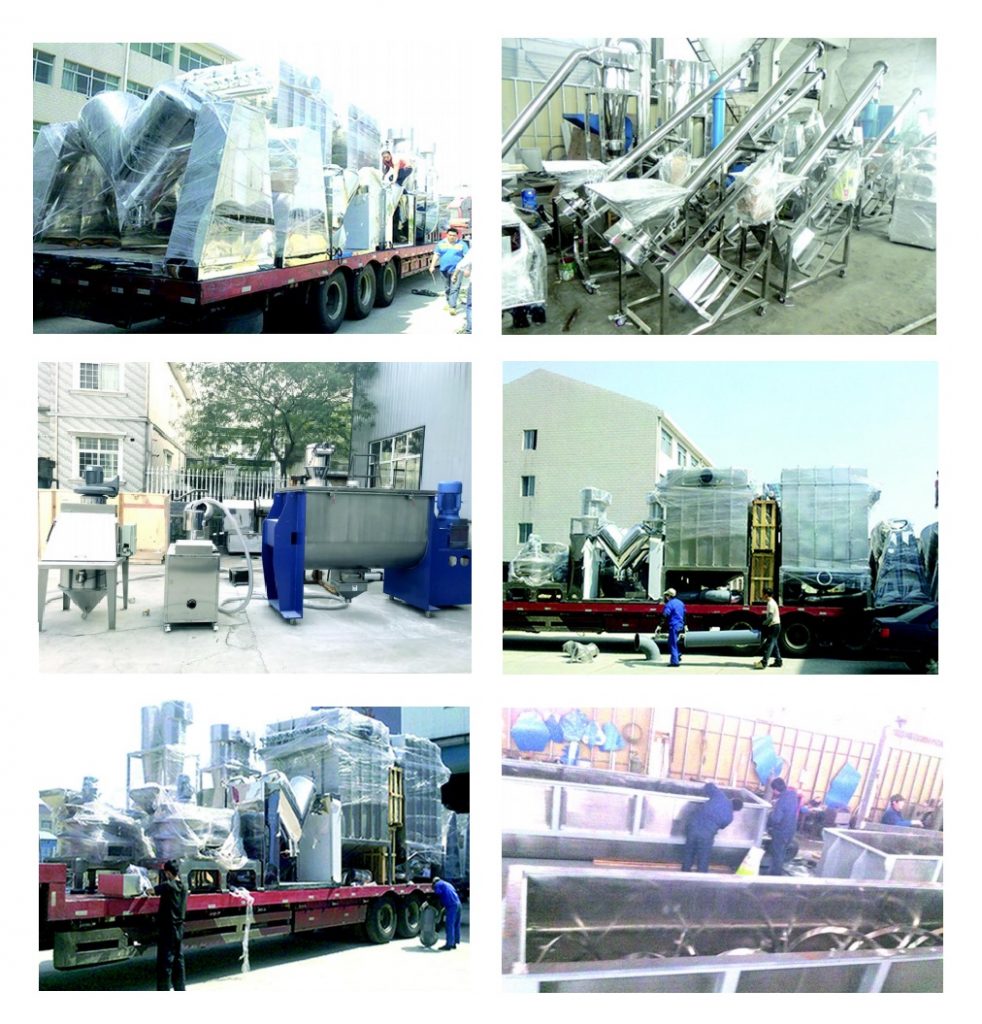
Dust Collector Shipment
Shipment – Packing Method
Two Large Industrial Grinder Ready to Ship
Domestic Shipment Show Case:
Operation Instruction
General Provisions
The operation instructions for a commercial grinder may vary depending on the specific model and manufacturer. However, here are some general guidelines that may apply to many high speed grinders:
- Safety precautions: Before operating the high speed grinder, it is important to review all safety precautions and warnings provided in the user manual. Safety precautions may include wearing appropriate personal protective equipment, such as eye protection and hearing protection, and avoiding loose clothing or jewelry that could become caught in the grinder.
- Preparation: The high speed grinder should be placed on a stable and level surface, and all necessary components should be assembled according to the manufacturer’s instructions. The grinder should also be connected to a power source that is appropriate for its voltage and wattage.
- Loading the grinder: The material to be ground should be loaded into the grinder according to the manufacturer’s instructions. Overloading the grinder may cause damage to the machine and result in poor grinding performance.
- Starting the grinder: The grinder should be started according to the manufacturer’s instructions. This may involve pressing a button, turning a dial, or flipping a switch. The user should ensure that their hands are clear of the grinder and that the material to be ground is positioned properly.
- Adjusting the speed and settings: The speed and other settings of the high speed grinder may be adjusted according to the material being ground and the desired outcome. The user should follow the manufacturer’s instructions for making adjustments to the grinder.
- Monitoring the grinding process: The user should monitor the grinding process to ensure that it is progressing smoothly and that the material is being ground to the desired size and consistency. Any issues or abnormalities should be addressed promptly to prevent damage to the machine.
- Shutting down the grinder: When the grinding process is complete, the grinder should be shut down according to the manufacturer’s instructions. The user should ensure that the machine is completely stopped and that all moving parts have come to a complete stop before attempting to clean or service the grinder.
Overall, the operation instructions for a commercial grinder may involve a number of steps and safety precautions. It is important to carefully review the manufacturer’s instructions and follow proper operating procedures to ensure safe and effective use of the machine.
Preparation Work
Before running a commercial grinder, there are several important preparation steps that should be taken to ensure safe and effective operation of the machine. Here are some general guidelines for preparing to run a high speed grinder:
- Read the user manual: The first step in preparing to run a high speed grinder is to carefully read the user manual provided by the manufacturer. The user manual will provide important information about the specific model of grinder being used, including its features, specifications, and safety precautions.
- Select the appropriate grinding wheel: The grinding wheel used in a high speed grinder should be selected based on the material being ground and the desired outcome. It is important to use the correct type of grinding wheel to prevent damage to the machine and ensure optimal grinding performance.
- Inspect the grinder: Before running the grinder, it is important to inspect it for any signs of damage or wear. The user should check for loose or missing components, cracks or other signs of damage to the machine’s housing or other parts, and any other issues that could affect the grinder’s operation.
- Install the grinding wheel: The grinding wheel should be installed according to the manufacturer’s instructions, making sure that it is securely fastened and aligned properly. The user should also check the wheel for any cracks or other signs of damage before installation.
- Secure the workpiece: The workpiece to be ground should be securely clamped or held in place before starting the grinder. This will help to ensure safe and effective operation and prevent the workpiece from becoming dislodged or damaged during grinding.
- Connect the power source: The high speed grinder should be connected to a power source that is appropriate for its voltage and wattage. It is important to use a properly grounded power source to ensure safe and reliable operation of the machine.
- Test run: Before beginning actual grinding operations, it may be useful to perform a test run to ensure that the grinder is functioning properly and that the grinding wheel is aligned and balanced properly. The user should follow the manufacturer’s instructions for performing a test run.
By following these preparation steps, users can ensure safe and effective operation of a high speed grinder and achieve optimal grinding results.
Treatment of inspection
Inspection of a commercial grinder is an important maintenance procedure that helps ensure safe and effective operation of the machine. Here are some general guidelines for inspecting a high speed grinder:
- Disconnect power source: Before performing any inspection or maintenance on a high speed grinder, the power source should be disconnected to prevent accidental startup.
- Check for wear and damage: The user should inspect the grinder for any signs of wear or damage, such as cracks in the housing, worn or damaged grinding wheels, or loose or missing parts. Any issues should be addressed promptly to prevent further damage to the machine.
- Check alignment and balance of grinding wheel: The grinding wheel should be inspected for proper alignment and balance, as these factors can affect the quality of the grinding operation. If the grinding wheel is not properly aligned or balanced, it should be adjusted or replaced as necessary.
- Check for proper lubrication: The high speed grinder should be inspected for proper lubrication, as inadequate lubrication can cause excessive wear and damage to the machine’s moving parts. The user should follow the manufacturer’s instructions for lubrication, and add lubricant as necessary.
- Inspect electrical components: The electrical components of the high speed grinder, including the wiring, switches, and control panel, should be inspected for any signs of wear, damage, or loose connections. Any issues should be addressed promptly to prevent electrical problems.
- Test run: After completing the inspection, it may be useful to perform a test run of the high speed grinder to ensure that it is functioning properly and that any issues have been addressed.
By following these inspection guidelines, users can help ensure safe and effective operation of a high speed grinder and minimize the risk of damage or injury during grinding operations.
Operation Attention
Running a commercial grinder can be a dangerous operation if proper precautions are not taken. Here are some general guidelines for safe operation of a high speed grinder:
- Personal protective equipment: The user should wear appropriate personal protective equipment, such as safety glasses, hearing protection, and gloves, to prevent injury from flying debris, noise, and contact with the grinding wheel.
- Secure workpiece: The workpiece being ground should be securely clamped or held in place to prevent it from becoming dislodged during grinding.
- Use proper grinding wheel: The user should select the appropriate grinding wheel for the material being ground and ensure that it is installed correctly and securely. The grinding wheel should be inspected for cracks or other damage before use.
- Adjust grinding wheel speed: The speed of the grinding wheel should be adjusted according to the manufacturer’s instructions to ensure optimal grinding performance and prevent damage to the machine or workpiece.
- Avoid excessive pressure: The user should avoid applying excessive pressure to the grinding wheel, as this can cause the wheel to overheat and wear out more quickly.
- Avoid overheating: The high speed grinder should not be operated continuously for extended periods of time, as this can cause overheating and damage to the machine.
- Monitor grinding operation: The user should closely monitor the grinding operation to ensure that the workpiece is being ground properly and that the grinding wheel is functioning correctly.
- Disconnect power source: After completing grinding operations, the power source should be disconnected to prevent accidental startup.
By following these guidelines, users can operate a high speed grinder safely and effectively, and achieve optimal grinding results. It is important to follow the manufacturer’s instructions and all applicable safety regulations when operating any type of machinery.
Installation Layout:
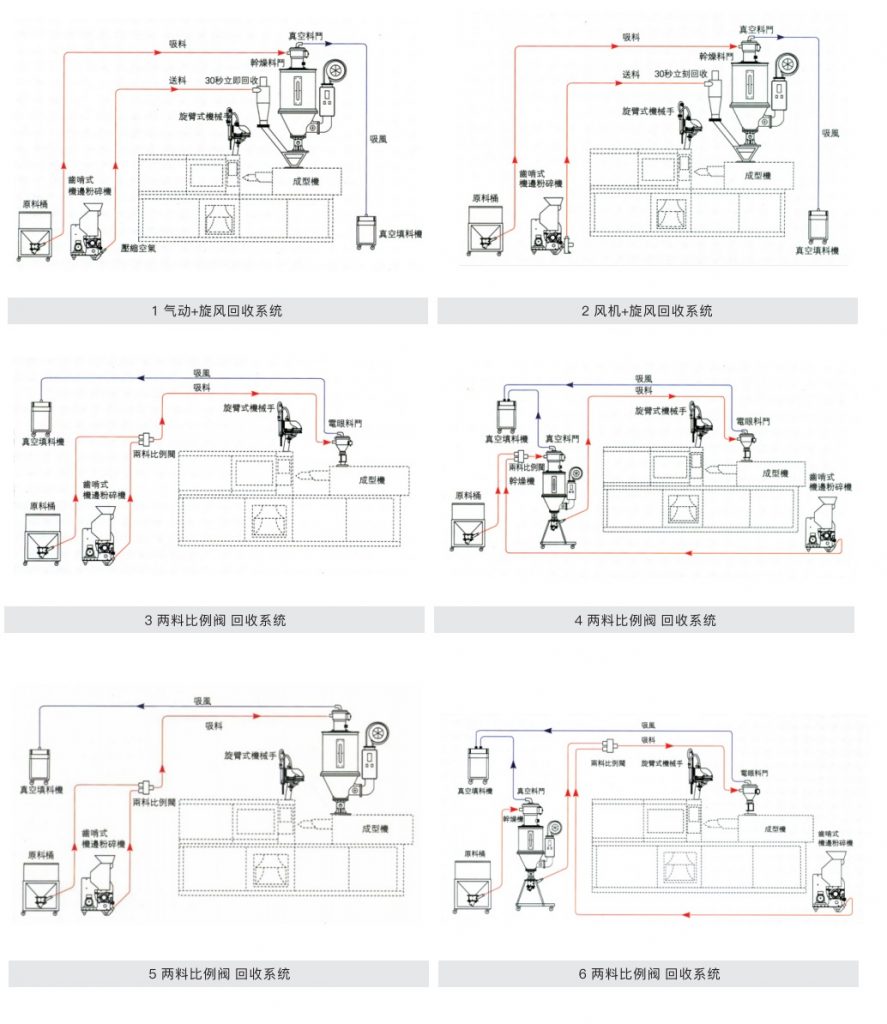
Applications of Industrial Seed Grinder
Industrial seed grinders are used in a variety of applications across many industries. Here are some of the most common applications of industrial seed grinders:
- Food industry: Industrial seed grinders are used extensively in the food industry to grind seeds, nuts, and spices into fine powders or pastes. These powders and pastes are then used in a variety of products such as sauces, seasonings, and spreads.
- Pharmaceutical industry: In the pharmaceutical industry, industrial seed grinders are used to grind plant material into a fine powder, which is then used to make medicines and supplements.
- Cosmetics industry: Industrial seed grinders are also used in the cosmetics industry to grind plant material into a fine powder or paste, which is then used in products such as face masks, scrubs, and exfoliants.
- Agricultural industry: Industrial seed grinders are used in the agricultural industry to process seeds, such as soybeans, into animal feed.
- Chemical industry: In the chemical industry, industrial seed grinders are used to grind materials such as resins, pigments, and dyes into a fine powder.
- Renewable energy industry: Industrial seed grinders are also used in the renewable energy industry to process biomass into a fine powder, which is then burned to generate electricity.
Overall, industrial seed grinders are versatile machines that are used in many different industries for a variety of applications. They are essential for processing plant material into fine powders and pastes that can be used in many different products.
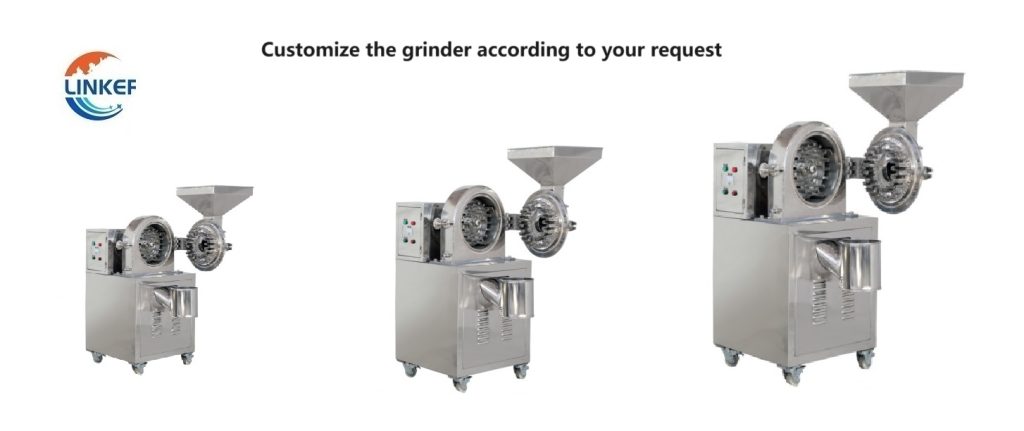
Customization Seeds Grinder According to your Capacity:
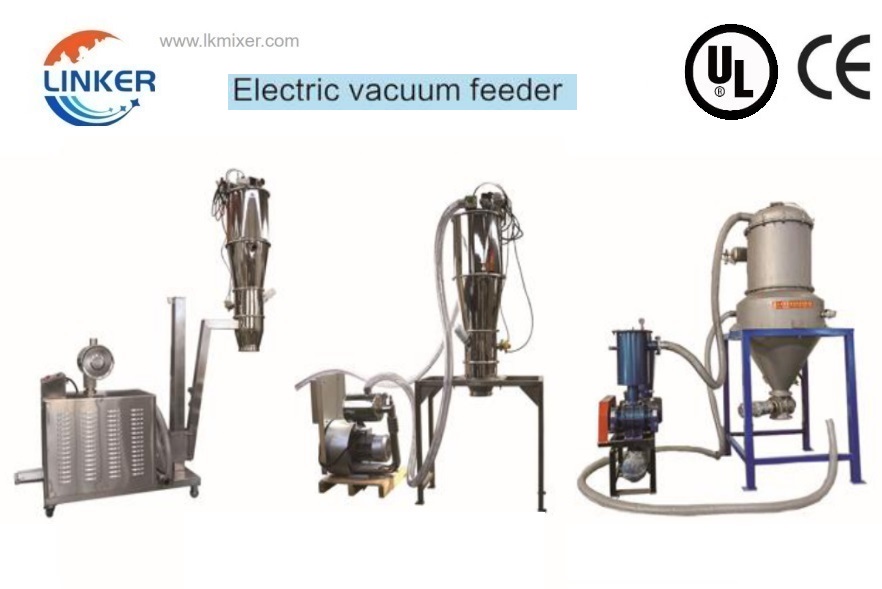
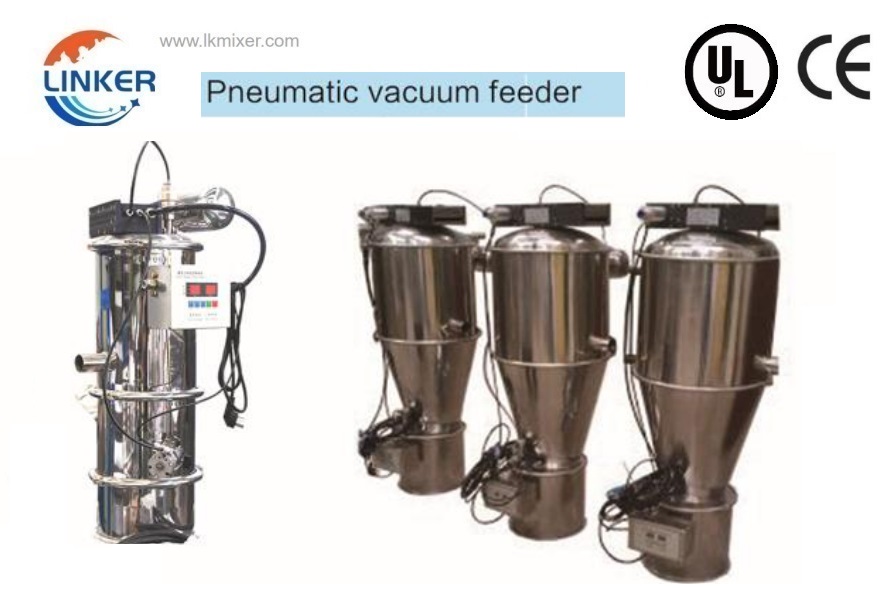
We can customize the capacity according to your special requirement, we can also customize the vacuum feeder connect with your production line (the dimension and width of grinder), for detail contact with our sales for proposal and price.
Videos of Seeds Grinder Machine:
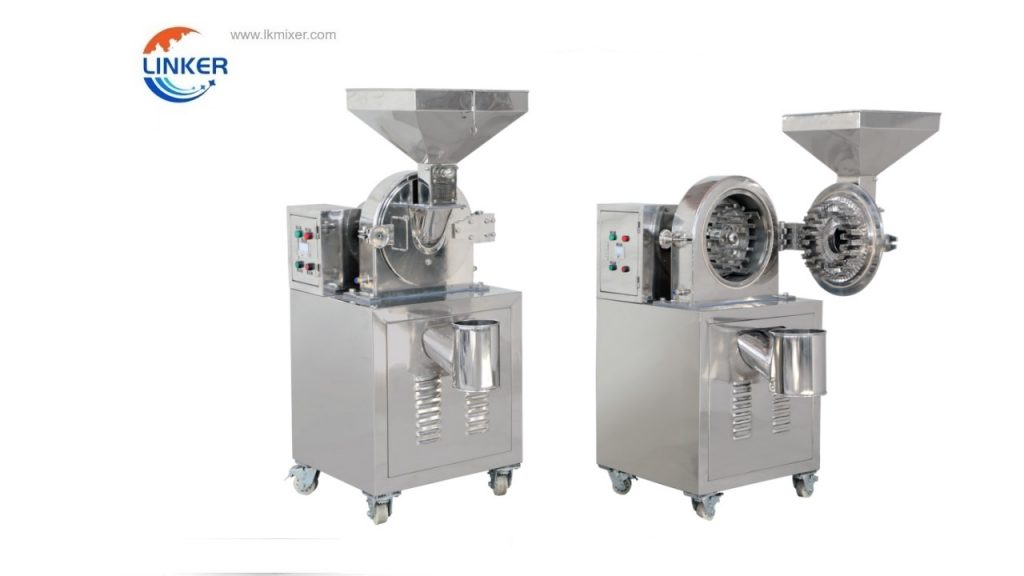
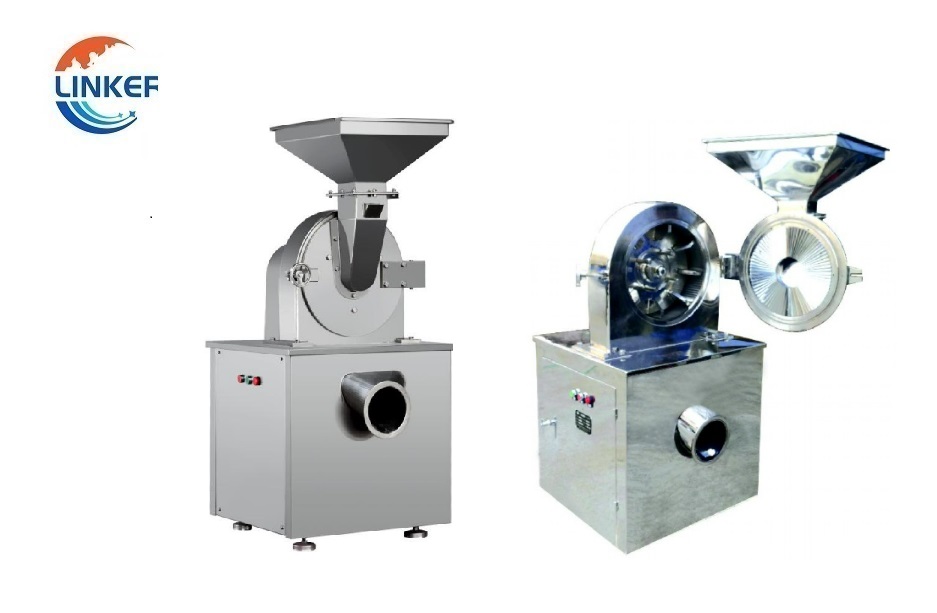
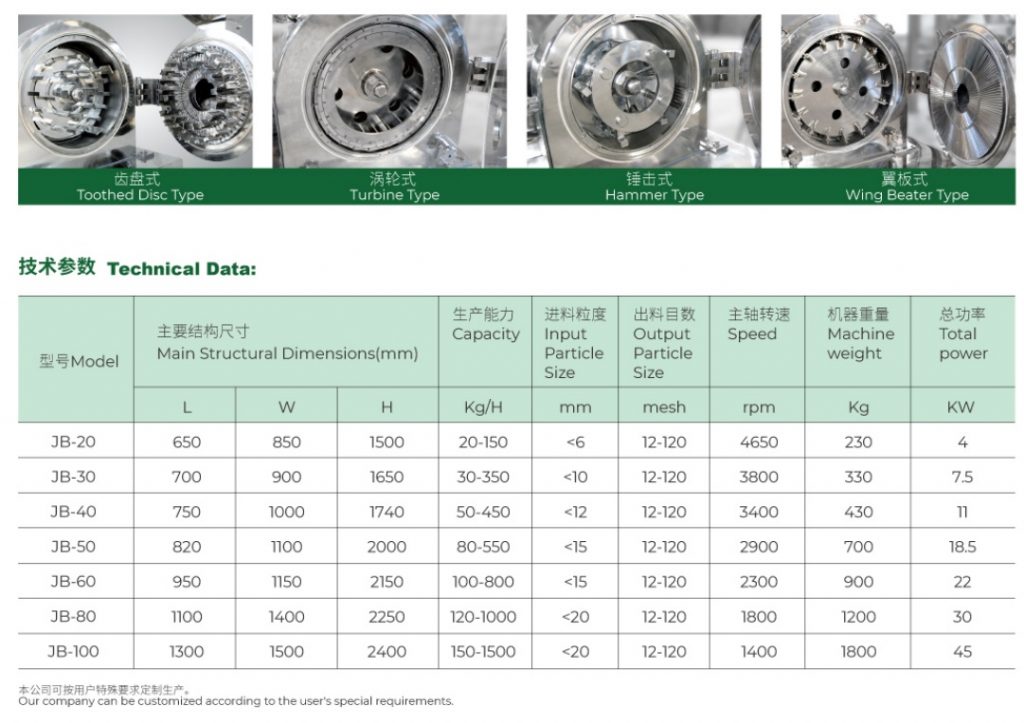
Many model of Seeds Grinder, the universal grinder is suitable to cut the seeds into 12-120mesh, the high efficient grinder is useful, but cost a little bit higher than universal. The super fine grinder can grind into 100mesh to 320mesh. Customer can choose according to your own requirement. here show some example:
About LKMixer
LKMixer is a professional manufacturer for fertilizer production line, grinder, mixer and granulator, shredder. These machines are widely used in food, pharmaceutical, cosmetic, health care products and chemical industries. The Food materials like Peanut, mushroom, seeds, potato, bean, tobacco, salt, cannabis, tea, Sugar, corn, Coffee, rice, pepper, grain as so on. Grinders have many types such as Pulse Dust Grinder which suitable for zero pollution environment, Turbine Mill which is suitable for coffee bean, 12-120mesh all can meet, Ultrafine Grinding Mill covers 80-200mesh, and also Winnowing Dust Grinder or other grinding machines like SF Hammer. Welcome to contact us for details. Contact us for more information. Proposal, catalog, quotation. Mobile/WhatsApp: +86 18019763531 Tel: +86 21 66037855 Email: sales@lkmixer.com
Contact Us
FAQ(Click and See More)
Read More about Herb Grinder:
Why are herb grinders so expensive?
Are electric herb grinders good?
What is the best way to grind up herbs?
Can you chop herbs in a coffee grinder?
How to grind dried herbs into powder?