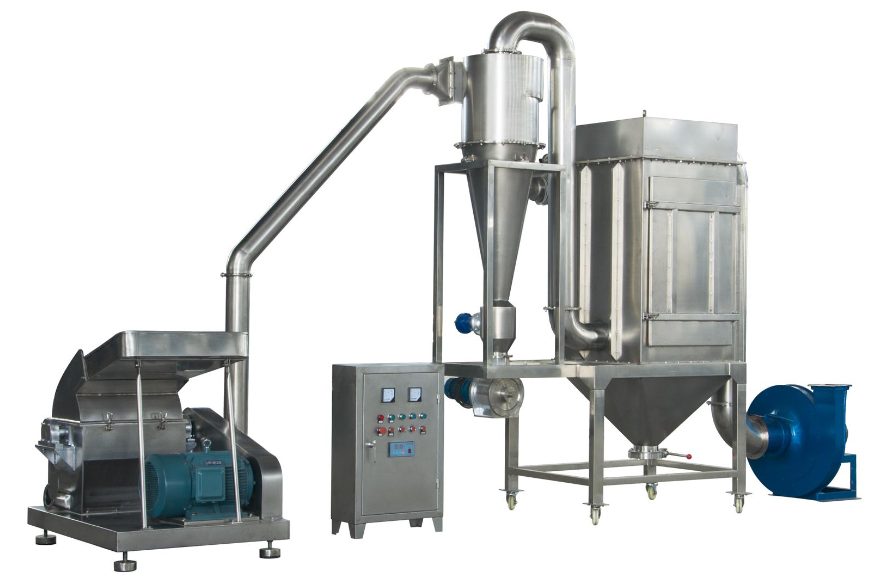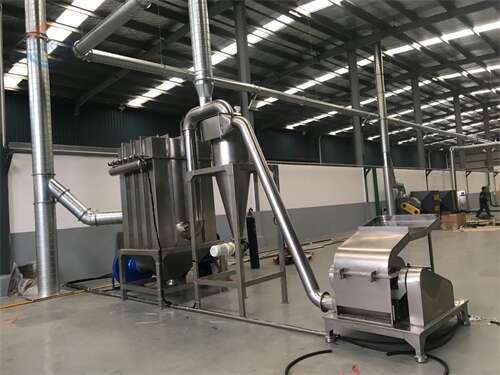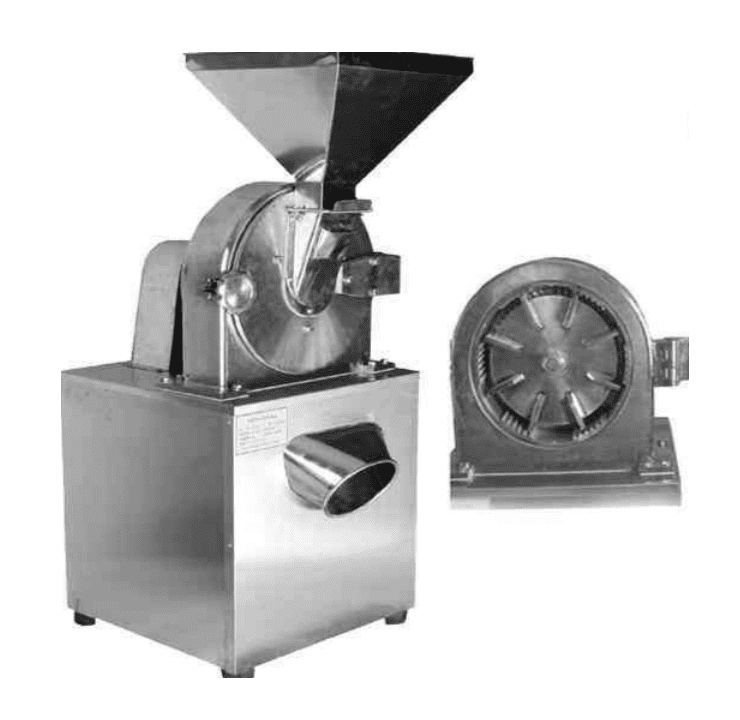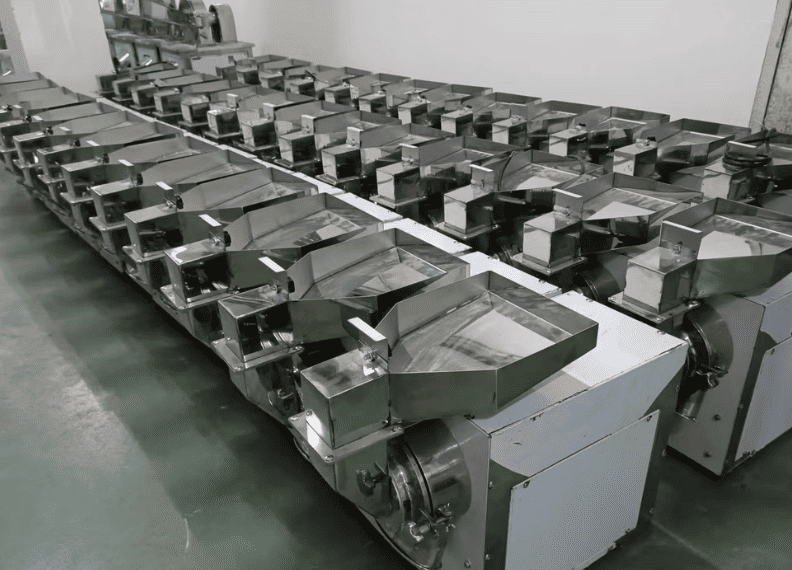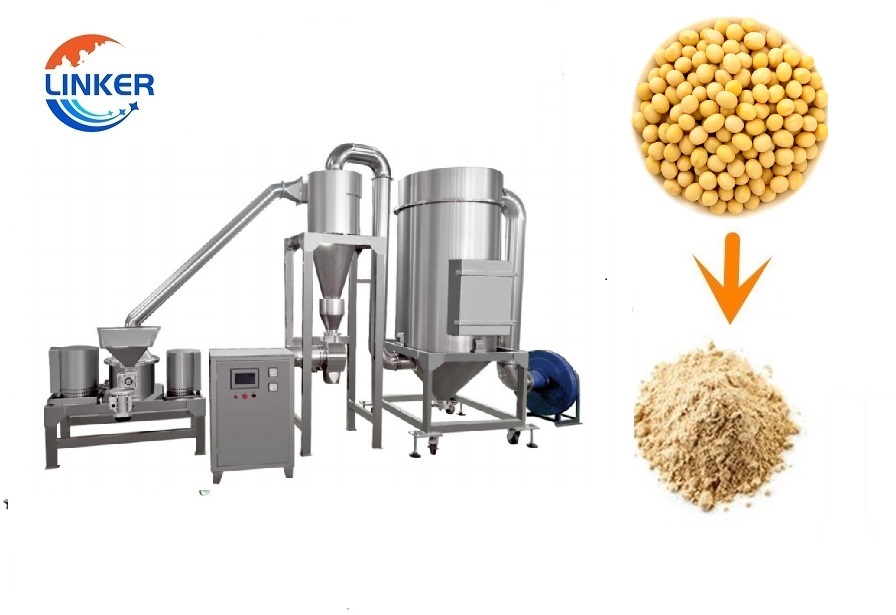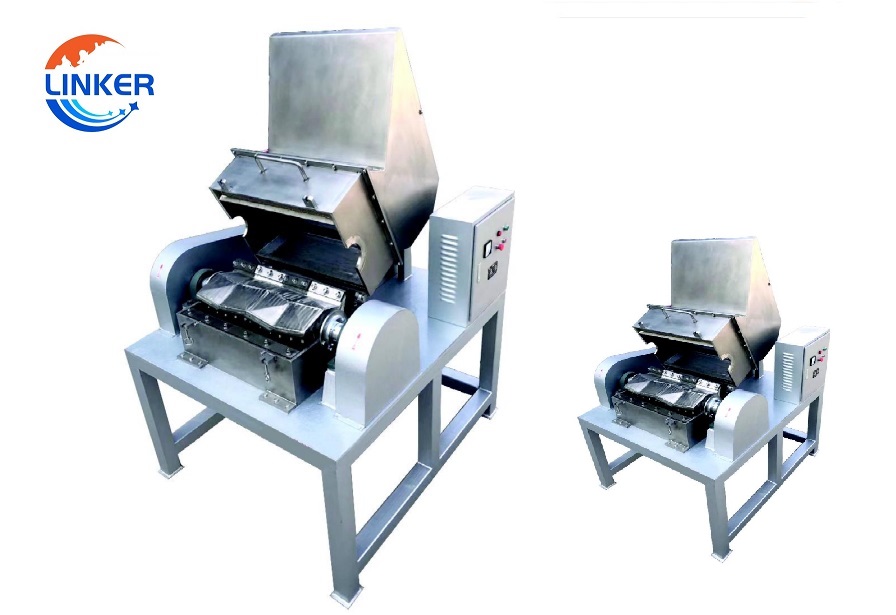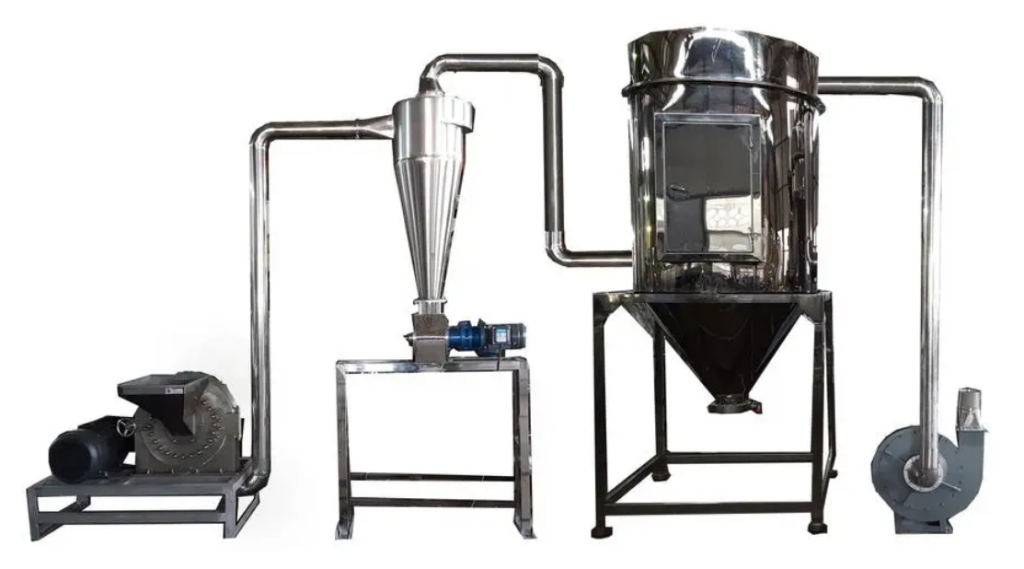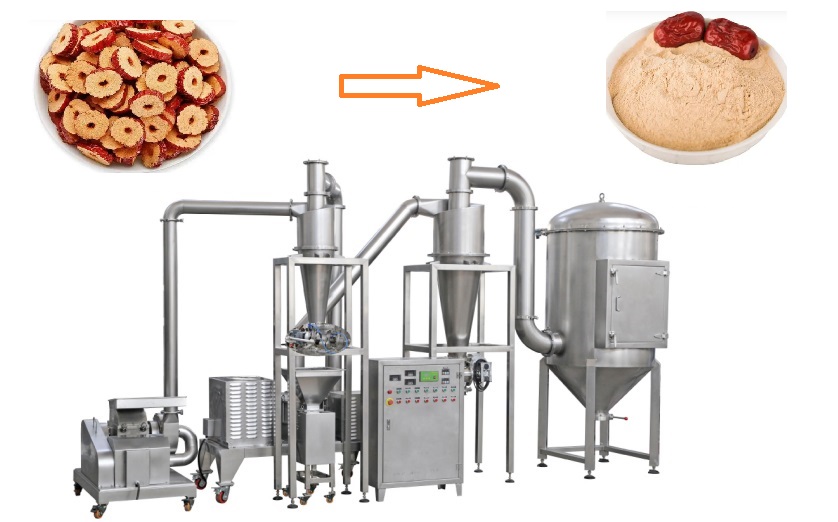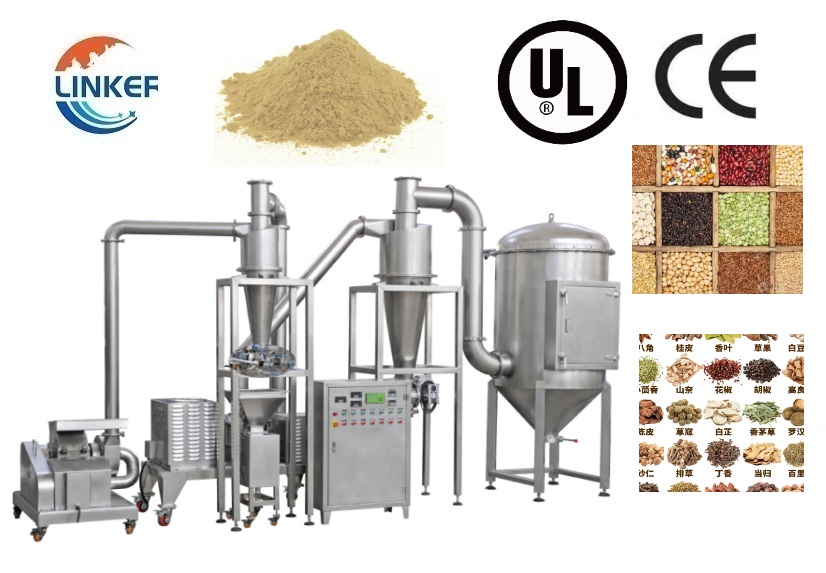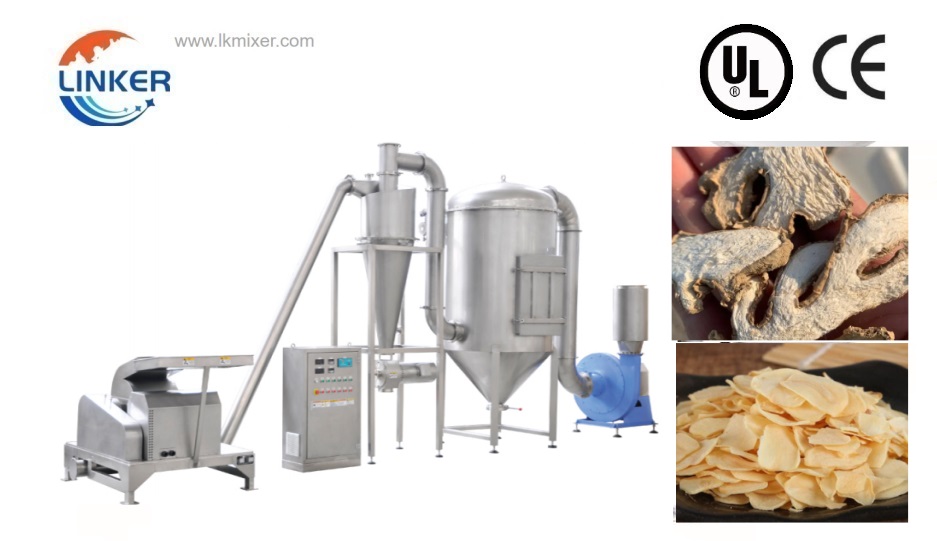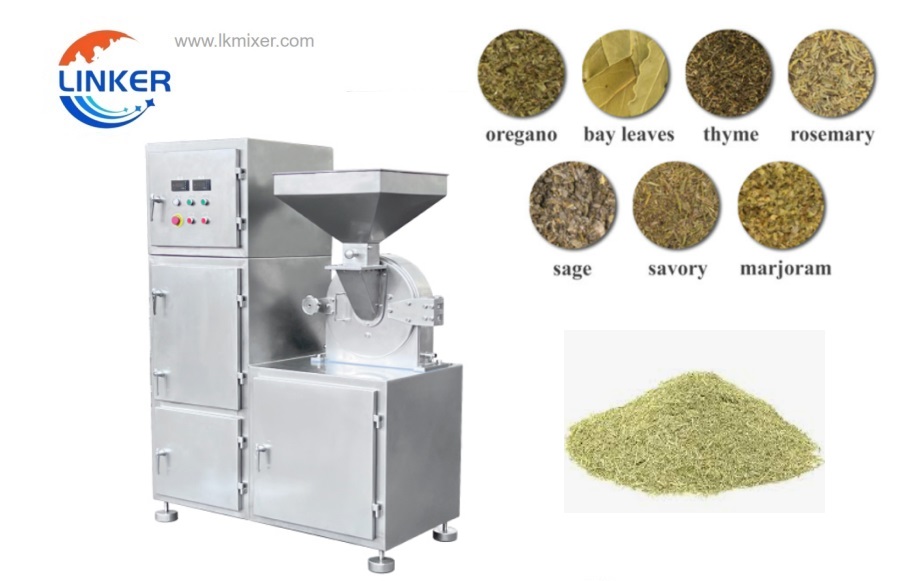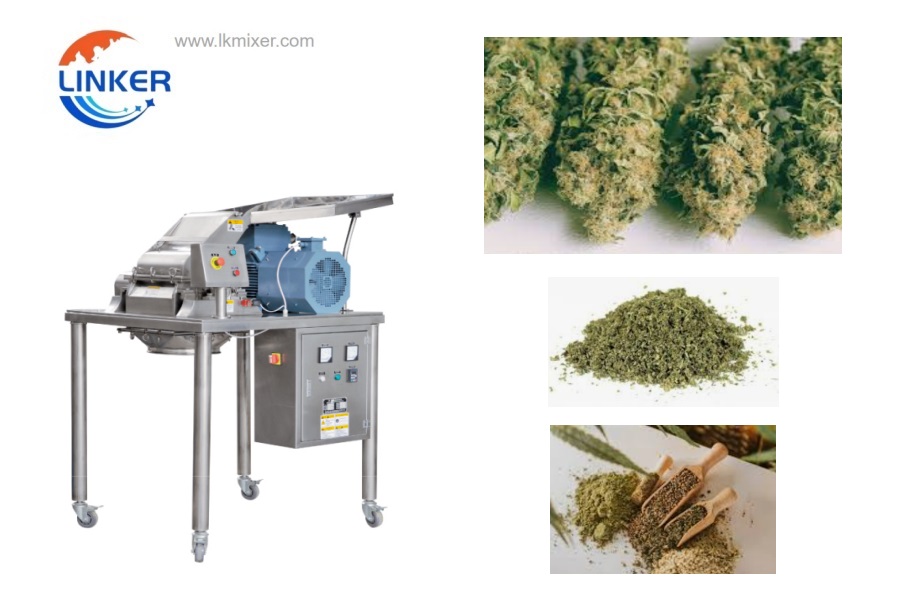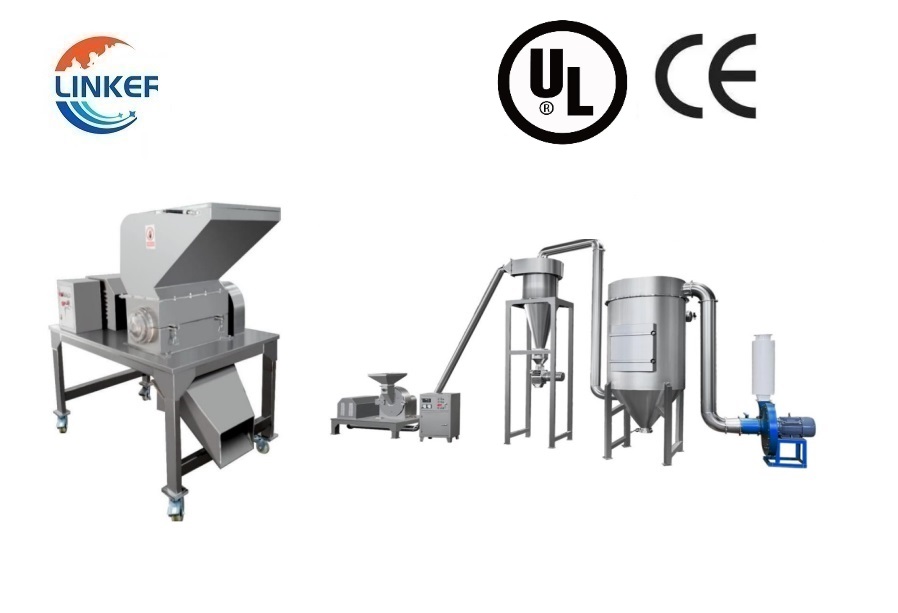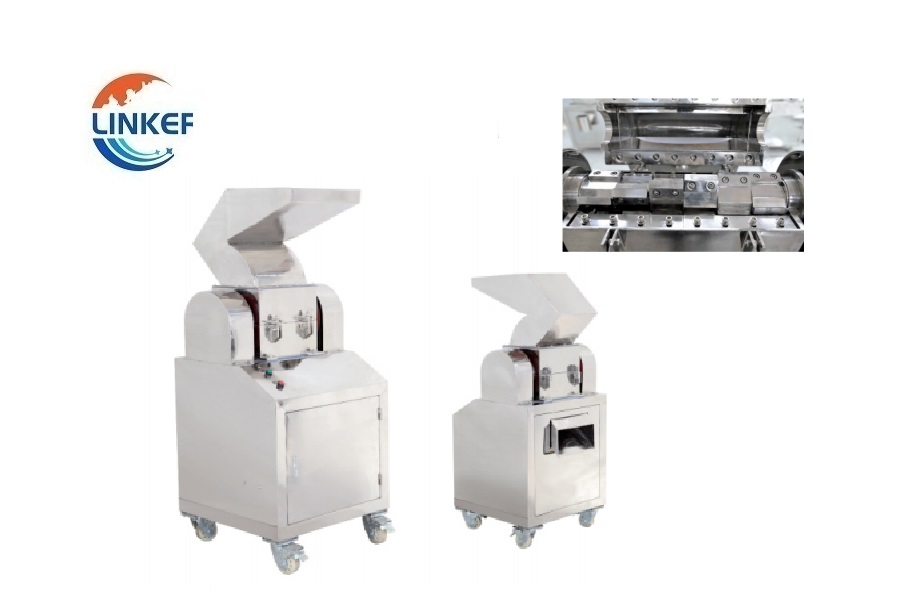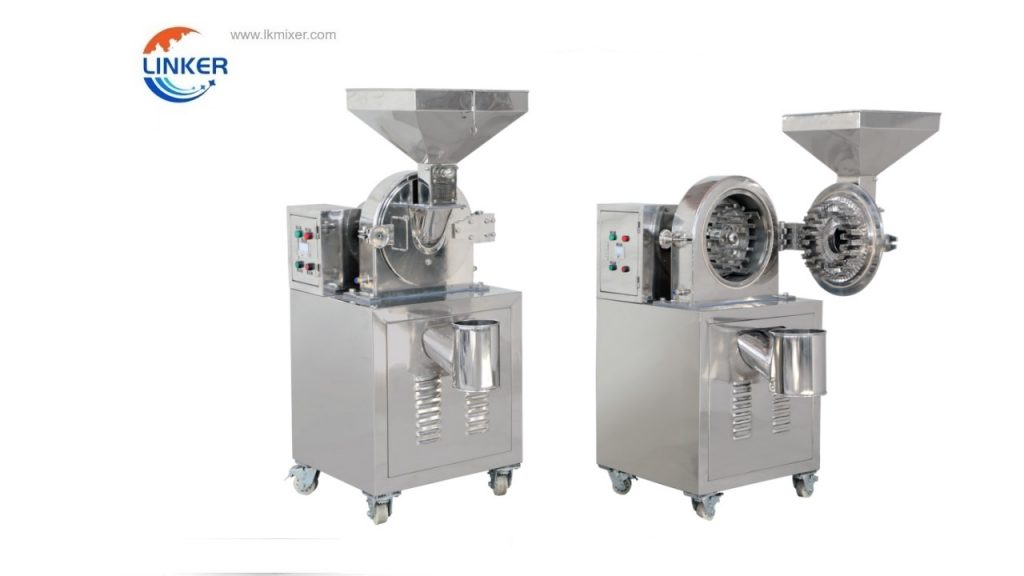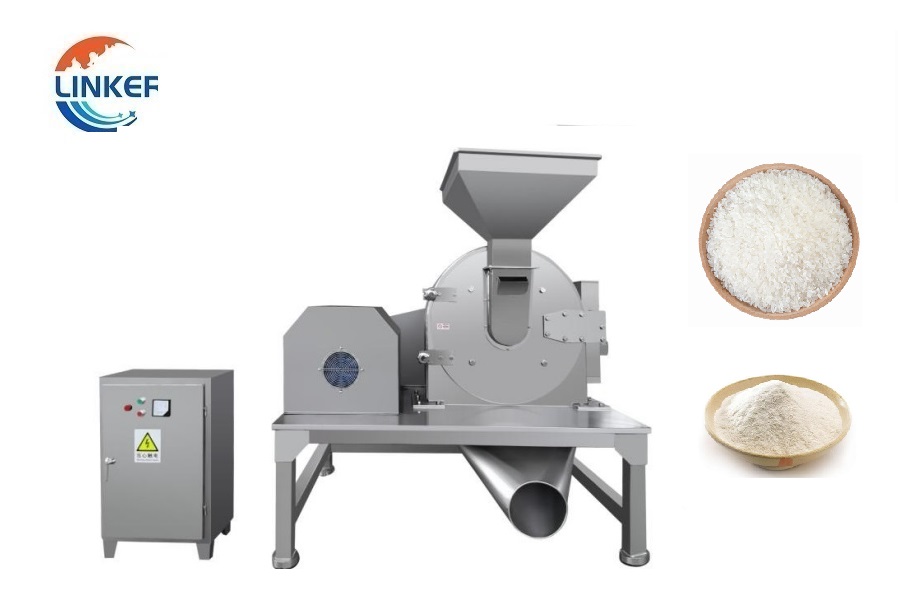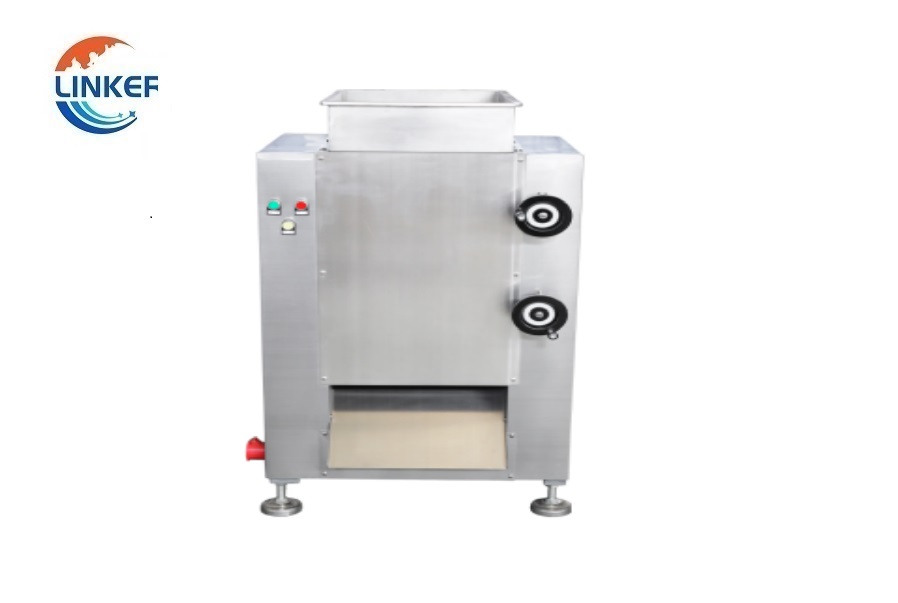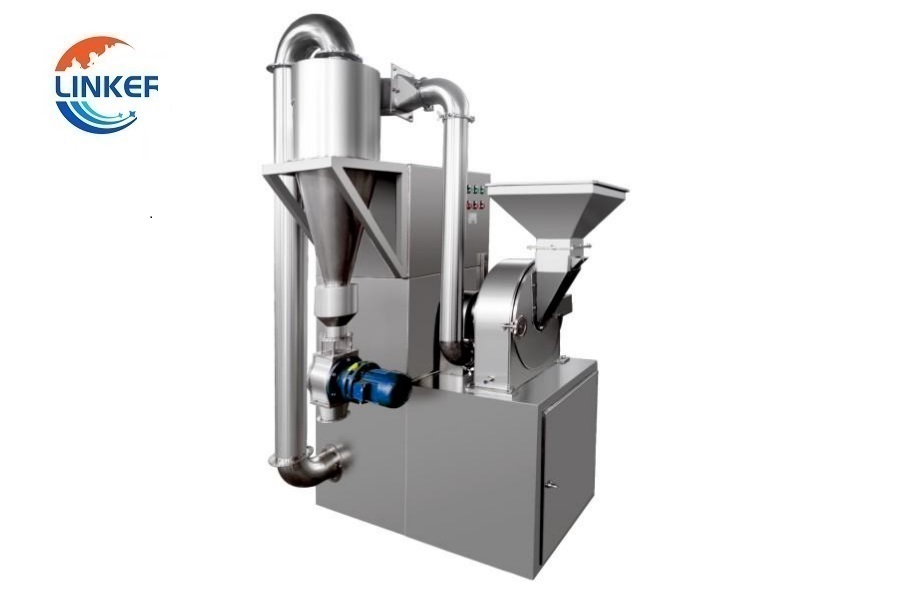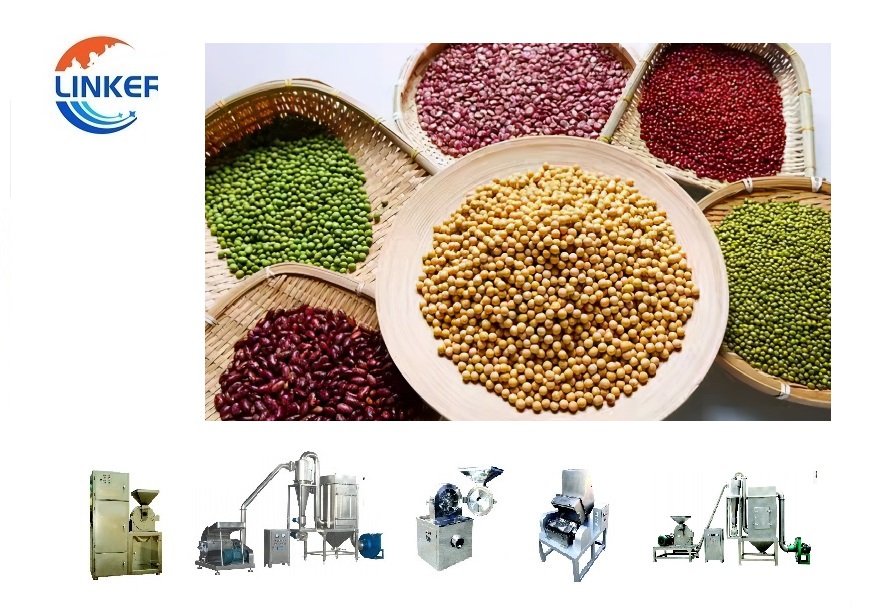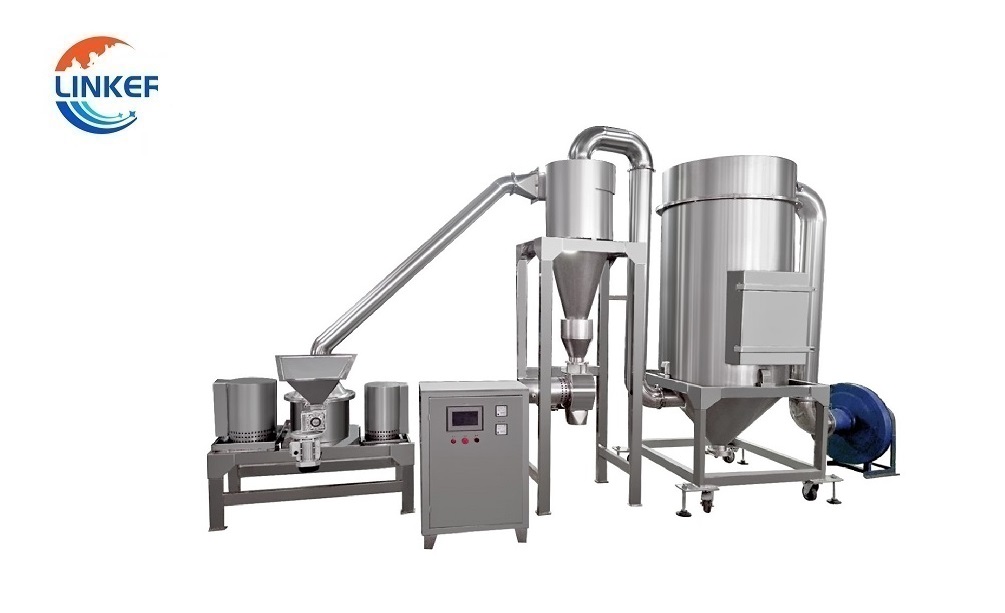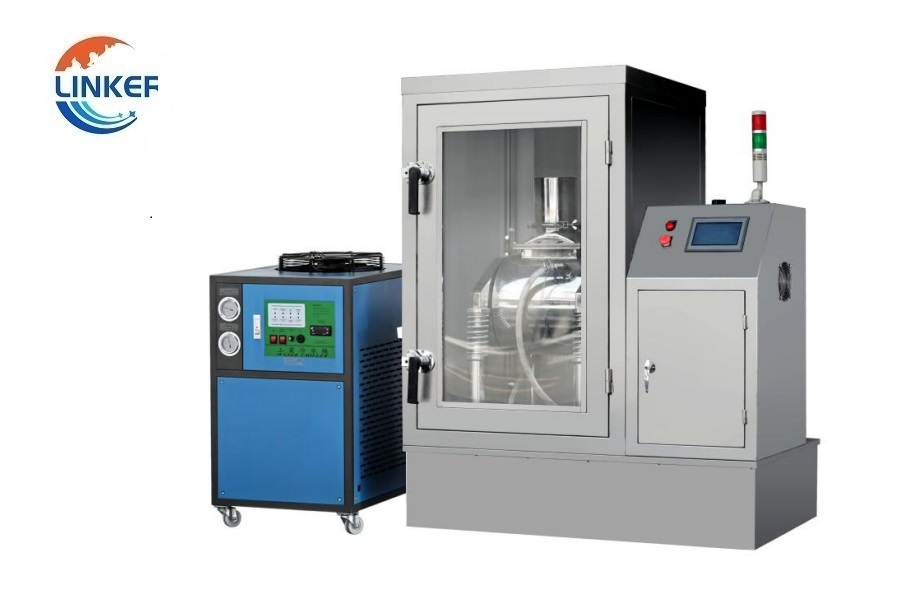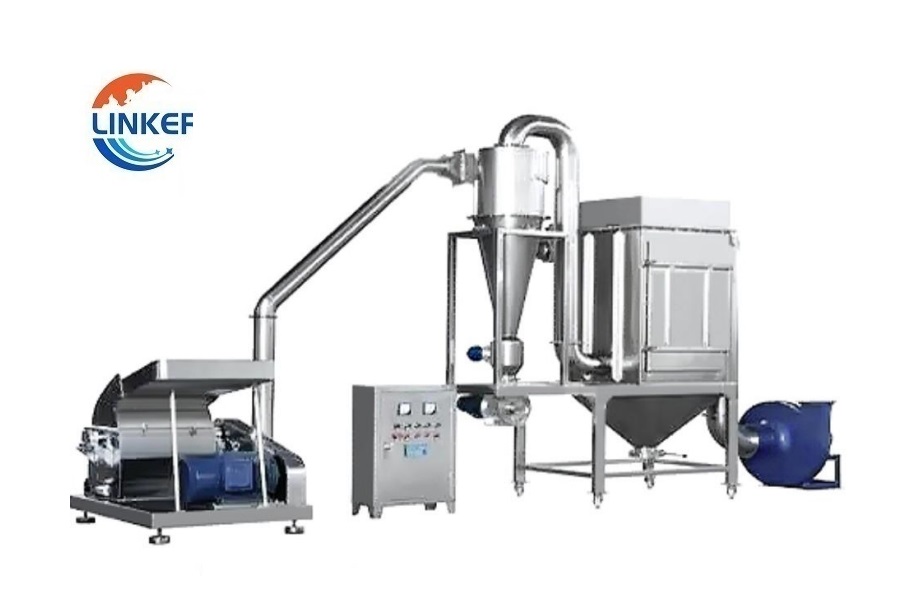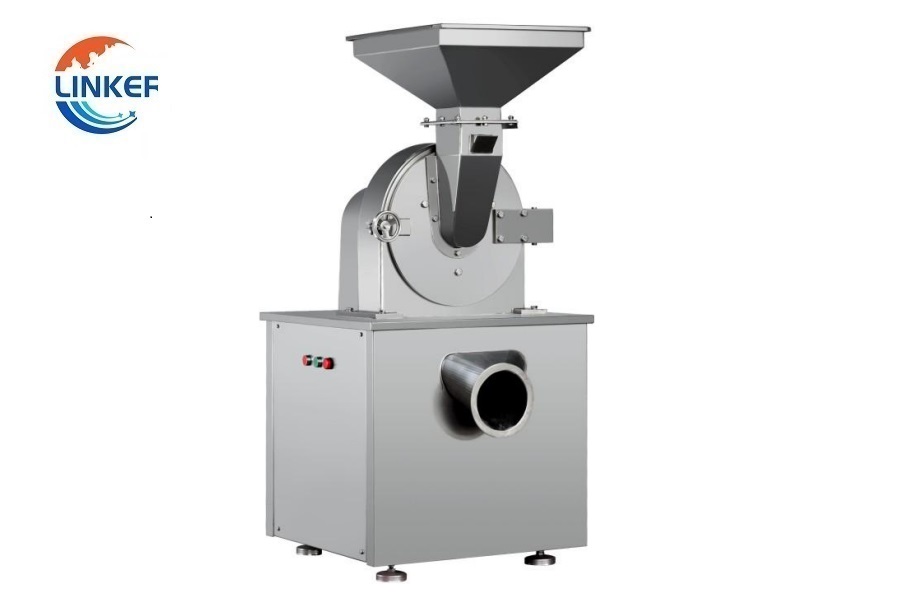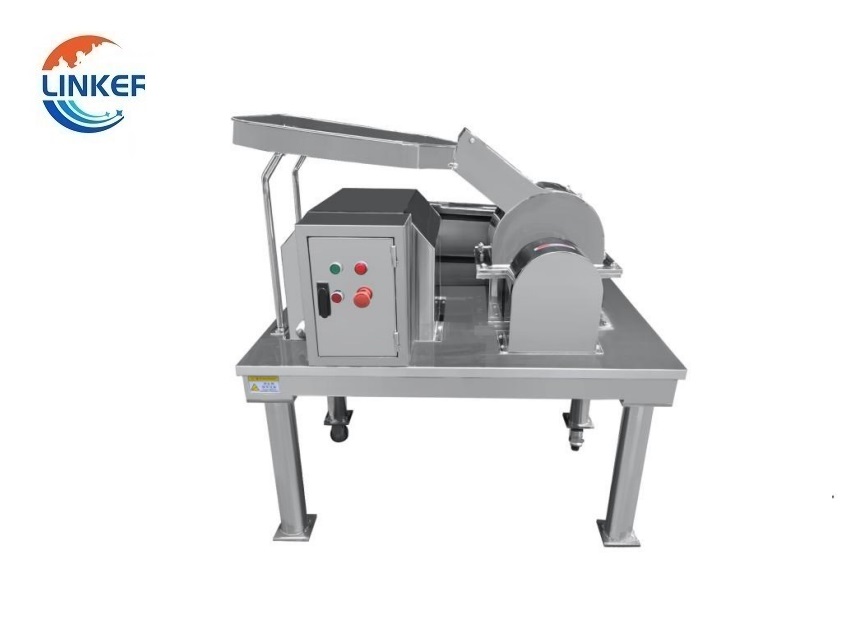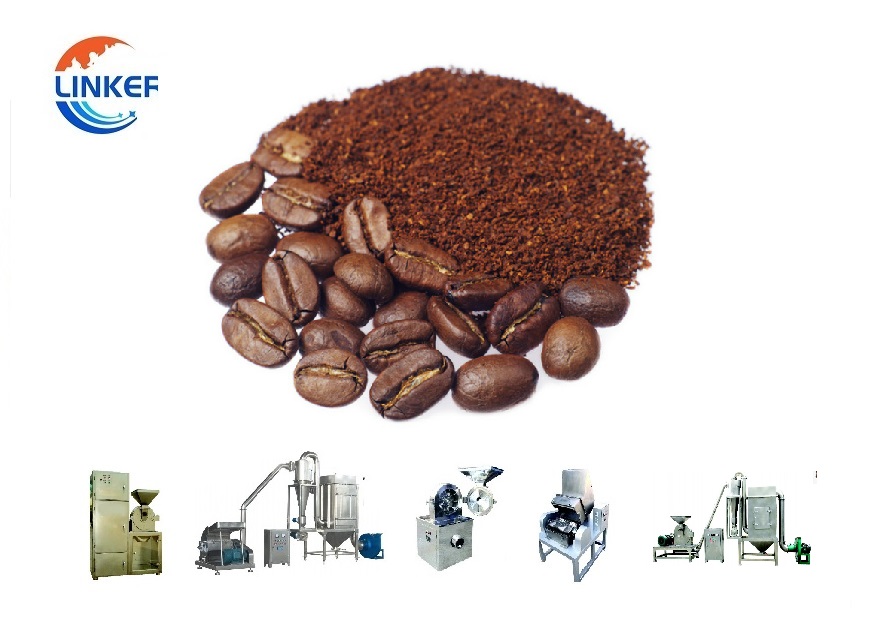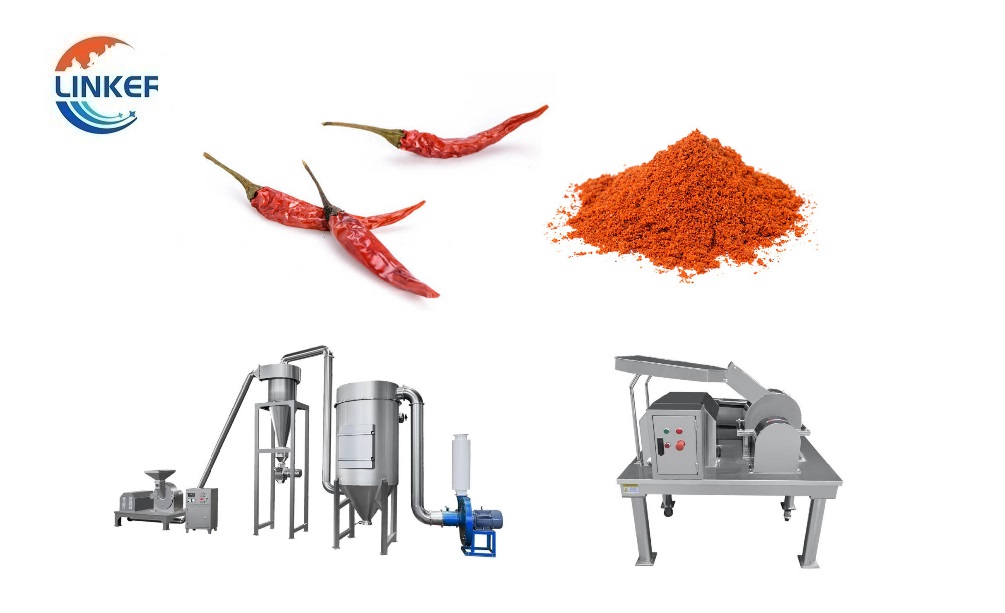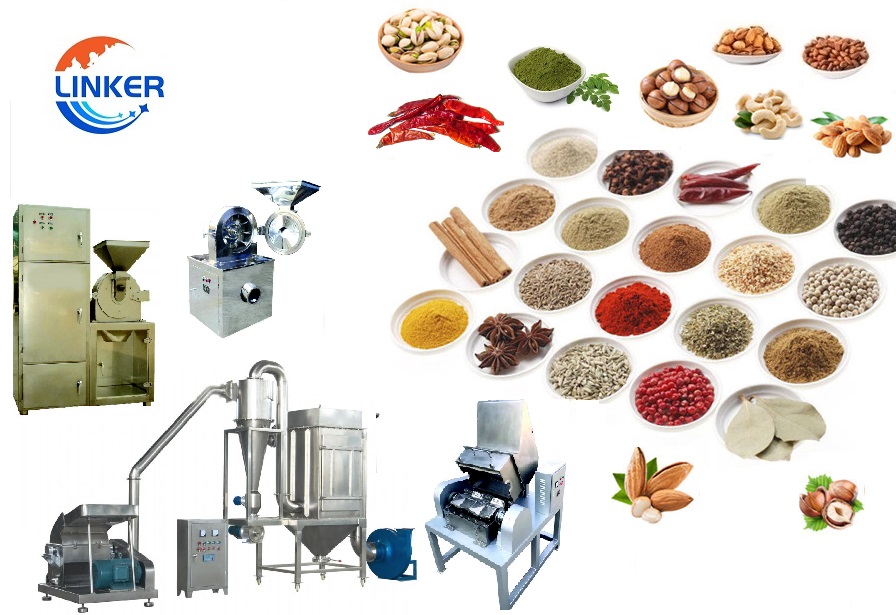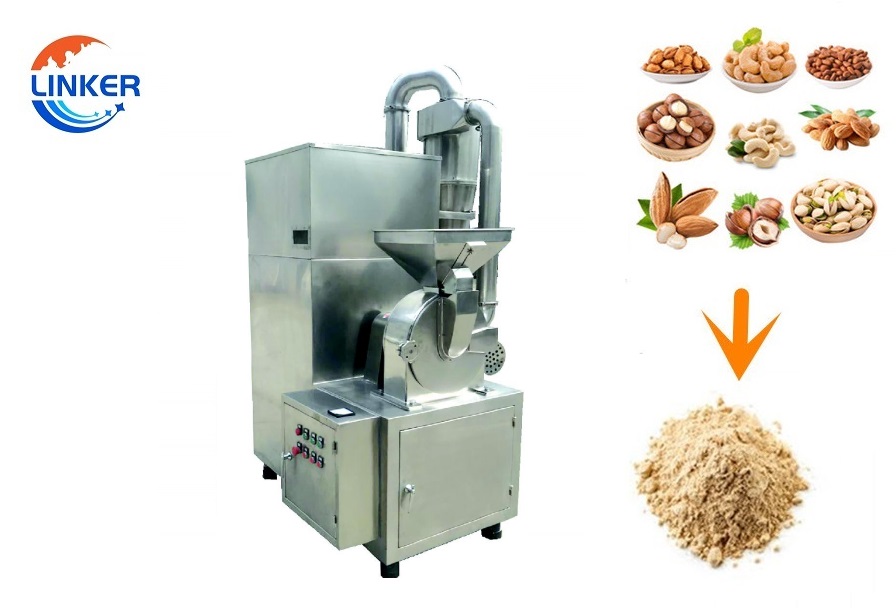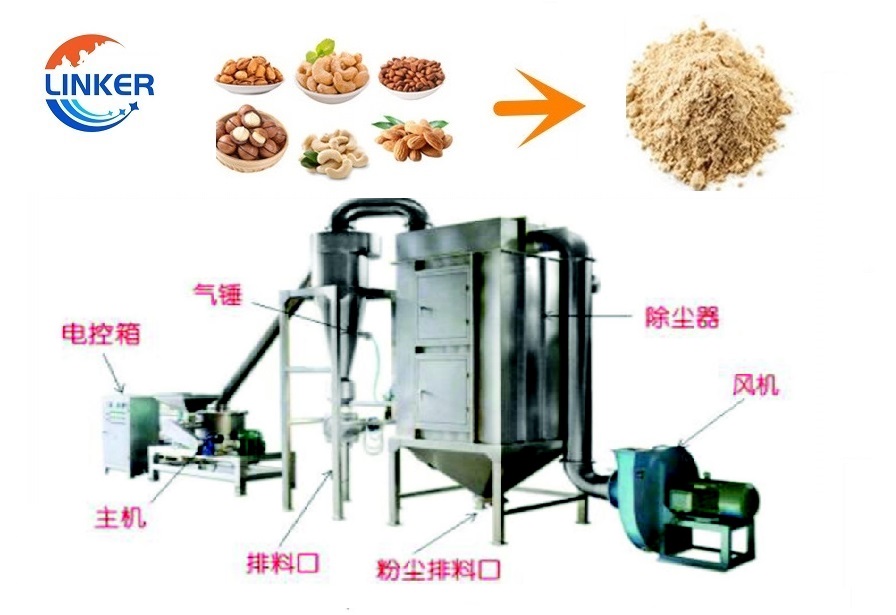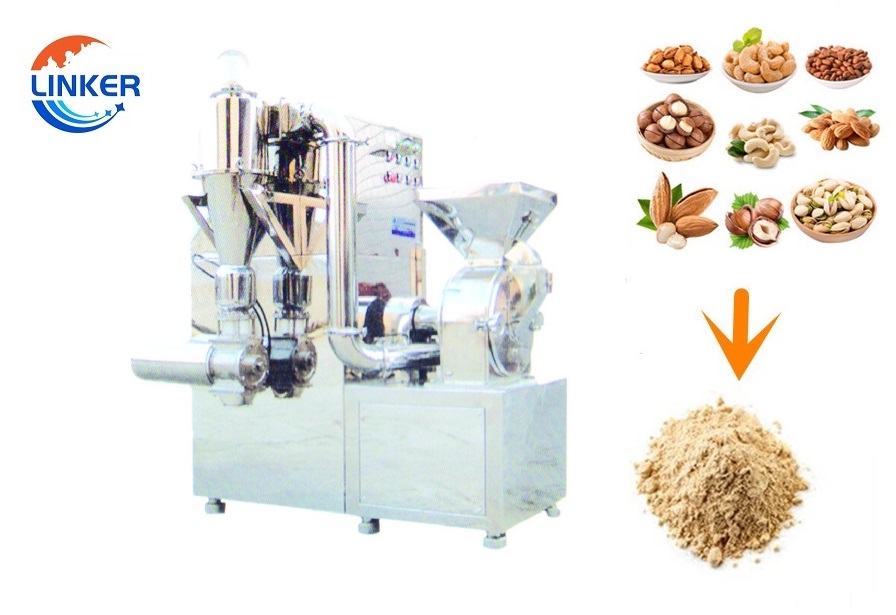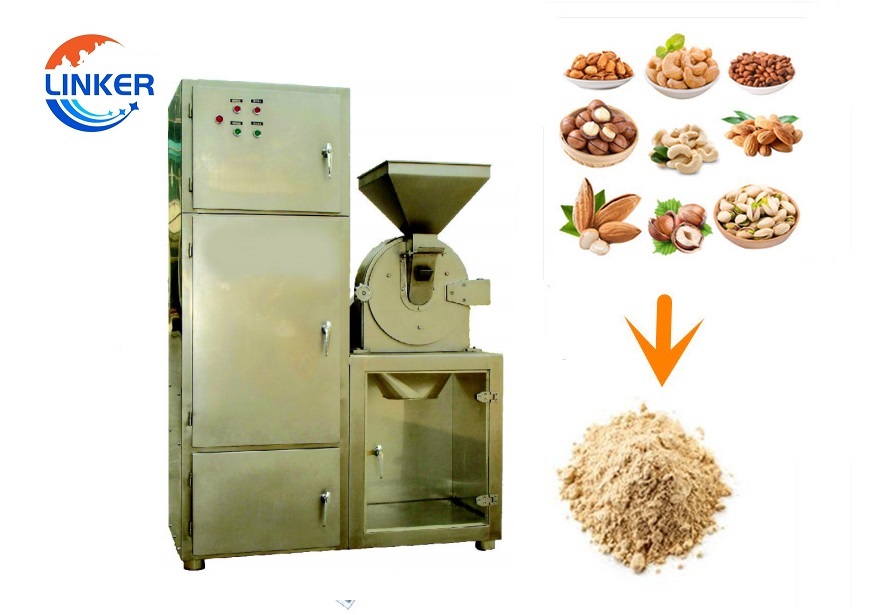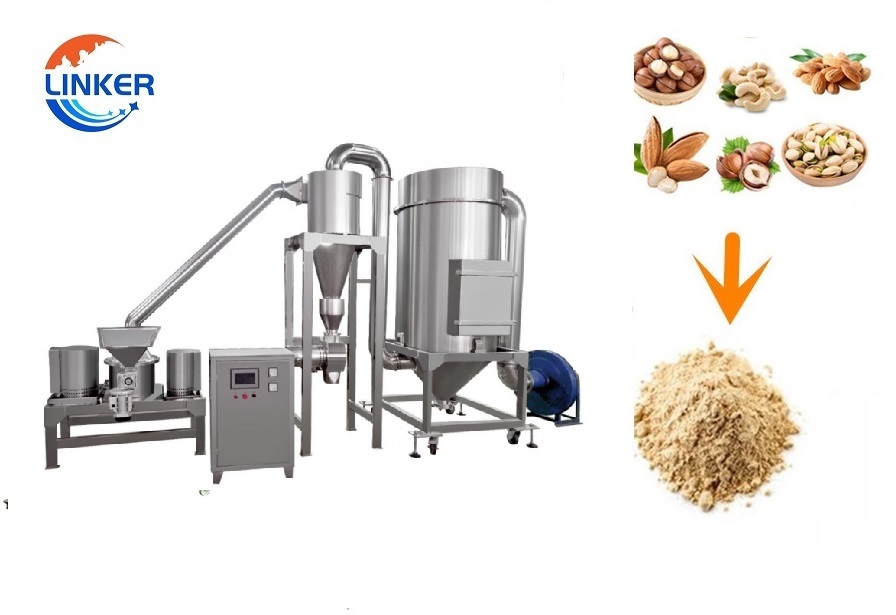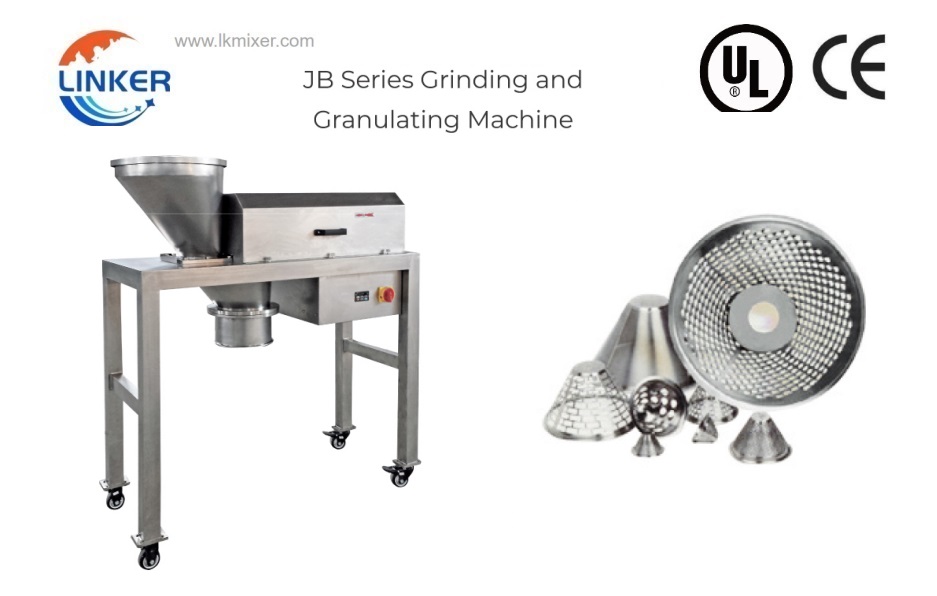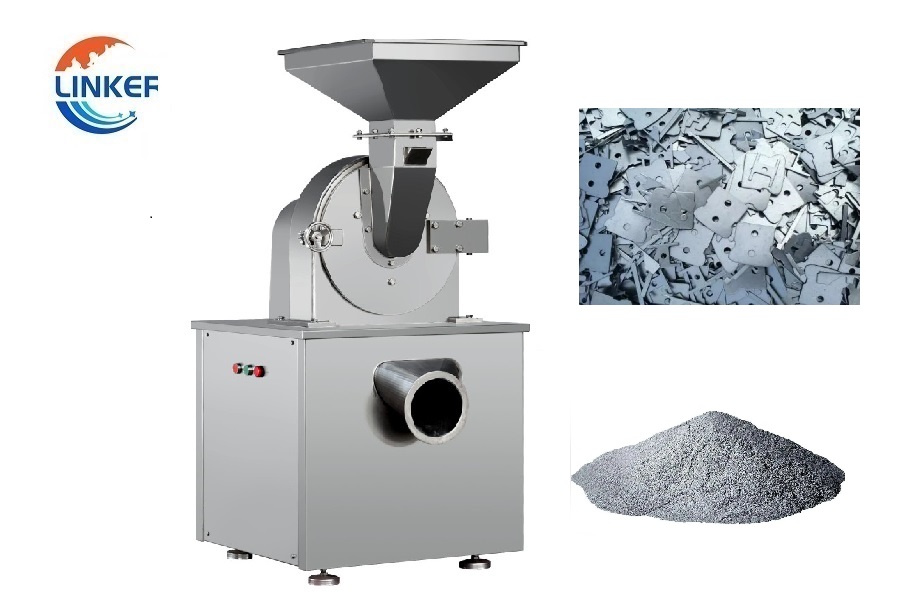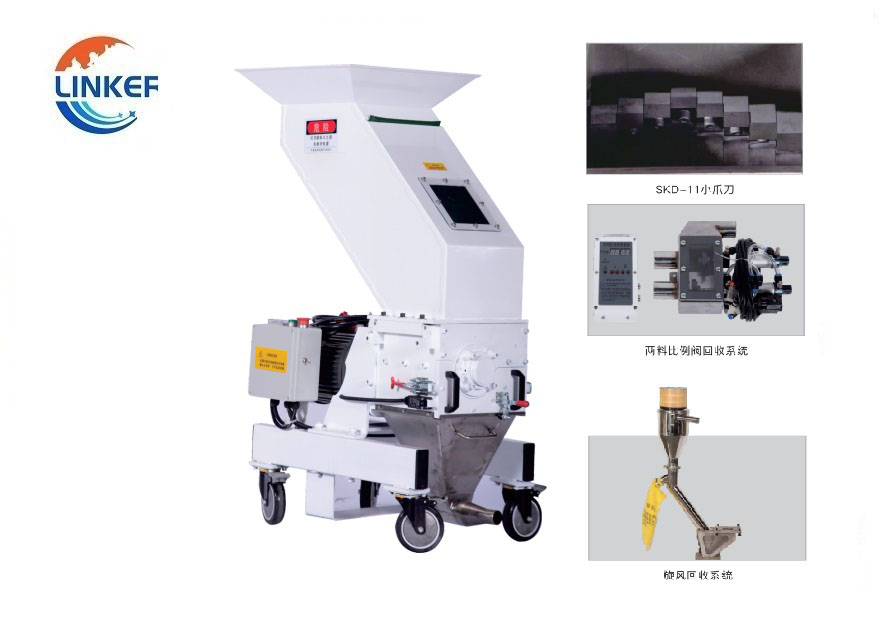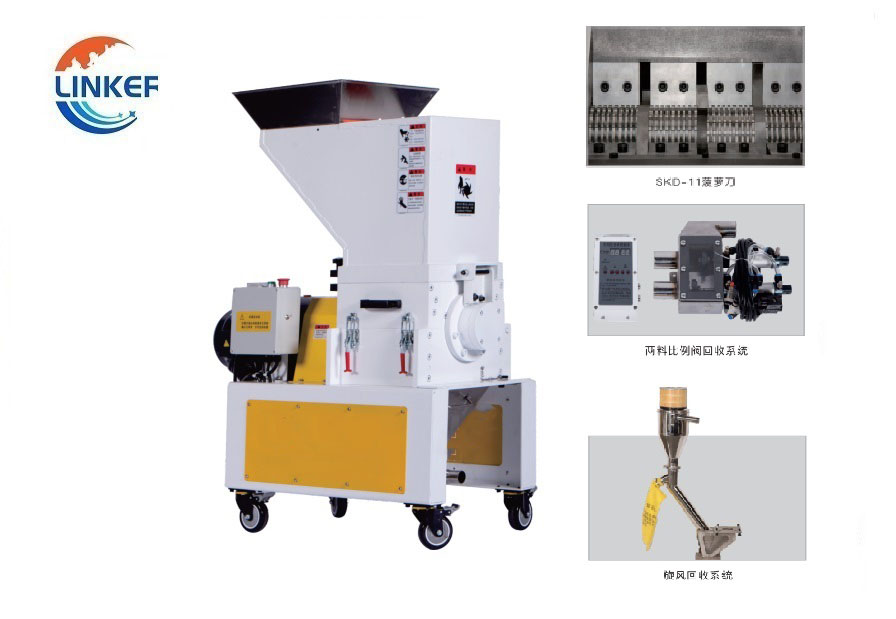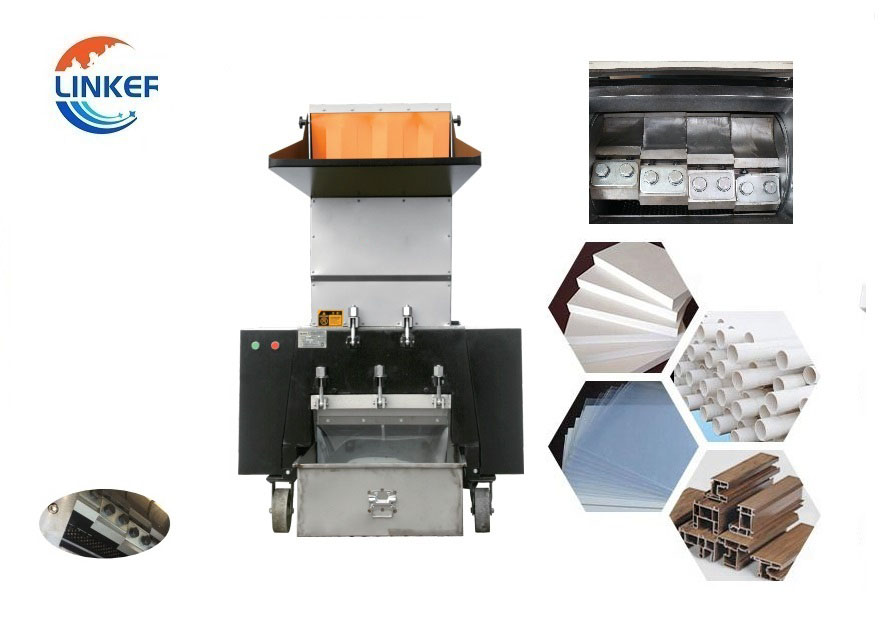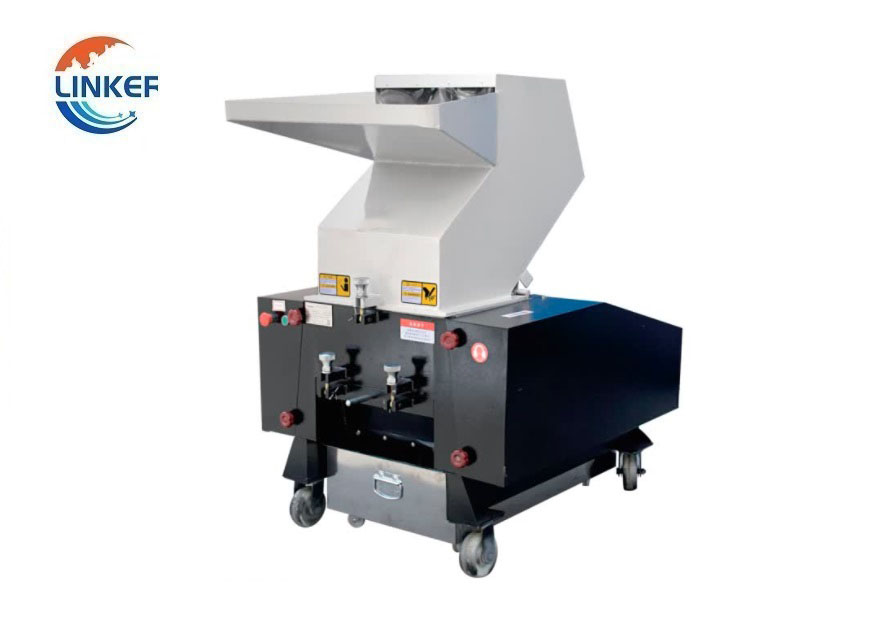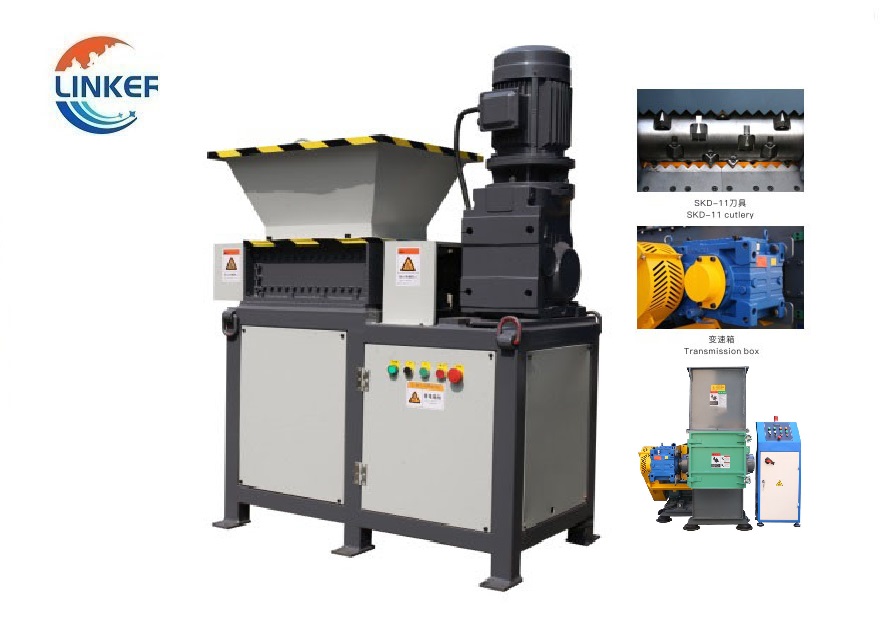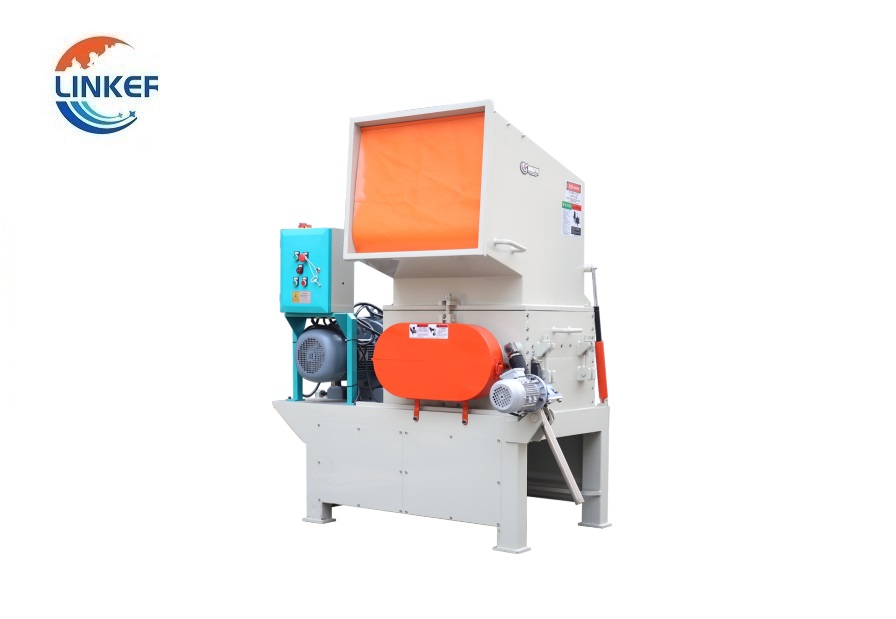
Zinc Grinding Machine
Zinc Grinding Machine
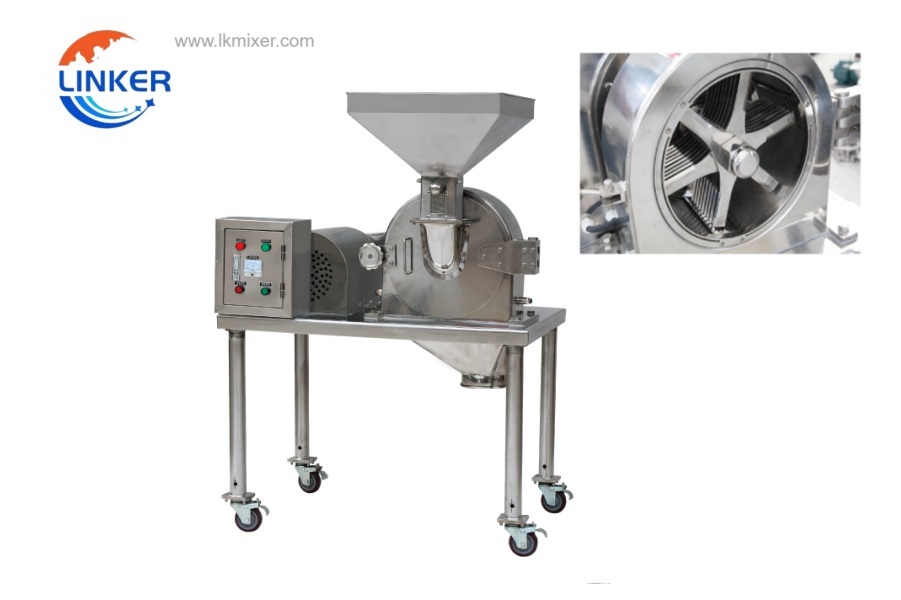
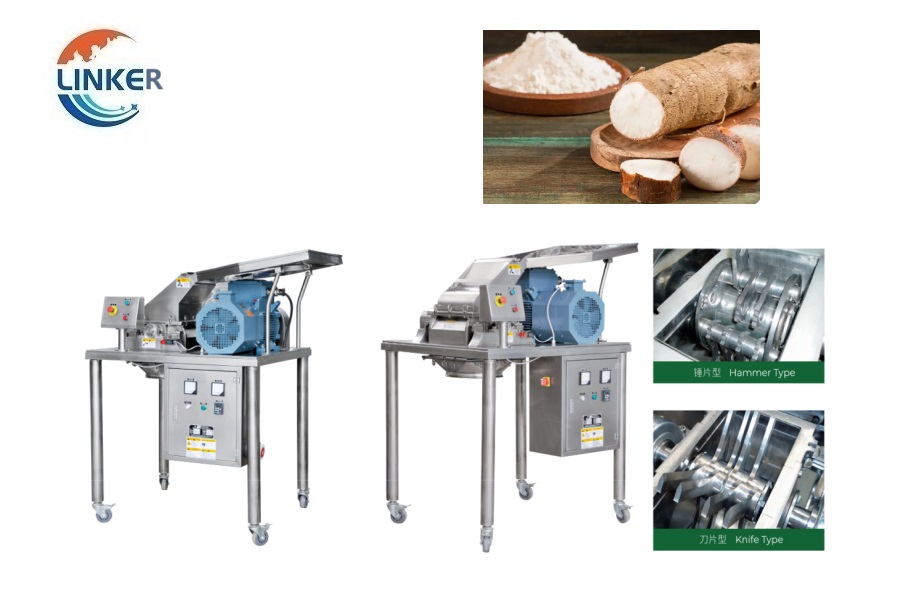
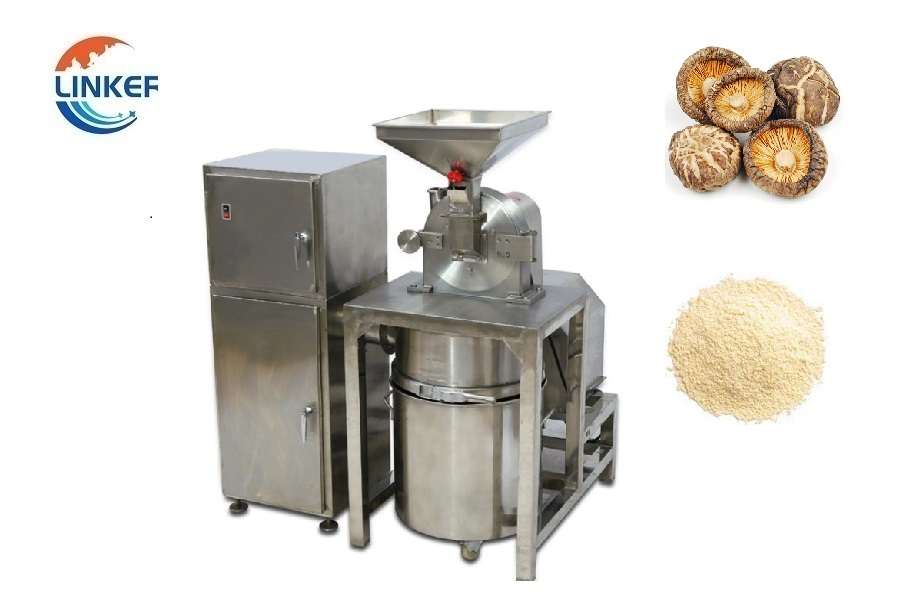
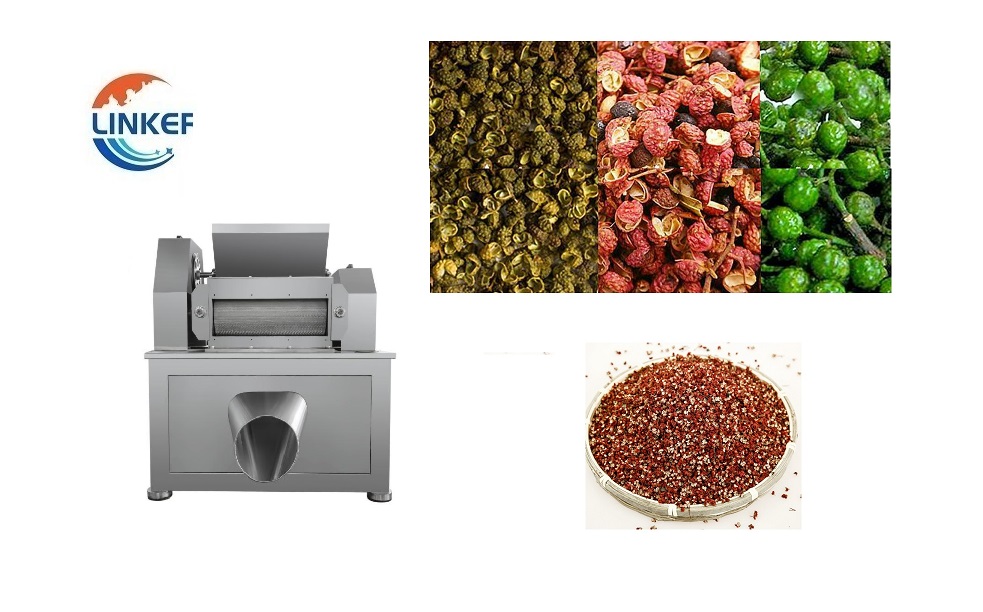
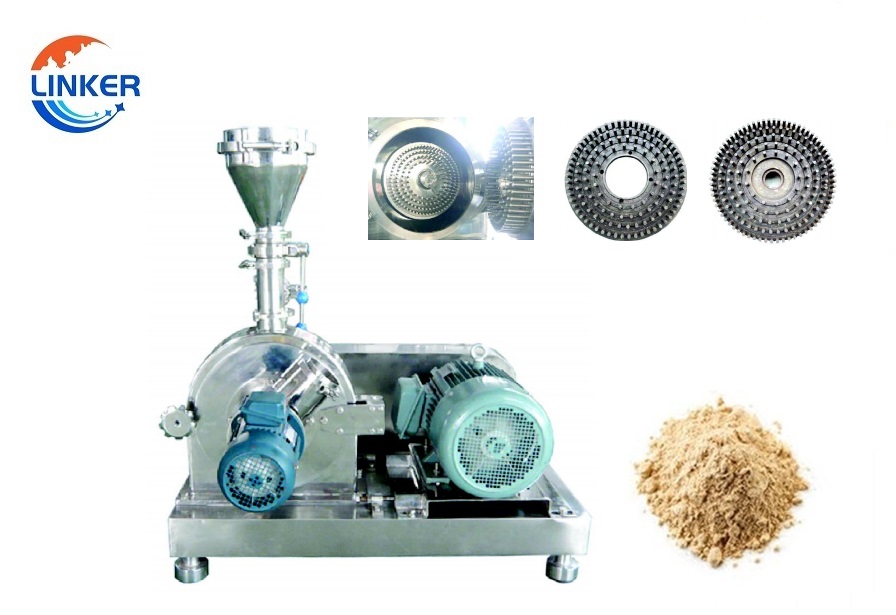
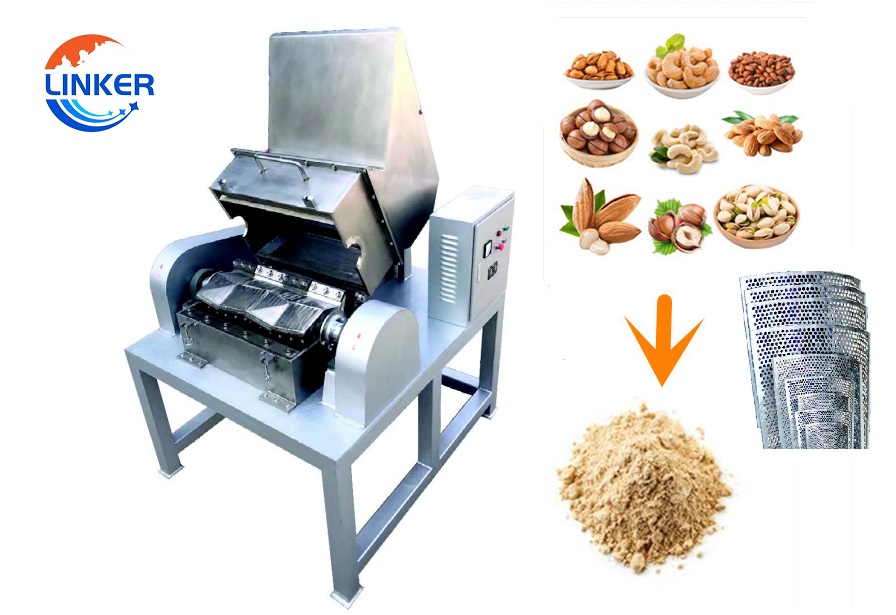
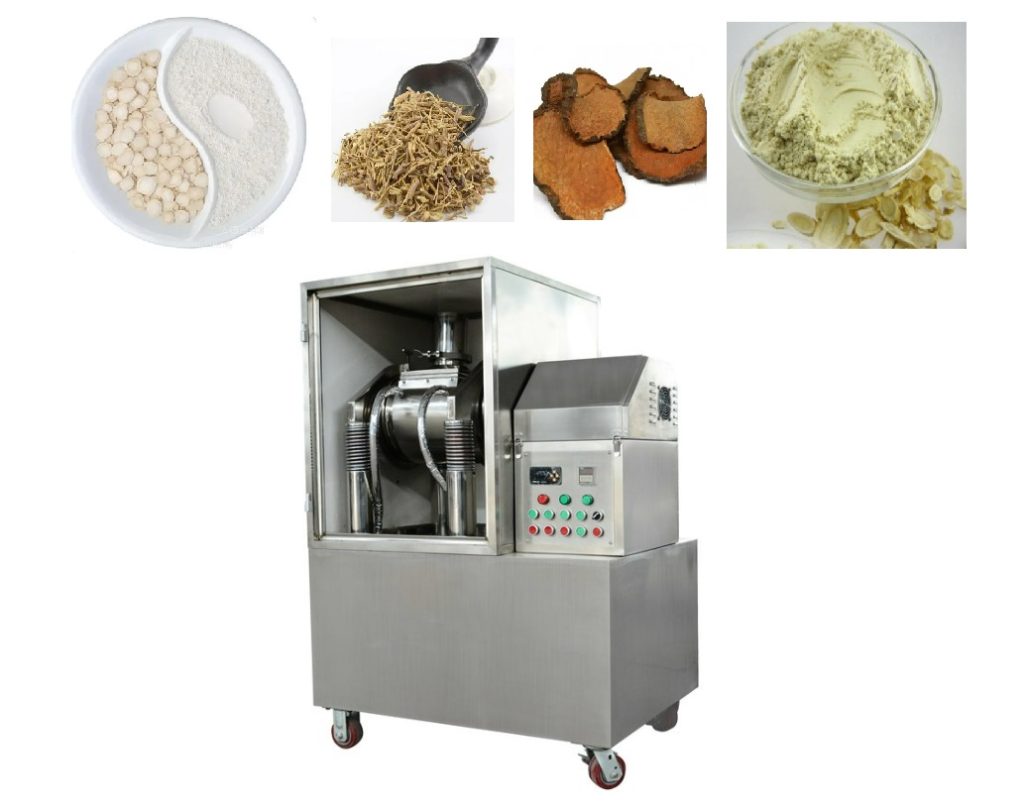
- Feeding granule size: <5mm;
- Powder Size: 20~40 mesh;
- Capacity: 1~4000kg/h(according to different modes and raw materials);
- Motor Power (KW): 11~15kw;
- FOB Unit Price: 1 unit $ 6,646~10,154. More than 5 units: $5,982~9,138. Video
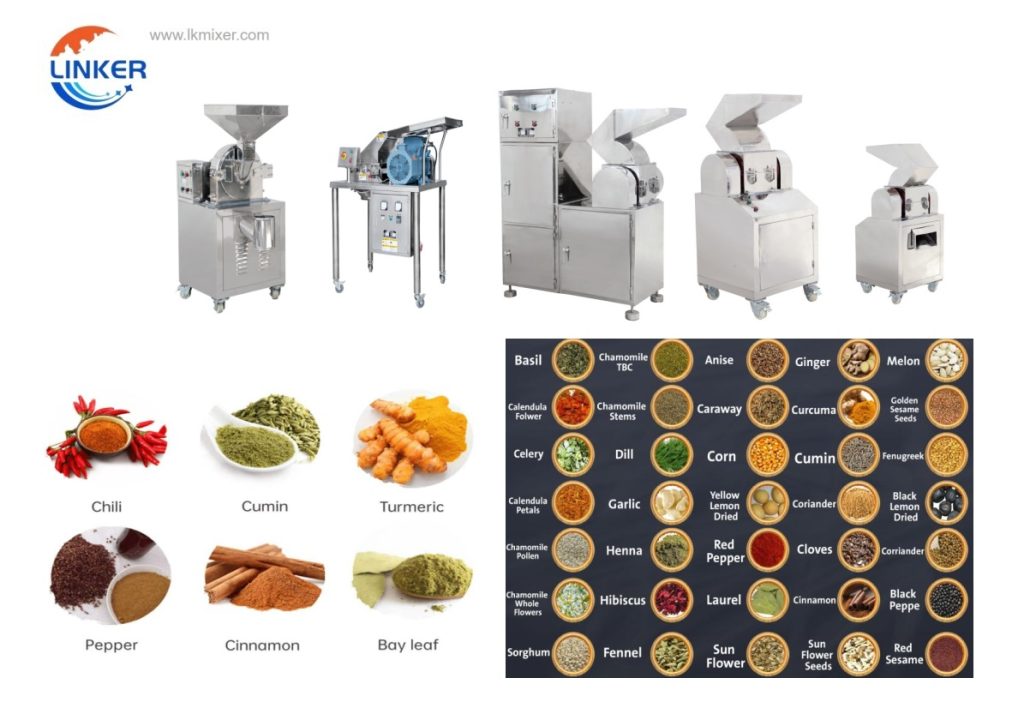
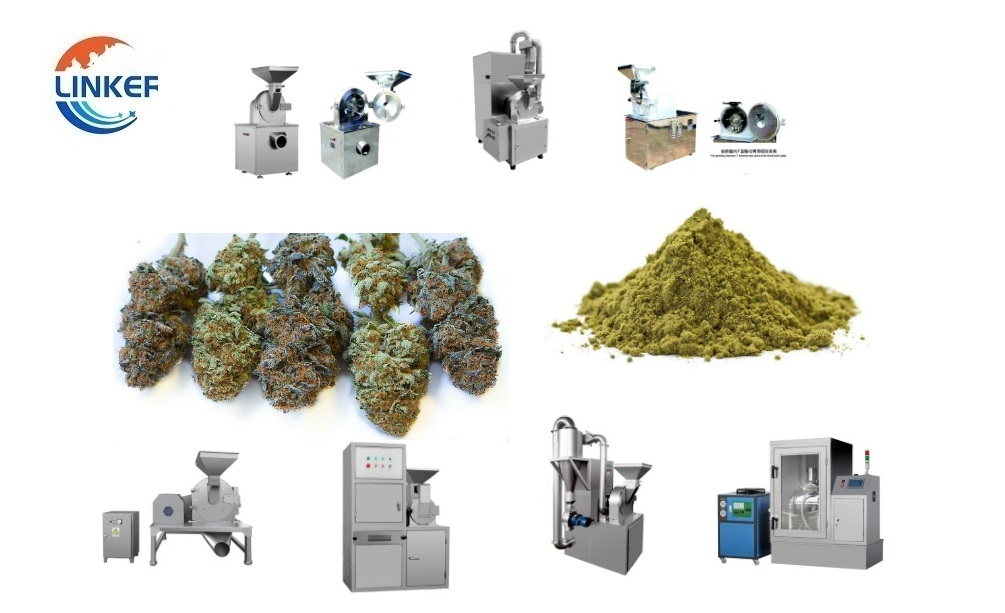
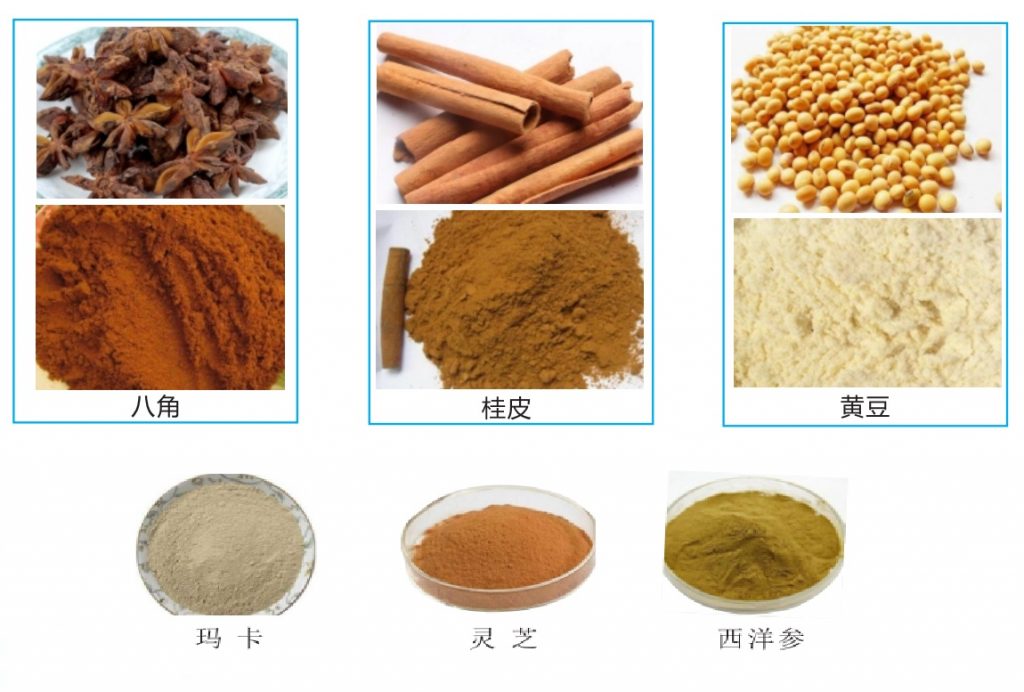
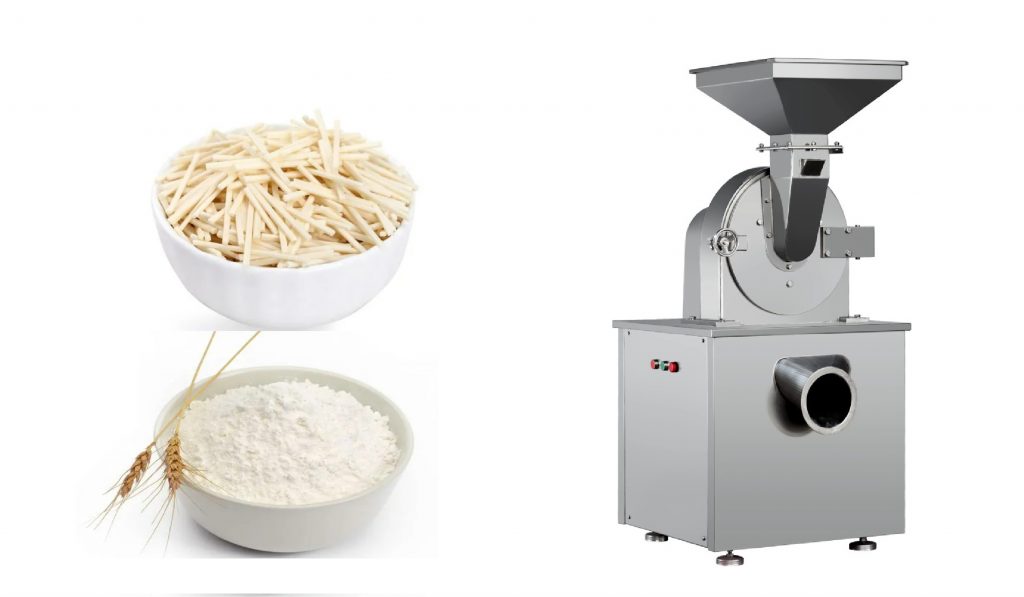
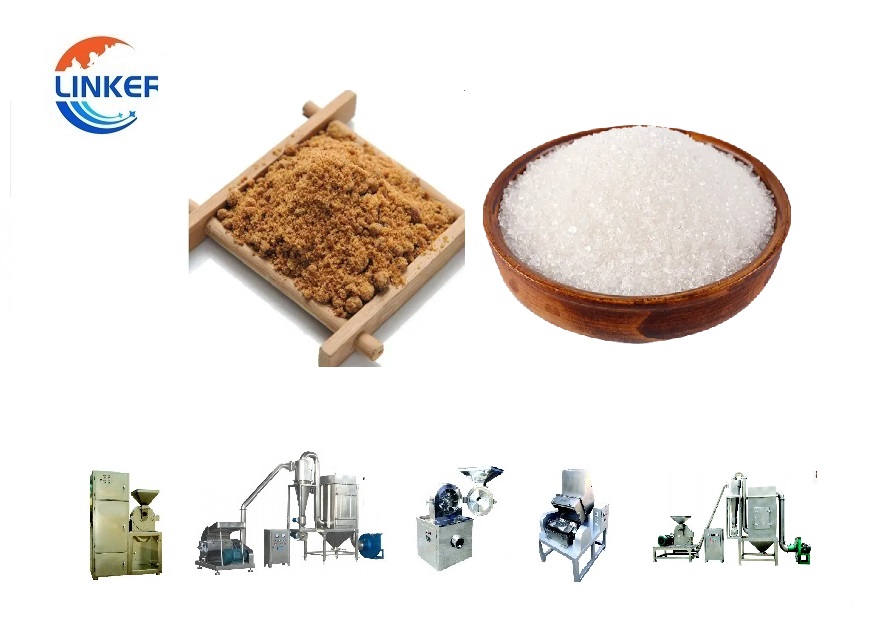
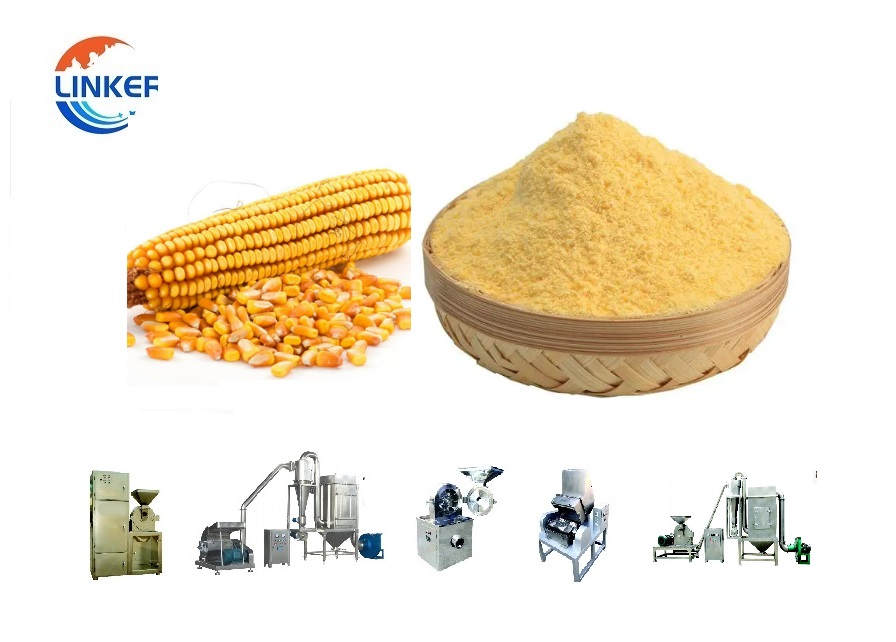
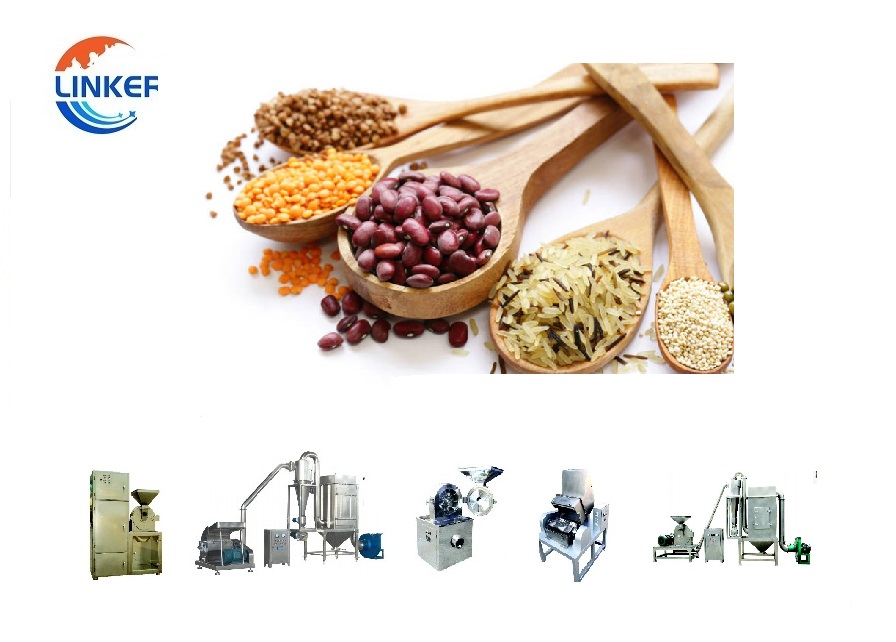
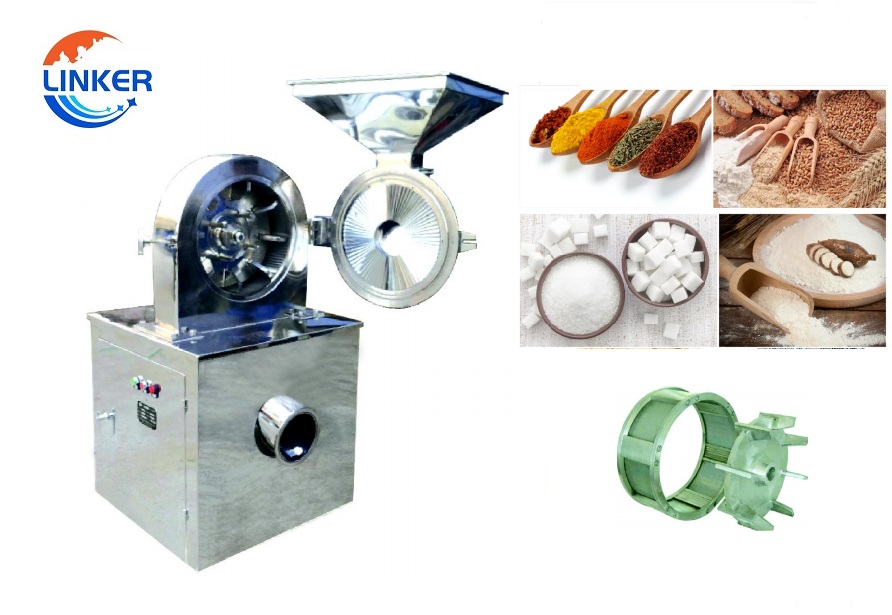
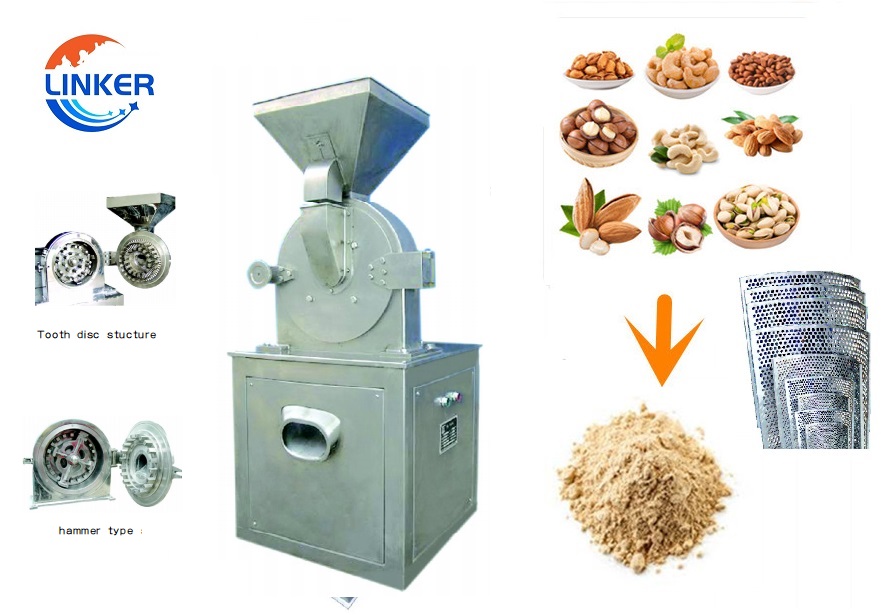
- Application: Medicine, potato, bean, rice, herb, pepper, grain, food, corn, Sugar
Industrial Cumin Seeds Grinder Youtube Video
Zinc Grinding Machine
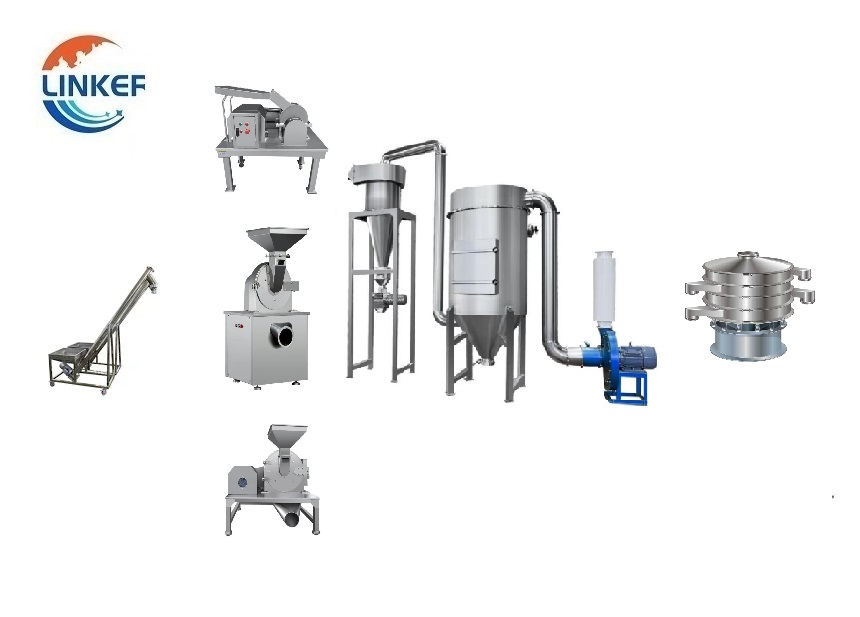
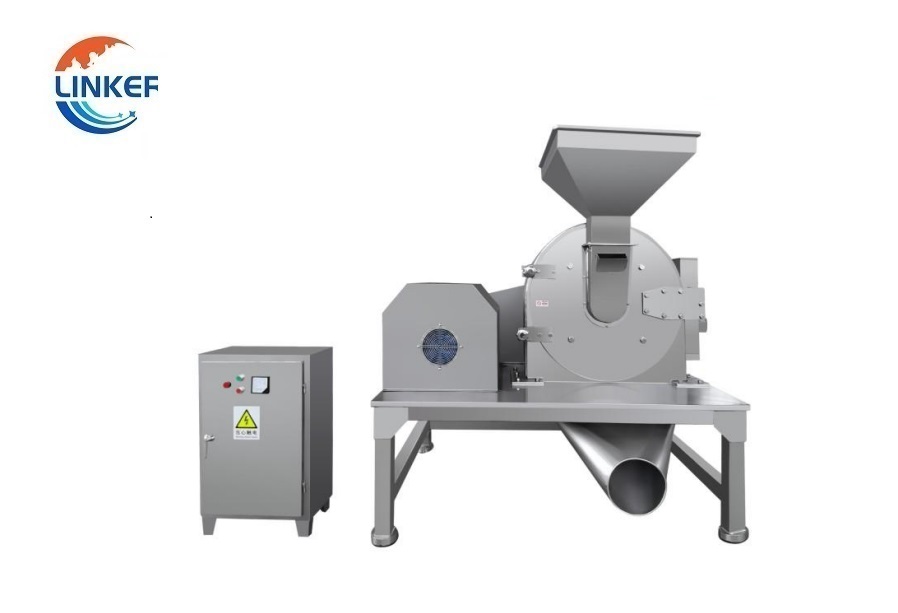
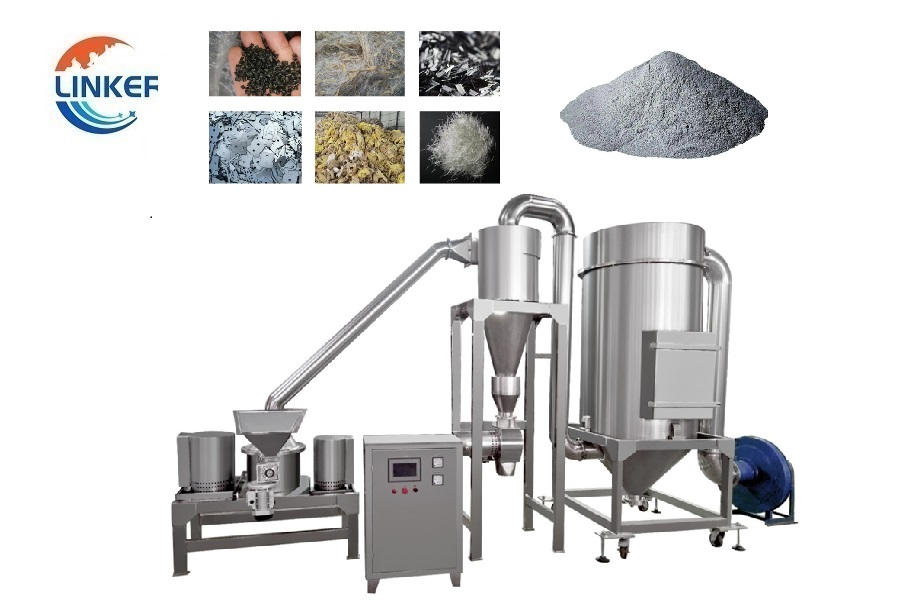
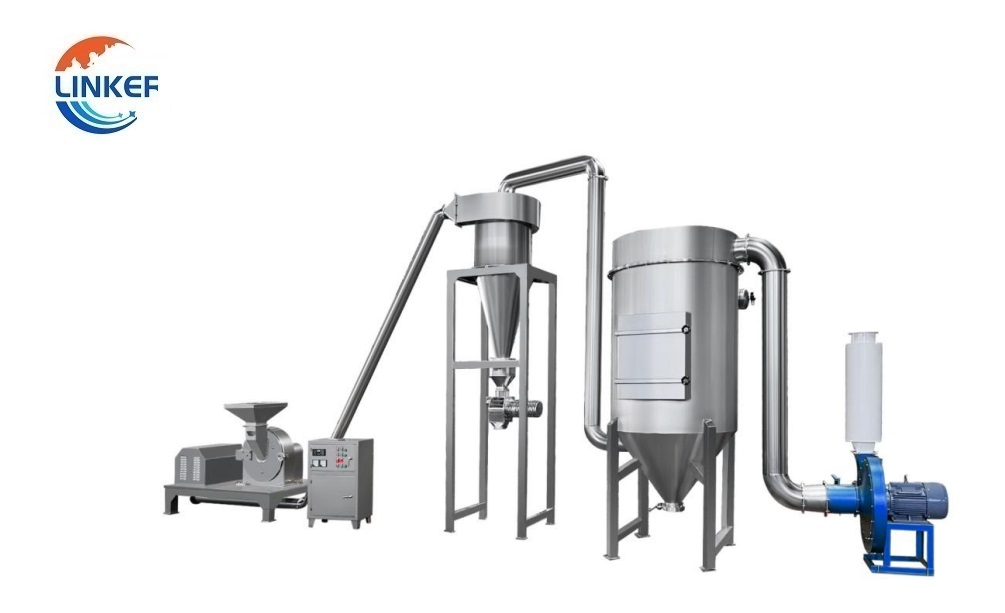
Zinc is used extensively in coatings, rubber, the chemical industry, metallurgy, battery materials, and dacromet coating, among other sectors. Zinc grinding machines are industrial devices specifically made to turn metal zinc blocks, zinc ingots, or recycled zinc materials into ultra-fine powder. Zinc powder has high technical requirements for equipment because of its strong reducibility, high hiding power, and good anti-rust performance. As a result, the grinding process must consider fineness control, oxidation prevention, and continuous production capacity. In contrast to standard herb grinders, black pepper grinders, or dry fruit powder grinders, zinc grinding machines are made specifically for the properties of the metal. They range in size from small laboratory grinders to huge industrial units like 500KG grinders.To satisfy industrial requirements, the majority of the parts that come into contact with materials are made of stainless steel or wear-resistant metal. To maximize production efficiency and operational safety, these parts can also be paired with machinery such an air-cooled crusher, dust collector grinder, and charger.
Fundamental Operations and Use Cases
The Zinc Grinding Machine can fulfill the processing requirements of many sectors thanks to its special core functions that are tailored to the properties of zinc powder. In contrast to common grinding tools like an industrial weed grinder and a cannabis grinder, it is more specialized than a general grinder and concentrates on addressing the issues of oxidation avoidance and fineness control during zinc grinding.
Capacity for Fine Grinding
The primary purpose of the zinc grinding machine is fine grinding, which directly affects the zinc powder’s quality and range of applications. It is capable of grinding zinc materials into 80–1000 meshes (D50: 3–45 μm), which is sufficient for the majority of industries, including rubber and coatings.
The production of nanoscale ultra-fine powder is supported by certain high-end models, which can satisfy the exacting specifications of electronic materials and high-end coatings. Its grinding precision is superior to that of vibrating pulverizers and ultrafine grinders, and in some cases, it is even on par with vacuum mills. This capacity for fine grinding is far more than that of a typical dry grinder or electric grinder.
Design to Prevent Oxidation
The zinc grinding machine’s anti-oxidation design is crucial since zinc powder easily oxidizes when ground at high speeds. It uses a closed grinding system that can successfully stop zinc powder from oxidizing during high-speed grinding when paired with water cooling technology or inert gas protection.
For the use of zinc powder in battery materials and premium coatings, this design guarantees the product’s purity and activity. When processing metal powder, its cooling and anti-oxidation effects are superior to those of a cryogenic grinding machine. Its closed structure also lessens dust overflow, making it more ecologically friendly than a dust grinder.
Dual-Material Flexibility
Despite its high multi-material adaptability, the zinc grinding machine is primarily used for processing zinc materials. It can efficiently grind these materials into acceptable powder and is appropriate for raw materials such zinc metal, zinc alloy, and zinc slag.
Additionally, certain equipment may be expanded to process explosive and flammable metal powders, such magnesium powder and aluminum powder, which have a high degree of adaptability. It can handle a variety of metal materials, and in certain situations, it can even grind small amounts of metal powder mixed with seeds or bone powder. In contrast, dry ginger and licorice grinding machines are only appropriate for processing herbs.
Dual-Material Flexibility
Despite its high multi-material adaptability, the zinc grinding machine is primarily used for processing zinc materials. It can efficiently grind these materials into acceptable powder and is appropriate for raw materials such zinc metal, zinc alloy, and zinc slag.
Additionally, certain equipment may be expanded to process explosive and flammable metal powders, such magnesium powder and aluminum powder, which have a high degree of adaptability. It can handle a variety of metal materials, and in certain situations, it can even grind small amounts of metal powder mixed with seeds or bone powder. In contrast, dry ginger and licorice grinding machines are only appropriate for processing herbs.
Capacity for Continuous Production
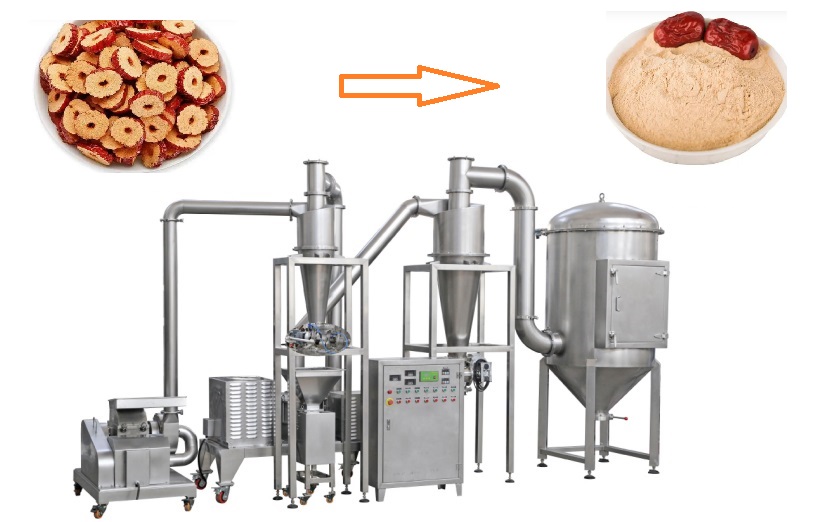
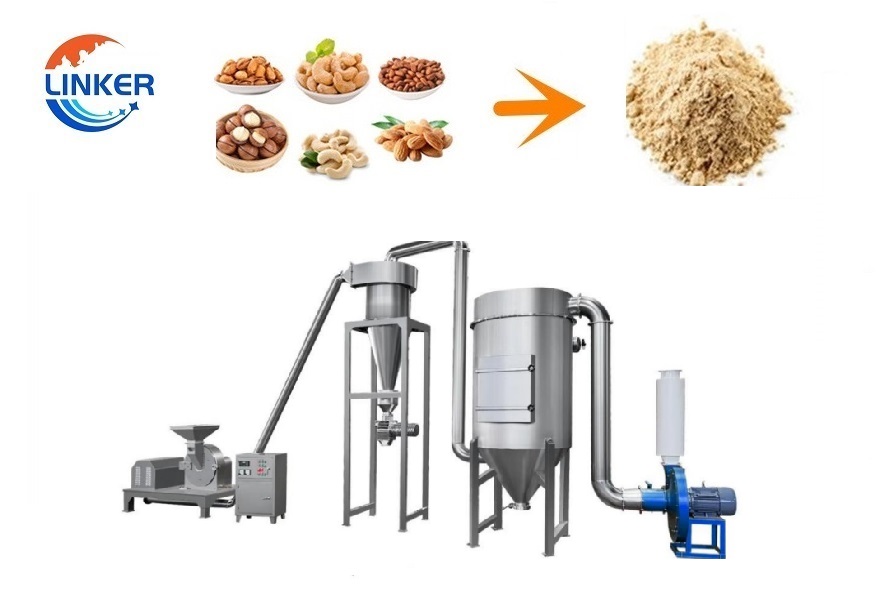
A full-process automation system of “feeding-grinding-classification-collection” is included into the majority of zinc grinding machines. This system allows for 24-hour continuous operation and is appropriate for medium and large production lines. Both labor expenses and production efficiency are significantly increased by this continuous production design.
High-power motors and reliable power supply systems are features of the big industrial versions, and some also have chargers to avoid production disruptions from power outages. In order to satisfy the demands of mass production of zinc powder in the chemical and metallurgical sectors, their output can be matched by a 500KG or 200KG grinder.
Key Types and Operational Guidelines
There are three primary types of zinc grinding machines, each with unique operating principles and features, based on the diverse processing needs of zinc powder and the demands of different industries. Although they all use high-speed grinding technology, their structures, grinding processes, and use cases vary.
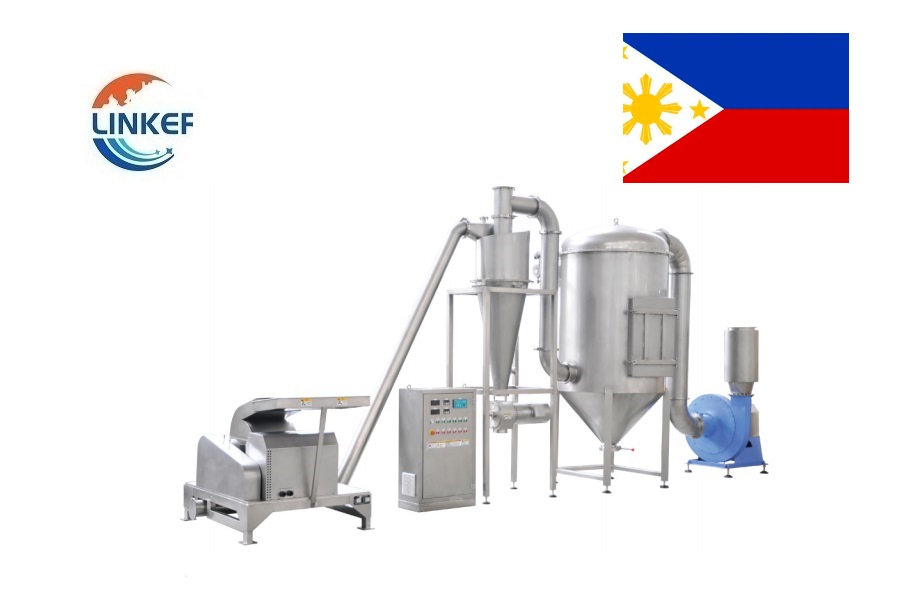
The Mainstream High-End Model of Airflow Pulverizer
This high-end, mainstream zinc grinding machine is used extensively to produce high-purity, nanoscale zinc powder. Its great product purity and lack of medium wear make it incomparable to other common grinding machines.
Principle of Operation
In order to produce ultra-fine grinding, it employs high-speed air flow to cause materials to smash at the nozzle intersection. Simultaneously, it has a high-precision eddy current classifier to precisely regulate the zinc powder particle size distribution, guaranteeing that the product’s fineness satisfies the necessary requirements.
Because the entire grinding process is conducted in a closed chamber and a high-pressure fan creates the high-speed air flow, zinc powder may be efficiently kept from oxidizing and being contaminated. Although it is mainly geared for the ultra-fine grinding of metal materials, its operation is comparable to that of a turbo grinder.
Benefits and Usefulness
The main benefits include low temperature operation, good product purity, narrow particle size distribution, and no medium wear. The product’s purity is guaranteed since there is no contact between the grinding medium, preventing the zinc powder from becoming contaminated.
It works well for producing high-purity and nano-zinc powder, which are used extensively in battery, electrical, and high-end coating materials. It is the recommended piece of machinery for producing premium zinc powder and satisfies industrial safety regulations and CE Certificate grinder qualification.
Impact grinder that is mechanical
This kind of zinc grinding machine is frequently used to produce medium-fine zinc powder in large quantities. Medium and small businesses choose it because of its compact design, low energy usage, and ease of maintenance.
Principle of Operation
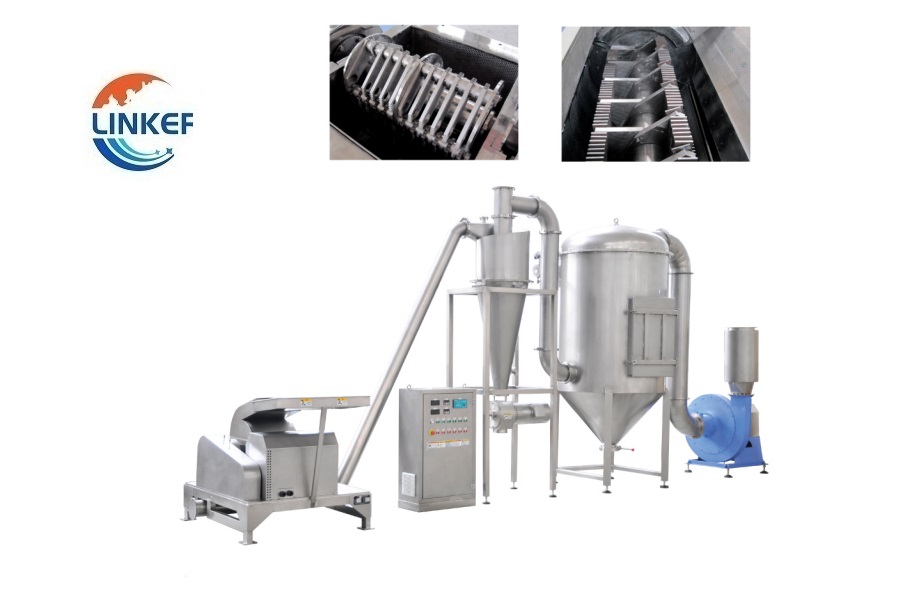
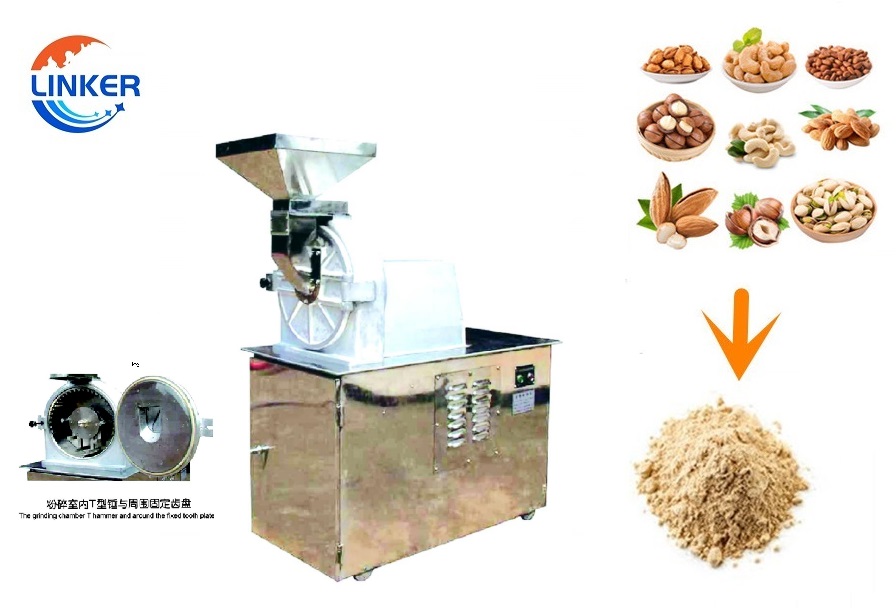
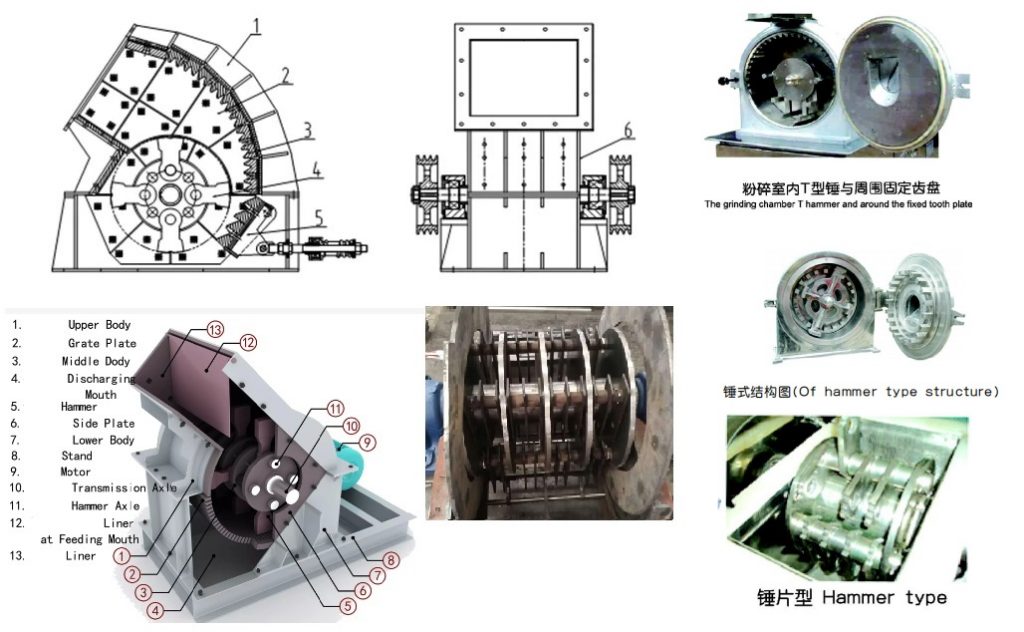
Through collision and shearing between the fixed gear ring and the fast revolving rotor, it grinds materials. The zinc material is hurled to the fixed gear ring at a high speed and crushed by repeated impact and shearing while the rotor revolves at a high speed powered by a high-power motor.
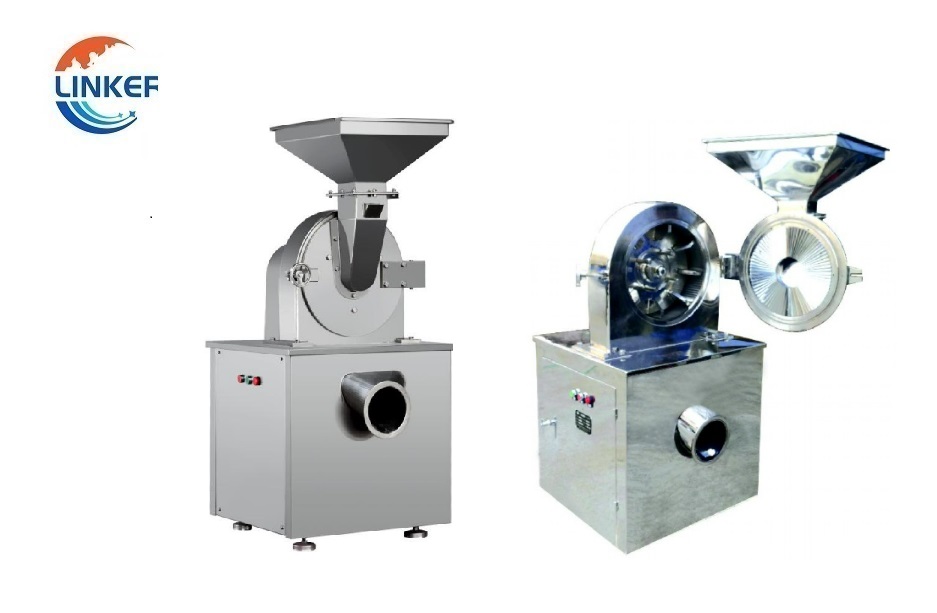
It has a frequency converter grading wheel that allows the fineness to be changed between 80 and 500 meshes and the zinc powder particle size to be adjusted to actual demands. It functions similarly to a hammer mill and cutting type grinder, but it is more resistant to wear.
Benefits and Standard Parameters
Compact structure, small floor space, low energy consumption, and easy maintenance are the key benefits. It uses less energy while maintaining the same output capacity as an air-cooled crusher and cassava grinding machine, and it’s easy to learn how to do it.
For the mass manufacture of medium-fineness zinc powder (80–500 meshes), the usual industrial model specifications are: the main shaft speed is 2900–3800 r/min, the motor power is 30–55 kW, and the processing capacity may reach tens to hundreds of kilos per hour.
(Special Process Model) Wet Ball Mill
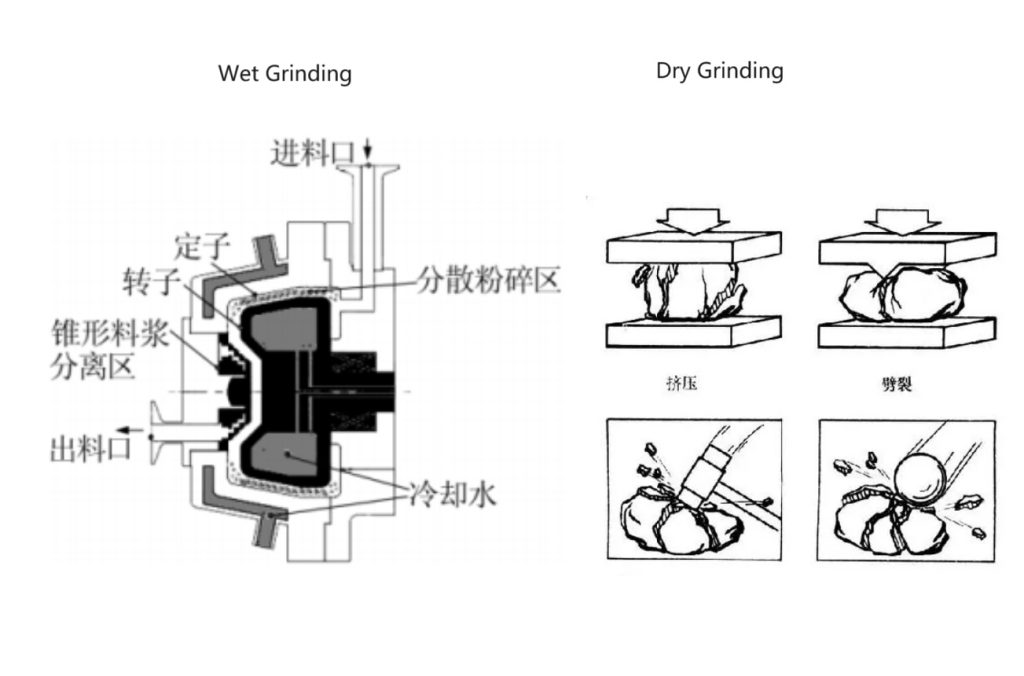
The primary purpose of this unique zinc grinding machine, which uses a wet grinding method, is to prepare flake zinc powder, which is frequently used in dacromet coatings. Compared to dry grinding devices like a Dry Fruit Powder Grinder Machine, its grinding process is much different.
Principle of Operation
It uses grinding aids and solvent oil to grind zinc materials. The zinc material is ground into flake powder by the mill’s grinding balls colliding and rubbing against one another. A closed chamber filled with solvent oil is used for the whole grinding operation, which effectively stops zinc powder from oxidizing.
In order to increase the oxidation resistance and dispersion of flake zinc powder and make it more appropriate for the creation of dacromet coatings, the procedure relies on working in tandem with vacuum filtering and surface modification treatment. Although it is more resistant to corrosion, its operation is comparable to that of a wet grinder used in the chemical and food sectors.
Qualities
The main feature is that the produced zinc powder is flaky, 0.1–0.6 μm thick, has good concealing power and great oxidation resistance, and is particularly well suited for dacromet coatings and premium anti-rust coatings.
The equipment has a long service life and is composed of corrosion-resistant stainless steel, which can withstand the corrosion of grinding aids and solvent oil. It has some adaptability and may also be used to mill other metal powders that are easily oxidized.
Reference to Key Performance Parameters
The grinding effect, production efficiency, and safety performance of a zinc grinding machine are all directly influenced by its performance parameters. Equipment selection must be based on actual production demands, which is the same as choosing an industrial weed grinder or cassava grinding machine based on material properties.
Fineness of Grinding
The Zinc Grinding Machine’s grinding fineness may be changed by changing the classifier or the air flow speed. The industrial-grade usual value is 80–1000 meshes (D50: 3–45μm). This is comparable to how a dust grinder and black pepper grinder manage fineness.
With an output particle size of 0.0001 mm, or 100 nanometers, the high-end versions can accomplish nano-scale grinding, making them appropriate for the manufacturing of premium electrical and battery materials. Because of its accuracy and flexibility, the fineness adjustment may be tailored to the specific requirements of different industries.
Feed Particle Size and Processing Capacity
Depending on the equipment model, the processing capacity might range from 1 to 500 kg/h. Large-scale industrial versions are appropriate for mass production, comparable to the output of a 500KG grinder; small-scale models are appropriate for laboratories and small workshops, like the output of a small grinder machine.
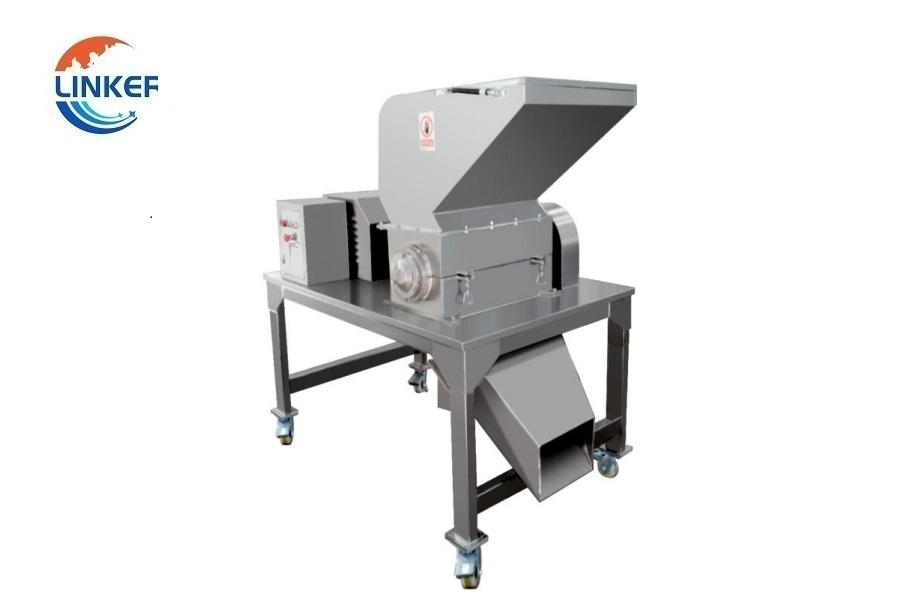
Large zinc blocks or ingots should be pre-crushed with a coarse crusher to increase grinding efficiency and prevent damage to the equipment’s grinding components, since the feed particle size is often needed to be ≤8 mm.
Working Mode and Motor Power
Industrial-grade zinc grinding machines typically have a motor power of 37–55 kW, which corresponds to their processing capacity and grinding fineness. In order to ensure effective grinding of zinc materials, the high-power motor may propel the grinding components to revolve at a high speed.
The completely automated and continuous operating mode allows for round-the-clock, continuous operation. The big versions include a charger and a reliable power supply system to guarantee steady operation. A PLC, which is easy to use and convenient, controls the operating process.
Cooling and Design to Prevent Explosions
In order to keep the temperature in the grinding cavity below 70°C and effectively stop zinc powder from oxidizing owing to high temperatures, the cooling mode uses a dual system of air cooling and water cooling. Compared to a single air cooling or water cooling device, such an air-cooled crusher, this cooling effect is superior.
It can satisfy the safety standards of processing combustible metal powder because of its explosion-proof design, which includes nitrogen protection and anti-static devices. The equipment’s ability to withstand explosions is crucial for its safe functioning, particularly in factories that produce chemicals and battery materials.
Standard Equipment List (No Company Names)
Zinc grinding machines come in a variety of variants that are appropriate for different user groups. These models vary in terms of performance, output, and cost. The following are standard product references that don’t include brand names and serve as a guide for choosing equipment.
Superior Quality Nano Zinc Powder Grinding Device
This type is an airflow pulverizer with a 0.0001 mm output particle size that facilitates nano-scale grinding. It boasts a powerful grinding capacity and good production efficiency because to its 55kW high-power motor.
It is widely utilized in the chemical, pharmaceutical, and metallurgical sectors and may be used to treat materials including metal, ceramics, and ore. With a closed construction and nitrogen protection design, it satisfies CE Certificate grinder qualification, guaranteeing production safety and product purity. To lessen dust pollution, it has a dust collection grinder installed.
Medium-Scale Machine for Grinding Zinc Powder
This model is a mechanical impact grinder that has a 0.0001 mm particle size output, a 37kW motor, and an 8000 RPM rotational speed. It is appropriate for medium-scale manufacturing because to its small size and low energy usage.
It allows for customizable processing and may be modified to meet customer demands for production capacity and raw material characteristics. It is widely used in the rubber and coating industries and is appropriate for treating a variety of materials, including metal, glass, and ceramics. It may be used by connecting it to an industrial power source and doesn’t require a specific charger.
Benefits of Equipment and Technological Developments
The need for zinc powder is growing because to the ongoing expansion of sectors like coatings, batteries, and metallurgy. The zinc grinding machine is also continuously evolving and developing, exhibiting strong technical trends and distinct benefits.
Intelligent Management
The majority of commonplace zinc grinding machines come with a PLC program control system that allows for parameter change, fault alerting, and remote monitoring. Through the control panel, operators may easily and conveniently change the feeding speed, grinding fineness, and other settings.
The intelligent control system is more intelligent than common grinding tools like an electric grinder and universal grinder, and it lowers operating complexity and error from human operation while improving product quality stability.
Conserving Energy and Preserving the Environment
By using full closed operation, the zinc grinding machine guarantees that dust emissions are within acceptable limits and safeguards both the operator’s health and the operational environment. By rapidly removing the heat produced during the grinding process, the big air volume fan may reduce energy usage by almost thirty percent.
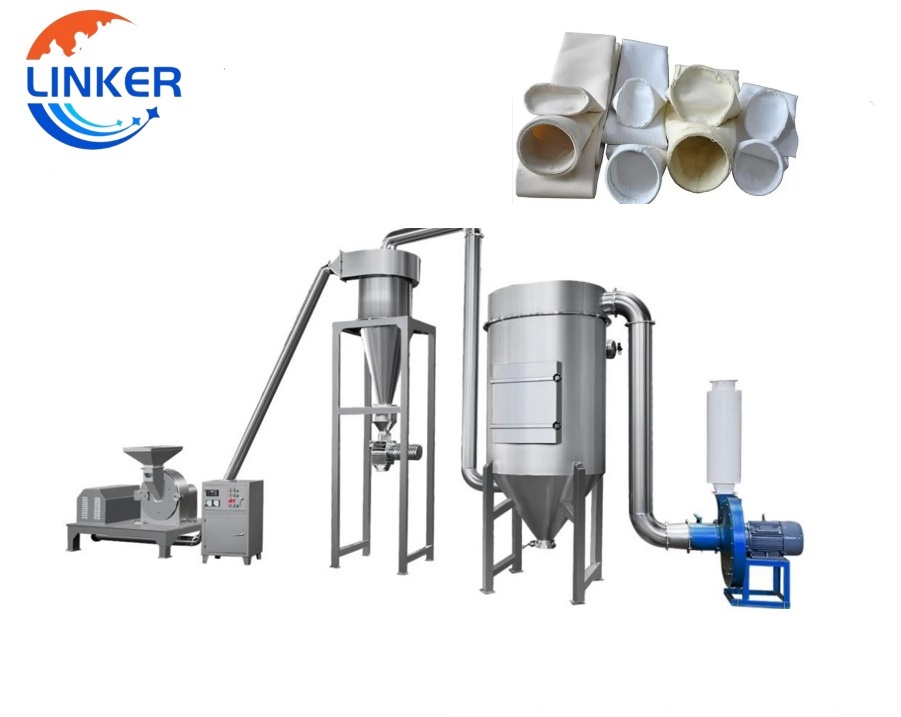
In accordance with the current environmental protection legislation, it offers clear energy-saving benefits over a typical hammer mill and coarse crusher. Additionally, the closed structure lessens the environmental pollution caused by zinc powder. It may be used in conjunction with a dust collector grinder to enhance the impact of environmental protection.
Design in Modules
Its modular design makes it easy to disassemble, reassemble, and clean while also making it easier to replace worn-out components. The relevant module may be dismantled independently when the equipment malfunctions or requires maintenance, which lowers maintenance expenses and time.
Additionally, the equipment’s modular architecture increases its flexibility. Different modules may be swapped out to achieve the grinding of various materials and fineness, which increases the equipment’s utilization rate and accommodates users’ varying processing demands.
Tailored Service
Non-standard modification is often supported by mainstream equipment manufacturers based on the raw material characteristics and production capacity requirements of customers. For instance, a wet ball mill may be modified for customers who must process flake zinc powder; a more sophisticated nitrogen protection system can be installed for users who have strict anti-oxidation needs.
Because of this tailored service, the zinc grinding machine is more suited to users’ real production demands and can better satisfy the unique needs of various industries for zinc powder. Customized equipment is available for both small-batch laboratory use and large-scale industrial production.
In a nutshell, a zinc grinding machine is a piece of expert industrial machinery made especially for processing zinc powder. It can successfully address issues with continuous production, fineness control, and oxidation prevention. It is possible to increase production efficiency, save costs, and guarantee product quality by choosing the right model based on actual demands. The equipment’s service life can be increased by routine maintenance, such as cleaning the inner cavity, inspecting the charger, and replacing worn-out components.
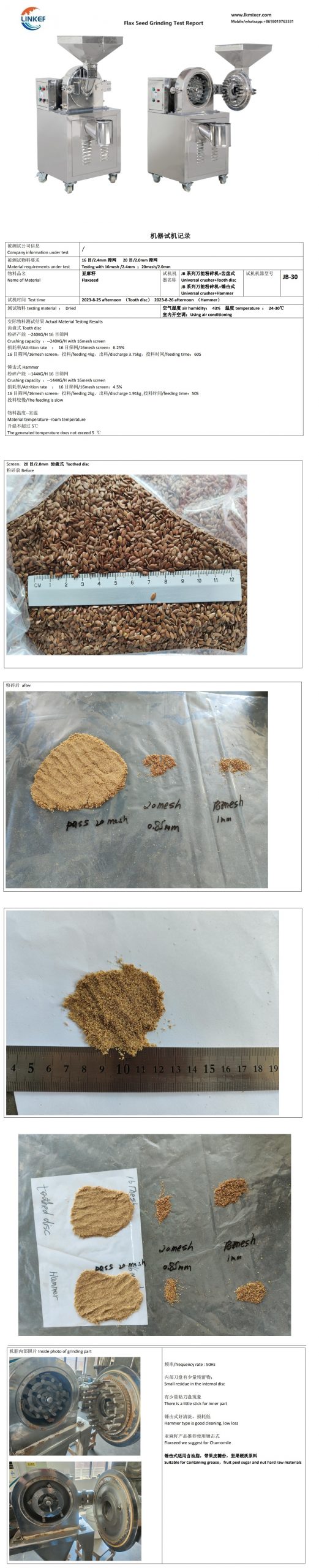
Test Report for Flax Seed Grinder:
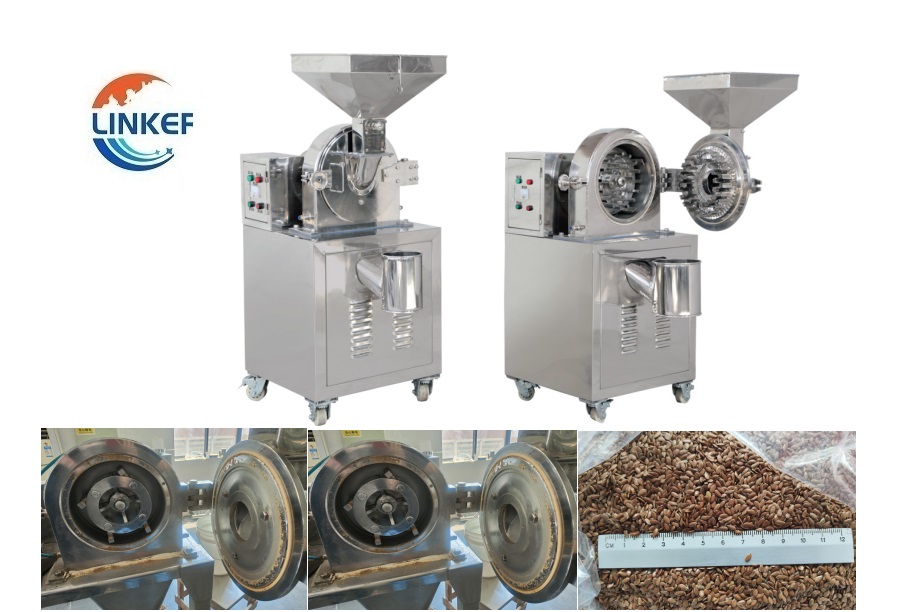
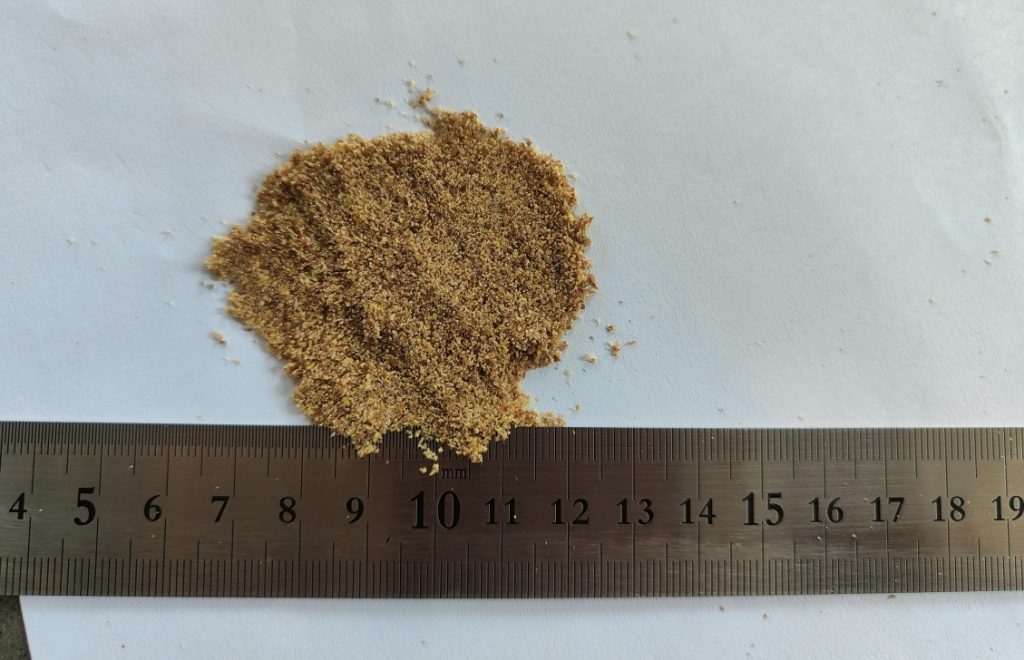
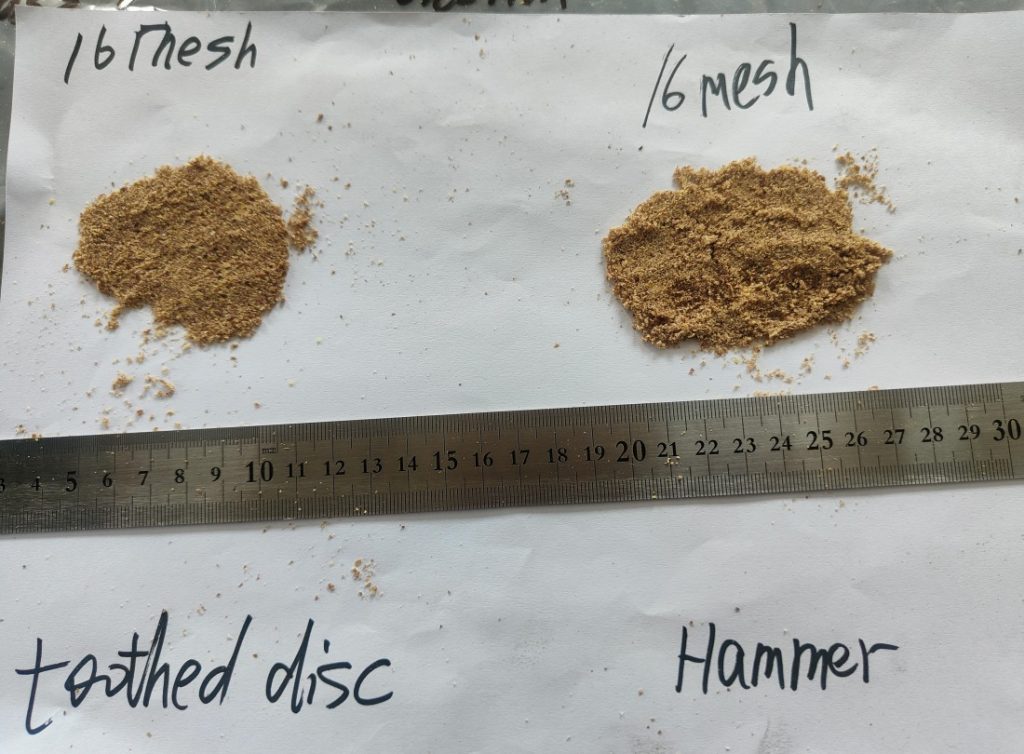
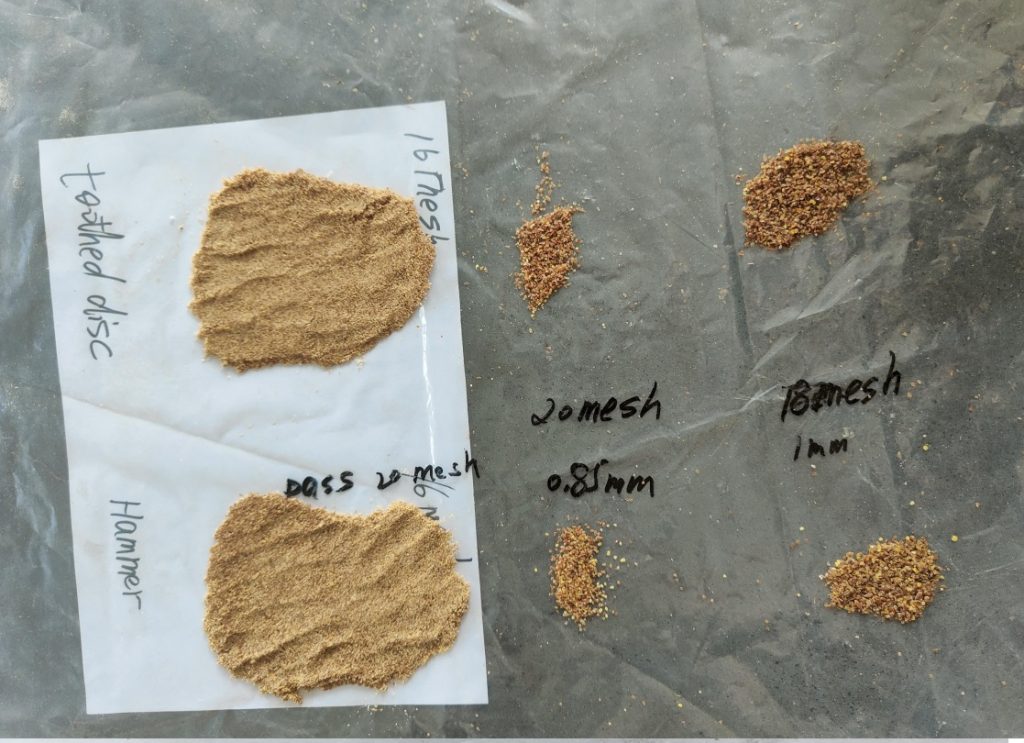
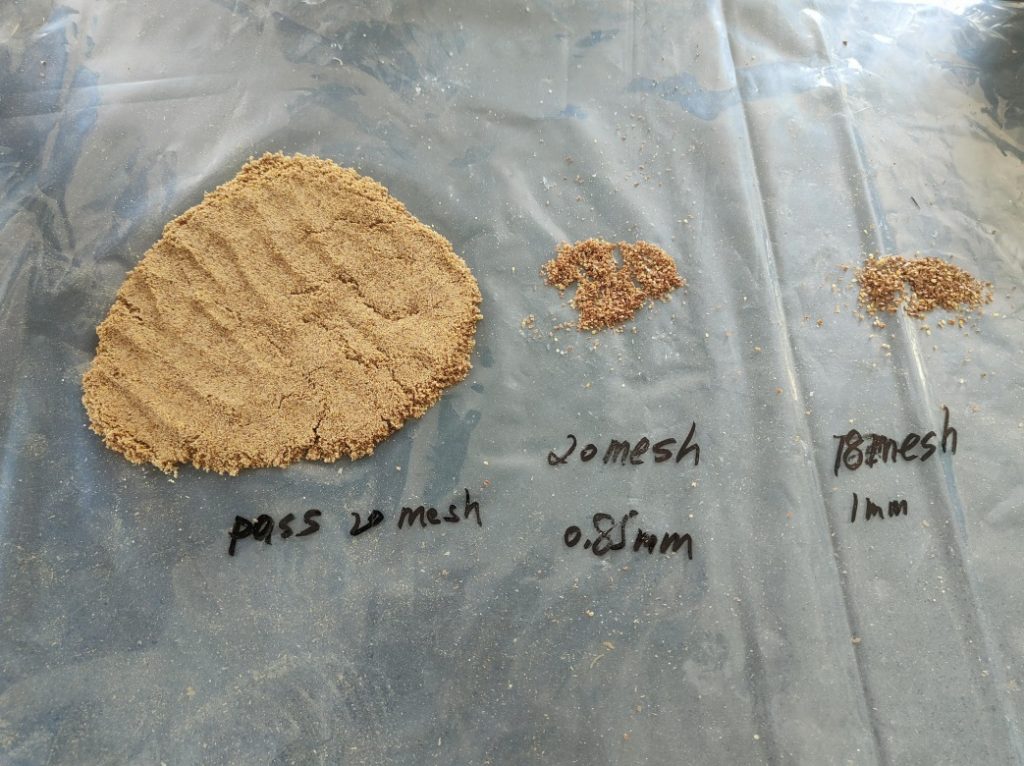
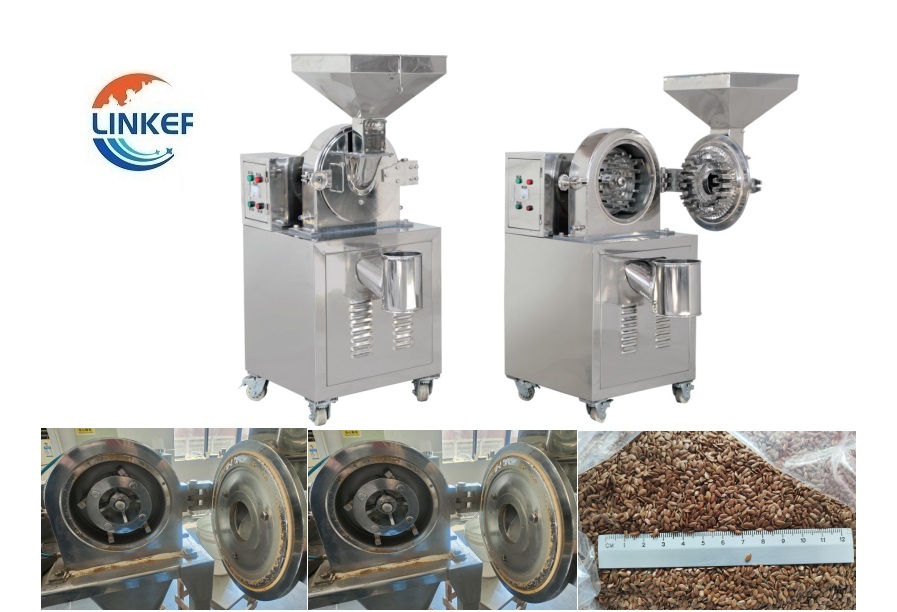
A flax seed grinder is a type of seed nut grinder specifically designed for grinding flax seeds. Flax seeds are small, hard seeds that are packed with nutrition and are commonly used in baking and cooking. Grinding flax seeds helps to unlock their nutrients and make them easier to digest.
Flax seed grinders typically feature sharp blades or burrs that rotate to crush the flax seeds into a fine powder. This powder can then be used in a variety of recipes, such as smoothies, baked goods, and yogurt toppings. Some flax seed grinders are manual and require hand-cranking, while others are electric and feature powerful motors for faster grinding.
When choosing a flax seed grinder, it’s important to look for one with durable blades or burrs that can withstand the hard texture of flax seeds.
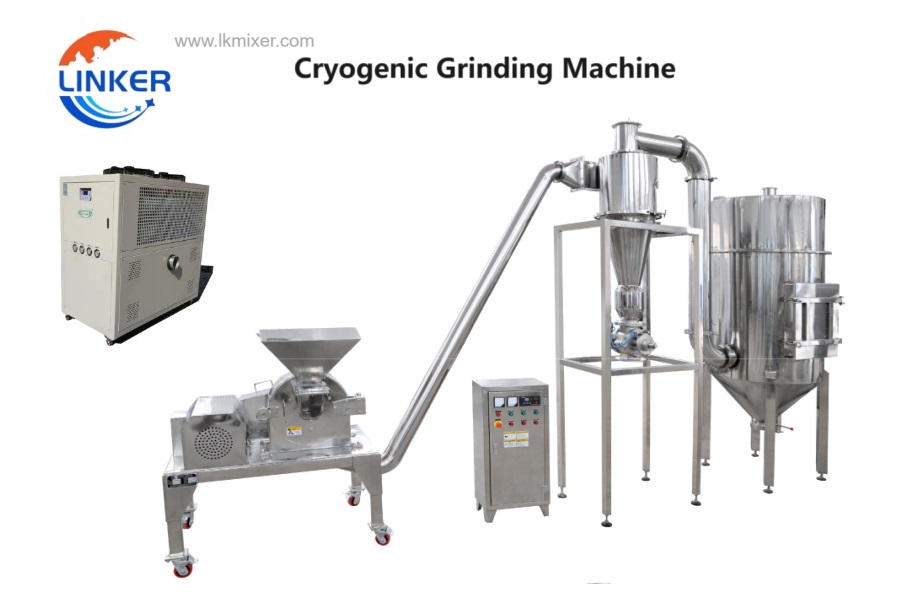
There are 3 ways of cooling down the grinder: water cooling system; air cooling system and liquid nitrogen freezing system. You can choose the right one if the grinder gets too hot. When machines goes too hot, the metal can expand, causing the grinding wheel to get stuck.
| 1 Unit Pirce(FOB USD) | 5 Units Wholesale Unit Price (FOB USD) | |
| SG-600 | 6646 | 5982 |
| SG-800 | 10154 | 9138 |

Feature:
Industrial seed grinders are specialized machines that are designed to grind seeds and other materials into a fine powder or paste. Here are some features that are commonly found in industrial seed grinders:
- High throughput: Industrial seed grinders are designed to process large volumes of seeds quickly and efficiently. They are often used in production environments where a high throughput is essential.
- Variable speed: Many industrial seed grinders have variable speed controls, which allow the operator to adjust the speed of the grinding mechanism. This feature is useful for achieving a consistent particle size and for processing different types of seeds.
- Customizable grinding plates: Some industrial seed grinders come with customizable grinding plates that can be swapped out to accommodate different types of seeds and produce different particle sizes.
- Easy to clean: Industrial seed grinders are designed to be easy to clean and maintain. They often feature removable grinding plates, hopper, and discharge chute that can be easily cleaned and sanitized.
- Heavy-duty construction: Industrial seed grinders are built to withstand heavy use and are constructed with durable materials such as stainless steel or hardened alloys. This ensures that the machine can withstand the rigors of daily use and last for many years.
- Versatility: Industrial seed grinders can often be used to process a variety of materials in addition to seeds, such as nuts, grains, and spices.
Overall, the features of an industrial seed grinder are designed to make the grinding process fast, efficient, and consistent, while also being easy to use and maintain.
Parameters:

Model Name | SG-600 | |
| Crushing Capacity(kg/h) | 1000~2000 | |
| Power(kw) | 11 | |
| Feeding Size(mm) | <5mm | |
| Fineness(mesh) | 20~40mesh |
Model Name | SG-800 | |
| Crushing Capacity(kg/h) | 2000~4000 | |
| Power(kw) | 15 | |
| Feeding Size(mm) | <5mm | |
| Fineness(mesh) | 20~40mesh |
Trade Capacity
| International Commercial Terms(Incoterms): | FOB, CIF, CFR | Terms of Payment: | LC, T/T, PayPal, Western Union |
| Average Lead Time | 60 working days | Main Markets | North America, South America, Europe, Southeast Asia/ Mideast, East Asia(Japan/ South Korea), Australia, Domestic |
| Nearest Port: | Ningbo Port; Shanghai Port | Factory Address: | JiangSu, China |
Ampere of Motors Customization for Seeds Grinder:
| KW | HP | Ampere |
| 75kw | 100HP | 135A |
| 55kw | 75HP | 99A |
| 30kw | 40HP | 54A |
| 22kw | 30HP | 39A |
| 2.2kw | 3HP | 3.9A |
| 1.5kw | 2HP | 2.7A |
| Business Type: | Manufacturer/Factory | Main Products: | Mill, grinder, granulator, mixer, Crushing Equipment |
| Number of Employees: | 100 | Year of Establishment: | 2014.05 |
| Production Capacity | 5000Set/Year | After-sales Service: | Technical Support; on-line teach lessons |
| R&D Capacity: | ODM, OEM | Annual Output Value: | US$5 Million – US$10 Million |
| No. of R&D Staff: | 5 | No. of Production Lines: | 6 |
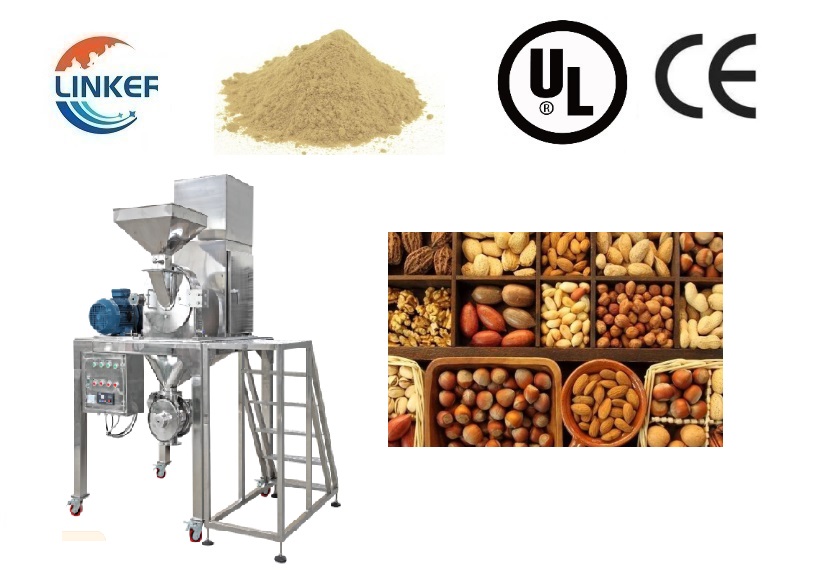
LK Mixer is a professional manufacturer for grinder, mixer and pulverizer. These machines are widely used in pharmaceutical, cosmetic, health care products and chemical industries. Our main product including granulating machine, grinder, mixer, dryer, etc. All mechanical products in accordance with the China GMP design requirements. And also we have other certifications such as CE, UL for motors.
Business Philosophy
“Quality is the main policy of sales” and “integrity is the principle of success” are the business philosophy of our people. We carry out one-year warranty, lifelong maintenance service, with technical consultation, with material test machine and other services, and long-term supply of equipment. Welcome new and old customers to negotiate cooperation!
Certifications:
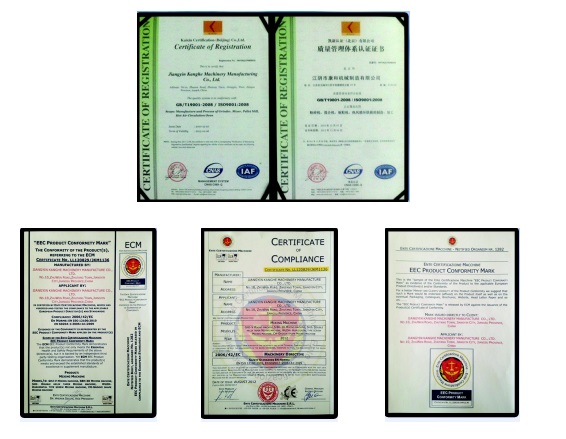
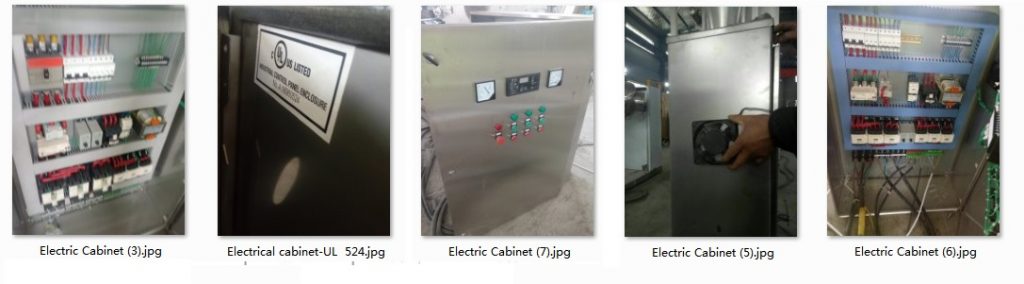
Electric Cabinet with UL Certification
Cyclone Processor and Motors:
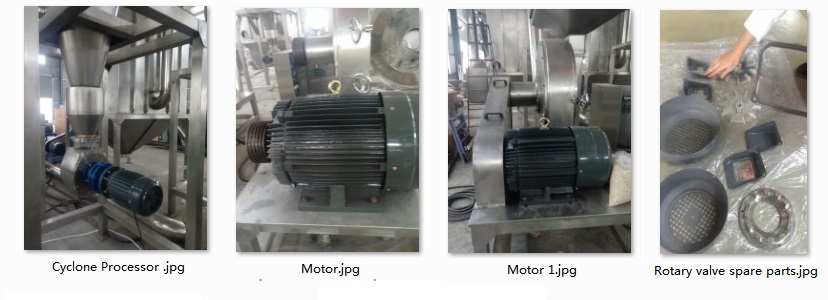
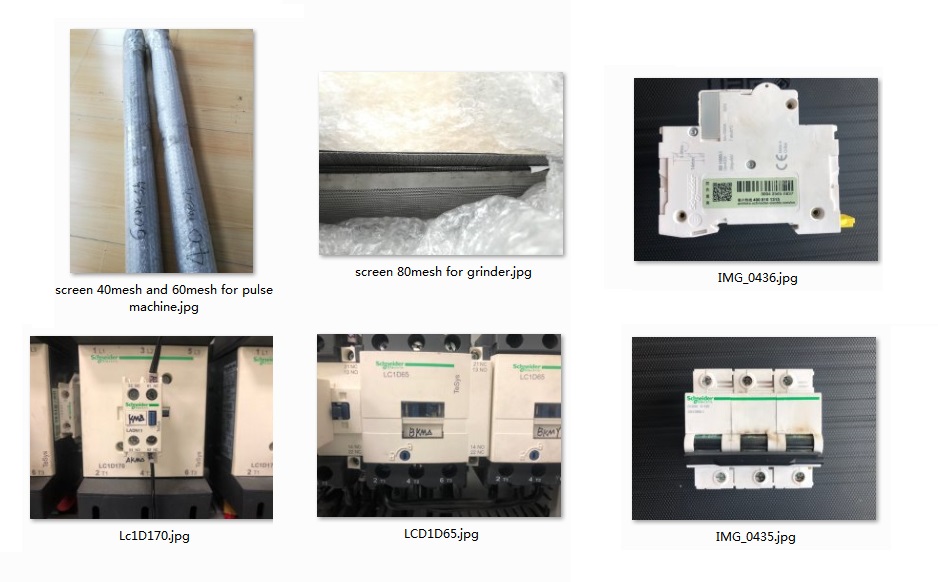
Spare Parts:
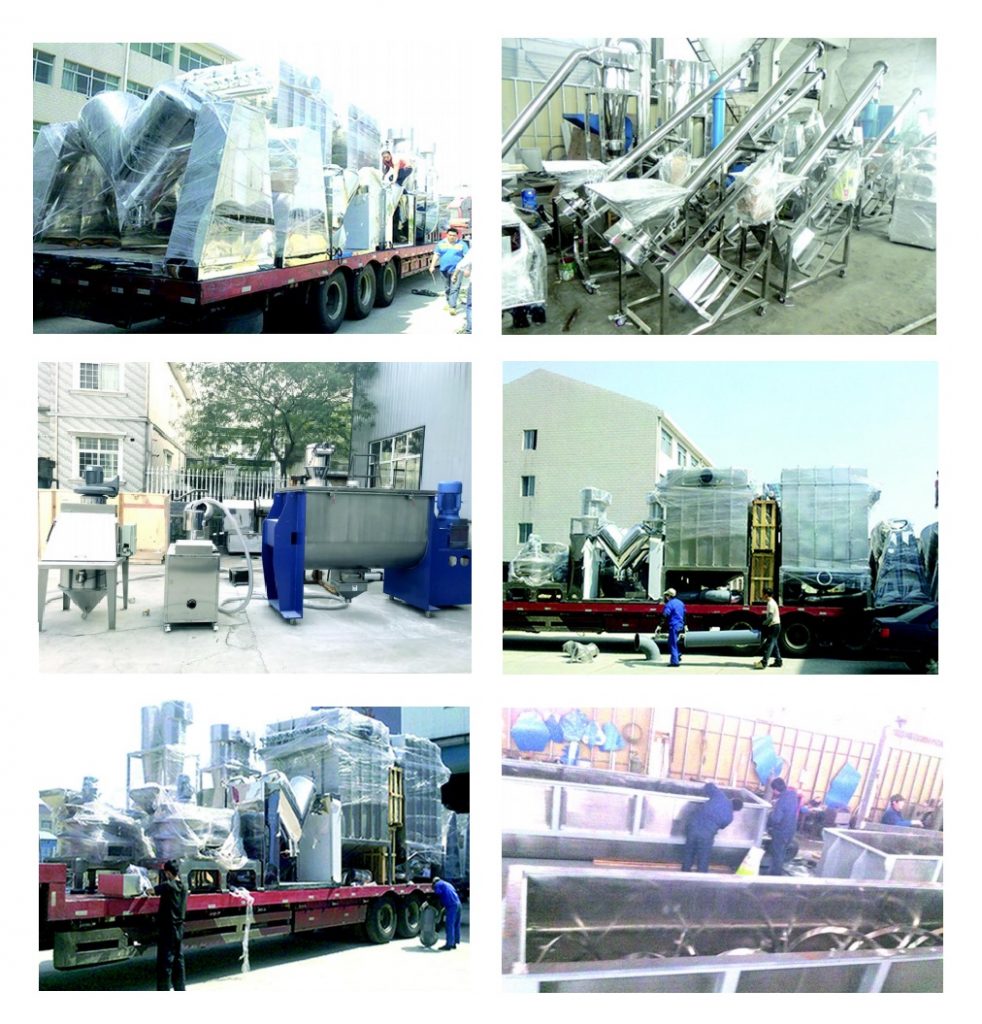
Customer Side Machine Groups Showcase Videos:
Dust Collector Shipment
Shipment – Packing Method
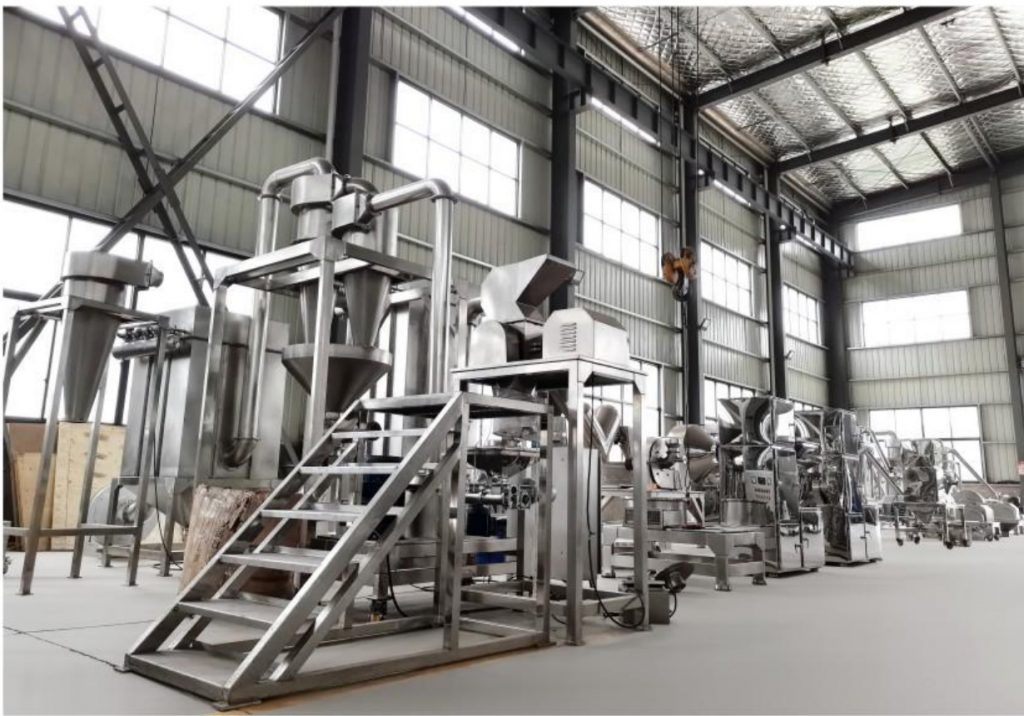
Two Large Industrial Grinder Ready to Ship
Domestic Shipment Show Case:
Operation Instruction
General Provisions
The operation instructions for a commercial grinder may vary depending on the specific model and manufacturer. However, here are some general guidelines that may apply to many high speed grinders:
- Safety precautions: Before operating the high speed grinder, it is important to review all safety precautions and warnings provided in the user manual. Safety precautions may include wearing appropriate personal protective equipment, such as eye protection and hearing protection, and avoiding loose clothing or jewelry that could become caught in the grinder.
- Preparation: The high speed grinder should be placed on a stable and level surface, and all necessary components should be assembled according to the manufacturer’s instructions. The grinder should also be connected to a power source that is appropriate for its voltage and wattage.
- Loading the grinder: The material to be ground should be loaded into the grinder according to the manufacturer’s instructions. Overloading the grinder may cause damage to the machine and result in poor grinding performance.
- Starting the grinder: The grinder should be started according to the manufacturer’s instructions. This may involve pressing a button, turning a dial, or flipping a switch. The user should ensure that their hands are clear of the grinder and that the material to be ground is positioned properly.
- Adjusting the speed and settings: The speed and other settings of the high speed grinder may be adjusted according to the material being ground and the desired outcome. The user should follow the manufacturer’s instructions for making adjustments to the grinder.
- Monitoring the grinding process: The user should monitor the grinding process to ensure that it is progressing smoothly and that the material is being ground to the desired size and consistency. Any issues or abnormalities should be addressed promptly to prevent damage to the machine.
- Shutting down the grinder: When the grinding process is complete, the grinder should be shut down according to the manufacturer’s instructions. The user should ensure that the machine is completely stopped and that all moving parts have come to a complete stop before attempting to clean or service the grinder.
Overall, the operation instructions for a commercial grinder may involve a number of steps and safety precautions. It is important to carefully review the manufacturer’s instructions and follow proper operating procedures to ensure safe and effective use of the machine.
Preparation Work
Before running a commercial grinder, there are several important preparation steps that should be taken to ensure safe and effective operation of the machine. Here are some general guidelines for preparing to run a high speed grinder:
- Read the user manual: The first step in preparing to run a high speed grinder is to carefully read the user manual provided by the manufacturer. The user manual will provide important information about the specific model of grinder being used, including its features, specifications, and safety precautions.
- Select the appropriate grinding wheel: The grinding wheel used in a high speed grinder should be selected based on the material being ground and the desired outcome. It is important to use the correct type of grinding wheel to prevent damage to the machine and ensure optimal grinding performance.
- Inspect the grinder: Before running the grinder, it is important to inspect it for any signs of damage or wear. The user should check for loose or missing components, cracks or other signs of damage to the machine’s housing or other parts, and any other issues that could affect the grinder’s operation.
- Install the grinding wheel: The grinding wheel should be installed according to the manufacturer’s instructions, making sure that it is securely fastened and aligned properly. The user should also check the wheel for any cracks or other signs of damage before installation.
- Secure the workpiece: The workpiece to be ground should be securely clamped or held in place before starting the grinder. This will help to ensure safe and effective operation and prevent the workpiece from becoming dislodged or damaged during grinding.
- Connect the power source: The high speed grinder should be connected to a power source that is appropriate for its voltage and wattage. It is important to use a properly grounded power source to ensure safe and reliable operation of the machine.
- Test run: Before beginning actual grinding operations, it may be useful to perform a test run to ensure that the grinder is functioning properly and that the grinding wheel is aligned and balanced properly. The user should follow the manufacturer’s instructions for performing a test run.
By following these preparation steps, users can ensure safe and effective operation of a high speed grinder and achieve optimal grinding results.
Treatment of inspection
Inspection of a commercial grinder is an important maintenance procedure that helps ensure safe and effective operation of the machine. Here are some general guidelines for inspecting a high speed grinder:
- Disconnect power source: Before performing any inspection or maintenance on a high speed grinder, the power source should be disconnected to prevent accidental startup.
- Check for wear and damage: The user should inspect the grinder for any signs of wear or damage, such as cracks in the housing, worn or damaged grinding wheels, or loose or missing parts. Any issues should be addressed promptly to prevent further damage to the machine.
- Check alignment and balance of grinding wheel: The grinding wheel should be inspected for proper alignment and balance, as these factors can affect the quality of the grinding operation. If the grinding wheel is not properly aligned or balanced, it should be adjusted or replaced as necessary.
- Check for proper lubrication: The high speed grinder should be inspected for proper lubrication, as inadequate lubrication can cause excessive wear and damage to the machine’s moving parts. The user should follow the manufacturer’s instructions for lubrication, and add lubricant as necessary.
- Inspect electrical components: The electrical components of the high speed grinder, including the wiring, switches, and control panel, should be inspected for any signs of wear, damage, or loose connections. Any issues should be addressed promptly to prevent electrical problems.
- Test run: After completing the inspection, it may be useful to perform a test run of the high speed grinder to ensure that it is functioning properly and that any issues have been addressed.
By following these inspection guidelines, users can help ensure safe and effective operation of a high speed grinder and minimize the risk of damage or injury during grinding operations.
Operation Attention
Running a commercial grinder can be a dangerous operation if proper precautions are not taken. Here are some general guidelines for safe operation of a high speed grinder:
- Personal protective equipment: The user should wear appropriate personal protective equipment, such as safety glasses, hearing protection, and gloves, to prevent injury from flying debris, noise, and contact with the grinding wheel.
- Secure workpiece: The workpiece being ground should be securely clamped or held in place to prevent it from becoming dislodged during grinding.
- Use proper grinding wheel: The user should select the appropriate grinding wheel for the material being ground and ensure that it is installed correctly and securely. The grinding wheel should be inspected for cracks or other damage before use.
- Adjust grinding wheel speed: The speed of the grinding wheel should be adjusted according to the manufacturer’s instructions to ensure optimal grinding performance and prevent damage to the machine or workpiece.
- Avoid excessive pressure: The user should avoid applying excessive pressure to the grinding wheel, as this can cause the wheel to overheat and wear out more quickly.
- Avoid overheating: The high speed grinder should not be operated continuously for extended periods of time, as this can cause overheating and damage to the machine.
- Monitor grinding operation: The user should closely monitor the grinding operation to ensure that the workpiece is being ground properly and that the grinding wheel is functioning correctly.
- Disconnect power source: After completing grinding operations, the power source should be disconnected to prevent accidental startup.
By following these guidelines, users can operate a high speed grinder safely and effectively, and achieve optimal grinding results. It is important to follow the manufacturer’s instructions and all applicable safety regulations when operating any type of machinery.
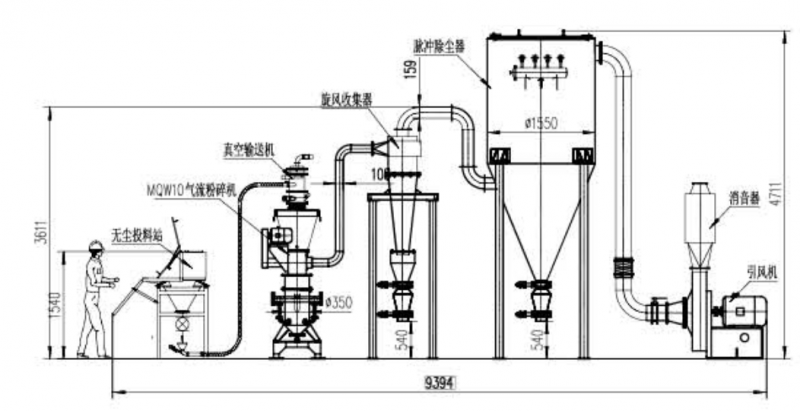
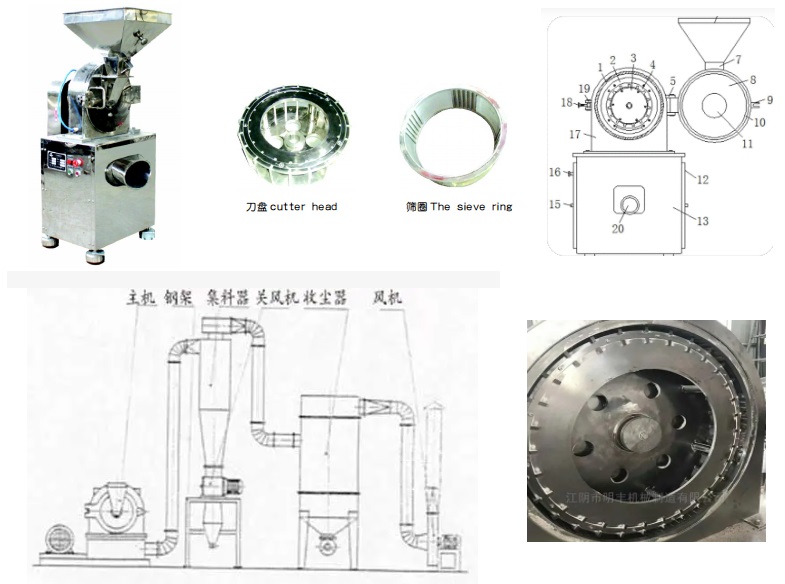
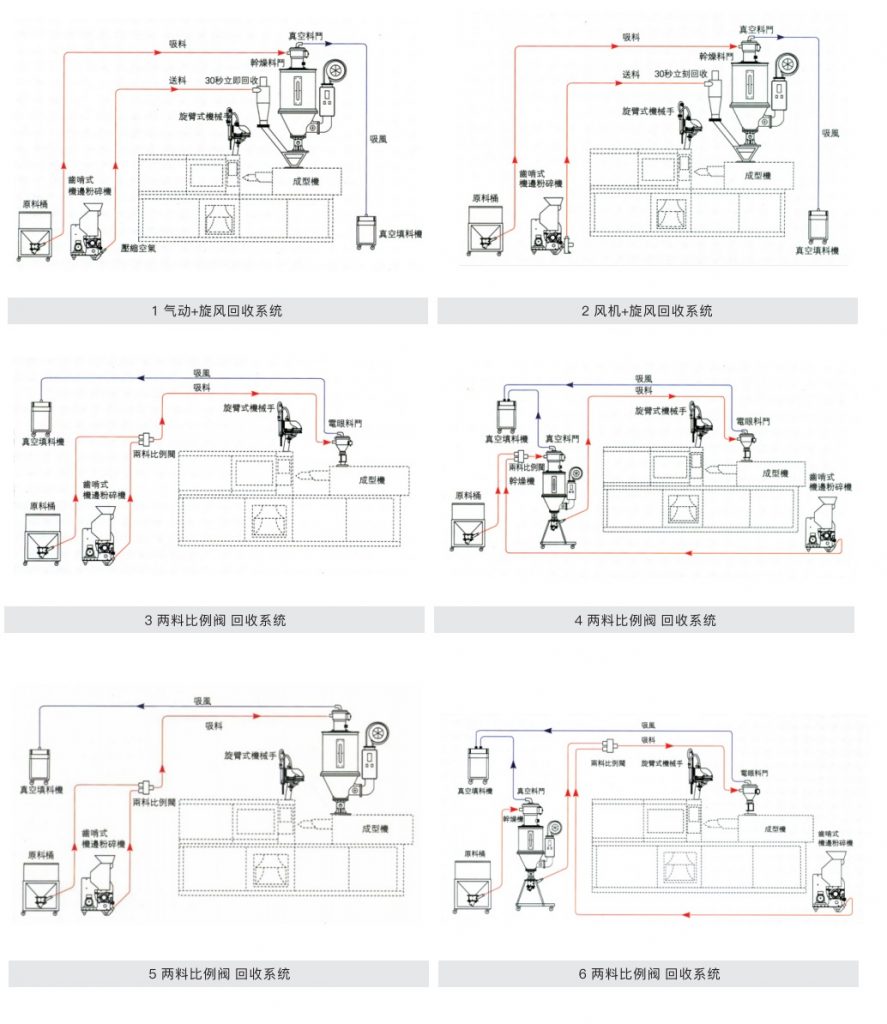
Installation Layout:
Applications of Industrial Seed Grinder
Industrial seed grinders are used in a variety of applications across many industries. Here are some of the most common applications of industrial seed grinders:
- Food industry: Industrial seed grinders are used extensively in the food industry to grind seeds, nuts, and spices into fine powders or pastes. These powders and pastes are then used in a variety of products such as sauces, seasonings, and spreads.
- Pharmaceutical industry: In the pharmaceutical industry, industrial seed grinders are used to grind plant material into a fine powder, which is then used to make medicines and supplements.
- Cosmetics industry: Industrial seed grinders are also used in the cosmetics industry to grind plant material into a fine powder or paste, which is then used in products such as face masks, scrubs, and exfoliants.
- Agricultural industry: Industrial seed grinders are used in the agricultural industry to process seeds, such as soybeans, into animal feed.
- Chemical industry: In the chemical industry, industrial seed grinders are used to grind materials such as resins, pigments, and dyes into a fine powder.
- Renewable energy industry: Industrial seed grinders are also used in the renewable energy industry to process biomass into a fine powder, which is then burned to generate electricity.
Overall, industrial seed grinders are versatile machines that are used in many different industries for a variety of applications. They are essential for processing plant material into fine powders and pastes that can be used in many different products.
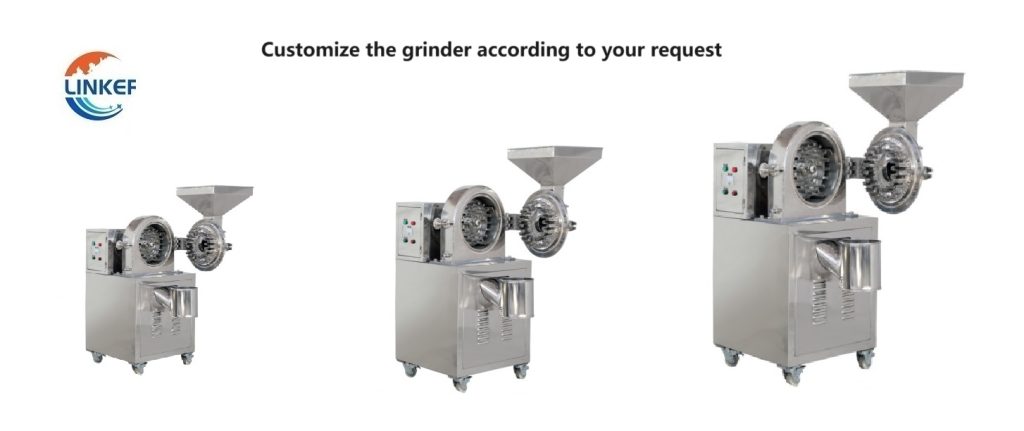
Customization Seeds Grinder According to your Capacity:
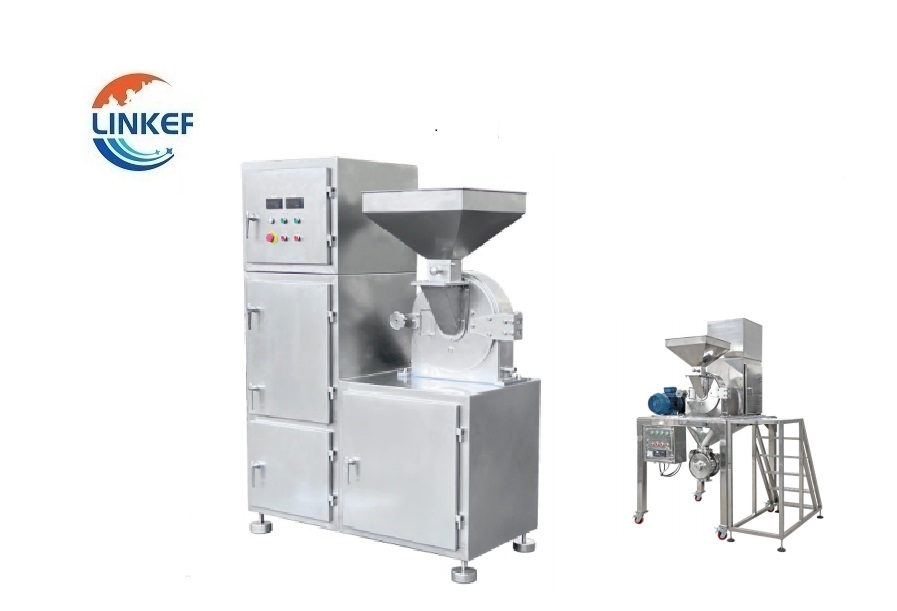
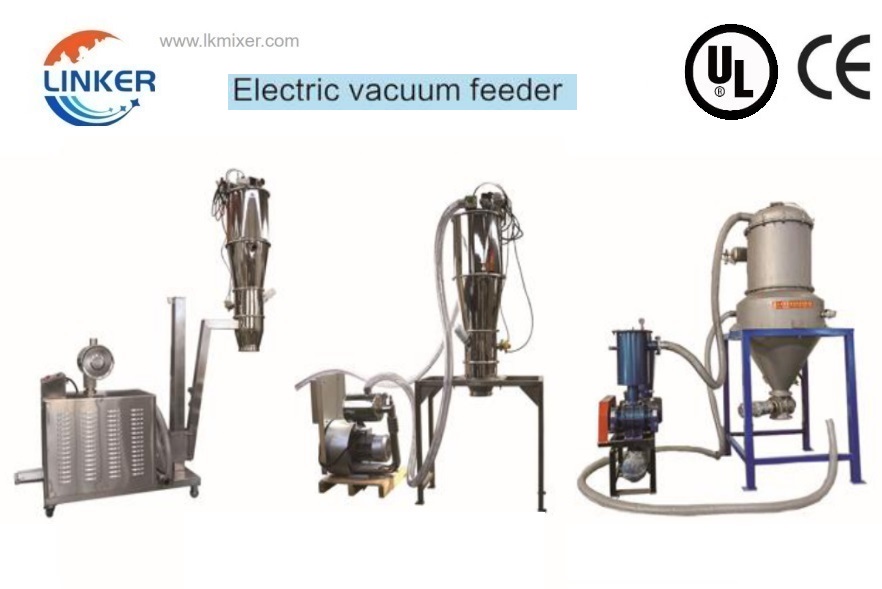
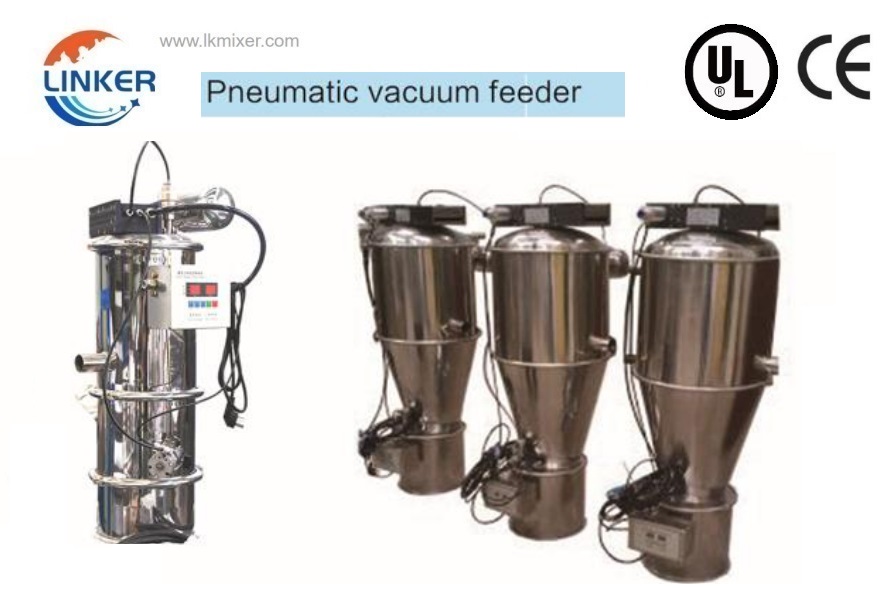
We can customize the capacity according to your special requirement, we can also customize the vacuum feeder connect with your production line (the dimension and width of grinder), for detail contact with our sales for proposal and price.
Videos of Seeds Grinder Machine:
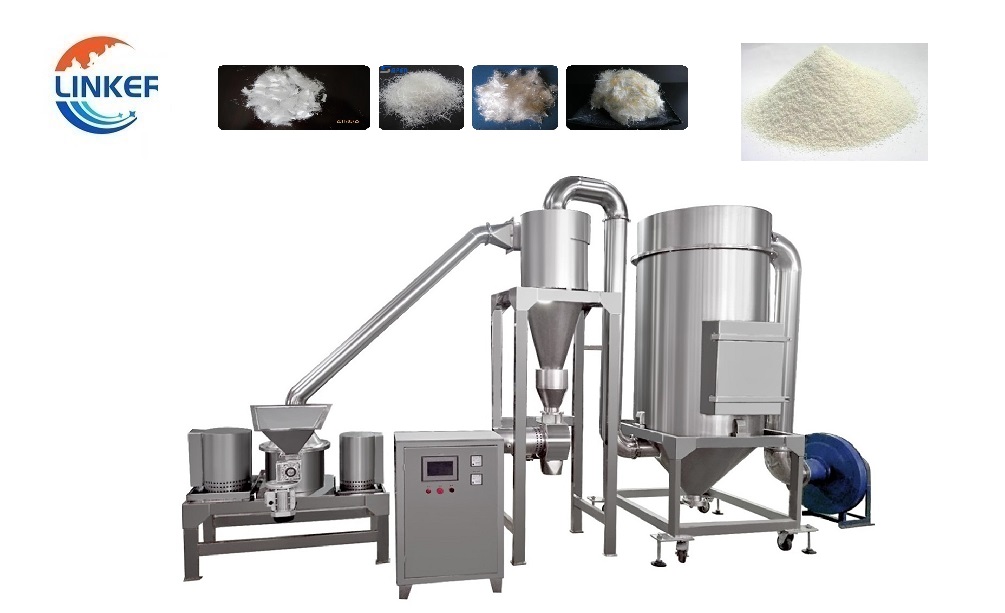
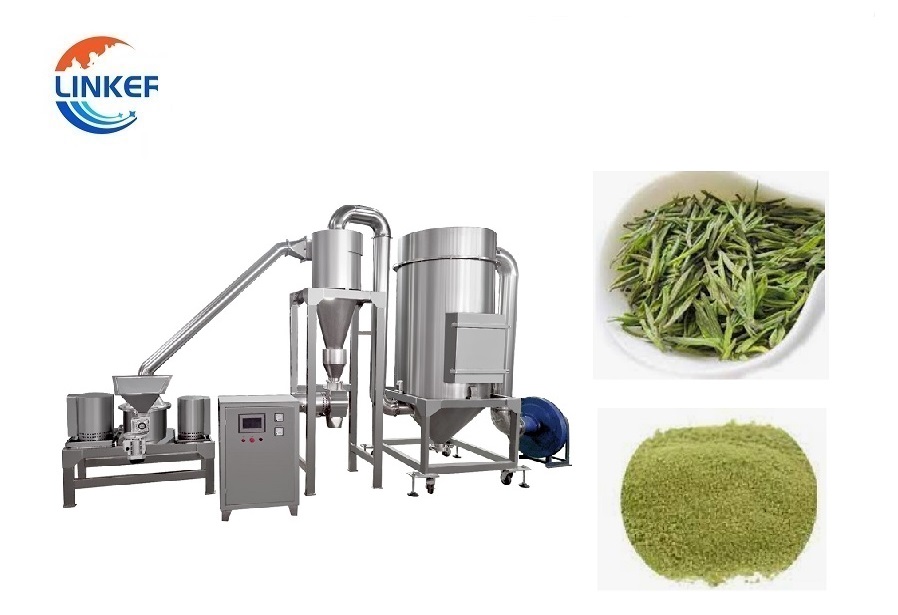
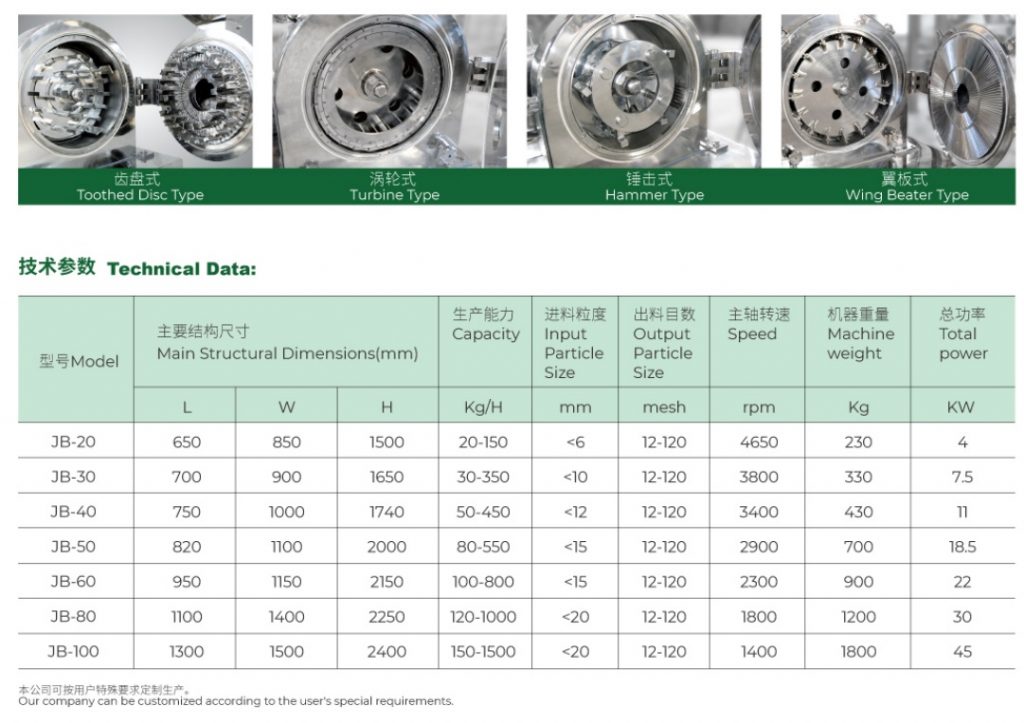
Many model of Seeds Grinder, the universal grinder is suitable to cut the seeds into 12-120mesh, the high efficient grinder is useful, but cost a little bit higher than universal. The super fine grinder can grind into 100mesh to 320mesh. Customer can choose according to your own requirement. here show some example:
About LKMixer
LKMixer is a professional manufacturer for fertilizer production line, grinder, mixer and granulator, shredder. These machines are widely used in food, pharmaceutical, cosmetic, health care products and chemical industries. The Food materials like Peanut, mushroom, seeds, potato, bean, tobacco, salt, cannabis, tea, Sugar, corn, Coffee, rice, pepper, grain as so on. Grinders have many types such as Pulse Dust Grinder which suitable for zero pollution environment, Turbine Mill which is suitable for coffee bean, 12-120mesh all can meet, Ultrafine Grinding Mill covers 80-200mesh, and also Winnowing Dust Grinder or other grinding machines like SF Hammer. Welcome to contact us for details. Contact us for more information. Proposal, catalog, quotation. Mobile/WhatsApp: +86 18019763531 Tel: +86 21 66037855 Email: sales@lkmixer.com
Contact Us
FAQ(Click and See More)
Read More about Herb Grinder:
Why are herb grinders so expensive?
Are electric herb grinders good?
What is the best way to grind up herbs?
Can you chop herbs in a coffee grinder?
How to grind dried herbs into powder?