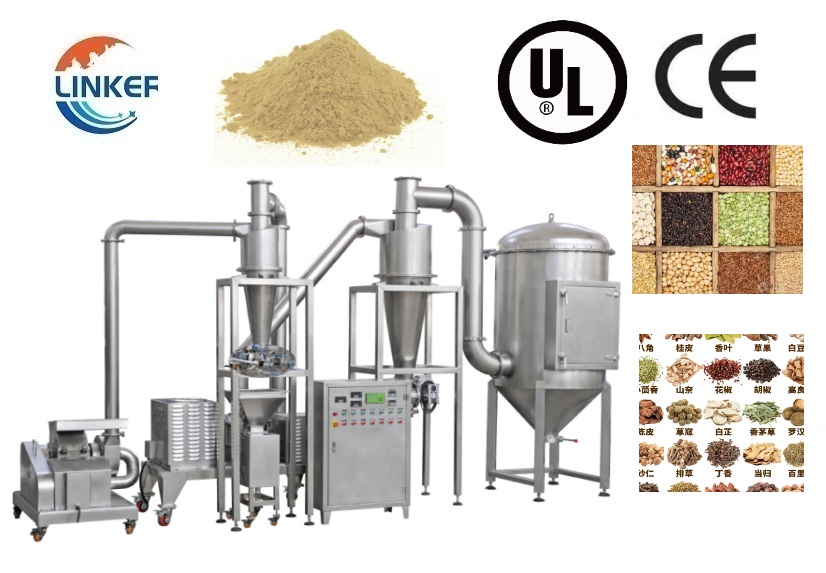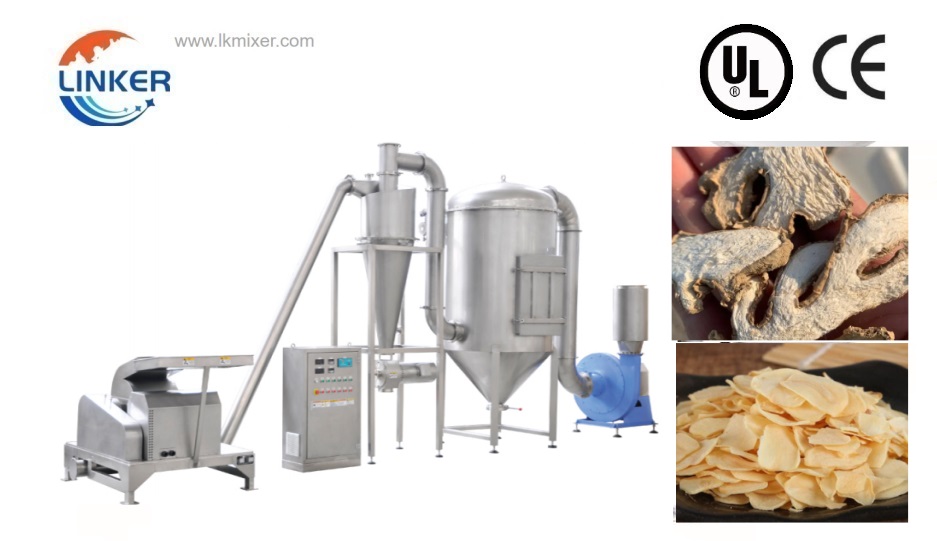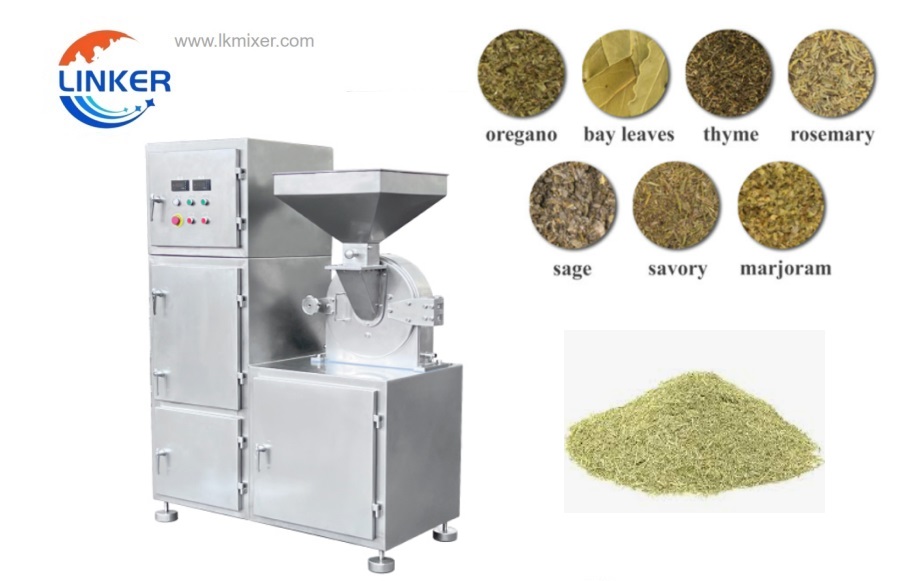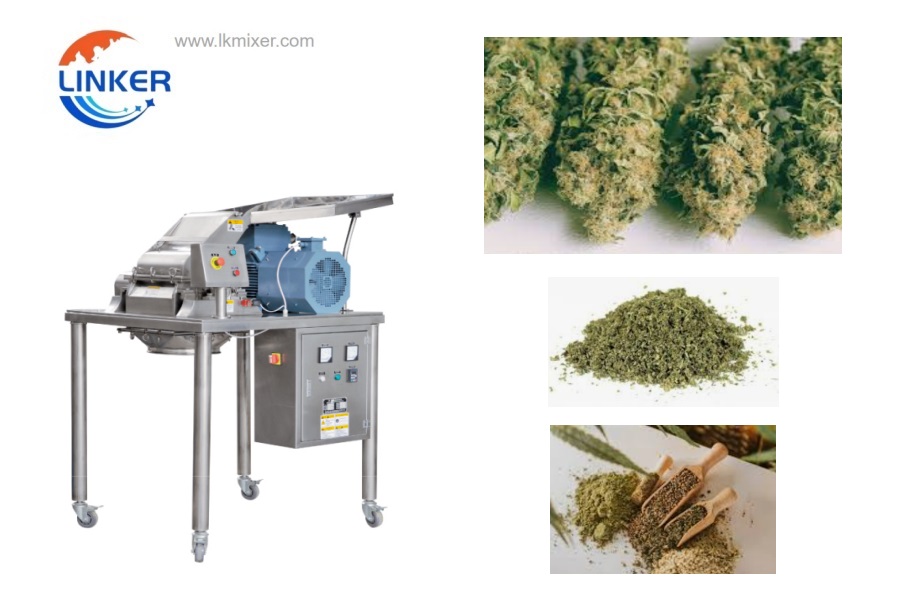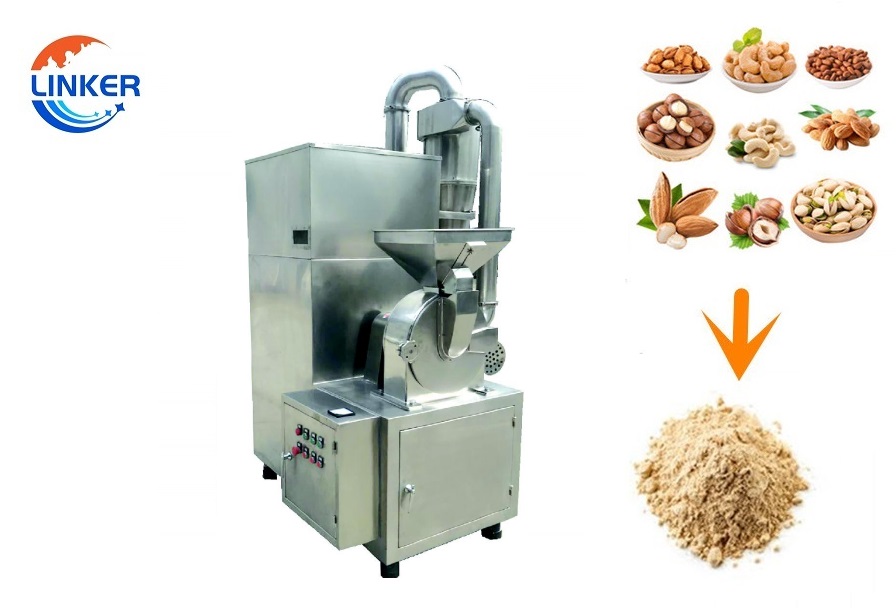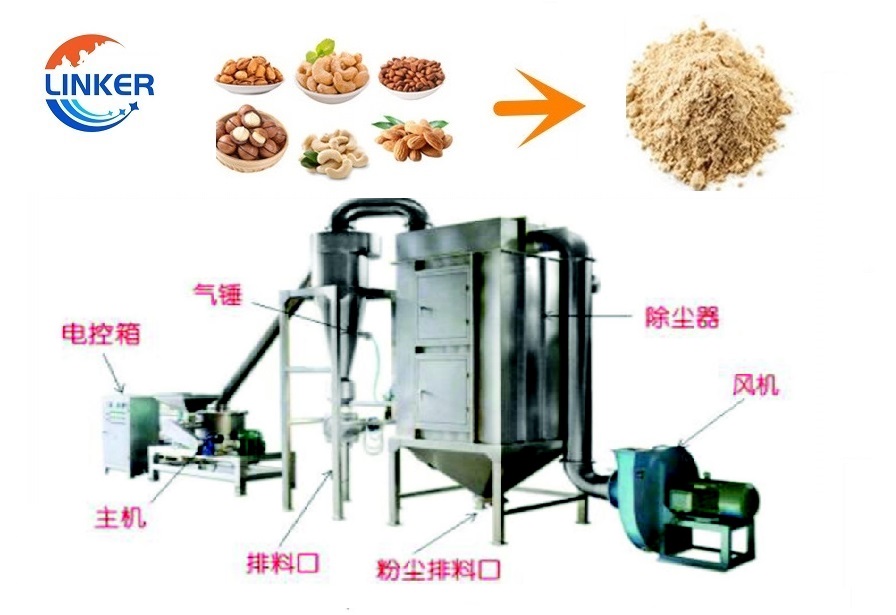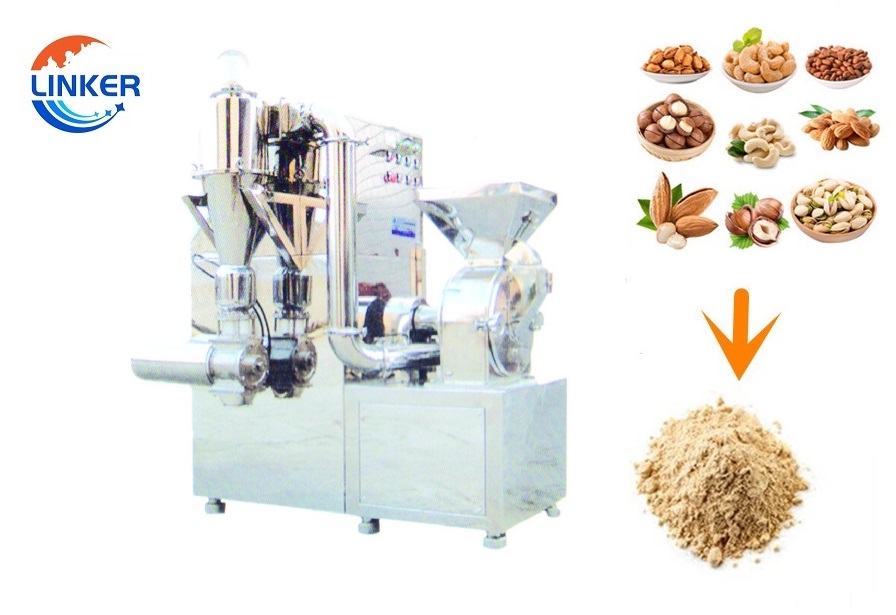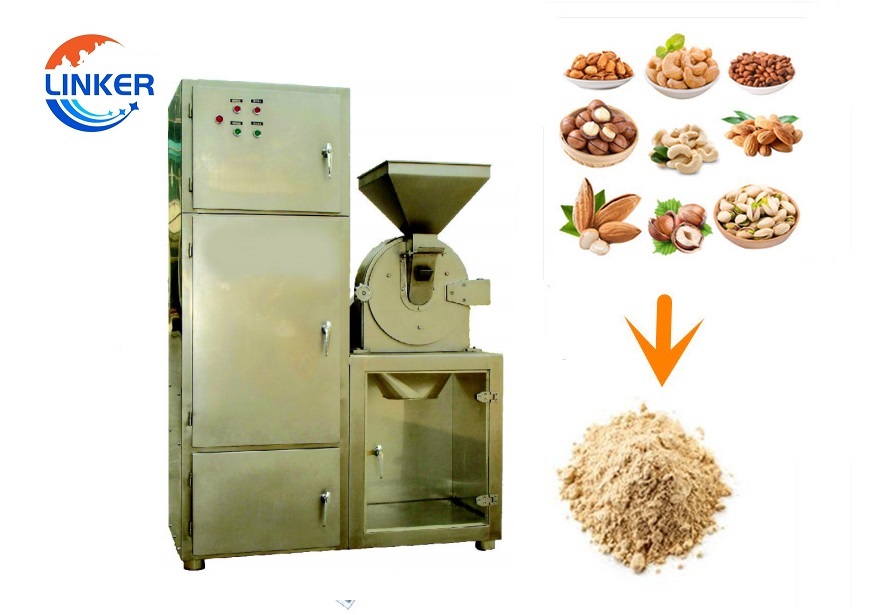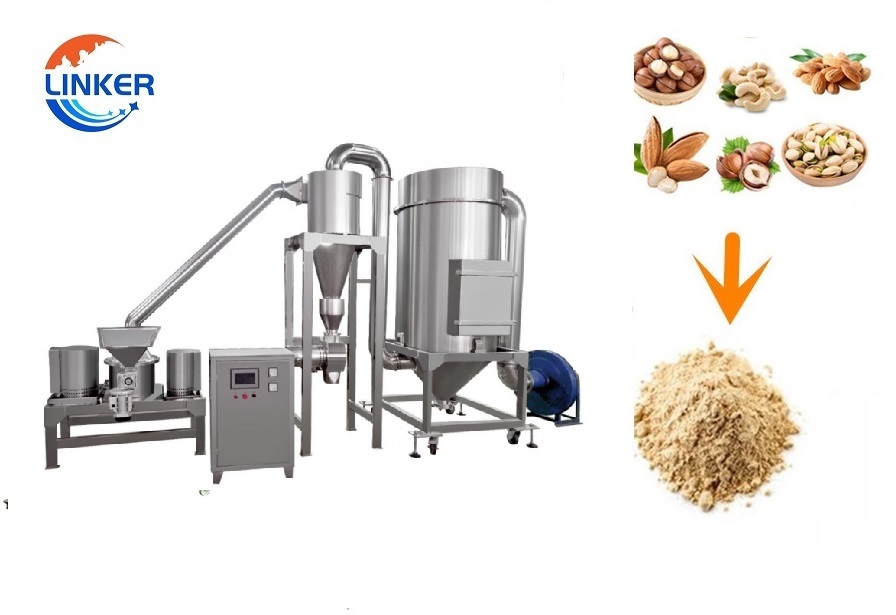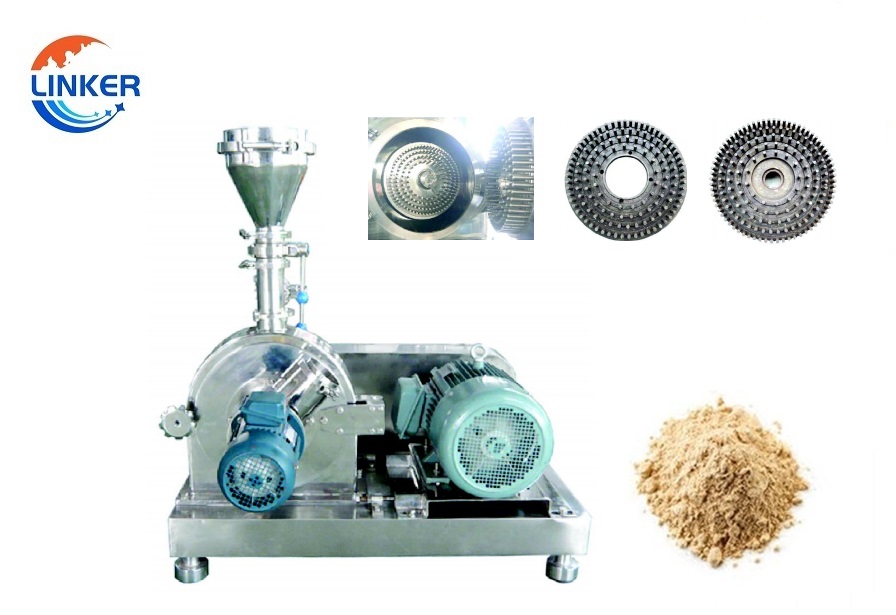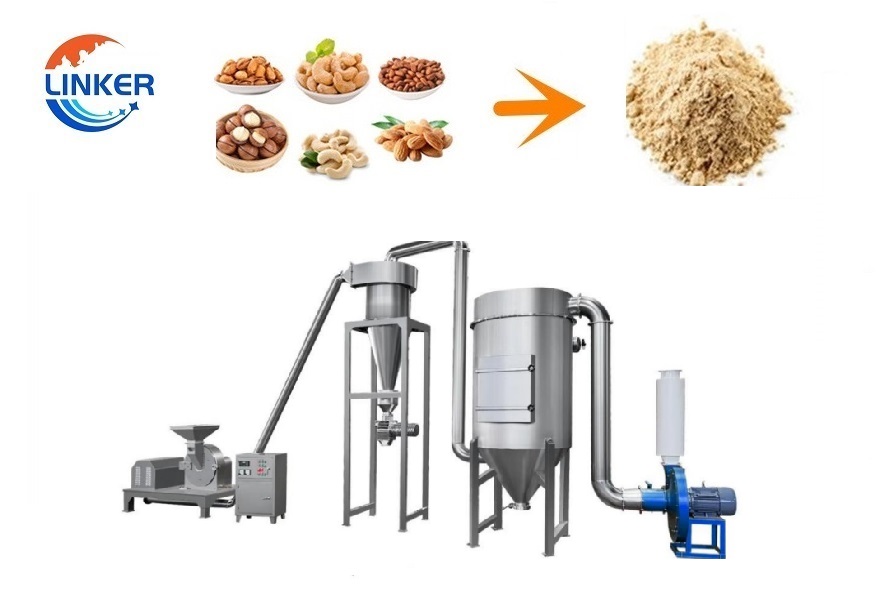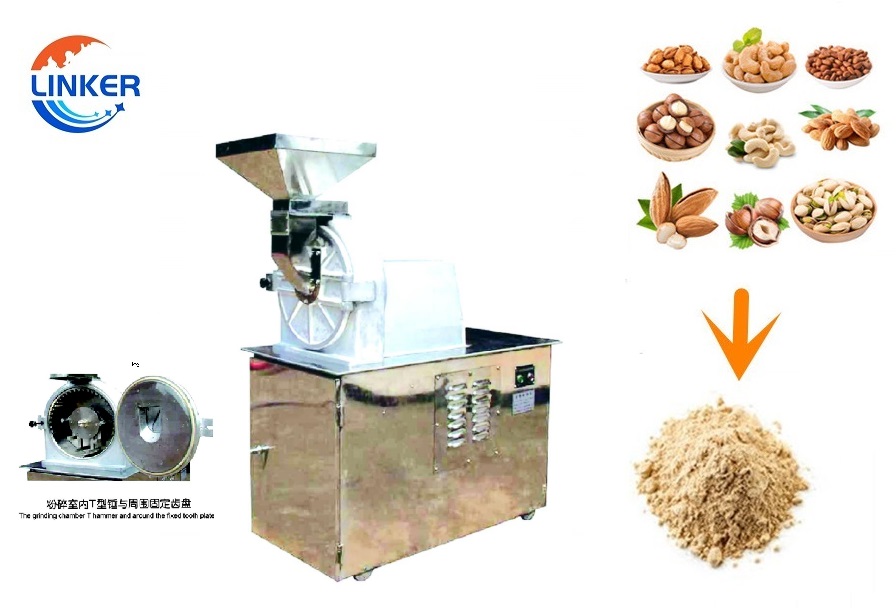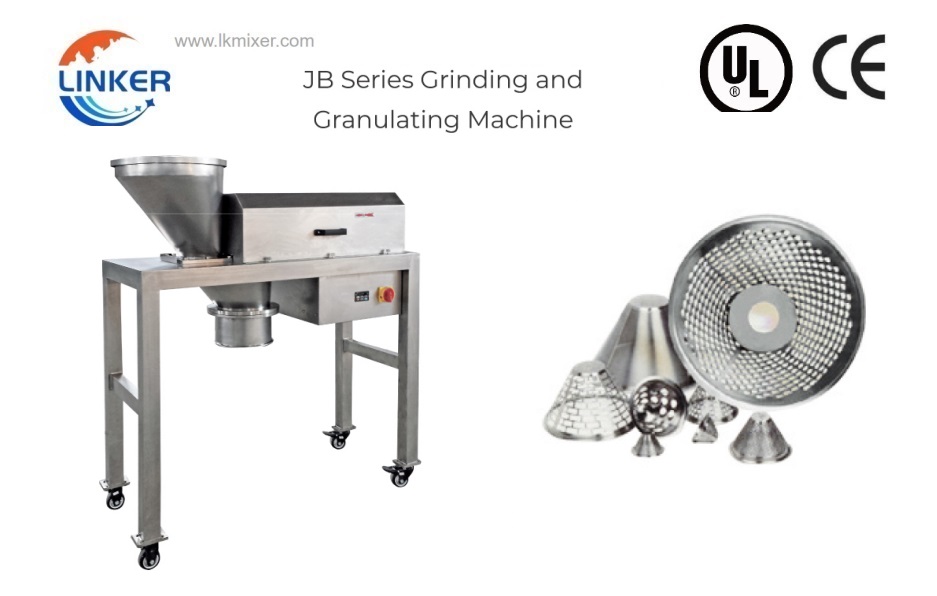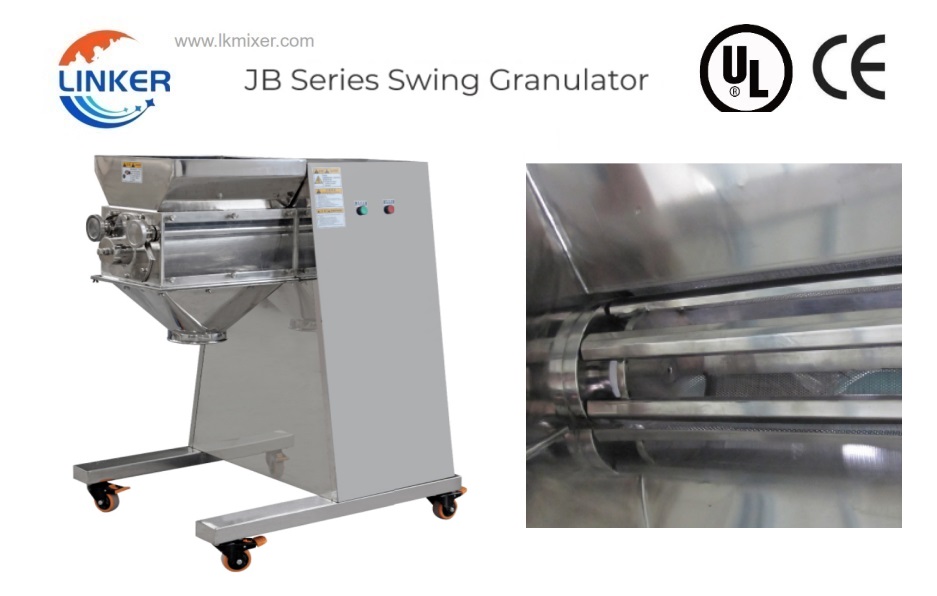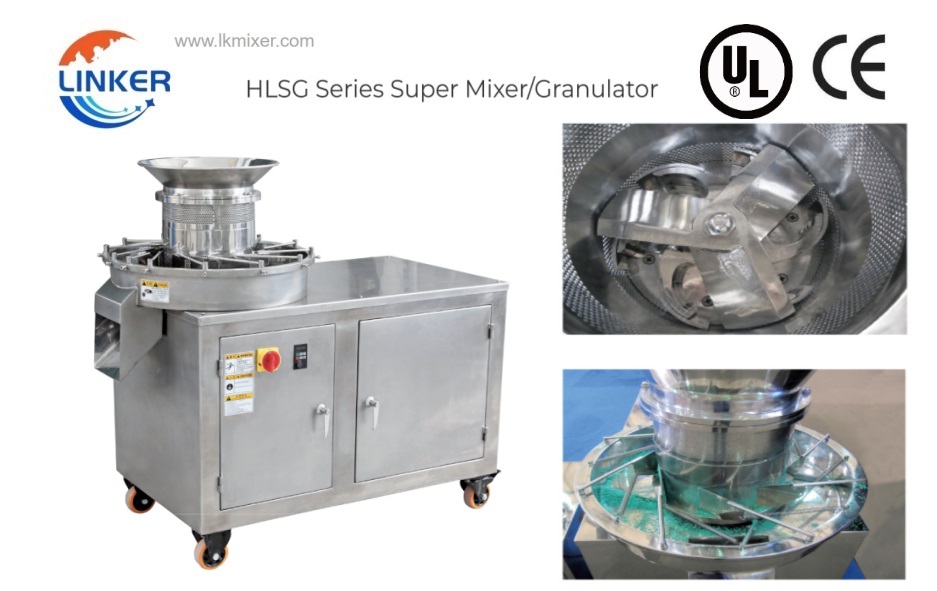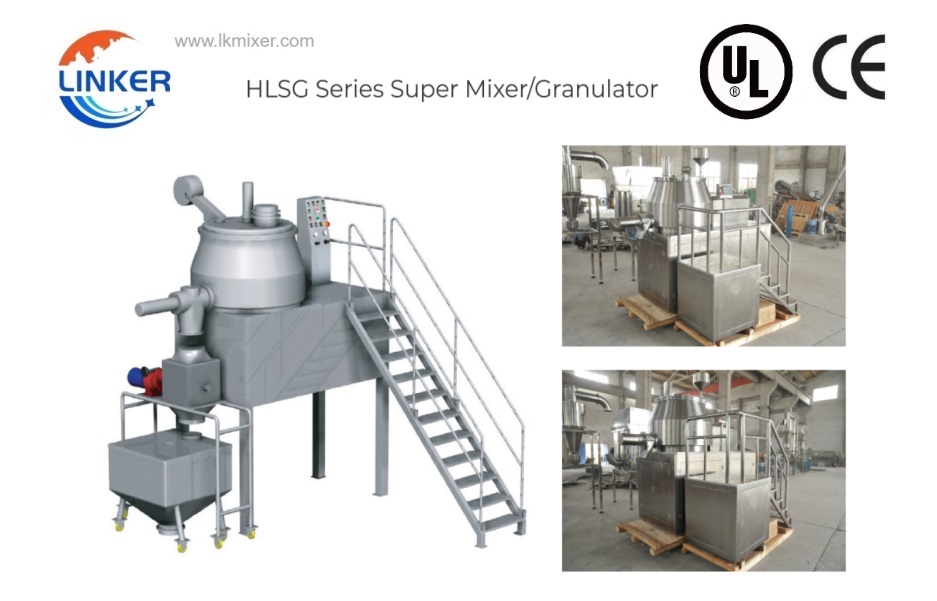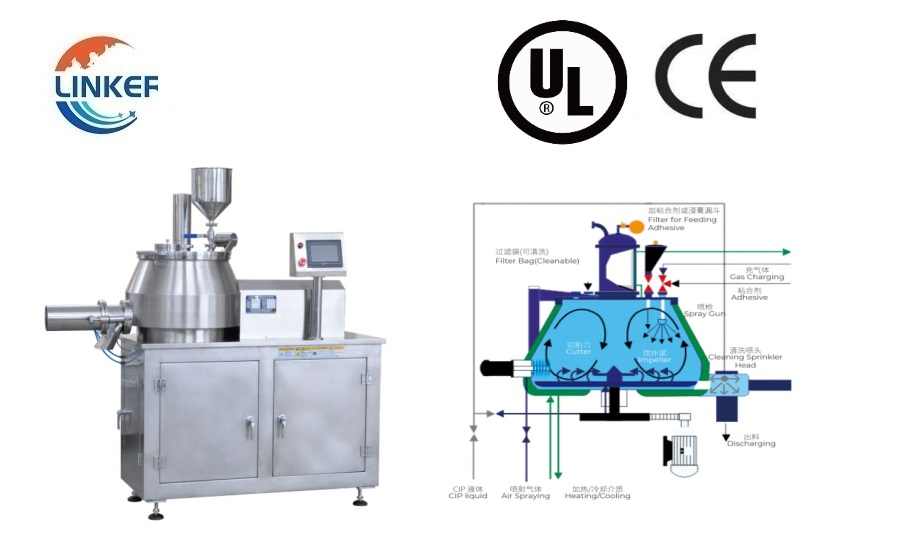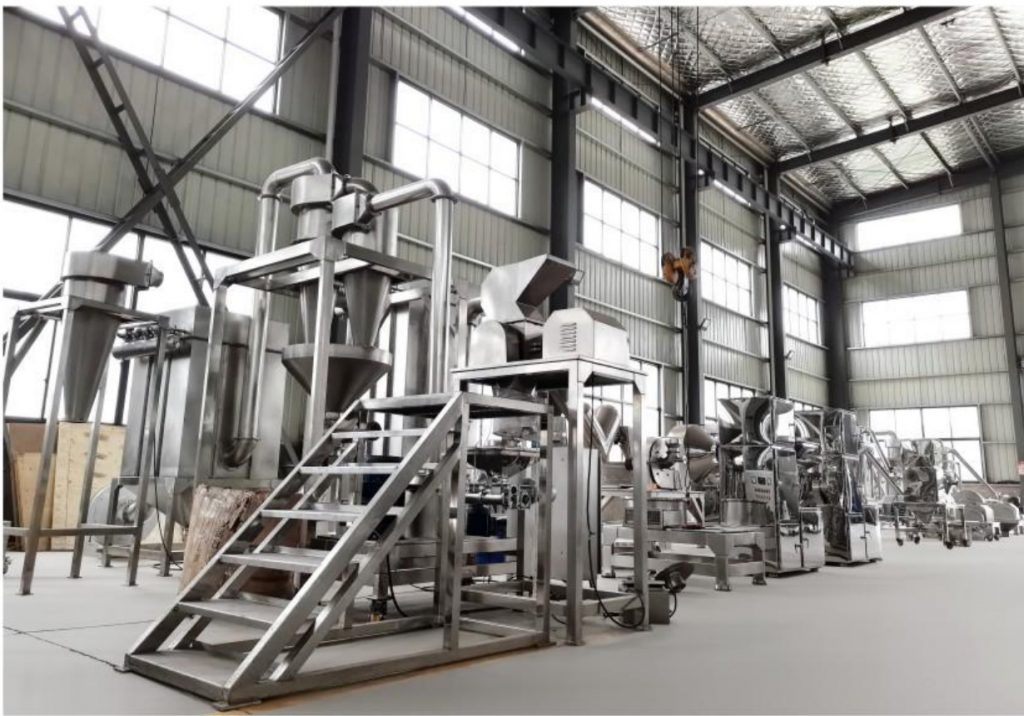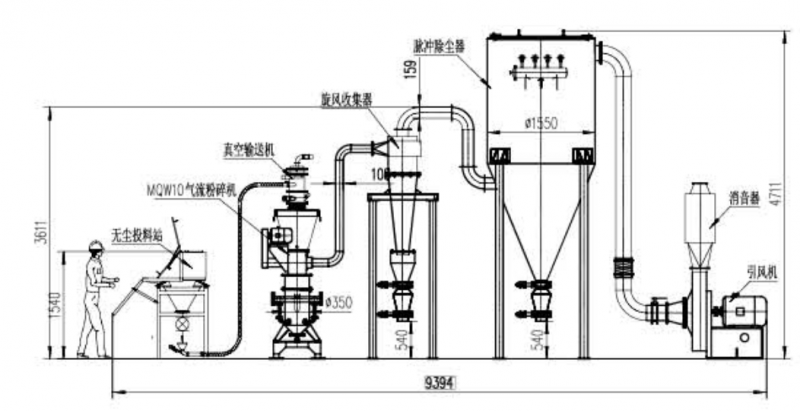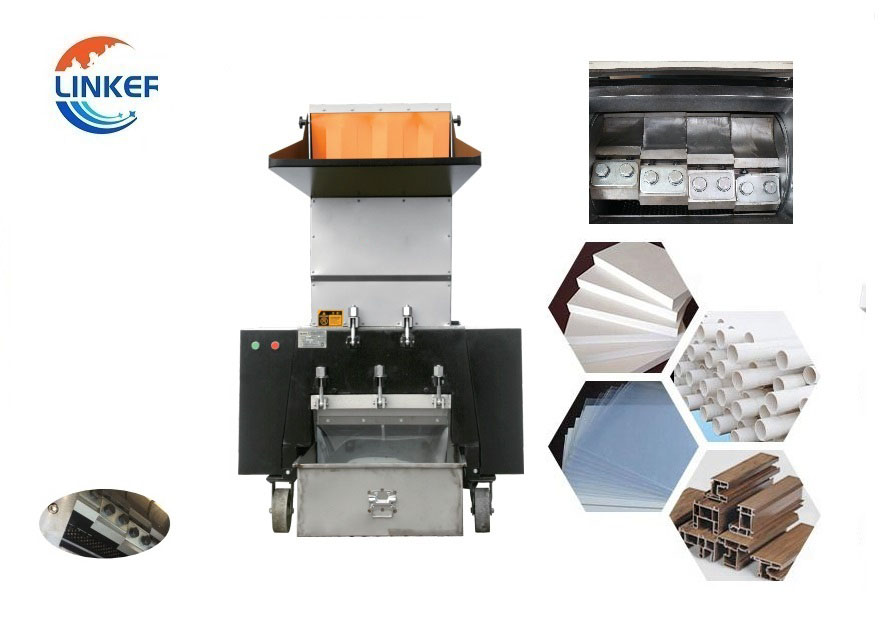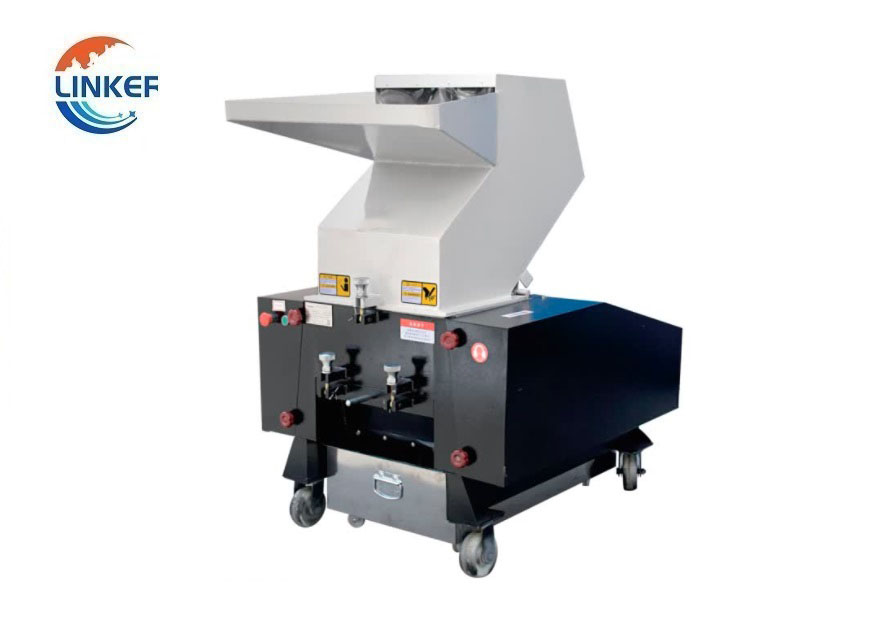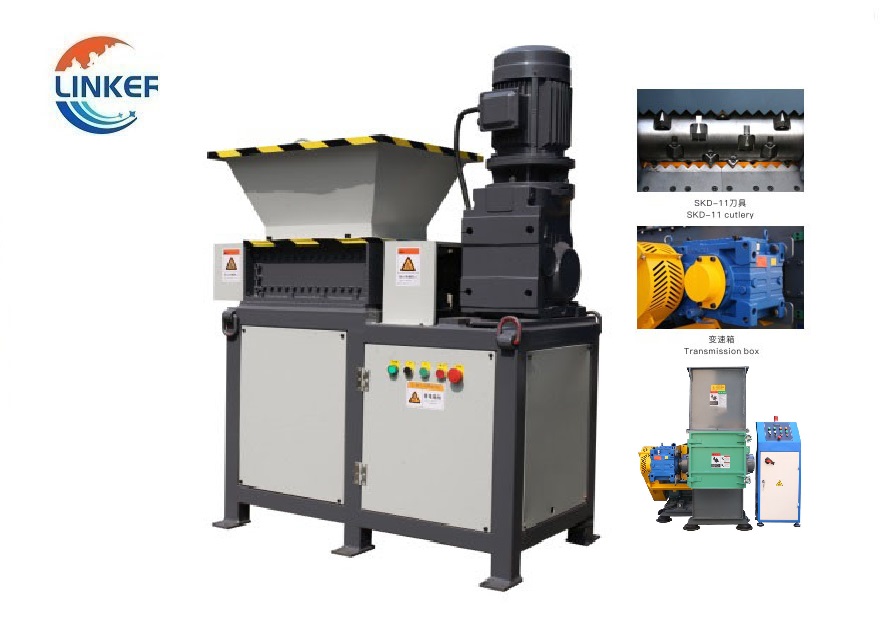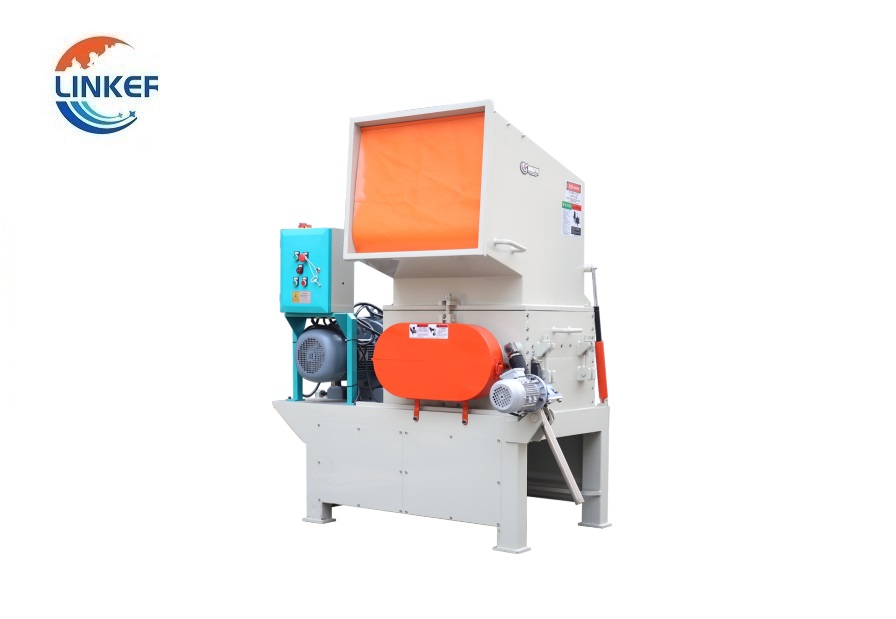
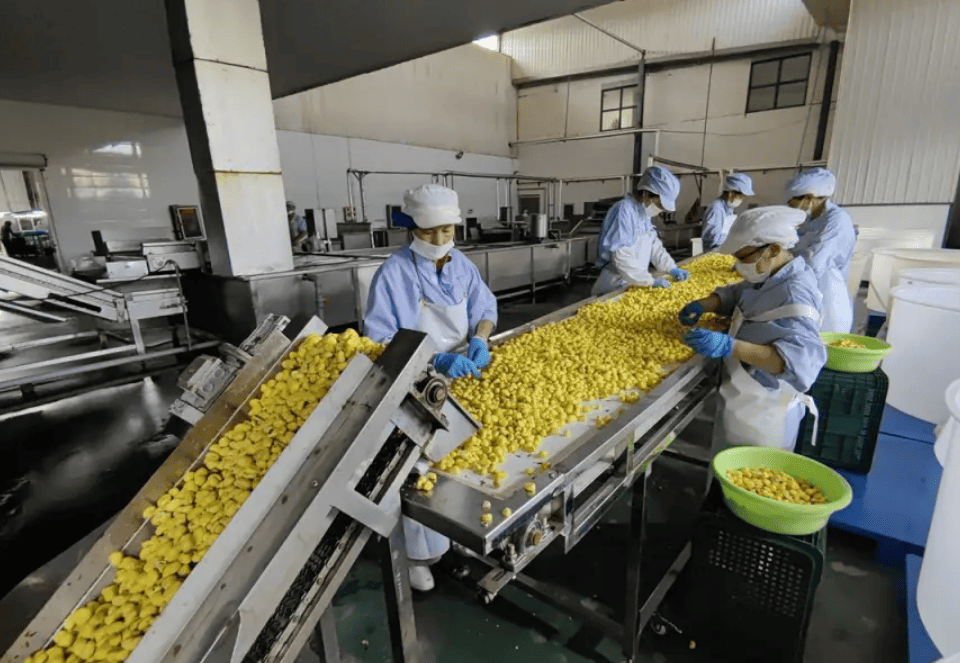
Automatic Baobab Powder Production Line
Baobab Powder Process Flow
- Baobab Washing Machine
- Baobab Pealing and Cutting Machine
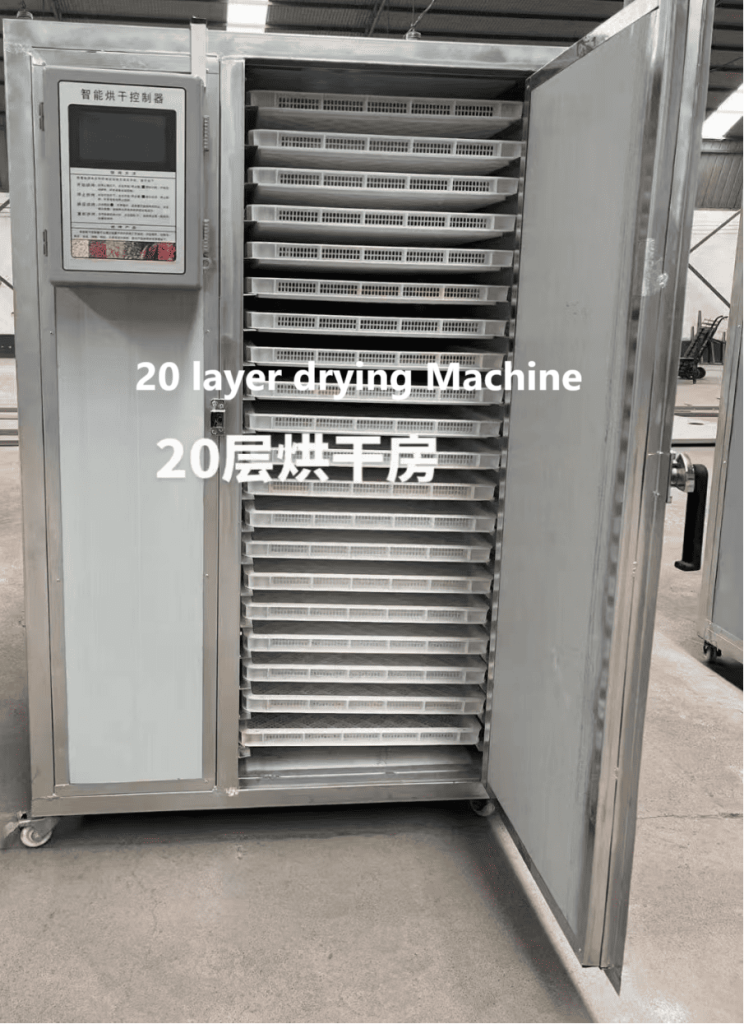
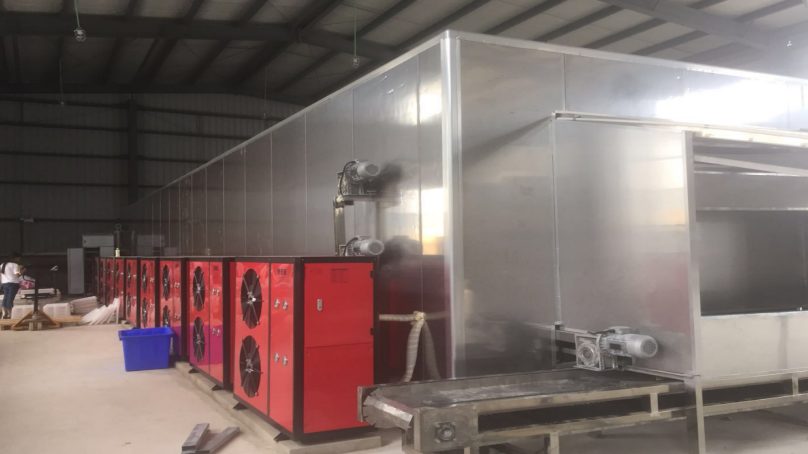
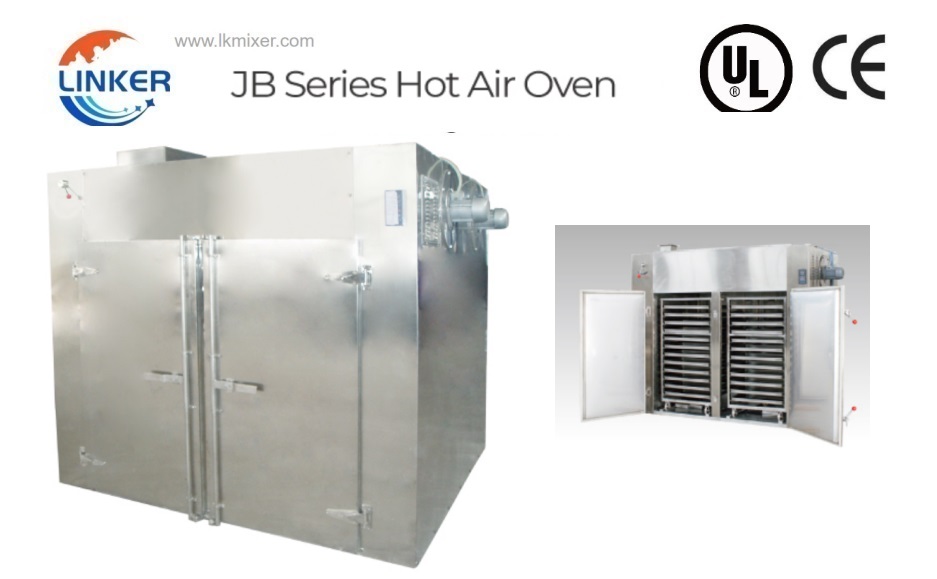
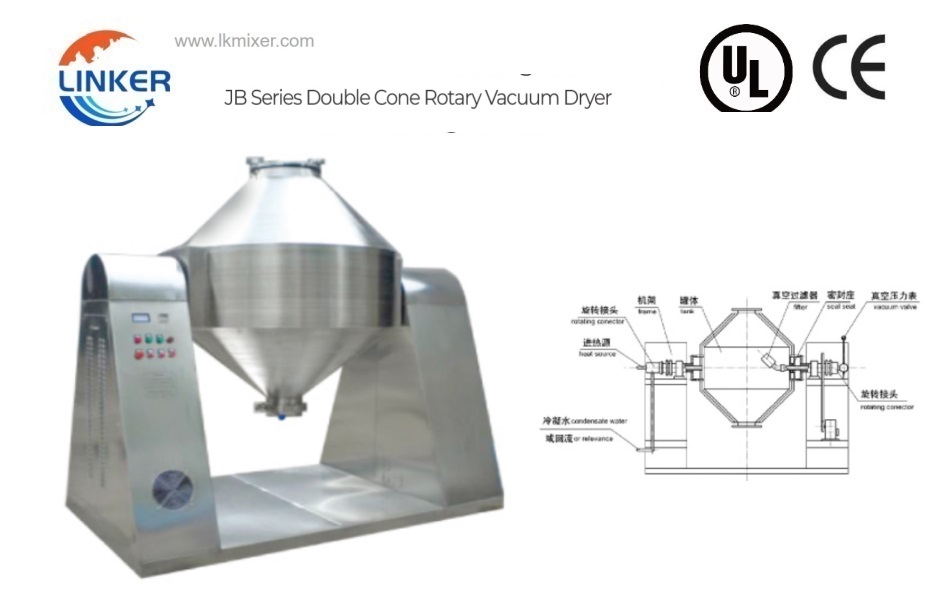
- Baobab Drying Machine
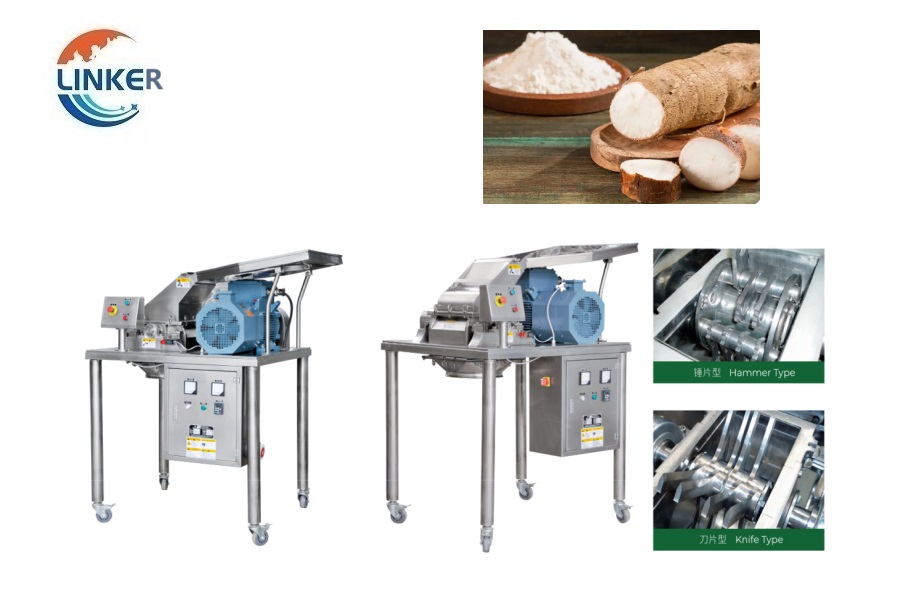
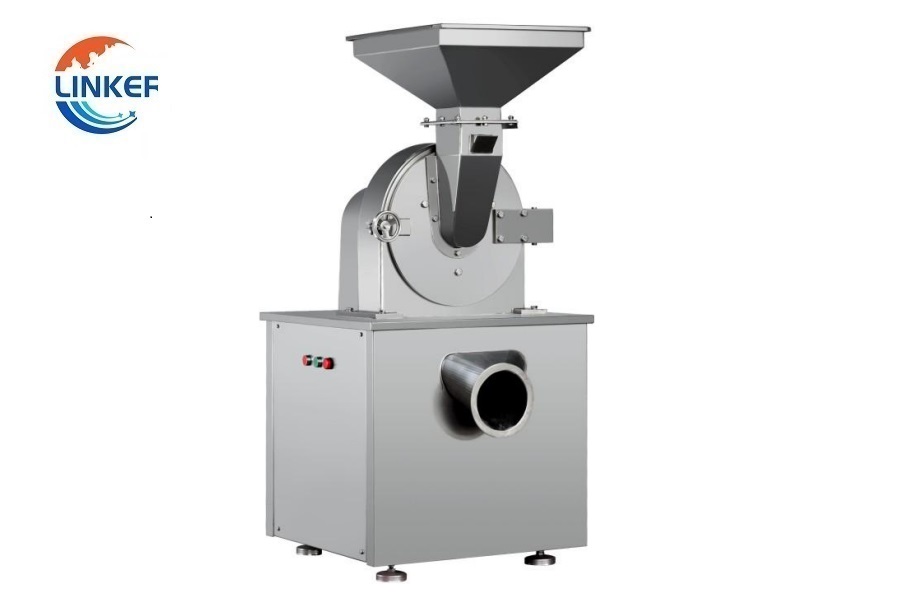
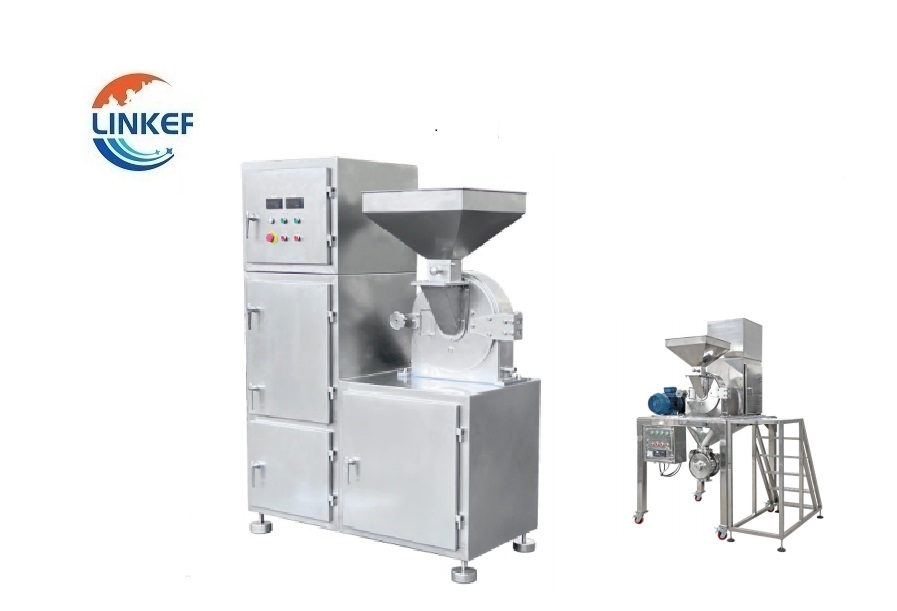
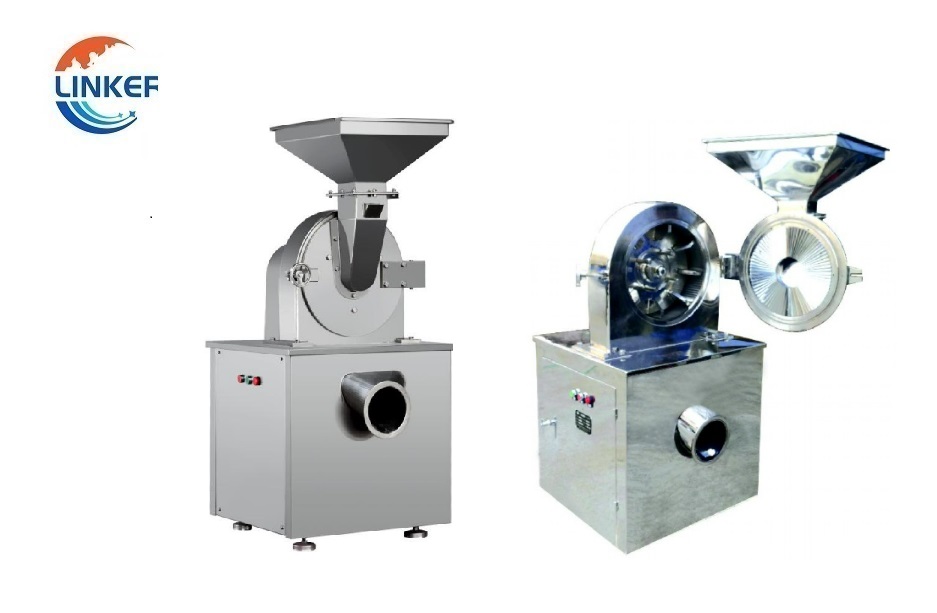
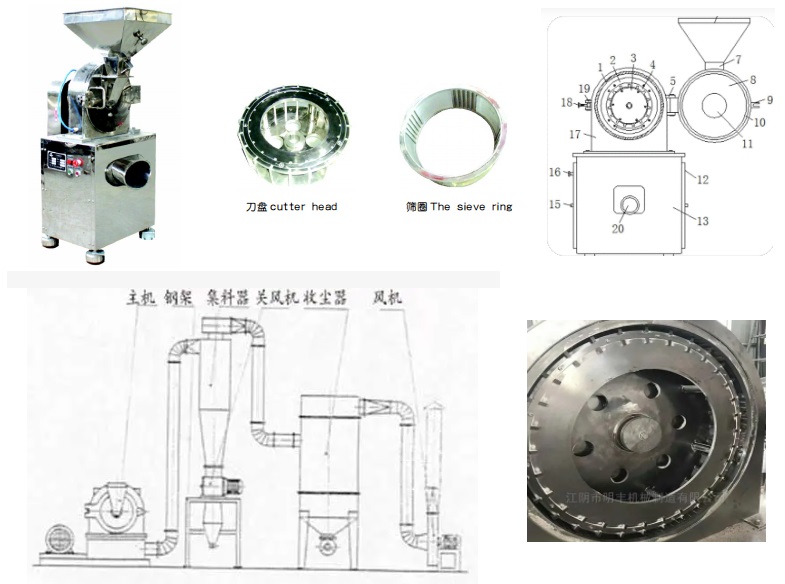
- Baobab Grinding Machine
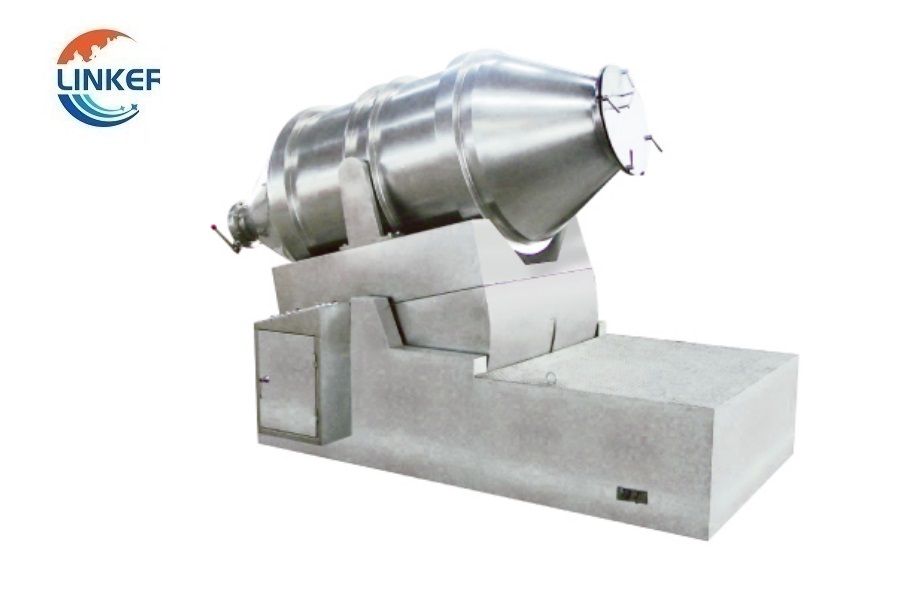
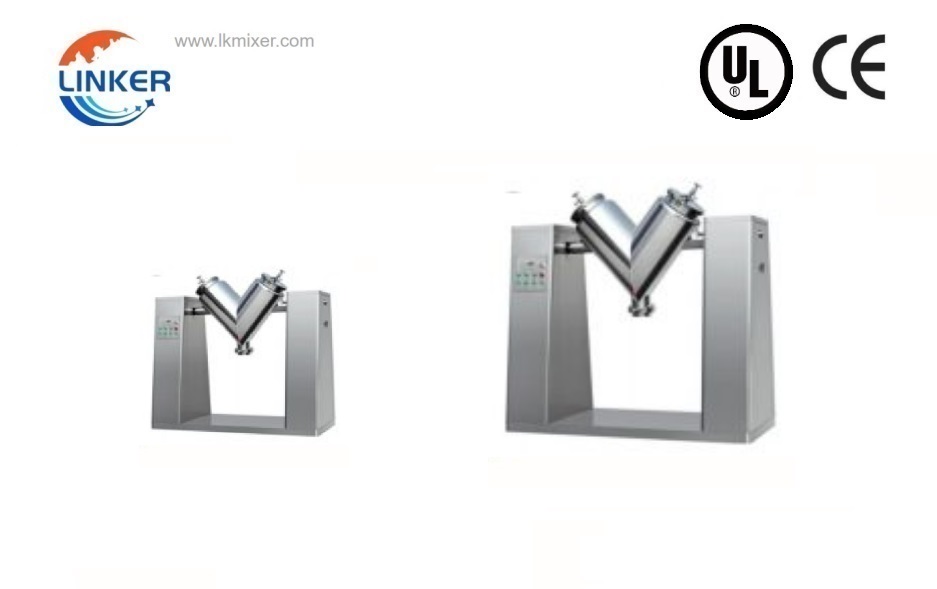
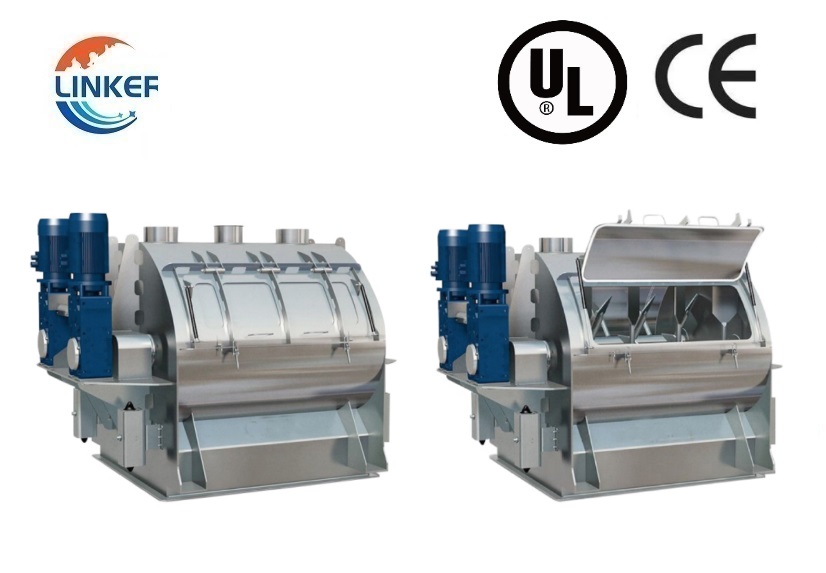
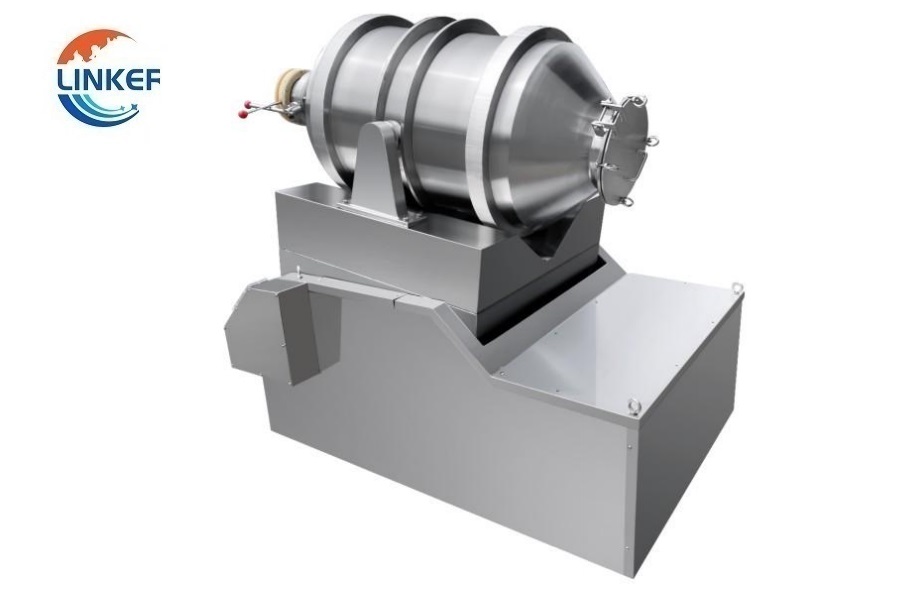
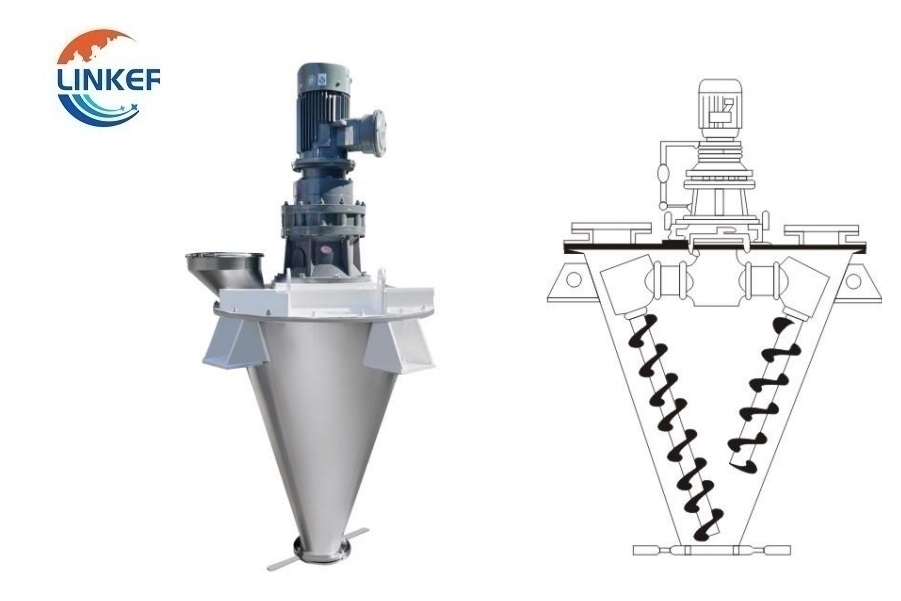
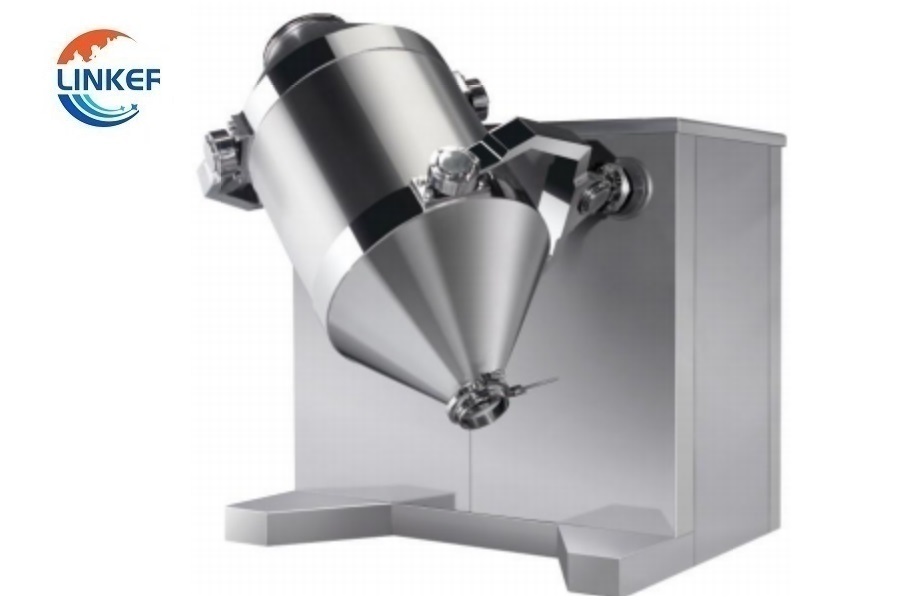
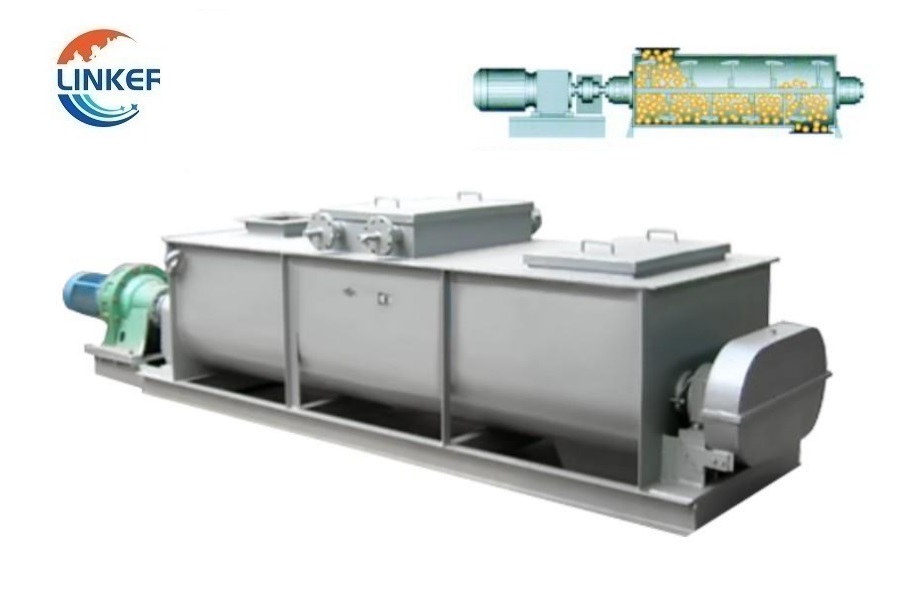
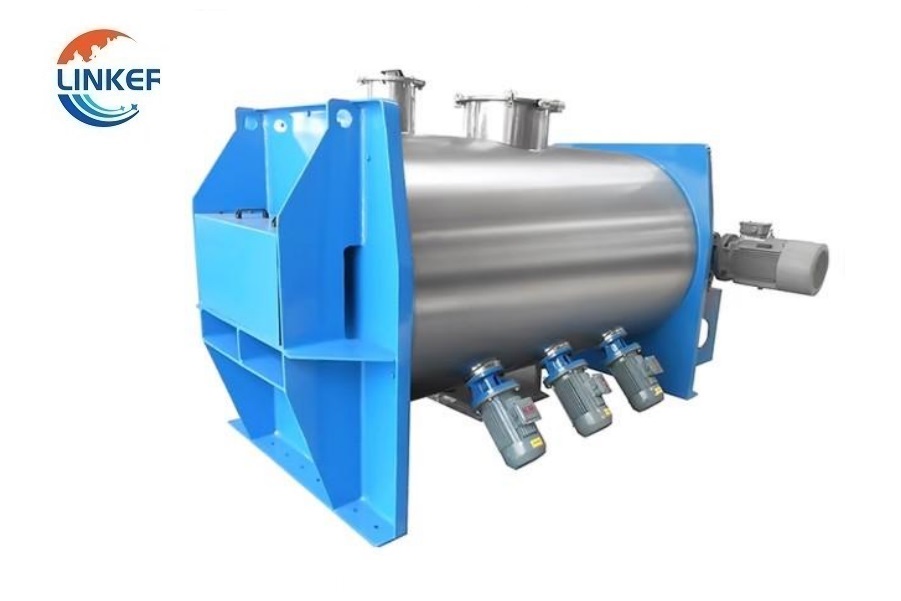
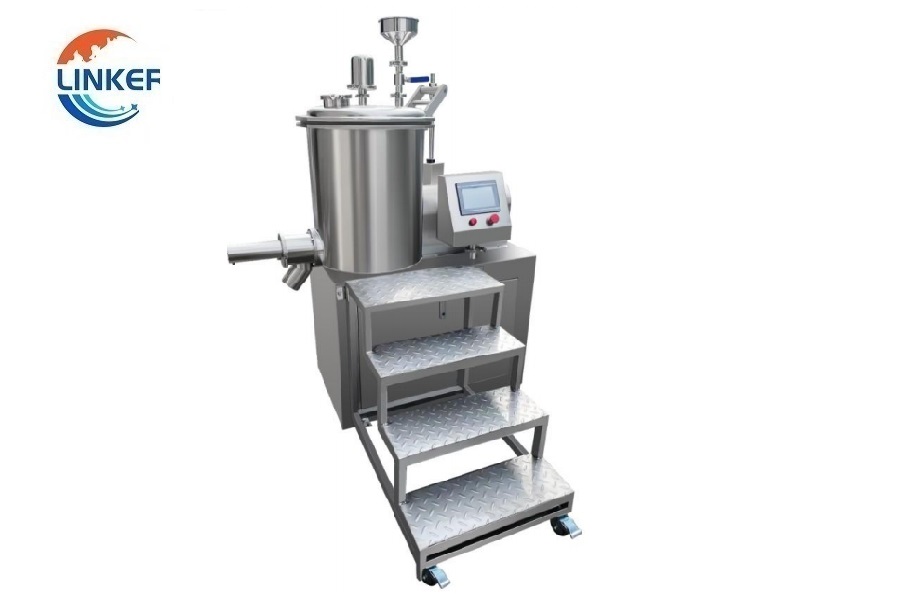
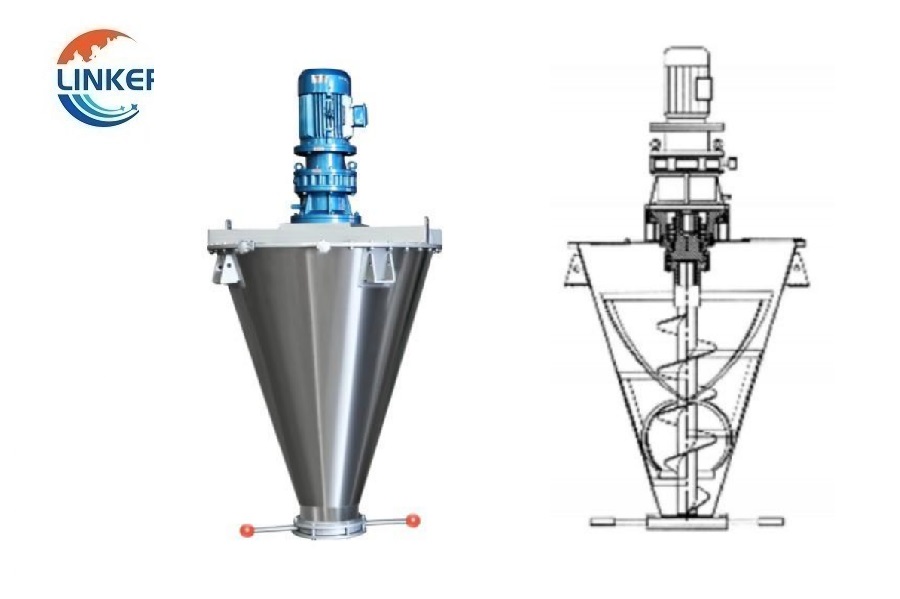
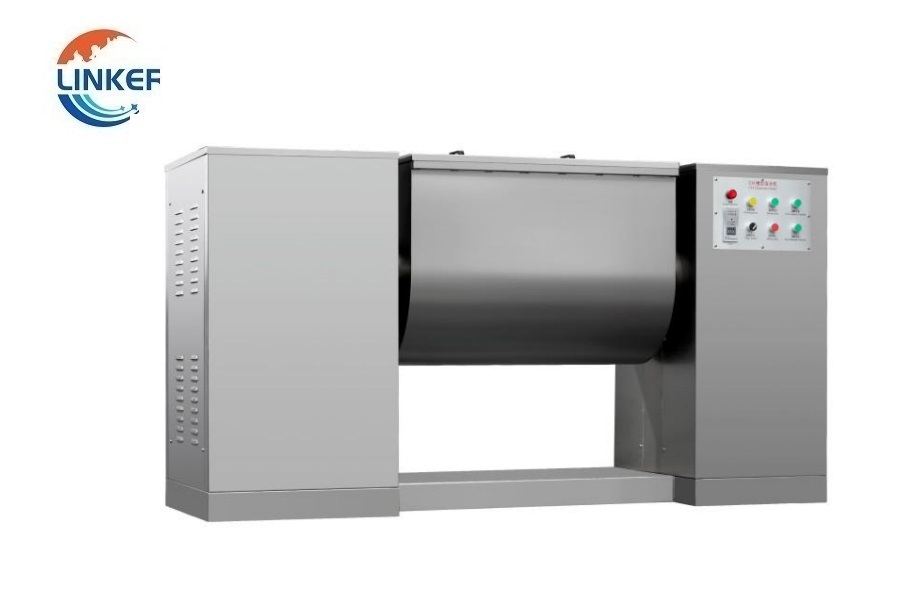
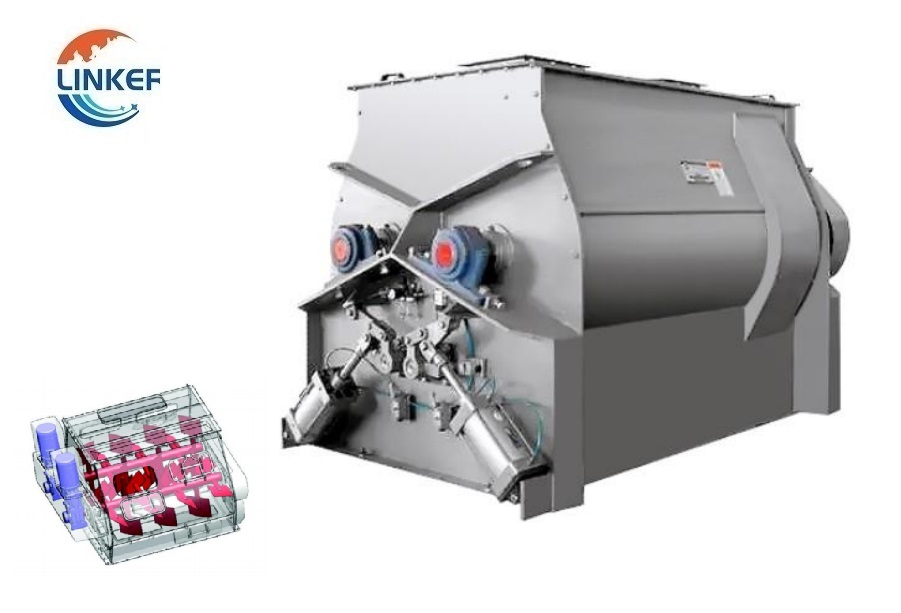
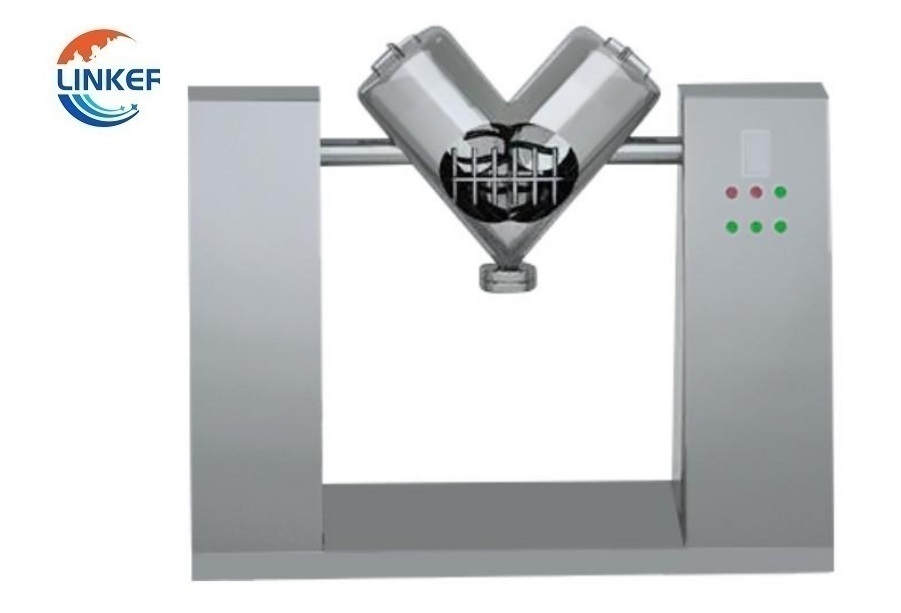
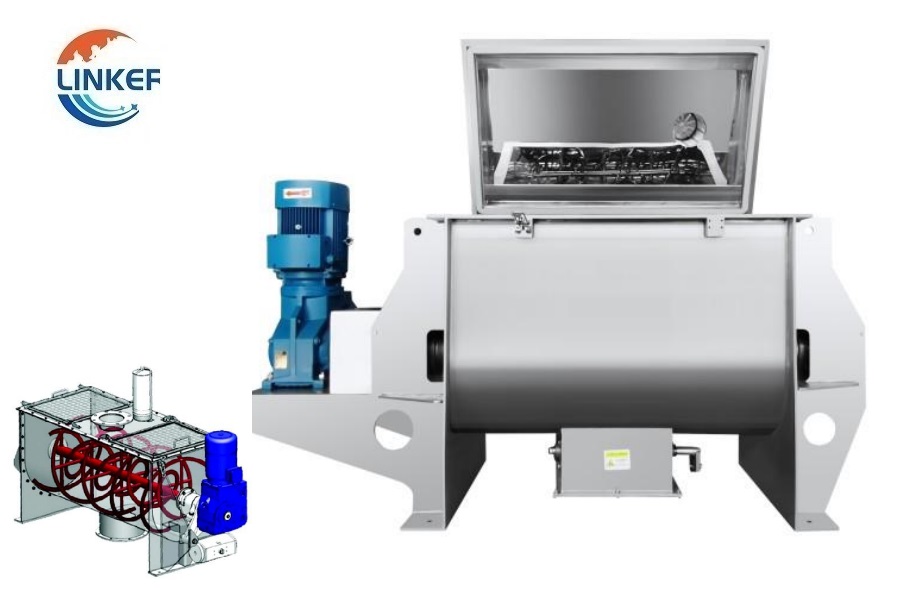
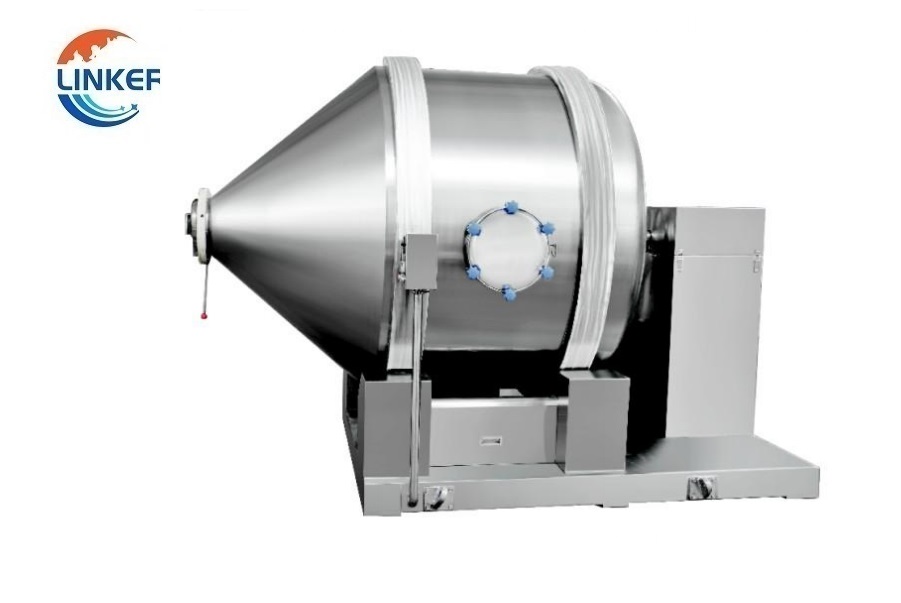
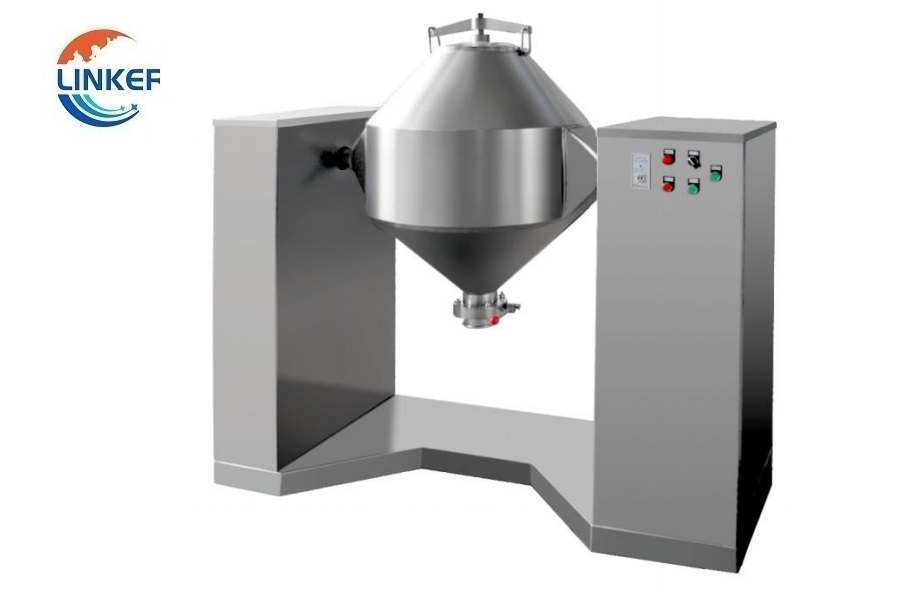
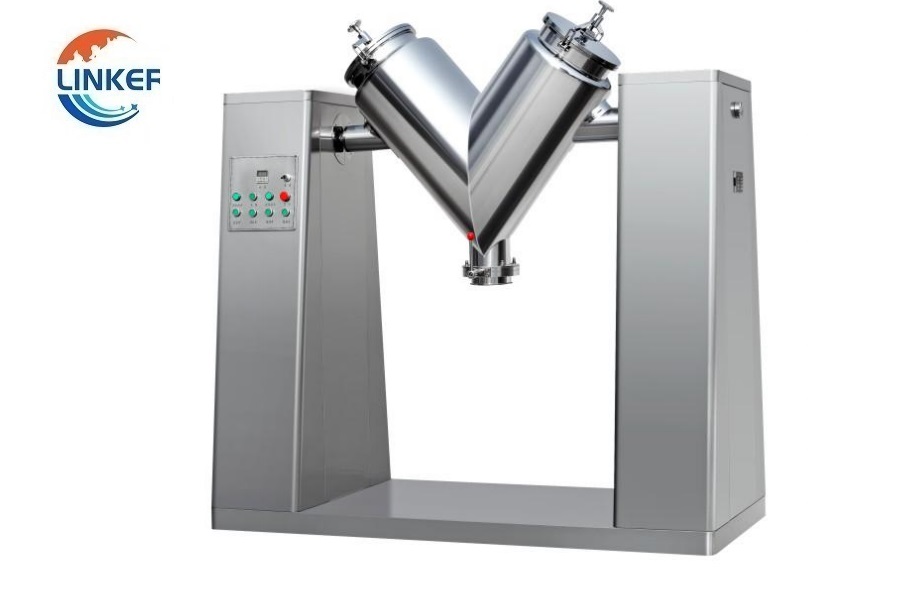
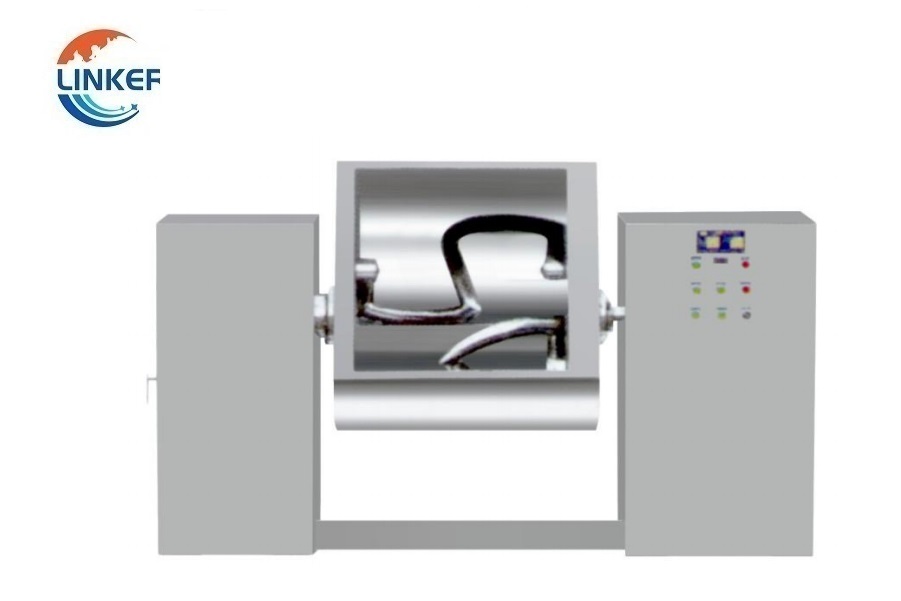
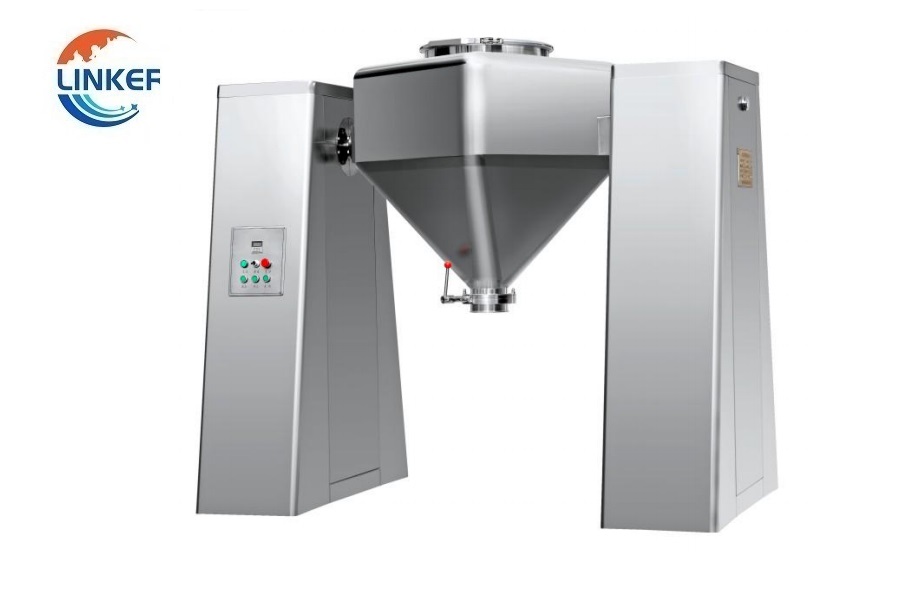
- Baobab Powder Mixing Machine
- Baobab Powder Filling Machine
- Baobab Powder Packing Machine
Baobab Powder Automatic Productino Line Design:
Automatic Baobab Powder Production Line
To be honest, unlike all the industrial production lines you inquired about earlier (washing powder, gypsum powder, chili powder), there is no mature and standardized complete line scheme for the “automatic baobab powder production line” worldwide. The current industry reality is that the annual processing capacity of the world’s leading enterprises is only at the kiloton level, manual intervention is still required in core links, and the “fully automatic production line” promoted on B2B platforms is actually a patchwork combination of single machines. Below, I will completely clarify the huge gap between this “primitive industry” and “industrial automation” for you, and provide the only feasible industrial breakthrough path, with detailed explanations of each link and natural integration of relevant equipment and raw material terms.
Core Fact: 99% of the “Fully Automatic Lines” You See on B2B Platforms Are False Concepts
This is the first principle you must understand: the baobab processing industry is still in the transition period from “manual to mechanization”, far from reaching the stage of “automation to intelligence”. The automatic baobab powder production line is mainly used in the food and Medicine industries, focusing on processing baobab fruits into fine powder products that can be used as food additives, health products, spices, etc. Unlike production lines that process raw materials such as Seasam, Peanut, wheat, corn, coffee, rice, bean, mushroom, bone, seeds, meat, tea, flour, spice, tobacco, salt, sugar, etc., the automatic baobab powder production line has higher requirements on equipment due to the special physical and chemical properties of baobab fruits.
There is a huge gap between the mature industrial production lines you inquired about earlier and the actual level of the baobab powder production line. In terms of industrial maturity, the former has a century of industrial precipitation with unified global standards, while the latter only entered international commercialization in 1999, with an industrial history of only 26 years—a gap of a whole century. In terms of the scale of leading enterprises, the former has an annual output of several hundred thousand to one million tons, while BFCS, the world’s leader in baobab processing in Senegal, has an annual processing capacity of 1,000 tons—a scale gap of 100 times.
In terms of automation level, the mature industrial production lines have dark factories with full-process PLC/DCS control, while the baobab powder production line is mainly “single-machine mechanization + manual assistance” without integrated complete lines and no control system. In terms of equipment sources, mature industrial production lines have professional design institutes and leading general contractors, while baobab powder production line equipment relies on non-standard customization and B2B trader patchwork, without industrial standards. In terms of real production capacity, mature industrial lines are at the level of 10 tons per hour, while the baobab powder production line is at the level of 100 kilograms per day (based on the University of Pennsylvania project)—an efficiency gap of 100 times.
The cruel fact is that BFCS Senegal Company, the only verifiable industrial processor in the world (with the largest global market share), clearly states on its official website: “More than 200 local employees, adopting HACCP/GMP/GHP standards, with an annual processing capacity of 1,000 tons of baobab fruits”. An annual processing capacity of 1,000 tons is equivalent to a daily processing capacity of 3 tons, which is still “labor-intensive industrialization”, far from fully automatic. Most of the key equipment of the automatic baobab powder production line is made of high-quality stainless steel, which is corrosion-resistant, non-toxic and easy to clean, meeting the hygiene and safety requirements of food and pharmaceutical processing. At the same time, important equipment such as grinding machines and crushers are equipped with stable chargers to ensure continuous and stable operation, and some export-oriented production lines are equipped with CE Certificate grinders to meet international food-grade standards.
Real Industry Level: Complete Equipment List of Industrial-Grade Production Lines
Although there is no fully automatic complete line, the equipment combination for industrial-grade processing has basically taken shape. Below is the standard configuration for industrial production compiled based on the latest industry data from 2024 to 2025, including six key sections that you must integrate yourself, as well as industrial-grade parameter benchmarks and investment references.
The core equipment matrix includes six sections, and currently no supplier can integrate these six sections into “one line”. You need to purchase from 3 to 5 equipment suppliers separately, and complete the production line layout, conveyor connection, and control coordination by yourself—this is your responsibility as a buyer, not the delivery scope of the supplier. The first section is shell breaking, with the equipment name of baobab fruit shell breaking machine, whose core function is to mechanically crack the hard shell (hardness ≈ coconut), with an industrial-grade production capacity of 100-1000kg/h. Its real automation level is single-machine automatic: feeding/shell breaking is automatic, but manual monitoring is required, and the key control parameter is adjustable impact force to adapt to different sizes.
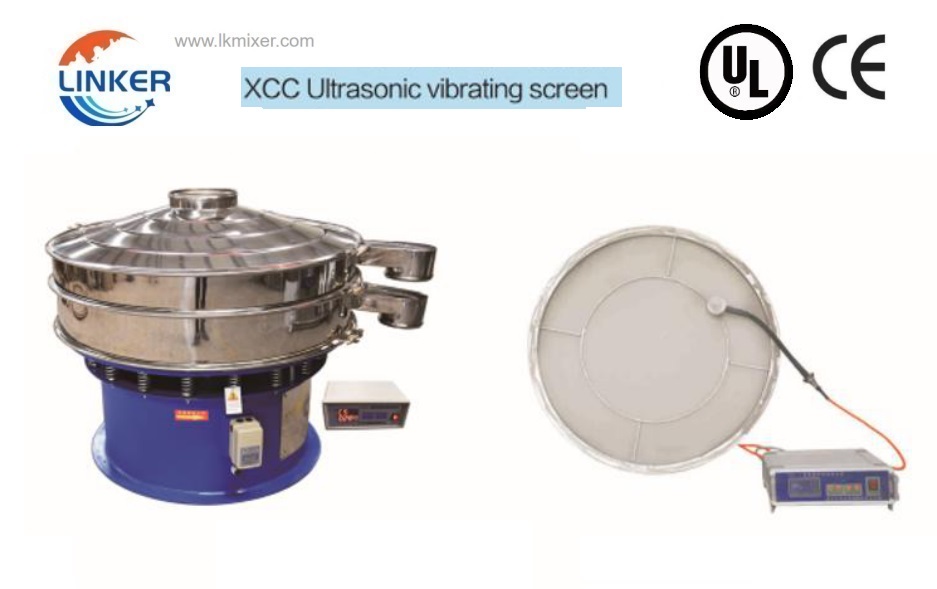
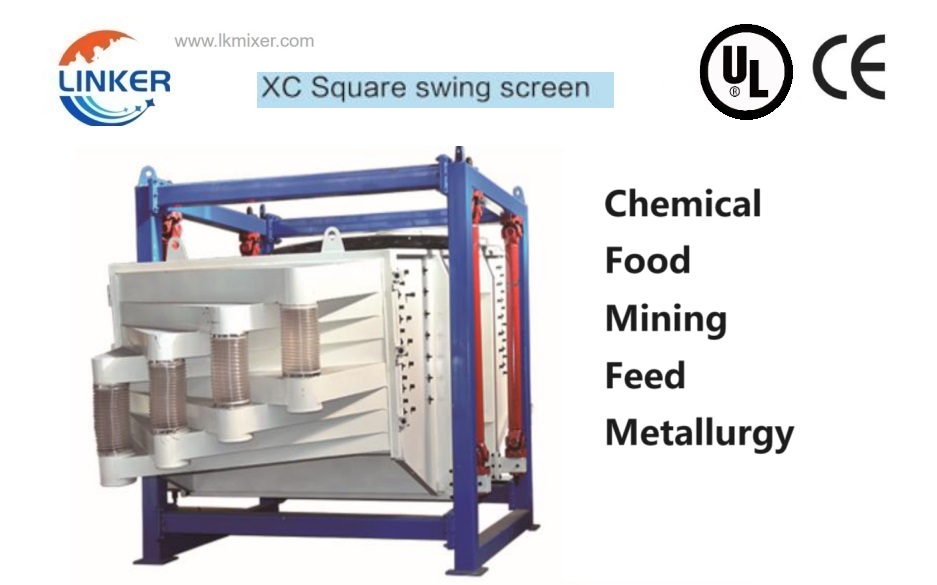
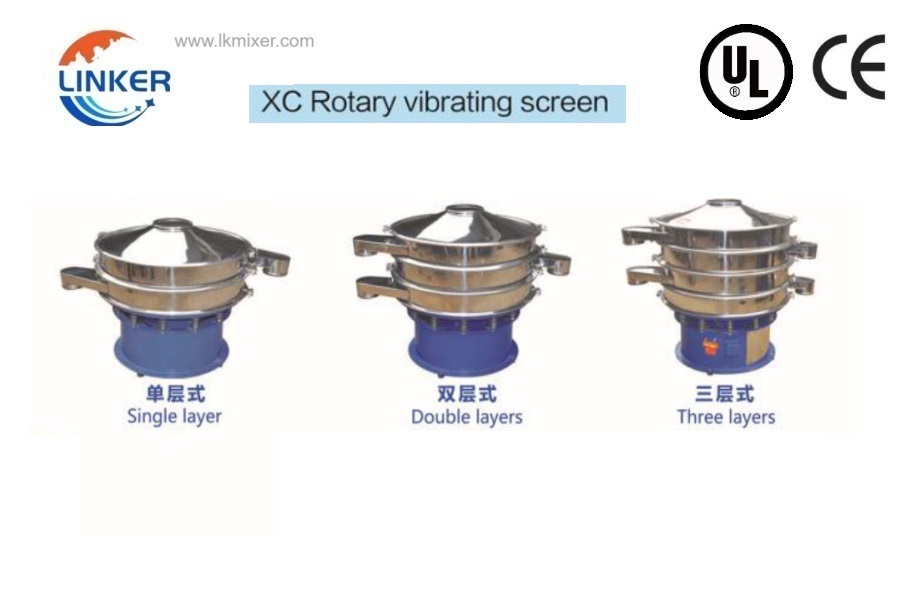
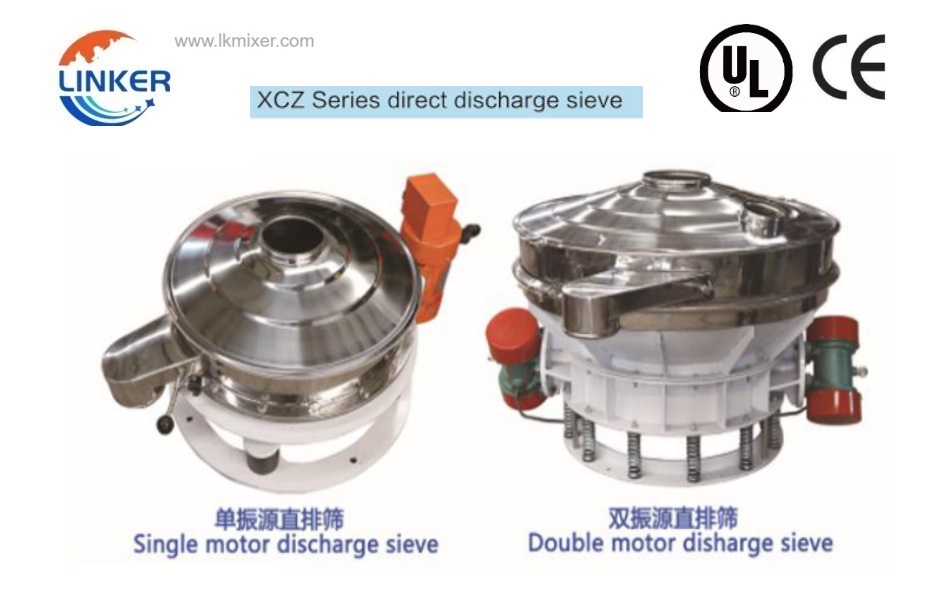
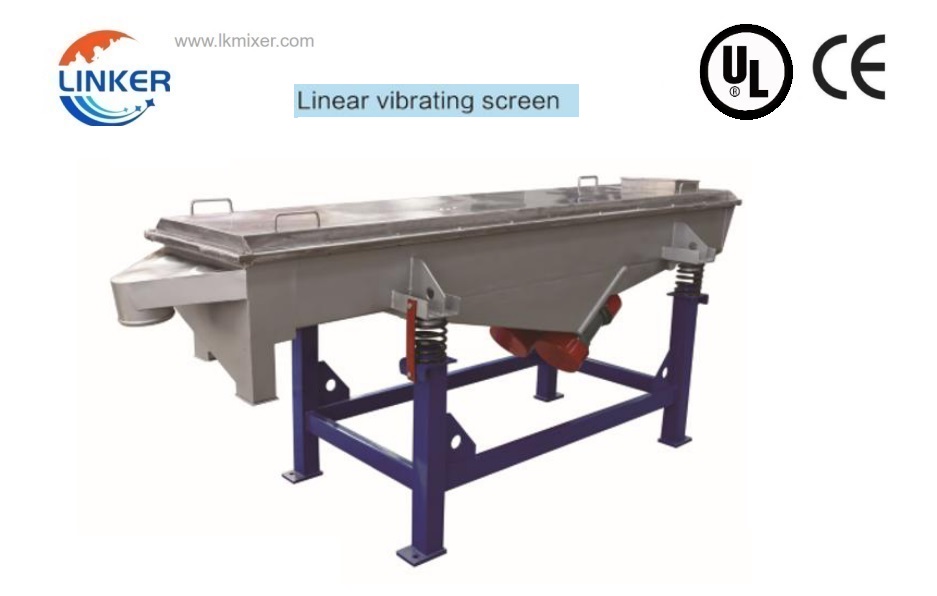
The second section is separation, with the equipment name of vibrating separation screen, whose core function is to separate shell fragments from pulp lumps, with a production capacity matching the shell breaking machine. Its real automation level is single-machine automatic: the vibration frequency is adjustable, and the key control parameter is screen mesh size: 8-20 meshes. The third section is drying, with the equipment name of low-temperature drying machine, whose core function is to reduce the pulp moisture content from 50-60% to <8%, with an industrial-grade production capacity of 50-800kg/h. Its real automation level is temperature-controlled automatic: PLC adjusts temperature/air volume, and the key control parameter is ≤40℃ (critical for vitamin C preservation).
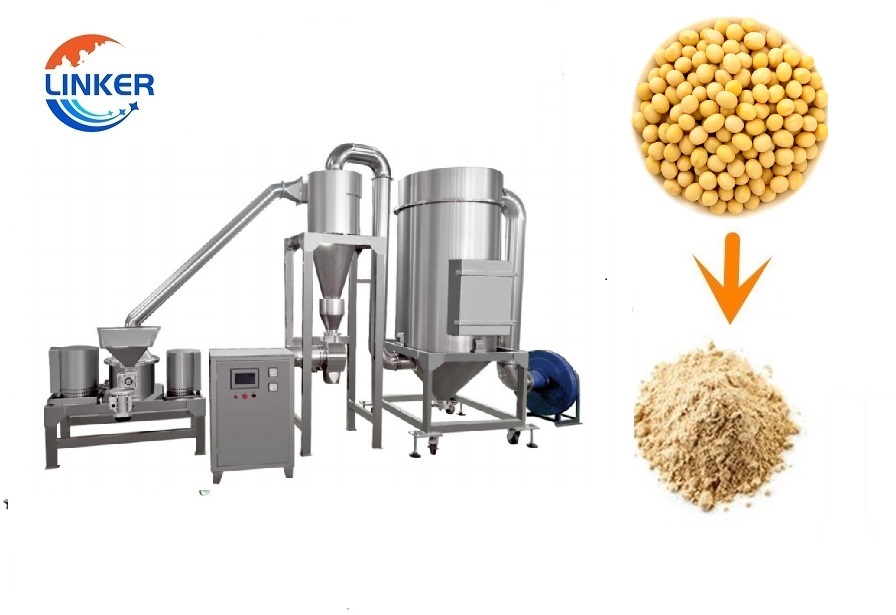
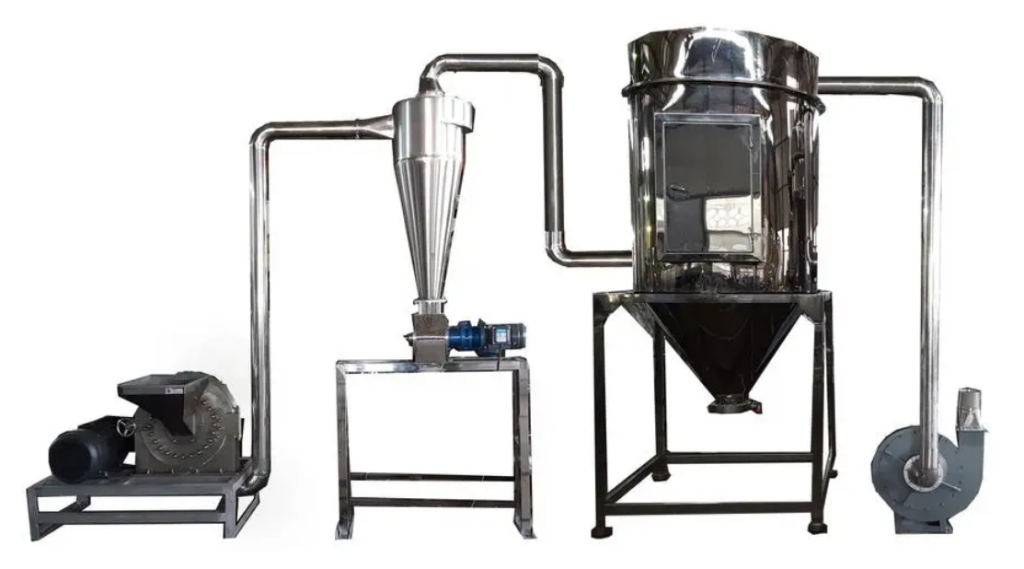
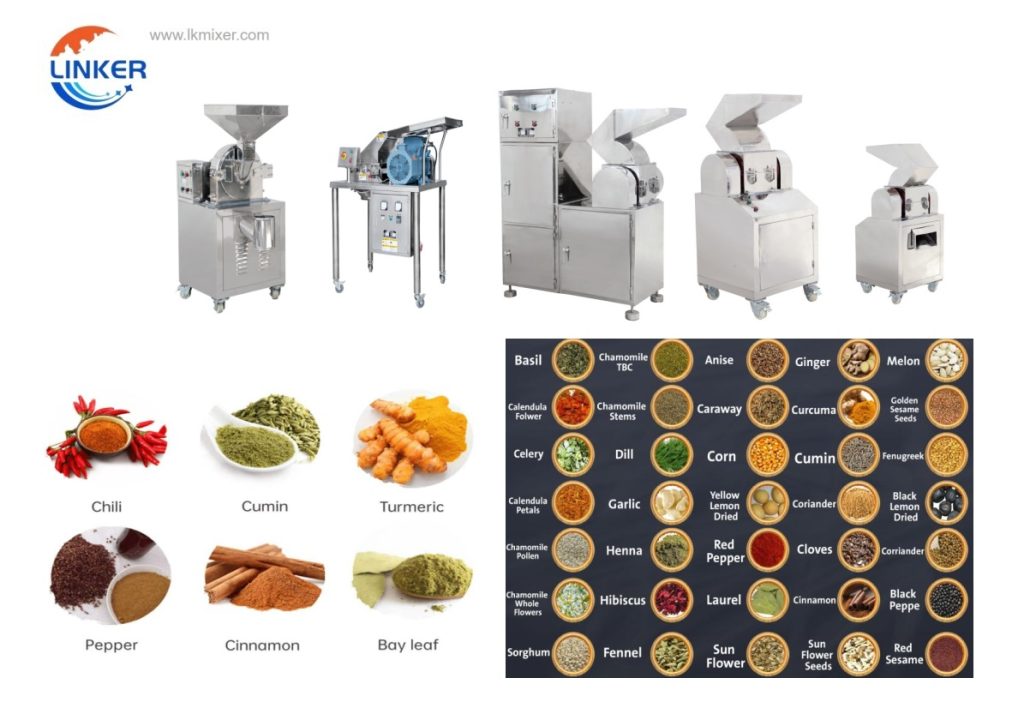
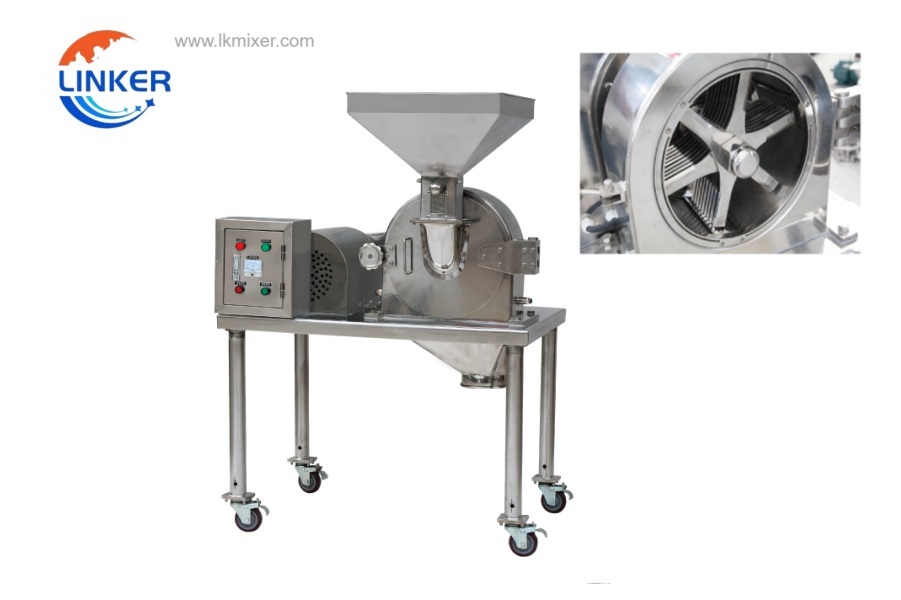
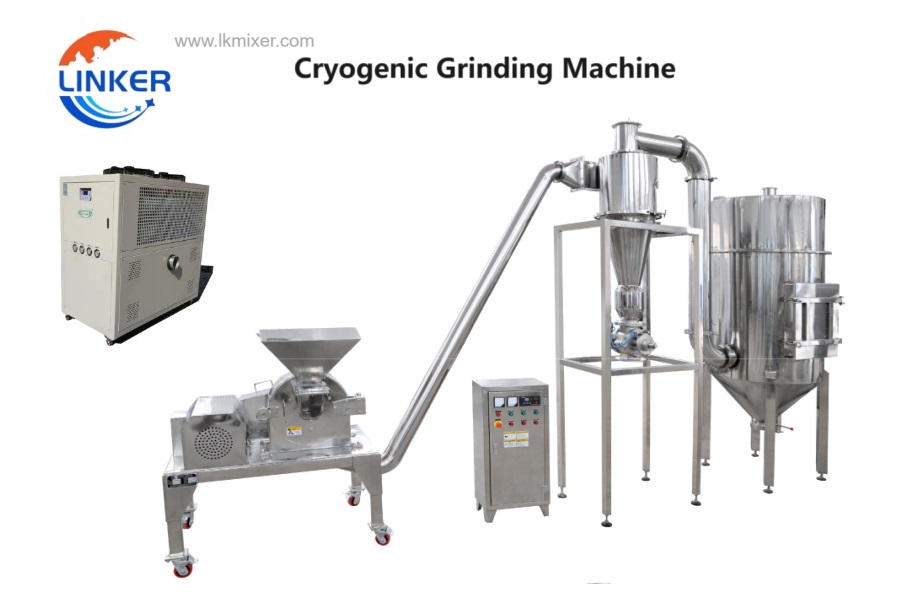
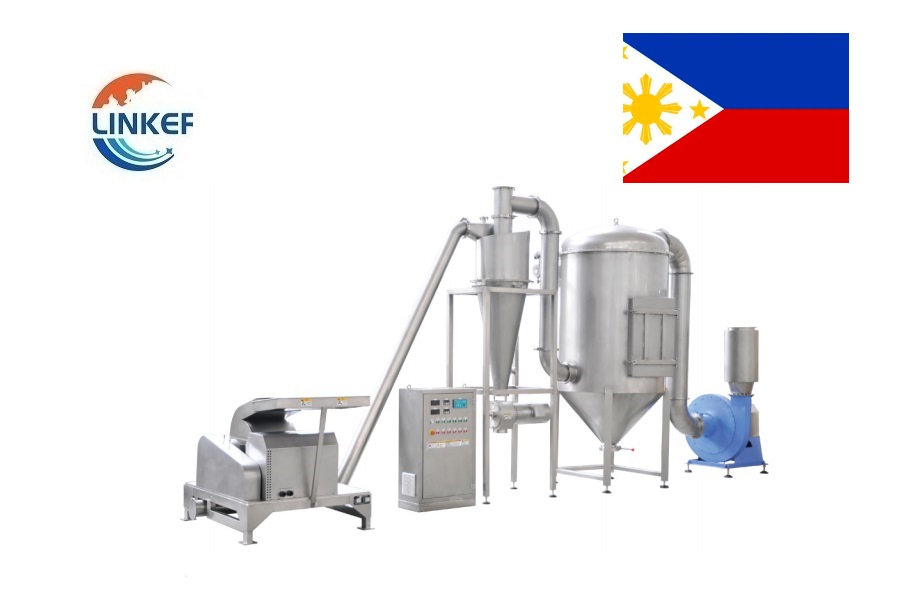
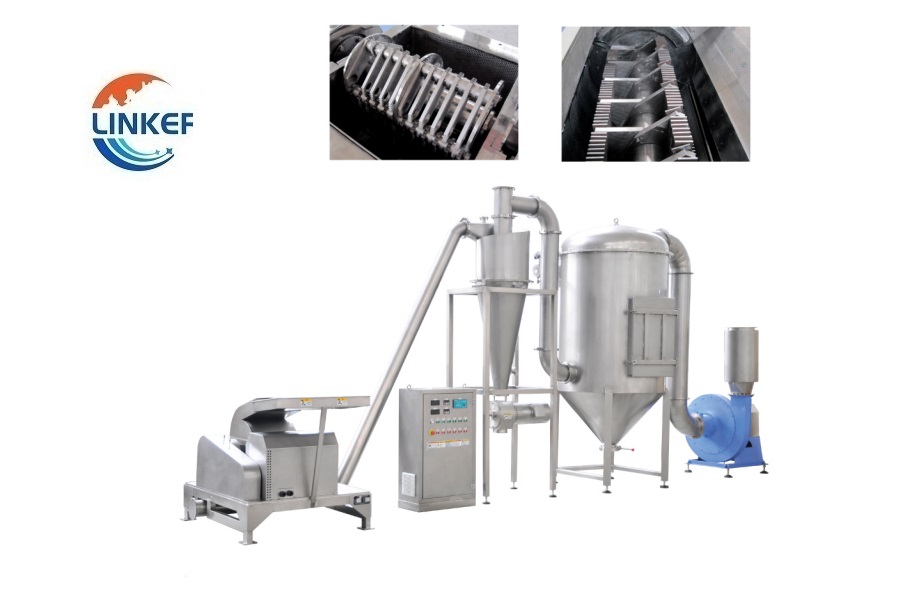
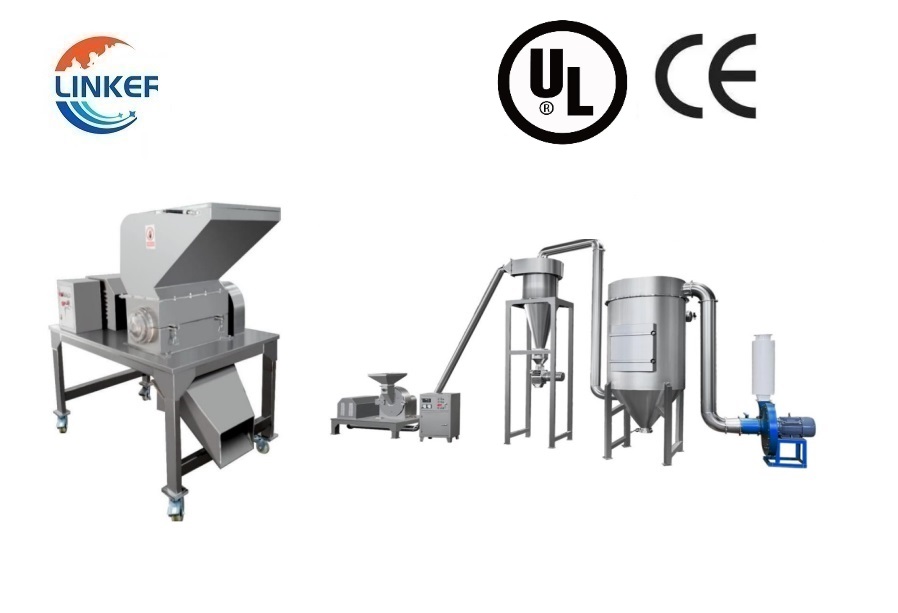
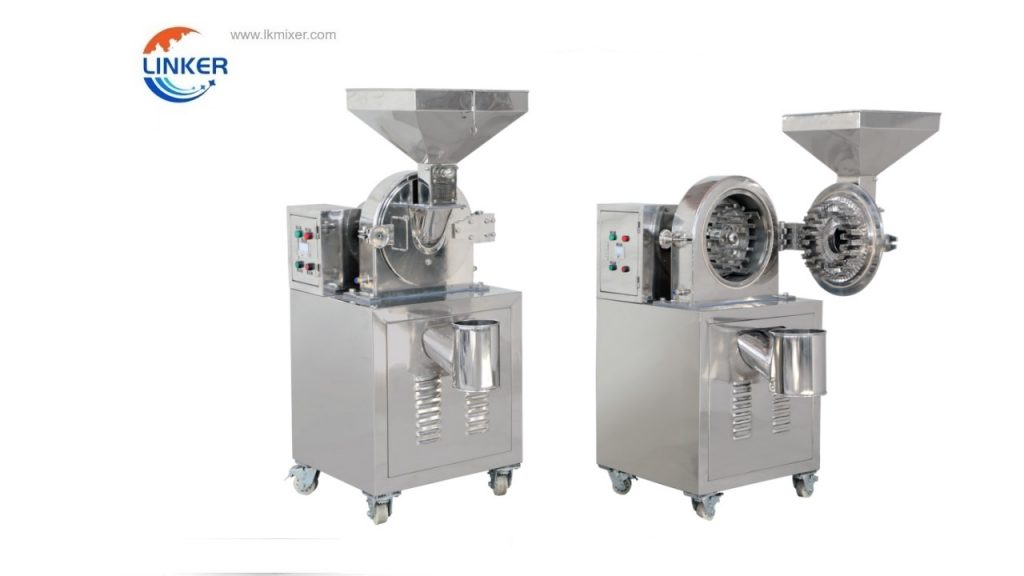
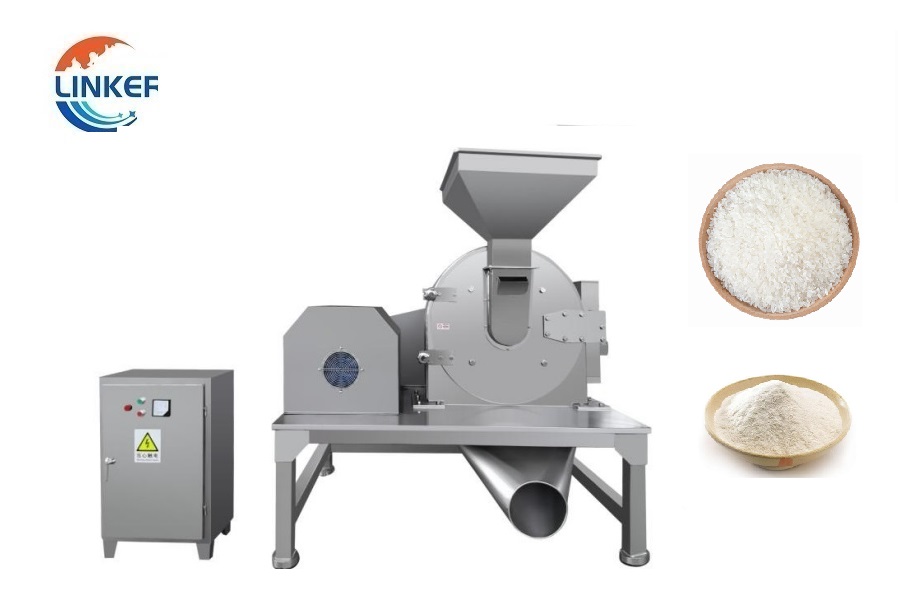
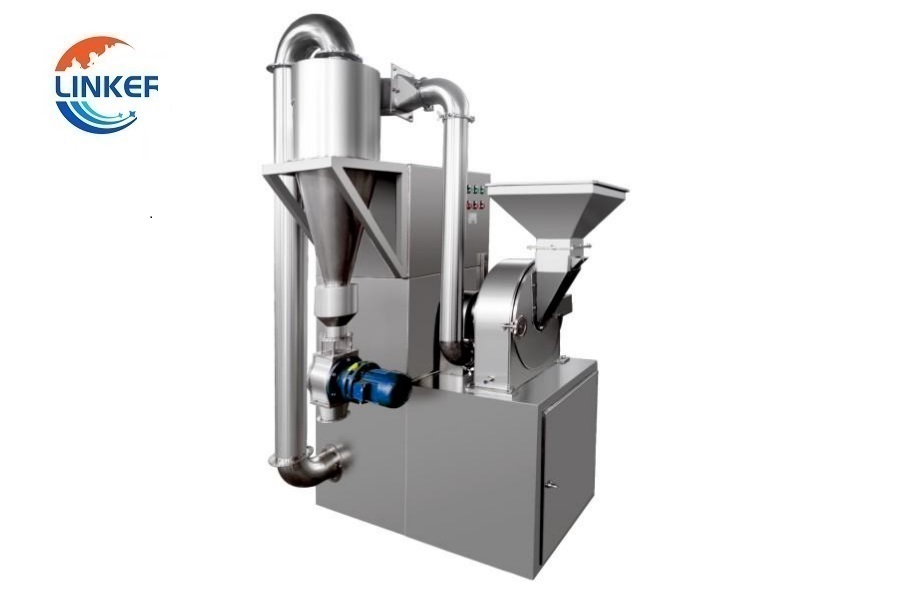
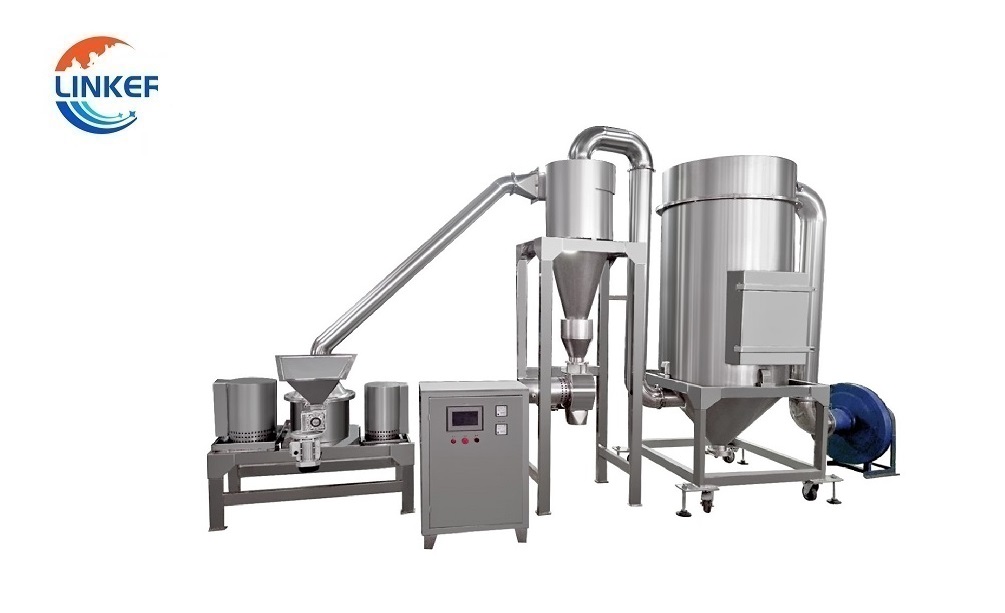
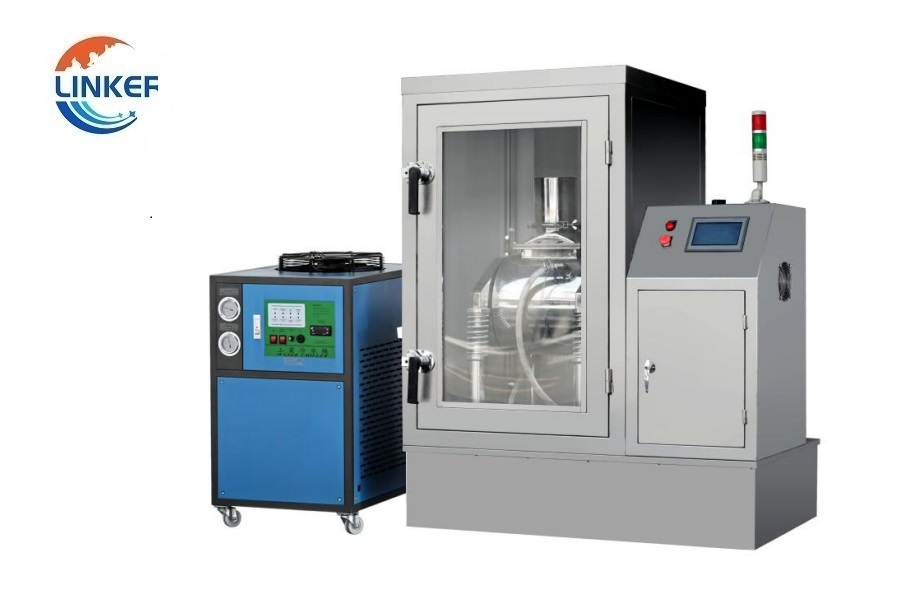
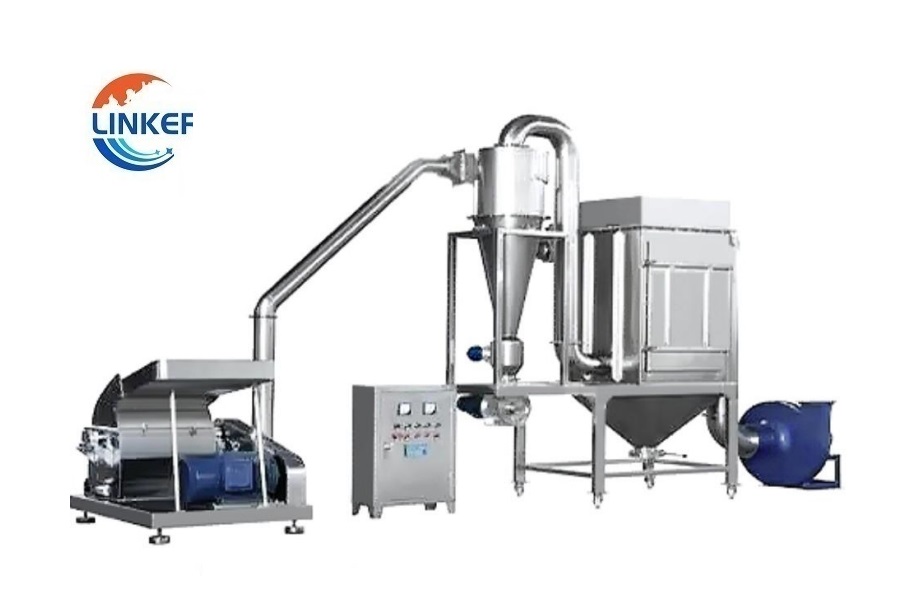
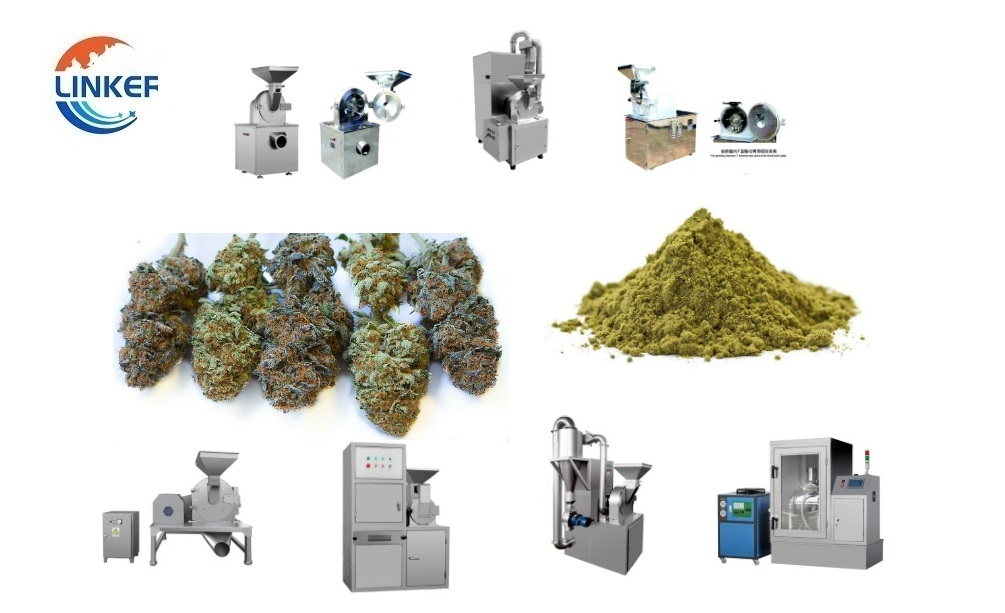
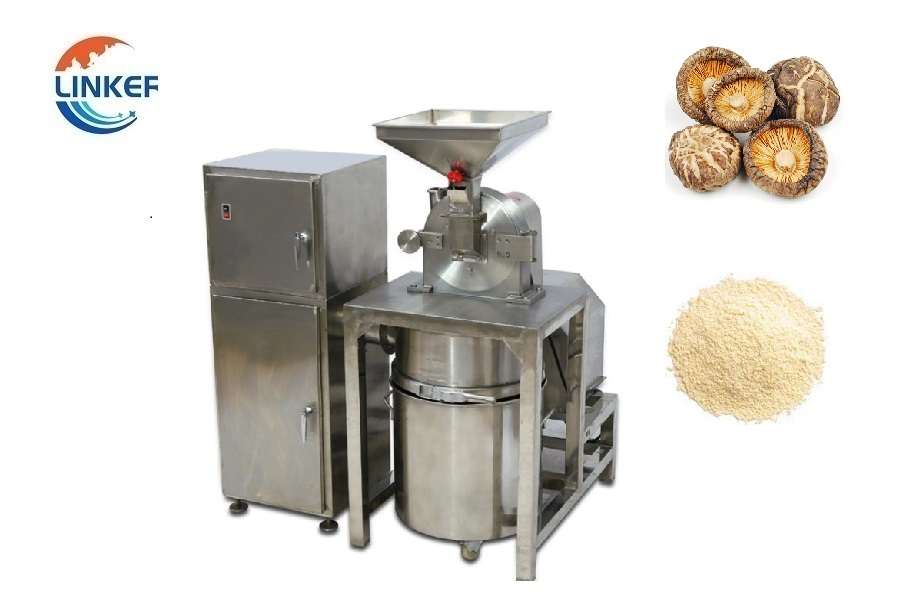
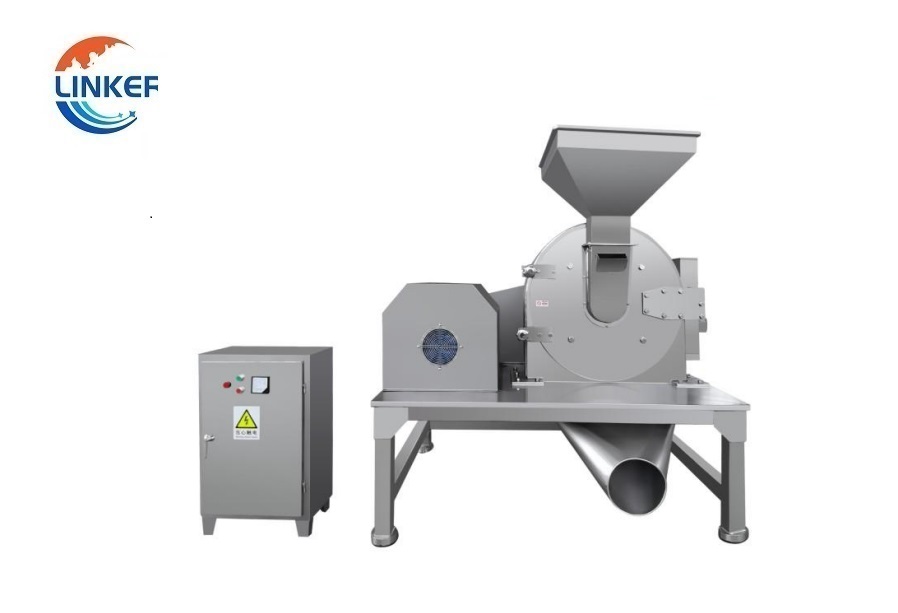
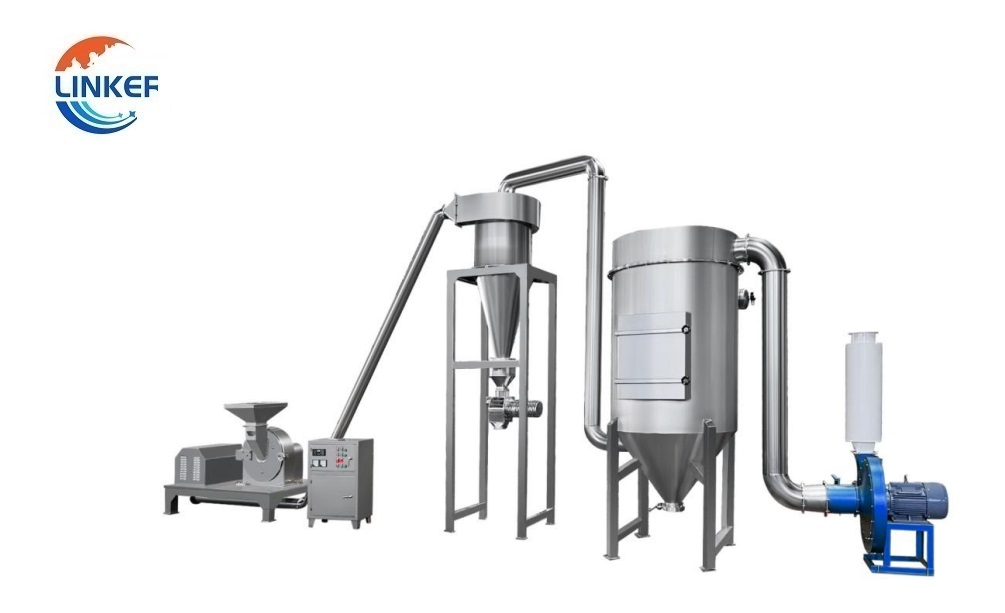
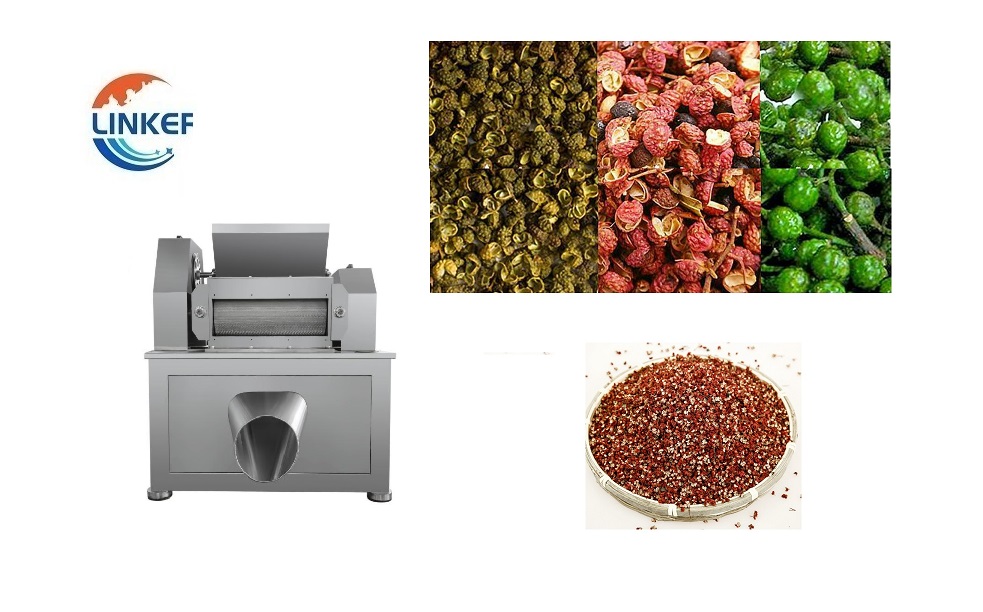
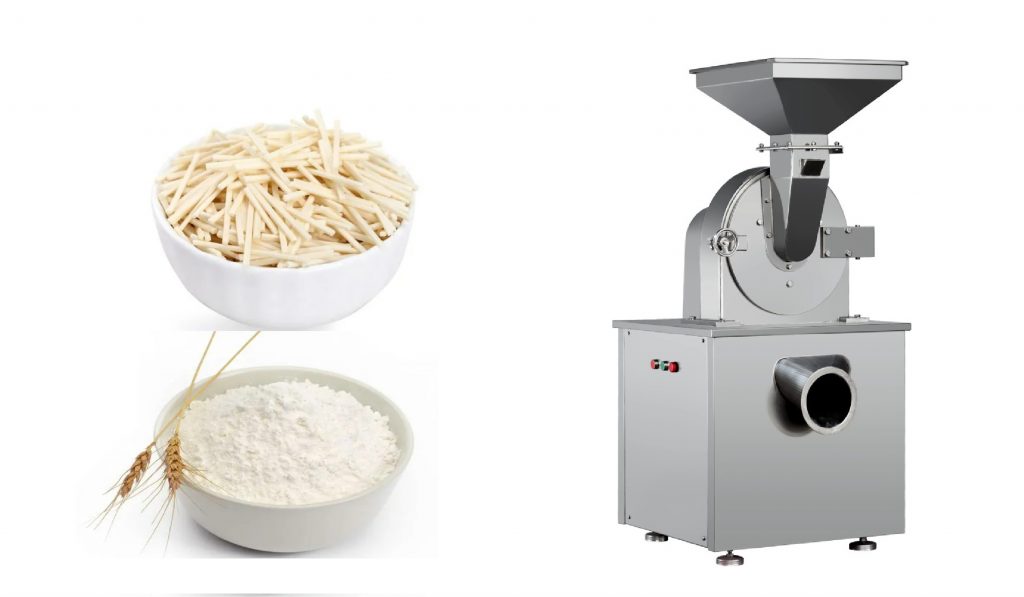
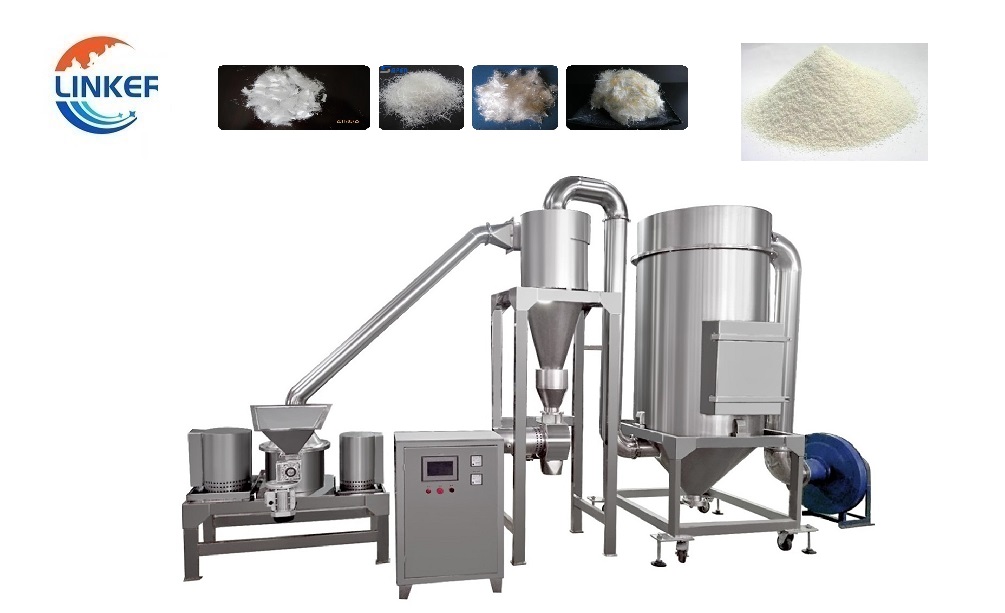
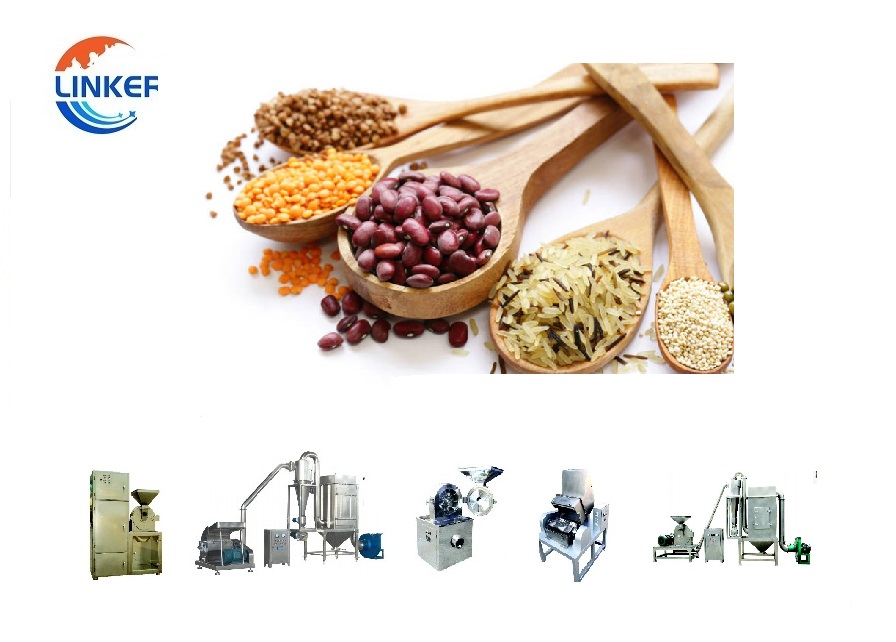
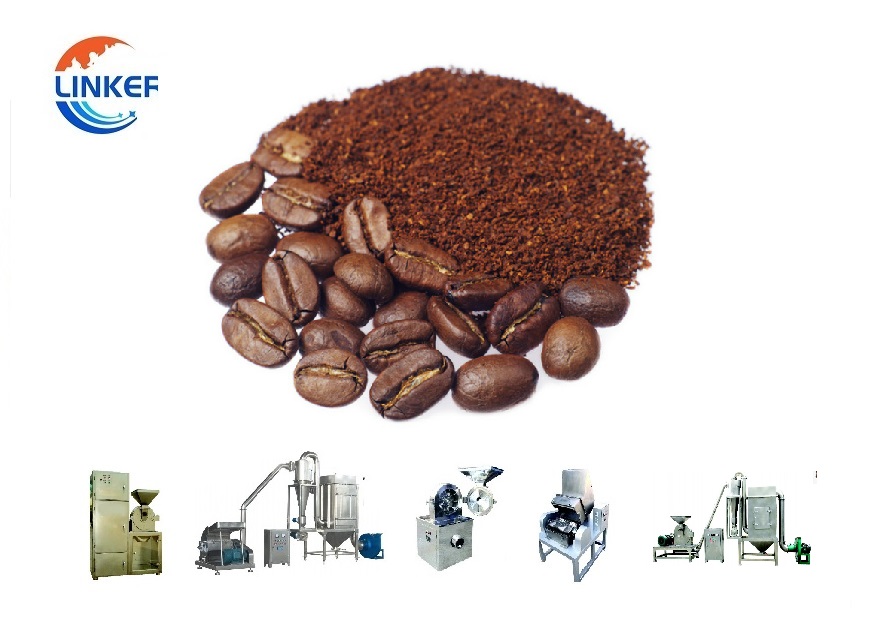
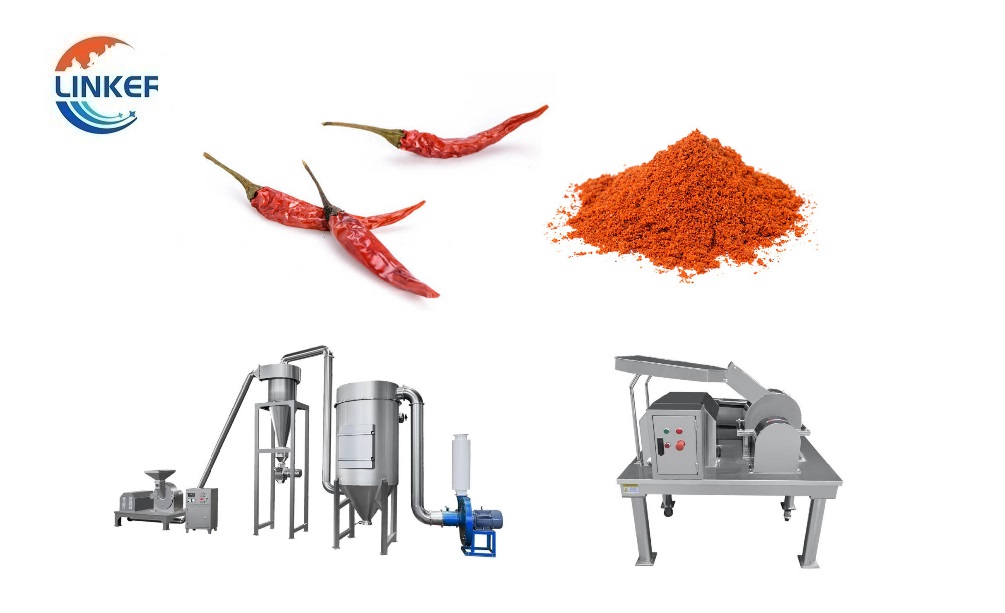
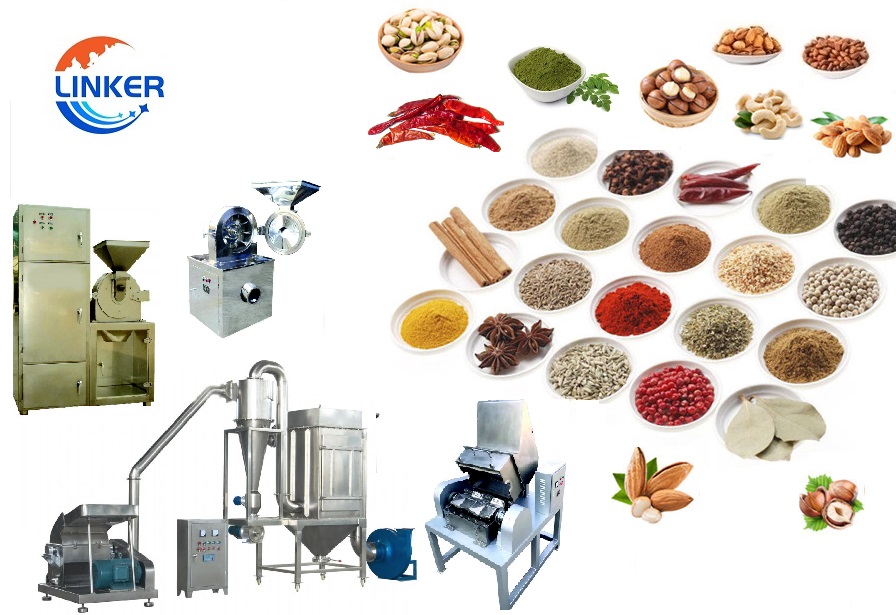
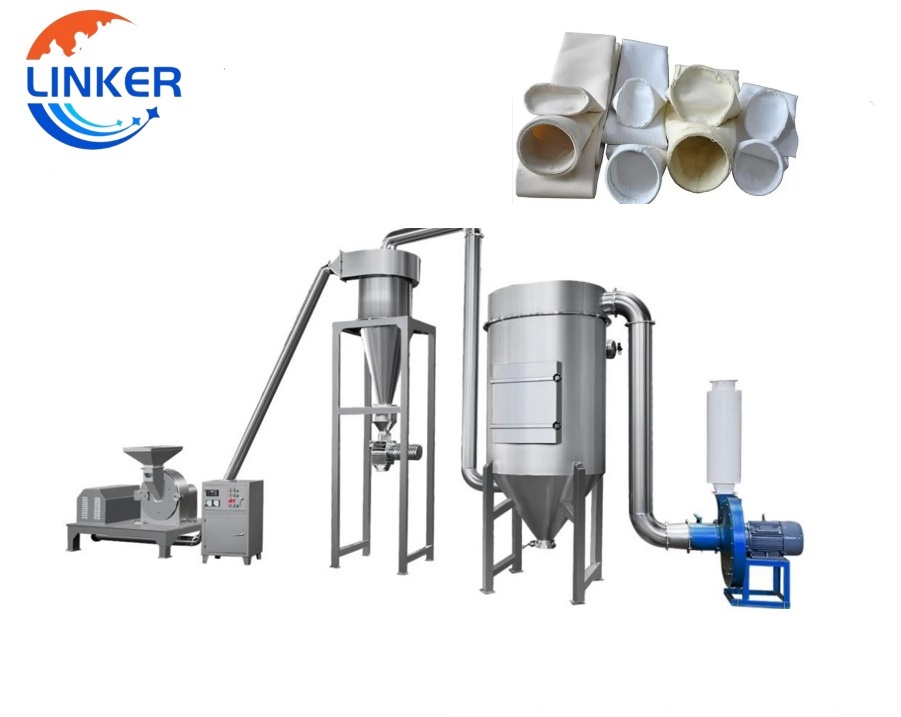
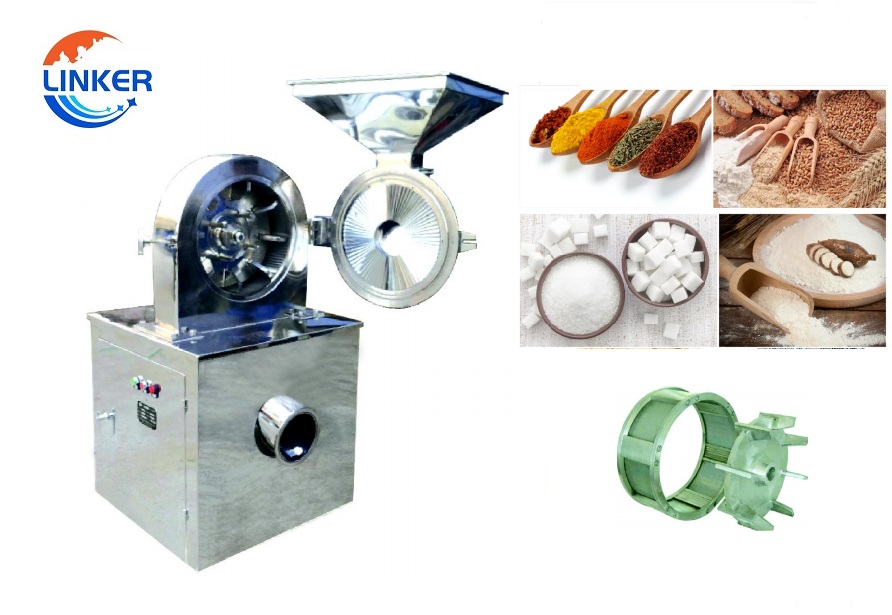
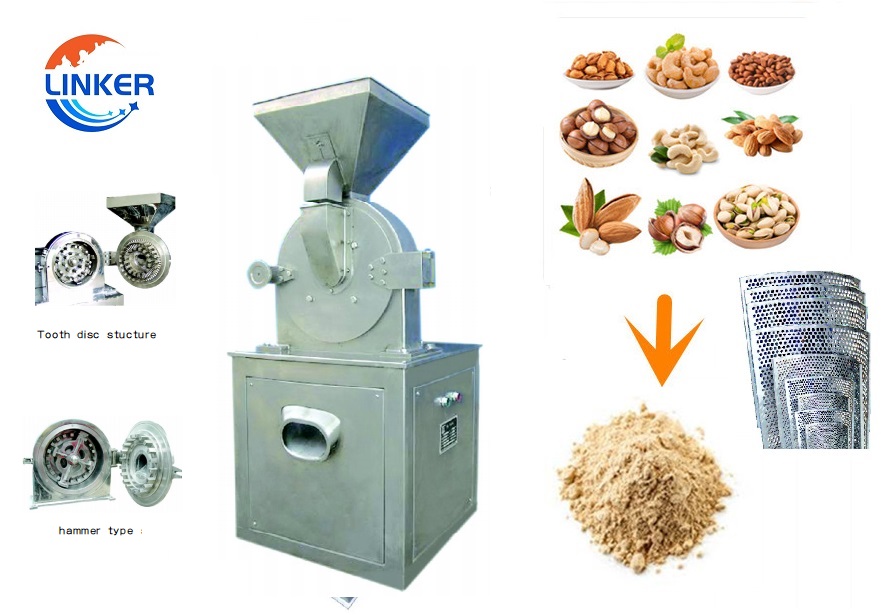
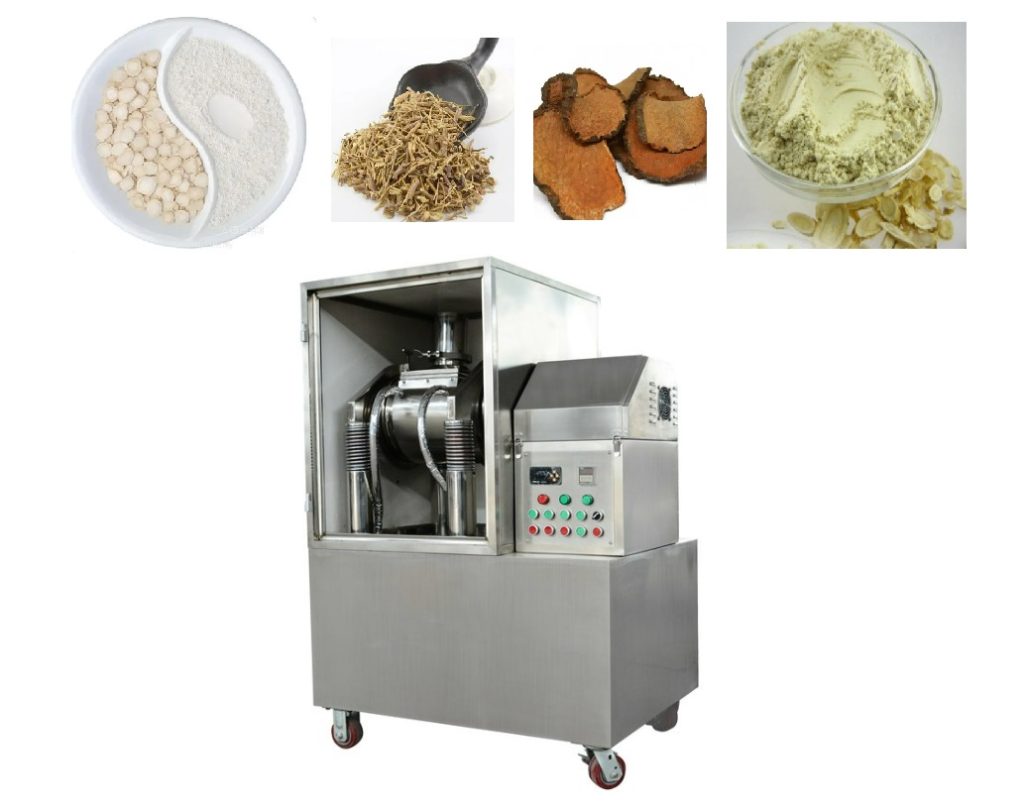
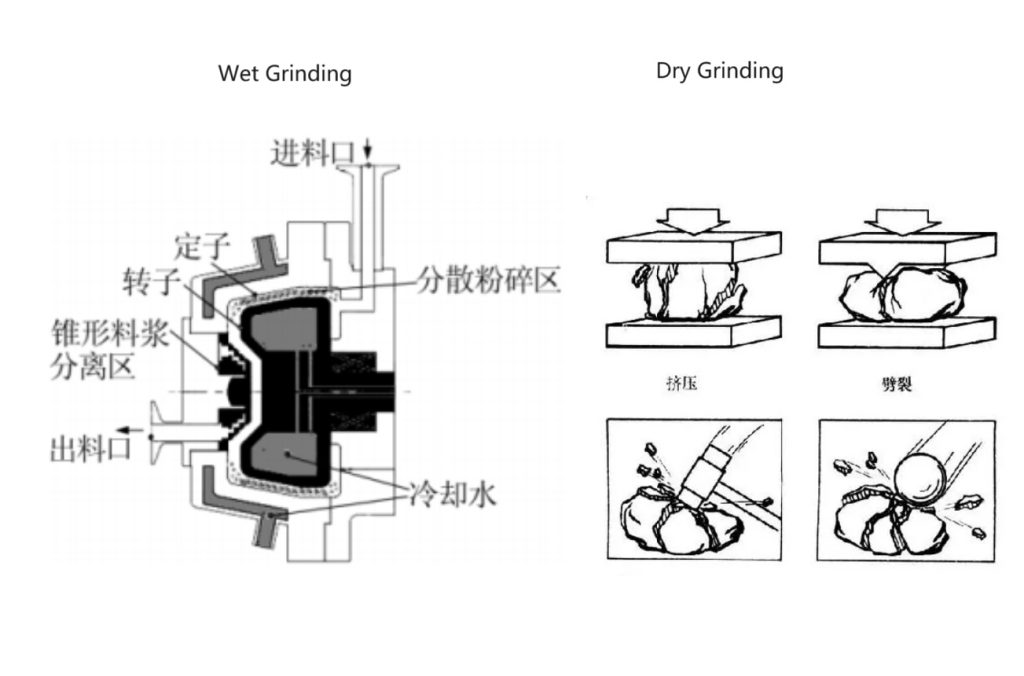
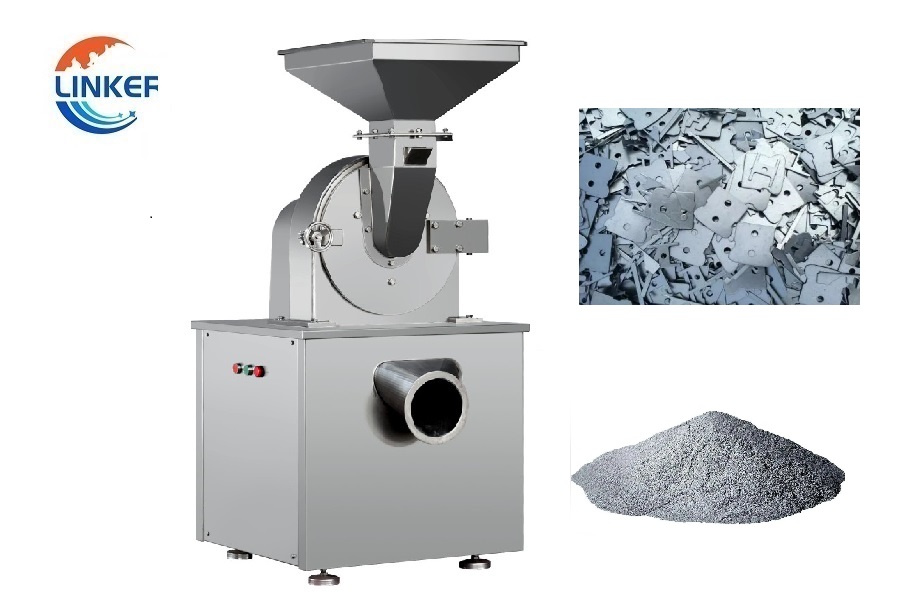
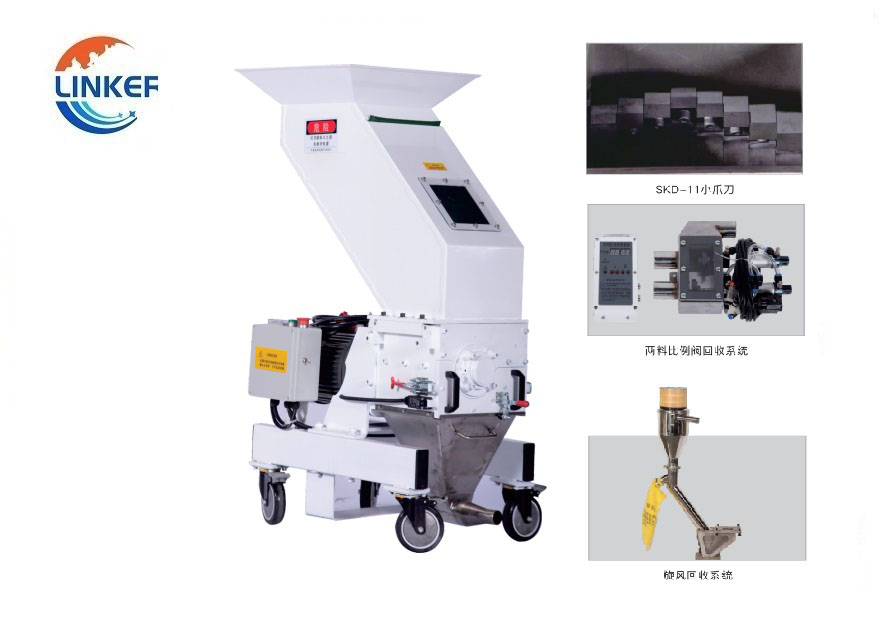
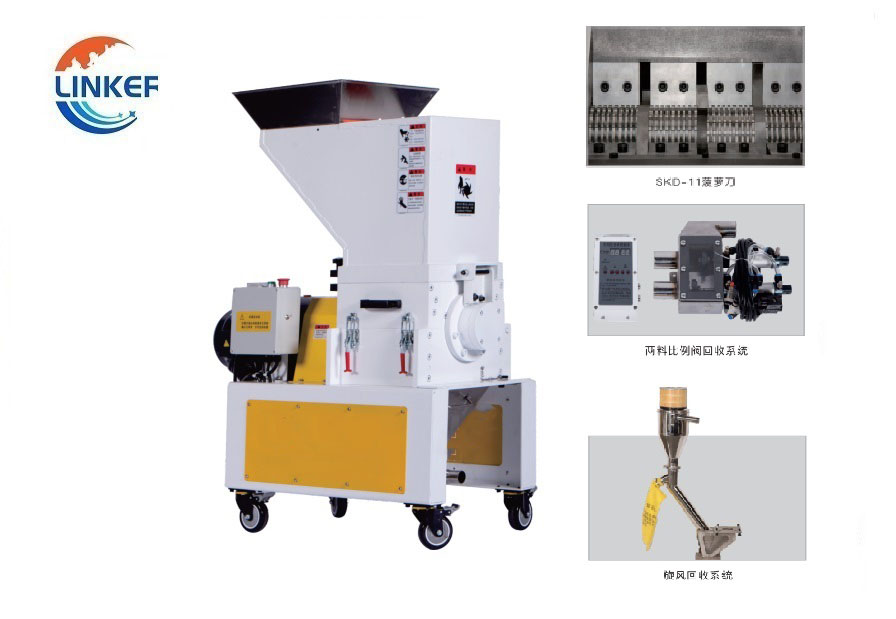
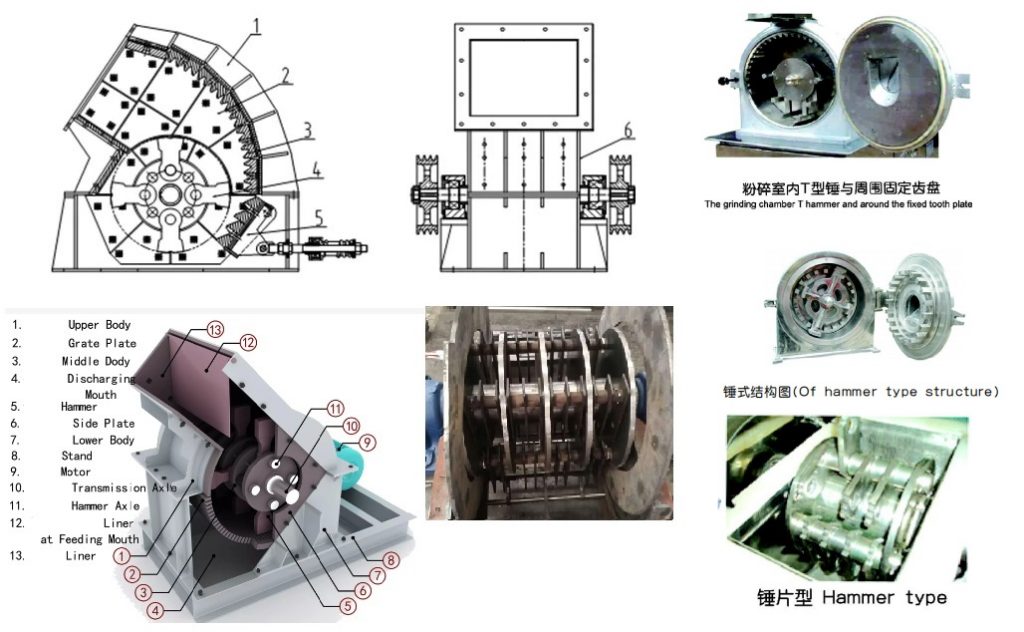
The fourth section is grinding, with the equipment name of ultrafine grinder, whose core function is to process dried pulp into fine powder, with an industrial-grade production capacity of 100-1200kg/h. Its real automation level is single-machine automatic: continuous feeding/discharging, and the key control parameter is 80-200 meshes (commercial standard). Common grinding equipment used in this section includes grinding machine, universal grinder, airflow pulverizer, Hammer Mill, Ultrafine Grinder, turbo grinder, high speed Dry Grinder, etc., which can effectively grind dried baobab pulp into fine powder. Among them, cryogenic grinding machine can be used for low-temperature grinding to better preserve the heat-sensitive nutrients in baobab pulp.
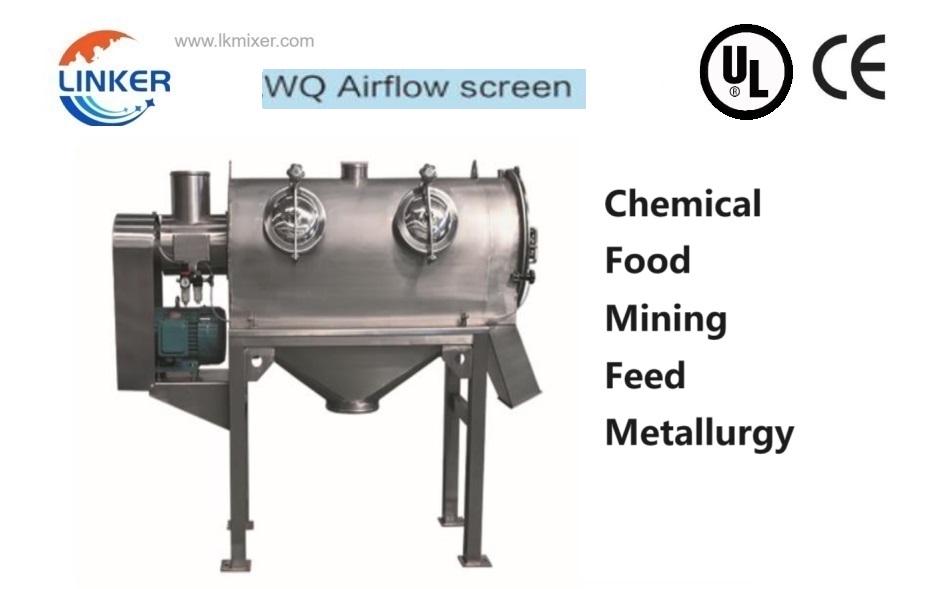
The fifth section is screening, with the equipment name of airflow classifier, whose core function is particle size classification and automatic return of coarse powder to grinding, with a production capacity matching the grinding machine. Its real automation level is closed-loop automatic: centrifugal + airflow control, and the key control parameter is 75-150μm (high-end standard). The sixth section is packaging, with the equipment name of fully automatic packaging machine, whose core function is metering, filling, sealing, and palletizing, with an industrial-grade production capacity of 20-200 bags per minute. Its real automation level is fully automatic (additional investment required), and the key control parameter is moisture <8%, with nitrogen filling optional.
The industrial-grade parameter benchmarks are essential for inquiry. The standard single-machine production capacity is 100kg/h (fruit), based on Alibaba product insights in November 2025. The scale upper limit is 500-1000kg/h, achieved by multi-machine parallel connection or customized models. The grinding fineness is 80-200 meshes (general purpose), using stainless steel hammer/tooth claw grinders; the high-end fineness is 75-150μm, using laser particle size analysis closed-loop control. The drying temperature is ≤40℃, the threshold for vitamin C thermal degradation; the finished product moisture content is <8%, the benchmark for 36-month shelf life; the material standard is AISI 304/316, complying with FDA/HACCP; the installed power is 3-30HP (1.5-22kW), varying with different sections.
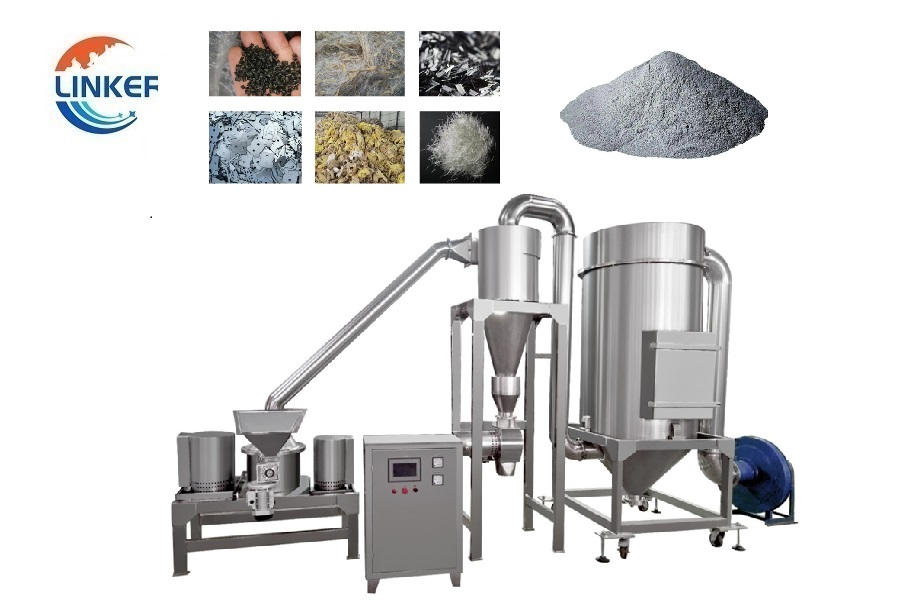
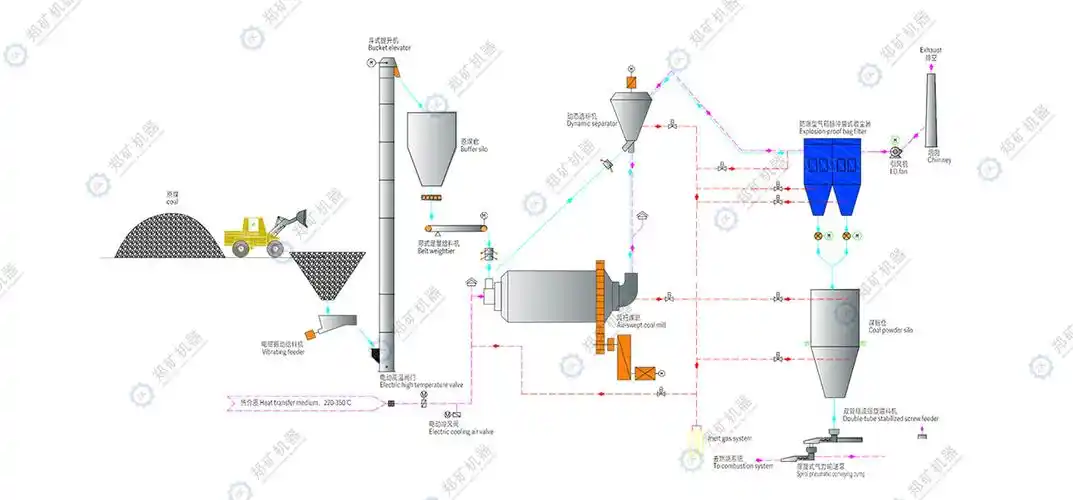
The investment reference (2025-2026, RMB) is as follows: for a production line with a daily processing capacity of 1 ton of fruit (annual output of 100 tons of powder), the investment is 800,000-1.5 million yuan (excluding plant, including 6-section equipment + simple conveyor); for a production line with a daily processing capacity of 5 tons of fruit (annual output of 500 tons of powder), the investment is 3-6 million yuan (needing customized large models + automatic packaging line); for the BFCS Senegal level (annual processing capacity of 1,000 tons of fruit), the investment is more than 10 million yuan (20 years of continuous investment). In addition, auxiliary equipment such as Dust Grinder and dust collector grinder are also needed to collect dust generated during the grinding process, reduce environmental pollution, and ensure the cleanliness of the production environment.
Why Can’t “Full Automation” Be Achieved in the Baobab Industry? — Five Technical Deadlocks
This is not the incompetence of equipment manufacturers, but the dual constraints of the industrial stage and raw material characteristics. There are five key technical deadlocks that make it difficult to realize full automation of the baobab powder production line, which are fundamentally different from the mature industrial production lines you inquired about earlier.
The first deadlock is raw material non-standardization—the enemy of automation. Baobab fruits are as big as footballs, but irregular in shape, and their shells are as hard as coconuts. The problem of automatic shell breaking is that it is impossible to feed and break them at fixed points like walnuts. Existing shell breaking machines still need manual auxiliary placement or intermittent feeding. The industry status is that the University of Pennsylvania iterated three generations of prototypes from 2010 to 2015, and finally finalized a small machine with a daily output of 100 kilograms, failing to solve the problem of continuity. Unlike raw materials such as Seasam, Peanut, wheat, corn, coffee, rice, bean, which are standardized, baobab fruits’ non-standardization makes automatic processing extremely difficult.
The second deadlock is heat-sensitive nutrition—the Achilles’ heel of high-speed grinding. Baobab fruits have extremely high vitamin C content, which is 6 times that of oranges, but begins to degrade rapidly above 40℃. The contradiction of grinding temperature rise is that high-speed crushing will inevitably generate heat, and the limit of ≤40℃ means that intermittent operation or industrial refrigeration must be configured—which is naturally conflicting with “fully automatic continuous production”. The compromise scheme is low-temperature vacuum drying + low-speed grinding, at the cost of halving production capacity and doubling costs. Equipment such as Vacuum Mill and cryogenic grinding machine can be used to alleviate this problem, but it will increase investment costs.
The third deadlock is pulp viscosity—a persistent problem of screening blockage. The physical characteristic of baobab pulp is that it contains natural pectin and sugar, which are very easy to stick to the screen if not dried thoroughly. The automation obstacle is that the fully automatic screening machine cannot perceive “imminent blockage”, and the existing scheme still needs manual regular screen cleaning. This is different from the processing of dry materials such as flour, spice, salt, sugar, which are not easy to stick to the screen.
The fourth deadlock is harvesting seasonality—a fatal injury to investment return rate. The main producing area in West Africa has a harvesting season of only 1-4 months. The economic model is that investing a large amount of money in a fully automatic line will result in the equipment being idle for 8 months a year—no rational investor will do this. The industry reality is that BFCS uses 200 seasonal workers instead of automation, which is an inevitable result of economic rationality. Unlike大宗商品 such as wheat, corn, which are harvested all year round, the seasonal nature of baobab fruits limits the utilization rate of automatic production lines.
The fifth deadlock is the global market scale—not enough to support production line R&D. Baobab powder is a niche superfood, not a commodity like wheat and corn. The motivation of equipment manufacturers is that no manufacturer is willing to invest ten million-level R&D costs for a potential market with an annual output of only 100 units. This is different from the production lines of chili powder, cocoa powder, which have a global trade volume of ten million tons, attracting a large number of equipment manufacturers to invest in R&D.
Comparative Reference: Why Is It Completely Different from the Production Lines You Inquired About Earlier?
There are significant differences in industrial maturity and full automation level between the baobab powder production line and the production lines you inquired about earlier, and the essential differences lie in the characteristics of raw materials, market demand and industrial development stage.
For washing powder/gypsum powder production lines, they have a century of industrial history, with a full automation level of 5 stars. The essential difference from the baobab powder industry is that the raw materials are standardized, the demand is rigid, and the investment return is clear. For chili powder/cocoa powder production lines, they have a 50-year industrial history, with a full automation level of 4 stars. The essential difference is that they are bulk agricultural products with a global trade volume of ten million tons.
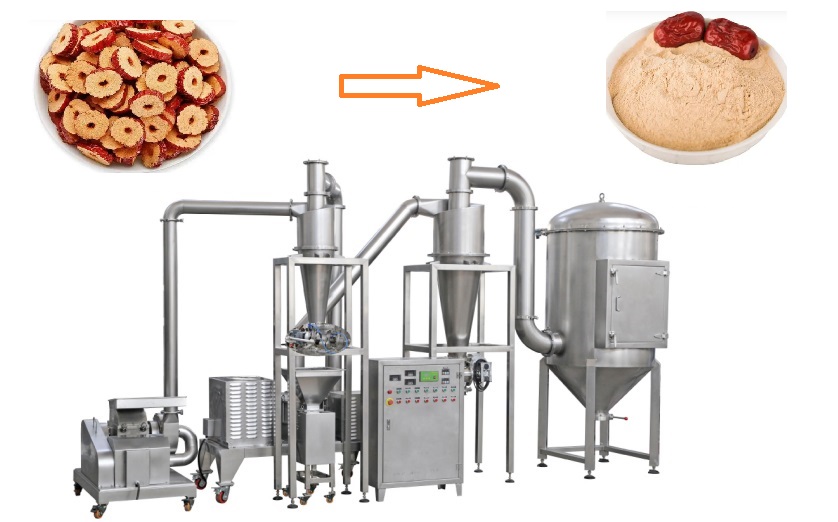
For fruit powder (red date/mango) production lines, they have a 20-year industrial history, with a full automation level of 3 stars. The essential difference is that there are mature equipment manufacturers in China with a high degree of localization. For moringa leaf powder production lines, they have a 10-year industrial history, with a full automation level of 2 stars. The essential difference is that there are already biscuit line patents, and the industry is in the germination stage.
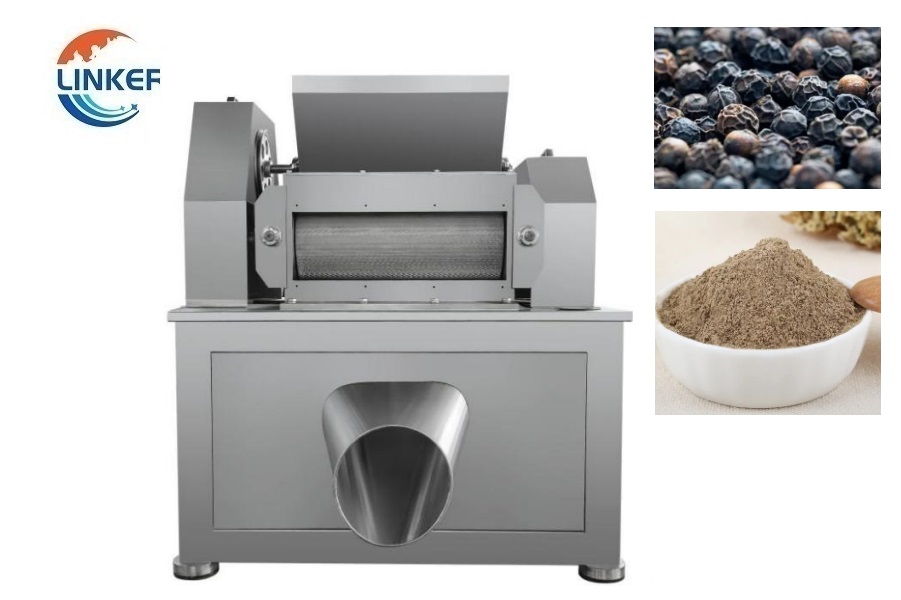
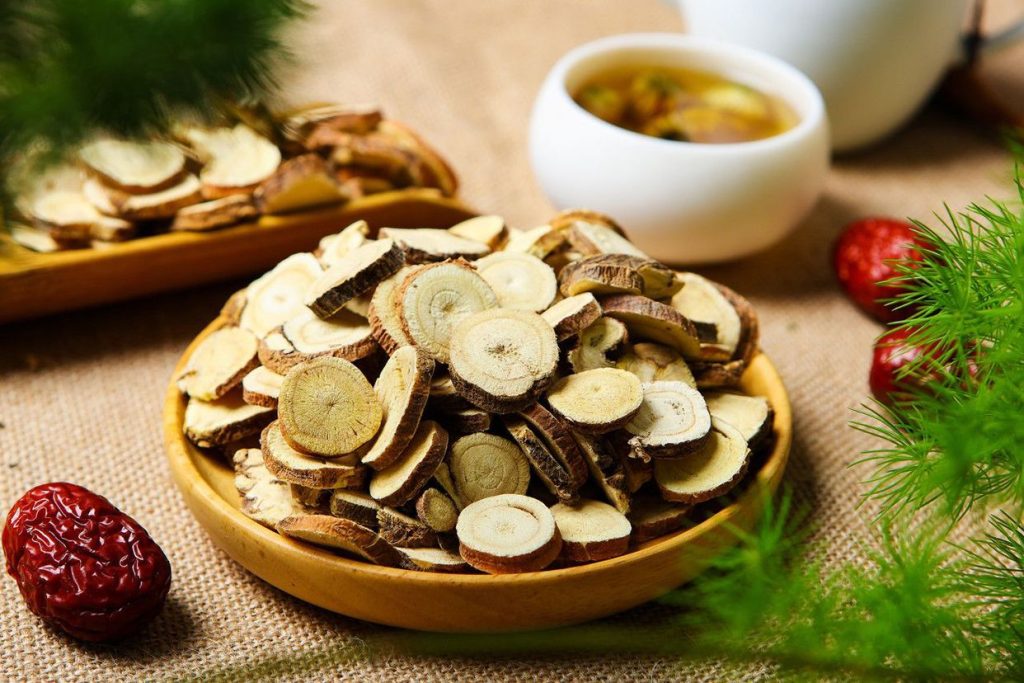
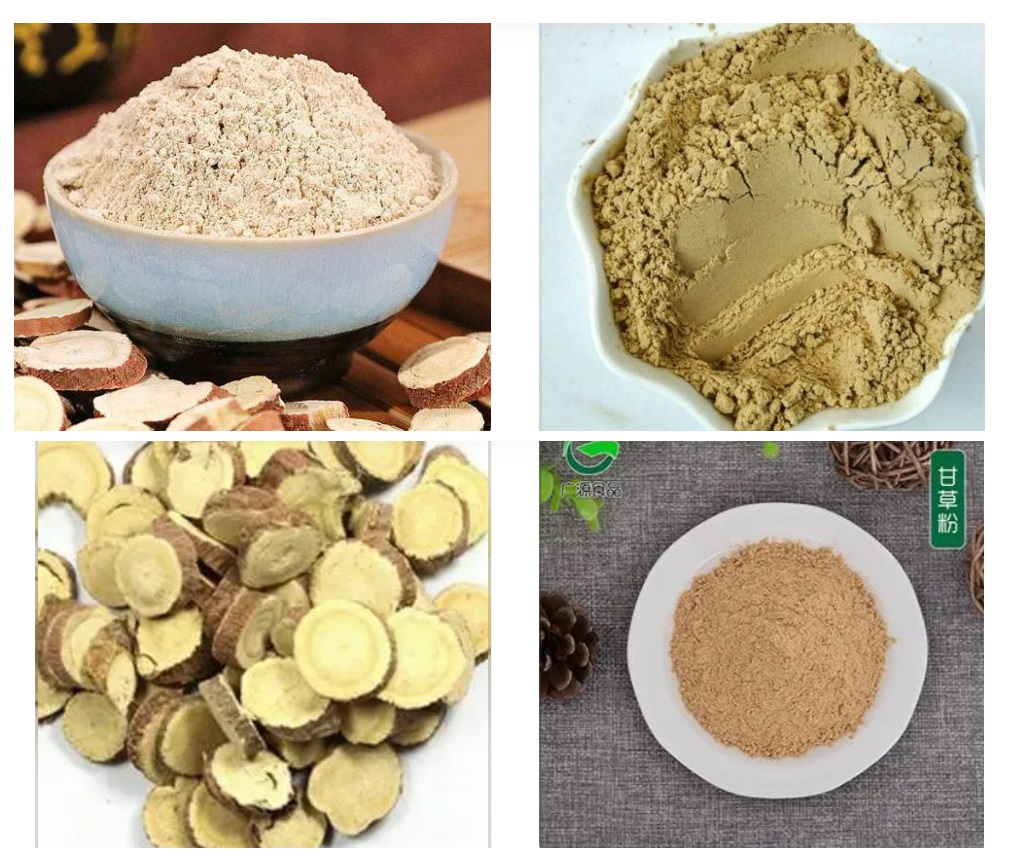
For the baobab powder production line, it has a 5-year industrial history, with a full automation level of 1 star. The essential difference is that it has only 26 years of commercial history worldwide, and there is no local raw material in China. The core conclusion is that this is the category with the lowest industrial maturity and the most primitive automation level in your inquiry sequence. It is not an industrial product, but agricultural product processing. The equipment used is also different from the production lines of other products: the baobab powder production line mainly uses grinding equipment such as Dry Fruit Powder Grinder Machine, ultrafine grinder, and airflow pulverizer, while other production lines may use equipment such as cassava grinding machine, dry ginger grinding machine, licorice grinding machine, black pepper grinder, which are mainly used for processing other agricultural products and medicinal materials.
Your Breakthrough Path: Three Pragmatic Choices
Since you cannot directly purchase a “fully automatic line”, the following three paths are the only feasible industrial schemes currently. You can choose the appropriate path according to your own raw material sources, production capacity requirements and budget.
Path A (Most Pragmatic): Two-Stage Integration with “Drying + Grinding” as the Core
Abandon the automation of the front-end shell breaking, directly purchase shelled dried pulp (professional suppliers such as BFCS have semi-finished products for export), and only do the fully automatic post-processing of drying (if needed) → grinding → screening → packaging. The advantage of this path is that it skips the most difficult shell breaking link, and the post-processing equipment is completely mature, which can truly realize PLC full automation.
The investment for a production line with a daily output of 1 ton of powder is 300,000-800,000 yuan (including ultrafine grinding + automatic screening and return + fully automatic packaging). The risk is that it relies on the imported dried pulp supply chain, and the cost is controlled by others. The key equipment used in this path includes Ultrafine Grinder, airflow pulverizer, Vacuum Mill, fully automatic packaging machine, etc. Among them, the grinding machine can choose 500KG Grinder or 200KG grinder according to the production capacity, and the export-oriented production line can choose CE Certificate grinder to meet international standards.
Path B (Most Stable): Step-by-Step Investment, First Mechanization Then Automation
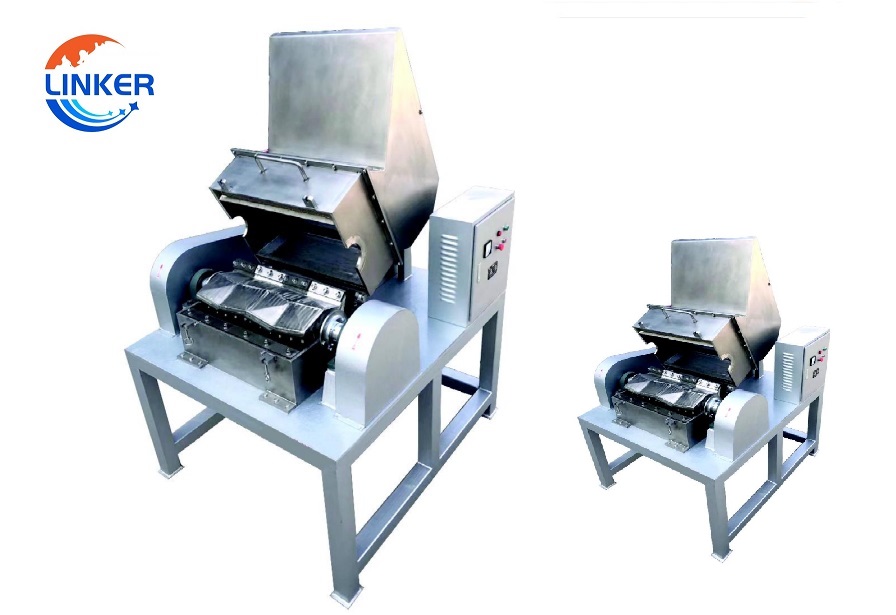
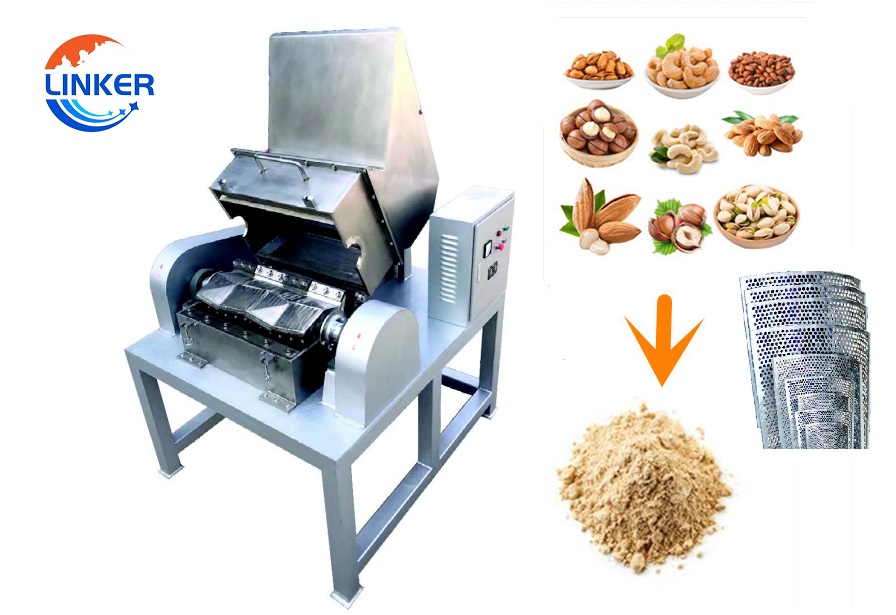
The first phase (2-3 million yuan): purchase the three major pieces of shell breaking + separation + drying, with manual auxiliary connection to form a semi-mechanized production line. The equipment used includes coarse crusher, Air cooled crusher, low-temperature drying machine, etc. The second phase (1-2 million yuan): add automatic conveying + automatic packaging to reduce manual labor. The equipment used includes automatic conveyor, fully automatic packaging machine, etc. The third phase (depending on demand): introduce PLC centralized control to transform into a centralized control production line.
The advantage of this path is that the cash flow pressure is small, and continuous optimization can be carried out in operation. The reference benchmark is that BFCS took 20 years to reach the current level, and you don’t have to finish it in one year. In the process of step-by-step investment, you can gradually replace manual operations with equipment, such as using Electric Grinder, small grinder machine for small-scale grinding, and then replacing them with large-scale grinding equipment such as 500KG Grinder as the production scale expands.
Path C (Most Radical): Non-Standard Customized Complete Line, Be an Industry Pioneer
If you must, and only you must obtain a “fully automatic line from whole fruit to finished powder”, the following steps are required. First, the source direction: do not look for “baobab-specific” manufacturers, but look for nut processing complete line integrators (such as walnut and macadamia nut production line manufacturers in Anhui/Shandong). Second, the technical route: learn from the mature automatic technology of walnut shell breaking + shell-kernel separation and transplant it to baobab fruits.
The customized costs include: R&D/transformation cost: 500,000-1 million yuan (separate shell breaking machine); complete line integration cost: 2-3 times that of conventional production lines; delivery cycle: 12-18 months. The risk prompt is that there are no successful cases worldwide, and the University of Pennsylvania team only achieved a 100kg/day machine after 5 years. The customized production line may involve the modification of some equipment, such as adjusting the structure of the cutting type grinder and vibrating pulverizer to adapt to the characteristics of baobab fruits.
Real Action Advice for You (Inquiry Script Template)
According to different paths, the inquiry scripts are also different. The following templates have been optimized for you, which can help you accurately convey your needs to suppliers and obtain real and effective quotations and cases.
🔹 If You Choose Path A (Fully Automatic Post-Processing)
“Our company plans to build a baobab pulp dry powder processing line, with raw materials as imported shelled dried pulp (moisture content <12%). We need to purchase: 1. Ultrafine grinder: 304 stainless steel, adjustable fineness of 80-200 meshes, with self-splitting classification (coarse powder automatically returns to grinding), hourly output of 200-300kg; 2. Fully automatic packaging machine: screw metering, adjustable 5-25kg, fully automatic filling + sealing + palletizing; 3. The above two machines need to be linked and controlled, and the conveyor belt is automatically connected. Please provide the video of completed customer cases, measured fineness report, and 72-hour continuous operation energy consumption data.”
🔹 If You Choose Path B/C (Front-End Mechanization/Automation)
“Our company needs baobab fruit shell breaking and pulp separation equipment, with raw materials as dried fruits with a diameter of 15-25cm and shell hardness ≈ coconut. Requirements: 1. Continuous feeding (not batch), hourly output ≥500kg; 2. Breakage rate ≤5%, pulp yield ≥90%; 3. All contact parts are 304 stainless steel. Does your company have experience in modifying nut shell breaking machines? Can you provide measured data of baobab fruits or on-site test run?”
Final Summary: Three Industry Truths You Must Accept
First, there is no fully automatic complete line—BFCS, the world’s number one, has used 20 years and 200 workers, and still cannot be called “fully automatic”. The “fully automatic production line” on B2B platforms is a single-machine patchwork, not an integrated complete line. The so-called “fully automatic” is only the automation of a single machine, not the full-process automation of the entire production line.
Second, the industrial origin is in Africa—raw materials are in West Africa, and core processors are also in West Africa. There is no local raw material in China, and equipment manufacturers lack the soil for iteration. You are a pioneer in the Chinese market, not a mature buyer. This means that you need to face the problems of raw material import, equipment customization and technical adaptation, which are not encountered in the production lines of other domestic agricultural products.
Third, automation ≠ competitiveness—in the baobab industry, sustainable procurement certification, organic certification, and supply chain transparency are more able to determine brand premium than automation. BFCS has an annual processing capacity of 1,000 tons and 200 employees, which is precisely their moat, not a shortcoming. In this niche market, product quality and certification are more important than production efficiency.
If you can clarify your raw material source (imported dried pulp/imported whole fruit/self-built African base), target annual production capacity (tons of powder/year), and real budget range, I can draw a “3-year step-by-step implementation roadmap” for you based on BFCS’s industrial benchmark and the technical reserve of domestic nut processing equipment—this is more practical than any false commitment of “fully automatic line”. At the same time, I can also help you select suitable equipment, such as choosing the appropriate grinding machine (herb grinder, Industrial Weed Grinder, large grinding machine) according to your production capacity and fineness requirements, and matching auxiliary equipment such as Dust Grinder and dust collector grinder to ensure the normal operation of the production line and meet environmental protection requirements.
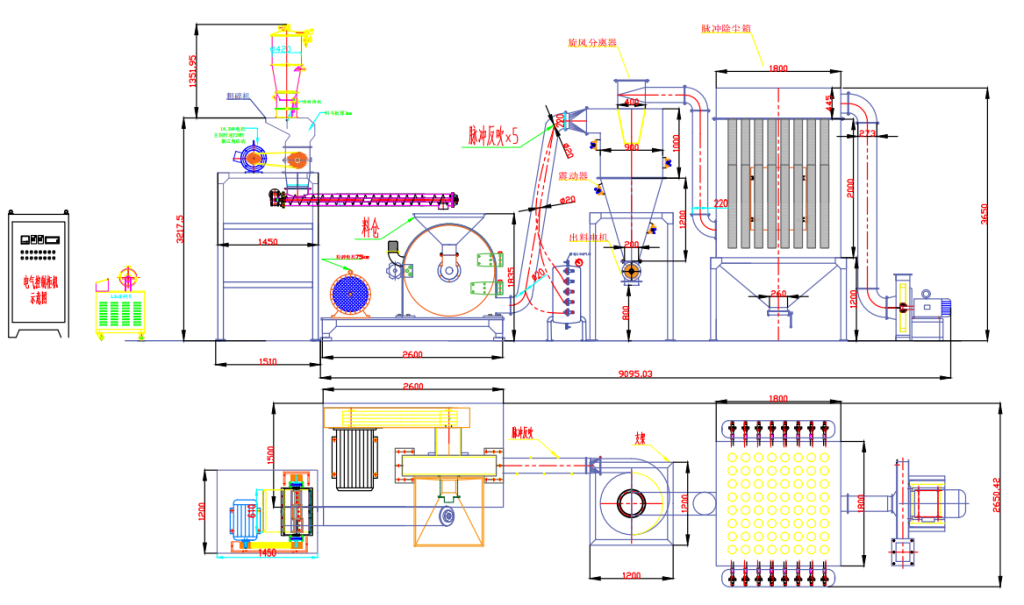

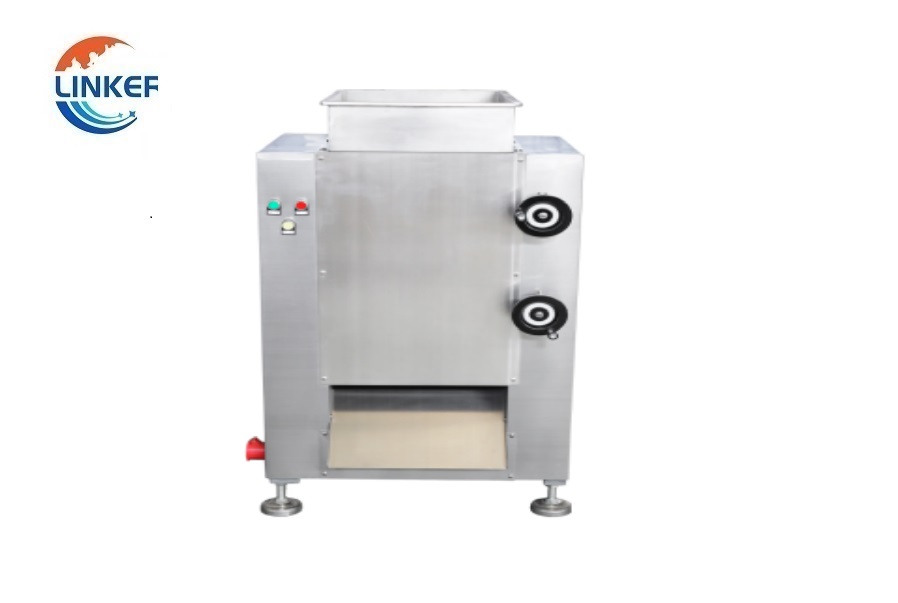
Parameters:

Model Name | SG-600 | |
| Crushing Capacity(kg/h) | 1000~2000 | |
| Power(kw) | 11 | |
| Feeding Size(mm) | <5mm | |
| Fineness(mesh) | 20~40mesh |
Model Name | SG-800 | |
| Crushing Capacity(kg/h) | 2000~4000 | |
| Power(kw) | 15 | |
| Feeding Size(mm) | <5mm | |
| Fineness(mesh) | 20~40mesh |
Trade Capacity
| International Commercial Terms(Incoterms): | FOB, CIF, CFR | Terms of Payment: | LC, T/T, PayPal, Western Union |
| Average Lead Time | 60 working days | Main Markets | North America, South America, Europe, Southeast Asia/ Mideast, East Asia(Japan/ South Korea), Australia, Domestic |
| Nearest Port: | Ningbo Port; Shanghai Port | Factory Address: | JiangSu, China |
Ampere of Motors Customization for Seeds Grinder:
| KW | HP | Ampere |
| 75kw | 100HP | 135A |
| 55kw | 75HP | 99A |
| 30kw | 40HP | 54A |
| 22kw | 30HP | 39A |
| 2.2kw | 3HP | 3.9A |
| 1.5kw | 2HP | 2.7A |
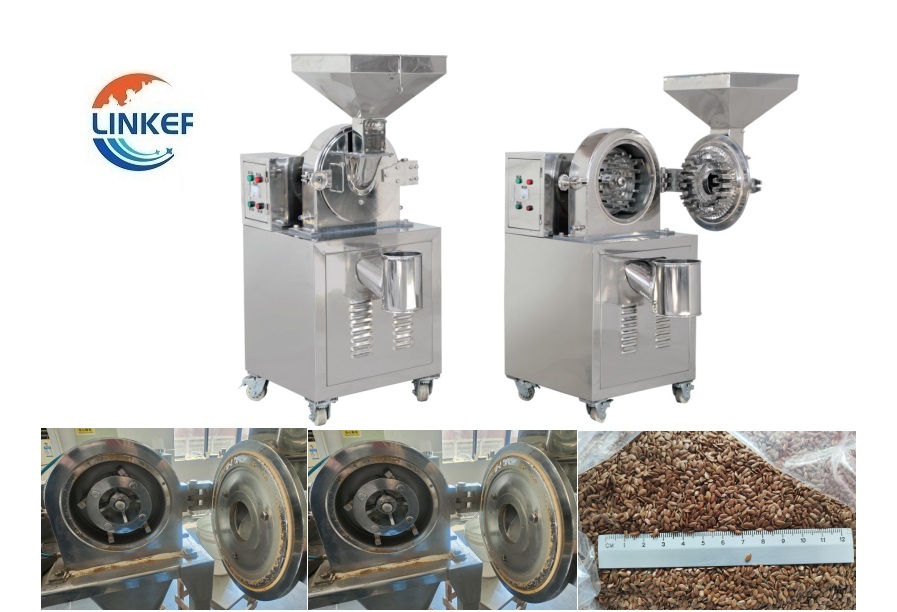
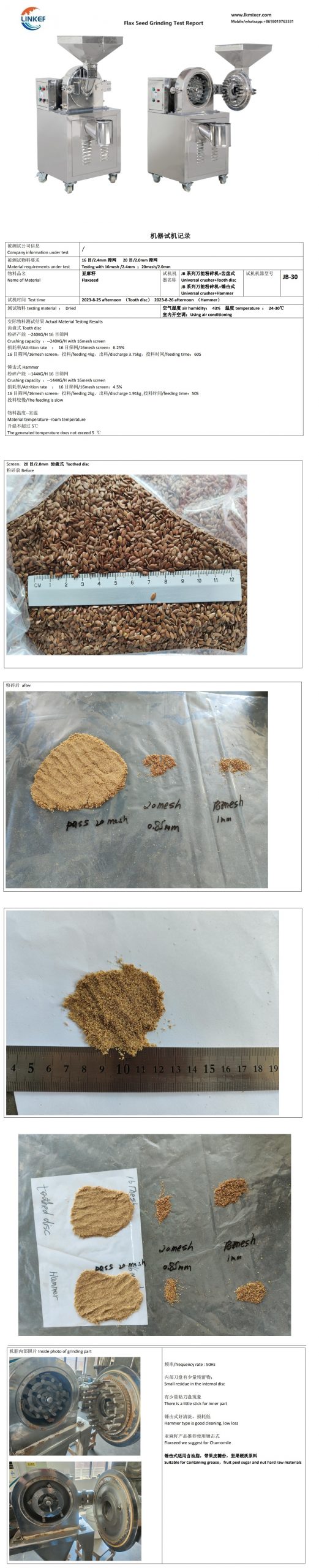
Test Report for Flax Seed Grinder:
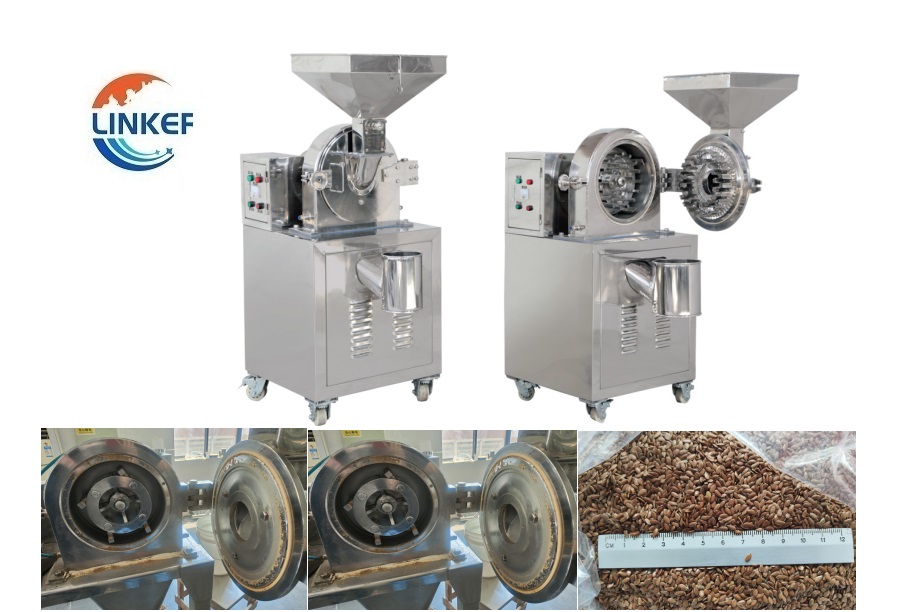
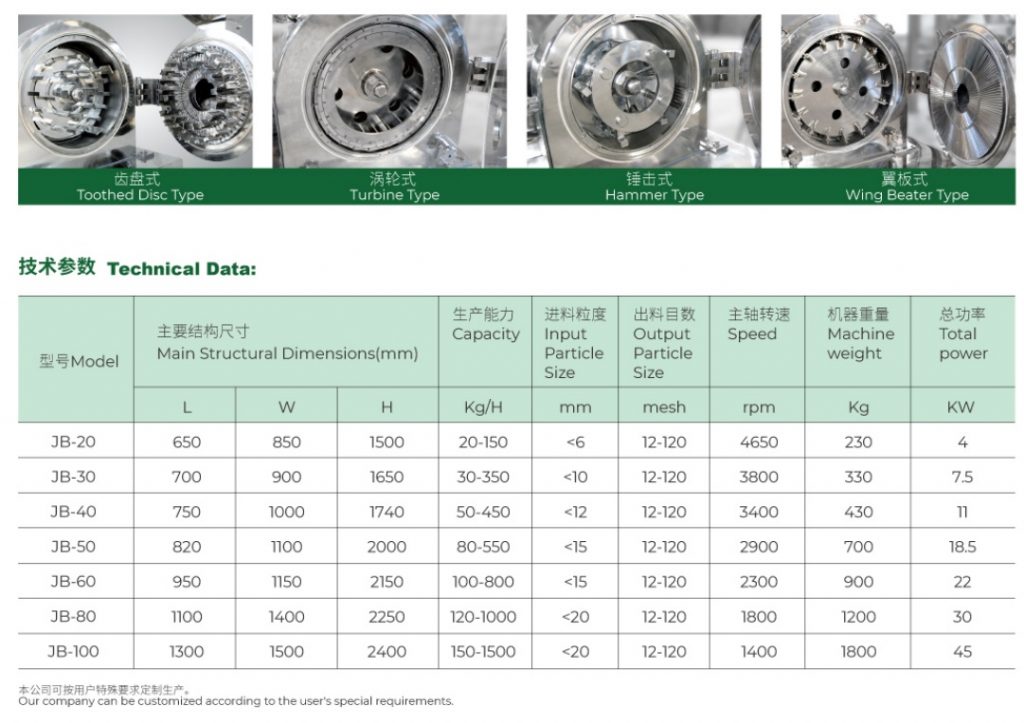
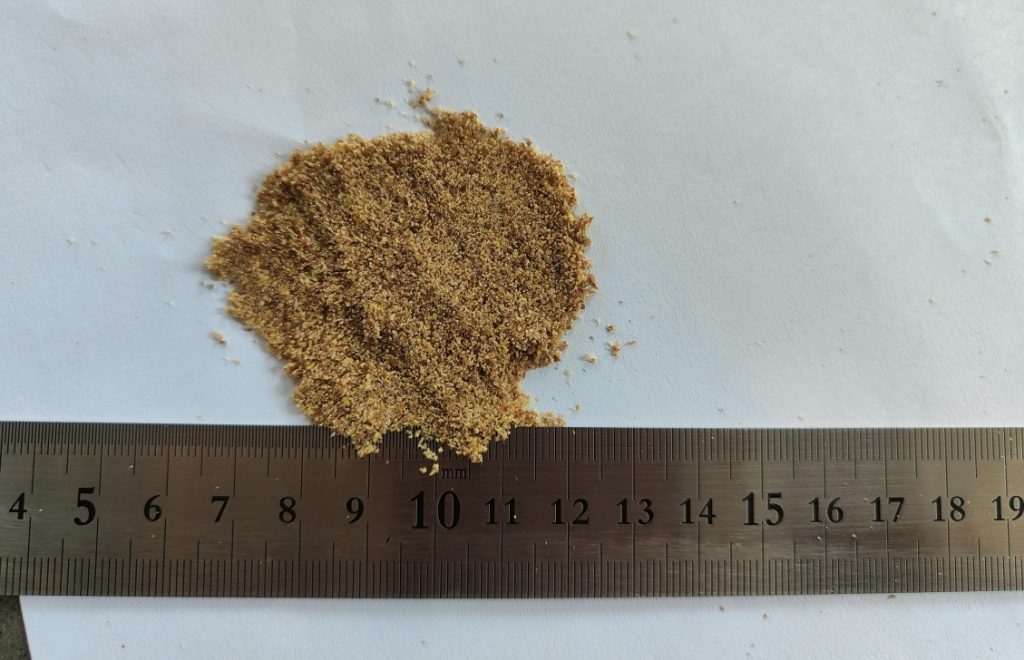
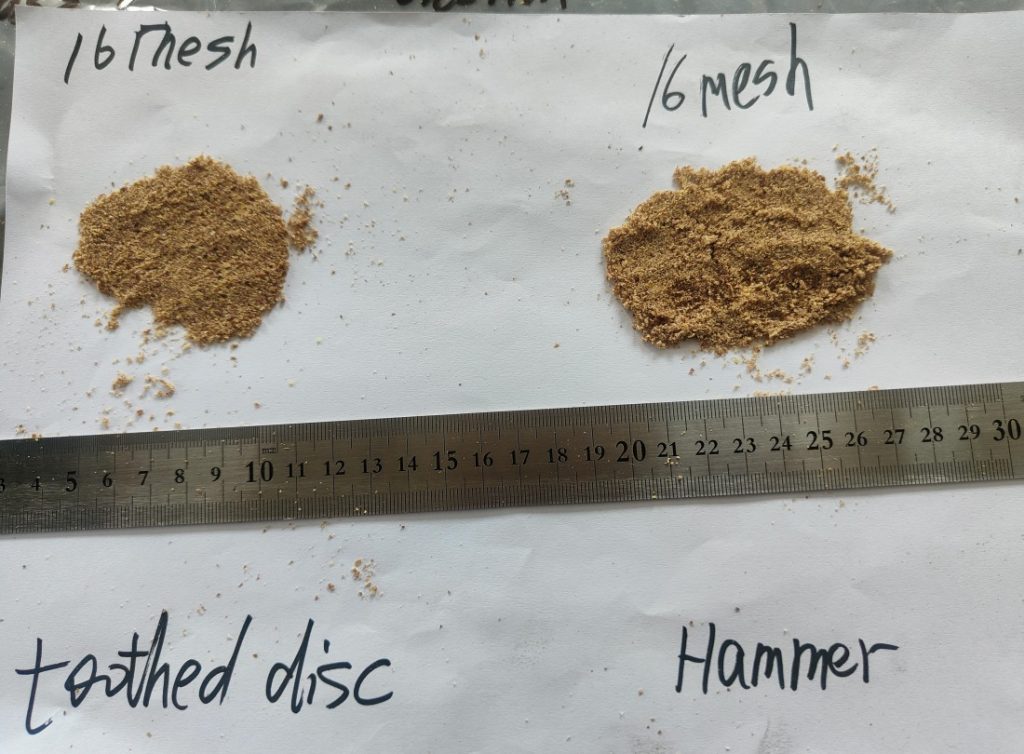
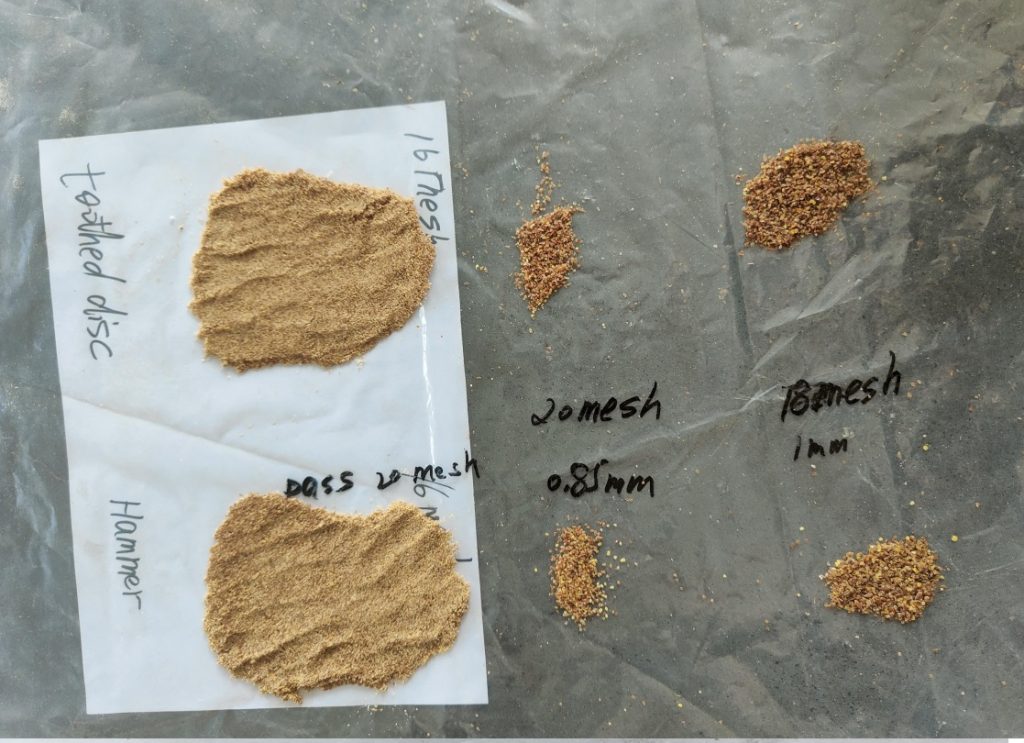
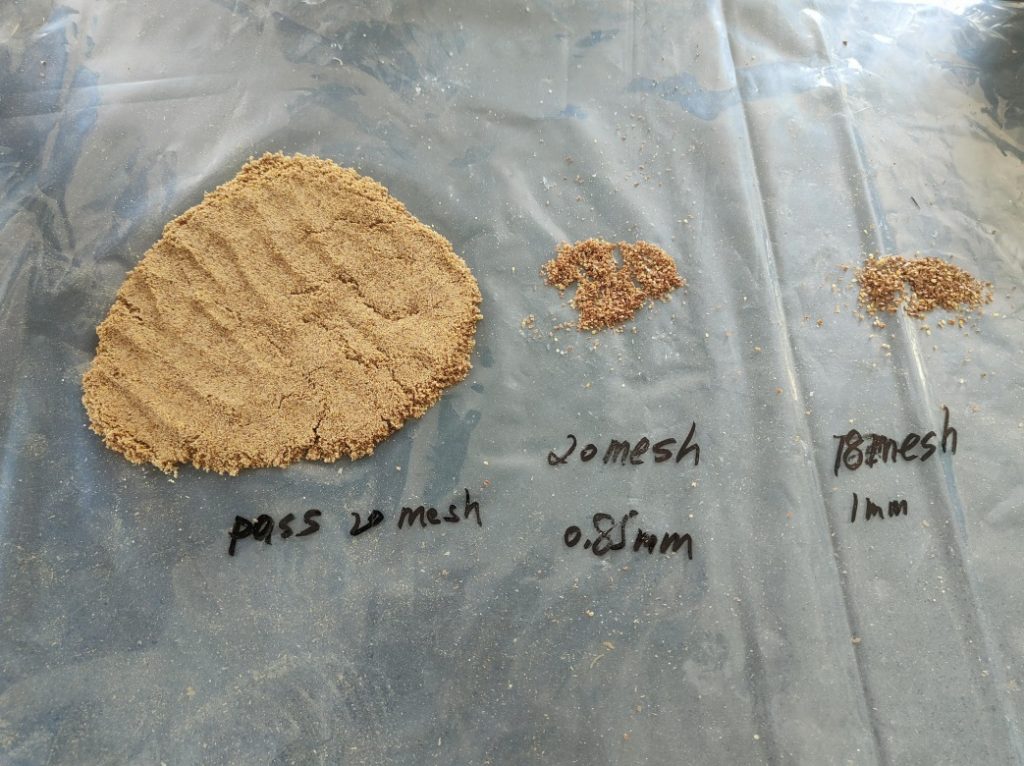
A flax seed grinder is a type of seed nut grinder specifically designed for grinding flax seeds. Flax seeds are small, hard seeds that are packed with nutrition and are commonly used in baking and cooking. Grinding flax seeds helps to unlock their nutrients and make them easier to digest.
Flax seed grinders typically feature sharp blades or burrs that rotate to crush the flax seeds into a fine powder. This powder can then be used in a variety of recipes, such as smoothies, baked goods, and yogurt toppings. Some flax seed grinders are manual and require hand-cranking, while others are electric and feature powerful motors for faster grinding.
When choosing a flax seed grinder, it’s important to look for one with durable blades or burrs that can withstand the hard texture of flax seeds.
There are 3 ways of cooling down the grinder: water cooling system; air cooling system and liquid nitrogen freezing system. You can choose the right one if the grinder gets too hot. When machines goes too hot, the metal can expand, causing the grinding wheel to get stuck.
| Business Type: | Manufacturer/Factory | Main Products: | Mill, grinder, granulator, mixer, Crushing Equipment |
| Number of Employees: | 100 | Year of Establishment: | 2014.05 |
| Production Capacity | 5000Set/Year | After-sales Service: | Technical Support; on-line teach lessons |
| R&D Capacity: | ODM, OEM | Annual Output Value: | US$5 Million – US$10 Million |
| No. of R&D Staff: | 5 | No. of Production Lines: | 6 |
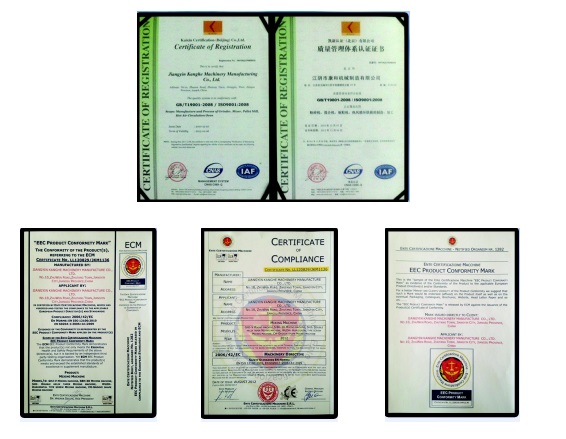
LK Mixer is a professional manufacturer for grinder, mixer and pulverizer. These machines are widely used in pharmaceutical, cosmetic, health care products and chemical industries. Our main product including granulating machine, grinder, mixer, dryer, etc. All mechanical products in accordance with the China GMP design requirements. And also we have other certifications such as CE, UL for motors.
Business Philosophy
“Quality is the main policy of sales” and “integrity is the principle of success” are the business philosophy of our people. We carry out one-year warranty, lifelong maintenance service, with technical consultation, with material test machine and other services, and long-term supply of equipment. Welcome new and old customers to negotiate cooperation!
Certifications:
Customer Side Machine Groups Showcase Videos:
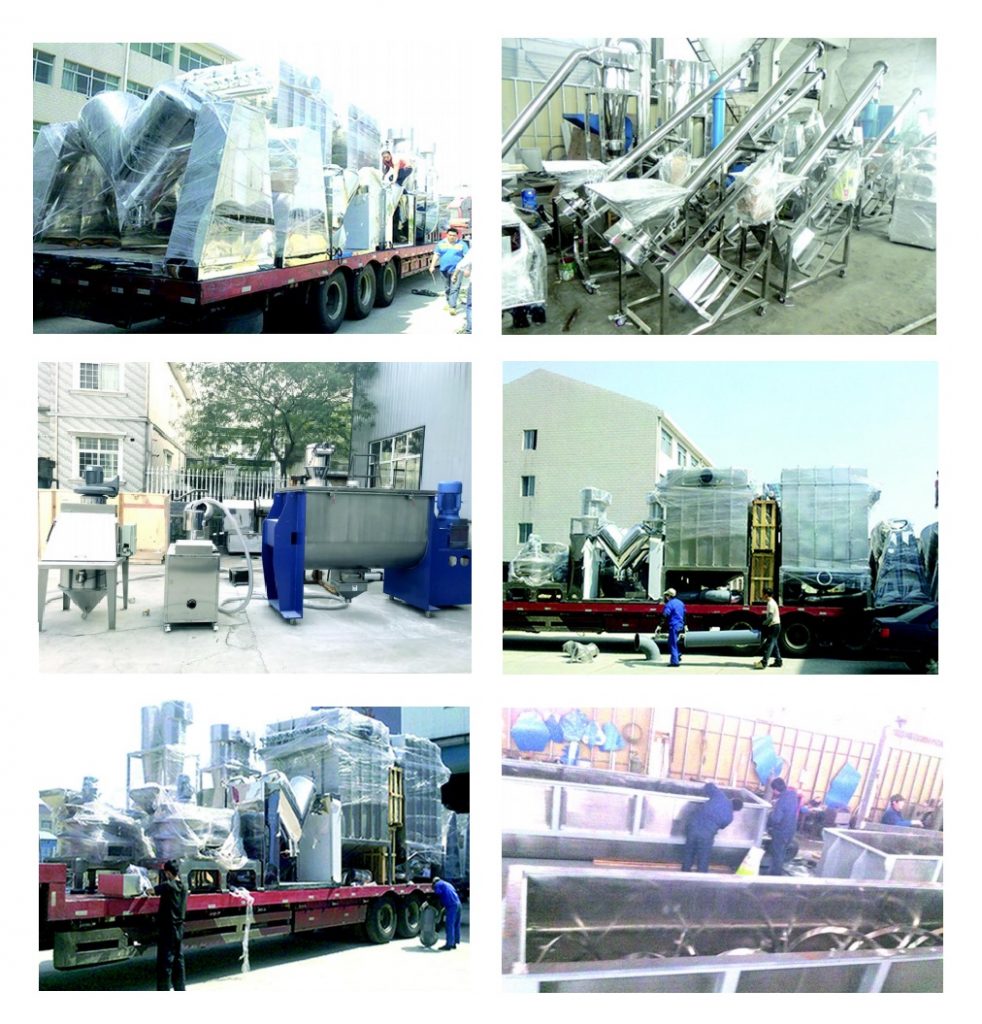
Dust Collector Shipment
Shipment – Packing Method
Two Large Industrial Grinder Ready to Ship
Domestic Shipment Show Case:
Operation Instruction
General Provisions
The operation instructions for a commercial grinder may vary depending on the specific model and manufacturer. However, here are some general guidelines that may apply to many high speed grinders:
- Safety precautions: Before operating the high speed grinder, it is important to review all safety precautions and warnings provided in the user manual. Safety precautions may include wearing appropriate personal protective equipment, such as eye protection and hearing protection, and avoiding loose clothing or jewelry that could become caught in the grinder.
- Preparation: The high speed grinder should be placed on a stable and level surface, and all necessary components should be assembled according to the manufacturer’s instructions. The grinder should also be connected to a power source that is appropriate for its voltage and wattage.
- Loading the grinder: The material to be ground should be loaded into the grinder according to the manufacturer’s instructions. Overloading the grinder may cause damage to the machine and result in poor grinding performance.
- Starting the grinder: The grinder should be started according to the manufacturer’s instructions. This may involve pressing a button, turning a dial, or flipping a switch. The user should ensure that their hands are clear of the grinder and that the material to be ground is positioned properly.
- Adjusting the speed and settings: The speed and other settings of the high speed grinder may be adjusted according to the material being ground and the desired outcome. The user should follow the manufacturer’s instructions for making adjustments to the grinder.
- Monitoring the grinding process: The user should monitor the grinding process to ensure that it is progressing smoothly and that the material is being ground to the desired size and consistency. Any issues or abnormalities should be addressed promptly to prevent damage to the machine.
- Shutting down the grinder: When the grinding process is complete, the grinder should be shut down according to the manufacturer’s instructions. The user should ensure that the machine is completely stopped and that all moving parts have come to a complete stop before attempting to clean or service the grinder.
Overall, the operation instructions for a commercial grinder may involve a number of steps and safety precautions. It is important to carefully review the manufacturer’s instructions and follow proper operating procedures to ensure safe and effective use of the machine.
Preparation Work
Before running a commercial grinder, there are several important preparation steps that should be taken to ensure safe and effective operation of the machine. Here are some general guidelines for preparing to run a high speed grinder:
- Read the user manual: The first step in preparing to run a high speed grinder is to carefully read the user manual provided by the manufacturer. The user manual will provide important information about the specific model of grinder being used, including its features, specifications, and safety precautions.
- Select the appropriate grinding wheel: The grinding wheel used in a high speed grinder should be selected based on the material being ground and the desired outcome. It is important to use the correct type of grinding wheel to prevent damage to the machine and ensure optimal grinding performance.
- Inspect the grinder: Before running the grinder, it is important to inspect it for any signs of damage or wear. The user should check for loose or missing components, cracks or other signs of damage to the machine’s housing or other parts, and any other issues that could affect the grinder’s operation.
- Install the grinding wheel: The grinding wheel should be installed according to the manufacturer’s instructions, making sure that it is securely fastened and aligned properly. The user should also check the wheel for any cracks or other signs of damage before installation.
- Secure the workpiece: The workpiece to be ground should be securely clamped or held in place before starting the grinder. This will help to ensure safe and effective operation and prevent the workpiece from becoming dislodged or damaged during grinding.
- Connect the power source: The high speed grinder should be connected to a power source that is appropriate for its voltage and wattage. It is important to use a properly grounded power source to ensure safe and reliable operation of the machine.
- Test run: Before beginning actual grinding operations, it may be useful to perform a test run to ensure that the grinder is functioning properly and that the grinding wheel is aligned and balanced properly. The user should follow the manufacturer’s instructions for performing a test run.
By following these preparation steps, users can ensure safe and effective operation of a high speed grinder and achieve optimal grinding results.
Treatment of inspection
Inspection of a commercial grinder is an important maintenance procedure that helps ensure safe and effective operation of the machine. Here are some general guidelines for inspecting a high speed grinder:
- Disconnect power source: Before performing any inspection or maintenance on a high speed grinder, the power source should be disconnected to prevent accidental startup.
- Check for wear and damage: The user should inspect the grinder for any signs of wear or damage, such as cracks in the housing, worn or damaged grinding wheels, or loose or missing parts. Any issues should be addressed promptly to prevent further damage to the machine.
- Check alignment and balance of grinding wheel: The grinding wheel should be inspected for proper alignment and balance, as these factors can affect the quality of the grinding operation. If the grinding wheel is not properly aligned or balanced, it should be adjusted or replaced as necessary.
- Check for proper lubrication: The high speed grinder should be inspected for proper lubrication, as inadequate lubrication can cause excessive wear and damage to the machine’s moving parts. The user should follow the manufacturer’s instructions for lubrication, and add lubricant as necessary.
- Inspect electrical components: The electrical components of the high speed grinder, including the wiring, switches, and control panel, should be inspected for any signs of wear, damage, or loose connections. Any issues should be addressed promptly to prevent electrical problems.
- Test run: After completing the inspection, it may be useful to perform a test run of the high speed grinder to ensure that it is functioning properly and that any issues have been addressed.
By following these inspection guidelines, users can help ensure safe and effective operation of a high speed grinder and minimize the risk of damage or injury during grinding operations.
Operation Attention
Running a commercial grinder can be a dangerous operation if proper precautions are not taken. Here are some general guidelines for safe operation of a high speed grinder:
- Personal protective equipment: The user should wear appropriate personal protective equipment, such as safety glasses, hearing protection, and gloves, to prevent injury from flying debris, noise, and contact with the grinding wheel.
- Secure workpiece: The workpiece being ground should be securely clamped or held in place to prevent it from becoming dislodged during grinding.
- Use proper grinding wheel: The user should select the appropriate grinding wheel for the material being ground and ensure that it is installed correctly and securely. The grinding wheel should be inspected for cracks or other damage before use.
- Adjust grinding wheel speed: The speed of the grinding wheel should be adjusted according to the manufacturer’s instructions to ensure optimal grinding performance and prevent damage to the machine or workpiece.
- Avoid excessive pressure: The user should avoid applying excessive pressure to the grinding wheel, as this can cause the wheel to overheat and wear out more quickly.
- Avoid overheating: The high speed grinder should not be operated continuously for extended periods of time, as this can cause overheating and damage to the machine.
- Monitor grinding operation: The user should closely monitor the grinding operation to ensure that the workpiece is being ground properly and that the grinding wheel is functioning correctly.
- Disconnect power source: After completing grinding operations, the power source should be disconnected to prevent accidental startup.
By following these guidelines, users can operate a high speed grinder safely and effectively, and achieve optimal grinding results. It is important to follow the manufacturer’s instructions and all applicable safety regulations when operating any type of machinery.
Applications of Industrial Seed Grinder
Industrial seed grinders are used in a variety of applications across many industries. Here are some of the most common applications of industrial seed grinders:
- Food industry: Industrial seed grinders are used extensively in the food industry to grind seeds, nuts, and spices into fine powders or pastes. These powders and pastes are then used in a variety of products such as sauces, seasonings, and spreads.
- Pharmaceutical industry: In the pharmaceutical industry, industrial seed grinders are used to grind plant material into a fine powder, which is then used to make medicines and supplements.
- Cosmetics industry: Industrial seed grinders are also used in the cosmetics industry to grind plant material into a fine powder or paste, which is then used in products such as face masks, scrubs, and exfoliants.
- Agricultural industry: Industrial seed grinders are used in the agricultural industry to process seeds, such as soybeans, into animal feed.
- Chemical industry: In the chemical industry, industrial seed grinders are used to grind materials such as resins, pigments, and dyes into a fine powder.
- Renewable energy industry: Industrial seed grinders are also used in the renewable energy industry to process biomass into a fine powder, which is then burned to generate electricity.
Overall, industrial seed grinders are versatile machines that are used in many different industries for a variety of applications. They are essential for processing plant material into fine powders and pastes that can be used in many different products.
Food Producing Process Flow:
Ultrafine grinding is one of the very key procedure in whole production line. It depends how many mesh that customer need to produce. That’s to say this machine can decide what kind of material will get finally before mxing.
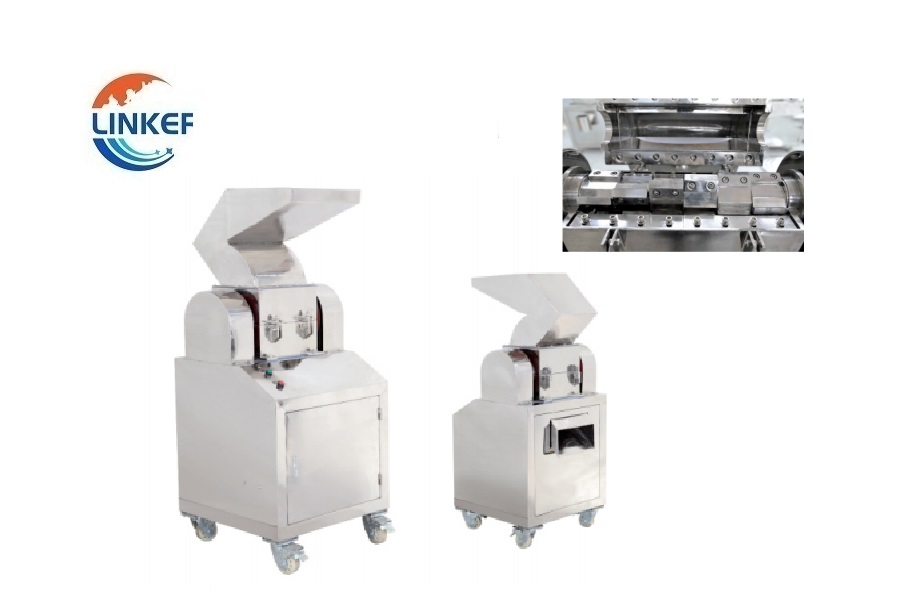
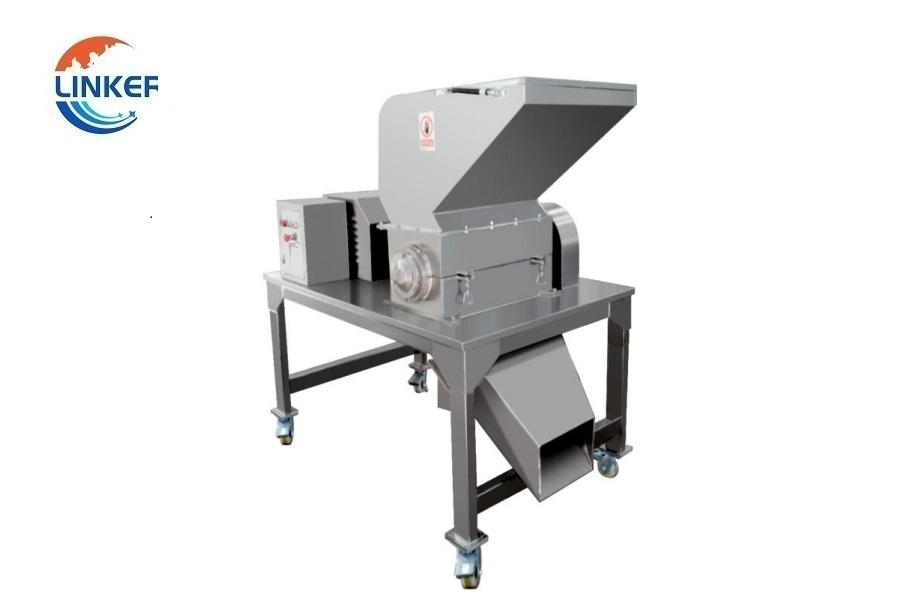
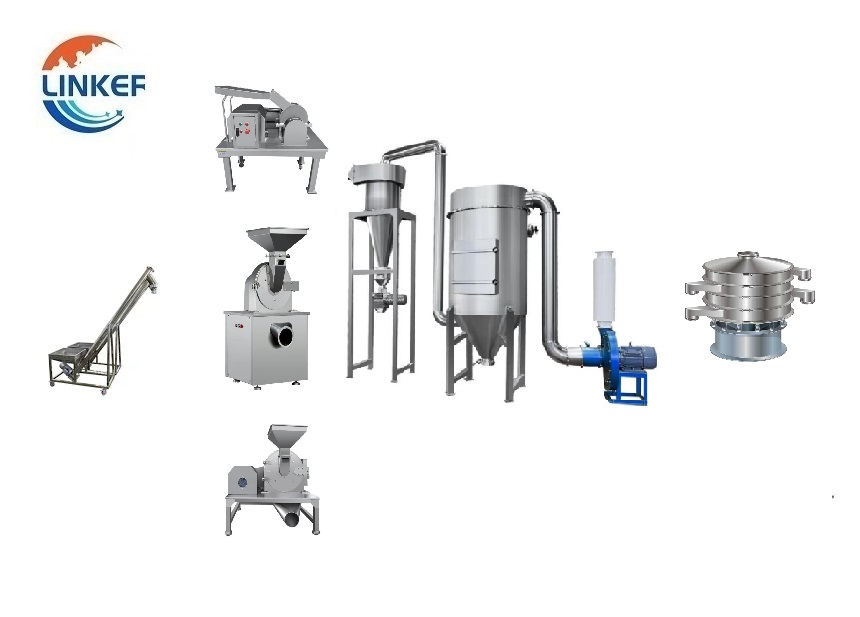
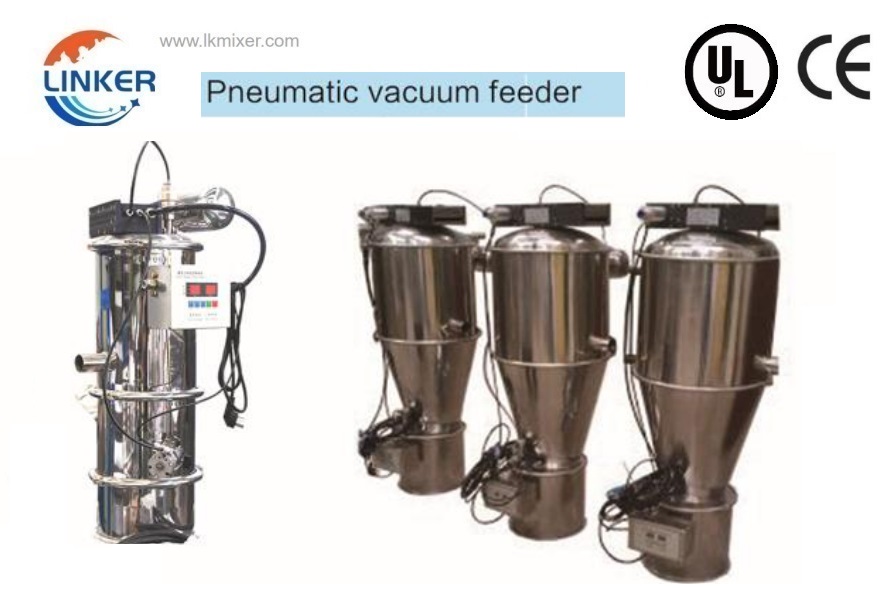
Coarse Crusher Machine —>Grinding Machine —> Vibrating Table Sifter Machine—>Mixing Machine—>Packing Machine —> (Printed Packaging Film Roll or bags ) —> Filling, sealing machine, capping and Labeling Machine —>Pack into Box.
Contact us for detail proposal and cost:
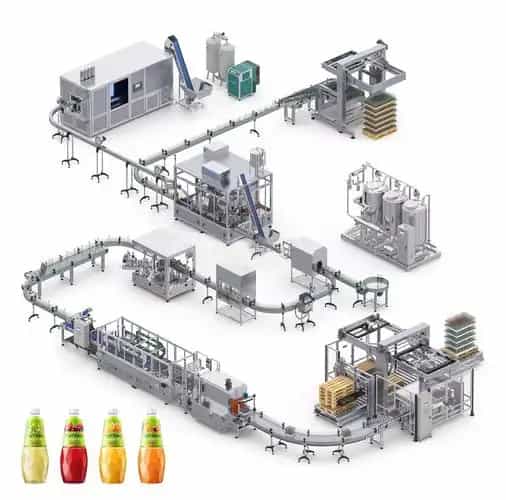

Automatic Banana Powder Production Line Youtube Video
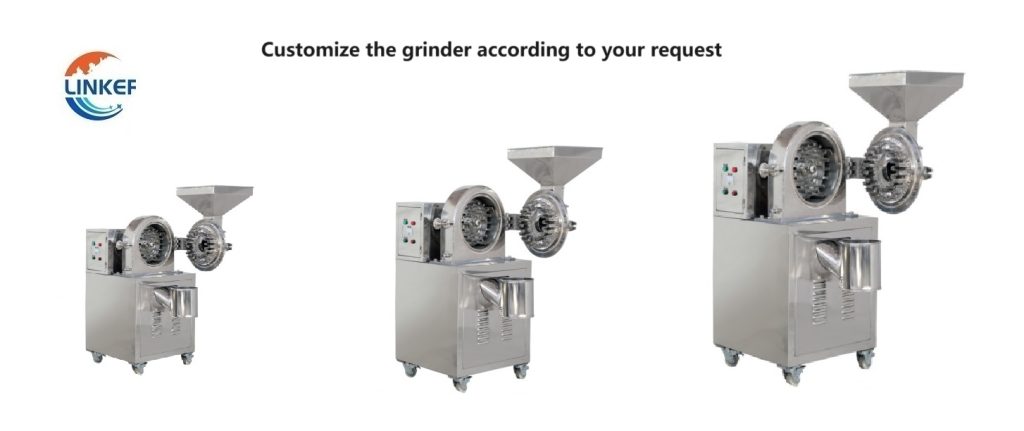
Customization Seeds Grinder According to your Capacity:
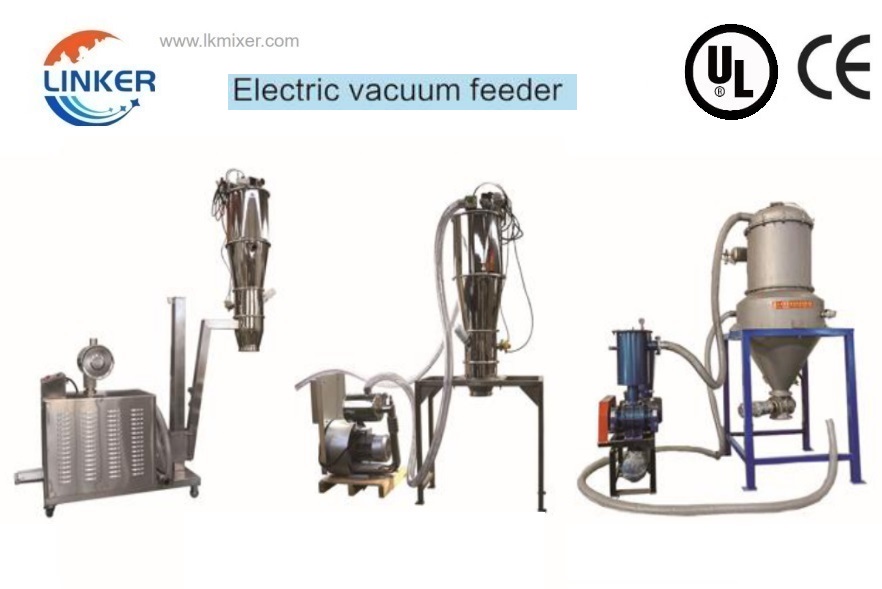
We can customize the capacity according to your special requirement, we can also customize the vacuum feeder connect with your production line (the dimension and width of grinder), for detail contact with our sales for proposal and price.
Videos of Seeds Grinder Machine:
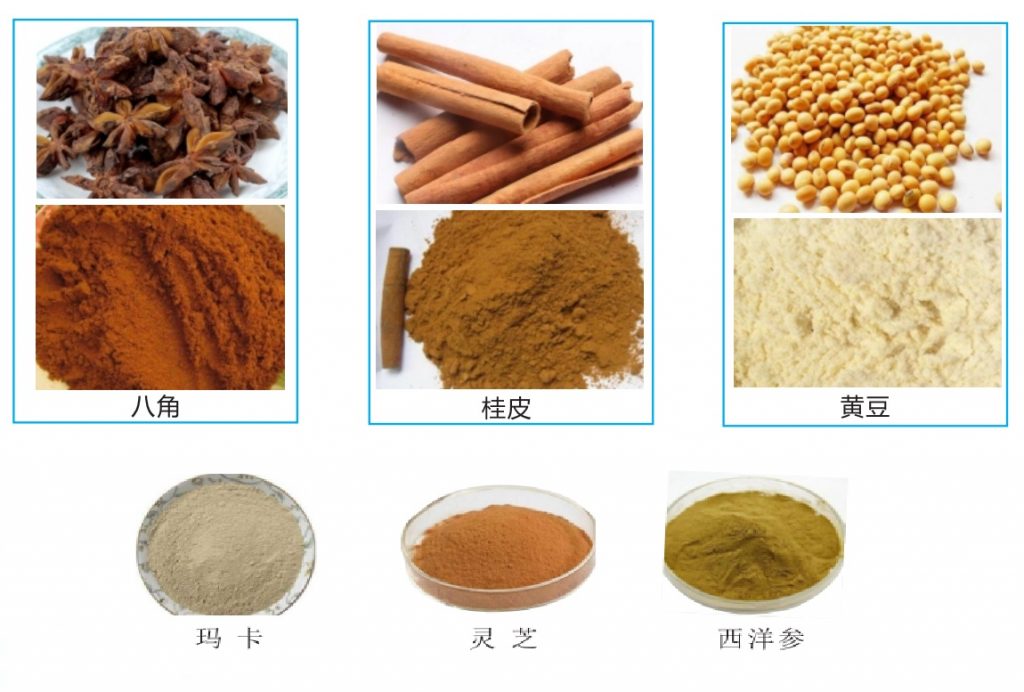
Many model of Seeds Grinder, the universal grinder is suitable to cut the seeds into 12-120mesh, the high efficient grinder is useful, but cost a little bit higher than universal. The super fine grinder can grind into 100mesh to 320mesh. Customer can choose according to your own requirement. here show some example:
About LKMixer
LKMixer is a professional manufacturer for fertilizer production line, grinder, mixer and granulator, shredder. These machines are widely used in food, pharmaceutical, cosmetic, health care products and chemical industries. The Food materials like Peanut, mushroom, seeds, potato, bean, tobacco, salt, cannabis, tea, Sugar, corn, Coffee, rice, pepper, grain as so on. Grinders have many types such as Pulse Dust Grinder which suitable for zero pollution environment, Turbine Mill which is suitable for coffee bean, 12-120mesh all can meet, Ultrafine Grinding Mill covers 80-200mesh, and also Winnowing Dust Grinder or other grinding machines like SF Hammer. Welcome to contact us for details. Contact us for more information. Proposal, catalog, quotation. Mobile/WhatsApp: +86 18019763531 Tel: +86 21 66037855 Email: sales@lkmixer.com
Contact Us
FAQ(Click and See More)
Read More about Herb Grinder:
Why are herb grinders so expensive?
Are electric herb grinders good?
What is the best way to grind up herbs?
Can you chop herbs in a coffee grinder?
How to grind dried herbs into powder?