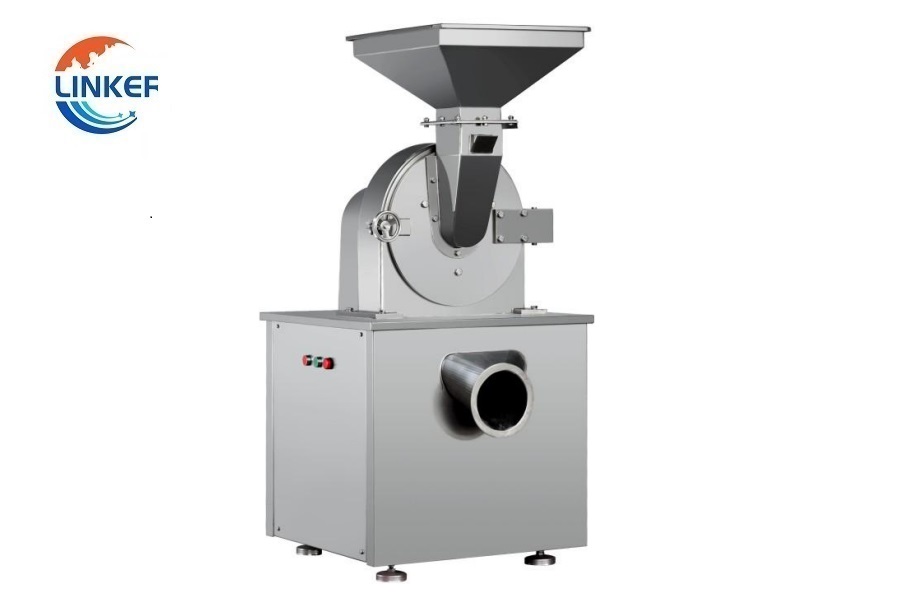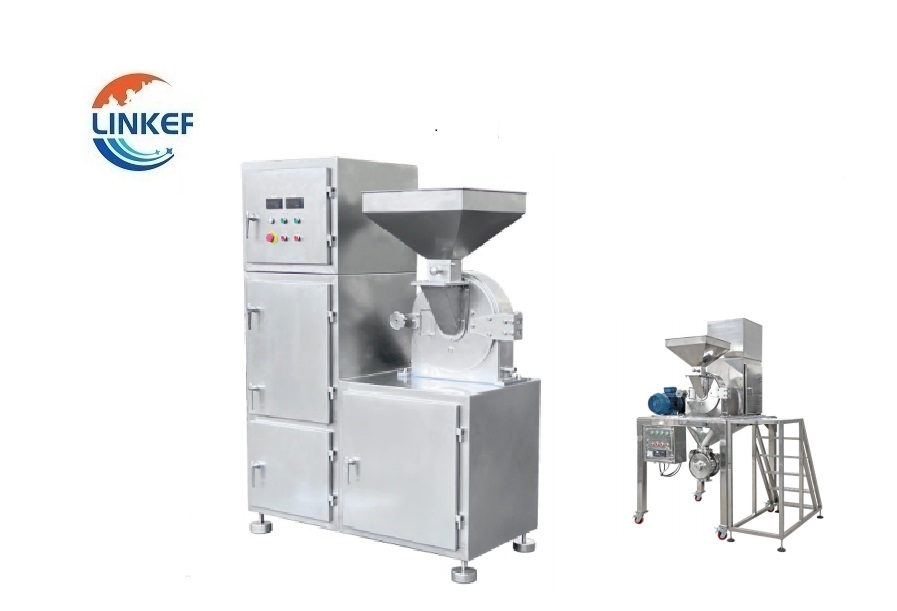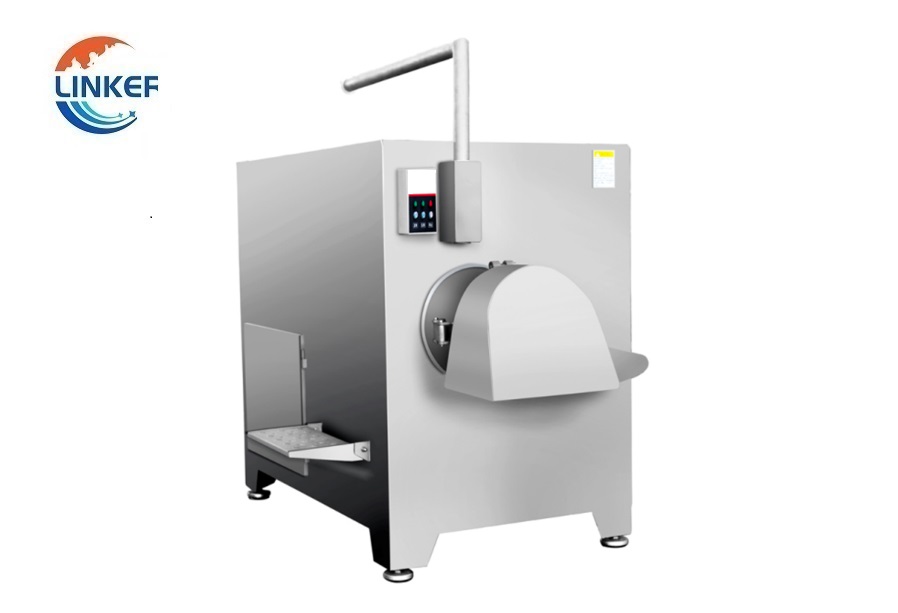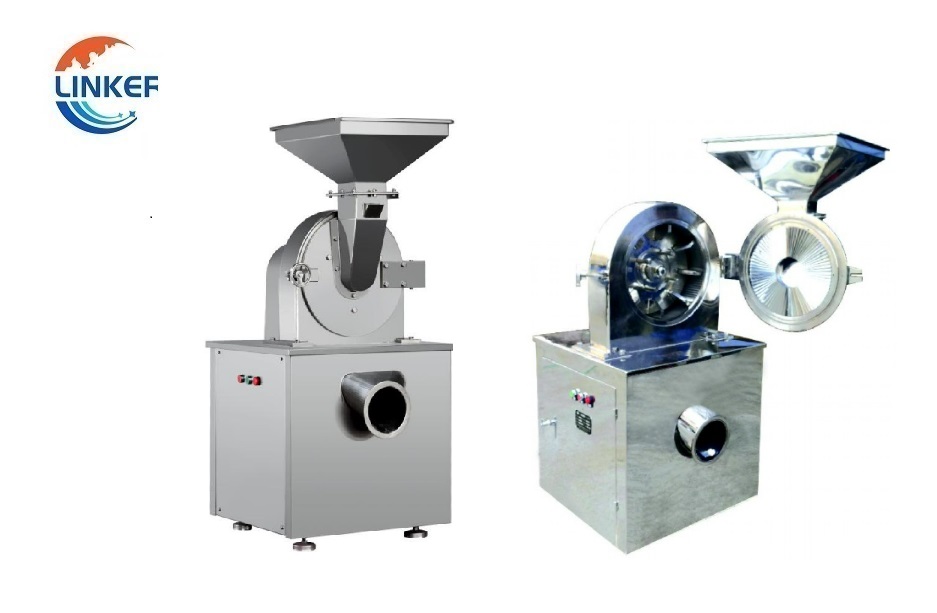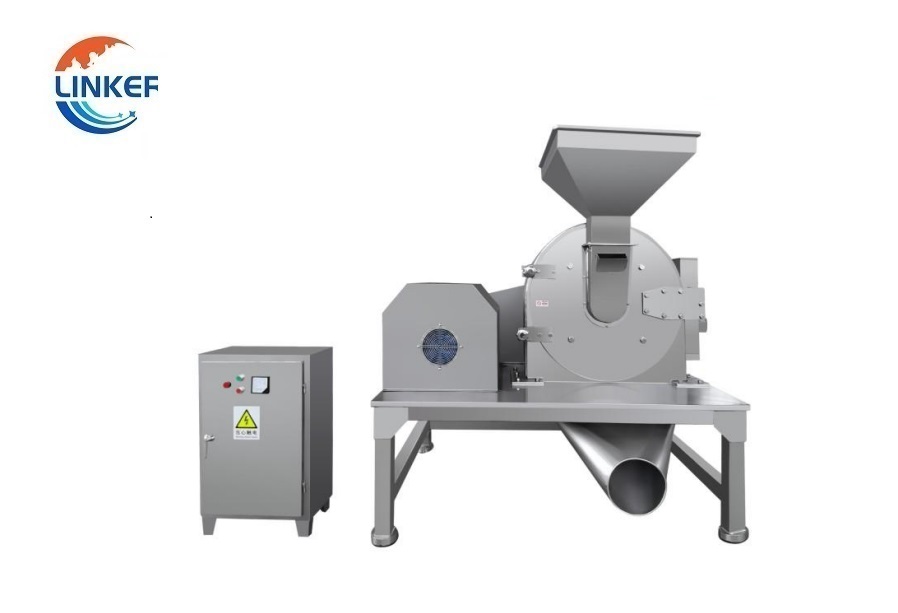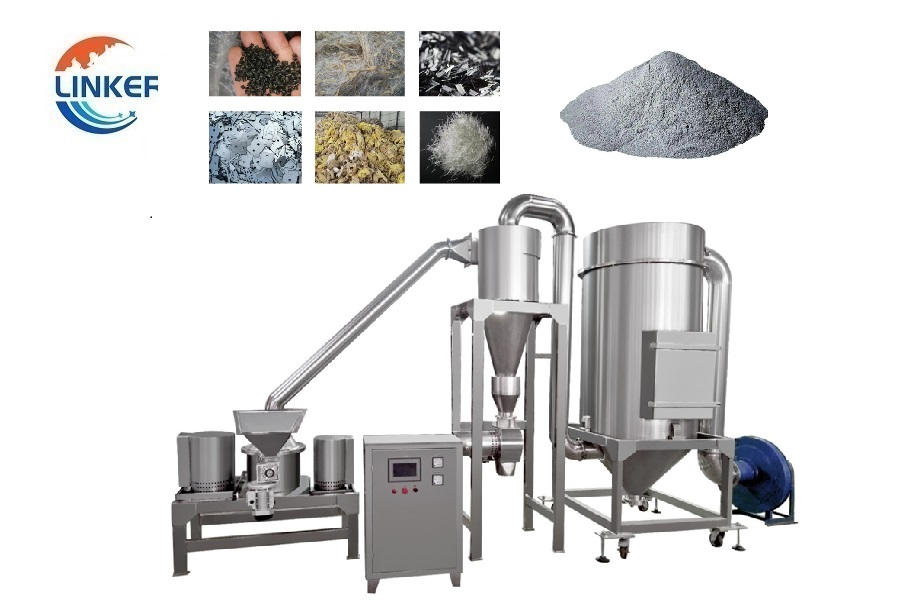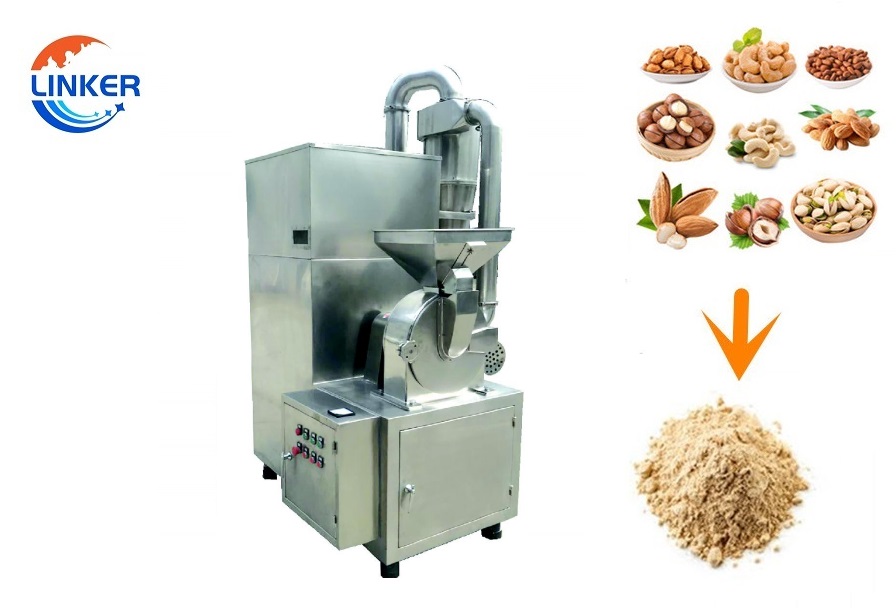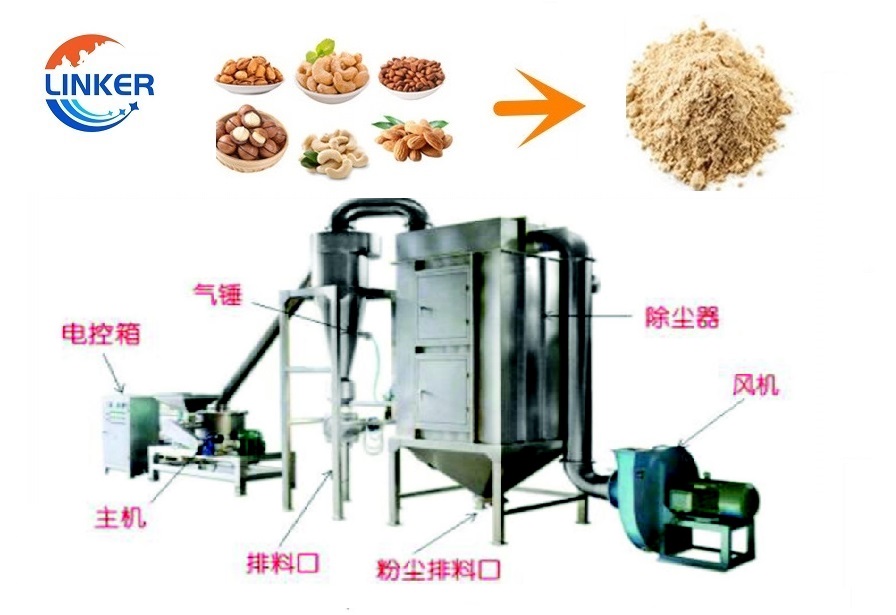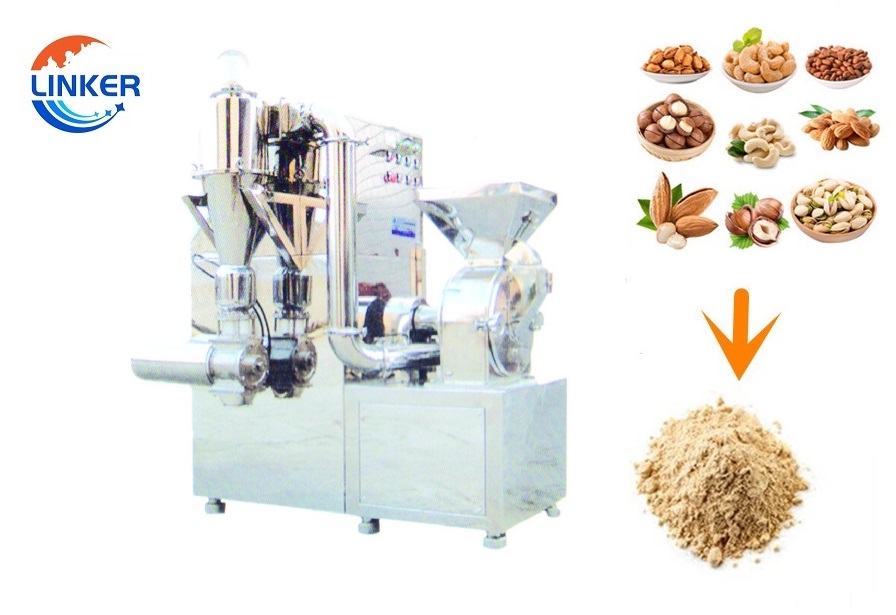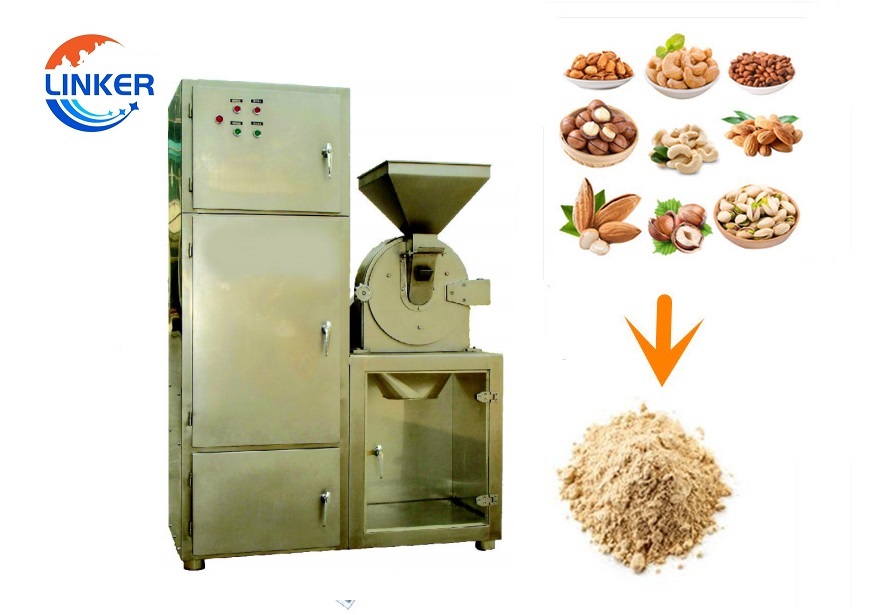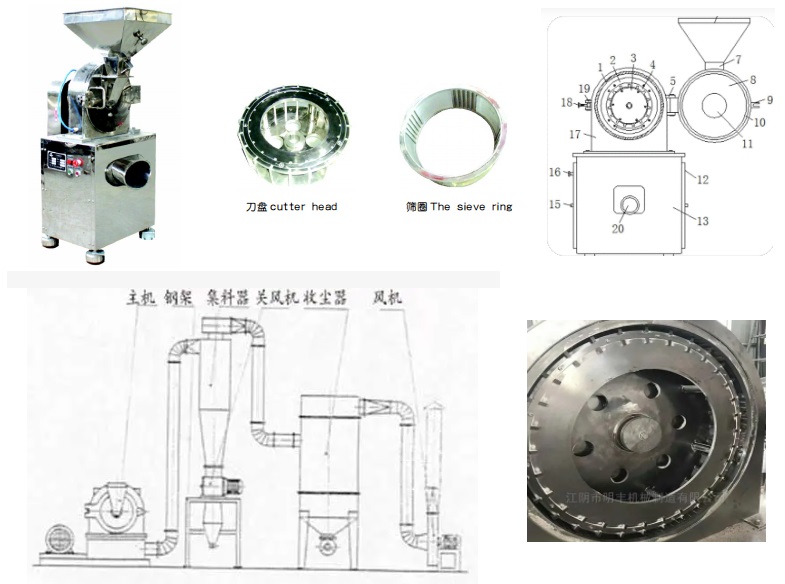
Automatic Crumb Rubber Powder Production Line
Crumb Rubber Powder Automatic Productino Line Design:x`
Automatic Crumb Rubber Powder Production Line
An automated, intelligent system called an Automatic Crumb Rubber Powder Production Line is made to efficiently turn scrap rubber, mostly old tires, into finely graded rubber powder. Reclaimed rubber, modified asphalt, sports surfaces, and waterproofing materials are all produced on this fully automated plant, which covers every step of the process from crushing and steel separation to fine grinding, screening, and packaging. The primary technology used is ambient-temperature physical grinding, which is backed by automated controls and environmental protection modules to enable safe, effective, and ecologically friendly large-scale production.
Essential Production Procedure
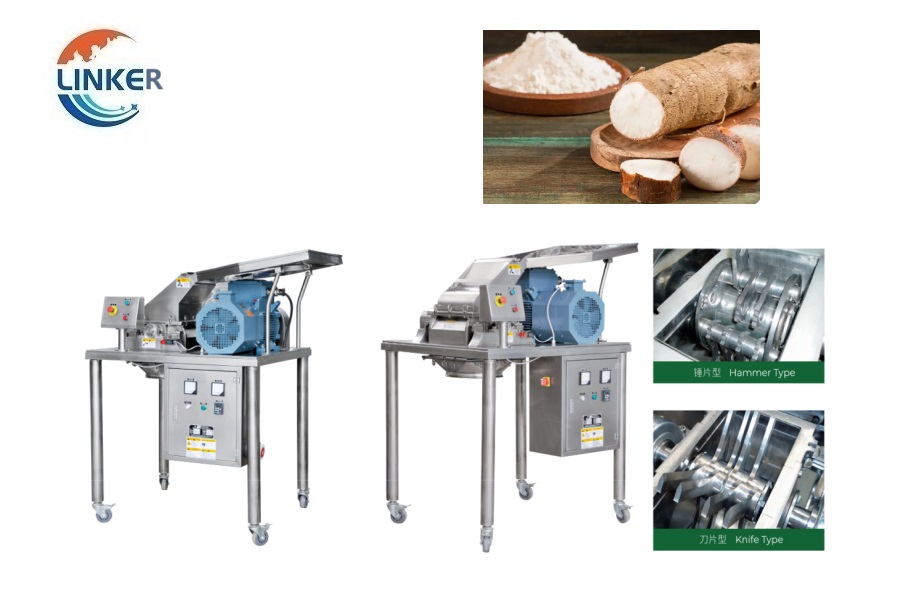
Pre-treatment of the raw material is the first step in turning a scrap tire into useful crumb rubber. After the steel wire rim is removed from the tires using a tire cutting machine, the tires are chopped into manageable pieces that are usually between three and eight centimeters in size. These fragments are the main feedstock and are referred to as tire chips. In order to ensure continuous operation, many contemporary lines are outfitted with an automated feeding system that moves these chips into the subsequent stage of the process via a conveyor belt or charger. Whether feeding a huge stainless steel reactor in chemical processing or a cassava grinding machine, this first step is essential for creating the consistent input needed for effective downstream processing. This idea is shared with different industries.
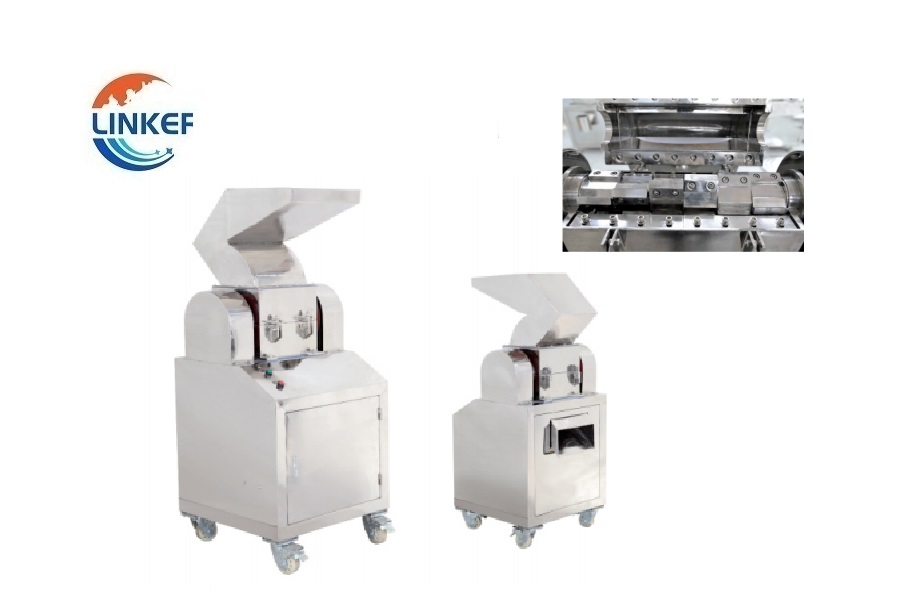
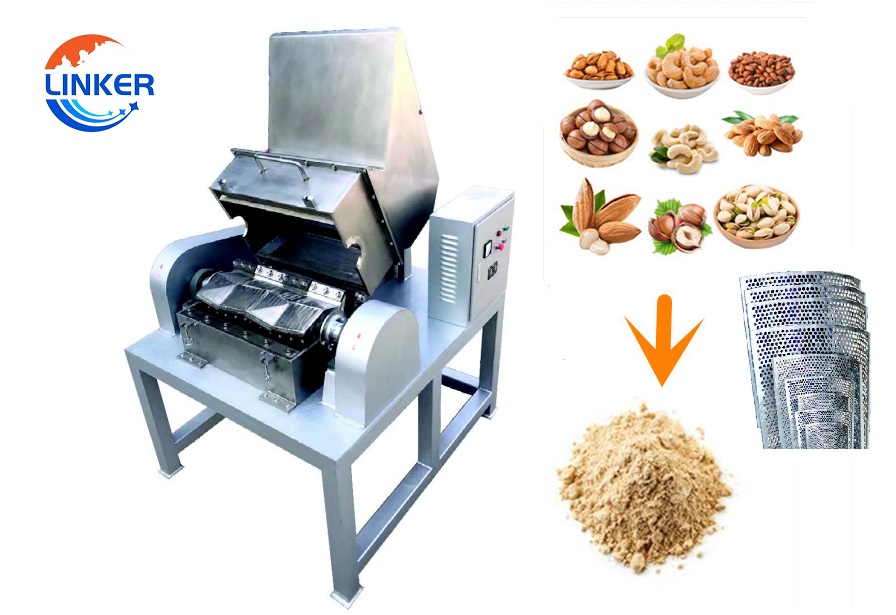
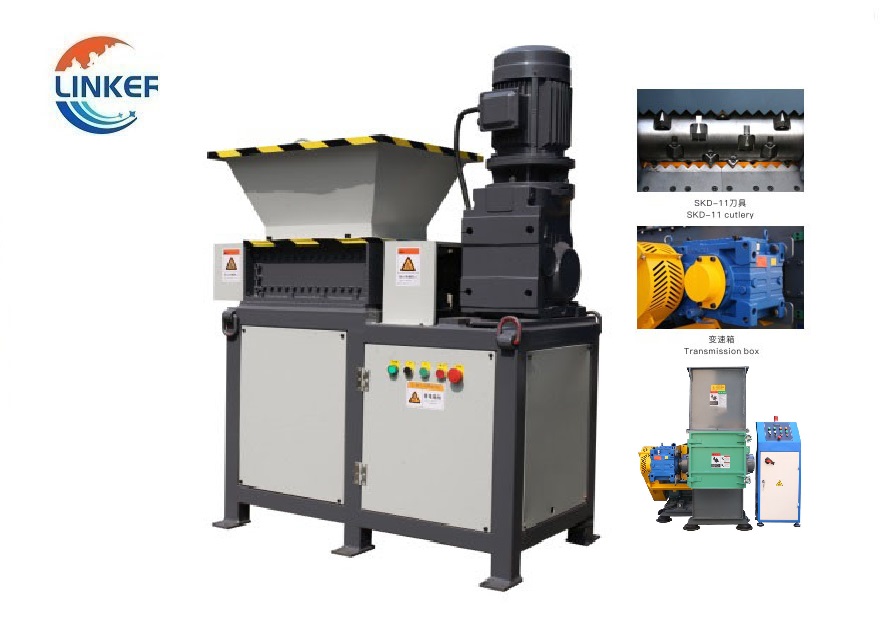
Steel separation and coarse crushing are the next crucial stages. A heavy-duty primary crusher, like a coarse crusher or twin-roller shredder, receives the tire chips and breaks them down into smaller rubber granules, usually 10–20 mm in size. Similar to the primary breaking in a hammer mill for grains like corn or wheat, this is the first significant size reduction phase. Textile fibers and freed steel wires are present in the resultant granulate. The material goes through specialized wire extraction devices (such as wire pullers) and strong magnetic separators to get rid of these impurities. The impressive steel separation effectiveness of over 99.8% is attained by these methods.While the loose fiber is eliminated by air aspiration or screening, leaving behind comparatively clean rubber granules, the recovered steel is transferred for recycling.
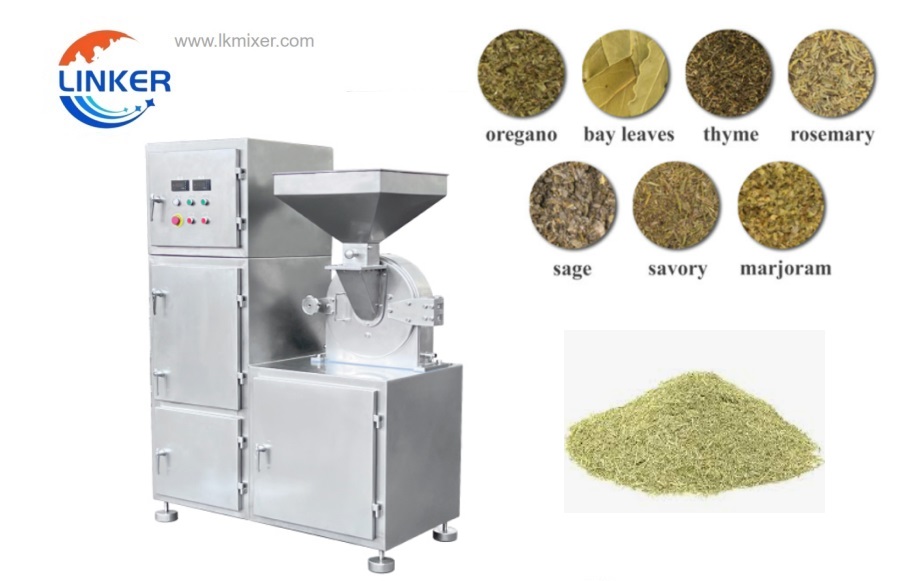
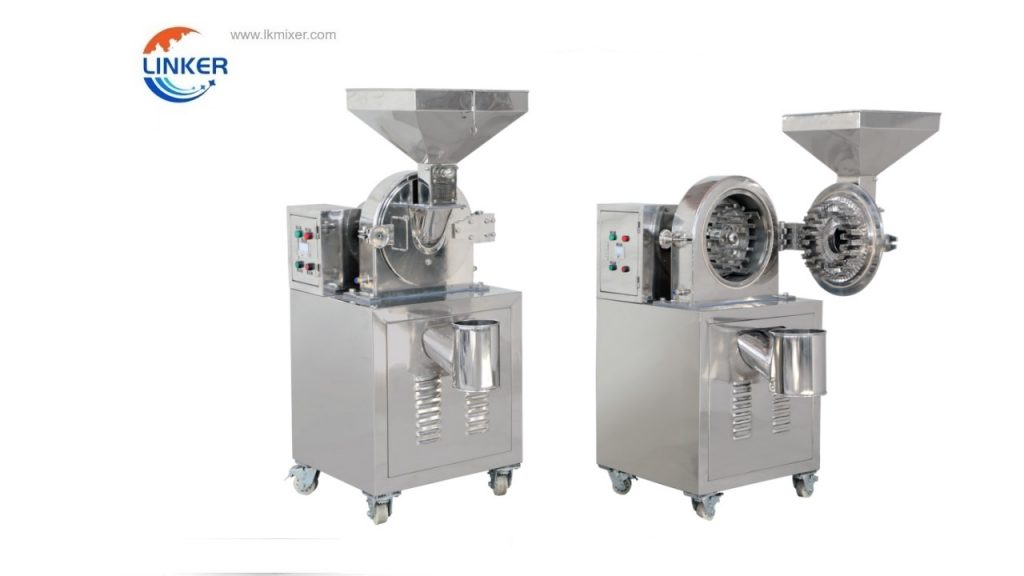
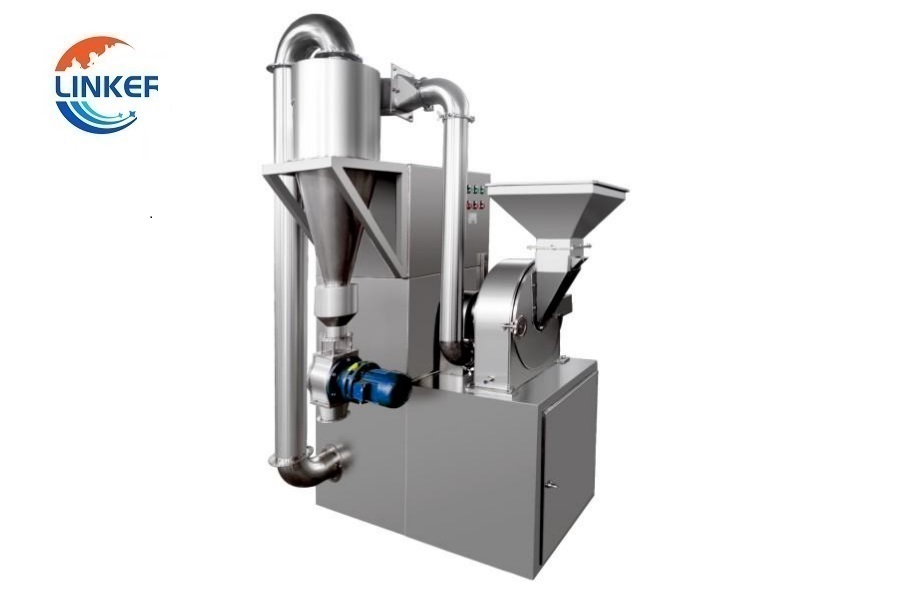
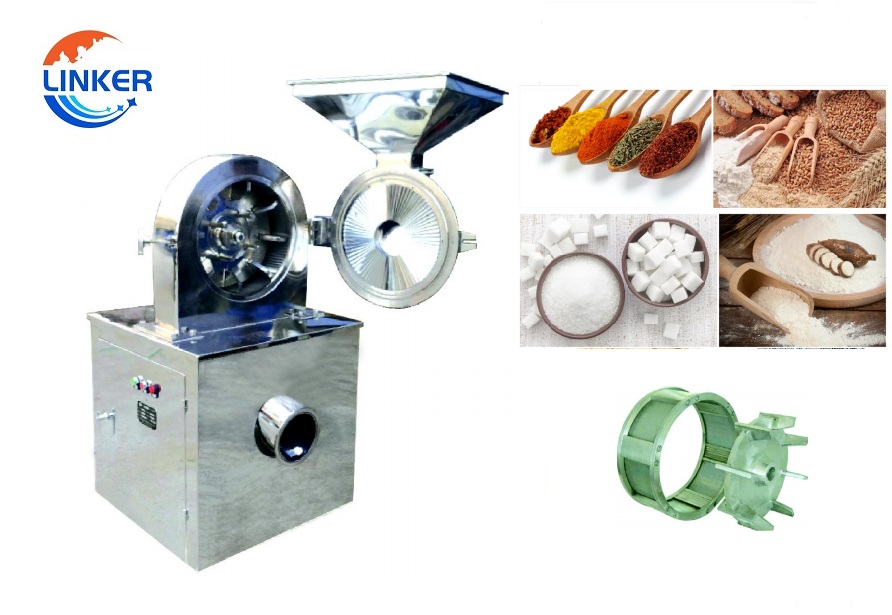
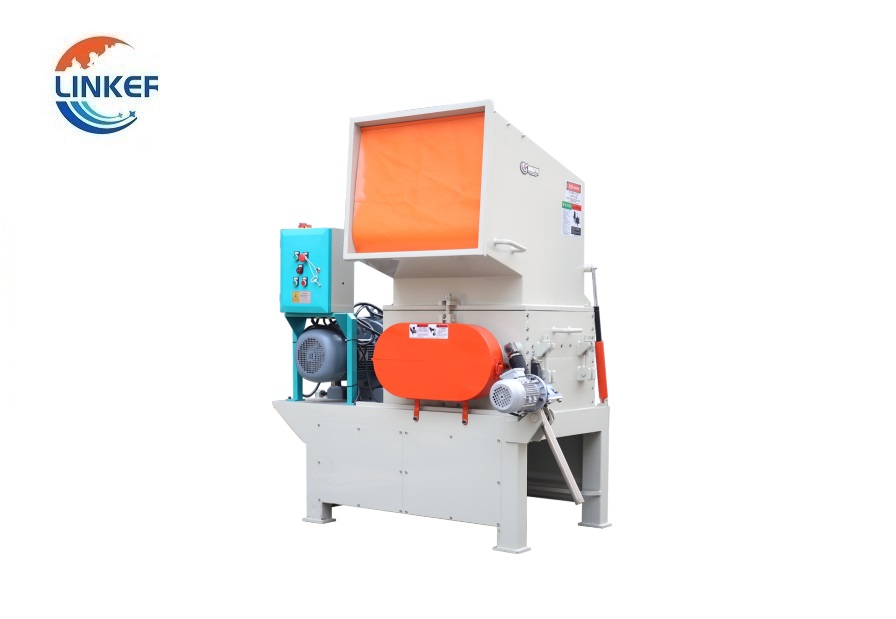
The procedure proceeds to Intermediate & Fine Grinding after separation. A number of specialized grinding machines receive the cleaned rubber granules. The rubber is gradually ground into a fine powder at the center of the production line. Ambient grinding is the most popular technique. These devices run at room temperature and could be thought of as the industrial-scale cousins of a turbo grinder or ultrafine grinder. However, the rubber may soften and re-agglomerate as a result of the considerable heat produced by the grinding friction.The rubber is reduced to a specific particle size, often between 20 and 120 mesh, through several passes or stages of grinding. More sophisticated milling arrangements are employed for higher-value applications that call for finer powder (such as 40–200 mesh). Since this technique works with a strong, elastic material that requires particular mechanical action and heat management, it is fundamentally different from grinding food goods like spices in a black pepper grinder or dry ginger grinding machine.
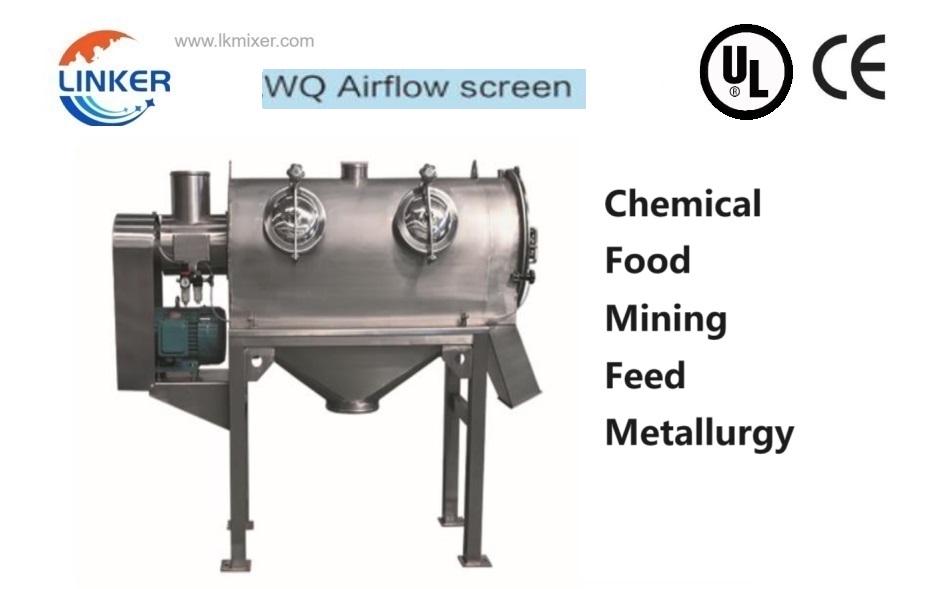
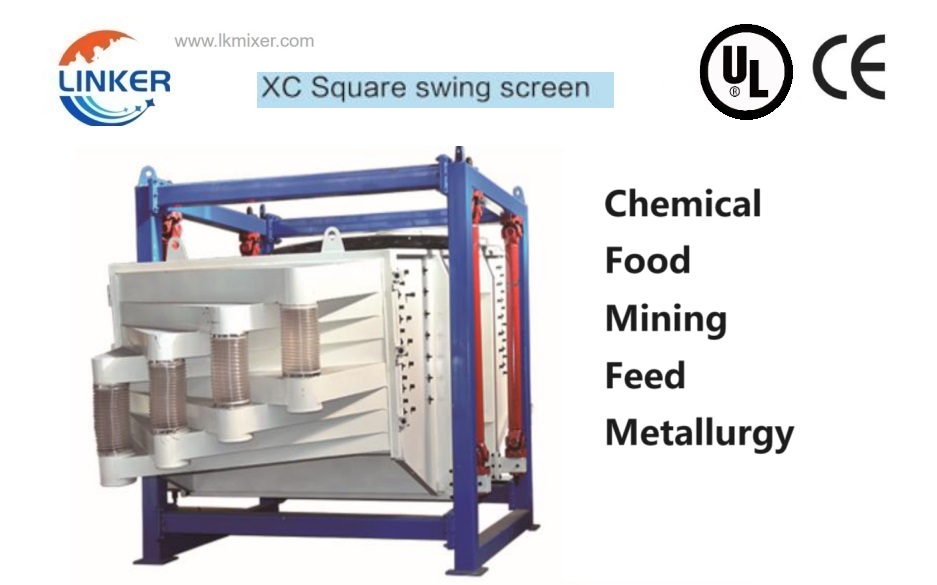
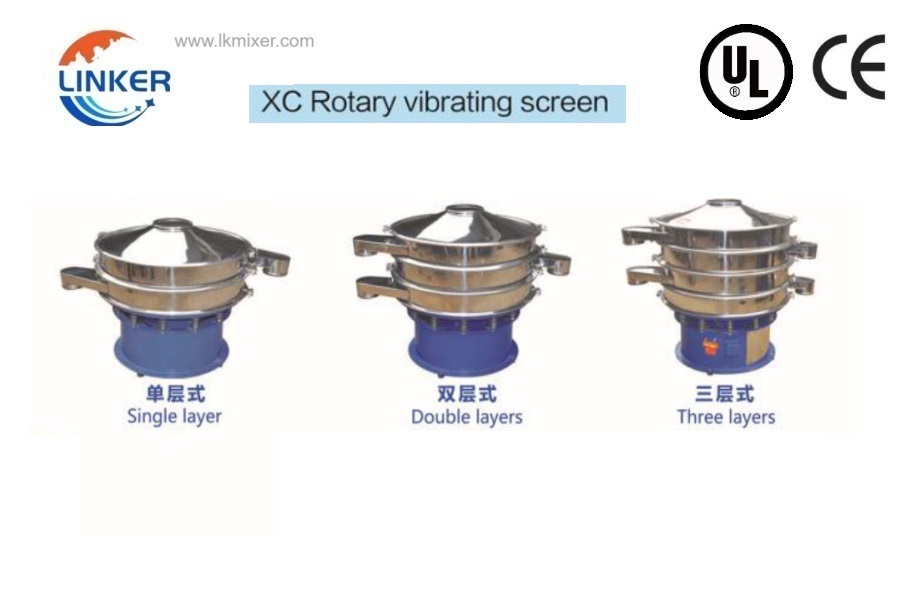
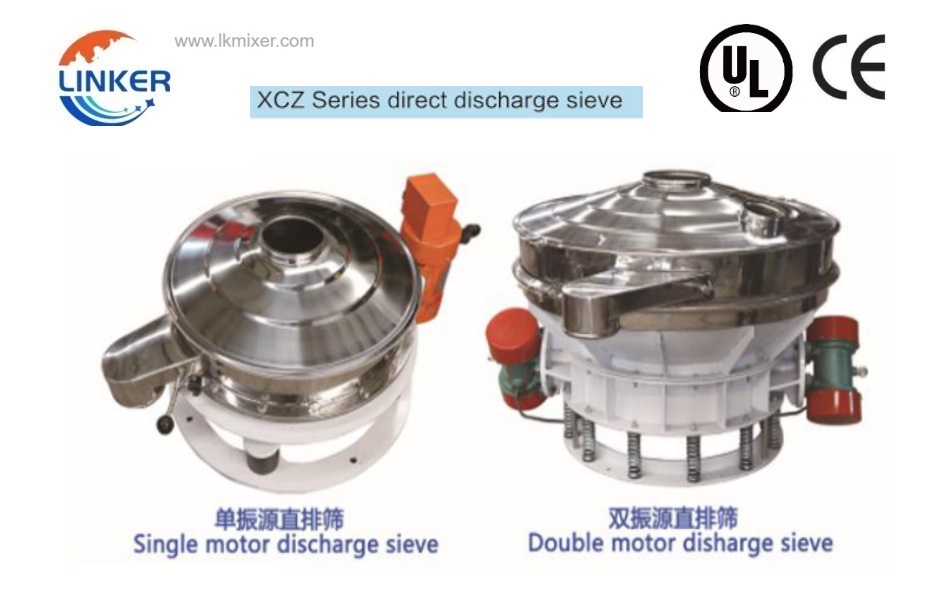
The screening and classification step guarantees product uniformity when the required fineness is reached. The ground rubber powder is put into an airflow pulverizer (air classifier) or a vibrating pulverizer for extremely accurate cuts.Based on the size of the particles, these units divide the powder into various size fractions. 30-80 mesh and 80-100 mesh are typical commercial grades. A closed-loop system that maximizes yield and reduces waste is created when oversized particles that fail to pass through the screens are automatically recycled back to the grinding machine for further processing. Though on a far larger scale, this screening approach is comparable to the food industry’s grading system for wheat, sugar, or salt.
Automatic Packaging and Handling is the last phase. An automated packing station receives the completed, classified crumb rubber powder.Here, bags are filled precisely by a precision weighing and bagging system, which frequently makes use of a servo-driven auger filler. Standard packaging consists of kraft paper bags or 25 kilogram or 50 kg woven poly bags, with optional moisture-barrier liners for specific grades. To create complete unit loads that are prepared for shipping, the line can incorporate robotic stacking systems, palletizing, and bag sealing. Similar to packaging lines for goods like rice, coffee, or bean products, this end-to-end automation ensures efficiency and minimizes manual work.
Important Technical Details and Contrasts
A contemporary Automatic Crumb Rubber Line is characterized by a number of essential elements.A Programmable Logic Controller (PLC) system is usually in charge of its high degree of automation and control. This reduces human intervention and guarantees constant product quality by enabling remote monitoring, fault diagnosis, and parameter change. Another pillar is environmental protection. Complete dust collection grinder systems, such as baghouse filters, are placed at strategic transfer points, and the entire process is enclosed. When used in conjunction with misting or spray systems, these controls maintain extremely low dust emissions—typically less than 10 mg/m³—ensuring adherence to strict environmental regulations. Features like heat recovery from cooling systems, variable frequency drives (VFDs) on motors, and optimized grinding circuit designs are examples of how energy efficiency is built into the system to maintain particular energy usage within a defined range.
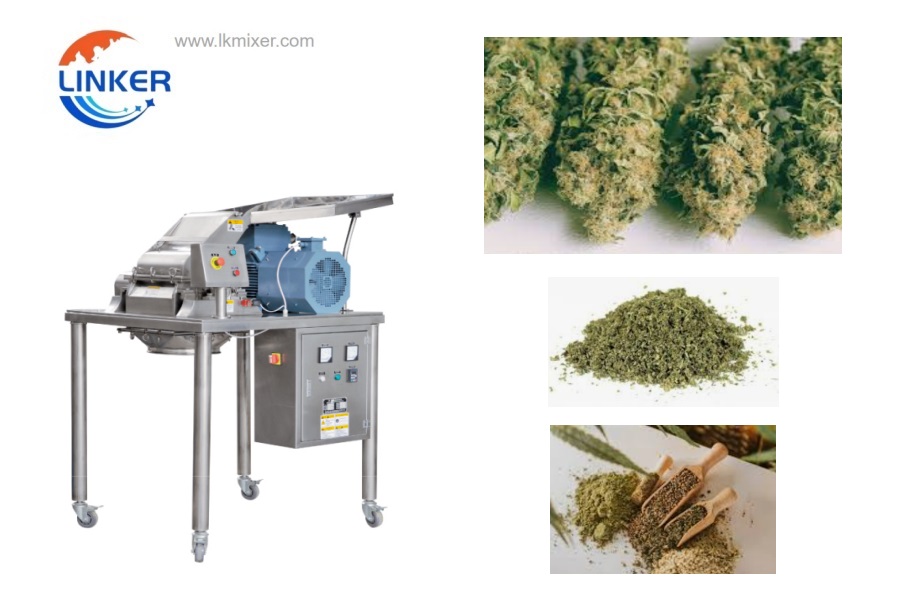
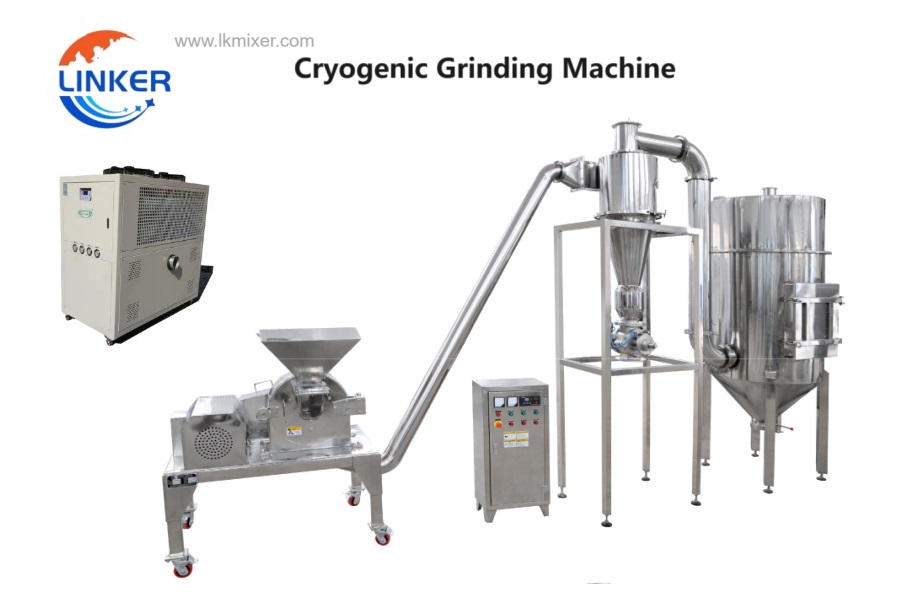
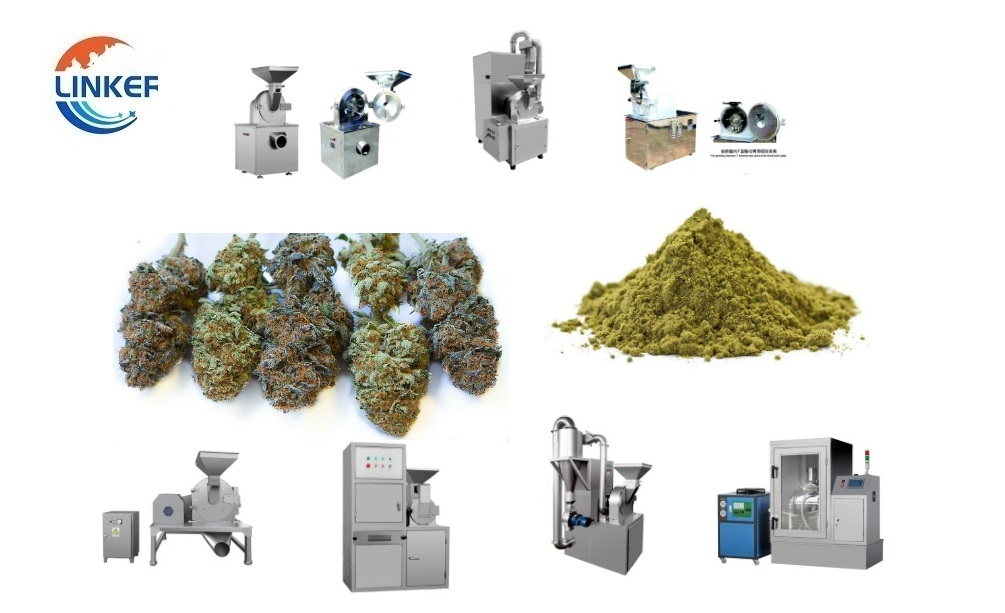
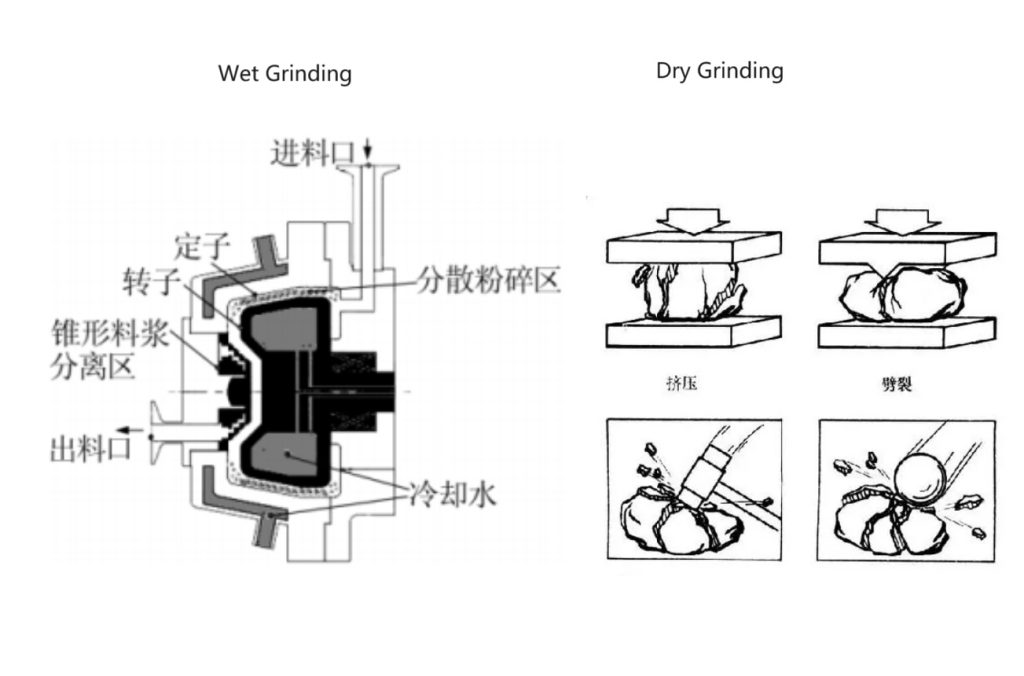
Differentiating between the many technological techniques that are accessible is crucial. Because of its comparatively straightforward design, reduced initial and ongoing expenses, and capacity to generate a wide variety of particle sizes, the ambient grinding process—discussed above—is the most extensively used. The Cryogenic Grinding Process, on the other hand, uses liquid nitrogen to cool the rubber to about -195°C prior to grinding. Rubber becomes brittle at this temperature and is more easily ground into extremely fine or even super-fine powders (240 mesh and finer). Though scaled for rubber, this process is conceptually similar to a cryogenic grinding machine used for heat-sensitive spices, medications, or even cannabis in an industrial cannabis grinder setting.Although it costs more for liquid nitrogen, it is the preferred option for high-value applications that call for ultra-fine powder with no thermal degradation. Another method is the Wet Grinding Process, which is carried out in a water slurry and almost completely removes dust, but it increases the expense and complexity of drying and dewatering the finished product.
Standard Equipment Configuration and Requirements
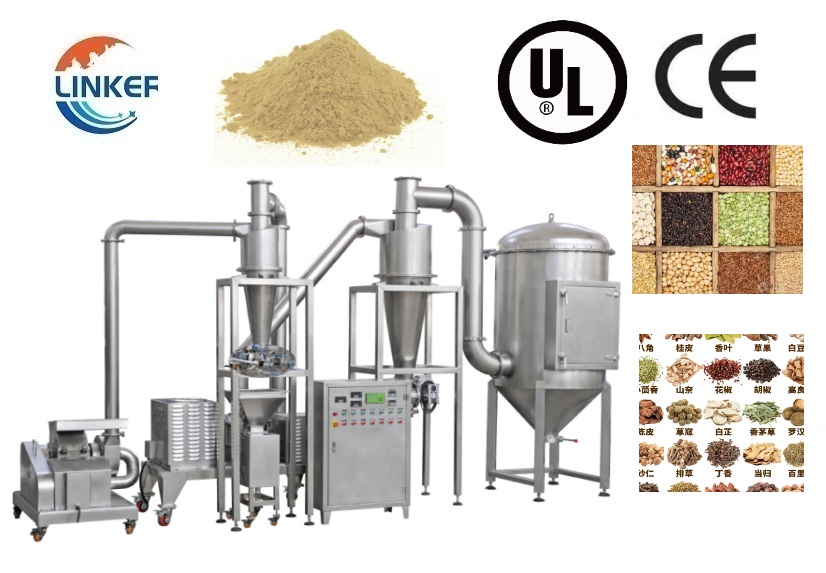
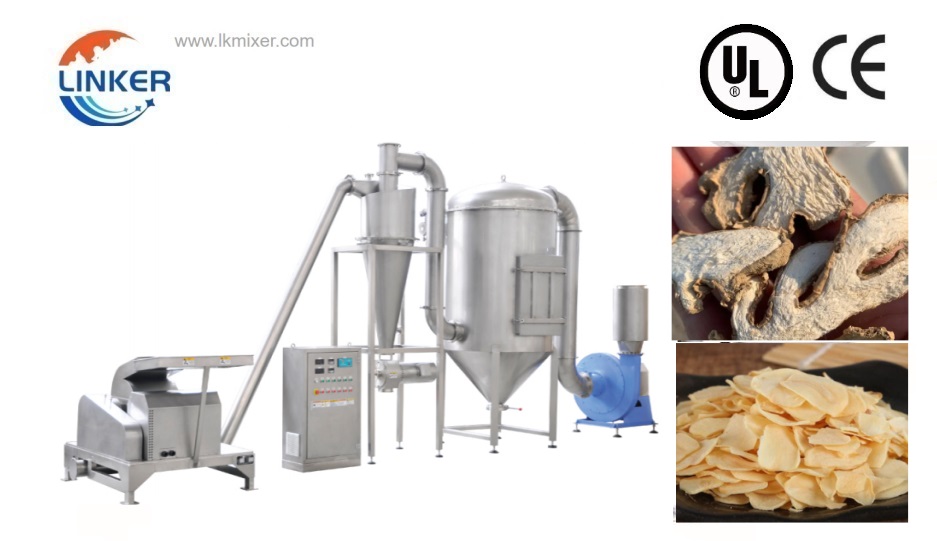
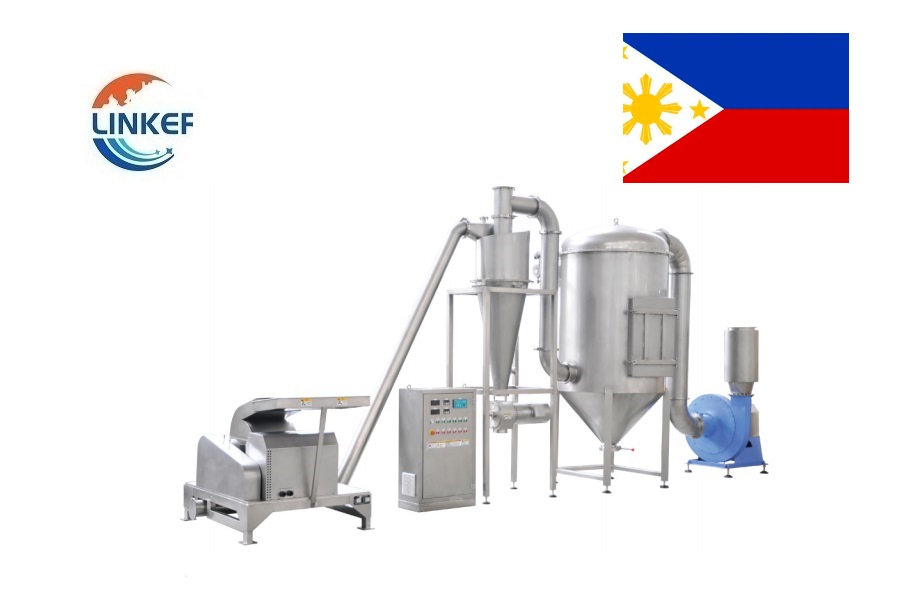
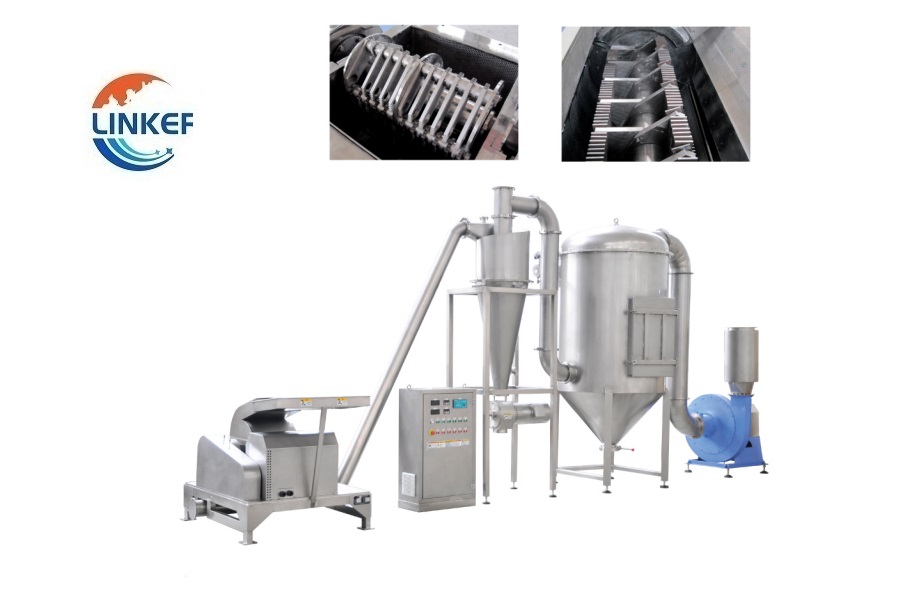
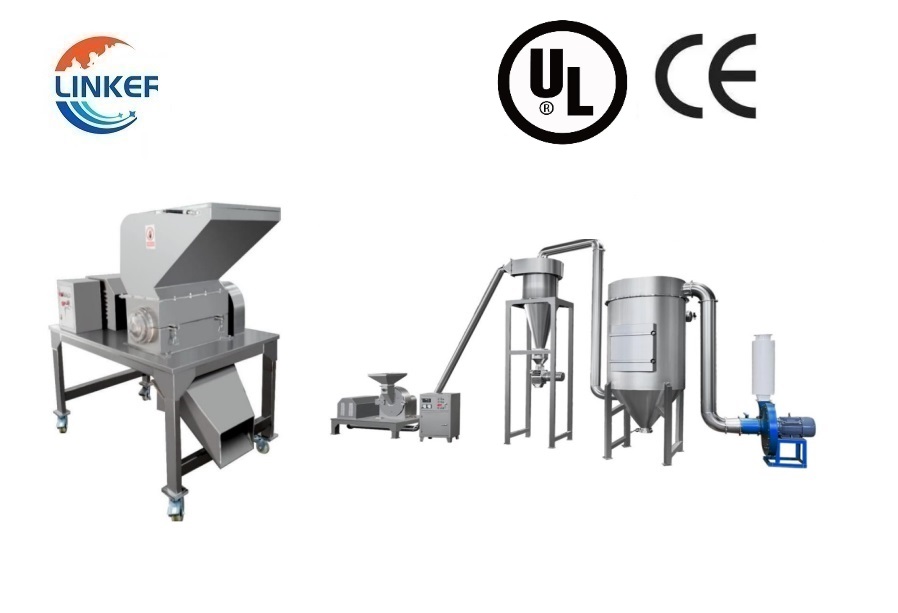
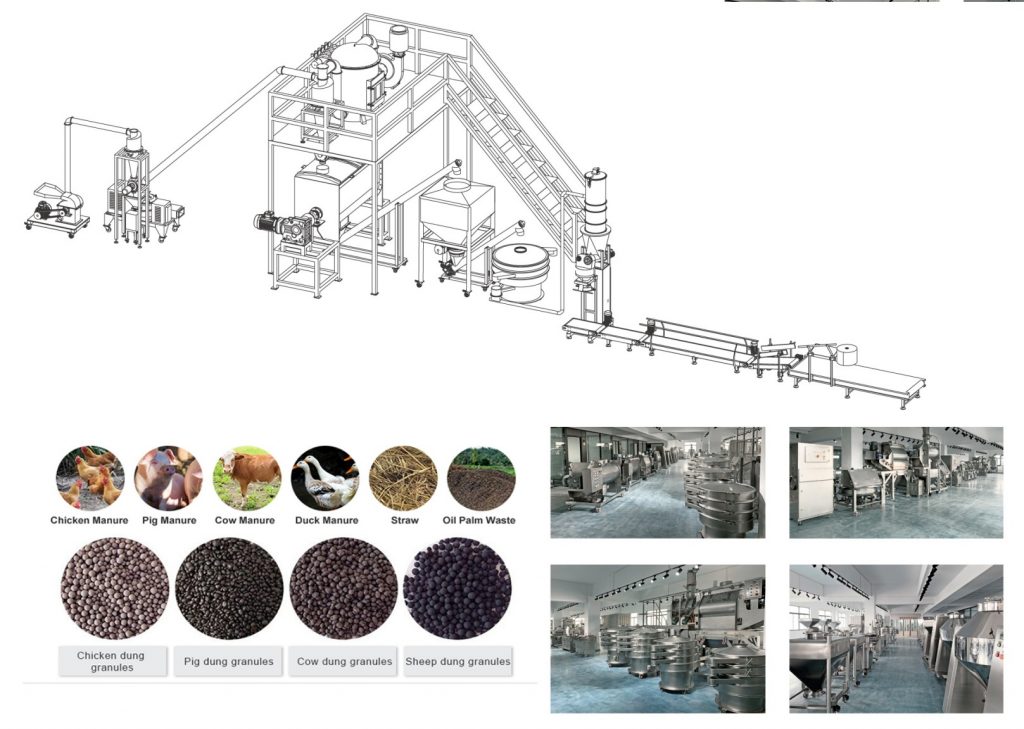
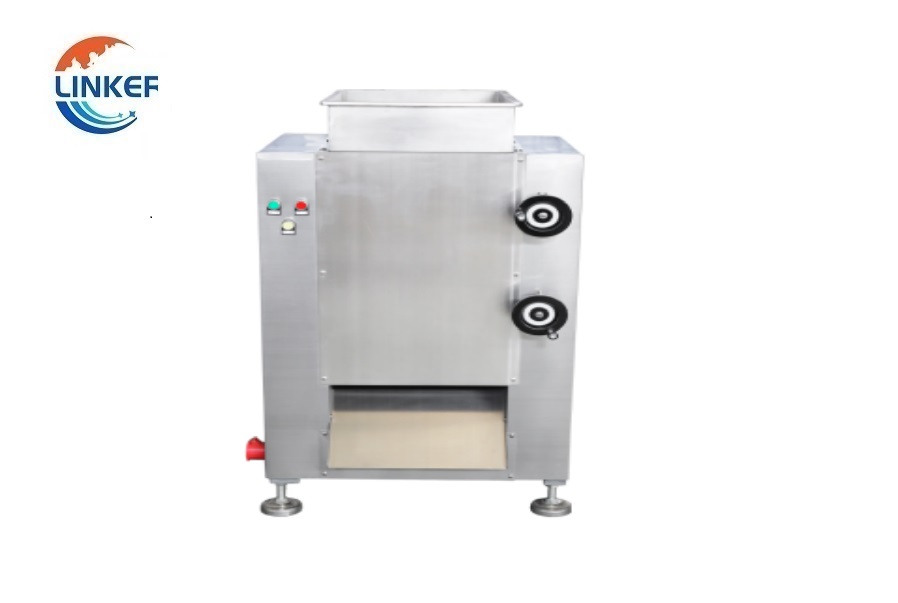
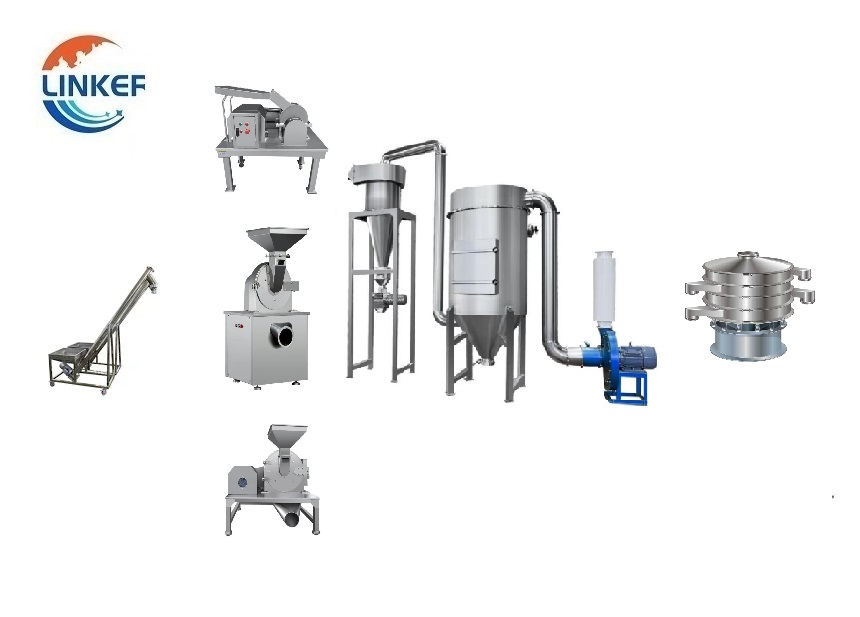
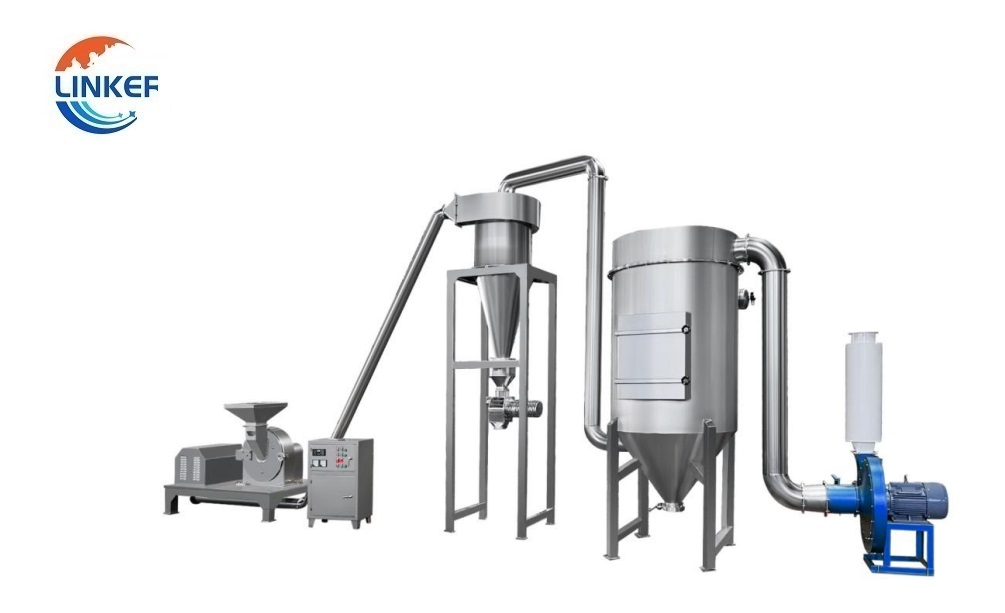
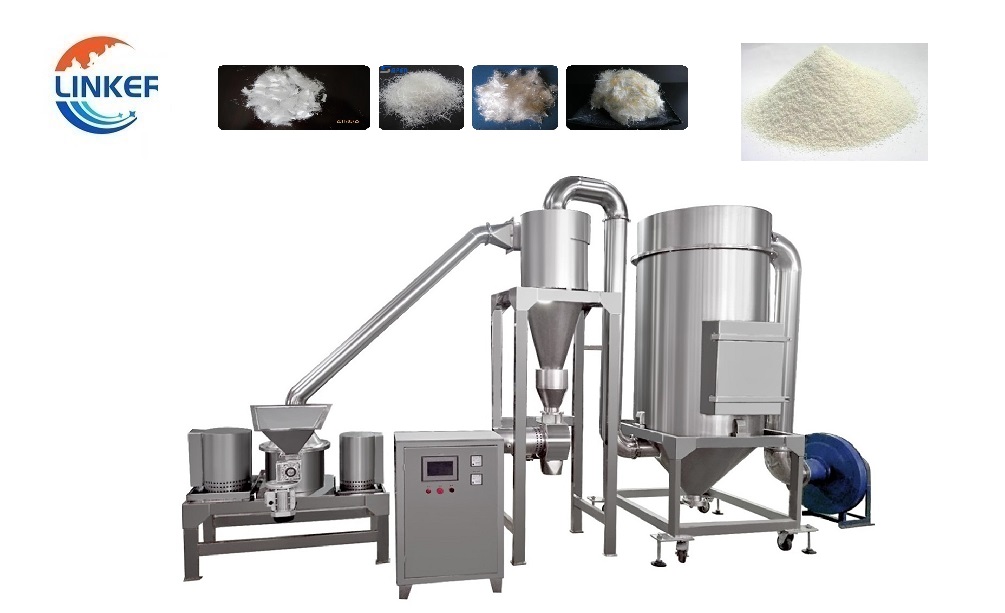
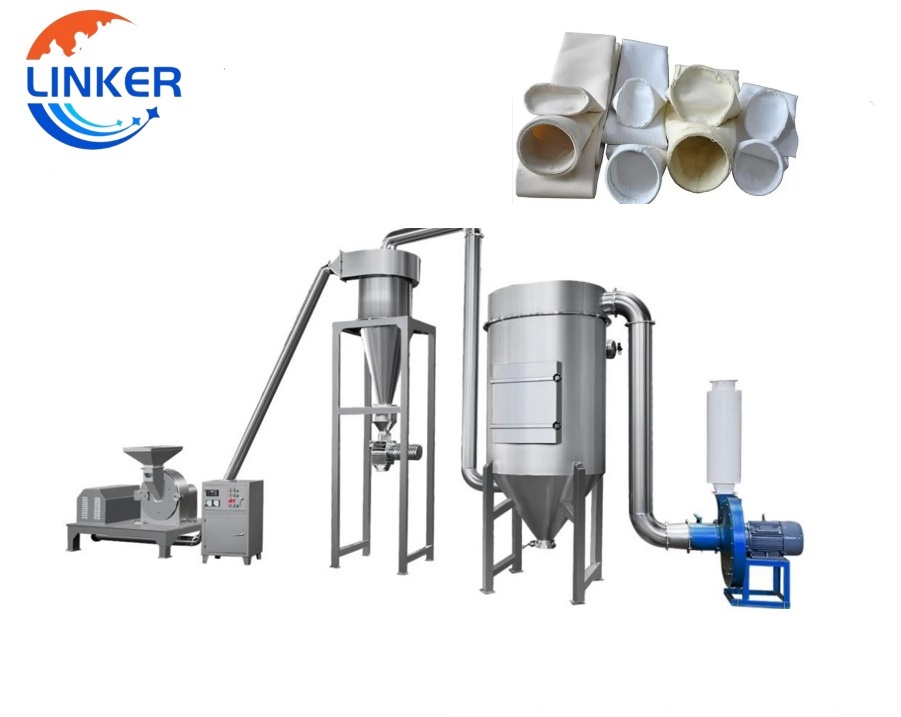
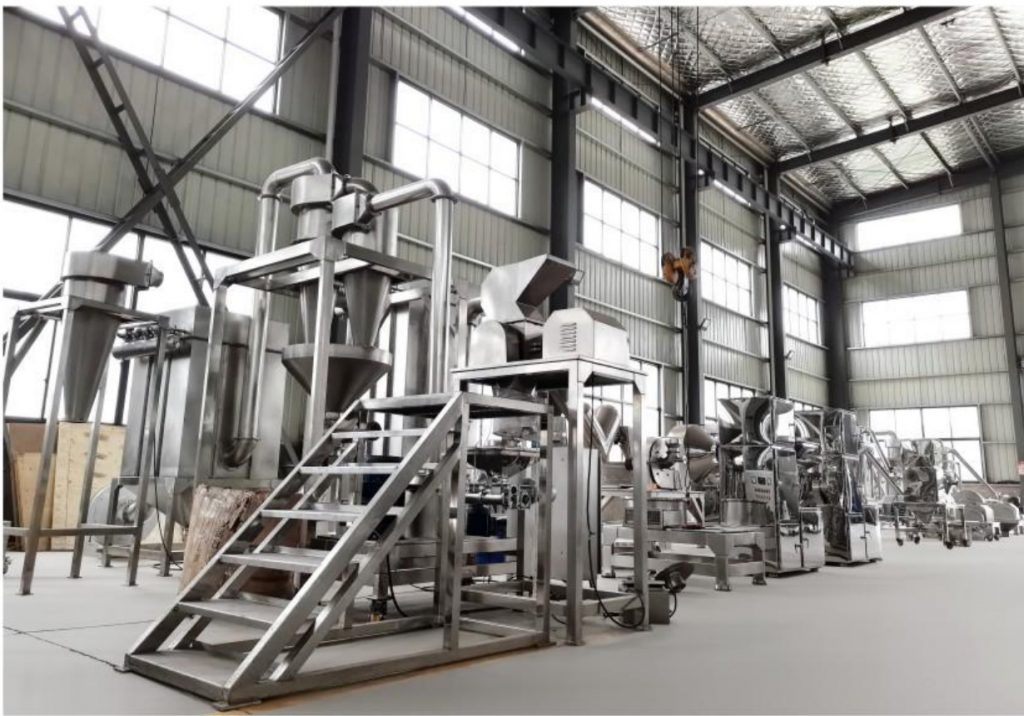
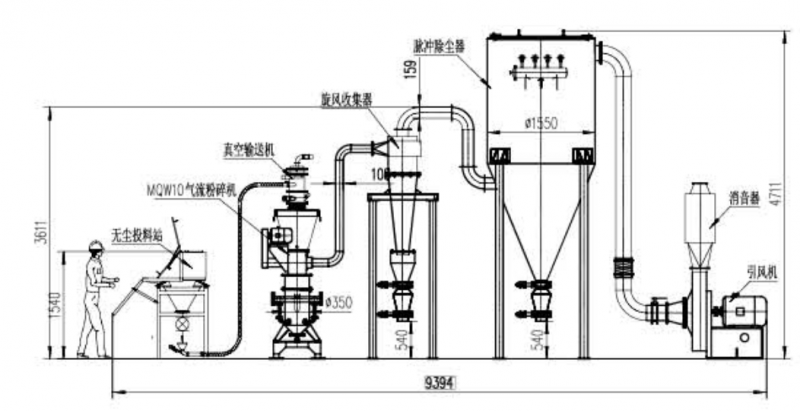
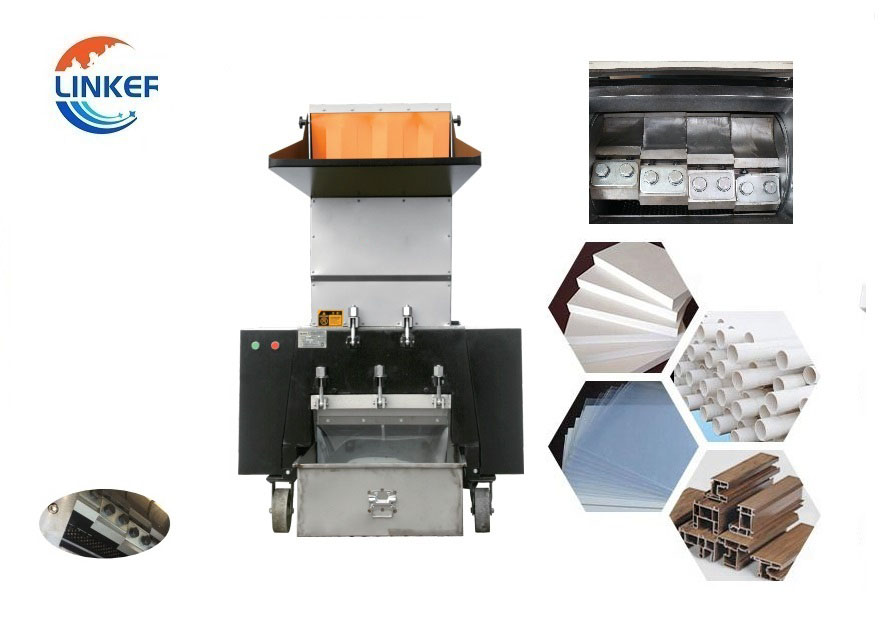
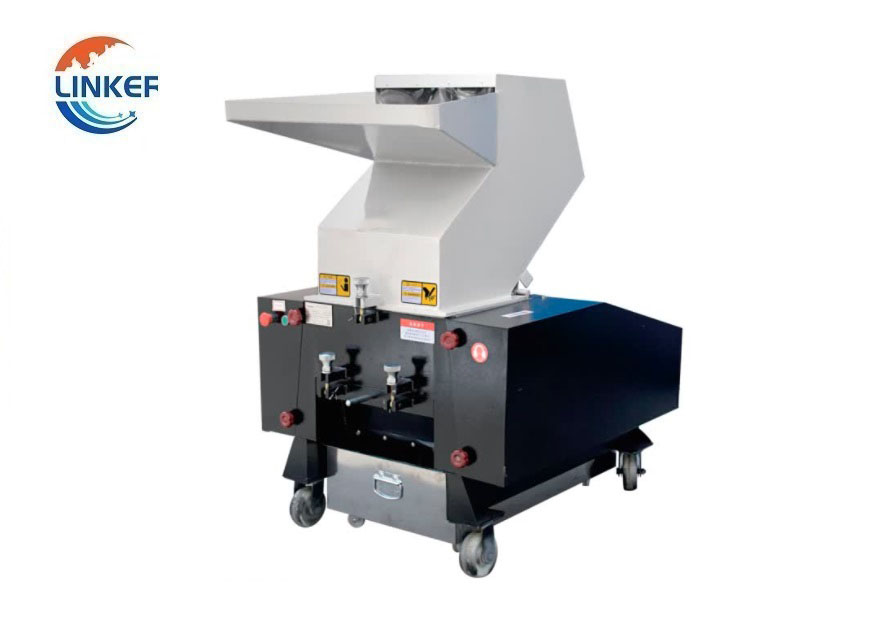
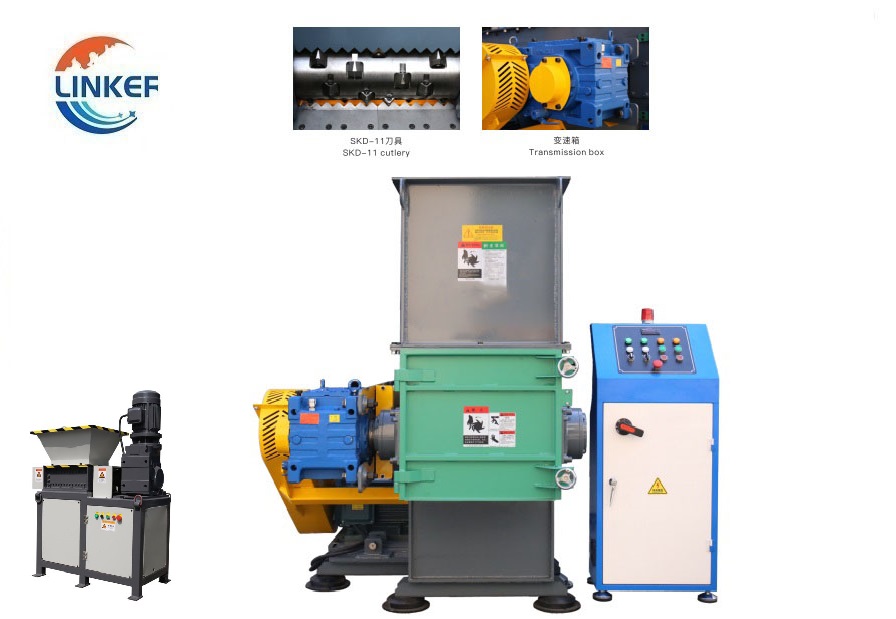
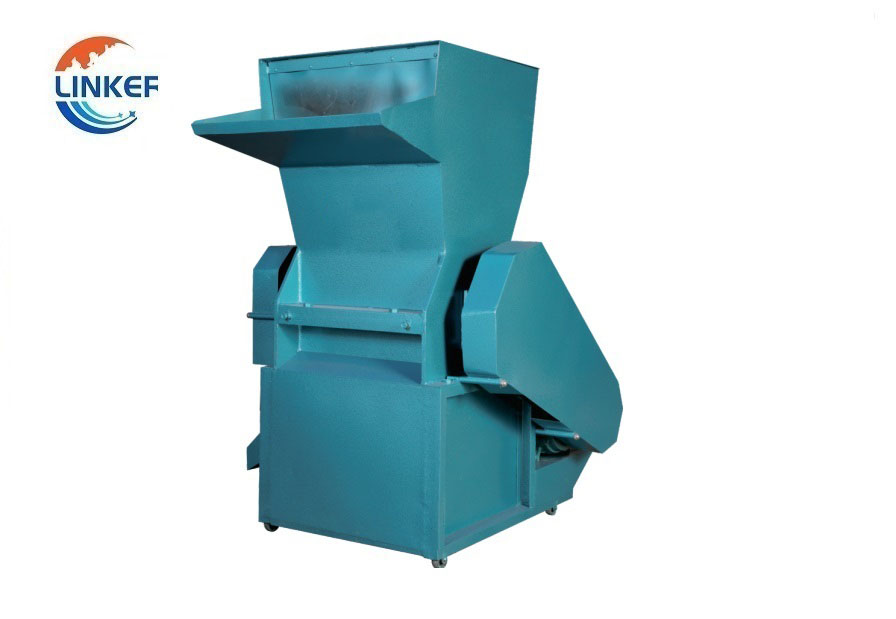
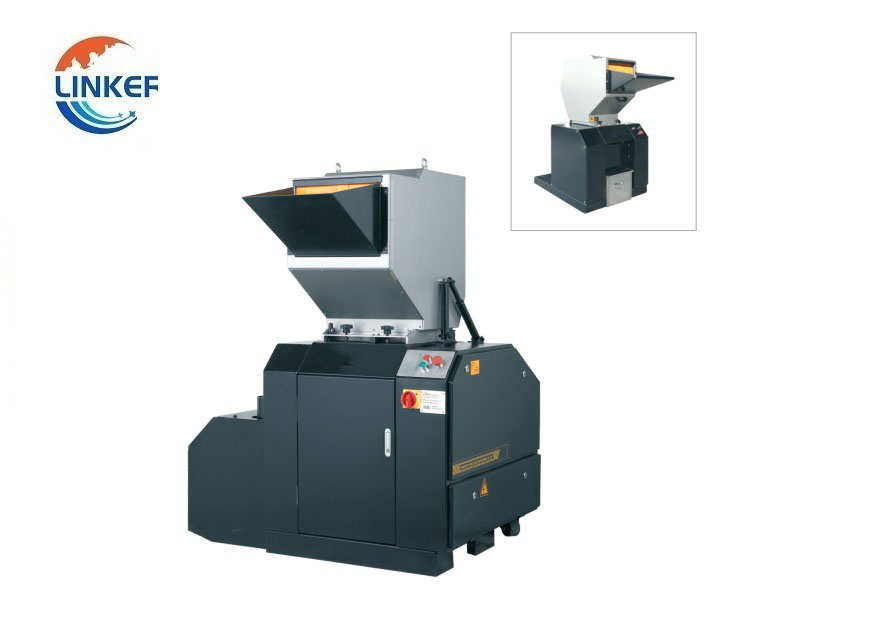
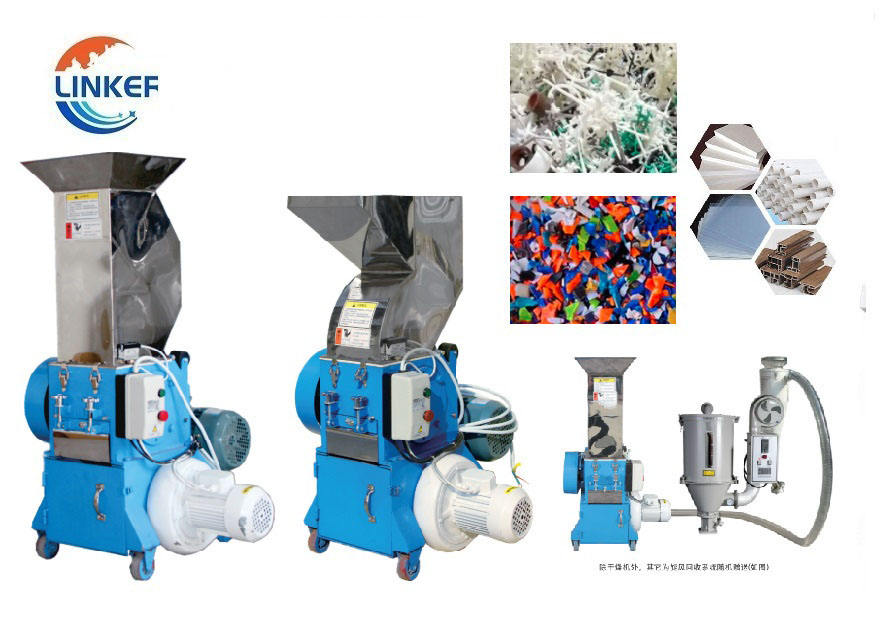
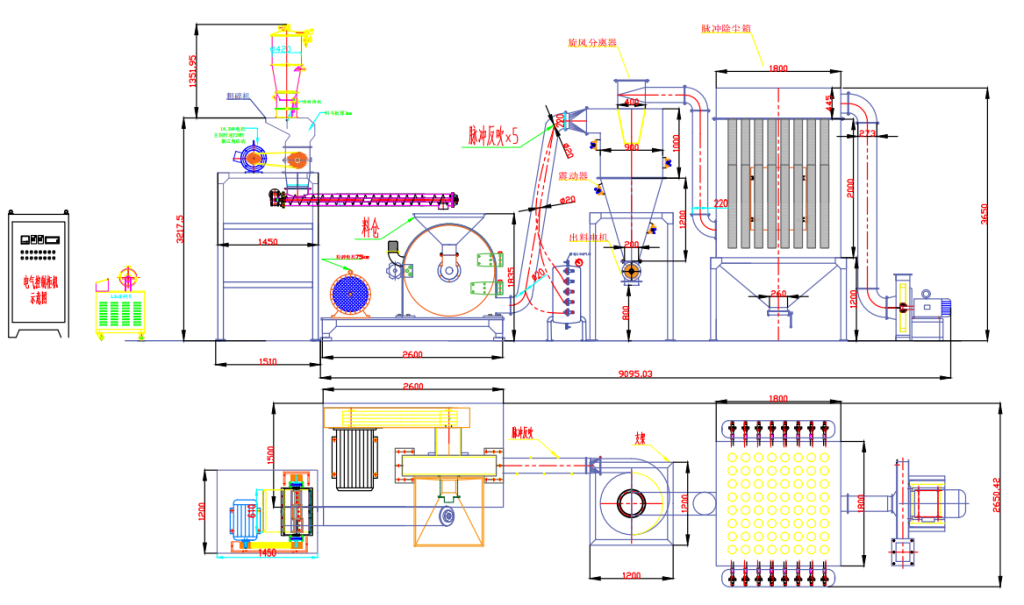
A full line is a harmonious piece of well-coordinated equipment. The tire cutter, primary shredder, magnetic separator, fine rubber grinding mill, screening units, and automatic packaging machine are all part of the core host equipment. Conveyor belts, the extensive dust collection network, cooling units, and the central PLC electrical control cabinet are examples of auxiliary systems that support these.Standard lines can produce between 200 and 2000 kg per hour, however production capacity can be customized. For lifespan and simplicity of cleaning, crucial parts that come into touch with the product are frequently composed of carbon steel or sturdy stainless steel. In order to ensure that safety and performance standards are fulfilled, reputable manufacturers make sure their essential equipment, particularly the central grinding machine, has the necessary international certifications, such as a CE Certificate grinder designation.One unique and effective way to turn an environmental problem into a useful industrial resource is with the Automatic Crumb Rubber Powder Production Line.
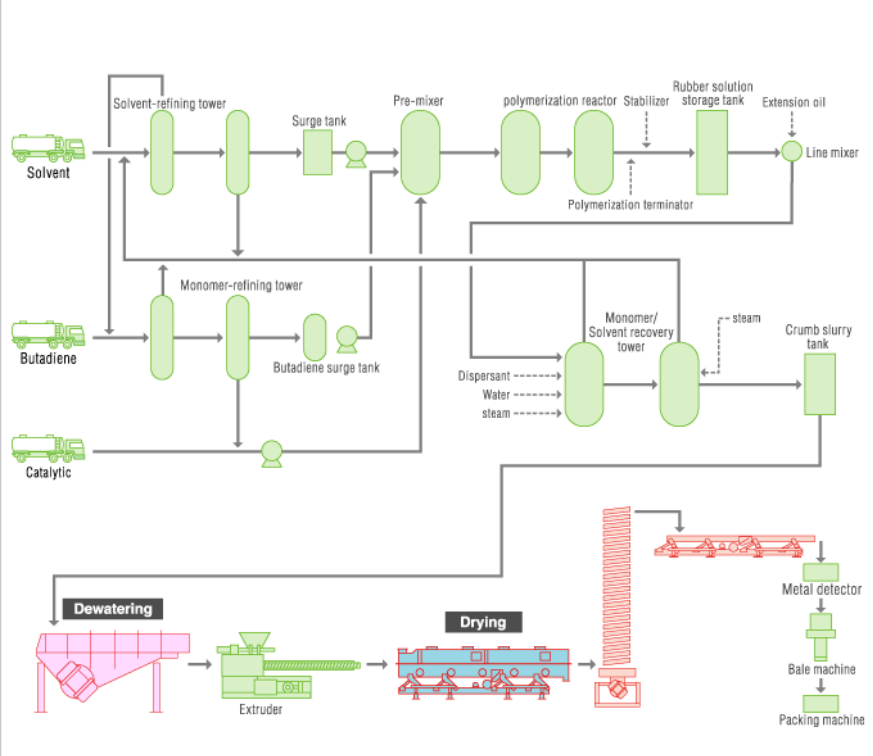
A completely automated and integrated system called an Automatic Crumb Rubber Powder Production Line is made to effectively turn used tires into profitable crumb rubber powder with different particle sizes. Through a series of physical crushing and separation phases, this continuous, eco-friendly process produces material that is widely utilized in recycled rubber products, sports surfaces, and modified asphalt.
Fundamental Manufacturing Procedure: From Complete Tire to Fine Powder
Raw Material Pre-Treatment is the first step in the entire process.The main feedstock, end-of-life tires, are first made ready for processing. The steel wire bead bundle is extracted from the inner rim of the tire using a specialist tire de-beading machine. This important step keeps downstream equipment from being harmed. After being fed into a main shredder or chopper, the tires are cut into homogenous rubber chips, usually measuring 3 to 8 cm. Fully automated feeding systems are a hallmark of contemporary, high-end lines. These chips are moved to the following stage by an integrated charger or conveyor network, which is frequently constructed of massive stainless steel, guaranteeing a steady and constant material flow. Just as important as pre-cleaning for cassava grinding machine operations or sorting beans and seeds in food processing is this first step in the process.
Steel separation and coarse crushing occur next.The main feedstock, end-of-life tires, are first made ready for processing. The steel wire bead bundle is extracted from the inner rim of the tire using a specialist tire de-beading machine. This important step keeps downstream equipment from being harmed. After being fed into a main shredder or chopper, the tires are cut into homogenous rubber chips, usually measuring 3 to 8 cm. Fully automated feeding systems are a hallmark of contemporary, high-end lines. These chips are moved to the following stage by an integrated charger or conveyor network, which is frequently constructed of massive stainless steel, guaranteeing a steady and constant material flow. Just as important as pre-cleaning for cassava grinding machine operations or sorting beans and seeds in food processing is this first step in the process.
The stage of coarse crushing and steel separation follows. A heavy-duty primary crusher, like a dual-shaft shredder or a primary coarse crusher, receives the rubber chips. The chips are reduced to tiny granules of roughly 10–20 mm by this equipment, which is far more durable than a small grinder or a standard corn hammer mill. These granules now include fabric fibers (from the tire’s interior plies and belts) and exposed steel wires. These impurities are eliminated by passing the material stream through specialized wire separators, often known as “fiber pullers,” and under strong suspended magnets. A remarkable separation efficiency of more than 99.8% is attained by this technology. While the lighter textile fibers are extracted by air aspiration (wind sifting), the recovered high-quality steel is delivered to the metallurgical industry for recycling.Similar to the goal of removing husks from grains like wheat or rice, but working with far more durable materials like metal and polymer fabric, this separation process is essential for purity.
Following purification, the rubber granules go through intermediate and fine grinding. The powder-making process revolves around this. A number of specialized grinding devices, commonly referred to as rubber granulators or mills, receive the granules. In contrast to a basic black pepper grinder or a dry ginger spice grinder, these industrial devices carry out progressive size reduction in multiple stages. Ambient (or “room temperature”) grinding is the most often used technology.However, the rubber may become heated by the extreme friction created, softening and re-agglomerating it. Mills are outfitted with effective cooling systems, such as water-cooled chambers or air-cooled crusher designs with built-in fans, to avoid this. The material is reduced to a desired fineness, often between 20 and 120 mesh, using a series of grinding passes. More sophisticated milling methods are used for finer grades (40–200 mesh). This procedure demonstrates how the idea of a universal grinder evolved into a very specific application.
A uniform end product is ensured by screening and classification after grinding. The ground rubber powder is either fed into an airflow pulverizer (an air classifier) or onto a vibrating pulverizer.These devices split the powder into conventional commercial grades of specific particle size fractions, like 30-80 mesh or 80-100 mesh. An effective closed-loop system that maximizes yield is created by automatically channeling any large particles back to the grinding machine for treatment. Though designed for considerably heavier, abrasive material streams, this grading phase is comparable to sifting flour or salt in food processing.
Automatic Packaging and Material Handling brings the process to a close. A completely automated packing station receives the classified crumb rubber powder. The powder is precisely dosed into bags using a precision weighing device, which is frequently a servo-driven auger filler. Typical packaging consists of kraft paper bags or 25 kilogram or 50 kg woven polypropylene bags.Composite bags with inner liners are utilized for export or moisture-sensitive applications. To create stable unit loads that are prepared for shipping, the line can be easily integrated with robotic palletizers, automatic bag placers, and sealers. This end-to-end automation ensures speed, accuracy, and minimal manual intervention, similar to that found in packaging lines for chemical products, food items like sugar and coffee, or powders that are adjacent to medicines.
Important Equipment Selection and Technology Comparisons
For the production of crumb rubber, there are three main technological routes.Due to its comparatively straightforward design, cheaper initial and ongoing expenses, and capacity to provide a wide range of particle sizes (10-200 mesh), the Ambient Grinding Process—described in detail above—is the most widely used technique worldwide. By cooling rubber chips with liquid nitrogen to extremely low temperatures (around -195°C), the Cryogenic Grinding Process, on the other hand, makes the rubber brittle and easier to pulverize into very fine or ultra-fine powders (240 mesh and above). This technique, which makes use of a specialized cryogenic grinding machine, is perfect for high-value applications like high-performance composites or certain chemical modifiers where better surface area and minimum heat degradation are crucial.In theory, it is comparable to cryogenic grinding, which is used for heat-sensitive compounds like some spices, tea, or active pharmaceutical substances. The Wet Grinding Process, which entirely suppresses dust by grinding the rubber in a water slurry, is less popular since it adds substantial expenses and complexity for drying and dewatering the finished product.
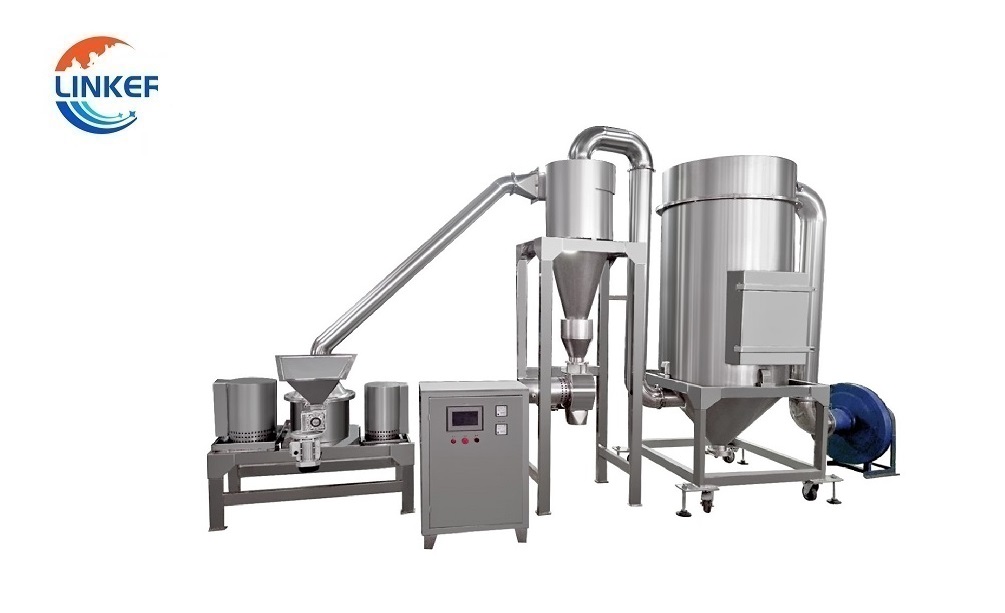
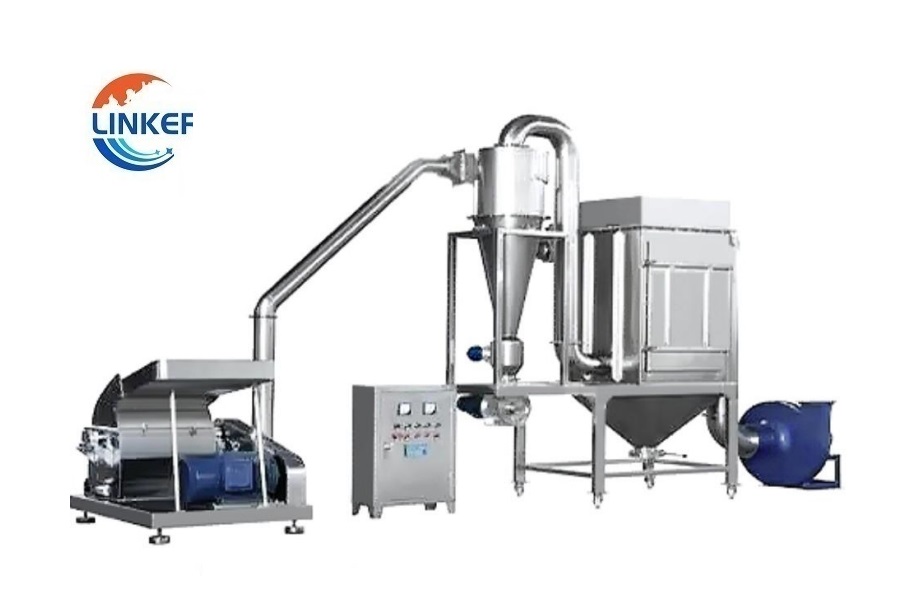
The tire de-beader, primary shredder, magnetic separator, fine rubber grinding machine, screening units, and automatic packager are examples of core host equipment that are coupled by auxiliary systems in a typical production line design.Belt conveyors, a central PLC (Programmable Logic Controller) electrical cabinet for automated command and control, cooling systems for the mills, and an extensive dust collection grinder network (such as baghouse filters) to ensure clean air requirements are some of these support systems. Standard lines can produce between 200 and 2000 kg per hour, demonstrating the excellent scalability of production capacity. To guarantee lifetime and product hygiene, critical components are frequently made of sturdy, easily cleaned stainless steel. Reputable manufacturers make sure that their primary equipment, especially the electrical systems and central grinding machine, complies with international safety regulations, such as having a CE Certificate grinder certification.Although this line is a specialized rubber recycling solution, its basic principles link it to the broad field of size-reduction technology, from precise ultrafine grinders used in many manufacturing sectors to a 500KG grinder in an industrial food facility processing peanuts or sesam.

Parameters:

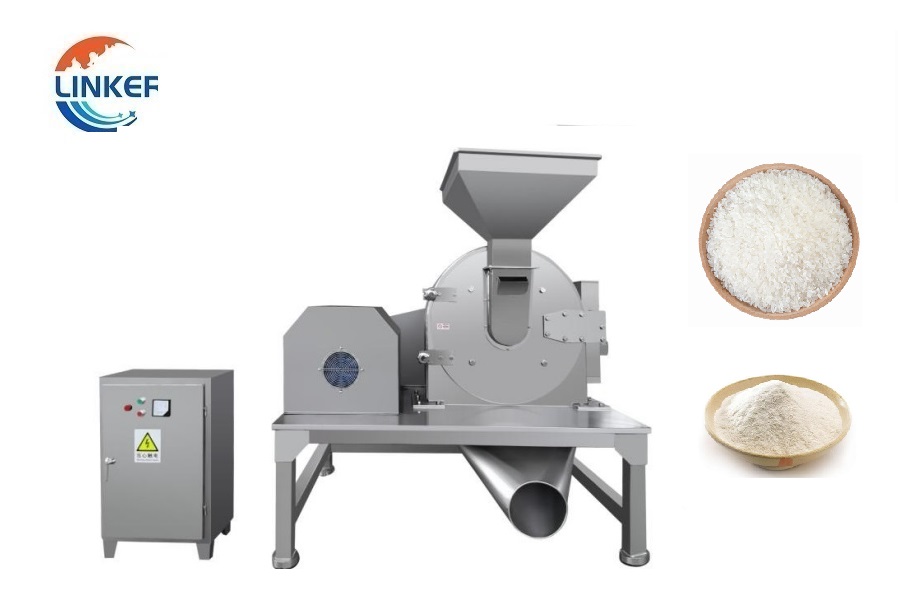
Model Name | SG-600 | |
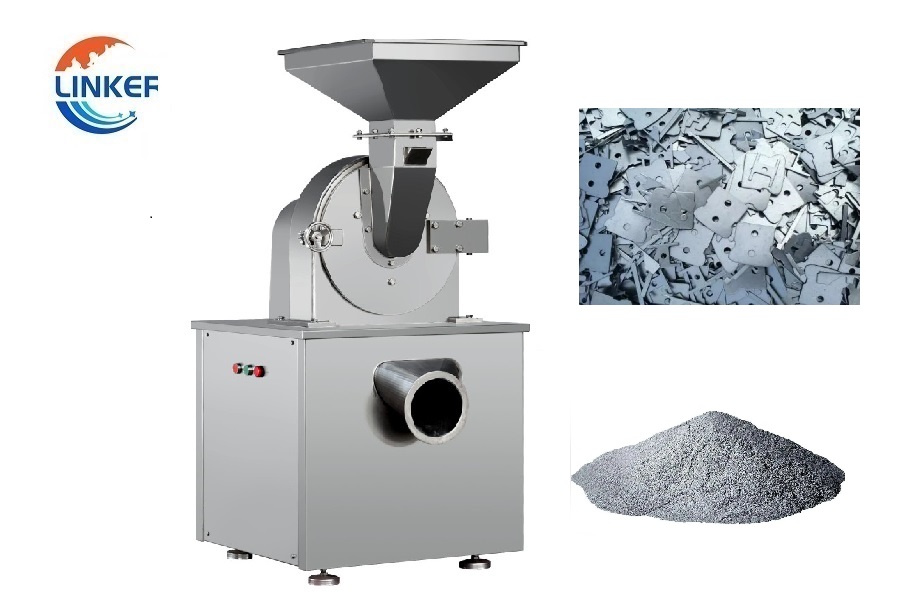
| Crushing Capacity(kg/h) | 1000~2000 | |
| Power(kw) | 11 | |
| Feeding Size(mm) | <5mm | |
| Fineness(mesh) | 20~40mesh |
Model Name | SG-800 | |
| Crushing Capacity(kg/h) | 2000~4000 | |
| Power(kw) | 15 | |
| Feeding Size(mm) | <5mm | |
| Fineness(mesh) | 20~40mesh |
Trade Capacity
| International Commercial Terms(Incoterms): | FOB, CIF, CFR | Terms of Payment: | LC, T/T, PayPal, Western Union |
| Average Lead Time | 60 working days | Main Markets | North America, South America, Europe, Southeast Asia/ Mideast, East Asia(Japan/ South Korea), Australia, Domestic |
| Nearest Port: | Ningbo Port; Shanghai Port | Factory Address: | JiangSu, China |
Ampere of Motors Customization for Seeds Grinder:
| KW | HP | Ampere |
| 75kw | 100HP | 135A |
| 55kw | 75HP | 99A |
| 30kw | 40HP | 54A |
| 22kw | 30HP | 39A |
| 2.2kw | 3HP | 3.9A |
| 1.5kw | 2HP | 2.7A |
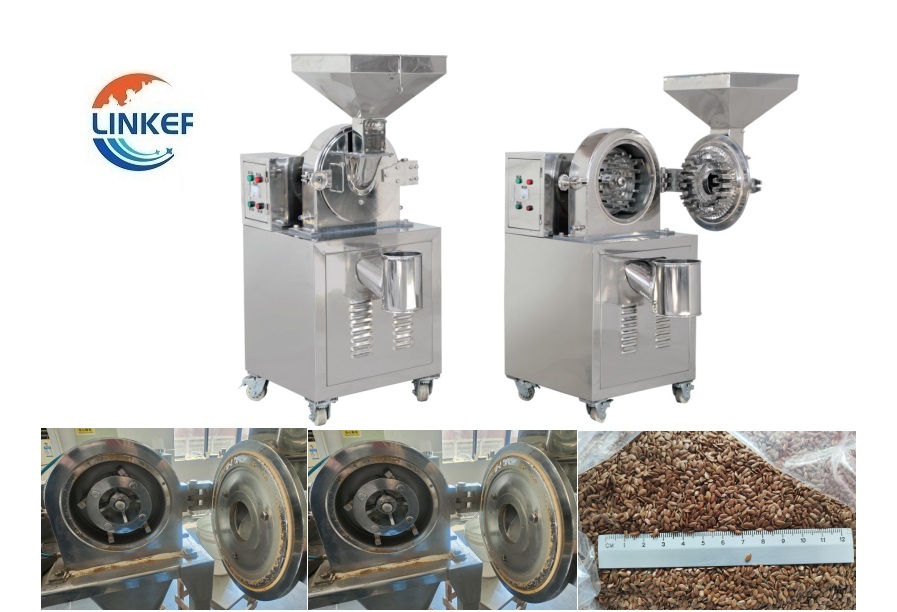
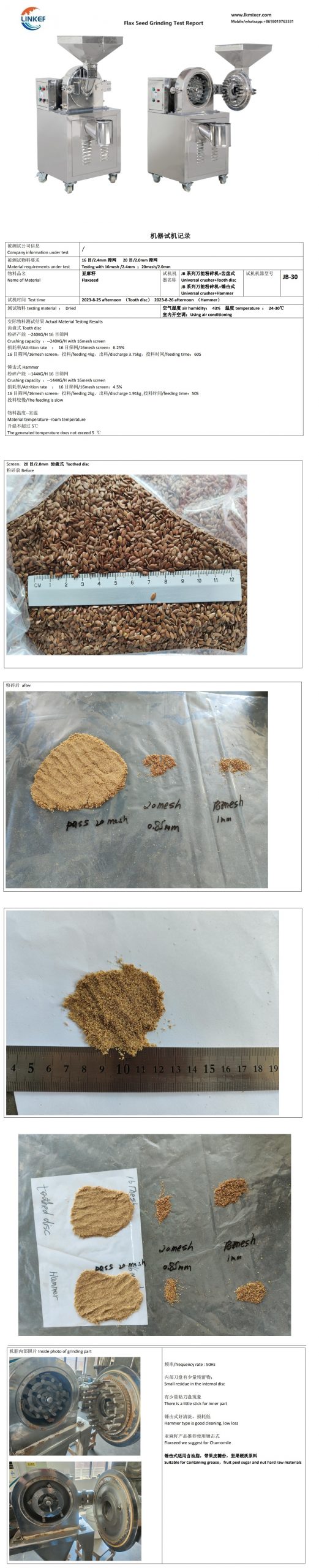
Test Report for Flax Seed Grinder:
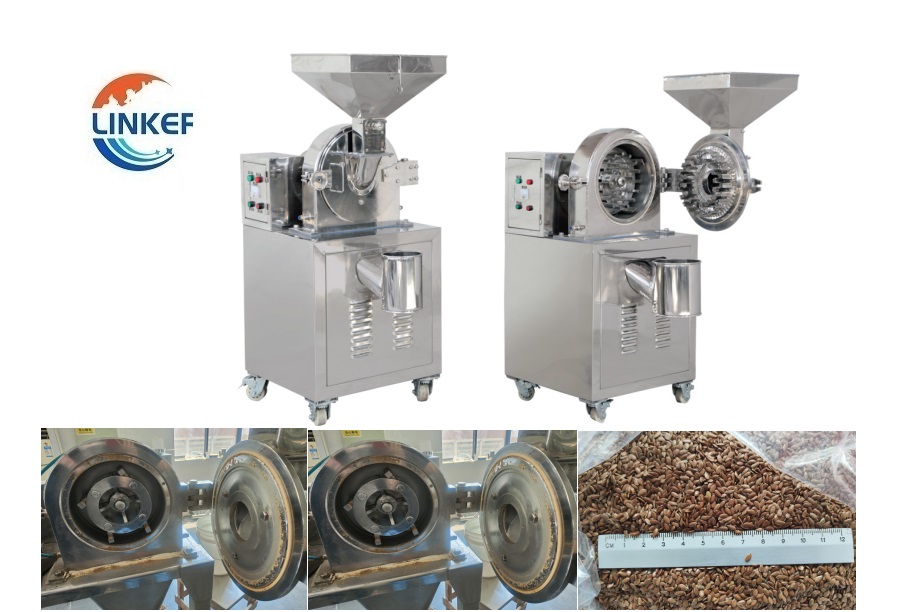
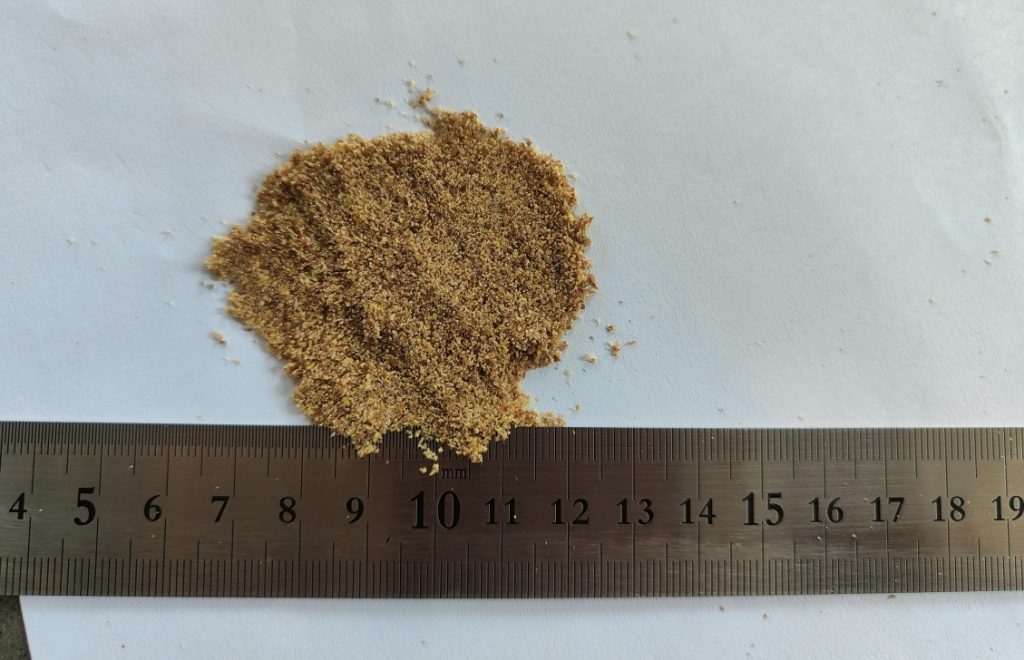
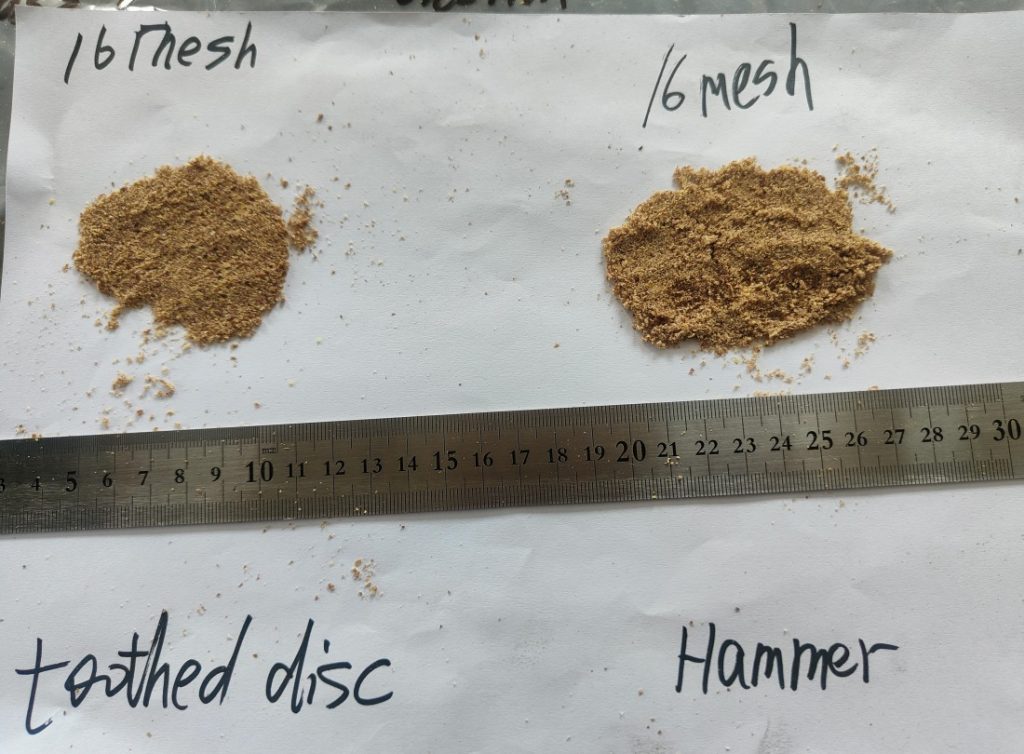
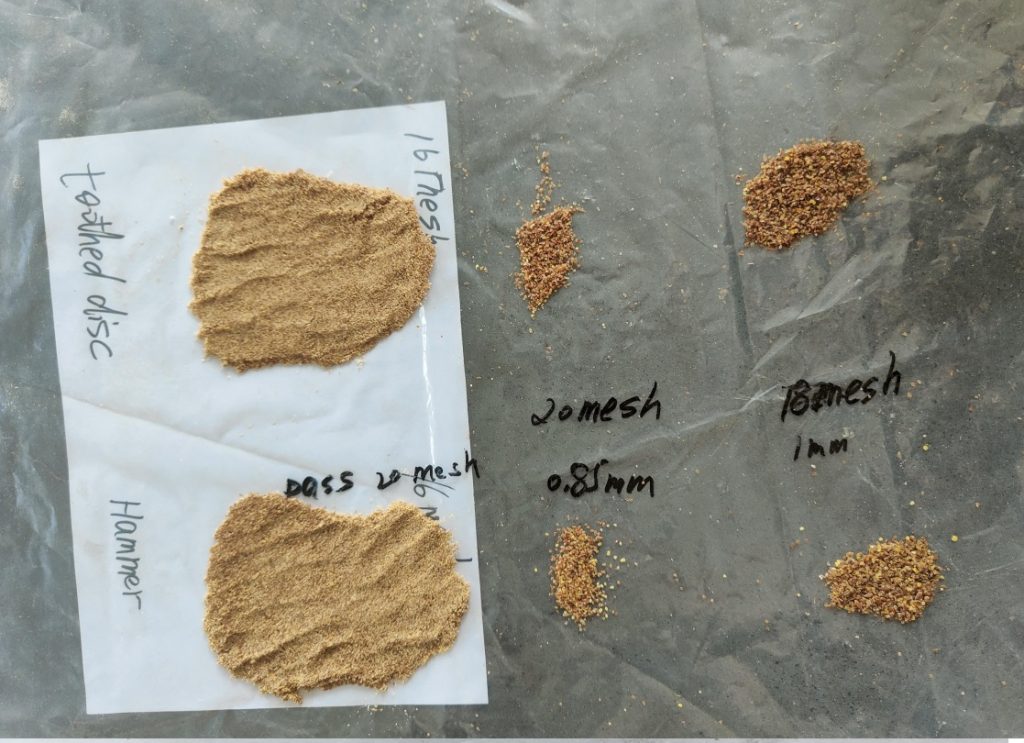
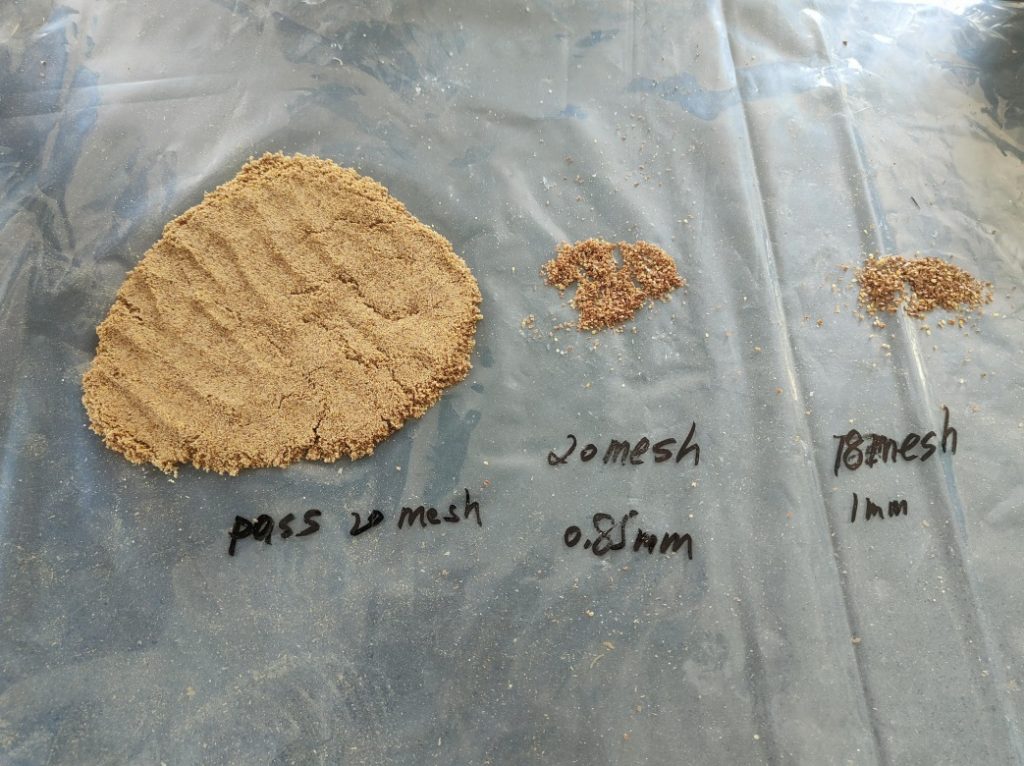
A flax seed grinder is a type of seed nut grinder specifically designed for grinding flax seeds. Flax seeds are small, hard seeds that are packed with nutrition and are commonly used in baking and cooking. Grinding flax seeds helps to unlock their nutrients and make them easier to digest.
Flax seed grinders typically feature sharp blades or burrs that rotate to crush the flax seeds into a fine powder. This powder can then be used in a variety of recipes, such as smoothies, baked goods, and yogurt toppings. Some flax seed grinders are manual and require hand-cranking, while others are electric and feature powerful motors for faster grinding.
When choosing a flax seed grinder, it’s important to look for one with durable blades or burrs that can withstand the hard texture of flax seeds.
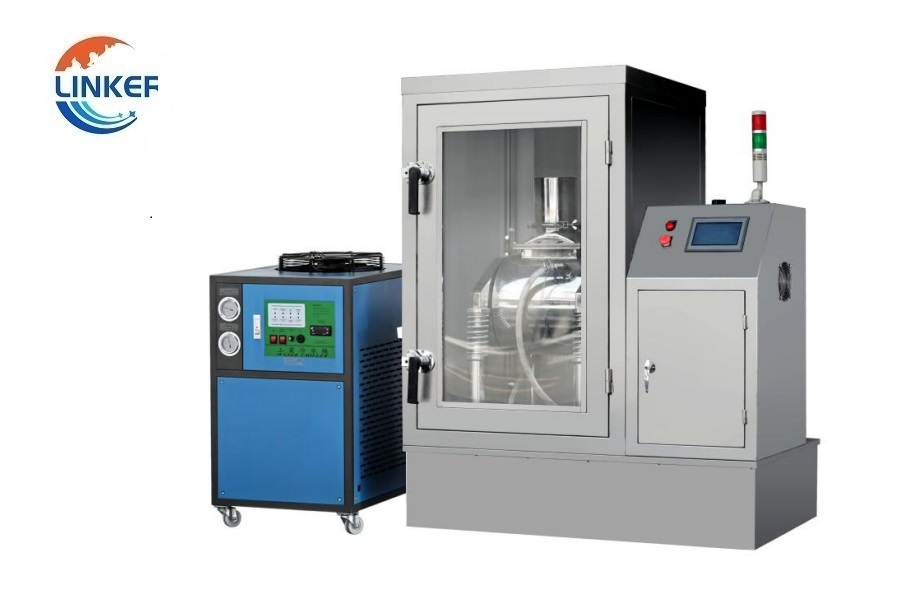
There are 3 ways of cooling down the grinder: water cooling system; air cooling system and liquid nitrogen freezing system. You can choose the right one if the grinder gets too hot. When machines goes too hot, the metal can expand, causing the grinding wheel to get stuck.
| Business Type: | Manufacturer/Factory | Main Products: | Mill, grinder, granulator, mixer, Crushing Equipment |
| Number of Employees: | 100 | Year of Establishment: | 2014.05 |
| Production Capacity | 5000Set/Year | After-sales Service: | Technical Support; on-line teach lessons |
| R&D Capacity: | ODM, OEM | Annual Output Value: | US$5 Million – US$10 Million |
| No. of R&D Staff: | 5 | No. of Production Lines: | 6 |
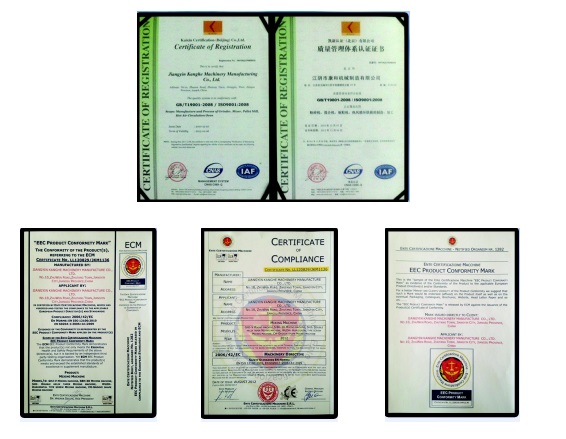
LK Mixer is a professional manufacturer for grinder, mixer and pulverizer. These machines are widely used in pharmaceutical, cosmetic, health care products and chemical industries. Our main product including granulating machine, grinder, mixer, dryer, etc. All mechanical products in accordance with the China GMP design requirements. And also we have other certifications such as CE, UL for motors.
Business Philosophy
“Quality is the main policy of sales” and “integrity is the principle of success” are the business philosophy of our people. We carry out one-year warranty, lifelong maintenance service, with technical consultation, with material test machine and other services, and long-term supply of equipment. Welcome new and old customers to negotiate cooperation!
Certifications:
Customer Side Machine Groups Showcase Videos:
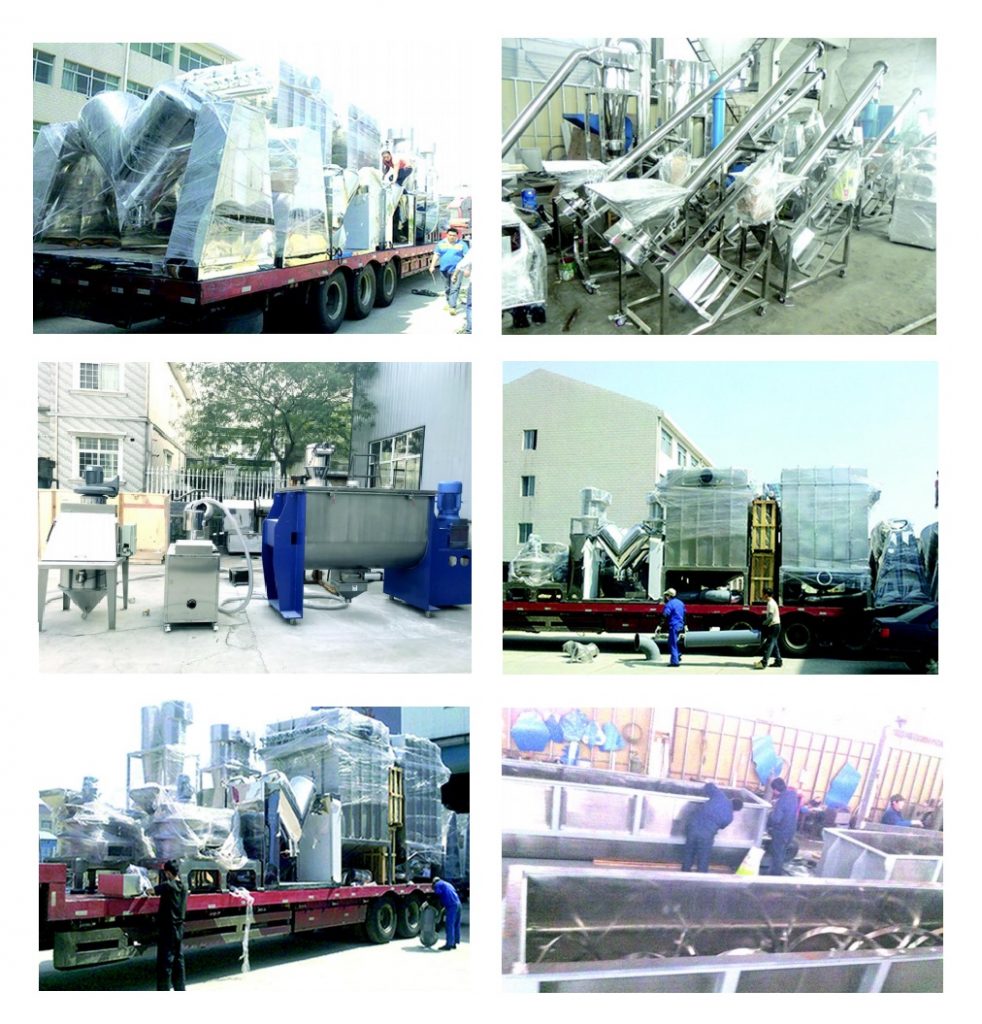
Dust Collector Shipment
Shipment – Packing Method
Two Large Industrial Grinder Ready to Ship
Domestic Shipment Show Case:
Operation Instruction
General Provisions
The operation instructions for a commercial grinder may vary depending on the specific model and manufacturer. However, here are some general guidelines that may apply to many high speed grinders:
- Safety precautions: Before operating the high speed grinder, it is important to review all safety precautions and warnings provided in the user manual. Safety precautions may include wearing appropriate personal protective equipment, such as eye protection and hearing protection, and avoiding loose clothing or jewelry that could become caught in the grinder.
- Preparation: The high speed grinder should be placed on a stable and level surface, and all necessary components should be assembled according to the manufacturer’s instructions. The grinder should also be connected to a power source that is appropriate for its voltage and wattage.
- Loading the grinder: The material to be ground should be loaded into the grinder according to the manufacturer’s instructions. Overloading the grinder may cause damage to the machine and result in poor grinding performance.
- Starting the grinder: The grinder should be started according to the manufacturer’s instructions. This may involve pressing a button, turning a dial, or flipping a switch. The user should ensure that their hands are clear of the grinder and that the material to be ground is positioned properly.
- Adjusting the speed and settings: The speed and other settings of the high speed grinder may be adjusted according to the material being ground and the desired outcome. The user should follow the manufacturer’s instructions for making adjustments to the grinder.
- Monitoring the grinding process: The user should monitor the grinding process to ensure that it is progressing smoothly and that the material is being ground to the desired size and consistency. Any issues or abnormalities should be addressed promptly to prevent damage to the machine.
- Shutting down the grinder: When the grinding process is complete, the grinder should be shut down according to the manufacturer’s instructions. The user should ensure that the machine is completely stopped and that all moving parts have come to a complete stop before attempting to clean or service the grinder.
Overall, the operation instructions for a commercial grinder may involve a number of steps and safety precautions. It is important to carefully review the manufacturer’s instructions and follow proper operating procedures to ensure safe and effective use of the machine.
Preparation Work
Before running a commercial grinder, there are several important preparation steps that should be taken to ensure safe and effective operation of the machine. Here are some general guidelines for preparing to run a high speed grinder:
- Read the user manual: The first step in preparing to run a high speed grinder is to carefully read the user manual provided by the manufacturer. The user manual will provide important information about the specific model of grinder being used, including its features, specifications, and safety precautions.
- Select the appropriate grinding wheel: The grinding wheel used in a high speed grinder should be selected based on the material being ground and the desired outcome. It is important to use the correct type of grinding wheel to prevent damage to the machine and ensure optimal grinding performance.
- Inspect the grinder: Before running the grinder, it is important to inspect it for any signs of damage or wear. The user should check for loose or missing components, cracks or other signs of damage to the machine’s housing or other parts, and any other issues that could affect the grinder’s operation.
- Install the grinding wheel: The grinding wheel should be installed according to the manufacturer’s instructions, making sure that it is securely fastened and aligned properly. The user should also check the wheel for any cracks or other signs of damage before installation.
- Secure the workpiece: The workpiece to be ground should be securely clamped or held in place before starting the grinder. This will help to ensure safe and effective operation and prevent the workpiece from becoming dislodged or damaged during grinding.
- Connect the power source: The high speed grinder should be connected to a power source that is appropriate for its voltage and wattage. It is important to use a properly grounded power source to ensure safe and reliable operation of the machine.
- Test run: Before beginning actual grinding operations, it may be useful to perform a test run to ensure that the grinder is functioning properly and that the grinding wheel is aligned and balanced properly. The user should follow the manufacturer’s instructions for performing a test run.
By following these preparation steps, users can ensure safe and effective operation of a high speed grinder and achieve optimal grinding results.
Treatment of inspection
Inspection of a commercial grinder is an important maintenance procedure that helps ensure safe and effective operation of the machine. Here are some general guidelines for inspecting a high speed grinder:
- Disconnect power source: Before performing any inspection or maintenance on a high speed grinder, the power source should be disconnected to prevent accidental startup.
- Check for wear and damage: The user should inspect the grinder for any signs of wear or damage, such as cracks in the housing, worn or damaged grinding wheels, or loose or missing parts. Any issues should be addressed promptly to prevent further damage to the machine.
- Check alignment and balance of grinding wheel: The grinding wheel should be inspected for proper alignment and balance, as these factors can affect the quality of the grinding operation. If the grinding wheel is not properly aligned or balanced, it should be adjusted or replaced as necessary.
- Check for proper lubrication: The high speed grinder should be inspected for proper lubrication, as inadequate lubrication can cause excessive wear and damage to the machine’s moving parts. The user should follow the manufacturer’s instructions for lubrication, and add lubricant as necessary.
- Inspect electrical components: The electrical components of the high speed grinder, including the wiring, switches, and control panel, should be inspected for any signs of wear, damage, or loose connections. Any issues should be addressed promptly to prevent electrical problems.
- Test run: After completing the inspection, it may be useful to perform a test run of the high speed grinder to ensure that it is functioning properly and that any issues have been addressed.
By following these inspection guidelines, users can help ensure safe and effective operation of a high speed grinder and minimize the risk of damage or injury during grinding operations.
Operation Attention
Running a commercial grinder can be a dangerous operation if proper precautions are not taken. Here are some general guidelines for safe operation of a high speed grinder:
- Personal protective equipment: The user should wear appropriate personal protective equipment, such as safety glasses, hearing protection, and gloves, to prevent injury from flying debris, noise, and contact with the grinding wheel.
- Secure workpiece: The workpiece being ground should be securely clamped or held in place to prevent it from becoming dislodged during grinding.
- Use proper grinding wheel: The user should select the appropriate grinding wheel for the material being ground and ensure that it is installed correctly and securely. The grinding wheel should be inspected for cracks or other damage before use.
- Adjust grinding wheel speed: The speed of the grinding wheel should be adjusted according to the manufacturer’s instructions to ensure optimal grinding performance and prevent damage to the machine or workpiece.
- Avoid excessive pressure: The user should avoid applying excessive pressure to the grinding wheel, as this can cause the wheel to overheat and wear out more quickly.
- Avoid overheating: The high speed grinder should not be operated continuously for extended periods of time, as this can cause overheating and damage to the machine.
- Monitor grinding operation: The user should closely monitor the grinding operation to ensure that the workpiece is being ground properly and that the grinding wheel is functioning correctly.
- Disconnect power source: After completing grinding operations, the power source should be disconnected to prevent accidental startup.
By following these guidelines, users can operate a high speed grinder safely and effectively, and achieve optimal grinding results. It is important to follow the manufacturer’s instructions and all applicable safety regulations when operating any type of machinery.
Applications of Industrial Seed Grinder
Industrial seed grinders are used in a variety of applications across many industries. Here are some of the most common applications of industrial seed grinders:
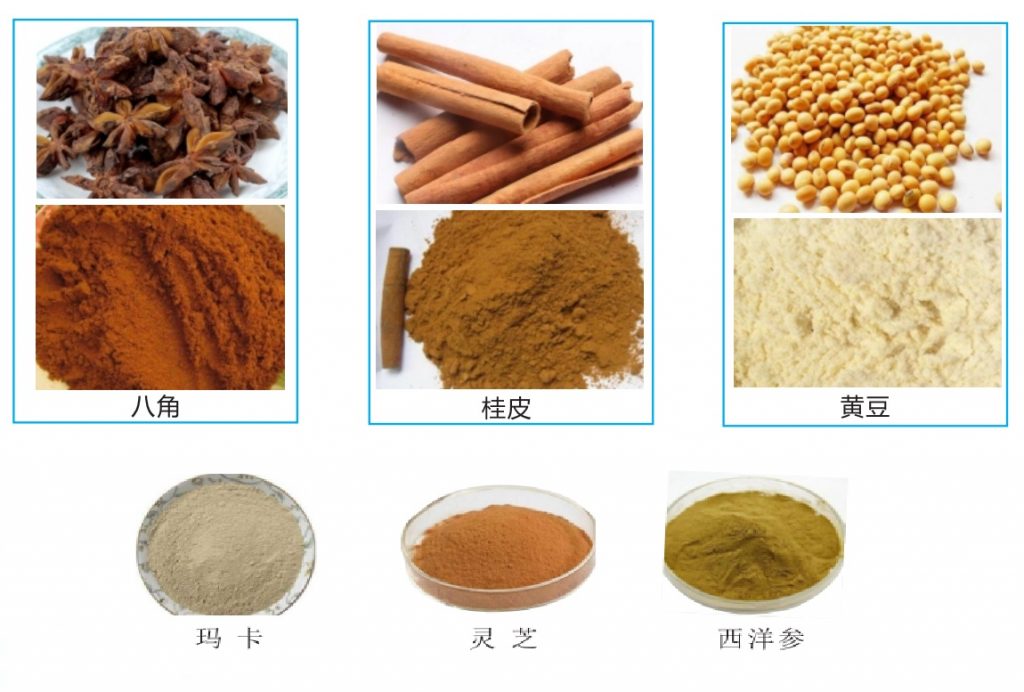
- Food industry: Industrial seed grinders are used extensively in the food industry to grind seeds, nuts, and spices into fine powders or pastes. These powders and pastes are then used in a variety of products such as sauces, seasonings, and spreads.
- Pharmaceutical industry: In the pharmaceutical industry, industrial seed grinders are used to grind plant material into a fine powder, which is then used to make medicines and supplements.
- Cosmetics industry: Industrial seed grinders are also used in the cosmetics industry to grind plant material into a fine powder or paste, which is then used in products such as face masks, scrubs, and exfoliants.
- Agricultural industry: Industrial seed grinders are used in the agricultural industry to process seeds, such as soybeans, into animal feed.
- Chemical industry: In the chemical industry, industrial seed grinders are used to grind materials such as resins, pigments, and dyes into a fine powder.
- Renewable energy industry: Industrial seed grinders are also used in the renewable energy industry to process biomass into a fine powder, which is then burned to generate electricity.
Overall, industrial seed grinders are versatile machines that are used in many different industries for a variety of applications. They are essential for processing plant material into fine powders and pastes that can be used in many different products.
Food Producing Process Flow:
Ultrafine grinding is one of the very key procedure in whole production line. It depends how many mesh that customer need to produce. That’s to say this machine can decide what kind of material will get finally before mxing.
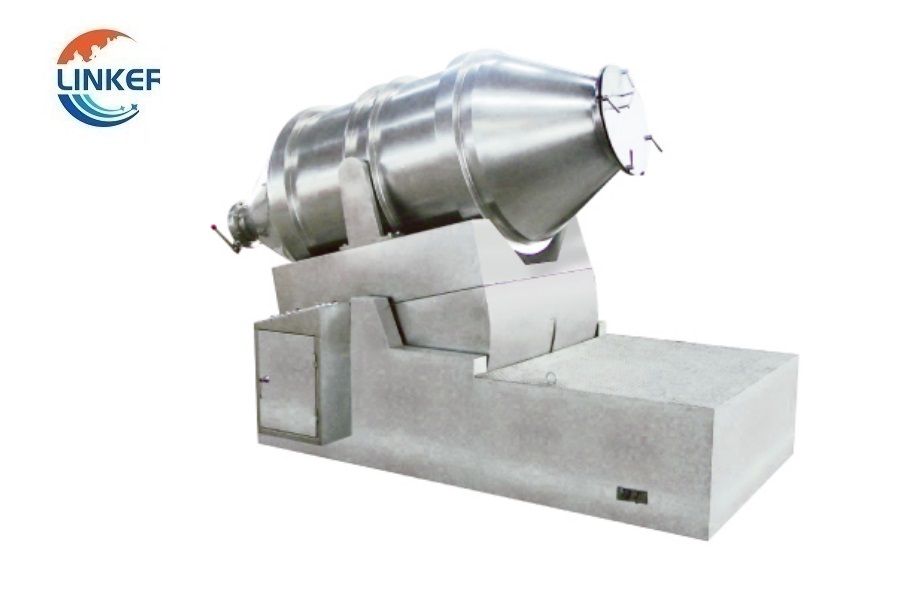
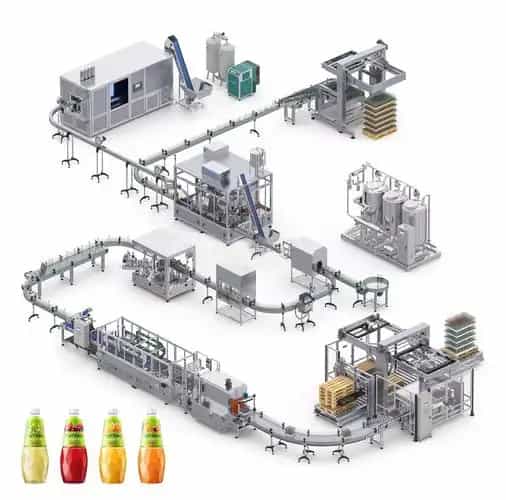
Coarse Crusher Machine —>Grinding Machine —> Vibrating Table Sifter Machine—>Mixing Machine—>Packing Machine —> (Printed Packaging Film Roll or bags ) —> Filling, sealing machine, capping and Labeling Machine —>Pack into Box.
Contact us for detail proposal and cost:

Automatic Banana Powder Production Line Youtube Video
Customization Seeds Grinder According to your Capacity:
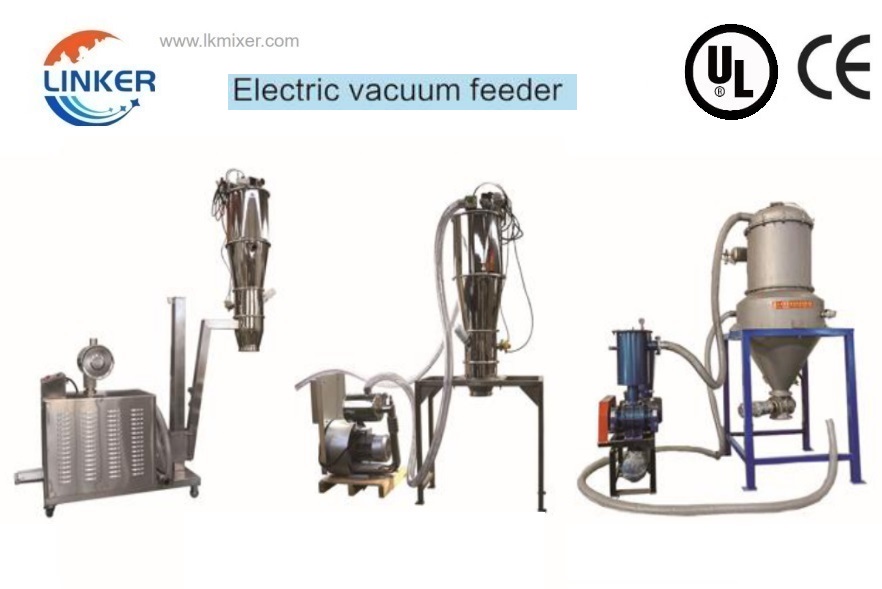
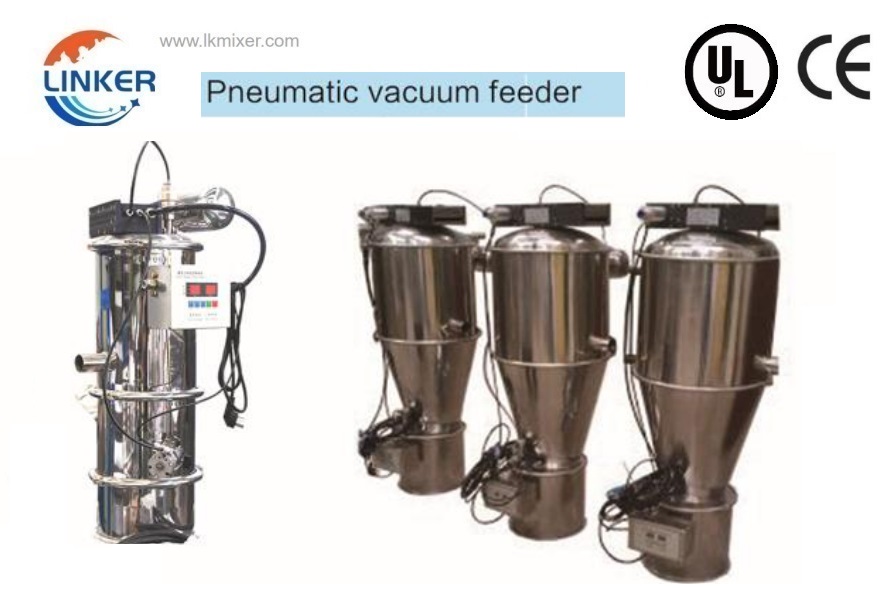
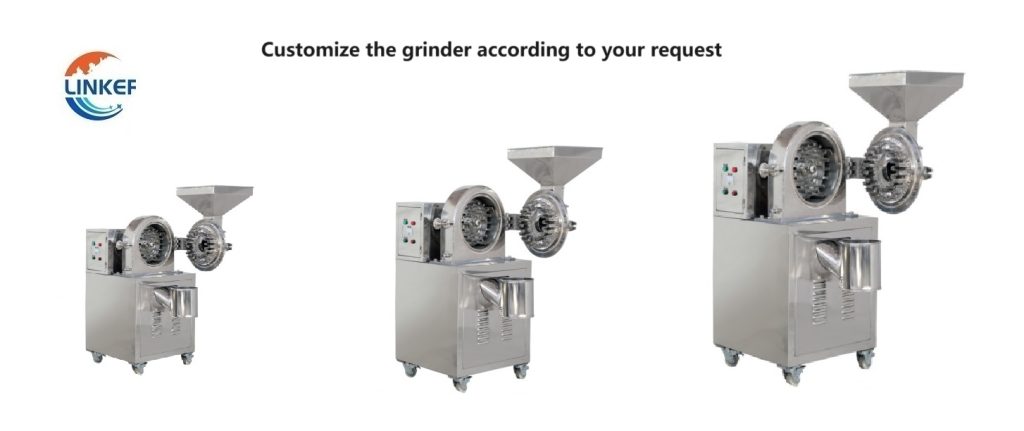
We can customize the capacity according to your special requirement, we can also customize the vacuum feeder connect with your production line (the dimension and width of grinder), for detail contact with our sales for proposal and price.
Videos of Seeds Grinder Machine:
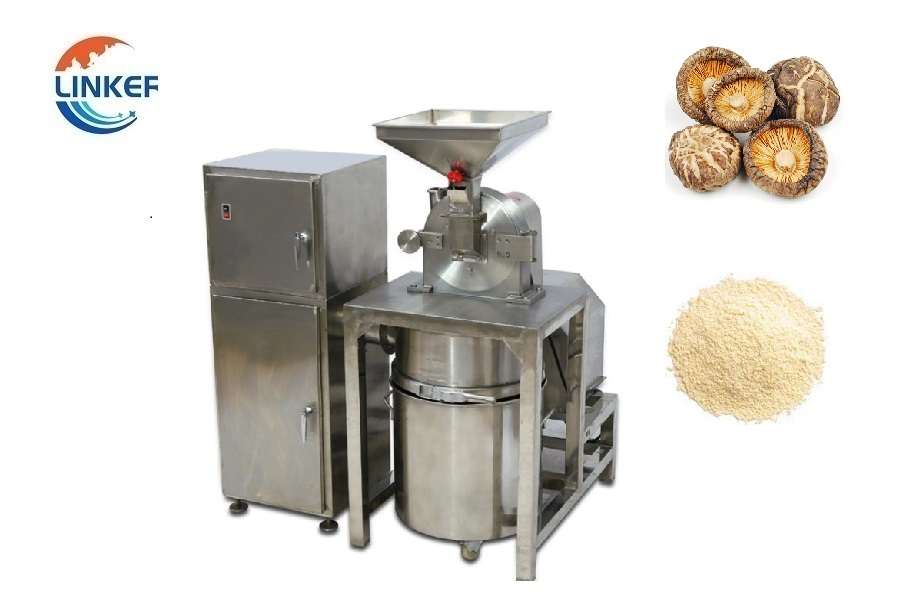
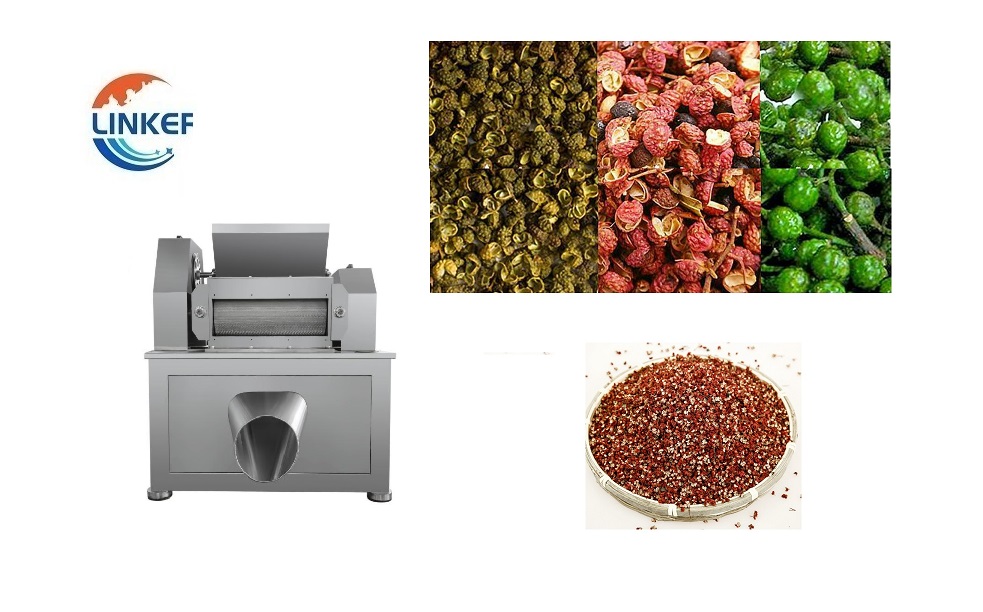
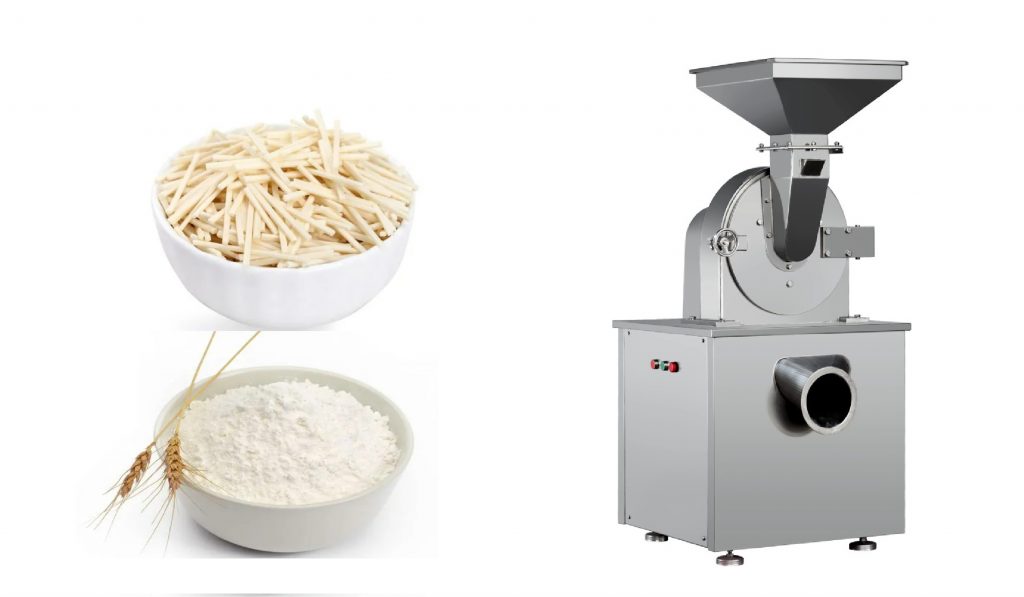
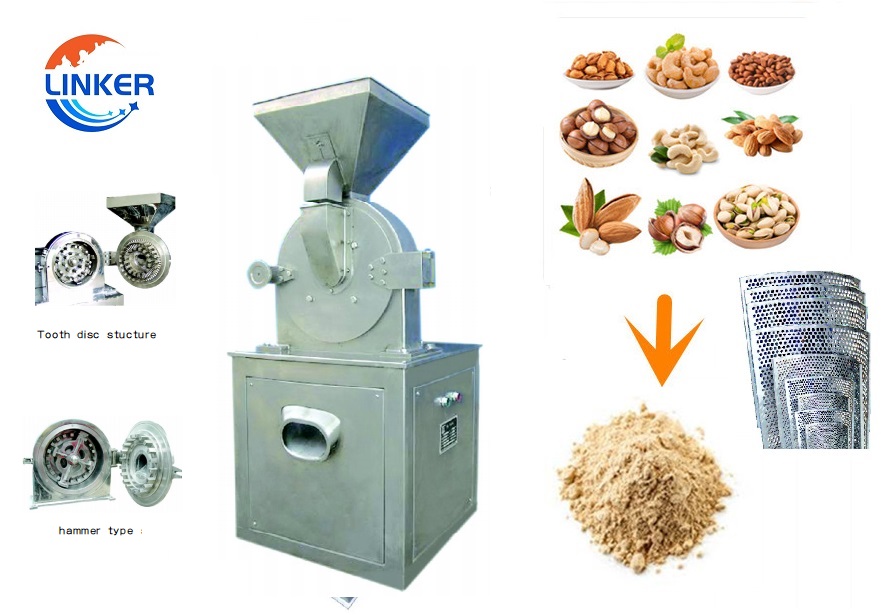
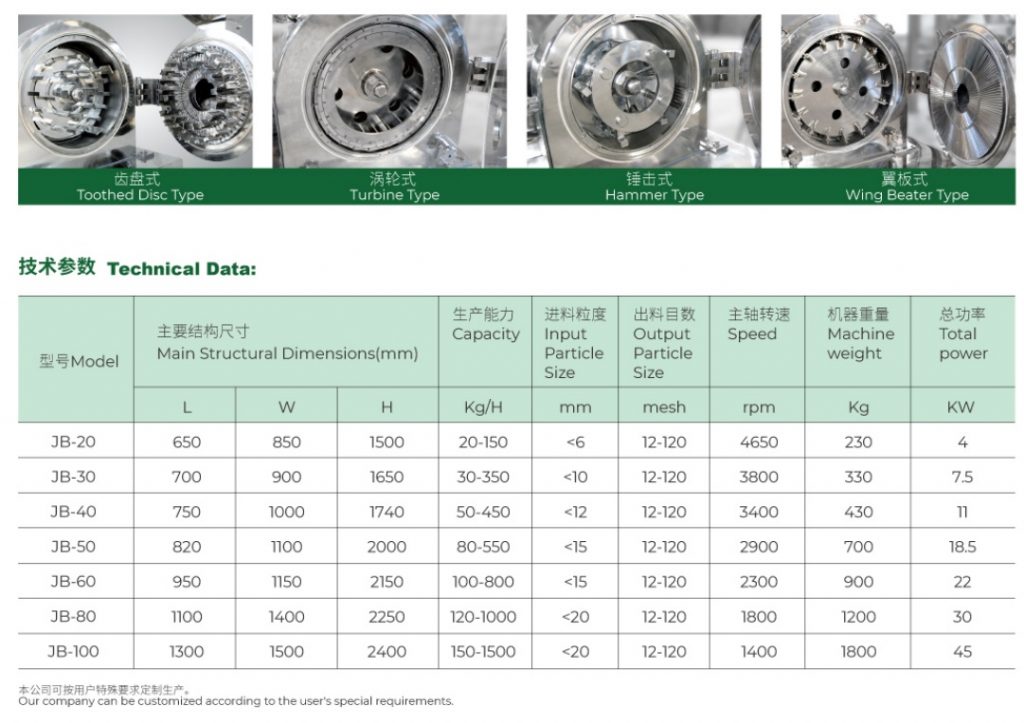
Many model of Seeds Grinder, the universal grinder is suitable to cut the seeds into 12-120mesh, the high efficient grinder is useful, but cost a little bit higher than universal. The super fine grinder can grind into 100mesh to 320mesh. Customer can choose according to your own requirement. here show some example:
About LKMixer
LKMixer is a professional manufacturer for fertilizer production line, grinder, mixer and granulator, shredder. These machines are widely used in food, pharmaceutical, cosmetic, health care products and chemical industries. The Food materials like Peanut, mushroom, seeds, potato, bean, tobacco, salt, cannabis, tea, Sugar, corn, Coffee, rice, pepper, grain as so on. Grinders have many types such as Pulse Dust Grinder which suitable for zero pollution environment, Turbine Mill which is suitable for coffee bean, 12-120mesh all can meet, Ultrafine Grinding Mill covers 80-200mesh, and also Winnowing Dust Grinder or other grinding machines like SF Hammer. Welcome to contact us for details. Contact us for more information. Proposal, catalog, quotation. Mobile/WhatsApp: +86 18019763531 Tel: +86 21 66037855 Email: sales@lkmixer.com
Contact Us
FAQ(Click and See More)
Read More about Herb Grinder:
Why are herb grinders so expensive?
Are electric herb grinders good?
What is the best way to grind up herbs?
Can you chop herbs in a coffee grinder?
How to grind dried herbs into powder?