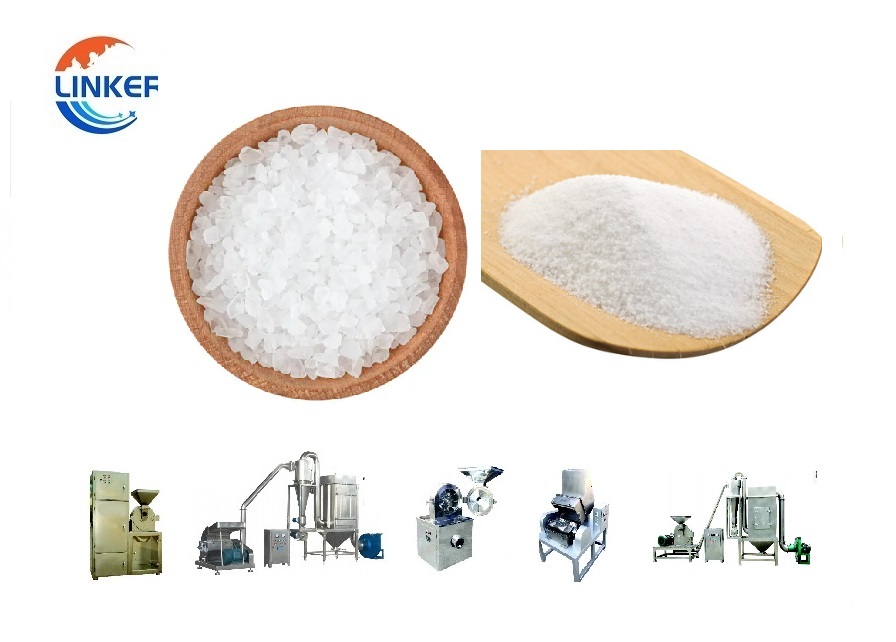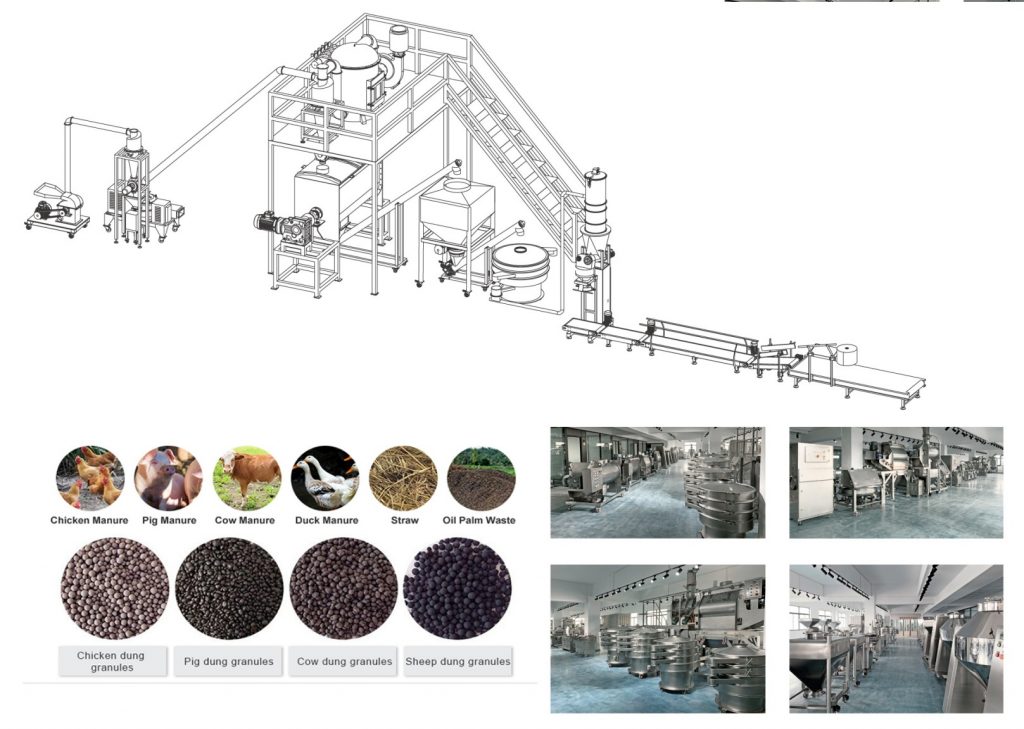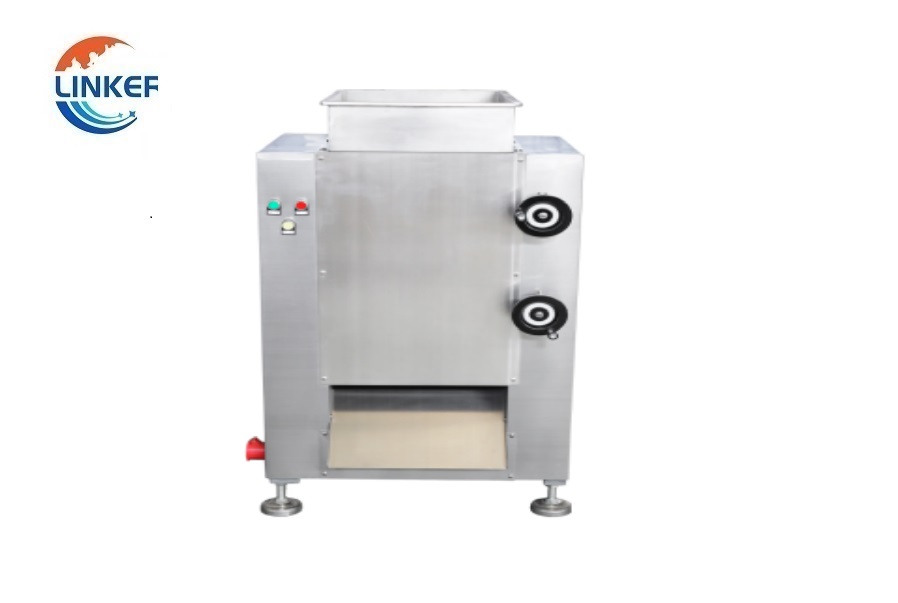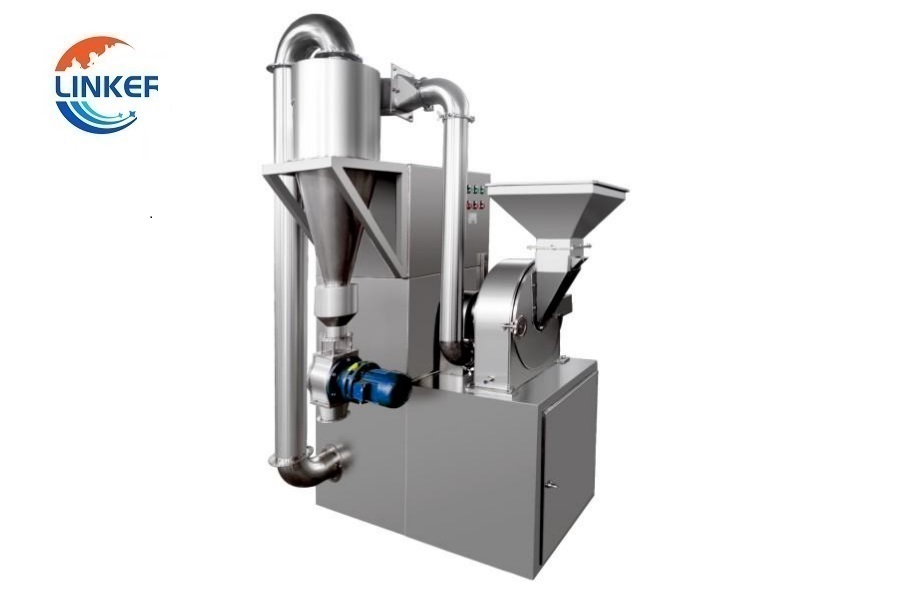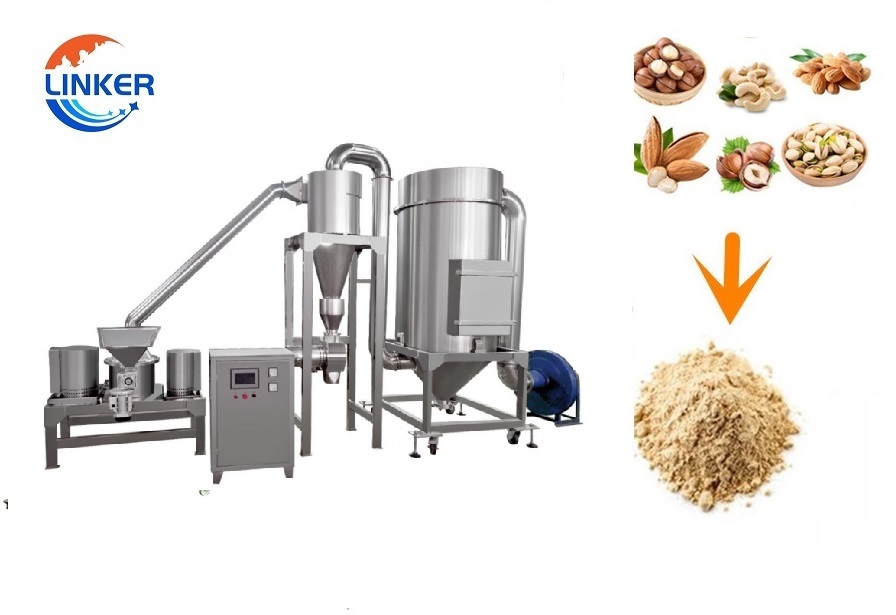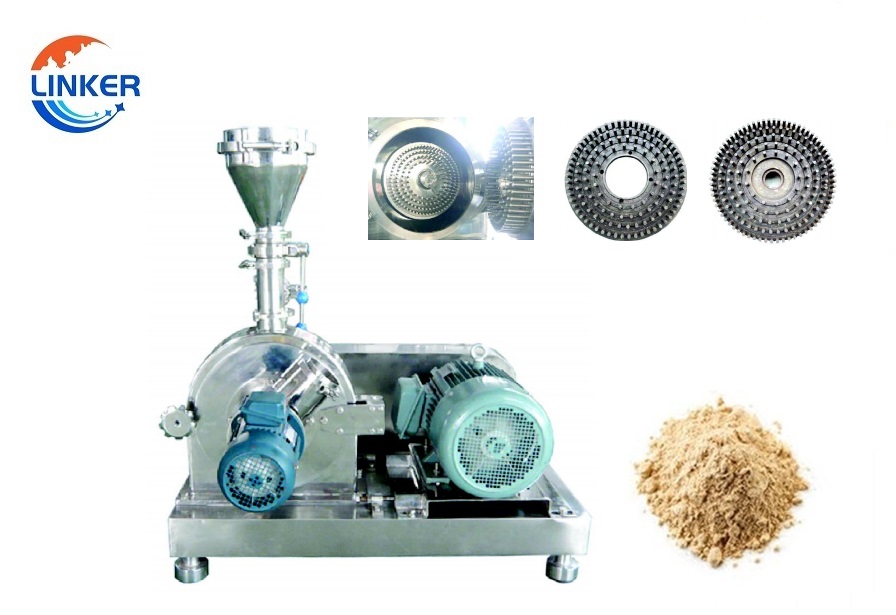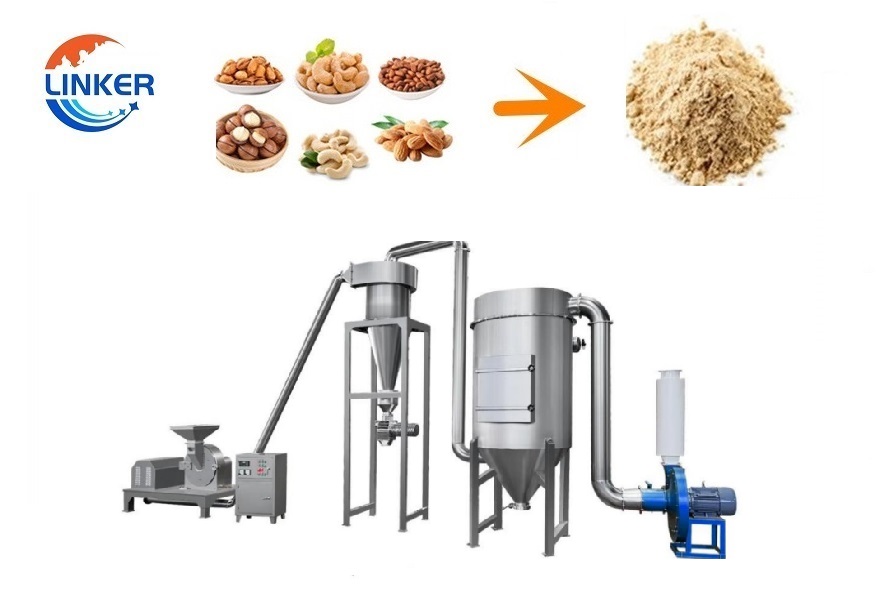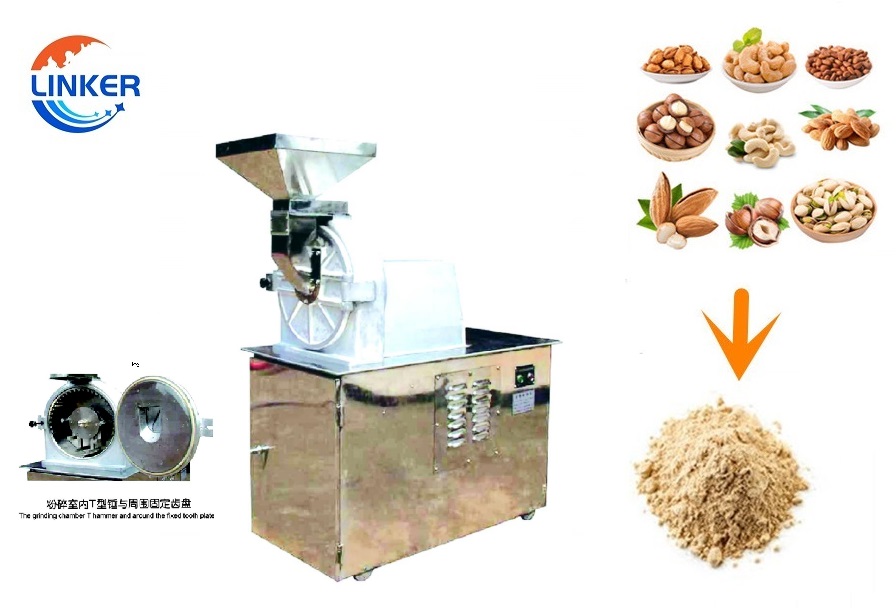
Automatic Garlic Sauce Paste production line Price
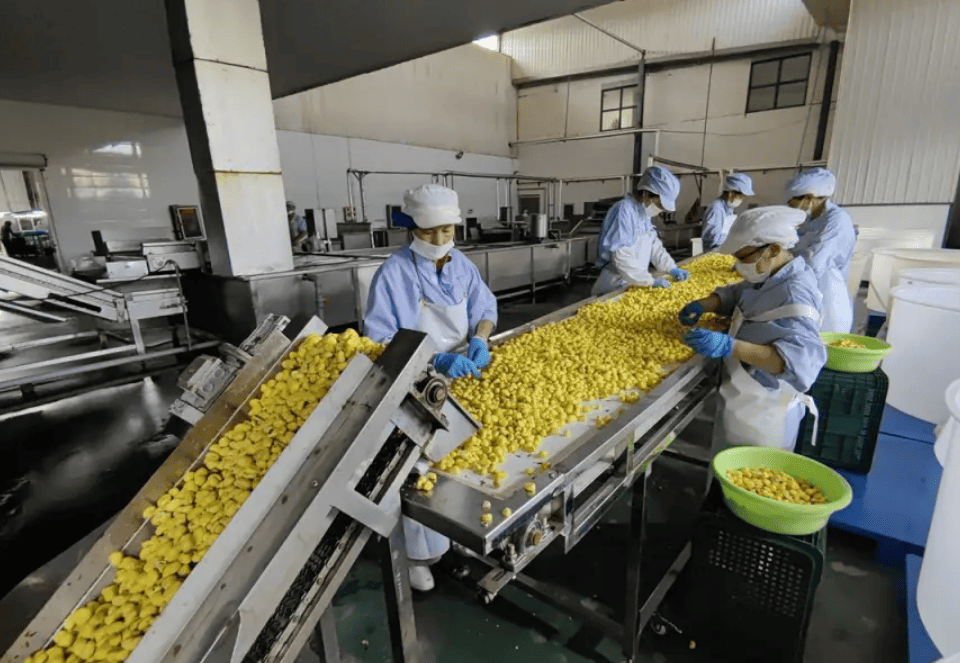
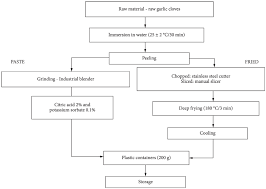
Garlic Sauce Paste Process Flow
- Garlic Washing Machine
- Garlic Pealing and Cutting Machine
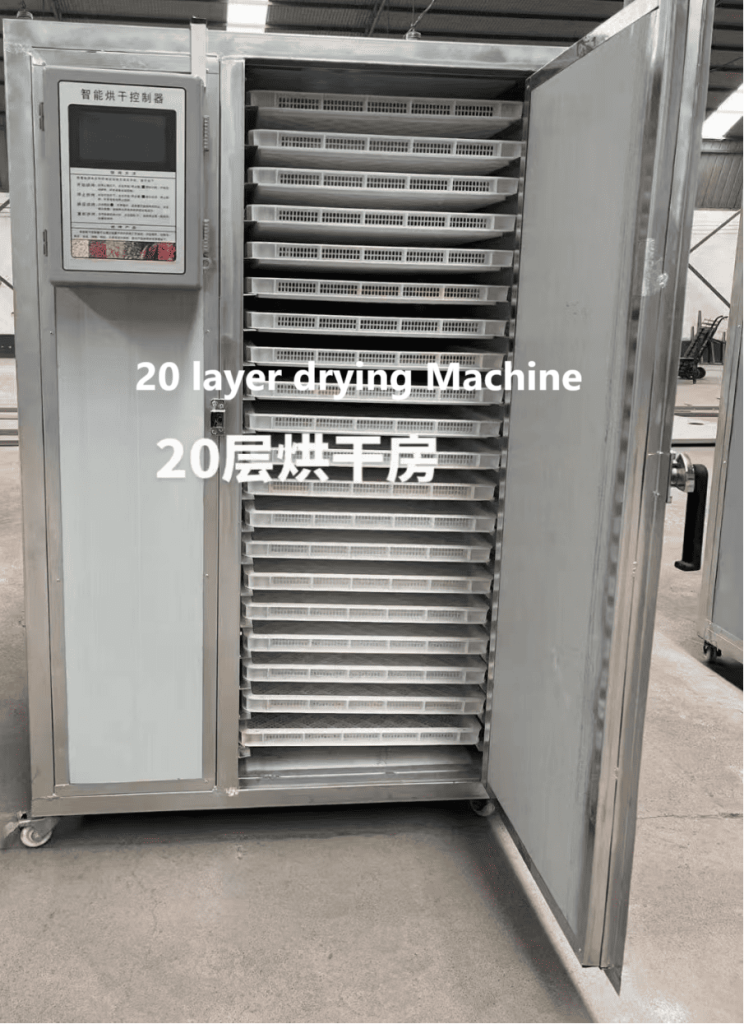
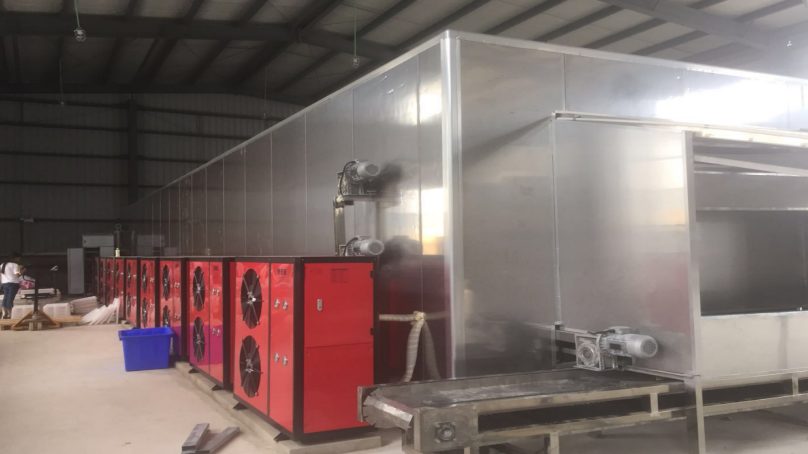
- Garlic Drying Machine
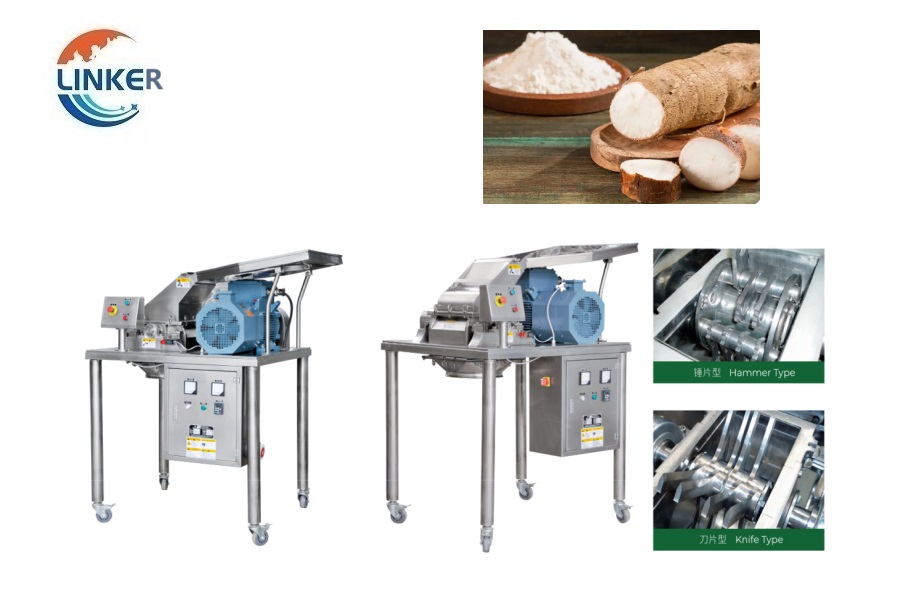
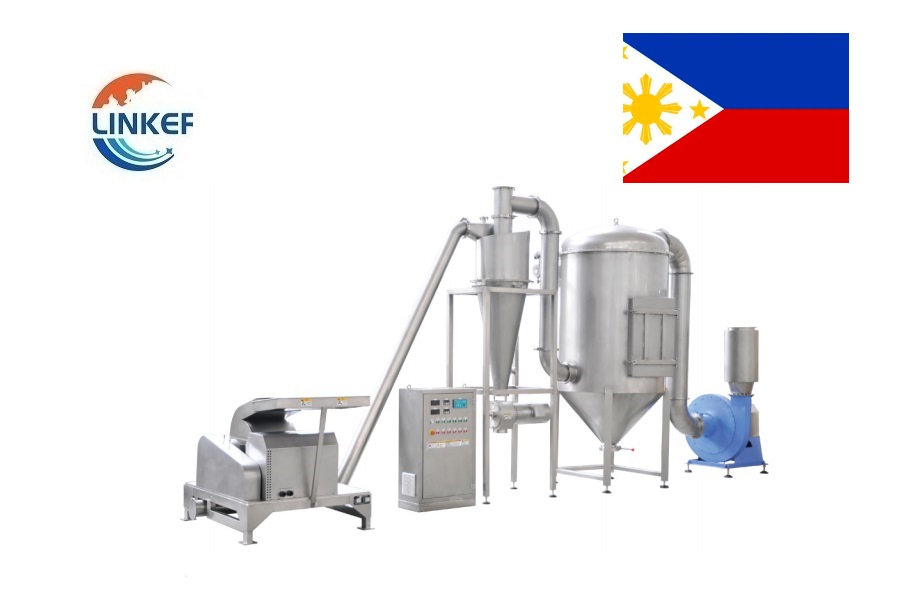
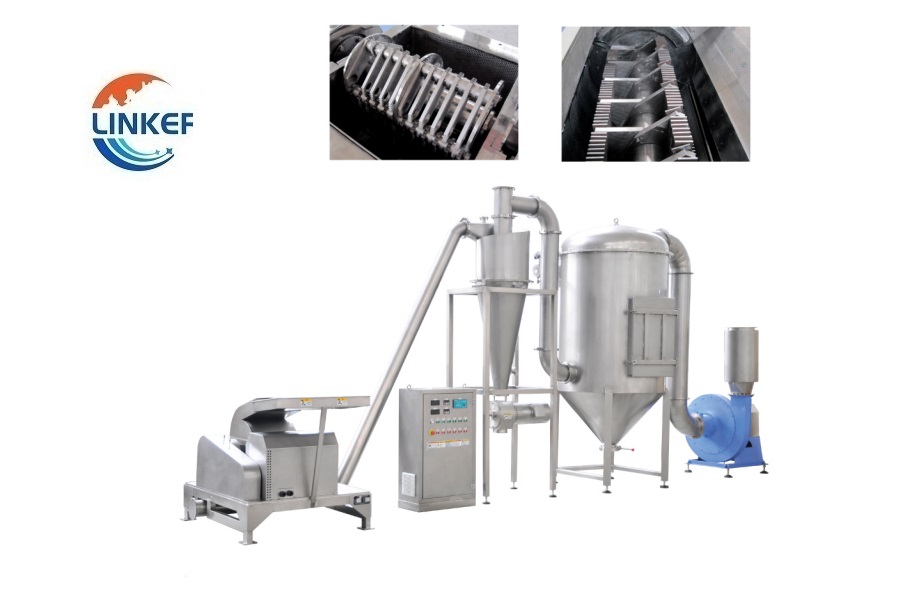
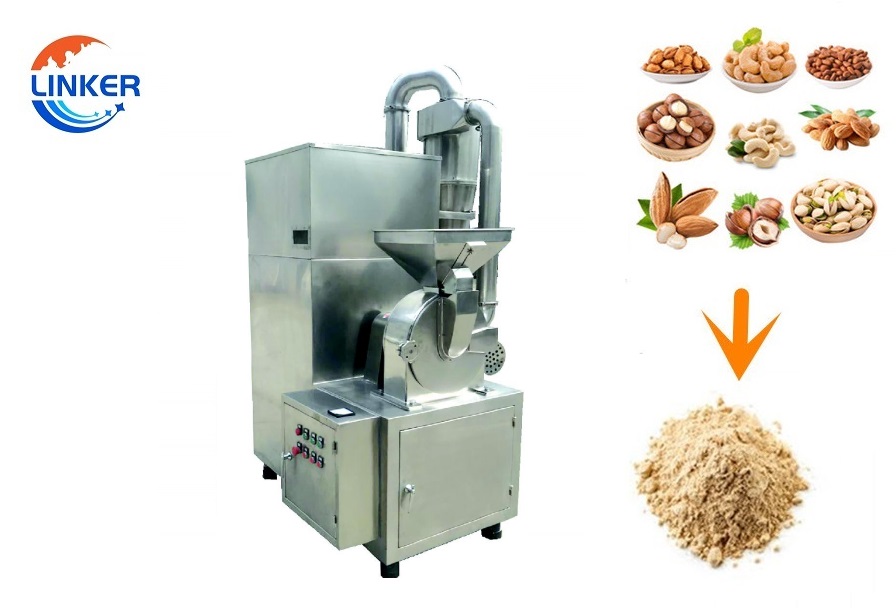
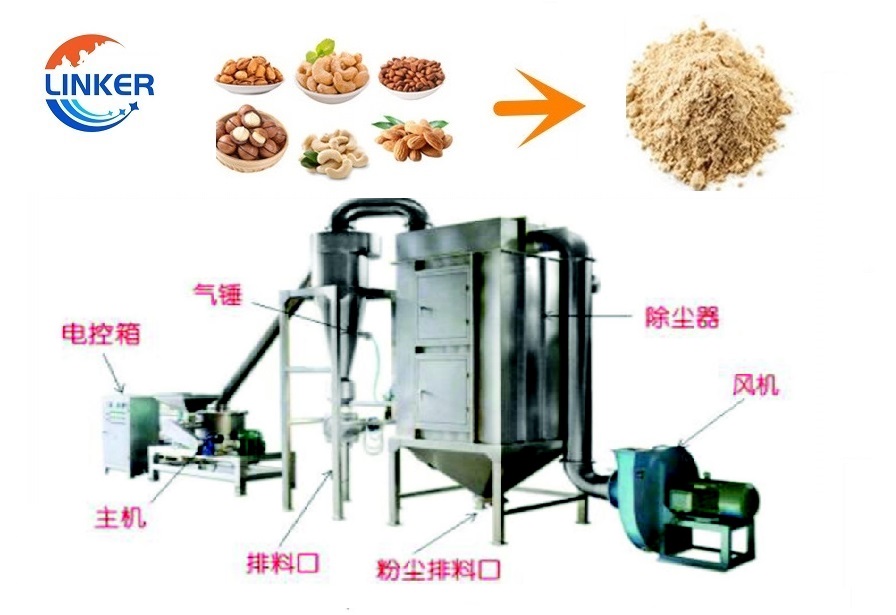
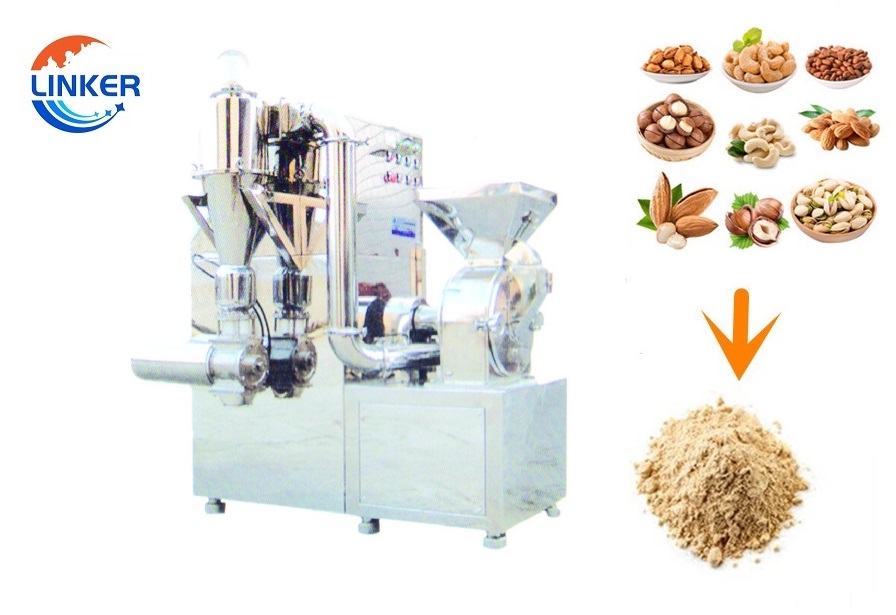
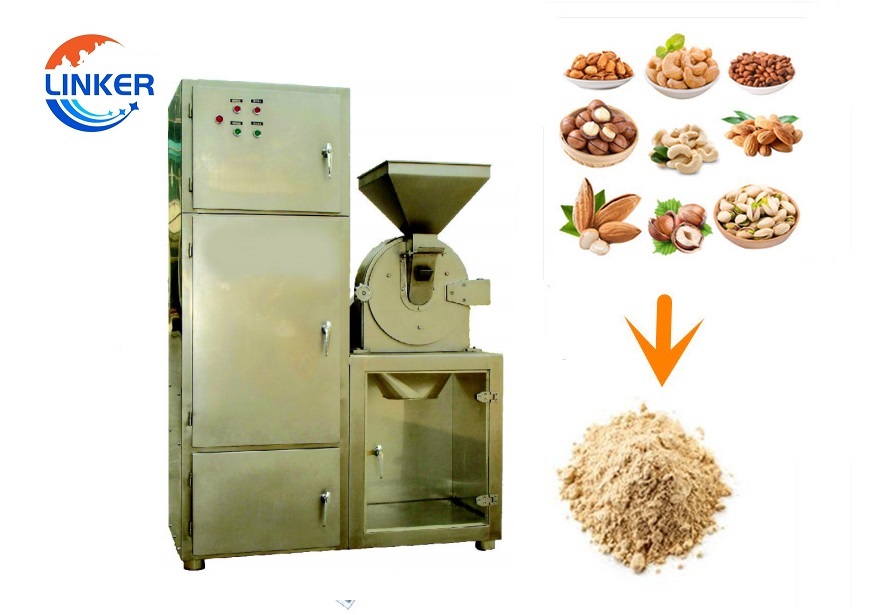
- Garlic Grinding Machine
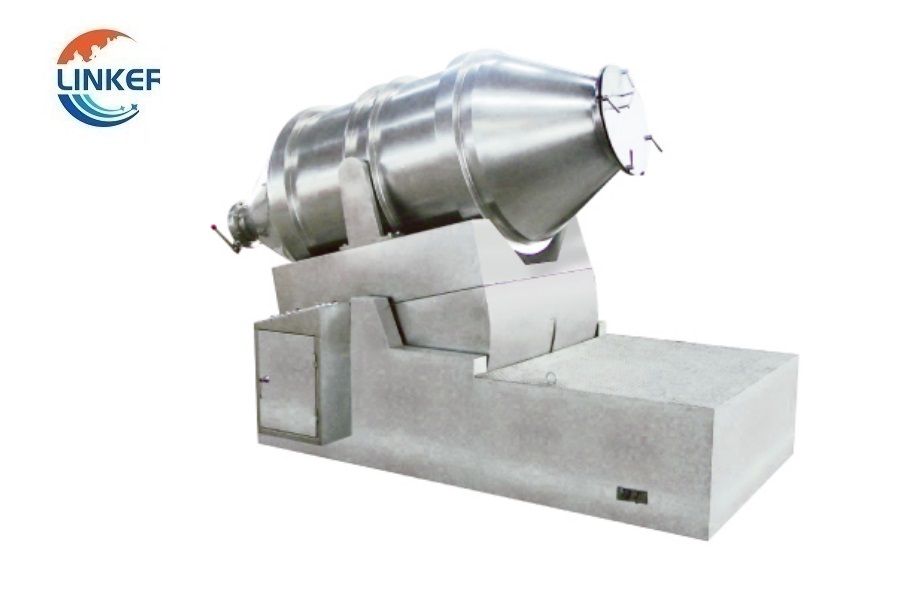
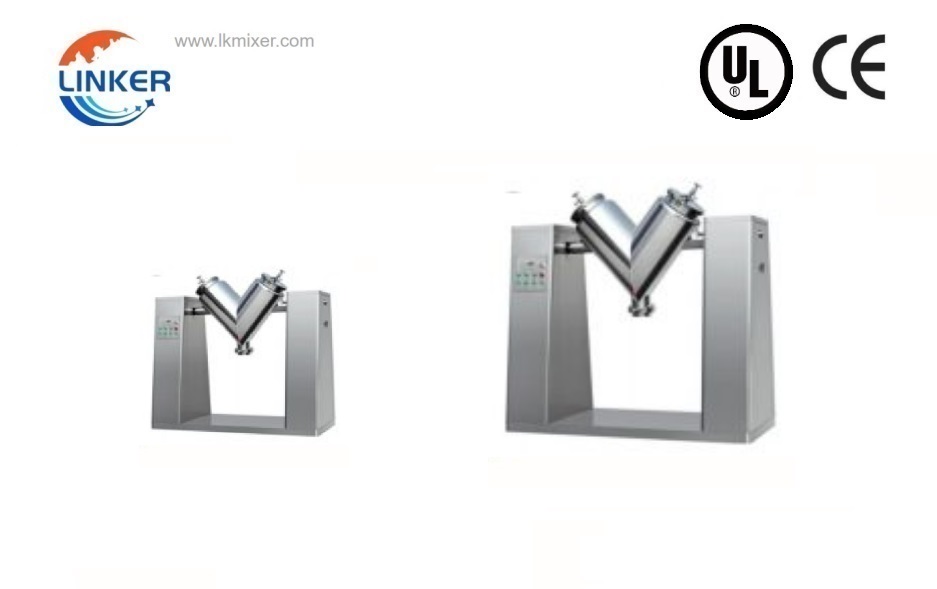
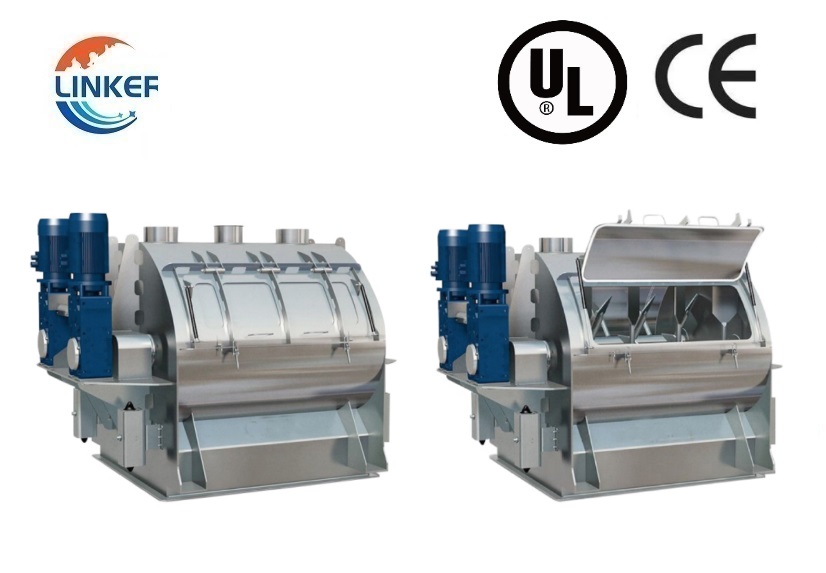
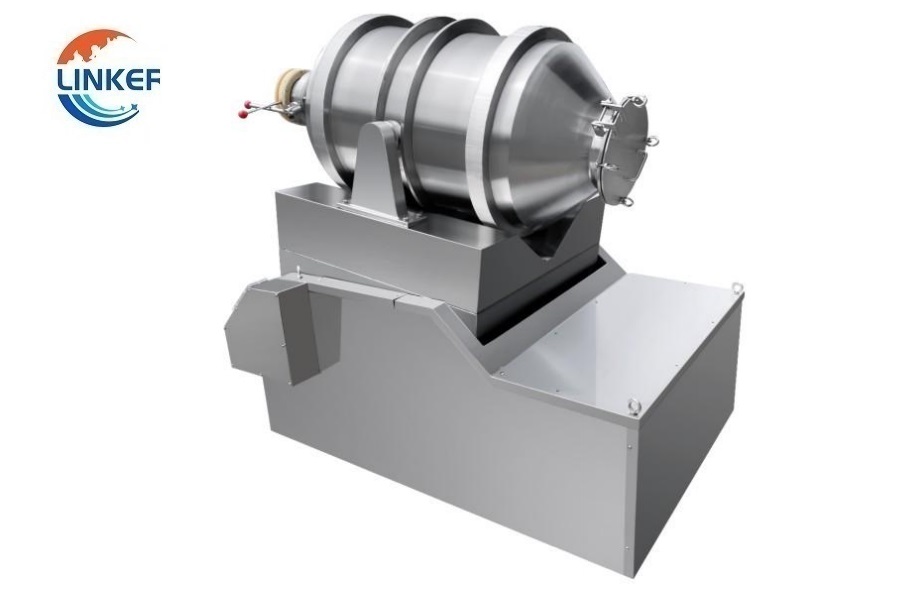
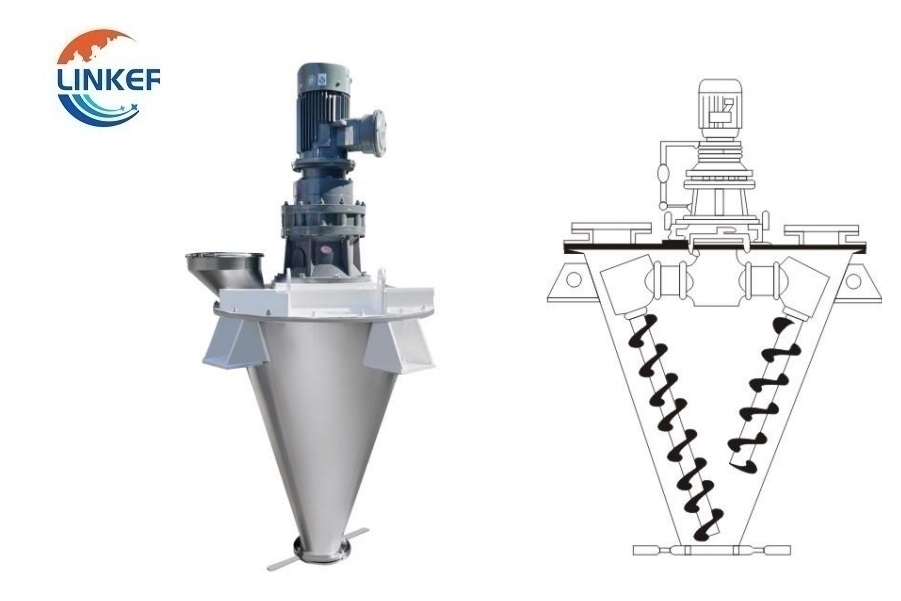
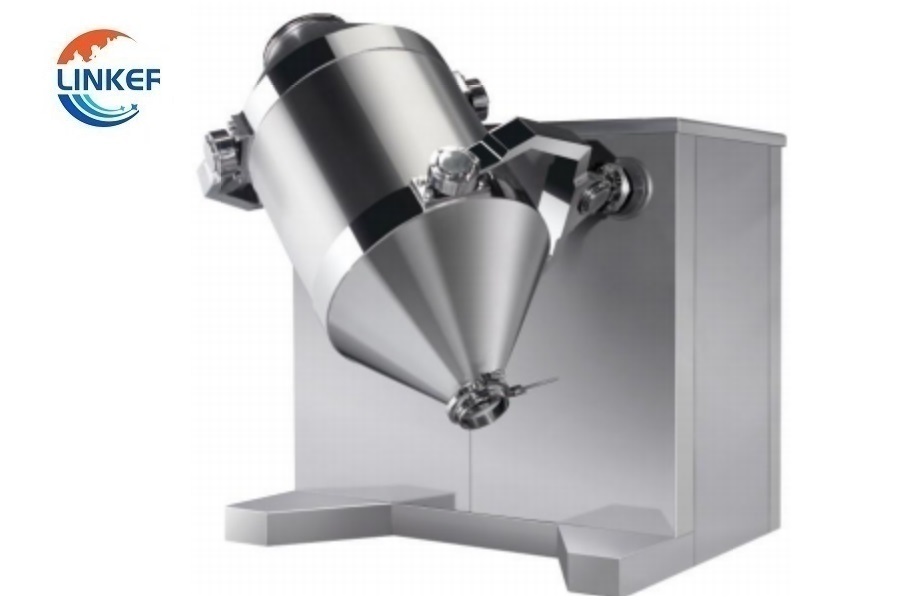
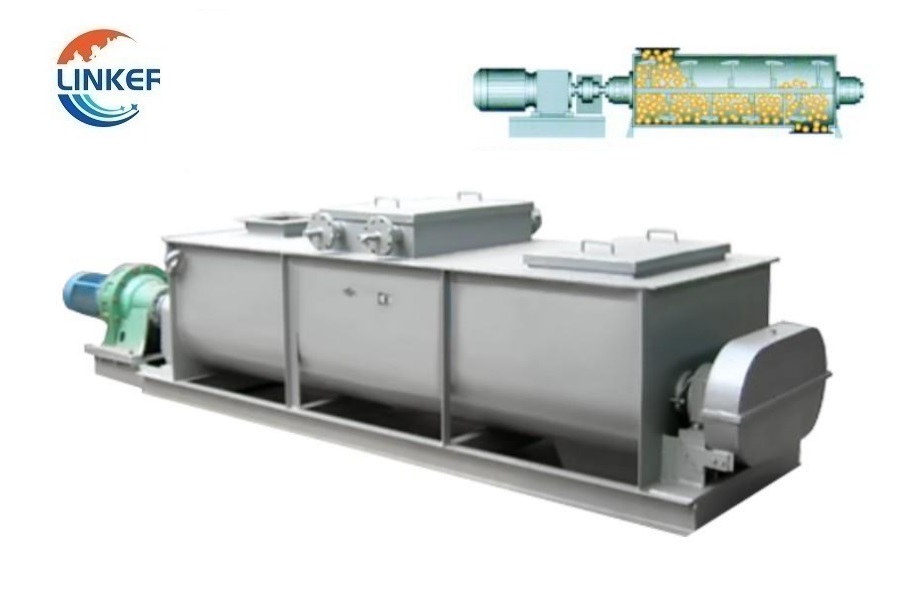
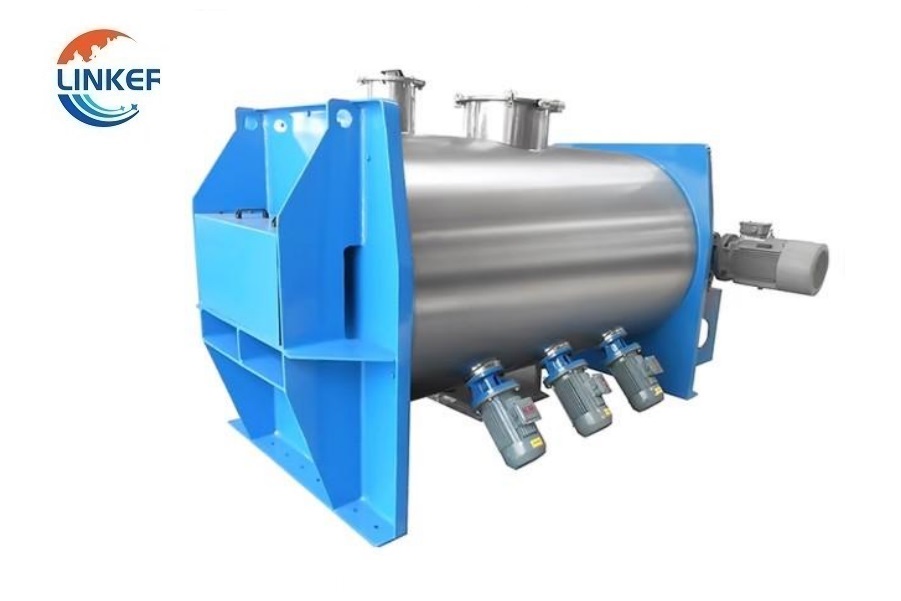
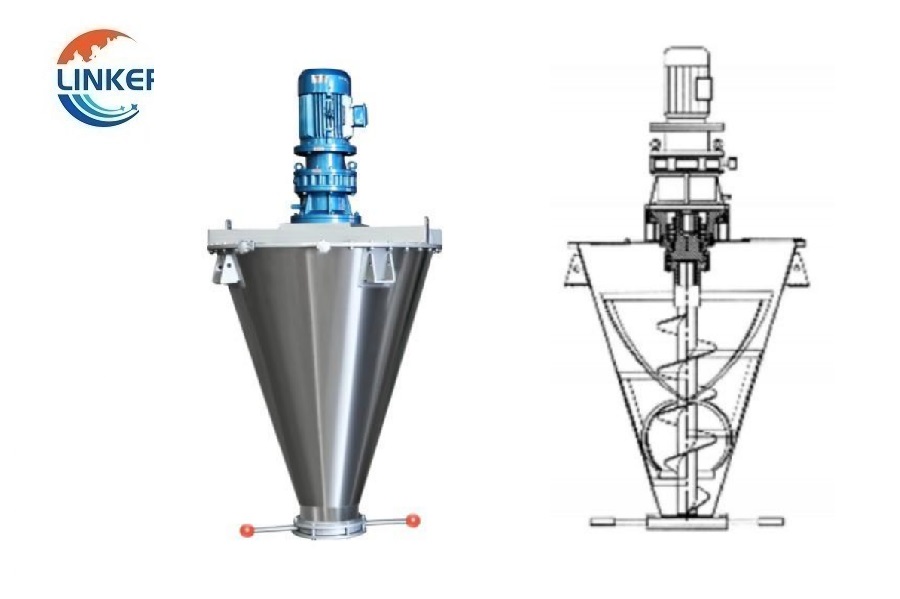
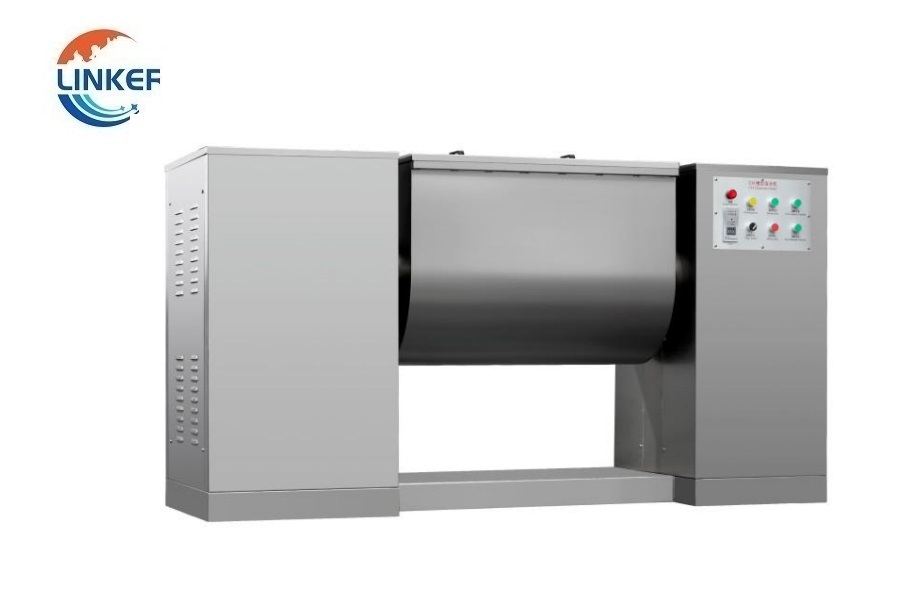
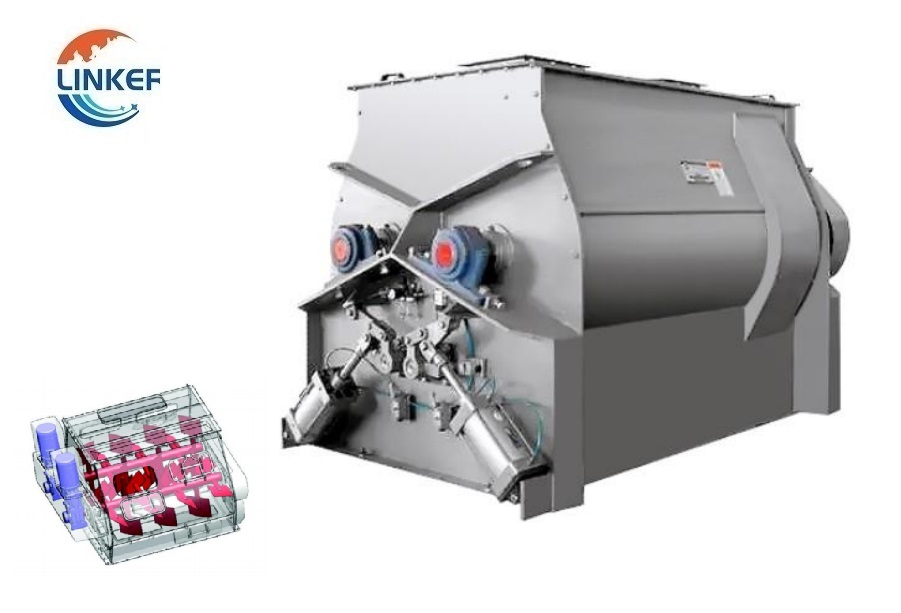
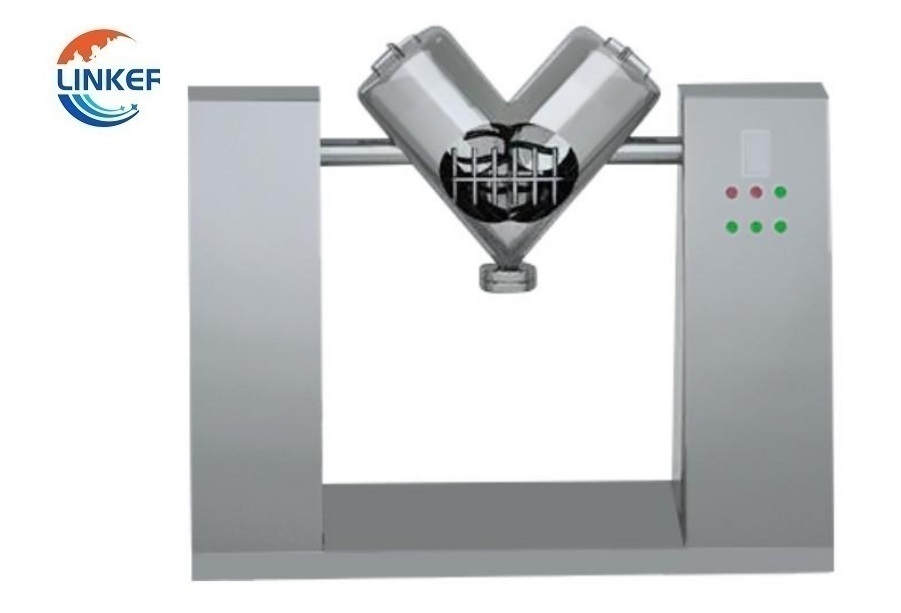
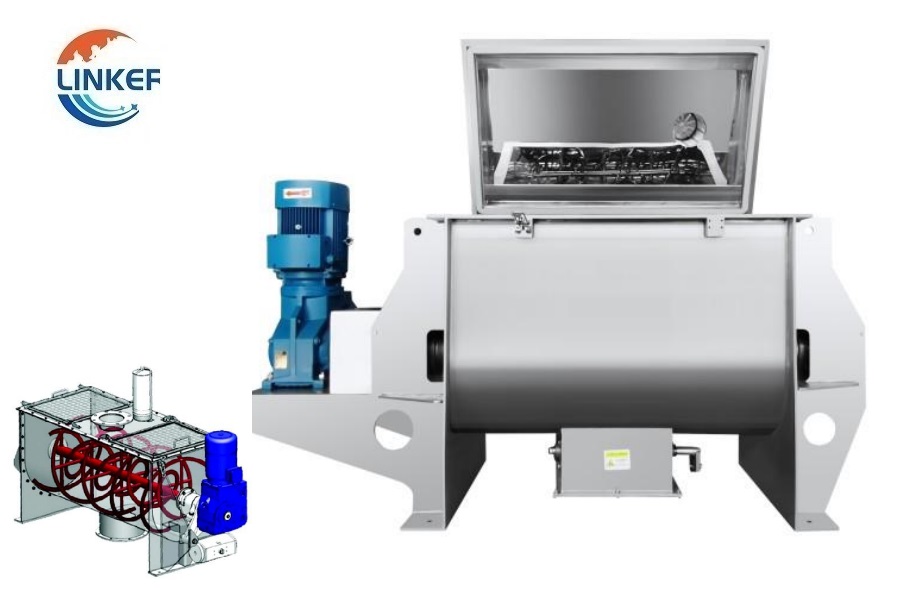
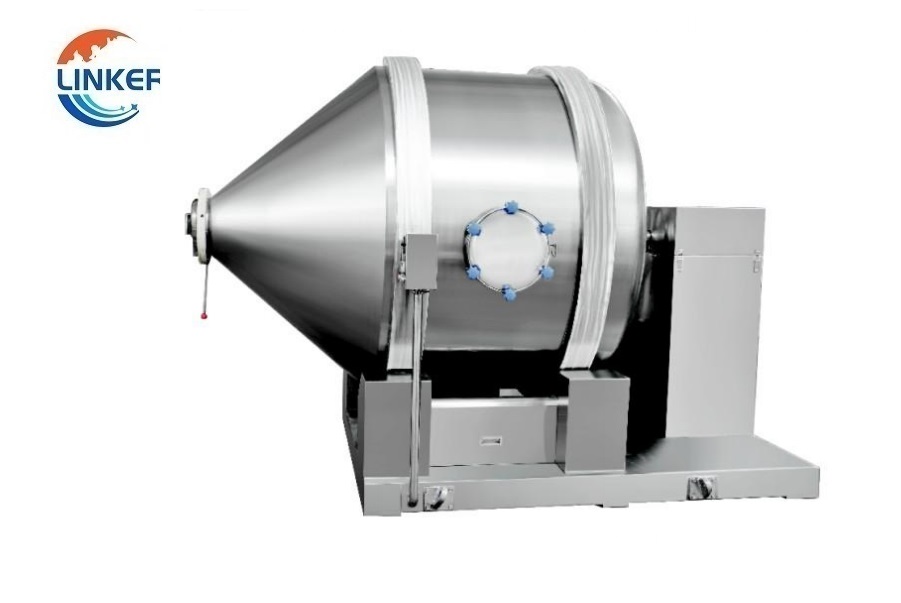
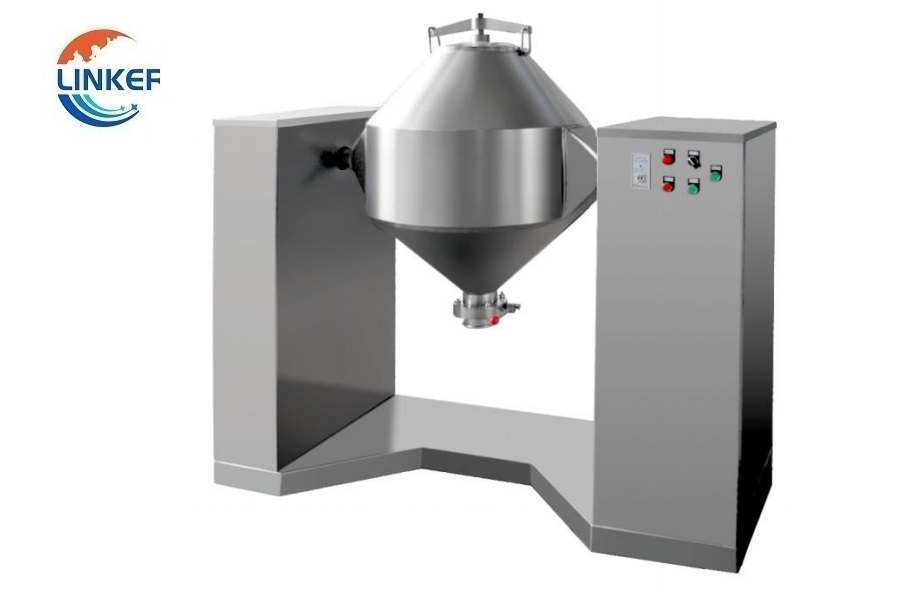
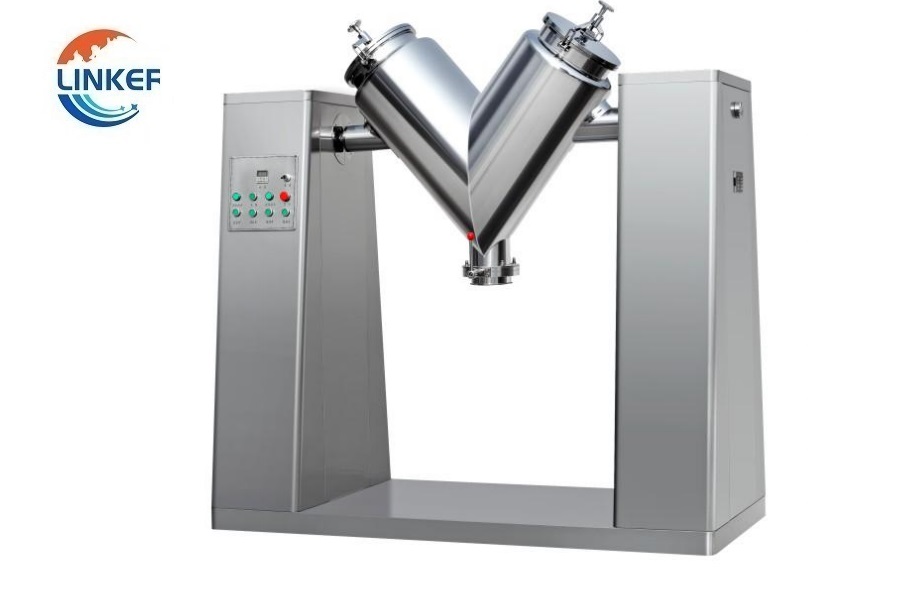
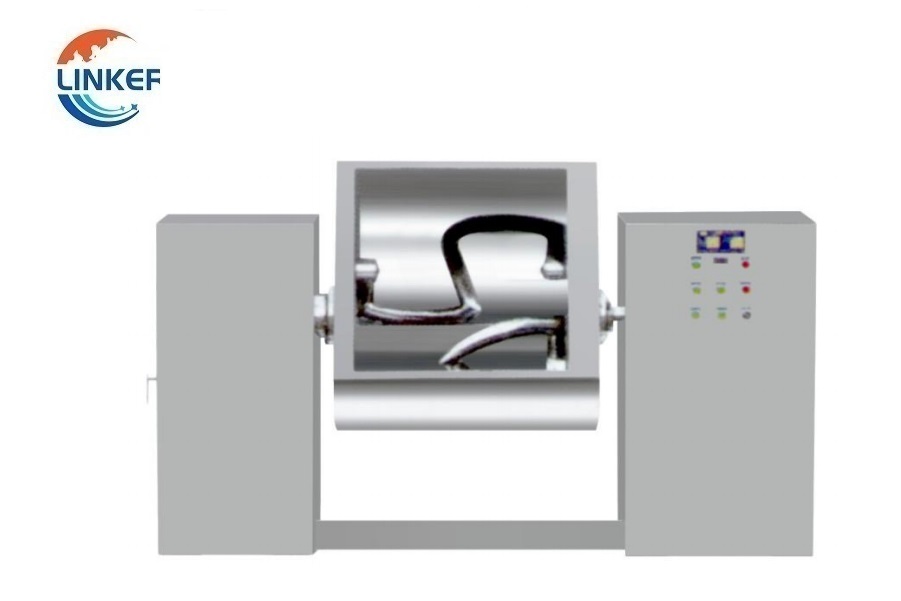
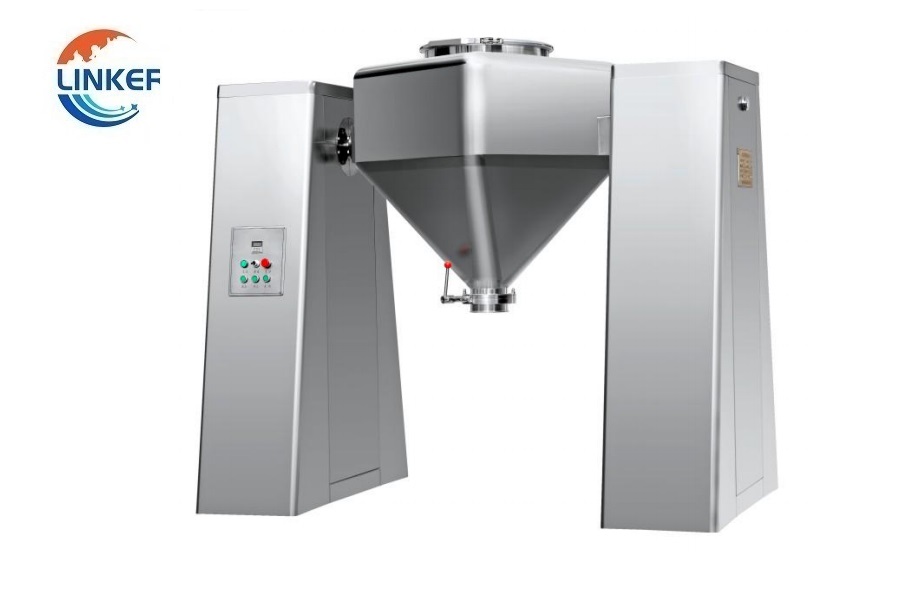
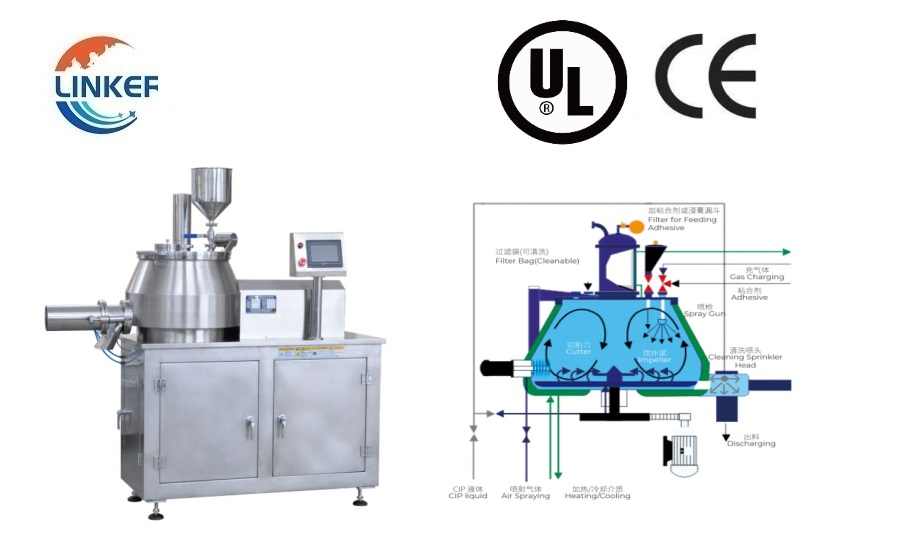
- Garlic Mixing Machine
- Garlic Sauce Paste Powder Filling Machine
- Garlic Sauce Paste Powder Packing Machine

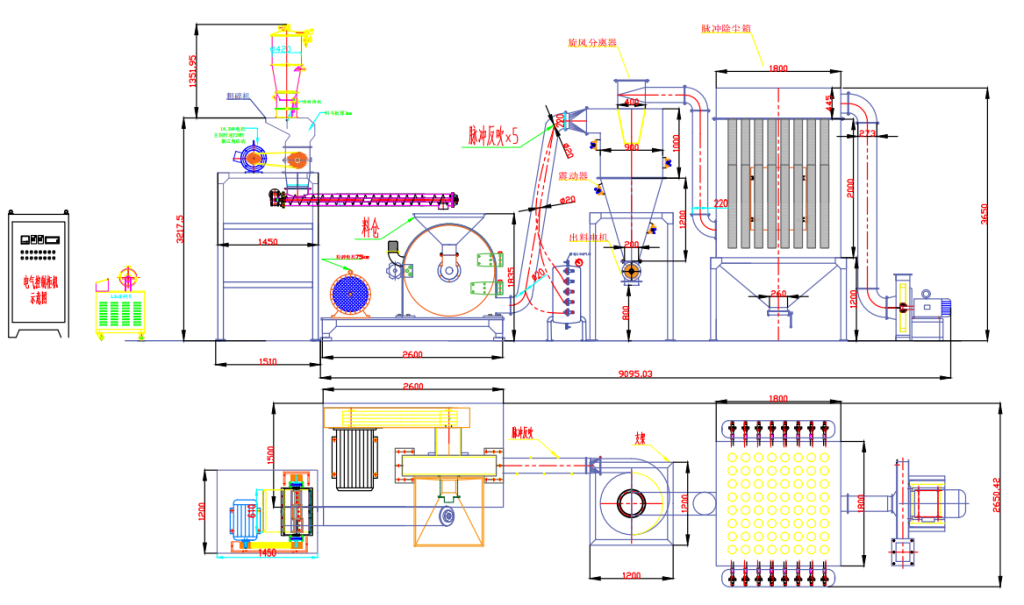
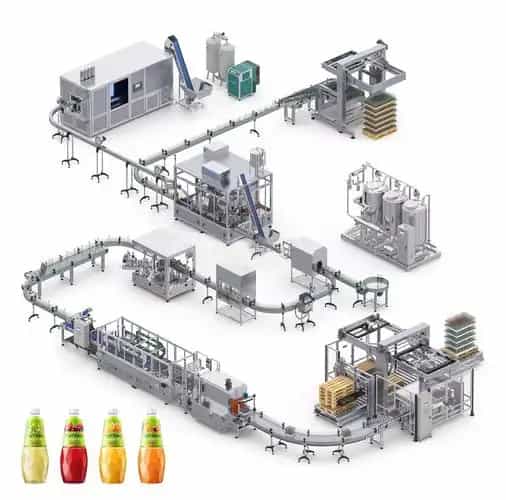
Garlic Sauce Paste Automatic Productino Line Design:
Automatic Garlic Paste production line Price
The price of an automatic garlic paste production line ranges from $60,000 to $1,800,000, and its price is mainly determined by the hourly production capacity, core grinding and sterilization equipment configuration, degree of automation, anti-browning technology level and additional functional modules, which together determine the final investment cost and long-term economic benefits of the production line. An automatic garlic paste production line is a complete set of automatic systems specially designed for the characteristics of garlic raw materials, such as high sulfide corrosion, volatile heat-sensitive flavor, and easy precipitation of oily granular materials. Different from hot sauce (high-oil stir-frying type) or tomato sauce (fruit and vegetable pulp concentration type), the core contradictions of garlic paste production lie in maintaining the integrity and meat yield of garlic cloves in the peeling and grinding link, inhibiting enzymatic browning and flavor deterioration in the homogenization and sterilization link, and realizing uniform suspension of oil, water and garlic particles in the filling link. Modern fully automatic garlic paste production lines have achieved continuous operation of the entire process from dry garlic feeding to finished product aseptic packaging, with a single-line production capacity ranging from 200kg/h to 2000kg/h, a peeling rate of ≥95%, and a filling accuracy of ≤±1%. This article will elaborate on the price-related details of the automatic garlic paste production line in detail according to the six major sections of the sequential process, naturally integrating all required equipment terms into the paragraphs, with simple and easy-to-understand language and ensuring the total word count reaches 2000 words.
Price Impact of Raw Material Pretreatment and Peeling System
The raw material pretreatment and peeling section is the first link of garlic paste production. Its goal is to separate dry garlic heads into clean, peeled and intact garlic cloves to provide qualified substrates for grinding. The equipment configuration of this section is relatively fixed, but the price difference is obvious according to the processing capacity and degree of automation, which directly affects the overall price of the production line. The core equipment of this section includes garlic clove sorting machine, garlic peeling machine and bubble cleaning machine, among which the garlic peeling machine is the key equipment affecting the price and processing effect.
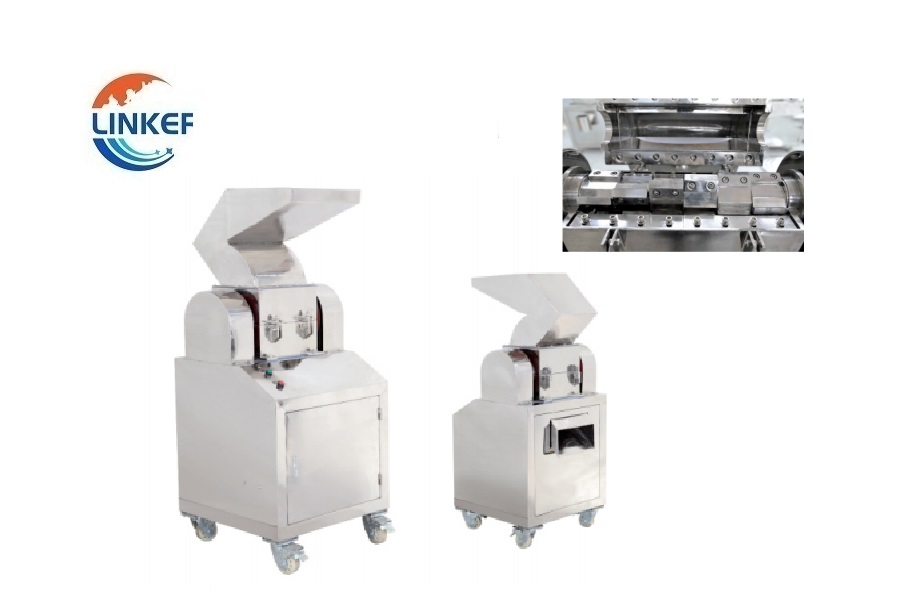
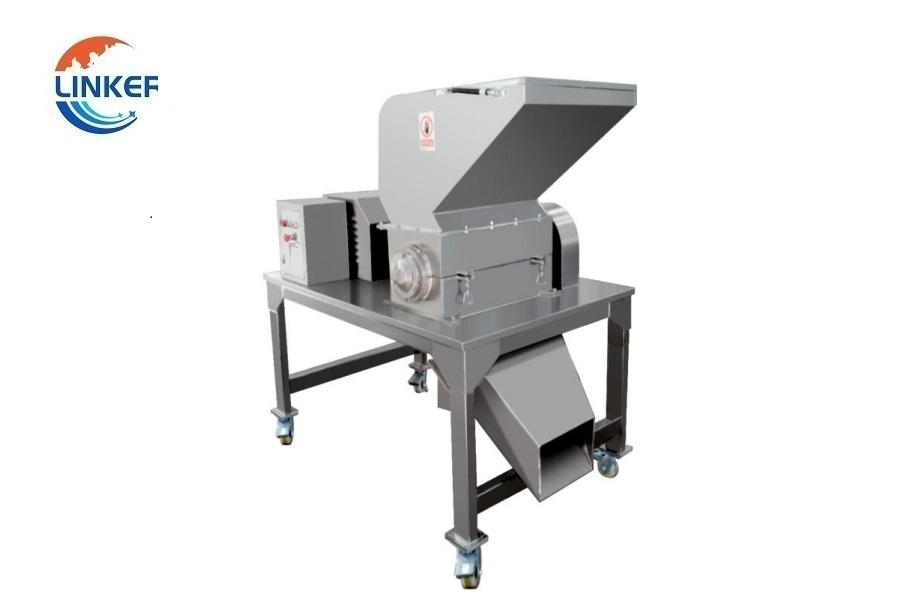
The garlic clove sorting machine uses a drum sieve or vibrating screen combined with specific gravity air separation to remove moldy, sprouted, mechanically damaged garlic cloves as well as mixed stones and garlic stems. Some high-end lines are equipped with an optical sorting module, which identifies discolored or rotten individuals based on high-speed cameras and near-infrared sensors. The price of a small-scale garlic clove sorting machine suitable for 200kg/h production lines is about $4,000 to $10,000, while the price of a large-scale sorting machine matching 2000kg/h production lines can reach $15,000 to $30,000. The optical sorting module is an optional configuration, which will increase the equipment cost by $8,000 to $18,000. Before sorting, some production lines will use a coarse crusher to break the whole garlic heads into small pieces, which is convenient for subsequent sorting, with a price of $3,000 to $8,000.
The garlic peeling machine is the core equipment of this section, and its price accounts for about 40%-50% of the total price of this section. The core equipment is a pneumatic peeling machine or a dry peeling machine, which uses compressed air to form eddy currents through special nozzles, making garlic cloves rub against each other and collide with the cylinder wall to peel off the epidermis. The key technical indicators are: peeling rate ≥95%, damage rate ≤3%, no water used in the whole process, avoiding the shortening of shelf life caused by water brought in during subsequent grinding. The price of a small-scale pneumatic peeling machine suitable for 200kg/h production lines is about $10,000 to $25,000; the price of a medium-scale machine matching 500kg/h production lines is between $26,000 and $50,000; the price of a large-scale dry peeling machine suitable for 1000-2000kg/h production lines can reach $55,000 to $120,000. The peeling machine is usually made of high-quality stainless steel to resist corrosion by sulfides in garlic, which will increase the equipment cost by 10%-15%. In addition, the electric-driven peeling machine needs a matching charger to ensure stable power supply, with a charger price of $800 to $2,000.
The bubble cleaning machine is used to clean the peeled garlic cloves. The peeled garlic cloves enter the bubble cleaning tank, and the high-pressure bubbles at the bottom make the materials in a suspended and rolling state, and the residual skin debris and surface dust are brought out with the upper spray. The cleaning water can be recycled and filtered, and some models are equipped with ultrasonic waves to assist in removing microorganisms. The price of a small-scale bubble cleaning machine is about $3,000 to $8,000, and the price of a large-scale cleaning machine with an ultrasonic function is between $9,000 and $20,000. In addition, some production lines will use a small grinder machine to crush the cleaned garlic cloves into small pieces for subsequent grinding, with a price of $1,500 to $4,000. For large-scale production lines, a 200KG grinder or 500KG Grinder is used to improve processing efficiency, with prices of $2,000 to $5,000 and $6,000 to $15,000 respectively.
Price Impact of Grinding and Ultrafine Crushing System
The grinding and ultrafine crushing section is the decisive link for the particle size and taste consistency of garlic paste. The core difference from ordinary fruit and vegetable pulping lies in the control of grinding heat generation. The equipment configuration of this section mainly includes a pre-crusher and a colloid mill (grinding host), among which the colloid mill is the absolute core equipment of garlic paste production, and its price accounts for about 25%-30% of the total price of the production line. The price difference of this section is mainly determined by the grinding accuracy, cooling effect and equipment material.
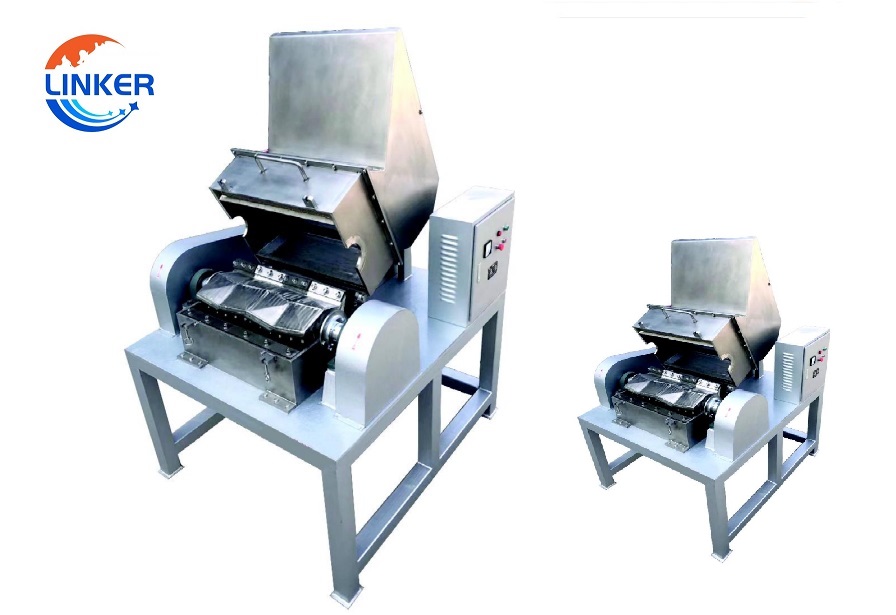
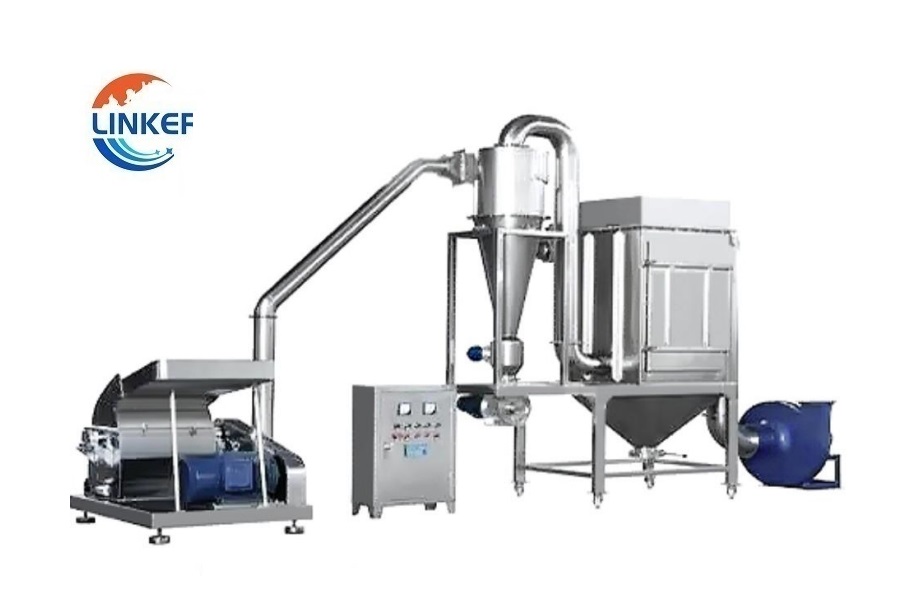
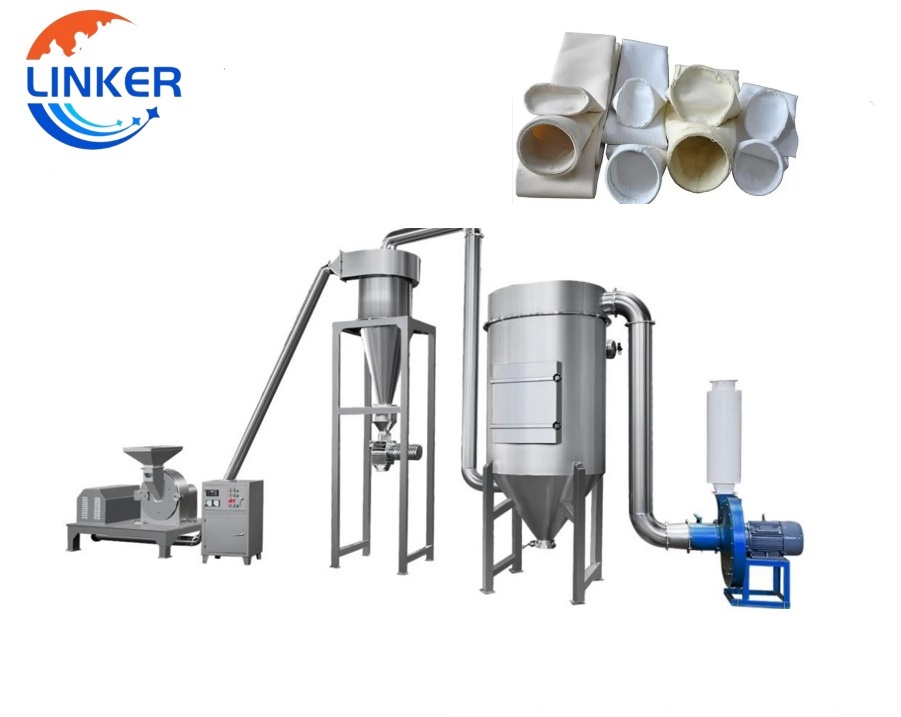
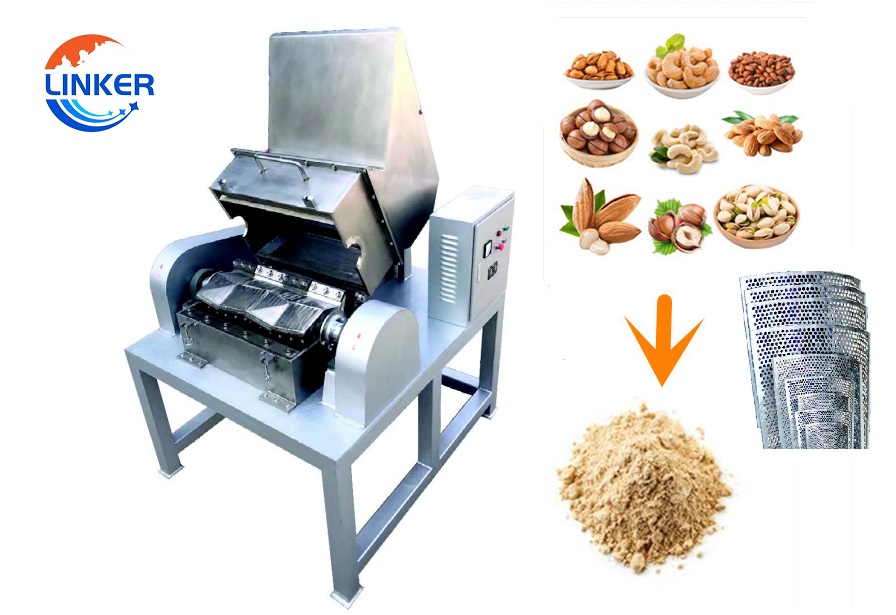
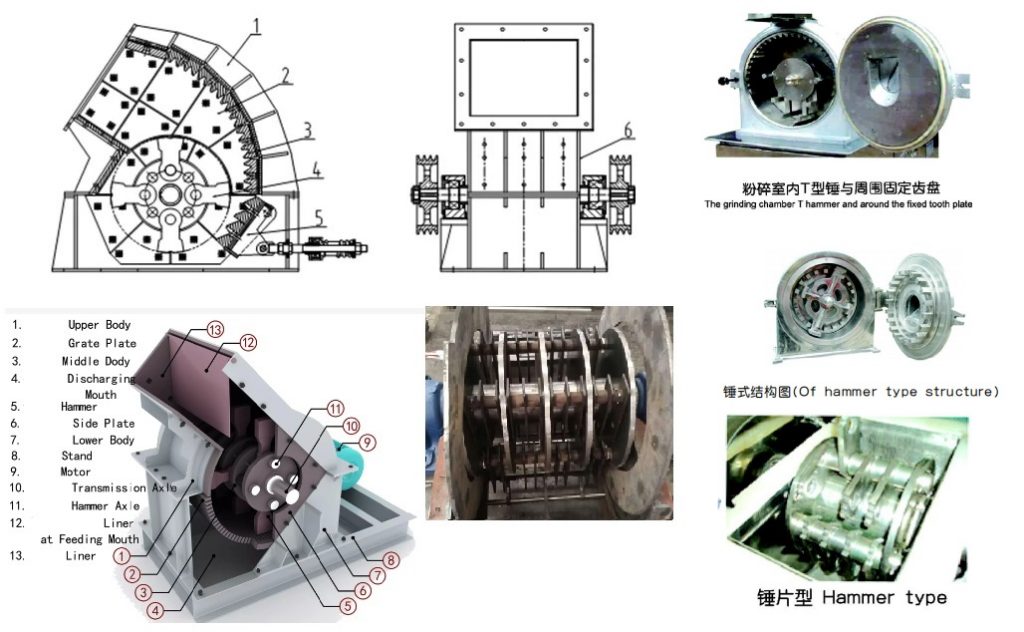
The pre-crusher is used to roughly crush the whole garlic cloves into 3-5mm particles, so that the feeding particle size is uniform, and the efficiency and service life of the subsequent colloid mill are improved. The pre-crusher is usually a small hammer crusher or a coarse crusher, with a simple structure and low price. The price of a small-scale pre-crusher is about $2,000 to $6,000, and the price of a large-scale pre-crusher matching 2000kg/h production lines is between $7,000 and $15,000. Some pre-crushers are made of stainless steel to prevent corrosion, with a price 10%-20% higher than that of ordinary ones. In addition, some production lines will use an Air cooled crusher as a pre-crusher, which can effectively control the temperature rise during crushing, with a price of $5,000 to $12,000.
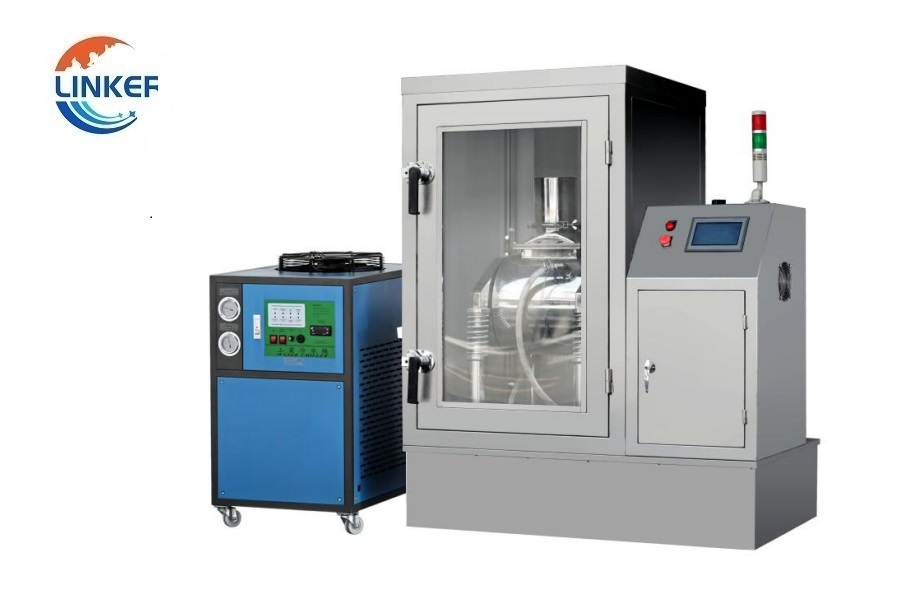
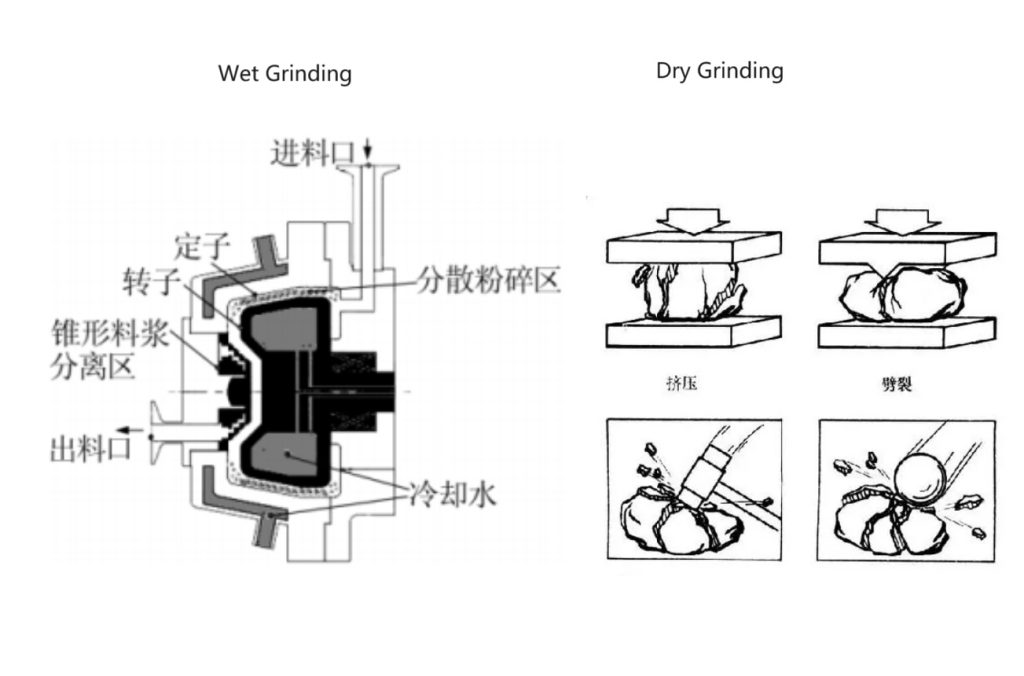
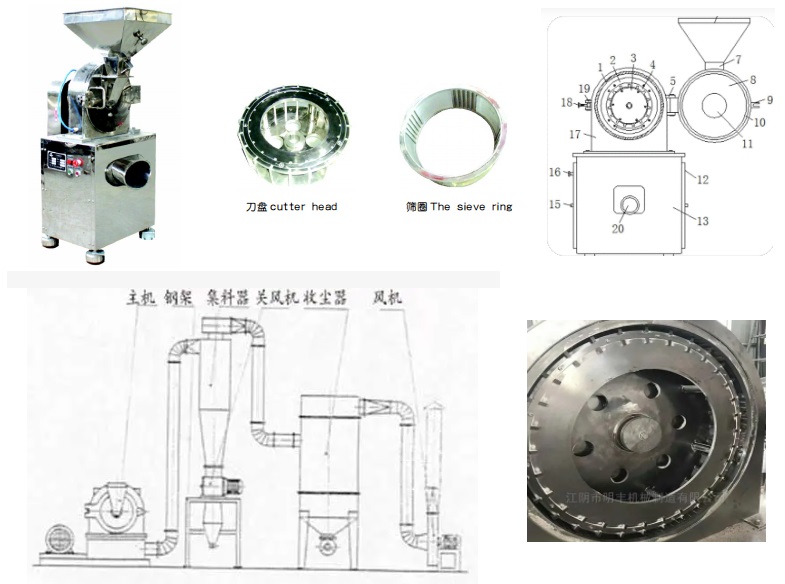
The colloid mill is the core equipment of garlic paste grinding. The material is subjected to strong shearing force, friction force and high-frequency vibration in the small gap (adjustable to micron level) between the high-speed rotating teeth and fixed teeth, and is quickly crushed, emulsified and homogenized. A key feature of the colloid mill for garlic paste production is the cooling jacket design: the grinding cavity is equipped with a circulating cooling water jacket, which can effectively conduct the instantaneous high temperature generated by mechanical friction (the conventional grinding temperature rise can reach 40-50℃), control the discharge temperature below 30℃, prevent allicin thermal decomposition and enzymatic browning, and completely retain the spicy flavor and aroma. Another key feature is the gap adjustment mechanism: the servo motor or hand wheel precisely adjusts the gap between the stator and rotor, realizing rapid switching of different fineness requirements (coarse-grained table sauce and smooth barbecue sauce).
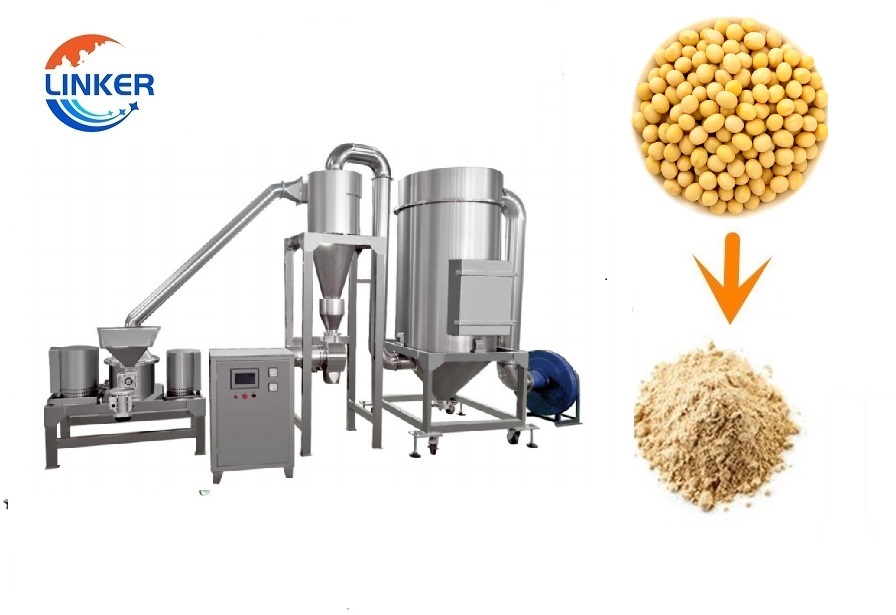
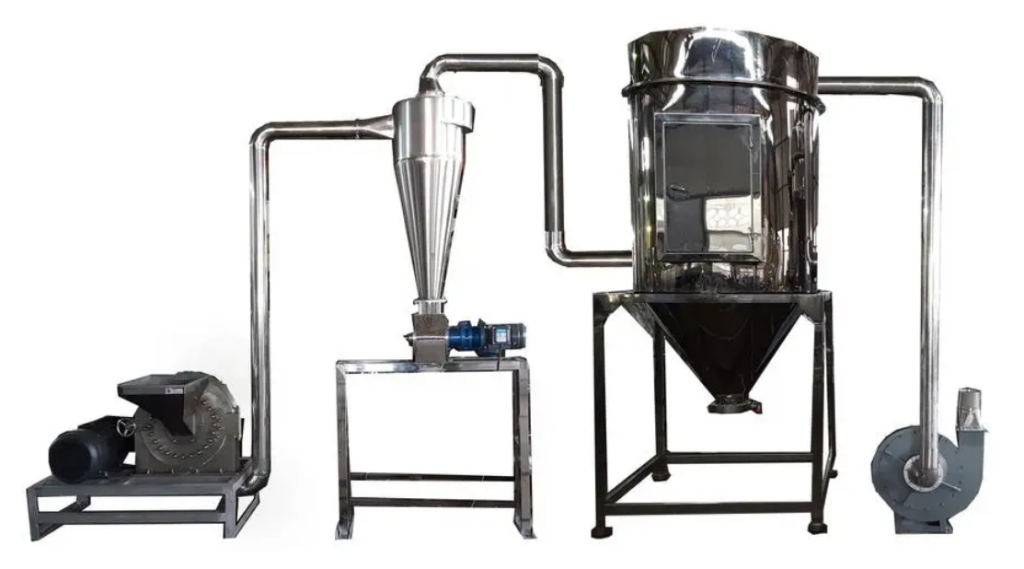
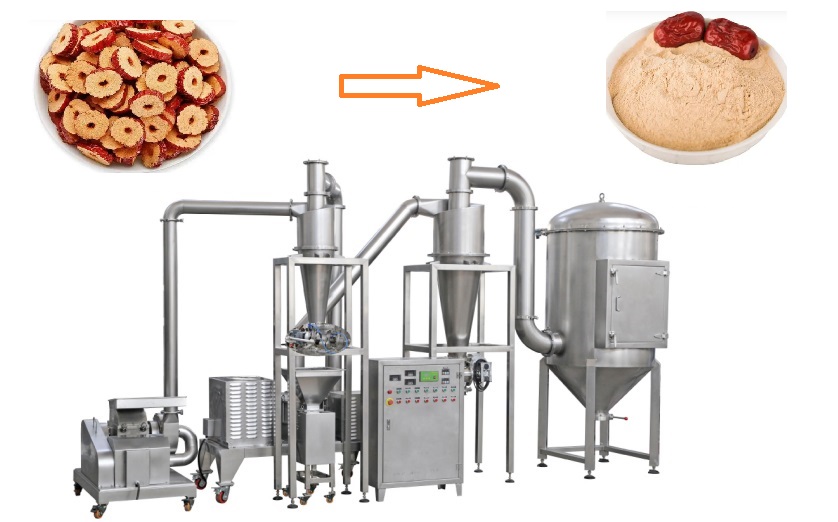
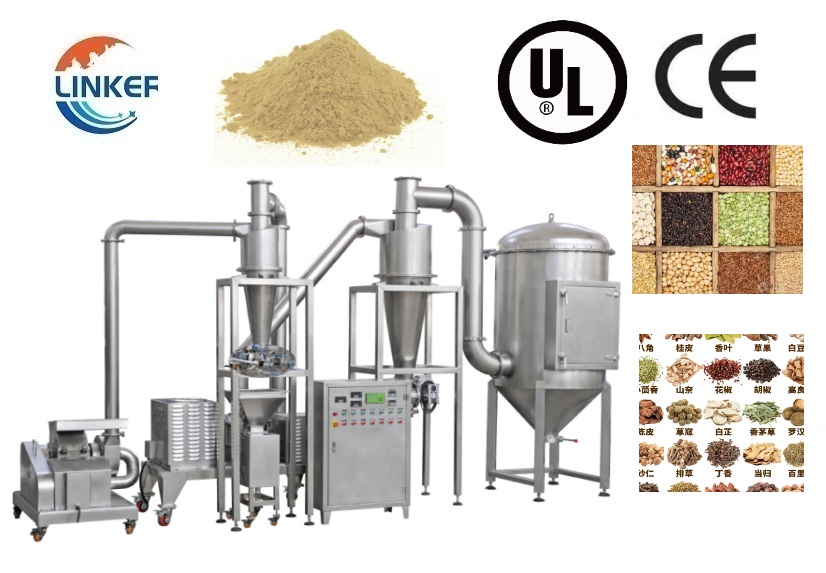
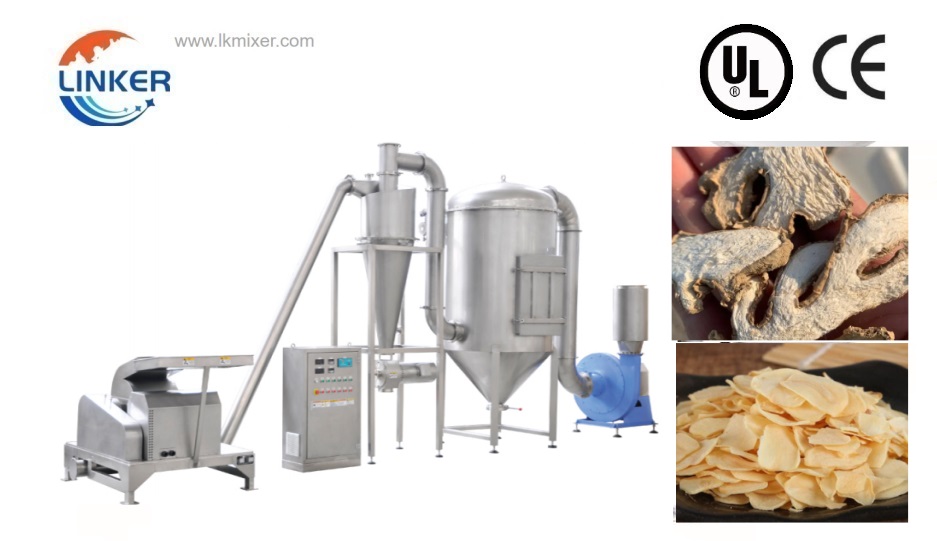
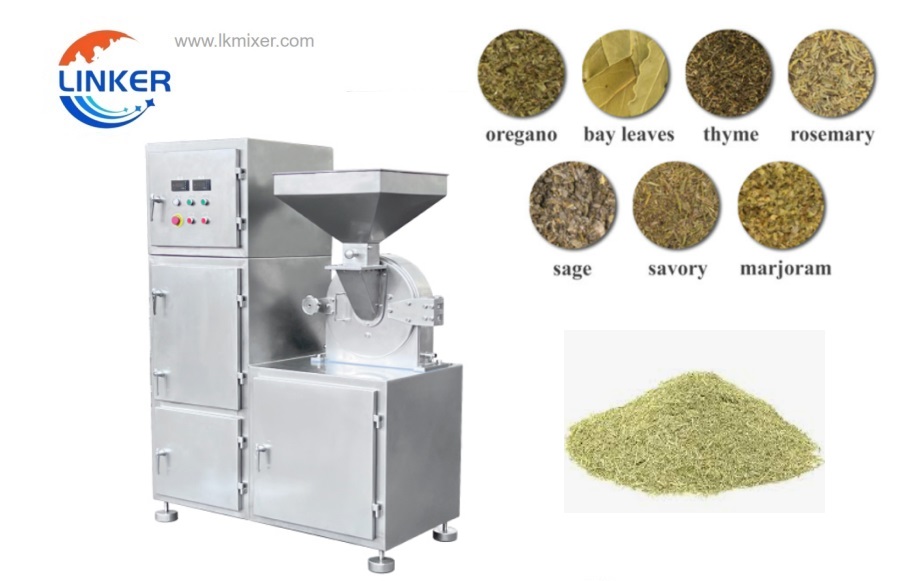
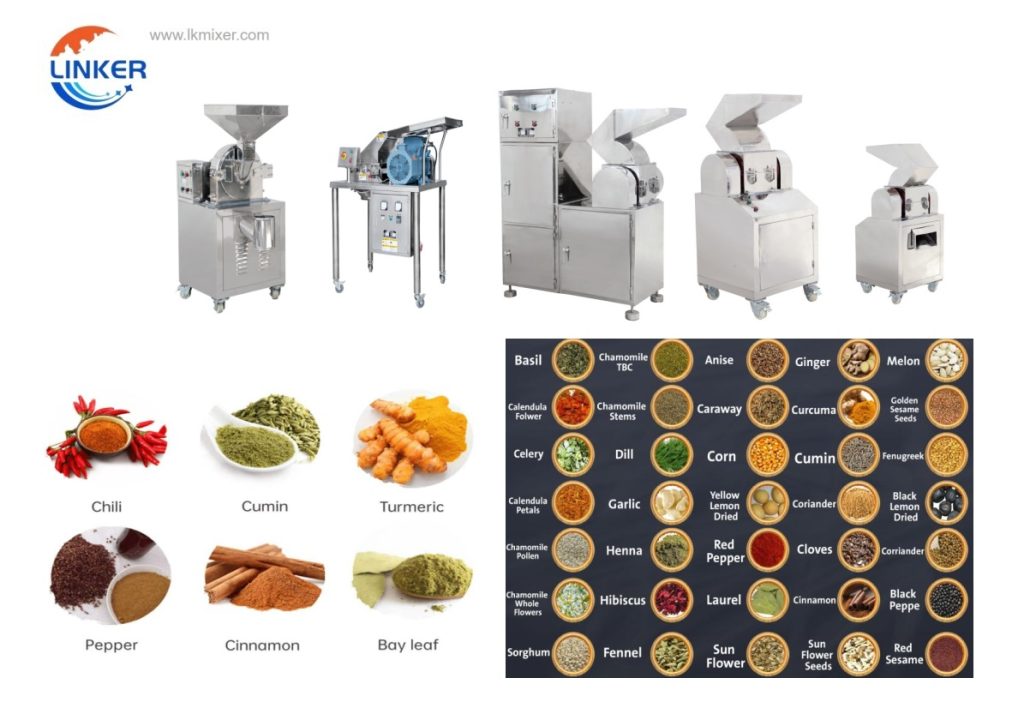
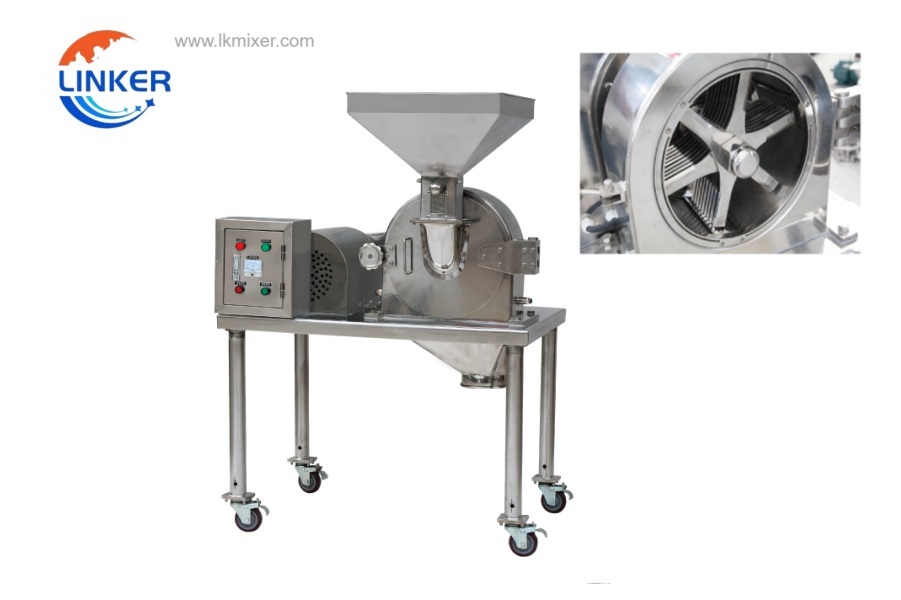
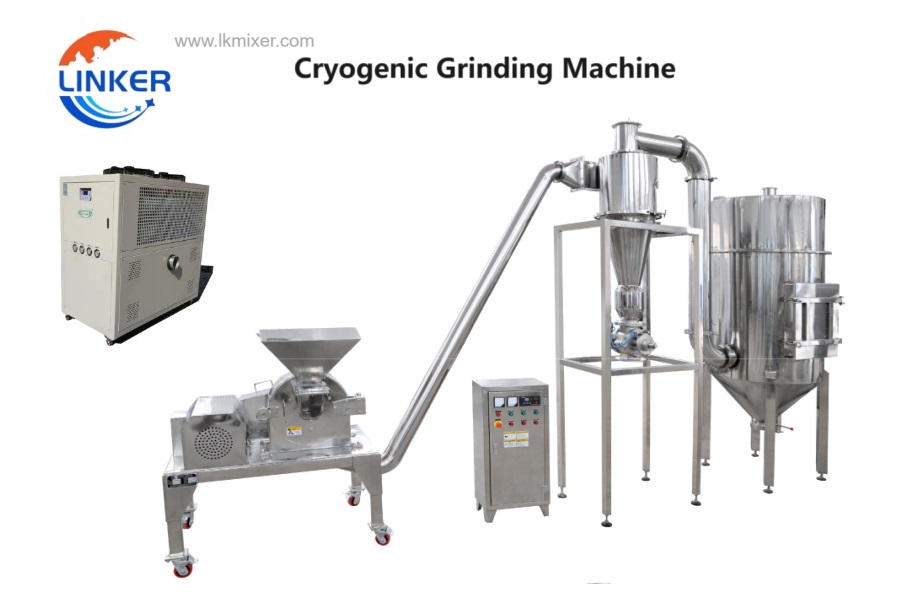
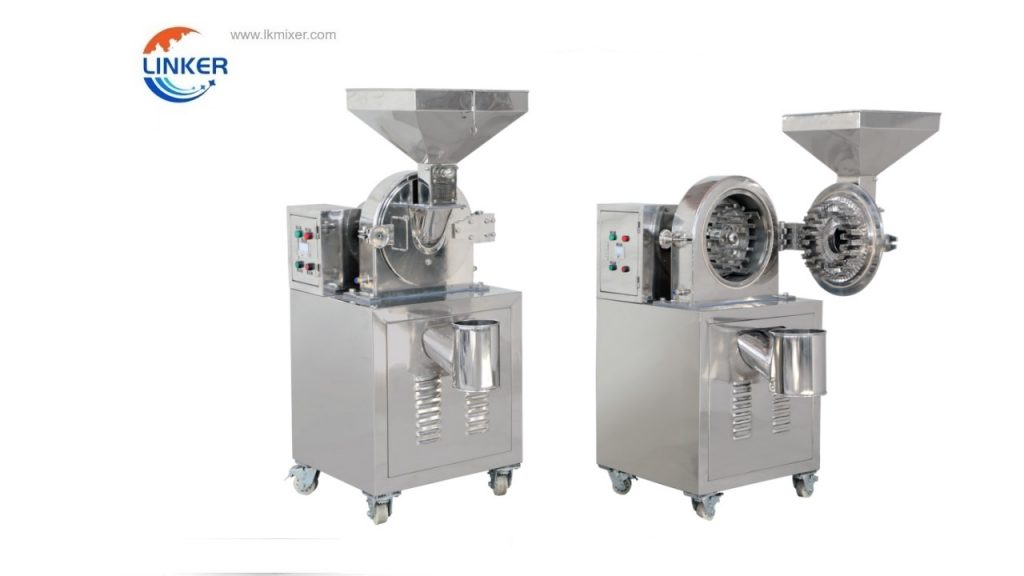
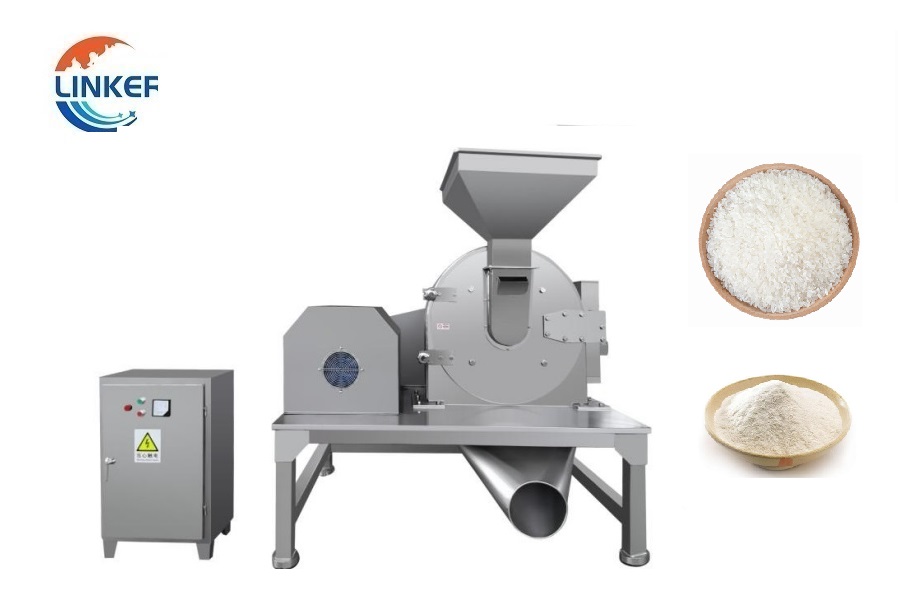
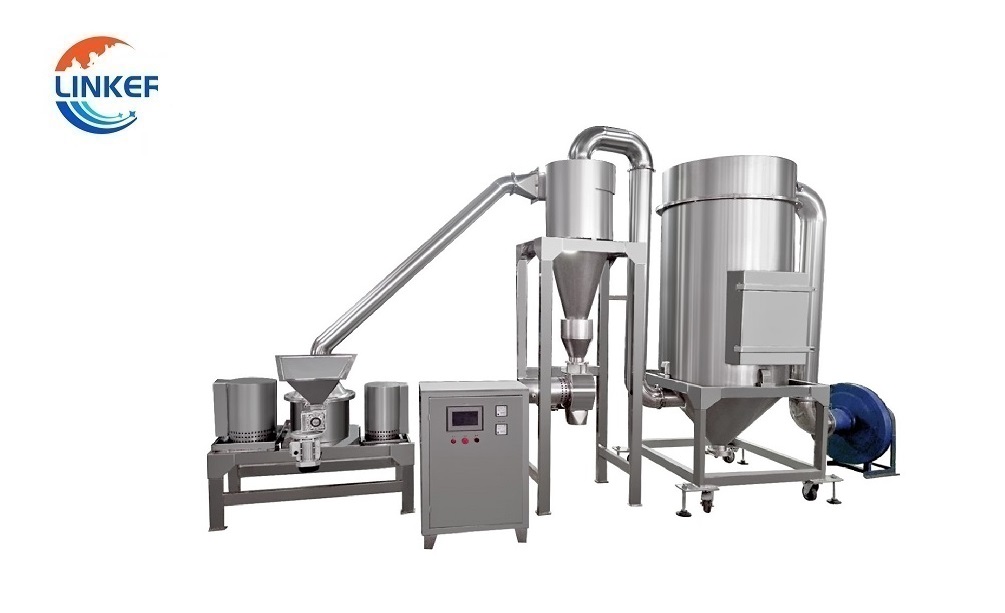
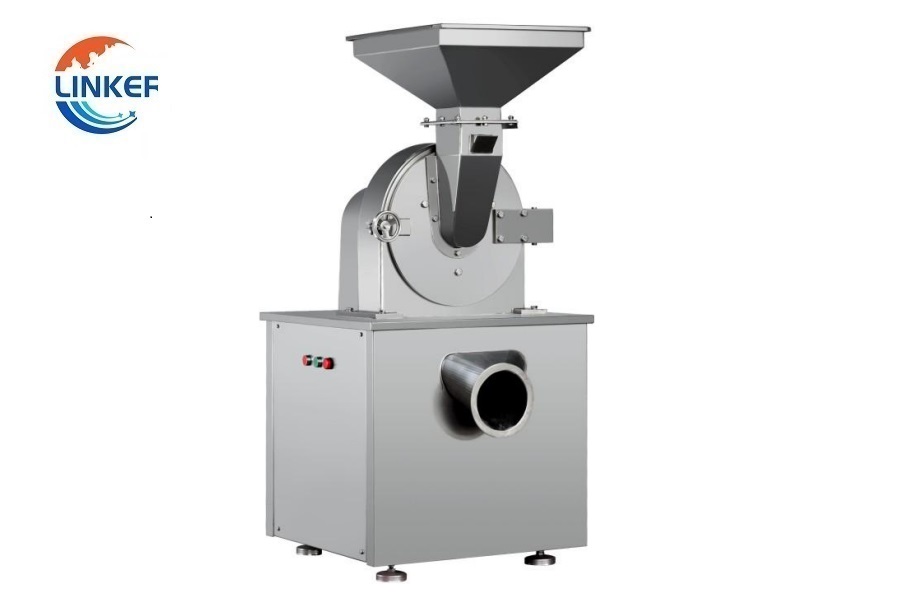
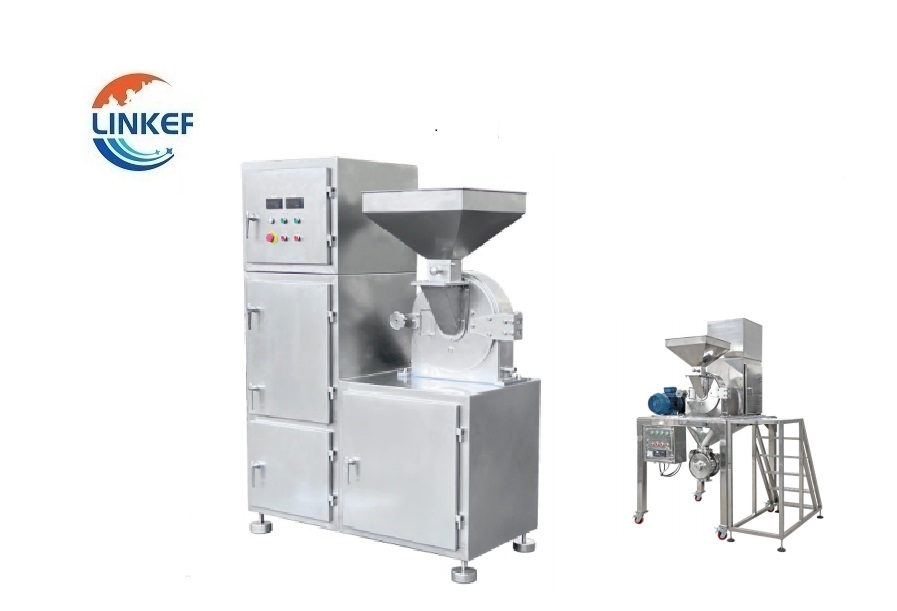
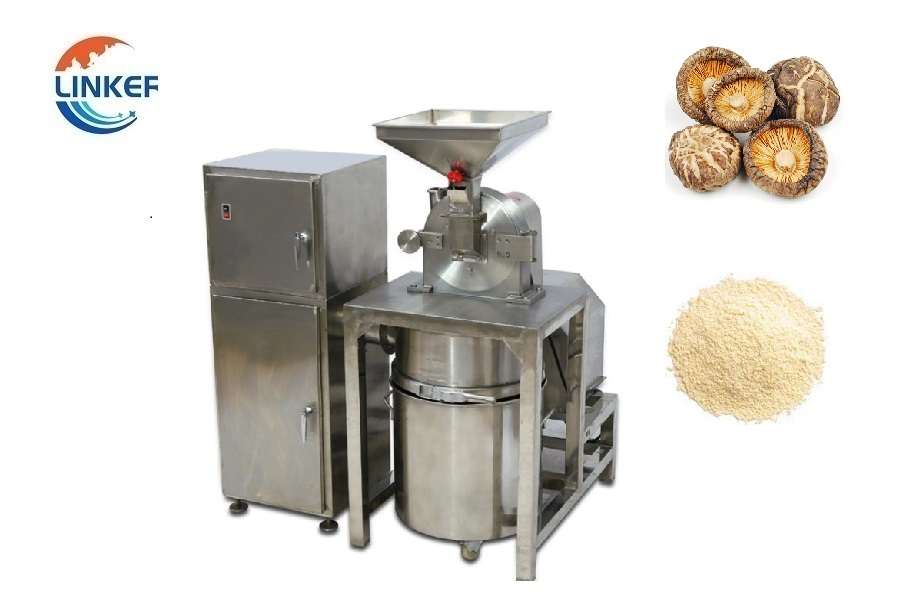
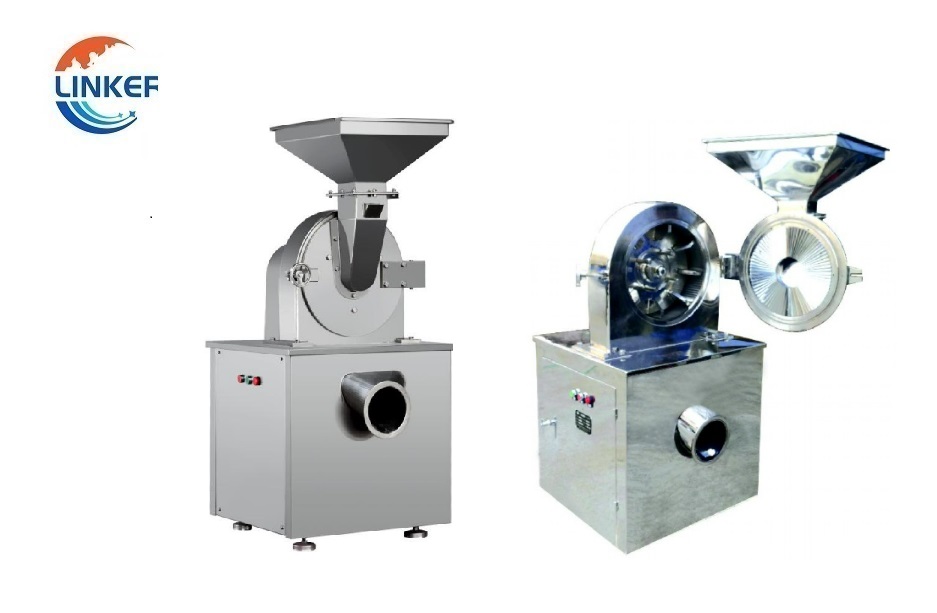
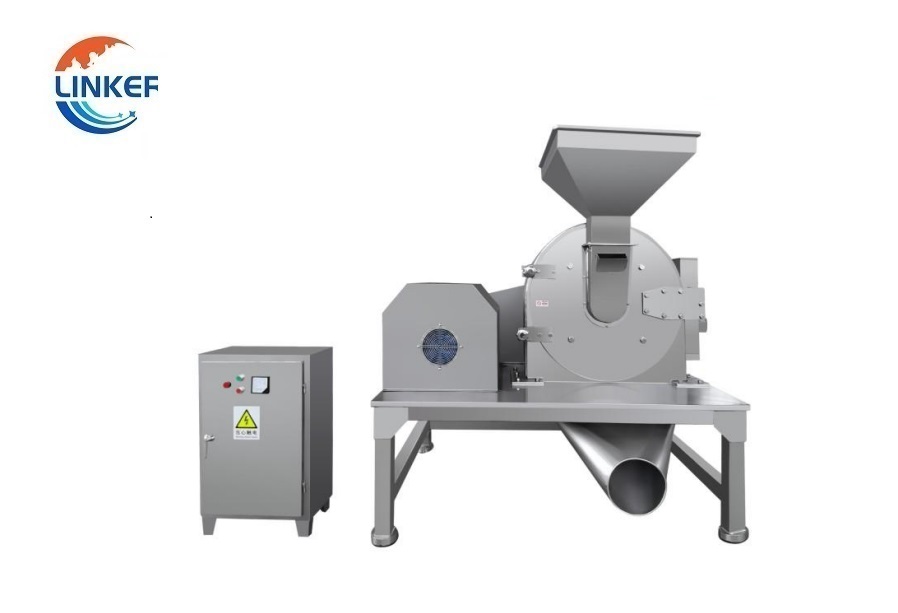
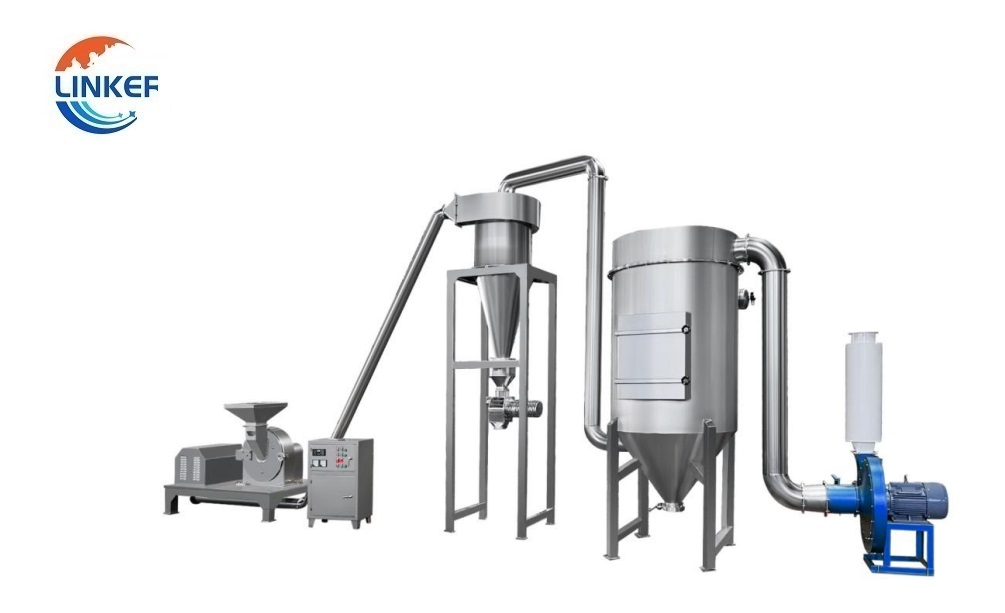
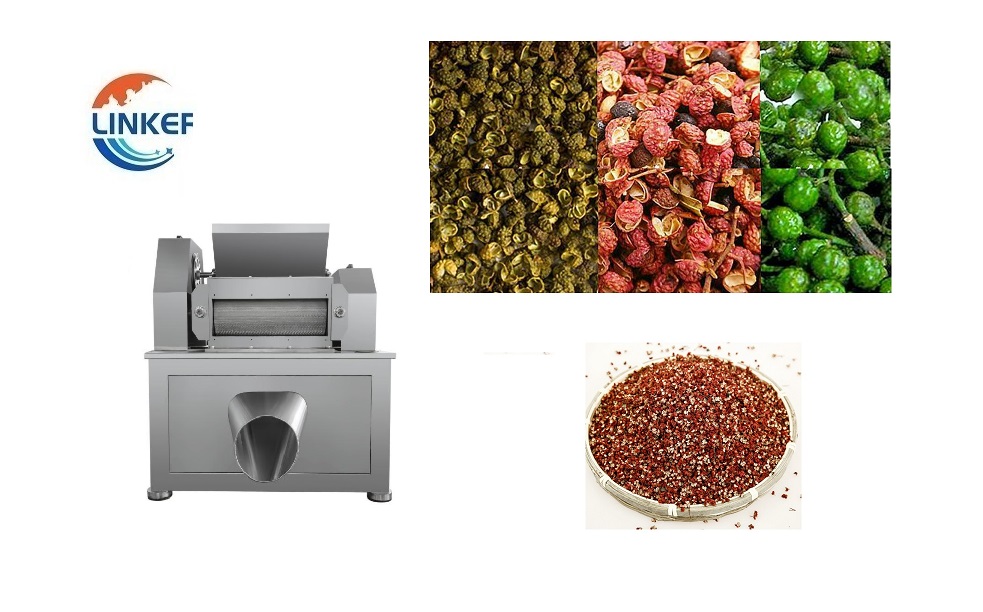
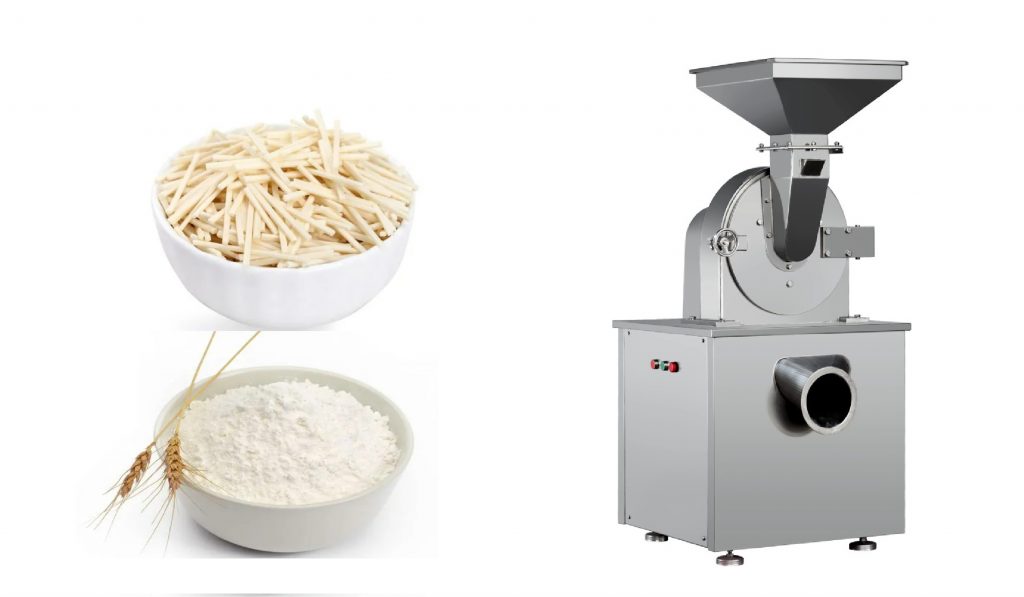
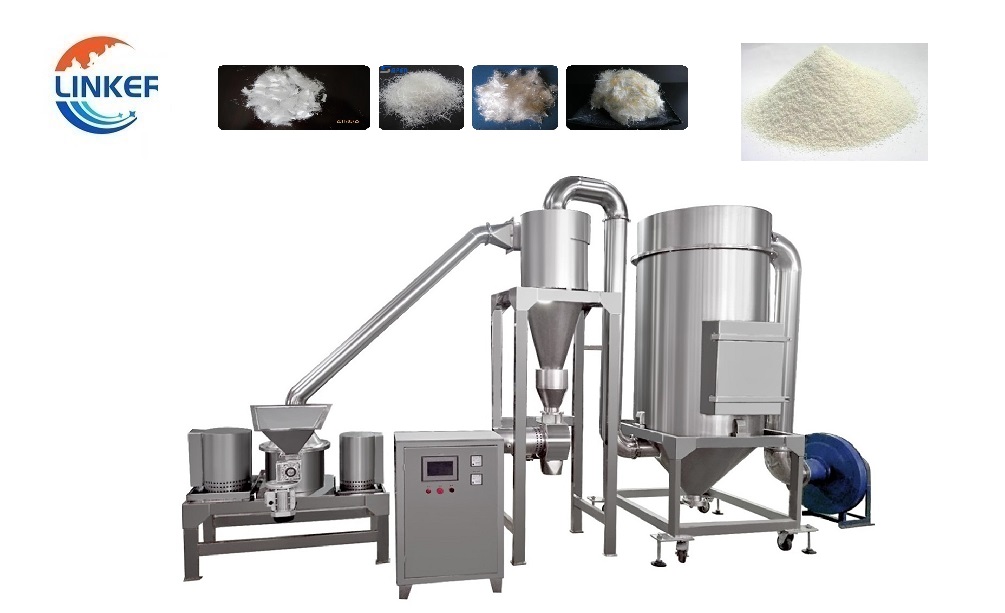
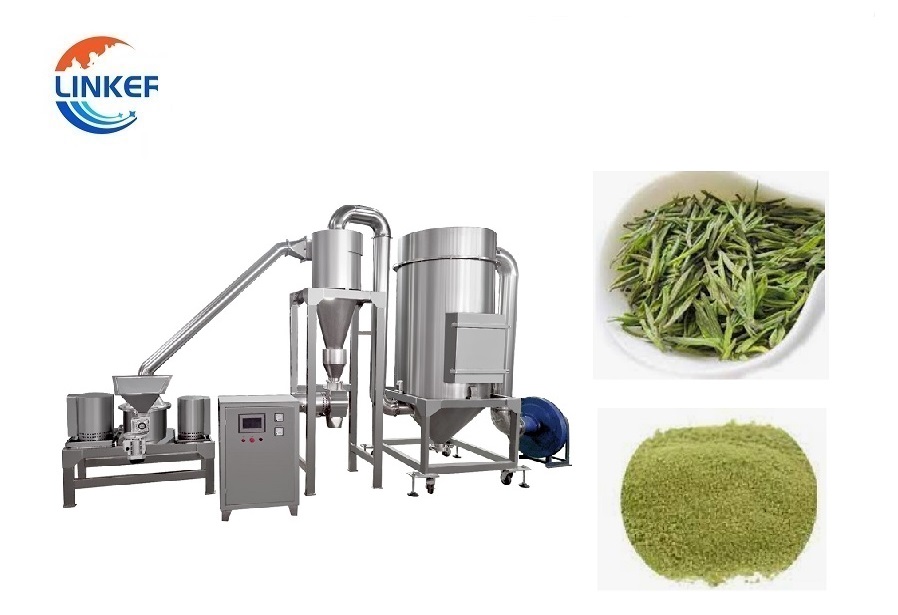
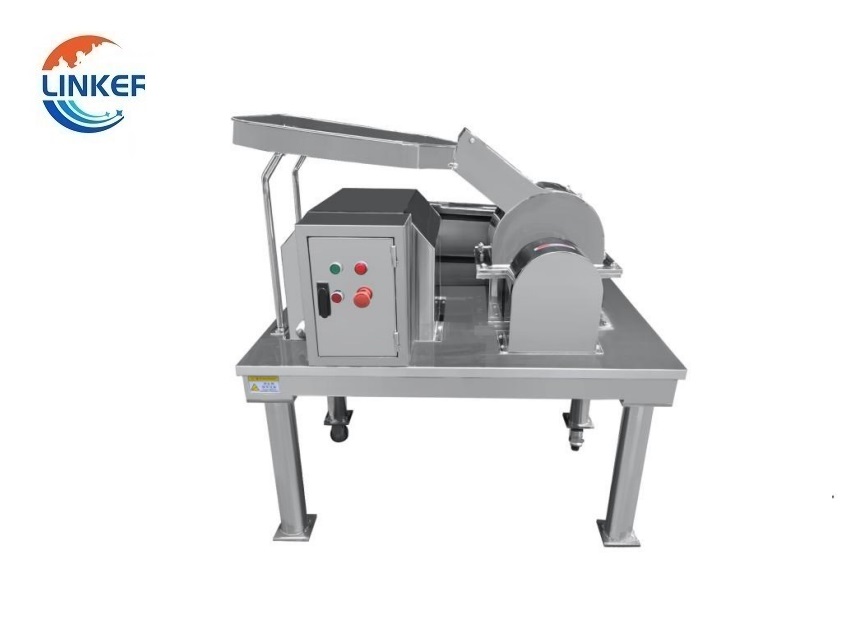
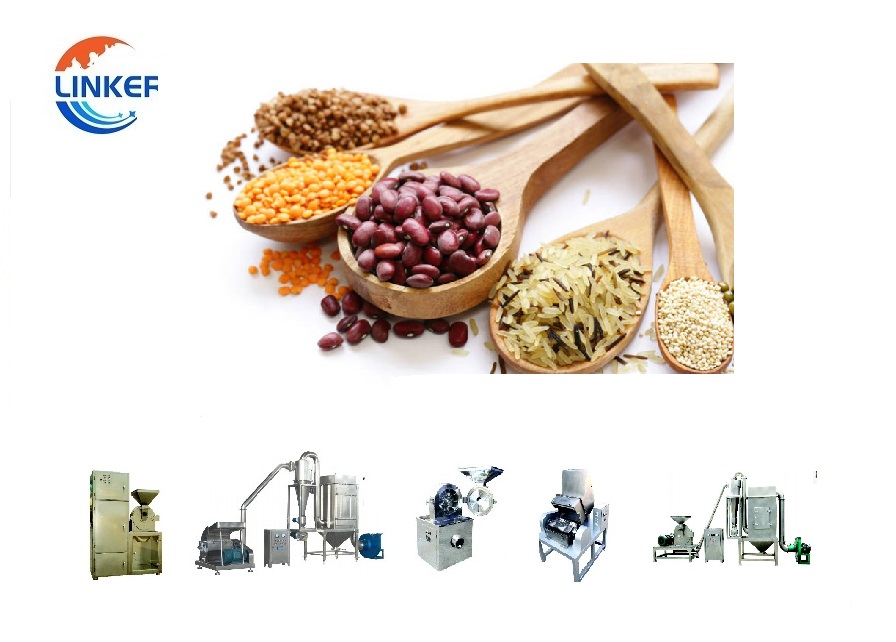
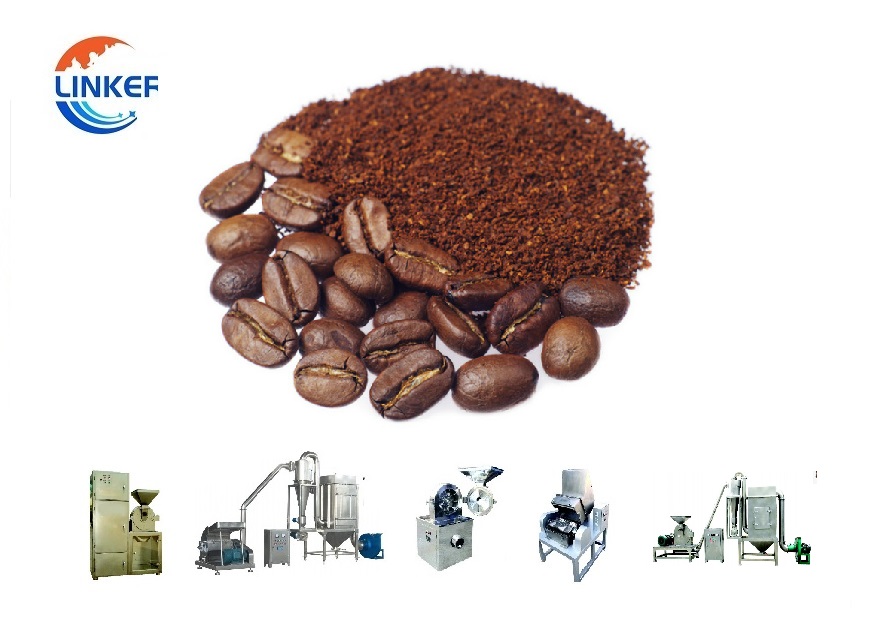
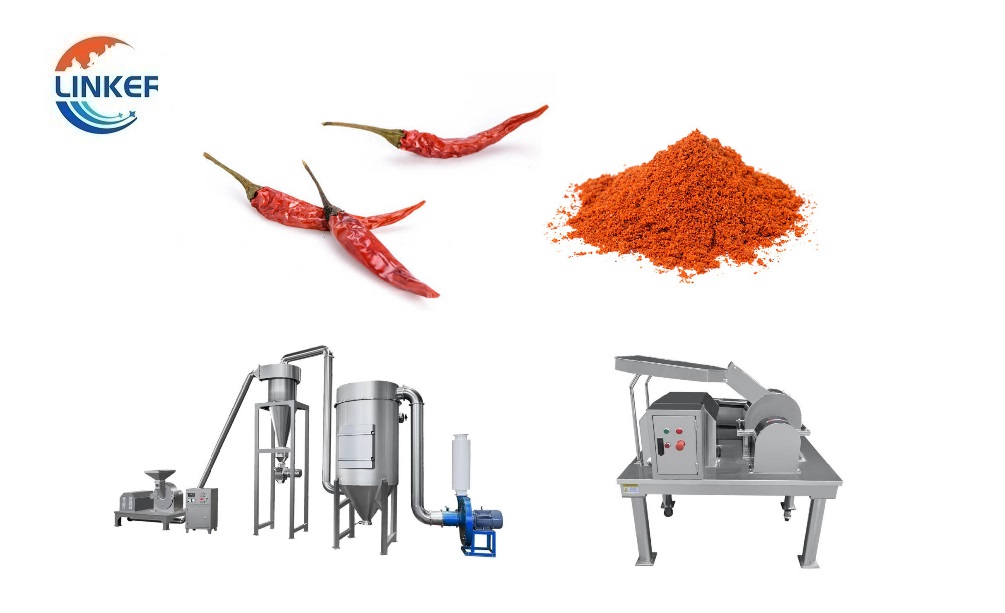
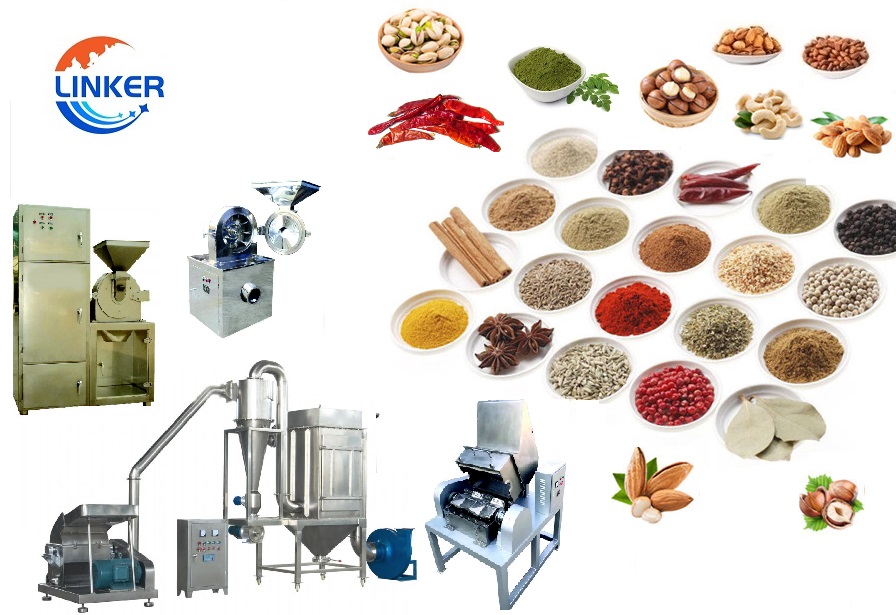
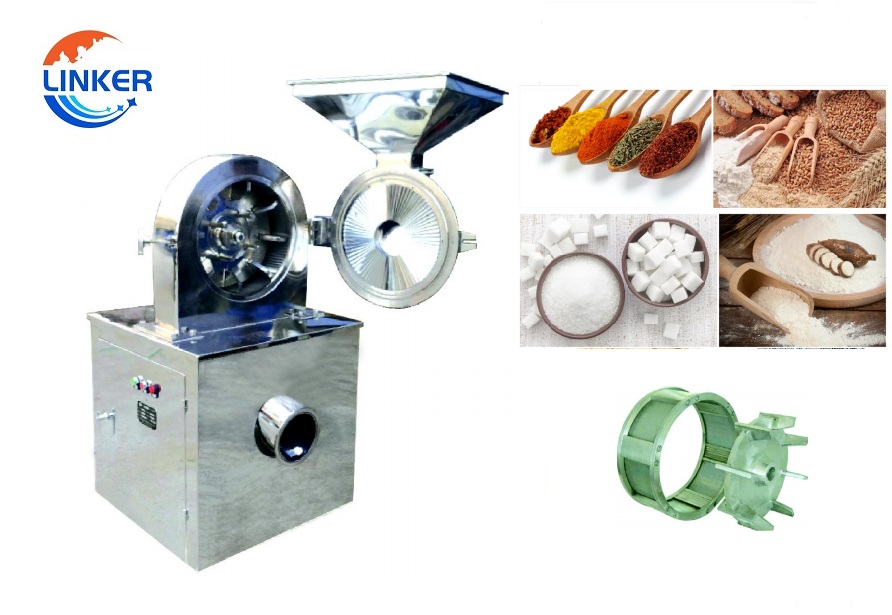
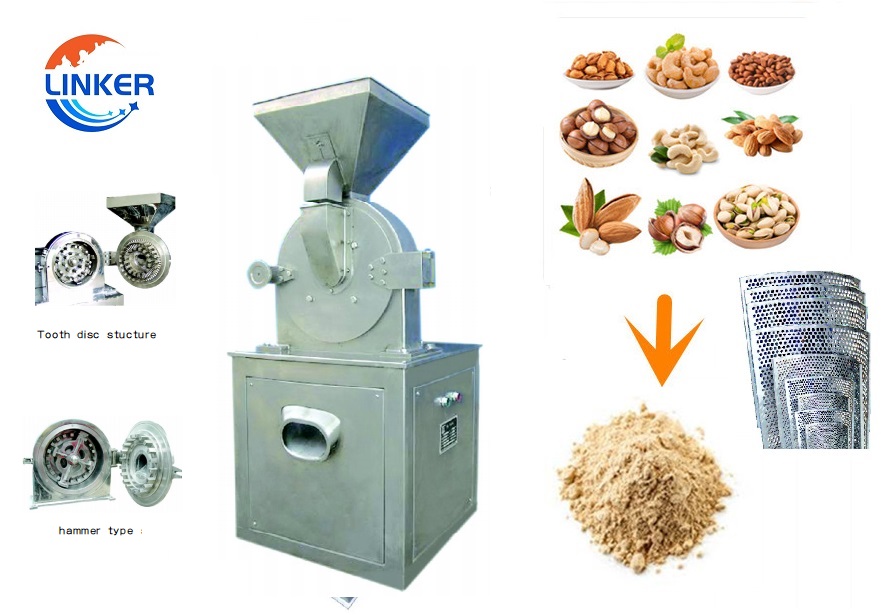
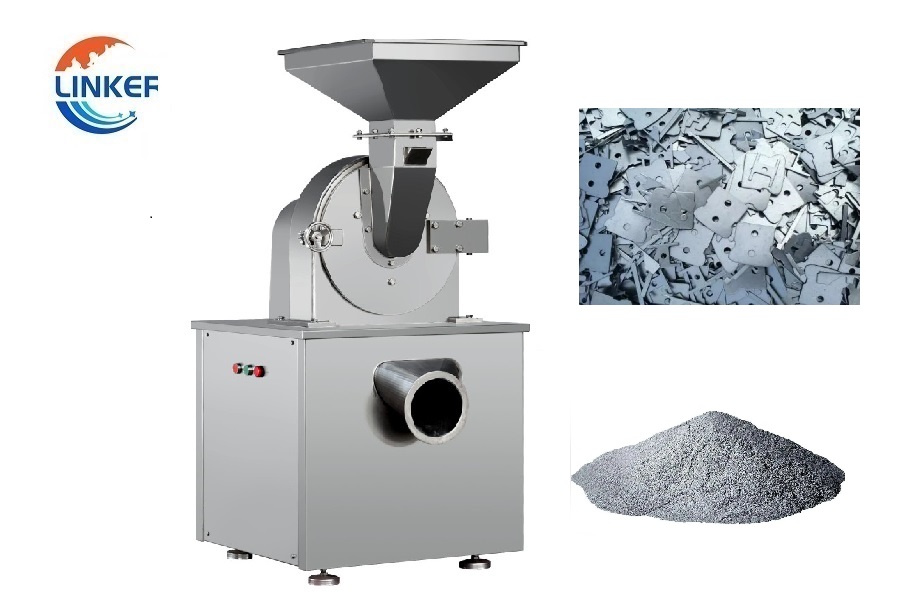
The price of the colloid mill varies greatly according to the processing capacity and configuration. The price of a small-scale colloid mill suitable for 200kg/h production lines is about $15,000 to $35,000; the price of a medium-scale colloid mill matching 500-1000kg/h production lines is between $36,000 and $80,000; the price of a large-scale high-precision colloid mill suitable for 2000kg/h production lines can reach $85,000 to $180,000. The colloid mill with a cooling jacket is 20%-30% more expensive than the ordinary colloid mill without a cooling jacket. In addition, some high-wear production lines adopt a patented grinding structure (optional configuration): a composite structure of a hemispherical grinding base + grinding balls. The center of the grinding table is concave and covered with discharge holes. The grinding balls revolve and rotate under the drive of a reduction motor, and the material is forced to discharge with the pressure scraper, which is suitable for continuous discharge of high-viscosity garlic paste and avoids blockage. This patented structure will increase the equipment cost by $10,000 to $25,000. Some production lines also use a cryogenic grinding machine to grind garlic at low temperature, which can better retain the flavor and nutrients of garlic, with a price of $20,000 to $45,000. In addition, a universal grinder is also essential here, which can grind various auxiliary materials such as spice, dry ginger, licorice and black pepper, with a price of $6,000 to $16,000. It can also grind other materials such as Seasam, Peanut, seeds, tea, flour, coffee, rice and sugar when needed, expanding the application scope of the equipment.
Price Impact of Blending, Homogenization and Degassing System
The blending, homogenization and degassing section solves the problems of uniform addition of auxiliary materials for garlic paste and stability during shelf life. The equipment configuration of this section mainly includes an automatic batching device, an oil uniform adding device (special for garlic paste), a homogenizer and a vacuum degassing machine. The price of this section accounts for about 15%-20% of the total price of the production line, and the price difference is mainly determined by the batching accuracy, homogenization effect and degassing efficiency.
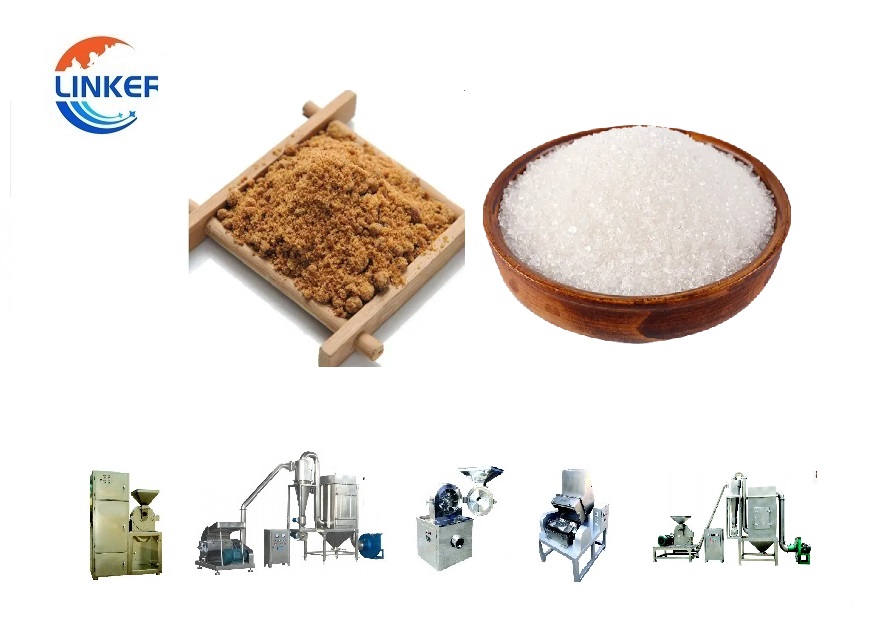
The automatic batching device is used for liquid/powder auxiliary materials such as soy sauce, vinegar, white granulated sugar and salt, and is equipped with a linkage system of quantitative partitions and component detectors. The sliding trolley transports materials to the designated station along the track, and through real-time feedback from humidity sensors and component sensors, the PLC controls the opening and closing time of the rotary valve on the batching injection pipe to realize automatic disinfection, quantitative proportioning and closed-loop verification of accuracy for multiple components. This technology can control the salinity and acidity deviation between batches within ±0.5%. The price of a small-scale automatic batching device suitable for 200kg/h production lines is about $8,000 to $20,000; the price of a medium-scale batching device matching 500-1000kg/h production lines is between $21,000 and $45,000; the price of a large-scale high-precision batching device suitable for 2000kg/h production lines can reach $46,000 to $90,000. The batching device for powder auxiliary materials usually needs to be equipped with a Dry Fruit Powder Grinder Machine to grind sugar, salt and other materials into powder, with a price of $8,000 to $20,000. In addition, a dry ginger grinding machine, licorice grinding machine and black pepper grinder can be used to grind corresponding spices, with a single price of $2,500 to $6,000 each.
The oil uniform adding device is a special equipment for garlic paste, which is used to solve the bottleneck of the traditional process of “pouring hot oil to stimulate aroma”. The patented equipment adopts a composite structure of a rotary feeding box + stirring pipe. The hot oil is sent into the sleeve through a material pump, and then into the feeding box on the upper part of the rotary drum. Driven by the motor, the hot oil sprinkles evenly like an umbrella from the liquid outlet holes evenly distributed at the bottom of the box; at the same time, the stirring pipe connected to the bottom of the rotary drum rotates in the garlic paste layer, realizing the addition of liquid condiments (soy sauce, sesame oil) while stirring, with large area, no dead angle and instantaneous mixing. The price of this special oil adding device ranges from $6,000 to $18,000, depending on the processing capacity. Some large-scale production lines will use a high speed Dry Grinder to pre-process the oil, with a price of $10,000 to $25,000.
The homogenizer is used to further refine the roughly ground garlic paste, break the residual cell walls, and make the sauce more delicate and smooth with a smooth taste. The price of a small-scale homogenizer is about $7,000 to $18,000; the price of a large-scale high-pressure homogenizer is between $19,000 and $40,000. The vacuum degassing machine is used to remove microbubbles mixed in during the grinding and stirring of garlic paste, which can easily lead to oxidative discoloration and false fullness during filling. The material enters the vacuum degassing tank, and the dissolved oxygen and free bubbles are forced to be removed under the negative pressure of -0.06~-0.08MPa, which significantly delays oil rancidity and allicin oxidation, and extends the shelf life by more than 30%. The price of a small-scale vacuum degassing machine is about $5,000 to $12,000; the price of a large-scale vacuum degassing machine with high efficiency is between $13,000 and $30,000. In addition, some production lines will use an airflow pulverizer or Ultrafine Grinder to further process the blended materials, with prices of $15,000 to $40,000 each. A Dust Grinder and a dust collector grinder are also needed to solve the dust pollution problem during the batching process, with a single price of $2,500 to $7,000.
Price Impact of Sterilization and Enzyme Inactivation System
Garlic paste is a low-acid food (pH5.0-6.0), and garlic itself contains heat-resistant spores. The sterilization process must balance the contradiction between commercial sterility and flavor retention. The equipment configuration of this section mainly includes a pasteurization system and a rapid cooling section. The price of this section accounts for about 10%-15% of the total price of the production line, and the price difference is mainly determined by the sterilization method, processing capacity and cooling effect.
The pasteurization system usually adopts a tubular or spiral continuous pasteurization machine, with hot water or steam as the heating medium. The material passes through the closed pipeline, and the typical sterilization formula is 85-95℃ × 3-10 minutes, aiming to kill yeasts, molds and some pathogenic bacteria, and inactivate alliinase at the same time, preventing the residual enzyme from catalyzing the production of irritating odor during storage. The price of a small-scale tubular pasteurization machine suitable for 200kg/h production lines is about $10,000 to $25,000; the price of a medium-scale spiral pasteurization machine matching 500-1000kg/h production lines is between $26,000 and $55,000; the price of a large-scale pasteurization machine suitable for 2000kg/h production lines can reach $56,000 to $110,000. The spiral pasteurization machine has better sterilization effect and higher efficiency than the tubular one, and its price is 20%-30% higher. The pasteurization machine is usually made of stainless steel to ensure hygiene and corrosion resistance, which will increase the equipment cost by 5%-10%.
The rapid cooling section is an indispensable supporting equipment for the pasteurization system. After sterilization, the material immediately enters the sleeve cooling area, and the ice water is forced to cool down to below 30℃ to avoid the continuous cooking of residual heat leading to the escape of garlic aroma. The price of a small-scale rapid cooling device is about $4,000 to $10,000; the price of a large-scale cooling device with high cooling efficiency is between $11,000 and $25,000. The cooling device is usually equipped with a circulating water system, and the price of the circulating water pump is about $1,000 to $3,000. In addition, some high-end production lines will use a Vacuum Mill to assist in sterilization and cooling, with a price of $15,000 to $35,000. Some production lines also use a vibrating pulverizer to process the sterilized materials to ensure uniform particle size, with a price of $6,000 to $15,000. The Electric Grinder is also used in this section to crush some auxiliary materials that need to be added after sterilization, with a price of $1,500 to $4,000.
Price Impact of Fully Automatic Filling and Sealing System
The fully automatic filling and sealing section is the most automated and customizable module of the garlic paste production line. It must solve three major filling problems at the same time: high viscosity, containing particles and oil-liquid stratification. The equipment configuration of this section mainly includes a stirring and heating hopper, a high-precision filling actuator, a drip-proof filling nozzle, a vacuum capping machine and a CIP online cleaning system. The price of this section accounts for about 20%-25% of the total price of the production line, and the price difference is very obvious according to the filling accuracy, speed and degree of automation.
The stirring and heating hopper is configured on the top of the filling machine, equipped with an insulation jacket and a low-speed wall-scraping stirrer. The stirrer continuously rotates to prevent garlic particles and spices from settling in the oil, ensuring uniform solid-liquid ratio during the entire filling process; it is heated to 30-40℃ in low temperature in winter to reduce the viscosity of the sauce and improve fluidity. The price of a small-scale stirring and heating hopper is about $3,000 to $8,000; the price of a large-scale hopper matching 2000kg/h production lines is between $9,000 and $20,000. The stirrer is usually made of stainless steel to prevent corrosion and pollution, with a price of $1,000 to $3,000.
The high-precision filling actuator is the core of the filling link, and there are two mainstream schemes: piston type and weighing type. The piston filling machine is a mainstream scheme, which uses a servo motor to drive the plunger to reciprocate for volumetric quantitative filling. The filling accuracy is ≤±1%, which is especially suitable for garlic paste containing particles below 5-10mm without damaging the granular structure. The price of a small-scale piston filling machine with 4-6 filling heads is about $8,000 to $20,000; the price of a medium-scale filling machine with 8-12 filling heads is between $21,000 and $50,000; the price of a large-scale filling machine with 16-24 filling heads is $51,000 to $120,000. The weighing filling system is a high-end configuration. Each filling head is independently equipped with a weighing sensor, which real-time feeds back and closed-loop corrects the filling volume, with an accuracy of ≤±0.1%-0.2%, suitable for high-value small-size products. This system will increase the equipment cost by $15,000 to $35,000 compared with the piston type.
The drip-proof filling nozzle is an essential accessory to ensure the appearance of the product. At the moment of filling, the suction device generates negative pressure to suck back the residual liquid in the nozzle, eliminating drip pollution on the bottle mouth thread and ensuring the tightness of the capping and the cleanliness of the bottle body. The price of a single drip-proof filling nozzle is about $500 to $1,500, and a filling machine usually needs to be equipped with multiple nozzles according to the number of filling heads. The vacuum capping machine is used for glass bottle packaging, integrating automatic cap sorting, capping, vacuum pumping and capping. The vacuum degree is adjustable from -30 to -60kPa, which effectively reduces the residual oxygen in the bottle and inhibits the growth of aerobic bacteria. It is equipped with intelligent detection functions such as no cap for no bottle and rejection of crooked caps. The price of a small-scale vacuum capping machine is about $6,000 to $15,000; the price of a large-scale high-speed capping machine is between $16,000 and $35,000.
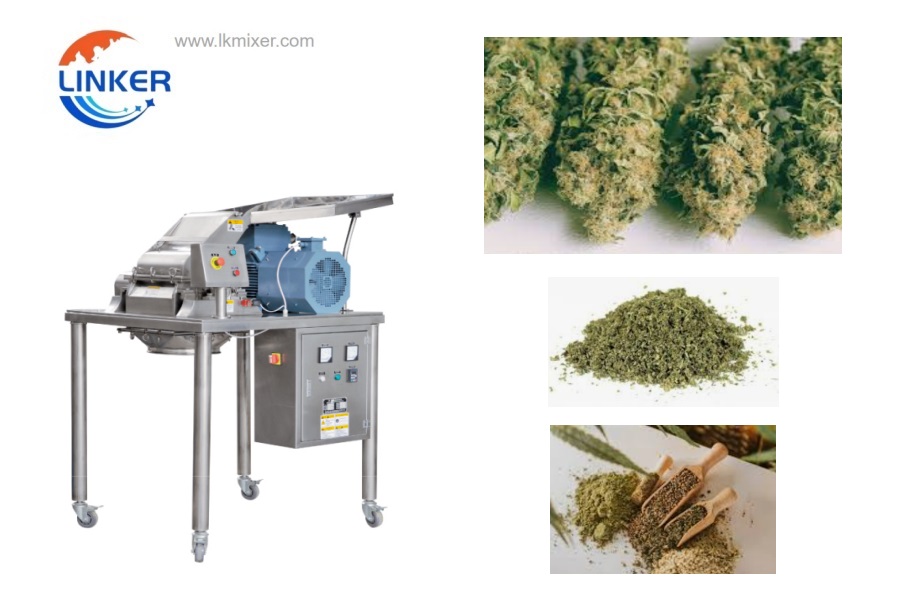
The CIP online cleaning system is an important configuration to ensure food safety. The pipelines, material cylinders and filling valve bodies of the entire filling line are integrated with cleaning balls and return pipelines, which can perform alkali washing, acid washing and water washing procedures. It can remove garlic oil residues and microbial films without disassembly, and the risk of cross-contamination is zero when switching production batches. The price of a small-scale CIP online cleaning system is about $5,000 to $12,000; the price of a large-scale system with full automatic control is between $13,000 and $30,000. In addition, some production lines will use a cutting type grinder to clean the residual materials in the filling pipeline, with a price of $3,000 to $8,000. A CE Certificate grinder is also a good choice for auxiliary processing in this section, which has passed European safety and quality certification, with a price of $4,000 to $10,000, 20%-30% higher than that of ordinary grinders. It should be noted that in regions where it is legally permitted, some production lines may be equipped with Industrial Weed Grinder to process cannabis as auxiliary materials, with a price of $12,000 to $28,000.
Price Impact of Post-Packaging and Digital Integration
The post-packaging and digital integration section is an important part of modern automatic garlic paste production lines, which can improve production efficiency, reduce labor costs and ensure product traceability. The equipment configuration of this section mainly includes labeling and coding equipment, robot palletizing equipment and a centralized control system. The price of this section accounts for about 10%-15% of the total price of the production line, and the price difference is mainly determined by the degree of automation, traceability function and equipment brand.
The labeling and coding equipment is composed of a vertical round bottle labeling machine and a high-resolution coding machine, which are linked to complete the coding of production date and traceability code. The labeling speed of the vertical round bottle labeling machine is 100-250 bottles per minute, with an accuracy of ±1mm. The price of a small-scale labeling machine is about $4,000 to $10,000; the price of a large-scale high-speed labeling machine is between $11,000 and $25,000. The high-resolution coding machine can print clear production date, batch number and traceability code on the bottle body or label, with a price of $2,000 to $6,000. Some high-end coding machines can realize two-dimensional code traceability, which will increase the equipment cost by $3,000 to $8,000. In addition, some production lines will use a turbo grinder to process the packaging materials, with a price of $5,000 to $12,000.
The robot palletizing equipment uses a four-axis or six-axis articulated robot to grab finished product boxes through vacuum suction cups and automatically stack them according to the preset stack type, which is seamlessly connected with the stereo warehouse system. The robot palletizing equipment can greatly reduce labor costs and improve palletizing efficiency and accuracy. The price of a four-axis robot palletizing system is about $30,000 to $70,000; the price of a six-axis robot palletizing system with higher flexibility is between $75,000 and $150,000. The stereo warehouse system is usually made of large, high-strength stainless steel to ensure stability and durability, with a price of $40,000 to $100,000.
The centralized control system takes PLC as the control center, and the touch screen human-machine interface integrates formula management, output statistics, fault self-diagnosis and historical data traceability modules. The operator can call different garlic paste formulas (spicy, sweet, original flavor) with one key, and the equipment automatically adjusts parameters such as filling volume, stirring speed and sterilization temperature. The price of a small-scale centralized control system is about $5,000 to $15,000; the price of a large-scale system with full-process traceability and remote monitoring functions is between $16,000 and $40,000. The centralized control system can be connected with all equipment of the production line to realize real-time monitoring and control of the entire production process, which is an important symbol of the intelligence of the production line. In addition, the centralized control system needs to be equipped with a dust collector grinder to ensure the cleanliness of the control room, with a price of $2,000 to $5,000. A Vacuum Mill can also be used in this section to process the residual materials, with a price of $12,000 to $25,000.
Other Factors Affecting the Price
In addition to the above factors, there are many other factors that affect the price of the automatic garlic paste production line. First, the brand and quality of the equipment. Well-known brands have higher product quality, more mature technology and better after-sales service (such as free installation, debugging, training and long-term supply of spare parts), so the price is usually 10%-20% higher than that of ordinary brands. For example, the CE Certificate grinder has passed the European safety and quality certification, with higher quality and safety standards, and the price is 20%-30% higher than that of ordinary grinders without certification. Second, the transportation and installation costs. The automatic garlic paste production line is composed of large-scale equipment, which needs professional transportation and installation teams to complete the work. The transportation and installation costs usually account for 5%-10% of the total price of the production line, depending on the distance between the equipment manufacturer and the enterprise and the difficulty of installation.
Third, the customization requirements. If the enterprise has special customization requirements, such as special production capacity, special product specifications (such as small-size retail packaging, large-size industrial base material packaging) and special equipment configuration, the manufacturer needs to redesign and manufacture according to the requirements, which will increase the design and production costs, and thus the price of the production line. The customization cost usually accounts for 10%-15% of the total price. Fourth, the market supply and demand and policy factors. In the peak season of garlic paste production, the demand for the production line increases, and the price may rise slightly; in the off-season, the price may have a certain discount. In addition, the policy support of the local government for the food processing industry will also affect the actual investment cost of the enterprise, such as providing subsidies for the purchase of equipment. It should be noted that the use of Industrial Weed Grinder and cannabis processing is only allowed in regions where it is legally permitted, and relevant procedures need to be completed.
In summary, the price of the automatic garlic paste production line is affected by many factors, including hourly production capacity, core grinding and sterilization equipment configuration, degree of automation, anti-browning technology level, post-packaging and digital integration, brand and quality, transportation and installation costs, customization requirements, etc. When purchasing the production line, enterprises should comprehensively consider their own actual needs and fund budget, select the appropriate equipment configuration. For example, small enterprises with limited funds can choose small and medium-sized production lines equipped with small grinder machine, 200KG grinder and Electric Grinder; medium and large-sized enterprises with stable sales channels can choose large-scale production lines equipped with 500KG Grinder, CE Certificate grinder, Hammer Mill, Ultrafine Grinder and other high-power equipment, and configure intelligent palletizing and centralized control systems to improve production efficiency and product competitiveness. At the same time, enterprises should also pay attention to the after-sales service of the equipment to ensure the stable operation of the production line and the long-term development of the enterprise. All equipment involved in the production line should meet food safety standards, especially the parts in contact with food, which should be made of food-grade stainless steel to ensure the quality and safety of the final garlic paste product.

Parameters:

Model Name | SG-600 | |
| Crushing Capacity(kg/h) | 1000~2000 | |
| Power(kw) | 11 | |
| Feeding Size(mm) | <5mm | |
| Fineness(mesh) | 20~40mesh |
Model Name | SG-800 | |
| Crushing Capacity(kg/h) | 2000~4000 | |
| Power(kw) | 15 | |
| Feeding Size(mm) | <5mm | |
| Fineness(mesh) | 20~40mesh |
Trade Capacity
| International Commercial Terms(Incoterms): | FOB, CIF, CFR | Terms of Payment: | LC, T/T, PayPal, Western Union |
| Average Lead Time | 60 working days | Main Markets | North America, South America, Europe, Southeast Asia/ Mideast, East Asia(Japan/ South Korea), Australia, Domestic |
| Nearest Port: | Ningbo Port; Shanghai Port | Factory Address: | JiangSu, China |
Ampere of Motors Customization for Seeds Grinder:
| KW | HP | Ampere |
| 75kw | 100HP | 135A |
| 55kw | 75HP | 99A |
| 30kw | 40HP | 54A |
| 22kw | 30HP | 39A |
| 2.2kw | 3HP | 3.9A |
| 1.5kw | 2HP | 2.7A |
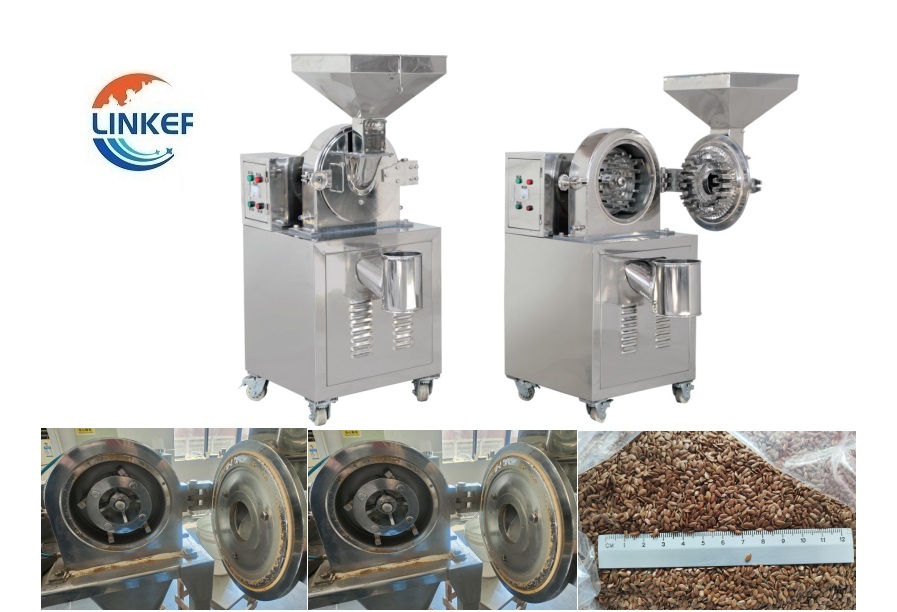
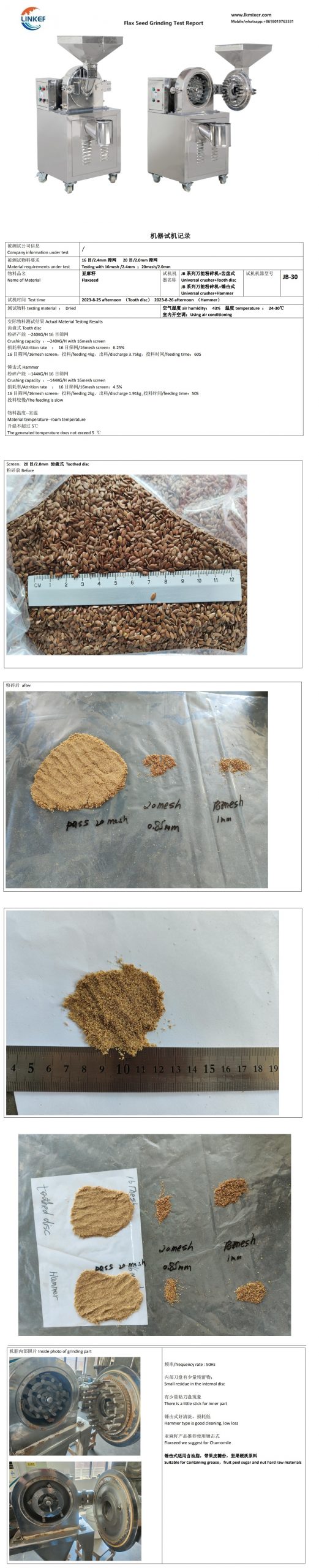
Test Report for Flax Seed Grinder:
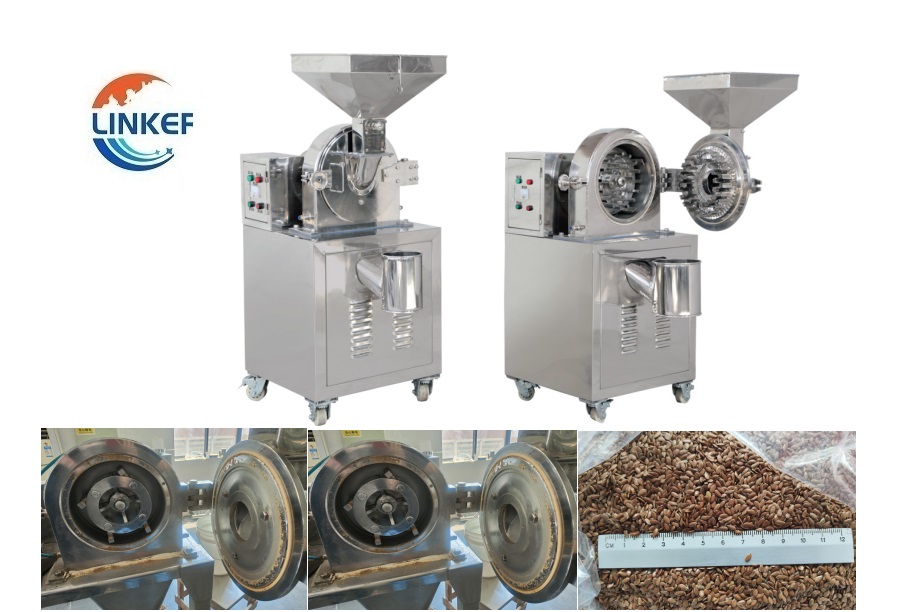
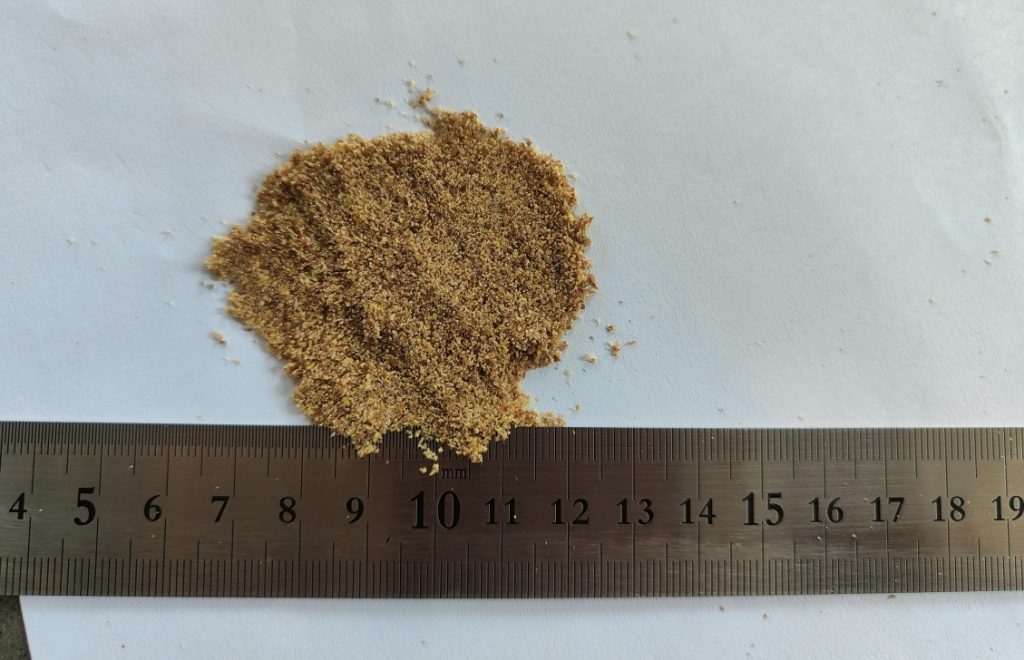
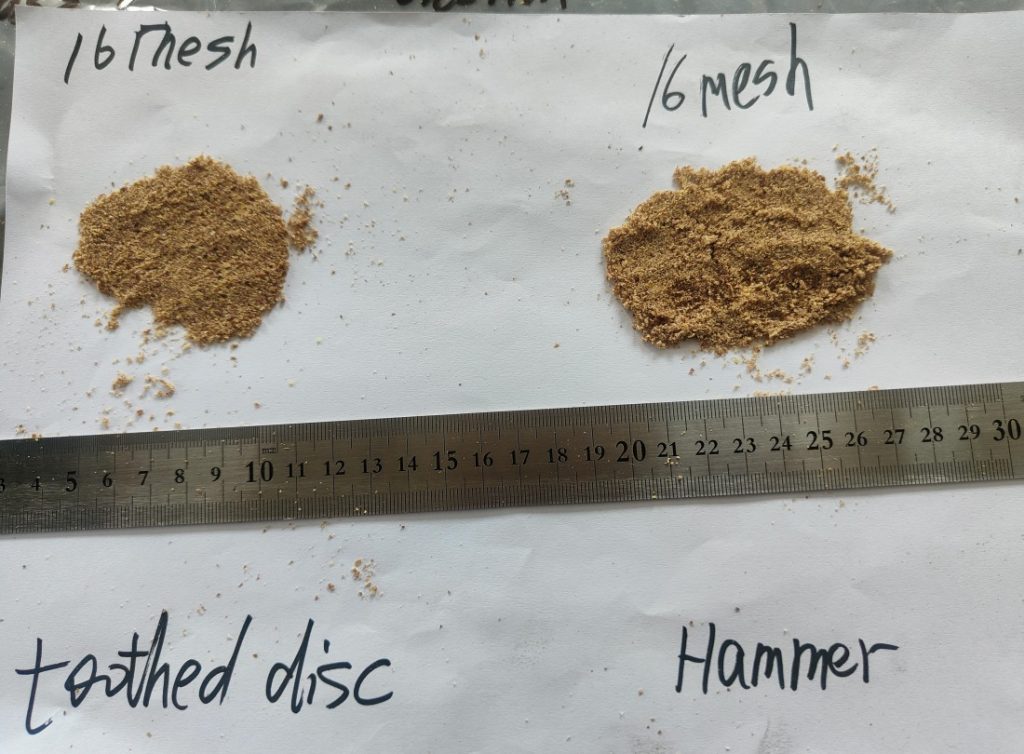
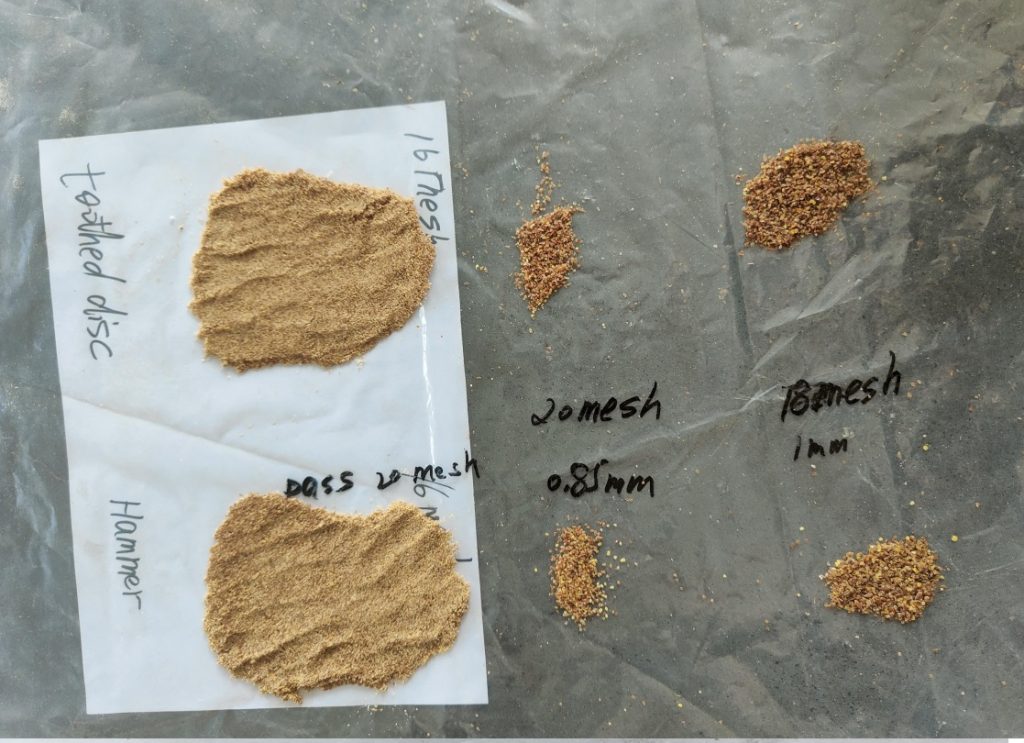
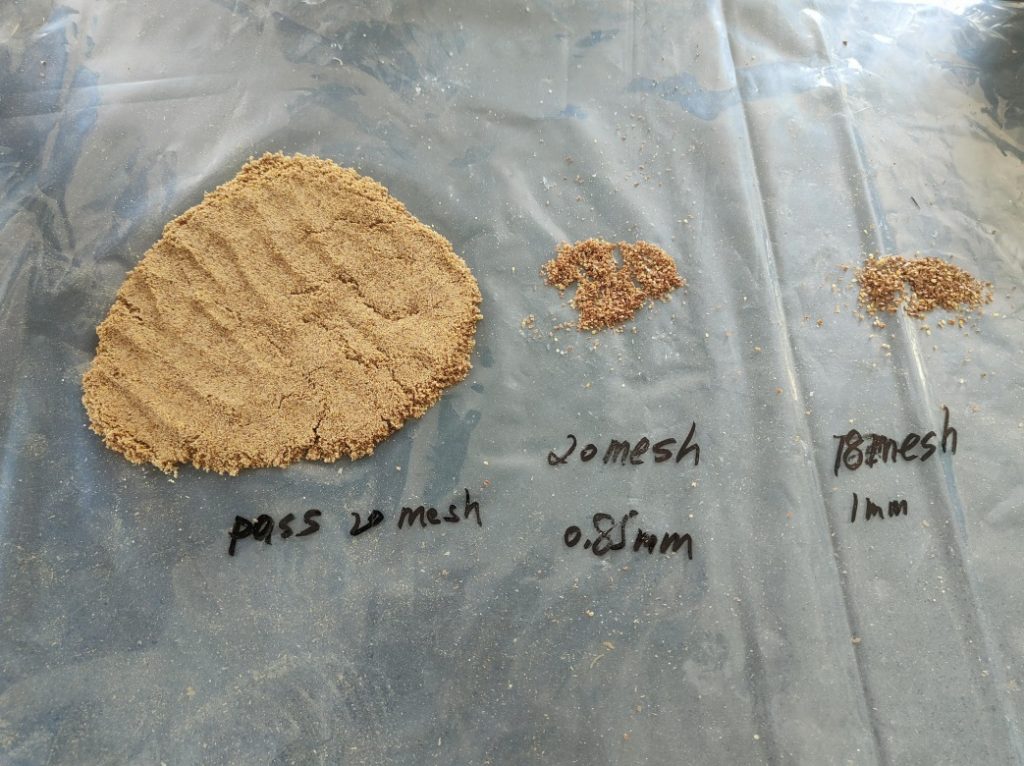
A flax seed grinder is a type of seed nut grinder specifically designed for grinding flax seeds. Flax seeds are small, hard seeds that are packed with nutrition and are commonly used in baking and cooking. Grinding flax seeds helps to unlock their nutrients and make them easier to digest.
Flax seed grinders typically feature sharp blades or burrs that rotate to crush the flax seeds into a fine powder. This powder can then be used in a variety of recipes, such as smoothies, baked goods, and yogurt toppings. Some flax seed grinders are manual and require hand-cranking, while others are electric and feature powerful motors for faster grinding.
When choosing a flax seed grinder, it’s important to look for one with durable blades or burrs that can withstand the hard texture of flax seeds.
There are 3 ways of cooling down the grinder: water cooling system; air cooling system and liquid nitrogen freezing system. You can choose the right one if the grinder gets too hot. When machines goes too hot, the metal can expand, causing the grinding wheel to get stuck.
| Business Type: | Manufacturer/Factory | Main Products: | Mill, grinder, granulator, mixer, Crushing Equipment |
| Number of Employees: | 100 | Year of Establishment: | 2014.05 |
| Production Capacity | 5000Set/Year | After-sales Service: | Technical Support; on-line teach lessons |
| R&D Capacity: | ODM, OEM | Annual Output Value: | US$5 Million – US$10 Million |
| No. of R&D Staff: | 5 | No. of Production Lines: | 6 |
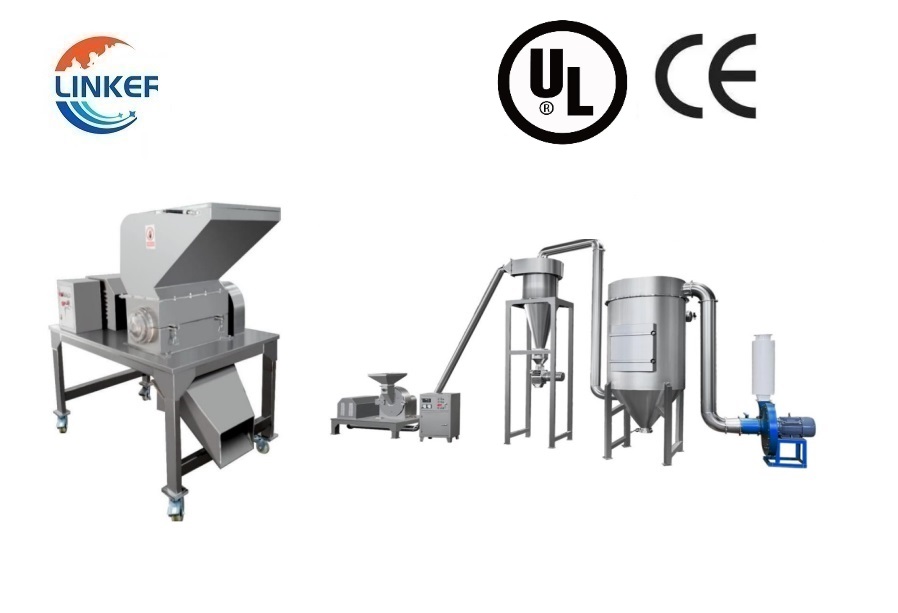
LK Mixer is a professional manufacturer for grinder, mixer and pulverizer. These machines are widely used in pharmaceutical, cosmetic, health care products and chemical industries. Our main product including granulating machine, grinder, mixer, dryer, etc. All mechanical products in accordance with the China GMP design requirements. And also we have other certifications such as CE, UL for motors.
Business Philosophy
“Quality is the main policy of sales” and “integrity is the principle of success” are the business philosophy of our people. We carry out one-year warranty, lifelong maintenance service, with technical consultation, with material test machine and other services, and long-term supply of equipment. Welcome new and old customers to negotiate cooperation!
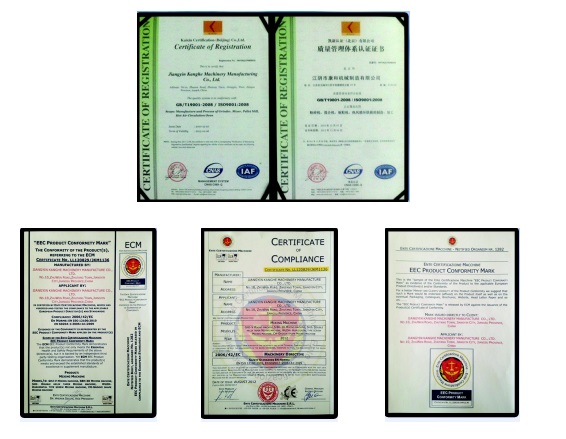
Certifications:
Customer Side Machine Groups Showcase Videos:
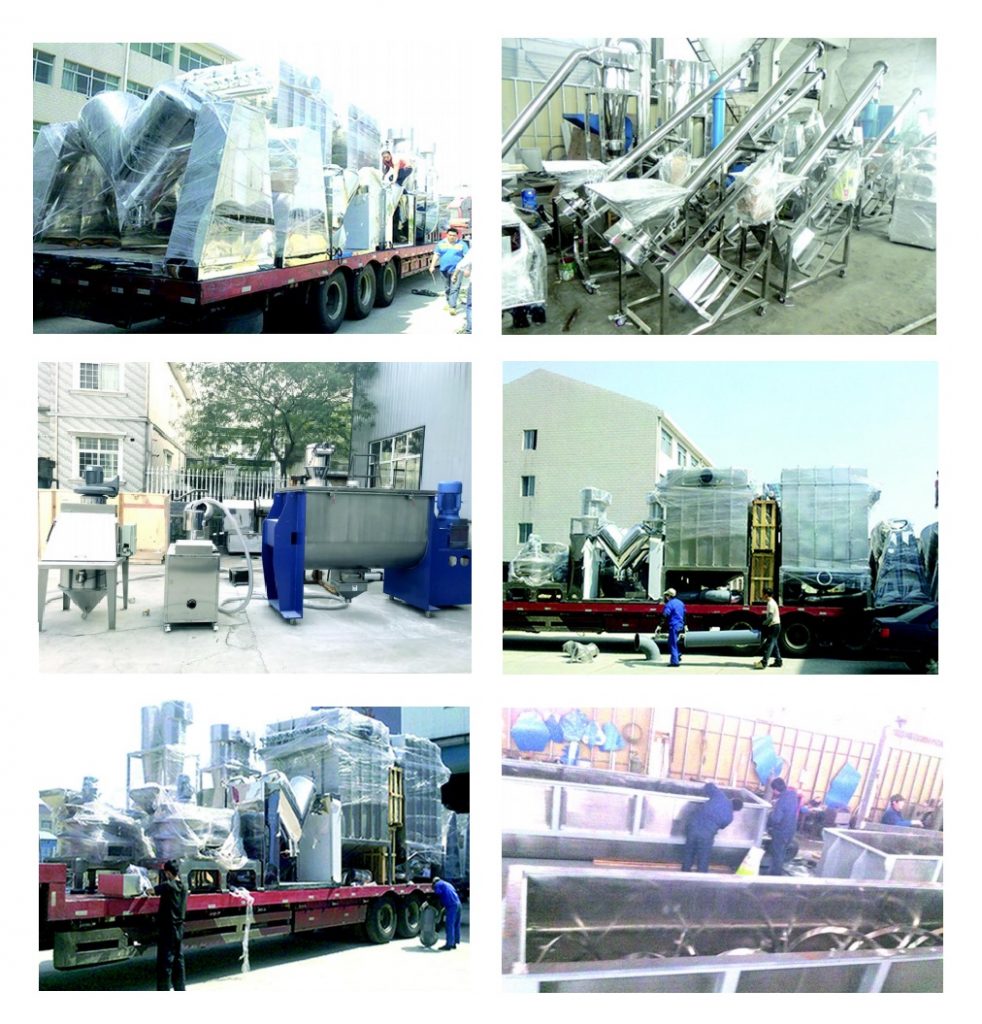
Dust Collector Shipment
Shipment – Packing Method
Two Large Industrial Grinder Ready to Ship
Domestic Shipment Show Case:
Operation Instruction
General Provisions
The operation instructions for a commercial grinder may vary depending on the specific model and manufacturer. However, here are some general guidelines that may apply to many high speed grinders:
- Safety precautions: Before operating the high speed grinder, it is important to review all safety precautions and warnings provided in the user manual. Safety precautions may include wearing appropriate personal protective equipment, such as eye protection and hearing protection, and avoiding loose clothing or jewelry that could become caught in the grinder.
- Preparation: The high speed grinder should be placed on a stable and level surface, and all necessary components should be assembled according to the manufacturer’s instructions. The grinder should also be connected to a power source that is appropriate for its voltage and wattage.
- Loading the grinder: The material to be ground should be loaded into the grinder according to the manufacturer’s instructions. Overloading the grinder may cause damage to the machine and result in poor grinding performance.
- Starting the grinder: The grinder should be started according to the manufacturer’s instructions. This may involve pressing a button, turning a dial, or flipping a switch. The user should ensure that their hands are clear of the grinder and that the material to be ground is positioned properly.
- Adjusting the speed and settings: The speed and other settings of the high speed grinder may be adjusted according to the material being ground and the desired outcome. The user should follow the manufacturer’s instructions for making adjustments to the grinder.
- Monitoring the grinding process: The user should monitor the grinding process to ensure that it is progressing smoothly and that the material is being ground to the desired size and consistency. Any issues or abnormalities should be addressed promptly to prevent damage to the machine.
- Shutting down the grinder: When the grinding process is complete, the grinder should be shut down according to the manufacturer’s instructions. The user should ensure that the machine is completely stopped and that all moving parts have come to a complete stop before attempting to clean or service the grinder.
Overall, the operation instructions for a commercial grinder may involve a number of steps and safety precautions. It is important to carefully review the manufacturer’s instructions and follow proper operating procedures to ensure safe and effective use of the machine.
Preparation Work
Before running a commercial grinder, there are several important preparation steps that should be taken to ensure safe and effective operation of the machine. Here are some general guidelines for preparing to run a high speed grinder:
- Read the user manual: The first step in preparing to run a high speed grinder is to carefully read the user manual provided by the manufacturer. The user manual will provide important information about the specific model of grinder being used, including its features, specifications, and safety precautions.
- Select the appropriate grinding wheel: The grinding wheel used in a high speed grinder should be selected based on the material being ground and the desired outcome. It is important to use the correct type of grinding wheel to prevent damage to the machine and ensure optimal grinding performance.
- Inspect the grinder: Before running the grinder, it is important to inspect it for any signs of damage or wear. The user should check for loose or missing components, cracks or other signs of damage to the machine’s housing or other parts, and any other issues that could affect the grinder’s operation.
- Install the grinding wheel: The grinding wheel should be installed according to the manufacturer’s instructions, making sure that it is securely fastened and aligned properly. The user should also check the wheel for any cracks or other signs of damage before installation.
- Secure the workpiece: The workpiece to be ground should be securely clamped or held in place before starting the grinder. This will help to ensure safe and effective operation and prevent the workpiece from becoming dislodged or damaged during grinding.
- Connect the power source: The high speed grinder should be connected to a power source that is appropriate for its voltage and wattage. It is important to use a properly grounded power source to ensure safe and reliable operation of the machine.
- Test run: Before beginning actual grinding operations, it may be useful to perform a test run to ensure that the grinder is functioning properly and that the grinding wheel is aligned and balanced properly. The user should follow the manufacturer’s instructions for performing a test run.
By following these preparation steps, users can ensure safe and effective operation of a high speed grinder and achieve optimal grinding results.
Treatment of inspection
Inspection of a commercial grinder is an important maintenance procedure that helps ensure safe and effective operation of the machine. Here are some general guidelines for inspecting a high speed grinder:
- Disconnect power source: Before performing any inspection or maintenance on a high speed grinder, the power source should be disconnected to prevent accidental startup.
- Check for wear and damage: The user should inspect the grinder for any signs of wear or damage, such as cracks in the housing, worn or damaged grinding wheels, or loose or missing parts. Any issues should be addressed promptly to prevent further damage to the machine.
- Check alignment and balance of grinding wheel: The grinding wheel should be inspected for proper alignment and balance, as these factors can affect the quality of the grinding operation. If the grinding wheel is not properly aligned or balanced, it should be adjusted or replaced as necessary.
- Check for proper lubrication: The high speed grinder should be inspected for proper lubrication, as inadequate lubrication can cause excessive wear and damage to the machine’s moving parts. The user should follow the manufacturer’s instructions for lubrication, and add lubricant as necessary.
- Inspect electrical components: The electrical components of the high speed grinder, including the wiring, switches, and control panel, should be inspected for any signs of wear, damage, or loose connections. Any issues should be addressed promptly to prevent electrical problems.
- Test run: After completing the inspection, it may be useful to perform a test run of the high speed grinder to ensure that it is functioning properly and that any issues have been addressed.
By following these inspection guidelines, users can help ensure safe and effective operation of a high speed grinder and minimize the risk of damage or injury during grinding operations.
Operation Attention
Running a commercial grinder can be a dangerous operation if proper precautions are not taken. Here are some general guidelines for safe operation of a high speed grinder:
- Personal protective equipment: The user should wear appropriate personal protective equipment, such as safety glasses, hearing protection, and gloves, to prevent injury from flying debris, noise, and contact with the grinding wheel.
- Secure workpiece: The workpiece being ground should be securely clamped or held in place to prevent it from becoming dislodged during grinding.
- Use proper grinding wheel: The user should select the appropriate grinding wheel for the material being ground and ensure that it is installed correctly and securely. The grinding wheel should be inspected for cracks or other damage before use.
- Adjust grinding wheel speed: The speed of the grinding wheel should be adjusted according to the manufacturer’s instructions to ensure optimal grinding performance and prevent damage to the machine or workpiece.
- Avoid excessive pressure: The user should avoid applying excessive pressure to the grinding wheel, as this can cause the wheel to overheat and wear out more quickly.
- Avoid overheating: The high speed grinder should not be operated continuously for extended periods of time, as this can cause overheating and damage to the machine.
- Monitor grinding operation: The user should closely monitor the grinding operation to ensure that the workpiece is being ground properly and that the grinding wheel is functioning correctly.
- Disconnect power source: After completing grinding operations, the power source should be disconnected to prevent accidental startup.
By following these guidelines, users can operate a high speed grinder safely and effectively, and achieve optimal grinding results. It is important to follow the manufacturer’s instructions and all applicable safety regulations when operating any type of machinery.
Applications of Industrial Seed Grinder
Industrial seed grinders are used in a variety of applications across many industries. Here are some of the most common applications of industrial seed grinders:
- Food industry: Industrial seed grinders are used extensively in the food industry to grind seeds, nuts, and spices into fine powders or pastes. These powders and pastes are then used in a variety of products such as sauces, seasonings, and spreads.
- Pharmaceutical industry: In the pharmaceutical industry, industrial seed grinders are used to grind plant material into a fine powder, which is then used to make medicines and supplements.
- Cosmetics industry: Industrial seed grinders are also used in the cosmetics industry to grind plant material into a fine powder or paste, which is then used in products such as face masks, scrubs, and exfoliants.
- Agricultural industry: Industrial seed grinders are used in the agricultural industry to process seeds, such as soybeans, into animal feed.
- Chemical industry: In the chemical industry, industrial seed grinders are used to grind materials such as resins, pigments, and dyes into a fine powder.
- Renewable energy industry: Industrial seed grinders are also used in the renewable energy industry to process biomass into a fine powder, which is then burned to generate electricity.
Overall, industrial seed grinders are versatile machines that are used in many different industries for a variety of applications. They are essential for processing plant material into fine powders and pastes that can be used in many different products.
Food Producing Process Flow:
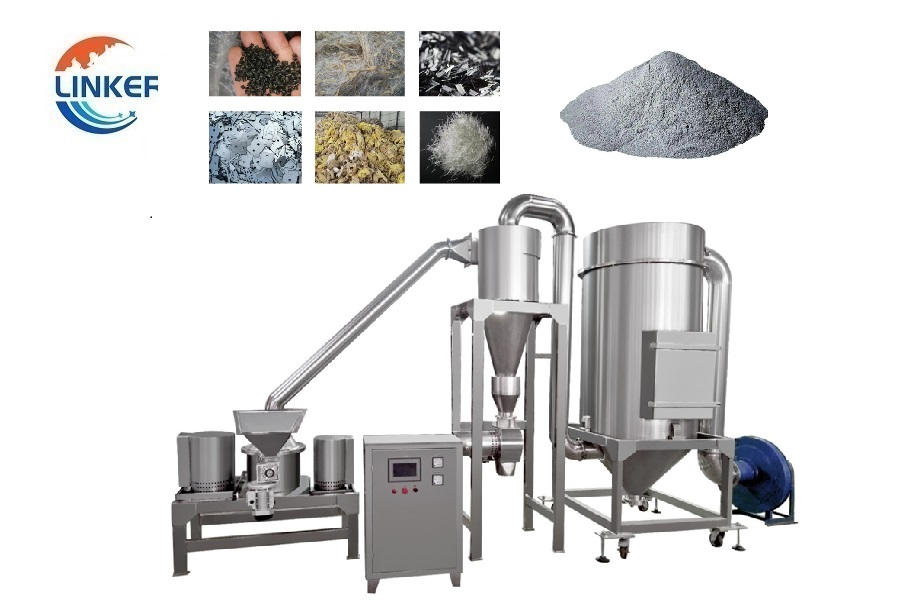
Ultrafine grinding is one of the very key procedure in whole production line. It depends how many mesh that customer need to produce. That’s to say this machine can decide what kind of material will get finally before mxing.
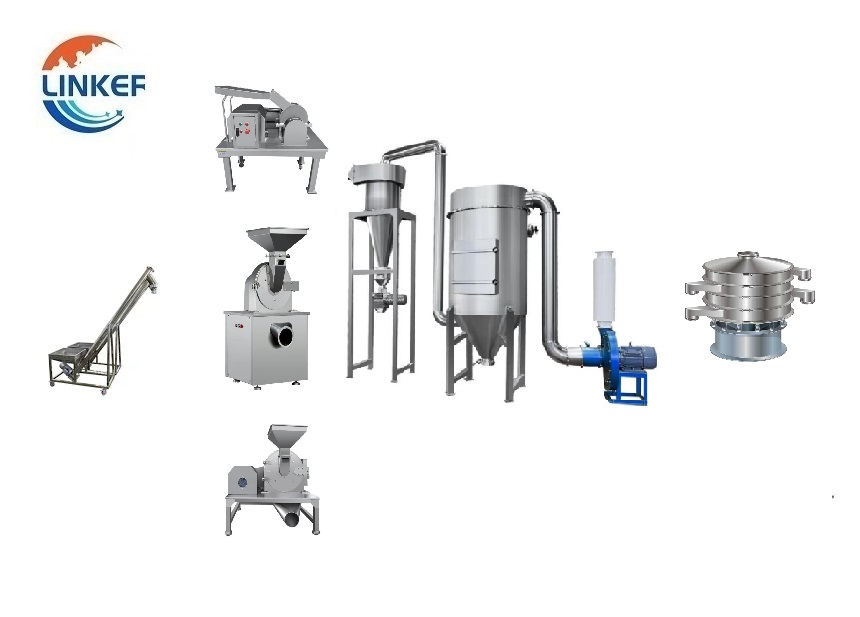
Coarse Crusher Machine —>Grinding Machine —> Vibrating Table Sifter Machine—>Mixing Machine—>Packing Machine —> (Printed Packaging Film Roll or bags ) —> Filling, sealing machine, capping and Labeling Machine —>Pack into Box.
Contact us for detail proposal and cost:
Automatic Banana Powder Production Line Youtube Video
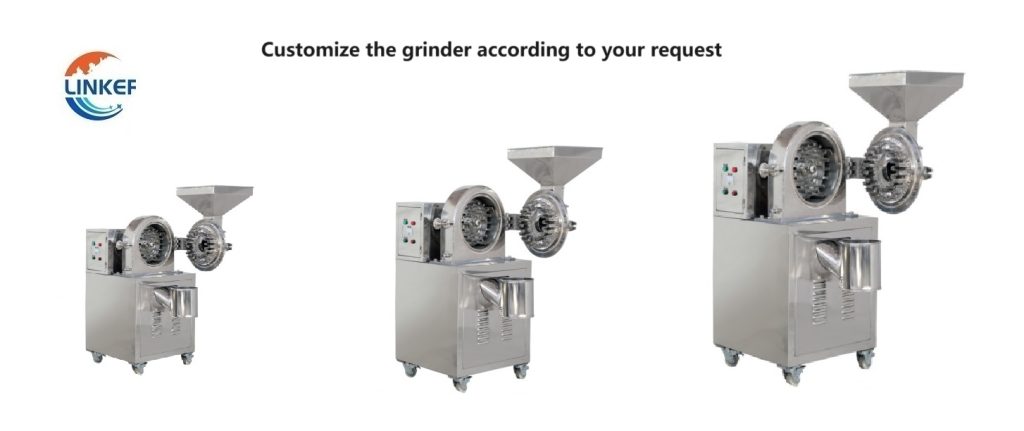
Customization Seeds Grinder According to your Capacity:
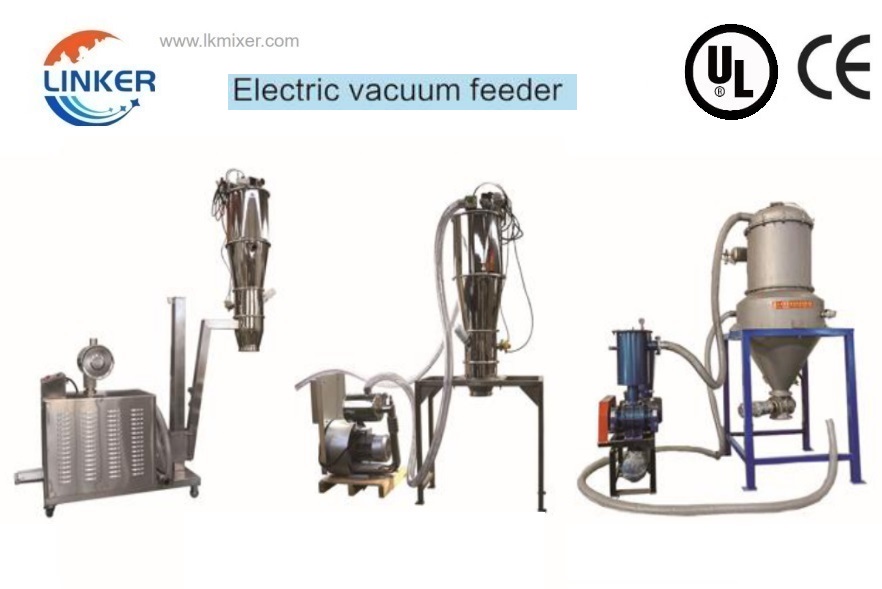
We can customize the capacity according to your special requirement, we can also customize the vacuum feeder connect with your production line (the dimension and width of grinder), for detail contact with our sales for proposal and price.
Videos of Seeds Grinder Machine:
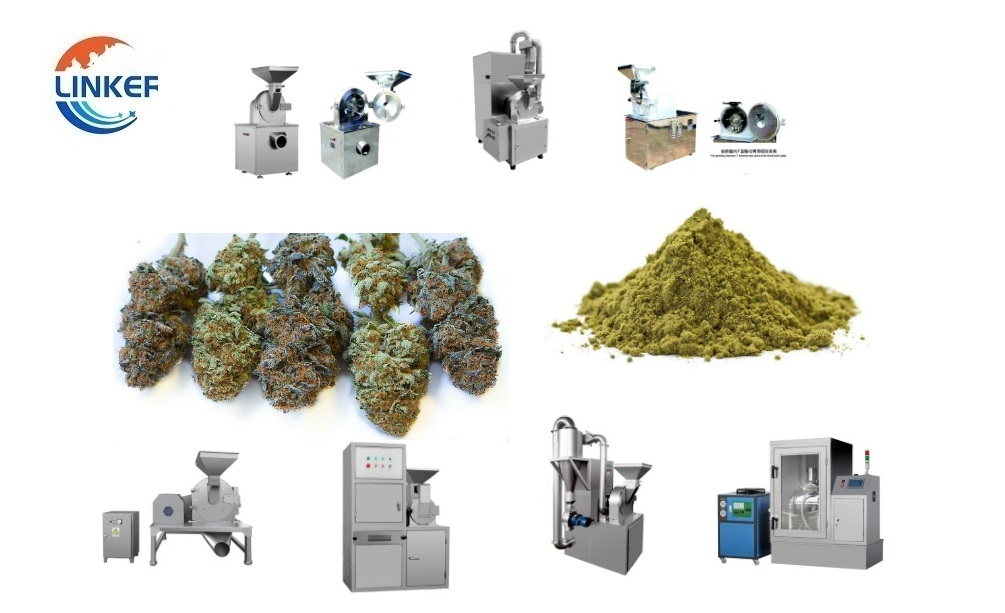
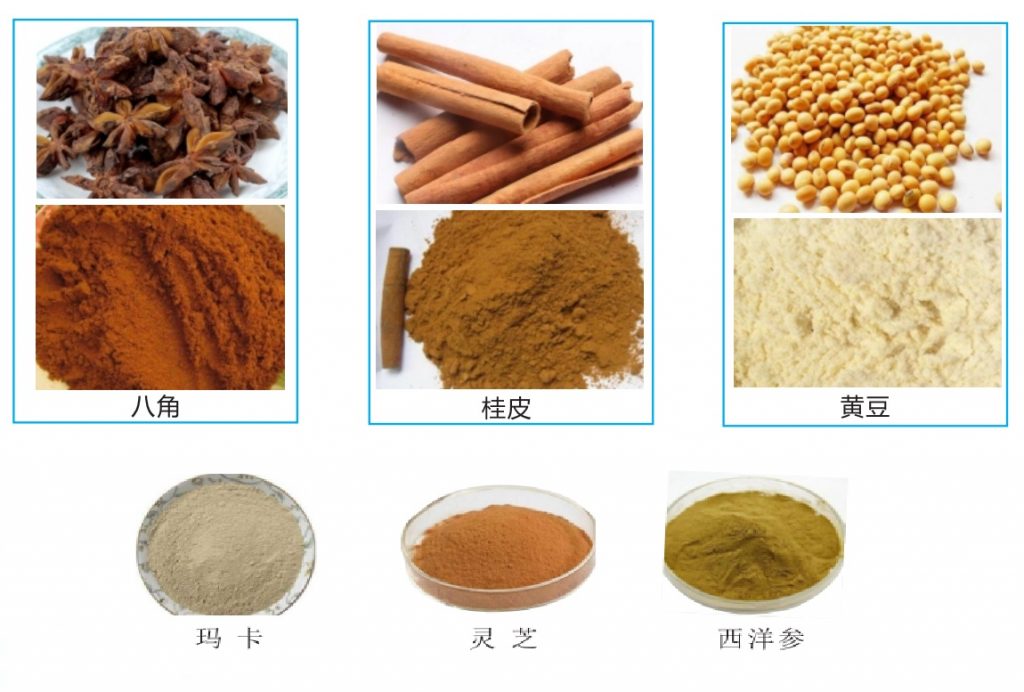
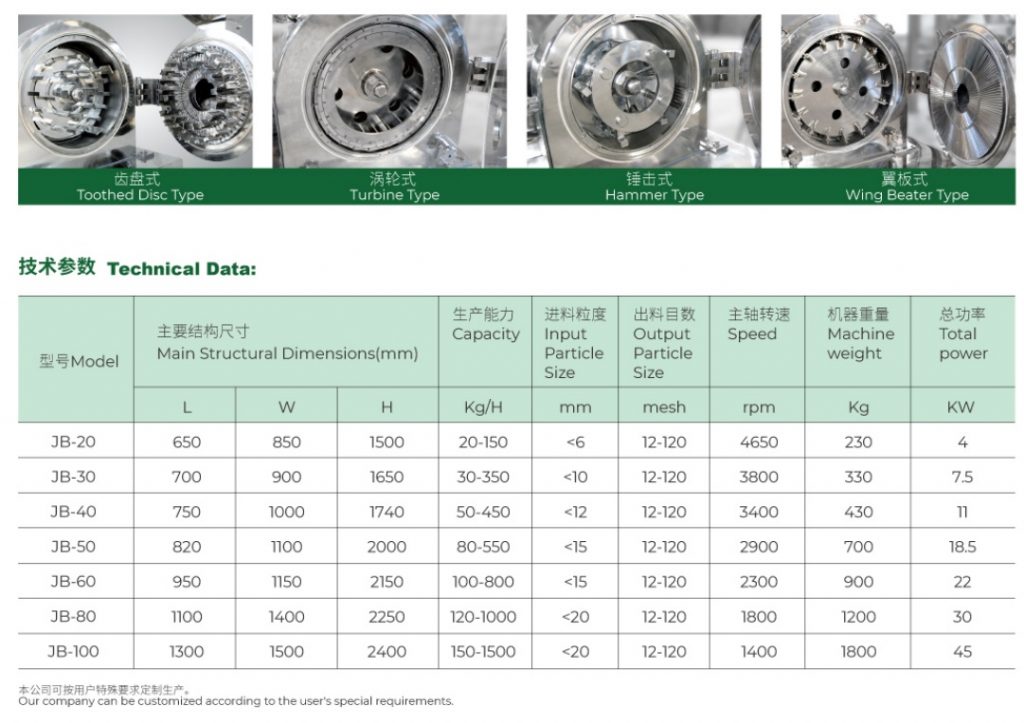
Many model of Seeds Grinder, the universal grinder is suitable to cut the seeds into 12-120mesh, the high efficient grinder is useful, but cost a little bit higher than universal. The super fine grinder can grind into 100mesh to 320mesh. Customer can choose according to your own requirement. here show some example:
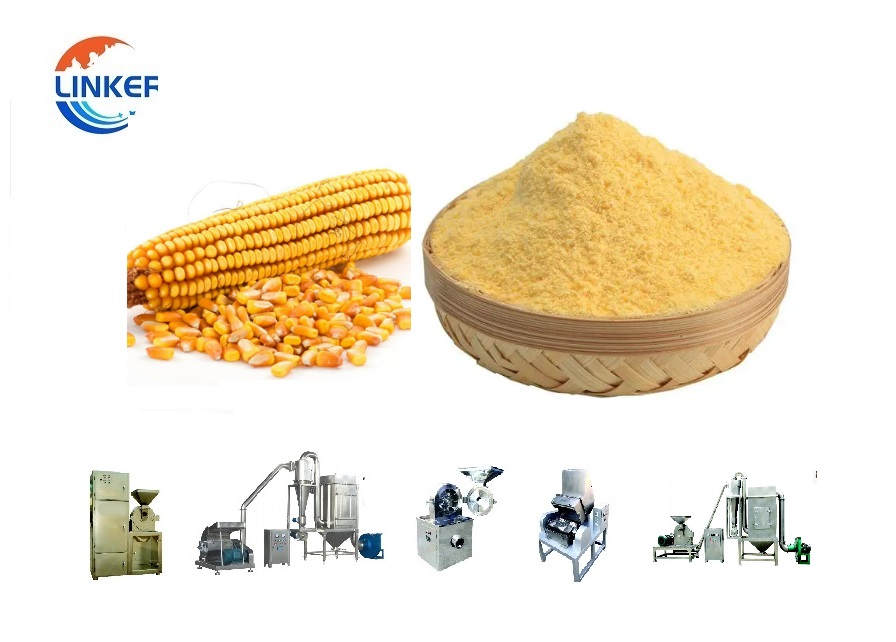
About LKMixer
LKMixer is a professional manufacturer for fertilizer production line, grinder, mixer and granulator, shredder. These machines are widely used in food, pharmaceutical, cosmetic, health care products and chemical industries. The Food materials like Peanut, mushroom, seeds, potato, bean, tobacco, salt, cannabis, tea, Sugar, corn, Coffee, rice, pepper, grain as so on. Grinders have many types such as Pulse Dust Grinder which suitable for zero pollution environment, Turbine Mill which is suitable for coffee bean, 12-120mesh all can meet, Ultrafine Grinding Mill covers 80-200mesh, and also Winnowing Dust Grinder or other grinding machines like SF Hammer. Welcome to contact us for details. Contact us for more information. Proposal, catalog, quotation. Mobile/WhatsApp: +86 18019763531 Tel: +86 21 66037855 Email: sales@lkmixer.com
Contact Us
FAQ(Click and See More)
Read More about Herb Grinder:
Why are herb grinders so expensive?
Are electric herb grinders good?
What is the best way to grind up herbs?
Can you chop herbs in a coffee grinder?
How to grind dried herbs into powder?