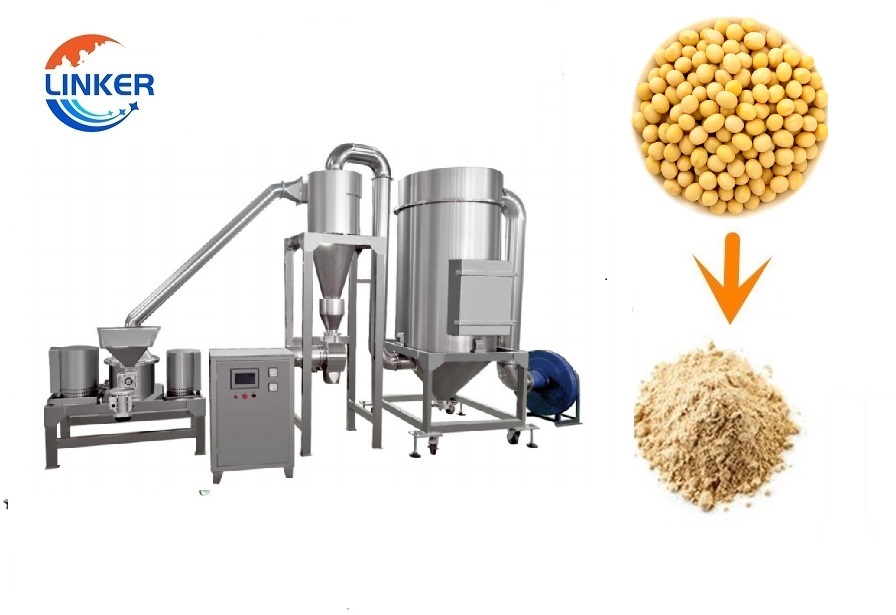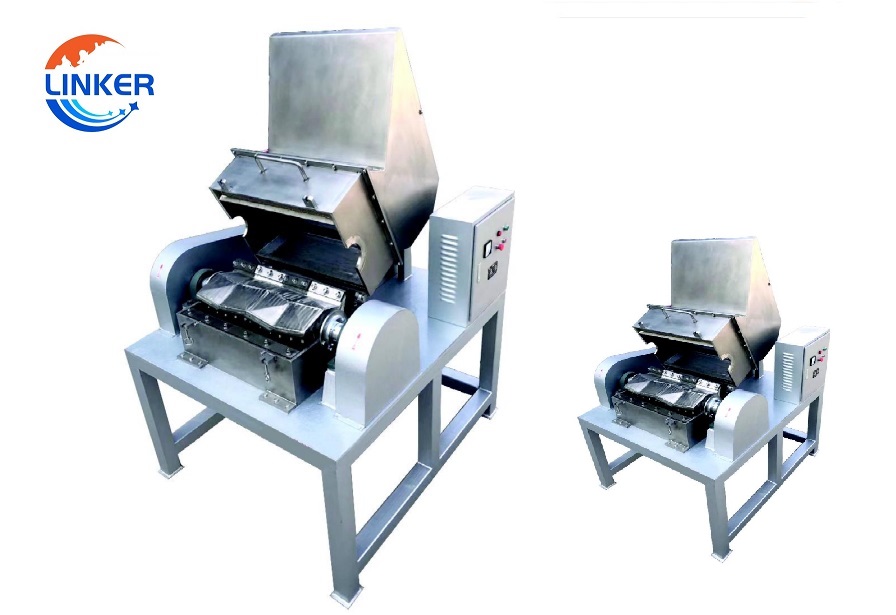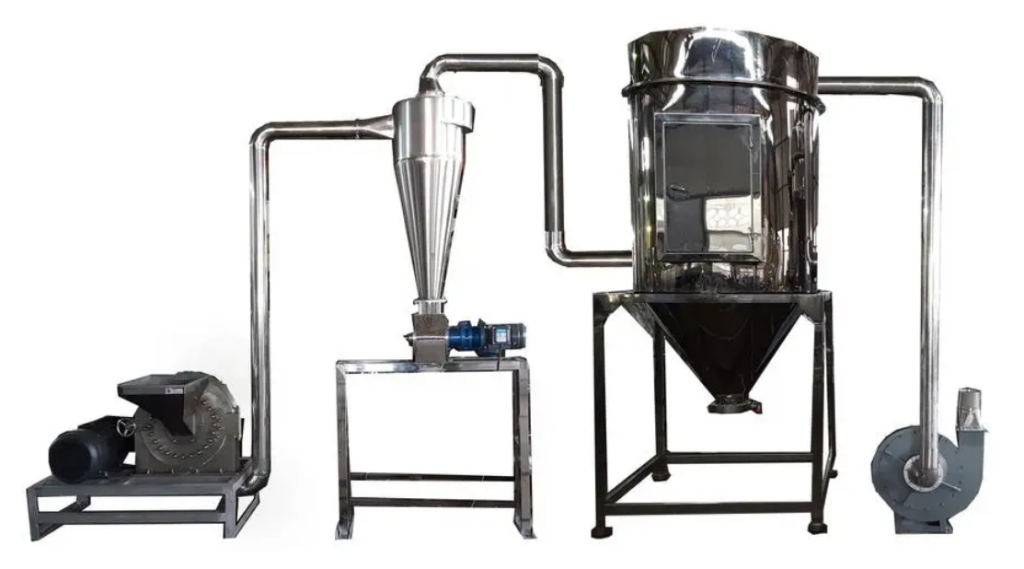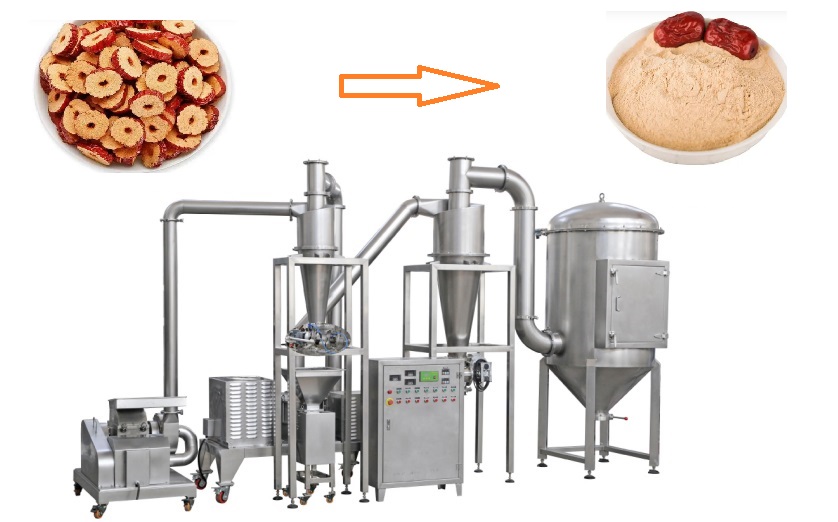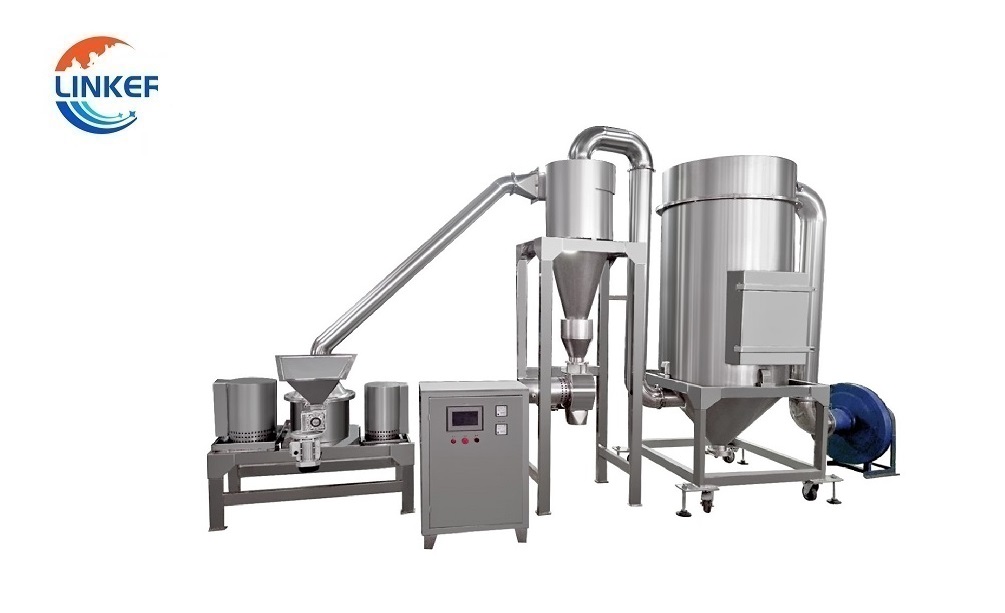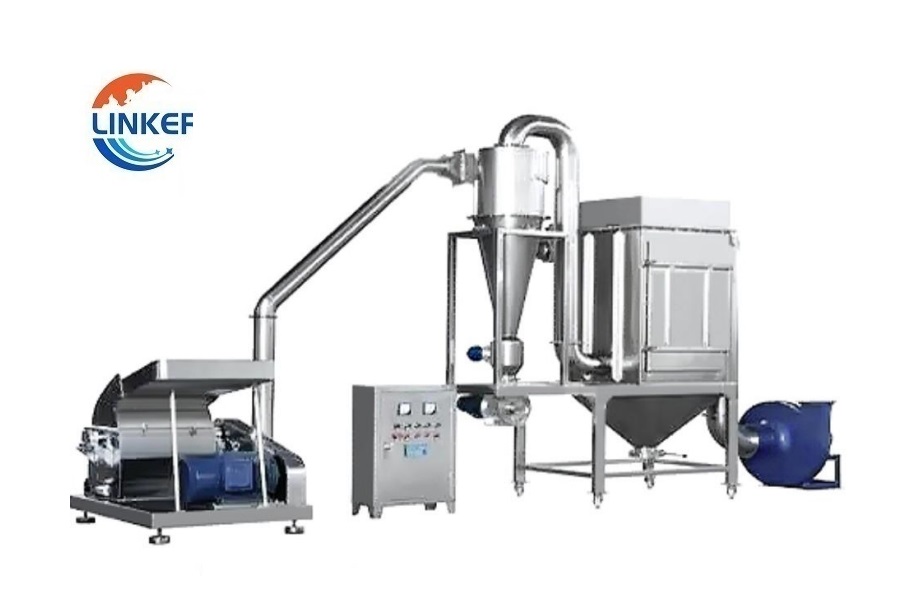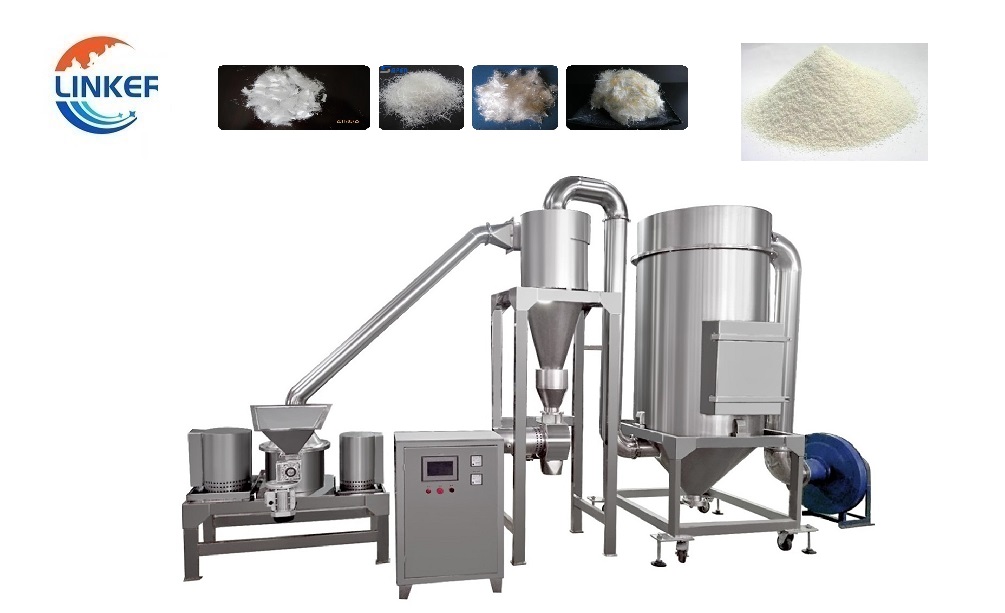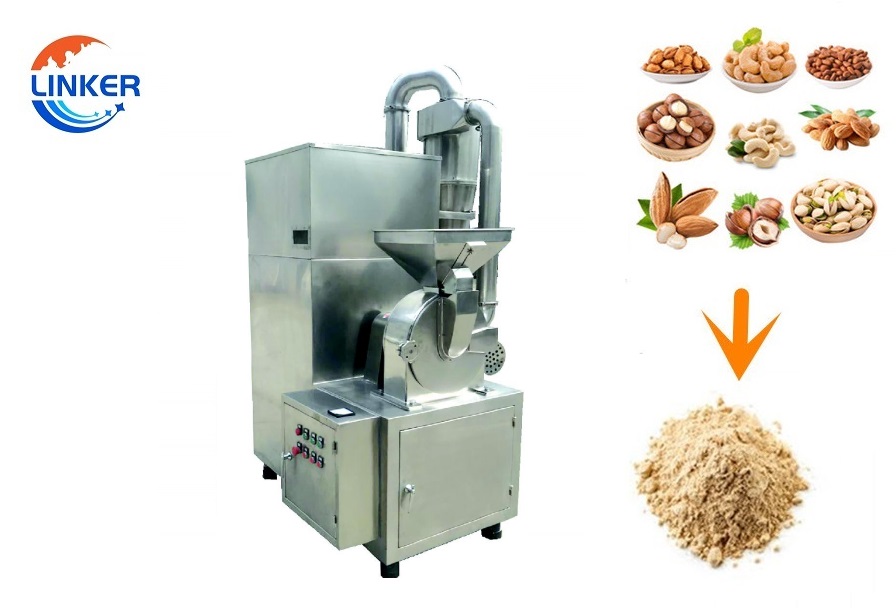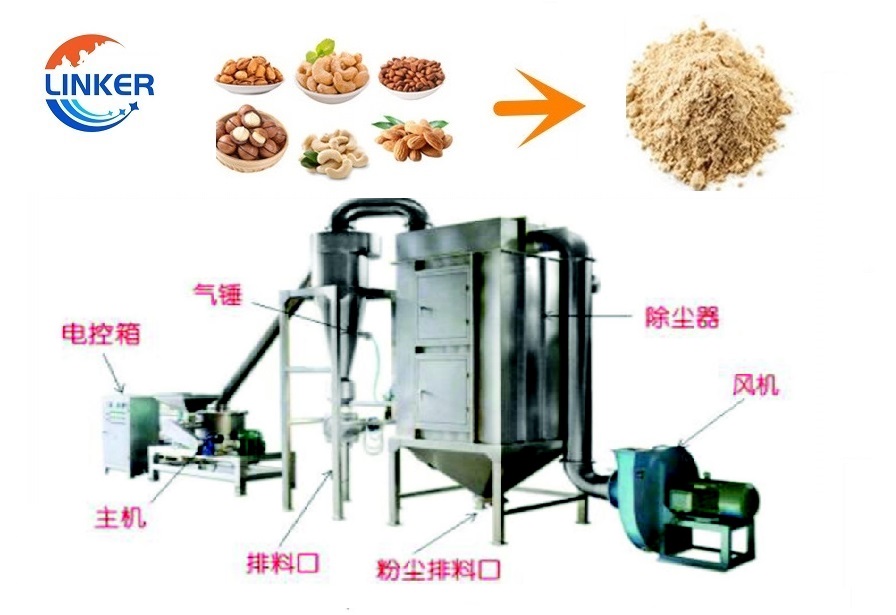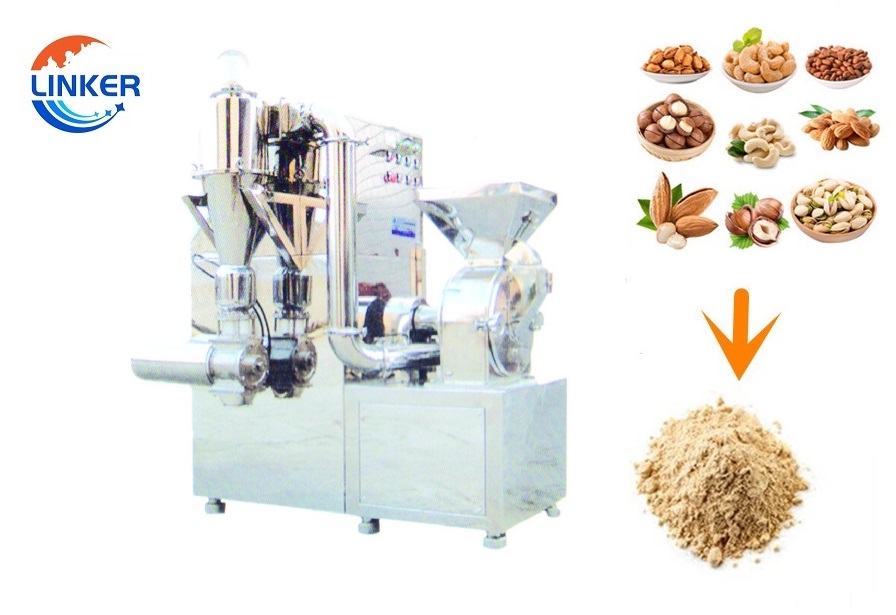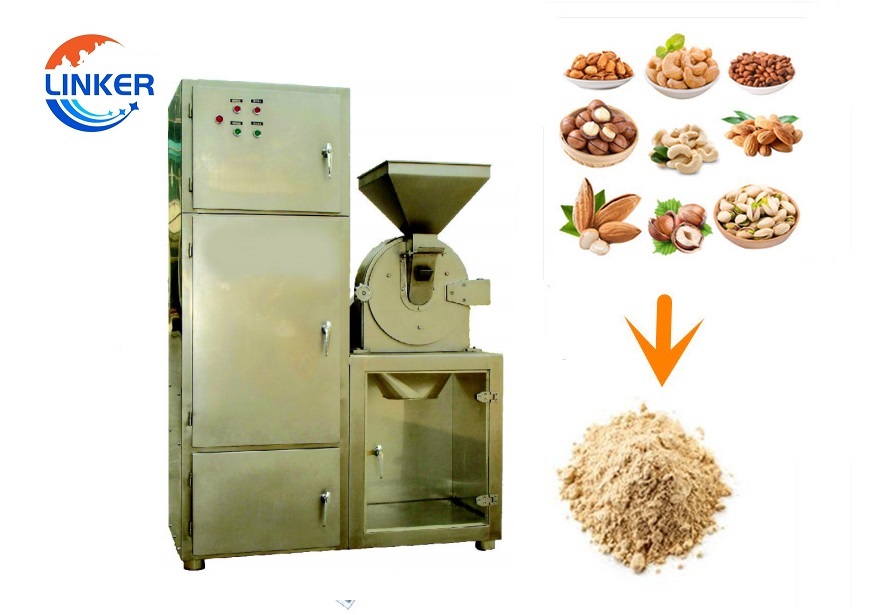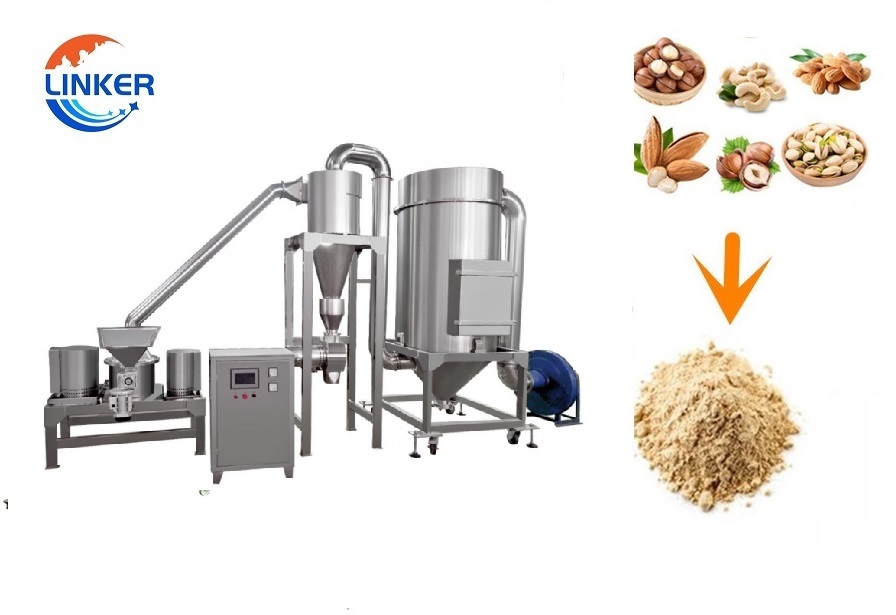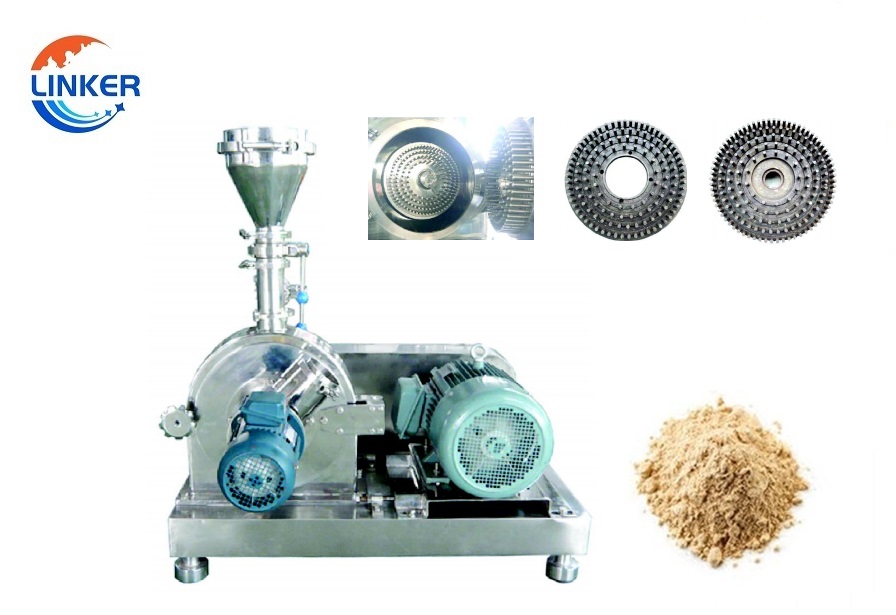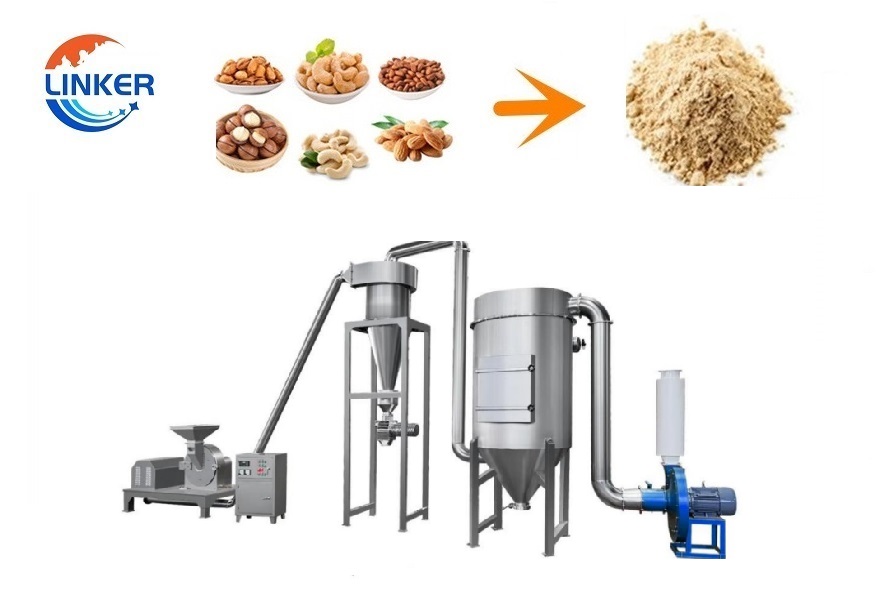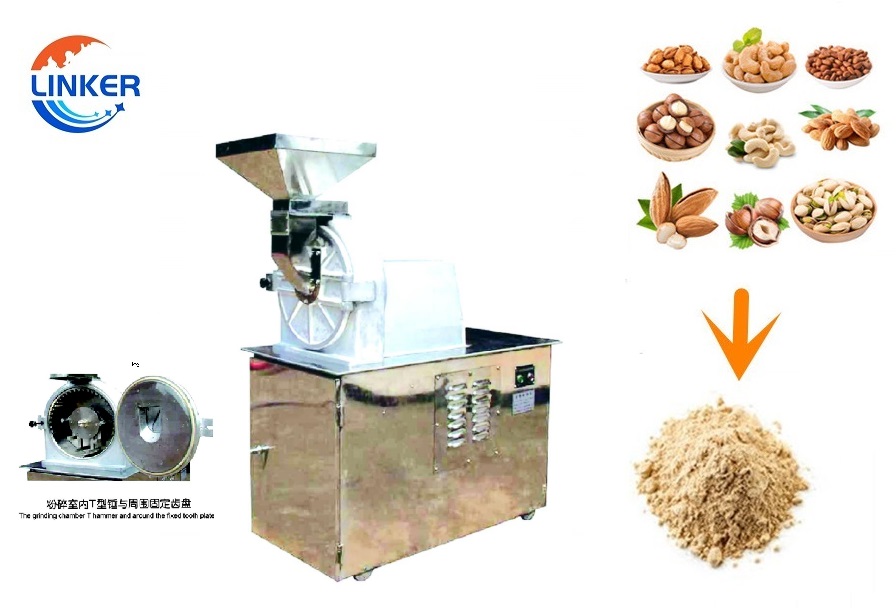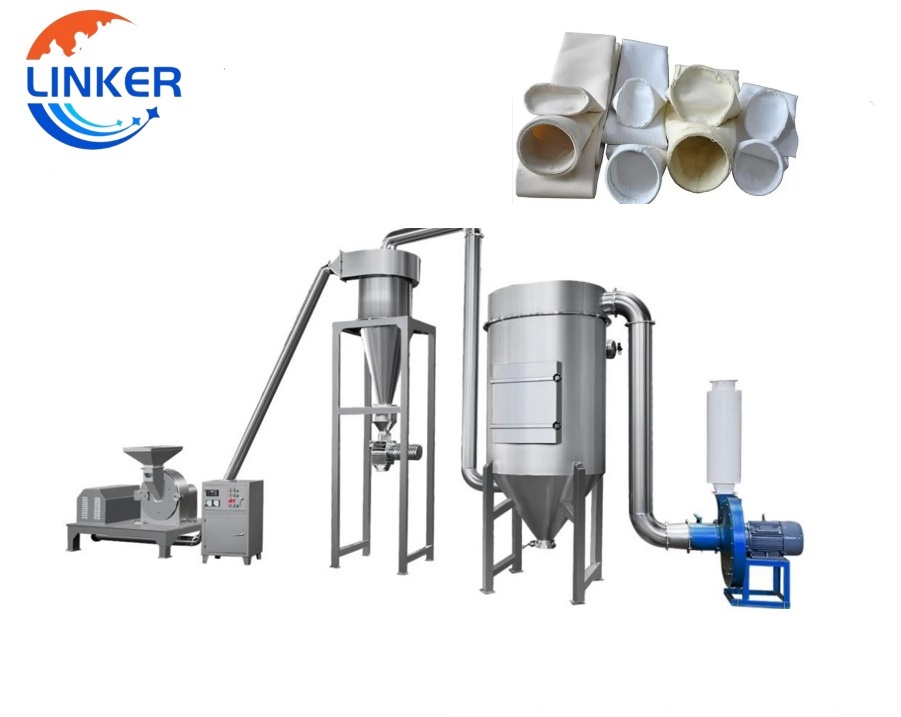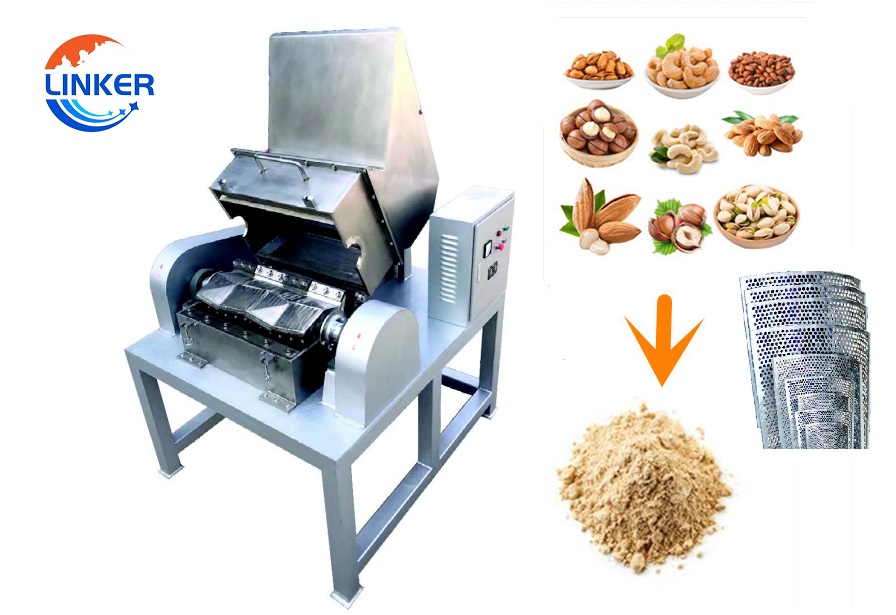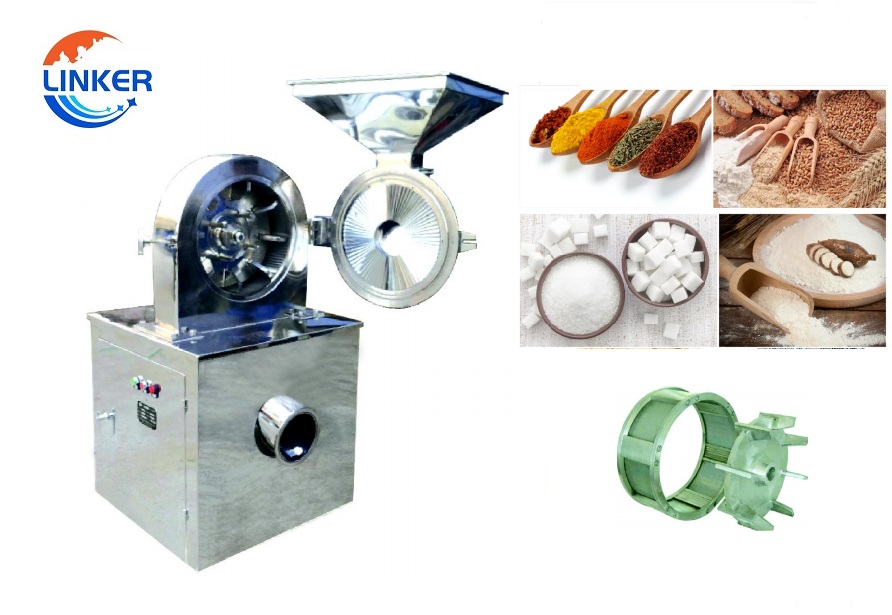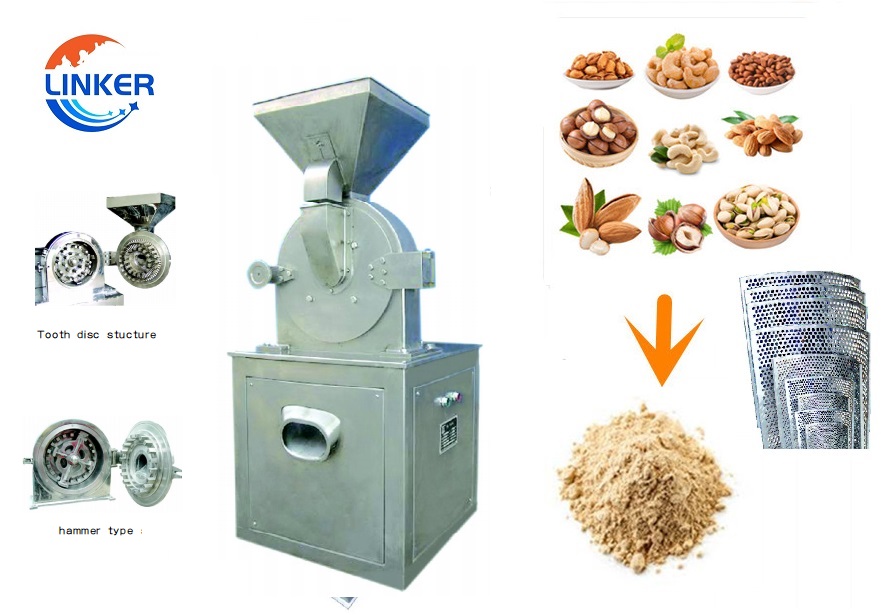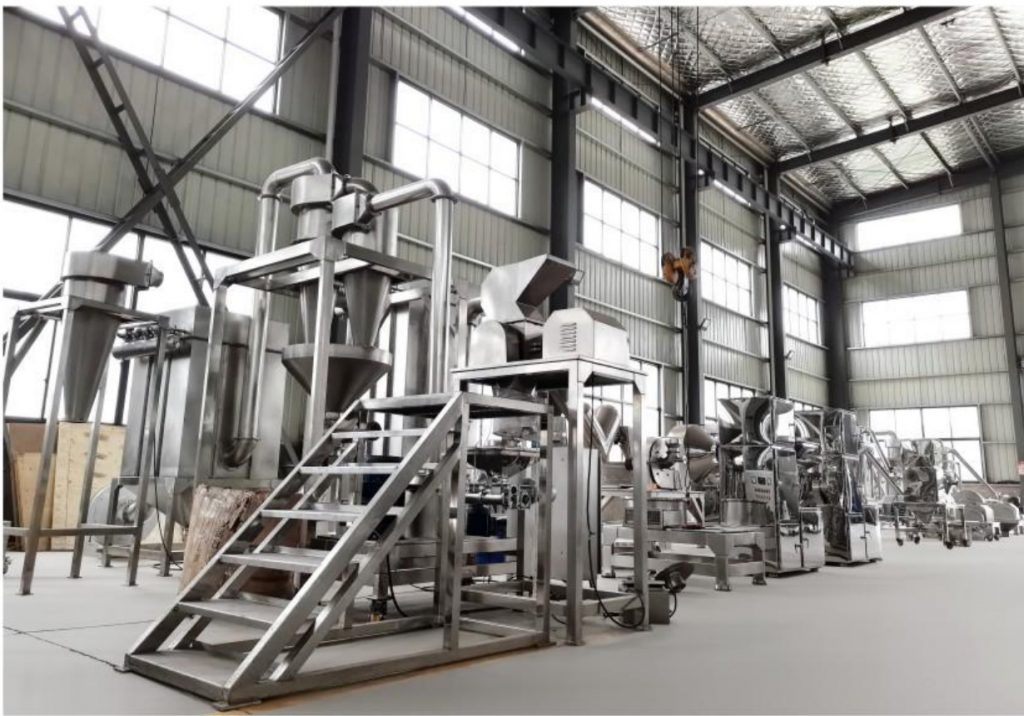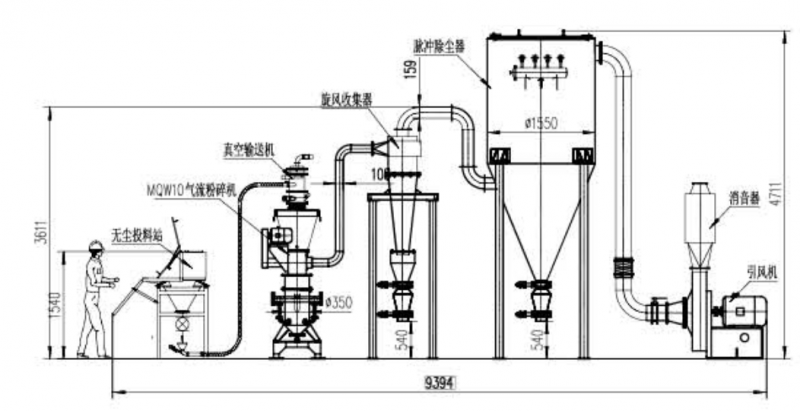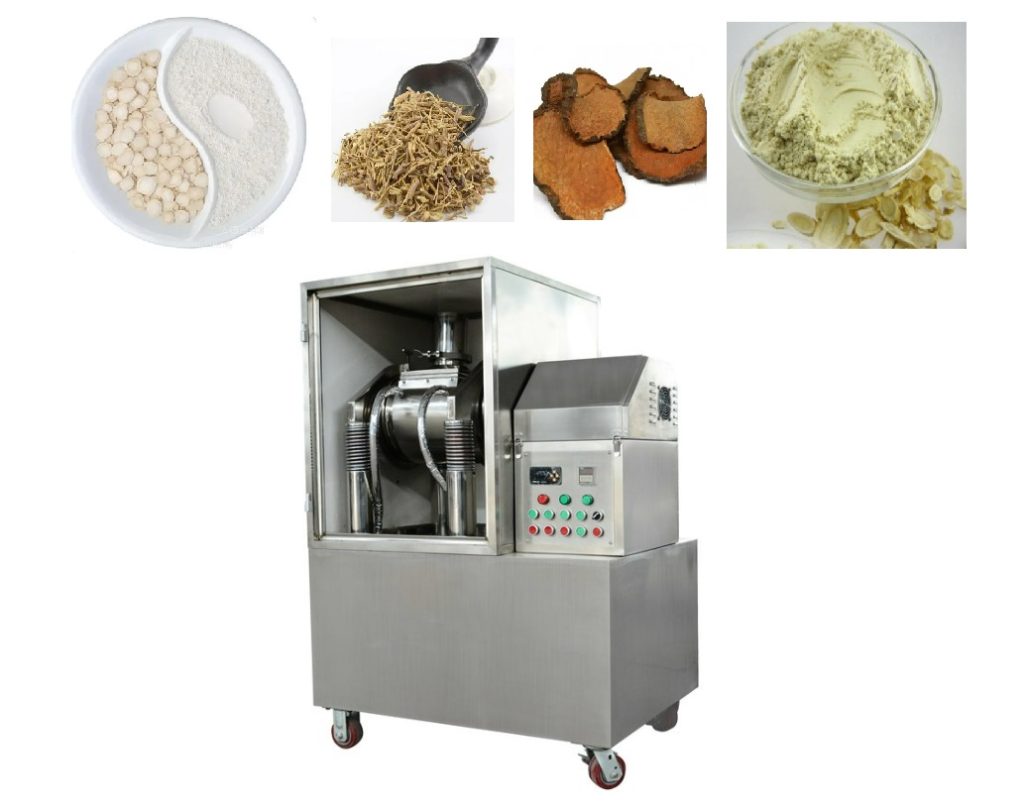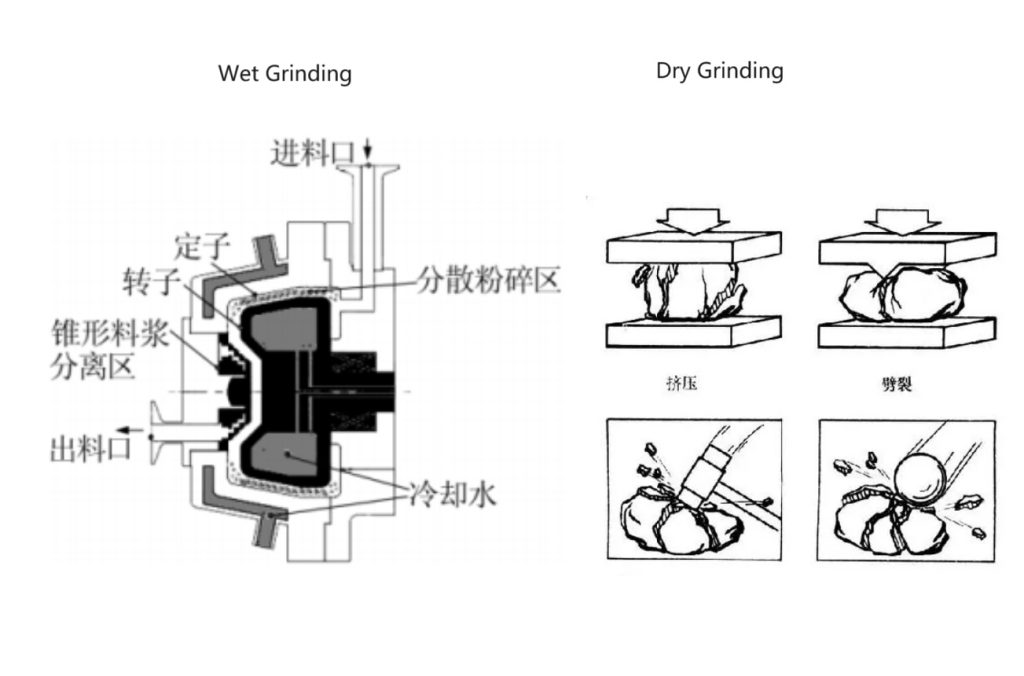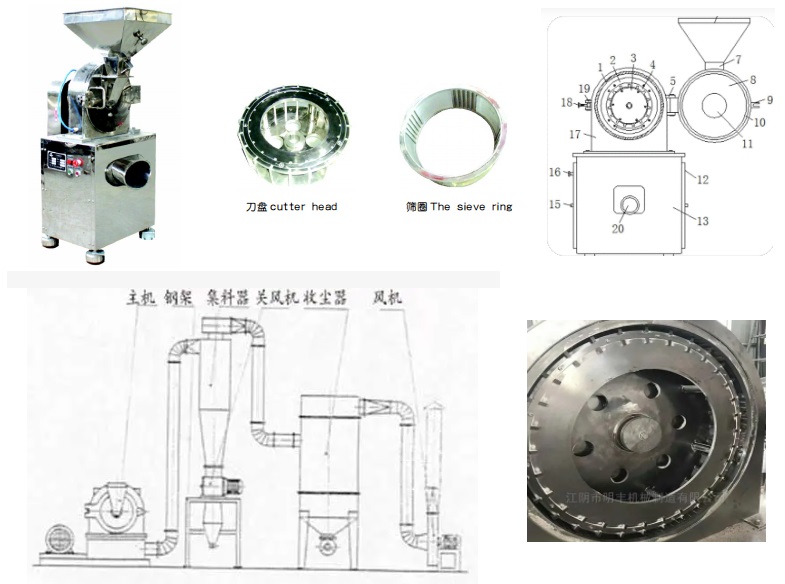
Automatic Moringa Leaf Powder Production Line
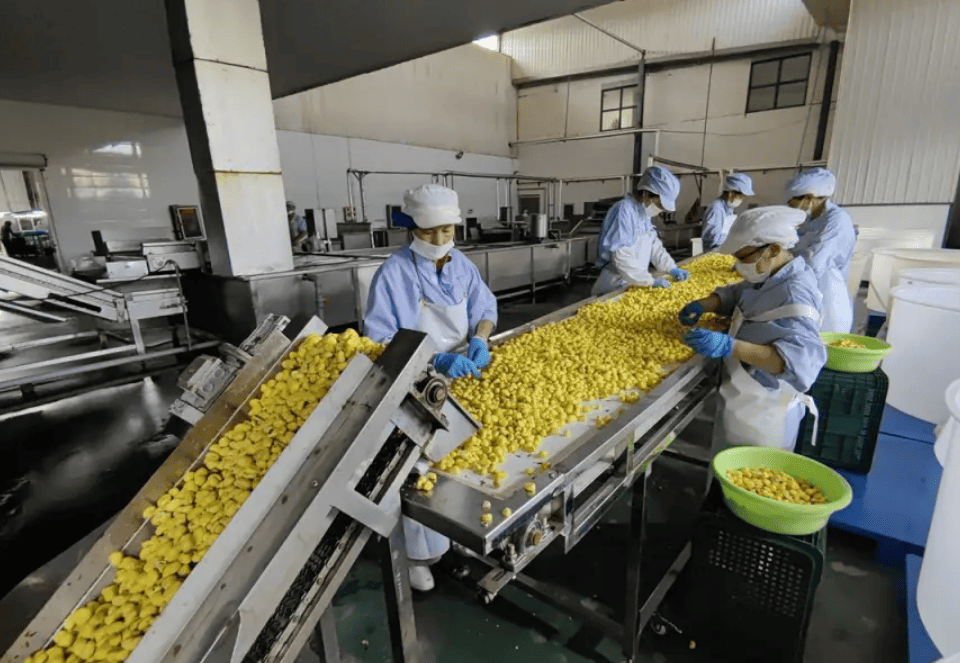
Moringa Leaf Powder Process Flow
- Moringa Leaf Washing Machine
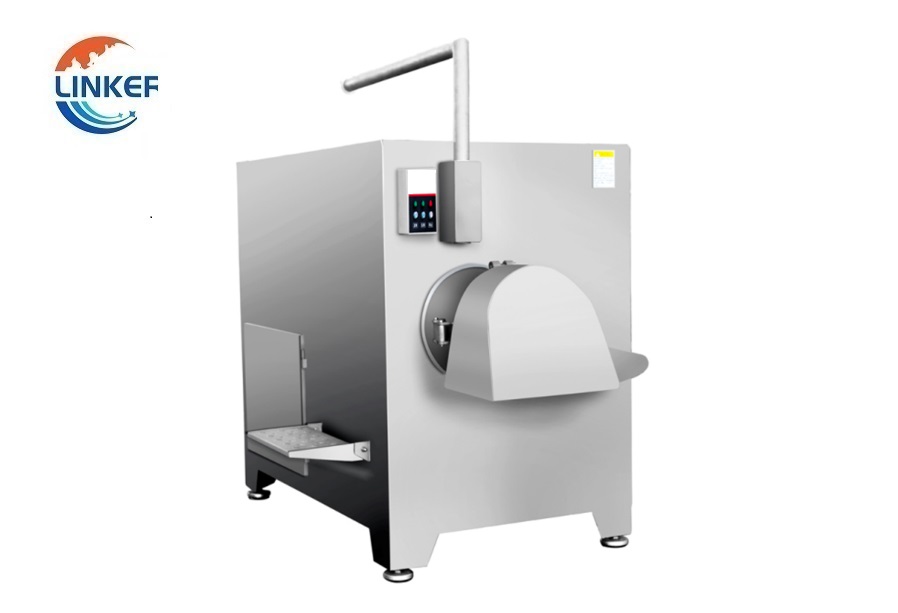
- Moringa Leaf Pealing and Cutting Machine
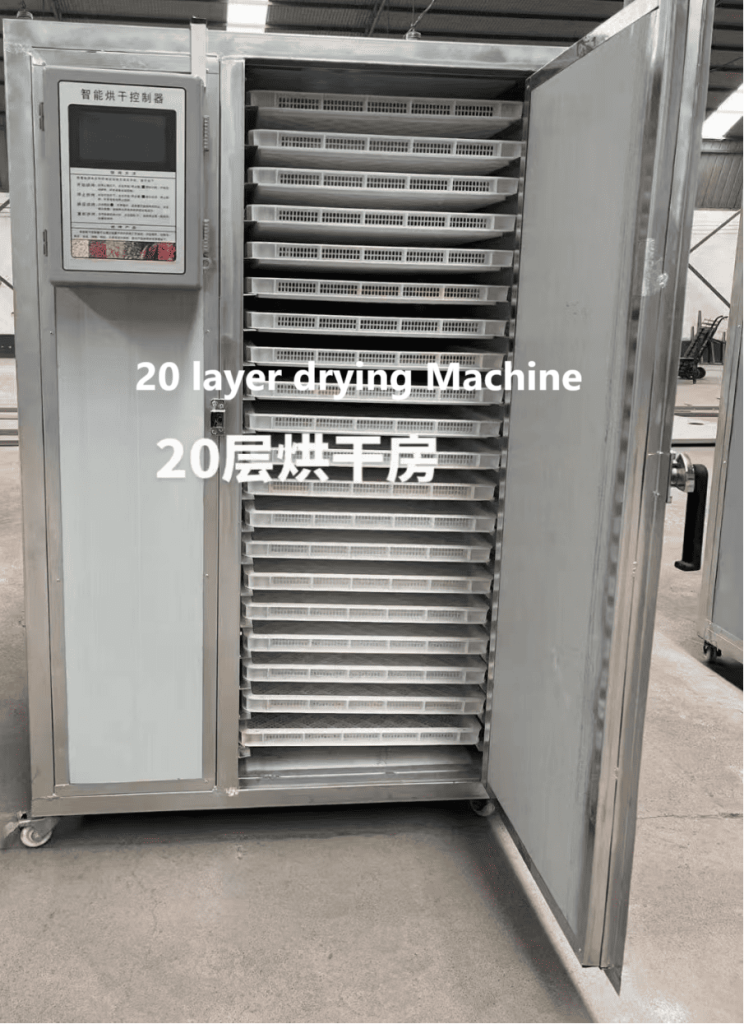
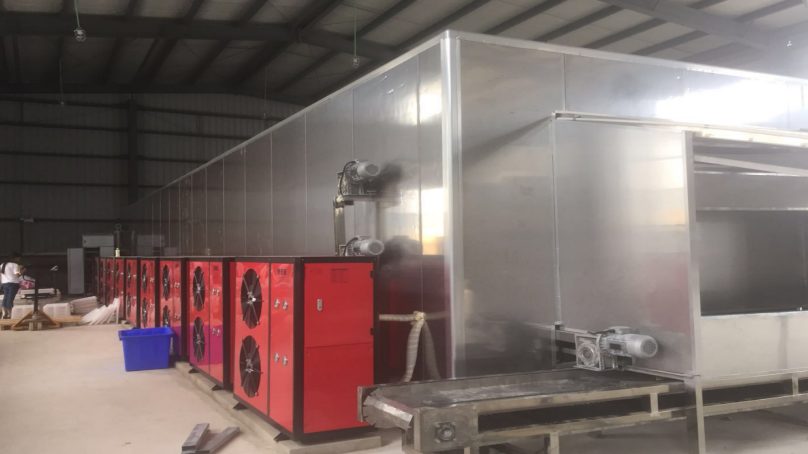
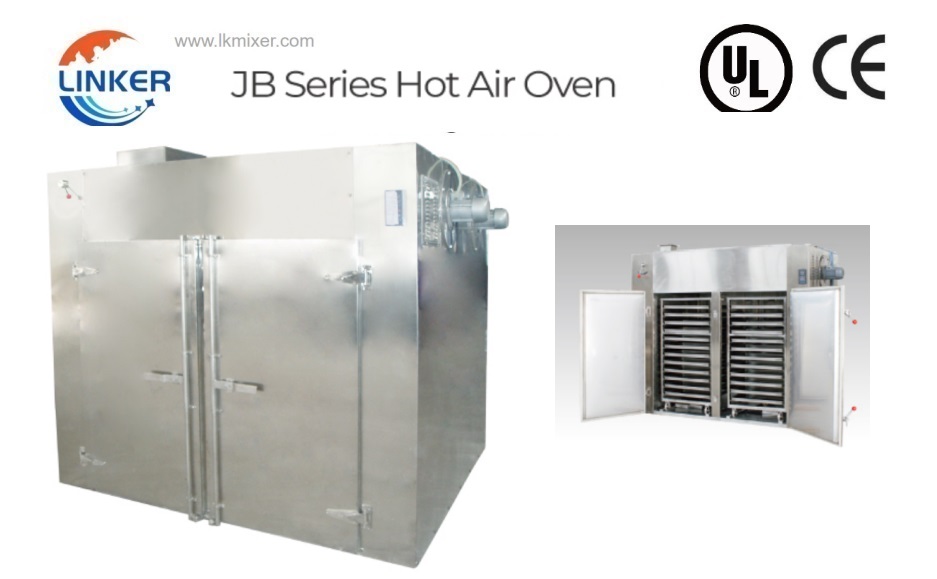
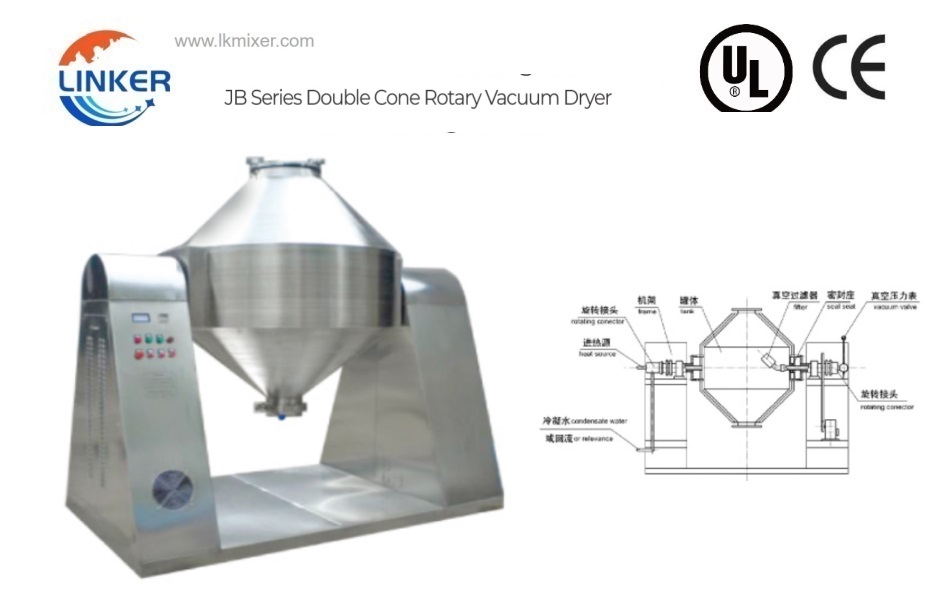
- Moringa Leaf Drying Machine
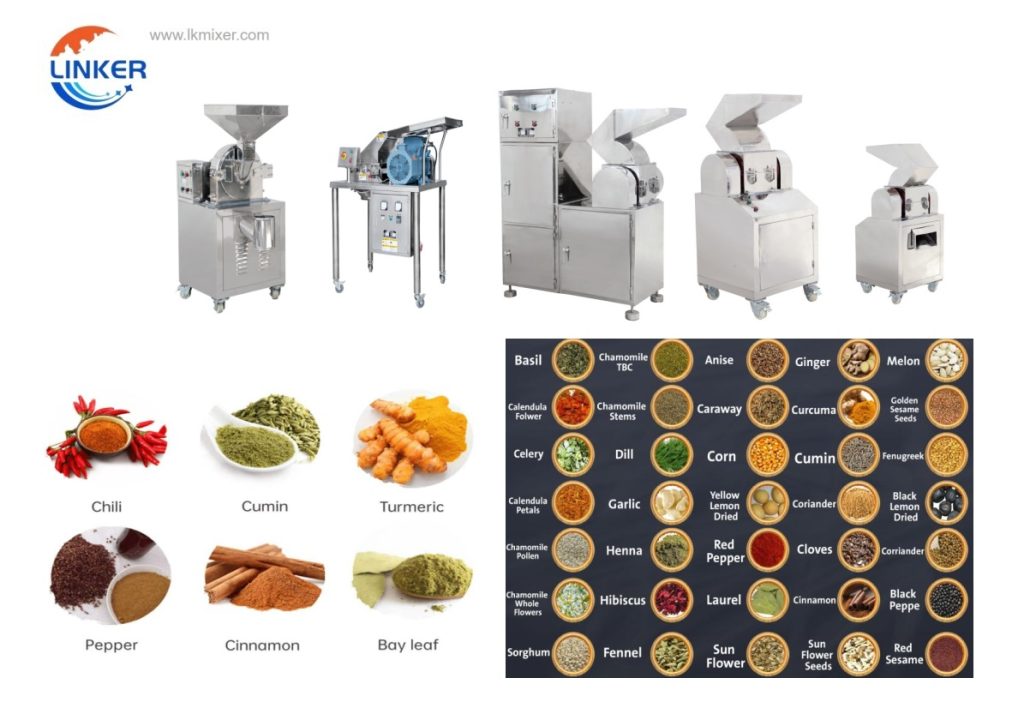
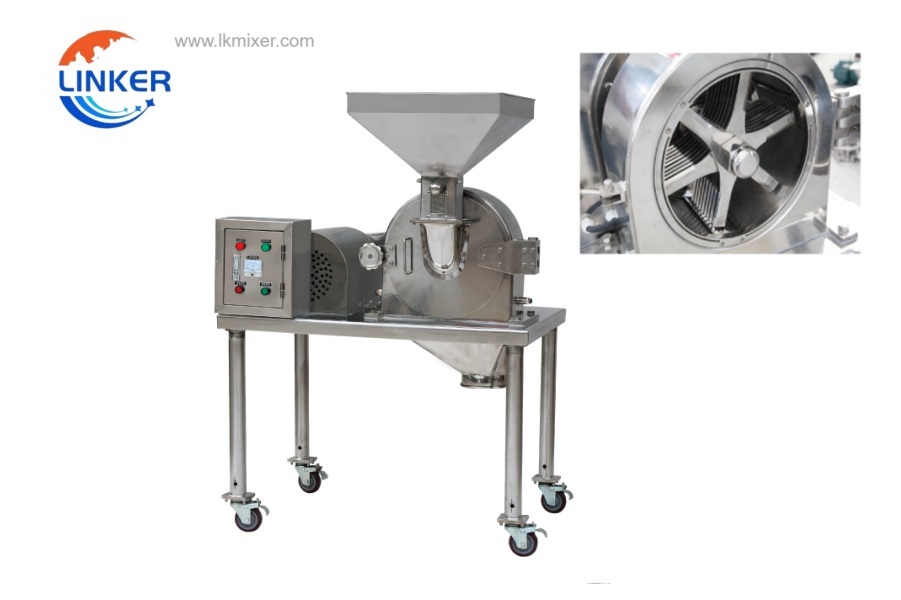
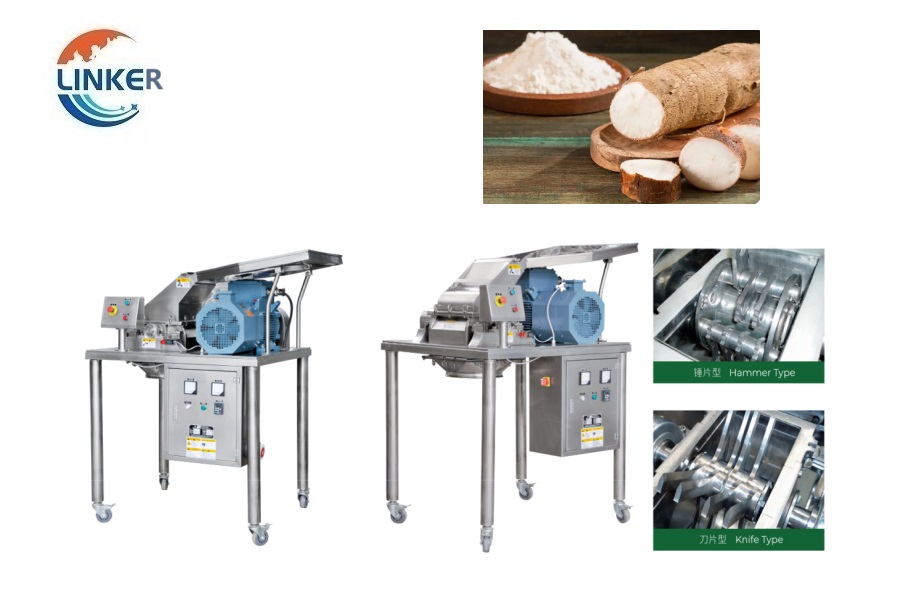
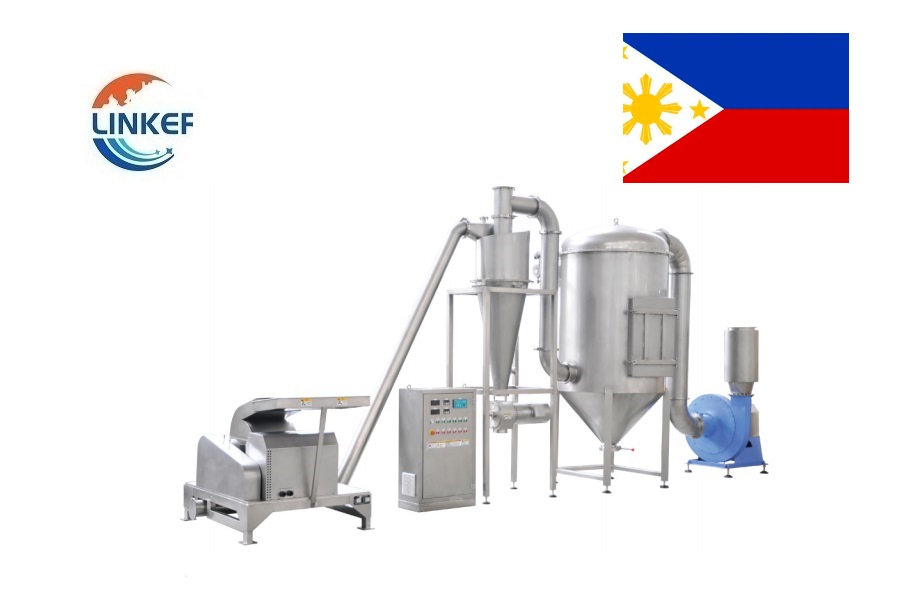
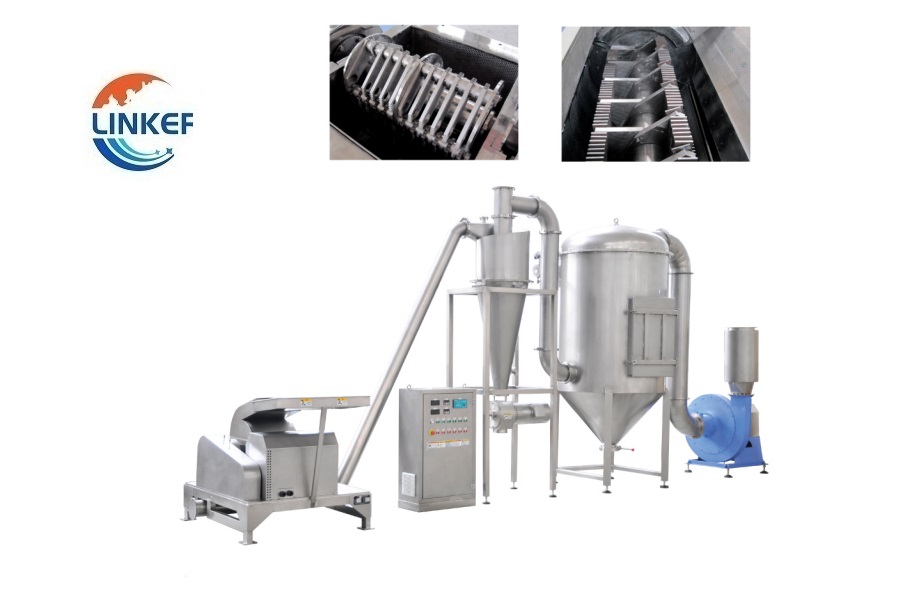
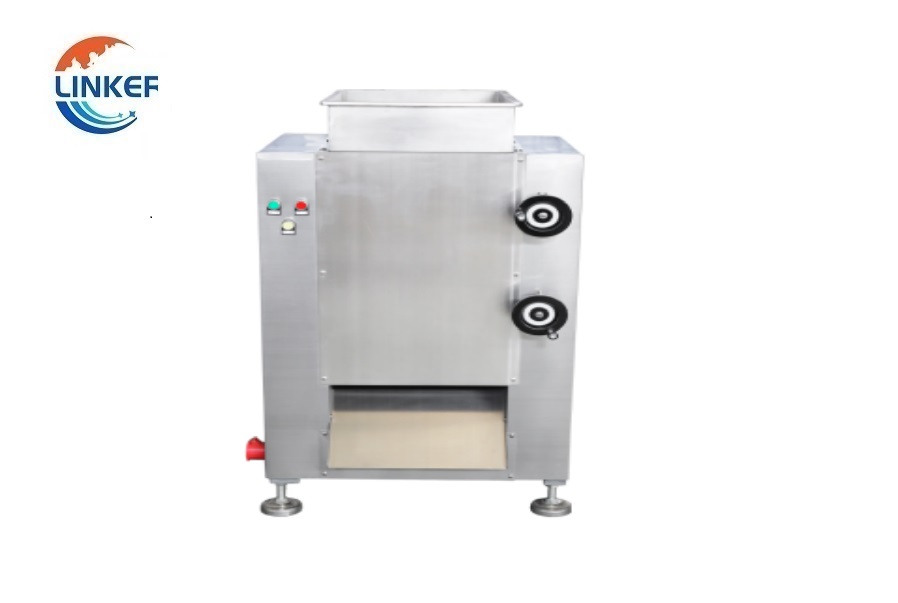
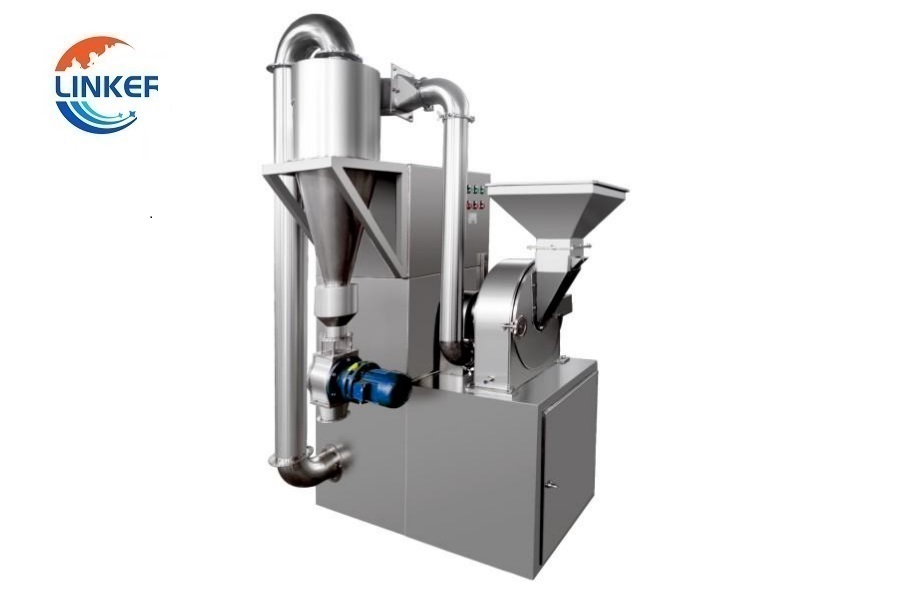
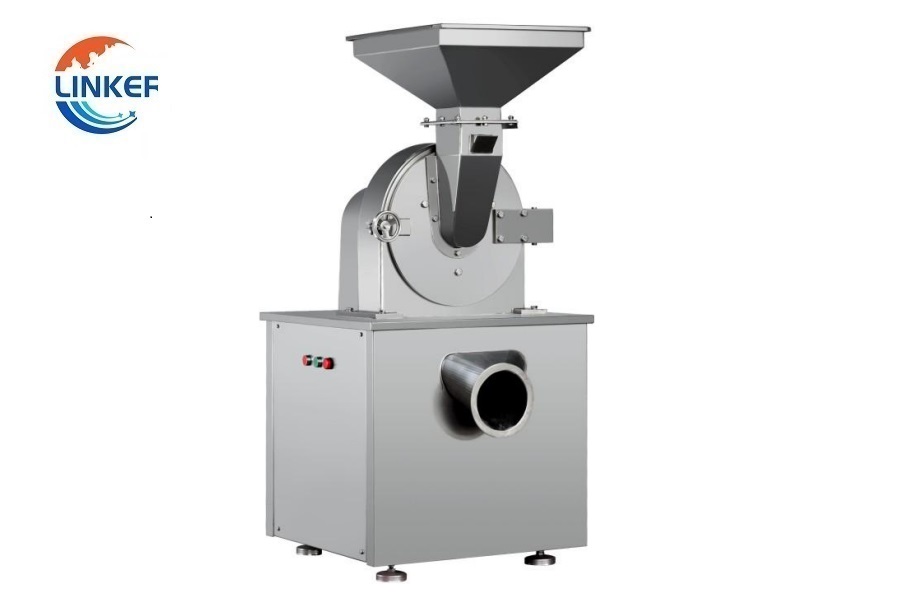
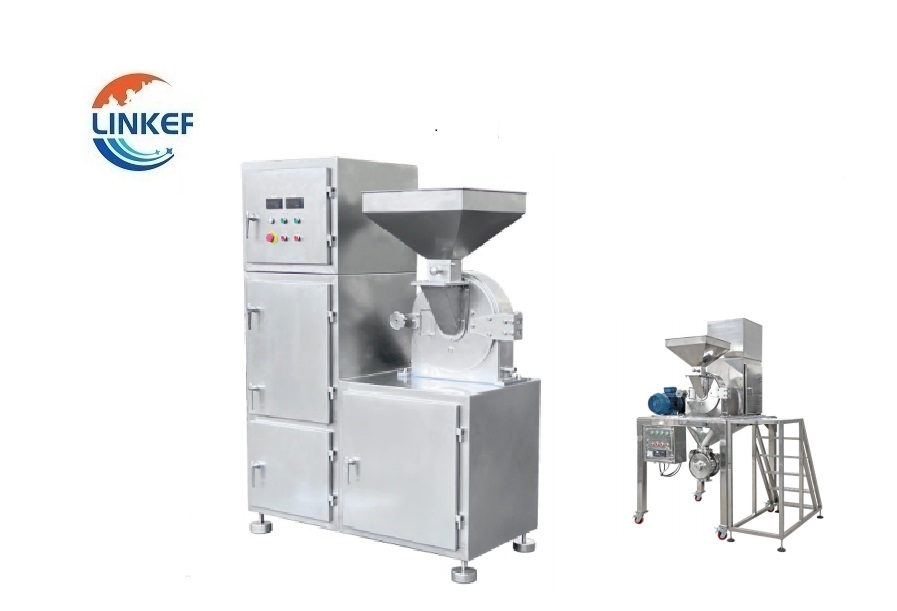
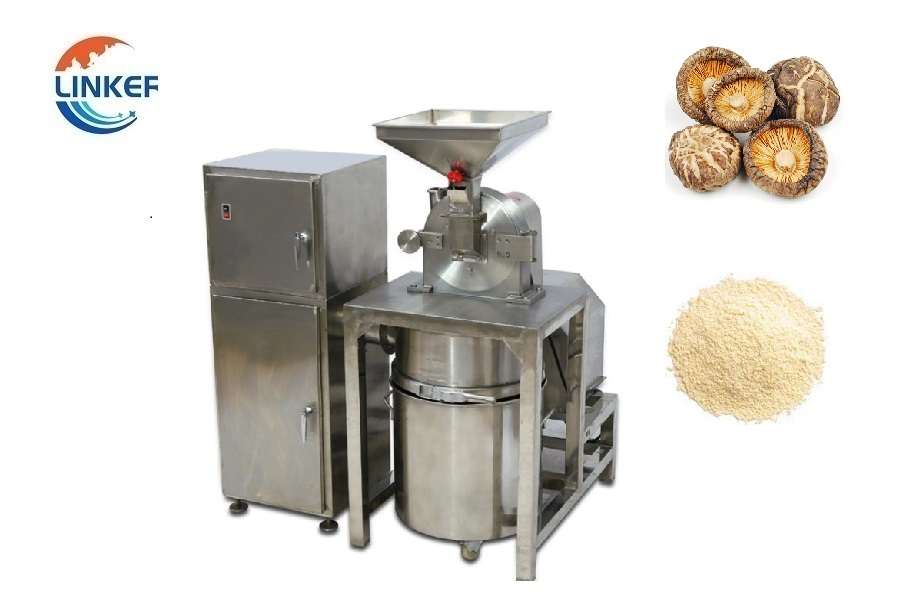
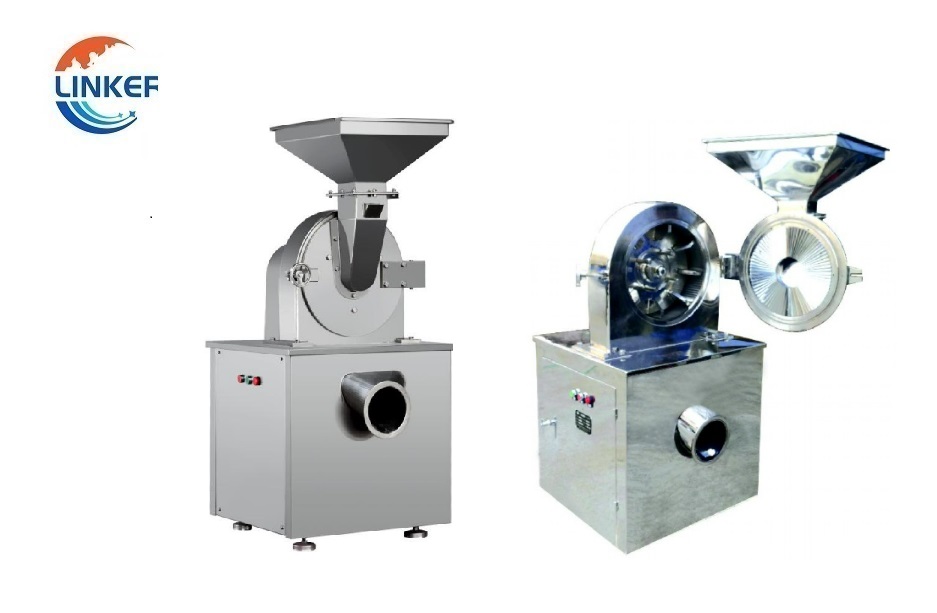
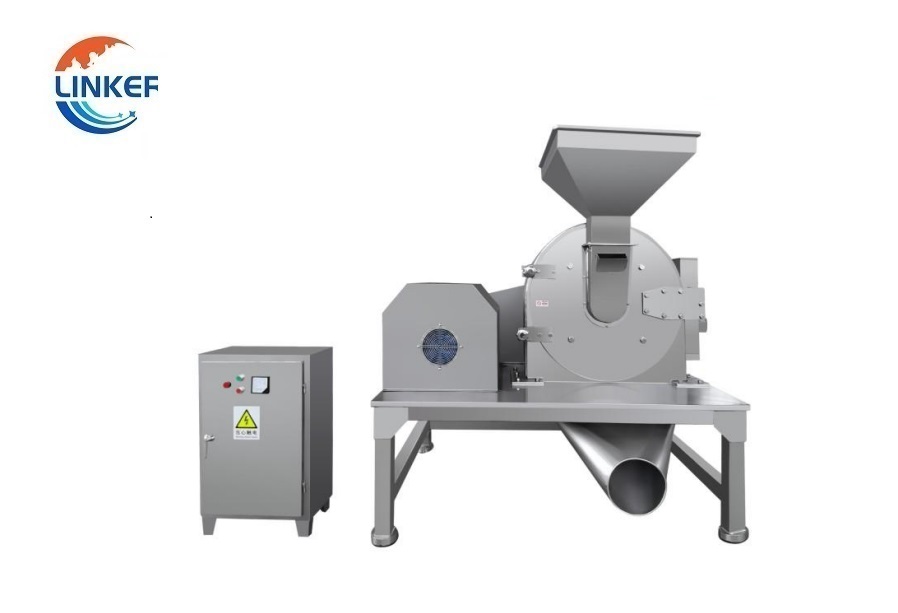
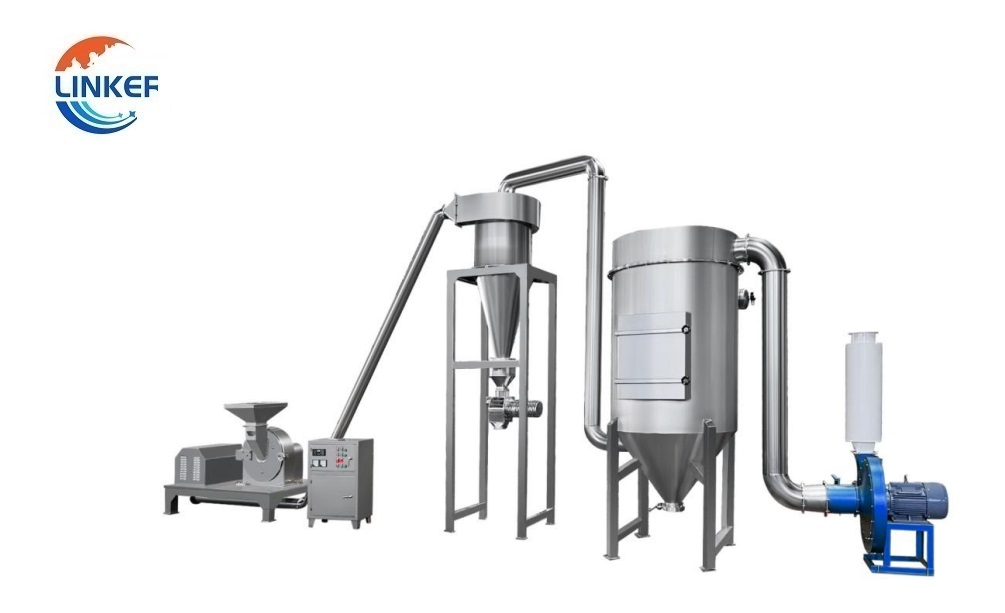
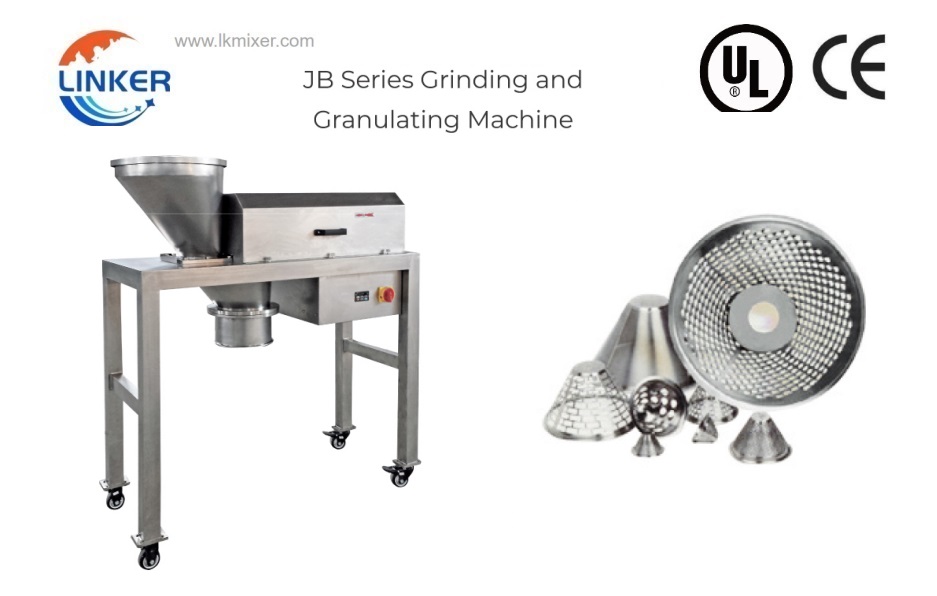
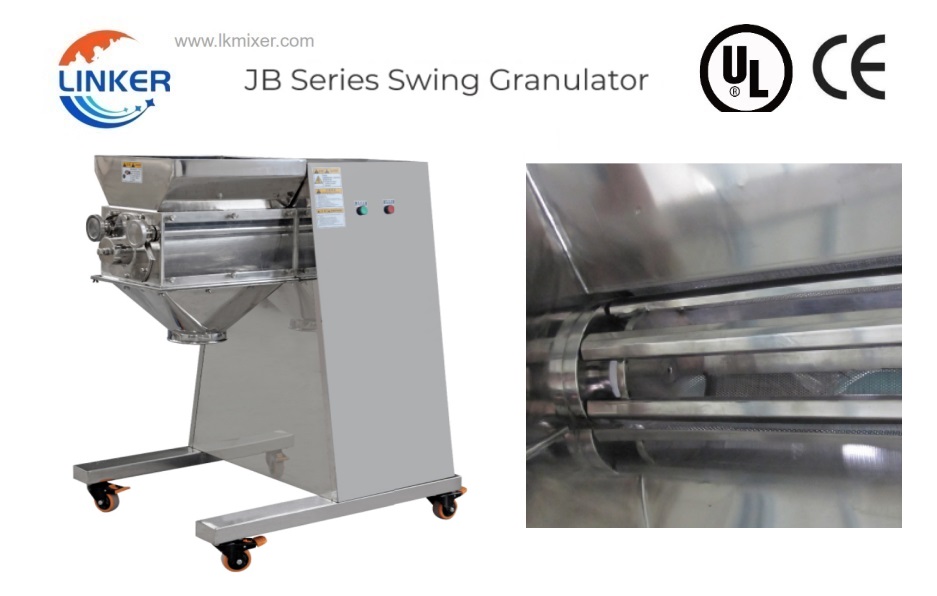
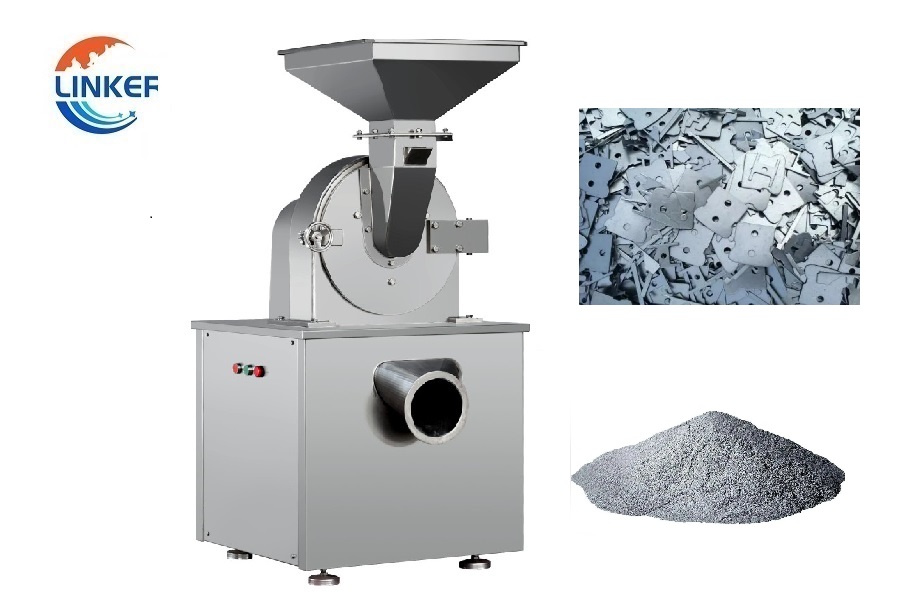
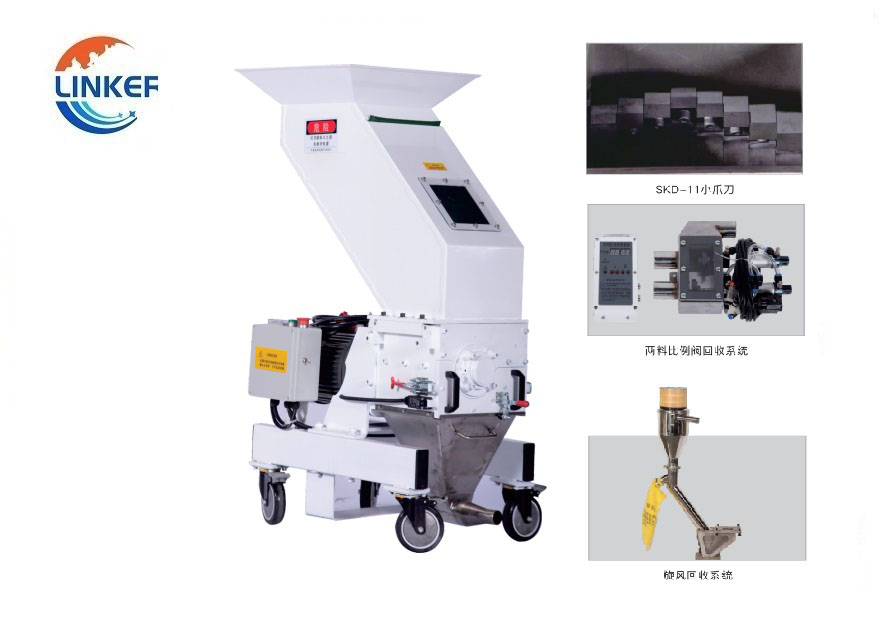
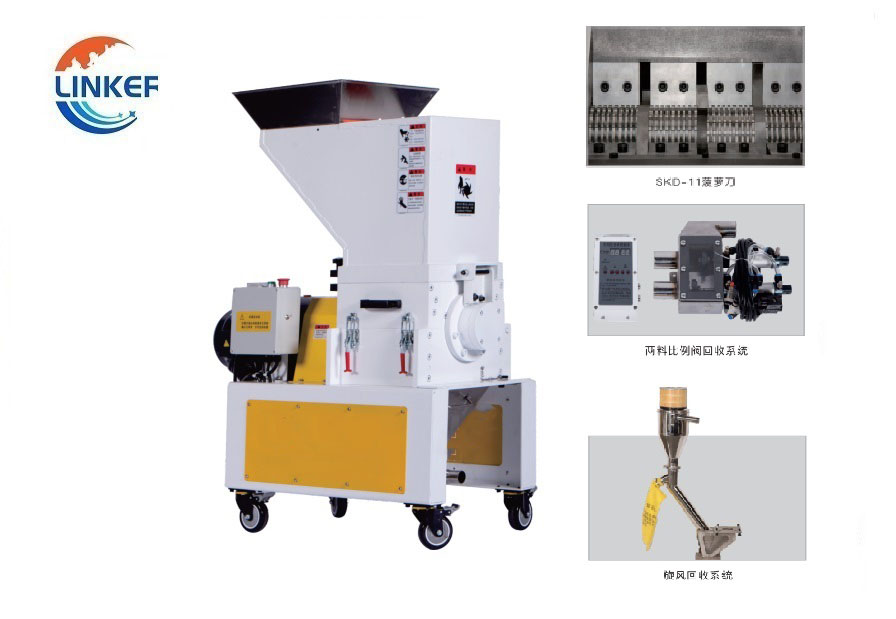
- Moringa Leaf Grinding Machine
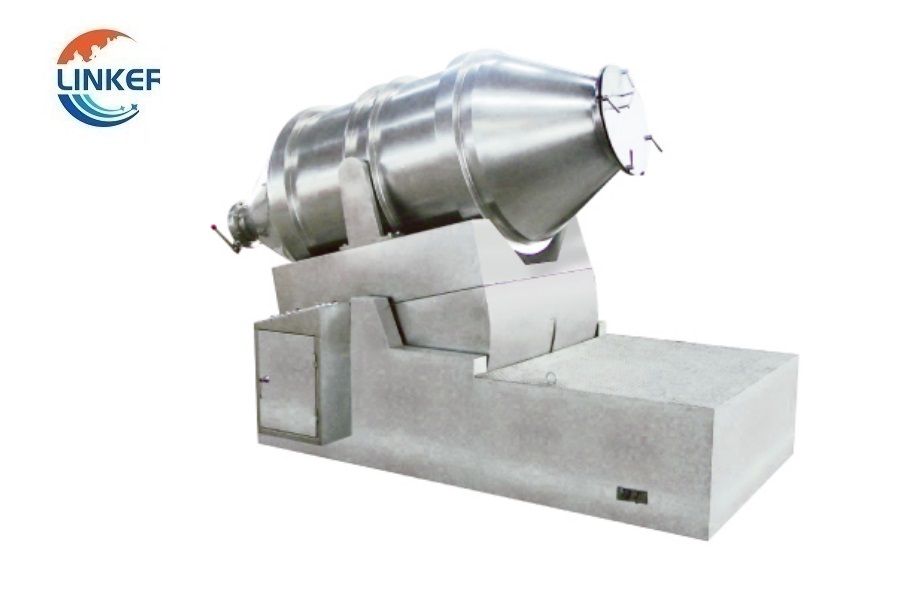
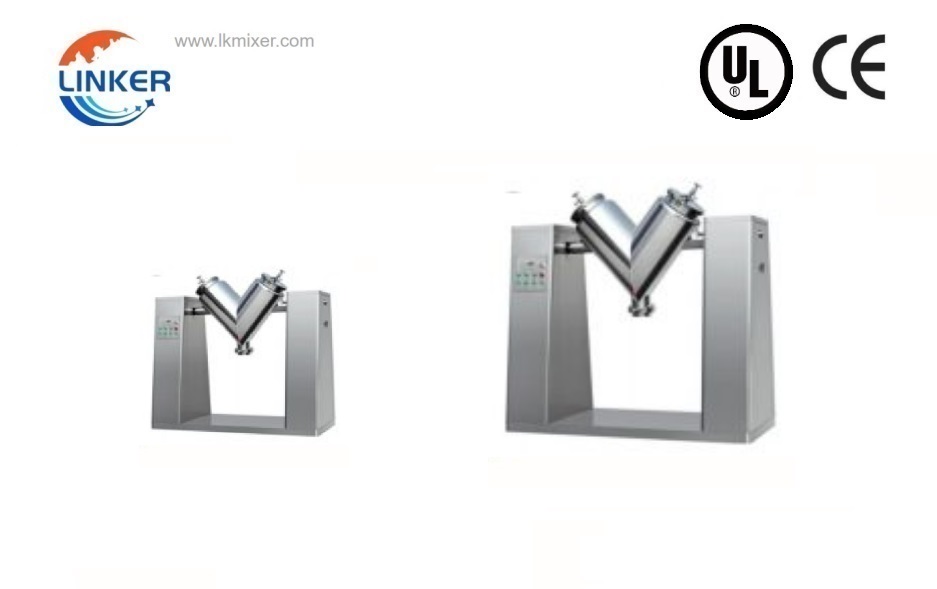
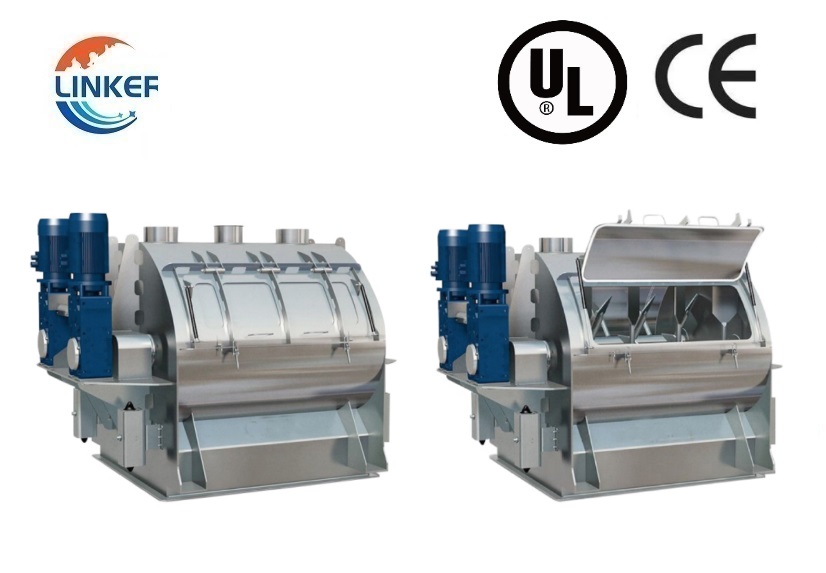
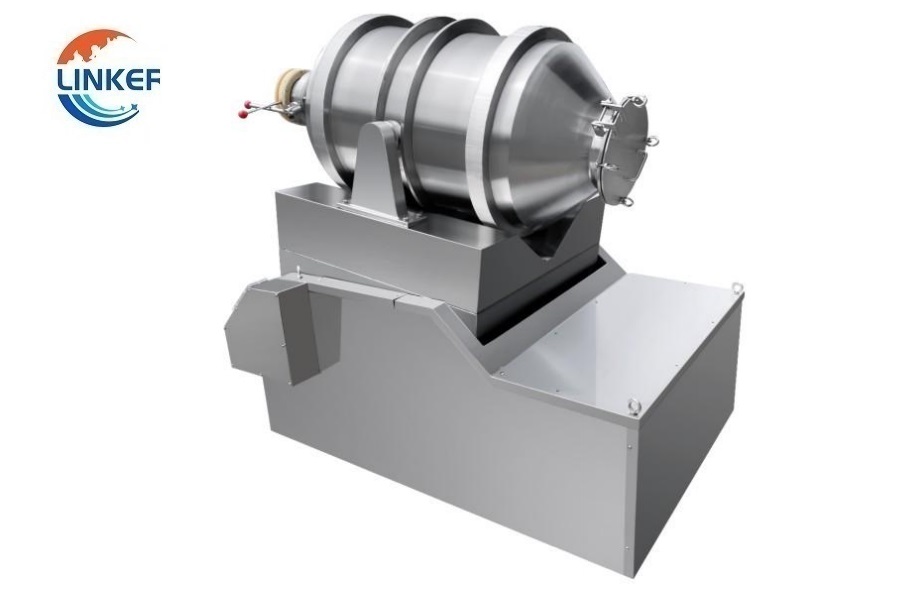
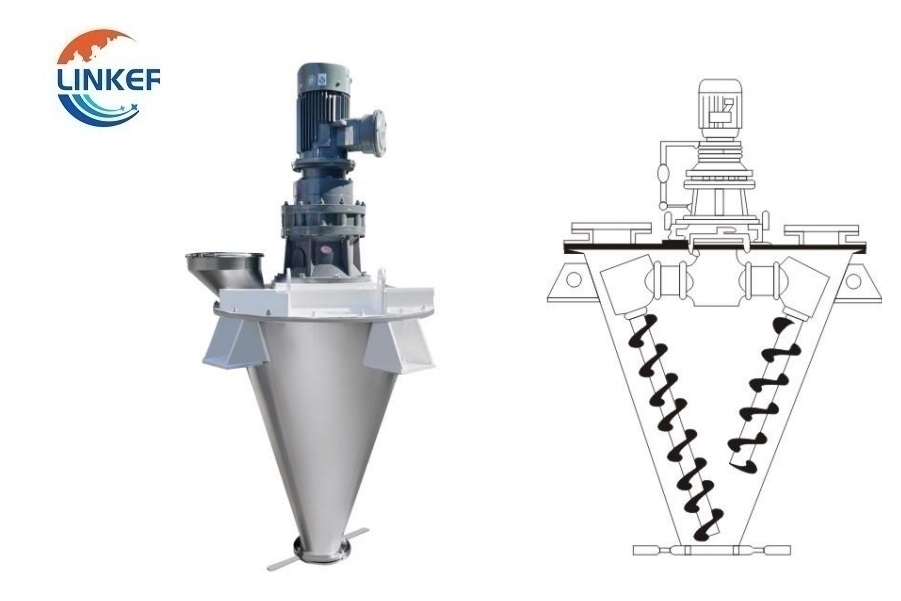
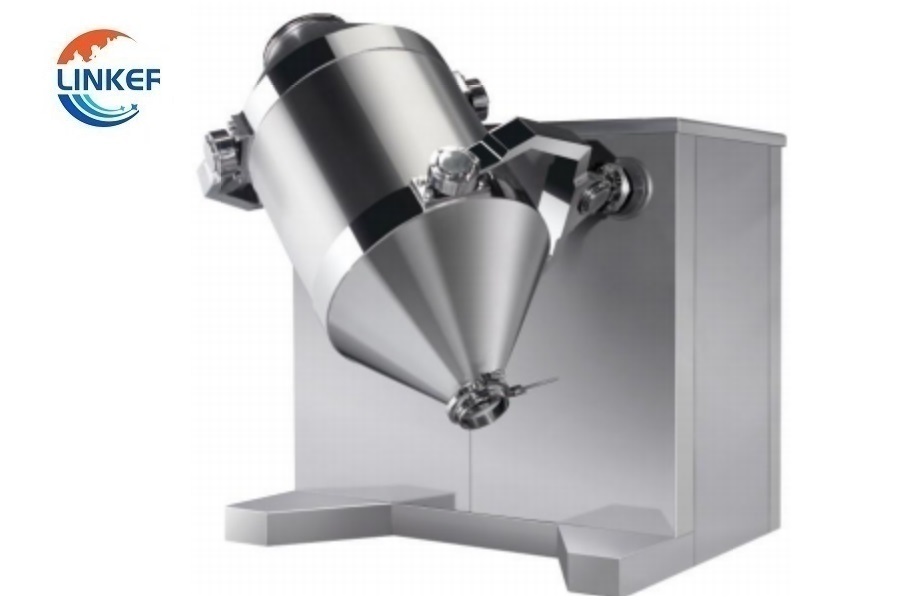
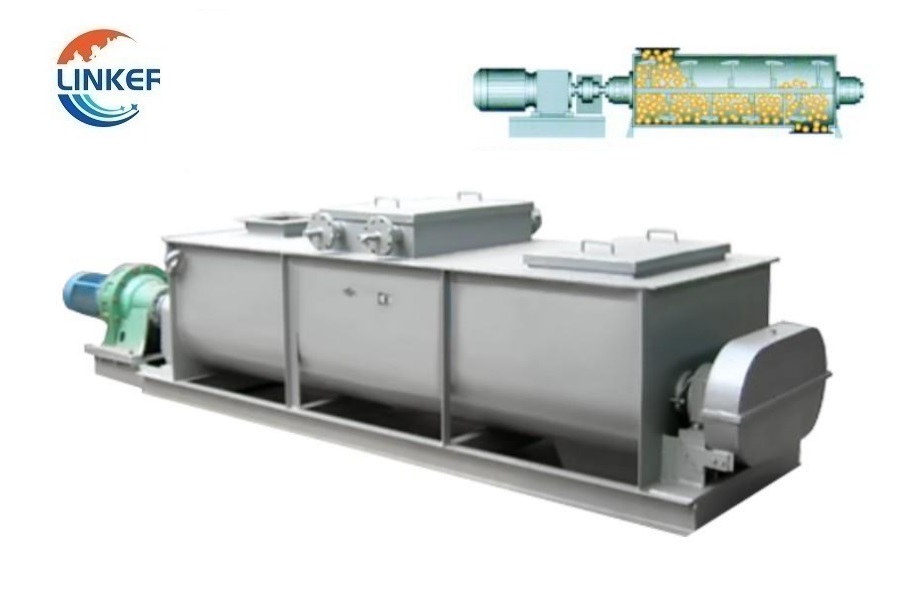
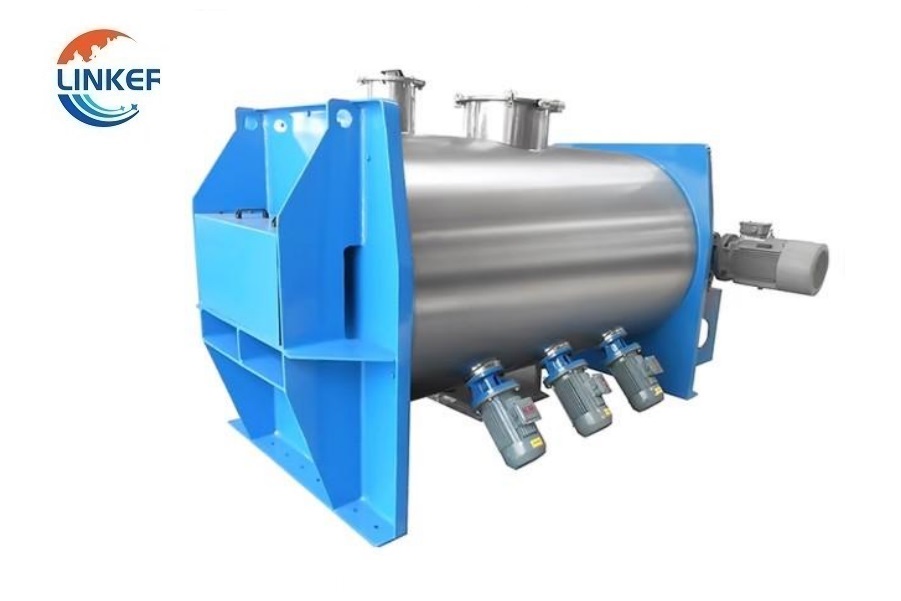
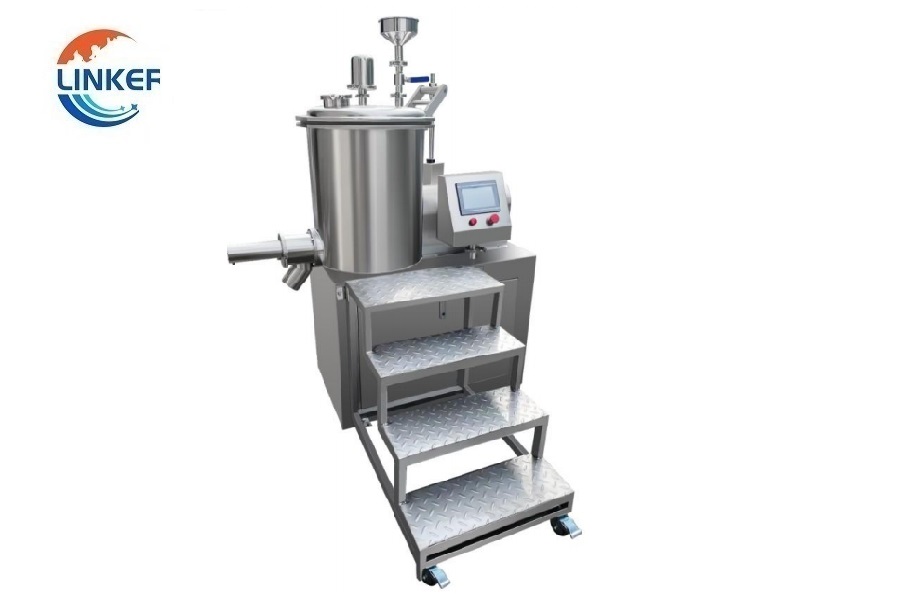
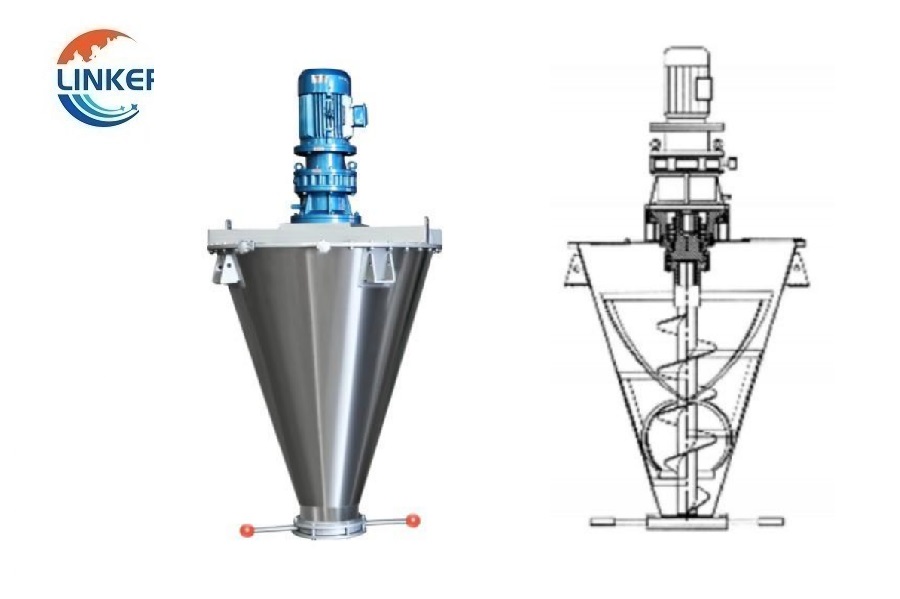
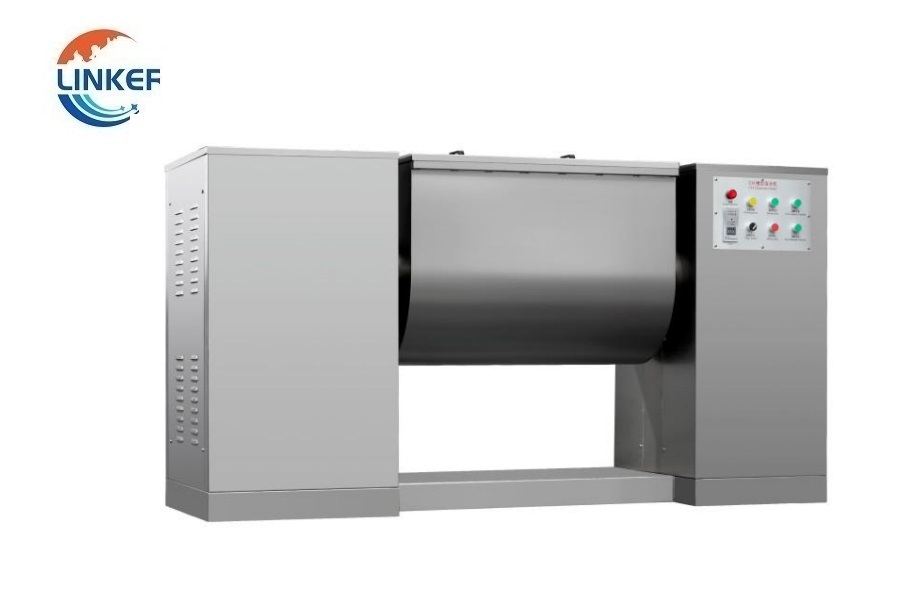
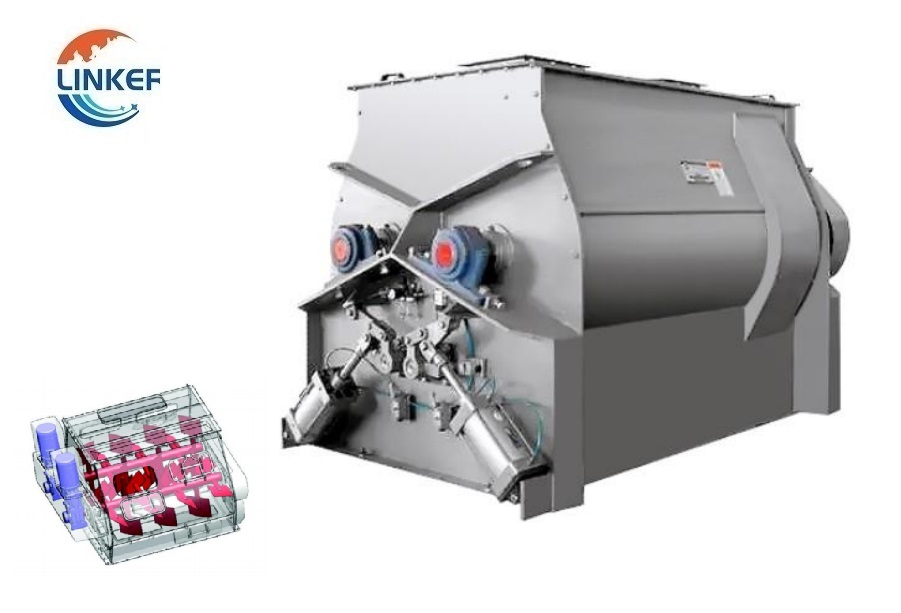
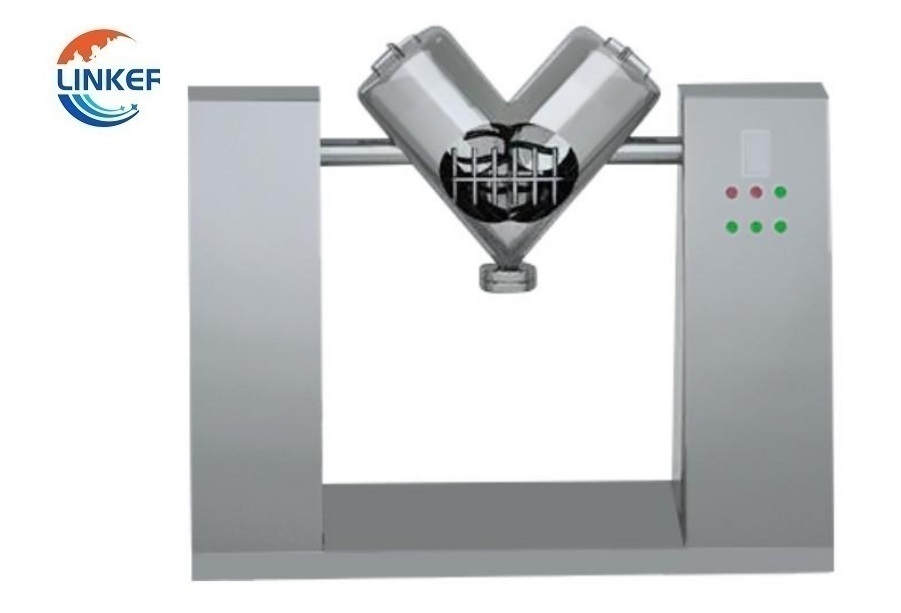
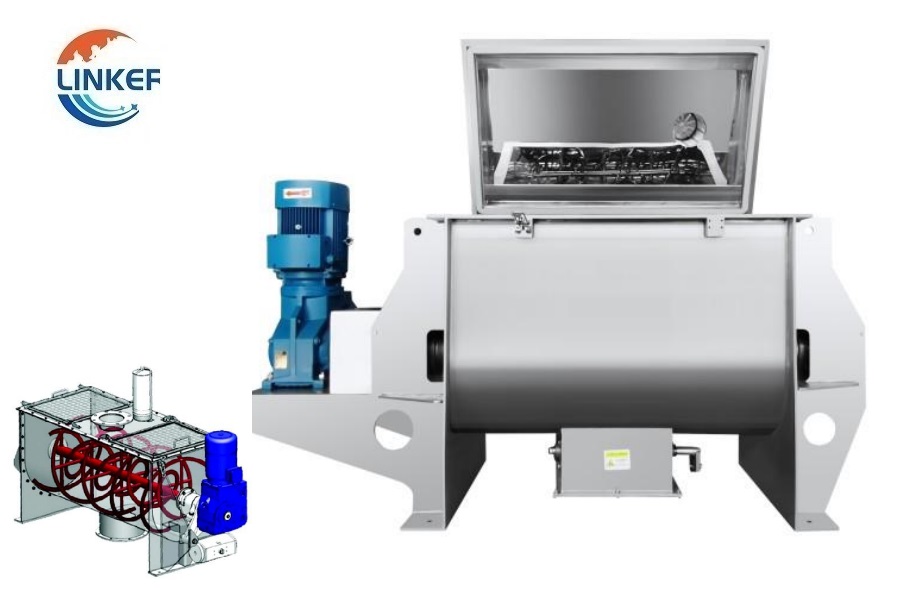
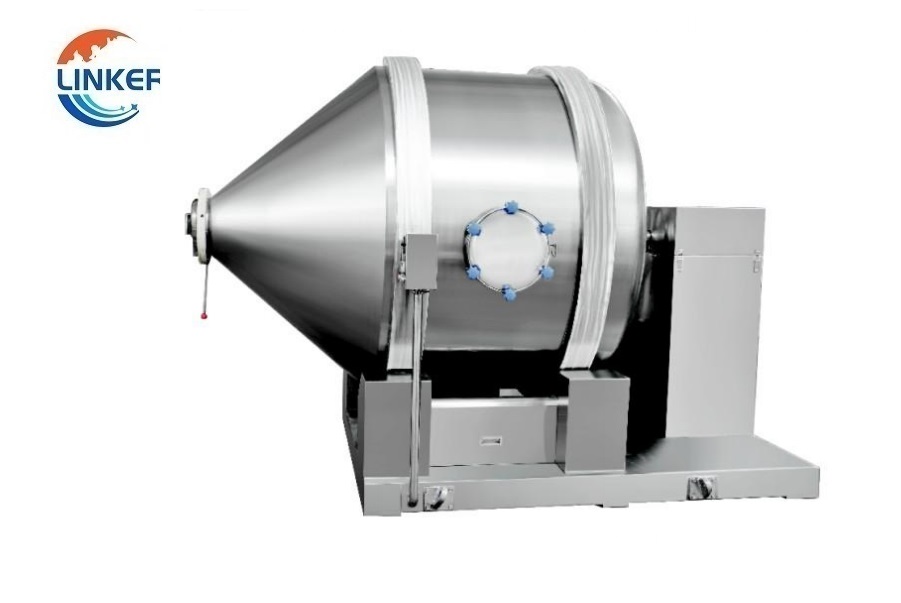
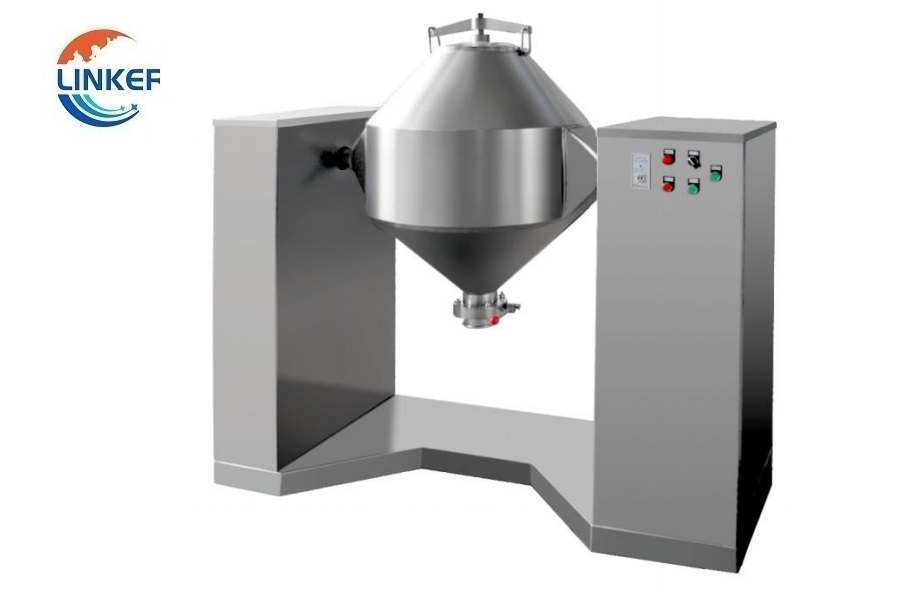
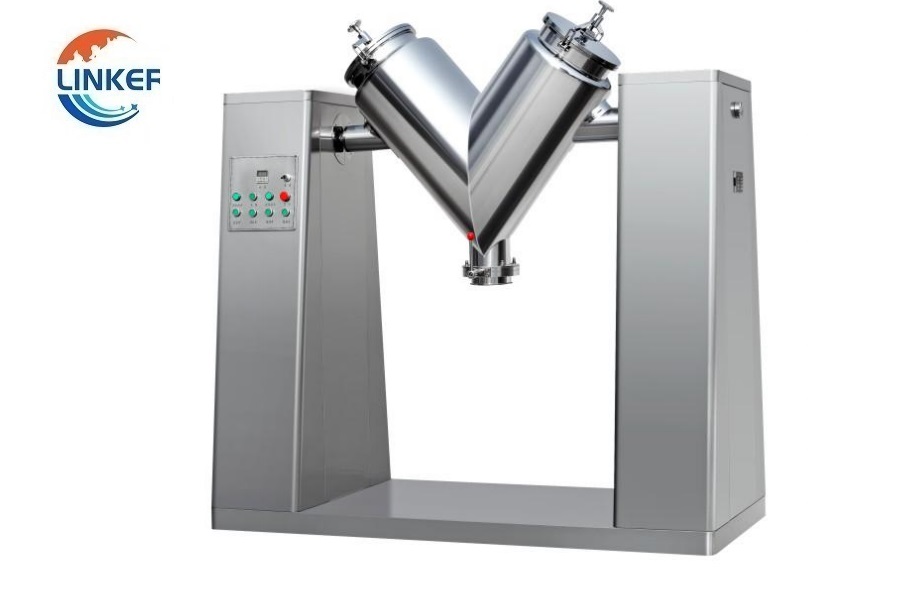
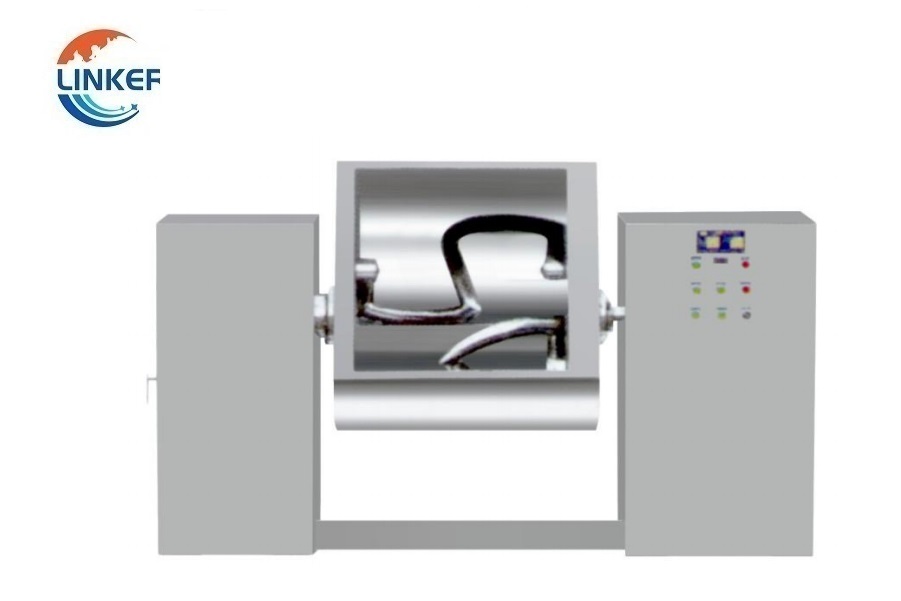
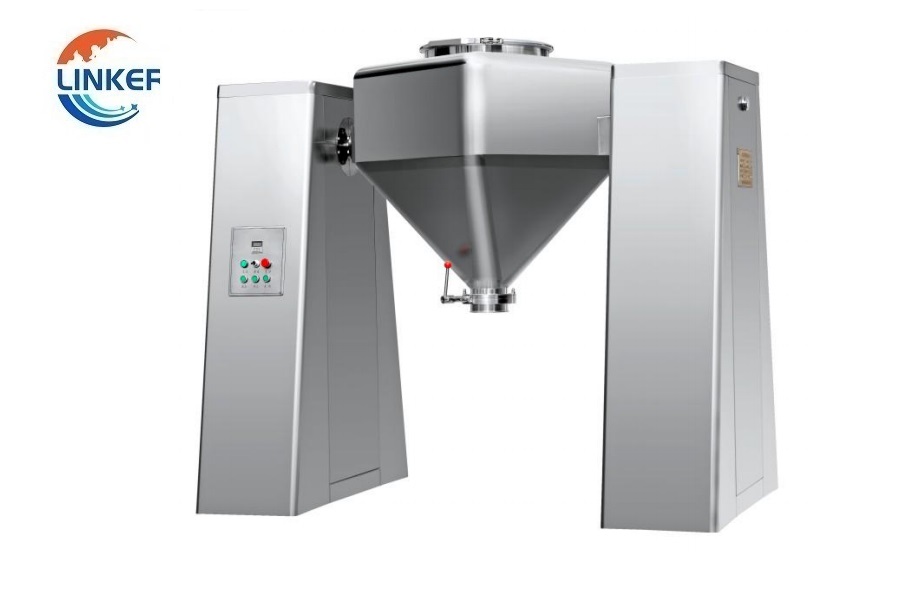
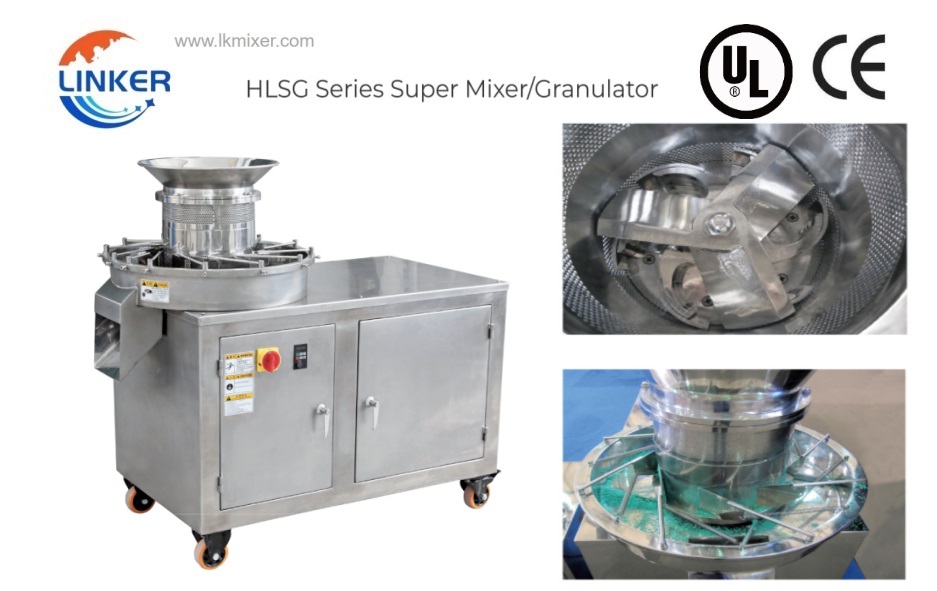
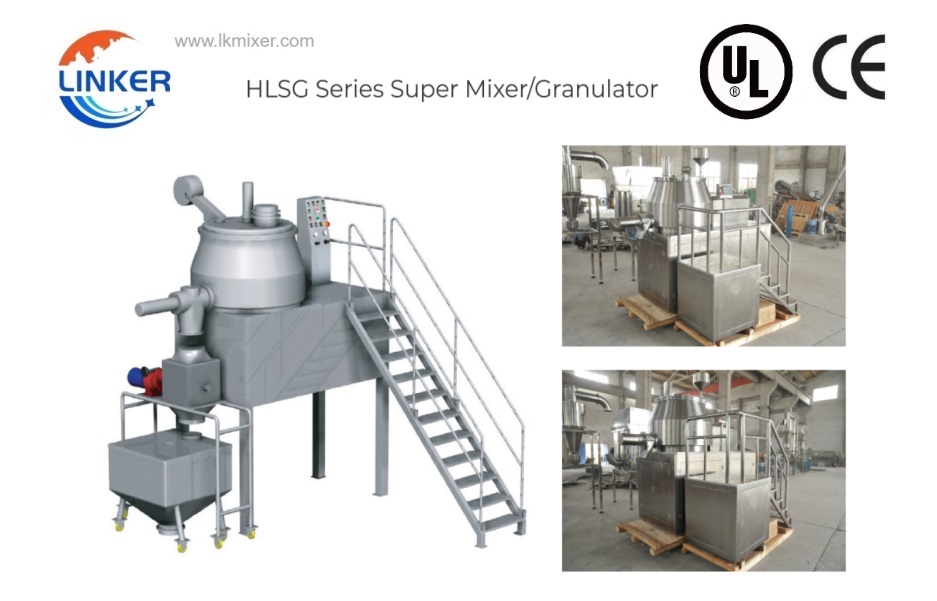
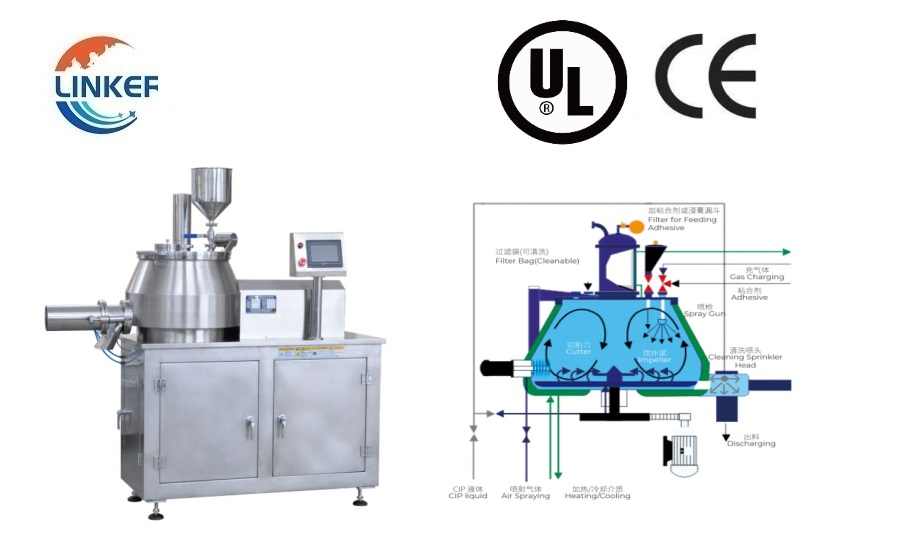
- Moringa Leaf Powder Mixing Machine
- Moringa Leaf Powder Filling Machine
- Moringa Leaf Powder Packing Machine
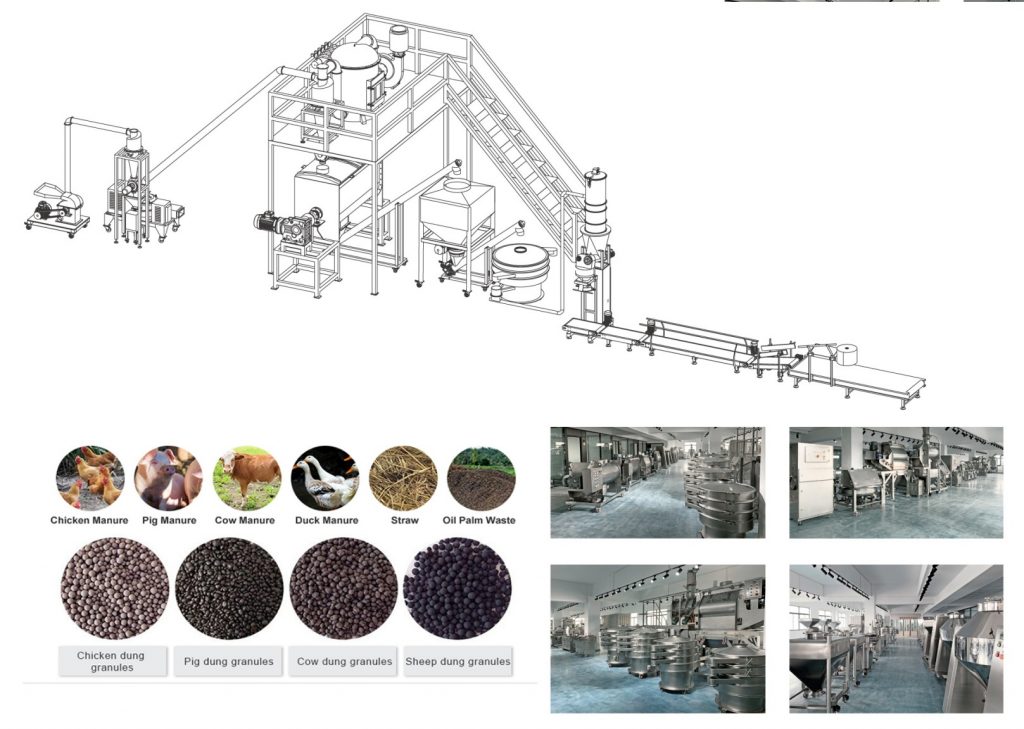
Moringa Leaf Powder Automatic Productino Line Design:
Automatic Moringa Leaf Powder Production Line
To be honest, unlike the highly standardized industrial production lines such as gypsum powder and washing powder you inquired about earlier, there is no unified industrial standard or mature complete-line EPC scheme for the “automatic moringa leaf powder production line” in the public domain. All available information currently consists of “adaptive transformation” of general leafy vegetable processing equipment by equipment manufacturers, and self-developed auxiliary powder-making modules by food enterprises to match biscuit production lines. This means that you cannot directly purchase a “moringa leaf powder line” like you would a washing powder tower; instead, you must define the process parameters yourself, combine the equipment, and put forward precise customized requirements to suppliers. Below, I will completely disassemble the existing fragmented information for you and build a feasible selection decision-making framework, with detailed explanations of each link and natural integration of relevant equipment and raw material terms.
First Determine the Strategy: Will You Process “Fresh Leaves” or “Dried Leaves”?
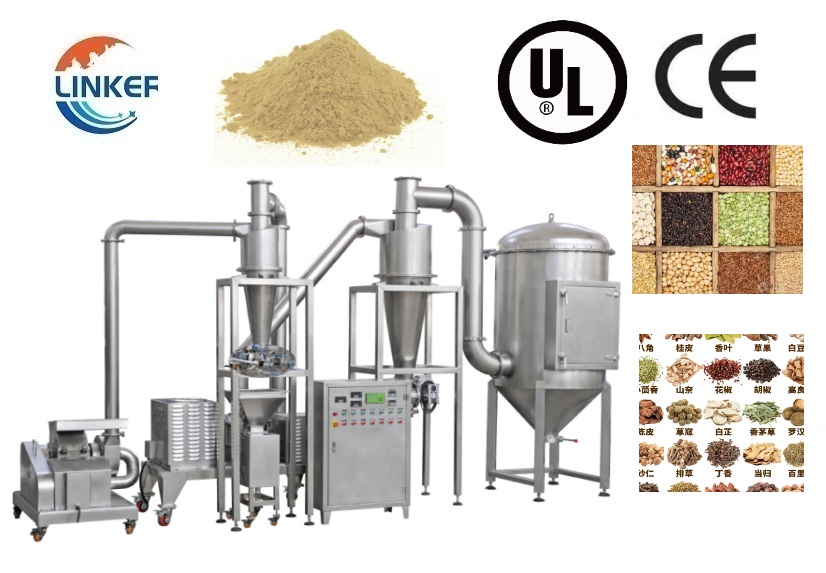
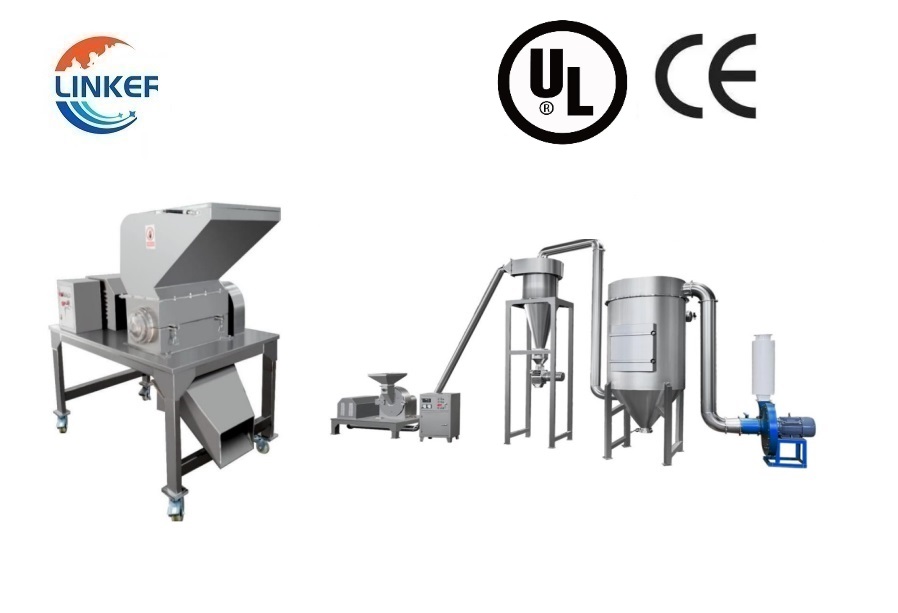
This is the original divergence for all subsequent equipment selection. The two major schools in the search results are clearly distinguished, and the equipment is completely not universal. The automatic moringa leaf powder production line is mainly used in the food and Medicine industries, focusing on processing moringa leaves into fine powder products that can be used as food additives, health products, spices, etc. Most of the key equipment in the production line is made of stainless steel, which is corrosion-resistant, non-toxic and easy to clean, meeting the hygiene and safety requirements of food and pharmaceutical processing. At the same time, important equipment such as grinding machines and crushers are equipped with stable chargers to ensure continuous and stable operation, and some export-oriented production lines are equipped with CE Certificate grinders to meet international food-grade standards.
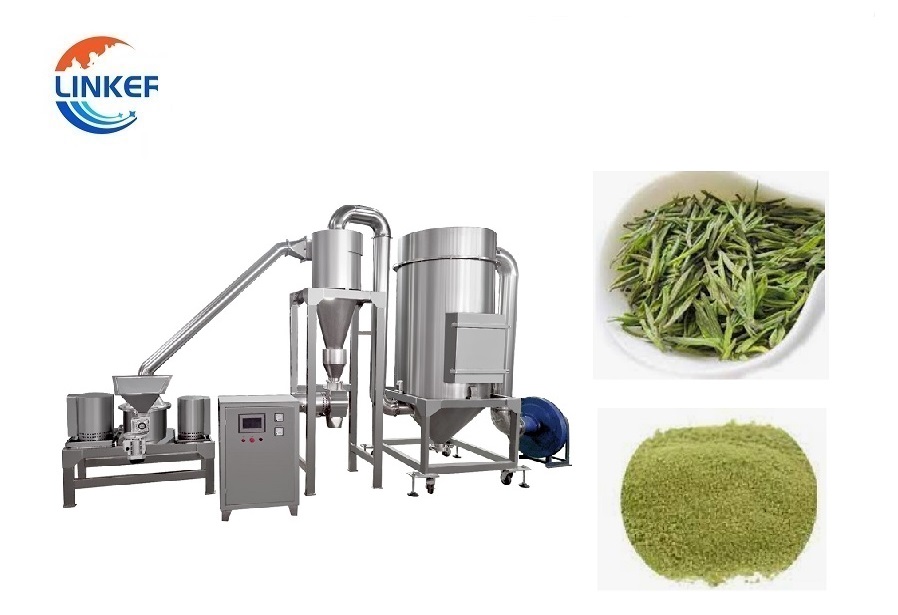
There are two main processing routes, each with different typical scenarios, core process chains, equipment complexity, automation difficulties and representative information sources. The first is the full process route of “fresh leaves in, dry powder out”, which is suitable for enterprises with their own planting bases that make powder directly from harvested leaves. Its core process chain is cleaning → drying → crushing → screening → packaging, with high equipment complexity (continuous operation across sections) and automation difficulties including capacity matching between drying and crushing, and cleaning wastewater treatment. The representative information source is the patent of Shantou Maofa biscuit line. This route uses a variety of processing equipment, such as Air cooled crusher, coarse crusher, Hammer Mill and universal grinder, to complete the processing of fresh leaves into dry powder.
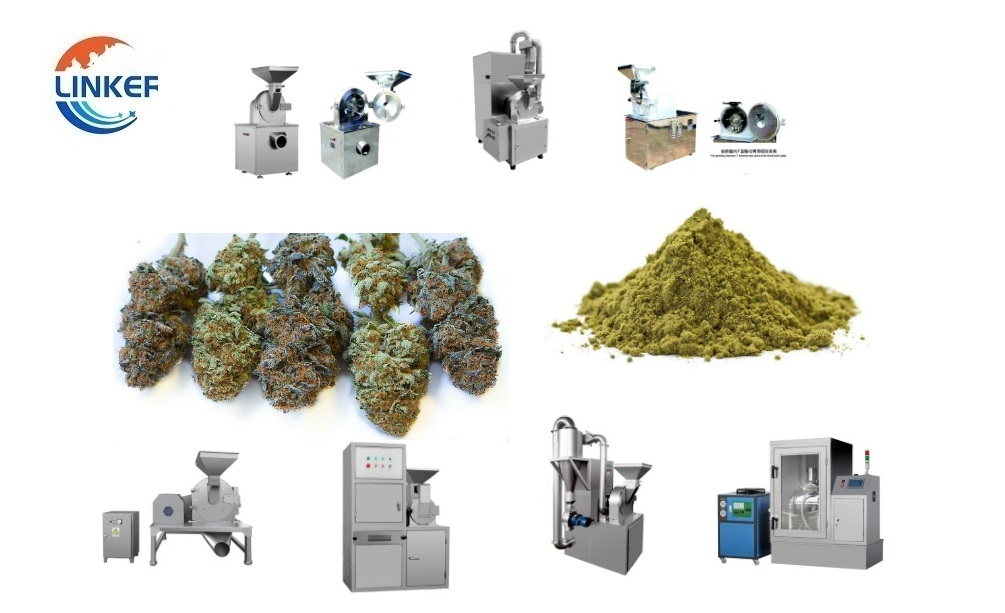
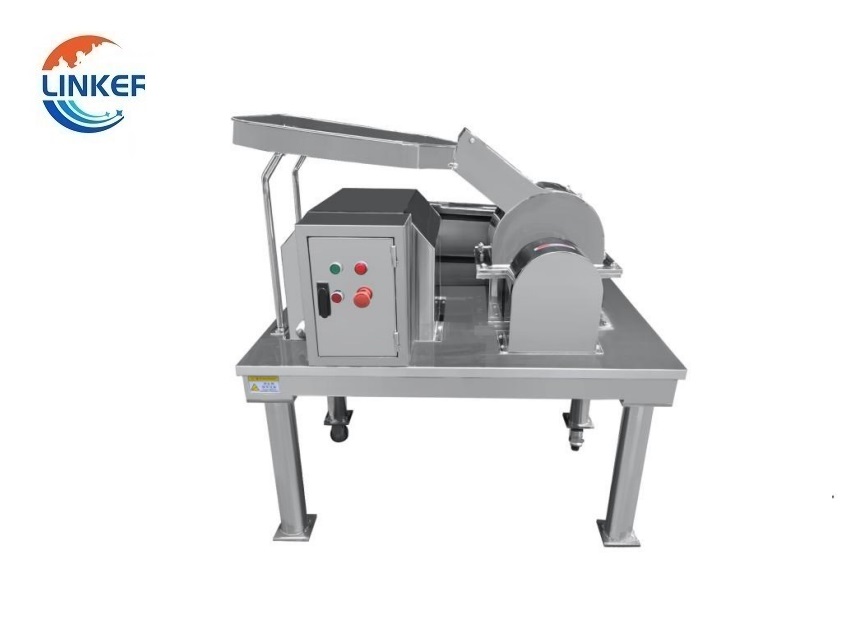
The second is the crushing special line of “dried leaves in, fine powder out”, which is suitable for enterprises that purchase dried leaves or entrust preliminary processing and only do the powder-making link. Its core process chain is crushing → classification → packaging, with low equipment complexity (a single machine is sufficient) and automation difficulties including fineness control and crushing efficiency of fibrous materials. The representative information sources are various B2B crushers. This route mainly uses grinding equipment such as herb grinder, Industrial Weed Grinder, small grinder machine and Electric Grinder to crush dried moringa leaves into powder.
The decision-making logic is very clear: if you pursue full-chain quality control “from leaves to powder”, you must take the full-process fresh leaf route and refer to the section configuration of the biscuit line patent; if you hope to start with the lowest cost and put into production quickly, take the dried leaf crushing route and directly purchase high-performance grinding equipment; the investment between the two may differ by more than 10 times. It should be noted that the raw materials of the automatic moringa leaf powder production line are mainly moringa leaves, which are different from other food raw materials such as Seasam, Peanut, wheat, corn, coffee, rice, bean, mushroom, bone, seeds, meat, tea, flour, spice, tobacco, salt, sugar, etc., but some processing equipment can be used universally.
Route A: Full-Automatic Full-Process Line for Fresh Leaves (Taking Biscuit Line Patent as the Only Complete Reference)
This is currently the only set of practically verified moringa leaf powder preparation system with complete automatic logic in public documents. Although it serves the biscuit production line, its “moringa powder preparation and supply device” itself is a complete prototype of an “automatic moringa leaf powder production line”. This system integrates multiple processes and equipment, realizing automatic operation of most sections, and is the most reliable reference scheme for enterprises that pursue high quality and full-process control.
The full-automatic process sections are disassembled based on the 2019 authorized patent of Shantou Maofa Food. The first section is feeding, with the equipment configuration of a feeding hopper, and the automatic realization method is manual feeding into the hopper (the only manual node currently), without special design for moringa leaves. The second section is conveying, with the equipment configuration of a chain plate conveying mechanism (double chains + pallets), and the automatic realization method is driven by a feeding motor for automatic continuous conveying; the bottom of the pallet is provided with through holes to facilitate cleaning and draining, which is a targeted design for moringa leaves.
The third section is cleaning, with the equipment configuration of an ultrasonic cleaner, and the automatic realization method is that the pallets carry the leaves through the cleaning tank, and the upper pressure plate prevents floating; the ultrasonic wave is aimed at the dirt hidden in the folds of the leaves, which is better than spray cleaning, which is a targeted design for moringa leaves. The fourth section is drying, with the equipment configuration of an oven (continuous pass type), and the automatic realization method is that the pallets carry the leaves through the oven cavity, and the temperature is automatically controlled; it adopts continuous baking instead of batch standing, which improves production efficiency.
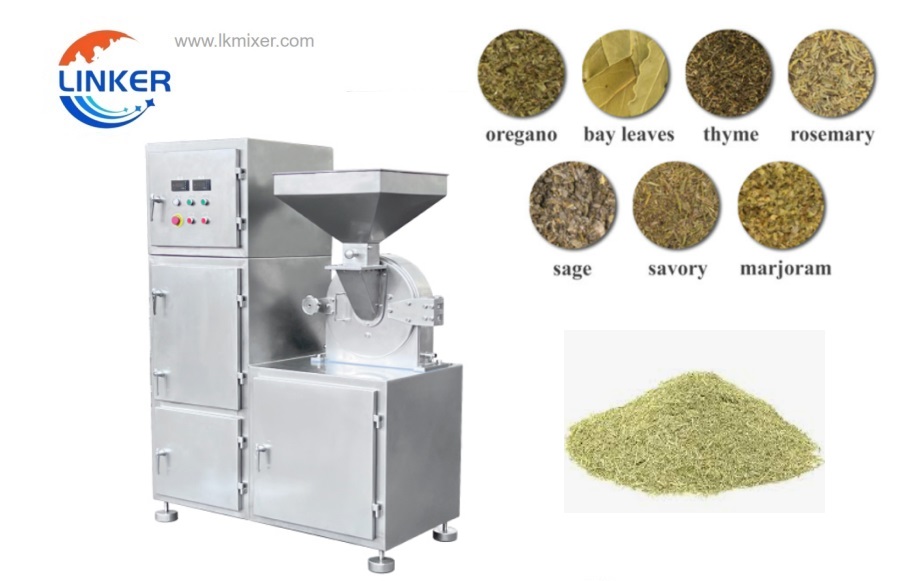
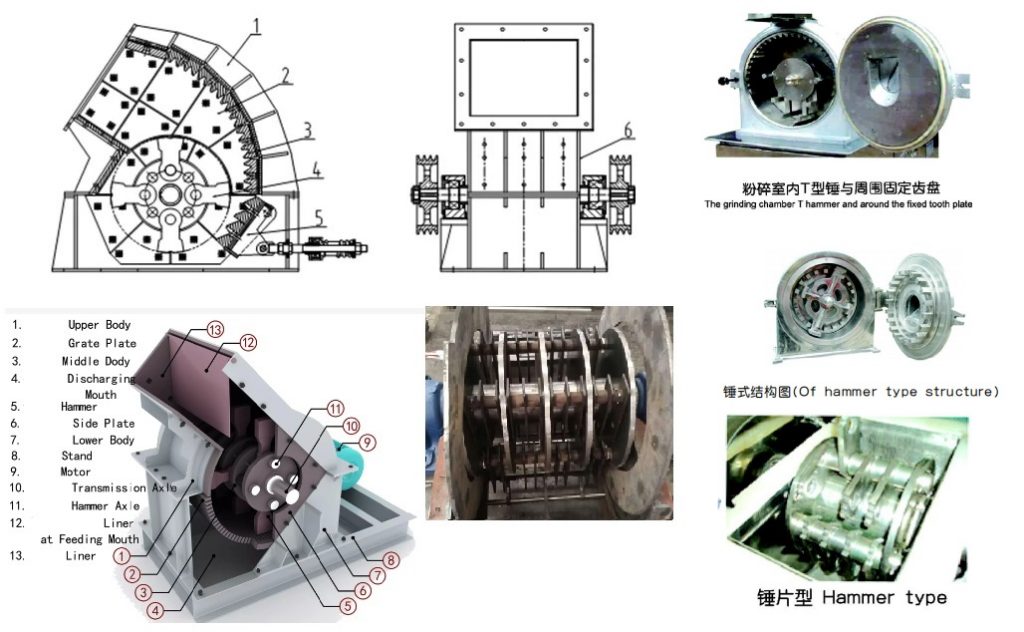
The fifth section is crushing, with the equipment configuration of a crushing device, and the automatic realization method is that the feeding port is located directly below the end of the conveyor to automatically receive materials for crushing; it is designed for the fiber characteristics of leaves, but the model is not detailed. Common crushing equipment suitable for this section includes airflow pulverizer, Ultrafine Grinder, turbo grinder and high speed Dry Grinder, which can effectively crush moringa leaf fibers into fine powder.
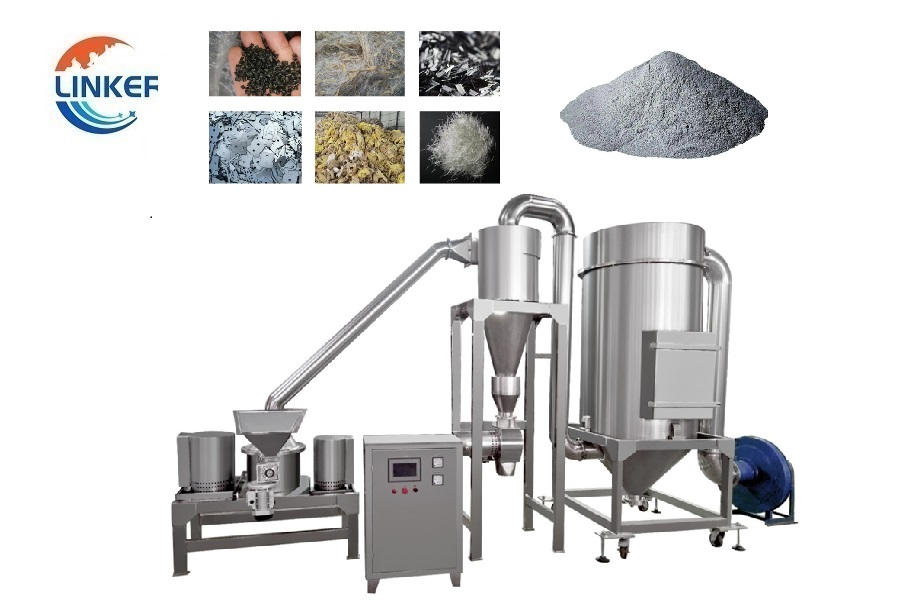
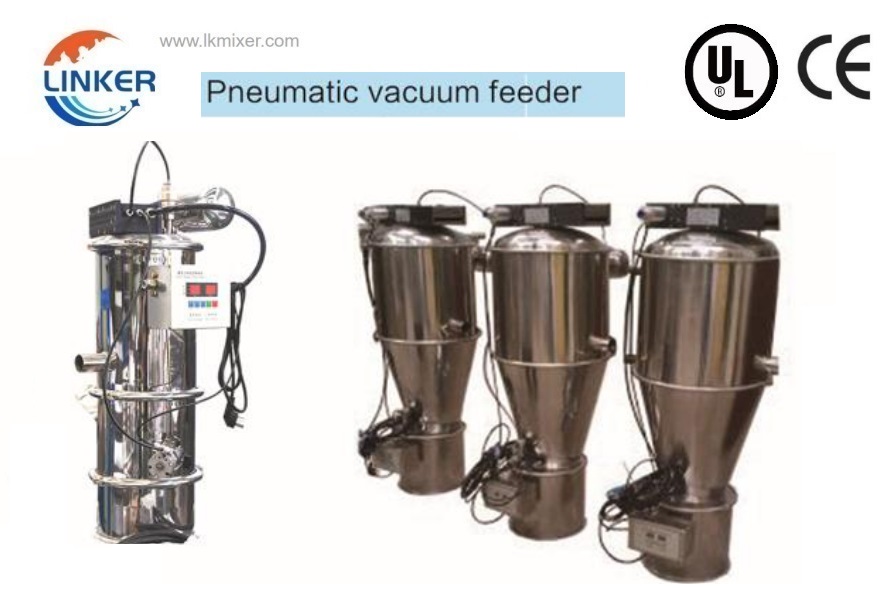
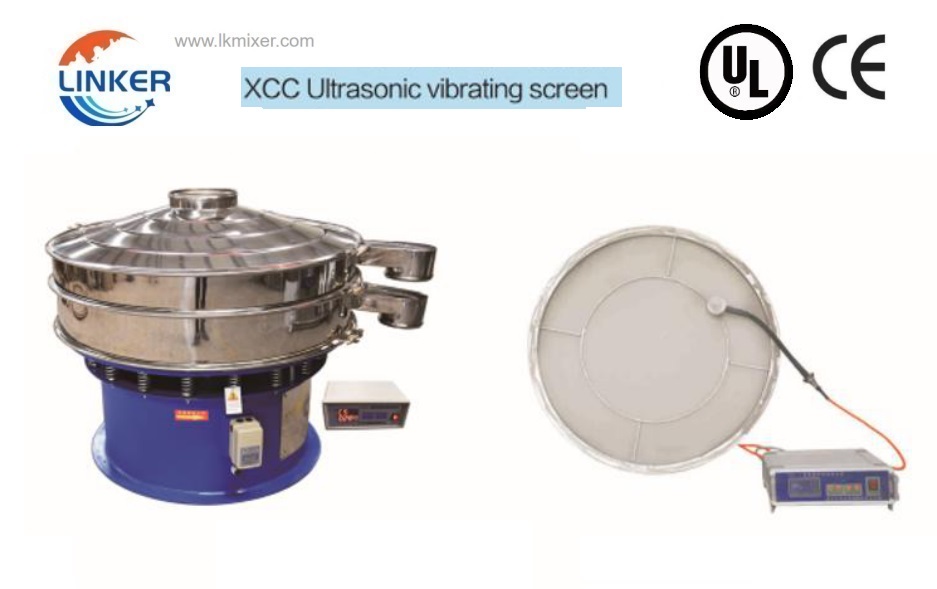
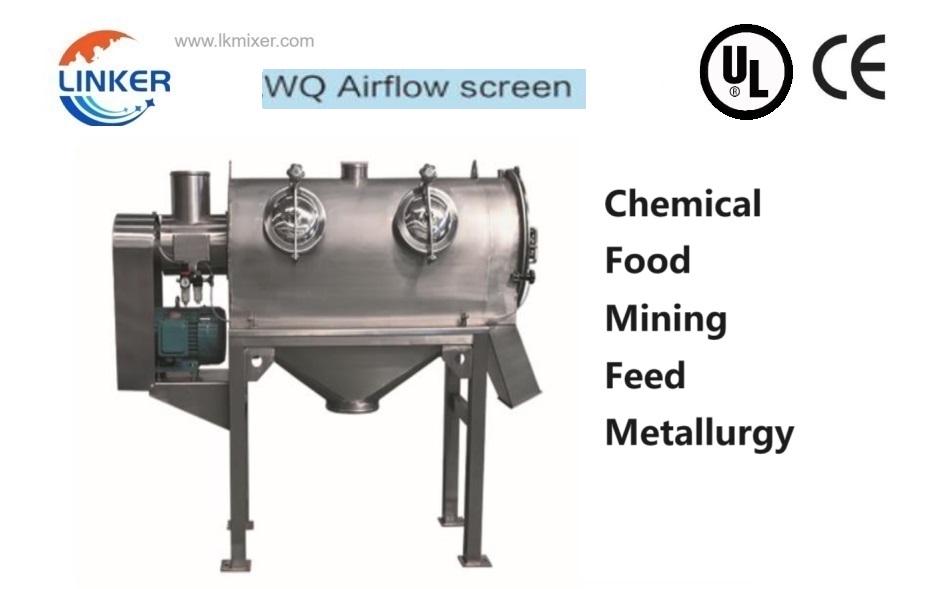
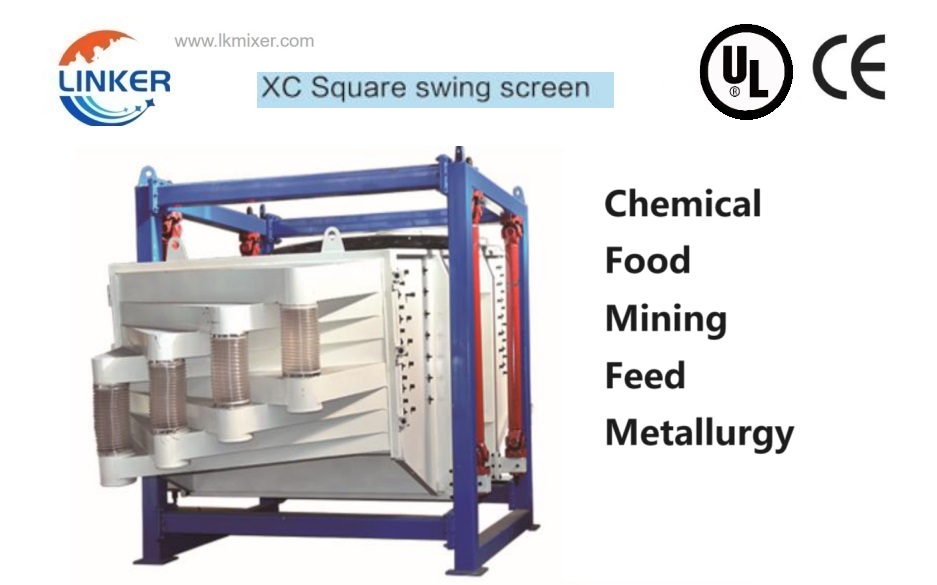
The sixth section is screening, with the equipment configuration of a vibrating screen + coarse powder automatic return system, and the automatic realization method is that the coarse powder on the screen is automatically returned to the feeding port of the crusher through a blower + pipeline; the closed-loop crushing system does not require manual return of materials, which improves production efficiency and product yield. The seventh section is storage, with the equipment configuration of a storage bin, which is directly connected to the discharge port of the vibrating screen for automatic material storage. The eighth section is metering and feeding, with the equipment configuration of a weighing hopper + screw conveyor + weighing sensor + control circuit, which is a key automatic node; the on-off valve controls the blanking, the weighing sensor real-time monitors the weight, and the drive motor controls the screw conveying speed to realize quantitative automatic feeding; it is a quantitative supply linked with the dough mixer of the biscuit line.
The core value of this scheme is that it is the only full-process moringa leaf powder preparation scheme with control circuit, sensor feedback and automatic quantitative function, which has realized full automation except manual feeding. However, this scheme also has its industrial significance and limitations. Its advantages include: verified complete process chain (cleaning → drying → crushing → screening → storage → metering, six sections of continuous operation), leading automation depth in the industry (closed-loop quantitative feeding with weighing sensor + control circuit, far exceeding the “automatic” concept of B2B platform), and design for leaf characteristics (ultrasonic cleaning solves surface attachments, and automatic return of coarse powder improves yield).
Its limitations include: it is not an independent production line (it is an auxiliary module of the biscuit line, does not include an independent packaging section, and additional configuration is required for packaging), the production capacity is not public (the patent only describes it qualitatively), and the drying method is traditional (the oven uses electric heating or gas hot air, and does not adopt low-temperature/vacuum drying technology, which was the industry level at that time). If you want to copy this scheme, you need to find a supplier that can provide a continuous pass type cleaning-drying integrated machine, and separately configure a crushing-screening-automatic return system + metering and packaging system; no B2B manufacturer directly sells this complete line.
Route B: Automatic Dried Leaf Crushing Line (Mainstream on B2B Platforms, but “Full-Automatic” Definition Needs Vigilance)
This is the main supply form on current B2B platforms such as Alibaba and Marco Polo. In essence, it is single-machine automation, not complete-line automation. Many suppliers claim to sell “full-automatic moringa leaf powder production lines”, but in fact, they only combine drying machines and grinding machines, and the automation level is far lower than the full-process line of fresh leaves. When selecting this route, it is crucial to clarify the real gold content of the supplier’s “full-automatic” claim.
The real gold content of “full-automatic” from different suppliers varies greatly. Baixin Machinery has a model with a nominal production capacity of 50-800kg/h and unstated nominal fineness; its “full-automatic” real meaning is single-machine automatic: a combination of drying machine and grinding machine, which can continuously feed and discharge powder, but it does not include a cleaning section (only suitable for dried leaves) and no screening and return system. Baixin Machinery also has a semi-automatic model with a nominal production capacity of 100-2000kg/h and unstated nominal fineness; its “full-automatic” real meaning is full-automatic batching section (PLC control), but manual bag placement is required in the packaging section, which is clearly marked as “semi-automatic”, not full-process.
HNOC crusher has a nominal production capacity of 20-3000kg/h and a nominal fineness of 20-120 mesh; its “full-automatic” real meaning is single-machine automatic: automatic feeding and continuous grinding, but it is only a crushing single machine without front and rear sections. JSM ultra-fine crusher has unstated nominal production capacity and a nominal fineness of ≥2500 mesh; its “full-automatic” real meaning is equipment-level automatic: self-splitting classification, and coarse powder automatically returns to crush, which can operate 24 hours a day.
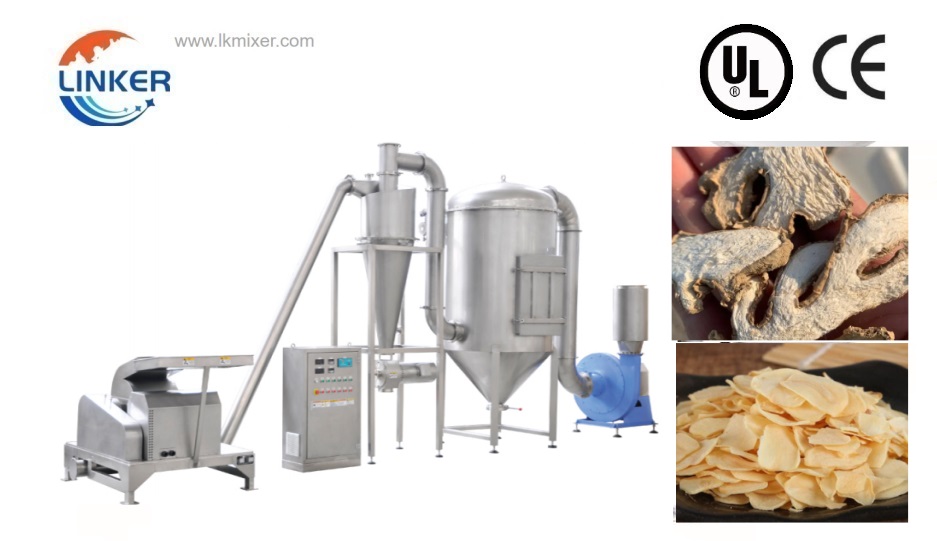
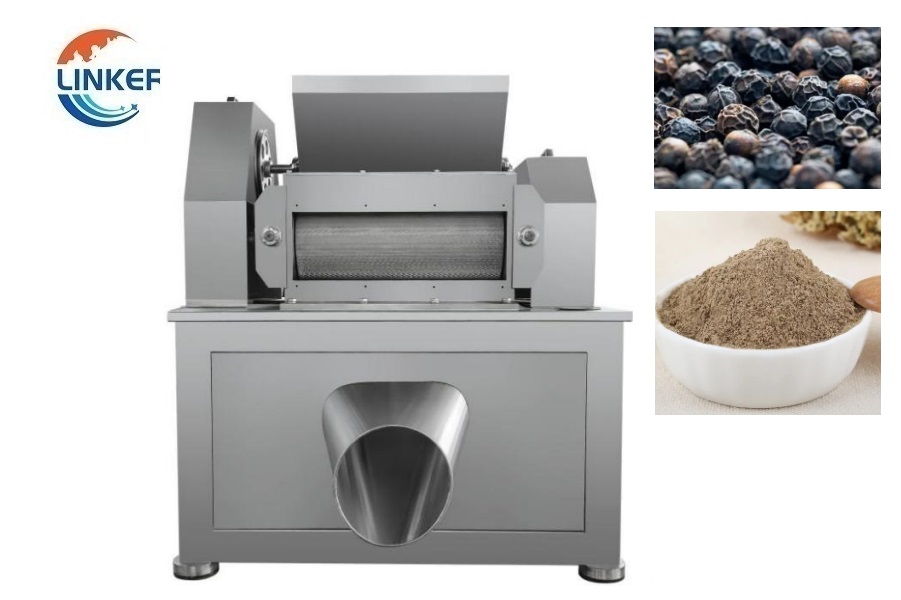
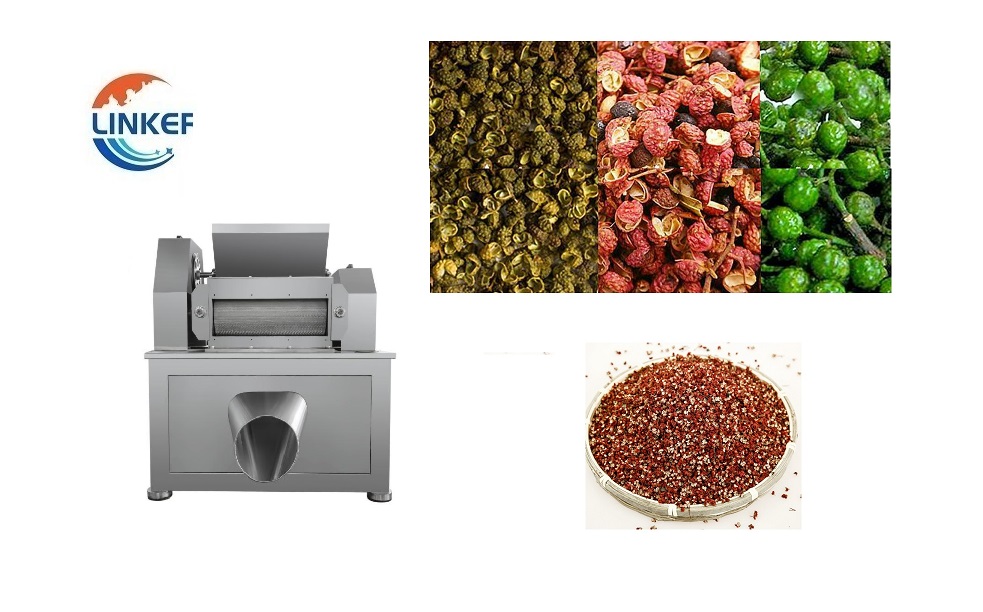
The key cognition is: the “full-automatic moringa leaf powder production line” on B2B platforms is approximately the combined sales of drying machine + grinding machine, connected by a conveyor belt in the middle; no supplier provides a quotation for a complete six-section full-automatic line including “fresh leaf cleaning + drying + crushing + screening + metering + packaging”; the “semi-automatic” line clearly requires manual bag placement for packaging, which is the current industry status. Common grinding equipment used in this route includes 500KG Grinder, 200KG grinder, dry ginger grinding machine, licorice grinding machine, black pepper grinder, etc., which can be selected according to production capacity and fineness requirements.
The core advantage of the dried leaf route is its ultra-fine crushing capacity. If you have extremely high requirements for powder fineness (such as food additives, cosmetic grade), the JSM ultra-fine crusher is the only equipment in the search results that gives clear technical indicators. Its crushing fineness is ≥2500 mesh (about 5 microns), which can reach the ultra-fine wall-breaking level, and the release rate of nutrients is extremely high; it is 40-50% more energy-saving than similar products, with long-term operation cost advantages; the feeding particle size is ≤50mm, and dried leaves can be directly put into it; it has no temperature rise, which is suitable for heat-sensitive materials, protecting vitamins and antioxidants in moringa leaves; it has wear resistance with Mohs hardness ≤5 and no pollution, and moringa leaf fibers have low hardness, so there is no risk of heavy metal pollution; it can operate continuously for 24 hours, ensuring industrial production.
However, this equipment also has its costs: it is only a crushing single machine, and front and rear sections need to be matched by yourself; the supplier has not disclosed the complete line scheme, which needs to be integrated by yourself; the price is not public, and inquiry is required. In conclusion, if you have a stable source of dried leaves and the finished products are mainly used in high-value-added fields, the combination of JSM ultra-fine crusher + automatic packaging machine is currently the combination with the highest technical upper limit. Auxiliary equipment such as Dust Grinder, dust collector grinder and Vacuum Mill can also be configured to improve the cleanliness of the production environment and the fineness of products.
2025 Latest Technology Direction: Low-Temperature Drying and Crushing Integration (Zhengzhou University Patent)
This is a patent-level solution for “heat-sensitive nutrition preservation” of moringa leaves, representing the direction of refined processing. Moringa leaves are rich in heat-sensitive nutrients such as vitamins and antioxidants. Traditional drying and crushing methods are easy to cause the loss of these nutrients, so low-temperature drying and crushing integration technology has become a new research hotspot.
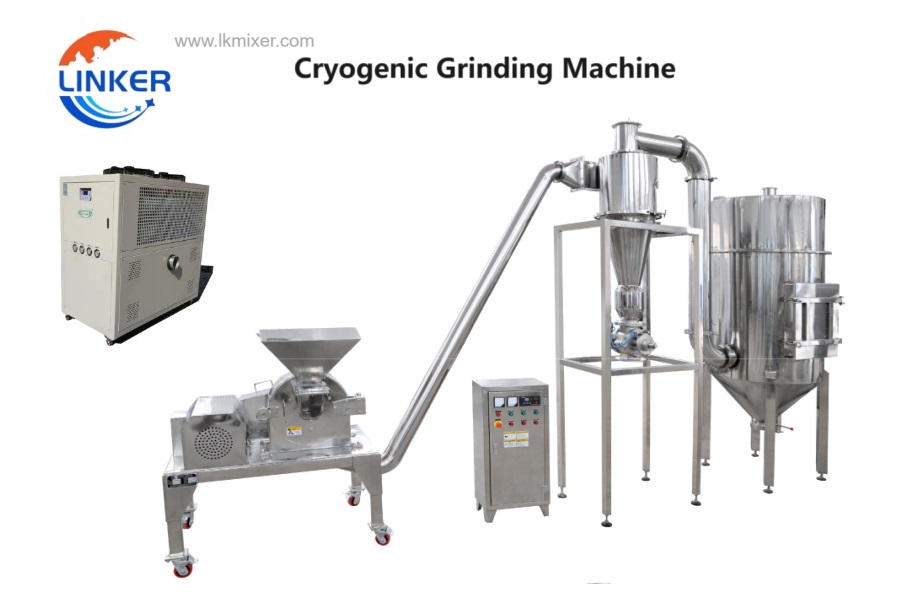
The industry pain point is that traditional air drying/hot air drying leads to the massive loss of vitamins and antioxidants; the solution is a cold air drying + multi-stage crushing integrated device; the core design includes: a hollow stirring shaft with air holes is set in the drying cavity, a cold air fan injects cold air into the shaft, which diffuses evenly through the holes; the rotating frame + metal filter drives the leaves to dynamically tumble for uniform heating; after drying, it directly falls into the crushing cavity, and the two-stage crushing fan blade performs coarse and fine classification crushing; the automation level does not detail PLC control, but it can realize continuous operation structurally. This device can use cryogenic grinding machine to further improve the effect of low-temperature crushing and better retain the active ingredients of moringa leaves.
The industrialization maturity is currently in the invention patent application stage (Zhengzhou University), and no industrialization cases have been retrieved so far; its value is that if you position it as a high-end health product raw material, this is a technical route worthy of attention; but currently, no equipment manufacturer can mass-produce this device, and you need to transform the patent yourself or find a non-standard customized manufacturer. The equipment of this technology can also use cutting type grinders to adjust the particle size of products according to needs.
Another simple scheme is the moringa tea powder preparation device (suitable for small-scale production), which is also a university-derived patent. It integrates the crushing knife and the drying plate in the same box, with a simpler structure and lower manufacturing cost, suitable for small-batch production. Its characteristics include: crushing and drying are carried out alternately or simultaneously in the same cavity; the controller links the crushing motor, rotating motor and temperature-controlled heater; its limitation is small production capacity and weaker continuity than the biscuit line scheme. This device can use small grinder machine or Electric Grinder for auxiliary crushing, which is suitable for small-scale enterprises and individual users.
Key Decision-Making Framework: What Exactly Do You Need?
Please find your own position. Different needs correspond to completely different procurement strategies. The automatic moringa leaf powder production line is still in the non-standard customization stage, and there is no standard answer, only combination schemes. Unlike the gypsum powder and washing powder lines you inquired about earlier, there are recognized design institutes and general contractors in the industry; but for the moringa leaf powder line, you are the system integrator yourself—you need to define needs, screen equipment, and assemble the production line.
If you are a food factory that needs to control the quality of fresh leaves and match the existing processing line, the recommended path is Route A: biscuit line patent scheme, with core equipment configuration including continuous ultrasonic cleaning + continuous oven + crusher + vibrating screen (with automatic return) + storage and metering hopper; the real automation level is that cleaning → drying → crushing → screening are fully automatic, only feeding is manual; the investment reference needs to inquire about non-standard integrators, estimated at 300,000-800,000 yuan; the risk prompt is that there is no existing complete machine manufacturer, and you need to find equipment from each section to assemble the line by yourself. The equipment used in this scheme can also refer to the supporting equipment of Dry Fruit Powder Grinder Machine and cassava grinding machine to improve processing efficiency.
If you have a source of dried leaves and produce ordinary food-grade moringa leaf powder on a large scale, the recommended path is Route B-1: crushing single machine + automatic packaging, with core equipment configuration including JSM ultra-fine crusher (or similar) + fully automatic screw metering packaging machine; the real automation level is that crushing is automatic, packaging is automatic, and intermediate conveying is automatic; the investment reference is 150,000-300,000 yuan (crusher) + 50,000-100,000 yuan (packaging machine); the risk prompt is whether the fineness ≥2500 mesh is stable, and you need to ask for a test report. This scheme can also use universal grinder and airflow pulverizer to adjust the fineness of products.
If you have a source of dried leaves and are small-scale/budget-constrained, the recommended path is Route B-2: mid-to-low-end crushing single machine, with core equipment configuration including HNOC/Baixin-type grinder + semi-automatic packaging; the real automation level is that the single machine feeds automatically, and manual bag placement is required for packaging; the investment reference is 10,000-50,000 yuan (crusher) + 10,000-20,000 yuan (semi-automatic packaging); the risk prompt is that the fineness is only 20-120 mesh, suitable for feed/primary processing. This scheme can use small grinder machine, Electric Grinder and Industrial Weed Grinder for auxiliary processing.
If you are a high-end health product/cosmetic raw material that needs to retain active ingredients to the greatest extent, the recommended path is Route C: low-temperature drying and crushing integration, with core equipment configuration including Zhengzhou University patent scheme (needing non-standard customization); the real automation level is that it can be continuous in design, with no commercial finished products; the investment reference is high technical transformation cost, estimated at 200,000-500,000 yuan (prototype); the risk prompt is no mature supplier and high R&D risk. This scheme can use cryogenic grinding machine and Vacuum Mill to ensure the quality of products.
The core warning (different from all production lines you inquired about earlier) is: there is no benchmark supplier of moringa leaf powder line at the level of “Saint-Gobain Gypsum” or “Mingzhi Washing Powder Tower”; any supplier that claims to have an “automatic moringa leaf powder production line” and quotes directly sells a combination of drying machine + crusher, not a six-section full-process line; the only verified full-process automatic scheme comes from a biscuit factory patent, not an equipment manufacturer. It should be noted that the automatic moringa leaf powder production line does not involve equipment such as metal processing, cannabis processing, and chemical processing, and the equipment should not be confused with other production lines.
Real Action Suggestions for You: How Not to Be Misled by B2B Platforms
The first step is to clarify your three parameters (indispensable): 1. Raw material state: fresh leaves (moisture content ~80%) or dried leaves (moisture content <12%)? 2. Target production capacity: how many kilograms of fresh leaves are processed per hour? Or how many tons of dry powder are produced per day? 3. Target fineness: ordinary powder (40-80 mesh), fine powder (80-200 mesh), ultra-fine powder (≥1000 mesh)? Without these three numbers, no supplier can quote, and any inquiry is a waste of time for both parties. The selection of equipment such as grinding machines and crushers also needs to be determined according to these three parameters.
The second step is to accurately connect with suppliers (speech template). If you take the full-process fresh leaf route (high investment, high quality), you can say: “I need a fully automatic production line from fresh moringa leaves to finished dry powder, including five sections: continuous ultrasonic cleaning, continuous drying, crushing, screening automatic return, and automatic metering and packaging. Referring to the 2019 patent technology of Shantou Maofa Food, the production capacity requirement is XXX kg/h (fresh leaves). Please provide similar leaf processing complete line cases and videos done by your company.” The type of supplier: do not look for “moringa leaf-specific” manufacturers, but look for fruit and vegetable dehydration and powder making complete line suppliers (such as food machinery integrators in Shandong and Jiangsu). Moringa leaves are only one type of leaf processing, and the equipment is universal. These suppliers usually have experience in producing equipment such as Dry Fruit Powder Grinder Machine and cassava grinding machine, and can better meet the processing needs of moringa leaves.
If you take the dried leaf crushing route (conventional industrialization), you can say: “I need to purchase a moringa leaf-specific ultra-fine crusher, requiring: stable fineness up to XXX mesh, 24-hour continuous operation, with self-splitting classification system (coarse powder automatically returns), 304 stainless steel, and priority to those with EU food-grade certification. Please provide the test fineness report of this model on moringa leaves or similar fibrous materials.” The type of supplier: directly search for “ultra-fine crusher fibrous materials” or contact the JSM equipment manufacturer (such as Jiangyin Fine/Sichuan Juzi, etc.); do not believe the phrase “moringa leaf-specific”, but ask for test data. These suppliers usually provide a variety of grinding equipment such as CE Certificate grinder, 500KG Grinder, 200KG grinder, which can meet different production needs.
The third step is to ask for the necessary documents (to avoid being deceived by the “full-automatic” speech): 1. Process flow chart (P&ID) — to see if the sections are complete and whether there is automatic return and automatic metering; 2. I/O point list — the number of points directly reflects the depth of automation; 3. On-site inspection address of customers with put-into-production moringa leaves/similar leaves — 90% of B2B platforms cannot provide this; 4. 72-hour continuous operation assessment report — production capacity, yield, power consumption, fineness stability. These documents can help you accurately judge the technical level and reliability of the supplier and the equipment.
The final core summary: the moringa leaf powder production line is still in the “non-standard customization” stage; there is no standard answer, only combination schemes. Unlike the gypsum powder and washing powder lines you inquired about earlier, there are recognized design institutes and general contractors in the industry; but for the moringa leaf powder line, you are the system integrator yourself—you need to define needs, screen equipment, and assemble the production line. If you can tell me the specific raw material state, target hourly output, target fineness, and budget range, I can draw a “feasible” equipment combination list and connection diagram based on the section logic of the biscuit line patent and the technical upper limit of JSM ultra-fine crushing, helping you avoid wrong investment and select the most suitable automatic moringa leaf powder production line.
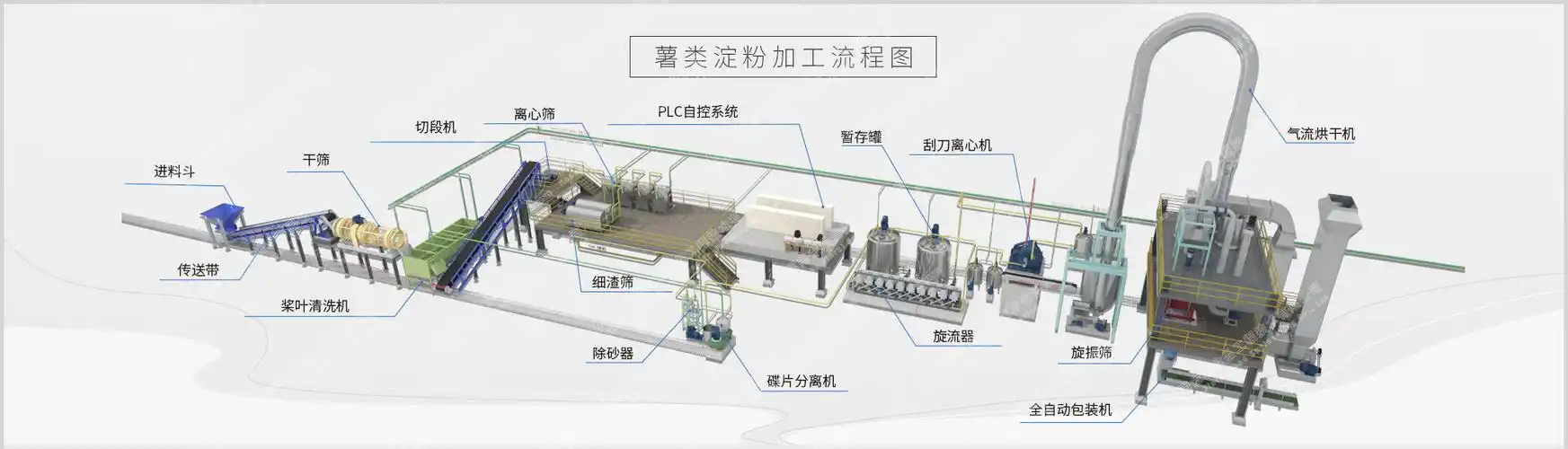
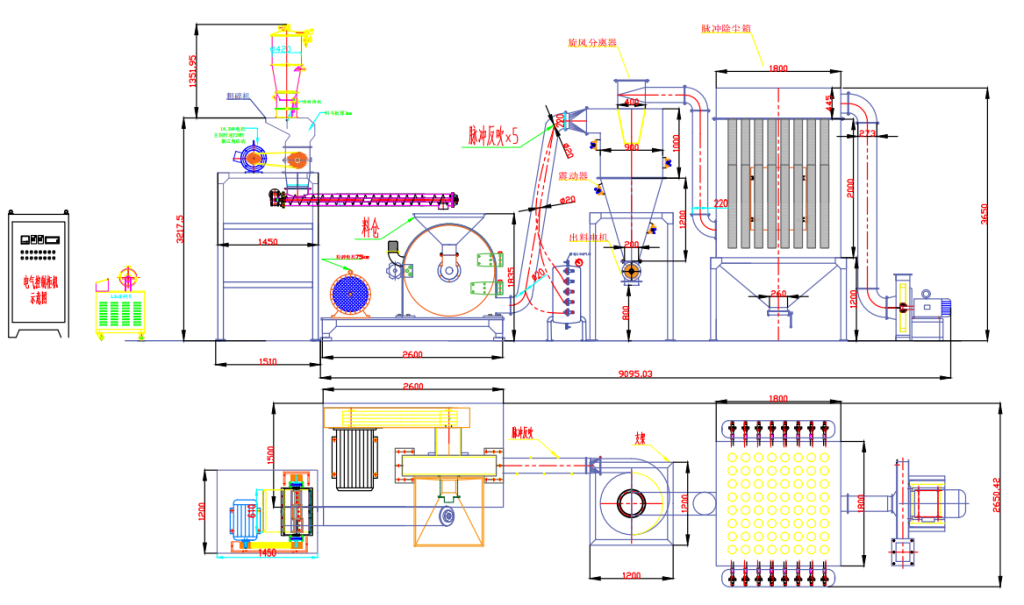

Parameters:

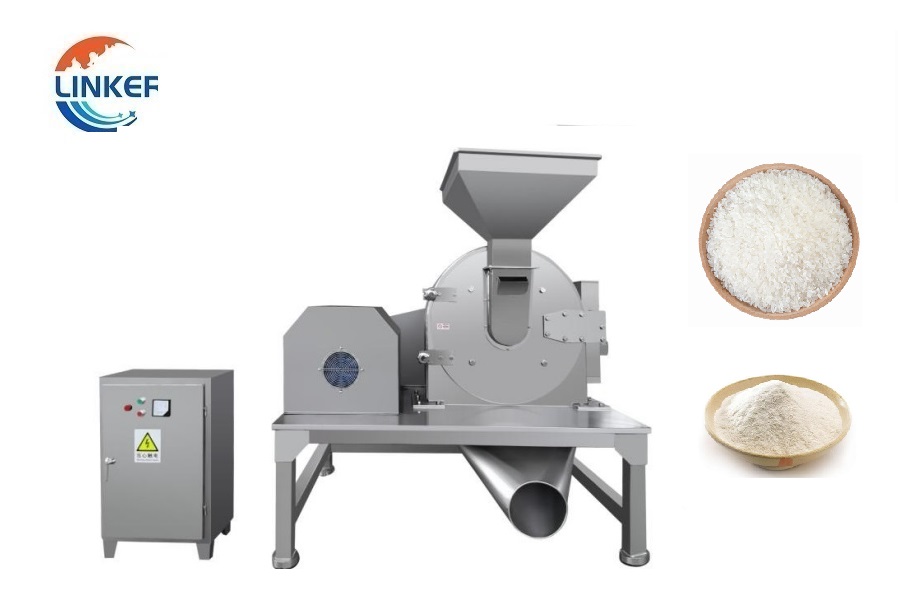
Model Name | SG-600 | |
| Crushing Capacity(kg/h) | 1000~2000 | |
| Power(kw) | 11 | |
| Feeding Size(mm) | <5mm | |
| Fineness(mesh) | 20~40mesh |
Model Name | SG-800 | |
| Crushing Capacity(kg/h) | 2000~4000 | |
| Power(kw) | 15 | |
| Feeding Size(mm) | <5mm | |
| Fineness(mesh) | 20~40mesh |
Trade Capacity
| International Commercial Terms(Incoterms): | FOB, CIF, CFR | Terms of Payment: | LC, T/T, PayPal, Western Union |
| Average Lead Time | 60 working days | Main Markets | North America, South America, Europe, Southeast Asia/ Mideast, East Asia(Japan/ South Korea), Australia, Domestic |
| Nearest Port: | Ningbo Port; Shanghai Port | Factory Address: | JiangSu, China |
Ampere of Motors Customization for Seeds Grinder:
| KW | HP | Ampere |
| 75kw | 100HP | 135A |
| 55kw | 75HP | 99A |
| 30kw | 40HP | 54A |
| 22kw | 30HP | 39A |
| 2.2kw | 3HP | 3.9A |
| 1.5kw | 2HP | 2.7A |
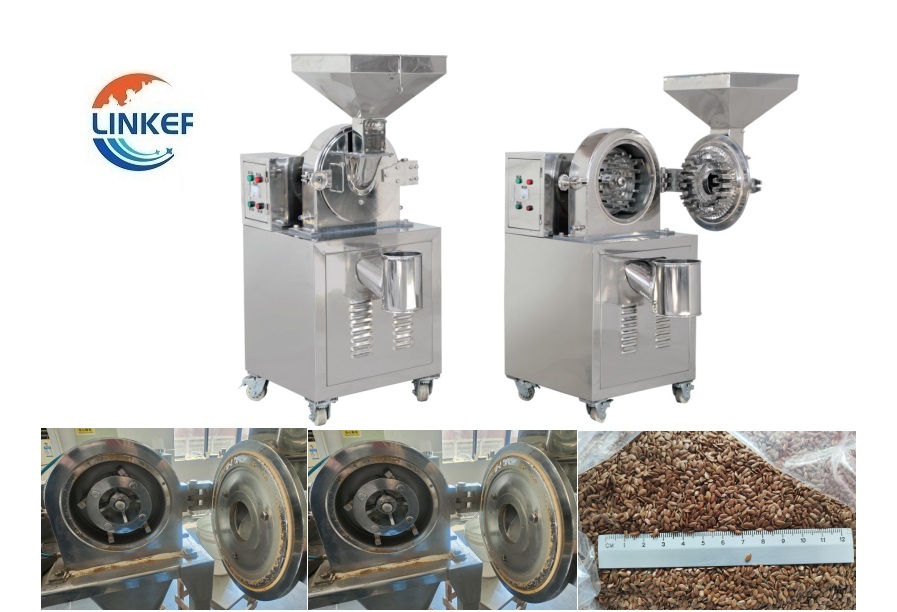
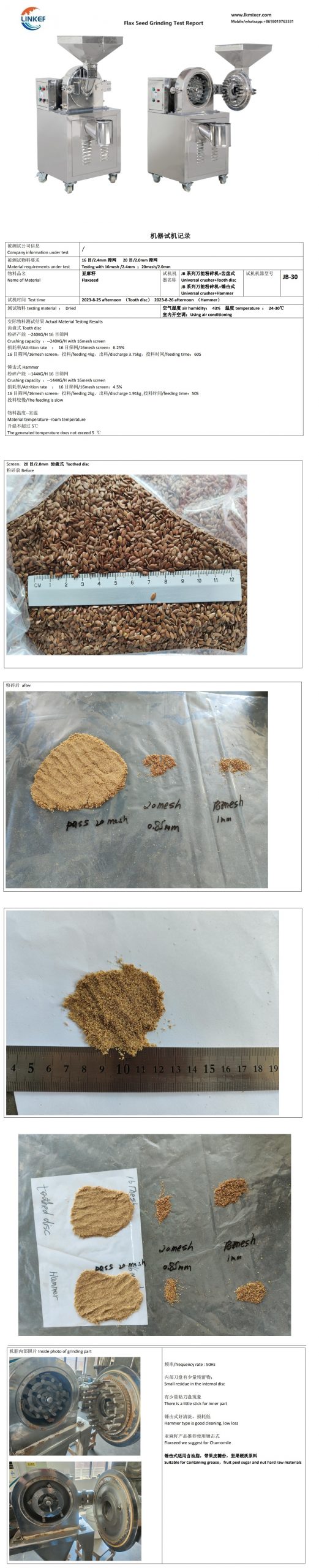
Test Report for Flax Seed Grinder:
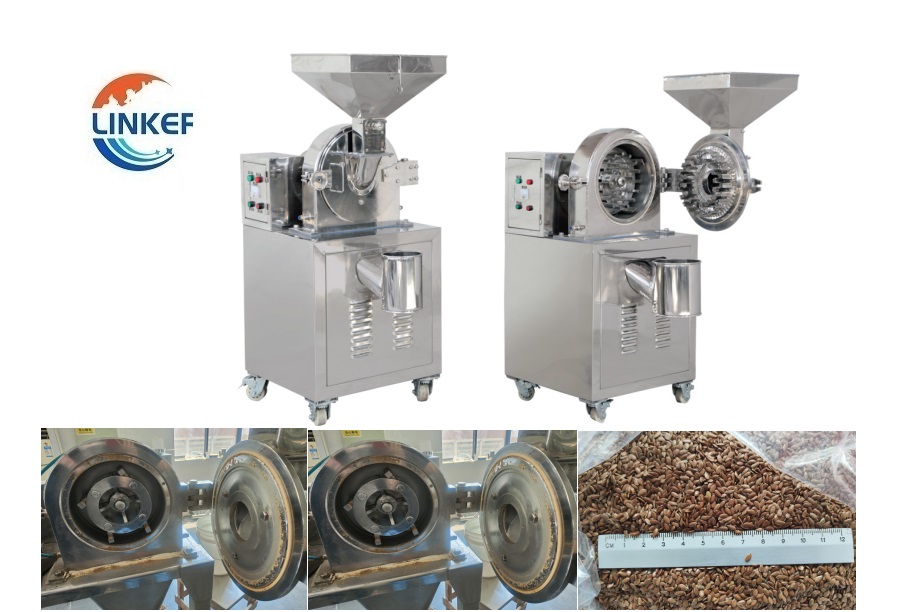
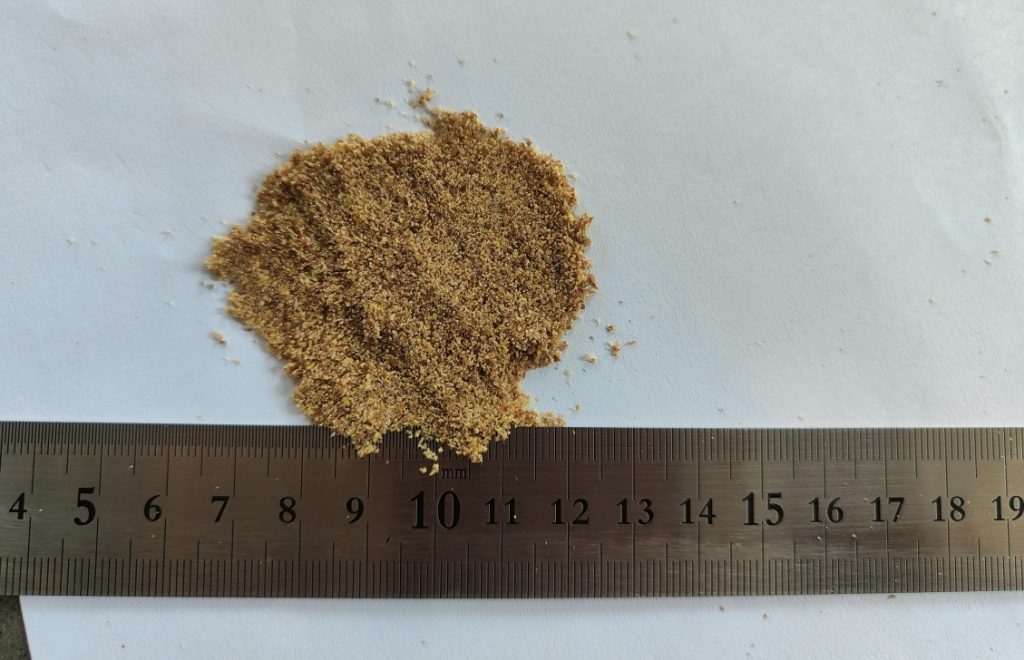
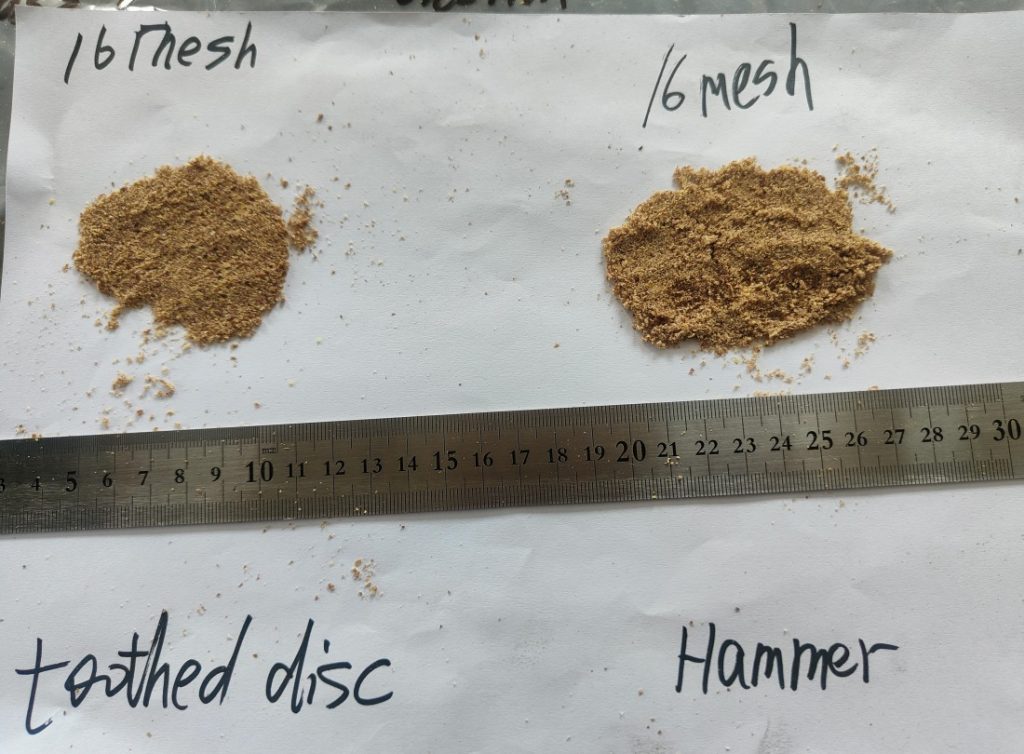
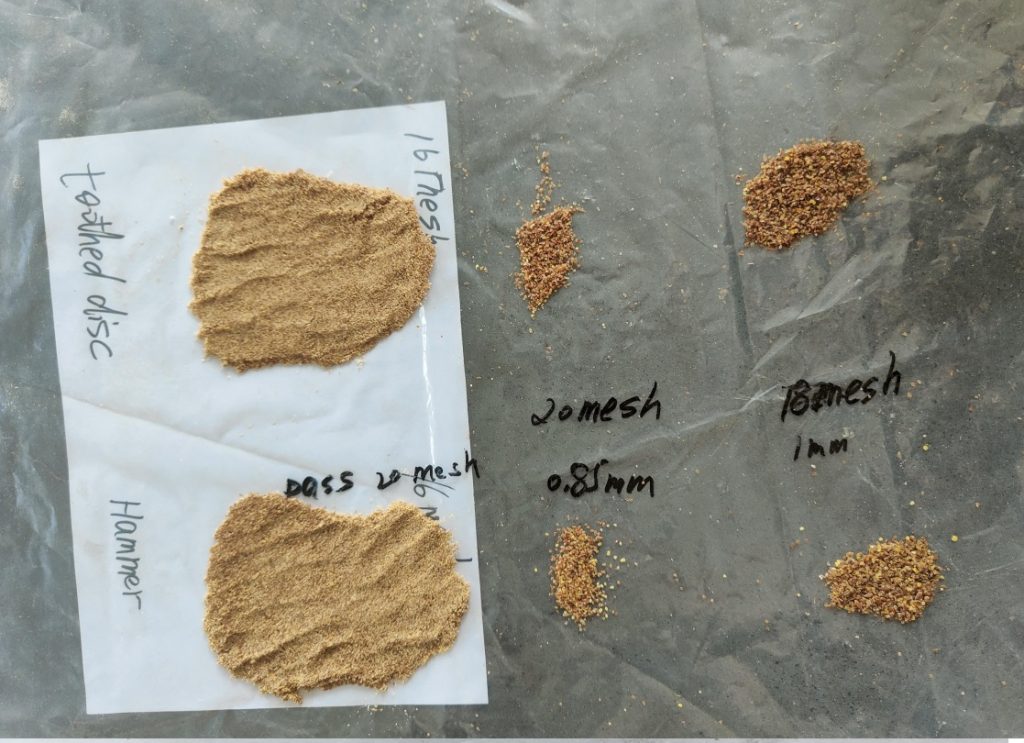
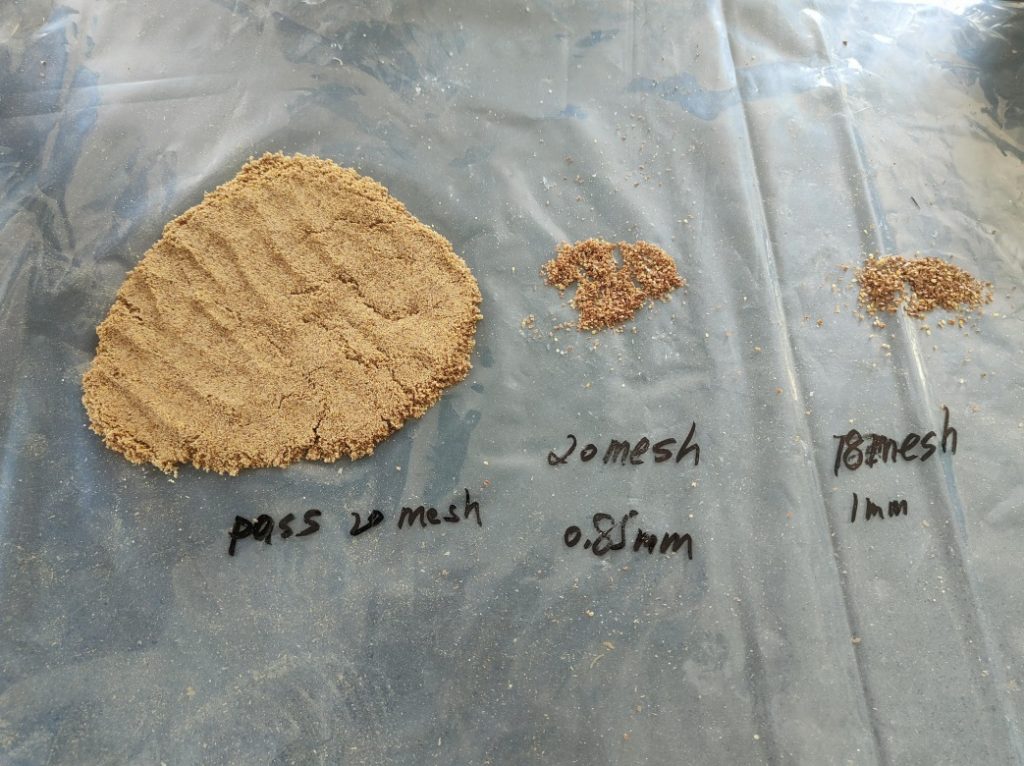
A flax seed grinder is a type of seed nut grinder specifically designed for grinding flax seeds. Flax seeds are small, hard seeds that are packed with nutrition and are commonly used in baking and cooking. Grinding flax seeds helps to unlock their nutrients and make them easier to digest.
Flax seed grinders typically feature sharp blades or burrs that rotate to crush the flax seeds into a fine powder. This powder can then be used in a variety of recipes, such as smoothies, baked goods, and yogurt toppings. Some flax seed grinders are manual and require hand-cranking, while others are electric and feature powerful motors for faster grinding.
When choosing a flax seed grinder, it’s important to look for one with durable blades or burrs that can withstand the hard texture of flax seeds.
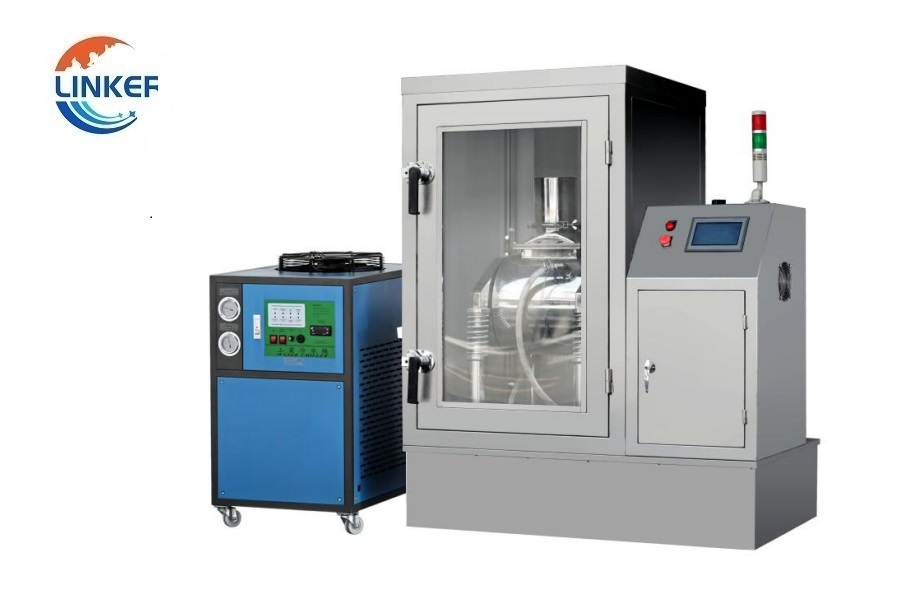
There are 3 ways of cooling down the grinder: water cooling system; air cooling system and liquid nitrogen freezing system. You can choose the right one if the grinder gets too hot. When machines goes too hot, the metal can expand, causing the grinding wheel to get stuck.
| Business Type: | Manufacturer/Factory | Main Products: | Mill, grinder, granulator, mixer, Crushing Equipment |
| Number of Employees: | 100 | Year of Establishment: | 2014.05 |
| Production Capacity | 5000Set/Year | After-sales Service: | Technical Support; on-line teach lessons |
| R&D Capacity: | ODM, OEM | Annual Output Value: | US$5 Million – US$10 Million |
| No. of R&D Staff: | 5 | No. of Production Lines: | 6 |
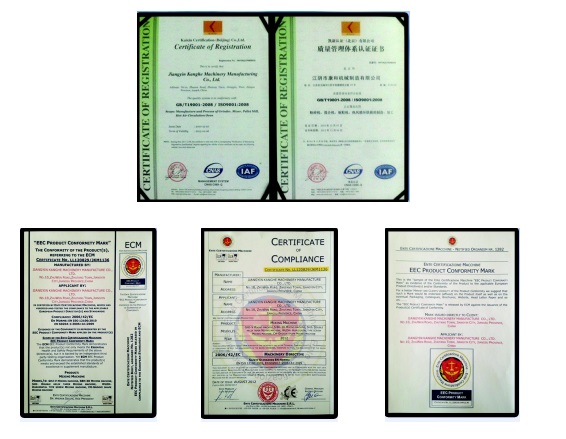
LK Mixer is a professional manufacturer for grinder, mixer and pulverizer. These machines are widely used in pharmaceutical, cosmetic, health care products and chemical industries. Our main product including granulating machine, grinder, mixer, dryer, etc. All mechanical products in accordance with the China GMP design requirements. And also we have other certifications such as CE, UL for motors.
Business Philosophy
“Quality is the main policy of sales” and “integrity is the principle of success” are the business philosophy of our people. We carry out one-year warranty, lifelong maintenance service, with technical consultation, with material test machine and other services, and long-term supply of equipment. Welcome new and old customers to negotiate cooperation!
Certifications:
Customer Side Machine Groups Showcase Videos:
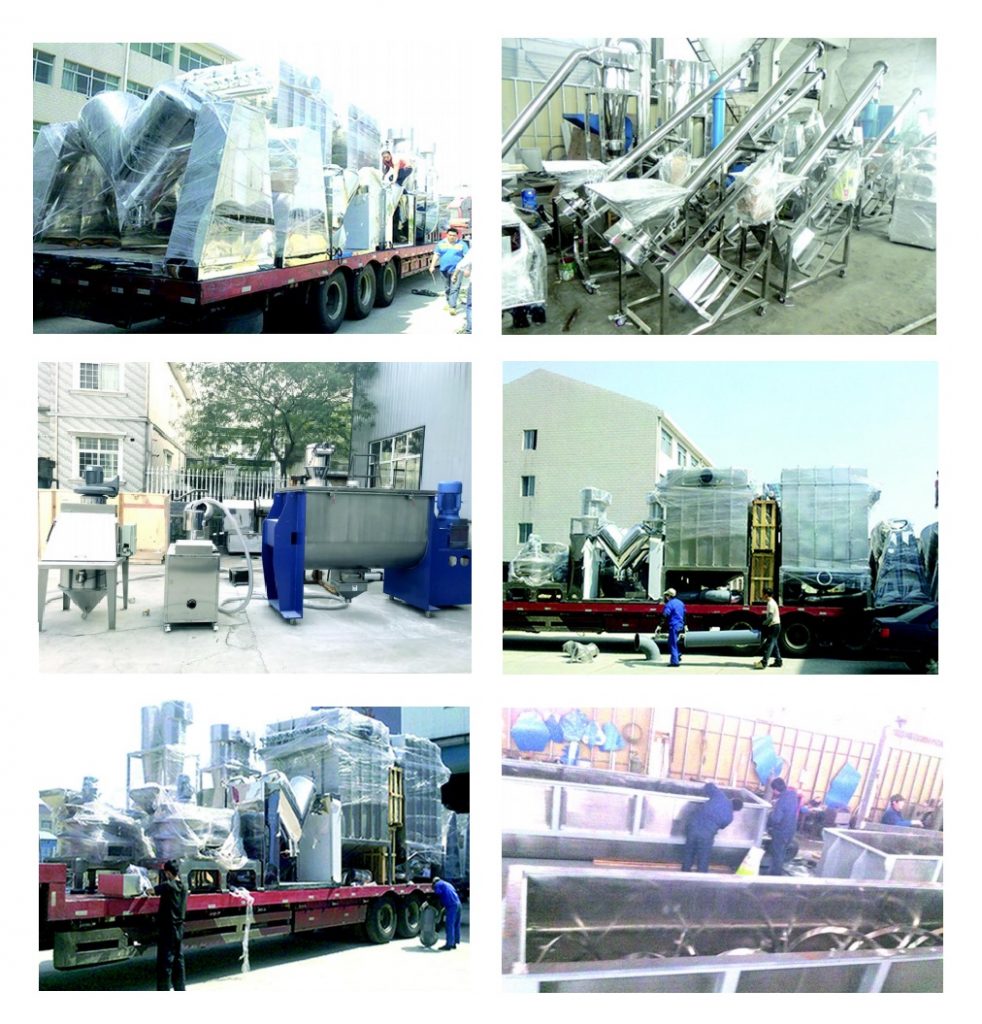
Dust Collector Shipment
Shipment – Packing Method
Two Large Industrial Grinder Ready to Ship
Domestic Shipment Show Case:
Operation Instruction
General Provisions
The operation instructions for a commercial grinder may vary depending on the specific model and manufacturer. However, here are some general guidelines that may apply to many high speed grinders:
- Safety precautions: Before operating the high speed grinder, it is important to review all safety precautions and warnings provided in the user manual. Safety precautions may include wearing appropriate personal protective equipment, such as eye protection and hearing protection, and avoiding loose clothing or jewelry that could become caught in the grinder.
- Preparation: The high speed grinder should be placed on a stable and level surface, and all necessary components should be assembled according to the manufacturer’s instructions. The grinder should also be connected to a power source that is appropriate for its voltage and wattage.
- Loading the grinder: The material to be ground should be loaded into the grinder according to the manufacturer’s instructions. Overloading the grinder may cause damage to the machine and result in poor grinding performance.
- Starting the grinder: The grinder should be started according to the manufacturer’s instructions. This may involve pressing a button, turning a dial, or flipping a switch. The user should ensure that their hands are clear of the grinder and that the material to be ground is positioned properly.
- Adjusting the speed and settings: The speed and other settings of the high speed grinder may be adjusted according to the material being ground and the desired outcome. The user should follow the manufacturer’s instructions for making adjustments to the grinder.
- Monitoring the grinding process: The user should monitor the grinding process to ensure that it is progressing smoothly and that the material is being ground to the desired size and consistency. Any issues or abnormalities should be addressed promptly to prevent damage to the machine.
- Shutting down the grinder: When the grinding process is complete, the grinder should be shut down according to the manufacturer’s instructions. The user should ensure that the machine is completely stopped and that all moving parts have come to a complete stop before attempting to clean or service the grinder.
Overall, the operation instructions for a commercial grinder may involve a number of steps and safety precautions. It is important to carefully review the manufacturer’s instructions and follow proper operating procedures to ensure safe and effective use of the machine.
Preparation Work
Before running a commercial grinder, there are several important preparation steps that should be taken to ensure safe and effective operation of the machine. Here are some general guidelines for preparing to run a high speed grinder:
- Read the user manual: The first step in preparing to run a high speed grinder is to carefully read the user manual provided by the manufacturer. The user manual will provide important information about the specific model of grinder being used, including its features, specifications, and safety precautions.
- Select the appropriate grinding wheel: The grinding wheel used in a high speed grinder should be selected based on the material being ground and the desired outcome. It is important to use the correct type of grinding wheel to prevent damage to the machine and ensure optimal grinding performance.
- Inspect the grinder: Before running the grinder, it is important to inspect it for any signs of damage or wear. The user should check for loose or missing components, cracks or other signs of damage to the machine’s housing or other parts, and any other issues that could affect the grinder’s operation.
- Install the grinding wheel: The grinding wheel should be installed according to the manufacturer’s instructions, making sure that it is securely fastened and aligned properly. The user should also check the wheel for any cracks or other signs of damage before installation.
- Secure the workpiece: The workpiece to be ground should be securely clamped or held in place before starting the grinder. This will help to ensure safe and effective operation and prevent the workpiece from becoming dislodged or damaged during grinding.
- Connect the power source: The high speed grinder should be connected to a power source that is appropriate for its voltage and wattage. It is important to use a properly grounded power source to ensure safe and reliable operation of the machine.
- Test run: Before beginning actual grinding operations, it may be useful to perform a test run to ensure that the grinder is functioning properly and that the grinding wheel is aligned and balanced properly. The user should follow the manufacturer’s instructions for performing a test run.
By following these preparation steps, users can ensure safe and effective operation of a high speed grinder and achieve optimal grinding results.
Treatment of inspection
Inspection of a commercial grinder is an important maintenance procedure that helps ensure safe and effective operation of the machine. Here are some general guidelines for inspecting a high speed grinder:
- Disconnect power source: Before performing any inspection or maintenance on a high speed grinder, the power source should be disconnected to prevent accidental startup.
- Check for wear and damage: The user should inspect the grinder for any signs of wear or damage, such as cracks in the housing, worn or damaged grinding wheels, or loose or missing parts. Any issues should be addressed promptly to prevent further damage to the machine.
- Check alignment and balance of grinding wheel: The grinding wheel should be inspected for proper alignment and balance, as these factors can affect the quality of the grinding operation. If the grinding wheel is not properly aligned or balanced, it should be adjusted or replaced as necessary.
- Check for proper lubrication: The high speed grinder should be inspected for proper lubrication, as inadequate lubrication can cause excessive wear and damage to the machine’s moving parts. The user should follow the manufacturer’s instructions for lubrication, and add lubricant as necessary.
- Inspect electrical components: The electrical components of the high speed grinder, including the wiring, switches, and control panel, should be inspected for any signs of wear, damage, or loose connections. Any issues should be addressed promptly to prevent electrical problems.
- Test run: After completing the inspection, it may be useful to perform a test run of the high speed grinder to ensure that it is functioning properly and that any issues have been addressed.
By following these inspection guidelines, users can help ensure safe and effective operation of a high speed grinder and minimize the risk of damage or injury during grinding operations.
Operation Attention
Running a commercial grinder can be a dangerous operation if proper precautions are not taken. Here are some general guidelines for safe operation of a high speed grinder:
- Personal protective equipment: The user should wear appropriate personal protective equipment, such as safety glasses, hearing protection, and gloves, to prevent injury from flying debris, noise, and contact with the grinding wheel.
- Secure workpiece: The workpiece being ground should be securely clamped or held in place to prevent it from becoming dislodged during grinding.
- Use proper grinding wheel: The user should select the appropriate grinding wheel for the material being ground and ensure that it is installed correctly and securely. The grinding wheel should be inspected for cracks or other damage before use.
- Adjust grinding wheel speed: The speed of the grinding wheel should be adjusted according to the manufacturer’s instructions to ensure optimal grinding performance and prevent damage to the machine or workpiece.
- Avoid excessive pressure: The user should avoid applying excessive pressure to the grinding wheel, as this can cause the wheel to overheat and wear out more quickly.
- Avoid overheating: The high speed grinder should not be operated continuously for extended periods of time, as this can cause overheating and damage to the machine.
- Monitor grinding operation: The user should closely monitor the grinding operation to ensure that the workpiece is being ground properly and that the grinding wheel is functioning correctly.
- Disconnect power source: After completing grinding operations, the power source should be disconnected to prevent accidental startup.
By following these guidelines, users can operate a high speed grinder safely and effectively, and achieve optimal grinding results. It is important to follow the manufacturer’s instructions and all applicable safety regulations when operating any type of machinery.
Applications of Industrial Seed Grinder
Industrial seed grinders are used in a variety of applications across many industries. Here are some of the most common applications of industrial seed grinders:
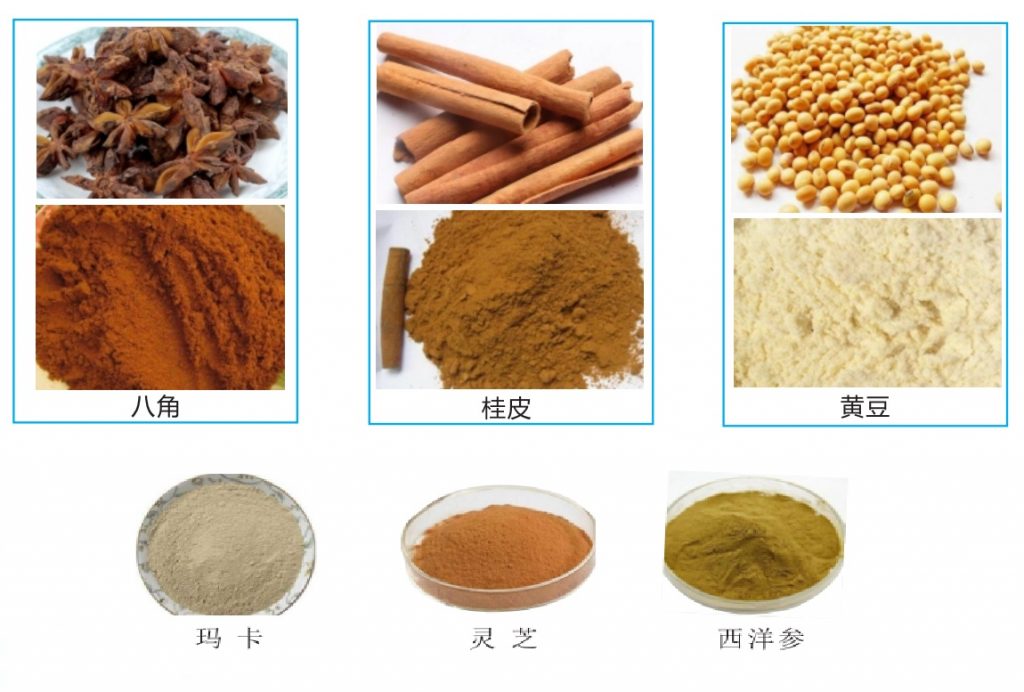
- Food industry: Industrial seed grinders are used extensively in the food industry to grind seeds, nuts, and spices into fine powders or pastes. These powders and pastes are then used in a variety of products such as sauces, seasonings, and spreads.
- Pharmaceutical industry: In the pharmaceutical industry, industrial seed grinders are used to grind plant material into a fine powder, which is then used to make medicines and supplements.
- Cosmetics industry: Industrial seed grinders are also used in the cosmetics industry to grind plant material into a fine powder or paste, which is then used in products such as face masks, scrubs, and exfoliants.
- Agricultural industry: Industrial seed grinders are used in the agricultural industry to process seeds, such as soybeans, into animal feed.
- Chemical industry: In the chemical industry, industrial seed grinders are used to grind materials such as resins, pigments, and dyes into a fine powder.
- Renewable energy industry: Industrial seed grinders are also used in the renewable energy industry to process biomass into a fine powder, which is then burned to generate electricity.
Overall, industrial seed grinders are versatile machines that are used in many different industries for a variety of applications. They are essential for processing plant material into fine powders and pastes that can be used in many different products.
Food Producing Process Flow:
Ultrafine grinding is one of the very key procedure in whole production line. It depends how many mesh that customer need to produce. That’s to say this machine can decide what kind of material will get finally before mxing.
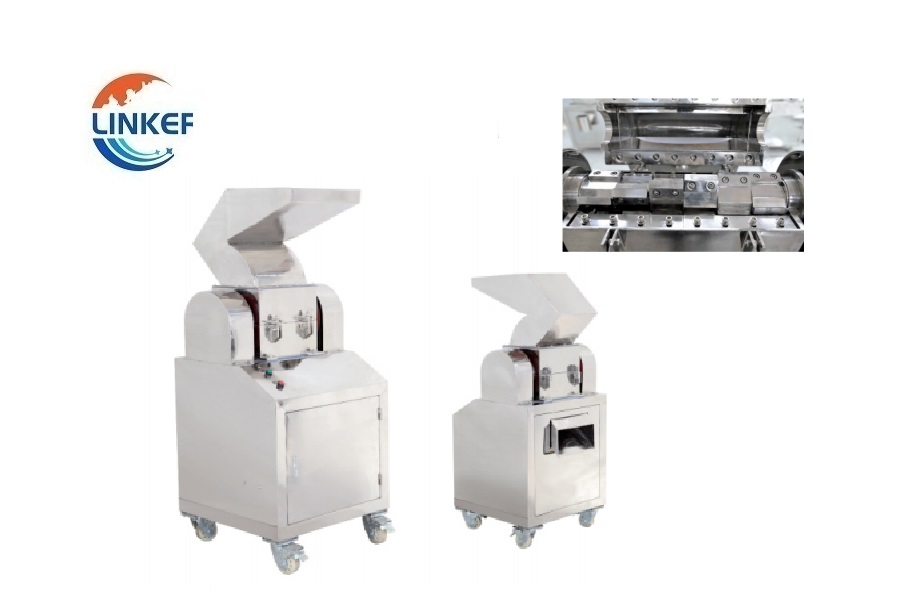
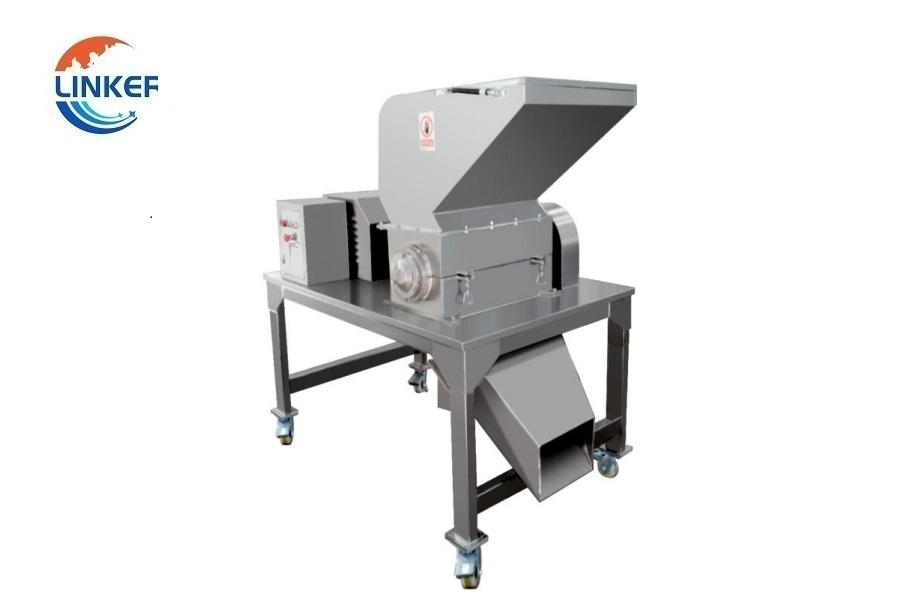
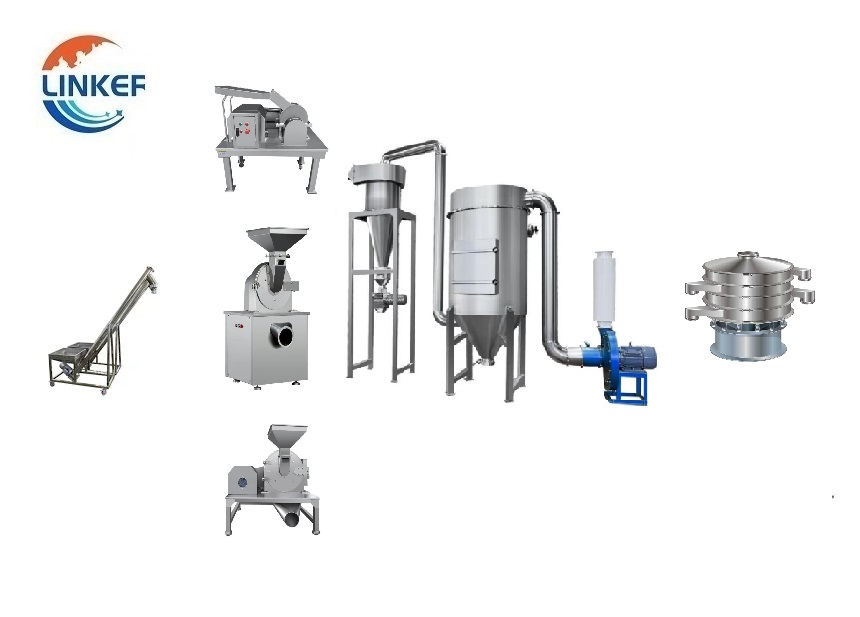
Coarse Crusher Machine —>Grinding Machine —> Vibrating Table Sifter Machine—>Mixing Machine—>Packing Machine —> (Printed Packaging Film Roll or bags ) —> Filling, sealing machine, capping and Labeling Machine —>Pack into Box.
Contact us for detail proposal and cost:
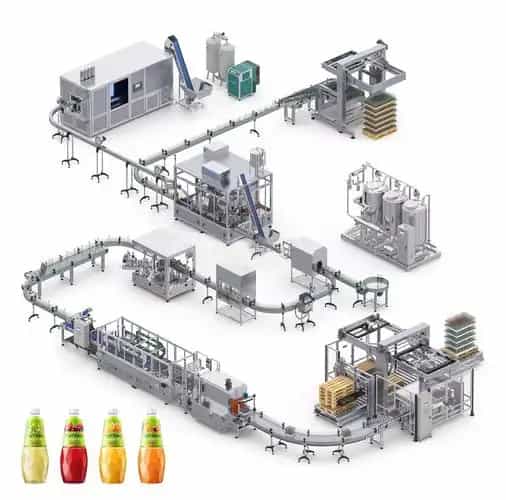

Automatic Banana Powder Production Line Youtube Video
Customization Seeds Grinder According to your Capacity:
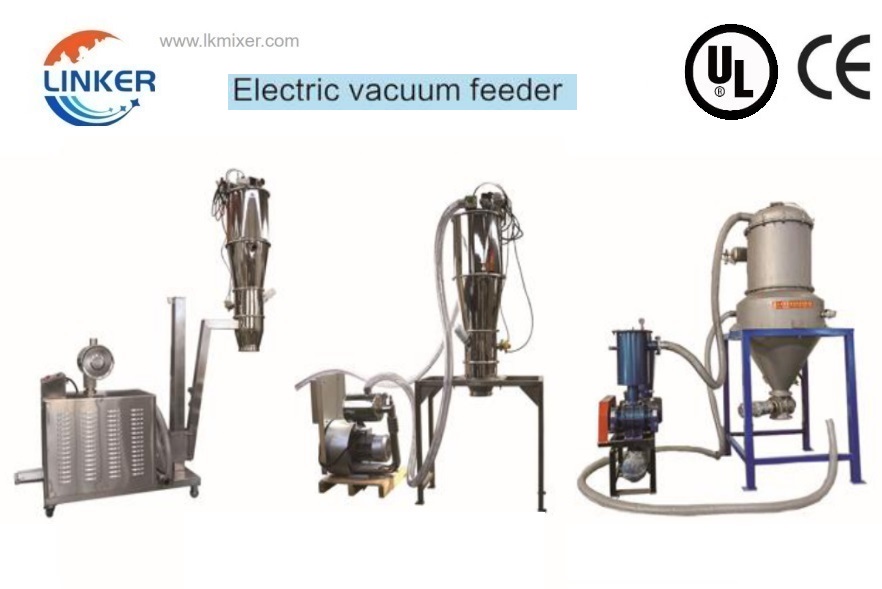
We can customize the capacity according to your special requirement, we can also customize the vacuum feeder connect with your production line (the dimension and width of grinder), for detail contact with our sales for proposal and price.
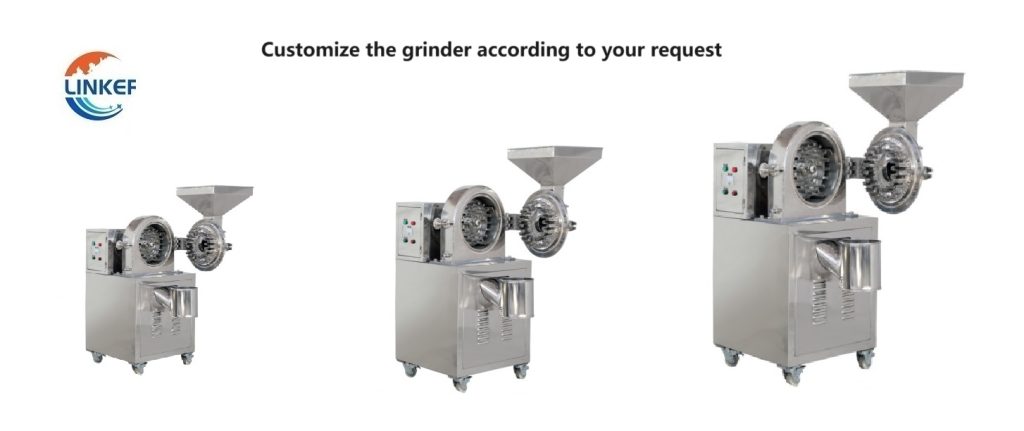
Videos of Seeds Grinder Machine:
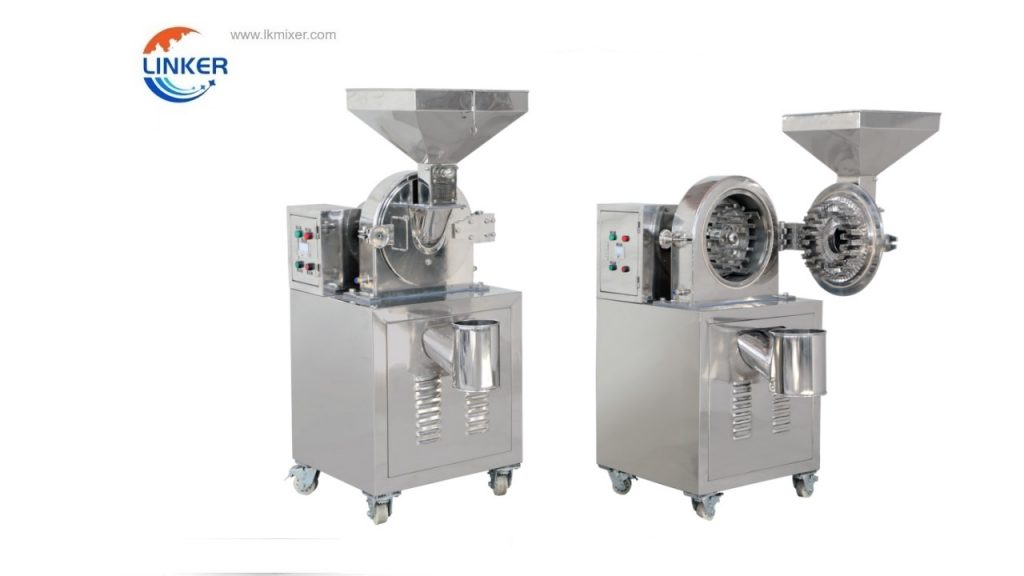
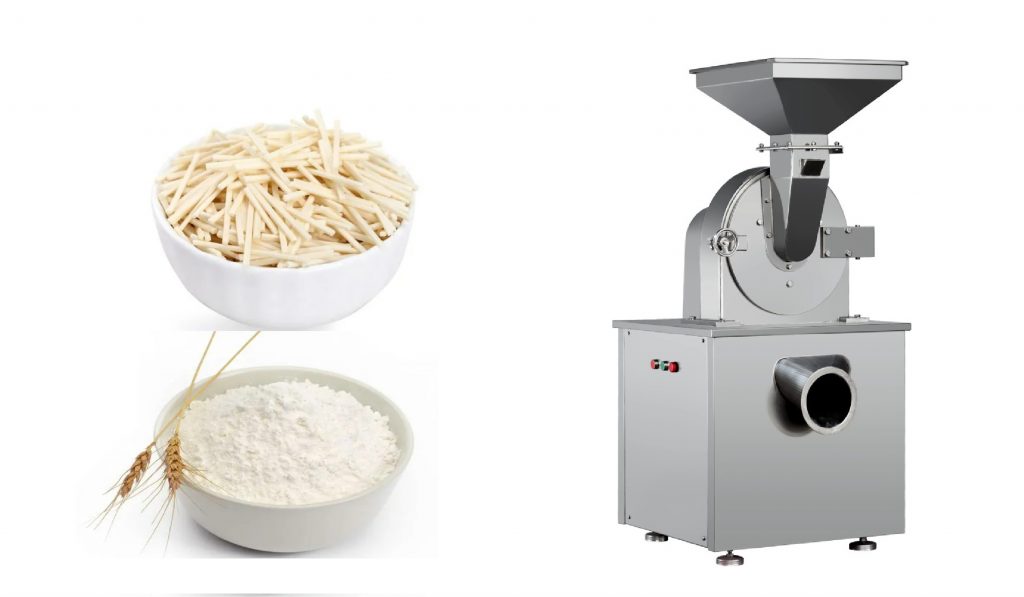
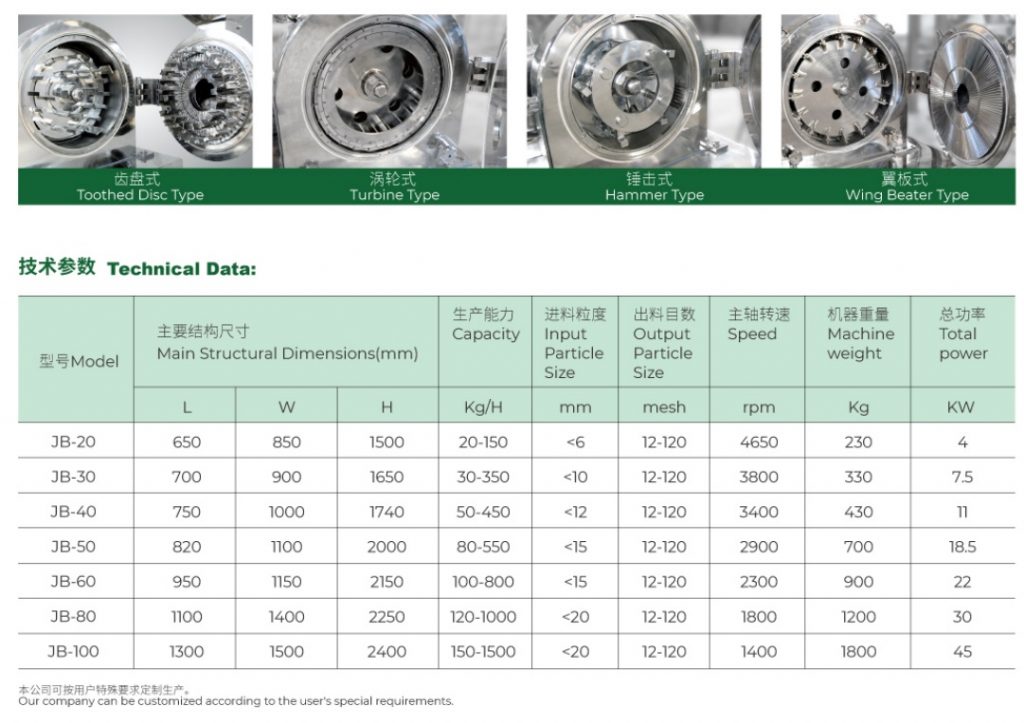
Many model of Seeds Grinder, the universal grinder is suitable to cut the seeds into 12-120mesh, the high efficient grinder is useful, but cost a little bit higher than universal. The super fine grinder can grind into 100mesh to 320mesh. Customer can choose according to your own requirement. here show some example:
About LKMixer
LKMixer is a professional manufacturer for fertilizer production line, grinder, mixer and granulator, shredder. These machines are widely used in food, pharmaceutical, cosmetic, health care products and chemical industries. The Food materials like Peanut, mushroom, seeds, potato, bean, tobacco, salt, cannabis, tea, Sugar, corn, Coffee, rice, pepper, grain as so on. Grinders have many types such as Pulse Dust Grinder which suitable for zero pollution environment, Turbine Mill which is suitable for coffee bean, 12-120mesh all can meet, Ultrafine Grinding Mill covers 80-200mesh, and also Winnowing Dust Grinder or other grinding machines like SF Hammer. Welcome to contact us for details. Contact us for more information. Proposal, catalog, quotation. Mobile/WhatsApp: +86 18019763531 Tel: +86 21 66037855 Email: sales@lkmixer.com
Contact Us
FAQ(Click and See More)
Read More about Herb Grinder:
Why are herb grinders so expensive?
Are electric herb grinders good?
What is the best way to grind up herbs?
Can you chop herbs in a coffee grinder?
How to grind dried herbs into powder?