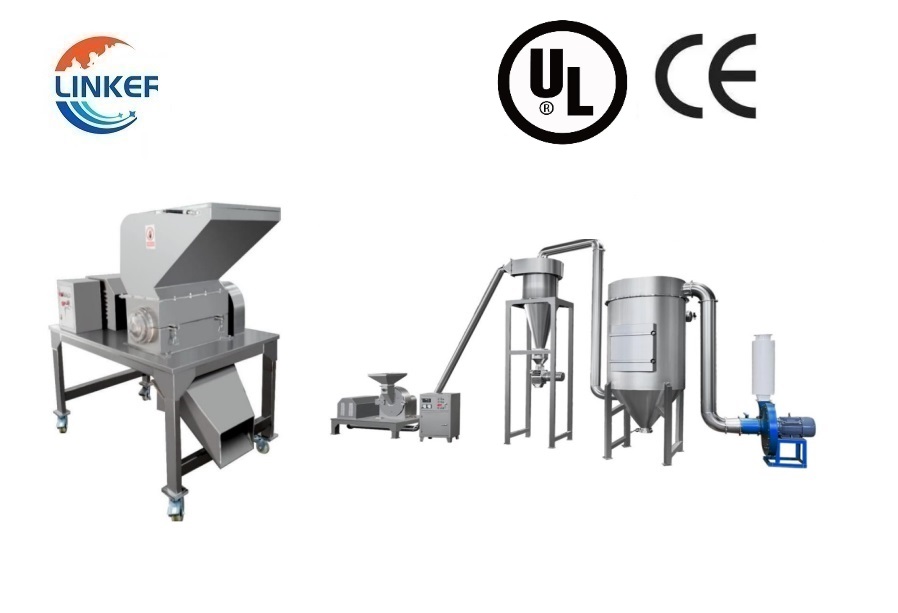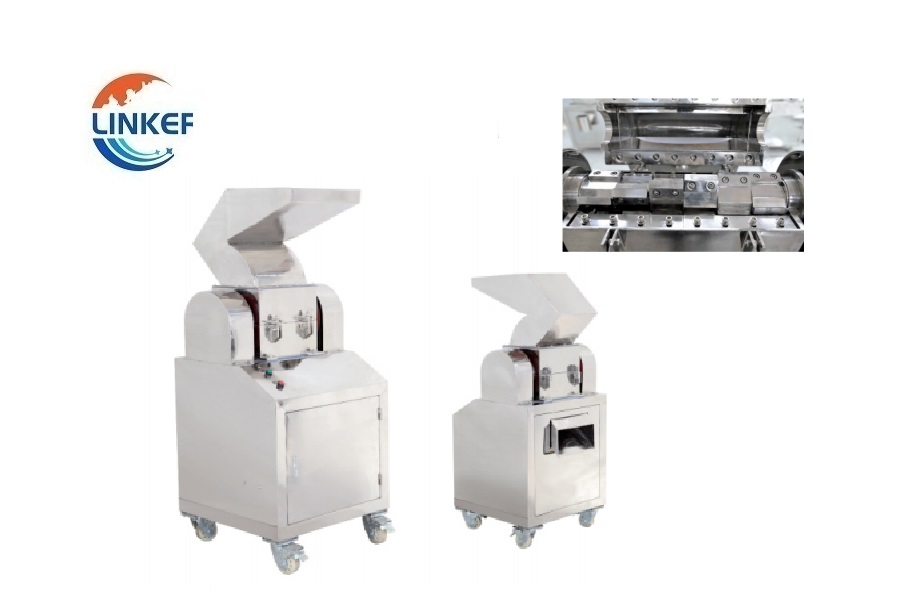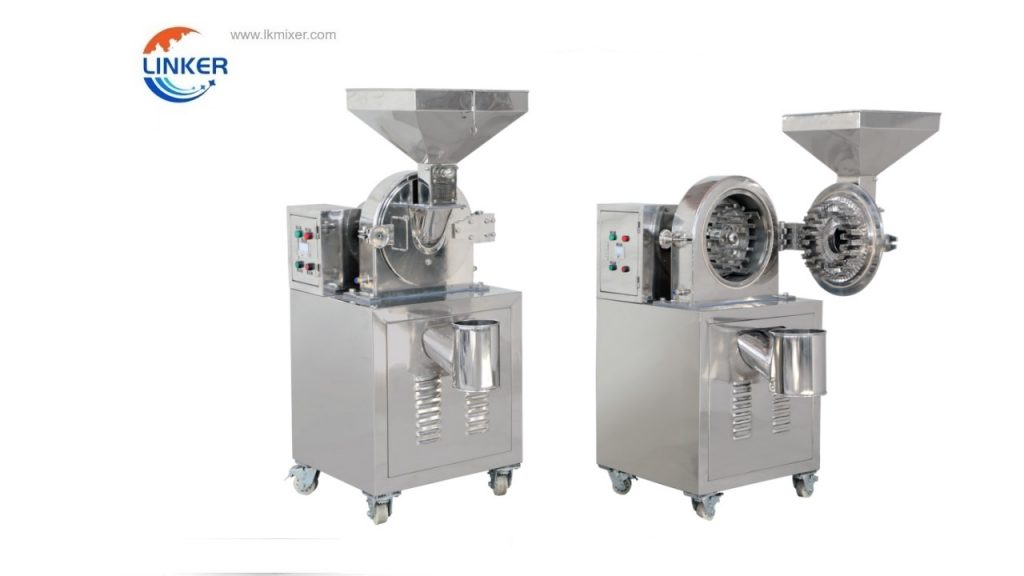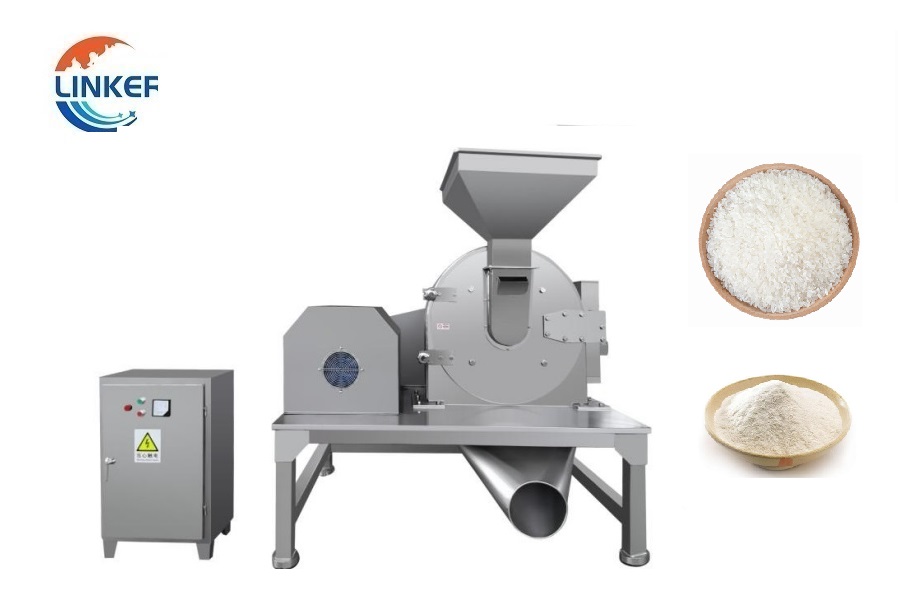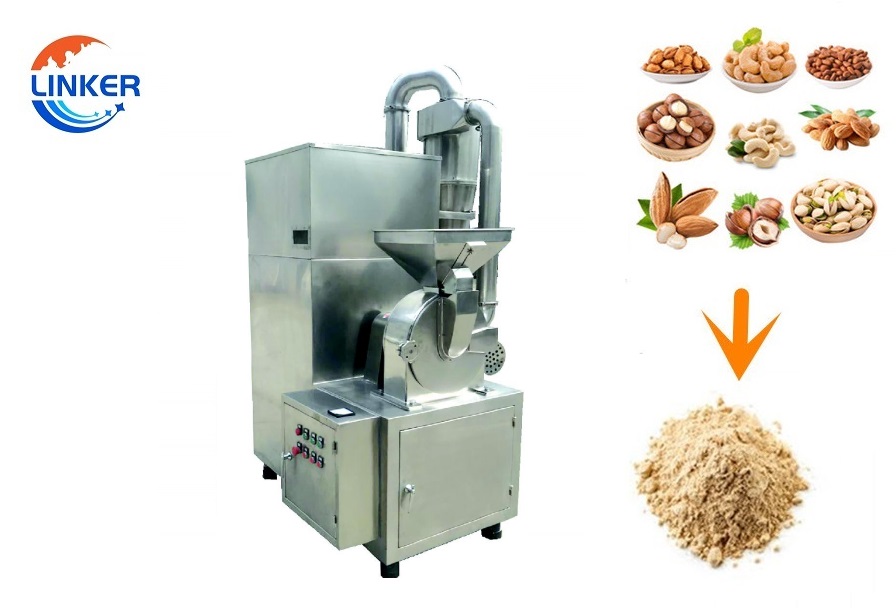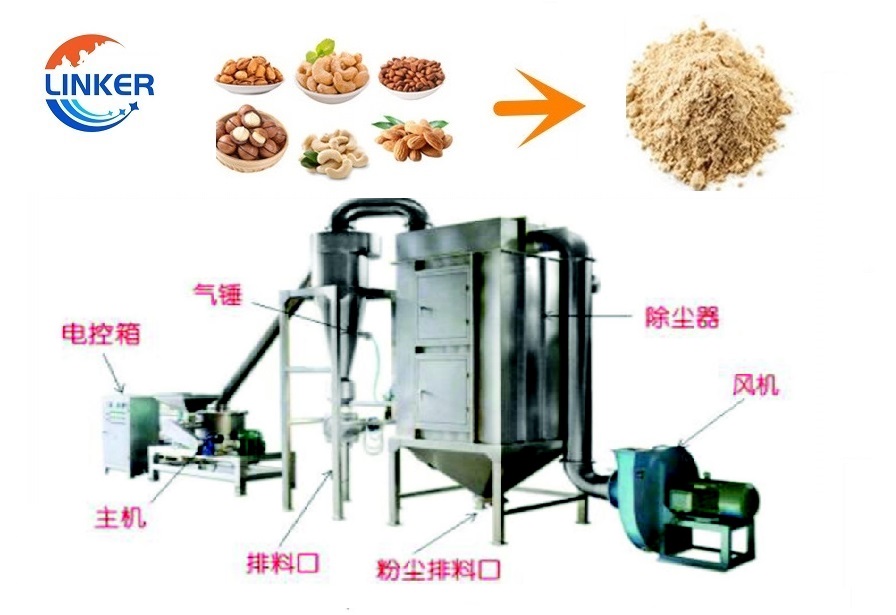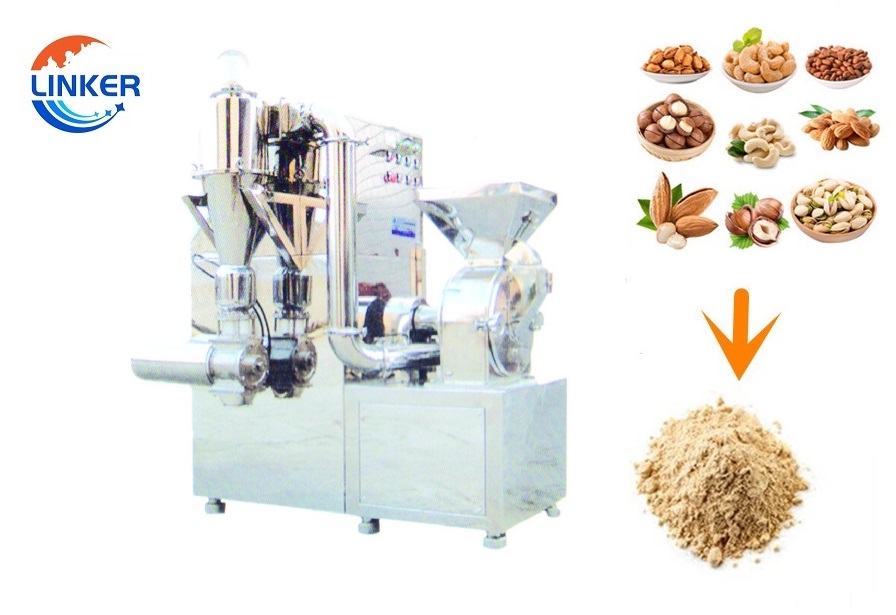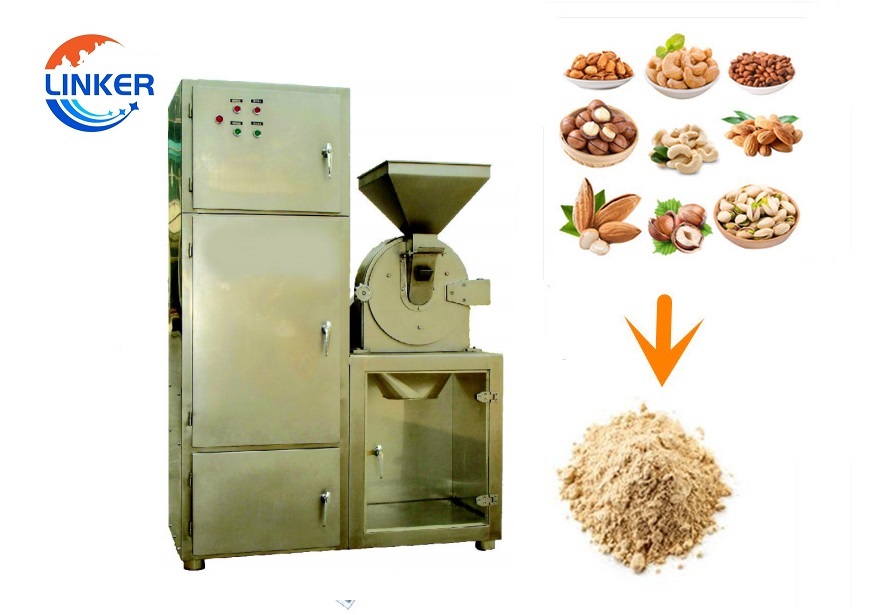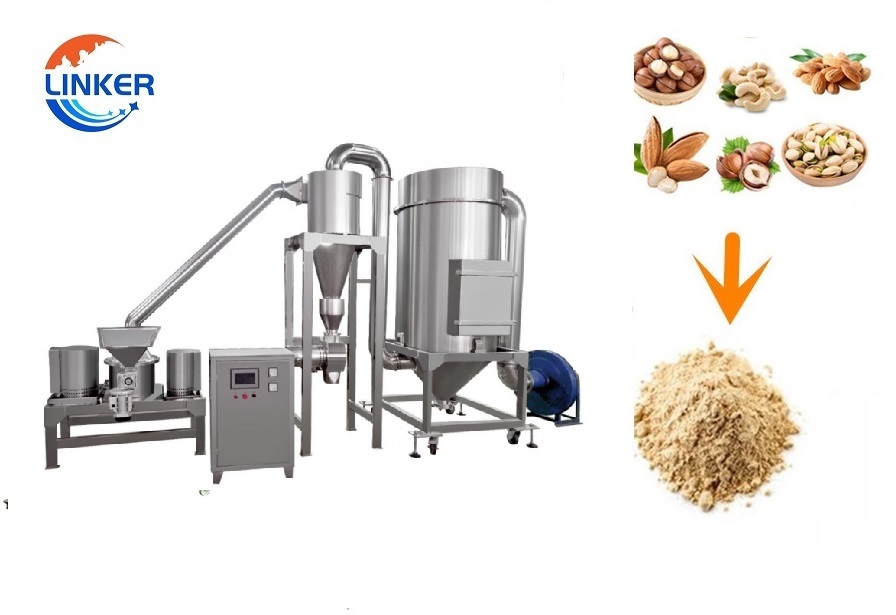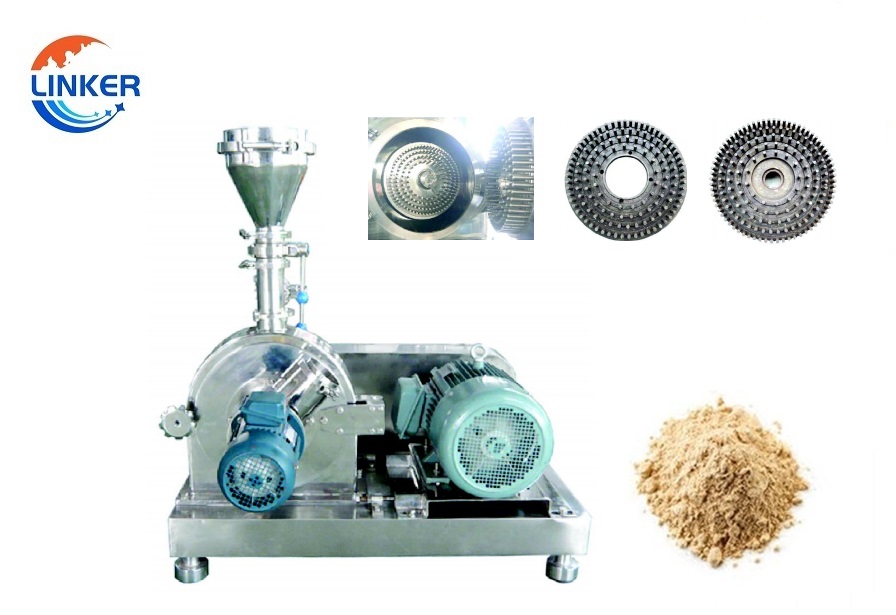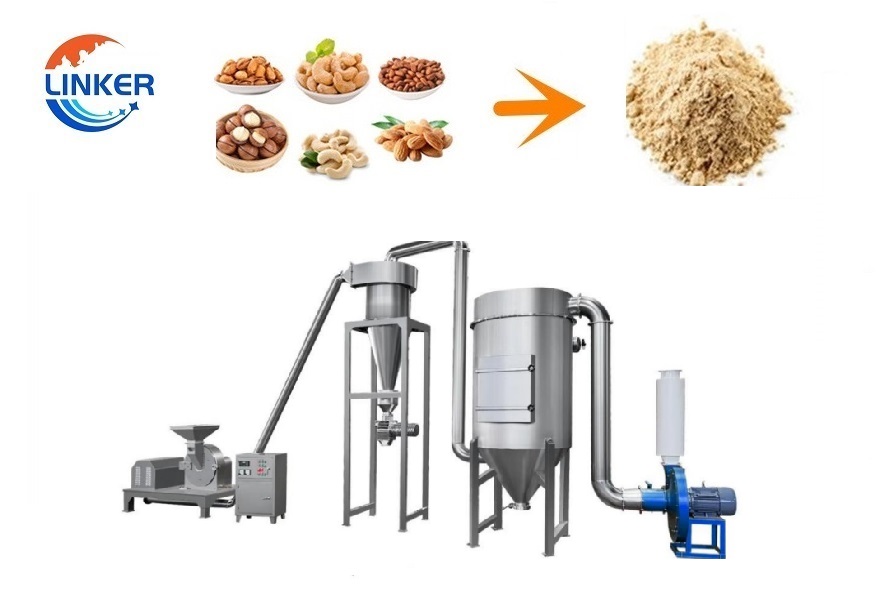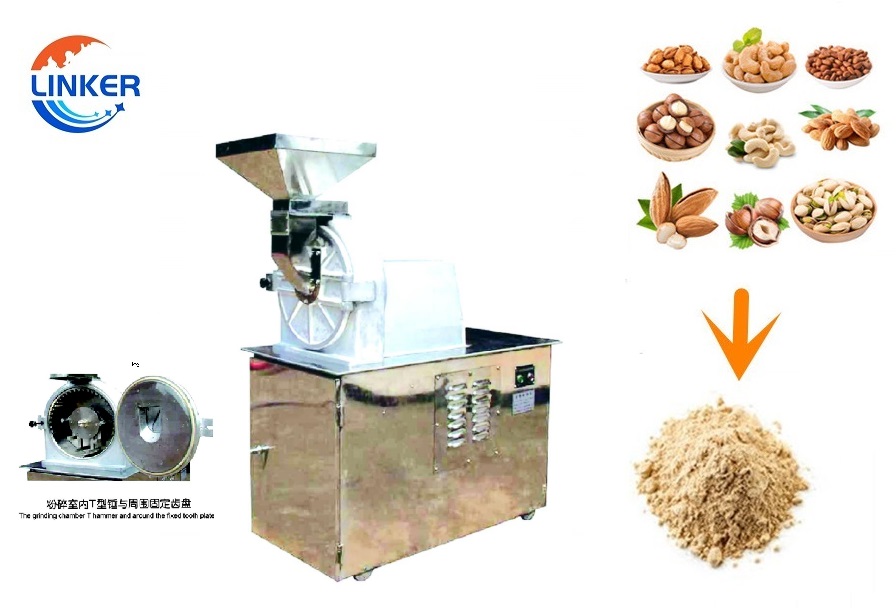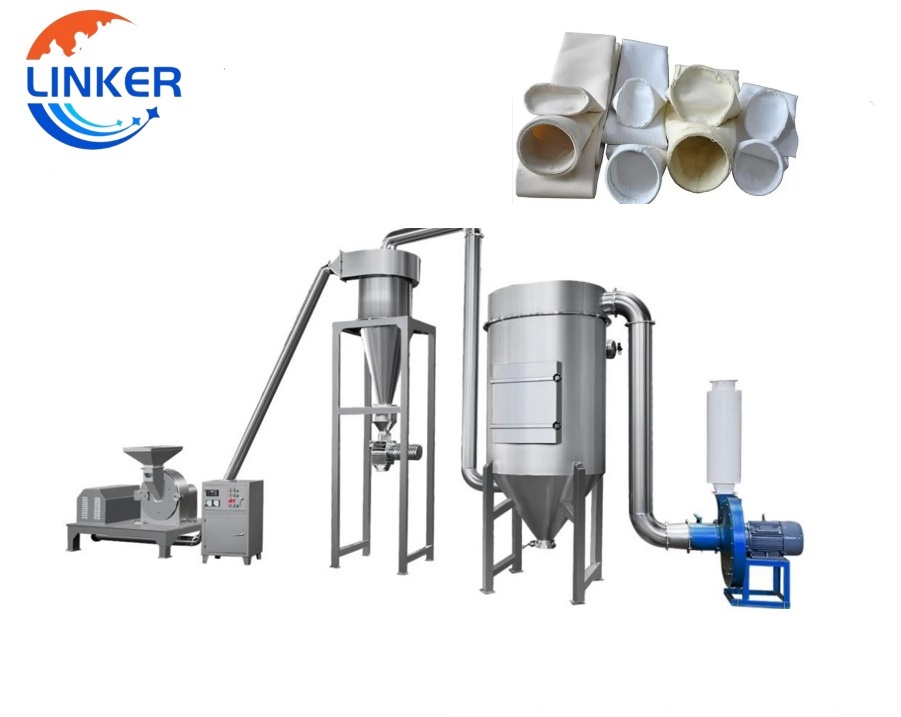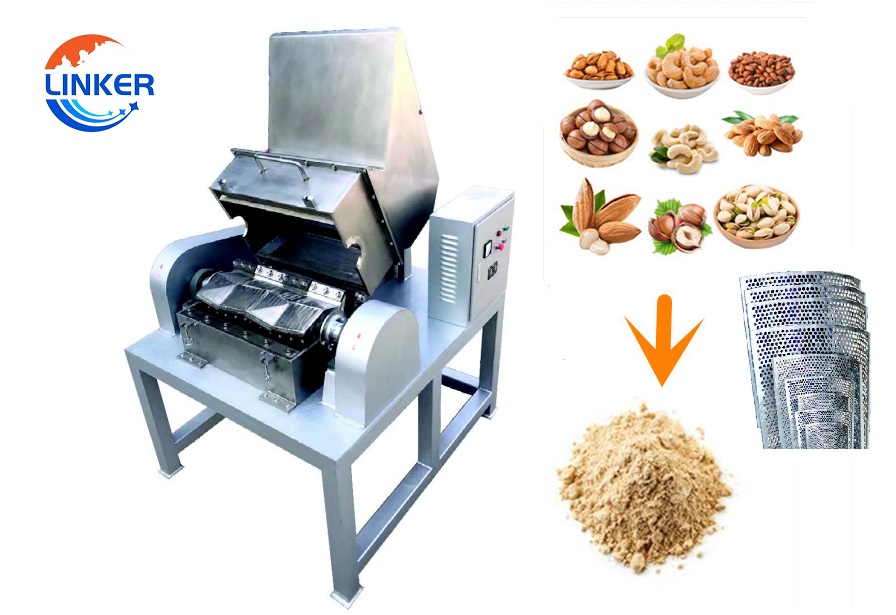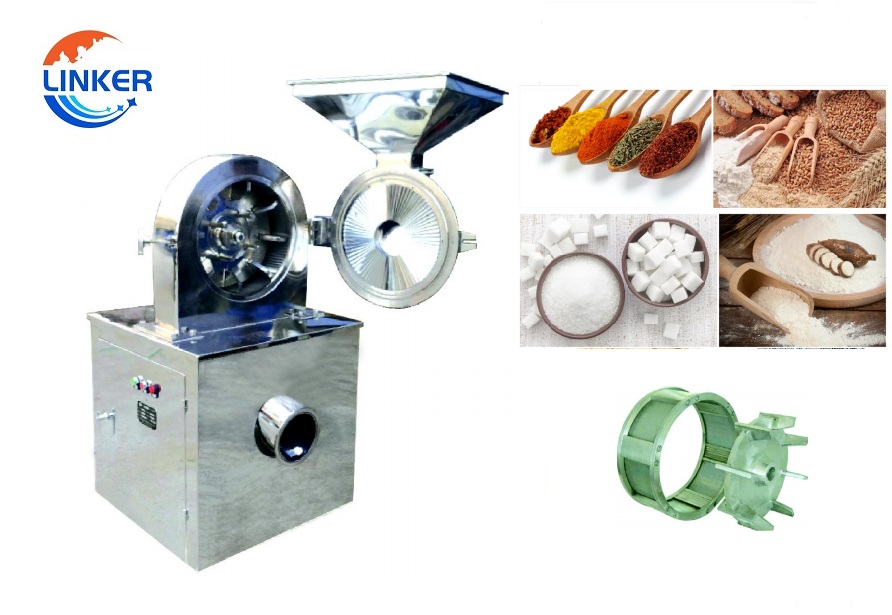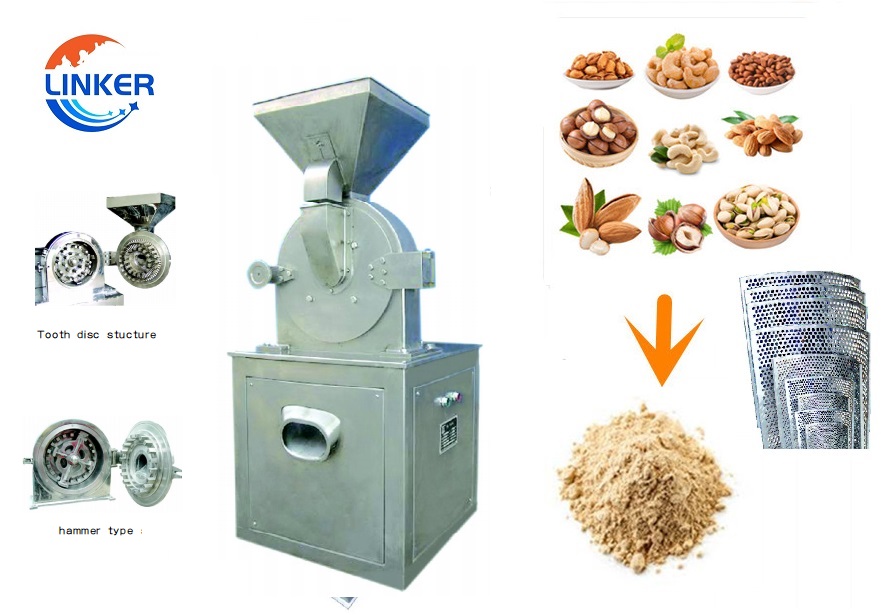
Automatic Potato Chip Production Line
Potato Chip Automatic Productino Line Design:
Automatic Potato Chip Production Line
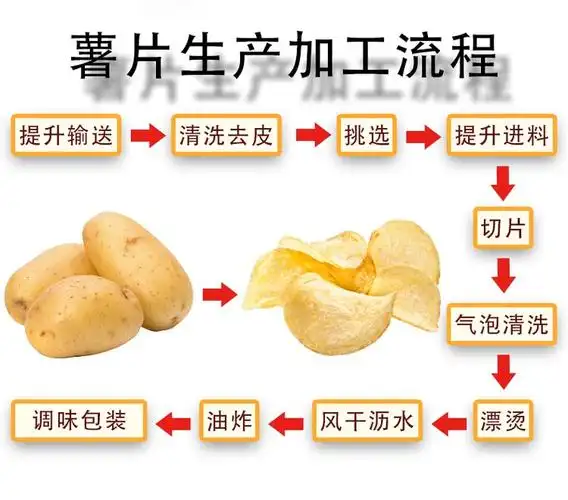
The Automatic Potato Chip Production Line is a fully automated food-grade manufacturing system specifically designed to produce crispy and high-quality potato chips. Its main objectives are to maintain complete shape, control oil content, and ensure consistent flavor. It incorporates a seven-step closed-loop automated process from fresh potatoes to crispy finished products and uses a variety of machines, including an electric grinder, charger, and grinding machine, to realize unmanned, high-precision, and food-grade clean production from raw material pretreatment, slicing, blanching, dehydration, frying, deoiling, seasoning, and intelligent packaging. It is widely used in the food and snack industry and ensures efficient, stable, and safe potato chip production. All of its equipment in contact with food is made of stainless steel to meet strict food safety standards.
Basic Definition and Core Goals of Automatic Potato Chip Production Line
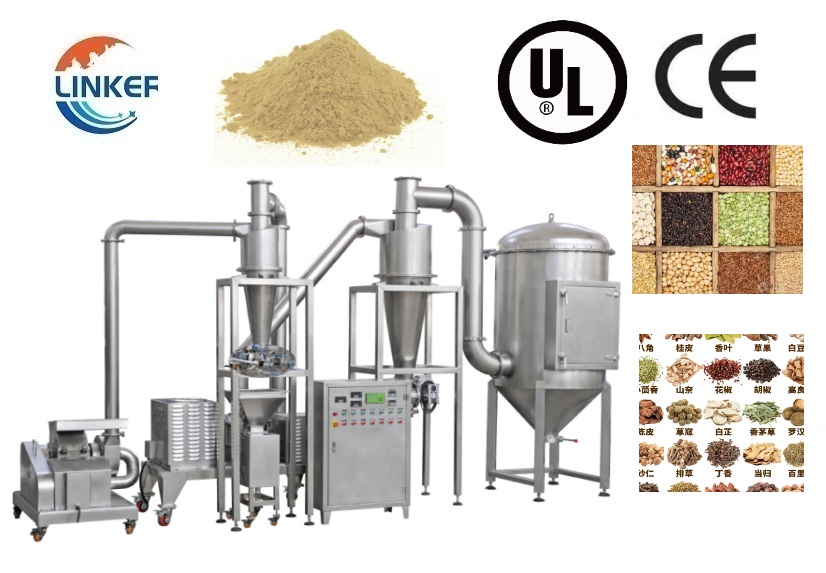
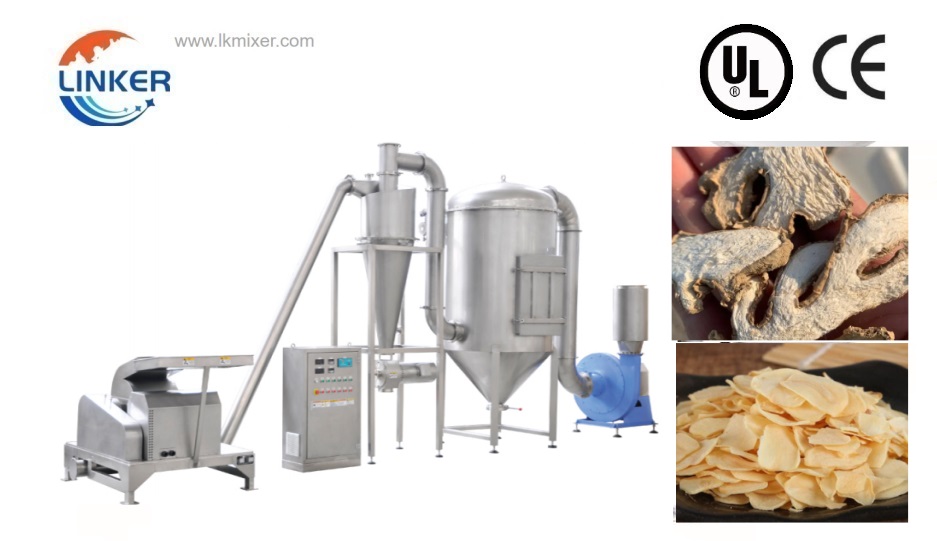
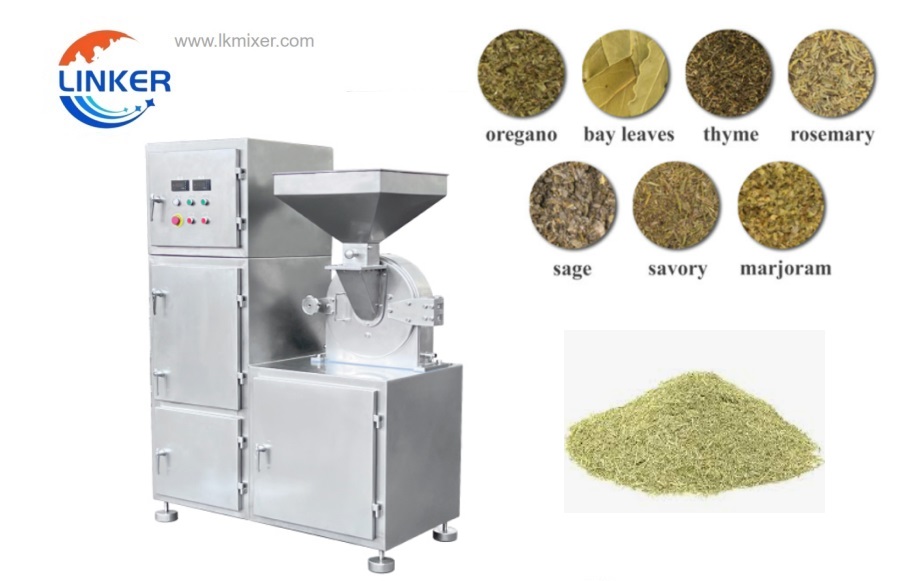
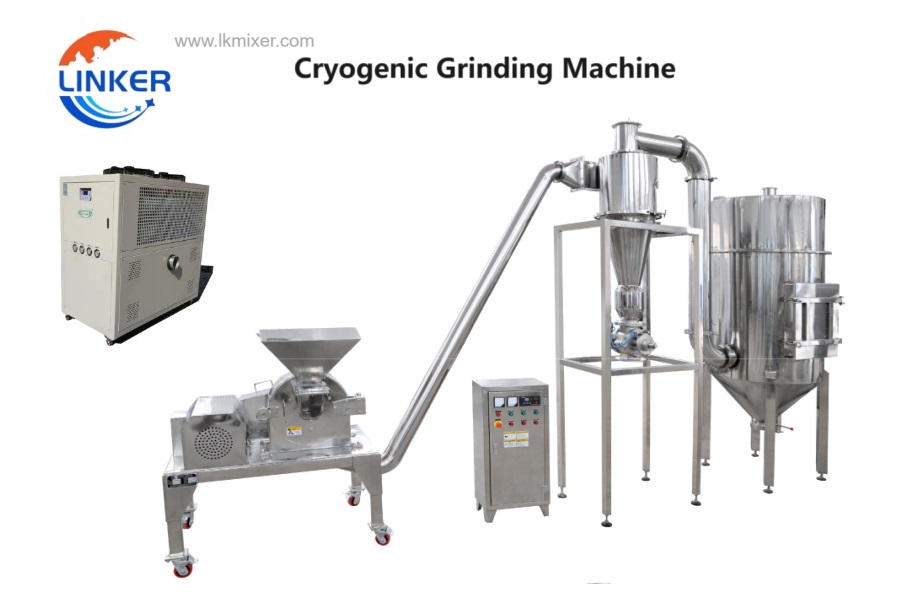
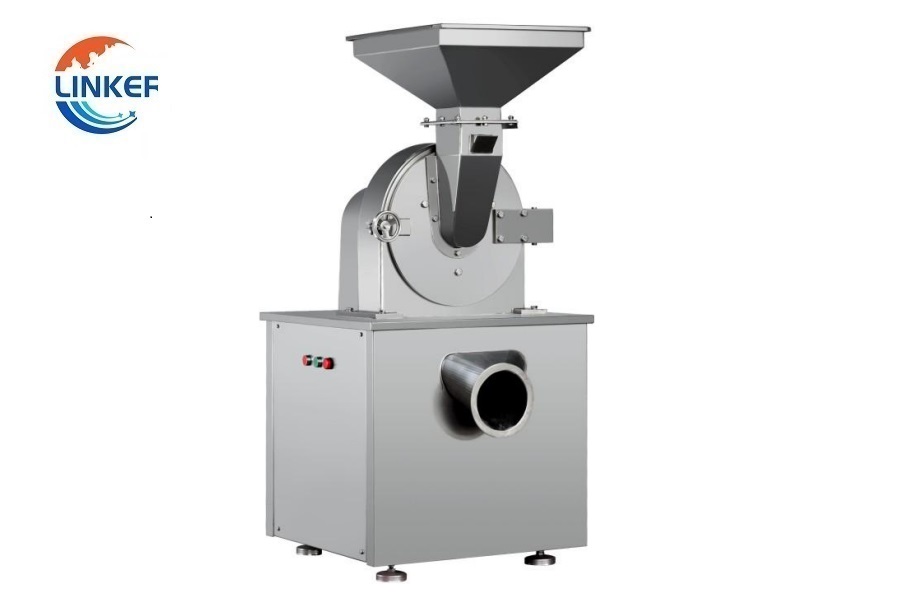
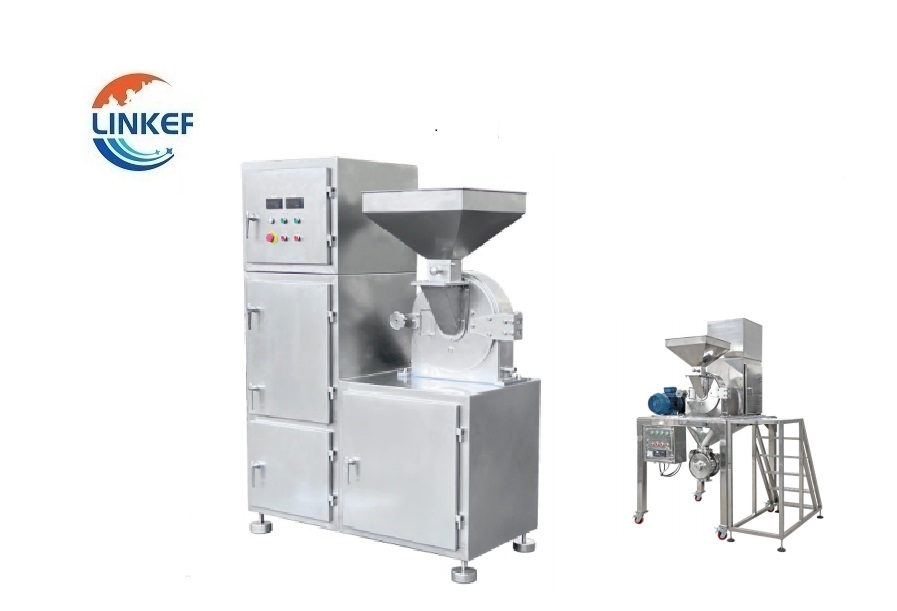
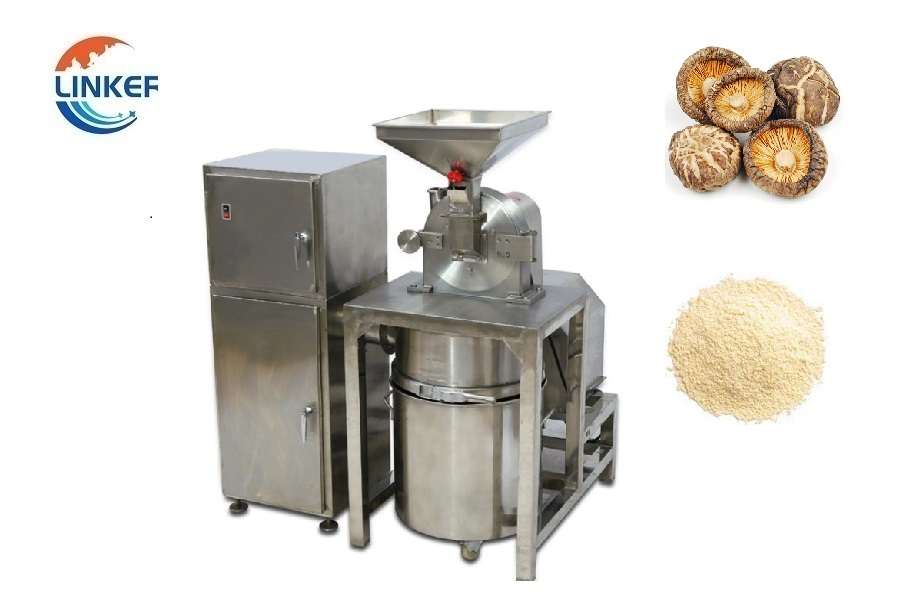
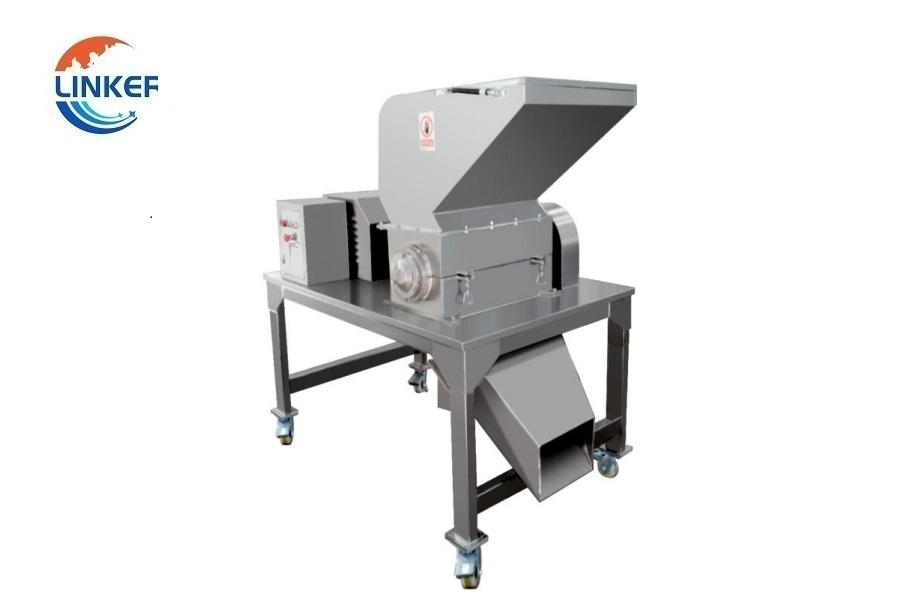
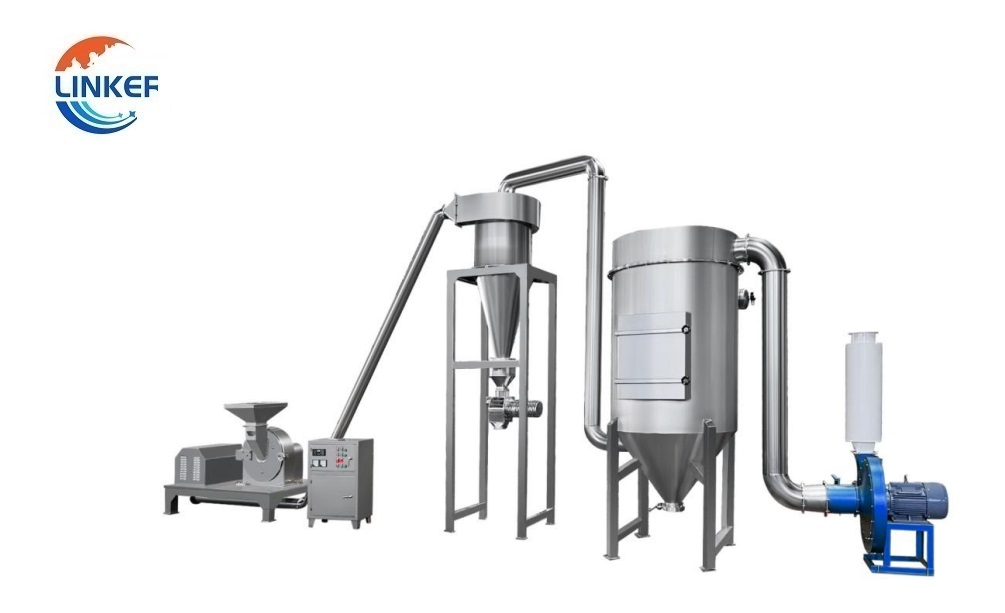
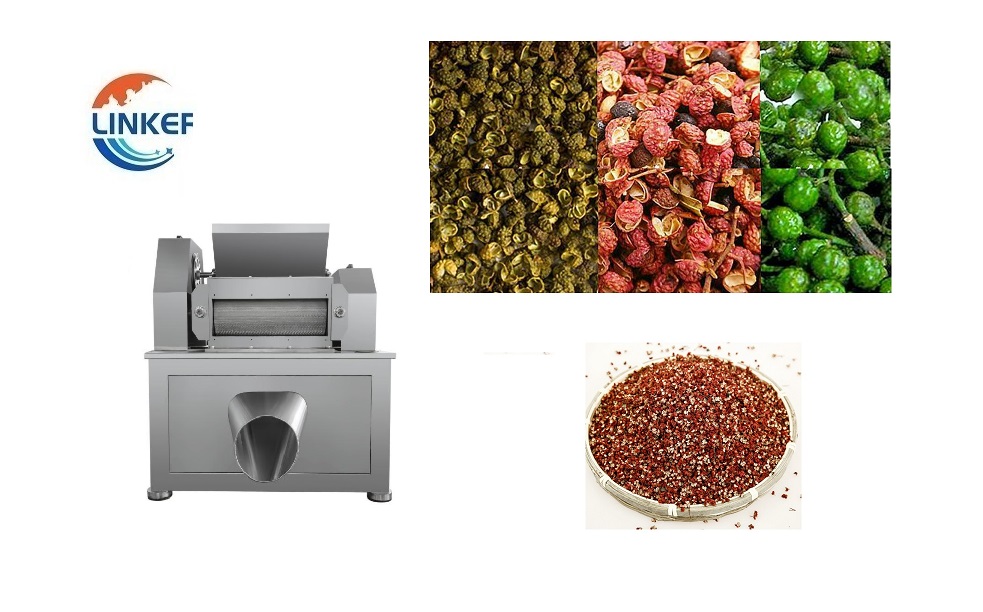
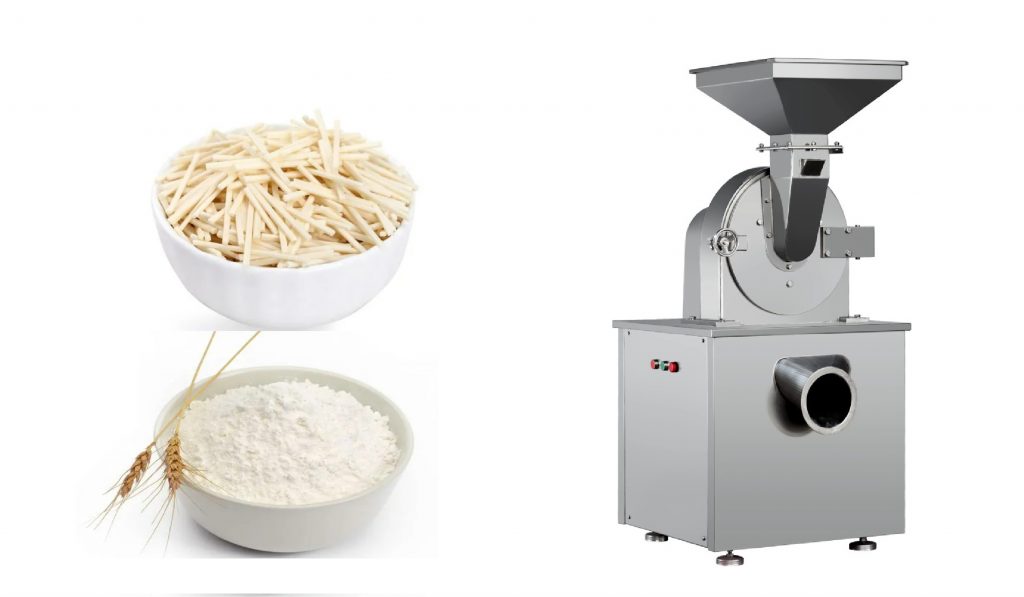
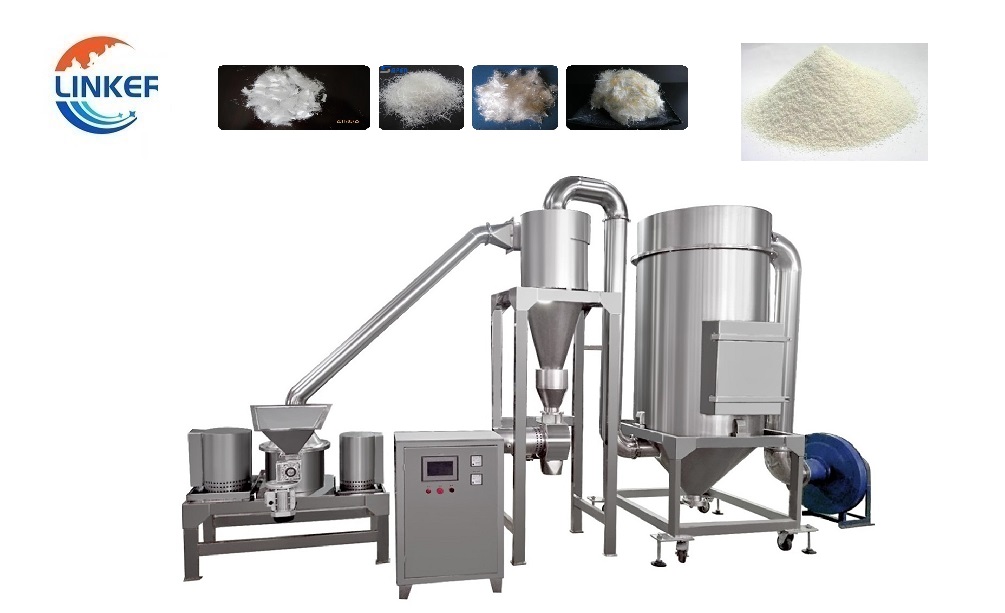
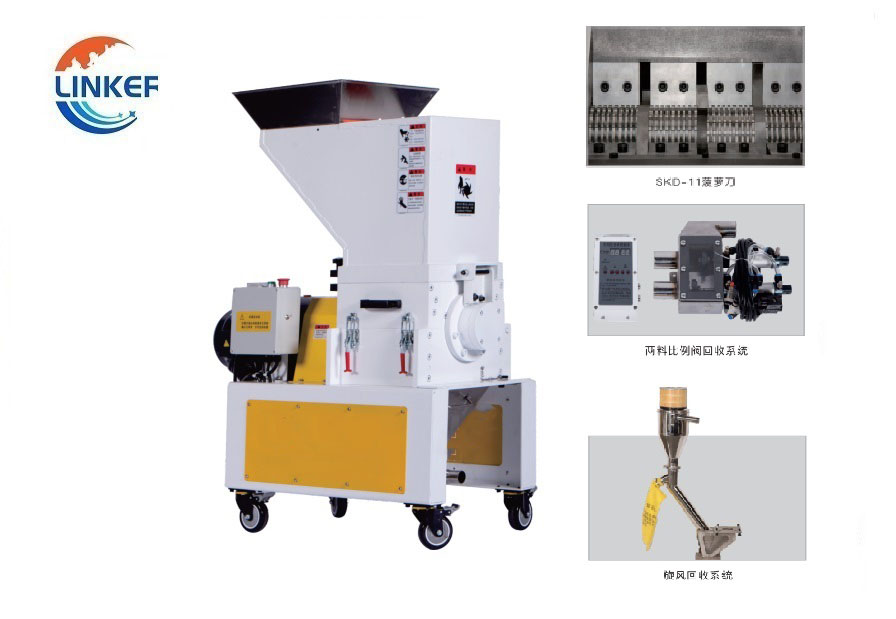
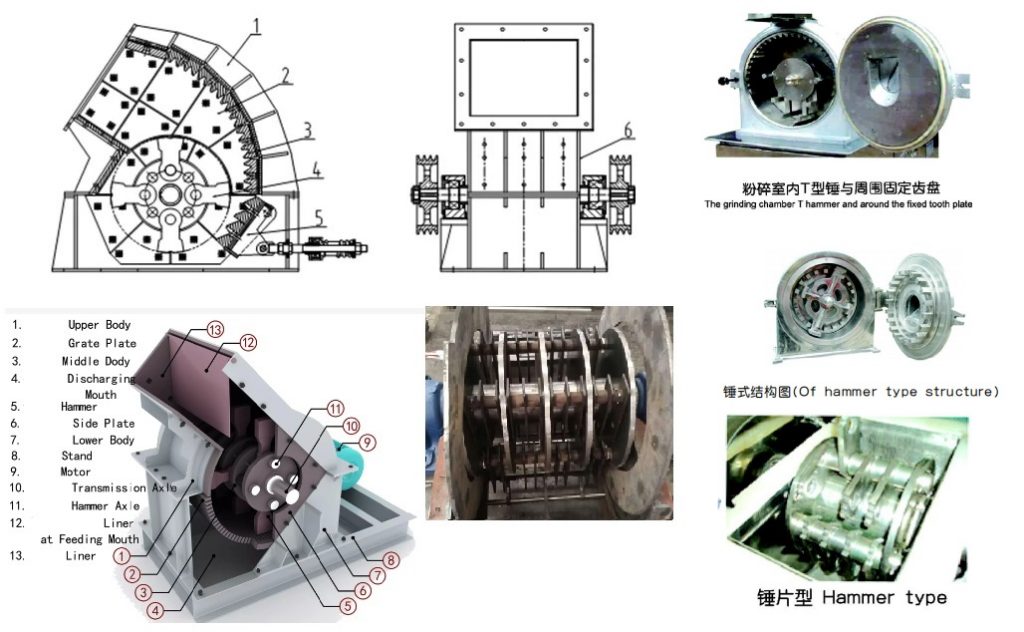
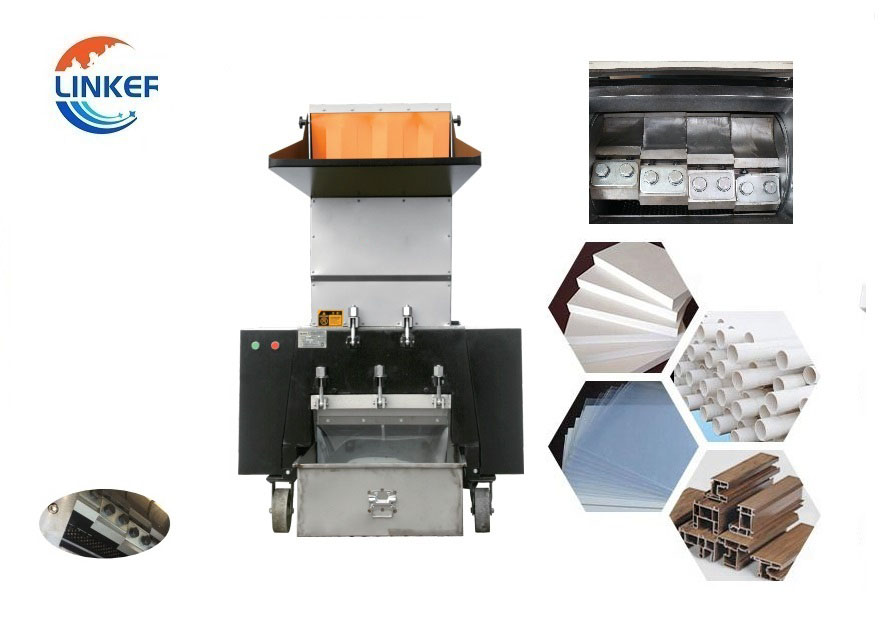
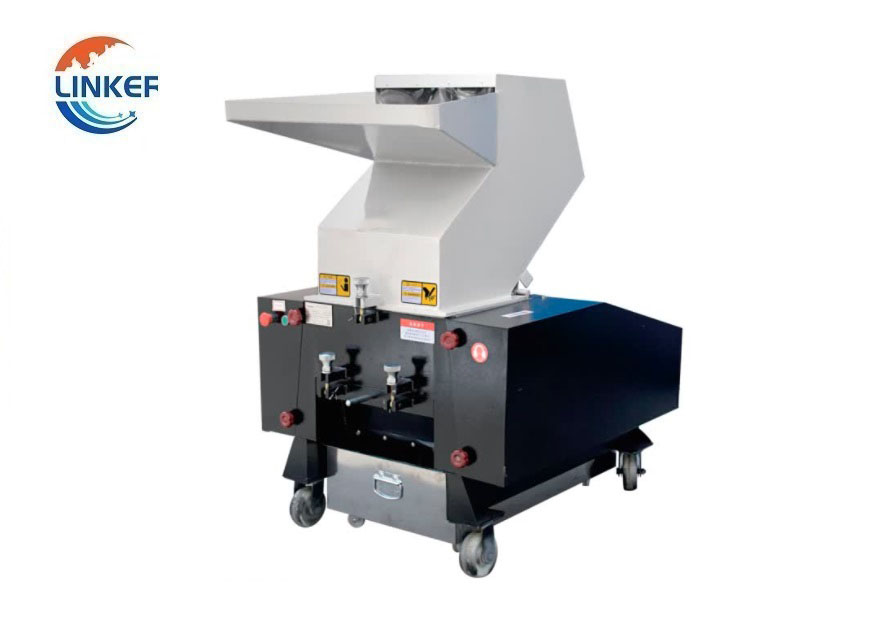
First and foremost, it is important to make it very clear that potato chips are a common snack food around the world. They are made from fresh potatoes that have undergone physical processing, such as cleaning, peeling, slicing, blanching, frying, and seasoning. They have the qualities of being crispy, flavorful, and convenient to eat. The Automatic Potato Chip Production Line uses a technical approach of “physical processing + intelligent sorting + modified atmosphere packaging” in contrast to the red onion powder production line, which concentrates on drying and crushing. This approach is highly dependent on accurate temperature control, oil content control, and a food-grade clean production environment to prevent product deformation, excessive oil content, and flavor inconsistencies.The Automatic Potato Chip Production Line is a complete automated production system, which is mainly composed of raw material pretreatment system, slicing and rinsing system, blanching and color protection system, dehydration and pre-drying system, continuous frying system, vacuum deoiling and cooling system, intelligent seasoning and packaging system, intelligent control system, and auxiliary equipment such as charger, conveyor belt, storage bin and coarse crusher. The charger is an essential auxiliary equipment of the production line, which is used to supply stable power to all electrical equipment such as Electric Grinder, cleaning machine, peeling machine, slicer, frying machine, deoiling machine, seasoning machine, packaging machine and control system; especially for high-power equipment such as large continuous frying machine, high-speed centrifugal deoiler, 500KG Grinder and large automatic packaging line, the charger needs to provide sufficient and stable power to avoid equipment failure caused by insufficient power and ensure the continuous and stable operation of the whole production line. Although the core of the potato chip production line is frying and shaping, it also involves a variety of grinding machines and crushers that meet food safety standards, which can be used for auxiliary processing or equipment compatibility adjustment, such as herb grinder, Industrial Weed Grinder, small grinder machine, cryogenic grinding machine, Dry Fruit Powder Grinder Machine, dry ginger grinding machine, licorice grinding machine, black pepper grinder, Air cooled crusher, cassava grinding machine, 200KG grinder, universal grinder, airflow pulverizer, Dust Grinder, Hammer Mill, Ultrafine Grinder, vibrating pulverizer, turbo grinder, dust collector grinder, Vacuum Mill, Dry Grinder and cutting type crusher. These grinding machines and crushers have different application scenarios in the production line or its extended functions: small grinder machine is suitable for small-scale snack processing workshops, which can be used to grind small batches of seasonings such as black pepper, salt, sugar and spice (using black pepper grinder) to match potato chip flavors; 200KG grinder and 500KG Grinder can be used to grind auxiliary raw materials such as Peanut, Seasam, bean and seeds when producing composite flavor potato chips (such as peanut flavor, sesame flavor); Air cooled crusher, Hammer Mill and Dry Grinder are mainly used for crushing defective potato chips or leftover potatoes into powder, which can be reused as raw materials for other food such as flour, corn flour and rice flour processing; airflow pulverizer, Ultrafine Grinder and Vacuum Mill are used to grind seasoning powder (such as onion powder, garlic powder) to ensure uniform seasoning and taste; cryogenic grinding machine is used when producing high-end healthy potato chips, which can help retain the nutritional components of potatoes and avoid the loss of heat-sensitive flavor substances. All equipment in contact with food in the production line is made of stainless steel (304 or 316L), which has the advantages of corrosion resistance, wear resistance, easy cleaning, non-toxicity and no pollution, and can meet the strict requirements of food-grade production; some key auxiliary equipment such as CE Certificate grinder also ensures that the production process meets international food safety standards and can be used safely and reliably. In addition, the production line can also be equipped with cutting type crusher and coarse crusher to pre-process raw materials: for fresh potatoes with uneven sizes, the coarse crusher can crush them into small pieces suitable for slicing; for other auxiliary raw materials such as cassava, mushroom and bone (used for special flavor seasonings), the cutting type crusher can cut them into small pieces convenient for grinding. After simple adjustment and cleaning of equipment, the production line can also be used to process other similar snack foods, such as cassava chips and sweet potato chips, and can also mix potato chips with other processed foods (such as ground coffee, tea powder, meat floss) to develop new flavors, which greatly expands the application scope of the production line. At the same time, the production line also involves some common food raw materials and additives, such as salt, sugar, spice, chemical food additives (TBHQ) and so on, which are all used in strict accordance with national food safety standards.
Detailed Production Process of Automatic Potato Chip Production Line
The Automatic Potato Chip Production Line uses a seven-step automated closed-loop process from fresh potatoes to crispy finished products: pretreatment of raw materials, slicing and rinsing, blanching and color protection, dehydration and pre-drying, continuous frying, vacuum deoiling and cooling, intelligent seasoning, and packaging. The production process is scientific, rigorous, and continuous, adhering to the core goals of maintaining complete shape, controlling oil content, and ensuring consistent flavor. Each connection is interconnected, and the intelligent system tightly regulates the parameters to guarantee the potato chips’ consistency in flavor, shape, oil content, and quality.The following will fully expand each link, combining the core equipment and technical parameters provided in the material to ensure that the content is detailed and in line with food industrial actual conditions. The first major link is raw material pretreatment, which is the foundation of ensuring product quality and shape, mainly including cleaning and peeling. The fresh processing potatoes (such as Atlantic and Shepody varieties) are first transported to the high-pressure water jet cleaning machine through the conveyor belt, which uses high-pressure water flow to wash the soil, impurities and surface dirt on the potatoes, and then sent to the steam peeling machine for peeling. The steam peeling machine adopts blade-free peeling technology, with a damage rate of less than 0.3%, which can avoid potato damage and ensure the integrity of subsequent slices. The key technical parameters of this link are: cleaning pressure of 0.5–0.8 MPa, steam temperature of 100–110℃, and processing capacity of 3–12 t/h. During the pretreatment process, metal detectors are also installed to detect and remove metal impurities mixed in the potatoes, avoiding damage to subsequent equipment and ensuring product safety. The second major link is slicing and rinsing; the peeled potatoes are sent to the multi-cutter disc precision slicer through the conveyor belt, which cuts the potatoes into thin slices with a thickness of 0.8–1.5mm, and the slicing thickness error is ≤0.1mm, ensuring uniform thickness of each potato chip (uniform thickness is the key to consistent frying effect and crispness). The sliced potato chips are sent to the vibration rinsing line for continuous rinsing, which is rinsed 3–5 times to remove the starch on the surface of the potato chips; the surface starch is removed to avoid sticking between potato chips during frying and ensure the crispness of the finished product. The key technical parameters of this link are: water flow rate of 1.2–1.8 m/s, and the slicer adopts 304 stainless steel to avoid metal pollution. The third major link is blanching and color protection; the rinsed potato chips are sent to the multi-stage hot air blanching machine for instantaneous blanching, which is processed at 85–95℃ to inhibit enzymatic browning of potato chips, maintain their golden color, and at the same time inactivate harmful enzymes to ensure food safety. The hot air temperature gradient of the blanching machine is controlled at 70→85→95℃, and the residence time of potato chips in the blanching machine is 60–90s, which can avoid over-blanching leading to soft potato chips and under-blanching leading to color change. The fourth major link is dehydration and pre-drying; the blanched potato chips contain a lot of surface water, which needs to be sent to the high-speed centrifugal dehydrator for dehydration treatment first, with a dehydration speed of 1200–1800 rpm, which can quickly remove the surface water of potato chips to a water content of ≤70%, avoiding oil splashing during subsequent frying and reducing oil waste. After dehydration, the potato chips are sent to the vibration air drying line for pre-drying, with a wind speed of 2.0–3.0 m/s and a drying time of 3–5 min, which further removes the residual surface water and ensures that the potato chips enter the frying link in the best state. The fifth major link is continuous frying, which is the core link to determine the taste and oil content of potato chips; the pre-dried potato chips are sent to the water-oil mixed low-temperature frying machine through the conveyor belt for continuous frying. The frying machine adopts a double-layer oil bath structure, the oil temperature at the bottom is controlled at 160–180℃, and the water layer on the upper layer blocks the coked substances generated during frying, which can extend the service life of the oil by 10 times. The key technical parameters of this link are: oil temperature control accuracy of ±0.8℃, frying time of 90–120s, oil content of finished potato chips ≤18%, and thermal efficiency ≥82%. This water-oil mixed frying technology can significantly reduce oil oxidation and acrylamide formation, meeting the GB 17401-2014 safety standard. In addition, the frying machine is equipped with a dust collector grinder and a waste gas treatment device to collect oil fume and dust generated during frying, avoiding environmental pollution. The sixth major link is vacuum deoiling and cooling; the fried potato chips are sent to the centrifugal deoiler for vacuum deoiling, with a deoiling speed of 2000–2500 rpm and a deoiling time of 60s, which can effectively remove the residual oil on the surface of the potato chips, further reducing the oil content and making the potato chips healthier. After deoiling, the potato chips are sent to the cold air tunnel for cooling, with a cooling time of 5–8 min, and the discharge temperature is ≤35℃, which can prevent the potato chips from softening due to high temperature and ensure their crispy taste. The seventh major link is intelligent seasoning and packaging; the cooled potato chips are first sent to the AI visual sorting system (model WESORT-6 produced by Zhongrui Weishi), which can identify defects such as hair, black spots, fragmentation and color difference, with a rejection rate of >99.2%, replacing manual quality inspection and ensuring the quality consistency of finished products. The sorted qualified potato chips are sent to the multi-station pneumatic powder spraying seasoning machine for precise seasoning, which can spray seasoning powder (such as salt, sugar, black pepper powder, spice powder) evenly, with a seasoning accuracy of ±0.3g and a single chip seasoning error of ≤0.5g. The seasoning powder can be ground in advance by equipment such as black pepper grinder, herb grinder and small grinder machine to ensure uniform particle size. Finally, the seasoned potato chips are sent to the nitrogen-filled bag feeding packaging line (model CD-10G produced by Shandong Chenda), which completes metering, nitrogen filling, heat sealing, coding and cartoning synchronously; the nitrogen filling flow rate is 5–8 L/min, and the oxygen content in the packaging bag is <0.5%, which can extend the shelf life of potato chips to 12 months, prevent moisture and breakage, and improve the terminal consumption experience. The key technical parameters of the packaging line are: packaging speed of 40–60 bags per minute, sealing temperature of 160–180℃, and the packaging machine is made of 304 stainless steel with a fully sealed design to avoid product pollution. In the entire production process, the intelligent control system plays a leading role; the system adopts PLC+touch screen man-machine interface, which can realize automatic adjustment of full-process parameters, such as cleaning pressure, slicing thickness, blanching temperature, frying time, deoiling speed and packaging weight, and all parameters can be set, stored and called. The system supports remote operation and maintenance and fault diagnosis, which can timely remind the operator of equipment faults (such as insufficient power of the charger, blockage of the slicer, abnormal oil temperature of the frying machine) and fault causes, helping to quickly eliminate faults and ensure the stable operation of the production line.
Key Equipment, Technical Parameters and Food Safety Certification
As a food-grade production line, the Automatic Potato Chip Production Line must adhere to stringent product standards and food safety certification to guarantee the quality and safety of potato chips. It also features sophisticated core equipment and stringent technical criteria. The production line’s essential equipment, technical specifications, and food safety certification will all be completely expanded in the following, which will also combine the material content to guarantee that it is accurate and comprehensive. First, the key equipment and technical parameters of the production line; according to different process links, the core equipment of the production line is mainly divided into raw material pretreatment equipment, slicing and blanching equipment, frying and deoiling equipment, sorting and seasoning equipment, and packaging equipment, each of which has clear technical parameters to ensure the stability of the production process and the quality of products. The first category is raw material pretreatment equipment, including high-pressure water jet cleaning machine and steam peeling machine, with a cleaning pressure of 0.5–0.8 MPa, a steam temperature of 100–110℃, and a processing capacity of 3–12 t/h, realizing non-destructive cleaning and peeling. The second category is slicing and blanching equipment, the representative equipment is the YJ-C700 slicer produced by Zhucheng Yingjie Machinery, with a slicing thickness range of 0.5–2.0 mm, a cutter head speed of 1500 rpm, and made of 304 stainless steel; the multi-stage hot air blanching machine has a temperature gradient of 70→85→95℃ and a blanching time of 60–90s. The third category is frying and deoiling equipment, the representative equipment is the LJS-200 frying machine produced by Zhucheng Lijie Food Machinery, with a power of 120 kW, a voltage of 380 V, a production capacity of 12 t/h, an oil temperature control accuracy of ±0.8℃, and a thermal efficiency of 82%; the DLT-500 deoiler produced by Shandong Delike Industrial Equipment, with a speed of 2200 rpm, a deoiling time of 60s, a processing capacity of 500 kg/h, and a noise of <75 dB. The fourth category is sorting and seasoning equipment, the representative equipment is the WESORT-6 AI sorting machine produced by Zhongrui Weishi, with a sorting speed of 12000 pieces per minute and an identification accuracy of 0.1 mm/pixel; the BL1000 disc seasoning machine, with a power of 1.1 kW, a volume of 100 L, a seasoning accuracy of ±0.5g/batch, and a speed of 30 rpm. The fifth category is packaging equipment, the representative equipment is the CD-10G 10-station packaging line produced by Shandong Chenda, with a packaging speed of 15 m/min, a sealing temperature of 160–180℃, and integrated with coding, air extraction, nitrogen filling and heat sealing. In addition, the production line is also equipped with auxiliary equipment such as charger, high-speed centrifugal dehydrator, vibration air drying line, pulse dust collector and dust collector grinder, all of which have strict technical parameters to ensure the stable operation of the whole production line. Some auxiliary grinding equipment such as 200KG grinder, 500KG Grinder, universal grinder and CE Certificate grinder can also be configured according to production needs to meet the processing requirements of different seasonings. Secondly, the product standards and food safety certification of potato chips; as a popular snack food, potato chips must meet strict national standards and enterprise internal control standards, and pass relevant food safety certification to ensure edible safety. The specific product standards are as follows: in terms of product standards, it conforms to GB 17401-2014 “National Food Safety Standard for Puffed Food”, with an oil acid value of ≤3 mgKOH/g and a peroxide value of ≤0.25 g/100g; in terms of additive control, the maximum usage of TBHQ is ≤0.2 g/kg (based on oil), in accordance with GB 2760–2014; in terms of heavy metal limits, lead (Pb) ≤0.5 mg/kg and arsenic (As) ≤0.5 mg/kg, with detection bases of GB 5009.12–2017 and GB 5009.11–2014; in terms of microbial indicators, the total number of colonies ≤1000 CFU/g, coliform bacteria ≤30 MPN/100g, and pathogenic bacteria shall not be detected, with detection bases of GB 4789.2–2022 and GB 4789.3–2016. In terms of food safety certification, the production line must pass ISO 22000, HACCP, SC food production license, and halal certification (optional), in accordance with ISO 22000:2018 and the Measures for the Administration of Food Production Licenses. In addition, there is an industry consensus: high-end potato chips prohibit trans fatty acids and adopt non-genetically modified vegetable oils (such as sunflower oil and palm oil); all materials in contact with food are 304 or 316L stainless steel, in line with GMP clean workshop standards.
Industry Suppliers, Technical Bottlenecks and Future Development Directions
With several well-known equipment suppliers and whole-line integrators, the automatic potato chip manufacturing sector has developed into a sophisticated industrial chain that offers snack food businesses extensive technical support and services. The industry’s high-quality development is still hampered by a few technical obstacles, nevertheless, and the primary focus of future development is on environmentally friendly production, smart upgrading, and green environmental protection. In order to guarantee that the content is comprehensive and in accordance with the real circumstances, the following will combine the technological bottlenecks, industry suppliers, and future development directions.First, the mainstream equipment suppliers and whole-line integrators in the industry; there are many professional equipment suppliers in the domestic market, mainly concentrated in Zhucheng, Shandong, which is a gathering place for food machinery, each with its own technical advantages and service scope, providing one-stop solutions for the construction of automatic potato chip production lines. Zhucheng Lijie Food Machinery in Weifang, Shandong has 15 utility model patents, independently developed the “multi-stage gradient frying” technology, with an oil absorption rate of ≤20%, and obtained EU CE certification, providing a full-process solution of “cleaning → slicing → frying → packaging” and supporting customized production lines with a daily output of 5–50 tons. Zhucheng Yingjie Machinery Equipment in Zhucheng, Shandong focuses on continuous frying lines, supports switching between steam/gas/electric heating, and adopts modular equipment design, providing an integrated whole line of “peeling, slicing and seasoning” with a price range of 15,000–68,000 yuan. Shandong Delike Industrial Equipment in Jinan, Shandong has an efficient deoiling system, leading the industry in oil content control, supporting remote operation and maintenance, and specializing in frying and deoiling units, suitable for small and medium-sized food factories. Shandong Chenda Automation Technology in Weifang, Shandong produces 10-station bag feeding packaging lines, integrating coding, air extraction, nitrogen filling and heat sealing, suitable for high-end brand potato chips with a packaging accuracy of ±0.5g. Zhongrui Weishi (WESORT) in Inner Mongolia produces AI deep learning color sorters, specially designed for fried potato chips, with a breakage rate of <5%, verified by leading customers in the industry, providing sorting systems for enterprises such as Mengshu and Xuechuan, supporting seamless connection with production lines. These suppliers and integrators have promoted the intelligence, automation and standardization of the automatic potato chip production line. Secondly, the current technical bottlenecks of the production line; although the automatic potato chip production line has developed maturely, there are still three main technical bottlenecks restricting the industry’s development: the first is the high cost of oil circulation, although the water-oil mixed frying technology extends the service life of oil, high-end edible oil still accounts for more than 30% of the production cost, which is a major pressure for enterprises; the second is the misjudgment rate of AI sorting, in high oil pollution and high reflection environment, there is still a 0.5–1% missed detection risk for tiny foreign body identification, which affects the quality consistency of products; the third is raw material dependence, high-quality processing potatoes (such as Atlantic and Shepody) are still dependent on producing areas such as Inner Mongolia and Gansu, and the supply chain is easily affected by climate, resulting in unstable raw material supply and inconsistent product quality. Thirdly, the future development direction of the production line; aiming at the current technical bottlenecks, combined with the development trends of the snack food industry towards health, intelligence and greenization, the future development direction of the automatic potato chip production line is clear: the first is vacuum low-temperature frying (VLO), processing at 0.08–0.09 MPa and 80–85℃, which can reduce the oil content to below 10%, suitable for healthy snacks and meeting consumers’ demand for low-oil and healthy food; the second is bio-based packaging materials, using PLA degradable films to replace traditional aluminum-plastic composite films, reducing environmental pollution and responding to the “double carbon” policy; the third is digital twin production line, building a virtual simulation system to realize predictive maintenance of equipment and dynamic optimization of energy consumption, reducing production costs and equipment failure rate; the fourth is flavor microencapsulation, embedding flavor substances such as onion powder and chili oil (ground by herb grinder and black pepper grinder) to realize “post-spray” flavor release, enrich the flavor level of potato chips and improve repurchase rate. In addition, the future production line will also develop towards modularization and flexibility, realizing rapid switching between different product specifications and flavors (such as switching from original flavor to spicy flavor, cheese flavor), improving equipment utilization rate; at the same time, strengthening the research and development of low-cost oil circulation technology and high-precision AI sorting technology to solve current technical bottlenecks. The market for high-quality potato chips will continue to expand due to rising demand for convenient, healthful, and varied snacks as well as ongoing improvements in people’s living standards. This will give automatic potato chip production lines more opportunities for future growth. In addition to helping snack food companies increase production efficiency, save costs, and guarantee product quality and safety, it can also encourage the deep processing of potatoes, lengthen the industrial chain, and generate more social and economic advantages.
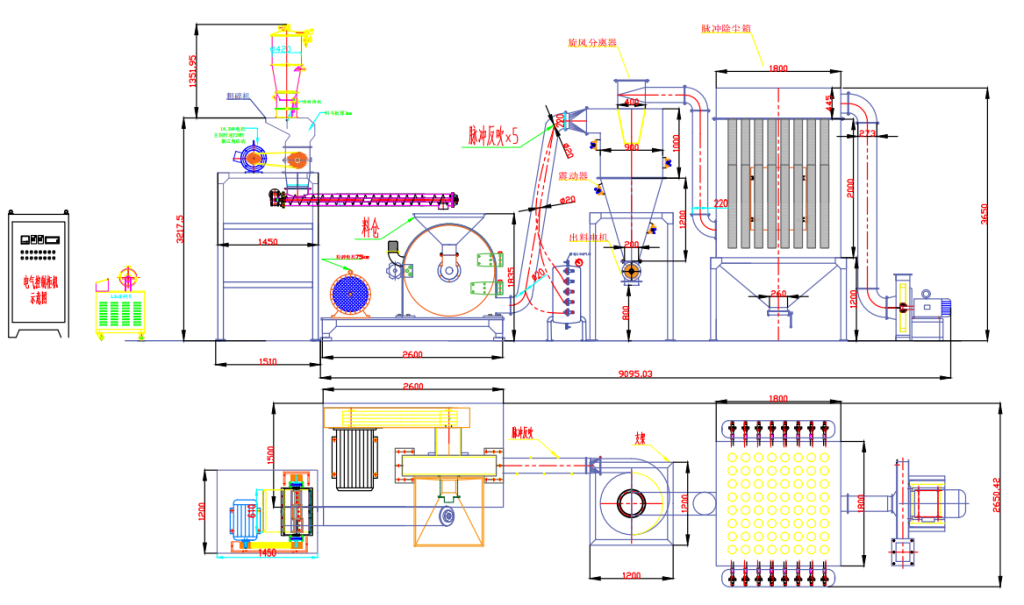

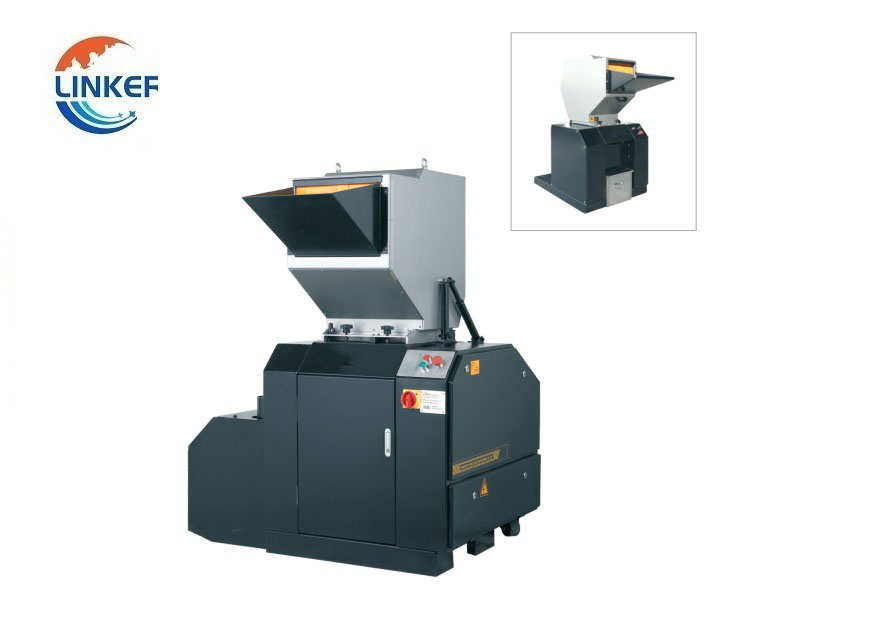
Parameters:

Model Name | SG-600 | |
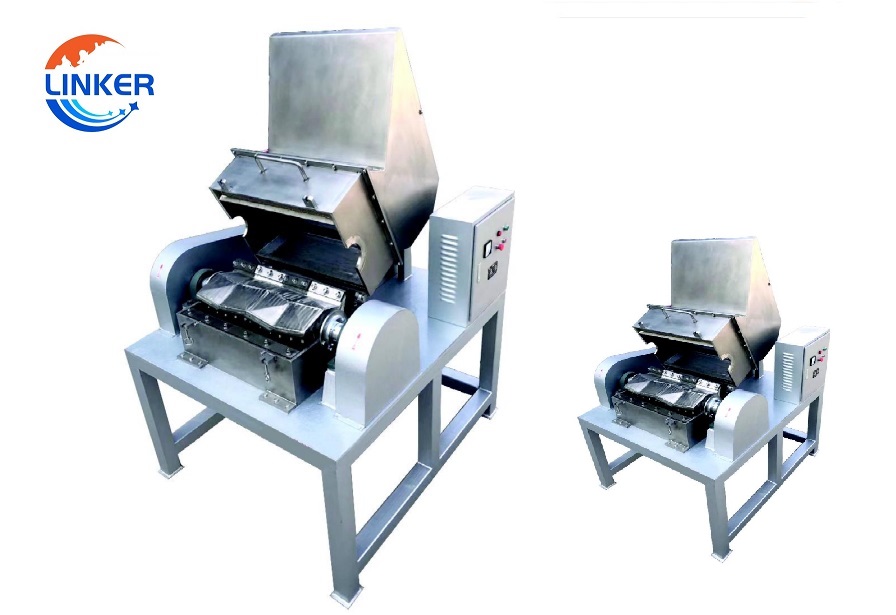
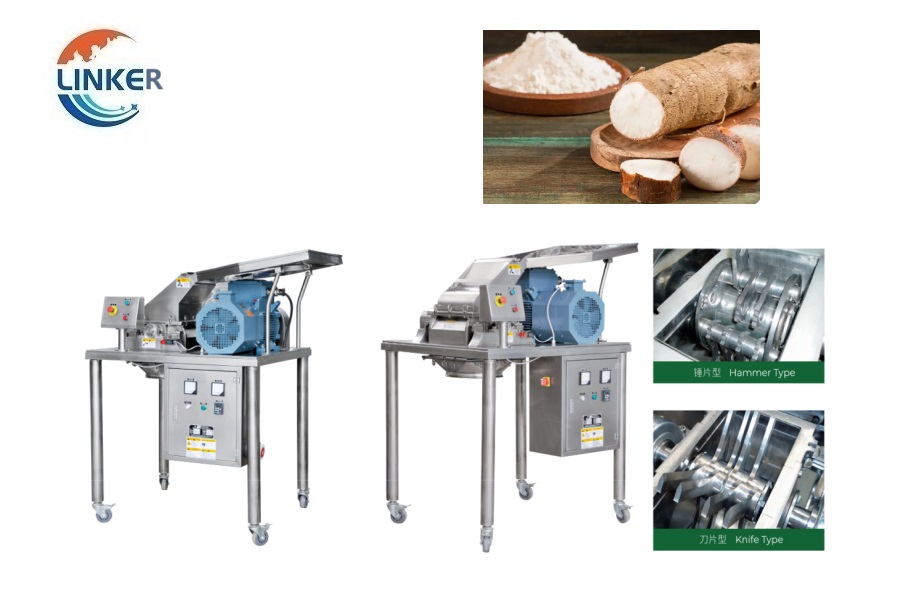
| Crushing Capacity(kg/h) | 1000~2000 | |
| Power(kw) | 11 | |
| Feeding Size(mm) | <5mm | |
| Fineness(mesh) | 20~40mesh |
Model Name | SG-800 | |
| Crushing Capacity(kg/h) | 2000~4000 | |
| Power(kw) | 15 | |
| Feeding Size(mm) | <5mm | |
| Fineness(mesh) | 20~40mesh |
Trade Capacity
| International Commercial Terms(Incoterms): | FOB, CIF, CFR | Terms of Payment: | LC, T/T, PayPal, Western Union |
| Average Lead Time | 60 working days | Main Markets | North America, South America, Europe, Southeast Asia/ Mideast, East Asia(Japan/ South Korea), Australia, Domestic |
| Nearest Port: | Ningbo Port; Shanghai Port | Factory Address: | JiangSu, China |
Ampere of Motors Customization for Seeds Grinder:
| KW | HP | Ampere |
| 75kw | 100HP | 135A |
| 55kw | 75HP | 99A |
| 30kw | 40HP | 54A |
| 22kw | 30HP | 39A |
| 2.2kw | 3HP | 3.9A |
| 1.5kw | 2HP | 2.7A |
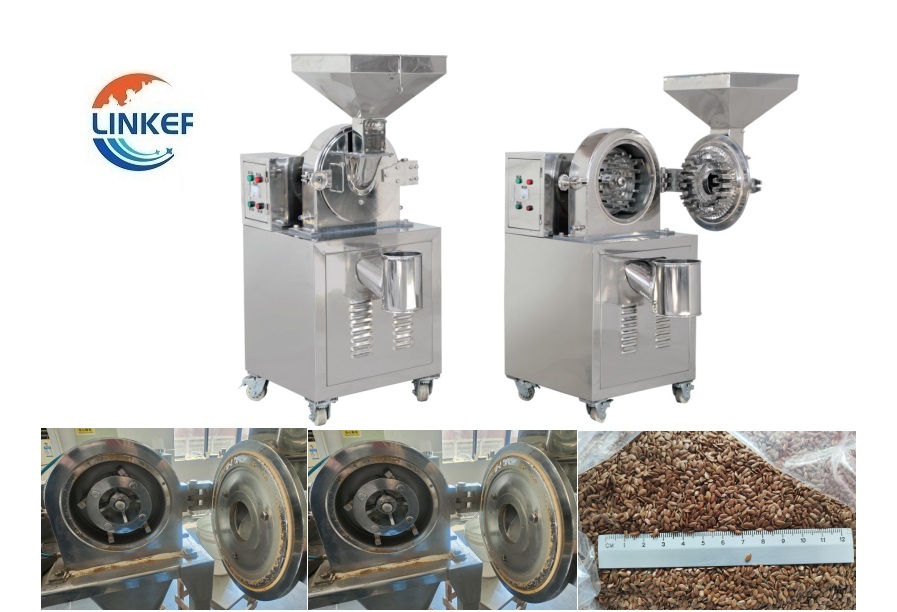
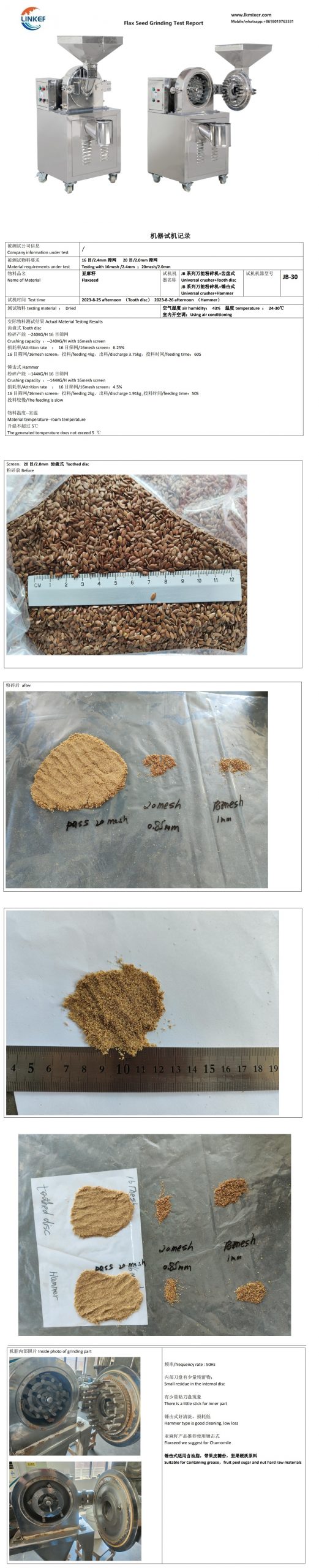
Test Report for Flax Seed Grinder:
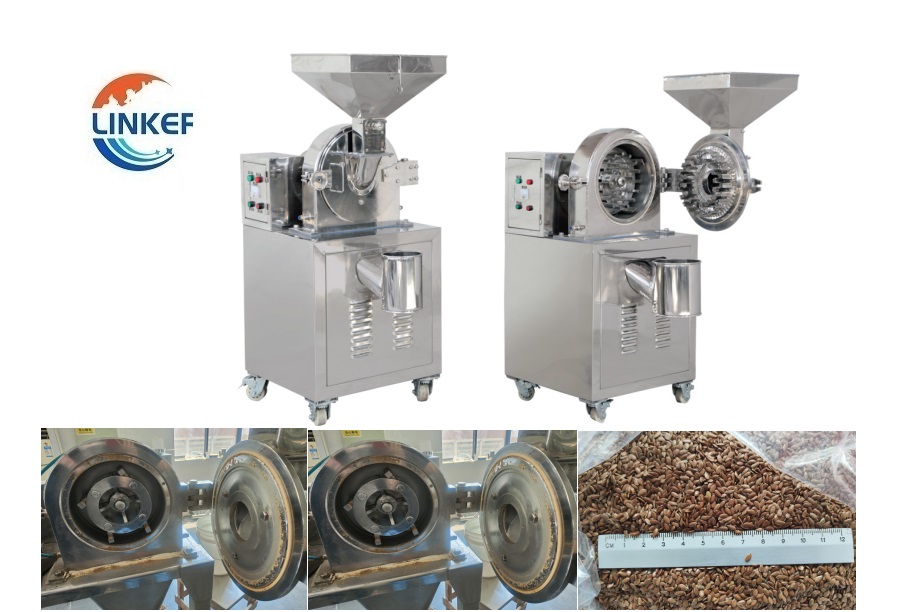
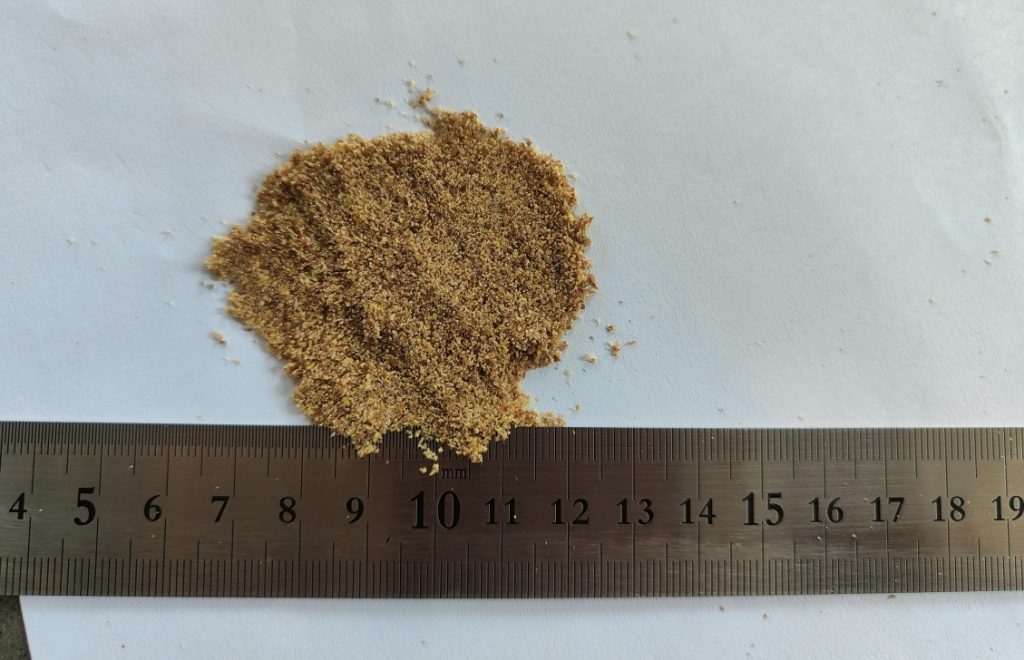
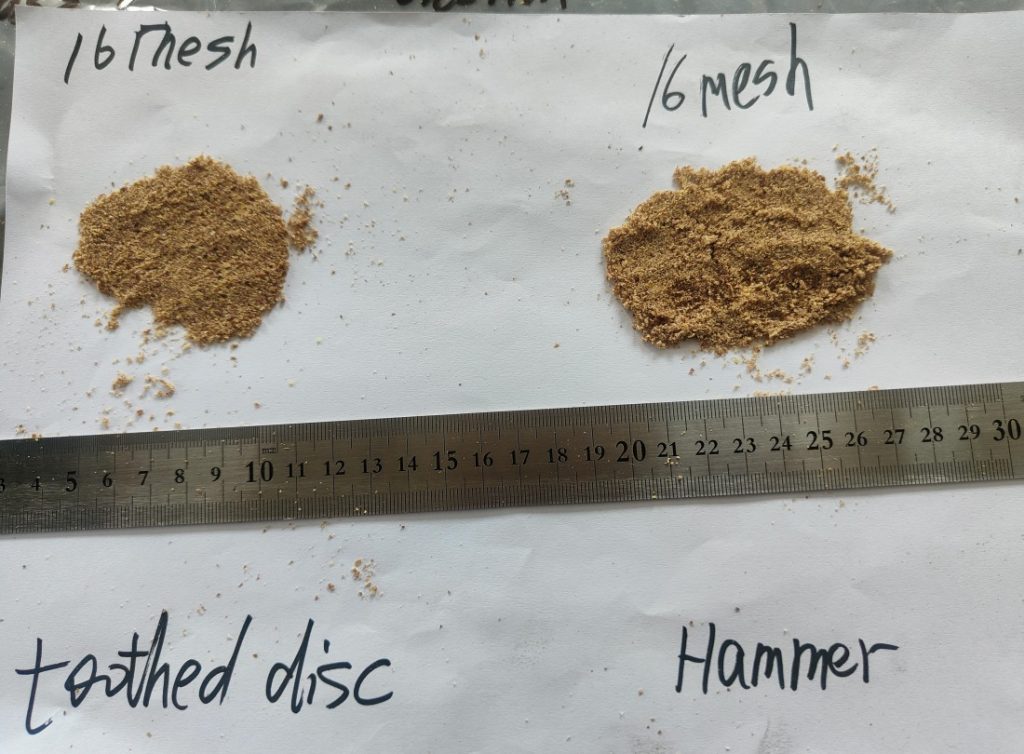
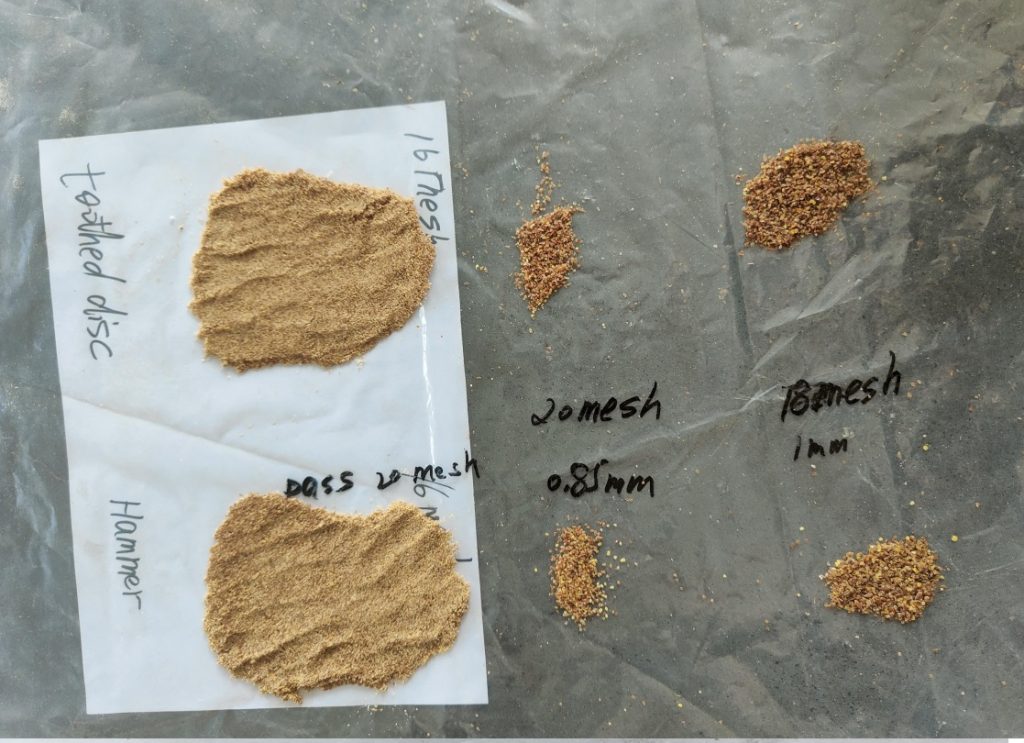
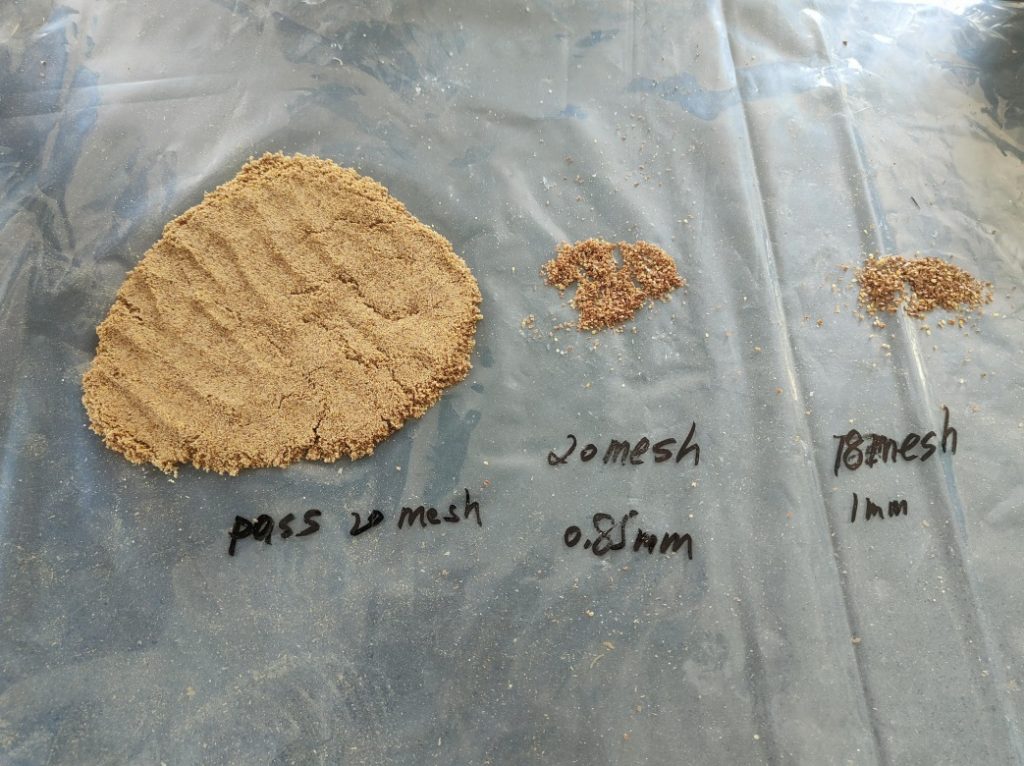
A flax seed grinder is a type of seed nut grinder specifically designed for grinding flax seeds. Flax seeds are small, hard seeds that are packed with nutrition and are commonly used in baking and cooking. Grinding flax seeds helps to unlock their nutrients and make them easier to digest.
Flax seed grinders typically feature sharp blades or burrs that rotate to crush the flax seeds into a fine powder. This powder can then be used in a variety of recipes, such as smoothies, baked goods, and yogurt toppings. Some flax seed grinders are manual and require hand-cranking, while others are electric and feature powerful motors for faster grinding.
When choosing a flax seed grinder, it’s important to look for one with durable blades or burrs that can withstand the hard texture of flax seeds.
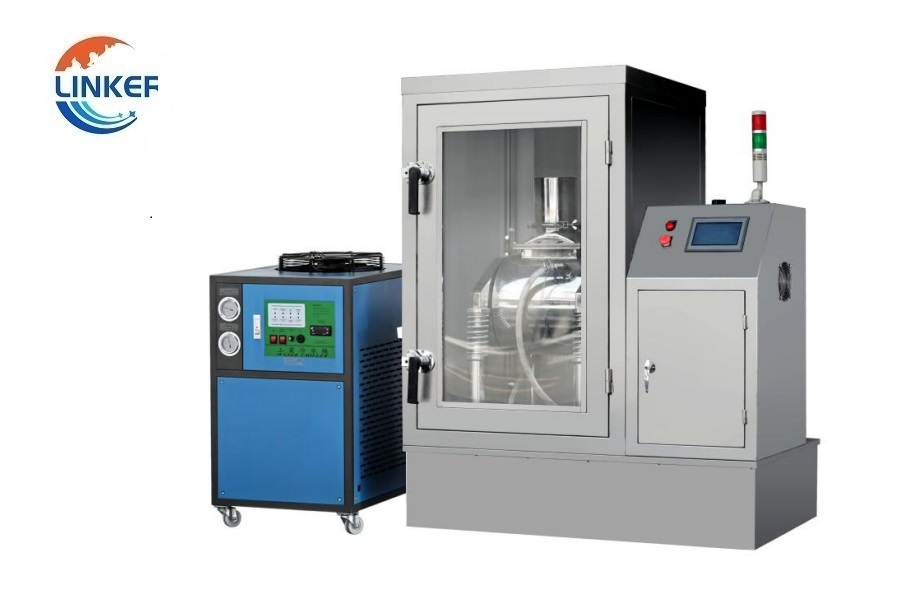
There are 3 ways of cooling down the grinder: water cooling system; air cooling system and liquid nitrogen freezing system. You can choose the right one if the grinder gets too hot. When machines goes too hot, the metal can expand, causing the grinding wheel to get stuck.
| Business Type: | Manufacturer/Factory | Main Products: | Mill, grinder, granulator, mixer, Crushing Equipment |
| Number of Employees: | 100 | Year of Establishment: | 2014.05 |
| Production Capacity | 5000Set/Year | After-sales Service: | Technical Support; on-line teach lessons |
| R&D Capacity: | ODM, OEM | Annual Output Value: | US$5 Million – US$10 Million |
| No. of R&D Staff: | 5 | No. of Production Lines: | 6 |
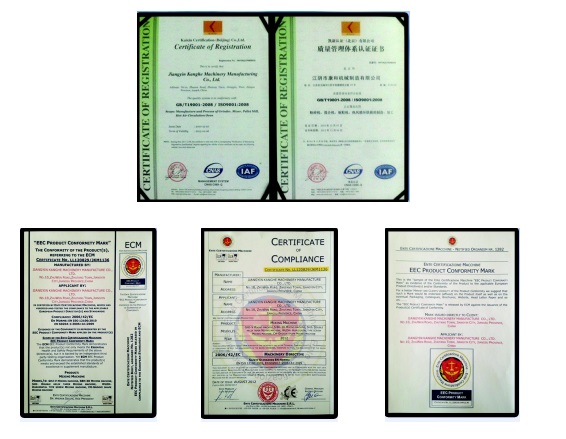
LK Mixer is a professional manufacturer for grinder, mixer and pulverizer. These machines are widely used in pharmaceutical, cosmetic, health care products and chemical industries. Our main product including granulating machine, grinder, mixer, dryer, etc. All mechanical products in accordance with the China GMP design requirements. And also we have other certifications such as CE, UL for motors.
Business Philosophy
“Quality is the main policy of sales” and “integrity is the principle of success” are the business philosophy of our people. We carry out one-year warranty, lifelong maintenance service, with technical consultation, with material test machine and other services, and long-term supply of equipment. Welcome new and old customers to negotiate cooperation!
Certifications:
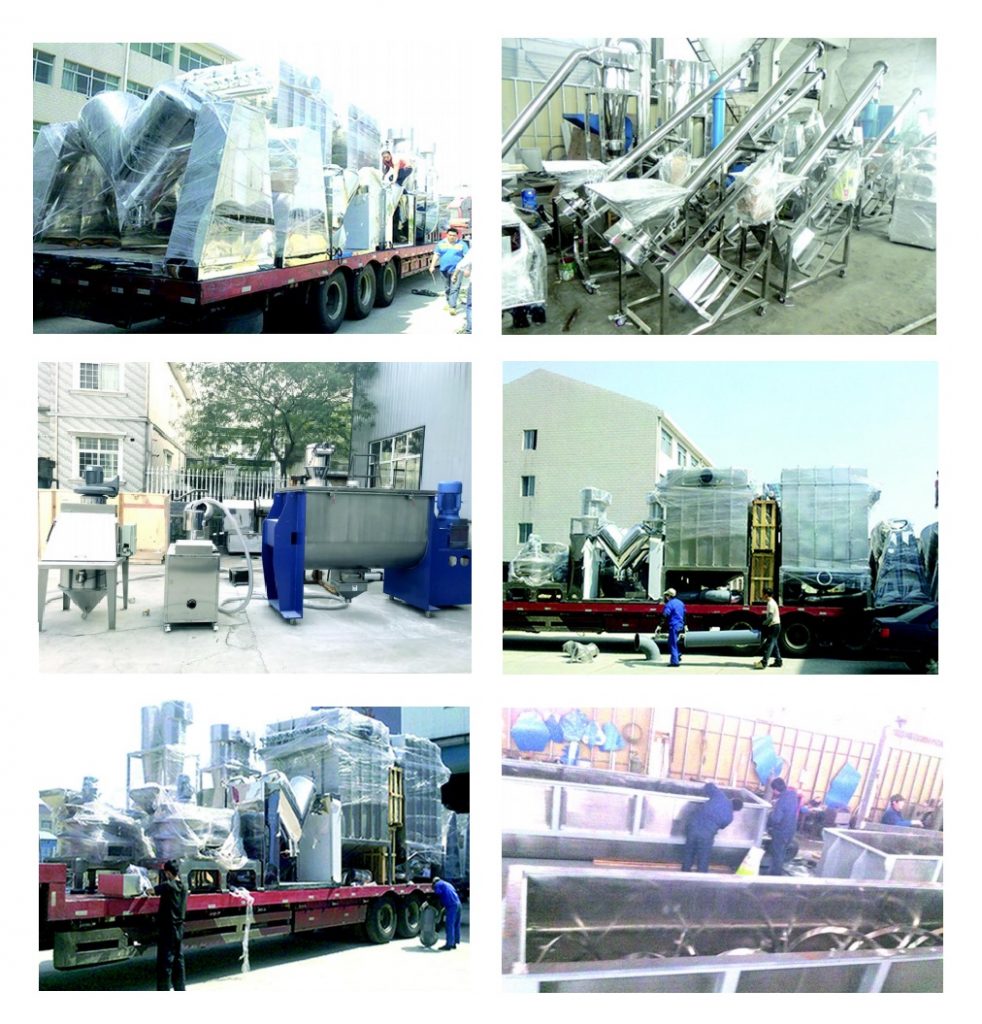
Customer Side Machine Groups Showcase Videos:
Dust Collector Shipment
Shipment – Packing Method
Two Large Industrial Grinder Ready to Ship
Domestic Shipment Show Case:
Operation Instruction
General Provisions
The operation instructions for a commercial grinder may vary depending on the specific model and manufacturer. However, here are some general guidelines that may apply to many high speed grinders:
- Safety precautions: Before operating the high speed grinder, it is important to review all safety precautions and warnings provided in the user manual. Safety precautions may include wearing appropriate personal protective equipment, such as eye protection and hearing protection, and avoiding loose clothing or jewelry that could become caught in the grinder.
- Preparation: The high speed grinder should be placed on a stable and level surface, and all necessary components should be assembled according to the manufacturer’s instructions. The grinder should also be connected to a power source that is appropriate for its voltage and wattage.
- Loading the grinder: The material to be ground should be loaded into the grinder according to the manufacturer’s instructions. Overloading the grinder may cause damage to the machine and result in poor grinding performance.
- Starting the grinder: The grinder should be started according to the manufacturer’s instructions. This may involve pressing a button, turning a dial, or flipping a switch. The user should ensure that their hands are clear of the grinder and that the material to be ground is positioned properly.
- Adjusting the speed and settings: The speed and other settings of the high speed grinder may be adjusted according to the material being ground and the desired outcome. The user should follow the manufacturer’s instructions for making adjustments to the grinder.
- Monitoring the grinding process: The user should monitor the grinding process to ensure that it is progressing smoothly and that the material is being ground to the desired size and consistency. Any issues or abnormalities should be addressed promptly to prevent damage to the machine.
- Shutting down the grinder: When the grinding process is complete, the grinder should be shut down according to the manufacturer’s instructions. The user should ensure that the machine is completely stopped and that all moving parts have come to a complete stop before attempting to clean or service the grinder.
Overall, the operation instructions for a commercial grinder may involve a number of steps and safety precautions. It is important to carefully review the manufacturer’s instructions and follow proper operating procedures to ensure safe and effective use of the machine.
Preparation Work
Before running a commercial grinder, there are several important preparation steps that should be taken to ensure safe and effective operation of the machine. Here are some general guidelines for preparing to run a high speed grinder:
- Read the user manual: The first step in preparing to run a high speed grinder is to carefully read the user manual provided by the manufacturer. The user manual will provide important information about the specific model of grinder being used, including its features, specifications, and safety precautions.
- Select the appropriate grinding wheel: The grinding wheel used in a high speed grinder should be selected based on the material being ground and the desired outcome. It is important to use the correct type of grinding wheel to prevent damage to the machine and ensure optimal grinding performance.
- Inspect the grinder: Before running the grinder, it is important to inspect it for any signs of damage or wear. The user should check for loose or missing components, cracks or other signs of damage to the machine’s housing or other parts, and any other issues that could affect the grinder’s operation.
- Install the grinding wheel: The grinding wheel should be installed according to the manufacturer’s instructions, making sure that it is securely fastened and aligned properly. The user should also check the wheel for any cracks or other signs of damage before installation.
- Secure the workpiece: The workpiece to be ground should be securely clamped or held in place before starting the grinder. This will help to ensure safe and effective operation and prevent the workpiece from becoming dislodged or damaged during grinding.
- Connect the power source: The high speed grinder should be connected to a power source that is appropriate for its voltage and wattage. It is important to use a properly grounded power source to ensure safe and reliable operation of the machine.
- Test run: Before beginning actual grinding operations, it may be useful to perform a test run to ensure that the grinder is functioning properly and that the grinding wheel is aligned and balanced properly. The user should follow the manufacturer’s instructions for performing a test run.
By following these preparation steps, users can ensure safe and effective operation of a high speed grinder and achieve optimal grinding results.
Treatment of inspection
Inspection of a commercial grinder is an important maintenance procedure that helps ensure safe and effective operation of the machine. Here are some general guidelines for inspecting a high speed grinder:
- Disconnect power source: Before performing any inspection or maintenance on a high speed grinder, the power source should be disconnected to prevent accidental startup.
- Check for wear and damage: The user should inspect the grinder for any signs of wear or damage, such as cracks in the housing, worn or damaged grinding wheels, or loose or missing parts. Any issues should be addressed promptly to prevent further damage to the machine.
- Check alignment and balance of grinding wheel: The grinding wheel should be inspected for proper alignment and balance, as these factors can affect the quality of the grinding operation. If the grinding wheel is not properly aligned or balanced, it should be adjusted or replaced as necessary.
- Check for proper lubrication: The high speed grinder should be inspected for proper lubrication, as inadequate lubrication can cause excessive wear and damage to the machine’s moving parts. The user should follow the manufacturer’s instructions for lubrication, and add lubricant as necessary.
- Inspect electrical components: The electrical components of the high speed grinder, including the wiring, switches, and control panel, should be inspected for any signs of wear, damage, or loose connections. Any issues should be addressed promptly to prevent electrical problems.
- Test run: After completing the inspection, it may be useful to perform a test run of the high speed grinder to ensure that it is functioning properly and that any issues have been addressed.
By following these inspection guidelines, users can help ensure safe and effective operation of a high speed grinder and minimize the risk of damage or injury during grinding operations.
Operation Attention
Running a commercial grinder can be a dangerous operation if proper precautions are not taken. Here are some general guidelines for safe operation of a high speed grinder:
- Personal protective equipment: The user should wear appropriate personal protective equipment, such as safety glasses, hearing protection, and gloves, to prevent injury from flying debris, noise, and contact with the grinding wheel.
- Secure workpiece: The workpiece being ground should be securely clamped or held in place to prevent it from becoming dislodged during grinding.
- Use proper grinding wheel: The user should select the appropriate grinding wheel for the material being ground and ensure that it is installed correctly and securely. The grinding wheel should be inspected for cracks or other damage before use.
- Adjust grinding wheel speed: The speed of the grinding wheel should be adjusted according to the manufacturer’s instructions to ensure optimal grinding performance and prevent damage to the machine or workpiece.
- Avoid excessive pressure: The user should avoid applying excessive pressure to the grinding wheel, as this can cause the wheel to overheat and wear out more quickly.
- Avoid overheating: The high speed grinder should not be operated continuously for extended periods of time, as this can cause overheating and damage to the machine.
- Monitor grinding operation: The user should closely monitor the grinding operation to ensure that the workpiece is being ground properly and that the grinding wheel is functioning correctly.
- Disconnect power source: After completing grinding operations, the power source should be disconnected to prevent accidental startup.
By following these guidelines, users can operate a high speed grinder safely and effectively, and achieve optimal grinding results. It is important to follow the manufacturer’s instructions and all applicable safety regulations when operating any type of machinery.
Applications of Industrial Seed Grinder
Industrial seed grinders are used in a variety of applications across many industries. Here are some of the most common applications of industrial seed grinders:
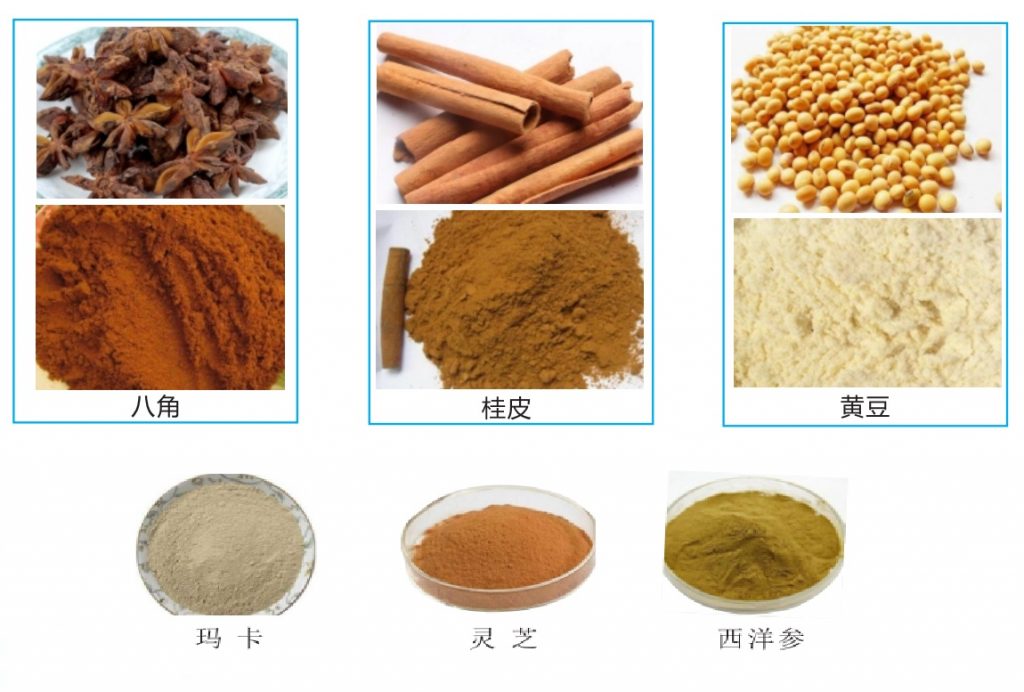
- Food industry: Industrial seed grinders are used extensively in the food industry to grind seeds, nuts, and spices into fine powders or pastes. These powders and pastes are then used in a variety of products such as sauces, seasonings, and spreads.
- Pharmaceutical industry: In the pharmaceutical industry, industrial seed grinders are used to grind plant material into a fine powder, which is then used to make medicines and supplements.
- Cosmetics industry: Industrial seed grinders are also used in the cosmetics industry to grind plant material into a fine powder or paste, which is then used in products such as face masks, scrubs, and exfoliants.
- Agricultural industry: Industrial seed grinders are used in the agricultural industry to process seeds, such as soybeans, into animal feed.
- Chemical industry: In the chemical industry, industrial seed grinders are used to grind materials such as resins, pigments, and dyes into a fine powder.
- Renewable energy industry: Industrial seed grinders are also used in the renewable energy industry to process biomass into a fine powder, which is then burned to generate electricity.
Overall, industrial seed grinders are versatile machines that are used in many different industries for a variety of applications. They are essential for processing plant material into fine powders and pastes that can be used in many different products.
Food Producing Process Flow:
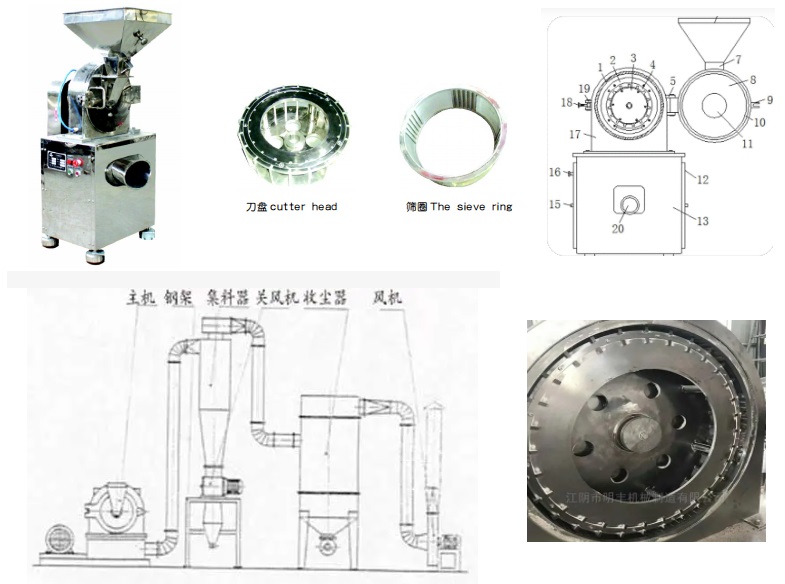
Ultrafine grinding is one of the very key procedure in whole production line. It depends how many mesh that customer need to produce. That’s to say this machine can decide what kind of material will get finally before mxing.
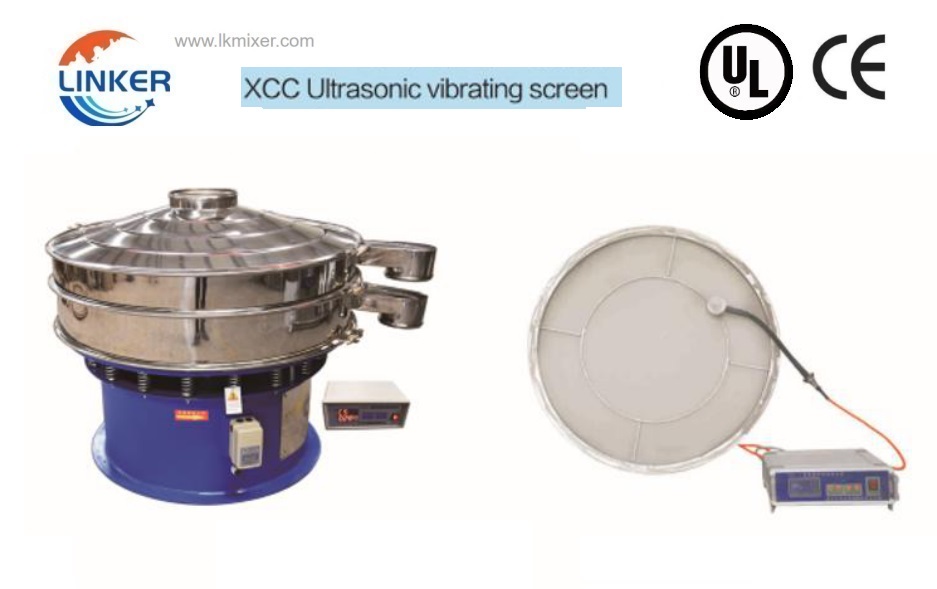
Coarse Crusher Machine —>Grinding Machine —> Vibrating Table Sifter Machine—>Mixing Machine—>Packing Machine —> (Printed Packaging Film Roll or bags ) —> Filling, sealing machine, capping and Labeling Machine —>Pack into Box.
Contact us for detail proposal and cost:
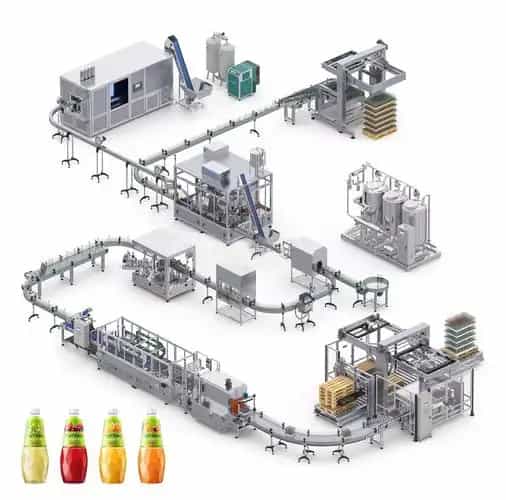

Automatic Banana Powder Production Line Youtube Video
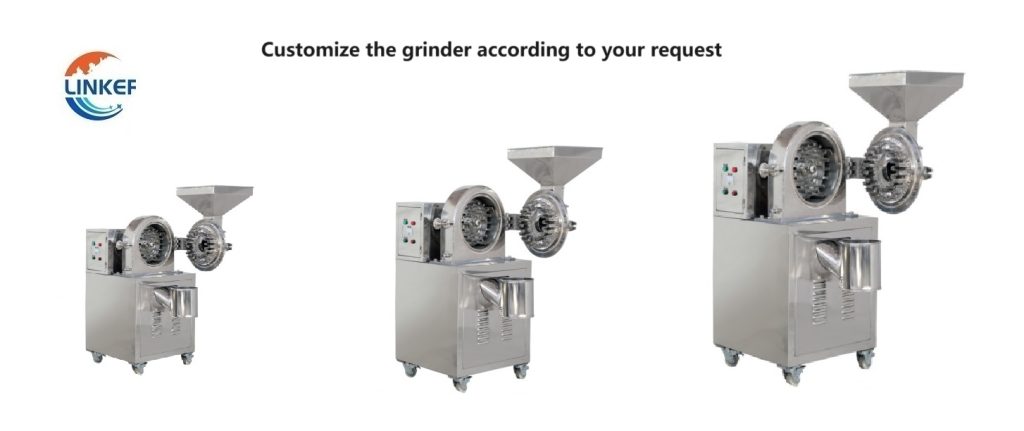
Customization Seeds Grinder According to your Capacity:
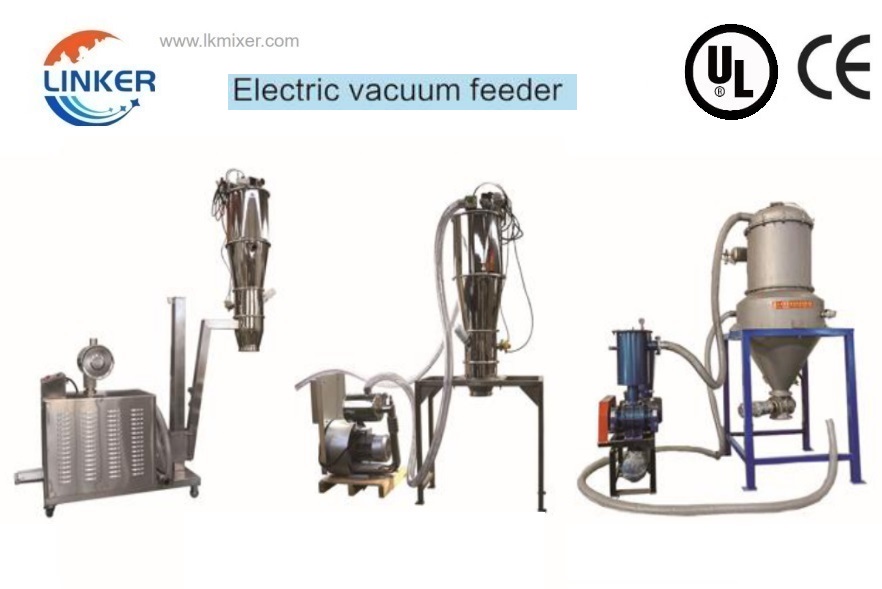
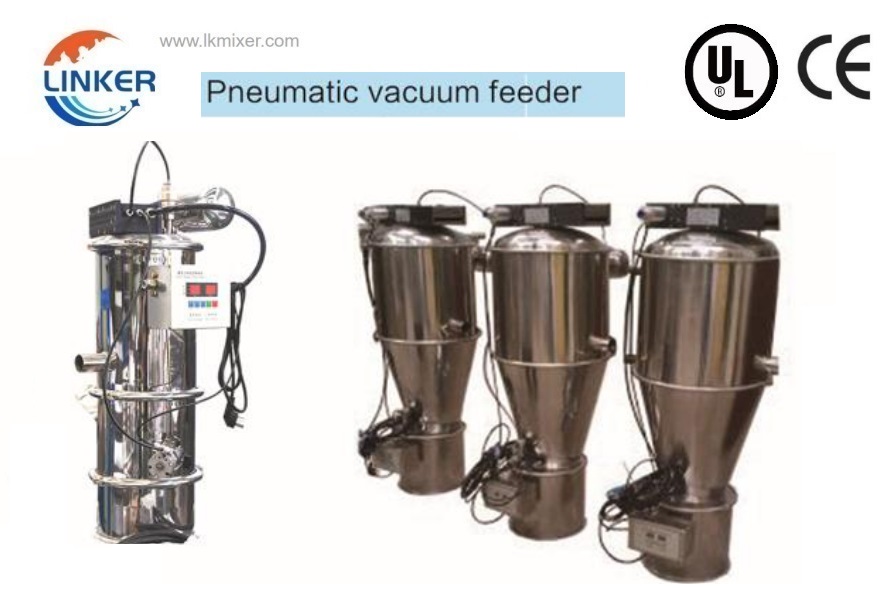
We can customize the capacity according to your special requirement, we can also customize the vacuum feeder connect with your production line (the dimension and width of grinder), for detail contact with our sales for proposal and price.
Videos of Seeds Grinder Machine:
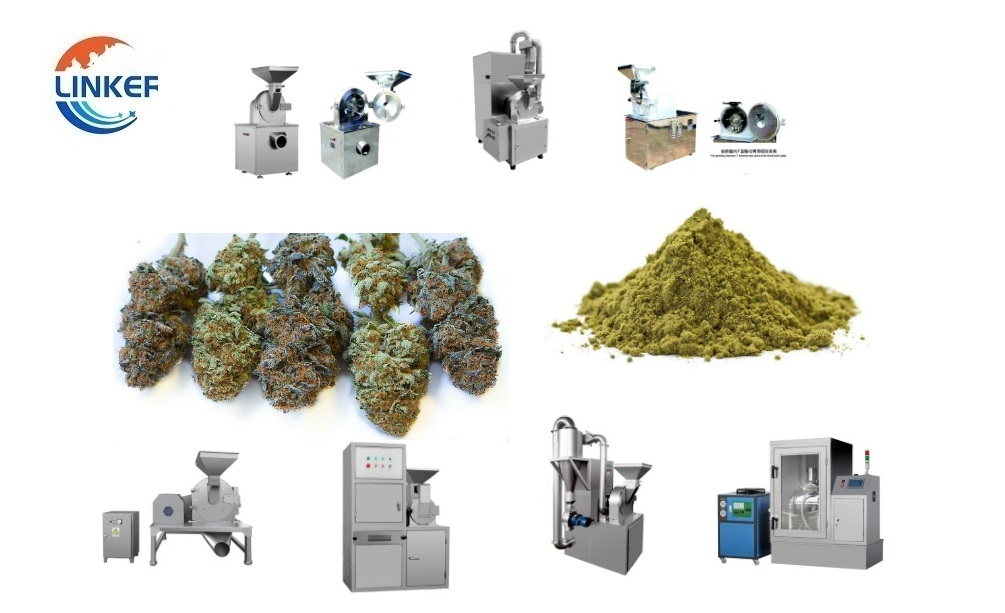
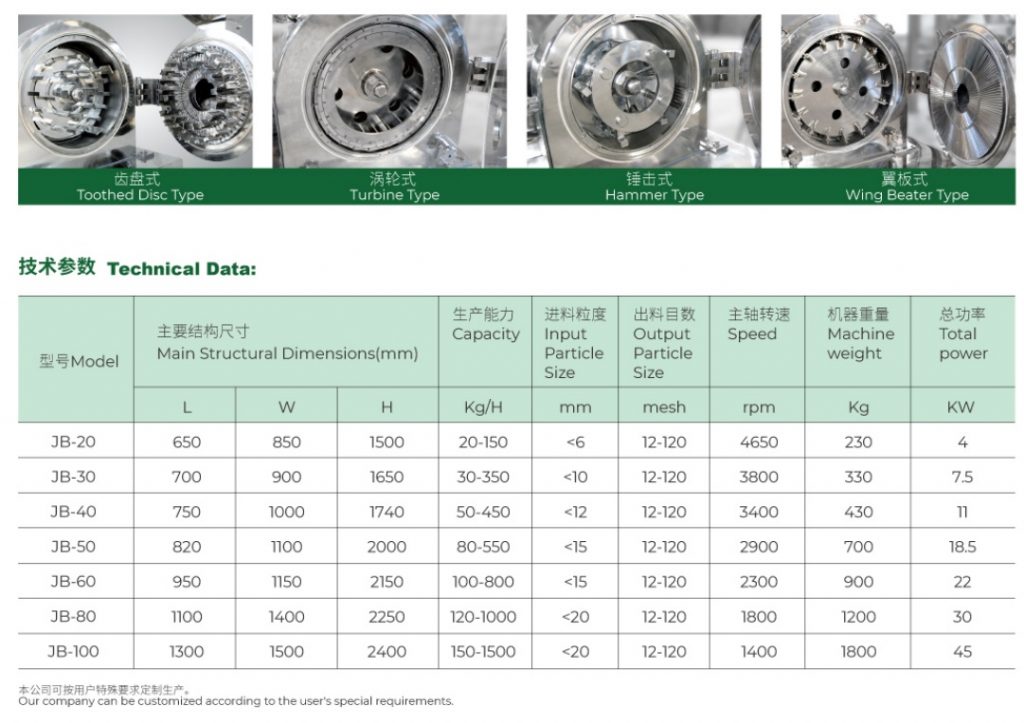
Many model of Seeds Grinder, the universal grinder is suitable to cut the seeds into 12-120mesh, the high efficient grinder is useful, but cost a little bit higher than universal. The super fine grinder can grind into 100mesh to 320mesh. Customer can choose according to your own requirement. here show some example:
About LKMixer
LKMixer is a professional manufacturer for fertilizer production line, grinder, mixer and granulator, shredder. These machines are widely used in food, pharmaceutical, cosmetic, health care products and chemical industries. The Food materials like Peanut, mushroom, seeds, potato, bean, tobacco, salt, cannabis, tea, Sugar, corn, Coffee, rice, pepper, grain as so on. Grinders have many types such as Pulse Dust Grinder which suitable for zero pollution environment, Turbine Mill which is suitable for coffee bean, 12-120mesh all can meet, Ultrafine Grinding Mill covers 80-200mesh, and also Winnowing Dust Grinder or other grinding machines like SF Hammer. Welcome to contact us for details. Contact us for more information. Proposal, catalog, quotation. Mobile/WhatsApp: +86 18019763531 Tel: +86 21 66037855 Email: sales@lkmixer.com
Contact Us
FAQ(Click and See More)
Read More about Herb Grinder:
Why are herb grinders so expensive?
Are electric herb grinders good?
What is the best way to grind up herbs?
Can you chop herbs in a coffee grinder?
How to grind dried herbs into powder?