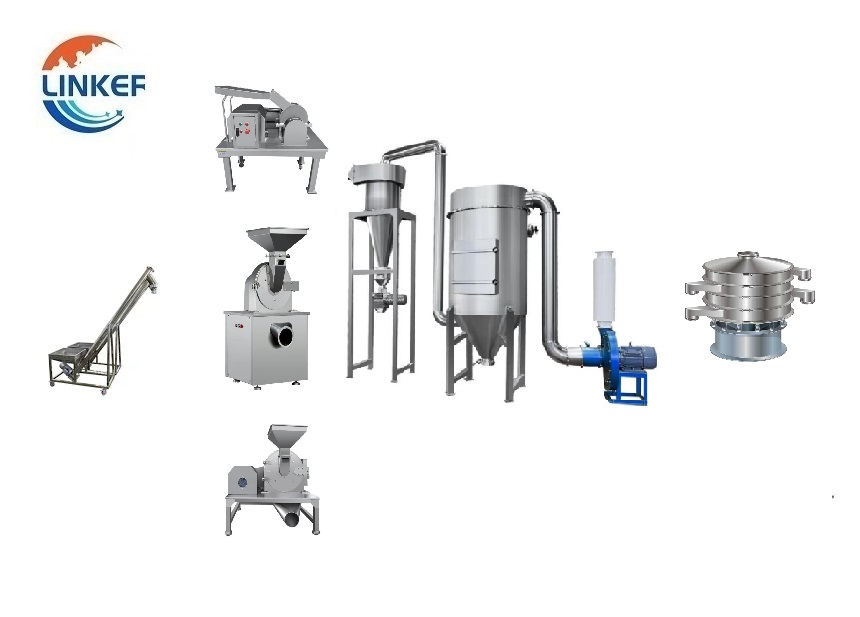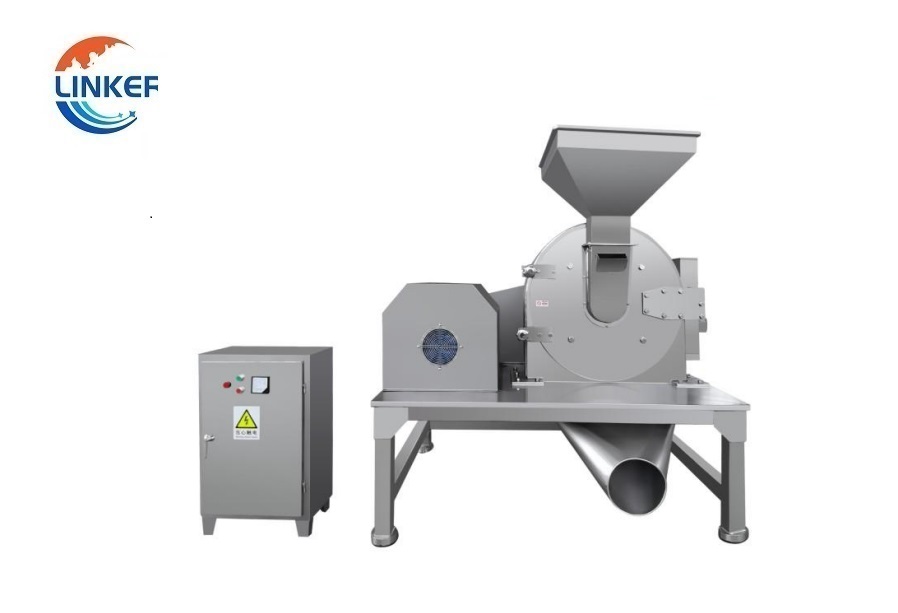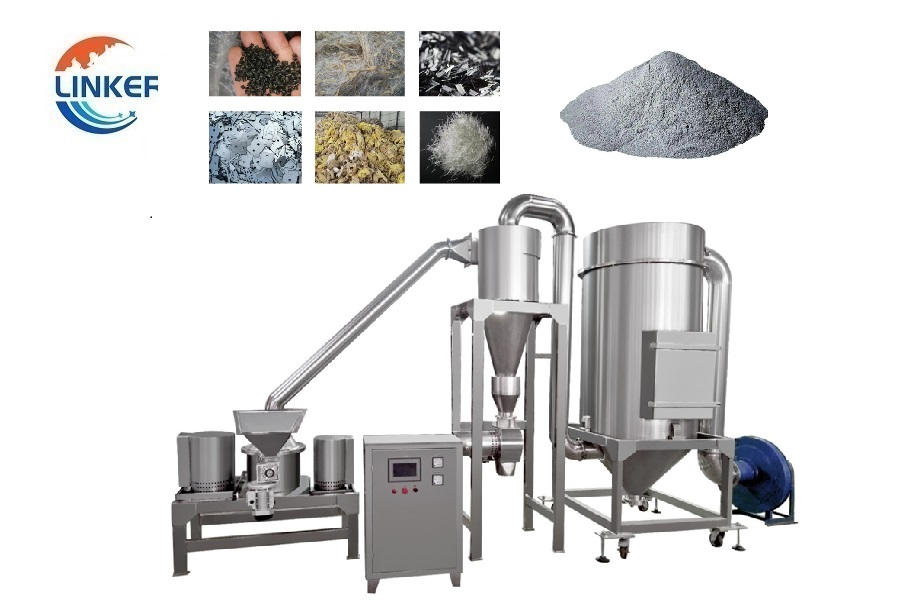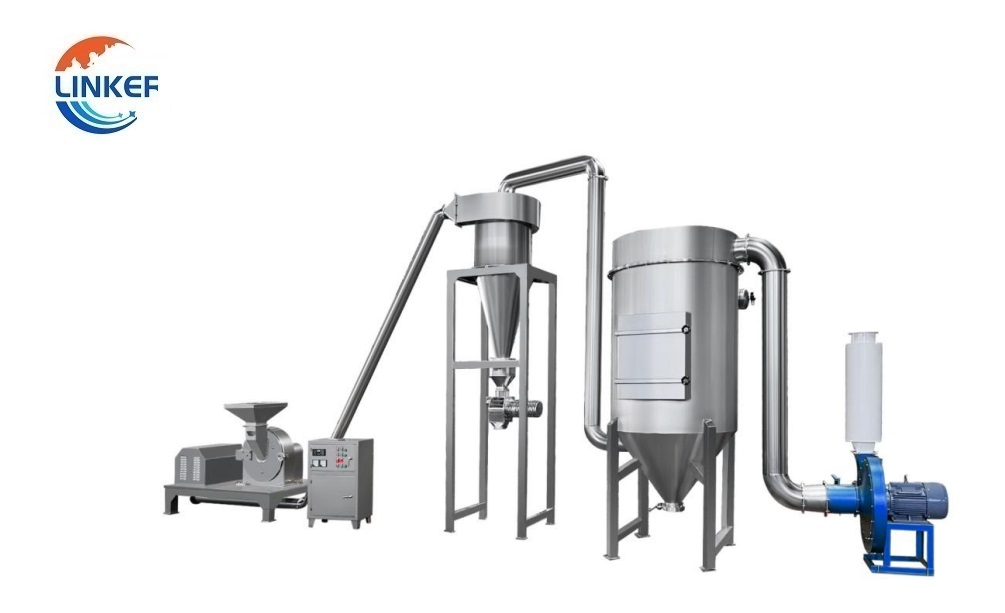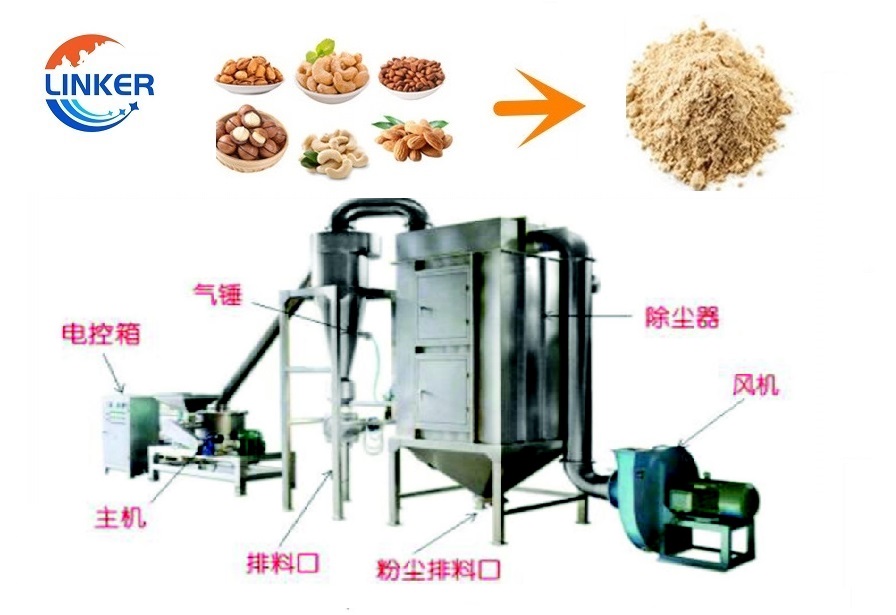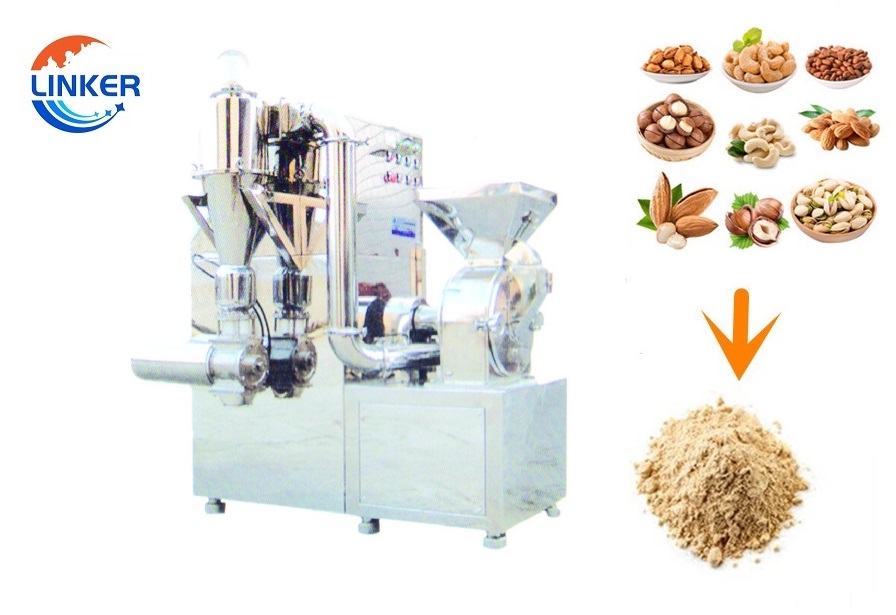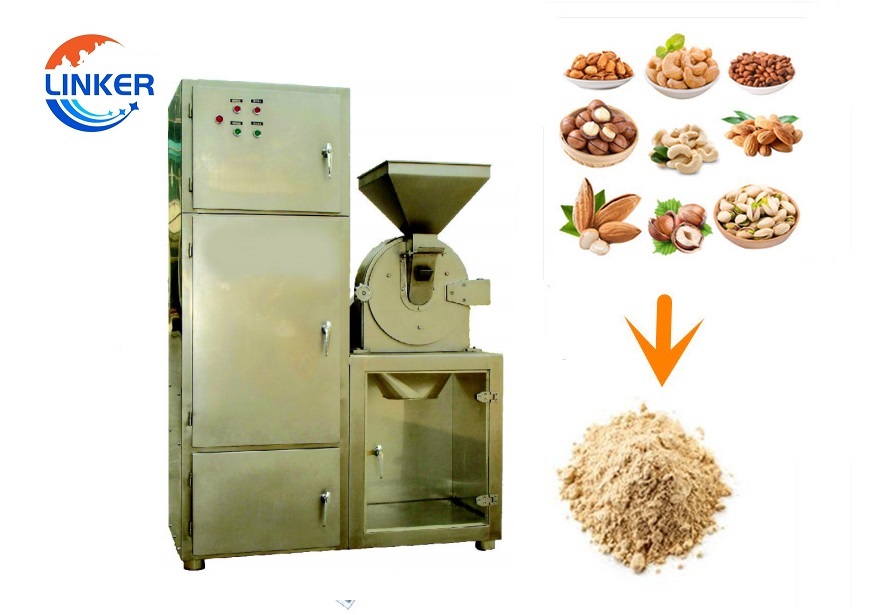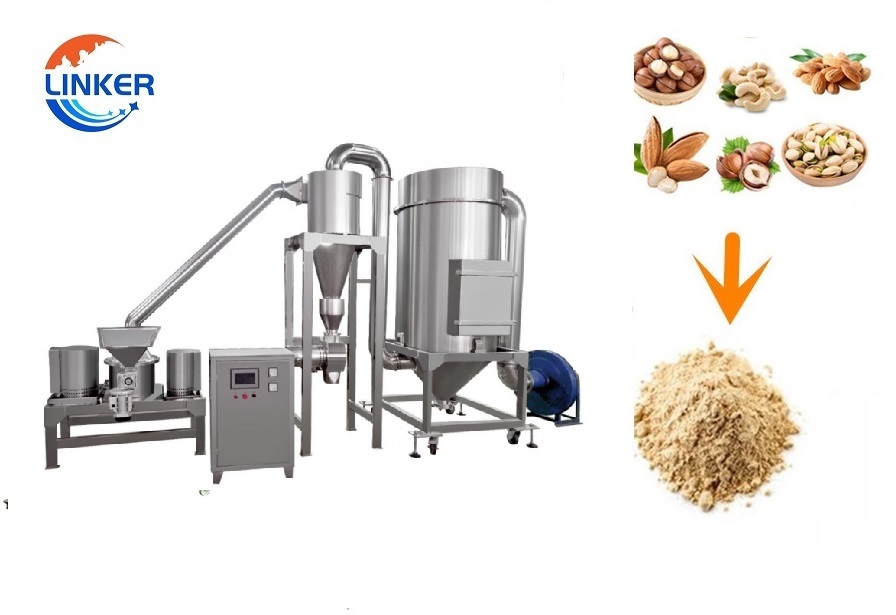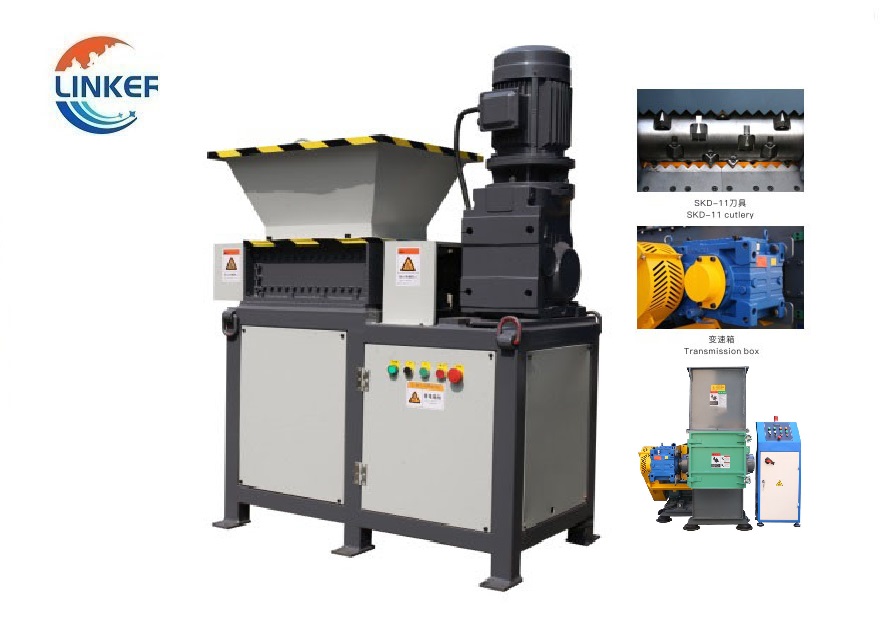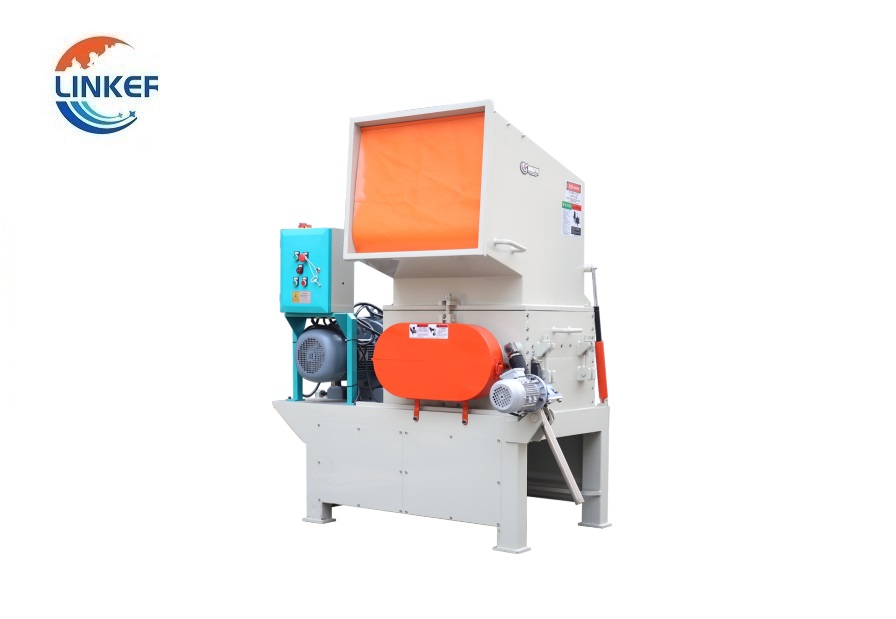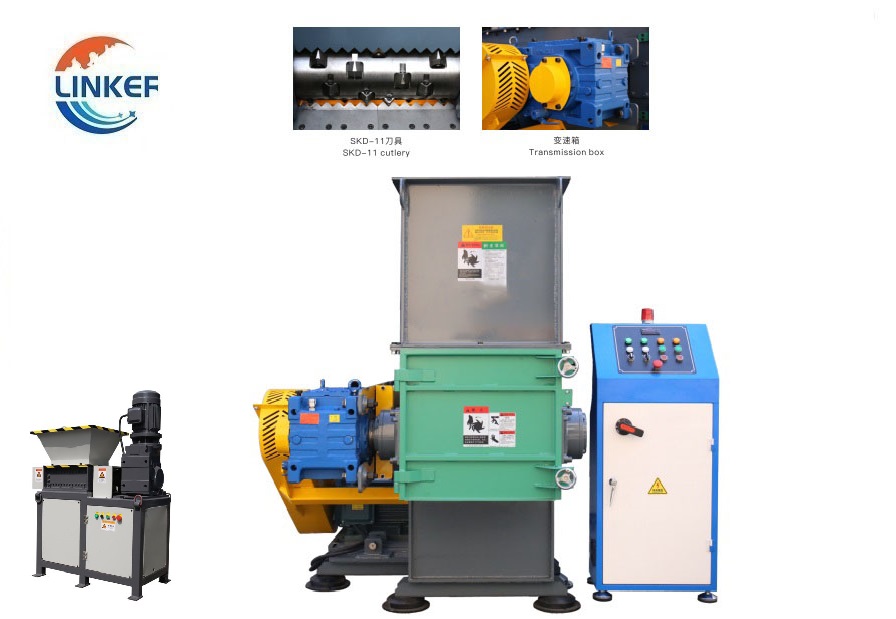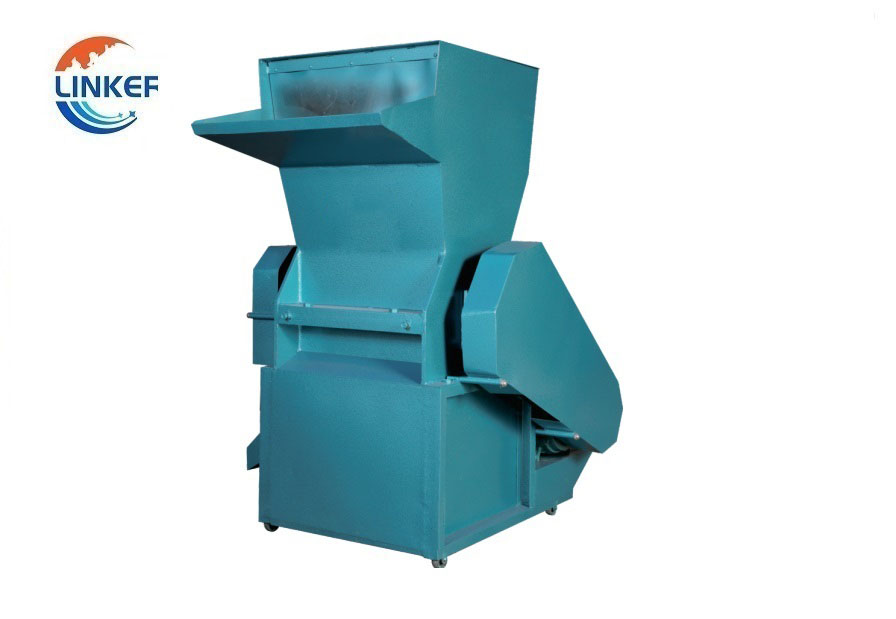
Automatic Potato Flakes Production Line
Potato Flakes Process Flow
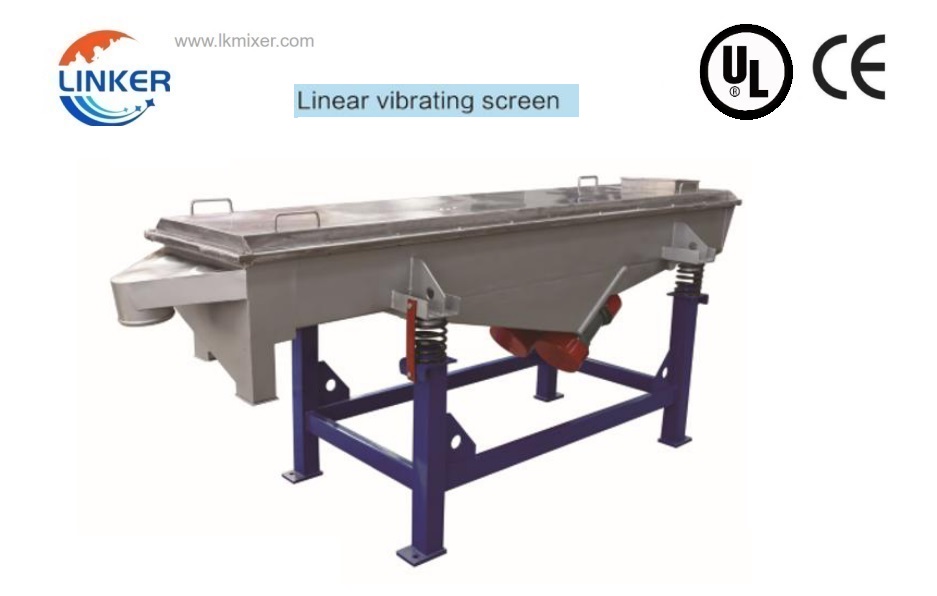
- Potato Washing Machine
- Potato Pealing and Cutting Machine
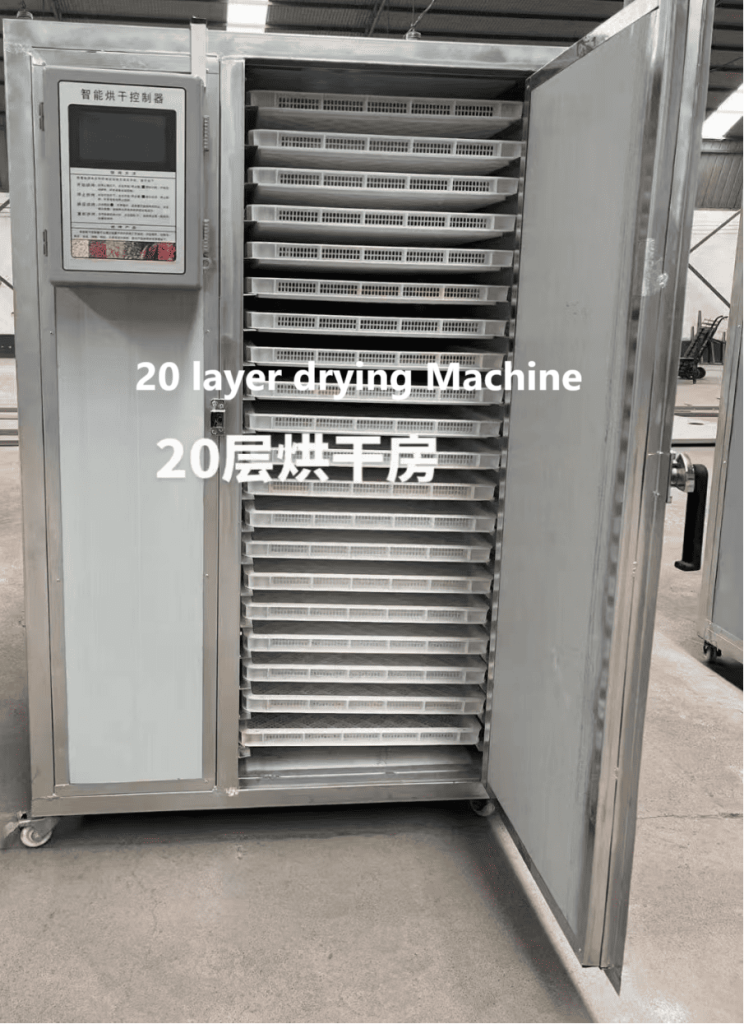
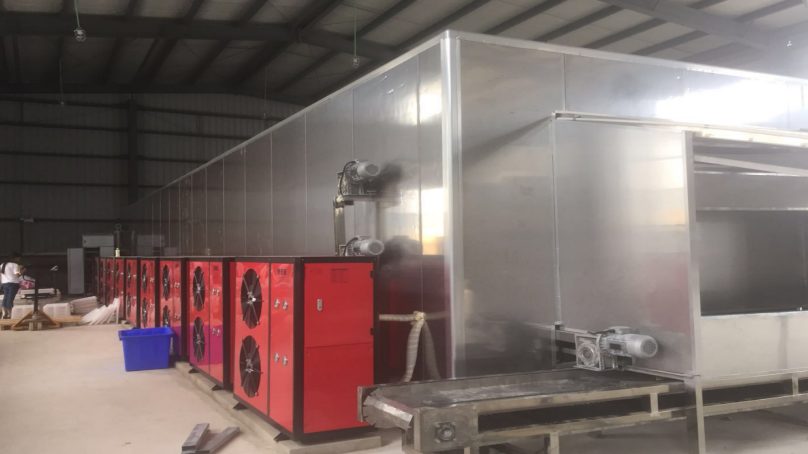
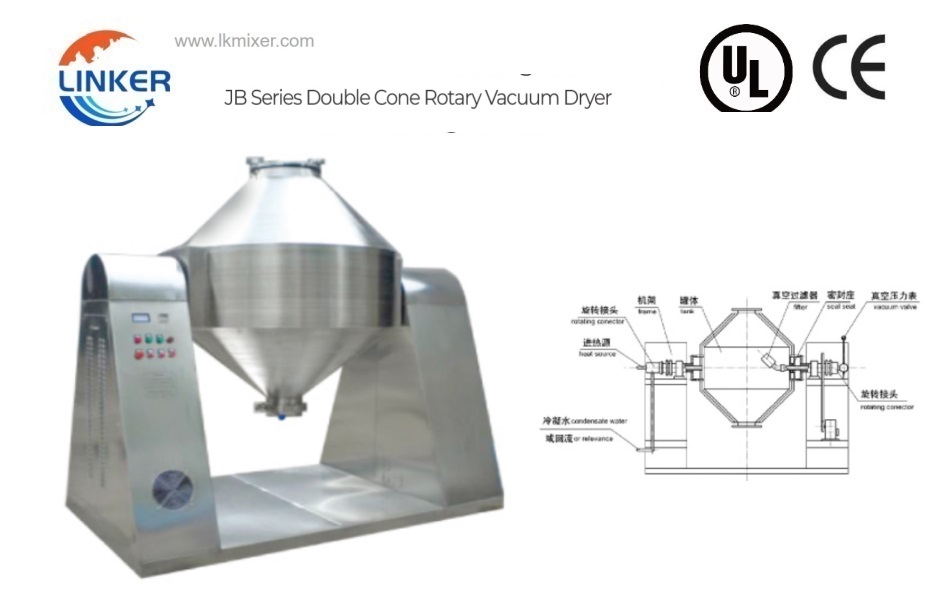
- Potato Drying Machine
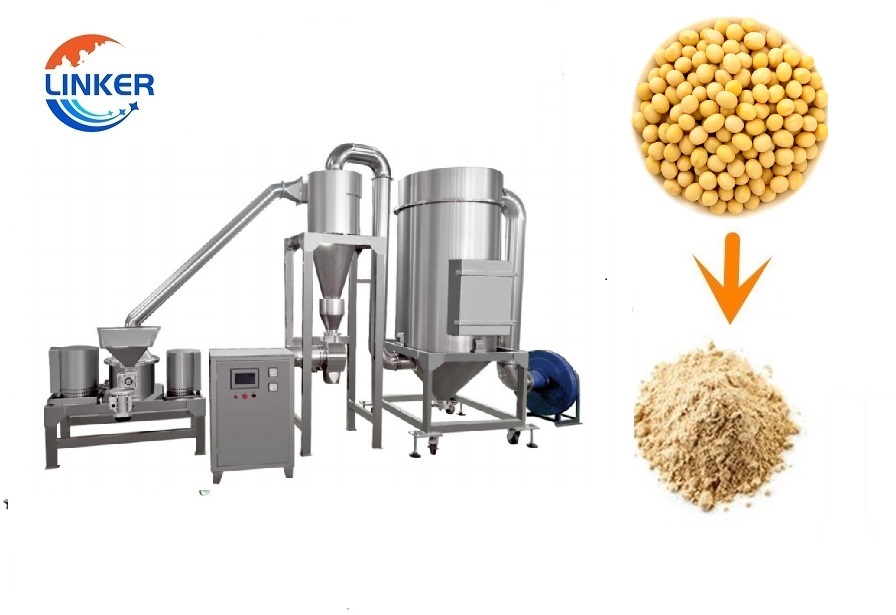
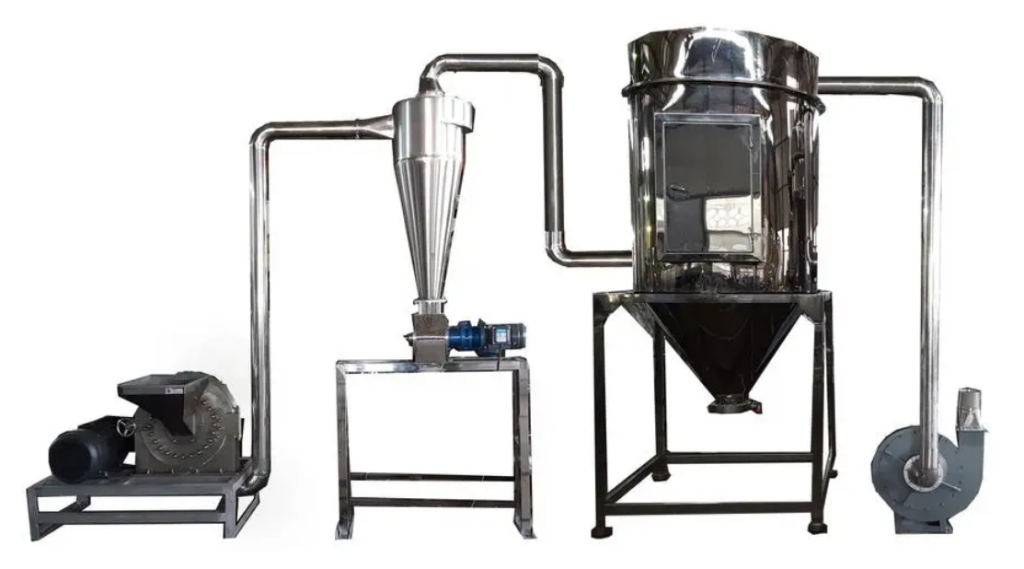
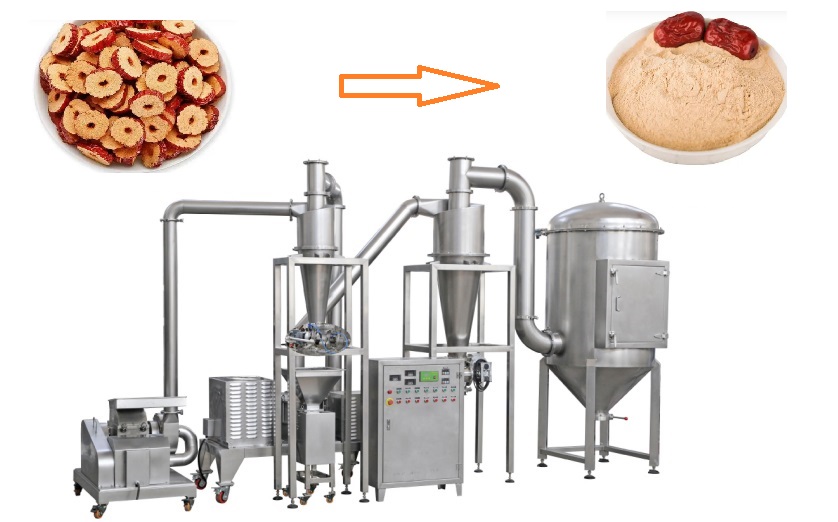
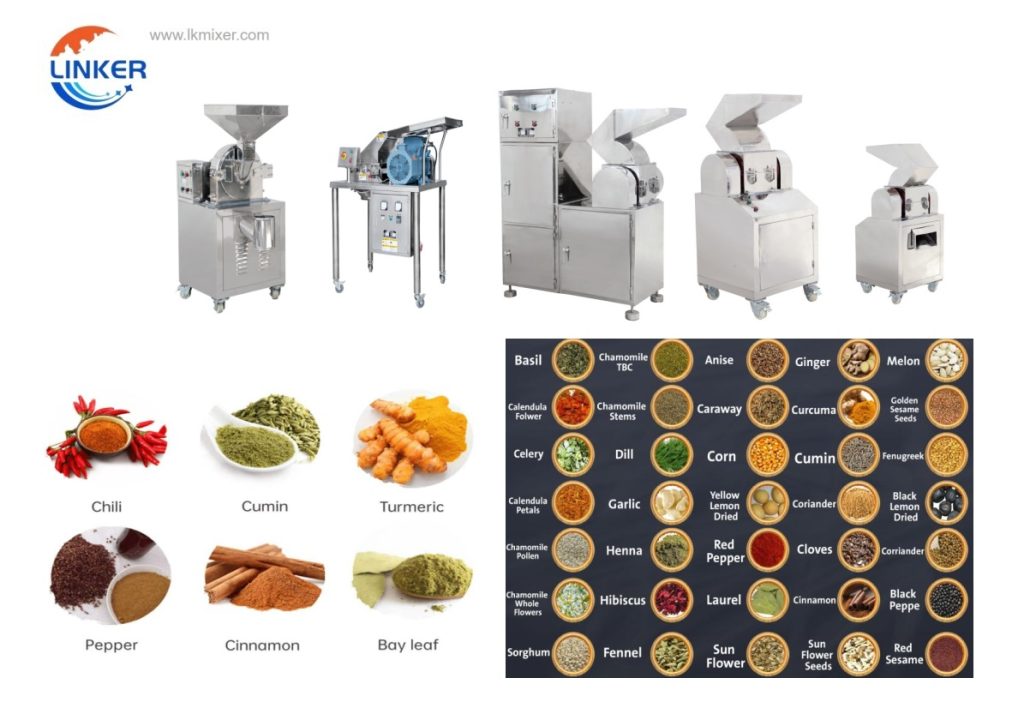
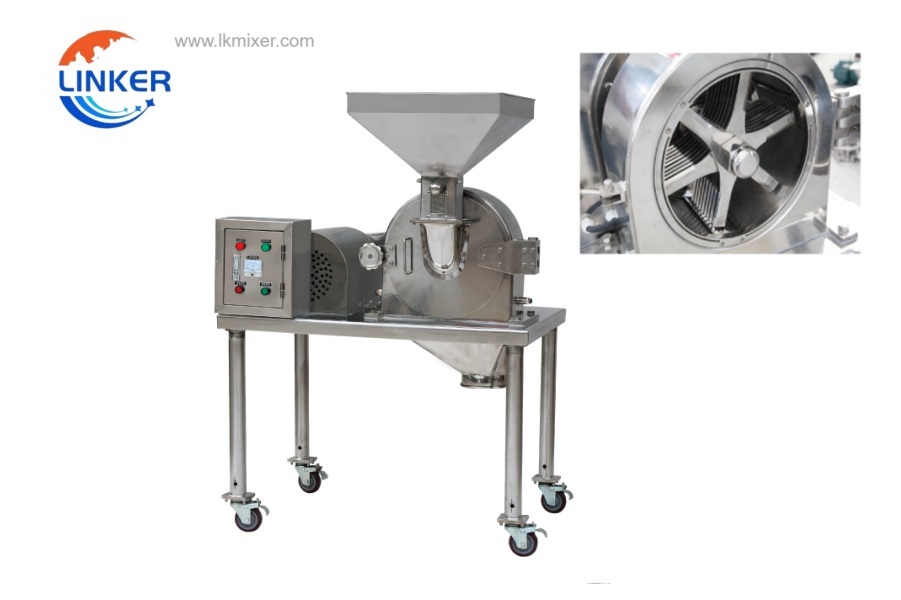
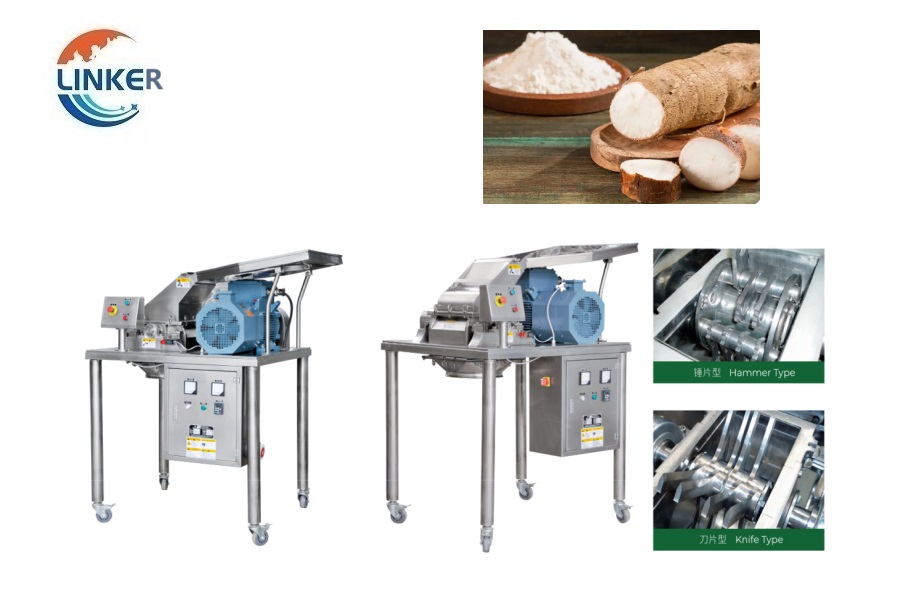
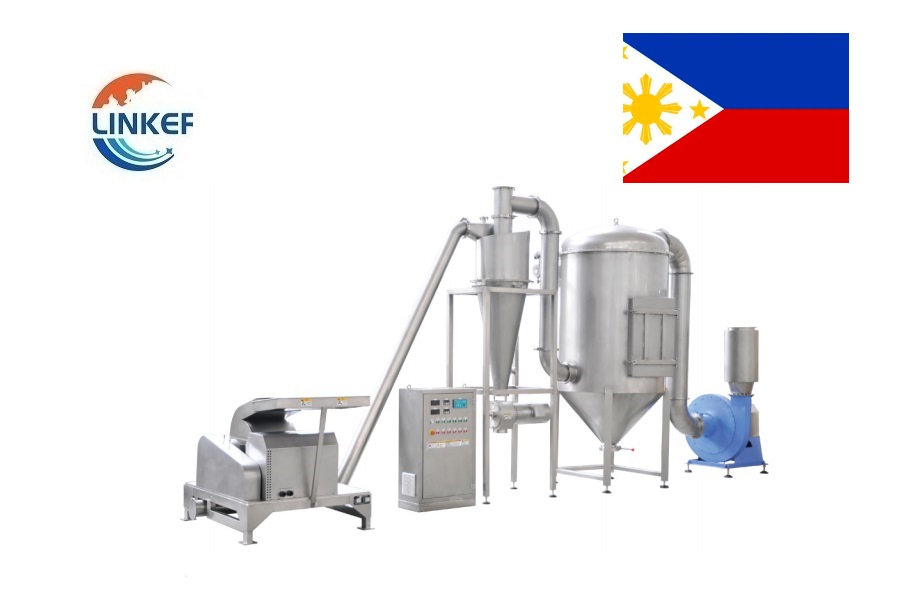
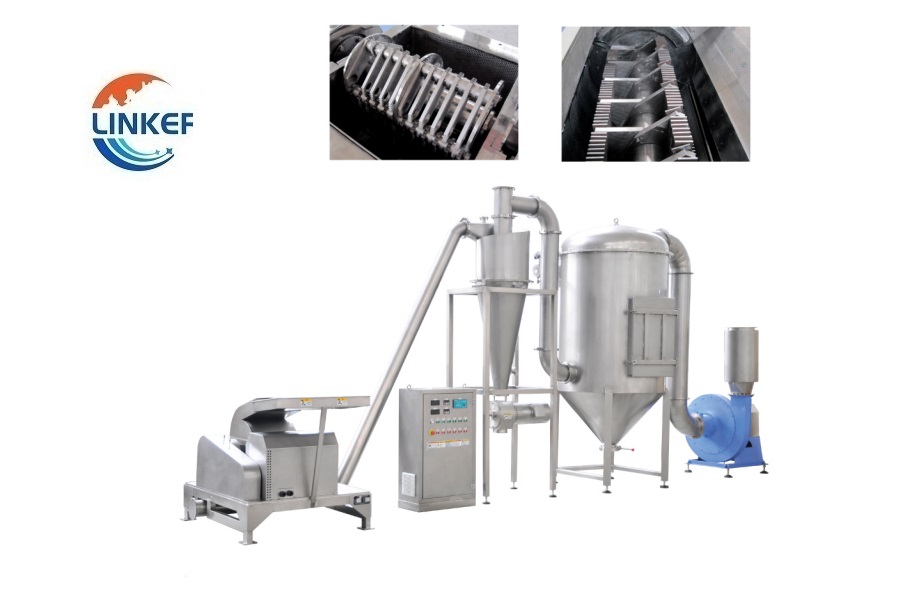
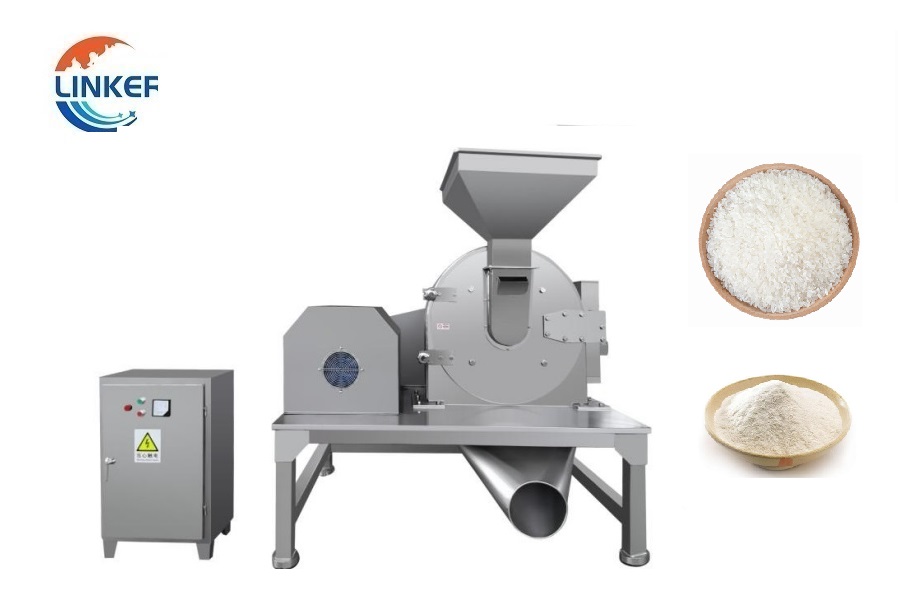
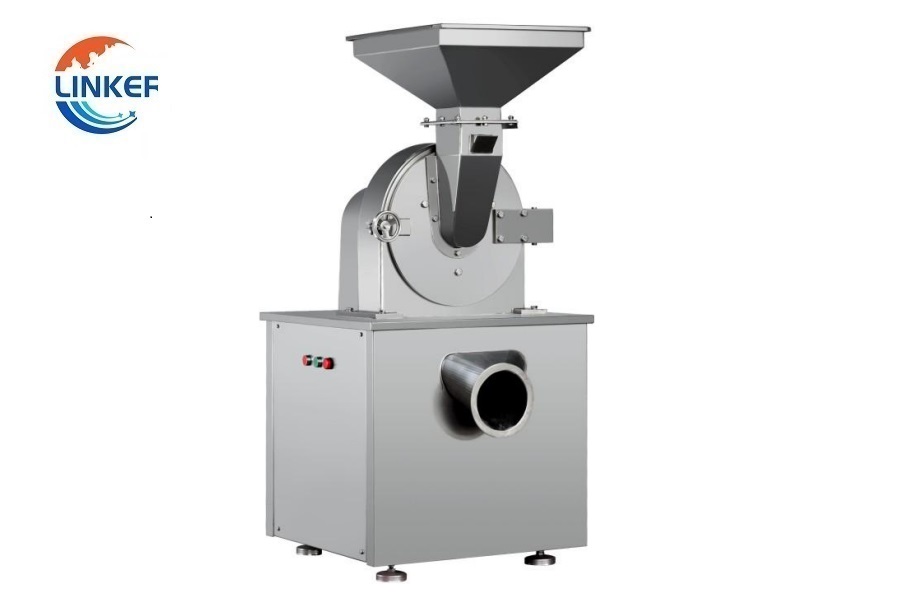
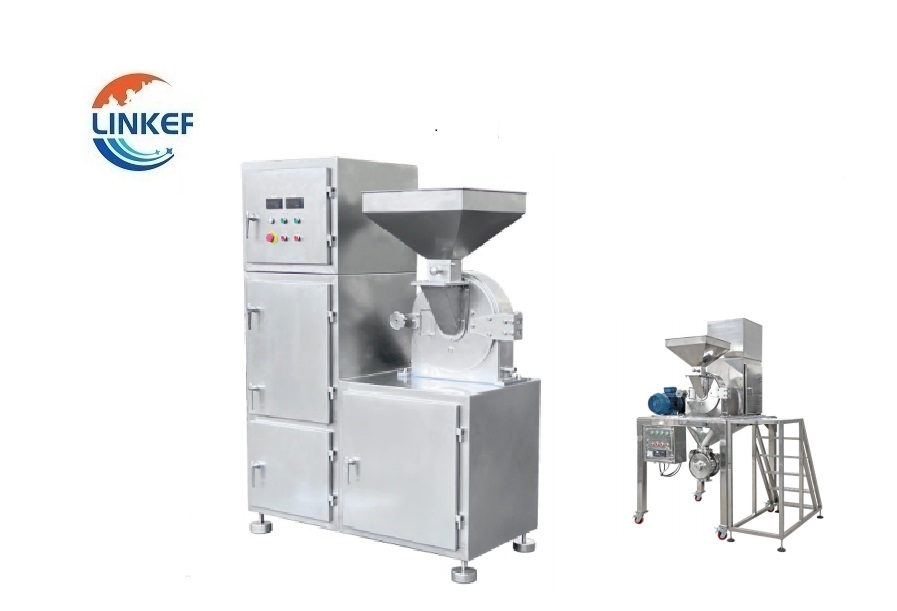
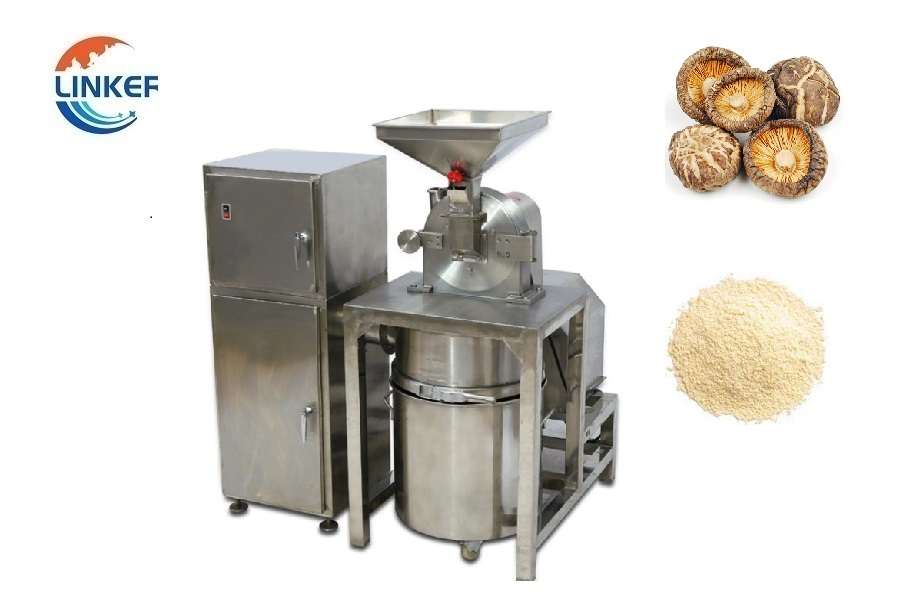
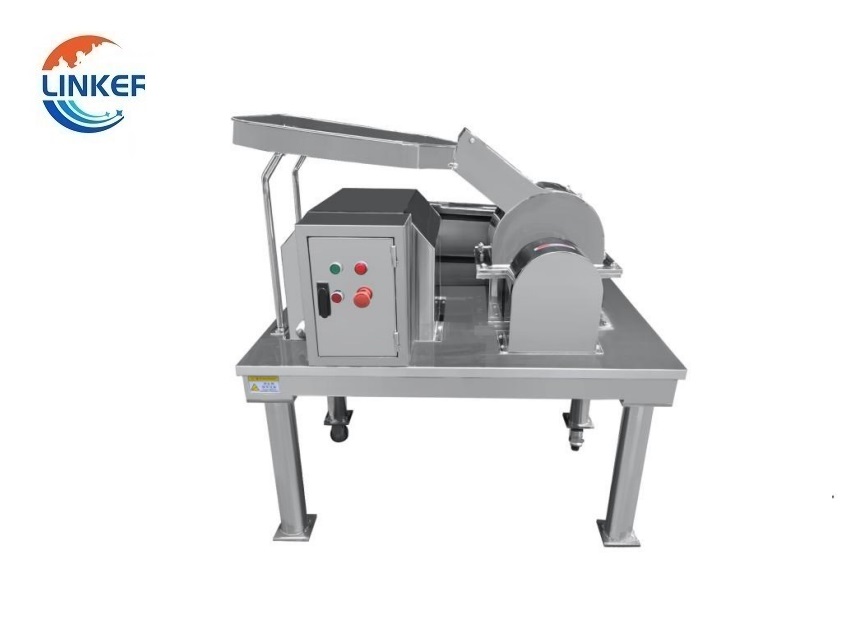
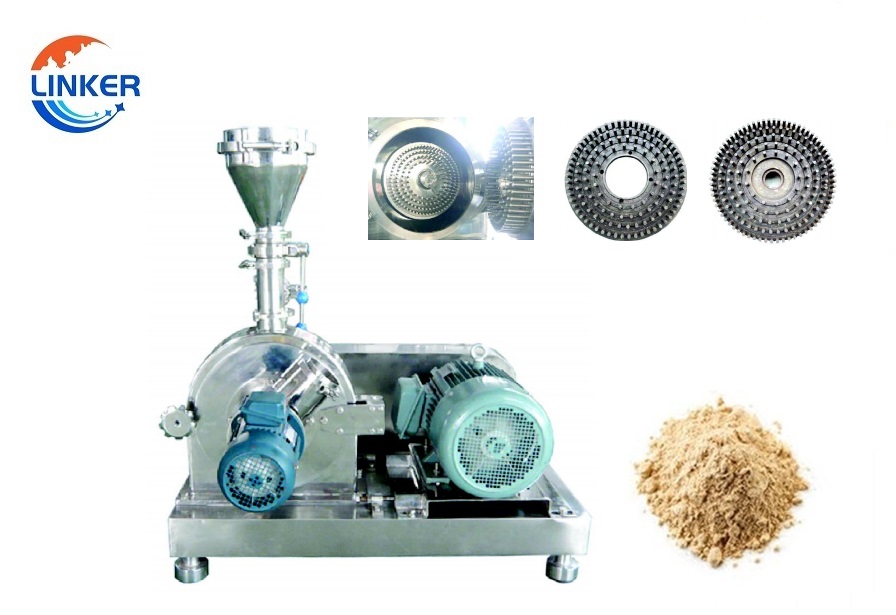
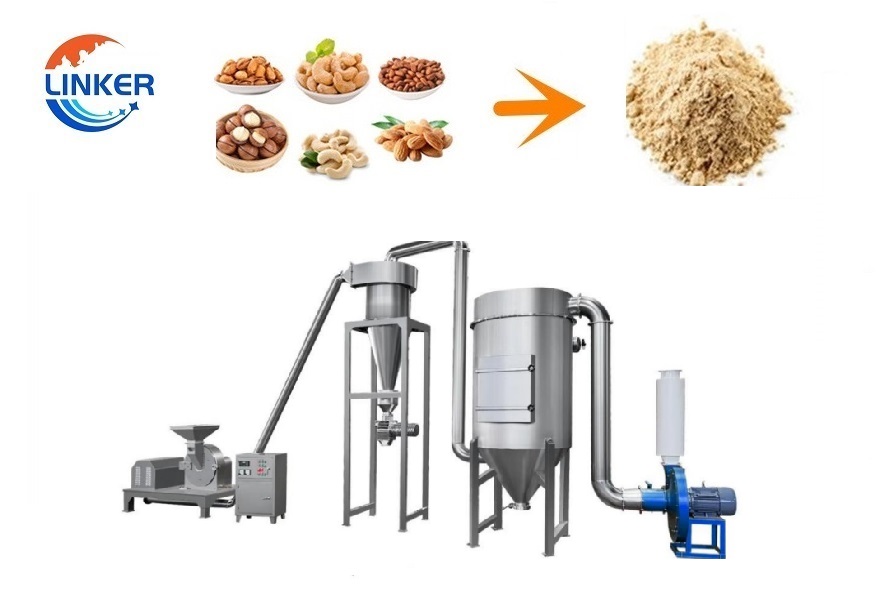
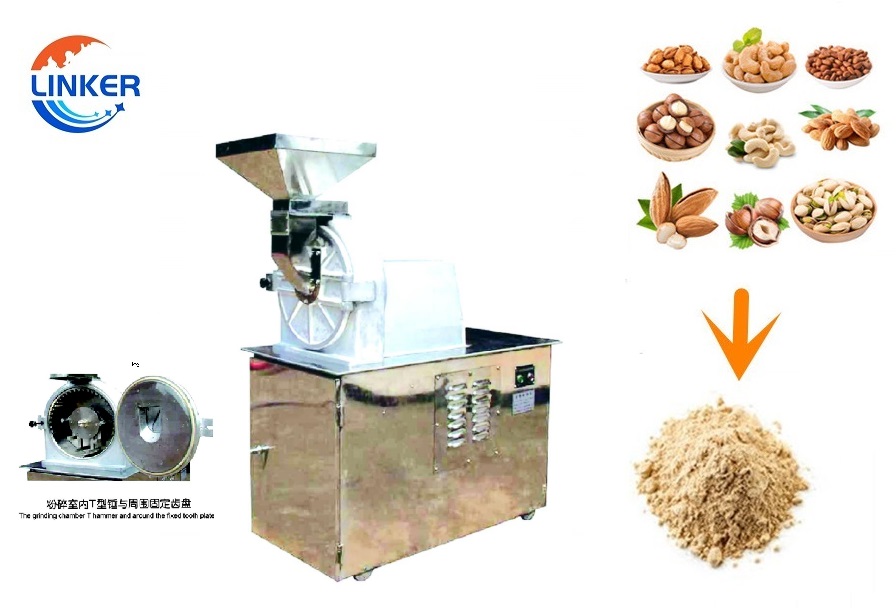
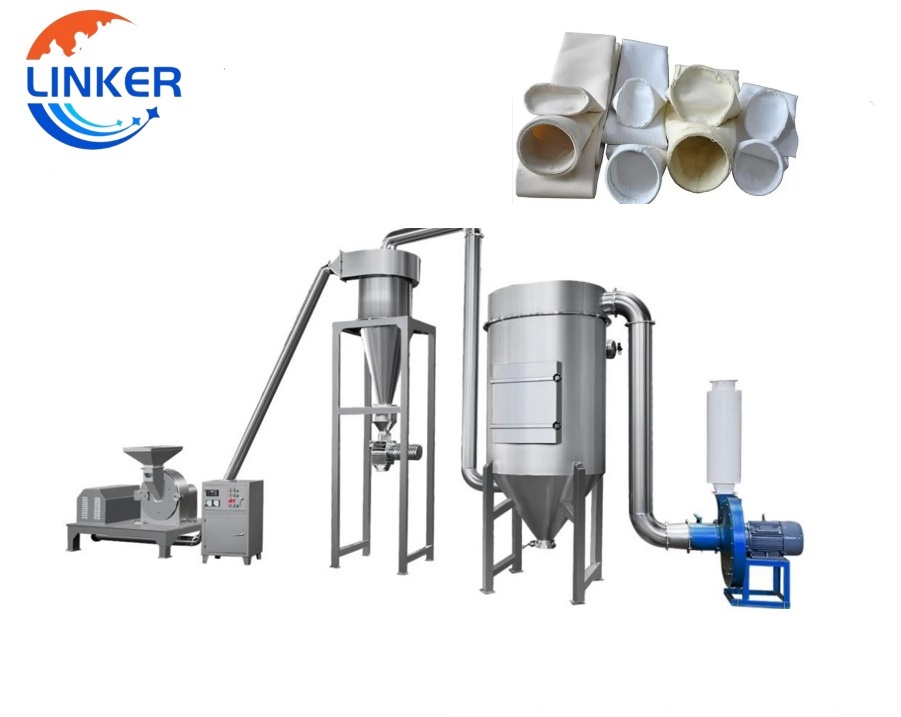
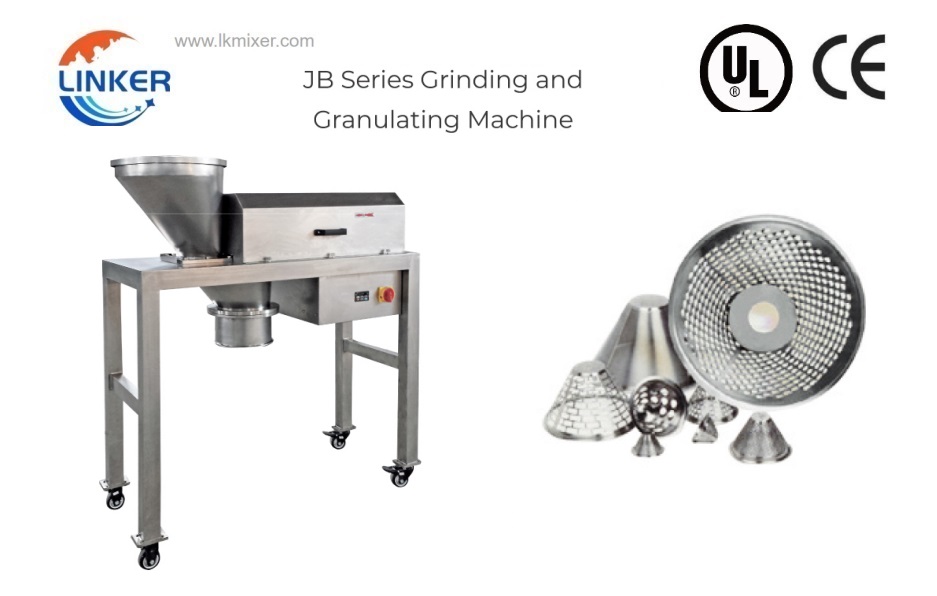
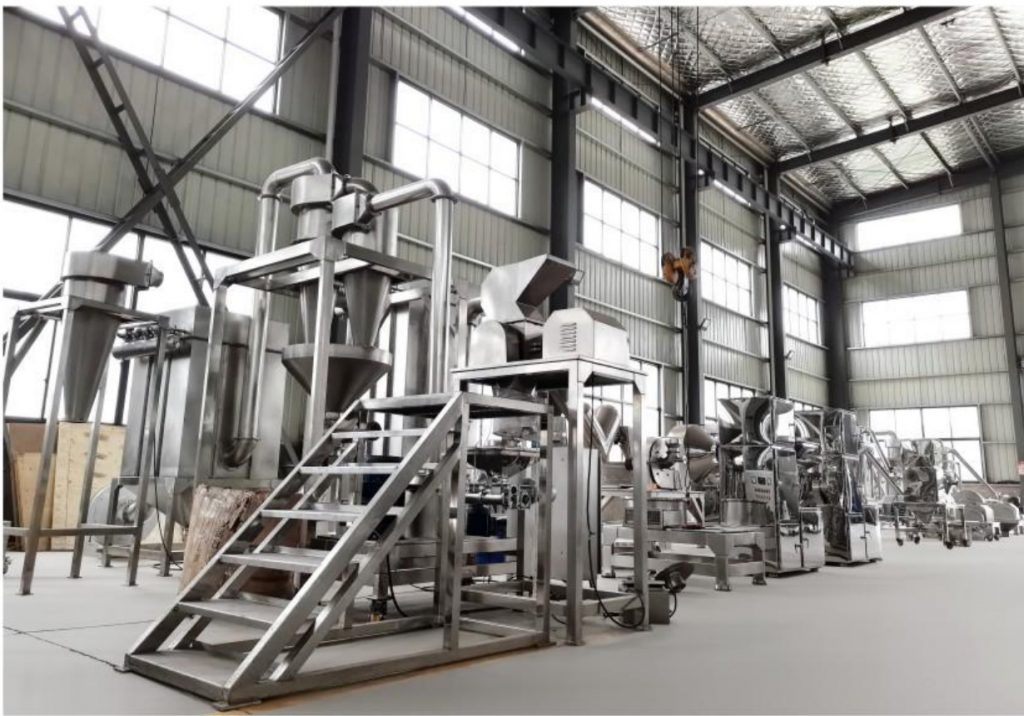
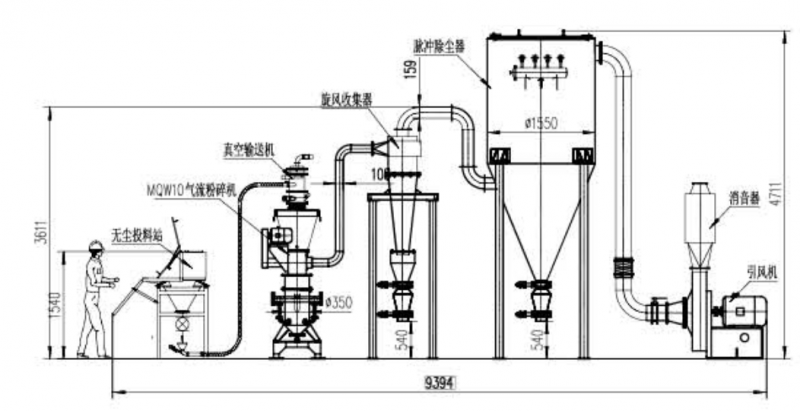
- Potato Grinding Machine
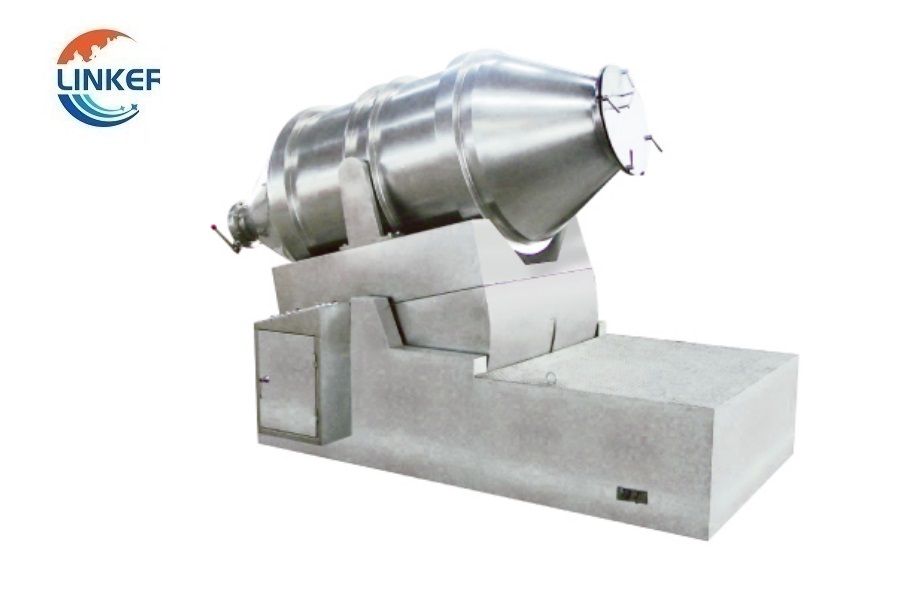
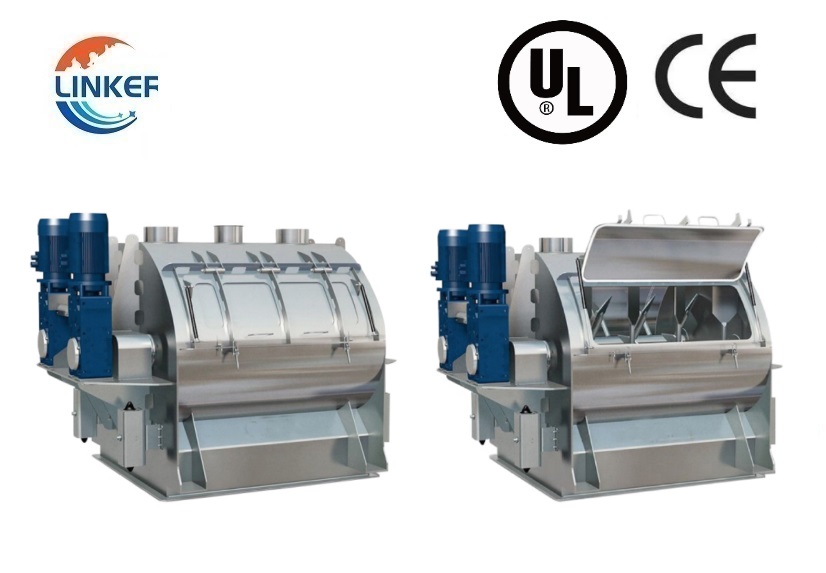
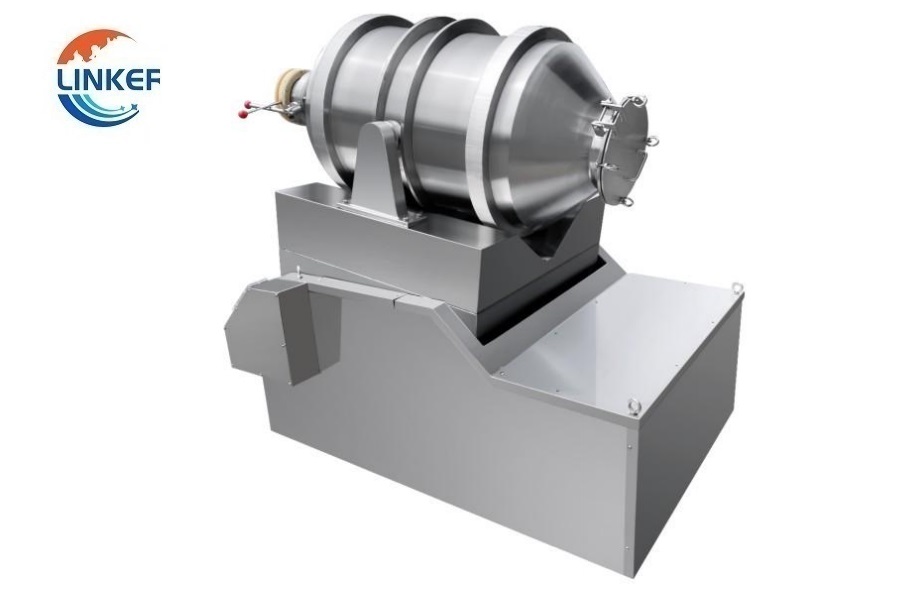
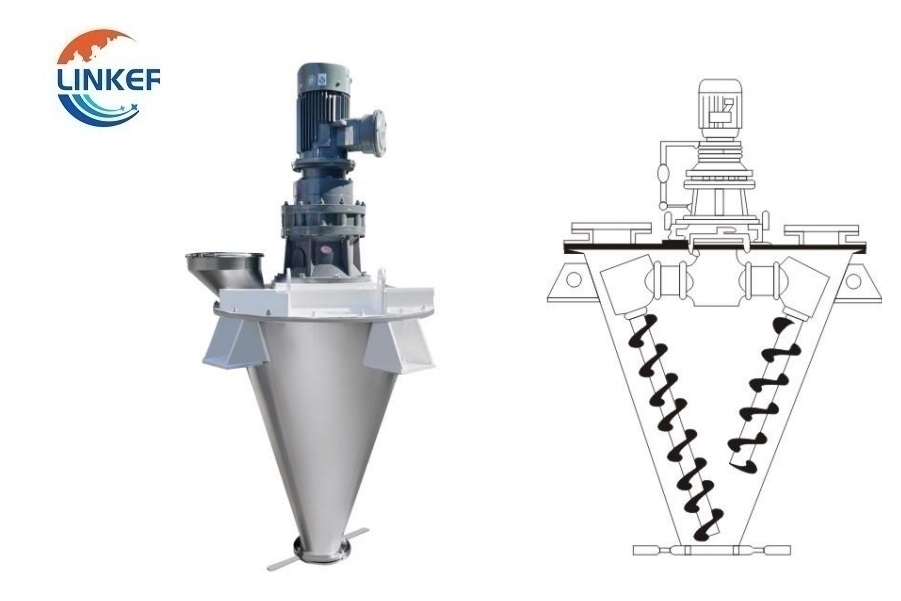
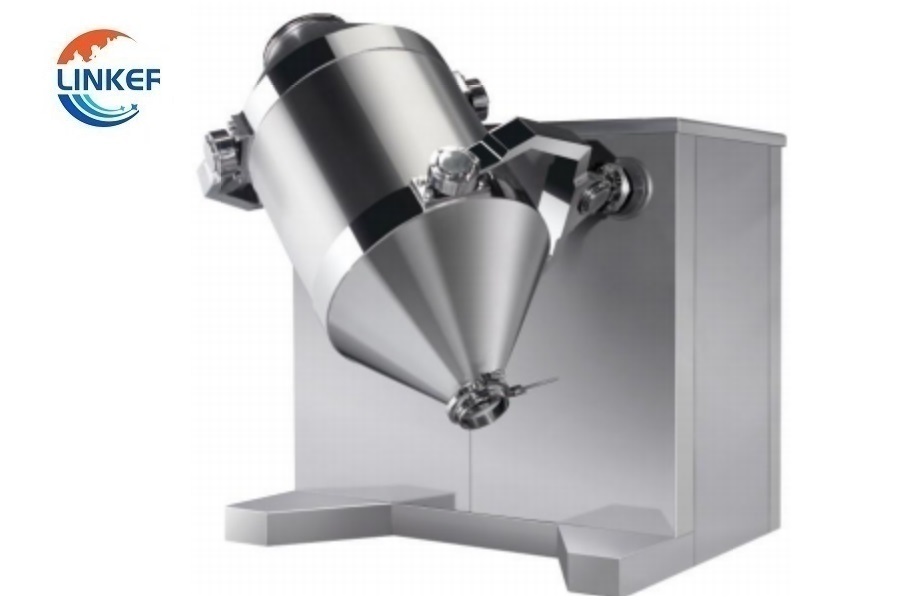
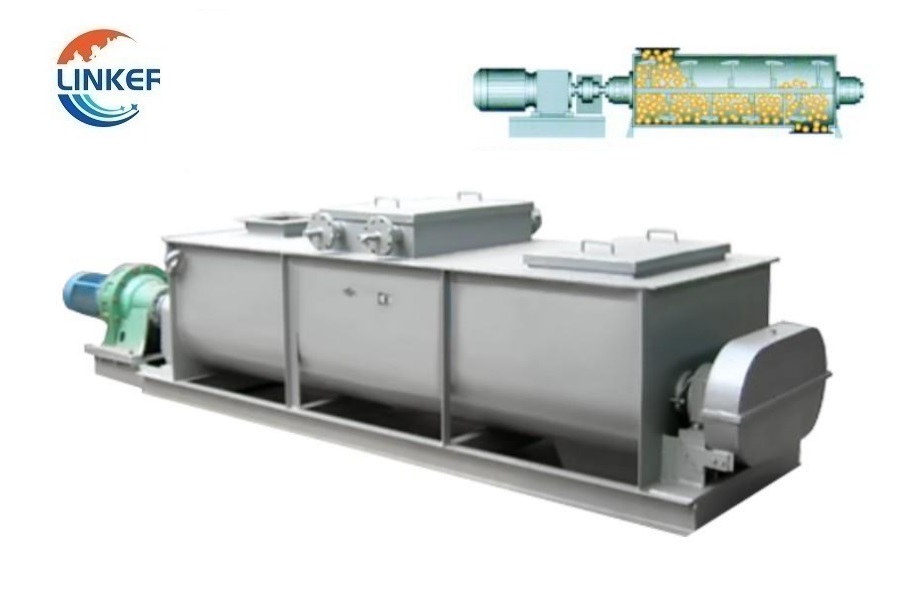
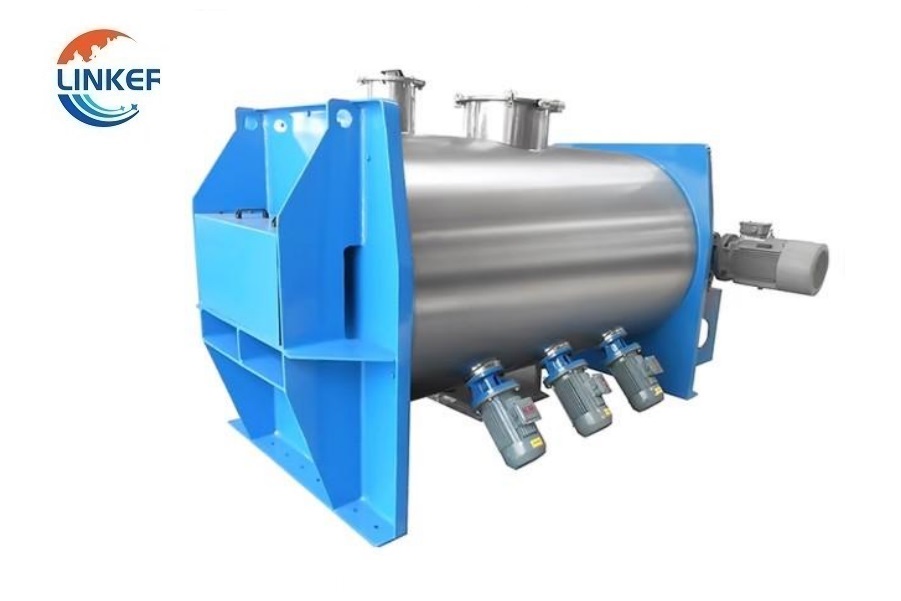
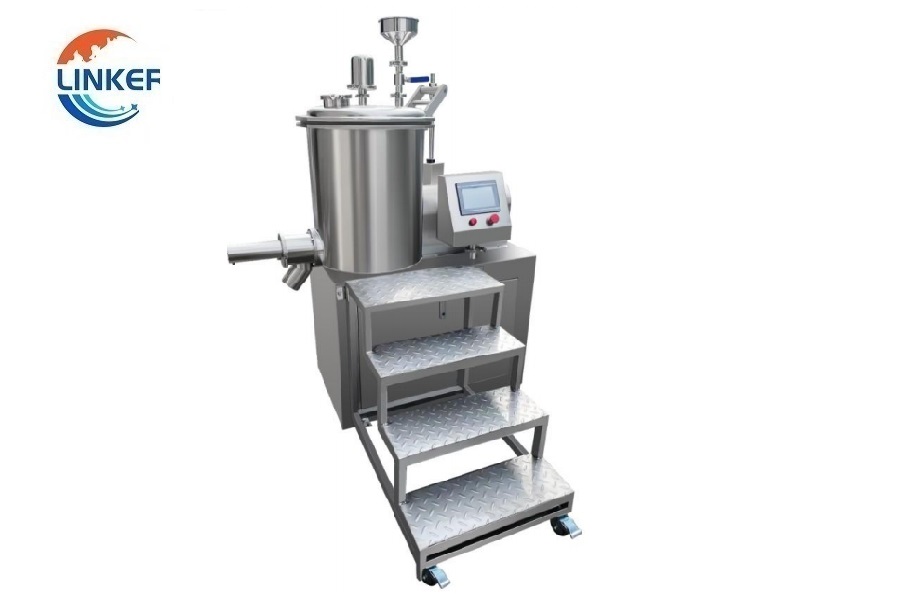
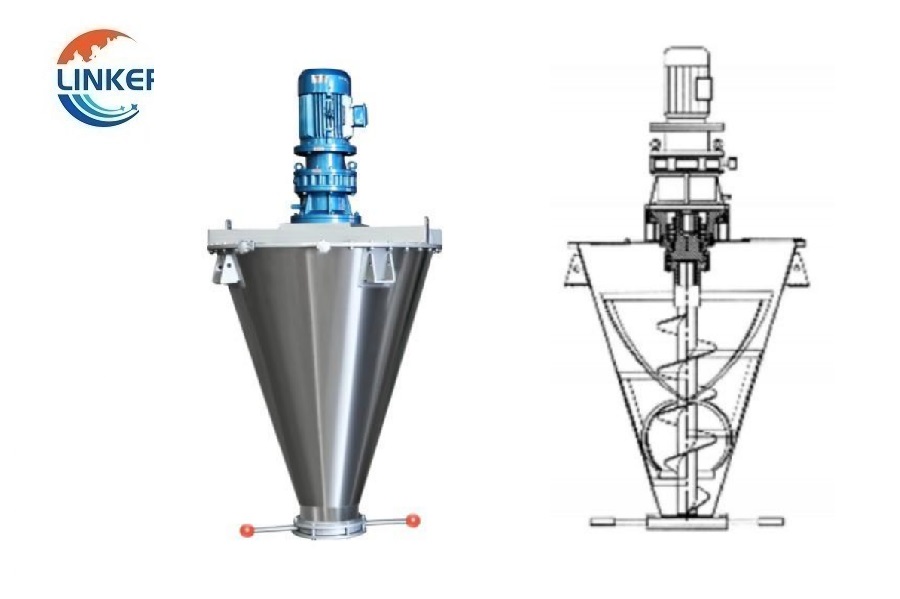
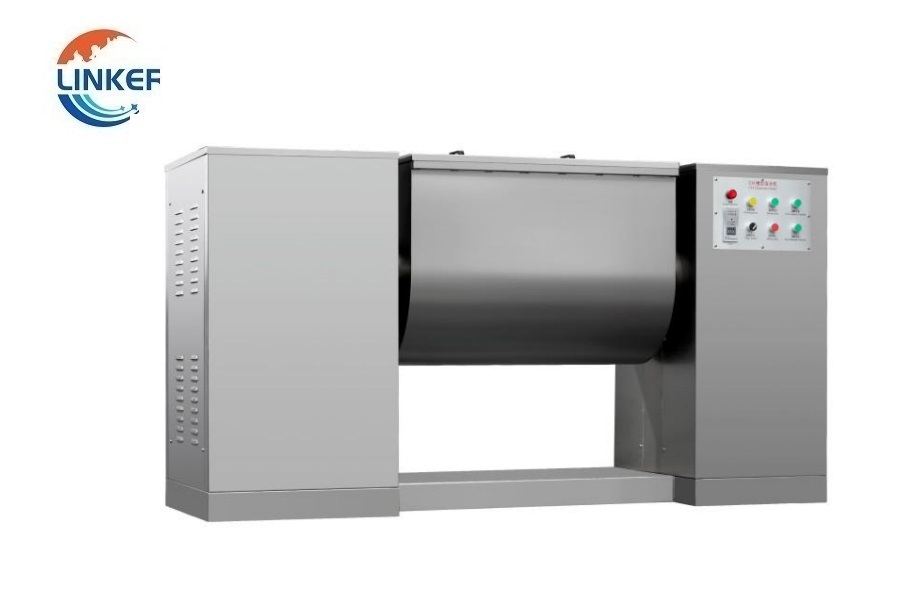
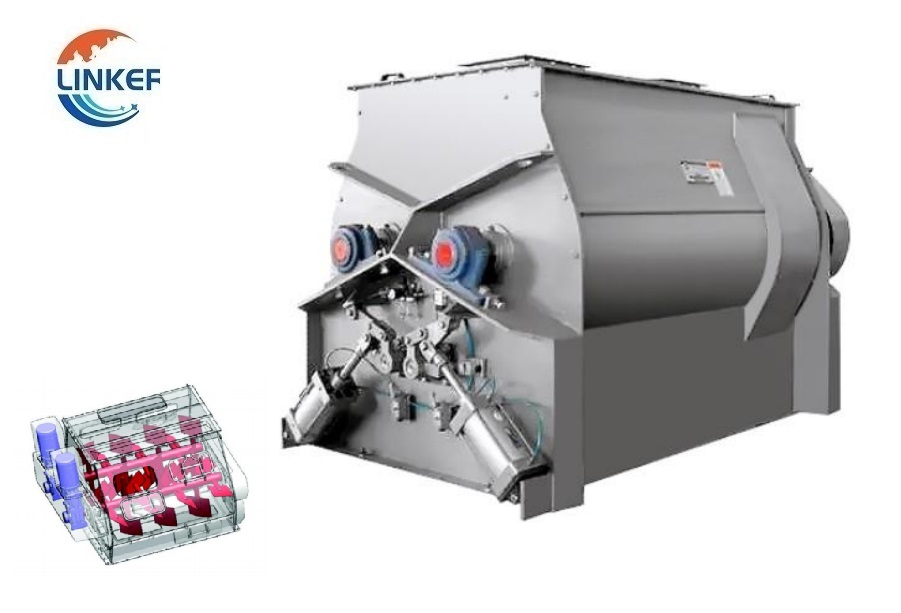
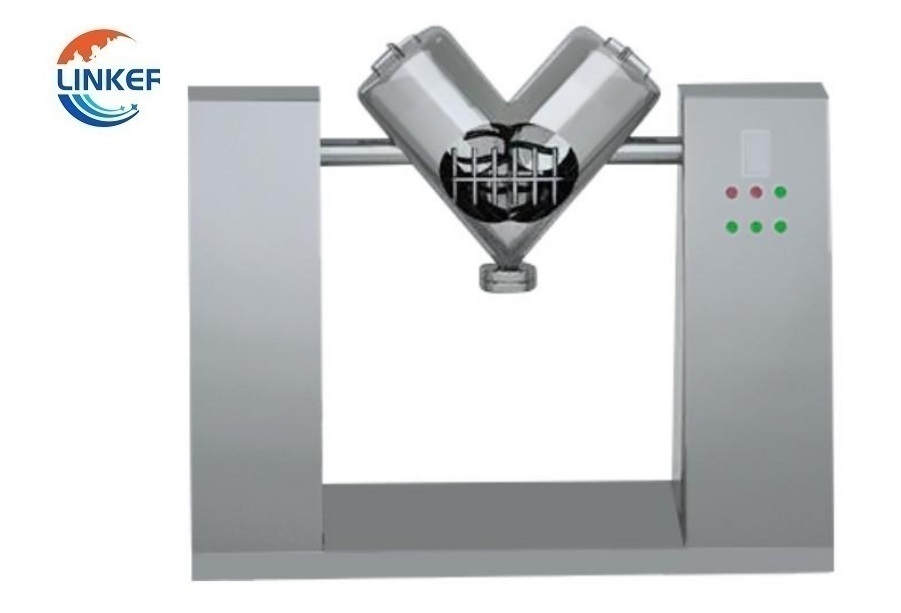
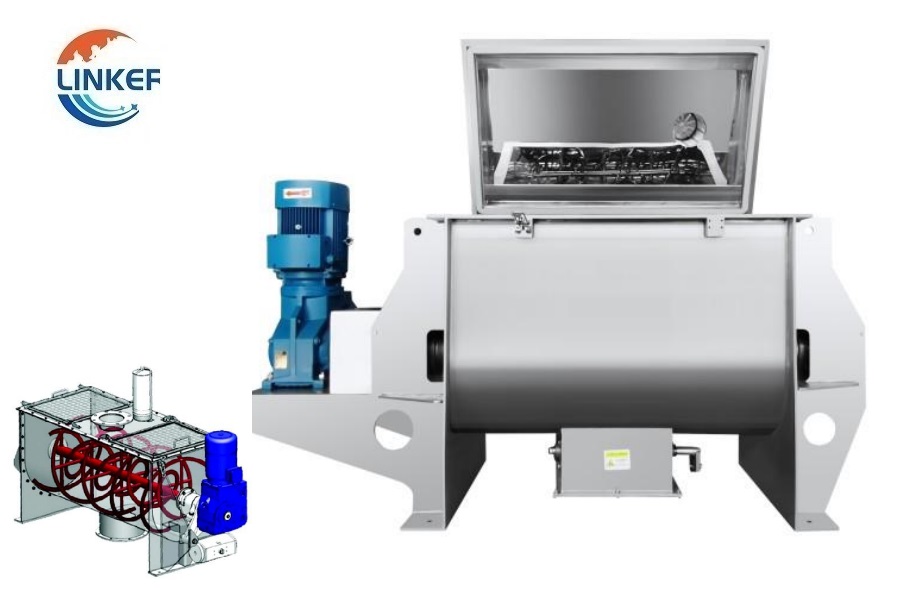
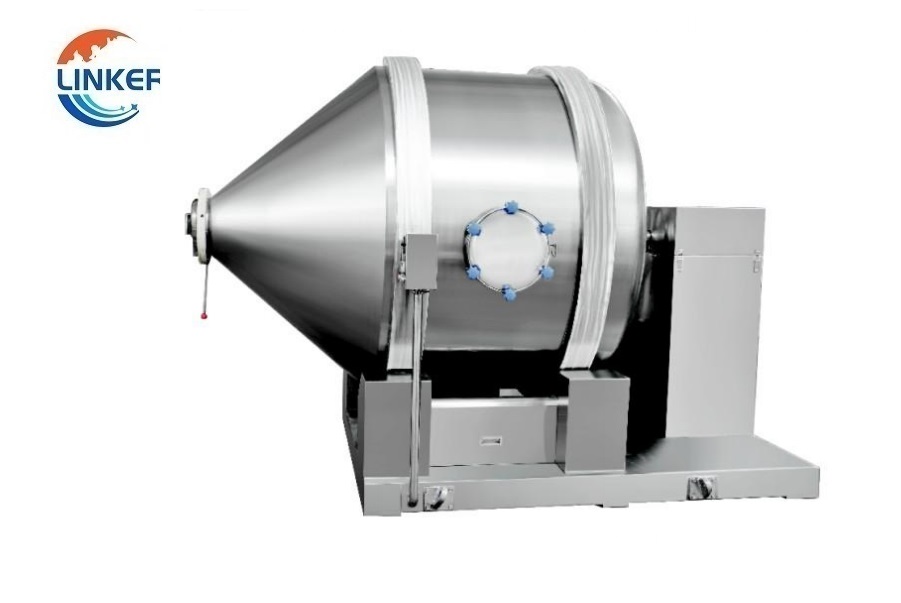
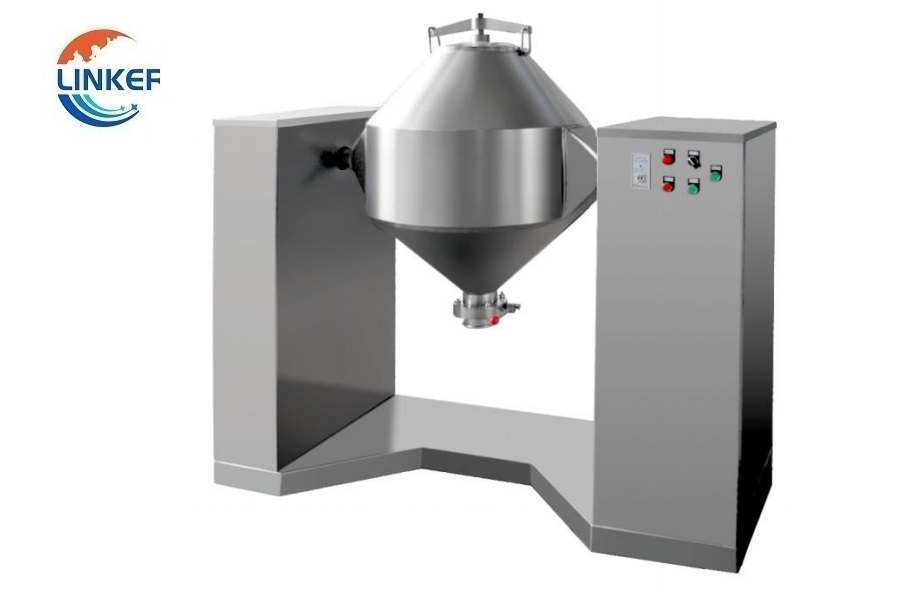
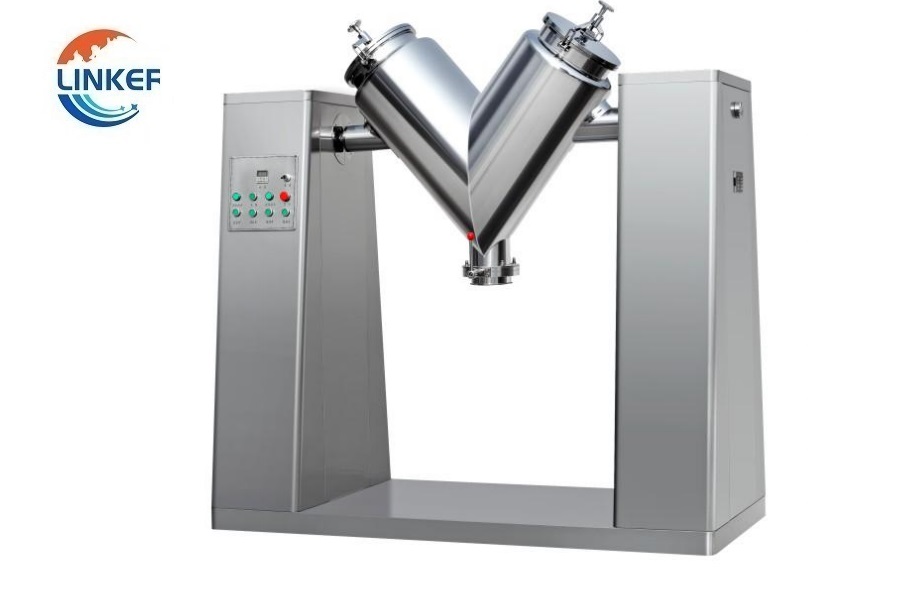
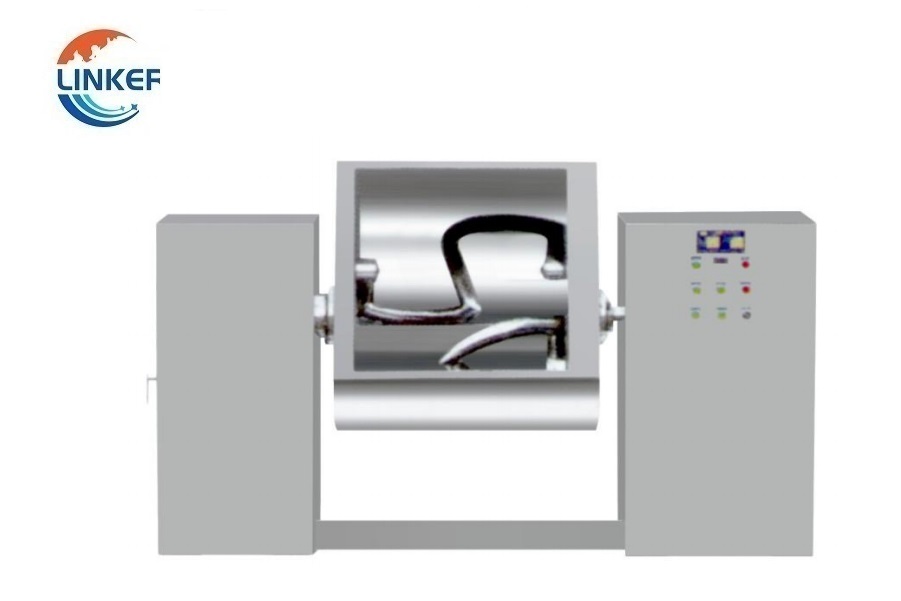
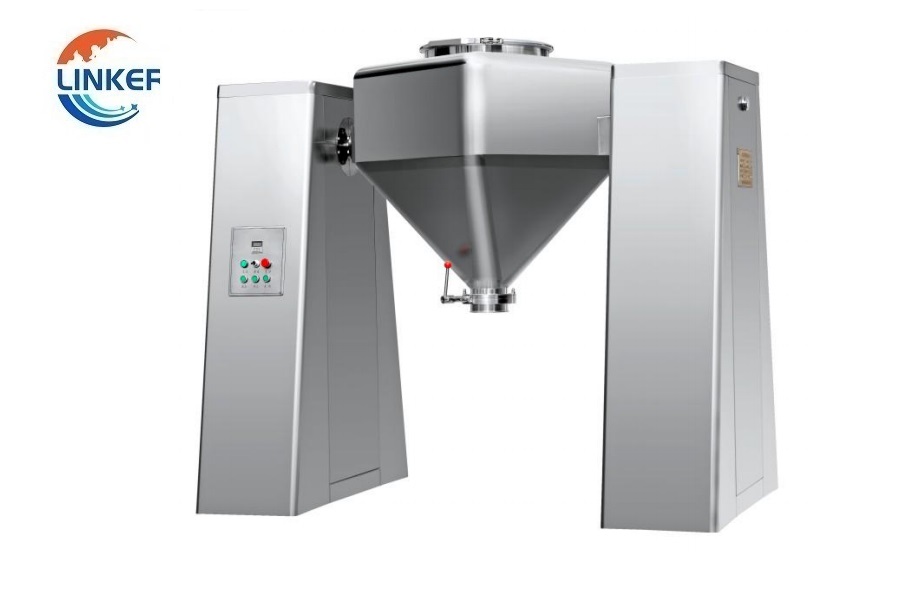
- Potato Powder Mixing Machine
- Potato Powder Filling Machine
- Potato Powder Packing Machine
Potato Flakes Automatic Productino Line Design:x`
Automated Production Line for Potato Flakes
An Automatic Potato Flakes Production Line is a highly integrated, continuous food processing system that uses a fully automated process of washing, peeling, slicing, blanching, frying, de-oiling, seasoning, and packaging to turn raw potatoes into finished, packaged potato chips (crisps). Its main goal is to accomplish large-scale, efficient, standardized manufacturing that will greatly increase output capacity and guarantee consistent, high-quality output.
A Comprehensive Explanation of the Core Process Flow
Raw potatoes are automatically ingested to start the process. The potatoes are raised into the processing stream by an elevator or charger device. The initial crucial phase entails meticulous cleaning and peeling. An ᵸ泡 and brush-washing peeling machine efficiently eliminates dirt, debris, and skins from potatoes, leaving a clean surface for slicing. The cleaned potatoes are then transported to the slicing station. Here, straight edges and regular slice thickness are ensured by high-precision cutting slicers, which frequently have interchangeable blades. This is essential for reliable frying. This slicer is designed to meet the precise texture and size criteria of potato flakes, but it operates with the accuracy of a specialized industrial weed grinder or herb grinder.
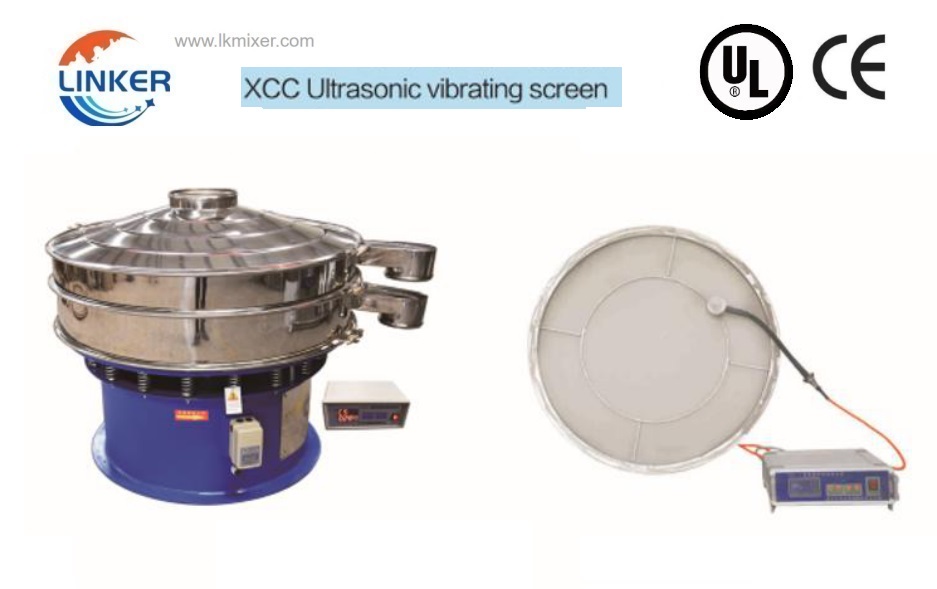
The potato chunks are sliced and then blanched. In addition to removing extra surface starch for a cleaner fry and inactivating enzymes to prevent discolouration, this hot water or steam treatment also slightly pre-cooks the product. The slices are dewatered using vibrating screens or centrifugal force after blanching. Here, efficient dehydration is essential because it lowers the initial moisture content, which results in less oil absorption during frying and a crispier finished texture. After that, the dewatered slices go into the continuous frying system, which is the center of the line. They pass through a heated oil bath at a steady, perfectly regulated temperature. Unlike batch frying, this continual frying ensures consistent color and crispness.The chips go through a de-oiling system as soon as they are fried; this is usually a basket similar to a centrifugal dry grinder, although it is made to remove oil gently rather than reduce particle size. By spinning off extra surface oil, the chips become less oily and more appetizing.
After being heated and de-oiled, the chips proceed to the seasoning area. Chips are evenly coated with powdered seasonings such as cheese, salt, or barbecue flavors using a revolving drum or powder-dusting equipment, which is similar to a universal grinder or spice blender in terms of mixing function. This apparatus guarantees a uniform taste application for each chip. Lastly, automated packing equipment receive the seasoned chips. Here, they are weighed, put into bags, and sealed. To increase shelf life, these bags are frequently filled with inert gas, such as nitrogen (modified atmosphere packaging). From the first charger to the last bag, every step of the process is smooth and coordinated, needing little personal intervention.
Important Characteristics and Benefits of the Production Line
The distinguishing feature is high automation and continuous operation. Conveyors and control systems connect every step of the line, from the first elevator to the last packaging machine. By doing this, labor costs are reduced, throughput is increased, and the irregularities that come with manual handling are eliminated. The production process is as continuous as material processing in a large industrial stainless steel mill or a high-output 500KG grinder.
Modern lines are incredibly versatile and flexible. The same line can create a range of products by varying the slicing modules (e.g., for crinkle cuts or straight fries), modifying process parameters, or including various post-frying equipment. Similar to a multipurpose Hammer Mill that can process corn, wheat, beans, or even specific chemical ingredients, it may be set up to produce not just regular fried chips but also par-fried french fries, veggie chips, or even dry fruit-based treats.
Every component is designed with strict food safety and quality control in mind. The majority of contact parts are composed of food-grade stainless steel, which is easy to clean and resistant to corrosion. The design avoids contamination and places a strong emphasis on hygiene. Additionally, every batch is guaranteed to fulfill stringent quality standards thanks to the precise control over every stage, from blanching duration to frying temperature. This degree of control is just as important as the exact particle size control in an ultrafine grinder for high-value chemical powders or a licorice grinder for medication.
Two important design factors are energy efficiency and a high return on investment (ROI). Energy consumption is controlled by integrated heat recovery systems, effective electric grinder-style de-oiling motors, and optimized thermal processes. For large-scale operations, the high productivity, low waste, and consistent quality result in a quick payback period and outstanding profitability despite the substantial initial capital outlay.
Composition of Equipment and Its Integration with Technology for Size Reduction
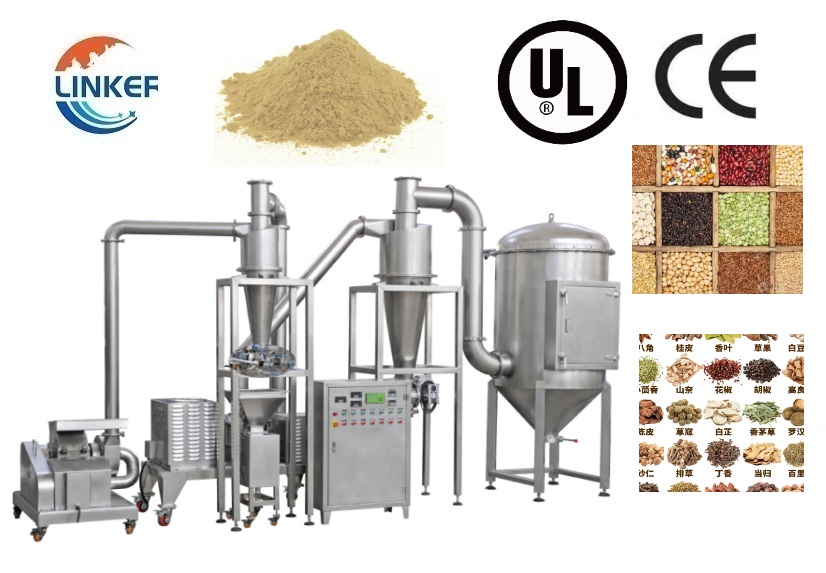
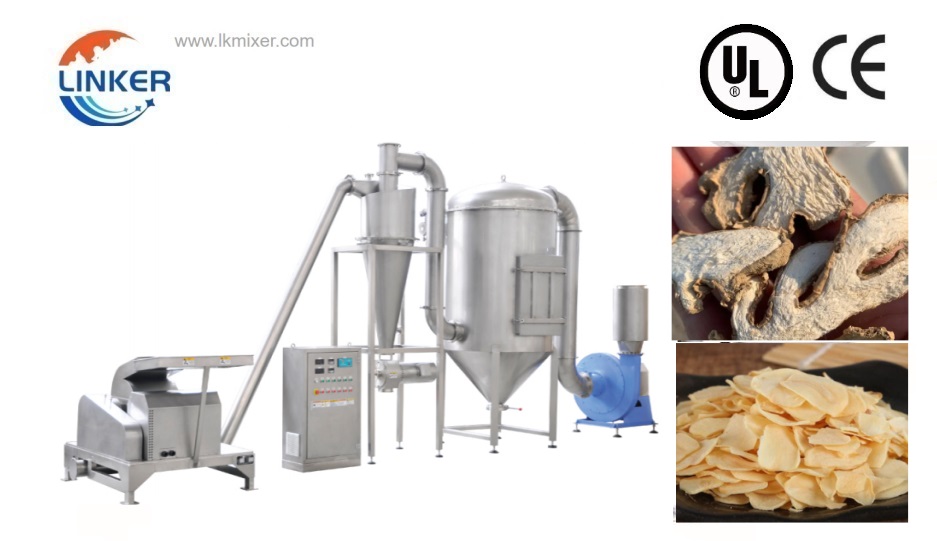
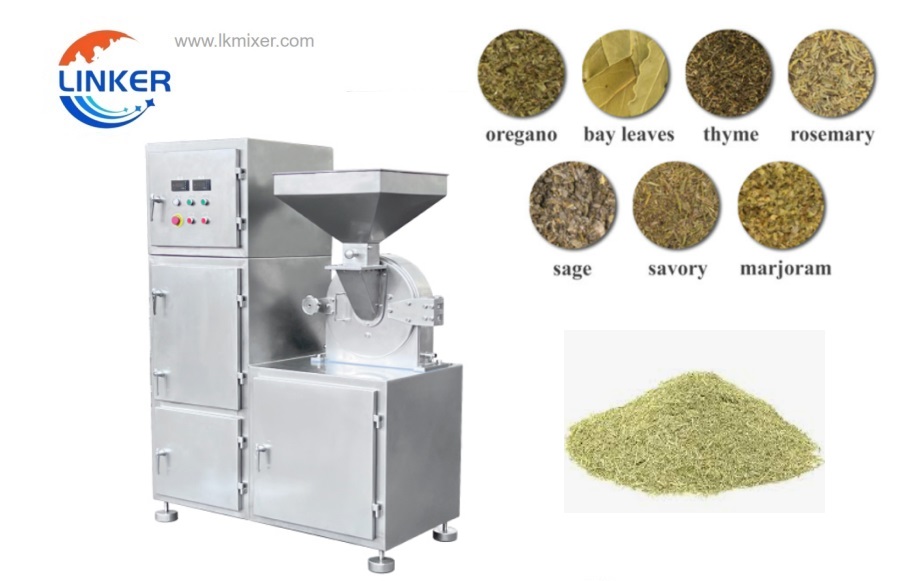
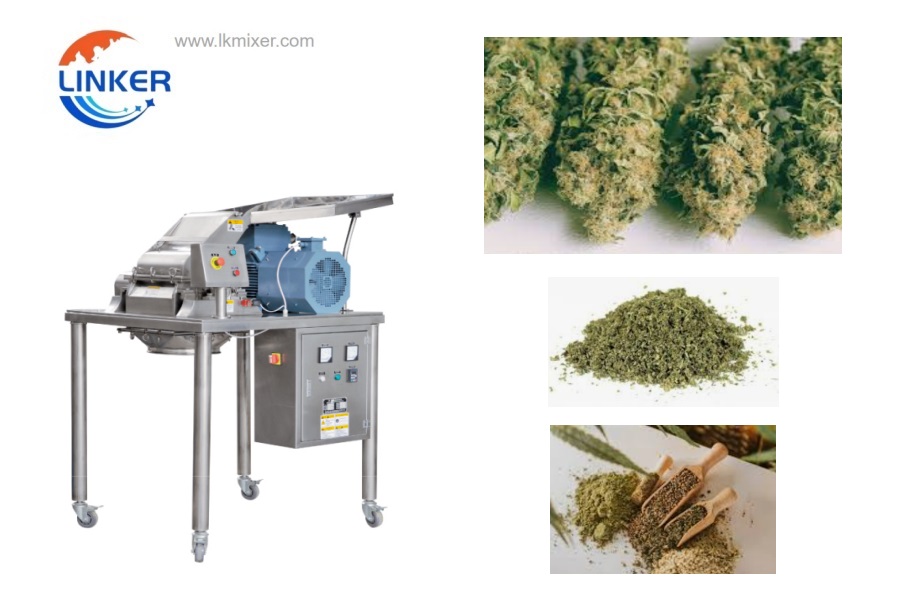
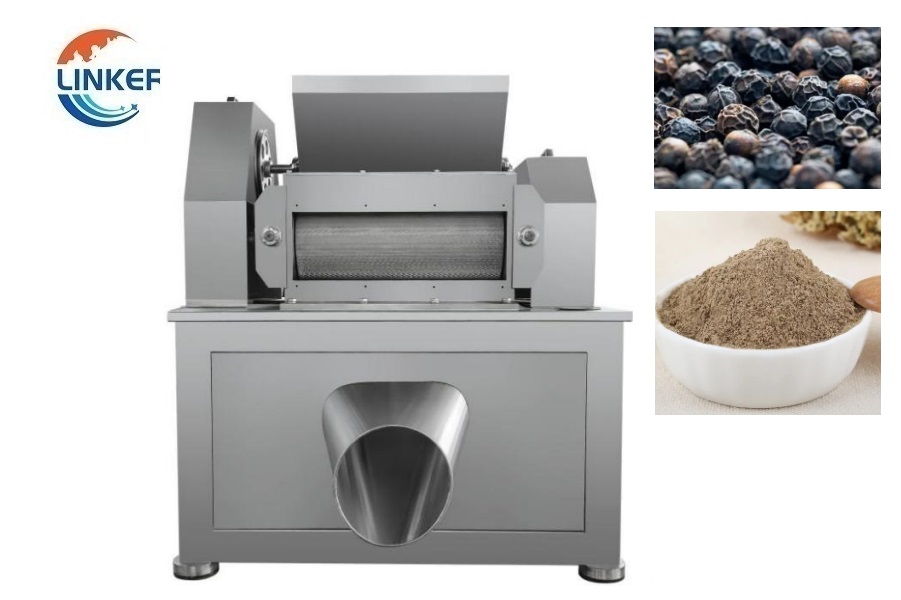
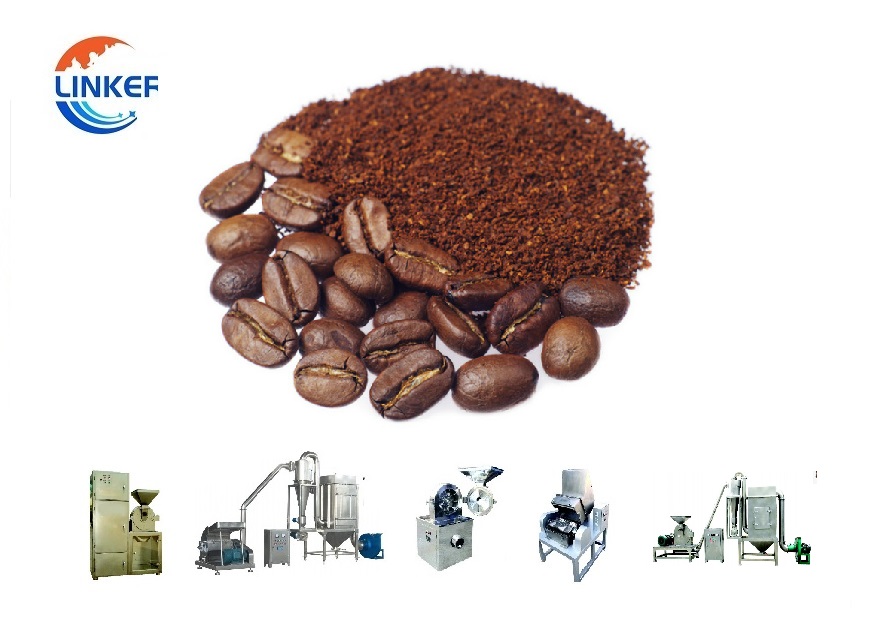
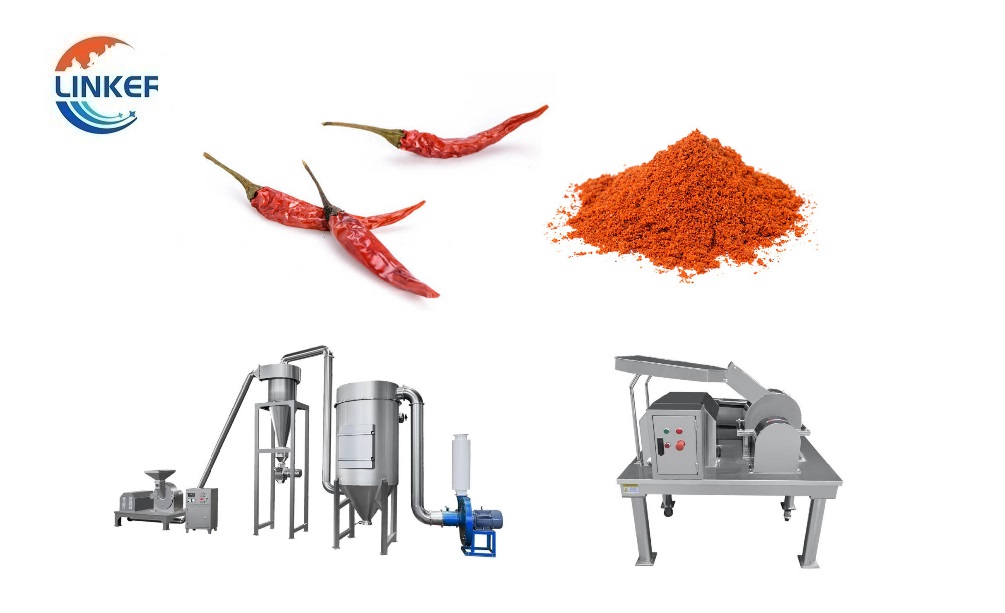
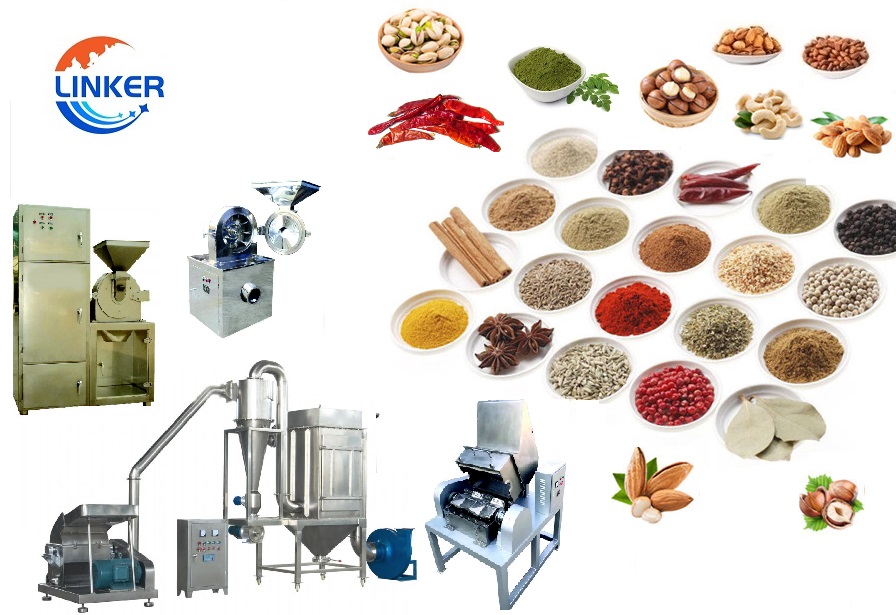
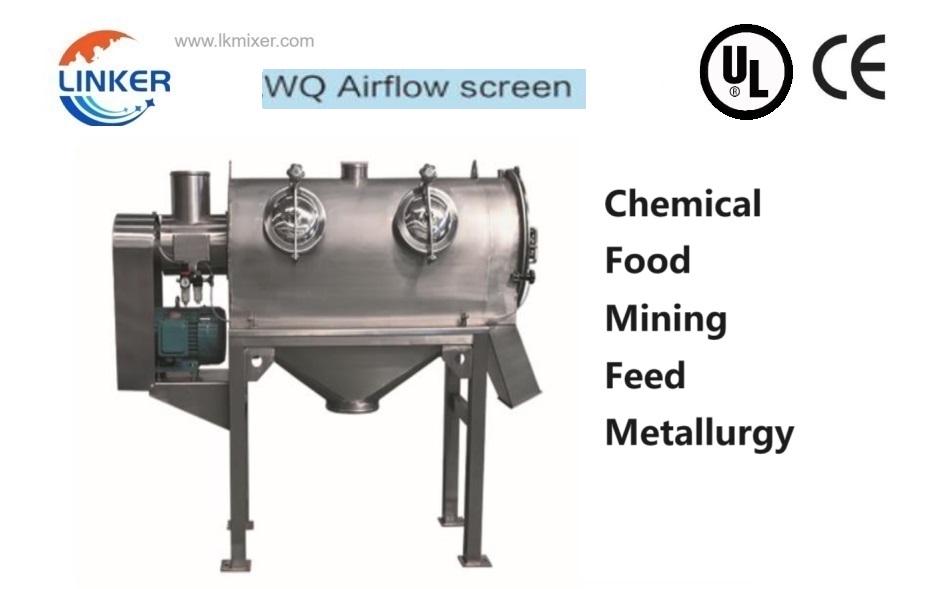
An orchestra of specialized machinery makes up a full automatic potato flakes line. Washers, peelers, slicers, blanchers, dryers, fryers, de-oilers, flavor tumblers, and packagers are all integrated. Although potato processing is the main focus, sophisticated grinding technology is crucial to the supporting industries and parallel snack businesses. For example, specialist grinders are needed to produce the spice blends for the chips. The flavors applied to the chips may be made in a different processing area using a turbo grinder for spices like cassava leaves or mushroom powder, a dry ginger grinder, or a black pepper grinder.From small grinder machine units for research and development to large models like the 200KG grinder or air-cooled crusher for bulk processing, these auxiliary grinders are available in a range of sizes. Important certifications, such as a CE Certificate grinder, guarantee market accessibility and safety. In order to handle a variety of materials, from seeds and tea to sugar, salt, and coffee, grinding technologies like airflow pulverizers, vibrating pulverizers, and vacuum mill systems are used in the food industry. These technologies constantly strive for efficiency and hygiene, frequently utilizing dust collector grinder systems to maintain a clean production environment.
In conclusion, the Automatic Potato Flakes Production Line is the highest level of automation in food processing for the production of snacks. It provides unparalleled efficiency, quality, and versatility by smoothly integrating every processing step. The larger ecosystem of food grinding and size reduction equipment, which provides the necessary components and flavors—from coarse meat or bone preparations for other products to the ultrafine flour and spice powders that define the taste of the finished, perfectly crispy potato chip—complements its success.
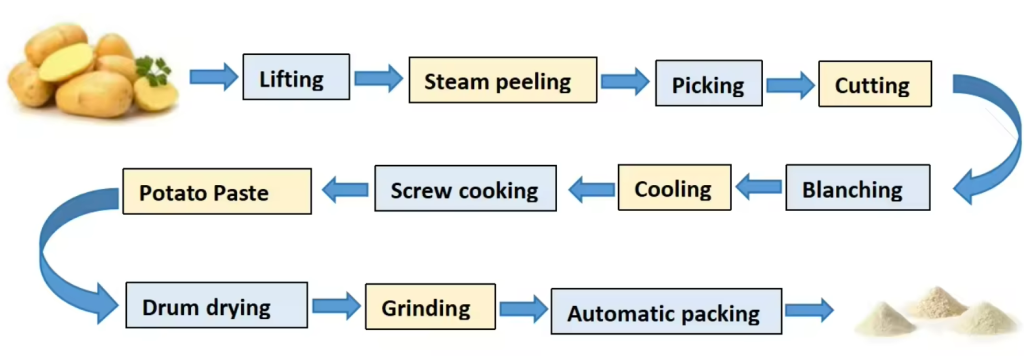
Automated Production Line for Potato Flakes
Through a continuous, automated process of washing, peeling, slicing, blanching, dehydrating, frying, de-oiling, seasoning, and packaging, an Automatic Potato Flakes Production Line is a sophisticated, integrated system that ensures high efficiency, consistency, and little manual intervention.
Peeling and Cleaning
The process starts with the loading of raw potatoes into the device, frequently using a conveyor or bulk charger. They are first moved up into the area for cleaning and peeling. Here, filth and peel are softly yet successfully removed by machines with revolving bristle brushes and high-pressure water jets. This method puts the potato flesh’s integrity first, avoiding bruising that can lower the end product’s quality. Like the housing of a high-capacity 500KG grinder used in other food industries, the equipment is usually made of big, stainless steel and is made to be durable and easy to clean. The line’s emphasis on waste management and hygiene is shown by the effective separation of the removed peel and effluent.
Sorting by Hand or Automatically
Potatoes are transported by conveyor to the inspection section after being peeled. Here, each tuber is carefully scanned by human operators or, in more sophisticated configurations, optical sorting devices. Defective pieces—those with leftover peels, green patches, rot, or sprouts—are eliminated in this crucial quality control stage. Just as important as the exact sorting needed before grinding specialty materials like seeds or beans in a Hammer Mill is making sure only quality potatoes get on. This step ensures that the finished product’s color and flavor stay consistently high-quality and free of flaws that can lessen the customer experience.
Slicing Procedure
High-precision slicers are then fed the approved potatoes. These devices slice the potatoes into incredibly uniform pieces, usually 0.8 to 2.0 mm thick, using centrifugal force or high-speed revolving blades. From ultra-crispy to heartier chips, the thickness can be changed to accommodate varying consumer tastes. Although it serves a distinct purpose, the slicing motion necessitates precision similar to that of a cutting type mill utilized for particular chemical or medical procedures. For uniform cooking and a pleasing finished look, the slicers are designed to produce clean, smooth edges.
Cleaning and Eliminating Starch
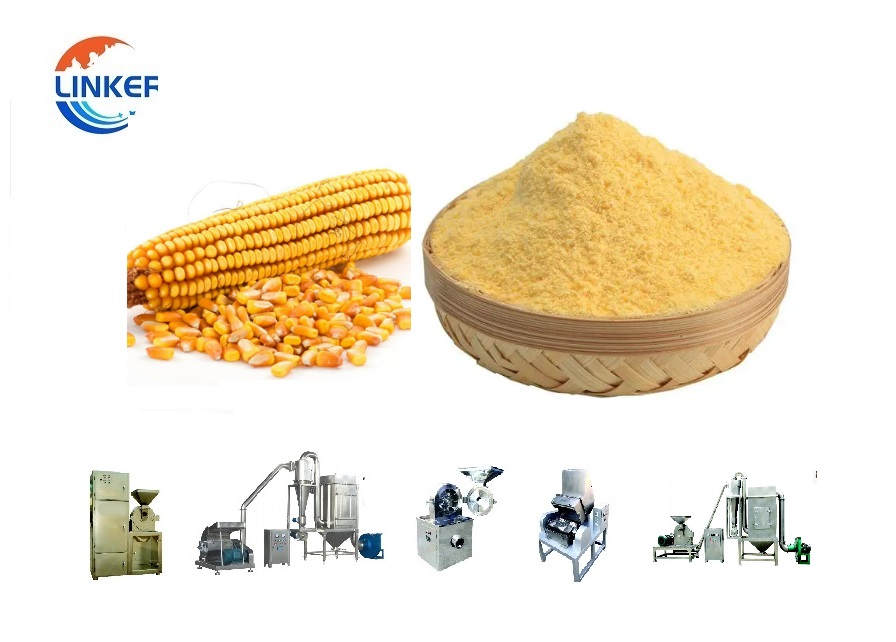
Significant surface starch in freshly cut slices might make chips stick together or produce unintended bubbles while fried. The slices instantly enter a washing chamber—typically a tunnel with high-pressure spray nozzles or a bubbling rinse tank—to combat this. The free starch is successfully removed by the turbulent water flow. Similar to how pre-processing is necessary before grinding rice or cassava into flour using an air-cooled crusher or a specialist corn grinder, this step is crucial for getting the required open, crispy texture in the final chip.
Blanching for Quality and Color
The pieces are then blanched. For a short time (3–10 minutes), they are transported through a hot water bath that is kept between 75°C and 92°C. This thermal treatment decreases microbial burden, pre-gelatinizes the starches for a more uniform fry, and inactivates browning-causing enzymes (much how heat stabilizes some tea or spice extracts). In order to achieve the chips’ distinctive golden hue and guarantee a longer shelf life, this “pre-cooking” step is essential.
Dehydration and Cooling
The slices must be quickly chilled after blanching in order to stop the cooking process. They are rinsed with cool water. A crucial dehydration phase comes next. The surface moisture is completely eliminated by centrifugal force, vibrating screens with strong air blades, or high-speed centrifugal blowers. Although the exact removal of water is the goal of this phase rather than grinding, the mechanical efficiency is comparable to that of a dry grinder that removes moisture from fragile materials like mushrooms. Effective dehydration reduces the energy needed to evaporate water during frying, which is essential for both safety (since it prevents violent oil splatter) and oil efficiency.
Frying at High Temperatures
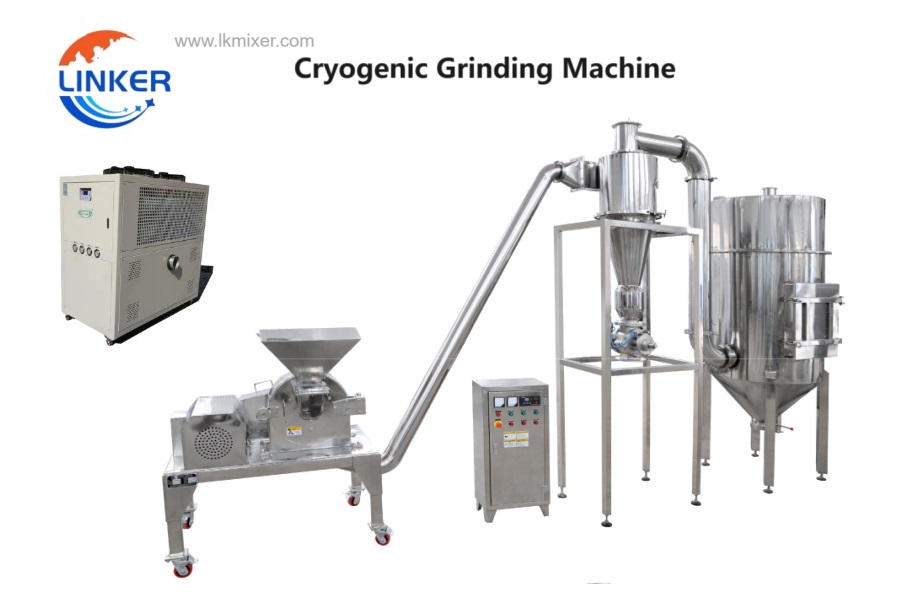
After that, the dehydrated slices go into the continuous fryer, which is the center of the line. As they move along a conveyor, they are immersed in hot oil, usually between 170°C and 190°C. At this point, the wet, limp slices turn into golden, crispy chips as the moisture level drops from almost 80% to almost 2%. To guarantee consistent color, texture, and taste batch after batch, automated systems precisely regulate the temperature and residence time. This level of control is as strict as that found in a cryogenic grinding machine for heat-sensitive materials like specific chemical compounds or cannabis derivatives.
Treatment for De-Oiling
The chips carry more surface oil when they come out of the fryer. They are quickly de-oiled to provide a healthier, lighter-tasting, and less greasy product. This is typically accomplished on vibrating mesh belts that let oil trickle away or using a centrifugal extractor, which spins chips at a high speed to hurl off oil. Reducing the final fat content to a target range—typically between 30% and 40%—is the aim. The first steps of extracting oil from peanuts or seasam in an oil mill, where separation is crucial, are functionally similar to this mechanical separation process.
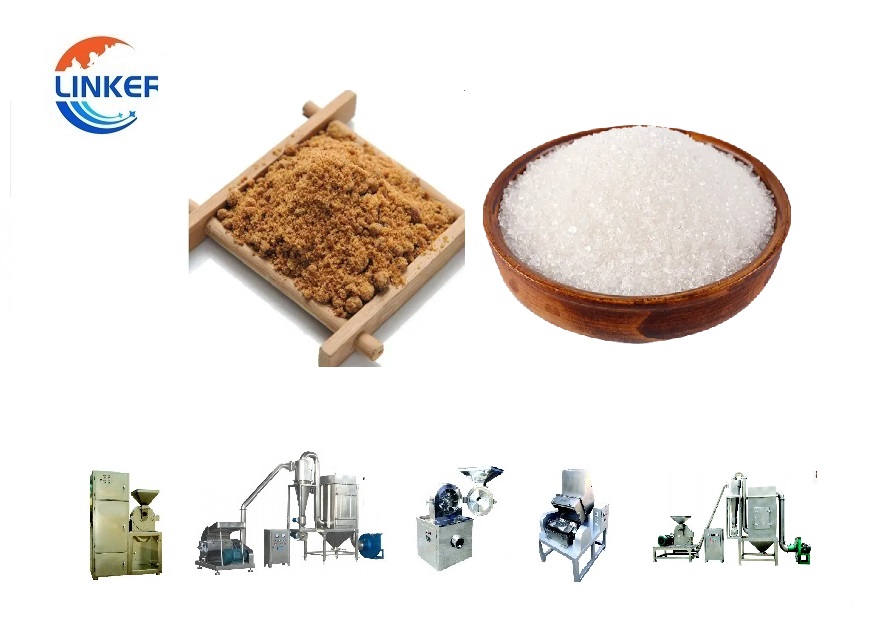
Seasonings work nicely on the warm, de-oiled chips. They go into a seasoning tumbler with a revolving drum. Here, flavorings are added in precise amounts, either liquid or powdered. These flavorings, including sugar, salt, cheese powder, barbecue, or sour cream and onion, are frequently made in different facilities using a variety of specialized grinding tools. For example, the foundation powders are made using black pepper grinder units, licorice grinding machines, and dry ginger grinding machines. These might be blended into a uniform seasoning mix using a universal grinder or an airflow pulverizer such as a turbo grinder, while super-fine, high-value spice mixes could be made using an ultrafine grinder or vacuum mill. Every bite has the same flavor thanks to the tumbler’s equal coating of chips that prevents breaking.
Completed Packaging
Completely automated packing is the last stage. Multi-head weighers receive the chips and dispense precise portions into pre-made bags. Importantly, inert nitrogen gas is used to replace the majority of the air in the bag. By preventing oxidation (rancidity) and crushing, this “nitrogen flushing” significantly increases shelf life—a crucial concept for storing dry fruit powder or coffee. After that, the bags are mechanically put into cartons after being sealed and coded. This is supported by auxiliary equipment that keeps the packaging environment clean, such as industrial dust collectors, which are the equivalent of a dust collector grinder system.
The aforementioned grinding technologies are crucial to the snack food business as a whole, even though the chip line itself concentrates on slicing and frying. For a tropical chip taste, mango powder could be made in a dry fruit powder grinder machine. To create new seasonings, a lab might employ a tiny grinder with a CE Certificate. These devices, which range from the electric grinder and vibrating pulverizer for tobacco or specialty chemical applications to the coarse crusher for bone broth ingredients used in other products, represent the ecosystem of ingredient preparation that powers large-scale, automated production lines like the Automatic Potato Flakes Production Line.
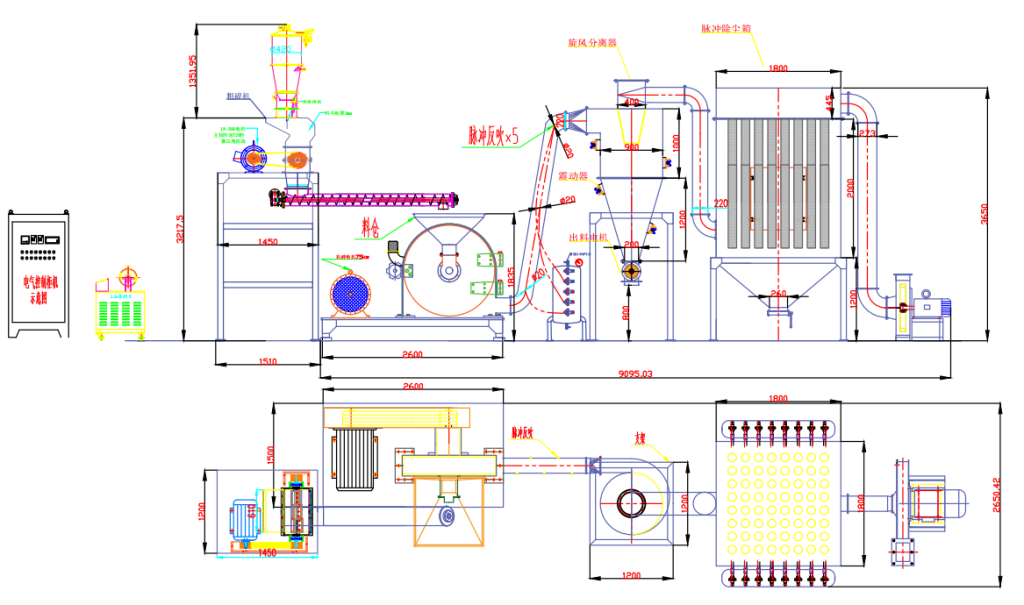

Parameters:

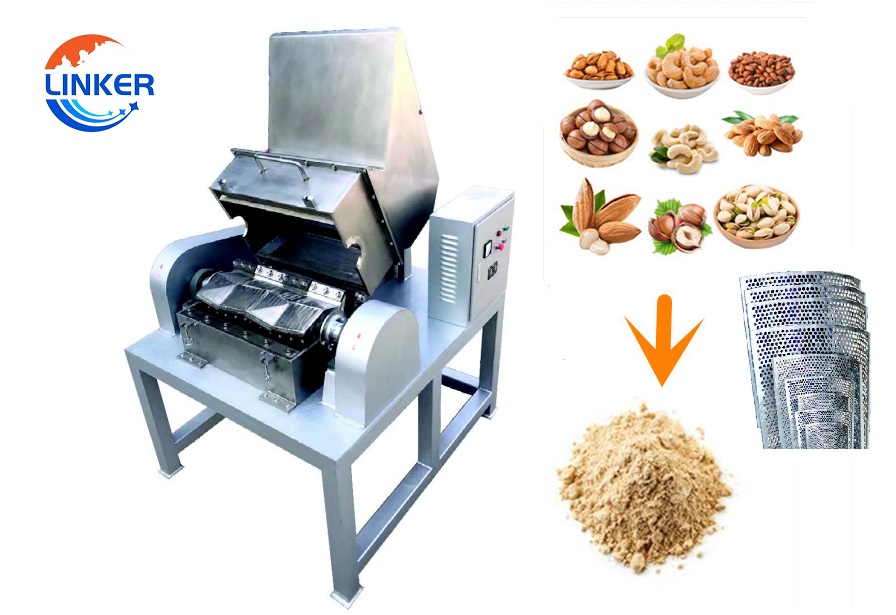
Model Name | SG-600 | |
| Crushing Capacity(kg/h) | 1000~2000 | |
| Power(kw) | 11 | |
| Feeding Size(mm) | <5mm | |
| Fineness(mesh) | 20~40mesh |
Model Name | SG-800 | |
| Crushing Capacity(kg/h) | 2000~4000 | |
| Power(kw) | 15 | |
| Feeding Size(mm) | <5mm | |
| Fineness(mesh) | 20~40mesh |
Trade Capacity
| International Commercial Terms(Incoterms): | FOB, CIF, CFR | Terms of Payment: | LC, T/T, PayPal, Western Union |
| Average Lead Time | 60 working days | Main Markets | North America, South America, Europe, Southeast Asia/ Mideast, East Asia(Japan/ South Korea), Australia, Domestic |
| Nearest Port: | Ningbo Port; Shanghai Port | Factory Address: | JiangSu, China |
Ampere of Motors Customization for Seeds Grinder:
| KW | HP | Ampere |
| 75kw | 100HP | 135A |
| 55kw | 75HP | 99A |
| 30kw | 40HP | 54A |
| 22kw | 30HP | 39A |
| 2.2kw | 3HP | 3.9A |
| 1.5kw | 2HP | 2.7A |
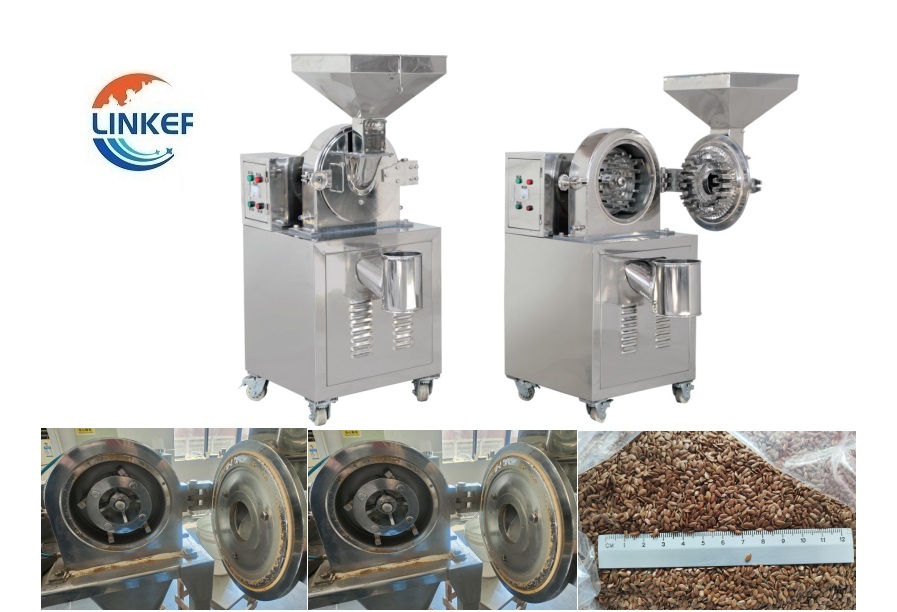
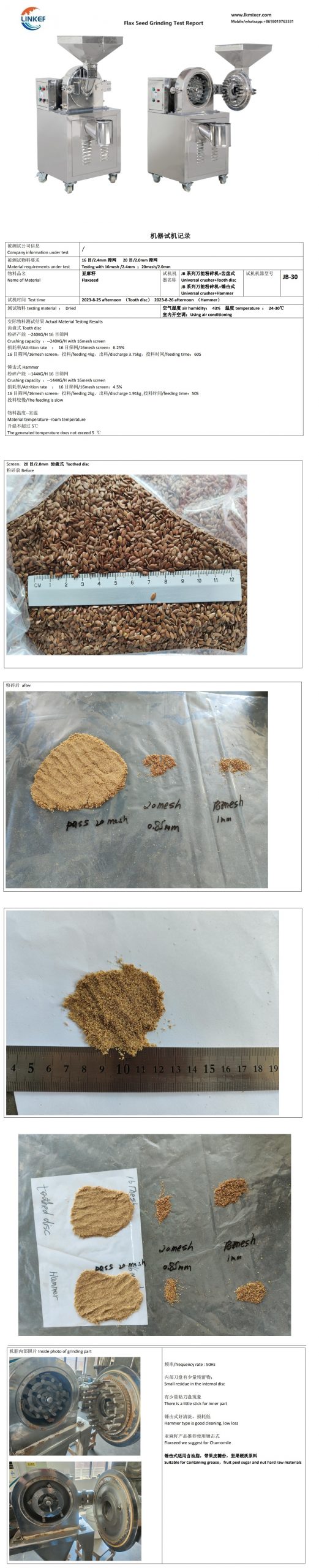
Test Report for Flax Seed Grinder:
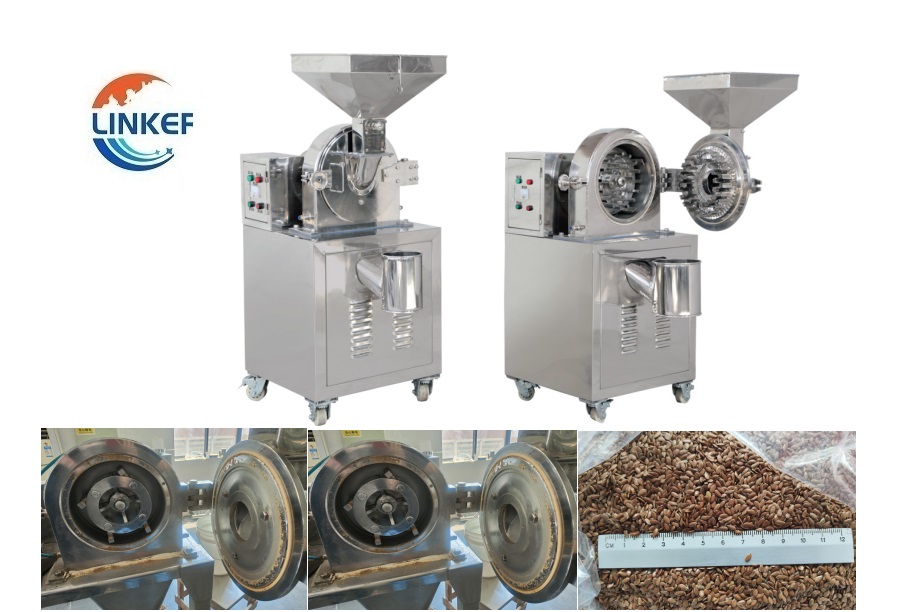
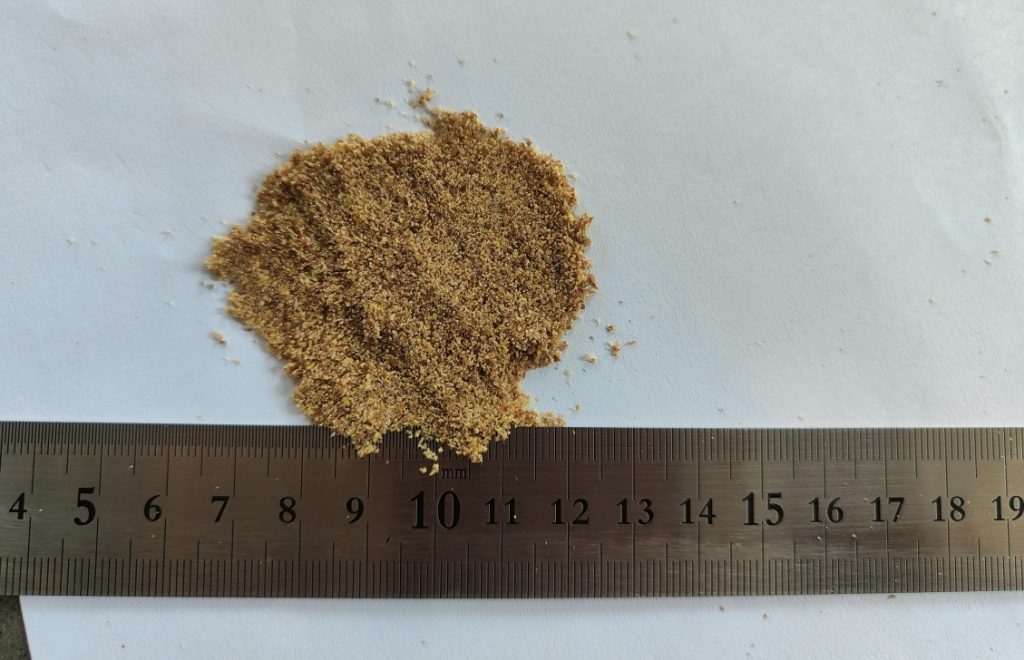
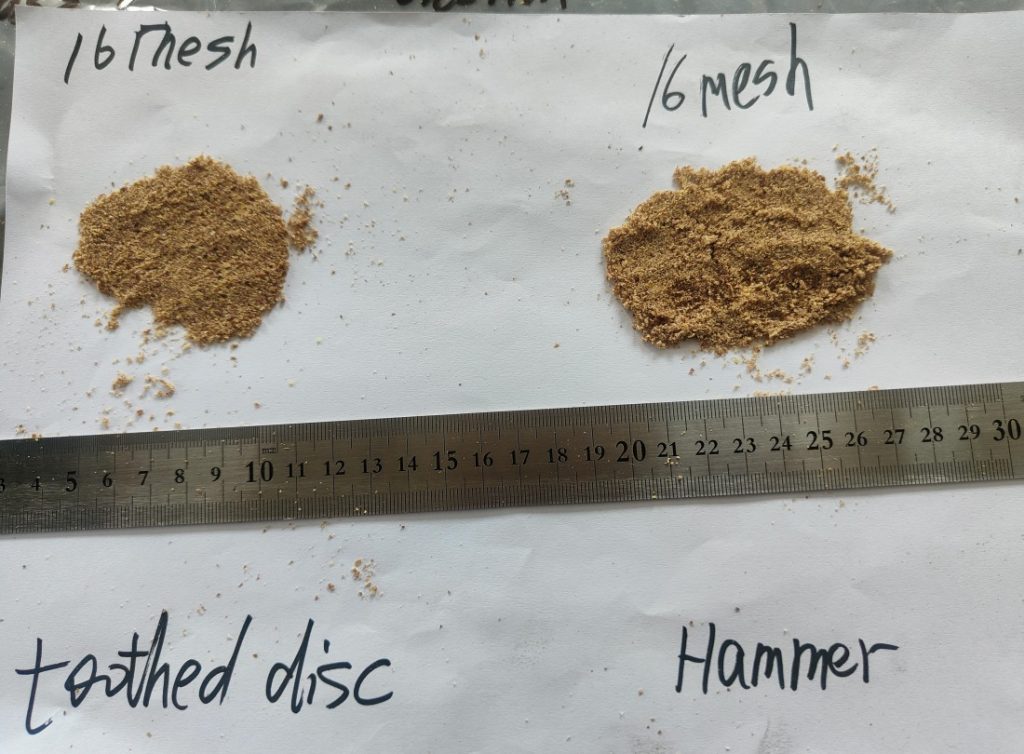
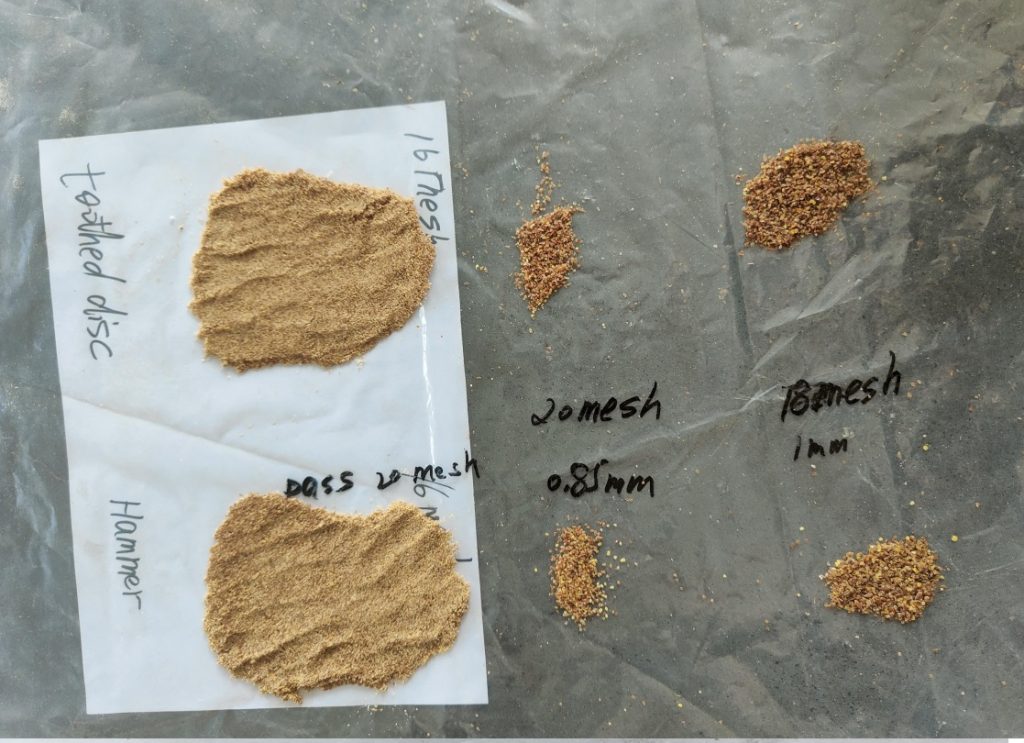
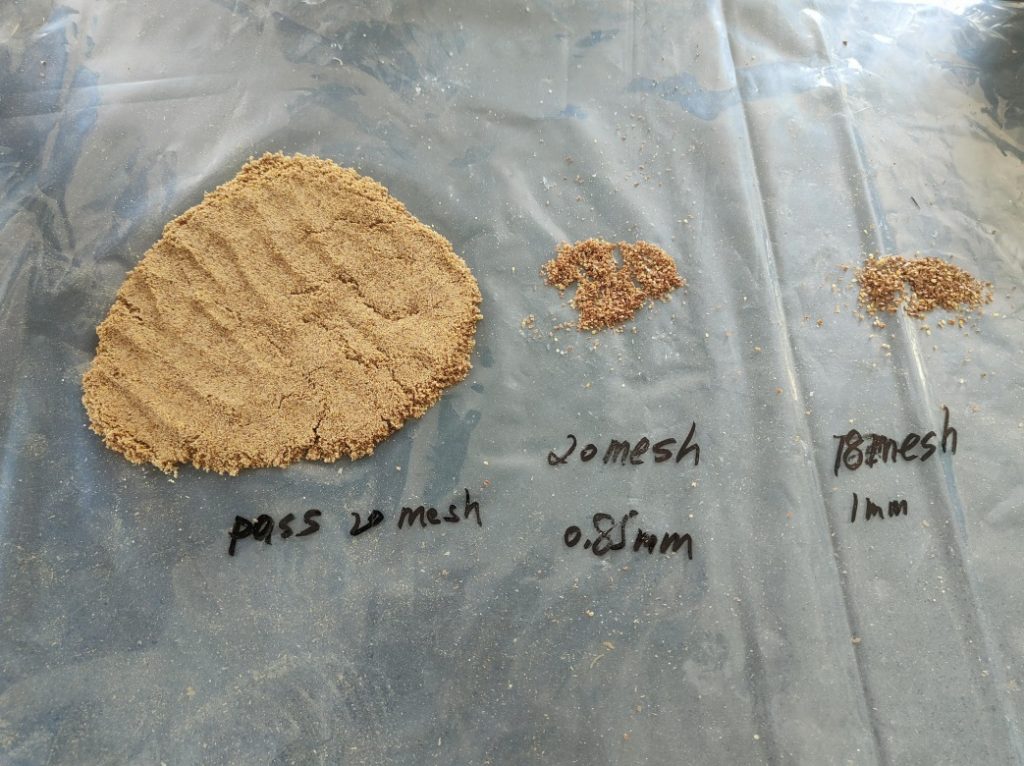
A flax seed grinder is a type of seed nut grinder specifically designed for grinding flax seeds. Flax seeds are small, hard seeds that are packed with nutrition and are commonly used in baking and cooking. Grinding flax seeds helps to unlock their nutrients and make them easier to digest.
Flax seed grinders typically feature sharp blades or burrs that rotate to crush the flax seeds into a fine powder. This powder can then be used in a variety of recipes, such as smoothies, baked goods, and yogurt toppings. Some flax seed grinders are manual and require hand-cranking, while others are electric and feature powerful motors for faster grinding.
When choosing a flax seed grinder, it’s important to look for one with durable blades or burrs that can withstand the hard texture of flax seeds.
There are 3 ways of cooling down the grinder: water cooling system; air cooling system and liquid nitrogen freezing system. You can choose the right one if the grinder gets too hot. When machines goes too hot, the metal can expand, causing the grinding wheel to get stuck.
| Business Type: | Manufacturer/Factory | Main Products: | Mill, grinder, granulator, mixer, Crushing Equipment |
| Number of Employees: | 100 | Year of Establishment: | 2014.05 |
| Production Capacity | 5000Set/Year | After-sales Service: | Technical Support; on-line teach lessons |
| R&D Capacity: | ODM, OEM | Annual Output Value: | US$5 Million – US$10 Million |
| No. of R&D Staff: | 5 | No. of Production Lines: | 6 |
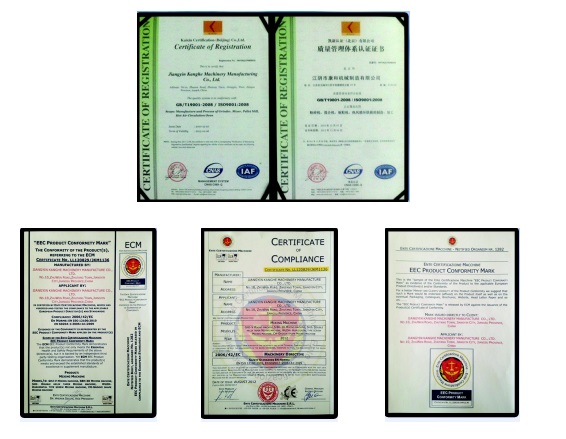
LK Mixer is a professional manufacturer for grinder, mixer and pulverizer. These machines are widely used in pharmaceutical, cosmetic, health care products and chemical industries. Our main product including granulating machine, grinder, mixer, dryer, etc. All mechanical products in accordance with the China GMP design requirements. And also we have other certifications such as CE, UL for motors.
Business Philosophy
“Quality is the main policy of sales” and “integrity is the principle of success” are the business philosophy of our people. We carry out one-year warranty, lifelong maintenance service, with technical consultation, with material test machine and other services, and long-term supply of equipment. Welcome new and old customers to negotiate cooperation!
Certifications:
Customer Side Machine Groups Showcase Videos:
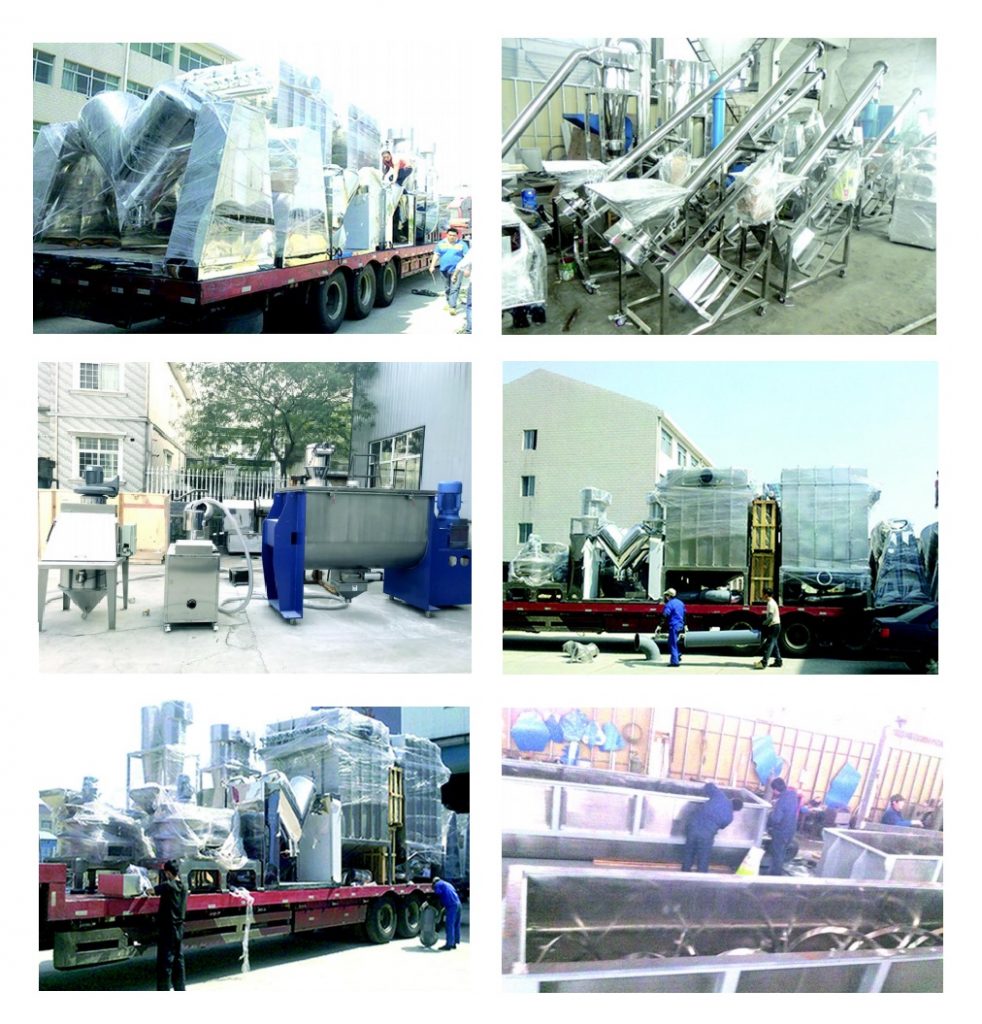
Dust Collector Shipment
Shipment – Packing Method
Two Large Industrial Grinder Ready to Ship
Domestic Shipment Show Case:
Operation Instruction
General Provisions
The operation instructions for a commercial grinder may vary depending on the specific model and manufacturer. However, here are some general guidelines that may apply to many high speed grinders:
- Safety precautions: Before operating the high speed grinder, it is important to review all safety precautions and warnings provided in the user manual. Safety precautions may include wearing appropriate personal protective equipment, such as eye protection and hearing protection, and avoiding loose clothing or jewelry that could become caught in the grinder.
- Preparation: The high speed grinder should be placed on a stable and level surface, and all necessary components should be assembled according to the manufacturer’s instructions. The grinder should also be connected to a power source that is appropriate for its voltage and wattage.
- Loading the grinder: The material to be ground should be loaded into the grinder according to the manufacturer’s instructions. Overloading the grinder may cause damage to the machine and result in poor grinding performance.
- Starting the grinder: The grinder should be started according to the manufacturer’s instructions. This may involve pressing a button, turning a dial, or flipping a switch. The user should ensure that their hands are clear of the grinder and that the material to be ground is positioned properly.
- Adjusting the speed and settings: The speed and other settings of the high speed grinder may be adjusted according to the material being ground and the desired outcome. The user should follow the manufacturer’s instructions for making adjustments to the grinder.
- Monitoring the grinding process: The user should monitor the grinding process to ensure that it is progressing smoothly and that the material is being ground to the desired size and consistency. Any issues or abnormalities should be addressed promptly to prevent damage to the machine.
- Shutting down the grinder: When the grinding process is complete, the grinder should be shut down according to the manufacturer’s instructions. The user should ensure that the machine is completely stopped and that all moving parts have come to a complete stop before attempting to clean or service the grinder.
Overall, the operation instructions for a commercial grinder may involve a number of steps and safety precautions. It is important to carefully review the manufacturer’s instructions and follow proper operating procedures to ensure safe and effective use of the machine.
Preparation Work
Before running a commercial grinder, there are several important preparation steps that should be taken to ensure safe and effective operation of the machine. Here are some general guidelines for preparing to run a high speed grinder:
- Read the user manual: The first step in preparing to run a high speed grinder is to carefully read the user manual provided by the manufacturer. The user manual will provide important information about the specific model of grinder being used, including its features, specifications, and safety precautions.
- Select the appropriate grinding wheel: The grinding wheel used in a high speed grinder should be selected based on the material being ground and the desired outcome. It is important to use the correct type of grinding wheel to prevent damage to the machine and ensure optimal grinding performance.
- Inspect the grinder: Before running the grinder, it is important to inspect it for any signs of damage or wear. The user should check for loose or missing components, cracks or other signs of damage to the machine’s housing or other parts, and any other issues that could affect the grinder’s operation.
- Install the grinding wheel: The grinding wheel should be installed according to the manufacturer’s instructions, making sure that it is securely fastened and aligned properly. The user should also check the wheel for any cracks or other signs of damage before installation.
- Secure the workpiece: The workpiece to be ground should be securely clamped or held in place before starting the grinder. This will help to ensure safe and effective operation and prevent the workpiece from becoming dislodged or damaged during grinding.
- Connect the power source: The high speed grinder should be connected to a power source that is appropriate for its voltage and wattage. It is important to use a properly grounded power source to ensure safe and reliable operation of the machine.
- Test run: Before beginning actual grinding operations, it may be useful to perform a test run to ensure that the grinder is functioning properly and that the grinding wheel is aligned and balanced properly. The user should follow the manufacturer’s instructions for performing a test run.
By following these preparation steps, users can ensure safe and effective operation of a high speed grinder and achieve optimal grinding results.
Treatment of inspection
Inspection of a commercial grinder is an important maintenance procedure that helps ensure safe and effective operation of the machine. Here are some general guidelines for inspecting a high speed grinder:
- Disconnect power source: Before performing any inspection or maintenance on a high speed grinder, the power source should be disconnected to prevent accidental startup.
- Check for wear and damage: The user should inspect the grinder for any signs of wear or damage, such as cracks in the housing, worn or damaged grinding wheels, or loose or missing parts. Any issues should be addressed promptly to prevent further damage to the machine.
- Check alignment and balance of grinding wheel: The grinding wheel should be inspected for proper alignment and balance, as these factors can affect the quality of the grinding operation. If the grinding wheel is not properly aligned or balanced, it should be adjusted or replaced as necessary.
- Check for proper lubrication: The high speed grinder should be inspected for proper lubrication, as inadequate lubrication can cause excessive wear and damage to the machine’s moving parts. The user should follow the manufacturer’s instructions for lubrication, and add lubricant as necessary.
- Inspect electrical components: The electrical components of the high speed grinder, including the wiring, switches, and control panel, should be inspected for any signs of wear, damage, or loose connections. Any issues should be addressed promptly to prevent electrical problems.
- Test run: After completing the inspection, it may be useful to perform a test run of the high speed grinder to ensure that it is functioning properly and that any issues have been addressed.
By following these inspection guidelines, users can help ensure safe and effective operation of a high speed grinder and minimize the risk of damage or injury during grinding operations.
Operation Attention
Running a commercial grinder can be a dangerous operation if proper precautions are not taken. Here are some general guidelines for safe operation of a high speed grinder:
- Personal protective equipment: The user should wear appropriate personal protective equipment, such as safety glasses, hearing protection, and gloves, to prevent injury from flying debris, noise, and contact with the grinding wheel.
- Secure workpiece: The workpiece being ground should be securely clamped or held in place to prevent it from becoming dislodged during grinding.
- Use proper grinding wheel: The user should select the appropriate grinding wheel for the material being ground and ensure that it is installed correctly and securely. The grinding wheel should be inspected for cracks or other damage before use.
- Adjust grinding wheel speed: The speed of the grinding wheel should be adjusted according to the manufacturer’s instructions to ensure optimal grinding performance and prevent damage to the machine or workpiece.
- Avoid excessive pressure: The user should avoid applying excessive pressure to the grinding wheel, as this can cause the wheel to overheat and wear out more quickly.
- Avoid overheating: The high speed grinder should not be operated continuously for extended periods of time, as this can cause overheating and damage to the machine.
- Monitor grinding operation: The user should closely monitor the grinding operation to ensure that the workpiece is being ground properly and that the grinding wheel is functioning correctly.
- Disconnect power source: After completing grinding operations, the power source should be disconnected to prevent accidental startup.
By following these guidelines, users can operate a high speed grinder safely and effectively, and achieve optimal grinding results. It is important to follow the manufacturer’s instructions and all applicable safety regulations when operating any type of machinery.
Applications of Industrial Seed Grinder
Industrial seed grinders are used in a variety of applications across many industries. Here are some of the most common applications of industrial seed grinders:
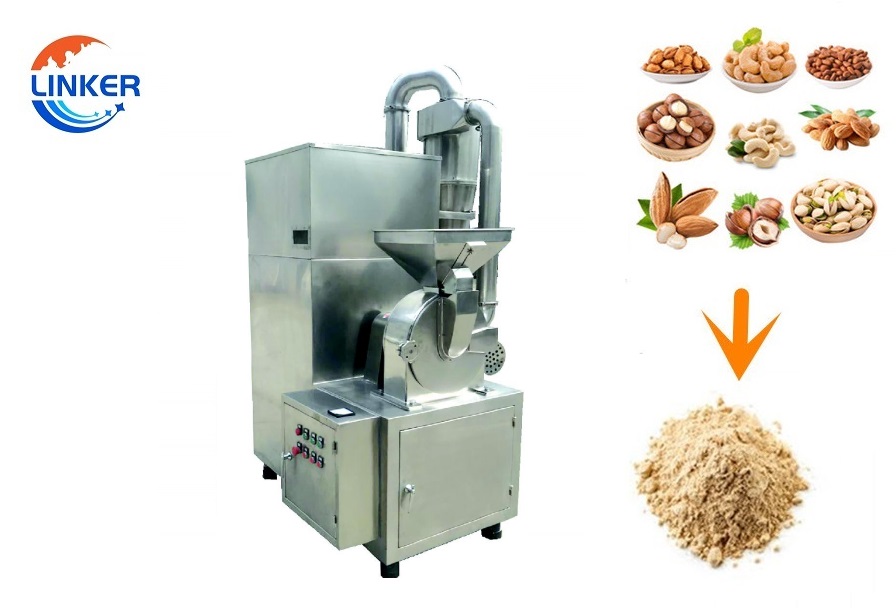
- Food industry: Industrial seed grinders are used extensively in the food industry to grind seeds, nuts, and spices into fine powders or pastes. These powders and pastes are then used in a variety of products such as sauces, seasonings, and spreads.
- Pharmaceutical industry: In the pharmaceutical industry, industrial seed grinders are used to grind plant material into a fine powder, which is then used to make medicines and supplements.
- Cosmetics industry: Industrial seed grinders are also used in the cosmetics industry to grind plant material into a fine powder or paste, which is then used in products such as face masks, scrubs, and exfoliants.
- Agricultural industry: Industrial seed grinders are used in the agricultural industry to process seeds, such as soybeans, into animal feed.
- Chemical industry: In the chemical industry, industrial seed grinders are used to grind materials such as resins, pigments, and dyes into a fine powder.
- Renewable energy industry: Industrial seed grinders are also used in the renewable energy industry to process biomass into a fine powder, which is then burned to generate electricity.
Overall, industrial seed grinders are versatile machines that are used in many different industries for a variety of applications. They are essential for processing plant material into fine powders and pastes that can be used in many different products.
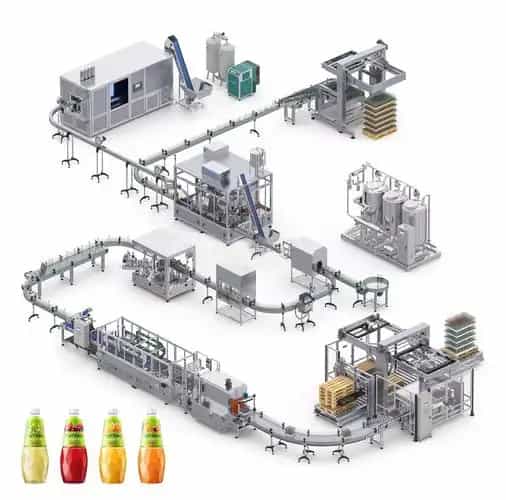
Food Producing Process Flow:
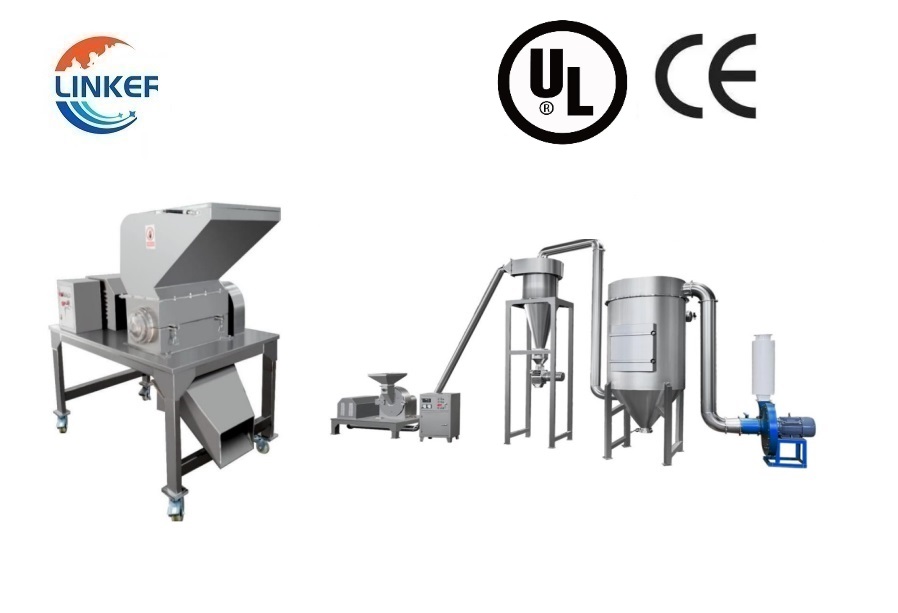
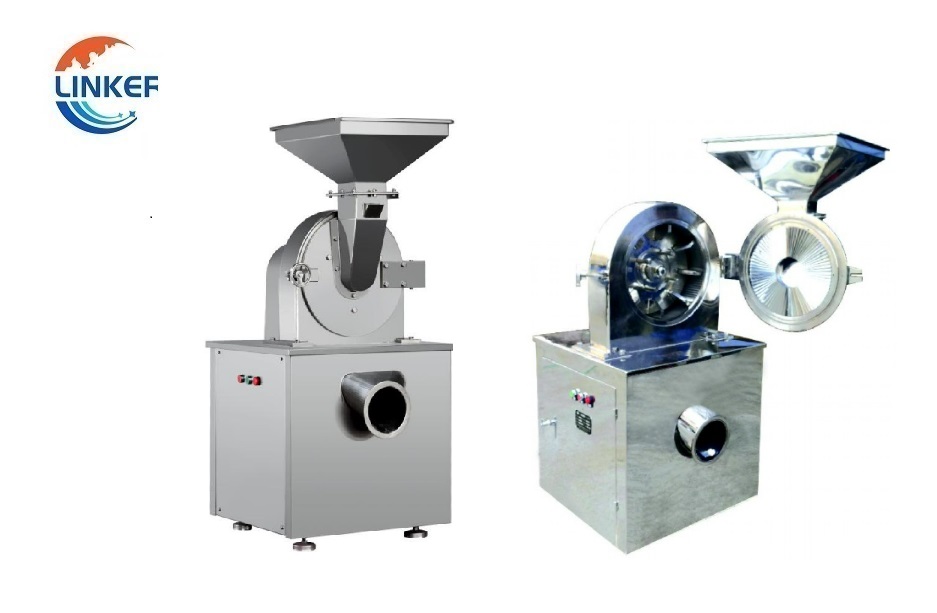
Ultrafine grinding is one of the very key procedure in whole production line. It depends how many mesh that customer need to produce. That’s to say this machine can decide what kind of material will get finally before mxing.
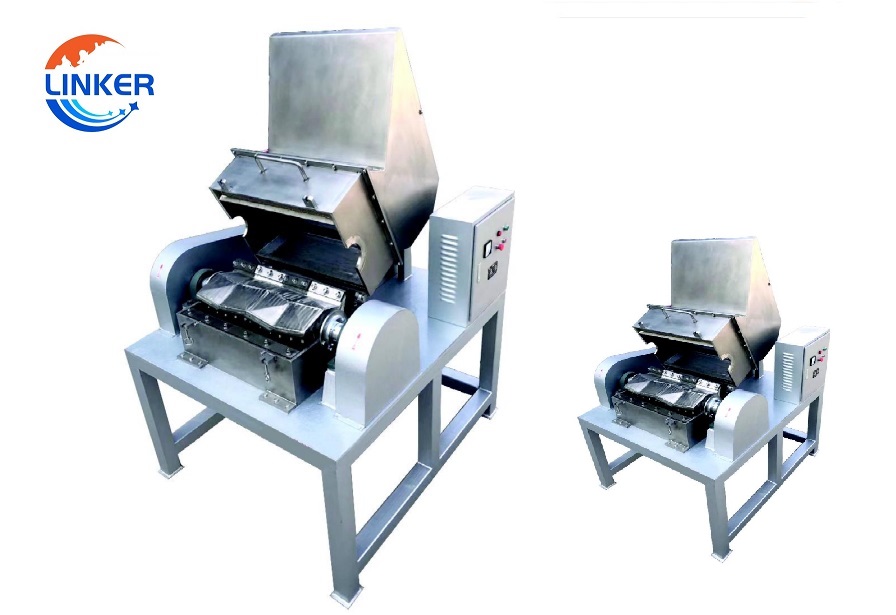
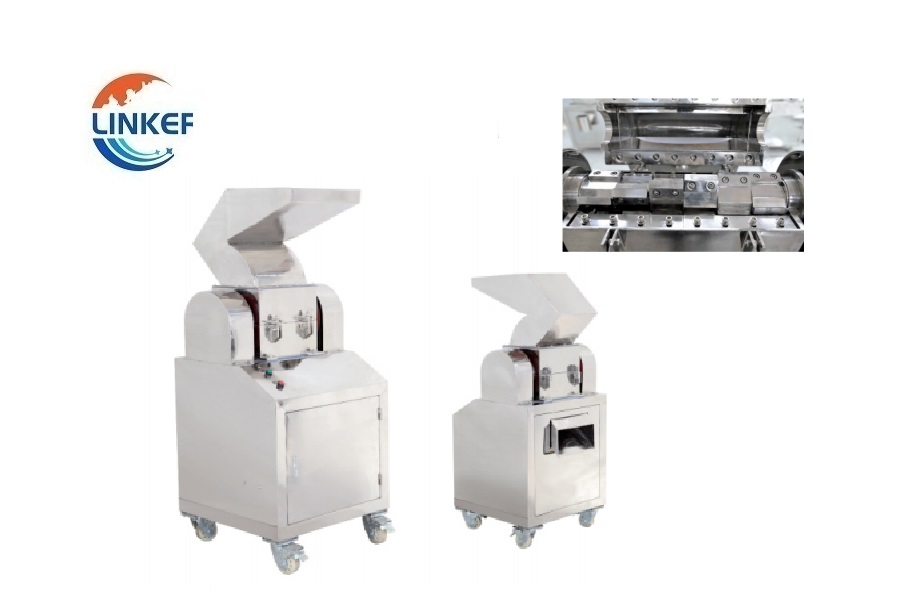
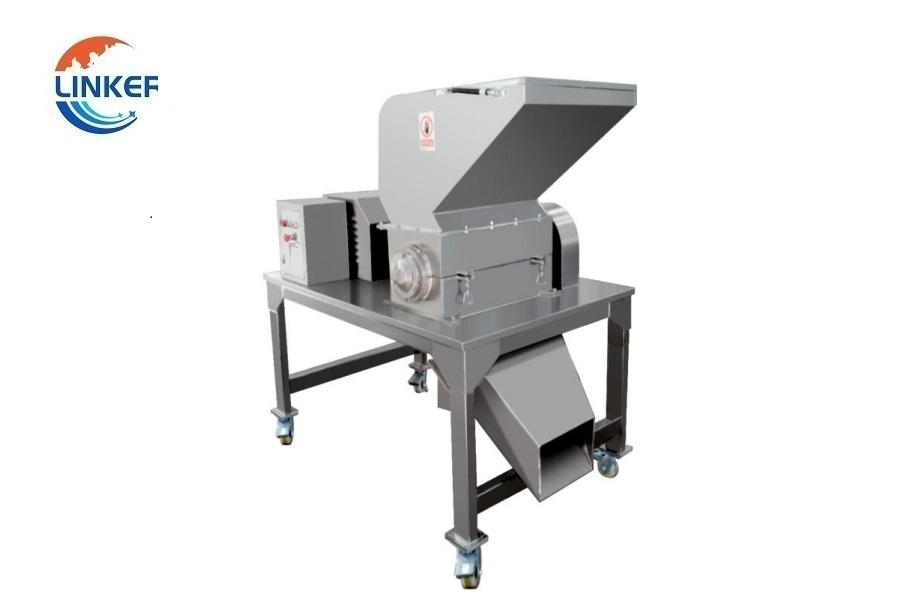
Coarse Crusher Machine —>Grinding Machine —> Vibrating Table Sifter Machine—>Mixing Machine—>Packing Machine —> (Printed Packaging Film Roll or bags ) —> Filling, sealing machine, capping and Labeling Machine —>Pack into Box.
Contact us for detail proposal and cost:

Automatic Banana Powder Production Line Youtube Video
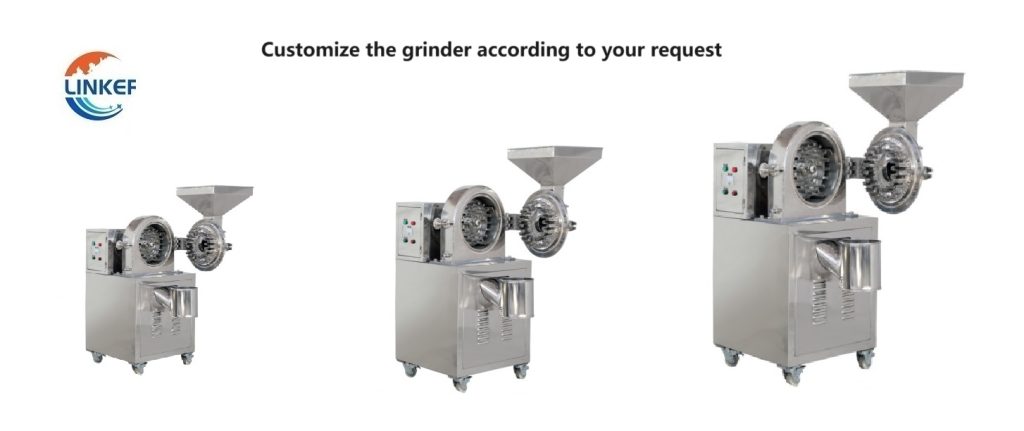
Customization Seeds Grinder According to your Capacity:
We can customize the capacity according to your special requirement, we can also customize the vacuum feeder connect with your production line (the dimension and width of grinder), for detail contact with our sales for proposal and price.
Videos of Seeds Grinder Machine:
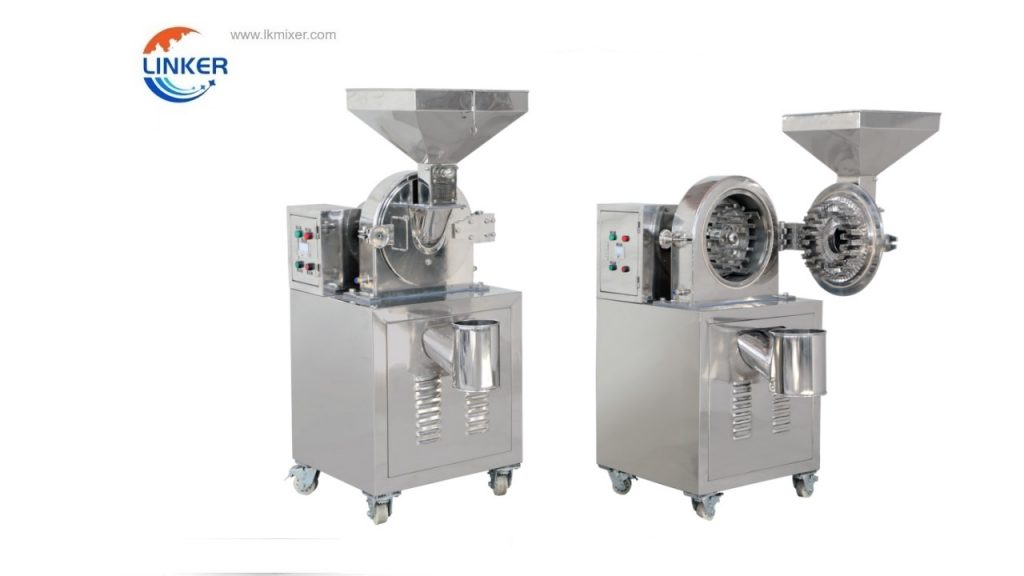
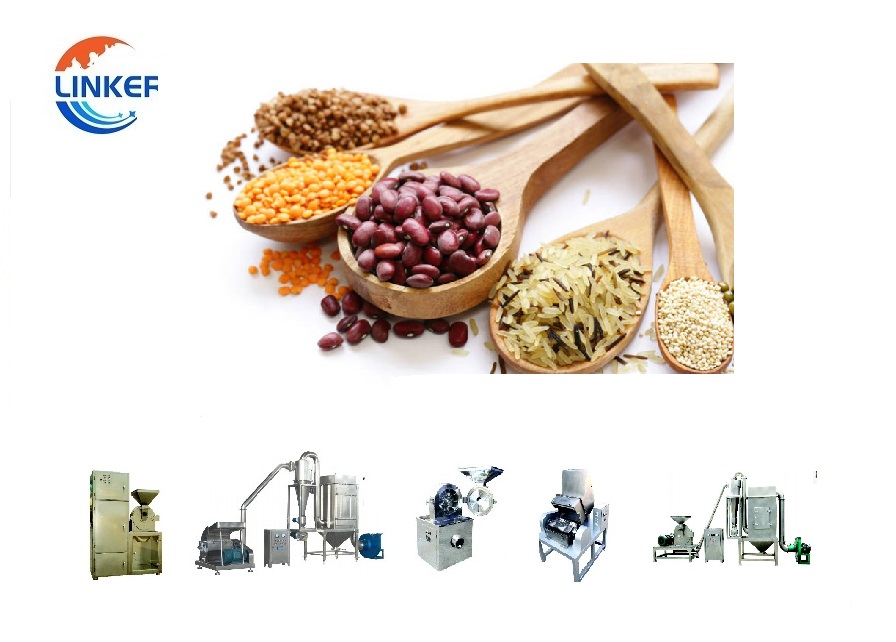
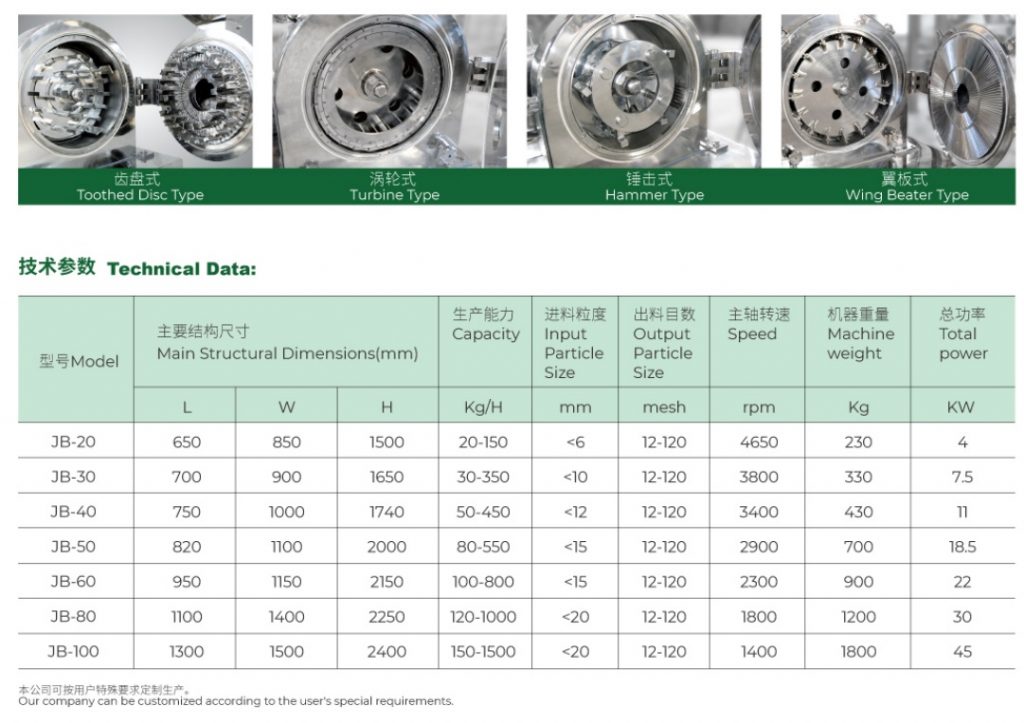
Many model of Seeds Grinder, the universal grinder is suitable to cut the seeds into 12-120mesh, the high efficient grinder is useful, but cost a little bit higher than universal. The super fine grinder can grind into 100mesh to 320mesh. Customer can choose according to your own requirement. here show some example:
About LKMixer
LKMixer is a professional manufacturer for fertilizer production line, grinder, mixer and granulator, shredder. These machines are widely used in food, pharmaceutical, cosmetic, health care products and chemical industries. The Food materials like Peanut, mushroom, seeds, potato, bean, tobacco, salt, cannabis, tea, Sugar, corn, Coffee, rice, pepper, grain as so on. Grinders have many types such as Pulse Dust Grinder which suitable for zero pollution environment, Turbine Mill which is suitable for coffee bean, 12-120mesh all can meet, Ultrafine Grinding Mill covers 80-200mesh, and also Winnowing Dust Grinder or other grinding machines like SF Hammer. Welcome to contact us for details. Contact us for more information. Proposal, catalog, quotation. Mobile/WhatsApp: +86 18019763531 Tel: +86 21 66037855 Email: sales@lkmixer.com
Contact Us
FAQ(Click and See More)
Read More about Herb Grinder:
Why are herb grinders so expensive?
Are electric herb grinders good?
What is the best way to grind up herbs?
Can you chop herbs in a coffee grinder?
How to grind dried herbs into powder?