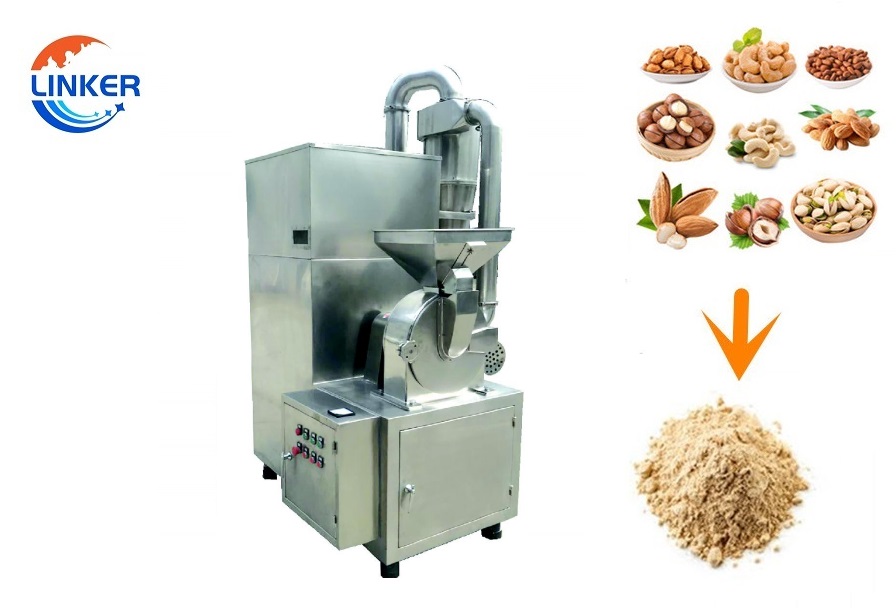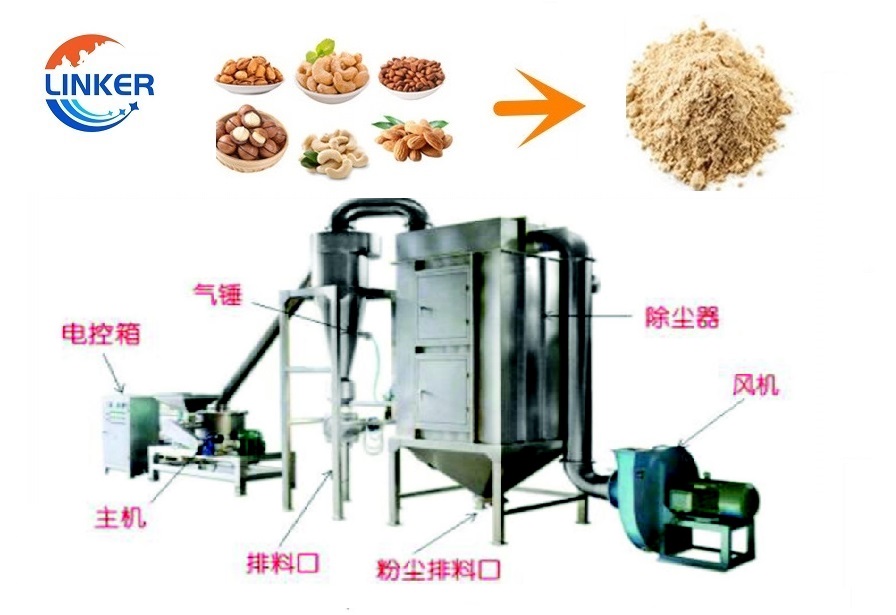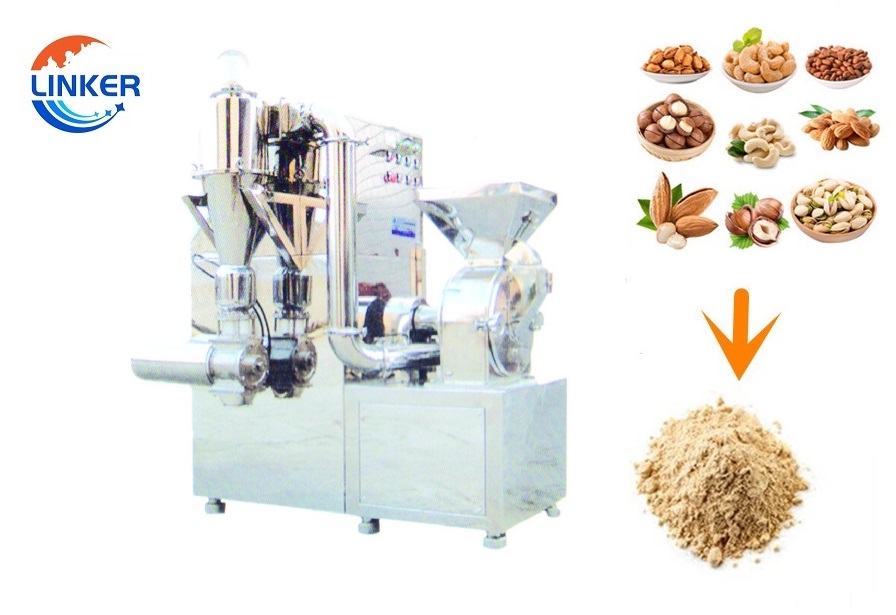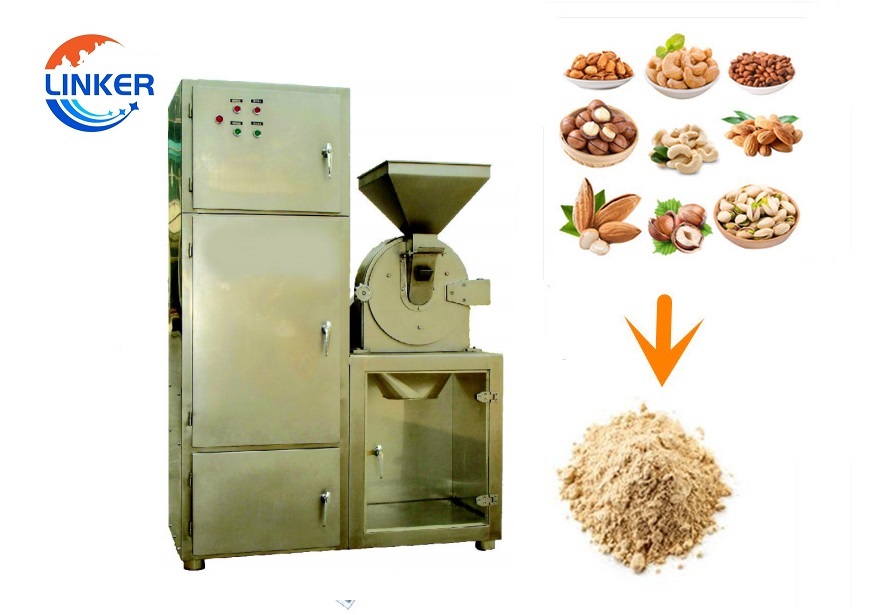
Automatic Protein Powder Production Line
Protein Powder Automatic Productino Line Design:x`
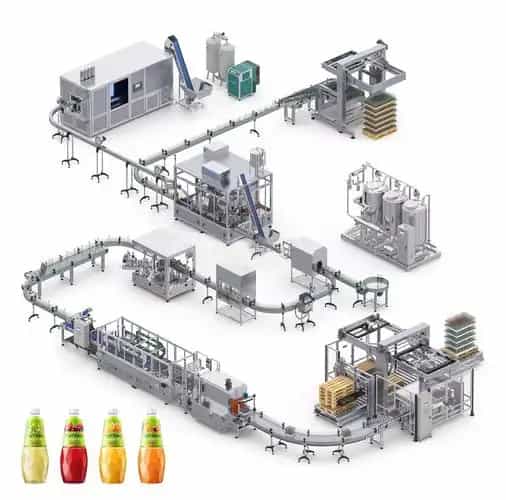
Automated Production Line for Protein Powder
A completely integrated, intelligent system called an Automatic Protein Powder Production Line is made to effectively and hygienically convert a variety of raw materials into premium protein powders, like whey, soy, and rice protein, on a big scale. With enclosed material handling and sterile environmental controls to ensure product purity, biological activity, and safety, the entire line runs with little human intervention under the guidance of PLC (Programmable Logic Controller) automation and strict GMP (Good Manufacturing Practice) standards.
Essential Production Procedure
Careful raw material pretreatment is the first step in the production of protein powder.Depending on the source, the procedure differs greatly. Whey and other dairy-based proteins are separated from lipids, lactose, and other ingredients by pasteurizing milk and then using methods such ceramic membrane filtering or cold-temperature purification. Plant-based proteins, including those from rice, peas, or soybeans (a type of bean), need to be prepared differently. In order to eliminate physical contaminants, raw materials such as grains, beans, or seeds are first cleaned. In order to break down the cellular structure and release the protein components, they are usually soaked and then put through enzyme digestion in specialized tanks. For purification, additional processes like desalting and decolorization are used.
The Protein Extraction and Concentration stage occurs after pretreatment. The slurry, or protein-rich liquid, is put into sophisticated filtering devices such as reverse osmosis (RO) or ultrafiltration (UF). By concentrating the protein solution, these technologies raise the protein solid content to more than 80%. Additional chromatography techniques, such as ion exchange, may be incorporated for the generation of pharmaceutical-grade, high-purity proteins that meet the standards needed for certain constituents in medications. This stage focuses on molecular separation, which sets it apart from basic mechanical extraction methods used in other sectors, like an oil press for peanuts or sesam.
After that, the concentrated protein solution moves on to the stages of drying and powder formation.Spray drying is the most often used industrial technique. The concentrate is atomized into a hot air chamber with carefully regulated intake temperatures between 160 and 200°C, where moisture immediately evaporates to create tiny powder particles. Maintaining a final moisture content of ≤5% while avoiding protein denaturation requires careful temperature control. Although more expensive, freeze-drying (lyophilization) is used for high-end, heat-sensitive items where optimizing nutrient retention is crucial. The goal of this is somewhat similar to that of retaining subtle flavors in tea or other culinary items, but it is far more complicated.
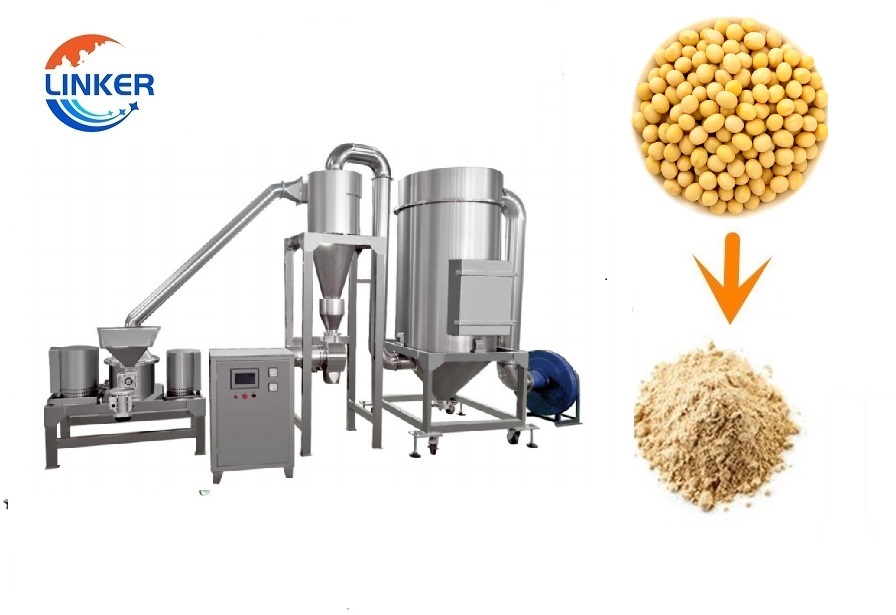
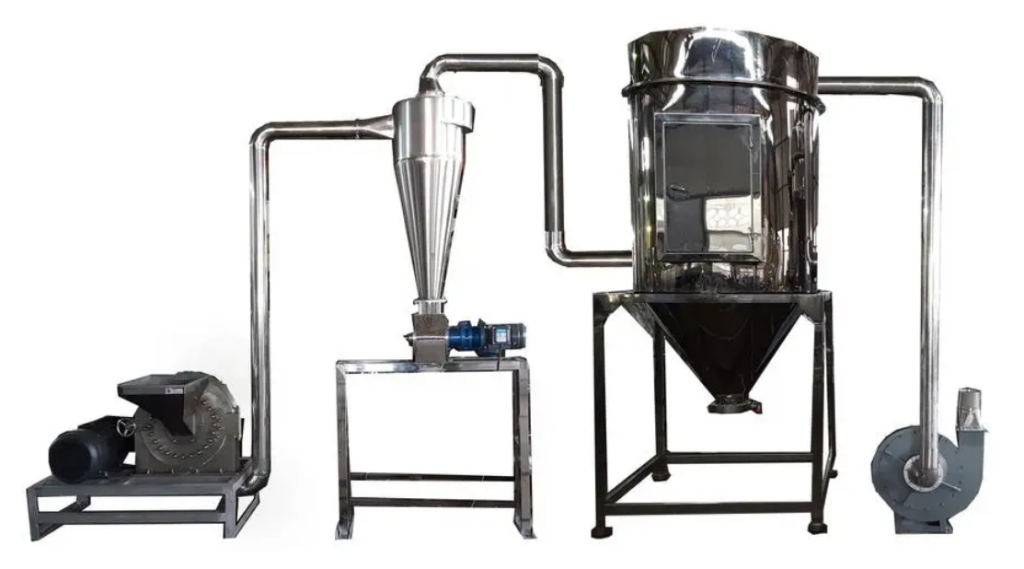
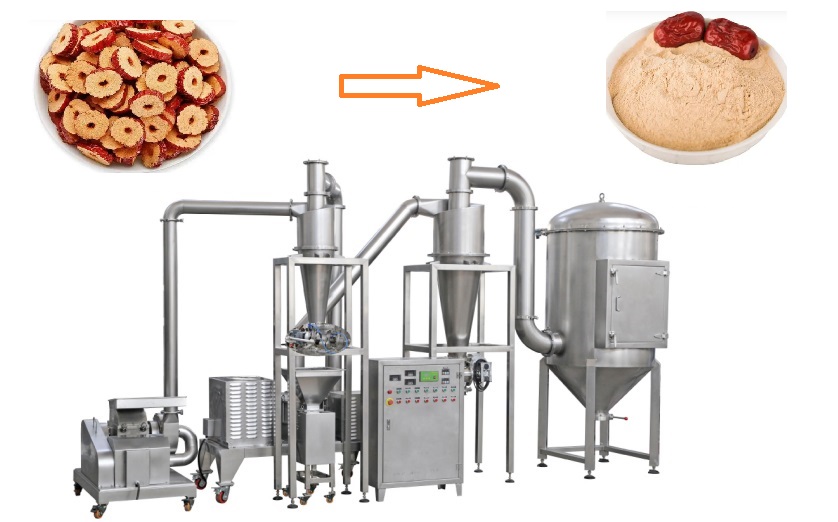
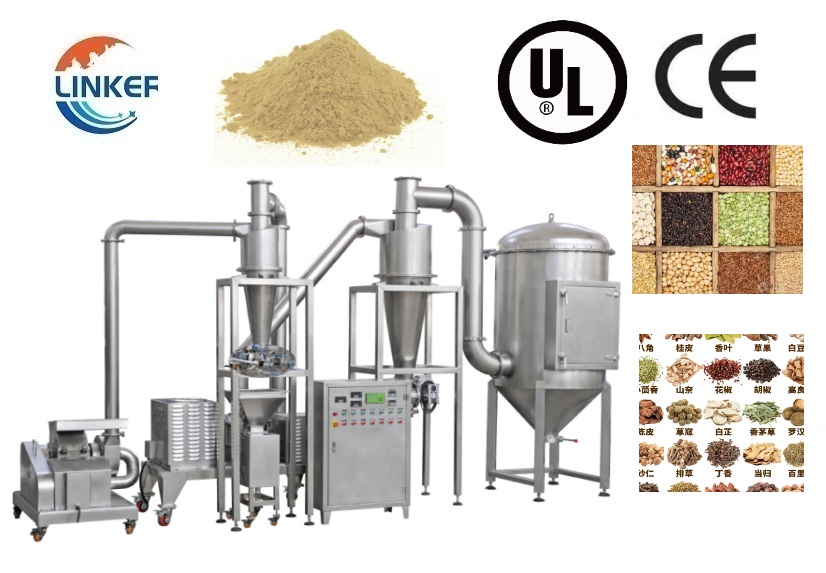
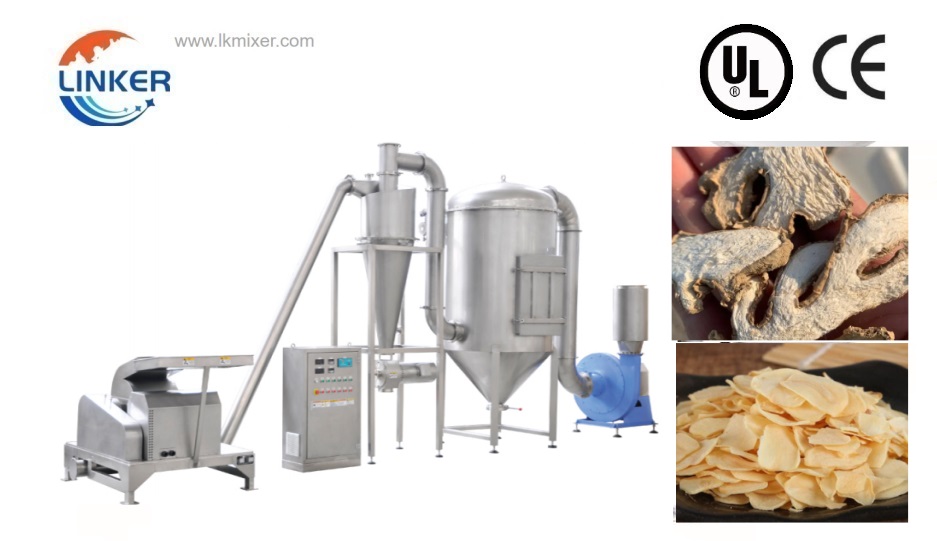
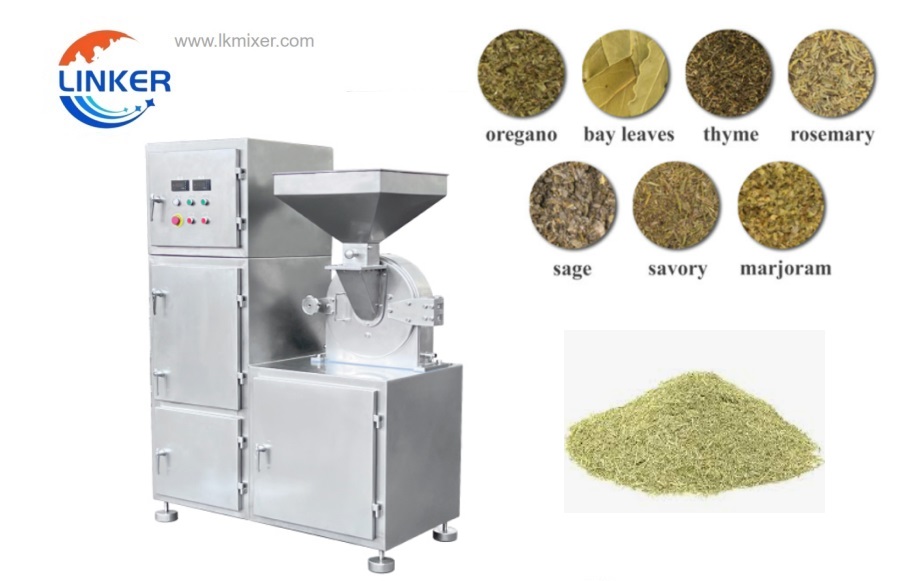
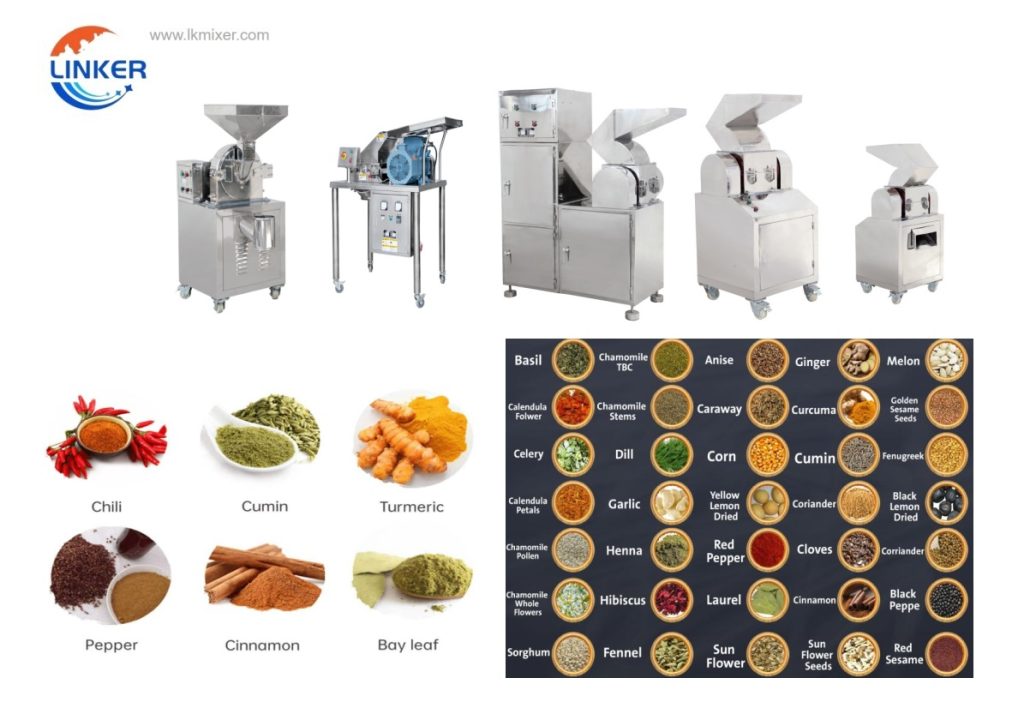
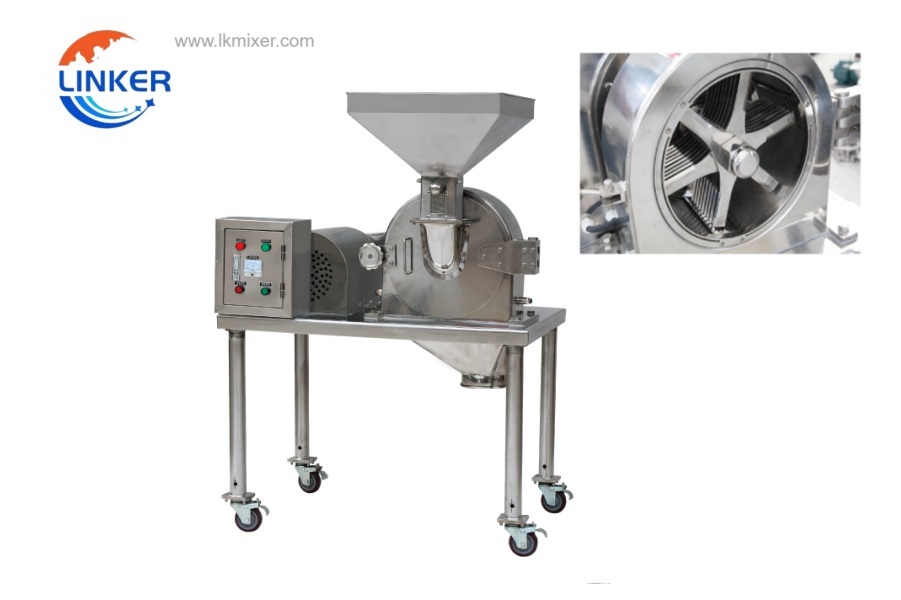
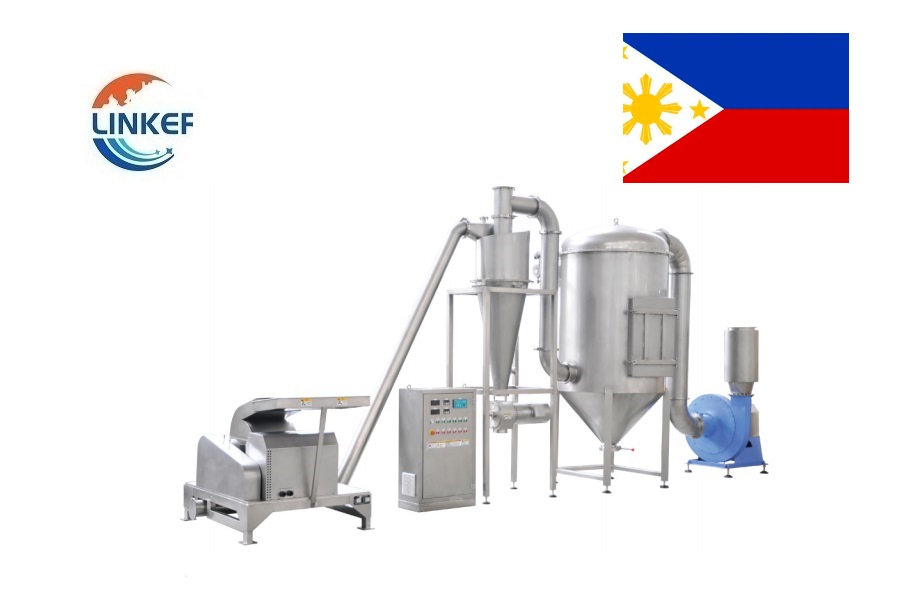
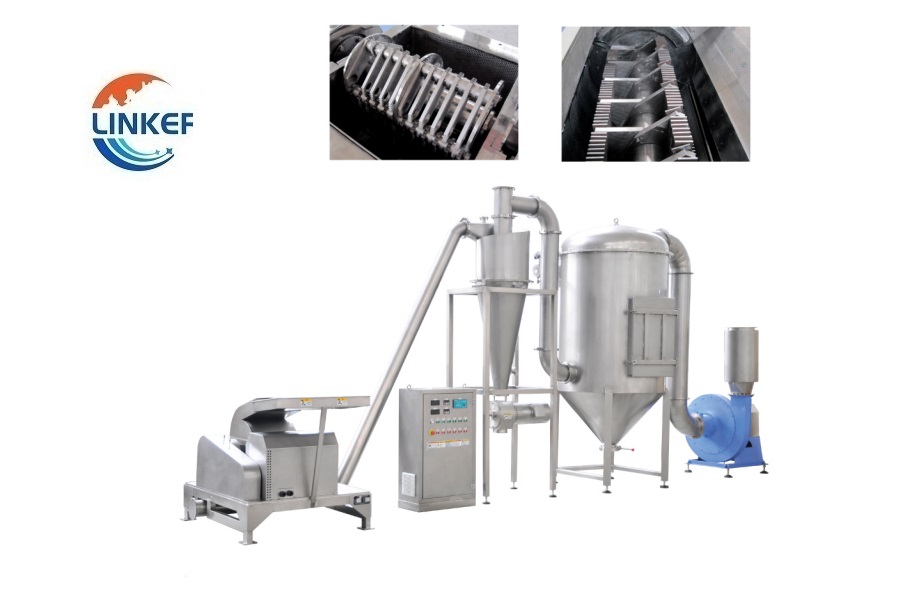
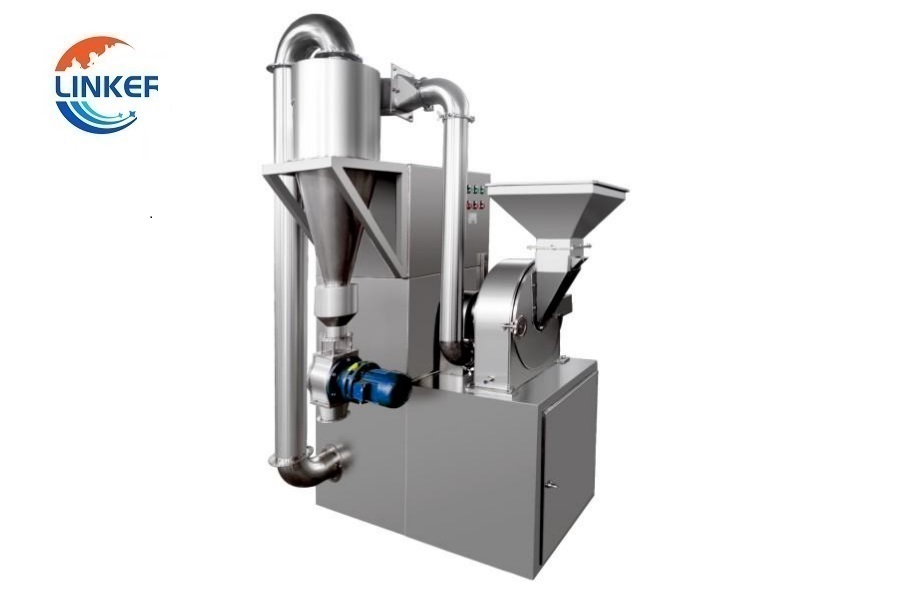
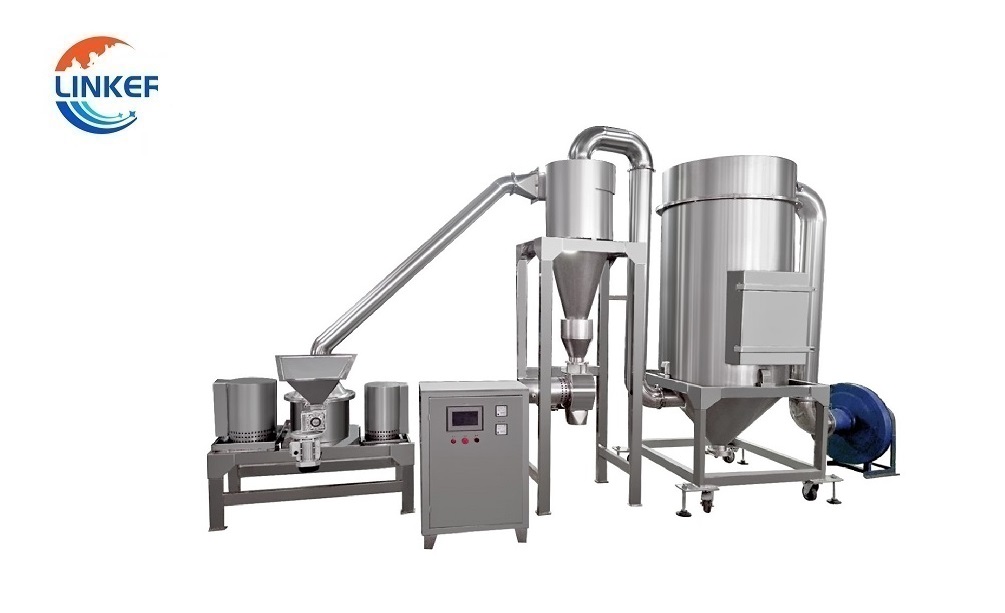
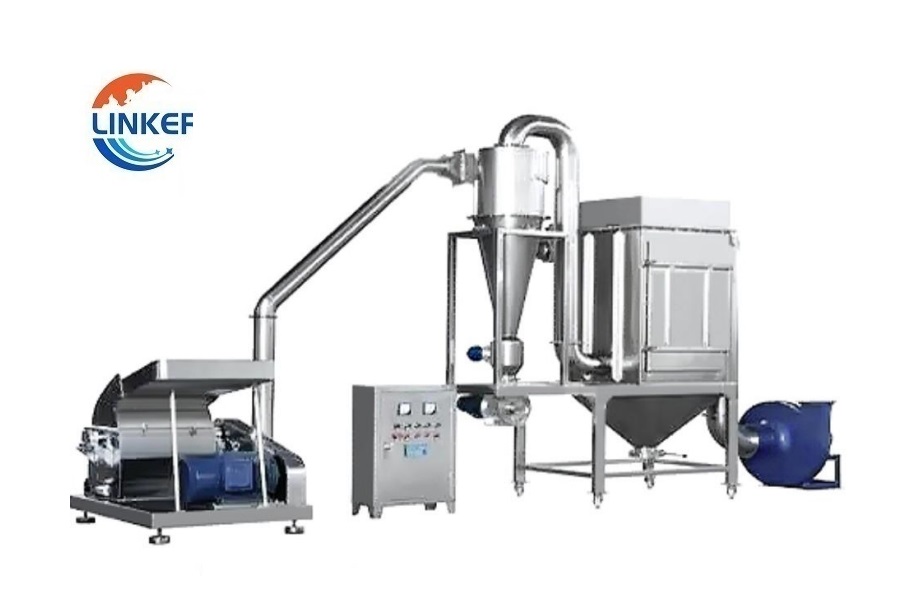
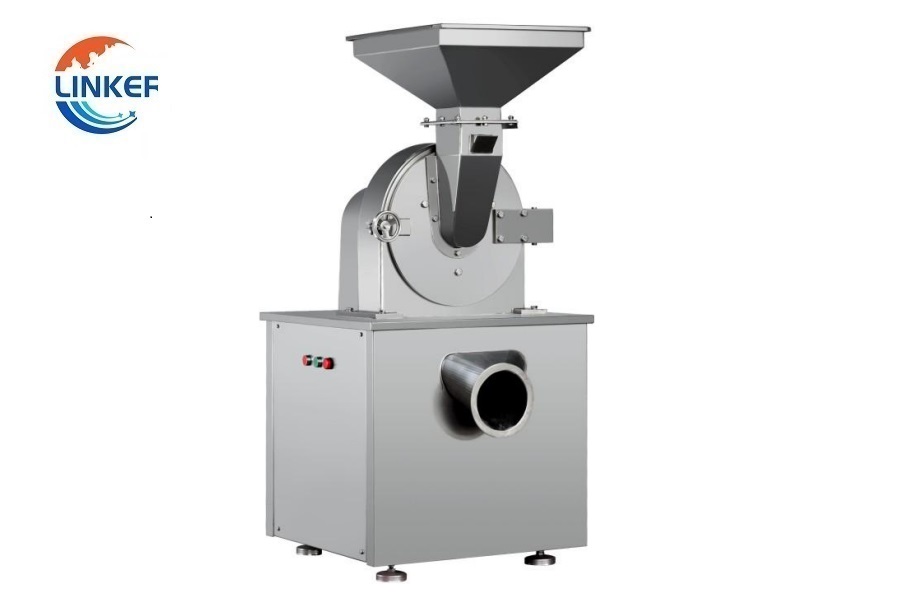
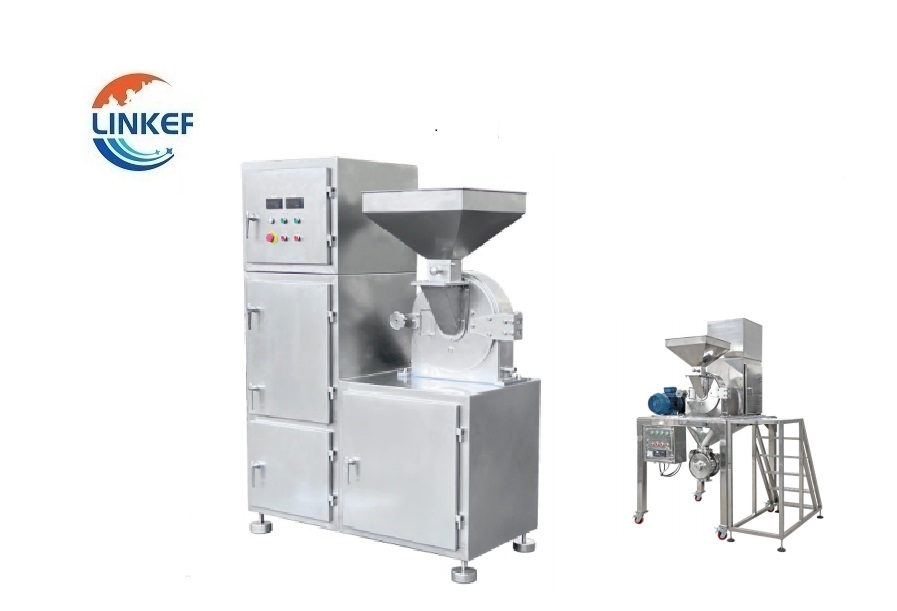
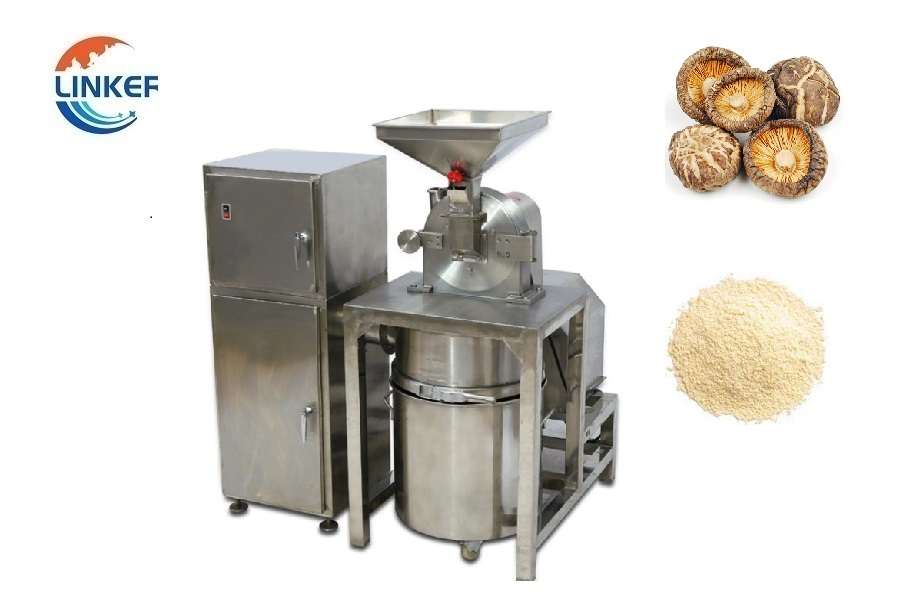
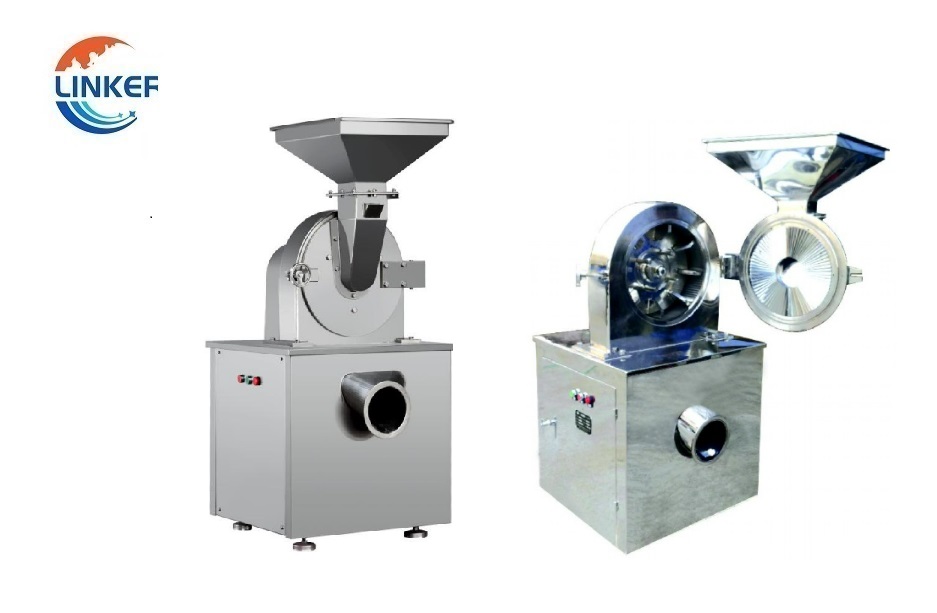
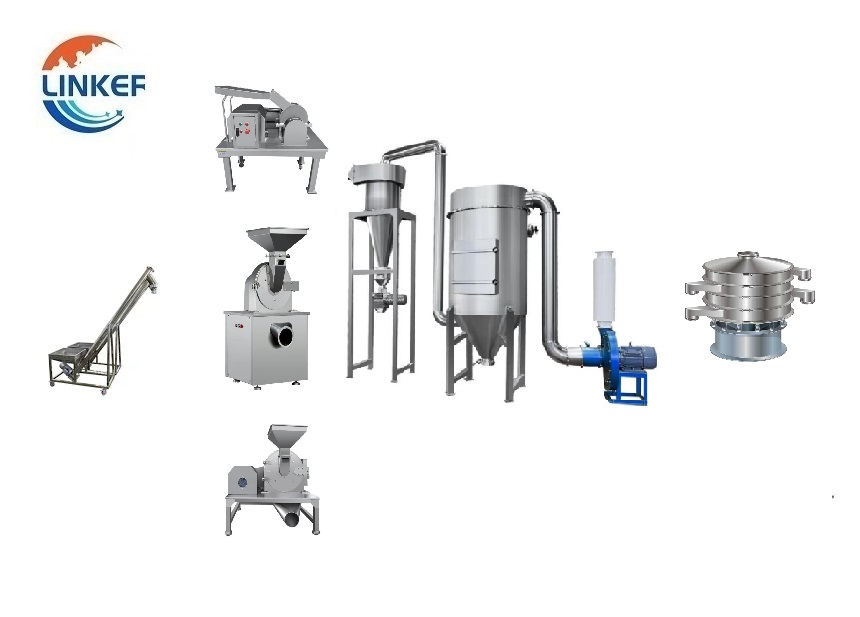
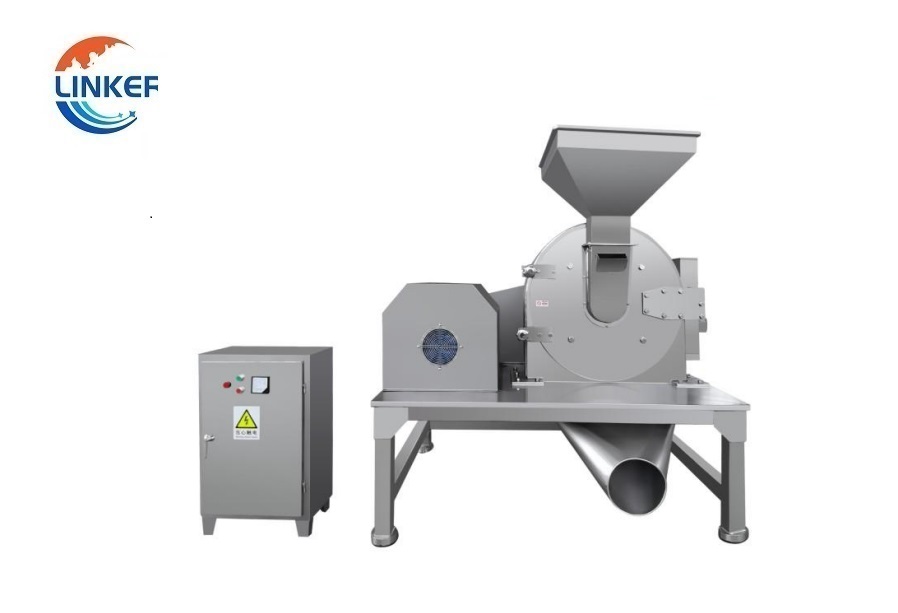
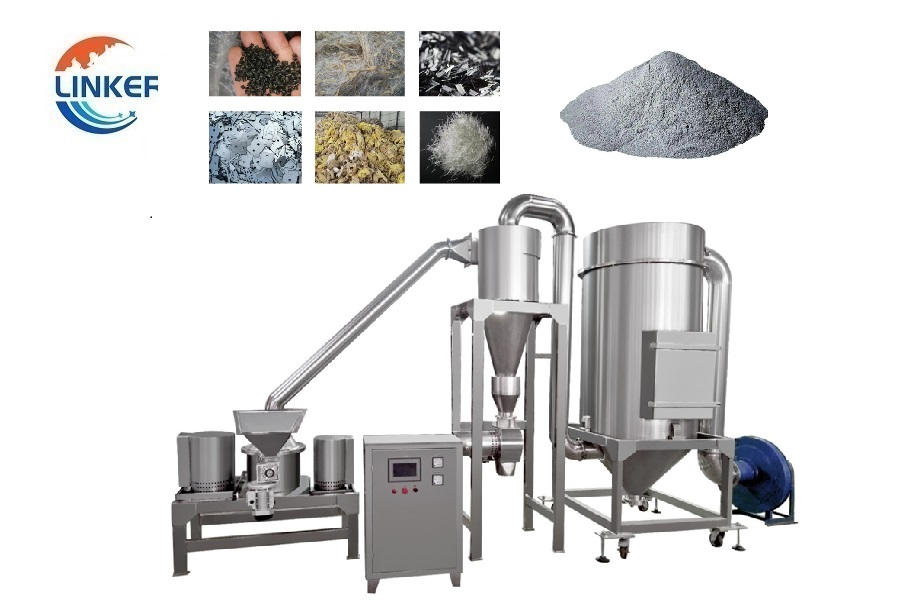
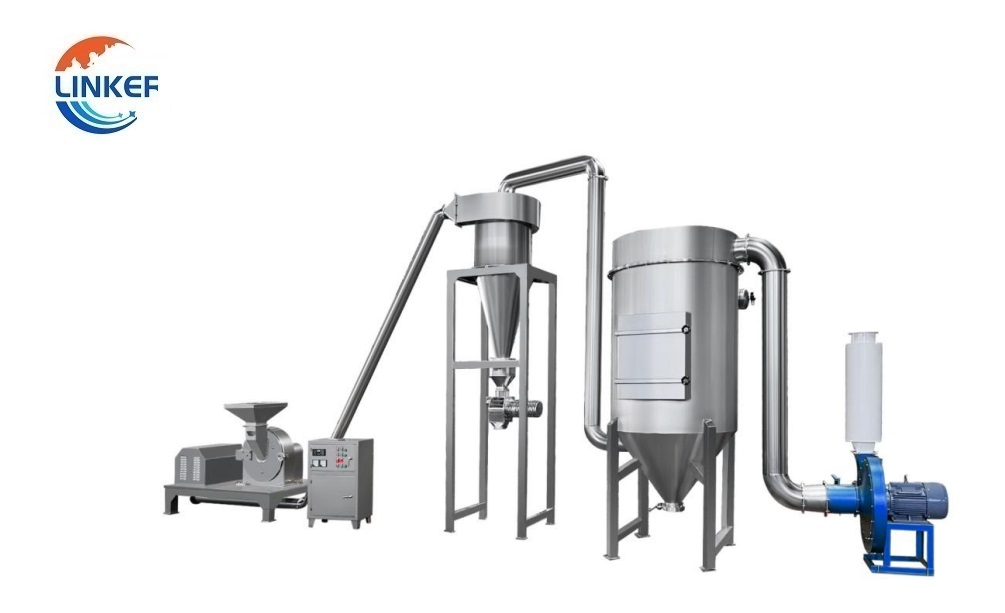
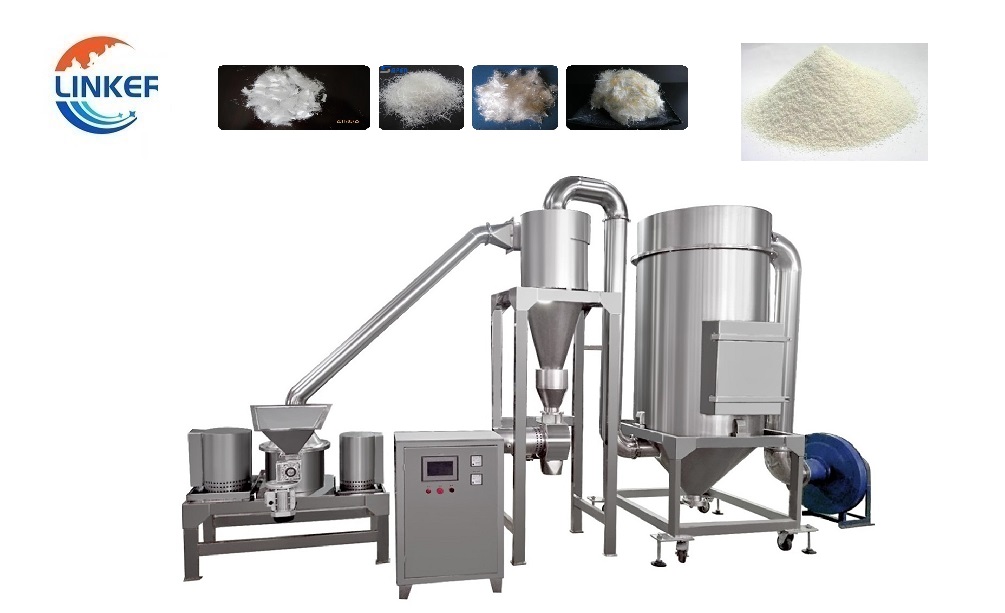
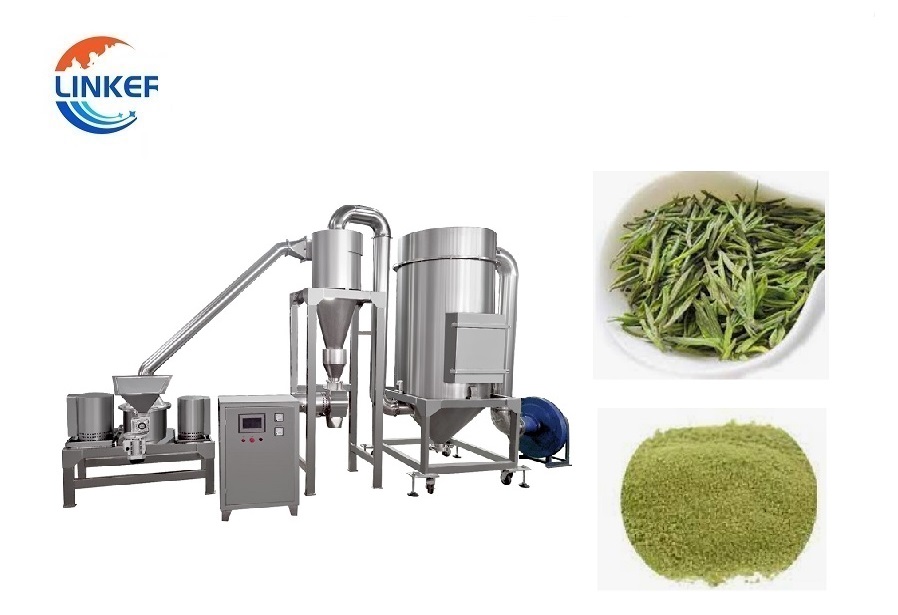
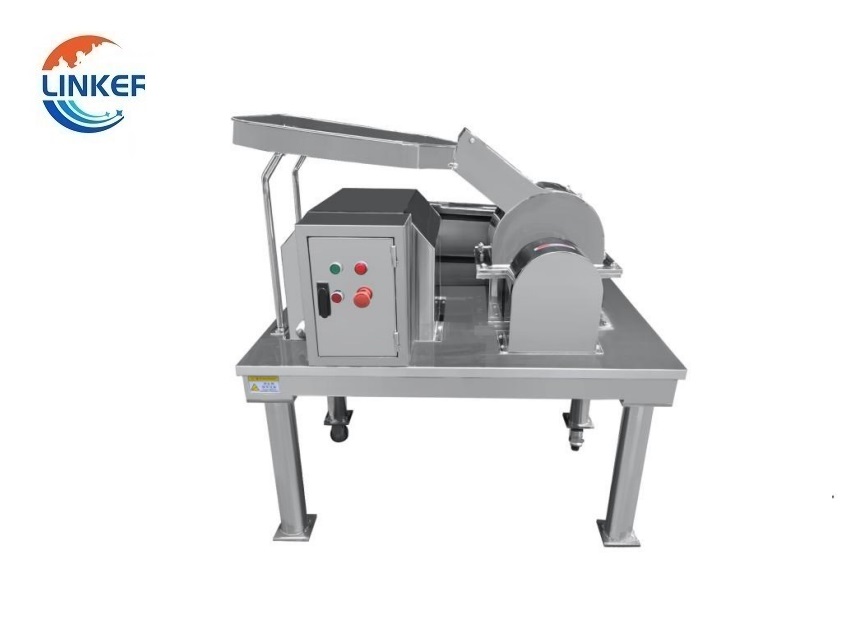
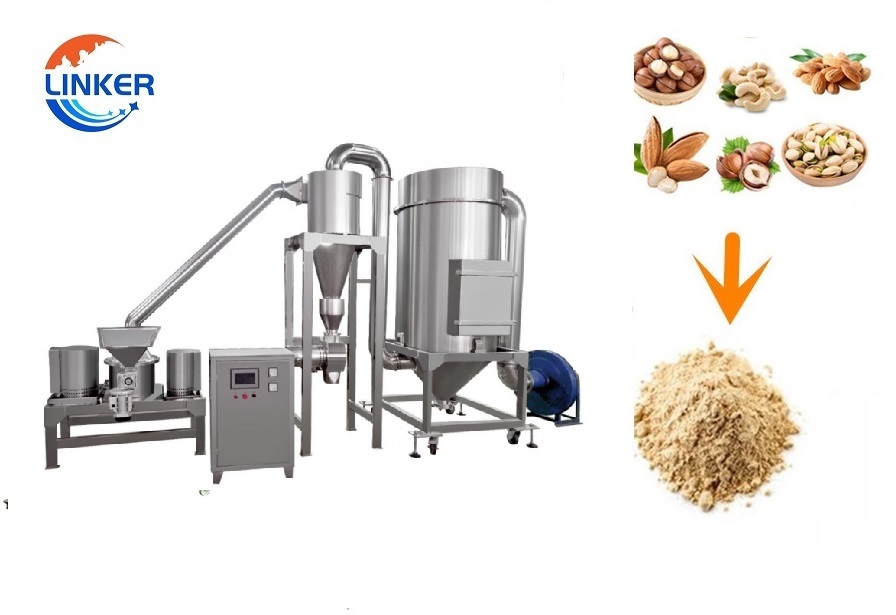
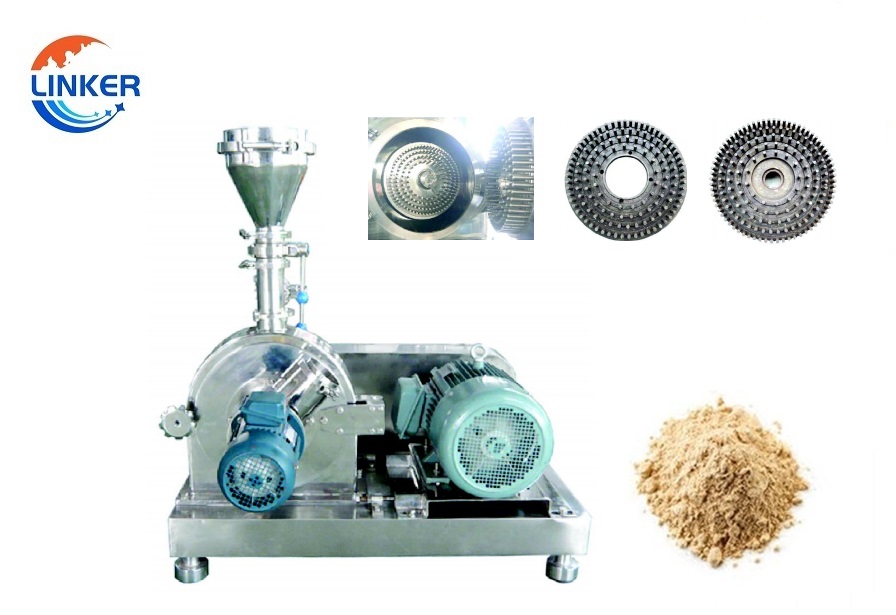
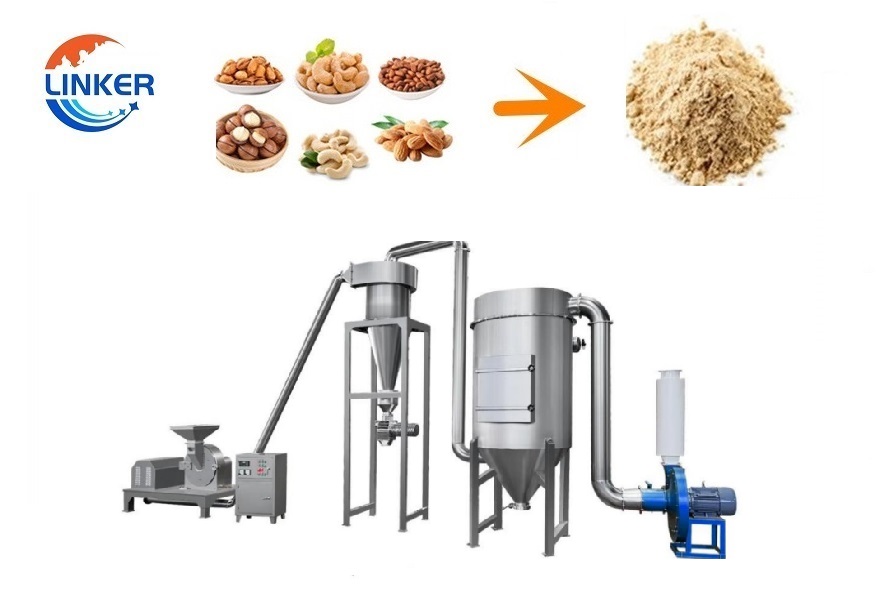
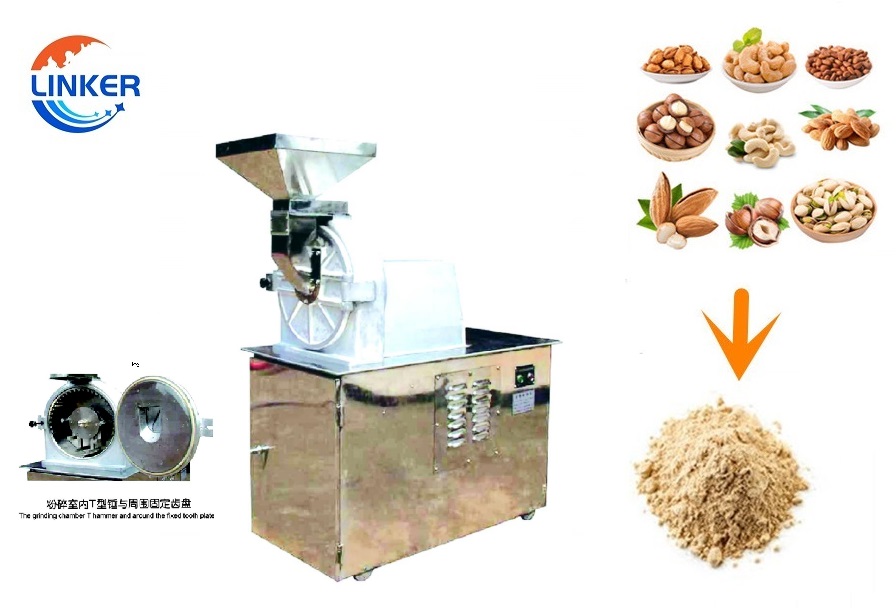
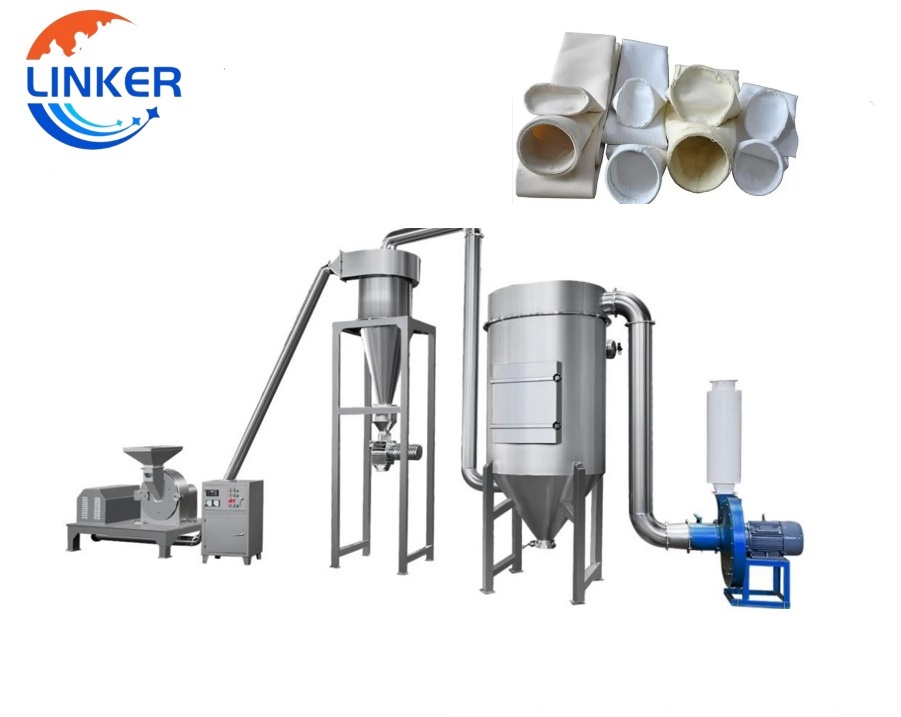
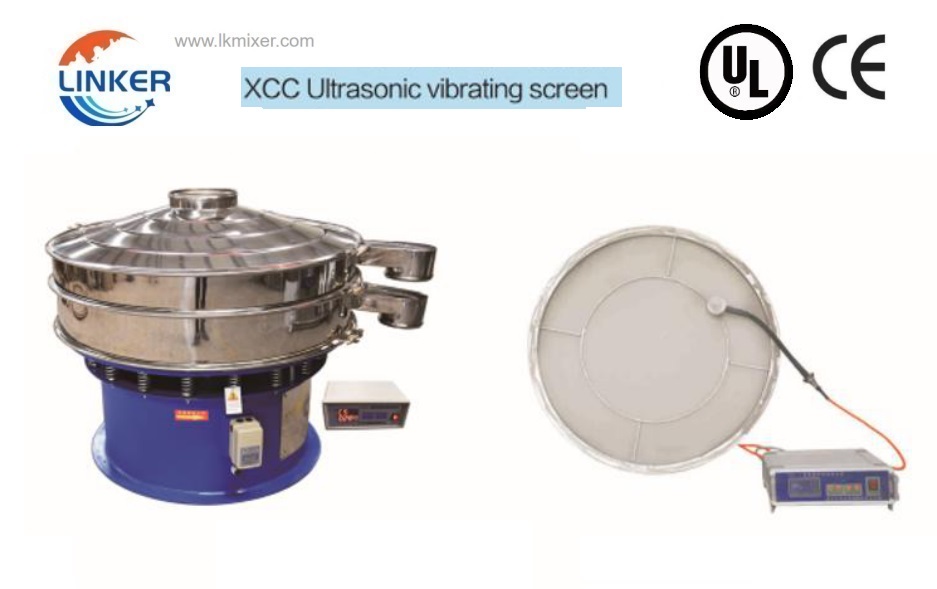
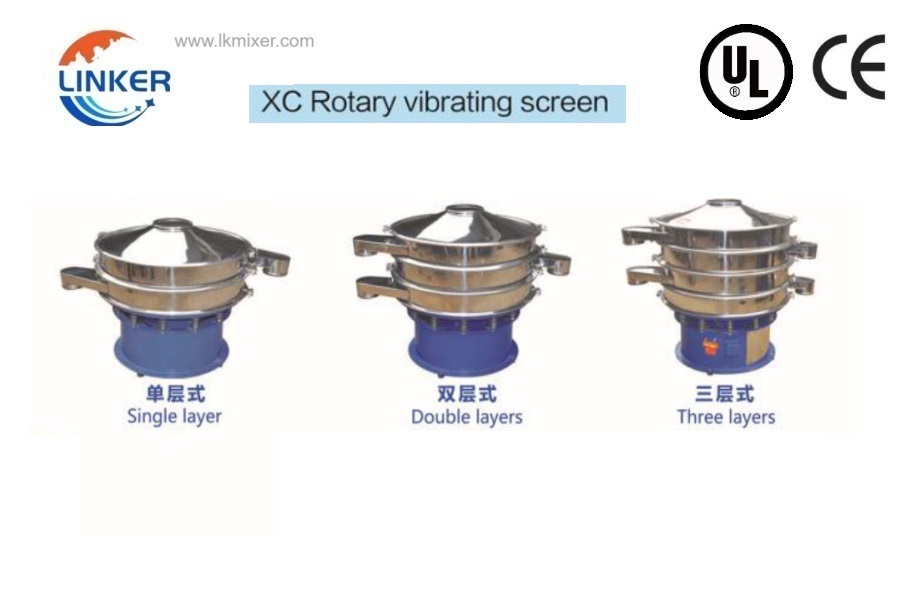
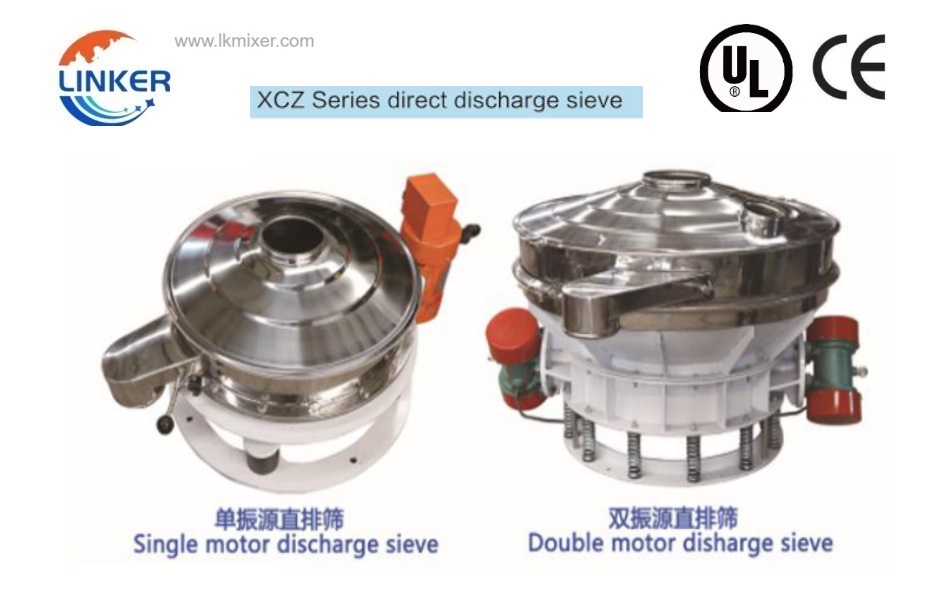
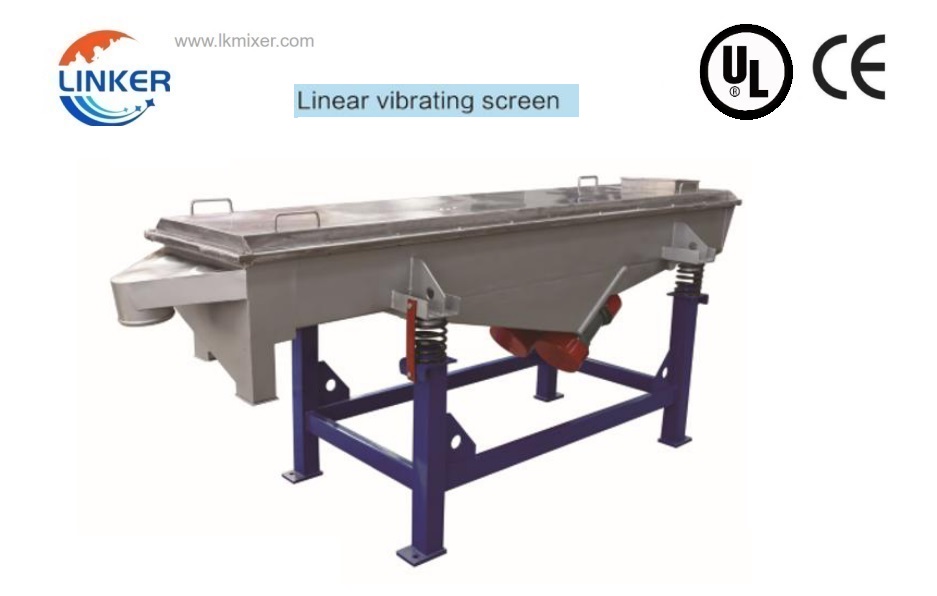
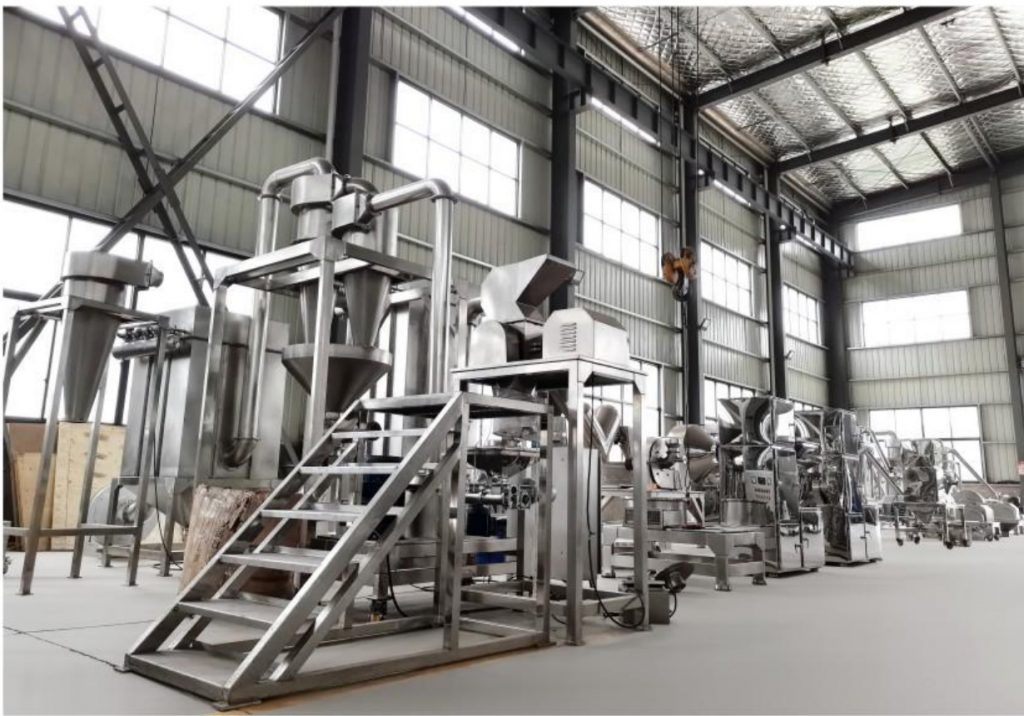
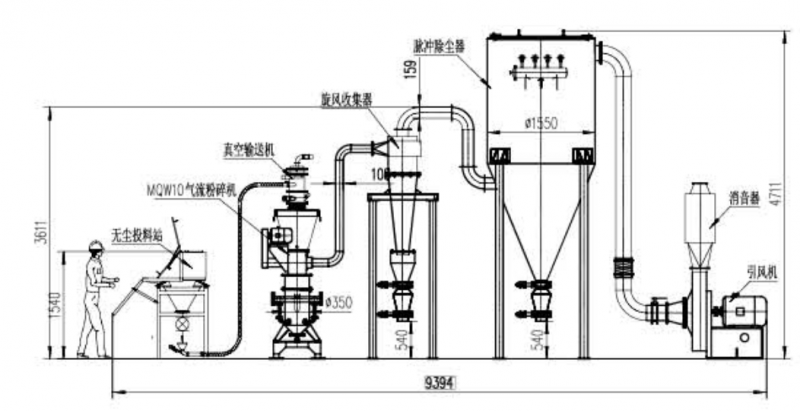
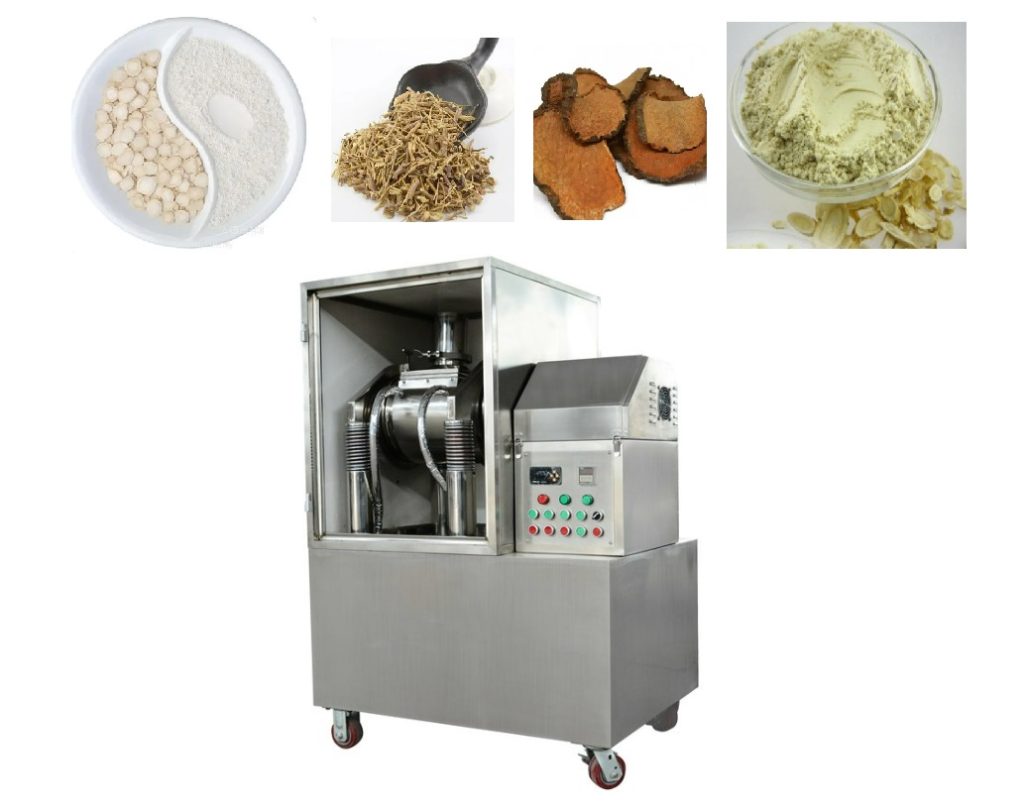
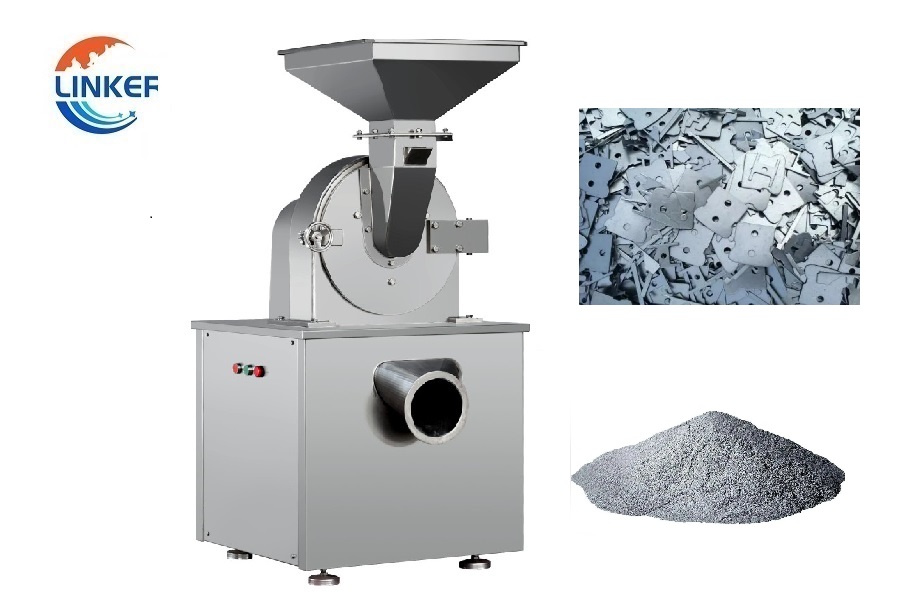
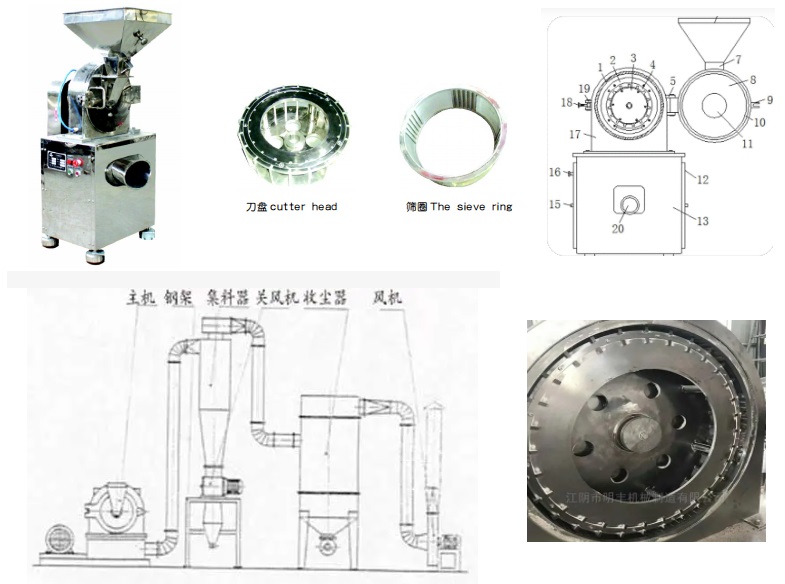
After that, the final powder could go through Ultra-Fine Grinding and Sizing.Although fine powder is produced by spray drying, some applications require even finer particle sizes for better mouthfeel and solubility. Specialized grinding machines are useful in this situation. For this secondary milling, an airflow pulverizer or ultrafine grinder is utilized to achieve fineness levels ranging from 80 to 200 mesh. In contrast to a coarse crusher for bone meal or a hammer mill for maize, this machinery is made for the gradual, accurate reduction of particle size. To ensure uniform consistency, the ground powder is subsequently run through a screen or vibrating pulverizer to get rid of any clumps or large particles.Similar to installations in spice or flour milling operations, a dust collector grinder or central dust collector system is necessary to maintain a clean factory environment and guarantee operator safety throughout this and other dry processing phases.
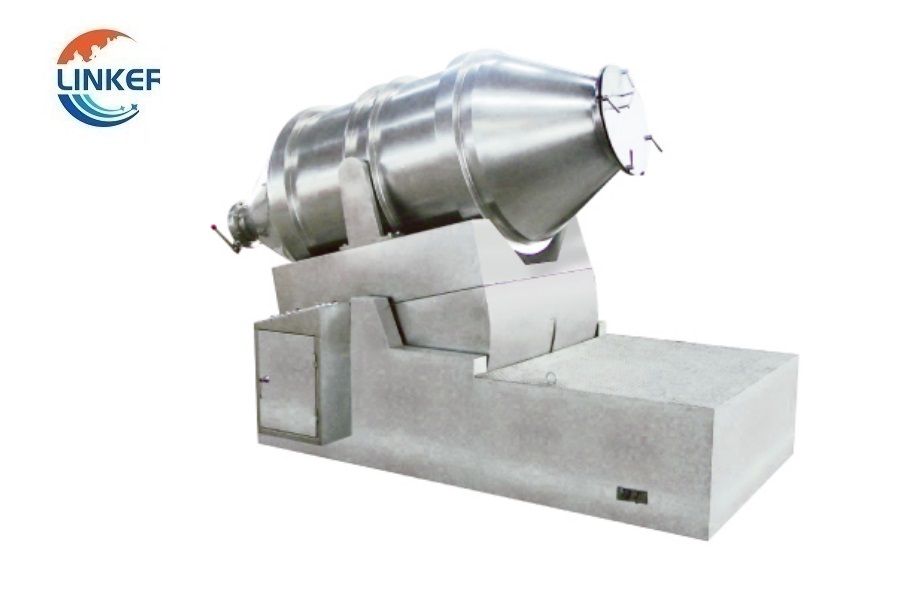
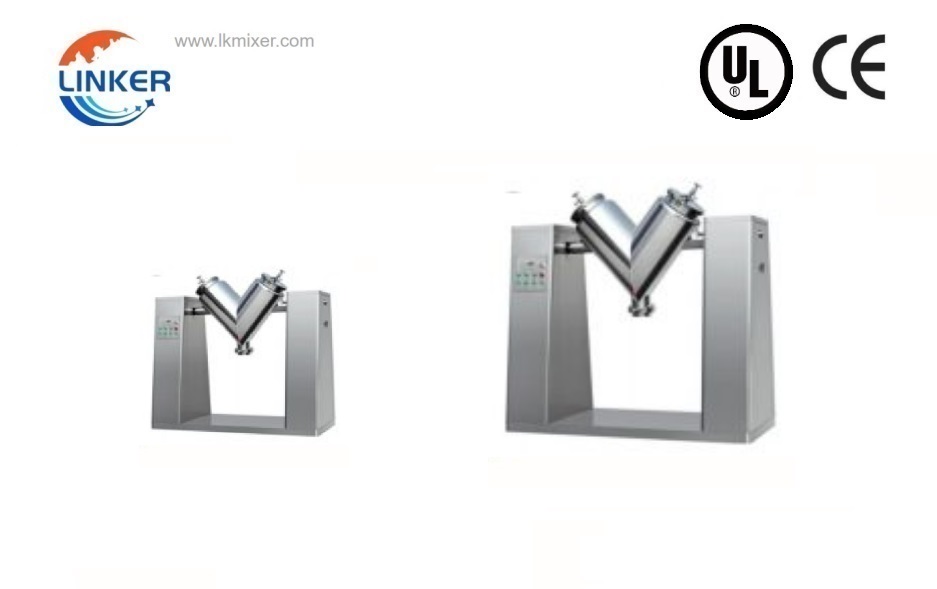
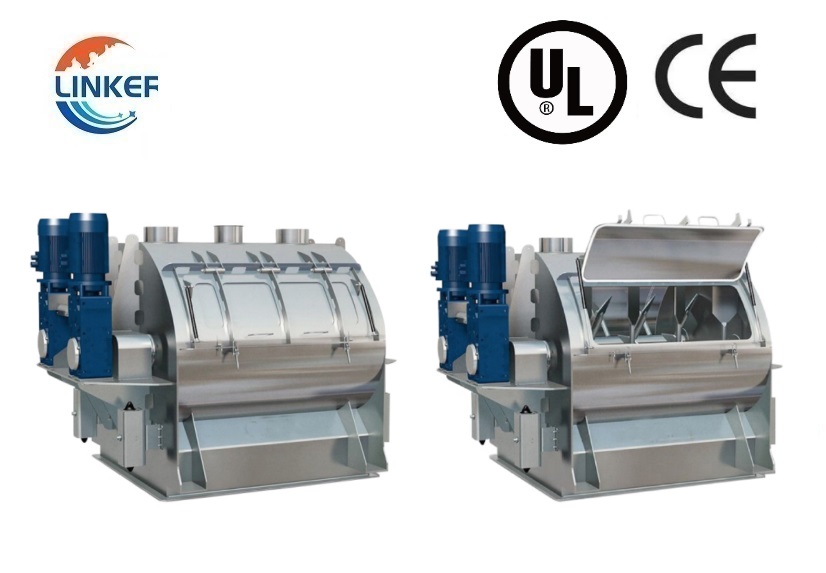
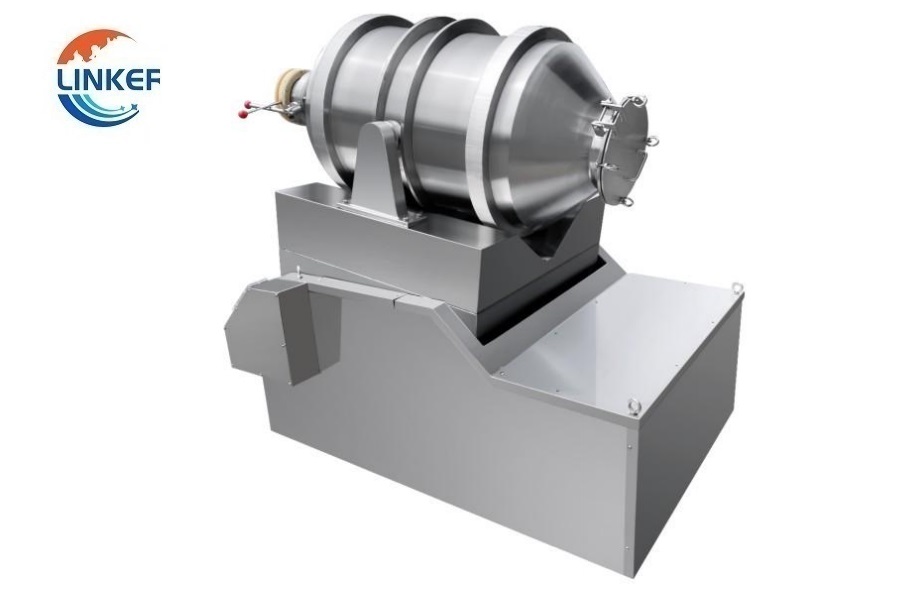
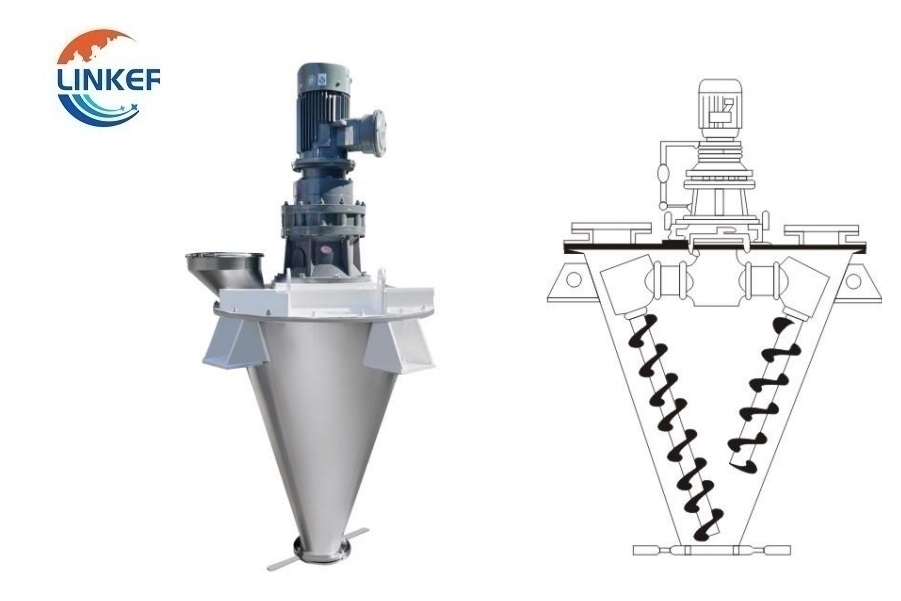
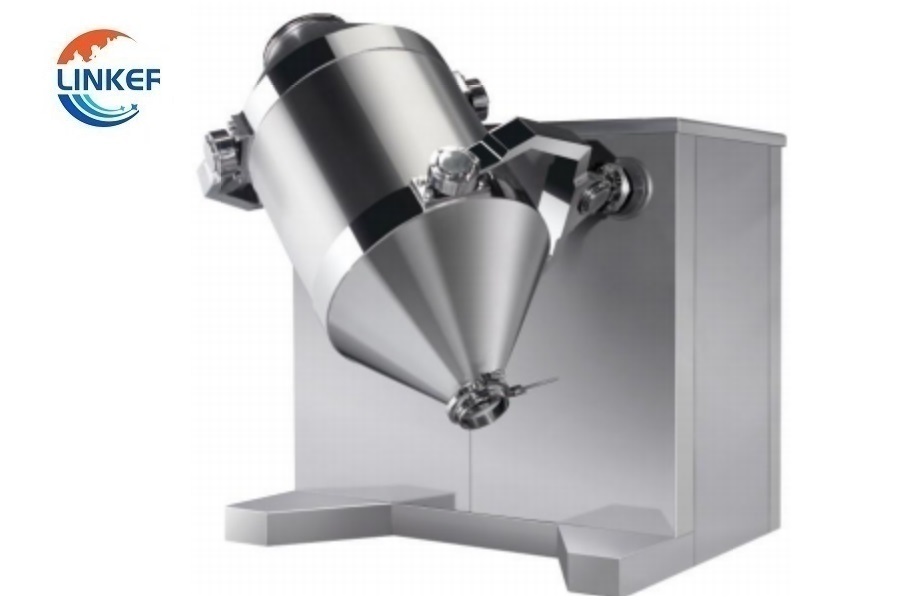
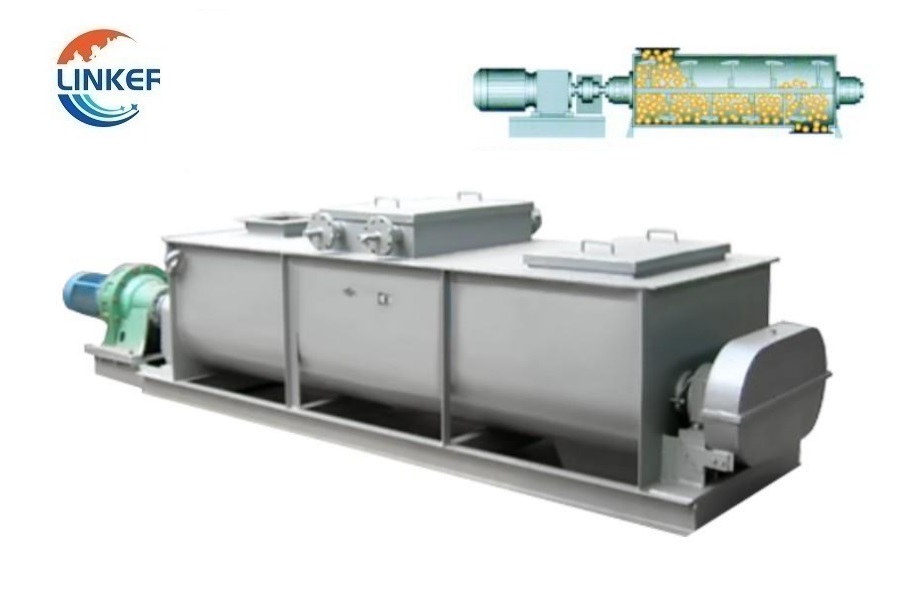
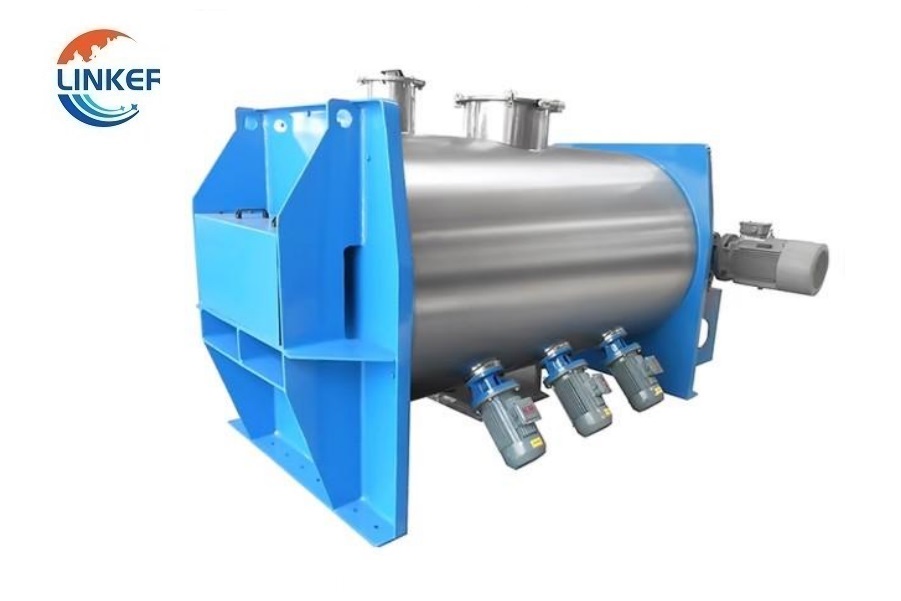
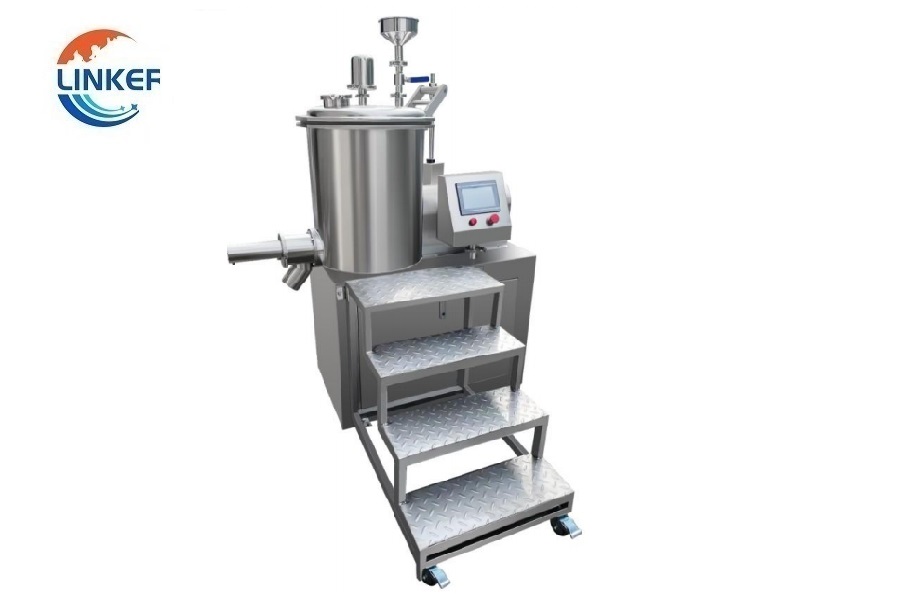
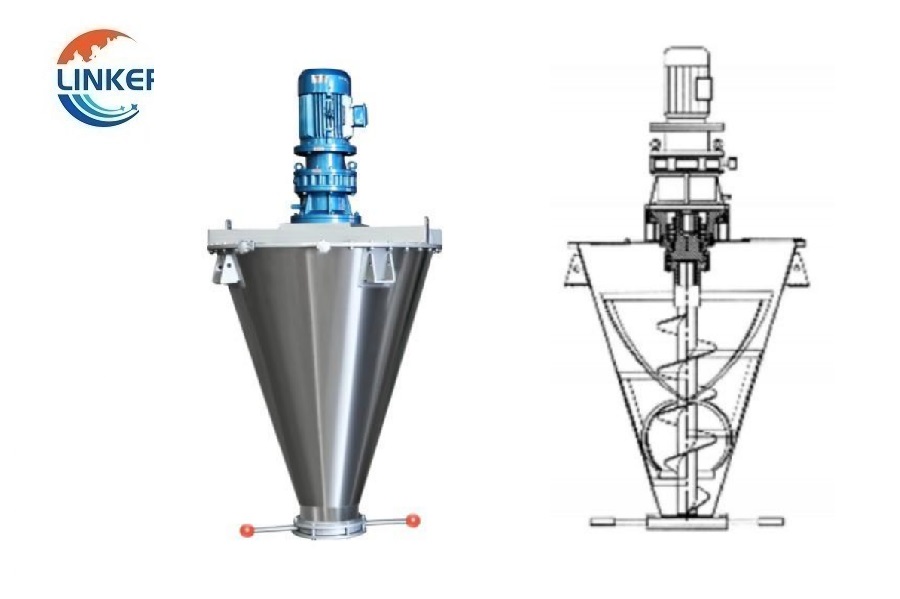
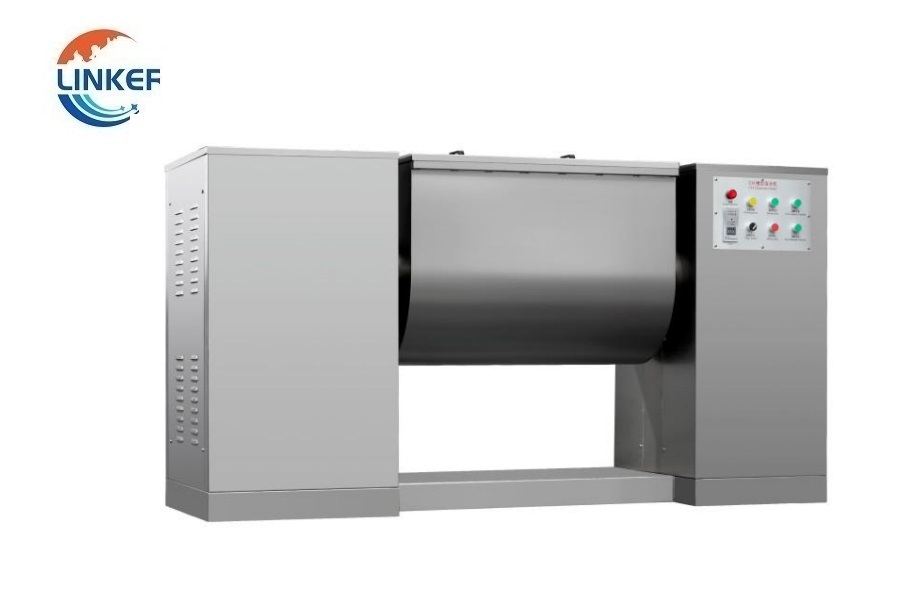
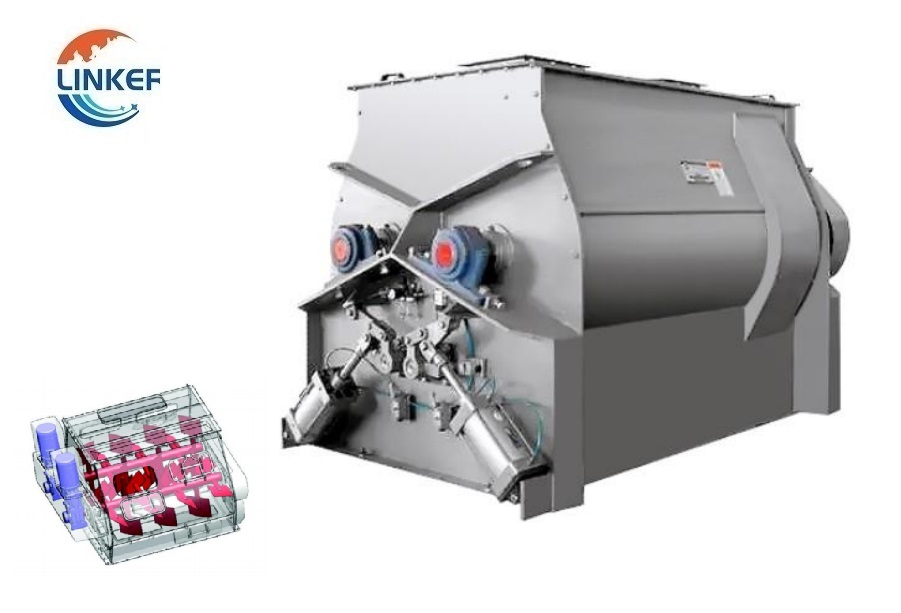
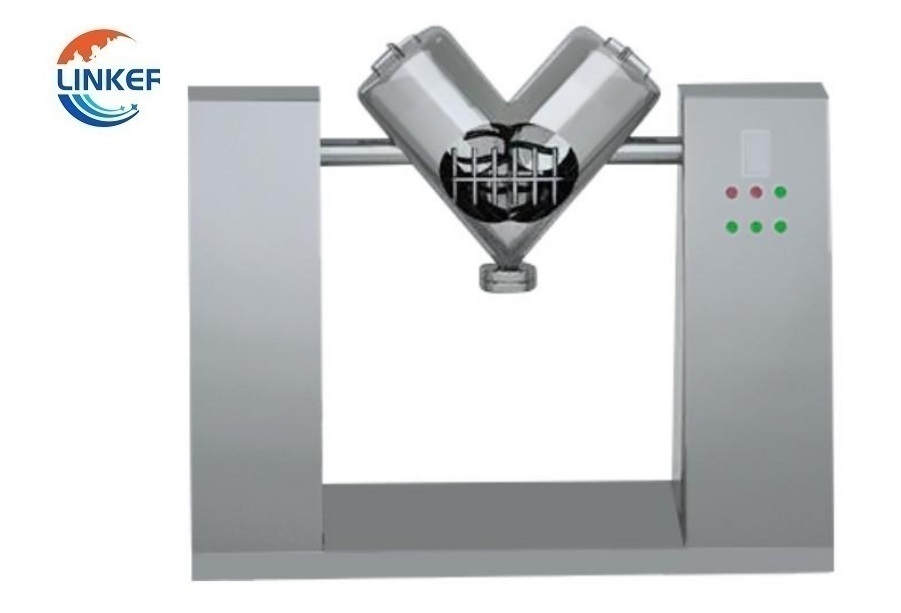
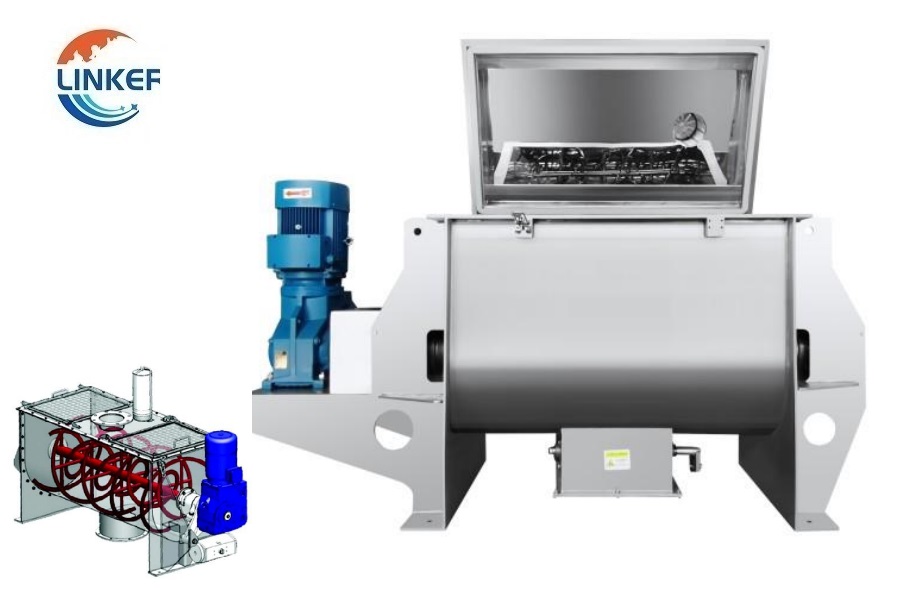
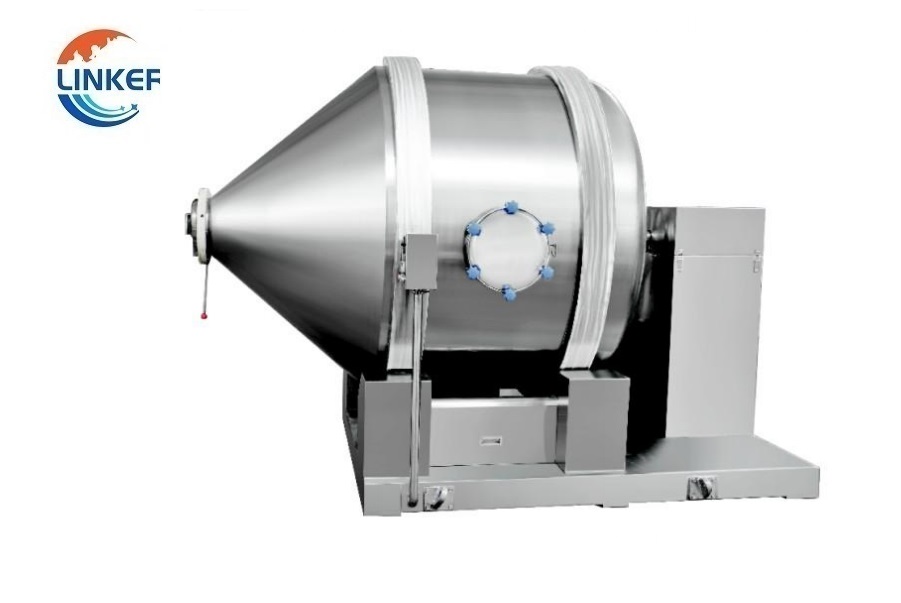
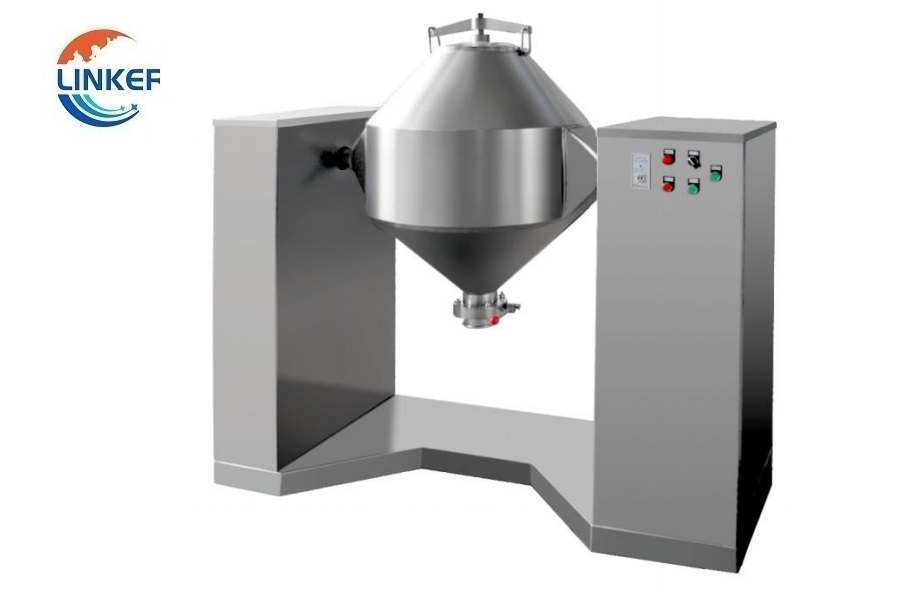
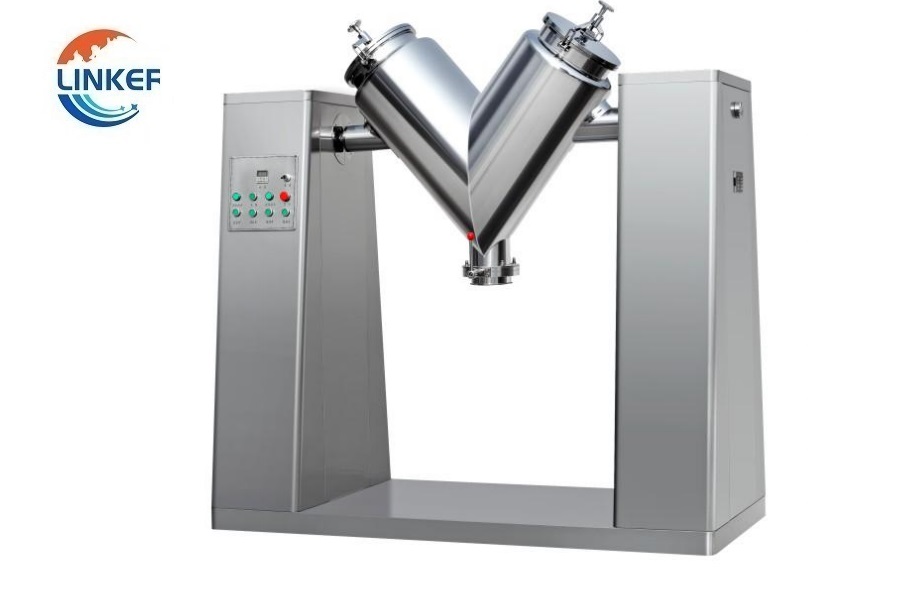
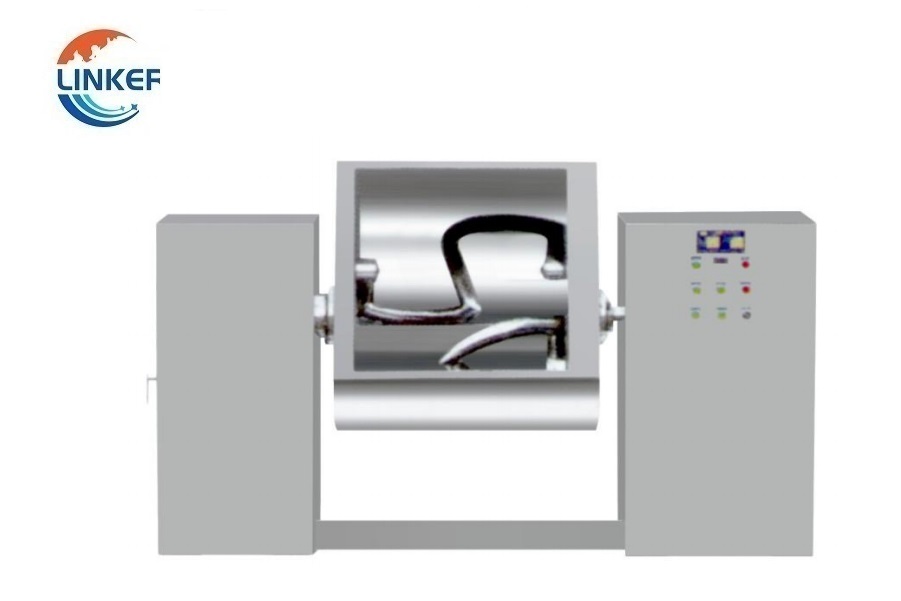
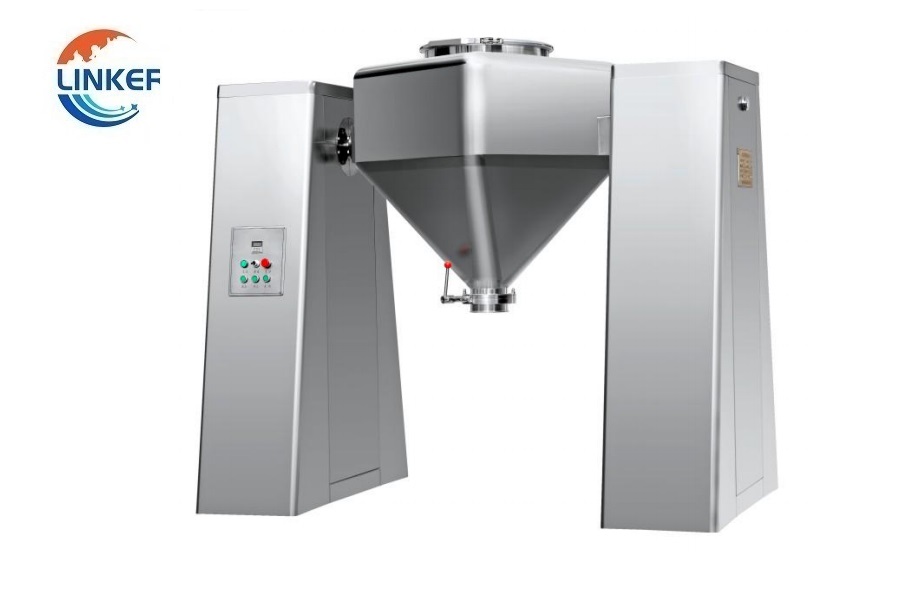
The step of mixing and blending comes next. Large, high-speed mixing equipment made of stainless steel receive the pure protein powder foundation. Here, specific recipes are followed to incorporate additional useful substances. These may consist of chemical flow agents, vitamins, minerals, or flavorings like cocoa or vanilla. The central PLC system automatically regulates the blending process, including duration, speed, and sequence, to produce a completely homogenous mixture free of segregation, guaranteeing that each serving has the precise nutritional profile that is required.
After being blended, the finished product proceeds to the Fully Automated Packaging area. For display and preservation, this phase is crucial. Containers ranging from tiny 10g sample sachets to massive 50kg food-grade bags are handled by a fully automated powder filling process. Container cleaning and sterilization, high-precision gravimetric or volumetric filling (with accuracy as tight as ±1g), vacuuming or nitrogen flushing to displace oxygen and extend shelf life (a Vacuum Mill principle applied to packaging), sealing, coding, labeling, and case packing are typical sequential tasks performed by the line. For smaller-scale items, such as the outputs of some dry ginger grinding machines or licorice grinding machines, human packing techniques are greatly outperformed by this automation, which guarantees speed, precision, and sanitation.
Lastly, strict traceability and quality control procedures are put into place. Protein content (using the Kjeldahl or Dumas technique), moisture, microbiology, heavy metals, and possible residual solvents are also tested on each production batch. For ultimate safety assurance, sophisticated inspection instruments like metal detectors and X-ray foreign object detectors are incorporated into the process. A Manufacturing Execution System (MES) is used to log all data, including raw material intake, processing parameters, and quality test results. This allows for complete traceability from the source farm to the final consumer product, which is increasingly expected in the production of food, medicine, and supplements.
Important Tools and Technical Benefits
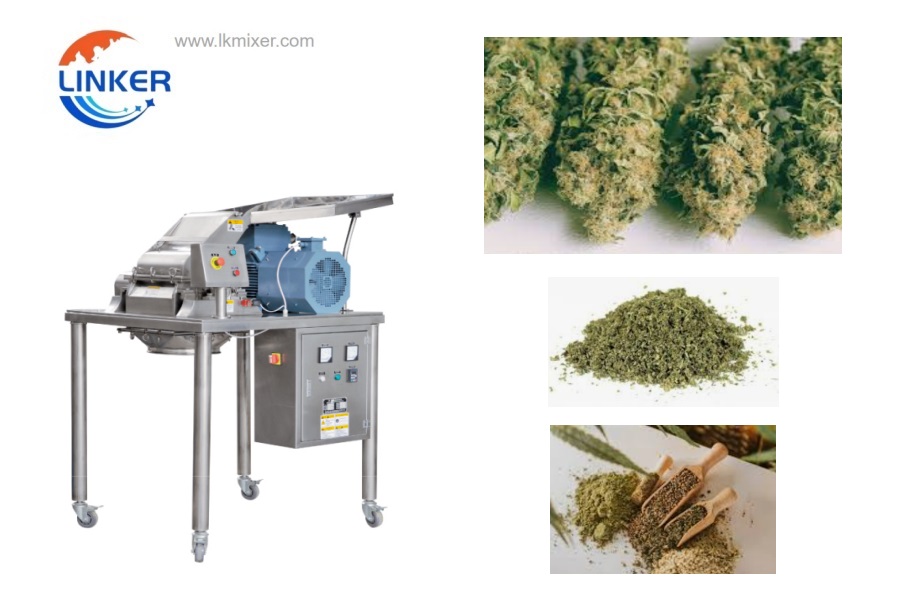
The line’s core machinery, which is entirely made for hygienic food and chemical processing, determines how reliable it is. For specialty botanicals like cannabis or herbs, a small grinder or industrial weed grinder may be adequate, but protein lines need certified, industrial-scale equipment. Large stainless steel enzymatic reaction tanks, ultrafine grinders, spray drying towers with accurate heat controls, and sanitary membrane filtration systems are important components. High-speed, multi-head fillers and sealers make up the packaging line. Large stainless steel silos, automated charger systems for bulk ingredient intake, and advanced PLC+HMI control panels that can store several product formulations for one-touch switchovers are examples of supporting equipment.
There are several benefits to the line’s Intelligent and Compliant Design. In addition to meeting and frequently surpassing QS and GMP requirements, its fully enclosed, automated design built with polished stainless steel contact surfaces ensures product integrity. Flexible production scheduling is made possible by the centralized PLC control system, which also reduces human error. Additionally, contemporary lines reduce their overall environmental impact by incorporating sustainable features such thorough dust collection, water recycling from filtration systems, and heat recovery from dryers.Additionally, the line can be expanded and customized with modules such as robotic palletizers, in-line weight verification systems, and automated ingredient charger stations to meet a range of capacity needs, from pilot-scale research to full 500KG grinder batch production for the global market. The intricacy and sophistication of a full end-to-end automatic protein powder production system are highlighted by the contrast between this degree of integration and control and standalone devices like a dry fruit powder grinder machine, a black pepper grinder, or a universal rice or coffee grinder.
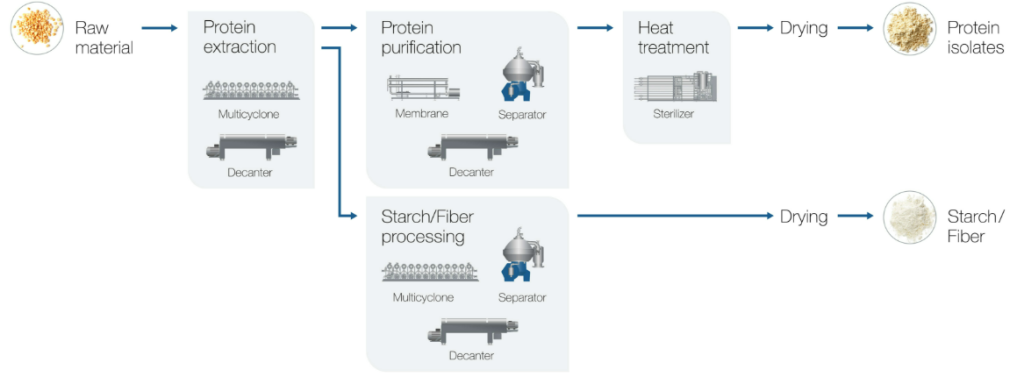
A highly intelligent and integrated manufacturing system, an automatic protein powder production line is designed to produce high-quality protein powders continuously and efficiently from a variety of sources, including whey, soy, rice, and maize. Designed with modularity in mind, it prioritizes food safety, purity control, and bioactive retention while adapting to various protein grades, such as concentrate, isolate, or peptide powder. This makes it essential for manufacturing medical foods, sports nutrition, newborn formula, and nutritional supplements.
Pretreatment and Handling of Raw Materials
Careful, source-specific pretreatment is the first step in the process. Liquid whey, a byproduct of cheese, is the raw material for whey protein. After pasteurization (72°C for 15 seconds), it is purified using ceramic membrane or ultrafiltration systems to exclude lactose, lipids, and contaminants, producing a whey concentrate with at least 12% protein. Proteins derived from plants need more thorough preparation. To make a fine meal, soybeans, a type of bean, are first washed and then put through a grinding machine—not just a herb grinder, but an industrial-scale device. Specialized extruders are then used to cure and texturize this food.Soaking and enzymatic digestion are used to solubilize protein components in rice grains, which are then purified. Steeping and separation are steps in the corn protein manufacturing process that separate gluten. To guarantee compliance with strict food safety regulations like China’s GB 16740-2014, original raw materials—whether seeds, beans, or grains like wheat and corn—are thoroughly tested for heavy metals, pesticide residues, and microbiological contamination across all sources. This first quality gate is just as important as it is in the manufacturing of pharmaceuticals or high-end food ingredients. Automated charger systems are frequently used in bulk handling of various raw materials to feed silos or pre-processing facilities, guaranteeing a steady and regulated supply to the line.
Purification and Extraction of Proteins
Isolating and purifying the protein is the main goal here. Alkali solution and acid precipitation are popular methods for isolating soy proteins. To dissolve the protein, defatted soy flour is combined with an alkaline solution, centrifuged to remove insoluble fiber (a more sophisticated method than using a coarse crusher), and then acidified to its isoelectric point (pH ~4.5), where the protein precipitates out. After that, the curds undergo sterilization, neutralization, and washing. Enzymatic hydrolysis is utilized for hydrolyzed proteins, such as collagen peptides. In controlled reactors, some proteases are used to break down proteins into smaller peptides in raw materials like fish skin or bone. After that, the hydrolysate is filtered and concentrated, often with the use of filter aids like diatomaceous earth.Unlike the mechanical action of a maize hammer mill or a cassava grinding machine, this stage is highly controlled by chemistry and biology.
Dehydration and Concentration
To save volume and energy in the next drying step, the extracted protein solution or slurry is concentrated before drying. Reverse osmosis (RO) or ultrafiltration (UF) membrane systems, which hold proteins while letting water and other tiny solutes pass, are commonly used to do this. Vacuum evaporators or falling film evaporators are employed at lower temperatures (45–60°C) for heat-sensitive goods.The solid content is increased to 20–30% or more in this concentration phase. Similar to concentrating certain chemical or pharmaceutical extracts, it’s a crucial unit activity that demands precision and sets itself apart from more straightforward methods for producing, say, dry ginger grinding machine powder.
Powder Formation and Drying
The liquid concentrate turns into a stable powder after drying. The most common industrial technique is spray drying. An atomizer within a huge drying tower receives the concentrate via a high-pressure pump. Moisture is instantly evaporated by hot air (inlet: 160–220°C), creating fine, spherical powder particles (60–120 mesh). A complex dust collector grinder system that combines the main chamber, cyclones, and bag filters is used to collect the powder; this system is necessary for good product recovery (>96%).Freeze-drying, also known as lyophilization, is used for ultra-premium, heat-sensitive substances, such as high-value peptides or certain probiotic mixes. The low temperature used in this cryogenic grinding machine-like method protects maximum bioactivity, although it is much more expensive and has a lower throughput than spray drying.
Extremely Fine Classification and Milling
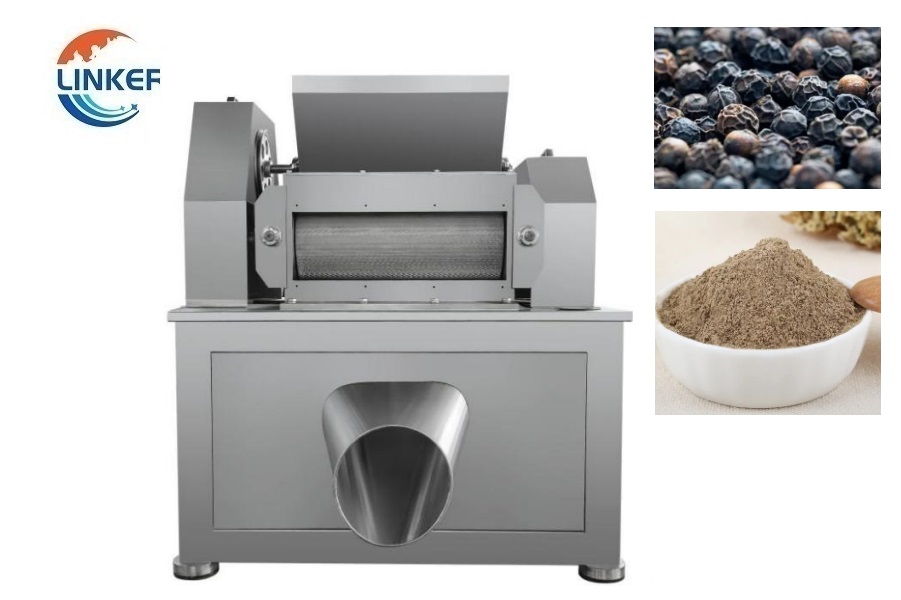
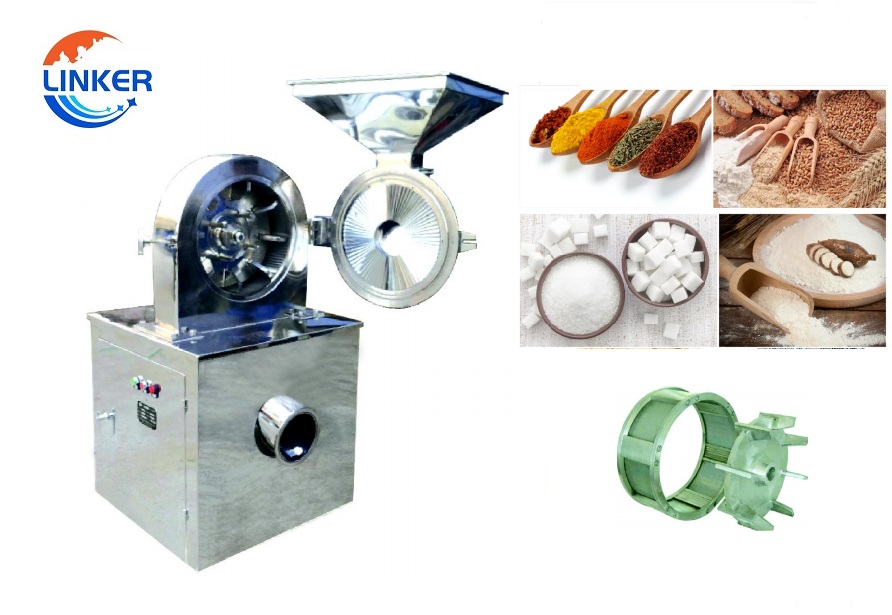
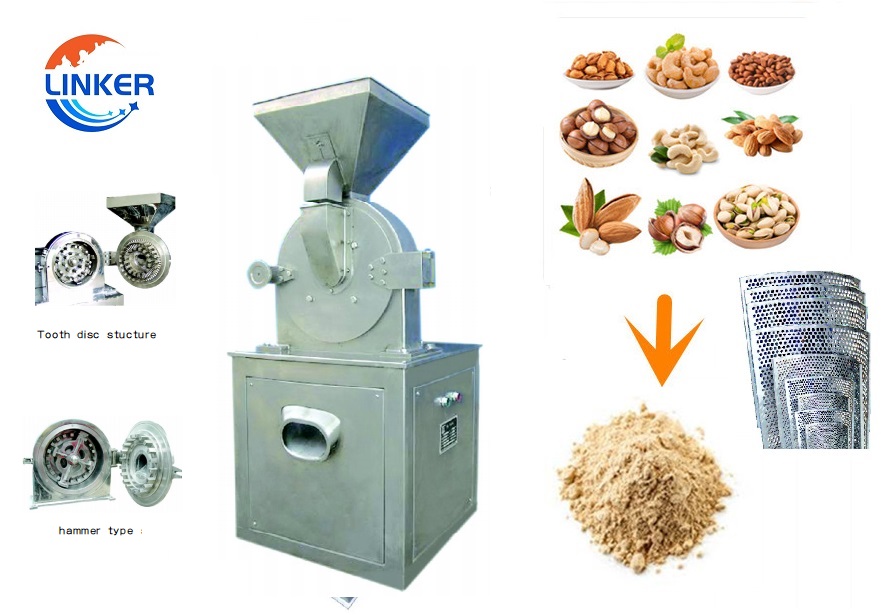
To enhance solubility and mouthfeel, spray-dried powder may undergo additional size reduction. Specialized grinding machines are useful in this situation. A very fine and consistent particle size, often with a D90 ≤ 75µm (about 200 mesh), is achieved using an airflow pulverizer (jet mill) or an ultrafine grinder.Unlike a black pepper grinder or a dry fruit powder grinder machine for peanuts, this method avoids heat generation and metal contamination from grinding media by using high-speed compressed air to create particle-on-particle impact breakage. To ensure a uniform, lump-free product ready for mixing, the ground powder is subsequently sorted using precision sieves or a vibrating pulverizer to eliminate any large particles or agglomerates.
Mixing and Blending
At this point, additional functional components are mixed with the pure protein base. The protein powder is combined with vitamins, minerals, tastes (such as cocoa or vanilla), spice extracts, or fiber in big, hygienic stainless steel blenders, which can have a capacity of 500KG or a batch size of 200KG.To achieve perfect homogeneity, these high-speed mixers follow preprogrammed time and speed sequences. Following the same strict guidelines as when blending baby formula or medication powders, the entire process is enclosed to prevent moisture uptake (dry grinder conditions are maintained) and cross-contamination.
Completely Automated Packaging
The automated packing line receives the finished blended powder. Highly precise dosing (e.g., ±1g) is provided by a servo-driven auger filler into a variety of containers, including large bulk bags (10kg–25kg) for industrial clients, retail cans or jars (500g–3kg), and small sachets (5g–30g).Container cleaning, filling, vacuum or nitrogen flushing to increase shelf life (using Vacuum Mill technology principles), sealing, metal detection, X-ray screening for foreign objects, coding, labeling, and case packing are just a few of the tasks carried out by the integrated line. This degree of automation, accuracy, and safety inspection is similar to that of sophisticated food and pharmaceutical packaging for goods like flour, coffee, and tea.
Traceability and Quality Control
Throughout, quality control is ingrained. Protein content (using the Kjeldahl method, which typically targets ≥80%), moisture (≤5%), microbiology (total plate count, coliforms), and heavy metals (Lead, Arsenic) are all thoroughly tested for each batch.To guarantee physical safety, critical control stations include X-ray machines and metal detectors. A Manufacturing Execution System (MES) records all information, from the first raw material charger intake and grinding machine settings to the end test results. In today’s food and supplement sector, complete traceability from the agricultural source (such as the dairy or soybean field) to the final product on the shop shelf is made possible by this. The complete manufacturing line is developed and run in accordance with Good Manufacturing Practice (GMP) rules, guaranteeing a finished product that is safe, reliable, and of the best quality for customers. It features huge stainless steel surfaces and, where available, CE Certificate grinder-level equipment.
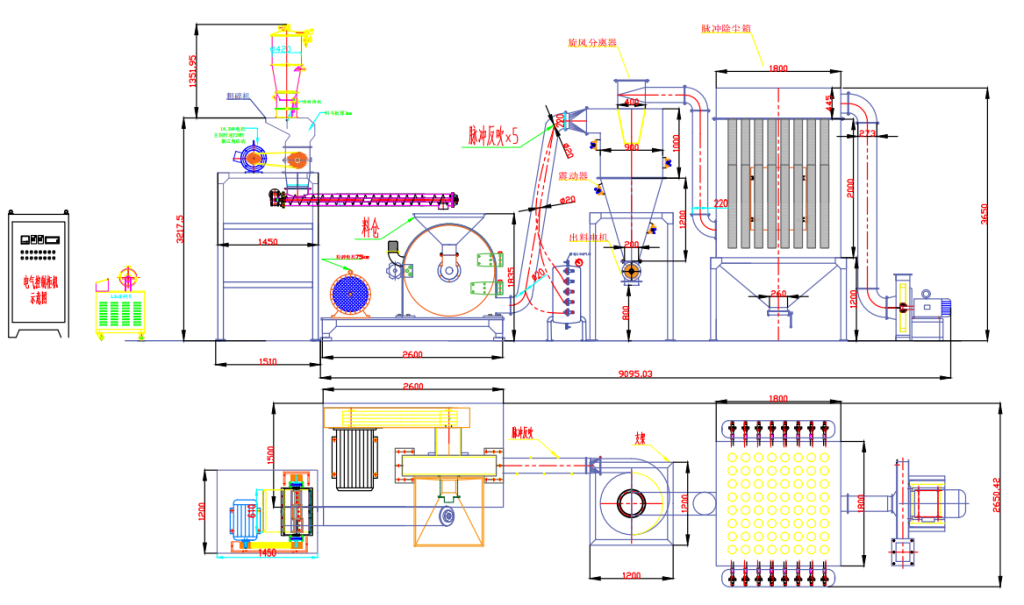

Parameters:

Model Name | SG-600 | |
| Crushing Capacity(kg/h) | 1000~2000 | |
| Power(kw) | 11 | |
| Feeding Size(mm) | <5mm | |
| Fineness(mesh) | 20~40mesh |
Model Name | SG-800 | |
| Crushing Capacity(kg/h) | 2000~4000 | |
| Power(kw) | 15 | |
| Feeding Size(mm) | <5mm | |
| Fineness(mesh) | 20~40mesh |
Trade Capacity
| International Commercial Terms(Incoterms): | FOB, CIF, CFR | Terms of Payment: | LC, T/T, PayPal, Western Union |
| Average Lead Time | 60 working days | Main Markets | North America, South America, Europe, Southeast Asia/ Mideast, East Asia(Japan/ South Korea), Australia, Domestic |
| Nearest Port: | Ningbo Port; Shanghai Port | Factory Address: | JiangSu, China |
Ampere of Motors Customization for Seeds Grinder:
| KW | HP | Ampere |
| 75kw | 100HP | 135A |
| 55kw | 75HP | 99A |
| 30kw | 40HP | 54A |
| 22kw | 30HP | 39A |
| 2.2kw | 3HP | 3.9A |
| 1.5kw | 2HP | 2.7A |
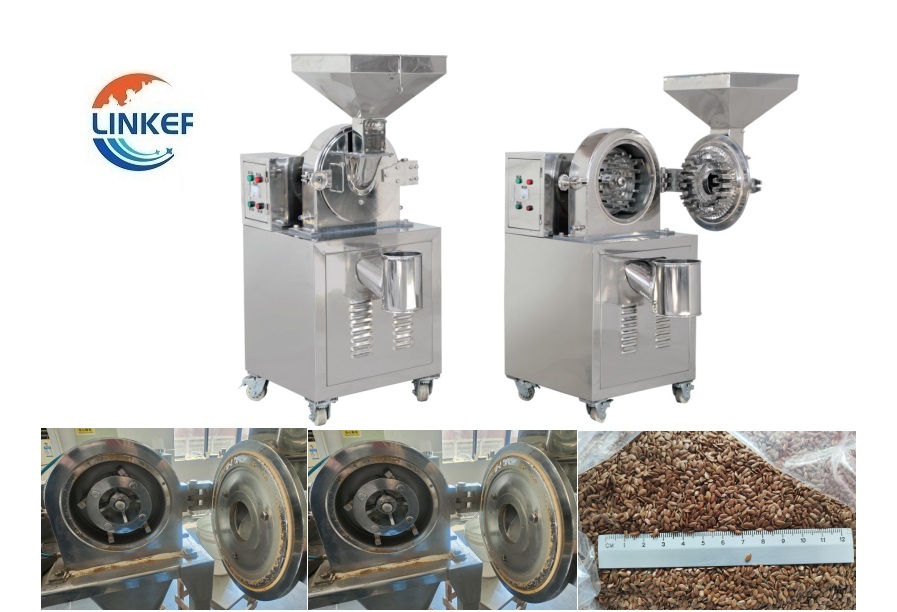
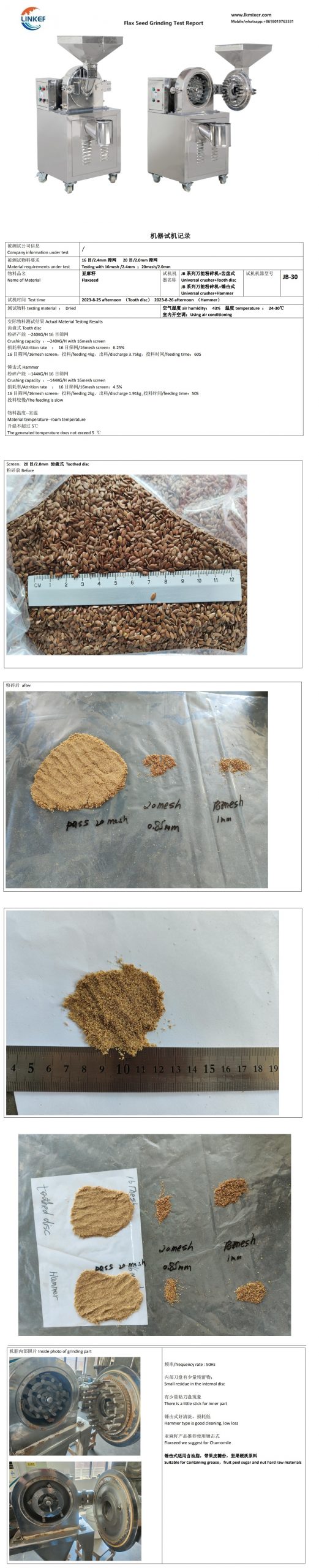
Test Report for Flax Seed Grinder:
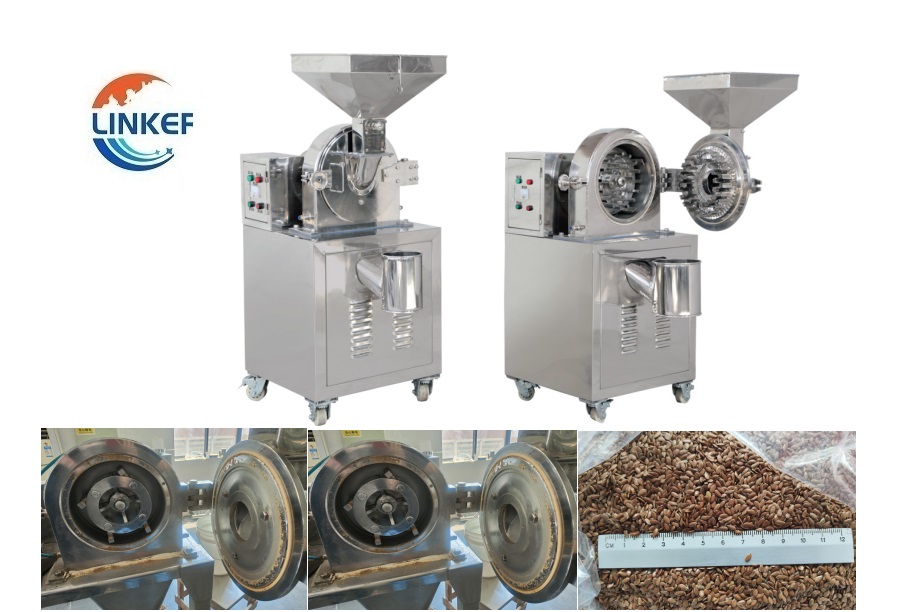
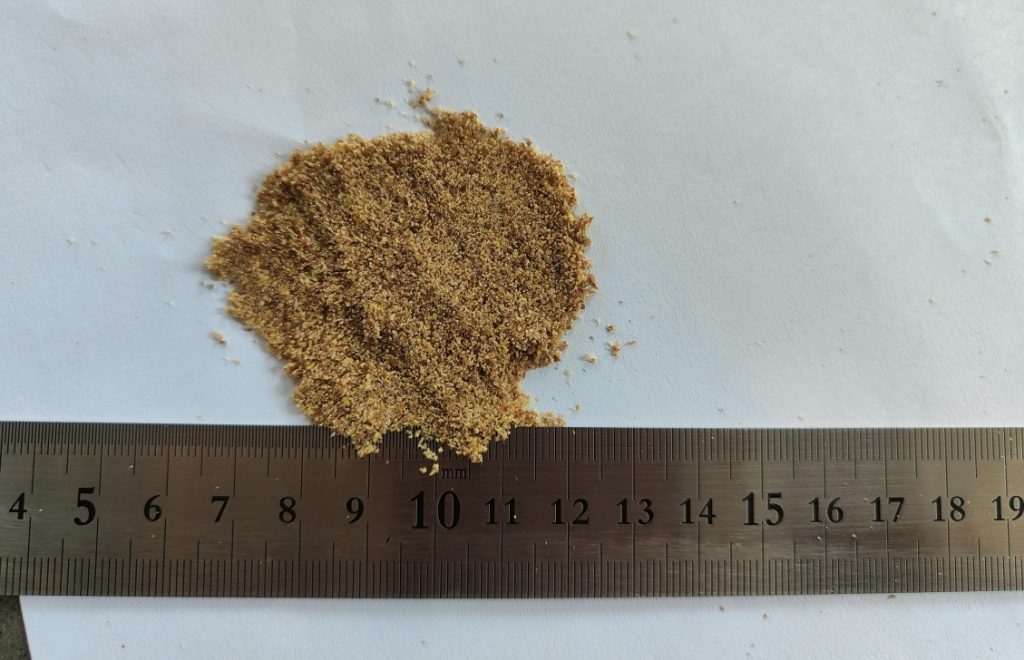
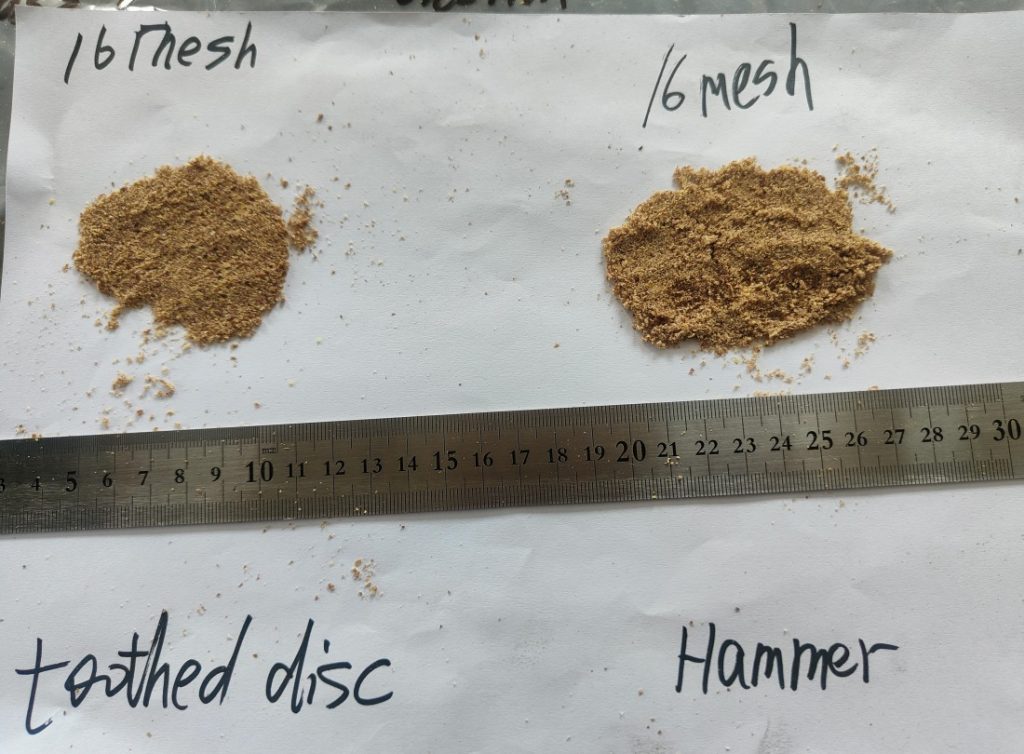
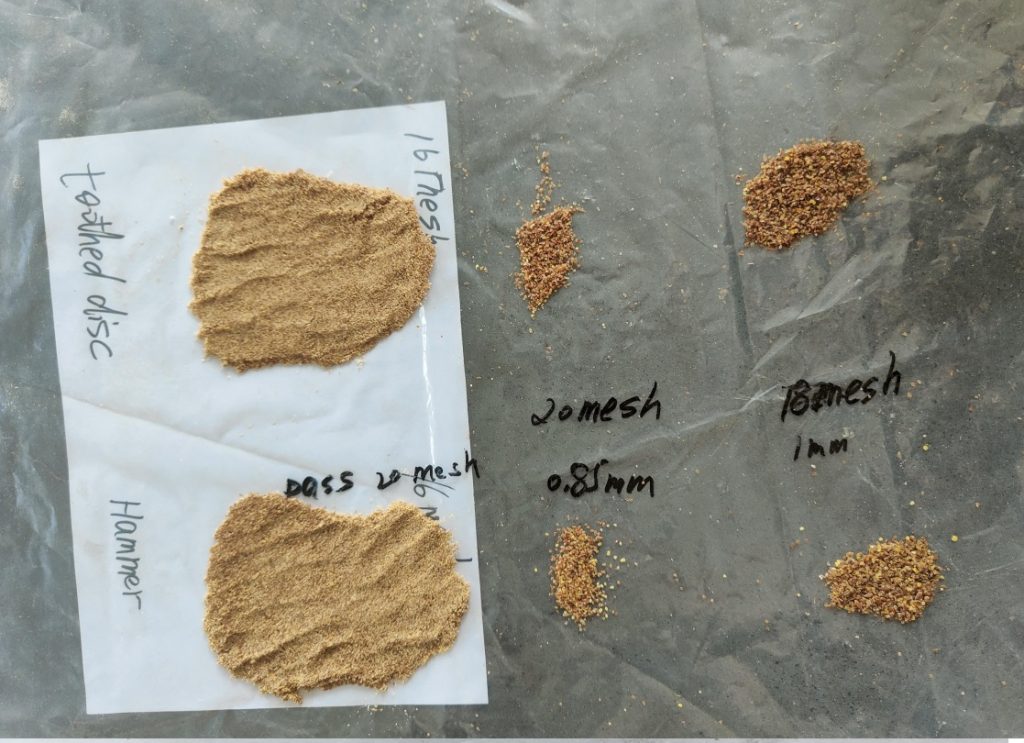
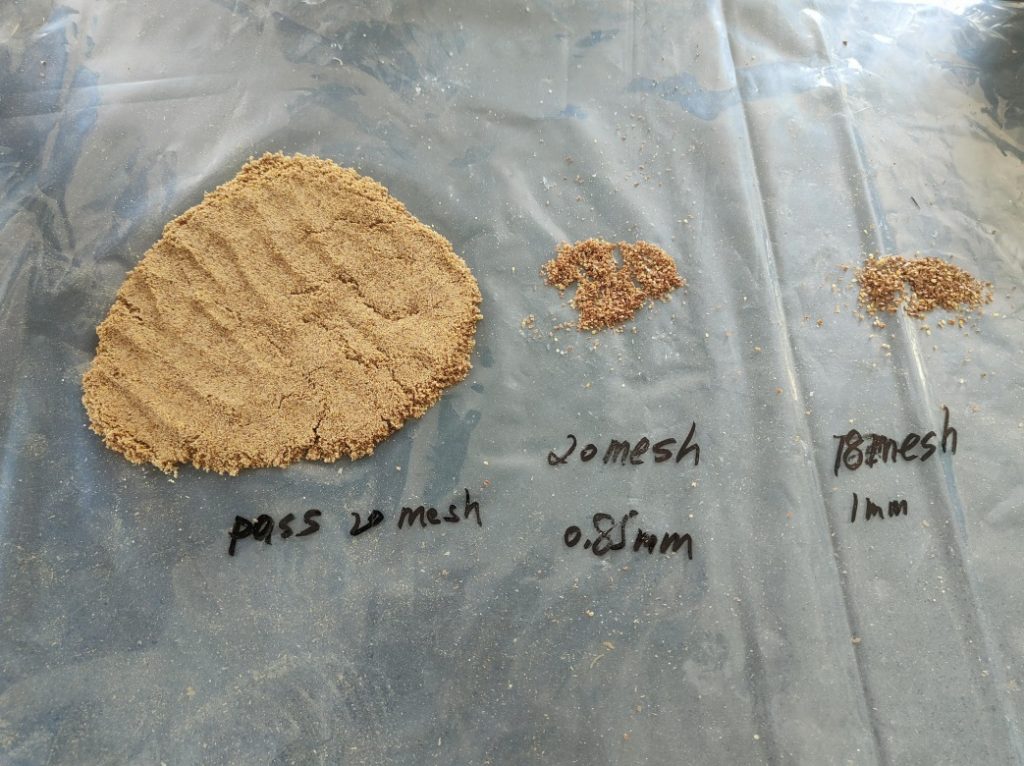
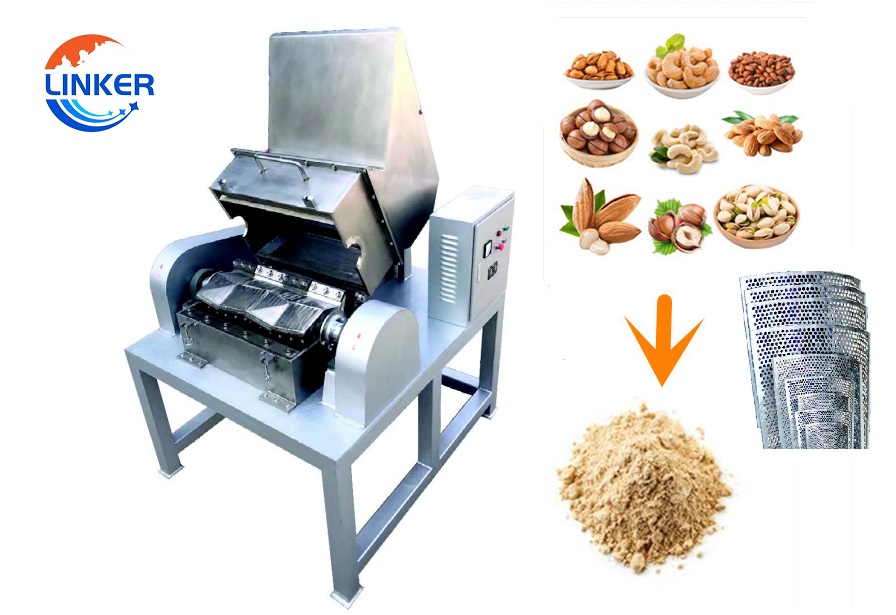
A flax seed grinder is a type of seed nut grinder specifically designed for grinding flax seeds. Flax seeds are small, hard seeds that are packed with nutrition and are commonly used in baking and cooking. Grinding flax seeds helps to unlock their nutrients and make them easier to digest.
Flax seed grinders typically feature sharp blades or burrs that rotate to crush the flax seeds into a fine powder. This powder can then be used in a variety of recipes, such as smoothies, baked goods, and yogurt toppings. Some flax seed grinders are manual and require hand-cranking, while others are electric and feature powerful motors for faster grinding.
When choosing a flax seed grinder, it’s important to look for one with durable blades or burrs that can withstand the hard texture of flax seeds.
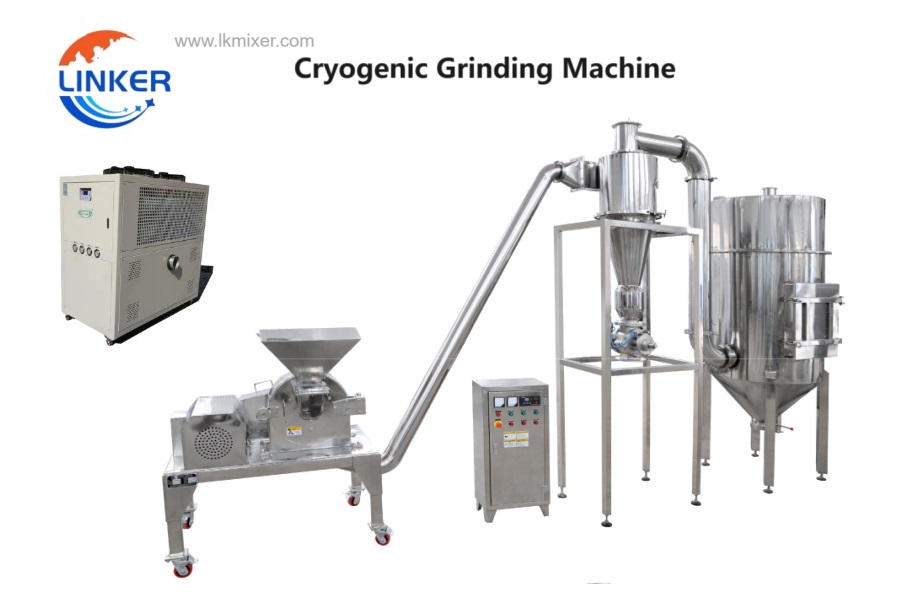
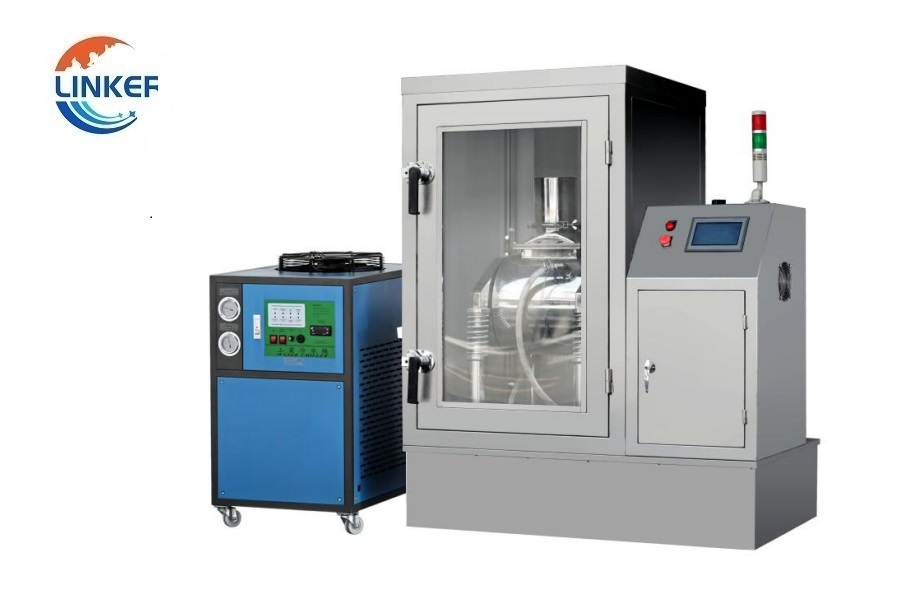
There are 3 ways of cooling down the grinder: water cooling system; air cooling system and liquid nitrogen freezing system. You can choose the right one if the grinder gets too hot. When machines goes too hot, the metal can expand, causing the grinding wheel to get stuck.
| Business Type: | Manufacturer/Factory | Main Products: | Mill, grinder, granulator, mixer, Crushing Equipment |
| Number of Employees: | 100 | Year of Establishment: | 2014.05 |
| Production Capacity | 5000Set/Year | After-sales Service: | Technical Support; on-line teach lessons |
| R&D Capacity: | ODM, OEM | Annual Output Value: | US$5 Million – US$10 Million |
| No. of R&D Staff: | 5 | No. of Production Lines: | 6 |
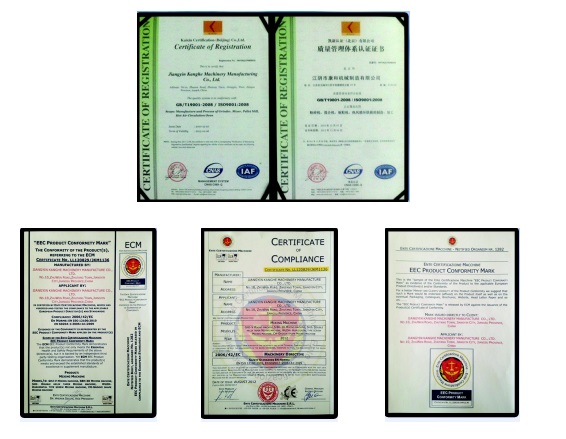
LK Mixer is a professional manufacturer for grinder, mixer and pulverizer. These machines are widely used in pharmaceutical, cosmetic, health care products and chemical industries. Our main product including granulating machine, grinder, mixer, dryer, etc. All mechanical products in accordance with the China GMP design requirements. And also we have other certifications such as CE, UL for motors.
Business Philosophy
“Quality is the main policy of sales” and “integrity is the principle of success” are the business philosophy of our people. We carry out one-year warranty, lifelong maintenance service, with technical consultation, with material test machine and other services, and long-term supply of equipment. Welcome new and old customers to negotiate cooperation!
Certifications:
Customer Side Machine Groups Showcase Videos:
Dust Collector Shipment
Shipment – Packing Method
Two Large Industrial Grinder Ready to Ship
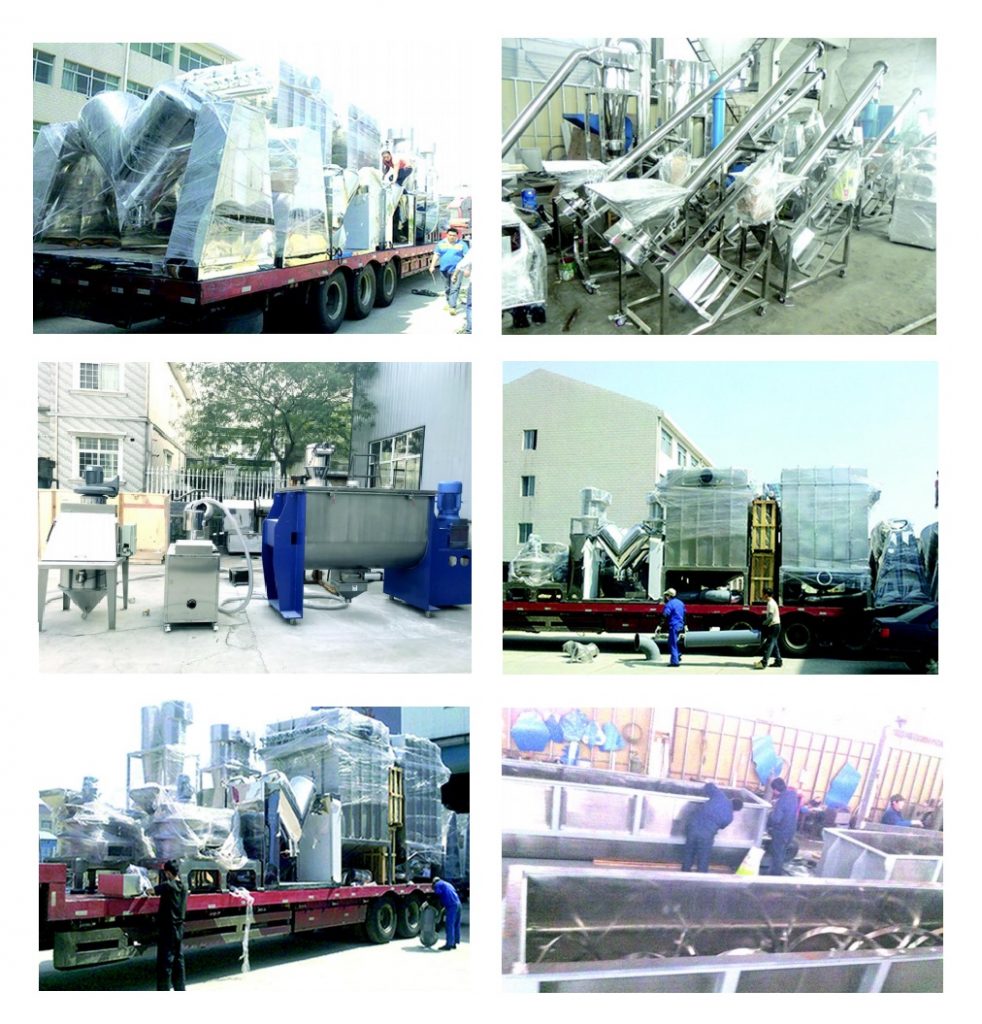
Domestic Shipment Show Case:
Operation Instruction
General Provisions
The operation instructions for a commercial grinder may vary depending on the specific model and manufacturer. However, here are some general guidelines that may apply to many high speed grinders:
- Safety precautions: Before operating the high speed grinder, it is important to review all safety precautions and warnings provided in the user manual. Safety precautions may include wearing appropriate personal protective equipment, such as eye protection and hearing protection, and avoiding loose clothing or jewelry that could become caught in the grinder.
- Preparation: The high speed grinder should be placed on a stable and level surface, and all necessary components should be assembled according to the manufacturer’s instructions. The grinder should also be connected to a power source that is appropriate for its voltage and wattage.
- Loading the grinder: The material to be ground should be loaded into the grinder according to the manufacturer’s instructions. Overloading the grinder may cause damage to the machine and result in poor grinding performance.
- Starting the grinder: The grinder should be started according to the manufacturer’s instructions. This may involve pressing a button, turning a dial, or flipping a switch. The user should ensure that their hands are clear of the grinder and that the material to be ground is positioned properly.
- Adjusting the speed and settings: The speed and other settings of the high speed grinder may be adjusted according to the material being ground and the desired outcome. The user should follow the manufacturer’s instructions for making adjustments to the grinder.
- Monitoring the grinding process: The user should monitor the grinding process to ensure that it is progressing smoothly and that the material is being ground to the desired size and consistency. Any issues or abnormalities should be addressed promptly to prevent damage to the machine.
- Shutting down the grinder: When the grinding process is complete, the grinder should be shut down according to the manufacturer’s instructions. The user should ensure that the machine is completely stopped and that all moving parts have come to a complete stop before attempting to clean or service the grinder.
Overall, the operation instructions for a commercial grinder may involve a number of steps and safety precautions. It is important to carefully review the manufacturer’s instructions and follow proper operating procedures to ensure safe and effective use of the machine.
Preparation Work
Before running a commercial grinder, there are several important preparation steps that should be taken to ensure safe and effective operation of the machine. Here are some general guidelines for preparing to run a high speed grinder:
- Read the user manual: The first step in preparing to run a high speed grinder is to carefully read the user manual provided by the manufacturer. The user manual will provide important information about the specific model of grinder being used, including its features, specifications, and safety precautions.
- Select the appropriate grinding wheel: The grinding wheel used in a high speed grinder should be selected based on the material being ground and the desired outcome. It is important to use the correct type of grinding wheel to prevent damage to the machine and ensure optimal grinding performance.
- Inspect the grinder: Before running the grinder, it is important to inspect it for any signs of damage or wear. The user should check for loose or missing components, cracks or other signs of damage to the machine’s housing or other parts, and any other issues that could affect the grinder’s operation.
- Install the grinding wheel: The grinding wheel should be installed according to the manufacturer’s instructions, making sure that it is securely fastened and aligned properly. The user should also check the wheel for any cracks or other signs of damage before installation.
- Secure the workpiece: The workpiece to be ground should be securely clamped or held in place before starting the grinder. This will help to ensure safe and effective operation and prevent the workpiece from becoming dislodged or damaged during grinding.
- Connect the power source: The high speed grinder should be connected to a power source that is appropriate for its voltage and wattage. It is important to use a properly grounded power source to ensure safe and reliable operation of the machine.
- Test run: Before beginning actual grinding operations, it may be useful to perform a test run to ensure that the grinder is functioning properly and that the grinding wheel is aligned and balanced properly. The user should follow the manufacturer’s instructions for performing a test run.
By following these preparation steps, users can ensure safe and effective operation of a high speed grinder and achieve optimal grinding results.
Treatment of inspection
Inspection of a commercial grinder is an important maintenance procedure that helps ensure safe and effective operation of the machine. Here are some general guidelines for inspecting a high speed grinder:
- Disconnect power source: Before performing any inspection or maintenance on a high speed grinder, the power source should be disconnected to prevent accidental startup.
- Check for wear and damage: The user should inspect the grinder for any signs of wear or damage, such as cracks in the housing, worn or damaged grinding wheels, or loose or missing parts. Any issues should be addressed promptly to prevent further damage to the machine.
- Check alignment and balance of grinding wheel: The grinding wheel should be inspected for proper alignment and balance, as these factors can affect the quality of the grinding operation. If the grinding wheel is not properly aligned or balanced, it should be adjusted or replaced as necessary.
- Check for proper lubrication: The high speed grinder should be inspected for proper lubrication, as inadequate lubrication can cause excessive wear and damage to the machine’s moving parts. The user should follow the manufacturer’s instructions for lubrication, and add lubricant as necessary.
- Inspect electrical components: The electrical components of the high speed grinder, including the wiring, switches, and control panel, should be inspected for any signs of wear, damage, or loose connections. Any issues should be addressed promptly to prevent electrical problems.
- Test run: After completing the inspection, it may be useful to perform a test run of the high speed grinder to ensure that it is functioning properly and that any issues have been addressed.
By following these inspection guidelines, users can help ensure safe and effective operation of a high speed grinder and minimize the risk of damage or injury during grinding operations.
Operation Attention
Running a commercial grinder can be a dangerous operation if proper precautions are not taken. Here are some general guidelines for safe operation of a high speed grinder:
- Personal protective equipment: The user should wear appropriate personal protective equipment, such as safety glasses, hearing protection, and gloves, to prevent injury from flying debris, noise, and contact with the grinding wheel.
- Secure workpiece: The workpiece being ground should be securely clamped or held in place to prevent it from becoming dislodged during grinding.
- Use proper grinding wheel: The user should select the appropriate grinding wheel for the material being ground and ensure that it is installed correctly and securely. The grinding wheel should be inspected for cracks or other damage before use.
- Adjust grinding wheel speed: The speed of the grinding wheel should be adjusted according to the manufacturer’s instructions to ensure optimal grinding performance and prevent damage to the machine or workpiece.
- Avoid excessive pressure: The user should avoid applying excessive pressure to the grinding wheel, as this can cause the wheel to overheat and wear out more quickly.
- Avoid overheating: The high speed grinder should not be operated continuously for extended periods of time, as this can cause overheating and damage to the machine.
- Monitor grinding operation: The user should closely monitor the grinding operation to ensure that the workpiece is being ground properly and that the grinding wheel is functioning correctly.
- Disconnect power source: After completing grinding operations, the power source should be disconnected to prevent accidental startup.
By following these guidelines, users can operate a high speed grinder safely and effectively, and achieve optimal grinding results. It is important to follow the manufacturer’s instructions and all applicable safety regulations when operating any type of machinery.
Applications of Industrial Seed Grinder
Industrial seed grinders are used in a variety of applications across many industries. Here are some of the most common applications of industrial seed grinders:
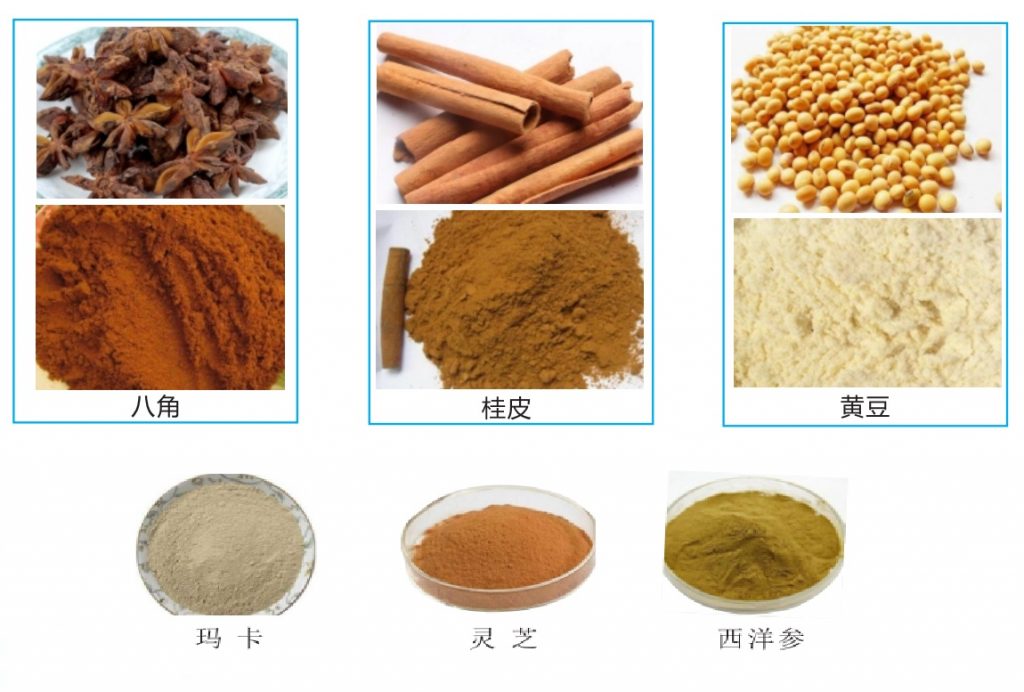
- Food industry: Industrial seed grinders are used extensively in the food industry to grind seeds, nuts, and spices into fine powders or pastes. These powders and pastes are then used in a variety of products such as sauces, seasonings, and spreads.
- Pharmaceutical industry: In the pharmaceutical industry, industrial seed grinders are used to grind plant material into a fine powder, which is then used to make medicines and supplements.
- Cosmetics industry: Industrial seed grinders are also used in the cosmetics industry to grind plant material into a fine powder or paste, which is then used in products such as face masks, scrubs, and exfoliants.
- Agricultural industry: Industrial seed grinders are used in the agricultural industry to process seeds, such as soybeans, into animal feed.
- Chemical industry: In the chemical industry, industrial seed grinders are used to grind materials such as resins, pigments, and dyes into a fine powder.
- Renewable energy industry: Industrial seed grinders are also used in the renewable energy industry to process biomass into a fine powder, which is then burned to generate electricity.
Overall, industrial seed grinders are versatile machines that are used in many different industries for a variety of applications. They are essential for processing plant material into fine powders and pastes that can be used in many different products.
Food Producing Process Flow:
Ultrafine grinding is one of the very key procedure in whole production line. It depends how many mesh that customer need to produce. That’s to say this machine can decide what kind of material will get finally before mxing.
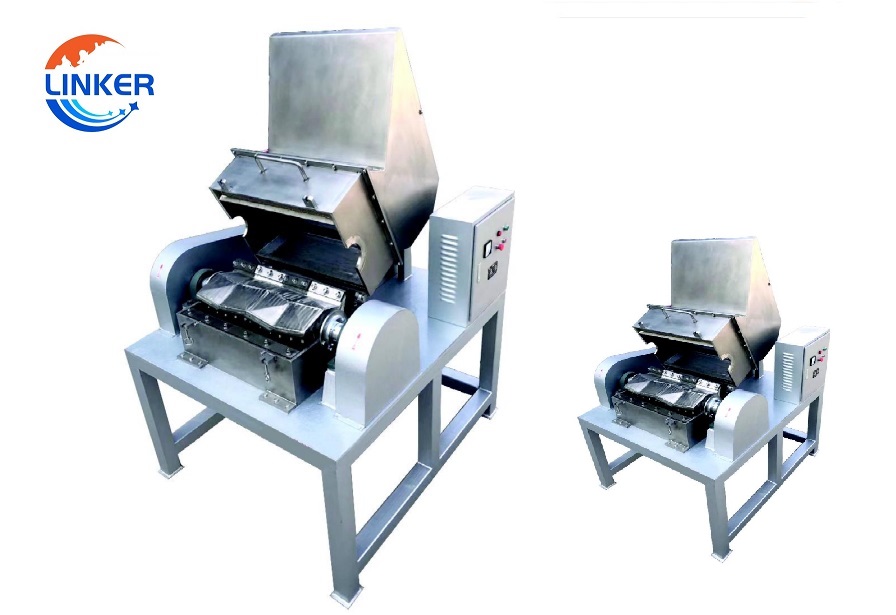
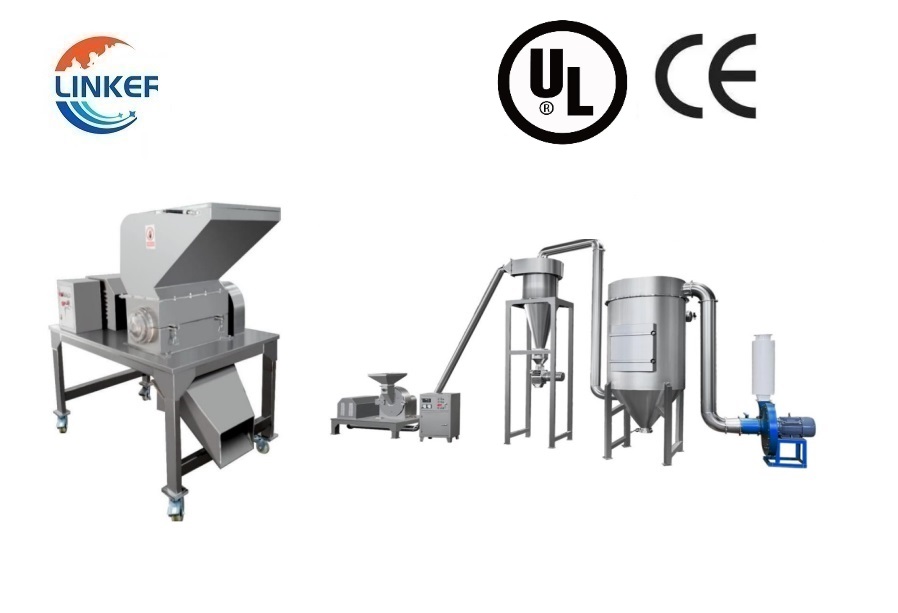
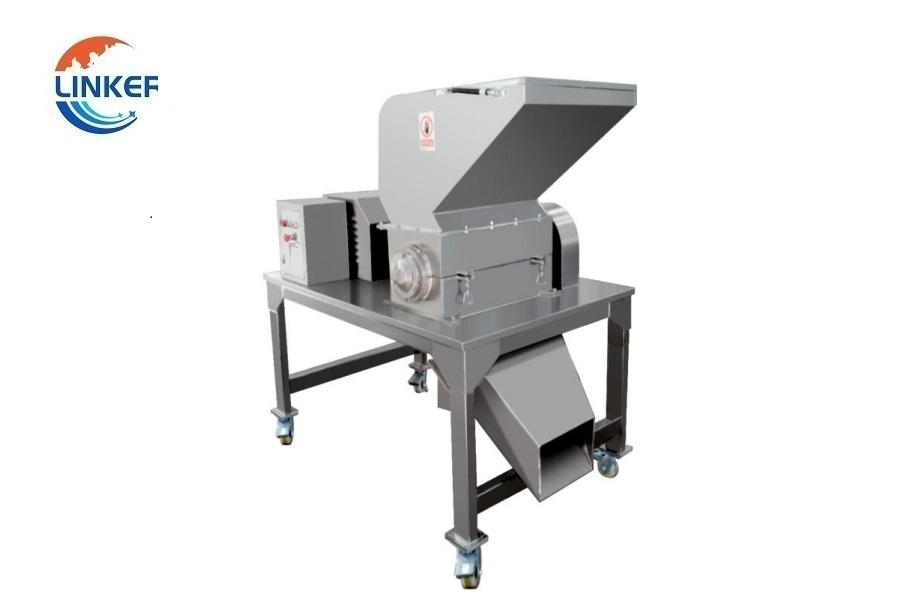
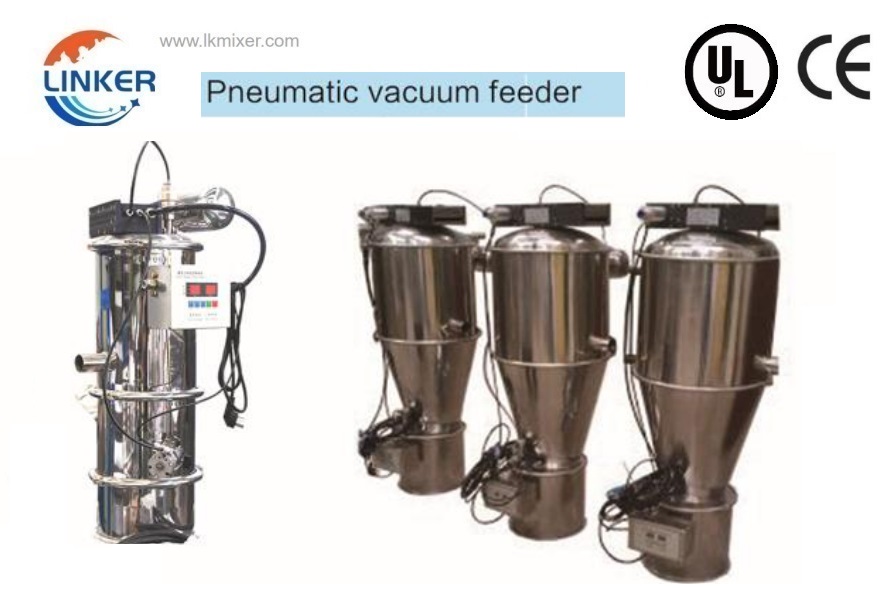
Coarse Crusher Machine —>Grinding Machine —> Vibrating Table Sifter Machine—>Mixing Machine—>Packing Machine —> (Printed Packaging Film Roll or bags ) —> Filling, sealing machine, capping and Labeling Machine —>Pack into Box.
Contact us for detail proposal and cost:

Automatic Banana Powder Production Line Youtube Video
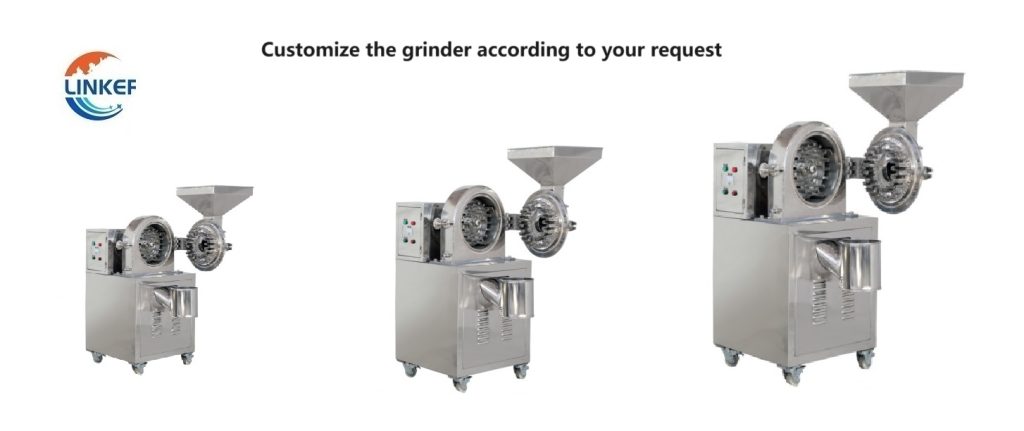
Customization Seeds Grinder According to your Capacity:
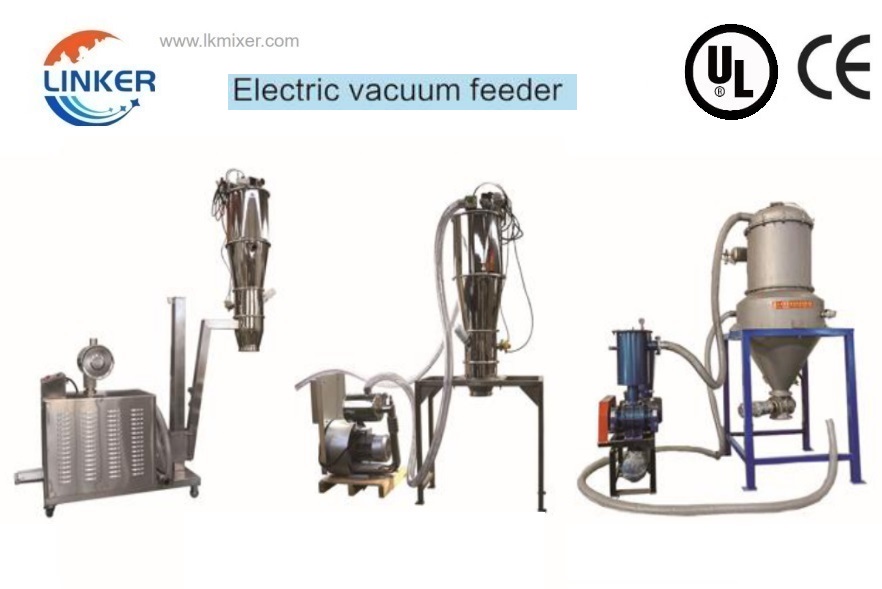
We can customize the capacity according to your special requirement, we can also customize the vacuum feeder connect with your production line (the dimension and width of grinder), for detail contact with our sales for proposal and price.
Videos of Seeds Grinder Machine:
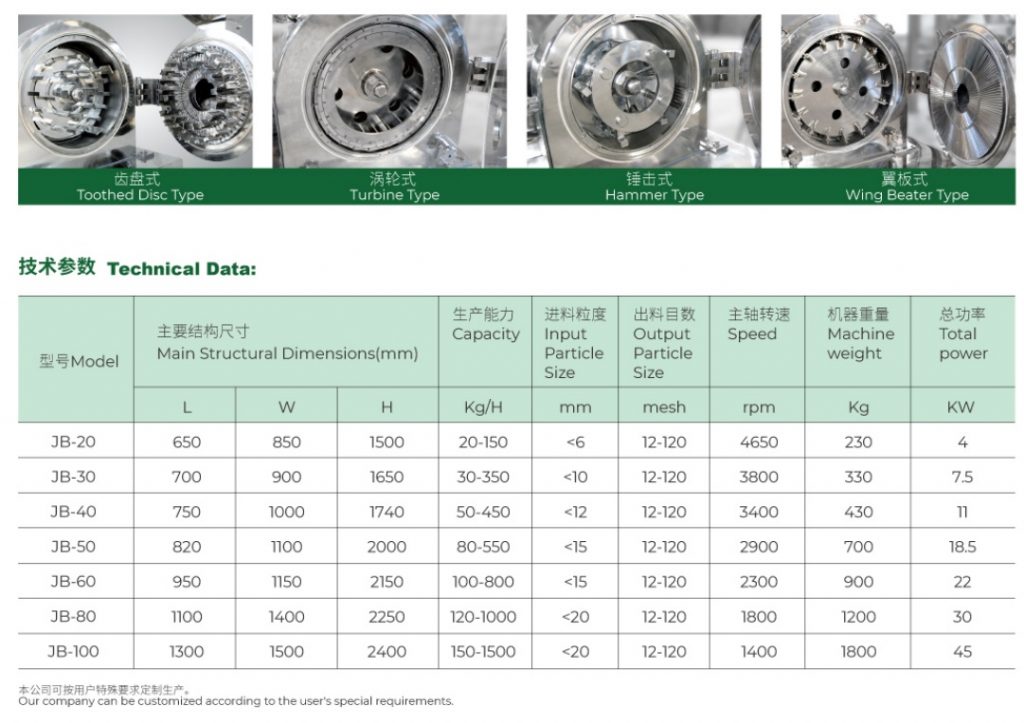
Many model of Seeds Grinder, the universal grinder is suitable to cut the seeds into 12-120mesh, the high efficient grinder is useful, but cost a little bit higher than universal. The super fine grinder can grind into 100mesh to 320mesh. Customer can choose according to your own requirement. here show some example:
About LKMixer
LKMixer is a professional manufacturer for fertilizer production line, grinder, mixer and granulator, shredder. These machines are widely used in food, pharmaceutical, cosmetic, health care products and chemical industries. The Food materials like Peanut, mushroom, seeds, potato, bean, tobacco, salt, cannabis, tea, Sugar, corn, Coffee, rice, pepper, grain as so on. Grinders have many types such as Pulse Dust Grinder which suitable for zero pollution environment, Turbine Mill which is suitable for coffee bean, 12-120mesh all can meet, Ultrafine Grinding Mill covers 80-200mesh, and also Winnowing Dust Grinder or other grinding machines like SF Hammer. Welcome to contact us for details. Contact us for more information. Proposal, catalog, quotation. Mobile/WhatsApp: +86 18019763531 Tel: +86 21 66037855 Email: sales@lkmixer.com
Contact Us
FAQ(Click and See More)
Read More about Herb Grinder:
Why are herb grinders so expensive?
Are electric herb grinders good?
What is the best way to grind up herbs?
Can you chop herbs in a coffee grinder?
How to grind dried herbs into powder?