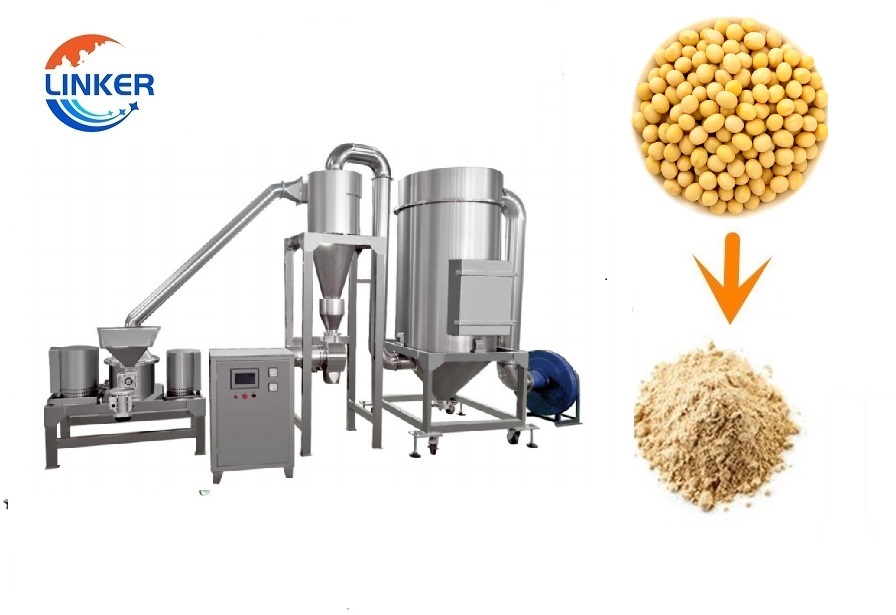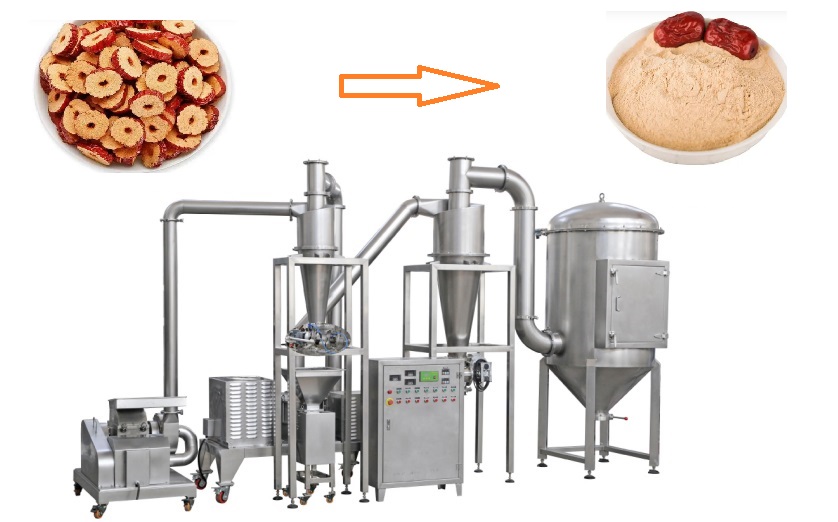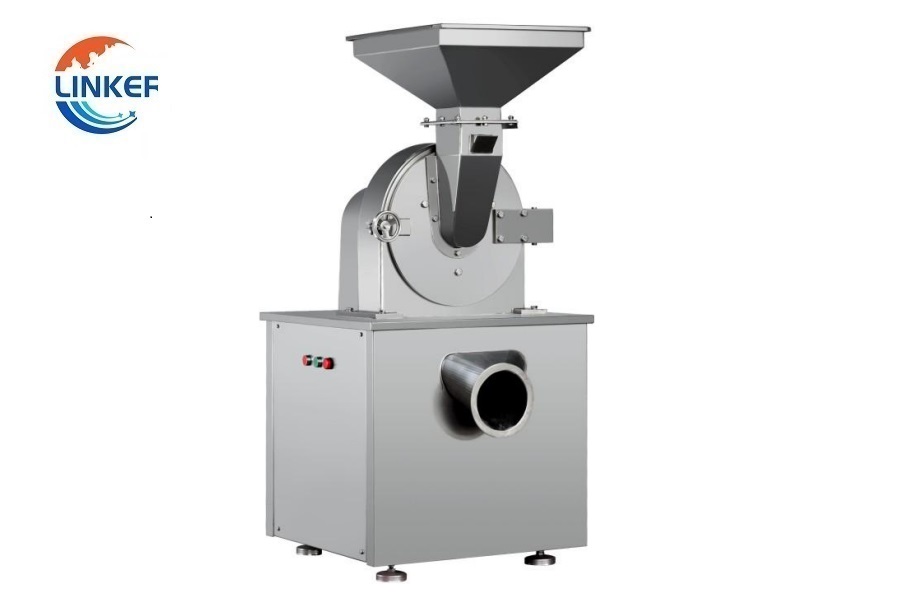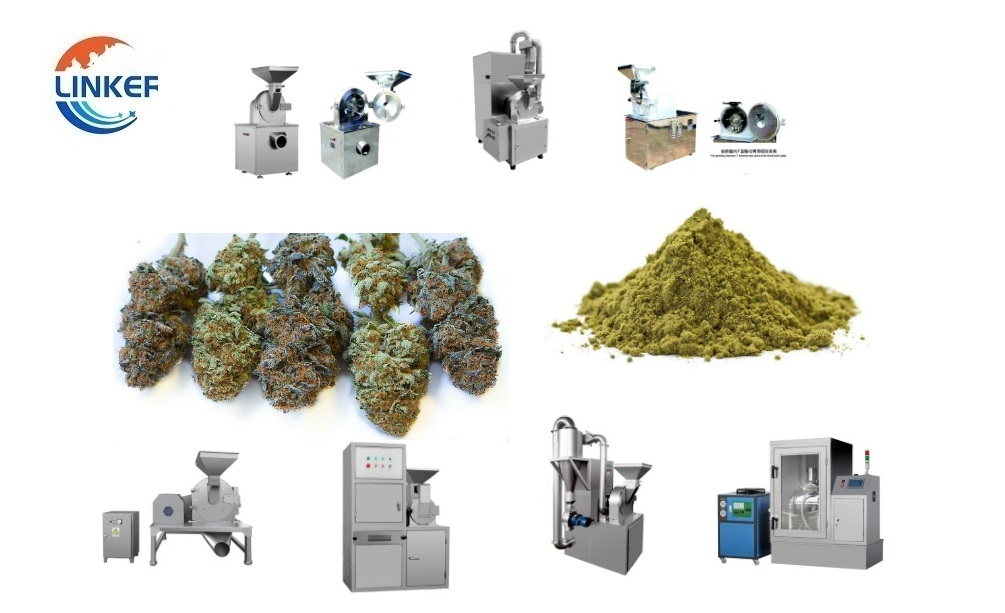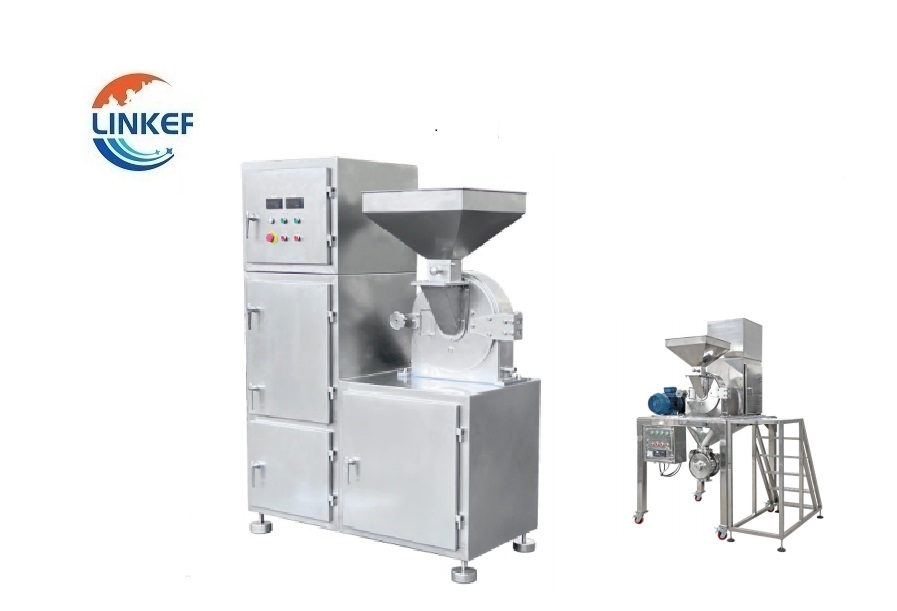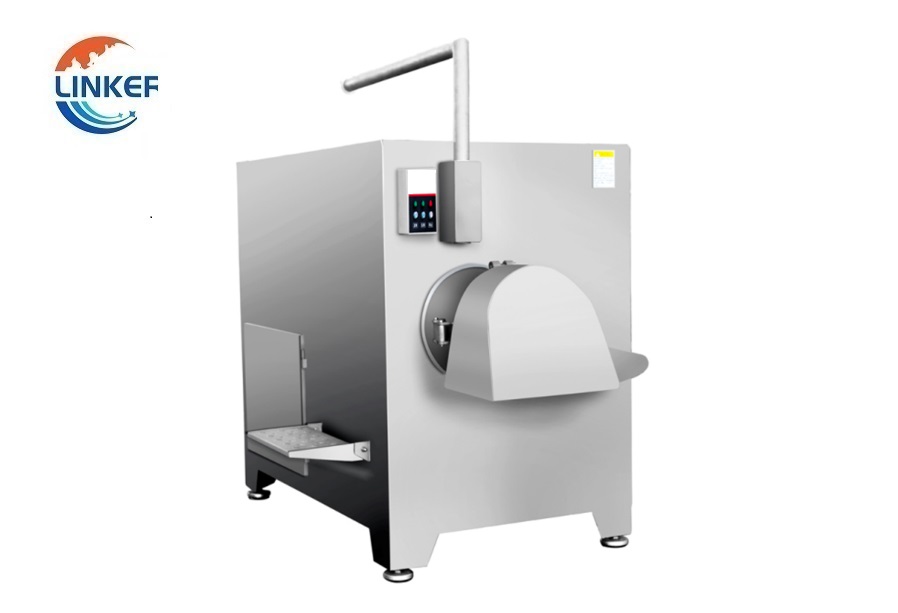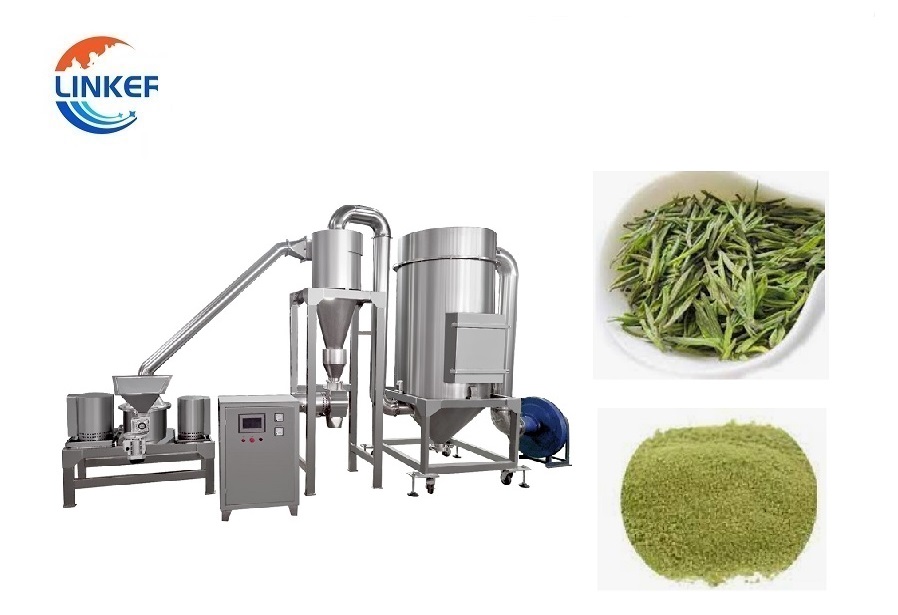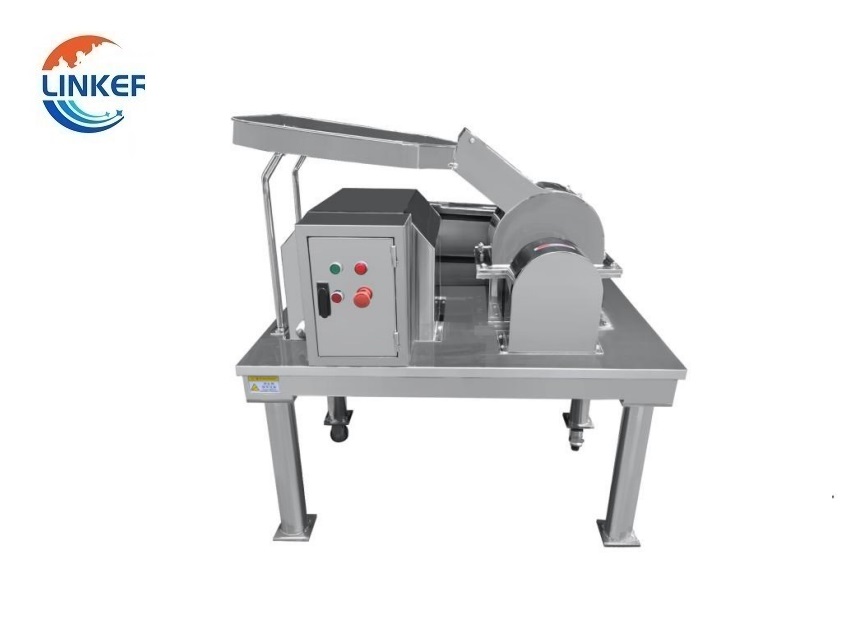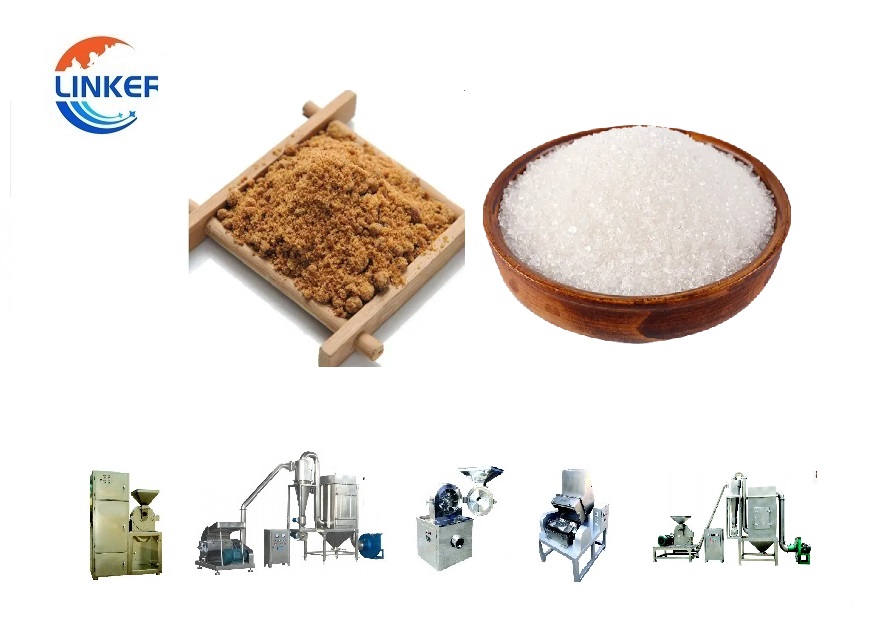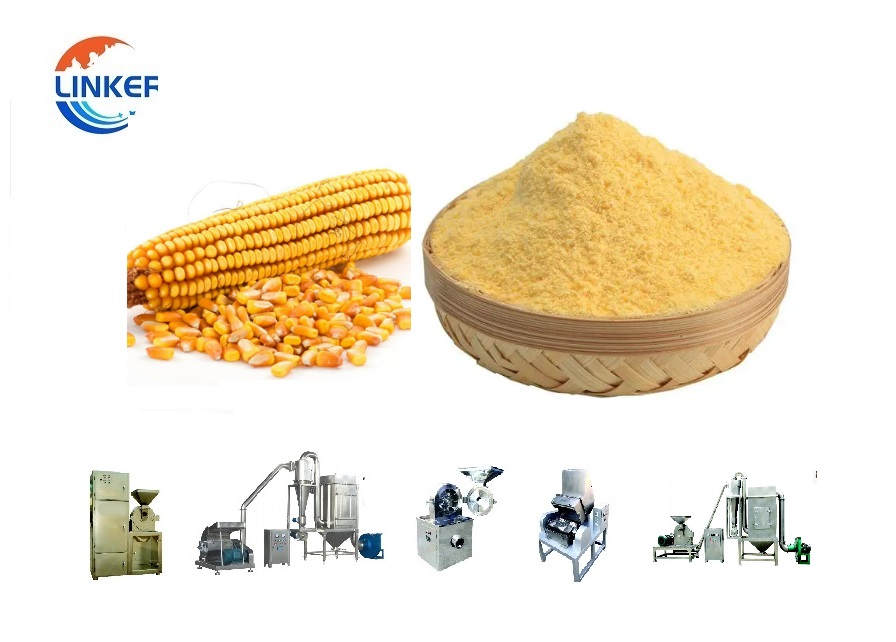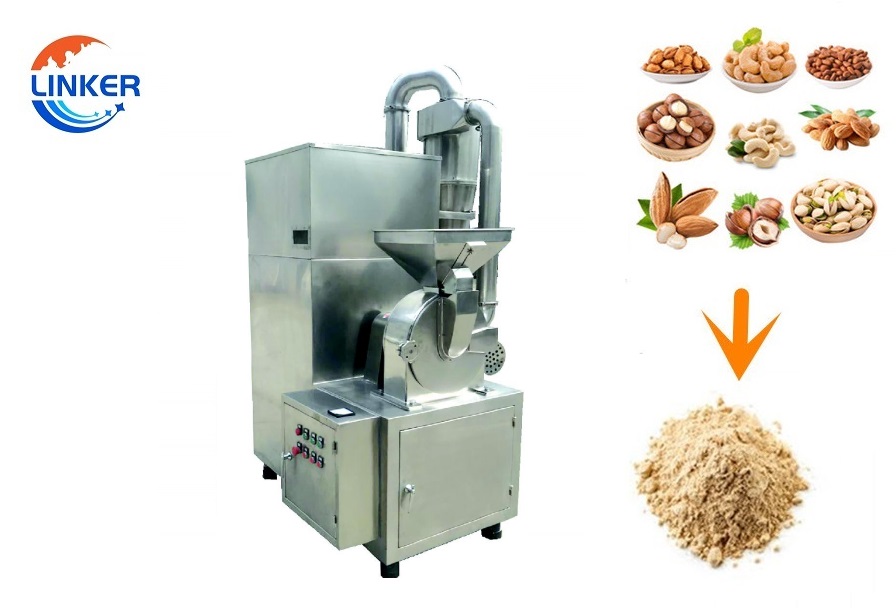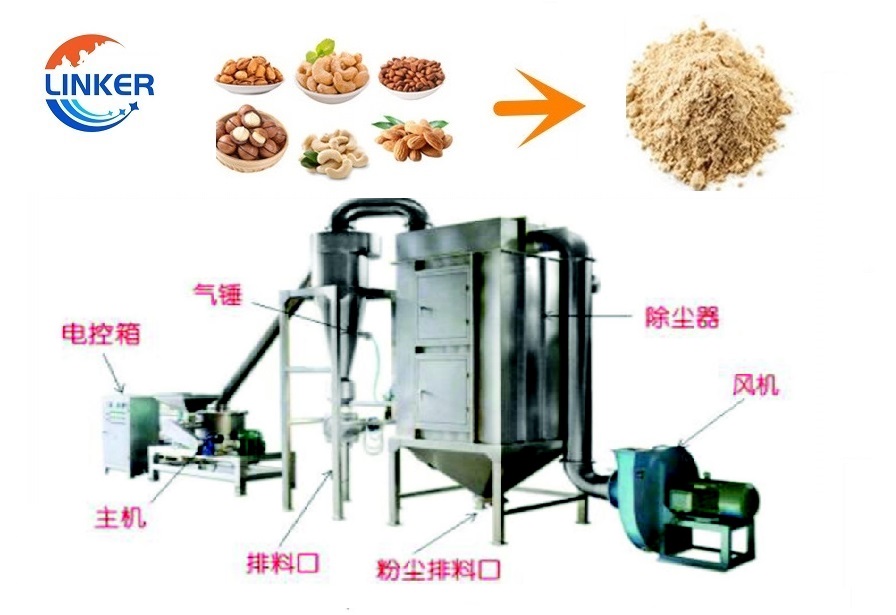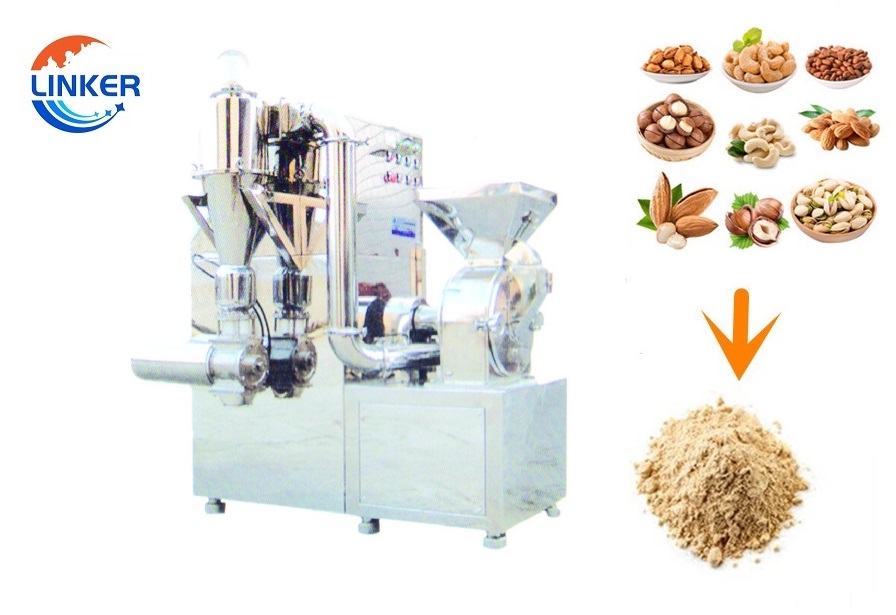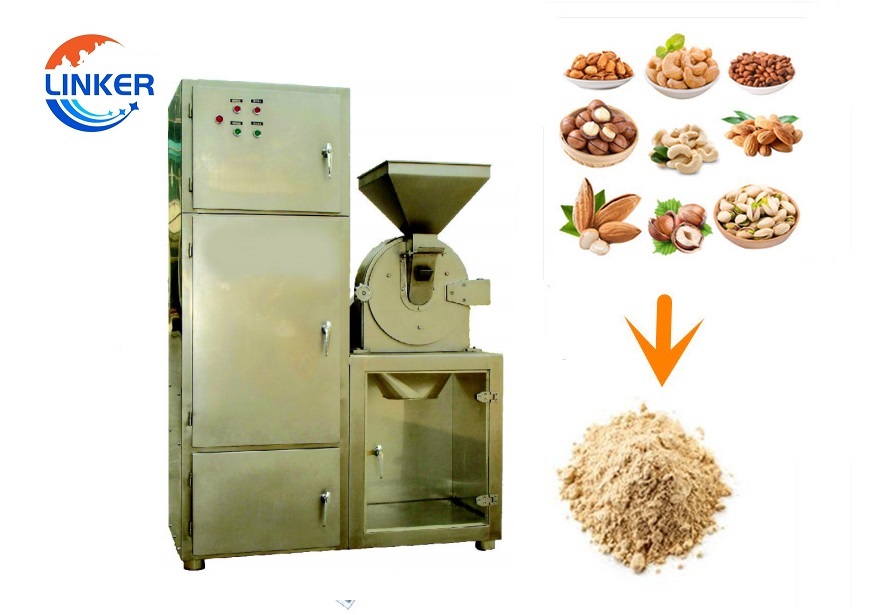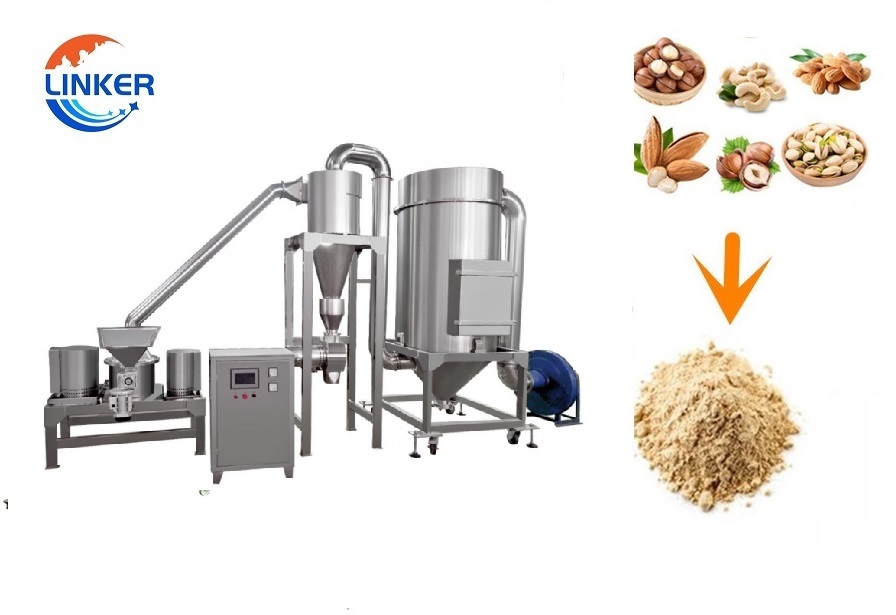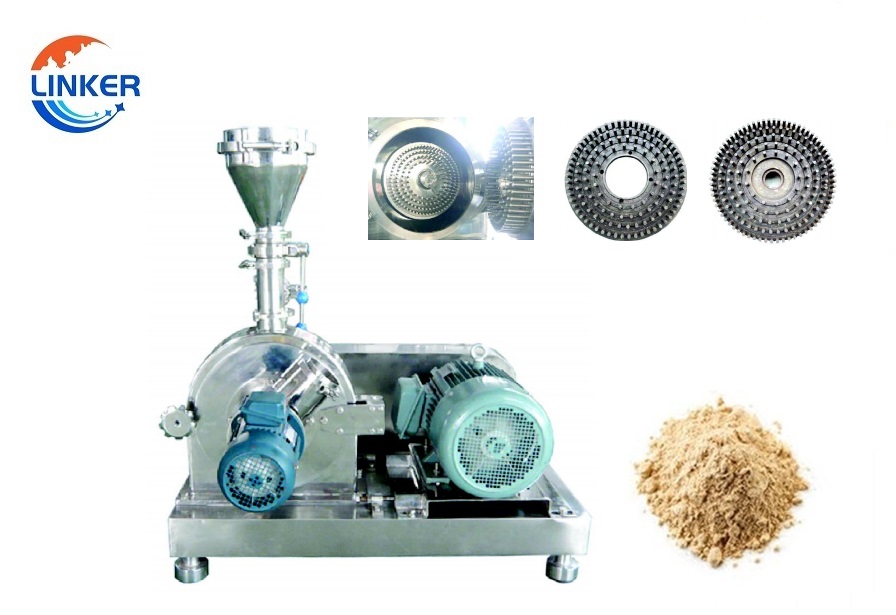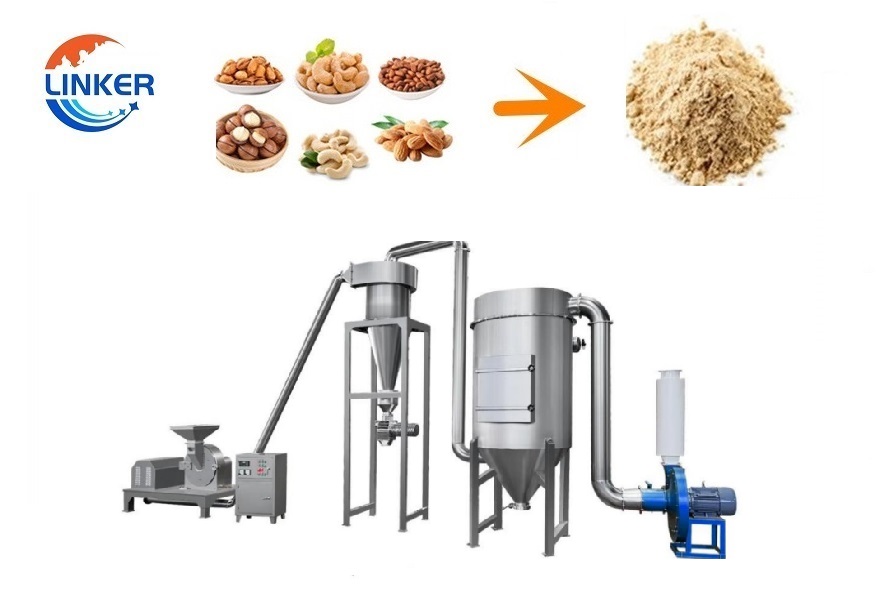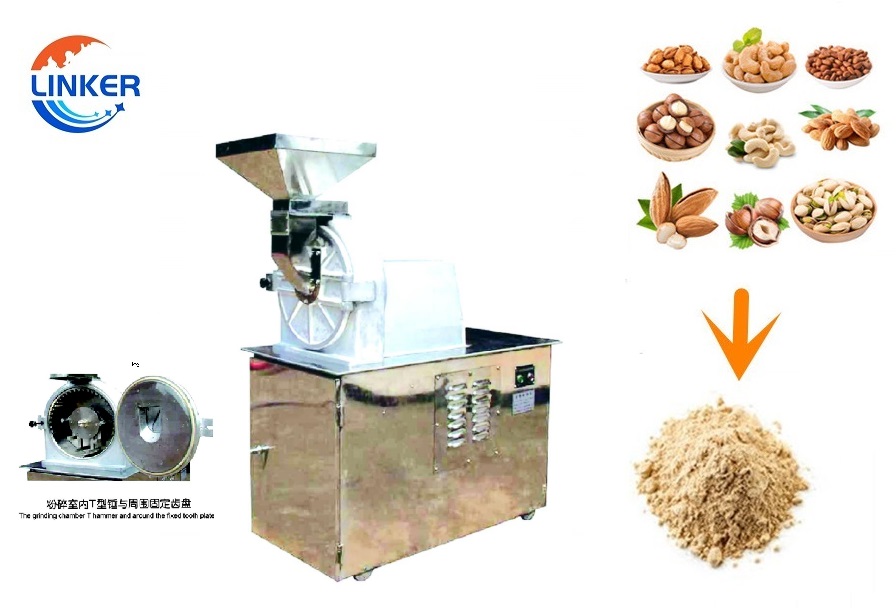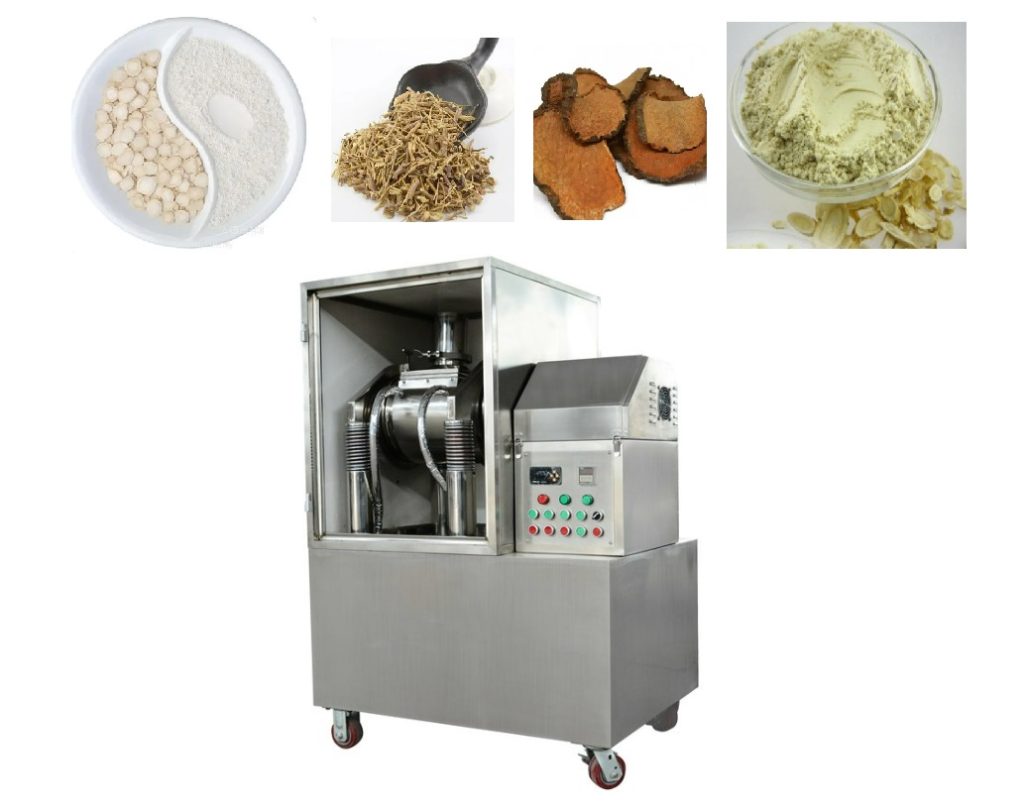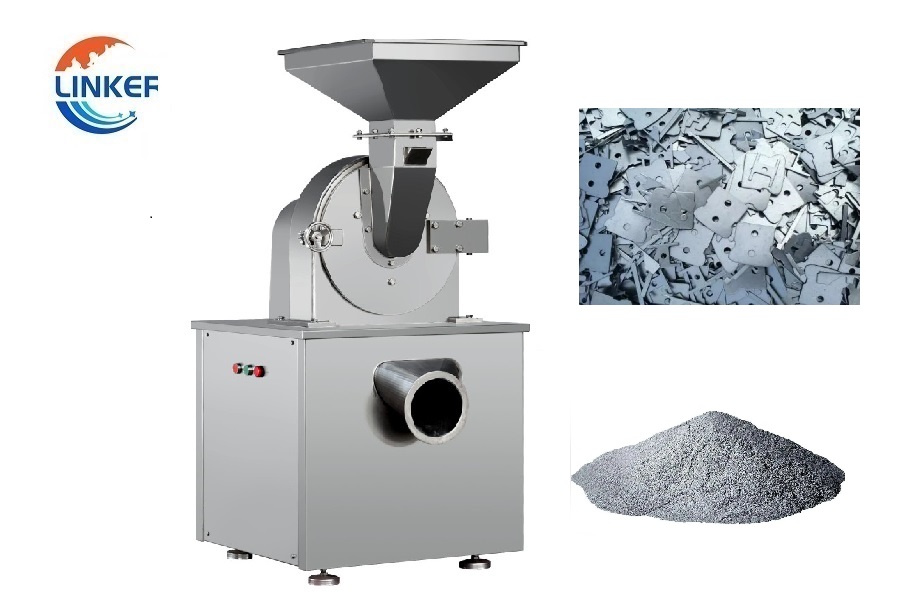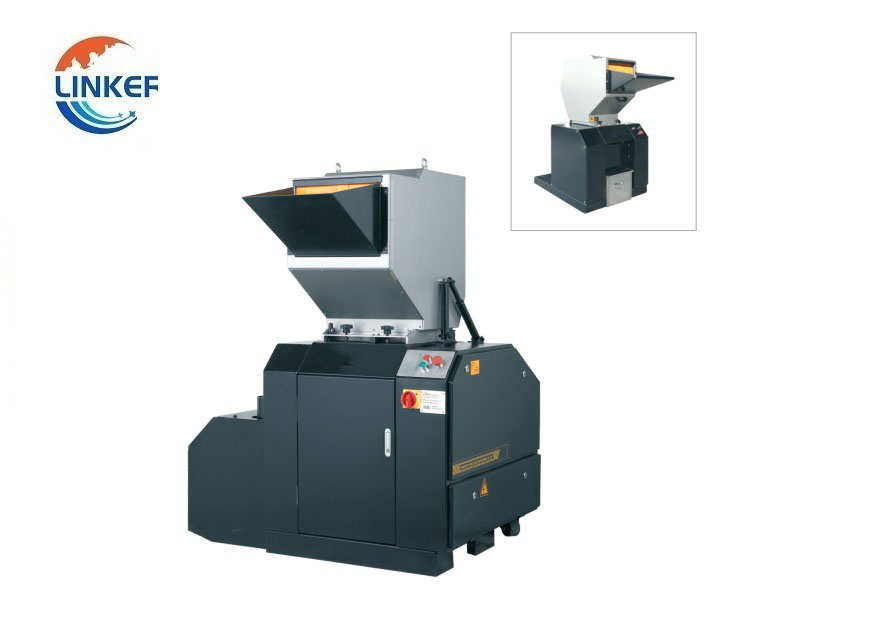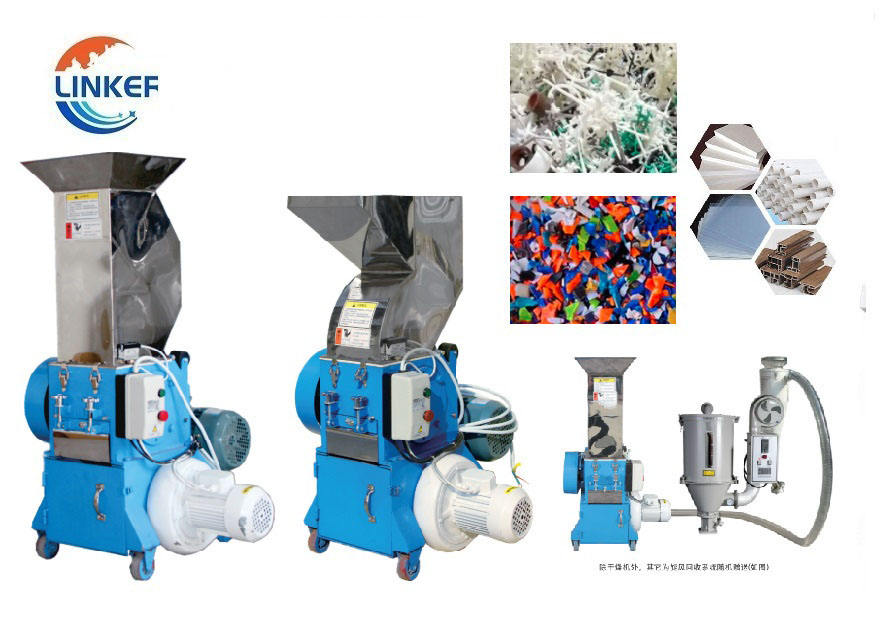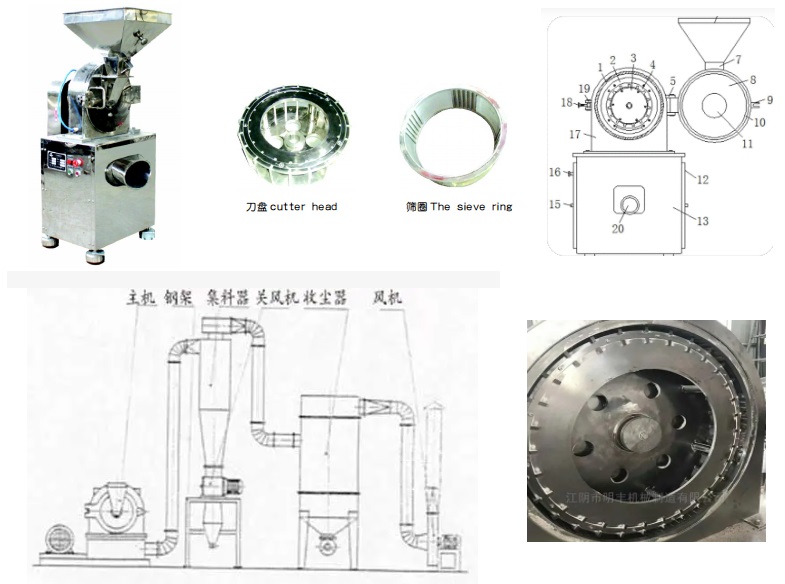
Automatic Rubber Powder Production Line
Rubber Powder Automatic Productino Line Design:
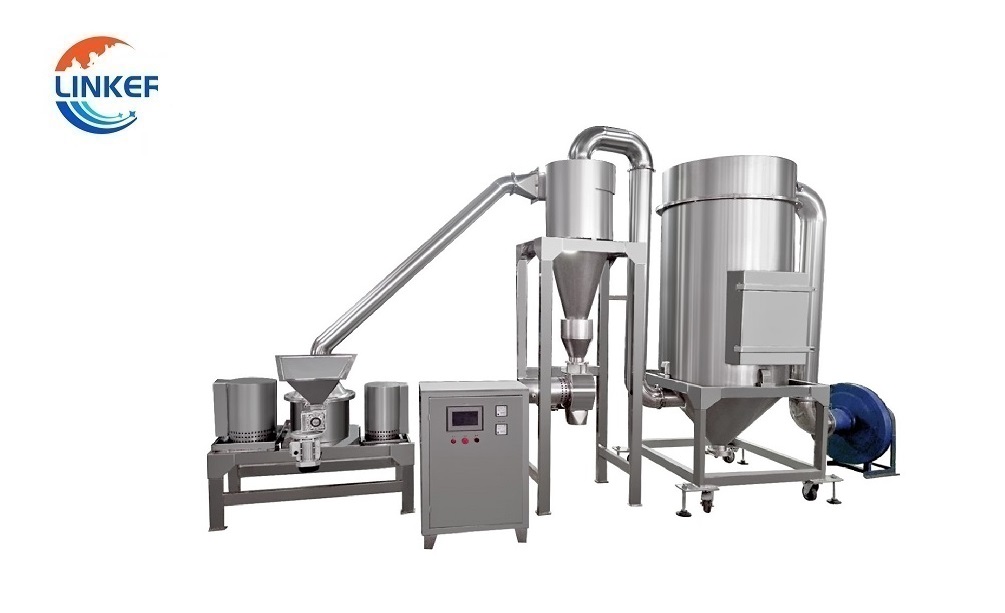
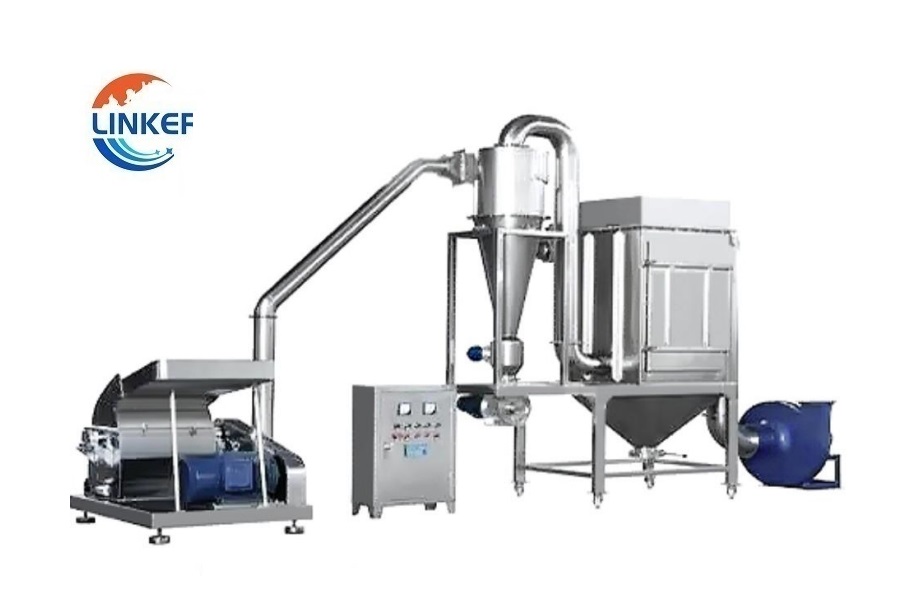
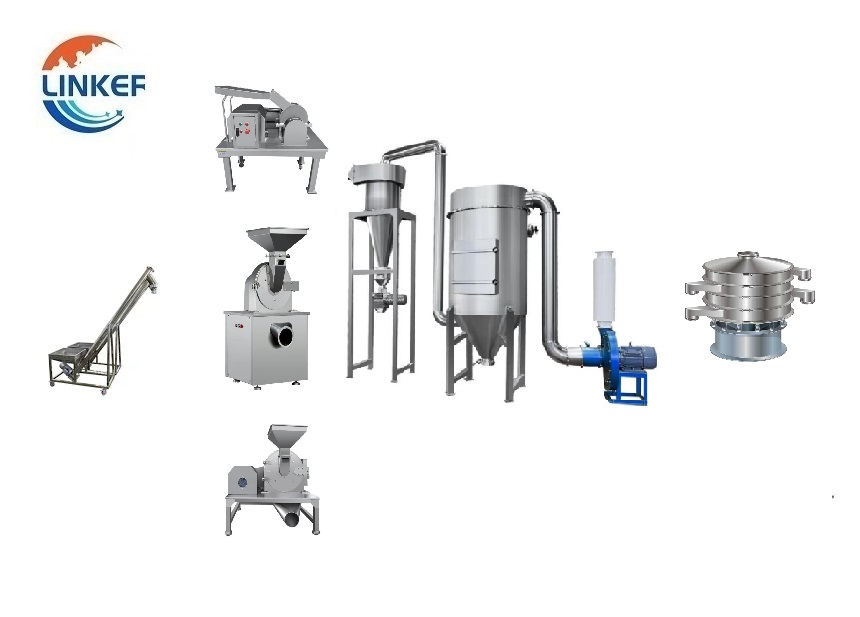
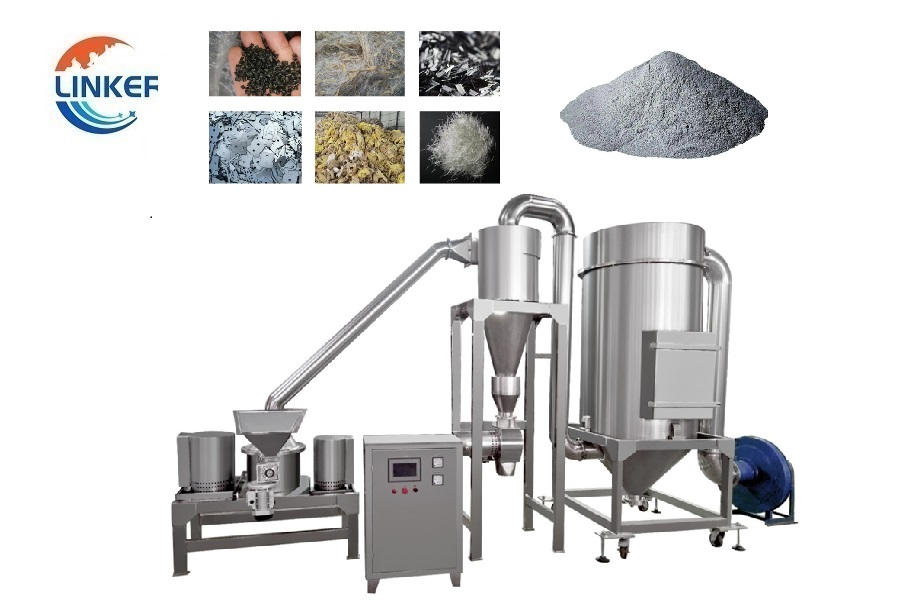
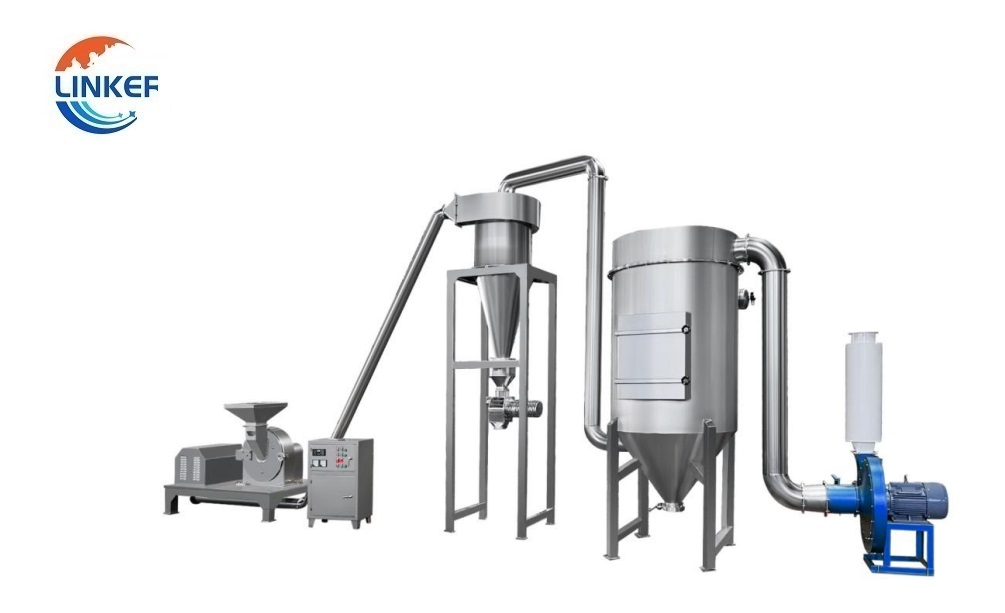
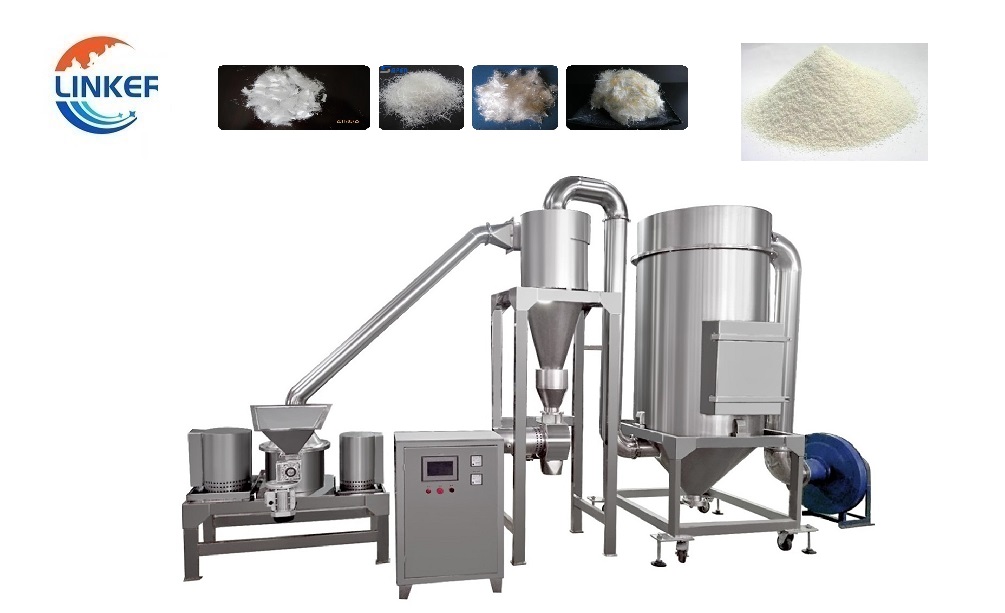
A contemporary industrial system that combines waste rubber processing, fine grinding, grading, and automated packaging is called an Automatic Rubber Powder Production Line. Its main purpose is to effectively turn discarded tires and other rubber goods into rubber powder with different mesh sizes, which is then widely utilized in building materials, sports surfacing, modified asphalt, and reclaimed rubber. It achieves continuous, low-energy, high-purity production through modular design and PLC automated control, which is in line with the circular economy and green manufacturing trends.
Essential Production Procedure
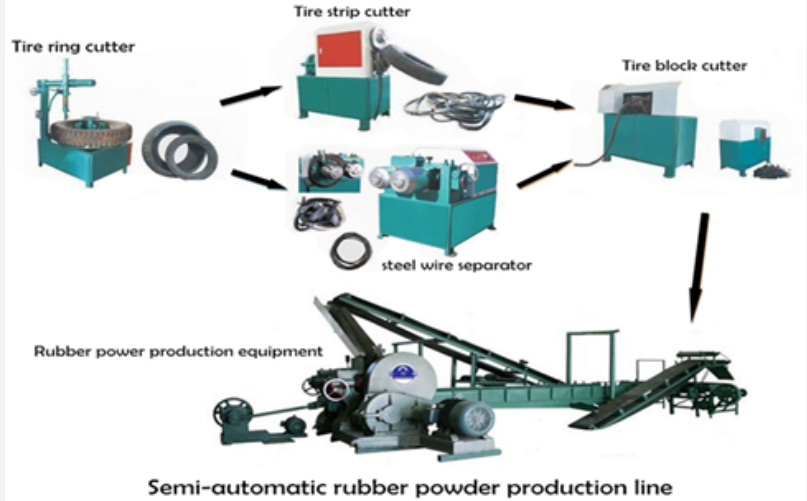
Raw Material Pretreatment is the first step in the entire process.To remove steel bead wires and tear them into rubber pieces around 50 by 50 mm, waste tires are first de-beaded, cut into strips, or put through whole-tire shredding. In order to minimize dust, offer cooling, and serve as a lubricant, many production lines have automatic water spray systems installed throughout the shredding process. Similar to the initial cleaning and cutting in a cassava grinding machine process or the primary breakdown in a chemical feedstock preparation line, this preliminary preparation is essential.
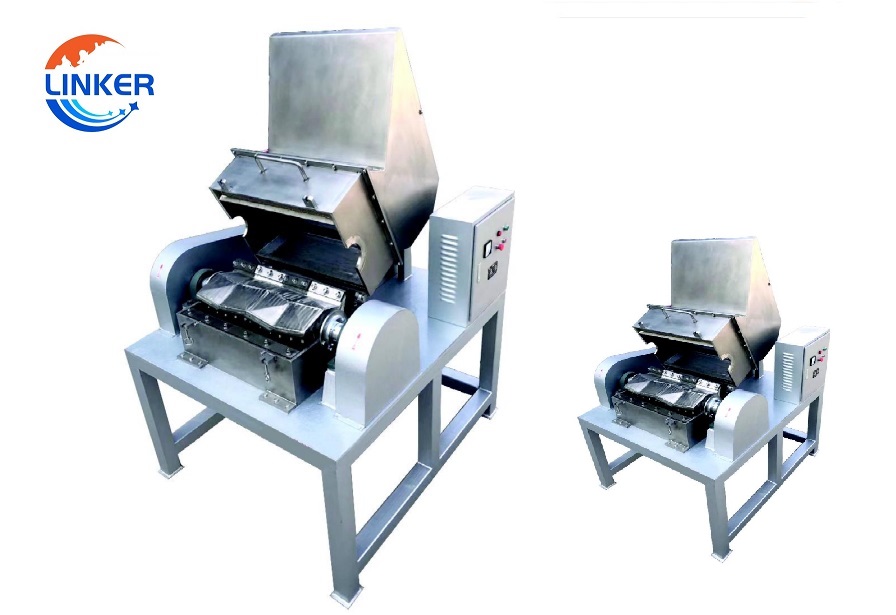
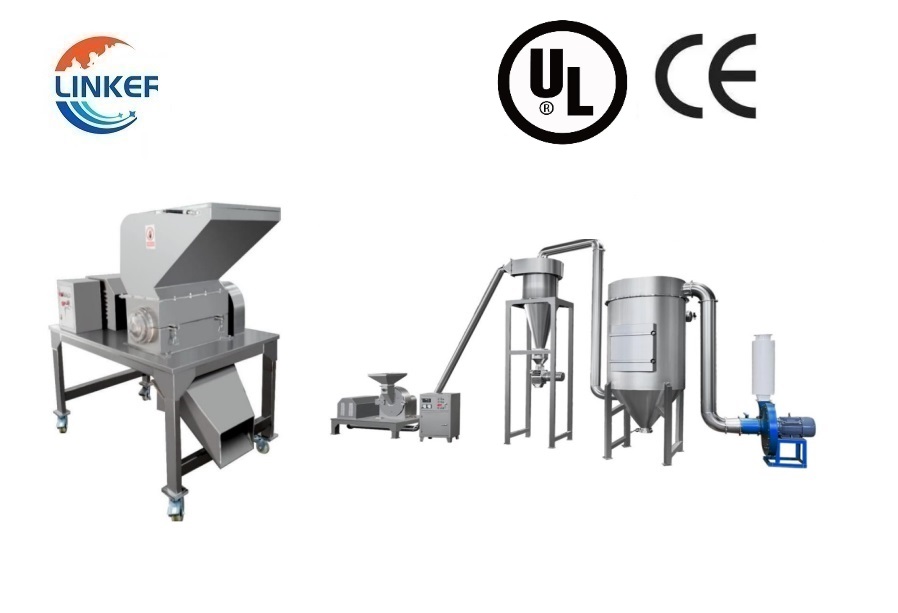
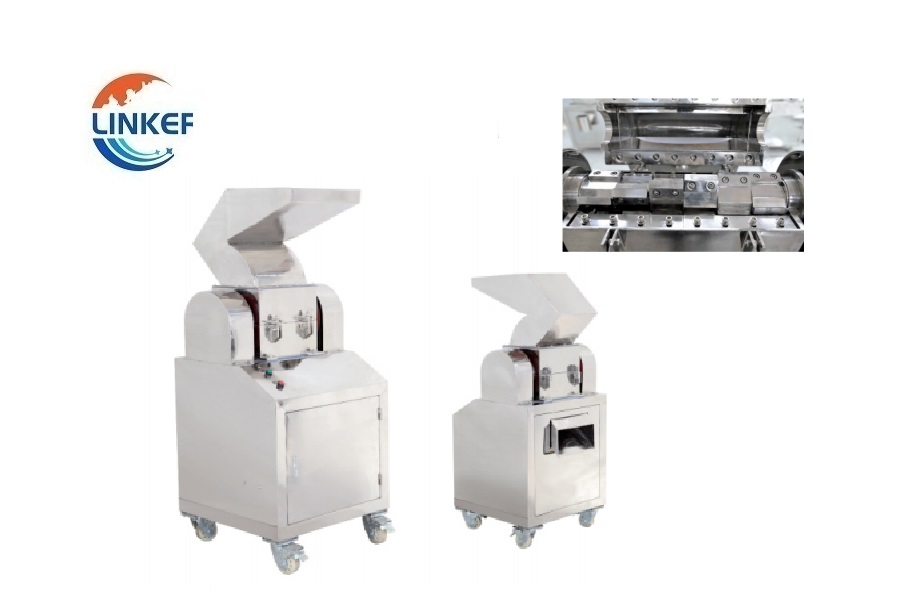
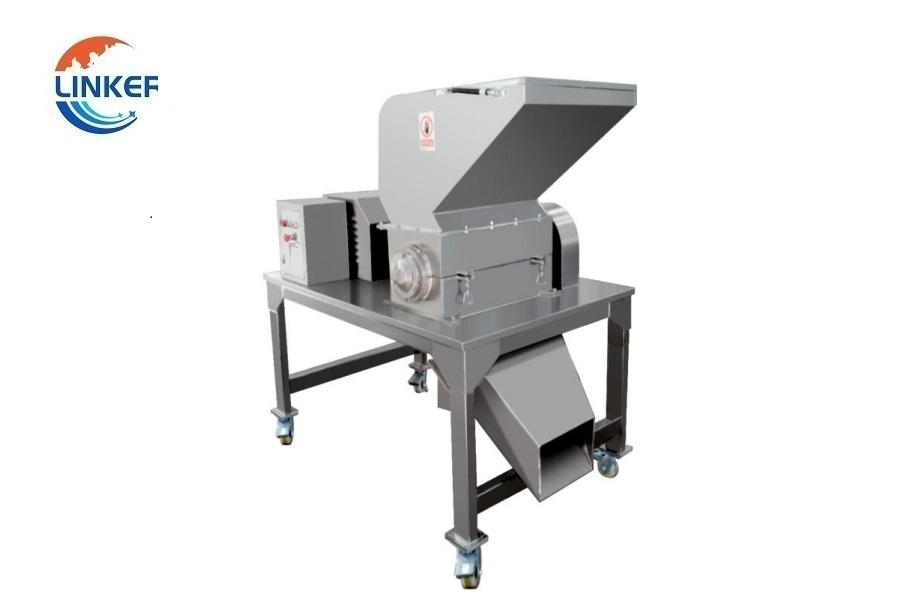
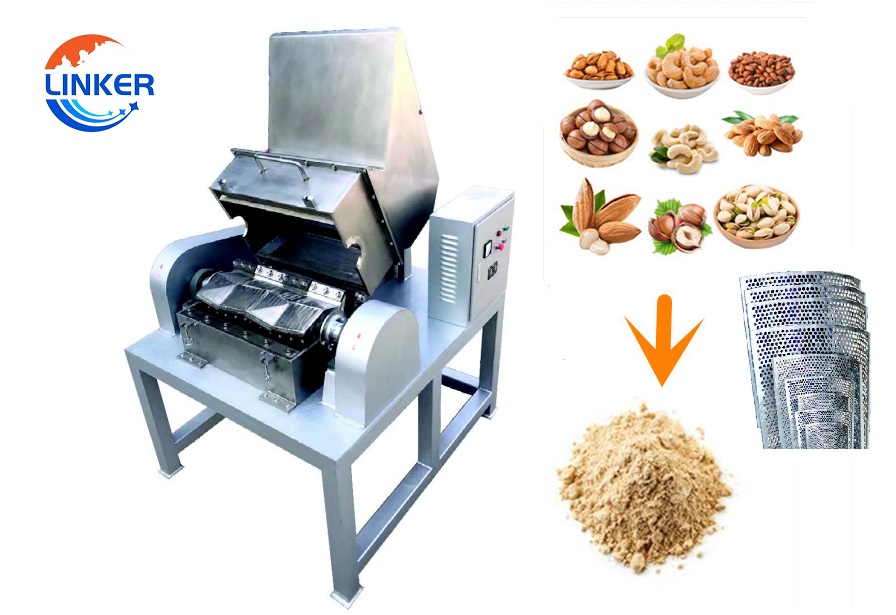
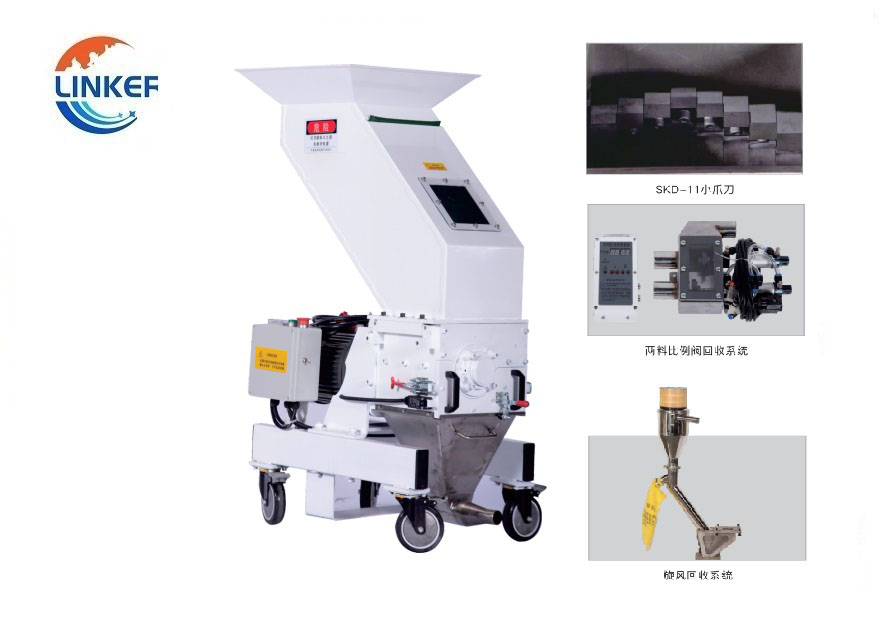
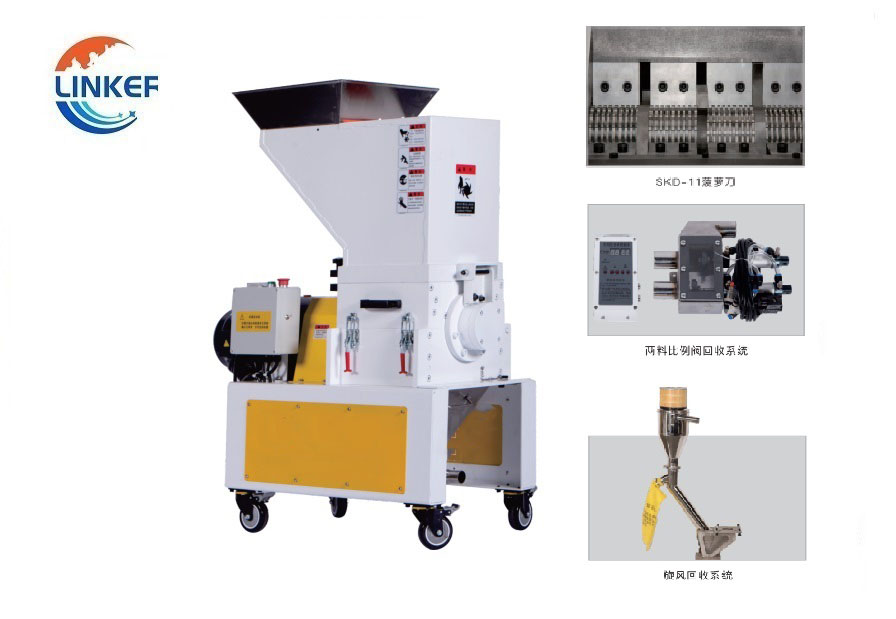
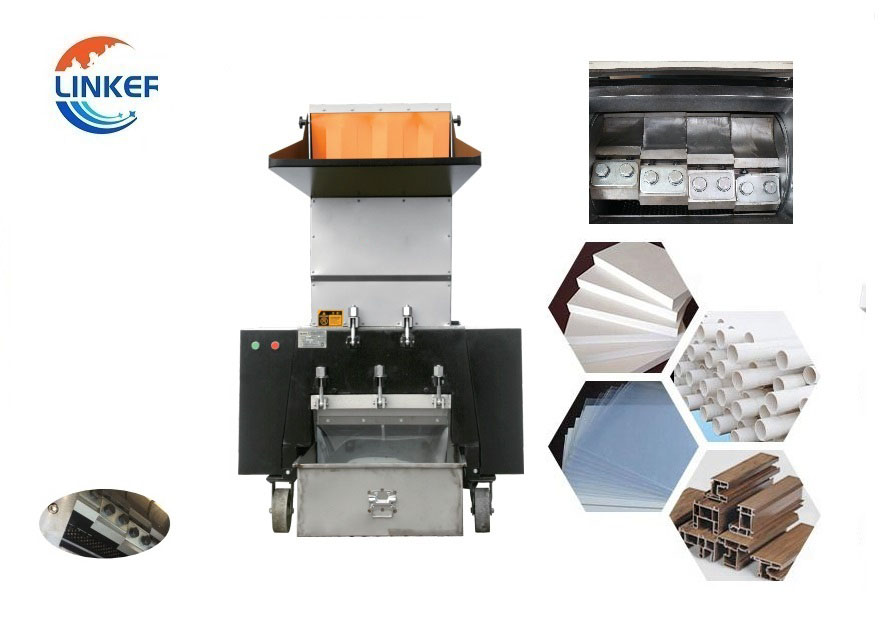
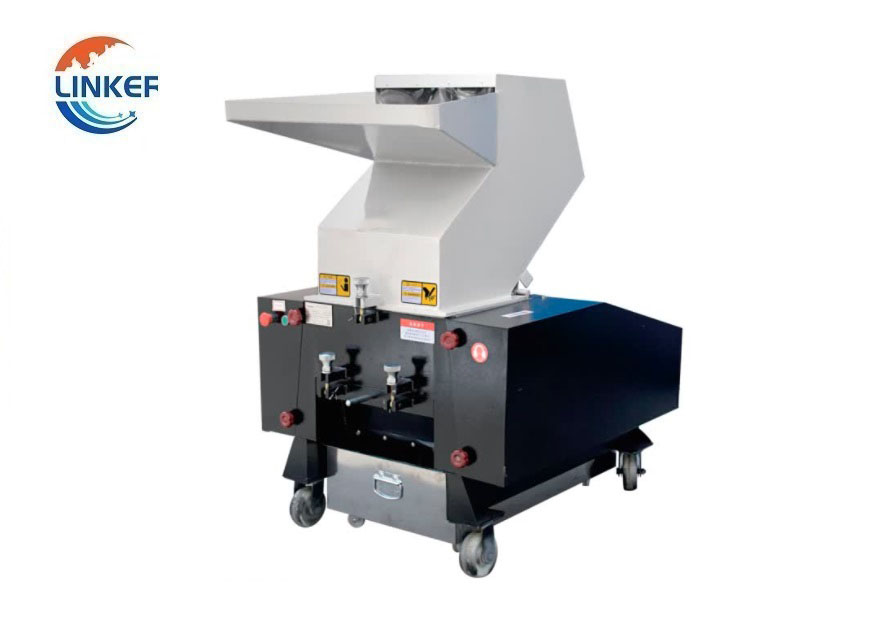
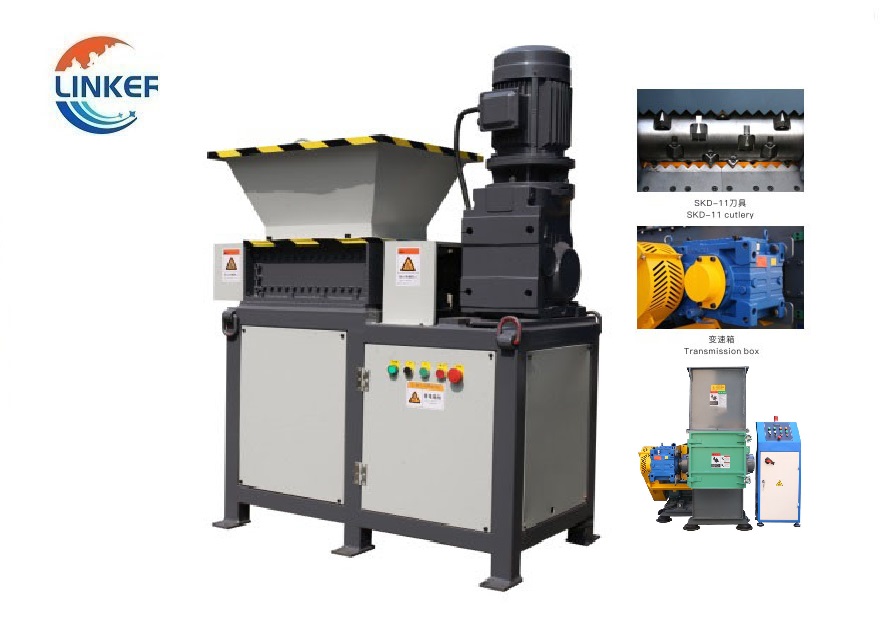
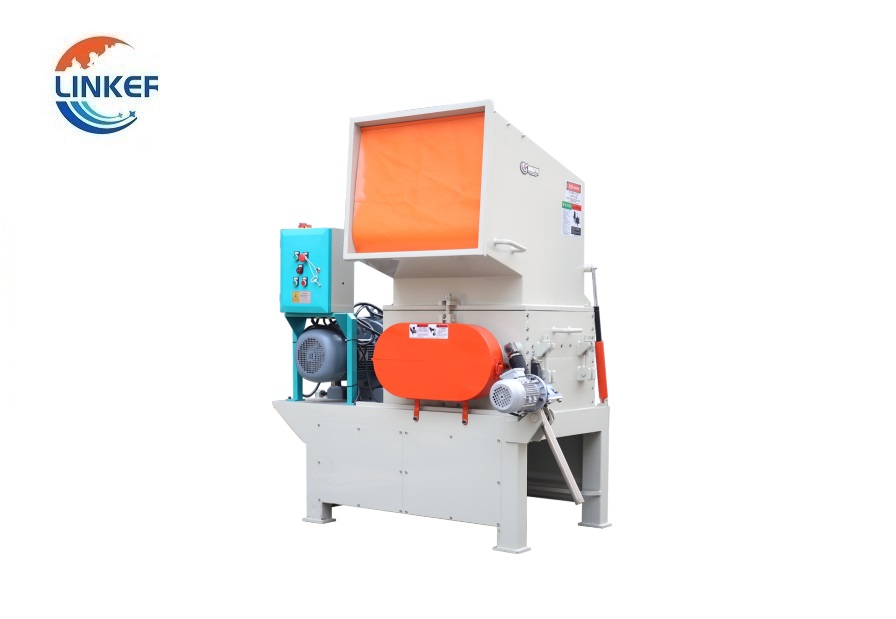
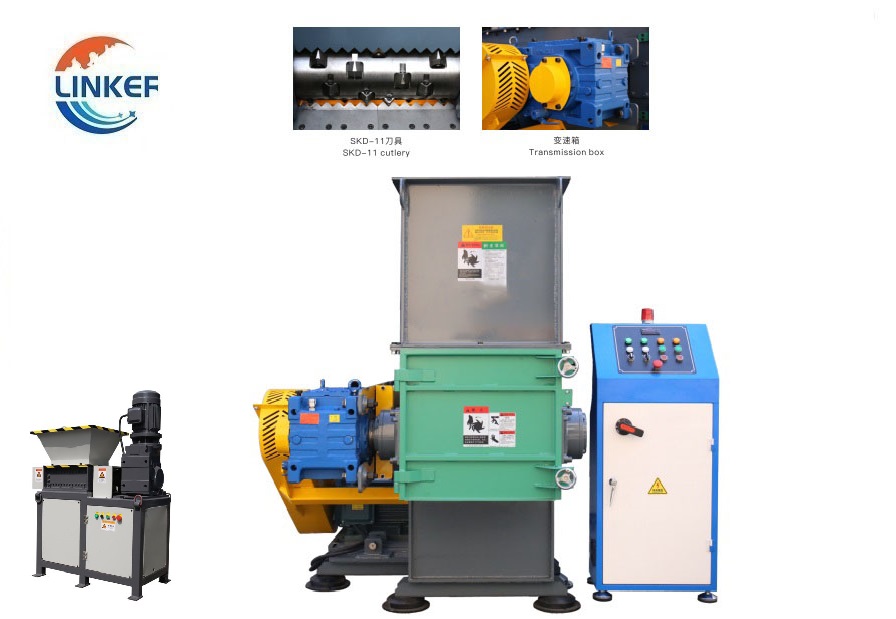
The material is subjected to coarse and intermediate crushing after pretreatment. A main shredder, like a dual-shaft shear shredder, receives the rubber bits by an automatic charger system or a belt feeder.The pieces are reduced into 8–15 mm rubber granules by this machine, which is far more durable than a typical coarse crusher for bone or a hammer mill for maize. The effectiveness of the ensuing fine grinding step is increased by feeding these granules into a secondary crusher for additional size reduction. Unlike a tiny grinder machine for herbs or spices, the scale of action here is industrial, including capacity appropriate for a 500KG grinder or more.
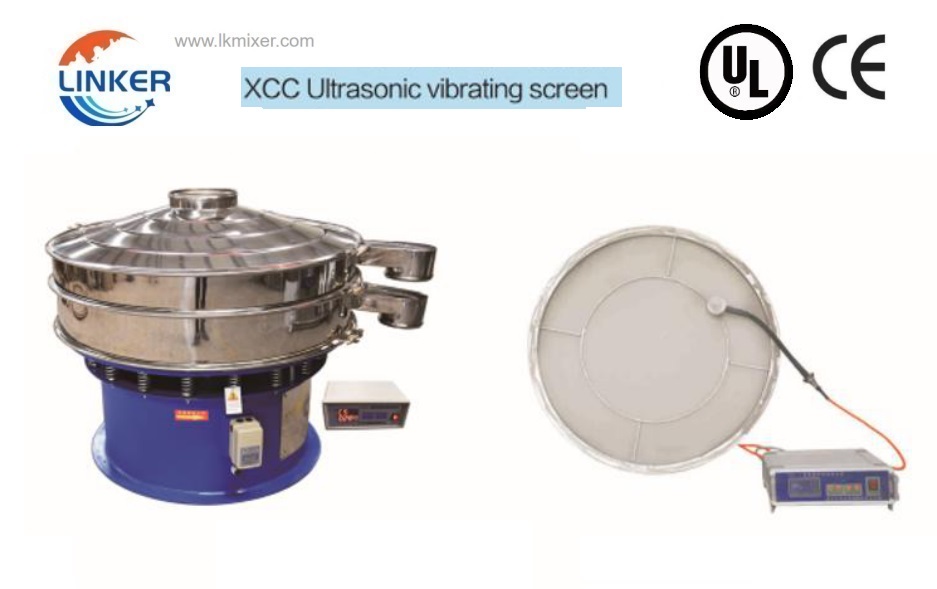
Steel and Fiber Separation is the next crucial stage. Rubber fragments, textile fibers, and steel wires are all included in the crushed combination. More than 99% of the metal (steel) content is eliminated by strong vertical magnetic separators. Air classifiers or vibrating pulverizer screens are used to separate the remaining light fibers.This thorough purification guarantees the final rubber powder’s purity, which is just as crucial as eliminating contaminants in food processing, such cleaning rice, wheat, or seeds prior to milling.
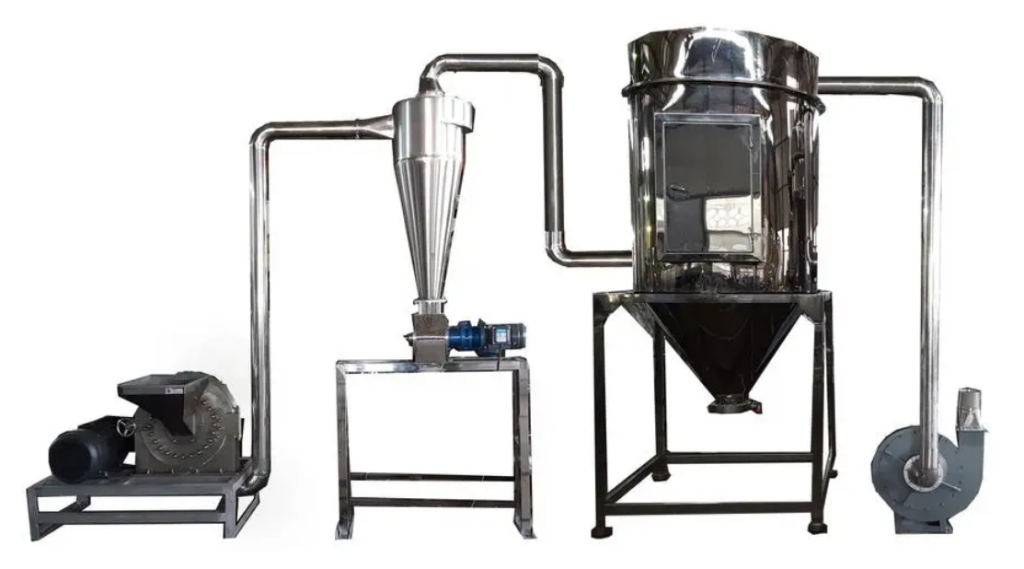
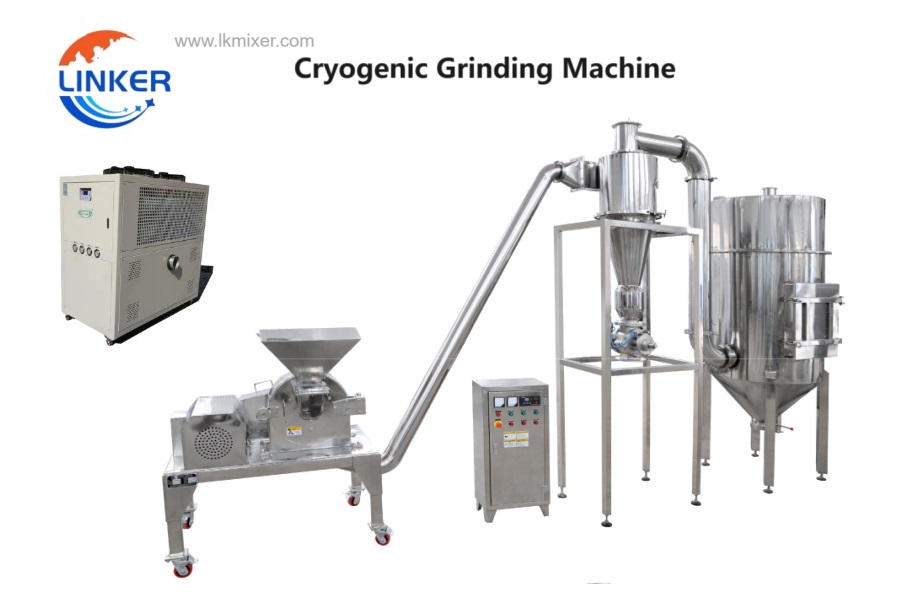
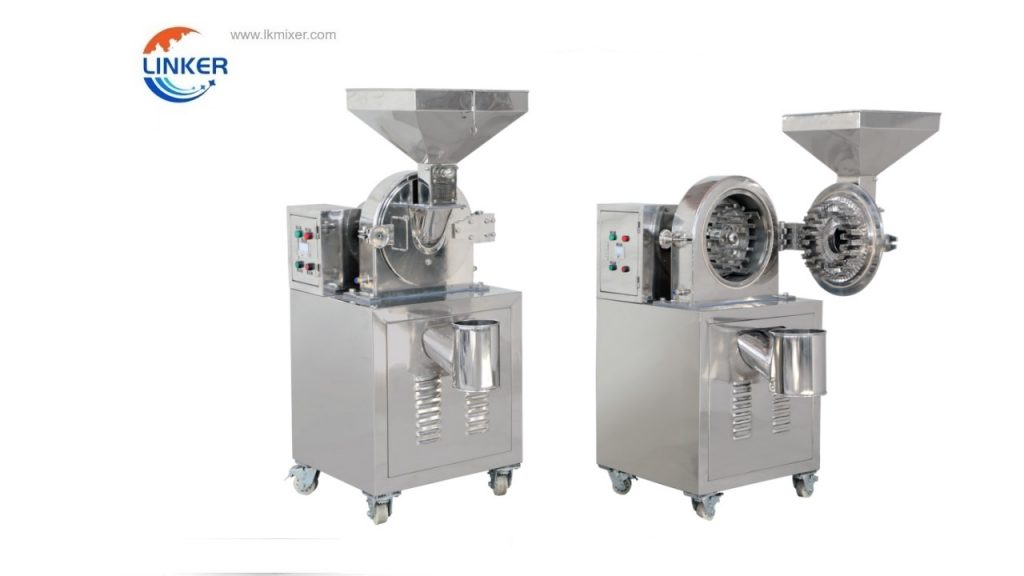
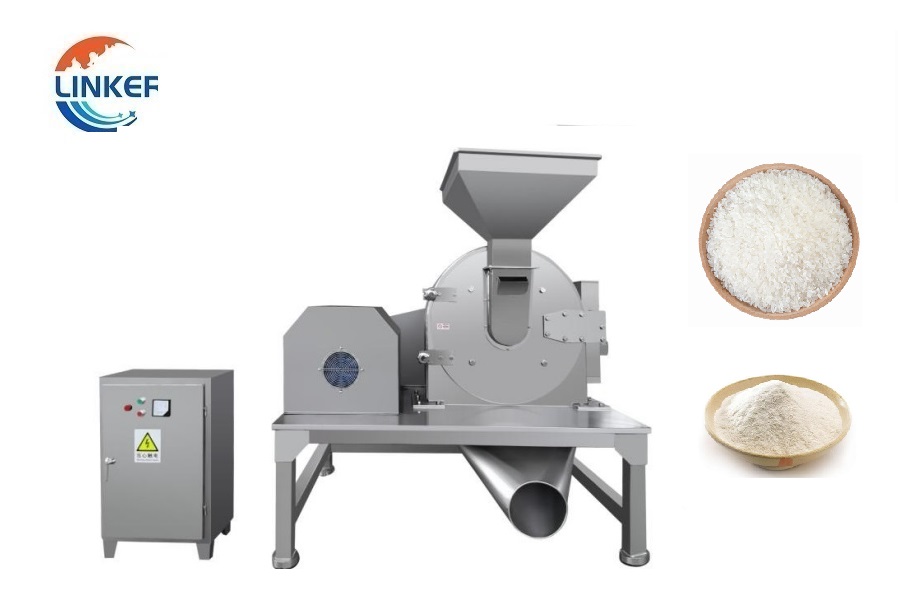
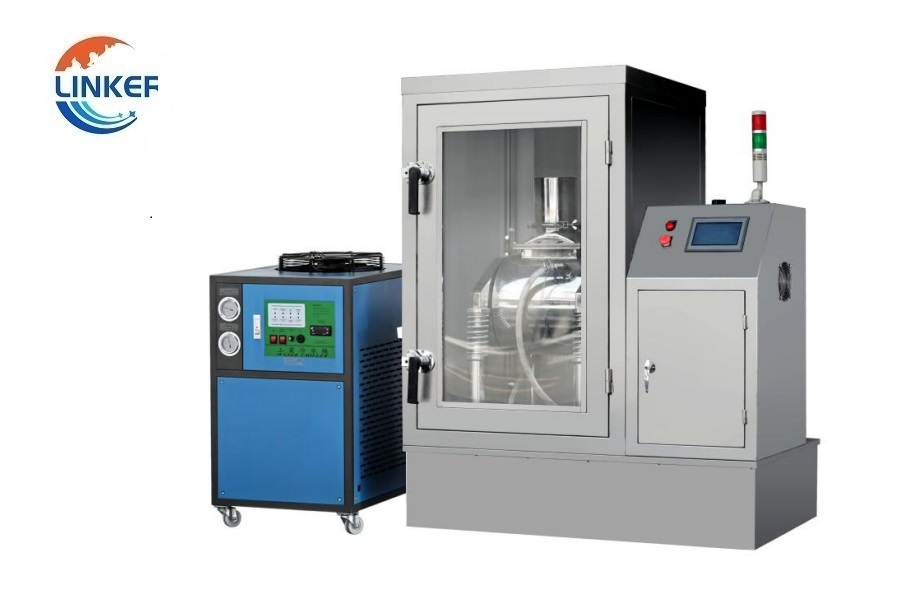
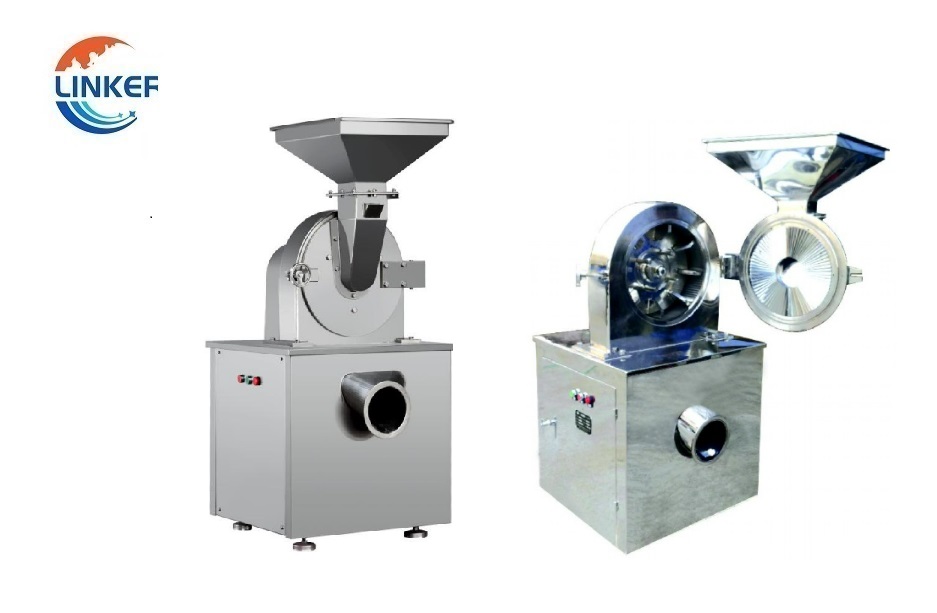
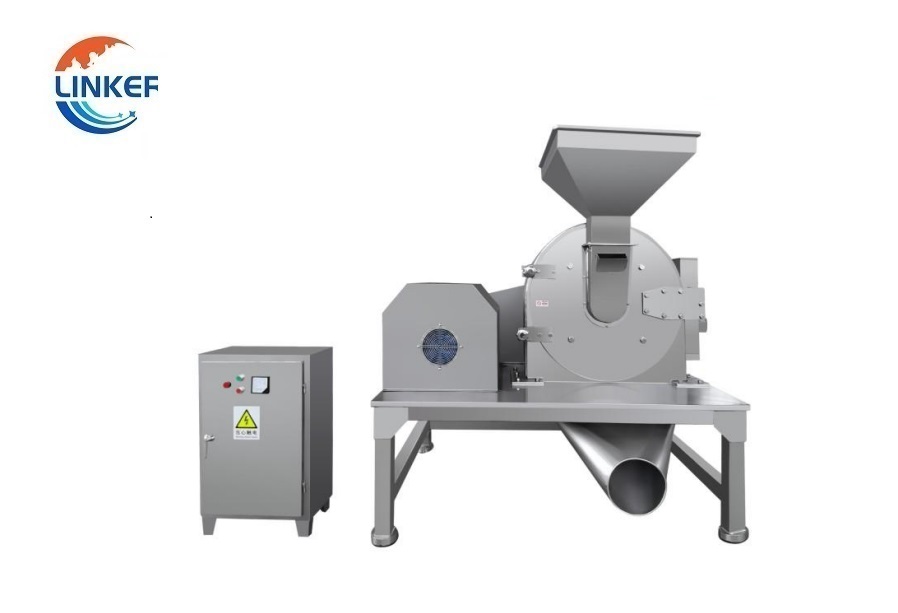
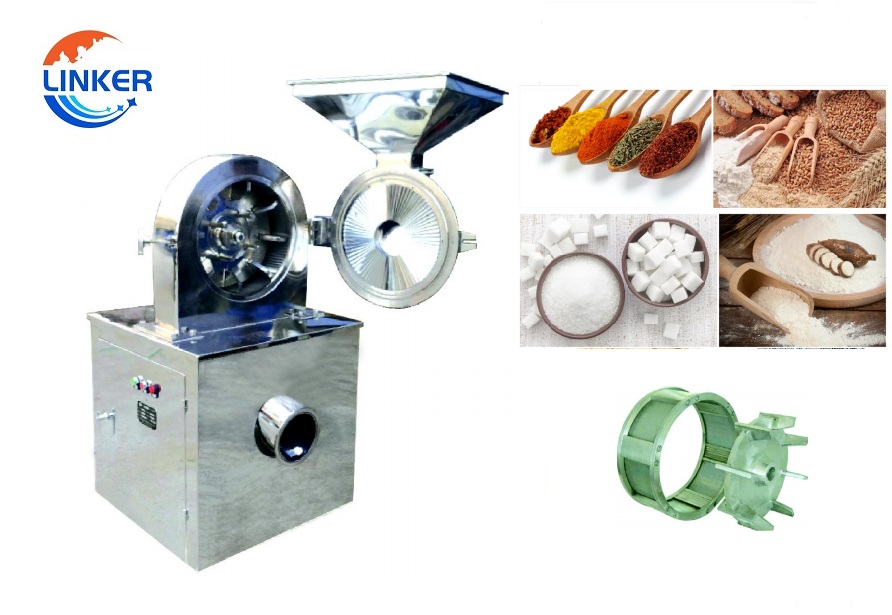
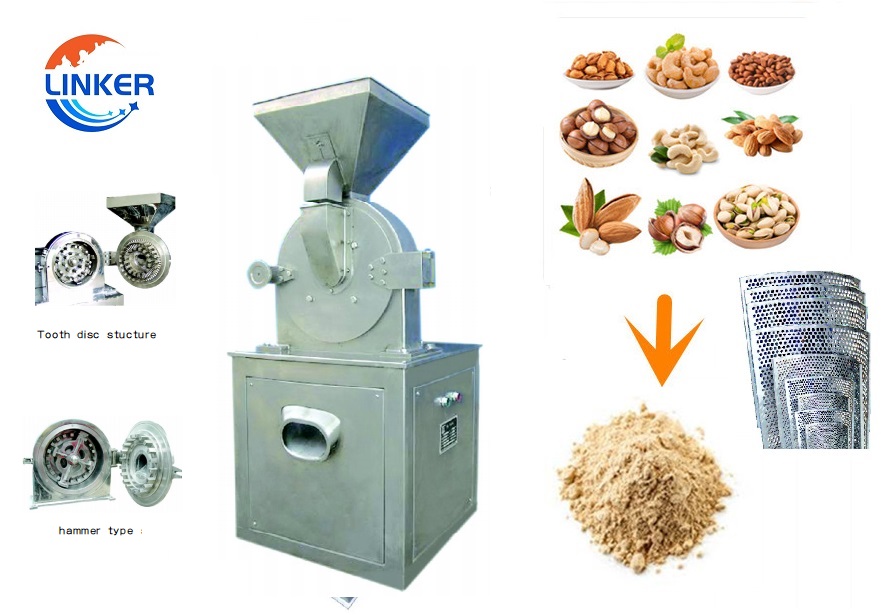
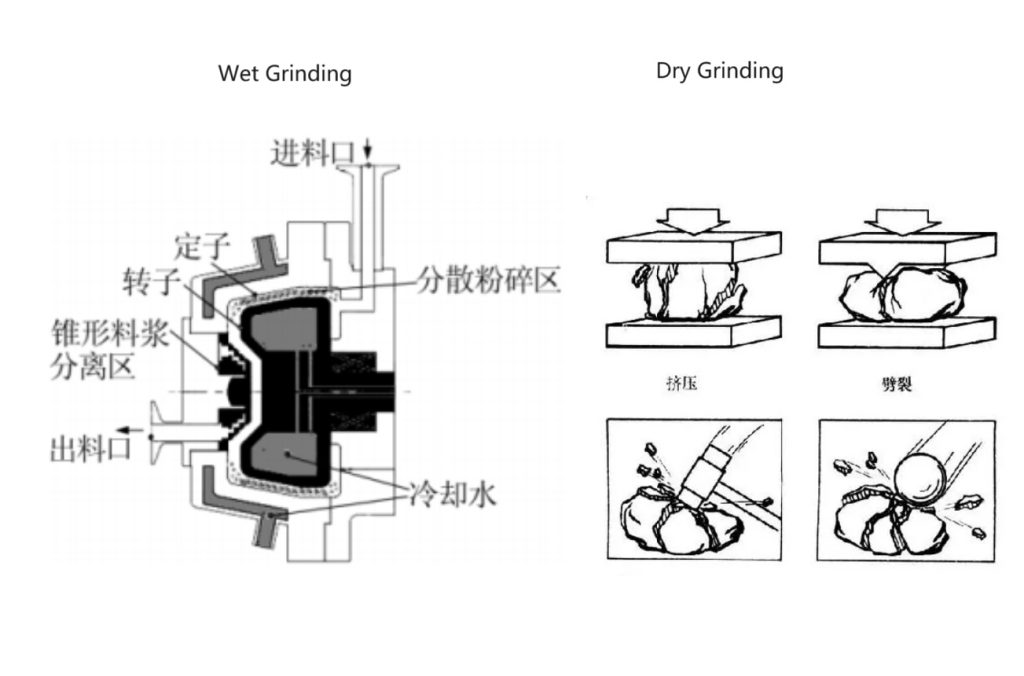
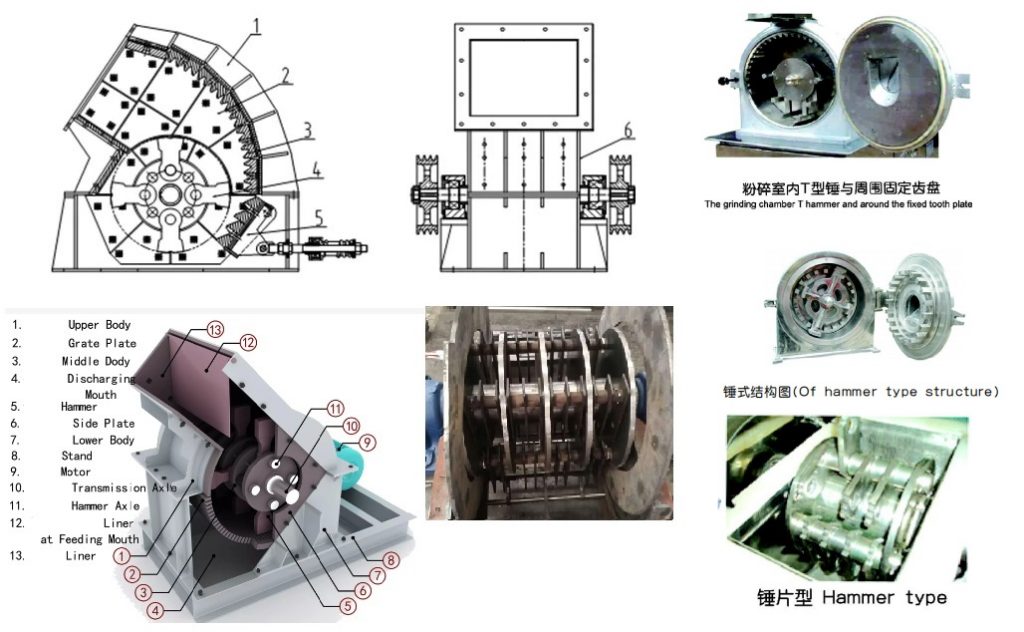
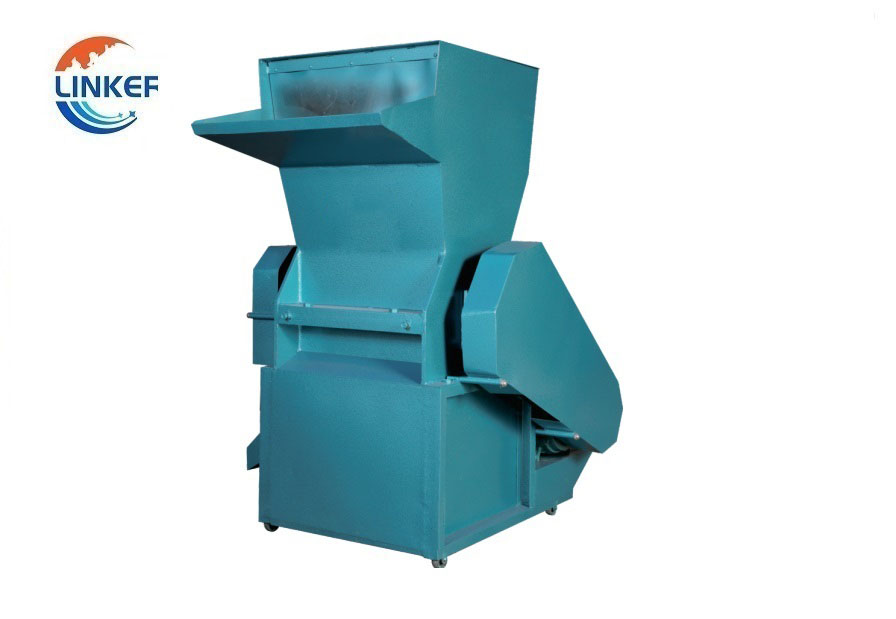
After being cleansed, the rubber granules move on to the crucial stage of powder production: fine grinding. They are fed into specialized rubber grinding mills, such as impact mills, roller mills, or airflow pulverizers for extremely fine powder. Because rubber can soften and re-agglomerate, controlling the heat produced during grinding is a major difficulty. As a result, cooling techniques are incorporated into most systems. Water-cooled jackets or air-cooled crusher designs may be used in standard lines.A cryogenic grinding machine is frequently used to produce very fine or high-quality powder (such as 240 mesh or finer). By cooling the rubber to extremely low temperatures using liquid nitrogen, this technique makes the rubber brittle and facilitates pulverization without thermal deterioration. This idea is comparable to cryogenic grinding, which is utilized on a much bigger industrial scale for heat-sensitive materials like some spices, medicinal herbs, or cannabis.
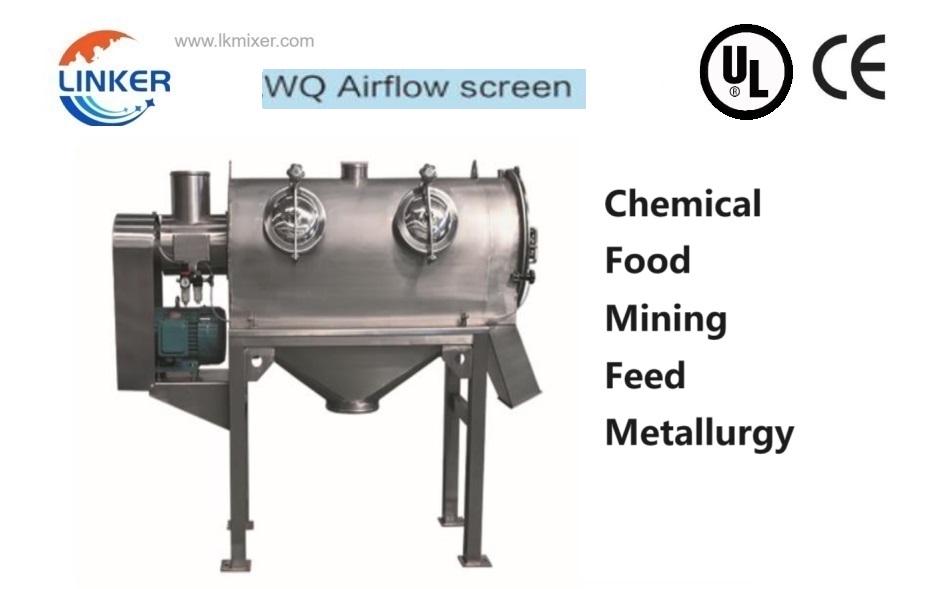
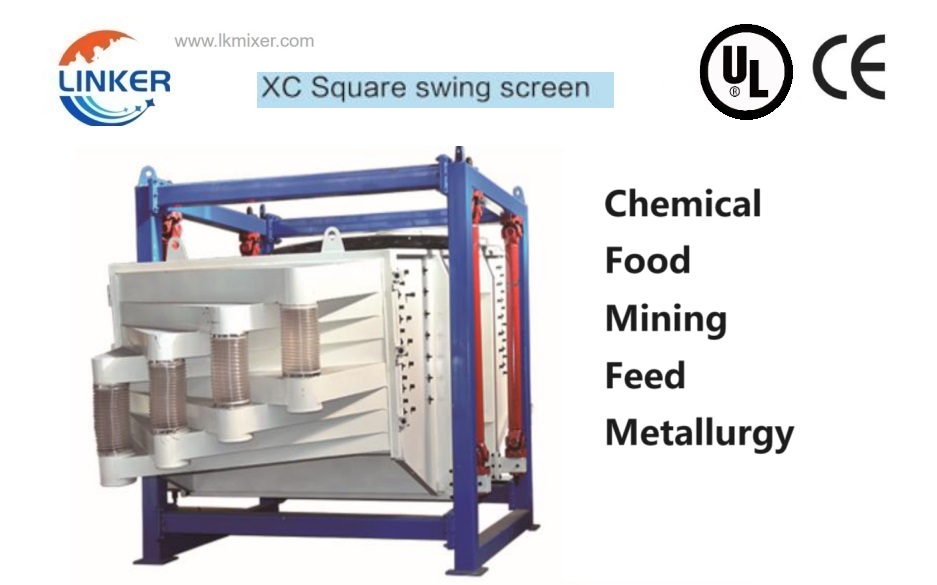
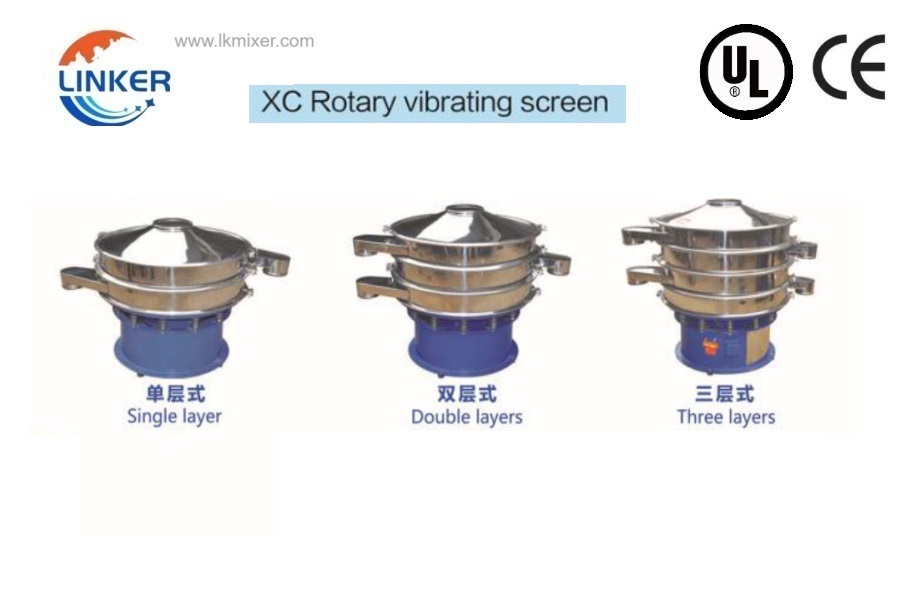
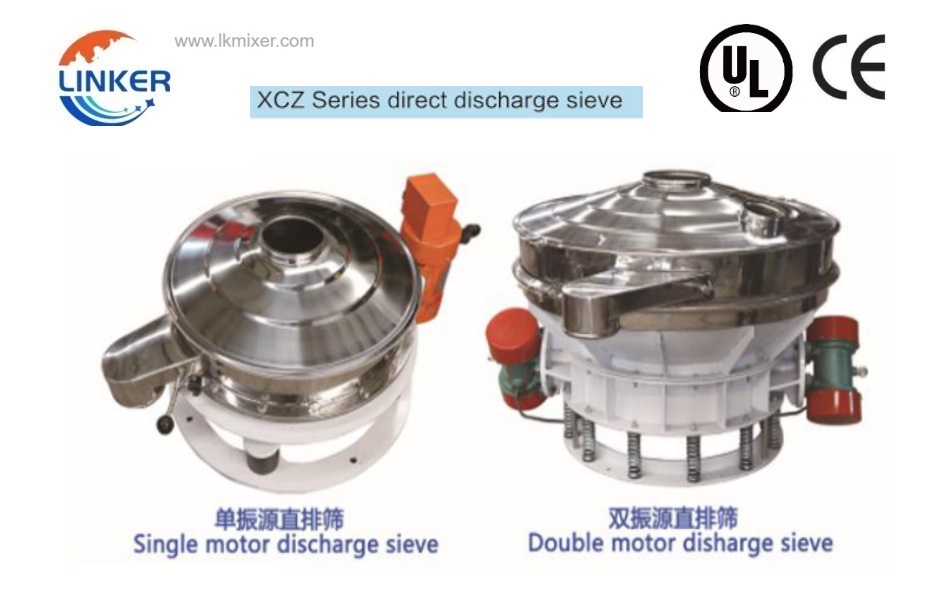
The Grading and Screening stage guarantees a consistent product after grinding. Vibrating pulverizers or multi-stage air classifiers (airflow pulverizers) are used to categorize the ground rubber powder according to particle size. Commercial grades that are frequently used are 10–40, 40–80, and 80–100 mesh.A closed-loop system that optimizes yield is created when any large particles are automatically recycled back to the grinding machine for further processing. Though intended for considerably heavier and more abrasive materials, this screening is comparable to sifting salt and sugar grains or grading flour by fineness.
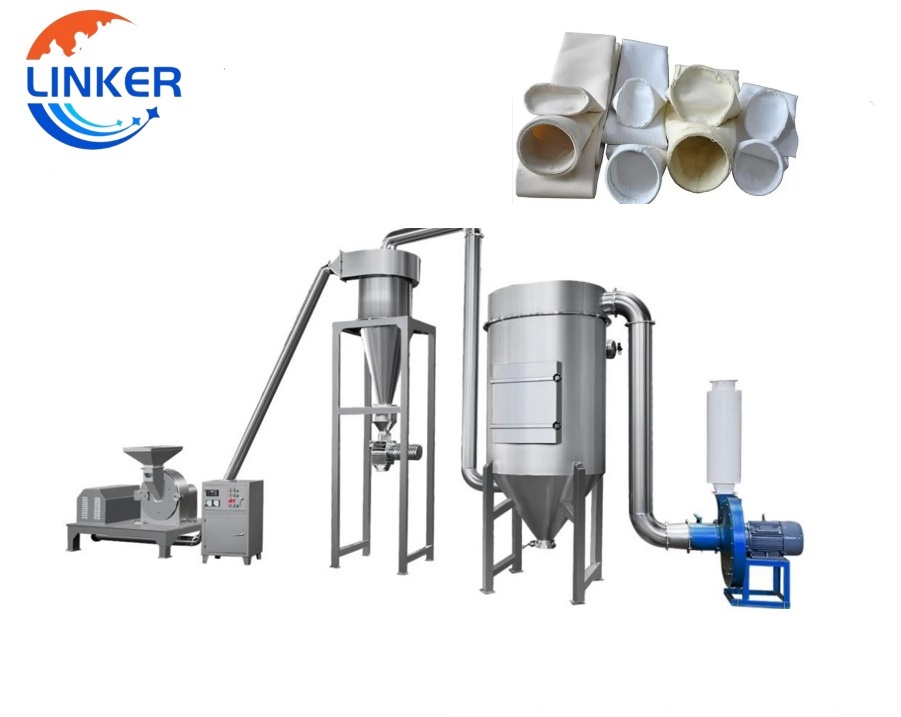
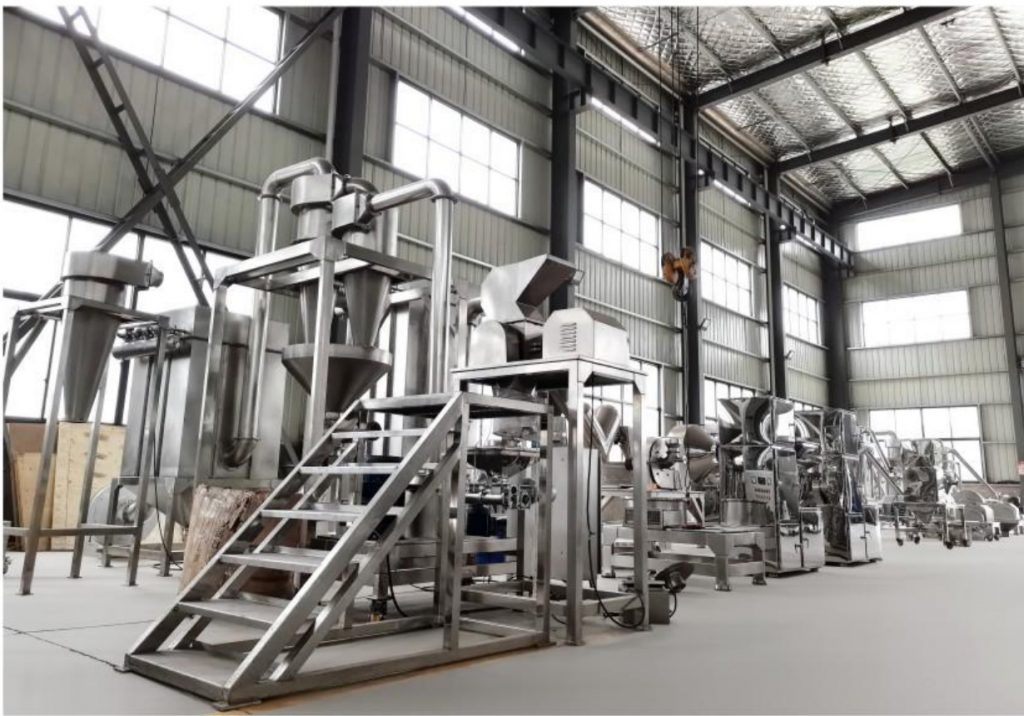
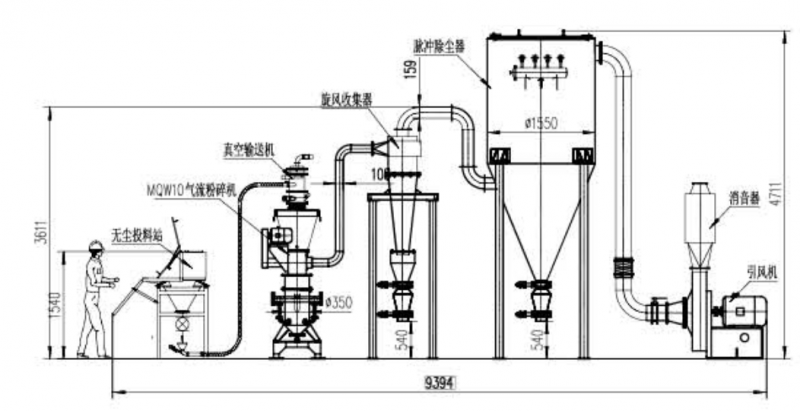
Effective dust removal and environmental control are critical during the dry processing stages. Complete dust collection systems, including baghouse dust collector grinders or pulse-jet dust filters, are installed throughout the line. By capturing airborne particles, these systems guarantee workshop air quality and stop product loss.Similar to rules in the food or chemical industries, certain sophisticated lines also have exhaust gas filtration and noise enclosures to satisfy strict environmental standards, which are essential in contemporary manufacturing.
Automatic Packaging and Storage is the last phase. An automated packaging station receives the completed rubber powder via pneumatic conveyance. Here, the powder is doped into bags (typical sizes: 25 kg/50 kg) by precision weigh-fillers, which frequently use auger or cup mechanisms.After that, the process can incorporate robotic palletizing and automatically seals the bags. Vacuum packing or nitrogen flushing systems can be incorporated for particular applications that call for longer shelf life or oxidation avoidance. This end-to-end automation ensures efficiency and hygienic conditions by mirroring packaging lines for commodities such as coffee, bean products, or chemical powders.
Important Technical Benefits
One distinguishing characteristic of the line is its High Degree of Automation. Controlled by a central PLC and SCADA (Supervisory Control and Data Acquisition) system, it greatly reduces manual labor and human error by enabling remote monitoring, real-time fault diagnostics, and full production data traceability.By continuously monitoring variables like temperature, pressure, and machine load, intelligent process control is accomplished. In order to maximize productivity and product quality, some contemporary lines even use AI algorithms to optimize feed rates and grinding times. Because of the fully enclosed structures and multi-stage dust collecting system, which guarantee that workshop dust concentrations are well below national emission regulations and make environmental impact assessment approvals easier, environmental compliance is built in. The line may be tailored for various capacities (usually 200–2000 kg/h) and product requirements thanks to its flexible configuration. It can be used to produce anything from high-purity, food-contact grade rubber powder to normal construction-grade material by selecting between ambient grinding with cooling or cryogenic grinding machine systems for ultra-fine powder.
Common Application Situations
The manufactured rubber powder’s many uses demonstrate its adaptability. Powder with a mesh size of 40–80 improves the elasticity, resistance to cracking, and noise level of modified asphalt. For the production of reclaimed rubber, 60–100 mesh powder is a sustainable substitute for virgin rubber in goods like hoses and tires. Rubber tiles, acoustic panels, and non-slip mats are all made in the building materials industry using powder with a mesh size of 20–40. Sports Surfaces, such as athletic tracks and synthetic turf infill, utilize 20–60 mesh powder. Lastly, extremely fine powder (≤240 mesh) is used as an ingredient in coatings and other specialist materials, as well as in High-End Composites.
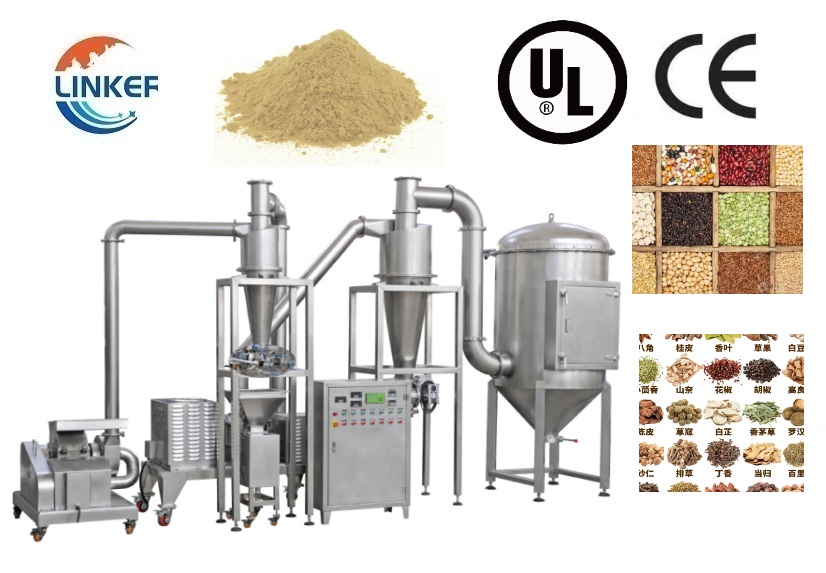
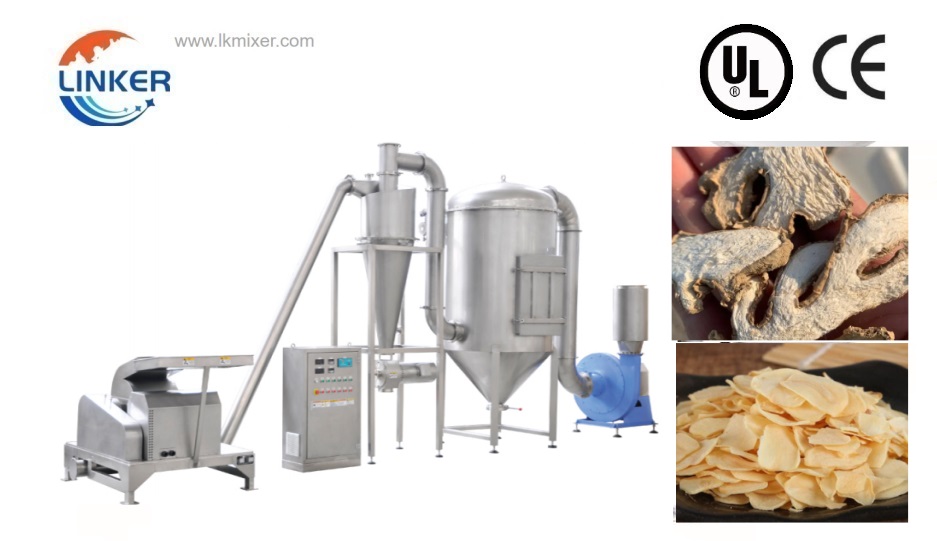
In conclusion, the Automatic Rubber Powder Production Line uses advanced automation and grinding technologies to turn waste into a useful resource. Although it serves a specific purpose, it is connected to a wider processing environment by the engineering principles of size reduction, separation, and automation. A common industrial thread is the pursuit of controlled particle size, efficiency, and clean operation, whether it is in a licorice grinding machine for herbal extracts, a dry fruit powder grinder machine for peanuts or seasam, or a universal grinder in a pilot plant. A specialized and potent solution for sustainable production is represented by key equipment in such a rubber line, which is frequently constructed with massive stainless steel components and may be certified to standards like CE Certificate grinder.
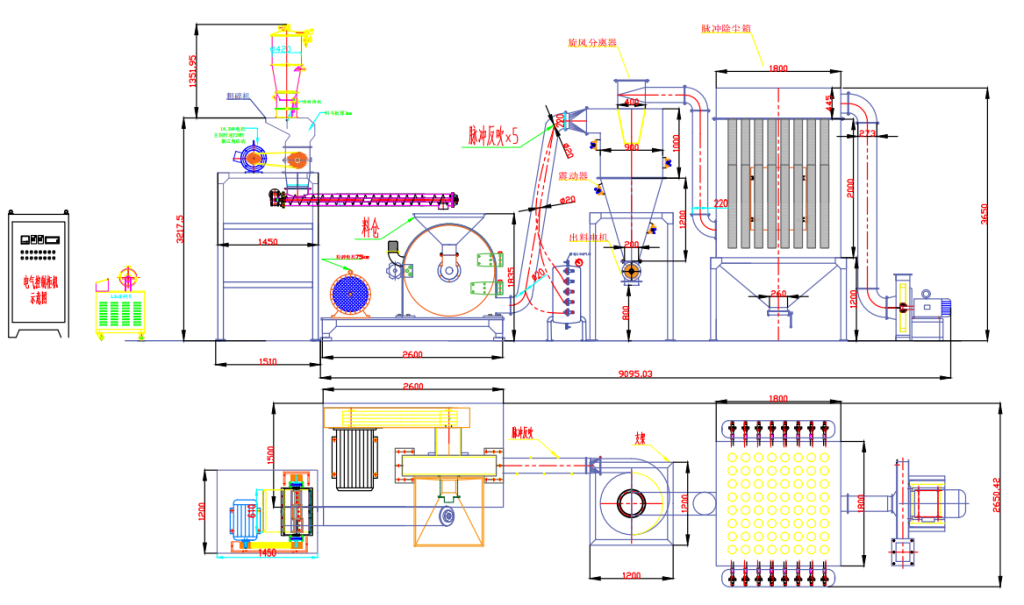

Parameters:

Model Name | SG-600 | |
| Crushing Capacity(kg/h) | 1000~2000 | |
| Power(kw) | 11 | |
| Feeding Size(mm) | <5mm | |
| Fineness(mesh) | 20~40mesh |
Model Name | SG-800 | |
| Crushing Capacity(kg/h) | 2000~4000 | |
| Power(kw) | 15 | |
| Feeding Size(mm) | <5mm | |
| Fineness(mesh) | 20~40mesh |
Trade Capacity
| International Commercial Terms(Incoterms): | FOB, CIF, CFR | Terms of Payment: | LC, T/T, PayPal, Western Union |
| Average Lead Time | 60 working days | Main Markets | North America, South America, Europe, Southeast Asia/ Mideast, East Asia(Japan/ South Korea), Australia, Domestic |
| Nearest Port: | Ningbo Port; Shanghai Port | Factory Address: | JiangSu, China |
Ampere of Motors Customization for Seeds Grinder:
| KW | HP | Ampere |
| 75kw | 100HP | 135A |
| 55kw | 75HP | 99A |
| 30kw | 40HP | 54A |
| 22kw | 30HP | 39A |
| 2.2kw | 3HP | 3.9A |
| 1.5kw | 2HP | 2.7A |
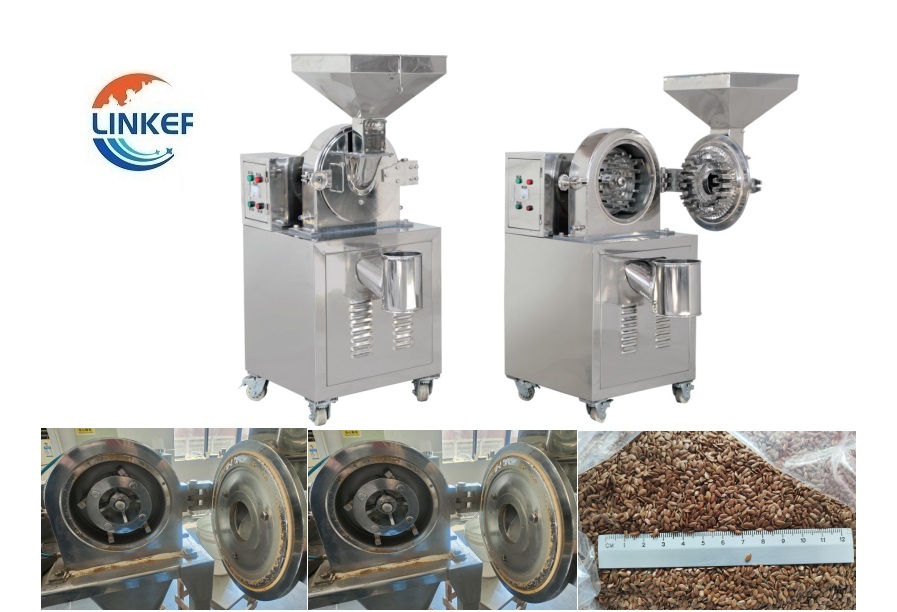
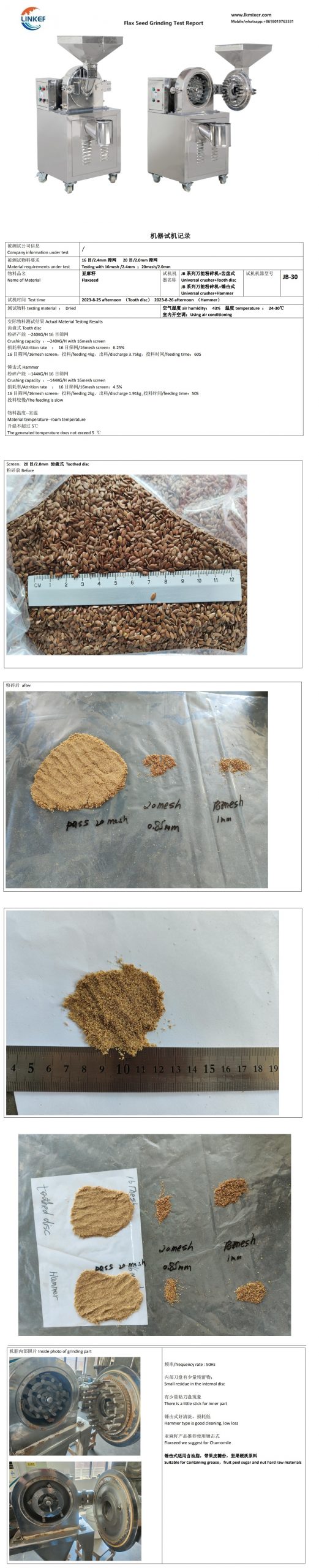
Test Report for Flax Seed Grinder:
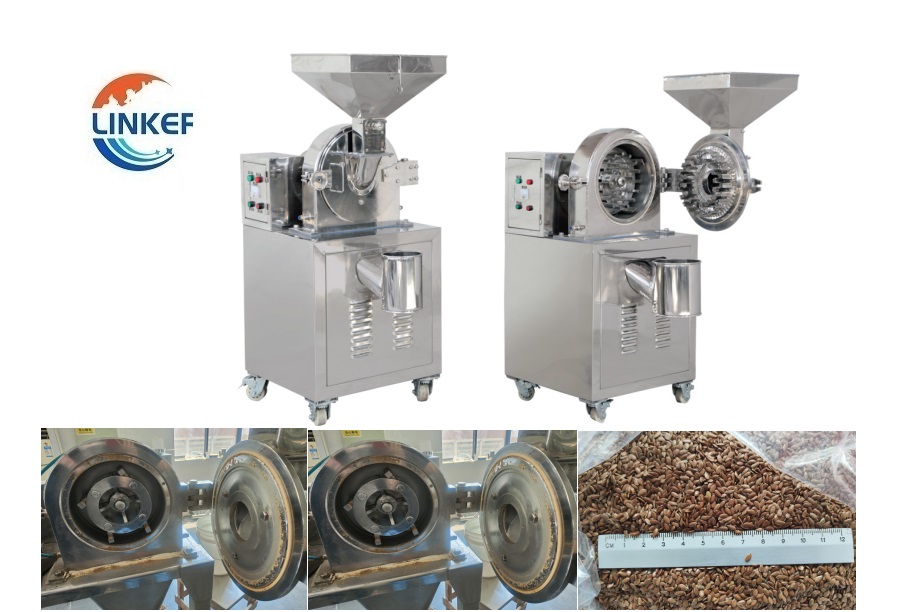
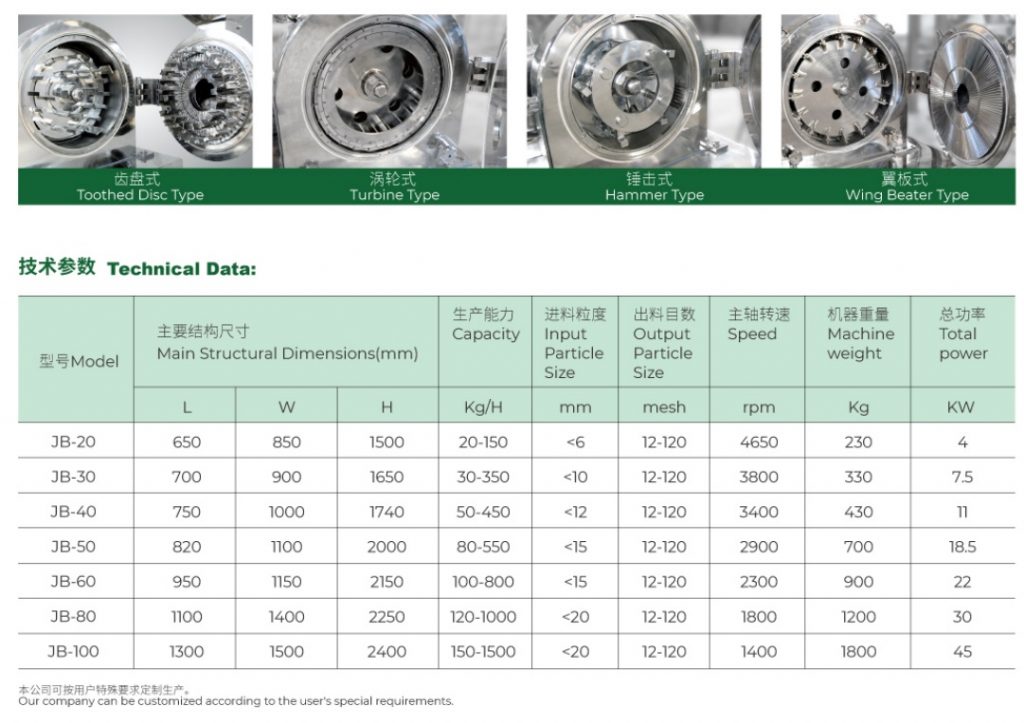
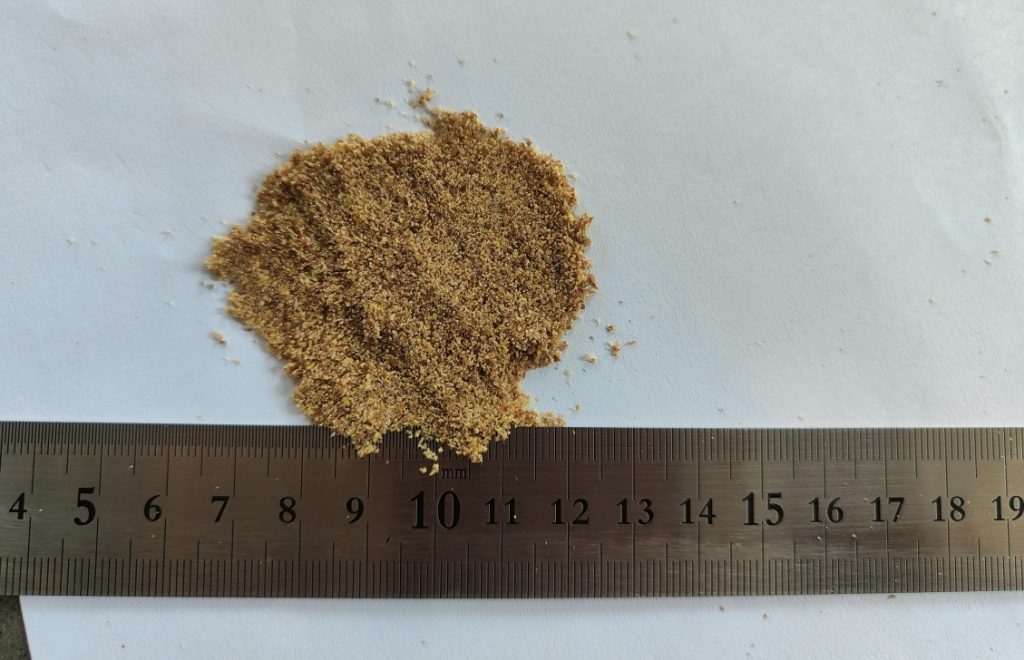
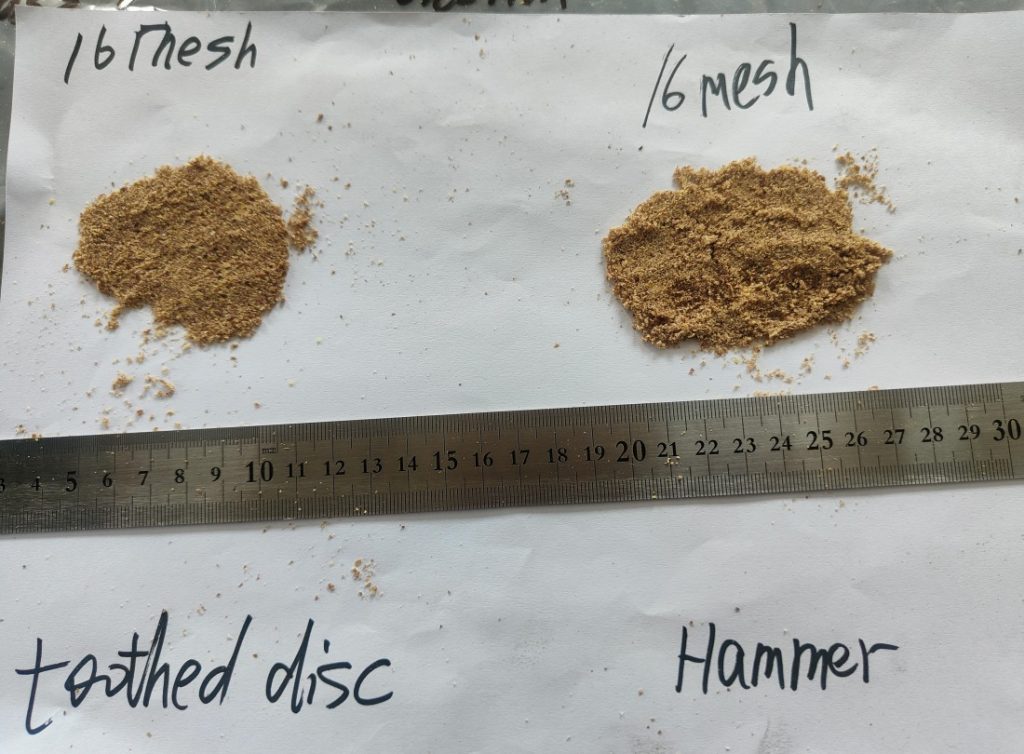
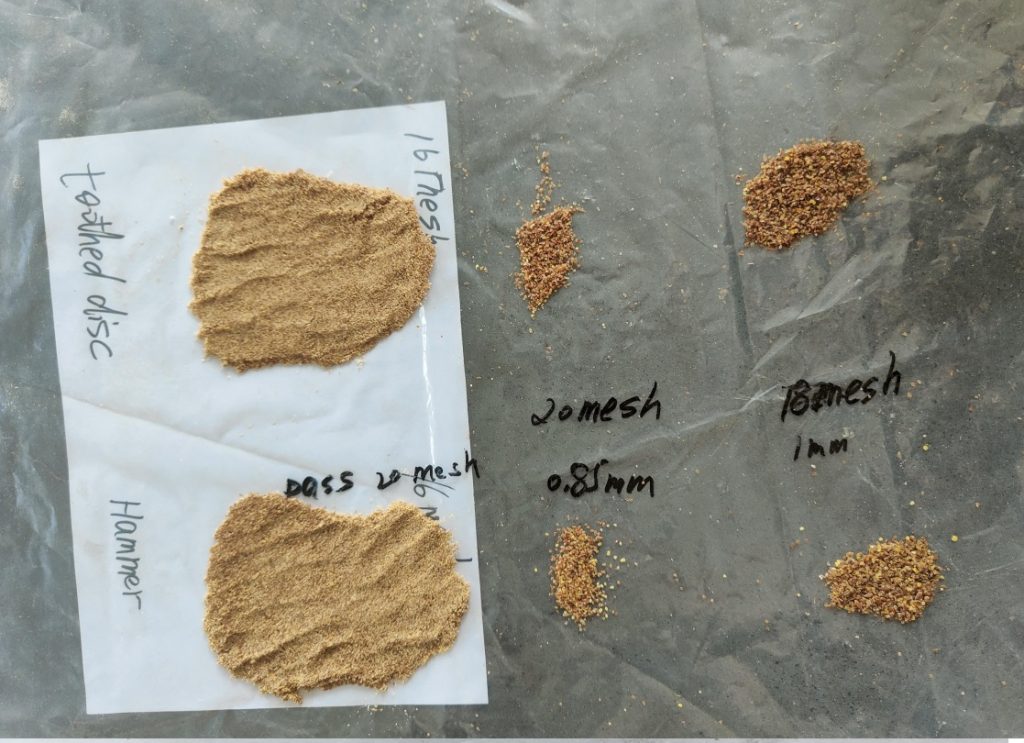
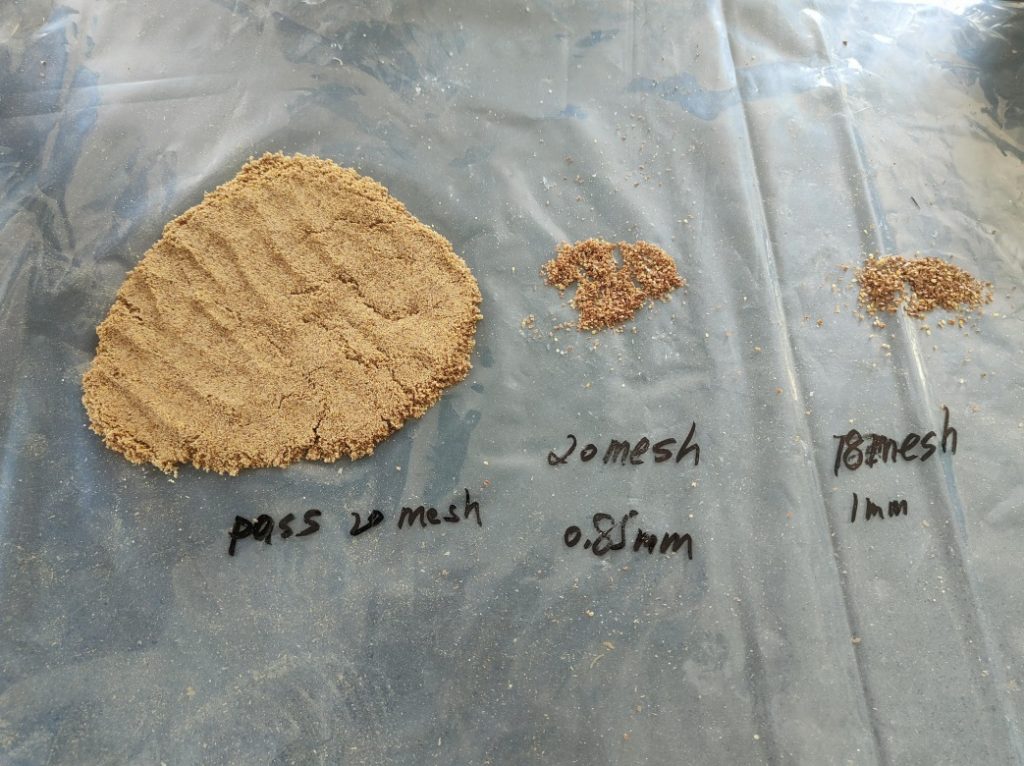
A flax seed grinder is a type of seed nut grinder specifically designed for grinding flax seeds. Flax seeds are small, hard seeds that are packed with nutrition and are commonly used in baking and cooking. Grinding flax seeds helps to unlock their nutrients and make them easier to digest.
Flax seed grinders typically feature sharp blades or burrs that rotate to crush the flax seeds into a fine powder. This powder can then be used in a variety of recipes, such as smoothies, baked goods, and yogurt toppings. Some flax seed grinders are manual and require hand-cranking, while others are electric and feature powerful motors for faster grinding.
When choosing a flax seed grinder, it’s important to look for one with durable blades or burrs that can withstand the hard texture of flax seeds.
There are 3 ways of cooling down the grinder: water cooling system; air cooling system and liquid nitrogen freezing system. You can choose the right one if the grinder gets too hot. When machines goes too hot, the metal can expand, causing the grinding wheel to get stuck.
| Business Type: | Manufacturer/Factory | Main Products: | Mill, grinder, granulator, mixer, Crushing Equipment |
| Number of Employees: | 100 | Year of Establishment: | 2014.05 |
| Production Capacity | 5000Set/Year | After-sales Service: | Technical Support; on-line teach lessons |
| R&D Capacity: | ODM, OEM | Annual Output Value: | US$5 Million – US$10 Million |
| No. of R&D Staff: | 5 | No. of Production Lines: | 6 |
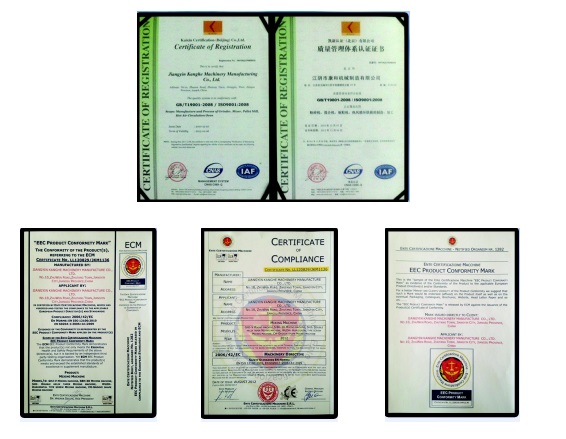
LK Mixer is a professional manufacturer for grinder, mixer and pulverizer. These machines are widely used in pharmaceutical, cosmetic, health care products and chemical industries. Our main product including granulating machine, grinder, mixer, dryer, etc. All mechanical products in accordance with the China GMP design requirements. And also we have other certifications such as CE, UL for motors.
Business Philosophy
“Quality is the main policy of sales” and “integrity is the principle of success” are the business philosophy of our people. We carry out one-year warranty, lifelong maintenance service, with technical consultation, with material test machine and other services, and long-term supply of equipment. Welcome new and old customers to negotiate cooperation!
Certifications:
Customer Side Machine Groups Showcase Videos:
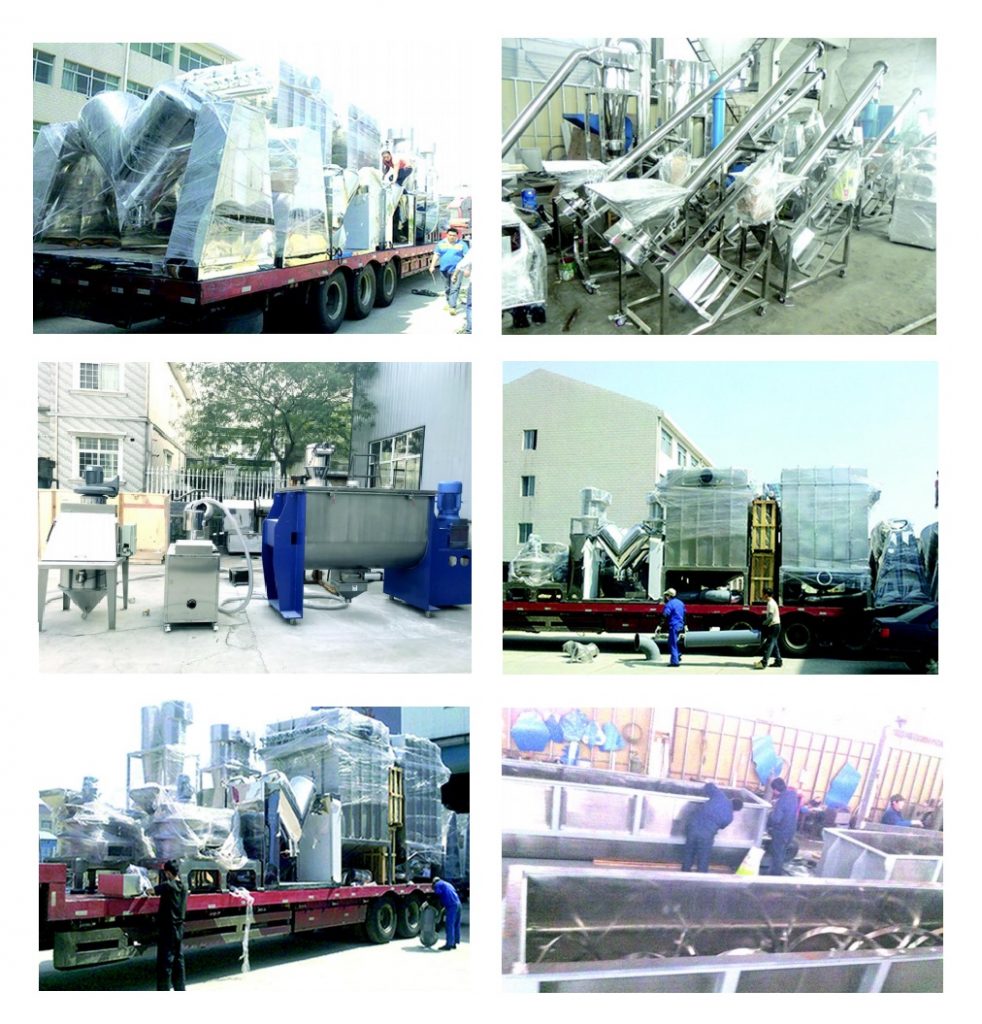
Dust Collector Shipment
Shipment – Packing Method
Two Large Industrial Grinder Ready to Ship
Domestic Shipment Show Case:
Operation Instruction
General Provisions
The operation instructions for a commercial grinder may vary depending on the specific model and manufacturer. However, here are some general guidelines that may apply to many high speed grinders:
- Safety precautions: Before operating the high speed grinder, it is important to review all safety precautions and warnings provided in the user manual. Safety precautions may include wearing appropriate personal protective equipment, such as eye protection and hearing protection, and avoiding loose clothing or jewelry that could become caught in the grinder.
- Preparation: The high speed grinder should be placed on a stable and level surface, and all necessary components should be assembled according to the manufacturer’s instructions. The grinder should also be connected to a power source that is appropriate for its voltage and wattage.
- Loading the grinder: The material to be ground should be loaded into the grinder according to the manufacturer’s instructions. Overloading the grinder may cause damage to the machine and result in poor grinding performance.
- Starting the grinder: The grinder should be started according to the manufacturer’s instructions. This may involve pressing a button, turning a dial, or flipping a switch. The user should ensure that their hands are clear of the grinder and that the material to be ground is positioned properly.
- Adjusting the speed and settings: The speed and other settings of the high speed grinder may be adjusted according to the material being ground and the desired outcome. The user should follow the manufacturer’s instructions for making adjustments to the grinder.
- Monitoring the grinding process: The user should monitor the grinding process to ensure that it is progressing smoothly and that the material is being ground to the desired size and consistency. Any issues or abnormalities should be addressed promptly to prevent damage to the machine.
- Shutting down the grinder: When the grinding process is complete, the grinder should be shut down according to the manufacturer’s instructions. The user should ensure that the machine is completely stopped and that all moving parts have come to a complete stop before attempting to clean or service the grinder.
Overall, the operation instructions for a commercial grinder may involve a number of steps and safety precautions. It is important to carefully review the manufacturer’s instructions and follow proper operating procedures to ensure safe and effective use of the machine.
Preparation Work
Before running a commercial grinder, there are several important preparation steps that should be taken to ensure safe and effective operation of the machine. Here are some general guidelines for preparing to run a high speed grinder:
- Read the user manual: The first step in preparing to run a high speed grinder is to carefully read the user manual provided by the manufacturer. The user manual will provide important information about the specific model of grinder being used, including its features, specifications, and safety precautions.
- Select the appropriate grinding wheel: The grinding wheel used in a high speed grinder should be selected based on the material being ground and the desired outcome. It is important to use the correct type of grinding wheel to prevent damage to the machine and ensure optimal grinding performance.
- Inspect the grinder: Before running the grinder, it is important to inspect it for any signs of damage or wear. The user should check for loose or missing components, cracks or other signs of damage to the machine’s housing or other parts, and any other issues that could affect the grinder’s operation.
- Install the grinding wheel: The grinding wheel should be installed according to the manufacturer’s instructions, making sure that it is securely fastened and aligned properly. The user should also check the wheel for any cracks or other signs of damage before installation.
- Secure the workpiece: The workpiece to be ground should be securely clamped or held in place before starting the grinder. This will help to ensure safe and effective operation and prevent the workpiece from becoming dislodged or damaged during grinding.
- Connect the power source: The high speed grinder should be connected to a power source that is appropriate for its voltage and wattage. It is important to use a properly grounded power source to ensure safe and reliable operation of the machine.
- Test run: Before beginning actual grinding operations, it may be useful to perform a test run to ensure that the grinder is functioning properly and that the grinding wheel is aligned and balanced properly. The user should follow the manufacturer’s instructions for performing a test run.
By following these preparation steps, users can ensure safe and effective operation of a high speed grinder and achieve optimal grinding results.
Treatment of inspection
Inspection of a commercial grinder is an important maintenance procedure that helps ensure safe and effective operation of the machine. Here are some general guidelines for inspecting a high speed grinder:
- Disconnect power source: Before performing any inspection or maintenance on a high speed grinder, the power source should be disconnected to prevent accidental startup.
- Check for wear and damage: The user should inspect the grinder for any signs of wear or damage, such as cracks in the housing, worn or damaged grinding wheels, or loose or missing parts. Any issues should be addressed promptly to prevent further damage to the machine.
- Check alignment and balance of grinding wheel: The grinding wheel should be inspected for proper alignment and balance, as these factors can affect the quality of the grinding operation. If the grinding wheel is not properly aligned or balanced, it should be adjusted or replaced as necessary.
- Check for proper lubrication: The high speed grinder should be inspected for proper lubrication, as inadequate lubrication can cause excessive wear and damage to the machine’s moving parts. The user should follow the manufacturer’s instructions for lubrication, and add lubricant as necessary.
- Inspect electrical components: The electrical components of the high speed grinder, including the wiring, switches, and control panel, should be inspected for any signs of wear, damage, or loose connections. Any issues should be addressed promptly to prevent electrical problems.
- Test run: After completing the inspection, it may be useful to perform a test run of the high speed grinder to ensure that it is functioning properly and that any issues have been addressed.
By following these inspection guidelines, users can help ensure safe and effective operation of a high speed grinder and minimize the risk of damage or injury during grinding operations.
Operation Attention
Running a commercial grinder can be a dangerous operation if proper precautions are not taken. Here are some general guidelines for safe operation of a high speed grinder:
- Personal protective equipment: The user should wear appropriate personal protective equipment, such as safety glasses, hearing protection, and gloves, to prevent injury from flying debris, noise, and contact with the grinding wheel.
- Secure workpiece: The workpiece being ground should be securely clamped or held in place to prevent it from becoming dislodged during grinding.
- Use proper grinding wheel: The user should select the appropriate grinding wheel for the material being ground and ensure that it is installed correctly and securely. The grinding wheel should be inspected for cracks or other damage before use.
- Adjust grinding wheel speed: The speed of the grinding wheel should be adjusted according to the manufacturer’s instructions to ensure optimal grinding performance and prevent damage to the machine or workpiece.
- Avoid excessive pressure: The user should avoid applying excessive pressure to the grinding wheel, as this can cause the wheel to overheat and wear out more quickly.
- Avoid overheating: The high speed grinder should not be operated continuously for extended periods of time, as this can cause overheating and damage to the machine.
- Monitor grinding operation: The user should closely monitor the grinding operation to ensure that the workpiece is being ground properly and that the grinding wheel is functioning correctly.
- Disconnect power source: After completing grinding operations, the power source should be disconnected to prevent accidental startup.
By following these guidelines, users can operate a high speed grinder safely and effectively, and achieve optimal grinding results. It is important to follow the manufacturer’s instructions and all applicable safety regulations when operating any type of machinery.
Applications of Industrial Seed Grinder
Industrial seed grinders are used in a variety of applications across many industries. Here are some of the most common applications of industrial seed grinders:
- Food industry: Industrial seed grinders are used extensively in the food industry to grind seeds, nuts, and spices into fine powders or pastes. These powders and pastes are then used in a variety of products such as sauces, seasonings, and spreads.
- Pharmaceutical industry: In the pharmaceutical industry, industrial seed grinders are used to grind plant material into a fine powder, which is then used to make medicines and supplements.
- Cosmetics industry: Industrial seed grinders are also used in the cosmetics industry to grind plant material into a fine powder or paste, which is then used in products such as face masks, scrubs, and exfoliants.
- Agricultural industry: Industrial seed grinders are used in the agricultural industry to process seeds, such as soybeans, into animal feed.
- Chemical industry: In the chemical industry, industrial seed grinders are used to grind materials such as resins, pigments, and dyes into a fine powder.
- Renewable energy industry: Industrial seed grinders are also used in the renewable energy industry to process biomass into a fine powder, which is then burned to generate electricity.
Overall, industrial seed grinders are versatile machines that are used in many different industries for a variety of applications. They are essential for processing plant material into fine powders and pastes that can be used in many different products.
Waste tires can be continuously converted into fine rubber powder using an Automatic Rubber Powder Production Line, which uses intelligent equipment. The main steps in this process are preparation, separation, fine grinding, and automated packaging.
Preparing Raw Materials
Tire preparation is the first step in the entire procedure. The steel bead wires are first extracted from waste tires using a tire de-beading machine. After that, the tires are put into block or strip cutting machines, which cut them into consistent rubber chunks that are usually about 50 by 50 mm in size.These pieces serve as the main source of feedstock for the phases that follow. Similar to the initial crushing or chopping in other sectors, whether it’s breaking down bones in rendering processes or preparing cassava for a cassava grinding mill, this initial size is essential for effective handling and processing. These chunks are usually moved to the following stage by an automatic charger or conveyor system, which guarantees a consistent and regulated material flow into the main processing line.
Impurity Separation and Secondary Crushing
After that, the produced rubber pieces move on to the critical step of impurity removal. They are initially fed through a primary crusher, which usually consists of a heavy-duty dual-shaft shear shredder. The crusher breaks them up into smaller granules that are between 8 and 15 mm in size.Compared to a small herb grinder or a standard corn hammer mill, this machine works on a considerably bigger scale. Water spray systems are frequently utilized to reduce dust, cool the equipment, and lubricate during this initial shredding. Rubber, steel wires, and textile fibers must be separated from one another. More than 99% of the ferrous metal (steel) is eliminated using strong hanging magnets or magnetic drums. Vibrating pulverizer screens or air classifiers are subsequently used to sort the residual lighter textile fibers. Similar to the cleaning and winnowing procedures for agricultural products like wheat, rice, or seeds before they are ground into flour or other products, this thorough cleaning stage is essential for generating pure rubber powder.The rubber granules may go through a further crushing process after purification in order to optimize their size and uniformity for the fine grinding stage.
Classification of Particle Size and Fine Grinding
The rubber is turned into powder here, at the center of the production line. Rubber granules that have been cleaned and sized are put into specialized grinding machines. The quality and fineness of the finished product are greatly influenced by the technology selection. Ambient grinding with cooling is typical for standard to fine rubber powder (e.g., 10-100 mesh).These grinding devices, which can be impact or roller mills, frequently have water-cooled jackets or air-cooled crusher systems to disperse the heat produced by friction and stop the rubber from softening and re-agglomerating.
Cryogenic grinding is the recommended technique for creating ultra-fine rubber powder (up to 240 mesh or more) or for applications requiring exceptional particle characteristics. Rubber granules are subjected to liquid nitrogen (at about -195.8°C) in a cryogenic grinding machine, which embrittles the substance. This makes it easier to break up into smaller particles with less heat production and a more regulated particle shape.Although this technology is designed to meet the high volume requirements of rubber recycling, it is conceptually comparable to that used for grinding heat-sensitive spices, specific medicinal herbs, or other temperature-sensitive materials in specialized applications. Multi-stage recovery systems are frequently used to effectively handle cold energy. Vibrating pulverizers or, for more accurate separation, airflow pulverizers (air classifiers) are then used to classify the ground powder by particle size. These devices sort the powder into different mesh sizes, like 80–100 mesh or 10–40 mesh. High yield and constant product quality are ensured by automatically recycling any large particles back into the grinding process. With integrated dust collector grinder systems catching any airborne particles, this entire grinding and classification area is subject to strict dust control.
Automated Packaging and Environmental Control
An essential component of the design is environmental responsibility. Comprehensive dust collection systems, including pulse-jet baghouse filters, are used at all transfer points and processing stations, and the entire production line is usually enclosed. This guarantees that the levels of dust in the workshop meet national environmental and occupational health regulations. Following classification, the completed rubber powder is delivered to the automated packaging station using pneumatic conveying equipment. Here, the powder is doped into bags, usually weighing 25 kg or 50 kg, using precision weighing devices.Similar to methods used to preserve coffee or some food items, the packaging line may offer choices for vacuum packing or nitrogen gas flushing to increase the product’s shelf life by preventing oxidation. The completely automated process from waste tire to packaged product is subsequently completed by robots sealing, labeling, and frequently palletizing the bags.
In conclusion, an Automatic Rubber Powder Production Line is an advanced recycling system that turns a difficult waste stream into a useful product.Although it serves a particular purpose, numerous processing sectors share the underlying technologies of size reduction (using equipment far more robust than a universal grinder or a dry fruit powder grinder machine), precise separation, and automated control. The concepts of effective, clean, and controlled manufacturing are applicable anywhere, from a 500KG grinder in an industrial facility to a CE Certificate grinder guaranteeing safety standards. The line’s construction, which frequently uses massive stainless steel components for longevity and hygienic reasons, demonstrates a dedication to cutting-edge and sustainable manufacturing techniques.
Food Producing Process Flow:
Ultrafine grinding is one of the very key procedure in whole production line. It depends how many mesh that customer need to produce. That’s to say this machine can decide what kind of material will get finally before mxing.
Coarse Crusher Machine —>Grinding Machine —> Vibrating Table Sifter Machine—>Mixing Machine—>Packing Machine —> (Printed Packaging Film Roll or bags ) —> Filling, sealing machine, capping and Labeling Machine —>Pack into Box.
Contact us for detail proposal and cost:
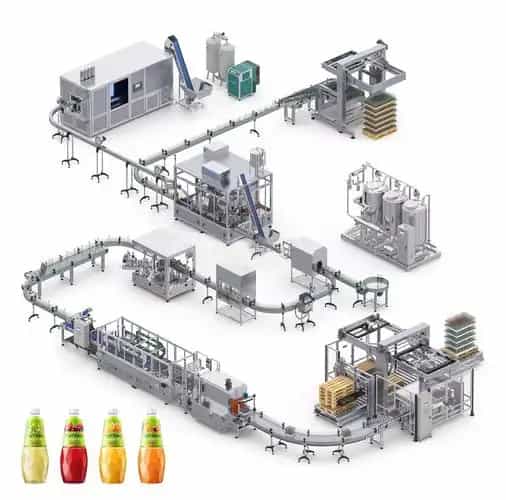

Automatic Banana Powder Production Line Youtube Video
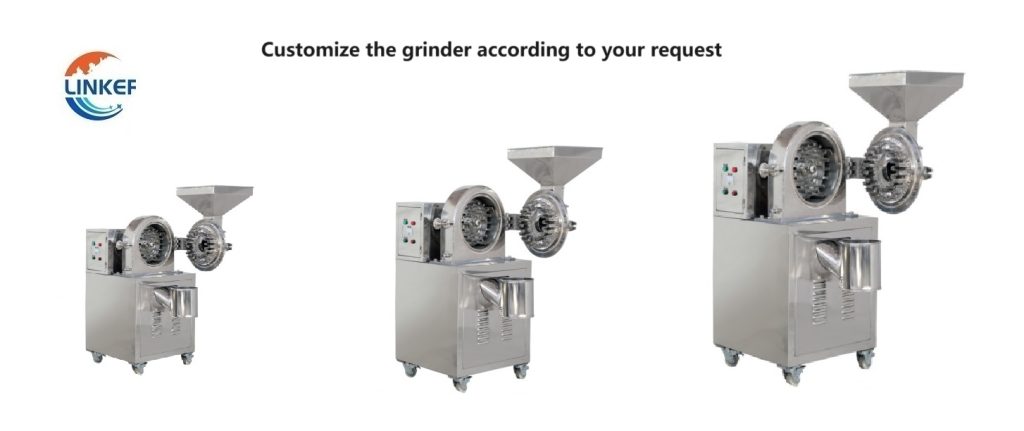
Customization Seeds Grinder According to your Capacity:
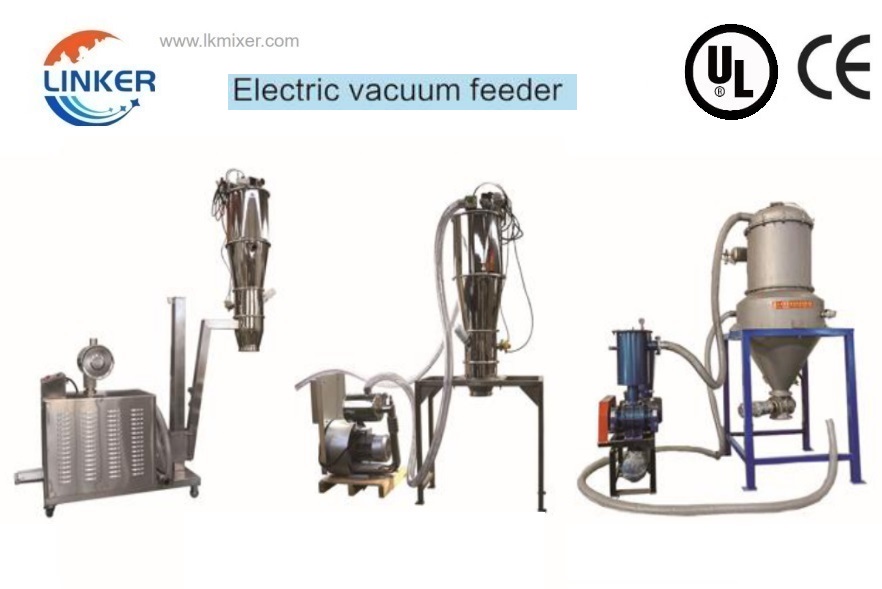
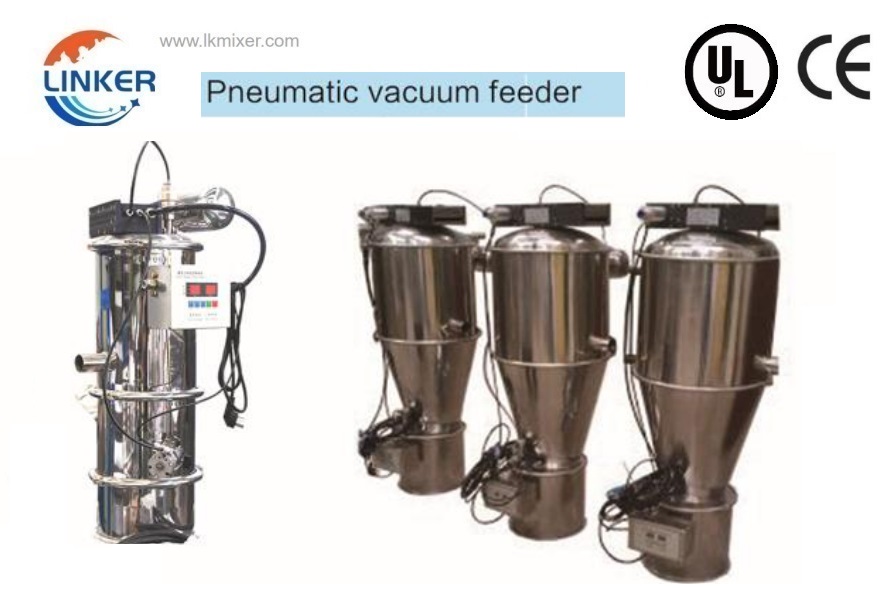
We can customize the capacity according to your special requirement, we can also customize the vacuum feeder connect with your production line (the dimension and width of grinder), for detail contact with our sales for proposal and price.
Videos of Seeds Grinder Machine:
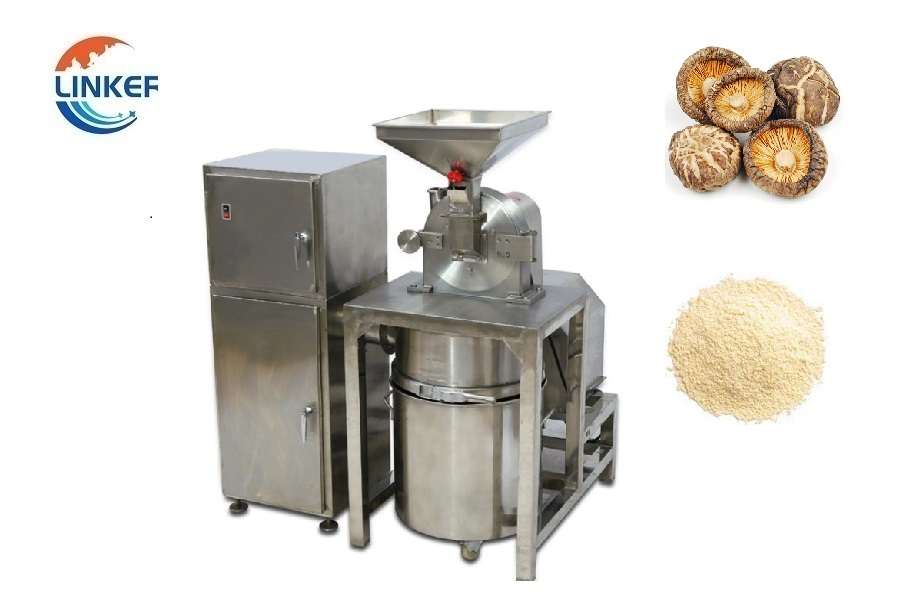
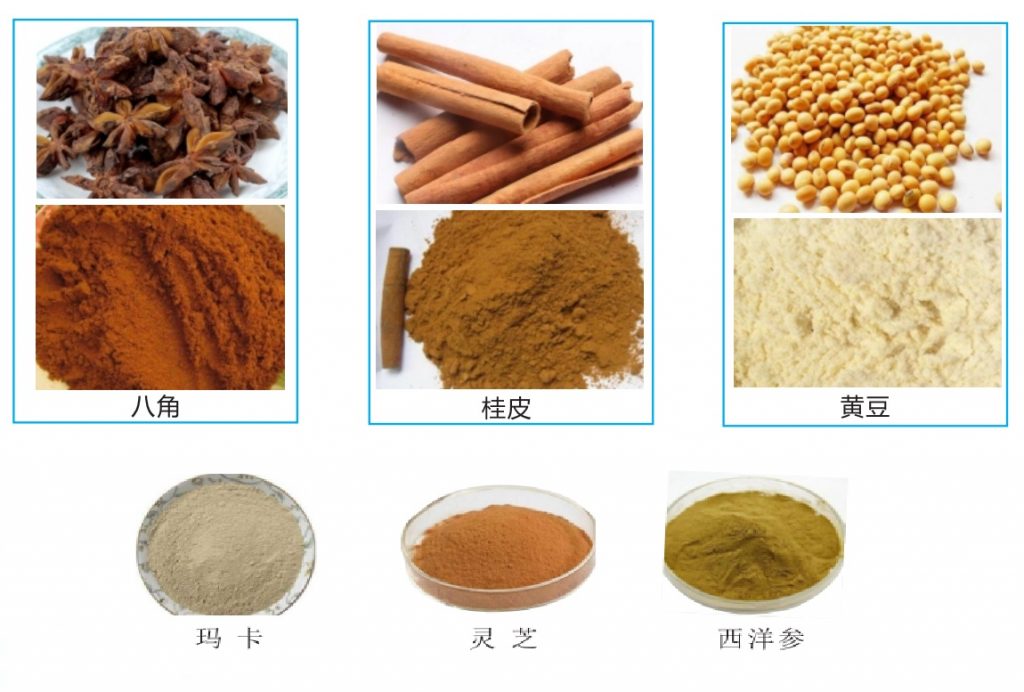
Many model of Seeds Grinder, the universal grinder is suitable to cut the seeds into 12-120mesh, the high efficient grinder is useful, but cost a little bit higher than universal. The super fine grinder can grind into 100mesh to 320mesh. Customer can choose according to your own requirement. here show some example:
About LKMixer
LKMixer is a professional manufacturer for fertilizer production line, grinder, mixer and granulator, shredder. These machines are widely used in food, pharmaceutical, cosmetic, health care products and chemical industries. The Food materials like Peanut, mushroom, seeds, potato, bean, tobacco, salt, cannabis, tea, Sugar, corn, Coffee, rice, pepper, grain as so on. Grinders have many types such as Pulse Dust Grinder which suitable for zero pollution environment, Turbine Mill which is suitable for coffee bean, 12-120mesh all can meet, Ultrafine Grinding Mill covers 80-200mesh, and also Winnowing Dust Grinder or other grinding machines like SF Hammer. Welcome to contact us for details. Contact us for more information. Proposal, catalog, quotation. Mobile/WhatsApp: +86 18019763531 Tel: +86 21 66037855 Email: sales@lkmixer.com
Contact Us
FAQ(Click and See More)
Read More about Herb Grinder:
Why are herb grinders so expensive?
Are electric herb grinders good?
What is the best way to grind up herbs?
Can you chop herbs in a coffee grinder?
How to grind dried herbs into powder?