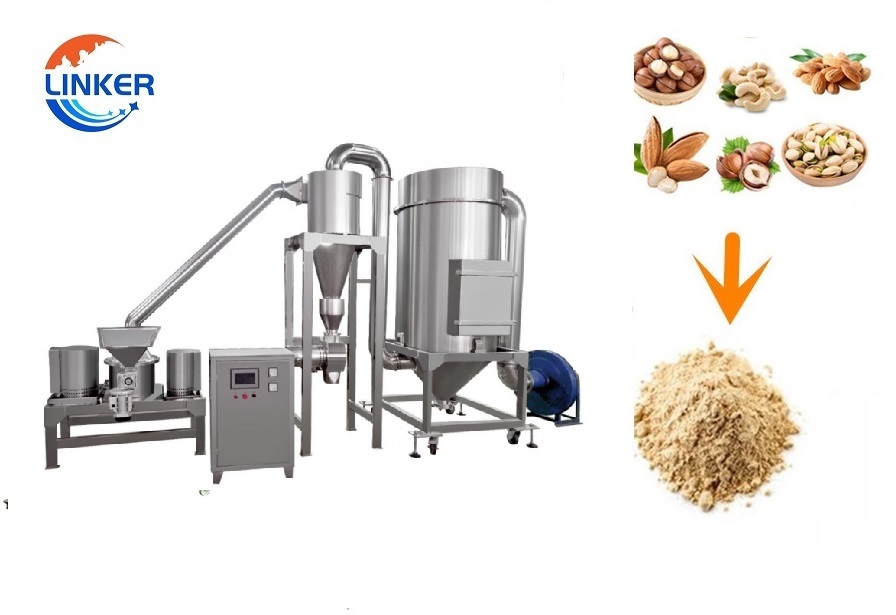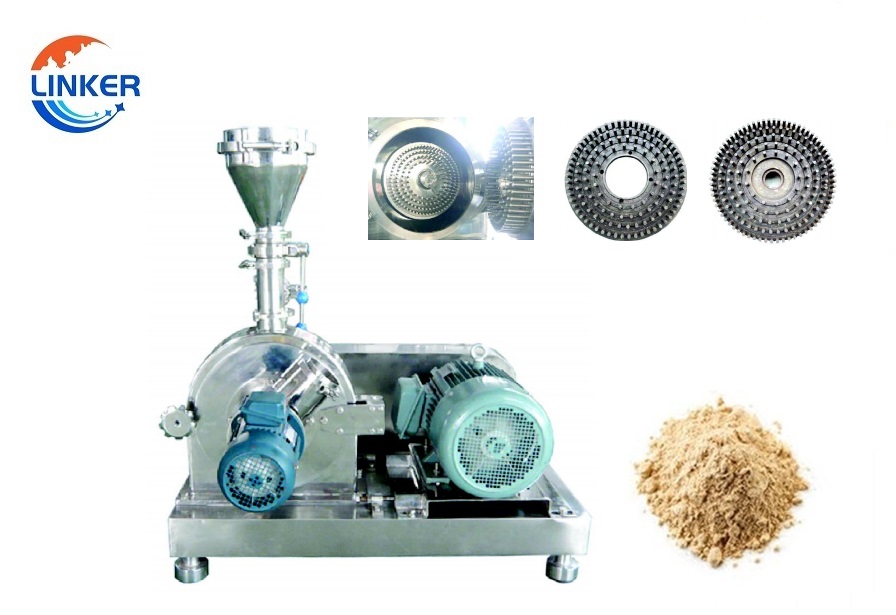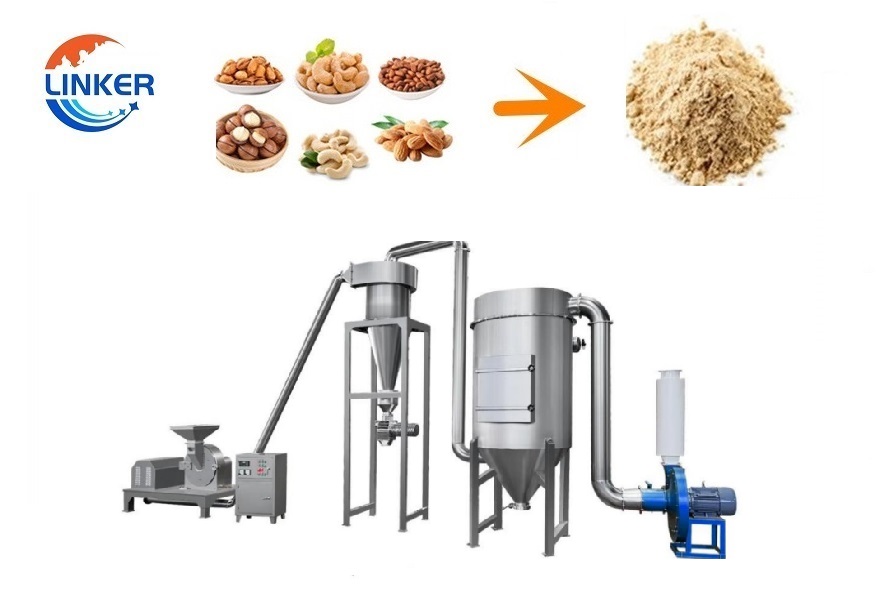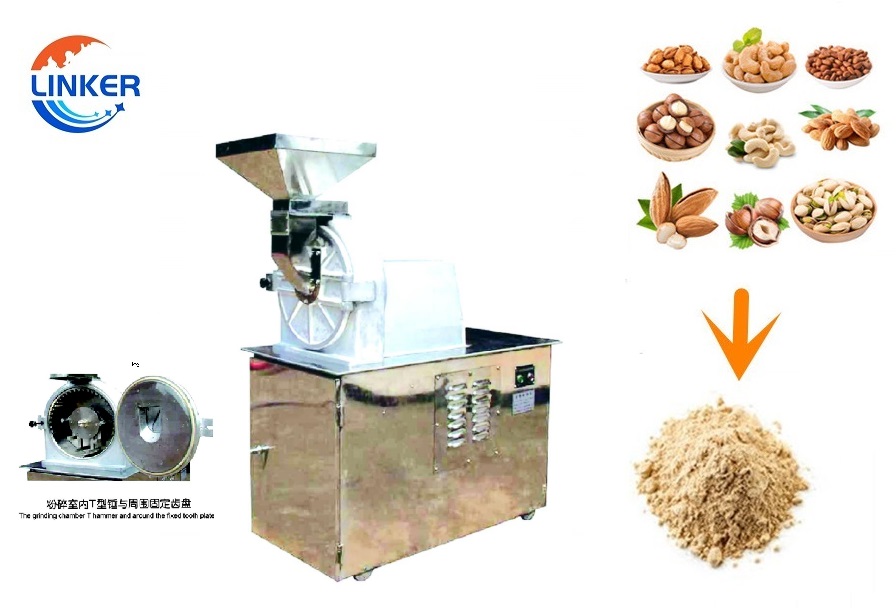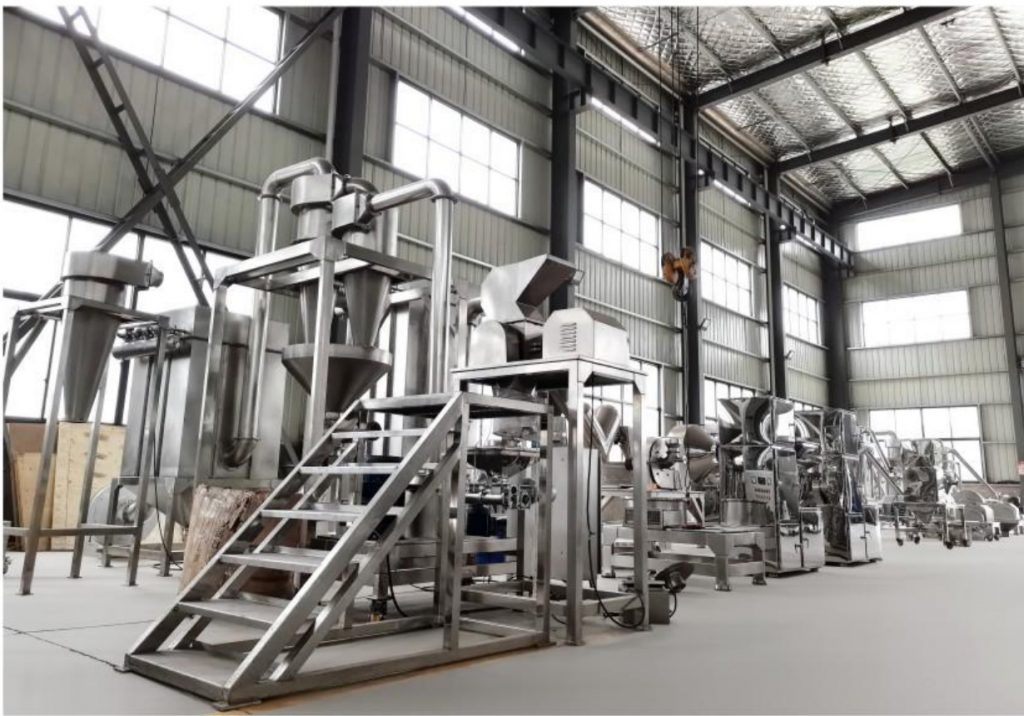
Automatic Sriracha Sauce Paste production line Price
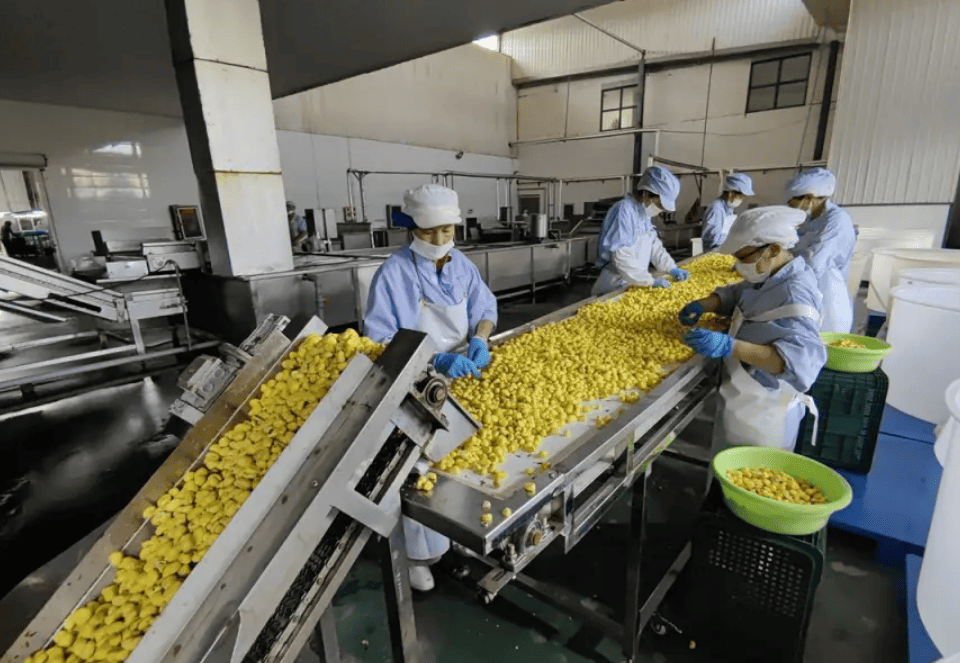
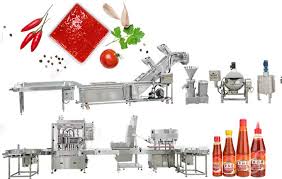
Sriracha Sauce Paste Process Flow
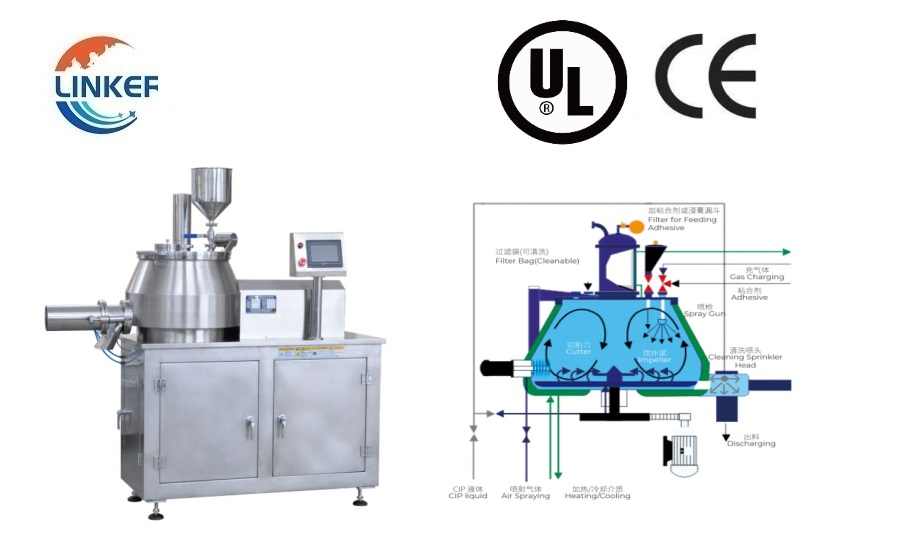
- Sriracha Washing Machine
- Sriracha Pealing and Cutting Machine
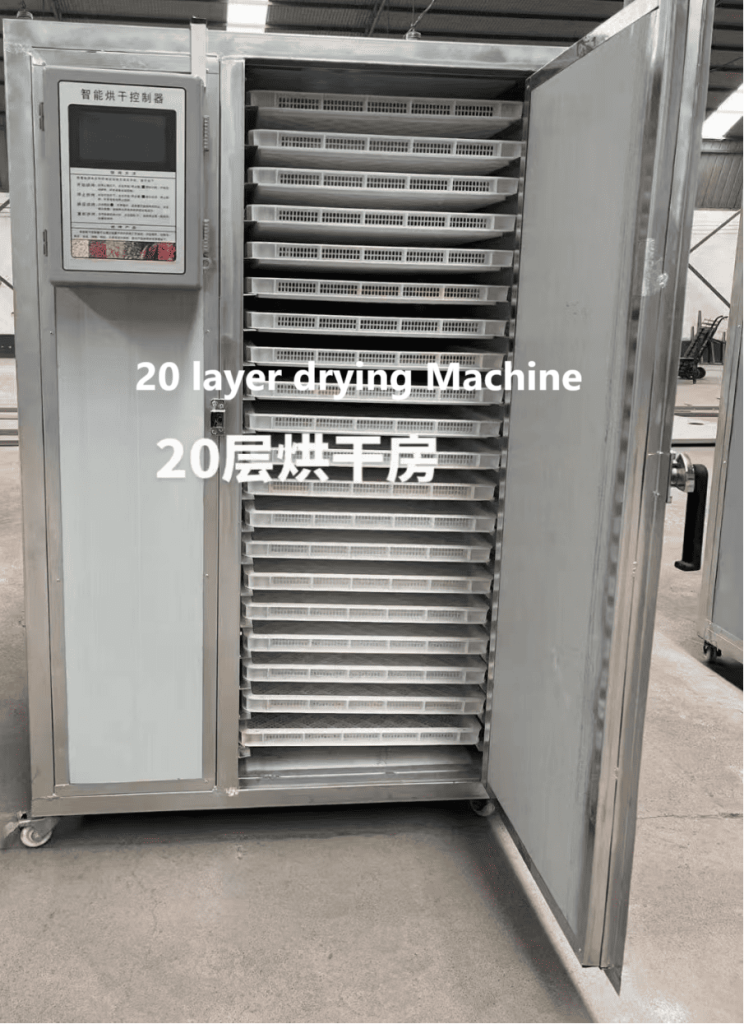
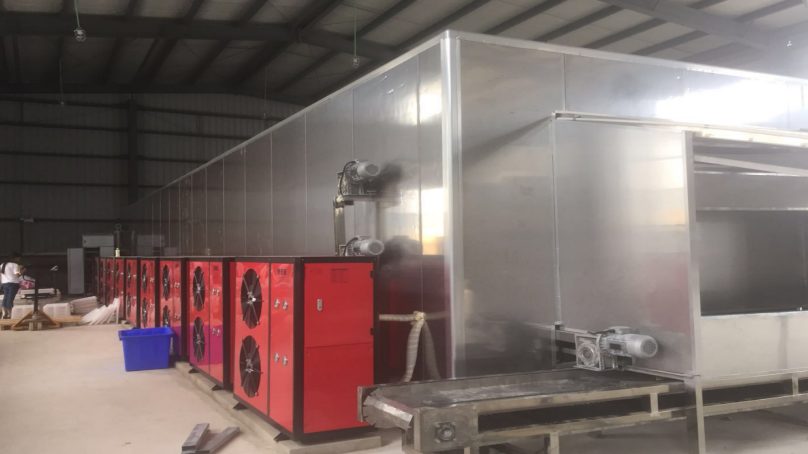
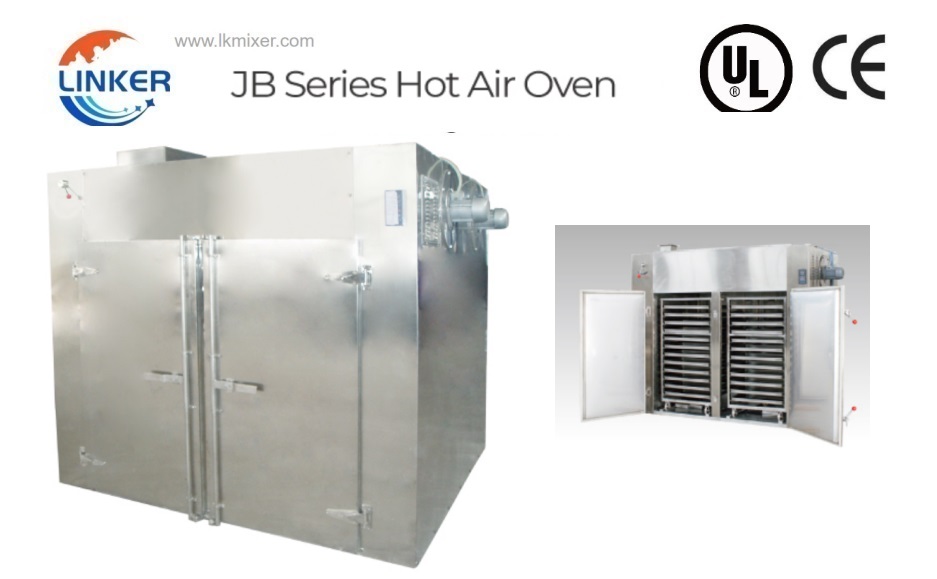
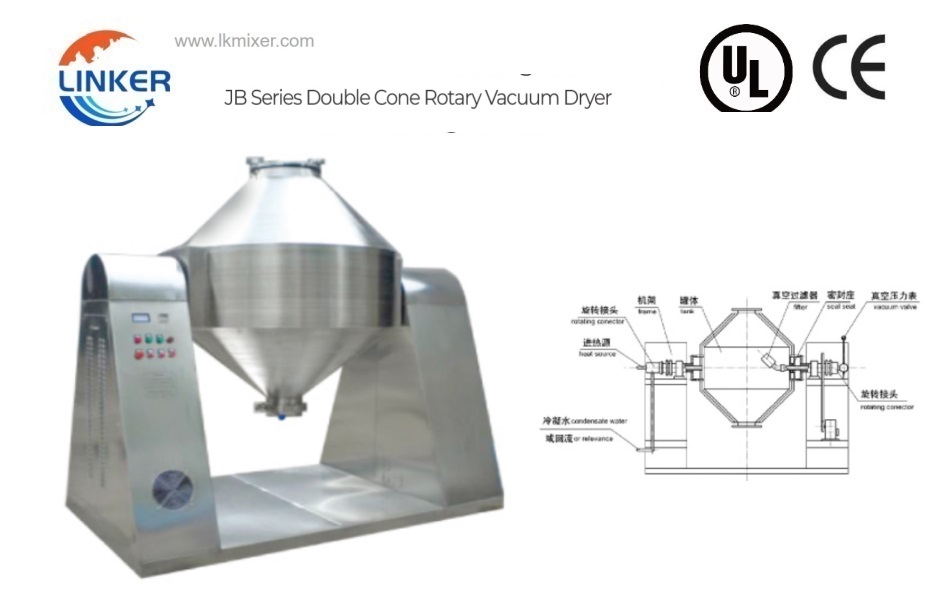
- Sriracha Drying Machine
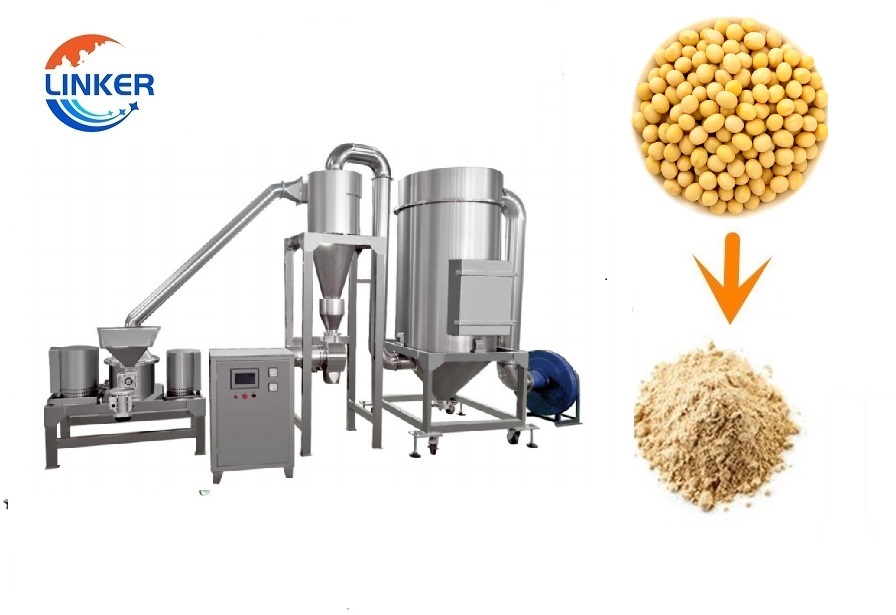
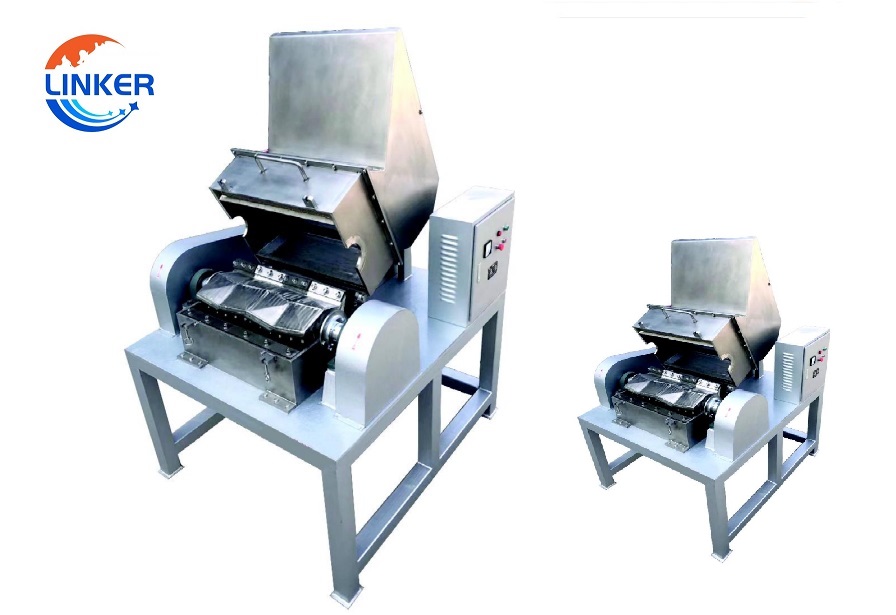
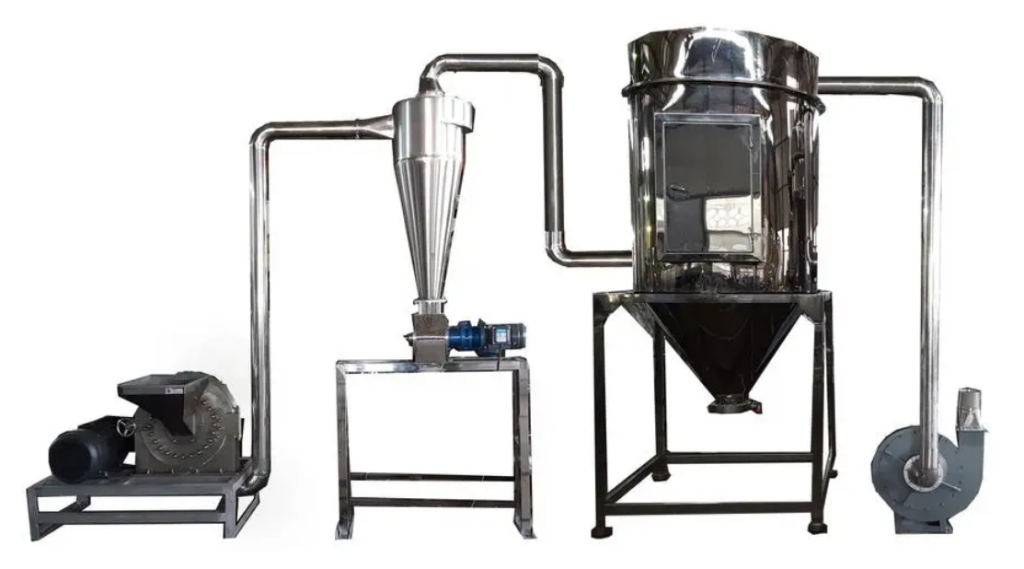
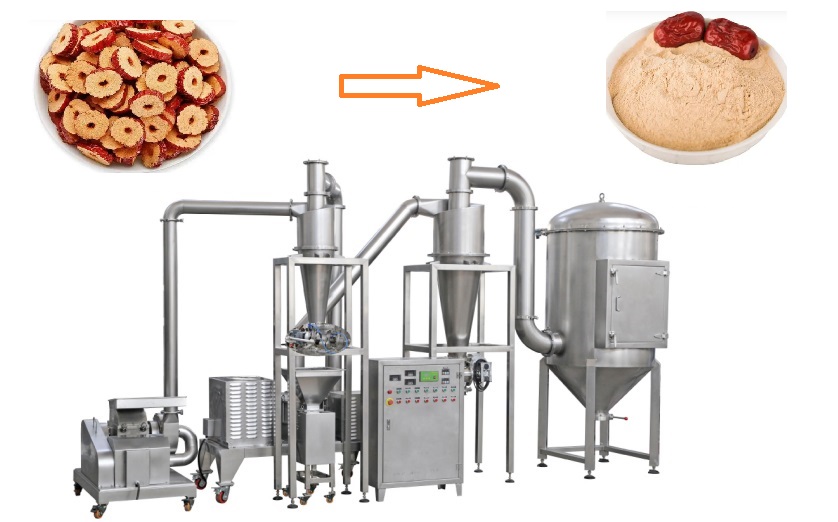
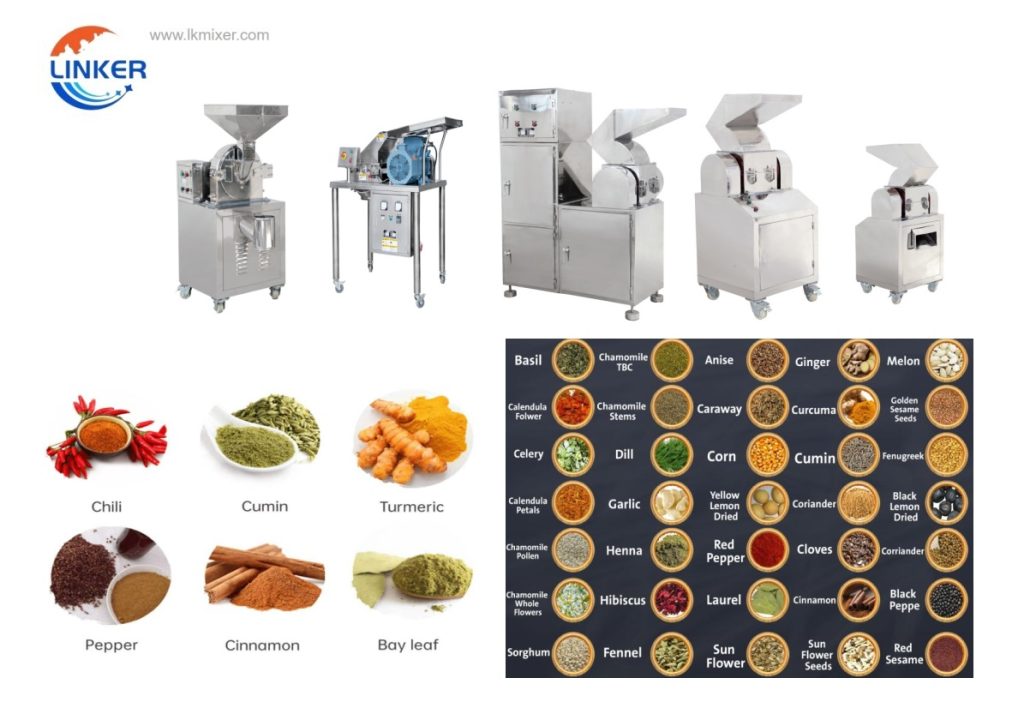
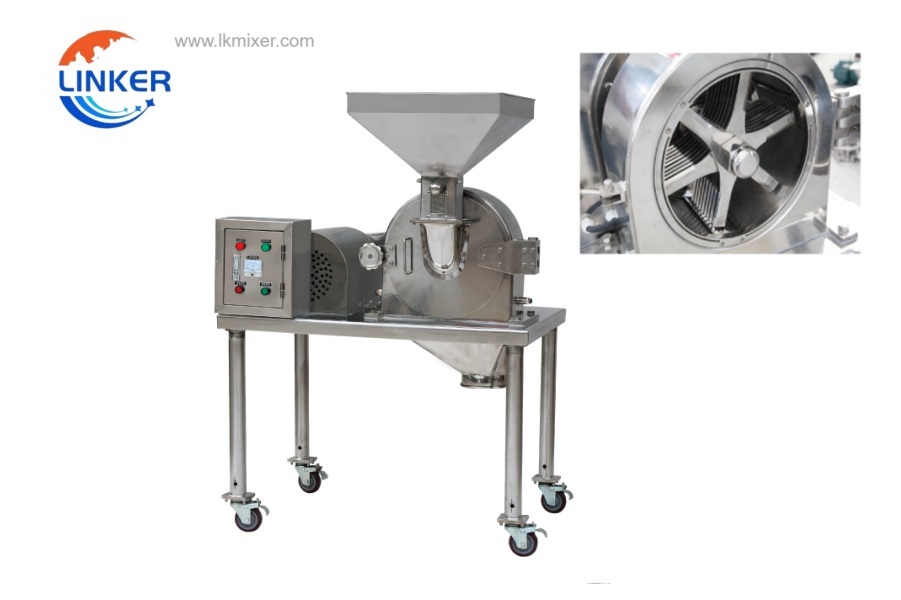
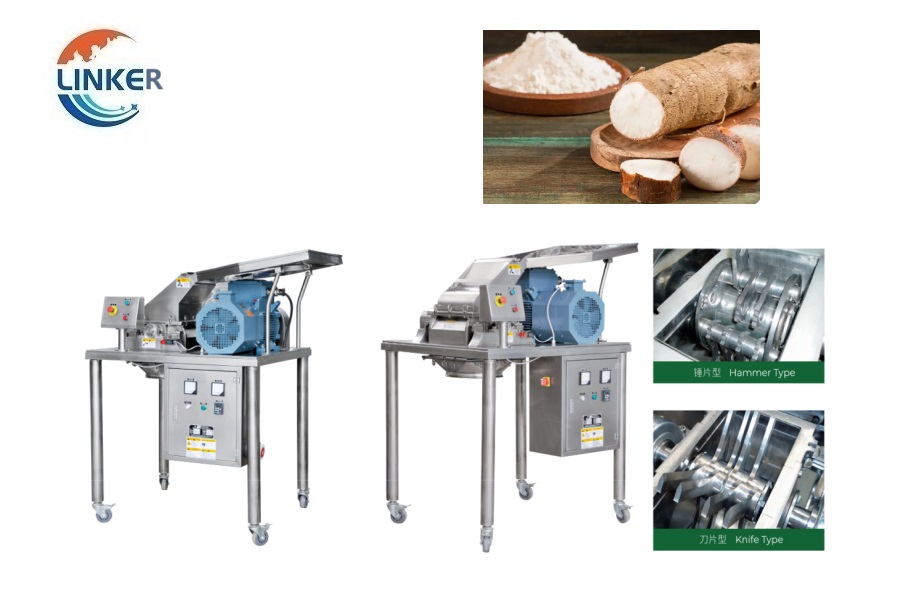
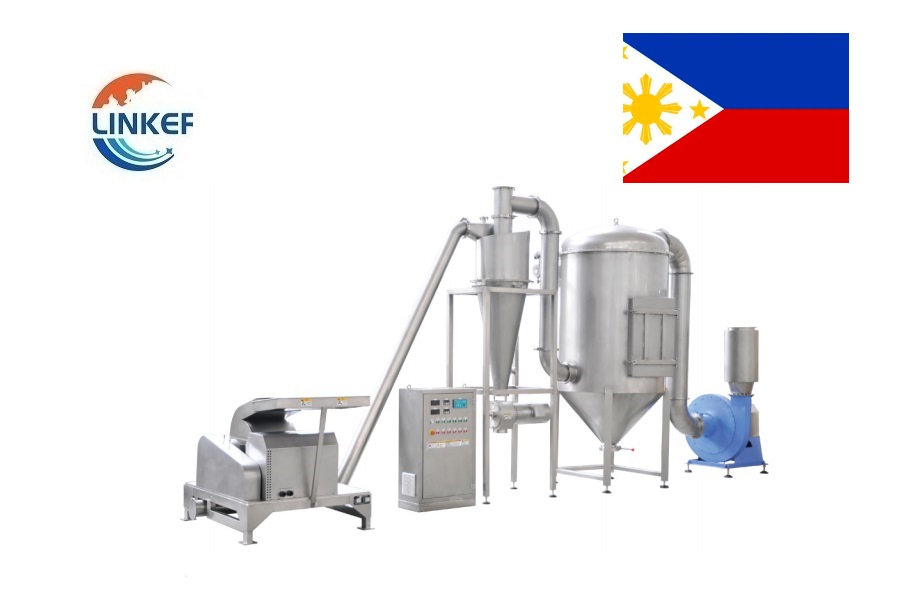
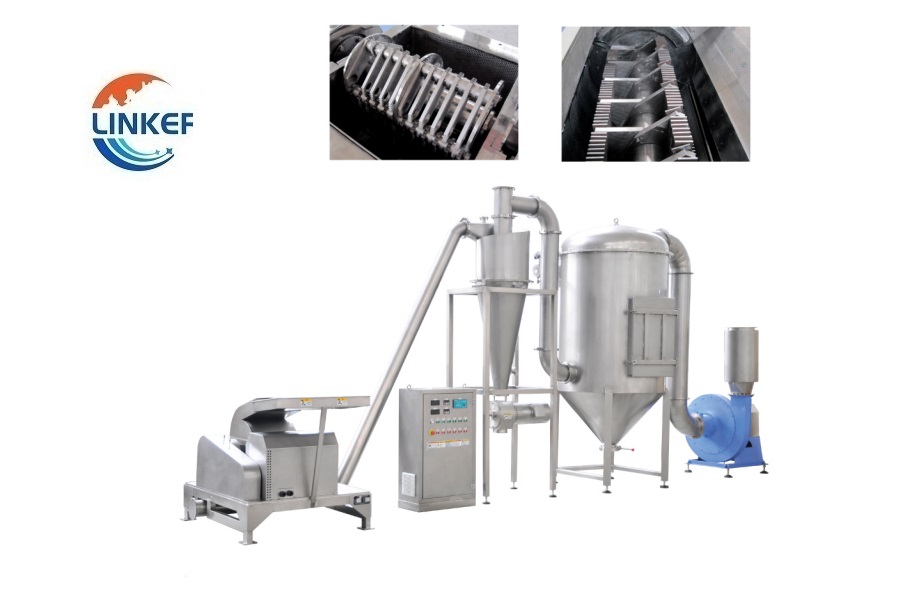
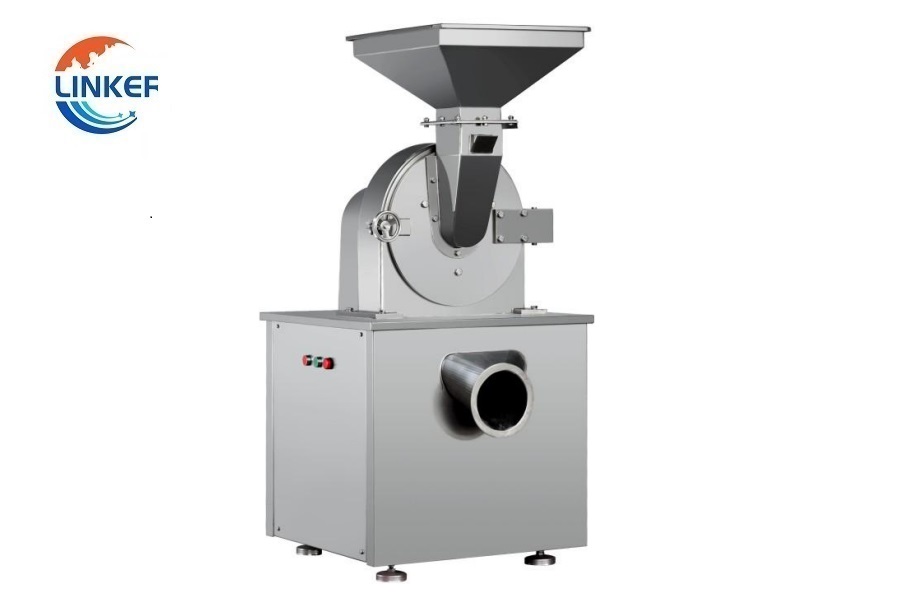
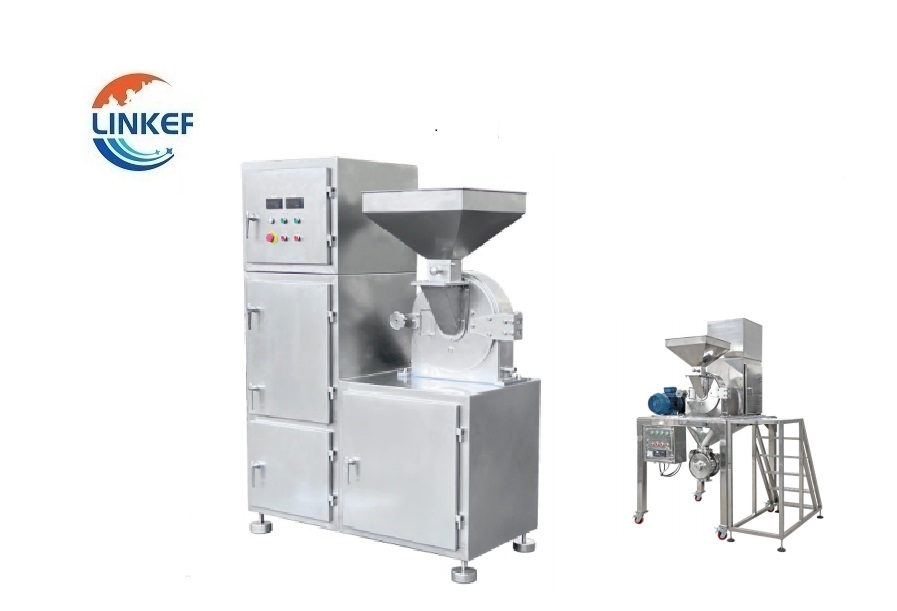
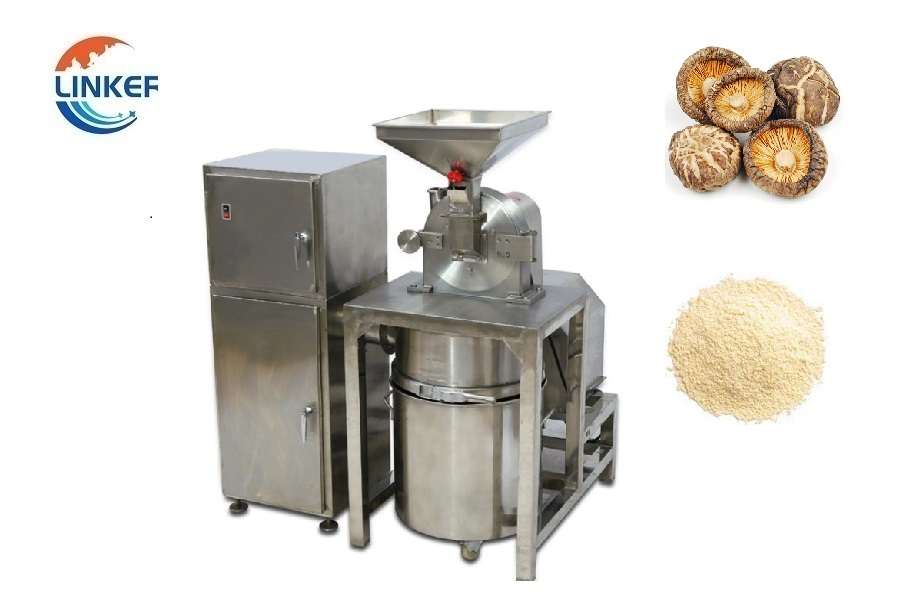
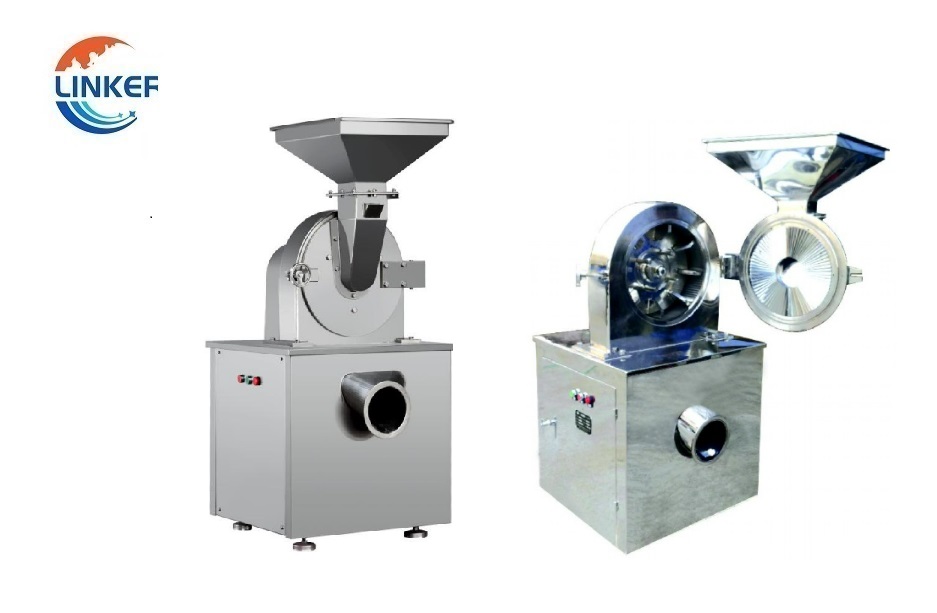
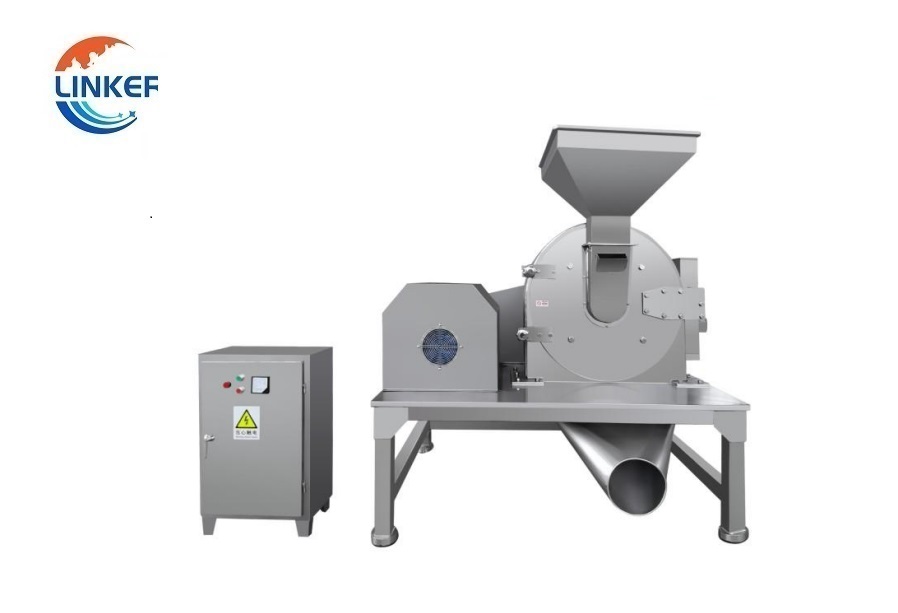
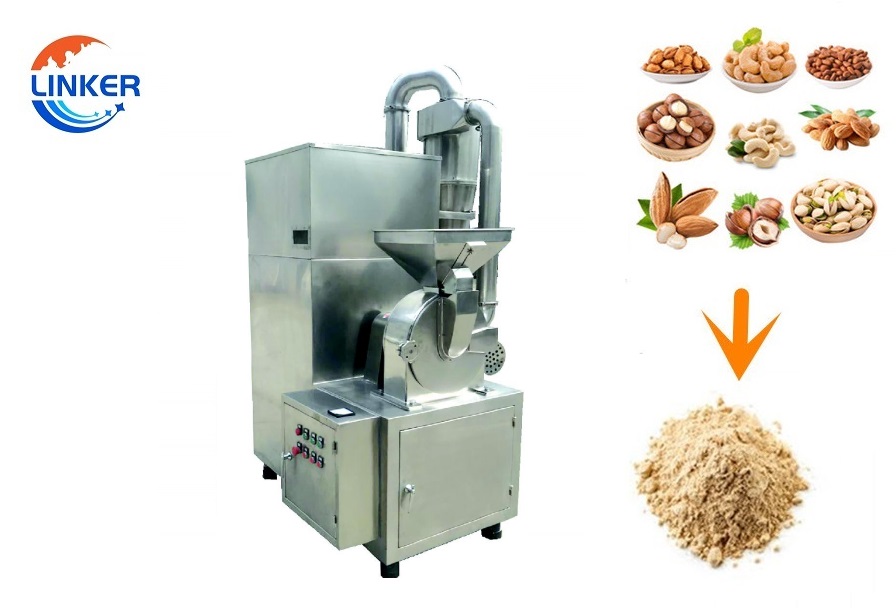
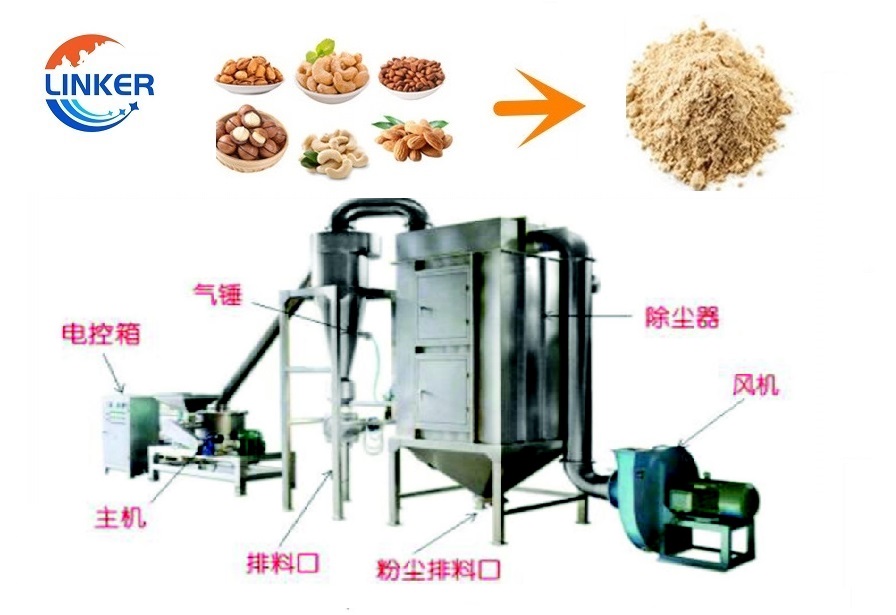
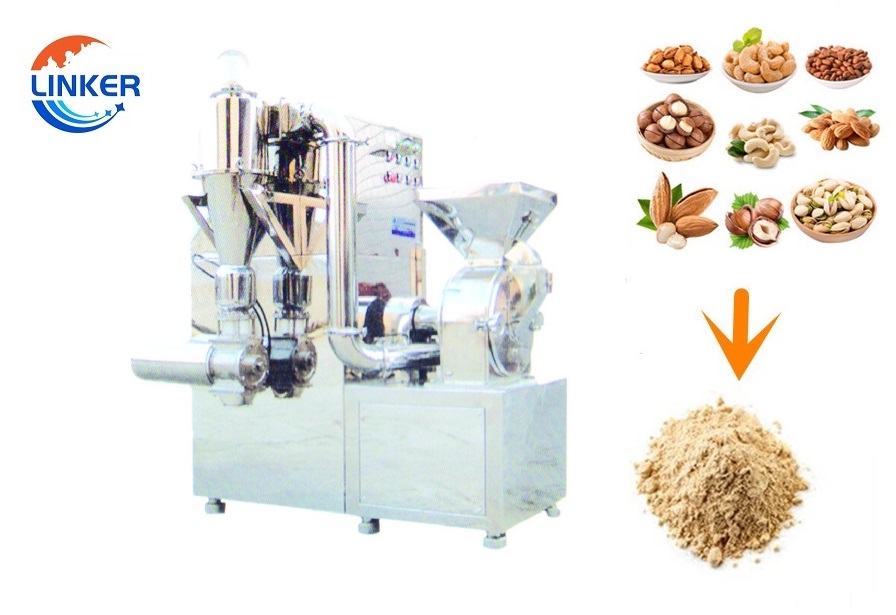
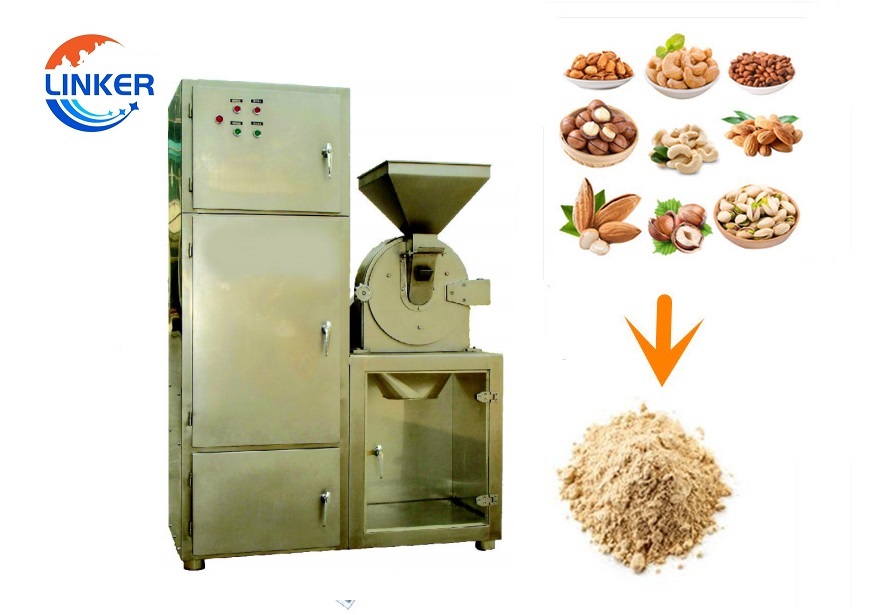
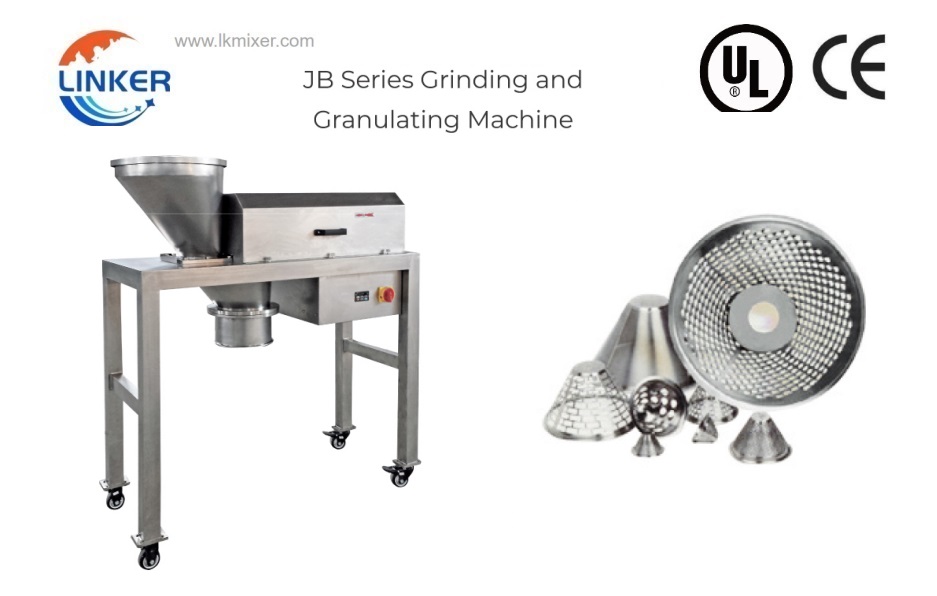
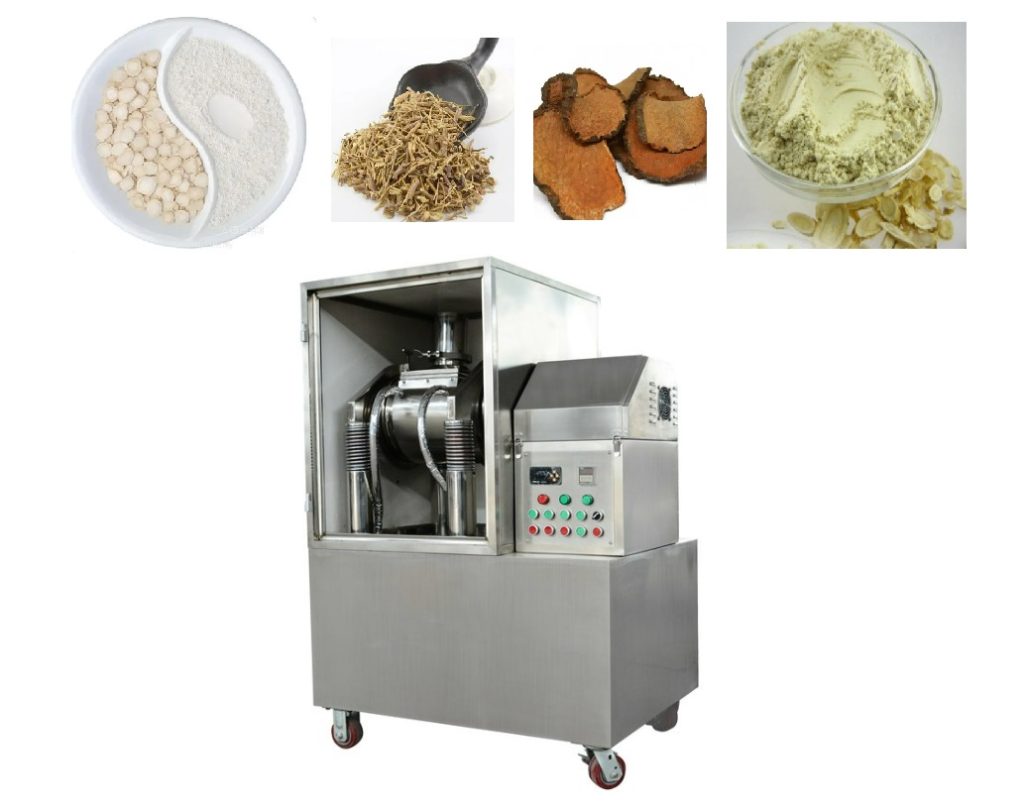
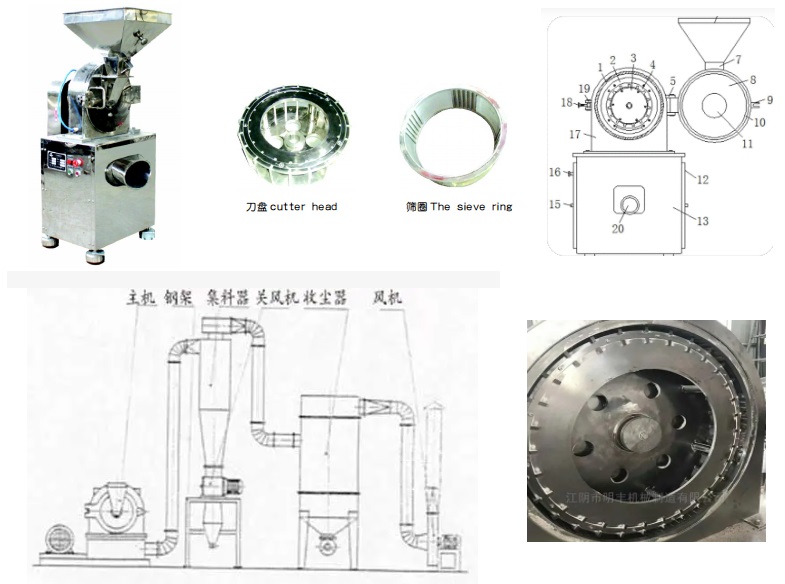
- Sriracha Grinding Machine
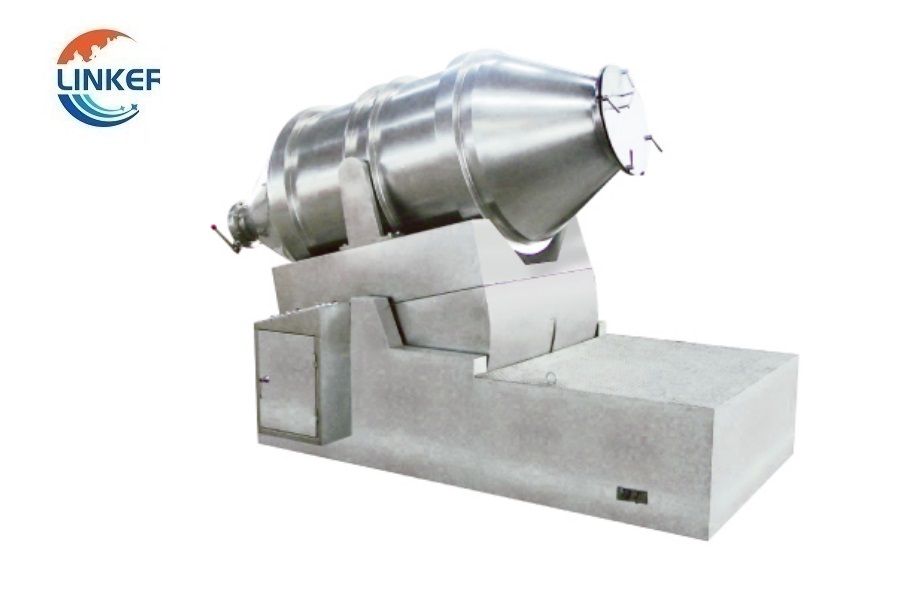
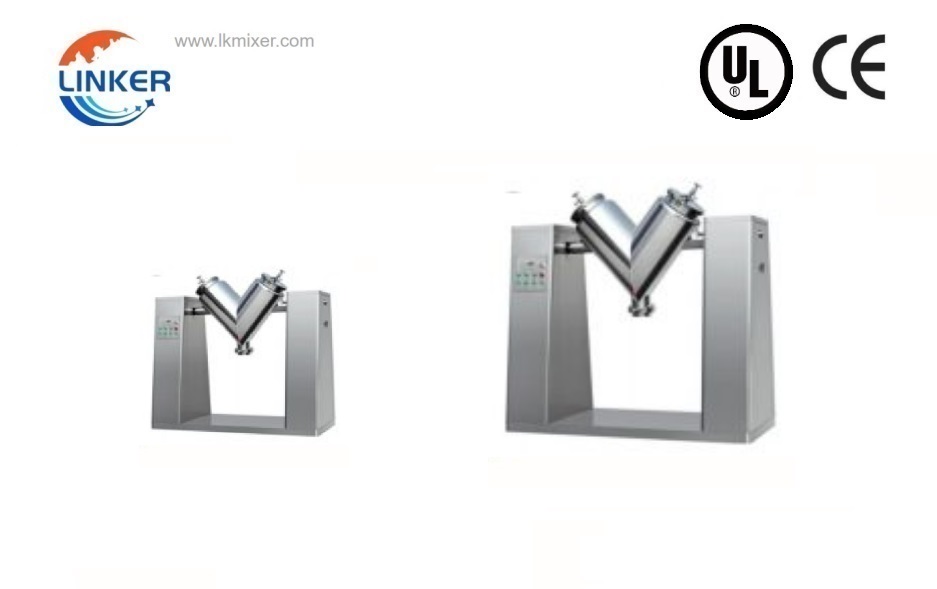
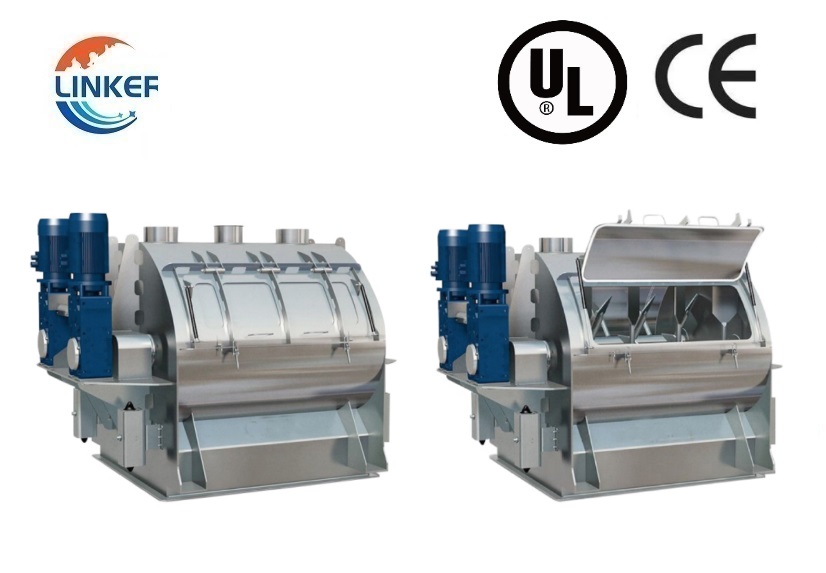
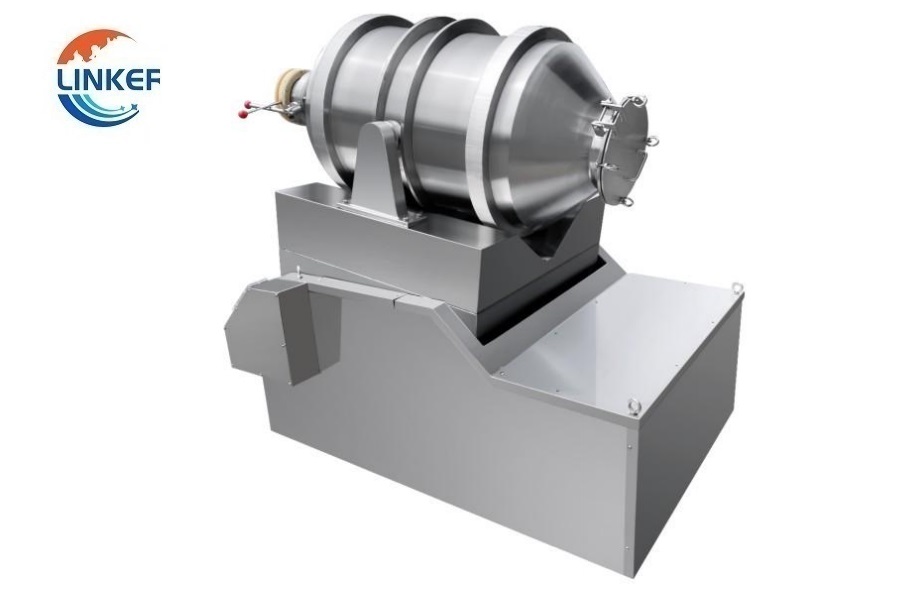
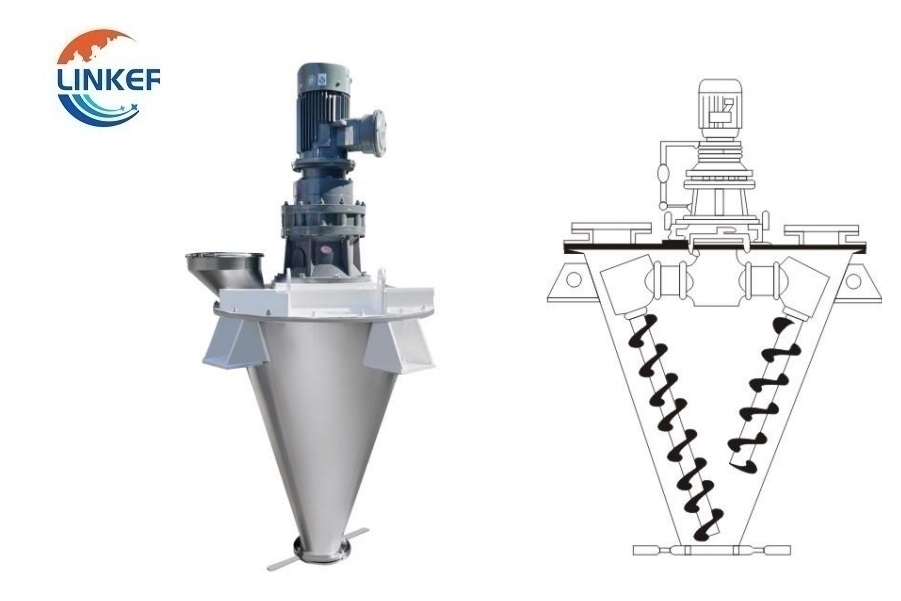
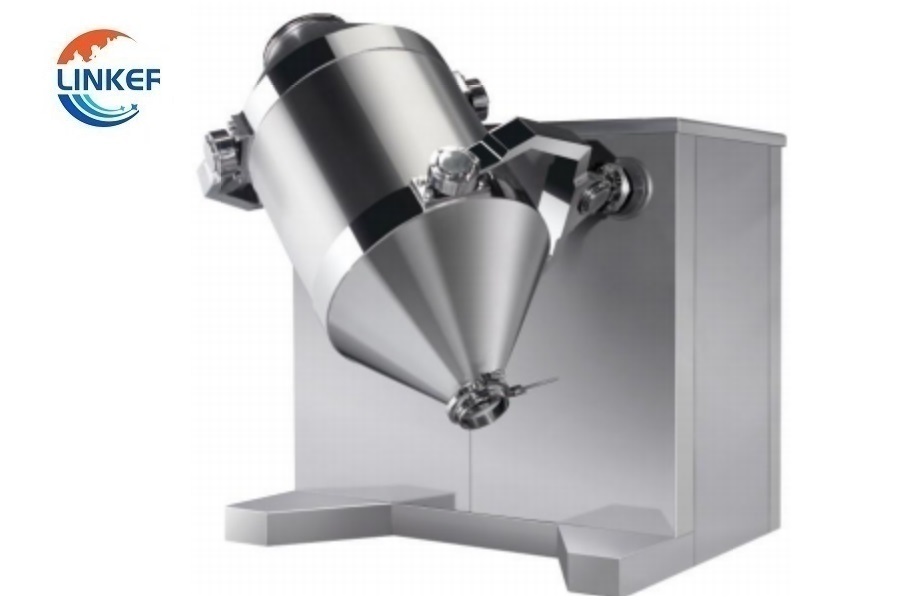
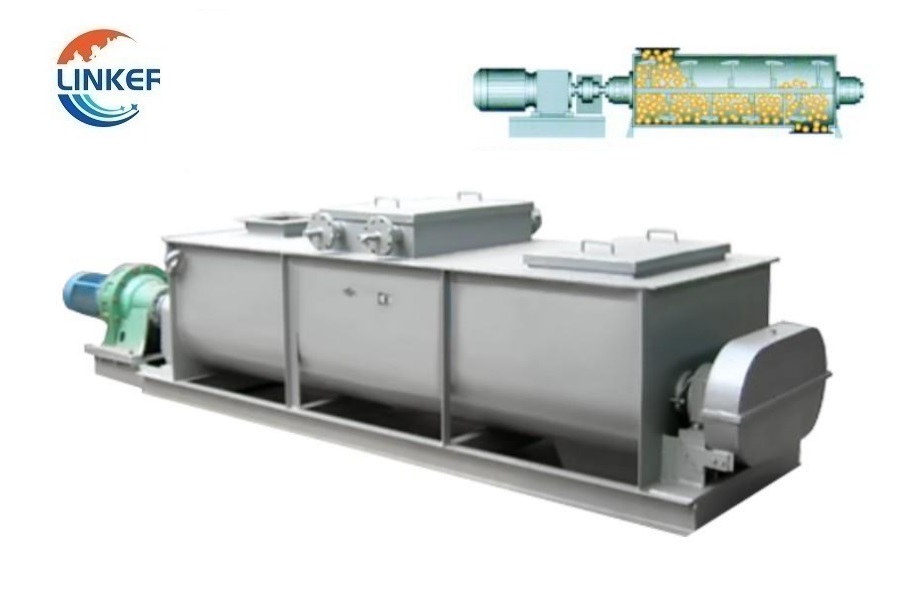
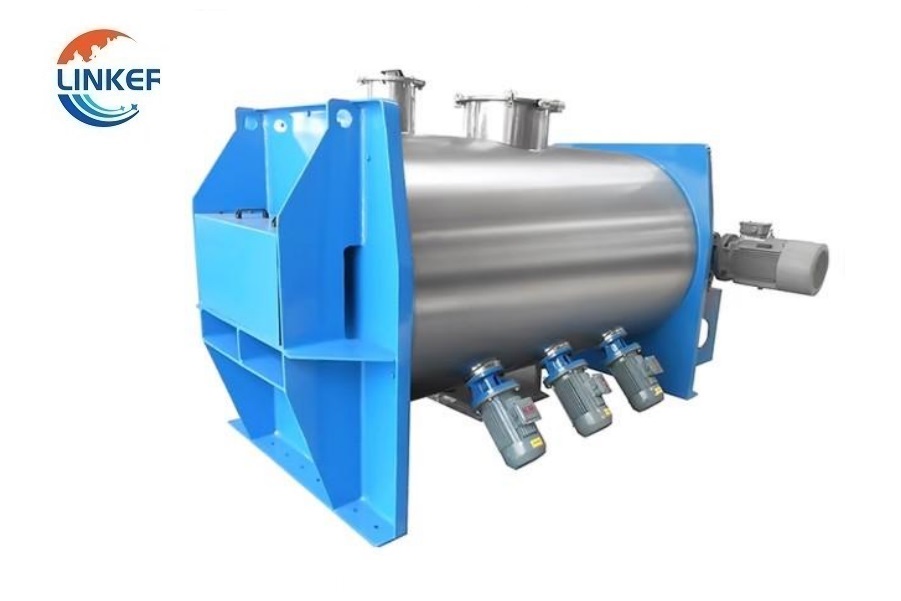
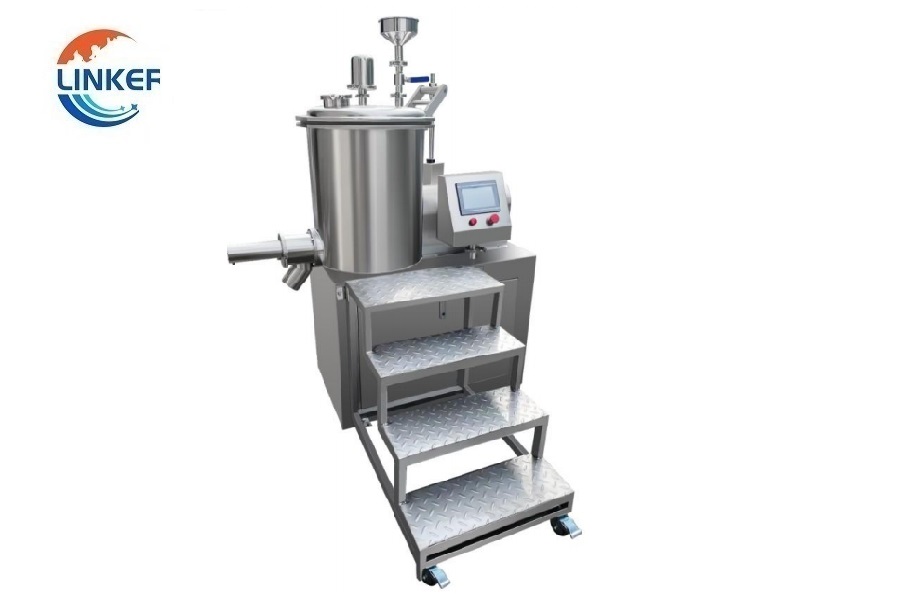
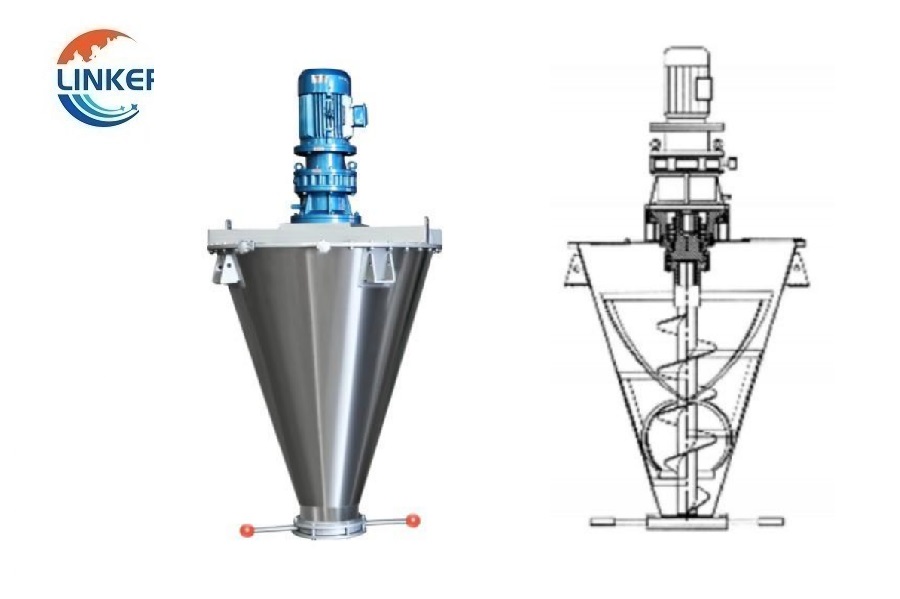
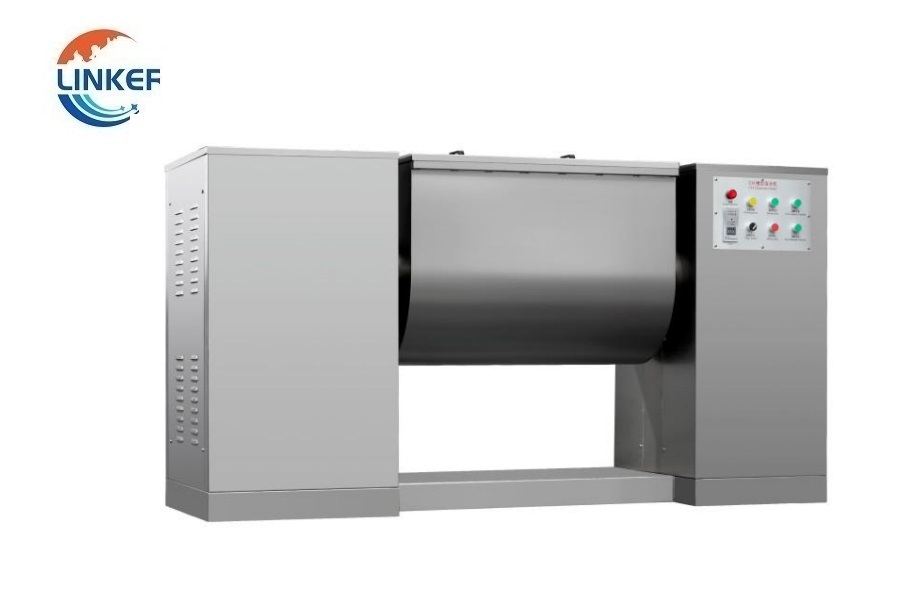
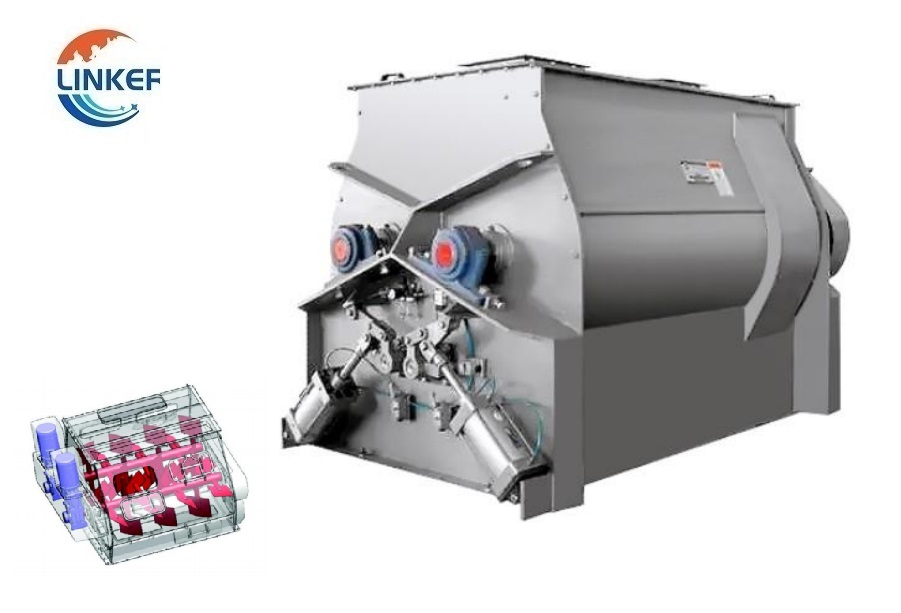
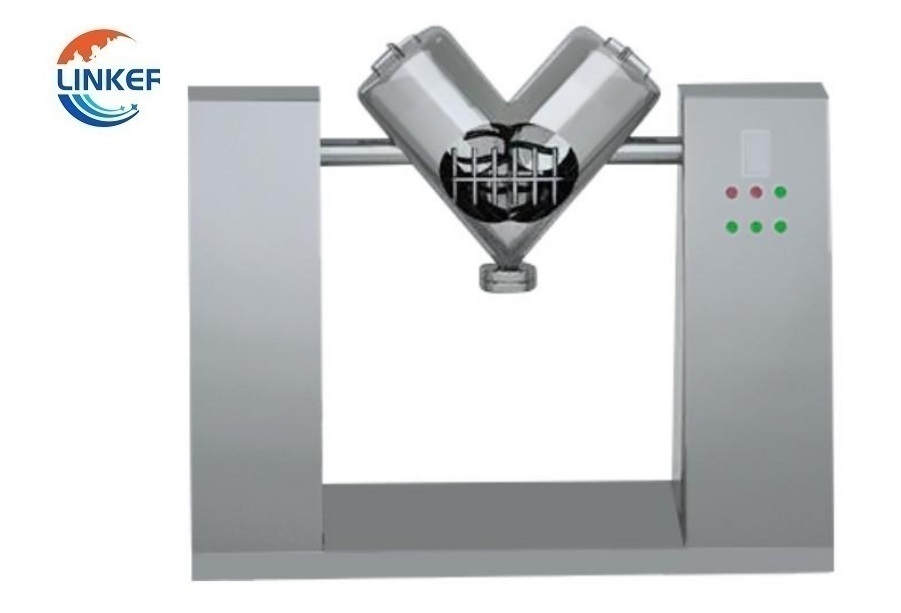
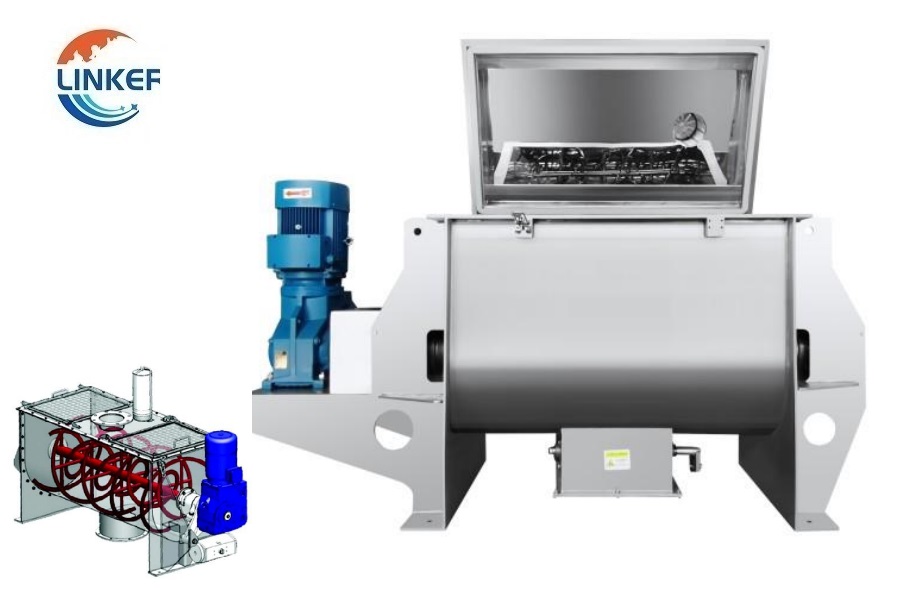
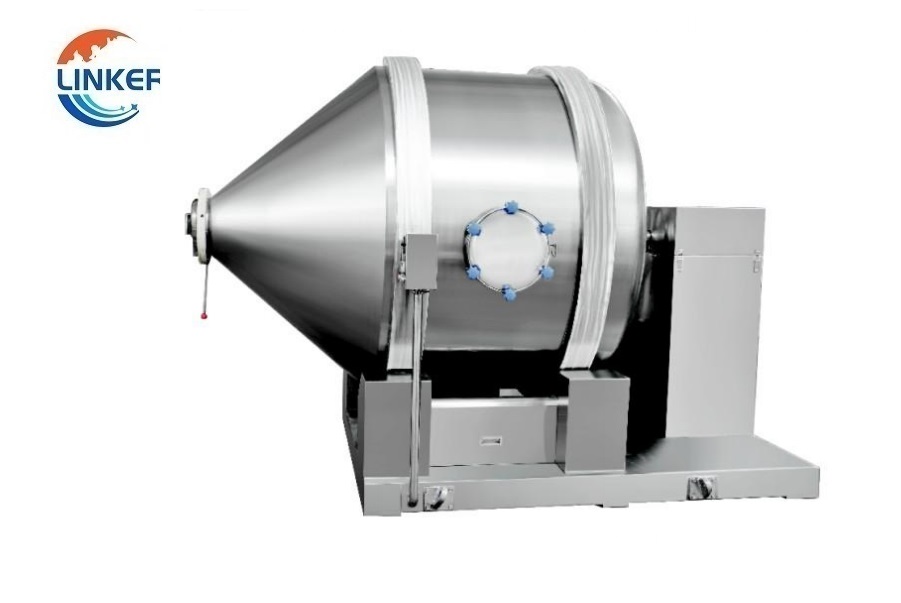
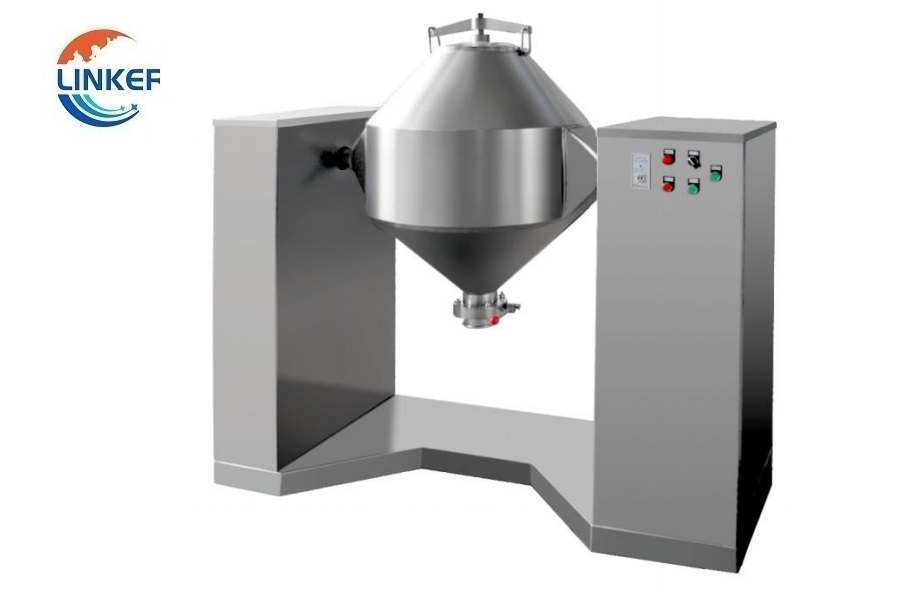
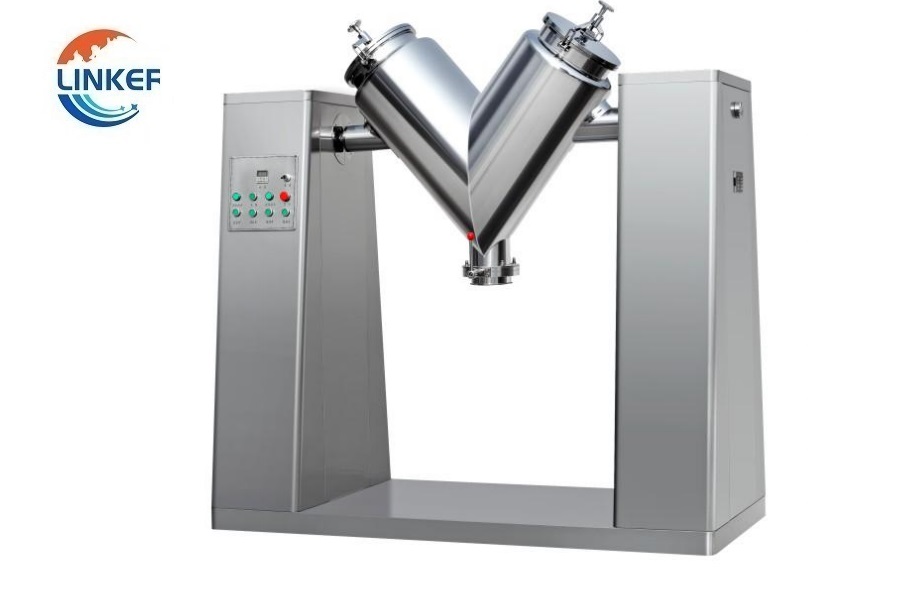
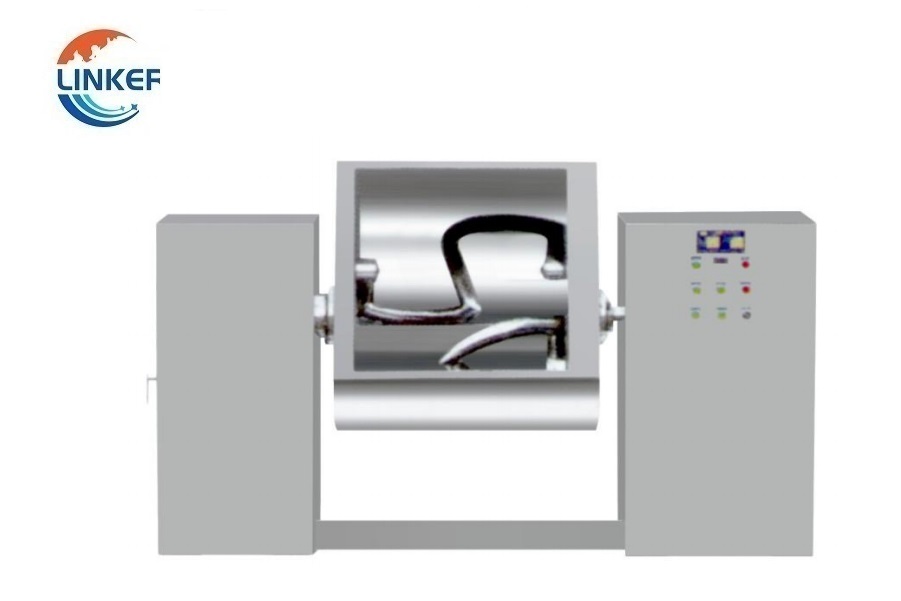
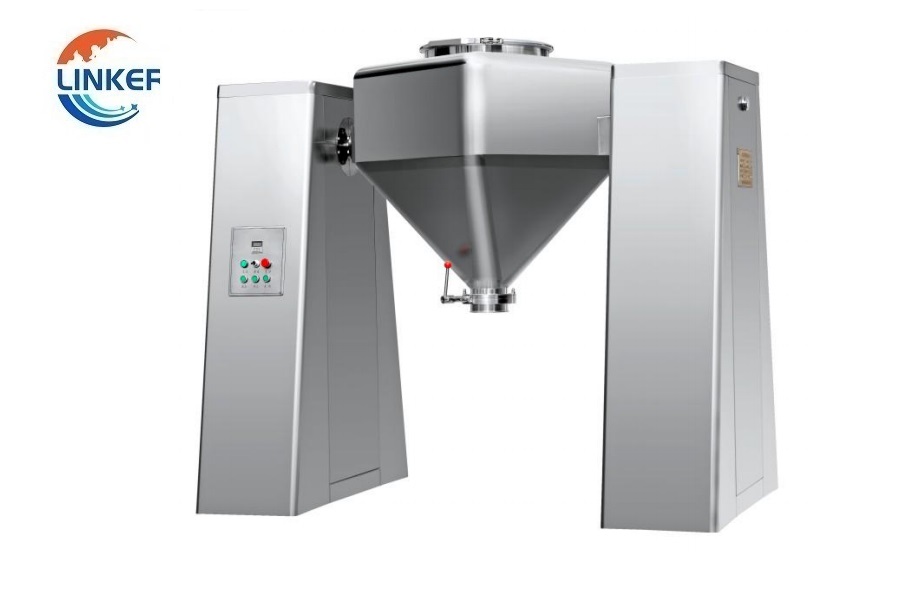
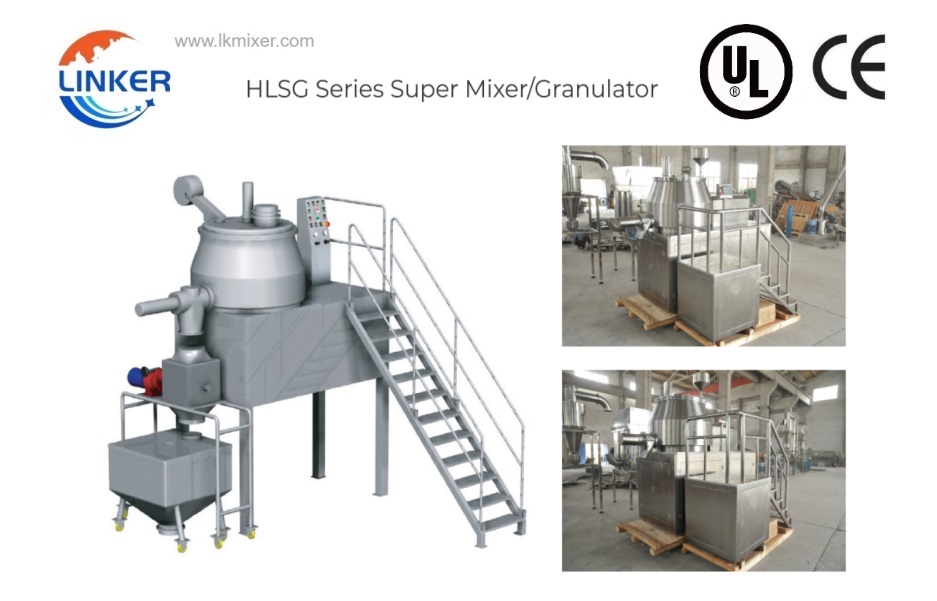
- Sriracha Mixing Machine
- Sriracha Sauce Paste Powder Filling Machine
- Sriracha Sauce Paste Powder Packing Machine

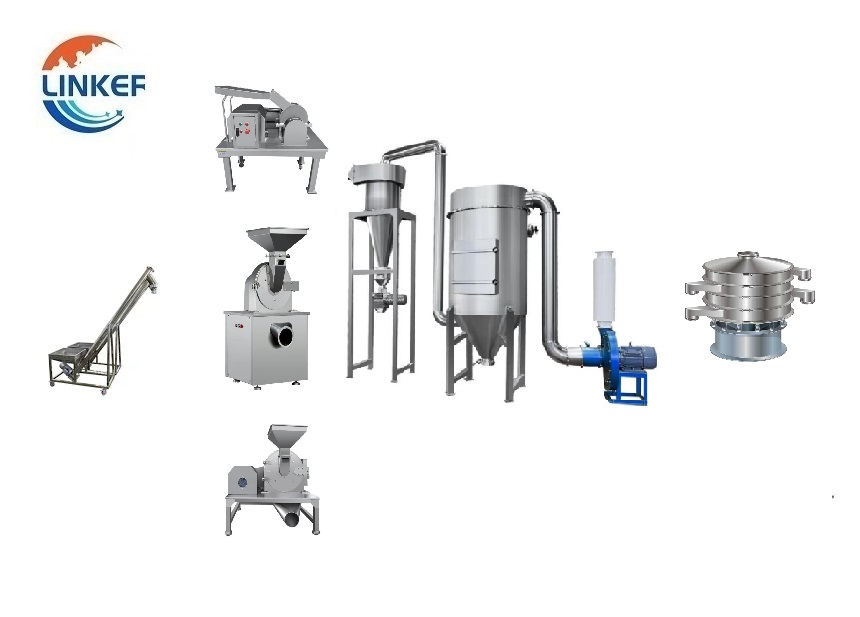
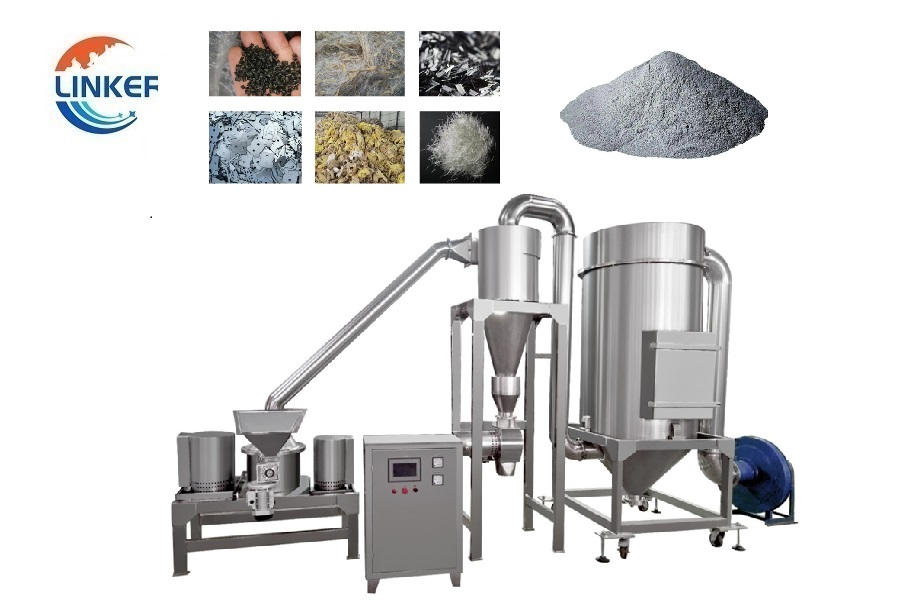
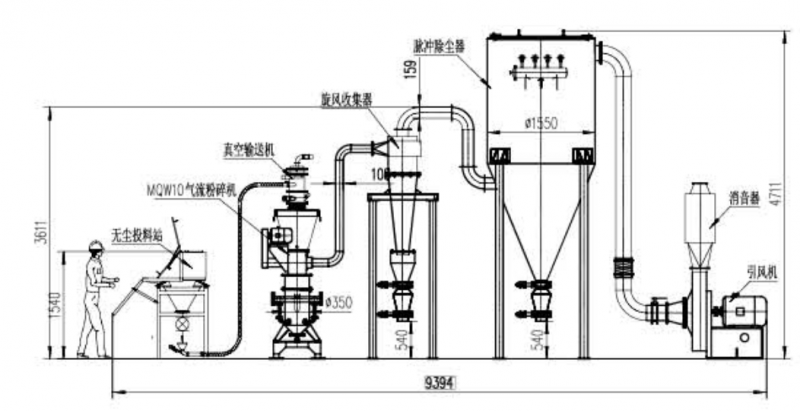
Sriracha Sauce Paste Automatic Productino Line Design:
Automatic Sriracha Sauce production line Price
The price of an automatic Sriracha sauce production line ranges from $130,000 to $3,000,000, and its specific price is mainly determined by the customization level based on the general automatic chili sauce production line platform, production capacity, core customized equipment (such as seed and stem removing machine, indirect heat exchange sterilizer), degree of automation and intelligent control level. It should be emphasized first that there is no standardized and proprietary complete set of systems named “automatic Sriracha sauce production line” in the currently public technical documents and equipment manufacturer schemes. In industrial practice, the production of Sriracha sauce belongs to a segmented application scenario of the general automatic chili sauce production line. Equipment manufacturers usually list it as one of the compatible formulas rather than an independent production line category. Therefore, this article elaborates on the customized configuration deduction of technical parameters and process modules based on the general automatic chili sauce production line platform and according to the exclusive physical characteristics of Sriracha sauce (medium viscosity, uniform and delicate texture, garlic flavor with sour and spicy taste, no visible particles). The following content will fully expand each detail in the form of paragraphs, naturally integrate all required equipment terms, use simple and easy-to-understand language, and ensure the total word count reaches 2000 words.
Price Impact of Industrial Physical Properties and Process Constraints of Sriracha Sauce
Before selecting equipment, it is necessary to clarify the core physical property boundaries of Sriracha sauce that distinguish it from other chili sauces, which is the logical starting point for full-automatic configuration. The physical properties of Sriracha sauce, such as no visible seeds, peels or garlic grains, medium viscosity, strong sourness, heat-sensitive color and unique garlic flavor, directly determine the selection of core equipment and the level of customization, thus affecting the final price of the production line. Compared with ordinary chili sauce production lines, the automatic Sriracha sauce production line needs to add special equipment and adjust process parameters, which usually increases the total cost by 10%-25%.
Sriracha sauce requires a bright red to orange-red color with strong heat sensitivity, so it is necessary to use low-temperature vacuum concentration or indirect heat exchange sterilization, and direct steam injection is prohibited. This requires the production line to be equipped with special low-temperature processing equipment, which is more expensive than ordinary high-temperature sterilization equipment. At the same time, Sriracha sauce has a significant sour taste (acetic acid/lactic acid) with a pH of about 3.5-4.0, so the equipment needs to be acid-resistant, and 316L stainless steel is preferred, which is more expensive than the common 304 stainless steel. The parts of the whole line in contact with materials made of 316L stainless steel can increase the equipment cost by 15%-30%, but it can effectively prevent equipment corrosion caused by acid and ensure food safety.
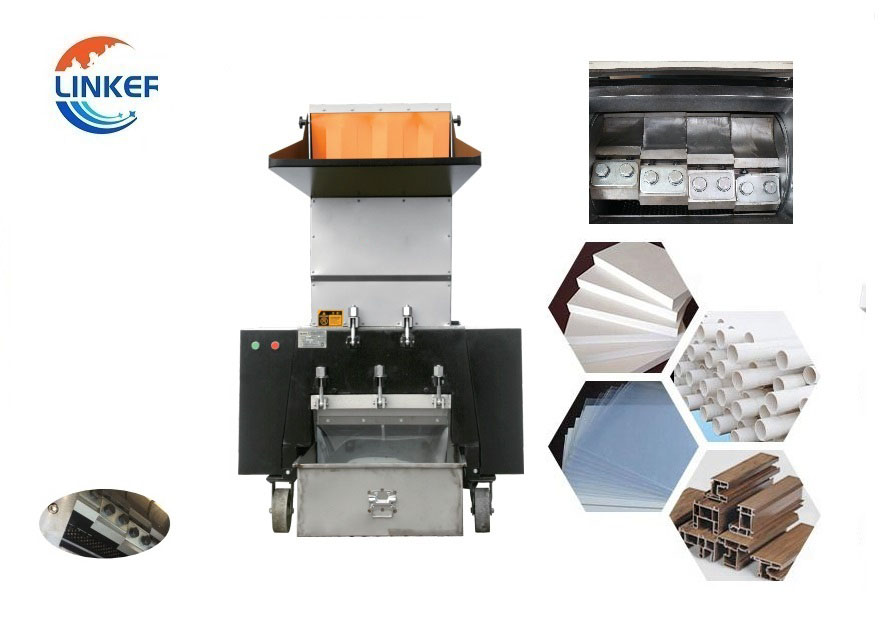
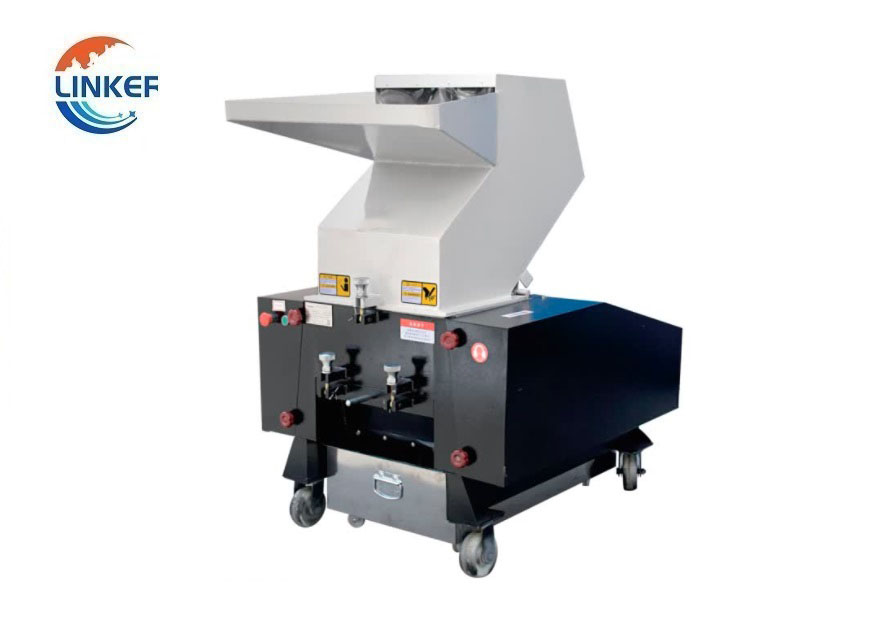
The garlic flavor of Sriracha sauce requires cooked garlic flavor without raw garlic odor, so the garlic paste needs to be slightly heat-treated, and secondary pollution should be avoided after filling. This requires the production line to be equipped with a special garlic paste processing module and a high-level sterile filling system, which also increases the overall investment cost. In terms of compliance, some manufacturers have claimed to produce Sriracha sauce using “modern machines” and the ISO 22000:2018 system, proving that this category is fully compatible with automatic production lines, but the technical details are not public, so the customization cost may vary according to the manufacturer’s technical level. A small grinder machine can be used for preliminary crushing of small batches of garlic and chili, which is convenient for subsequent processing, with a price of $2,300 to $5,800.
Price Impact of Raw Material Pretreatment and Deep Purification Module
Sriracha sauce has extremely strict requirements for no seeds, no stems and no peels, which is significantly higher than that of ordinary chili sauce. This module is the key to ensuring the delicate texture of the finished product, and its equipment price accounts for about 18%-25% of the total price of the production line. The price difference is mainly determined by the cleaning effect, seed and stem removing efficiency and material damage rate of the equipment.
The bubble + brush composite cleaning machine is used to remove sediment, pesticide residues and surface microorganisms. Aiming at the characteristics of thin skin and easy breakage of red bird’s eye chili (typical raw material) commonly used in Sriracha sauce, it adopts an air suspension + soft brush structure. By adjusting the bubble intensity and brush rotation speed, the mechanical damage rate is controlled at ≤2% while cleaning. The price of a small-scale bubble + brush composite cleaning machine suitable for small enterprises is about $9,000 to $20,000; the price of a medium-scale machine with adjustable bubble intensity and brush rotation speed is between $21,000 and $52,000; the price of a large-scale machine with automatic cleaning effect detection function is $53,000 to $100,000. The equipment is made of 316L stainless steel, which is acid-resistant and corrosion-resistant, and meets the food safety requirements of high-acid Sriracha sauce. An Air cooled crusher can be used to crush the scale generated in the cleaning water circulation system, ensuring the normal operation of the equipment, with a price of $6,200 to $14,500.
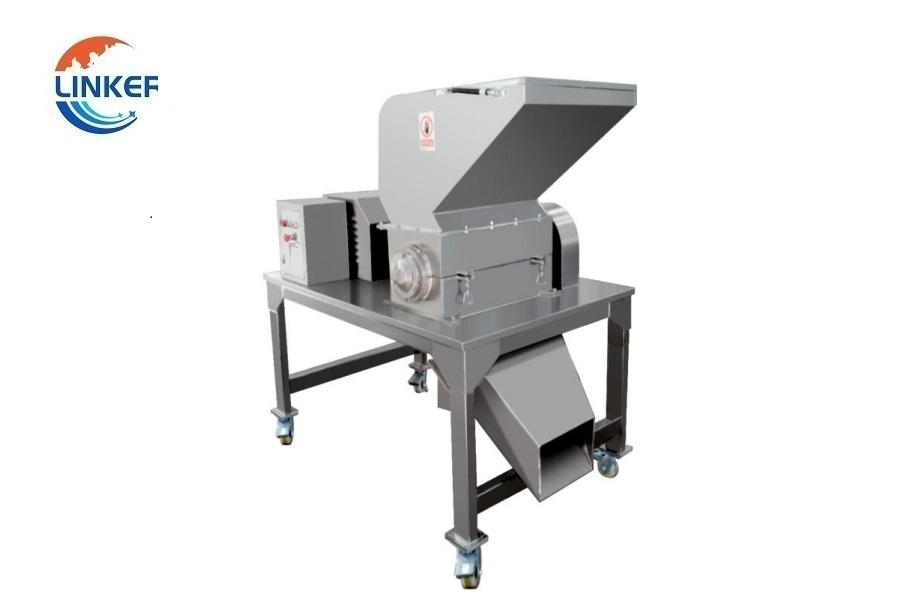
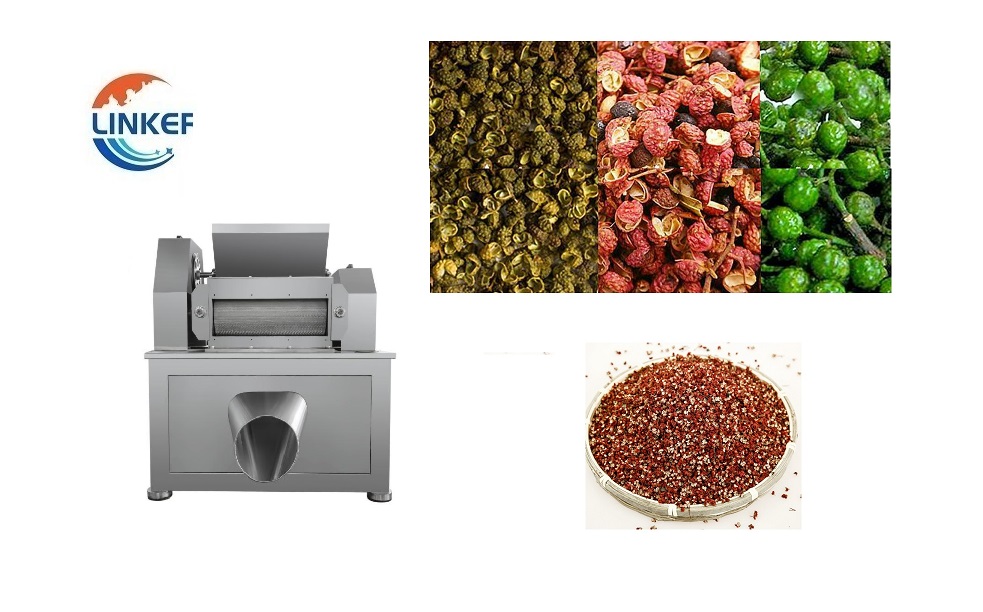
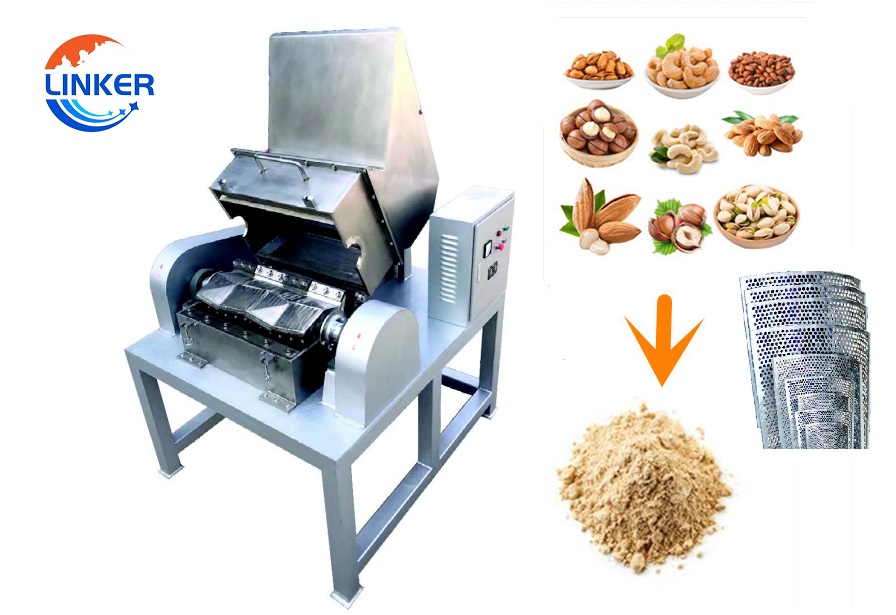
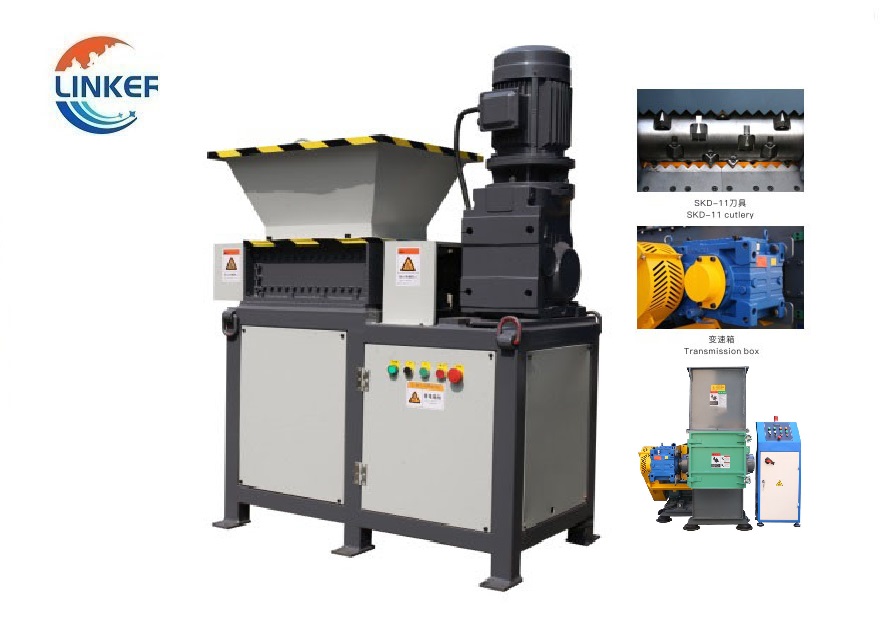
The automatic chili stem and seed removing machine is the core equipment to ensure that the finished product has no black impurities and a delicate taste, which is used to cut off the green stem of chili and separate the internal seeds. It adopts a cooperative structure of rotating blades and perforated rollers, and the roller rotation speed and blade gap are adjusted according to the chili varieties commonly used in Sriracha sauce (such as red bird’s eye chili and serrano chili). The stem removing rate is ≥95% and the seed removing rate is ≥90%. The price of a small-scale automatic chili stem and seed removing machine is about $12,000 to $28,000; the price of a medium-scale machine with adjustable parameters is between $29,000 and $65,000; the price of a large-scale machine with automatic sorting and impurity discharging functions is $66,000 to $130,000. A coarse crusher can be used as an auxiliary equipment to crush large pieces of chili before stem and seed removal, reducing the load of the stem and seed removing machine, with a price of $5,500 to $12,500.
Price Impact of Fermentation/Enzymatic Hydrolysis Aging Module
The traditional process of authentic Sriracha sauce requires natural fermentation or temperature-controlled enzymatic hydrolysis to produce complex flavors. This link is the most significant difference between the general chili sauce production line and the customized Sriracha sauce production line. The price of this module accounts for about 15%-22% of the total price of the production line, and it is an optional configuration, which is only necessary when producing fermented Sriracha sauce.
The temperature-controlled fermentation tank group is used to mix deseeded chili pulp with salt, probiotics or enzymes for short-term (3-7 days) or long-term (several weeks) aging. The tank body is equipped with a jacket cooling/heating system, and the temperature control range is 15-40℃±1℃; it is equipped with a bottom aeration and stirring device to prevent the growth of anaerobic spoilage bacteria. The price of a small-scale temperature-controlled fermentation tank group (2-3 tanks) is about $18,000 to $45,000; the price of a medium-scale tank group (4-6 tanks) with automatic temperature control function is between $46,000 and $95,000; the price of a large-scale tank group (more than 6 tanks) with aeration and stirring functions is $96,000 to $200,000. The motor of the fermentation tank needs a matching charger to ensure stable power supply and avoid equipment failure caused by power interruption, with a charger price of $1,000 to $2,500.
It should be noted that the general chili sauce production line can be equipped with this module as an option, but the equipment manufacturer does not provide specific fermentation tank specifications, which needs to be customized by the user according to the fermentation process requirements. The customization cost of the fermentation tank group usually accounts for 10%-15% of the module price, mainly including the transformation of temperature control system, aeration system and stirring system. A Vacuum Mill can be used to assist in the mixing and fermentation of chili pulp, with a price of $16,000 to $39,000.
Price Impact of Fine Grinding and Blending Module
The uniform, delicate and particle-free texture of Sriracha sauce depends on high-precision crushing and homogenization. This module is the core link to determine the taste of the finished product, and its equipment price accounts for about 20%-27% of the total price of the production line. The price difference is mainly determined by the grinding fineness, homogenization effect and blending accuracy.
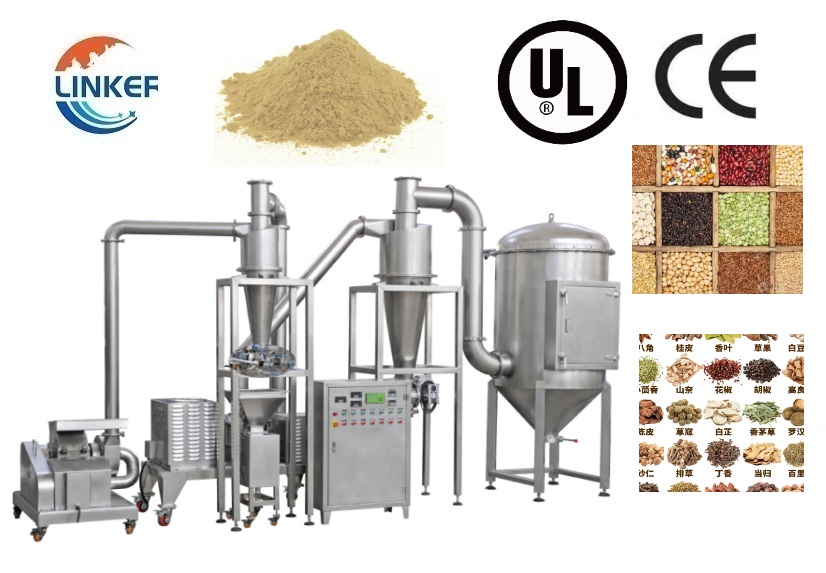
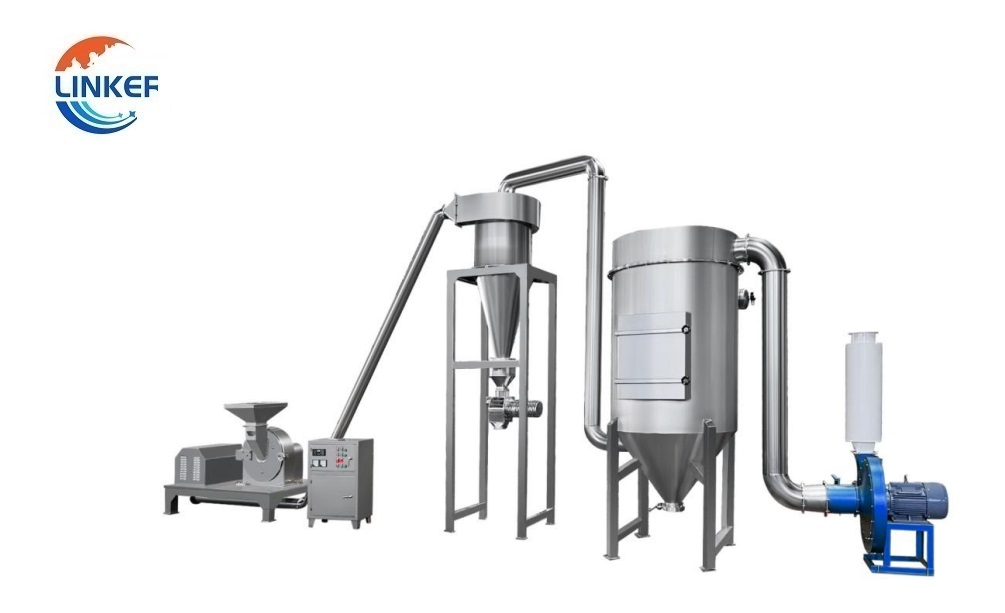
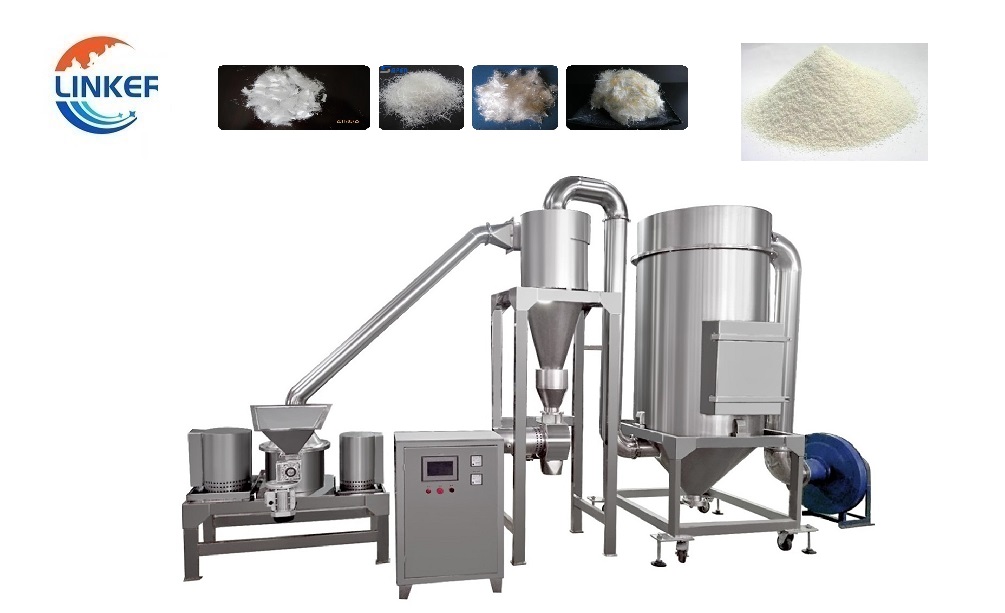
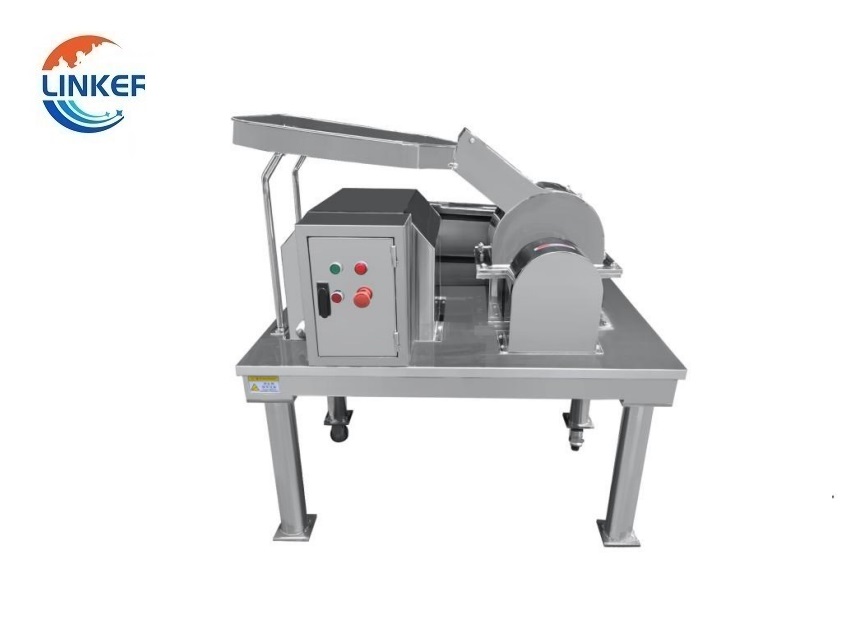
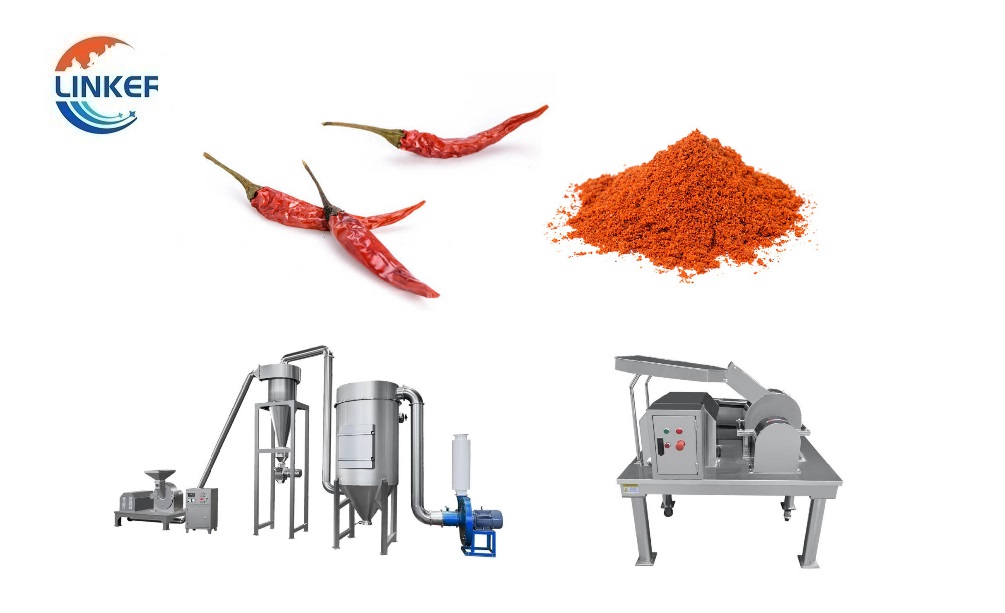
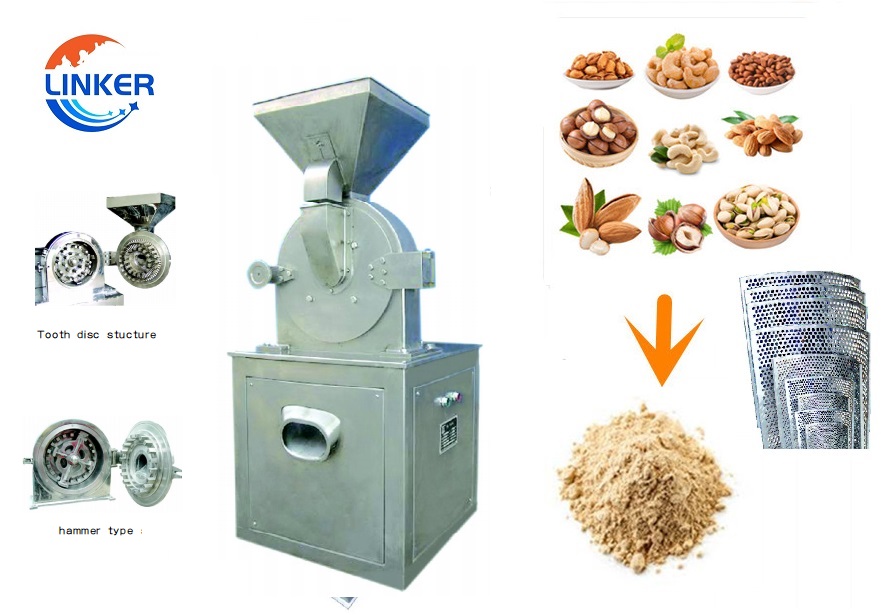
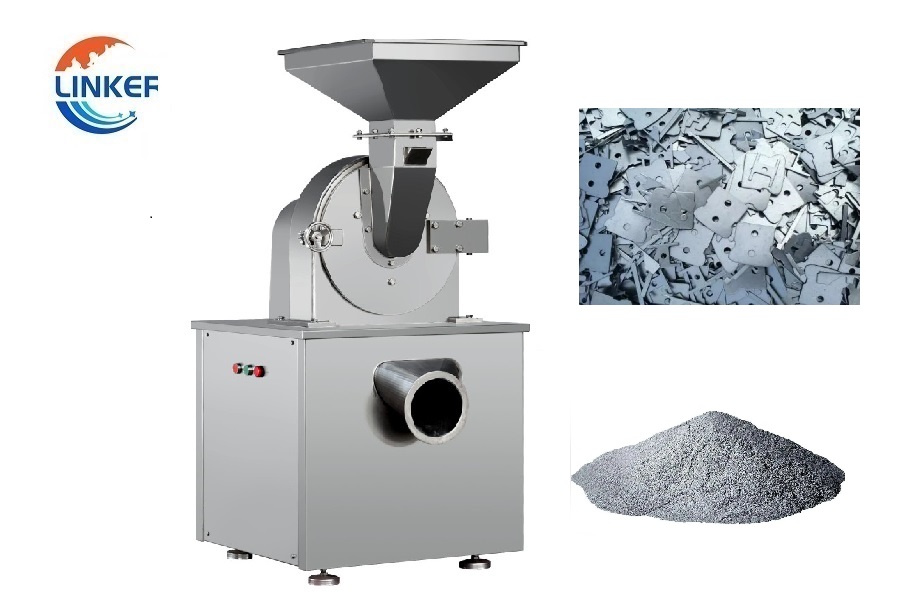
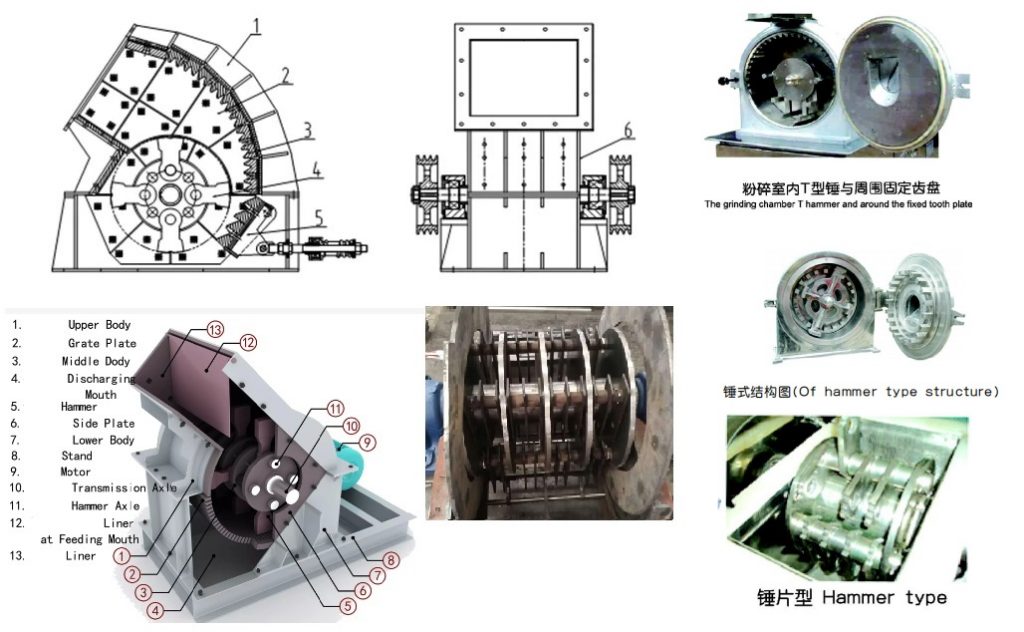
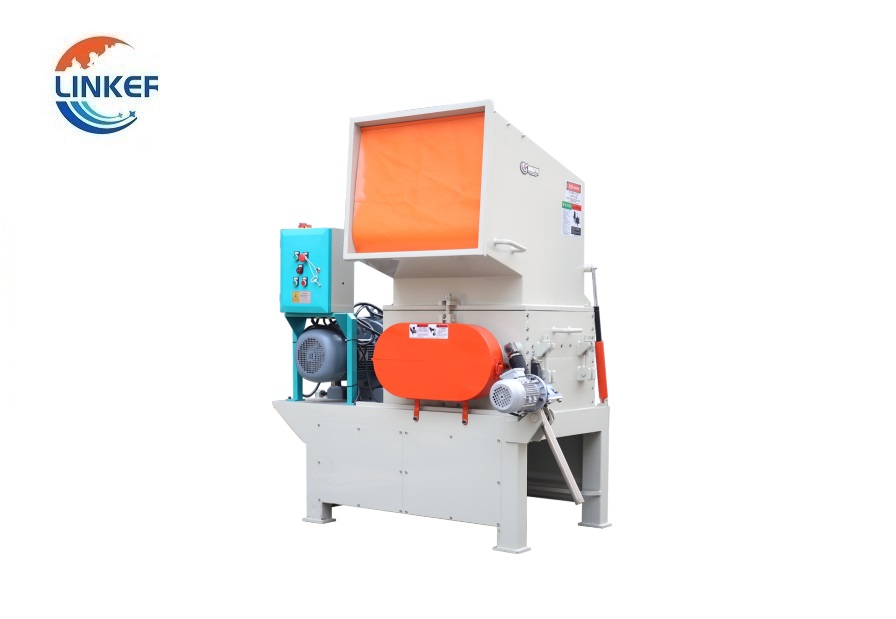
The colloid mill/high-shear grinding machine is used to further refine the pre-crushed chili pulp. For Sriracha sauce, the rotor speed can reach 2800 rpm, and the gap between the stator and rotor is steplessly adjustable (0.5-3mm). When producing Sriracha sauce, the gap should be adjusted to ≤1mm to ensure that the discharge fineness is 80-120 mesh, and the sauce has a smooth touch with garlic paste and chili fibers uniformly suspended. The price of a small-scale colloid mill is about $13,000 to $30,000; the price of a medium-scale high-shear grinding machine with stepless gap adjustment function is between $31,000 and $70,000; the price of a large-scale grinding machine with high-speed rotor is $71,000 to $150,000. A Hammer Mill can be used for preliminary crushing of chili before fine grinding, with a price of $6,000 to $14,000; an Ultrafine Grinder is used for fine grinding of chili pulp to ensure the delicate texture of Sriracha sauce, with a price of $16,500 to $43,000.
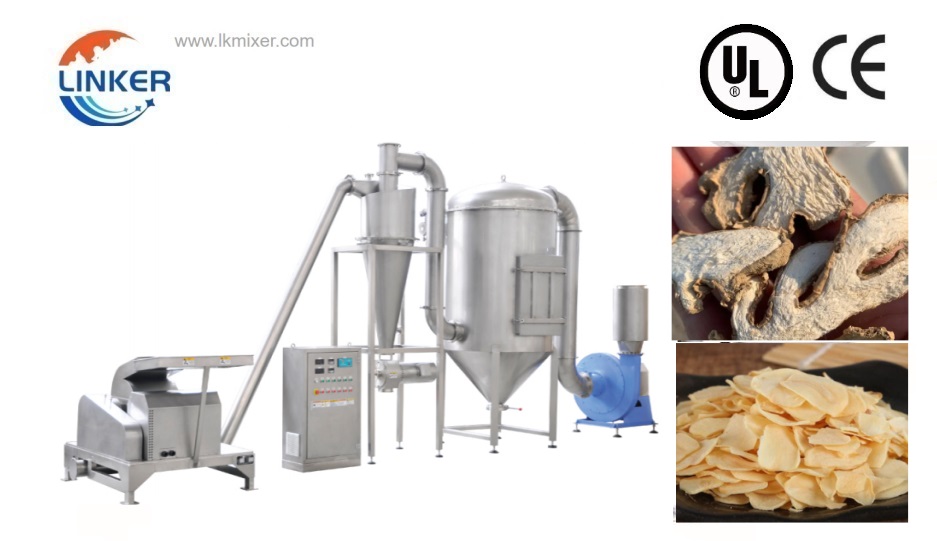
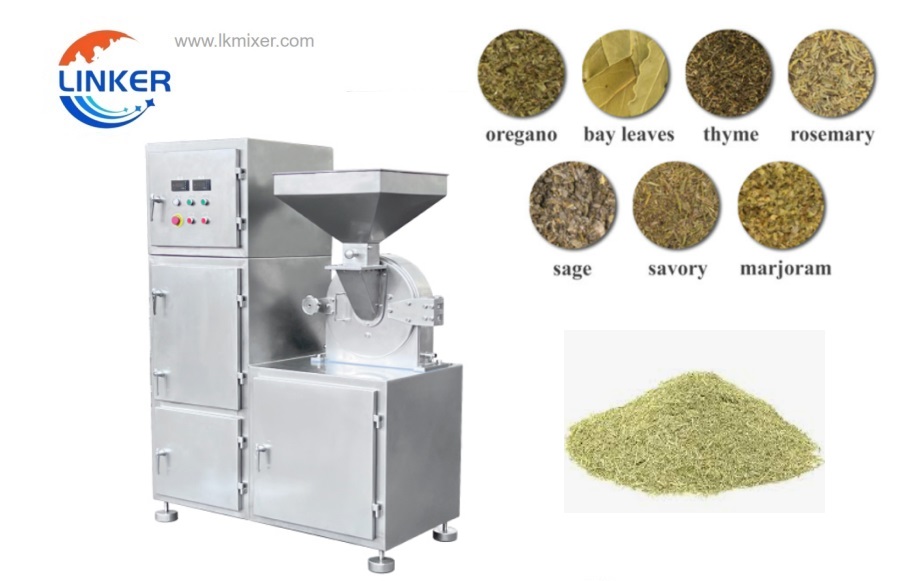
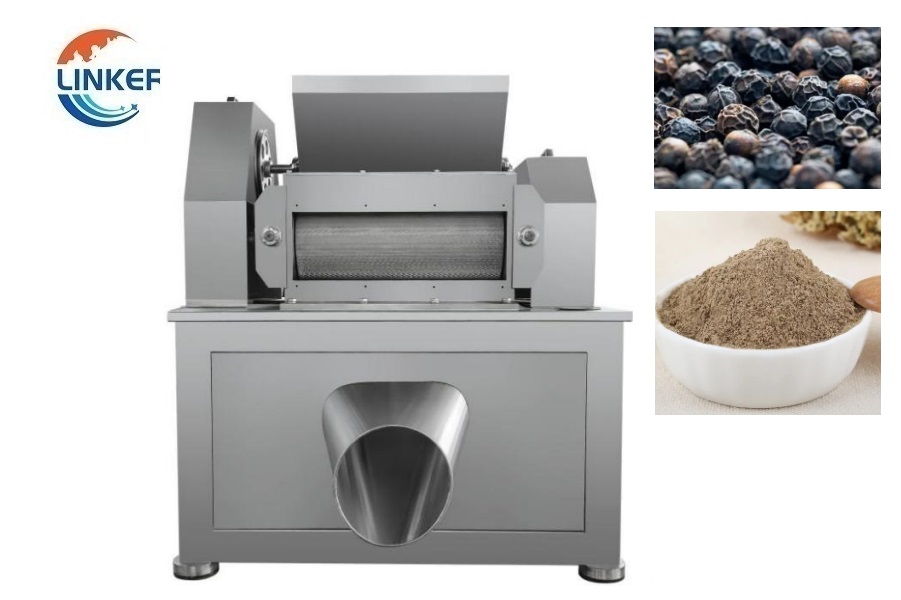
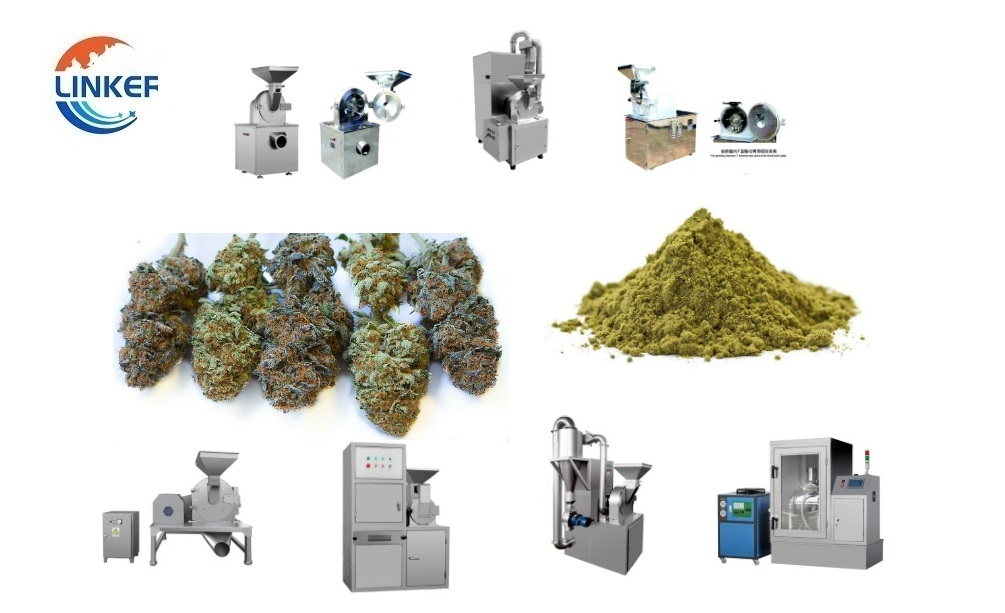
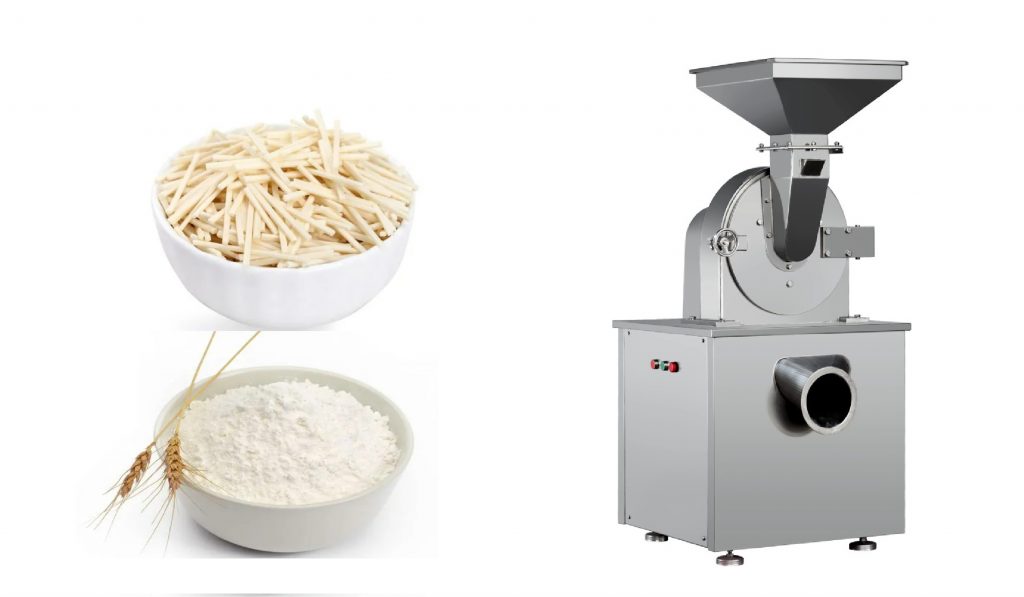
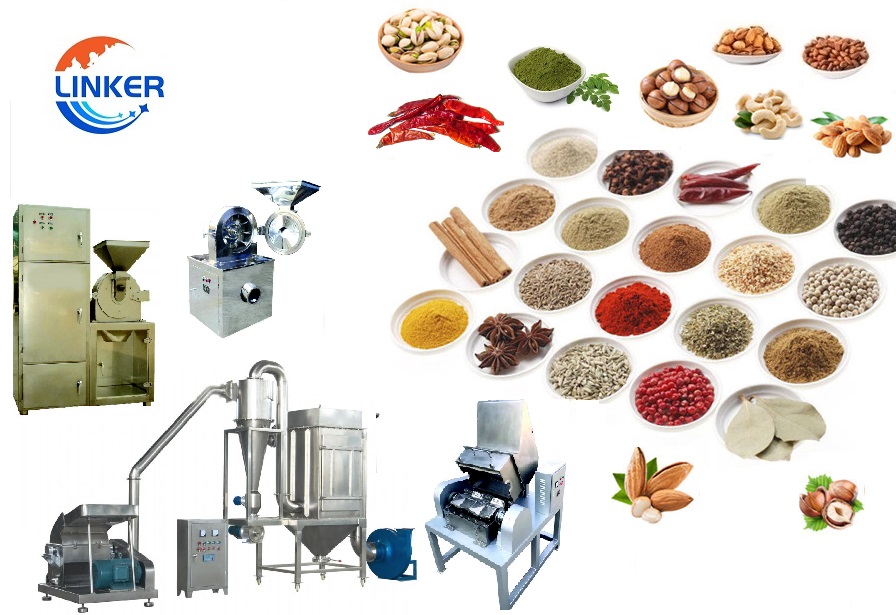
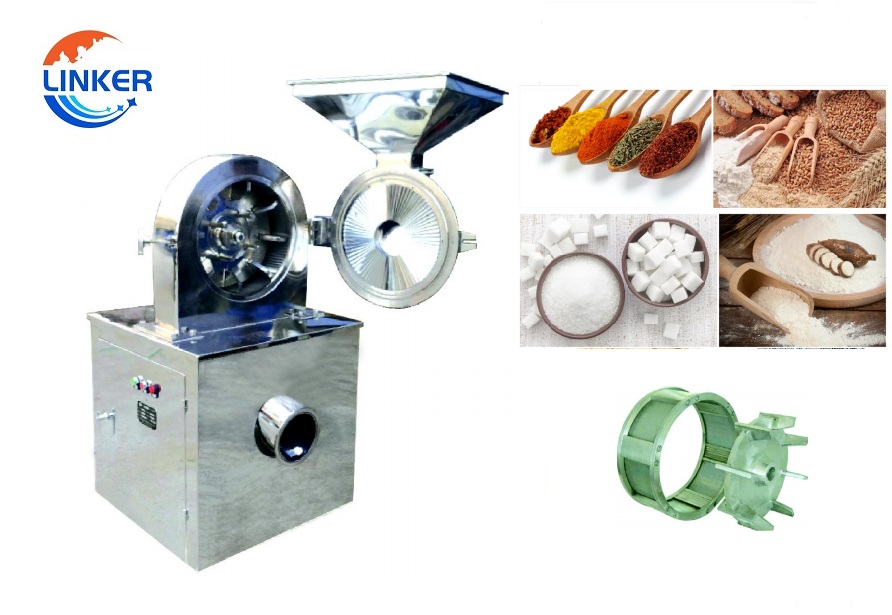
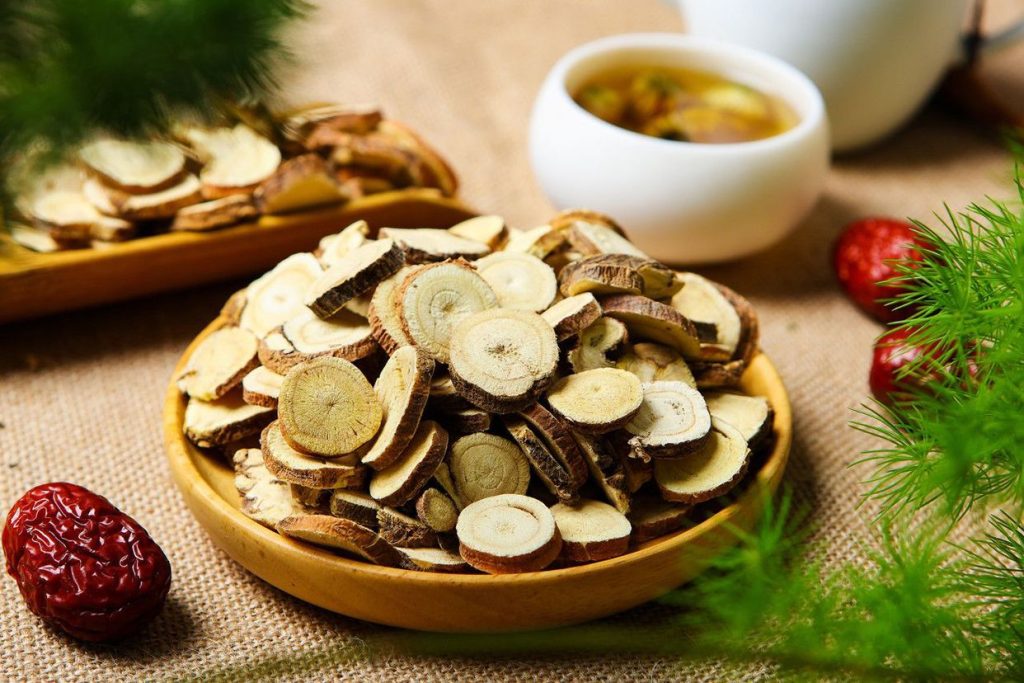
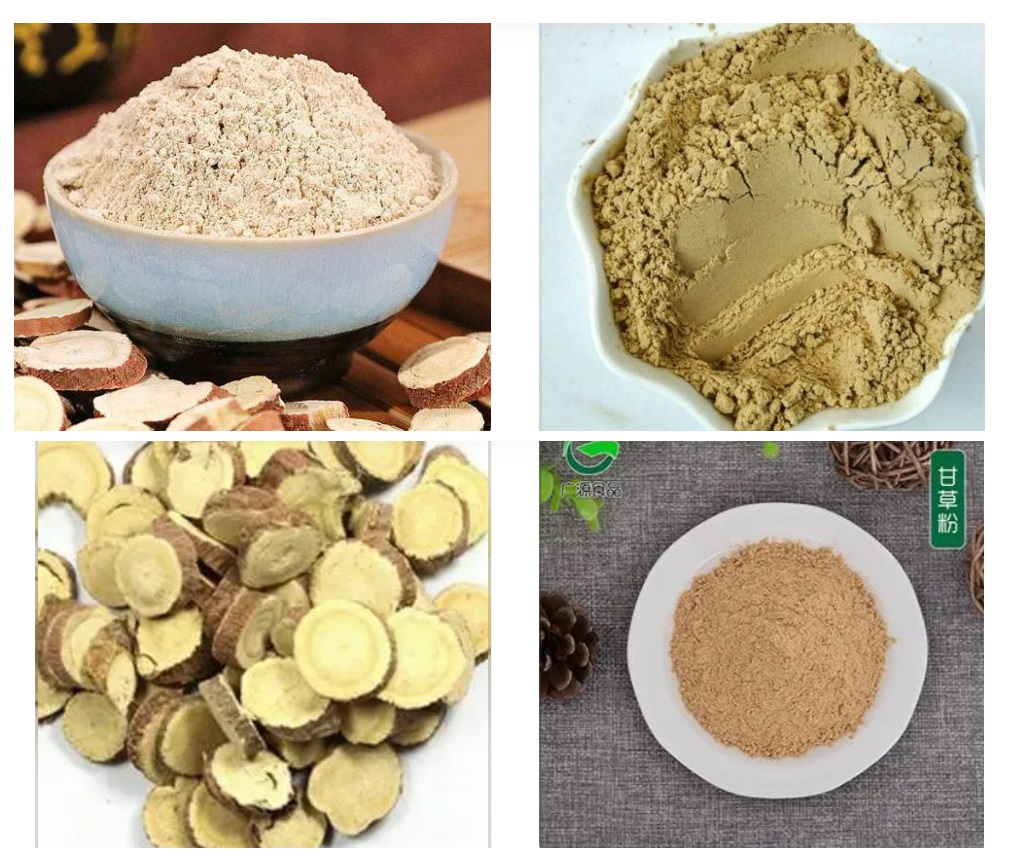
The 200KG grinder is suitable for small and medium-sized production lines to grind auxiliary materials such as garlic and ginger, with a price of $2,700 to $6,800; the 500KG Grinder is suitable for large-scale production lines, with a price of $7,200 to $17,500. A CE Certificate grinder, which has passed European safety and quality certification, can be used to process high-grade chili and auxiliary materials for Sriracha sauce, with a price of $5,000 to $11,500, 20%-30% higher than that of ordinary grinders. A universal grinder can be used to grind auxiliary spices such as black pepper and dry ginger, which are added to Sriracha sauce to enhance flavor, with a price of $3,000 to $8,000. A dry ginger grinding machine and a licorice grinding machine are used to process auxiliary spices, with a single price of $3,200 to $7,800.
The vacuum batching emulsification tank is used to add auxiliary materials such as garlic paste, white sugar, vinegar and salt, and perform degassing and homogenization. It is equipped with a wall-scraping stirrer to prevent coking of high-sugar materials, and the vacuum degree of -0.06~-0.08MPa forcibly removes microbubbles mixed in during grinding, which significantly inhibits oxidative browning and makes the finished product brighter in color. The vinegar is injected online through a metering pump, and the PID closed-loop control ensures the acidity accuracy ≤±0.1%. The price of a small-scale vacuum batching emulsification tank is about $9,000 to $22,000; the price of a medium-scale tank with wall-scraping stirring function is between $23,000 and $55,000; the price of a large-scale tank with automatic batching function is $56,000 to $100,000. A Dry Fruit Powder Grinder Machine can grind dry fruits such as Seasam and Peanut into powder and add them to Sriracha sauce to enrich the taste, with a price of $8,800 to $22,000. A black pepper grinder is used to grind black pepper into powder, which is added to Sriracha sauce to enhance flavor, with a price of $2,800 to $6,800.
Price Impact of Thermal Sterilization and Flavor Protection Module
Sriracha sauce has a pH of about 3.5-4.0, which is a high-acid food and does not require 121℃ high temperature and high pressure sterilization; at the same time, capsaicin and garlic flavor are extremely heat-sensitive, so mild continuous sterilization must be adopted. This module is a key link to protect the flavor and color of Sriracha sauce, and its equipment price accounts for about 18%-25% of the total price of the production line.
The tube-in-tube indirect heat exchange sterilizer is used to kill yeasts, molds and acid-resistant bacilli. The sterilization temperature is 95-105℃, and the holding time is 15-60 seconds. The key technical feature is the use of hot water indirect heat exchange instead of direct steam injection. This design prevents condensed water from diluting the sauce, avoids local overheating and coking, and completely retains the volatile garlic flavor and sour taste. The equipment is integrated with an automatic back pressure control system to prevent cavitation of the sauce in the high-temperature section. Compared with low-acid sauces such as tomato sauce and meat sauce that require sterilization above 121℃, the process temperature of Sriracha sauce is significantly lower, which is energy-saving and color-protective. The price of a small-scale tube-in-tube indirect heat exchange sterilizer is about $15,000 to $35,000; the price of a medium-scale sterilizer with automatic temperature control function is between $36,000 and $80,000; the price of a large-scale sterilizer with continuous sterilization function is $81,000 to $160,000.
The flash cooling tank is used to immediately cool the sterilized sauce to the filling temperature of 85-90℃ after sterilization, and instantly remove excess water to ensure the viscosity of the sauce. The price of a small-scale flash cooling tank is about $10,000 to $25,000; the price of a medium-scale tank with automatic temperature control function is between $26,000 and $58,000; the price of a large-scale tank with continuous cooling function is $59,000 to $110,000. A high speed Dry Grinder can be used as an auxiliary equipment to pre-process the dried chili before sterilization, with a price of $11,000 to $29,000; a cutting type grinder can be used to cut the fresh chili into uniform sizes, ensuring uniform sterilization, with a price of $3,800 to $9,800.
Price Impact of High-Precision Filling and Sealing Module
The retail end of Sriracha sauce is mainly squeeze bottles (PET/PE soft bottles), and the catering end is mainly large bags/stand-up bags, which have high requirements for filling accuracy and hygiene level. This module is an important link to ensure the appearance quality and shelf life of the finished product, and its equipment price accounts for about 18%-24% of the total price of the production line.
The servo-driven piston filling machine is used to quantitatively inject high-temperature sauce into bottles/bags. Aiming at the characteristics of medium viscosity and no particles of Sriracha sauce, it adopts a hard alloy piston + rotary valve structure. The filling accuracy is ≤±1%, and the piston stroke can be finely controlled by servo drive to realize tool-free rapid adjustment. The anti-dripping technology is equipped with a negative pressure suction device at the filling nozzle, which sucks back the residual liquid instantly at the end, eliminating the problem of high-sugar sauce wire drawing polluting the bottle mouth thread and ensuring the tightness of the capping. The price of a small-scale servo-driven piston filling machine (4-6 heads) is about $17,000 to $40,000; the price of a medium-scale filling machine (8-12 heads) is between $41,000 and $88,000; the price of a large-scale filling machine (12-16 heads) with anti-dripping function is $89,000 to $190,000.
The automatic capping/crimping machine is compatible with various cap types such as flip-top squeeze bottles and anti-theft cap glass bottles. It is equipped with an online torque monitoring system to reject unqualified products with incorrect torque. The price of a small-scale automatic capping machine is about $8,500 to $19,000; the price of a medium-scale machine with automatic cap sorting function is between $20,000 and $42,000; the price of a large-scale machine with torque monitoring function is $43,000 to $88,000. An Electric Grinder is used for auxiliary crushing of small batches of chili and auxiliary materials during filling, with a price of $2,000 to $5,000.
The CIP online cleaning system is equipped with cleaning balls and return circuits in the filling machine, pipelines and sterilizer, which can execute the program of alkali cleaning → acid cleaning → hot water flushing. Aiming at the high pigment and acetic acid residues of Sriracha sauce, it is recommended to extend the cycle time or add special cleaning agents in the alkali cleaning stage. The price of a small-scale CIP online cleaning system is about $7,500 to $18,000; the price of a medium-scale system with automatic cleaning program control is between $19,000 and $45,000; the price of a large-scale system with full-pipeline cleaning function is $46,000 to $95,000. A Dust Grinder and a dust collector grinder are used to solve the dust pollution problem during the processing of spices and auxiliary materials, with a single price of $3,300 to $8,200.
Price Impact of Intelligent Control, Flexible Changeover System and Production Capacity
The PLC+HMI central control system is the core of the automatic Sriracha sauce production line, which realizes the intelligent management and control of the whole line. The equipment manufacturers typically configure Siemens, Mitsubishi or Schneider series PLCs. It has special functions such as one-key formula switching, real-time data tracing and remote diagnosis. The one-key formula switching function can store multiple sets of process parameters (grinding gap, sterilization temperature, filling volume, etc.) such as “Sriracha sauce”, “garlic-flavored chili sauce” and “sweet and spicy sauce”, and the changeover time is ≤30 minutes. The price of a small-scale PLC+HMI central control system is about $7,500 to $20,000; the price of a large-scale system with full-process monitoring and remote control functions is between $21,000 and $52,000.
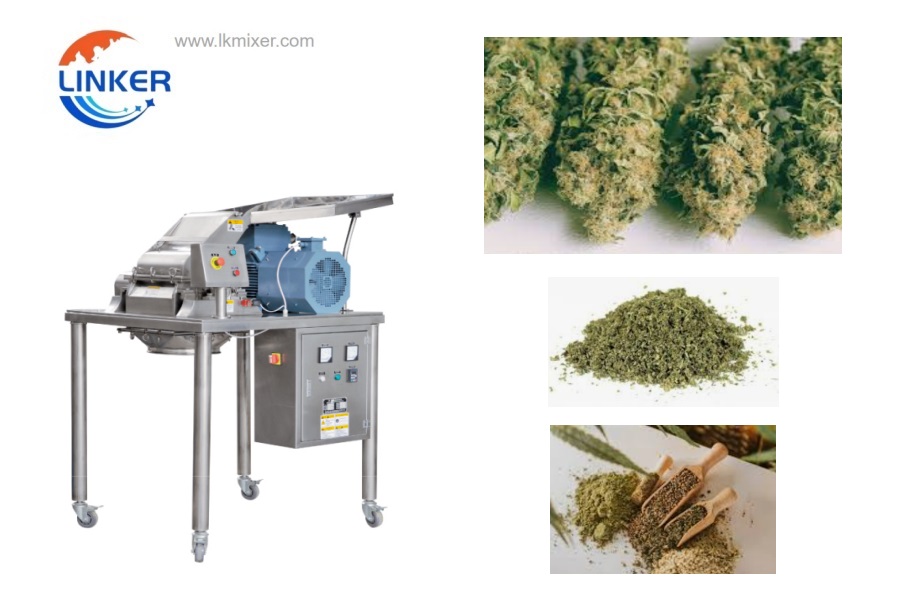
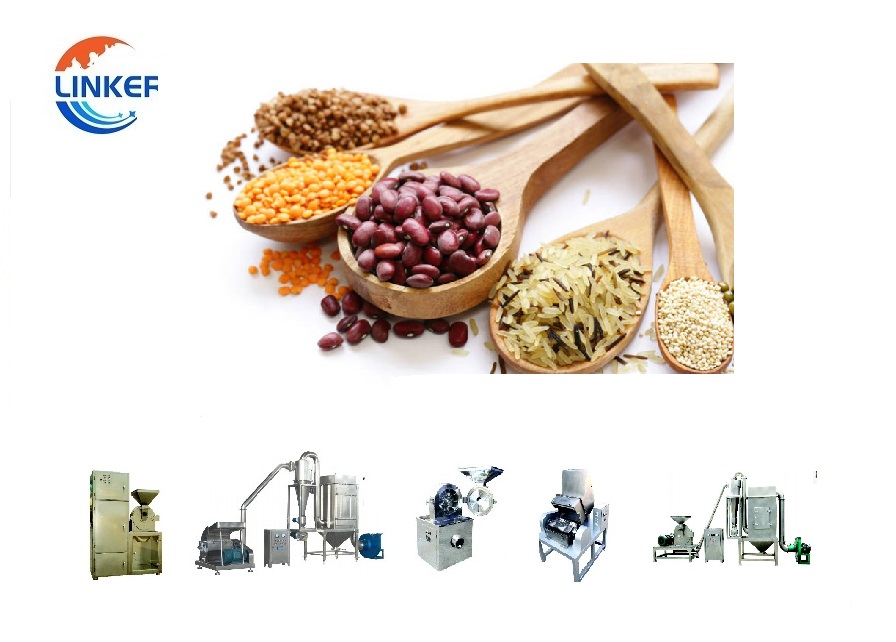
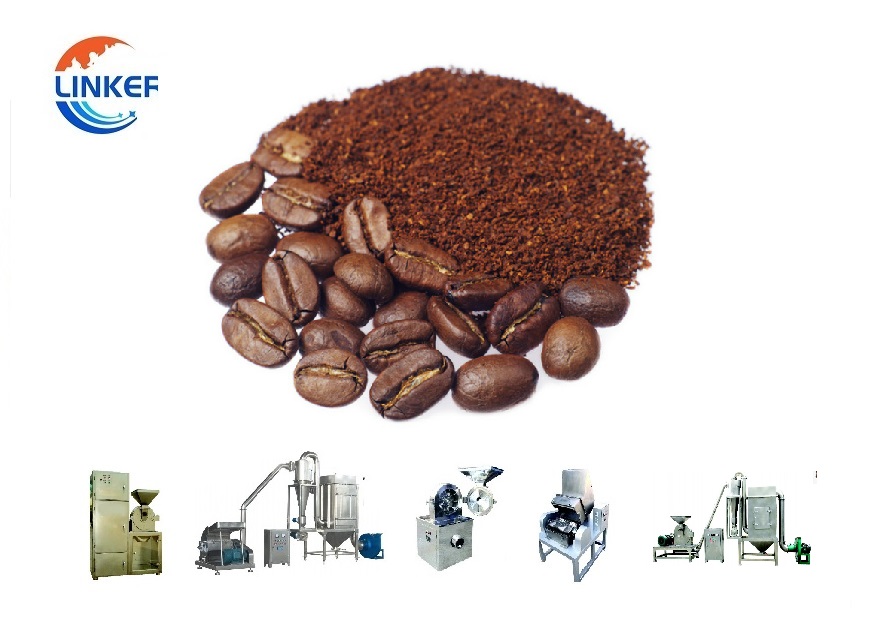
The intelligent control system can be linked with various grinding equipment to realize automatic control of auxiliary material processing. For example, it can control the 200KG grinder and 500KG Grinder to grind materials such as salt, sugar, wheat, corn, rice, flour, coffee, tea, bean, mushroom, bone, meat, seeds and tobacco according to the set fineness. The system can also control equipment such as metal, Medicine, chemical and cannabis processing when needed, expanding the application scope of the production line. A herb grinder can be used to grind Chinese herbal medicines added to Sriracha sauce to enhance flavor and health functions, with a price of $3,000 to $7,500. In regions where it is legally permitted, some production lines may be equipped with Industrial Weed Grinder to process cannabis as auxiliary materials, with a price of $13,000 to $30,000.
The production capacity level directly affects the overall price of the automatic Sriracha sauce production line. According to the public production capacity classification of general chili sauce by equipment manufacturers, the recommended configurations adapted to Sriracha sauce are as follows: small-scale lines with a fresh chili processing capacity of 500-1000 kg/h, equipped with batch-type stir-frying pans + single-head filling machines, manual/semi-automatic stem removing, suitable for regional brands, restaurant central kitchens and start-ups, with an overall price of $130,000 to $350,000; medium-scale lines with a processing capacity of 1-3 tons/h, equipped with continuous sterilizers + multi-head filling machines, automatic stem and seed removing machines, suitable for provincial condiment enterprises and export OEM factories, with an overall price of $350,000 to $900,000; large-scale lines with a processing capacity of 5-10 tons/h, full-process continuous operation, multiple filling machines in parallel, AGV material transportation, suitable for leading food groups and annual production capacity of 10,000-ton bases, with an overall price of more than $900,000, even up to $3,000,000.
In summary, the automatic Sriracha sauce production line is not a standardized product on the shelf, but an integrated solution based on the mature automatic chili sauce production line platform, with in-depth parameter optimization and module customization according to the four characteristics of Sriracha sauce: no seeds, delicate texture, sour and fragrant taste, and heat sensitivity. Its technical focus is not on creating new equipment, but on the rigid implementation of the stem and seed removing process, the mild control of indirect heat exchange sterilization, and the hygienic design of anti-dripping filling. The price of the production line is affected by many factors such as customization level, production capacity, core equipment configuration and intelligent control level. When purchasing the production line, the buyer should clearly put forward the “Sriracha-style sauce” production demand to the equipment manufacturer with turnkey project experience in multi-category chili sauce, and provide the viscosity value, pH, particle size distribution and fermentation process route (if any) of the target finished product. The equipment manufacturer will carry out specialized configuration and acceptance testing on the general platform to realize stable industrial production. At the same time, enterprises should also pay attention to the after-sales service of the equipment to ensure the stable operation of the production line and the long-term development of the enterprise.
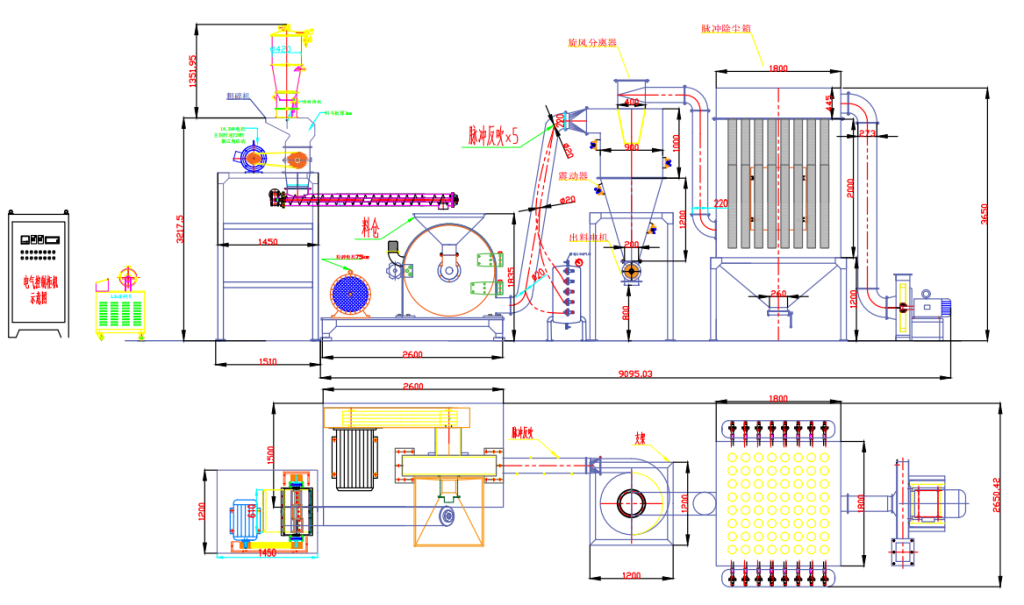

Parameters:

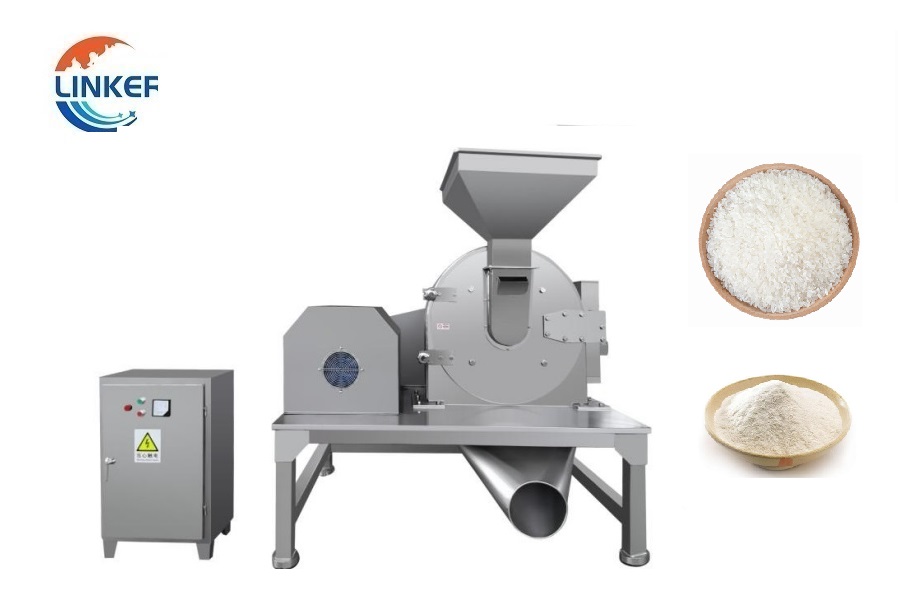
Model Name | SG-600 | |
| Crushing Capacity(kg/h) | 1000~2000 | |
| Power(kw) | 11 | |
| Feeding Size(mm) | <5mm | |
| Fineness(mesh) | 20~40mesh |
Model Name | SG-800 | |
| Crushing Capacity(kg/h) | 2000~4000 | |
| Power(kw) | 15 | |
| Feeding Size(mm) | <5mm | |
| Fineness(mesh) | 20~40mesh |
Trade Capacity
| International Commercial Terms(Incoterms): | FOB, CIF, CFR | Terms of Payment: | LC, T/T, PayPal, Western Union |
| Average Lead Time | 60 working days | Main Markets | North America, South America, Europe, Southeast Asia/ Mideast, East Asia(Japan/ South Korea), Australia, Domestic |
| Nearest Port: | Ningbo Port; Shanghai Port | Factory Address: | JiangSu, China |
Ampere of Motors Customization for Seeds Grinder:
| KW | HP | Ampere |
| 75kw | 100HP | 135A |
| 55kw | 75HP | 99A |
| 30kw | 40HP | 54A |
| 22kw | 30HP | 39A |
| 2.2kw | 3HP | 3.9A |
| 1.5kw | 2HP | 2.7A |
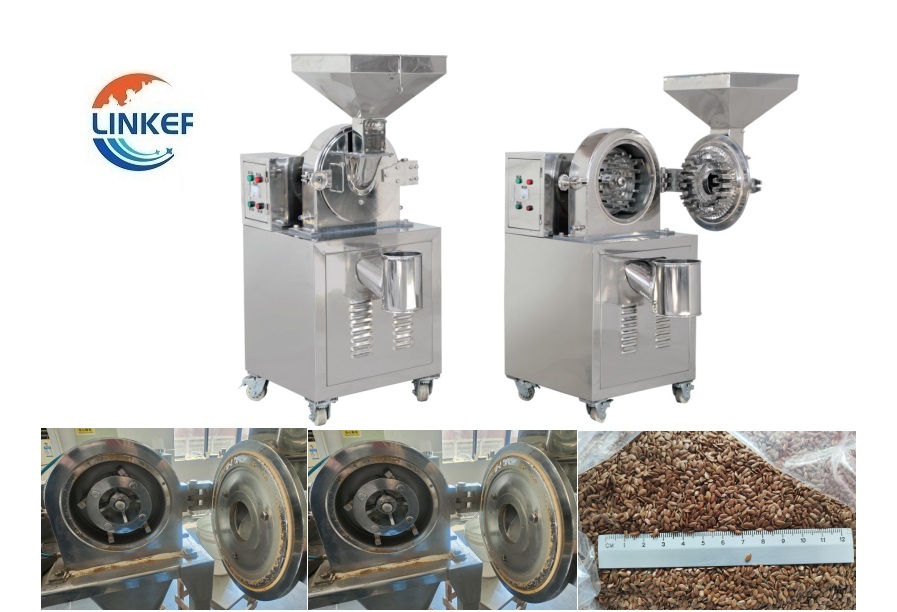
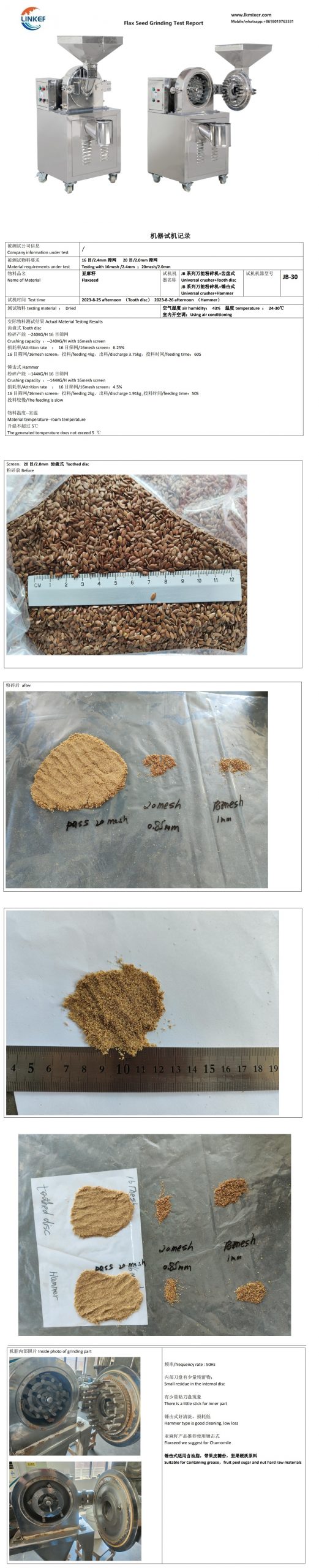
Test Report for Flax Seed Grinder:
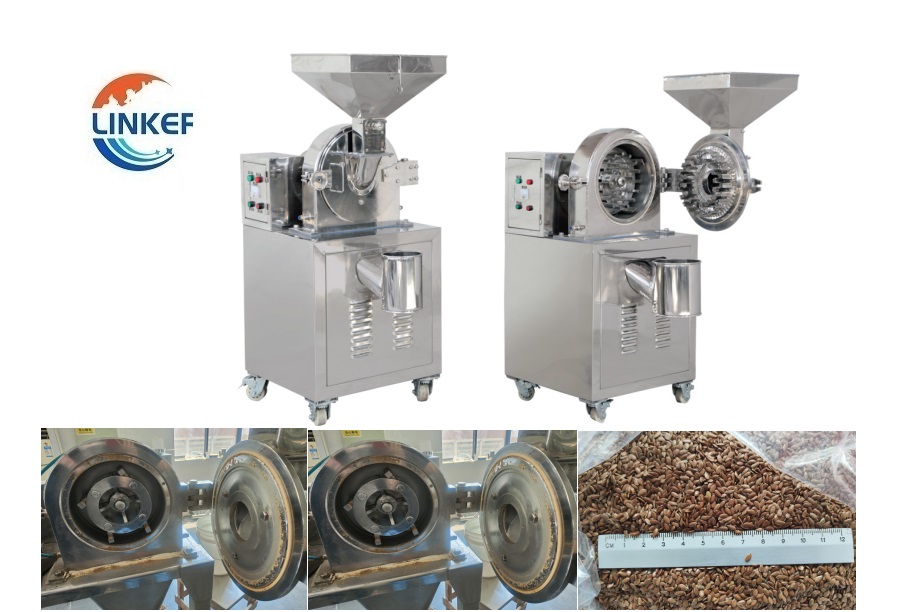
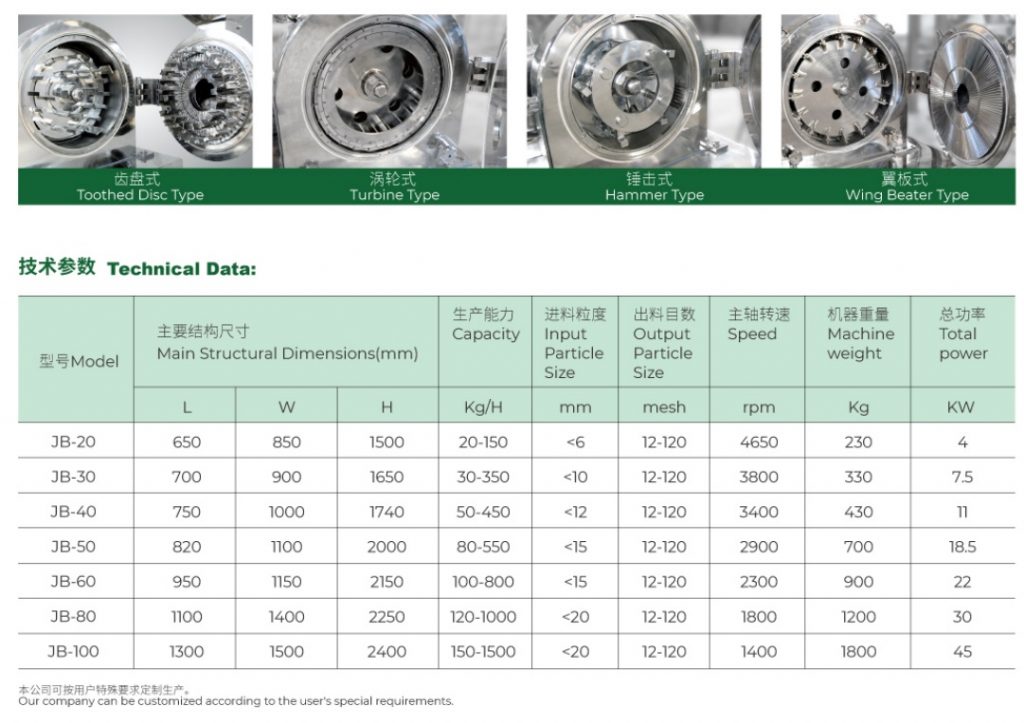
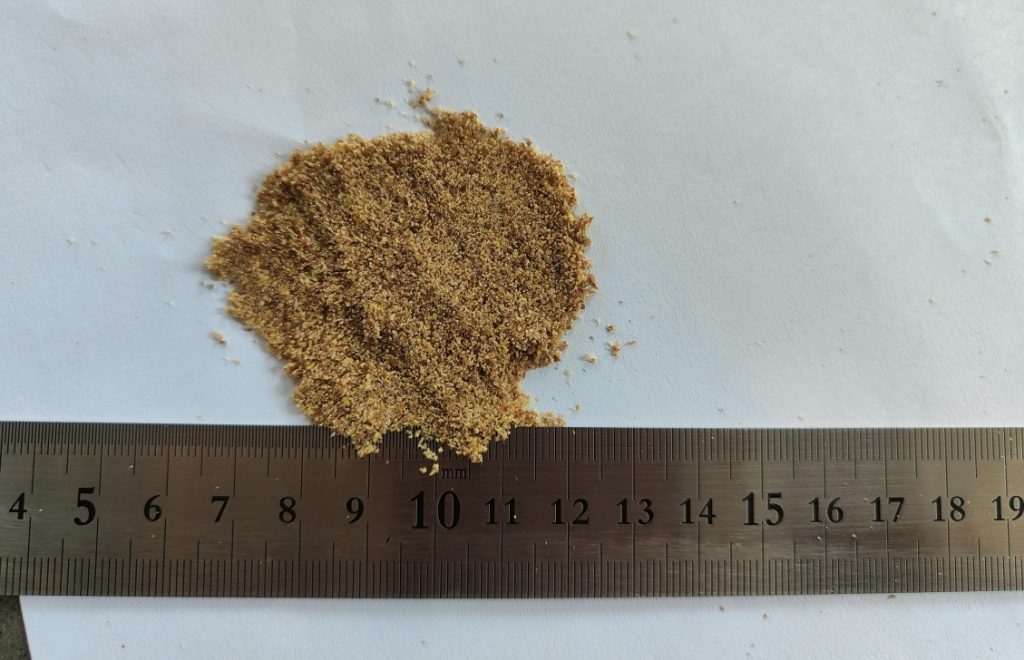
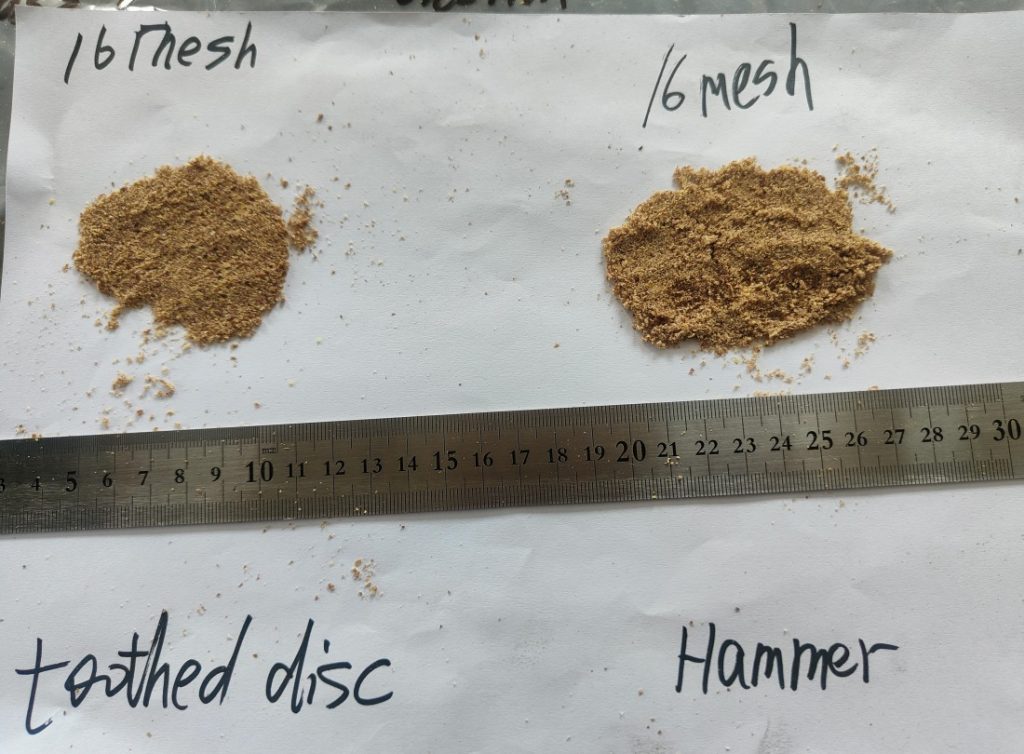
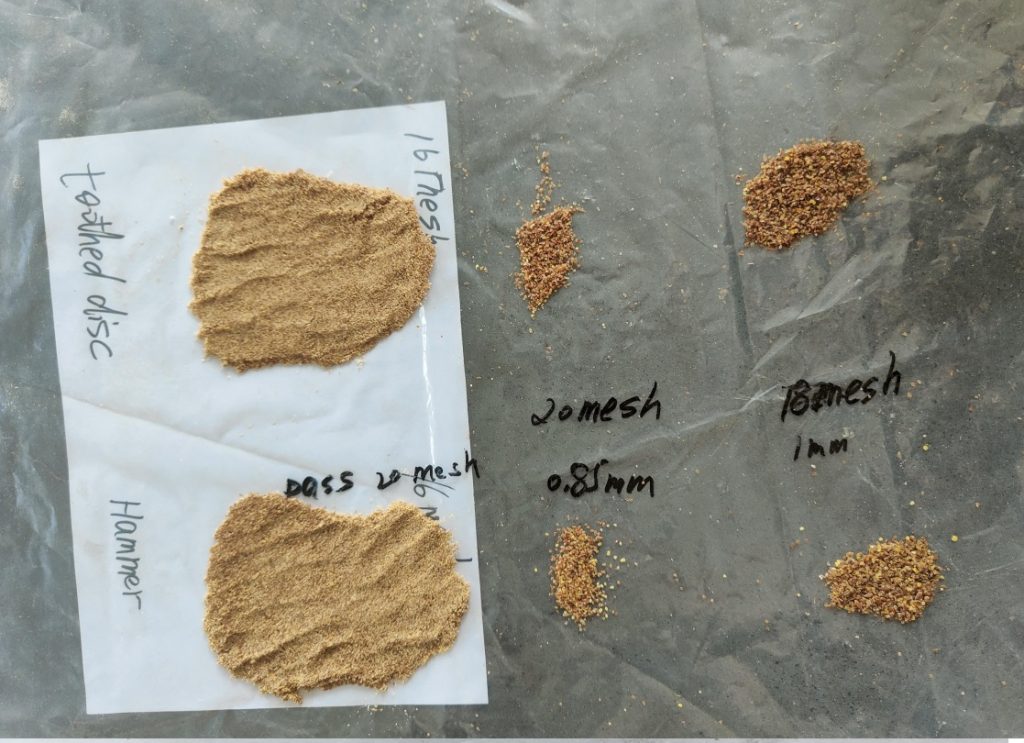
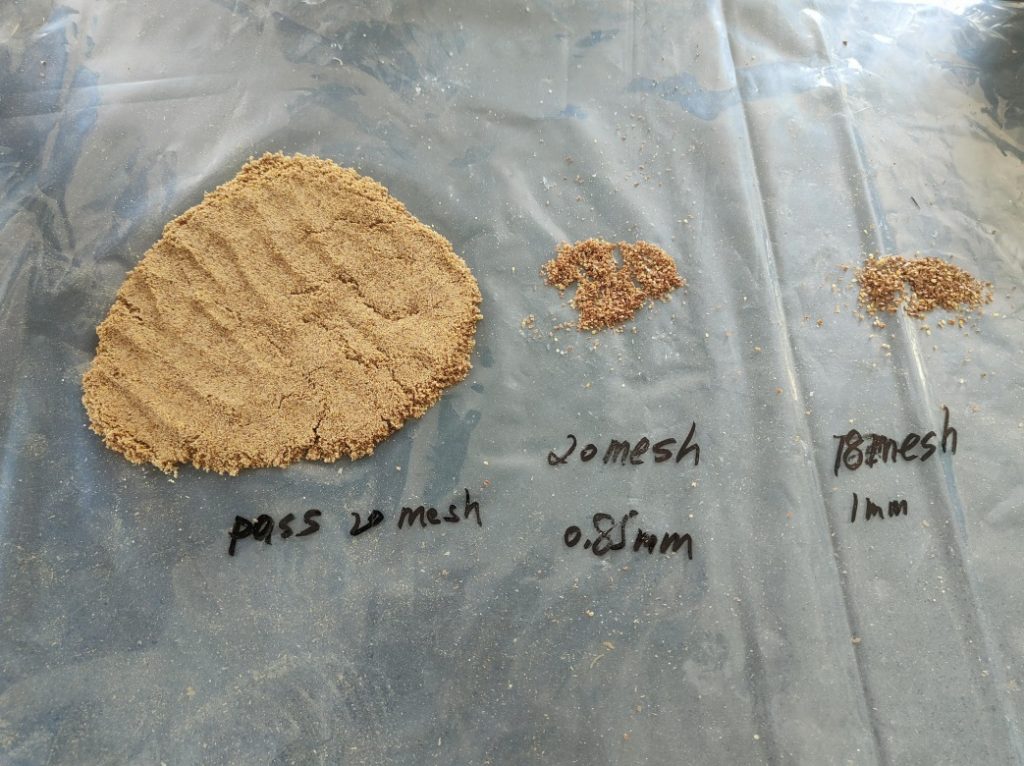
A flax seed grinder is a type of seed nut grinder specifically designed for grinding flax seeds. Flax seeds are small, hard seeds that are packed with nutrition and are commonly used in baking and cooking. Grinding flax seeds helps to unlock their nutrients and make them easier to digest.
Flax seed grinders typically feature sharp blades or burrs that rotate to crush the flax seeds into a fine powder. This powder can then be used in a variety of recipes, such as smoothies, baked goods, and yogurt toppings. Some flax seed grinders are manual and require hand-cranking, while others are electric and feature powerful motors for faster grinding.
When choosing a flax seed grinder, it’s important to look for one with durable blades or burrs that can withstand the hard texture of flax seeds.
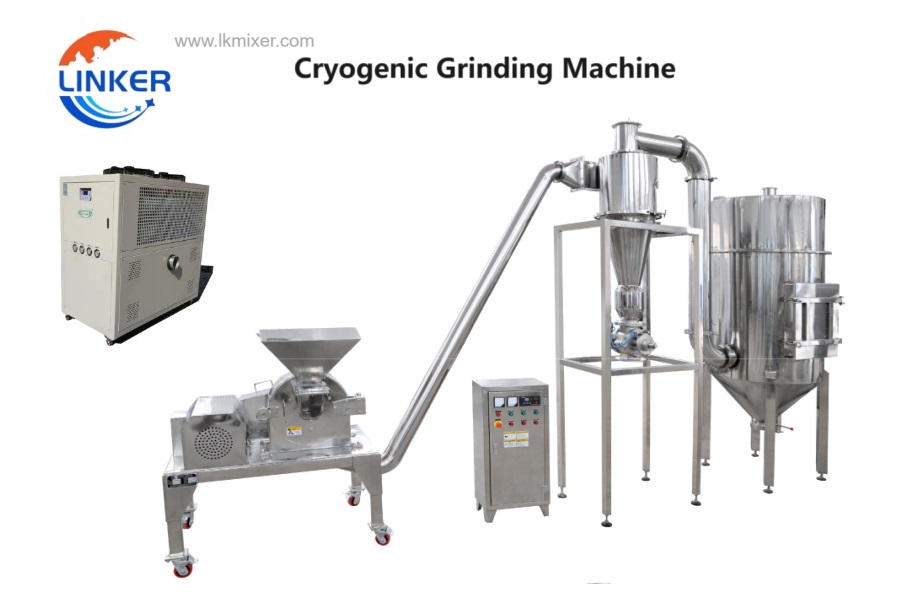
There are 3 ways of cooling down the grinder: water cooling system; air cooling system and liquid nitrogen freezing system. You can choose the right one if the grinder gets too hot. When machines goes too hot, the metal can expand, causing the grinding wheel to get stuck.
| Business Type: | Manufacturer/Factory | Main Products: | Mill, grinder, granulator, mixer, Crushing Equipment |
| Number of Employees: | 100 | Year of Establishment: | 2014.05 |
| Production Capacity | 5000Set/Year | After-sales Service: | Technical Support; on-line teach lessons |
| R&D Capacity: | ODM, OEM | Annual Output Value: | US$5 Million – US$10 Million |
| No. of R&D Staff: | 5 | No. of Production Lines: | 6 |
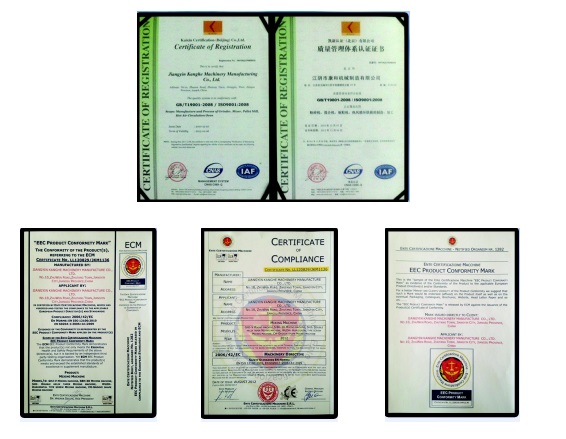
LK Mixer is a professional manufacturer for grinder, mixer and pulverizer. These machines are widely used in pharmaceutical, cosmetic, health care products and chemical industries. Our main product including granulating machine, grinder, mixer, dryer, etc. All mechanical products in accordance with the China GMP design requirements. And also we have other certifications such as CE, UL for motors.
Business Philosophy
“Quality is the main policy of sales” and “integrity is the principle of success” are the business philosophy of our people. We carry out one-year warranty, lifelong maintenance service, with technical consultation, with material test machine and other services, and long-term supply of equipment. Welcome new and old customers to negotiate cooperation!
Certifications:
Customer Side Machine Groups Showcase Videos:
Dust Collector Shipment
Shipment – Packing Method
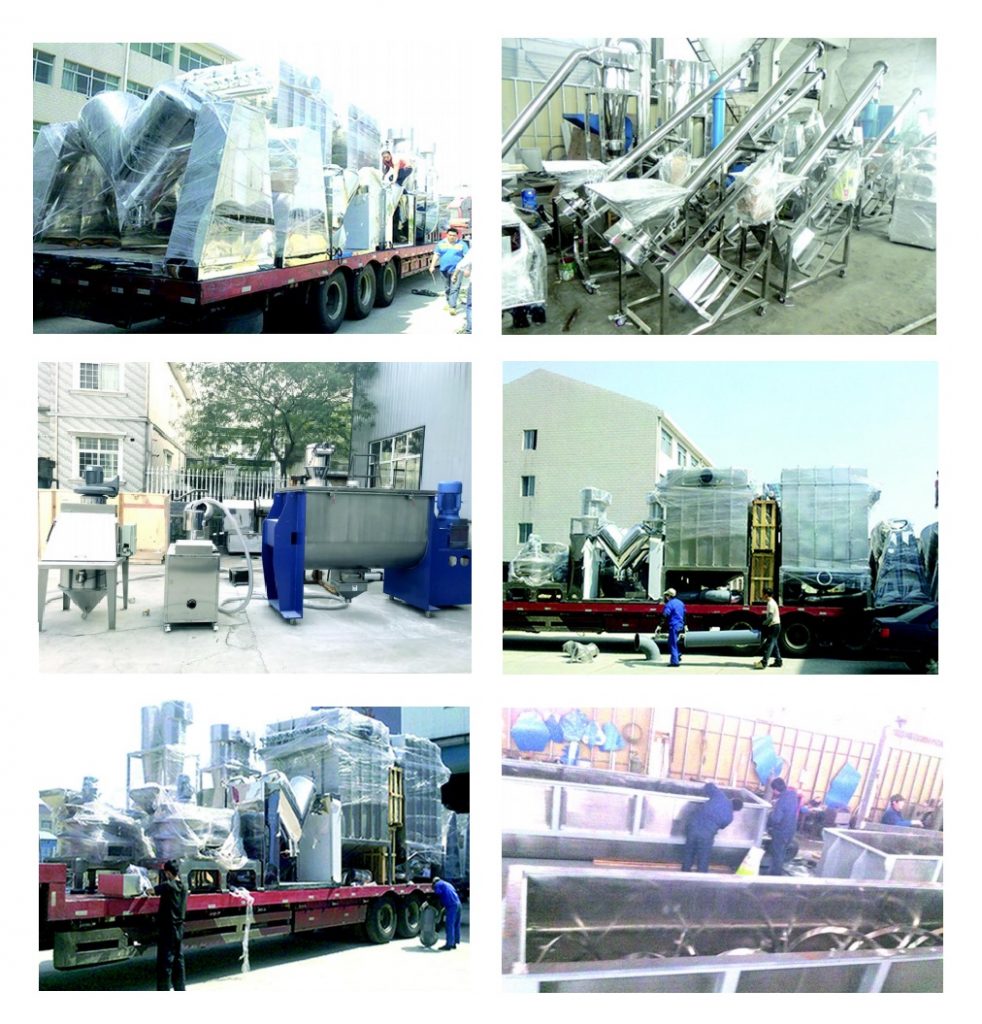
Two Large Industrial Grinder Ready to Ship
Domestic Shipment Show Case:
Operation Instruction
General Provisions
The operation instructions for a commercial grinder may vary depending on the specific model and manufacturer. However, here are some general guidelines that may apply to many high speed grinders:
- Safety precautions: Before operating the high speed grinder, it is important to review all safety precautions and warnings provided in the user manual. Safety precautions may include wearing appropriate personal protective equipment, such as eye protection and hearing protection, and avoiding loose clothing or jewelry that could become caught in the grinder.
- Preparation: The high speed grinder should be placed on a stable and level surface, and all necessary components should be assembled according to the manufacturer’s instructions. The grinder should also be connected to a power source that is appropriate for its voltage and wattage.
- Loading the grinder: The material to be ground should be loaded into the grinder according to the manufacturer’s instructions. Overloading the grinder may cause damage to the machine and result in poor grinding performance.
- Starting the grinder: The grinder should be started according to the manufacturer’s instructions. This may involve pressing a button, turning a dial, or flipping a switch. The user should ensure that their hands are clear of the grinder and that the material to be ground is positioned properly.
- Adjusting the speed and settings: The speed and other settings of the high speed grinder may be adjusted according to the material being ground and the desired outcome. The user should follow the manufacturer’s instructions for making adjustments to the grinder.
- Monitoring the grinding process: The user should monitor the grinding process to ensure that it is progressing smoothly and that the material is being ground to the desired size and consistency. Any issues or abnormalities should be addressed promptly to prevent damage to the machine.
- Shutting down the grinder: When the grinding process is complete, the grinder should be shut down according to the manufacturer’s instructions. The user should ensure that the machine is completely stopped and that all moving parts have come to a complete stop before attempting to clean or service the grinder.
Overall, the operation instructions for a commercial grinder may involve a number of steps and safety precautions. It is important to carefully review the manufacturer’s instructions and follow proper operating procedures to ensure safe and effective use of the machine.
Preparation Work
Before running a commercial grinder, there are several important preparation steps that should be taken to ensure safe and effective operation of the machine. Here are some general guidelines for preparing to run a high speed grinder:
- Read the user manual: The first step in preparing to run a high speed grinder is to carefully read the user manual provided by the manufacturer. The user manual will provide important information about the specific model of grinder being used, including its features, specifications, and safety precautions.
- Select the appropriate grinding wheel: The grinding wheel used in a high speed grinder should be selected based on the material being ground and the desired outcome. It is important to use the correct type of grinding wheel to prevent damage to the machine and ensure optimal grinding performance.
- Inspect the grinder: Before running the grinder, it is important to inspect it for any signs of damage or wear. The user should check for loose or missing components, cracks or other signs of damage to the machine’s housing or other parts, and any other issues that could affect the grinder’s operation.
- Install the grinding wheel: The grinding wheel should be installed according to the manufacturer’s instructions, making sure that it is securely fastened and aligned properly. The user should also check the wheel for any cracks or other signs of damage before installation.
- Secure the workpiece: The workpiece to be ground should be securely clamped or held in place before starting the grinder. This will help to ensure safe and effective operation and prevent the workpiece from becoming dislodged or damaged during grinding.
- Connect the power source: The high speed grinder should be connected to a power source that is appropriate for its voltage and wattage. It is important to use a properly grounded power source to ensure safe and reliable operation of the machine.
- Test run: Before beginning actual grinding operations, it may be useful to perform a test run to ensure that the grinder is functioning properly and that the grinding wheel is aligned and balanced properly. The user should follow the manufacturer’s instructions for performing a test run.
By following these preparation steps, users can ensure safe and effective operation of a high speed grinder and achieve optimal grinding results.
Treatment of inspection
Inspection of a commercial grinder is an important maintenance procedure that helps ensure safe and effective operation of the machine. Here are some general guidelines for inspecting a high speed grinder:
- Disconnect power source: Before performing any inspection or maintenance on a high speed grinder, the power source should be disconnected to prevent accidental startup.
- Check for wear and damage: The user should inspect the grinder for any signs of wear or damage, such as cracks in the housing, worn or damaged grinding wheels, or loose or missing parts. Any issues should be addressed promptly to prevent further damage to the machine.
- Check alignment and balance of grinding wheel: The grinding wheel should be inspected for proper alignment and balance, as these factors can affect the quality of the grinding operation. If the grinding wheel is not properly aligned or balanced, it should be adjusted or replaced as necessary.
- Check for proper lubrication: The high speed grinder should be inspected for proper lubrication, as inadequate lubrication can cause excessive wear and damage to the machine’s moving parts. The user should follow the manufacturer’s instructions for lubrication, and add lubricant as necessary.
- Inspect electrical components: The electrical components of the high speed grinder, including the wiring, switches, and control panel, should be inspected for any signs of wear, damage, or loose connections. Any issues should be addressed promptly to prevent electrical problems.
- Test run: After completing the inspection, it may be useful to perform a test run of the high speed grinder to ensure that it is functioning properly and that any issues have been addressed.
By following these inspection guidelines, users can help ensure safe and effective operation of a high speed grinder and minimize the risk of damage or injury during grinding operations.
Operation Attention
Running a commercial grinder can be a dangerous operation if proper precautions are not taken. Here are some general guidelines for safe operation of a high speed grinder:
- Personal protective equipment: The user should wear appropriate personal protective equipment, such as safety glasses, hearing protection, and gloves, to prevent injury from flying debris, noise, and contact with the grinding wheel.
- Secure workpiece: The workpiece being ground should be securely clamped or held in place to prevent it from becoming dislodged during grinding.
- Use proper grinding wheel: The user should select the appropriate grinding wheel for the material being ground and ensure that it is installed correctly and securely. The grinding wheel should be inspected for cracks or other damage before use.
- Adjust grinding wheel speed: The speed of the grinding wheel should be adjusted according to the manufacturer’s instructions to ensure optimal grinding performance and prevent damage to the machine or workpiece.
- Avoid excessive pressure: The user should avoid applying excessive pressure to the grinding wheel, as this can cause the wheel to overheat and wear out more quickly.
- Avoid overheating: The high speed grinder should not be operated continuously for extended periods of time, as this can cause overheating and damage to the machine.
- Monitor grinding operation: The user should closely monitor the grinding operation to ensure that the workpiece is being ground properly and that the grinding wheel is functioning correctly.
- Disconnect power source: After completing grinding operations, the power source should be disconnected to prevent accidental startup.
By following these guidelines, users can operate a high speed grinder safely and effectively, and achieve optimal grinding results. It is important to follow the manufacturer’s instructions and all applicable safety regulations when operating any type of machinery.
Applications of Industrial Seed Grinder
Industrial seed grinders are used in a variety of applications across many industries. Here are some of the most common applications of industrial seed grinders:
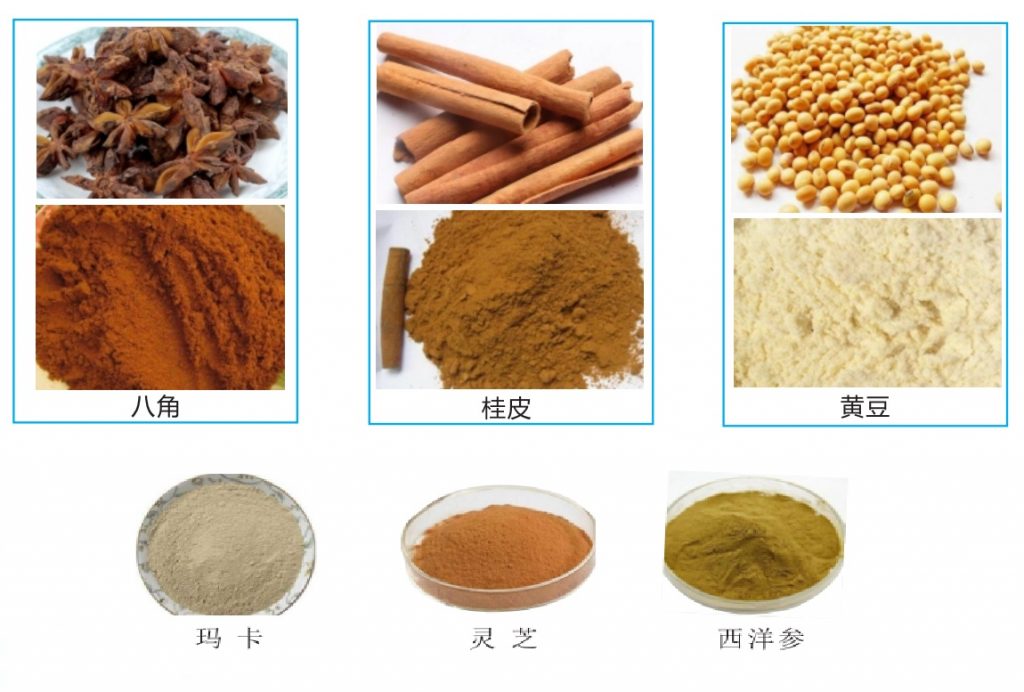
- Food industry: Industrial seed grinders are used extensively in the food industry to grind seeds, nuts, and spices into fine powders or pastes. These powders and pastes are then used in a variety of products such as sauces, seasonings, and spreads.
- Pharmaceutical industry: In the pharmaceutical industry, industrial seed grinders are used to grind plant material into a fine powder, which is then used to make medicines and supplements.
- Cosmetics industry: Industrial seed grinders are also used in the cosmetics industry to grind plant material into a fine powder or paste, which is then used in products such as face masks, scrubs, and exfoliants.
- Agricultural industry: Industrial seed grinders are used in the agricultural industry to process seeds, such as soybeans, into animal feed.
- Chemical industry: In the chemical industry, industrial seed grinders are used to grind materials such as resins, pigments, and dyes into a fine powder.
- Renewable energy industry: Industrial seed grinders are also used in the renewable energy industry to process biomass into a fine powder, which is then burned to generate electricity.
Overall, industrial seed grinders are versatile machines that are used in many different industries for a variety of applications. They are essential for processing plant material into fine powders and pastes that can be used in many different products.
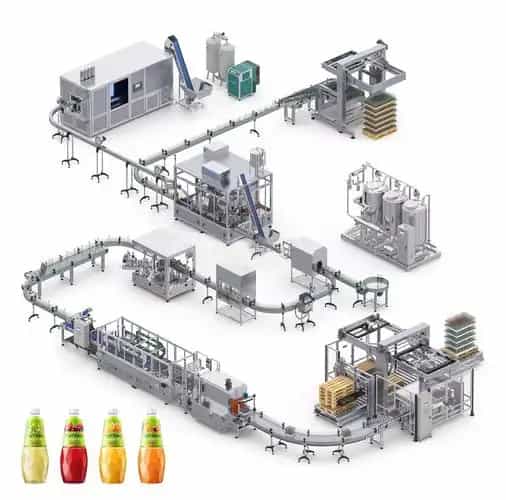
Food Producing Process Flow:
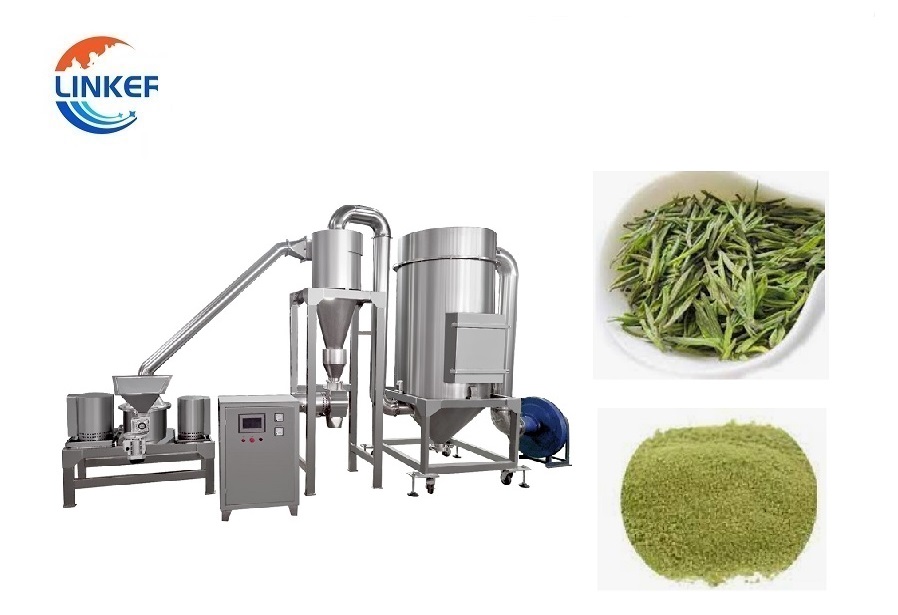
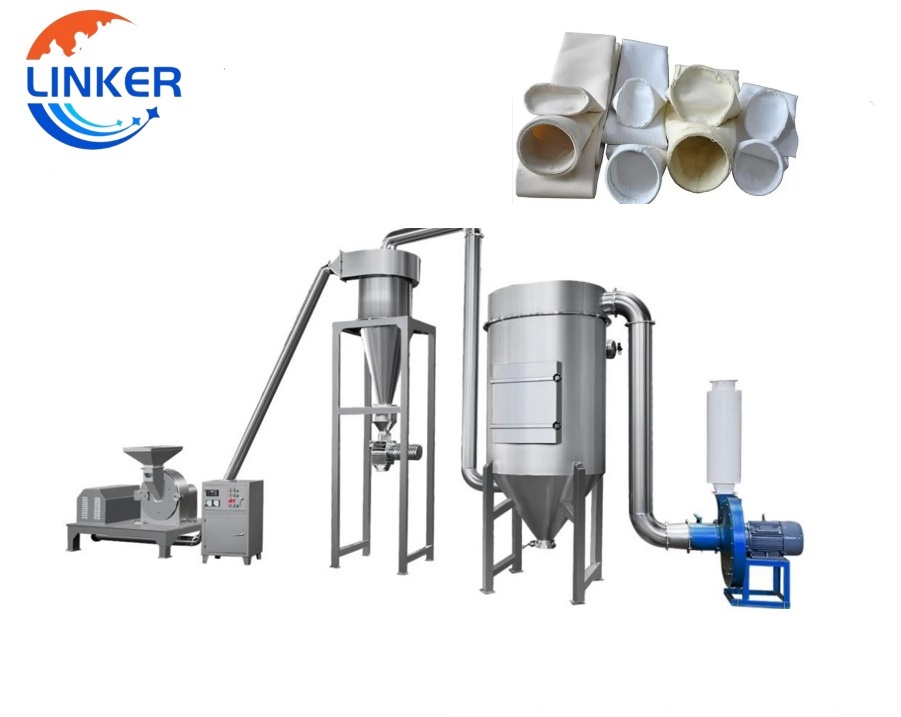
Ultrafine grinding is one of the very key procedure in whole production line. It depends how many mesh that customer need to produce. That’s to say this machine can decide what kind of material will get finally before mxing.
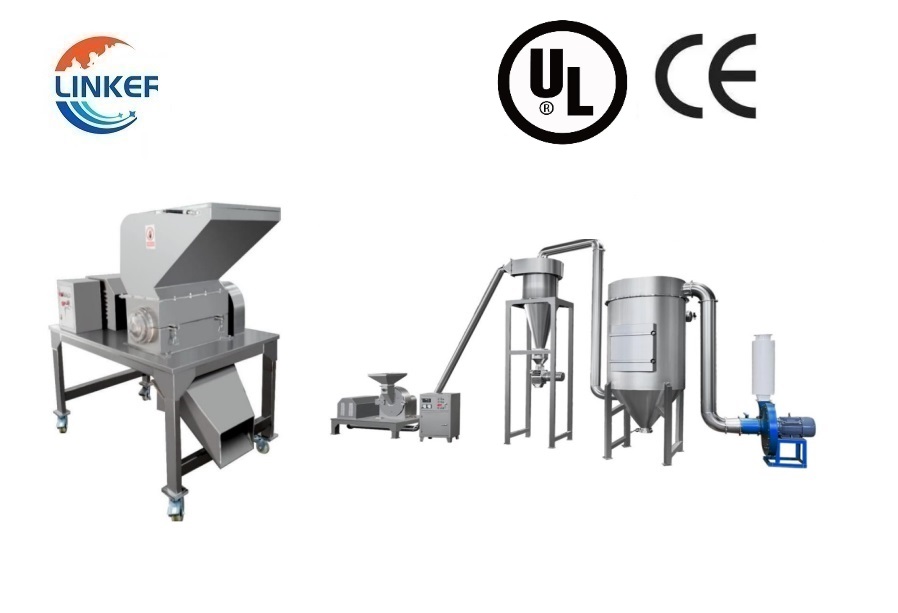
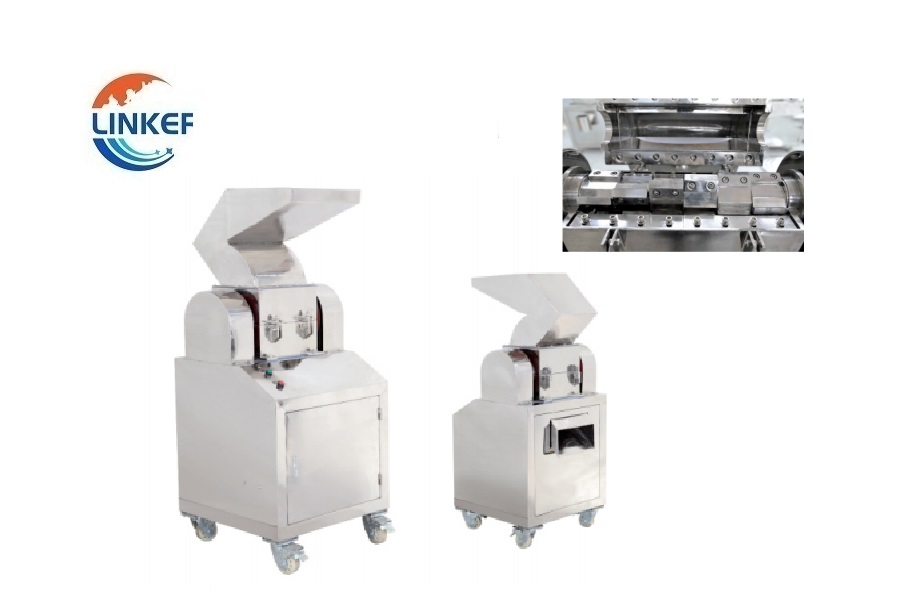
Coarse Crusher Machine —>Grinding Machine —> Vibrating Table Sifter Machine—>Mixing Machine—>Packing Machine —> (Printed Packaging Film Roll or bags ) —> Filling, sealing machine, capping and Labeling Machine —>Pack into Box.
Contact us for detail proposal and cost:
Automatic Banana Powder Production Line Youtube Video
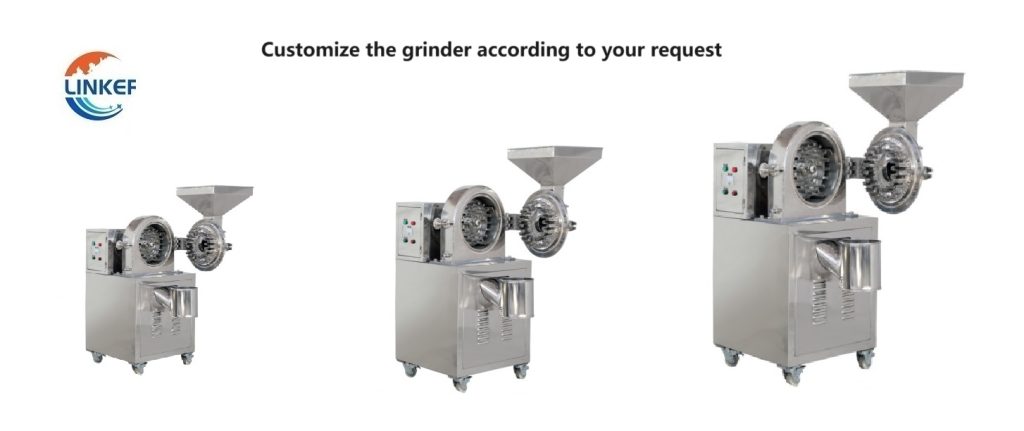
Customization Seeds Grinder According to your Capacity:
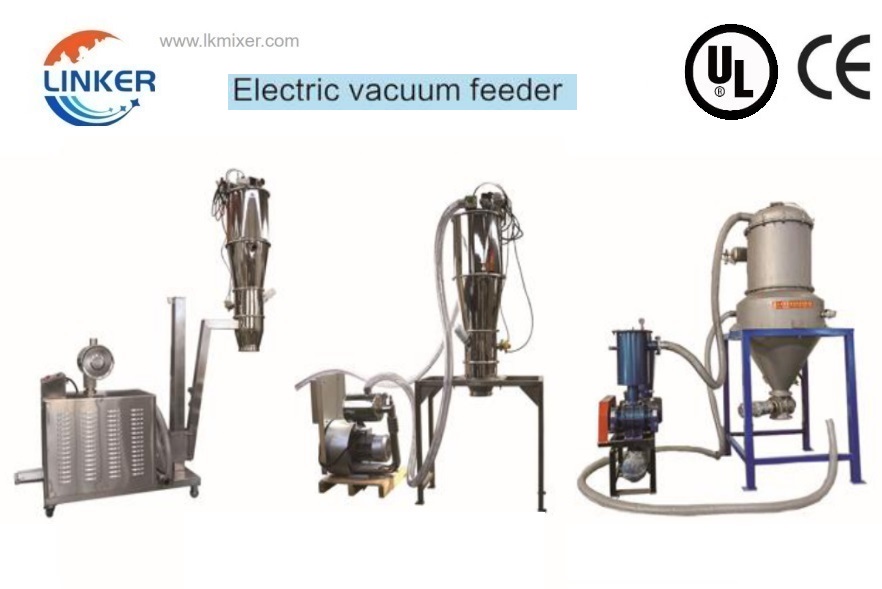
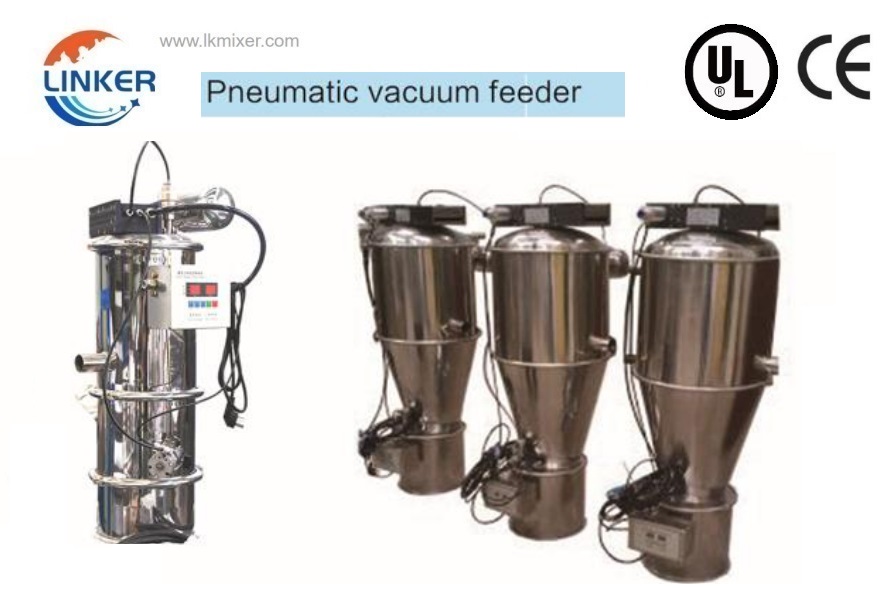
We can customize the capacity according to your special requirement, we can also customize the vacuum feeder connect with your production line (the dimension and width of grinder), for detail contact with our sales for proposal and price.
Videos of Seeds Grinder Machine:
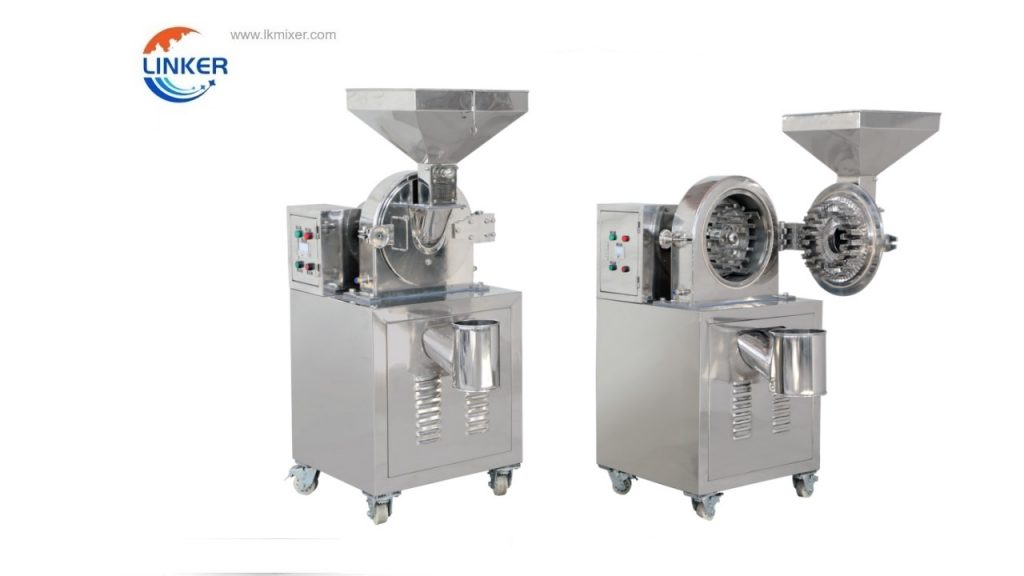
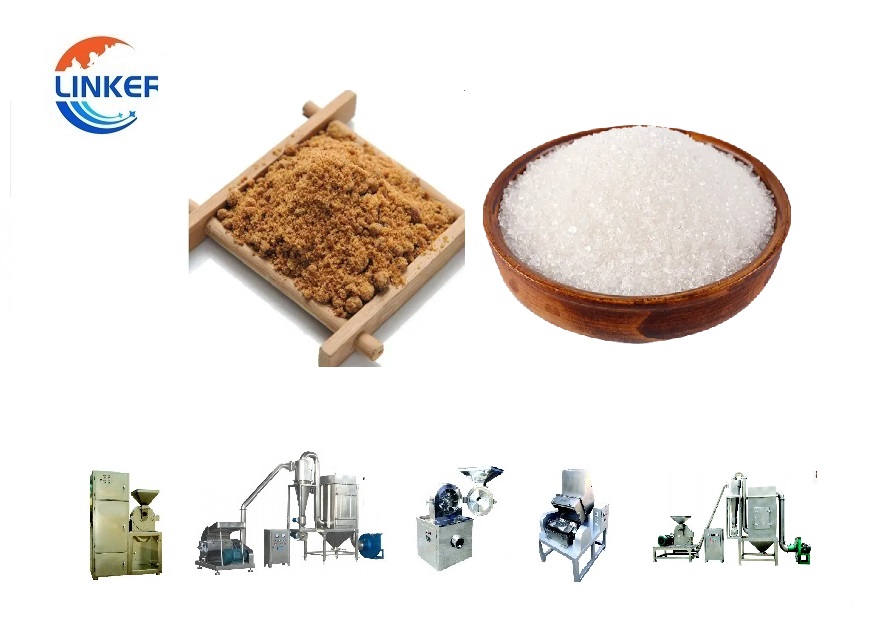
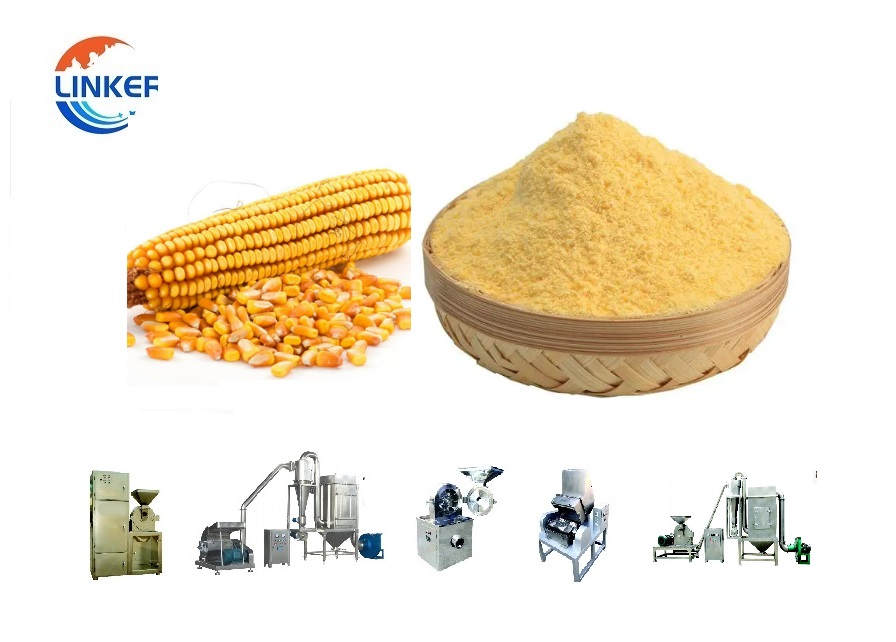
Many model of Seeds Grinder, the universal grinder is suitable to cut the seeds into 12-120mesh, the high efficient grinder is useful, but cost a little bit higher than universal. The super fine grinder can grind into 100mesh to 320mesh. Customer can choose according to your own requirement. here show some example:
About LKMixer
LKMixer is a professional manufacturer for fertilizer production line, grinder, mixer and granulator, shredder. These machines are widely used in food, pharmaceutical, cosmetic, health care products and chemical industries. The Food materials like Peanut, mushroom, seeds, potato, bean, tobacco, salt, cannabis, tea, Sugar, corn, Coffee, rice, pepper, grain as so on. Grinders have many types such as Pulse Dust Grinder which suitable for zero pollution environment, Turbine Mill which is suitable for coffee bean, 12-120mesh all can meet, Ultrafine Grinding Mill covers 80-200mesh, and also Winnowing Dust Grinder or other grinding machines like SF Hammer. Welcome to contact us for details. Contact us for more information. Proposal, catalog, quotation. Mobile/WhatsApp: +86 18019763531 Tel: +86 21 66037855 Email: sales@lkmixer.com
Contact Us
FAQ(Click and See More)
Read More about Herb Grinder:
Why are herb grinders so expensive?
Are electric herb grinders good?
What is the best way to grind up herbs?
Can you chop herbs in a coffee grinder?
How to grind dried herbs into powder?