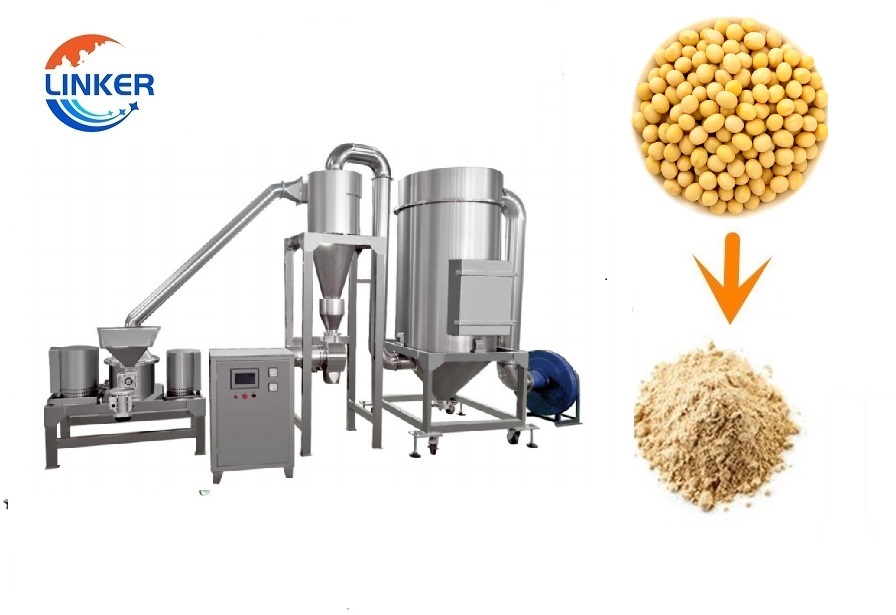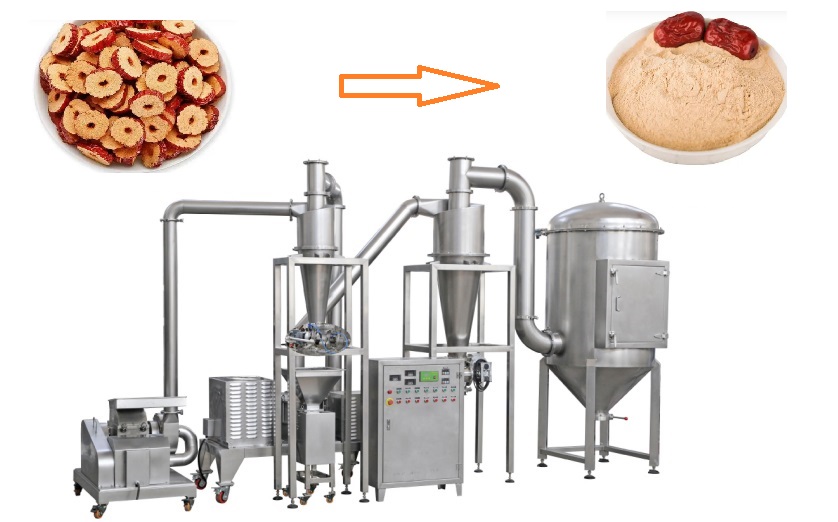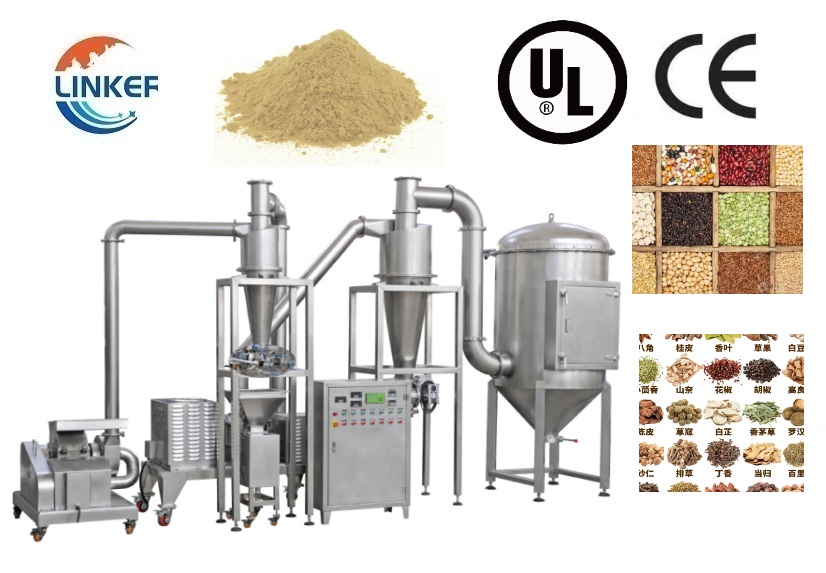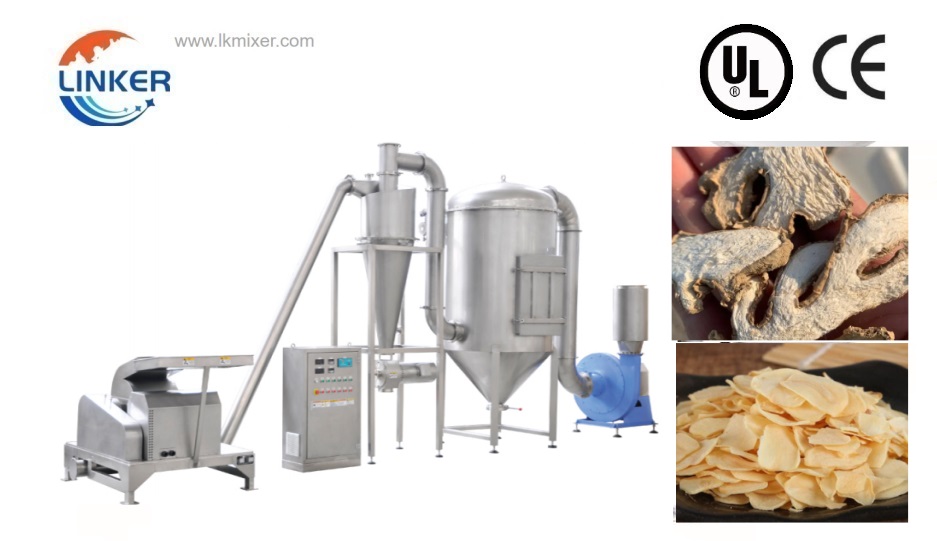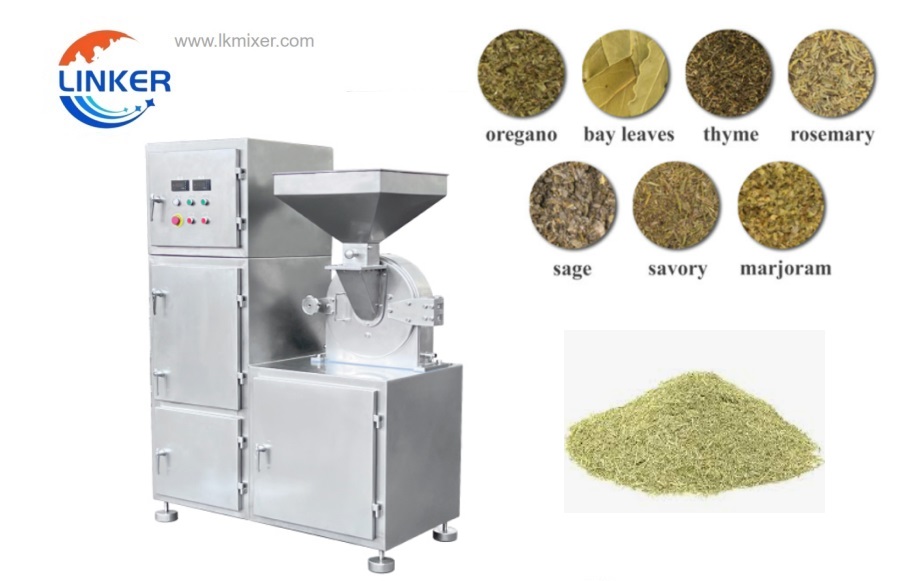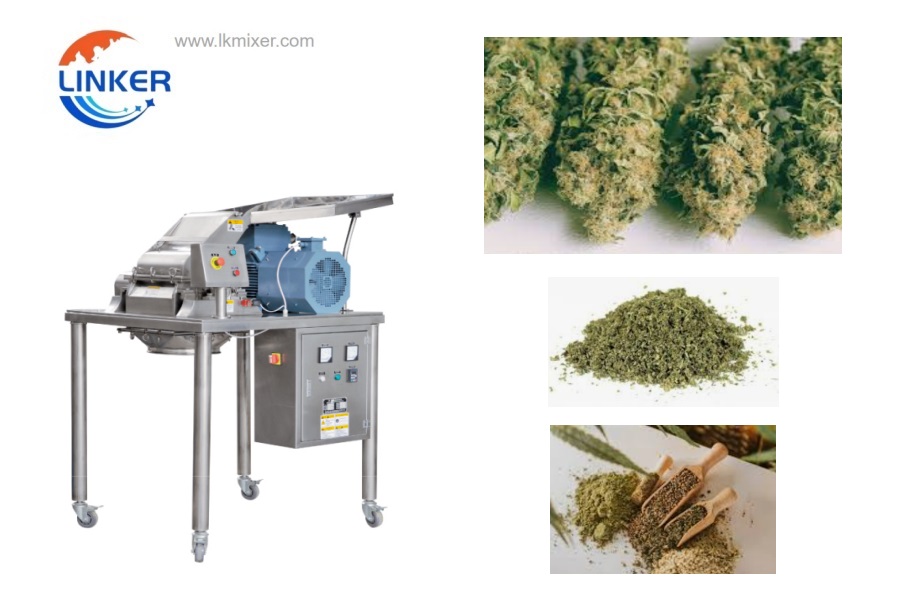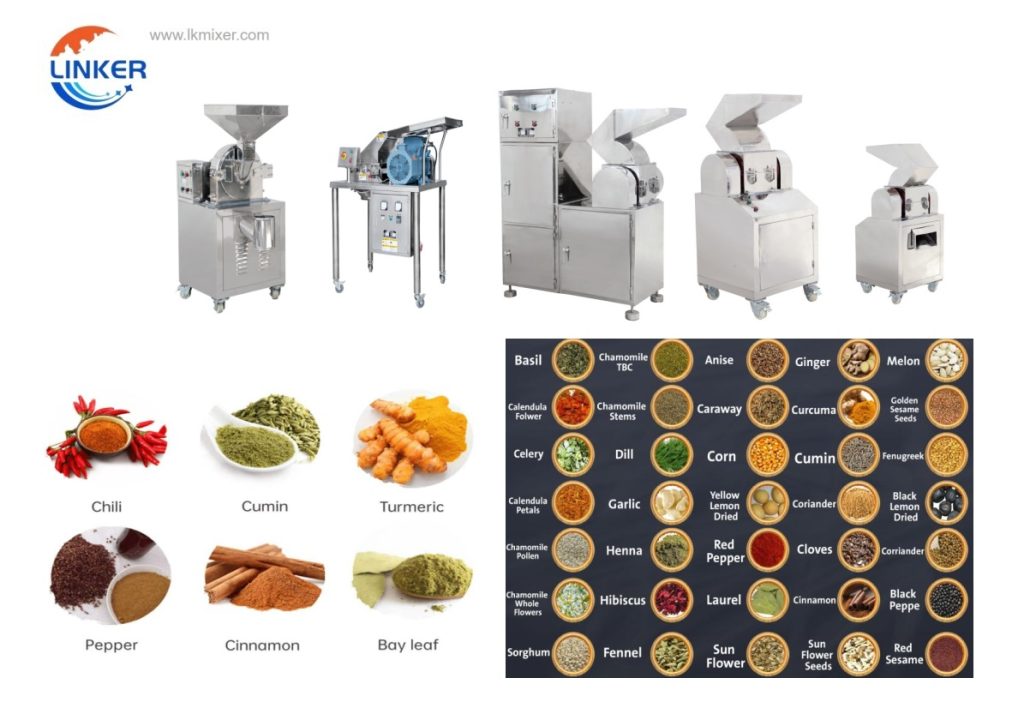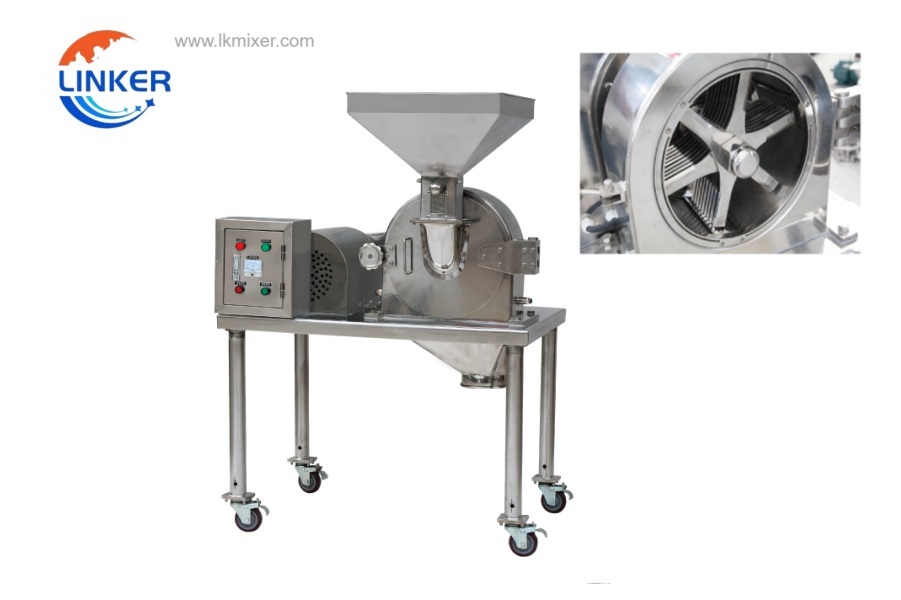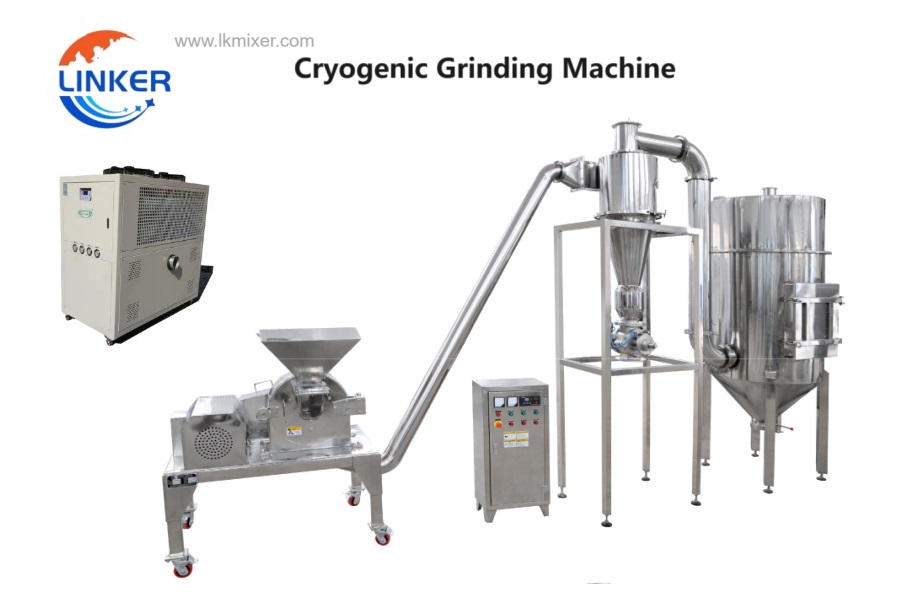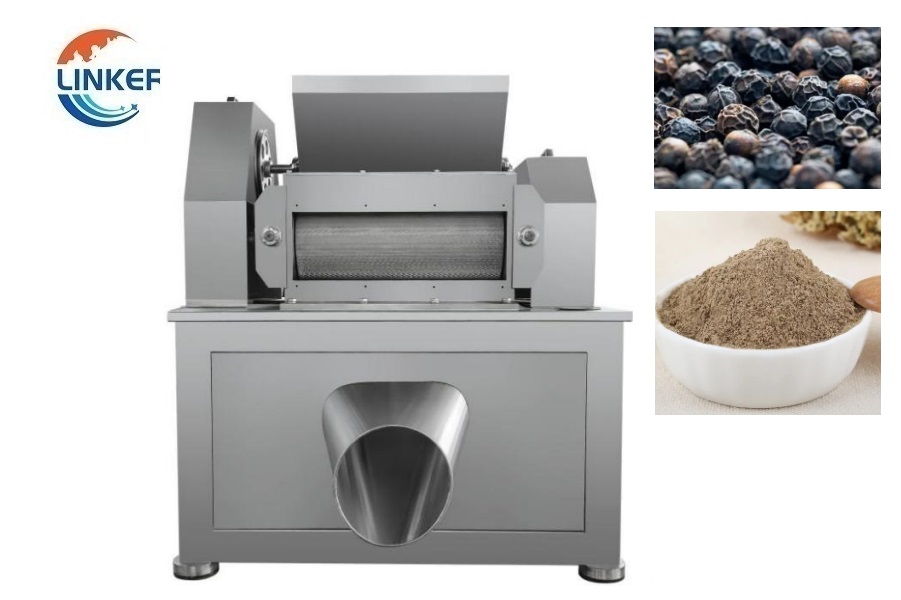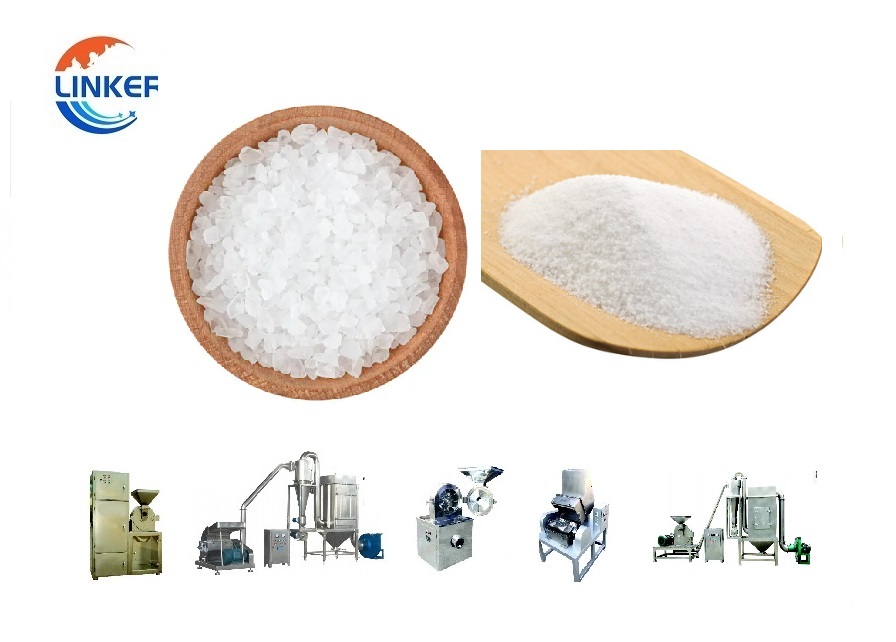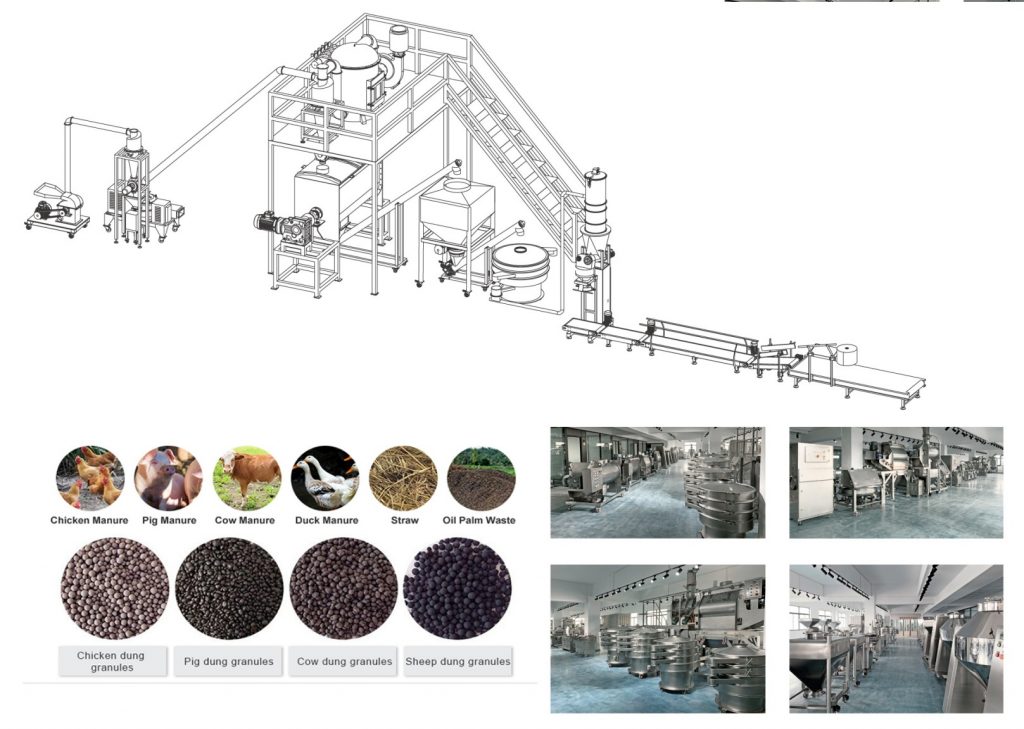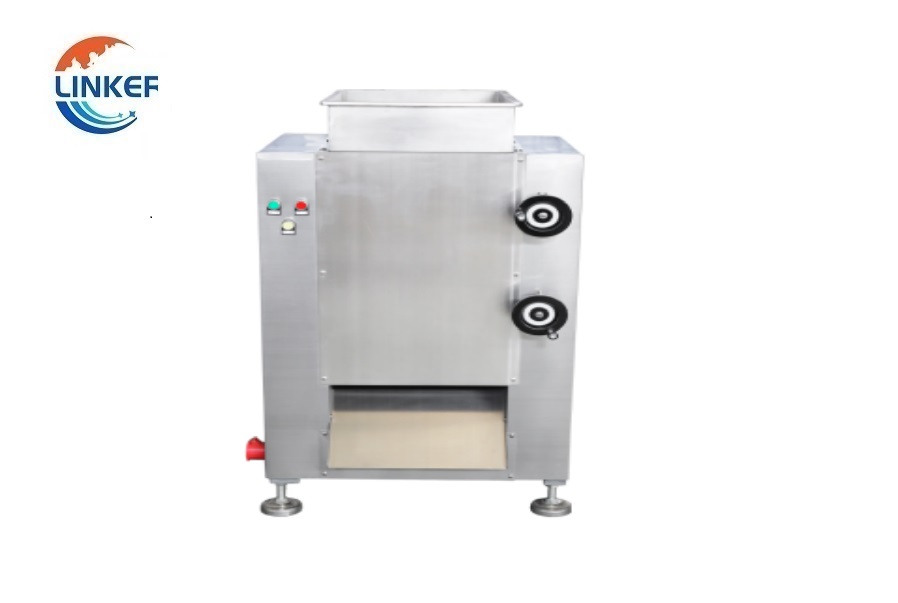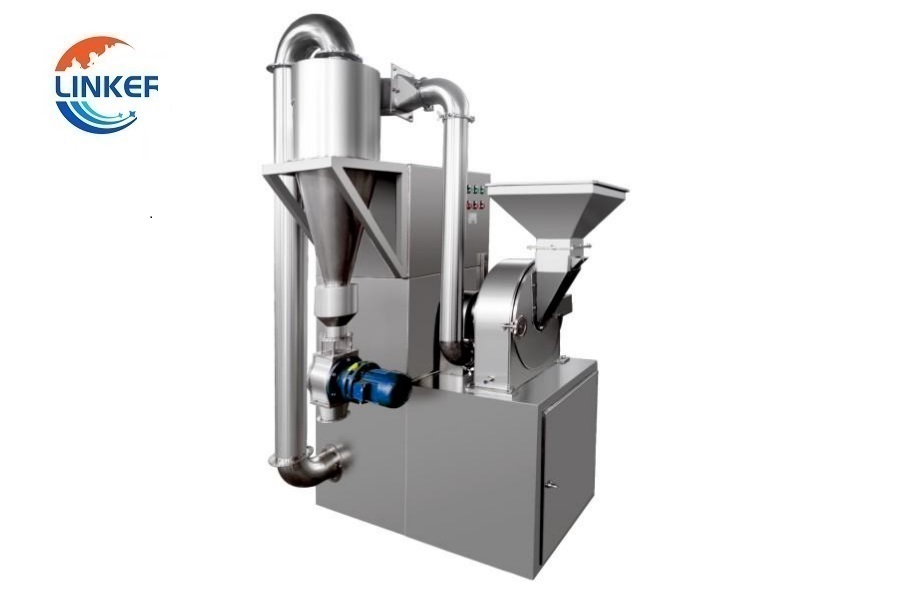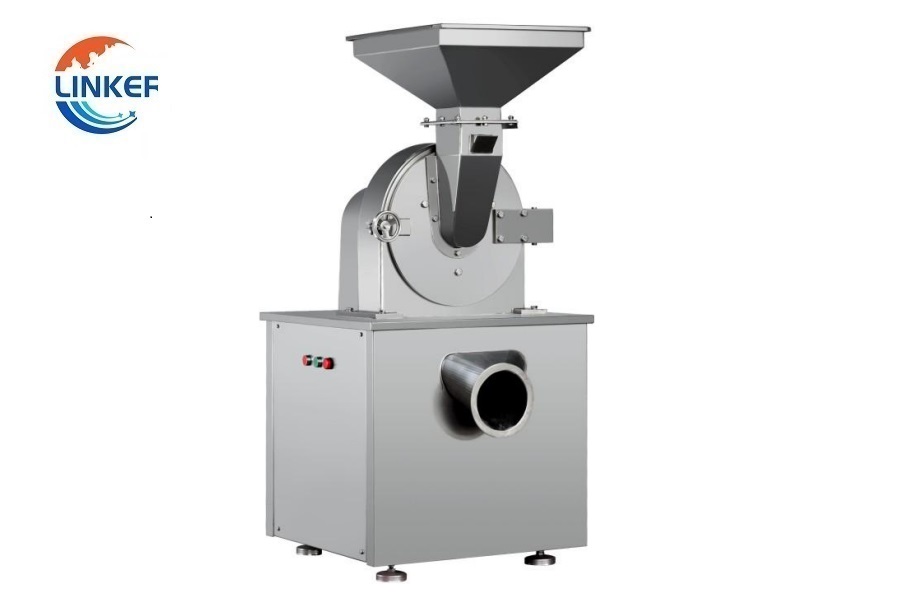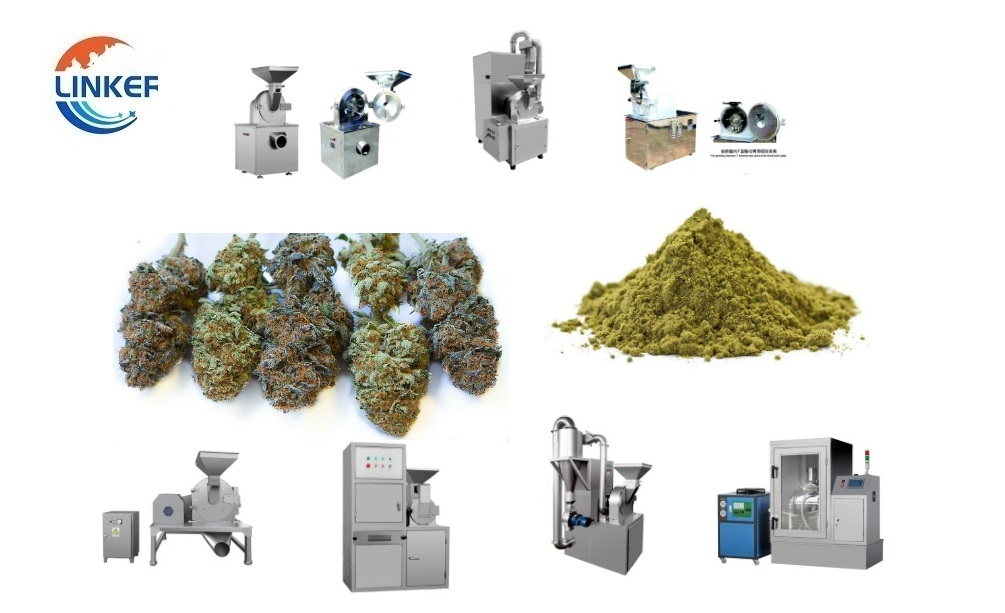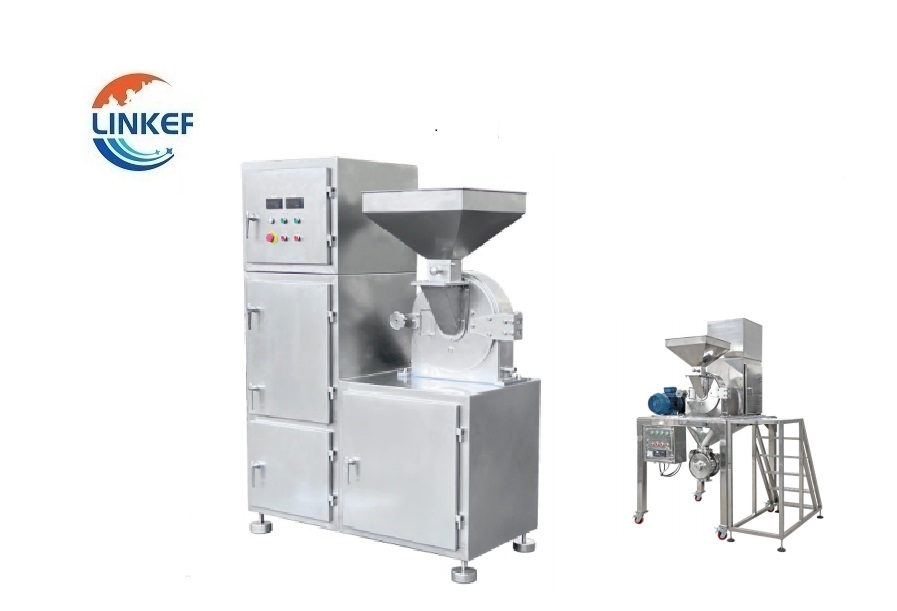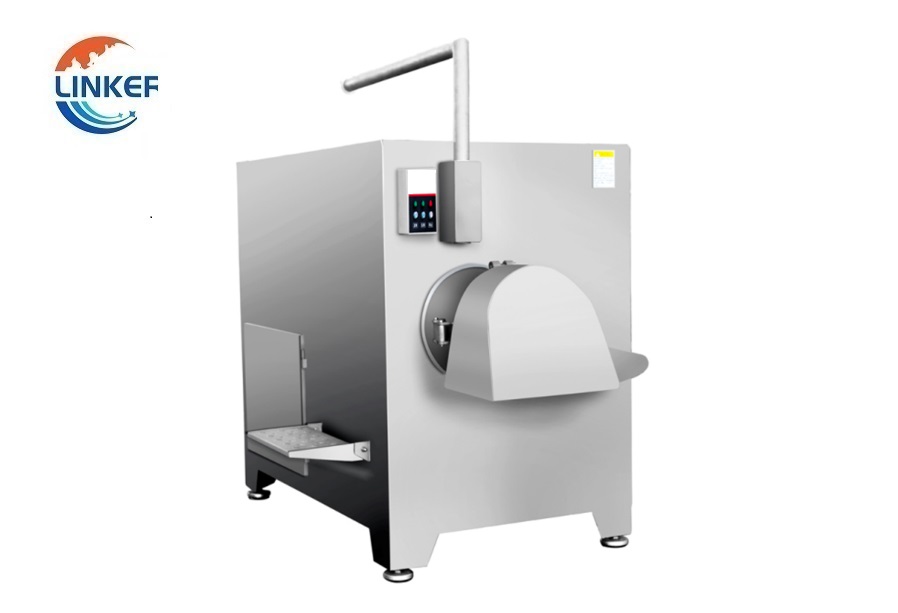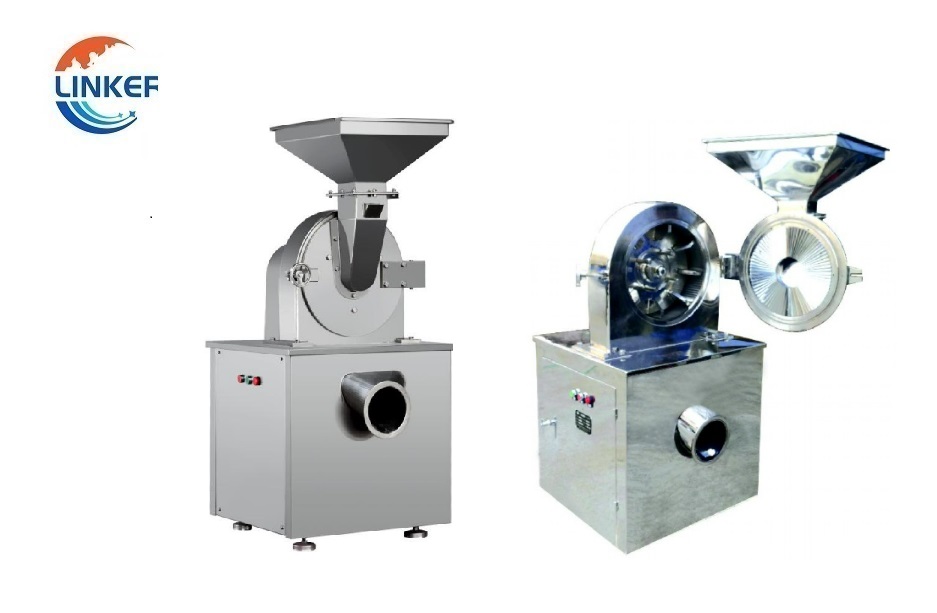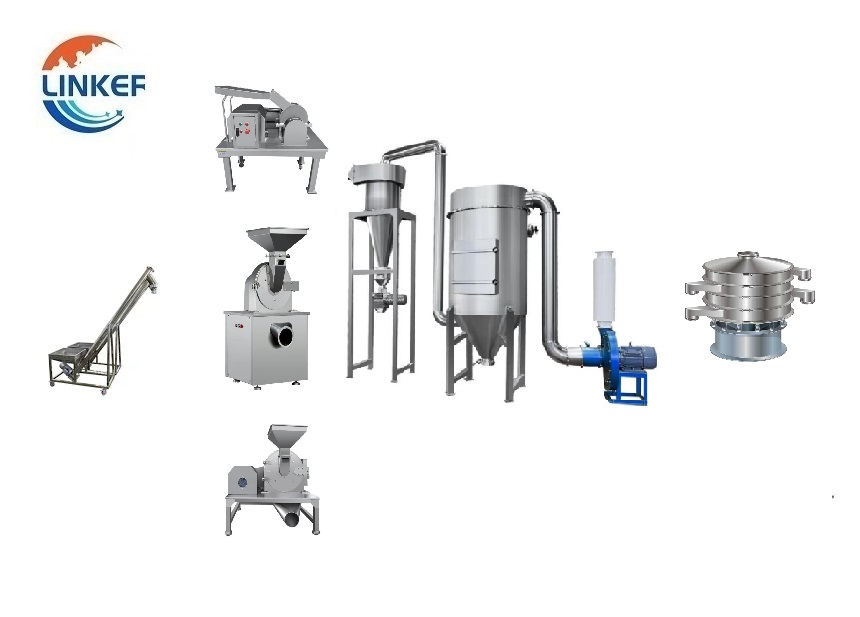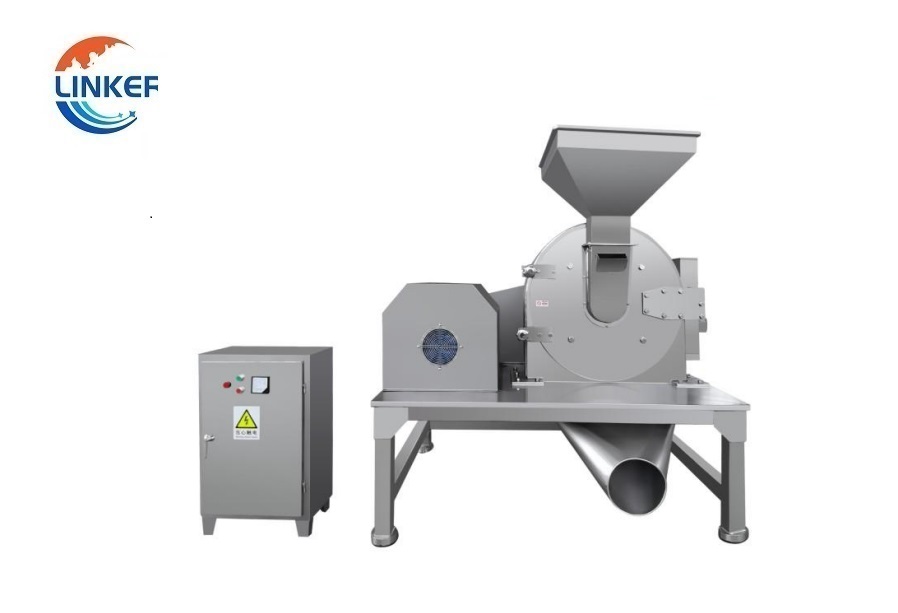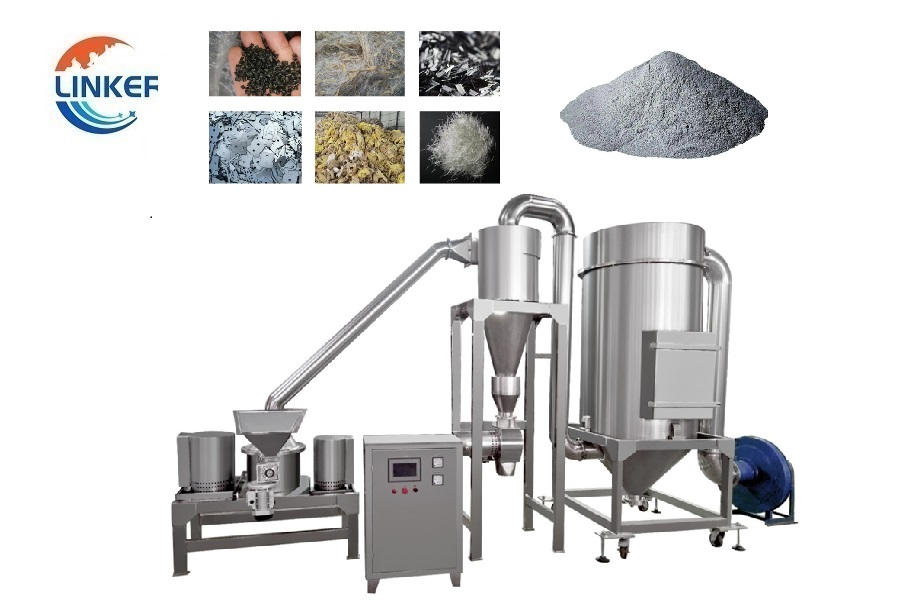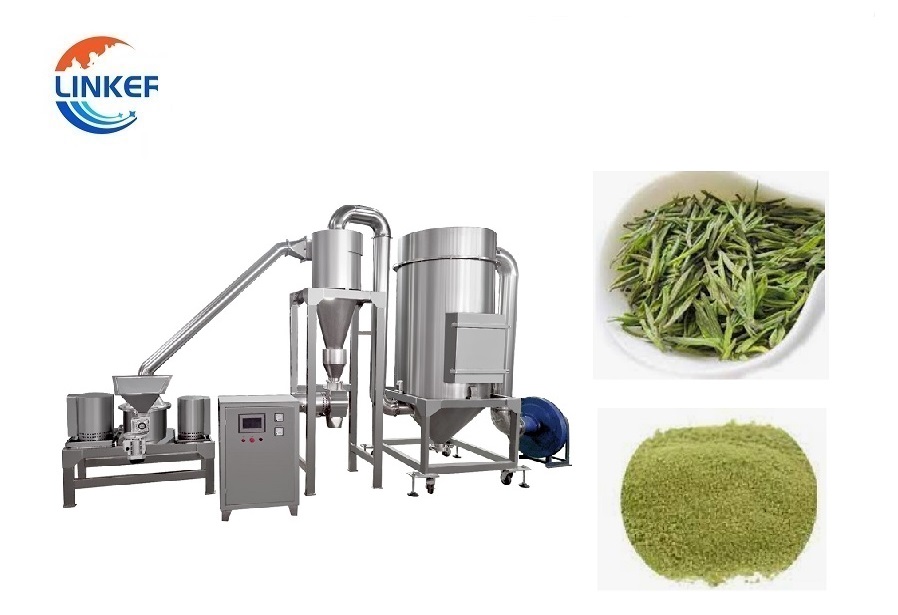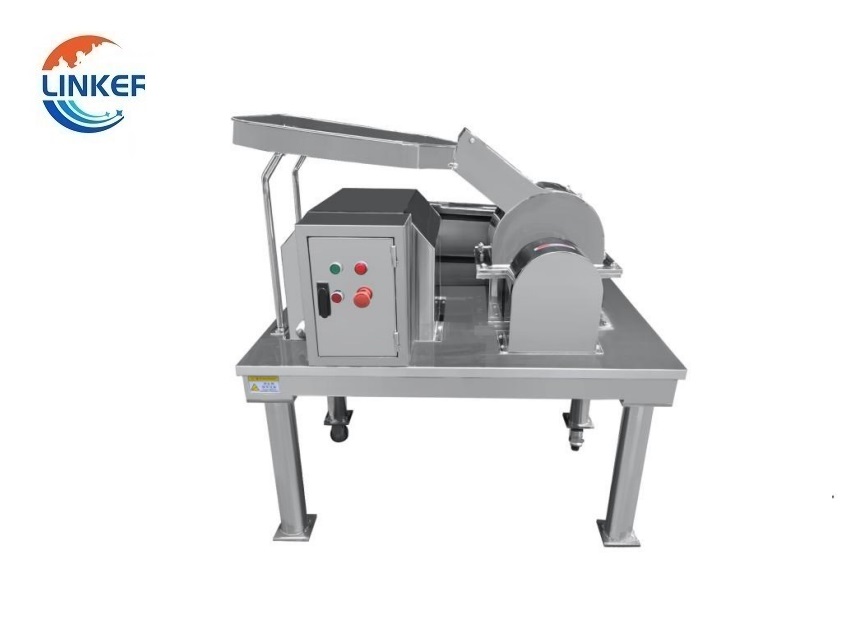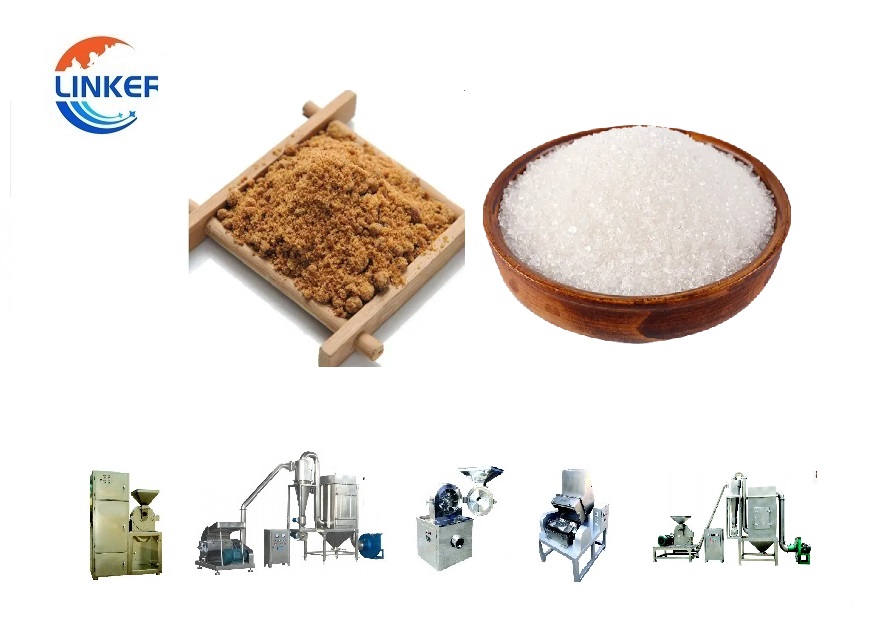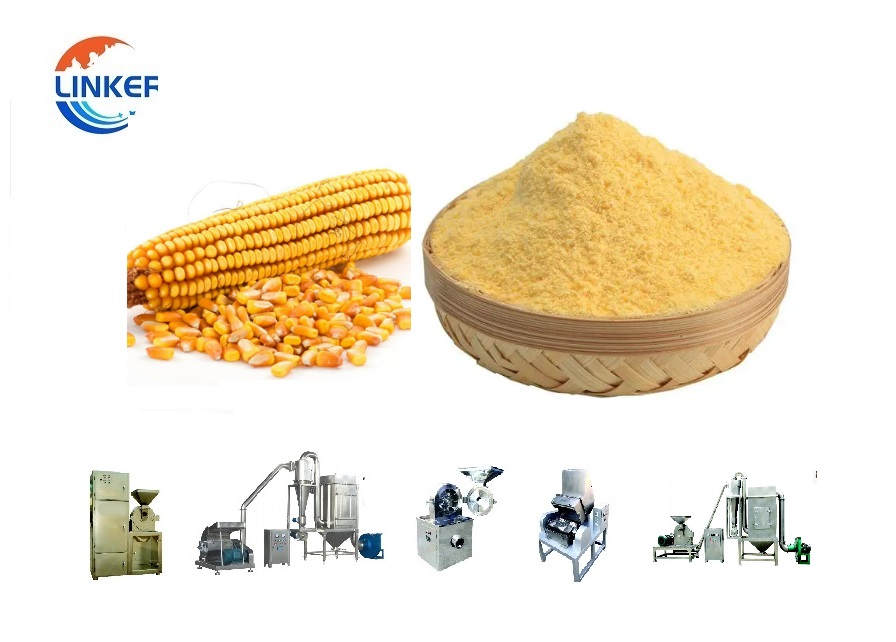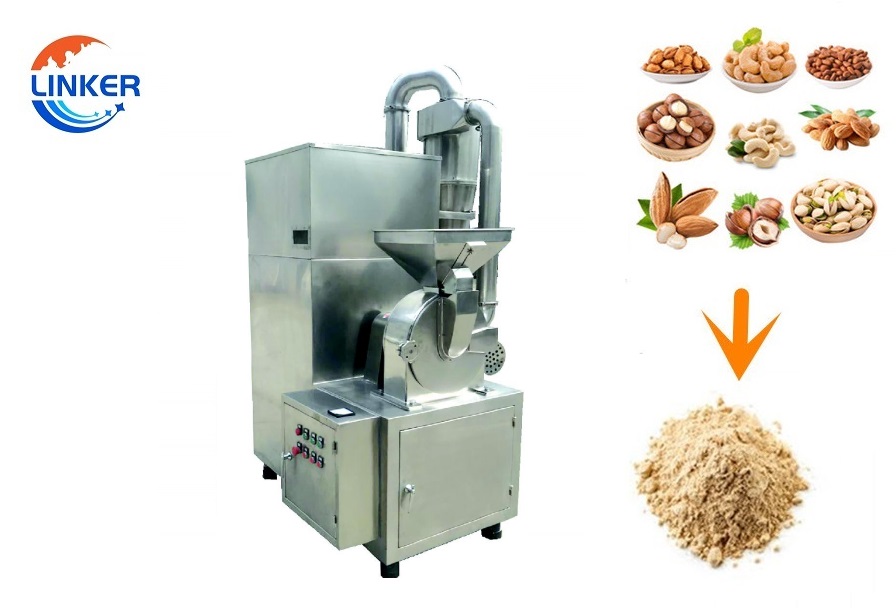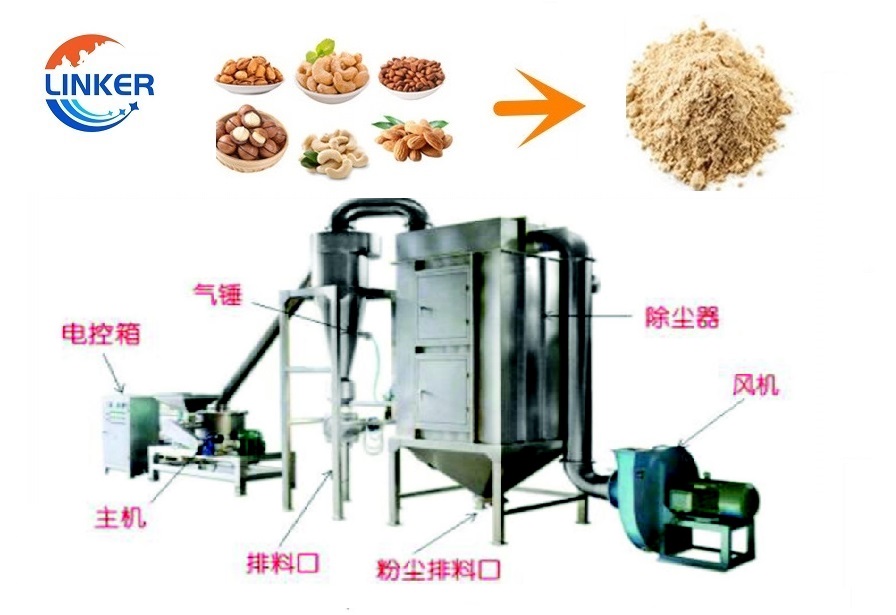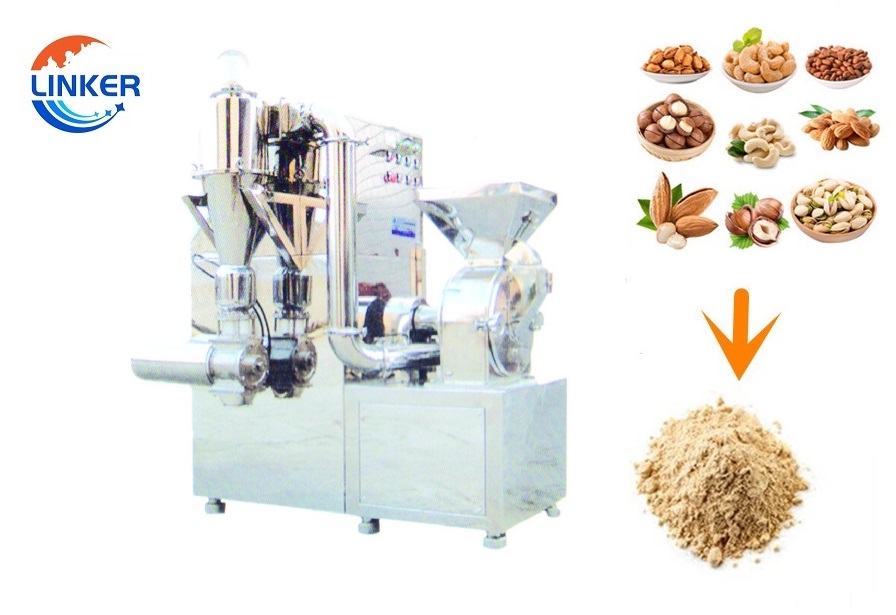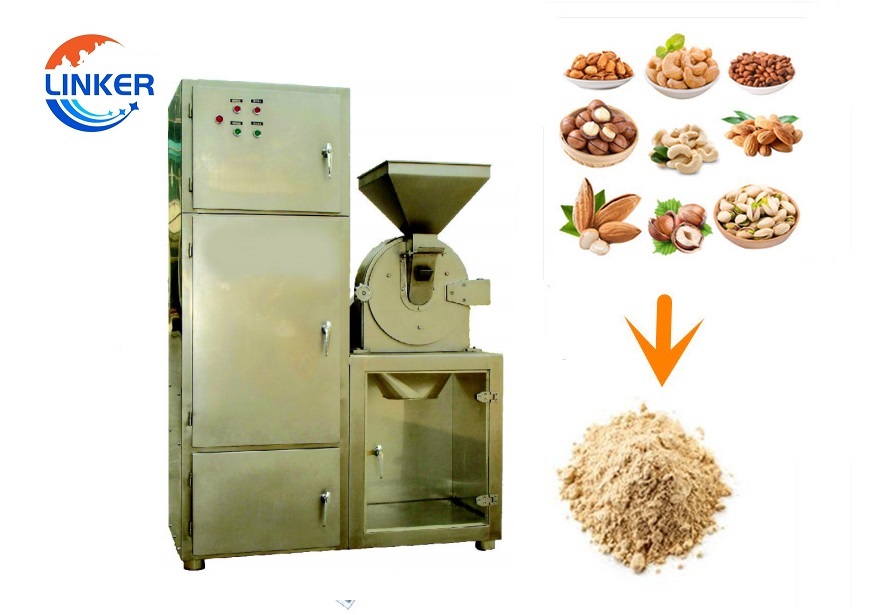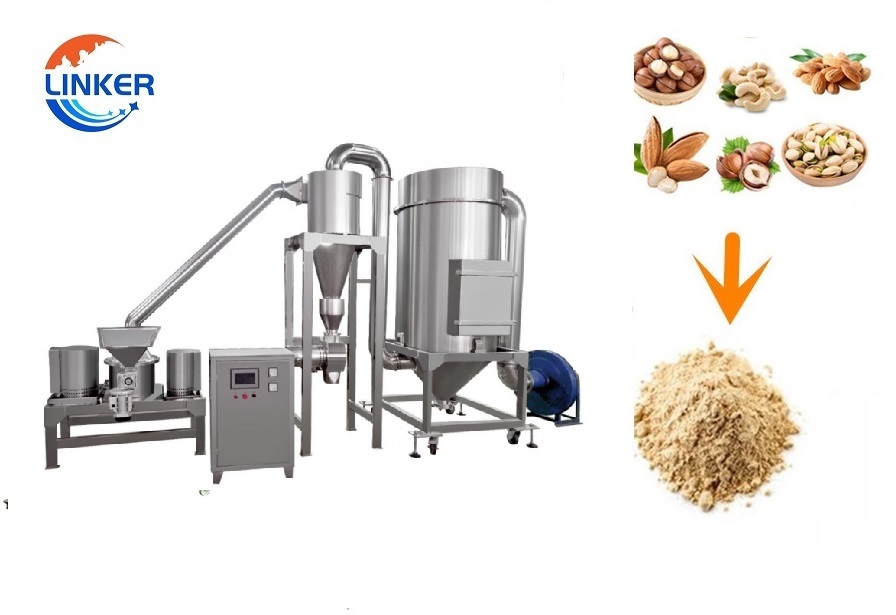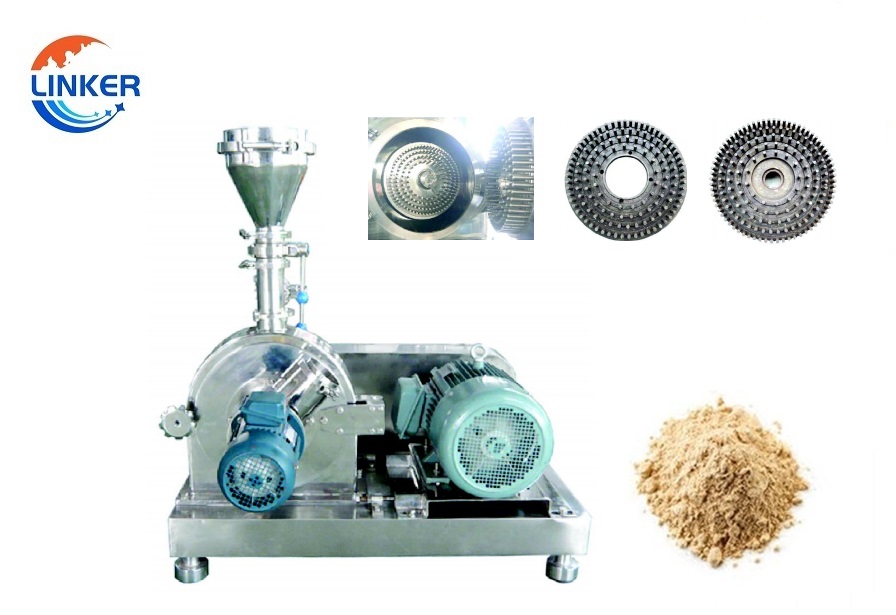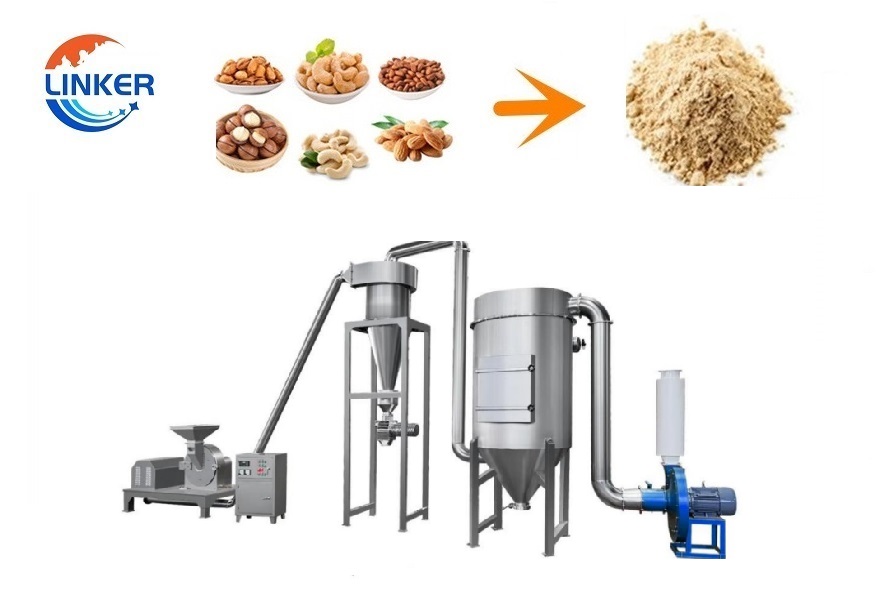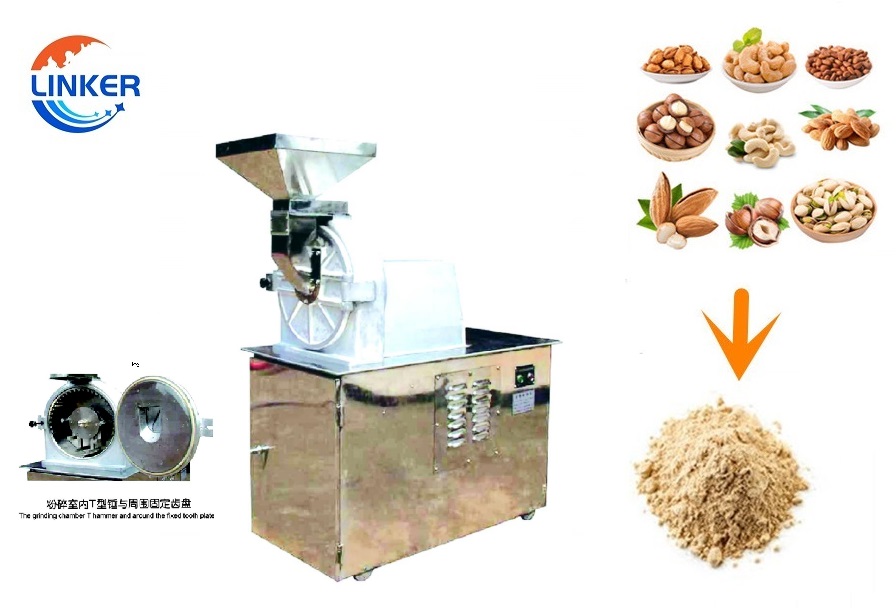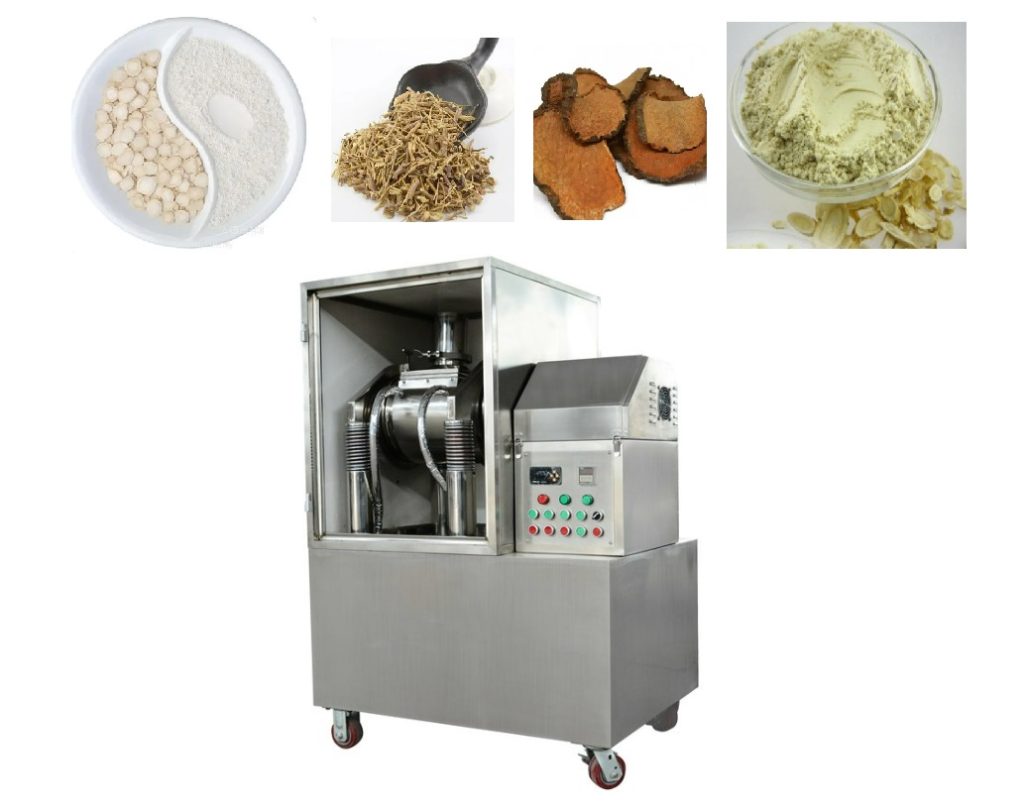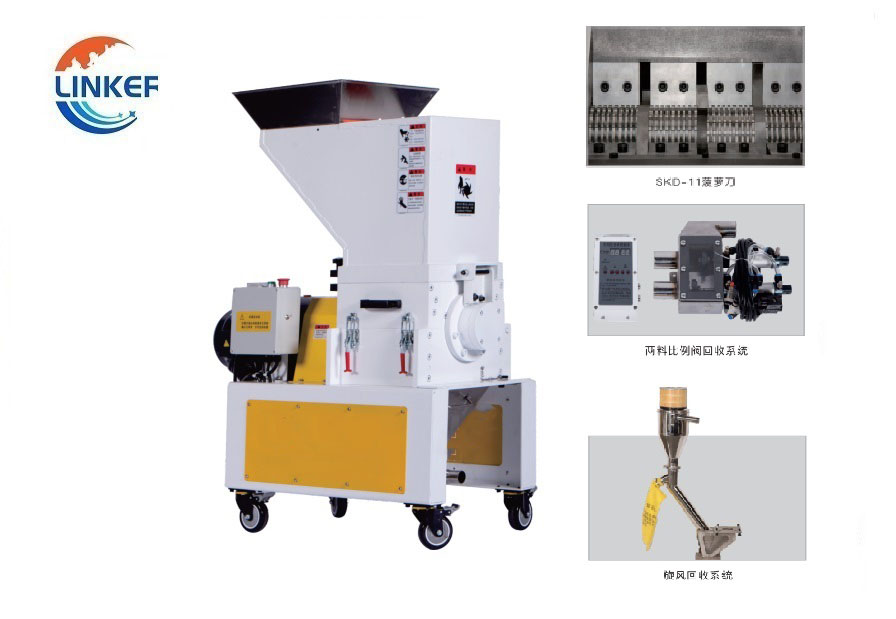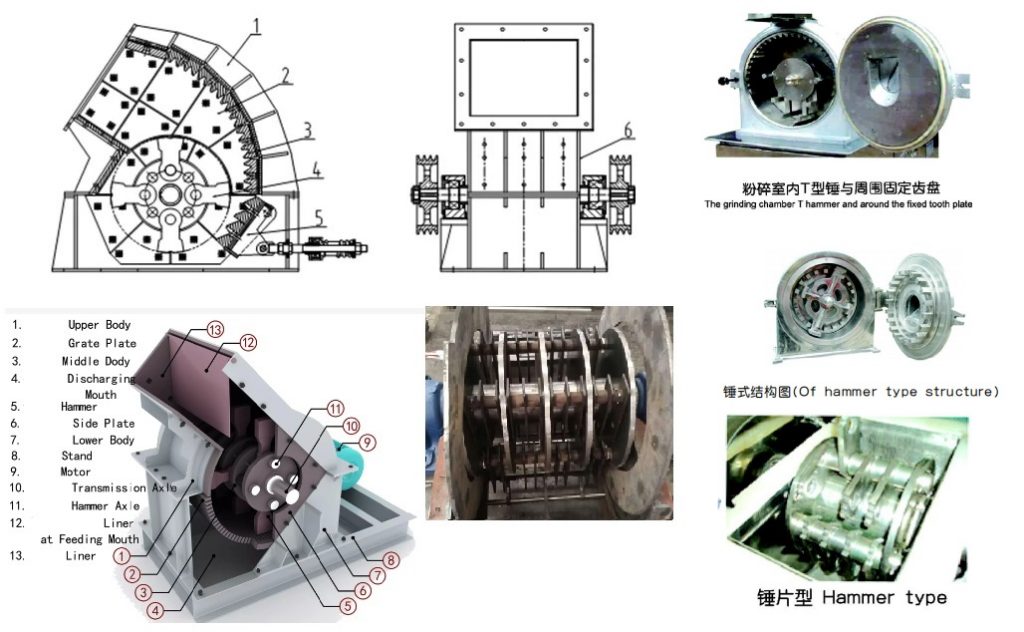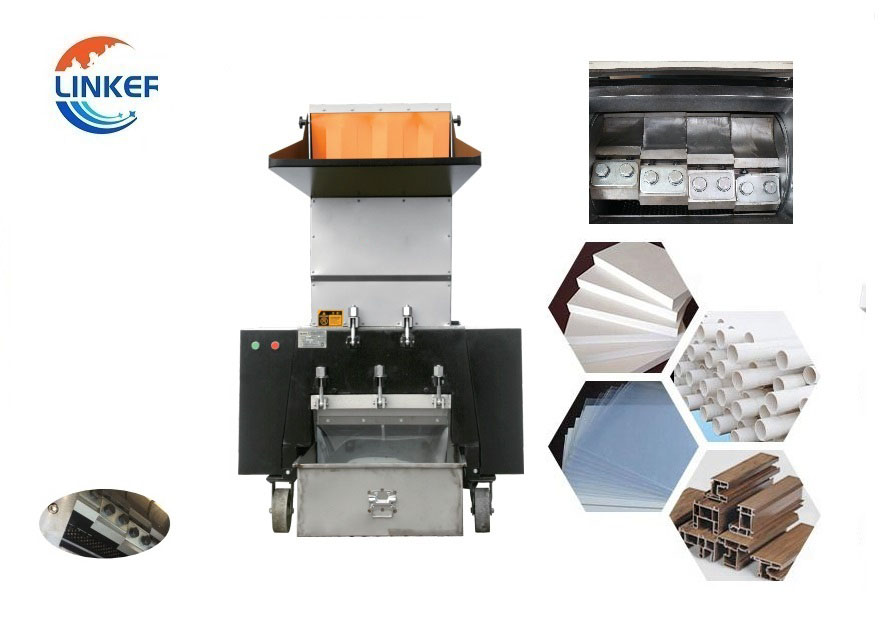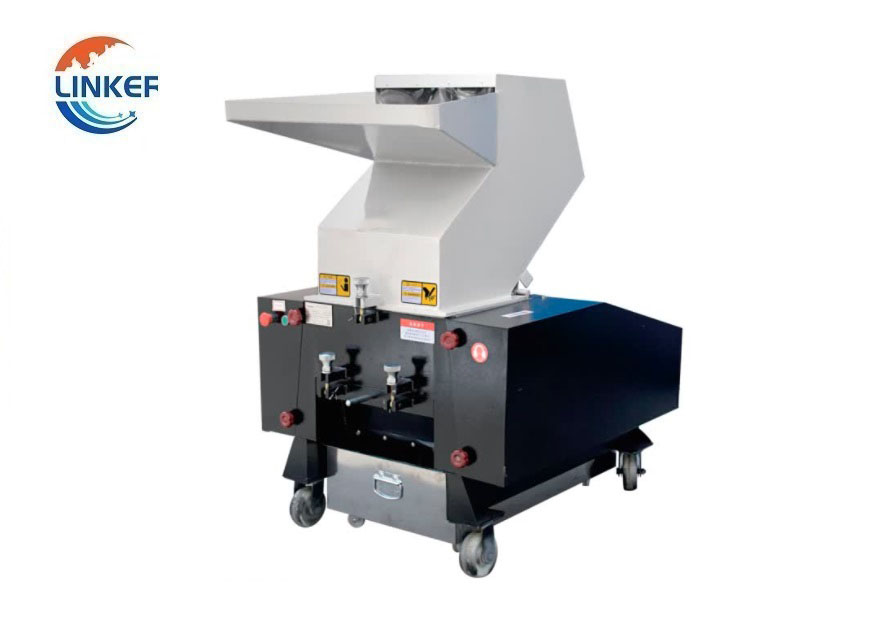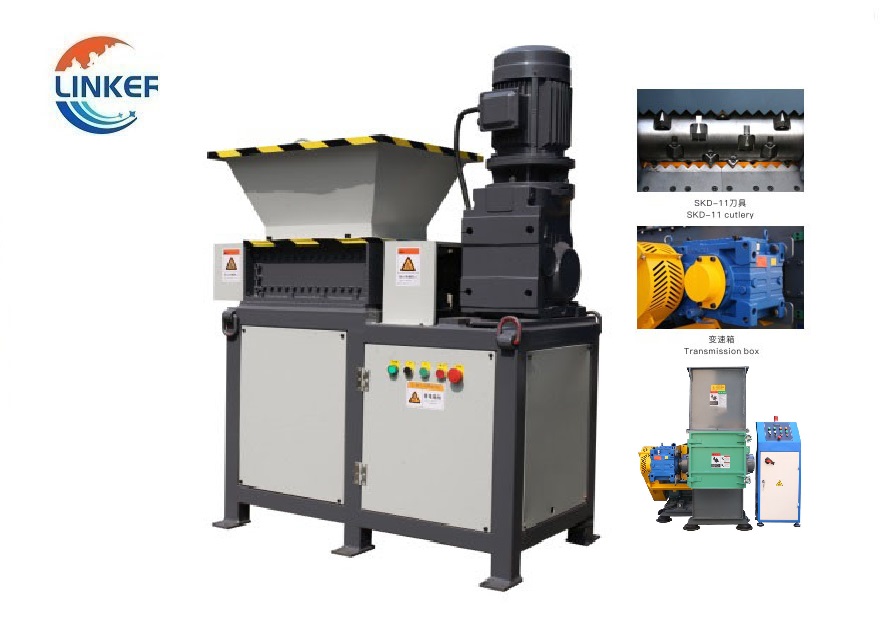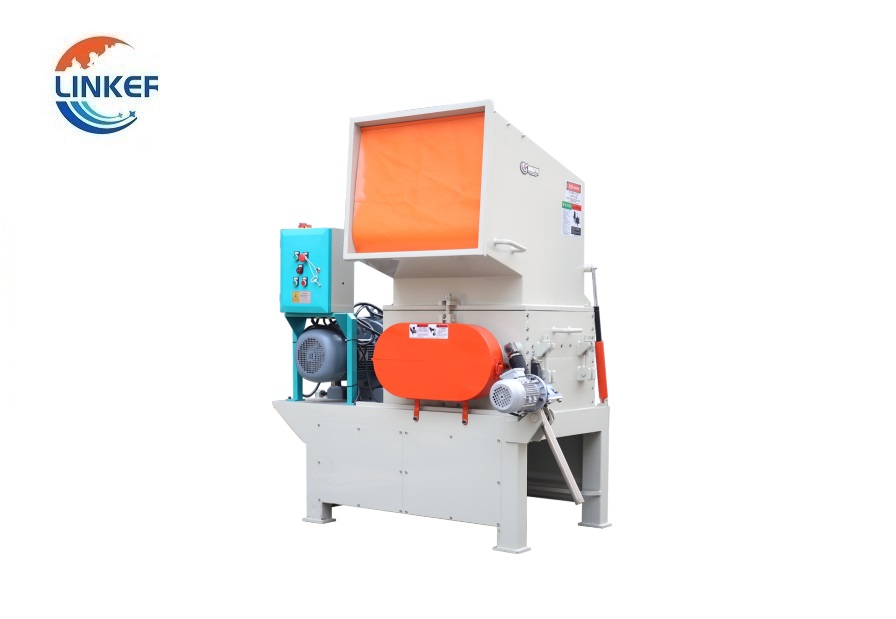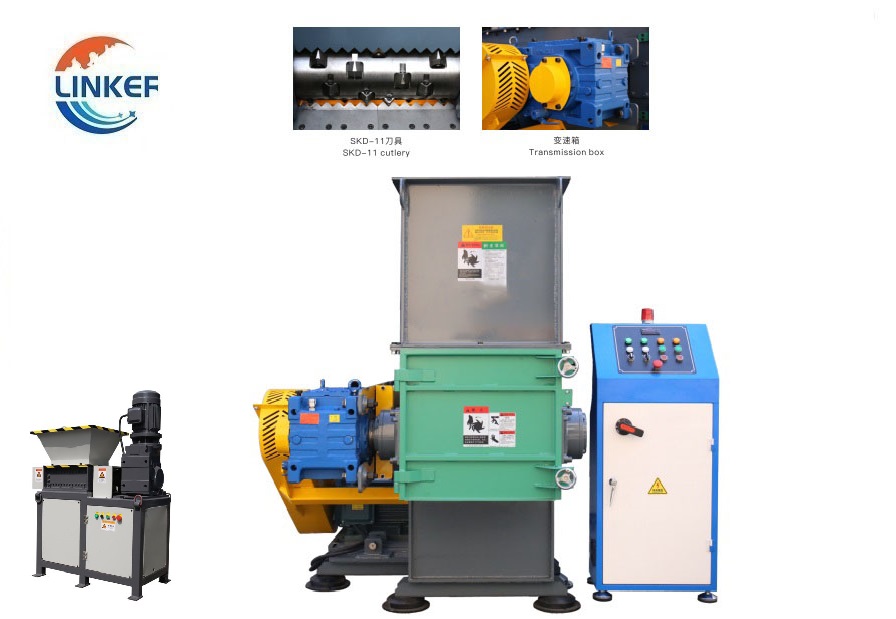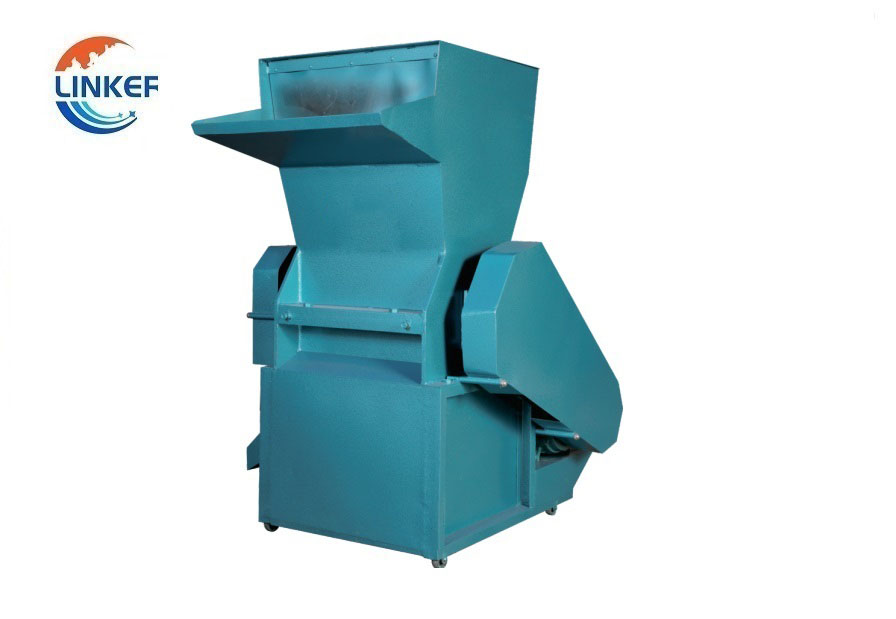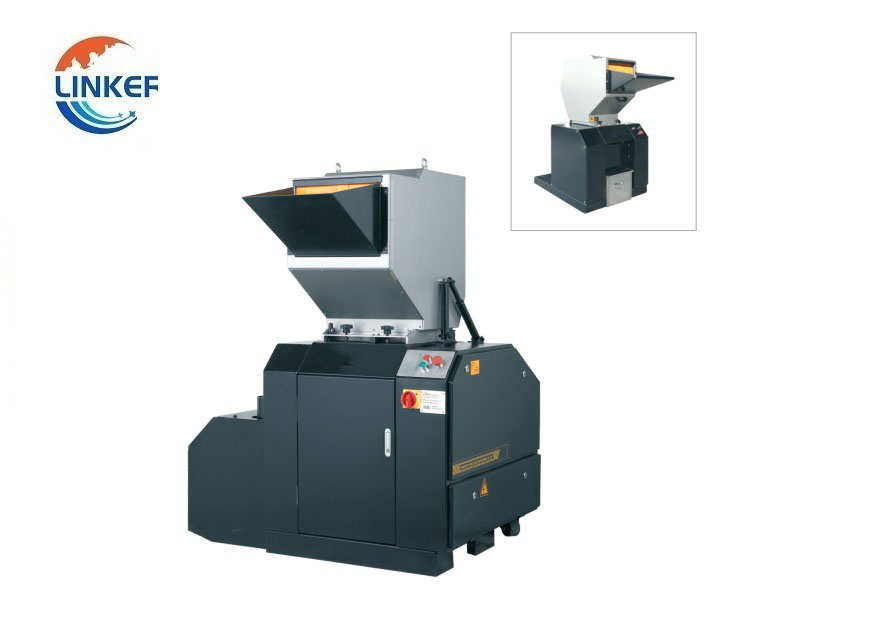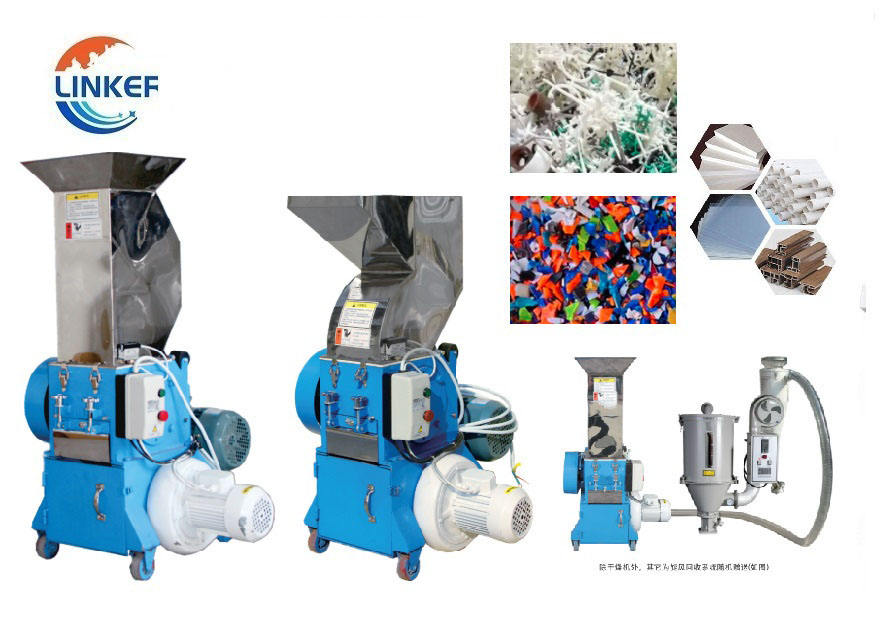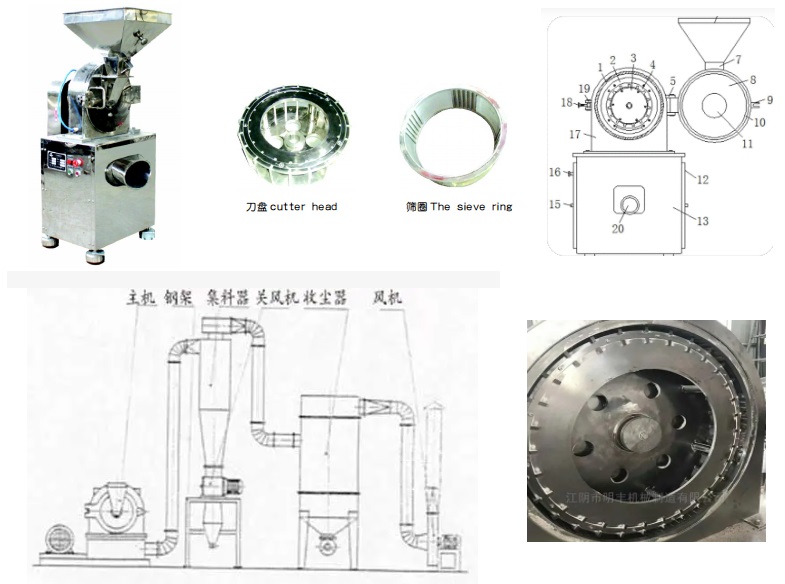
Automatic Talc Powder Production Line
Talc Powder Automatic Productino Line Design:
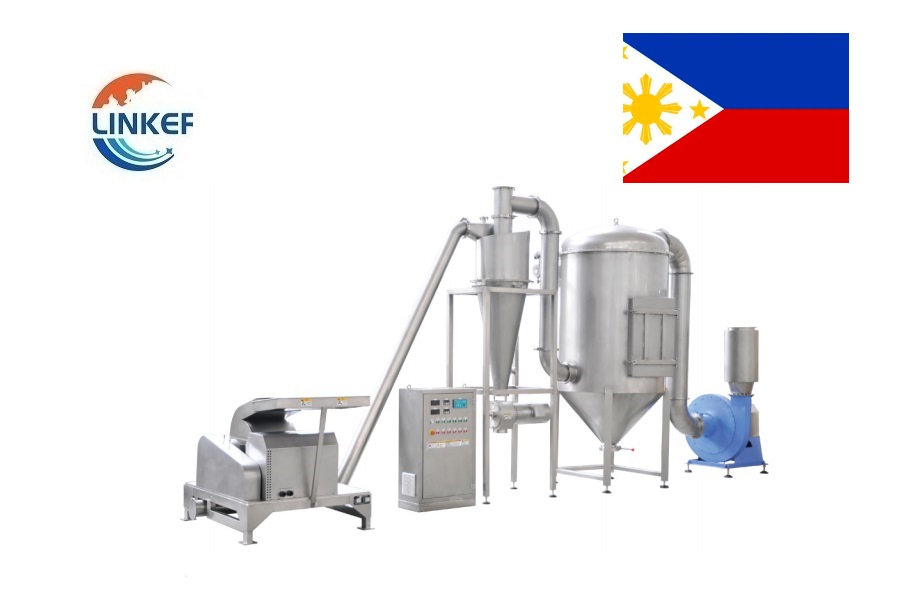
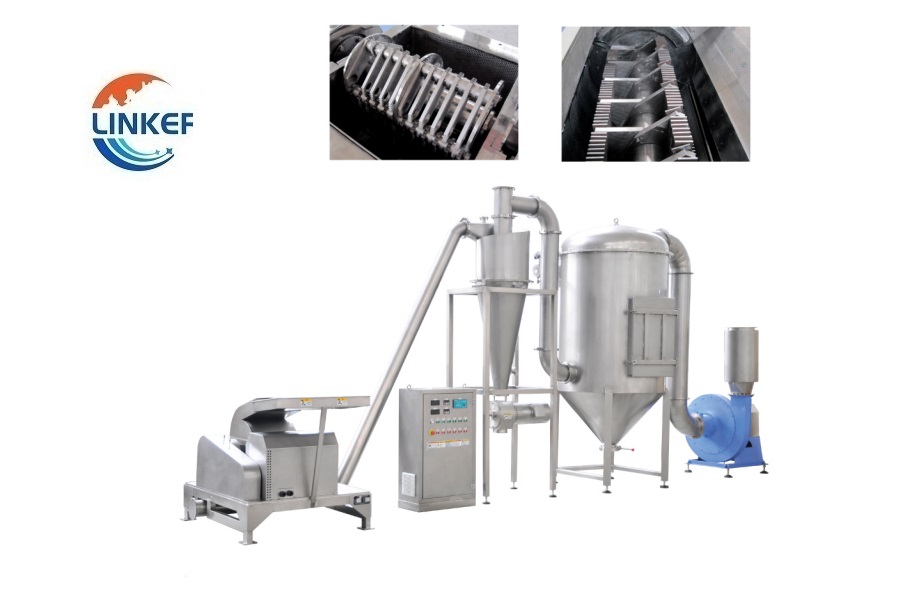
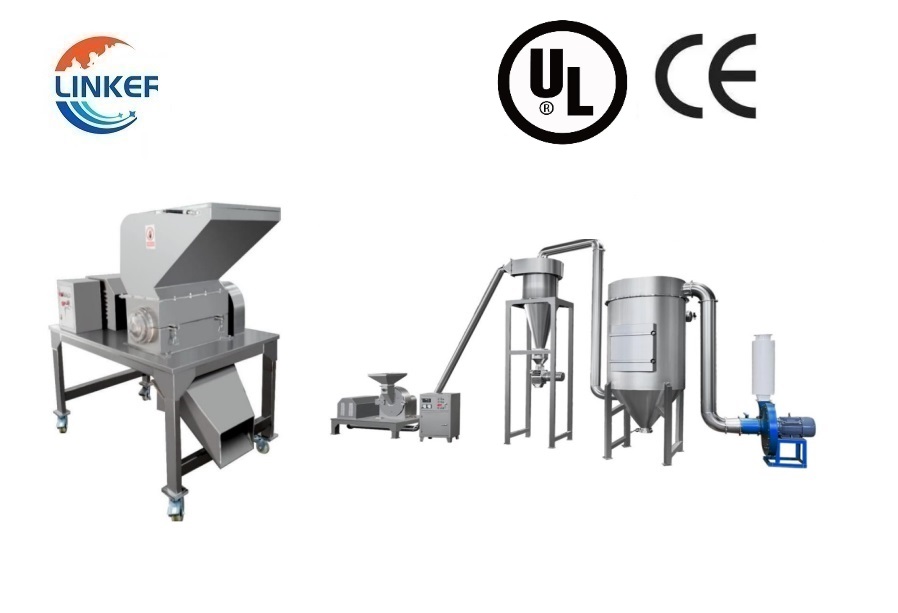
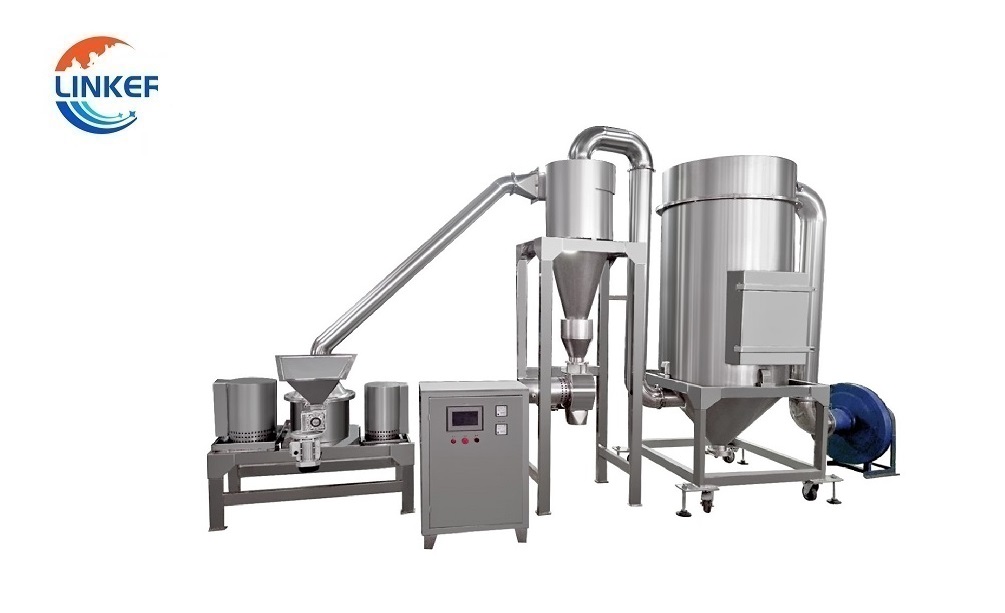
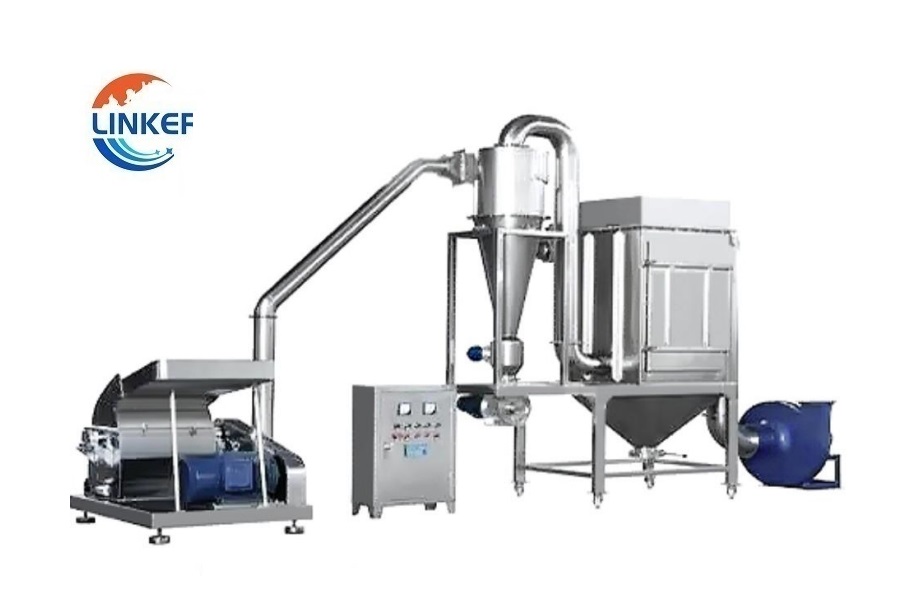
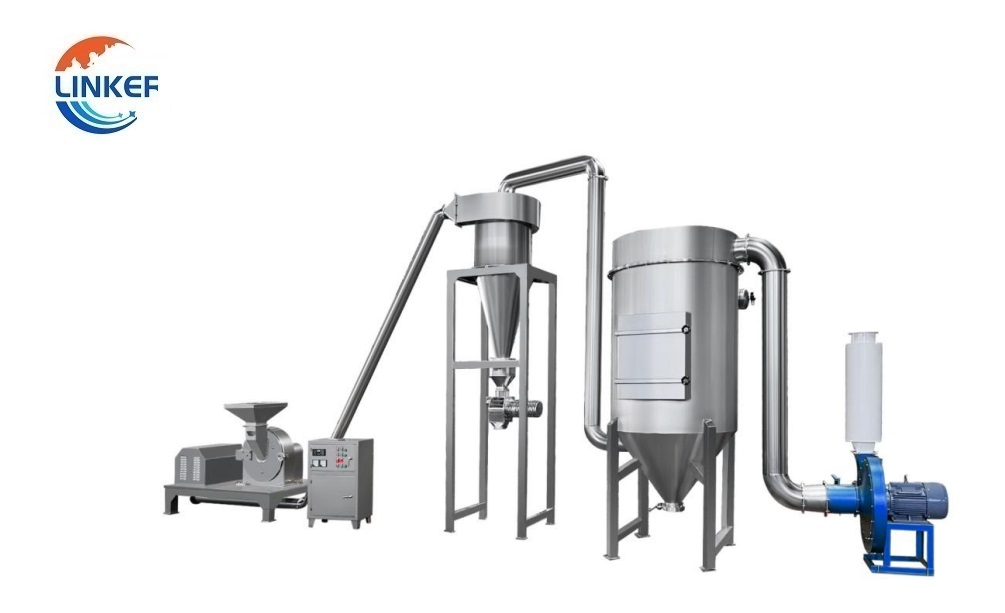
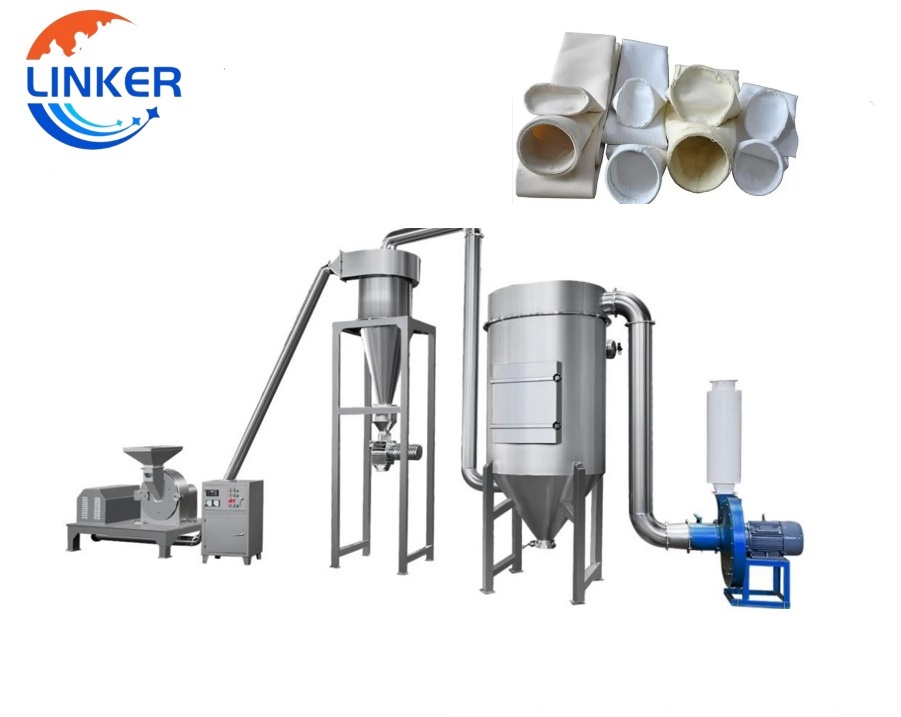
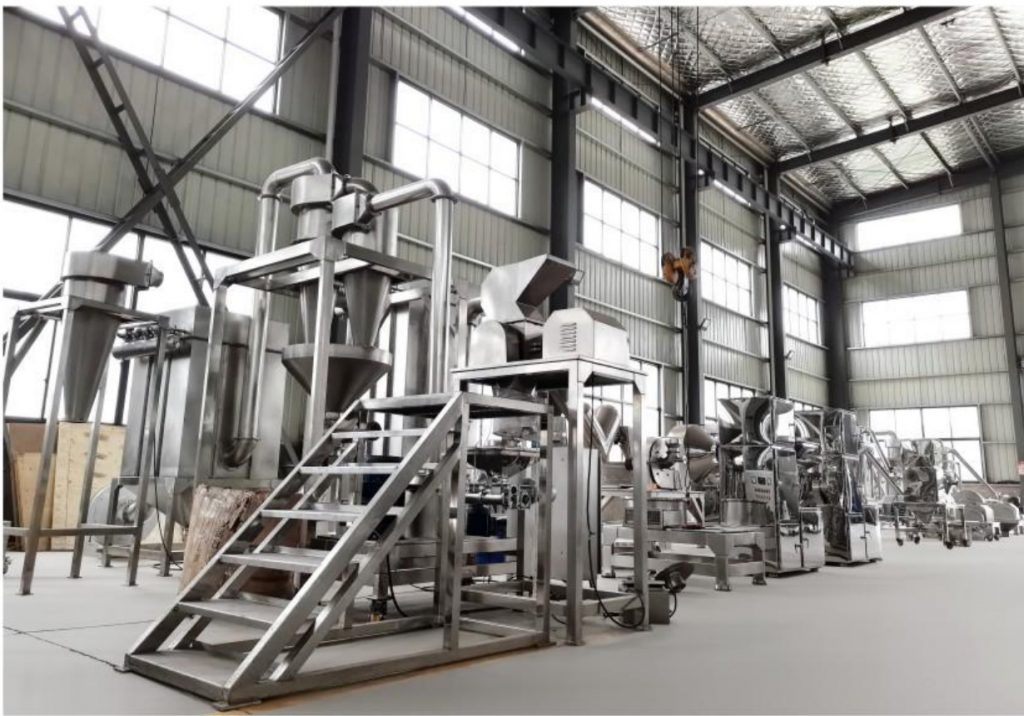
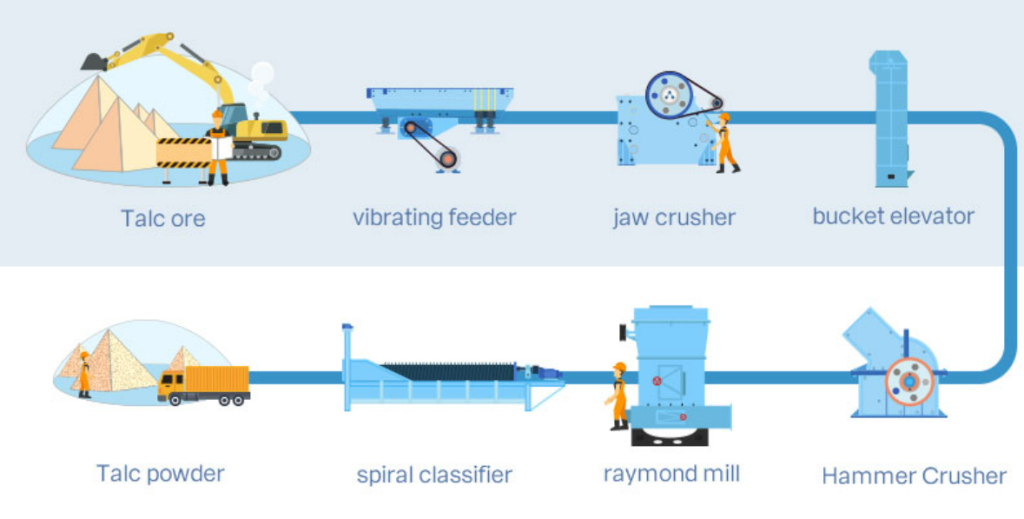
Through the integration of intelligent equipment, an Automatic Talc Powder Production Line—whose primary processes include automated grading, precision grinding, intelligent packaging, and raw material crushing—achieves unattended production from raw material processing to final packaging.
Crushing and pre-processing of raw materials
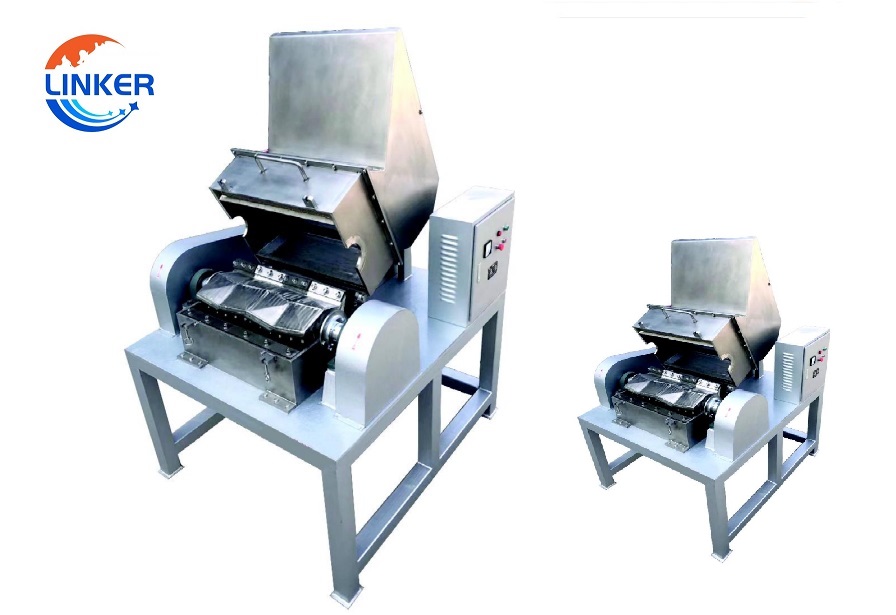
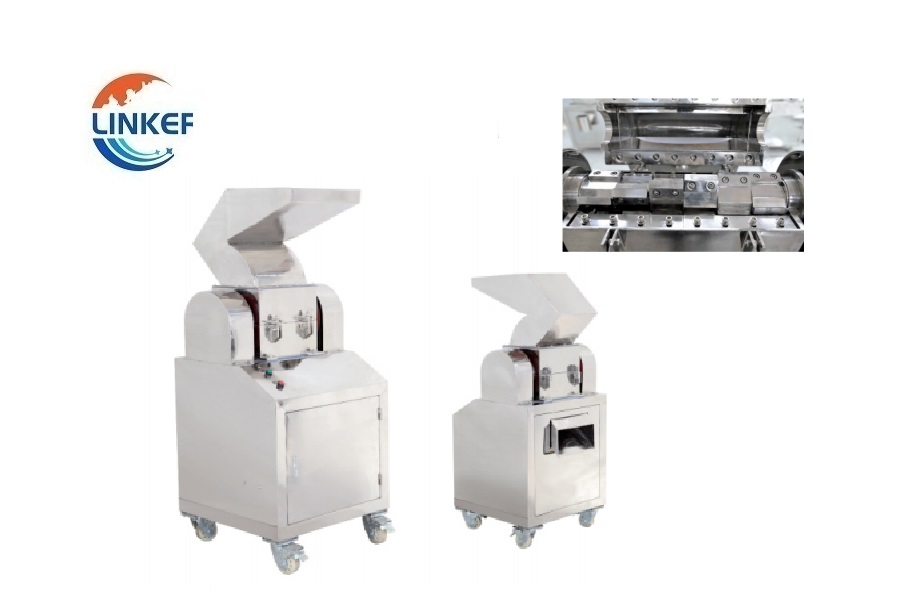
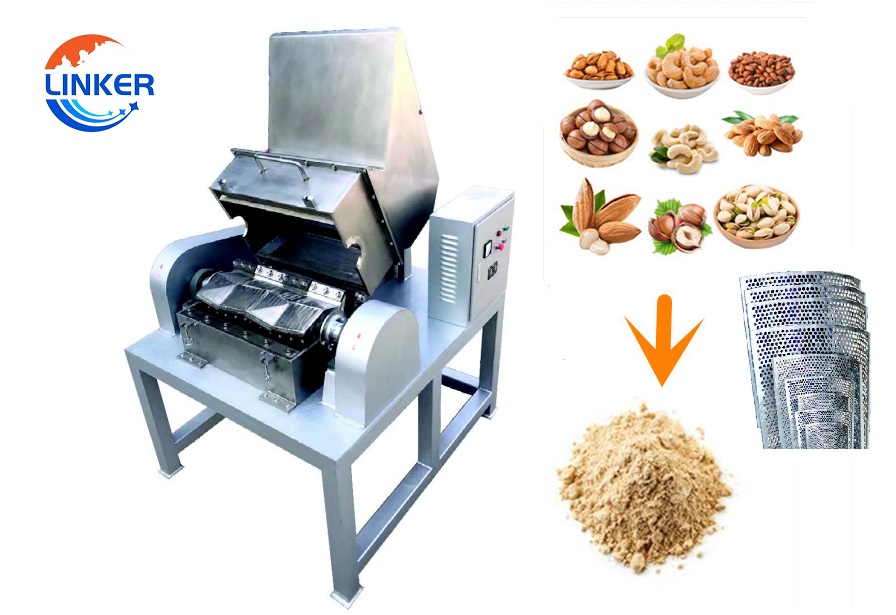
Raw talc ore preparation is the first step in the production process. First, big blocks of talc material are fed into a primary crusher, usually a sturdy coarse crusher or a heavy-duty jaw crusher. The ore is broken down into particles of 30 mm or less by this machine, which is much bigger and more powerful than a hammer mill for grains like corn or wheat or a tiny herb grinder.A bucket elevator is then used to raise the crushed material to a buffer hopper or storage silo. Moisture content is a crucial factor at this point. In order to prevent clogging in later stages, the system can automatically activate integrated hot air dryers to remove moisture during handling if the raw ore has a high moisture content (e.g., above 10%). In order to avoid needless re-crushing and increase overall energy efficiency, some sophisticated lines additionally include pre-screening technology to separate already small particles. Similar to the preparatory stages in other processing sectors, such as cleaning and crushing cassava for a cassava grinding mill or preparing bones for rendering, this first step guarantees a consistent and manageable feedstock.Automated charger systems are frequently used in raw material processing to continuously feed the primary crusher.
System of Core Grinding and Grading
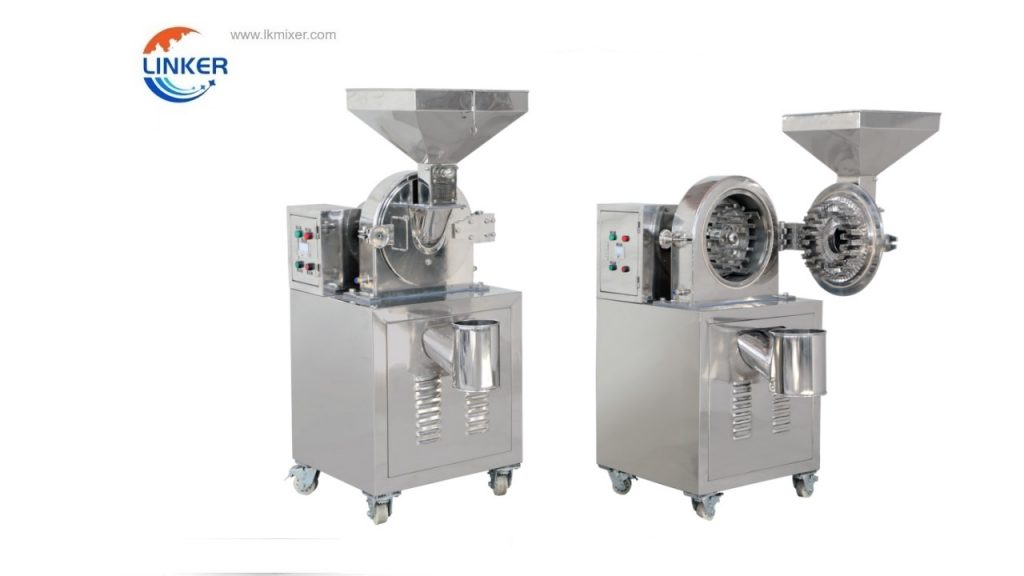
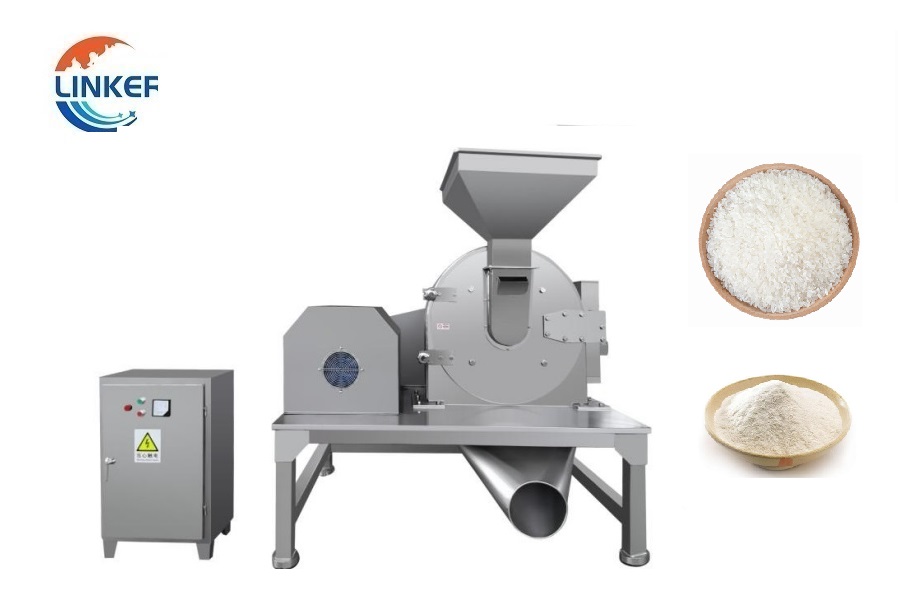
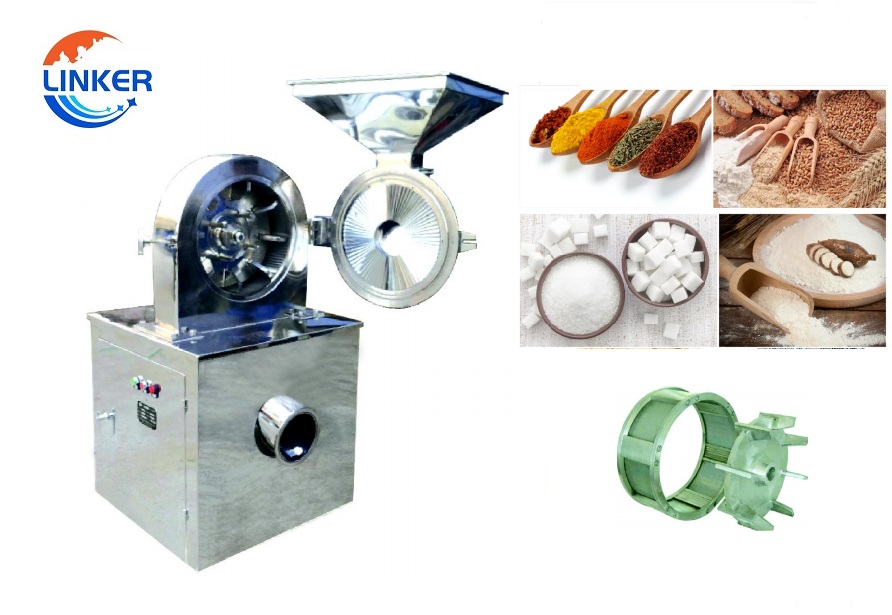
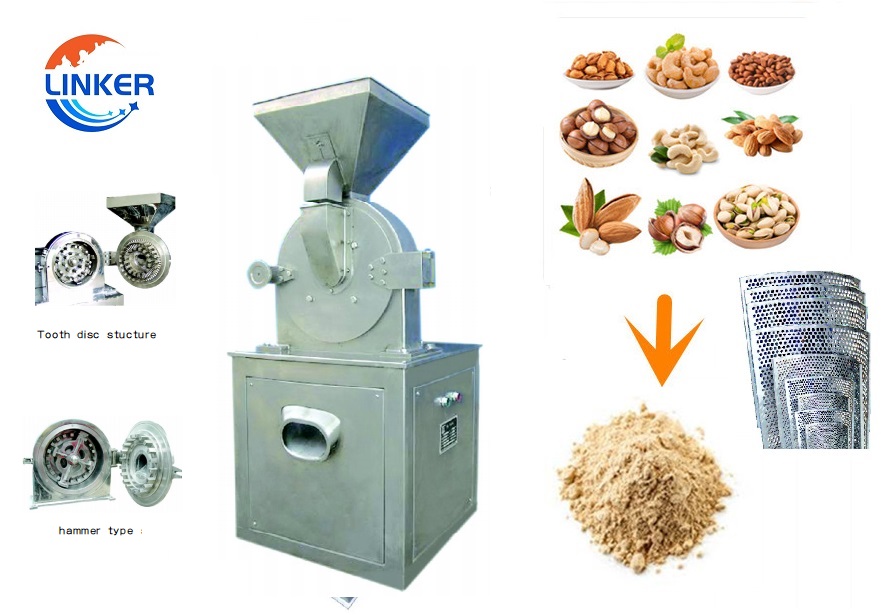
The grinding and classifying system, which turns coarse particles into fine or ultra-fine powder, is the central component of the talc production line. Depending on the necessary fineness, the choice of grinding machine is crucial. A Raymond mill (or similar pendulum roller mill) is frequently used to produce standard talc powder with a mesh size between 80 and 600. The material is crushed in this mill by centrifugally pressing grinding rollers against a grinding ring.With capacities between 1 and 40 tons per hour, it provides dependable performance. However, more sophisticated milling technique is needed to produce ultra-fine talc powder (1000 mesh and above, up to 2500-5000 mesh when D97=8-5μm). This is where devices such as specialized ultrafine grinders, ring roller mills, and vertical roller mills are useful. An internal classification system is frequently integrated into these high-speed mills. A turbo grinder or an airflow pulverizer (jet mill) may be used for the finest particles. These mills achieve incredibly small diameters without the wear of mechanical grinding medium by using high-pressure air or steam to induce particle-on-particle impact.Although heat-sensitive materials like polymers, medicines, and some spices are usually ground in cryogenic machines, the idea of regulated, effective size reduction unites all technologies.
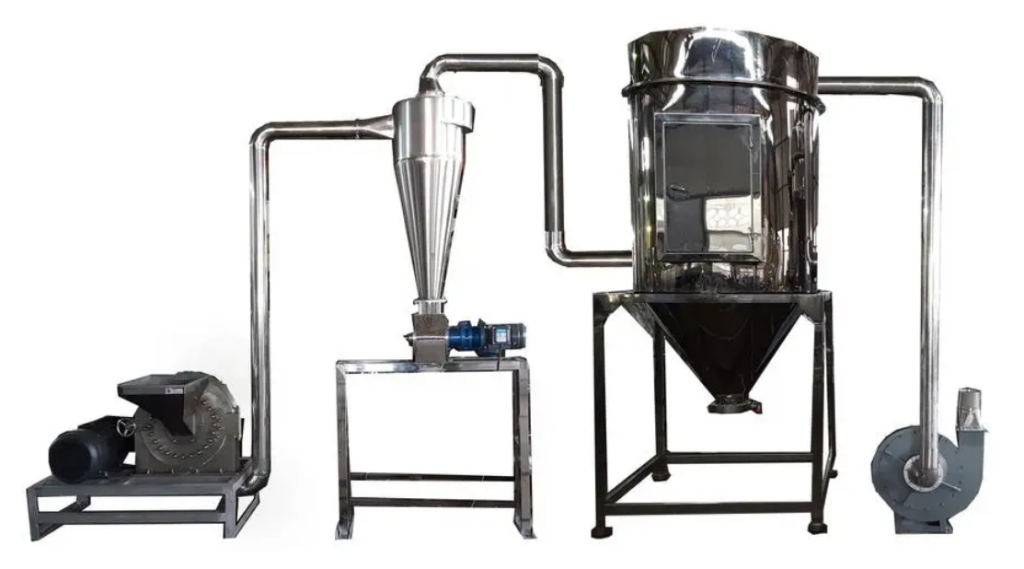
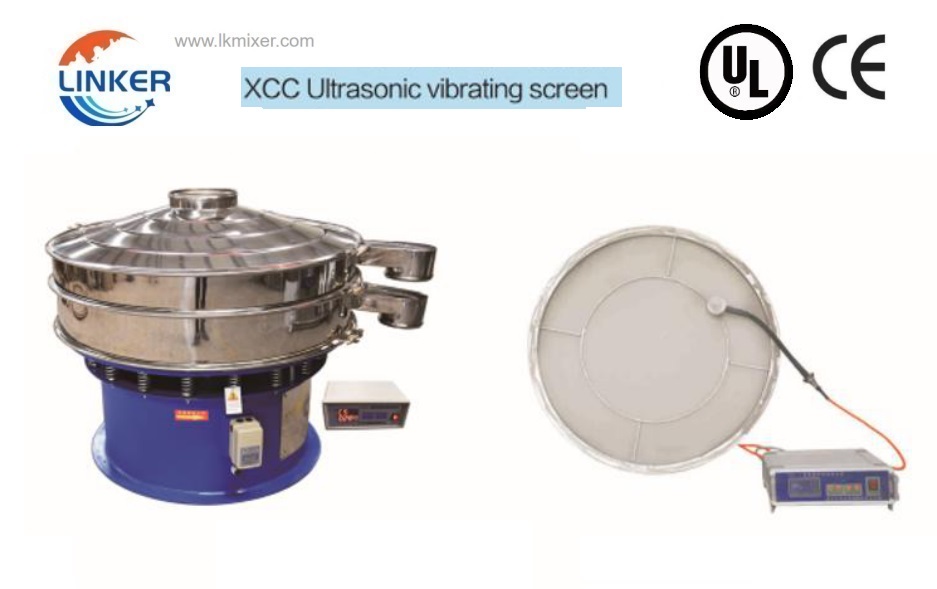
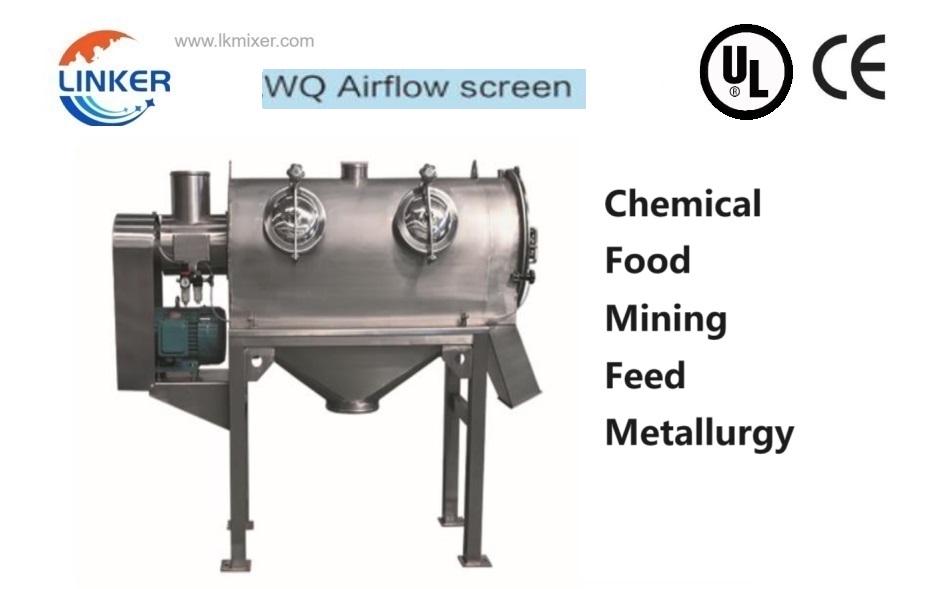
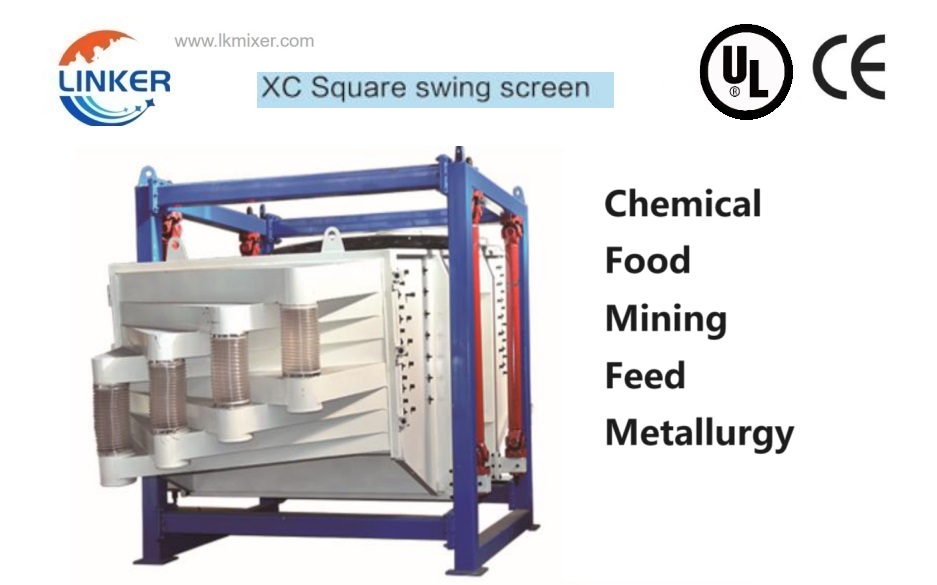
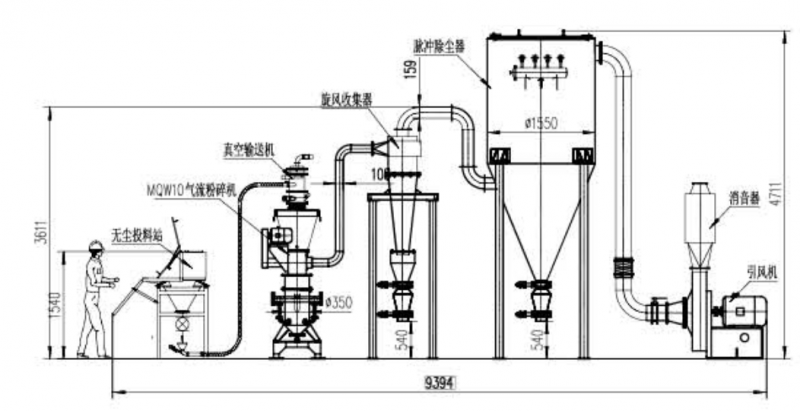
Precise particle size categorization is carried out right after the grinding stage. The ground powder is continually separated using integrated or freestanding classifiers, such as dynamic air classifiers or turbine classifiers. Only particles of the appropriate size are permitted to pass through these units thanks to centrifugal force and airflow. A very effective closed-loop system is produced by automatically rejecting large or coarse particles and returning them to the grinding machine for additional processing. High-efficiency cyclone separators are then used to separate the fine powder that satisfies the specifications from the conveying air.To guarantee a dust-free environment and optimal product recovery, the entire grinding and classifying section runs under negative pressure and is coupled to a thorough dust collection grinder system, usually a baghouse filter.
Packaging and Conveying the Completed Product
The talc powder must be packaged and delivered without contamination or loss once it achieves the appropriate fineness. Systems for enclosed conveyance are crucial. Dense-phase pneumatic conveying systems and tubular chain conveyors are common techniques.Similar to handling regulations in the food (such as wheat, sugar), chemical, or pharmaceutical sectors, these systems transfer the powder from the collection cyclones to silos made of stainless steel, guaranteeing a fully dust-free transfer. This is a crucial need for preserving product purity.
Completely automated packing is the last step. Precision weighing and bagging equipment receive the powder after it is released from the storage silo. These devices enable extremely precise dosing with weight errors typically controlled within ±0.2% thanks to servo-controlled auger fillers or comparable processes. The packaging line is highly automated: robotic arms load empty bags into filler spouts, fill them, and then automatically seal them using heat sealing, stitching, or other techniques.Robotic palletizers can then arrange the bags on pallets into stable, programmable stack patterns for palletized shipping. Options like vacuum packing can be incorporated to exclude air and stop caking in certain applications that need further protection, including extremely tiny, reactive powders. This degree of automation is comparable to contemporary packaging lines for industrial chemicals, rice, coffee, and bean goods.
Environmental Systems and Intelligent Control
A sophisticated centralized control system oversees the smooth operation of the entire line. The central component is a supervisory computer (SCADA/HMI system) coupled with a programmable logic controller (PLC).With this configuration, operators can keep an eye on all process variables from a central control room, including motor loads, temperatures, pressures, and feed rates. Recipe management for various product grades, manufacturing data logging, and remote troubleshooting are all made possible by it. One of the most important design principles is environmental conservation. Pulse-jet bag filters are positioned thoughtfully at all possible dust generating locations, including packaging stations, conveyor transfers, and crusher discharges, in addition to the primary dust collector. Before being released, the filtered air is frequently cleansed to meet strict emission regulations. From the massive main coarse crusher to the last packaging robot, the complete production line is made to be a clean, closed system.Important pieces of equipment, particularly the electrical control panels and primary grinding machine, are frequently constructed in accordance with international safety standards and may have certifications such as the CE Certificate grinder.
In conclusion, a high degree of industrial automation in mineral processing is exemplified by an Automatic Talc Powder Production Line. Although it is focused on talc, several other powder production lines use similar technological principles. The procedures used to make industrial fillers, specialty food additives, and spice powders (such as those from a dry ginger or licorice grinding machine) are comparable to the grinding and classification rationale.The objectives of accuracy, efficiency, cleanliness, and automated control are universal in contemporary manufacturing, regardless of whether a 500KG grinder batch system or a continuous 200KG grinder operation is used. Such a line is essential for producing reliable, high-purity talc powder for sectors ranging from plastics and paints to cosmetics and pharmaceuticals, as the use of big stainless steel structure in contact areas highlights the dedication to product quality and durability.
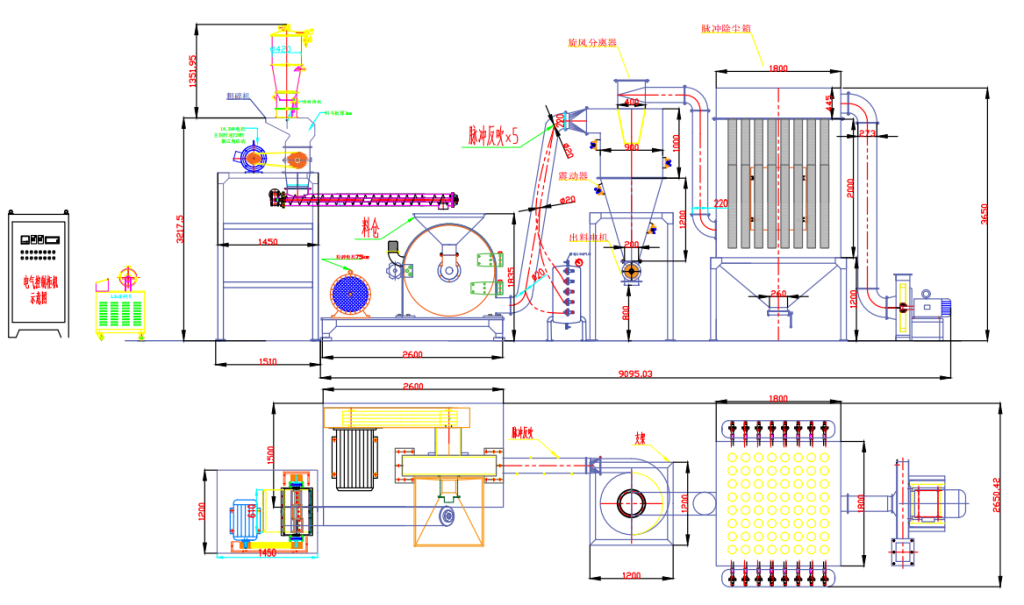

Parameters:

Model Name | SG-600 | |
| Crushing Capacity(kg/h) | 1000~2000 | |
| Power(kw) | 11 | |
| Feeding Size(mm) | <5mm | |
| Fineness(mesh) | 20~40mesh |
Model Name | SG-800 | |
| Crushing Capacity(kg/h) | 2000~4000 | |
| Power(kw) | 15 | |
| Feeding Size(mm) | <5mm | |
| Fineness(mesh) | 20~40mesh |
Trade Capacity
| International Commercial Terms(Incoterms): | FOB, CIF, CFR | Terms of Payment: | LC, T/T, PayPal, Western Union |
| Average Lead Time | 60 working days | Main Markets | North America, South America, Europe, Southeast Asia/ Mideast, East Asia(Japan/ South Korea), Australia, Domestic |
| Nearest Port: | Ningbo Port; Shanghai Port | Factory Address: | JiangSu, China |
Ampere of Motors Customization for Seeds Grinder:
| KW | HP | Ampere |
| 75kw | 100HP | 135A |
| 55kw | 75HP | 99A |
| 30kw | 40HP | 54A |
| 22kw | 30HP | 39A |
| 2.2kw | 3HP | 3.9A |
| 1.5kw | 2HP | 2.7A |
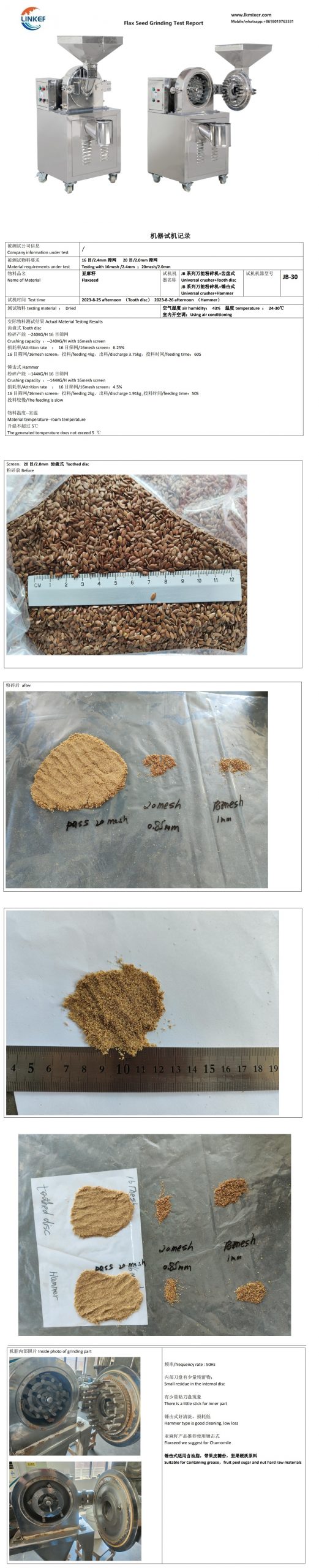
Test Report for Flax Seed Grinder:
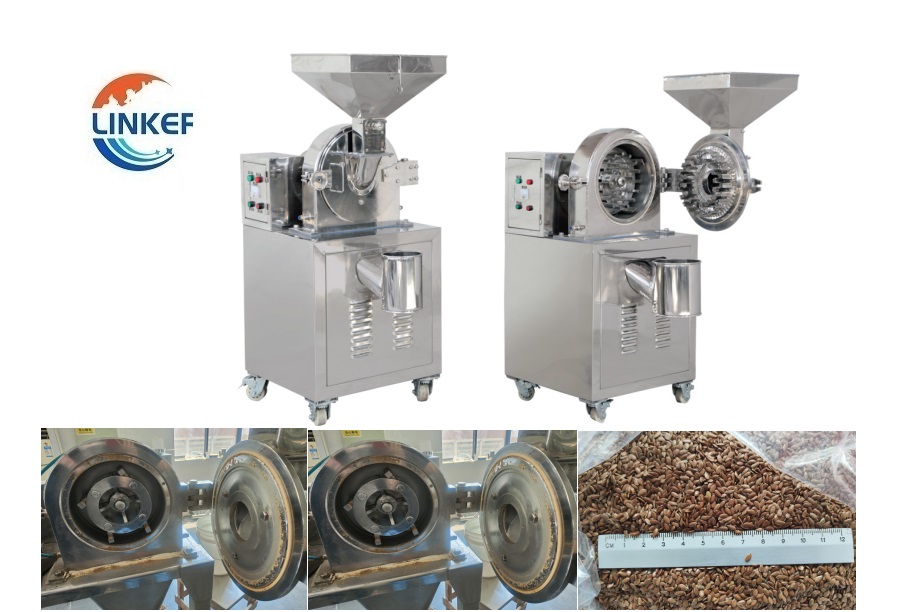
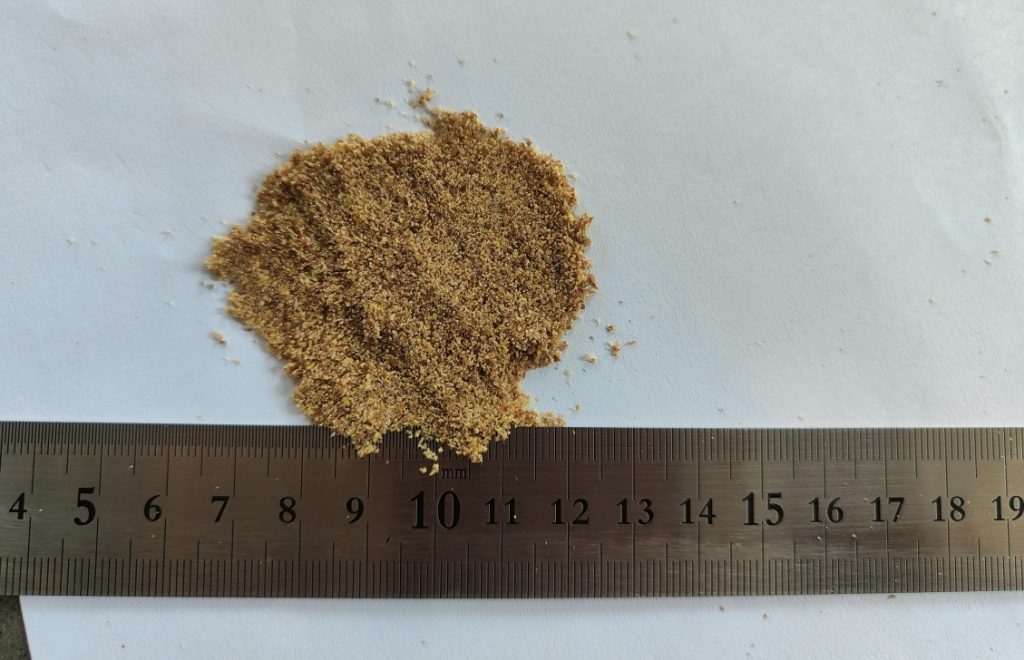
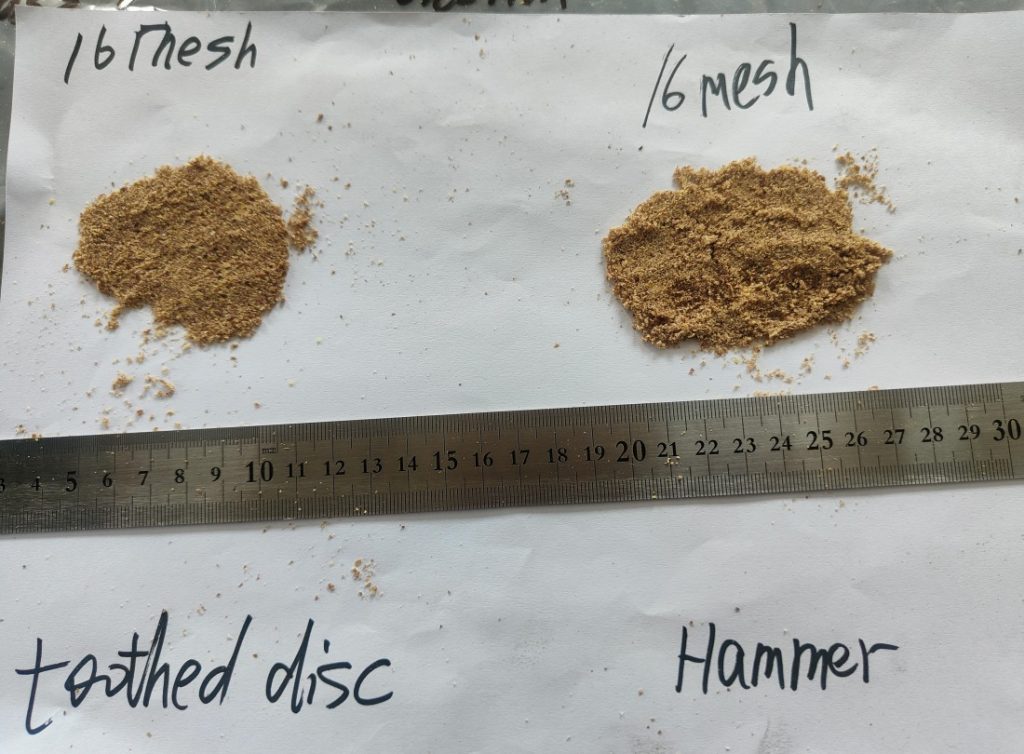
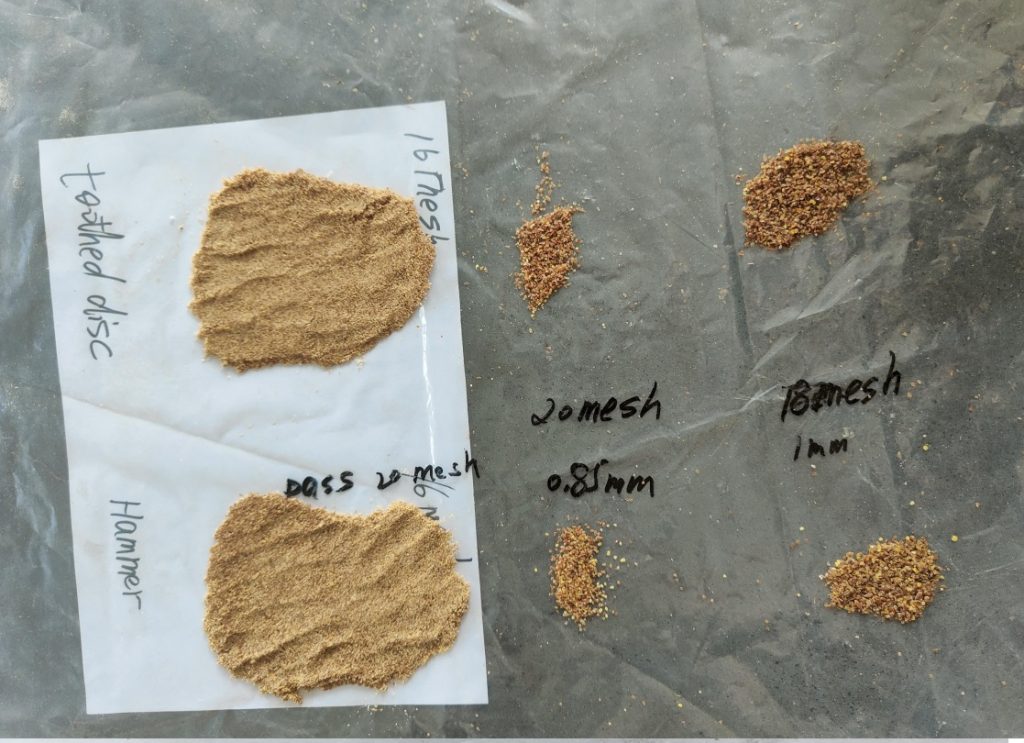
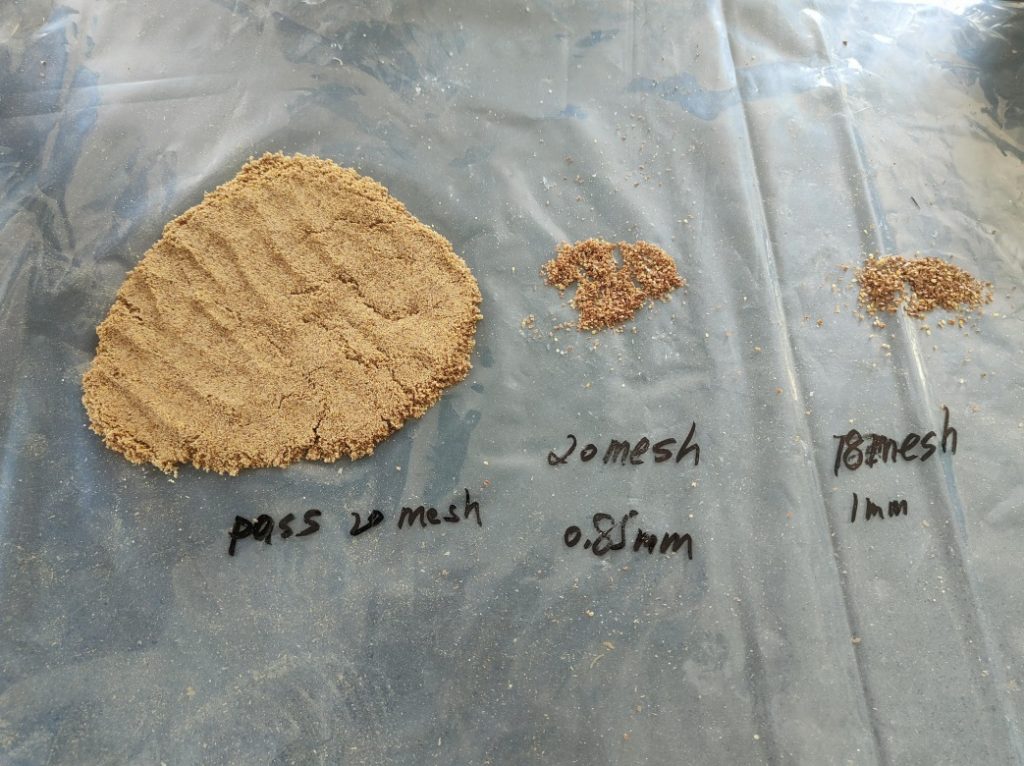
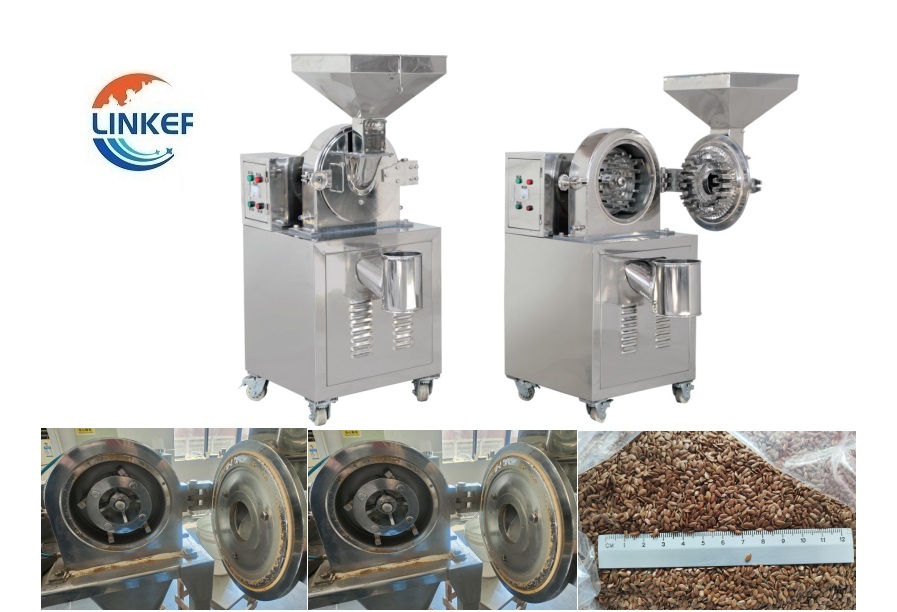
A flax seed grinder is a type of seed nut grinder specifically designed for grinding flax seeds. Flax seeds are small, hard seeds that are packed with nutrition and are commonly used in baking and cooking. Grinding flax seeds helps to unlock their nutrients and make them easier to digest.
Flax seed grinders typically feature sharp blades or burrs that rotate to crush the flax seeds into a fine powder. This powder can then be used in a variety of recipes, such as smoothies, baked goods, and yogurt toppings. Some flax seed grinders are manual and require hand-cranking, while others are electric and feature powerful motors for faster grinding.
When choosing a flax seed grinder, it’s important to look for one with durable blades or burrs that can withstand the hard texture of flax seeds.
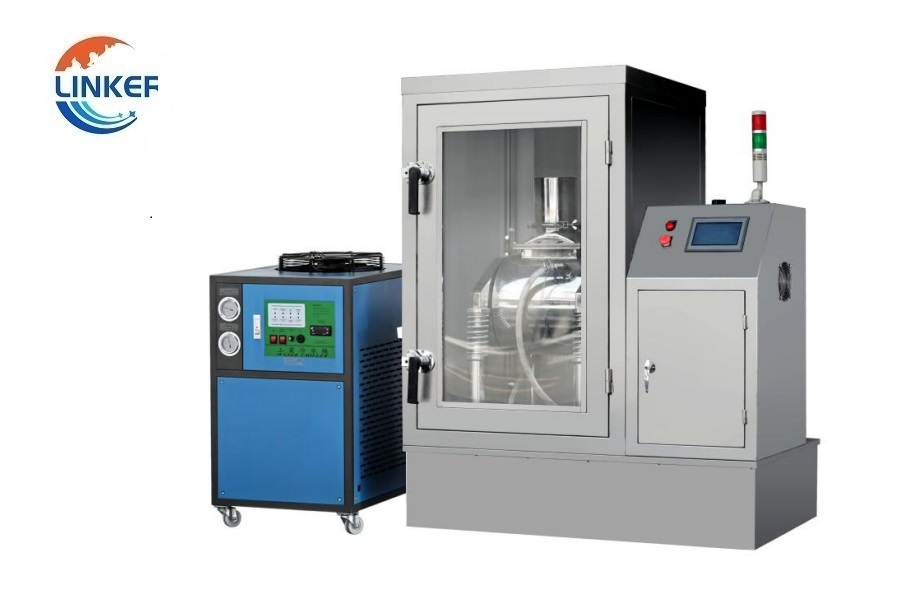
There are 3 ways of cooling down the grinder: water cooling system; air cooling system and liquid nitrogen freezing system. You can choose the right one if the grinder gets too hot. When machines goes too hot, the metal can expand, causing the grinding wheel to get stuck.
| Business Type: | Manufacturer/Factory | Main Products: | Mill, grinder, granulator, mixer, Crushing Equipment |
| Number of Employees: | 100 | Year of Establishment: | 2014.05 |
| Production Capacity | 5000Set/Year | After-sales Service: | Technical Support; on-line teach lessons |
| R&D Capacity: | ODM, OEM | Annual Output Value: | US$5 Million – US$10 Million |
| No. of R&D Staff: | 5 | No. of Production Lines: | 6 |
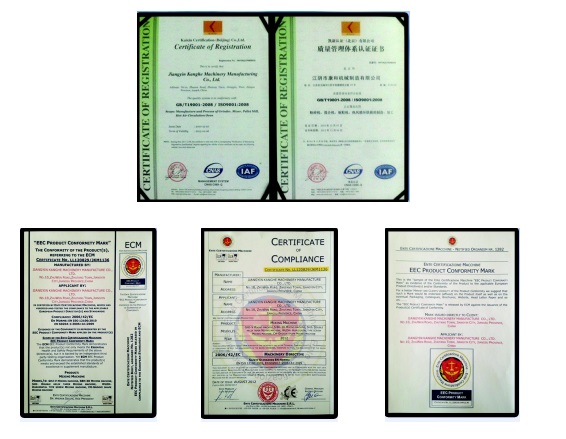
LK Mixer is a professional manufacturer for grinder, mixer and pulverizer. These machines are widely used in pharmaceutical, cosmetic, health care products and chemical industries. Our main product including granulating machine, grinder, mixer, dryer, etc. All mechanical products in accordance with the China GMP design requirements. And also we have other certifications such as CE, UL for motors.
Business Philosophy
“Quality is the main policy of sales” and “integrity is the principle of success” are the business philosophy of our people. We carry out one-year warranty, lifelong maintenance service, with technical consultation, with material test machine and other services, and long-term supply of equipment. Welcome new and old customers to negotiate cooperation!
Certifications:
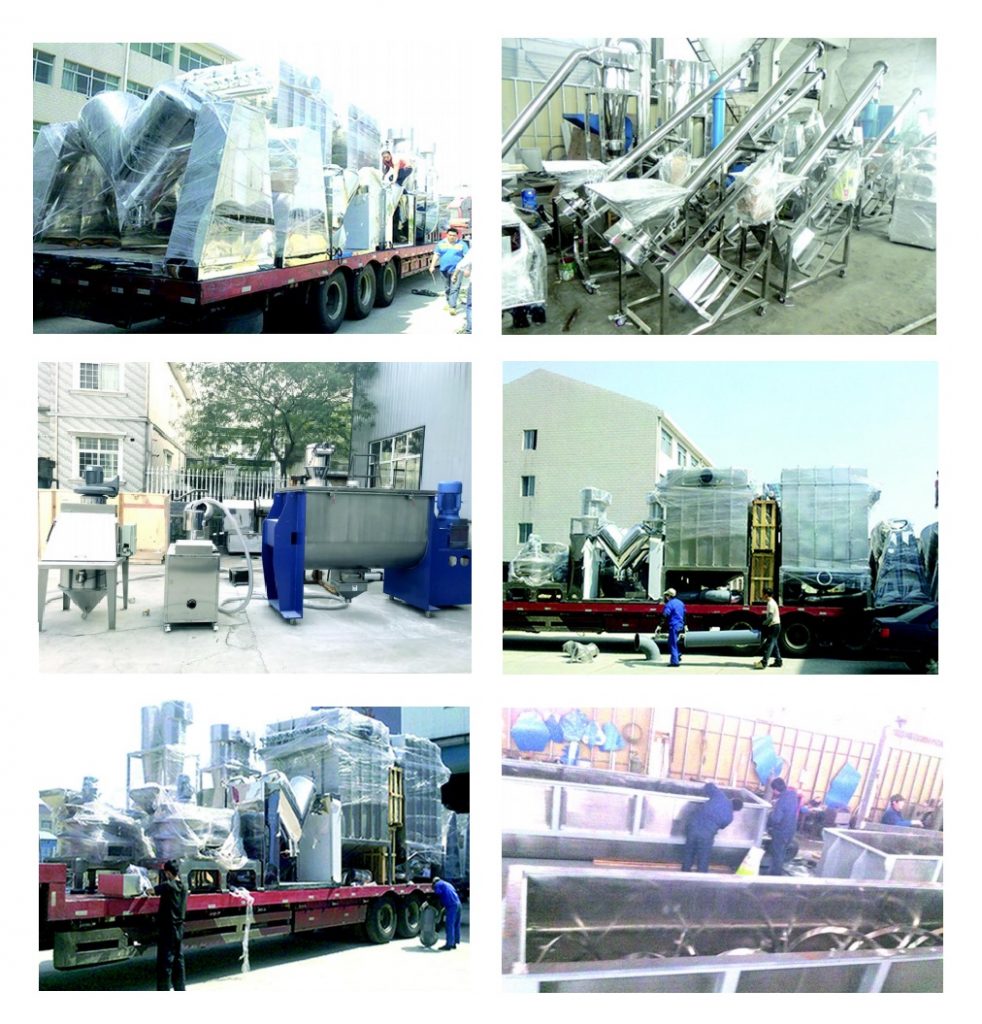
Customer Side Machine Groups Showcase Videos:
Dust Collector Shipment
Shipment – Packing Method
Two Large Industrial Grinder Ready to Ship
Domestic Shipment Show Case:
Operation Instruction
General Provisions
The operation instructions for a commercial grinder may vary depending on the specific model and manufacturer. However, here are some general guidelines that may apply to many high speed grinders:
- Safety precautions: Before operating the high speed grinder, it is important to review all safety precautions and warnings provided in the user manual. Safety precautions may include wearing appropriate personal protective equipment, such as eye protection and hearing protection, and avoiding loose clothing or jewelry that could become caught in the grinder.
- Preparation: The high speed grinder should be placed on a stable and level surface, and all necessary components should be assembled according to the manufacturer’s instructions. The grinder should also be connected to a power source that is appropriate for its voltage and wattage.
- Loading the grinder: The material to be ground should be loaded into the grinder according to the manufacturer’s instructions. Overloading the grinder may cause damage to the machine and result in poor grinding performance.
- Starting the grinder: The grinder should be started according to the manufacturer’s instructions. This may involve pressing a button, turning a dial, or flipping a switch. The user should ensure that their hands are clear of the grinder and that the material to be ground is positioned properly.
- Adjusting the speed and settings: The speed and other settings of the high speed grinder may be adjusted according to the material being ground and the desired outcome. The user should follow the manufacturer’s instructions for making adjustments to the grinder.
- Monitoring the grinding process: The user should monitor the grinding process to ensure that it is progressing smoothly and that the material is being ground to the desired size and consistency. Any issues or abnormalities should be addressed promptly to prevent damage to the machine.
- Shutting down the grinder: When the grinding process is complete, the grinder should be shut down according to the manufacturer’s instructions. The user should ensure that the machine is completely stopped and that all moving parts have come to a complete stop before attempting to clean or service the grinder.
Overall, the operation instructions for a commercial grinder may involve a number of steps and safety precautions. It is important to carefully review the manufacturer’s instructions and follow proper operating procedures to ensure safe and effective use of the machine.
Preparation Work
Before running a commercial grinder, there are several important preparation steps that should be taken to ensure safe and effective operation of the machine. Here are some general guidelines for preparing to run a high speed grinder:
- Read the user manual: The first step in preparing to run a high speed grinder is to carefully read the user manual provided by the manufacturer. The user manual will provide important information about the specific model of grinder being used, including its features, specifications, and safety precautions.
- Select the appropriate grinding wheel: The grinding wheel used in a high speed grinder should be selected based on the material being ground and the desired outcome. It is important to use the correct type of grinding wheel to prevent damage to the machine and ensure optimal grinding performance.
- Inspect the grinder: Before running the grinder, it is important to inspect it for any signs of damage or wear. The user should check for loose or missing components, cracks or other signs of damage to the machine’s housing or other parts, and any other issues that could affect the grinder’s operation.
- Install the grinding wheel: The grinding wheel should be installed according to the manufacturer’s instructions, making sure that it is securely fastened and aligned properly. The user should also check the wheel for any cracks or other signs of damage before installation.
- Secure the workpiece: The workpiece to be ground should be securely clamped or held in place before starting the grinder. This will help to ensure safe and effective operation and prevent the workpiece from becoming dislodged or damaged during grinding.
- Connect the power source: The high speed grinder should be connected to a power source that is appropriate for its voltage and wattage. It is important to use a properly grounded power source to ensure safe and reliable operation of the machine.
- Test run: Before beginning actual grinding operations, it may be useful to perform a test run to ensure that the grinder is functioning properly and that the grinding wheel is aligned and balanced properly. The user should follow the manufacturer’s instructions for performing a test run.
By following these preparation steps, users can ensure safe and effective operation of a high speed grinder and achieve optimal grinding results.
Treatment of inspection
Inspection of a commercial grinder is an important maintenance procedure that helps ensure safe and effective operation of the machine. Here are some general guidelines for inspecting a high speed grinder:
- Disconnect power source: Before performing any inspection or maintenance on a high speed grinder, the power source should be disconnected to prevent accidental startup.
- Check for wear and damage: The user should inspect the grinder for any signs of wear or damage, such as cracks in the housing, worn or damaged grinding wheels, or loose or missing parts. Any issues should be addressed promptly to prevent further damage to the machine.
- Check alignment and balance of grinding wheel: The grinding wheel should be inspected for proper alignment and balance, as these factors can affect the quality of the grinding operation. If the grinding wheel is not properly aligned or balanced, it should be adjusted or replaced as necessary.
- Check for proper lubrication: The high speed grinder should be inspected for proper lubrication, as inadequate lubrication can cause excessive wear and damage to the machine’s moving parts. The user should follow the manufacturer’s instructions for lubrication, and add lubricant as necessary.
- Inspect electrical components: The electrical components of the high speed grinder, including the wiring, switches, and control panel, should be inspected for any signs of wear, damage, or loose connections. Any issues should be addressed promptly to prevent electrical problems.
- Test run: After completing the inspection, it may be useful to perform a test run of the high speed grinder to ensure that it is functioning properly and that any issues have been addressed.
By following these inspection guidelines, users can help ensure safe and effective operation of a high speed grinder and minimize the risk of damage or injury during grinding operations.
Operation Attention
Running a commercial grinder can be a dangerous operation if proper precautions are not taken. Here are some general guidelines for safe operation of a high speed grinder:
- Personal protective equipment: The user should wear appropriate personal protective equipment, such as safety glasses, hearing protection, and gloves, to prevent injury from flying debris, noise, and contact with the grinding wheel.
- Secure workpiece: The workpiece being ground should be securely clamped or held in place to prevent it from becoming dislodged during grinding.
- Use proper grinding wheel: The user should select the appropriate grinding wheel for the material being ground and ensure that it is installed correctly and securely. The grinding wheel should be inspected for cracks or other damage before use.
- Adjust grinding wheel speed: The speed of the grinding wheel should be adjusted according to the manufacturer’s instructions to ensure optimal grinding performance and prevent damage to the machine or workpiece.
- Avoid excessive pressure: The user should avoid applying excessive pressure to the grinding wheel, as this can cause the wheel to overheat and wear out more quickly.
- Avoid overheating: The high speed grinder should not be operated continuously for extended periods of time, as this can cause overheating and damage to the machine.
- Monitor grinding operation: The user should closely monitor the grinding operation to ensure that the workpiece is being ground properly and that the grinding wheel is functioning correctly.
- Disconnect power source: After completing grinding operations, the power source should be disconnected to prevent accidental startup.
By following these guidelines, users can operate a high speed grinder safely and effectively, and achieve optimal grinding results. It is important to follow the manufacturer’s instructions and all applicable safety regulations when operating any type of machinery.
Applications of Industrial Seed Grinder
Industrial seed grinders are used in a variety of applications across many industries. Here are some of the most common applications of industrial seed grinders:
- Food industry: Industrial seed grinders are used extensively in the food industry to grind seeds, nuts, and spices into fine powders or pastes. These powders and pastes are then used in a variety of products such as sauces, seasonings, and spreads.
- Pharmaceutical industry: In the pharmaceutical industry, industrial seed grinders are used to grind plant material into a fine powder, which is then used to make medicines and supplements.
- Cosmetics industry: Industrial seed grinders are also used in the cosmetics industry to grind plant material into a fine powder or paste, which is then used in products such as face masks, scrubs, and exfoliants.
- Agricultural industry: Industrial seed grinders are used in the agricultural industry to process seeds, such as soybeans, into animal feed.
- Chemical industry: In the chemical industry, industrial seed grinders are used to grind materials such as resins, pigments, and dyes into a fine powder.
- Renewable energy industry: Industrial seed grinders are also used in the renewable energy industry to process biomass into a fine powder, which is then burned to generate electricity.
Overall, industrial seed grinders are versatile machines that are used in many different industries for a variety of applications. They are essential for processing plant material into fine powders and pastes that can be used in many different products.
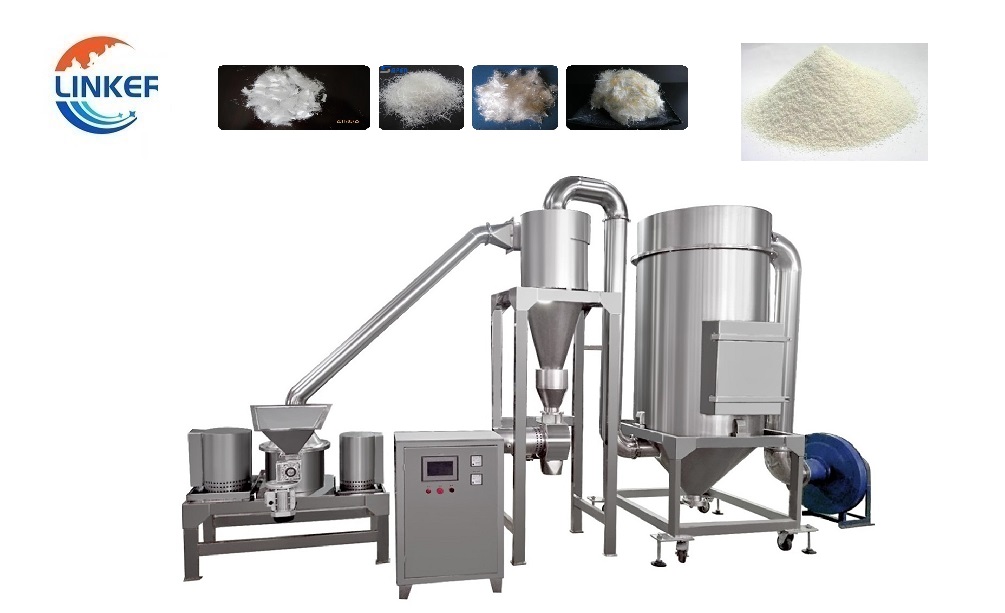
An Automatic Talc Powder Production Line is a fully integrated industrial system that uses a smooth, automated process to effectively turn raw talc mineral into fine or ultra-fine powder. Four essential modules make up its core operation, which guarantees high productivity, constant quality, and little environmental impact: raw material processing, grinding and sorting, completed product collection, and intelligent control.
Crushing and pre-processing of raw materials
The processing of raw talc ore is the first step in the trip. A primary crusher receives large blocks of talc material as input.For this initial size reduction, the ore is usually broken down into particles no larger than 30 mm (occasionally 25 mm, depending on the process requirements) using a sturdy jaw crusher or a heavy-duty coarse crusher. Unlike a small herb grinder or a normal hammer mill used for cereals like corn or wheat, this main crushing stage is essential and functions on a much bigger scale. To remove any naturally fine particles, the material is frequently sent through a pre-screening apparatus, such as a vibrating pulverizer, after the initial crush. This saves energy by preventing already-suitable material from needless additional crushing—a concept that is also valued in food processing, such as screening rice or flour. The raw ore’s moisture content is a crucial component.The technology can automatically turn on built-in hot air dryers to lower moisture during handling if it beyond a certain threshold, such as 10%. A bucket elevator then raises the processed material, which is then kept in a buffer silo. From this point on, a controlled feeding device—typically an automated charger or an electromagnetic vibratory feeder—ensures a consistent and steady flow of material into the subsequent stage, simulating the precise feeding needed in operations like batching systems in chemical plants or cassava grinding machines.
System of Core Grinding and Classification
The talc is turned into the appropriate fineness of powder here, at the center of the production line.The target particle size is the only factor that influences the grinding machine selection, which is crucial. A Raymond mill, a kind of pendulum roller mill, is a popular and dependable option for generating conventional talc powder in the range of 80 to 600 mesh. In order to crush the material, this mill uses centrifugal force to press grinding rollers against a stationary ring. With capacities ranging from 1 to 40 tons per hour, it has significant capabilities. More sophisticated milling equipment is needed to produce ultra-fine talc powder (from 1000 mesh to an amazing 5000 mesh, where 97% of particles are 5 micrometers or smaller). Specialized ultrafine grinders, ring roller mills, or vertical roller mills are used for this.These are frequently energy-intensive, high-speed devices that combine classification and grinding into one unit. Technologies like turbo grinders or airflow pulverizers (jet mills) are used for the very best grades. These achieve remarkable fineness without producing a lot of heat or contaminating the grinding media by accelerating the particles with steam or compressed air, which causes them to collide and fracture. The pursuit of regulated, cool grinding to retain material qualities is a common goal in high-end powder processing, while a cryogenic grinding equipment is usually reserved for heat-sensitive materials like certain spices, medicine botanicals, or polymers.
The intelligent categorization system is immediately linked with the grinding process. Classifiers, such as dynamic air separators or turbine classifiers, are essential whether they are part of the mill or used independently. They use a combination of airflow and centrifugal force to continually separate the ground powder according to particle size. Too-coarse particles are automatically rejected and sent back to the grinding machine for additional processing. This results in a very effective closed-loop system that guarantees a narrow particle size distribution and maximizes yield. High-efficiency cyclone collectors are usually used to extract the “accepts”—the fine powder that satisfies requirements—from the air stream.In order to maintain a clean, safe, and effective working environment and to capture valuable product that might otherwise be wasted, the entire grinding and classifying section runs under negative pressure and is connected to a central dust collector grinder system (similar to a pulse-jet baghouse).
Completed Product Gathering and Packaging
The final talc powder needs to be handled carefully after classification to preserve its purity and avoid contamination. Systems for enclosed conveyance are used everywhere. Common options include dense-phase pneumatic conveying systems and tubular drag chain conveyors. They move the powder to big, specialized storage silos from the gathering locations.Large stainless steel is usually used to build these silos in order to maintain cleanliness and prevent corrosion, following regulations akin to those in the chemical, pharmaceutical, and food sectors (e.g., for sugar, salt). Completely automated packing is the last stage. Precision weighing and bagging equipment receive the powder delivered from the silo. These systems offer exceptional accuracy with weight inaccuracies typically limited within ±0.2% thanks to servo-controlled auger fillers or comparable devices. The packing line is highly automated: robotic palletizers automatically palletize the bags into stable, programmable stacks after robotic arms pick and place empty bags, fill them, and seal them using stitching, heat sealing, or other techniques.Options like vacuum packing can be incorporated for high-end products or to stop caking during long-term storage. Modern packaging lines for consumer items like coffee, tea, bean products, or pet food are equivalent to this degree of end-to-end automation.
Intelligent Control and Environmental Protection
The design of a contemporary Automatic Talc Powder Production Line prioritizes intelligent operation and sustainability. The mechanism for controlling dust is extensive. Every possible source of dust generation—crusher discharge, conveyor transfers, mill inlets and outlets, and packaging stations—is equipped with pulse-jet bag filters, which achieve dust capture rates of 99.9%. This guarantees that emissions meet strict environmental laws and that the workshop environment is safe.The centralized intelligent control system is the operation’s brain. When paired with a supervisory computer (SCADA/HMI), a programmable logic controller (PLC) enables operators to oversee and manage the entire line from a single location. Real-time monitoring is done for variables including motor speed, temperature, pressure, feed rate, and energy usage. Remote diagnostics, production data tracking for traceability, and dynamic operational parameter change to optimize for varying product grades or shifting feed circumstances are all supported by the system. Important pieces of equipment in the line, particularly the electrical panels and central grinding machine, are frequently made to international safety and quality standards and may even have certifications such as the CE Certificate grinder, which guarantee dependability and security.
To sum up, an advanced example of automation in mineral processing is an Automatic Talc Powder Production Line. Despite being specific to talc, it incorporates ideas seen in many other powder manufacturing sectors. Similar physical rules govern the size reduction process in a pilot plant’s universal grinder and a 500KG peanut butter grinder. Its focus on cleanliness, accurate classification, and automated handling links it to a variety of industries, including food production, sophisticated materials manufacturing, and spice processing (using machinery like a dry ginger or licorice grinder). Such a line effectively manufactures an essential industrial mineral with consistency, quality, and environmental respect by utilizing sturdy machinery, intelligent controls, and enclosed design.
Food Producing Process Flow:
Ultrafine grinding is one of the very key procedure in whole production line. It depends how many mesh that customer need to produce. That’s to say this machine can decide what kind of material will get finally before mxing.
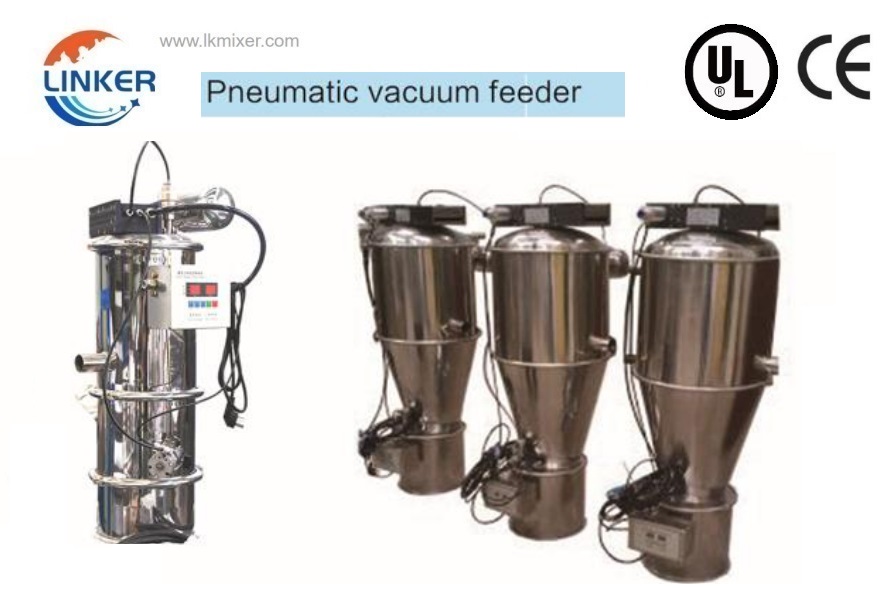
Coarse Crusher Machine —>Grinding Machine —> Vibrating Table Sifter Machine—>Mixing Machine—>Packing Machine —> (Printed Packaging Film Roll or bags ) —> Filling, sealing machine, capping and Labeling Machine —>Pack into Box.
Contact us for detail proposal and cost:
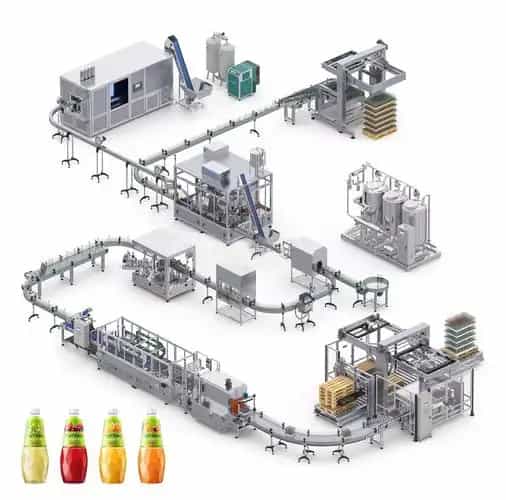

Automatic Banana Powder Production Line Youtube Video
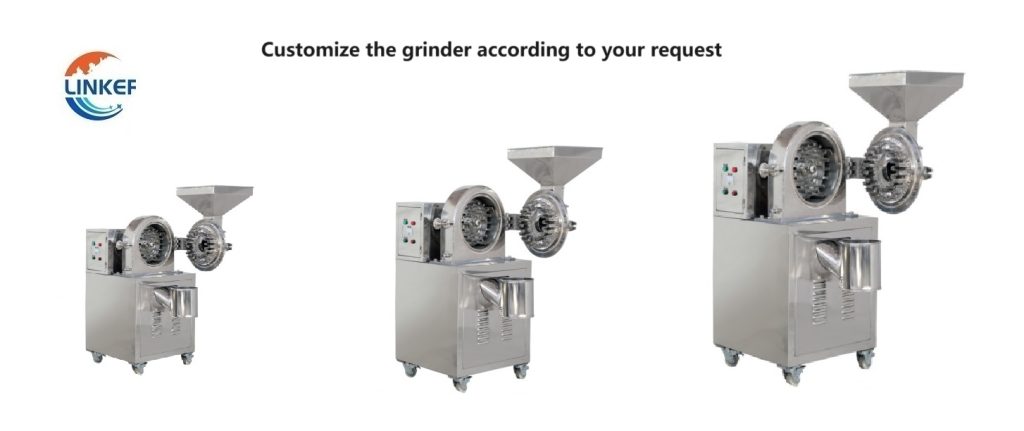
Customization Seeds Grinder According to your Capacity:
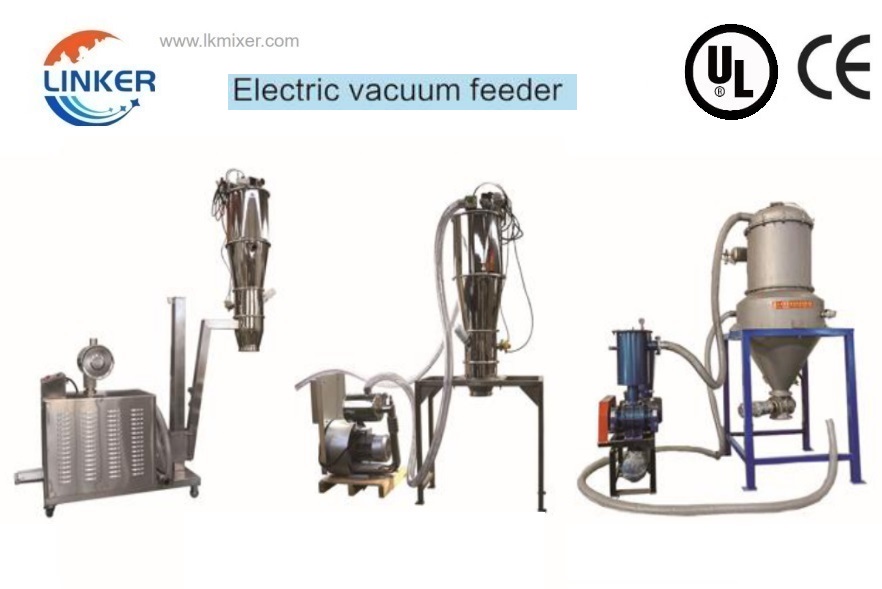
We can customize the capacity according to your special requirement, we can also customize the vacuum feeder connect with your production line (the dimension and width of grinder), for detail contact with our sales for proposal and price.
Videos of Seeds Grinder Machine:
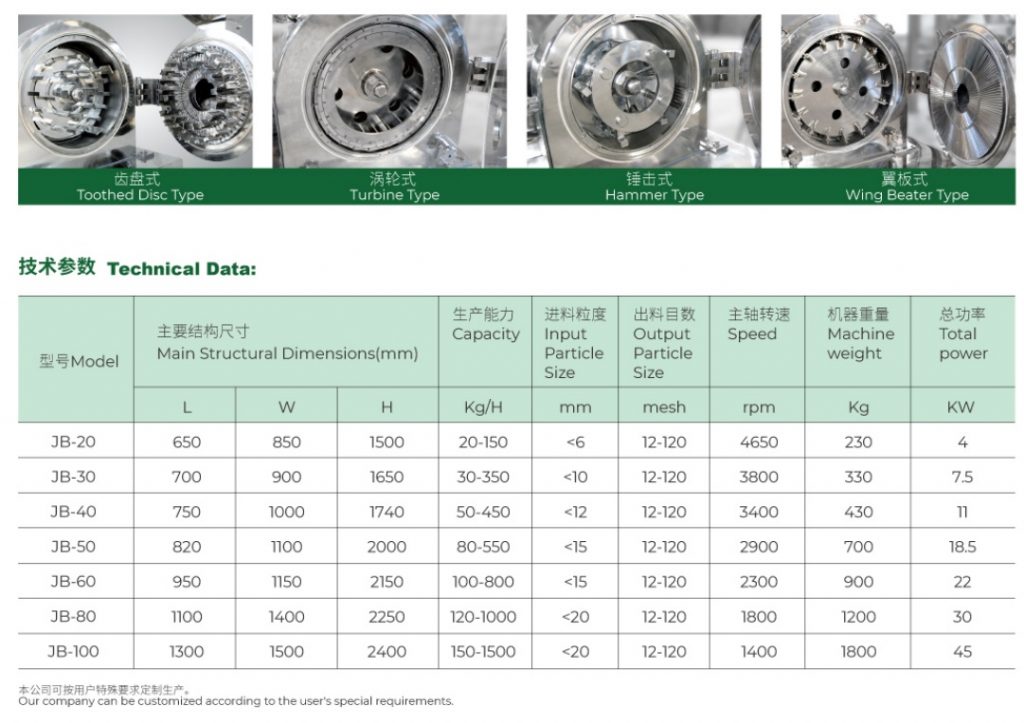
Many model of Seeds Grinder, the universal grinder is suitable to cut the seeds into 12-120mesh, the high efficient grinder is useful, but cost a little bit higher than universal. The super fine grinder can grind into 100mesh to 320mesh. Customer can choose according to your own requirement. here show some example:
About LKMixer
LKMixer is a professional manufacturer for fertilizer production line, grinder, mixer and granulator, shredder. These machines are widely used in food, pharmaceutical, cosmetic, health care products and chemical industries. The Food materials like Peanut, mushroom, seeds, potato, bean, tobacco, salt, cannabis, tea, Sugar, corn, Coffee, rice, pepper, grain as so on. Grinders have many types such as Pulse Dust Grinder which suitable for zero pollution environment, Turbine Mill which is suitable for coffee bean, 12-120mesh all can meet, Ultrafine Grinding Mill covers 80-200mesh, and also Winnowing Dust Grinder or other grinding machines like SF Hammer. Welcome to contact us for details. Contact us for more information. Proposal, catalog, quotation. Mobile/WhatsApp: +86 18019763531 Tel: +86 21 66037855 Email: sales@lkmixer.com
Contact Us
FAQ(Click and See More)
Read More about Herb Grinder:
Why are herb grinders so expensive?
Are electric herb grinders good?
What is the best way to grind up herbs?
Can you chop herbs in a coffee grinder?
How to grind dried herbs into powder?