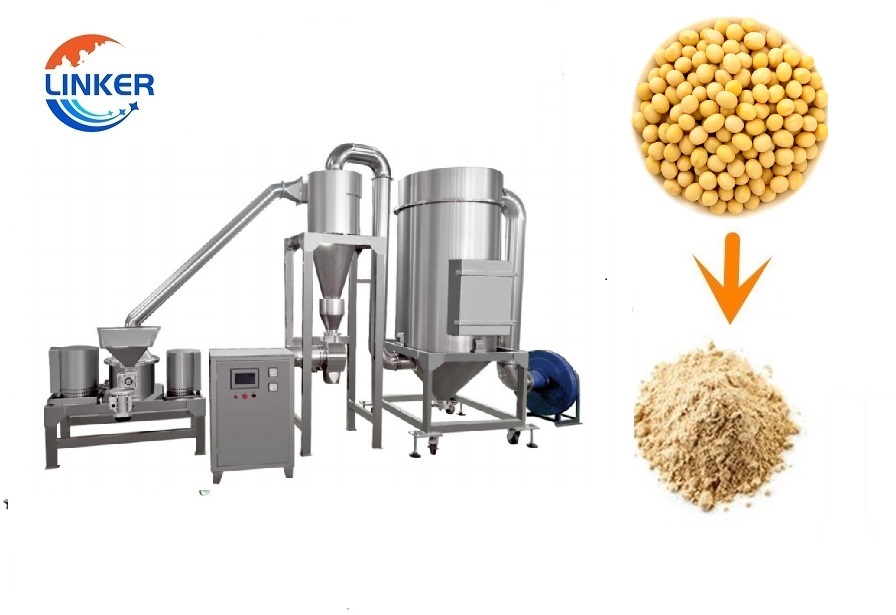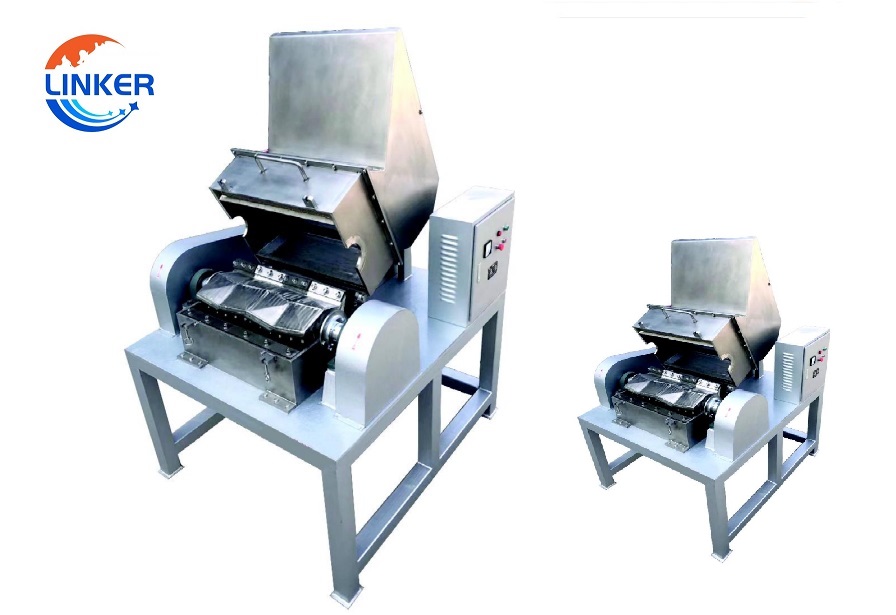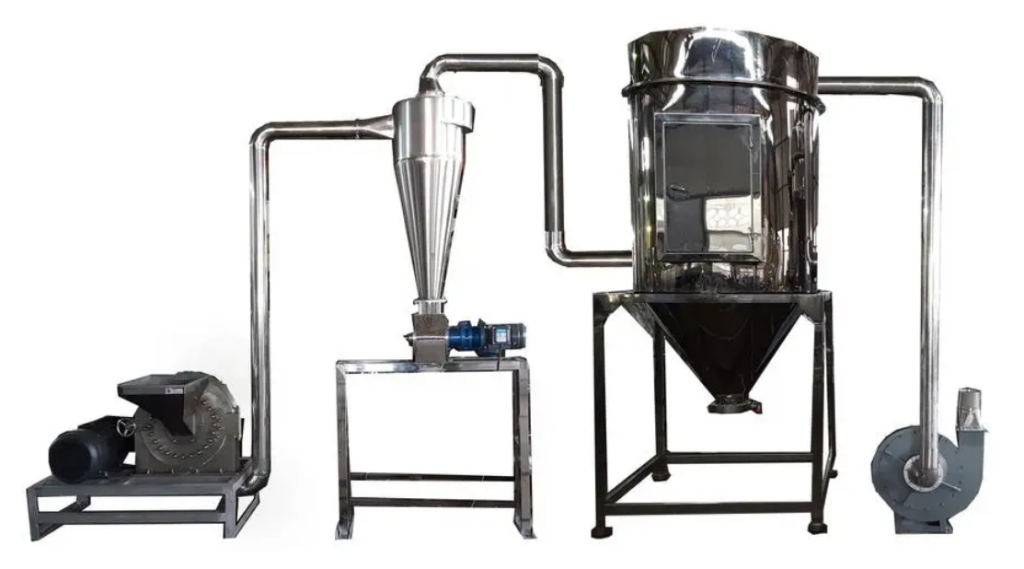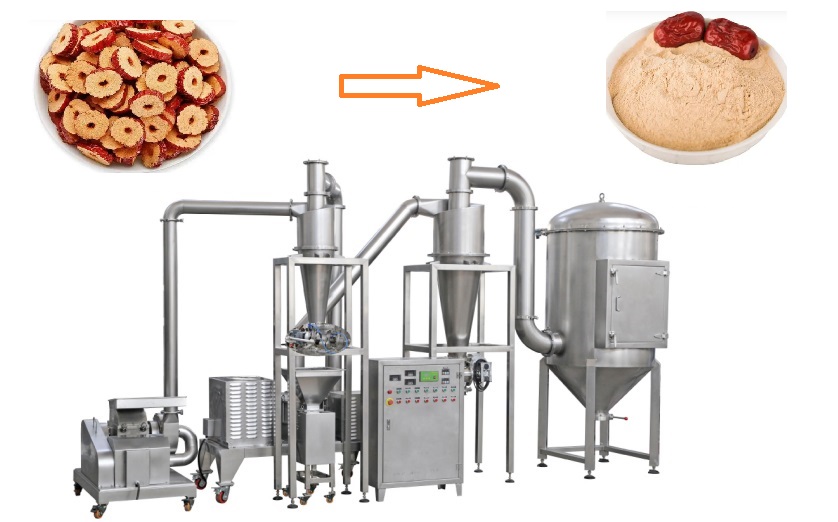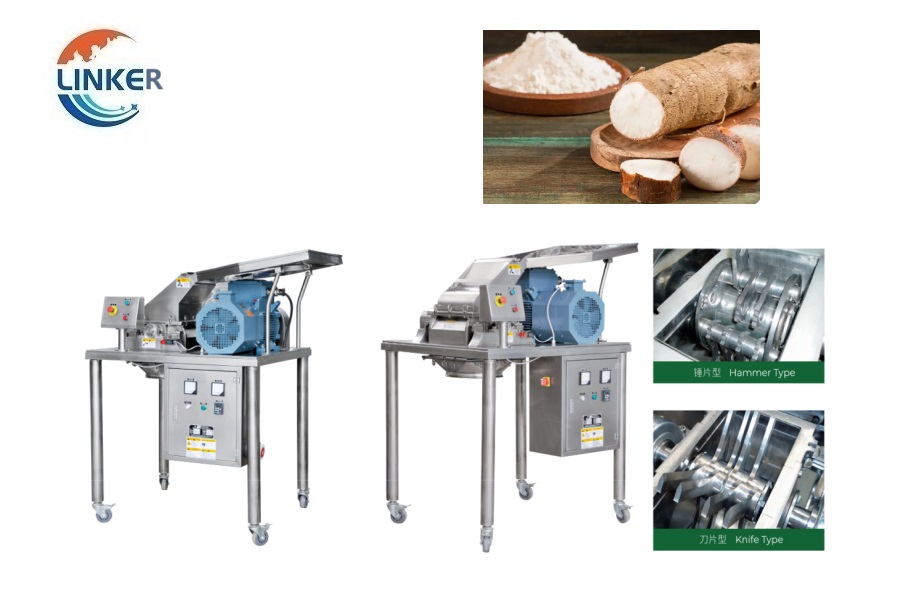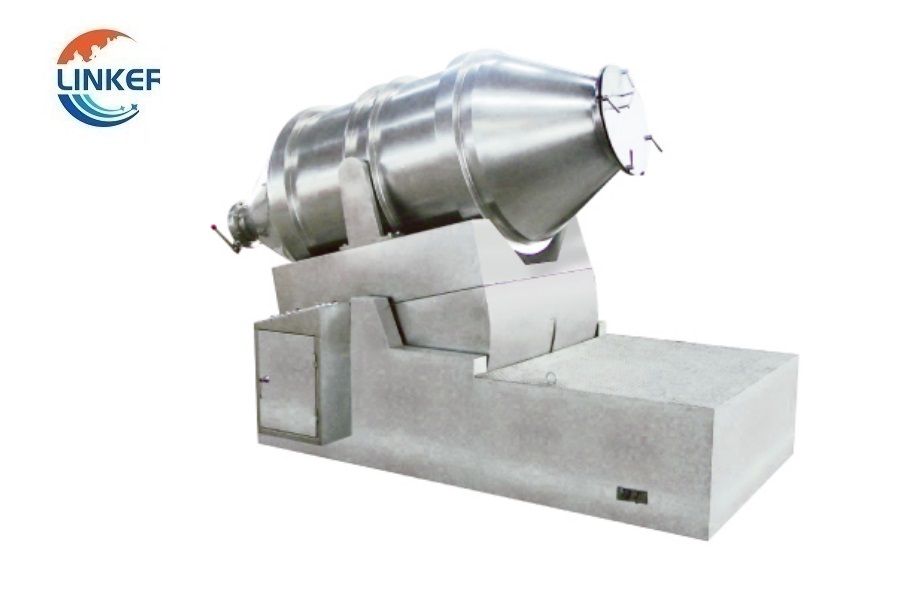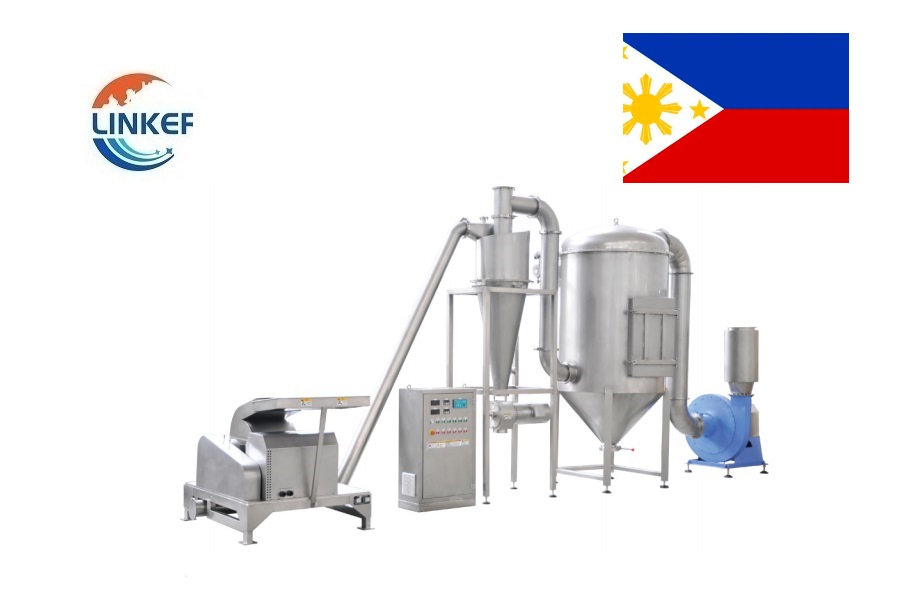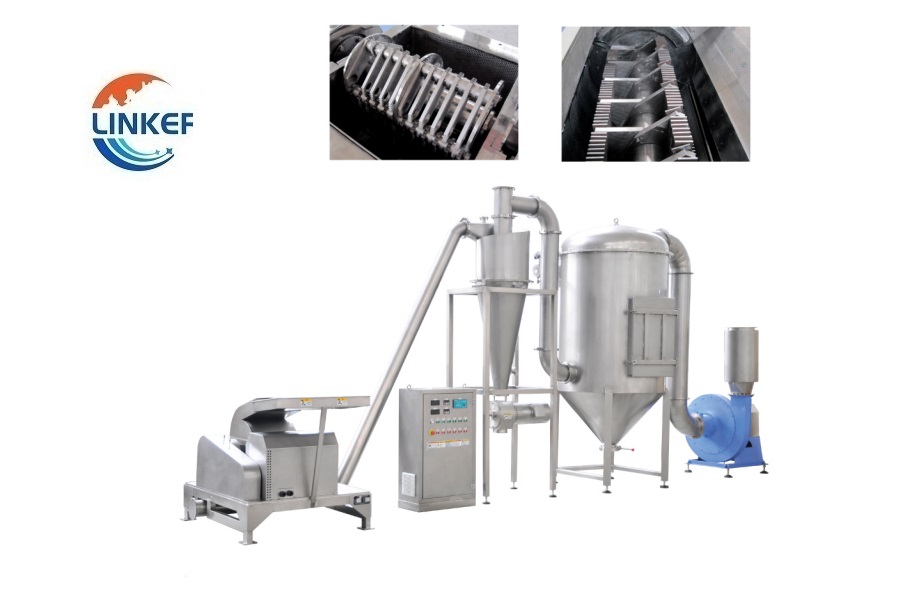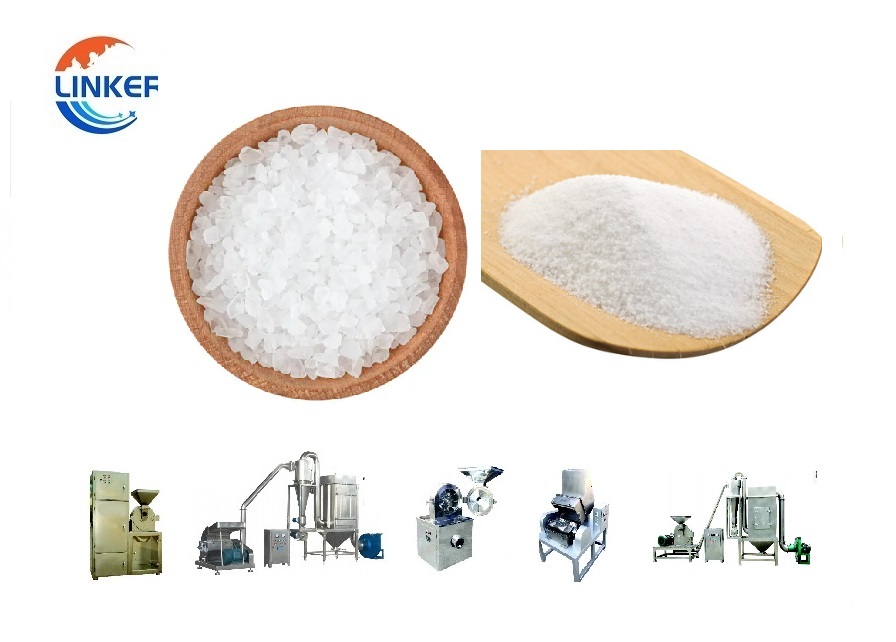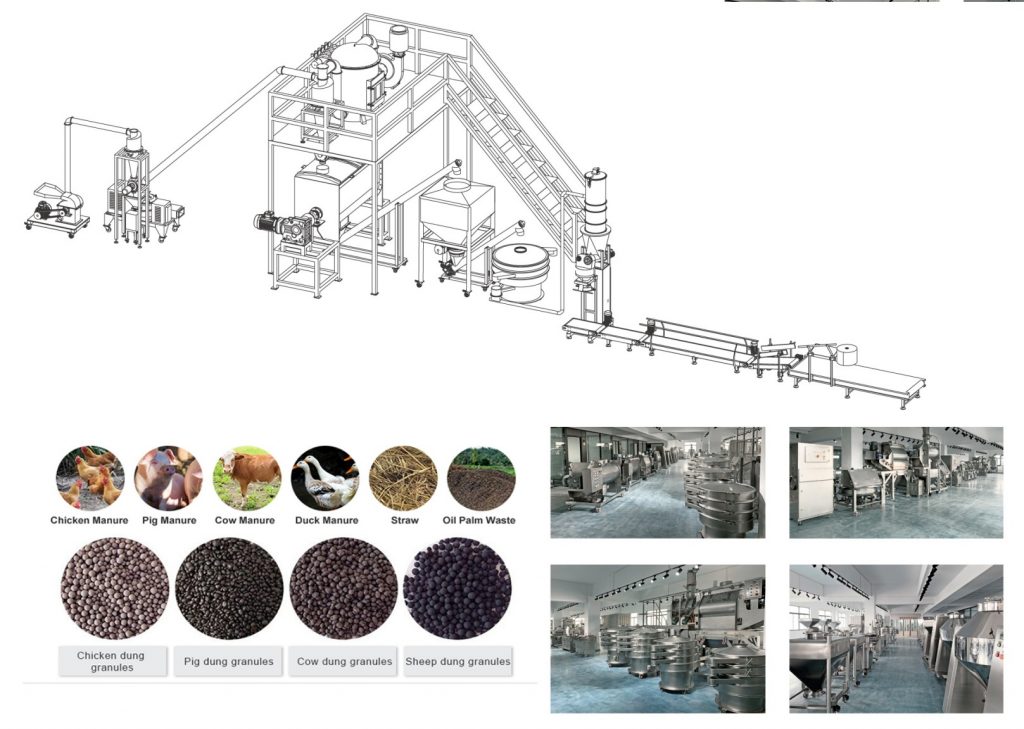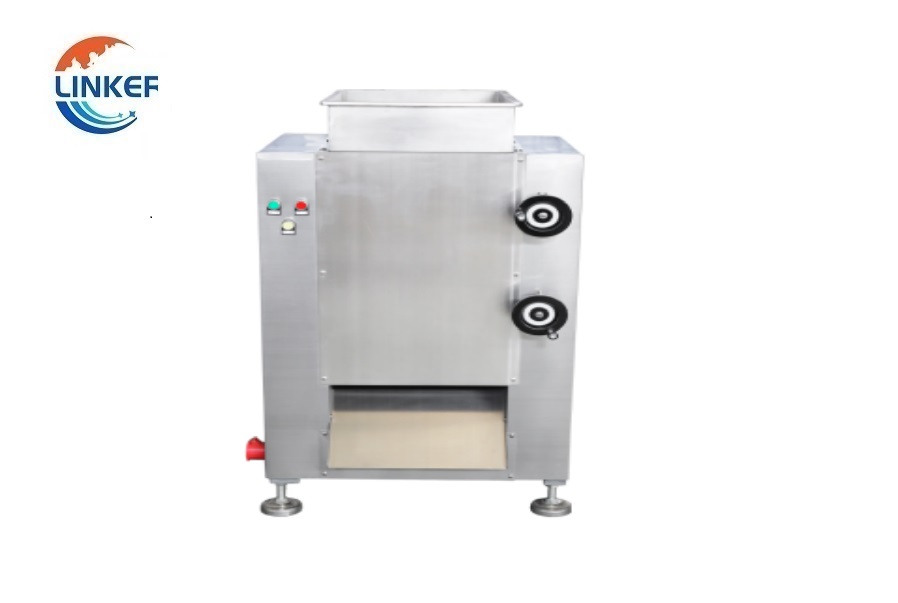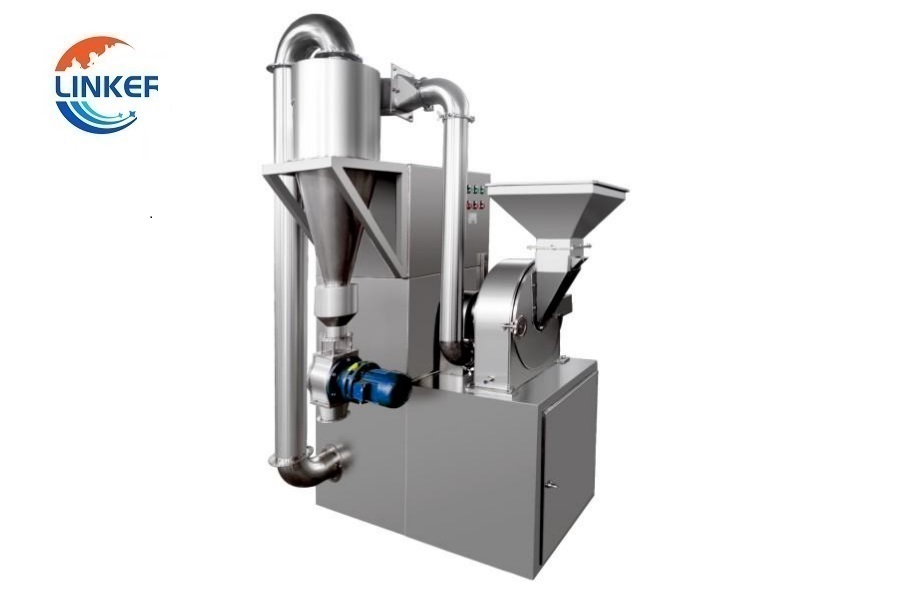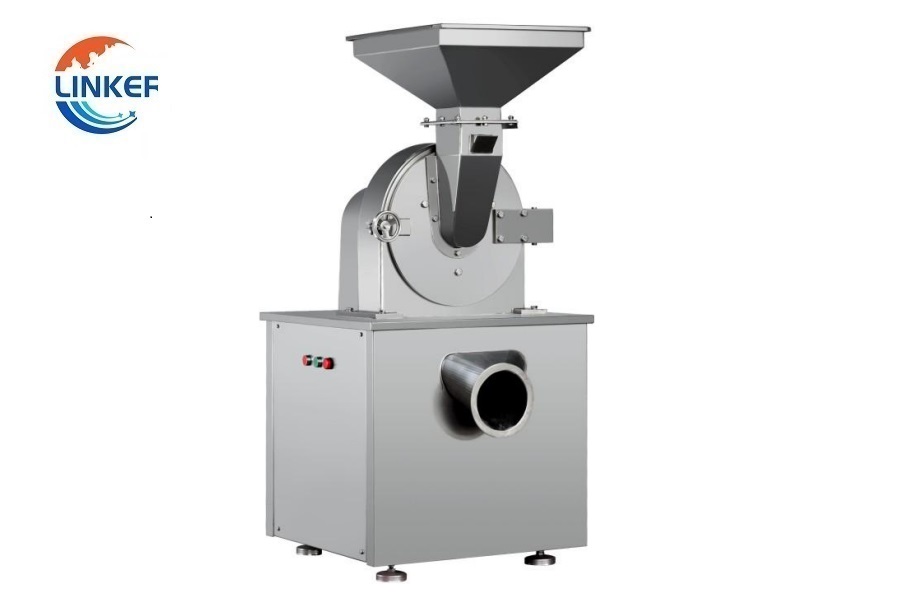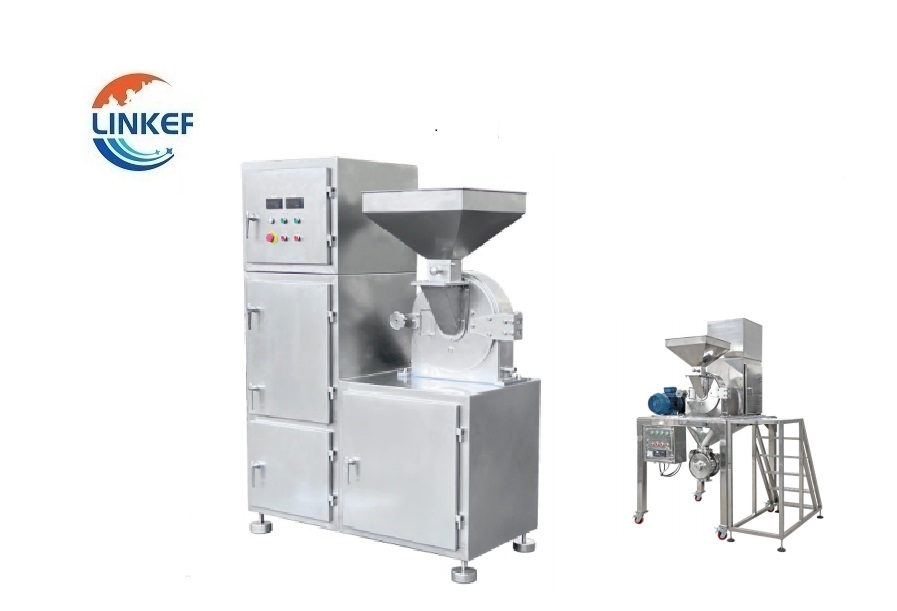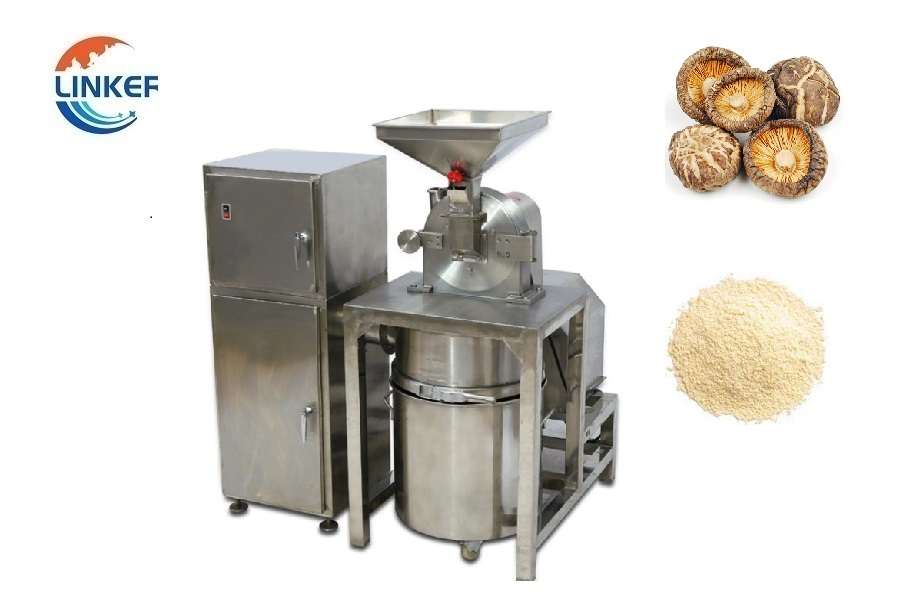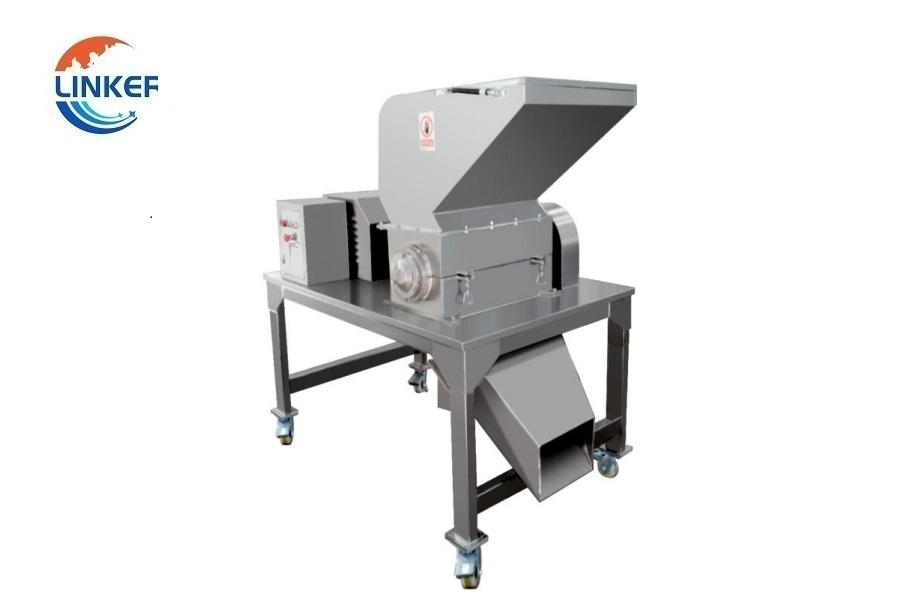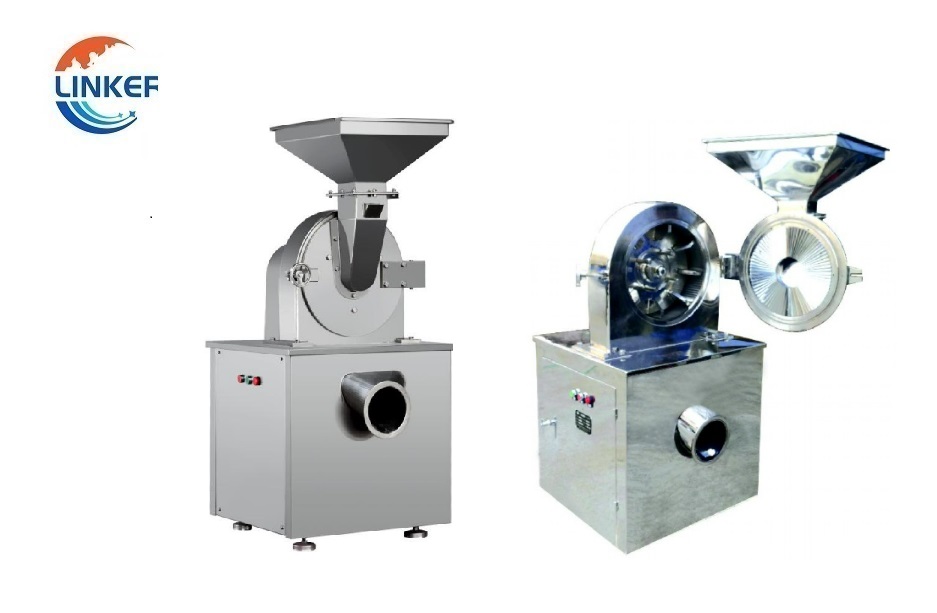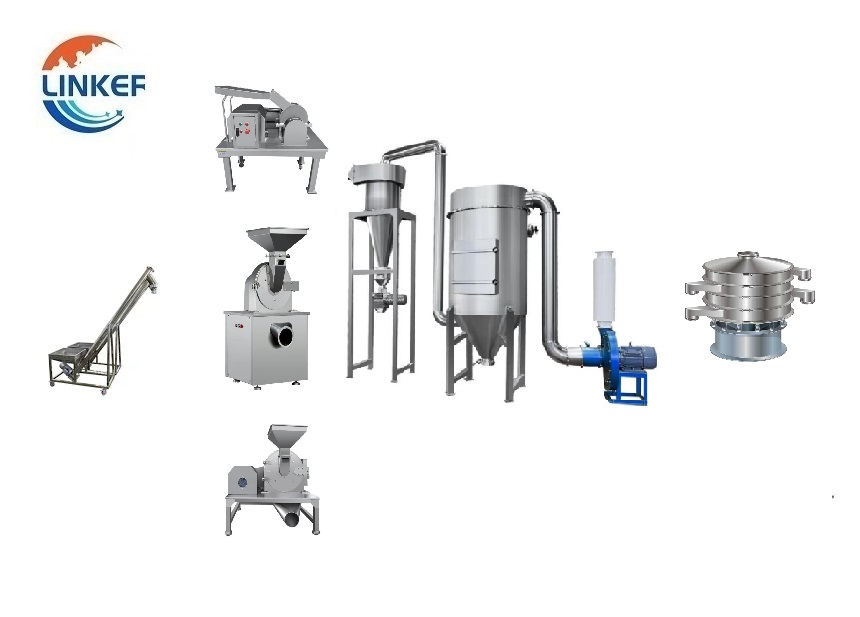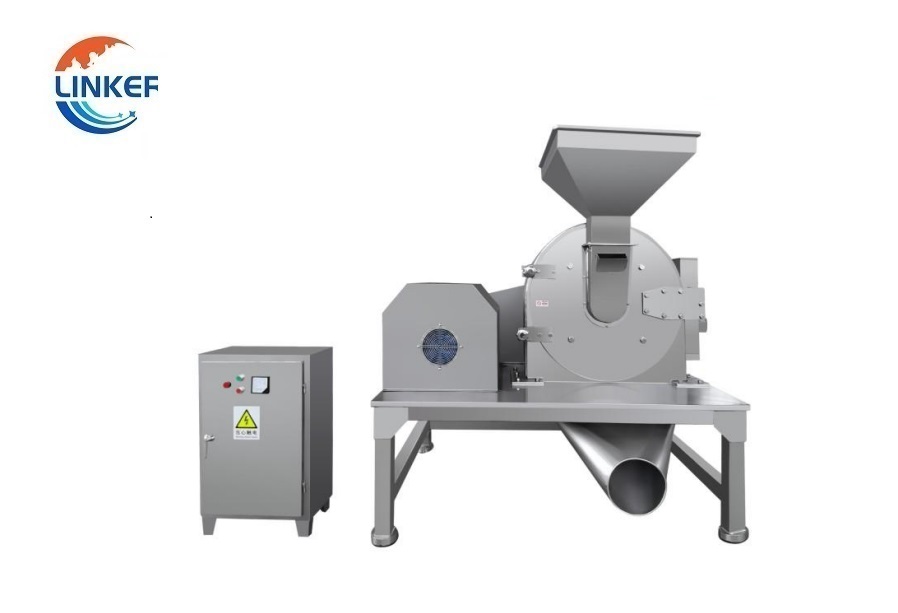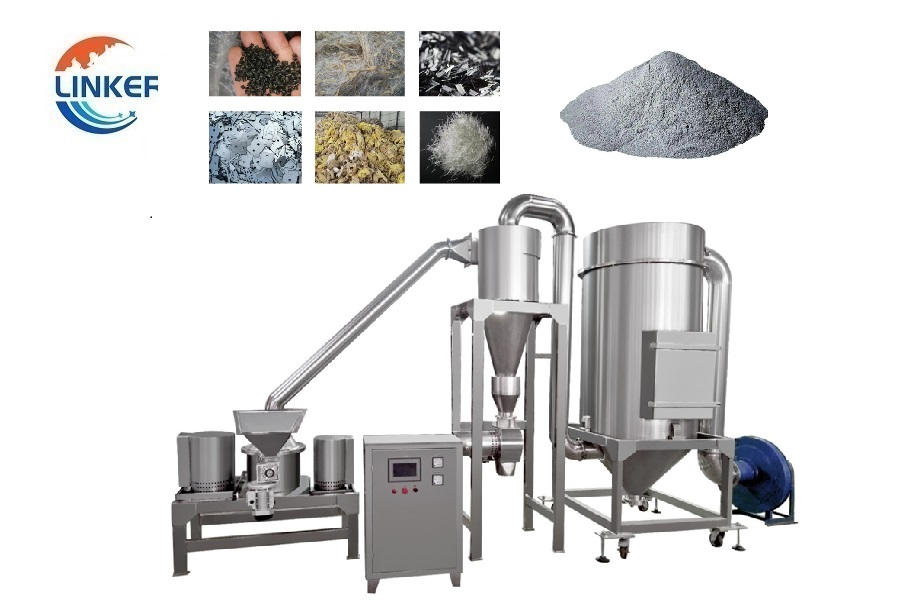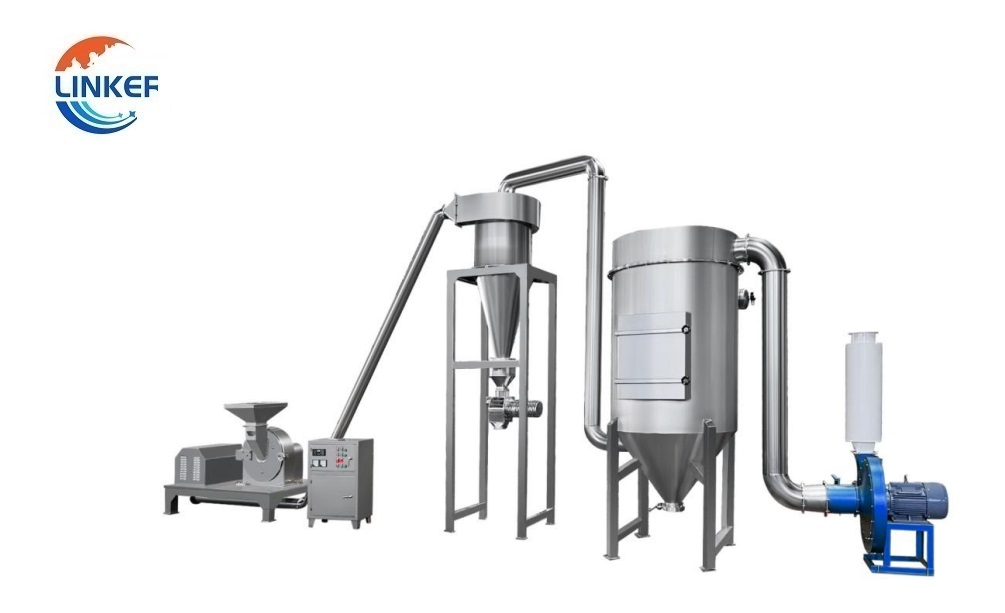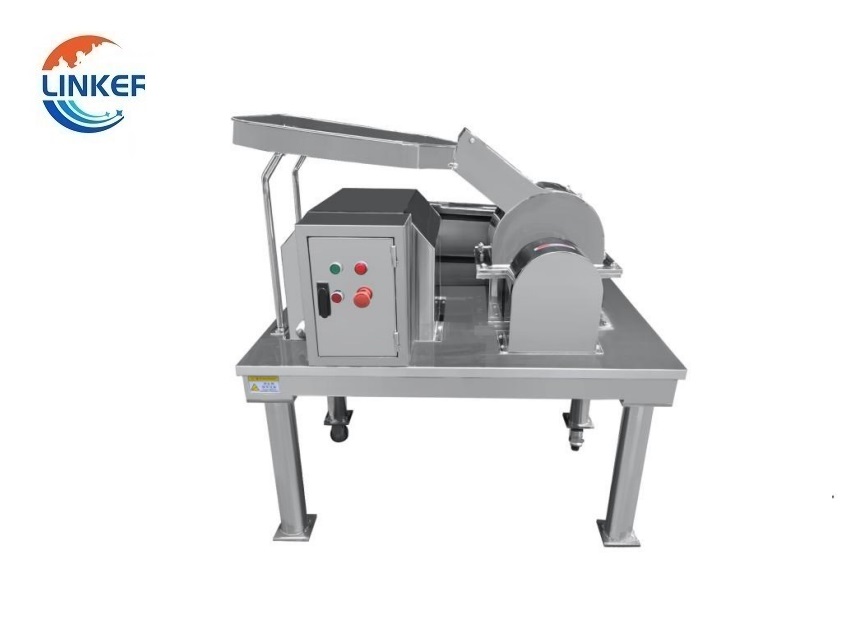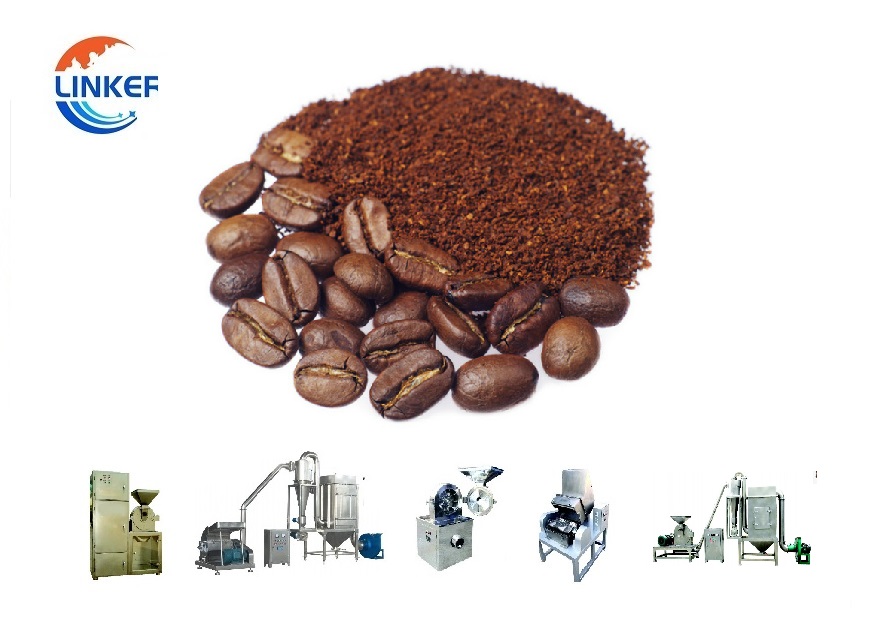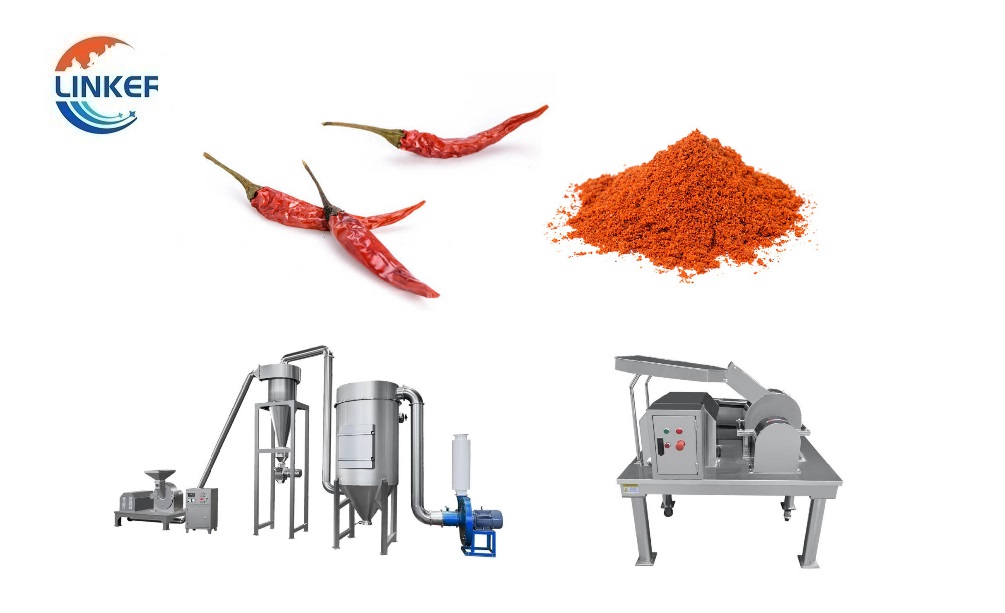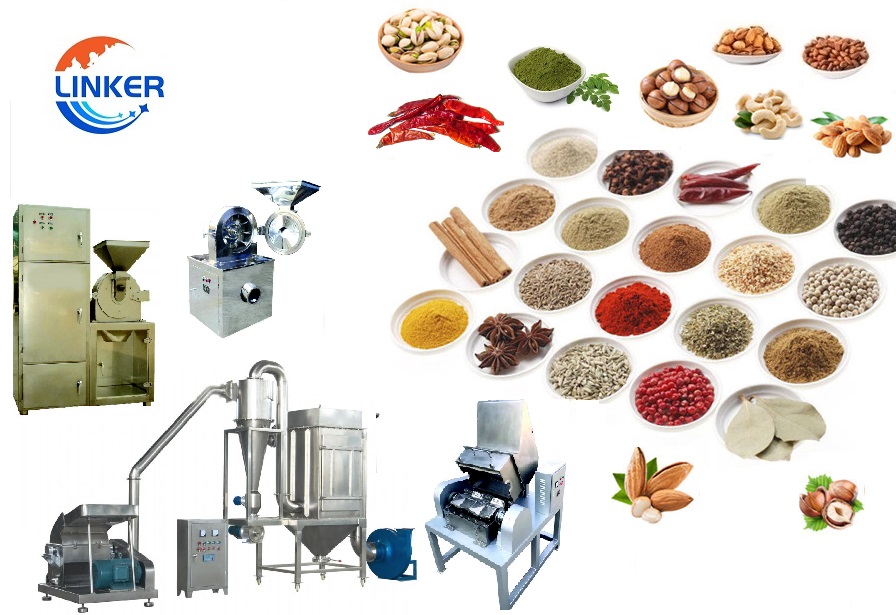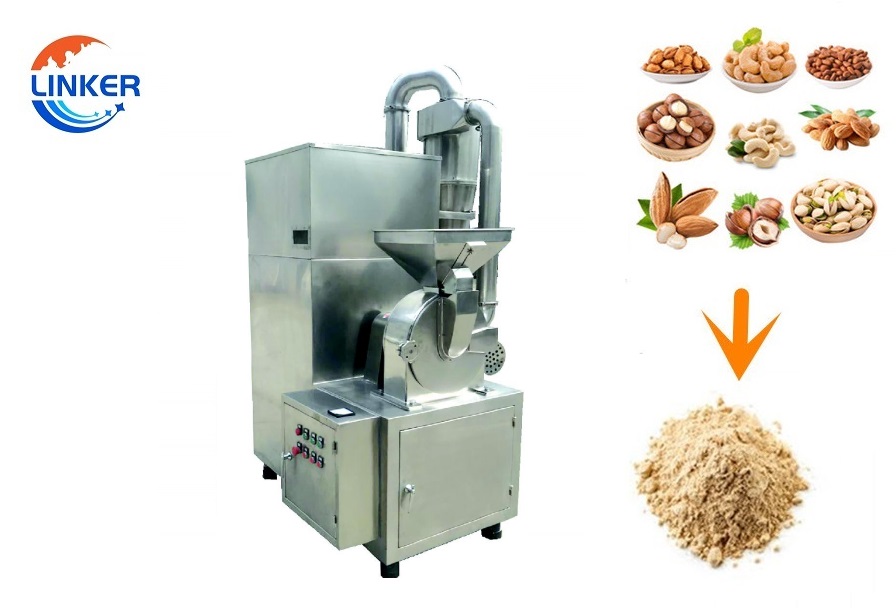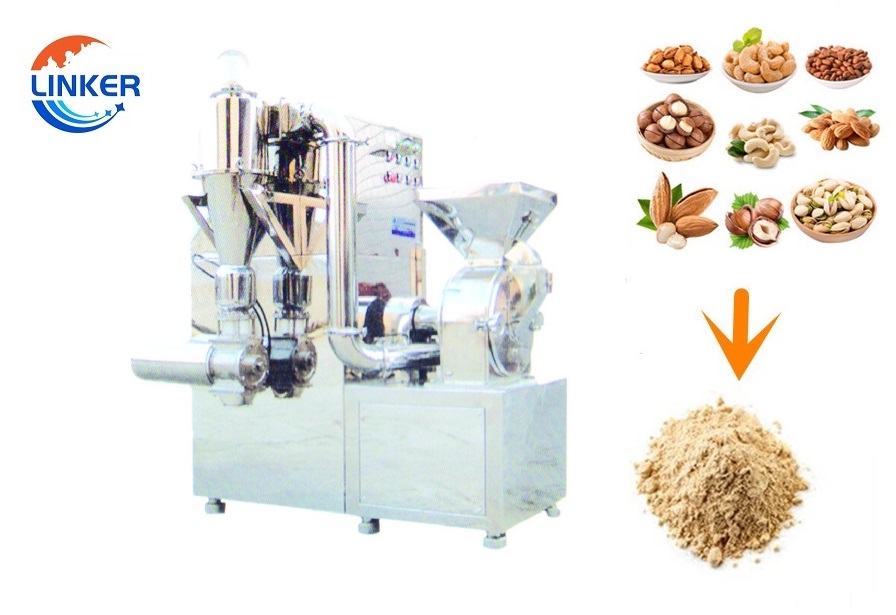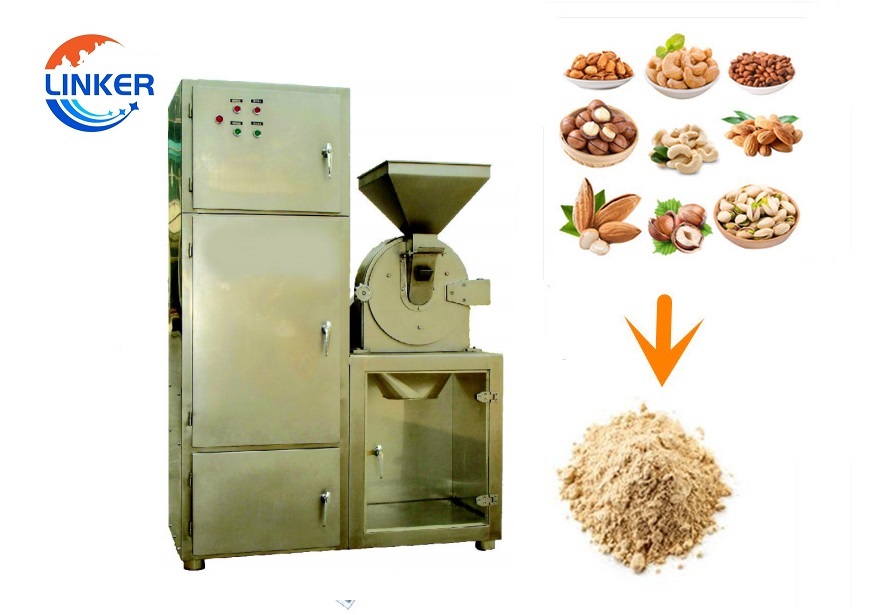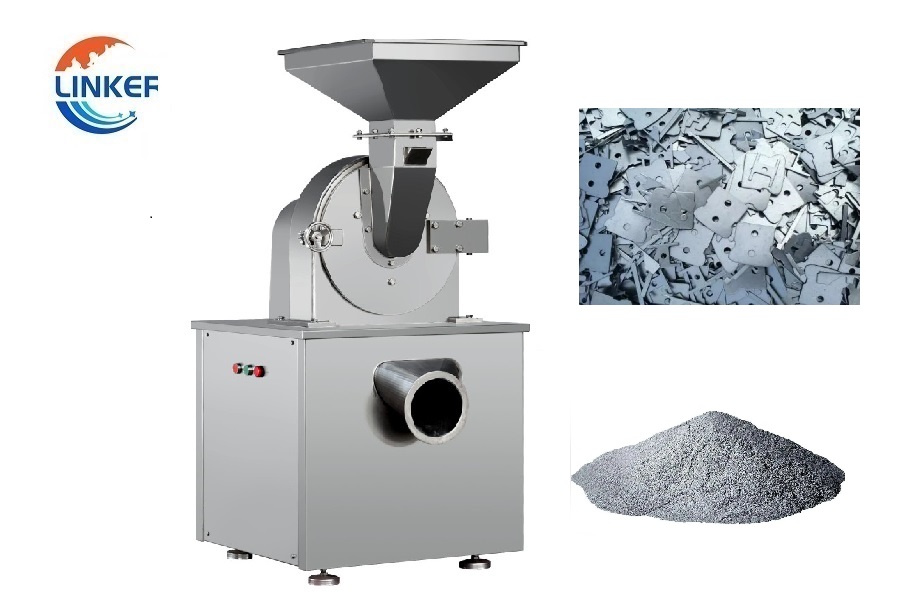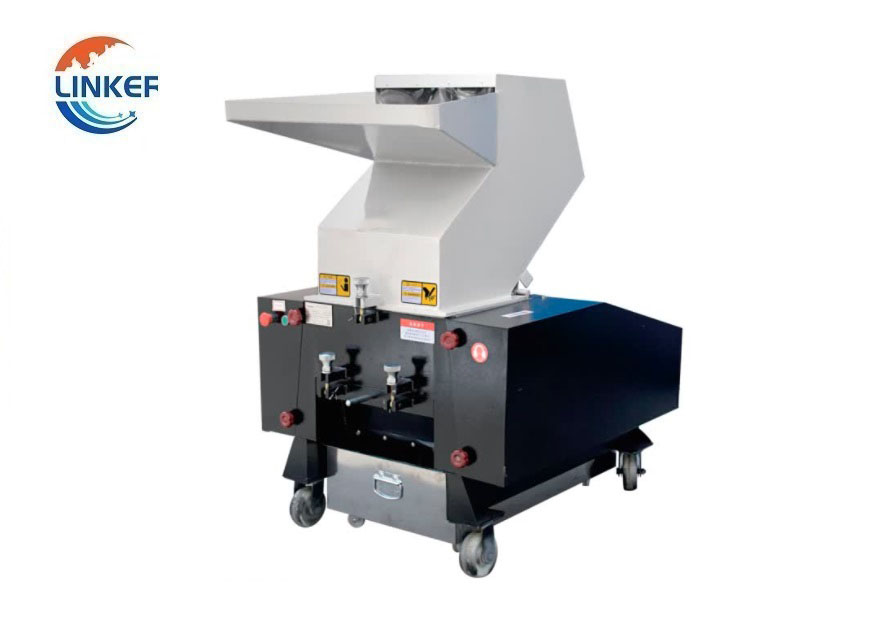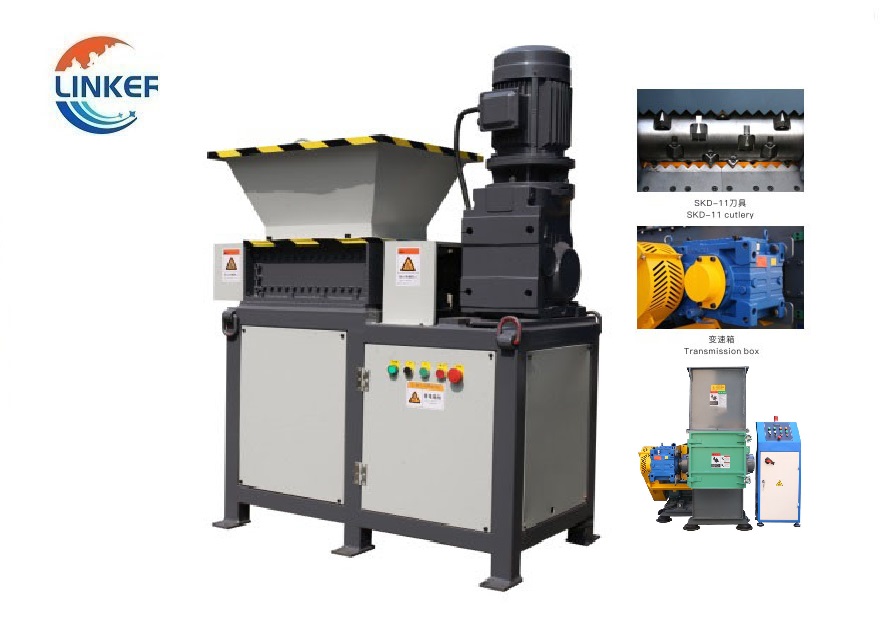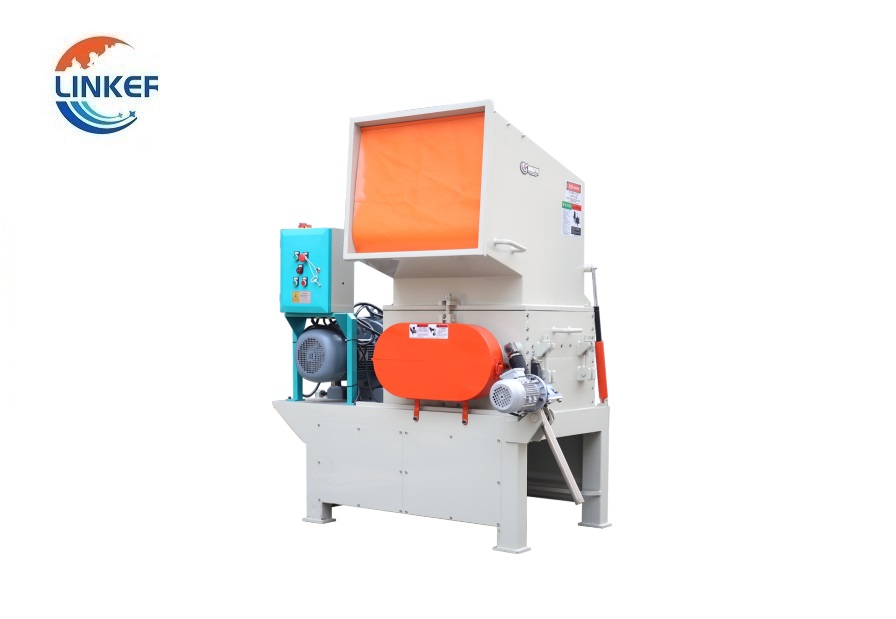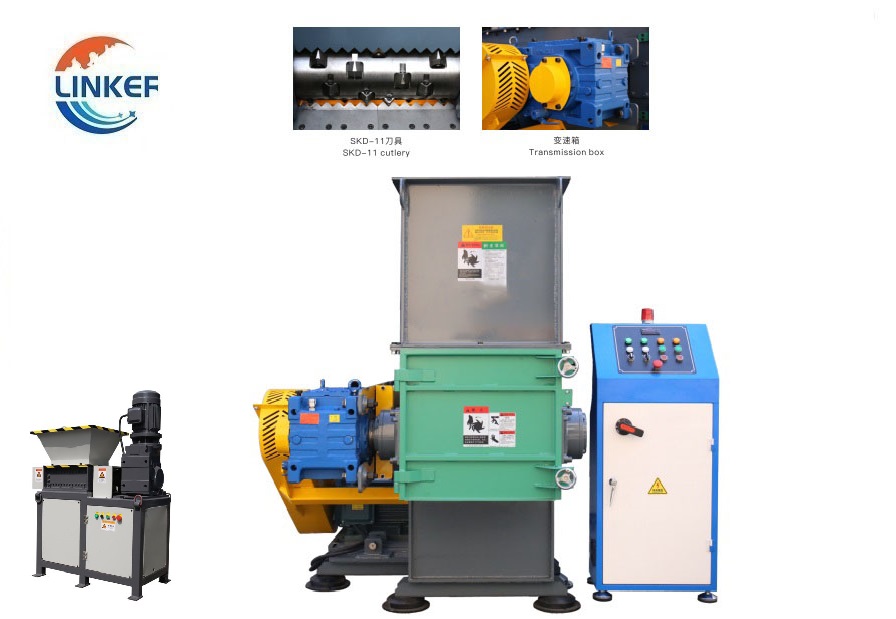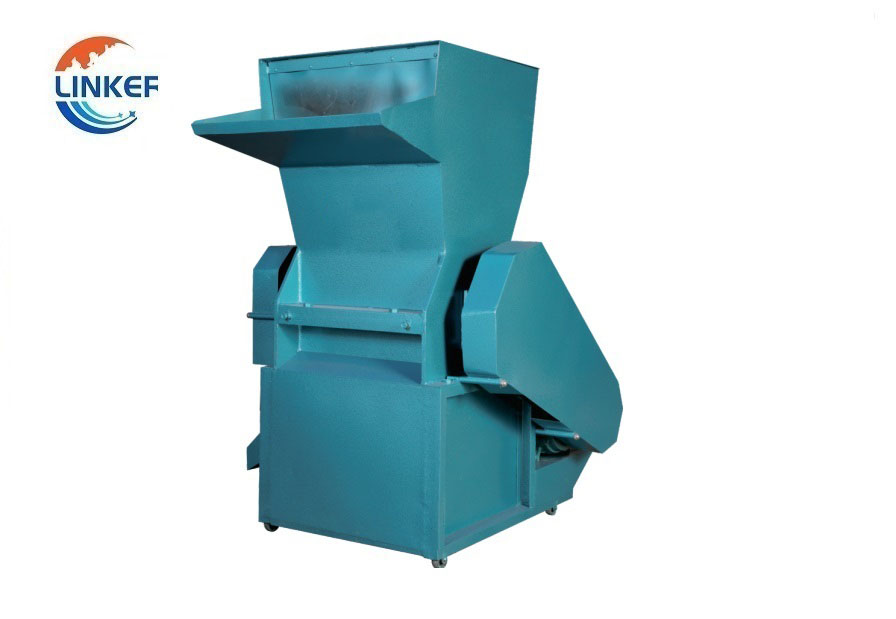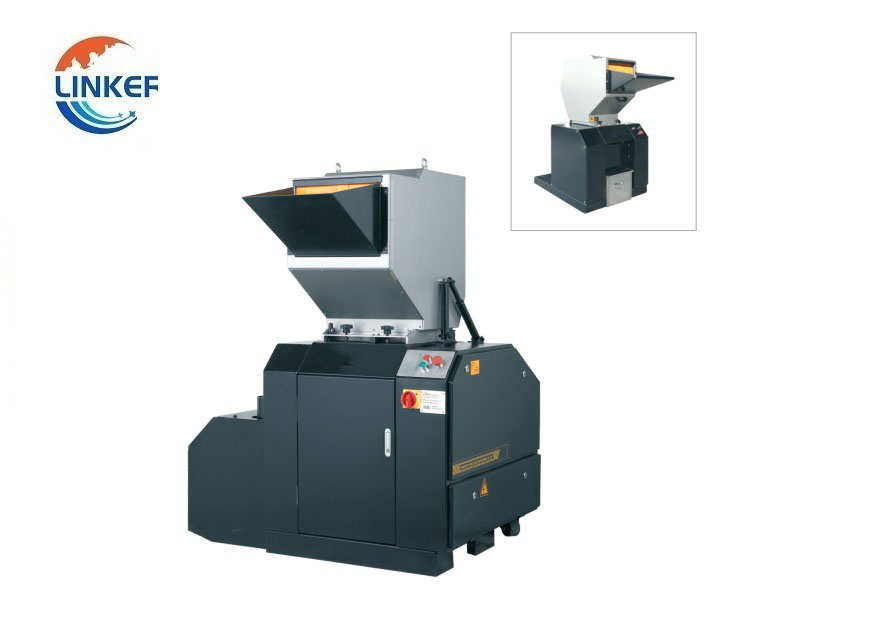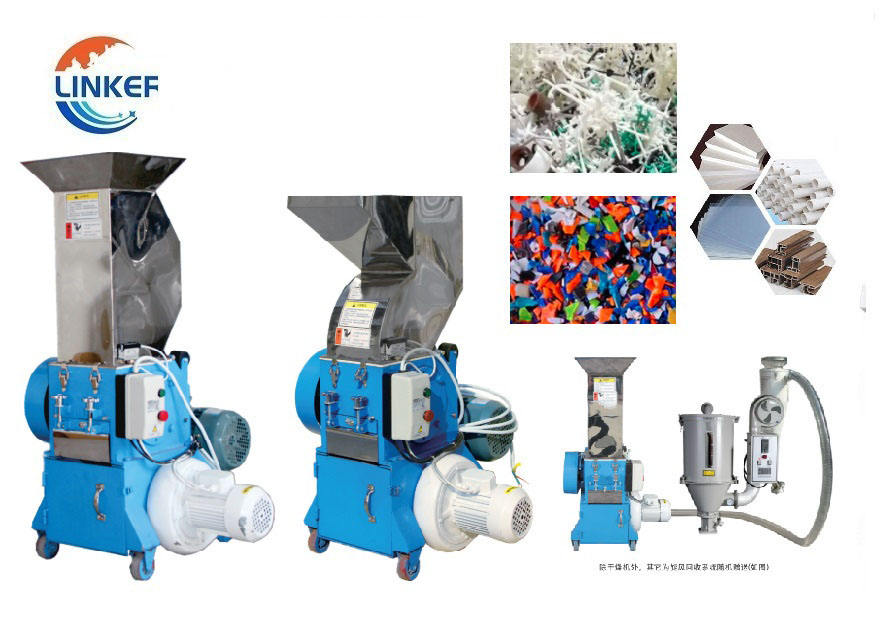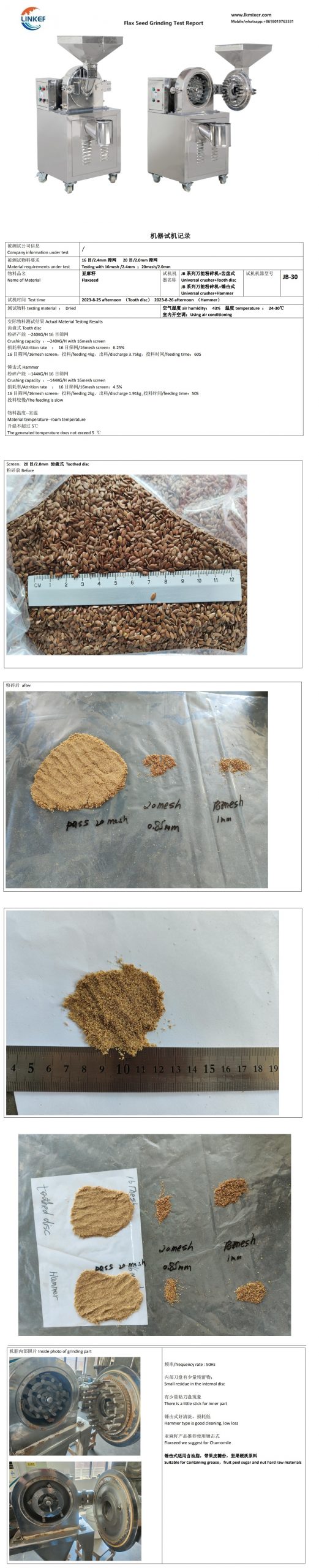
Stone Powder Grinding Machine
Stone Powder Grinding Machine
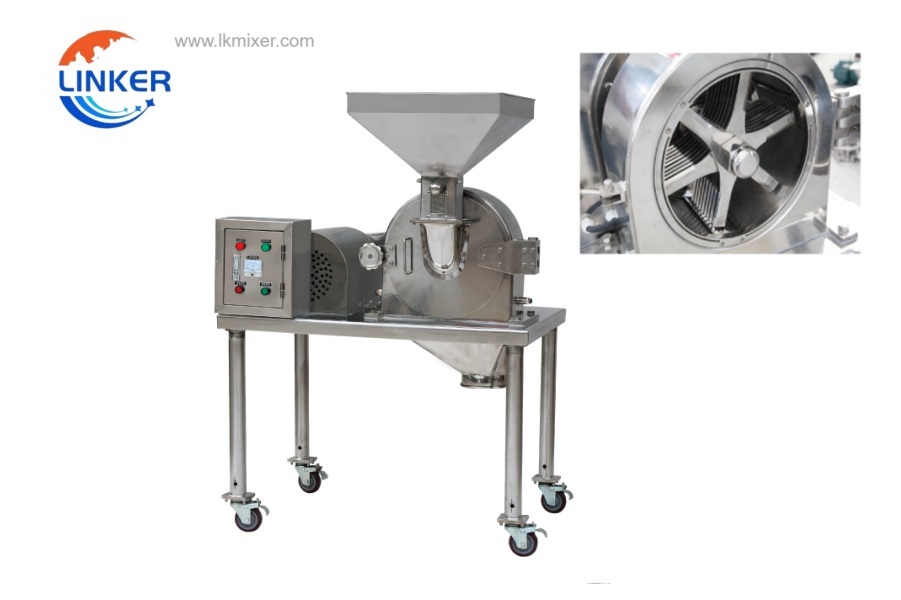
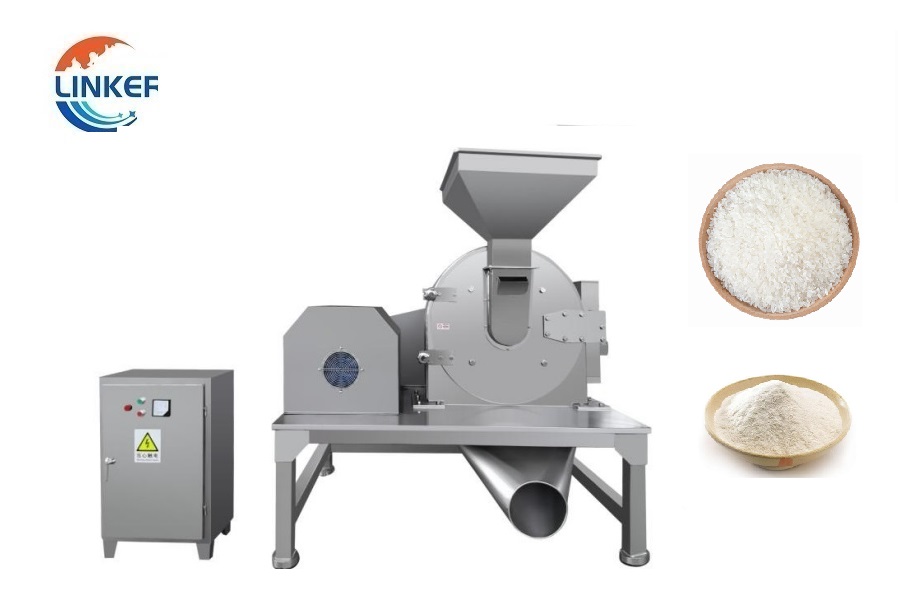
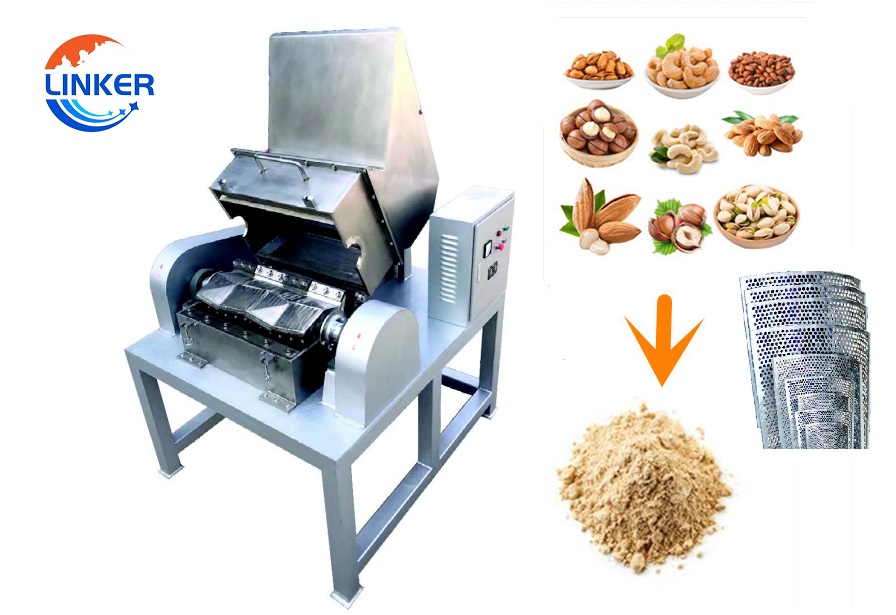
- Feeding granule size: <5mm;
- Powder Size: 20~40 mesh;
- Capacity: 1~4000kg/h(according to different modes and raw materials);
- Motor Power (KW): 11~15kw;
- FOB Unit Price: 1 unit $ 6,646~10,154. More than 5 units: $5,982~9,138. Video
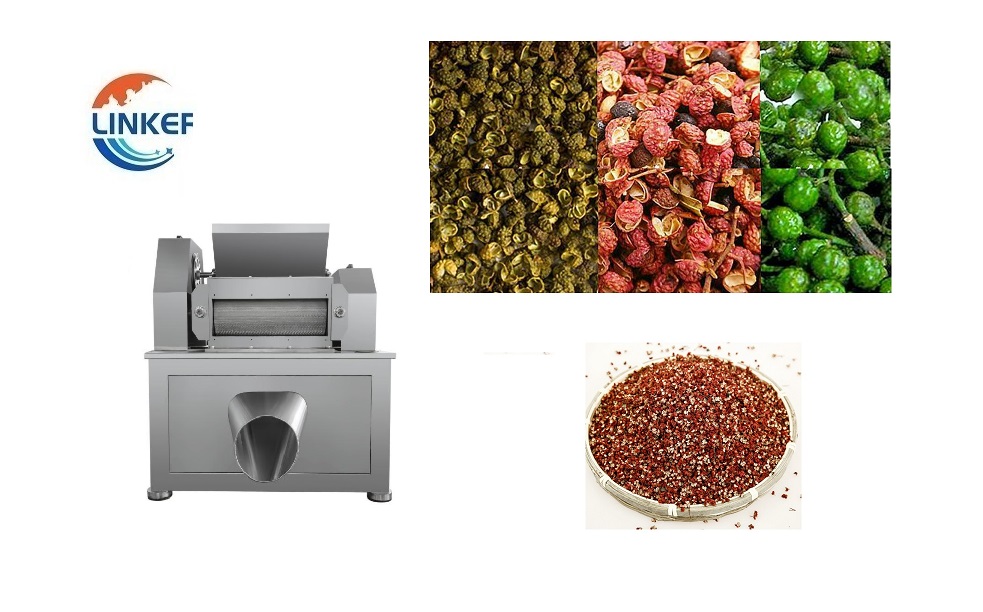
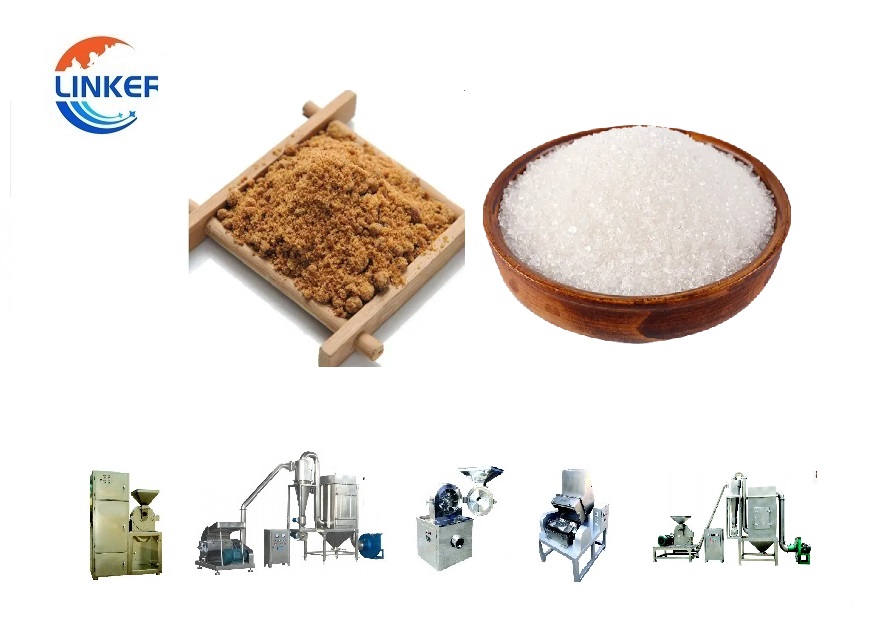
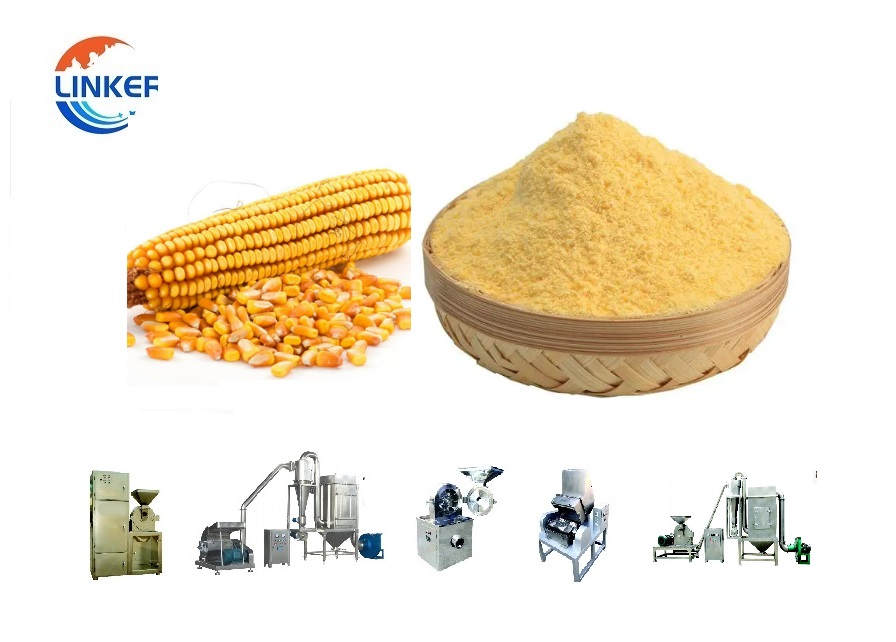
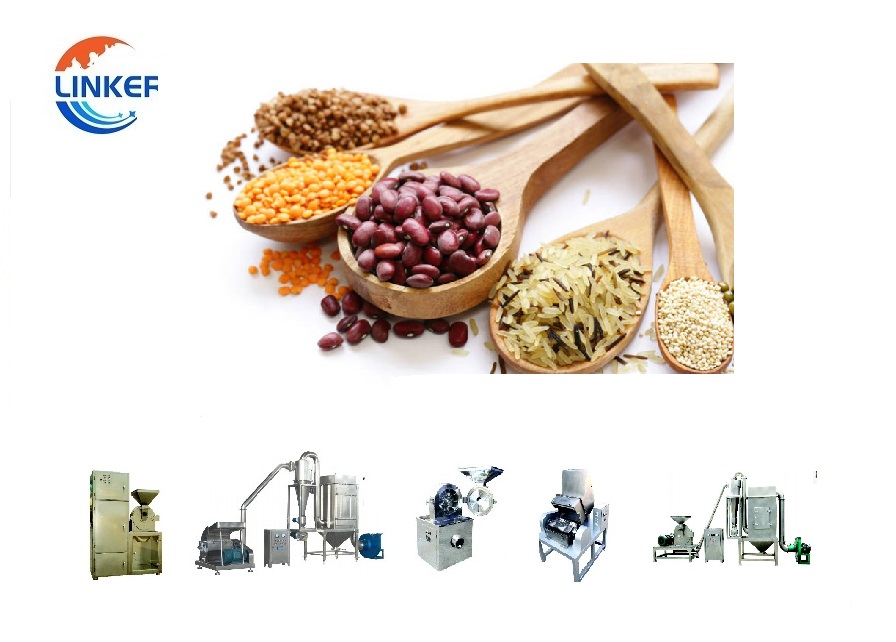
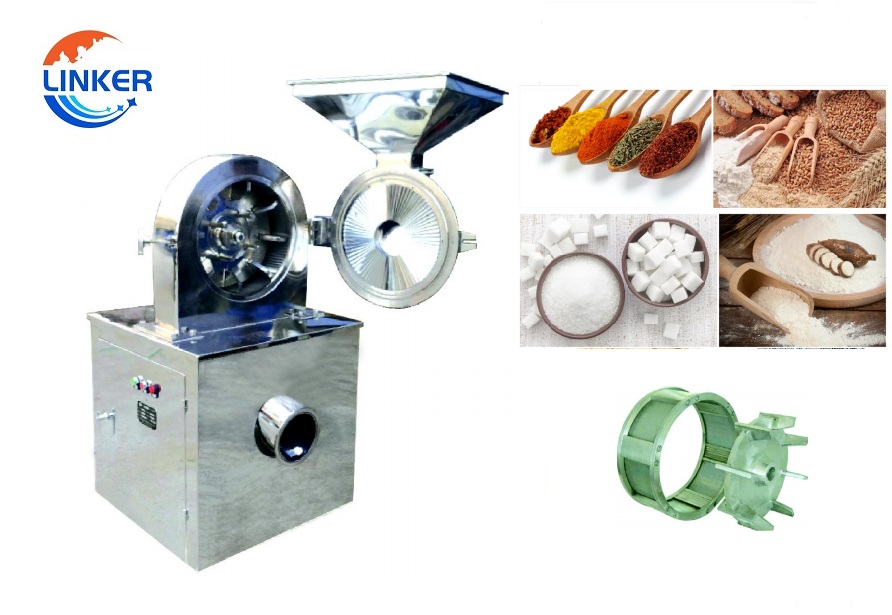
- Application: Medicine, potato, bean, rice, herb, pepper, grain, food, corn, Sugar
Industrial Cumin Seeds Grinder Youtube Video
Stone Powder Grinding Machine
The stone powder grinding machine is a piece of industrial machinery that is specifically made to mill non-metallic ores like limestone, calcite, marble, and dolomite into a fine powder. It is extensively utilized in a variety of industries, including building materials, metallurgy, chemical industry, electric power, medicine, and food.
The primary varieties and use cases of stone powder grinding machines
Electric grinders, CE Certificate grinders, tiny grinders, and big grinders are just a few of the several kinds of stone powder grinding machines that may be separated based on processing requirements. Each kind has distinct qualities and uses, and it may be combined with other pieces of machinery like air-cooled and coarse crushers to create a whole processing line. Additionally, certain versions have great adaptability in that they may be used as universal grinders to treat materials other than stone.
Raymond Mill’s MTM Medium Speed Trapezoidal Mill
One popular kind of stone powder grinding machine is the MTM medium speed trapezoidal mill, sometimes referred to as a Raymond mill. It can process medium and fine powder with a feed size of 0–35 mm and a final product size of 80–325 meshes. Its sturdy construction, ease of maintenance, and good cost performance make it a popular choice for powdering commodities including barite, gypsum, and limestone. This equipment, which may be combined with a 200KG grinder to increase processing efficiency, is more geared toward industrial output than the tiny grinder machine used for domestic usage.The machine’s material-contacting component is composed of stainless steel, which can guarantee the purity of stone powder and is resistant to corrosion and wear. In order to minimize dust pollution when grinding, it is also outfitted with a dust collection grinder.
Ultra-Fine Mill SCM
Similar to how an ultrafine grinder operates, the SCM ultra-fine mill is specifically made for grinding ultra-fine powder. With a crushing capacity of 500–25,000 kg/h and a final product size of 200–3,000 meshes, it is appropriate for deep processing high-value non-metallic minerals including quartz, talc, and calcite.Compared to vibrating pulverizers and standard hammer mills, this type of equipment uses high-speed grinding technology, which has a better grinding efficiency. Although it is primarily used for processing stone powder, by replacing the grinding head, it can also be used as a dry fruit powder grinder machine or as a spice grinder to process materials like black pepper, peanuts, and seasam. Additionally, it satisfies European safety and quality criteria as a CE Certificate grinder.
Ultra-Fine Vertical Mill, or LUM
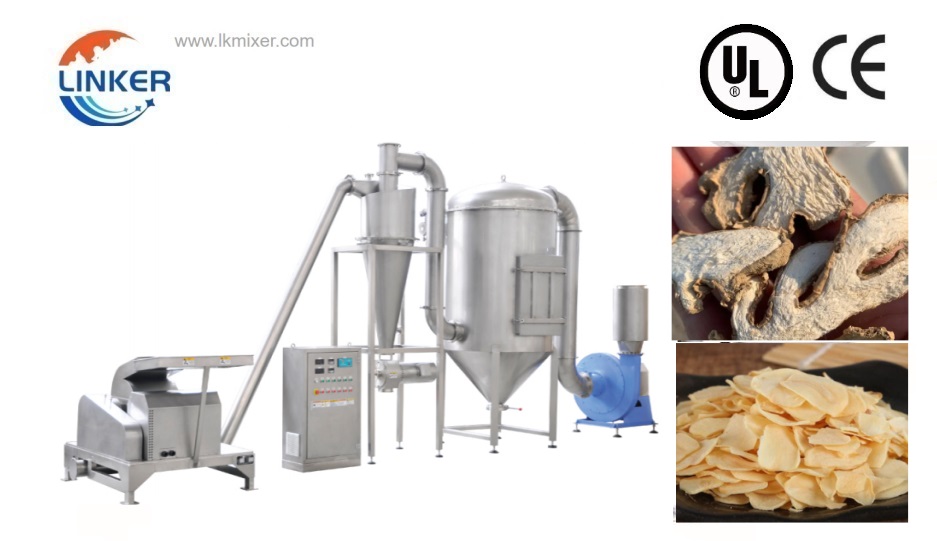
With a feed size of ≤10mm and a production capacity of 5–18 tons per hour, the LUM ultra-fine vertical mill combines crushing, grinding, and classifying, making it appropriate for large-scale industrial powder producing applications.In large-scale production lines, it is frequently used in conjunction with a 500KG grinder to satisfy the demands of mass processing because of its low power consumption, high grinding efficiency, and low dust emission. This machine can grind materials uniformly because it has an airflow pulverizer construction. In addition, it may be used as a dry grinder to ground dry materials like licorice and dry ginger. In the pharmaceutical industry, it can even be utilized as a licorice or dry ginger grinding machine. Its enclosed construction can successfully stop dust from leaking and satisfy environmental protection standards.
Roller Mill with High Pressure Suspension
By using a high-pressure spring system to increase rolling pressure, the high pressure suspension roller mill boosts production by 10% to 20%. With a final product size range of 30 to 1000 meshes, it is appropriate for non-flammable and non-explosive materials with Mohs hardness ≤9.3 and humidity <6%, such as more than 280 different types of raw materials, such as iron ore, coal gangue, and feldspar. This kind of machine is a high-speed grinding device that grinds more quickly than a typical turbo grinder. Additionally, it may be used as a dust grinder to grind materials that produce a lot of dust.When processing soft materials, it may also be used as a cassava grinding machine to turn cassava into powder. It can also be used to process commodities like maize, wheat, and beans.
Machine for Vertical Stone Powder Grinding
Large feed size (0–50mm), high output (1–200t/h), and changeable final product size (22–180μm) are the features of the vertical stone powder grinding machine. It has low overall investment and operating costs and is widely employed in the chemical, cement, electric power, and other industries. This is a huge grinder that may be used for industrial manufacturing on a massive scale.It can achieve closed transportation and dust-free operation thanks to its vacuum mill construction and dust collector grinder. Although it is mostly used for processing stone powder, it may also be used to grind rice, coffee, and black pepper, as well as to crush small pieces of metal (with specific grinding heads).
The fundamental operation and structural makeup of a stone powder grinding machine
In contrast to the herb grinder and industrial weed grinder used for small-scale processing, the stone powder grinding machine operates on a scientific and straightforward concept.Four steps are typically included in its operation: crushing, grinding, classification, and collecting. To guarantee the effectiveness and caliber of stone powder processing, every step is interconnected. The machine’s basic structure is made up of several components that cooperate to finish the grinding operation.
The Stone Powder Grinding Machine’s Operation
The stone powder grinding machine operates in a methodical and effective manner, with each component being meticulously synchronized to guarantee seamless processing advancement. Every step, from the first crushing of raw materials to the last gathering of completed goods, has specific purposes and specifications.
Initial Crushing
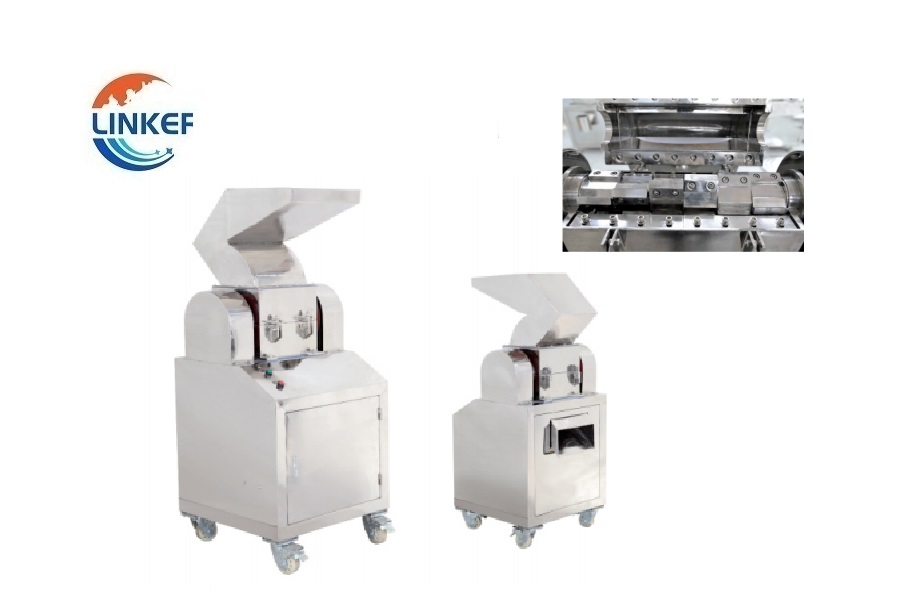
A jaw crusher or a hammer mill (coarse crusher) is used to first coarsely break large stone resources into particle sizes that are appropriate for grinding. This step is crucial because excessively big stone particles will harm the machine’s grinding components and lower grinding performance. To regulate the temperature of the materials during the crushing process and prevent the impact of high temperatures on the subsequent grinding, the coarse crusher can also be used in conjunction with an air-cooled crusher. The materials may be easily fed into the stone powder grinding machine for further processing following initial crushing.
Grinding of the Host
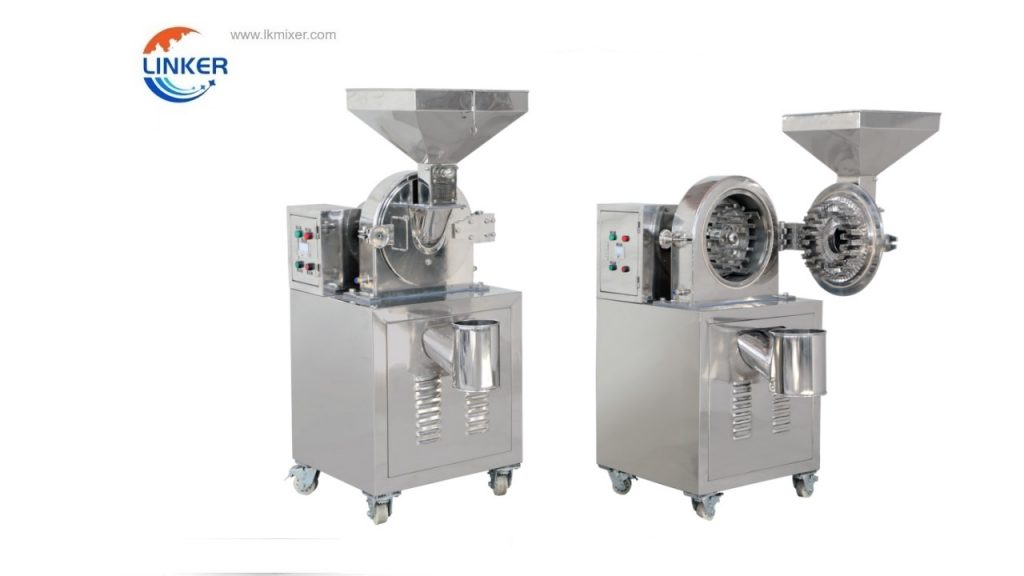
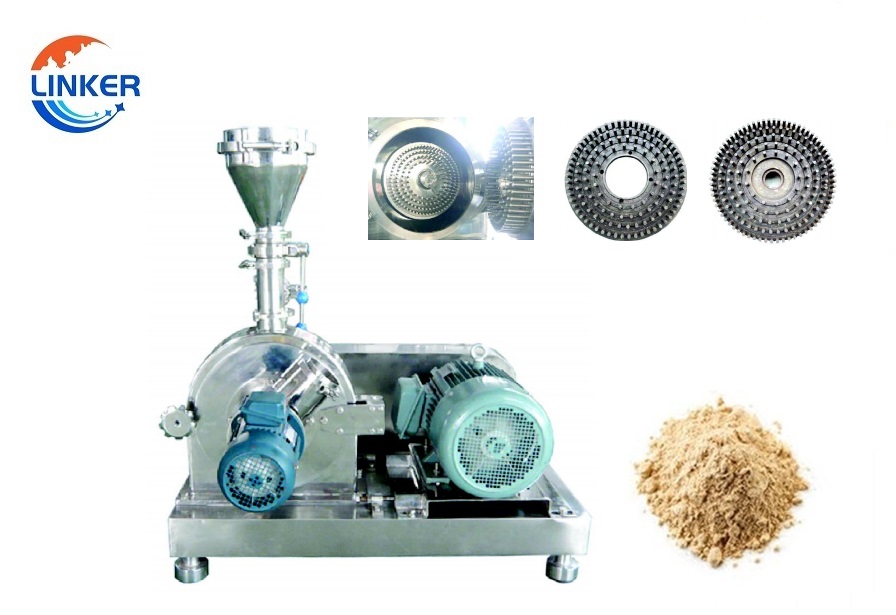
High-pressure rolling, impact, and shearing between the grinding roller and the grinding ring smash the materials once they enter the grinding machine. This is the main component in processing stone powder. Similar to a cutting type grinder, the grinding machine uses a cutting type grinding structure to provide effective material grinding. It is possible to substitute different grinding heads for various materials. For instance, a particular grinding head is used for soft materials like tobacco and mushrooms, while a wear-resistant grinding head is utilized for hard stone. The electric grinder’s motor, which varies in power from 15 to 400 kW depending on the model, has a charger to guarantee steady operation.
Classification of Wind
Through the analyzer’s impeller, the crushed powder is classified by particle size as it rises with the air flow. While the coarse particles return to the host to be re-ground until they reach the desired fineness, the certified fine powder goes into the powder collector. In order to precisely manage the final product’s fineness, this phase uses the airflow pulverizer’s operating concept. It is versatile and easy because the analyzer may be adjusted to the desired fineness. A vibrating pulverizer structure is also used with some models to guarantee the homogeneity of the final powder and increase classification efficiency.
Completed Product Gathering
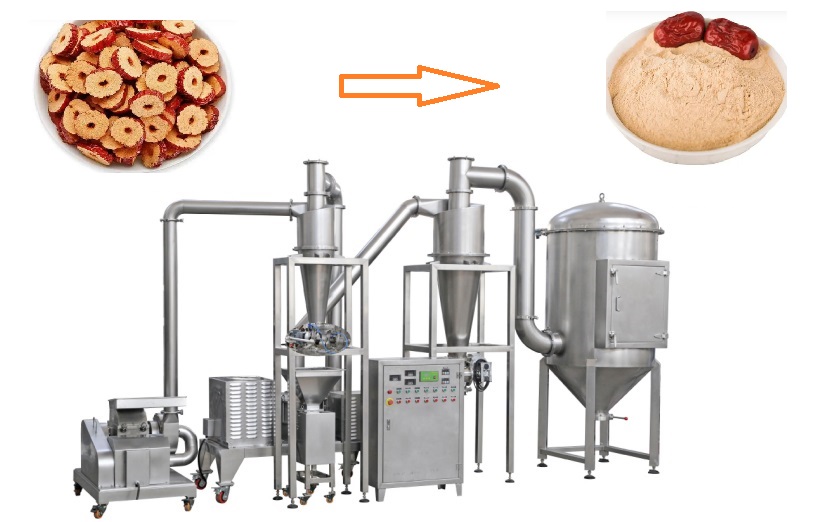
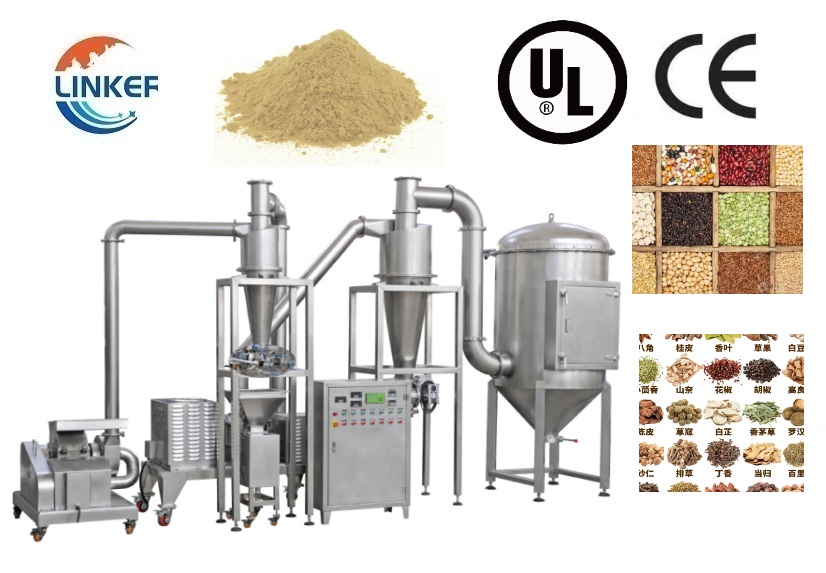
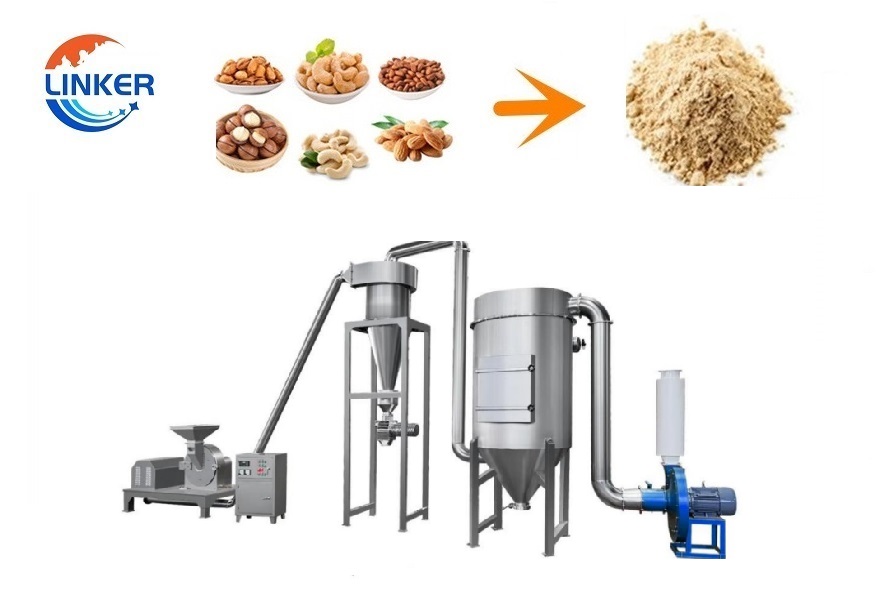
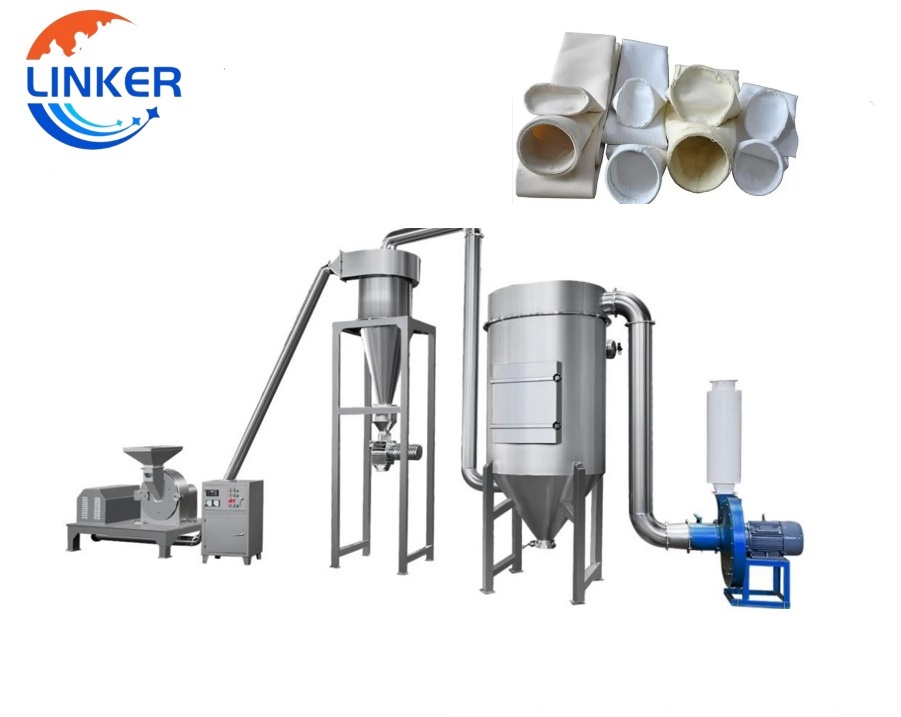
To provide closed transportation and dust-free operation, the fine powder is gathered using a bag dust collector or cyclone separator. In addition to guaranteeing the final stone powder’s purity, this also lessens dust pollution and complies with environmental protection regulations. The dust collector grinder, which effectively removes dust, is comparable to the bag dust collector. Numerous fields can immediately employ the final powder that has been obtained. For instance, stone powder used in the food industry can be processed to make flour, sugar, and salt additions; in the pharmaceutical industry, it can be used as an auxiliary material for medications.
Key structural elements
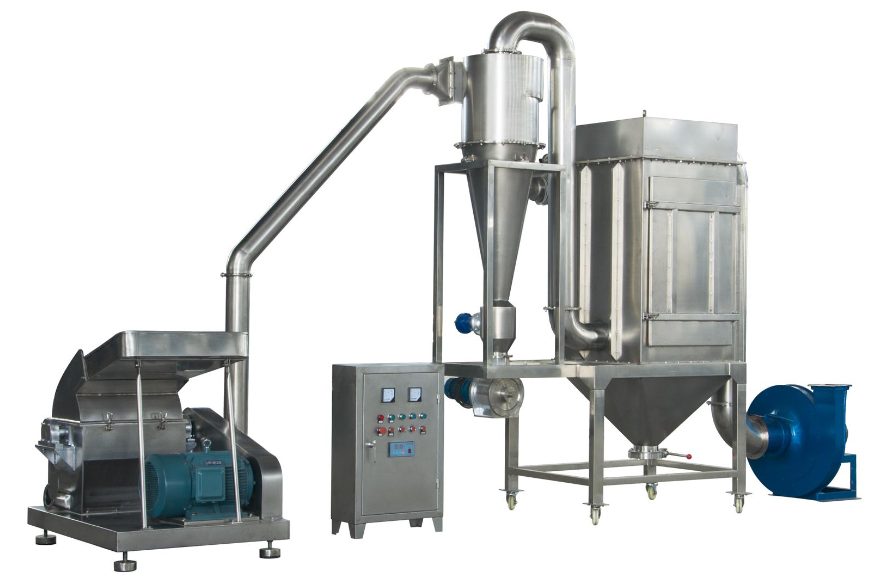
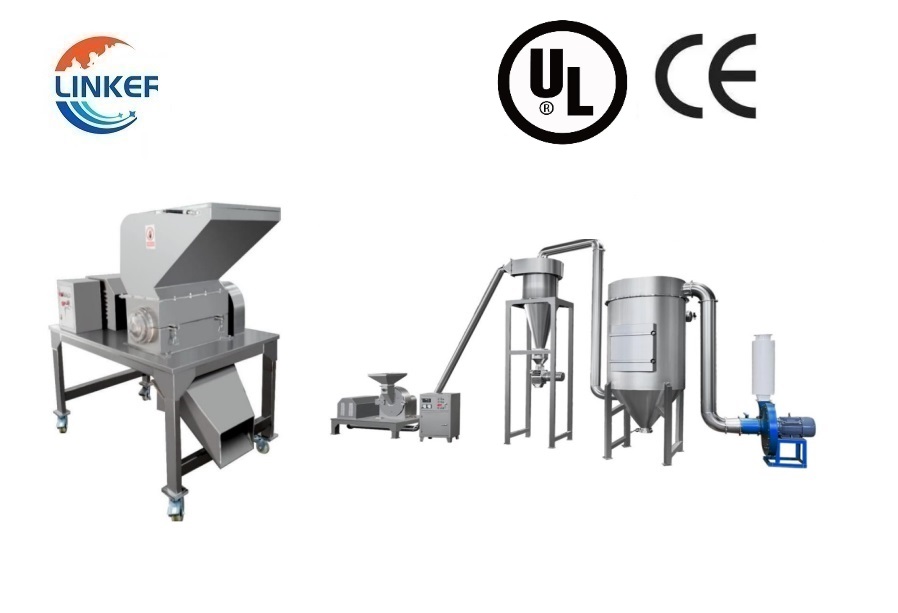
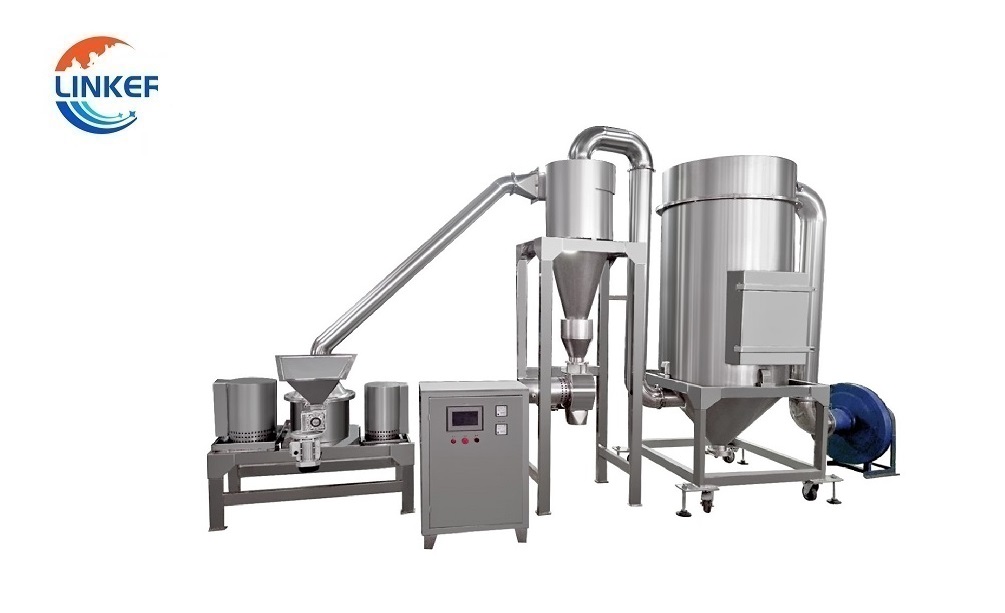
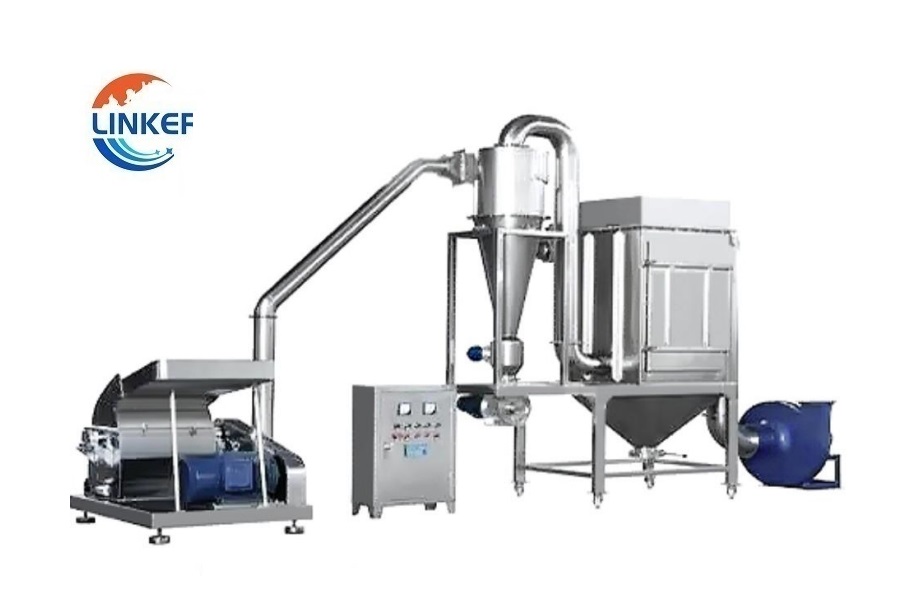
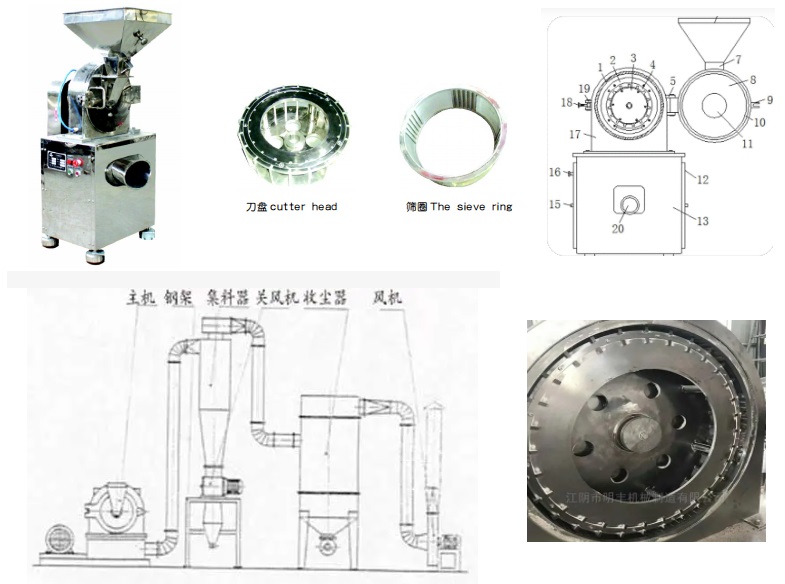
Each of the several components that make up the stone powder grinding machine is crucial to the grinding process. The machine’s stability and effectiveness are guaranteed by the sensible arrangement of these components. The host, analyzer, blower, cyclone powder collection, pipeline system, and electrical control cabinet are the primary structural elements.
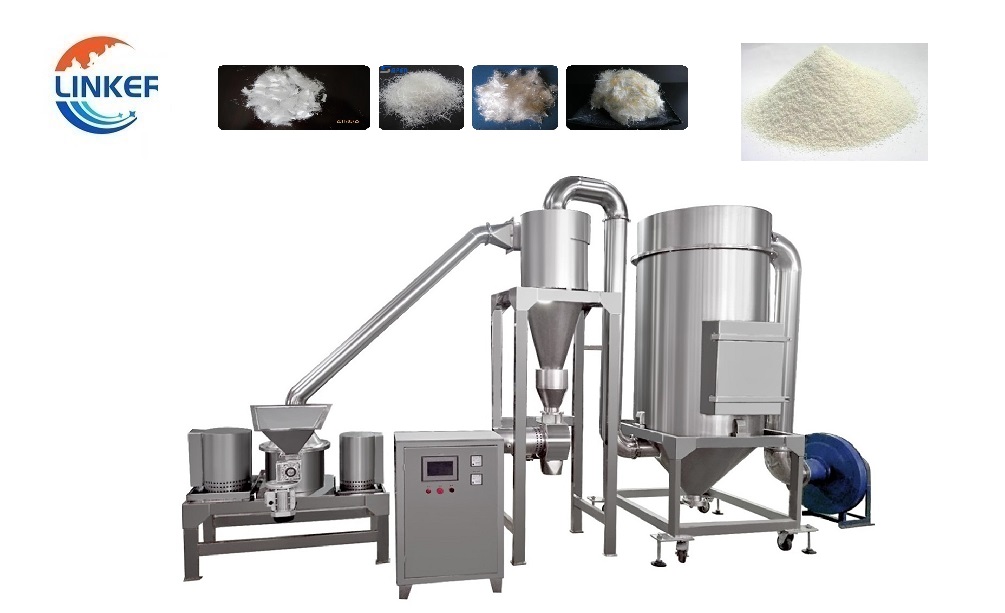
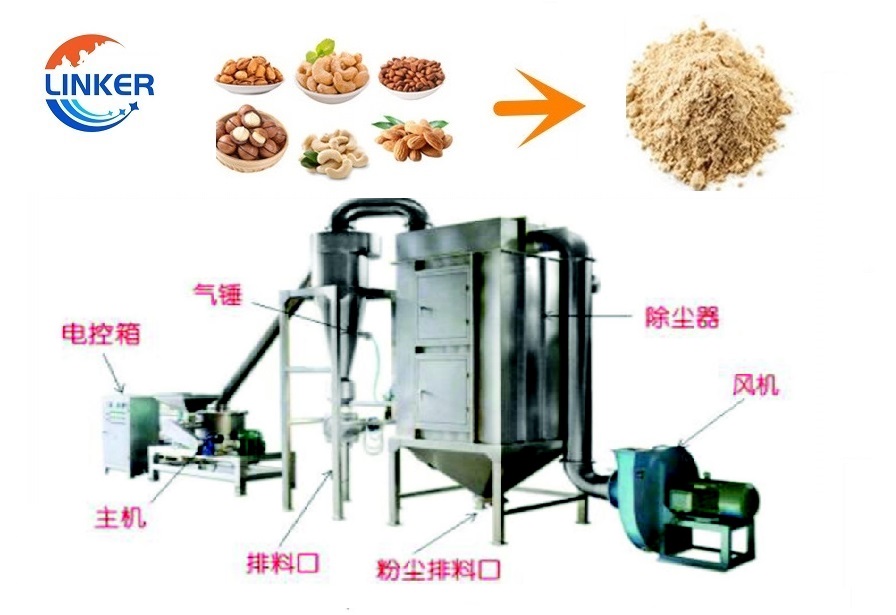
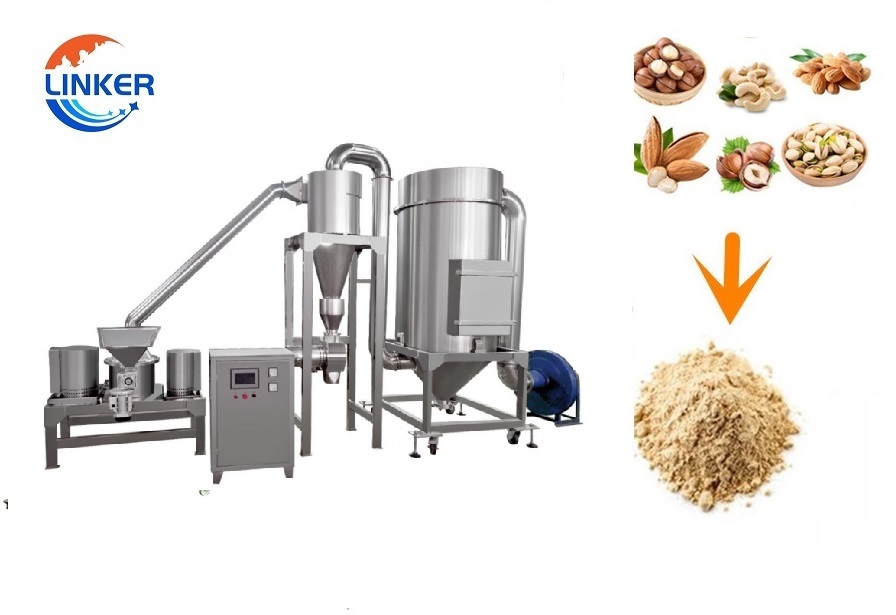
The main component of the stone powder grinding machine that is in charge of material grinding is the host. It is composed of premium stainless steel, which resists corrosion and wear. The analyzer can precisely regulate the final product’s fineness and is used for powder categorization.The powder is forced upward and into the powder collector by the blower, which powers the air flow. The final powder is collected with great collection efficiency using a cyclone powder collector. All components are connected by the pipeline system, which guarantees the efficient movement of powder and materials. The entire machine is operated by the electrical control cabinet, which has a high level of automation and is simple to use.
Important Performance Criteria The Stone Powder Grinding Machine Reference
The grinding effect and production efficiency of the stone powder grinding machine are directly impacted by its performance parameters.The performance parameters of various machine types may be chosen based on the real production requirements. The standard stone powder grinding machine performance parameters listed below also apply to other comparable grinding machines including airflow pulverizers and universal grinders.
Size of Feed
Typically, the stone powder grinding machine’s feed size ranges from 0 to 50 mm. To prevent machine damage, materials bigger than 50 mm must be pre-crushed in a coarse crusher. Depending on the machine’s model, the feed size can also be changed.For instance, small grinders typically have feed sizes between 0 and 10 mm, making them appropriate for small-scale processing; giant grinders, on the other hand, have feed sizes between 0 and 50 mm, making them appropriate for large-scale manufacturing. For the safety and effectiveness of grinding, a smaller feed size is required for processing materials like metal and bone.
Fineness of the Final Product
Depending on the actual demands, the stone powder grinding machine’s final product fineness may be varied between 30 and 2000 meshes (about 0.005 to 0.6 mm). The level of fineness required for stone powder varies by industry. For instance, 80–325 meshes are often needed for the stone powder used in the construction materials industry;Higher fineness, typically between 200 and 2000 meshes, is needed for the stone powder used in the food and pharmaceutical industries. To satisfy the demands of upscale fields, some high-precision versions, like the Ultrafine Grinder, may even achieve a greater fineness. A finer grind is typically needed to enhance the flavor and quality of items like coffee and spices.
Capacity for Production
Depending on the model and processing materials, the stone powder grinding machine’s production capacity can vary from 1 to 200 tons per hour. With a production capacity of 1–10 tons per hour, the small grinder machine is appropriate for small-scale processing in settings like small industries and home workshops;With a production capacity of roughly 0.2 tons per hour, the 200KG grinder is appropriate for medium-sized production; the 500KG grinder can produce roughly 0.5 tons per hour; and the large grinder can produce more than 50 tons per hour, making it appropriate for large-scale industrial production. The hardness of the materials has an impact on manufacturing capacity as well. For instance, the output capacity will be somewhat reduced while grinding hard stone and greater when grinding soft materials like dried fruit and cassava.
Power of the Motor
Depending on the type and production capacity, the stone powder grinding machine’s motor power might range from 15 to 400 kW.The 200KG grinder has a motor power of 30–50 kW, the 500KG grinder has a motor power of 50–100 kW, and the large grinder has a motor power of more than 100 kW, which can guarantee the machine’s efficient operation. The small grinder machine has a motor power of 15–30 kW, which can meet the needs of small-scale processing. The electric grinder’s motor has a charger, which may guarantee steady functioning. Because it is composed of high-quality materials, the motor has extended service life, high efficiency, and energy savings. The motor may continue to operate steadily even while the machine is operating at high speed.
Relevant Materials and System Sealing
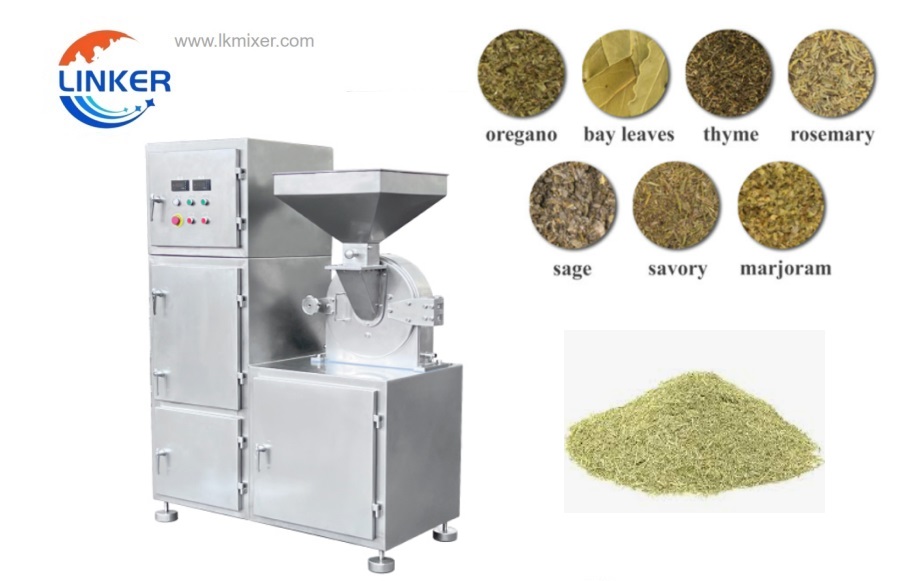
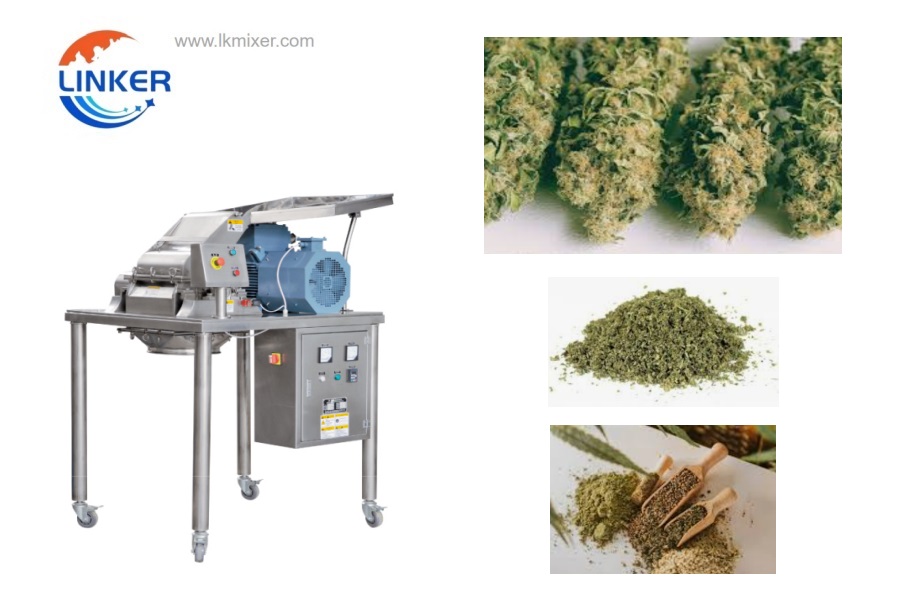
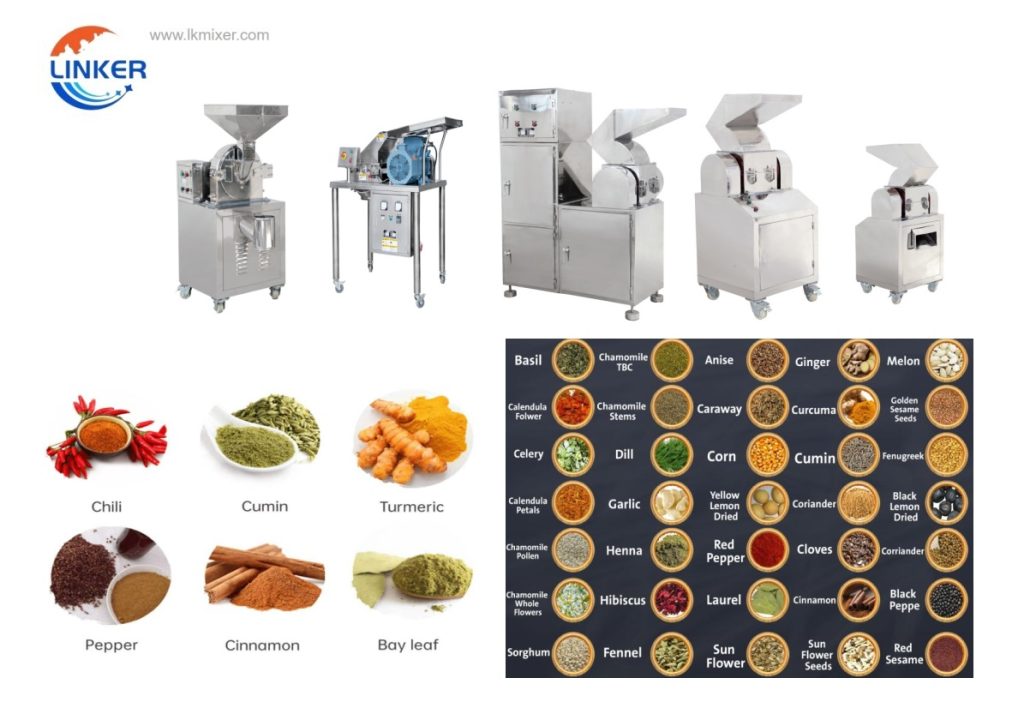
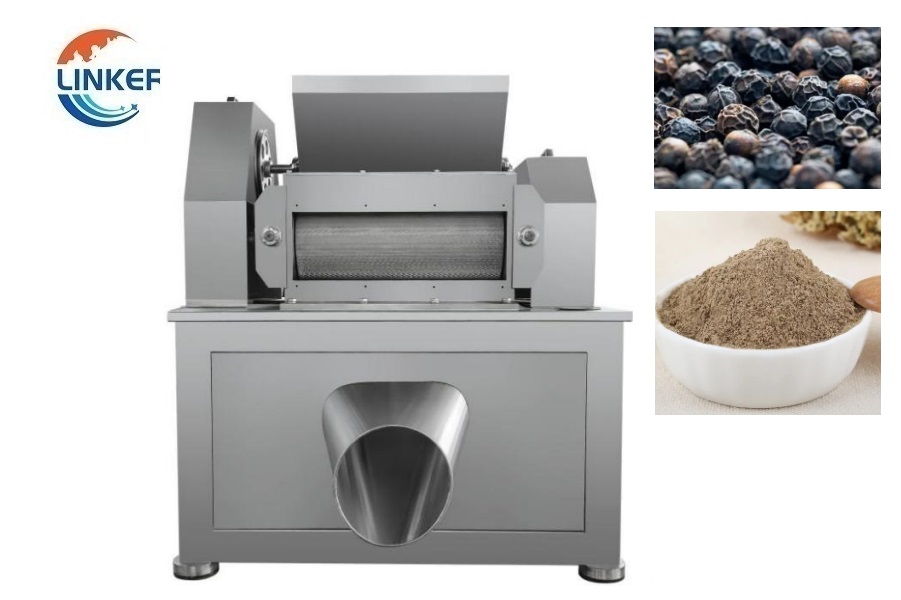
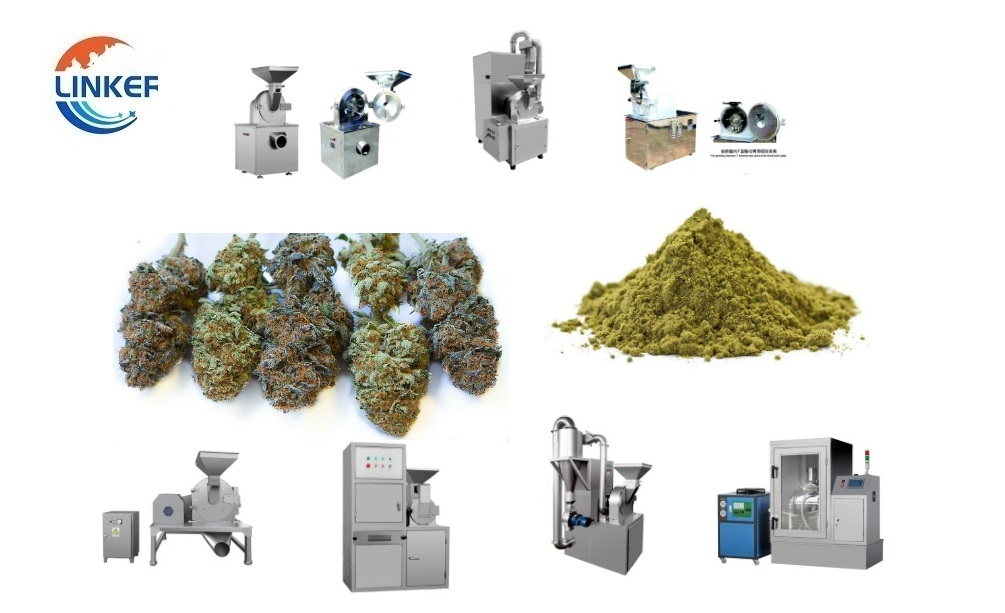
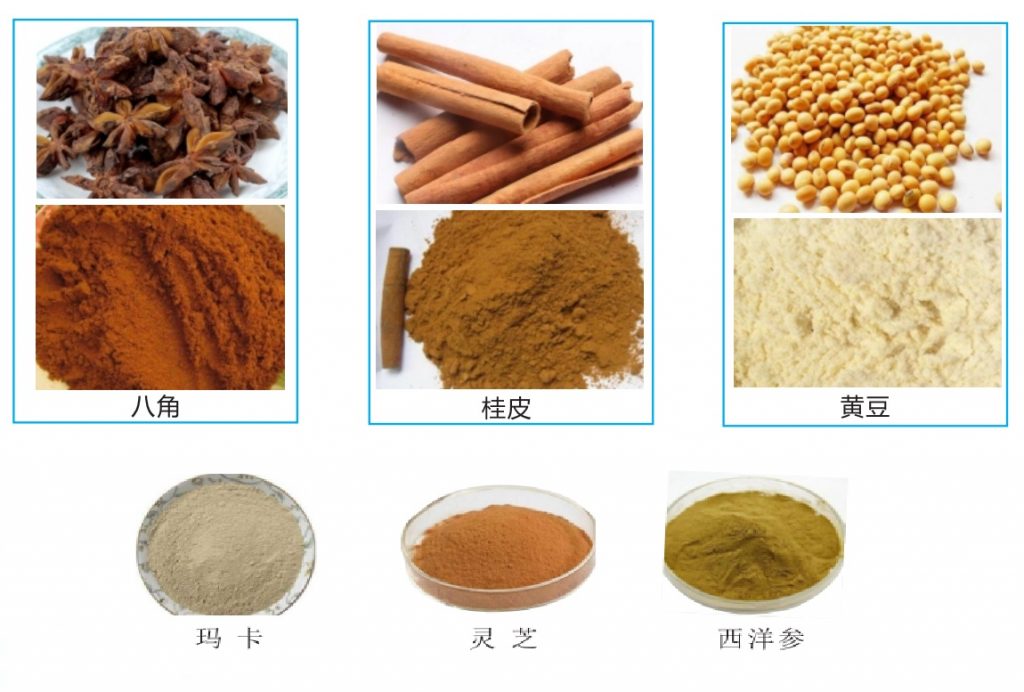
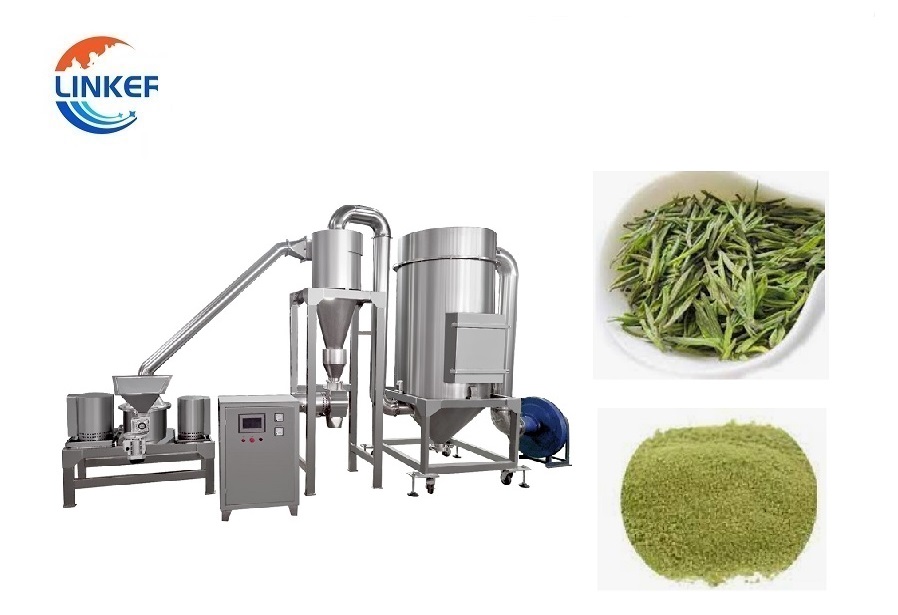
Non-metallic ores including limestone, calcite, marble, dolomite, quartz, and feldspar are the primary candidates for the stone powder grinding machine. Other materials including seasam, peanuts, beans, wheat, maize, rice, coffee, tea, tobacco, salt, sugar, food, mushrooms, bones, seeds, meat, chemicals, medications, cannabis, metal, etc., may also be processed with it as a universal grinder. To process condiments and medicinal materials, for instance, it may be used as a dry ginger grinder, licorice grinder, black pepper grinder, etc.
In order to guarantee that the dust emission satisfies the standard, the system sealing of the stone powder grinding machine uses multi-level sealing + bag type dust removal.This is comparable to the dust collector grinder, which may successfully lower dust pollution and safeguard the health of operators as well as the working environment. Additionally, the closed construction guarantees the quality of the final stone powder and avoids material contamination, both of which are critical for stone powder used in the food and pharmaceutical industries.
Ideas for Stone Powder Grinding Machine Selection
Selecting an appropriate stone powder grinding machine is crucial for increasing productivity, cutting expenses, and guaranteeing product quality.We should choose the best model by combining our own manufacturing demands with a thorough consideration of other considerations. Here are a few useful selection ideas for your reference.
Examine the Material Properties
The main elements influencing the choice of stone powder grinding machines are the properties of the treated materials. We should start by taking the materials’ hardness into account. A machine with a powerful grinding capacity, like an Ultrafine Grinder or a high pressure suspension roller mill, should be used for materials with high hardness (like feldspar and quartz); for materials with low hardness (like gypsum and limestone), a standard Raymond mill or small grinder machine can be used.Second, the materials’ humidity should be taken into account. To prevent material caking during grinding, we should use a dry grinder with a drying function for materials with high humidity. We should also take into account how corrosive the materials are. We should select a machine with corrosion-resistant components (such stainless steel parts) for corrosive materials.
Examine the requirements for the final product.
The specifications for final goods, such as desired production, purity, and fineness, are also crucial considerations throughout the selection process.An ultra-fine mill, such as the SCM ultra-fine mill or LUM ultra-fine vertical mill, should be used if the final product fineness is high (greater than 1000 meshes); if it is low (30–325 meshes), a standard Raymond mill or high pressure suspension roller mill can be used. We should select a large grinder, such a 500KG grinder or vertical stone powder grinding machine, if the output need is high; if it is low, we may select a 200KG grinder or a small grinder. We should select a machine with strong sealing performance and food-grade materials if the final product has a high purity requirement (as in the food and pharmaceutical industries), such the CE Certified grinder with stainless steel.We should select a machine with strong sealing performance and food-grade materials, such the CE Certified grinder with stainless steel parts, if the final product has a high purity requirement (as in the food and pharmaceutical industries).
Take Site Conditions into Account
When choosing a site, site characteristics like as plant height, power configuration, and environmental protection requirements must also be taken into account. A vertical stone powder grinding machine, with its short floor area and low height, is the best option for plants with restricted height; a horizontal mill is an option for plants with enough space.To prevent inadequate power from impairing the machine’s functioning, the plant’s power arrangement should correspond with the grinding machine’s motor power. The environmental protection regulations in the area should also be taken into account. To guarantee that the dust emission satisfies the standard, we should select a machine with a good dust removal effect if the environmental protection requirements are high. Examples of such machines are those with bag type dust collectors or dust collector grinders.
Take Maintenance and Budget into Account
When choosing a stone powder grinding machine, budget and maintenance expenses are also crucial considerations.In accordance with our own budget, we ought to select a machine with high cost performance at a fair price. In general, small grinder machines and standard Raymond mills are reasonably priced, making them ideal for consumers with tight budgets; giant grinders and ultra-fine mills, on the other hand, are reasonably priced, making them appropriate for large businesses with ample funding. The machine’s maintenance costs, including the frequency of replacing worn components, the complexity of maintenance, and the cost of maintenance, should also be taken into account. To lower long-term operating expenses, we should select a machine with low maintenance costs, low replacement frequency of worn parts, and simple maintenance.For instance, the vertical stone powder grinding machine has a long service life and low operating costs, while the Raymond mill has the benefit of easy maintenance and replacement of its worn parts.
Utilizing Stone Powder Grinding Machines in Various Domains
The stone powder grinding machine is extensively utilized in many different sectors because of its great performance and broad application. In addition to grinding stone resources into a fine powder, it may be used as a universal grinder to process a variety of different materials, greatly simplifying manufacturing and processing across a range of industries.
Field of Building Materials
The primary purpose of a stone powder grinding machine in the building materials industry is to grind materials like limestone, gypsum, barite, and others into fine powder for use in the production of cement, concrete, wall materials, and other goods. The machine-processed stone powder is highly pure and uniformly fine, which may raise the caliber of building supplies. For instance, gypsum powder may be used to make gypsum board and other wall materials, while limestone powder can be added to cement to increase its strength and longevity. To fulfill the demands of large-scale manufacturing, the most typical models in this sector are the Raymond mill and the vertical stone powder grinding machine, which are frequently paired with a 500KG grinder.
The Chemical Field
In order to create chemical goods like coatings, rubber, and plastics, non-metallic ores including quartz, talc, and dolomite are ground into fine powder using a stone powder grinding machine. The performance of chemical goods, including their resistance to heat, corrosion, and wear, can be enhanced by the stone powder. For instance, quartz powder may be used to make glass and ceramics, while talc powder can be added to polymers to increase their toughness and resistance to wear. The ultra-fine mill, which can turn materials into ultra-fine powder to satisfy the demands of high-end chemical goods, is frequently employed in this industry.Chemical additives and other chemical raw materials can also be processed by the equipment.
The Food and Pharmaceutical Industries
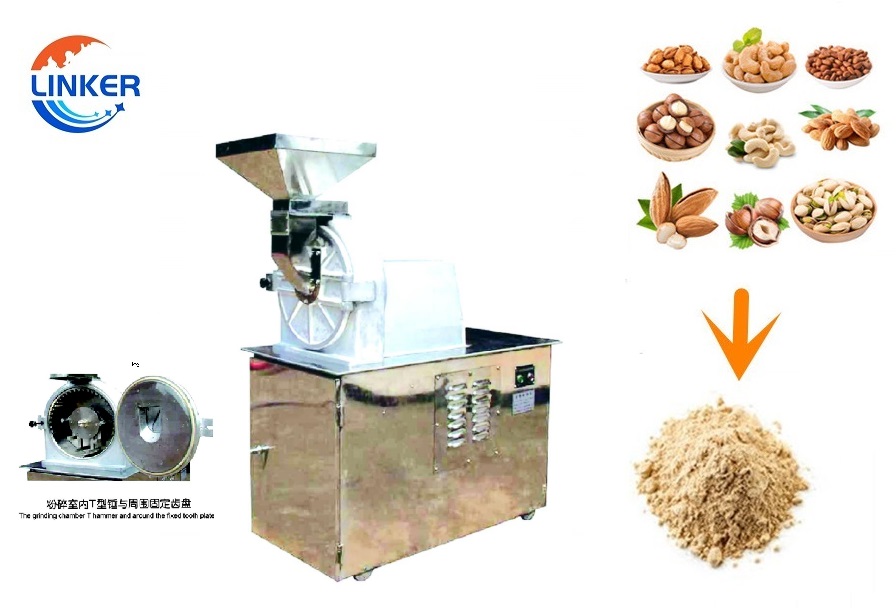
The stone powder grinding machine is used in the food and pharmaceutical industries to crush non-toxic stone and other materials into fine powder that is used as an excipient in medicinal products and as a food ingredient. Because stainless steel is used for the part touching materials and the machine satisfies food and pharmaceutical grade hygiene standards, the final product’s safety and hygiene can be guaranteed.For instance, limestone powder may be used as a pharmaceutical excipient to increase the stability of medications, and calcite powder can be used as a food additive to change the acidity and alkalinity of food. In addition, the machine may be used to grind condiments and medicinal ingredients into dry ginger, licorice, black pepper, and other forms of powder. Seasam, peanuts, and other dried fruits may be ground into powder using it as a dry fruit powder grinder.
Other Domains
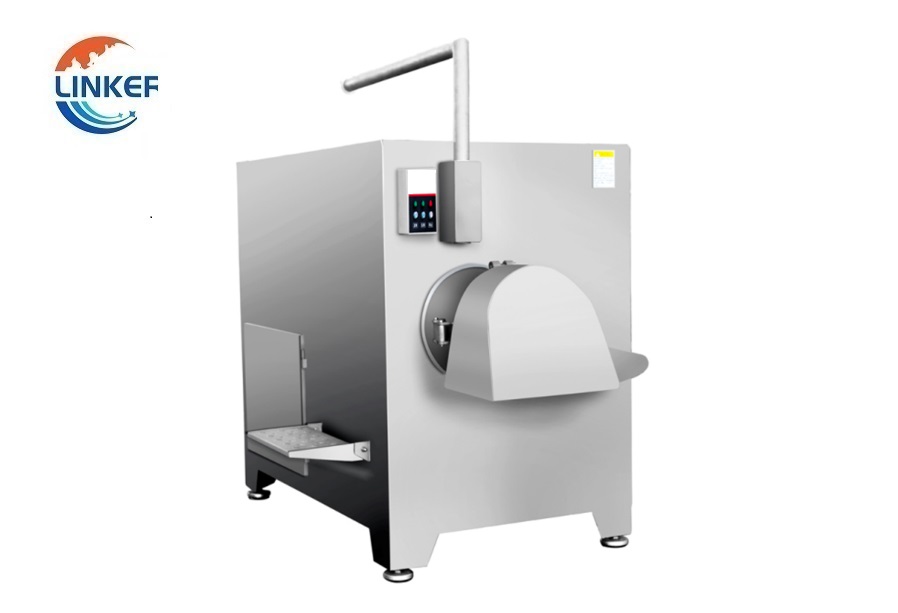
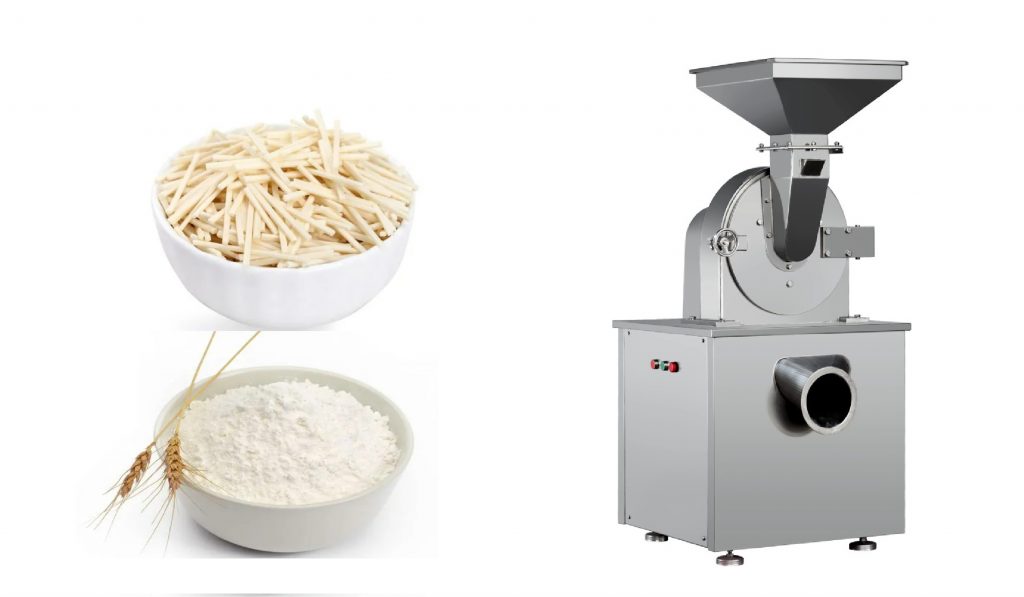
Apart from the aforementioned industries, electric power, metallurgy, feed, and other industries also make extensive use of stone powder grinding machines. In the fields of electric power and metallurgy, it is used to turn coal gangue and other materials into powder for power generation; in the field of feed, it is used to turn bone, meat, and other materials into powder for feed; and in the field of metallurgy, it is used to turn ore into powder for smelting.In addition, the machine may be used to grind food items like cassava, flour, rice, etc.; it can also be used to crush metal into tiny bits. Any size grinder, no matter how big or little, may be used in a variety of industries.
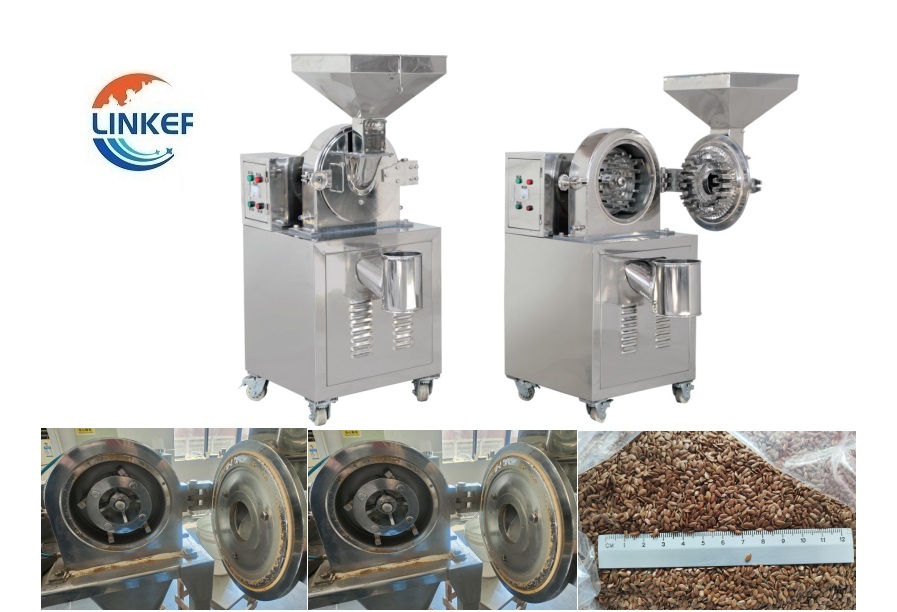
Test Report for Flax Seed Grinder:
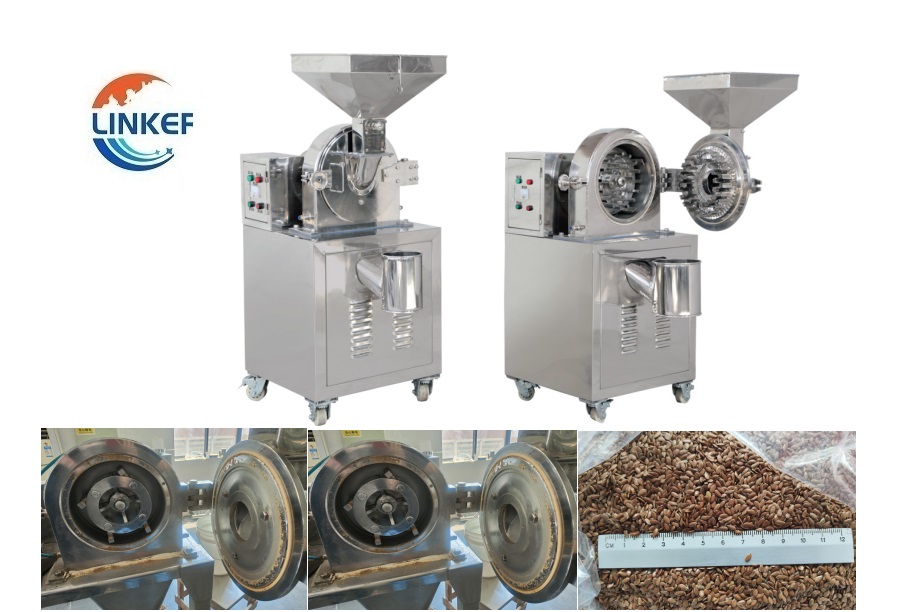
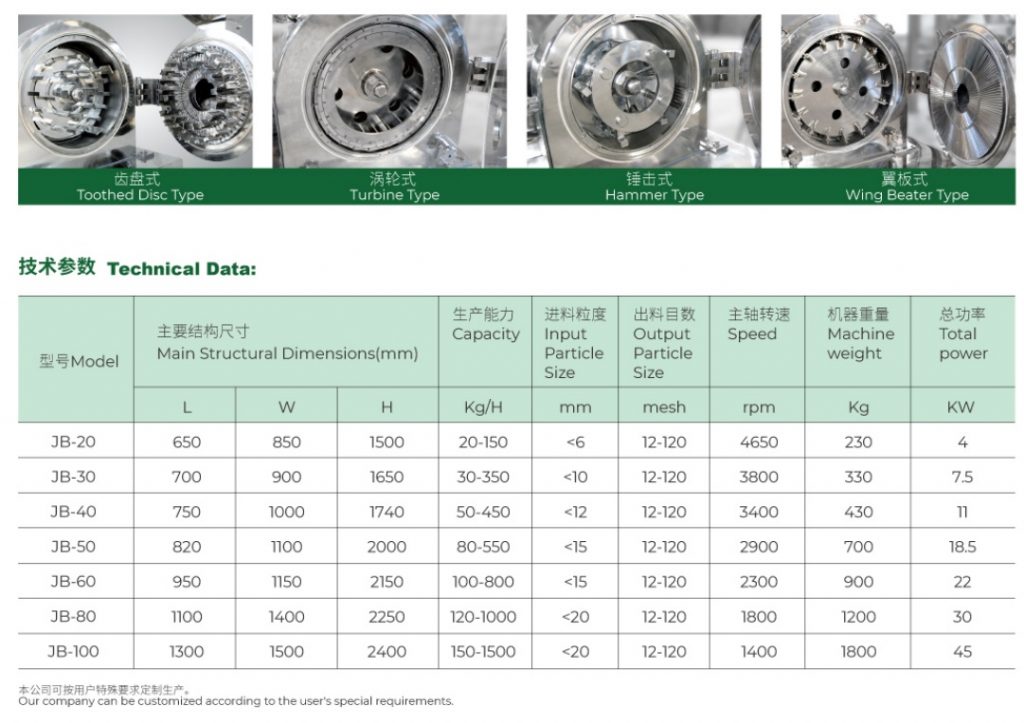
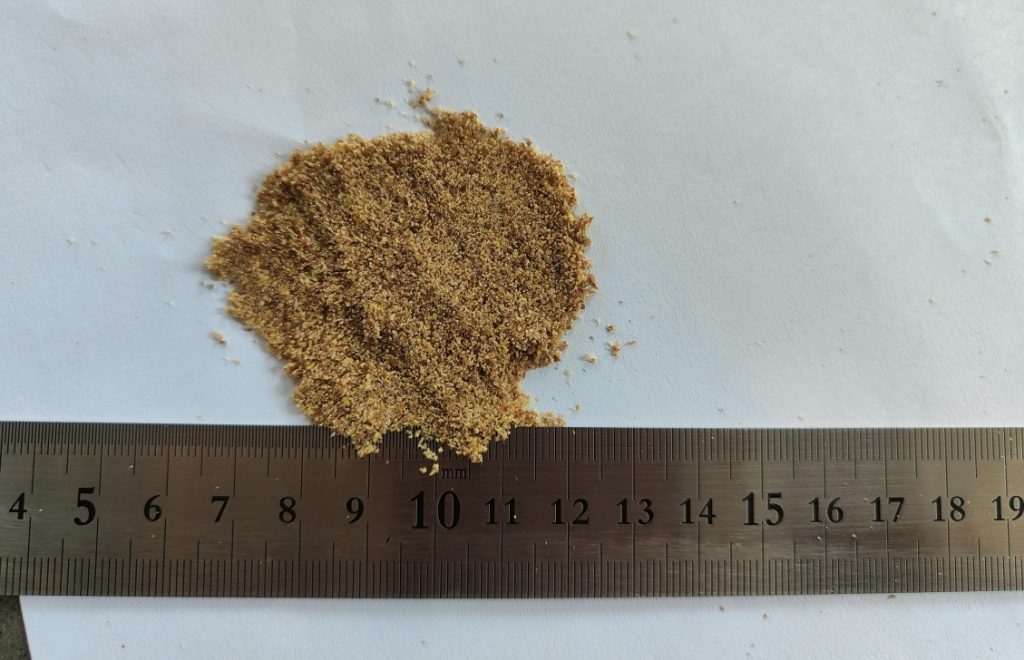
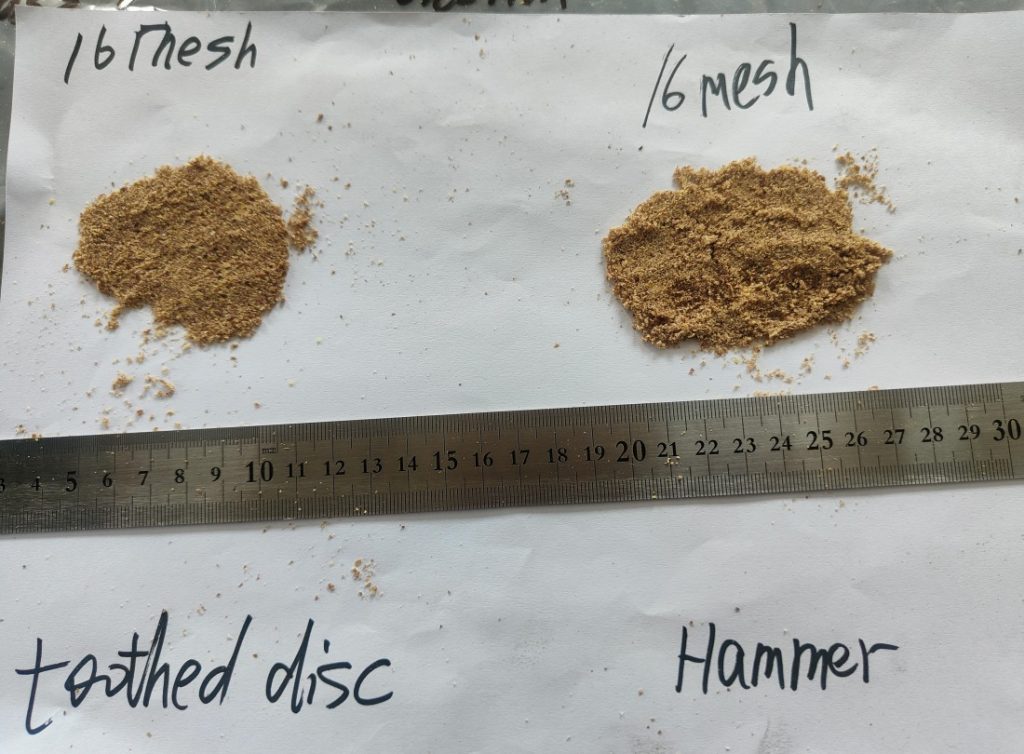
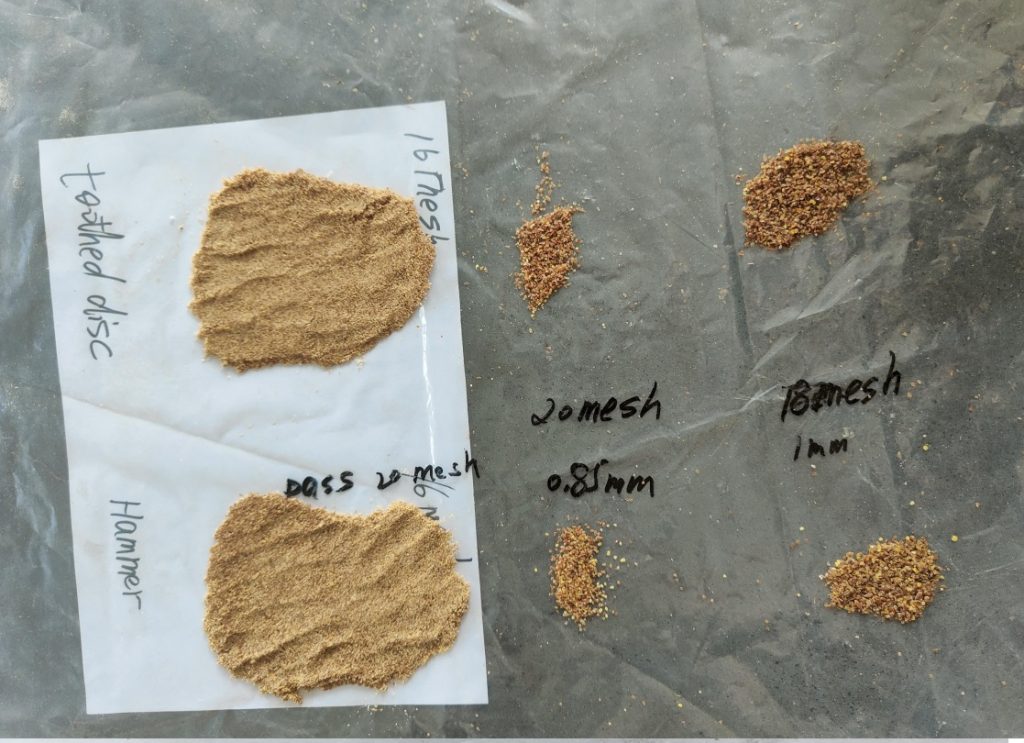
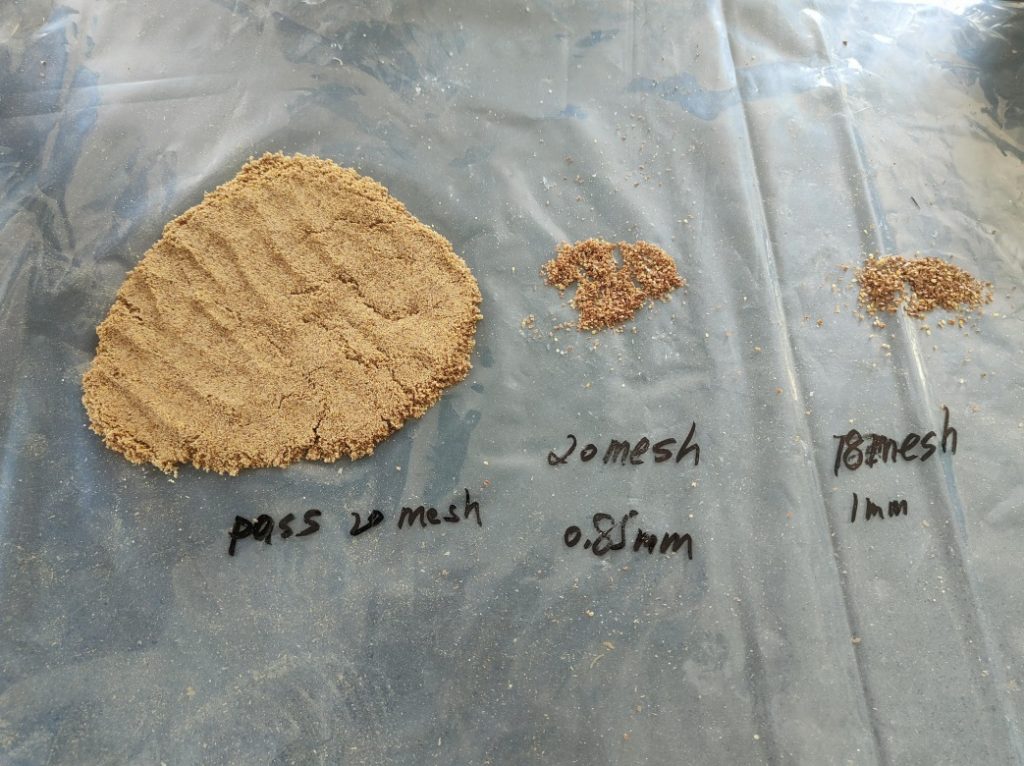
A flax seed grinder is a type of seed nut grinder specifically designed for grinding flax seeds. Flax seeds are small, hard seeds that are packed with nutrition and are commonly used in baking and cooking. Grinding flax seeds helps to unlock their nutrients and make them easier to digest.
Flax seed grinders typically feature sharp blades or burrs that rotate to crush the flax seeds into a fine powder. This powder can then be used in a variety of recipes, such as smoothies, baked goods, and yogurt toppings. Some flax seed grinders are manual and require hand-cranking, while others are electric and feature powerful motors for faster grinding.
When choosing a flax seed grinder, it’s important to look for one with durable blades or burrs that can withstand the hard texture of flax seeds.
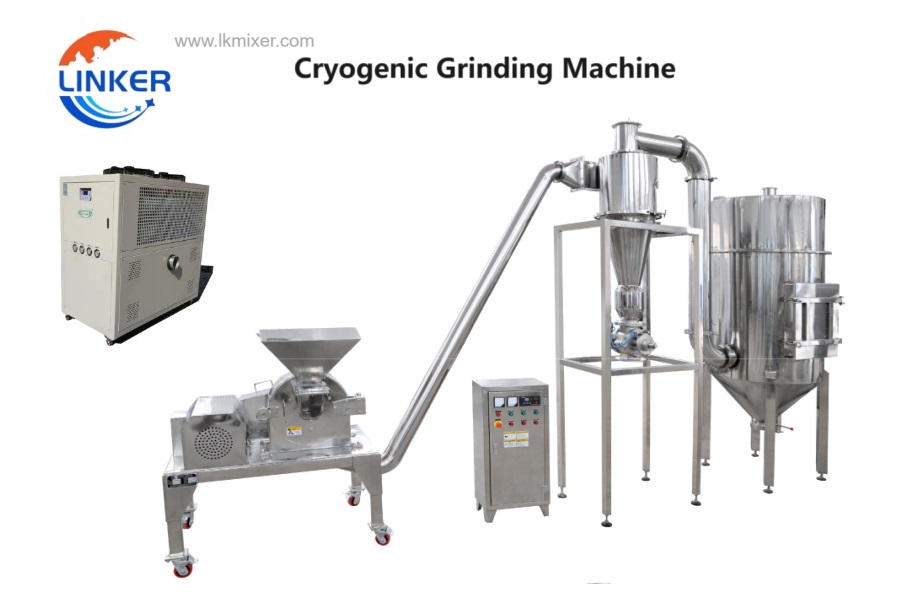
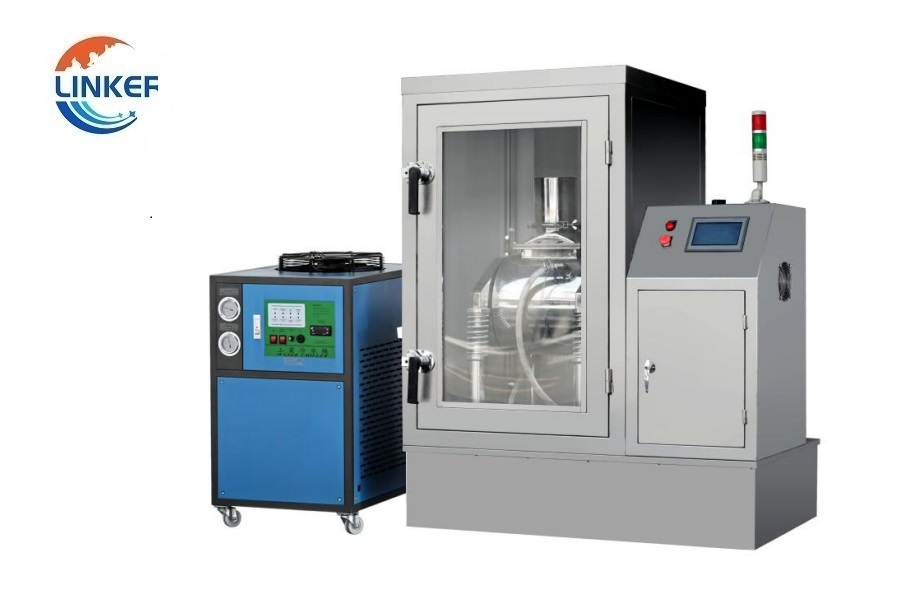
There are 3 ways of cooling down the grinder: water cooling system; air cooling system and liquid nitrogen freezing system. You can choose the right one if the grinder gets too hot. When machines goes too hot, the metal can expand, causing the grinding wheel to get stuck.
| 1 Unit Pirce(FOB USD) | 5 Units Wholesale Unit Price (FOB USD) | |
| SG-600 | 6646 | 5982 |
| SG-800 | 10154 | 9138 |

Feature:
Industrial seed grinders are specialized machines that are designed to grind seeds and other materials into a fine powder or paste. Here are some features that are commonly found in industrial seed grinders:
- High throughput: Industrial seed grinders are designed to process large volumes of seeds quickly and efficiently. They are often used in production environments where a high throughput is essential.
- Variable speed: Many industrial seed grinders have variable speed controls, which allow the operator to adjust the speed of the grinding mechanism. This feature is useful for achieving a consistent particle size and for processing different types of seeds.
- Customizable grinding plates: Some industrial seed grinders come with customizable grinding plates that can be swapped out to accommodate different types of seeds and produce different particle sizes.
- Easy to clean: Industrial seed grinders are designed to be easy to clean and maintain. They often feature removable grinding plates, hopper, and discharge chute that can be easily cleaned and sanitized.
- Heavy-duty construction: Industrial seed grinders are built to withstand heavy use and are constructed with durable materials such as stainless steel or hardened alloys. This ensures that the machine can withstand the rigors of daily use and last for many years.
- Versatility: Industrial seed grinders can often be used to process a variety of materials in addition to seeds, such as nuts, grains, and spices.
Overall, the features of an industrial seed grinder are designed to make the grinding process fast, efficient, and consistent, while also being easy to use and maintain.
Parameters:

Model Name | SG-600 | |
| Crushing Capacity(kg/h) | 1000~2000 | |
| Power(kw) | 11 | |
| Feeding Size(mm) | <5mm | |
| Fineness(mesh) | 20~40mesh |
Model Name | SG-800 | |
| Crushing Capacity(kg/h) | 2000~4000 | |
| Power(kw) | 15 | |
| Feeding Size(mm) | <5mm | |
| Fineness(mesh) | 20~40mesh |
Trade Capacity
| International Commercial Terms(Incoterms): | FOB, CIF, CFR | Terms of Payment: | LC, T/T, PayPal, Western Union |
| Average Lead Time | 60 working days | Main Markets | North America, South America, Europe, Southeast Asia/ Mideast, East Asia(Japan/ South Korea), Australia, Domestic |
| Nearest Port: | Ningbo Port; Shanghai Port | Factory Address: | JiangSu, China |
Ampere of Motors Customization for Seeds Grinder:
| KW | HP | Ampere |
| 75kw | 100HP | 135A |
| 55kw | 75HP | 99A |
| 30kw | 40HP | 54A |
| 22kw | 30HP | 39A |
| 2.2kw | 3HP | 3.9A |
| 1.5kw | 2HP | 2.7A |
| Business Type: | Manufacturer/Factory | Main Products: | Mill, grinder, granulator, mixer, Crushing Equipment |
| Number of Employees: | 100 | Year of Establishment: | 2014.05 |
| Production Capacity | 5000Set/Year | After-sales Service: | Technical Support; on-line teach lessons |
| R&D Capacity: | ODM, OEM | Annual Output Value: | US$5 Million – US$10 Million |
| No. of R&D Staff: | 5 | No. of Production Lines: | 6 |
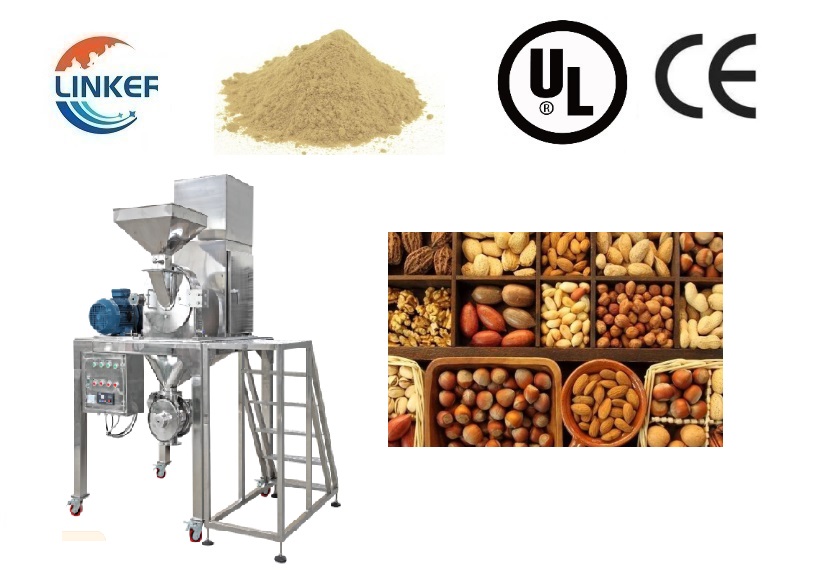
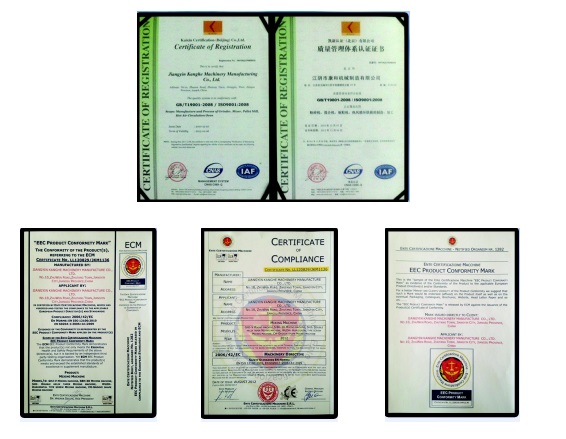
LK Mixer is a professional manufacturer for grinder, mixer and pulverizer. These machines are widely used in pharmaceutical, cosmetic, health care products and chemical industries. Our main product including granulating machine, grinder, mixer, dryer, etc. All mechanical products in accordance with the China GMP design requirements. And also we have other certifications such as CE, UL for motors.
Business Philosophy
“Quality is the main policy of sales” and “integrity is the principle of success” are the business philosophy of our people. We carry out one-year warranty, lifelong maintenance service, with technical consultation, with material test machine and other services, and long-term supply of equipment. Welcome new and old customers to negotiate cooperation!
Certifications:
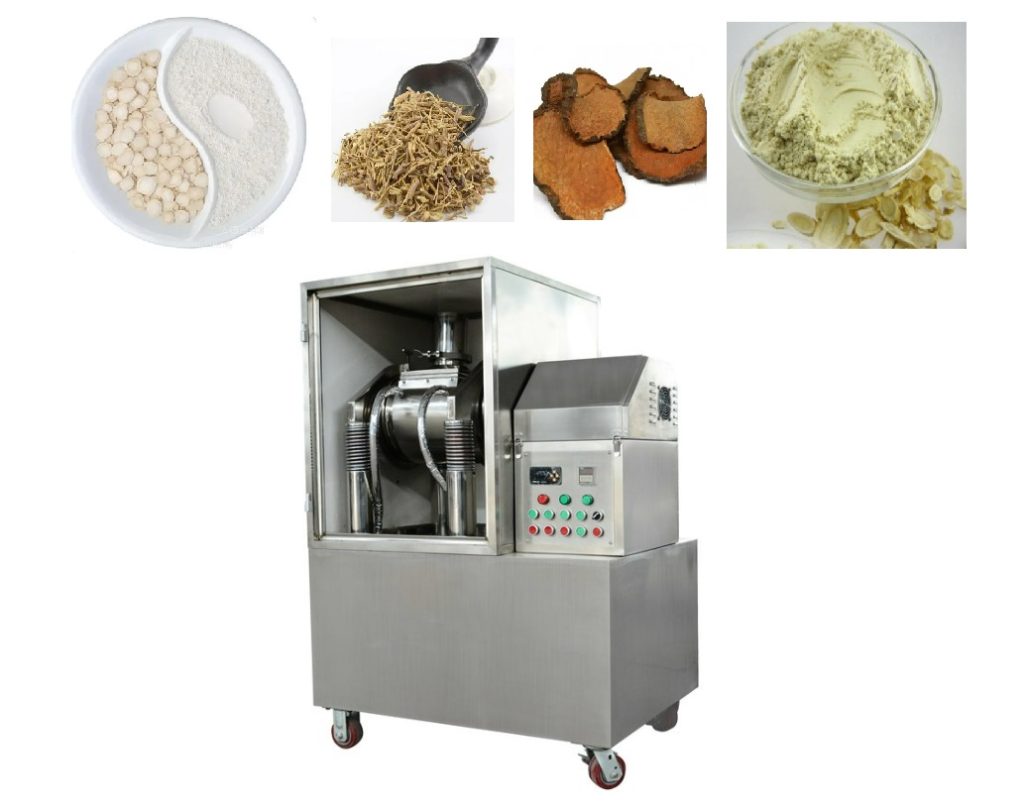
Electric Cabinet with UL Certification
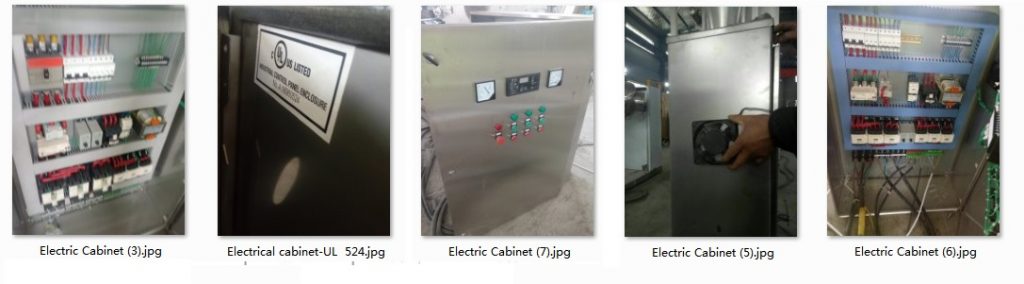
Cyclone Processor and Motors:
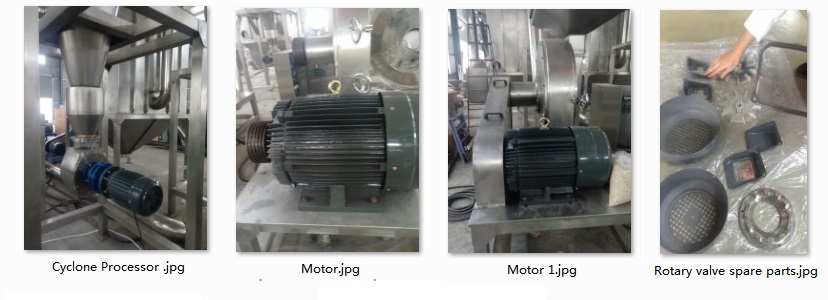
Spare Parts:
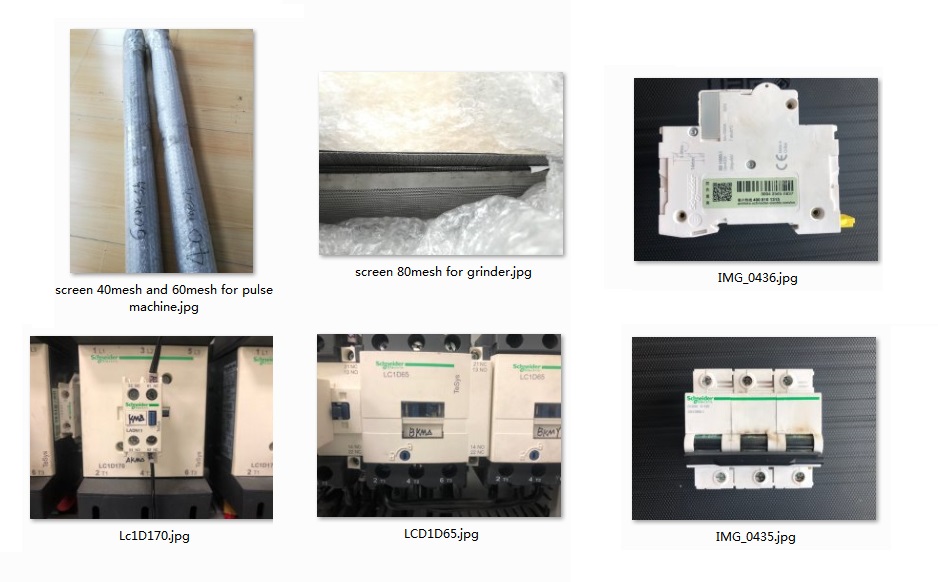
Customer Side Machine Groups Showcase Videos:
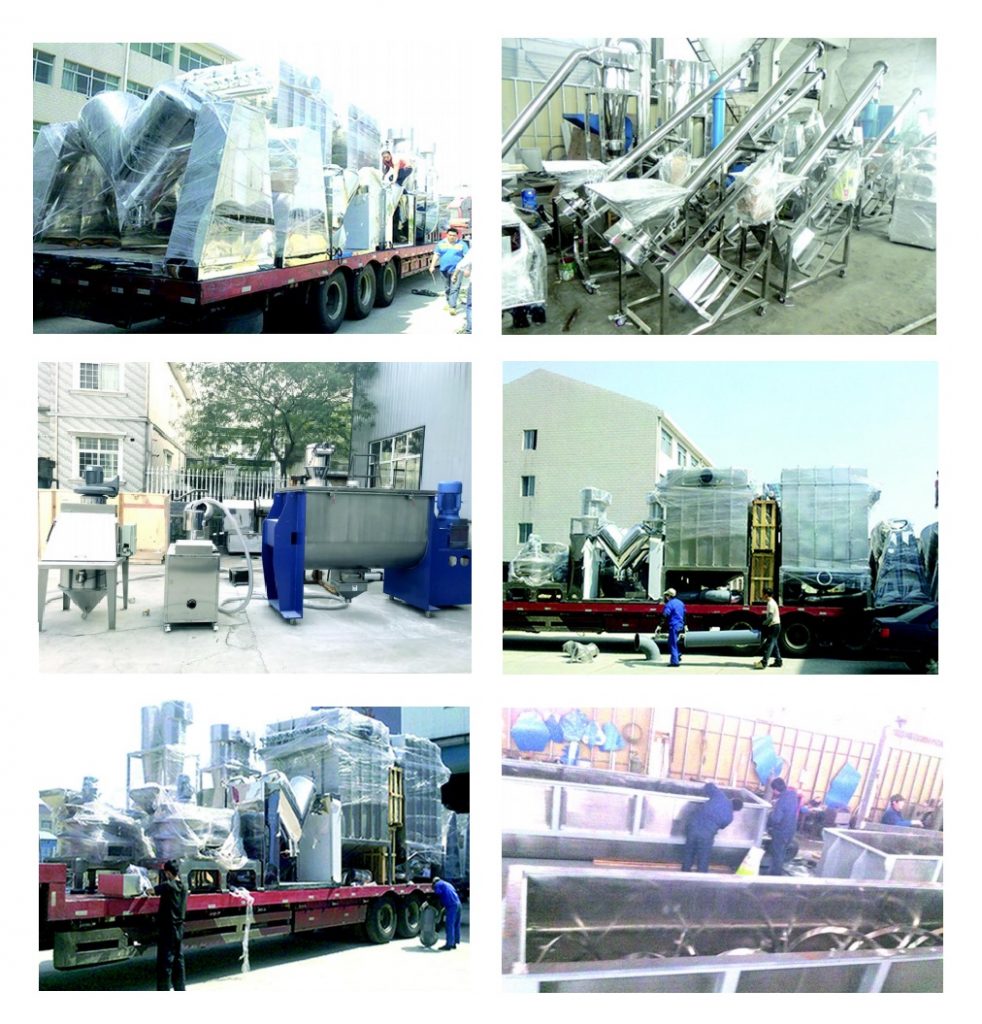
Dust Collector Shipment
Shipment – Packing Method
Two Large Industrial Grinder Ready to Ship
Domestic Shipment Show Case:
Operation Instruction
General Provisions
The operation instructions for a commercial grinder may vary depending on the specific model and manufacturer. However, here are some general guidelines that may apply to many high speed grinders:
- Safety precautions: Before operating the high speed grinder, it is important to review all safety precautions and warnings provided in the user manual. Safety precautions may include wearing appropriate personal protective equipment, such as eye protection and hearing protection, and avoiding loose clothing or jewelry that could become caught in the grinder.
- Preparation: The high speed grinder should be placed on a stable and level surface, and all necessary components should be assembled according to the manufacturer’s instructions. The grinder should also be connected to a power source that is appropriate for its voltage and wattage.
- Loading the grinder: The material to be ground should be loaded into the grinder according to the manufacturer’s instructions. Overloading the grinder may cause damage to the machine and result in poor grinding performance.
- Starting the grinder: The grinder should be started according to the manufacturer’s instructions. This may involve pressing a button, turning a dial, or flipping a switch. The user should ensure that their hands are clear of the grinder and that the material to be ground is positioned properly.
- Adjusting the speed and settings: The speed and other settings of the high speed grinder may be adjusted according to the material being ground and the desired outcome. The user should follow the manufacturer’s instructions for making adjustments to the grinder.
- Monitoring the grinding process: The user should monitor the grinding process to ensure that it is progressing smoothly and that the material is being ground to the desired size and consistency. Any issues or abnormalities should be addressed promptly to prevent damage to the machine.
- Shutting down the grinder: When the grinding process is complete, the grinder should be shut down according to the manufacturer’s instructions. The user should ensure that the machine is completely stopped and that all moving parts have come to a complete stop before attempting to clean or service the grinder.
Overall, the operation instructions for a commercial grinder may involve a number of steps and safety precautions. It is important to carefully review the manufacturer’s instructions and follow proper operating procedures to ensure safe and effective use of the machine.
Preparation Work
Before running a commercial grinder, there are several important preparation steps that should be taken to ensure safe and effective operation of the machine. Here are some general guidelines for preparing to run a high speed grinder:
- Read the user manual: The first step in preparing to run a high speed grinder is to carefully read the user manual provided by the manufacturer. The user manual will provide important information about the specific model of grinder being used, including its features, specifications, and safety precautions.
- Select the appropriate grinding wheel: The grinding wheel used in a high speed grinder should be selected based on the material being ground and the desired outcome. It is important to use the correct type of grinding wheel to prevent damage to the machine and ensure optimal grinding performance.
- Inspect the grinder: Before running the grinder, it is important to inspect it for any signs of damage or wear. The user should check for loose or missing components, cracks or other signs of damage to the machine’s housing or other parts, and any other issues that could affect the grinder’s operation.
- Install the grinding wheel: The grinding wheel should be installed according to the manufacturer’s instructions, making sure that it is securely fastened and aligned properly. The user should also check the wheel for any cracks or other signs of damage before installation.
- Secure the workpiece: The workpiece to be ground should be securely clamped or held in place before starting the grinder. This will help to ensure safe and effective operation and prevent the workpiece from becoming dislodged or damaged during grinding.
- Connect the power source: The high speed grinder should be connected to a power source that is appropriate for its voltage and wattage. It is important to use a properly grounded power source to ensure safe and reliable operation of the machine.
- Test run: Before beginning actual grinding operations, it may be useful to perform a test run to ensure that the grinder is functioning properly and that the grinding wheel is aligned and balanced properly. The user should follow the manufacturer’s instructions for performing a test run.
By following these preparation steps, users can ensure safe and effective operation of a high speed grinder and achieve optimal grinding results.
Treatment of inspection
Inspection of a commercial grinder is an important maintenance procedure that helps ensure safe and effective operation of the machine. Here are some general guidelines for inspecting a high speed grinder:
- Disconnect power source: Before performing any inspection or maintenance on a high speed grinder, the power source should be disconnected to prevent accidental startup.
- Check for wear and damage: The user should inspect the grinder for any signs of wear or damage, such as cracks in the housing, worn or damaged grinding wheels, or loose or missing parts. Any issues should be addressed promptly to prevent further damage to the machine.
- Check alignment and balance of grinding wheel: The grinding wheel should be inspected for proper alignment and balance, as these factors can affect the quality of the grinding operation. If the grinding wheel is not properly aligned or balanced, it should be adjusted or replaced as necessary.
- Check for proper lubrication: The high speed grinder should be inspected for proper lubrication, as inadequate lubrication can cause excessive wear and damage to the machine’s moving parts. The user should follow the manufacturer’s instructions for lubrication, and add lubricant as necessary.
- Inspect electrical components: The electrical components of the high speed grinder, including the wiring, switches, and control panel, should be inspected for any signs of wear, damage, or loose connections. Any issues should be addressed promptly to prevent electrical problems.
- Test run: After completing the inspection, it may be useful to perform a test run of the high speed grinder to ensure that it is functioning properly and that any issues have been addressed.
By following these inspection guidelines, users can help ensure safe and effective operation of a high speed grinder and minimize the risk of damage or injury during grinding operations.
Operation Attention
Running a commercial grinder can be a dangerous operation if proper precautions are not taken. Here are some general guidelines for safe operation of a high speed grinder:
- Personal protective equipment: The user should wear appropriate personal protective equipment, such as safety glasses, hearing protection, and gloves, to prevent injury from flying debris, noise, and contact with the grinding wheel.
- Secure workpiece: The workpiece being ground should be securely clamped or held in place to prevent it from becoming dislodged during grinding.
- Use proper grinding wheel: The user should select the appropriate grinding wheel for the material being ground and ensure that it is installed correctly and securely. The grinding wheel should be inspected for cracks or other damage before use.
- Adjust grinding wheel speed: The speed of the grinding wheel should be adjusted according to the manufacturer’s instructions to ensure optimal grinding performance and prevent damage to the machine or workpiece.
- Avoid excessive pressure: The user should avoid applying excessive pressure to the grinding wheel, as this can cause the wheel to overheat and wear out more quickly.
- Avoid overheating: The high speed grinder should not be operated continuously for extended periods of time, as this can cause overheating and damage to the machine.
- Monitor grinding operation: The user should closely monitor the grinding operation to ensure that the workpiece is being ground properly and that the grinding wheel is functioning correctly.
- Disconnect power source: After completing grinding operations, the power source should be disconnected to prevent accidental startup.
By following these guidelines, users can operate a high speed grinder safely and effectively, and achieve optimal grinding results. It is important to follow the manufacturer’s instructions and all applicable safety regulations when operating any type of machinery.
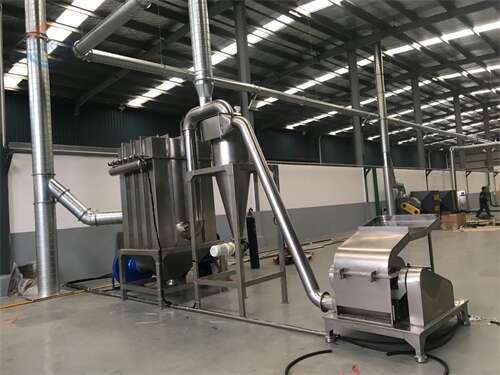
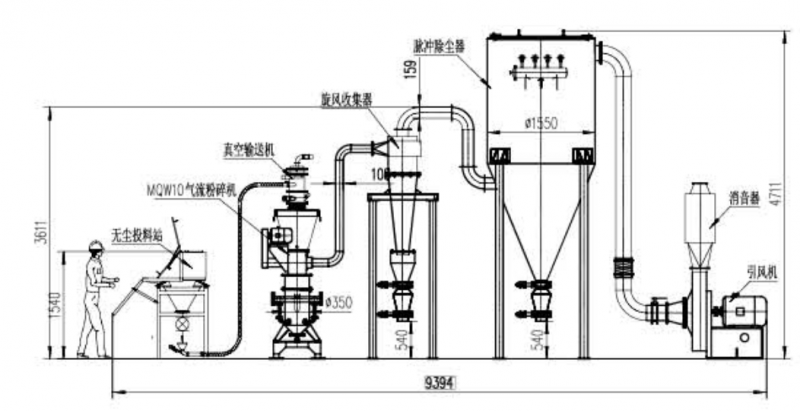
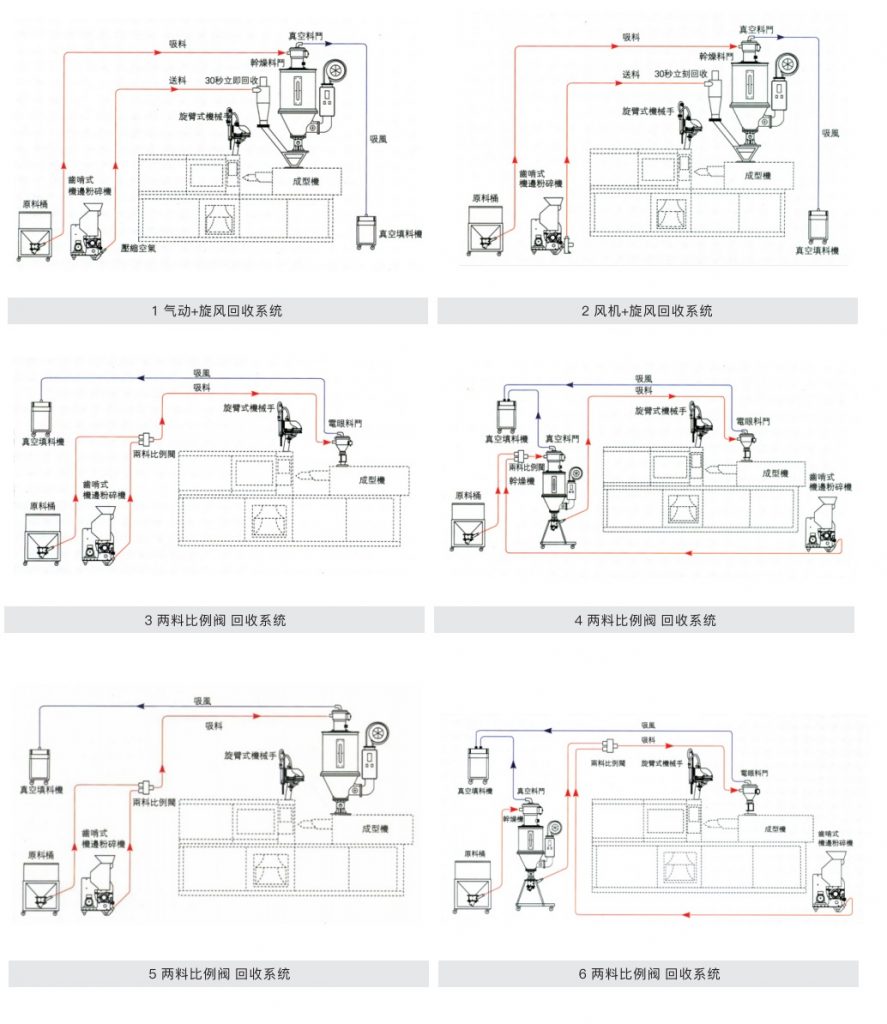
Installation Layout:
Applications of Industrial Seed Grinder
Industrial seed grinders are used in a variety of applications across many industries. Here are some of the most common applications of industrial seed grinders:
- Food industry: Industrial seed grinders are used extensively in the food industry to grind seeds, nuts, and spices into fine powders or pastes. These powders and pastes are then used in a variety of products such as sauces, seasonings, and spreads.
- Pharmaceutical industry: In the pharmaceutical industry, industrial seed grinders are used to grind plant material into a fine powder, which is then used to make medicines and supplements.
- Cosmetics industry: Industrial seed grinders are also used in the cosmetics industry to grind plant material into a fine powder or paste, which is then used in products such as face masks, scrubs, and exfoliants.
- Agricultural industry: Industrial seed grinders are used in the agricultural industry to process seeds, such as soybeans, into animal feed.
- Chemical industry: In the chemical industry, industrial seed grinders are used to grind materials such as resins, pigments, and dyes into a fine powder.
- Renewable energy industry: Industrial seed grinders are also used in the renewable energy industry to process biomass into a fine powder, which is then burned to generate electricity.
Overall, industrial seed grinders are versatile machines that are used in many different industries for a variety of applications. They are essential for processing plant material into fine powders and pastes that can be used in many different products.
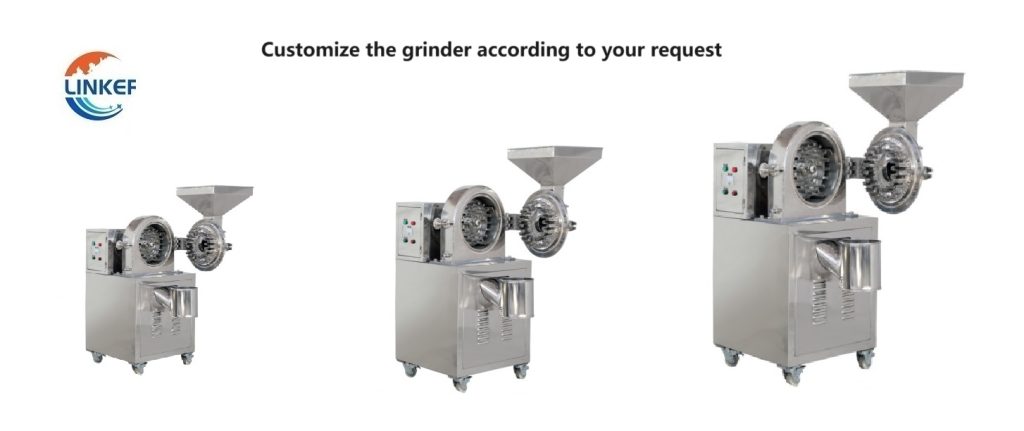
Customization Seeds Grinder According to your Capacity:
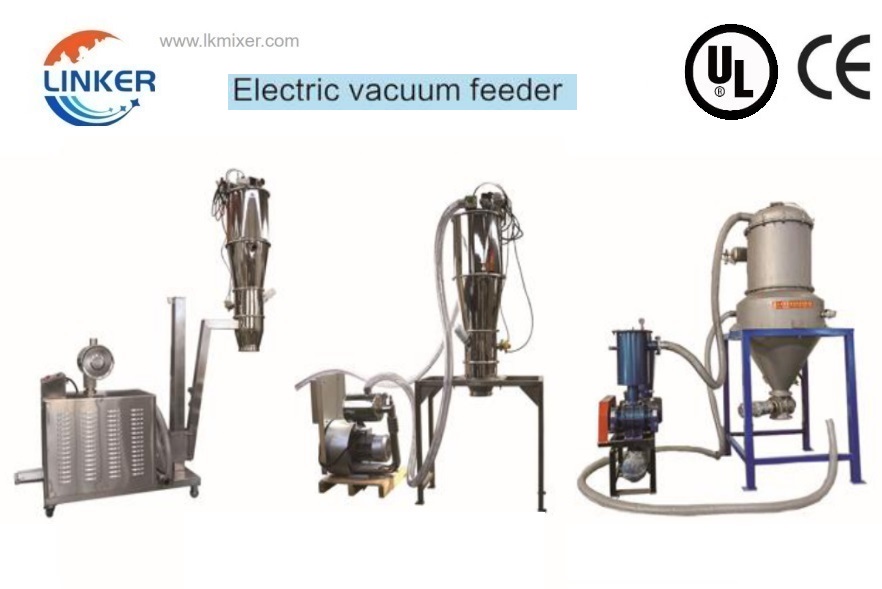
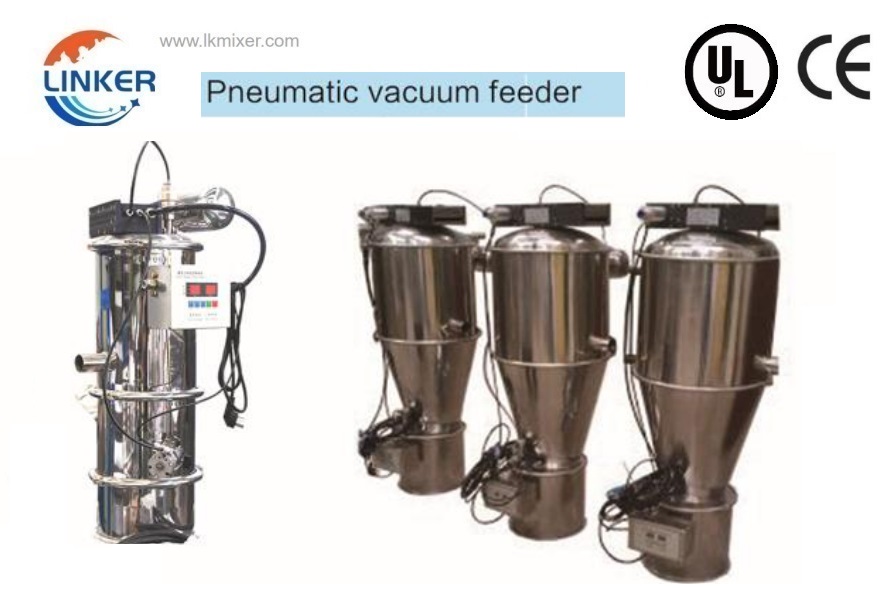
We can customize the capacity according to your special requirement, we can also customize the vacuum feeder connect with your production line (the dimension and width of grinder), for detail contact with our sales for proposal and price.
Videos of Seeds Grinder Machine:
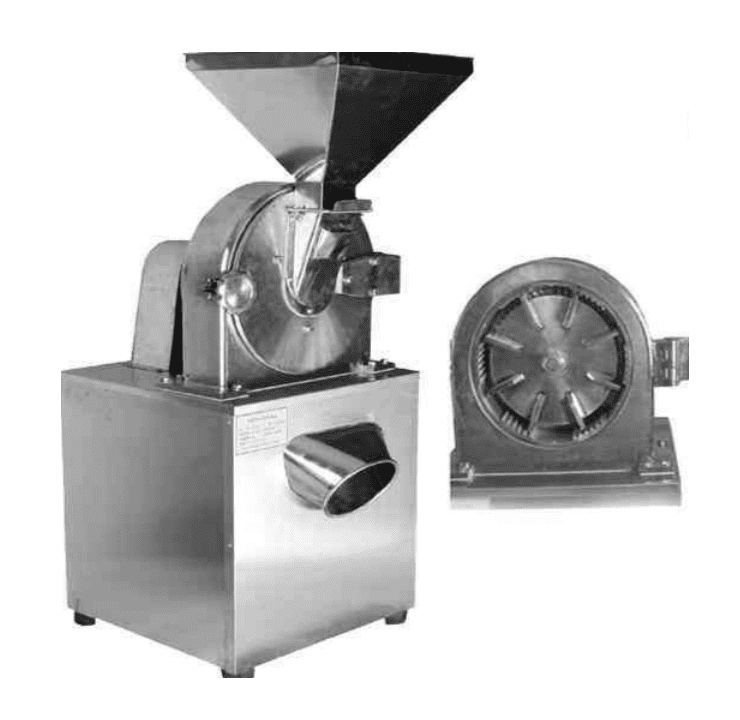
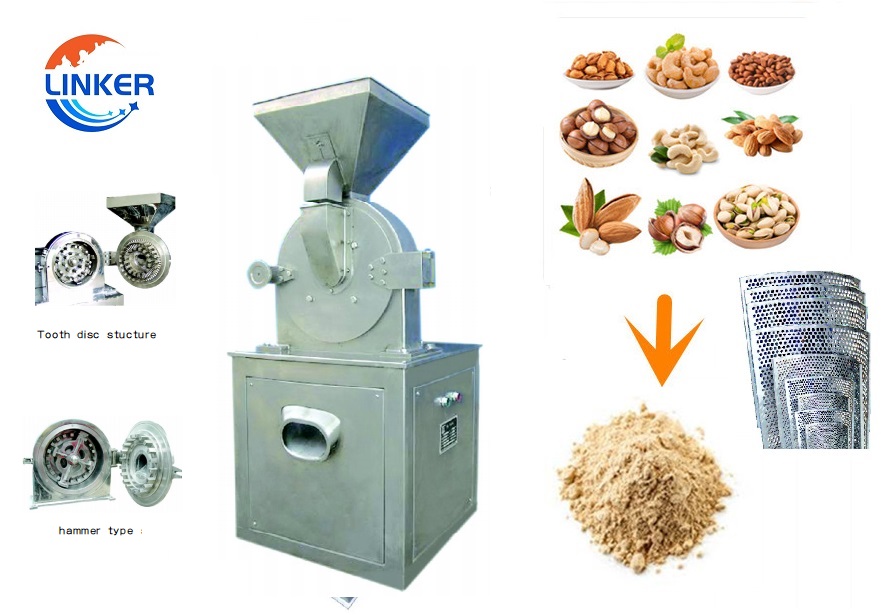
Many model of Seeds Grinder, the universal grinder is suitable to cut the seeds into 12-120mesh, the high efficient grinder is useful, but cost a little bit higher than universal. The super fine grinder can grind into 100mesh to 320mesh. Customer can choose according to your own requirement. here show some example:
About LKMixer
LKMixer is a professional manufacturer for fertilizer production line, grinder, mixer and granulator, shredder. These machines are widely used in food, pharmaceutical, cosmetic, health care products and chemical industries. The Food materials like Peanut, mushroom, seeds, potato, bean, tobacco, salt, cannabis, tea, Sugar, corn, Coffee, rice, pepper, grain as so on. Grinders have many types such as Pulse Dust Grinder which suitable for zero pollution environment, Turbine Mill which is suitable for coffee bean, 12-120mesh all can meet, Ultrafine Grinding Mill covers 80-200mesh, and also Winnowing Dust Grinder or other grinding machines like SF Hammer. Welcome to contact us for details. Contact us for more information. Proposal, catalog, quotation. Mobile/WhatsApp: +86 18019763531 Tel: +86 21 66037855 Email: sales@lkmixer.com
Contact Us
FAQ(Click and See More)
Read More about Herb Grinder:
Why are herb grinders so expensive?
Are electric herb grinders good?
What is the best way to grind up herbs?
Can you chop herbs in a coffee grinder?
How to grind dried herbs into powder?