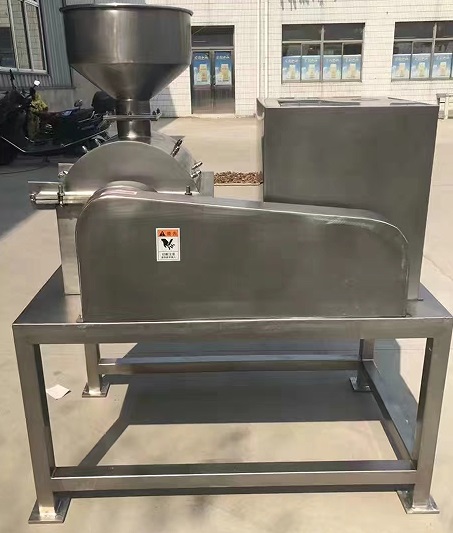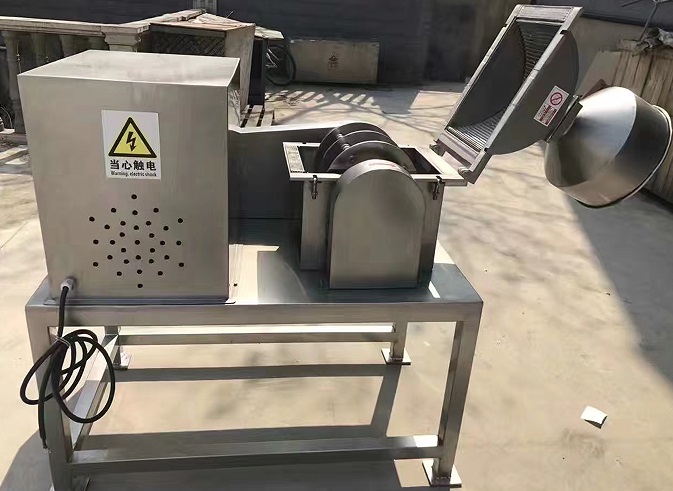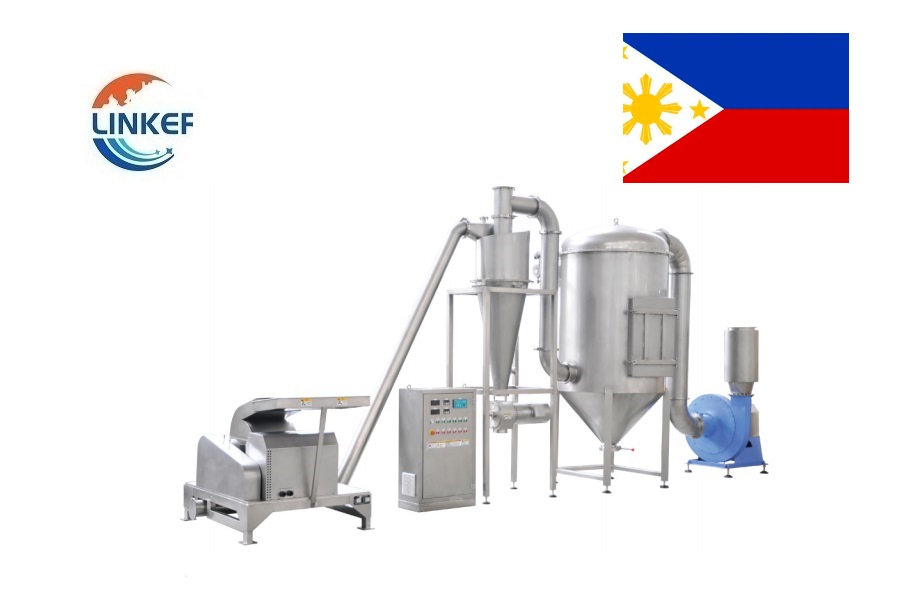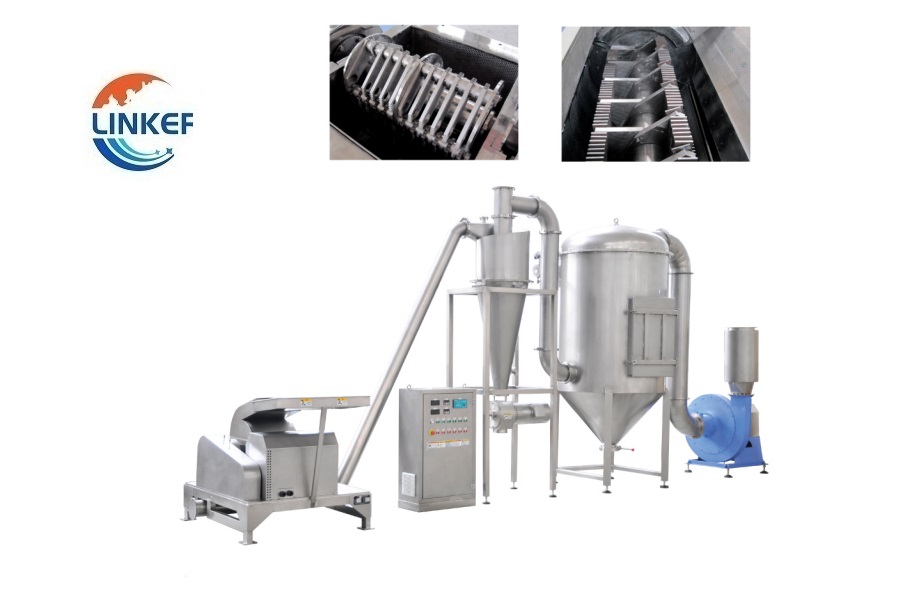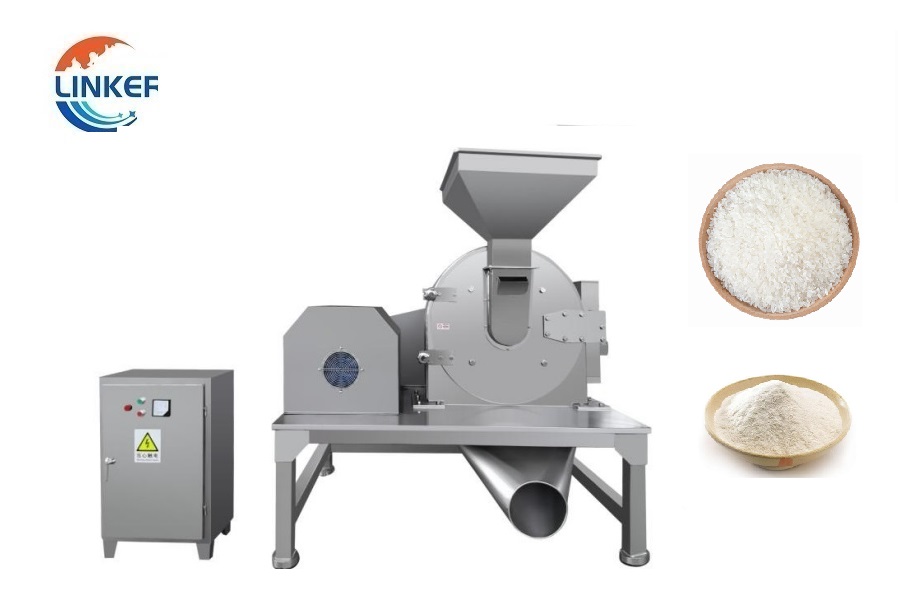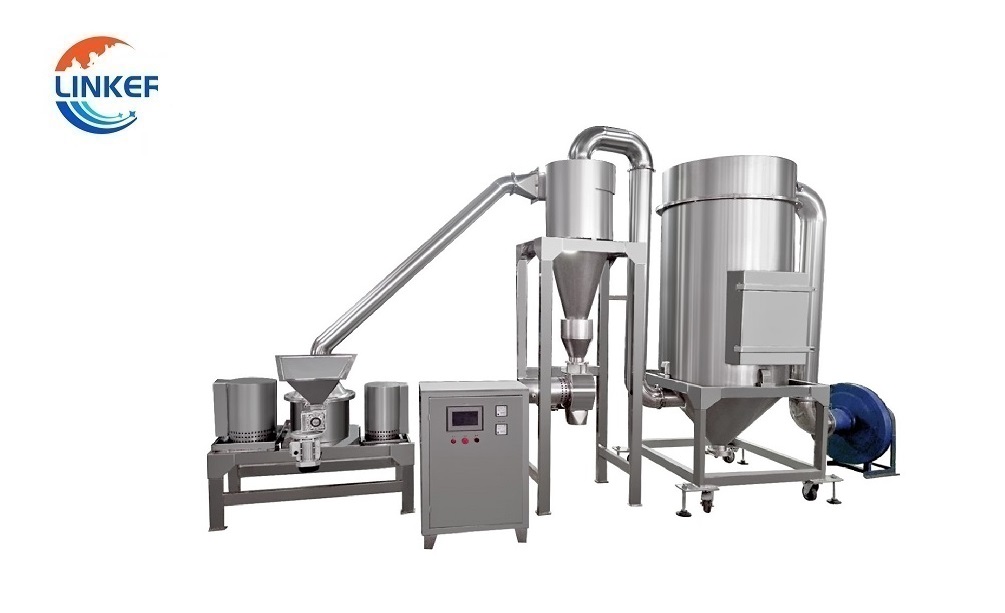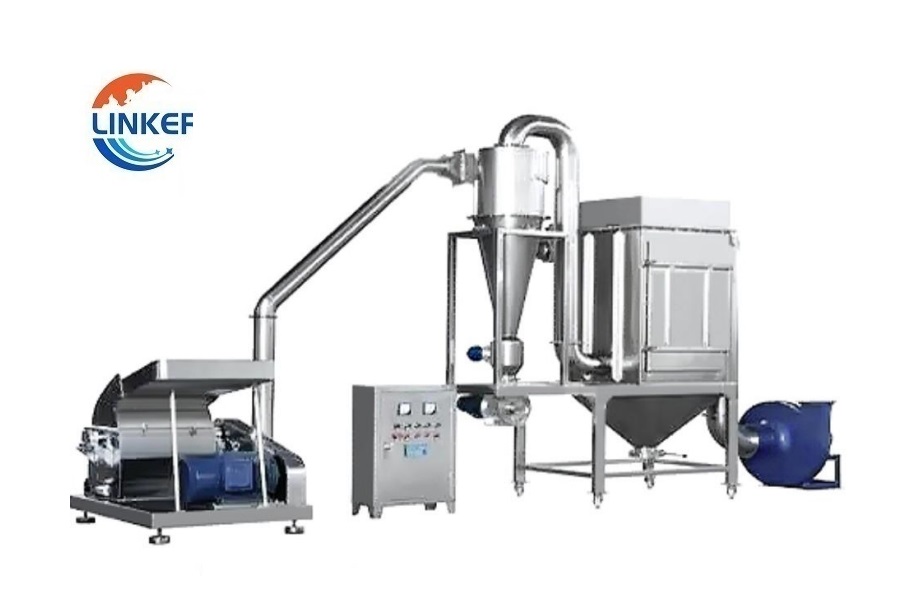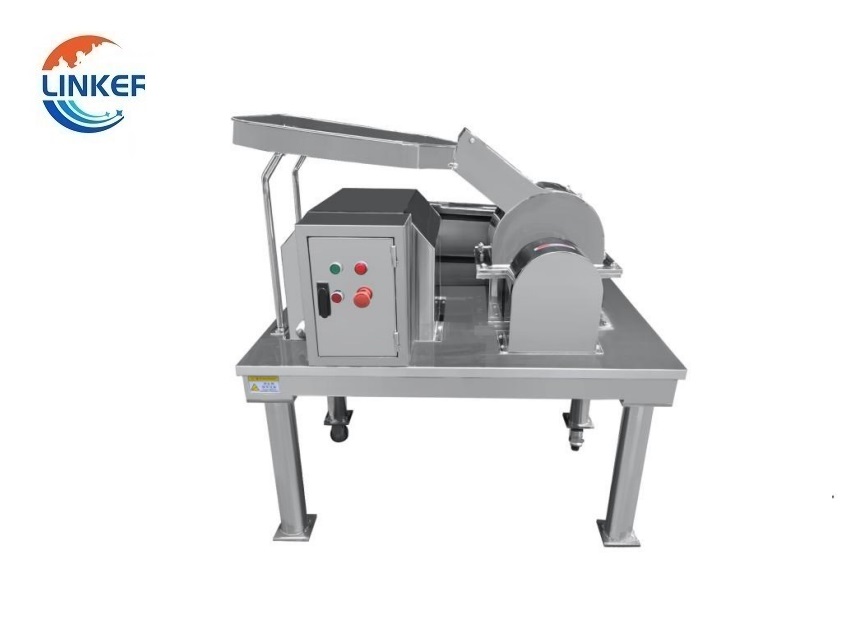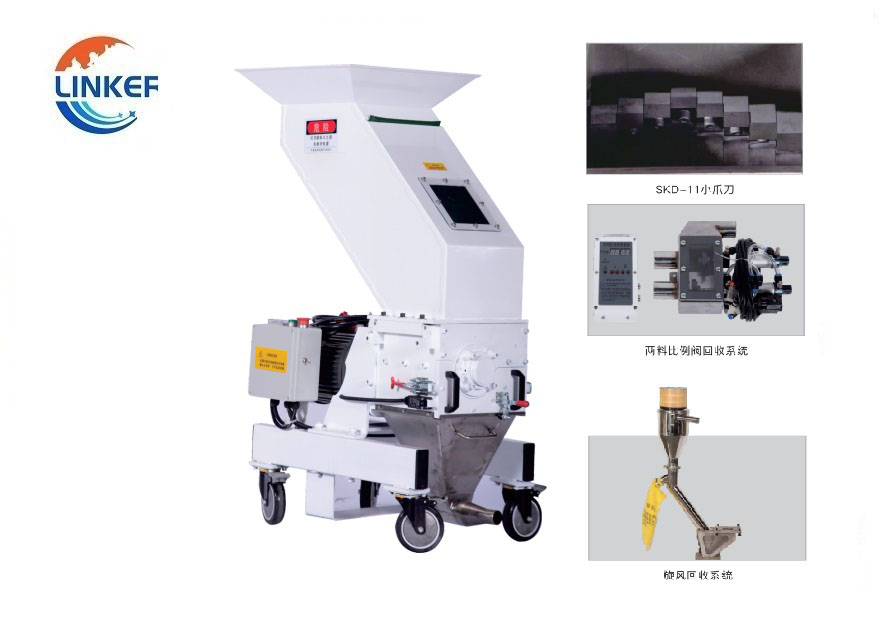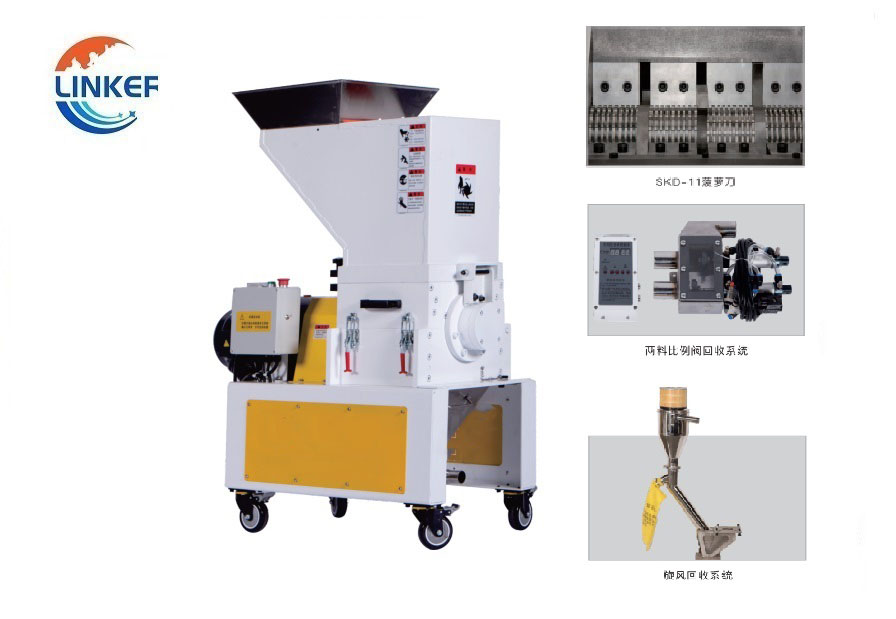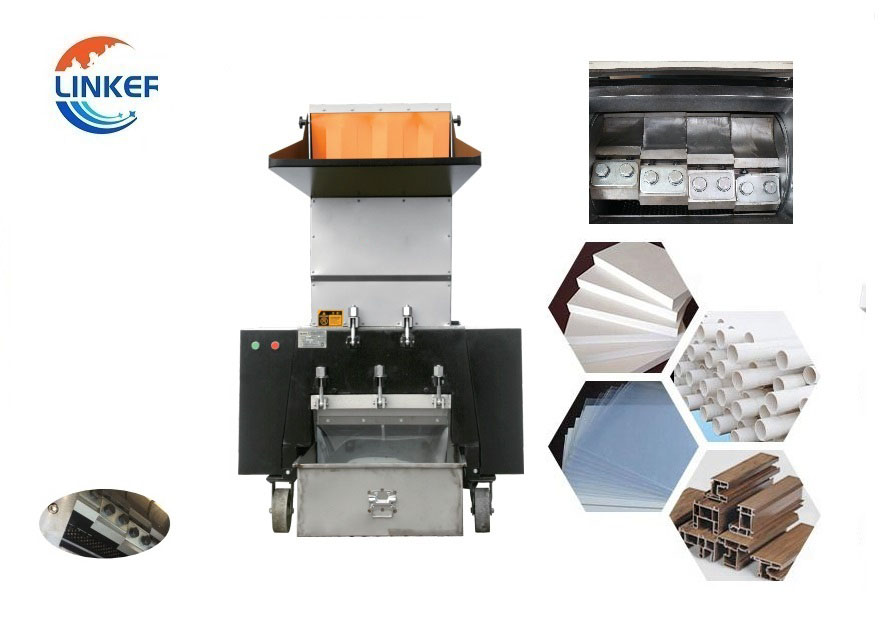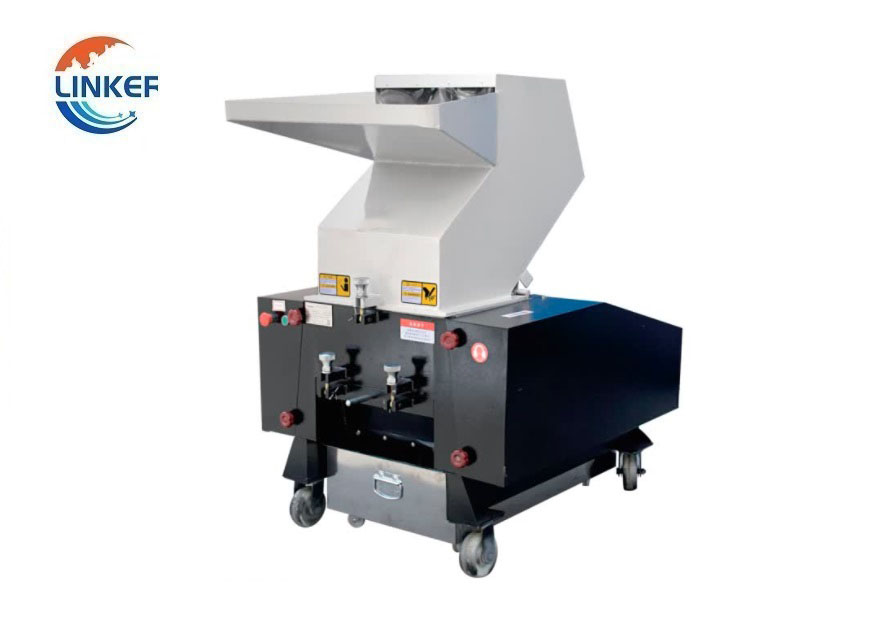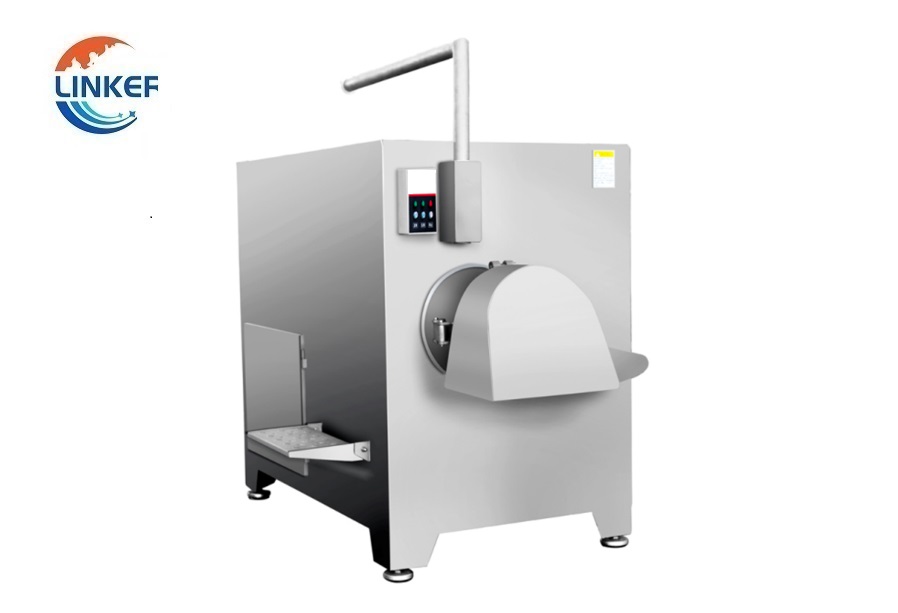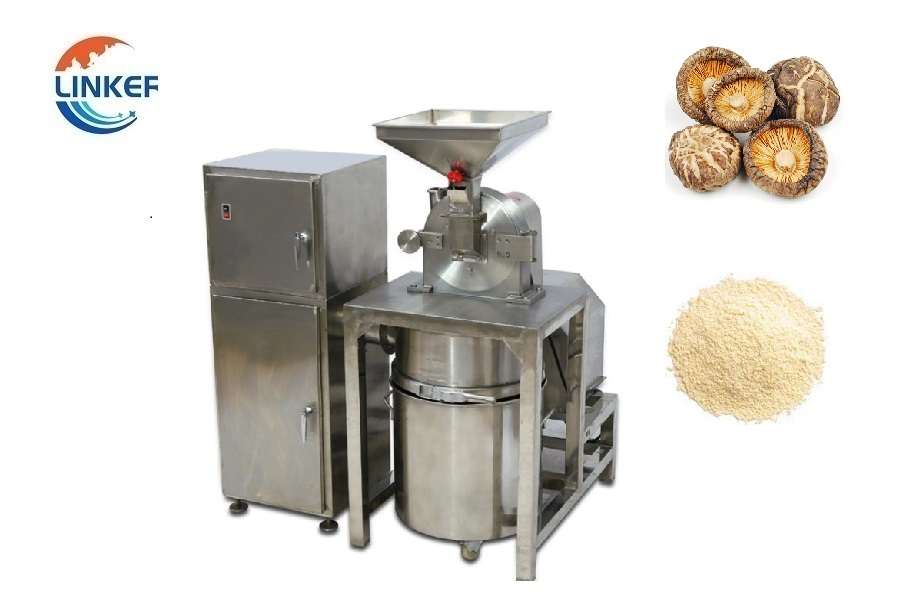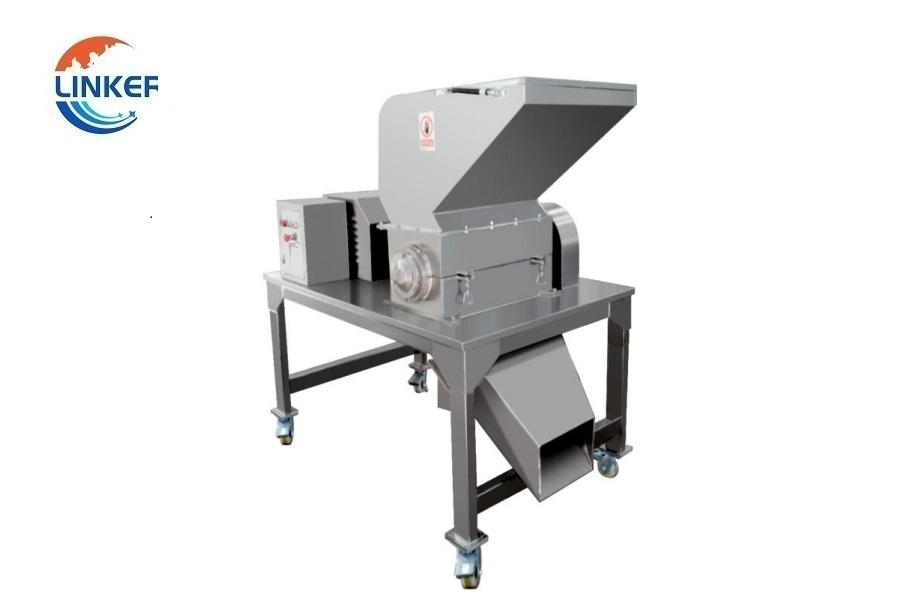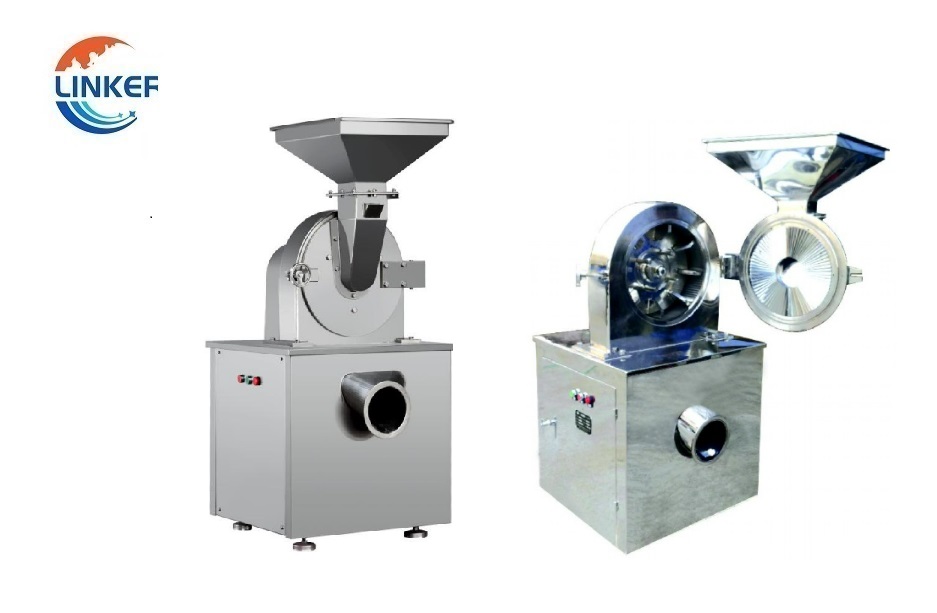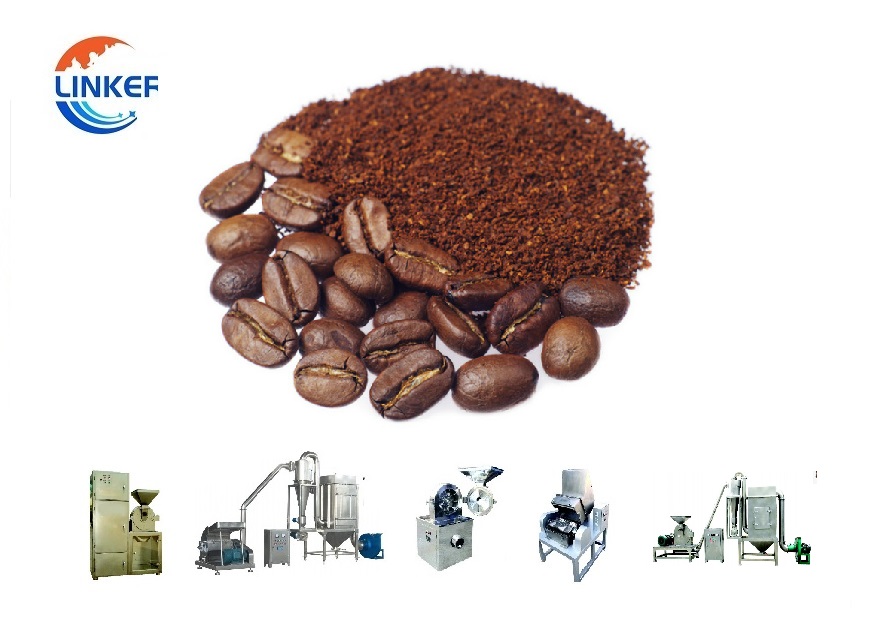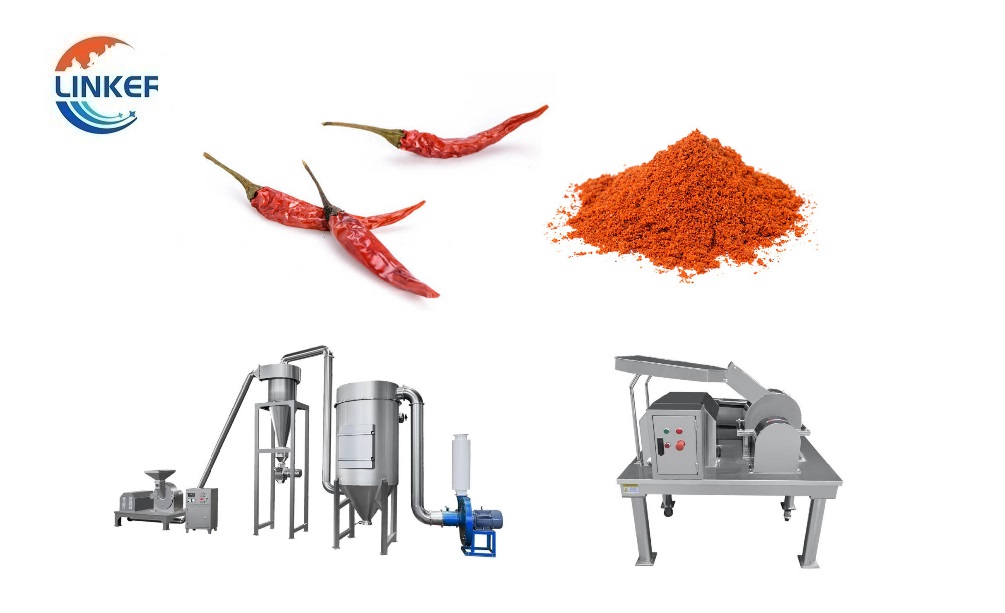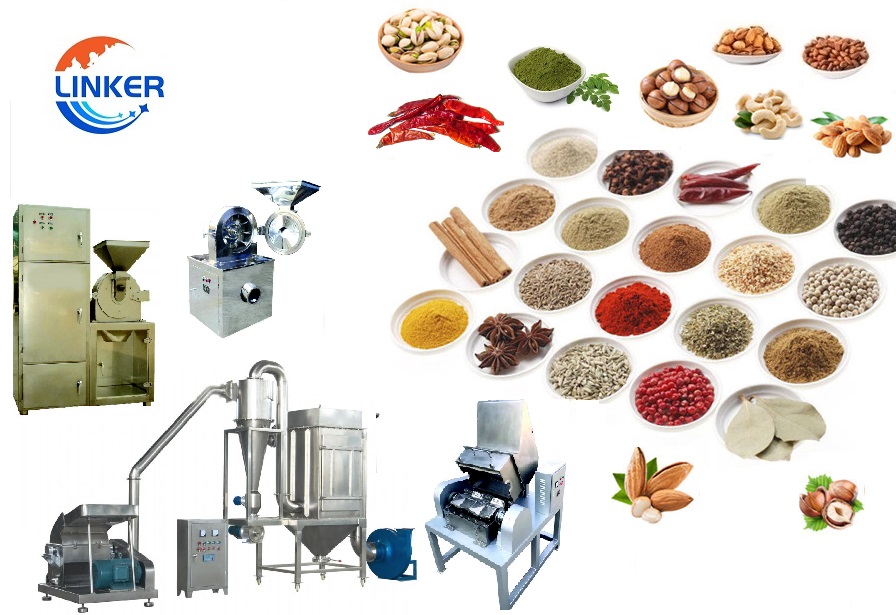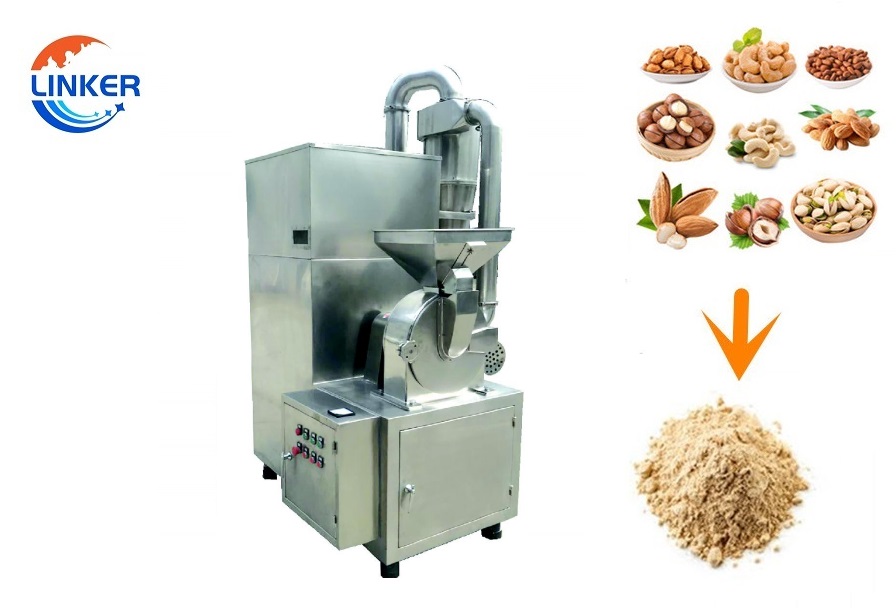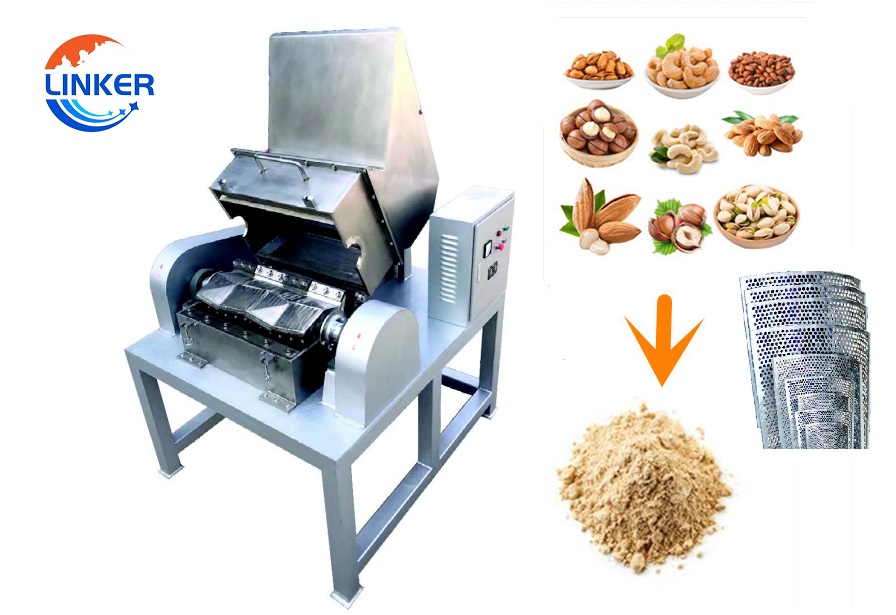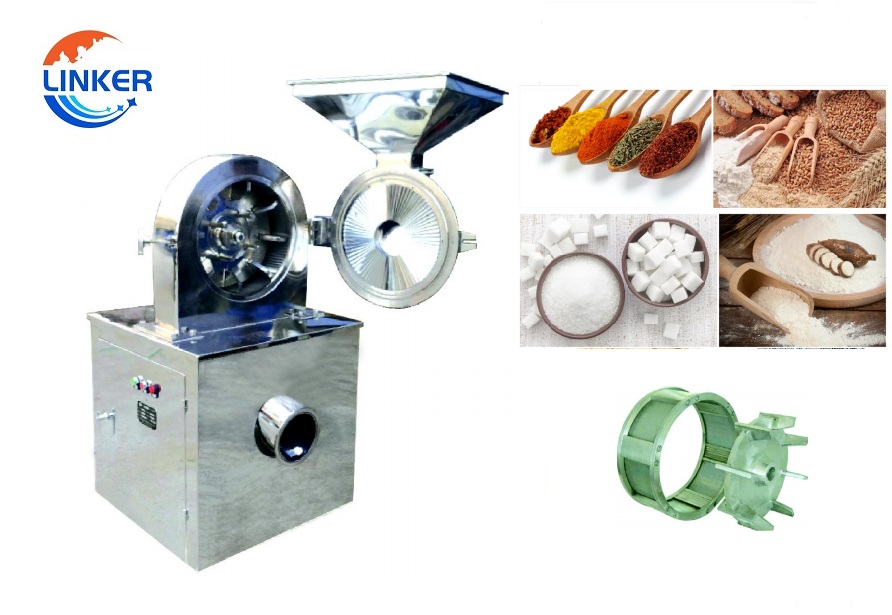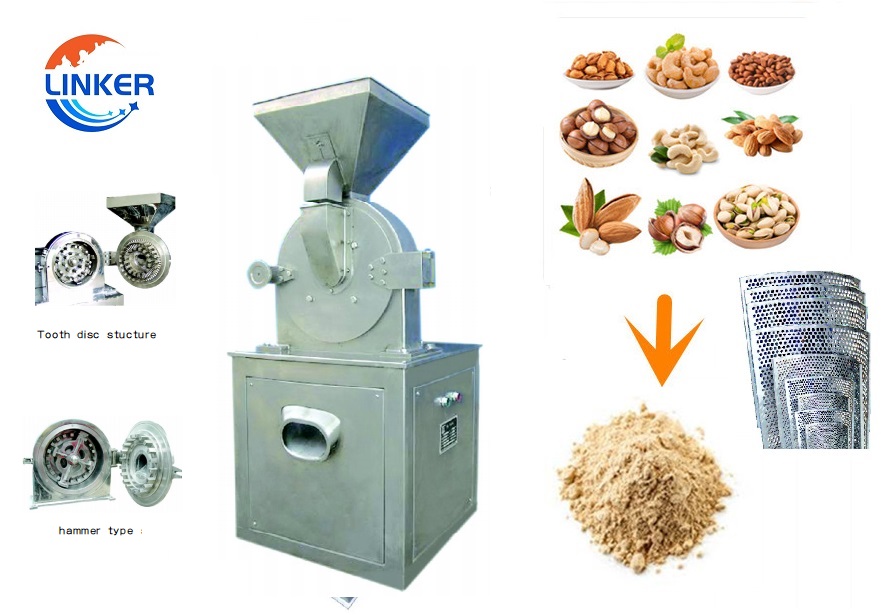
Resin Powder Grinder

Resin Powder Grinder
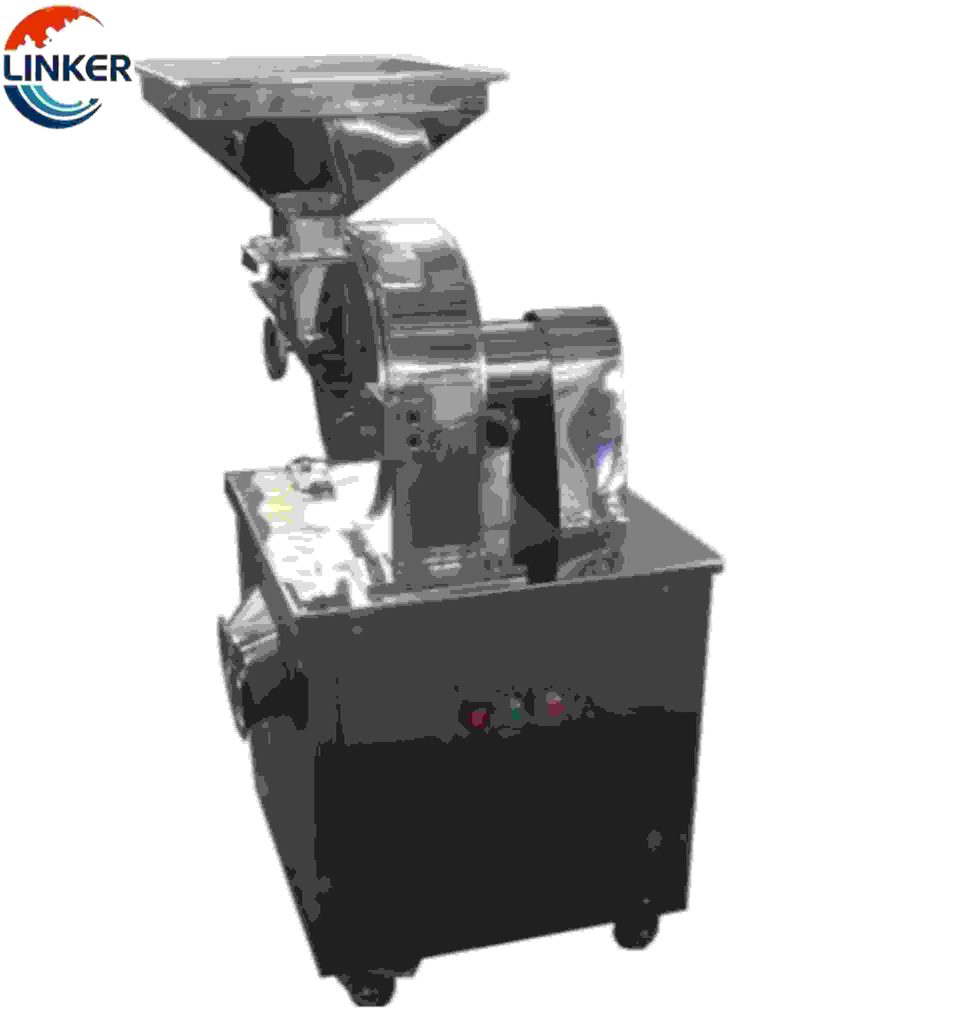
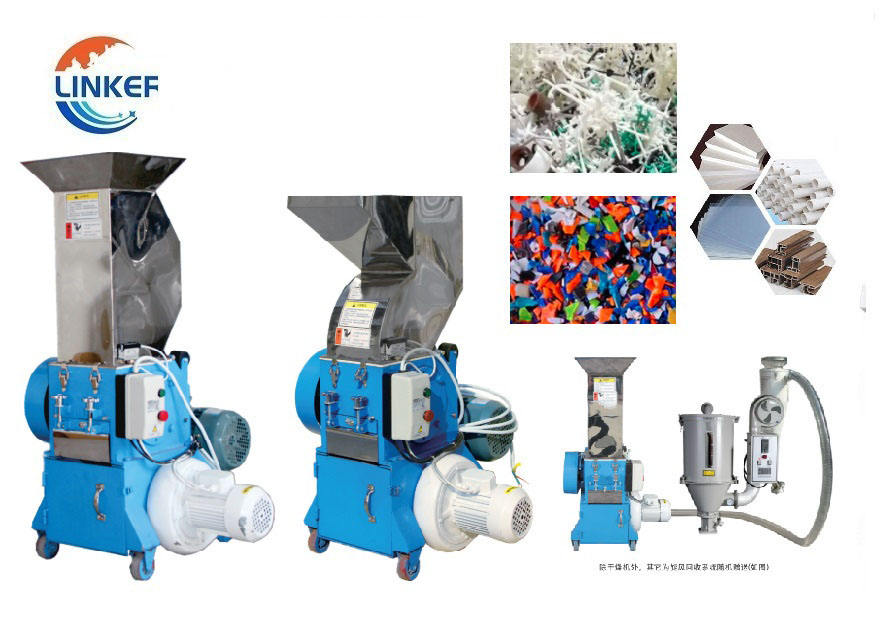
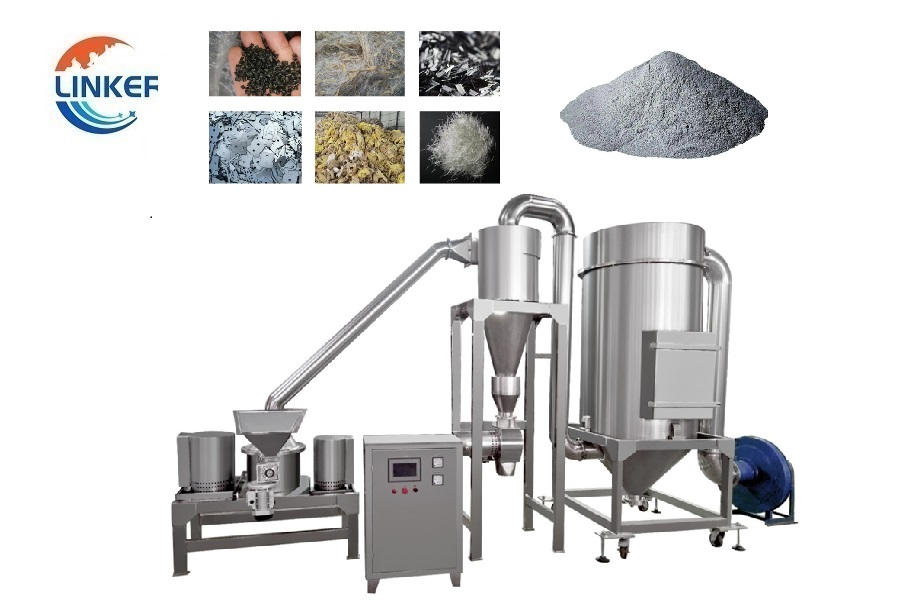
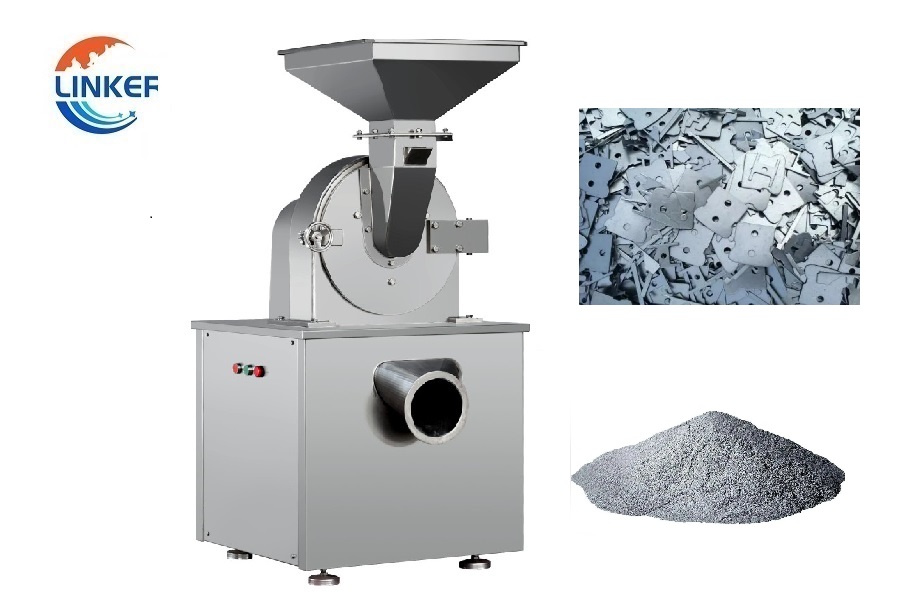
  • Suitable Grinding Material: resin pellets, resin scraps, PE, PP, ABS, PET, PVC, Nylon and other thermoplastic resin materials;
  • Maximum capacity: 15‑120(kg/hour);
  • Output particle size: 0.1‑2mm, adjustable grinding gap for different powder fineness
  • Machine Weight: 75‑260kg;
  • Total Power: 2.2‑11KW
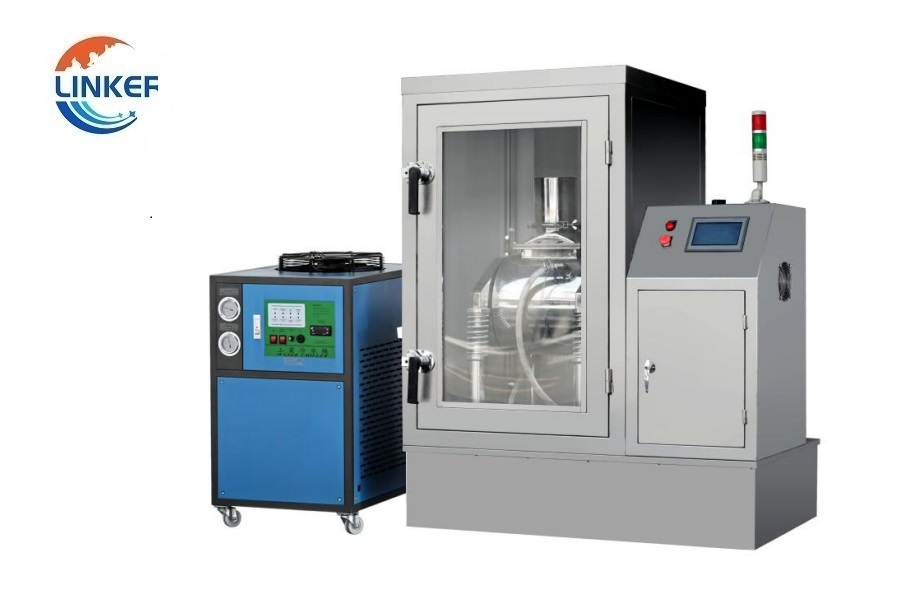
  • Optional Feature: low‑temperature cooling system to prevent resin melting under high‑speed grinding
  • Application: plastic resin recycling, chemical powder processing, plastic modifier production, waste resin re‑processing industry.
  • Notice: This is just an example of machine for resin grinding, this resin powder grinder can also be used for other thermoplastic polymer materials, and there also have many models mill suitable to grind. Please contact with our sales for choosing the right model.


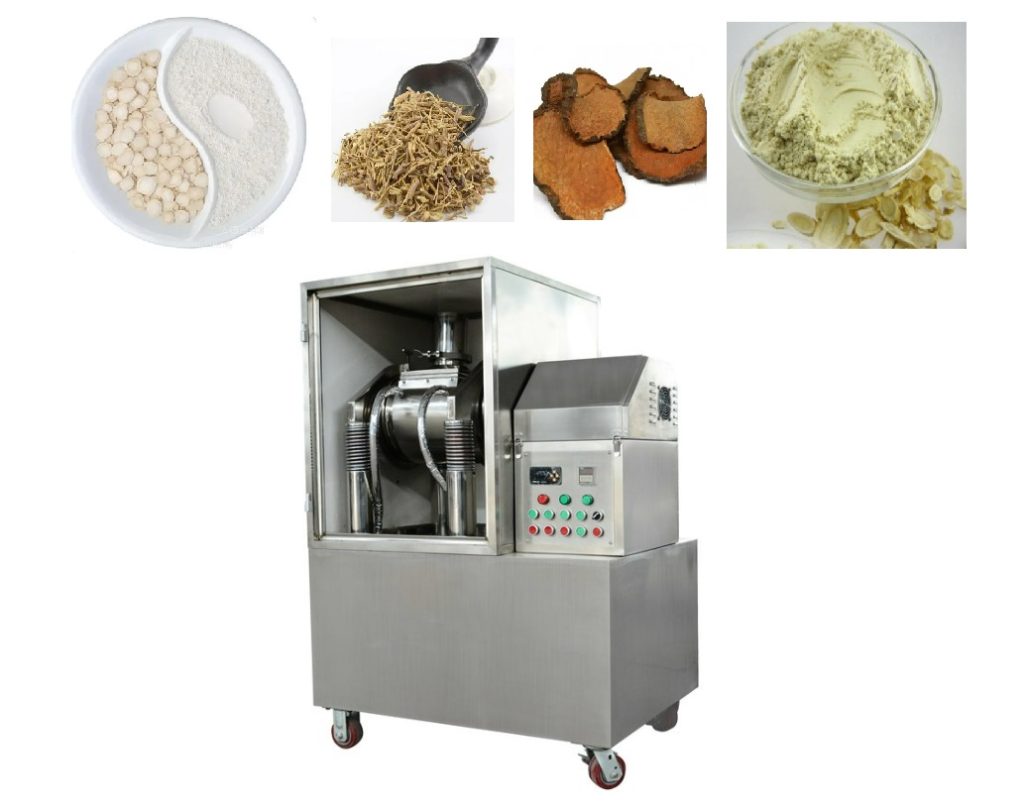
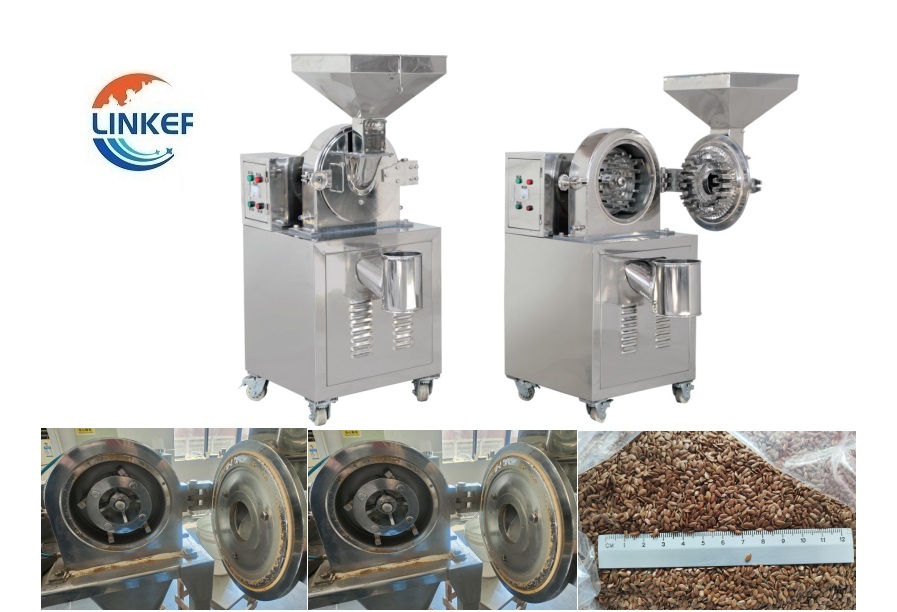
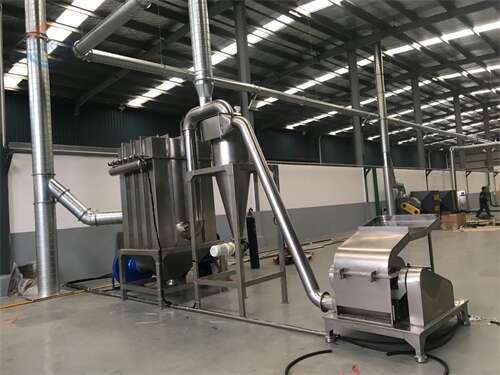
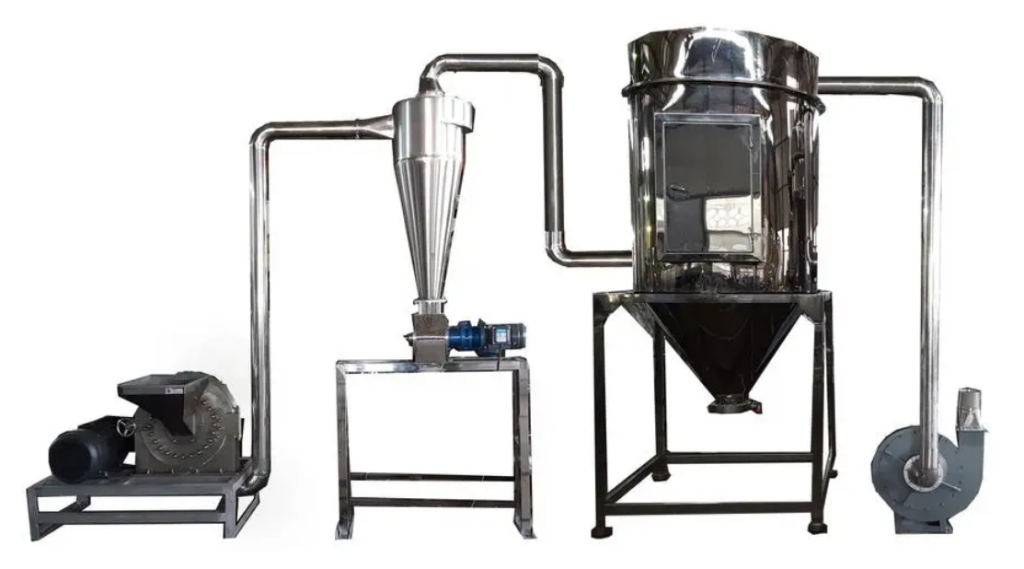
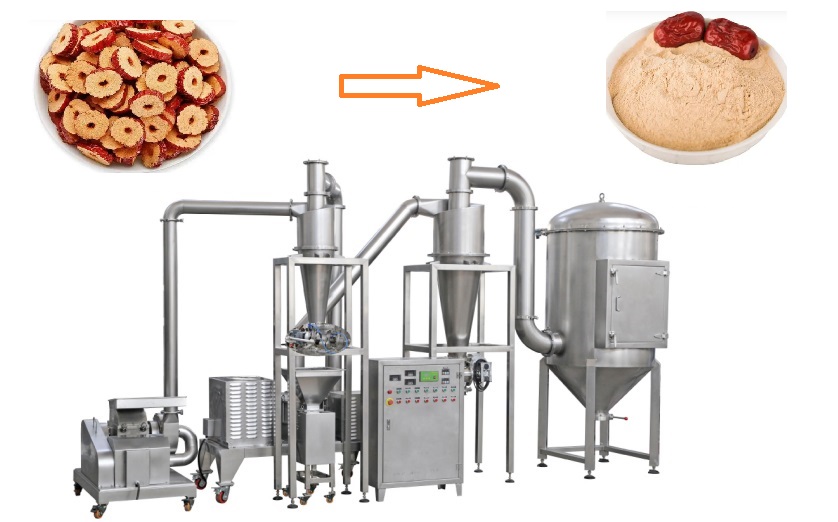
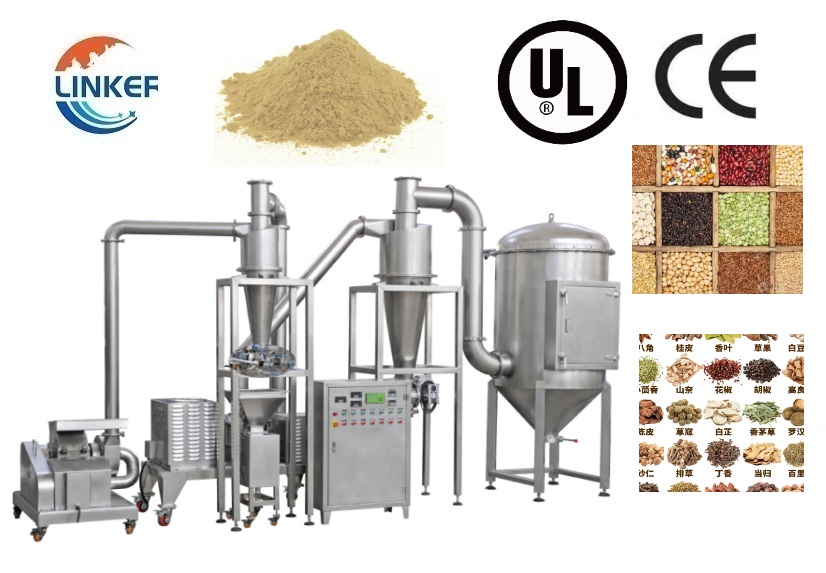
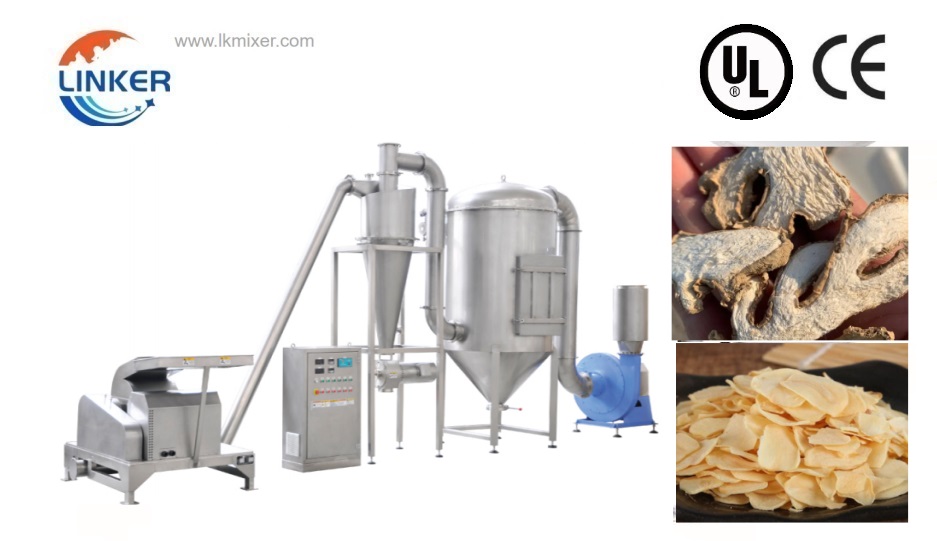
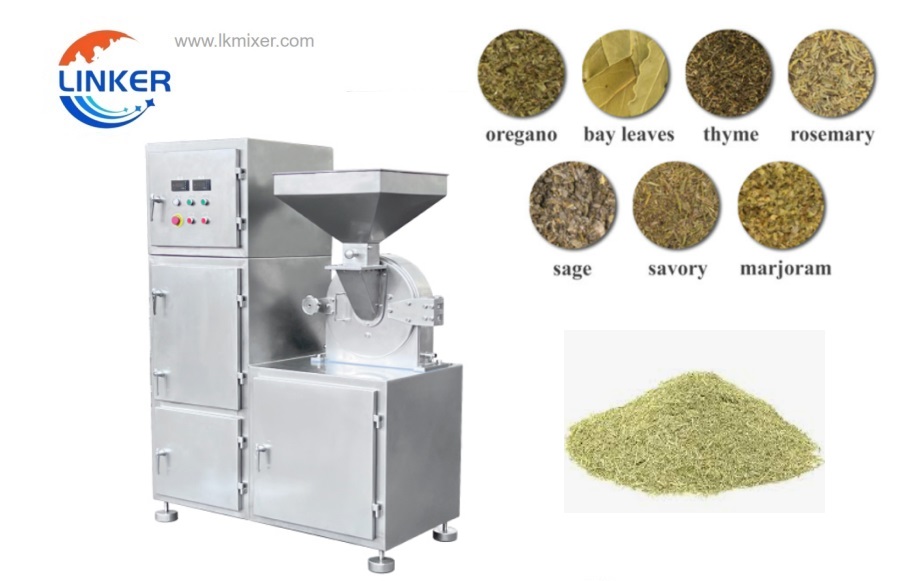
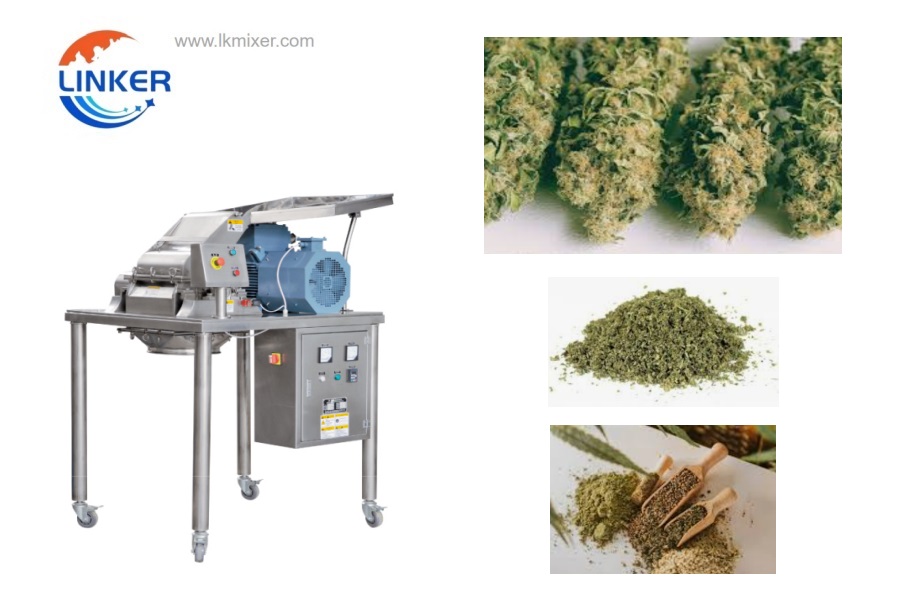
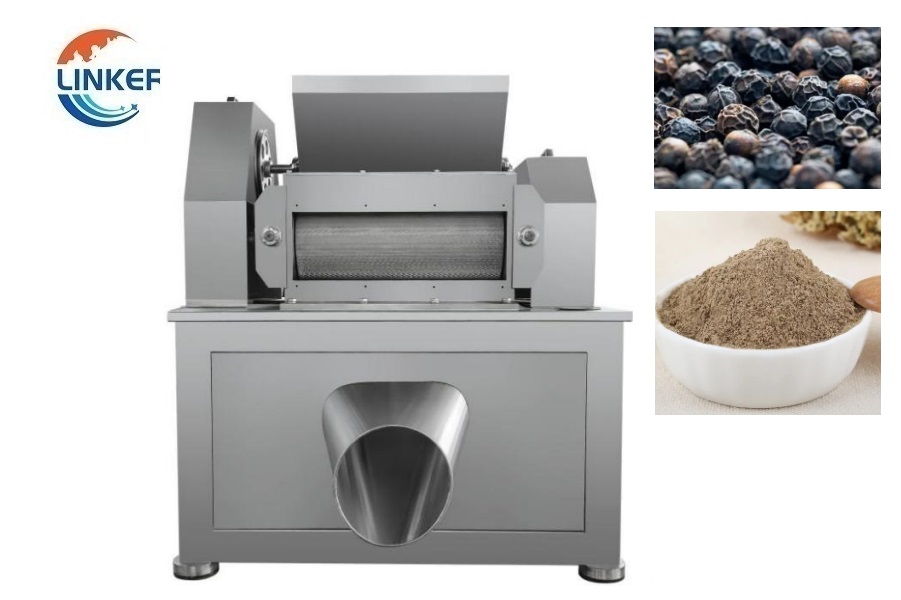
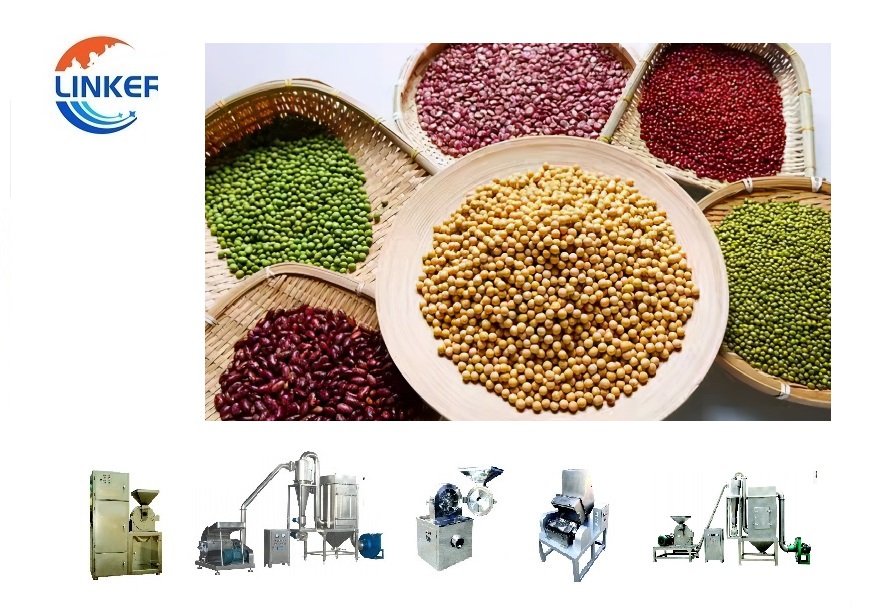
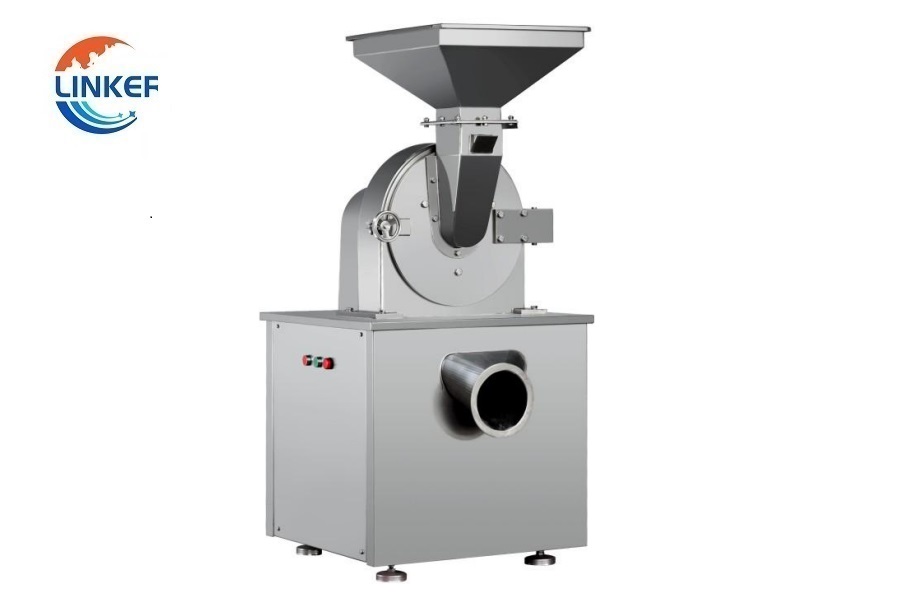
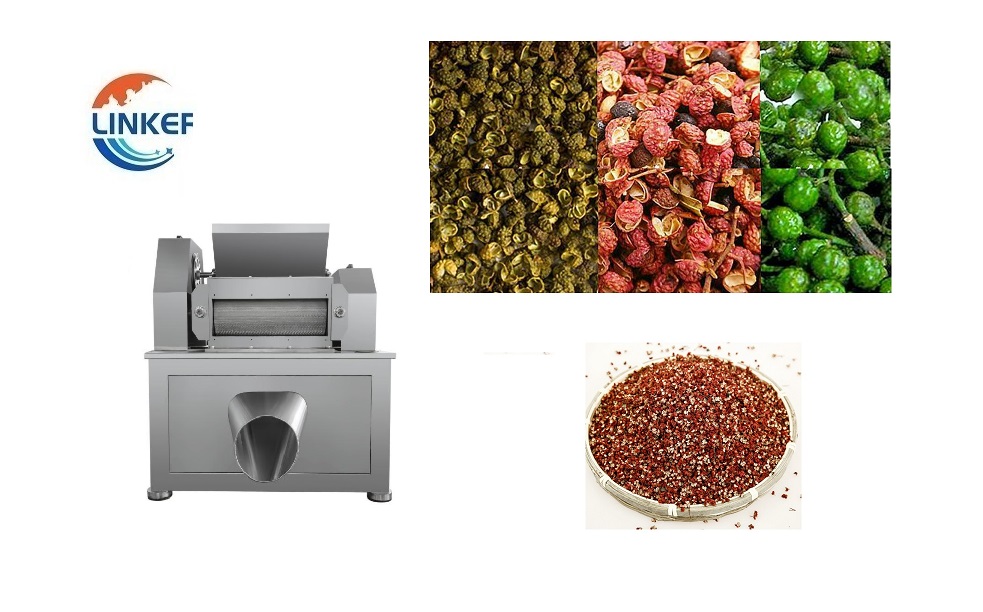
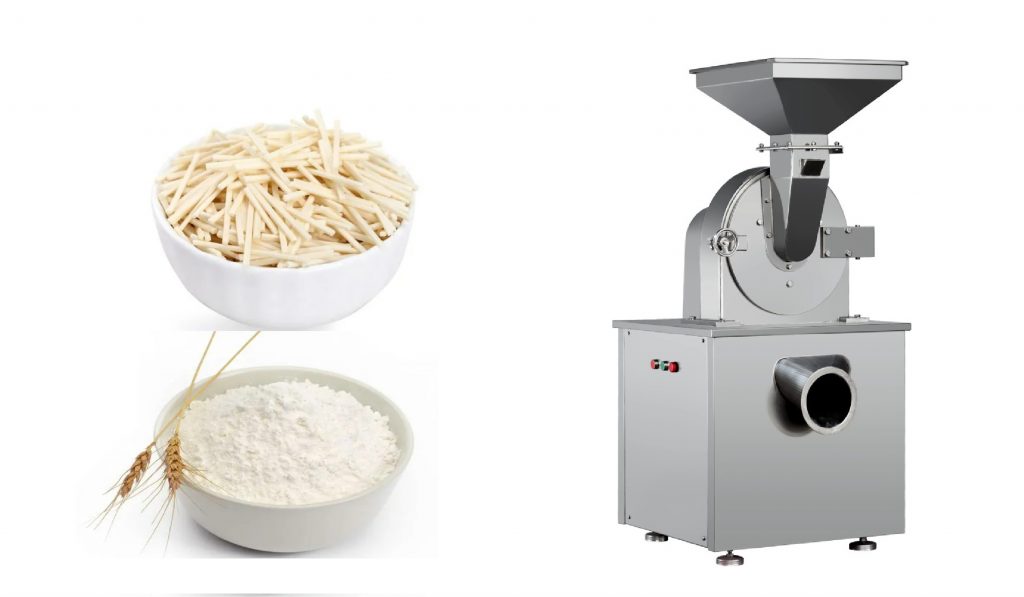
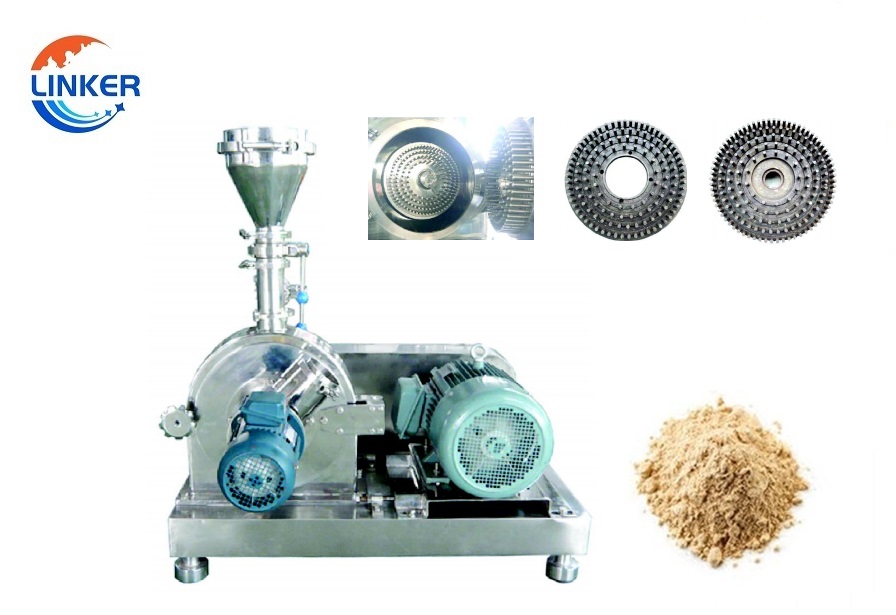
This Grinding Mill adopts mature high‑speed pulverizing structure design, which is extensively used for material grinding in pharmaceutical, chemical, food, herbal medicine, spice and other industries.

Structure

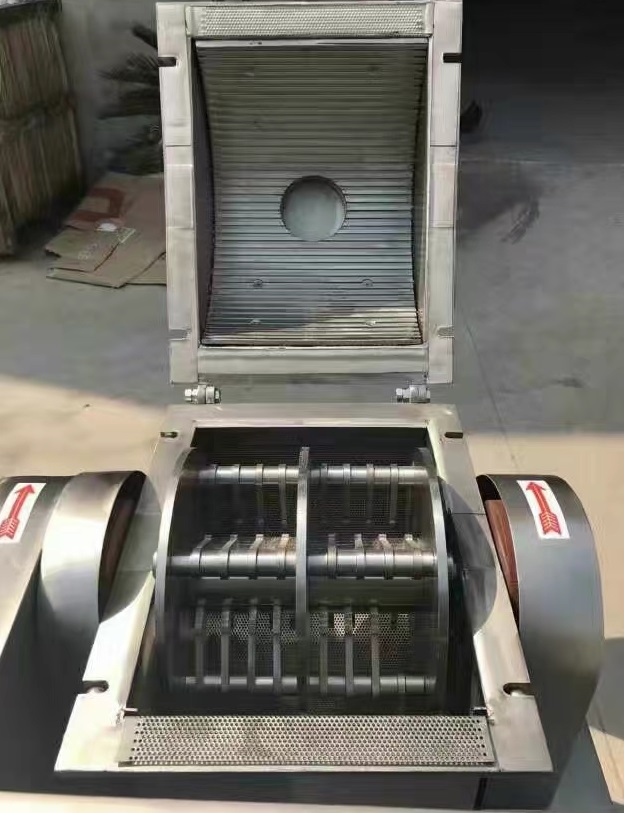
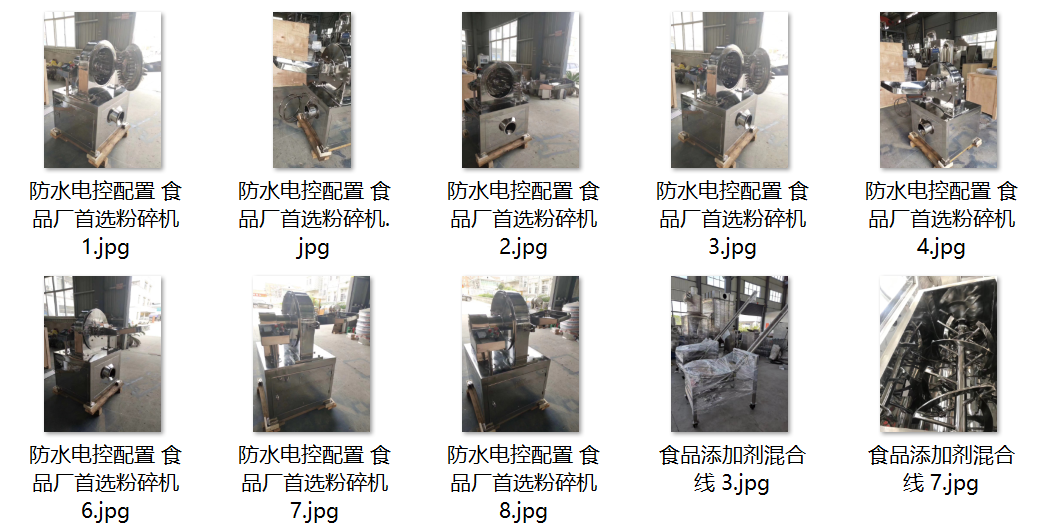
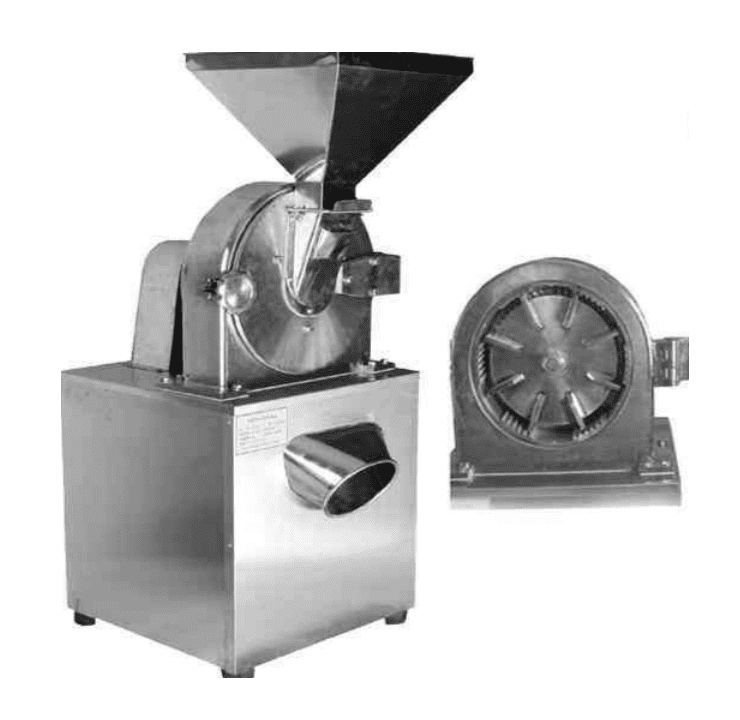
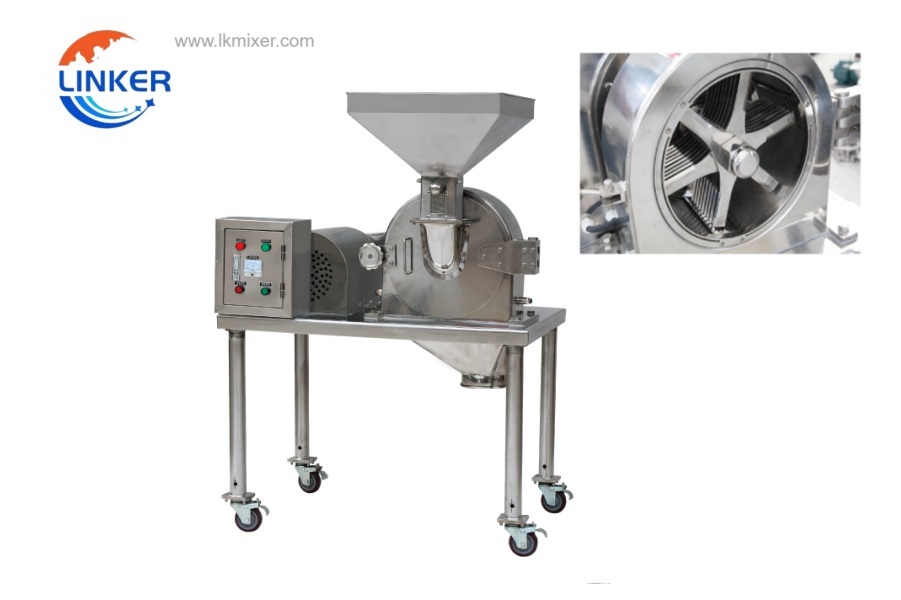
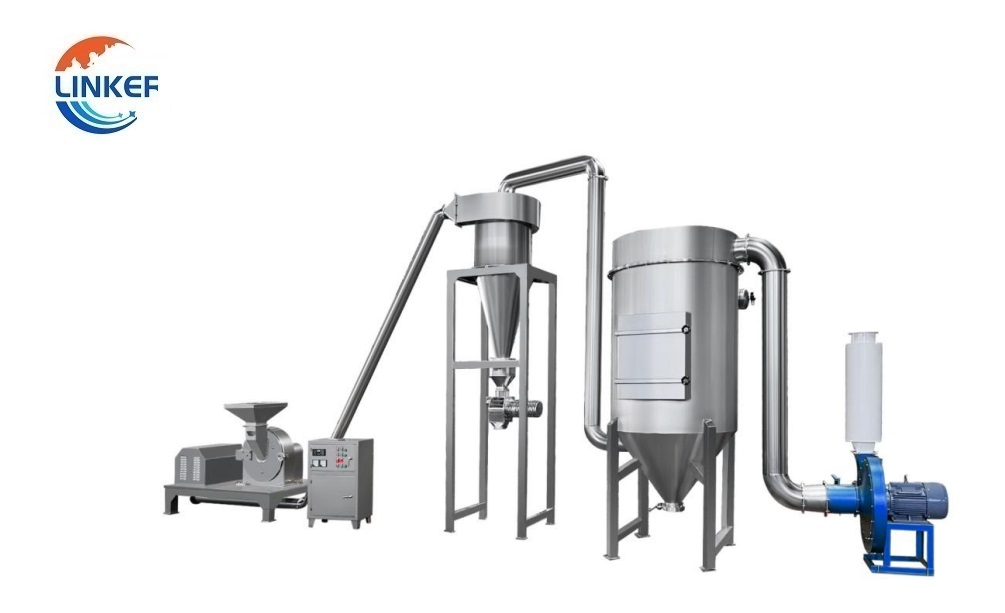
This grinding mill features compact overall layout. It is convenient for installation, disassembly and thorough cleaning. It delivers stable operation performance, moderate working noise, reliable sealing property and outstanding grinding capacity.

Working Principle

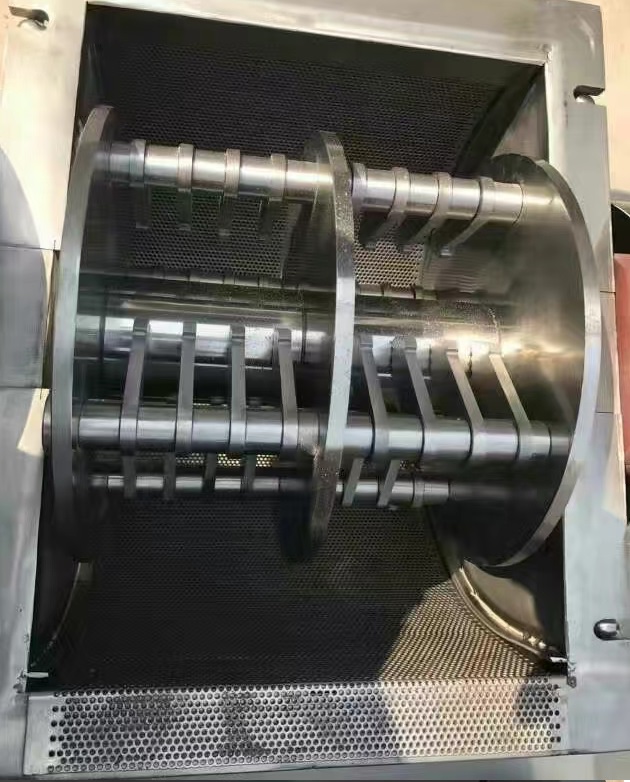
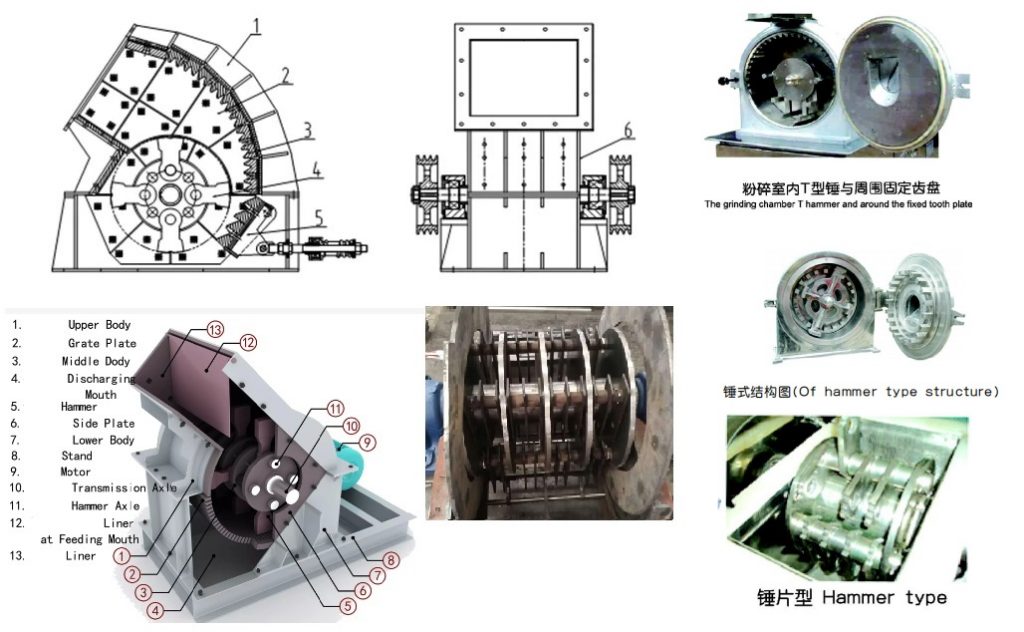
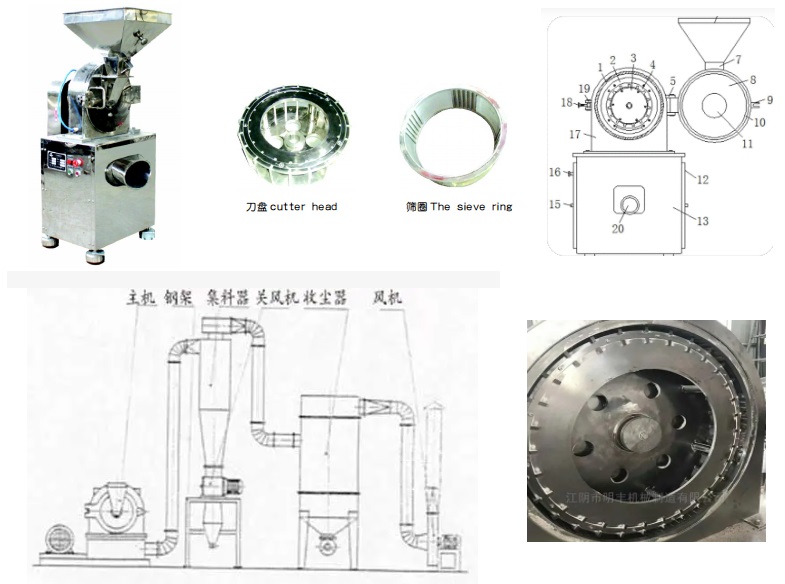
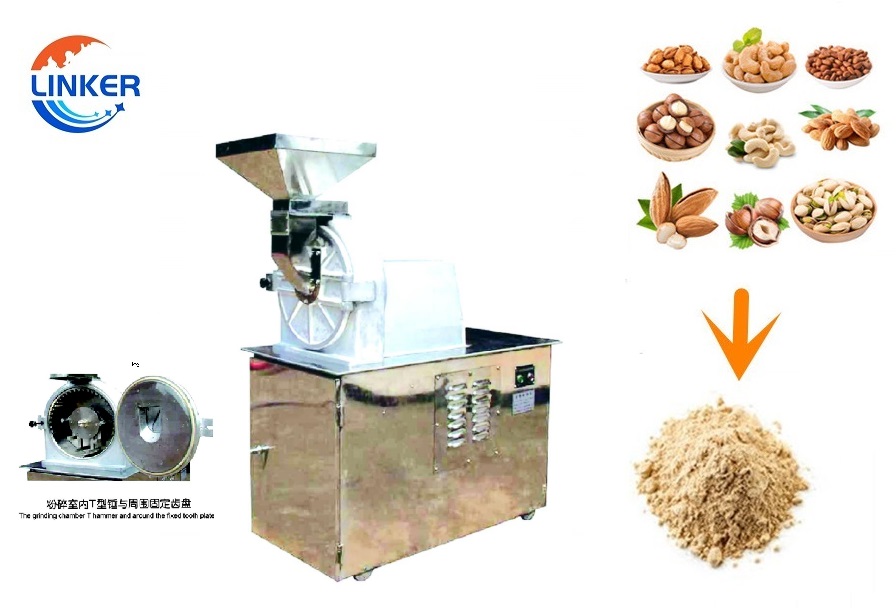
The machine operates at high rotational speed. Raw materials are crushed through continuous impact and shearing force generated between rotating movable teeth and static fixed teeth. Fineness of finished powder can be adjusted according to different raw material characteristics. Particle size of final output can be obtained by replacing different screens or adjusting running speed.
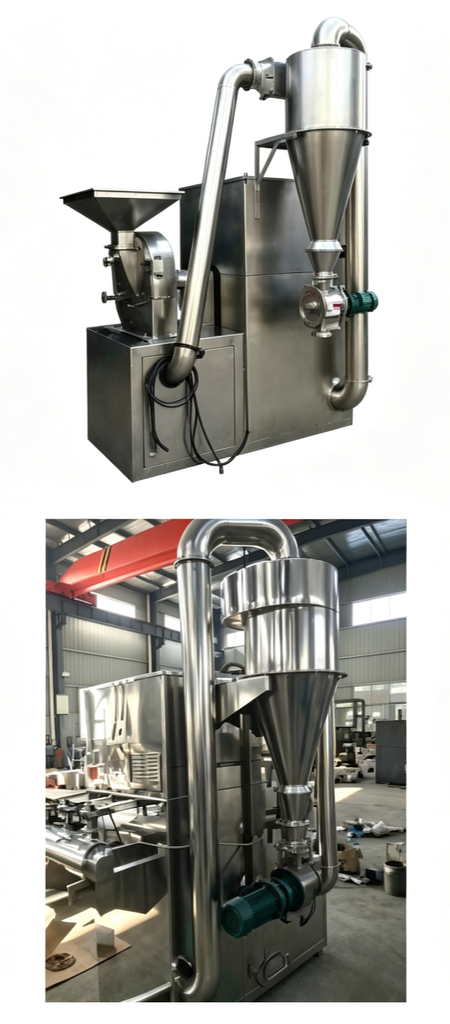
Low Noise Grinding Mill

Resin Powder Grinder

What is a Resin Powder Grinder?

A resin powder grinder is a specialized industrial grinding device professionally tailored for the unique physical properties of resin polymer materials. It is purpose-built to solve the common processing challenges of conventional grinding equipment, including thermal softening, surface adhesion and particle agglomeration that frequently occur when grinding resin at room temperature. This precision processing machine can efficiently crush bulk and granular resin raw materials into ultra-fine powder with consistent particle size distribution through optimized mechanical grinding and intelligent temperature control systems. As indispensable core production equipment, it provides stable and high-quality powder processing solutions for multiple high-end industrial sectors such as powder coating manufacturing, 3D printing material preparation and plastic modification processing.

What Optimized Working Principles Enable Resin Powder Grinders to Achieve Stable and High-Quality Resin Pulverization?

Resin powder grinders adopt a dual-core processing mechanism combining composite mechanical force and low-temperature temperature control, which is specially optimized for the typical heat-sensitive characteristics of polymer resin materials. Unlike ordinary grinders that rely solely on high-speed friction for pulverization and easily generate excessive heat accumulation, professional resin grinding equipment fundamentally avoids material deterioration by optimizing both mechanical grinding mode and internal temperature environment. Most thermoplastic resins feature low glass transition temperatures, meaning they tend to soften, melt and stick to equipment walls under continuous friction and high-temperature conditions. The targeted structural and procedural optimization of resin powder grinders completely adapts to this material characteristic, enabling continuous and stable pulverization of various resin products.

After standardized pretreatment, uniform and clean resin particles are transported into the sealed grinding cavity for primary crushing and refinement. The high-speed rotating cutter discs and tooth plates inside the cavity generate powerful instantaneous impact force and strong shear force, which quickly break down granular resin materials into fine micro-particles. A key design advantage of this grinding stage is the extremely short material residence time inside the cavity. The equipment completes particle crushing and separation in an instant, avoiding the long-term friction and repeated extrusion that cause excessive heat accumulation. This short-cycle mechanical processing method eliminates the basic conditions for resin thermal softening from the mechanical operation level.

To further lock the processing stability of heat-sensitive resin materials, resin powder grinders are equipped with comprehensive multi-dimensional temperature control systems, including air cooling, water cooling and deep cryogenic cooling configurations according to different model grades. These supporting temperature regulation systems can stably maintain the internal cavity temperature consistently below the glass transition threshold of various resins throughout the grinding process. By continuously dissipating frictional heat generated during high-speed operation, the equipment completely resolves core industrial pain points such as resin thermal softening, wall adhesion, particle caking and material agglomeration. This stable low-temperature environment ensures that the physical properties of resin materials remain unchanged, supporting long-term uninterrupted continuous production.

The final particle sizing and screening system ensures uniform particle size distribution of finished resin powder and improves product yield and qualification rate. After primary grinding, mixed resin particles with different fineness will pass through high-precision classifying wheels and mesh screens for automatic screening and classification. Fine particles that meet the preset fineness standards are smoothly discharged from the cavity and collected as finished products, while unqualified coarse particles and incompletely crushed aggregates are automatically returned to the grinding area for secondary circulating refinement. This closed-loop circulating grinding mode eliminates large-particle residues in finished powder, realizing precise and controllable particle size and highly consistent product quality for each batch of resin powder.

What Are the Structural Characteristics and Industrial Application Orientations of Mainstream Resin Powder Grinder Models?

What production advantages and applicable scenarios do disc-type resin grinders have for conventional resin processing? Disc-type resin grinders are cost-effective universal grinding equipment designed for medium and small-batch resin production, adopting high-speed rotating tooth disc structures as the core grinding components. The main spindle of the equipment can reach a stable operating speed of 4300 r/min, providing sufficient kinetic energy for rapid crushing of resin particles. Equipped with dual air cooling and water cooling temperature control systems, the equipment achieves dual guarantee of heat dissipation and anti-sticking performance, fully adapting to continuous room-temperature grinding of conventional thermoplastic resins.

This universal resin grinder has flexible and adjustable processing performance, with finished powder fineness freely adjustable between 20 mesh and 120 mesh, fully covering the particle size requirements of conventional resin powder products. It supports a maximum feeding particle size of 6mm, allowing direct processing of conventional resin granular raw materials without complex pre-crushing treatment. The equipment’s hourly production capacity is stably maintained between 60kg and 150kg, balancing processing efficiency and product quality. With simple overall structure, few vulnerable parts and convenient daily disassembly, cleaning and maintenance, it has become the preferred standard equipment for medium and small-scale resin processing factories.

What large-scale production capabilities do vertical and horizontal resin ball mills have for high-hardness resin refinement? Vertical and horizontal resin ball mills are industrial-grade large-capacity grinding equipment optimized for high-hardness modified resin and silicone resin materials. The equipment is filled with high-strength wear-resistant grinding media inside the sealed cylinder body, and operators can flexibly adjust the rotating speed and media filling rate according to resin hardness, toughness and target fineness requirements. Through continuous rolling, impact and friction of grinding media, hard resin particles are gradually refined, achieving ultra-fine grinding effect down to 200 mesh or 0.074mm minimum fineness.

This series of ball mill equipment supports uninterrupted continuous circulating production, with single-machine hourly output reaching hundreds of kilograms, fully meeting the large-scale mass production needs of the fine chemical resin industry. Meanwhile, the equipment supports customized cylinder volume specifications, covering the whole production chain from laboratory small-batch trial production and formula verification to formal industrial large-scale quantitative production. It has strong compatibility with high-hardness resin materials that are difficult to process with ordinary tooth disc grinders, and is widely used for deep processing and ultra-fine pulverization of various modified functional resins.

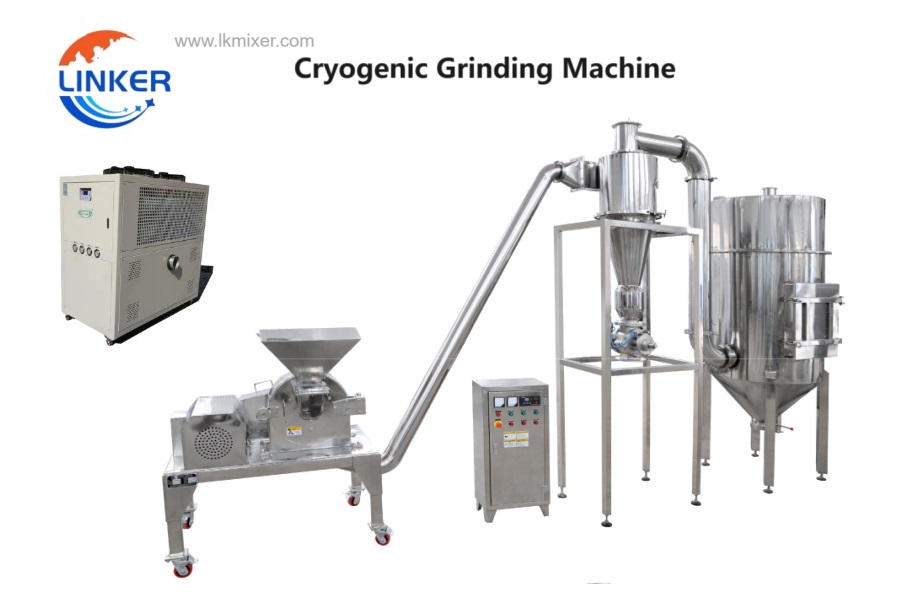
How do cryogenic ultra-fine resin grinders break through the processing limitations of low-melting-point viscous resins? Cryogenic ultra-fine resin grinders are professional customized equipment for high-viscosity, low-softening-point heat-sensitive resins that cannot be processed by conventional room-temperature grinding equipment. The machine is equipped with a complete liquid nitrogen cryogenic cooling system, which can rapidly reduce the internal temperature of the grinding cavity to dozens of degrees below zero. The ultra-low-temperature environment completely changes the physical state of viscous resin materials, making flexible and adhesive resin materials fully brittle and rigid.

After cryogenic embrittlement treatment, resin materials such as EVA, PE and PP, which are prone to melting, sticking and agglomerating during normal-temperature grinding, can be efficiently crushed and refined without any thermal damage or adhesion problems. The equipment can stably process these special heat-sensitive resins into uniform ultra-fine powder with mesh counts up to several hundred, filling the technical gap in fine processing of low-melting-point polymer materials. It provides reliable processing support for high-end flexible resin powder products with strict quality requirements.

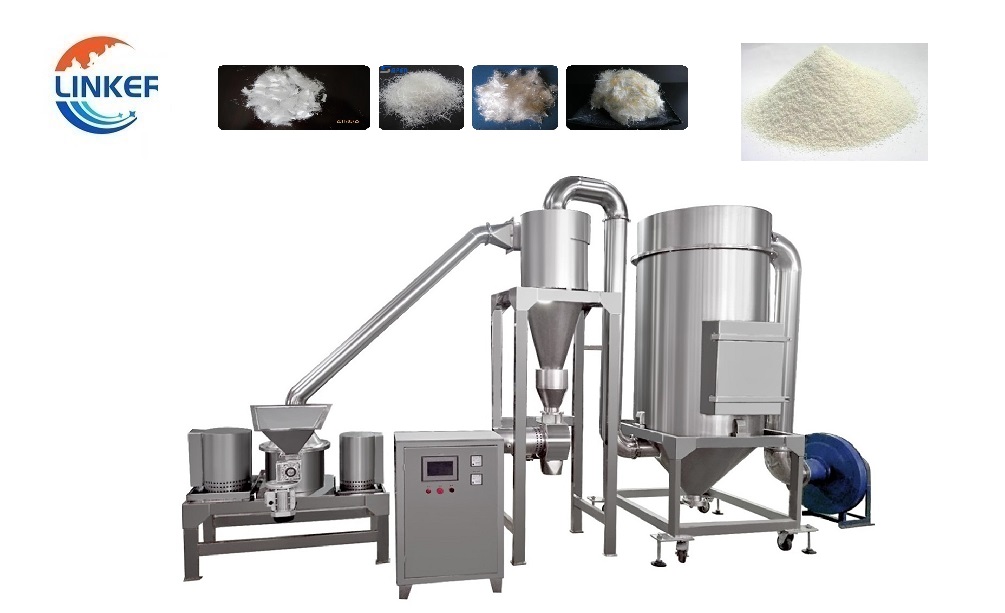
What high-precision processing advantages do airflow resin grinding production lines have for high-purity resin powder? Airflow resin grinding production lines belong to high-end non-contact grinding equipment, adopting high-speed airflow driving force to realize self-collision and self-crushing of resin particles. Different from traditional mechanical grinding that relies on blades and tooth discs for shearing and impact, the entire grinding process of airflow equipment has no direct contact between metal components and resin materials. This non-contact processing mode completely eliminates heat generation caused by mechanical friction and thoroughly avoids material pollution and impurity mixing caused by component wear.

The airflow resin grinding unit can directly process original resin particles with a particle size of 3mm into high-precision ultra-fine powder with D90 particle size less than or equal to 27μm. It maintains a stable hourly output of 500kg, achieving high-efficiency and high-purity continuous large-scale production. With outstanding advantages of zero pollution, low temperature and ultra-fine fineness, this production line is specially suitable for manufacturing high-end powder coatings and 3D printing polymer materials that require extremely high powder purity and uniform particle size, becoming the core supporting equipment for high-end resin material processing enterprises.

What Core Application Advantages Do Resin Powder Grinders Bring to Polymer Material Processing?

How do resin powder grinders achieve stable processing of heat-sensitive resin materials and eliminate common production failures? Resin powder grinders fundamentally solve the industry’s long-standing processing pain points through multi-level temperature control and short-cycle grinding design. Conventional grinding equipment often causes resin softening, wall sticking and particle caking due to frictional heat accumulation, resulting in frequent equipment blockage, interrupted production and unstable product quality. In contrast, professional resin grinding machines maintain a low-temperature processing environment throughout the whole process, strictly controlling the cavity temperature below the resin glass transition point. This design ensures that all heat-sensitive resin materials maintain stable physical properties during pulverization, realizing continuous, smooth and non-blocking grinding operation.

Why can resin powder grinders achieve precise and controllable powder fineness to meet differentiated industrial demands? Resin powder grinders have highly flexible and adjustable grinding accuracy, which can fully adapt to the diversified fineness standards of downstream industrial products. By adjusting equipment rotating speed, classifying wheel parameters, grinding media filling capacity and screening specifications, the equipment can stably produce products ranging from coarse resin powder of tens of meshes to high-precision ultra-fine powder of hundreds of meshes. All finished powder features uniform particle size distribution, no oversized particle residue and no uneven coarse and fine particles. This precise controllability enables the equipment to meet the customized production requirements of different industries for resin powder fineness.

How do high-standard material configurations ensure high purity of finished resin powder? The core components of resin powder grinders that directly contact materials are made of high-quality 304 and 316 food-grade and industrial-grade stainless steel. These materials have excellent chemical stability, wear resistance and non-precipitation properties. During long-term high-speed grinding of polymer resins, the equipment will not produce metal wear debris, oxide peeling or harmful substance precipitation. It effectively avoids impurity contamination and color difference problems of resin powder, fully guaranteeing the purity, finish and comprehensive quality of finished products. This advantage is particularly critical for high-end fields such as 3D printing materials and medical-grade powder coatings that have strict purity requirements.

What makes resin powder grinders highly flexible to adapt to diversified industrial production modes? The complete product matrix of resin powder grinders covers the full production range from laboratory small-batch trial production to industrial large-scale mass production. Small universal grinders and cryogenic experimental models meet the needs of new material formula research, product testing and small-batch customized processing, while large ball mills and airflow production lines support high-efficiency continuous mass production. Most equipment models adopt quick-disassembly structures, supporting rapid material replacement and dead-angle-free cleaning. This flexible switching capability perfectly adapts to the modern resin processing industry’s multi-variety, small-batch and differentiated production mode, greatly improving enterprise production flexibility.

What Are the Typical Industrial Application Fields of Resin Powder Grinders?

Resin powder grinders are widely used in the powder coating manufacturing industry, which is one of the most mature application scenarios for resin powder processing. The equipment can finely process various coating-grade epoxy resins and polyurethane resins into uniform powder coating raw materials. The low-temperature grinding environment ensures no thermal deterioration of resin performance, and the uniform particle size significantly improves the flatness, adhesion and spraying effect of powder coatings, supporting standardized production of high-quality industrial coating materials.

In the field of 3D printing polymer material preparation, resin powder grinders provide high-precision raw material guarantee for additive manufacturing. 3D printing puts forward extremely strict requirements on resin powder fineness, uniformity and purity. Airflow grinders and cryogenic ultra-fine grinders can produce ultra-fine and high-purity resin powder that meets 3D printing standards, effectively avoiding printing defects such as nozzle blockage and uneven molding. They are widely used in the processing of high-performance printing materials such as flexible resin and high-strength engineering resin.

The equipment also plays an irreplaceable core role in plastic modification, hot melt adhesive processing and fine chemical auxiliary production. In plastic modification production, uniform resin powder can improve the mixing uniformity of modified fillers and enhance the comprehensive mechanical properties of plastic products. In hot melt adhesive processing, low-temperature grinding ensures the stability of adhesive viscosity and bonding performance. In addition, it can efficiently process various chemical resin auxiliaries, providing high-quality raw materials for formula optimization in the fine chemical industry.

Resin powder grinders are compatible with almost all thermoplastic resin materials, including polyurethane resin, epoxy resin, polyethylene resin, polypropylene resin and EVA resin. Whether it is conventional general-purpose resin or modified functional resin, the equipment can complete stable and high-quality pulverization processing, covering the whole industrial chain of resin deep processing.

Summary

In summary, a resin powder grinder is a professional polymer-specific grinding equipment developed for the heat-sensitive, easy-sticking and easy-agglomeration processing characteristics of resin materials. It achieves stable pulverization of various resins through the core combination of short-residence mechanical composite grinding and multi-system low-temperature temperature control, completely solving the common defects of thermal softening, wall adhesion and particle caking in traditional resin processing. With diversified models including disc-type universal grinders, industrial ball mills, cryogenic ultra-fine grinders and high-end airflow grinding lines, it fully covers laboratory research and development and large-scale industrial mass production scenarios. It possesses prominent core advantages such as stable heat-sensitive material processing, precise fineness control, high product purity and flexible production adaptation. Widely applied in powder coating production, 3D printing material manufacturing, plastic modification and fine chemical deep processing fields, the resin powder grinder provides efficient, stable and high-quality pulverization solutions for global polymer resin processing industries and has become essential core equipment in modern new material fine processing systems.

Parameters of Low Noise Grinding Mill :
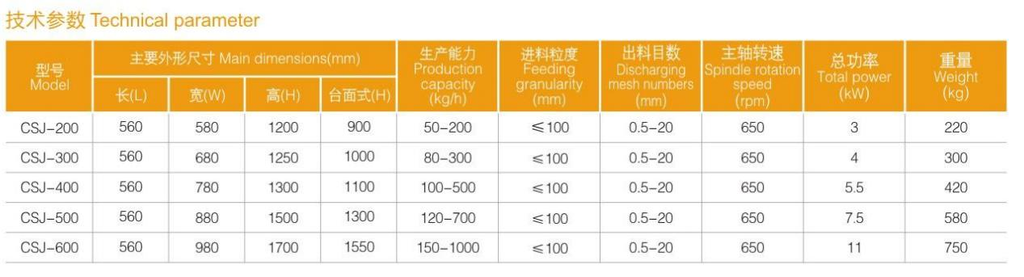
Low Noise Grinding Mill price:

The price of low noise grinding mill is based on different model, from $4280 to $13500. Please inquire our sales with more detail information.

Low Noise Grinding Mill capacity:

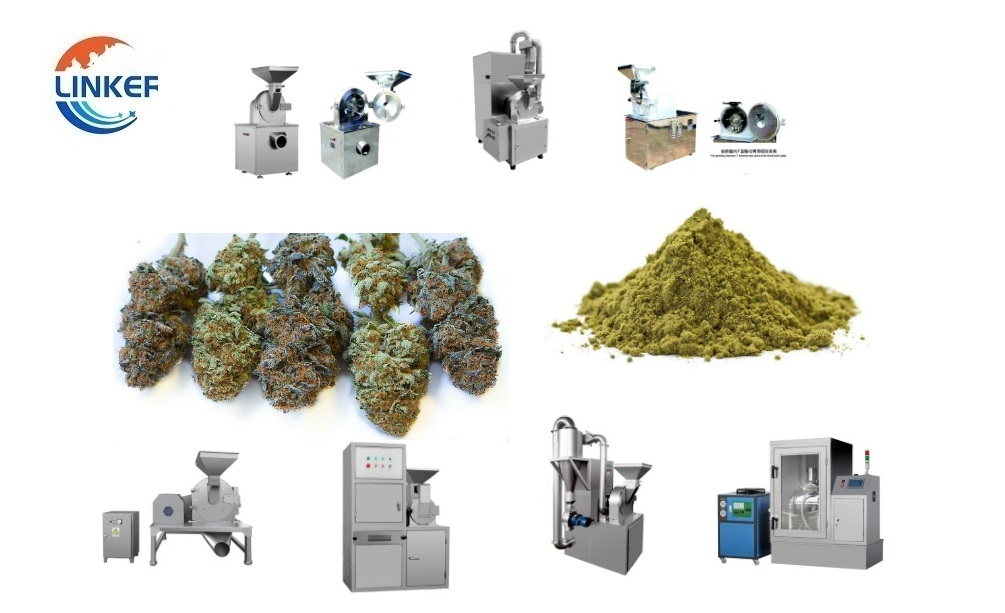
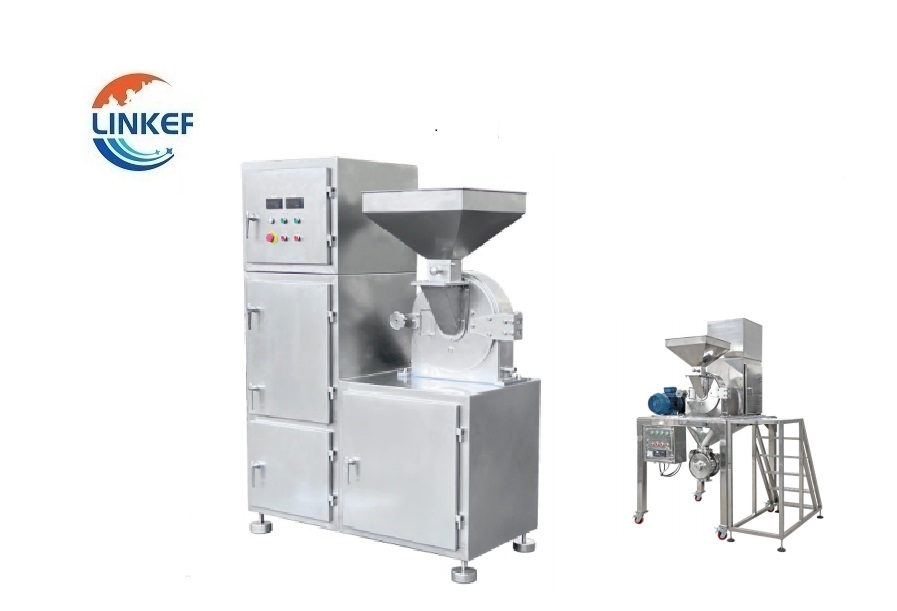
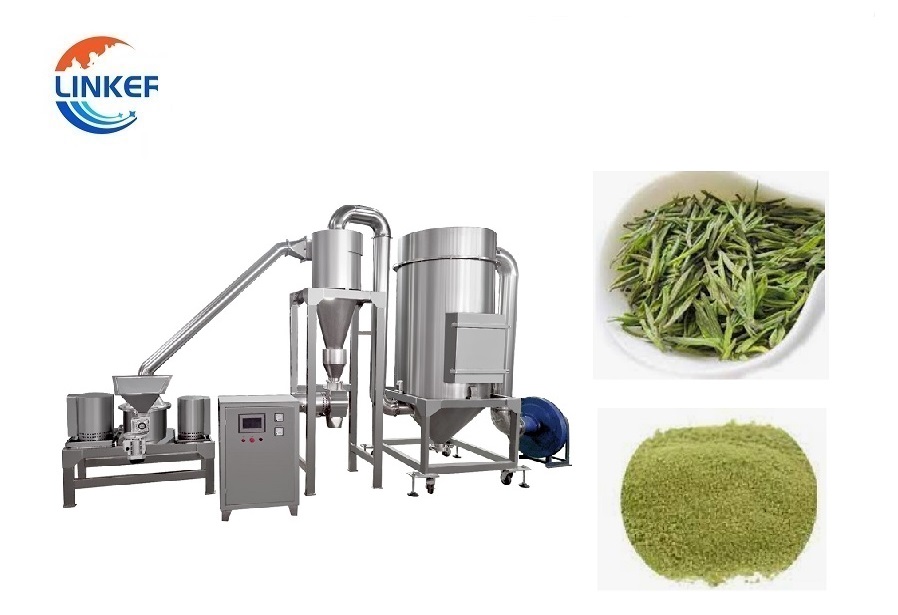
Capacity is around 30‑1100kg/h with this LNG Model, but we also have other models also suitable to grind herbal, spice and dry raw material, it depends on how many input particle size and how many output granule size that you want. That is to say different customer request we will recommend different model to use. such as if you want finer 140‑200 mesh, we will recommend you to use the ultra fine grinding machine. If customer have no space limitation and wish to have better workshop environment, we will recommend the whole dust free group. If customer only small space and need to have small machine, we will recommend you to use the one‑piece integrated small machine to save space occupation of your factory. Please Contact Us for more detail information if you are interest.

There are 2 ways of cooling down the grinding mill: water cooling system; air cooling system. You can choose the right one if the mill gets too hot. When machines goes too hot, the metal can expand, causing the grinding tooth to get stuck.

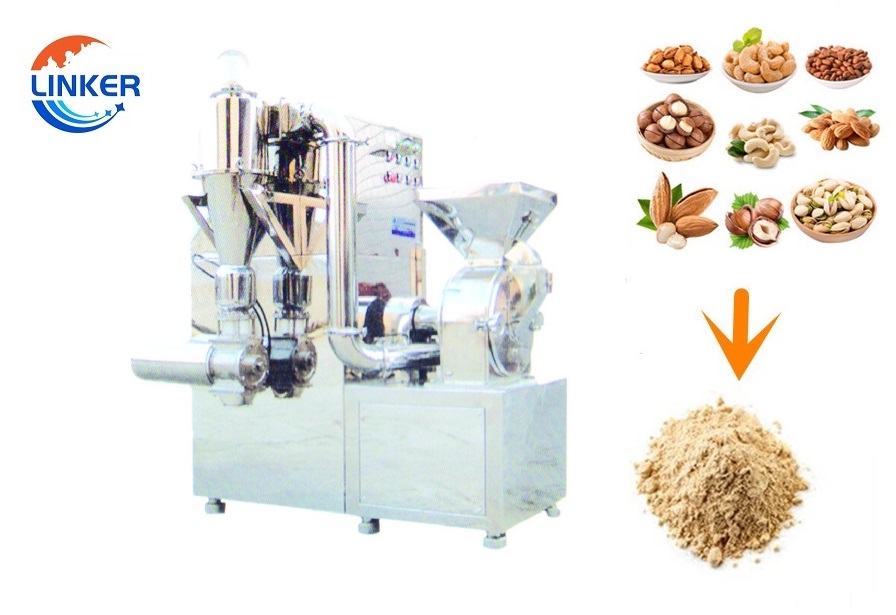
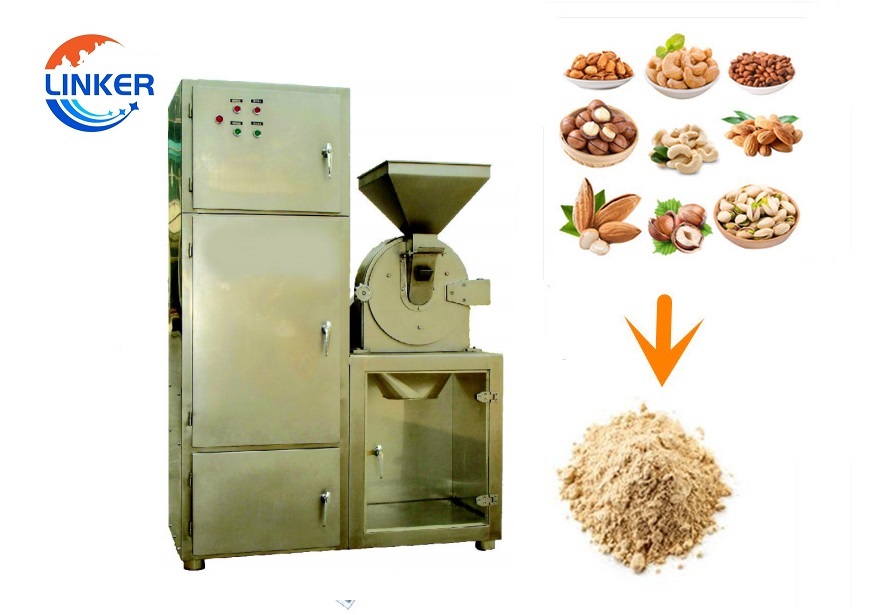
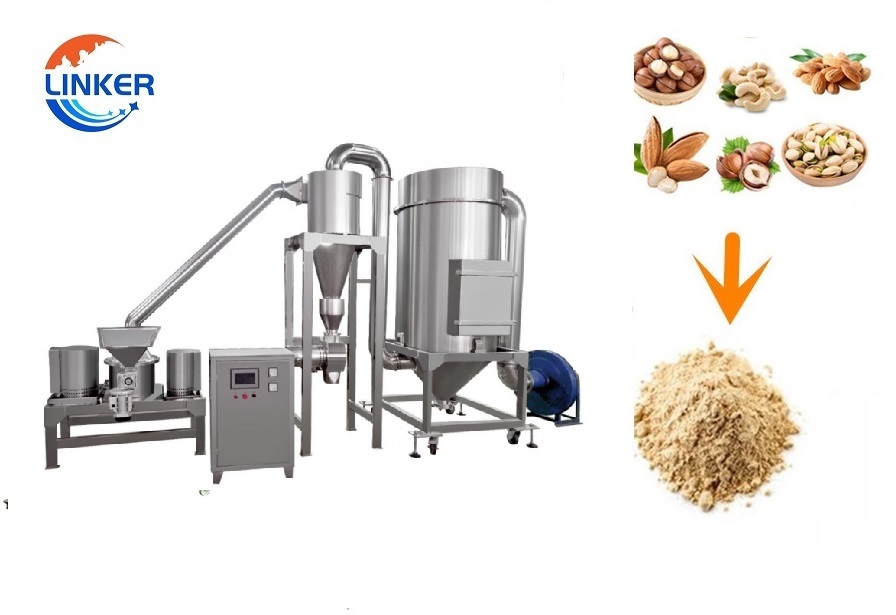
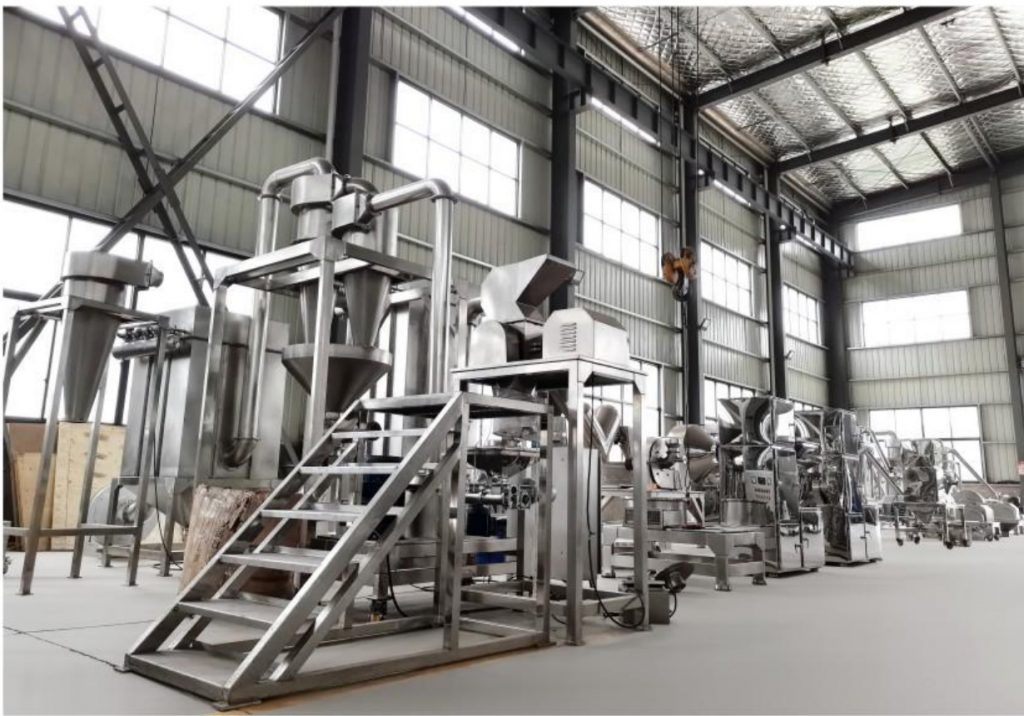
Picture of low noise grinding mill:
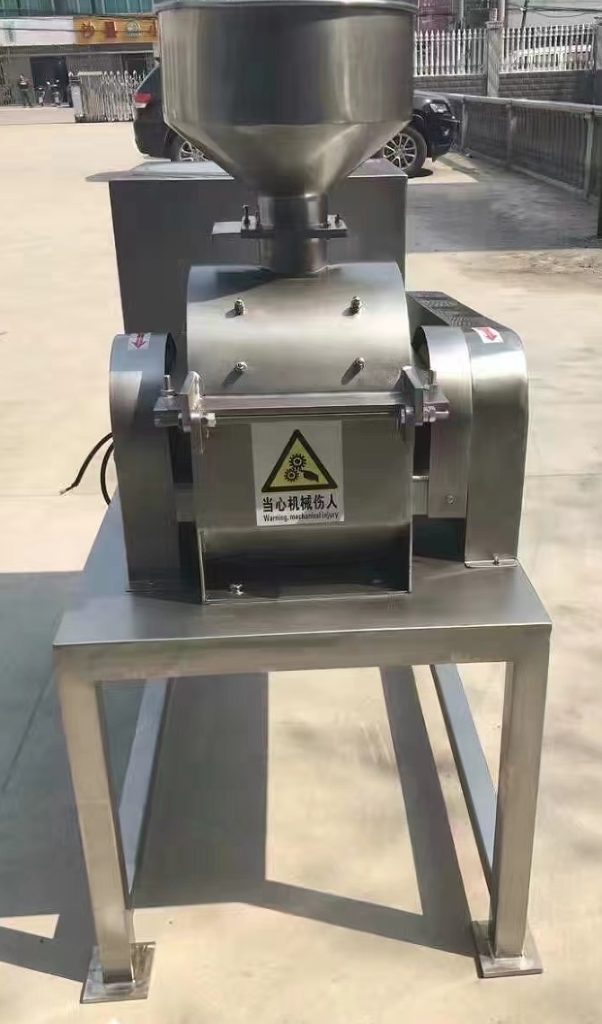
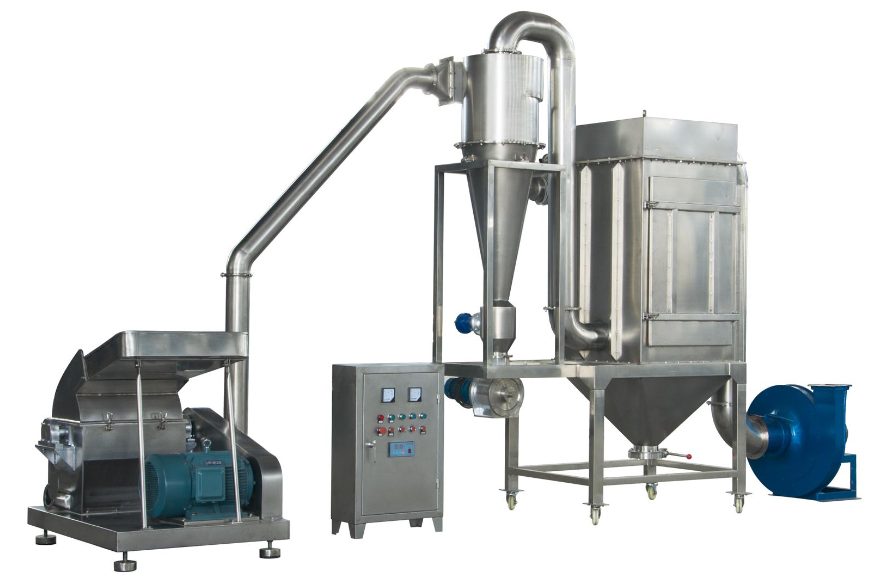
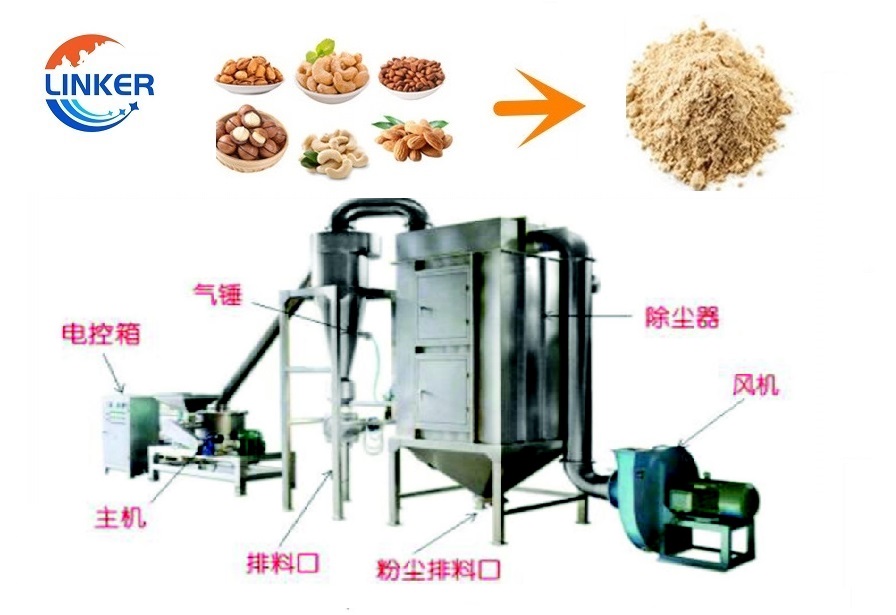
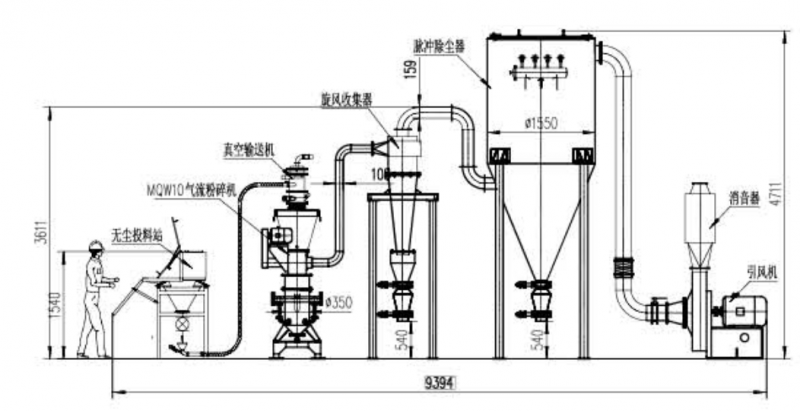
Diagram of low noise grinding mill

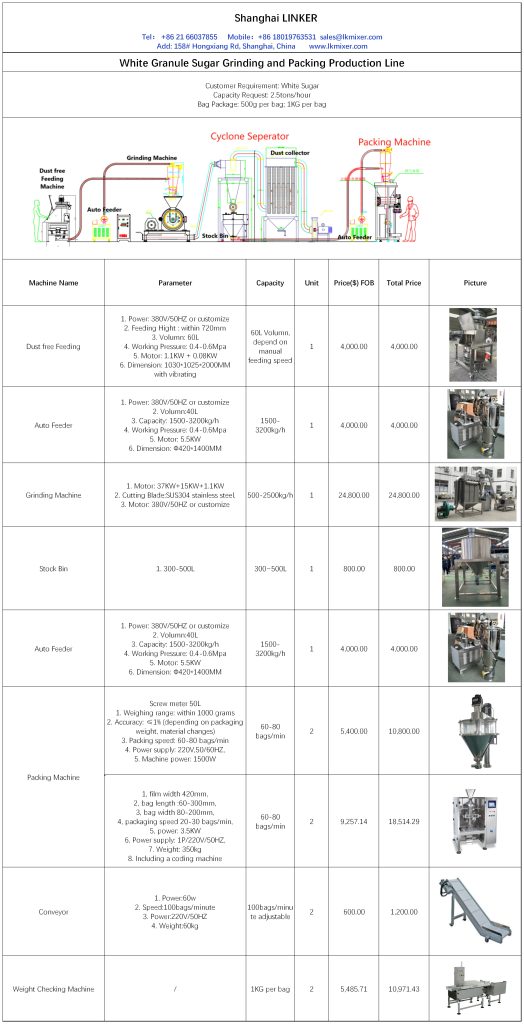
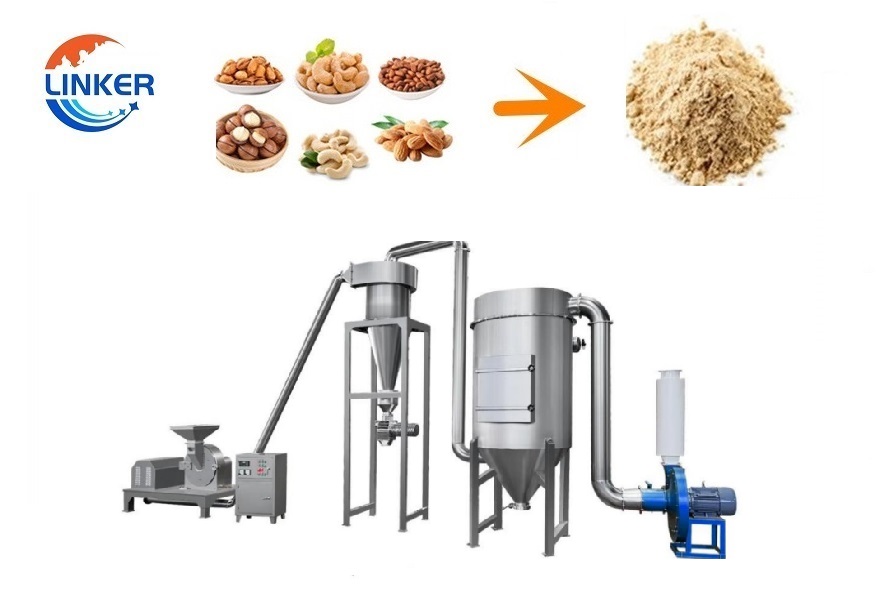
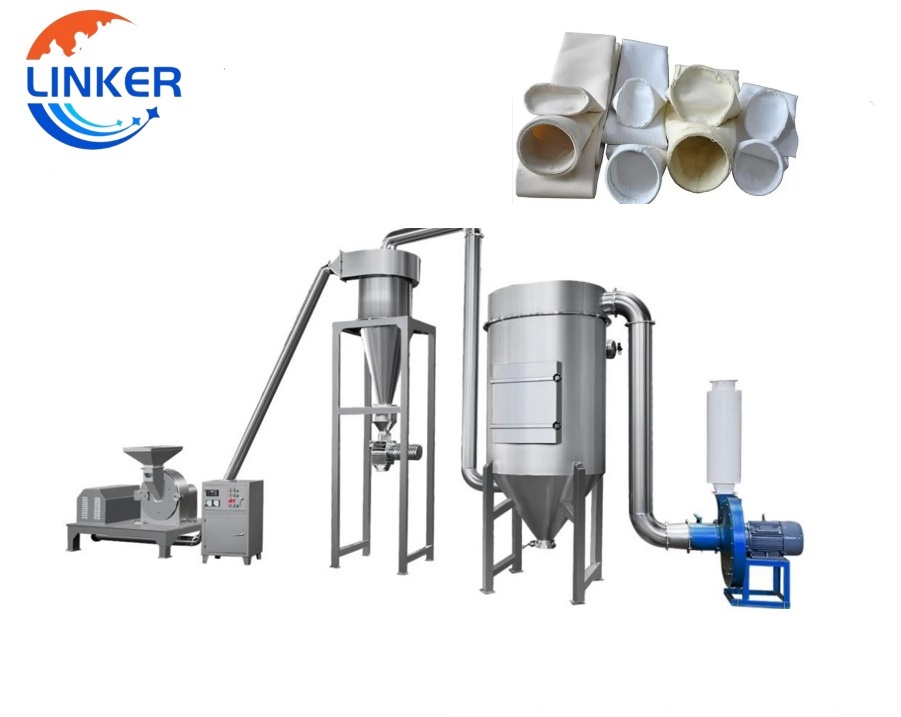
We can Customize the diagram according to customer special requirement, how many size of output granule you want, do you need coarse crusher to do the pre‑treatment before grinding? Do you also need screen to filter the finished products? Or maybe you want packing machine after grinding the whole production line. We can also design for your according to your factory blue foot print.
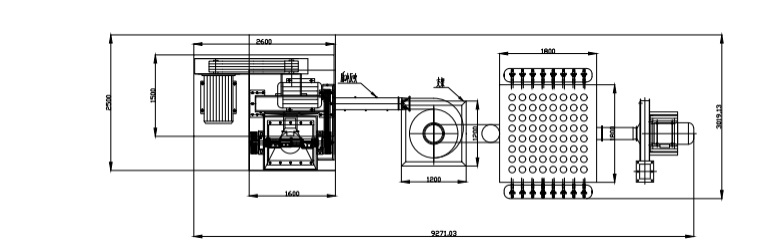
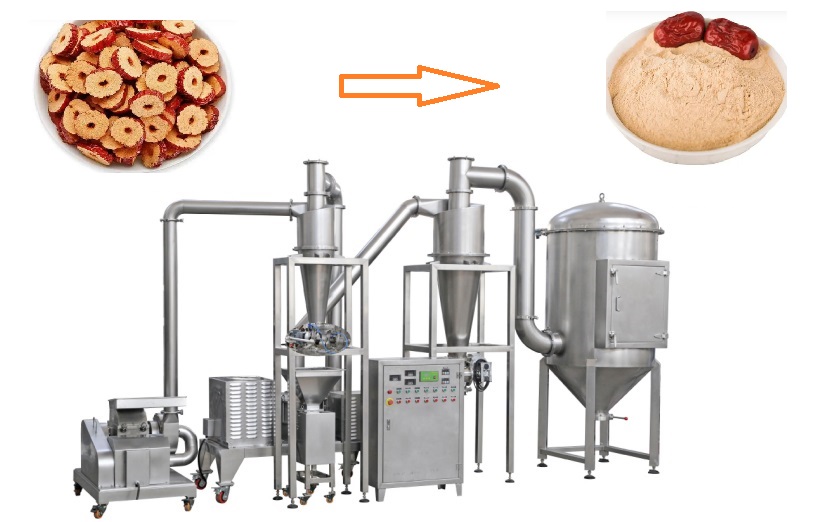
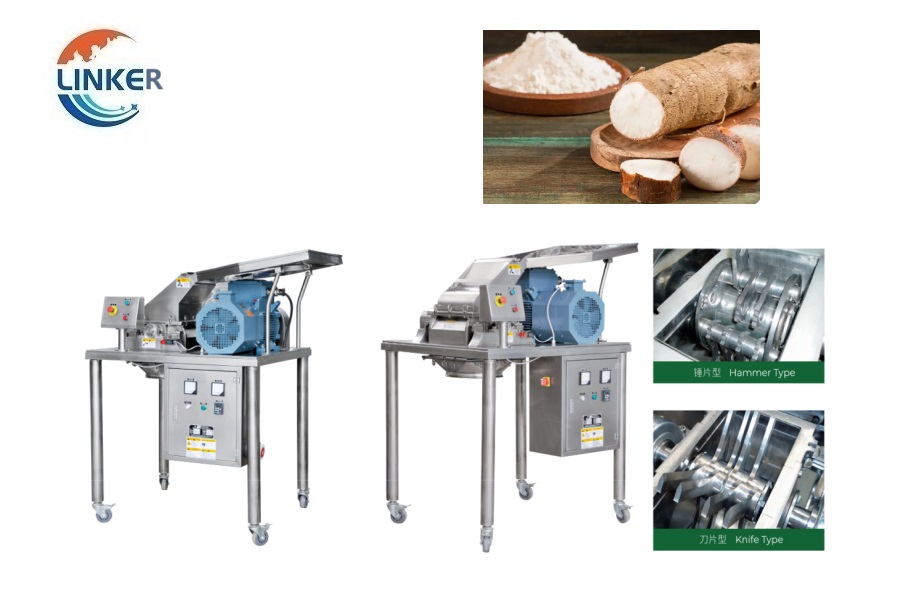
cassava grinding machine- diagram

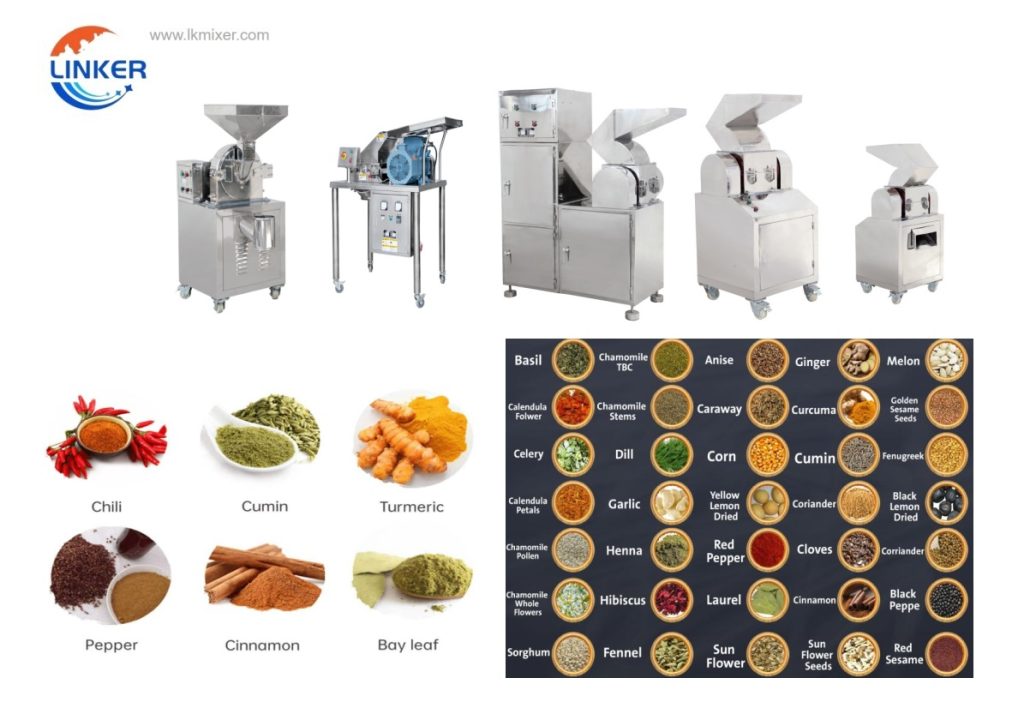
Types of low noise grinding mill:

The low noise grinding mill can be classified according to the grinding tooth type, impact type, turbo type, ultra fine type; according to the size of machine, there are large low noise grinding mill and small low noise grinding mill.cassava grinding machine.

Business Type:Manufacturer/FactoryMain Products:Mill, grinder, granulator, mixer, Crushing Equipment
Number of Employees:100Year of Establishment:2014.05
Production Capacity

5000Set/YearAfter-sales Service:Technical Support; on-line teach lessons
R&D Capacity:


ODM, OEMAnnual Output Value:US$5 Million – US$10 Million
No. of R&D Staff:5No. of Production Lines:6

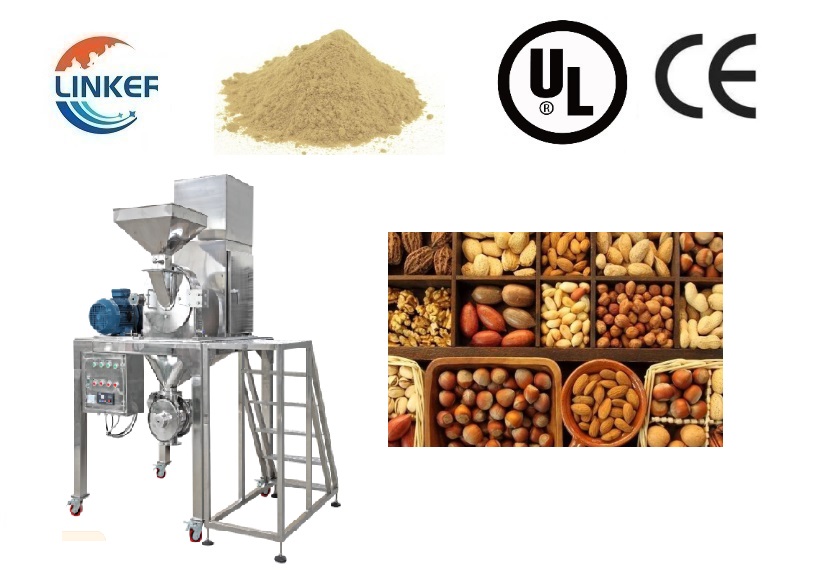
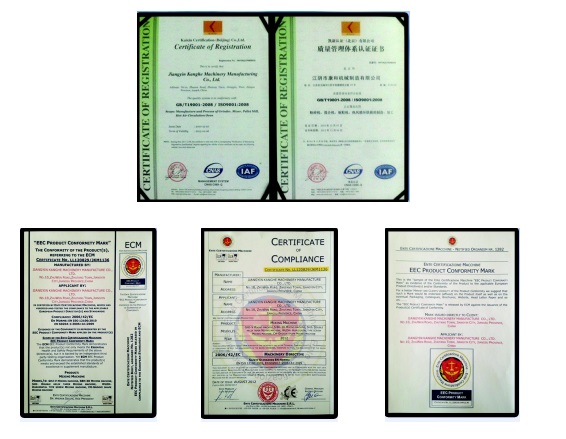
LK Mixer is a professional manufacturer for grinder, mixer and pulverizer. These machines are widely used in pharmaceutical, cosmetic, health care products and chemical industries. Our main product including granulating machine, grinder, mixer, dryer, etc. All mechanical products in accordance with the China GMP design requirements. And also we have other certifications such as CE, UL for motors.

Business Philosophy  

“Quality is the main policy of sales” and “integrity is the principle of success” are the business philosophy of our people.  We carry out one-year warranty, lifelong maintenance service, with technical consultation, with material test machine and other services, and long-term supply of equipment. Welcome new and old customers to negotiate cooperation!  

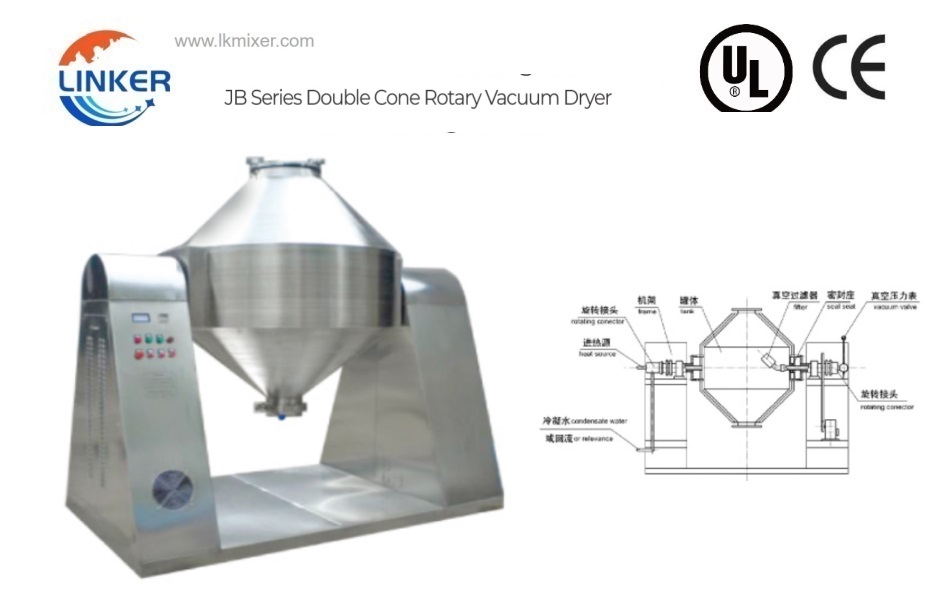
Certifications:
Feature:

Grinding mills are specialized industrial‑grade processing machines engineered to crush, grind and refine various bulk solid raw materials into fine powder or granular products. Below are core features commonly equipped on modern industrial grinding mill equipment:

  1. High production throughput: Industrial grinding mills are optimized for continuous large‑volume material processing. These machines can handle substantial feeding quantities per hour, perfectly fitting mass‑production workshops where stable high output is a core requirement. Different model sizes deliver matching processing capacity for mining, building‑material or powder‑making production lines, avoiding frequent material loading interruptions and supporting long‑run non‑stop manufacturing tasks.
  2. Adjustable variable‑speed operation: Most modern grinding mills are fitted with variable‑speed control systems for grinding rollers, rotors and classifier assemblies. Operators can flexibly modify rotating speed according to raw‑material hardness, feed particle size and target finished fineness. Tunable speed helps users acquire uniform powder granularity, and makes one single grinding mill compatible with dozens of different kinds of raw materials without replacing major machine components.
  3. Interchangeable customizable grinding components: Grinding mills are designed with replaceable grinding rollers, liners, grinding discs and classifier blades. Operators can swap out these wear‑resistant spare parts to adapt to diverse material characteristics. By changing component configurations, users are capable of producing finished goods ranging from coarse granular output to ultra‑fine micron‑level powder, meeting varied product‑granularity demands for downstream industries.
  4. Convenient disassembly and easy‑to‑maintain structure: Industrial grinding mills adopt human‑oriented structural layout for routine inspection and cleaning. Key wearing parts, feeding hopper, discharging outlet and inner‑cavity access covers can be quickly opened and detached. Residual material inside the grinding chamber can be fully cleaned to prevent cross‑contamination between different batches of materials. Quick‑access design also greatly shortens downtime for part inspection and component replacement during daily equipment servicing.
  5. Heavy‑duty robust mechanical construction: Grinding mill main frames and core working assemblies are manufactured with high‑strength steel plates and wear‑proof alloy materials. Critical stress‑bearing positions are reinforced with stiffener ribs. Such heavy‑duty construction enables the whole unit to endure persistent heavy‑load impact, friction and vibration when processing hard ores, rock, mineral blocks and other tough feedstock. Excellent structural durability extends equipment service life and lowers long‑term failure risks under round‑the‑clock industrial working conditions.
  6. Wide material‑processing versatility: Beyond mineral ores and building‑material raw stones, well‑rounded grinding mills can also process grains, medicinal herbs, chemical raw materials, carbon materials and multiple brittle solid substances. By adjusting operating parameters and internal accessories, the same grinding mill unit can complete coarse crushing, medium grinding and ultra‑fine powder‑making procedures, serving mining, metallurgy, construction, chemical, food‑pharmaceutical and new‑material manufacturing sectors.
  7. Integrated noise‑reduction and dust‑proof design: Advanced grinding mill versions are built with multi‑layer sound‑absorbing and vibration‑dampening structures to suppress mechanical vibration and running noise. Equipped with sealed grinding cavity and supporting dust‑collection system, these machines effectively contain flying powder dust during grinding operations. This feature improves on‑site working conditions, cuts noise pollution and meets industrial environmental‑protection regulatory standards for production workshops.
  8. Reliable automatic monitoring capability: Premium grinding mill models come with built‑in sensor modules to track real‑time working status including main‑motor load, internal‑chamber temperature, vibration amplitude and finished‑product fineness. Operators can observe running data from the control cabinet. When abnormal working parameters occur, the system will trigger early‑warning alerts, helping prevent equipment damage caused by overload or improper feeding, and enhancing overall operational safety.

Overall, the comprehensive features of industrial grinding mills are oriented toward stable high‑yield production, adjustable finished‑product quality and convenient daily maintenance. They realize efficient, consistent and safe fine‑processing of diverse solid raw materials for modern industrial production scenarios.

Small Machine Packing:

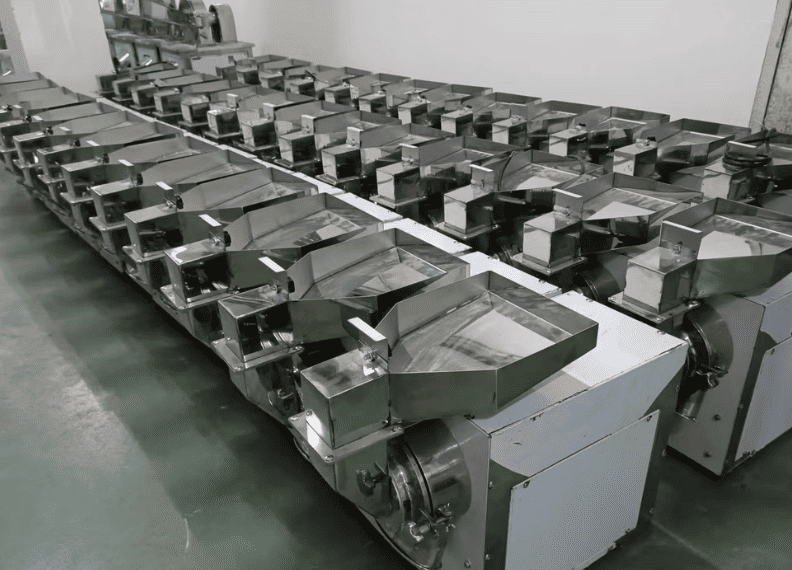
Small Machine Packing: Small‑size Low Noise Grinding Mill packed with export fumigation‑free wooden cases, goes with bulk shipment or in container.

When packing small‑size grinding mill for sea shipment, it is important to take measures to ensure that the machines are protected from damage during transit. Here are some general steps that a manufacturer may follow when packing small grinding mill for sea shipment:

  1. Clean and dry the machine: Before packing, the machine should be thoroughly cleaned and dried to prevent any moisture or powder residues from causing damage during transit.
  2. Disassemble the machine: If possible, the machine should be disassembled into its component parts to reduce its overall size and make it easier to pack.
  3. Wrap the machine in protective material: The machine should be wrapped in a layer of protective material, such as bubble wrap or foam, to protect it from scratches and impact during transit.
  4. Place the machine in a sturdy box: The wrapped machine should then be placed in a sturdy box that is appropriate for the size and weight of the machine. The box should be made of durable material, such as corrugated cardboard or plywood, and should be able to withstand the rigors of sea transit.
  5. Add packing material: The box should be filled with packing material, such as packing peanuts or air pillows, to provide cushioning and prevent the machine from shifting during transit.
  6. Seal the box: The box should be securely sealed with high‑quality packing tape to prevent it from opening during transit.
  7. Label the box: The box should be clearly labeled with the machine’s name, weight, and any other relevant information, as well as the destination address and contact information.

Overall, the goal is to pack the small‑size grinding mill in a way that will protect it from damage during transit and ensure that it arrives at its destination in good condition. It is important to follow proper packing procedures and use high‑quality packing materials to minimize the risk of damage during sea shipment.procedures and use high-quality packing materials to minimize the risk of damage during sea shipment.
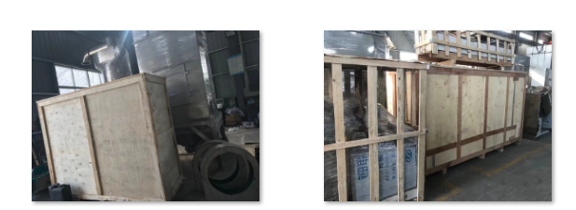
Large Machine Packing:

Large Machine Packing:

Packing a large Low Noise Grinding Mill for sea shipment can be a complex and challenging task. However, with careful planning and attention to detail, it is possible to pack a large grinding mill for sea shipment in a way that will ensure that it arrives at its destination in good condition. Here are some general steps that a manufacturer may follow when packing up a large machine for sea shipment:

  1. Clean and prepare the machine: Before packing, the machine should be thoroughly cleaned and prepared. All residual powder inside the grinding chamber should be cleared, and any loose or detachable parts should be removed.
  2. Disassemble the machine: If possible, the machine should be disassembled into its component parts to reduce its overall size and make it easier to pack. Each part should be carefully labeled and numbered to ensure that it can be easily reassembled at the destination.
  3. Protect delicate parts: Delicate or fragile parts such as screen mesh, sealing gaskets should be wrapped in protective material, such as bubble wrap or foam, to protect them from damage during transit.
  4. Build a custom crate: A custom crate should be built around the machine to provide a secure and sturdy enclosure. The crate should be made of durable material, such as plywood, and should be designed to fit the machine snugly. The crate should also include braces or supports to prevent the machine from shifting during transit.
  5. Add cushioning material: The crate should be filled with cushioning material, such as packing peanuts or air pillows, to provide extra protection and prevent the machine from moving or shifting during transit.
  6. Securely fasten the machine: The machine should be securely fastened to the crate to prevent it from moving or shifting during transit. This may involve using straps, bolts, or other fasteners to hold the machine in place.
  7. Seal and label the crate: The crate should be securely sealed with high‑quality packing tape, and should be clearly labeled with the machine’s name, weight, and any other relevant information. The destination address and contact information should also be clearly marked on the crate.

Overall, packing a large grinding mill for sea shipment requires careful planning and attention to detail. It is important to use high‑quality materials and follow proper packing procedures to ensure that the machine arrives at its destination in good condition. A professional packing and shipping company may be consulted to ensure that the machine is properly packed and prepared for sea shipment.
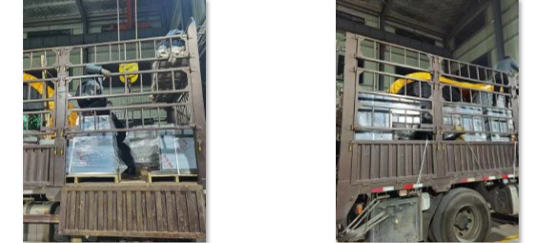
Customer Side Machine Groups Showcase Videos ( Philippines, India, Ibadan, USA and Nigeria):

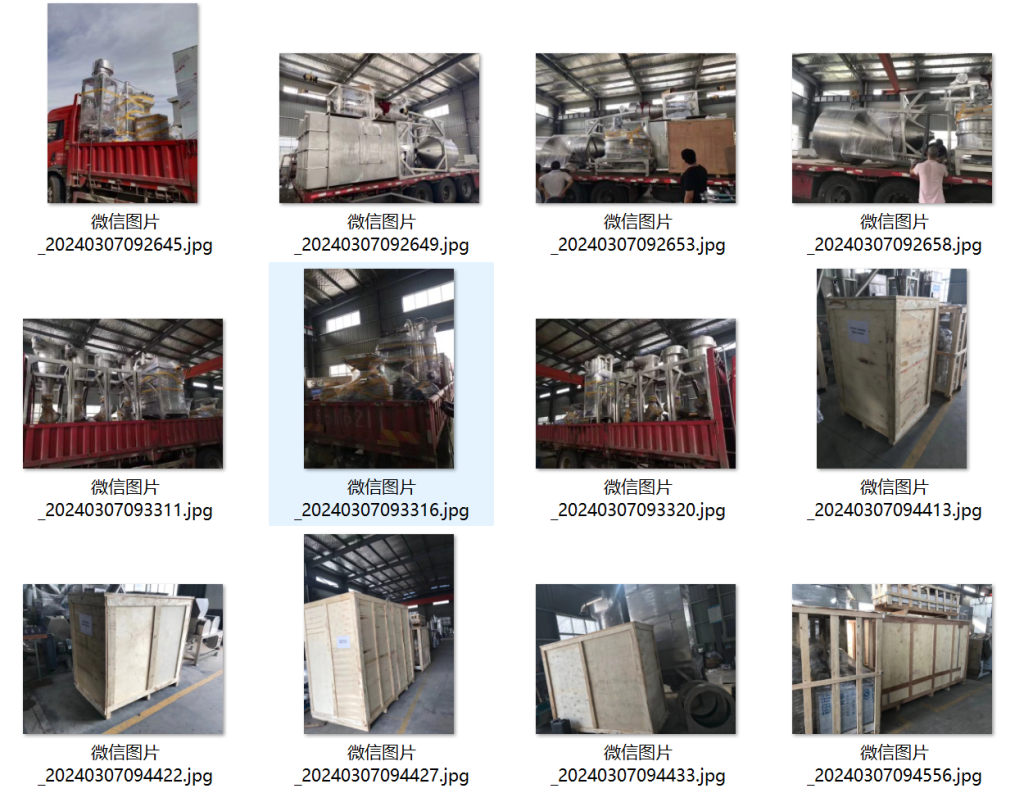
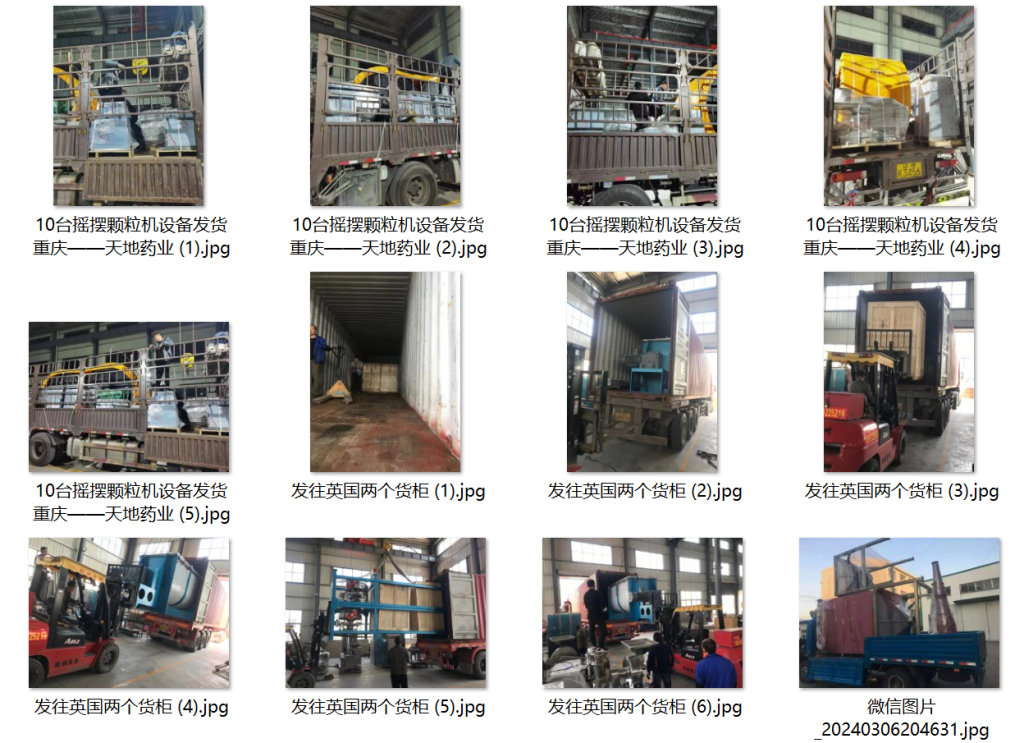
Dust Collector Shipment

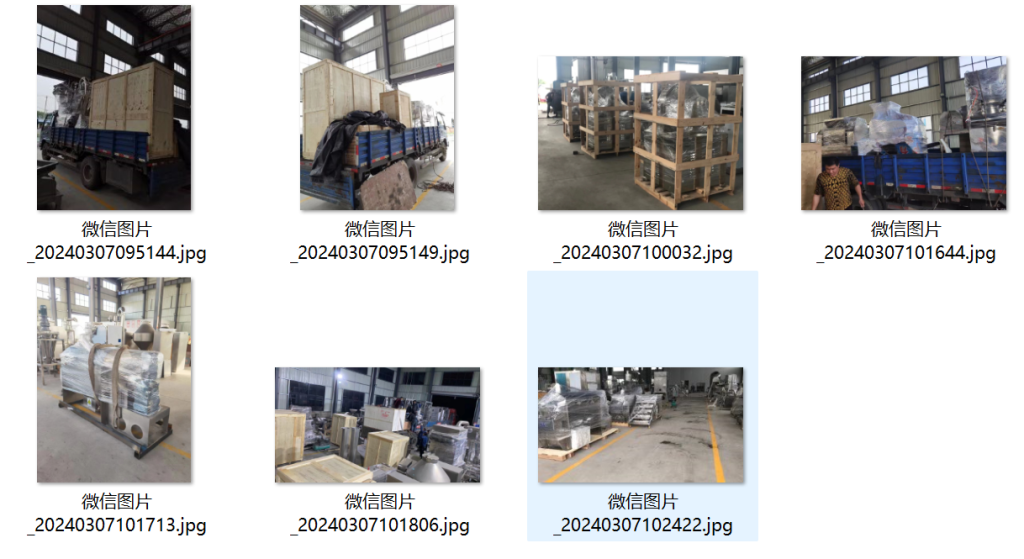
Shipment – Packing Method

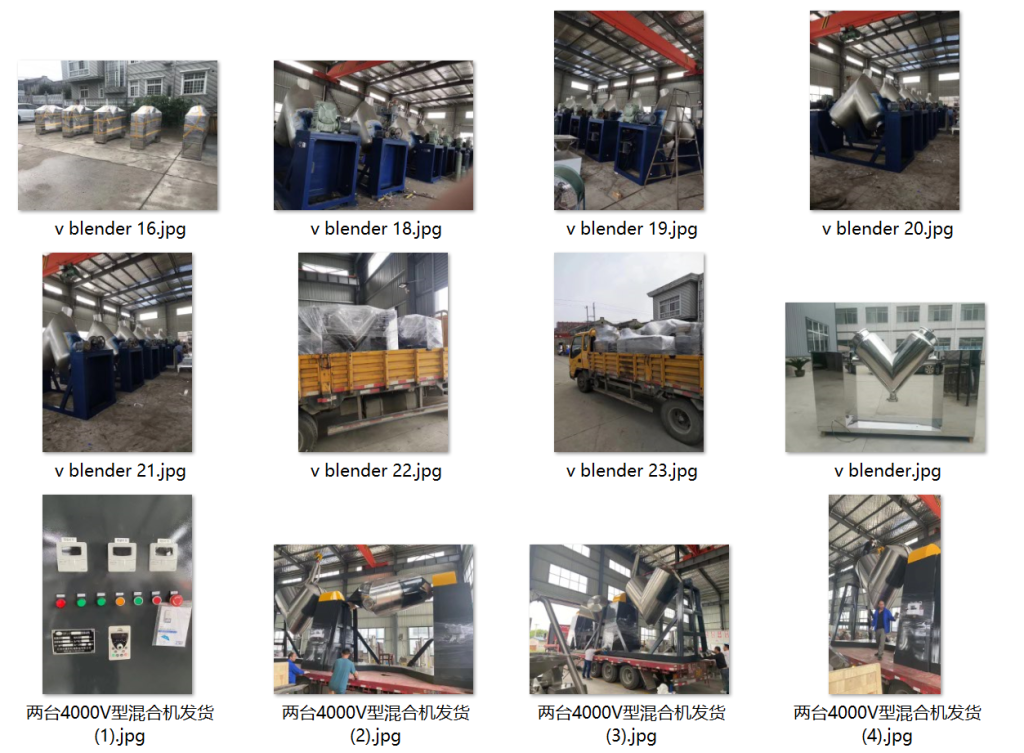
Two Large Industrial Grinder Ready to Ship

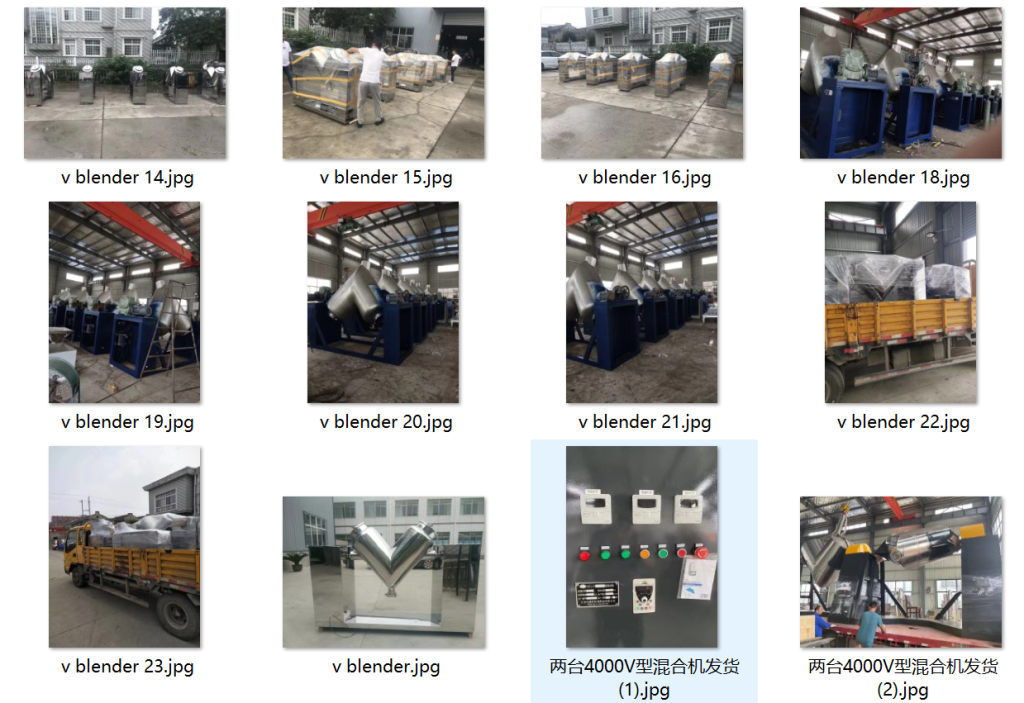
Domestic Shipment Show Case:
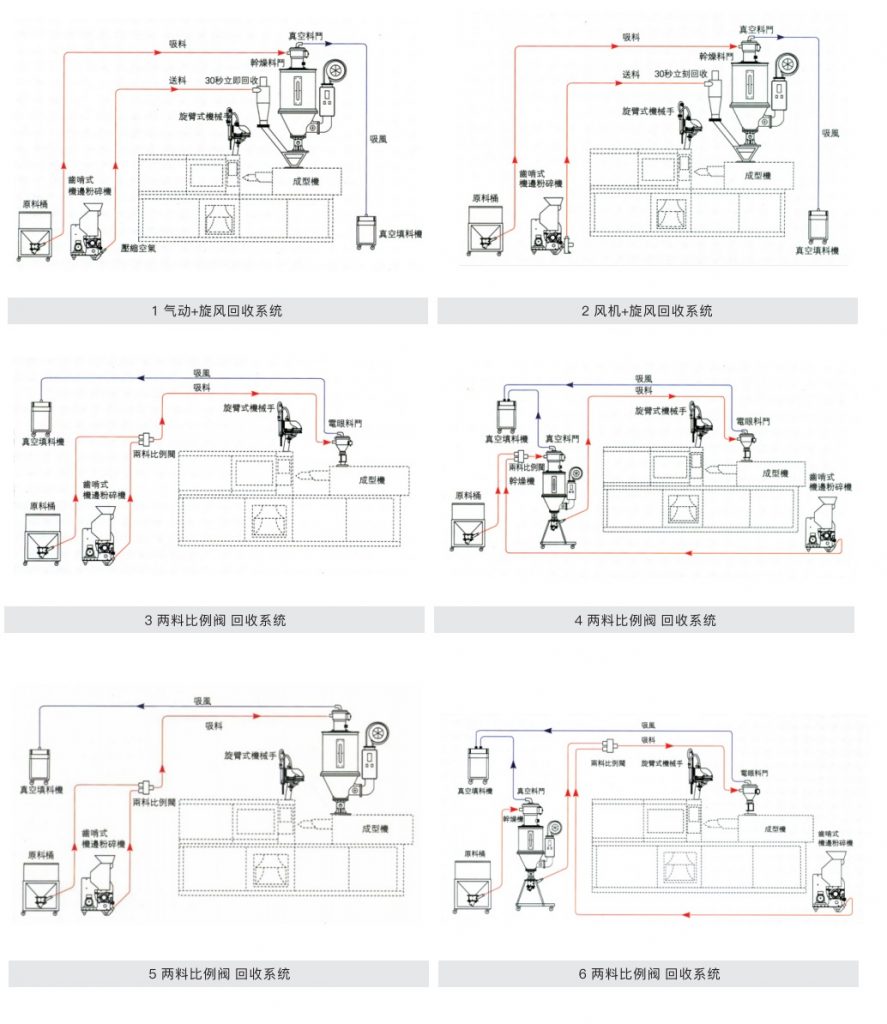
Installation Layout:
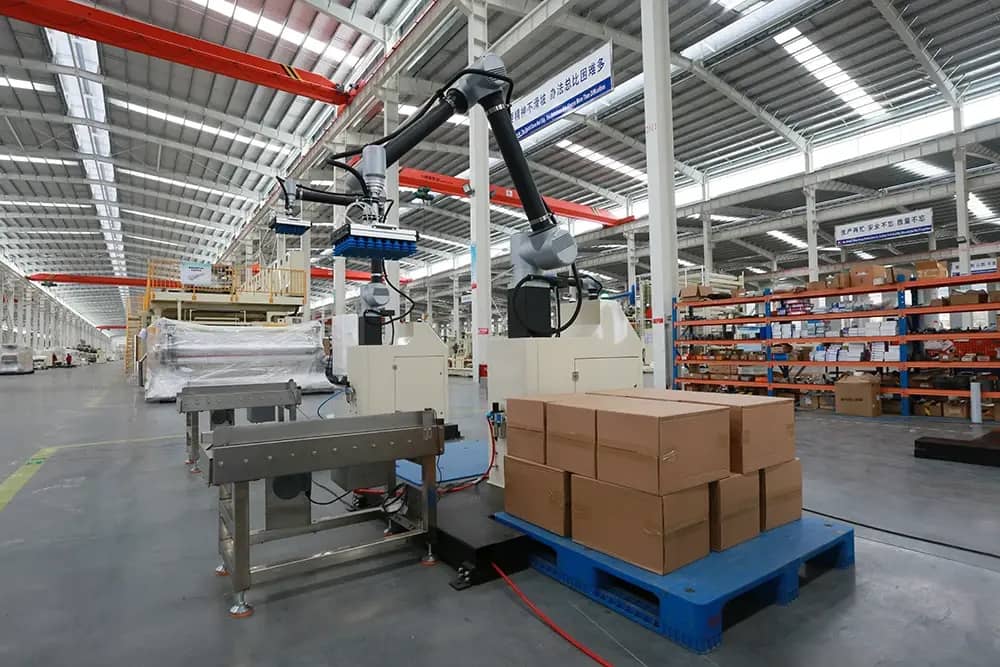
dual shaft shredder installation

Other Grinding Machine Dry Powder Grinder for Sale:
About LKMixer

LKMixer is a professional manufacturer for fertilizer production line, grinder, mixer and granulator, shredder. These machines are widely used in food, pharmaceutical, cosmetic, health care products and chemical industries. The Food materials like Peanut, mushroom, seeds, potato, bean, tobacco, salt, cannabis, tea, Sugar, corn, Coffee, rice, pepper, grain as so on. Grinders have many types such as Pulse Dust Grinder which suitable for zero pollution environment, Turbine Mill  which is suitable for coffee bean, 12-120mesh all can meet, Ultrafine Grinding Mill covers 80-200mesh, and also Winnowing Dust Grinder or other grinding machines like SF Hammer. Welcome to contact us for details. Contact us for more information. Proposal, catalog, quotation. Mobile/WhatsApp: +86 18019763531 Tel: +86 21 66037855 Email: sales@lkmixer.com

Contact Us

FAQ(Click and See More)

Yes, our factory produced grinder, mixer, pulverizer for over 20 years.

Yes, we have video and word file lessons to teach customer how to operate the machine.

Yes, water cooling system can customize according to customer request. Many of the machine we producing is with water cooling system.

Yes, we provide the suitable screen and knife and other spare parts all the life time with nice price for our customer.

We can provide 0.5mm, 1mm thickness screens.
Material type of screen: SUS304 stainless steel.
You can choose another type of screen, also stainless steel, like the follow video shows, the screen have 2 layers, one layer large hole, another layer 40mesh as you request. This two layers are welded together. this kind of screen is more cheap to save the cost.

Yes, we have CCC, GB, EN, IEC, UL certification for motors.

We have 20 years manufacturing experiences; 15600 cubic meters factory area; 5000sets annual capacity; 55 professional engineers;

South America: Brazil, Colombia, Peru, Bolivia, Uruguay, Paraguay ;Romania;
USA with UL Certification
Middle East: Saudi, Arabia, Oman, Turkey
Europe: Russia, Australia, Belarus, Ukraine, Poland

– 7*24 customer service online;
– 7*24 engineers online services;
– 12 months warranty services.

– We offer full services covers whole process of your new project. Including your factory feasibility assessment, process flow chart, preliminary factory machines layout and factory building planning, project budget estimation, project time schedule arrangements, etc.
– We supply sample processing tests as to your detail product. To estimate the capacity of machine, this helps you controls better to the capacity and get to know more accuracy of quantity of machine you need to book. In our test station where are equipped with our various machine products,this is also help you compare performances of different types of machines or process.
– For large machine. If neccessary, we can assign engineers to the your project site and offer on-site technical instruction and supervision during the machine installation, commissioning and test run.

– Warranty period is 12 months after installation.
– We offer lifetime service for our machine products after the delivery, and will follow up the machine status with our clients after the successful machine installation in our clients’ factories.
For details, please contact our project consultants, thank you.

– Choose small or large ? Calculate your current customer capacity request, this is to get a estimate capacity needs. To think about you only for small quantity use or large quantity. Do you want to expand your customer base so that need to expand your capacity in near future? If yes, you can order larger machine instead of small machine. If not, smaller one is more suitable for you.
– Choose single or whole group? Single machine is cheaper and easy to move from here to there, space location are also easy. Whole group machine including material feeder, main machine, cyclone sperator and rotary valve. Whole group machine not easy to move cause of link of each portions. But whole group also advantages such as easy to dust collect, save manpower. Think about clearly what you want, we would know which is right to choose.
– If you think about your customers and volume, you’ll be off to a good start in knowing what you need from your grinder.

If you are a large factory request several machine. You may think the question of quantity that you need to purchase. This question actually we have already talked when we previously discussed how much the grinder can produce in an hour.
Based on the capacity of how much kg/hour that we can get, it’s very each to calculate the quantity of machine that you may need finally.
One of the questions that may pay attention here is, how many hour you plan to work per day? If you plan to work 24 hours non-stop, you need to have cooling water system definitely to cool down the machine. And the working hour also need to be calculated into your capacity calculation.
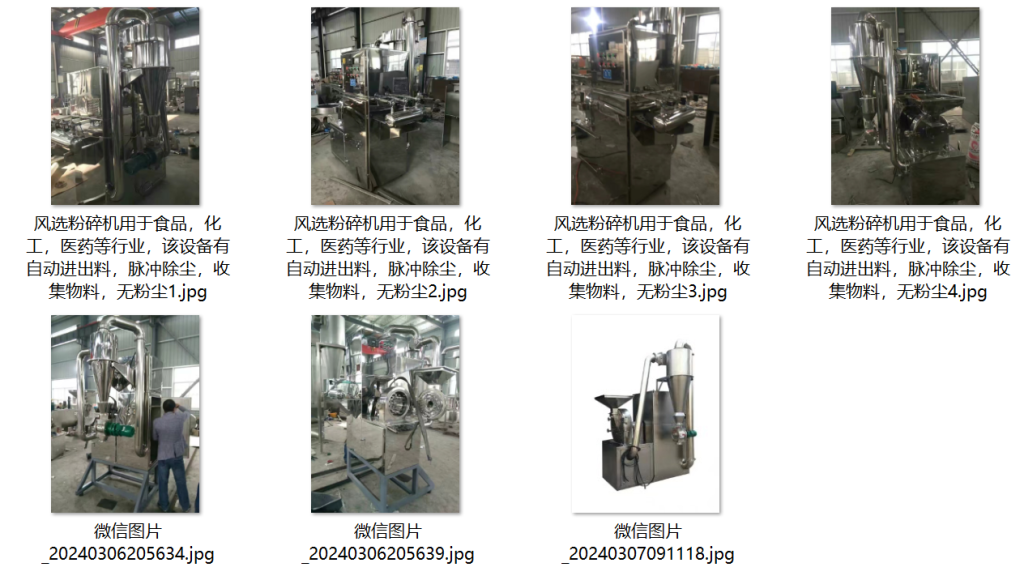
Automatically material feeder helps to feed the raw material automatically, so that no need to stop and refill the hopper frequently. Cyclone Seperator helps output material quickly, vibrating table screener helps screen out the qualified fineness material. All these portion run automatically will significantly help improve the efficiency and capacity.
A good rule of thumb to remember is that a larger capacity usually also means a higher level of speed. 

Quality is of paramount importance to just about everyone, and it should be to you, too.
Customers always want the quality in their purchasing, and they will keep long term business with high quality supplier.
Always offering high-quality grinder machine to our customers will earn us a solid reputation with them.
Keeps in mind about quality, we ensure our quality through following items:
– Material: we use 304 or 316 stainless steel body, 316 stainless steel for raw material contact portion.
The material of body always decide by customer, we will confirm the material type with you before you load order.
– Cooling Water System: jaket design allow ooler temperatures while grinding, preventing the burning of the raw material.
– Grinding Disc and Knife Cutter Design: The industry standard in material for grinding discs is steel, but there are different types of steel to choose from, such as die-cast and tungsten carbide. Good disc and knife design helps cut the material efficienctly. This also ensure the high quality of result mesh fineness.

Convenience to operate for your employees and yourself is also very important.
Your operator may need to carry the material back and forth in batches. Your operator may need to stop machine to clear and clean machine frequently. Your operator may also need to do screens the size of fineness after grinding and then put the inqualified powder back to machine to do grinding second time.
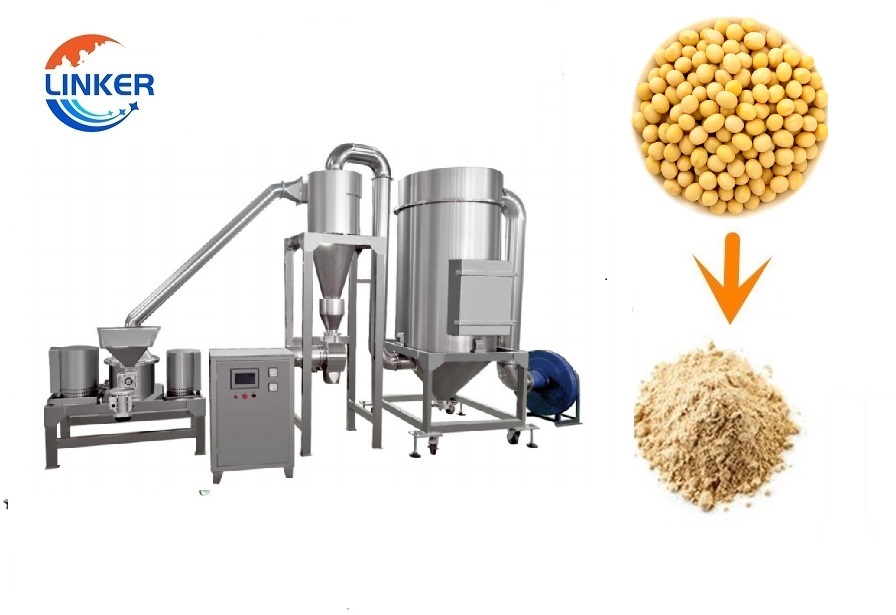
Yes, these are all the problems. But LINKER Pulverizer helps you reduce or solve these probems. You only need to buy the whole set group, which including automatically feeding system, grinding main machine, cyclone separator system, screen system after grinding and even an back material system back to grinder.
Save the manpower also helps to save the cost.

Yes. 100% of inspection for each step of products will be carried out by QC department until shipping.

An industrial grinder is a machine designed to reduce the size of materials by grinding or crushing them. Here are some of the common tasks performed by industrial grinders:
Grinding: Industrial grinders are commonly used for grinding materials to a desired particle size. This can be done using various types of grinders, such as angle grinders, bench grinders, and surface grinders, depending on the specific application.
Crushing: Industrial grinders are also used for crushing materials into smaller pieces. This can be useful in various industries such as mining and construction, where materials need to be crushed for further processing.
Polishing: Industrial grinders can be used for polishing surfaces of materials to achieve a desired finish. This is commonly done using angle grinders and other handheld grinders.
Sharpening: Bench grinders are commonly used for sharpening tools, such as knives and scissors, by grinding them against a rotating abrasive wheel.
Overall, industrial grinders are versatile machines that can perform a wide range of tasks, depending on the specific application and type of grinder used.

Choosing the right crusher for your application involves considering a variety of factors. Here are some key factors to consider when choosing a crusher:
Type of material: The type of material that needs to be crushed is an important factor to consider. Different crushers are better suited for crushing different types of materials. For example, jaw crushers are well-suited for crushing hard, abrasive materials like granite, while impact crushers are better for softer materials like limestone.
Size of material: The size of the material to be crushed is also an important consideration. Larger materials may require a larger crusher or a crusher with more power.
Capacity: The amount of material that needs to be processed per hour or per day is another important consideration. Different crushers have different capacities, so it’s important to choose a crusher that can handle the volume of material you need to process.
Desired final product size: The final product size you need will also impact your crusher choice. Some crushers produce a more uniform product size than others, while others are better for creating coarse or fine materials.
Maintenance requirements: The maintenance requirements of the crusher you choose can also be an important consideration. Some crushers require more maintenance than others, and the cost and frequency of maintenance should be factored into your decision.
Budget: Finally, your budget is an important consideration when choosing a crusher. Different crushers have different price points, so it’s important to choose a crusher that fits within your budget.
Overall, choosing the right crusher requires careful consideration of your specific application and requirements, and weighing the pros and cons of each option. Consulting with a knowledgeable equipment supplier or manufacturer can also be helpful in making an informed decision.

An industrial grinder is a machine used to reduce the size of materials through grinding or crushing. These machines are commonly used in various industries such as mining, construction, manufacturing, and food processing.
Industrial grinders come in different types and sizes, depending on the specific application and the material being processed. Some of the common types of industrial grinders include:
Angle grinders: These are handheld grinders used for cutting, grinding, and polishing various materials.
Bench grinders: These are stationary grinders mounted on a bench or pedestal and used for grinding and sharpening tools.
Surface grinders: These are machines used to grind flat surfaces of materials to a high degree of precision.
Cylindrical grinders: These are machines used for grinding cylindrical surfaces of materials.
Centerless grinders: These are machines used to grind cylindrical and other types of workpieces without using a centering device.
Industrial grinders are essential machines in many industries, as they help reduce the size of materials, improve efficiency, and increase productivity.

Jet mills, pin mills, and ball mills can all be categorized as ultrafine grinders. These mills are capable of producing very fine particles and powders, and are commonly used in industries such as pharmaceuticals, food processing, and cosmetics, where ultrafine particles are required for various applications. The specific type of mill used as an ultrafine grinder will depend on the material being processed and the desired end product.

Ultrafine grinders use mechanical grinding and air pressure to achieve size reduction. In these machines, the material to be ground is fed into a grinding chamber, where it is subjected to mechanical forces such as impact, compression, and attrition. As the material is ground, it is also exposed to a stream of high-pressure air or gas, which helps to break down the particles and create a fine powder.

The combination of mechanical grinding and air pressure allows ultrafine grinders to achieve a very fine particle size, often in the sub-micron or nanometer range. This makes them particularly useful for applications that require very small particle sizes, such as in the pharmaceutical, cosmetics, and food industries.

A turbo grinder is a type of angle grinder that is specifically designed for heavy-duty applications, such as grinding and cutting thick metal and concrete. It features a high-powered motor and a specialized blade or wheel that rotates at high speeds to remove material quickly and efficiently.

Turbo grinders are typically larger and heavier than standard angle grinders, and are often used in industrial settings such as construction sites and metalworking shops. They are capable of removing large amounts of material in a short amount of time, making them ideal for projects that require aggressive grinding or cutting.

Some turbo grinders may also come equipped with dust collection systems, which help to control the amount of debris and dust generated during use. This can be especially important when working with concrete or other materials that create a lot of dust when ground or cut.

In pharmacy, a hammer mill is a type of size reduction equipment that is used to reduce the particle size of various types of pharmaceutical ingredients.

Hammer mills are commonly used in the pharmaceutical industry for grinding and milling a wide range of materials, including:

  1. Active pharmaceutical ingredients (APIs): Hammer mills can be used to grind APIs into fine powders for use in tablet and capsule formulations.
  2. Excipients: Hammer mills can be used to grind excipients, such as lactose and magnesium stearate, into fine powders for use in tablet and capsule formulations.
  3. Raw materials: Hammer mills can be used to grind raw materials, such as herbs and spices, into fine powders for use in herbal medicines and supplements.
  4. Drug delivery systems: Hammer mills can be used to grind materials for drug delivery systems, such as nanoparticles and microparticles.
  5. Formulation development: Hammer mills can be used in formulation development to grind and blend various materials to achieve a desired particle size and consistency.

Overall, the use of a hammer mill in pharmacy allows for efficient and precise size reduction of a wide range of pharmaceutical ingredients, which is important for ensuring the quality and effectiveness of pharmaceutical products.

A pulverizer is a type of mechanical equipment that is used for grinding, crushing, or pulverizing different materials into smaller particles. Pulverizers are commonly used in a variety of industries, including mining, construction, agriculture, food processing, and pharmaceuticals.

The main purpose of a pulverizer is to reduce the size of materials to a fine powder, which is required for various applications. Pulverizers use a variety of mechanisms to accomplish this, including:

  1. Impact: The pulverizer uses high-speed rotating hammers or blades to impact and crush the material.
  2. Shear: The pulverizer uses sharp blades to cut and shear the material.
  3. Compression: The pulverizer uses rollers or plates to compress and crush the material.
  4. Attrition: The pulverizer uses friction to break down the material.

Pulverizers can be used for a variety of materials, including coal, rock, clay, limestone, wood, and various types of ores. They are commonly used in the mining industry to crush and grind ore into fine particles for further processing.

In addition to mining, pulverizers are also used in the food industry to grind spices, sugar, and other food products into fine powders. They are also used in the pharmaceutical industry to pulverize tablets, capsules, and other forms of medication for further processing.

1. Please provide to us the product material you are use the machine to grinding for.

2. The capacity you request.
3. Consider the layout of your factory, the height width and length of the machine location.
4. If your product material is not normal type, we can arrange trail to estimate the capacity of output.
5. Our sales will recommend the right mode to you.

Yes, large machine is the major products we are producing. These machine exported to over 30 countries and regions, customer feedback quite good.

Because the medium or small size running speed is faster than larger machine. The noise is decided by the running speed. Also, if there is hole open on the machine, the noise will also larger.

It is totally ok to use. No leakage.

ok, it is no problem, we can add emergency shut off, if the main grinder door open, the machine can not start, and if the machine in running and the main grinder door open, the machine will stop, but the running of the machine can not stop immediately because of the iterance. The rotating of the spindle will stop slowly after the machine shut down because of inertia, so it is still dangerous to open the door in running of machine.

– Yes, OEM or ODM. Machine can be customized according to customer detail requirement, including capacity and voltages, motor certifications.
– Drawing and raw materials also can be customized.

Our products includs powder grinding mills, classifiers, coating machines, mixing machines, etc.

Normally 60 to 90 days after receive the deposit payment.

– 50% by T/T deposit payment.
– 50% balance by T/T before shipment.

– For machines, we ship with export wooden box and pallet suitable for long time boat transportation in standard containers or Bulk by sea.
– For spare parts, wooden Case and pallet for delivery by air.

We send engineers to the clients’ project site and offer on-site technical instruction and supervision during the machine installation, commissioning and test run.

Right size is definitely important for grinder business. 
If your business is small, you may not have the space to accommodate a large grinder. Read keep in mind, While, that a smaller grinder doesn’t have to mean that it’s not able output as much as a bigger one.
On the contrary, if you have a lot of space, you may require different things from your grinder.
For example, you may want to have dust collector and material feeder for your enviornment production and operation convenience.

There are several types of Pharmaceutical Mixers used in various industries:

Laboratory Mixer: These mixers are ideal for routine laboratory work, research and development, QA analysis, and small-scale production across industries. They offer great flexibility and efficiency in tasks such as mixing, emulsifying, homogenizing, disintegrating, and dissolving. When scaling up to full-scale production, laboratory mixers provide excellent reproducibility and allow for accurate predictions of performance under real working conditions.

Batch Mixer: Batch mixers are versatile and capable of handling a wide range of applications, from suspending solids in a liquid to blending, emulsifying liquids, dissolving polymers, and incorporating powders and granular materials into liquid environments.

High-Speed Mixer: High-speed mixers use powerful suction to draw liquid and solid materials from the bottom of the vessel into the center of the workhead. Centrifugal force then drives materials toward the edges of the workhead, subjecting them to a milling action. This is followed by intense hydraulic shear as materials are forced out through perforations in the stator, resulting in effective mixing.

Mass Mixer: Mass mixers are designed to blend powders gently without generating excess heat, which is crucial for thermolabile ingredients in pharmaceutical products. They also perform functions like dissolving powders and solids, combining raw materials, preparing fine emulsions, and reducing particle sizes, ensuring the homogeneity of pharmaceutical products.

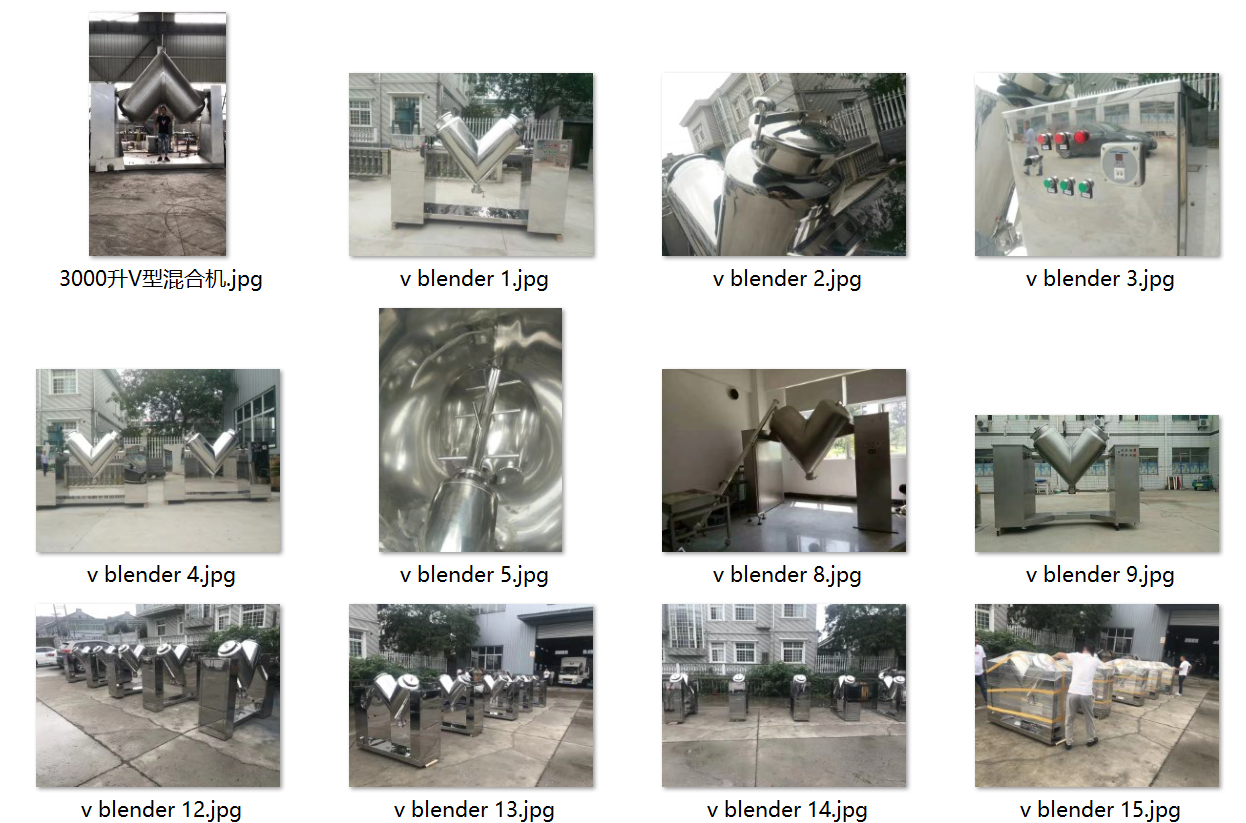
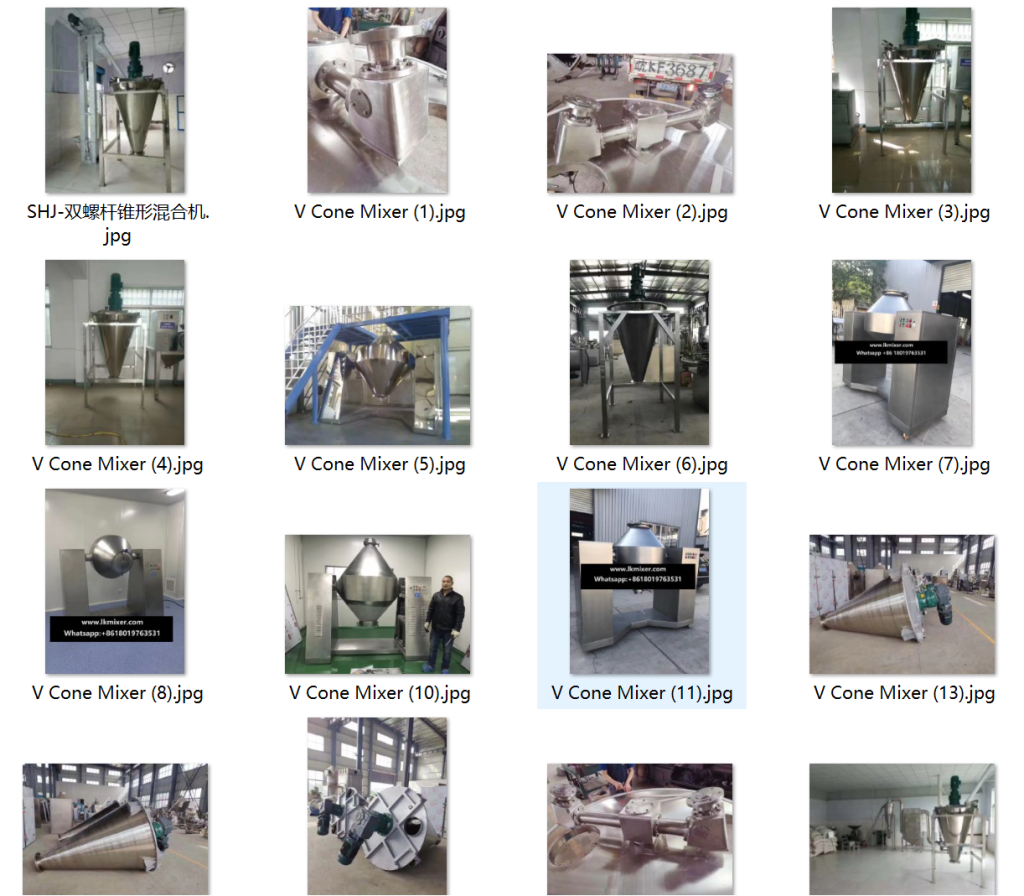
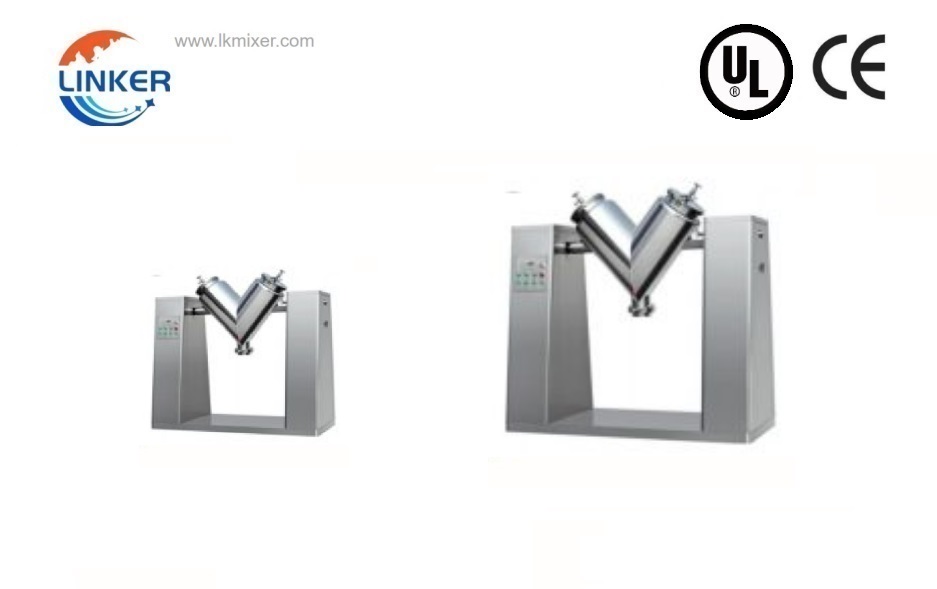
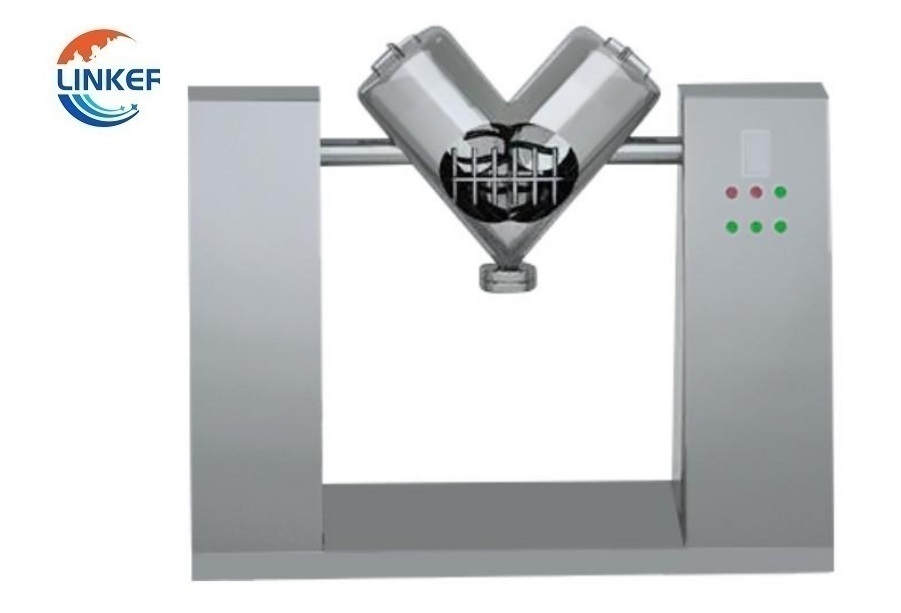
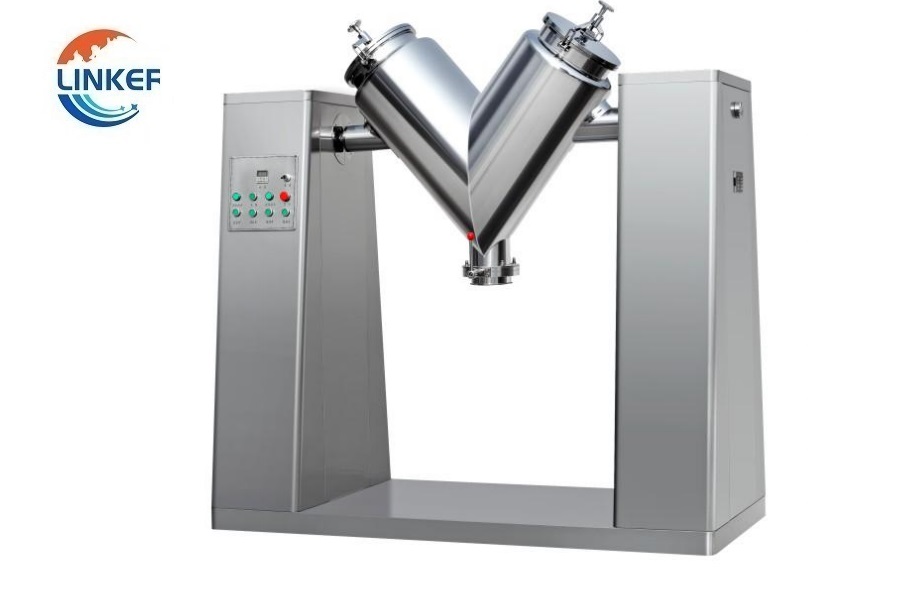
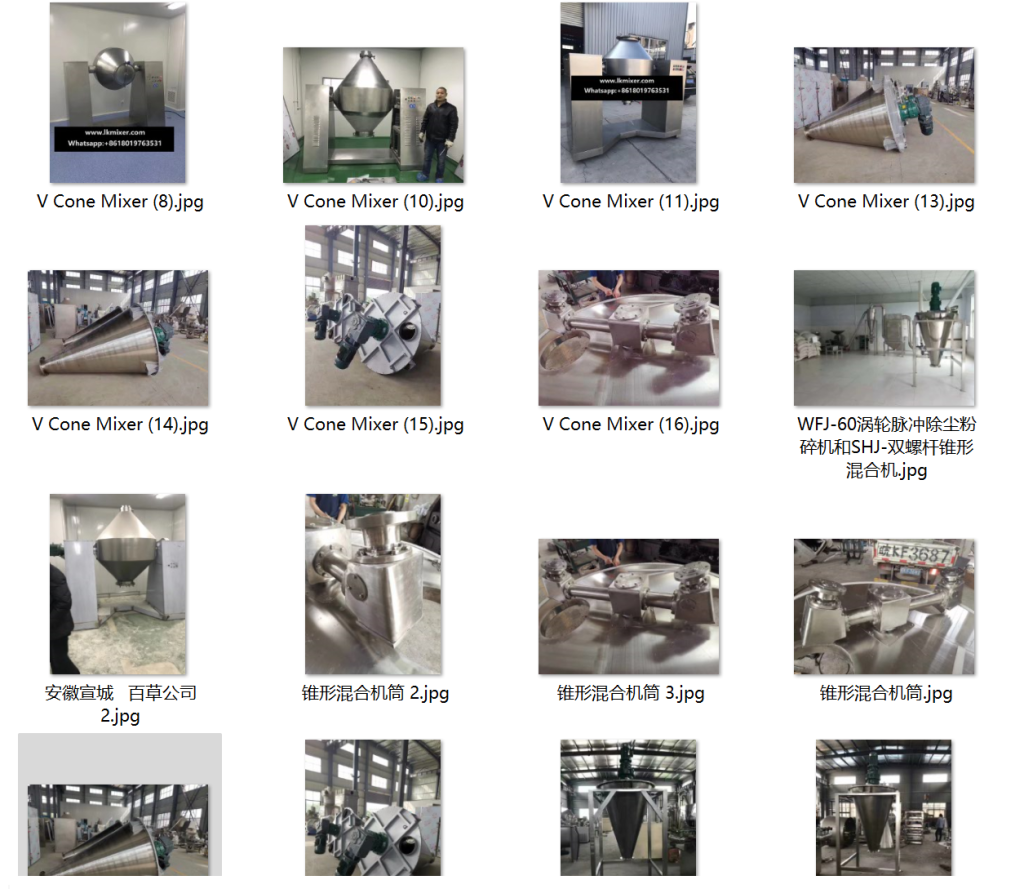
V Type Blender/Mixer: These mixers use a unique V-shaped container design to promote efficient blending and mixing of powders and granular materials with liquids.

Mixing in the pharmaceutical industry requires specialized equipment to ensure precise and consistent blending of various ingredients, including active pharmaceutical ingredients (APIs), excipients, and additives. Some common equipment used for mixing in pharmaceuticals includes:

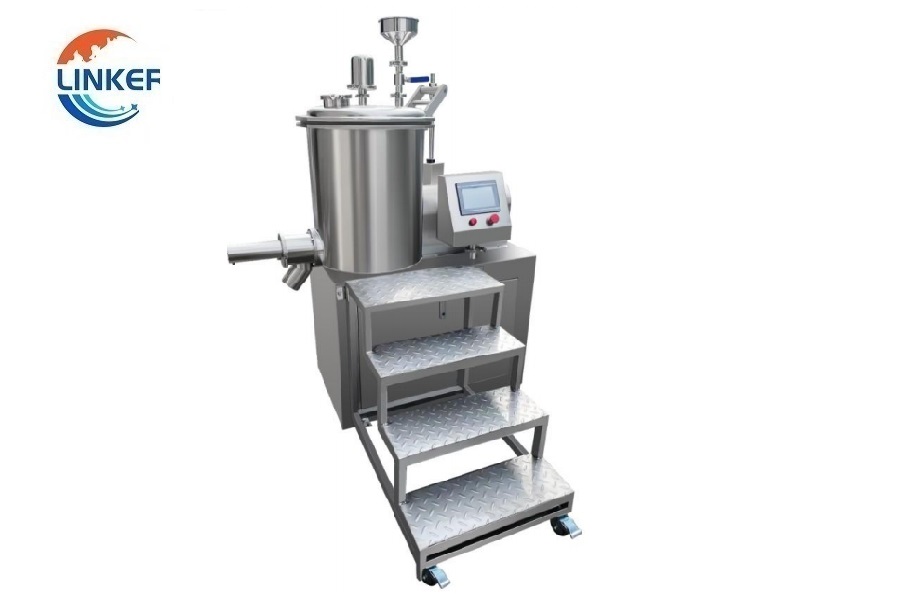
High-Shear Mixers: These mixers are designed to create intense shearing forces, which help disperse and blend powders and liquids effectively. High-shear mixers are used for tasks like wet granulation, tablet coating, and emulsification.

Low-Shear Mixers: In contrast to high-shear mixers, low-shear mixers are used when gentle mixing is required to avoid damaging sensitive materials. They are often employed for blending fragile powders and heat-sensitive ingredients.

V-Blenders: V-blenders have a V-shaped container that rotates to tumble and blend powders or granules. They are ideal for achieving uniform mixing in pharmaceutical powders and solids.

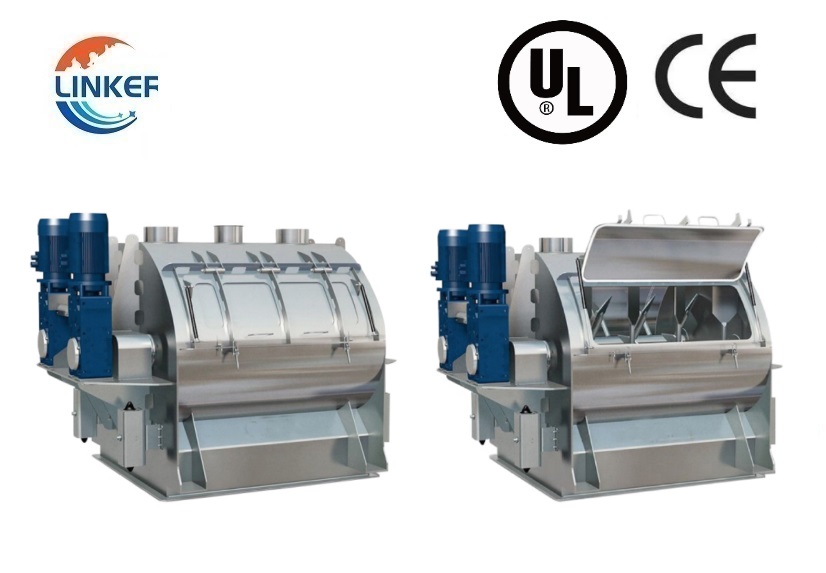
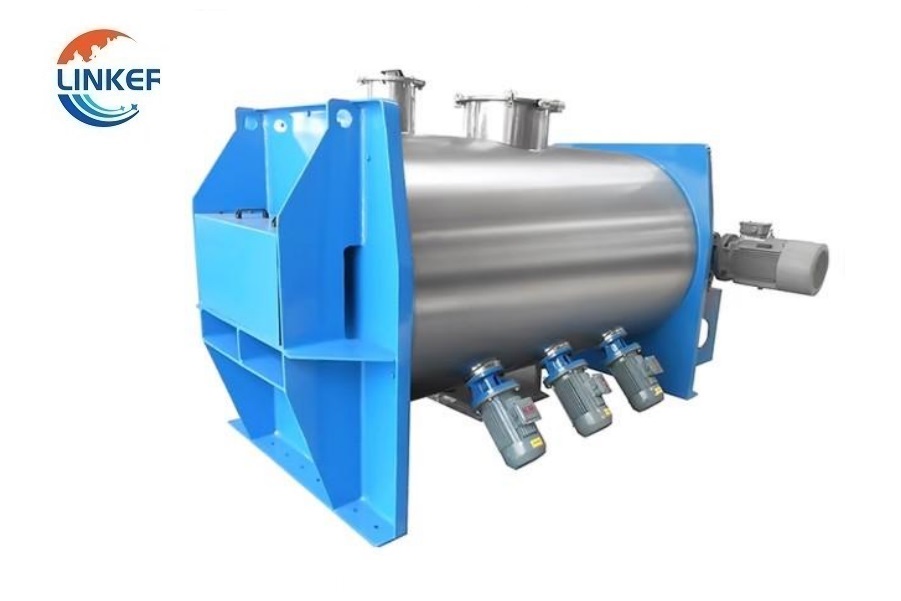
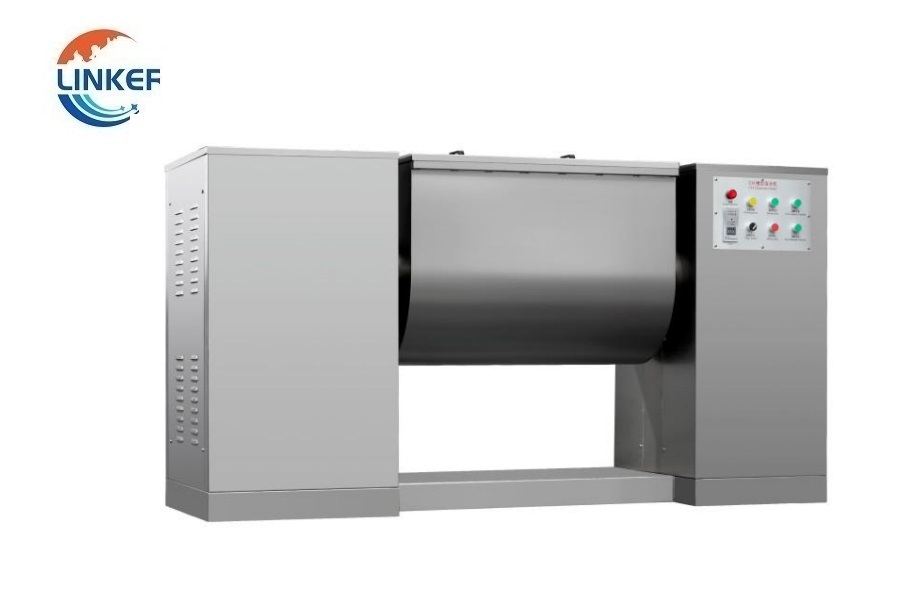
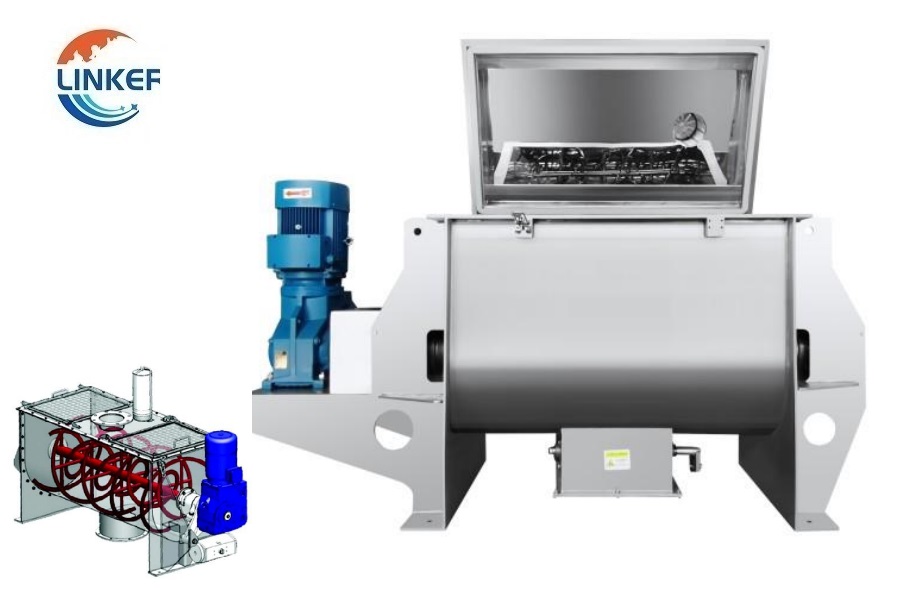
Ribbon Blenders: Ribbon blenders use ribbon-like agitators to blend powders or granules gently. They are suitable for large-scale mixing operations and are commonly used in pharmaceutical manufacturing.

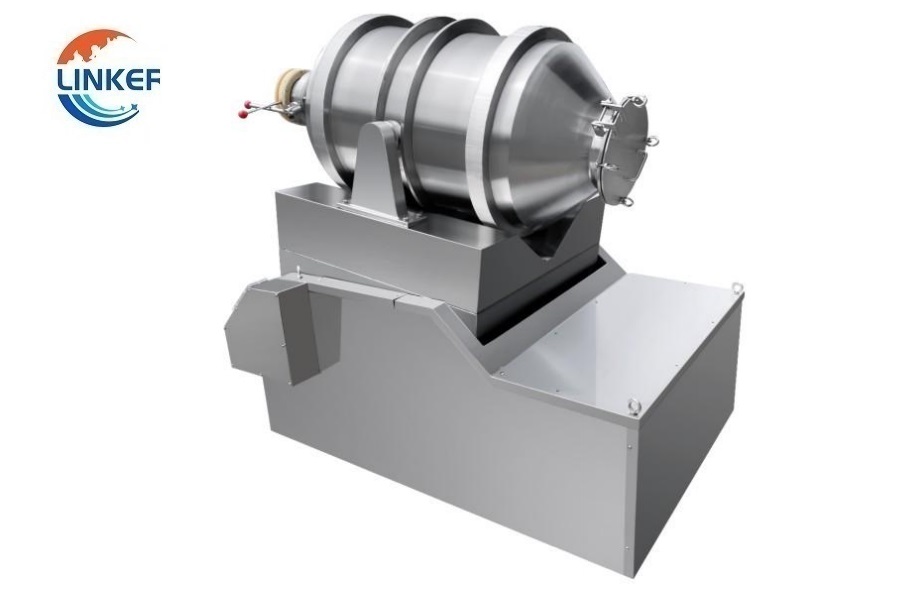
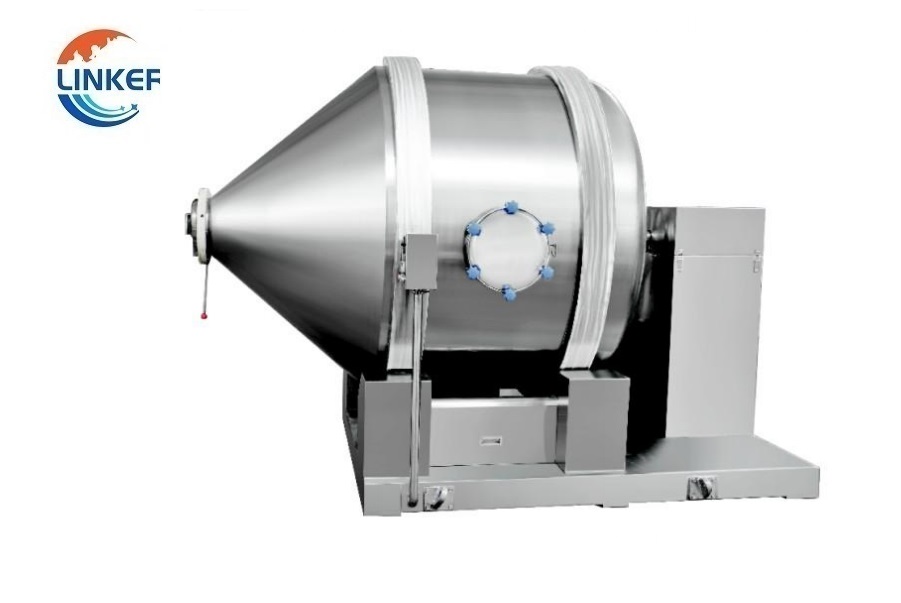
Tumble Blenders: Tumble blenders work by rotating or tumbling the ingredients inside a drum-shaped vessel. They are used for gentle blending of pharmaceutical powders.

Fluid Bed Processors: Fluid bed processors combine mixing and drying functions. They are used to coat particles, granulate powders, and dry wet materials.

Planetary Mixers: Planetary mixers consist of a rotating, central blade and a revolving container. They are versatile and can be used for mixing, blending, and dispersing pharmaceutical ingredients.

Homogenizers: Homogenizers are employed to create uniform mixtures by breaking down particles to a consistent size. They are often used in the preparation of emulsions and suspensions.

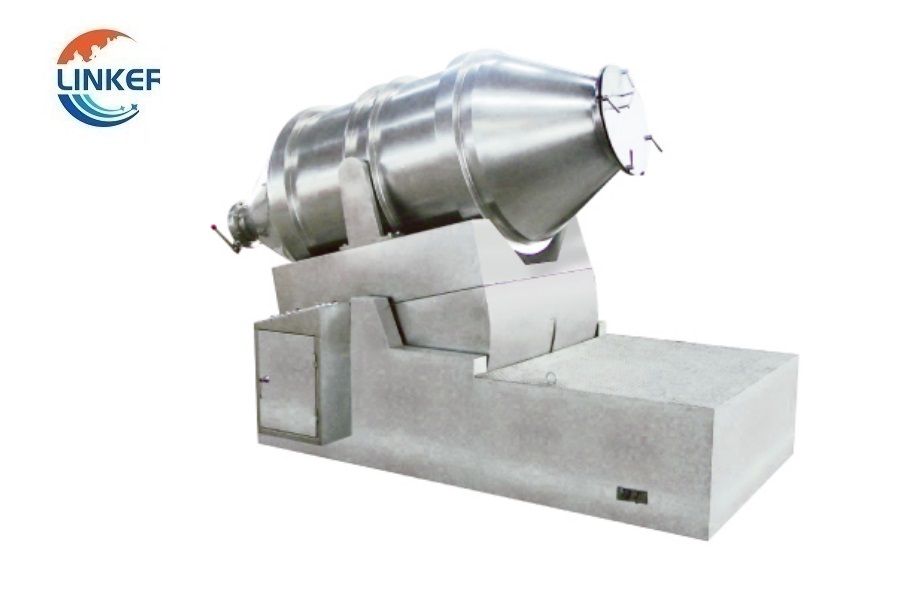
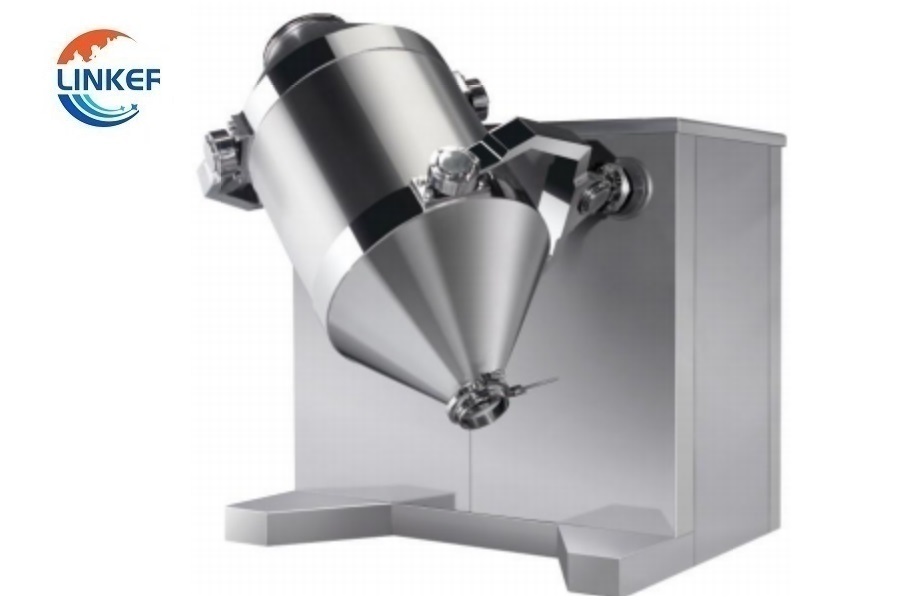
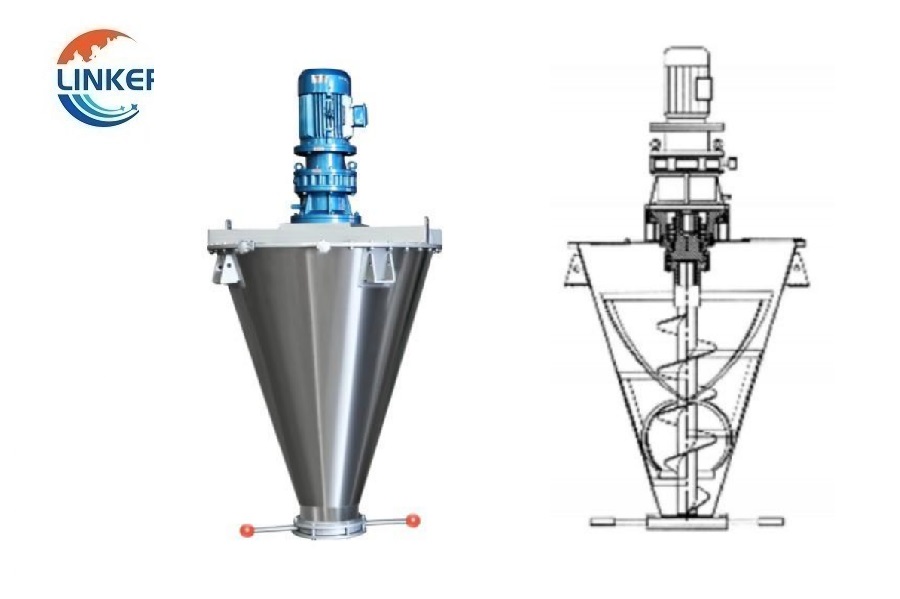
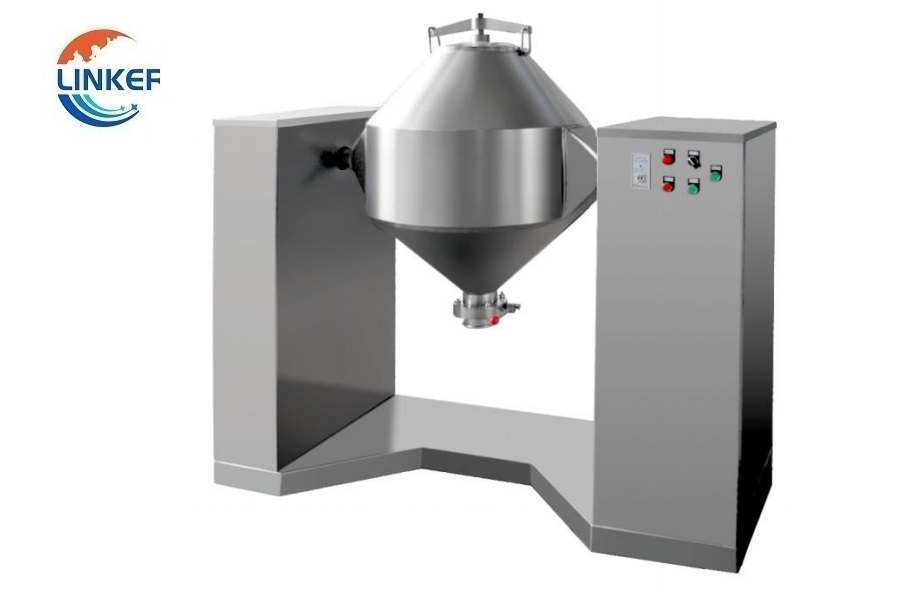
Double-Cone Blenders: Double-cone blenders have two conical-shaped vessels that rotate to mix powders or granules thoroughly. They are suitable for batch mixing.

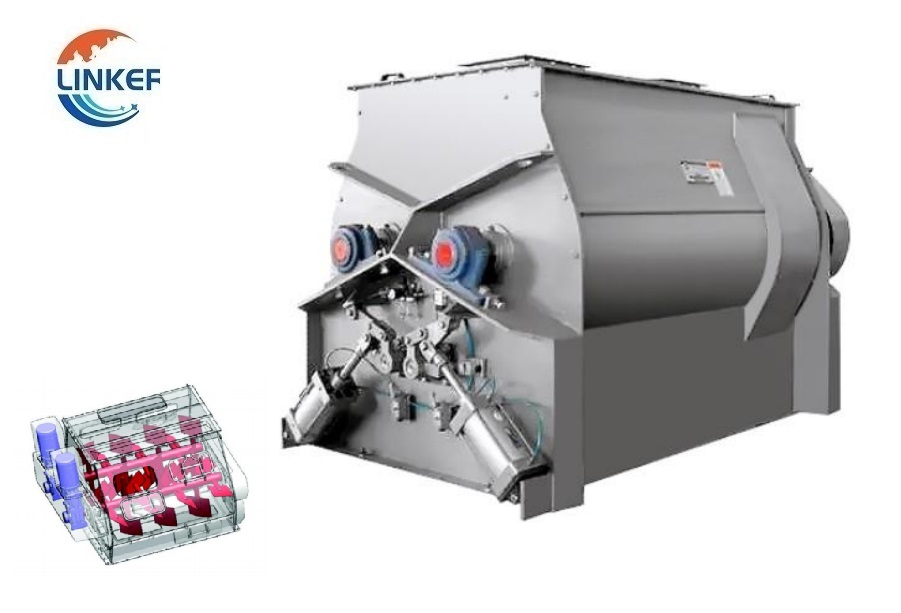
Multi-Agitator Mixers: These mixers have multiple agitators, such as propellers, turbines, and high-shear impellers, to achieve different mixing effects in a single vessel. They are used for complex blending processes.

Paddle Mixers: Paddle mixers use rotating paddles to blend powders or granules. They are commonly used in pharmaceutical compounding and granulation.

Screw Conveyors: Screw conveyors are used for conveying and mixing powdered materials in a controlled manner. They are often integrated into larger pharmaceutical processing systems.

Magnetic Stirrers: Magnetic stirrers use a magnetic bar or paddle placed inside a vessel to create rotational movement and mix liquids or suspensions. They are commonly used in laboratory settings.

Ultrasonic Mixers: Ultrasonic mixers use high-frequency sound waves to mix and disperse particles in liquids. They are effective for achieving fine particle dispersion and emulsification.

The choice of mixing equipment depends on the specific requirements of the pharmaceutical process, including the type of ingredients, desired mixing intensity, batch size, and other factors. Pharmaceutical manufacturers carefully select the appropriate equipment to ensure product quality and consistency while meeting regulatory standards.

Types of Mixers

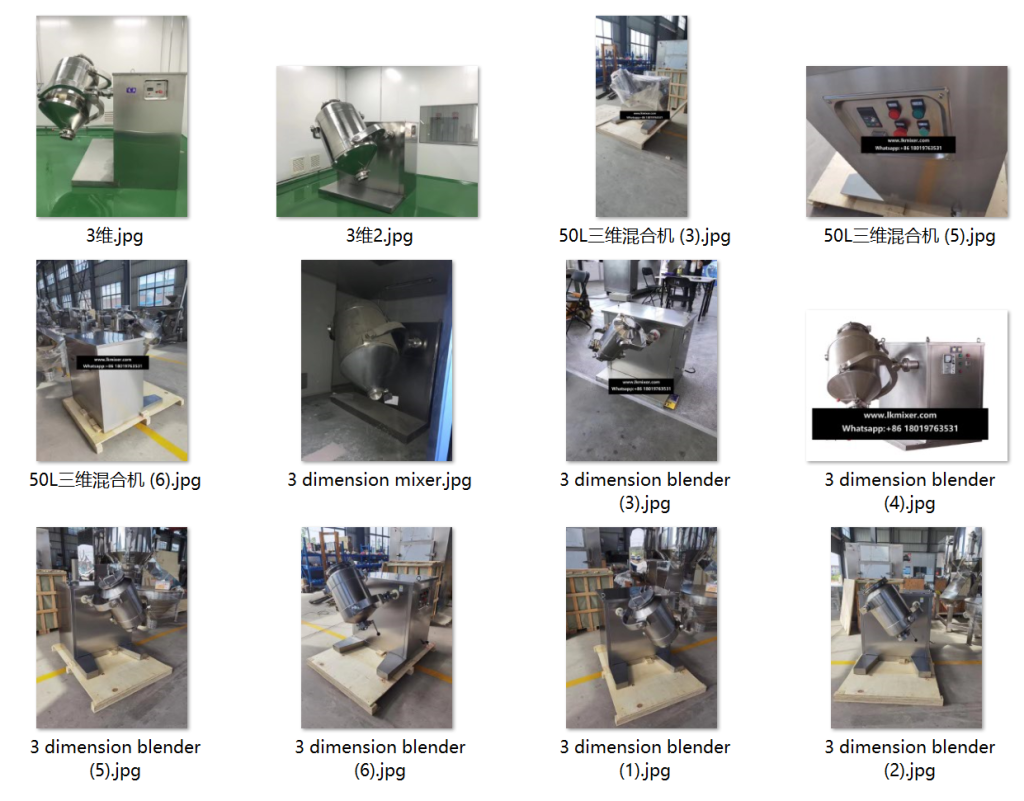
The choice of a mixer hinges on its intended use and the specific materials involved, such as chemicals, liquids, gases, granules, and pellets that need to be mixed. The industrial mixer domain offers a range of mixer types to cater to a variety of materials, even those that might initially appear challenging to blend. Mixers can generally be categorized into three main groups: diffusing, shearing, and convection, each distinguished by unique construction, impeller types, speed, and function. Gaining a fundamental understanding of these categories is essential when selecting the right mixer for a particular application.

Tumbler Mixers

Tumbler mixers fall into the diffusing mixer category. These mixers rotate to combine materials and introduce air into the mixing process. Tumbler mixers follow a tumbling rhythm and do not employ impellers during mixing. They are commonly used for blending solids, powders, and, in some cases, liquids. The tumbler’s rotation stirs solids as gravity continuously pulls the mixture back to the drum’s bottom. Tumbler mixers come in various configurations, including octagonal, conical, and V-shaped designs.

Tumbler Mixer, High Shear Mixers

High shear mixers, also known as high shear reactors (HSRS) or rotor-stator mixers, belong to the shearing mixer category. These high-speed machines use powered mixing blades, known as shears, to blend solid and liquid materials. They excel in tasks like emulsification, homogenization, dispersion, particle size reduction, and disintegration. High shear mixers are essential when dealing with materials that don’t easily blend, are immiscible, or require rigorous mixing, such as liquids with varying viscosities or those containing solids that need to be broken down. The most common application for high shear mixing is dispersion, where high-speed rotation and intense shear action break down particles. High shear mixers can effectively blend liquids and solids that typically don’t mix well, like oil and water. While they were traditionally used in the rubber industry, high shear mixers are now widely applicable in various fields, including chemicals, food, pharmaceuticals, cosmetics, and adhesives.

High Shear Mixer/ High Speed Mixers

High-speed mixers are typically employed to rapidly cool, granulate, or disperse substances for subsequent processing. These mixers find applications in industries such as food processing, pharmaceuticals, and paint manufacturing. High-speed mixers come in various sizes and shapes, ranging from small, high-speed lab mixers to larger industrial units.

Ribbon Blenders

Ribbon blenders are designed for powder blending, primarily for solid-to-solid mixing. Their unique design allows for swift and efficient mixing cycles, often ranging from a few minutes to under twenty minutes, with tip speeds of about 1.4 meters per second. Despite their quick mixing, ribbon blenders operate at a slow blade speed, resulting in a gentle folding action. While ribbon blenders are effective at achieving homogeneity, they tend to be more costly than paddle mixers and may require more maintenance.

Paddle Mixers

Paddle mixers are versatile and used for mixing solids, viscous liquids, and wet-dry mixtures. They feature a central shaft axis with blades for mixing and are commonly employed in dry mixing, although they can also handle liquid-solid blending.

Paddle Mixer, Agitator Mixers

Agitator mixers are suitable for applications involving liquid or flowable materials. These mixers utilize agitating blades in the center, which remain stationary while the fluid is agitated during rotation. They are commonly used in industrial food and beverage processing, employing a principle and configuration similar to top-load washing machines.

Axial and Radial Flow Impellers

Agitator mixers can be further classified into axial and radial flow impellers based on the angle at which the impeller blade contacts the liquid and the rotation plane. These mixers handle materials with varying viscosities and are ideal for tasks such as solid suspension and blending miscible or immiscible liquids.

Axial and Radial Flow Impellers, Rotor Mixers

Rotor mixers consist of metal blades installed at the bottom of a container, capable of variable-speed rotation. They are commonly found in blenders and can operate with various detachable attachments, making them suitable for various tasks in industries such as food production, adhesives, pharmaceuticals, and chemical processing.

Rotor Mixer, Static Mixers

Static mixers have mixing elements shaped like twisted ribbons, helices, or other forms placed within a cylinder. Unlike other mixers, static mixers lack moving parts. The mixing element disrupts and blocks the flow of liquids or gases forced through one end of the cylinder. As the fluids flow through the cylinder, the element’s shape induces turbulence, effectively mixing materials by breaking down their molecules. Static mixers are ideal for dispersing gases into immiscible liquids to create a homogeneous solution. They are commonly used in continuous material flow processes, offering precise control over the degree of mixing required.

Disperser Type

Dispersers use concentrated high-speed force to disintegrate, dissolve, and disperse solids found in powdered materials or liquids. Mixing shafts often feature disc-shaped blades that rotate at maximum speed, ensuring proper flow, dispersion, and consistency during the blending process.

Emulsifier Mixers

Emulsifier mixers are employed for mixing immiscible liquids, such as oil and water. These specialized mixers utilize pressure for thorough liquid-liquid mixing and incorporate vacuum-filled equipment along with high shear. They apply centrifugal force in vacuum emulsifier homogenizers, breaking down materials into smaller particles. For instance, in cream and milk, where cream contains large fat molecules that separate due to their size, emulsification reduces the size of the cream molecules to match those of milk molecules.

Homogenizer Mixers

Homogenizer mixers blend liquid-liquid and solid-liquid mixtures, applying extreme force, shear, and pressure to achieve homogenization. They are crucial for mixing substances that are inherently difficult to blend, such as immiscible materials or those requiring thorough mixing.

Heavy Duty Mixers

Heavy-duty mixers are employed in the mixing of highly viscous and pasty substances, which would typically cause buckling and failure in standard mixing equipment. These mixers are designed to handle materials with viscosities exceeding 750,000 centipoises. They come in various designs, including planetary and multi-shaft mixers, accommodating a wide range of applications.

Batch Mixers

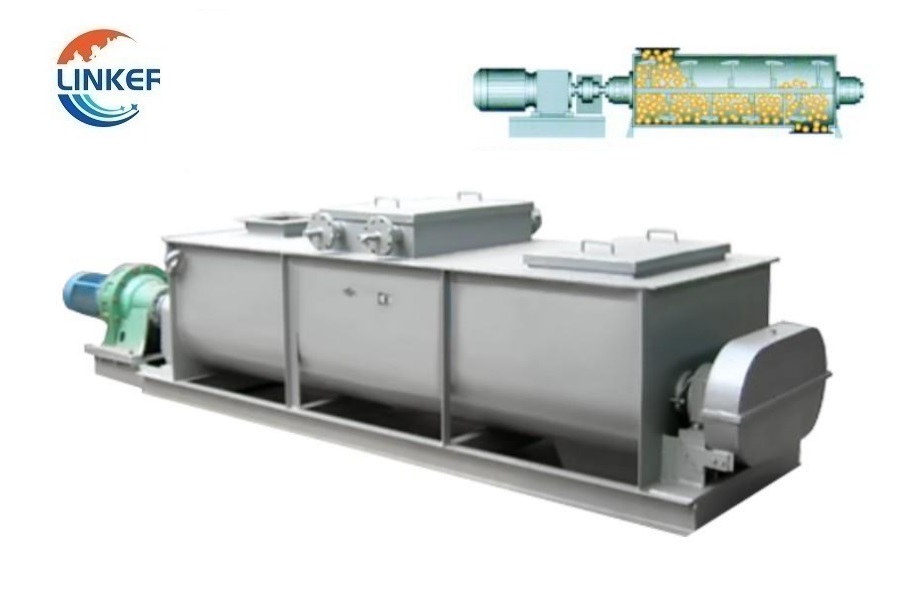
Batch mixers have a cylindrical design that allows for ingredient loading at one end and product dispensing at the other. They are capable of preparing batches ranging from a few gallons to thousands of gallons. Batch mixers enable precise control over ingredient combinations to ensure high-quality mixtures. They come in various configurations, including horizontal twin shaft mixers, ribbon blenders, paddle mixers.

Dry mixing is a widely employed process in various industries, including ceramics manufacturing, plastics production, fertilizer formulation, detergent production, pharmaceuticals, and the production of food and animal feed. This technique involves blending different dry ingredients or components to achieve the desired composition or mixture (Fan and Chen, 1990, Barbosa-Cánovas et al., 2005b, Cooke et al., 1976).

The dry mixing method involves milling an alkali activator with specific proportions of pozzolan materials, resulting in a finely ground substance akin to cement, commonly referred to as geopolymer cement. This geopolymer cement simply requires the addition of water during its application.

A powder is essentially a collection of dry particles suspended in the air. When two distinct powders are expertly combined, theoretically, they can yield three types of powder mixtures: the random mixture, the ordered mixture, or the interactive mixture.

  1. Horizontal Mixer
    The horizontal mixer is renowned for its ability to produce large dough volumes in the shortest time frame. This machine is designed in a manner that allows for a continuous feed of the next batch as the mixing process unfolds. Once the mixing is complete, the dough conveniently exits the machine, ready for transport in a trough.

However, one key limitation of the horizontal mixer lies in its inability to maintain an optimal dough temperature during mixing. Friction between the dough and the container’s sides causes the temperature to rise, a less-than-ideal scenario for certain types of yeast doughs.

  1. Spiral Mixer
    Among the most popular mixer types, the Spiral Mixer is favored for its versatility. It efficiently and thoroughly mixes dough with minimal friction in a rotating bowl that revolves around a spiral-shaped blade.

This mixer comes in various sizes to accommodate different dough output requirements and is known for its energy efficiency, consuming less electrical power than its horizontal counterpart.

  1. Planetary Mixer
    The planetary mixer is commonly found in household kitchens. It features a central mixing wand that orbits around a stationary bowl. You can easily switch out wand attachments to meet your specific mixing needs.

Moreover, this machine isn’t limited to dough; it can handle a range of mixing tasks. After completion, the bowl detaches swiftly and can be moved with ease. These upright machines are typically compact, making them an excellent choice for those with limited kitchen space.

However, one drawback of the planetary mixer is that it may not ensure uniform mixing between the top and bottom of the bowl. When used for dough, certain portions of the batch might remain underdeveloped.

Graduated and adjustable measuring cups find their purpose when it comes to measuring dry ingredients like flour, sugar, oats, rice, and solid substances such as shortening and peanut butter. These versatile cups often come as part of a nested set, providing both precision and convenience in the kitchen.

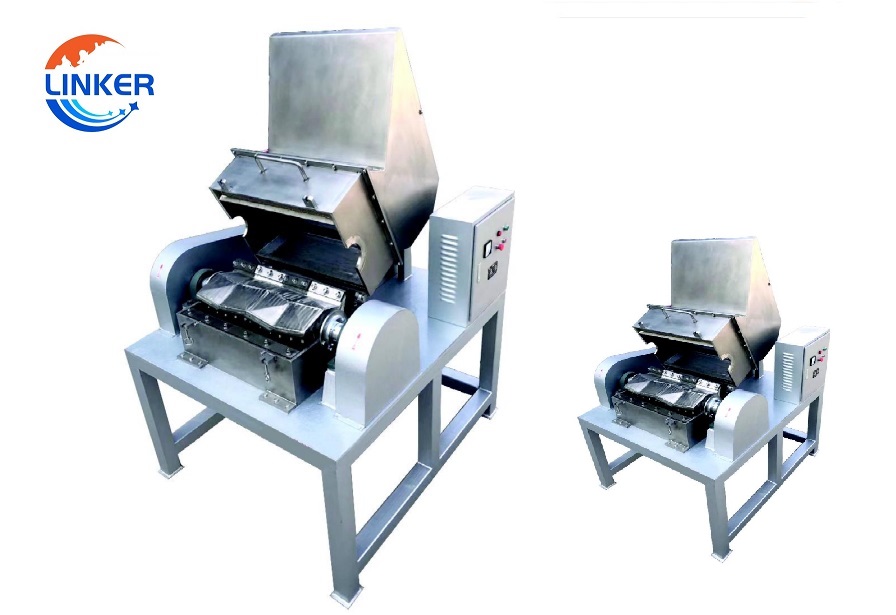
Industrial Grinder for Sale:
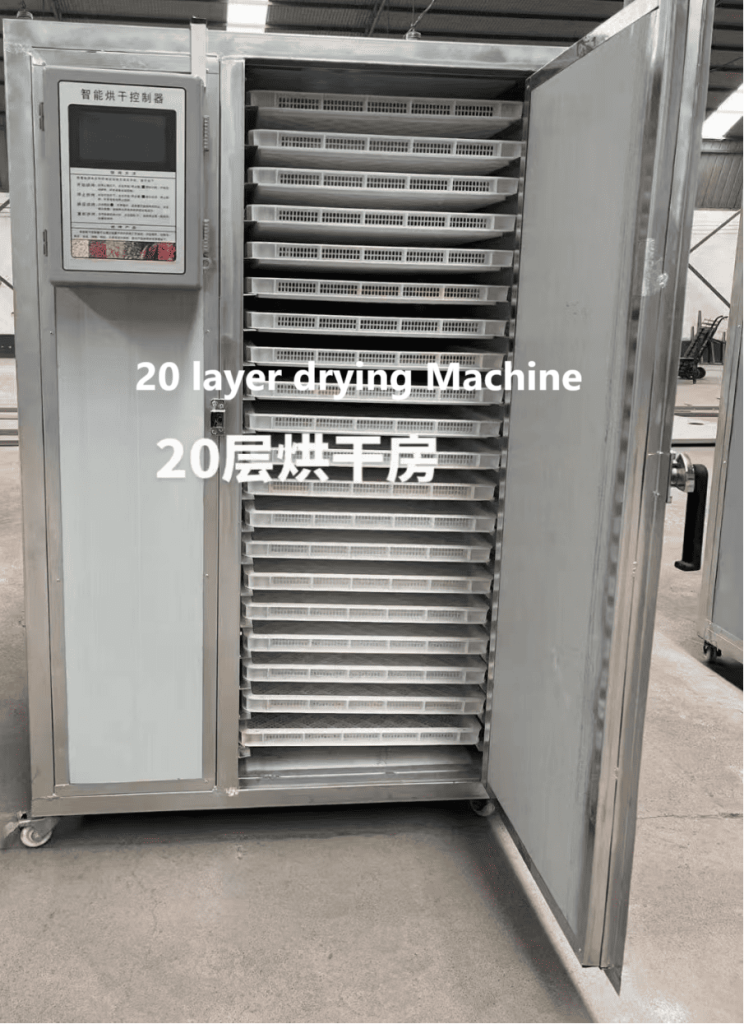
Drying Machine for Sale:

Mixer and Blender for Sale:
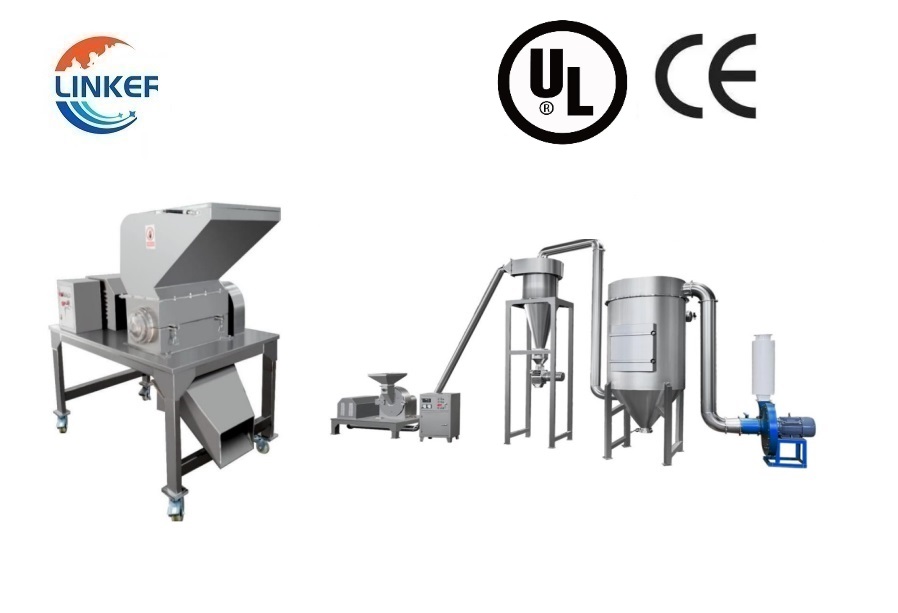
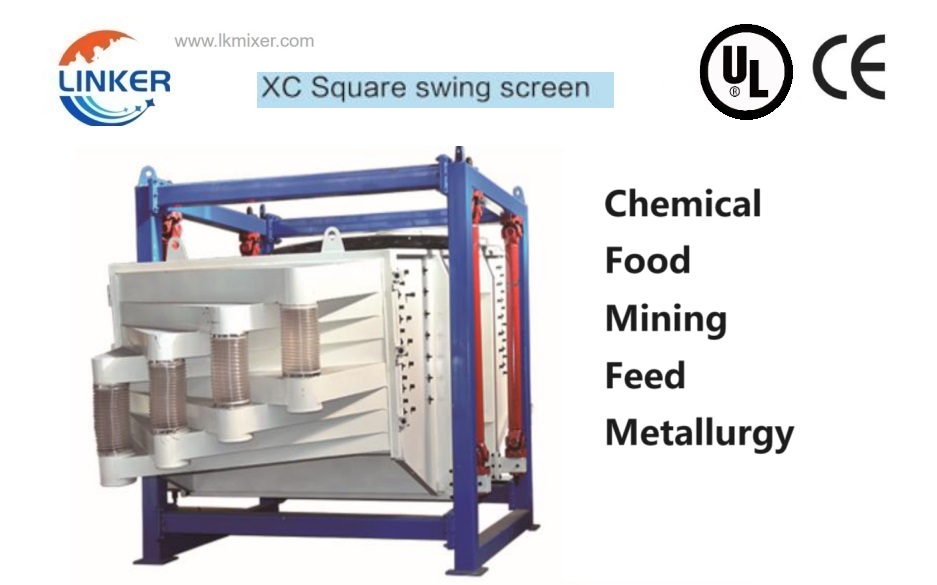
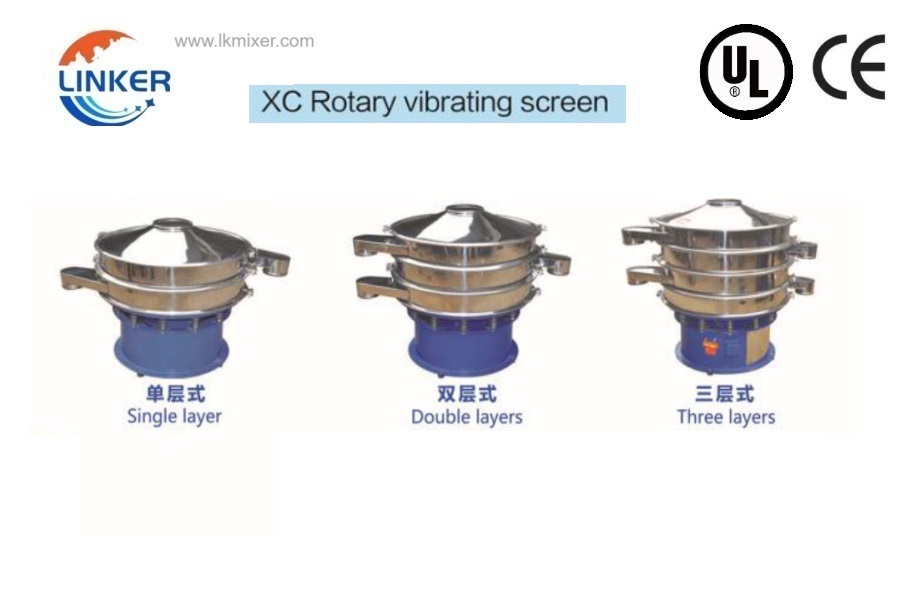
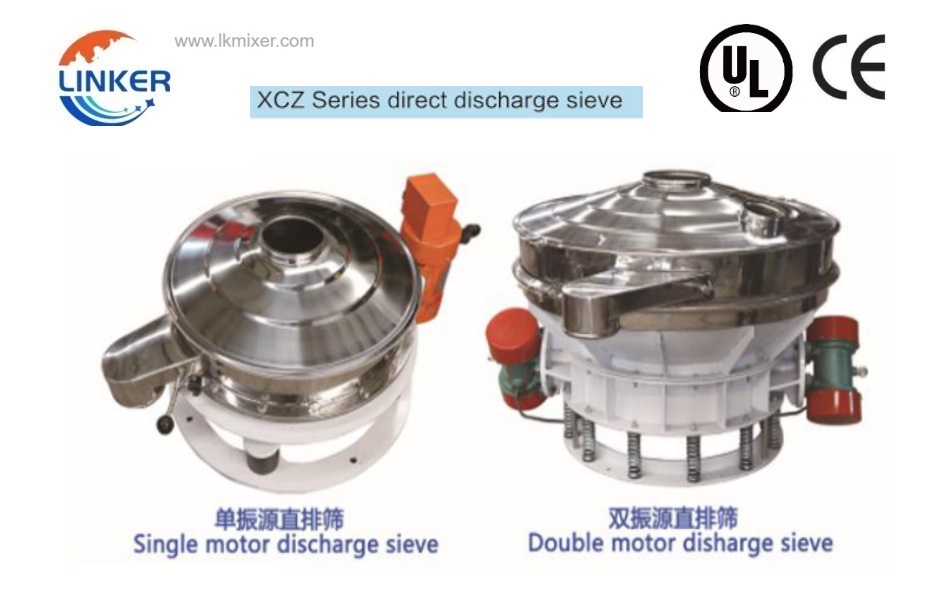
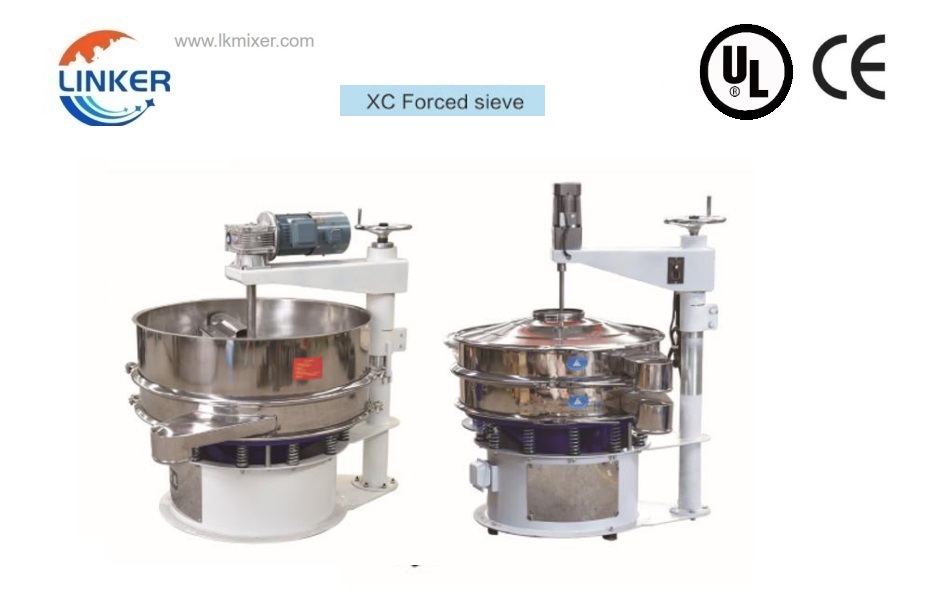
Industrial Vibrating Screen for Sale:

Industrial Vacuum Feeder for Sale:
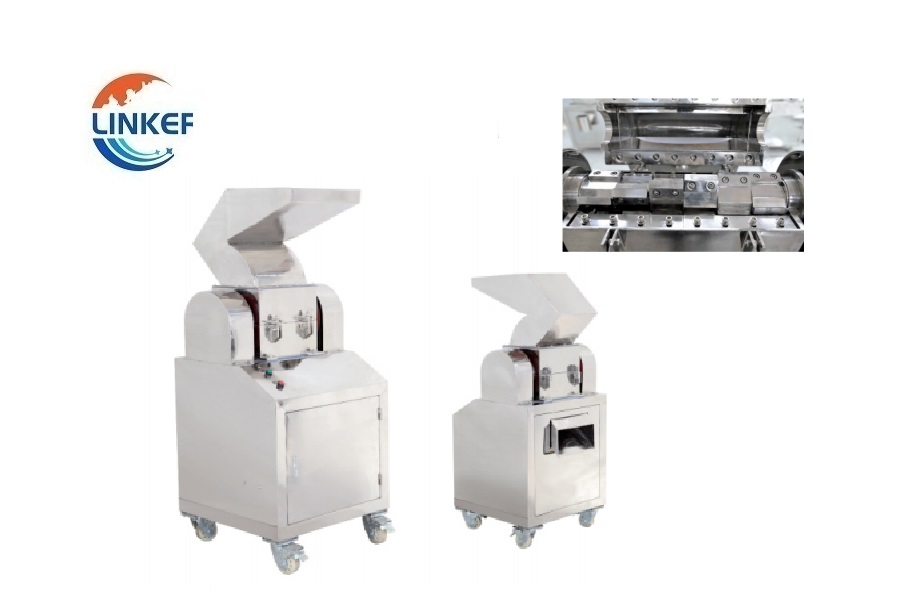
Industrial Shredder for Sale:
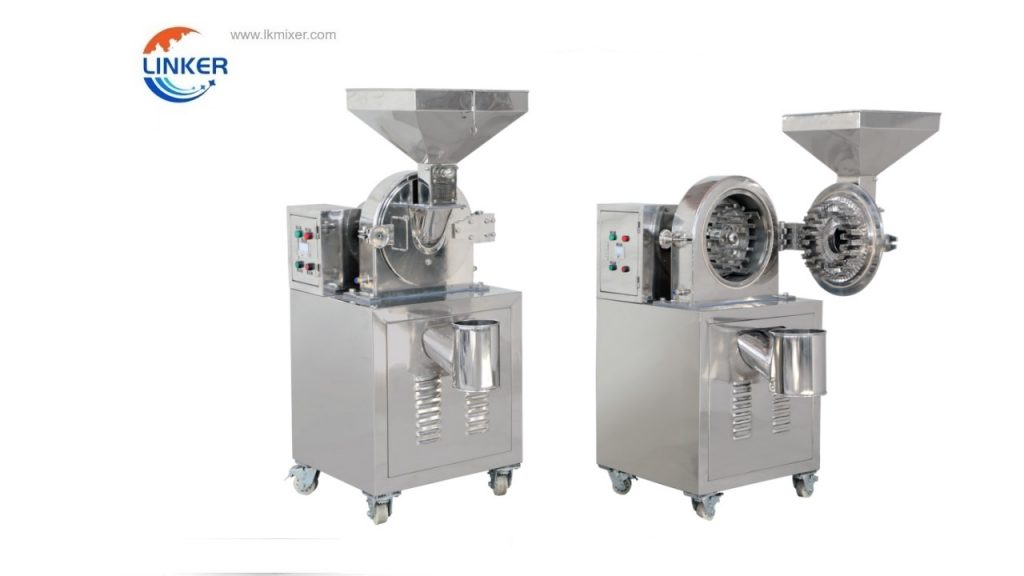
Grinding Machine for Sale:
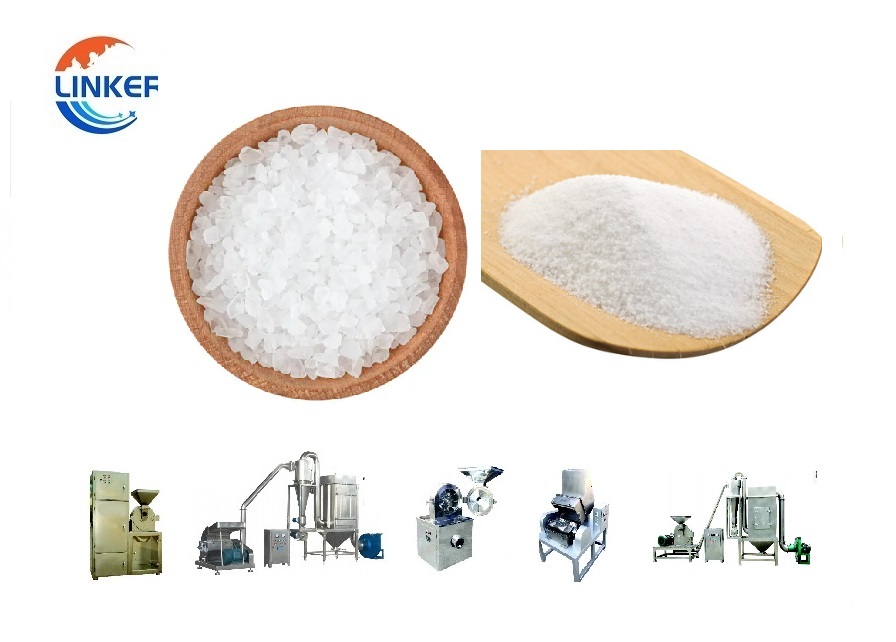
Blending and Mixing Machine for Sale

Granulating Machine for Sale:
Auxiliary Machine for Sale:
Recommend Reading

You May also Interest in other topics:
Dc Mobile EV Charger

battery demolition hammer

Filling and Stoppering

calcium carbonate grinding mill

Table of Contents