
Corrosive Material Grinding Machine
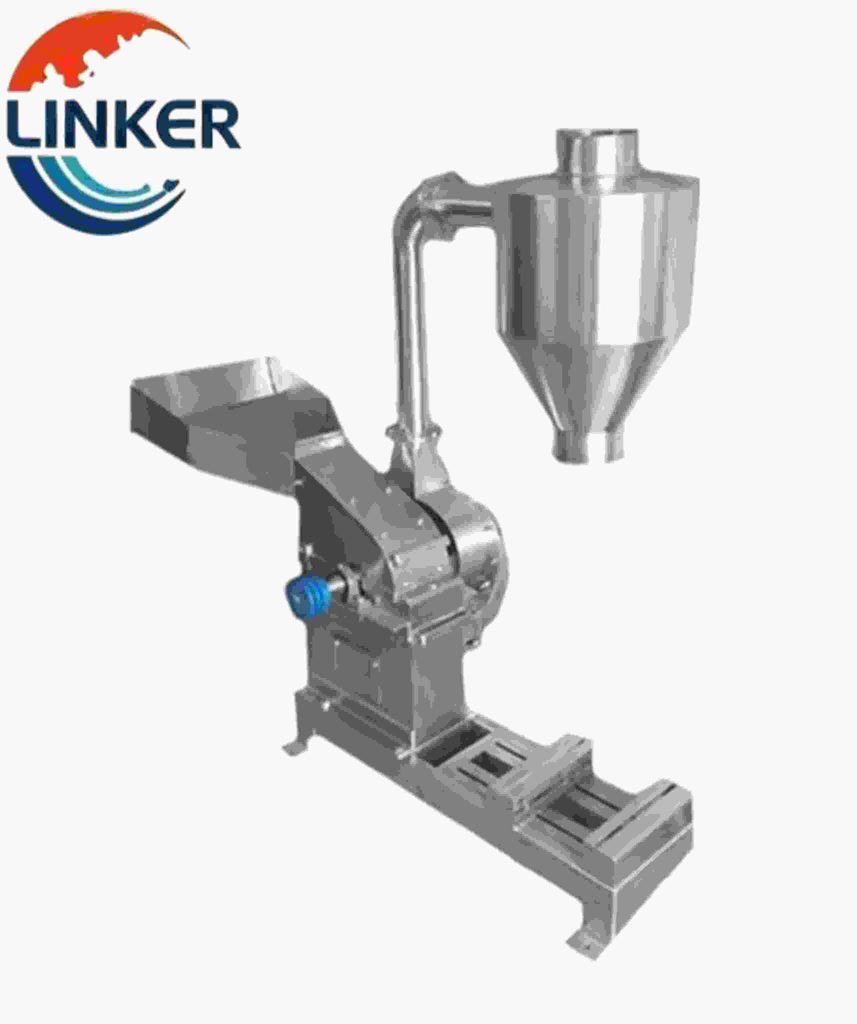
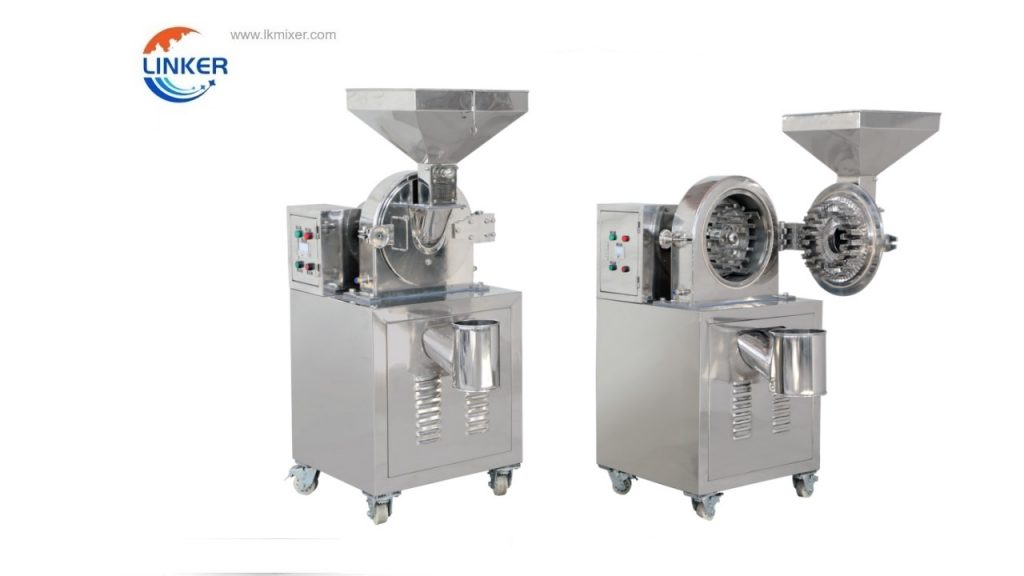
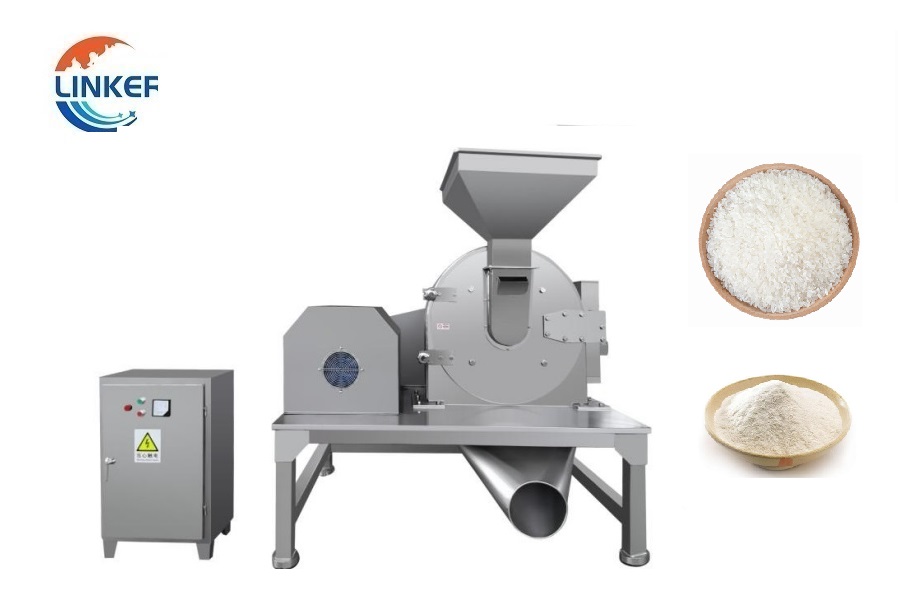
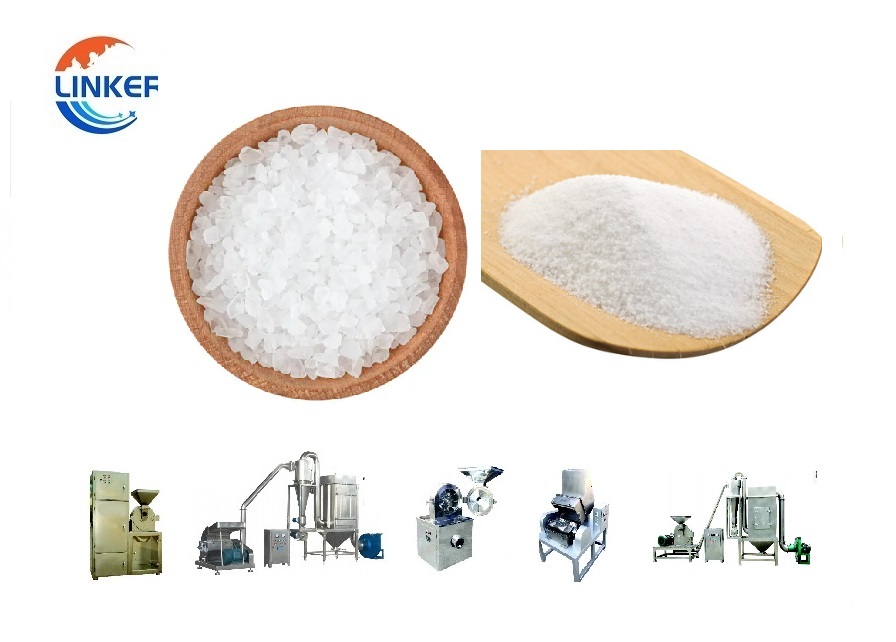
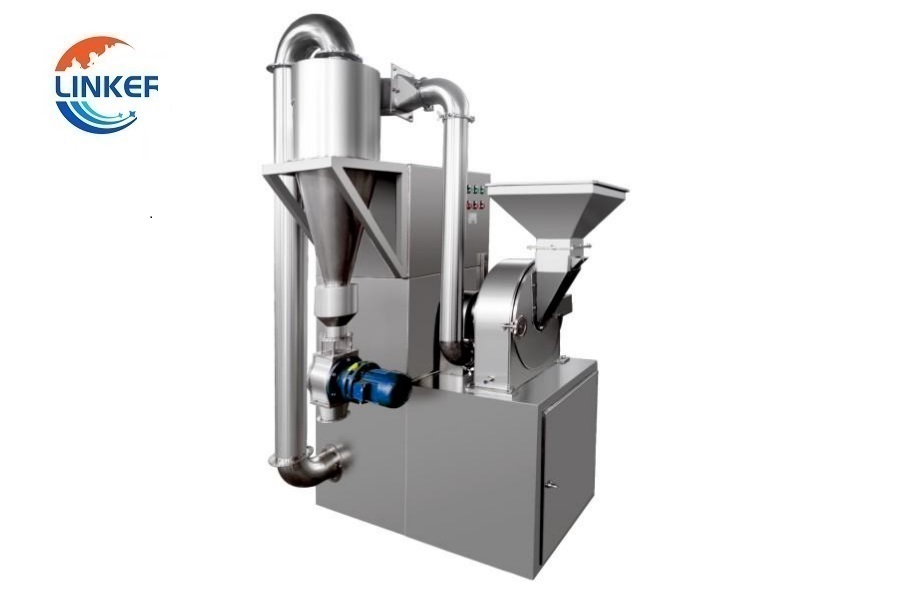
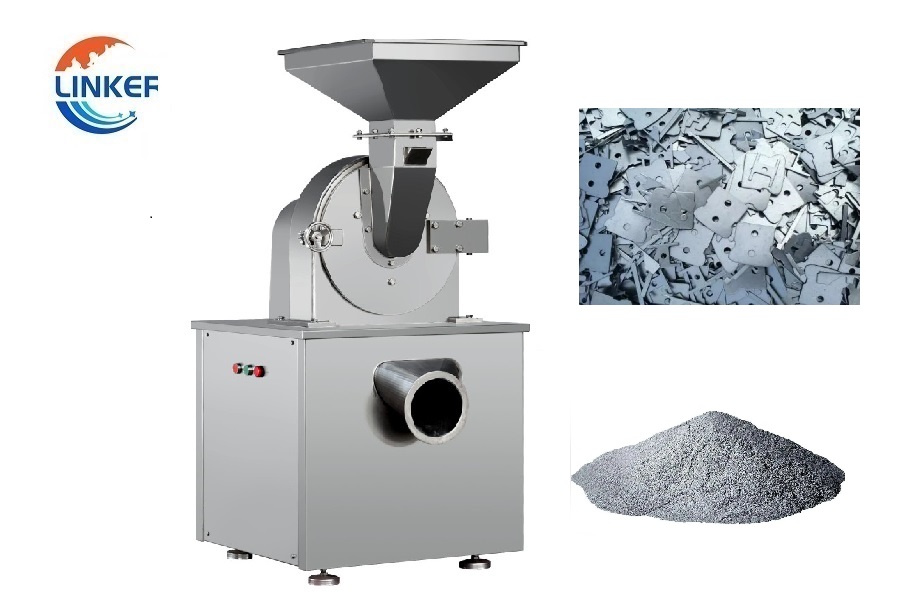
- Suitable Grinding Material: corrosive chemical raw materials, salt‑containing raw materials, alkaline dry materials, acidic granular materials and other corrosive dry medium;
- Maximum capacity: 20‑160(kg/hour);
- Output particle size: 0.1‑2.5mm, adjustable grinding gap for different powder fineness
- Machine Weight: 120‑380kg;
- Total Power: 4‑20KW
- Optional Feature: anti‑corrosion special alloy contact parts, sealed anti‑leakage structure, low‑temperature cooling system, easy‑to‑disassemble structure for thorough cleaning during high‑speed grinding
- Application: chemical raw material crushing, salt‑containing material pulverizing, alkaline & acidic dry material processing, corrosive medium re‑processing industry.
- Notice: This is just an example of machine for corrosive material grinding, this corrosive material grinding machine can also be used for other non‑oily corrosive dry materials, and there also have many models mill suitable to grind. Please contact with our sales for choosing the right model.
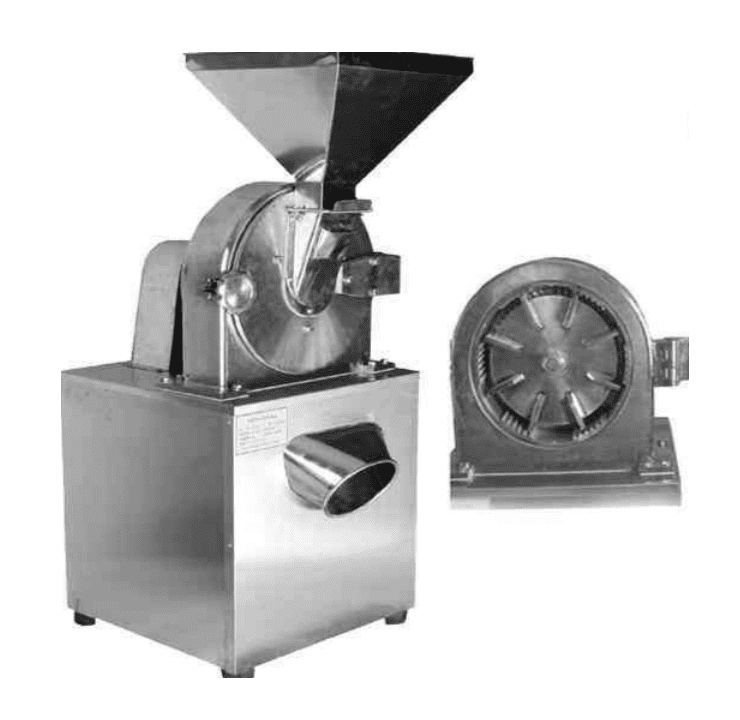
This Grinding Mill adopts mature high‑speed pulverizing structure design, which is extensively used for material grinding in pharmaceutical, chemical, food, herbal medicine, spice and other industries.
Structure
This grinding mill features compact overall layout. It is convenient for installation, disassembly and thorough cleaning. It delivers stable operation performance, moderate working noise, reliable sealing property and outstanding grinding capacity.
Working Principle
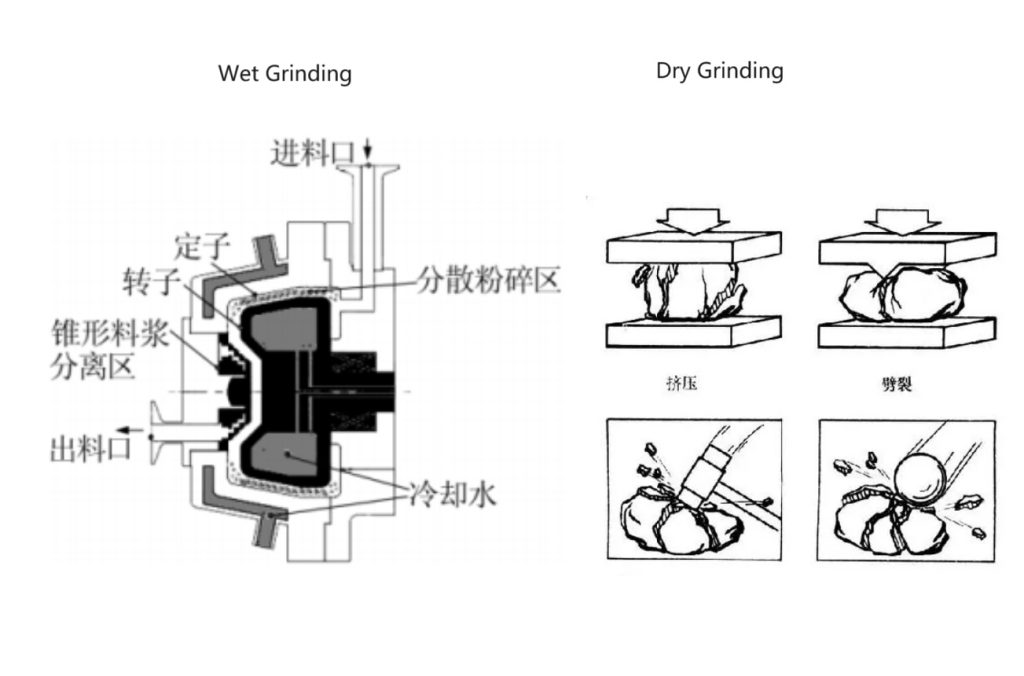
The machine operates at high rotational speed. Raw materials are crushed through continuous impact and shearing force generated between rotating movable teeth and static fixed teeth. Fineness of finished powder can be adjusted according to different raw material characteristics. Particle size of final output can be obtained by replacing different screens or adjusting running speed.
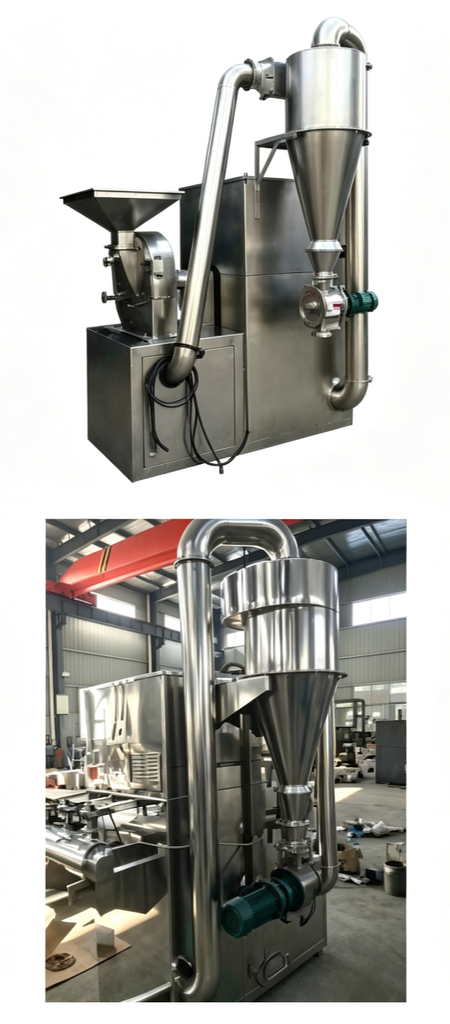
Corrosive Material Grinding Machine
What is a Corrosive Material Grinding Machine?
A corrosive material grinding machine is a professional industrial grinding device independently developed for processing acidic, alkaline, saline and other corrosive industrial media. Different from ordinary grinding equipment that is prone to rust, corrosion and structural damage when contacting corrosive substances, this specialized machine adopts anti-corrosion material configuration and optimized structural design as its core advantages. It can effectively resist the erosion and chemical damage caused by corrosive materials while completing ultra-fine grinding and particle size refinement of raw materials. It ensures stable equipment operation and qualified finished powder quality, and is specially applicable to high-standard production scenarios with corrosive raw materials in chemical, new energy lithium battery, pharmaceutical and mineral processing industries.
What Unique Design Features Enable Corrosive Material Grinding Machines to Adapt to Harsh Corrosive Working Conditions?
The professional anti-corrosion material selection of corrosive material grinding machines forms the fundamental barrier against medium erosion and solves the core problem of equipment aging and material pollution in corrosive environments. Ordinary industrial grinding machines mostly use ordinary carbon steel and common stainless steel materials, which are prone to chemical reactions, surface rust and metal peeling when contacting acidic and alkaline materials for a long time. The peeled metal fragments will not only cause equipment failure and shorten service life, but also precipitate metal ions to mix into finished materials, seriously affecting product purity and performance. In contrast, corrosive material grinding machines abandon ordinary metal materials entirely, and use high-performance anti-corrosion materials such as 1Cr18Ni9Ti stainless steel, engineering ceramics and high-chromium nickel alloy for all parts directly in contact with materials.
These high-grade anti-corrosion materials can form a dense and stable protective oxide film on the surface during long-term operation. This inert protective layer can effectively isolate the chemical reaction between corrosive media and the equipment matrix, stably resisting the erosion of various weak acid, strong acid, alkali and saline materials. Whether processing highly corrosive liquid materials or corrosive dry powder raw materials, the contact parts will not rust, deform or peel off. At the same time, it completely avoids the problem of metal ion precipitation, ensuring that the processed chemical and new energy materials will not be contaminated by impurities, and maintaining the original chemical properties and high purity of industrial raw materials.
The fully closed protective structure is a key design to prevent material leakage and secondary corrosion of equipment. Corrosive materials are highly volatile and permeable, and traditional open grinding equipment is prone to medium leakage and solvent volatilization during operation. The escaped corrosive gas and residual materials will erode the transmission bearing, motor and external structural parts of the equipment, leading to accelerated aging of mechanical components and frequent equipment failures. Corrosive material grinding machines are equipped with high-precision mechanical shaft seals, which completely isolate the internal grinding cavity from the external transmission structure.
This fully enclosed isolation structure not only thoroughly prevents the leakage of liquid and powdery corrosive materials, but also effectively suppresses the volatilization of corrosive solvents and the overflow of fine dust. It avoids corrosion damage to external mechanical parts and electrical components, and also eliminates hidden dangers such as workshop environmental pollution and personnel safety risks caused by material leakage. The closed structural design greatly improves the operational safety and structural stability of the equipment in long-term corrosive working environments.
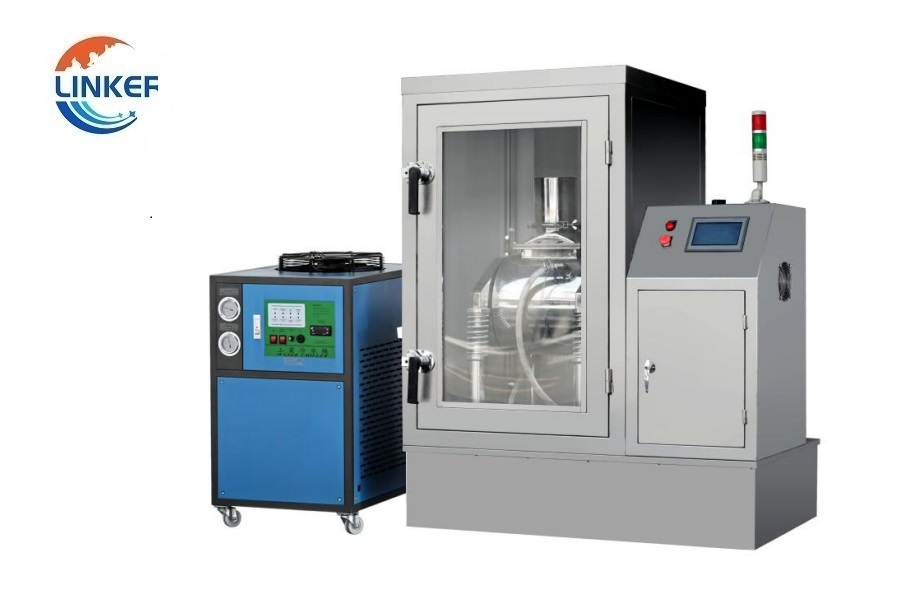
The dual water and air cooling temperature control system ensures continuous and stable operation of the equipment by inhibiting high-temperature accelerated corrosion. The high-speed grinding process will inevitably generate a large amount of frictional heat, and the chemical activity of corrosive media will increase sharply under high-temperature conditions. High temperature will intensify the chemical erosion of materials on equipment inner walls and sealing parts, greatly accelerating the aging speed of vulnerable parts and even causing local corrosion and damage in a short time. To solve this problem, corrosive material grinding machines are equipped with integrated air cooling and water cooling dual refrigeration systems.
The dual temperature control system can quickly and continuously take away the frictional heat generated in the grinding cavity, stably controlling the internal working temperature within a safe range. It fundamentally avoids the intensified corrosion effect of high-temperature corrosive media on equipment components, maintains the stability of anti-corrosion materials and sealing structures, and supports long-term uninterrupted continuous operation of the equipment. This temperature control design makes up for the defect that ordinary grinding equipment cannot work continuously in corrosive scenarios, and greatly improves the production efficiency and service life of professional anti-corrosion grinding equipment.
What Are the Performance Characteristics and Applicable Scenarios of Mainstream Corrosive Material Grinding Machine Models?
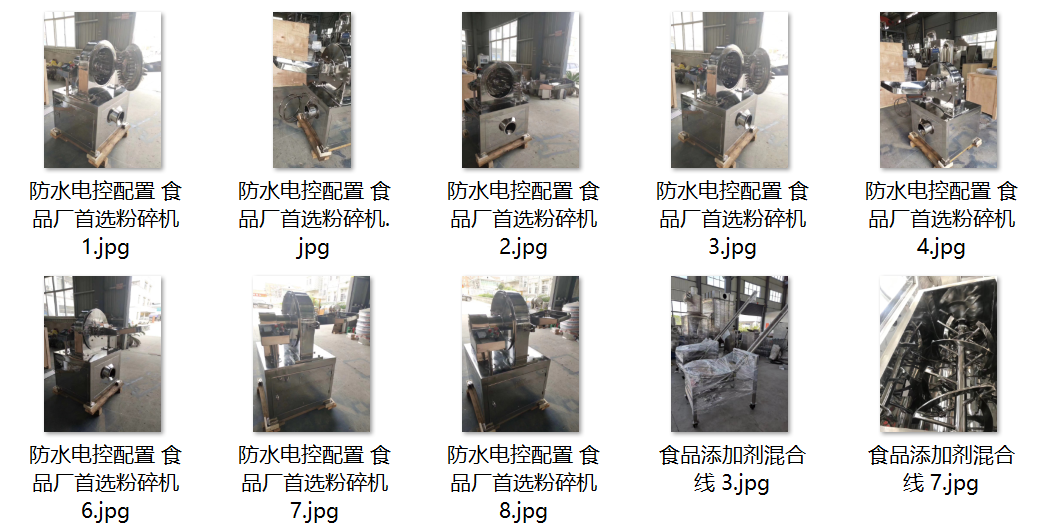
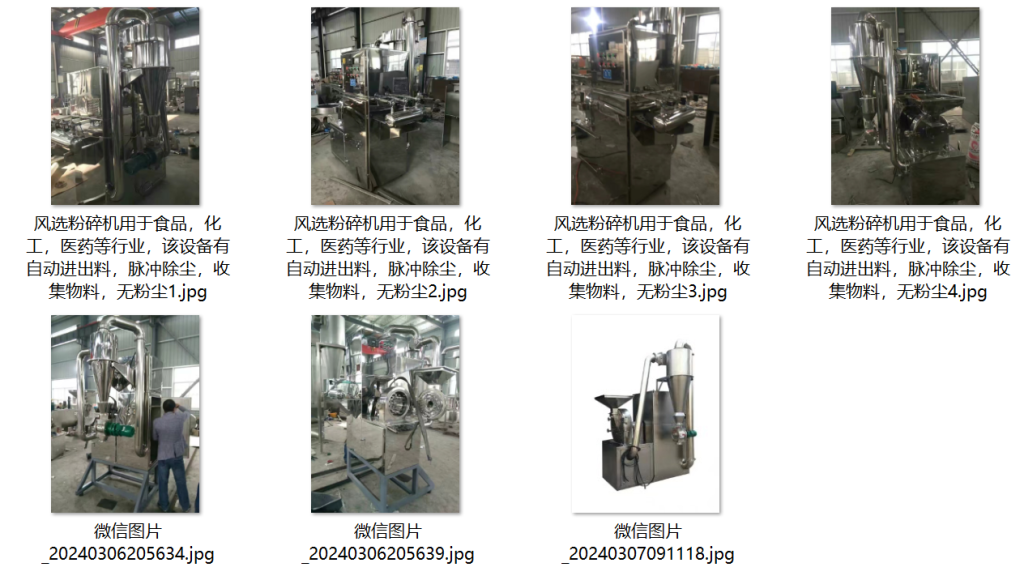
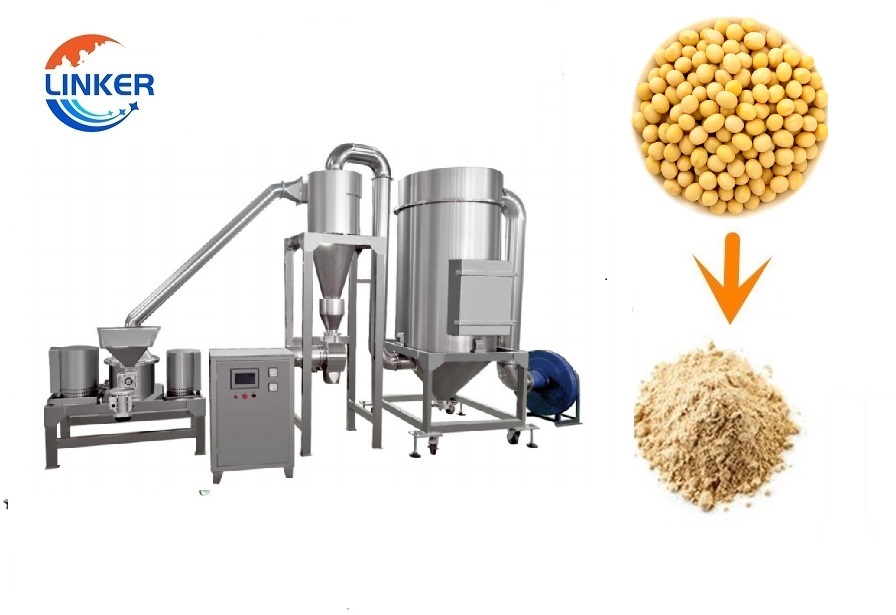
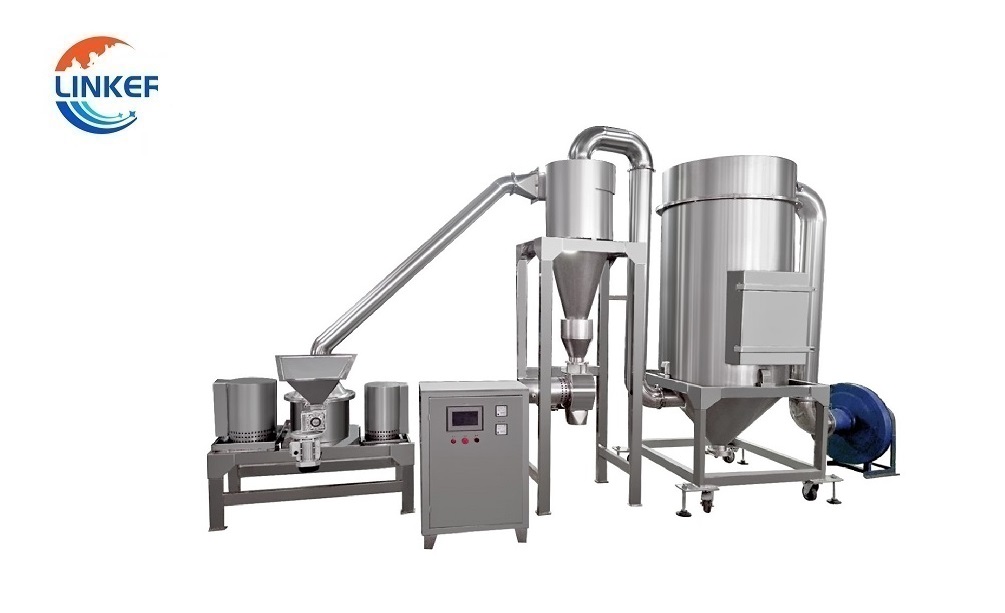
What processing advantages do anti-corrosion ultra-fine pulverizers have for dry corrosive powder raw materials? The anti-corrosion ultra-fine pulverizer is a special equipment for dry grinding of corrosive chemical raw materials, fully optimized for acidic and saline powdery materials that are easy to corrode ordinary equipment. The whole machine adopts integrated stainless steel anti-corrosion structure, with no exposed ordinary metal parts inside the grinding cavity, and has excellent dry corrosion resistance. The equipment is equipped with a matched dust-free dust removal system, which can realize closed-loop grinding and dust collection without powder overflow, avoiding environmental pollution and raw material waste during the processing of corrosive powder.
This dry-type anti-corrosion grinding equipment has a stable hourly processing capacity of 10 to 50 kilograms, which is suitable for small and medium-batch coarse grinding and ultra-fine pulverization of various corrosive chemical powders and industrial raw materials. Its internal grinding structure is optimized for dry brittle corrosive materials, which can efficiently crush and refine materials while maintaining stable anti-corrosion performance. It will not cause rust and blockage due to long-term contact with corrosive powder, and can stably output high-purity dry finished powder, which is widely used in conventional dry-process processing of corrosive chemical raw materials.
Why are ceramic three-roll grinding machines the preferred equipment for high-viscosity corrosive paste materials? Ceramic three-roll grinding machines are professional precision grinding devices tailored for high-viscosity corrosive paste and slurry materials. Different from metal roller structures that are easily corroded by acidic and alkaline pastes, the core grinding rollers of this equipment are made of high-purity wear-resistant and anti-corrosion ceramic materials. The ceramic roller surface is smooth and inert, does not react with corrosive high-viscosity materials such as corrosive coatings and electronic slurries, and can resist long-term adhesion and erosion of viscous corrosive media.
The equipment can realize precise gap adjustment between rollers, with the processing precision stably reaching the 0.01mm level, which can evenly refine granular impurities in high-viscosity corrosive pastes. The finished slurry has uniform fineness and smooth texture without particle residue. It perfectly solves the problems of easy corrosion, rough surface and poor precision of traditional metal three-roll mills when processing corrosive paste materials. It is widely used in fine processing of high-end corrosive coatings, special dyes and electronic functional slurries, and is the core precision grinding equipment for high-viscosity corrosive material scenarios.
What ultra-fine processing capabilities do stainless steel horizontal sand mills have for nano-scale corrosive liquid materials? Stainless steel horizontal sand mills are specialized in nano-level ultra-fine wet grinding of acidic and alkaline liquid corrosive materials. The equipment adopts an integral sealed conical grinding cavity structure, and all inner cavity contact parts are made of high-grade anti-corrosion stainless steel, which can adapt to long-term soaking and grinding of various strong corrosive liquid media. The fully closed cavity design completely prevents liquid leakage and solvent volatilization, ensuring safe and pollution-free processing of corrosive liquid materials.
Through high-speed stirring and shearing of grinding media, the horizontal sand mill can refine corrosive liquid materials to sub-micron and nano-level fineness, meeting the ultra-fine processing requirements of high-end chemical and new energy materials. The stable anti-corrosion structure avoids impurity precipitation and equipment corrosion failure during long-term wet grinding. It is widely used in fine grinding and dispersion of various acidic and alkaline liquid chemical raw materials, and is the mainstream equipment for high-precision wet processing of corrosive media.
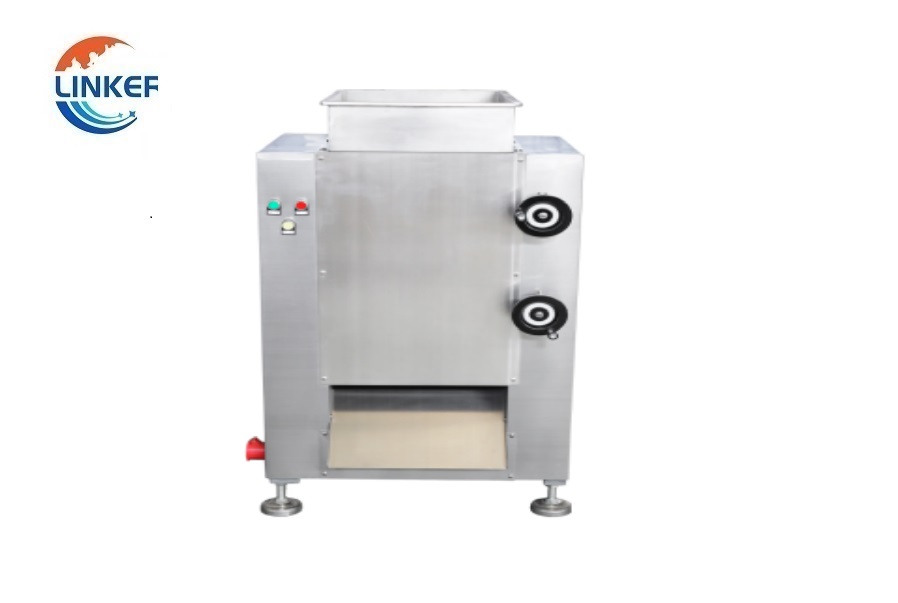
What industrial production values do industrial salt specific double-roll grinding machines have for strong corrosive mineral processing? Industrial salt specific double-roll grinding machines are large-scale anti-corrosion equipment developed for strong corrosive salt mineral raw materials. Industrial salt and saline minerals have strong permeability and corrosiveness, which can easily cause surface peeling and structural damage of ordinary grinding equipment. This special double-roll mill adopts customized anti-salt corrosion and wear-resistant materials for the grinding roller and cavity wall, which can resist long-term erosion of high-salinity corrosive minerals.
The equipment has the characteristics of low fine powder output rate and uniform particle forming, which can stably process salt minerals into finished particles with uniform specification and few fine powder impurities. It maintains stable wear resistance and anti-corrosion performance during long-term large-scale industrial production, without frequent equipment maintenance and replacement. It fully meets the mass production needs of industrial salt and corrosive non-metallic minerals, and is efficient and durable professional equipment for corrosive mineral processing scenarios.
In Which Industrial Fields Are Corrosive Material Grinding Machines Widely Applied?
The chemical industry is the most mainstream application scenario for corrosive material grinding machines, solving the equipment corrosion problem in processing corrosive chemical raw materials. A large number of coatings, dyes, industrial fillers and acid-base salt powders involved in chemical production have strong corrosive properties. If processed by ordinary grinding machines, the equipment will quickly rust and be damaged, and the rust impurities will also affect the purity and stability of chemical products. Professional anti-corrosion grinding machines can stably complete grinding, crushing and dispersion operations of various corrosive chemical materials, ensuring consistent product quality while avoiding frequent equipment scrapping, greatly reducing the production and maintenance costs of chemical enterprises.
The new energy lithium battery industry relies on anti-corrosion grinding equipment to realize high-purity processing of battery functional materials. Many lithium battery positive and negative electrode materials and ceramic slurries are weakly acidic or alkaline corrosive materials, which are extremely sensitive to metal impurities. Trace metal pollution will directly affect the electrochemical performance, cycle life and safety stability of lithium batteries. Corrosive material grinding machines use full inert anti-corrosion contact materials, which will not precipitate metal ions or produce corrosive impurities during processing. It ensures the high purity of new energy materials and provides reliable processing guarantee for the production of high-performance lithium battery products.
The food and pharmaceutical industry uses sanitary anti-corrosion grinding machines to process corrosive additive and pharmaceutical intermediates. Many food acidic additives and pharmaceutical chemical intermediates have certain corrosiveness, and the production process needs to meet strict sanitary standards. Ordinary anti-corrosion equipment has hidden dangers of impurity precipitation and bacterial growth, which cannot meet pharmaceutical and food production specifications. Special corrosive material grinding machines adopt food and pharmaceutical grade anti-corrosion materials and fully enclosed sterile structure, which can complete safe crushing and refining of corrosive raw materials without cross-contamination and impurity precipitation, fully meeting GMP production standards of food and pharmaceutical industries.
In the field of mineral processing, anti-corrosion grinding equipment realizes long-term stable mass production of corrosive mineral resources. Industrial salt and special corrosive non-metallic minerals will cause continuous erosion and wear to grinding equipment during long-term batch processing. Professional corrosive material grinding machines have super strong salt corrosion resistance and structural stability, and can operate continuously in harsh strong corrosion working environments for a long time. It stably completes large-scale pulverization and particle size sorting of corrosive minerals, improves the resource utilization rate of special minerals, and supports the large-scale and standardized production of the mineral processing industry.
What Standard Operation and Maintenance Points Ensure Long-Term Stable Operation of Anti-Corrosion Grinding Equipment?
Why is pre-operation inspection of cooling systems the key to preventing accelerated equipment corrosion? The dual water and air cooling system is the core device to control the grinding temperature and suppress high-temperature corrosion of media. Before each startup of the corrosive material grinding machine, operators must comprehensively check the cooling water circuit and air cooling device to ensure smooth water flow and normal heat dissipation function. It is strictly forbidden to start the equipment without cooling water. Once the cooling system fails, the grinding cavity temperature will rise rapidly, which will intensify the chemical corrosion of corrosive materials on the equipment inner wall and sealing parts in a short time, resulting in accelerated aging and damage of vulnerable parts, and even permanent corrosion deformation of the grinding cavity.
How does regular half-year comprehensive maintenance delay equipment aging and reduce failure rate? Corrosive material grinding machines working in corrosive environments for a long time will inevitably have slight wear and aging of sealing components and inner wall materials. The equipment needs a comprehensive disassembly, cleaning and maintenance operation every six months of continuous operation. During maintenance, operators need to completely disassemble the grinding cavity, replace aging mechanical shaft seals and sealing gaskets, and carefully check the wear and corrosion degree of the inner wall and anti-corrosion components. Timely replacement of slightly corroded and worn parts can avoid small corrosion problems from expanding into large equipment failures, effectively extending the overall service life of the equipment.
Why is thorough cavity cleaning necessary when switching different corrosive materials? Different types of corrosive materials such as acid, alkali and salt will undergo chemical reactions when mixed, which will generate stronger corrosive substances and accelerate equipment loss. When enterprises need to switch production of different corrosive raw materials, they must thoroughly clean all residual materials in the grinding cavity and pipeline. Residual acidic materials mixed with alkaline raw materials will produce chemical neutralization reactions and corrosive precipitates, which will not only cause equipment pipeline blockage, but also aggravate local corrosion of the grinding cavity. Standardized switching and cleaning operations can effectively avoid cross-reaction loss and maintain the long-term stability of anti-corrosion equipment performance.
What Core Dimensions Guide the Scientific Selection of Corrosive Material Grinding Machines?
How to match equipment materials according to the inherent characteristics of corrosive materials? Material characteristic matching is the primary basis for equipment selection. Operators need to select contact component materials with corresponding anti-corrosion levels according to the corrosion intensity, dry-wet state and viscosity of processed raw materials. For weak corrosive powdery materials, conventional stainless steel anti-corrosion models can meet the production demand; for strong corrosive acidic and alkaline liquid materials, high-chromium nickel alloy or full engineering ceramic structure equipment is required; for high-viscosity corrosive pastes, ceramic roller anti-corrosion grinding machines with wear and corrosion resistance are preferred. Accurate material matching can avoid equipment corrosion failure and reduce long-term maintenance costs.
Why is core parameter verification crucial for qualified grinding quality and stable operation? When selecting equipment, it is necessary to strictly verify key core parameters such as grinding cavity material, matching motor power and spindle runout accuracy, to ensure that they match the enterprise’s production capacity and finished fineness requirements. For high-frequency continuous production scenarios, the equipment operating frequency needs to be stably controlled in the range of 20000Hz to 40000Hz. Reasonable parameter matching can avoid problems such as insufficient grinding power, unstable particle size and excessive equipment vibration caused by mismatched models, ensuring that the equipment always maintains efficient and precise grinding capacity in corrosive working conditions.
How to select models according to actual working condition scenarios to improve production adaptability? Enterprises need to select targeted equipment types according to production scale and application scenarios. For laboratory research and development and small-batch trial production of corrosive materials, small desktop anti-corrosion grinding machines with flexible operation and low investment are more suitable. For industrial continuous mass production scenarios, high-power industrial-grade equipment equipped with PLC intelligent control system should be prioritized. The intelligent model can automatically adjust grinding parameters such as rotating speed and gap according to material changes, realizing unattended stable operation and greatly improving the automation level and production efficiency of corrosive material processing.
How to realize long-term cost control through reasonable model selection? Scientific equipment selection can effectively reduce enterprise energy consumption and annual maintenance costs in the whole life cycle. Frequency conversion driven and low-wear structural anti-corrosion grinding machines should be prioritized in selection. Compared with ordinary fixed-frequency equipment, optimized energy-saving models can reduce unit product energy consumption by 20% to 30%. At the same time, the low-wear anti-corrosion structure reduces the replacement frequency of vulnerable parts, and the annual equipment maintenance cost can be reduced by about 40%. It realizes dual optimization of production efficiency and economic benefits, and is more suitable for long-term industrial production layout.
Summary
In conclusion, a corrosive material grinding machine is a special anti-corrosion industrial grinding device designed for acidic, alkaline, saline and other corrosive media. It relies on high-grade anti-corrosion material configuration, fully closed isolation structure and dual temperature control system to solve the core pain points of ordinary grinding equipment such as easy corrosion, short service life and material contamination in harsh corrosive working environments. It covers diversified processing demands of dry powder, high-viscosity paste, nano liquid and corrosive mineral materials through complete product models including ultra-fine pulverizers, ceramic three-roll mills, horizontal sand mills and industrial salt roller mills. With the advantages of strong corrosion resistance, stable operation, high processing precision and low comprehensive cost, it is widely used in chemical industry, new energy lithium battery, food and pharmaceutical, and mineral processing fields. Standardized operation, maintenance and scientific model selection further ensure the long-term efficient and stable operation of the equipment, providing reliable professional processing solutions for the industrial production of various corrosive raw materials.
Parameters of Low Noise Grinding Mill :
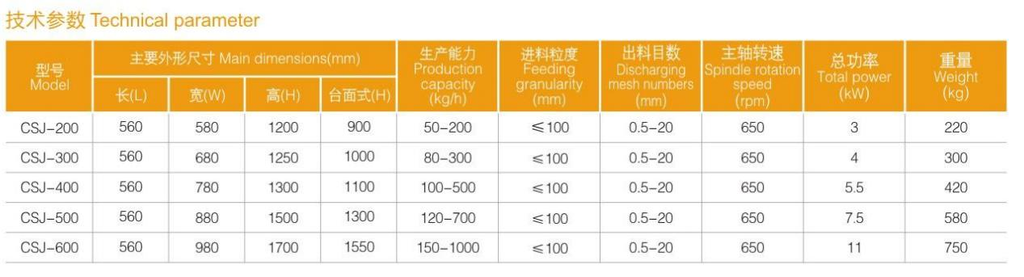
Low Noise Grinding Mill price:
The price of low noise grinding mill is based on different model, from $4280 to $13500. Please inquire our sales with more detail information.
Low Noise Grinding Mill capacity:
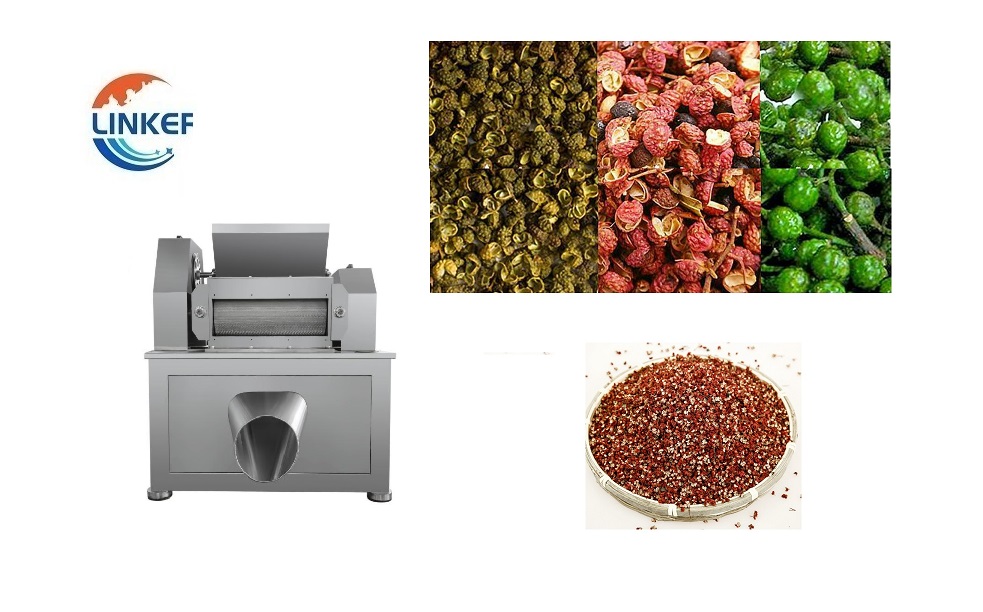
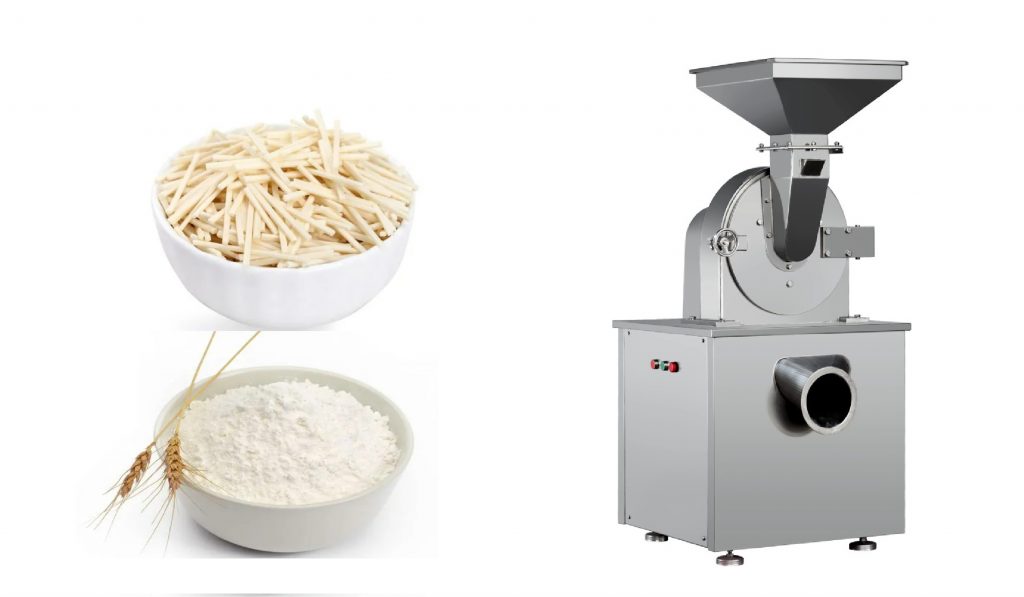
Capacity is around 30‑1100kg/h with this LNG Model, but we also have other models also suitable to grind herbal, spice and dry raw material, it depends on how many input particle size and how many output granule size that you want. That is to say different customer request we will recommend different model to use. such as if you want finer 140‑200 mesh, we will recommend you to use the ultra fine grinding machine. If customer have no space limitation and wish to have better workshop environment, we will recommend the whole dust free group. If customer only small space and need to have small machine, we will recommend you to use the one‑piece integrated small machine to save space occupation of your factory. Please Contact Us for more detail information if you are interest.
There are 2 ways of cooling down the grinding mill: water cooling system; air cooling system. You can choose the right one if the mill gets too hot. When machines goes too hot, the metal can expand, causing the grinding tooth to get stuck.
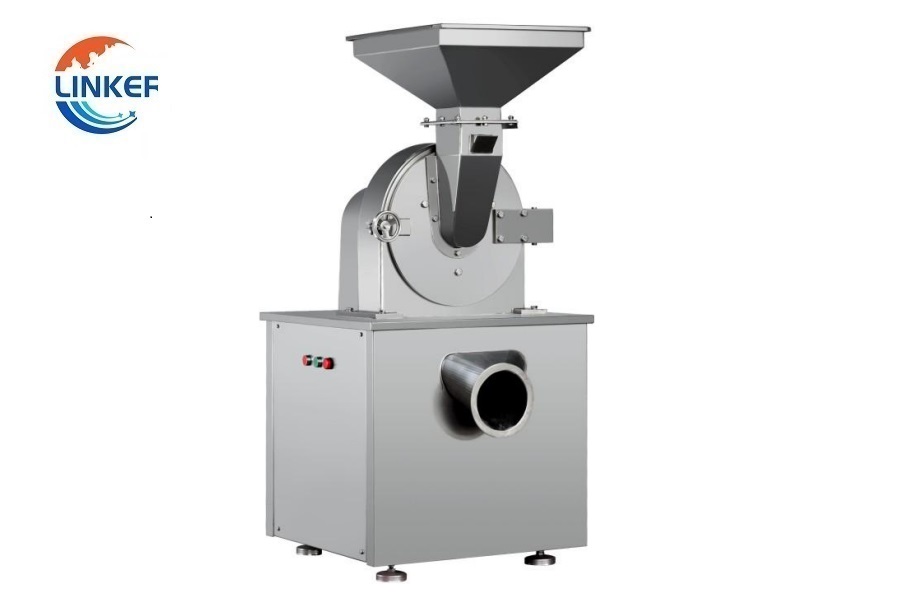
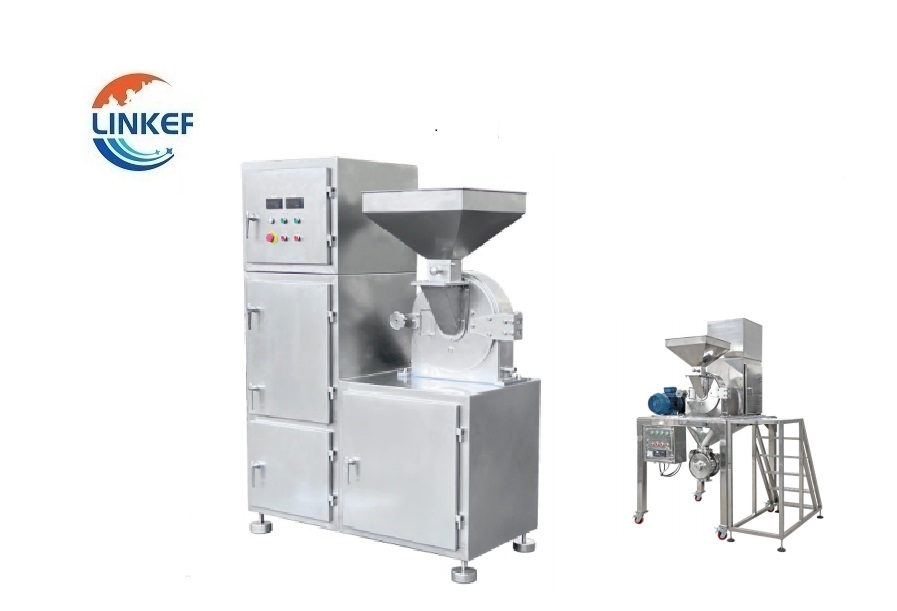
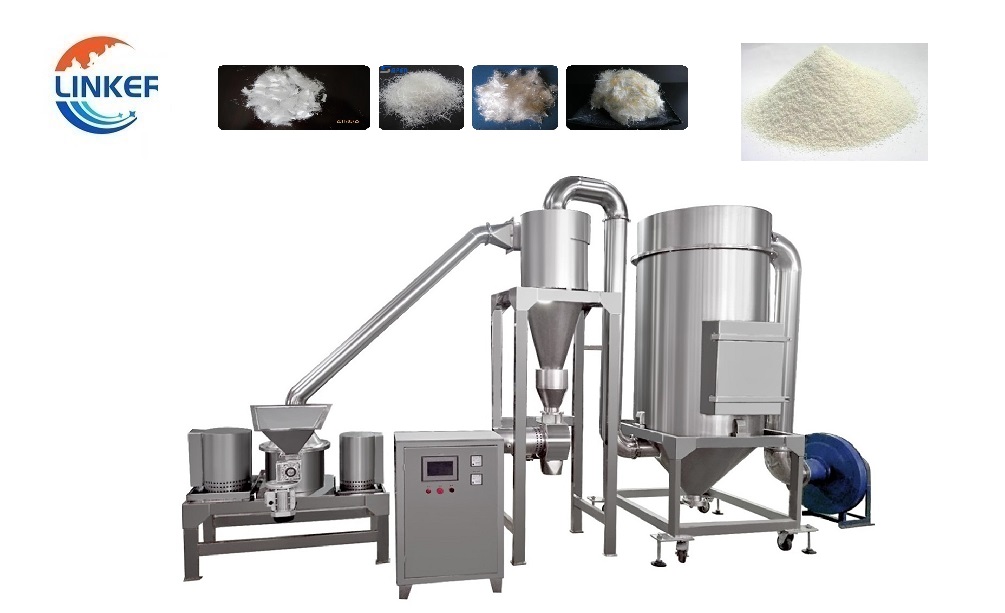
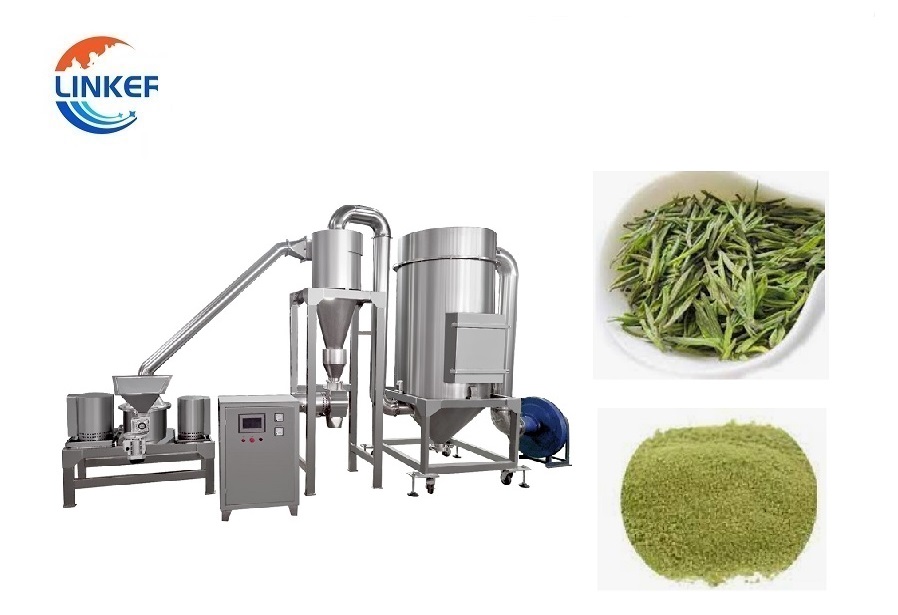
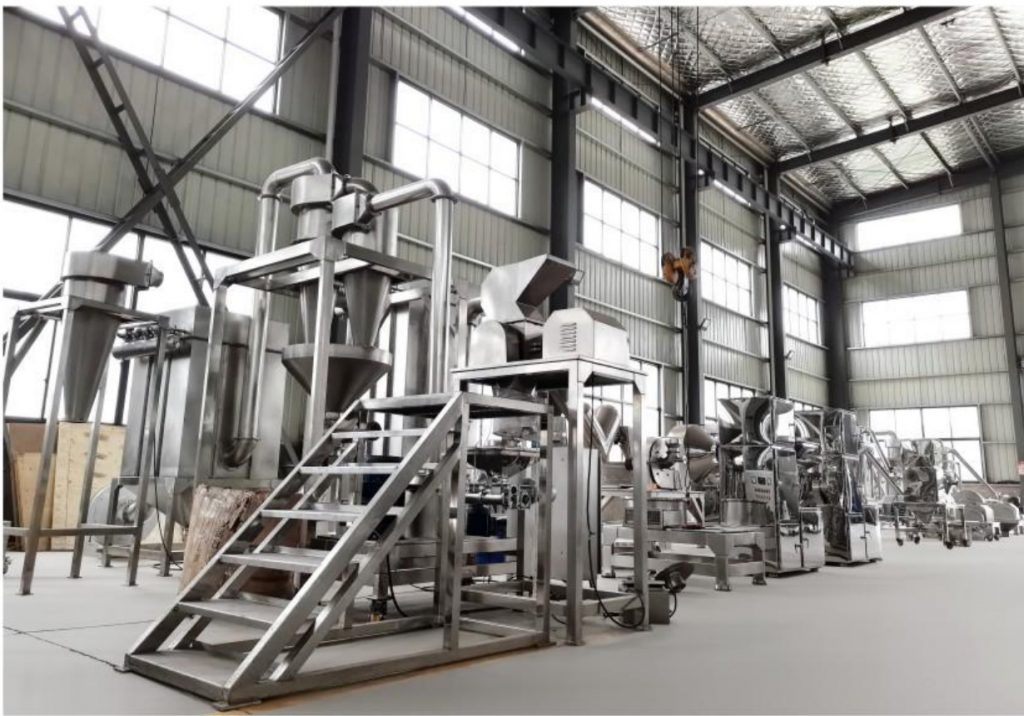
Picture of low noise grinding mill:
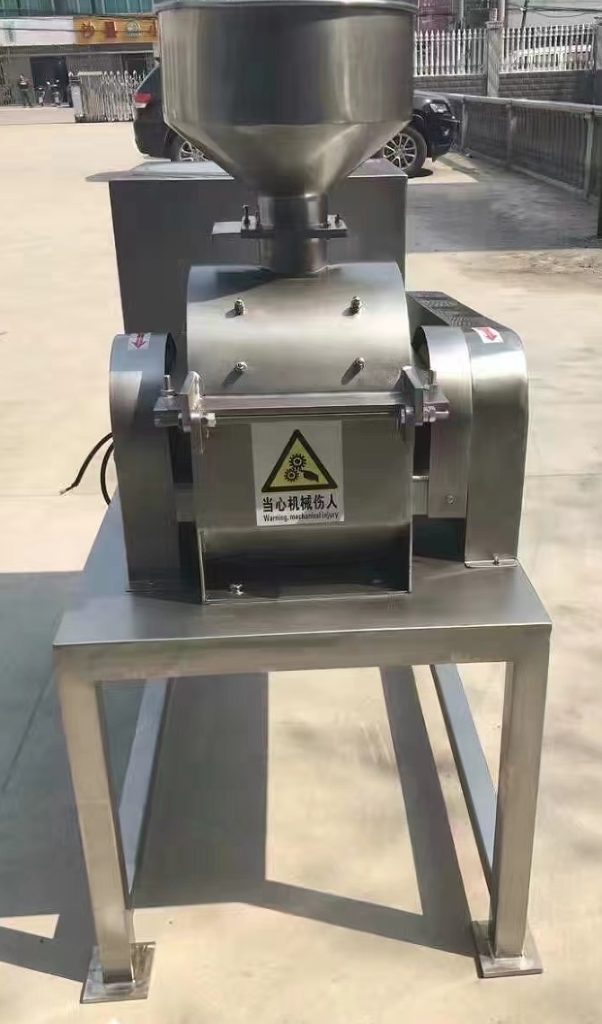
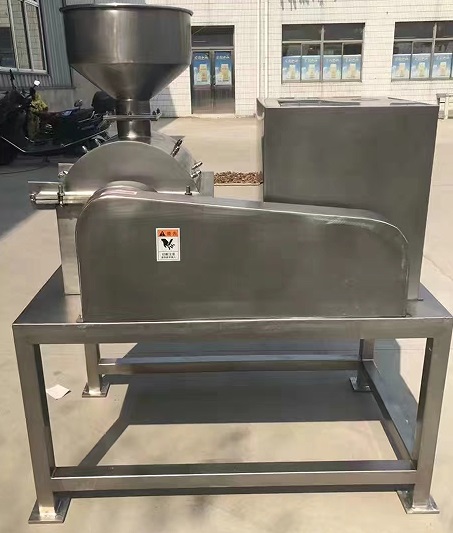
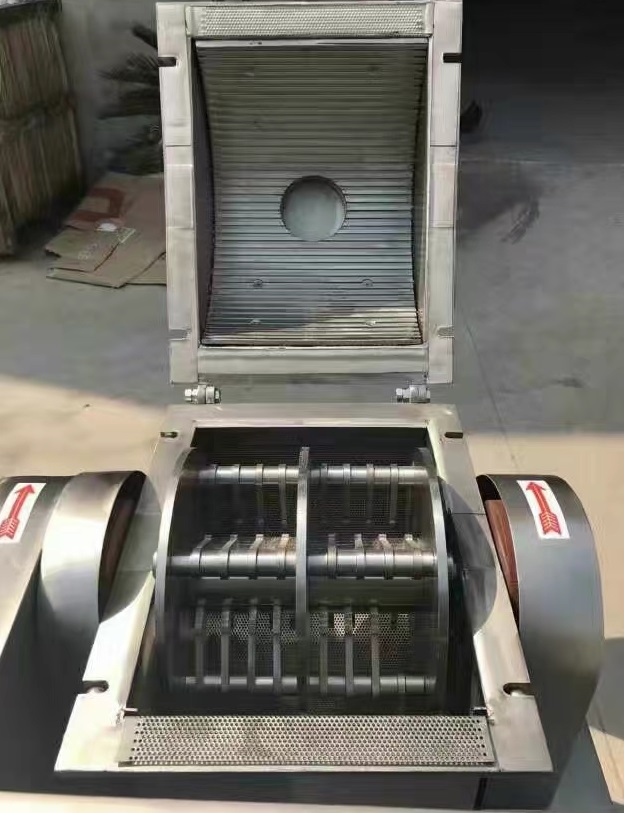
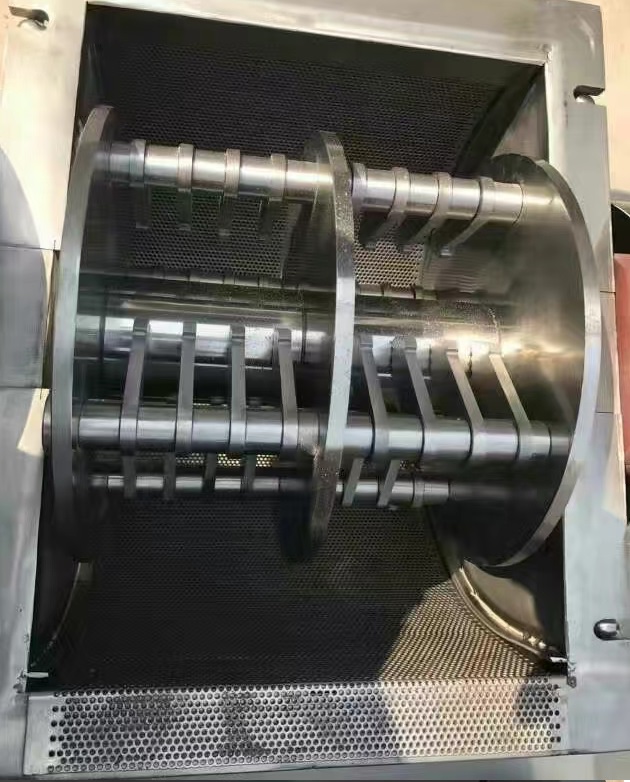
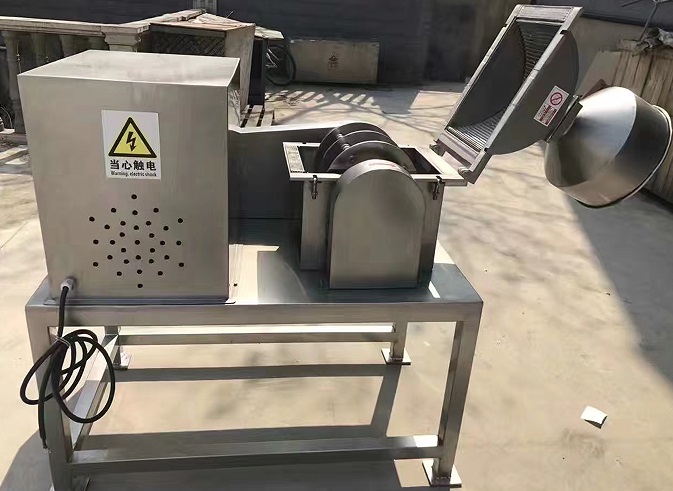
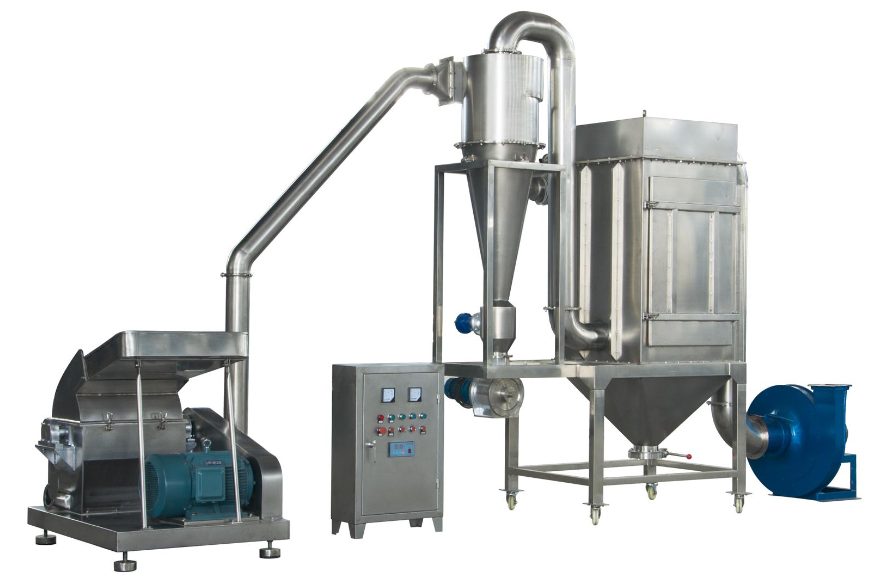
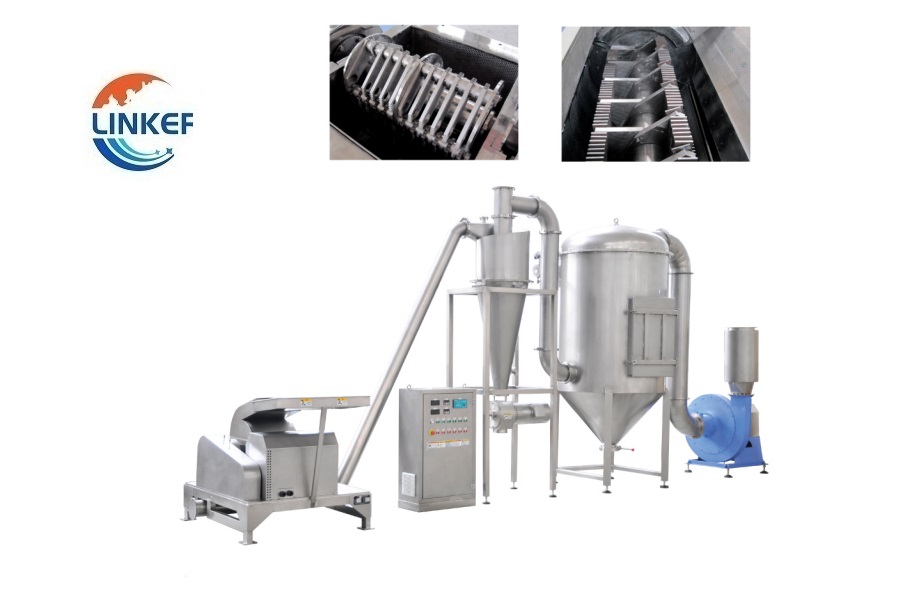
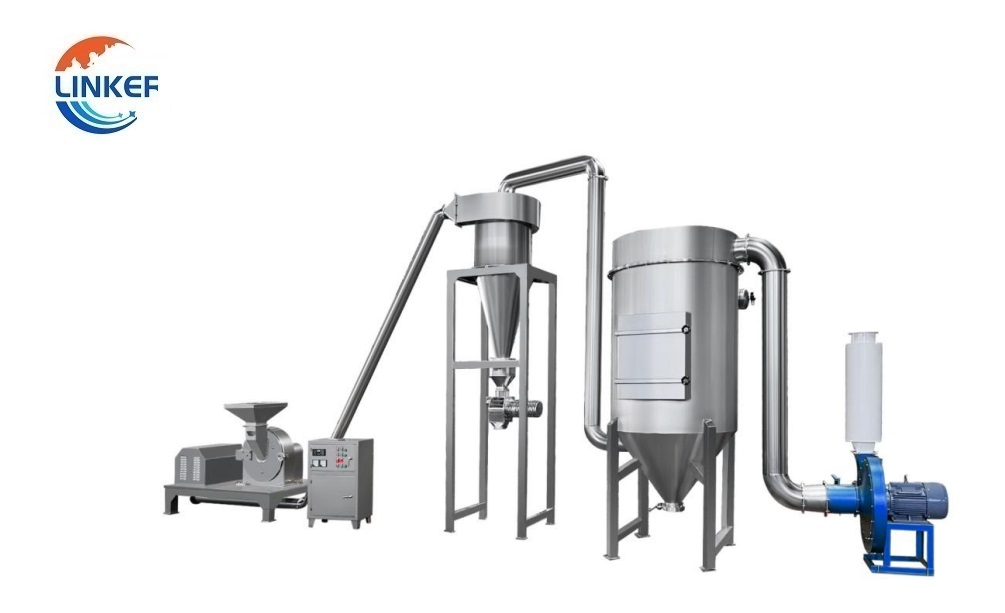
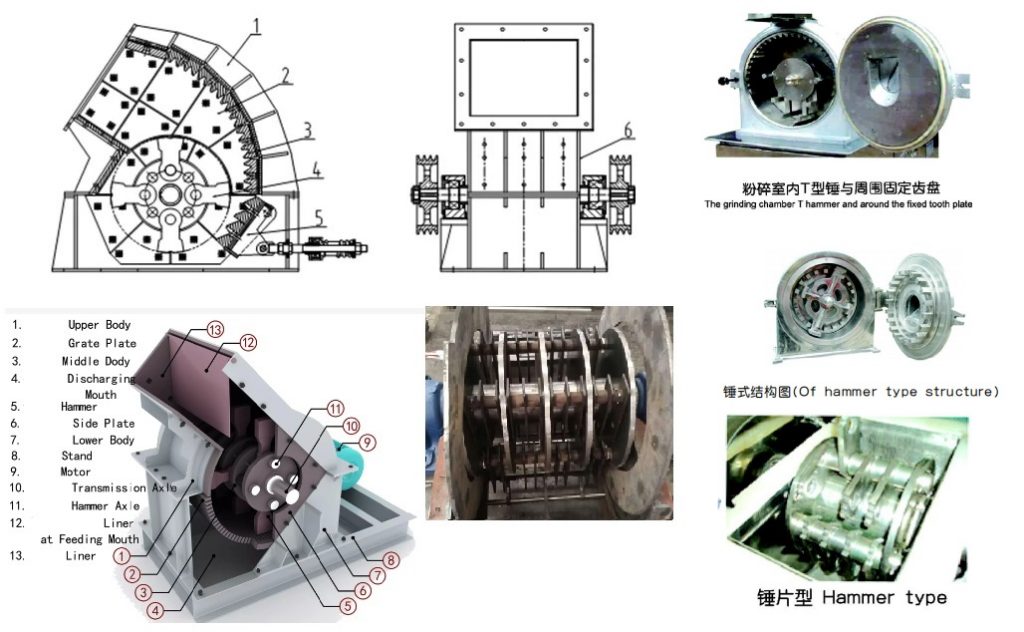
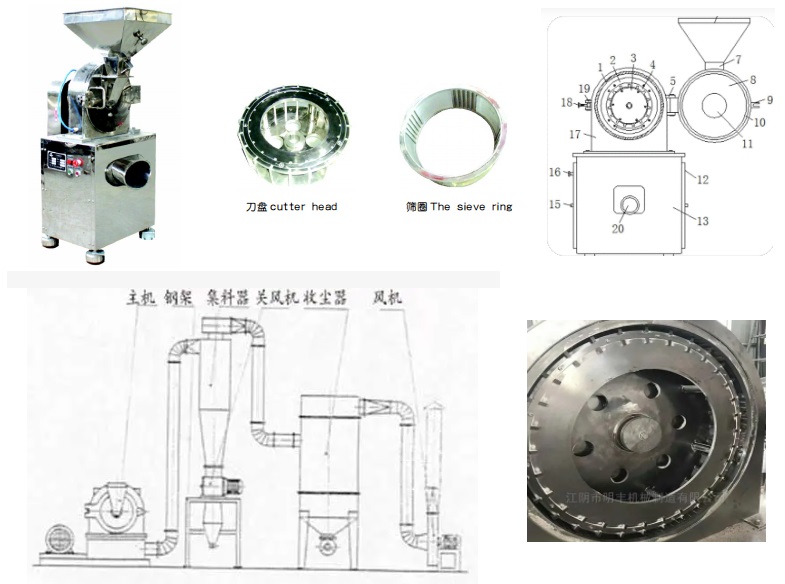
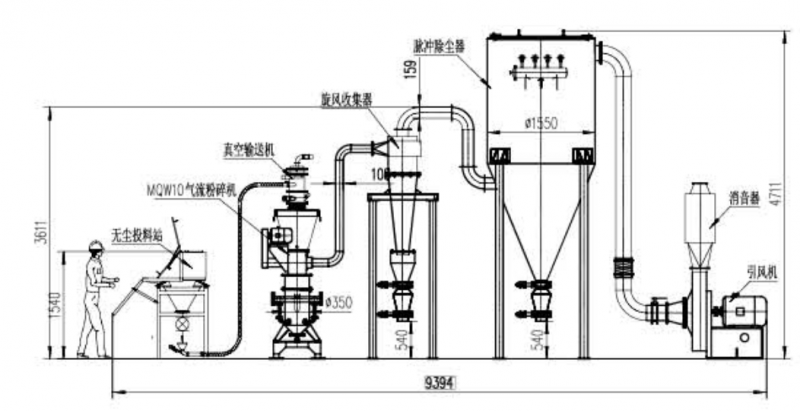
Diagram of low noise grinding mill
We can Customize the diagram according to customer special requirement, how many size of output granule you want, do you need coarse crusher to do the pre‑treatment before grinding? Do you also need screen to filter the finished products? Or maybe you want packing machine after grinding the whole production line. We can also design for your according to your factory blue foot print.
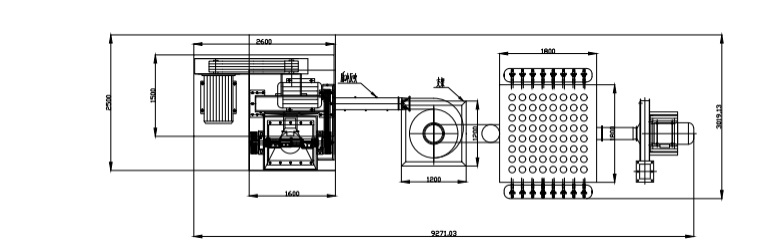
Types of low noise grinding mill:
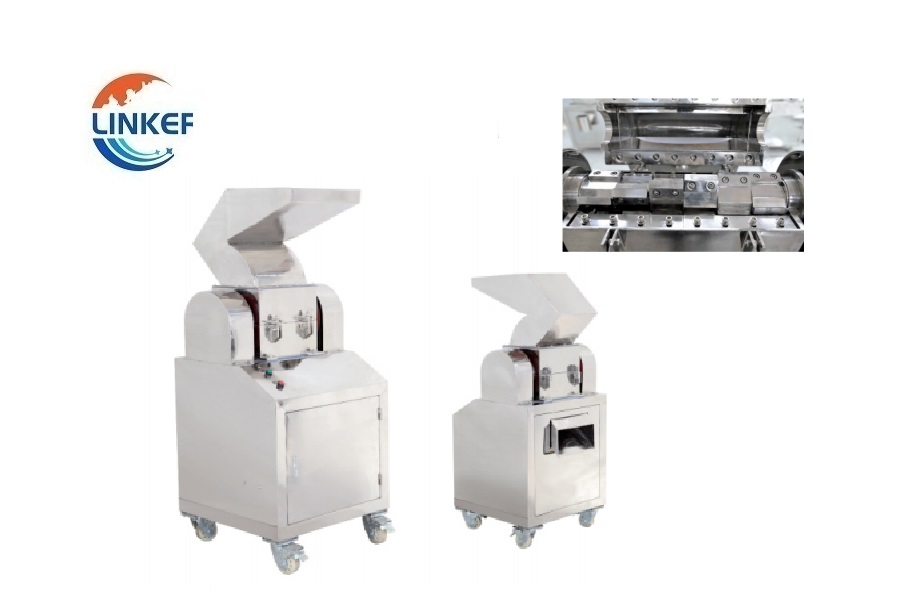
The low noise grinding mill can be classified according to the grinding tooth type, impact type, turbo type, ultra fine type; according to the size of machine, there are large low noise grinding mill and small low noise grinding mill.cassava grinding machine.
| Business Type: | Manufacturer/Factory | Main Products: | Mill, grinder, granulator, mixer, Crushing Equipment |
| Number of Employees: | 100 | Year of Establishment: | 2014.05 |
| Production Capacity | 5000Set/Year | After-sales Service: | Technical Support; on-line teach lessons |
| R&D Capacity: | ODM, OEM | Annual Output Value: | US$5 Million – US$10 Million |
| No. of R&D Staff: | 5 | No. of Production Lines: | 6 |
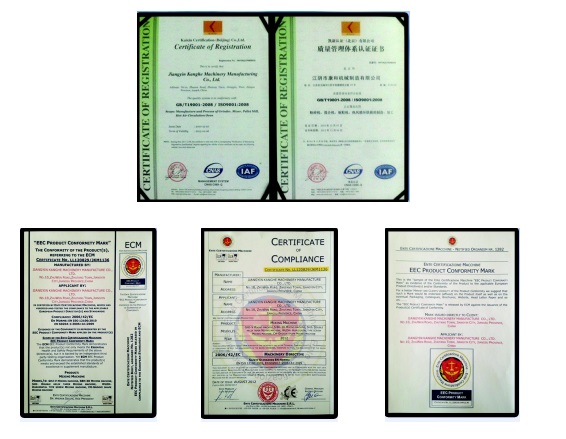
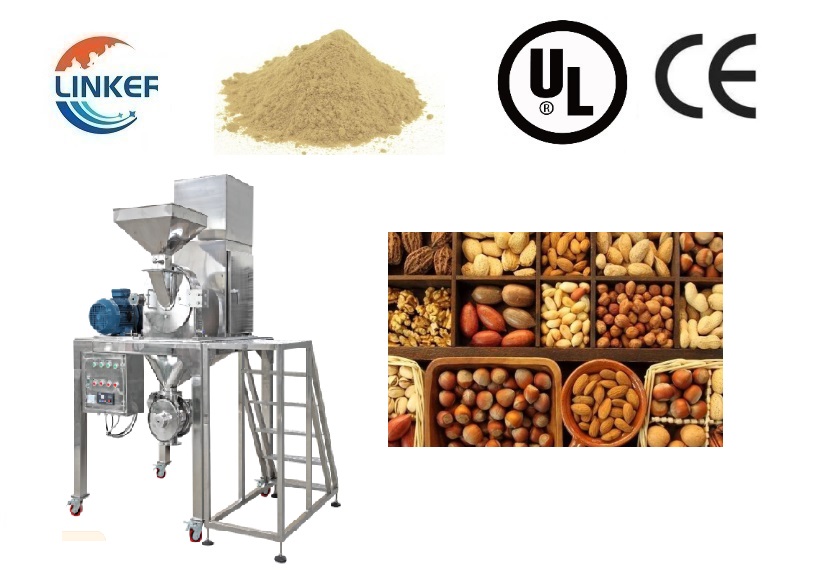
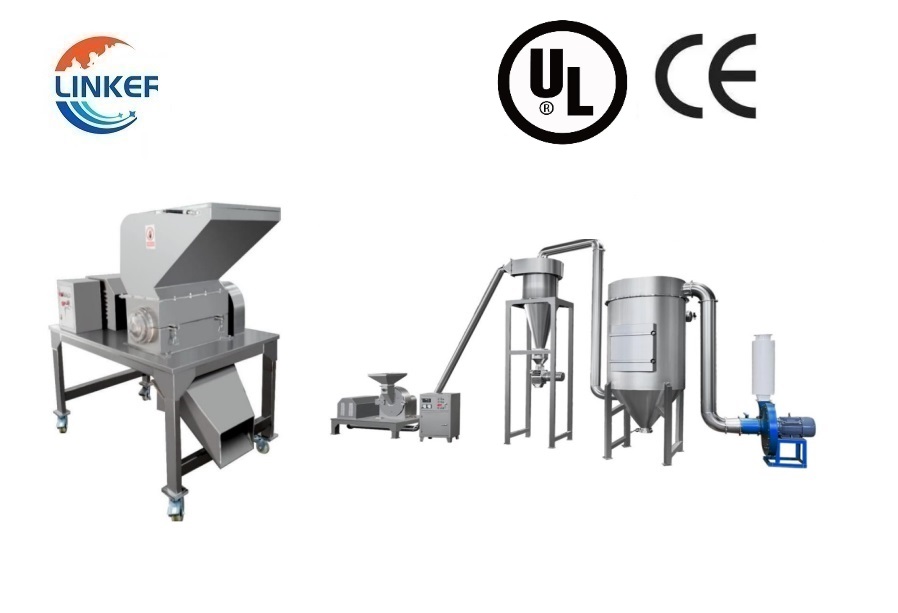
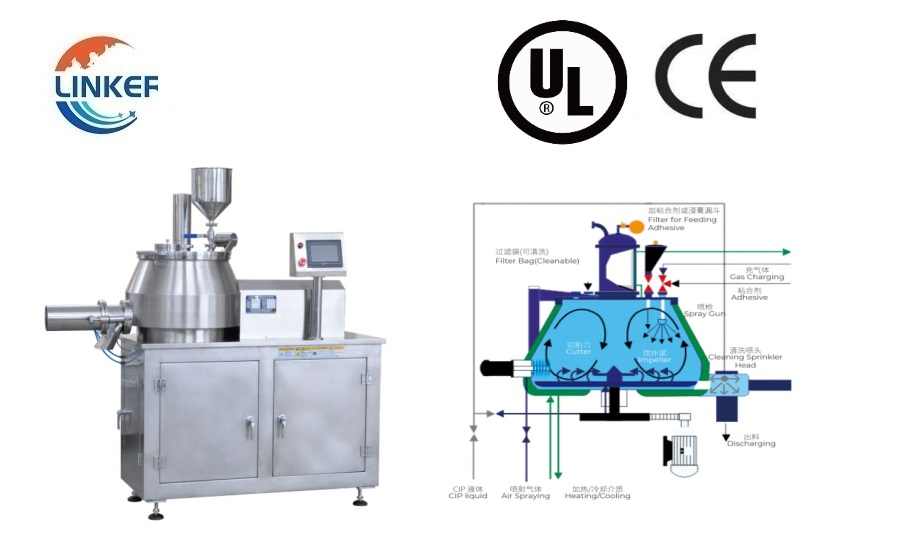
LK Mixer is a professional manufacturer for grinder, mixer and pulverizer. These machines are widely used in pharmaceutical, cosmetic, health care products and chemical industries. Our main product including granulating machine, grinder, mixer, dryer, etc. All mechanical products in accordance with the China GMP design requirements. And also we have other certifications such as CE, UL for motors.
Business Philosophy
“Quality is the main policy of sales” and “integrity is the principle of success” are the business philosophy of our people. We carry out one-year warranty, lifelong maintenance service, with technical consultation, with material test machine and other services, and long-term supply of equipment. Welcome new and old customers to negotiate cooperation!
Certifications:
Feature:
Grinding mills are specialized industrial‑grade processing machines engineered to crush, grind and refine various bulk solid raw materials into fine powder or granular products. Below are core features commonly equipped on modern industrial grinding mill equipment:
- High production throughput: Industrial grinding mills are optimized for continuous large‑volume material processing. These machines can handle substantial feeding quantities per hour, perfectly fitting mass‑production workshops where stable high output is a core requirement. Different model sizes deliver matching processing capacity for mining, building‑material or powder‑making production lines, avoiding frequent material loading interruptions and supporting long‑run non‑stop manufacturing tasks.
- Adjustable variable‑speed operation: Most modern grinding mills are fitted with variable‑speed control systems for grinding rollers, rotors and classifier assemblies. Operators can flexibly modify rotating speed according to raw‑material hardness, feed particle size and target finished fineness. Tunable speed helps users acquire uniform powder granularity, and makes one single grinding mill compatible with dozens of different kinds of raw materials without replacing major machine components.
- Interchangeable customizable grinding components: Grinding mills are designed with replaceable grinding rollers, liners, grinding discs and classifier blades. Operators can swap out these wear‑resistant spare parts to adapt to diverse material characteristics. By changing component configurations, users are capable of producing finished goods ranging from coarse granular output to ultra‑fine micron‑level powder, meeting varied product‑granularity demands for downstream industries.
- Convenient disassembly and easy‑to‑maintain structure: Industrial grinding mills adopt human‑oriented structural layout for routine inspection and cleaning. Key wearing parts, feeding hopper, discharging outlet and inner‑cavity access covers can be quickly opened and detached. Residual material inside the grinding chamber can be fully cleaned to prevent cross‑contamination between different batches of materials. Quick‑access design also greatly shortens downtime for part inspection and component replacement during daily equipment servicing.
- Heavy‑duty robust mechanical construction: Grinding mill main frames and core working assemblies are manufactured with high‑strength steel plates and wear‑proof alloy materials. Critical stress‑bearing positions are reinforced with stiffener ribs. Such heavy‑duty construction enables the whole unit to endure persistent heavy‑load impact, friction and vibration when processing hard ores, rock, mineral blocks and other tough feedstock. Excellent structural durability extends equipment service life and lowers long‑term failure risks under round‑the‑clock industrial working conditions.
- Wide material‑processing versatility: Beyond mineral ores and building‑material raw stones, well‑rounded grinding mills can also process grains, medicinal herbs, chemical raw materials, carbon materials and multiple brittle solid substances. By adjusting operating parameters and internal accessories, the same grinding mill unit can complete coarse crushing, medium grinding and ultra‑fine powder‑making procedures, serving mining, metallurgy, construction, chemical, food‑pharmaceutical and new‑material manufacturing sectors.
- Integrated noise‑reduction and dust‑proof design: Advanced grinding mill versions are built with multi‑layer sound‑absorbing and vibration‑dampening structures to suppress mechanical vibration and running noise. Equipped with sealed grinding cavity and supporting dust‑collection system, these machines effectively contain flying powder dust during grinding operations. This feature improves on‑site working conditions, cuts noise pollution and meets industrial environmental‑protection regulatory standards for production workshops.
- Reliable automatic monitoring capability: Premium grinding mill models come with built‑in sensor modules to track real‑time working status including main‑motor load, internal‑chamber temperature, vibration amplitude and finished‑product fineness. Operators can observe running data from the control cabinet. When abnormal working parameters occur, the system will trigger early‑warning alerts, helping prevent equipment damage caused by overload or improper feeding, and enhancing overall operational safety.
Overall, the comprehensive features of industrial grinding mills are oriented toward stable high‑yield production, adjustable finished‑product quality and convenient daily maintenance. They realize efficient, consistent and safe fine‑processing of diverse solid raw materials for modern industrial production scenarios.
Small Machine Packing:
Small Machine Packing: Small‑size Low Noise Grinding Mill packed with export fumigation‑free wooden cases, goes with bulk shipment or in container.
When packing small‑size grinding mill for sea shipment, it is important to take measures to ensure that the machines are protected from damage during transit. Here are some general steps that a manufacturer may follow when packing small grinding mill for sea shipment:
- Clean and dry the machine: Before packing, the machine should be thoroughly cleaned and dried to prevent any moisture or powder residues from causing damage during transit.
- Disassemble the machine: If possible, the machine should be disassembled into its component parts to reduce its overall size and make it easier to pack.
- Wrap the machine in protective material: The machine should be wrapped in a layer of protective material, such as bubble wrap or foam, to protect it from scratches and impact during transit.
- Place the machine in a sturdy box: The wrapped machine should then be placed in a sturdy box that is appropriate for the size and weight of the machine. The box should be made of durable material, such as corrugated cardboard or plywood, and should be able to withstand the rigors of sea transit.
- Add packing material: The box should be filled with packing material, such as packing peanuts or air pillows, to provide cushioning and prevent the machine from shifting during transit.
- Seal the box: The box should be securely sealed with high‑quality packing tape to prevent it from opening during transit.
- Label the box: The box should be clearly labeled with the machine’s name, weight, and any other relevant information, as well as the destination address and contact information.
Overall, the goal is to pack the small‑size grinding mill in a way that will protect it from damage during transit and ensure that it arrives at its destination in good condition. It is important to follow proper packing procedures and use high‑quality packing materials to minimize the risk of damage during sea shipment.procedures and use high-quality packing materials to minimize the risk of damage during sea shipment.
Large Machine Packing:
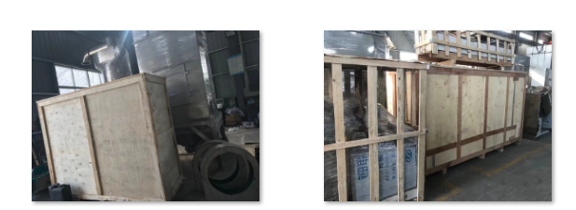
Large Machine Packing:
Packing a large Low Noise Grinding Mill for sea shipment can be a complex and challenging task. However, with careful planning and attention to detail, it is possible to pack a large grinding mill for sea shipment in a way that will ensure that it arrives at its destination in good condition. Here are some general steps that a manufacturer may follow when packing up a large machine for sea shipment:
- Clean and prepare the machine: Before packing, the machine should be thoroughly cleaned and prepared. All residual powder inside the grinding chamber should be cleared, and any loose or detachable parts should be removed.
- Disassemble the machine: If possible, the machine should be disassembled into its component parts to reduce its overall size and make it easier to pack. Each part should be carefully labeled and numbered to ensure that it can be easily reassembled at the destination.
- Protect delicate parts: Delicate or fragile parts such as screen mesh, sealing gaskets should be wrapped in protective material, such as bubble wrap or foam, to protect them from damage during transit.
- Build a custom crate: A custom crate should be built around the machine to provide a secure and sturdy enclosure. The crate should be made of durable material, such as plywood, and should be designed to fit the machine snugly. The crate should also include braces or supports to prevent the machine from shifting during transit.
- Add cushioning material: The crate should be filled with cushioning material, such as packing peanuts or air pillows, to provide extra protection and prevent the machine from moving or shifting during transit.
- Securely fasten the machine: The machine should be securely fastened to the crate to prevent it from moving or shifting during transit. This may involve using straps, bolts, or other fasteners to hold the machine in place.
- Seal and label the crate: The crate should be securely sealed with high‑quality packing tape, and should be clearly labeled with the machine’s name, weight, and any other relevant information. The destination address and contact information should also be clearly marked on the crate.
Overall, packing a large grinding mill for sea shipment requires careful planning and attention to detail. It is important to use high‑quality materials and follow proper packing procedures to ensure that the machine arrives at its destination in good condition. A professional packing and shipping company may be consulted to ensure that the machine is properly packed and prepared for sea shipment.
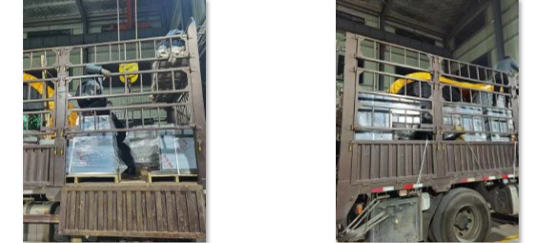
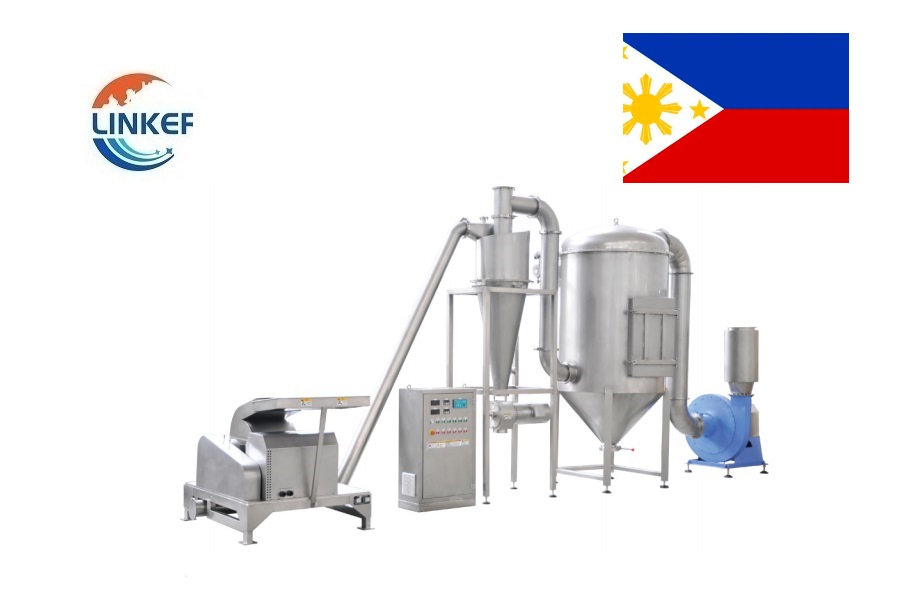
Customer Side Machine Groups Showcase Videos ( Philippines, India, Ibadan, USA and Nigeria):
Dust Collector Shipment
Shipment – Packing Method
Two Large Industrial Grinder Ready to Ship
Domestic Shipment Show Case:
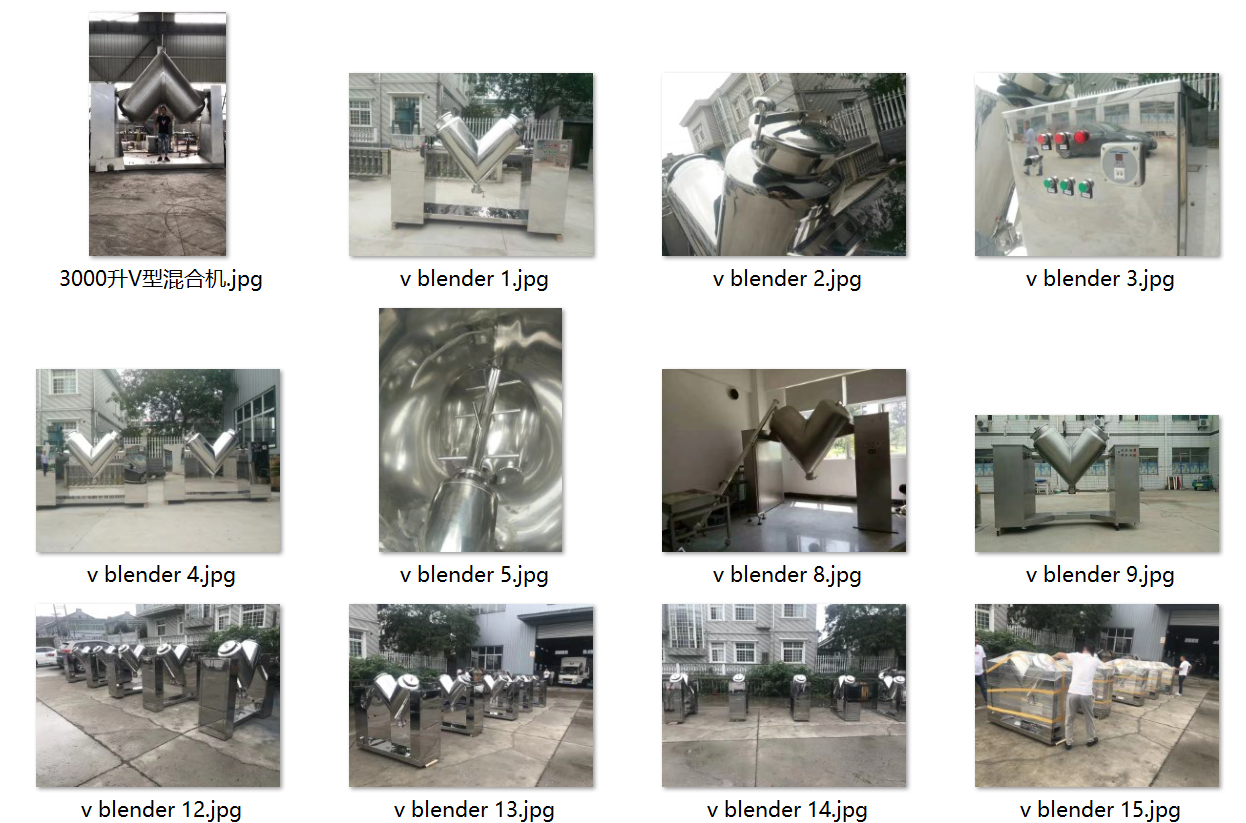
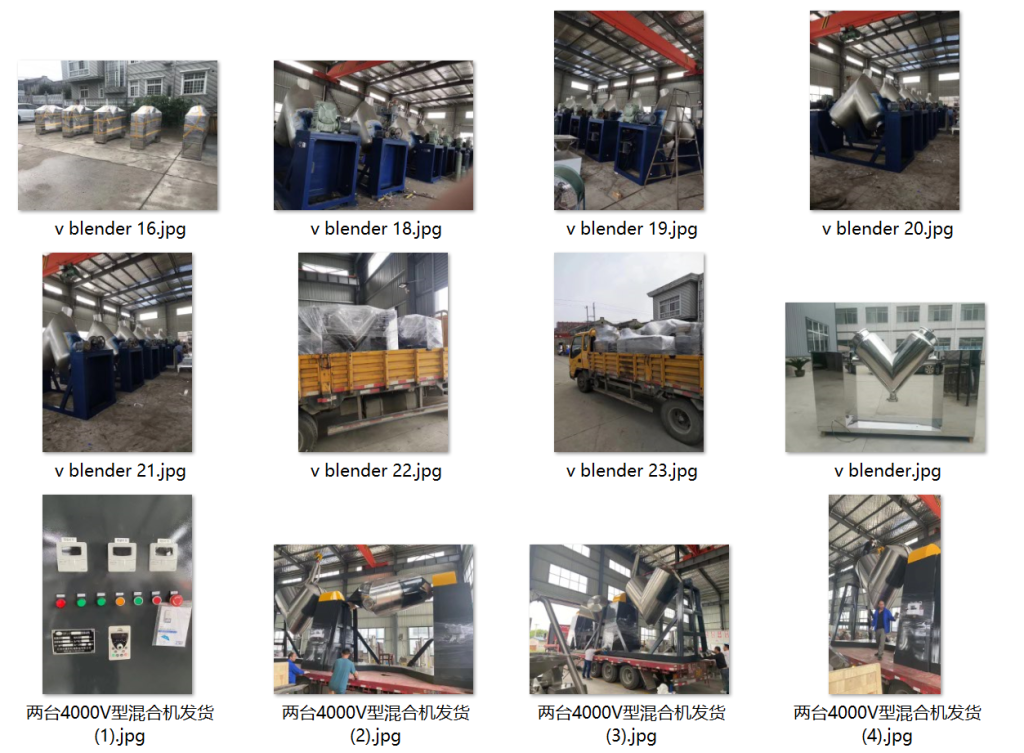
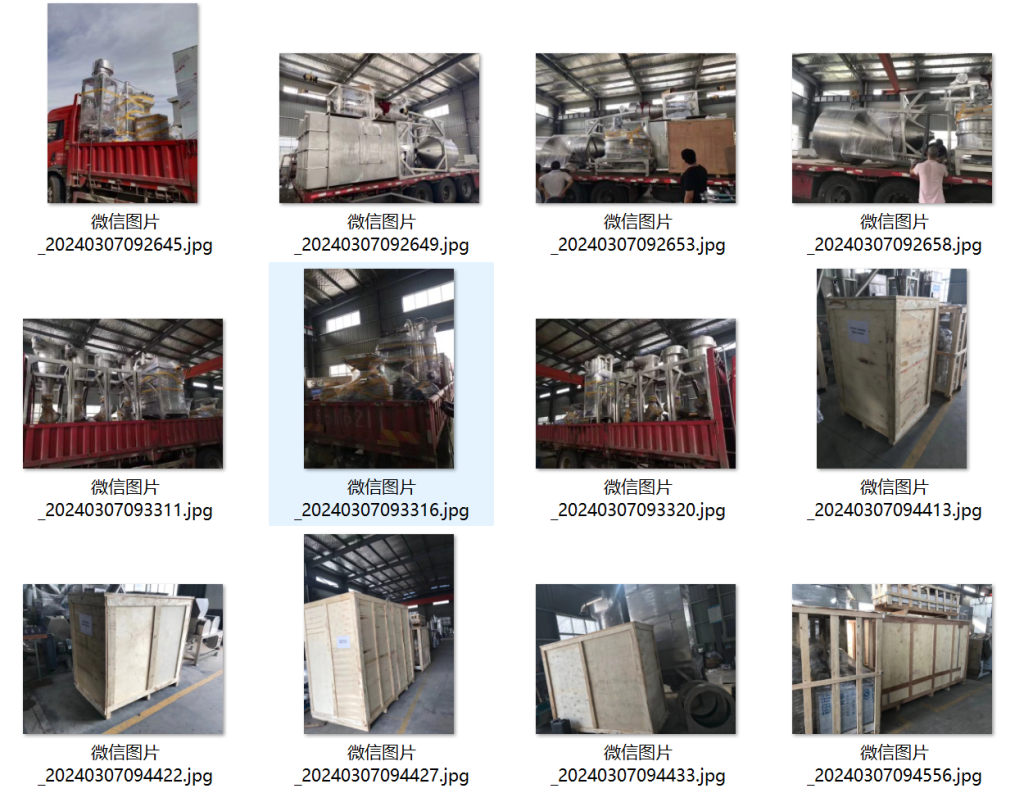
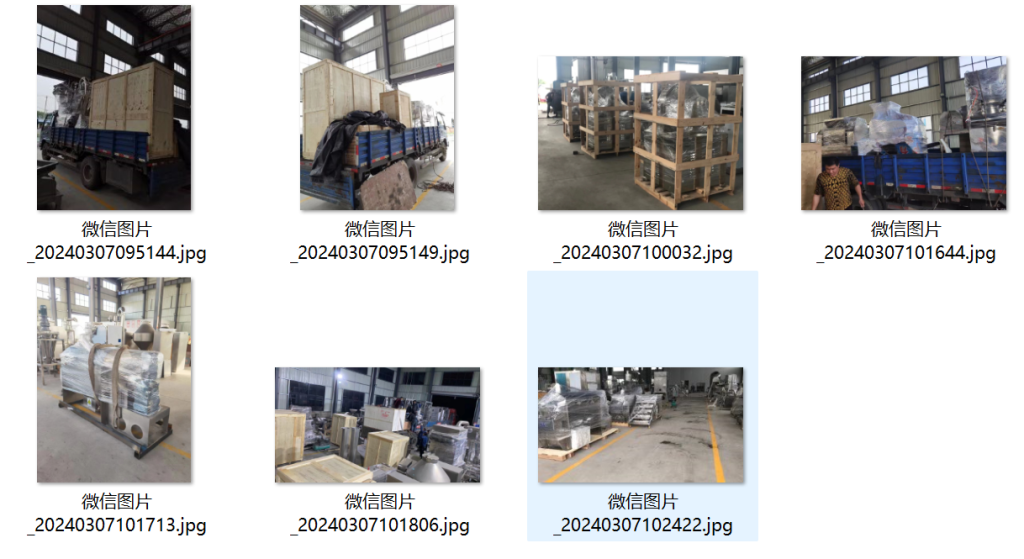
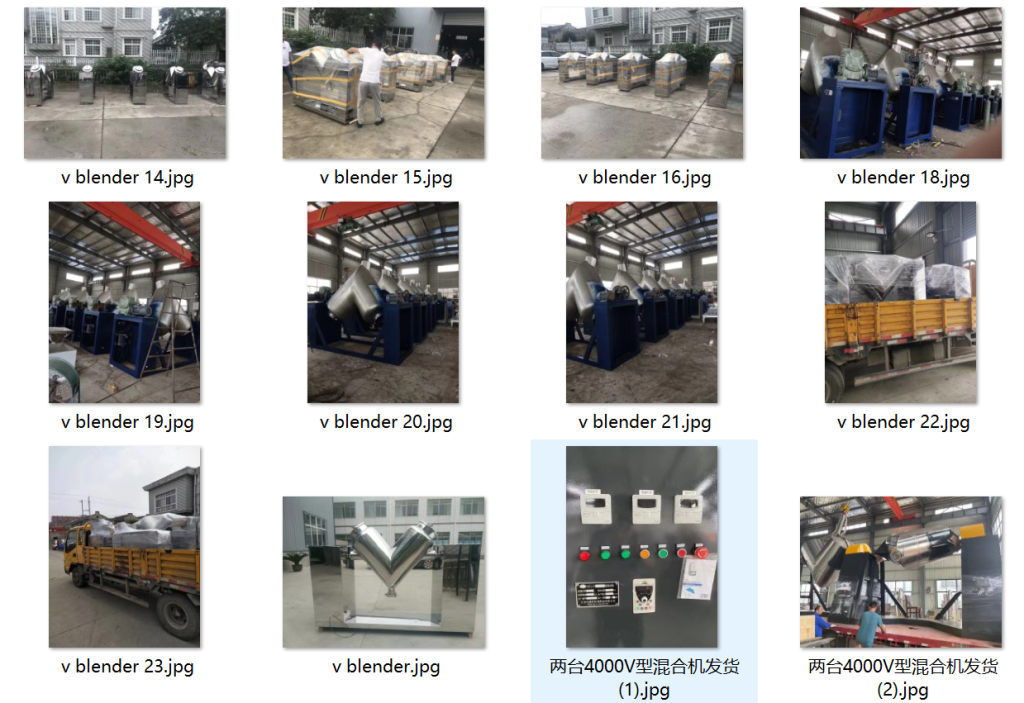
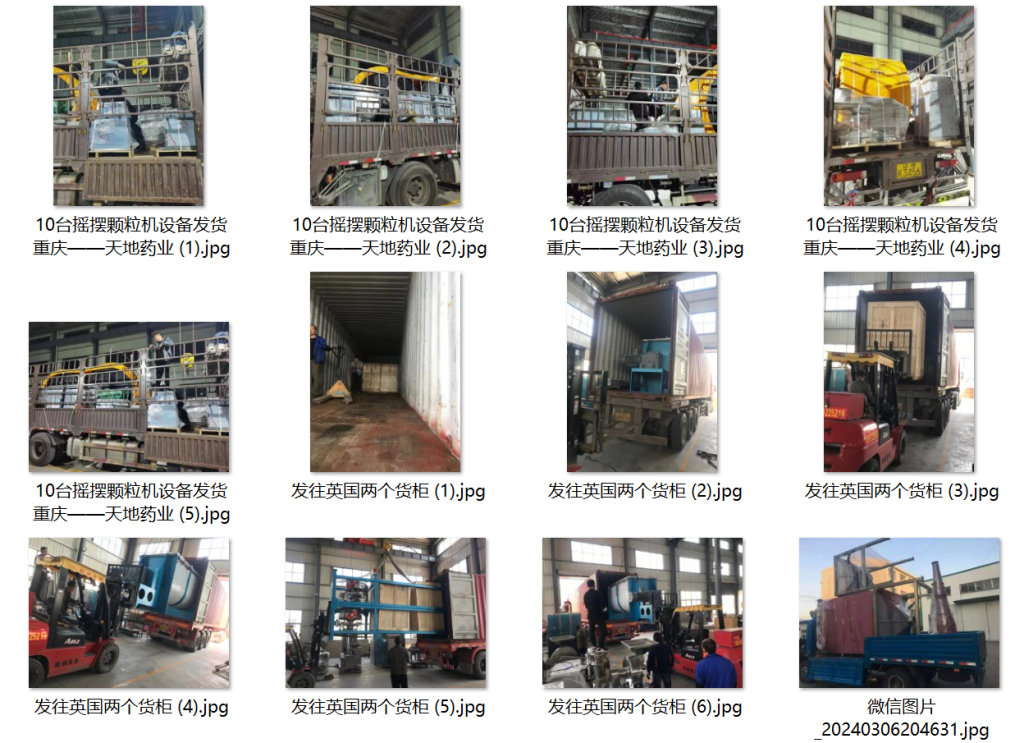
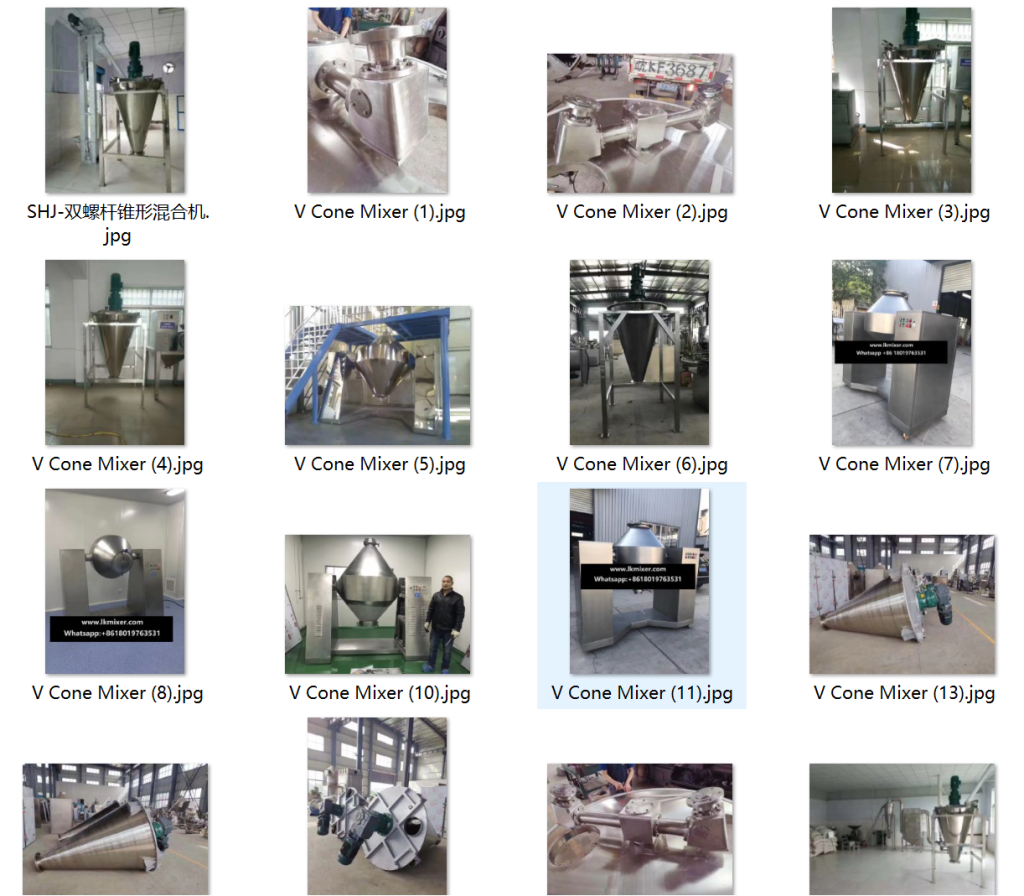
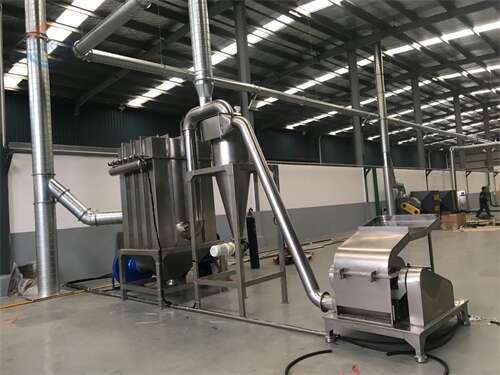
Installation Layout:
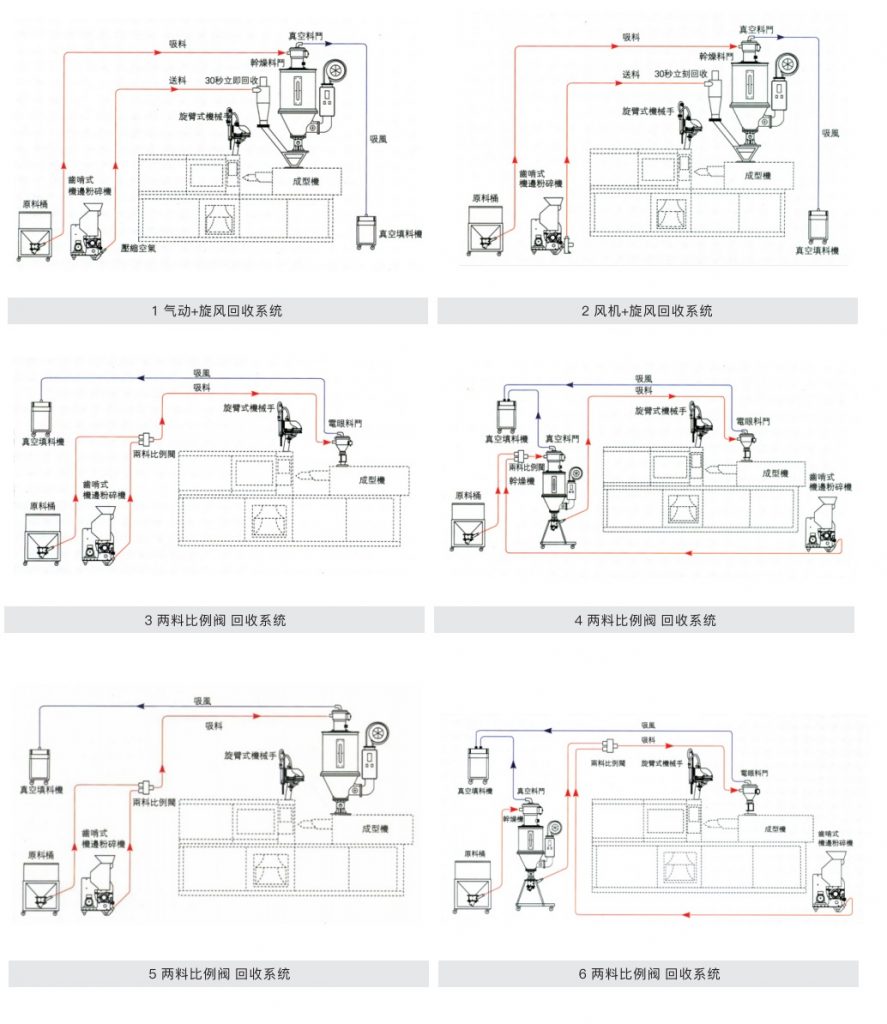
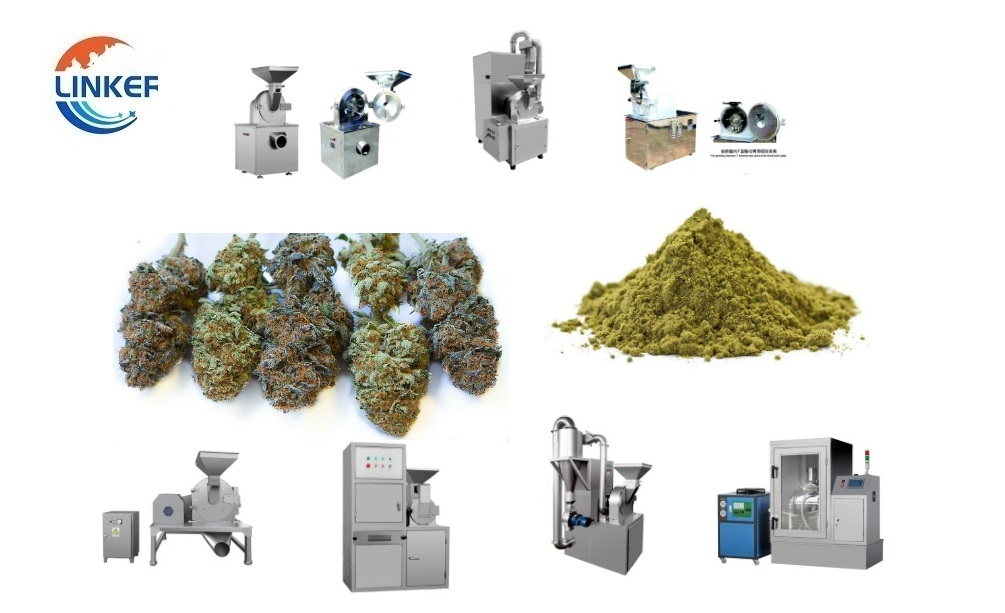
Other Grinding Machine Dry Powder Grinder for Sale:
About LKMixer
LKMixer is a professional manufacturer for fertilizer production line, grinder, mixer and granulator, shredder. These machines are widely used in food, pharmaceutical, cosmetic, health care products and chemical industries. The Food materials like Peanut, mushroom, seeds, potato, bean, tobacco, salt, cannabis, tea, Sugar, corn, Coffee, rice, pepper, grain as so on. Grinders have many types such as Pulse Dust Grinder which suitable for zero pollution environment, Turbine Mill which is suitable for coffee bean, 12-120mesh all can meet, Ultrafine Grinding Mill covers 80-200mesh, and also Winnowing Dust Grinder or other grinding machines like SF Hammer. Welcome to contact us for details. Contact us for more information. Proposal, catalog, quotation. Mobile/WhatsApp: +86 18019763531 Tel: +86 21 66037855 Email: sales@lkmixer.com
Contact Us
FAQ(Click and See More)
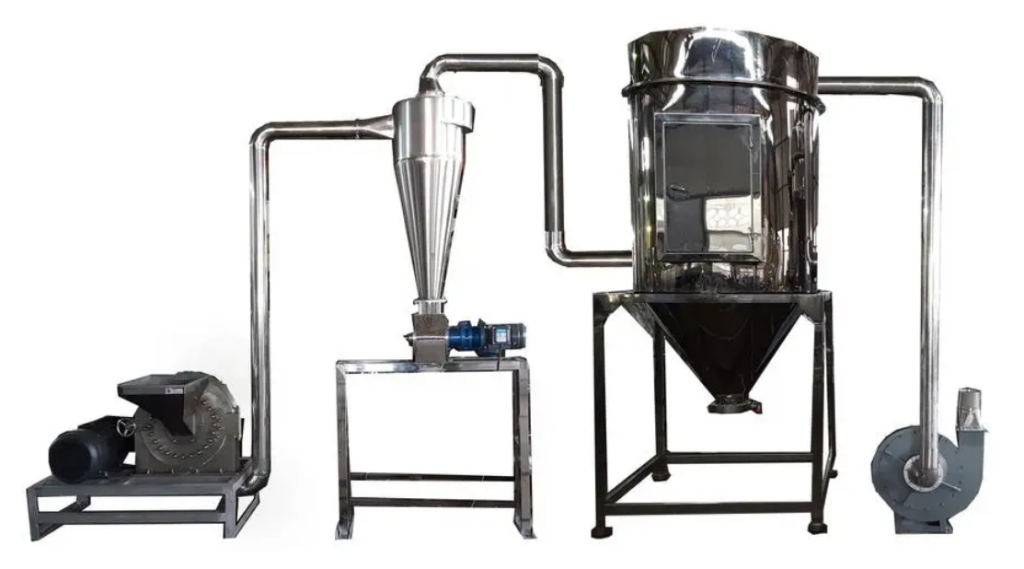
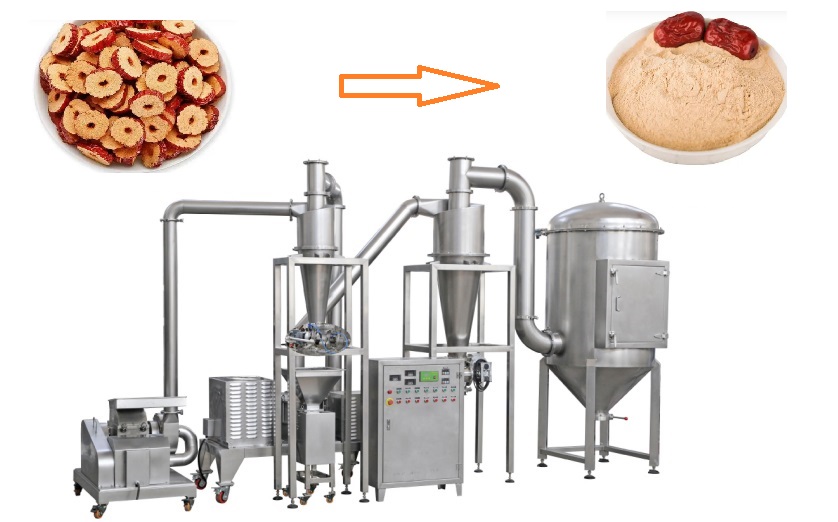
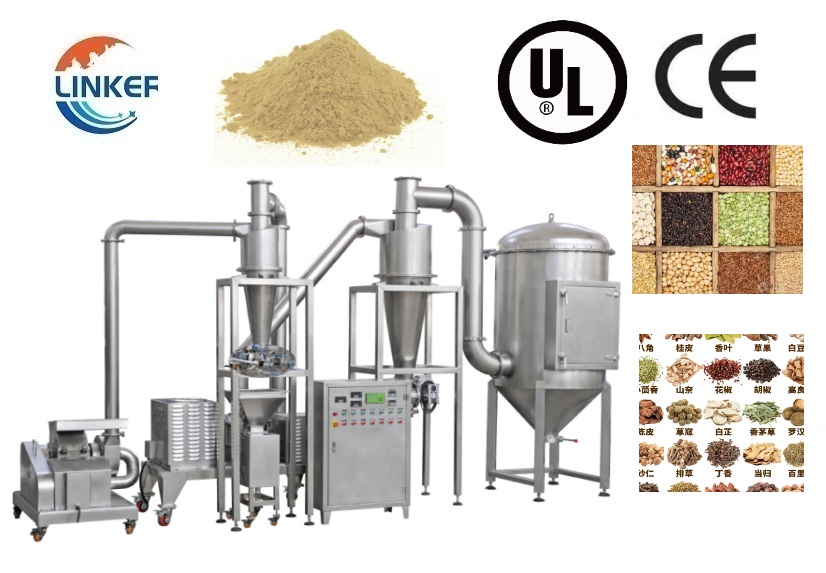
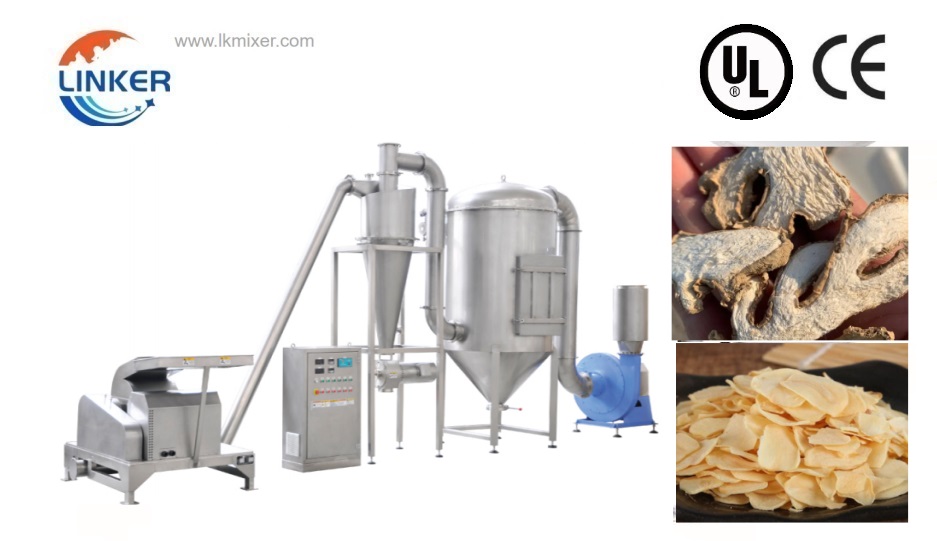
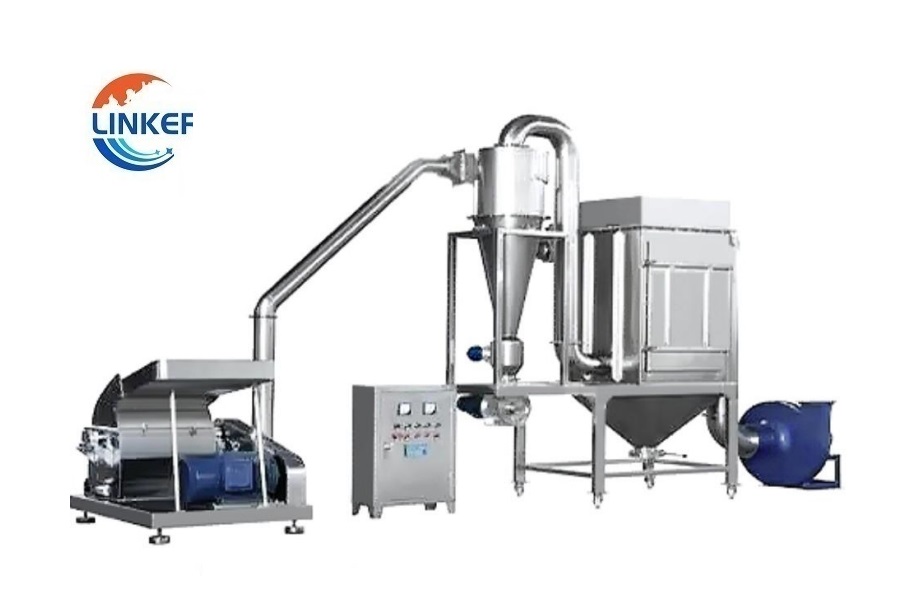
Industrial Grinder for Sale:
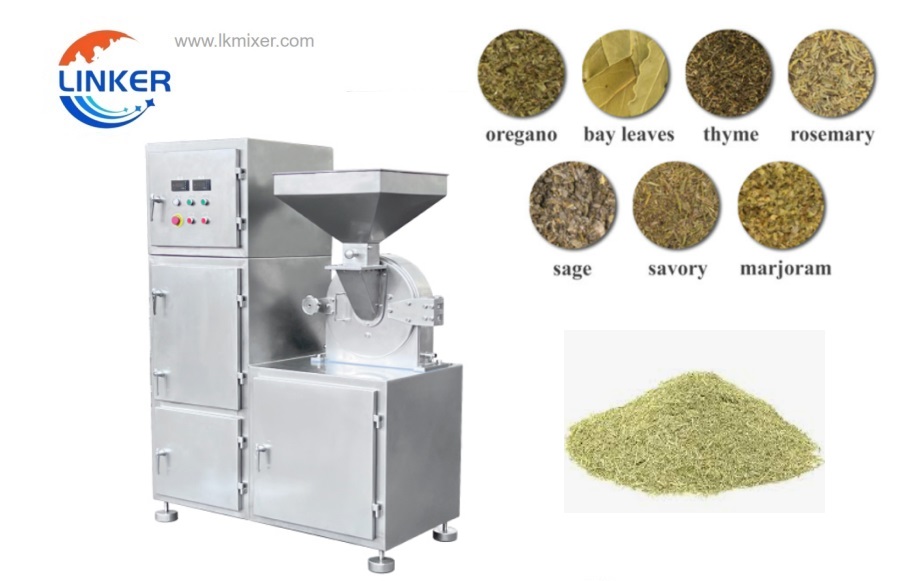
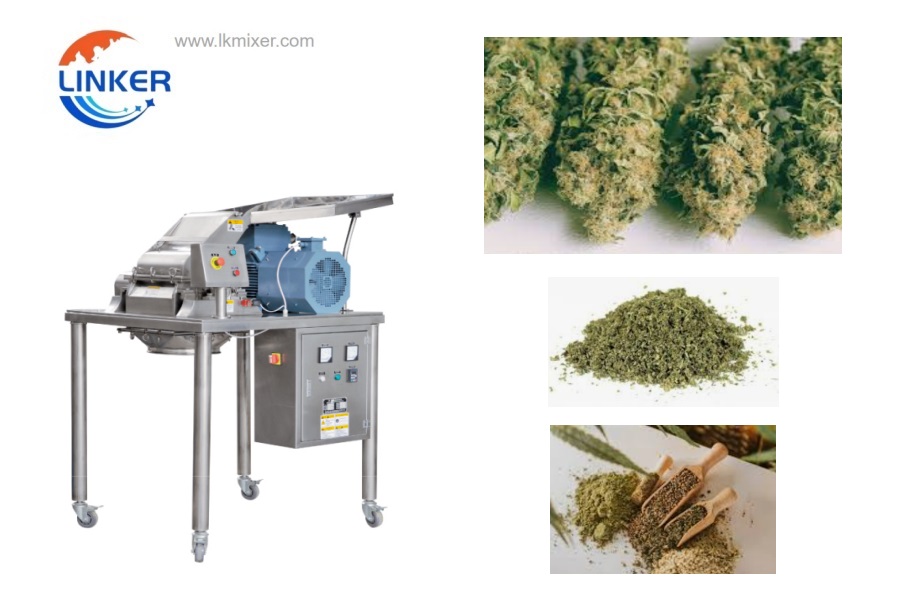
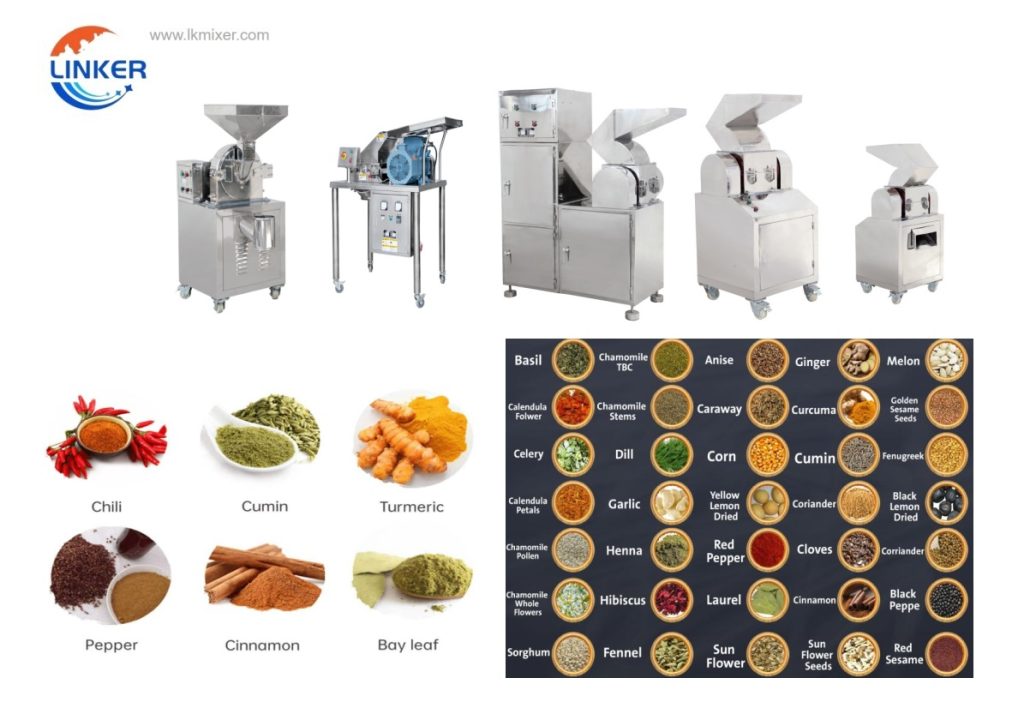
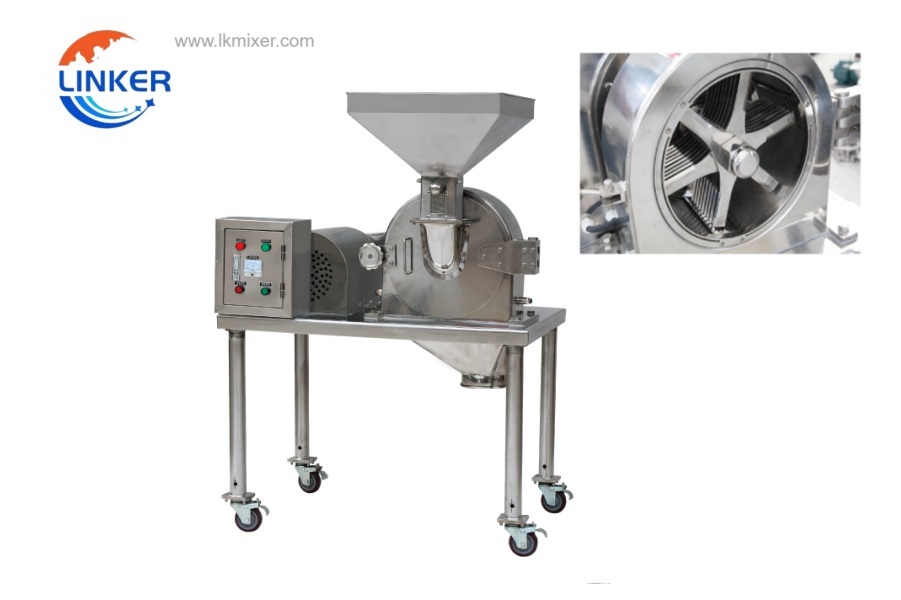
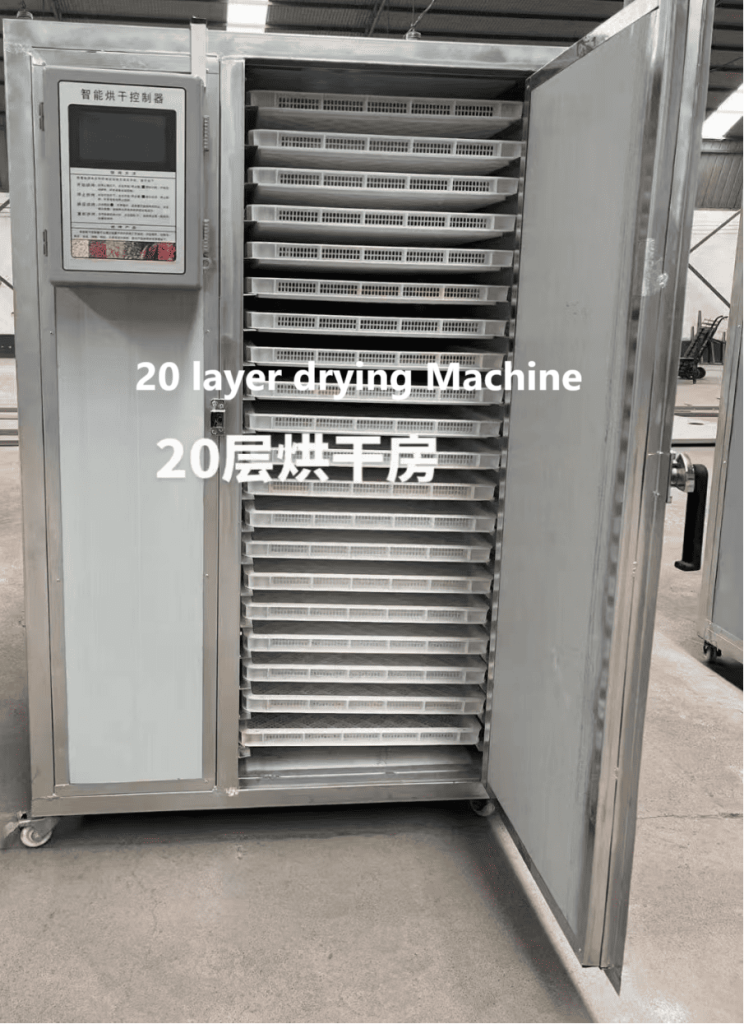
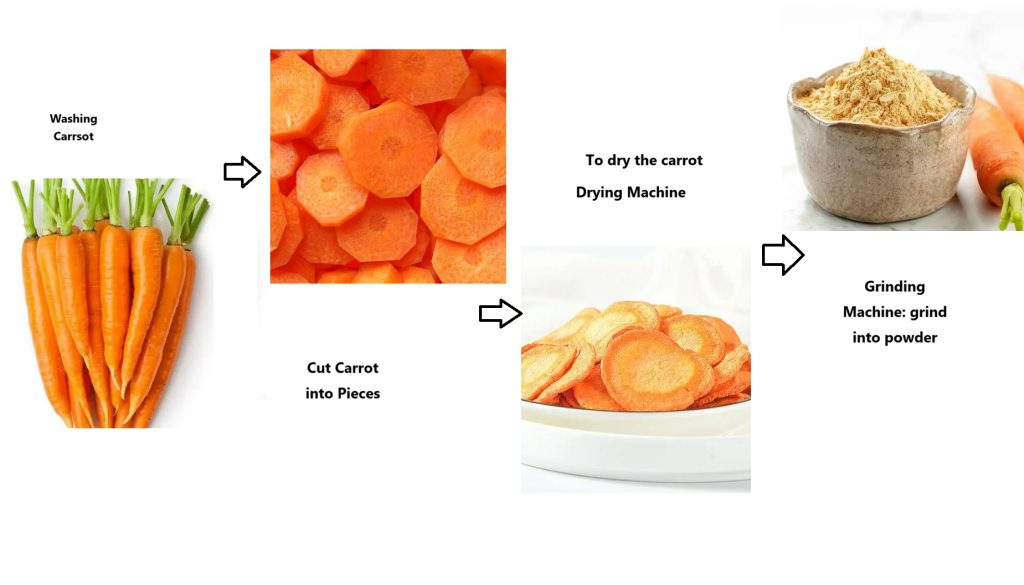
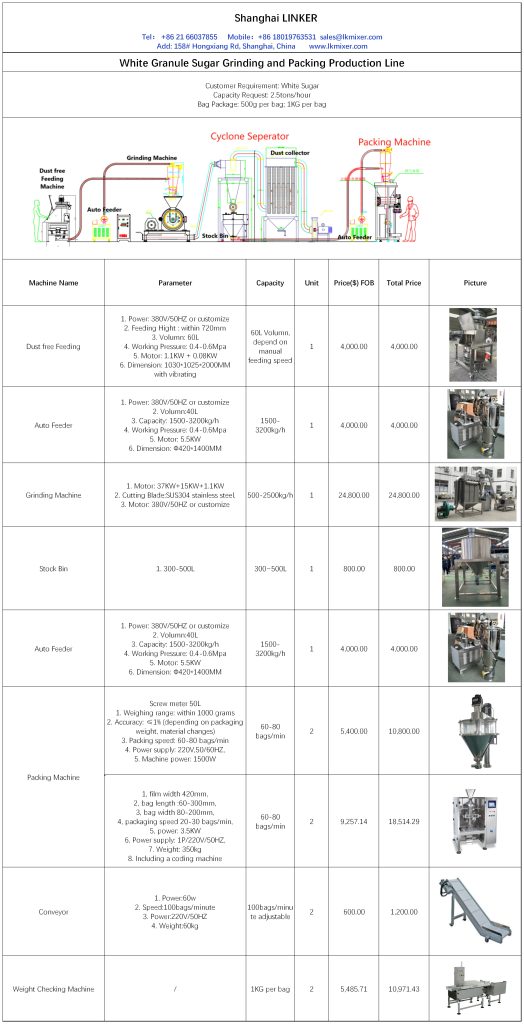
Drying Machine for Sale:
Mixer and Blender for Sale:
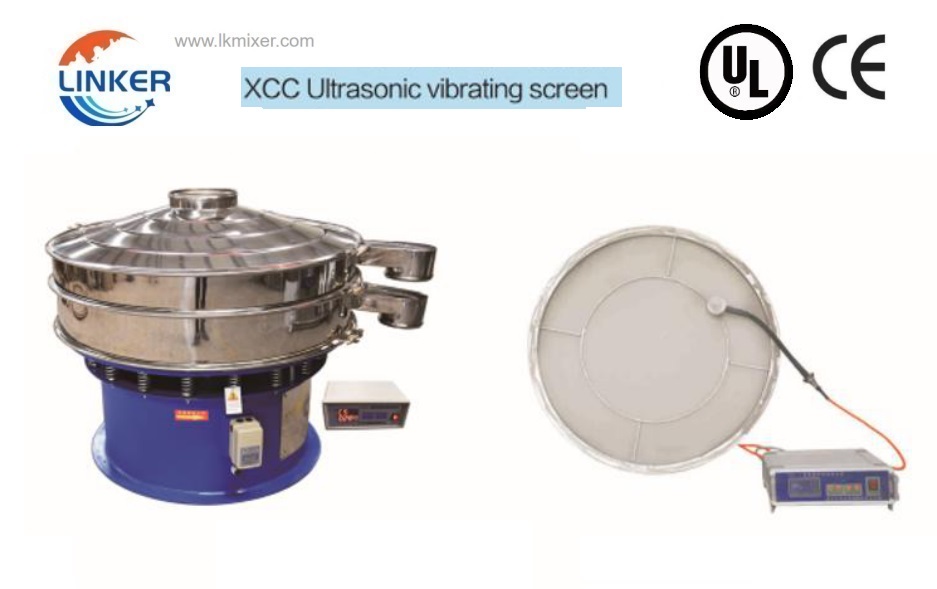
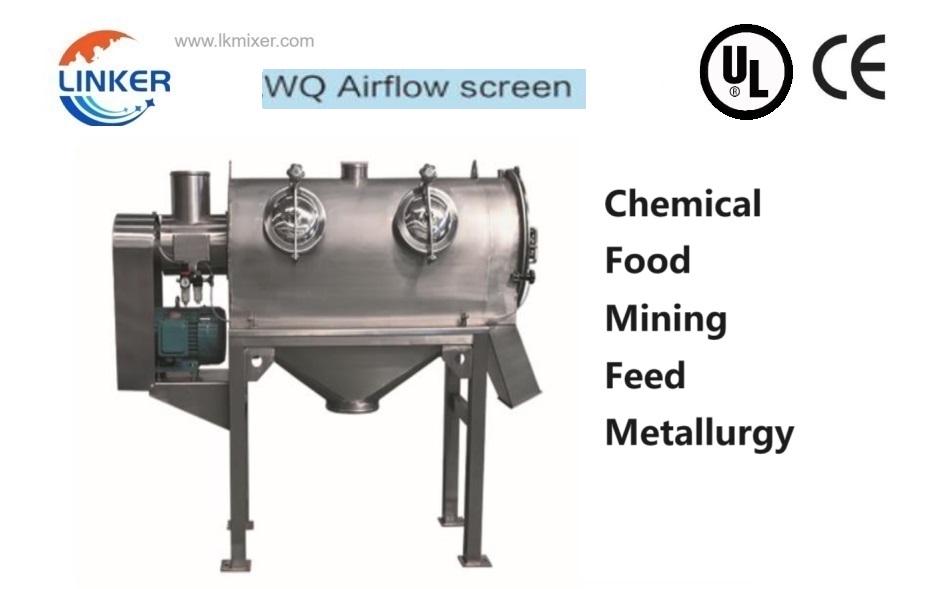
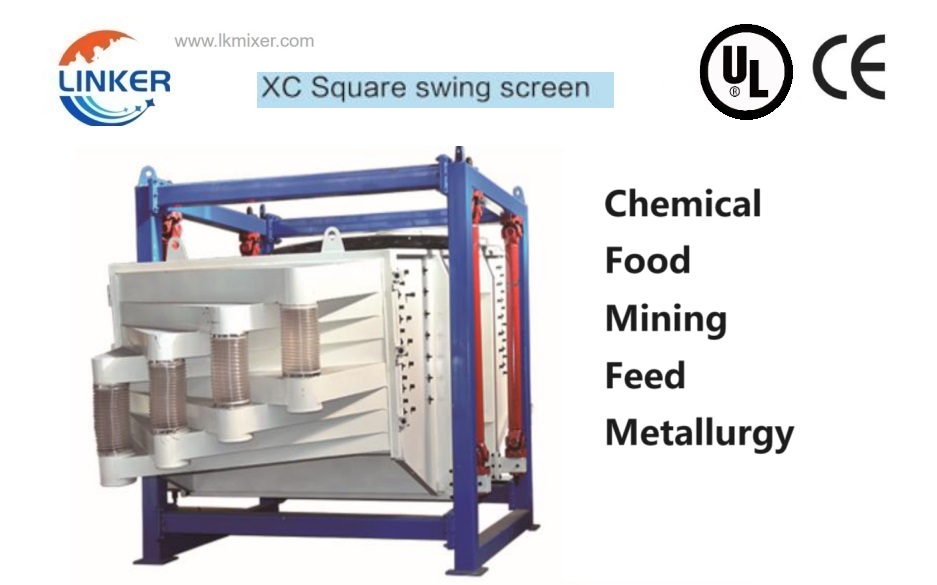
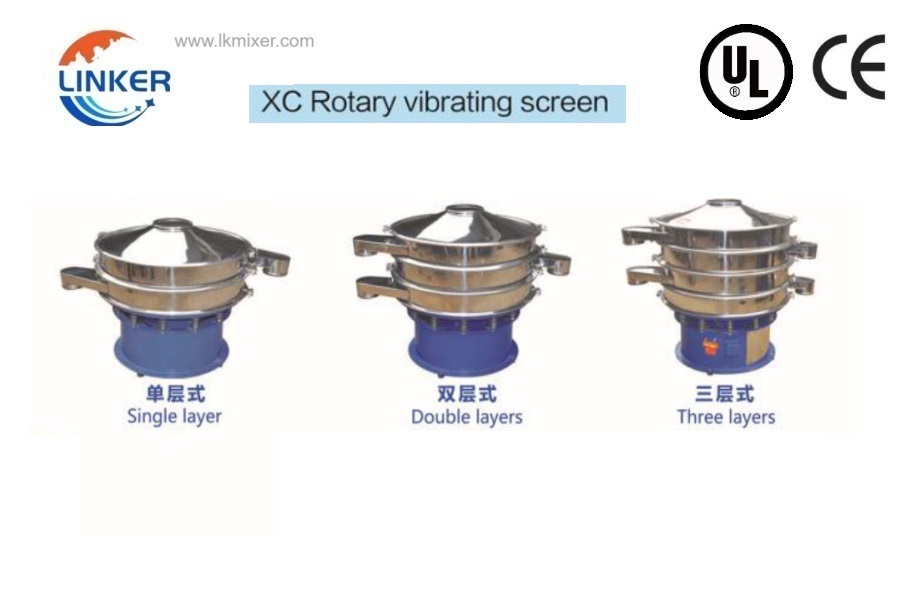
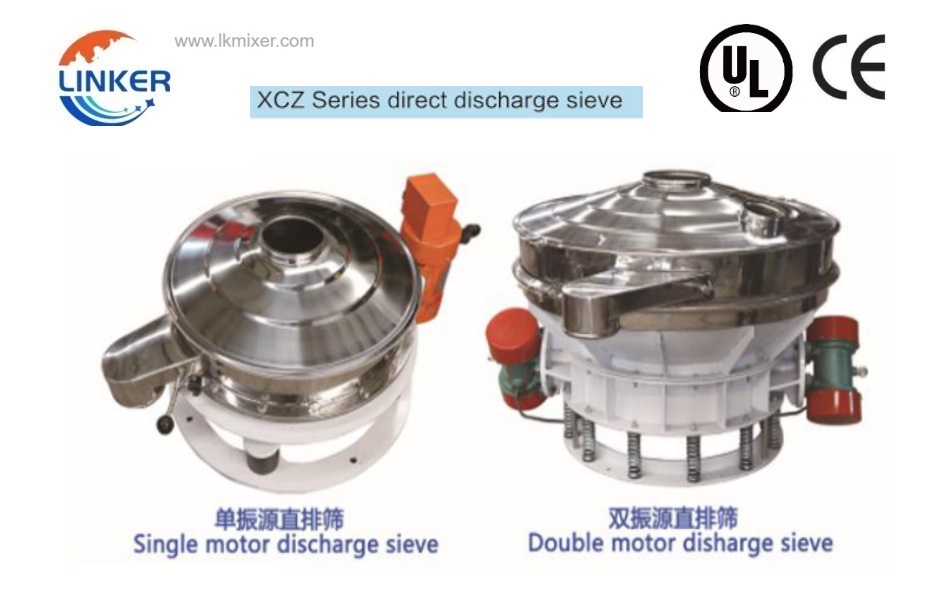
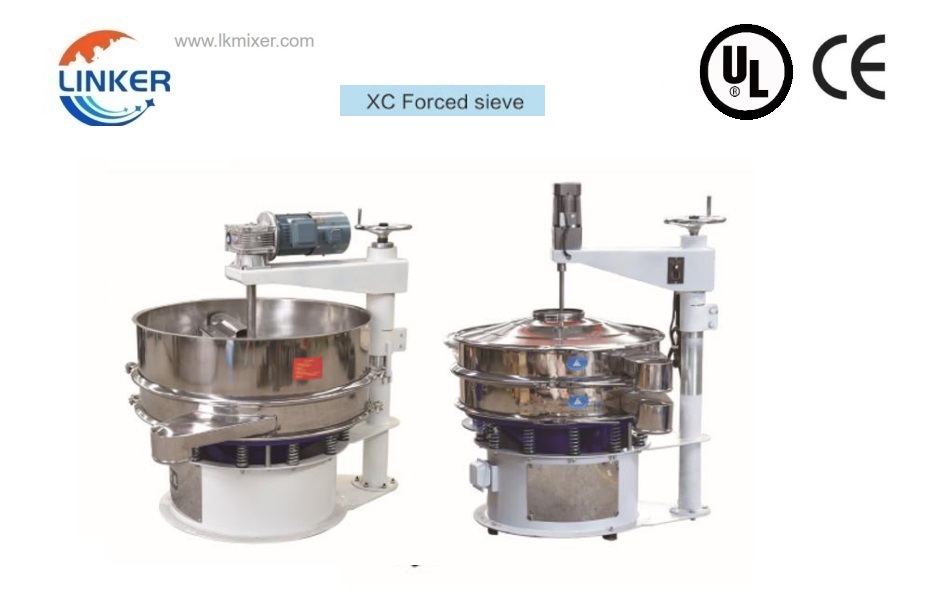
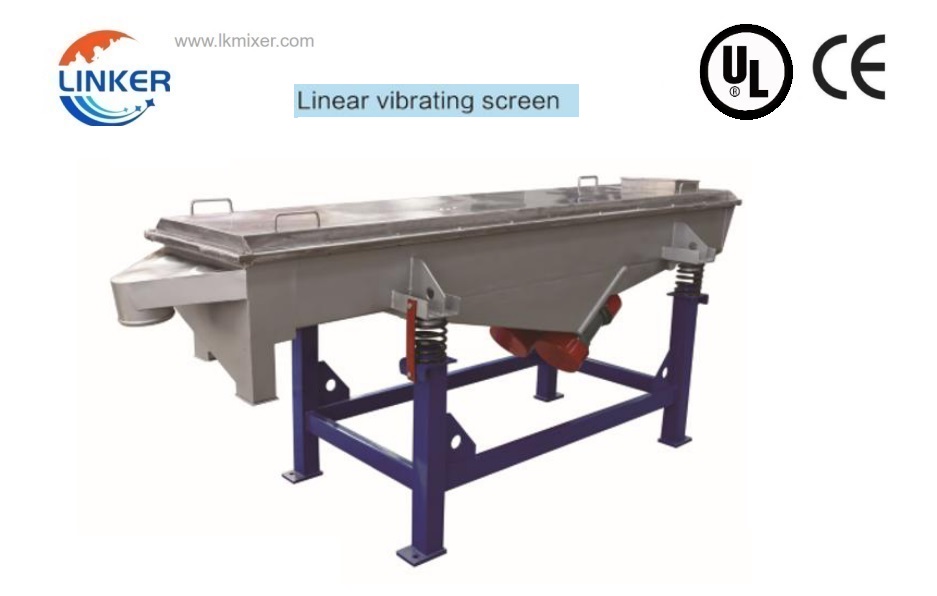
Industrial Vibrating Screen for Sale:
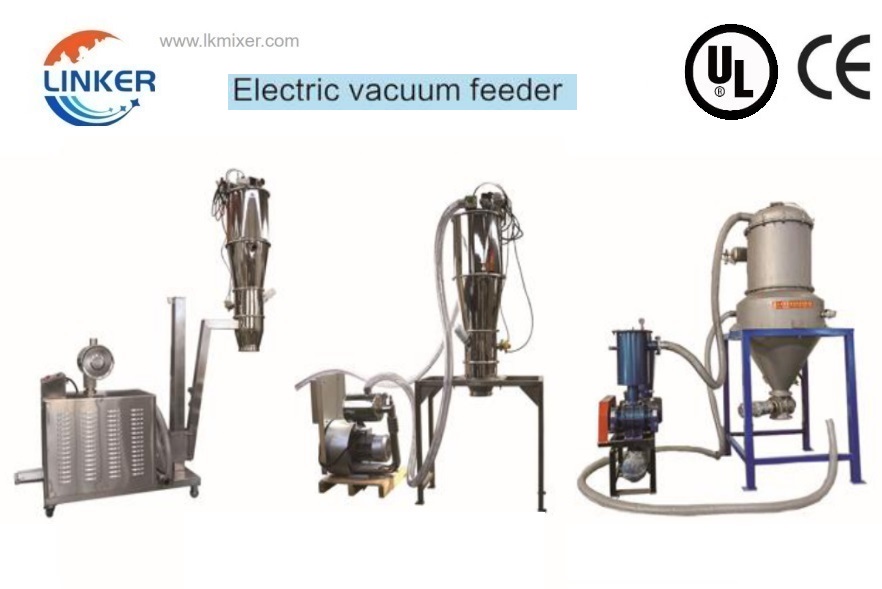
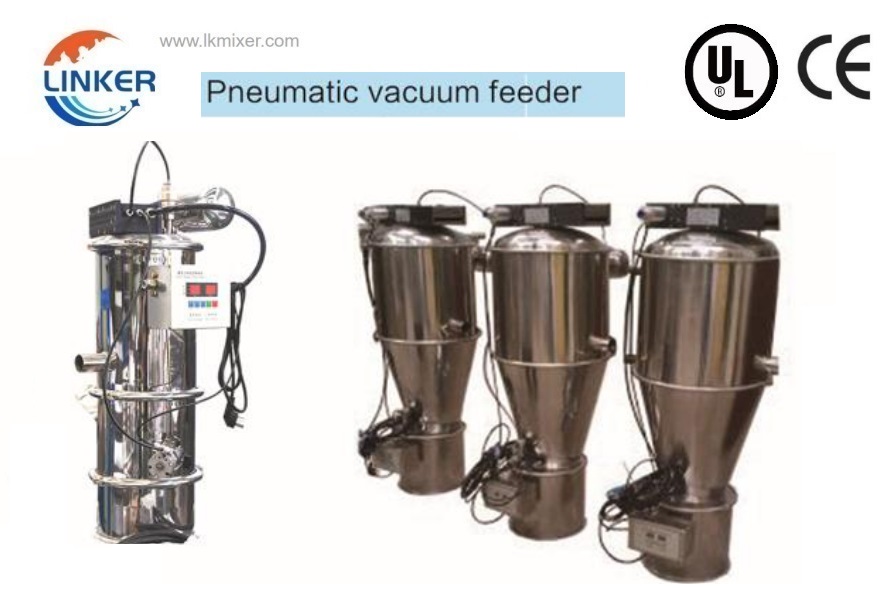
Industrial Vacuum Feeder for Sale:
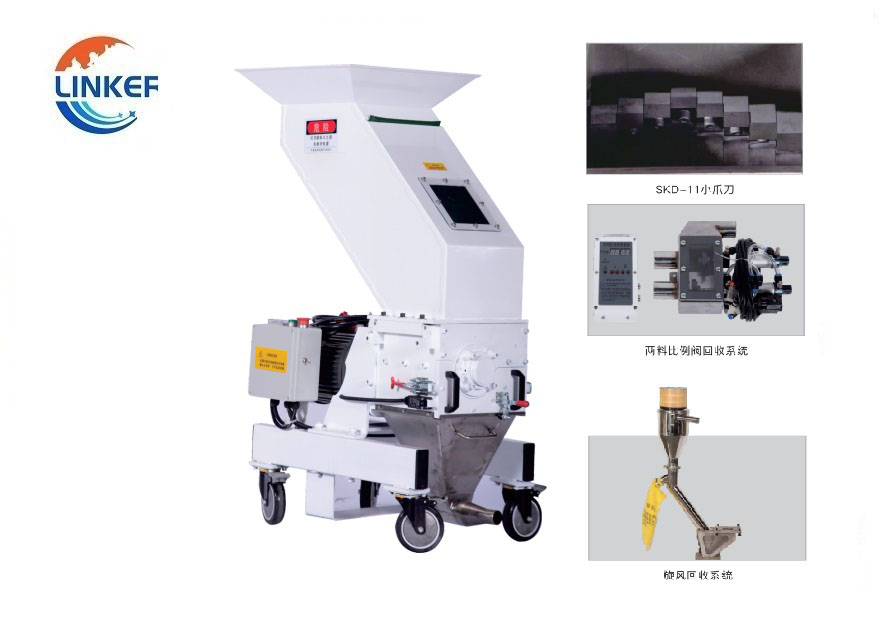
Industrial Shredder for Sale:
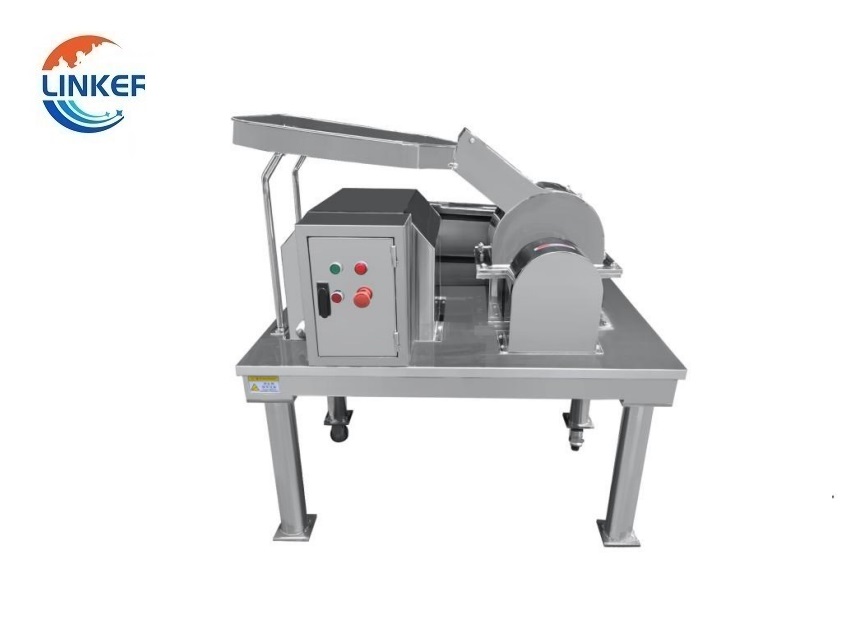
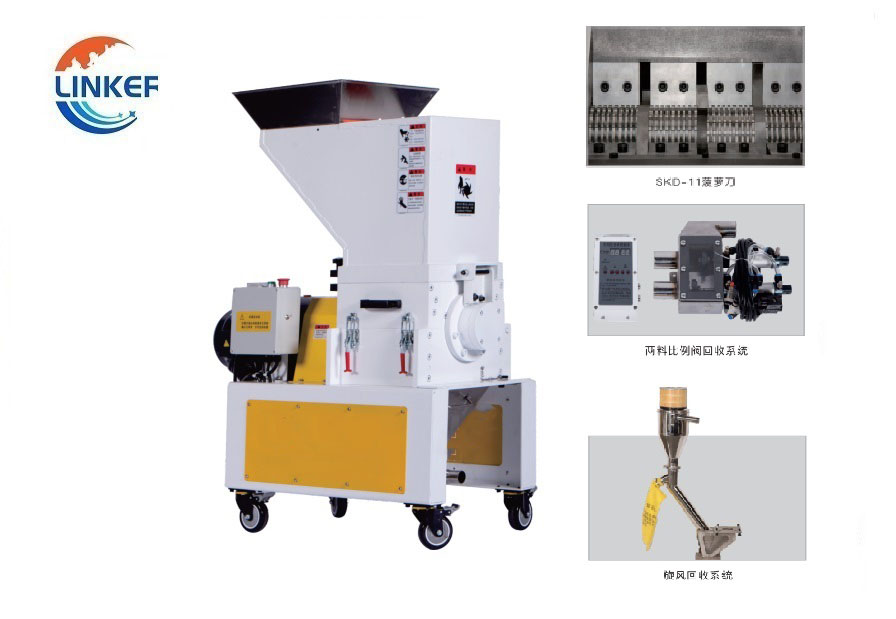
Grinding Machine for Sale:
Blending and Mixing Machine for Sale
Granulating Machine for Sale:
Auxiliary Machine for Sale:



Recommend Reading

You May also Interest in other topics:
Automatic Banana Powder Production Line