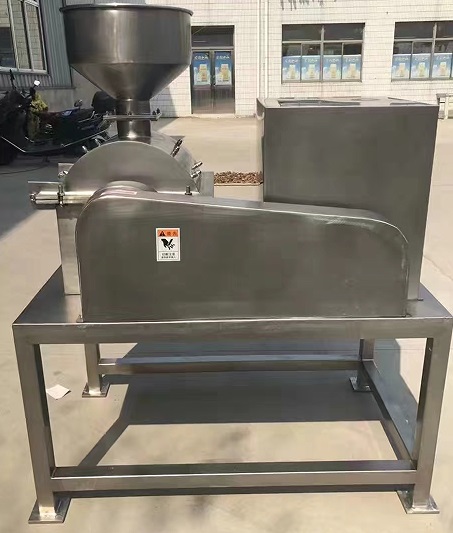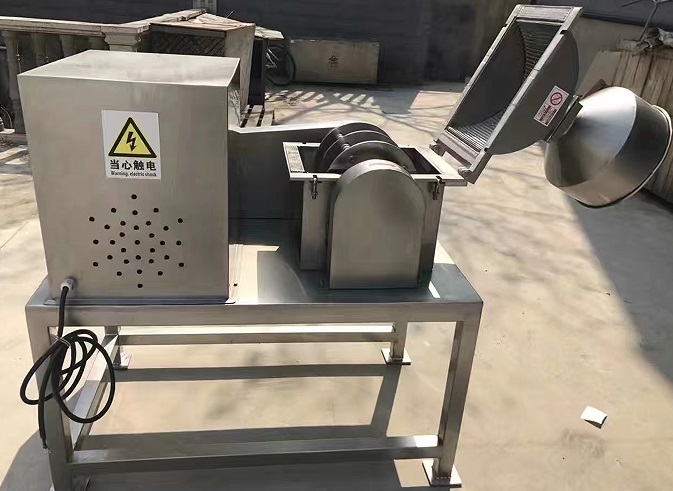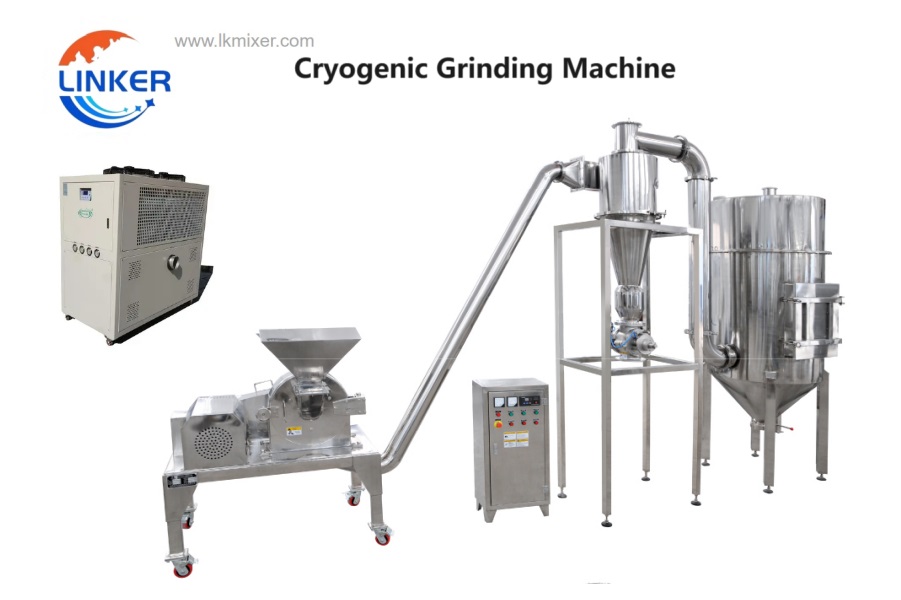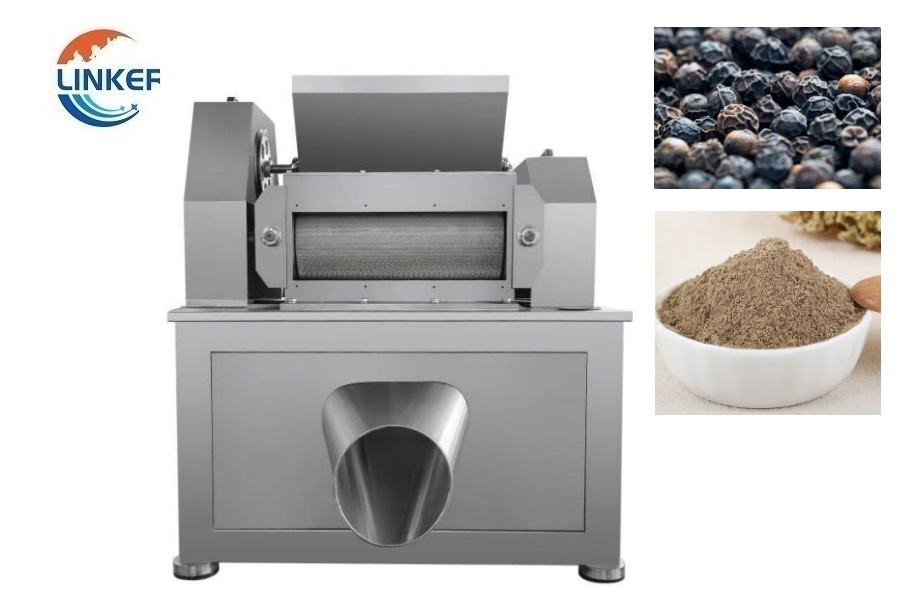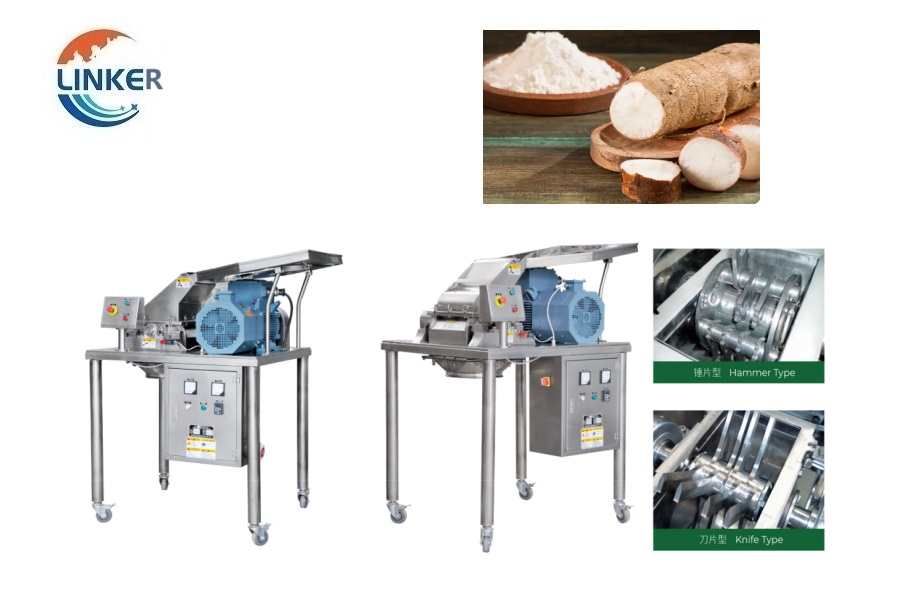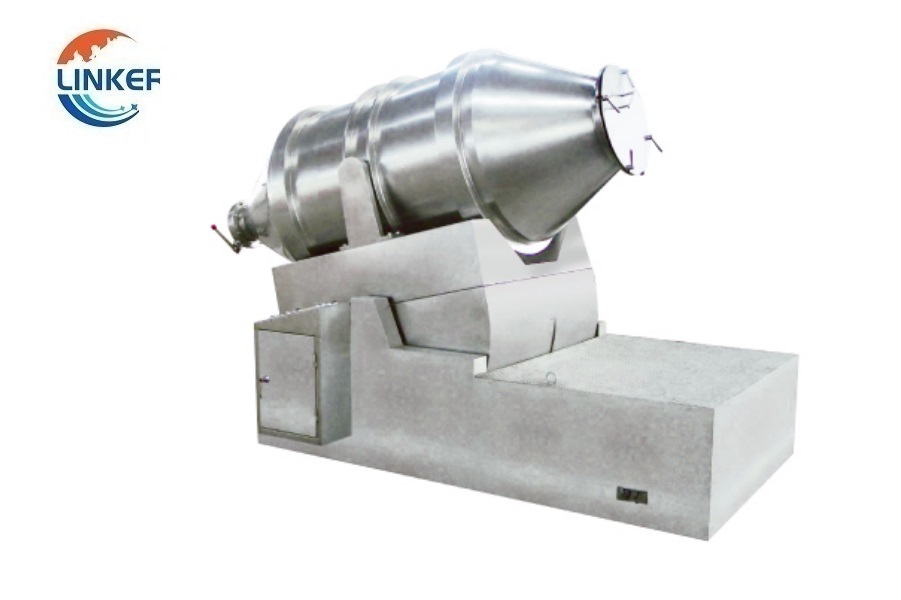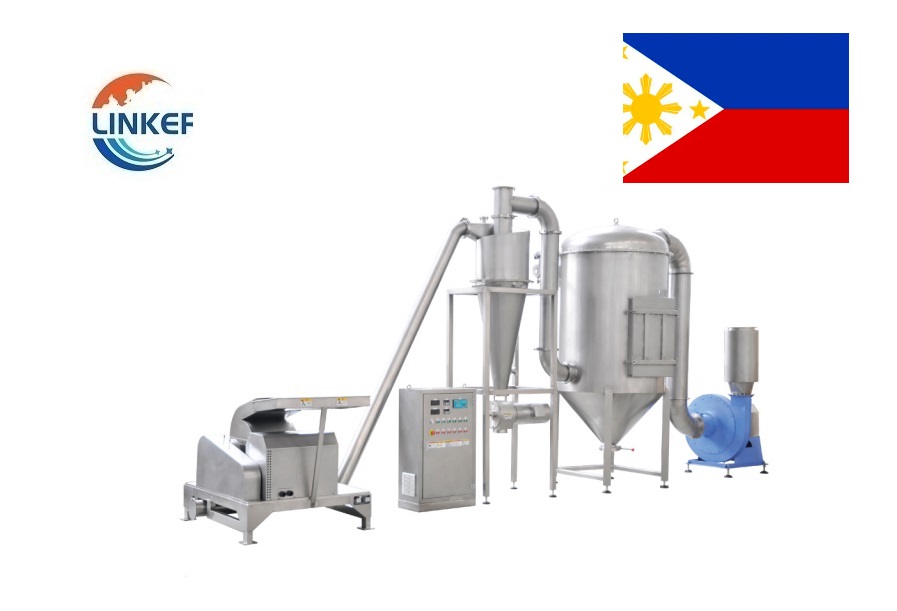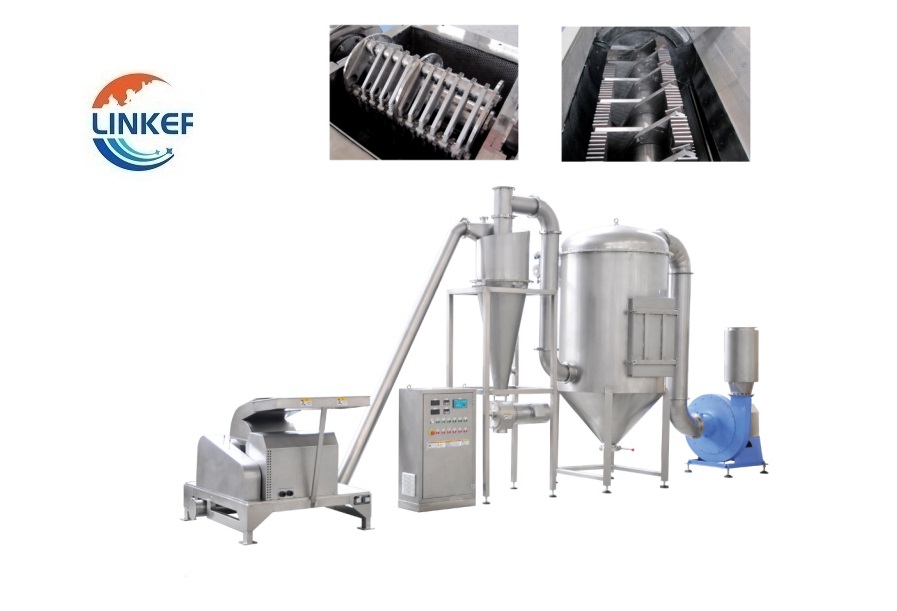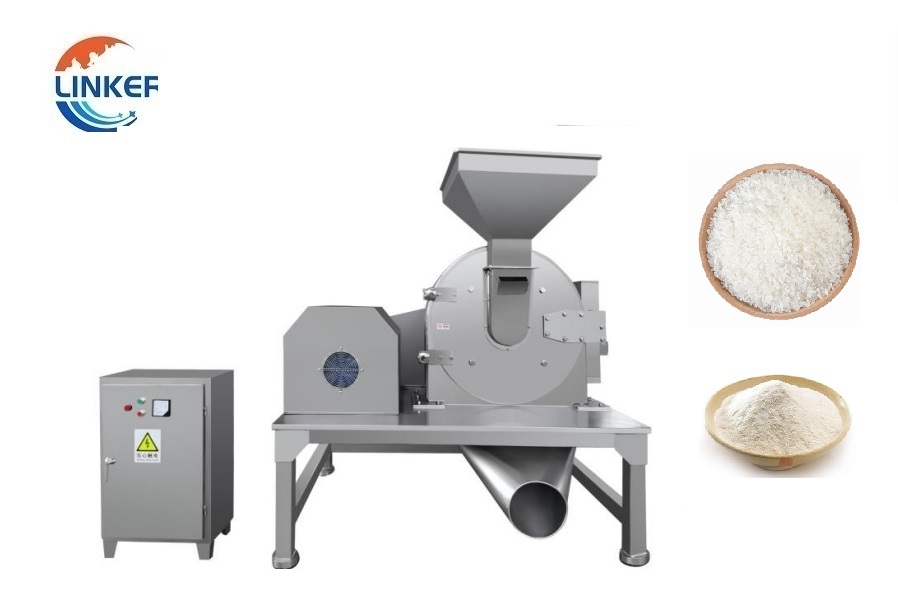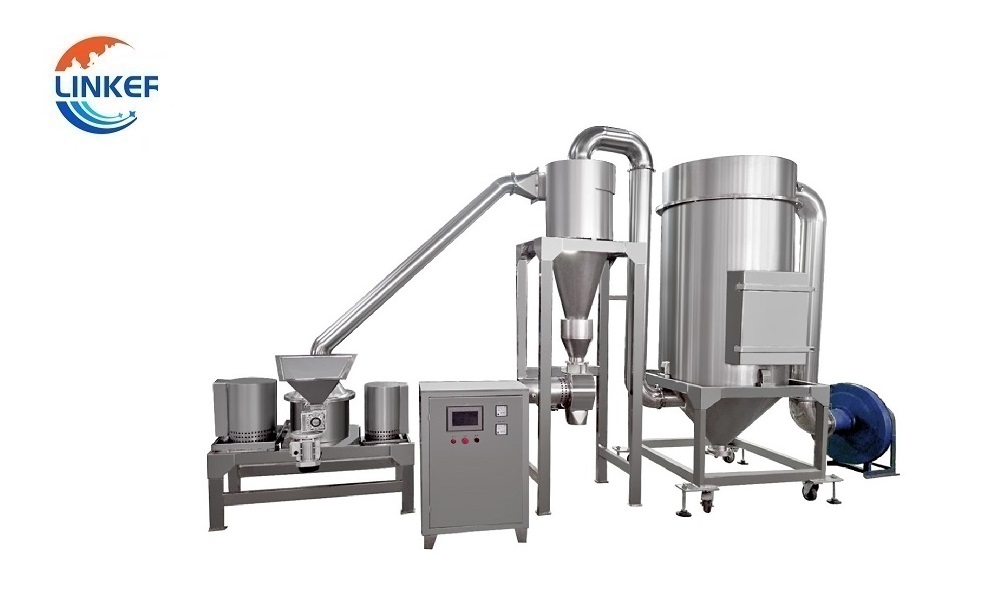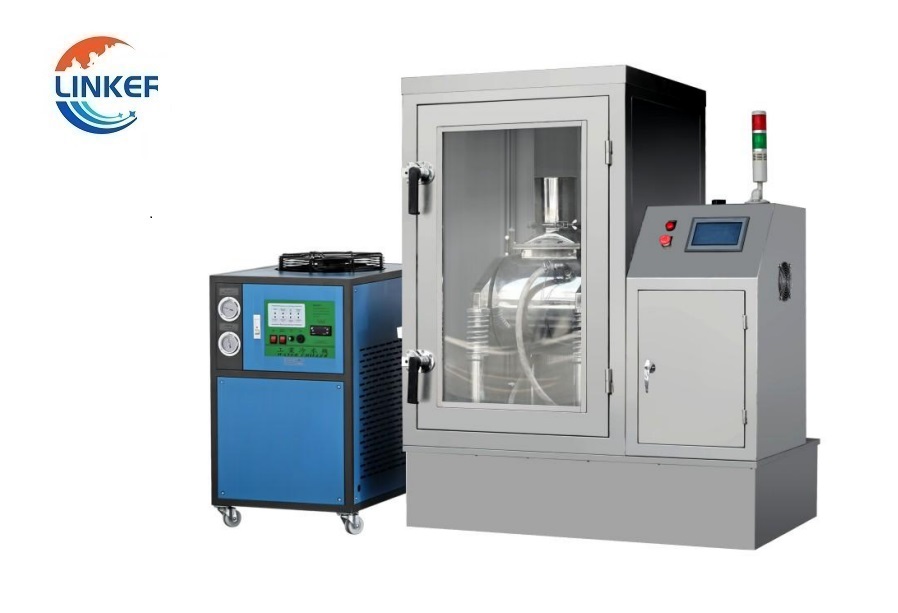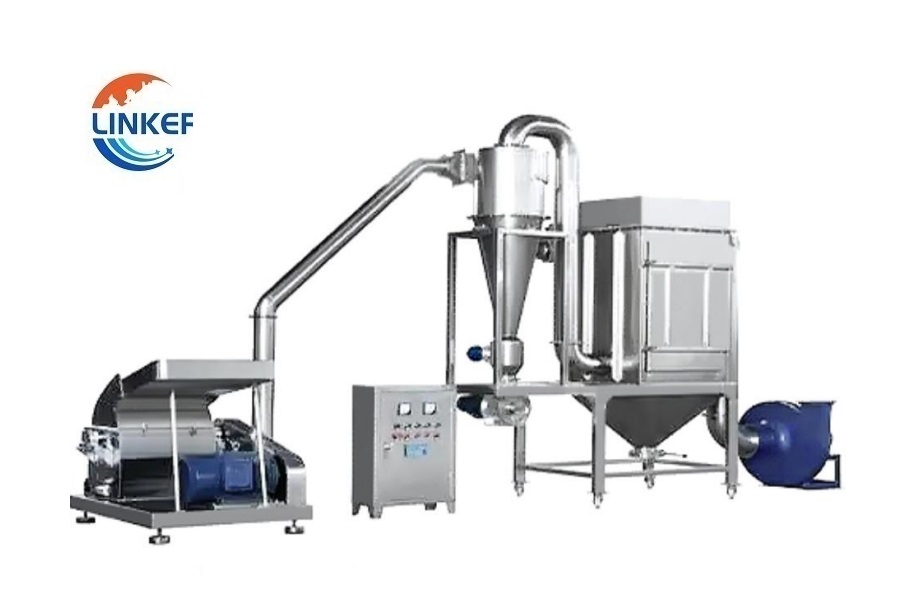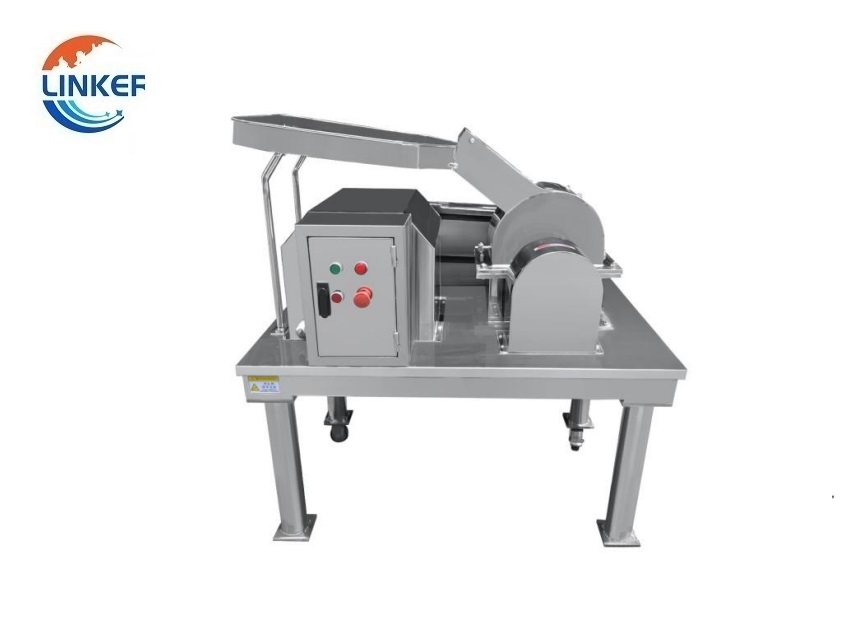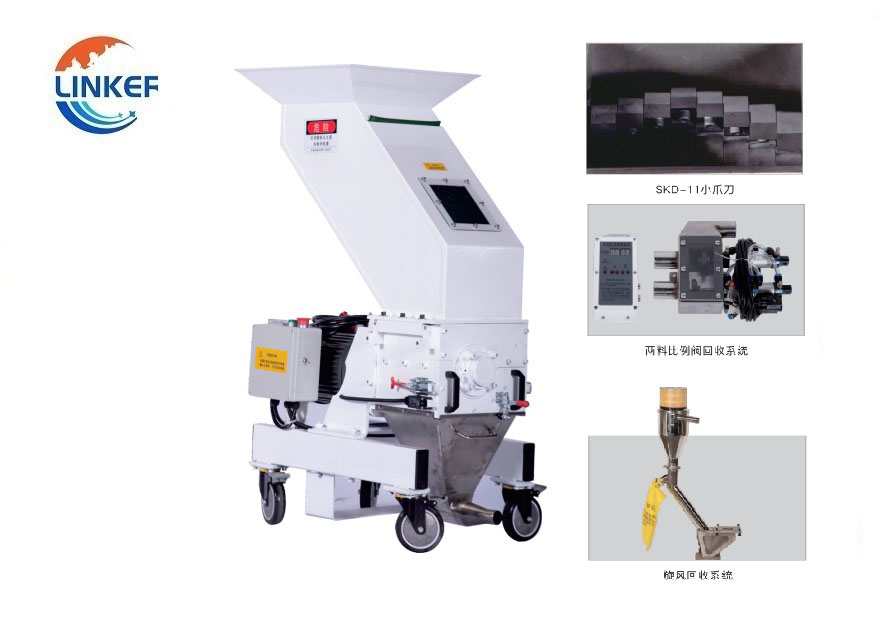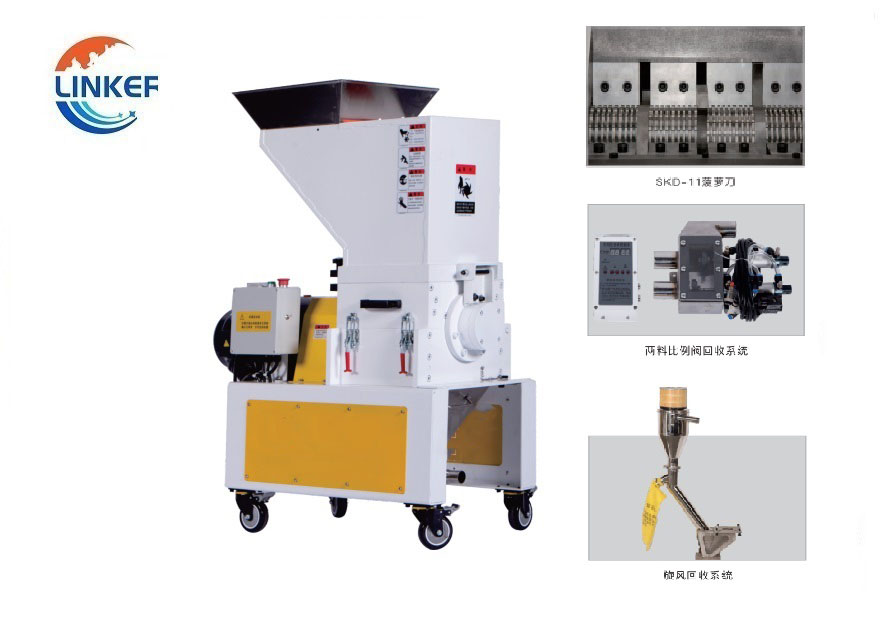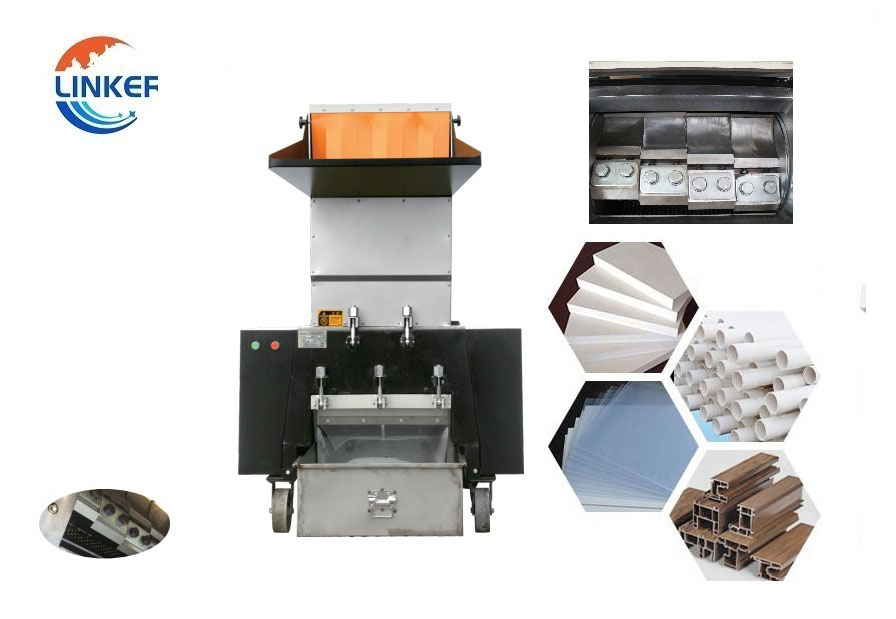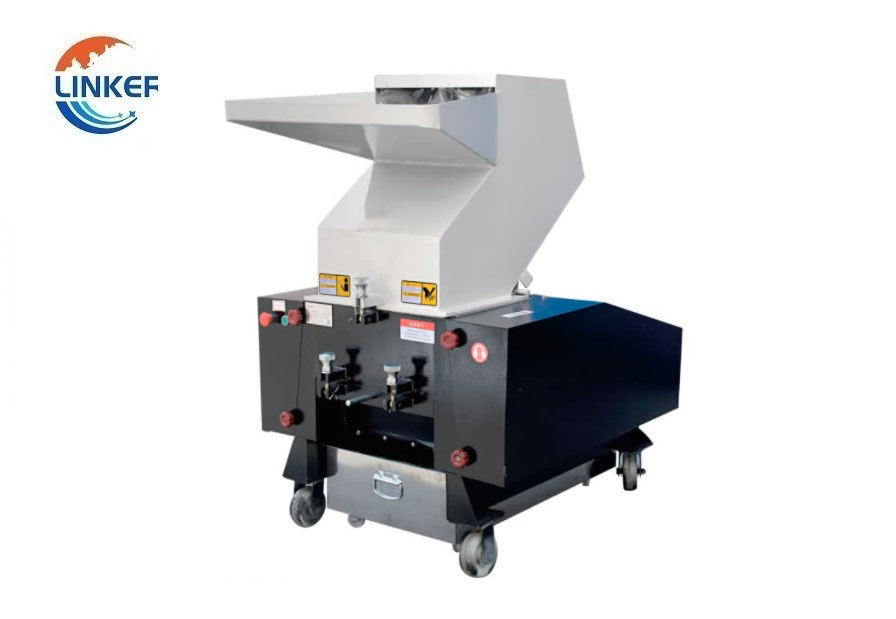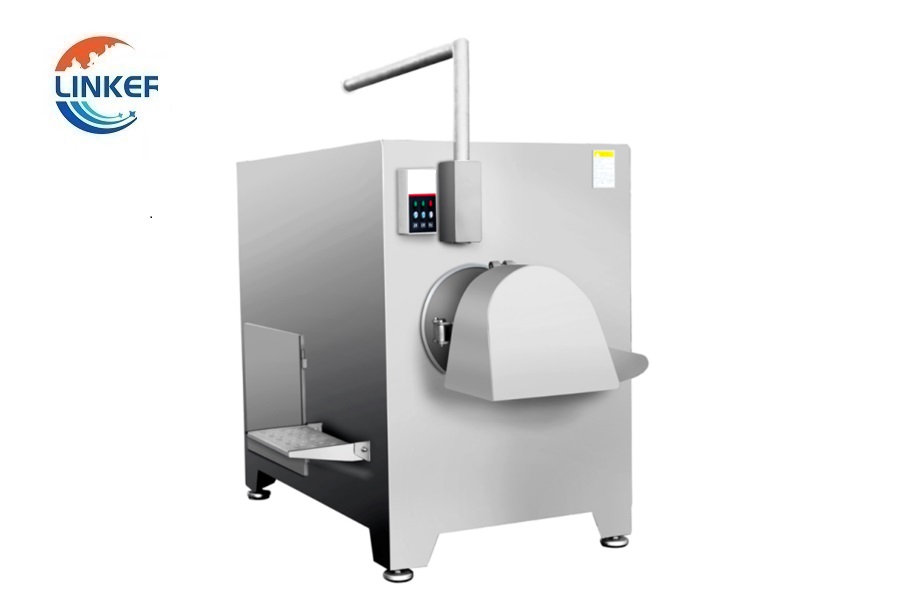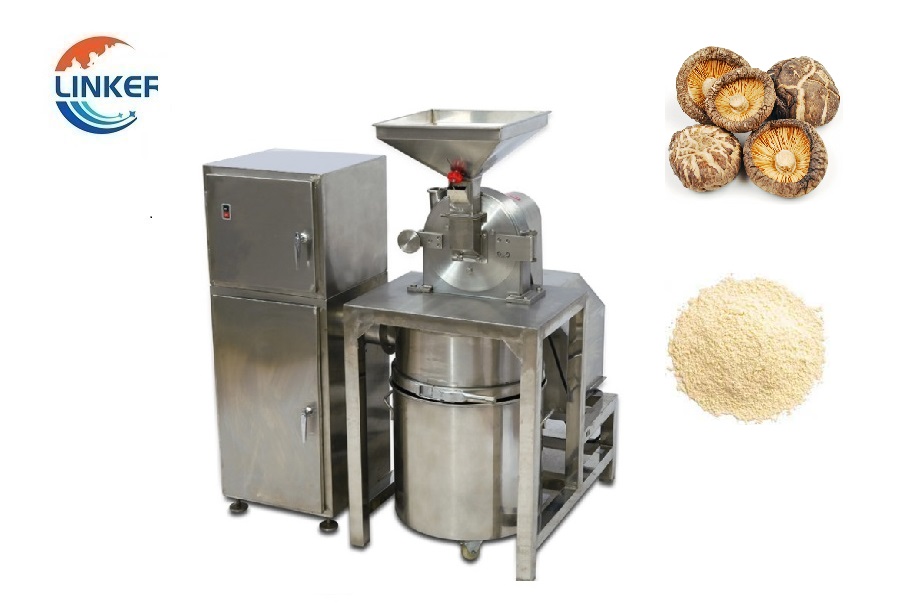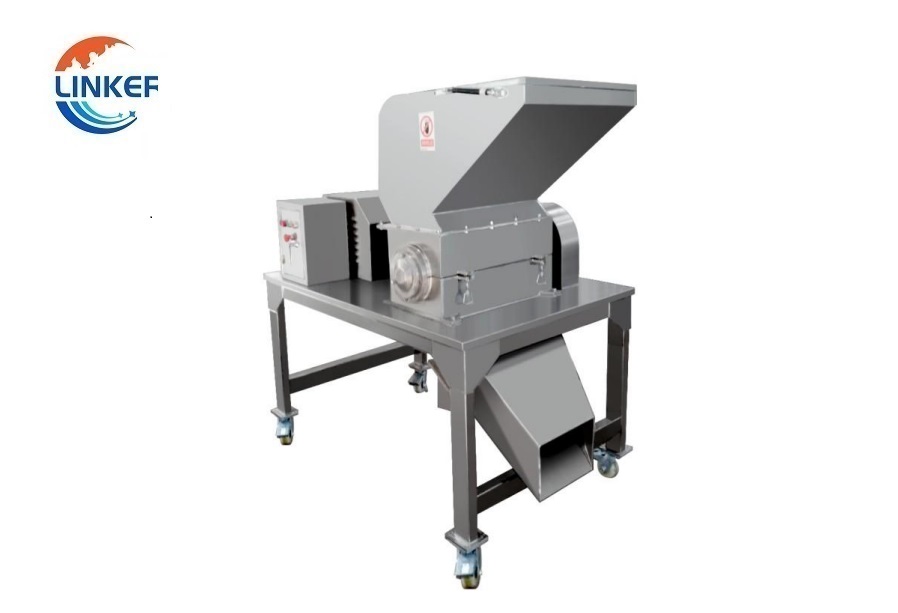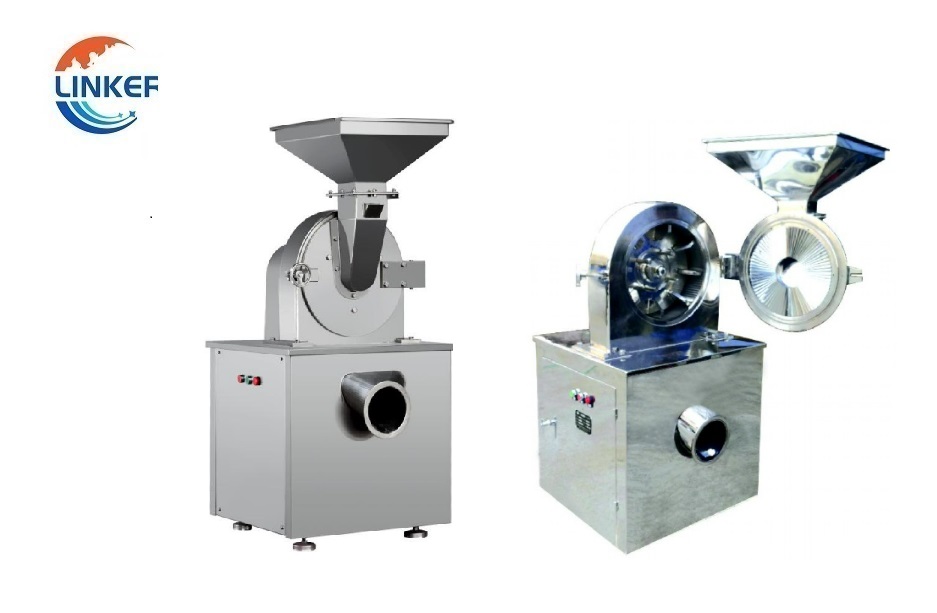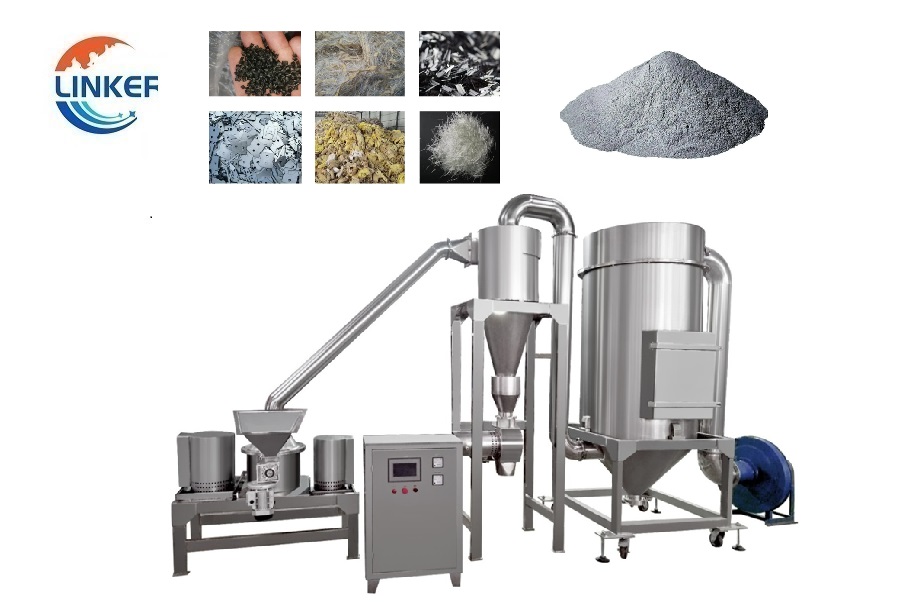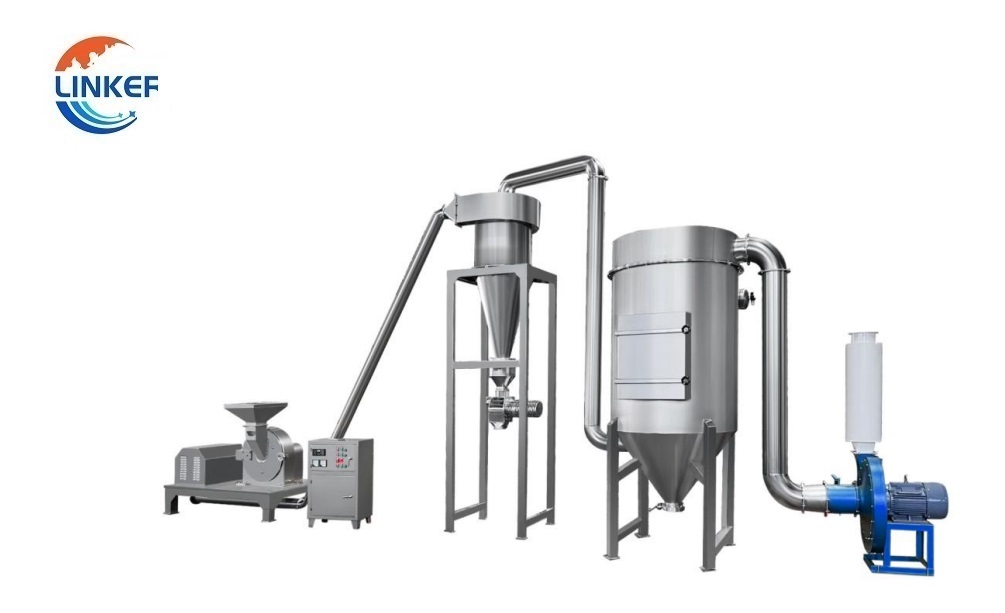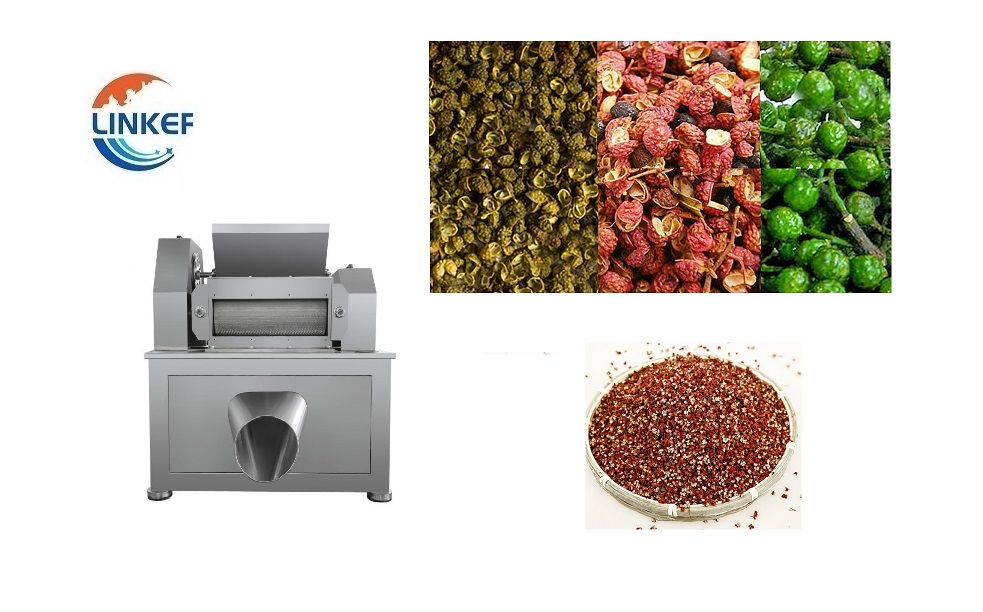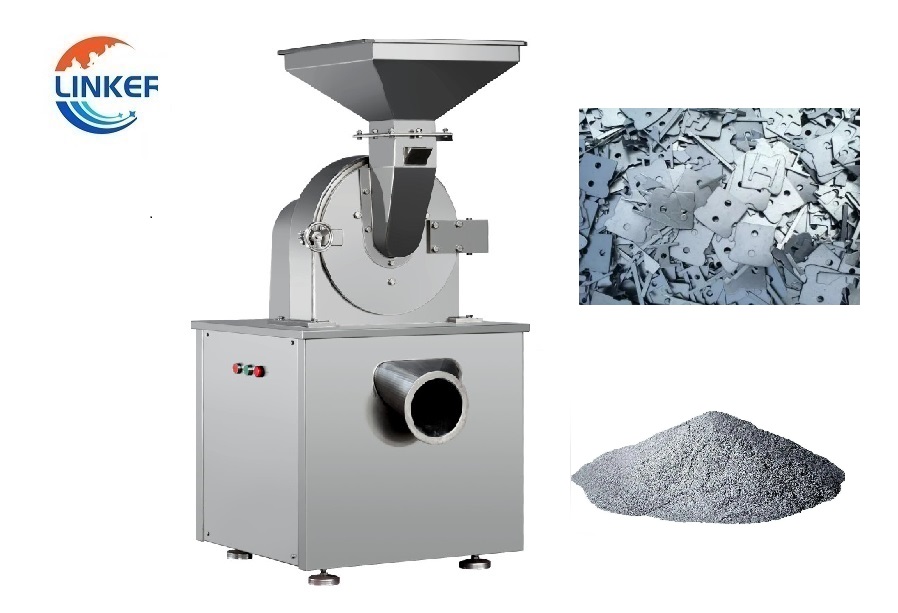
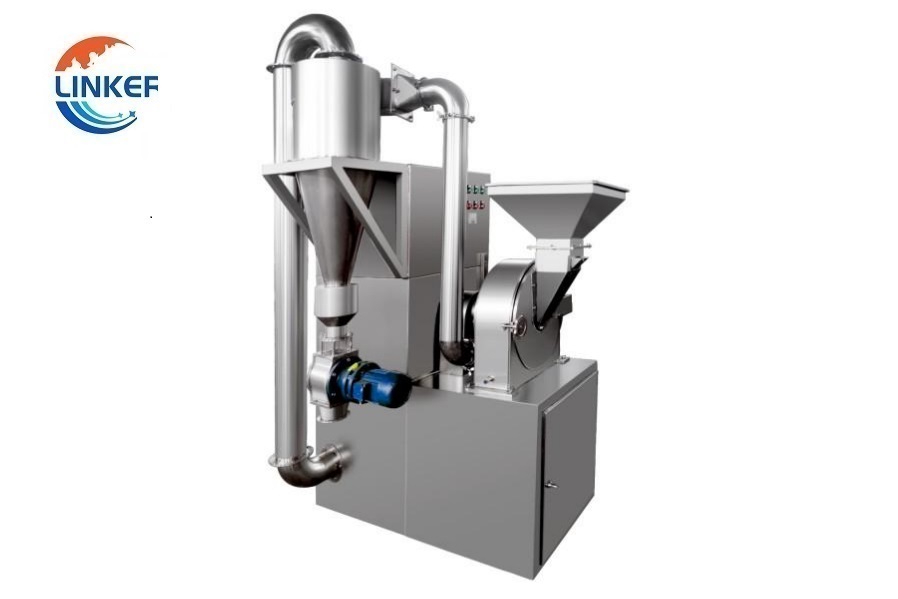
FDA Standard Food Grinder

FDA Standard Food Grinder
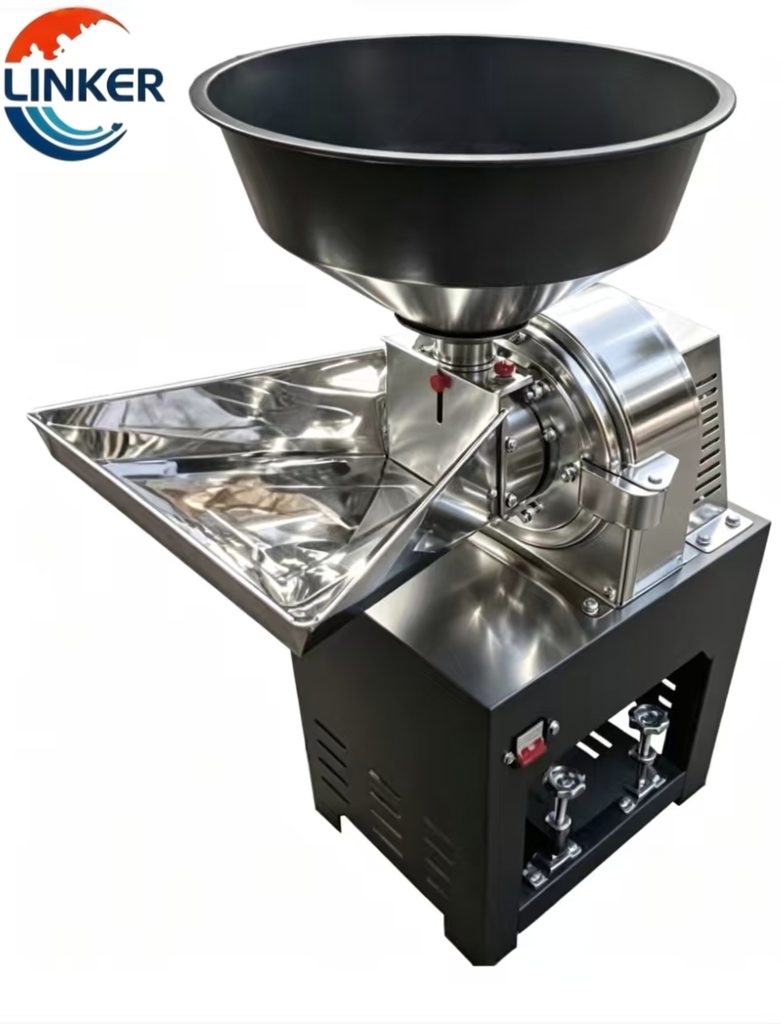
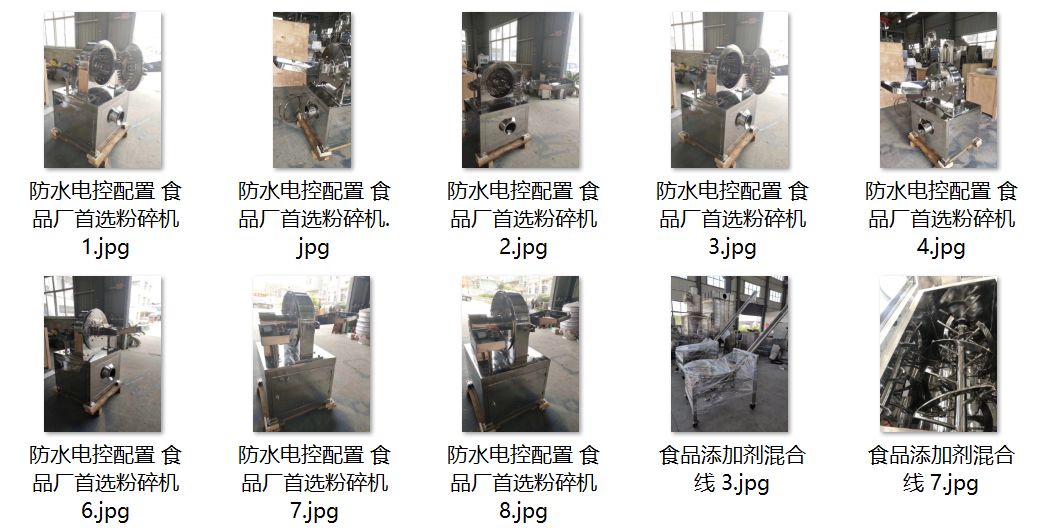
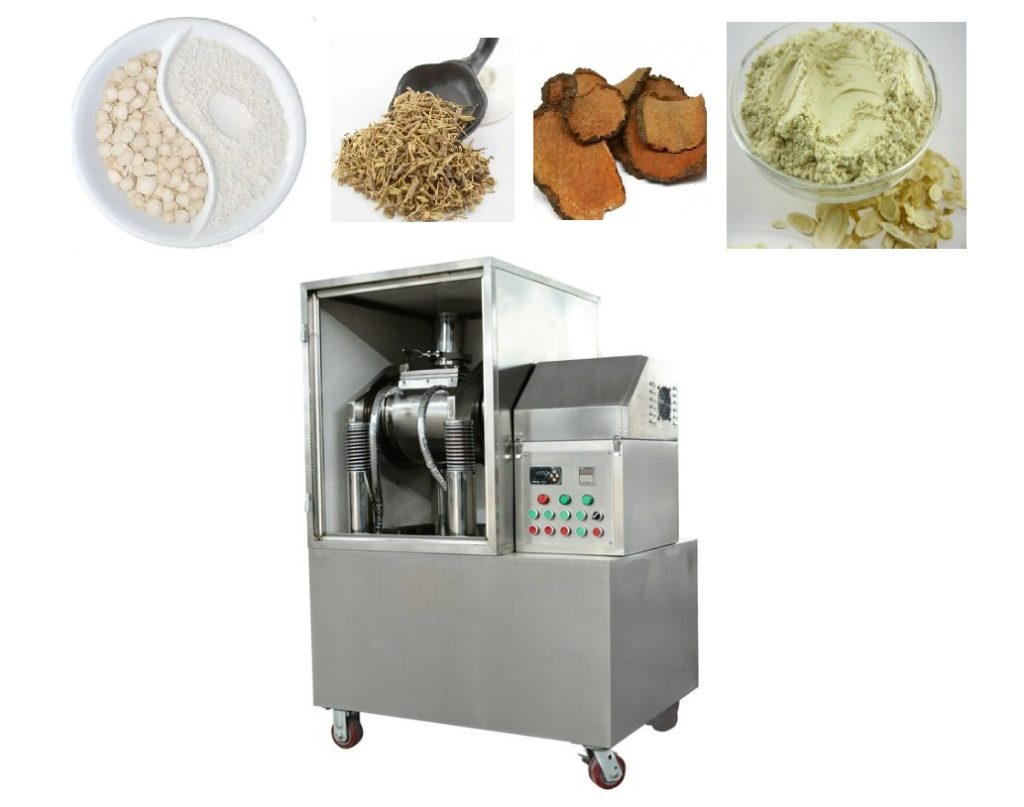
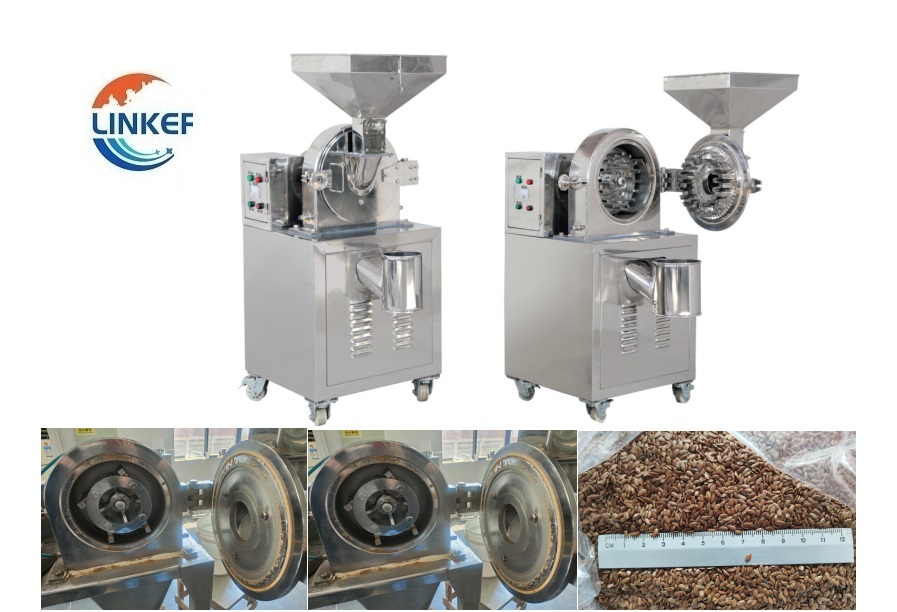
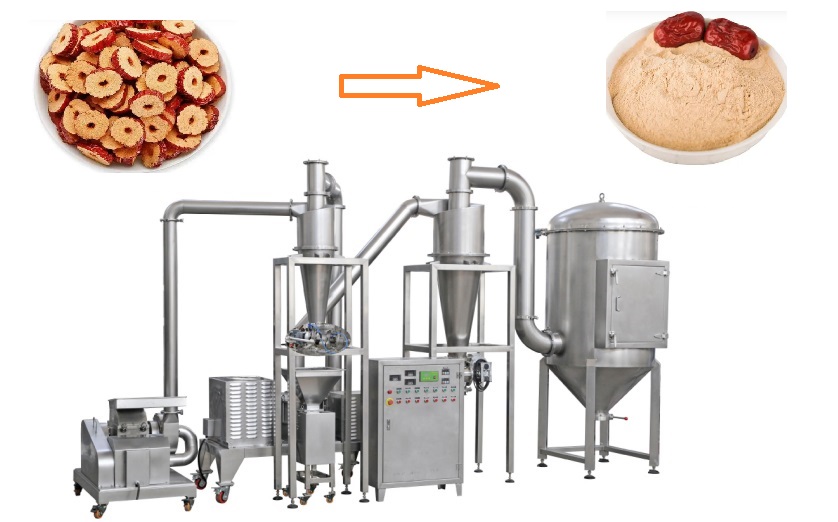
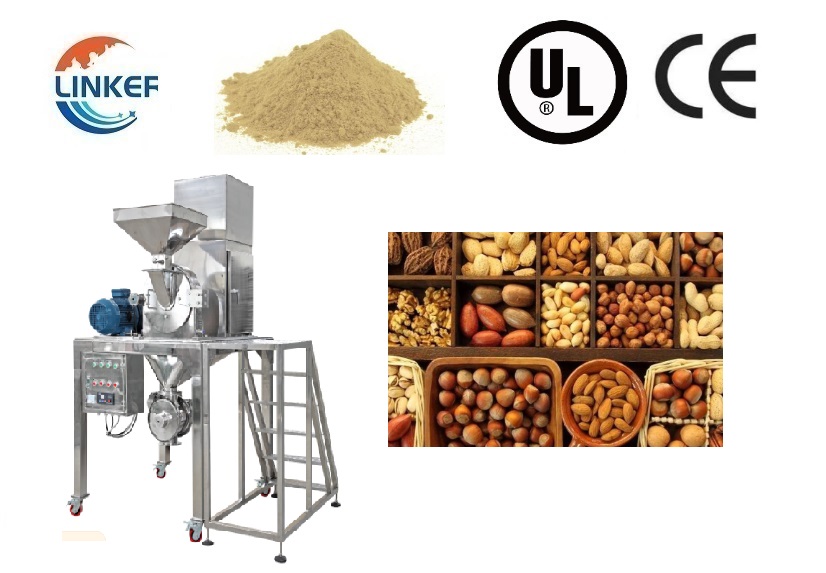
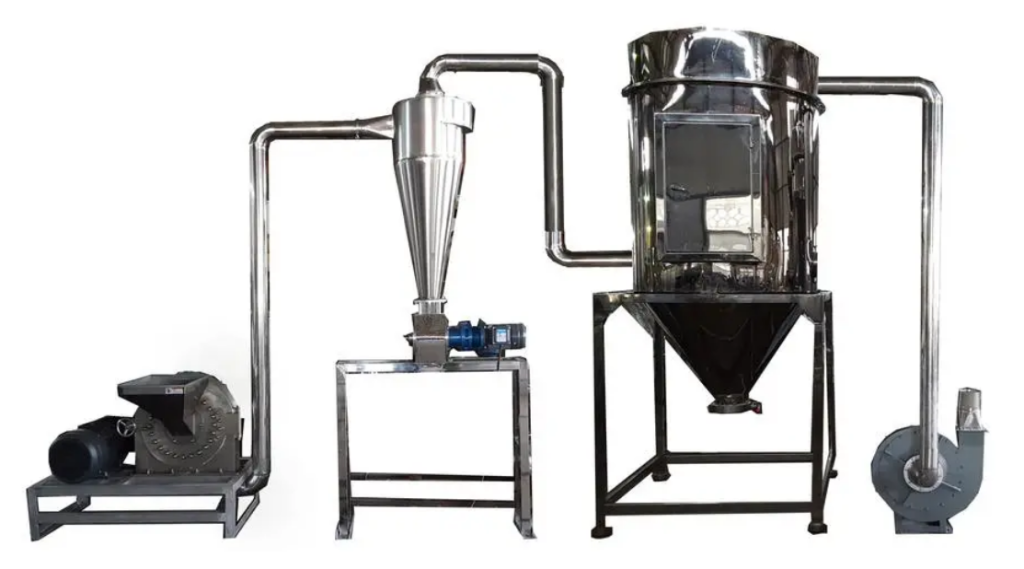
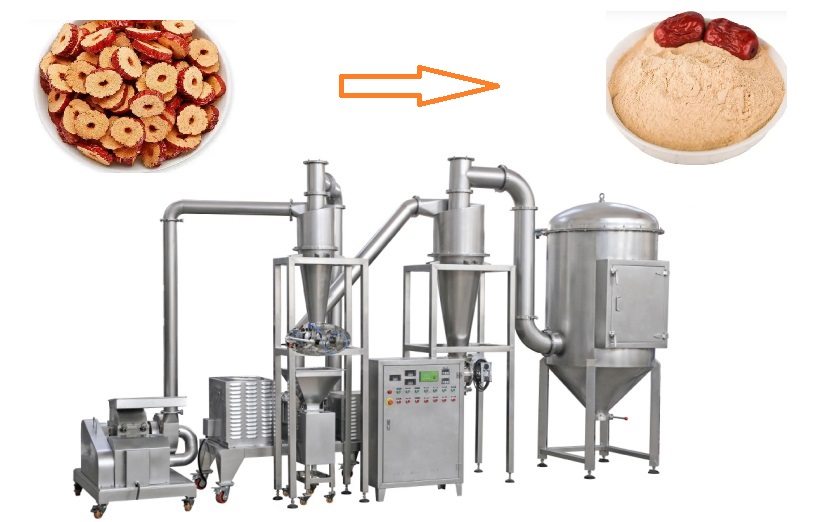
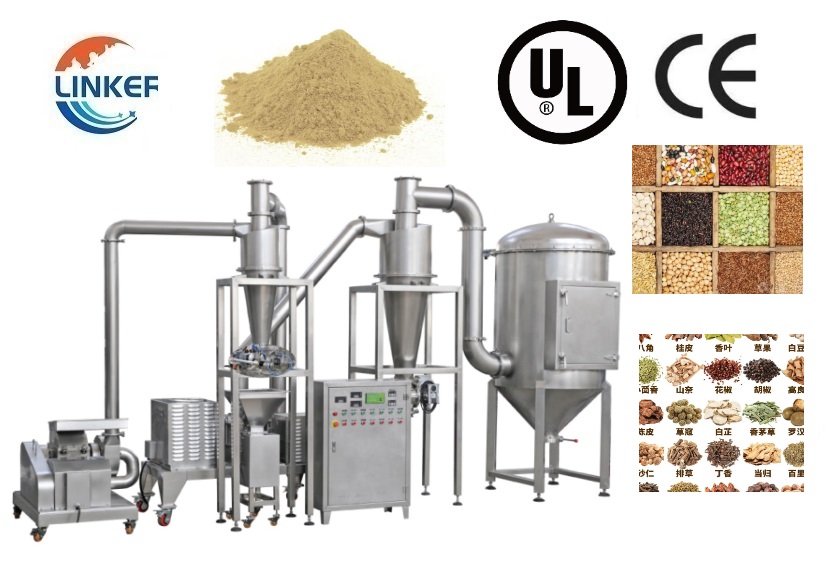
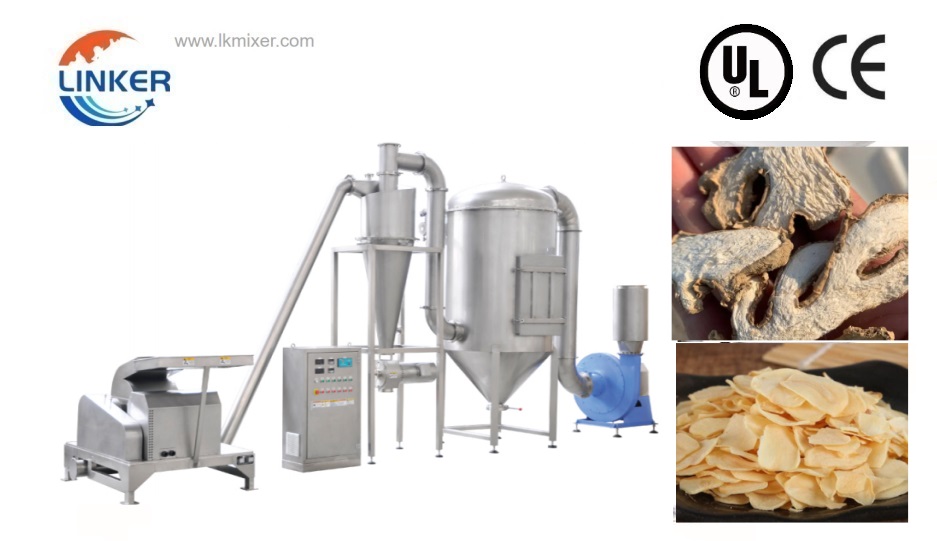
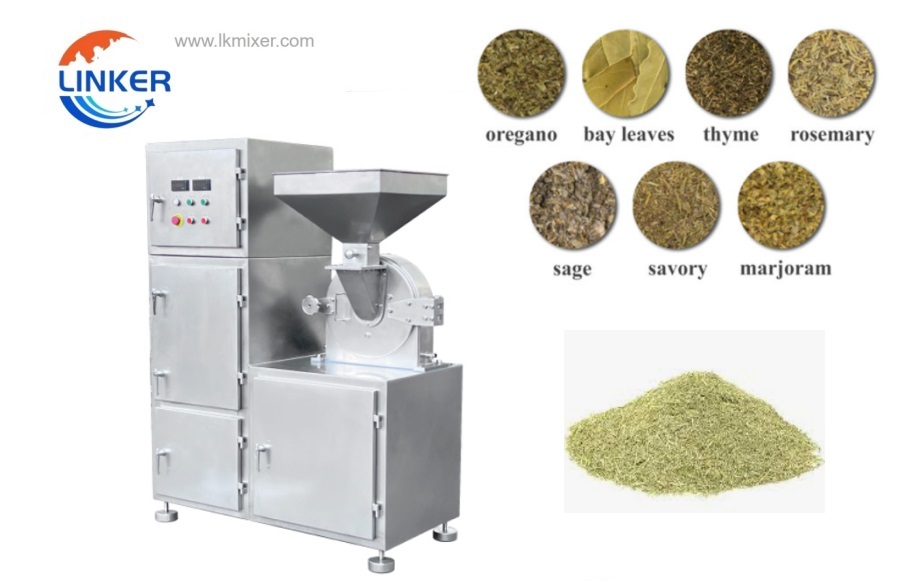
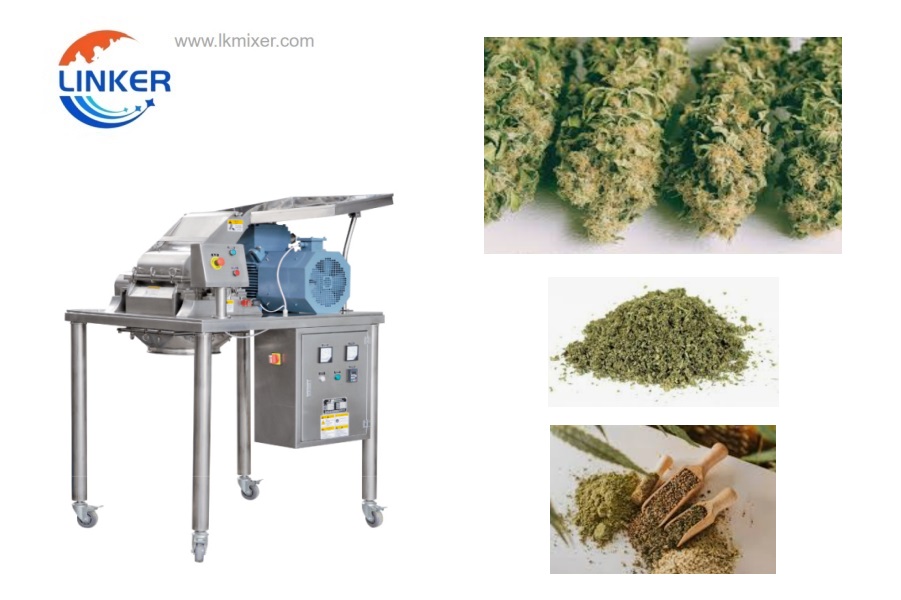
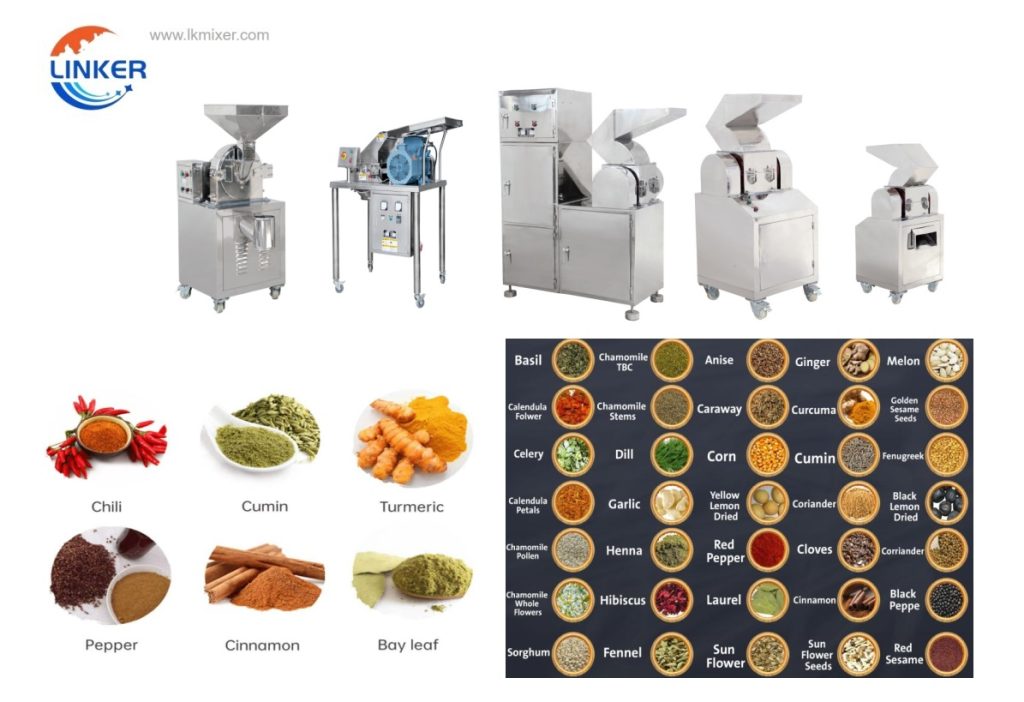
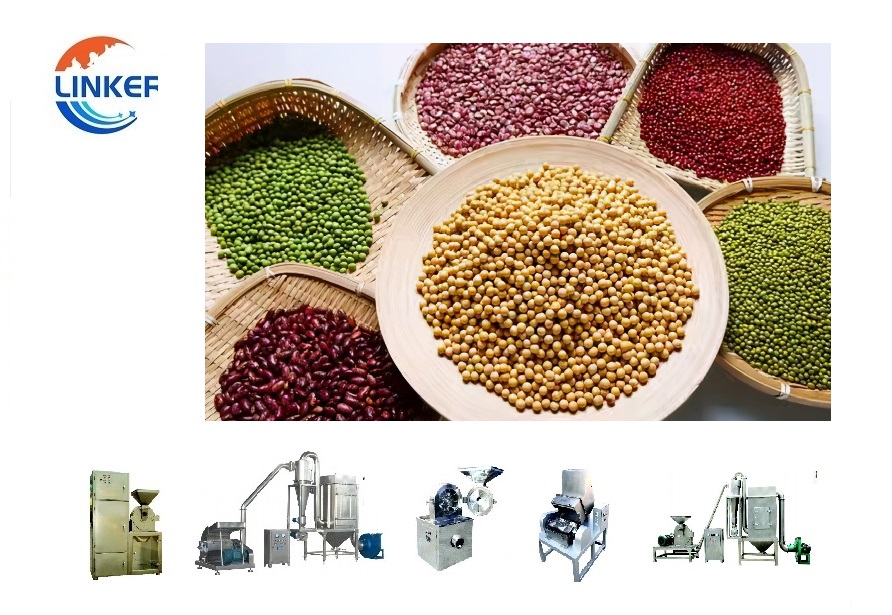
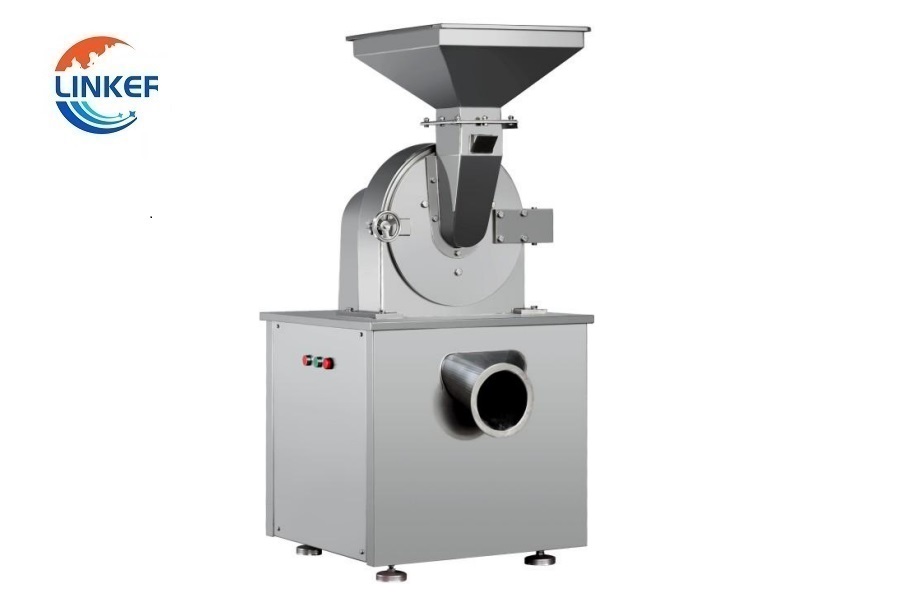
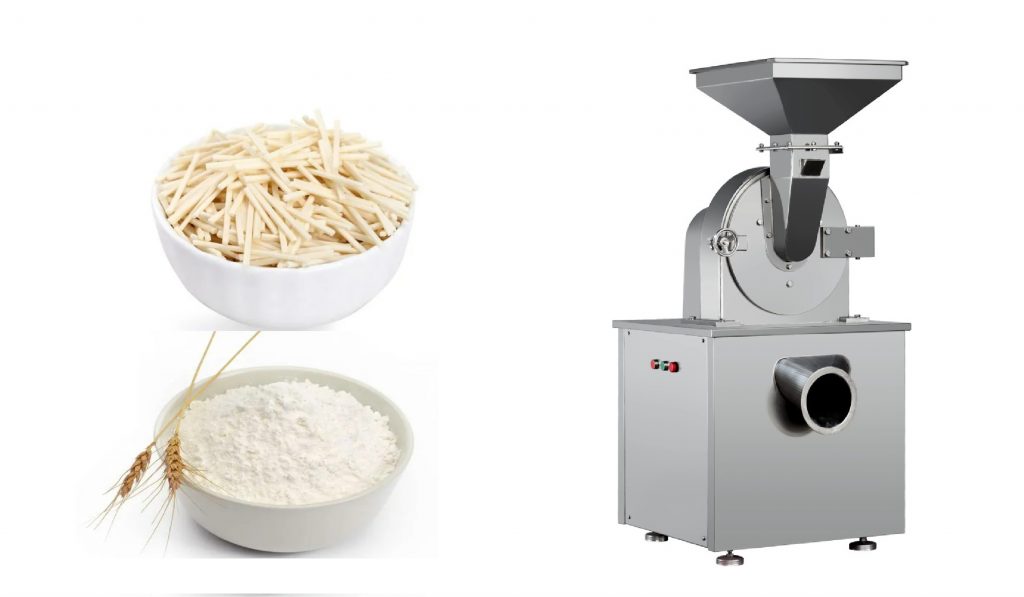
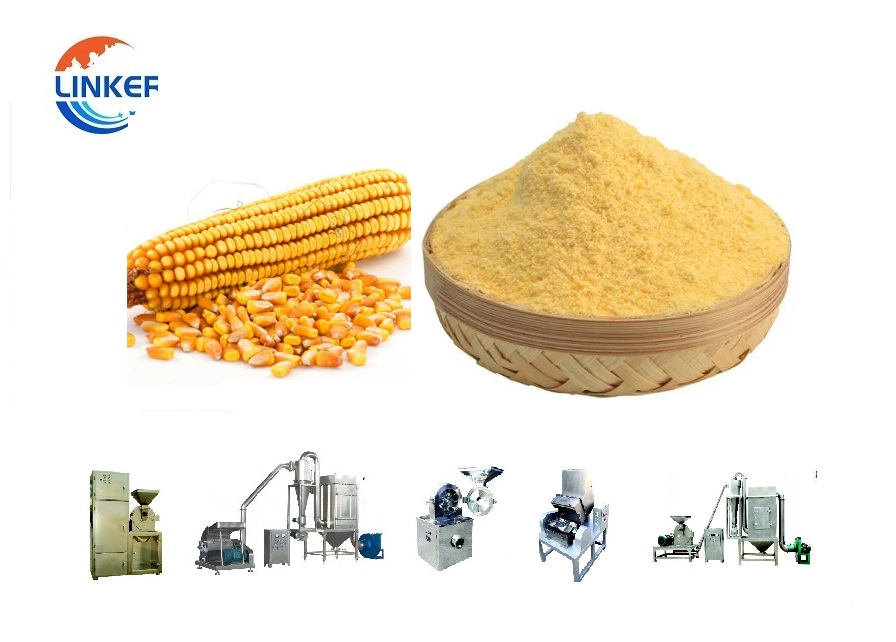
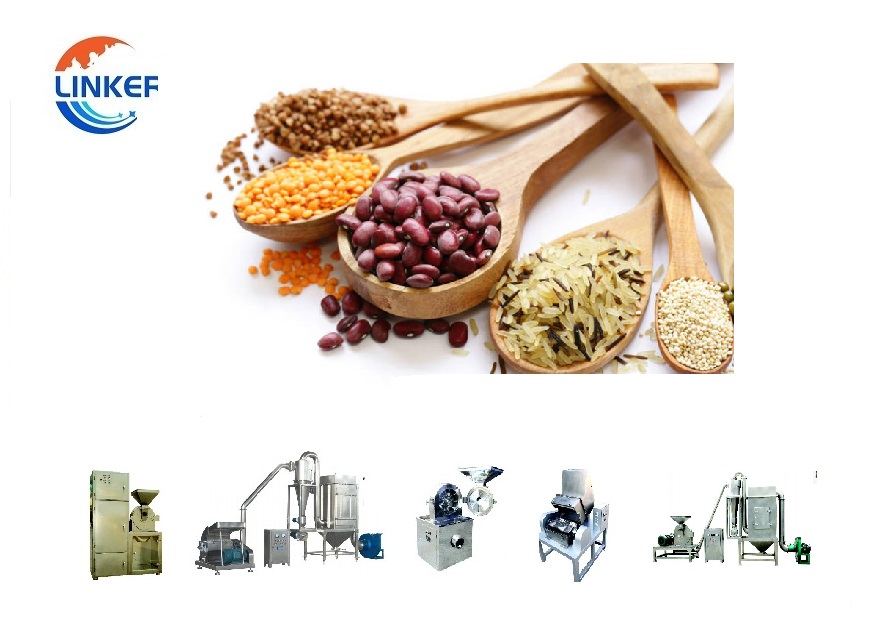
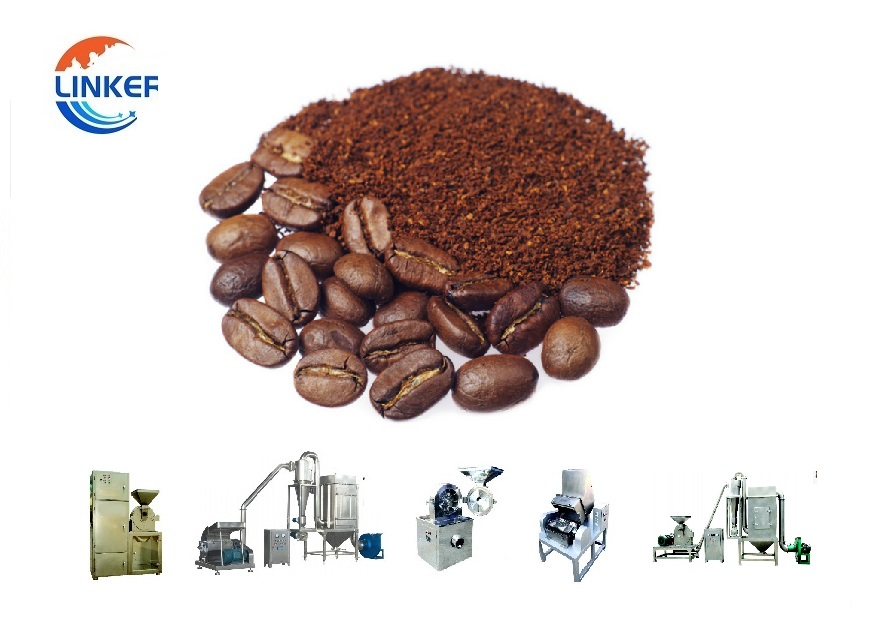
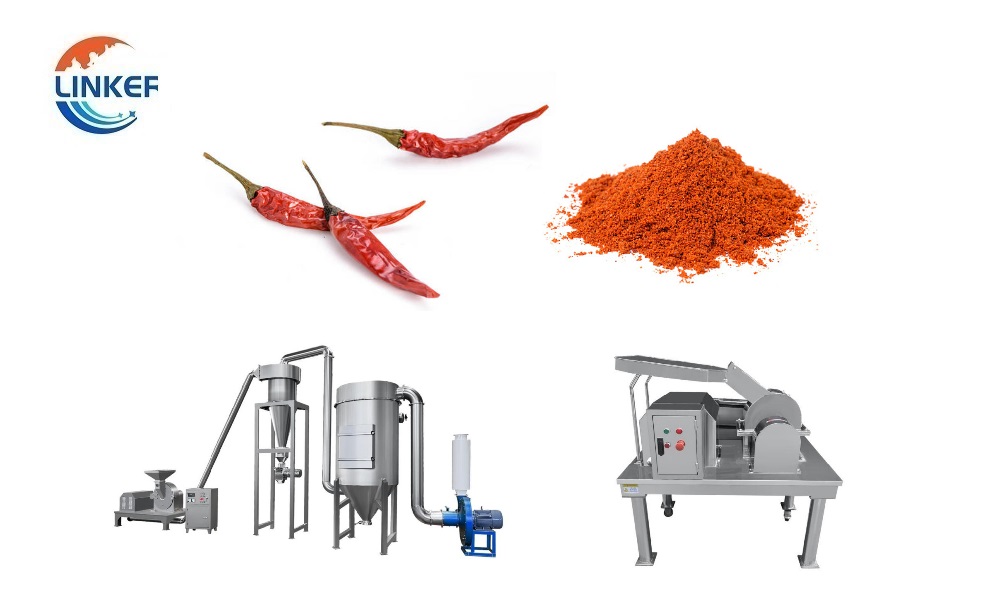
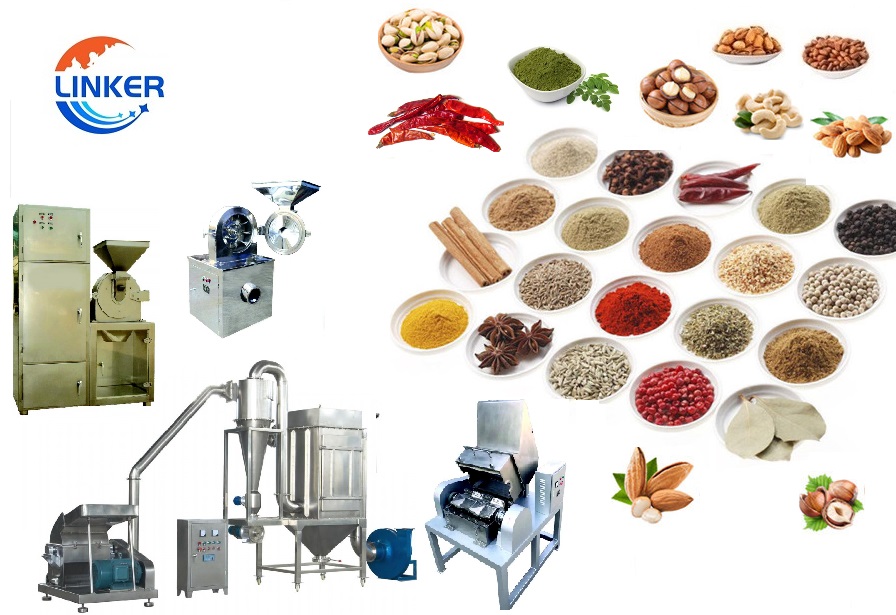
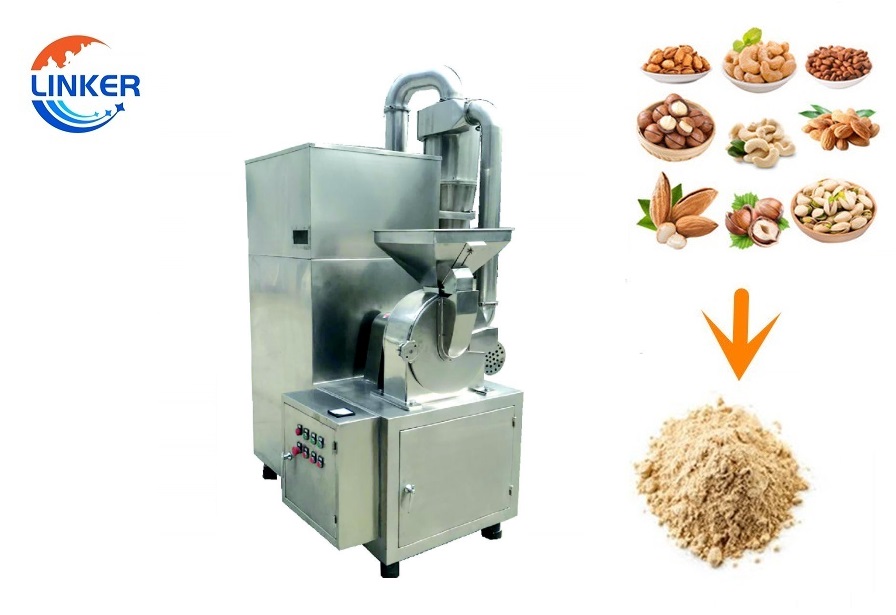
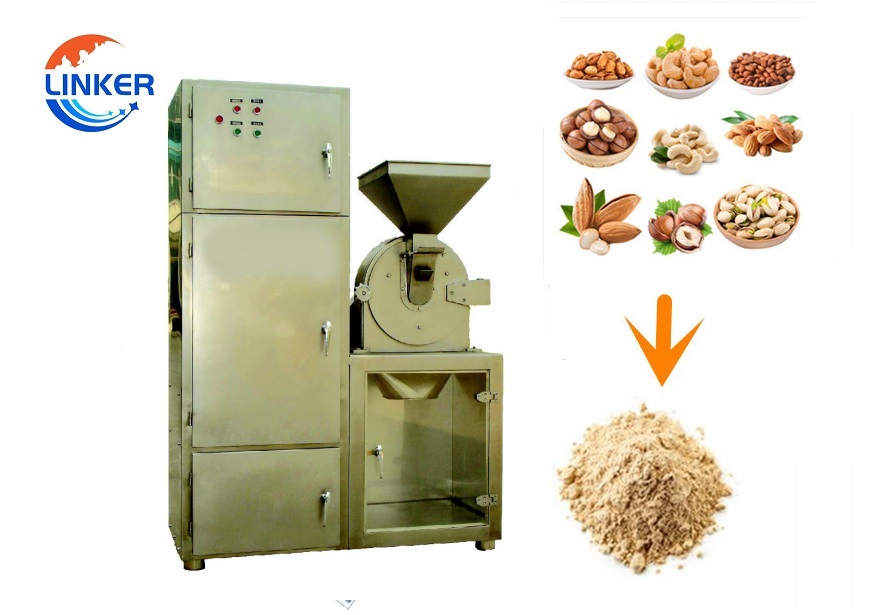
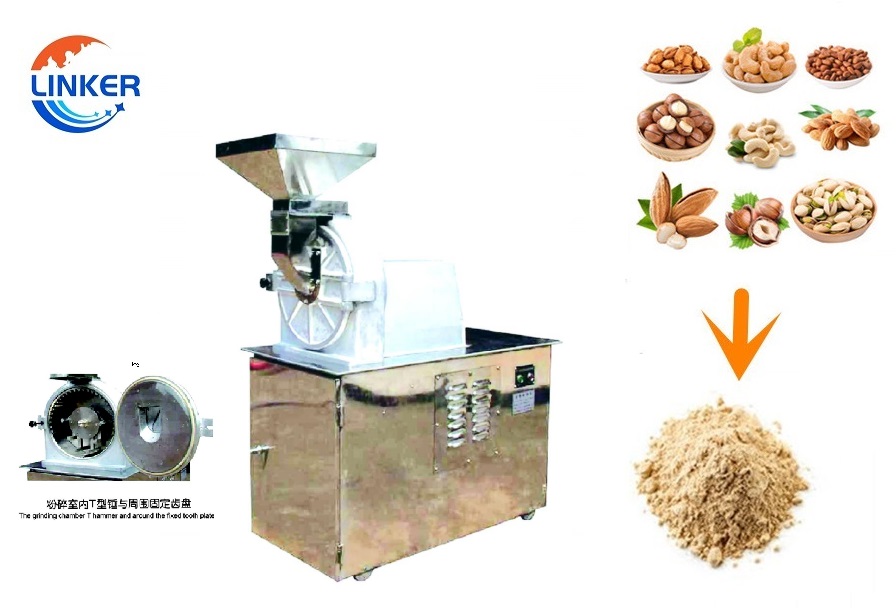
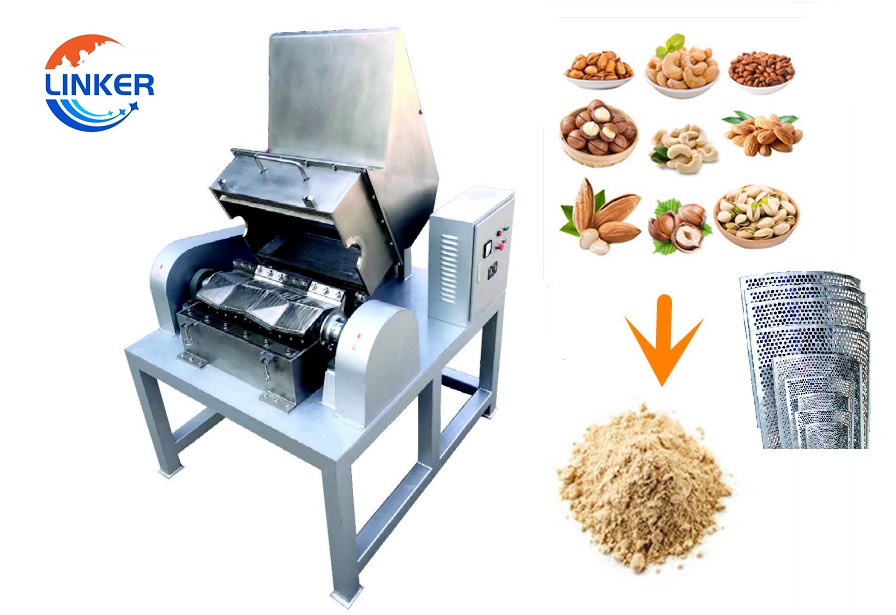
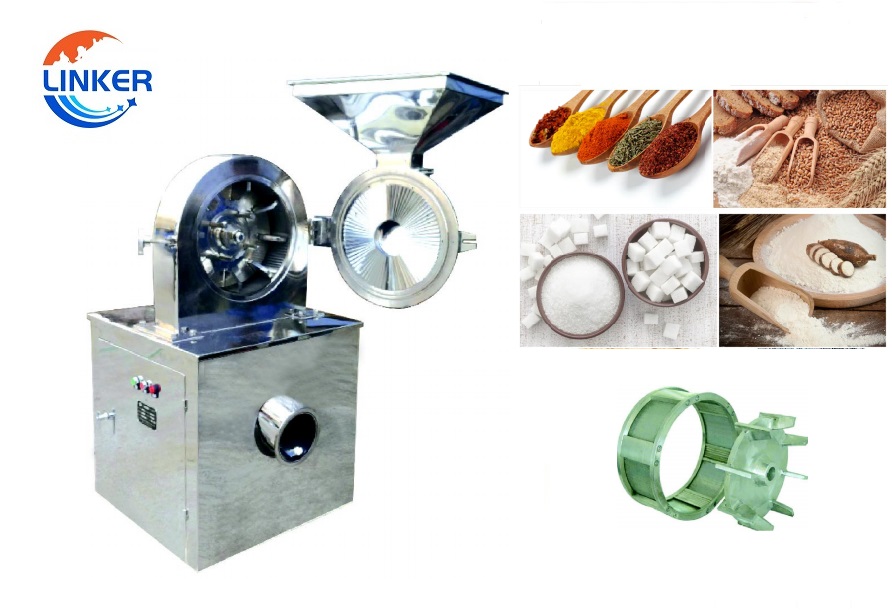
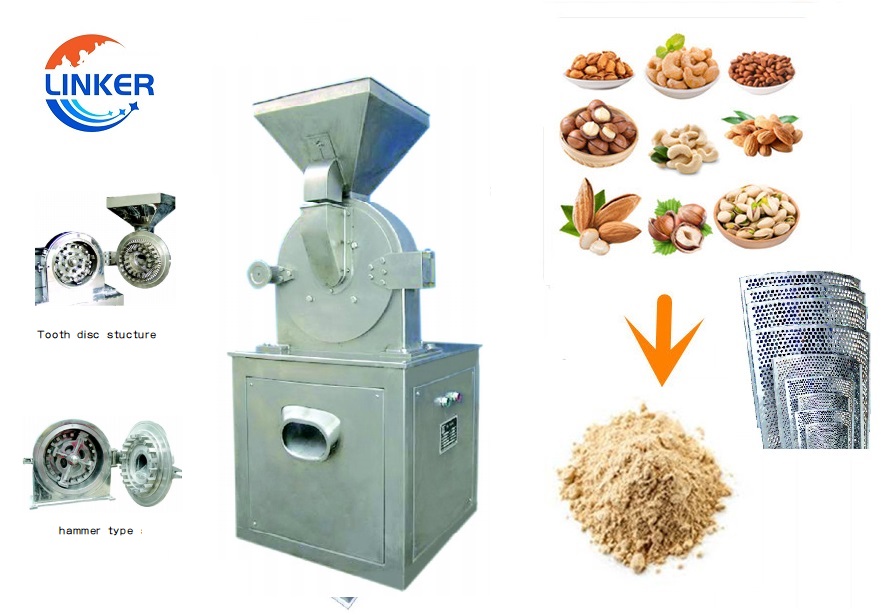
  • Suitable Grinding Material: grain, spice, herbal raw material, nut particles, food additive, dry fruit, various dry brittle food raw‑materials compliant with FDA processing requirements;
  • Maximum capacity: 30‑260(kg/hour);
  • Output particle size: 0.02‑2.4mm, adjustable grinding gap for different food powder fineness;
  • Machine Weight: 170‑500kg;
  • Total Power: 5.5‑23KW;
  • Optional Feature: FDA‑compliant food‑grade 304/316L stainless steel for all product‑contact components, temperature‑control module to avoid material over‑heating, matched pulse dust‑removal unit, safety emergency‑stop protection;
  • Application: FDA‑compliant food powder pulverizing, spice & herbal fine grinding, grain milling, food production for North‑American export standard workshop.
  • Notice: This is just an example of FDA standard food grinder, this machine can adapt to multiple dry brittle food raw materials, and there also have many models mill suitable to grind. Please contact with our sales for choosing the right model.


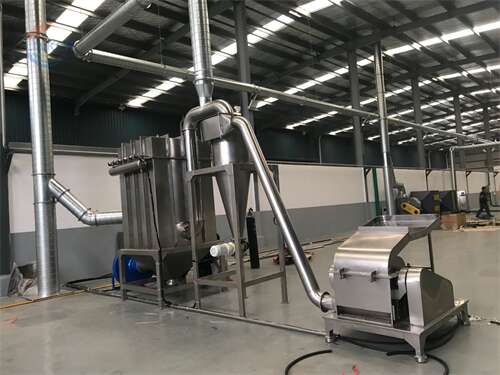
This Grinding Mill adopts mature high‑speed pulverizing structure design, which is extensively used for material grinding in pharmaceutical, chemical, food, herbal medicine, spice and other industries.

Structure

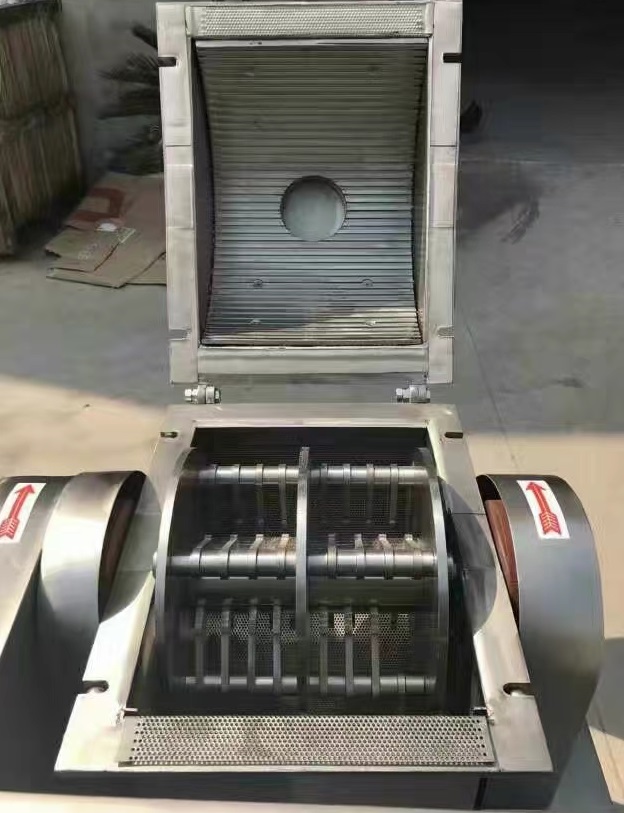
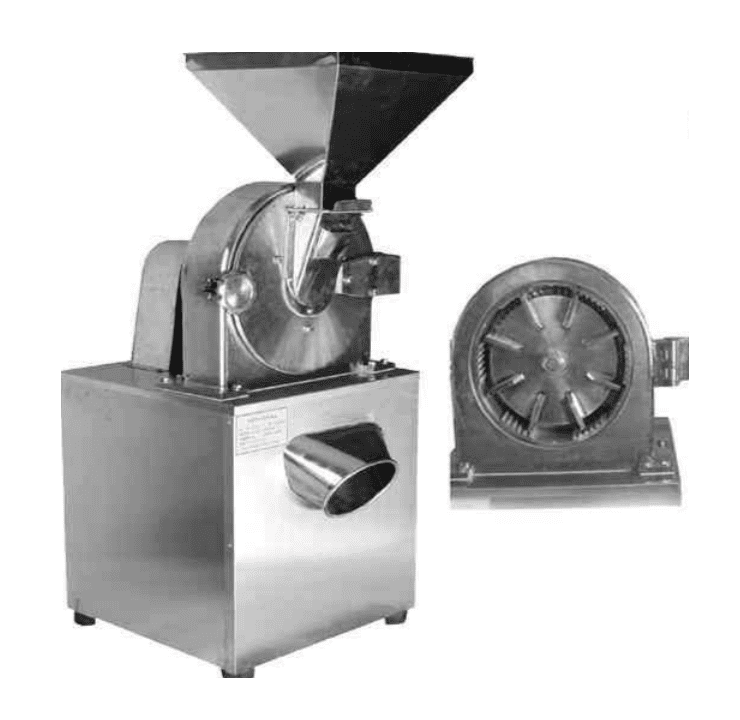
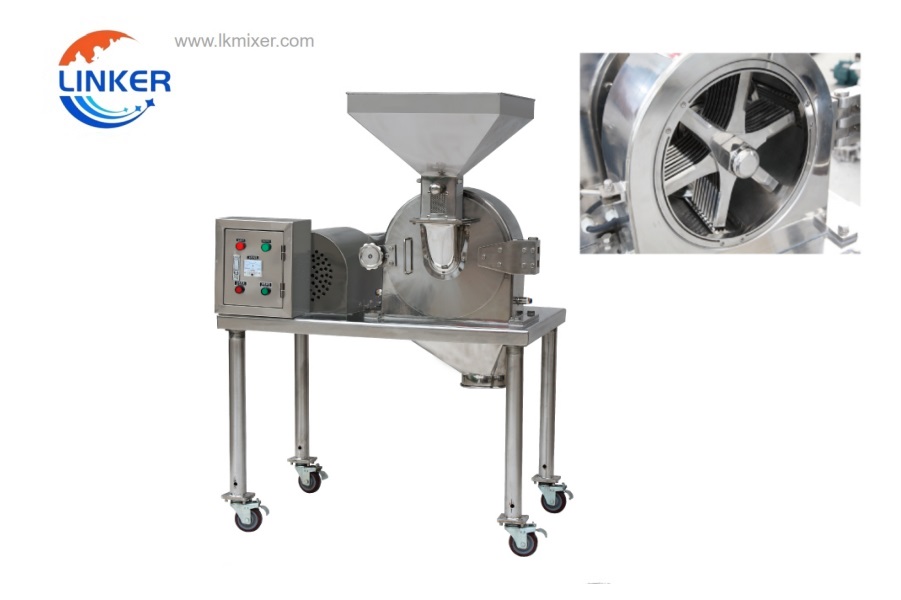
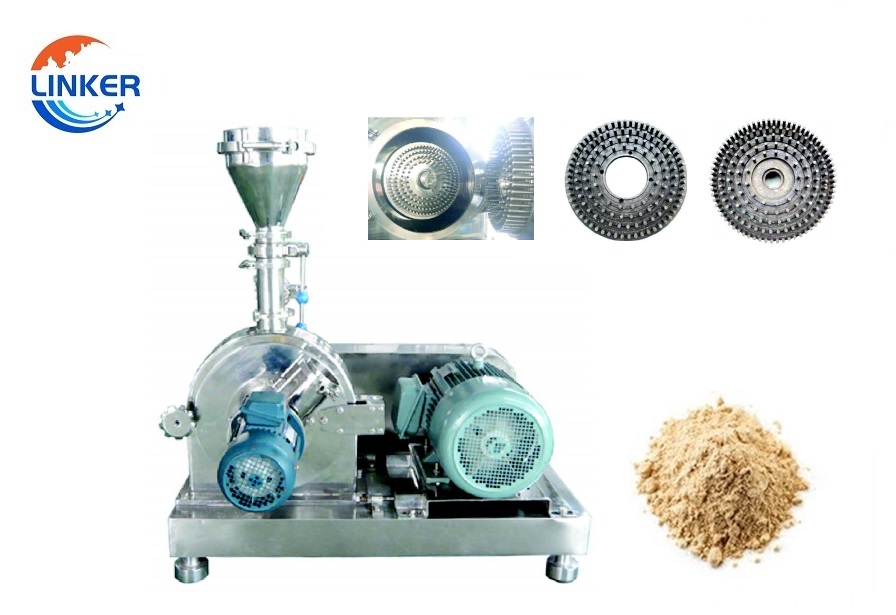
This grinding mill features compact overall layout. It is convenient for installation, disassembly and thorough cleaning. It delivers stable operation performance, moderate working noise, reliable sealing property and outstanding grinding capacity.

Working Principle

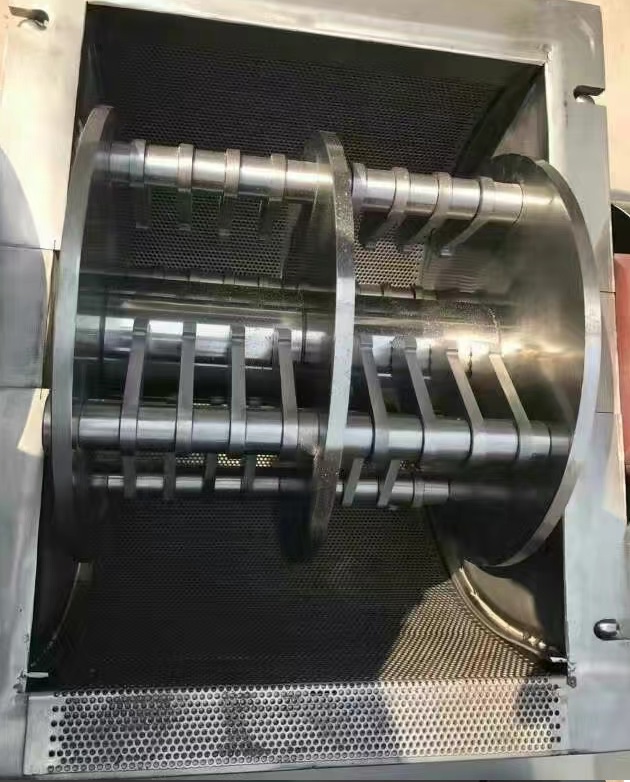
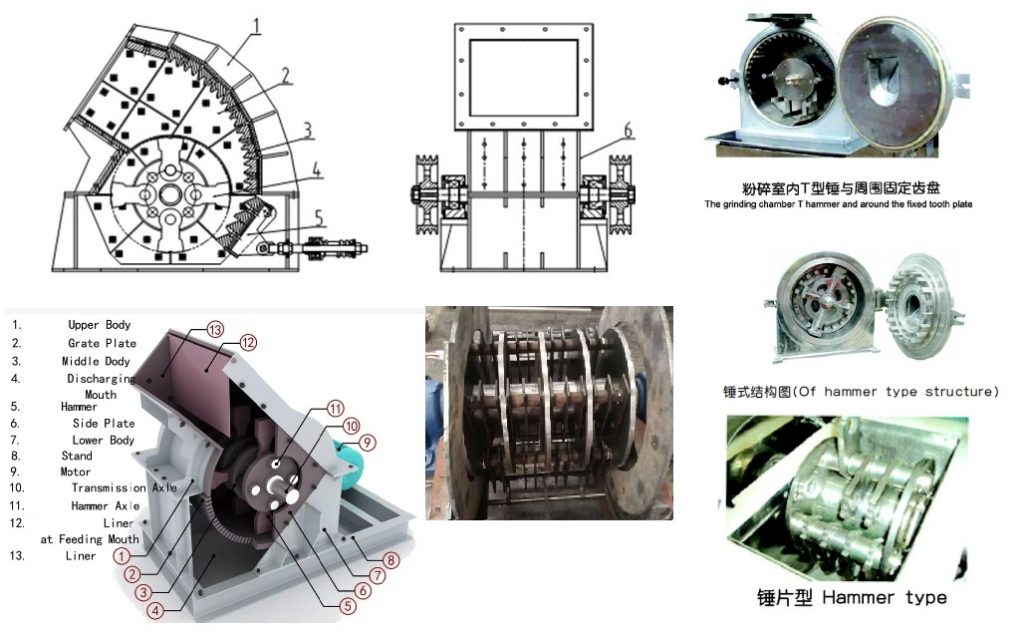
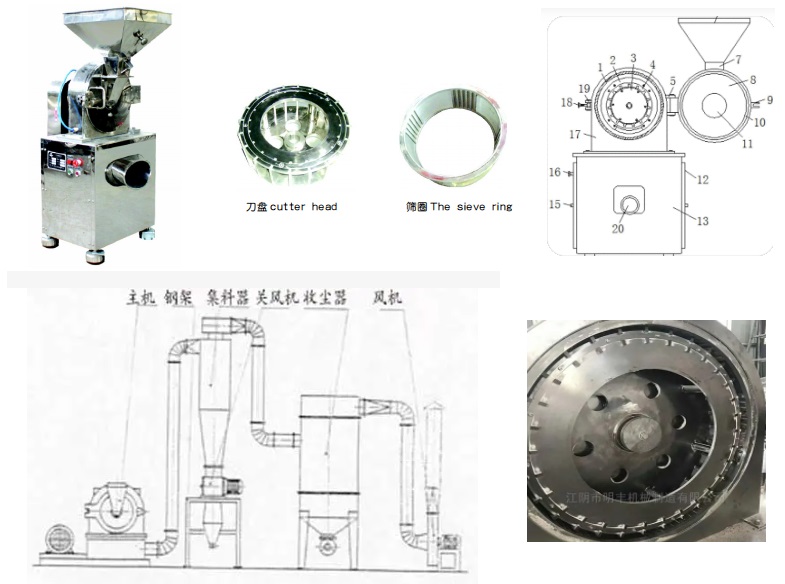
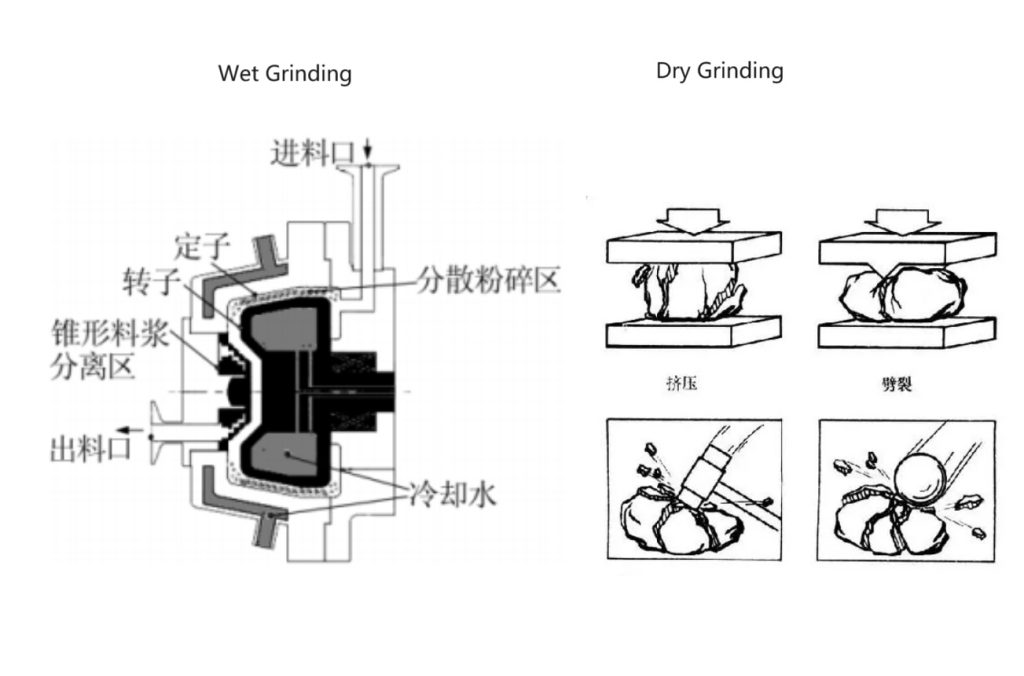
The machine operates at high rotational speed. Raw materials are crushed through continuous impact and shearing force generated between rotating movable teeth and static fixed teeth. Fineness of finished powder can be adjusted according to different raw material characteristics. Particle size of final output can be obtained by replacing different screens or adjusting running speed.
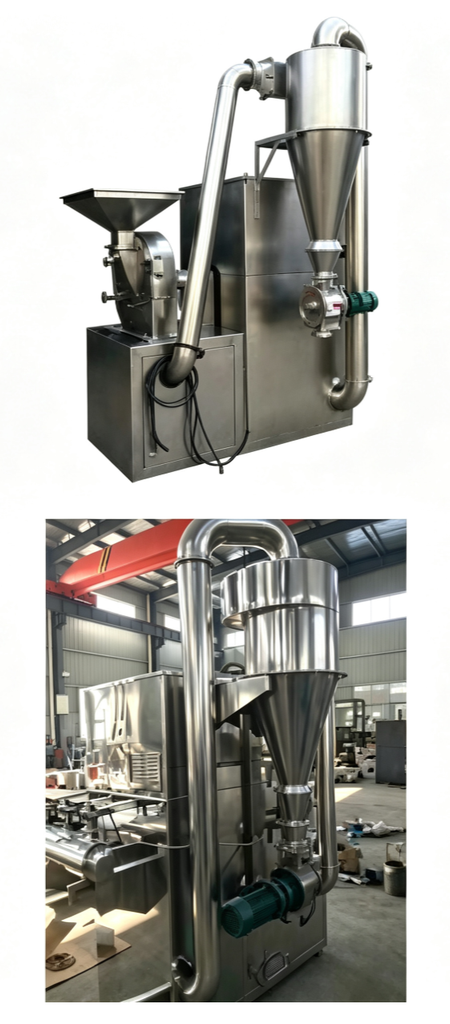
Low Noise Grinding Mill

FDA Standard Food Grinder

What is a FDA Standard Food Grinder?

An FDA standard food grinder is a food processing mill that is designed, built, and documented to meet the U.S. Food and Drug Administration’s rules for food contact materials and sanitary equipment, so that food manufacturers can grind grains, spices, nuts, fruits, vegetables, and other edible materials without violating American food safety regulations. Its central value is not only fine grinding. It is the combination of fine grinding with legal compliance, hygienic design, and reliable documentation. A machine that produces excellent powder but fails FDA requirements cannot be used for products sold in the United States. A machine that meets FDA rules but cannot grind consistently will not help the business either. The FDA standard food grinder brings both together. It uses food-grade contact materials, sanitary construction, cleanable surfaces, food-safe auxiliary parts, and closed-operation features to protect the product from contamination and to help the factory pass FDA inspections. The discussion below follows five main questions: why FDA compliance is essential, what material choices satisfy food contact rules, how the structure prevents hygiene problems, what performance benefits the machine offers, and what practical value it brings to exporters and food producers.

Why is FDA compliance a non-negotiable requirement for food grinding equipment?

FDA compliance is non-negotiable because food sold in the United States must be produced under conditions that meet American federal law, and the grinding equipment is part of those conditions. The U.S. Food and Drug Administration enforces rules that cover food contact substances, sanitary facilities, and preventive controls. If a grinder uses non-food-grade materials, releases harmful substances, or harbors food residue that can grow bacteria, the finished product may be considered adulterated. That can lead to import refusal, product detention, warning letters, or even a forced recall. For a food company that wants to sell in the American market, a non-compliant grinder is not a minor technical problem. It is a direct barrier to market access.

The main legal basis for food contact materials in the United States is Title 21 of the Code of Federal Regulations, especially Parts 170 through 199. These rules describe which substances may safely contact food and under what conditions. A food grinder that meets FDA standards uses contact parts made from approved materials and avoids substances that could migrate into the food. The equipment must also fit into a HACCP-based food safety system. HACCP stands for Hazard Analysis and Critical Control Points. It requires the producer to identify where contamination could occur and to put controls in place. A well-designed FDA standard grinder supports HACCP by being cleanable, sealed, and made from materials that do not create hidden contamination risks.

Cross-border food production adds another layer of risk. A machine that works well in one country may not satisfy American inspectors if its construction, cleaning, or documentation is different. FDA investigators may look at equipment design, maintenance records, cleaning procedures, and material certificates during a factory audit. If the grinder cannot be fully cleaned, if it uses industrial lubricants near food, or if it has rough surfaces and dead corners, the factory may fail the audit. The cost of that failure can be very high. Production may stop, orders may be cancelled, and the brand may lose the trust of American buyers. This is why an FDA standard food grinder is treated as a compliance tool, not just a production machine.

Finally, FDA compliance protects the company’s reputation and long-term business. American consumers and retailers expect food safety. A single contamination incident can damage a brand for years. By choosing equipment that is designed to FDA rules from the beginning, a food producer reduces the chance of a safety problem and shows buyers that the factory takes compliance seriously. This can be a competitive advantage when negotiating with American distributors, private-label customers, or large grocery chains. The grinder itself becomes part of the quality story. It says that the factory is serious about hygiene, traceability, and regulatory responsibility.

What material choices make a food grinder safe for direct food contact?

The first material choice is food-grade stainless steel for all product-contact parts. The grinding chamber, grinding discs, augers, pipes, and discharge sections are usually made from 304 or 316L stainless steel. These grades resist corrosion, do not react with most foods, and are easy to clean. They also withstand repeated washing and sanitizing. In an FDA-compliant machine, the steel must be of a quality that does not release harmful amounts of metal into the food. This is especially important when the food is acidic, salty, or wet. A lower-grade steel may rust, pit, or leach ions that affect taste and safety. Food-grade stainless steel avoids these problems.

The second material choice is FDA-approved food-grade polymer for parts that cannot be made from metal. Some seals, gaskets, guides, and liners may be made from food-grade plastics or elastomers. These materials must be certified for food contact and must not contain plasticizers, heavy metals, or other substances that could migrate into the food. In an ordinary industrial machine, the seals might be made from cheap rubber that releases chemicals over time. In an FDA standard grinder, the seals are selected for food safety as well as mechanical performance. They must also resist the cleaning chemicals and temperature changes used in food production.

The third material choice concerns lubricants and auxiliary materials. Many industrial machines use lubricating grease that is not safe for food contact. If a seal fails or a bearing leaks, that grease can contaminate the product. An FDA-compliant grinder uses food-grade lubricants in areas where incidental contact is possible. These lubricants are formulated to be non-toxic and safe if a small amount reaches the food. The machine may also use sealed bearings and separated drive compartments to keep lubricants away from the grinding zone. This reduces the risk of chemical contamination and helps the factory meet FDA requirements.

The fourth material choice is the avoidance of harmful additives and coatings. Some equipment uses coatings, paints, or surface treatments that contain heavy metals or other toxic substances. These can chip, wear, or dissolve over time. An FDA standard food grinder avoids these materials in the food contact area. It uses bare stainless steel, approved polymers, or other certified surfaces. The goal is to ensure that the food touches only materials that are known to be safe. Material certificates and traceability documents are often kept on file so that the factory can prove compliance during an audit. In this way, material selection is not just an engineering decision. It is a legal and commercial decision.

How does the machine’s structure prevent hygiene problems and make cleaning reliable?

The structure of an FDA standard food grinder is designed to eliminate places where food residue can hide. The inner walls of the grinding chamber are mirror-polished to a surface roughness of Ra less than or equal to zero point eight micrometres. A very smooth surface makes it difficult for powder, paste, or liquid to stick. It also makes cleaning faster and more complete. Rough surfaces, scratches, and pits can trap food particles and microorganisms. Even a small amount of old material can contaminate the next batch or support bacterial growth. Mirror polishing is therefore not a cosmetic feature. It is a sanitary requirement.

The second structural feature is the avoidance of dead corners. Every corner, seam, and joint in the food contact area is rounded or designed with a smooth transition. There are no deep recesses, sharp internal angles, or crevices where material can accumulate. Screws and bolts are either covered, flush-mounted, or placed outside the product zone. This kind of design is sometimes called hygienic construction. It recognizes that cleaning is not just about washing the visible surfaces. It is about reaching every surface that the food touches. If a corner cannot be cleaned, it will eventually become a contamination risk. An FDA-compliant grinder is built so that no such corner exists.

The third structural feature is easy disassembly. The machine uses quick-release clamps and tool-free connections so that all food-contact parts can be removed, inspected, and cleaned. This is important because some residues cannot be removed by cleaning-in-place alone. Operators need to be able to open the machine and check the grinding discs, seals, and discharge area. The parts should be light enough to handle and simple enough to reassemble correctly. If disassembly is difficult, cleaning will be skipped or done poorly. An FDA standard grinder makes proper cleaning practical, not just theoretically possible.

The fourth structural feature is support for clean-in-place, or CIP. Many food factories use CIP systems that circulate cleaning solution through the equipment without taking it apart. An FDA-compliant grinder is designed to work with CIP. The internal passages are smooth, drainable, and free of dead ends. Cleaning solution can reach all product-contact surfaces. After cleaning, the machine can be rinsed and sanitized. The design also allows verification that cleaning was effective. Some machines include spray balls, drain valves, and inspection ports. These features help the factory meet FDA expectations for cleaning validation. They also reduce downtime and labor. In short, the structure of the machine is built around the idea that if it cannot be cleaned, it is not compliant.

What performance advantages does an FDA standard food grinder offer in daily production?

The first performance advantage is wide material adaptability. An FDA standard food grinder can process many different food materials, including grains, spices, nuts, fruits, vegetables, and meat products. It can perform coarse crushing and ultra-fine grinding. The output fineness can be adjusted from about eighty to three thousand mesh, depending on the material and the application. This flexibility allows one machine to serve many product lines. A factory can produce fine flour, spice powder, nut paste, or vegetable powder without buying a different grinder for each product. The adjustable fineness also helps producers meet different customer requirements, from coarse blends to very fine powders for instant drinks or health foods.

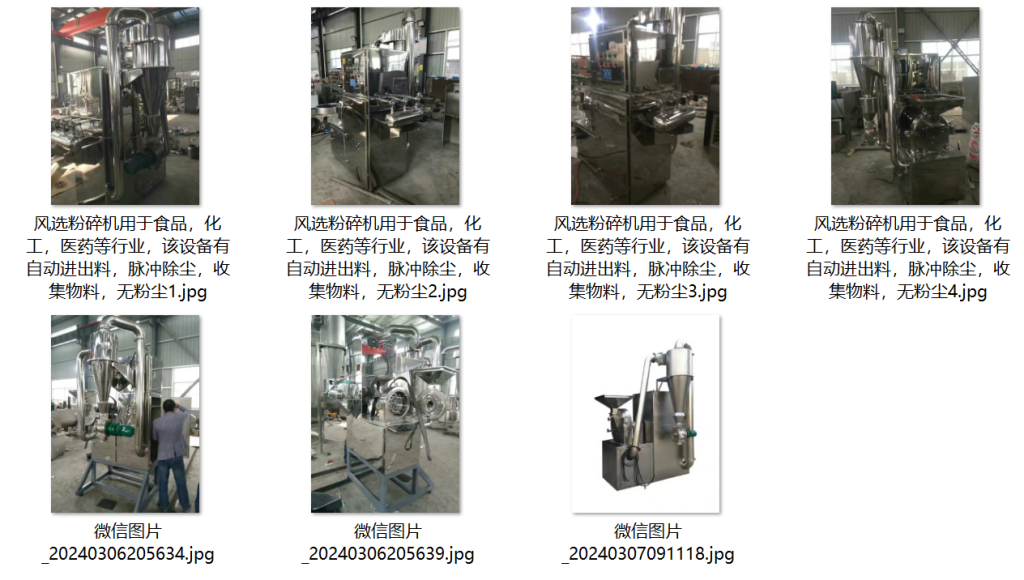
The second performance advantage is hygienic and controlled operation. The machine runs under a fully enclosed negative-pressure structure. This means air tends to flow into the system rather than out of it. Dust and powder are kept inside the machine. A food-grade pulse dust removal system captures fine particles and prevents them from escaping into the production room. At the same time, outside contaminants cannot easily enter the product. The grinding temperature can be controlled within a safe range, which helps protect heat-sensitive nutrients and flavors. For oily materials such as nuts, temperature control also reduces the risk of oxidation and rancidity. The result is a cleaner workplace and a safer, better-tasting product.

The third performance advantage is stable and durable operation. The core grinding parts are made from food-grade wear-resistant alloy. They are designed to last a long time even under continuous use. Because the material is wear-resistant, there is less risk that metal particles will break off and mix into the food. This is important for both safety and product purity. Maintenance is relatively simple, and replacement parts are easy to install. The machine can run for long shifts with minimal attention. This reduces downtime and helps the factory meet production schedules. It also lowers the cost of ownership over the life of the equipment.

The fourth performance advantage is consistency. An FDA standard food grinder is built with precise controls and repeatable settings. The operator can store recipes and recall them for different products. The particle size distribution remains narrow, so the powder or paste behaves the same way from batch to batch. This is important for food brands because customers expect the same texture, taste, and appearance every time. Consistent grinding also improves downstream processing, such as mixing, filling, and packaging. It reduces waste and rework. In a competitive food market, consistency is a key part of quality. The grinder helps deliver that consistency while staying within FDA rules.

What practical value does an FDA standard food grinder bring to exporters and food producers?

The most direct value is access to the North American market. Food products sold in the United States must meet FDA requirements. If the grinding equipment is not compliant, the entire production line may be considered unsuitable, and the product may be refused at the border. An FDA standard food grinder helps remove that barrier. It gives the food producer confidence that the equipment meets American food contact and sanitary rules. This makes it easier to pass FDA factory audits and to satisfy the due diligence of American buyers. For an exporter, this is not a small benefit. It can mean the difference between winning and losing a major contract.

The second value is reduced compliance risk. FDA rules are detailed and can change. A machine that is designed to meet 21 CFR Parts 170 to 199 and that supports HACCP is easier to document and defend during an inspection. The manufacturer can provide material certificates, cleaning procedures, and design records. If an inspector asks how the equipment prevents contamination, the answer is built into the machine. This reduces the chance of warning letters, import alerts, or forced recalls. It also lowers the legal and financial risk that comes with non-compliance. For a food company, avoiding one serious compliance problem can save far more than the cost of the equipment.

The third value is improved product quality and safety. FDA compliance is not just paperwork. It reflects real design choices that protect the food. Food-grade materials, smooth surfaces, no dead corners, easy cleaning, food-grade lubricants, and enclosed operation all reduce the risk of contamination. They also help preserve the nutritional value and flavor of the food. A safer product is also a better product. It can command a higher price, last longer on the shelf, and earn customer loyalty. The grinder contributes to these outcomes by doing its job cleanly and consistently. This is why the FDA standard food grinder is often described as a core production asset rather than a simple machine.

The fourth value is operational efficiency and flexibility. The machine can handle many different food materials and fineness levels. It supports quick changeover and easy cleaning. It runs continuously with low maintenance. It helps the factory produce small batches of many products or large batches of a few products. This flexibility is important in the modern food industry, where consumer tastes change quickly and retailers demand variety. The grinder also reduces waste by capturing dust and preventing spills. It lowers labor costs because cleaning and operation are simpler. Over time, these operational benefits improve profitability and make the factory more competitive. For exporters, this means they can respond faster to American customers and deliver consistent quality at a reasonable cost.

In summary, an FDA standard food grinder is a food milling machine that is designed from the ground up to meet American food safety rules. It uses food-grade stainless steel and FDA-approved polymers for all contact parts. It avoids harmful additives and uses food-grade lubricants. Its structure is smooth, rounded, free of dead corners, easy to disassemble, and compatible with clean-in-place systems. It offers wide material adaptability, fineness from about eighty to three thousand mesh, enclosed negative-pressure operation, pulse dust removal, temperature control, and durable wear-resistant grinding parts. Its practical value includes access to the U.S. and Canadian markets, reduced compliance risk, improved product safety and quality, and efficient flexible production. The core idea is simple: an FDA standard food grinder is not just a machine that grinds food. It is a compliance-ready production tool that helps food manufacturers meet American regulations, pass inspections, protect consumers, and compete successfully in the North American market. Without it, even a well-run factory may find the door to that market closed. With it, the factory has a solid foundation for safe, legal, and profitable food production.

Parameters of Low Noise Grinding Mill :
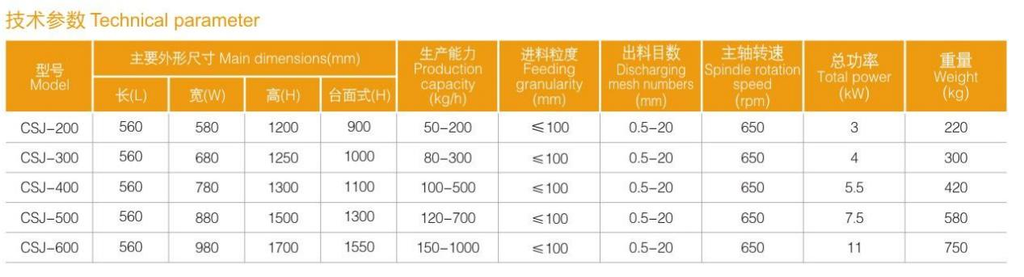
Low Noise Grinding Mill price:

The price of low noise grinding mill is based on different model, from $4280 to $13500. Please inquire our sales with more detail information.

Low Noise Grinding Mill capacity:

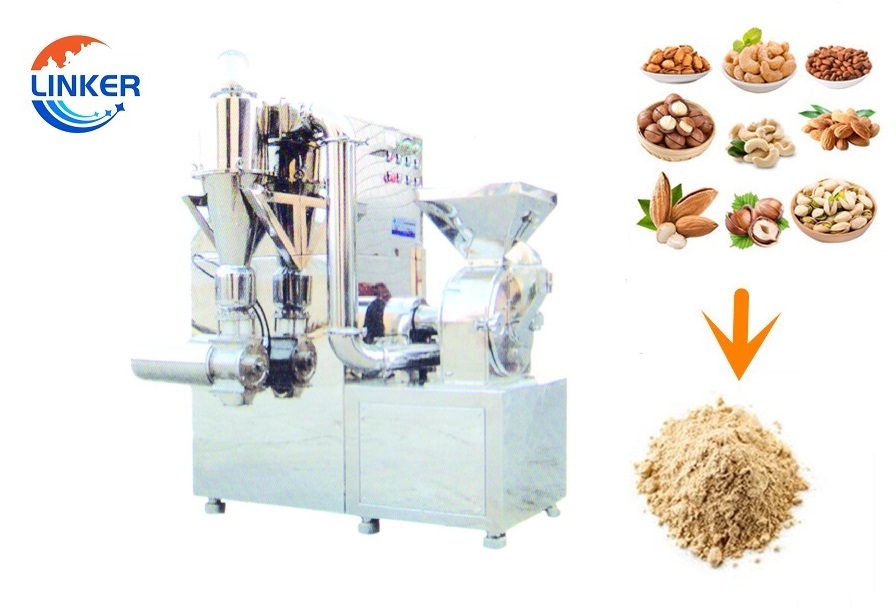
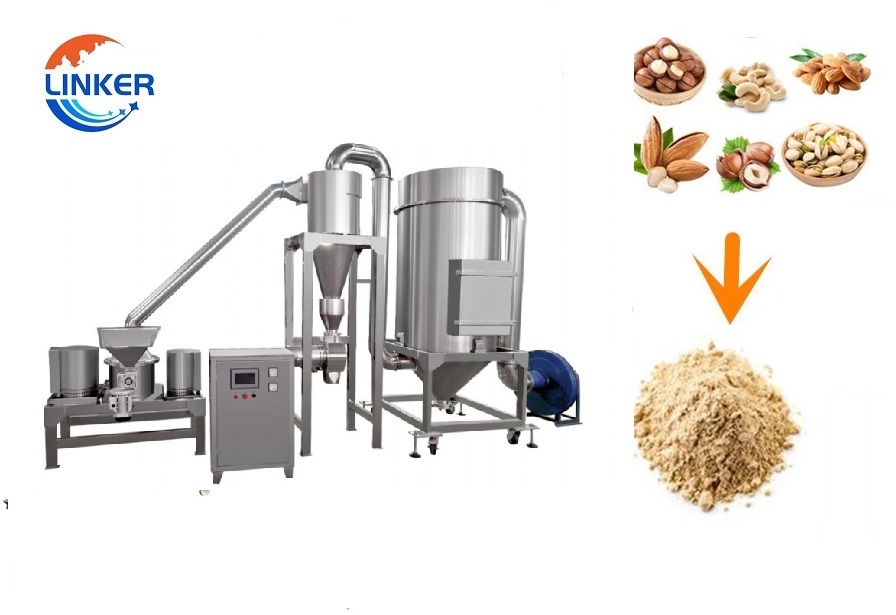
Capacity is around 30‑1100kg/h with this LNG Model, but we also have other models also suitable to grind herbal, spice and dry raw material, it depends on how many input particle size and how many output granule size that you want. That is to say different customer request we will recommend different model to use. such as if you want finer 140‑200 mesh, we will recommend you to use the ultra fine grinding machine. If customer have no space limitation and wish to have better workshop environment, we will recommend the whole dust free group. If customer only small space and need to have small machine, we will recommend you to use the one‑piece integrated small machine to save space occupation of your factory. Please Contact Us for more detail information if you are interest.

There are 2 ways of cooling down the grinding mill: water cooling system; air cooling system. You can choose the right one if the mill gets too hot. When machines goes too hot, the metal can expand, causing the grinding tooth to get stuck.

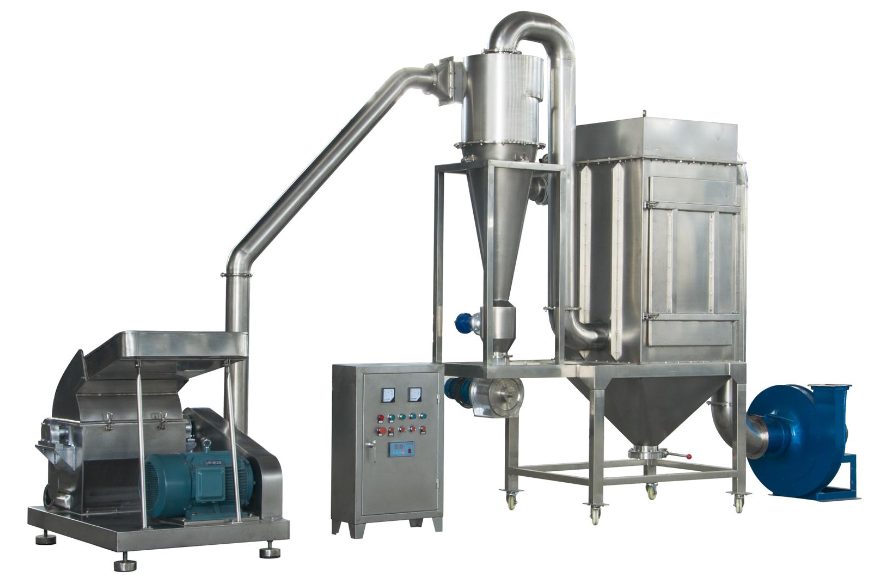
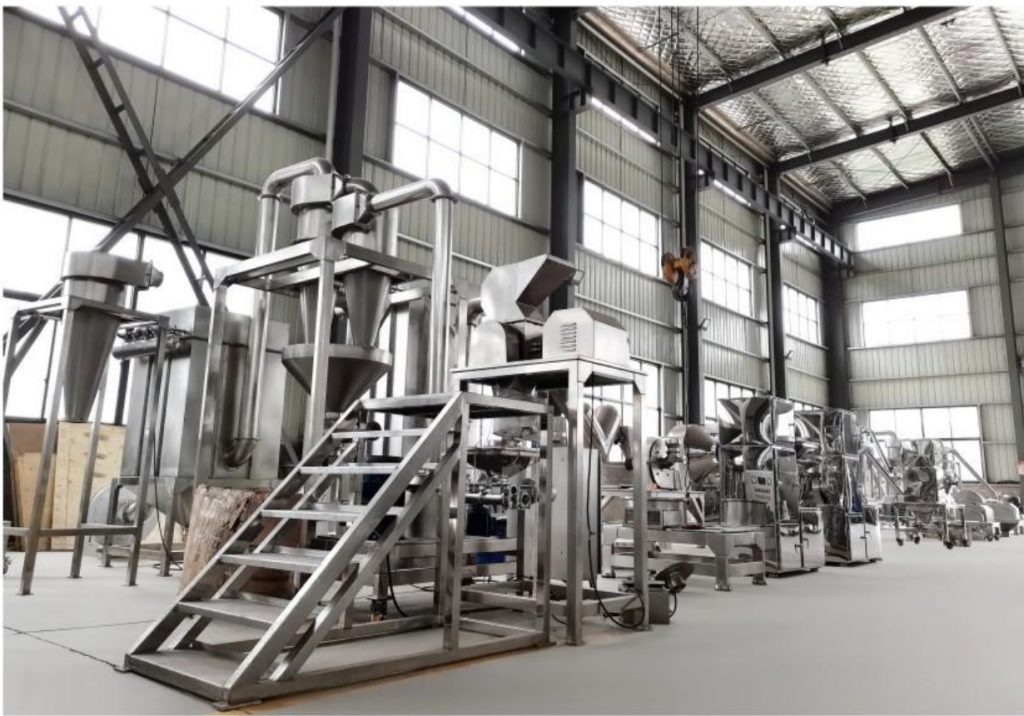
Picture of low noise grinding mill:
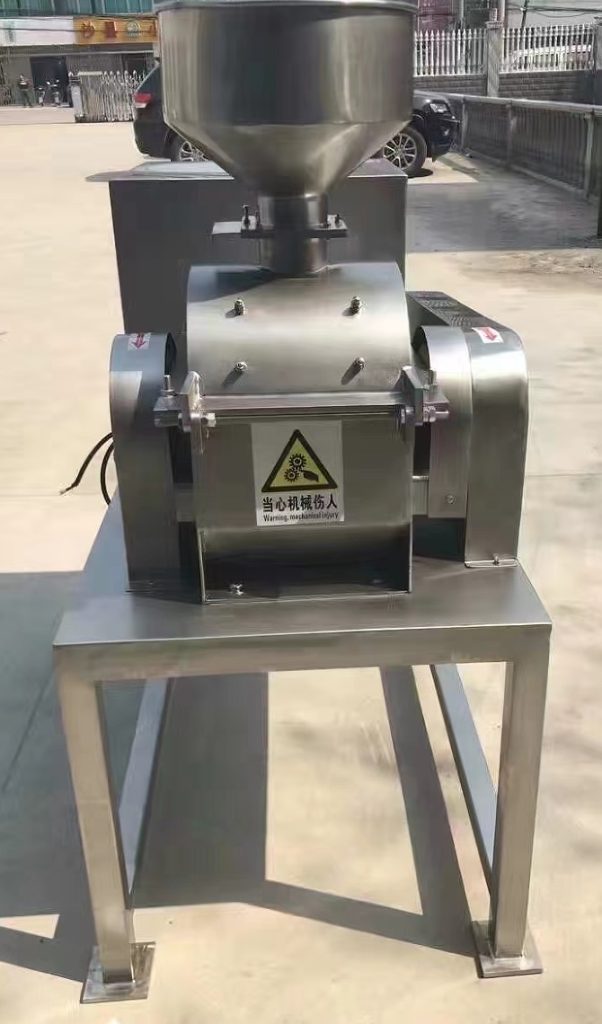
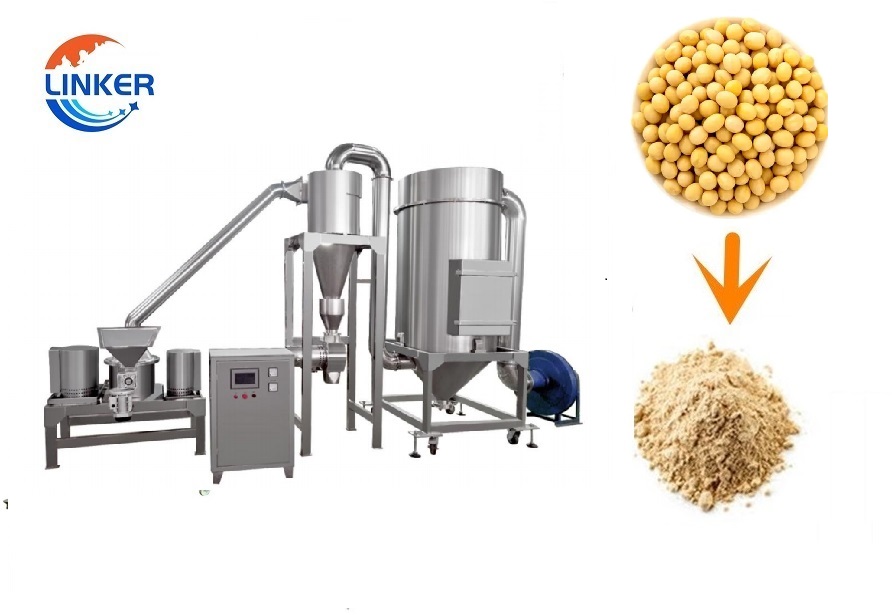
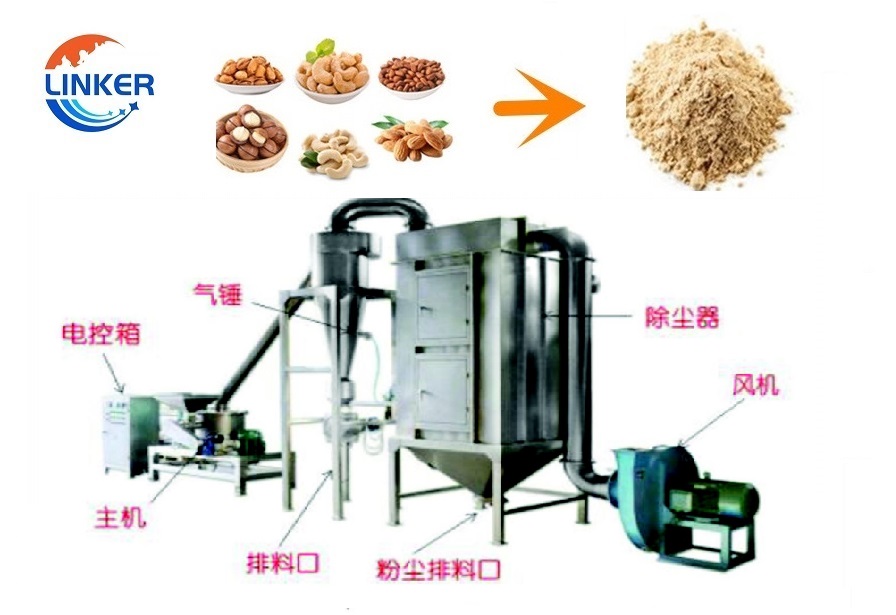
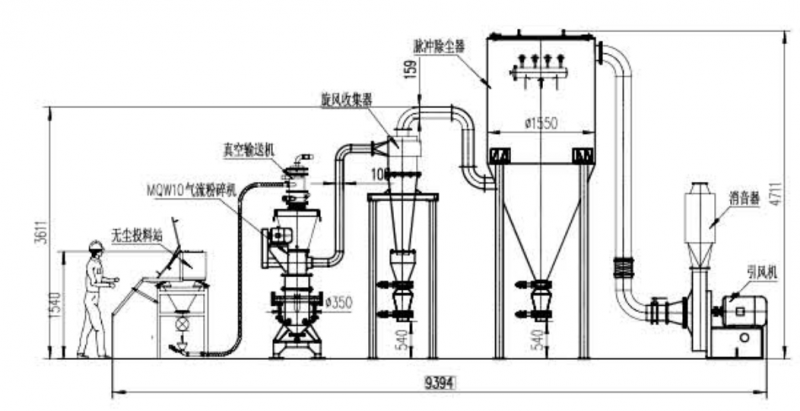
Diagram of low noise grinding mill

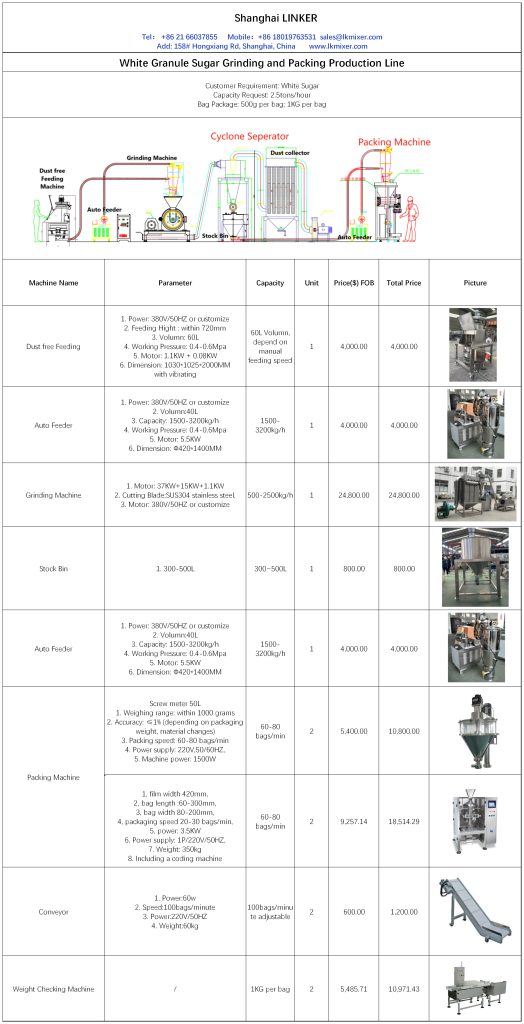
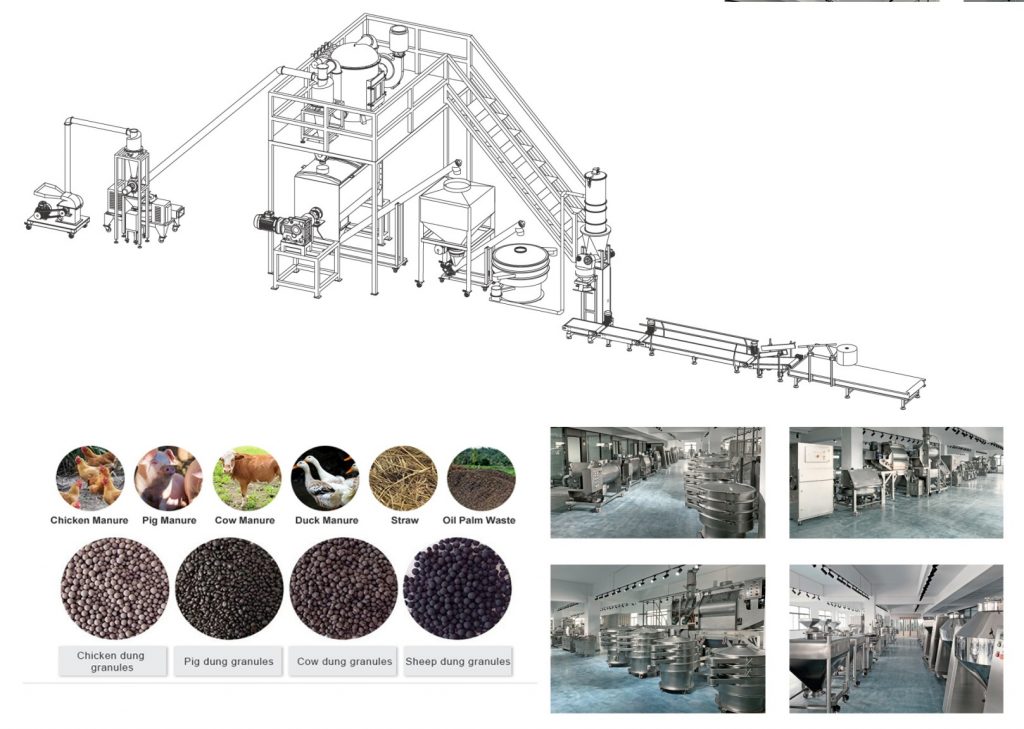
We can Customize the diagram according to customer special requirement, how many size of output granule you want, do you need coarse crusher to do the pre‑treatment before grinding? Do you also need screen to filter the finished products? Or maybe you want packing machine after grinding the whole production line. We can also design for your according to your factory blue foot print.
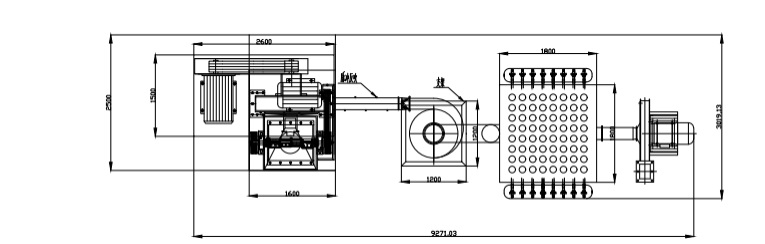
cassava grinding machine- diagram

Types of low noise grinding mill:

The low noise grinding mill can be classified according to the grinding tooth type, impact type, turbo type, ultra fine type; according to the size of machine, there are large low noise grinding mill and small low noise grinding mill.cassava grinding machine.

Business Type:Manufacturer/FactoryMain Products:Mill, grinder, granulator, mixer, Crushing Equipment
Number of Employees:100Year of Establishment:2014.05
Production Capacity

5000Set/YearAfter-sales Service:Technical Support; on-line teach lessons
R&D Capacity:


ODM, OEMAnnual Output Value:US$5 Million – US$10 Million
No. of R&D Staff:5No. of Production Lines:6

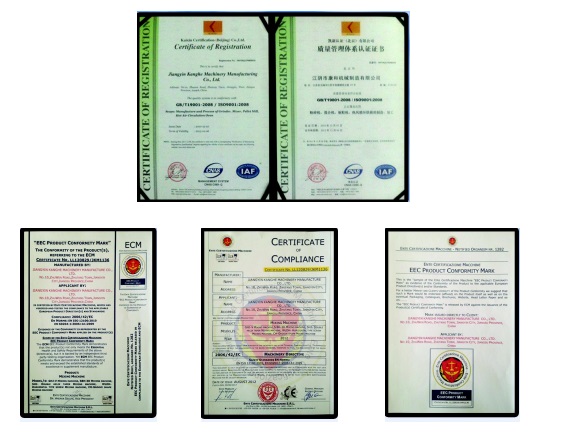
LK Mixer is a professional manufacturer for grinder, mixer and pulverizer. These machines are widely used in pharmaceutical, cosmetic, health care products and chemical industries. Our main product including granulating machine, grinder, mixer, dryer, etc. All mechanical products in accordance with the China GMP design requirements. And also we have other certifications such as CE, UL for motors.

Business Philosophy  

“Quality is the main policy of sales” and “integrity is the principle of success” are the business philosophy of our people.  We carry out one-year warranty, lifelong maintenance service, with technical consultation, with material test machine and other services, and long-term supply of equipment. Welcome new and old customers to negotiate cooperation!  

Certifications:
Feature:

Grinding mills are specialized industrial‑grade processing machines engineered to crush, grind and refine various bulk solid raw materials into fine powder or granular products. Below are core features commonly equipped on modern industrial grinding mill equipment:

  1. High production throughput: Industrial grinding mills are optimized for continuous large‑volume material processing. These machines can handle substantial feeding quantities per hour, perfectly fitting mass‑production workshops where stable high output is a core requirement. Different model sizes deliver matching processing capacity for mining, building‑material or powder‑making production lines, avoiding frequent material loading interruptions and supporting long‑run non‑stop manufacturing tasks.
  2. Adjustable variable‑speed operation: Most modern grinding mills are fitted with variable‑speed control systems for grinding rollers, rotors and classifier assemblies. Operators can flexibly modify rotating speed according to raw‑material hardness, feed particle size and target finished fineness. Tunable speed helps users acquire uniform powder granularity, and makes one single grinding mill compatible with dozens of different kinds of raw materials without replacing major machine components.
  3. Interchangeable customizable grinding components: Grinding mills are designed with replaceable grinding rollers, liners, grinding discs and classifier blades. Operators can swap out these wear‑resistant spare parts to adapt to diverse material characteristics. By changing component configurations, users are capable of producing finished goods ranging from coarse granular output to ultra‑fine micron‑level powder, meeting varied product‑granularity demands for downstream industries.
  4. Convenient disassembly and easy‑to‑maintain structure: Industrial grinding mills adopt human‑oriented structural layout for routine inspection and cleaning. Key wearing parts, feeding hopper, discharging outlet and inner‑cavity access covers can be quickly opened and detached. Residual material inside the grinding chamber can be fully cleaned to prevent cross‑contamination between different batches of materials. Quick‑access design also greatly shortens downtime for part inspection and component replacement during daily equipment servicing.
  5. Heavy‑duty robust mechanical construction: Grinding mill main frames and core working assemblies are manufactured with high‑strength steel plates and wear‑proof alloy materials. Critical stress‑bearing positions are reinforced with stiffener ribs. Such heavy‑duty construction enables the whole unit to endure persistent heavy‑load impact, friction and vibration when processing hard ores, rock, mineral blocks and other tough feedstock. Excellent structural durability extends equipment service life and lowers long‑term failure risks under round‑the‑clock industrial working conditions.
  6. Wide material‑processing versatility: Beyond mineral ores and building‑material raw stones, well‑rounded grinding mills can also process grains, medicinal herbs, chemical raw materials, carbon materials and multiple brittle solid substances. By adjusting operating parameters and internal accessories, the same grinding mill unit can complete coarse crushing, medium grinding and ultra‑fine powder‑making procedures, serving mining, metallurgy, construction, chemical, food‑pharmaceutical and new‑material manufacturing sectors.
  7. Integrated noise‑reduction and dust‑proof design: Advanced grinding mill versions are built with multi‑layer sound‑absorbing and vibration‑dampening structures to suppress mechanical vibration and running noise. Equipped with sealed grinding cavity and supporting dust‑collection system, these machines effectively contain flying powder dust during grinding operations. This feature improves on‑site working conditions, cuts noise pollution and meets industrial environmental‑protection regulatory standards for production workshops.
  8. Reliable automatic monitoring capability: Premium grinding mill models come with built‑in sensor modules to track real‑time working status including main‑motor load, internal‑chamber temperature, vibration amplitude and finished‑product fineness. Operators can observe running data from the control cabinet. When abnormal working parameters occur, the system will trigger early‑warning alerts, helping prevent equipment damage caused by overload or improper feeding, and enhancing overall operational safety.

Overall, the comprehensive features of industrial grinding mills are oriented toward stable high‑yield production, adjustable finished‑product quality and convenient daily maintenance. They realize efficient, consistent and safe fine‑processing of diverse solid raw materials for modern industrial production scenarios.

Small Machine Packing:

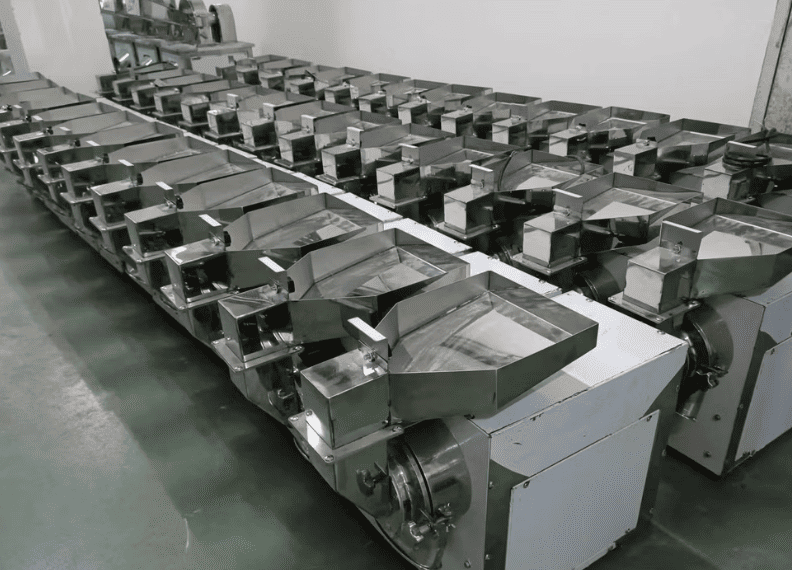
Small Machine Packing: Small‑size Low Noise Grinding Mill packed with export fumigation‑free wooden cases, goes with bulk shipment or in container.

When packing small‑size grinding mill for sea shipment, it is important to take measures to ensure that the machines are protected from damage during transit. Here are some general steps that a manufacturer may follow when packing small grinding mill for sea shipment:

  1. Clean and dry the machine: Before packing, the machine should be thoroughly cleaned and dried to prevent any moisture or powder residues from causing damage during transit.
  2. Disassemble the machine: If possible, the machine should be disassembled into its component parts to reduce its overall size and make it easier to pack.
  3. Wrap the machine in protective material: The machine should be wrapped in a layer of protective material, such as bubble wrap or foam, to protect it from scratches and impact during transit.
  4. Place the machine in a sturdy box: The wrapped machine should then be placed in a sturdy box that is appropriate for the size and weight of the machine. The box should be made of durable material, such as corrugated cardboard or plywood, and should be able to withstand the rigors of sea transit.
  5. Add packing material: The box should be filled with packing material, such as packing peanuts or air pillows, to provide cushioning and prevent the machine from shifting during transit.
  6. Seal the box: The box should be securely sealed with high‑quality packing tape to prevent it from opening during transit.
  7. Label the box: The box should be clearly labeled with the machine’s name, weight, and any other relevant information, as well as the destination address and contact information.

Overall, the goal is to pack the small‑size grinding mill in a way that will protect it from damage during transit and ensure that it arrives at its destination in good condition. It is important to follow proper packing procedures and use high‑quality packing materials to minimize the risk of damage during sea shipment.procedures and use high-quality packing materials to minimize the risk of damage during sea shipment.
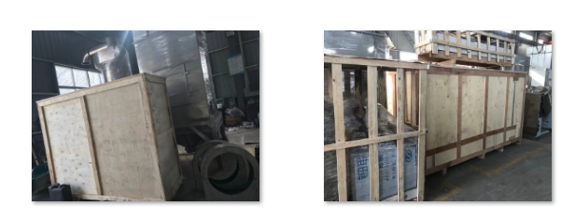
Large Machine Packing:

Large Machine Packing:

Packing a large Low Noise Grinding Mill for sea shipment can be a complex and challenging task. However, with careful planning and attention to detail, it is possible to pack a large grinding mill for sea shipment in a way that will ensure that it arrives at its destination in good condition. Here are some general steps that a manufacturer may follow when packing up a large machine for sea shipment:

  1. Clean and prepare the machine: Before packing, the machine should be thoroughly cleaned and prepared. All residual powder inside the grinding chamber should be cleared, and any loose or detachable parts should be removed.
  2. Disassemble the machine: If possible, the machine should be disassembled into its component parts to reduce its overall size and make it easier to pack. Each part should be carefully labeled and numbered to ensure that it can be easily reassembled at the destination.
  3. Protect delicate parts: Delicate or fragile parts such as screen mesh, sealing gaskets should be wrapped in protective material, such as bubble wrap or foam, to protect them from damage during transit.
  4. Build a custom crate: A custom crate should be built around the machine to provide a secure and sturdy enclosure. The crate should be made of durable material, such as plywood, and should be designed to fit the machine snugly. The crate should also include braces or supports to prevent the machine from shifting during transit.
  5. Add cushioning material: The crate should be filled with cushioning material, such as packing peanuts or air pillows, to provide extra protection and prevent the machine from moving or shifting during transit.
  6. Securely fasten the machine: The machine should be securely fastened to the crate to prevent it from moving or shifting during transit. This may involve using straps, bolts, or other fasteners to hold the machine in place.
  7. Seal and label the crate: The crate should be securely sealed with high‑quality packing tape, and should be clearly labeled with the machine’s name, weight, and any other relevant information. The destination address and contact information should also be clearly marked on the crate.

Overall, packing a large grinding mill for sea shipment requires careful planning and attention to detail. It is important to use high‑quality materials and follow proper packing procedures to ensure that the machine arrives at its destination in good condition. A professional packing and shipping company may be consulted to ensure that the machine is properly packed and prepared for sea shipment.
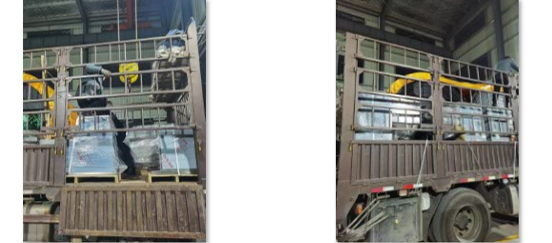
Customer Side Machine Groups Showcase Videos ( Philippines, India, Ibadan, USA and Nigeria):

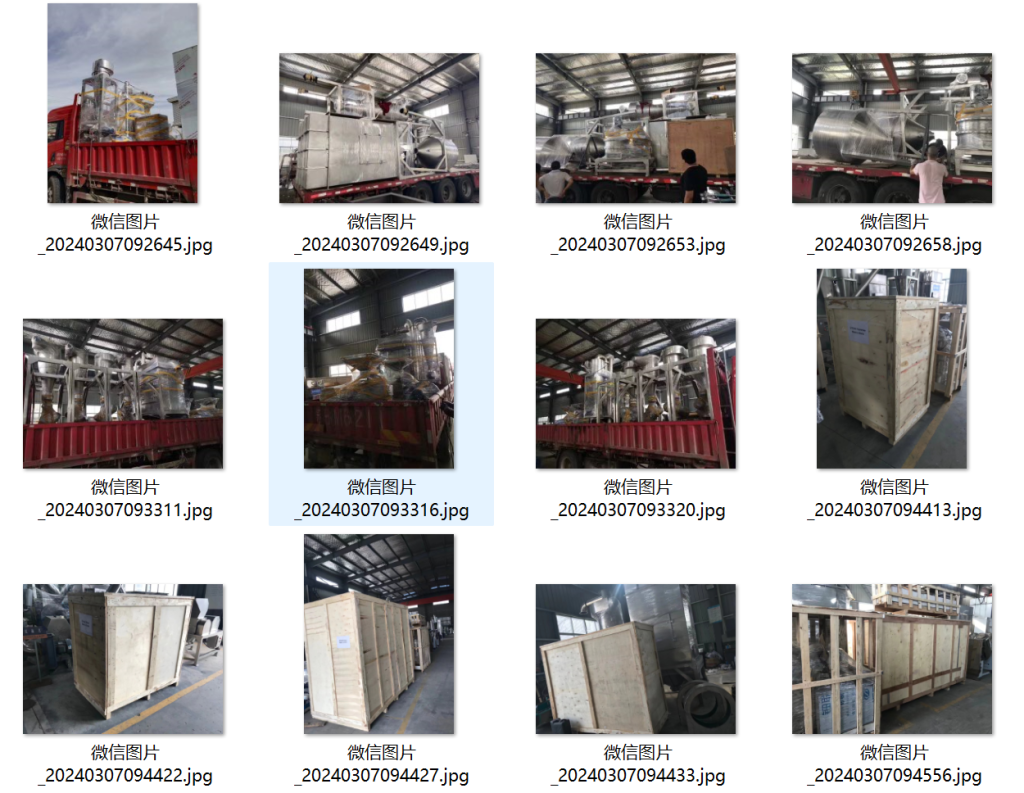
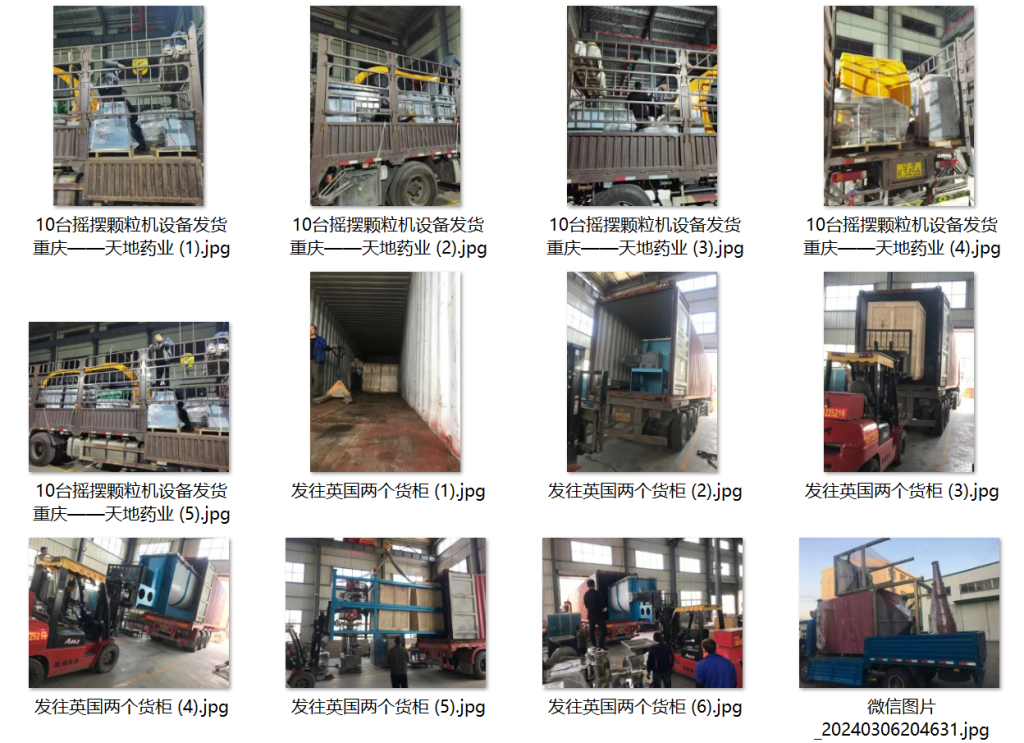
Dust Collector Shipment

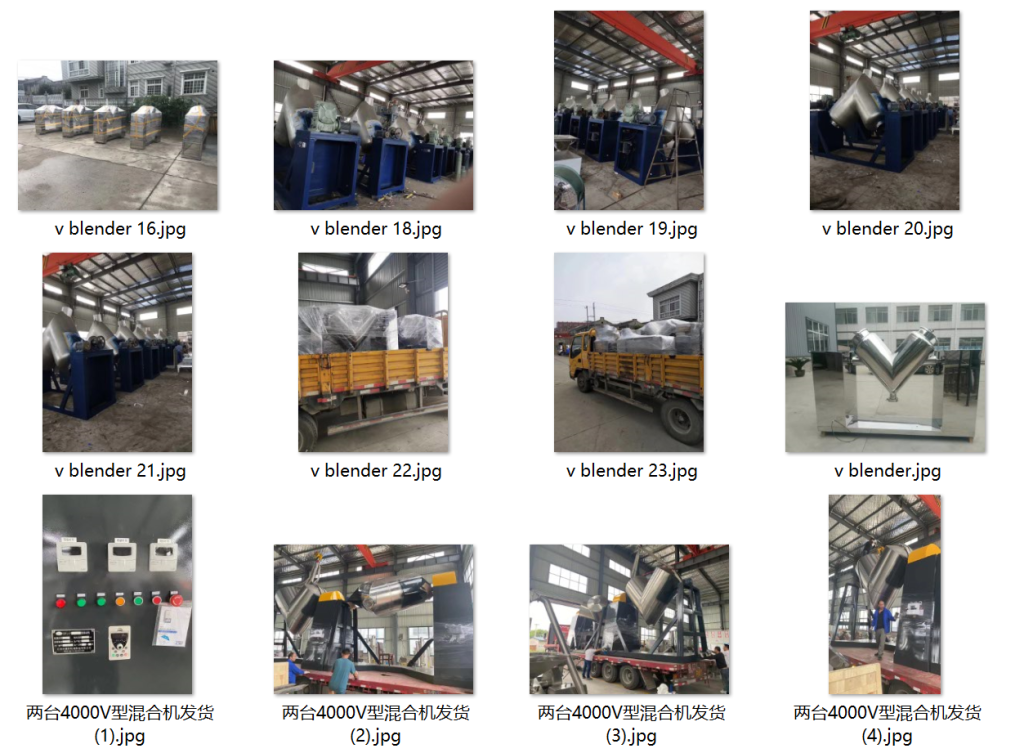
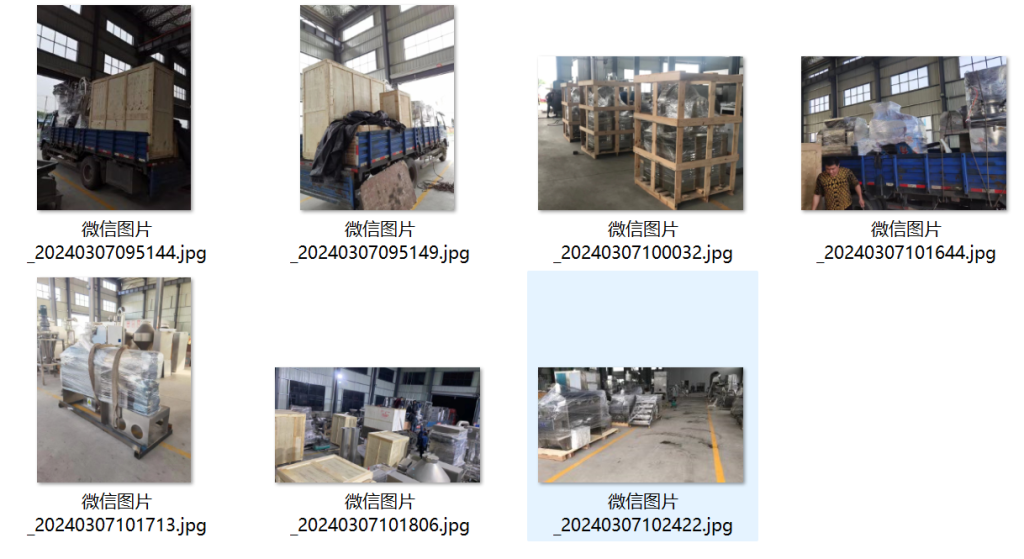
Shipment – Packing Method

Two Large Industrial Grinder Ready to Ship

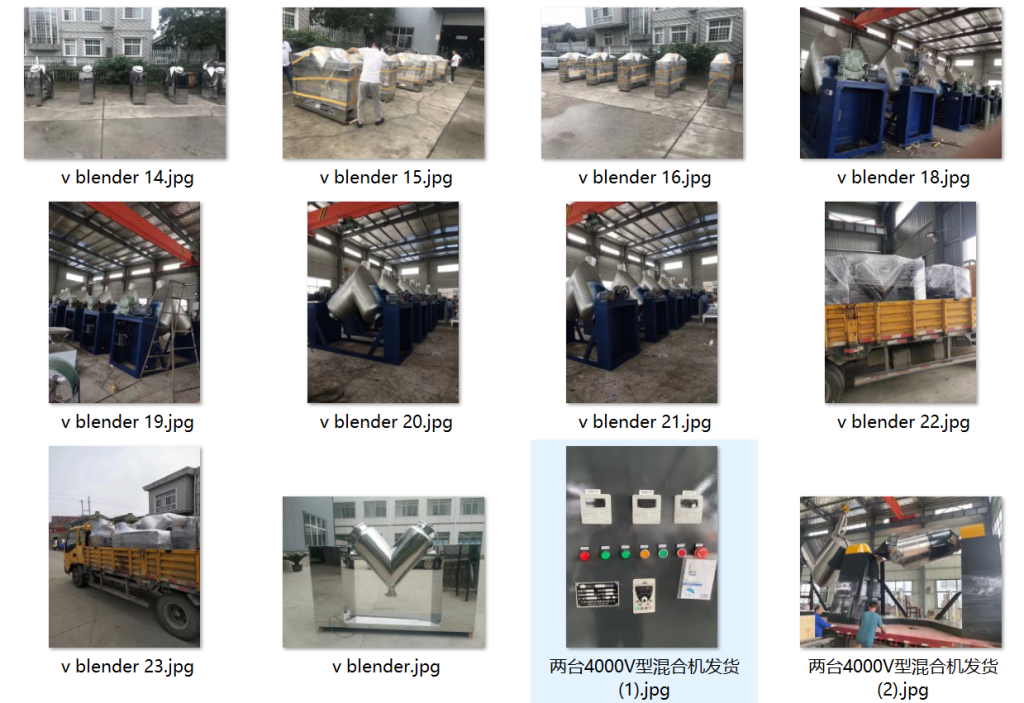
Domestic Shipment Show Case:
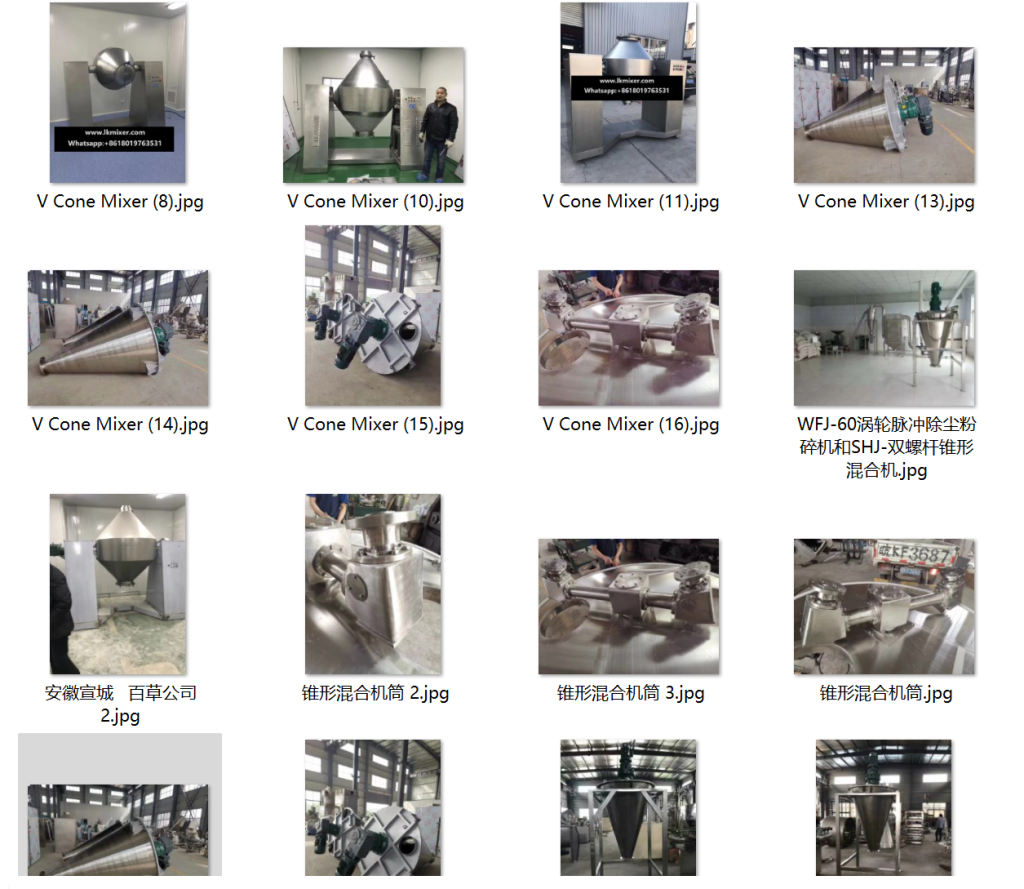
Installation Layout:
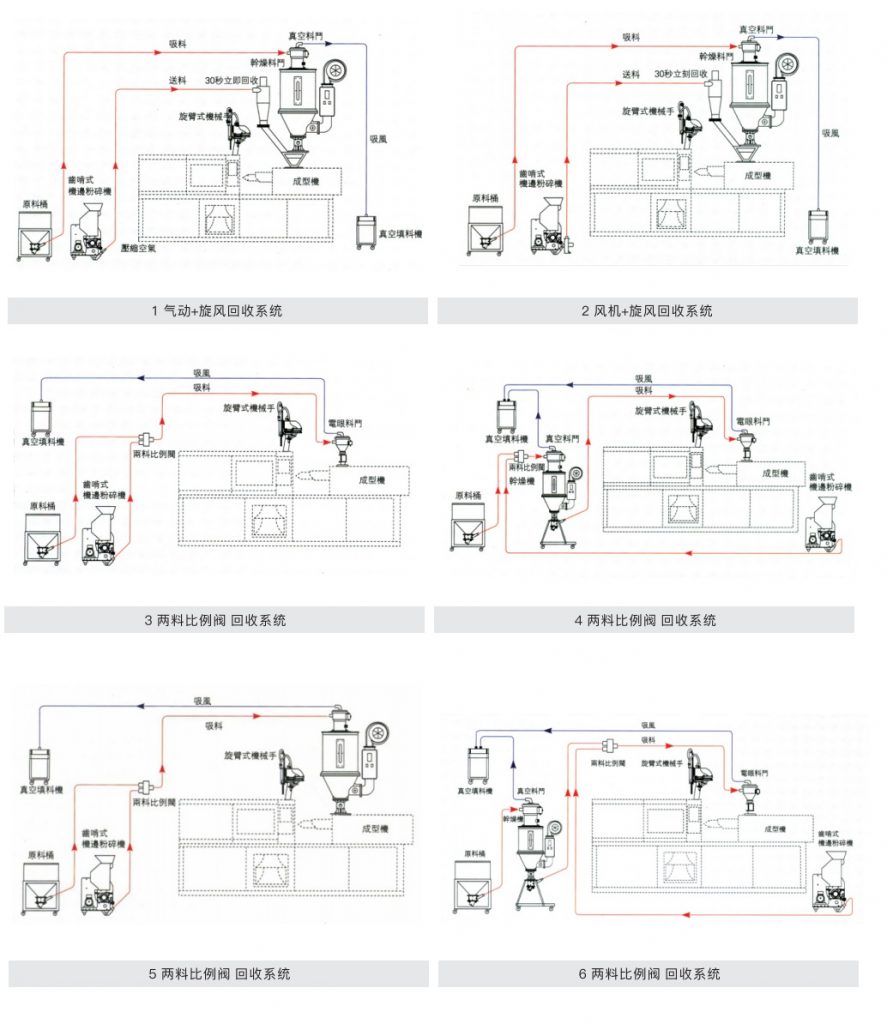
dual shaft shredder installation

Other Grinding Machine Dry Powder Grinder for Sale:
About LKMixer

LKMixer is a professional manufacturer for fertilizer production line, grinder, mixer and granulator, shredder. These machines are widely used in food, pharmaceutical, cosmetic, health care products and chemical industries. The Food materials like Peanut, mushroom, seeds, potato, bean, tobacco, salt, cannabis, tea, Sugar, corn, Coffee, rice, pepper, grain as so on. Grinders have many types such as Pulse Dust Grinder which suitable for zero pollution environment, Turbine Mill  which is suitable for coffee bean, 12-120mesh all can meet, Ultrafine Grinding Mill covers 80-200mesh, and also Winnowing Dust Grinder or other grinding machines like SF Hammer. Welcome to contact us for details. Contact us for more information. Proposal, catalog, quotation. Mobile/WhatsApp: +86 18019763531 Tel: +86 21 66037855 Email: sales@lkmixer.com

Contact Us

FAQ(Click and See More)

Yes, our factory produced grinder, mixer, pulverizer for over 20 years.

Yes, we have video and word file lessons to teach customer how to operate the machine.

Yes, water cooling system can customize according to customer request. Many of the machine we producing is with water cooling system.

Yes, we provide the suitable screen and knife and other spare parts all the life time with nice price for our customer.

We can provide 0.5mm, 1mm thickness screens.
Material type of screen: SUS304 stainless steel.
You can choose another type of screen, also stainless steel, like the follow video shows, the screen have 2 layers, one layer large hole, another layer 40mesh as you request. This two layers are welded together. this kind of screen is more cheap to save the cost.

Yes, we have CCC, GB, EN, IEC, UL certification for motors.

We have 20 years manufacturing experiences; 15600 cubic meters factory area; 5000sets annual capacity; 55 professional engineers;

South America: Brazil, Colombia, Peru, Bolivia, Uruguay, Paraguay ;Romania;
USA with UL Certification
Middle East: Saudi, Arabia, Oman, Turkey
Europe: Russia, Australia, Belarus, Ukraine, Poland

– 7*24 customer service online;
– 7*24 engineers online services;
– 12 months warranty services.

– We offer full services covers whole process of your new project. Including your factory feasibility assessment, process flow chart, preliminary factory machines layout and factory building planning, project budget estimation, project time schedule arrangements, etc.
– We supply sample processing tests as to your detail product. To estimate the capacity of machine, this helps you controls better to the capacity and get to know more accuracy of quantity of machine you need to book. In our test station where are equipped with our various machine products,this is also help you compare performances of different types of machines or process.
– For large machine. If neccessary, we can assign engineers to the your project site and offer on-site technical instruction and supervision during the machine installation, commissioning and test run.

– Warranty period is 12 months after installation.
– We offer lifetime service for our machine products after the delivery, and will follow up the machine status with our clients after the successful machine installation in our clients’ factories.
For details, please contact our project consultants, thank you.

– Choose small or large ? Calculate your current customer capacity request, this is to get a estimate capacity needs. To think about you only for small quantity use or large quantity. Do you want to expand your customer base so that need to expand your capacity in near future? If yes, you can order larger machine instead of small machine. If not, smaller one is more suitable for you.
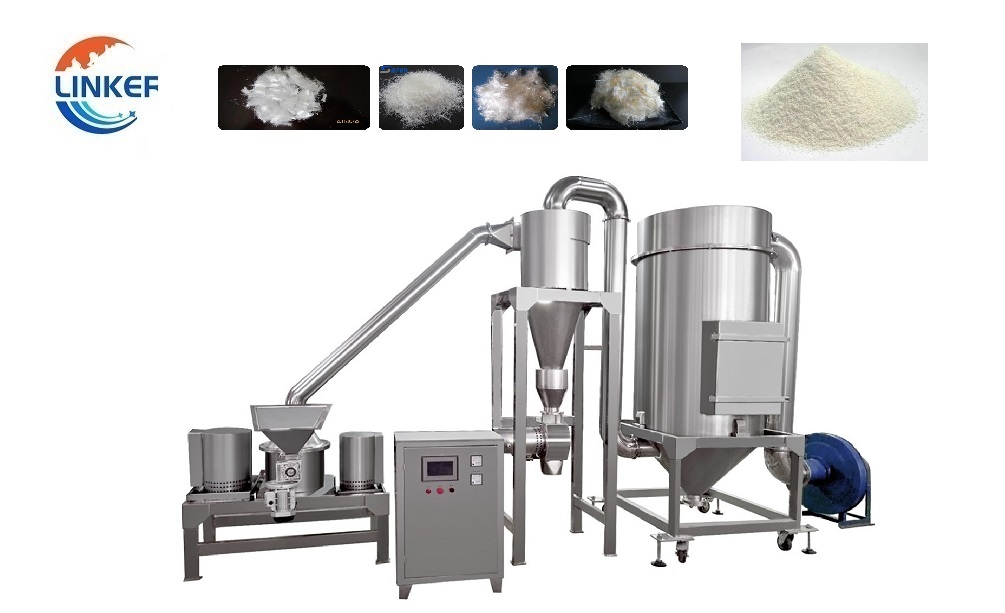
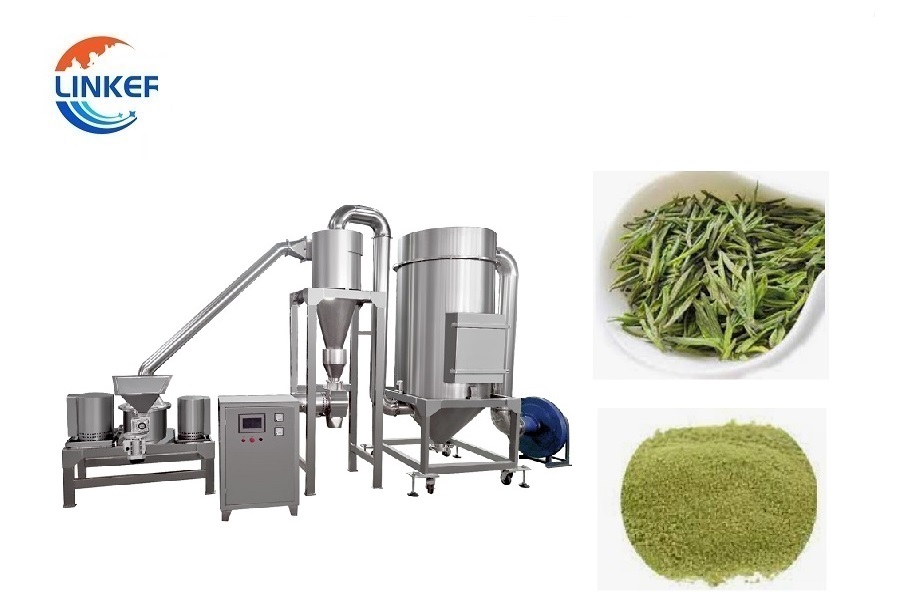
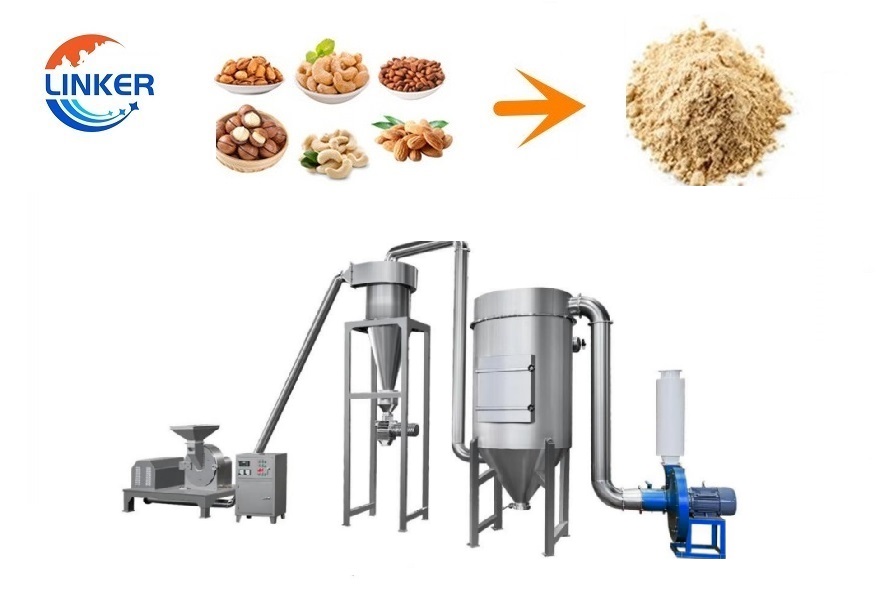
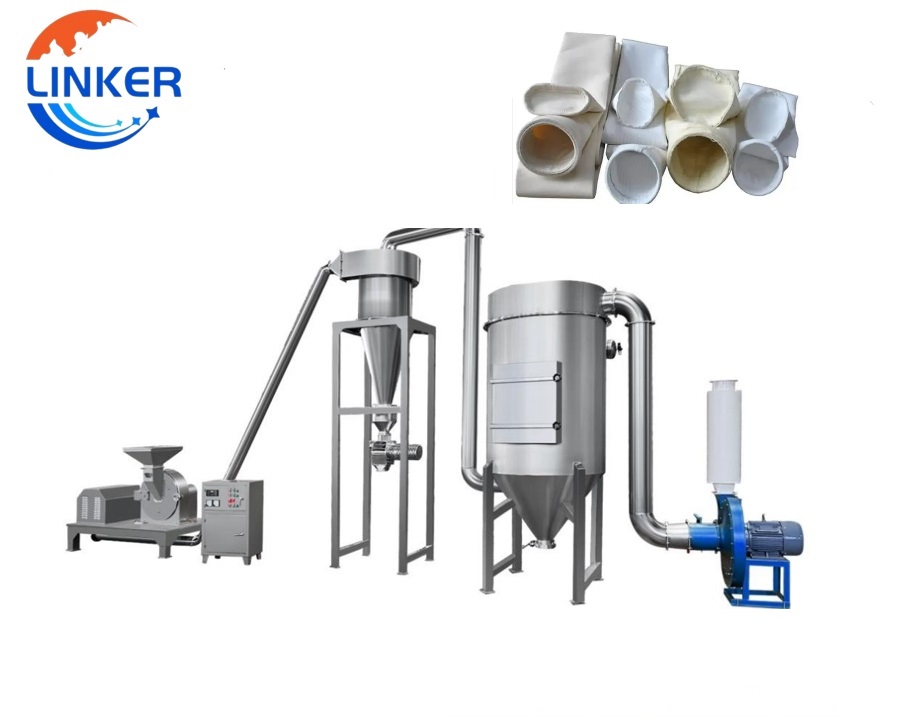
– Choose single or whole group? Single machine is cheaper and easy to move from here to there, space location are also easy. Whole group machine including material feeder, main machine, cyclone sperator and rotary valve. Whole group machine not easy to move cause of link of each portions. But whole group also advantages such as easy to dust collect, save manpower. Think about clearly what you want, we would know which is right to choose.
– If you think about your customers and volume, you’ll be off to a good start in knowing what you need from your grinder.

If you are a large factory request several machine. You may think the question of quantity that you need to purchase. This question actually we have already talked when we previously discussed how much the grinder can produce in an hour.
Based on the capacity of how much kg/hour that we can get, it’s very each to calculate the quantity of machine that you may need finally.
One of the questions that may pay attention here is, how many hour you plan to work per day? If you plan to work 24 hours non-stop, you need to have cooling water system definitely to cool down the machine. And the working hour also need to be calculated into your capacity calculation.
Automatically material feeder helps to feed the raw material automatically, so that no need to stop and refill the hopper frequently. Cyclone Seperator helps output material quickly, vibrating table screener helps screen out the qualified fineness material. All these portion run automatically will significantly help improve the efficiency and capacity.
A good rule of thumb to remember is that a larger capacity usually also means a higher level of speed. 

Quality is of paramount importance to just about everyone, and it should be to you, too.
Customers always want the quality in their purchasing, and they will keep long term business with high quality supplier.
Always offering high-quality grinder machine to our customers will earn us a solid reputation with them.
Keeps in mind about quality, we ensure our quality through following items:
– Material: we use 304 or 316 stainless steel body, 316 stainless steel for raw material contact portion.
The material of body always decide by customer, we will confirm the material type with you before you load order.
– Cooling Water System: jaket design allow ooler temperatures while grinding, preventing the burning of the raw material.
– Grinding Disc and Knife Cutter Design: The industry standard in material for grinding discs is steel, but there are different types of steel to choose from, such as die-cast and tungsten carbide. Good disc and knife design helps cut the material efficienctly. This also ensure the high quality of result mesh fineness.

Convenience to operate for your employees and yourself is also very important.
Your operator may need to carry the material back and forth in batches. Your operator may need to stop machine to clear and clean machine frequently. Your operator may also need to do screens the size of fineness after grinding and then put the inqualified powder back to machine to do grinding second time.
Yes, these are all the problems. But LINKER Pulverizer helps you reduce or solve these probems. You only need to buy the whole set group, which including automatically feeding system, grinding main machine, cyclone separator system, screen system after grinding and even an back material system back to grinder.
Save the manpower also helps to save the cost.

Yes. 100% of inspection for each step of products will be carried out by QC department until shipping.

An industrial grinder is a machine designed to reduce the size of materials by grinding or crushing them. Here are some of the common tasks performed by industrial grinders:
Grinding: Industrial grinders are commonly used for grinding materials to a desired particle size. This can be done using various types of grinders, such as angle grinders, bench grinders, and surface grinders, depending on the specific application.
Crushing: Industrial grinders are also used for crushing materials into smaller pieces. This can be useful in various industries such as mining and construction, where materials need to be crushed for further processing.
Polishing: Industrial grinders can be used for polishing surfaces of materials to achieve a desired finish. This is commonly done using angle grinders and other handheld grinders.
Sharpening: Bench grinders are commonly used for sharpening tools, such as knives and scissors, by grinding them against a rotating abrasive wheel.
Overall, industrial grinders are versatile machines that can perform a wide range of tasks, depending on the specific application and type of grinder used.

Choosing the right crusher for your application involves considering a variety of factors. Here are some key factors to consider when choosing a crusher:
Type of material: The type of material that needs to be crushed is an important factor to consider. Different crushers are better suited for crushing different types of materials. For example, jaw crushers are well-suited for crushing hard, abrasive materials like granite, while impact crushers are better for softer materials like limestone.
Size of material: The size of the material to be crushed is also an important consideration. Larger materials may require a larger crusher or a crusher with more power.
Capacity: The amount of material that needs to be processed per hour or per day is another important consideration. Different crushers have different capacities, so it’s important to choose a crusher that can handle the volume of material you need to process.
Desired final product size: The final product size you need will also impact your crusher choice. Some crushers produce a more uniform product size than others, while others are better for creating coarse or fine materials.
Maintenance requirements: The maintenance requirements of the crusher you choose can also be an important consideration. Some crushers require more maintenance than others, and the cost and frequency of maintenance should be factored into your decision.
Budget: Finally, your budget is an important consideration when choosing a crusher. Different crushers have different price points, so it’s important to choose a crusher that fits within your budget.
Overall, choosing the right crusher requires careful consideration of your specific application and requirements, and weighing the pros and cons of each option. Consulting with a knowledgeable equipment supplier or manufacturer can also be helpful in making an informed decision.

An industrial grinder is a machine used to reduce the size of materials through grinding or crushing. These machines are commonly used in various industries such as mining, construction, manufacturing, and food processing.
Industrial grinders come in different types and sizes, depending on the specific application and the material being processed. Some of the common types of industrial grinders include:
Angle grinders: These are handheld grinders used for cutting, grinding, and polishing various materials.
Bench grinders: These are stationary grinders mounted on a bench or pedestal and used for grinding and sharpening tools.
Surface grinders: These are machines used to grind flat surfaces of materials to a high degree of precision.
Cylindrical grinders: These are machines used for grinding cylindrical surfaces of materials.
Centerless grinders: These are machines used to grind cylindrical and other types of workpieces without using a centering device.
Industrial grinders are essential machines in many industries, as they help reduce the size of materials, improve efficiency, and increase productivity.

Jet mills, pin mills, and ball mills can all be categorized as ultrafine grinders. These mills are capable of producing very fine particles and powders, and are commonly used in industries such as pharmaceuticals, food processing, and cosmetics, where ultrafine particles are required for various applications. The specific type of mill used as an ultrafine grinder will depend on the material being processed and the desired end product.

Ultrafine grinders use mechanical grinding and air pressure to achieve size reduction. In these machines, the material to be ground is fed into a grinding chamber, where it is subjected to mechanical forces such as impact, compression, and attrition. As the material is ground, it is also exposed to a stream of high-pressure air or gas, which helps to break down the particles and create a fine powder.

The combination of mechanical grinding and air pressure allows ultrafine grinders to achieve a very fine particle size, often in the sub-micron or nanometer range. This makes them particularly useful for applications that require very small particle sizes, such as in the pharmaceutical, cosmetics, and food industries.

A turbo grinder is a type of angle grinder that is specifically designed for heavy-duty applications, such as grinding and cutting thick metal and concrete. It features a high-powered motor and a specialized blade or wheel that rotates at high speeds to remove material quickly and efficiently.

Turbo grinders are typically larger and heavier than standard angle grinders, and are often used in industrial settings such as construction sites and metalworking shops. They are capable of removing large amounts of material in a short amount of time, making them ideal for projects that require aggressive grinding or cutting.

Some turbo grinders may also come equipped with dust collection systems, which help to control the amount of debris and dust generated during use. This can be especially important when working with concrete or other materials that create a lot of dust when ground or cut.

In pharmacy, a hammer mill is a type of size reduction equipment that is used to reduce the particle size of various types of pharmaceutical ingredients.

Hammer mills are commonly used in the pharmaceutical industry for grinding and milling a wide range of materials, including:

  1. Active pharmaceutical ingredients (APIs): Hammer mills can be used to grind APIs into fine powders for use in tablet and capsule formulations.
  2. Excipients: Hammer mills can be used to grind excipients, such as lactose and magnesium stearate, into fine powders for use in tablet and capsule formulations.
  3. Raw materials: Hammer mills can be used to grind raw materials, such as herbs and spices, into fine powders for use in herbal medicines and supplements.
  4. Drug delivery systems: Hammer mills can be used to grind materials for drug delivery systems, such as nanoparticles and microparticles.
  5. Formulation development: Hammer mills can be used in formulation development to grind and blend various materials to achieve a desired particle size and consistency.

Overall, the use of a hammer mill in pharmacy allows for efficient and precise size reduction of a wide range of pharmaceutical ingredients, which is important for ensuring the quality and effectiveness of pharmaceutical products.

A pulverizer is a type of mechanical equipment that is used for grinding, crushing, or pulverizing different materials into smaller particles. Pulverizers are commonly used in a variety of industries, including mining, construction, agriculture, food processing, and pharmaceuticals.

The main purpose of a pulverizer is to reduce the size of materials to a fine powder, which is required for various applications. Pulverizers use a variety of mechanisms to accomplish this, including:

  1. Impact: The pulverizer uses high-speed rotating hammers or blades to impact and crush the material.
  2. Shear: The pulverizer uses sharp blades to cut and shear the material.
  3. Compression: The pulverizer uses rollers or plates to compress and crush the material.
  4. Attrition: The pulverizer uses friction to break down the material.

Pulverizers can be used for a variety of materials, including coal, rock, clay, limestone, wood, and various types of ores. They are commonly used in the mining industry to crush and grind ore into fine particles for further processing.

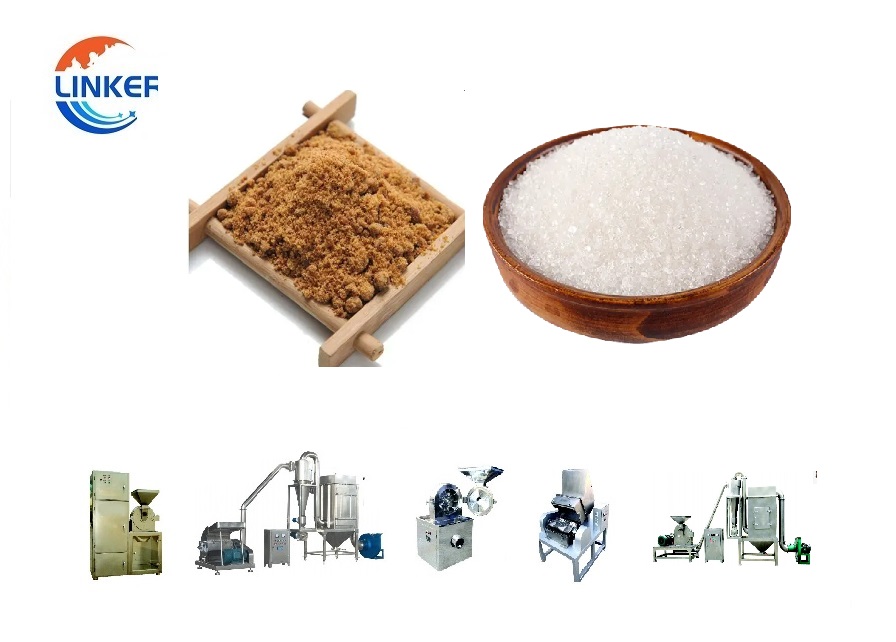
In addition to mining, pulverizers are also used in the food industry to grind spices, sugar, and other food products into fine powders. They are also used in the pharmaceutical industry to pulverize tablets, capsules, and other forms of medication for further processing.

1. Please provide to us the product material you are use the machine to grinding for.

2. The capacity you request.
3. Consider the layout of your factory, the height width and length of the machine location.
4. If your product material is not normal type, we can arrange trail to estimate the capacity of output.
5. Our sales will recommend the right mode to you.

Yes, large machine is the major products we are producing. These machine exported to over 30 countries and regions, customer feedback quite good.

Because the medium or small size running speed is faster than larger machine. The noise is decided by the running speed. Also, if there is hole open on the machine, the noise will also larger.

It is totally ok to use. No leakage.

ok, it is no problem, we can add emergency shut off, if the main grinder door open, the machine can not start, and if the machine in running and the main grinder door open, the machine will stop, but the running of the machine can not stop immediately because of the iterance. The rotating of the spindle will stop slowly after the machine shut down because of inertia, so it is still dangerous to open the door in running of machine.

– Yes, OEM or ODM. Machine can be customized according to customer detail requirement, including capacity and voltages, motor certifications.
– Drawing and raw materials also can be customized.

Our products includs powder grinding mills, classifiers, coating machines, mixing machines, etc.

Normally 60 to 90 days after receive the deposit payment.

– 50% by T/T deposit payment.
– 50% balance by T/T before shipment.

– For machines, we ship with export wooden box and pallet suitable for long time boat transportation in standard containers or Bulk by sea.
– For spare parts, wooden Case and pallet for delivery by air.

We send engineers to the clients’ project site and offer on-site technical instruction and supervision during the machine installation, commissioning and test run.

Right size is definitely important for grinder business. 
If your business is small, you may not have the space to accommodate a large grinder. Read keep in mind, While, that a smaller grinder doesn’t have to mean that it’s not able output as much as a bigger one.
On the contrary, if you have a lot of space, you may require different things from your grinder.
For example, you may want to have dust collector and material feeder for your enviornment production and operation convenience.

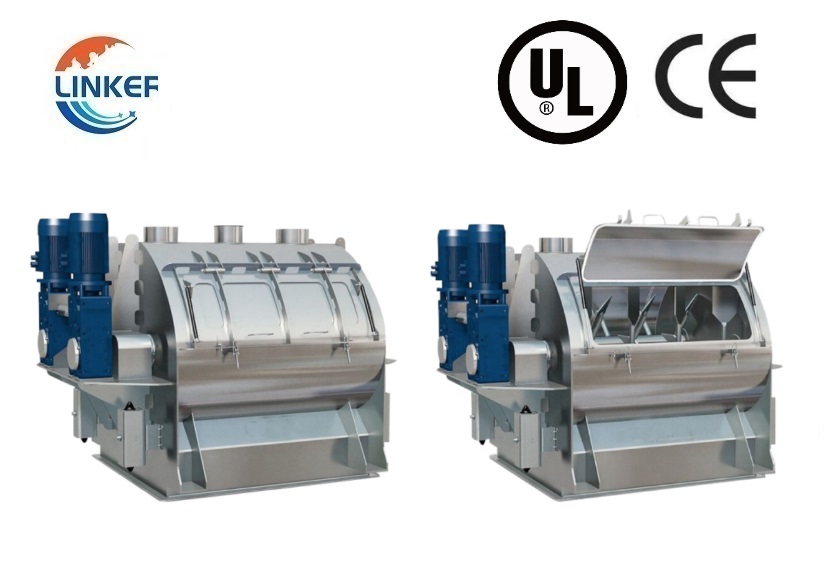
There are several types of Pharmaceutical Mixers used in various industries:

Laboratory Mixer: These mixers are ideal for routine laboratory work, research and development, QA analysis, and small-scale production across industries. They offer great flexibility and efficiency in tasks such as mixing, emulsifying, homogenizing, disintegrating, and dissolving. When scaling up to full-scale production, laboratory mixers provide excellent reproducibility and allow for accurate predictions of performance under real working conditions.

Batch Mixer: Batch mixers are versatile and capable of handling a wide range of applications, from suspending solids in a liquid to blending, emulsifying liquids, dissolving polymers, and incorporating powders and granular materials into liquid environments.

High-Speed Mixer: High-speed mixers use powerful suction to draw liquid and solid materials from the bottom of the vessel into the center of the workhead. Centrifugal force then drives materials toward the edges of the workhead, subjecting them to a milling action. This is followed by intense hydraulic shear as materials are forced out through perforations in the stator, resulting in effective mixing.

Mass Mixer: Mass mixers are designed to blend powders gently without generating excess heat, which is crucial for thermolabile ingredients in pharmaceutical products. They also perform functions like dissolving powders and solids, combining raw materials, preparing fine emulsions, and reducing particle sizes, ensuring the homogeneity of pharmaceutical products.

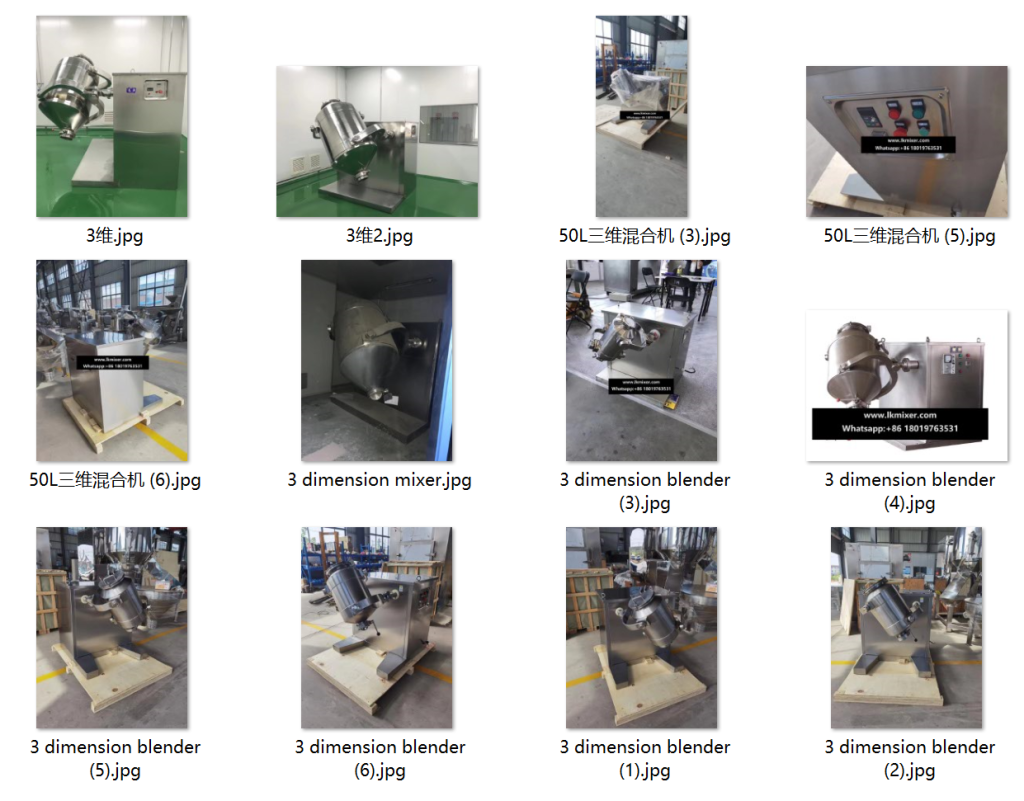
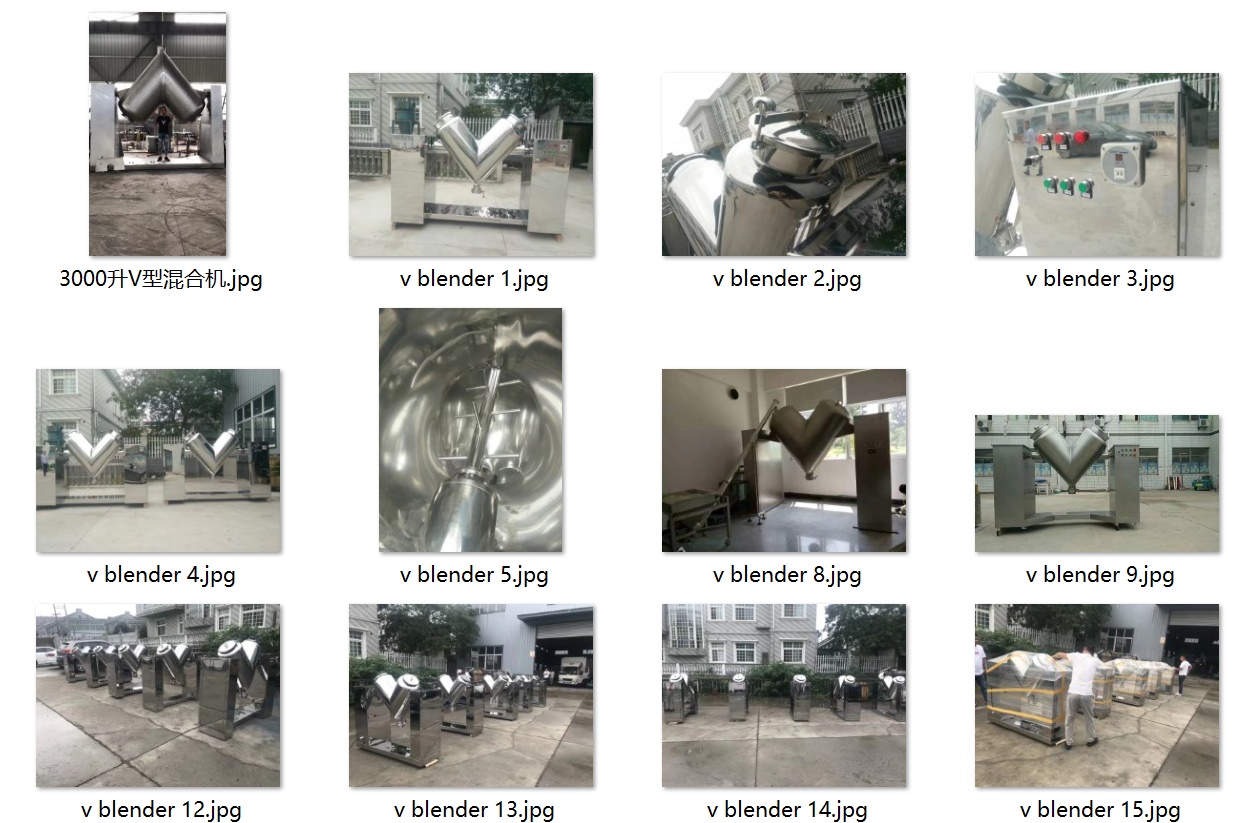
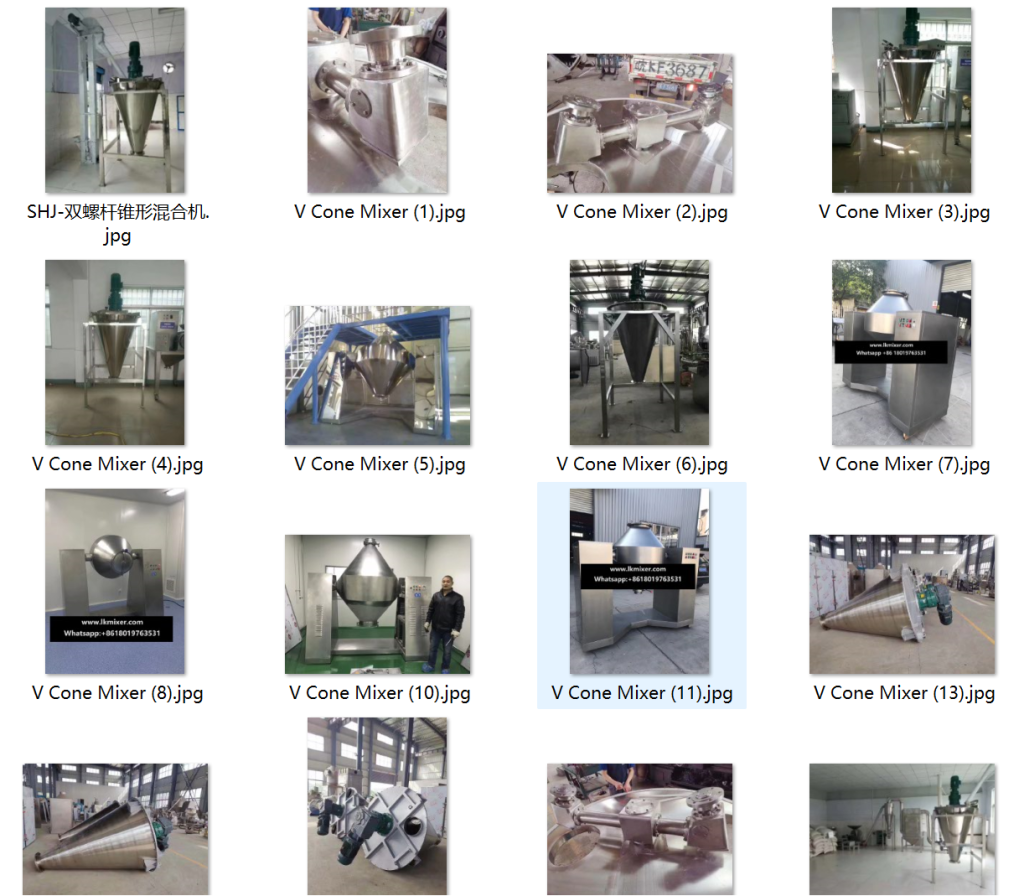
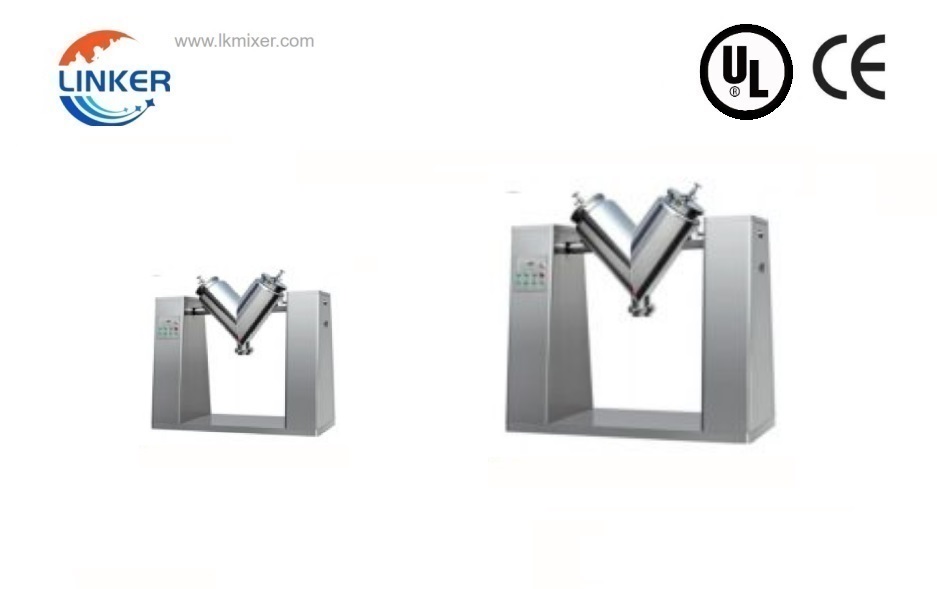
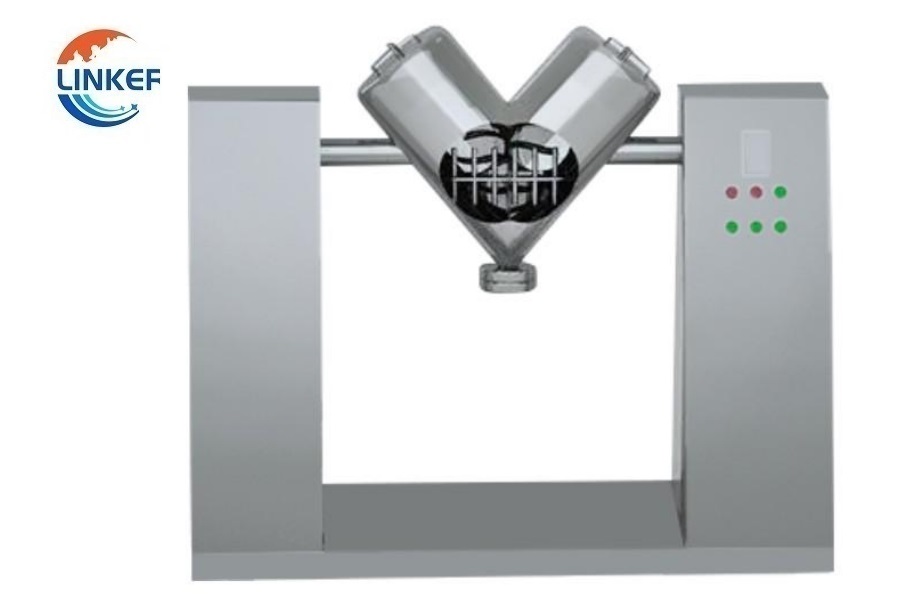
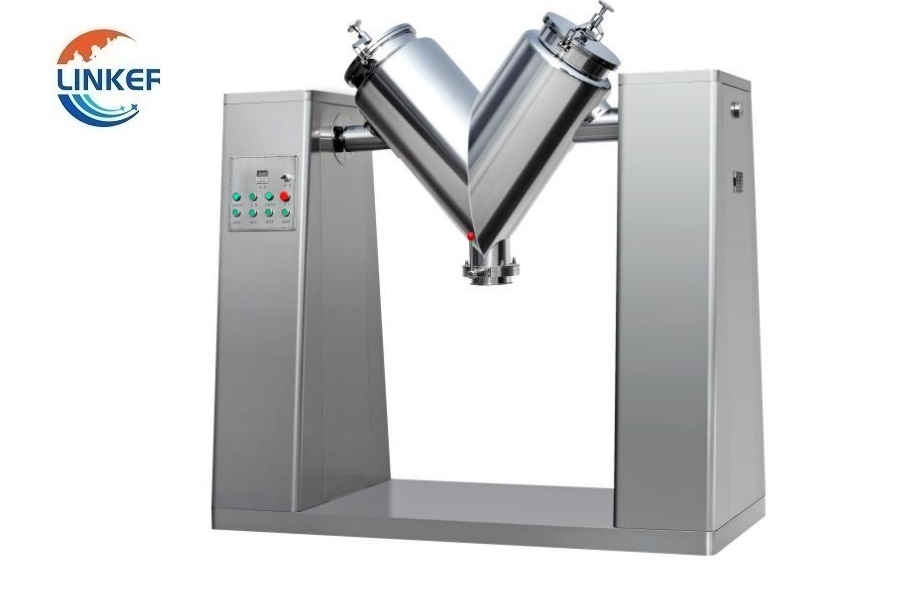
V Type Blender/Mixer: These mixers use a unique V-shaped container design to promote efficient blending and mixing of powders and granular materials with liquids.

Mixing in the pharmaceutical industry requires specialized equipment to ensure precise and consistent blending of various ingredients, including active pharmaceutical ingredients (APIs), excipients, and additives. Some common equipment used for mixing in pharmaceuticals includes:

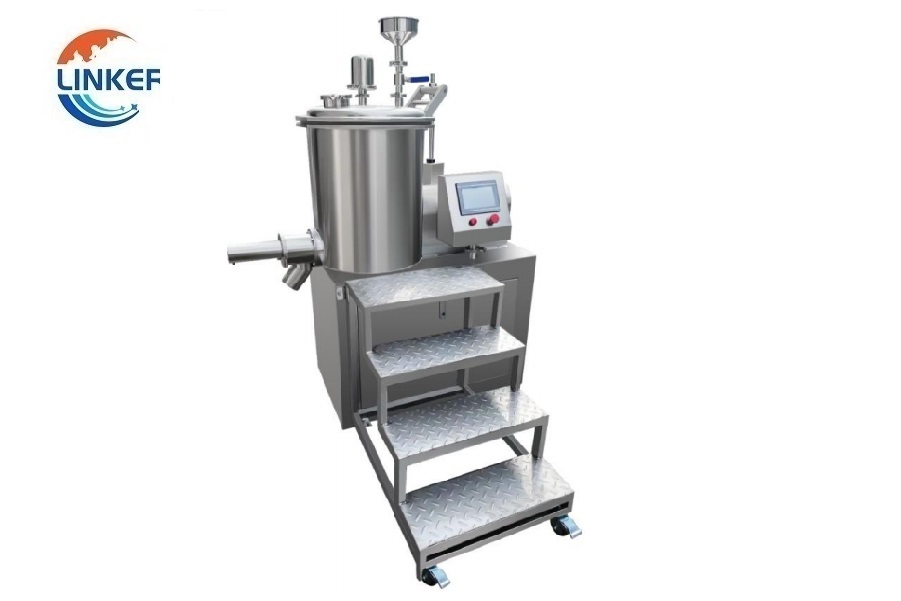
High-Shear Mixers: These mixers are designed to create intense shearing forces, which help disperse and blend powders and liquids effectively. High-shear mixers are used for tasks like wet granulation, tablet coating, and emulsification.

Low-Shear Mixers: In contrast to high-shear mixers, low-shear mixers are used when gentle mixing is required to avoid damaging sensitive materials. They are often employed for blending fragile powders and heat-sensitive ingredients.

V-Blenders: V-blenders have a V-shaped container that rotates to tumble and blend powders or granules. They are ideal for achieving uniform mixing in pharmaceutical powders and solids.

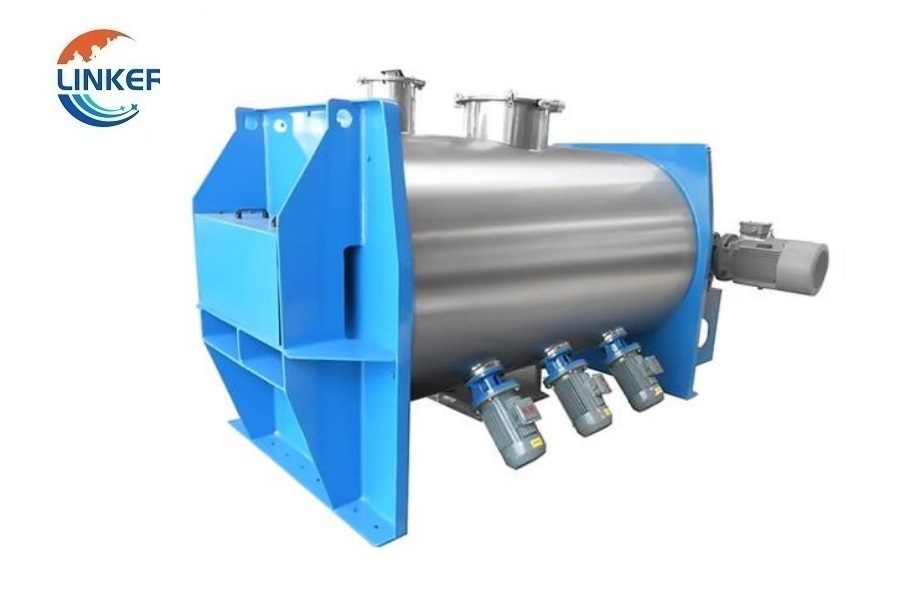
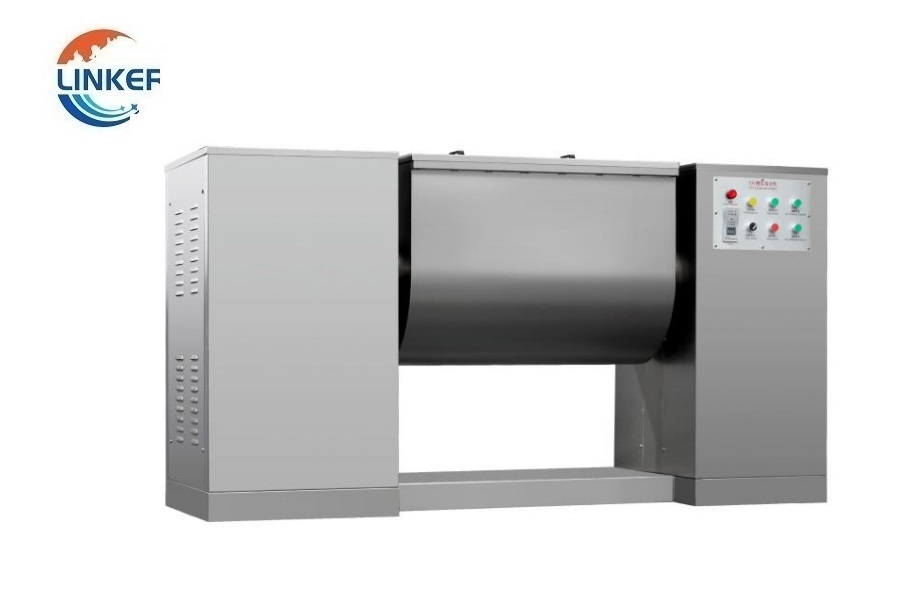
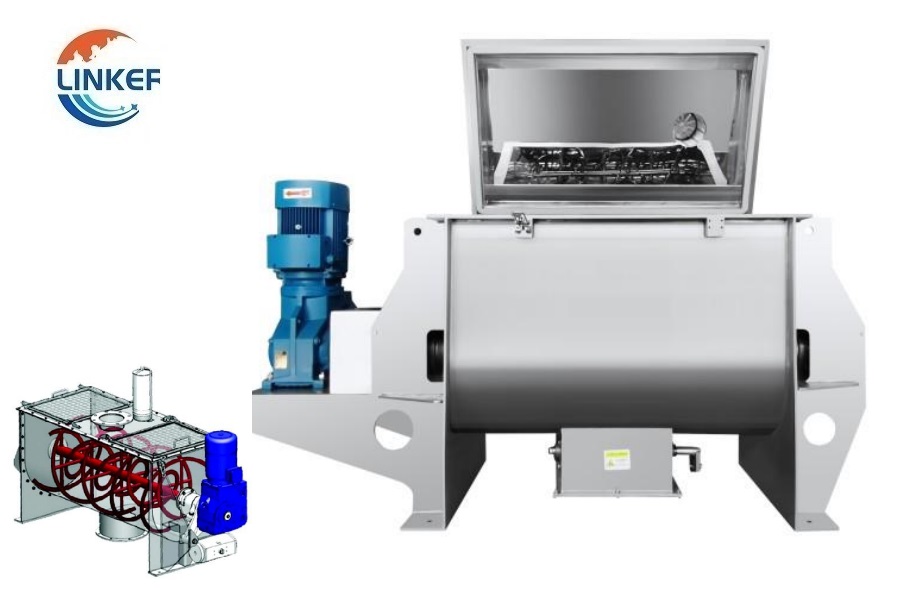
Ribbon Blenders: Ribbon blenders use ribbon-like agitators to blend powders or granules gently. They are suitable for large-scale mixing operations and are commonly used in pharmaceutical manufacturing.

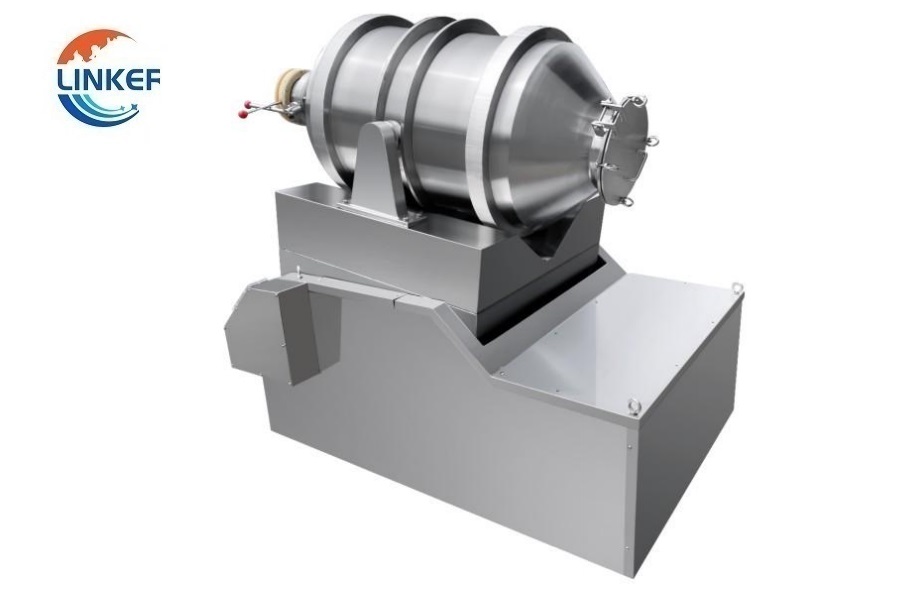
Tumble Blenders: Tumble blenders work by rotating or tumbling the ingredients inside a drum-shaped vessel. They are used for gentle blending of pharmaceutical powders.

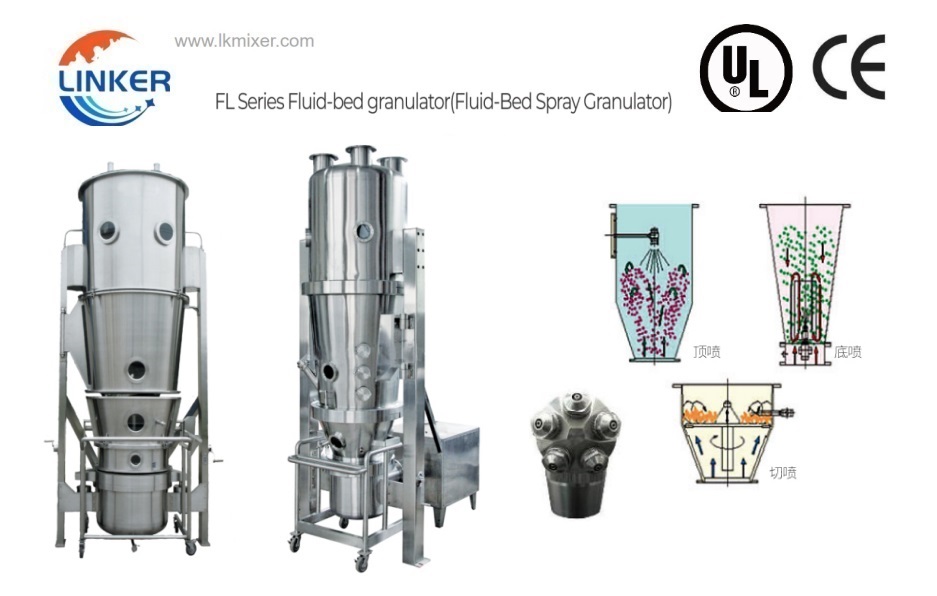
Fluid Bed Processors: Fluid bed processors combine mixing and drying functions. They are used to coat particles, granulate powders, and dry wet materials.

Planetary Mixers: Planetary mixers consist of a rotating, central blade and a revolving container. They are versatile and can be used for mixing, blending, and dispersing pharmaceutical ingredients.

Homogenizers: Homogenizers are employed to create uniform mixtures by breaking down particles to a consistent size. They are often used in the preparation of emulsions and suspensions.

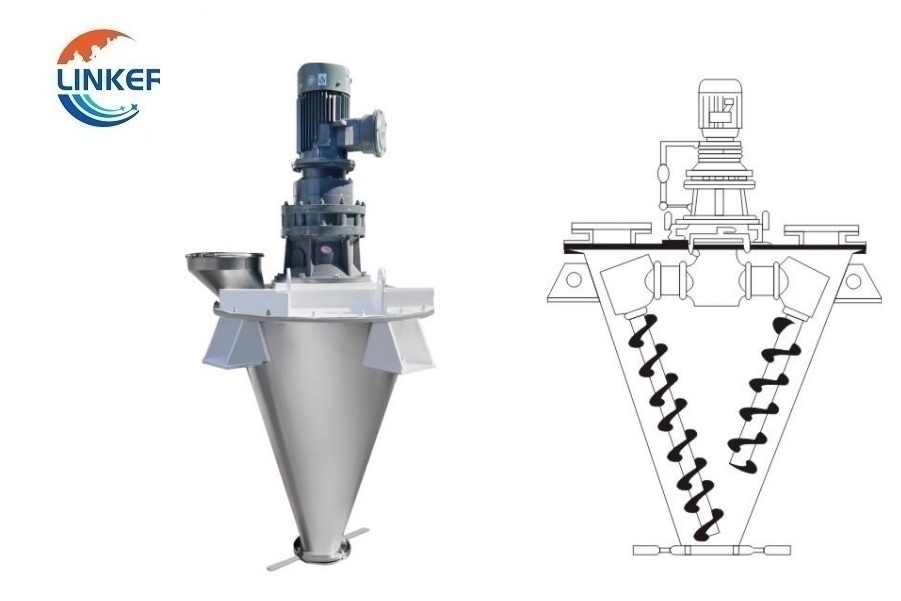
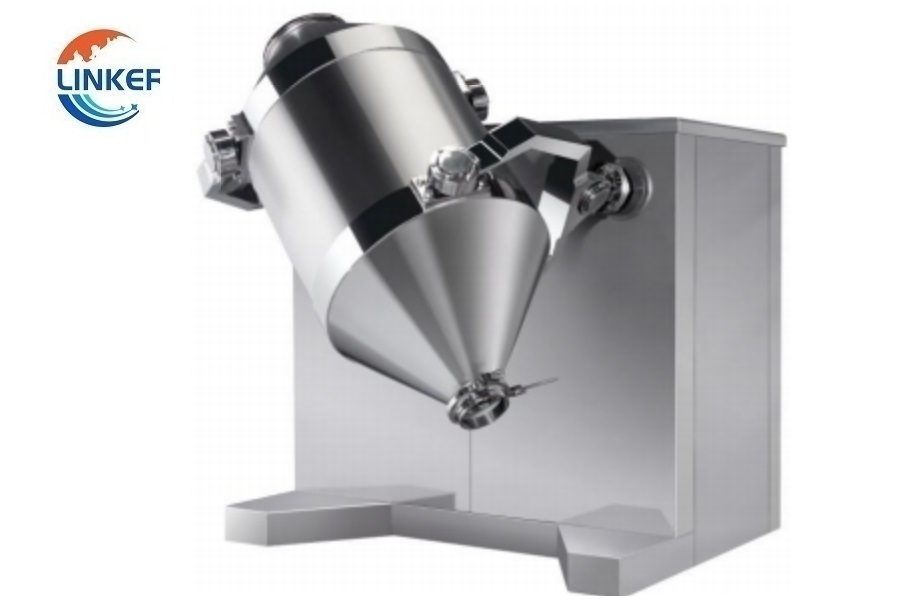
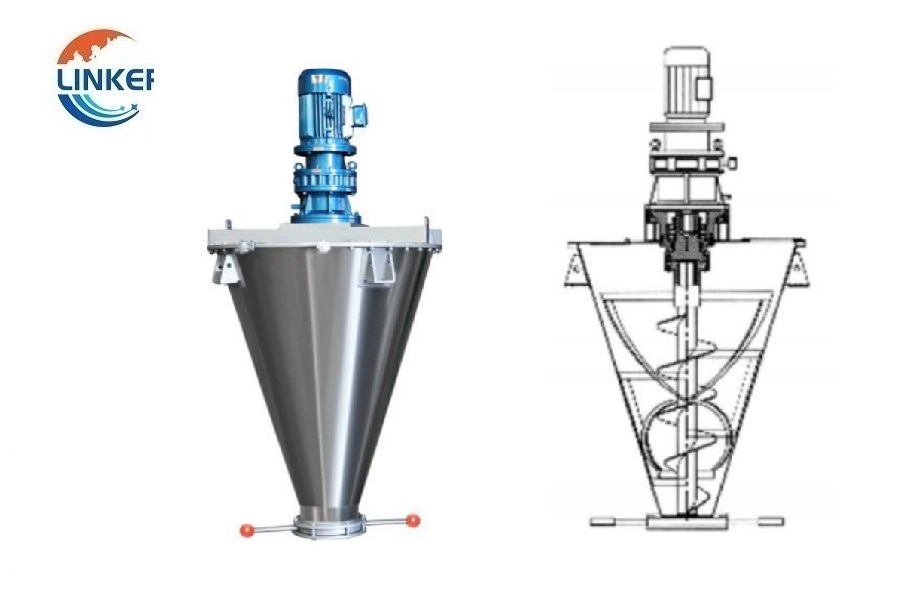
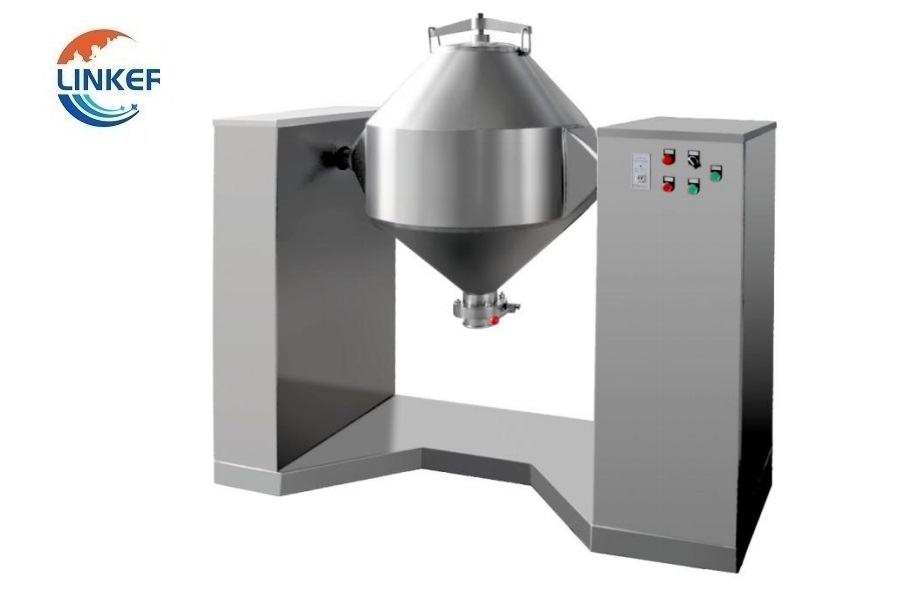
Double-Cone Blenders: Double-cone blenders have two conical-shaped vessels that rotate to mix powders or granules thoroughly. They are suitable for batch mixing.

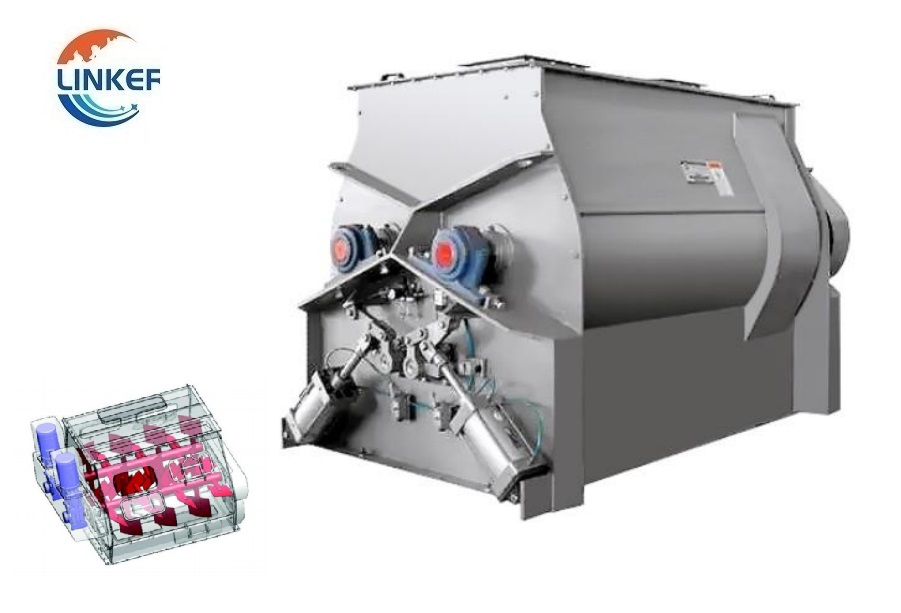
Multi-Agitator Mixers: These mixers have multiple agitators, such as propellers, turbines, and high-shear impellers, to achieve different mixing effects in a single vessel. They are used for complex blending processes.

Paddle Mixers: Paddle mixers use rotating paddles to blend powders or granules. They are commonly used in pharmaceutical compounding and granulation.

Screw Conveyors: Screw conveyors are used for conveying and mixing powdered materials in a controlled manner. They are often integrated into larger pharmaceutical processing systems.

Magnetic Stirrers: Magnetic stirrers use a magnetic bar or paddle placed inside a vessel to create rotational movement and mix liquids or suspensions. They are commonly used in laboratory settings.

Ultrasonic Mixers: Ultrasonic mixers use high-frequency sound waves to mix and disperse particles in liquids. They are effective for achieving fine particle dispersion and emulsification.

The choice of mixing equipment depends on the specific requirements of the pharmaceutical process, including the type of ingredients, desired mixing intensity, batch size, and other factors. Pharmaceutical manufacturers carefully select the appropriate equipment to ensure product quality and consistency while meeting regulatory standards.

Types of Mixers

The choice of a mixer hinges on its intended use and the specific materials involved, such as chemicals, liquids, gases, granules, and pellets that need to be mixed. The industrial mixer domain offers a range of mixer types to cater to a variety of materials, even those that might initially appear challenging to blend. Mixers can generally be categorized into three main groups: diffusing, shearing, and convection, each distinguished by unique construction, impeller types, speed, and function. Gaining a fundamental understanding of these categories is essential when selecting the right mixer for a particular application.

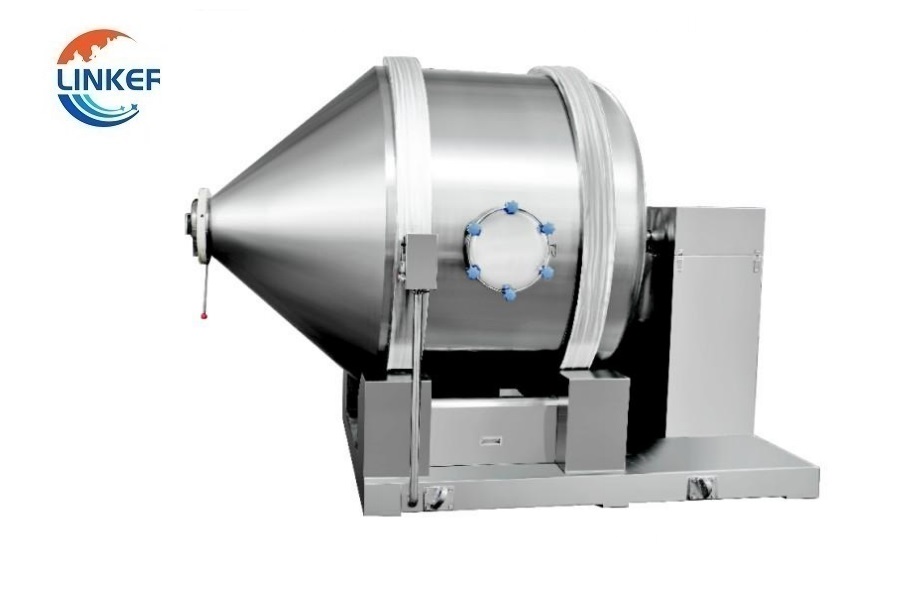
Tumbler Mixers

Tumbler mixers fall into the diffusing mixer category. These mixers rotate to combine materials and introduce air into the mixing process. Tumbler mixers follow a tumbling rhythm and do not employ impellers during mixing. They are commonly used for blending solids, powders, and, in some cases, liquids. The tumbler’s rotation stirs solids as gravity continuously pulls the mixture back to the drum’s bottom. Tumbler mixers come in various configurations, including octagonal, conical, and V-shaped designs.

Tumbler Mixer, High Shear Mixers

High shear mixers, also known as high shear reactors (HSRS) or rotor-stator mixers, belong to the shearing mixer category. These high-speed machines use powered mixing blades, known as shears, to blend solid and liquid materials. They excel in tasks like emulsification, homogenization, dispersion, particle size reduction, and disintegration. High shear mixers are essential when dealing with materials that don’t easily blend, are immiscible, or require rigorous mixing, such as liquids with varying viscosities or those containing solids that need to be broken down. The most common application for high shear mixing is dispersion, where high-speed rotation and intense shear action break down particles. High shear mixers can effectively blend liquids and solids that typically don’t mix well, like oil and water. While they were traditionally used in the rubber industry, high shear mixers are now widely applicable in various fields, including chemicals, food, pharmaceuticals, cosmetics, and adhesives.

High Shear Mixer/ High Speed Mixers

High-speed mixers are typically employed to rapidly cool, granulate, or disperse substances for subsequent processing. These mixers find applications in industries such as food processing, pharmaceuticals, and paint manufacturing. High-speed mixers come in various sizes and shapes, ranging from small, high-speed lab mixers to larger industrial units.

Ribbon Blenders

Ribbon blenders are designed for powder blending, primarily for solid-to-solid mixing. Their unique design allows for swift and efficient mixing cycles, often ranging from a few minutes to under twenty minutes, with tip speeds of about 1.4 meters per second. Despite their quick mixing, ribbon blenders operate at a slow blade speed, resulting in a gentle folding action. While ribbon blenders are effective at achieving homogeneity, they tend to be more costly than paddle mixers and may require more maintenance.

Paddle Mixers

Paddle mixers are versatile and used for mixing solids, viscous liquids, and wet-dry mixtures. They feature a central shaft axis with blades for mixing and are commonly employed in dry mixing, although they can also handle liquid-solid blending.

Paddle Mixer, Agitator Mixers

Agitator mixers are suitable for applications involving liquid or flowable materials. These mixers utilize agitating blades in the center, which remain stationary while the fluid is agitated during rotation. They are commonly used in industrial food and beverage processing, employing a principle and configuration similar to top-load washing machines.

Axial and Radial Flow Impellers

Agitator mixers can be further classified into axial and radial flow impellers based on the angle at which the impeller blade contacts the liquid and the rotation plane. These mixers handle materials with varying viscosities and are ideal for tasks such as solid suspension and blending miscible or immiscible liquids.

Axial and Radial Flow Impellers, Rotor Mixers

Rotor mixers consist of metal blades installed at the bottom of a container, capable of variable-speed rotation. They are commonly found in blenders and can operate with various detachable attachments, making them suitable for various tasks in industries such as food production, adhesives, pharmaceuticals, and chemical processing.

Rotor Mixer, Static Mixers

Static mixers have mixing elements shaped like twisted ribbons, helices, or other forms placed within a cylinder. Unlike other mixers, static mixers lack moving parts. The mixing element disrupts and blocks the flow of liquids or gases forced through one end of the cylinder. As the fluids flow through the cylinder, the element’s shape induces turbulence, effectively mixing materials by breaking down their molecules. Static mixers are ideal for dispersing gases into immiscible liquids to create a homogeneous solution. They are commonly used in continuous material flow processes, offering precise control over the degree of mixing required.

Disperser Type

Dispersers use concentrated high-speed force to disintegrate, dissolve, and disperse solids found in powdered materials or liquids. Mixing shafts often feature disc-shaped blades that rotate at maximum speed, ensuring proper flow, dispersion, and consistency during the blending process.

Emulsifier Mixers

Emulsifier mixers are employed for mixing immiscible liquids, such as oil and water. These specialized mixers utilize pressure for thorough liquid-liquid mixing and incorporate vacuum-filled equipment along with high shear. They apply centrifugal force in vacuum emulsifier homogenizers, breaking down materials into smaller particles. For instance, in cream and milk, where cream contains large fat molecules that separate due to their size, emulsification reduces the size of the cream molecules to match those of milk molecules.

Homogenizer Mixers

Homogenizer mixers blend liquid-liquid and solid-liquid mixtures, applying extreme force, shear, and pressure to achieve homogenization. They are crucial for mixing substances that are inherently difficult to blend, such as immiscible materials or those requiring thorough mixing.

Heavy Duty Mixers

Heavy-duty mixers are employed in the mixing of highly viscous and pasty substances, which would typically cause buckling and failure in standard mixing equipment. These mixers are designed to handle materials with viscosities exceeding 750,000 centipoises. They come in various designs, including planetary and multi-shaft mixers, accommodating a wide range of applications.

Batch Mixers

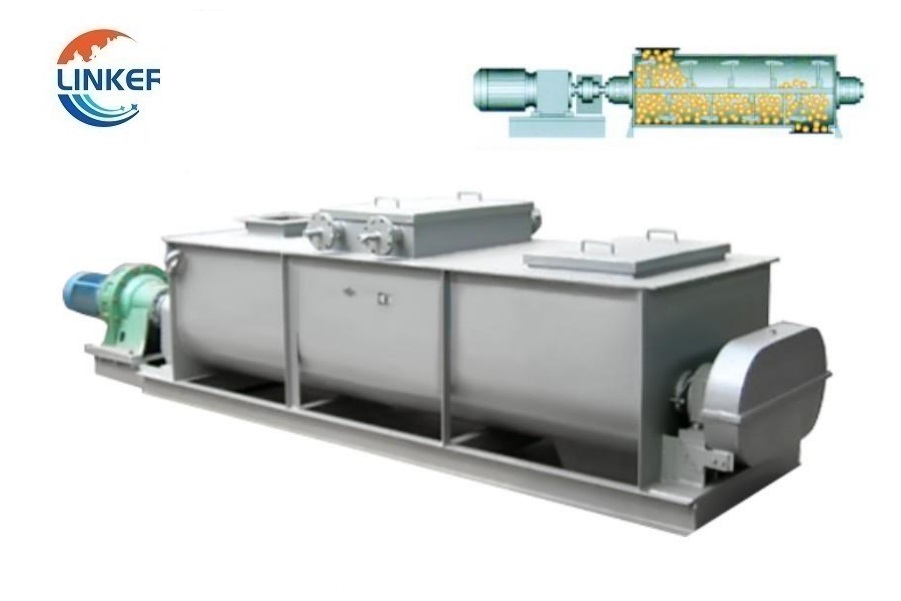
Batch mixers have a cylindrical design that allows for ingredient loading at one end and product dispensing at the other. They are capable of preparing batches ranging from a few gallons to thousands of gallons. Batch mixers enable precise control over ingredient combinations to ensure high-quality mixtures. They come in various configurations, including horizontal twin shaft mixers, ribbon blenders, paddle mixers.

Dry mixing is a widely employed process in various industries, including ceramics manufacturing, plastics production, fertilizer formulation, detergent production, pharmaceuticals, and the production of food and animal feed. This technique involves blending different dry ingredients or components to achieve the desired composition or mixture (Fan and Chen, 1990, Barbosa-Cánovas et al., 2005b, Cooke et al., 1976).

The dry mixing method involves milling an alkali activator with specific proportions of pozzolan materials, resulting in a finely ground substance akin to cement, commonly referred to as geopolymer cement. This geopolymer cement simply requires the addition of water during its application.

A powder is essentially a collection of dry particles suspended in the air. When two distinct powders are expertly combined, theoretically, they can yield three types of powder mixtures: the random mixture, the ordered mixture, or the interactive mixture.

  1. Horizontal Mixer
    The horizontal mixer is renowned for its ability to produce large dough volumes in the shortest time frame. This machine is designed in a manner that allows for a continuous feed of the next batch as the mixing process unfolds. Once the mixing is complete, the dough conveniently exits the machine, ready for transport in a trough.

However, one key limitation of the horizontal mixer lies in its inability to maintain an optimal dough temperature during mixing. Friction between the dough and the container’s sides causes the temperature to rise, a less-than-ideal scenario for certain types of yeast doughs.

  1. Spiral Mixer
    Among the most popular mixer types, the Spiral Mixer is favored for its versatility. It efficiently and thoroughly mixes dough with minimal friction in a rotating bowl that revolves around a spiral-shaped blade.

This mixer comes in various sizes to accommodate different dough output requirements and is known for its energy efficiency, consuming less electrical power than its horizontal counterpart.

  1. Planetary Mixer
    The planetary mixer is commonly found in household kitchens. It features a central mixing wand that orbits around a stationary bowl. You can easily switch out wand attachments to meet your specific mixing needs.

Moreover, this machine isn’t limited to dough; it can handle a range of mixing tasks. After completion, the bowl detaches swiftly and can be moved with ease. These upright machines are typically compact, making them an excellent choice for those with limited kitchen space.

However, one drawback of the planetary mixer is that it may not ensure uniform mixing between the top and bottom of the bowl. When used for dough, certain portions of the batch might remain underdeveloped.

Graduated and adjustable measuring cups find their purpose when it comes to measuring dry ingredients like flour, sugar, oats, rice, and solid substances such as shortening and peanut butter. These versatile cups often come as part of a nested set, providing both precision and convenience in the kitchen.

Industrial Grinder for Sale:
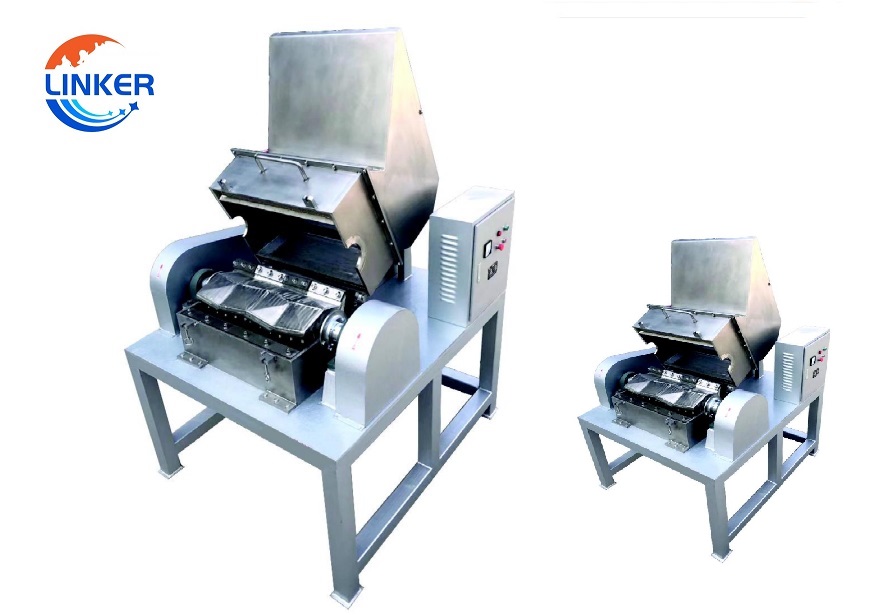
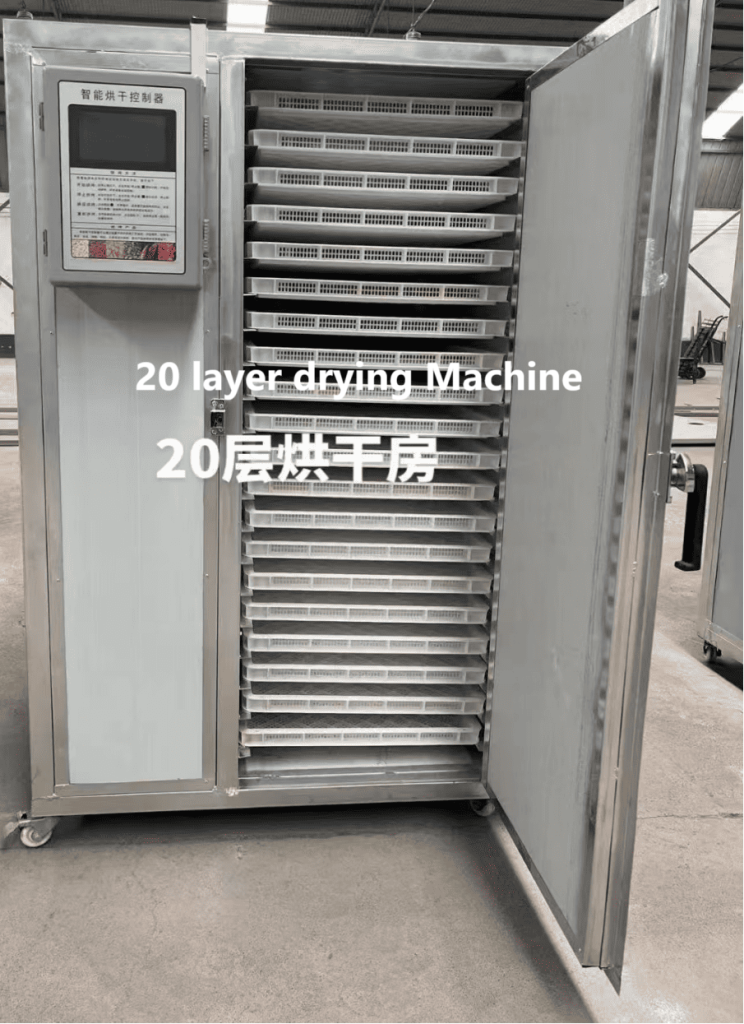
Drying Machine for Sale:

Mixer and Blender for Sale:
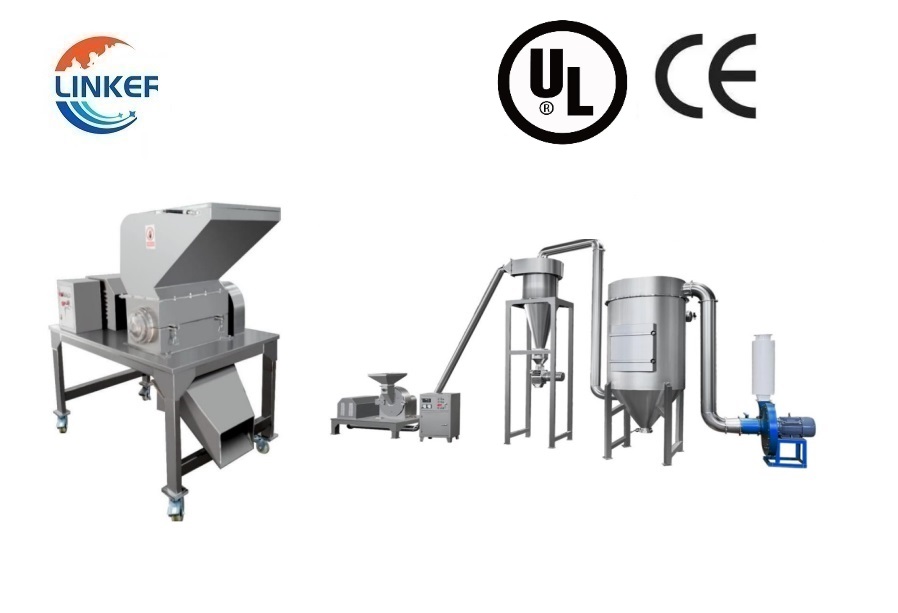
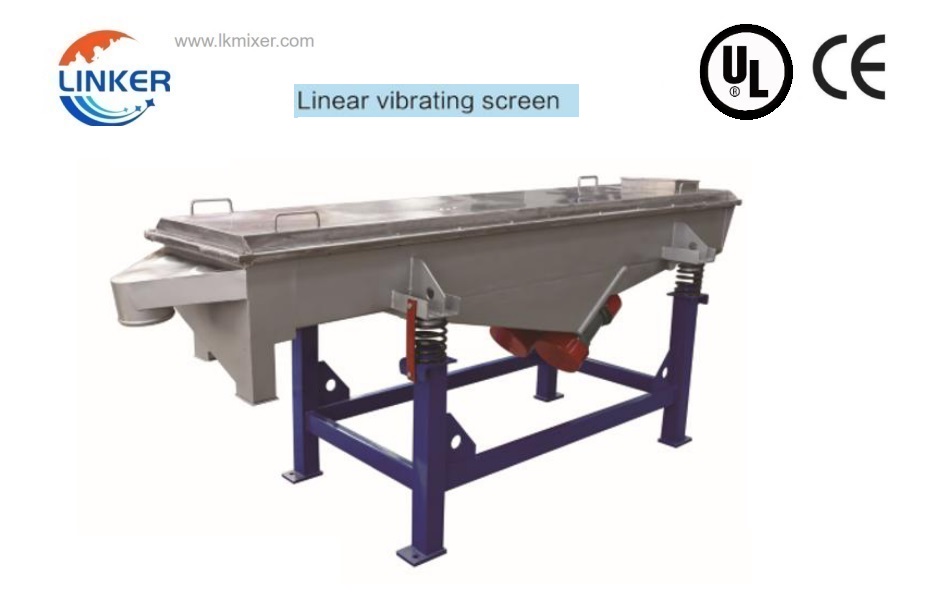
Industrial Vibrating Screen for Sale:

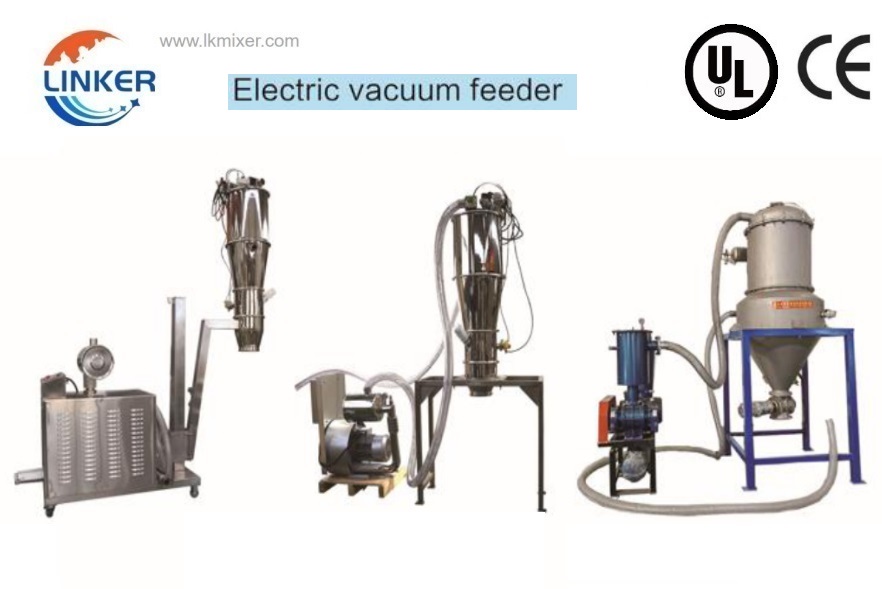
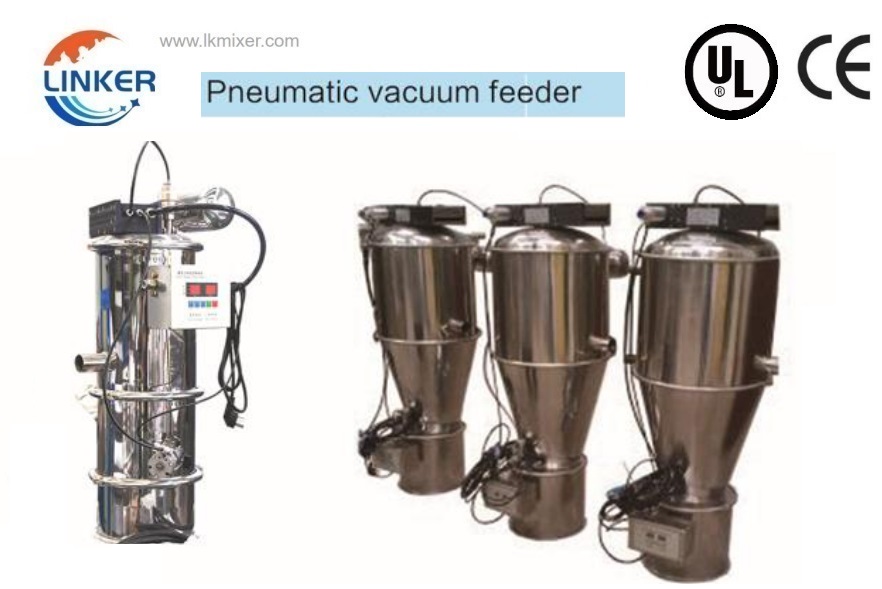
Industrial Vacuum Feeder for Sale:
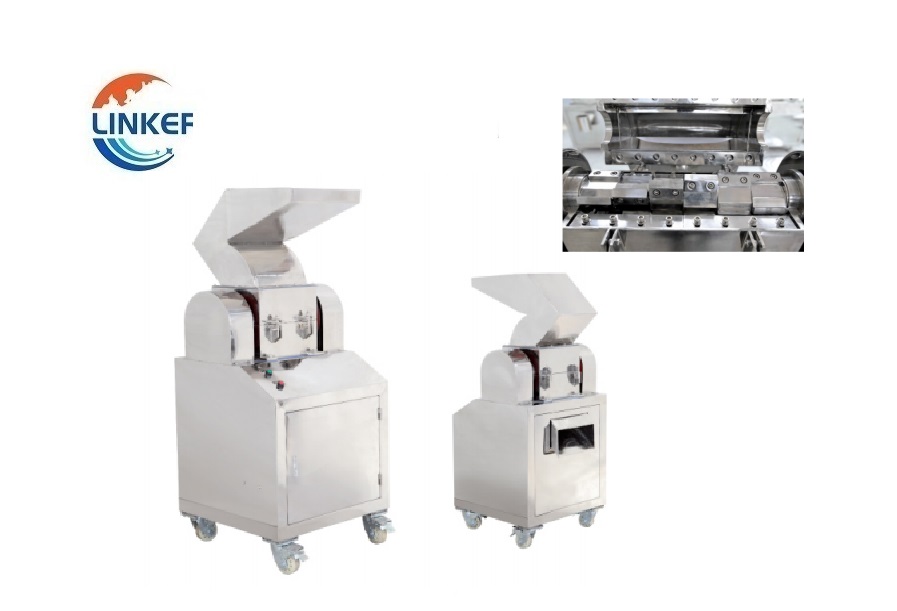
Industrial Shredder for Sale:
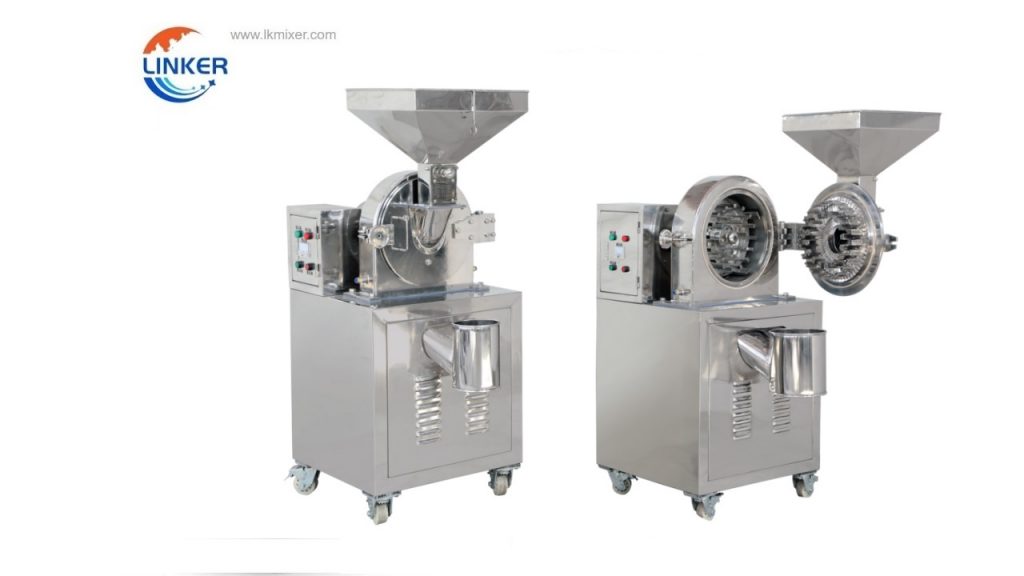
Grinding Machine for Sale:
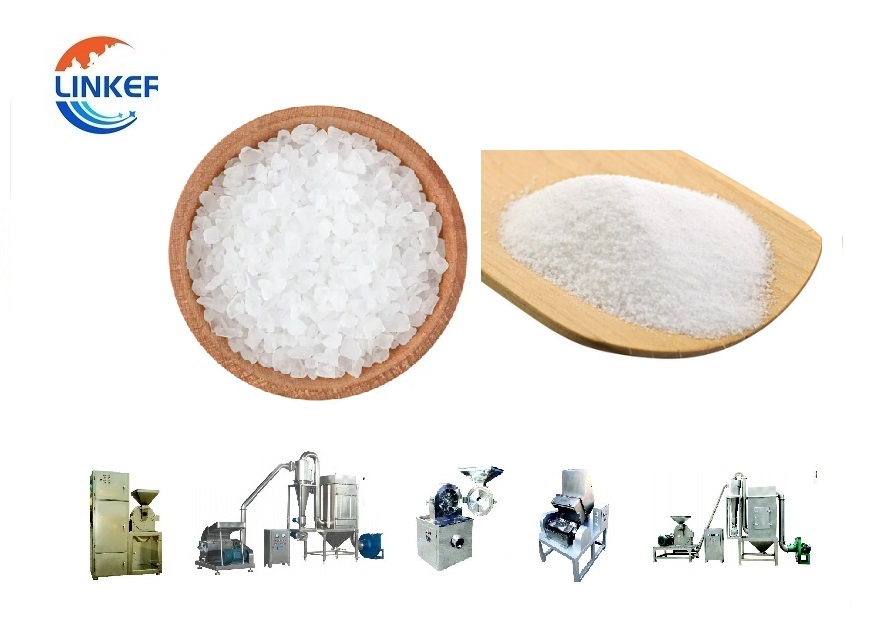
Blending and Mixing Machine for Sale

Granulating Machine for Sale:
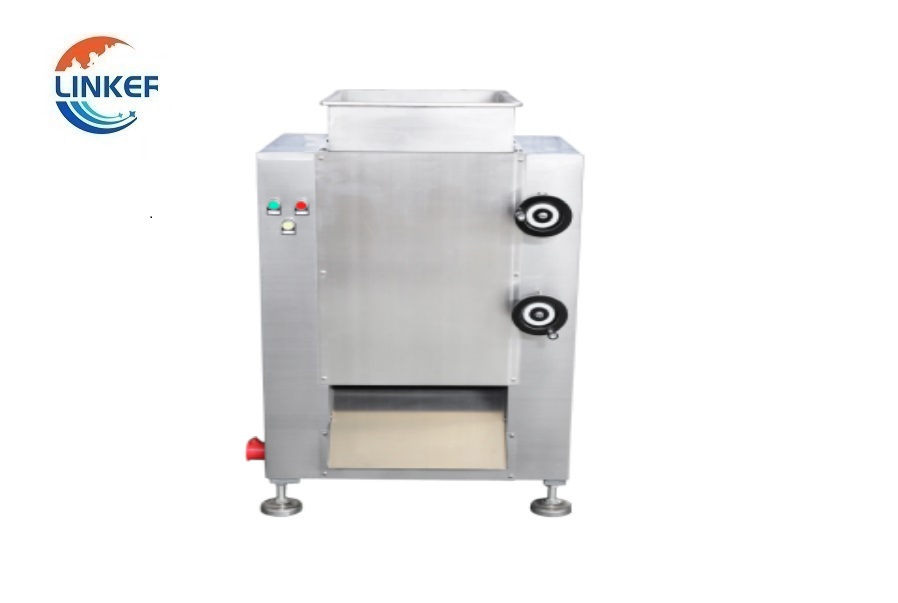
Auxiliary Machine for Sale:
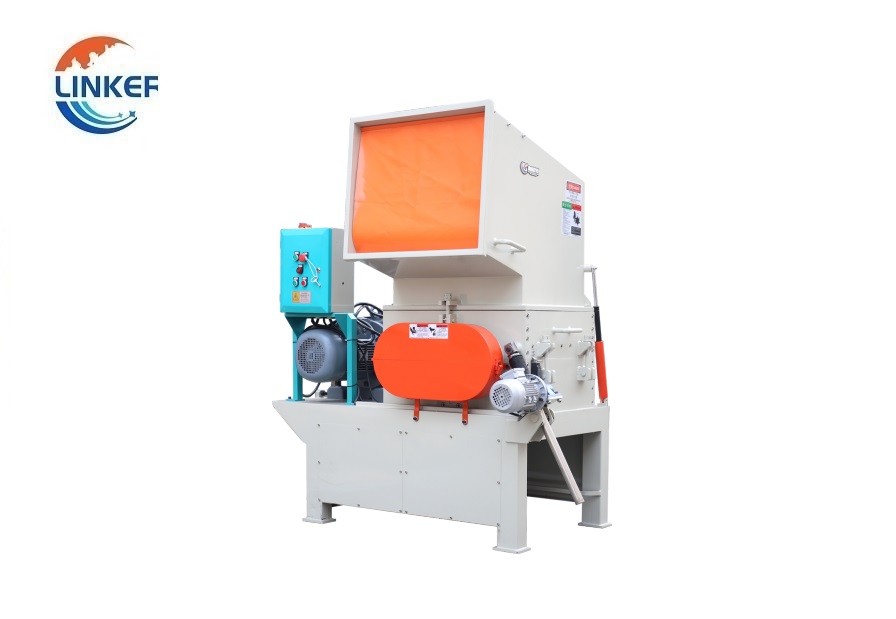
Recommend Reading

You May also Interest in other topics:
demolition hammer gsh 11e

filling capping machine

ev wall charger
best ev wall charger 38 10k
wall box ev charger 26 2.1k
wall box charger 21 3.1k
wallbox ev fast charger factory

industrial meat grinder 10 1000

Table of Contents