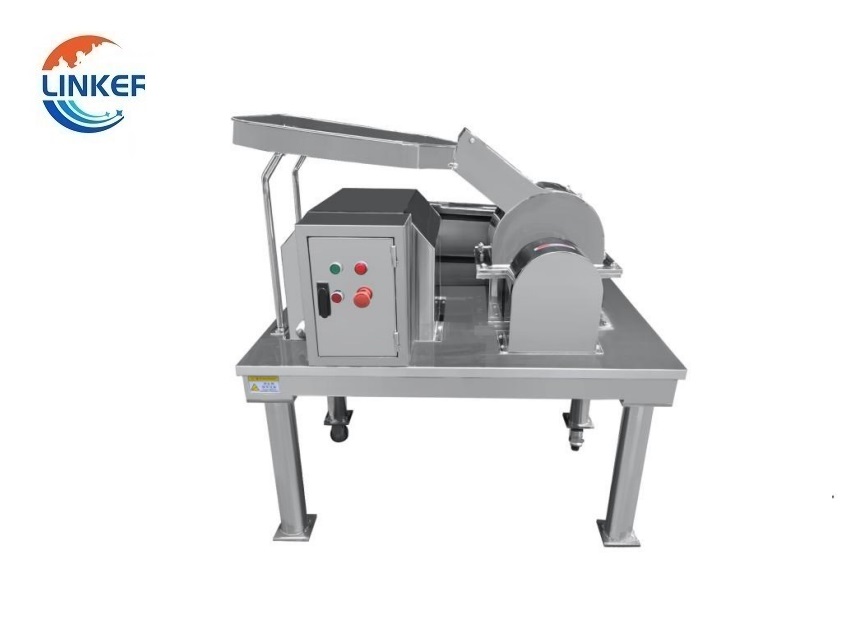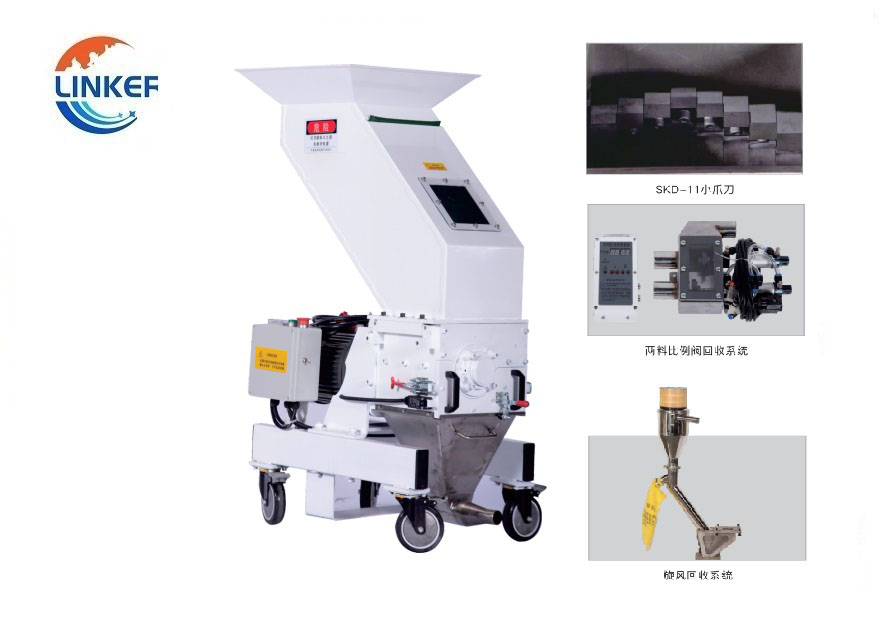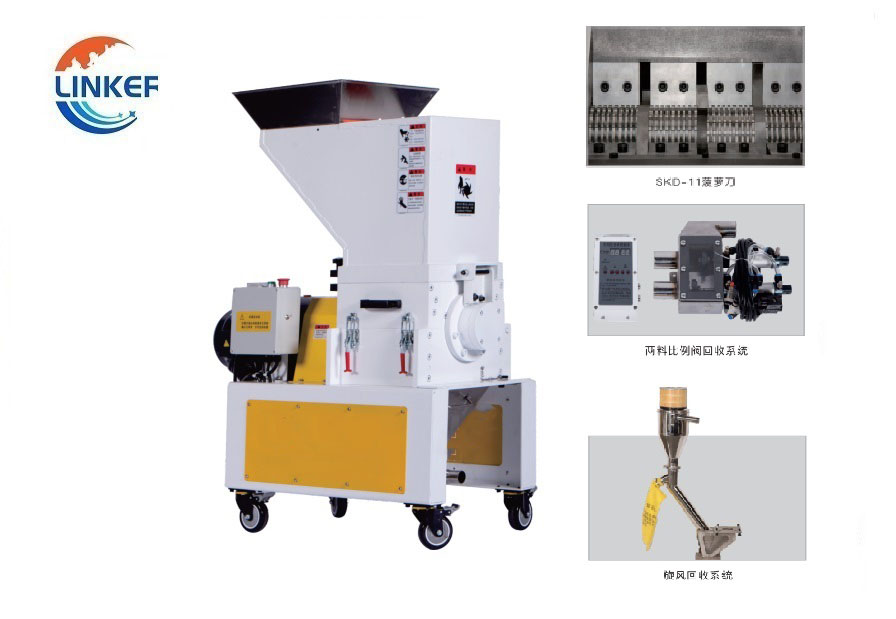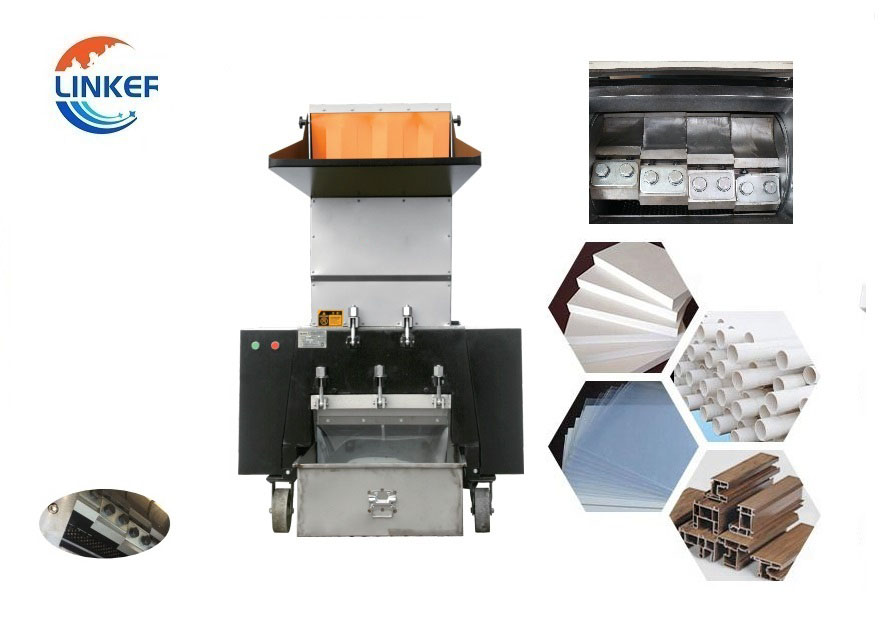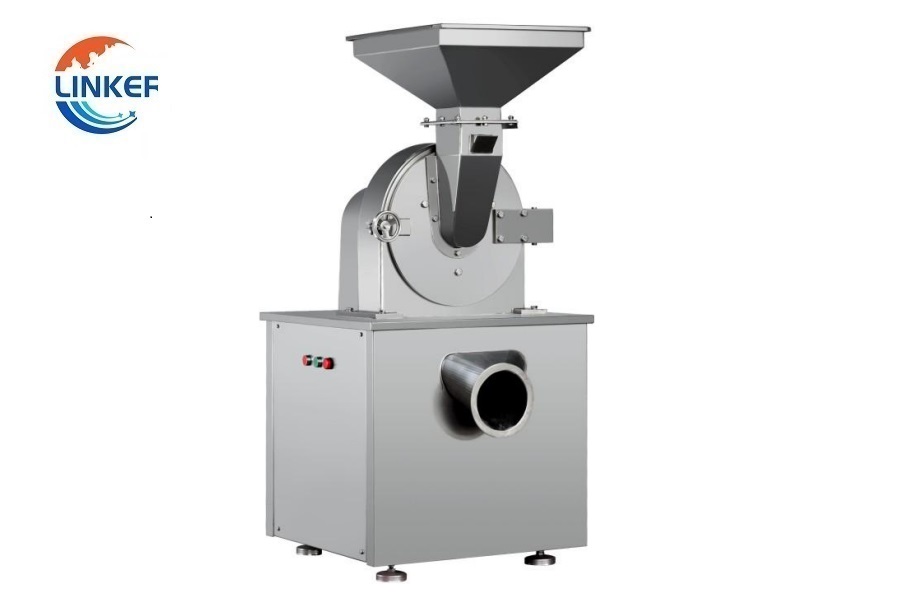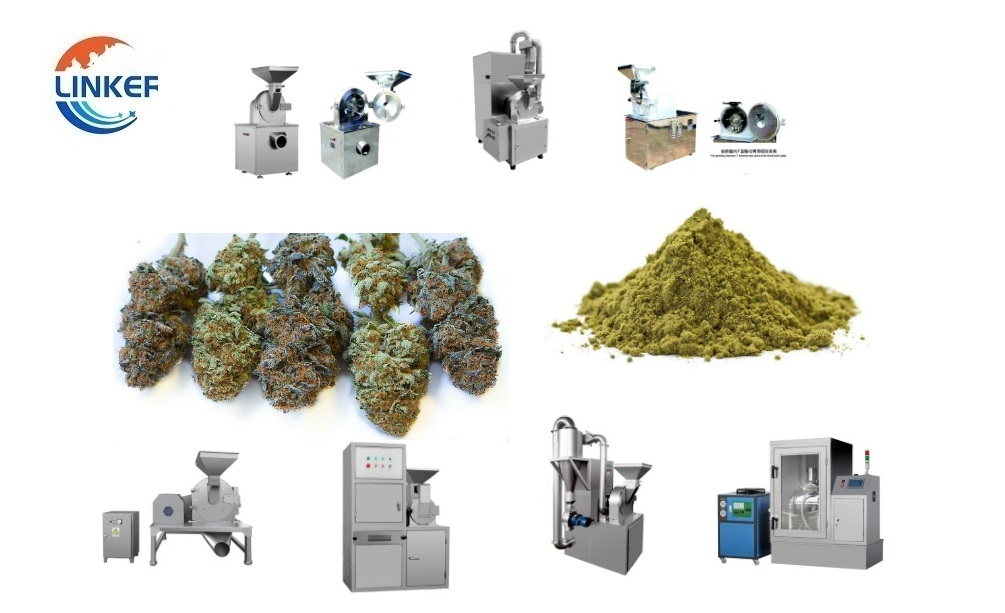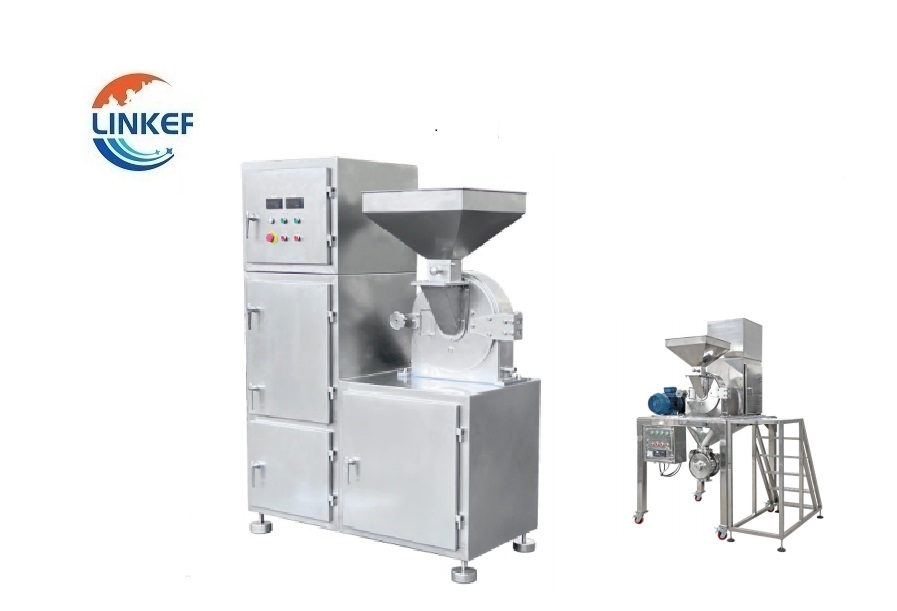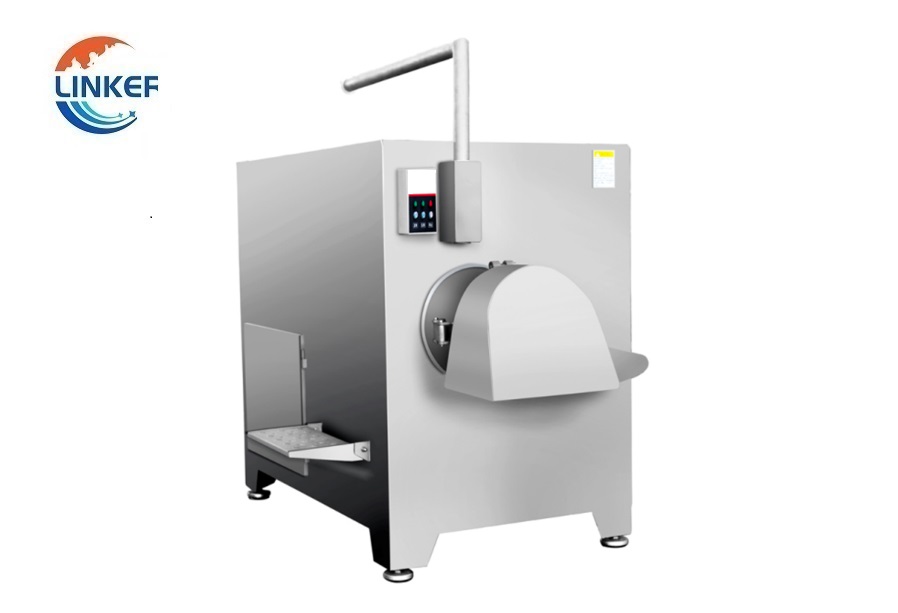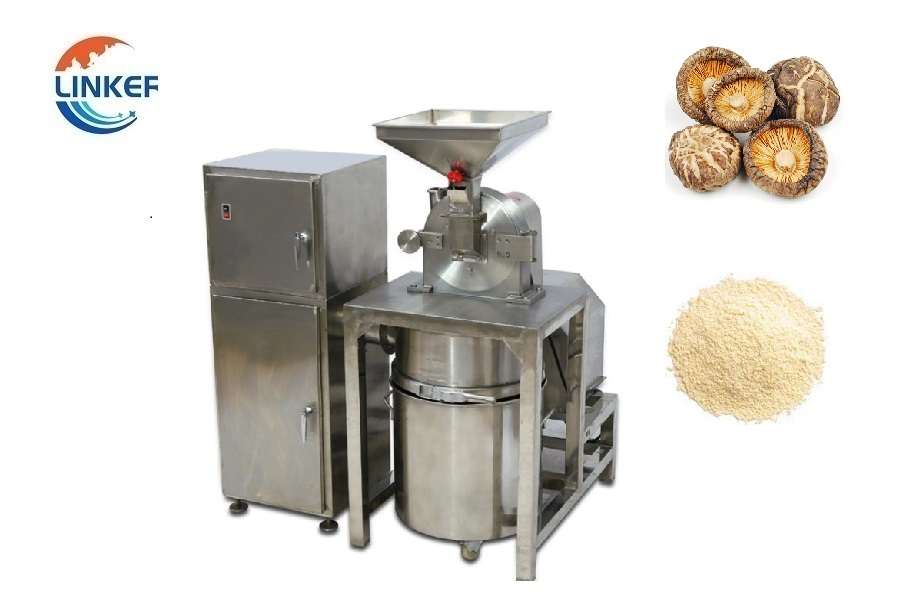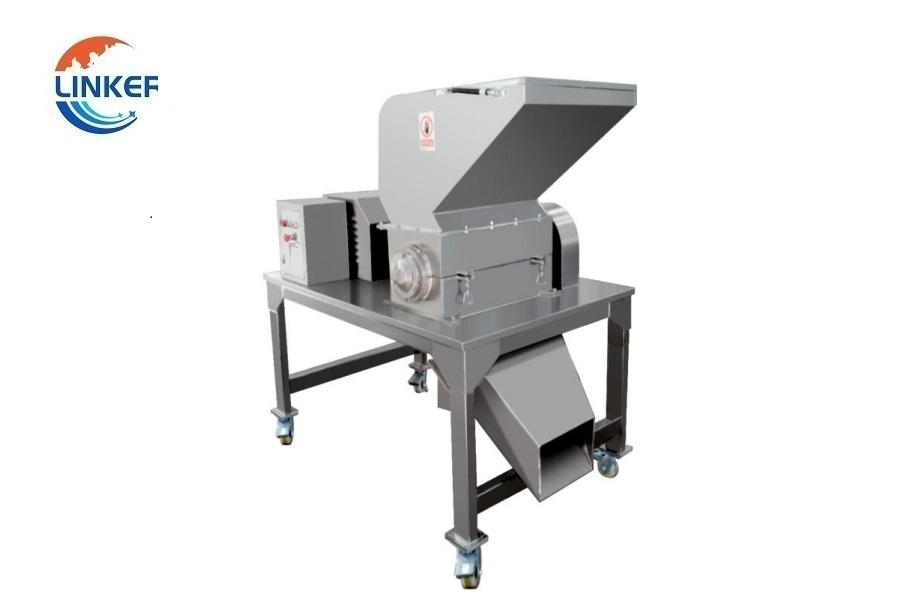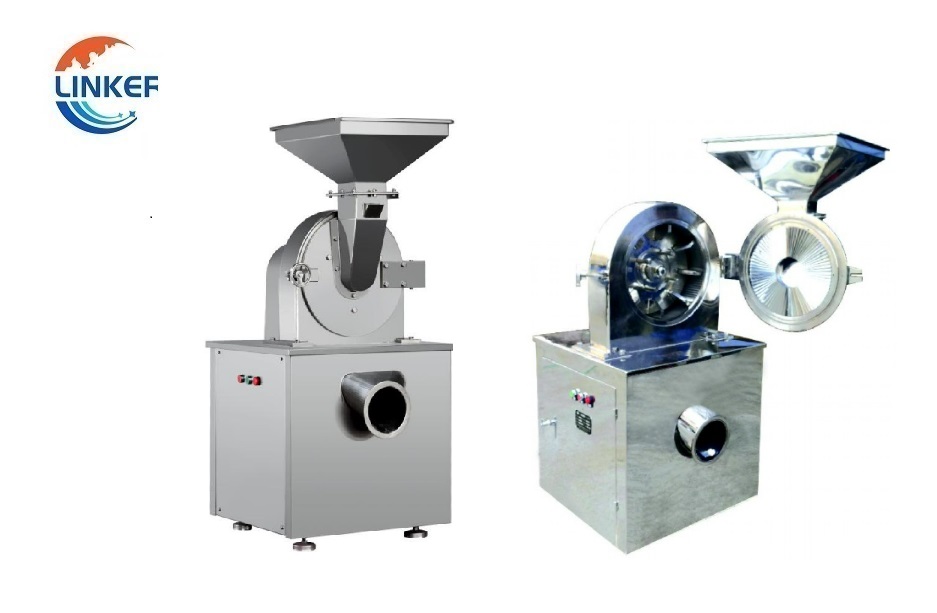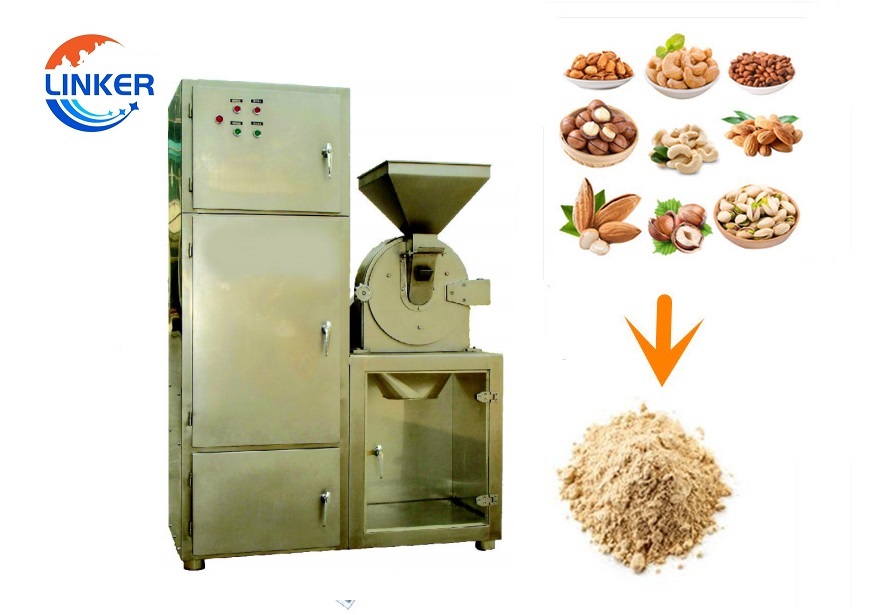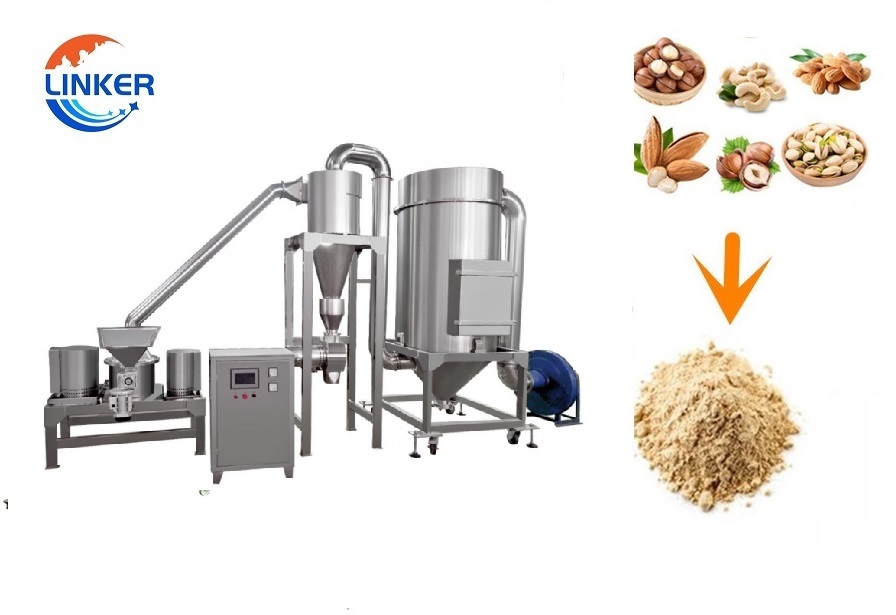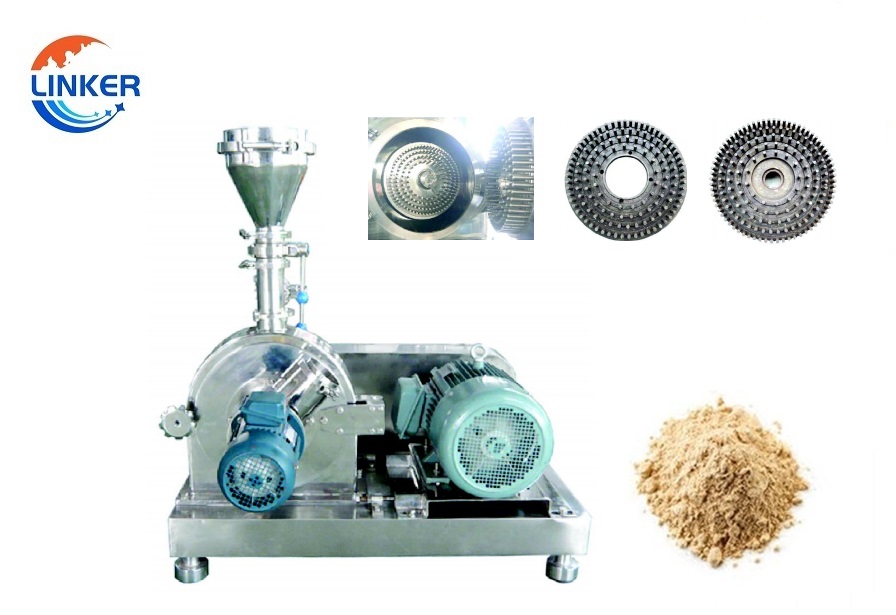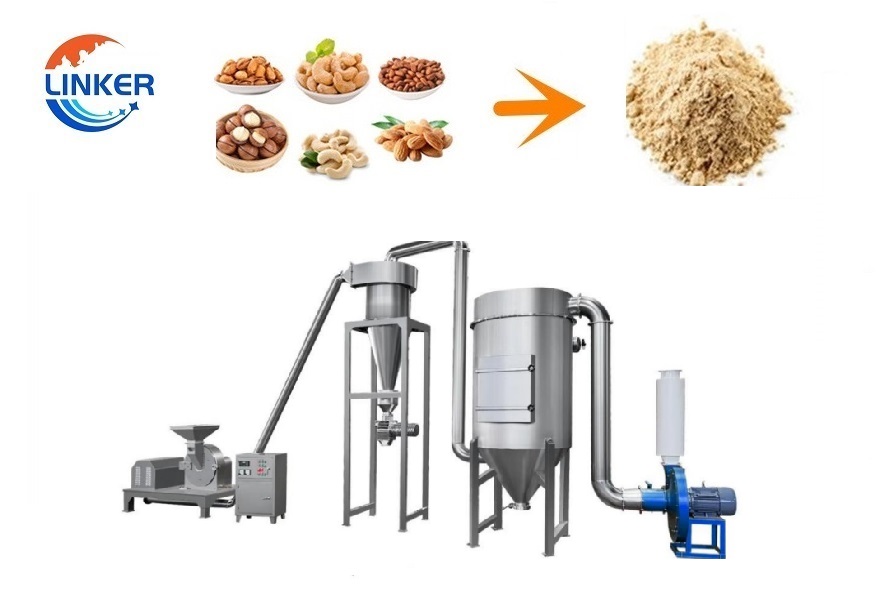
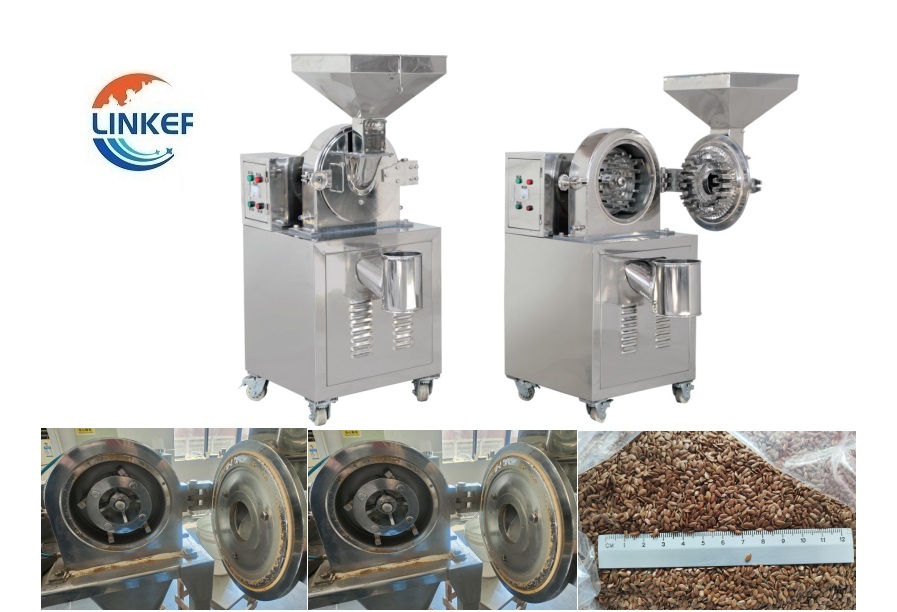
316 Stainless Steel Grinding Mill
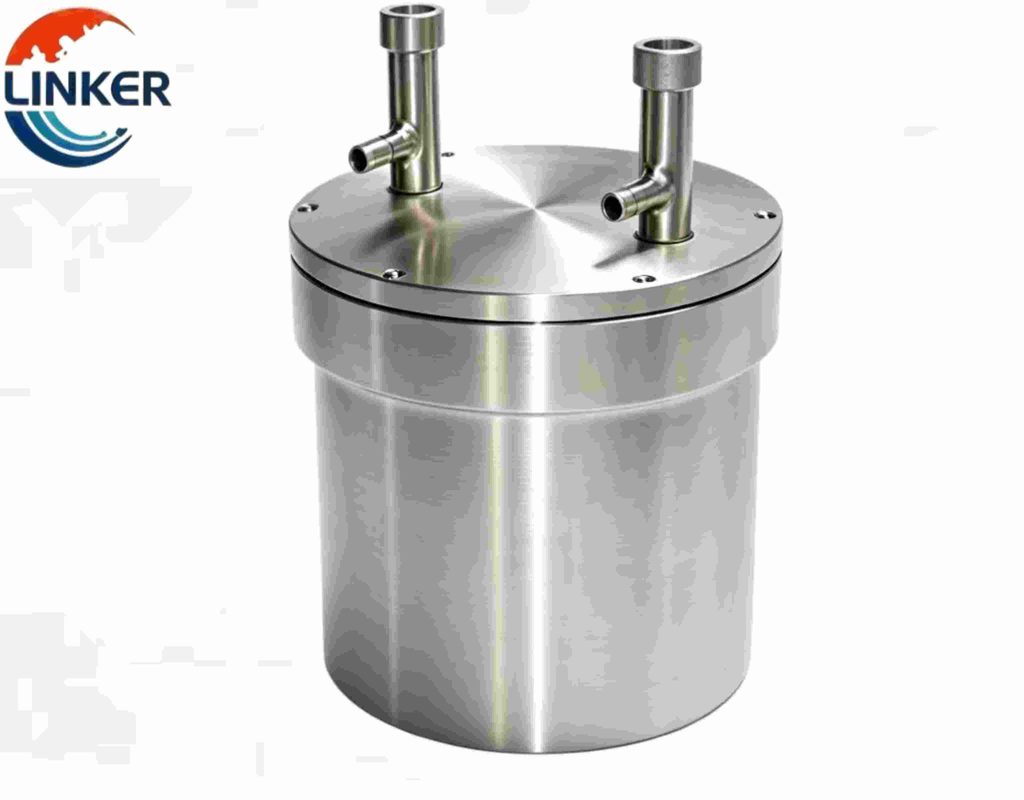
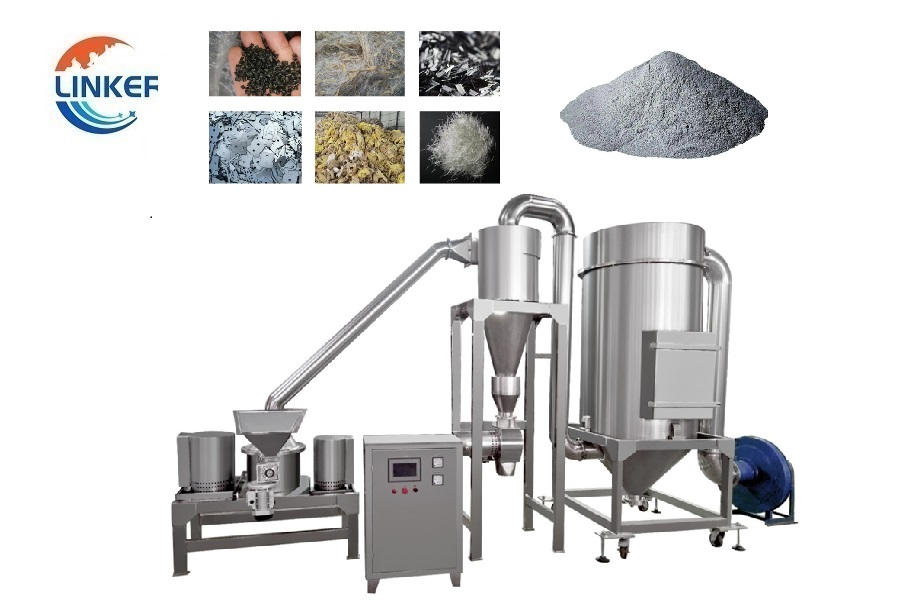
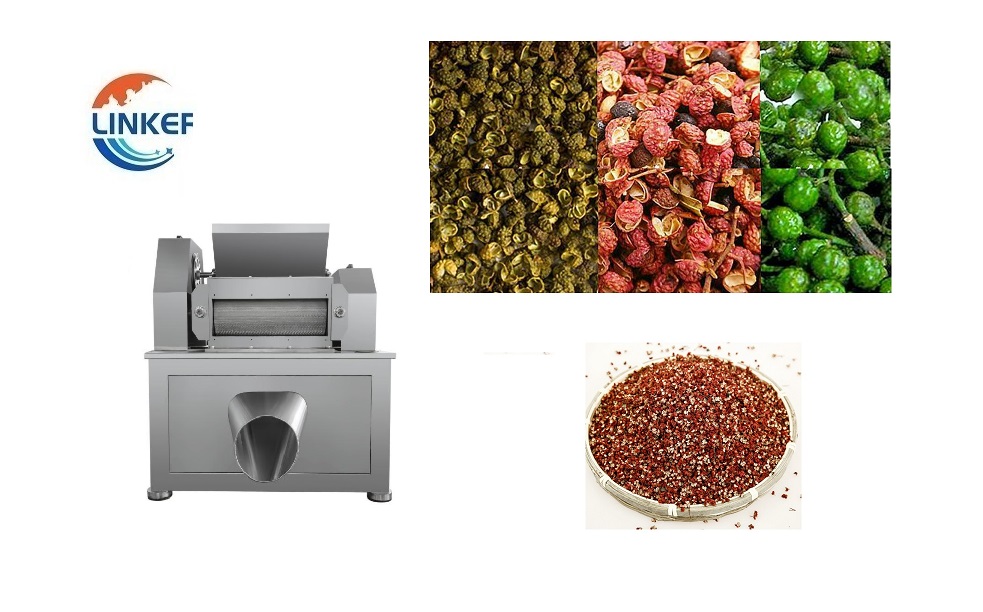
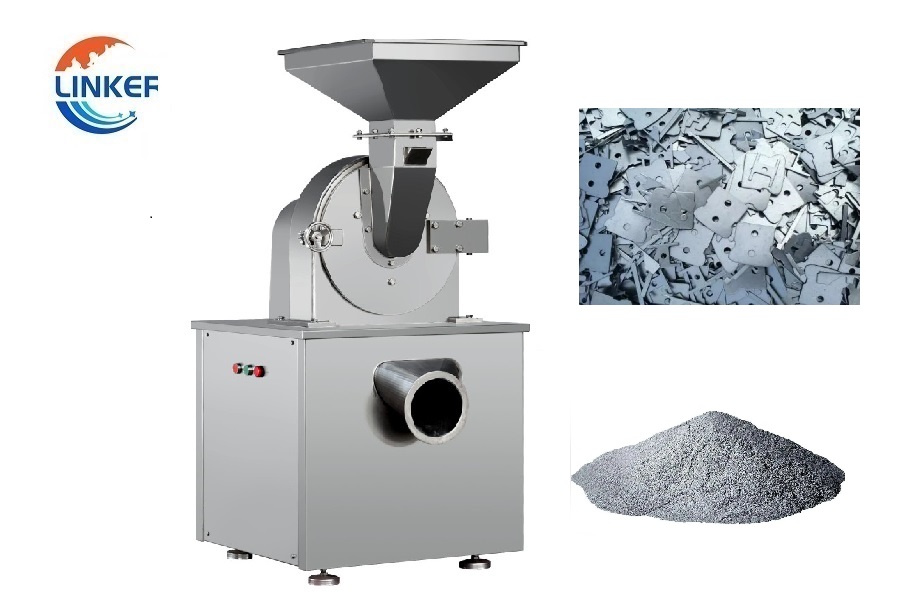
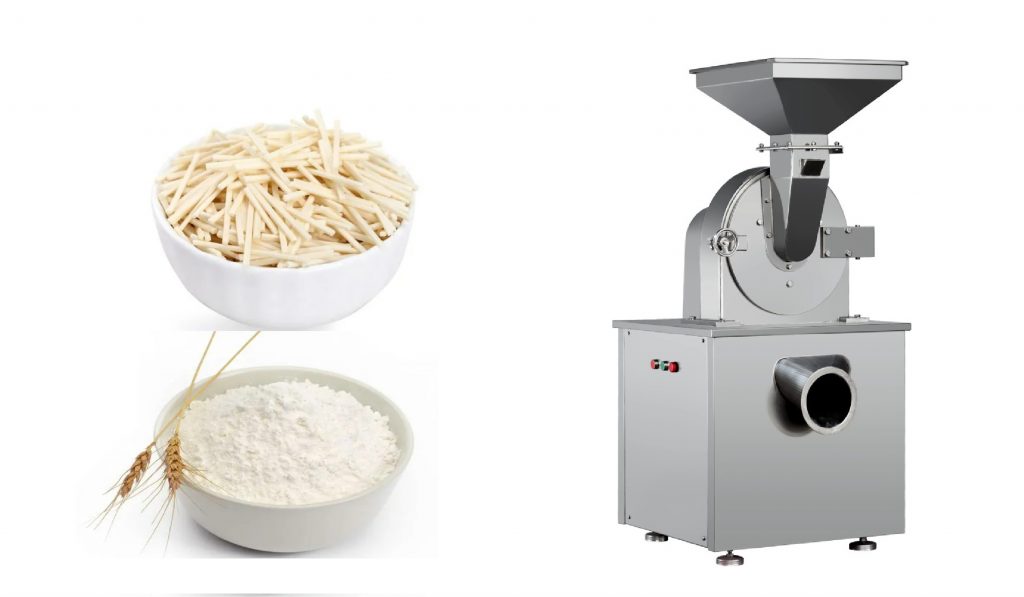
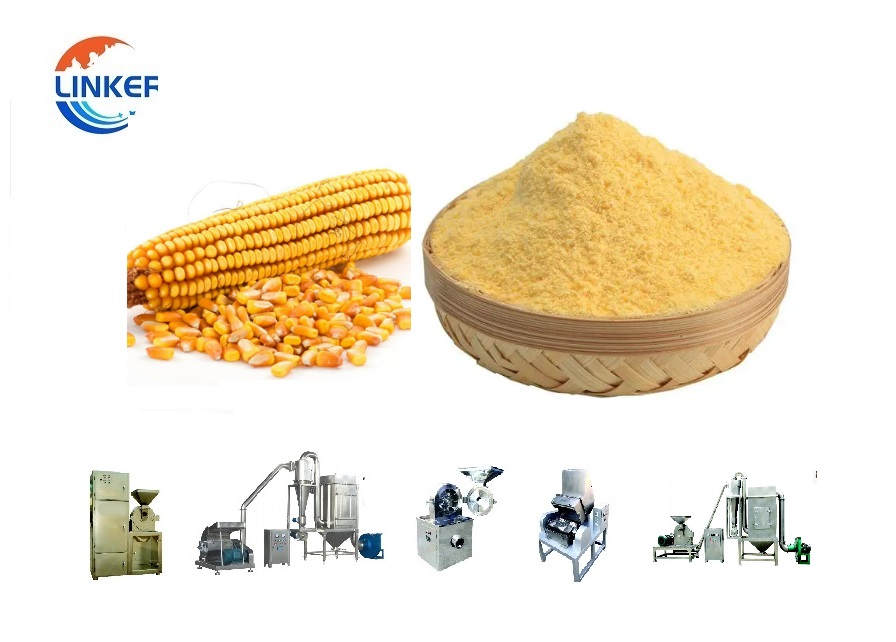
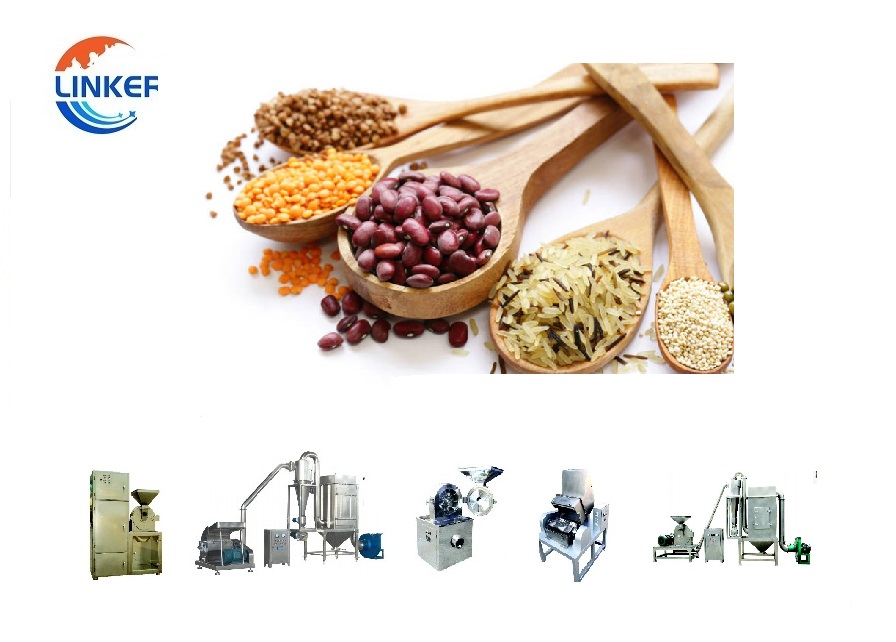
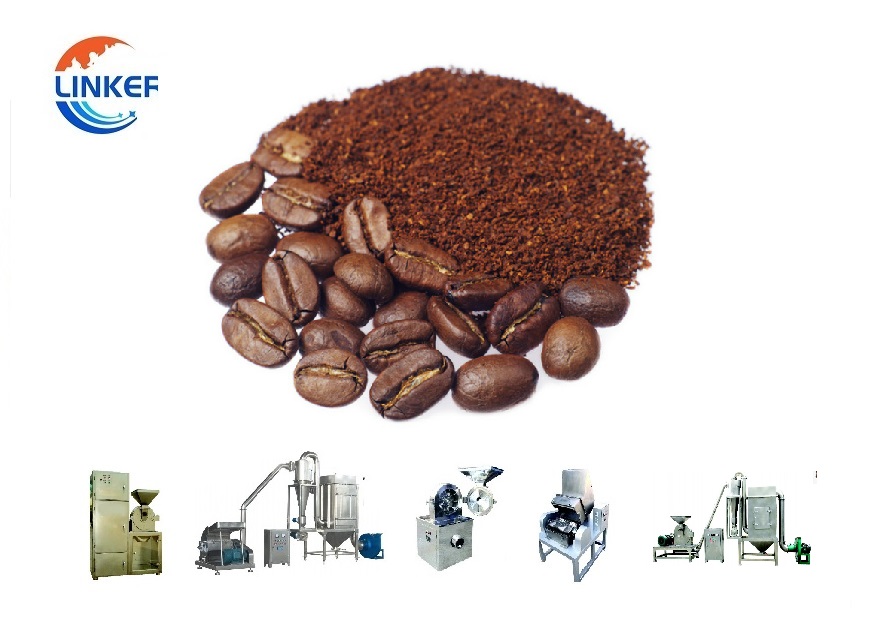
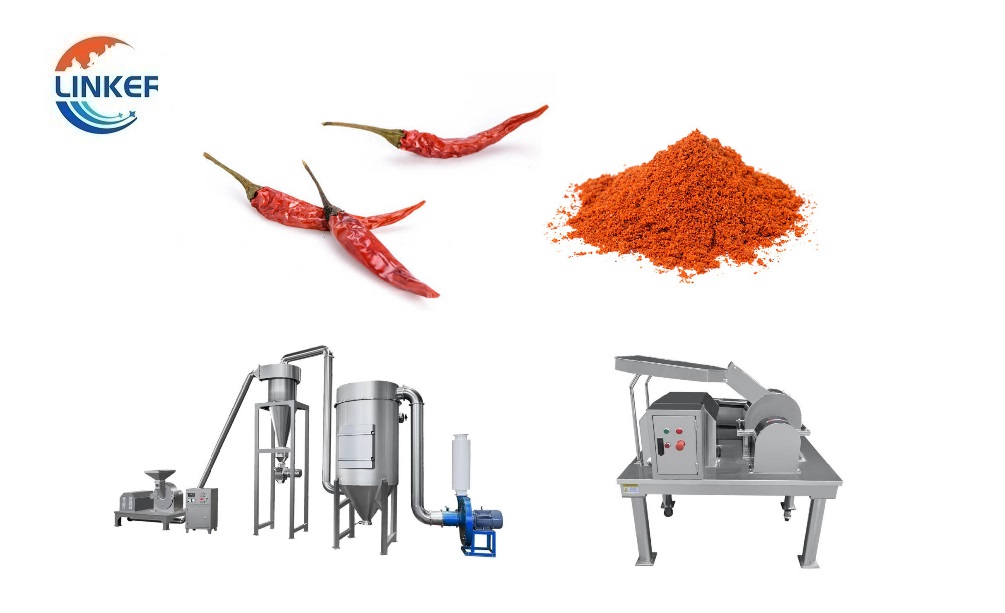
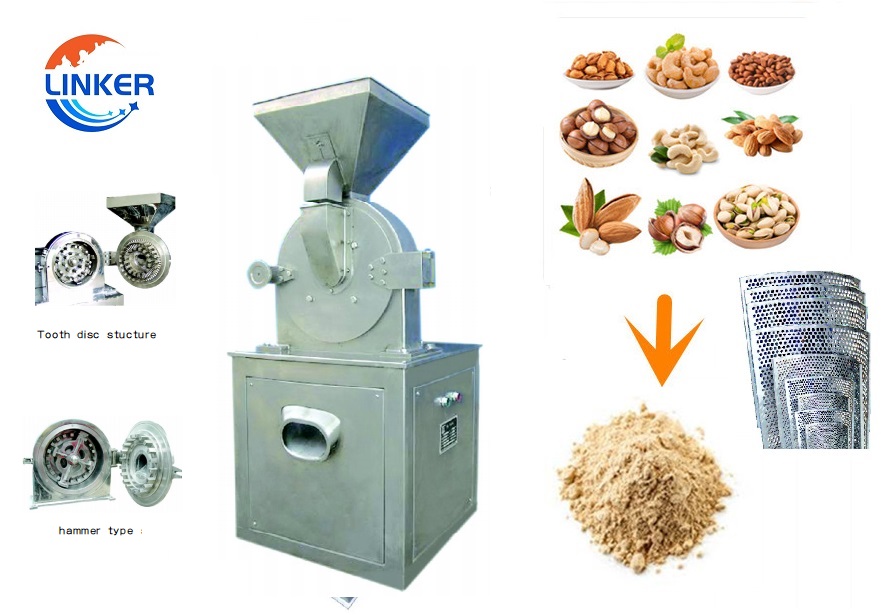
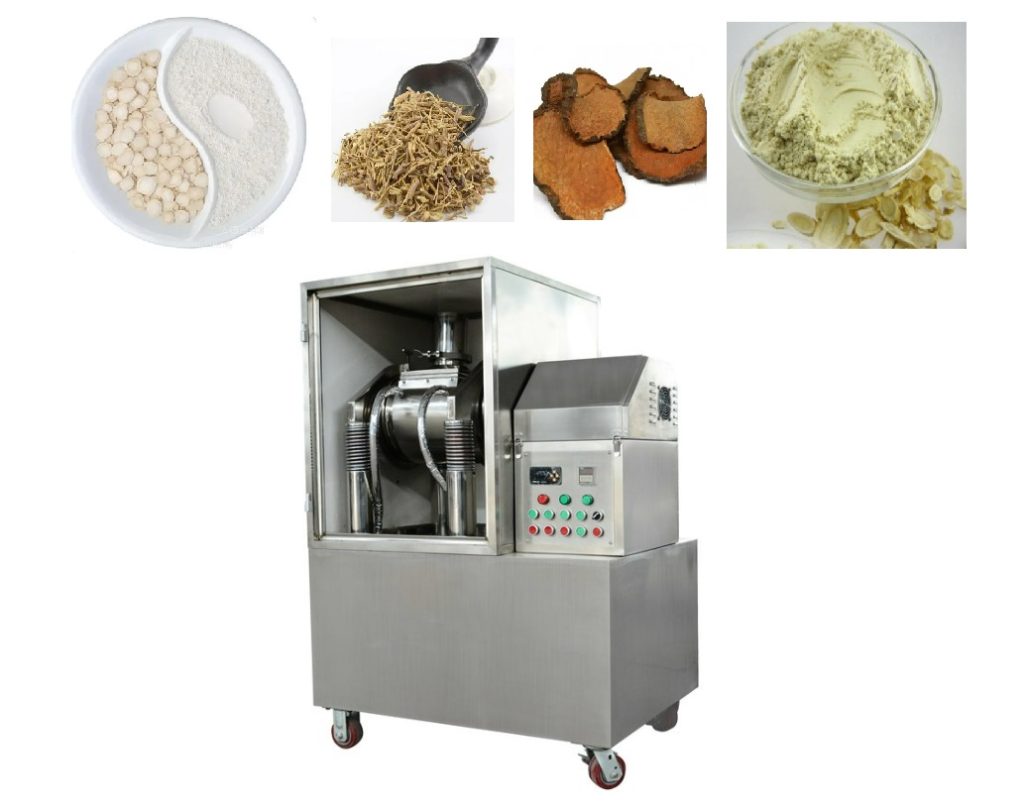
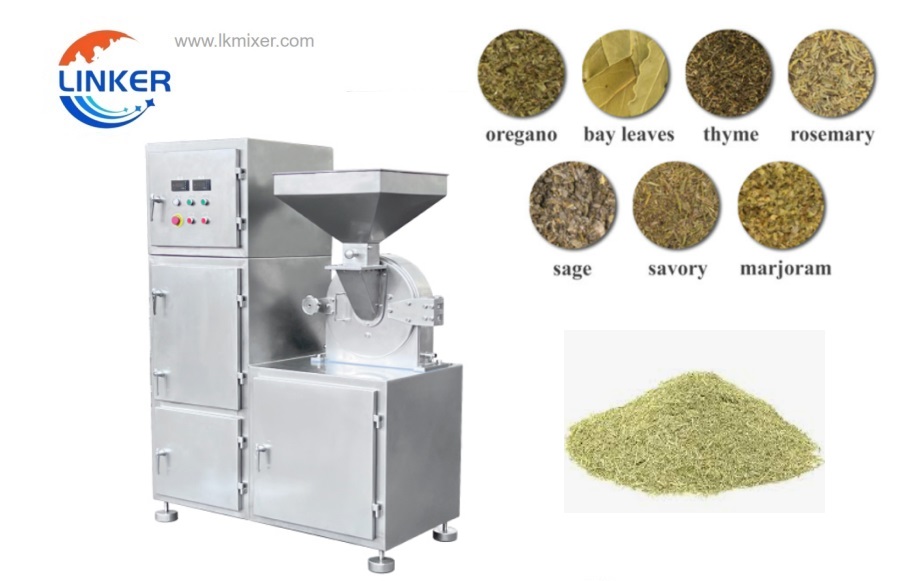
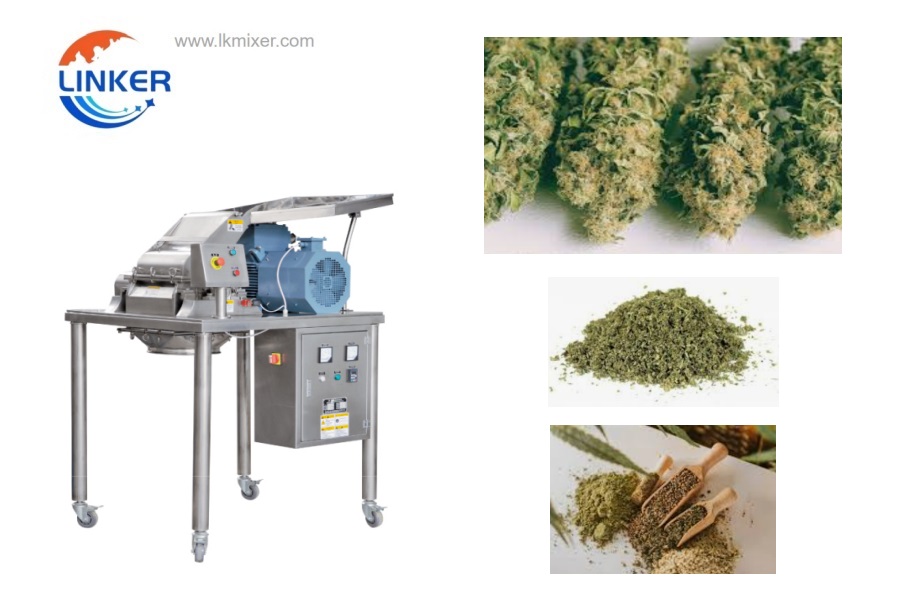
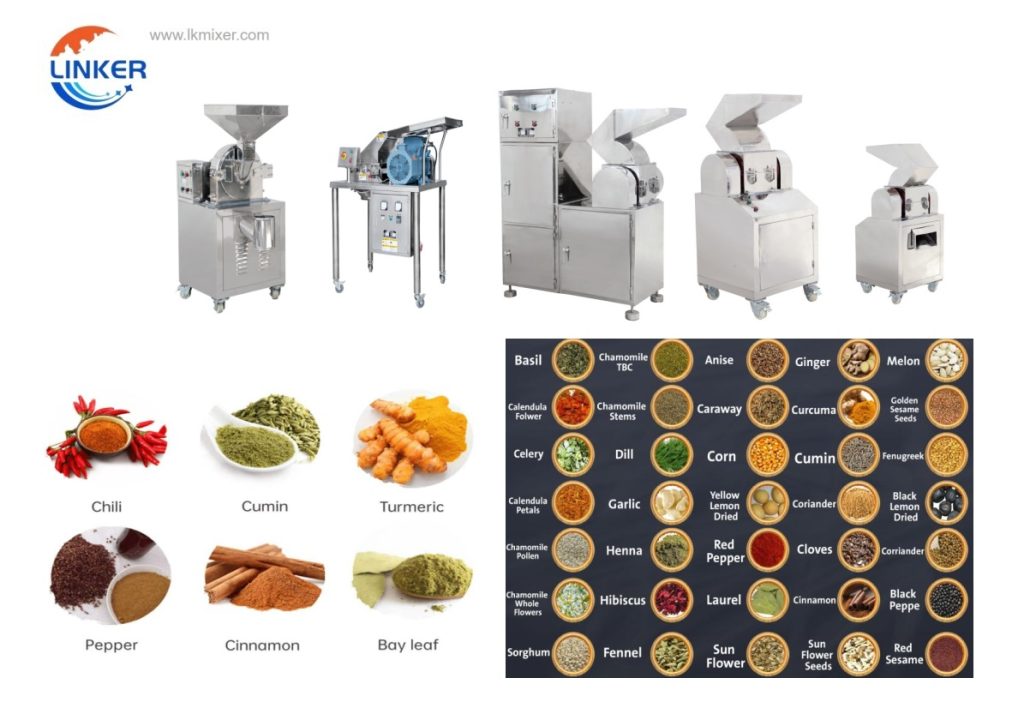
- Suitable Grinding Material: plant samples, fibrous materials, food grains, pharmaceuticals, corrosive raw materials, soft‑medium hardness raw materials with hygiene requirements;
- Maximum capacity: 5‑80(kg/hour);
- Output particle size: 0.1‑2mm
- Machine Weight:45‑210kg;
- Total Power: 1.1‑7.5KW
- Application: Pharmaceuticals, Nutraceuticals, Food Products, Chemicals, Herbal Processing, Agricultural sample testing, corrosive material grinding.
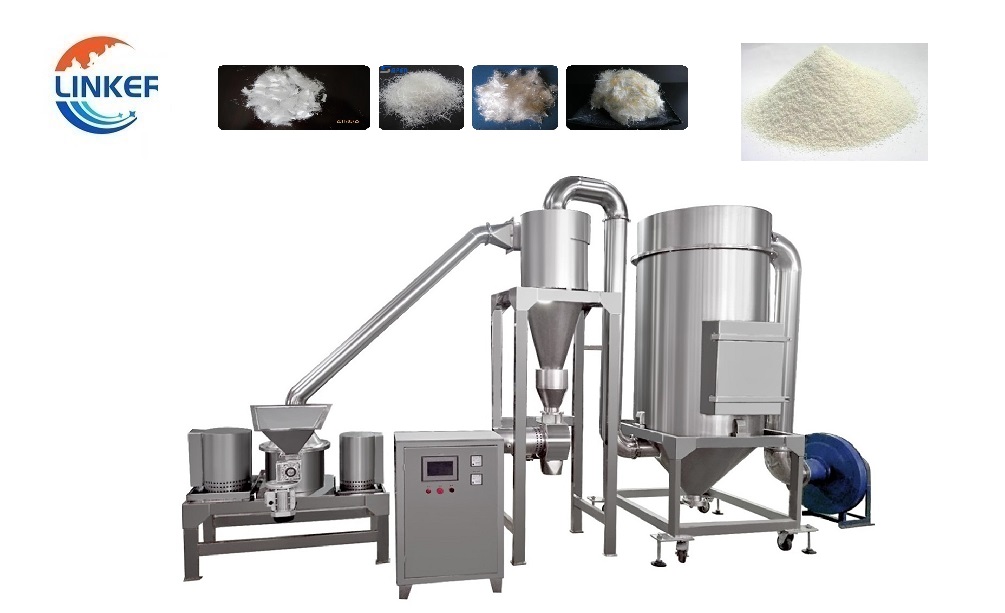
- Notice: This is just an example of machine for ultra‑fine grinding, this machine can also be used for other materials, and there also have many models mill suitable to grind. Please contact with our sales for choosing the right model.
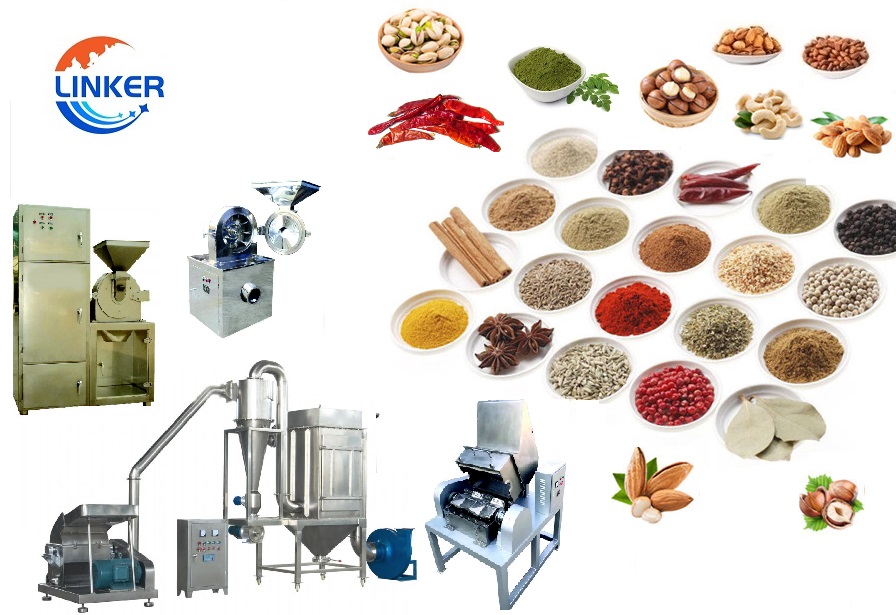
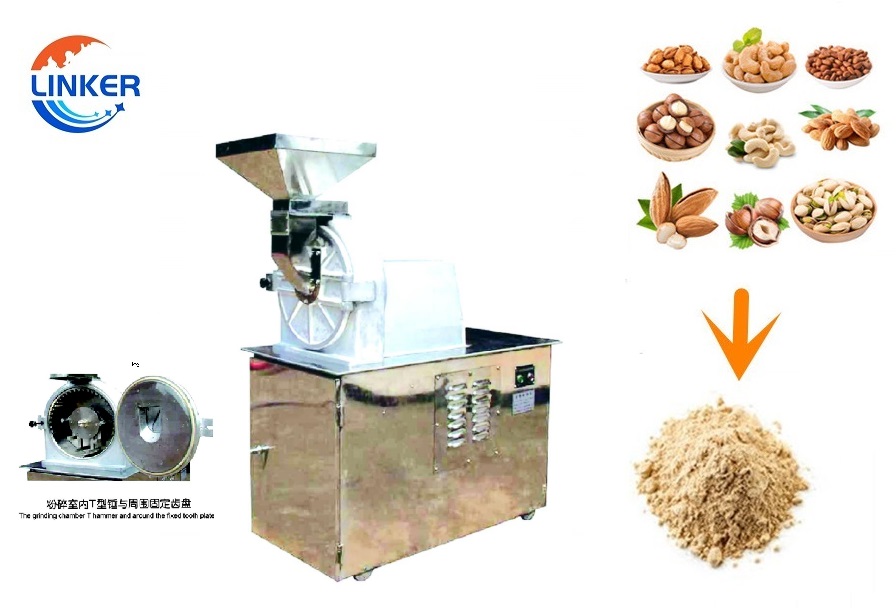
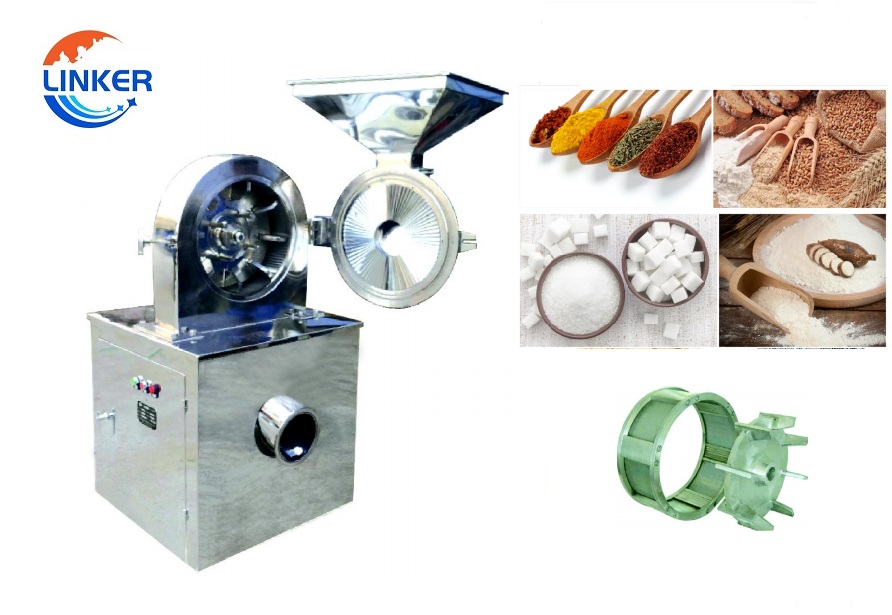
This Grinding Mill adopts mature high‑speed pulverizing structure design, which is extensively used for material grinding in pharmaceutical, chemical, food, herbal medicine, spice and other industries.
Structure
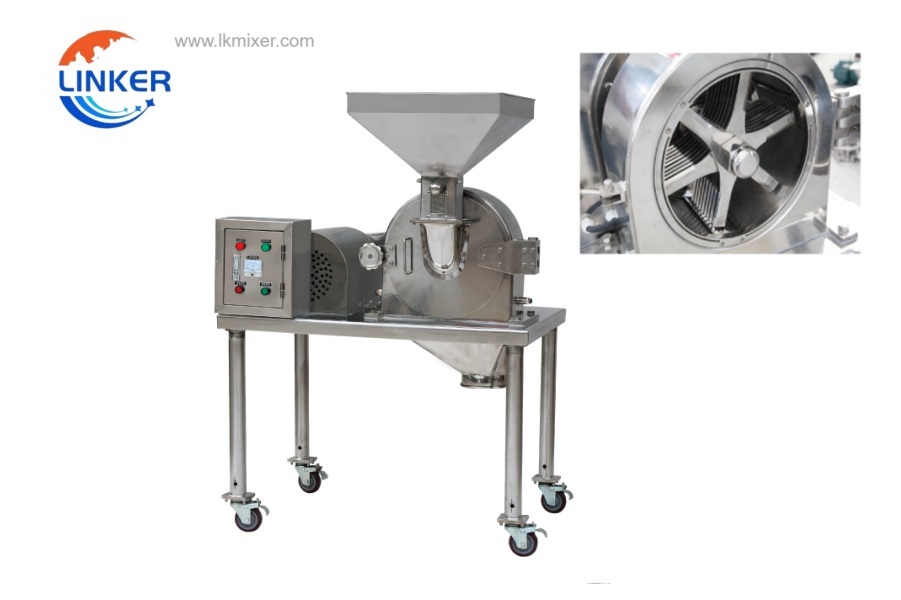
This grinding mill features compact overall layout. It is convenient for installation, disassembly and thorough cleaning. It delivers stable operation performance, moderate working noise, reliable sealing property and outstanding grinding capacity.
Working Principle
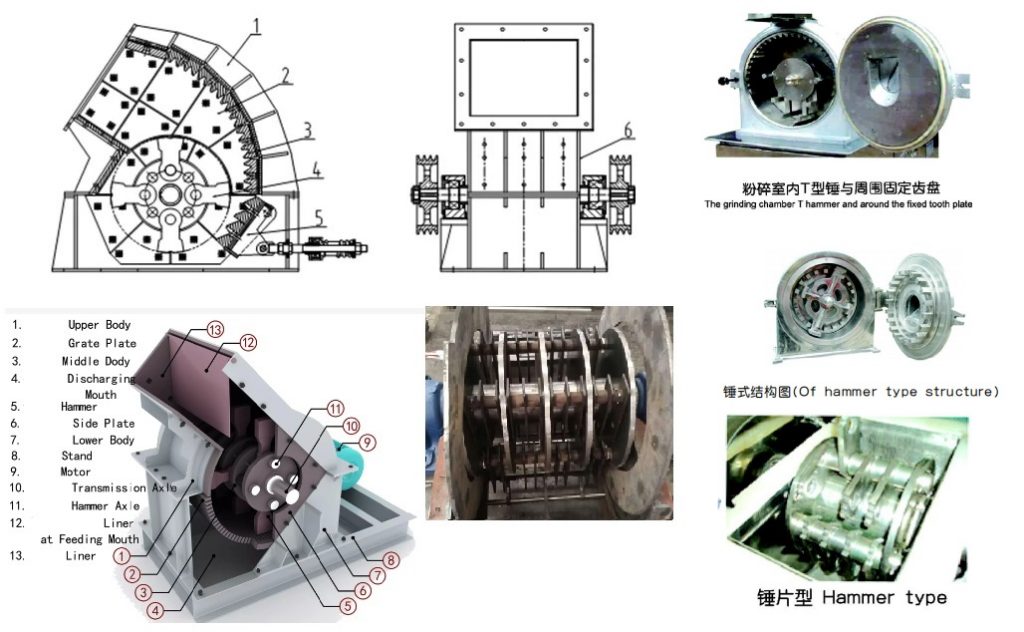
The machine operates at high rotational speed. Raw materials are crushed through continuous impact and shearing force generated between rotating movable teeth and static fixed teeth. Fineness of finished powder can be adjusted according to different raw material characteristics. Particle size of final output can be obtained by replacing different screens or adjusting running speed.
316 Stainless Steel Grinding Mill
What is a 316 Stainless Steel Grinding Mill?
A 316 stainless steel grinding mill is a specialized precision grinding device whose core material contact components including grinding chambers, grinding discs, cutting blades and screen meshes are fully constructed from high-grade 316 austenitic stainless steel. Differing from ordinary grinding equipment made of carbon steel or standard 304 stainless steel, this professional grinding machine delivers superior corrosion resistance, biocompatibility and structural durability. It is specially optimized for high-standard production environments that demand strict hygiene safety and chemical stability, making it the preferred grinding solution for food processing, pharmaceutical manufacturing and fine chemical industrial scenarios.
What Unique Material Performance Advantages Does 316 Stainless Steel Bring to Grinding Mill Equipment?
The outstanding comprehensive performance of 316 stainless steel grinding mills fundamentally stems from the optimized chemical composition of 316-grade stainless steel, particularly the addition of molybdenum elements that are not contained in ordinary 304 stainless steel. This unique component adjustment completely upgrades the material’s chemical stability and industrial adaptability, endowing the grinding mill with core advantages that ordinary grinding equipment cannot match. Traditional grinding machines mostly adopt 304 stainless steel or ordinary iron materials, which can only adapt to simple grinding of neutral and non-corrosive materials. Once facing weak acid, salt-containing or slightly corrosive raw materials, they are prone to chemical reactions and structural aging. The molybdenum-enhanced formula of 316 stainless steel greatly improves the overall material stability, laying a solid material foundation for long-term high-standard operation of grinding equipment.
316 stainless steel achieves a substantial improvement in corrosion resistance, providing long-term stable protection for continuous material processing. Its resistance to acid, alkali and chloride ion erosion is more than 30% higher than that of conventional 304 stainless steel. In actual production processes, many food ingredients, pharmaceutical raw materials and chemical powders contain weak acidic components and trace salt substances. Long-term contact will gradually erode ordinary stainless steel surfaces, resulting in oxidative black spots, surface rust and structural pitting. The upgraded 316 material can effectively resist these subtle chemical erosions, maintaining a complete and smooth cavity structure for a long time. It completely avoids metal precipitation and impurity contamination caused by material corrosion, greatly extending the overall service life of the grinding mill and reducing long-term equipment replacement costs for enterprises.
316 stainless steel provides ultra-high hygiene safety standards, fully meeting the strict purification requirements of food-grade and pharmaceutical-grade production. This high-quality stainless steel material features a dense non-porous internal structure with no hidden gaps or residual cavities. After high-precision mirror polishing treatment, the equipment’s inner wall forms a smooth and seamless surface that hardly adheres to material residues. After each grinding operation, residual powders and pastes can be thoroughly cleaned through simple flushing and wiping without leaving dead corners. This excellent cleanability allows the 316 stainless steel grinding mill to easily pass international food safety and pharmaceutical GMP hygiene certifications. It completely eliminates cross-contamination risks between different batches of materials and ensures the purity and safety of final finished products.
The excellent mechanical properties of 316 stainless steel perfectly adapt to the high-intensity working environment of industrial grinding mills. This material has outstanding weldability, structural toughness and overall rigidity, allowing manufacturers to process it into various complex integrated grinding cavity structures without additional complicated heat treatment reinforcement. During long-term high-speed grinding operation, the equipment needs to bear continuous material impact, shear friction and cyclic vibration. Ordinary materials are prone to deformation, fatigue and accelerated wear under long-term load. In contrast, 316 stainless steel maintains stable structural strength and wear resistance under continuous industrial operation, fully adapting to uninterrupted high-frequency grinding tasks and meeting the durability requirements of large-scale industrial continuous production.
What Are the Structural Features and Applicable Scenarios of Mainstream 316 Stainless Steel Grinding Mill Models?
What performance characteristics do food and pharmaceutical grade universal pulverizers with full 316 stainless steel structure have? Food and pharmaceutical grade universal pulverizers are high-standard industrial grinding equipment built entirely with 316 and 316L stainless steel material for all internal and external contact parts. This series of equipment features flexible and adjustable grinding fineness, with finished particle size stably adjustable between 60 mesh and 350 mesh, covering coarse crushing, medium grinding and ultra-fine powder making requirements. The equipment has a wide capacity range, which can fully adapt to low-volume sample pre-treatment in laboratory research and large-batch continuous processing in industrial mass production workshops.
This professional pulverizer can be equipped with a precision air classification wheel according to production needs, which accurately screens and controls finished particle size to ensure uniform powder fineness of each batch. To adapt to high-risk and high-purity production scenarios, the machine supports optional explosion-proof configuration and sterile fully enclosed processing structure upgrades. All production links comply with strict GMP standardized production specifications for pharmaceutical and food industries. It is widely used for fine crushing and refinement of high-standard raw materials such as Chinese medicinal materials, pharmaceutical excipients, food spices and functional food raw materials.
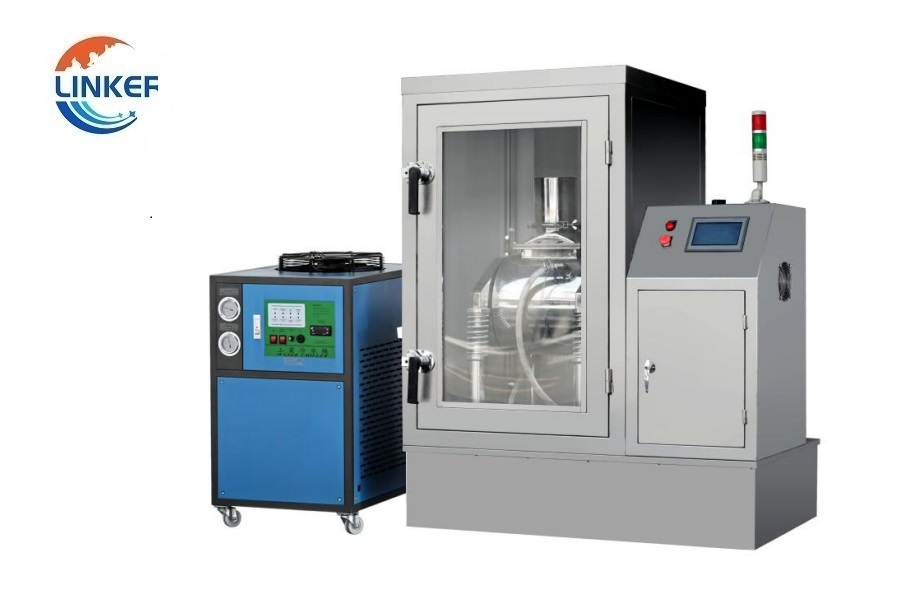
What are the functional advantages of laboratory 316 stainless steel dispersion grinding mills? Laboratory dispersion grinding mills adopt full 316 stainless steel material for all parts that directly contact experimental samples and slurries, completely avoiding material contamination caused by metal precipitation. The equipment’s processing volume ranges from several liters to dozens of liters, fully matching the small-batch trial production, formula research and sample pre-treatment needs of scientific research laboratories. Different from industrial large-scale grinding equipment, laboratory models focus on precise parameter adjustment and flexible operation.
Operators can freely adjust the grinding rotating speed, processing pressure and working duration according to the viscosity, hardness and fineness requirements of different slurry samples. The compact structural design simplifies daily disassembly and cleaning work, effectively preventing cross-contamination between different experimental formulas. With stable performance, simple operation and high cleaning efficiency, the 316 stainless steel laboratory grinding mill has become a standard universal supporting device in chemical research, new material development, pharmaceutical experiment and food formula optimization laboratories.
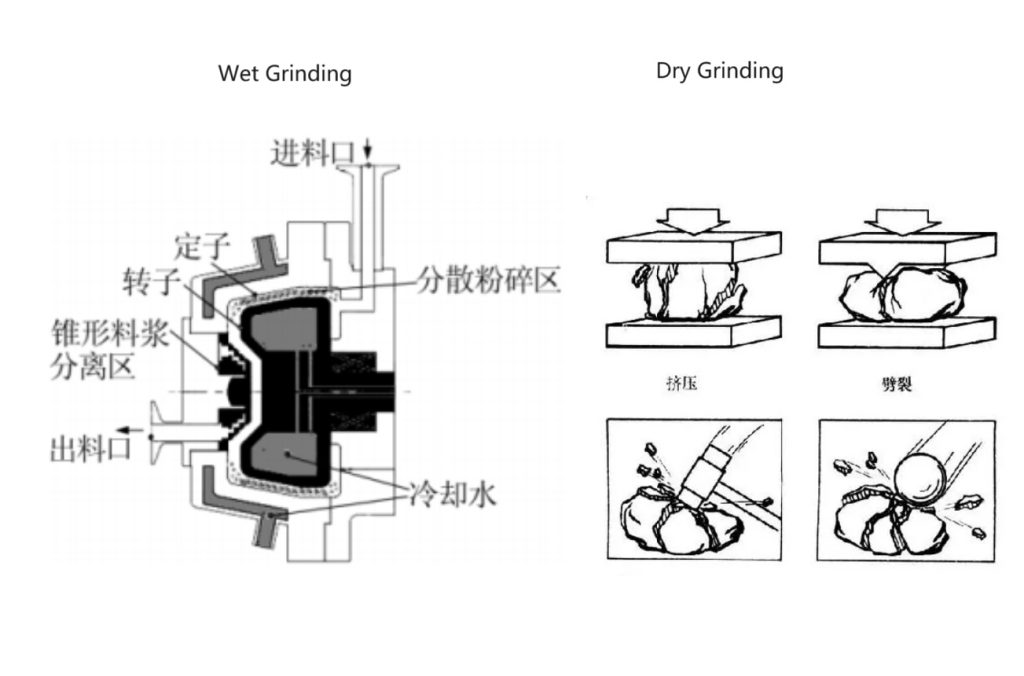
What application values do household and commercial multi-functional 316 stainless steel grinding mills have? Household and commercial multi-functional grinding mills adopt high-purity 316 stainless steel for core grinding cups and cutting blade components, focusing on hygiene safety and multi-scene versatility. The equipment supports dual wet and dry grinding modes, realizing diversified material processing functions. In dry grinding mode, it can quickly crush grains, coarse cereals and Chinese herbal medicines into uniform fine powder up to 300 mesh. In wet grinding mode, it can efficiently polish and refine fruits, vegetables, nuts and viscous raw materials to make delicate pastes and purees.
The whole machine adopts a fully detachable structural design, allowing all contact parts to be completely disassembled and rinsed with water. The smooth mirror surface of 316 stainless steel does not store dirt or retain residues, ensuring no residual odor or cross-contamination after each use. This series of grinding mills is perfectly suitable for household complementary food production, daily grain grinding, as well as small-scale material processing and ingredient preparation in catering stores and small processing workshops, balancing safety, practicality and convenience.
What are the industrial processing advantages of large 316 stainless steel plastic and powder grinding mills? Industrial-grade plastic and powder grinding mills are equipped with ultra-large integral 316 stainless steel grinding chambers, specially designed for large-scale and high-intensity processing of industrial plastic particles and chemical powder materials. Industrial production features long-term continuous operation and large feeding volume, which puts forward higher requirements for equipment wear resistance and structural stability. The high-strength 316 stainless steel cavity maintains excellent wear resistance and structural stability under long-term high-load operation.
This industrial equipment effectively avoids structural wear, cavity scratching and metal impurity mixing problems that are common in ordinary grinding machines during long-term powder processing. It ensures high purity and stable quality of finished industrial powder products. The single-machine hourly output can reach hundreds of kilograms, providing efficient and stable processing capacity for large-scale centralized production of chemical raw materials, plastic powders and industrial functional fillers.
What Are the Core Practical Application Advantages of 316 Stainless Steel Grinding Mills?
How do 316 stainless steel grinding mills achieve zero safety risks in material processing? Traditional grinding equipment made of ordinary iron or 304 stainless steel is prone to subtle chemical reactions when contacting acidic, salty or special pharmaceutical and food raw materials for a long time. These reactions will cause metal precipitation, surface oxidation and residual peculiar smell, which seriously affect the purity, taste and safety of finished products. In contrast, 316 stainless steel grinding mills have ultra-stable chemical inertness, which does not produce chemical reaction, metal precipitation or odor residue during material grinding. It thoroughly guarantees the safety, purity and qualified quality of food and pharmaceutical finished products, meeting the most stringent industrial safety standards.
Why can 316 stainless steel grinding mills adapt to complex and corrosive working conditions? Many fine chemical, marine material and special food processing scenarios involve weak acid, weak alkali and high chloride ion working environments, which easily corrode ordinary grinding equipment and lead to frequent replacement of vulnerable parts. 316 stainless steel’s upgraded corrosion resistance enables the grinding mill to operate stably for a long time in various complex corrosive environments without structural aging and cavity damage. Enterprises do not need to frequently replace grinding chambers, blades and screens, which greatly reduces equipment maintenance frequency, spare parts procurement cost and production downtime loss caused by equipment failure.
How does the excellent cleanability of 316 stainless steel grinding mills optimize multi-batch production? After mirror polishing treatment, the 316 stainless steel surface is smooth and non-sticky, with almost no adhesion of fine powder and viscous slurry residues. After completing each batch of production, workers can finish thorough cleaning through simple water flushing and conventional disinfection procedures. There are no internal cleaning dead corners, completely avoiding residual materials from mixing into subsequent processing batches and causing cross-contamination. This advantage is particularly suitable for multi-variety, small-batch and frequent formula switching production modes, helping enterprises flexibly adjust production projects while maintaining high product qualification rates.
What Are the Typical Industrial Application Fields of 316 Stainless Steel Grinding Mills?
316 stainless steel grinding mills are widely used in high-standard food processing industries with strict hygiene requirements. They are mainly responsible for fine grinding and refinement of grains, coarse cereals, spice seasonings and functional food raw materials. The equipment’s non-precipitation and residue-free processing characteristics ensure that food raw materials do not mix with metal impurities or produce peculiar smell during processing, retaining the original flavor and nutritional components of food materials, and fully complying with food safety production standards.
In pharmaceutical production and biological processing industries, this grinding mill has become essential standardized processing equipment. It is applied to the fine crushing and ultra-fine grinding of Chinese medicinal materials, chemical drug raw materials and pharmaceutical auxiliary materials. The high biocompatibility of 316 stainless steel will not react with active pharmaceutical ingredients, effectively protecting the chemical activity and medicinal efficacy of pharmaceutical raw materials, and meeting the high-purity processing requirements of pharmaceutical GMP production workshops.
In fine chemical and cosmetic raw material preparation industries, 316 stainless steel grinding mills adapt to the processing needs of corrosive powders, high-precision coatings and color paste materials. Many chemical raw materials contain weak corrosive components, which can easily erode ordinary grinding equipment and cause product impurity contamination. The excellent corrosion resistance of 316 stainless steel ensures stable processing quality of chemical and cosmetic raw materials, improving the fineness uniformity and purity of finished products.
In marine material processing and special environmental material treatment fields, equipment needs to face high-salt and high-chloride working environments for a long time. Ordinary stainless steel equipment is prone to rust and corrosion, while 316 stainless steel grinding mills can resist salt fog and chloride erosion, maintaining long-term stable operation. It provides reliable processing solutions for the refinement and pretreatment of marine biological materials and special environmental raw materials.
Summary
In summary, a 316 stainless steel grinding mill is a high-standard hygienic and corrosion-resistant grinding equipment upgraded based on professional molybdenum-containing stainless steel materials. With core contact components fully made of 316 austenitic stainless steel, it possesses far superior corrosion resistance, hygienic safety and mechanical durability compared with ordinary 304 stainless steel and carbon steel grinding machines. Covering household commercial processing, laboratory scientific research and industrial large-scale production, diversified models solve the pain points of metal precipitation, cross-contamination and easy corrosion of traditional grinding equipment. It has irreplaceable core advantages in terms of material safety, complex working condition adaptability and convenient cleaning and maintenance. Widely applied in food processing, pharmaceutical manufacturing, fine chemical industry, cosmetic raw material preparation and marine material processing fields, the 316 stainless steel grinding mill provides high-purity, safe, stable and low-consumption fine grinding solutions for all industrial scenarios with strict hygiene and corrosion resistance requirements.
Parameters of Low Noise Grinding Mill :
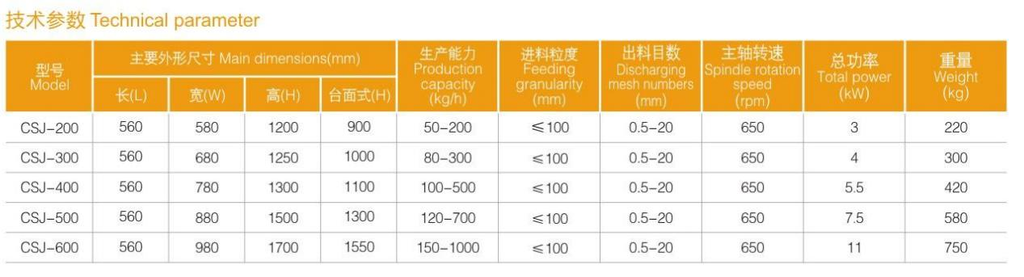
Low Noise Grinding Mill price:
The price of low noise grinding mill is based on different model, from $4280 to $13500. Please inquire our sales with more detail information.
Low Noise Grinding Mill capacity:
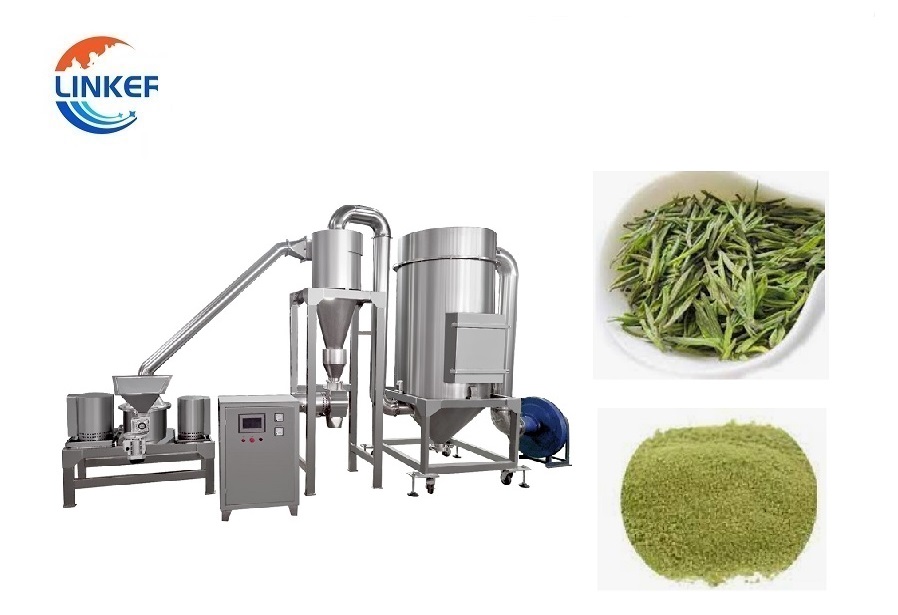
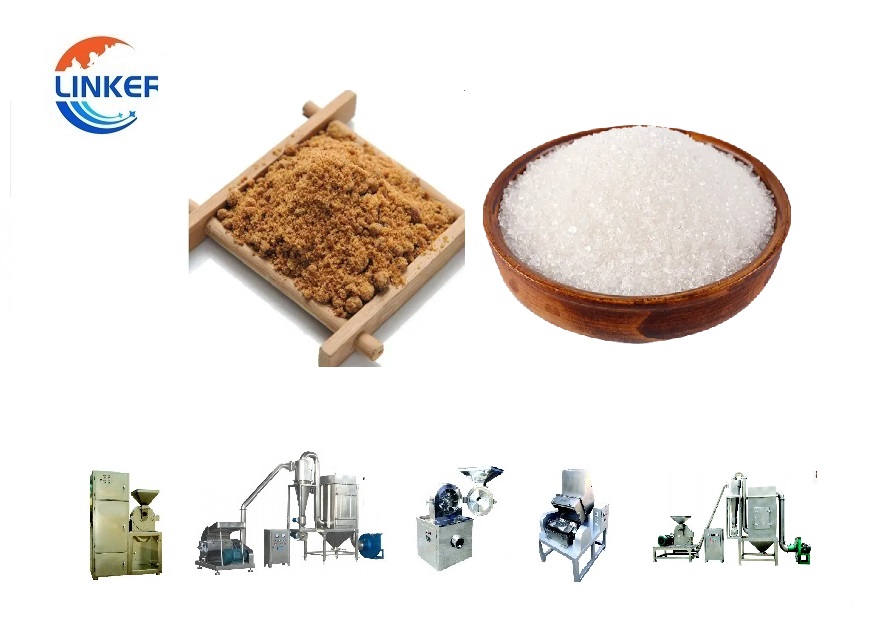
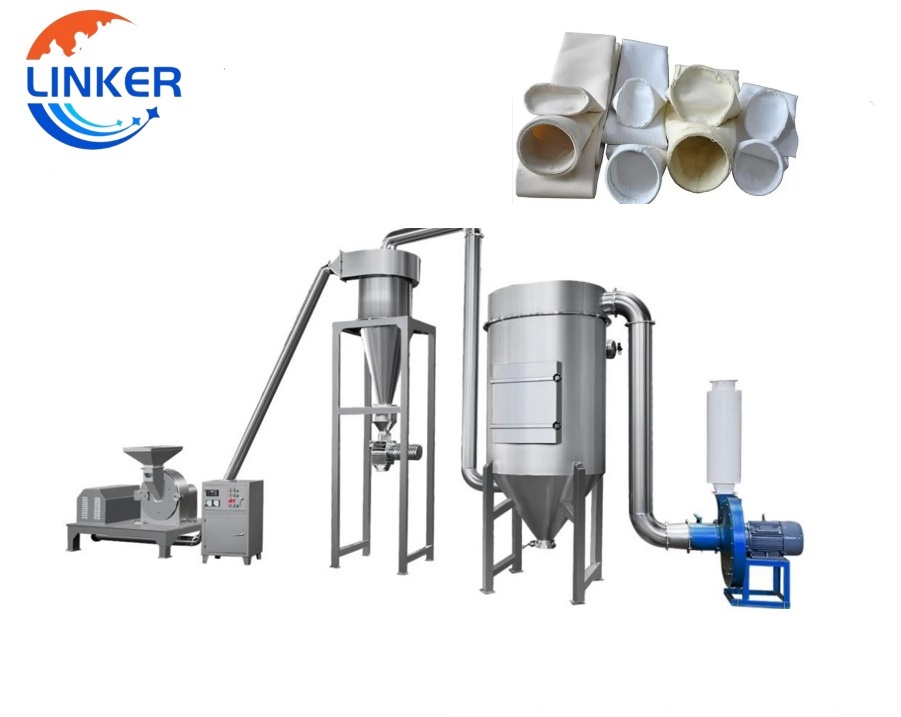
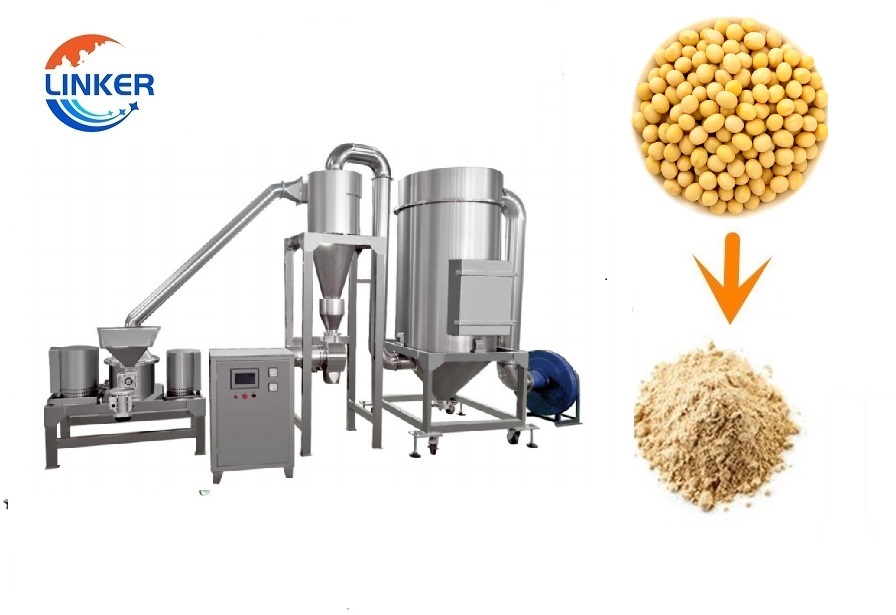
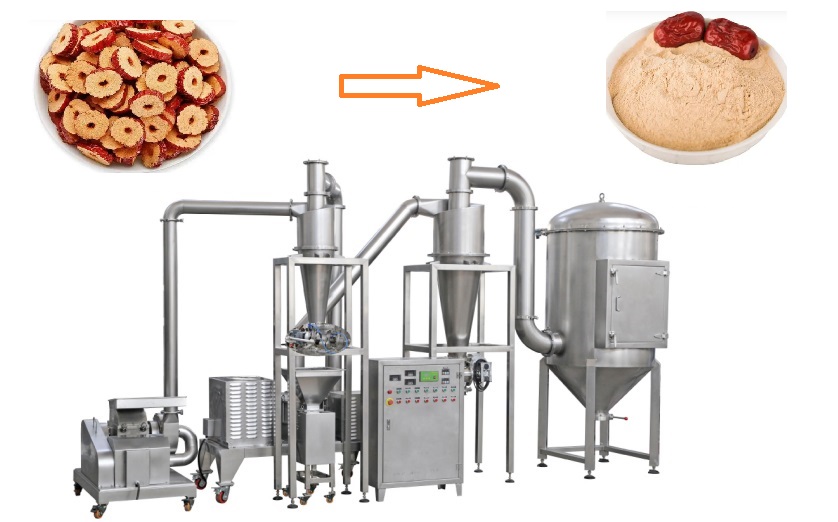
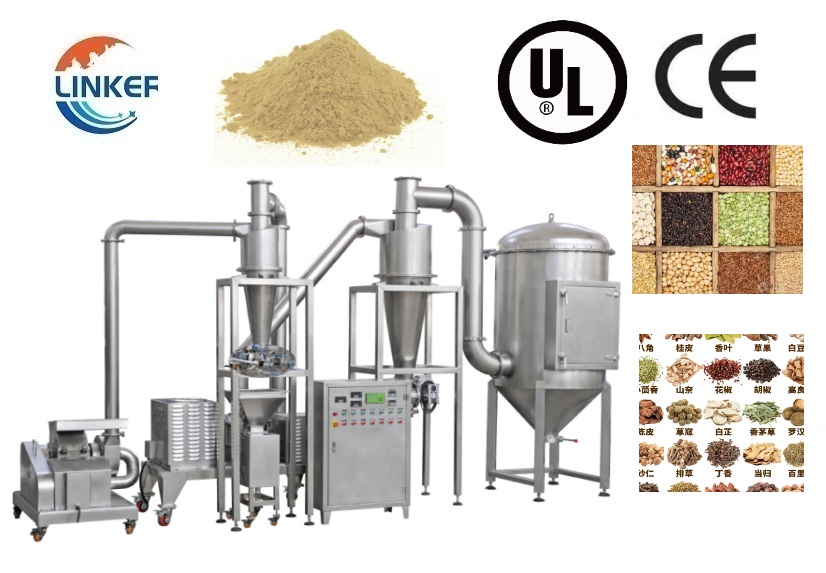
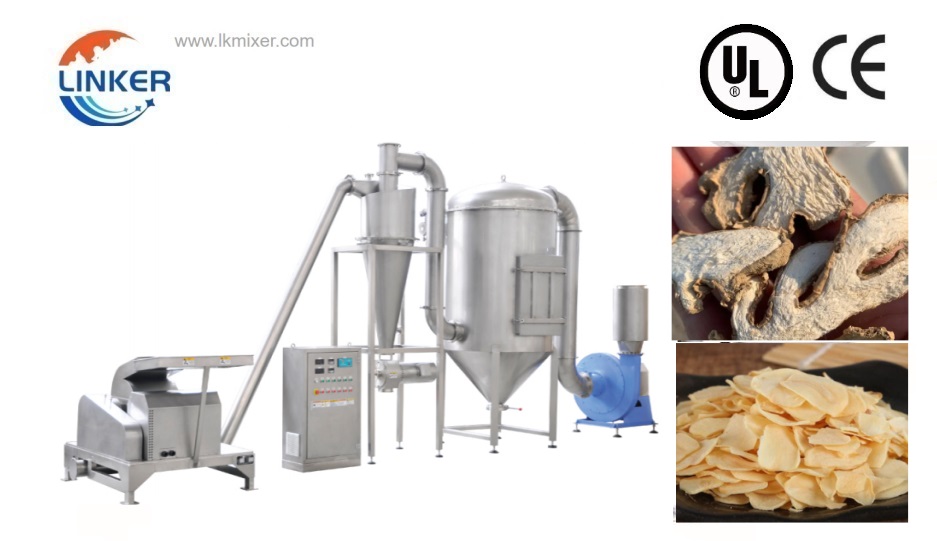
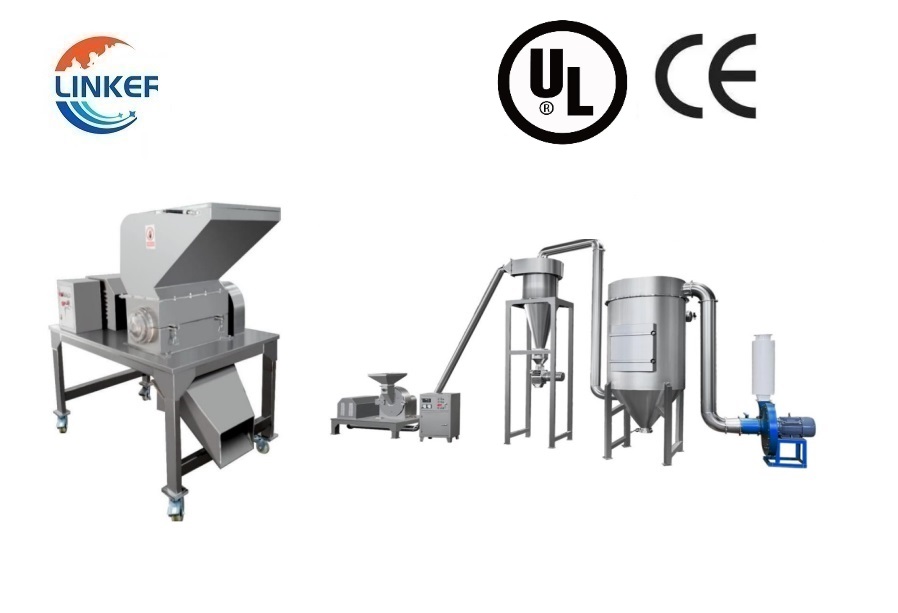
Capacity is around 30‑1100kg/h with this LNG Model, but we also have other models also suitable to grind herbal, spice and dry raw material, it depends on how many input particle size and how many output granule size that you want. That is to say different customer request we will recommend different model to use. such as if you want finer 140‑200 mesh, we will recommend you to use the ultra fine grinding machine. If customer have no space limitation and wish to have better workshop environment, we will recommend the whole dust free group. If customer only small space and need to have small machine, we will recommend you to use the one‑piece integrated small machine to save space occupation of your factory. Please Contact Us for more detail information if you are interest.
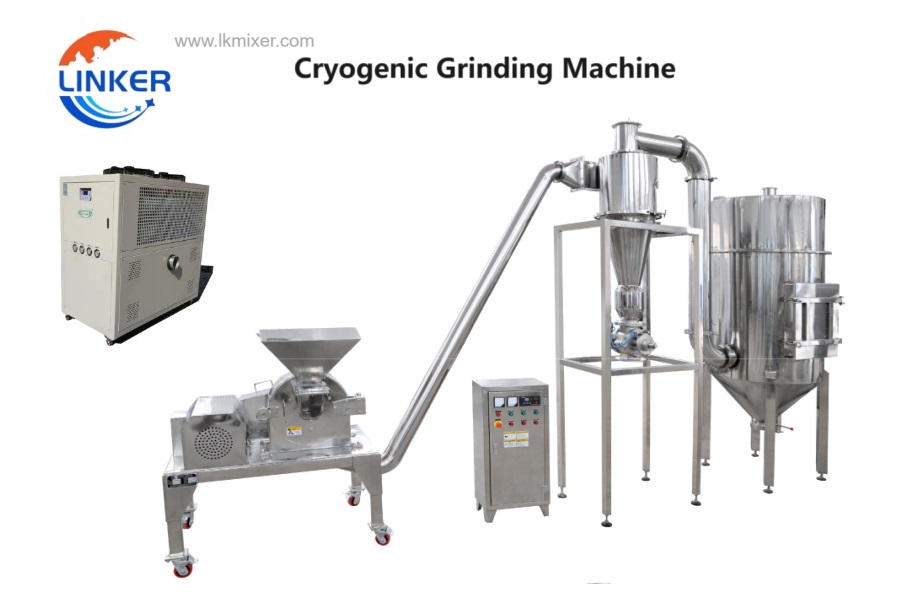
There are 2 ways of cooling down the grinding mill: water cooling system; air cooling system. You can choose the right one if the mill gets too hot. When machines goes too hot, the metal can expand, causing the grinding tooth to get stuck.
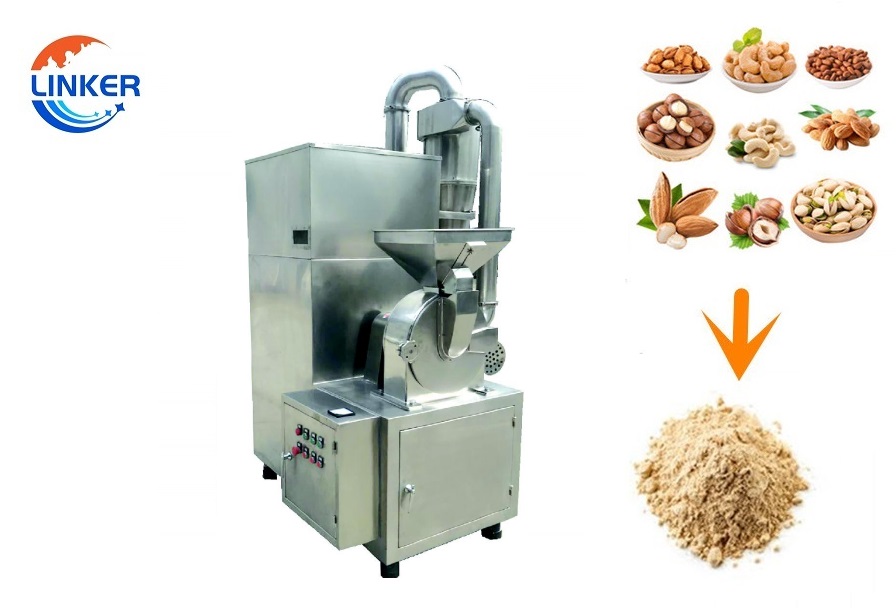
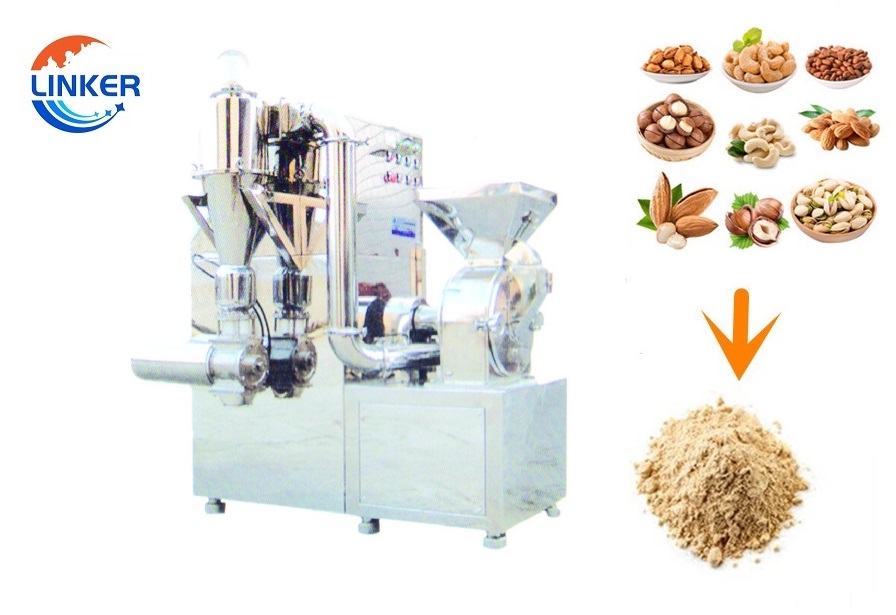
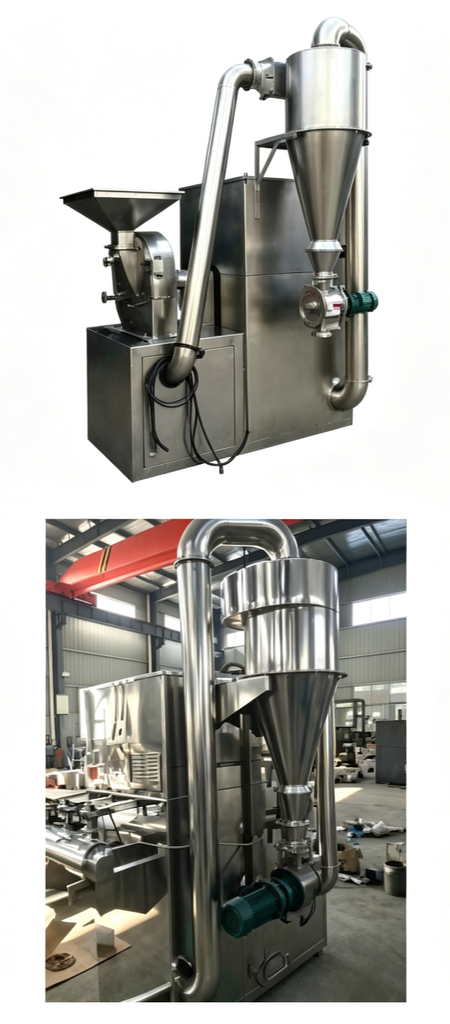
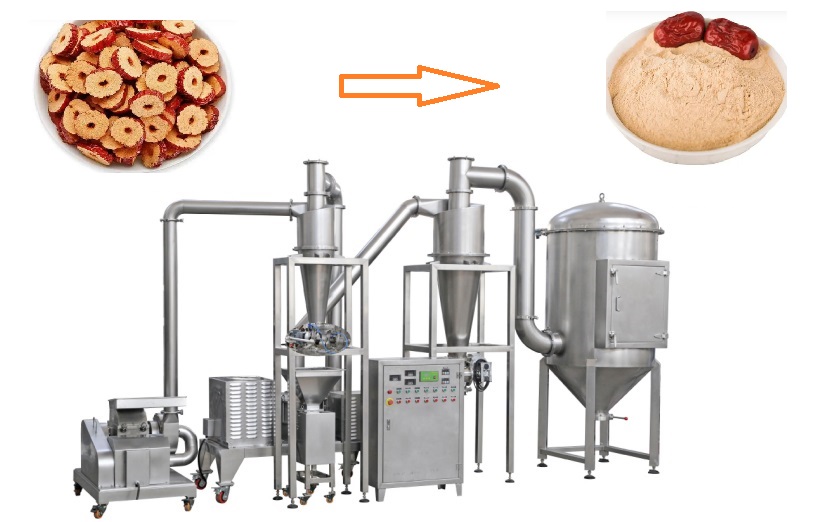
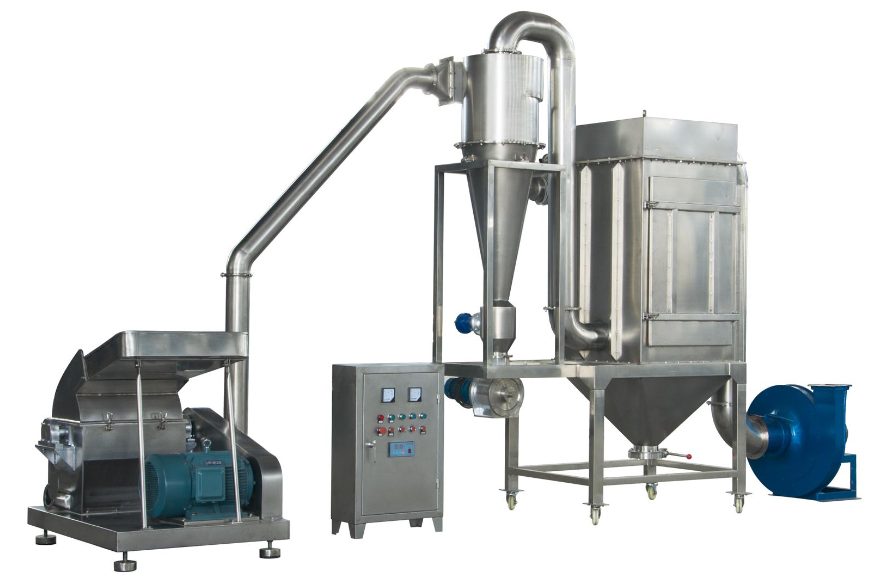
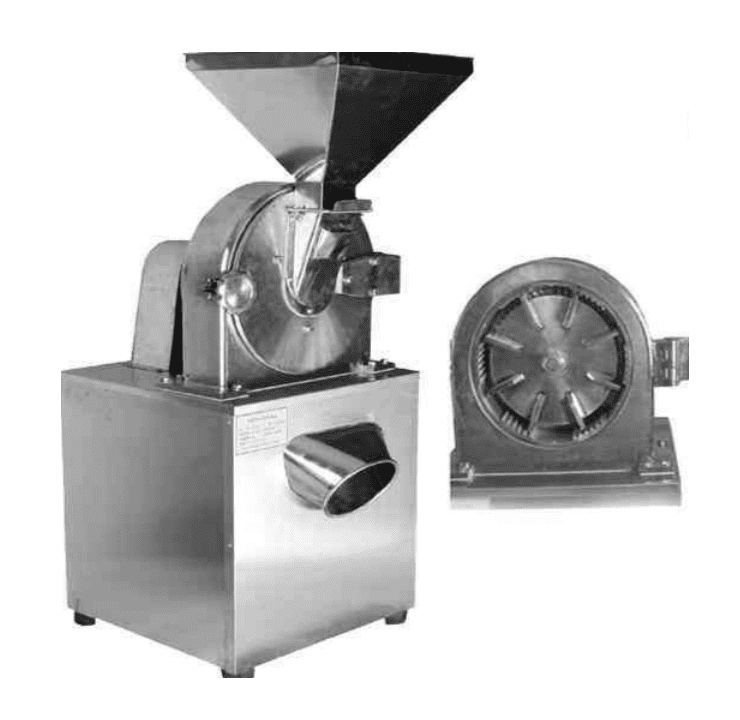
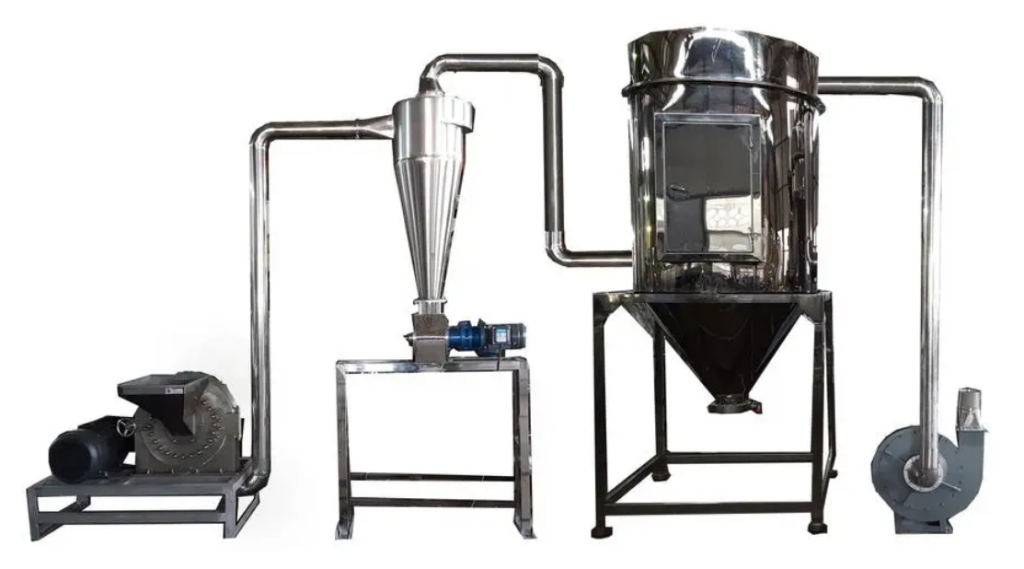
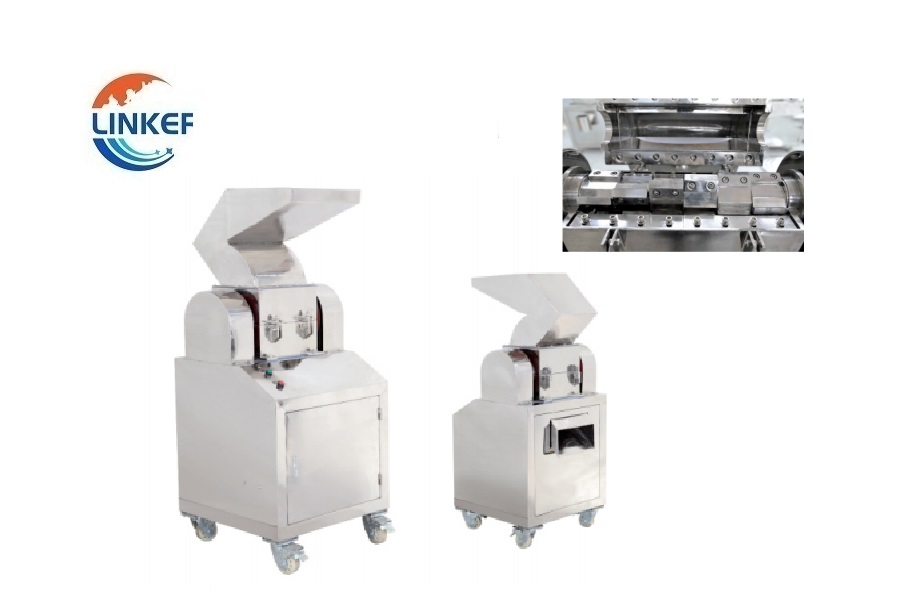
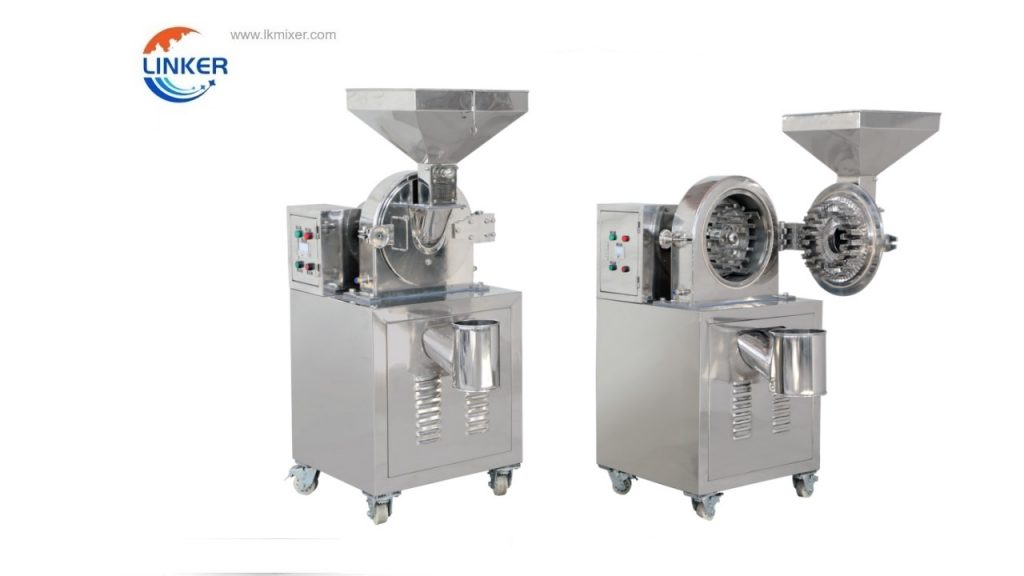
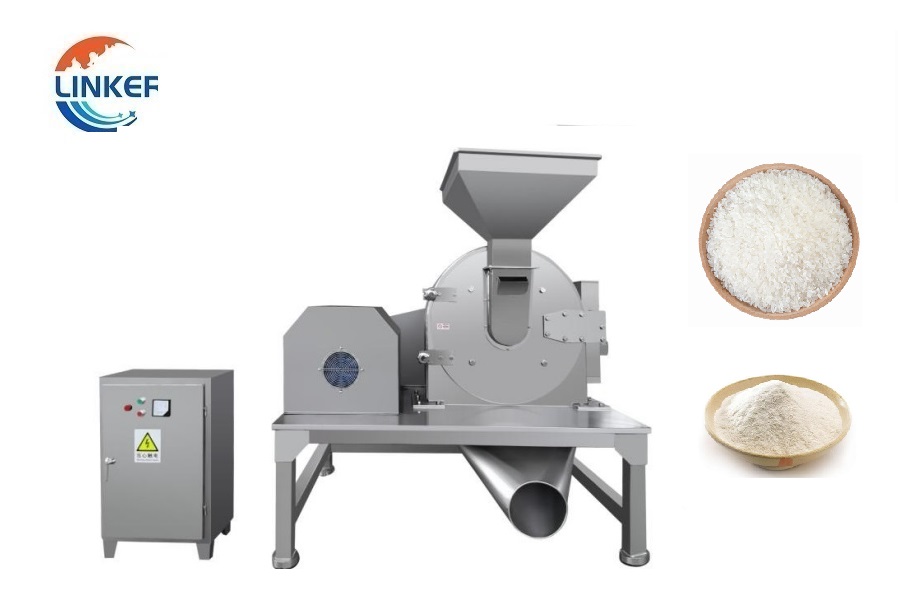
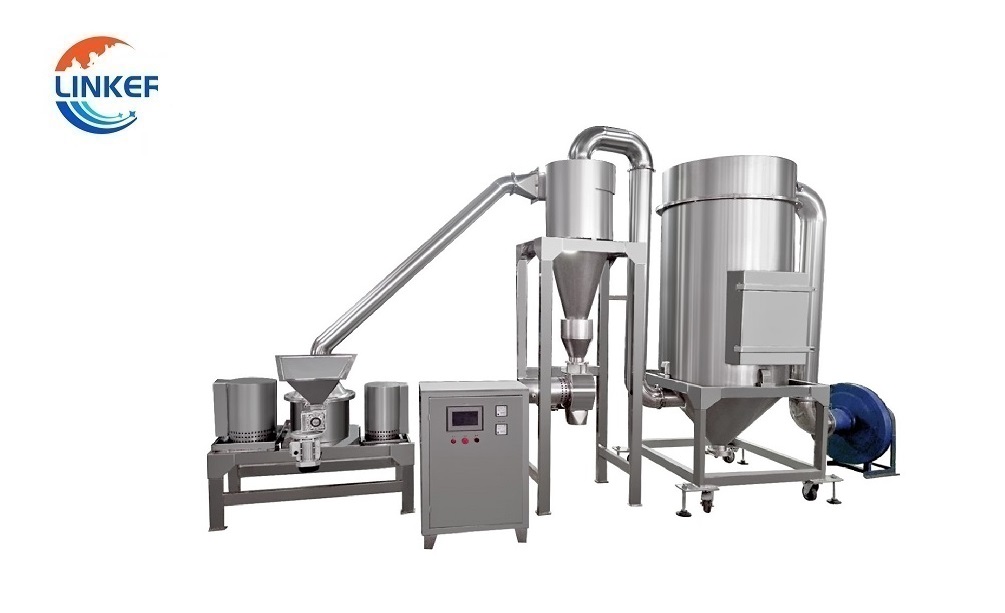
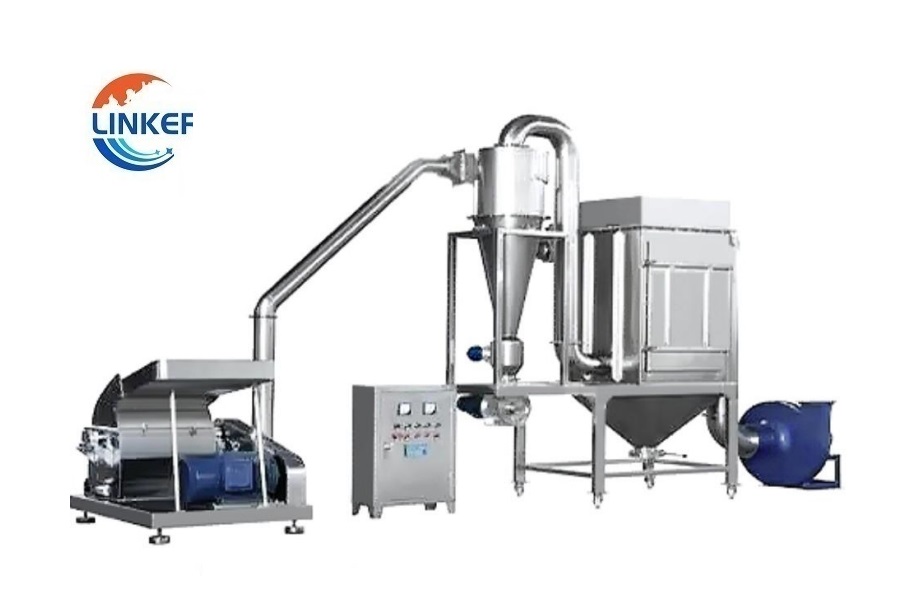
Picture of low noise grinding mill:
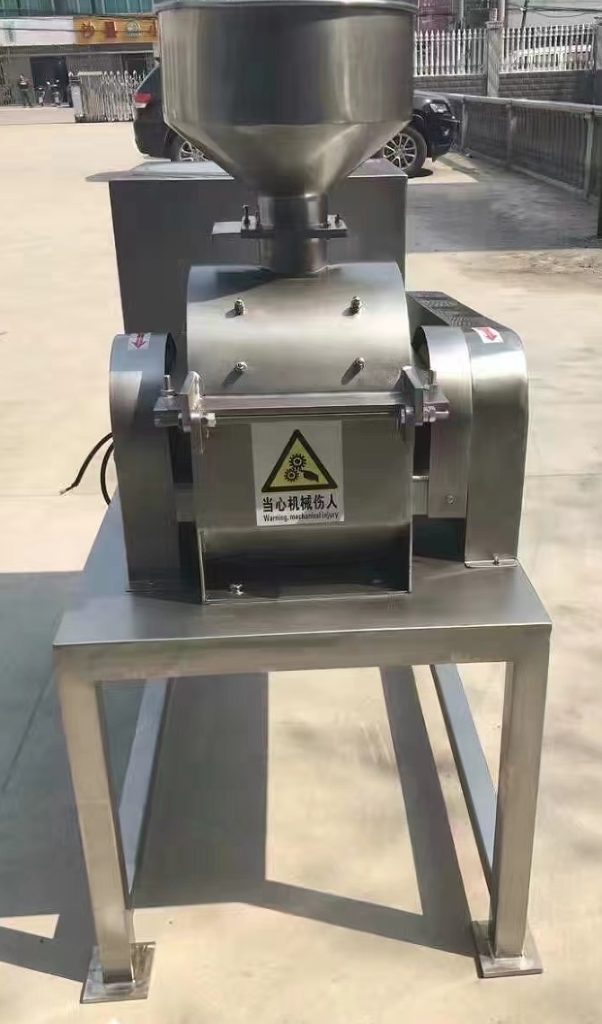
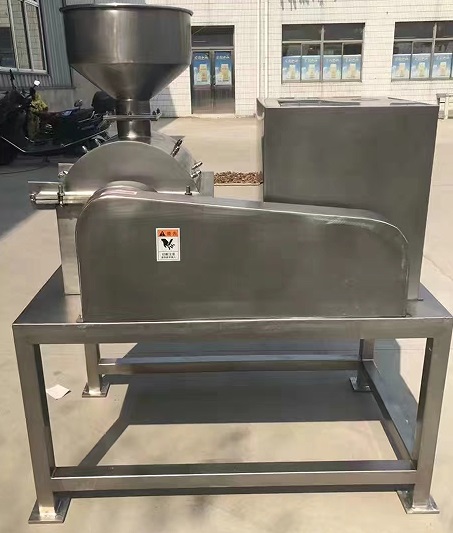
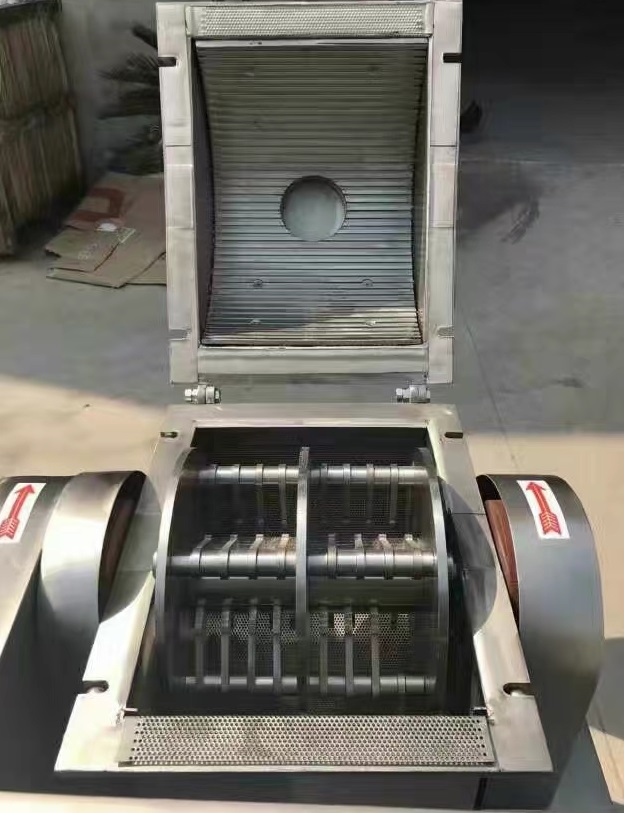
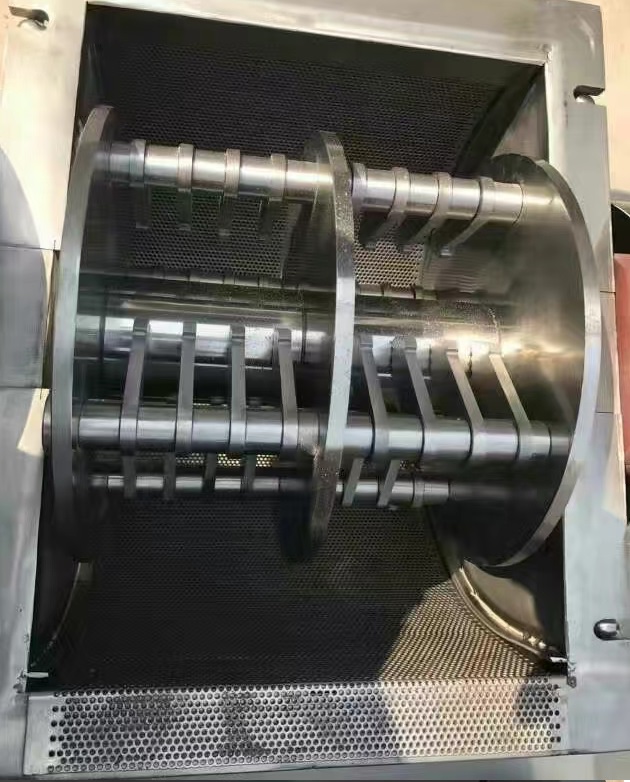
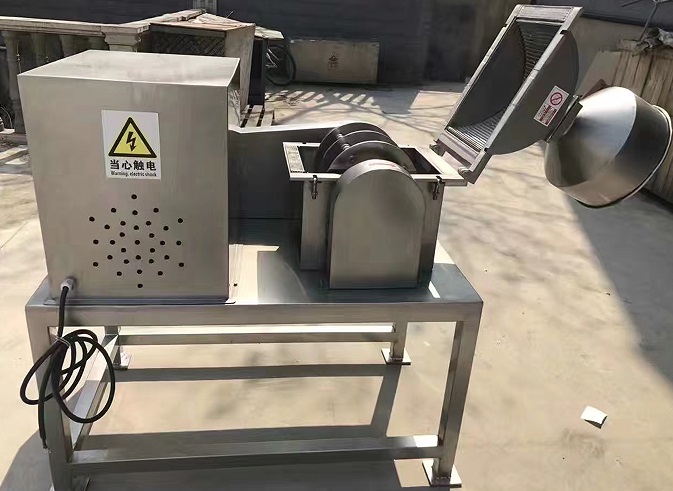
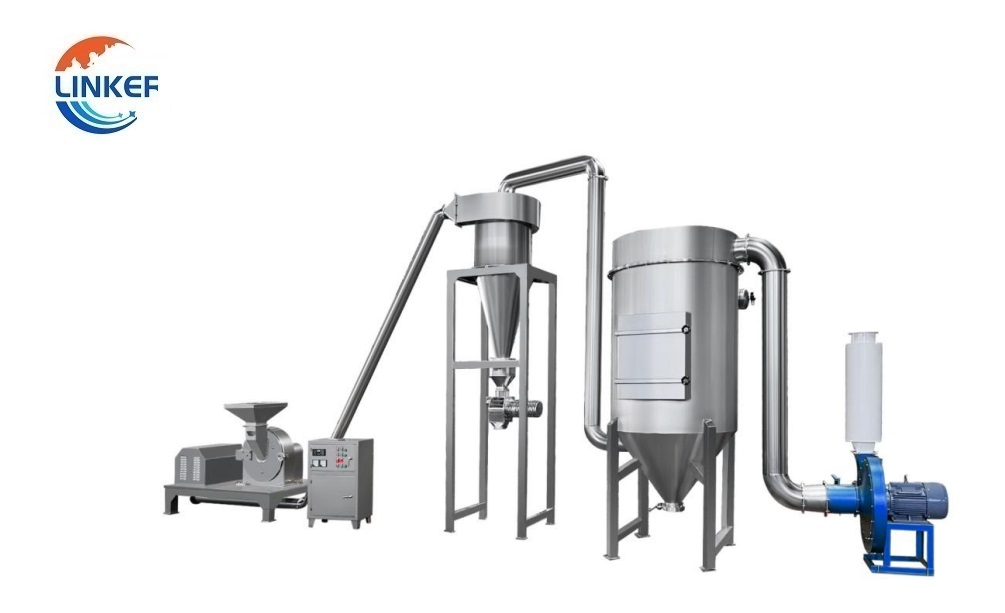
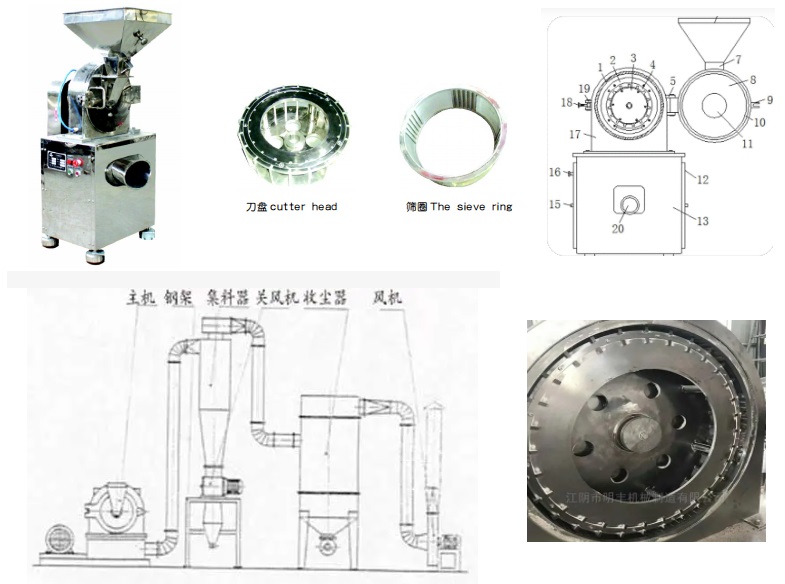
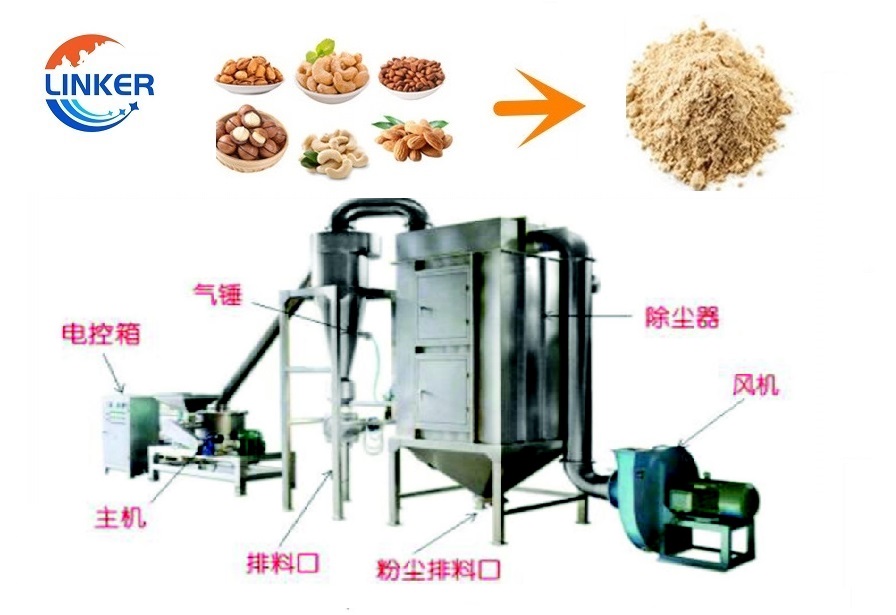
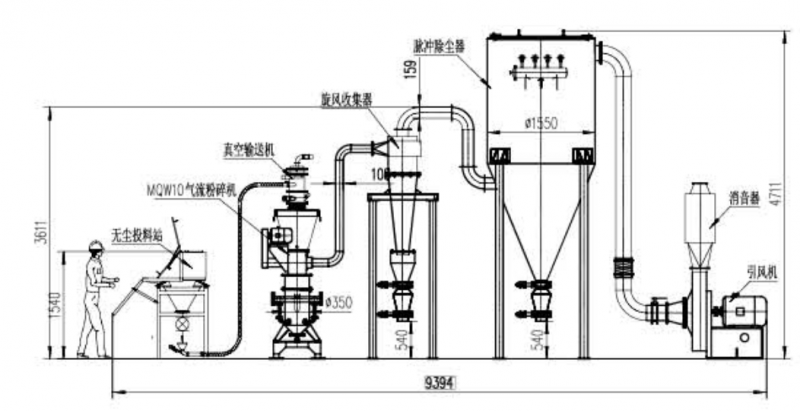
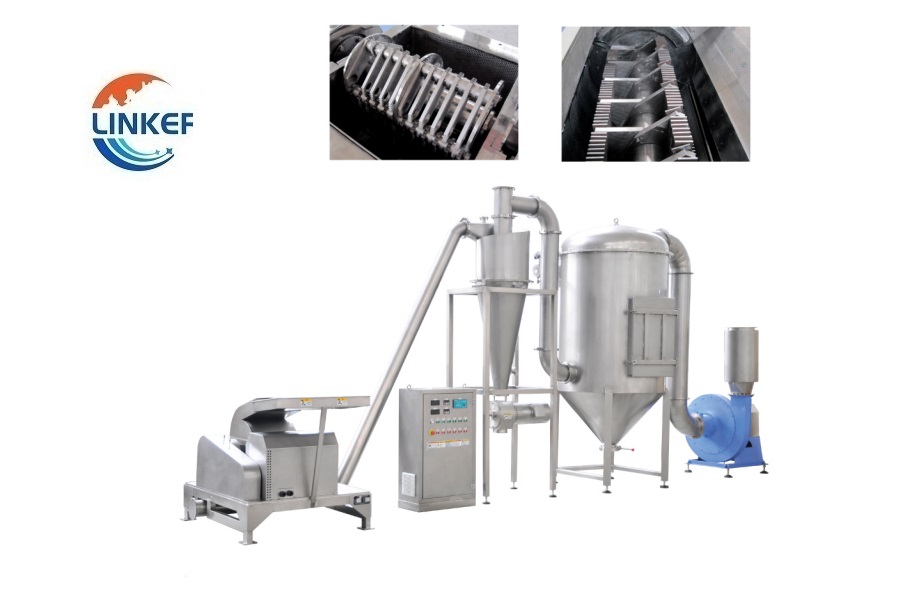
Diagram of low noise grinding mill
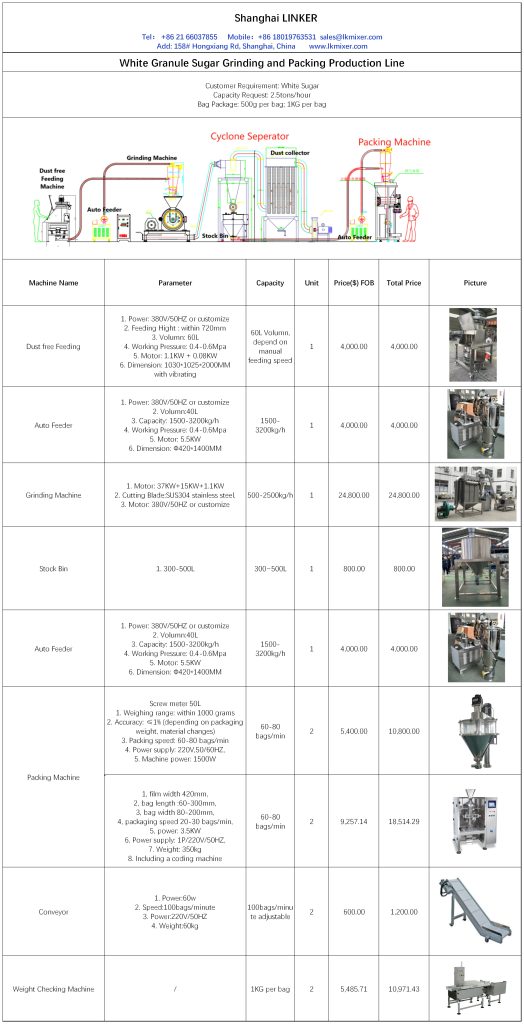
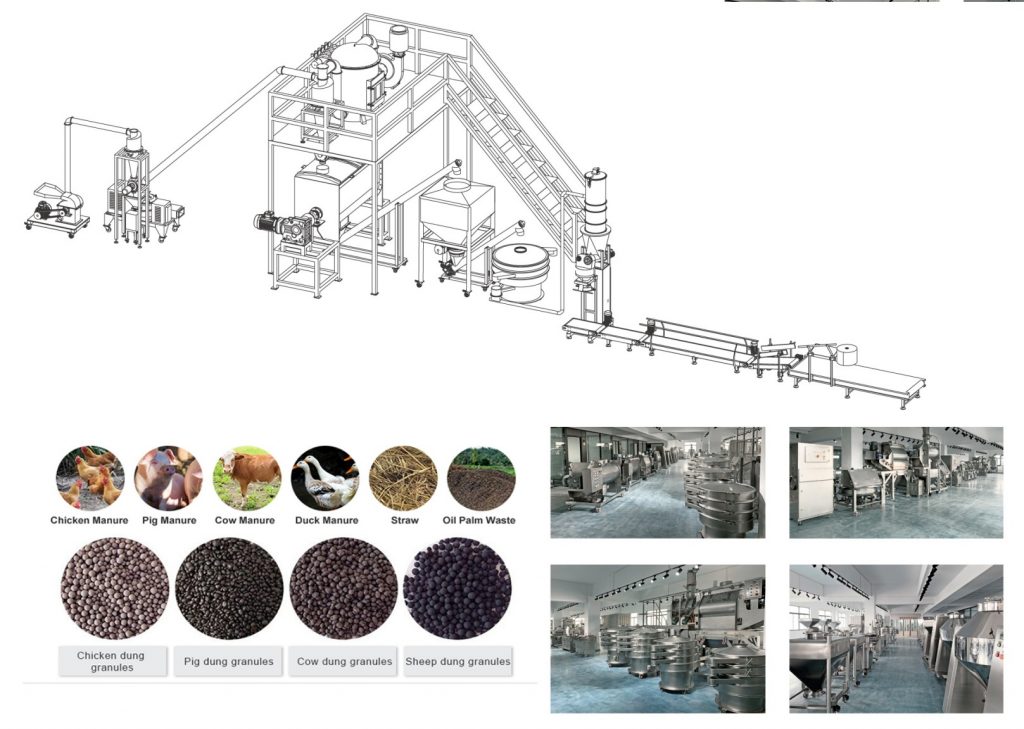
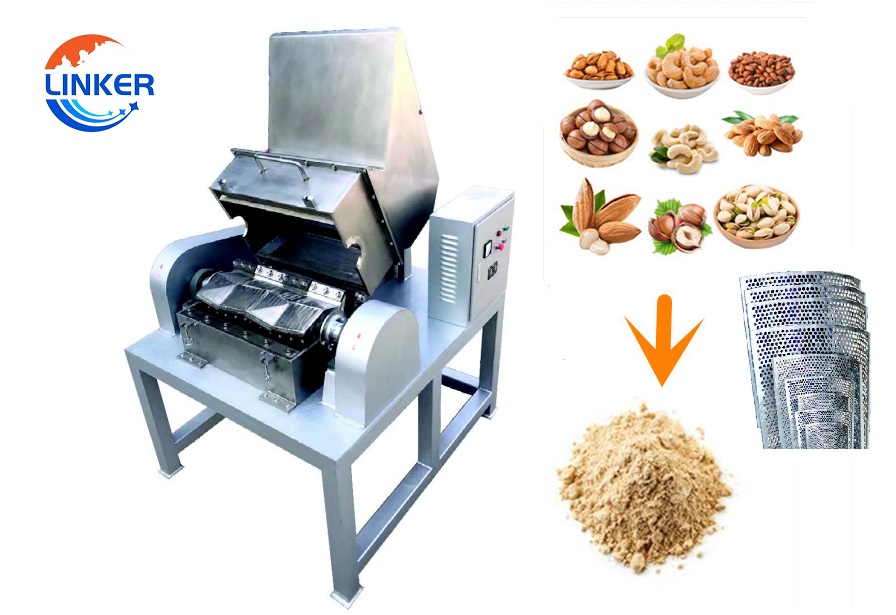
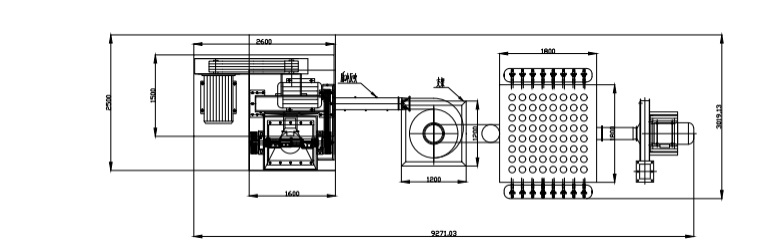
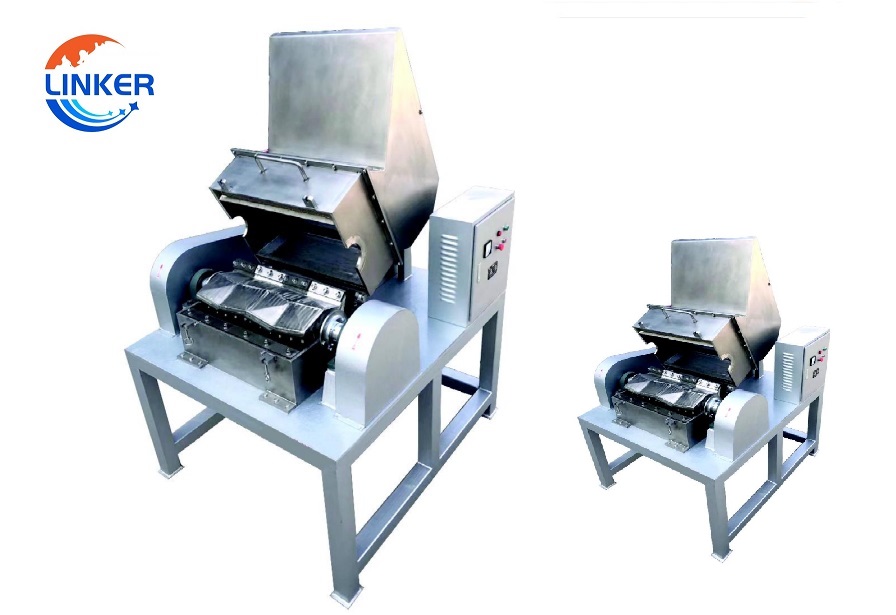
We can Customize the diagram according to customer special requirement, how many size of output granule you want, do you need coarse crusher to do the pre‑treatment before grinding? Do you also need screen to filter the finished products? Or maybe you want packing machine after grinding the whole production line. We can also design for your according to your factory blue foot print.
Types of low noise grinding mill:
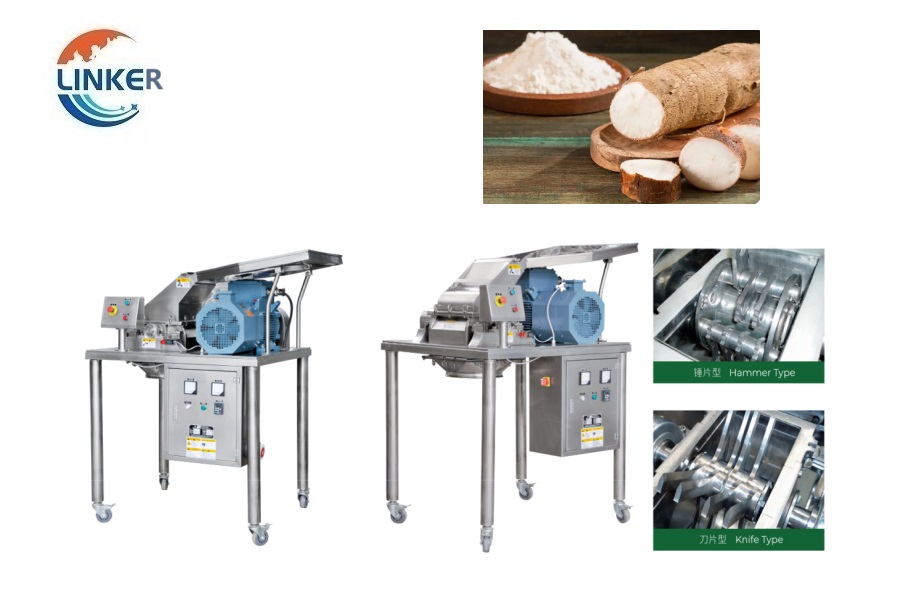
The low noise grinding mill can be classified according to the grinding tooth type, impact type, turbo type, ultra fine type; according to the size of machine, there are large low noise grinding mill and small low noise grinding mill.cassava grinding machine.
| Business Type: | Manufacturer/Factory | Main Products: | Mill, grinder, granulator, mixer, Crushing Equipment |
| Number of Employees: | 100 | Year of Establishment: | 2014.05 |
| Production Capacity | 5000Set/Year | After-sales Service: | Technical Support; on-line teach lessons |
| R&D Capacity: | ODM, OEM | Annual Output Value: | US$5 Million – US$10 Million |
| No. of R&D Staff: | 5 | No. of Production Lines: | 6 |
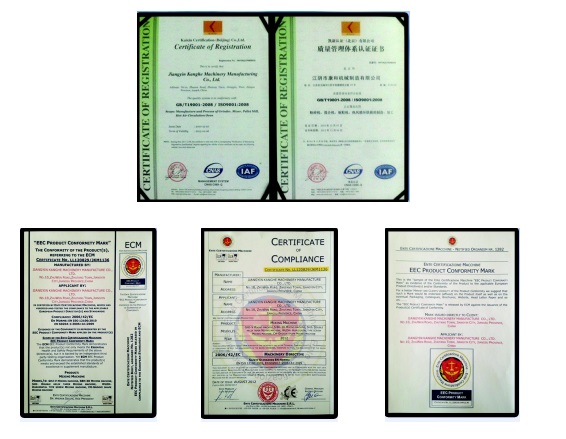
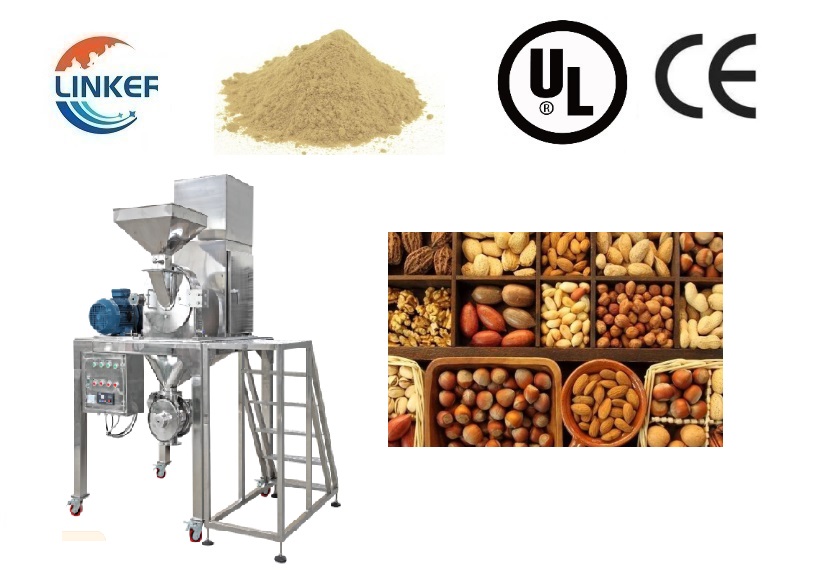
LK Mixer is a professional manufacturer for grinder, mixer and pulverizer. These machines are widely used in pharmaceutical, cosmetic, health care products and chemical industries. Our main product including granulating machine, grinder, mixer, dryer, etc. All mechanical products in accordance with the China GMP design requirements. And also we have other certifications such as CE, UL for motors.
Business Philosophy
“Quality is the main policy of sales” and “integrity is the principle of success” are the business philosophy of our people. We carry out one-year warranty, lifelong maintenance service, with technical consultation, with material test machine and other services, and long-term supply of equipment. Welcome new and old customers to negotiate cooperation!
Certifications:
Feature:
Grinding mills are specialized industrial‑grade processing machines engineered to crush, grind and refine various bulk solid raw materials into fine powder or granular products. Below are core features commonly equipped on modern industrial grinding mill equipment:
- High production throughput: Industrial grinding mills are optimized for continuous large‑volume material processing. These machines can handle substantial feeding quantities per hour, perfectly fitting mass‑production workshops where stable high output is a core requirement. Different model sizes deliver matching processing capacity for mining, building‑material or powder‑making production lines, avoiding frequent material loading interruptions and supporting long‑run non‑stop manufacturing tasks.
- Adjustable variable‑speed operation: Most modern grinding mills are fitted with variable‑speed control systems for grinding rollers, rotors and classifier assemblies. Operators can flexibly modify rotating speed according to raw‑material hardness, feed particle size and target finished fineness. Tunable speed helps users acquire uniform powder granularity, and makes one single grinding mill compatible with dozens of different kinds of raw materials without replacing major machine components.
- Interchangeable customizable grinding components: Grinding mills are designed with replaceable grinding rollers, liners, grinding discs and classifier blades. Operators can swap out these wear‑resistant spare parts to adapt to diverse material characteristics. By changing component configurations, users are capable of producing finished goods ranging from coarse granular output to ultra‑fine micron‑level powder, meeting varied product‑granularity demands for downstream industries.
- Convenient disassembly and easy‑to‑maintain structure: Industrial grinding mills adopt human‑oriented structural layout for routine inspection and cleaning. Key wearing parts, feeding hopper, discharging outlet and inner‑cavity access covers can be quickly opened and detached. Residual material inside the grinding chamber can be fully cleaned to prevent cross‑contamination between different batches of materials. Quick‑access design also greatly shortens downtime for part inspection and component replacement during daily equipment servicing.
- Heavy‑duty robust mechanical construction: Grinding mill main frames and core working assemblies are manufactured with high‑strength steel plates and wear‑proof alloy materials. Critical stress‑bearing positions are reinforced with stiffener ribs. Such heavy‑duty construction enables the whole unit to endure persistent heavy‑load impact, friction and vibration when processing hard ores, rock, mineral blocks and other tough feedstock. Excellent structural durability extends equipment service life and lowers long‑term failure risks under round‑the‑clock industrial working conditions.
- Wide material‑processing versatility: Beyond mineral ores and building‑material raw stones, well‑rounded grinding mills can also process grains, medicinal herbs, chemical raw materials, carbon materials and multiple brittle solid substances. By adjusting operating parameters and internal accessories, the same grinding mill unit can complete coarse crushing, medium grinding and ultra‑fine powder‑making procedures, serving mining, metallurgy, construction, chemical, food‑pharmaceutical and new‑material manufacturing sectors.
- Integrated noise‑reduction and dust‑proof design: Advanced grinding mill versions are built with multi‑layer sound‑absorbing and vibration‑dampening structures to suppress mechanical vibration and running noise. Equipped with sealed grinding cavity and supporting dust‑collection system, these machines effectively contain flying powder dust during grinding operations. This feature improves on‑site working conditions, cuts noise pollution and meets industrial environmental‑protection regulatory standards for production workshops.
- Reliable automatic monitoring capability: Premium grinding mill models come with built‑in sensor modules to track real‑time working status including main‑motor load, internal‑chamber temperature, vibration amplitude and finished‑product fineness. Operators can observe running data from the control cabinet. When abnormal working parameters occur, the system will trigger early‑warning alerts, helping prevent equipment damage caused by overload or improper feeding, and enhancing overall operational safety.
Overall, the comprehensive features of industrial grinding mills are oriented toward stable high‑yield production, adjustable finished‑product quality and convenient daily maintenance. They realize efficient, consistent and safe fine‑processing of diverse solid raw materials for modern industrial production scenarios.
Small Machine Packing:
Small Machine Packing: Small‑size Low Noise Grinding Mill packed with export fumigation‑free wooden cases, goes with bulk shipment or in container.
When packing small‑size grinding mill for sea shipment, it is important to take measures to ensure that the machines are protected from damage during transit. Here are some general steps that a manufacturer may follow when packing small grinding mill for sea shipment:
- Clean and dry the machine: Before packing, the machine should be thoroughly cleaned and dried to prevent any moisture or powder residues from causing damage during transit.
- Disassemble the machine: If possible, the machine should be disassembled into its component parts to reduce its overall size and make it easier to pack.
- Wrap the machine in protective material: The machine should be wrapped in a layer of protective material, such as bubble wrap or foam, to protect it from scratches and impact during transit.
- Place the machine in a sturdy box: The wrapped machine should then be placed in a sturdy box that is appropriate for the size and weight of the machine. The box should be made of durable material, such as corrugated cardboard or plywood, and should be able to withstand the rigors of sea transit.
- Add packing material: The box should be filled with packing material, such as packing peanuts or air pillows, to provide cushioning and prevent the machine from shifting during transit.
- Seal the box: The box should be securely sealed with high‑quality packing tape to prevent it from opening during transit.
- Label the box: The box should be clearly labeled with the machine’s name, weight, and any other relevant information, as well as the destination address and contact information.
Overall, the goal is to pack the small‑size grinding mill in a way that will protect it from damage during transit and ensure that it arrives at its destination in good condition. It is important to follow proper packing procedures and use high‑quality packing materials to minimize the risk of damage during sea shipment.procedures and use high-quality packing materials to minimize the risk of damage during sea shipment.
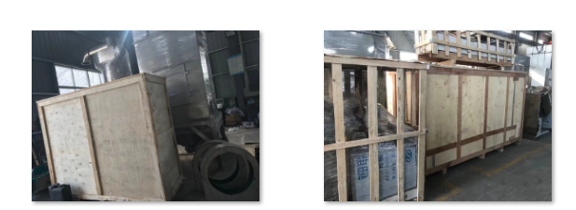
Large Machine Packing:
Large Machine Packing:
Packing a large Low Noise Grinding Mill for sea shipment can be a complex and challenging task. However, with careful planning and attention to detail, it is possible to pack a large grinding mill for sea shipment in a way that will ensure that it arrives at its destination in good condition. Here are some general steps that a manufacturer may follow when packing up a large machine for sea shipment:
- Clean and prepare the machine: Before packing, the machine should be thoroughly cleaned and prepared. All residual powder inside the grinding chamber should be cleared, and any loose or detachable parts should be removed.
- Disassemble the machine: If possible, the machine should be disassembled into its component parts to reduce its overall size and make it easier to pack. Each part should be carefully labeled and numbered to ensure that it can be easily reassembled at the destination.
- Protect delicate parts: Delicate or fragile parts such as screen mesh, sealing gaskets should be wrapped in protective material, such as bubble wrap or foam, to protect them from damage during transit.
- Build a custom crate: A custom crate should be built around the machine to provide a secure and sturdy enclosure. The crate should be made of durable material, such as plywood, and should be designed to fit the machine snugly. The crate should also include braces or supports to prevent the machine from shifting during transit.
- Add cushioning material: The crate should be filled with cushioning material, such as packing peanuts or air pillows, to provide extra protection and prevent the machine from moving or shifting during transit.
- Securely fasten the machine: The machine should be securely fastened to the crate to prevent it from moving or shifting during transit. This may involve using straps, bolts, or other fasteners to hold the machine in place.
- Seal and label the crate: The crate should be securely sealed with high‑quality packing tape, and should be clearly labeled with the machine’s name, weight, and any other relevant information. The destination address and contact information should also be clearly marked on the crate.
Overall, packing a large grinding mill for sea shipment requires careful planning and attention to detail. It is important to use high‑quality materials and follow proper packing procedures to ensure that the machine arrives at its destination in good condition. A professional packing and shipping company may be consulted to ensure that the machine is properly packed and prepared for sea shipment.
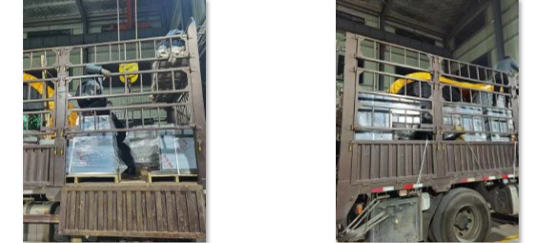
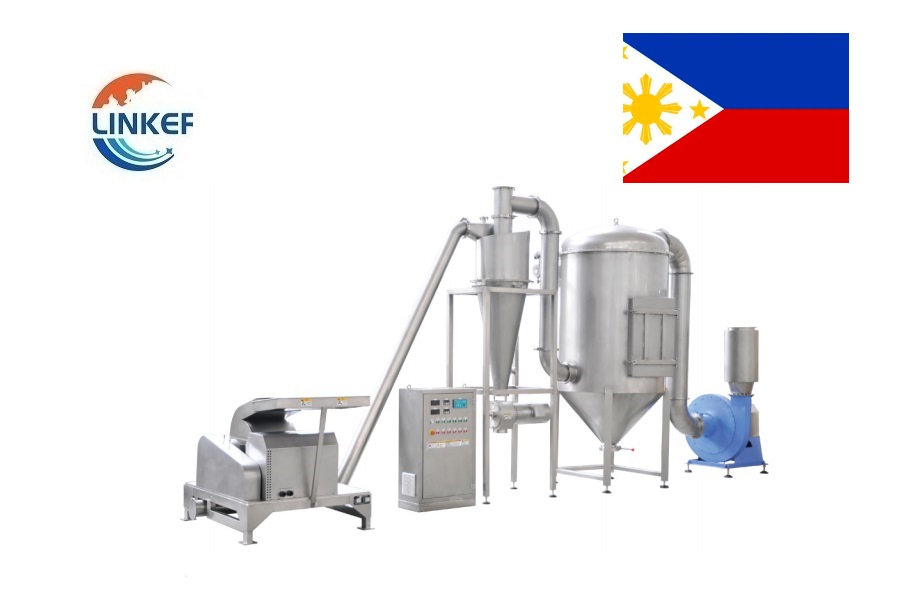
Customer Side Machine Groups Showcase Videos ( Philippines, India, Ibadan, USA and Nigeria):
Dust Collector Shipment
Shipment – Packing Method
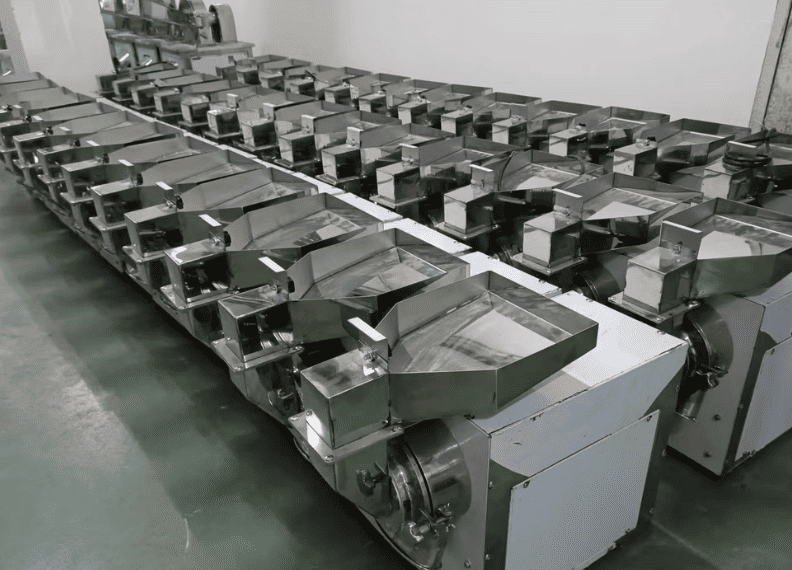
Two Large Industrial Grinder Ready to Ship
Domestic Shipment Show Case:
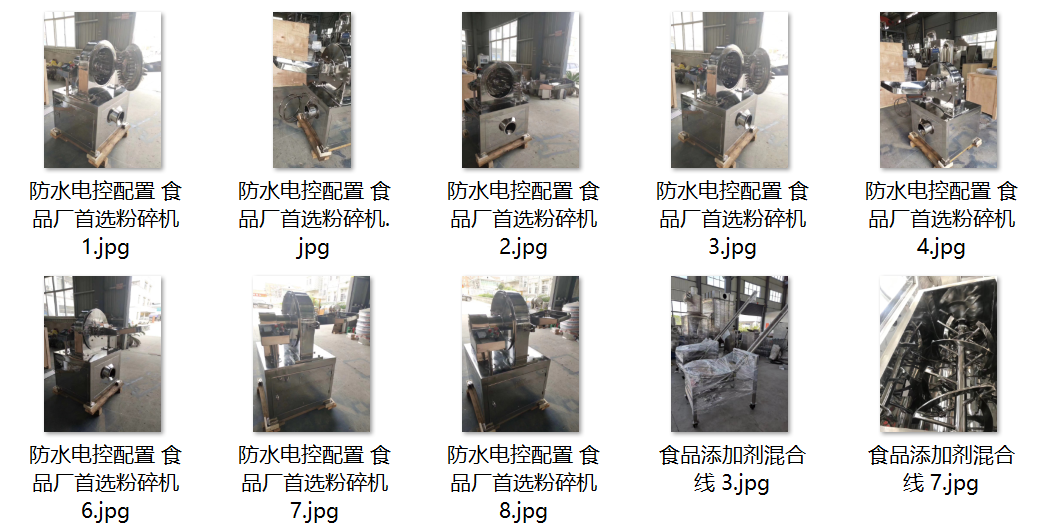
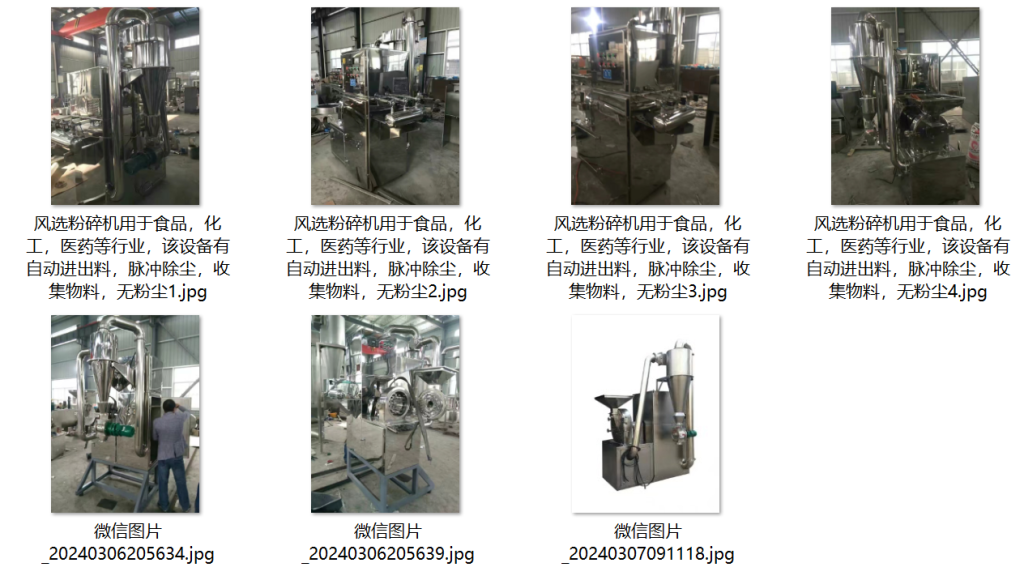
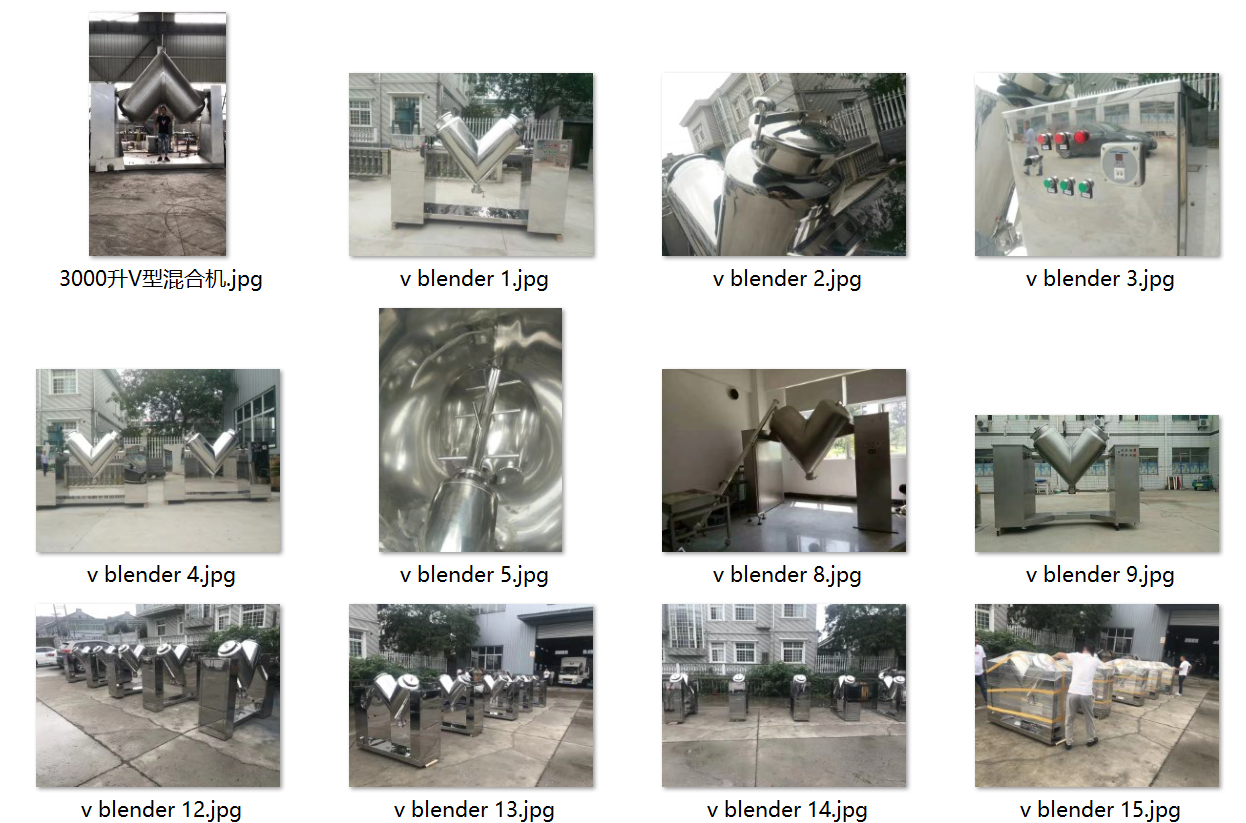
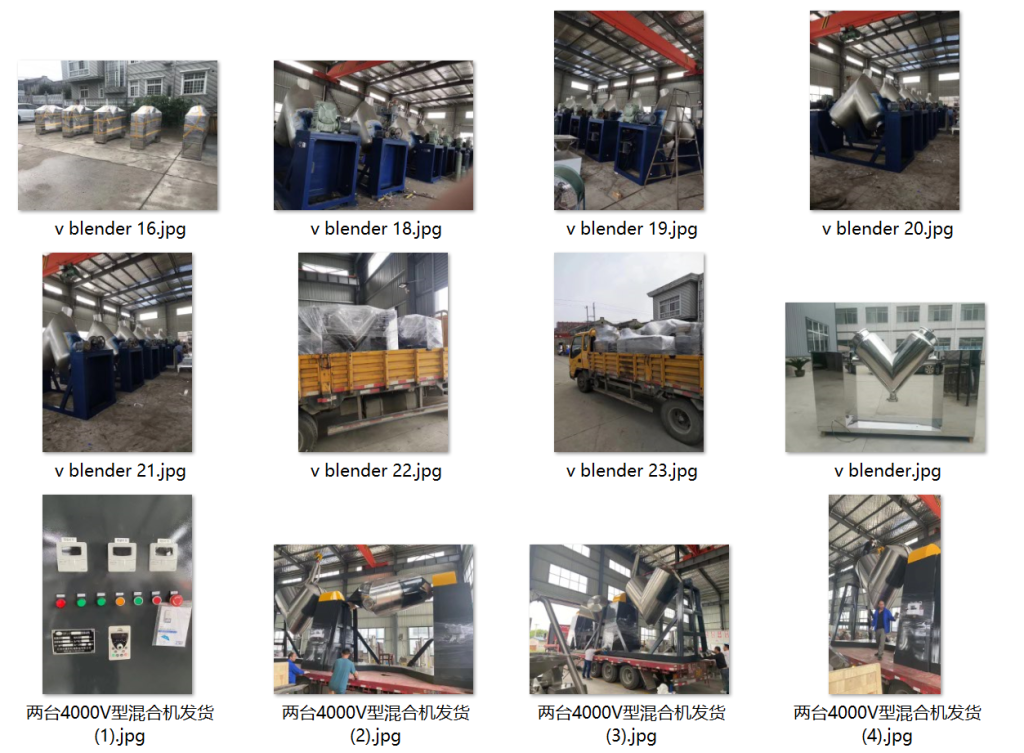
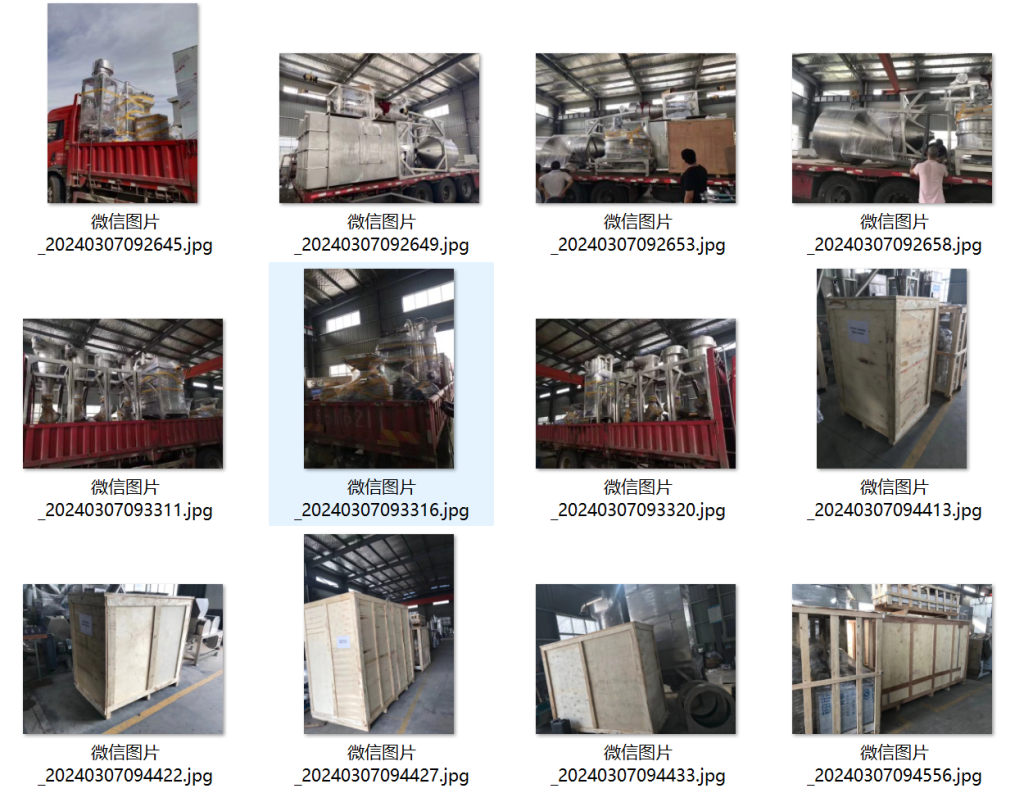
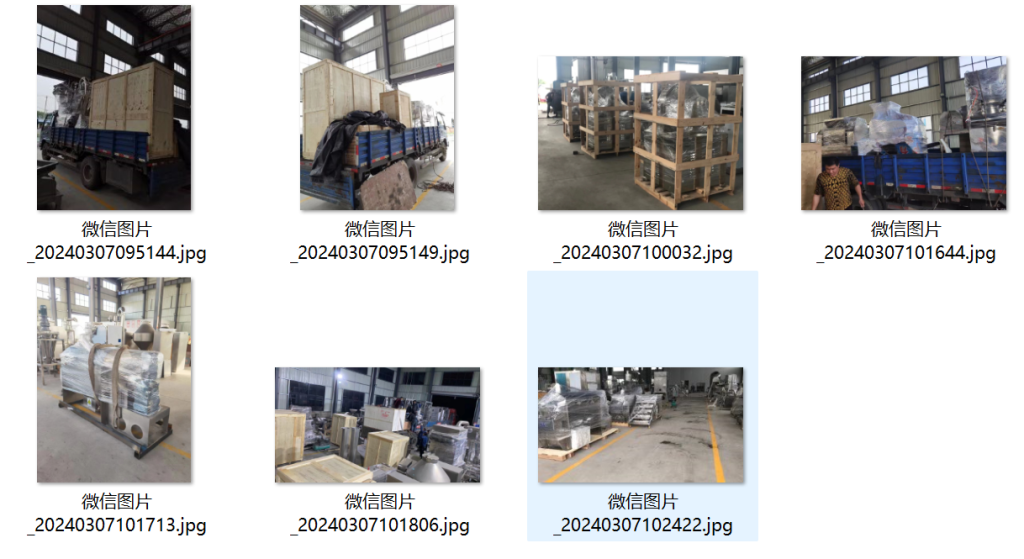
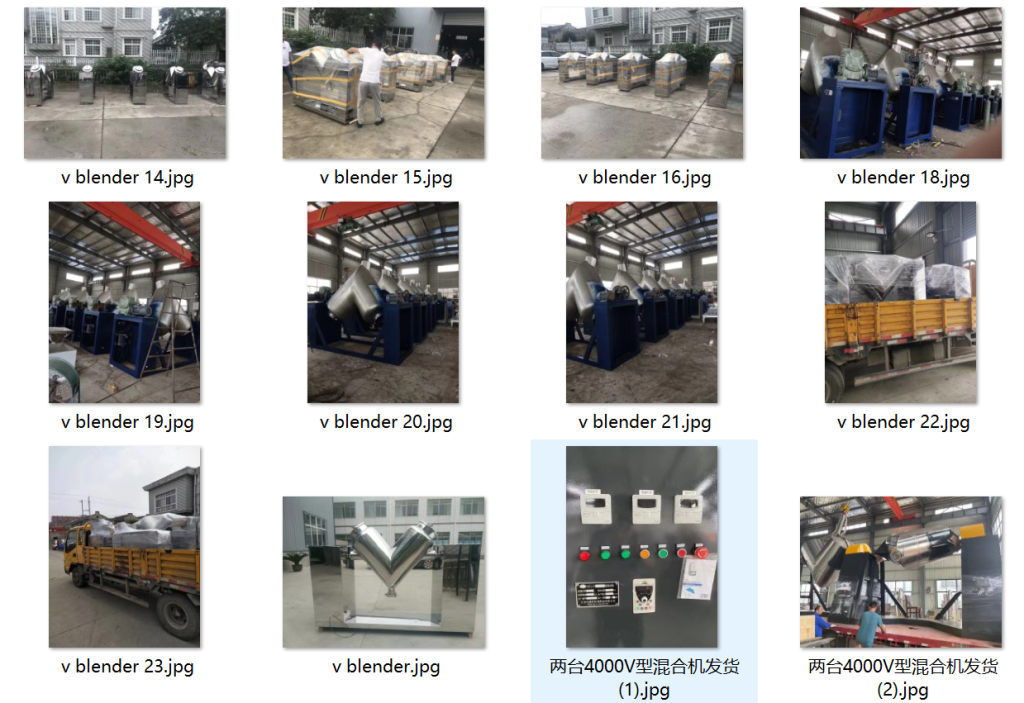
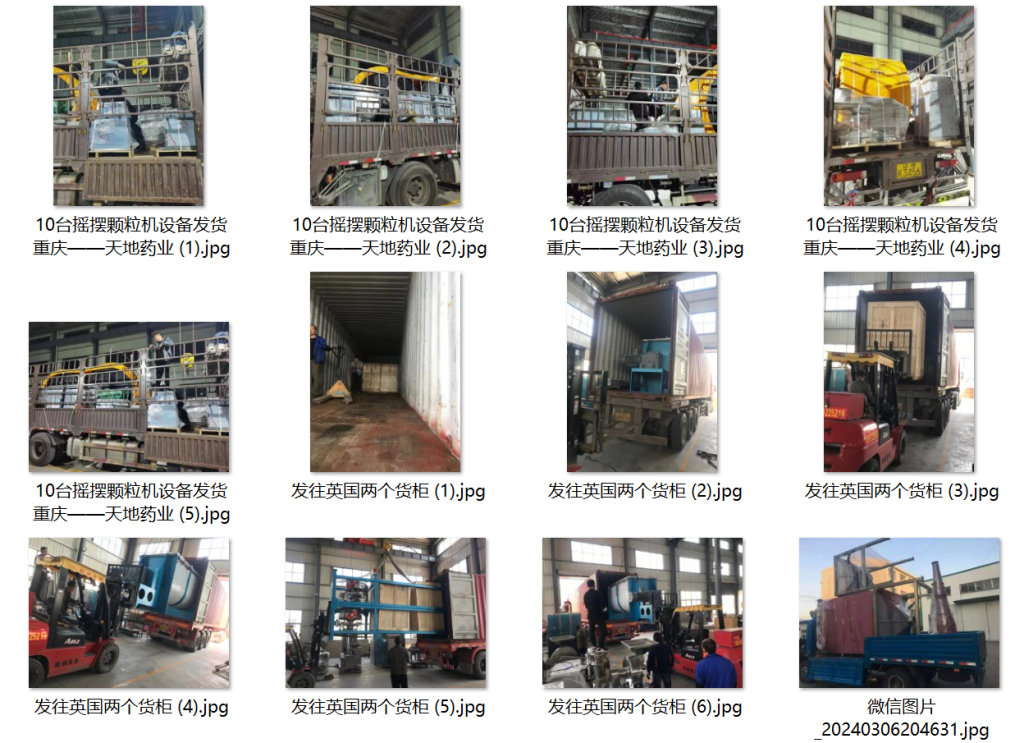
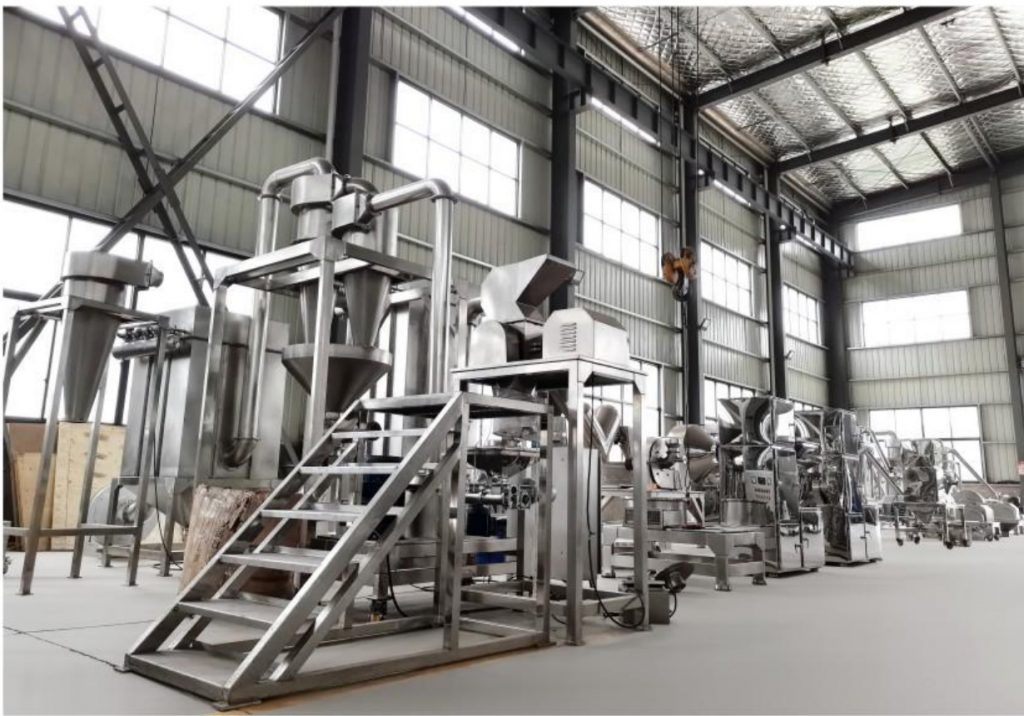
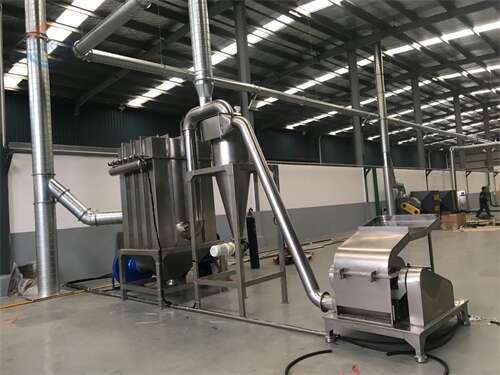
Installation Layout:
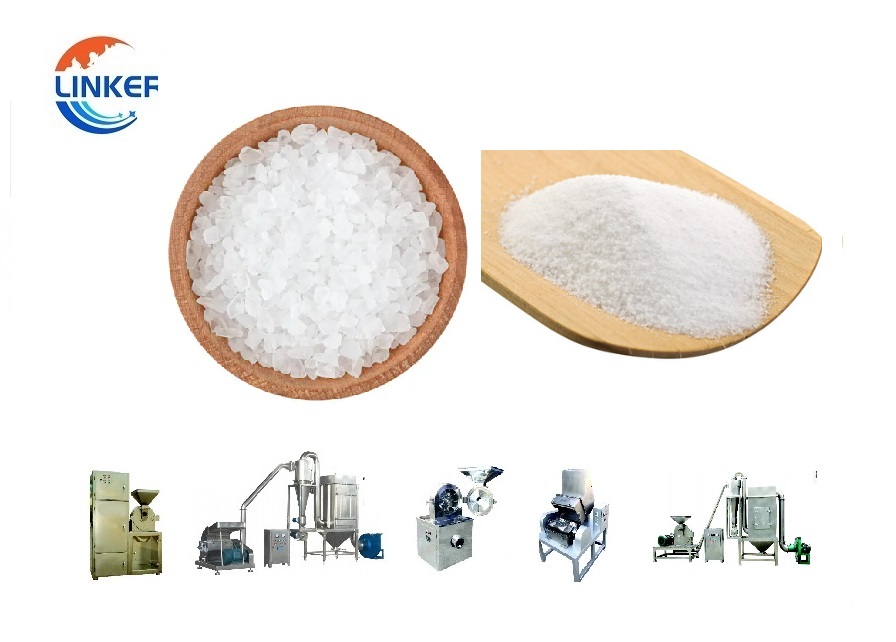
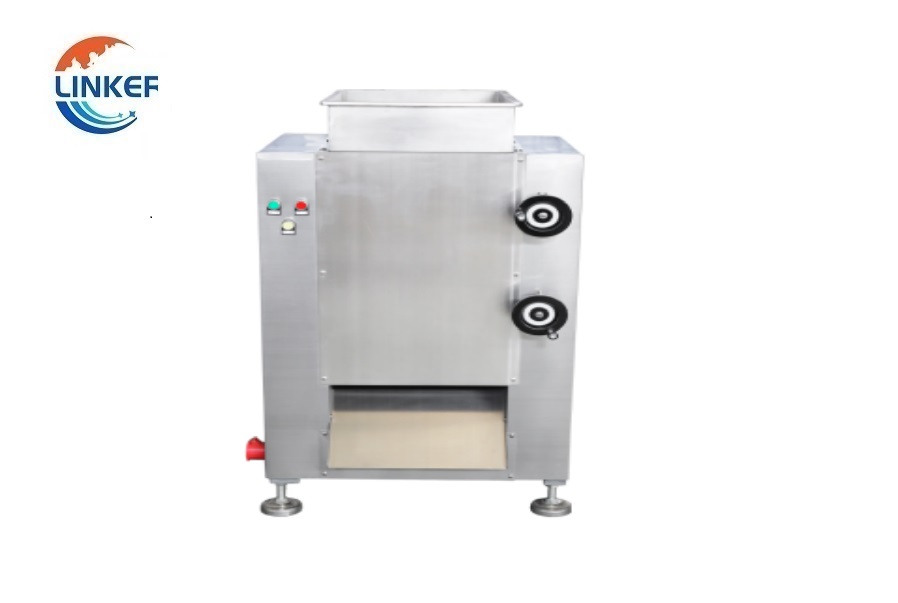
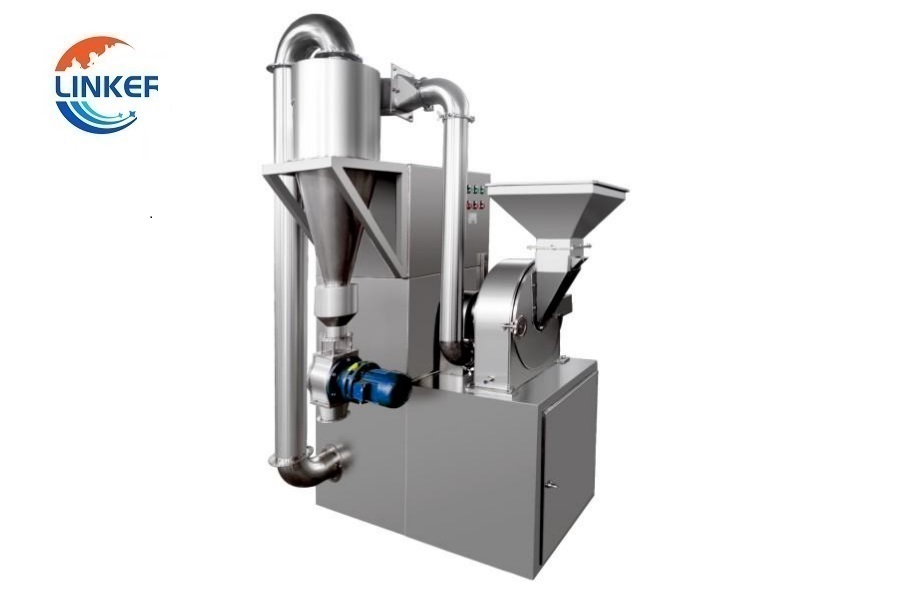
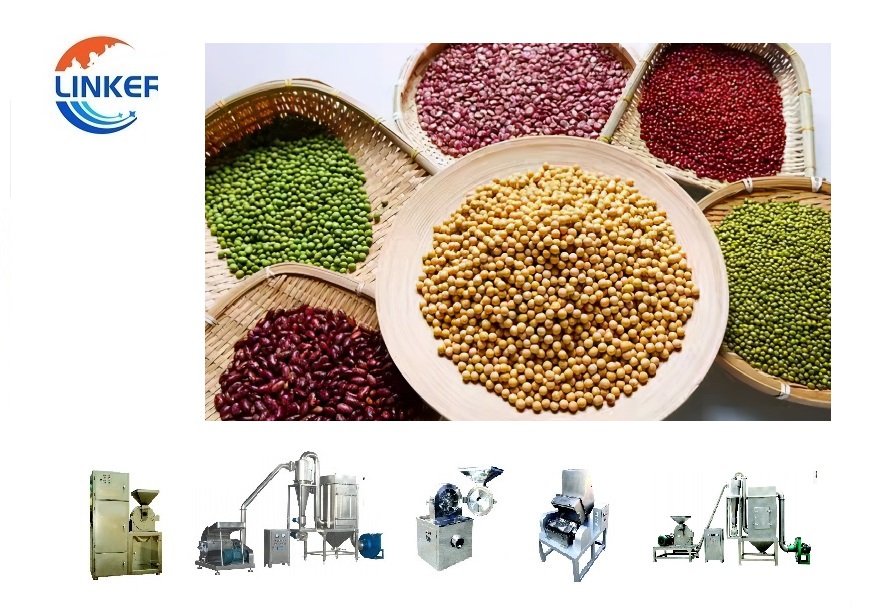
Other Grinding Machine Dry Powder Grinder for Sale:
About LKMixer
LKMixer is a professional manufacturer for fertilizer production line, grinder, mixer and granulator, shredder. These machines are widely used in food, pharmaceutical, cosmetic, health care products and chemical industries. The Food materials like Peanut, mushroom, seeds, potato, bean, tobacco, salt, cannabis, tea, Sugar, corn, Coffee, rice, pepper, grain as so on. Grinders have many types such as Pulse Dust Grinder which suitable for zero pollution environment, Turbine Mill which is suitable for coffee bean, 12-120mesh all can meet, Ultrafine Grinding Mill covers 80-200mesh, and also Winnowing Dust Grinder or other grinding machines like SF Hammer. Welcome to contact us for details. Contact us for more information. Proposal, catalog, quotation. Mobile/WhatsApp: +86 18019763531 Tel: +86 21 66037855 Email: sales@lkmixer.com
Contact Us
FAQ(Click and See More)
Industrial Grinder for Sale:
Drying Machine for Sale: