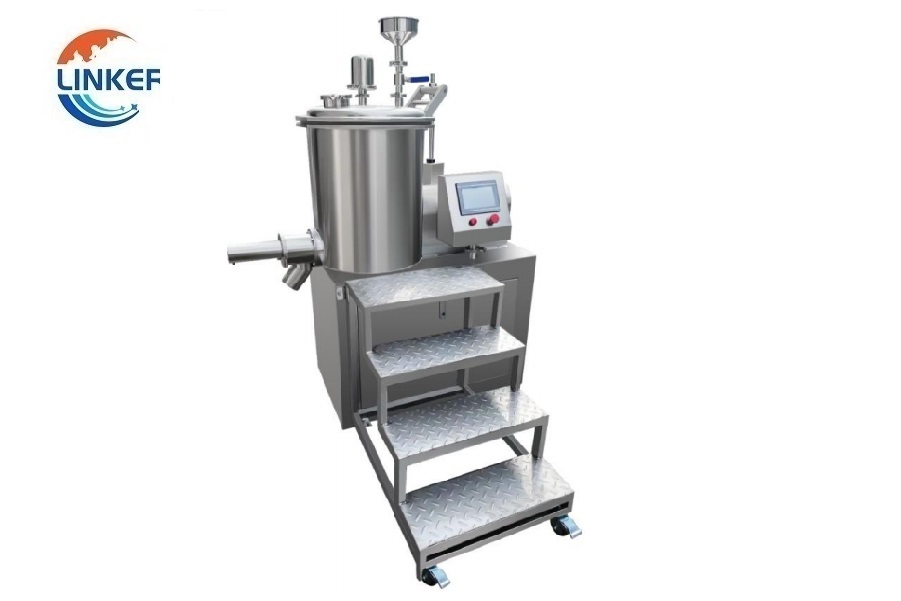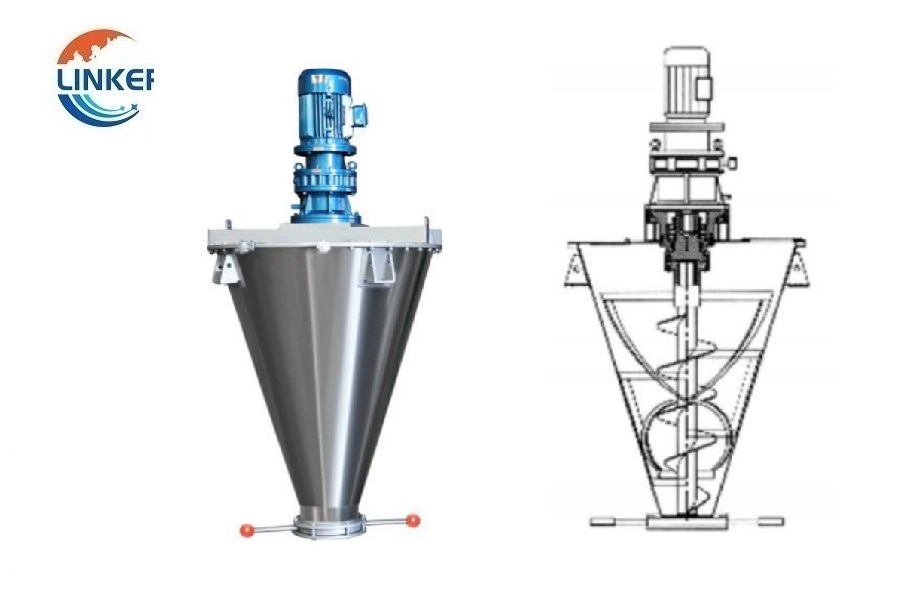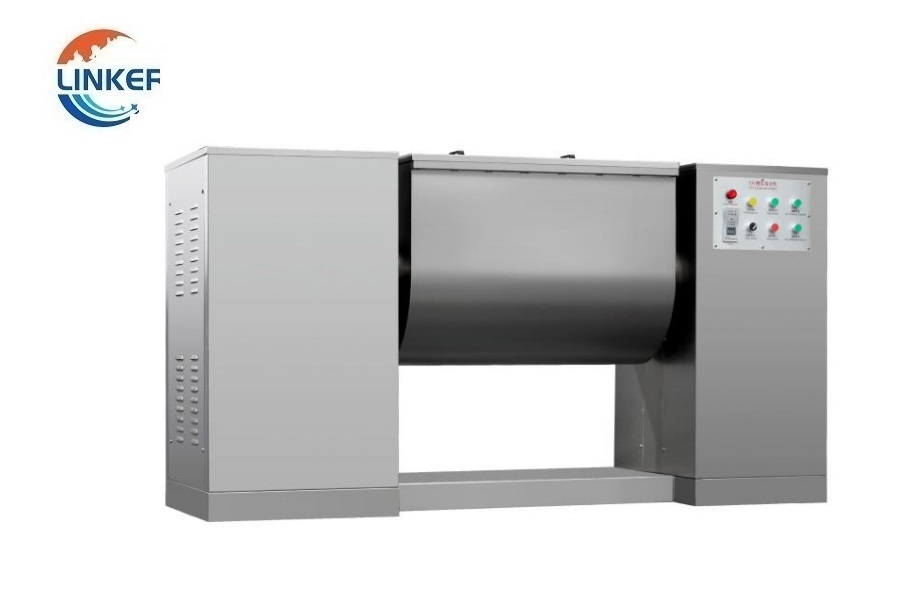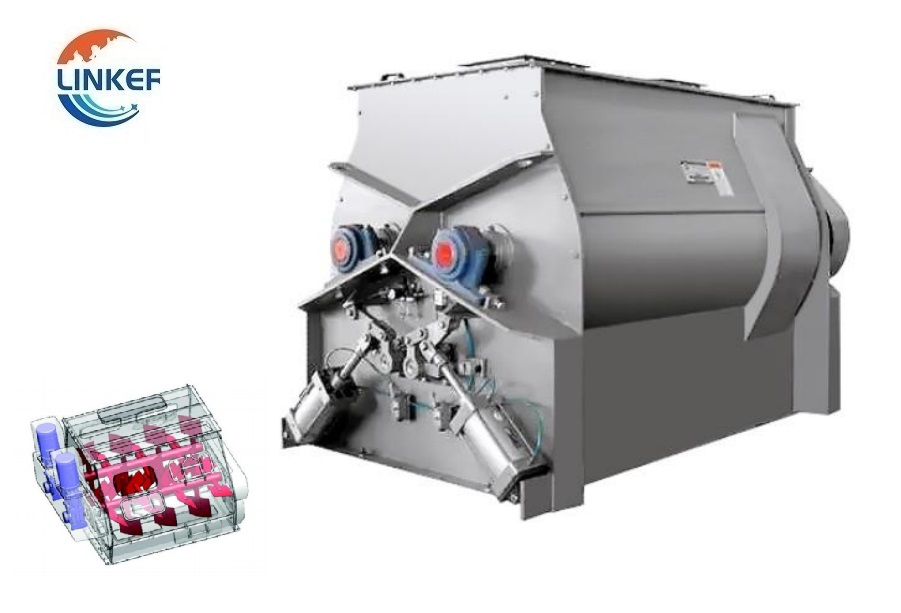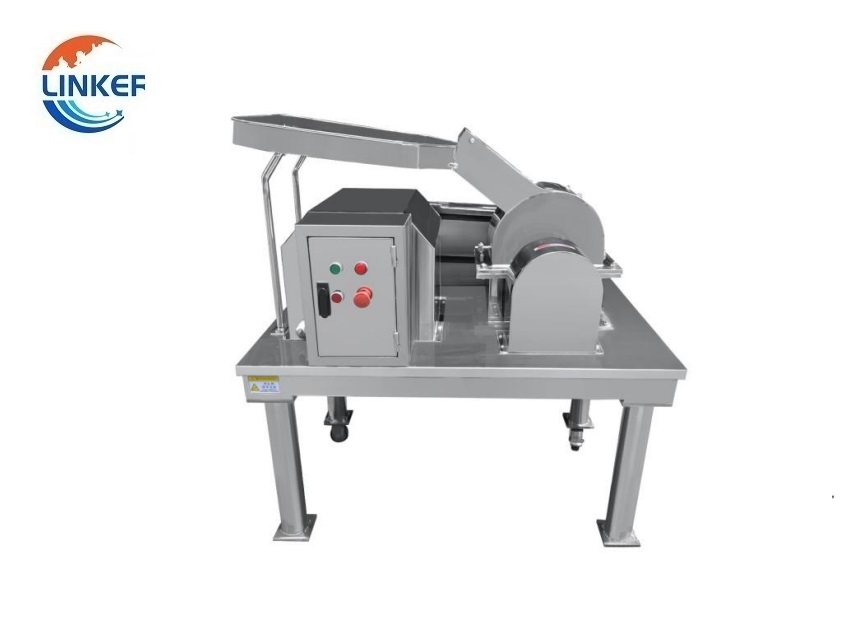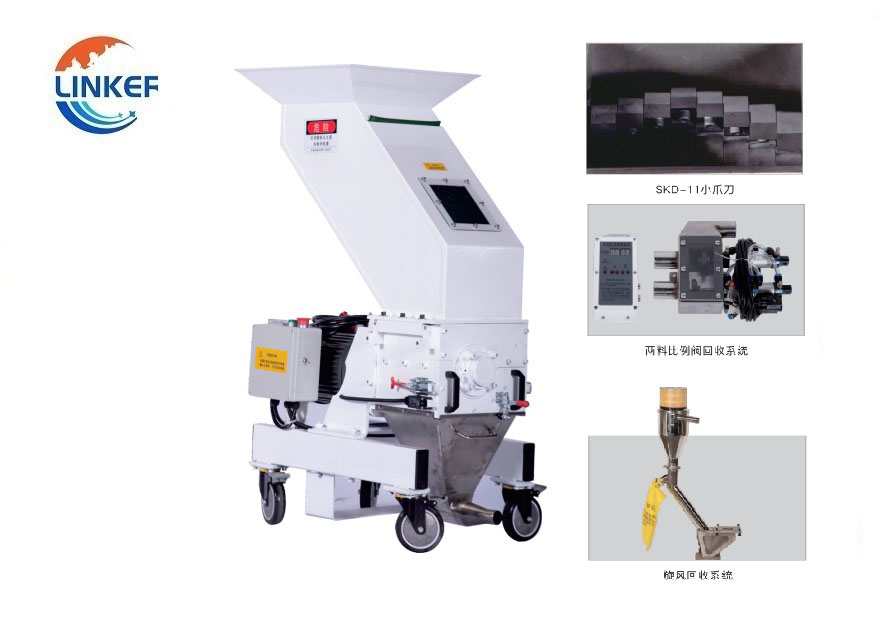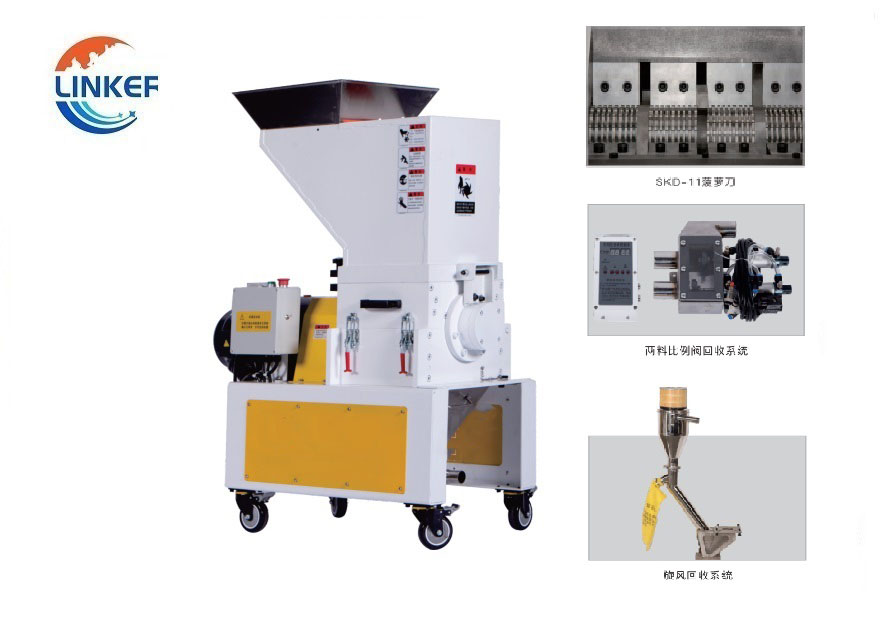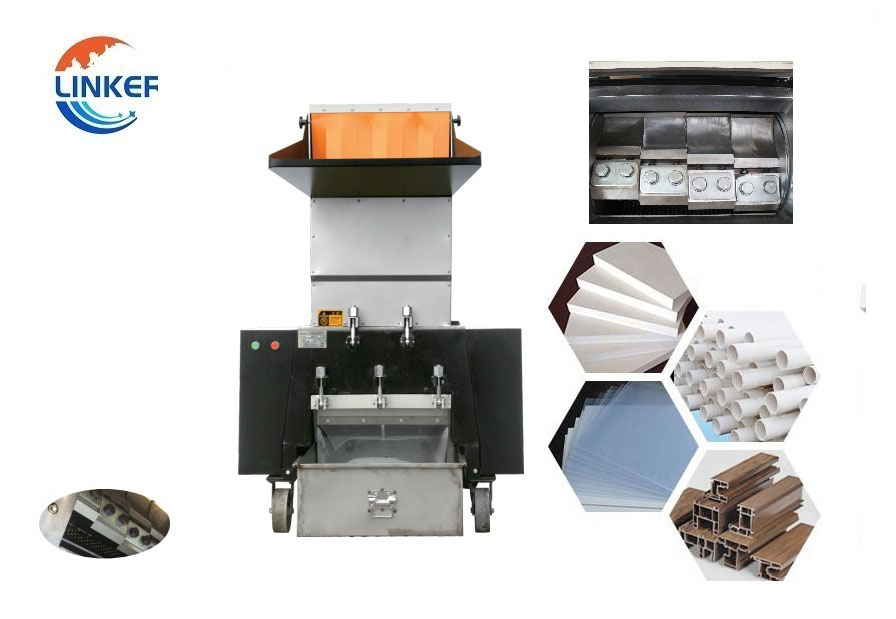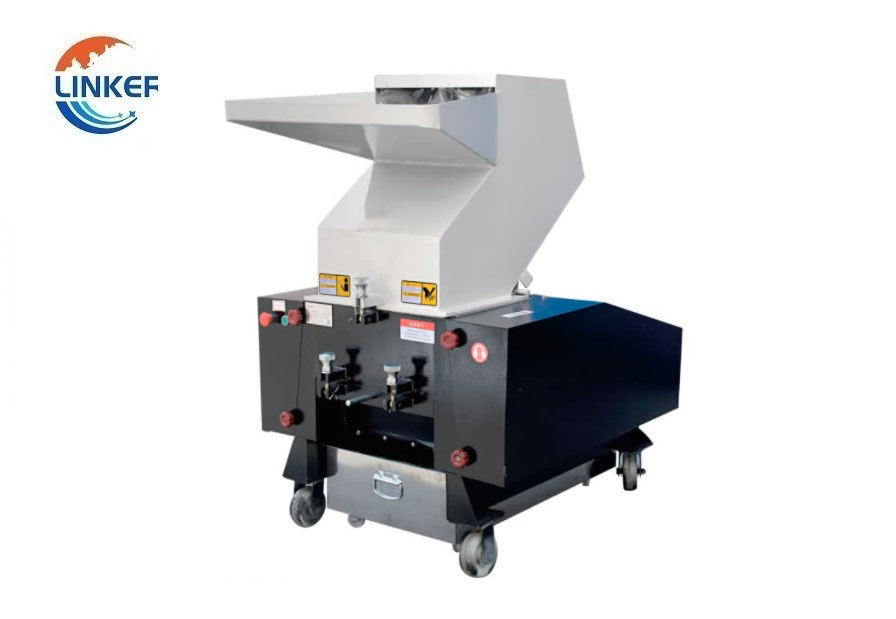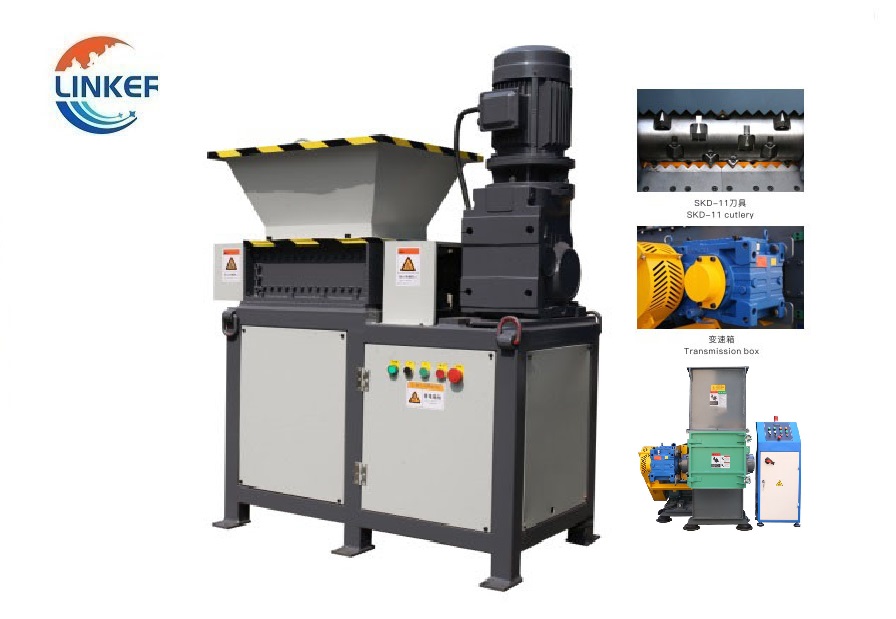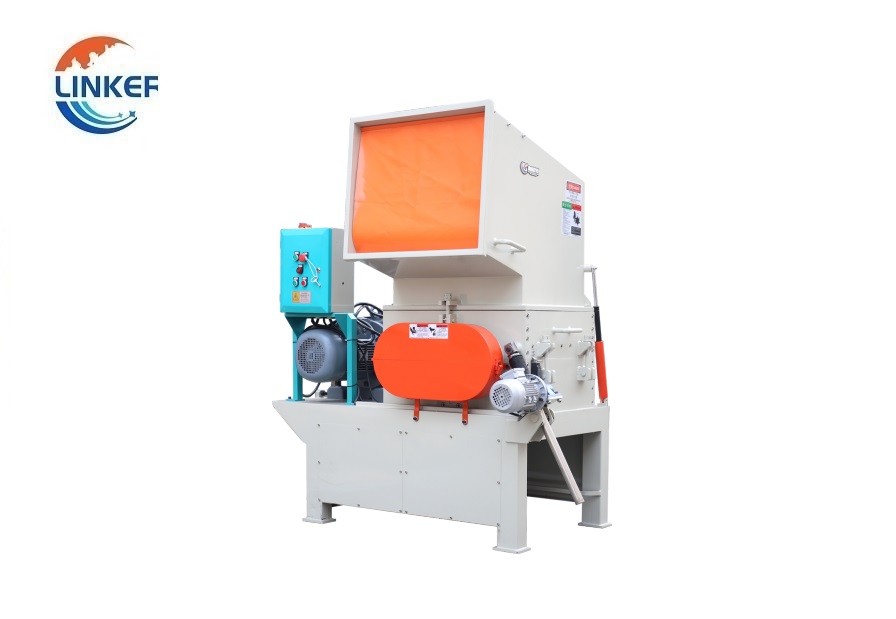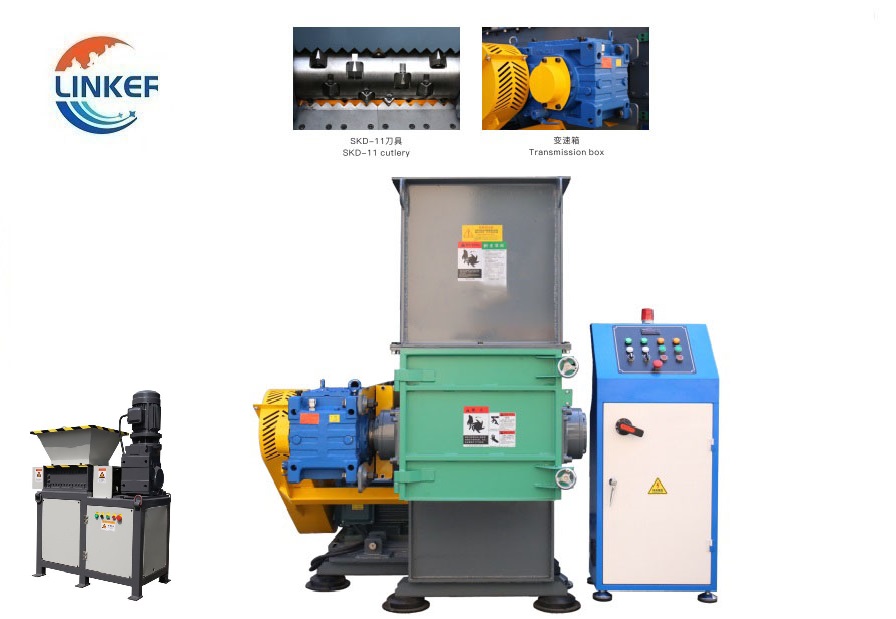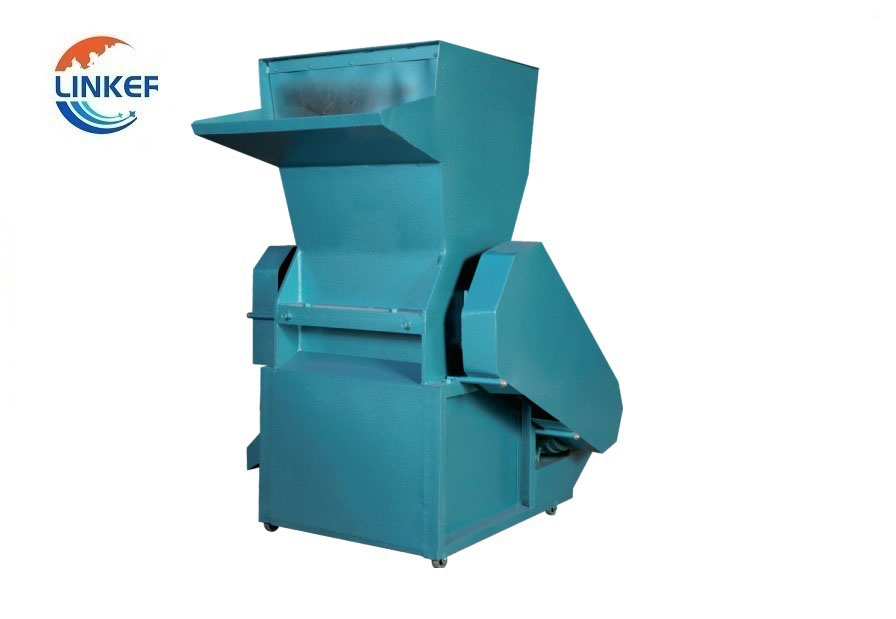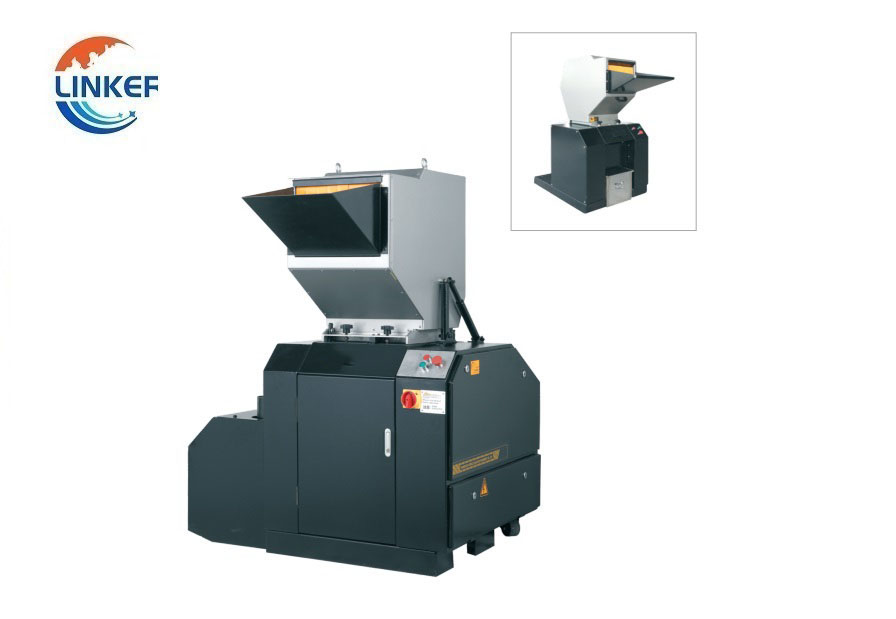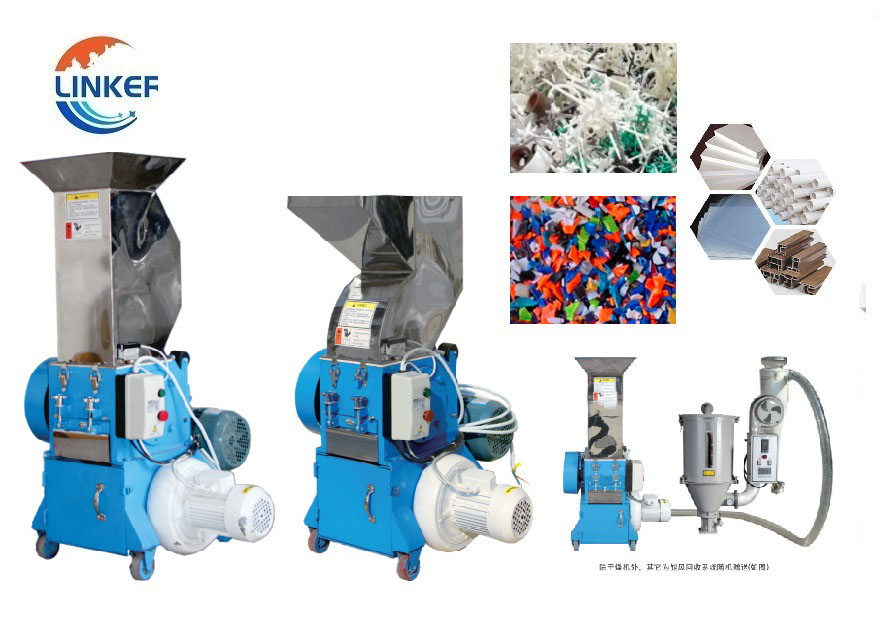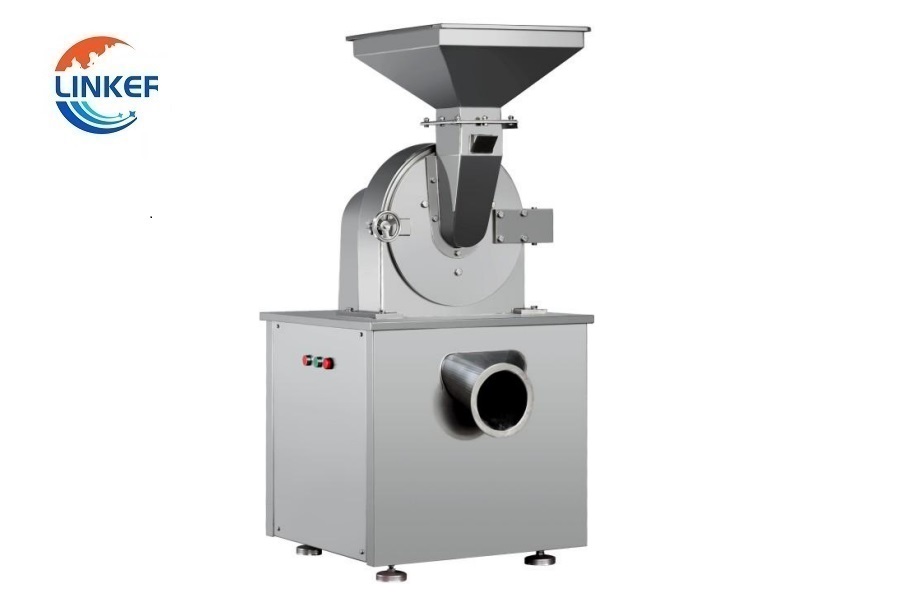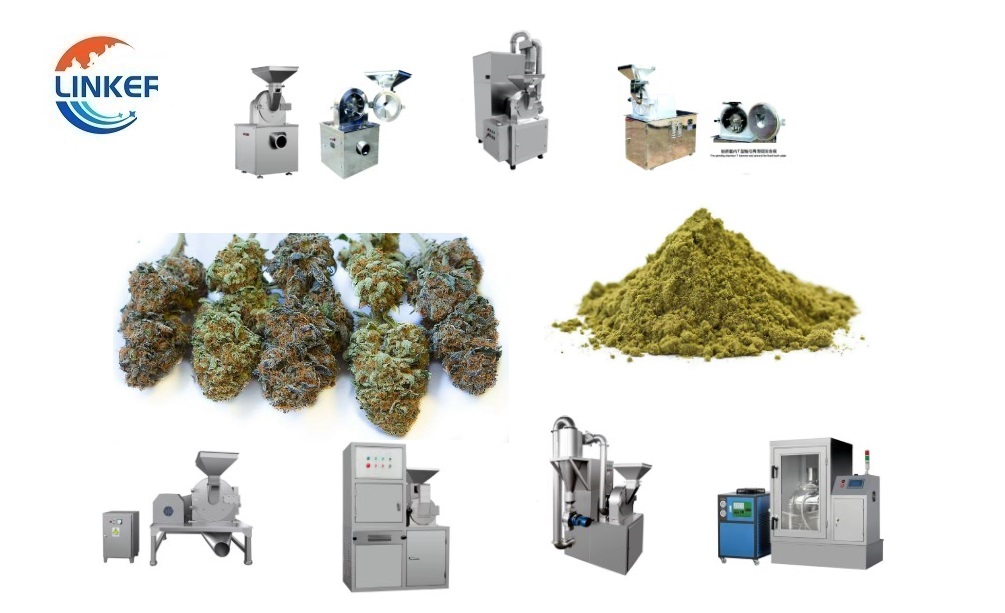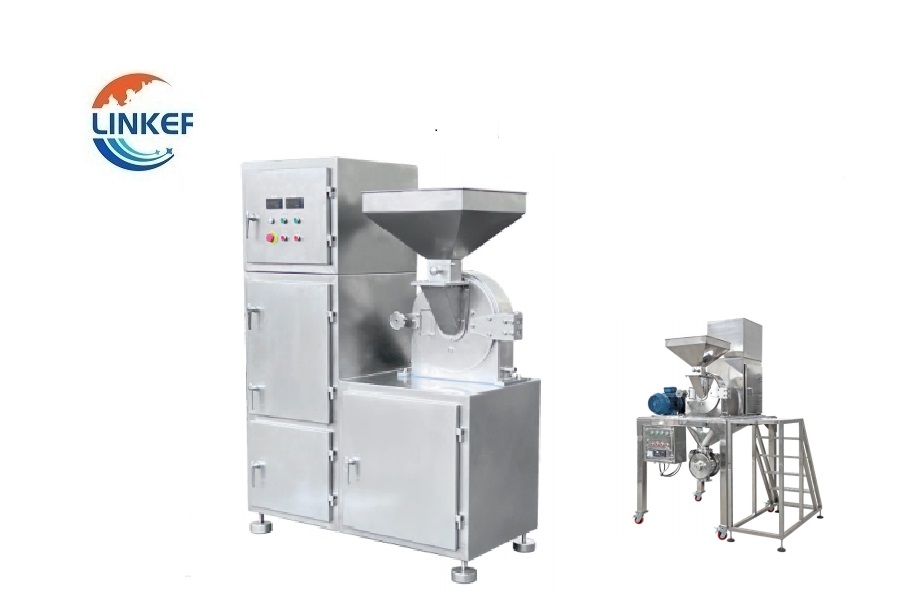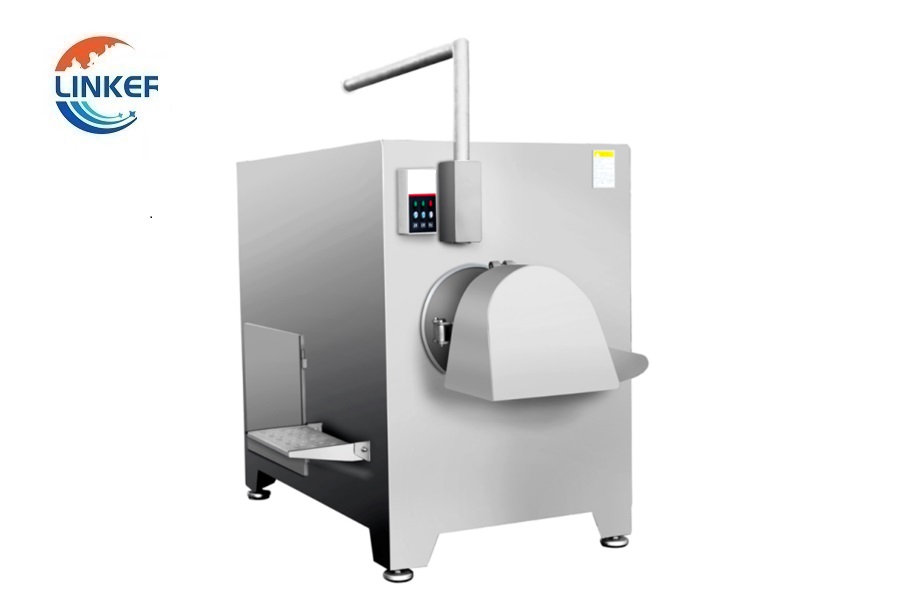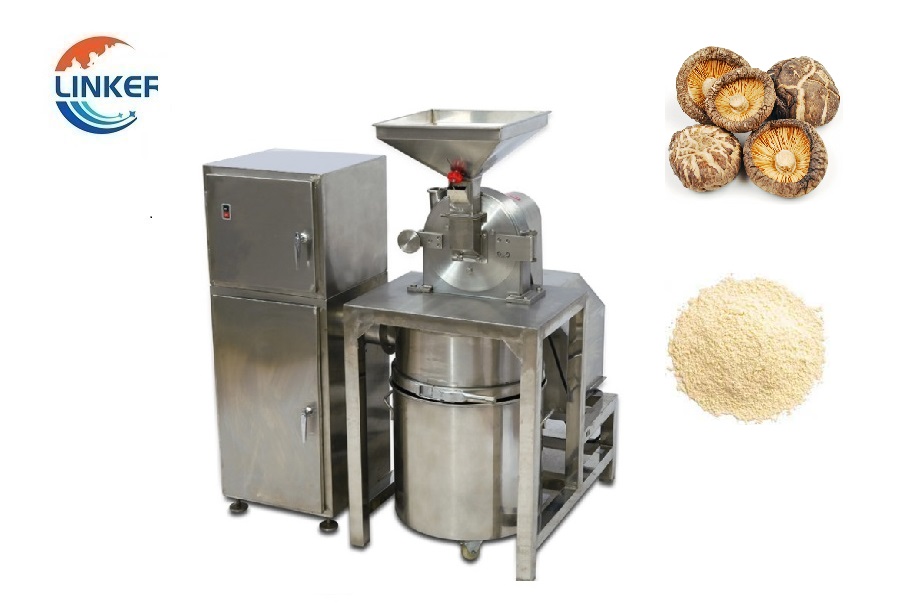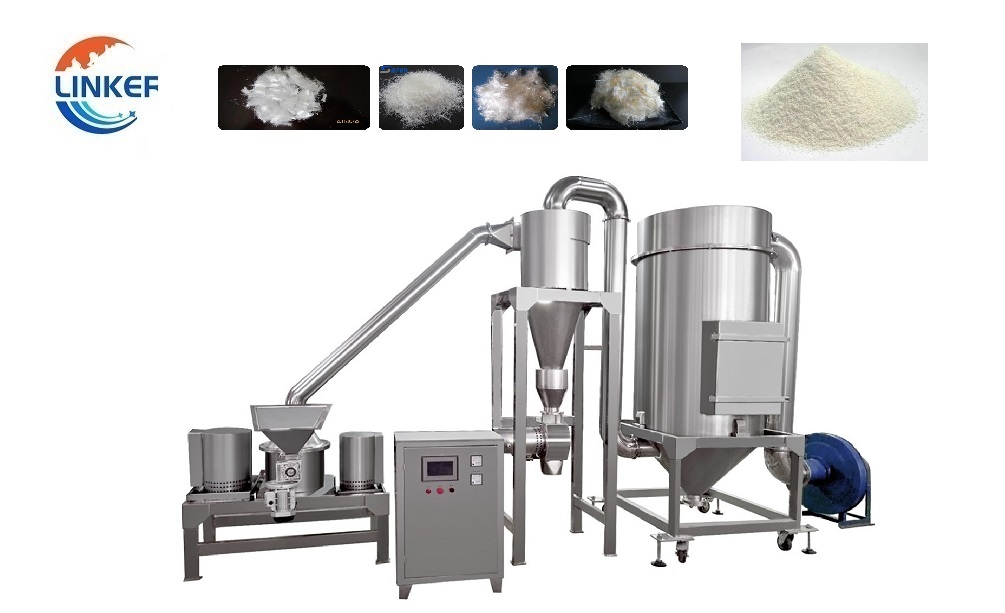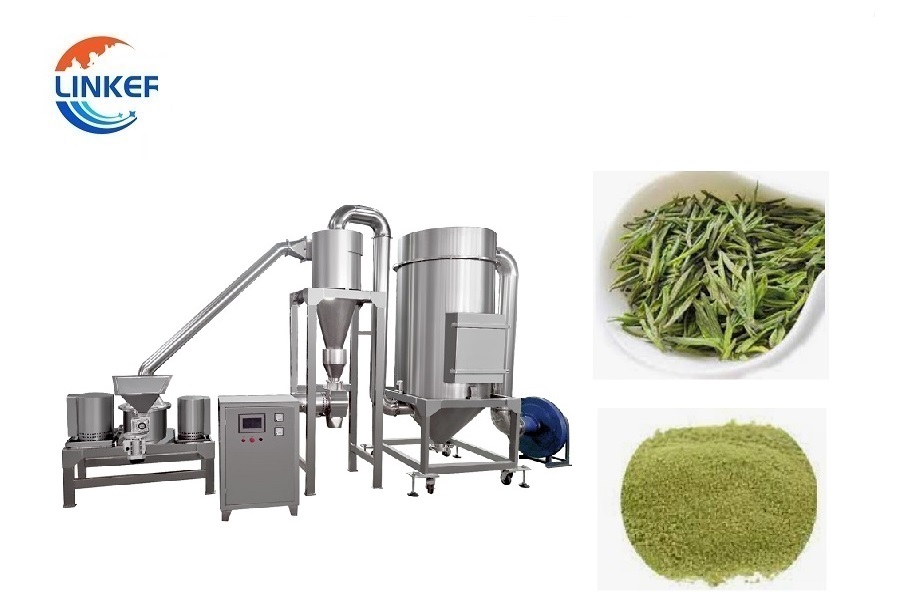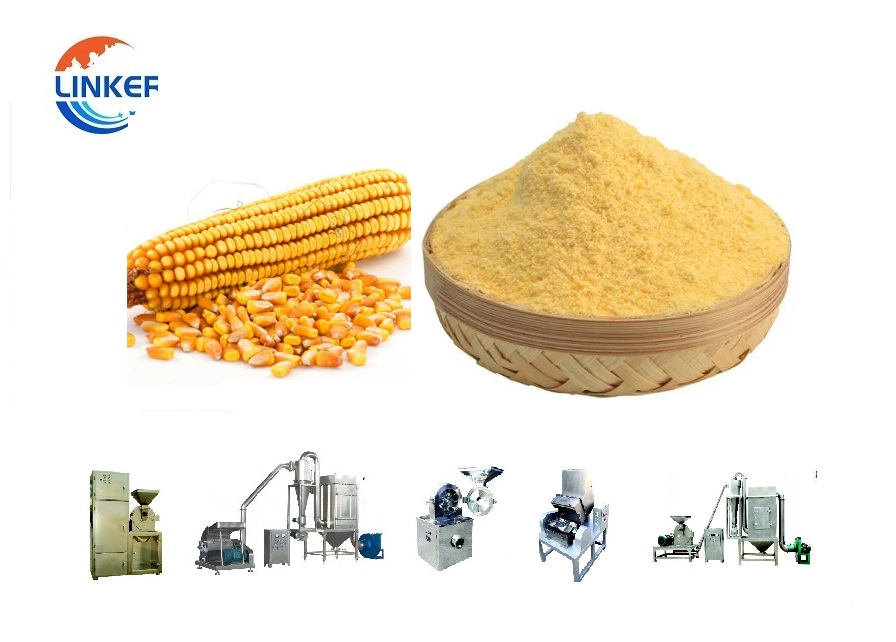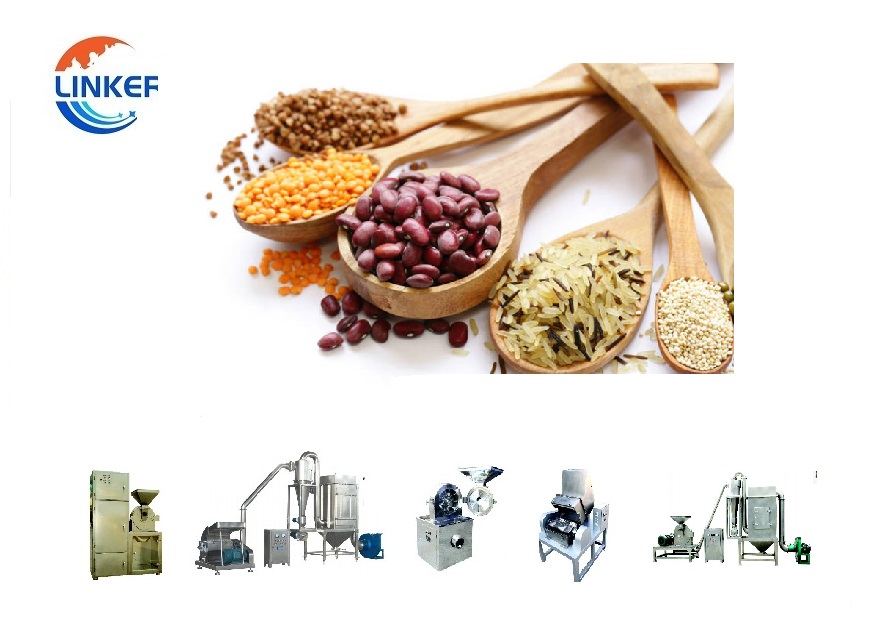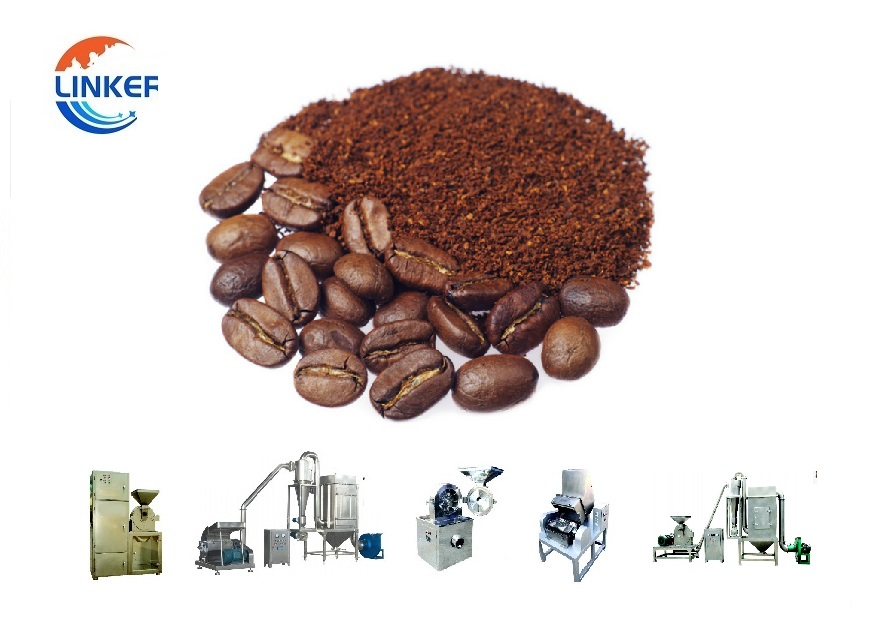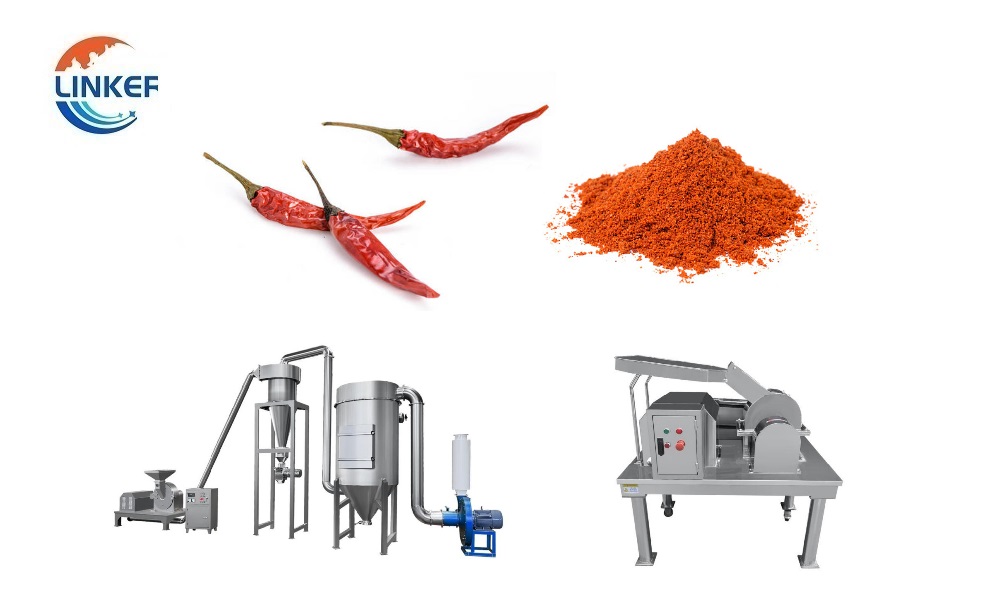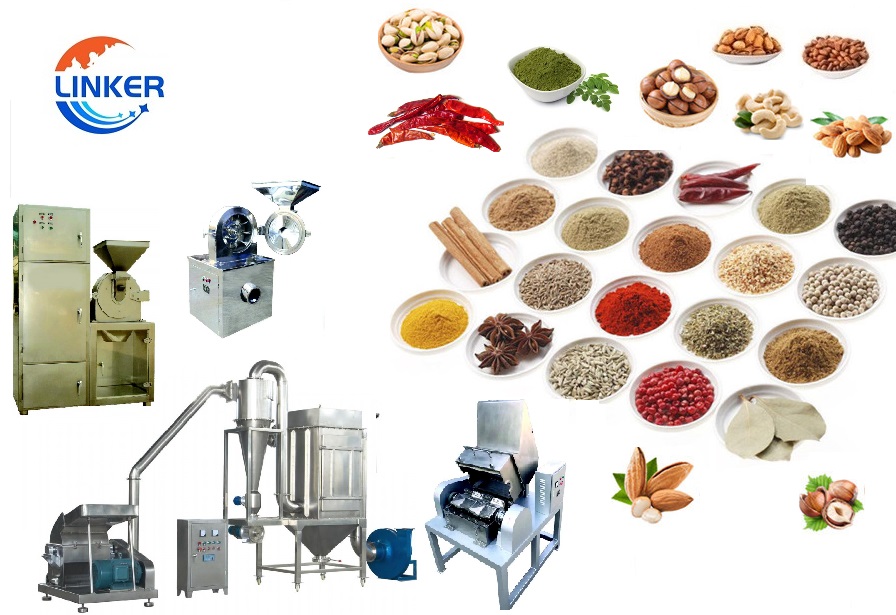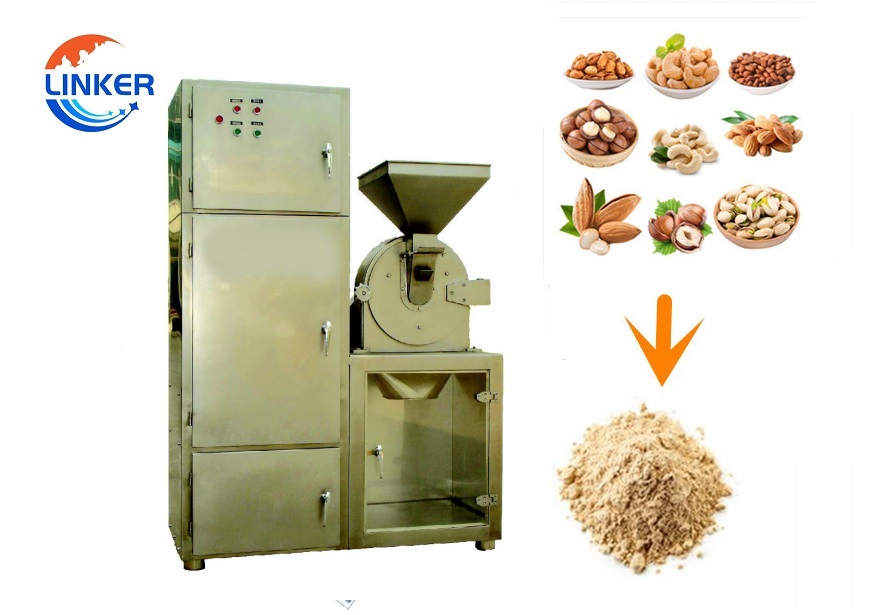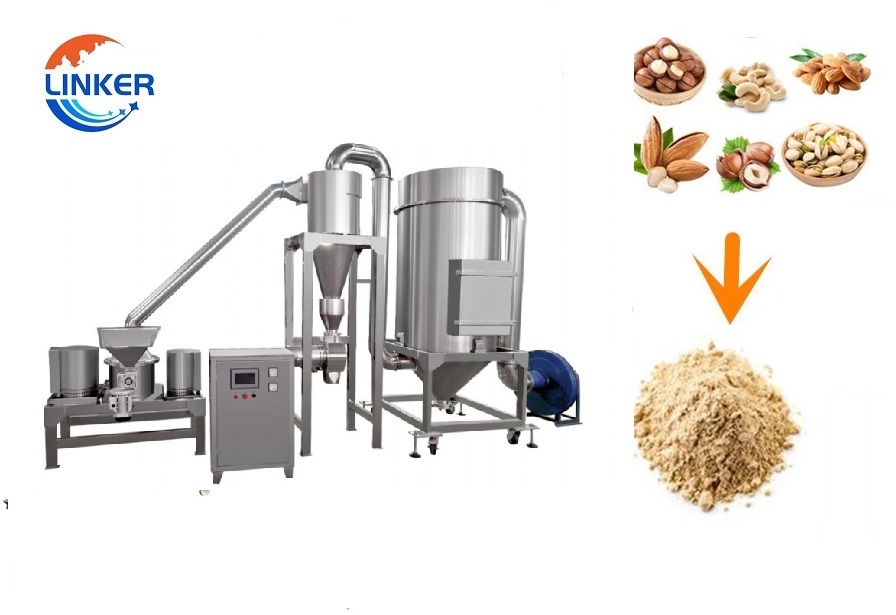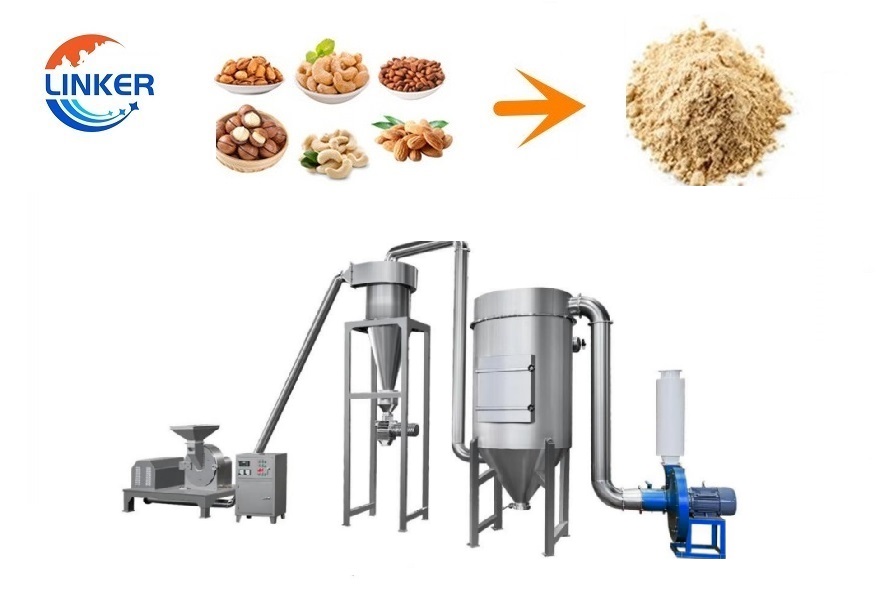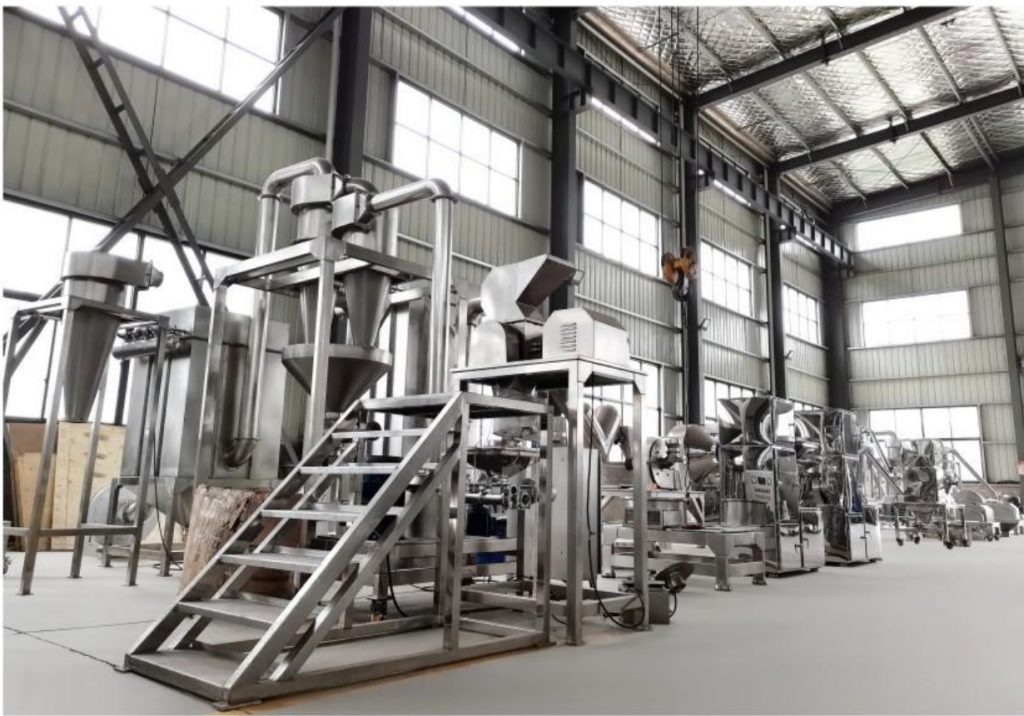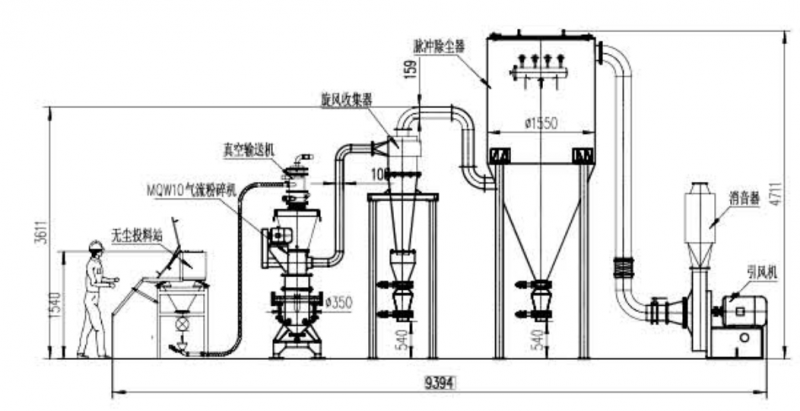
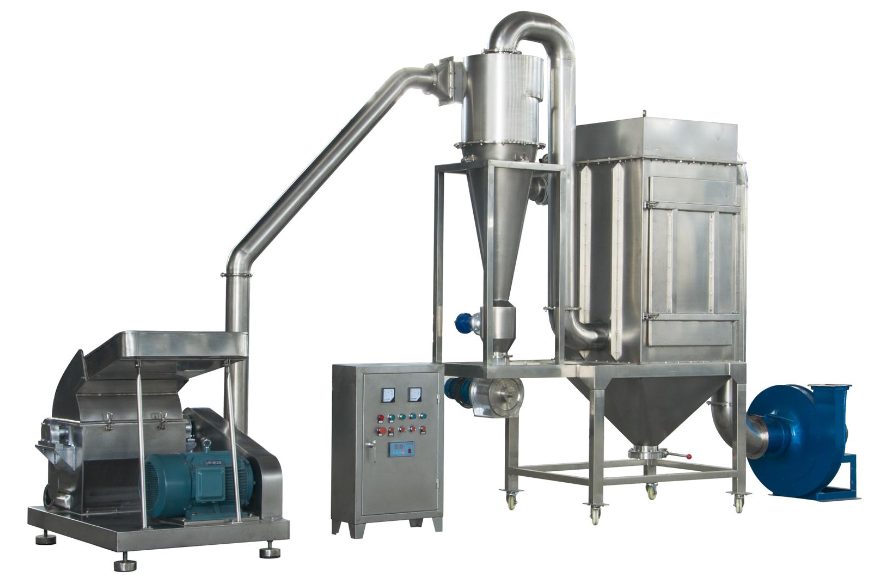
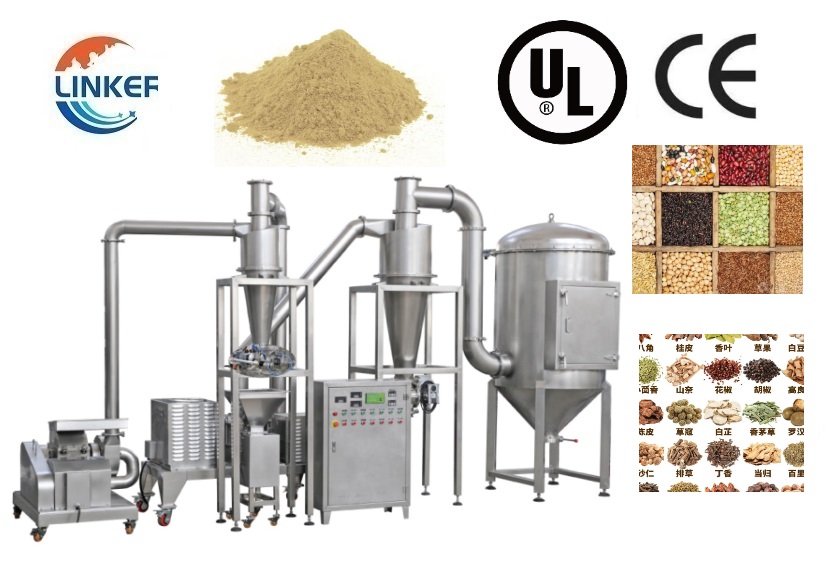
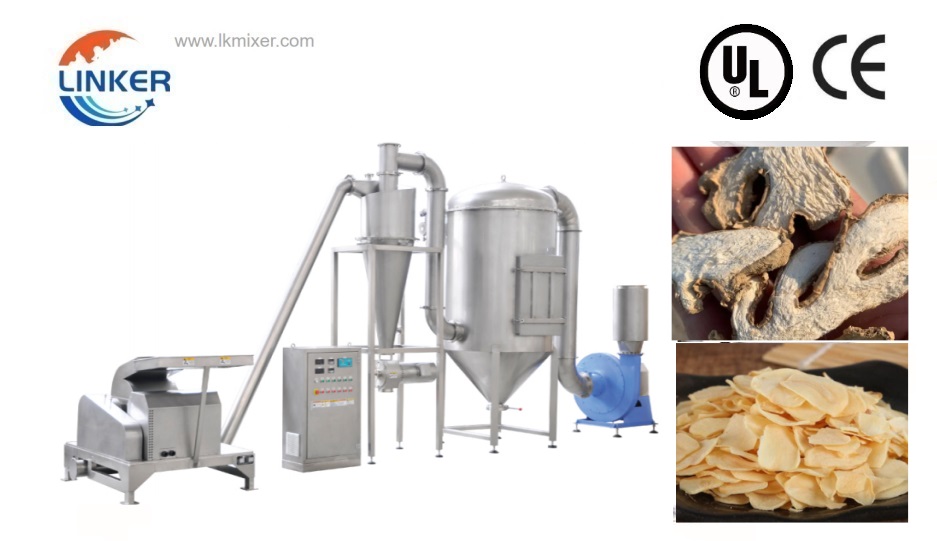
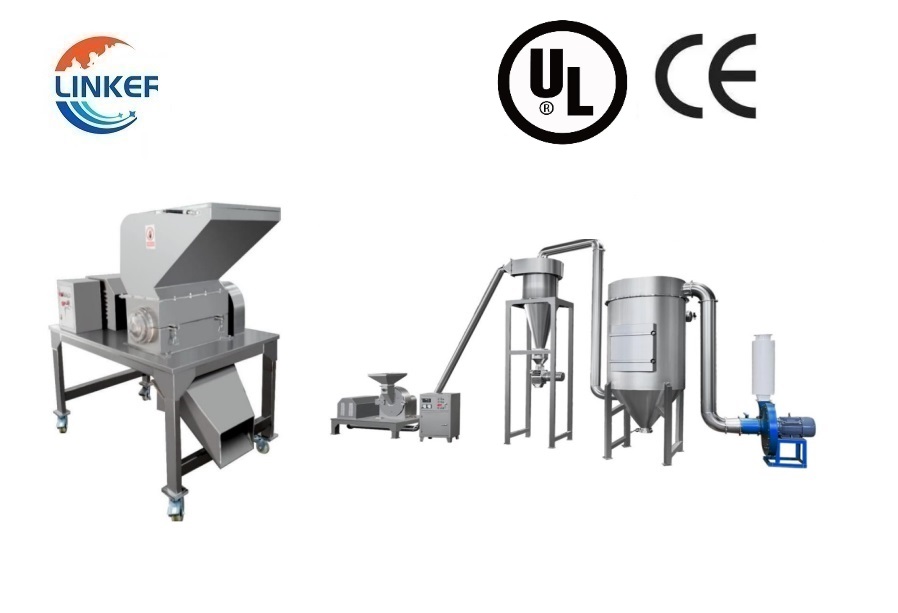
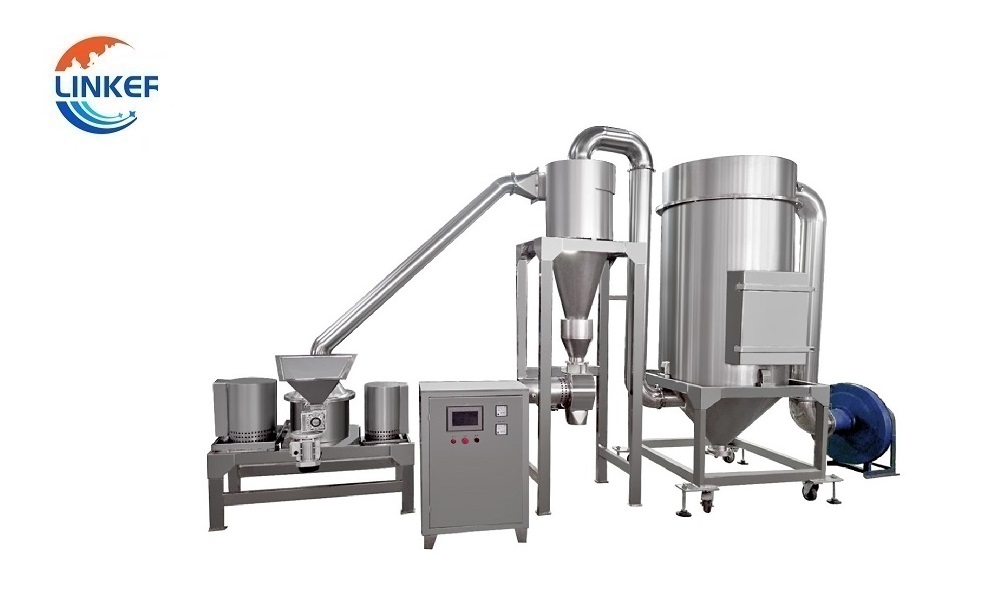
Food Grinding Mill Production Line
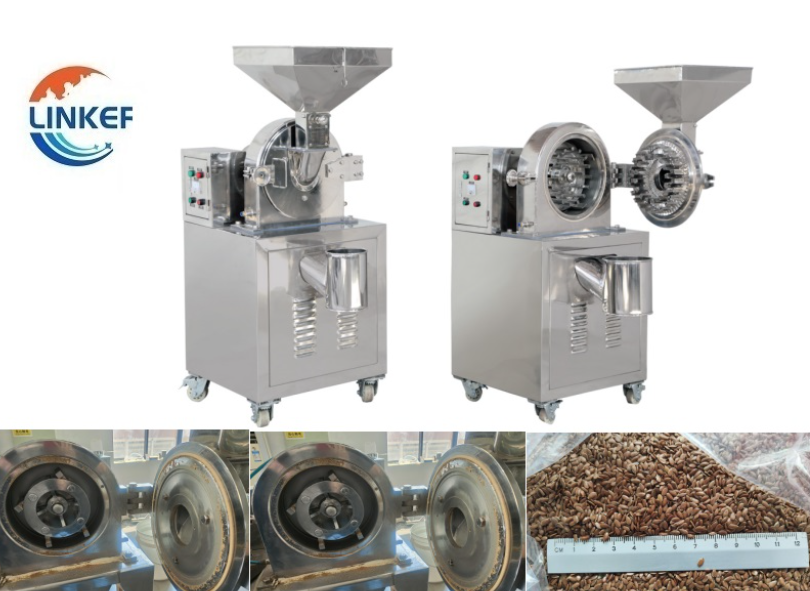
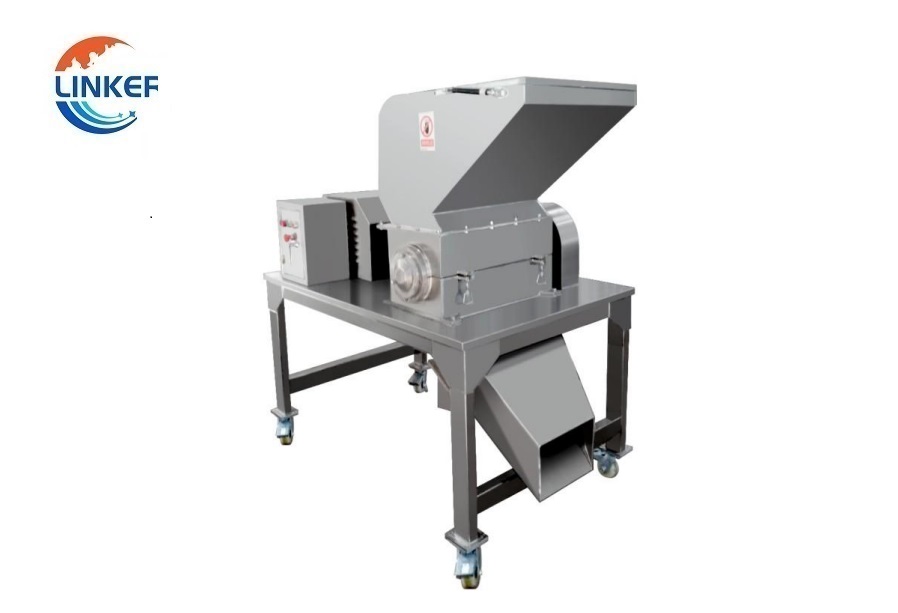
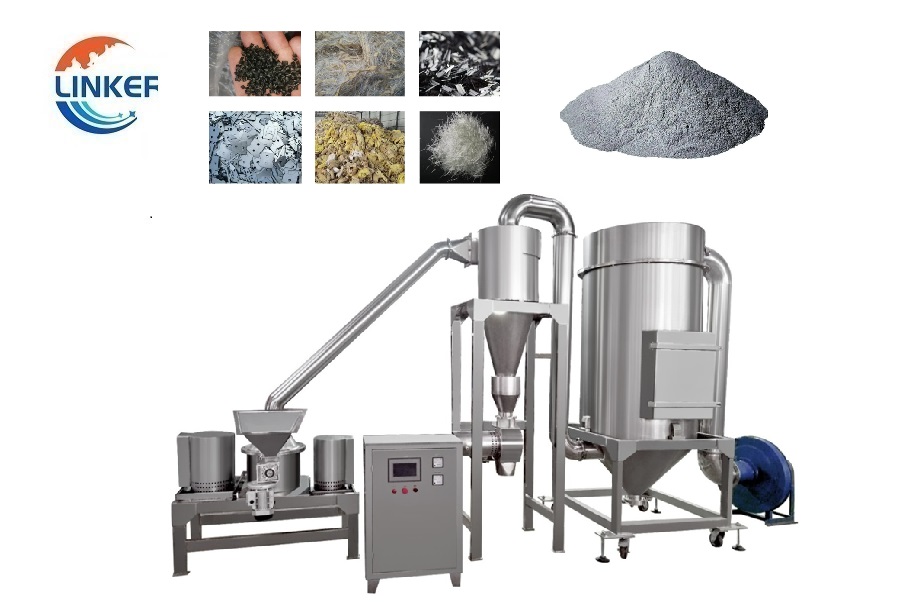
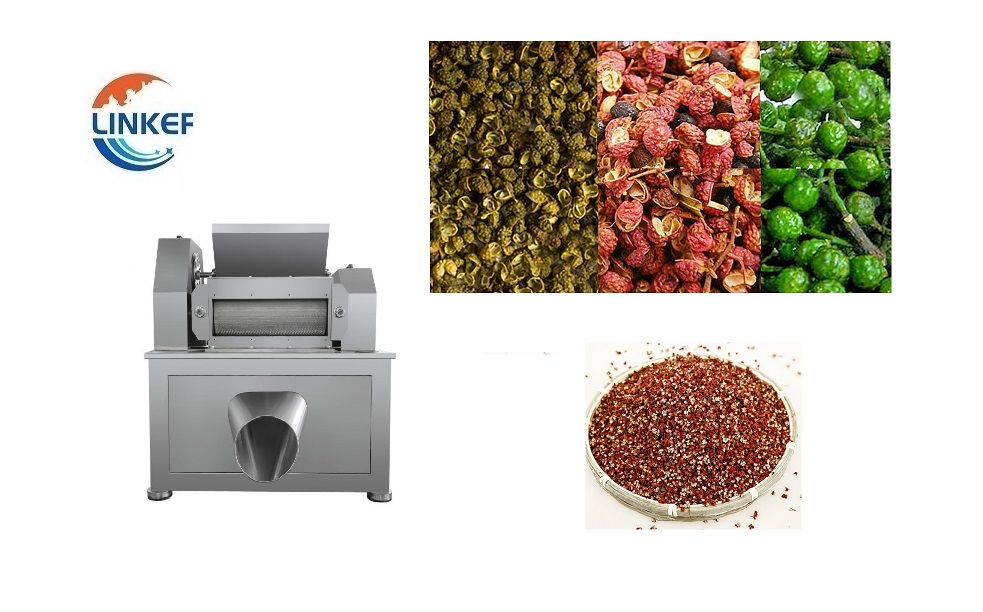
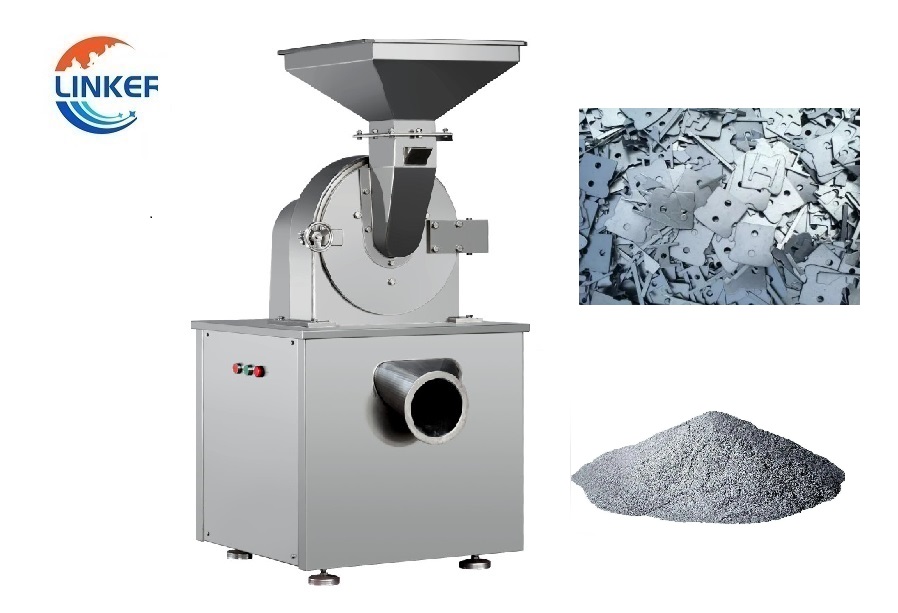
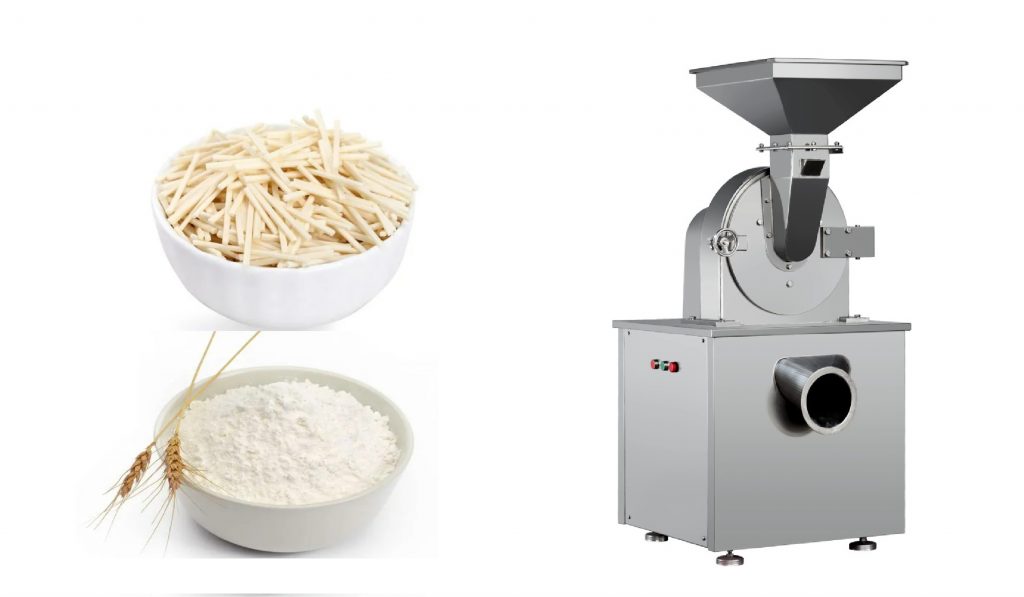
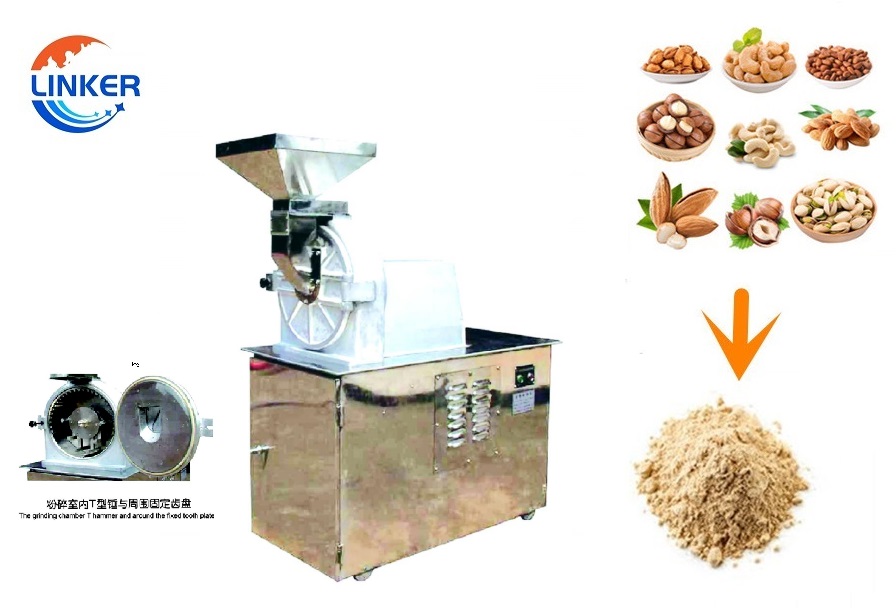
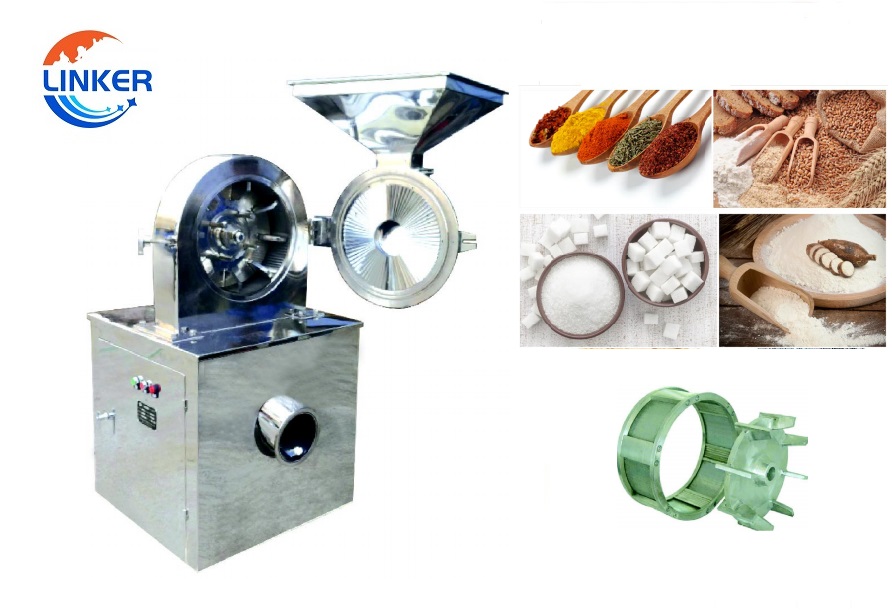
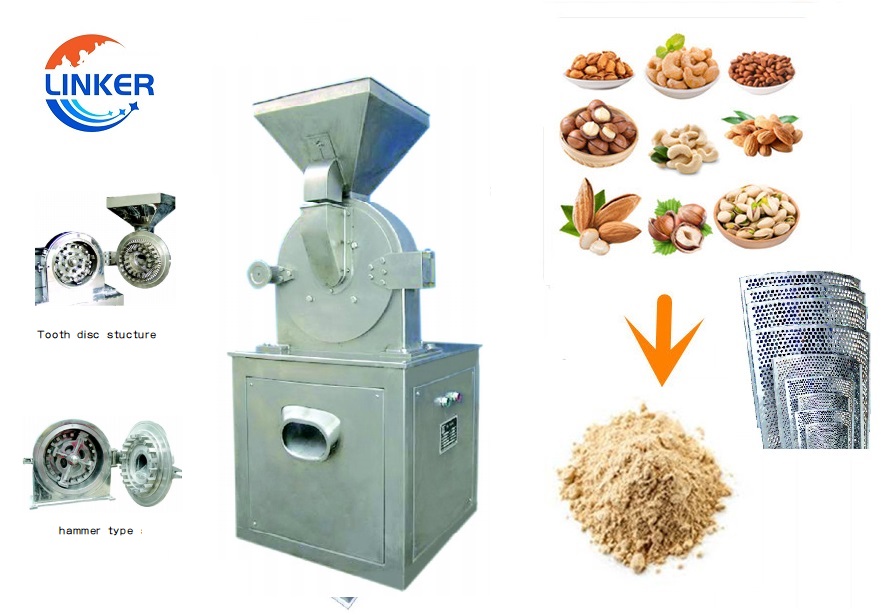
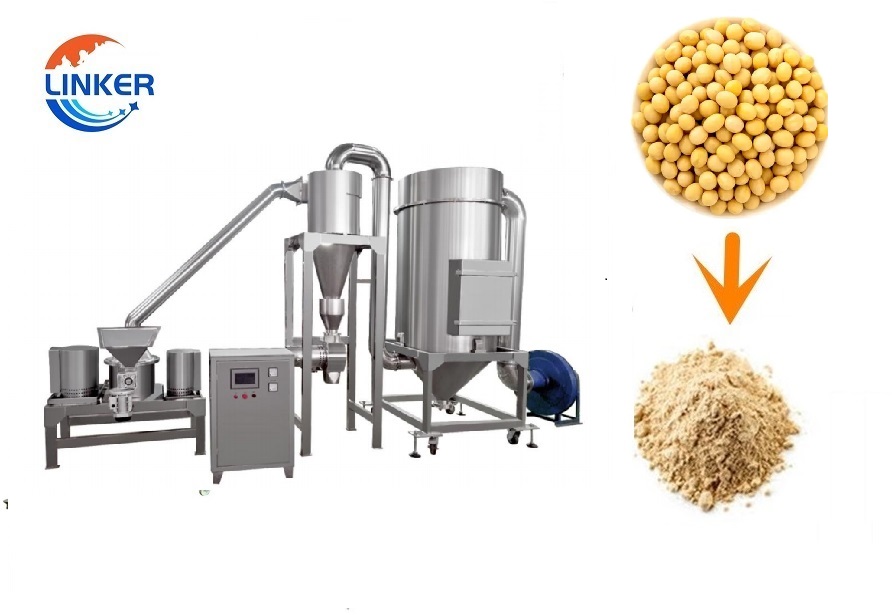
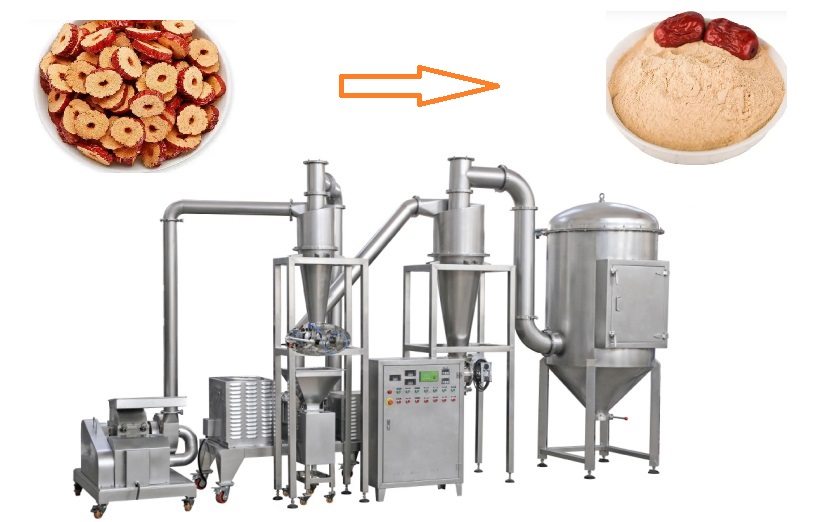
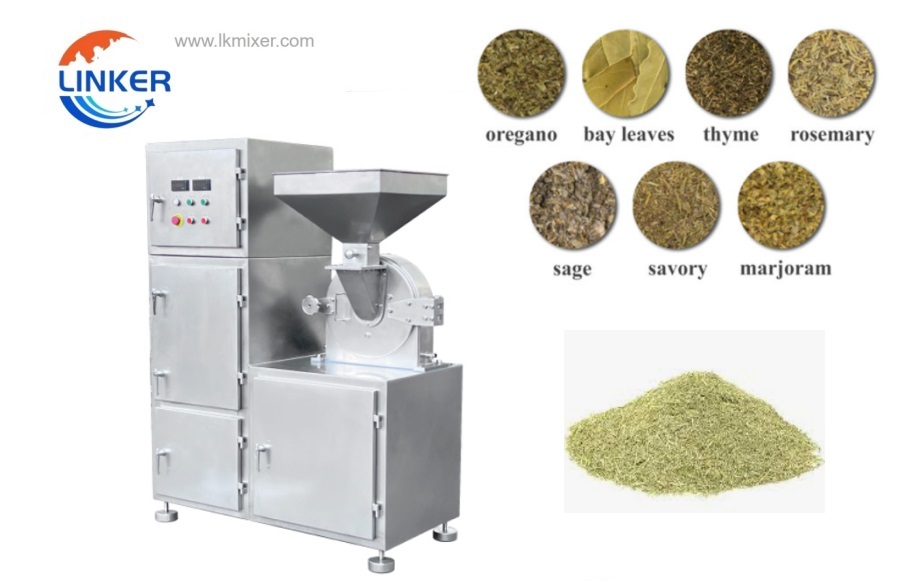
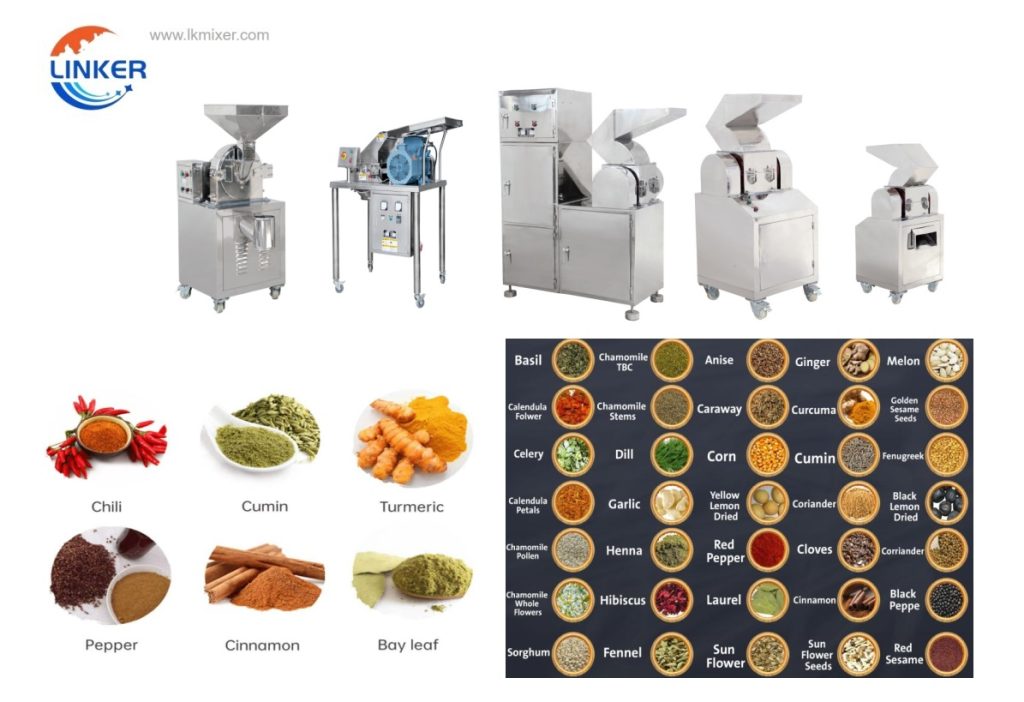
- Suitable Grinding Material: grain, spice, herbal powder raw materials, dry fruit, plant fiber, food additive, dry brittle food raw materials;
- Maximum capacity: 50‑800(kg/hour);
- Output particle size: 0.02‑2.5mm, adjustable grinding gap for different food powder fineness;
- Machine Weight: 650‑2200kg;
- Total Power: 15‑55KW;
- Optional Feature: 304/316 stainless steel contact parts, automatic feeding unit, screening module, pulse dust removal system, quick‑disassemble structure for full sanitization, PLC centralized control, temperature control device to avoid overheating of food materials;
- Application: food powder continuous production, spice & herbal fine grinding, grain pulverizing, food additive milling, automatic food powder processing workshop.
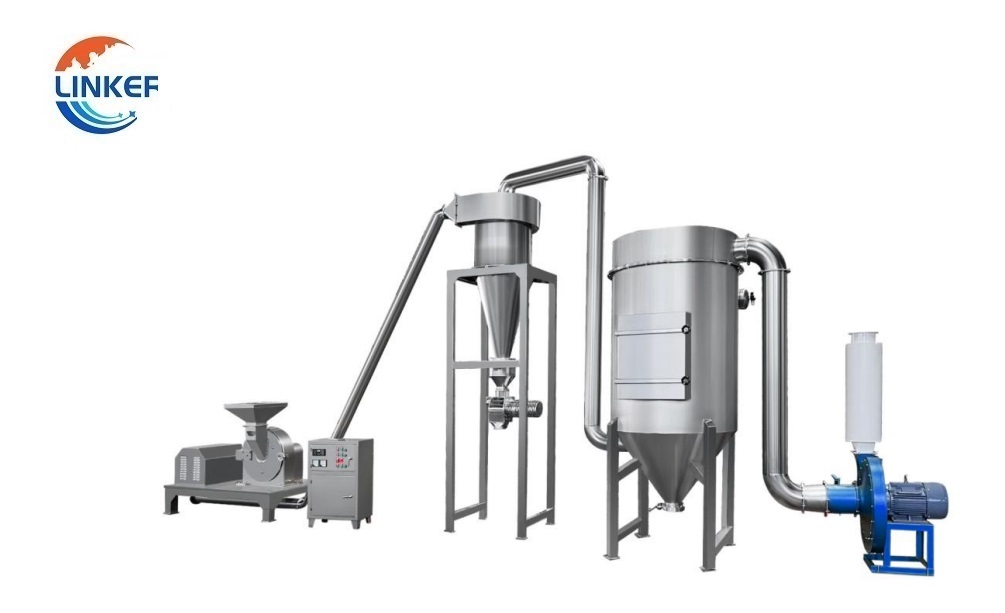
- Notice: This is just an example of food grinding mill production line, this line can also be customized for different dry food raw materials, and there also have many models suitable to grind. Please contact with our sales for choosing the right model.
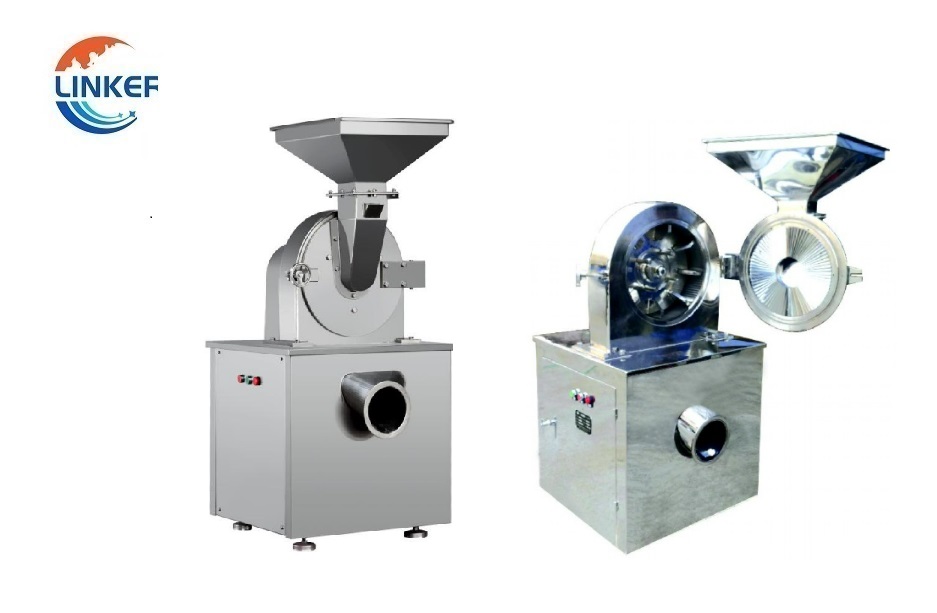
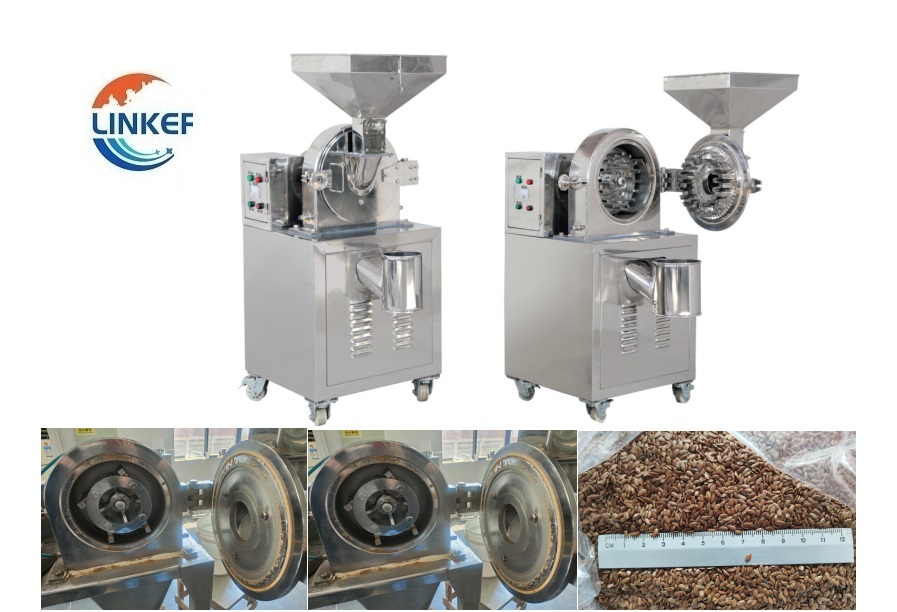
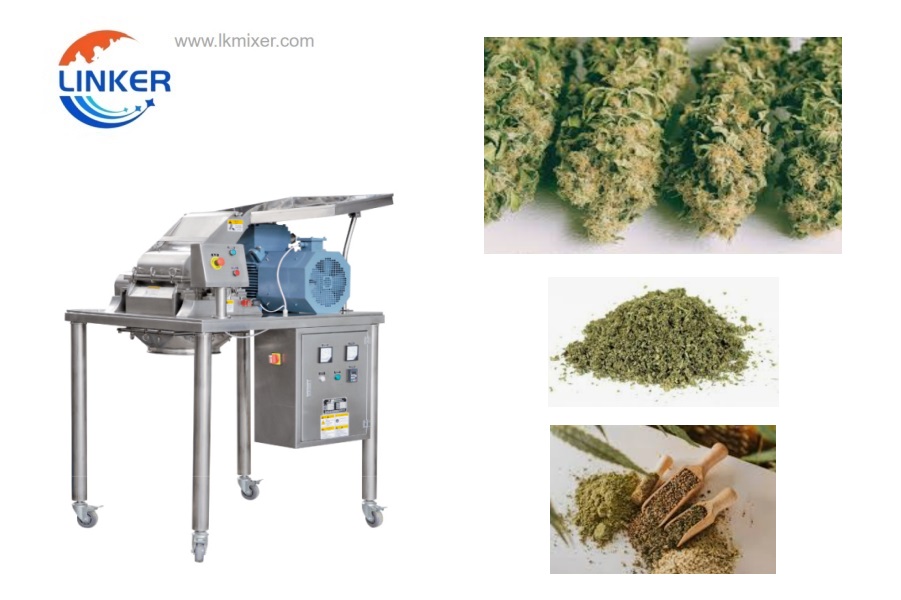
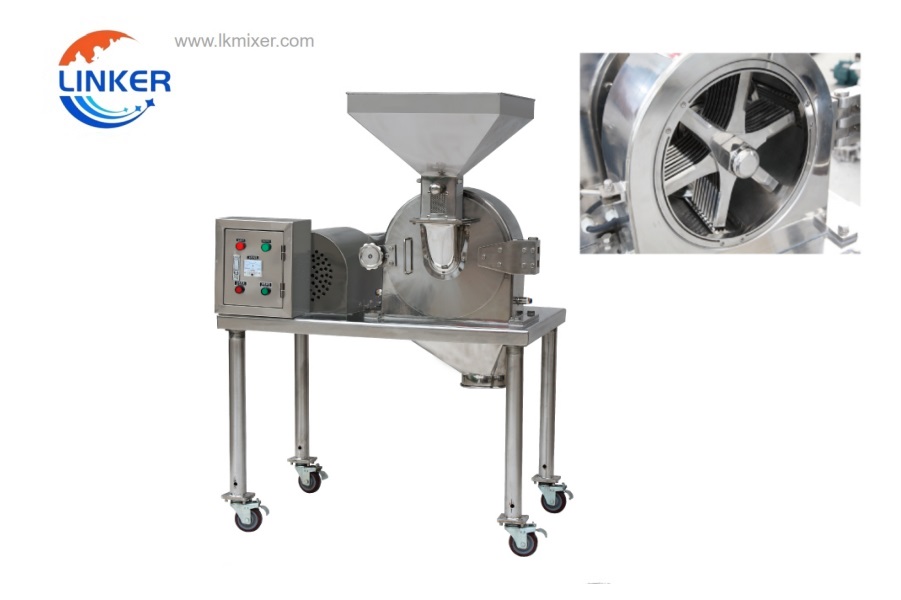
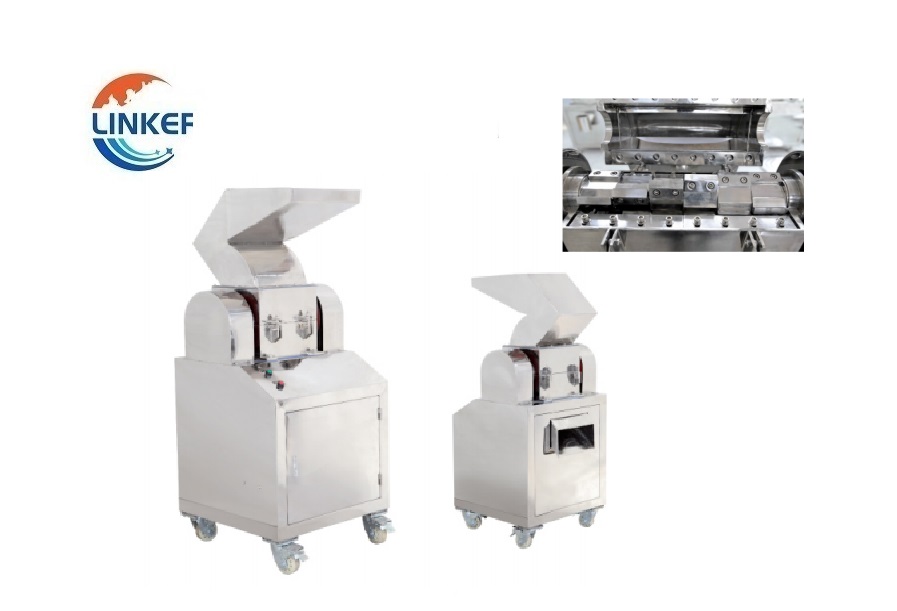
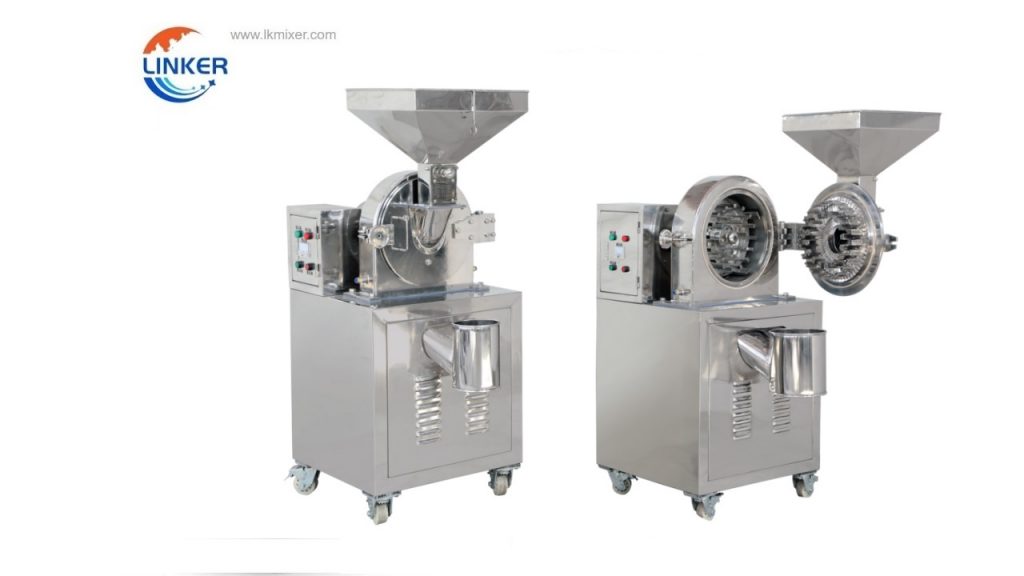
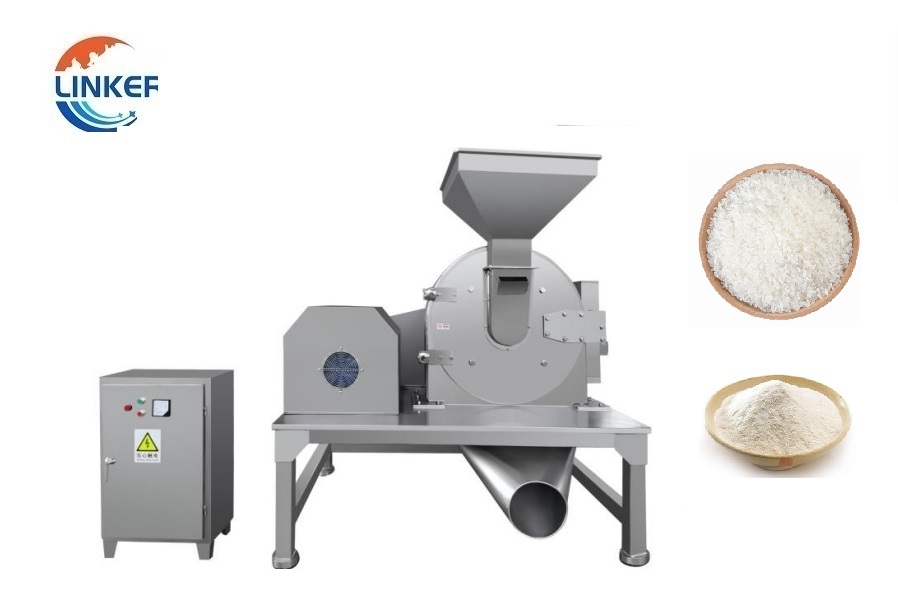
This Grinding Mill adopts mature high‑speed pulverizing structure design, which is extensively used for material grinding in pharmaceutical, chemical, food, herbal medicine, spice and other industries.
Structure
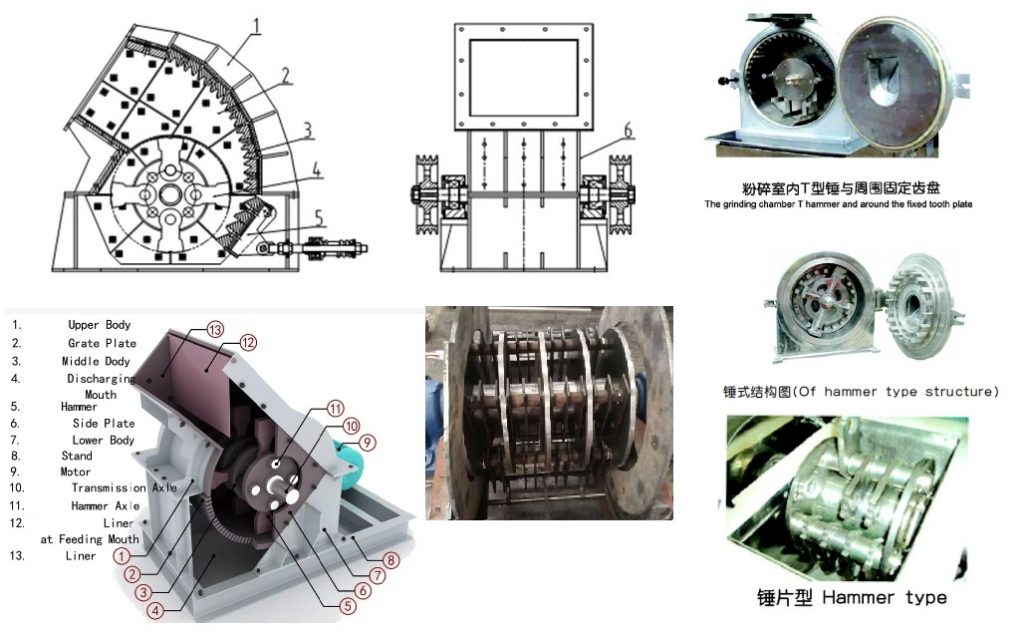
This grinding mill features compact overall layout. It is convenient for installation, disassembly and thorough cleaning. It delivers stable operation performance, moderate working noise, reliable sealing property and outstanding grinding capacity.
Working Principle
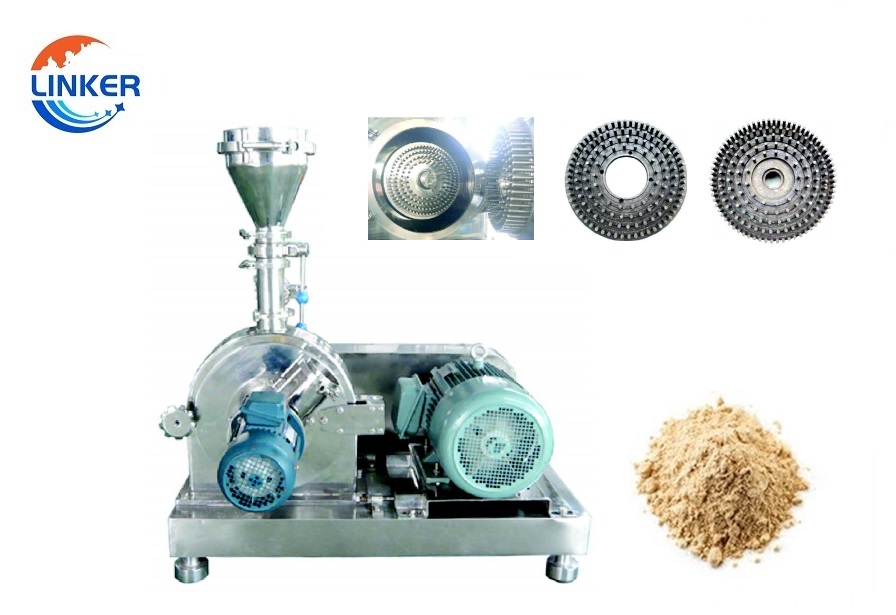
The machine operates at high rotational speed. Raw materials are crushed through continuous impact and shearing force generated between rotating movable teeth and static fixed teeth. Fineness of finished powder can be adjusted according to different raw material characteristics. Particle size of final output can be obtained by replacing different screens or adjusting running speed.
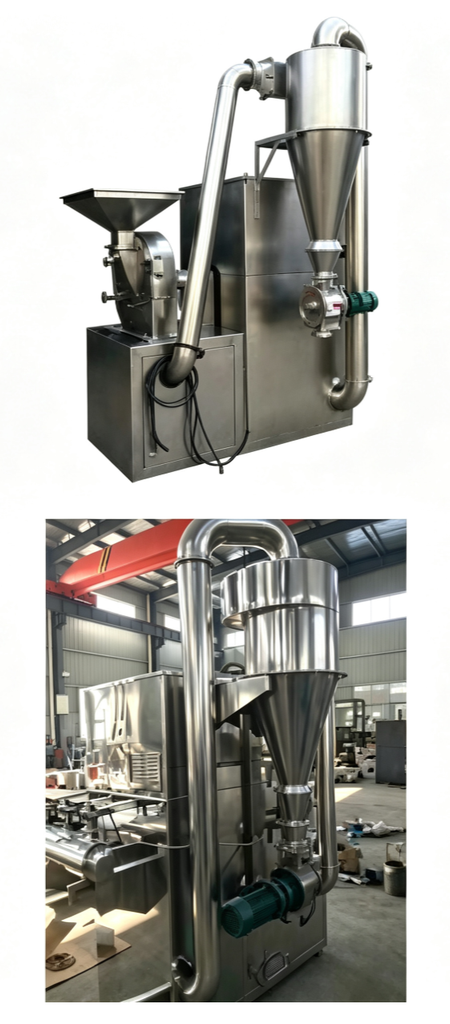
Food Grinding Mill Production Line
What is a Food Grinding Mill Production Line?
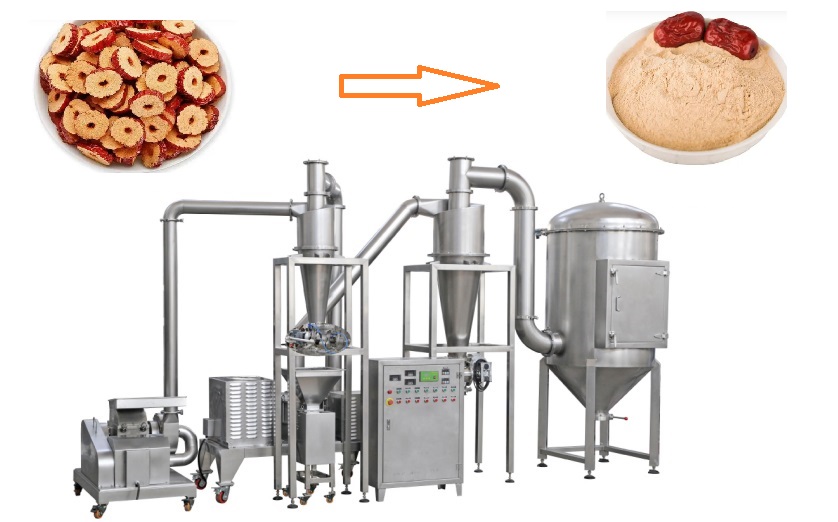
A food grinding mill production line is a complete food-grade processing system that turns grains, nuts, spices, fruits, vegetables, and other edible raw materials into uniform fine powder or smooth paste through a continuous sequence of cleaning, coarse crushing, fine grinding, classification, sterilization, and collection, while protecting nutrition, flavor, and hygiene. Its central purpose is not simply to make food materials smaller. It is to create a controlled, enclosed, and repeatable production flow that delivers the right particle size, the right texture, and the right level of food safety for modern food manufacturing. In a traditional food workshop, grinding may depend on separate machines, manual transfers, and open handling. That approach can cause dust, contamination, uneven fineness, nutrient loss, and inconsistent taste. A dedicated production line solves these problems by linking every step into one sealed and continuous process. The discussion below follows five main questions: why a fully closed continuous flow matters, how the main units work together, what food-grade design features keep the line clean, how the line adapts to different foods and protects sensitive nutrients, and where the line is used and what value it creates.
Why does a food grinding mill production line need a fully closed and continuous flow?
A fully closed and continuous flow is necessary because food materials are highly sensitive to contamination, moisture, heat, and time. Once a raw material is cleaned and crushed, it should not be exposed to open air, human hands, or dirty equipment. If the material is transferred between open machines, dust can escape, foreign particles can enter, and moisture can be absorbed. This can change the texture, shorten the shelf life, and create food safety risks. A closed production line keeps the material inside a controlled environment from the first cleaning step to the final packaging step. This reduces the chance of contamination and helps the producer meet strict food hygiene rules.
Continuous flow also improves consistency. When the line runs without unnecessary stops, the material moves through each stage at a steady rate. The grinder receives a stable feed, the classifier sees a stable load, and the finished powder or paste has a more uniform particle size. In batch production, each batch may vary because the operator changes settings, waits between steps, or handles the material differently. In a continuous line, the settings can be repeated exactly, so one production run behaves like the next. This is important for food brands because customers expect the same taste, texture, and appearance every time they buy the same product.
A closed and continuous line also protects the nutritional value and flavor of the food. Many food ingredients contain vitamins, oils, aromatic compounds, and natural colors that can be damaged by heat, oxygen, or long exposure to air. If the material sits in an open area or moves slowly through several machines, it may lose some of these qualities. A sealed line can use inert gas, low-temperature sterilization, and controlled grinding conditions to reduce oxidation and heat damage. The result is a product that keeps more of its original character. This is especially important for health foods, infant foods, nut products, and aromatic spices.
Finally, a closed continuous flow supports cleaner and more efficient production. Dust from fine food powder can be unpleasant, unhealthy, and even explosive in some conditions. A sealed line with negative pressure and pulse dust collection keeps the powder inside the system. The collected dust can often be recovered as product instead of being wasted. The production area stays cleaner, workers are exposed to less dust, and the company uses more of its raw material. In this way, hygiene, quality, yield, and workplace safety are all improved by the same design choice.
How do the main units of the line work together from raw material to finished product?
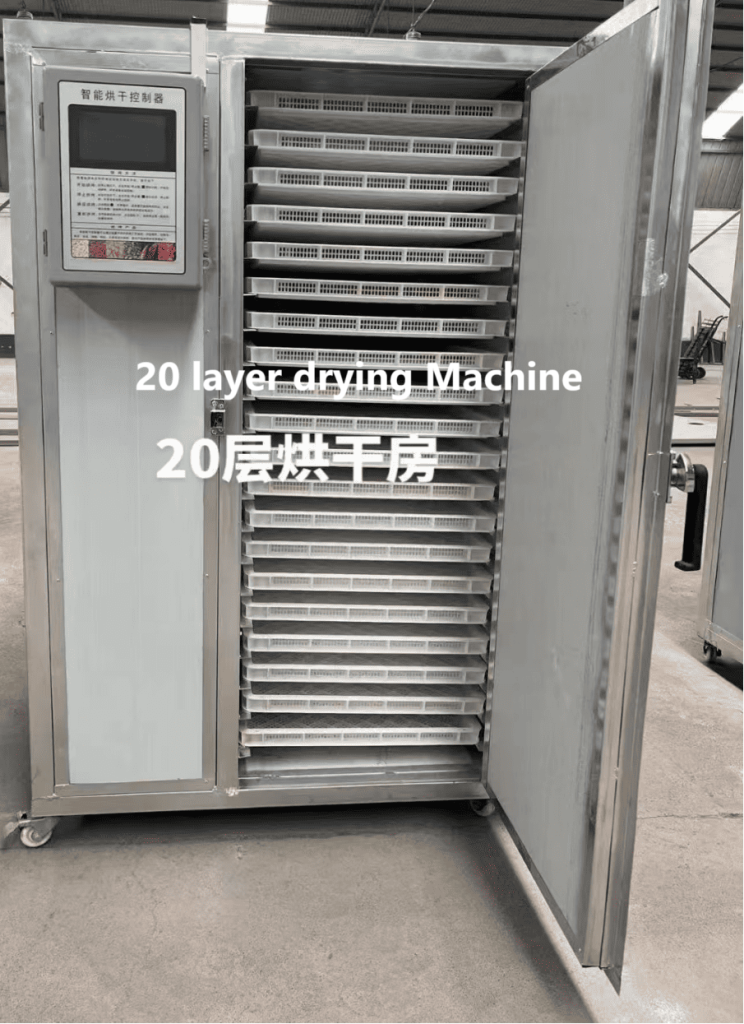
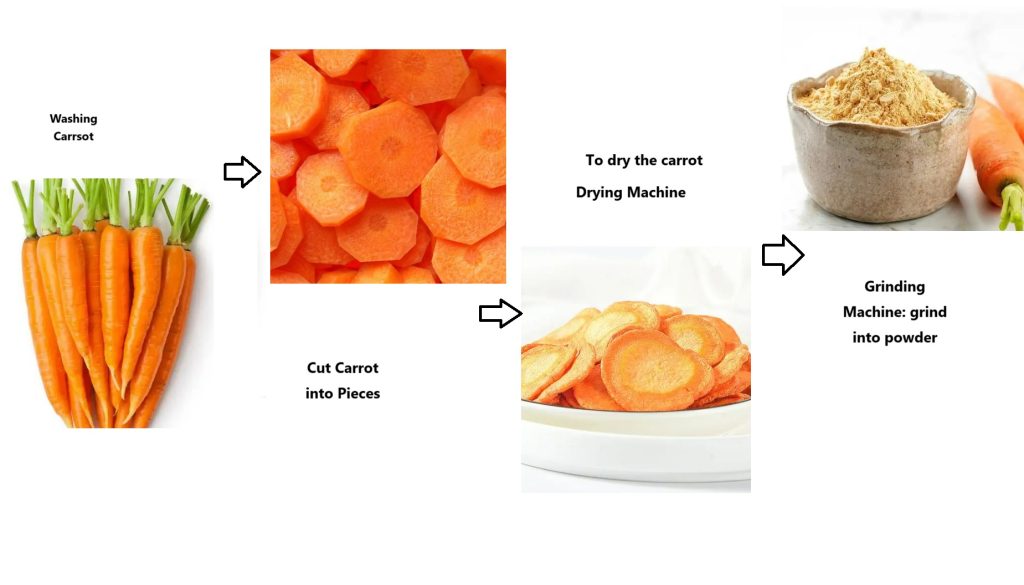
The line begins with pretreatment. Raw materials are inspected and cleaned to remove stones, metal pieces, dust, and other foreign matter. Gravity separation, air classification, washing, and drying may all be used, depending on the material. For example, grains may need de-stoning and drying, while fruits and vegetables may need washing and low-temperature drying. The goal is to prepare a clean and consistent feed with the right moisture content. If the moisture is too high or too low, the later grinding steps may not work well. Pretreatment therefore sets the foundation for the whole line.
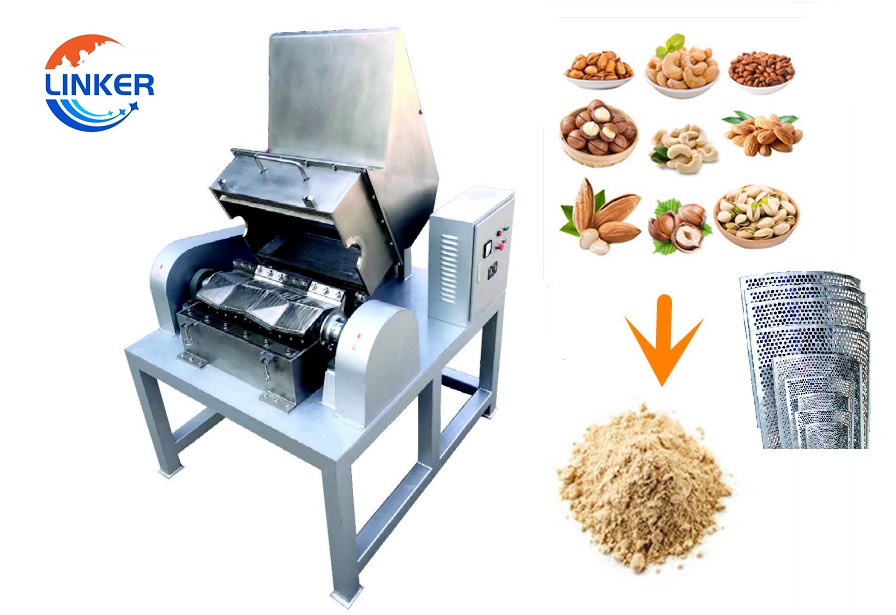
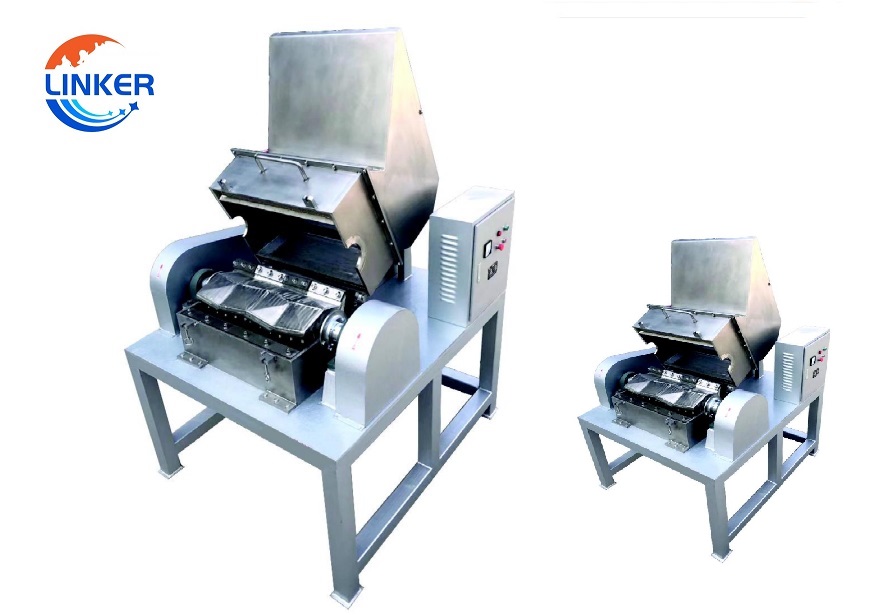
After pretreatment, the material enters the coarse crushing unit. A food-grade toothed disc crusher or similar machine breaks large pieces into smaller particles. It can reduce material up to about thirty millimetres in size down to roughly twenty to sixty mesh. This step is not meant to produce the final powder. Its purpose is to reduce the load on the main grinder and make the feed more uniform. A coarse crusher with a capacity above one hundred kilograms per hour can support a steady flow into the fine grinding stage. By doing the heavy breaking early, the line protects the finer grinding equipment and improves overall efficiency.
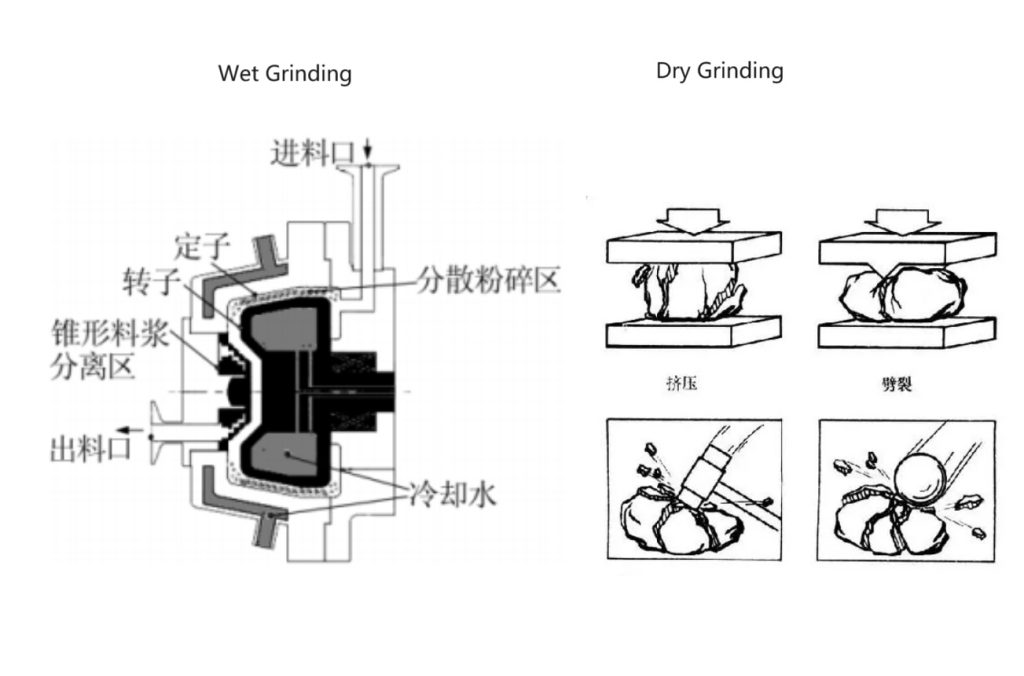
The core grinding unit is the heart of the line. Different materials require different grinding methods. Dry materials such as grains and spices may use a vertical-shaft shear-type ultra-fine mill, which can adjust the output fineness from about eighty to three thousand mesh. Wet materials such as soy products and nuts may use a food-grade colloid mill or grinding mill that produces a smooth paste without a gritty feel. A wet line may be designed to support a filling capacity of around two thousand bottles per hour. The grinding action combines shear, impact, and attrition. The material is reduced to the target size while the system controls temperature and keeps the process enclosed.
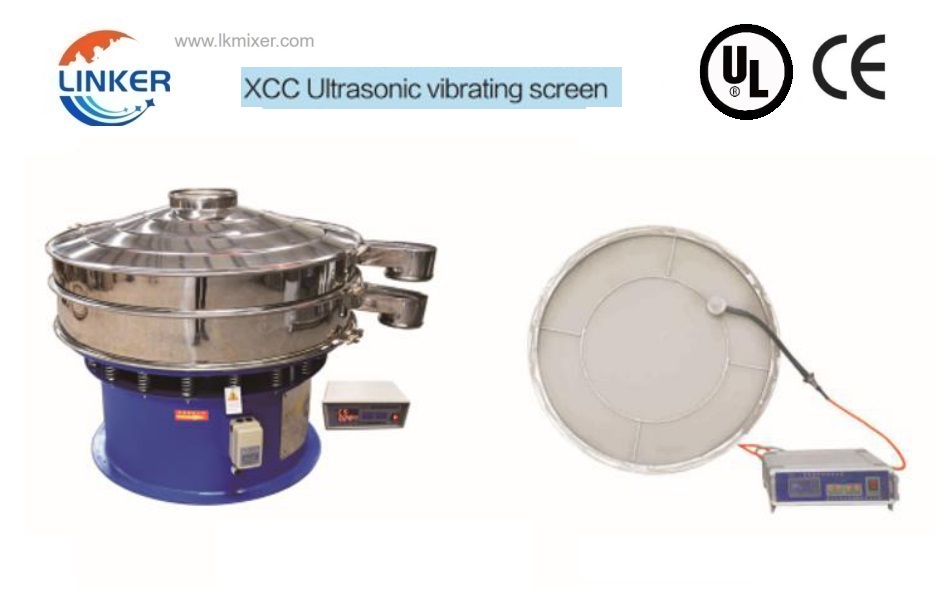
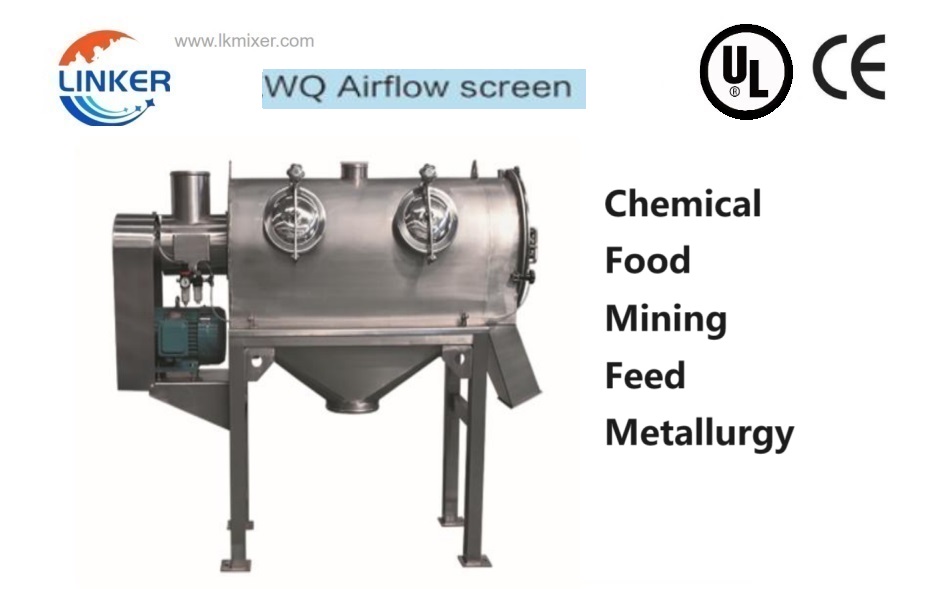
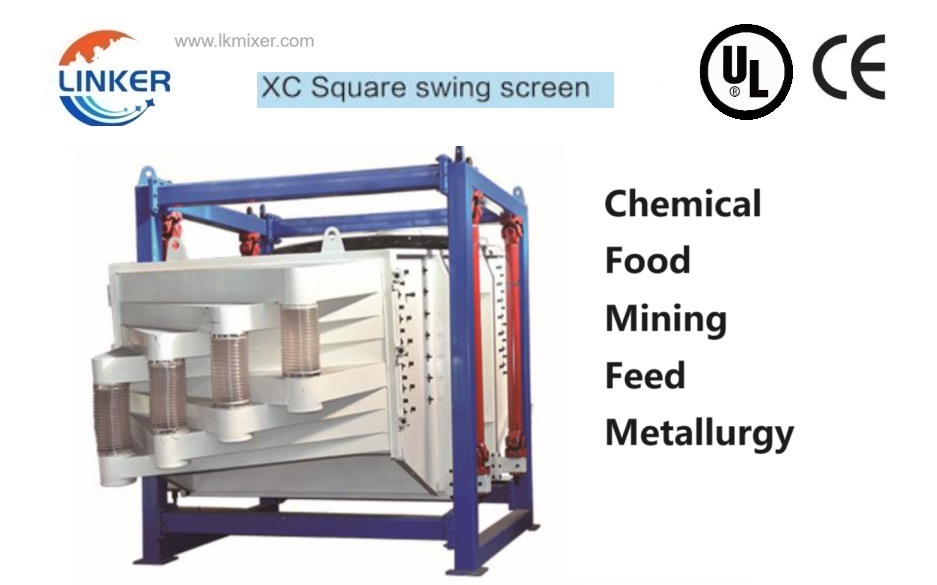
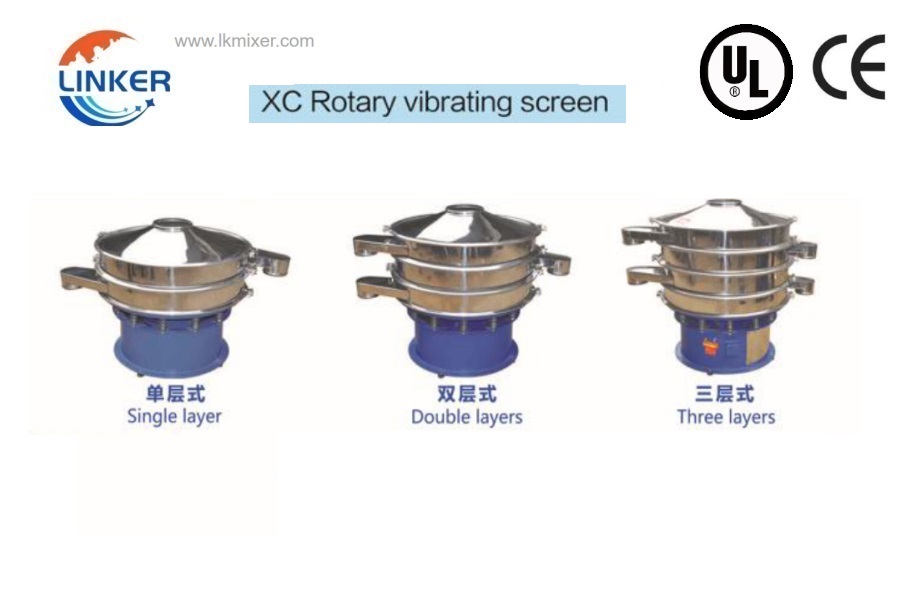
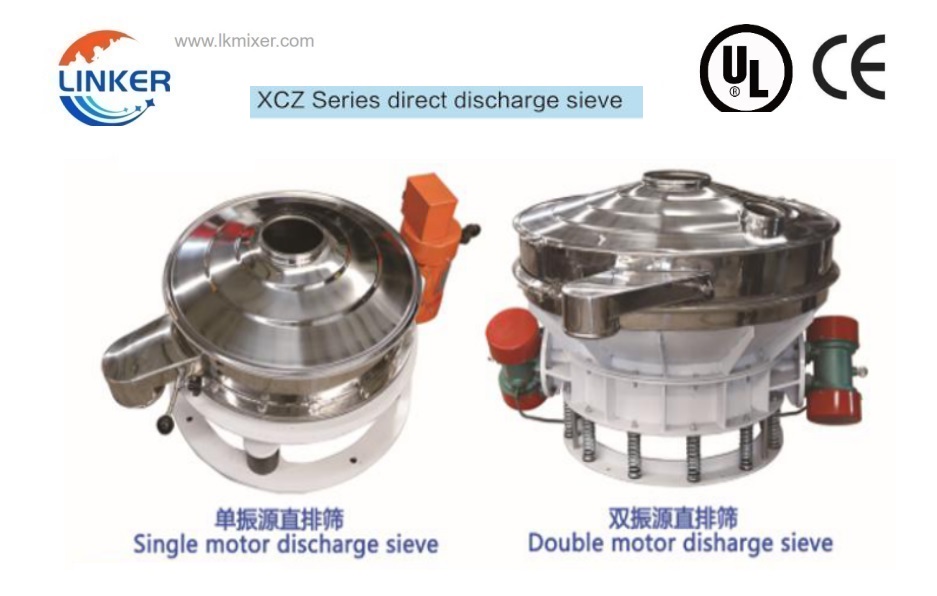
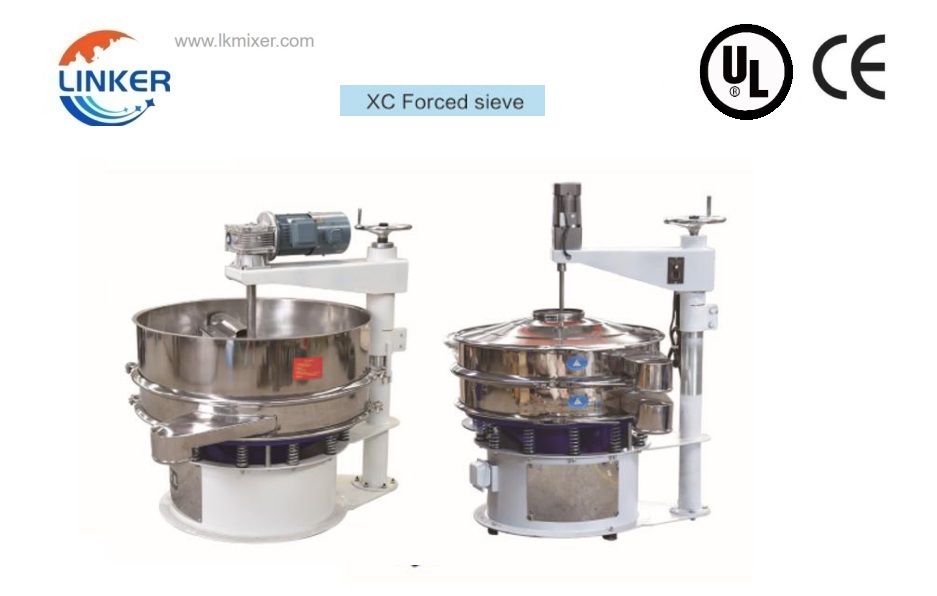
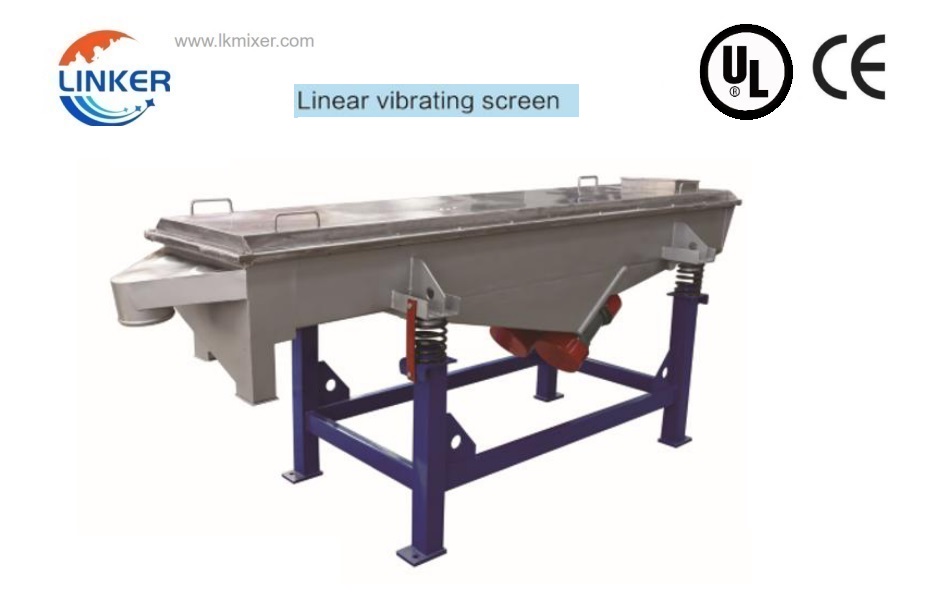
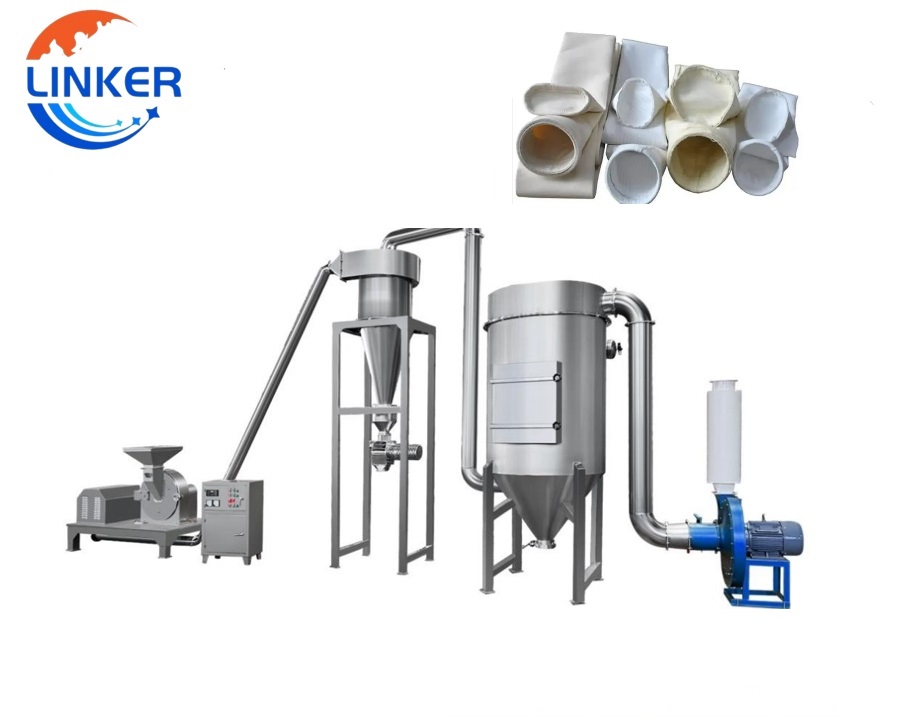
After grinding, the material moves into classification and screening. A variable-frequency turbine classifier separates fine powder from coarse particles. Oversized particles are automatically returned to the grinding chamber for another pass. A food-grade vibrating screen provides a final check to remove any remaining large particles. This two-stage control helps ensure that the finished product has a narrow particle size distribution. For food products, a narrow distribution means a smoother mouthfeel, better dispersion, and more reliable behavior in later processing. It also helps avoid the problem of a powder that looks fine on average but still contains hard or gritty particles.
The later stages of the line handle sterilization, dust collection, and collection or packaging. Low-temperature ultraviolet sterilization and inert gas protection can be used to reduce microbial risk without damaging heat-sensitive ingredients. A food-grade pulse dust removal system runs under negative pressure and keeps fine powder inside the system. The collected powder is discharged in a sealed way and sent to packaging. A programmable logic control system with a touch screen allows the operator to store multiple recipes and switch between products with one command. Production data can be recorded for traceability. In this way, the line does not just grind food. It cleans, protects, sterilizes, collects, and documents the entire process.
What food-grade design choices keep the line hygienic and prevent cross-contamination?
The first design choice is the use of food-grade contact materials. All parts that touch the product are typically made from 304 or 316 stainless steel. These materials resist corrosion, do not react with food, and are easy to clean. The inner walls of the grinding chamber and other product-contact areas are often mirror-polished to a roughness of Ra less than or equal to zero point four micrometres. A very smooth surface leaves fewer places for powder or paste to stick. This reduces the risk of bacterial growth and makes cleaning more effective. It also helps prevent old material from mixing into the next batch.
The second design choice is easy cleaning and quick changeover. The line often uses quick-release clamp connections and a modular structure. This allows operators to open, dismantle, and clean the equipment without special tools. Many systems support clean-in-place procedures, which means cleaning solution can be circulated through the line without taking everything apart. A thorough cleaning cycle can be completed in about forty minutes. This is important for factories that produce many different food products in small batches. Fast and reliable cleaning reduces downtime and makes it practical to switch from one recipe to another without cross-contamination.
The third design choice is sealed negative-pressure operation. The entire line runs under negative pressure, so air tends to flow into the system rather than out of it. If there is a small leak, it pulls air inward instead of pushing food dust into the room. A food-grade pulse dust collector captures fine particles and keeps emission levels well below national standards. This protects workers from inhaling fine powder and keeps the production hall clean. It also prevents outside contaminants from entering the product. For food manufacturers, this combination of containment and filtration is essential for hygiene and safety.
The fourth design choice is the use of smooth, dead-corner-free internal geometry. Any corner, crevice, or rough weld can trap food residue and become a source of contamination. A well-designed food grinding line avoids these problems by using rounded corners, polished welds, and smooth transitions between sections. The grinding chamber, classifier, screen, and discharge path are all designed for full cleaning. This is especially important when the line handles allergens such as nuts, soy, or wheat. If allergen residue remains in the equipment, it can contaminate the next product and create a serious health risk. Good hygiene design protects both the consumer and the brand.
How does the line handle different food materials and protect heat-sensitive nutrients?
The line handles different materials by using different grinding configurations. Dry and brittle materials such as grains, spices, and dried vegetables are usually processed with a shear-type or impact-type ultra-fine mill. The fineness can be adjusted over a wide range, from coarse powder to very fine powder. Wet and oily materials such as nuts, beans, and fruits are processed with a wet grinding or colloid mill that produces a smooth paste or slurry. The equipment can be selected according to the material’s hardness, oil content, fiber content, moisture level, and heat sensitivity. This flexibility allows one production line to serve many different food categories.
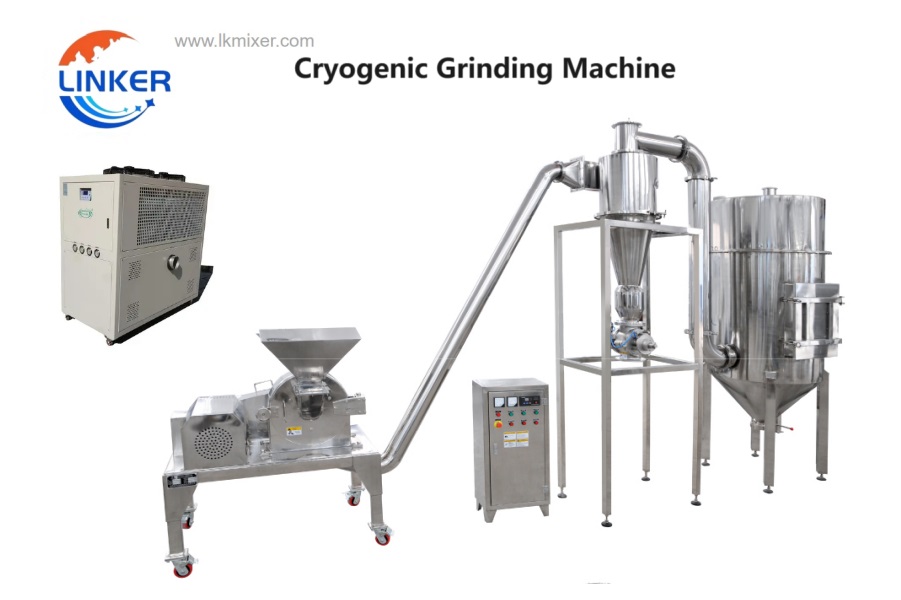
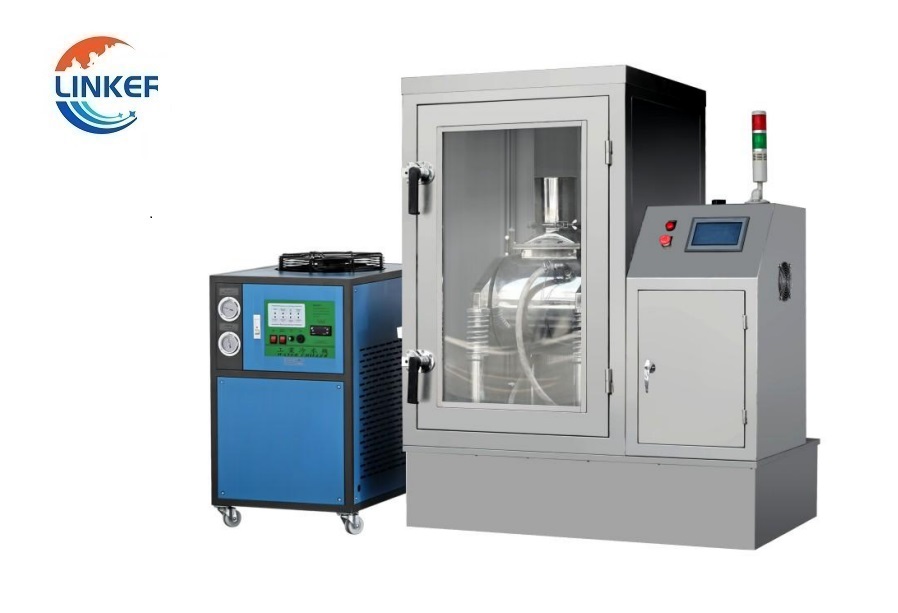
Heat-sensitive materials require special protection. Many nutrients, colors, and flavors are damaged by high temperatures. For example, certain vitamins, plant extracts, and aromatic compounds can degrade when the grinding chamber becomes too warm. Oily materials such as nuts can oxidize and become rancid if they are overheated. To prevent this, the line can use a jacketed cooling system that circulates cold water or another coolant around the grinding chamber. The temperature rise is kept within a safe range. In some cases, the line may also use low-temperature ultraviolet sterilization or an inert gas atmosphere to reduce oxygen exposure. These measures help preserve the food’s original nutritional value and taste.
The line also controls residence time. If the material stays in the grinding zone too long, it may be over-ground and heated. A good classifier returns only the coarse particles and lets the fine particles leave quickly. This reduces unnecessary grinding and limits heat exposure. The feed rate and air flow are also adjusted to match the material. For sticky or high-oil materials, the system may use a different rotor design or add a cooling step to prevent caking. For fibrous materials, it may use stronger shear and a different screen arrangement. The goal is to achieve the target fineness without damaging the food.
The combination of cooling, short residence time, and gentle grinding makes the line suitable for high-value health foods. Plant extracts, dietary fiber, infant complementary foods, and solid beverages often contain sensitive ingredients. If these ingredients are damaged during grinding, the final product may lose its health benefits and its flavor. A well-controlled food grinding line helps protect these qualities. It also improves the physical properties of the powder, such as solubility, dispersibility, and mixability. This means the powder dissolves more easily in water, mixes more evenly with other ingredients, and gives a smoother mouthfeel.
Where is the line used, and what value does it bring to food manufacturers?
The line is widely used in grain processing. Buckwheat, highland barley, oats, and other coarse grains can be ground into ultra-fine powder. Finer powder has a smoother texture and is easier for the body to absorb. It can be used in health foods, bakery products, and instant drinks. Traditional coarse grinding may leave a gritty feel and uneven particles. A modern production line produces a more uniform powder that improves both taste and nutritional availability. This helps food companies create premium products from ordinary grains and increase their market value.
The line is also important in seasoning and condiment production. Spices, nuts, and soy products can be ground into powder or paste. Examples include sesame powder, peanut butter, and chili powder. The line ensures that the particle size is uniform and the flavor is fully released. For peanut butter and similar products, a smooth paste without grit is essential for customer acceptance. For spices, a consistent powder helps control flavor strength and blending accuracy. A closed line also protects the volatile aromatic oils that give spices their characteristic smell and taste.
Health food and functional food production is another major application. Dietary fiber, plant extracts, infant complementary foods, and solid beverages require very fine and uniform powder. The line improves solubility and mixing behavior. It also protects sensitive nutrients from heat and oxidation. This allows manufacturers to produce products that meet high nutritional standards and strict safety rules. In a market where consumers pay close attention to ingredient lists and health claims, the ability to preserve nutrients during processing is a real competitive advantage.
The line is also used for snack foods and instant products. Fruit and vegetable powders, meal replacement powders, and nut pieces need a fine, even texture and a stable shelf life. The line can produce these products under hygienic conditions and with controlled moisture. It reduces dust, waste, and contamination. The final products have a better mouthfeel and last longer on the shelf. The line also lowers energy consumption compared with traditional food crushing systems, often by more than fifteen percent. It supports flexible production, allowing a factory to switch between products quickly. This helps manufacturers respond to changing consumer demands and reduce inventory risk.
In summary, a food grinding mill production line is a complete food-grade system that combines pretreatment, coarse crushing, fine grinding, classification, sterilization, dust collection, and intelligent control into one closed and continuous process. It protects food materials from contamination, heat damage, oxidation, and nutrient loss while producing uniform powder or smooth paste. Its food-grade design uses stainless steel contact parts, mirror-polished surfaces, quick-release connections, clean-in-place cleaning, negative-pressure operation, and pulse dust collection. It adapts to dry grains, oily nuts, fibrous materials, heat-sensitive extracts, and wet pastes by changing the grinding method, cooling system, and control recipe. It is used in grain processing, seasoning production, health foods, infant foods, solid beverages, and snack products. Its core value is that it raises product quality, improves texture and nutrition, ensures hygiene and traceability, reduces waste and energy use, and supports flexible and standardized production. In short, a food grinding mill production line turns grinding from a simple size-reduction step into a controlled, clean, and reliable food manufacturing process.
Parameters of Low Noise Grinding Mill :
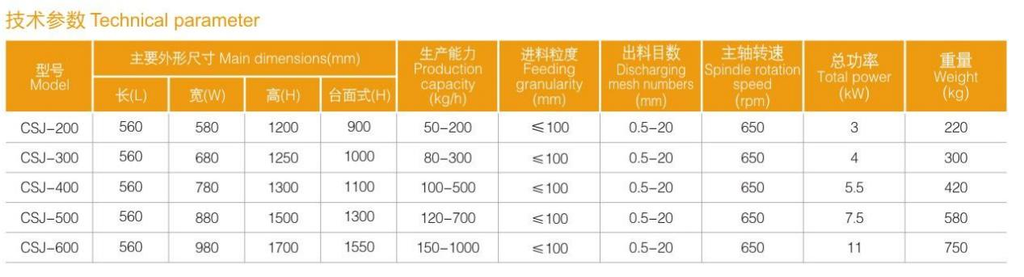
Low Noise Grinding Mill price:
The price of low noise grinding mill is based on different model, from $4280 to $13500. Please inquire our sales with more detail information.
Low Noise Grinding Mill capacity:
Capacity is around 30‑1100kg/h with this LNG Model, but we also have other models also suitable to grind herbal, spice and dry raw material, it depends on how many input particle size and how many output granule size that you want. That is to say different customer request we will recommend different model to use. such as if you want finer 140‑200 mesh, we will recommend you to use the ultra fine grinding machine. If customer have no space limitation and wish to have better workshop environment, we will recommend the whole dust free group. If customer only small space and need to have small machine, we will recommend you to use the one‑piece integrated small machine to save space occupation of your factory. Please Contact Us for more detail information if you are interest.
There are 2 ways of cooling down the grinding mill: water cooling system; air cooling system. You can choose the right one if the mill gets too hot. When machines goes too hot, the metal can expand, causing the grinding tooth to get stuck.
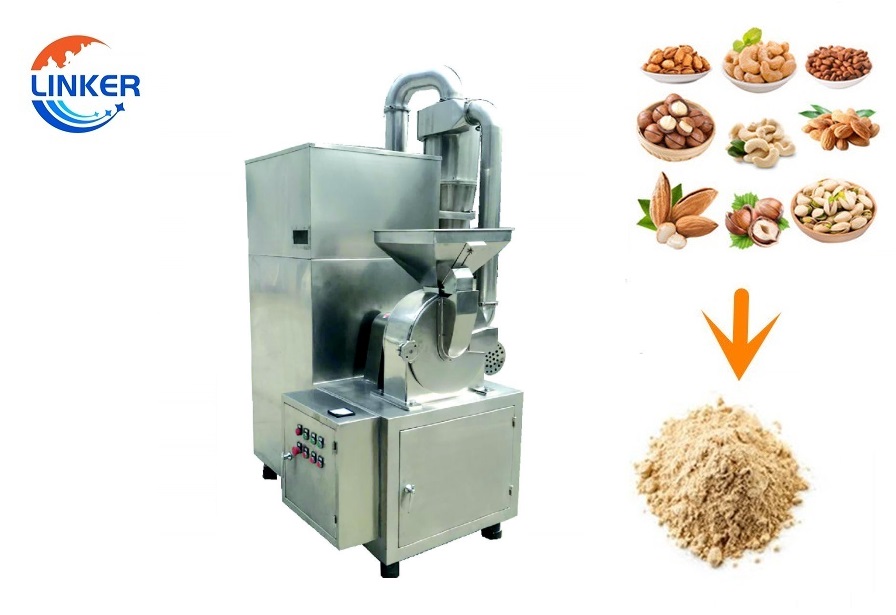
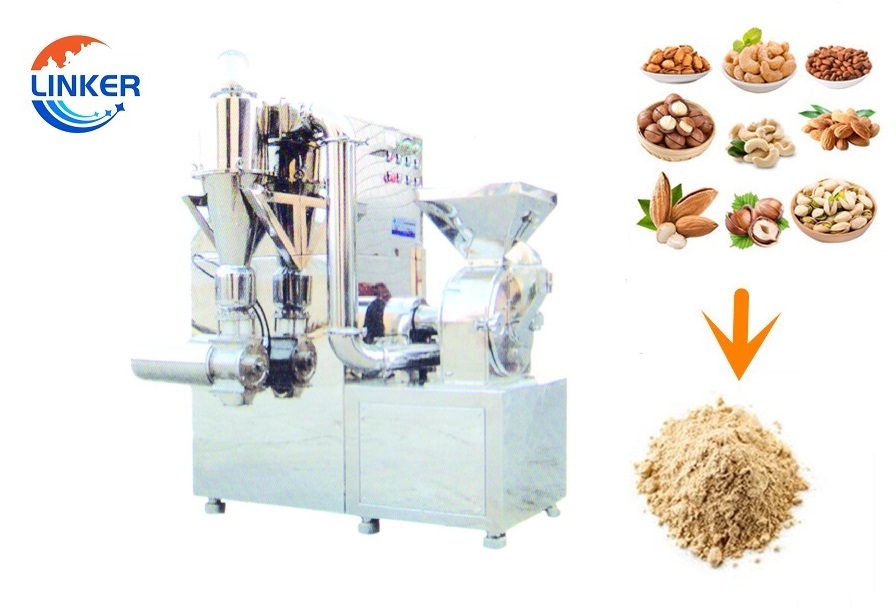
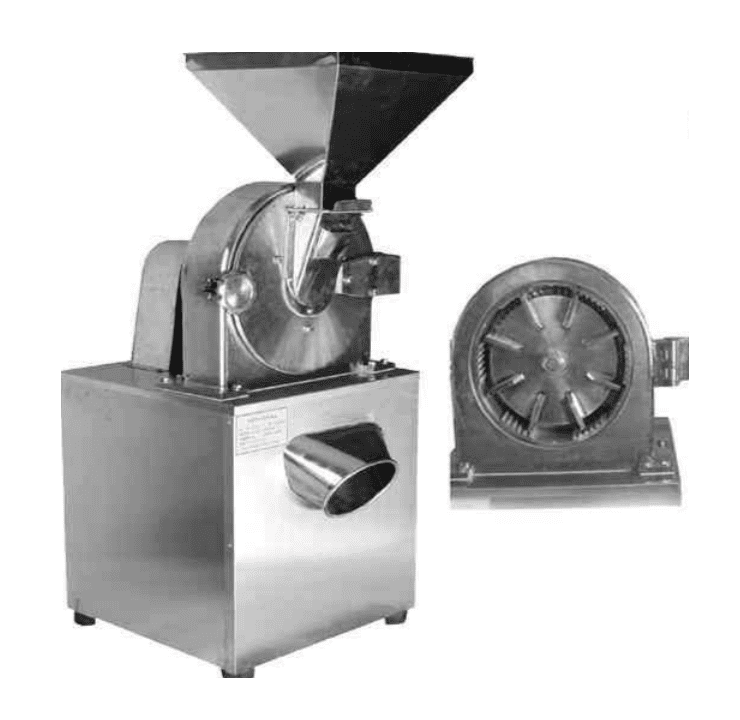
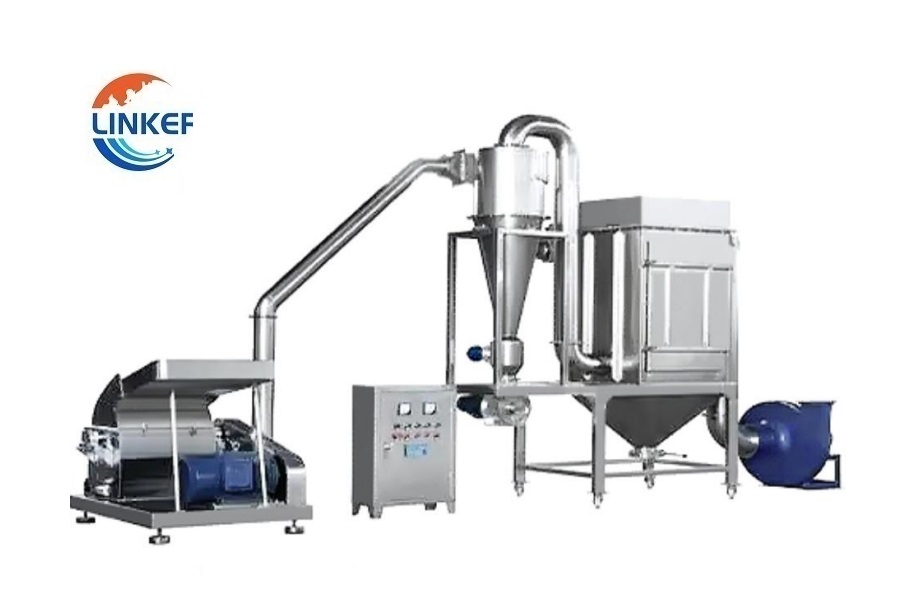
Picture of low noise grinding mill:
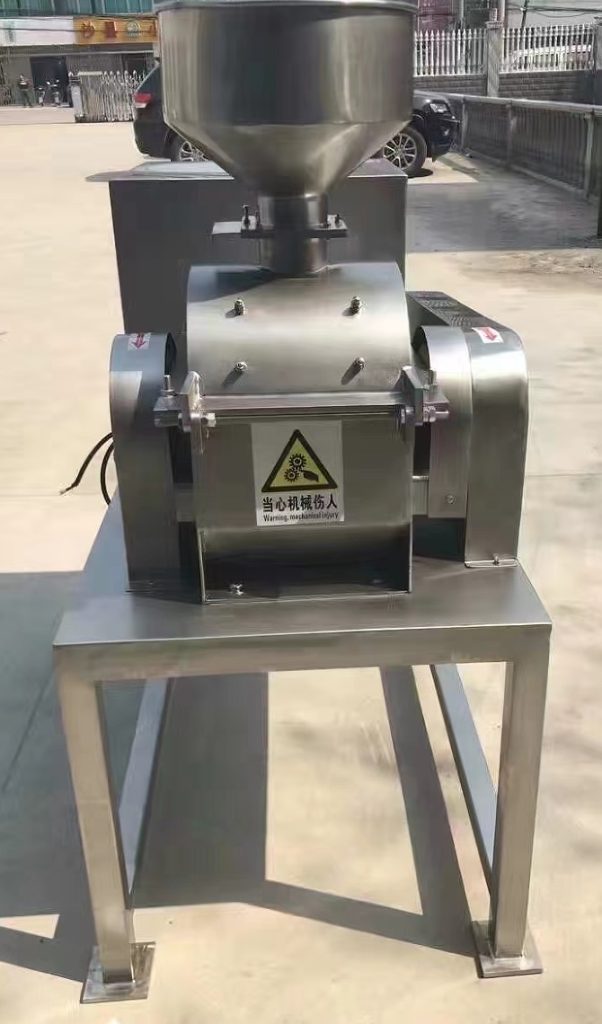
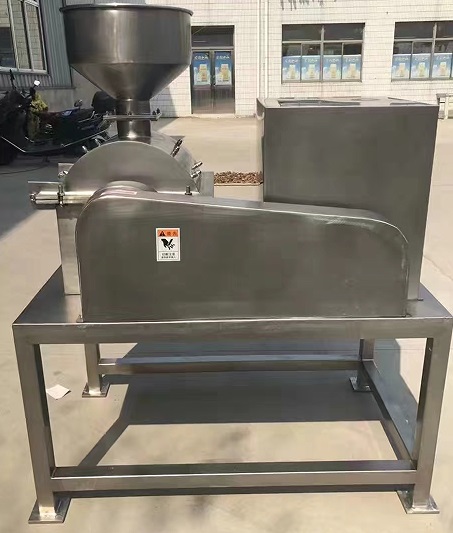
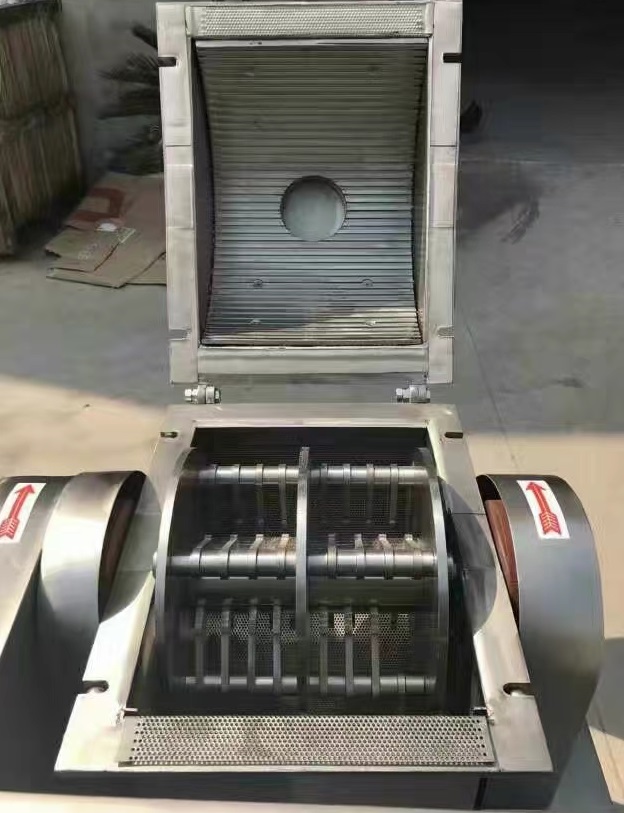
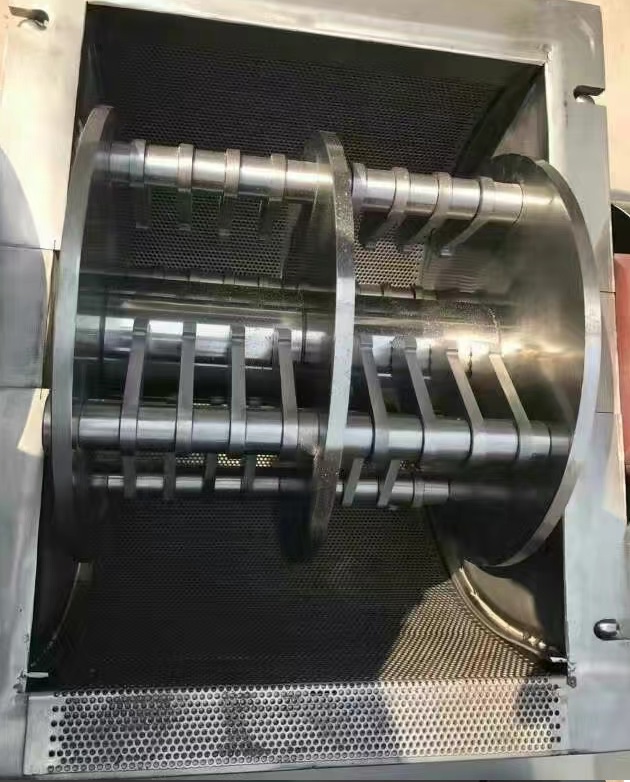
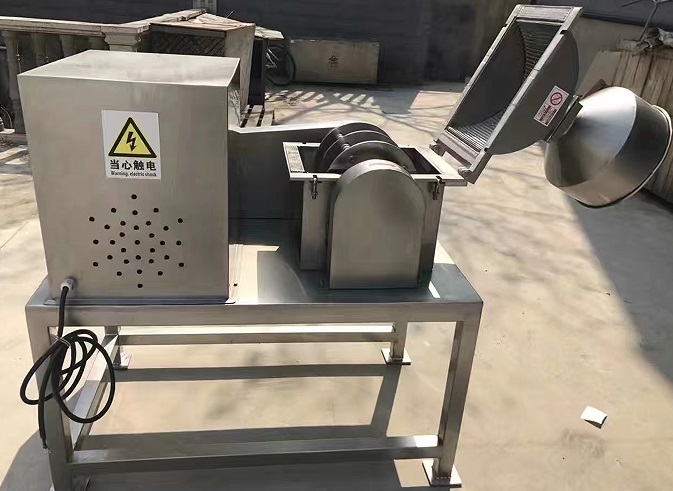
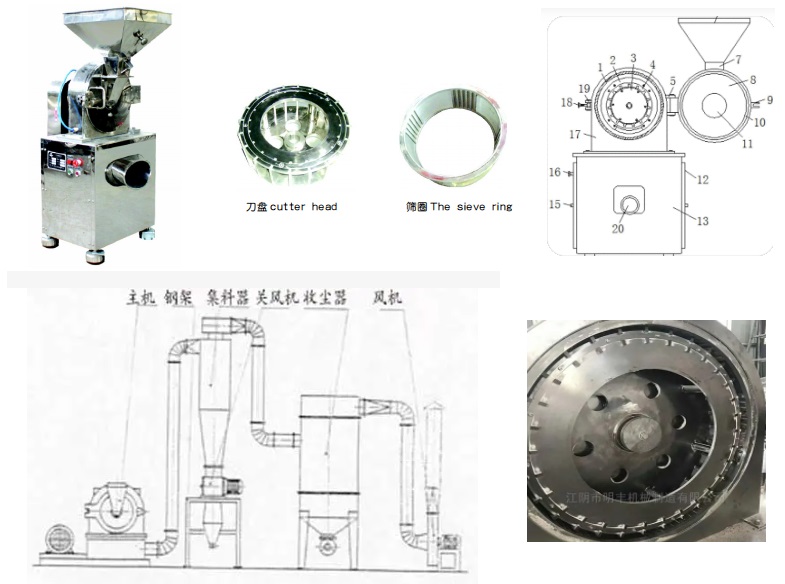
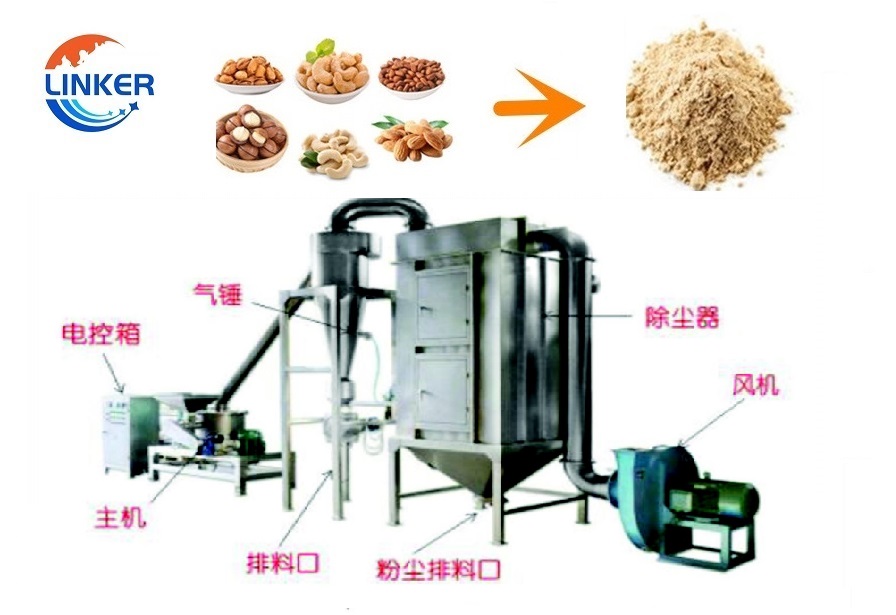
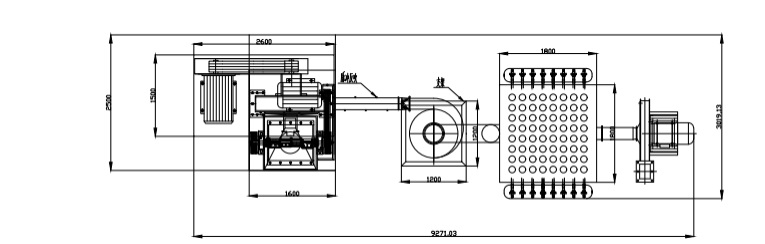
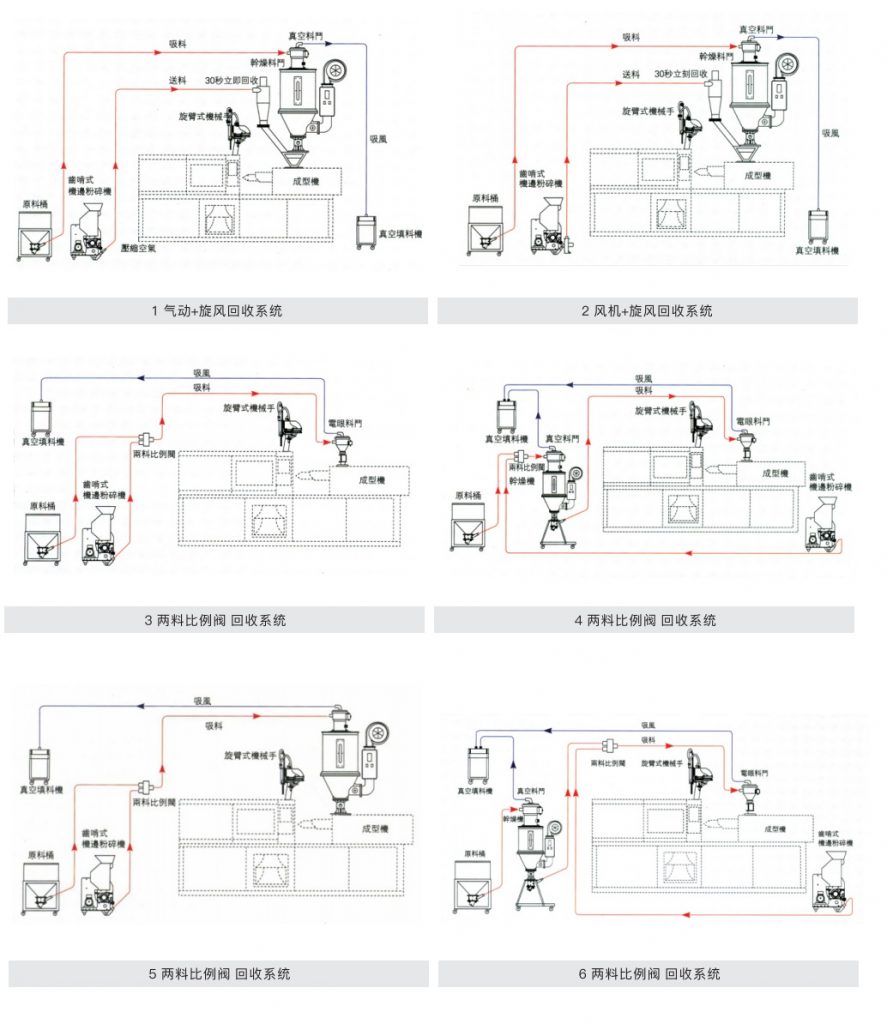
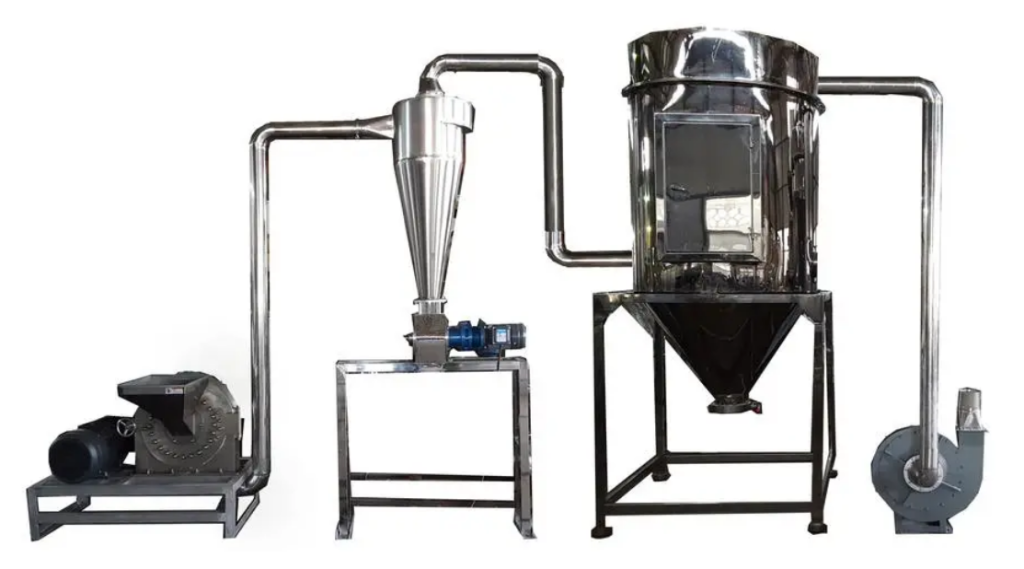
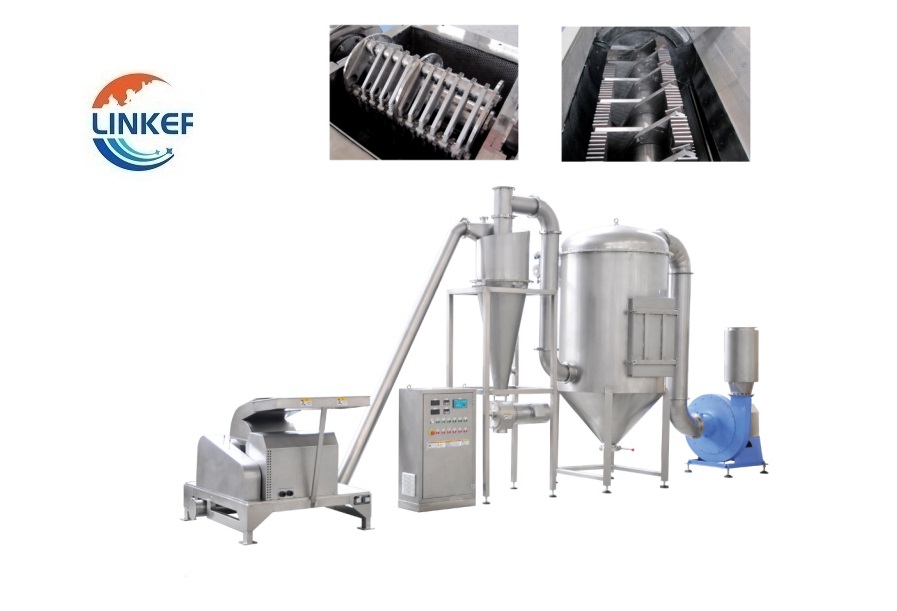
Diagram of low noise grinding mill
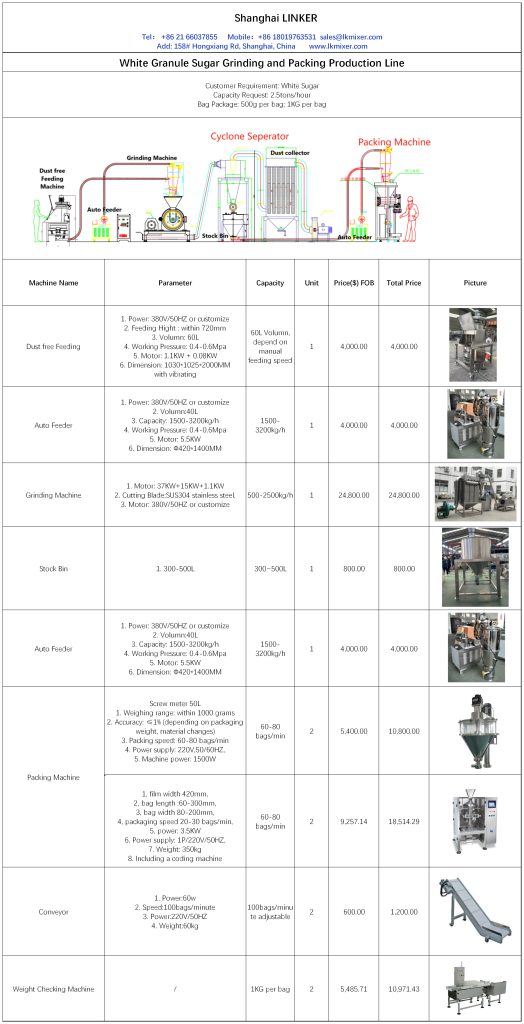
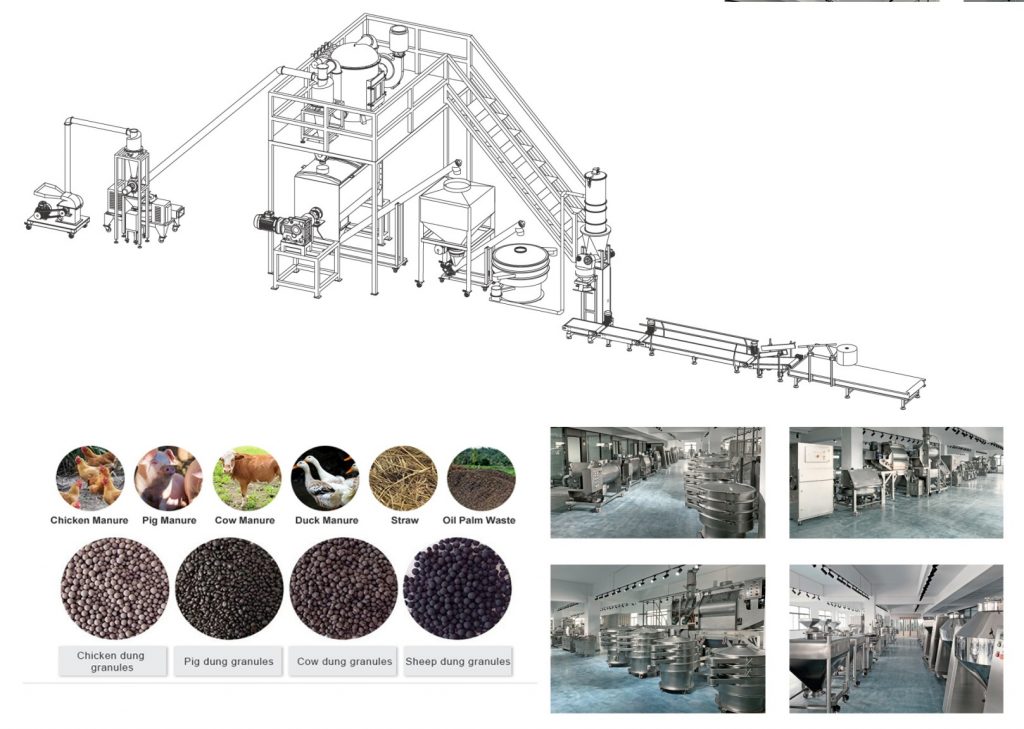
We can Customize the diagram according to customer special requirement, how many size of output granule you want, do you need coarse crusher to do the pre‑treatment before grinding? Do you also need screen to filter the finished products? Or maybe you want packing machine after grinding the whole production line. We can also design for your according to your factory blue foot print.
Types of low noise grinding mill:
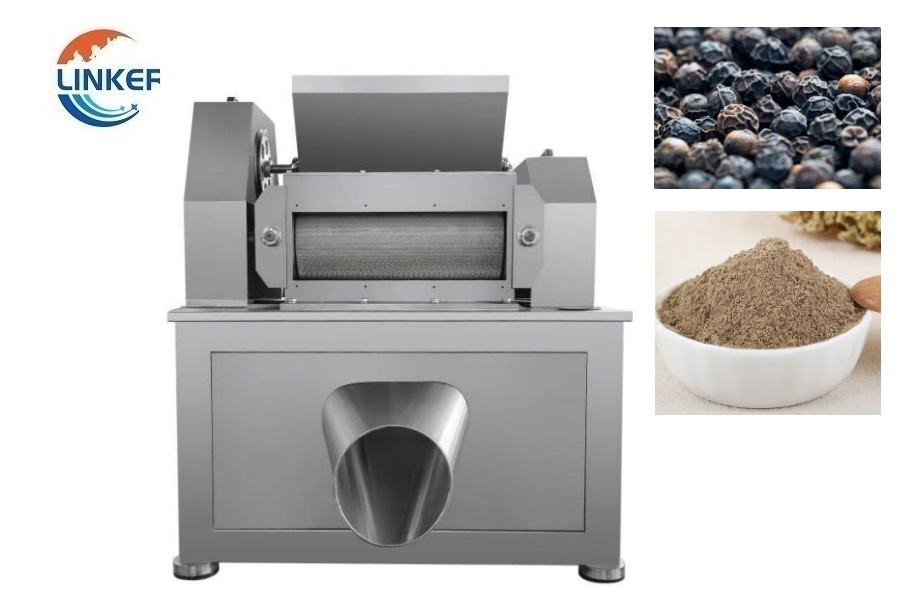
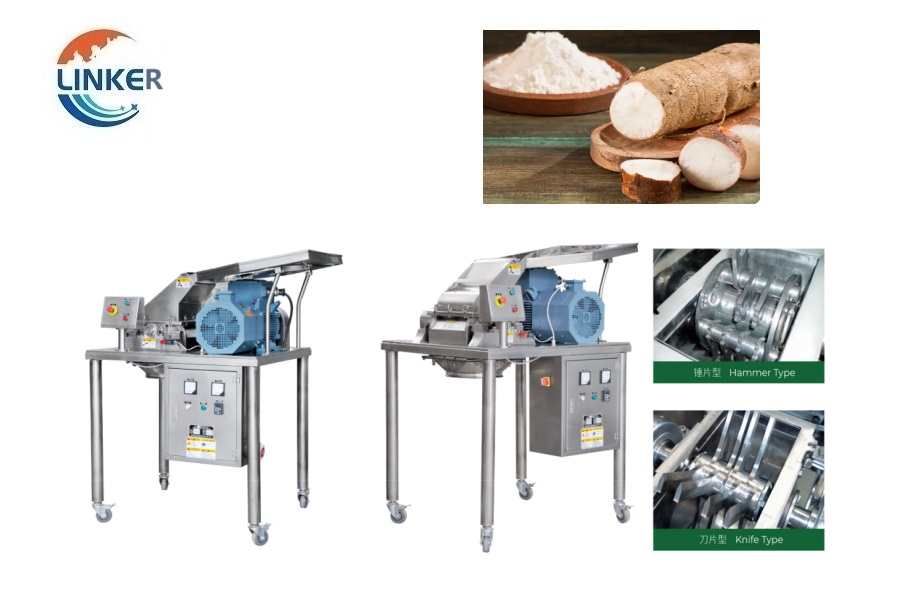
The low noise grinding mill can be classified according to the grinding tooth type, impact type, turbo type, ultra fine type; according to the size of machine, there are large low noise grinding mill and small low noise grinding mill.cassava grinding machine.
| Business Type: | Manufacturer/Factory | Main Products: | Mill, grinder, granulator, mixer, Crushing Equipment |
| Number of Employees: | 100 | Year of Establishment: | 2014.05 |
| Production Capacity | 5000Set/Year | After-sales Service: | Technical Support; on-line teach lessons |
| R&D Capacity: | ODM, OEM | Annual Output Value: | US$5 Million – US$10 Million |
| No. of R&D Staff: | 5 | No. of Production Lines: | 6 |
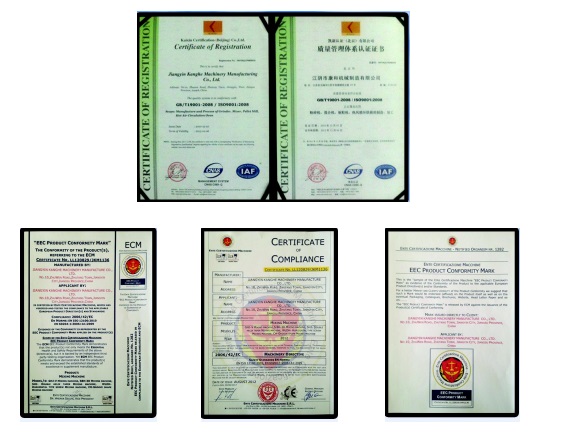
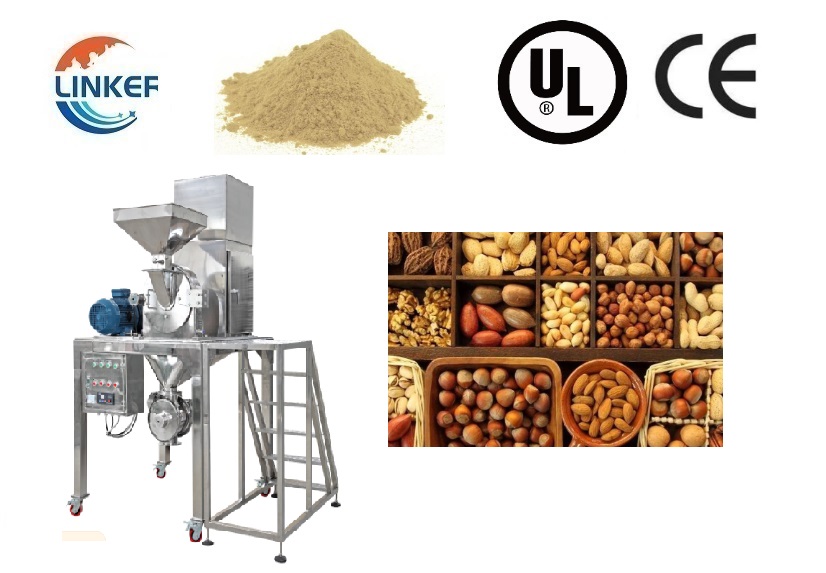
LK Mixer is a professional manufacturer for grinder, mixer and pulverizer. These machines are widely used in pharmaceutical, cosmetic, health care products and chemical industries. Our main product including granulating machine, grinder, mixer, dryer, etc. All mechanical products in accordance with the China GMP design requirements. And also we have other certifications such as CE, UL for motors.
Business Philosophy
“Quality is the main policy of sales” and “integrity is the principle of success” are the business philosophy of our people. We carry out one-year warranty, lifelong maintenance service, with technical consultation, with material test machine and other services, and long-term supply of equipment. Welcome new and old customers to negotiate cooperation!
Certifications:
Feature:
Grinding mills are specialized industrial‑grade processing machines engineered to crush, grind and refine various bulk solid raw materials into fine powder or granular products. Below are core features commonly equipped on modern industrial grinding mill equipment:
- High production throughput: Industrial grinding mills are optimized for continuous large‑volume material processing. These machines can handle substantial feeding quantities per hour, perfectly fitting mass‑production workshops where stable high output is a core requirement. Different model sizes deliver matching processing capacity for mining, building‑material or powder‑making production lines, avoiding frequent material loading interruptions and supporting long‑run non‑stop manufacturing tasks.
- Adjustable variable‑speed operation: Most modern grinding mills are fitted with variable‑speed control systems for grinding rollers, rotors and classifier assemblies. Operators can flexibly modify rotating speed according to raw‑material hardness, feed particle size and target finished fineness. Tunable speed helps users acquire uniform powder granularity, and makes one single grinding mill compatible with dozens of different kinds of raw materials without replacing major machine components.
- Interchangeable customizable grinding components: Grinding mills are designed with replaceable grinding rollers, liners, grinding discs and classifier blades. Operators can swap out these wear‑resistant spare parts to adapt to diverse material characteristics. By changing component configurations, users are capable of producing finished goods ranging from coarse granular output to ultra‑fine micron‑level powder, meeting varied product‑granularity demands for downstream industries.
- Convenient disassembly and easy‑to‑maintain structure: Industrial grinding mills adopt human‑oriented structural layout for routine inspection and cleaning. Key wearing parts, feeding hopper, discharging outlet and inner‑cavity access covers can be quickly opened and detached. Residual material inside the grinding chamber can be fully cleaned to prevent cross‑contamination between different batches of materials. Quick‑access design also greatly shortens downtime for part inspection and component replacement during daily equipment servicing.
- Heavy‑duty robust mechanical construction: Grinding mill main frames and core working assemblies are manufactured with high‑strength steel plates and wear‑proof alloy materials. Critical stress‑bearing positions are reinforced with stiffener ribs. Such heavy‑duty construction enables the whole unit to endure persistent heavy‑load impact, friction and vibration when processing hard ores, rock, mineral blocks and other tough feedstock. Excellent structural durability extends equipment service life and lowers long‑term failure risks under round‑the‑clock industrial working conditions.
- Wide material‑processing versatility: Beyond mineral ores and building‑material raw stones, well‑rounded grinding mills can also process grains, medicinal herbs, chemical raw materials, carbon materials and multiple brittle solid substances. By adjusting operating parameters and internal accessories, the same grinding mill unit can complete coarse crushing, medium grinding and ultra‑fine powder‑making procedures, serving mining, metallurgy, construction, chemical, food‑pharmaceutical and new‑material manufacturing sectors.
- Integrated noise‑reduction and dust‑proof design: Advanced grinding mill versions are built with multi‑layer sound‑absorbing and vibration‑dampening structures to suppress mechanical vibration and running noise. Equipped with sealed grinding cavity and supporting dust‑collection system, these machines effectively contain flying powder dust during grinding operations. This feature improves on‑site working conditions, cuts noise pollution and meets industrial environmental‑protection regulatory standards for production workshops.
- Reliable automatic monitoring capability: Premium grinding mill models come with built‑in sensor modules to track real‑time working status including main‑motor load, internal‑chamber temperature, vibration amplitude and finished‑product fineness. Operators can observe running data from the control cabinet. When abnormal working parameters occur, the system will trigger early‑warning alerts, helping prevent equipment damage caused by overload or improper feeding, and enhancing overall operational safety.
Overall, the comprehensive features of industrial grinding mills are oriented toward stable high‑yield production, adjustable finished‑product quality and convenient daily maintenance. They realize efficient, consistent and safe fine‑processing of diverse solid raw materials for modern industrial production scenarios.
Small Machine Packing:
Small Machine Packing: Small‑size Low Noise Grinding Mill packed with export fumigation‑free wooden cases, goes with bulk shipment or in container.
When packing small‑size grinding mill for sea shipment, it is important to take measures to ensure that the machines are protected from damage during transit. Here are some general steps that a manufacturer may follow when packing small grinding mill for sea shipment:
- Clean and dry the machine: Before packing, the machine should be thoroughly cleaned and dried to prevent any moisture or powder residues from causing damage during transit.
- Disassemble the machine: If possible, the machine should be disassembled into its component parts to reduce its overall size and make it easier to pack.
- Wrap the machine in protective material: The machine should be wrapped in a layer of protective material, such as bubble wrap or foam, to protect it from scratches and impact during transit.
- Place the machine in a sturdy box: The wrapped machine should then be placed in a sturdy box that is appropriate for the size and weight of the machine. The box should be made of durable material, such as corrugated cardboard or plywood, and should be able to withstand the rigors of sea transit.
- Add packing material: The box should be filled with packing material, such as packing peanuts or air pillows, to provide cushioning and prevent the machine from shifting during transit.
- Seal the box: The box should be securely sealed with high‑quality packing tape to prevent it from opening during transit.
- Label the box: The box should be clearly labeled with the machine’s name, weight, and any other relevant information, as well as the destination address and contact information.
Overall, the goal is to pack the small‑size grinding mill in a way that will protect it from damage during transit and ensure that it arrives at its destination in good condition. It is important to follow proper packing procedures and use high‑quality packing materials to minimize the risk of damage during sea shipment.procedures and use high-quality packing materials to minimize the risk of damage during sea shipment.
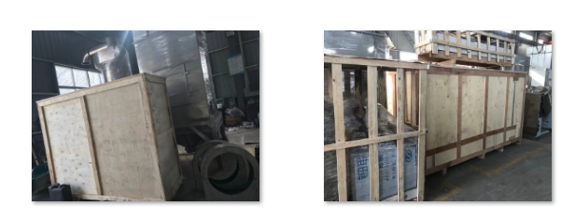
Large Machine Packing:
Large Machine Packing:
Packing a large Low Noise Grinding Mill for sea shipment can be a complex and challenging task. However, with careful planning and attention to detail, it is possible to pack a large grinding mill for sea shipment in a way that will ensure that it arrives at its destination in good condition. Here are some general steps that a manufacturer may follow when packing up a large machine for sea shipment:
- Clean and prepare the machine: Before packing, the machine should be thoroughly cleaned and prepared. All residual powder inside the grinding chamber should be cleared, and any loose or detachable parts should be removed.
- Disassemble the machine: If possible, the machine should be disassembled into its component parts to reduce its overall size and make it easier to pack. Each part should be carefully labeled and numbered to ensure that it can be easily reassembled at the destination.
- Protect delicate parts: Delicate or fragile parts such as screen mesh, sealing gaskets should be wrapped in protective material, such as bubble wrap or foam, to protect them from damage during transit.
- Build a custom crate: A custom crate should be built around the machine to provide a secure and sturdy enclosure. The crate should be made of durable material, such as plywood, and should be designed to fit the machine snugly. The crate should also include braces or supports to prevent the machine from shifting during transit.
- Add cushioning material: The crate should be filled with cushioning material, such as packing peanuts or air pillows, to provide extra protection and prevent the machine from moving or shifting during transit.
- Securely fasten the machine: The machine should be securely fastened to the crate to prevent it from moving or shifting during transit. This may involve using straps, bolts, or other fasteners to hold the machine in place.
- Seal and label the crate: The crate should be securely sealed with high‑quality packing tape, and should be clearly labeled with the machine’s name, weight, and any other relevant information. The destination address and contact information should also be clearly marked on the crate.
Overall, packing a large grinding mill for sea shipment requires careful planning and attention to detail. It is important to use high‑quality materials and follow proper packing procedures to ensure that the machine arrives at its destination in good condition. A professional packing and shipping company may be consulted to ensure that the machine is properly packed and prepared for sea shipment.
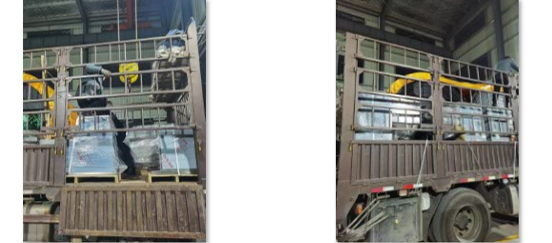
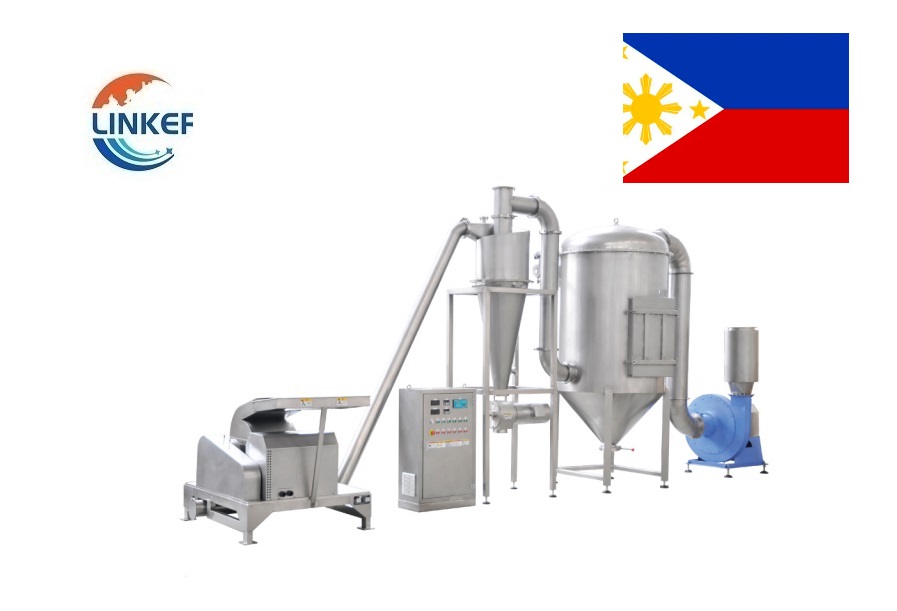
Customer Side Machine Groups Showcase Videos ( Philippines, India, Ibadan, USA and Nigeria):
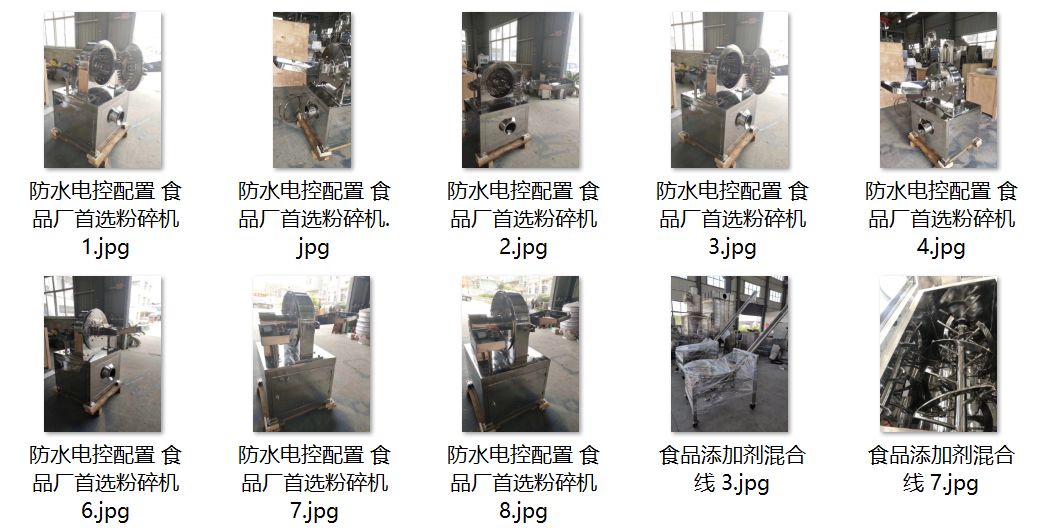
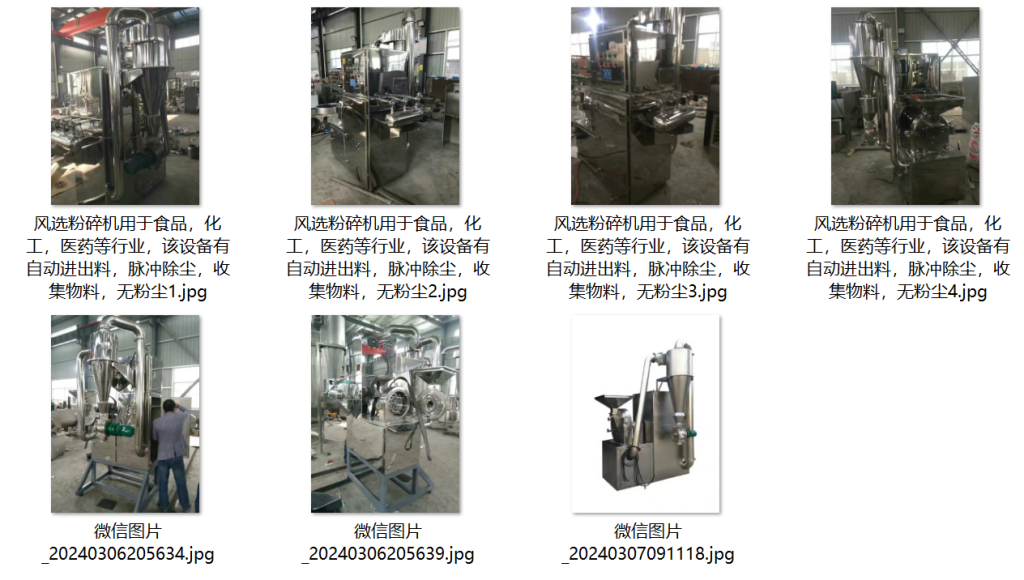
Dust Collector Shipment
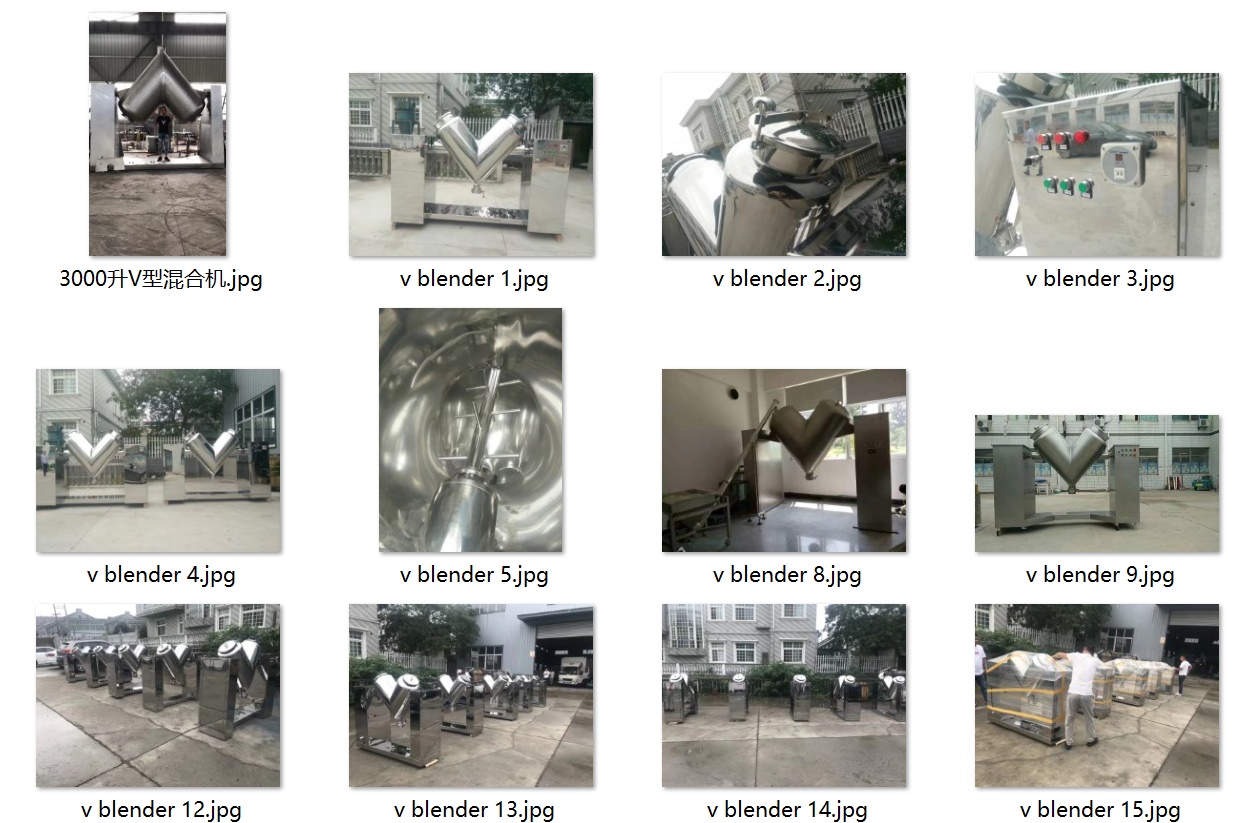
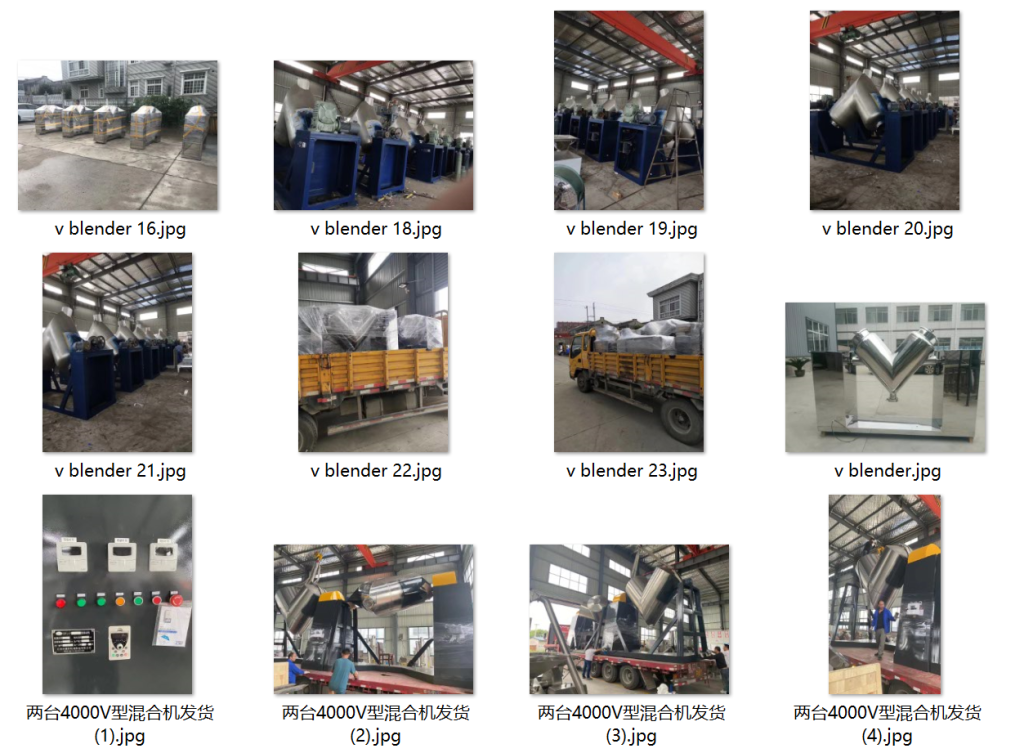
Shipment – Packing Method
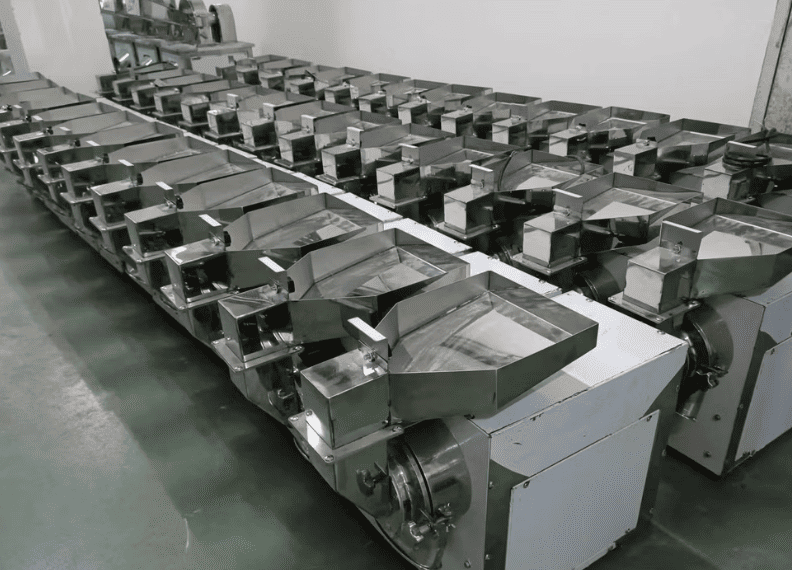
Two Large Industrial Grinder Ready to Ship
Domestic Shipment Show Case:
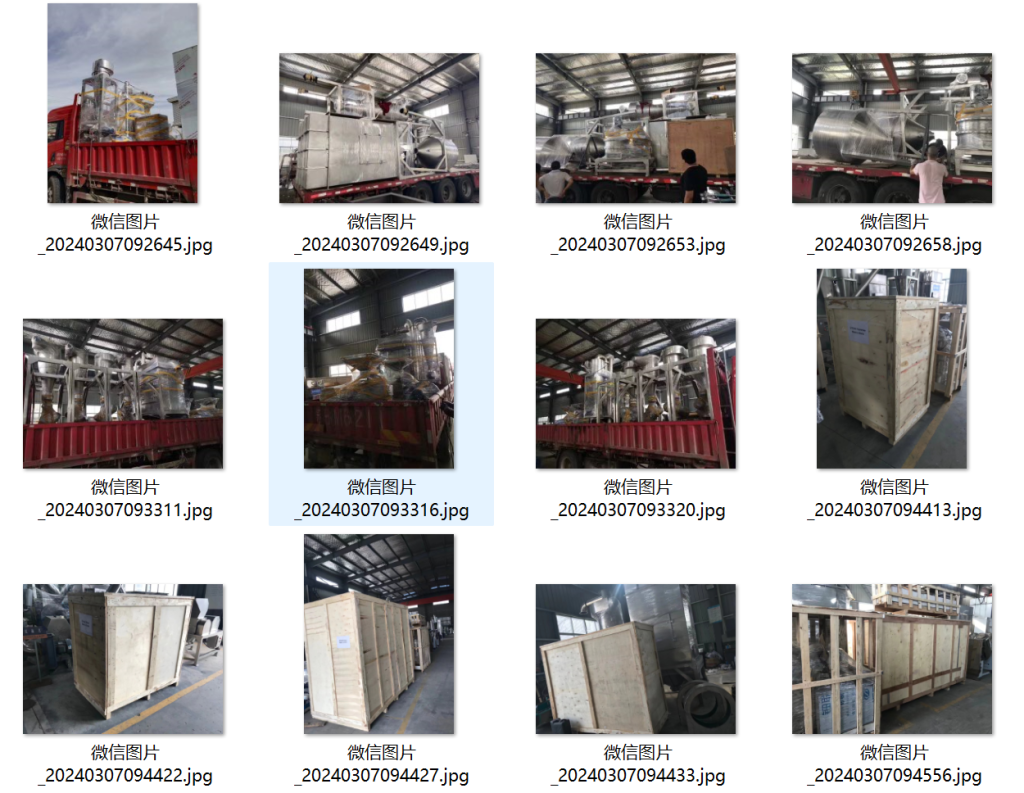
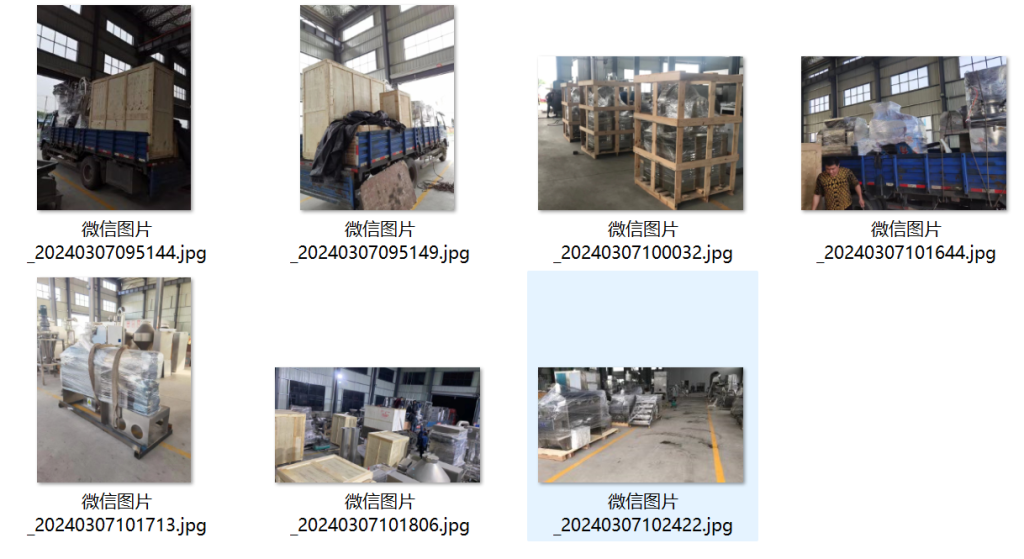
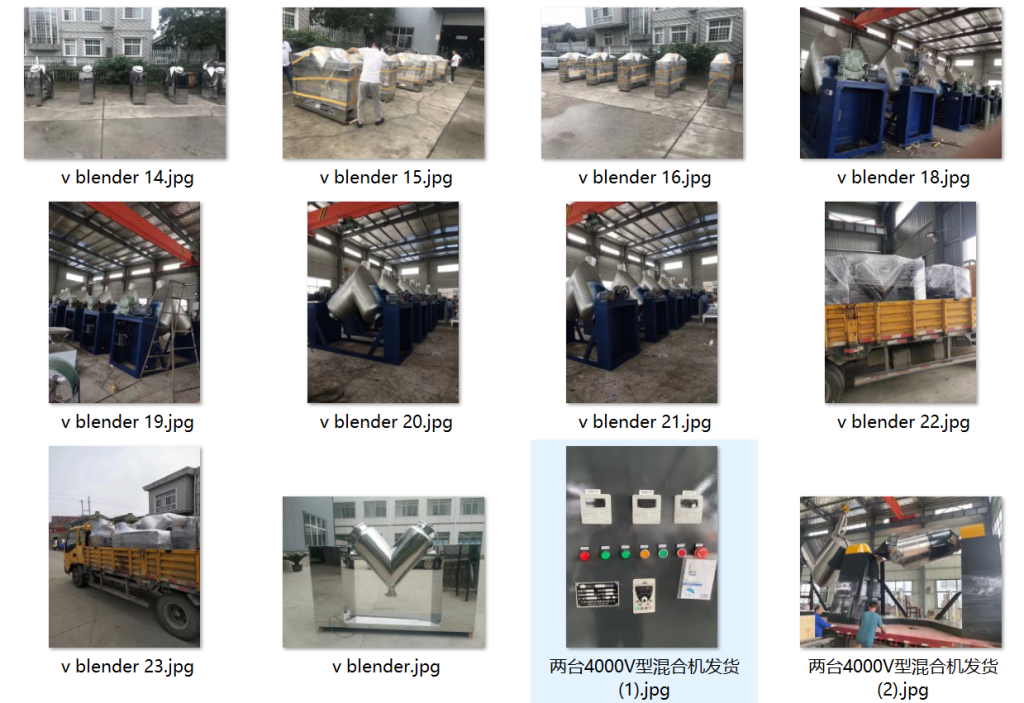
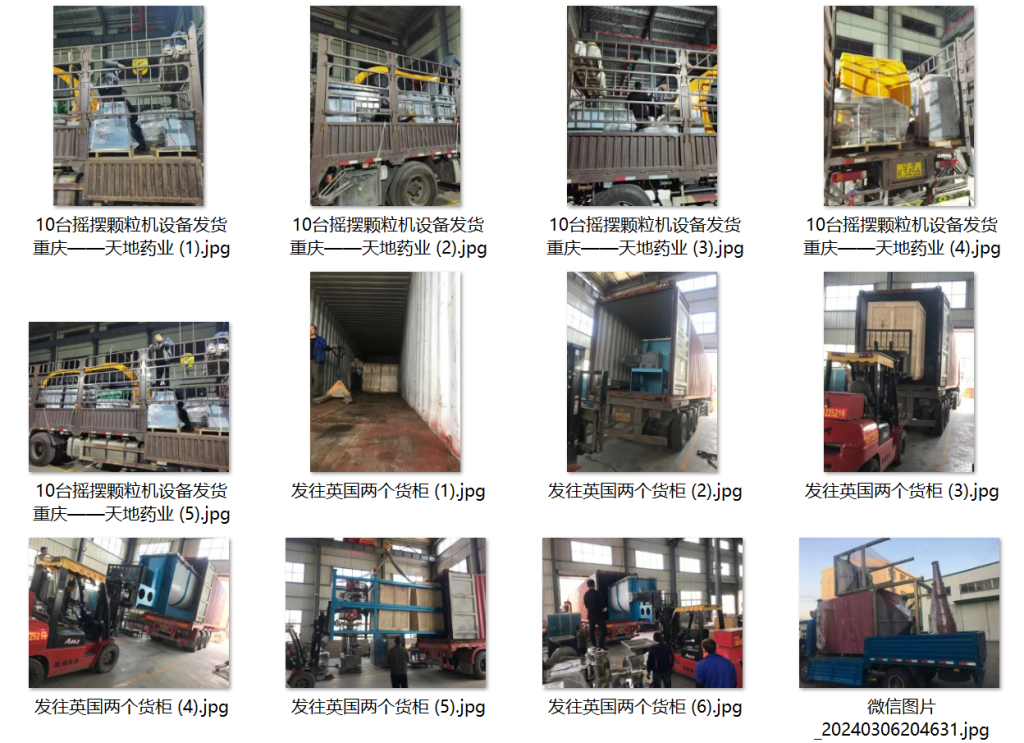
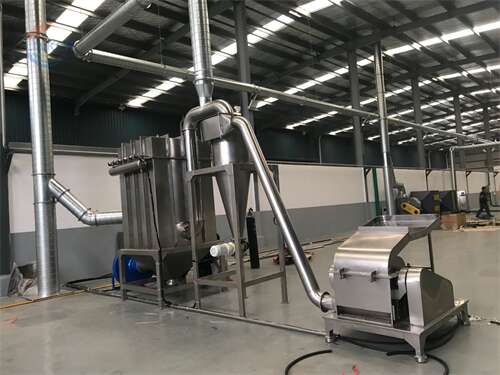
Installation Layout:
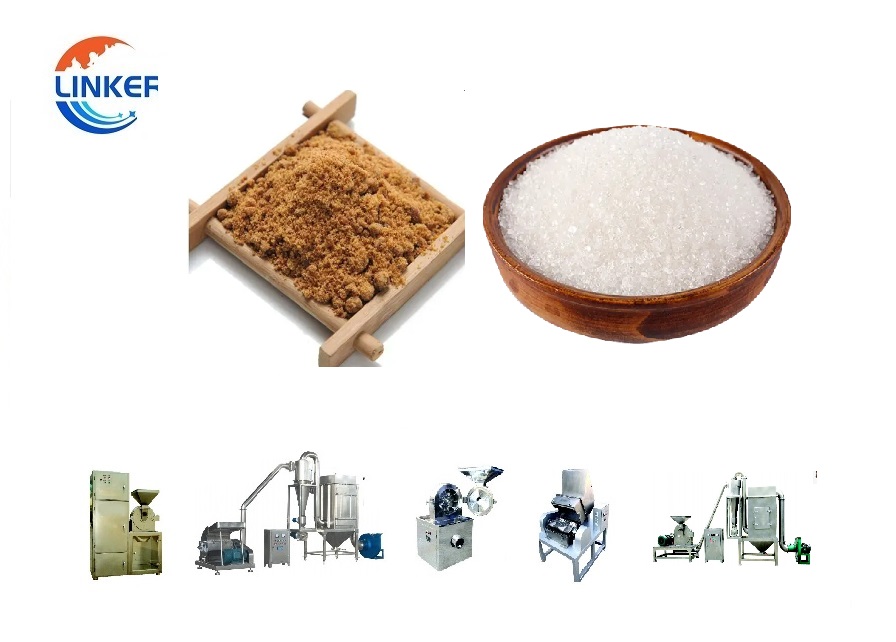
Other Grinding Machine Dry Powder Grinder for Sale:
About LKMixer
LKMixer is a professional manufacturer for fertilizer production line, grinder, mixer and granulator, shredder. These machines are widely used in food, pharmaceutical, cosmetic, health care products and chemical industries. The Food materials like Peanut, mushroom, seeds, potato, bean, tobacco, salt, cannabis, tea, Sugar, corn, Coffee, rice, pepper, grain as so on. Grinders have many types such as Pulse Dust Grinder which suitable for zero pollution environment, Turbine Mill which is suitable for coffee bean, 12-120mesh all can meet, Ultrafine Grinding Mill covers 80-200mesh, and also Winnowing Dust Grinder or other grinding machines like SF Hammer. Welcome to contact us for details. Contact us for more information. Proposal, catalog, quotation. Mobile/WhatsApp: +86 18019763531 Tel: +86 21 66037855 Email: sales@lkmixer.com
Contact Us
FAQ(Click and See More)
Industrial Grinder for Sale:
Drying Machine for Sale: