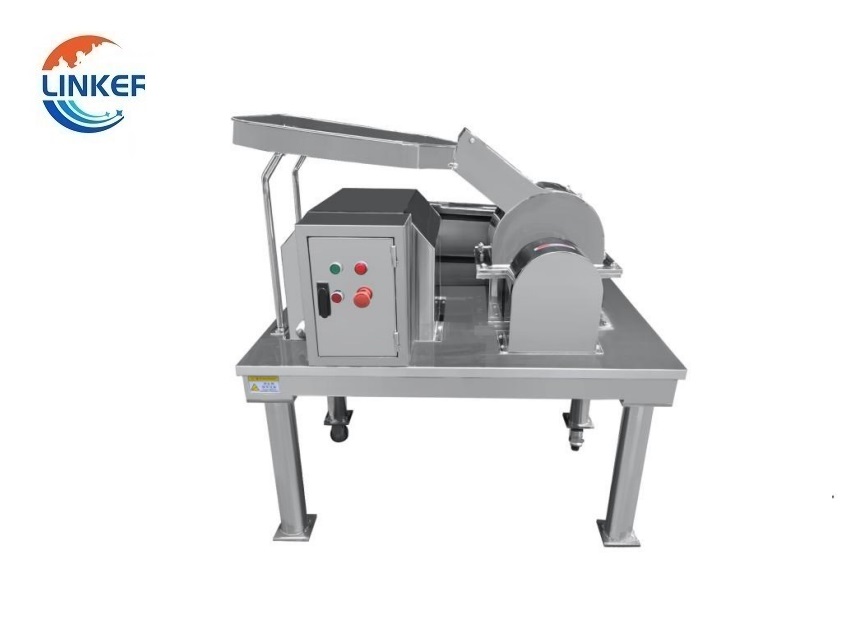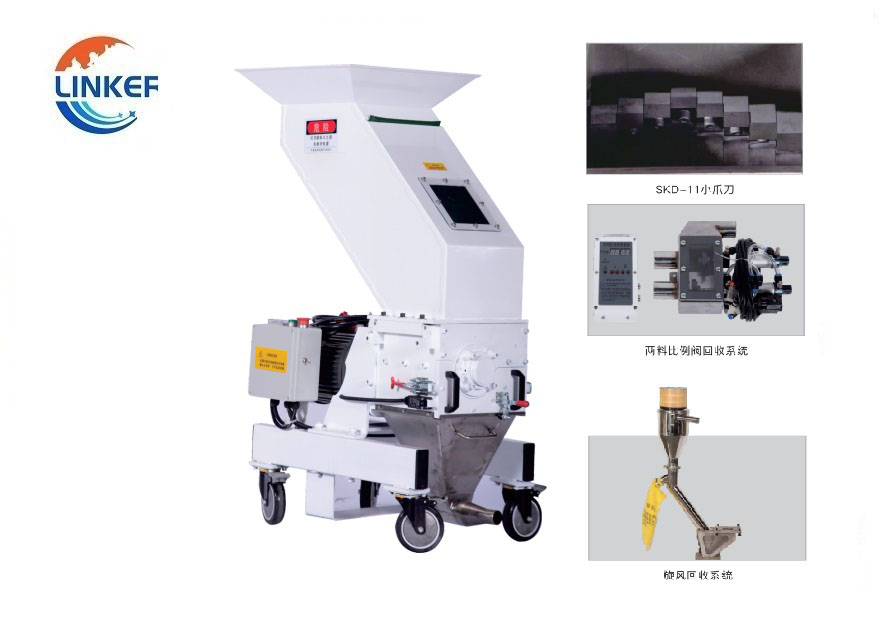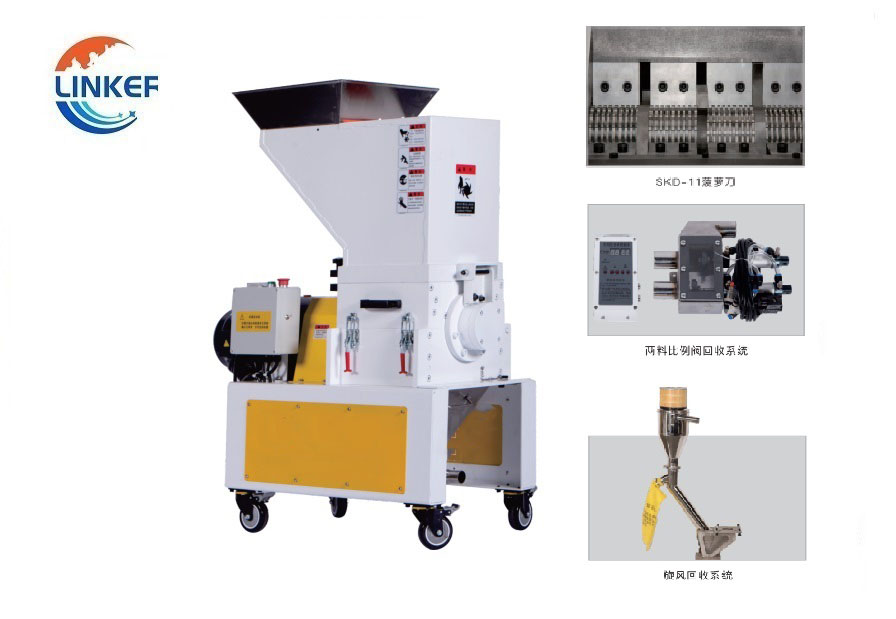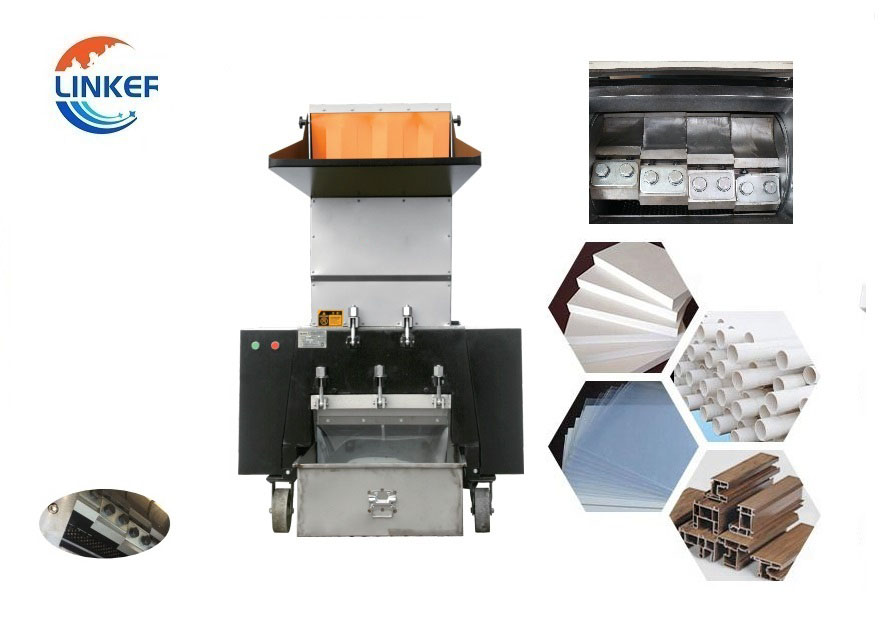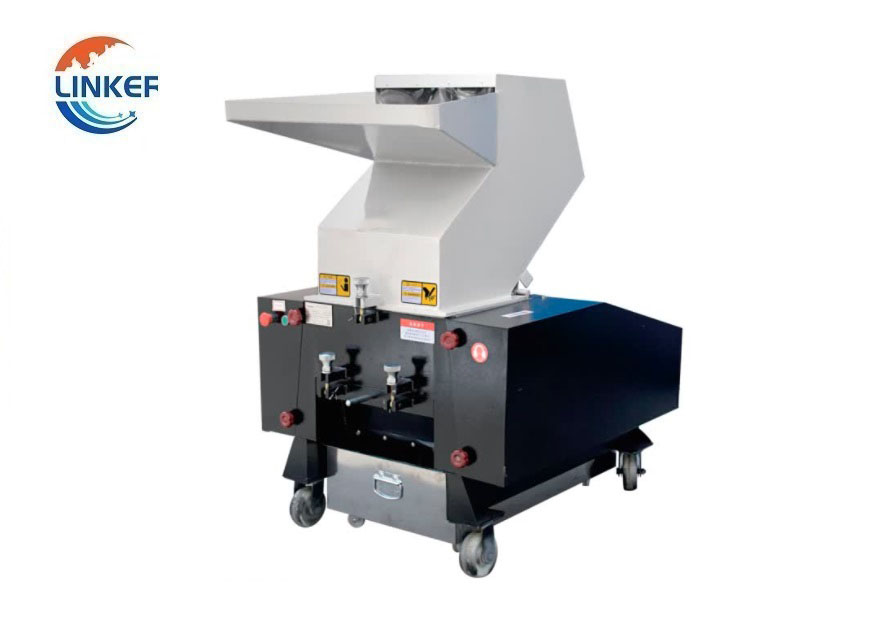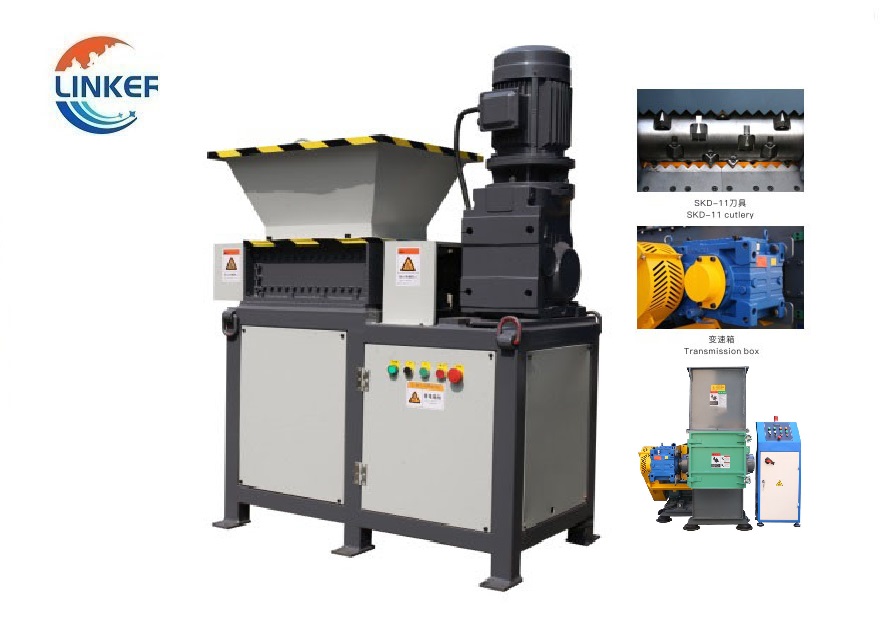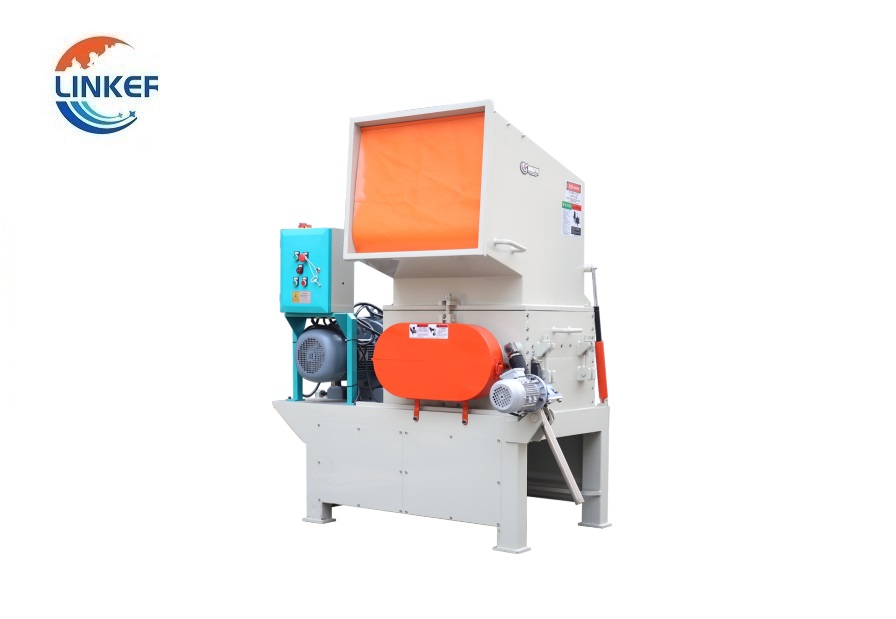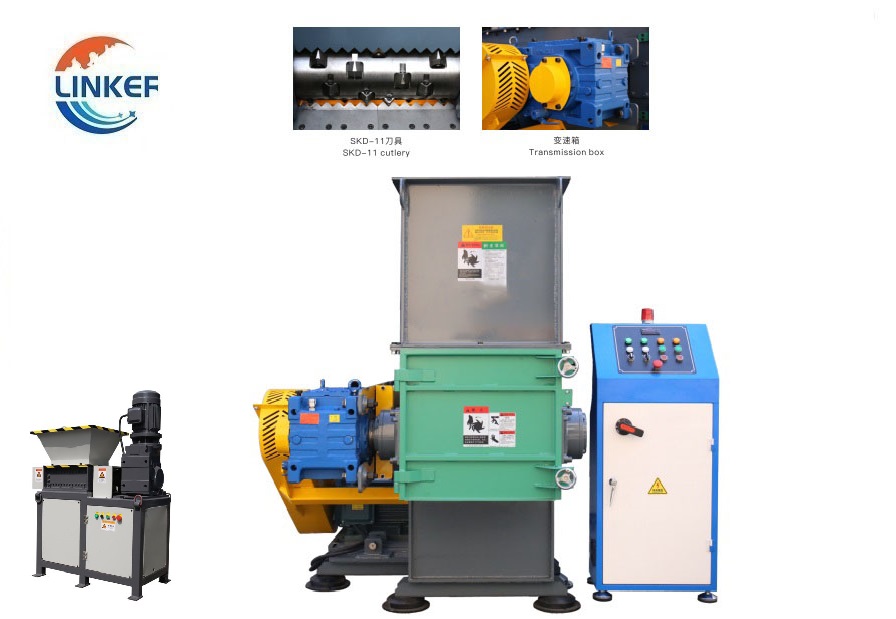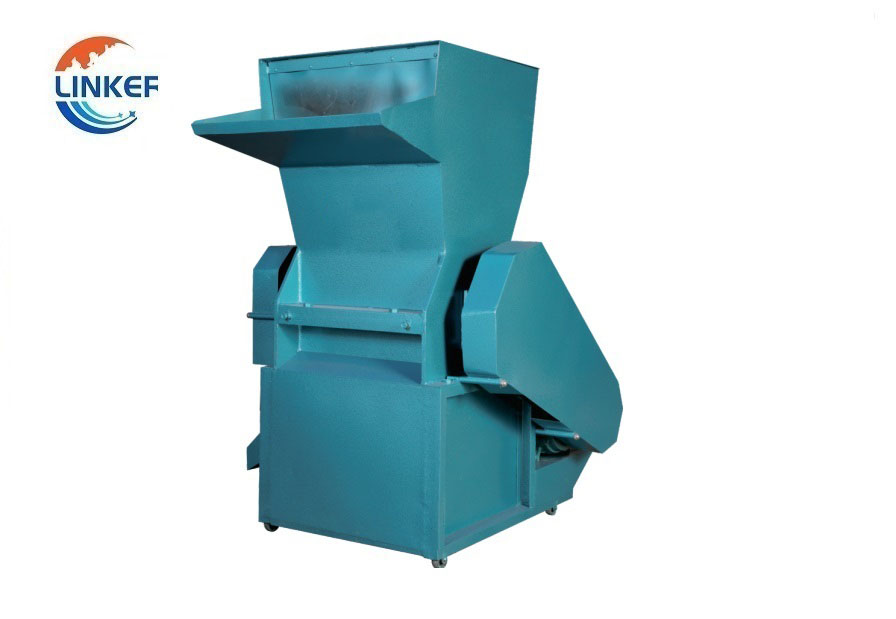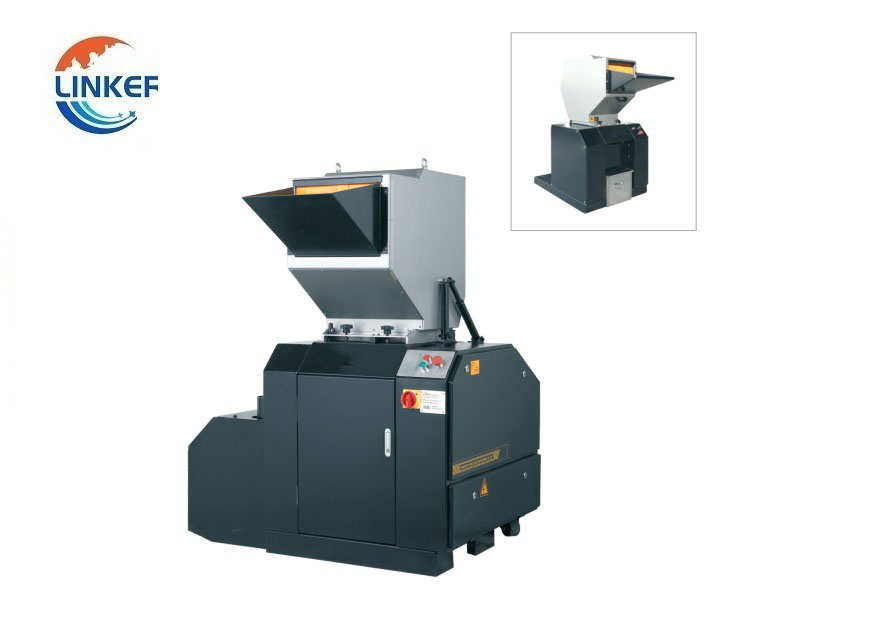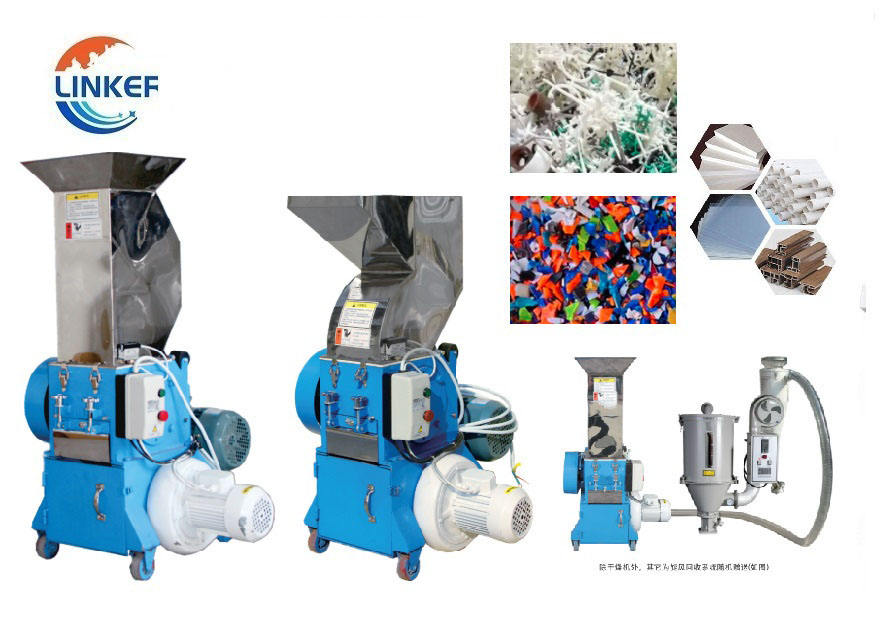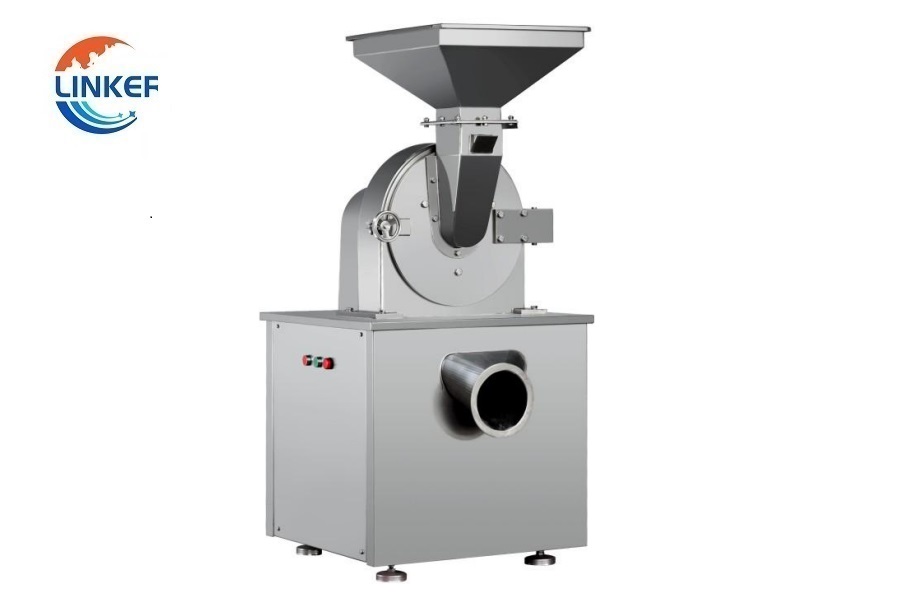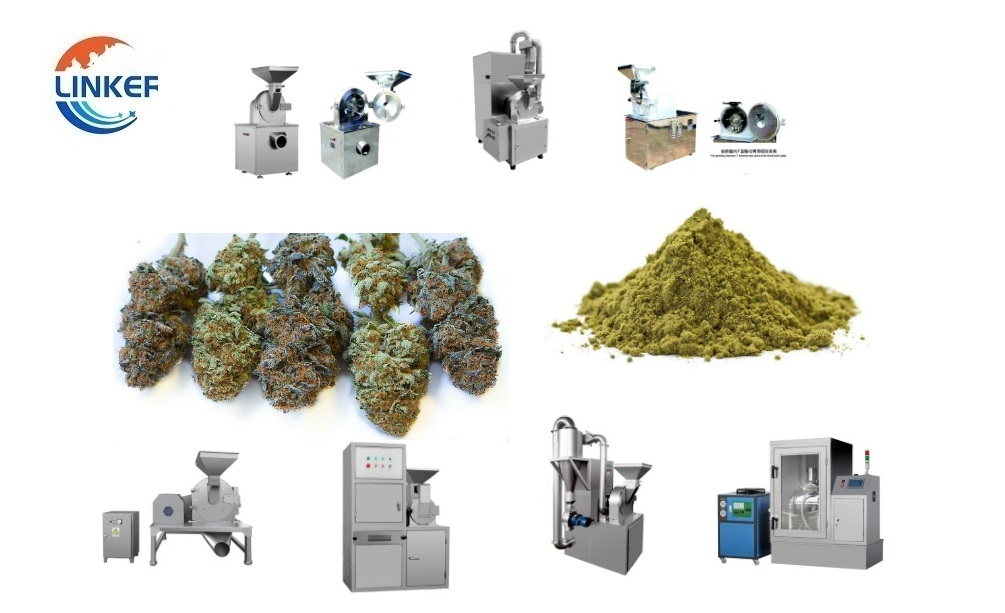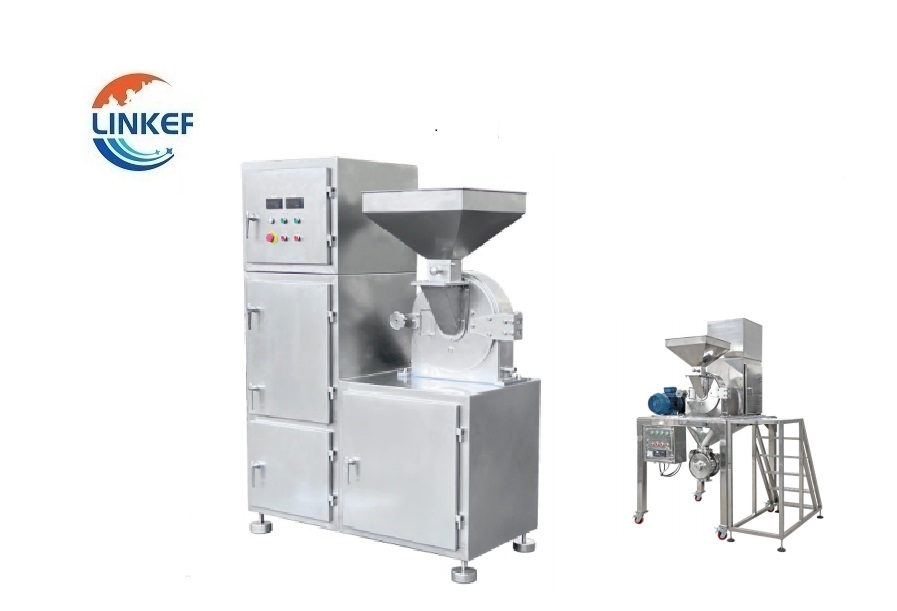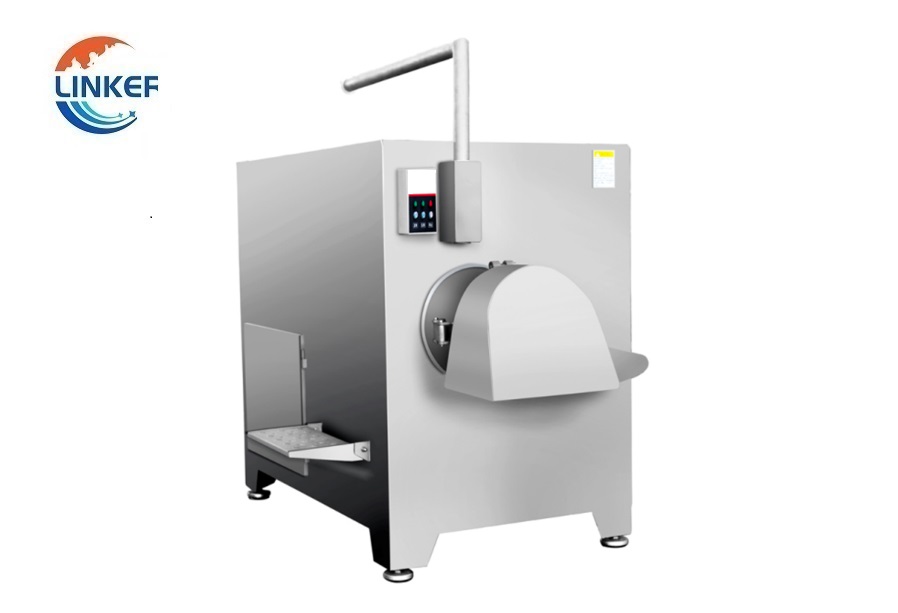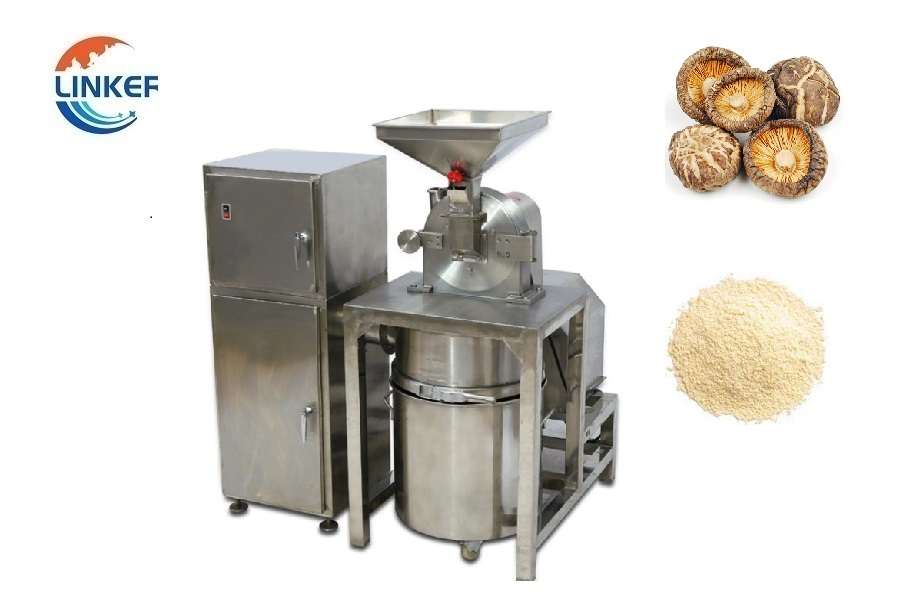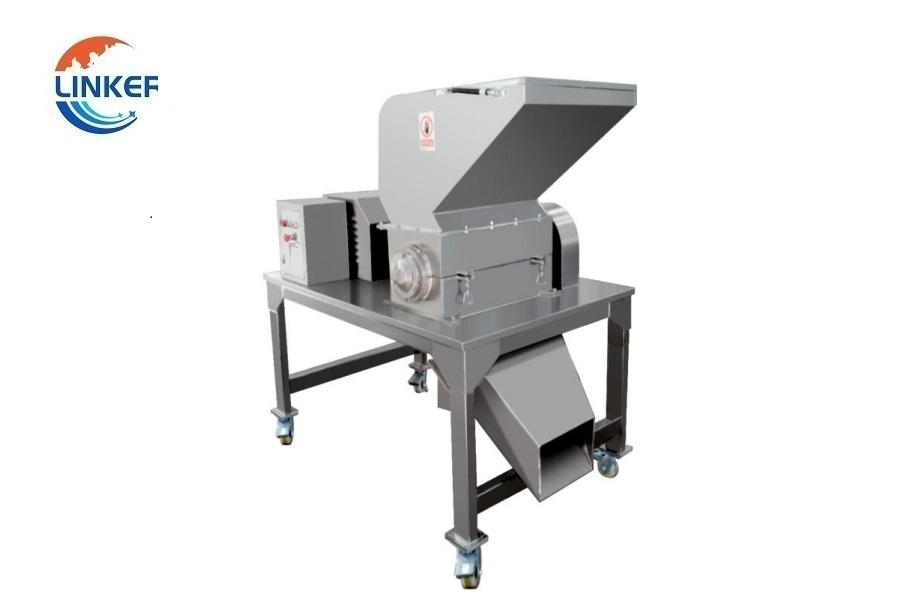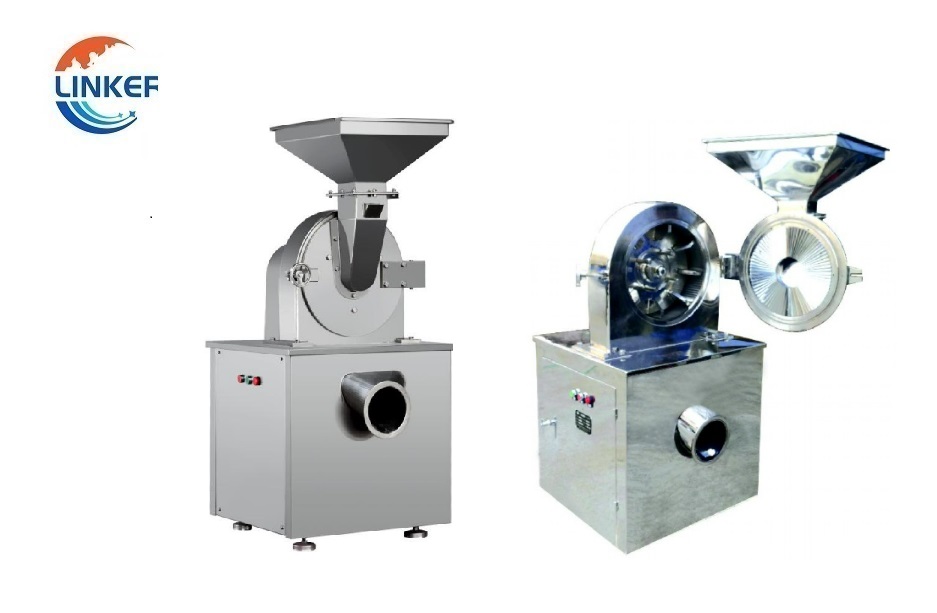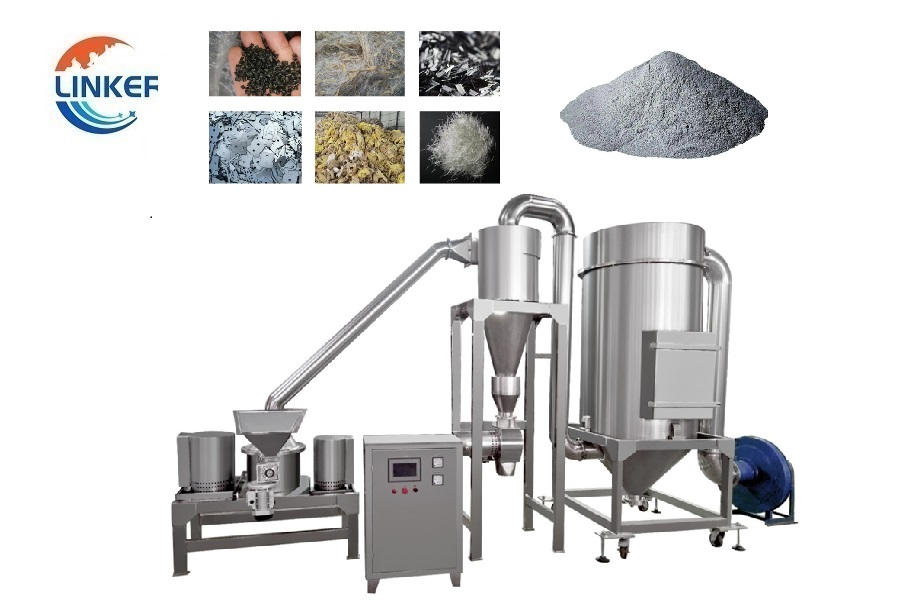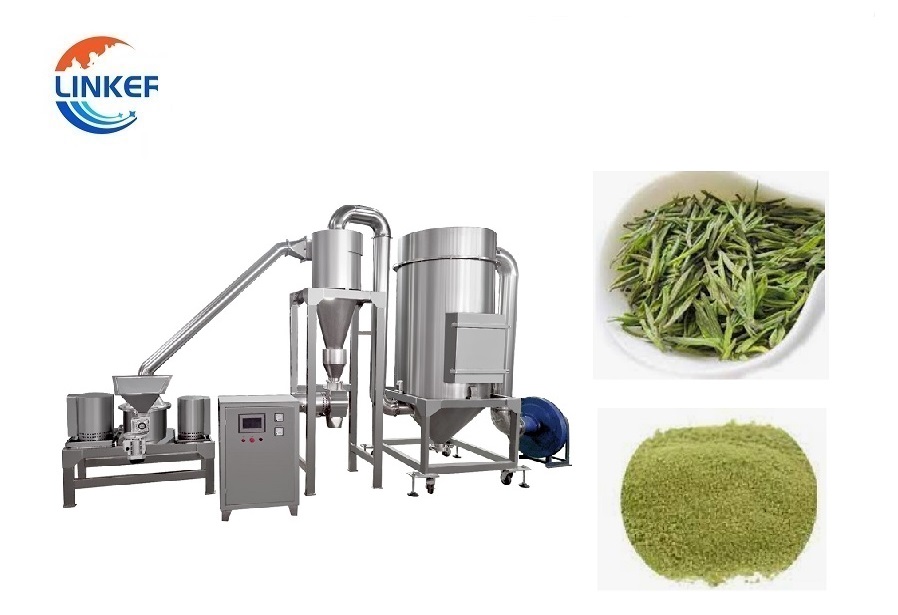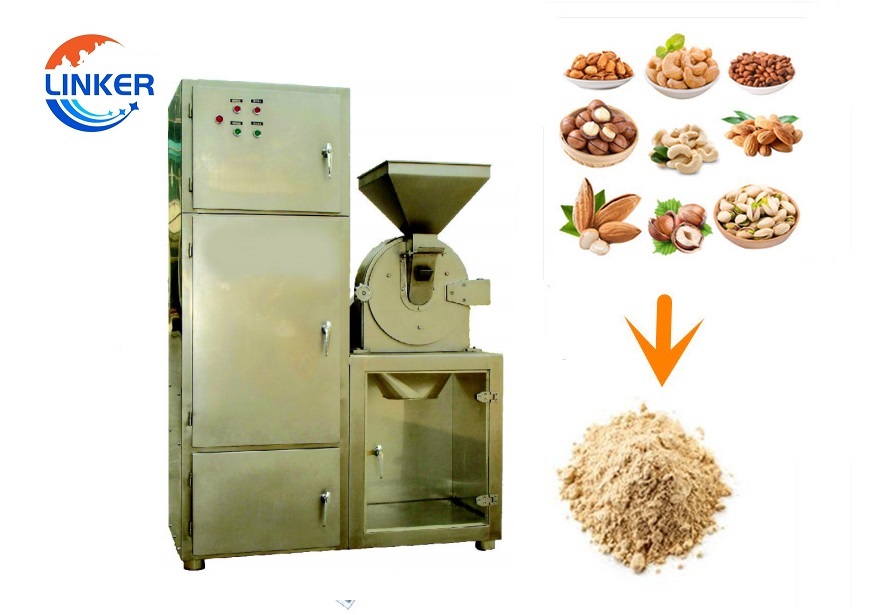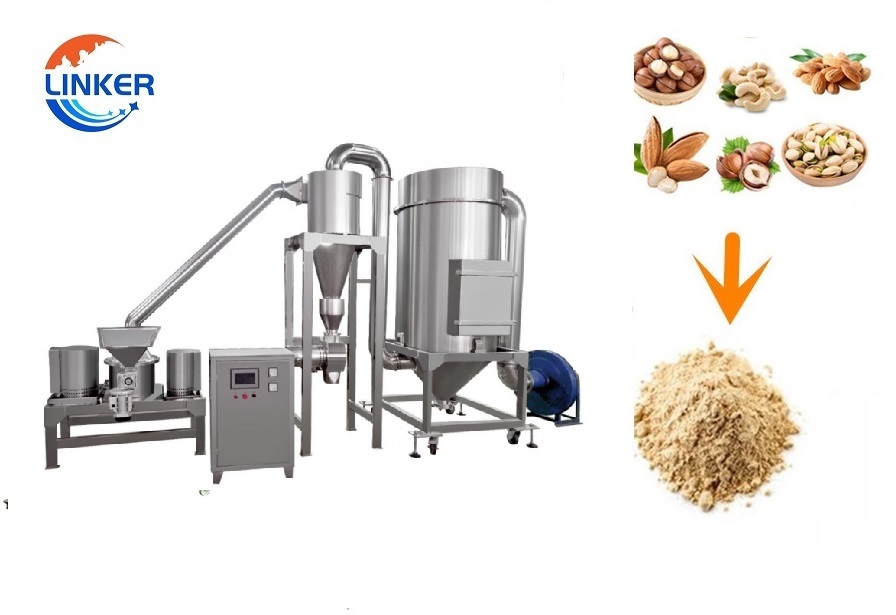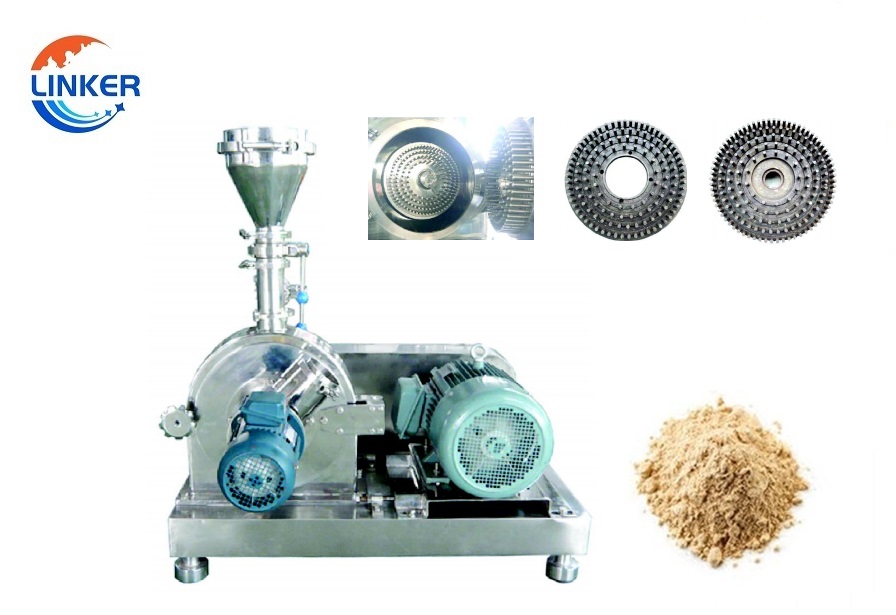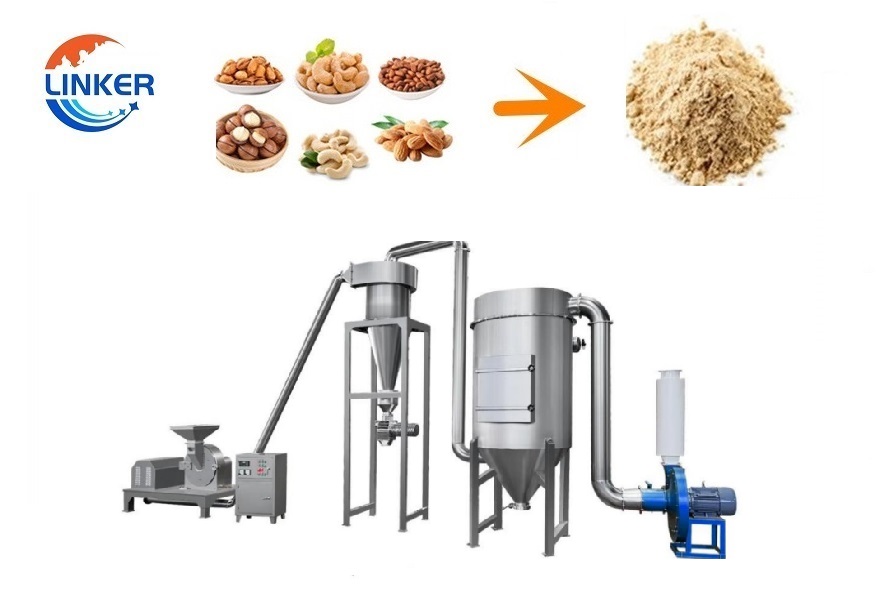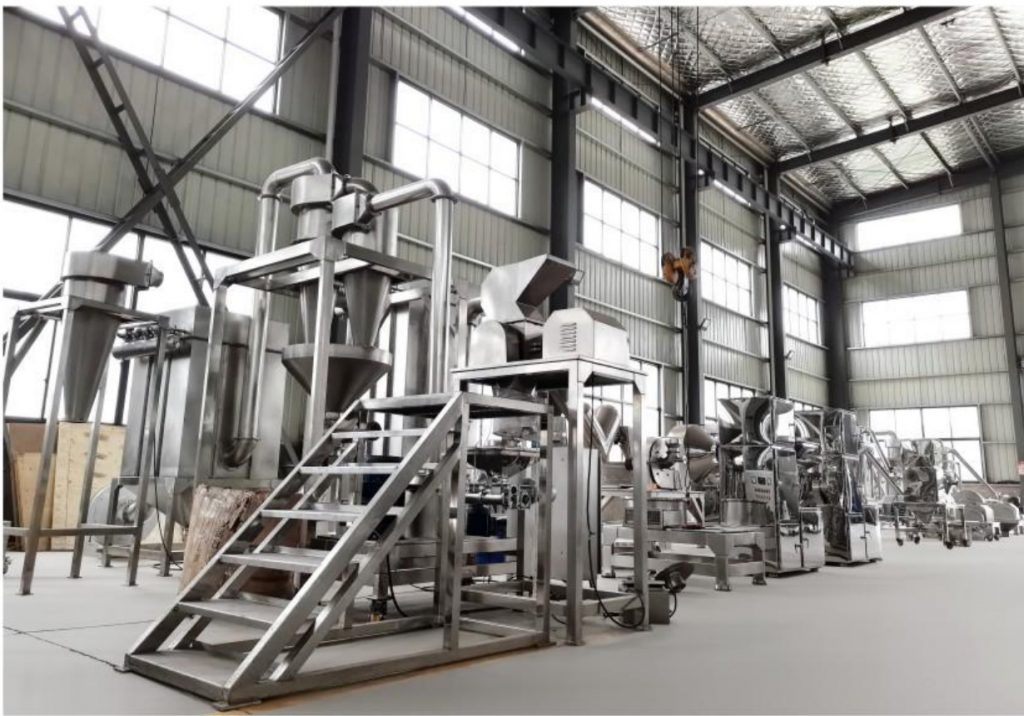
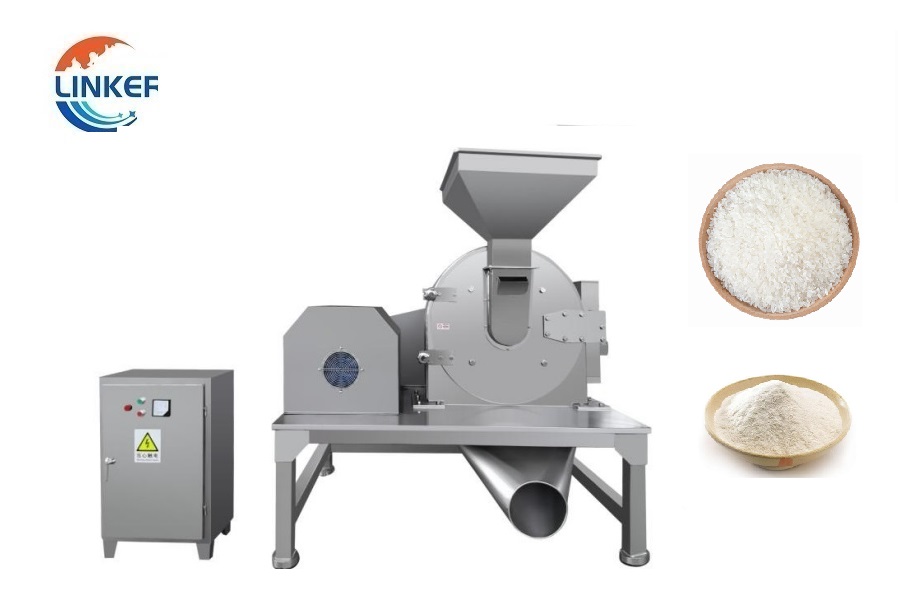
Grinding Mill for 100 Mesh Powder
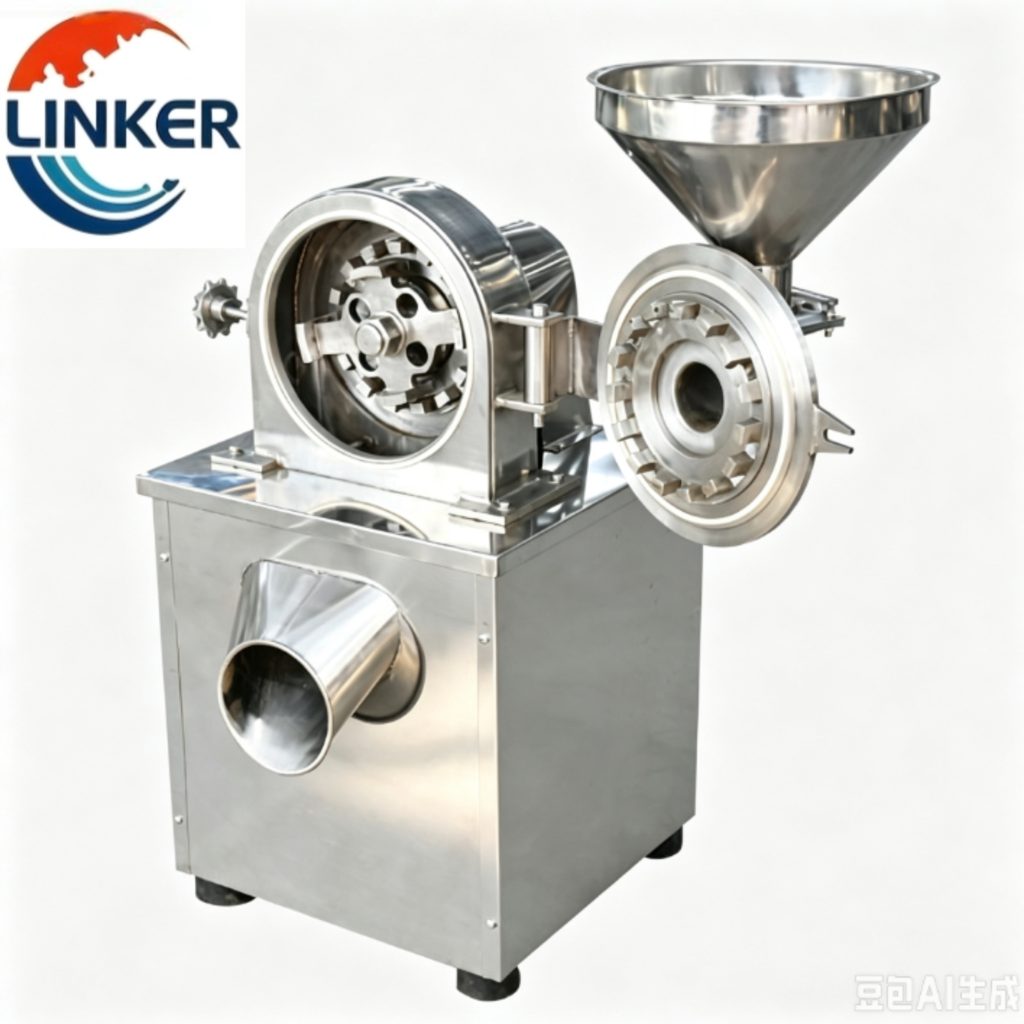
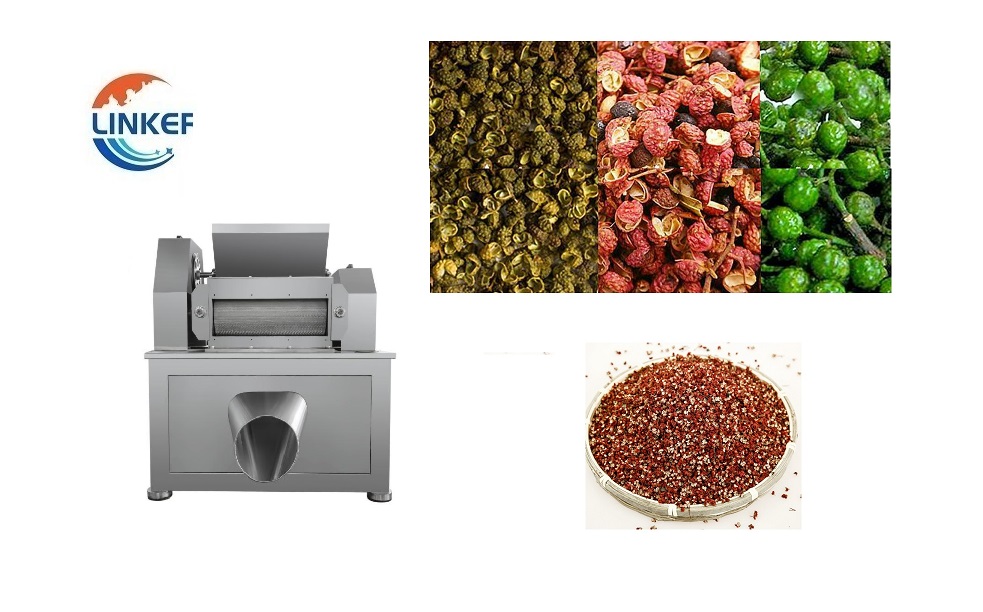
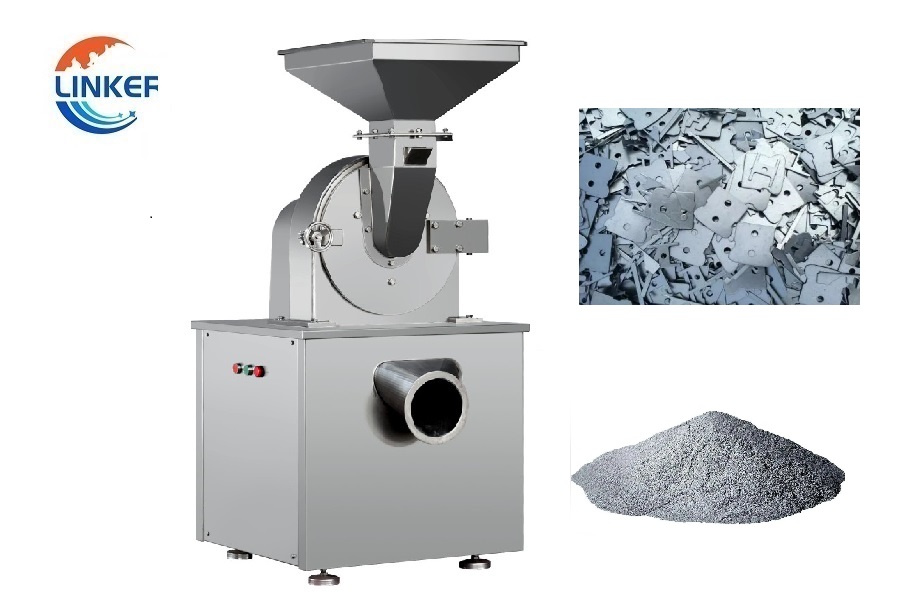
- Suitable Grinding Material: resin pellets, plastic scraps, rubber scraps, dry chemical particles and other raw materials requiring 100‑mesh fine powder output;
- Maximum capacity: 10‑100(kg/hour);
- Output particle size: 100 mesh (0.15mm), adjustable grinding gap to switch between coarse powder and 100‑mesh fine powder
- Machine Weight: 85‑270kg;
- Total Power: 2.2‑11KW
- Optional Feature: low‑temperature cooling system and precision screen assembly, to obtain stable 100‑mesh finished powder without over‑heating materials
- Application: 100‑mesh plastic powder production, fine rubber powder processing, chemical fine powder preparation, polymer material modification industry.
- Notice: This is just an example of machine for 100‑mesh powder grinding, this grinding mill for 100 mesh powder can also be used for other polymer granular materials, and there also have many models mill suitable to grind. Please contact with our sales for choosing the right model.
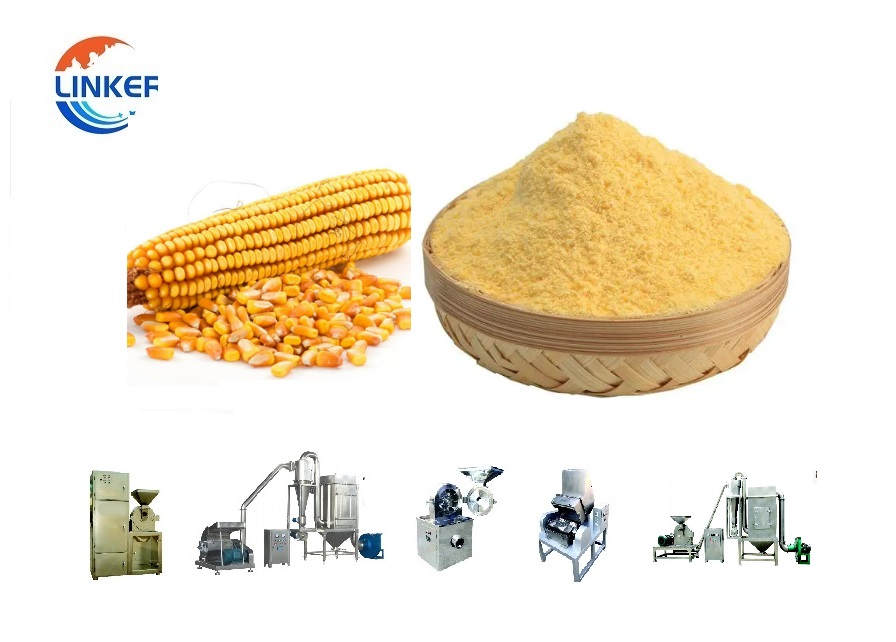
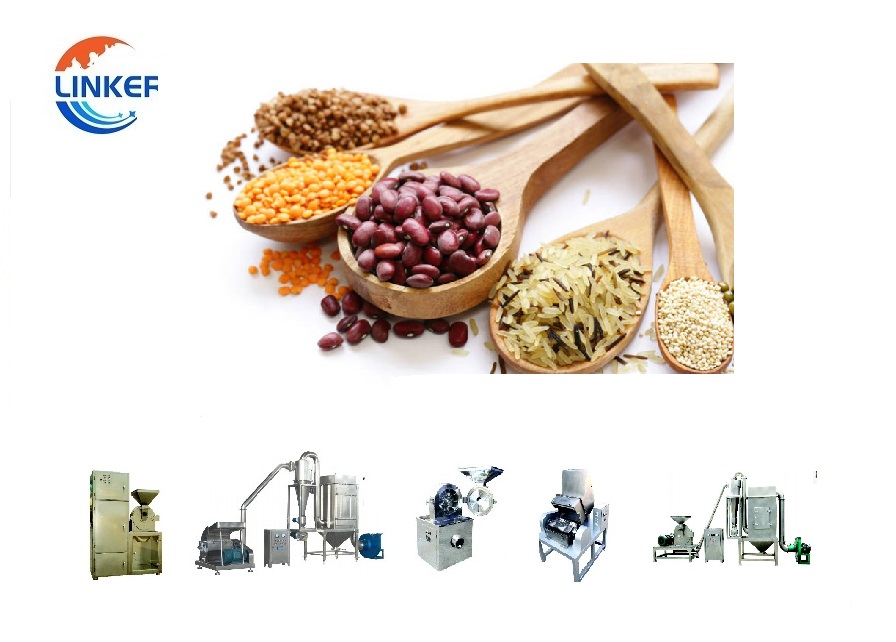
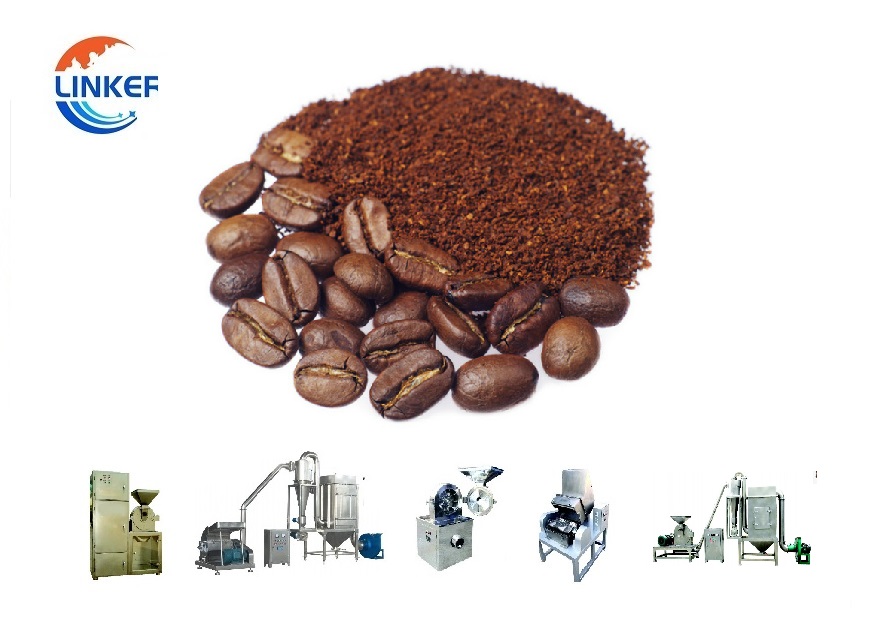
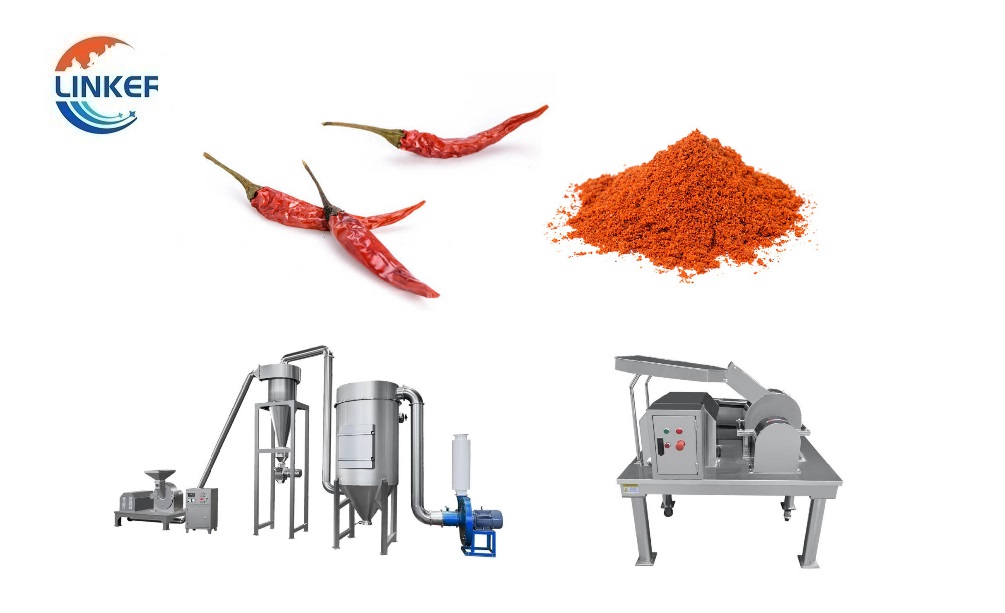
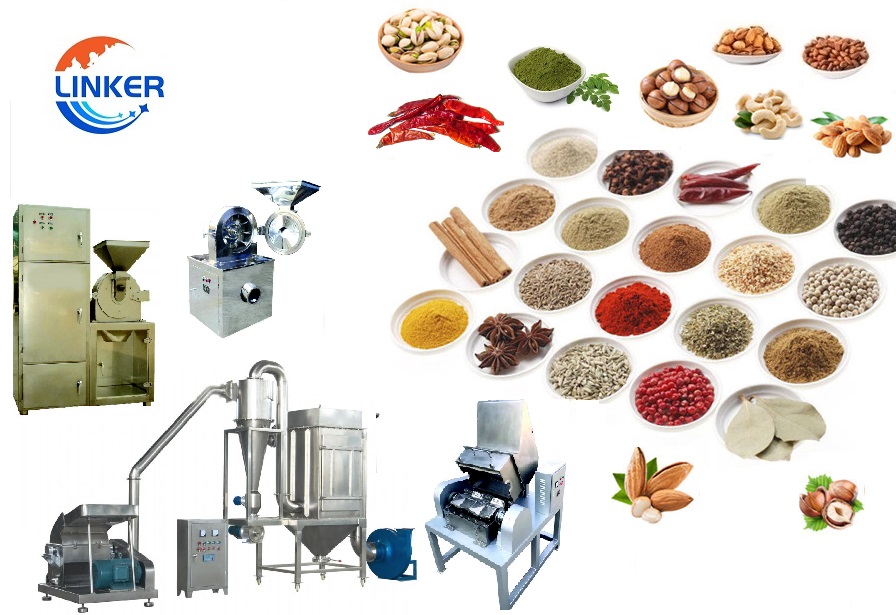
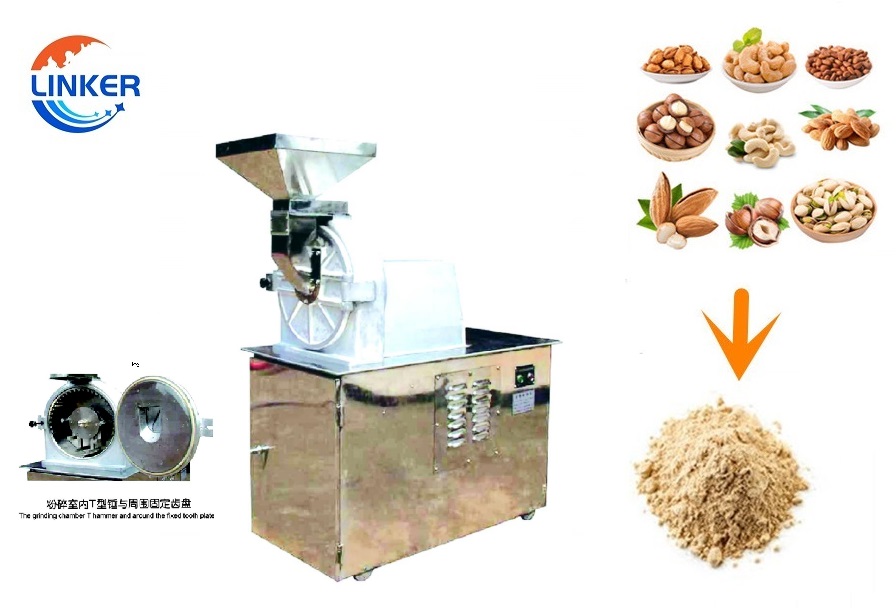
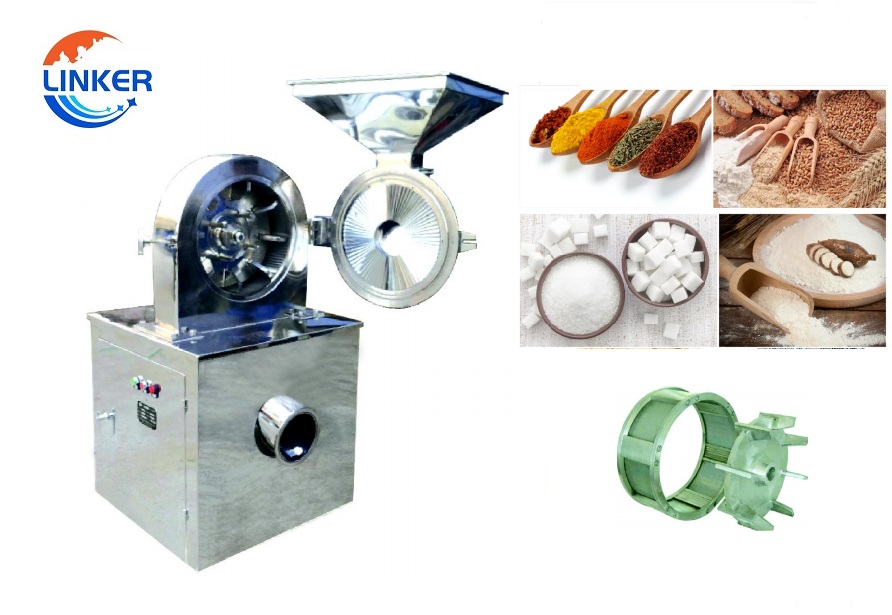
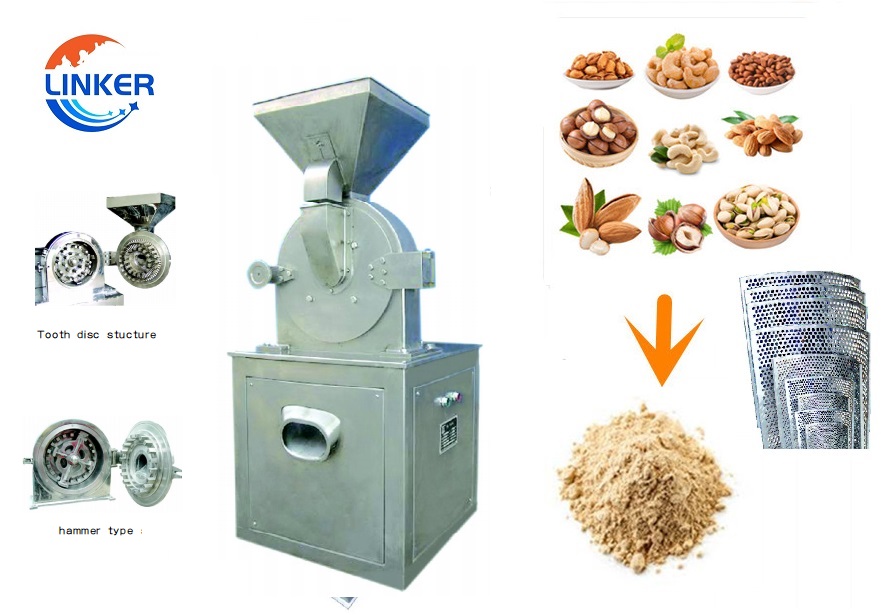
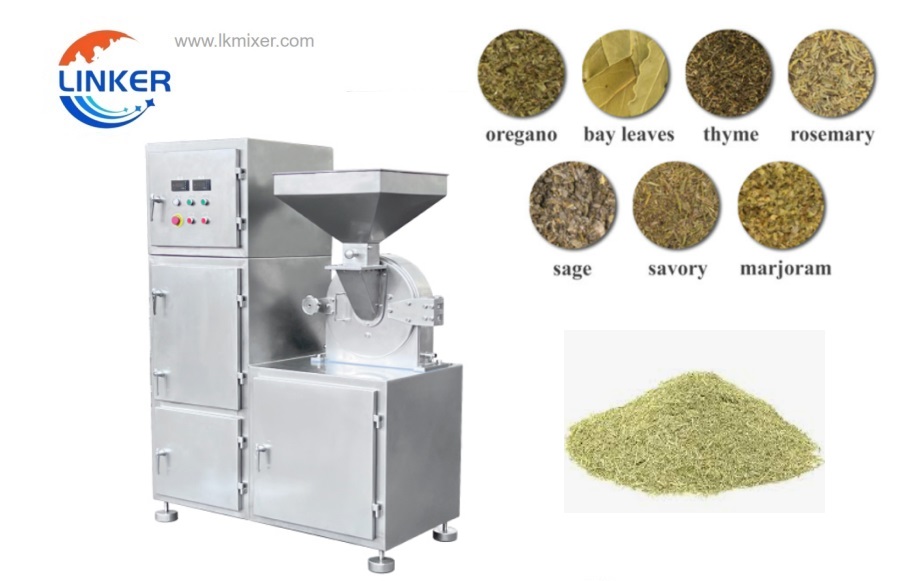
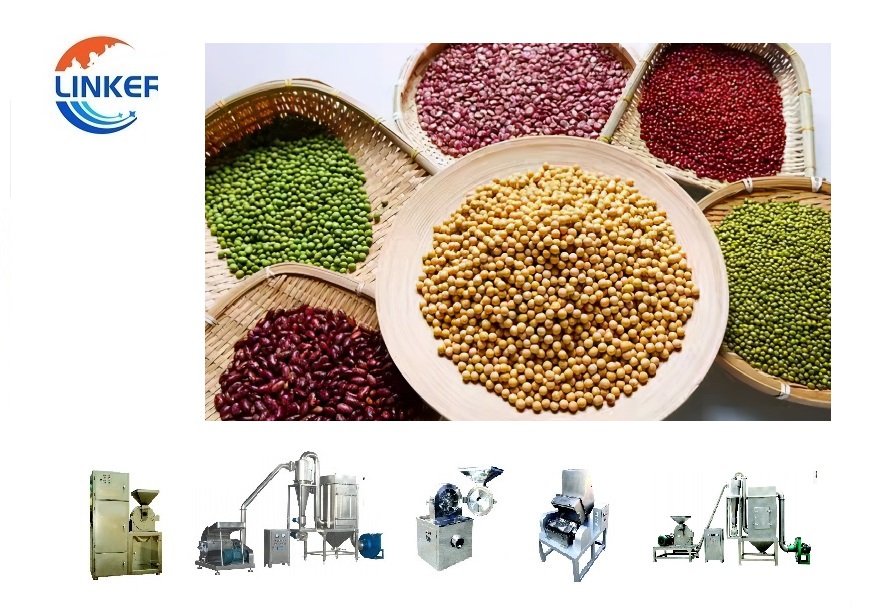
This Grinding Mill adopts mature high‑speed pulverizing structure design, which is extensively used for material grinding in pharmaceutical, chemical, food, herbal medicine, spice and other industries.
Structure
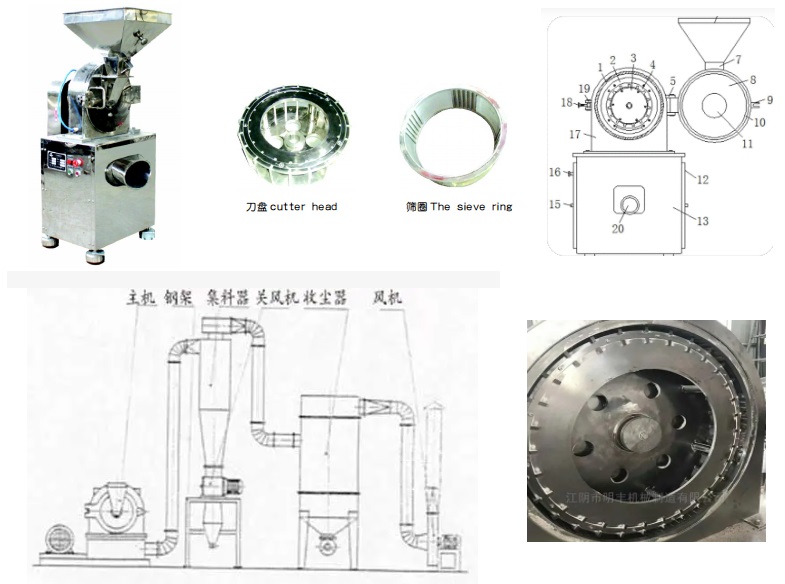
This grinding mill features compact overall layout. It is convenient for installation, disassembly and thorough cleaning. It delivers stable operation performance, moderate working noise, reliable sealing property and outstanding grinding capacity.
Working Principle
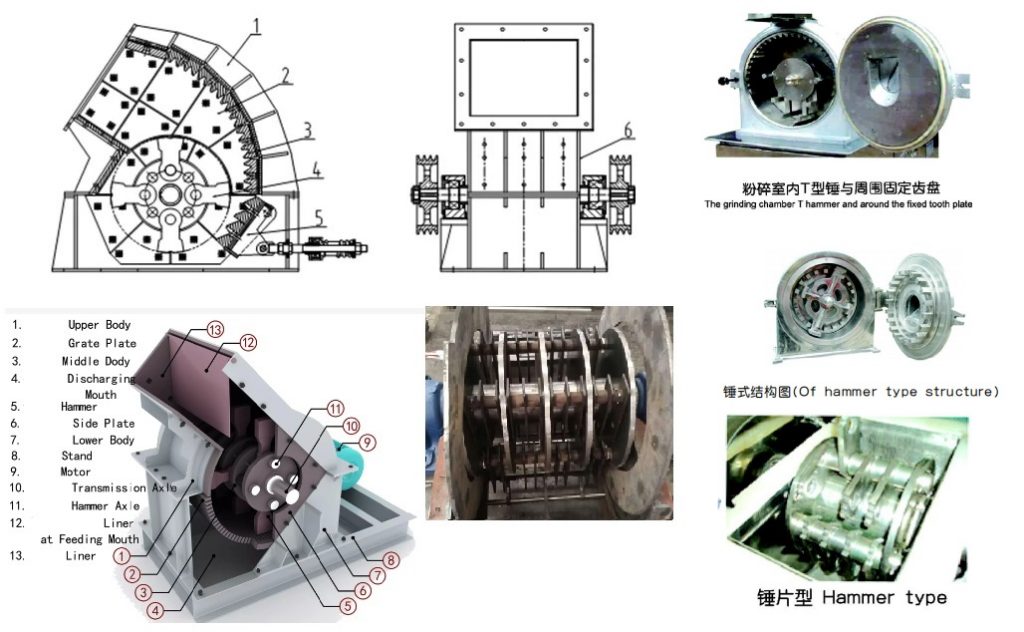
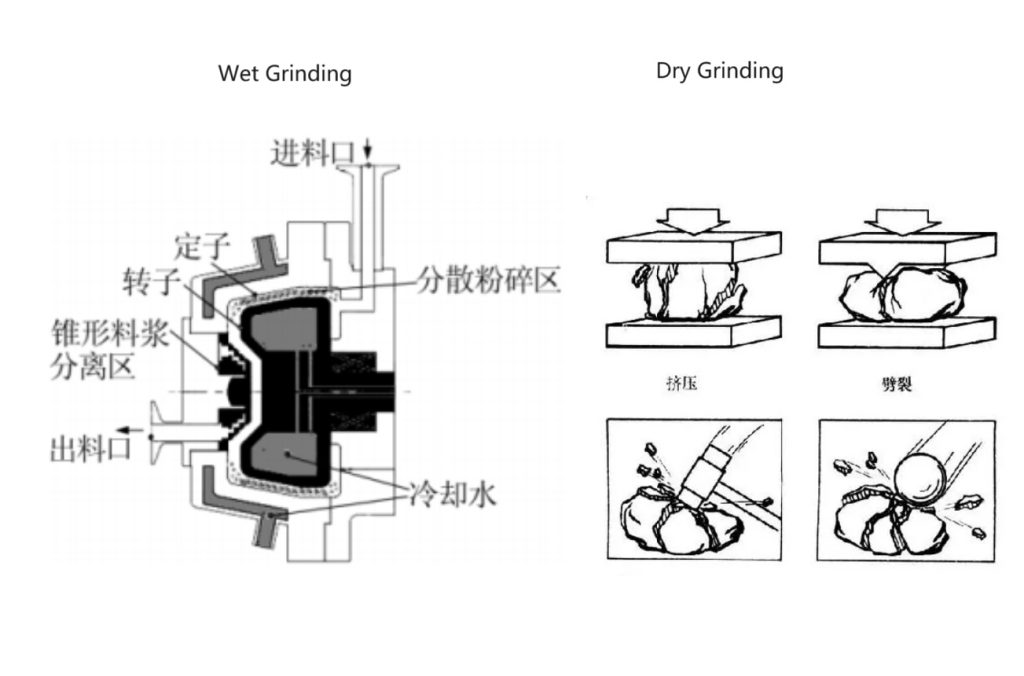
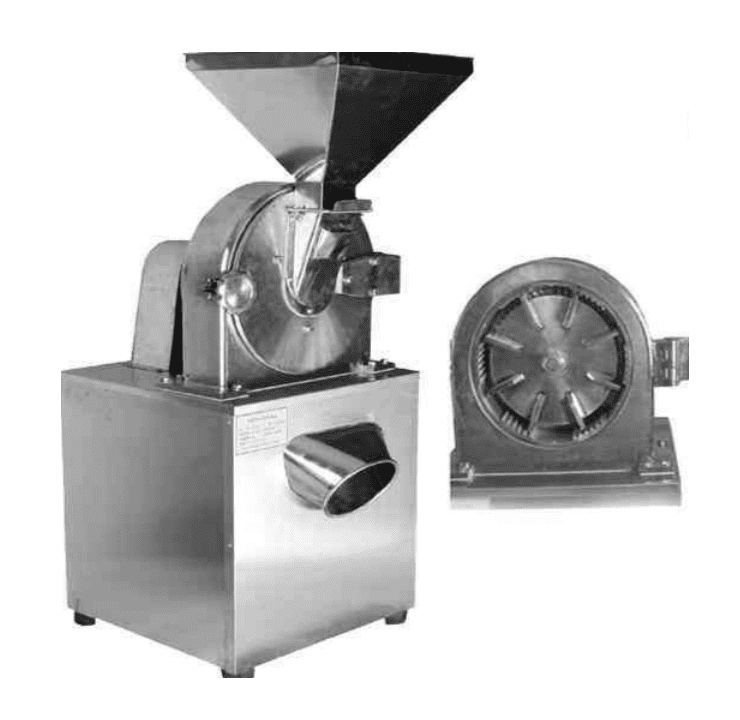
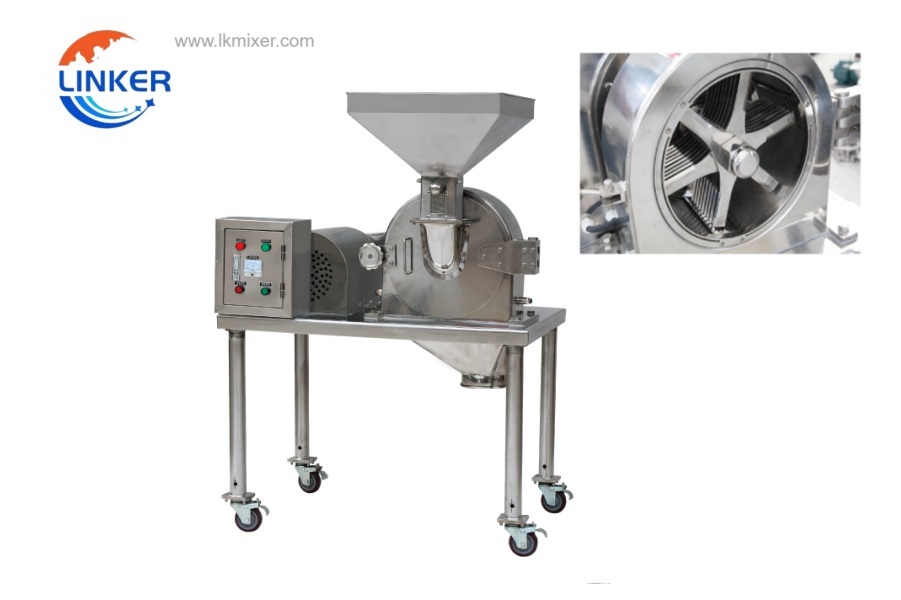
The machine operates at high rotational speed. Raw materials are crushed through continuous impact and shearing force generated between rotating movable teeth and static fixed teeth. Fineness of finished powder can be adjusted according to different raw material characteristics. Particle size of final output can be obtained by replacing different screens or adjusting running speed.
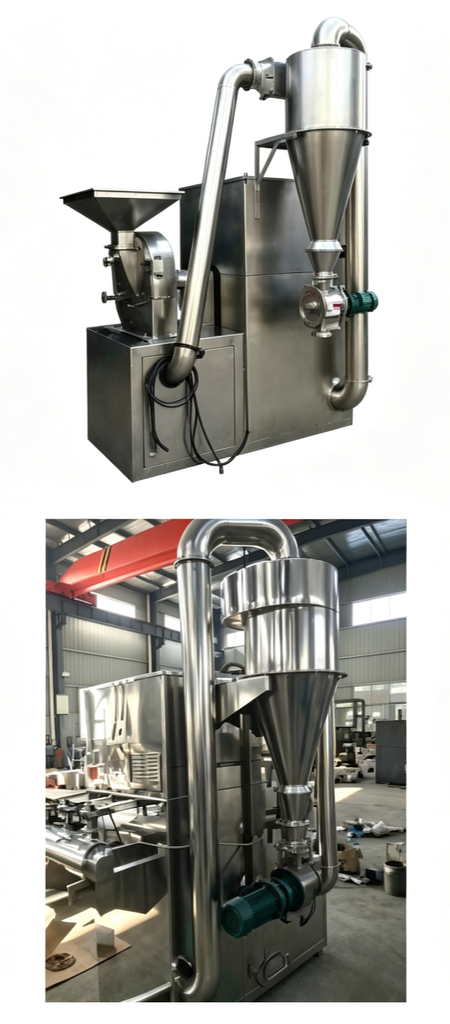
Grinding Mill for 100 Mesh Powder
What is a Grinding Mill for 100 Mesh Powder?
A grinding mill for 100 mesh powder is a professional targeted pulverization device designed exclusively for processing block and granular raw materials into standard 100-mesh fine powder with a particle size of approximately 0.15 millimeters. Unlike universal grinding equipment that pursues ultra-fine pulverization or simple coarse crushing, this specialized mill focuses on fixed medium-fineness processing standards, taking stable powder screening rate and uniform particle size as its core operational goals. It can steadily maintain a finished product screening rate of over 95% without residual coarse particles, and features strong adaptive performance for diverse industrial materials. As a versatile and cost-effective powder processing device, it has become the most widely used standard grinding equipment in building materials, chemical engineering, food processing, mineral processing and other mainstream industrial fields.
What Core Design Logic Enables 100 Mesh Powder Grinding Mills to Achieve Stable and Efficient Fixed-Fineness Processing?
The overall structural design of 100 mesh powder grinding mills is fully optimized around the processing requirements of medium 100-mesh fineness, abandoning the excessive ultra-fine grinding configuration of high-end pulverization equipment to balance production efficiency and energy consumption. Most traditional universal grinding machines either suffer from insufficient grinding force leading to excessive coarse particles or excessive pulverization resulting in a large number of fine powders below the standard particle size. This unreasonable processing state causes unnecessary energy waste and unstable product quality. The 100-mesh special grinding mill calibrates the internal grinding cavity structure and power operating parameters precisely for the 100-mesh particle size range, forming a targeted crushing system that only refines materials to the standard fineness without over-processing.
The precise matching of cavity structure and power parameters effectively avoids the common over-grinding problem in industrial powder production. Excessive pulverization will generate a large proportion of ultra-fine powder that does not meet production requirements, which not only reduces the yield of qualified 100-mesh products but also increases invalid power consumption and equipment wear. Through repeated industrial calibration, the 100 mesh grinding mill adjusts the internal grinding gap, rotor operating speed and material retention time, ensuring that materials are fully crushed to the standard particle size while suppressing the generation of excess fine powder. This targeted structural design greatly improves the effective utilization rate of equipment power and enhances the overall economic efficiency of production.
High-precision grading and screening systems serve as the core guarantee for the high pass rate of 100-mesh finished powder. All professional 100 mesh grinding mills are equipped with customized screen mesh structures or dynamic air classification systems, which can strictly intercept unqualified coarse particles that fail to reach 100-mesh fineness. The blocked coarse materials will stay in the grinding cavity for secondary cyclic crushing and refinement, while only standard qualified powder can be discharged and collected. This closed-loop screening and regrinding mode enables the equipment to stably maintain a finished product pass rate of more than 95% for a long time, completely eliminating the quality problem of mixed coarse particles in finished products.
Flexible and diverse grinding force modes greatly enhance the equipment’s adaptability to different types of industrial materials. According to the differences in hardness, toughness and thermal sensitivity of raw materials, the 100 mesh powder grinding mill can switch freely between shear crushing, impact crushing and roller compaction grinding modes. For brittle materials that are easy to crush, high-speed impact force is adopted to improve production efficiency; for medium-hard mineral materials, stable roller pressure grinding is used to ensure uniform particle size; for heat-sensitive materials, mild shear grinding with low heat generation is matched to avoid material deterioration. This multi-mode grinding design enables the equipment to cope with various conventional industrial materials and meet diversified production demands.
What Are the Structural Features and Industrial Application Values of Mainstream 100 Mesh Powder Grinding Mill Models?
What processing advantages and applicable scenarios do disc and hammer grinding mills have for low-hardness 100-mesh powder processing? Disc and hammer grinding mills are basic universal models for 100-mesh powder production, mainly relying on high-speed rotating tooth discs and hammer blades to generate powerful shear and impact force to crush materials. The equipment adopts a simple and reliable mechanical crushing structure, and the discharge fineness can be accurately locked at 100 mesh by replacing standard screen meshes with fixed pore sizes. This type of grinding mill is mainly suitable for processing low-hardness brittle materials with a Mohs hardness of no more than 3, including Chinese medicinal materials, grain raw materials and ordinary chemical raw materials, with extremely low processing difficulty and stable finished quality.
The production capacity of disc and hammer grinding mills covers a wide range from 50kg to 800kg per hour, fully meeting the small and medium-batch production needs of workshops and processing plants. For heat-sensitive materials that are prone to deterioration due to frictional heat, partial optimized models are equipped with water cooling circulation systems, which can effectively reduce the internal temperature of the grinding cavity during high-speed operation. This cooling design avoids thermal denaturation, discoloration and efficacy loss of materials such as grains and medicinal herbs during grinding, ensuring that the physical and chemical properties of finished 100-mesh powder remain intact. With simple structure, low price and convenient operation, it is the most cost-effective basic model for small-scale 100-mesh powder processing.
Why are pendulum grinding mills the core equipment for large-scale mineral 100-mesh powder production? Pendulum grinding mills are professional mineral pulverization equipment based on roller compression grinding principle, equipped with matched internal dynamic classifiers to realize real-time sorting and grading of powder. Different from screen-type grinding equipment, it adopts wind power grading technology to screen materials according to particle density and fineness, which is more suitable for large-scale continuous production of mineral powder. When processing common mineral raw materials such as limestone and calcite with Mohs hardness below 7, the optimized pendulum mill can achieve a stable hourly output of 10 to 12 tons, with a finished product pass rate always maintained above 95%.
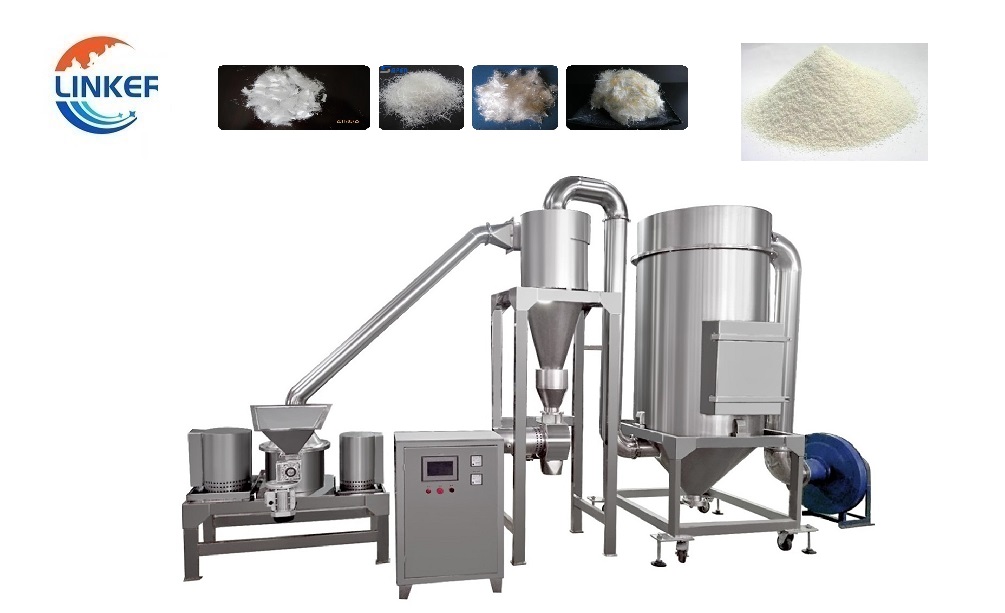
The whole machine of the pendulum grinding mill adopts a fully closed structural design, and is matched with a professional pulse dust removal system. It completely solves the floating dust pollution problem of traditional mineral grinding equipment, and all dust emission indicators meet national industrial environmental protection standards. The equipment runs stably for a long time with low failure rate, and the particle size of finished mineral powder is uniform without obvious particle differentiation. It is widely used in large-scale processing of building materials powder and environmental protection desulfurization mineral powder, and is recognized as the mainstream standard equipment for industrialized production of 100-mesh mineral powder.
What large-scale production capabilities do industrial ball mills have for multi-scenario 100-mesh powder processing? Industrial ball mills support both dry and wet dual-mode grinding operations, relying on the impact, rolling and friction of internal steel ball grinding media to refine materials. By adjusting the steel ball proportion, cylinder rotating speed and single-batch grinding duration, the ball mill can stably process various raw materials such as ores, fly ash and slag into standard 100-mesh powder. Large industrial ball mills have a huge material processing capacity, with the internal steel ball loading capacity reaching several tons, providing strong grinding power for large-scale industrial production.
The applicable hardness range of ball mills is extremely wide, covering raw materials with Mohs hardness up to 8, far exceeding the processing capacity of ordinary small grinding equipment. Its hourly production capacity ranges from 0.5 tons to 20 tons, which can fully meet the ultra-large-scale production needs of mineral processing enterprises and building materials factories. The equipment has extremely high operational stability, can run continuously for a long time without fluctuation of finished particle size, and is suitable for standardized 100-mesh grinding operations in large mineral processing and solid waste resource utilization projects.
What energy-saving and efficient advantages do vertical roller mills have for high-volume 100-mesh powder production? Vertical roller mills are integrated high-efficiency grinding equipment that integrates fine crushing, drying, pulverization, powder selection and conveying functions into one unit. The equipment has flexible and adjustable finished fineness, which can be freely switched between 80 mesh and 425 mesh, and can achieve ultra-stable fixed-point processing for 100-mesh standard powder. It is specially optimized for large-batch processing of limestone, slag and other building materials and environmental protection raw materials, with a single machine hourly output of more than 10 tons.
Compared with traditional pendulum mills and ball mills, vertical roller mills reduce unit energy consumption by about 30%, with significant energy-saving and emission-reduction effects. The integrated structural design simplifies the production process, reduces intermediate material transfer links and equipment failure points, and improves the overall production efficiency of the production line. With strong processing capacity, low energy consumption and high environmental protection level, vertical roller mills have become the preferred core equipment for large-scale environmental protection desulfurization projects and industrial solid waste comprehensive utilization projects, and are the mainstream upgraded model of modern large-scale 100-mesh powder production.
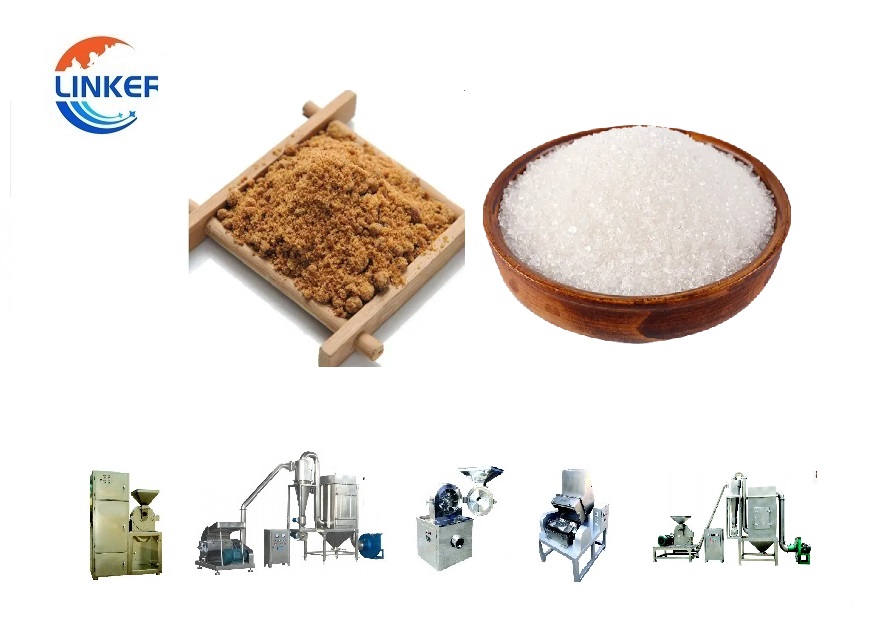
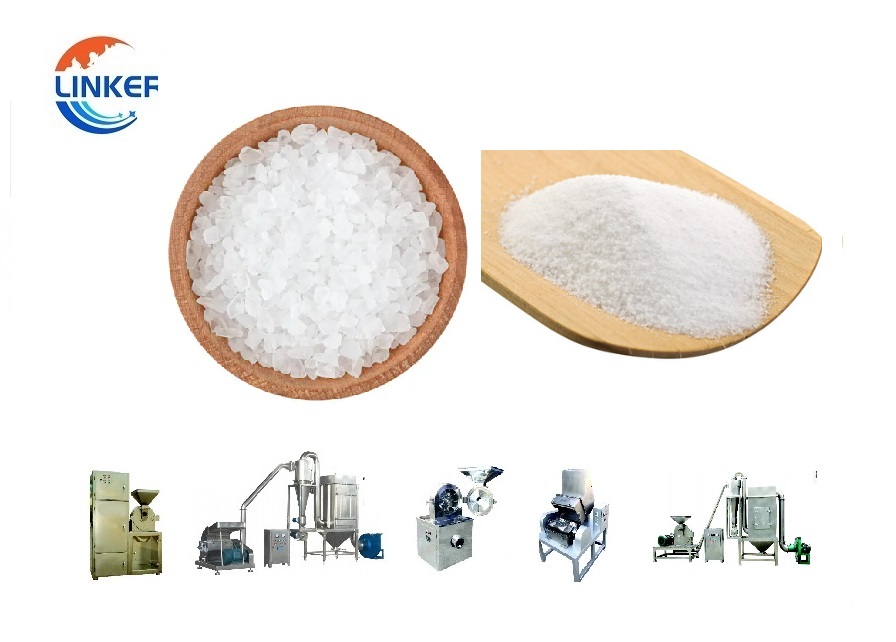
What high-precision processing characteristics do pin disc mills have for food-grade 100-mesh powder? Pin disc mills rely on two groups of reverse rotating grinding discs to generate high-speed impact and shear force to crush materials, adopting a non-screen grinding structure. The equipment adjusts the internal airflow and grinding fineness accurately through a frequency converter, which can stably lock the finished product at 100 mesh without screen blockage and material leakage. It is specially developed for food-grade crystalline materials such as edible salt, white granulated sugar and spices, with extremely high processing sanitation standards.
The pin disc mill operates with low noise and low power consumption, and the internal grinding cavity has no sanitary dead corners, which is convenient for rapid disassembly, cleaning and maintenance. It can ensure no impurity pollution and no cross-contamination during food material processing, fully meeting food production safety specifications. The hourly production capacity of the equipment ranges from 20kg to 500kg, which is suitable for medium and small-batch standardized processing of food raw materials, and is a special high-precision grinding model for food-grade 100-mesh powder.
What Core Performance Advantages Do 100 Mesh Powder Grinding Mills Possess in Industrial Production?
How do 100 mesh powder grinding mills achieve ultra-precise and consistent particle size control? Professional 100-mesh special grinding mills adopt dual guarantee mechanisms of screen interception and dynamic air classification to realize precise control of finished particle size. In the whole grinding process, unqualified coarse particles are completely intercepted and re-ground, ensuring no large particle residue in the final powder products. Compared with ordinary grinding equipment with unstable fineness, this targeted grinding equipment has extremely high batch consistency. Whether it is continuous industrial production or intermittent small-batch processing, the particle size and fineness of each batch of 100-mesh powder can remain highly unified, providing stable raw material support for downstream industrial production.
Why can 100 mesh powder grinding mills meet the full-range capacity requirements of industrial production? The product matrix of 100-mesh grinding equipment covers the whole production range from laboratory small-batch trial production to industrial large-scale mass production. Small pin disc mills and hammer mills are suitable for small-scale processing of several kilograms to hundreds of kilograms per hour, meeting the needs of formula verification and small-batch customized production. Medium and large pendulum mills, ball mills and vertical roller mills can achieve hourly output of tens of tons, fully adapting to the high-volume production needs of large building materials and mineral processing enterprises. The complete capacity gradient enables the equipment to perfectly match the production scale of different enterprises.
What material adaptability advantages make 100 mesh grinding mills widely applicable in multiple industries? This series of grinding equipment can adapt to almost all conventional industrial materials, including brittle low-hardness materials, medium-hard mineral raw materials and heat-sensitive organic materials. For high-moisture and high-fiber materials that are difficult to process with ordinary equipment, the grinding cavity structure and air circulation system can be optimized to avoid material adhesion and blockage, realizing stable grinding production. The extremely wide material compatibility enables the equipment to cover multiple industrial fields such as food, medicine, chemical industry, building materials and mineral processing, with extremely high industrial practical value.
How do 100 mesh powder grinding mills achieve low-cost and low-threshold operation? Different from ultra-fine grinding equipment that requires high-power support and high-precision vulnerable parts, 100-mesh medium-fineness grinding mills adopt mature and optimized structural design, with reasonable power matching and low invalid energy consumption. The equipment has few vulnerable parts, low wear degree and long service life of accessories, which greatly reduces daily maintenance and replacement costs. The operation logic is simple and easy to learn, without complicated parameter debugging and professional operation technology, realizing low-threshold and low-cost stable operation, and bringing higher economic benefits to enterprise production.
What Are the Typical Industrial Application Fields of 100 Mesh Powder Grinding Mills?
In the building materials and environmental protection industry, 100 mesh powder grinding mills are mainly used for the processing of limestone and dolomite powder. The standard 100-mesh mineral powder processed by the equipment has uniform particle size and stable quality, and is the core raw material for industrial flue gas desulfurization and building filler production. The desulfurization powder with standard fineness can fully react with flue gas to improve industrial waste gas treatment efficiency, while building material powder can effectively improve the compactness and structural stability of building products, playing an important role in green environmental protection and building material production.
The mineral processing and metallurgy industry relies on 100-mesh grinding equipment to complete the pre-processing of raw materials such as iron ore, fly ash and slag. Standard 100-mesh granularity is the most suitable particle size for mineral sorting and solid waste resource recovery. After being ground by professional equipment, the raw materials can fully separate effective mineral components and impurities, improving the sorting rate and resource utilization rate. It provides qualified raw material guarantee for subsequent metallurgical processing and industrial solid waste recycling, and promotes the efficient utilization of mineral resources.
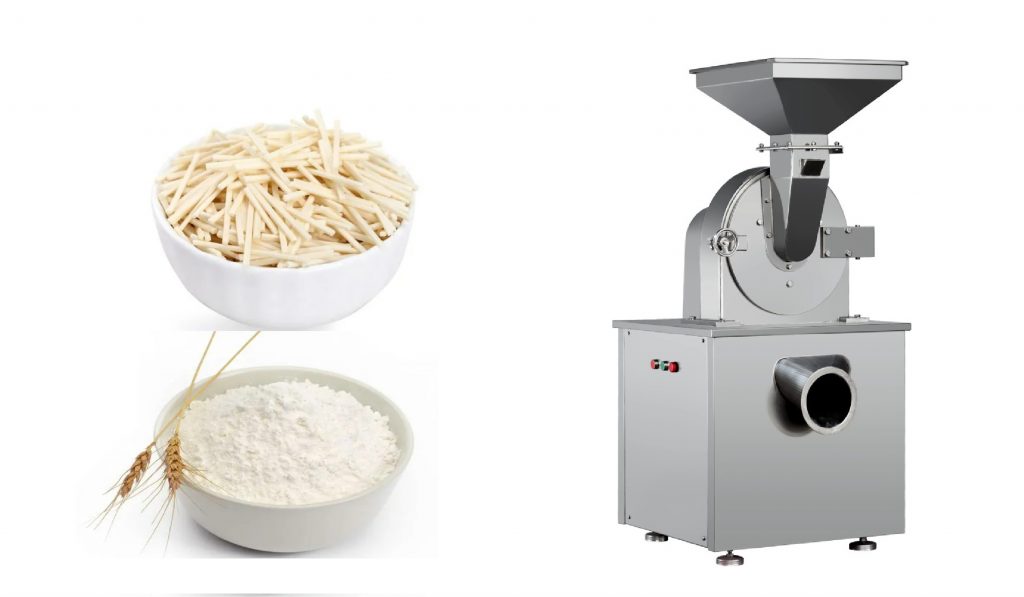
In the food and pharmaceutical industry, 100 mesh grinding mills complete the fine processing of Chinese medicinal materials, spices and grain powder. The 100-mesh fineness fully meets the pulverization standards of pharmaceutical pharmacopoeia and food processing specifications, which can fully release the effective components of medicinal materials and spices while ensuring no deterioration of raw materials. The processed food and medicinal powder has uniform texture, stable efficacy and no impurity pollution, which is widely used in the production of health products, seasonings and traditional Chinese medicine preparations.
The fine chemical industry takes 100-mesh powder processed by special grinding mills as the basic raw material for production. Chemical raw materials such as chemical fertilizers and inorganic salts need to be processed into standard 100-mesh powder to ensure uniform mixing and full chemical reaction in subsequent production links. The stable particle size effectively avoids insufficient reaction and uneven product quality caused by inconsistent raw material fineness, and provides reliable process guarantee for the standardized production of fine chemical products.
Summary
In conclusion, a grinding mill for 100 mesh powder is a professional fixed-fineness pulverization equipment optimized for medium 100-mesh industrial powder processing. It adopts targeted cavity structure and power matching design to avoid over-grinding and energy waste, and relies on high-precision screening and grading systems to ensure a powder pass rate of over 95%. With diversified models including hammer mills, pendulum mills, ball mills, vertical roller mills and pin disc mills, it covers full-capacity production scenarios from small-batch laboratory processing to large-scale industrial mass production. It possesses prominent advantages of precise particle size control, wide material adaptability, full-range capacity coverage and low operation cost. Widely applied in building materials environmental protection, mineral metallurgy, food medicine and fine chemical industries, the 100 mesh powder grinding mill is the most versatile and cost-effective standard powder processing equipment in modern industrial production, providing stable and reliable medium-fineness powder raw materials for various industrial fields.
Parameters of Low Noise Grinding Mill :
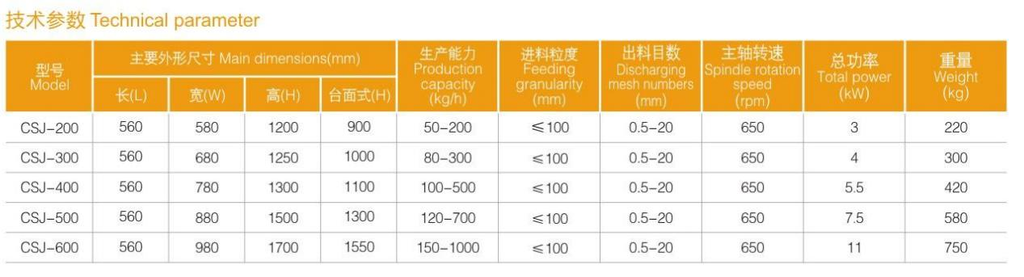
Low Noise Grinding Mill price:
The price of low noise grinding mill is based on different model, from $4280 to $13500. Please inquire our sales with more detail information.
Low Noise Grinding Mill capacity:
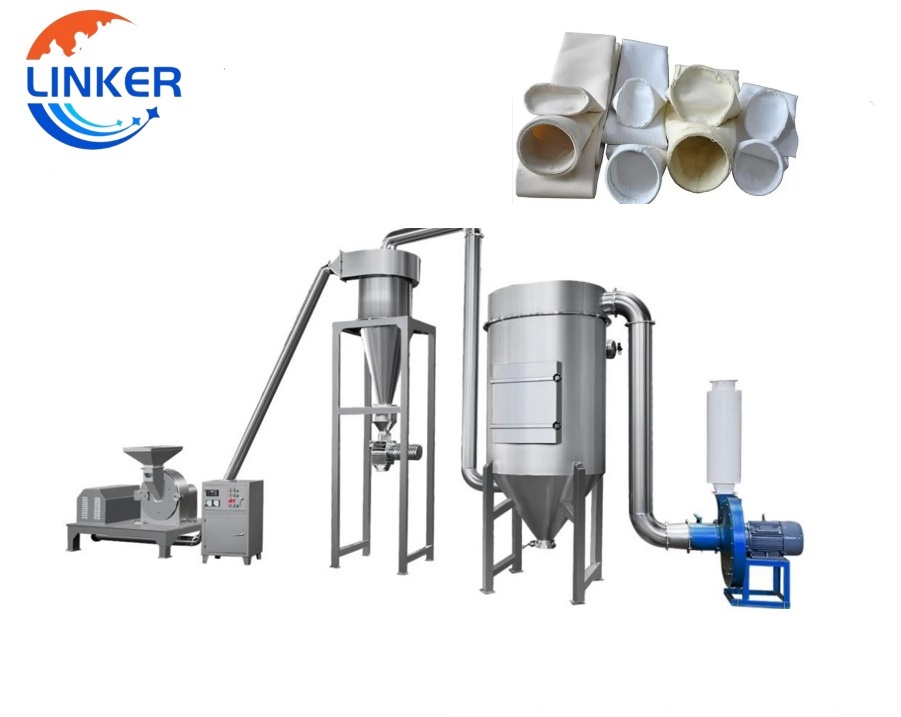
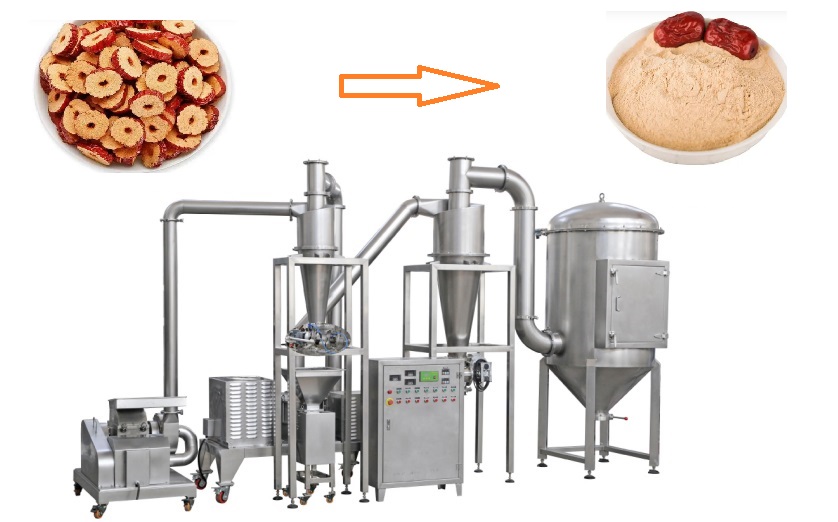
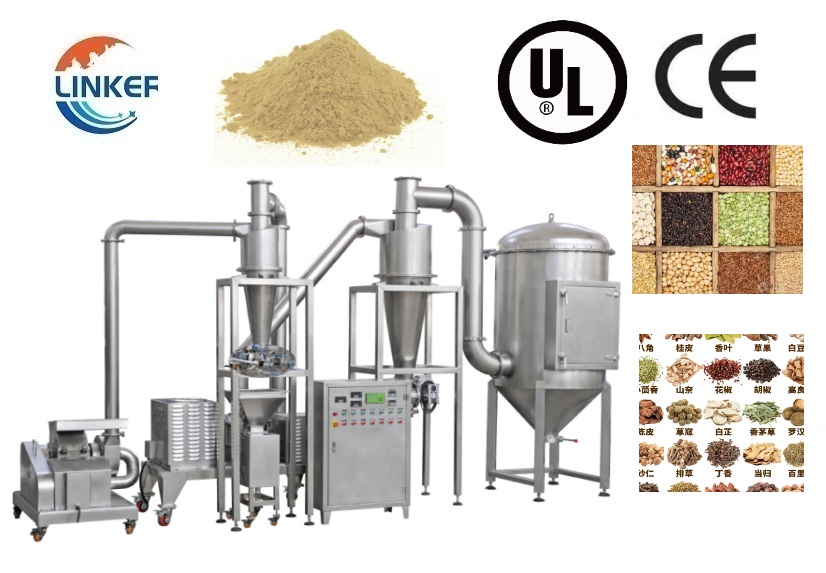
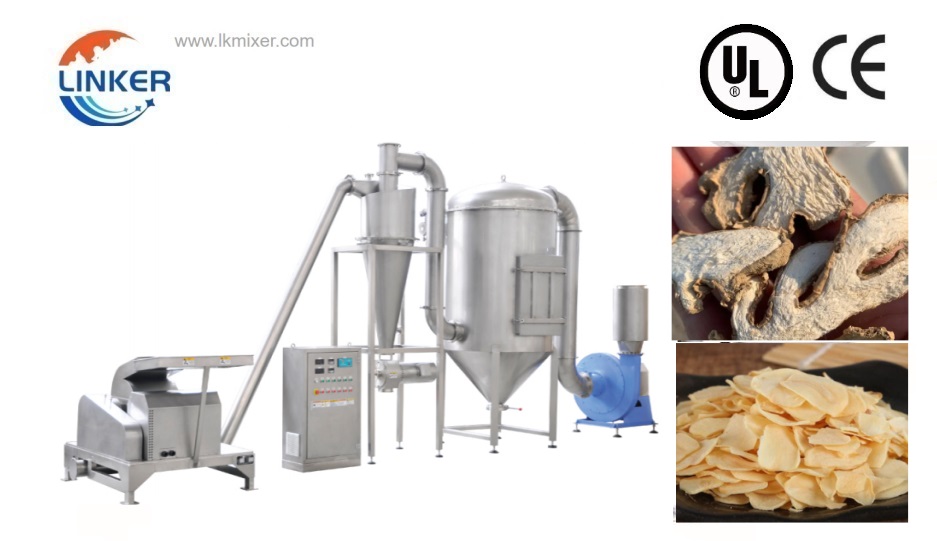
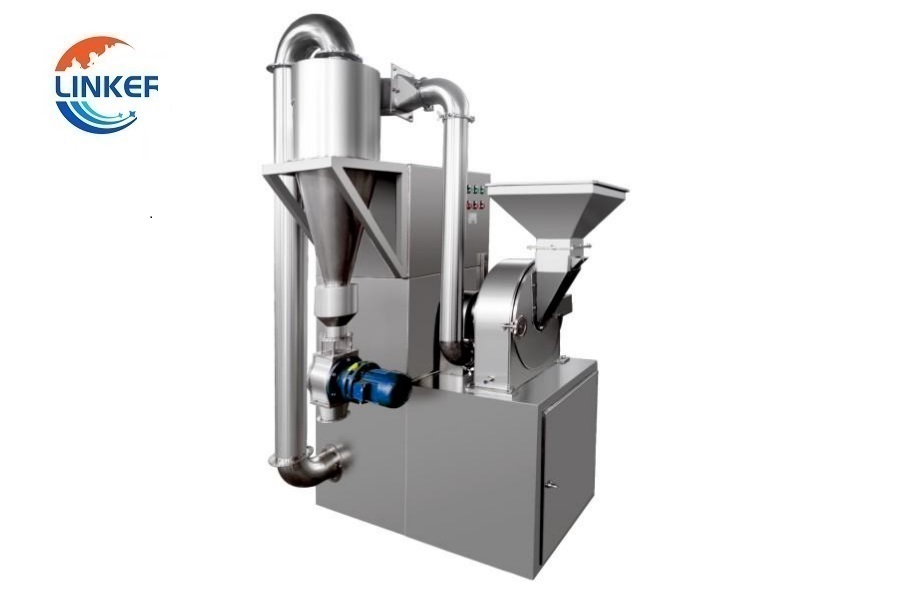
Capacity is around 30‑1100kg/h with this LNG Model, but we also have other models also suitable to grind herbal, spice and dry raw material, it depends on how many input particle size and how many output granule size that you want. That is to say different customer request we will recommend different model to use. such as if you want finer 140‑200 mesh, we will recommend you to use the ultra fine grinding machine. If customer have no space limitation and wish to have better workshop environment, we will recommend the whole dust free group. If customer only small space and need to have small machine, we will recommend you to use the one‑piece integrated small machine to save space occupation of your factory. Please Contact Us for more detail information if you are interest.
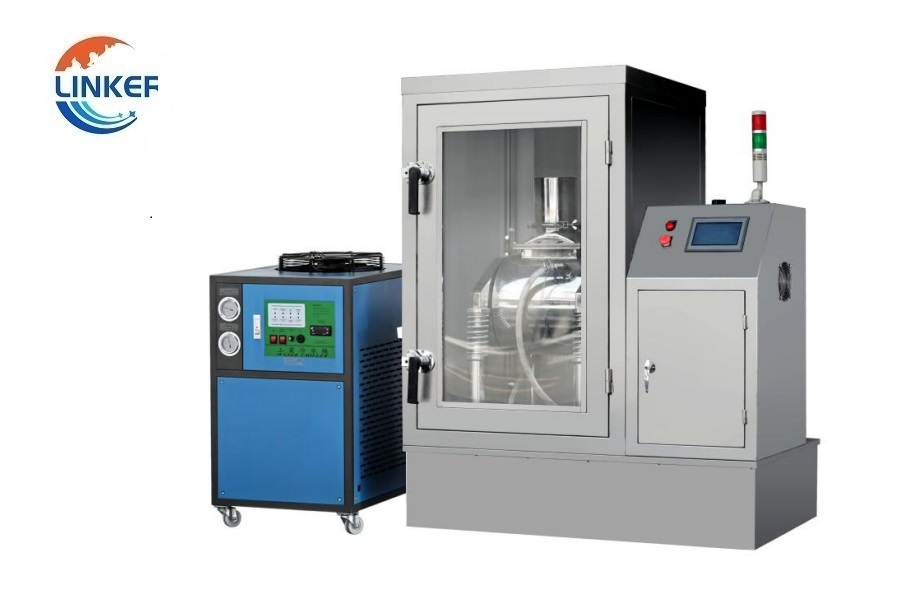
There are 2 ways of cooling down the grinding mill: water cooling system; air cooling system. You can choose the right one if the mill gets too hot. When machines goes too hot, the metal can expand, causing the grinding tooth to get stuck.
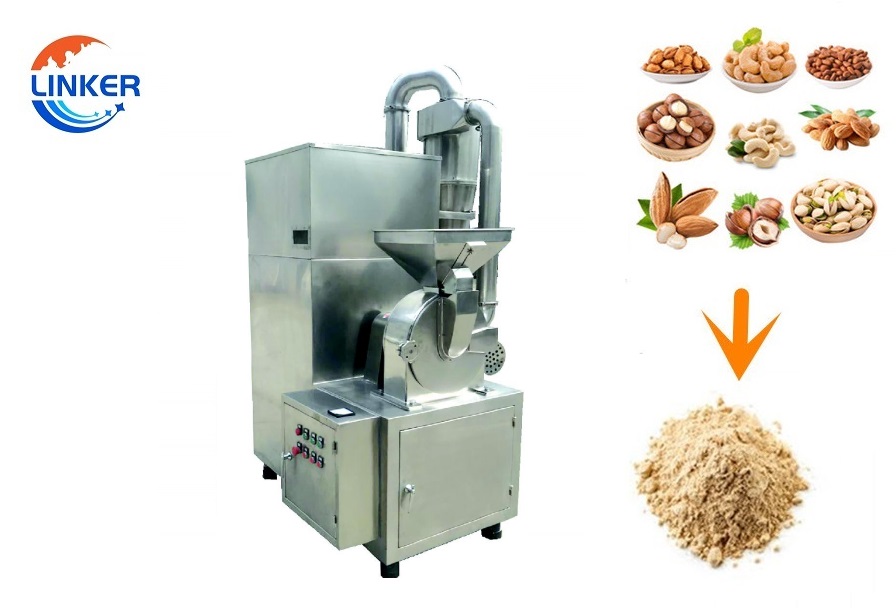
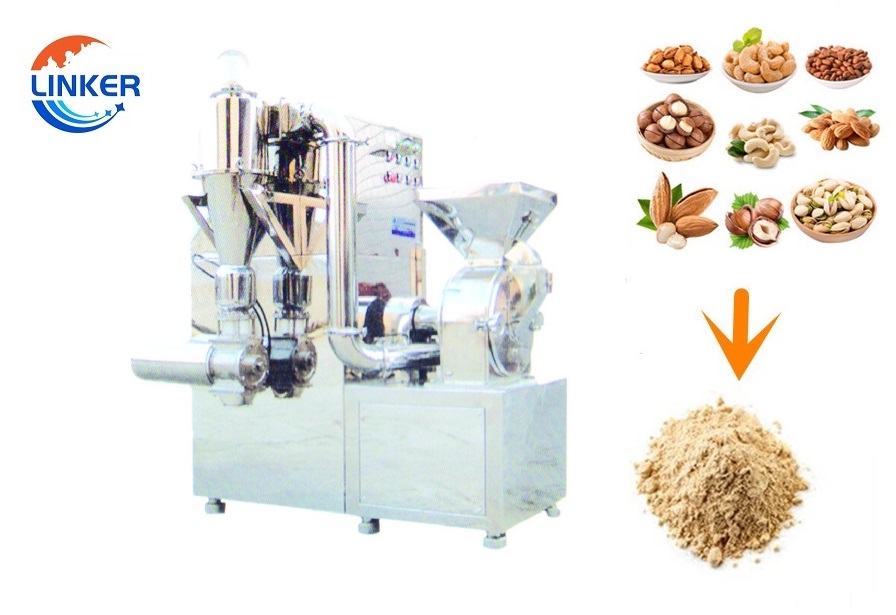
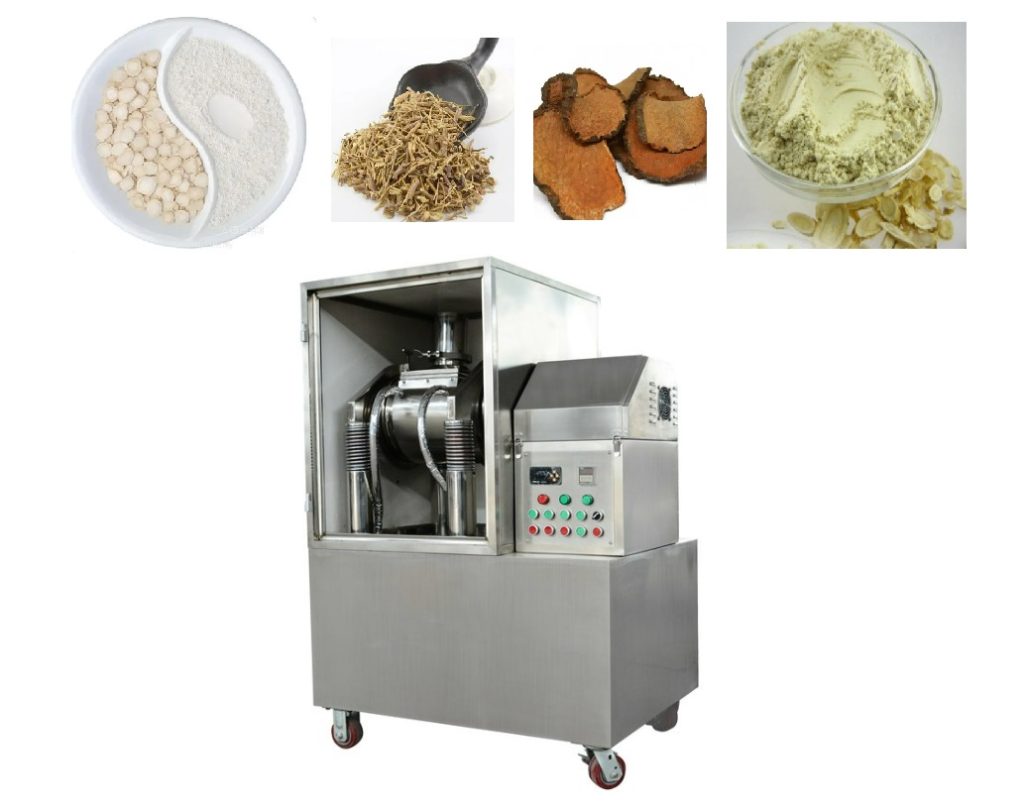
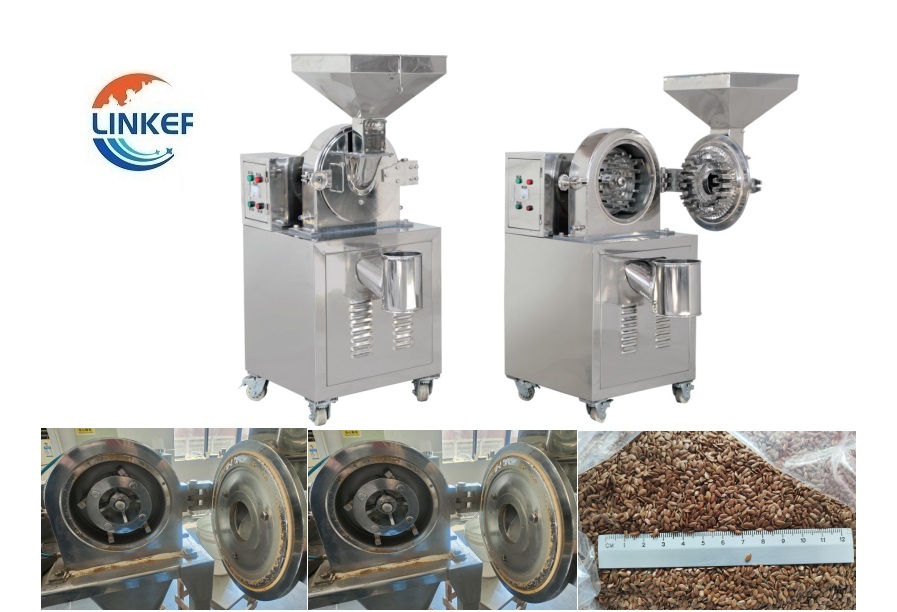
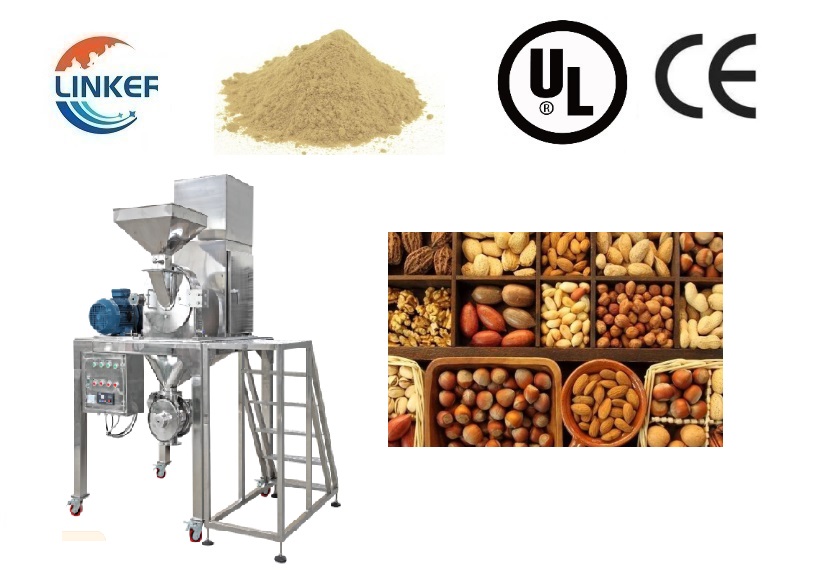
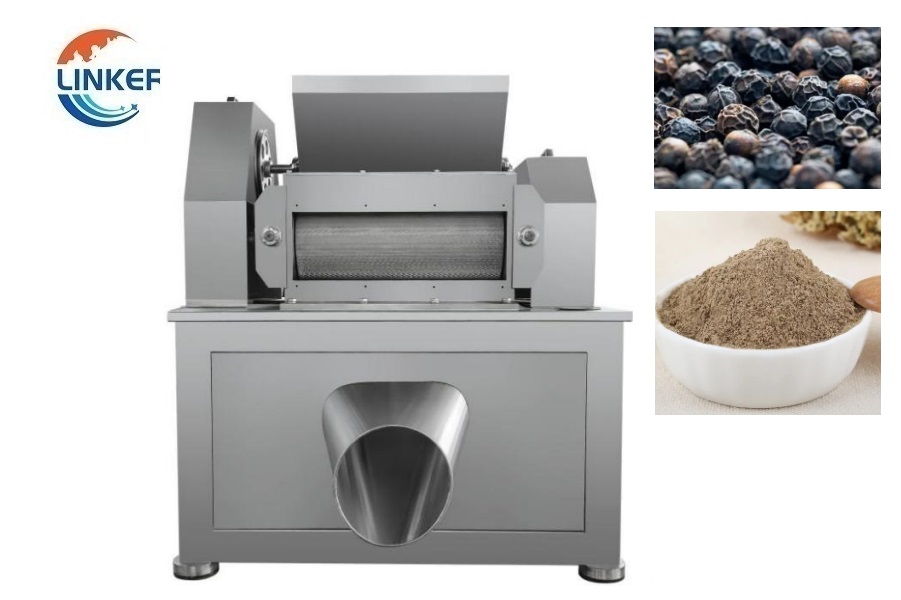
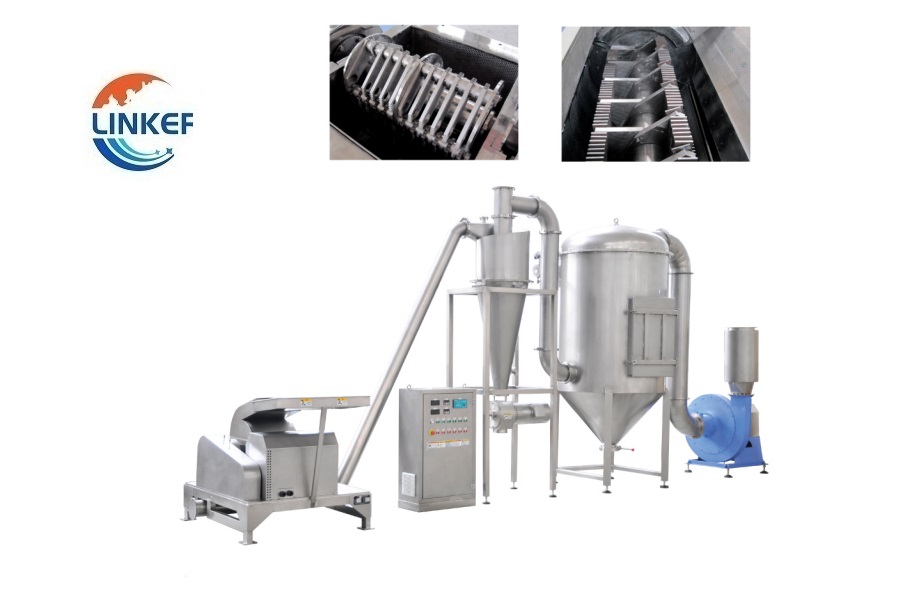
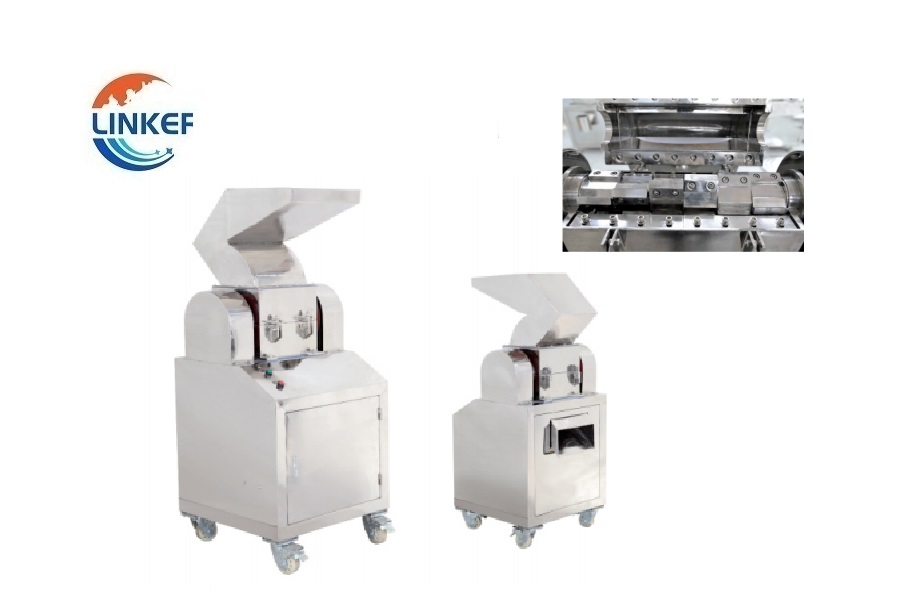
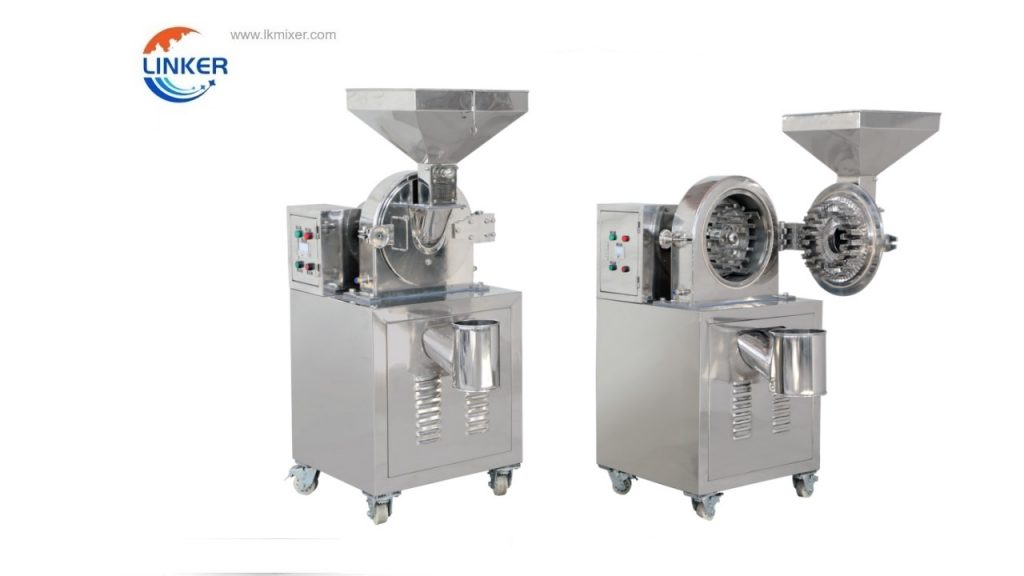
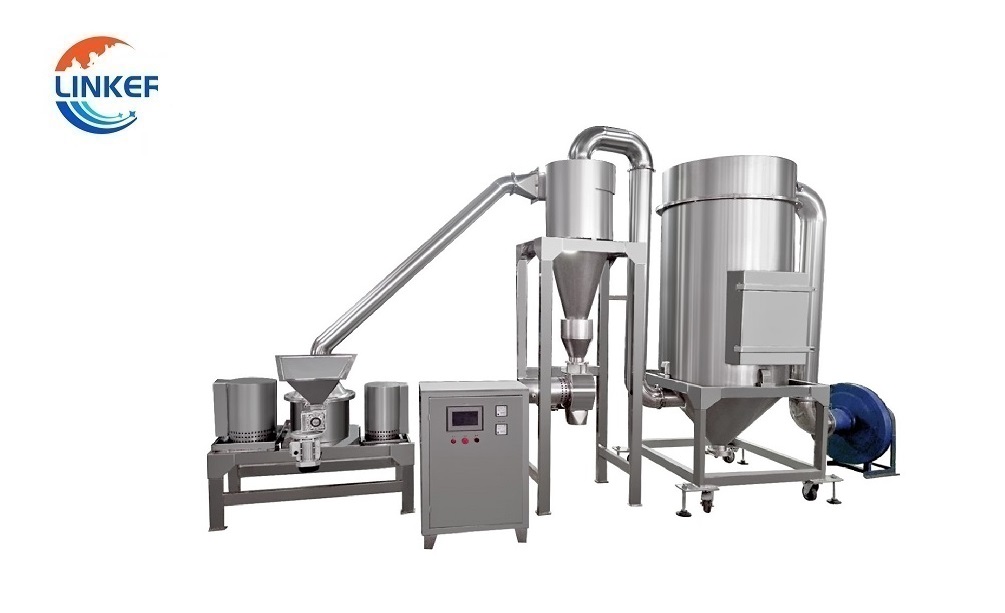
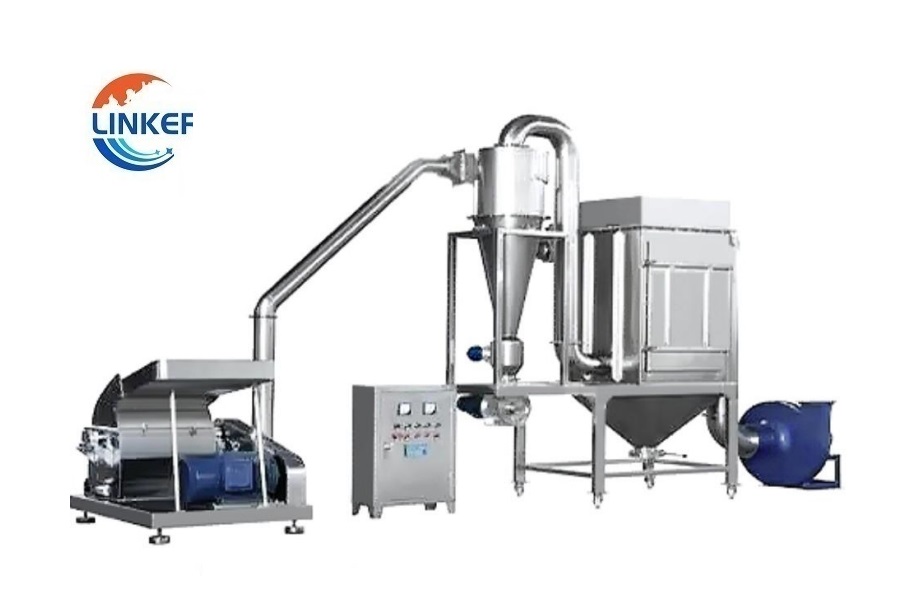
Picture of low noise grinding mill:
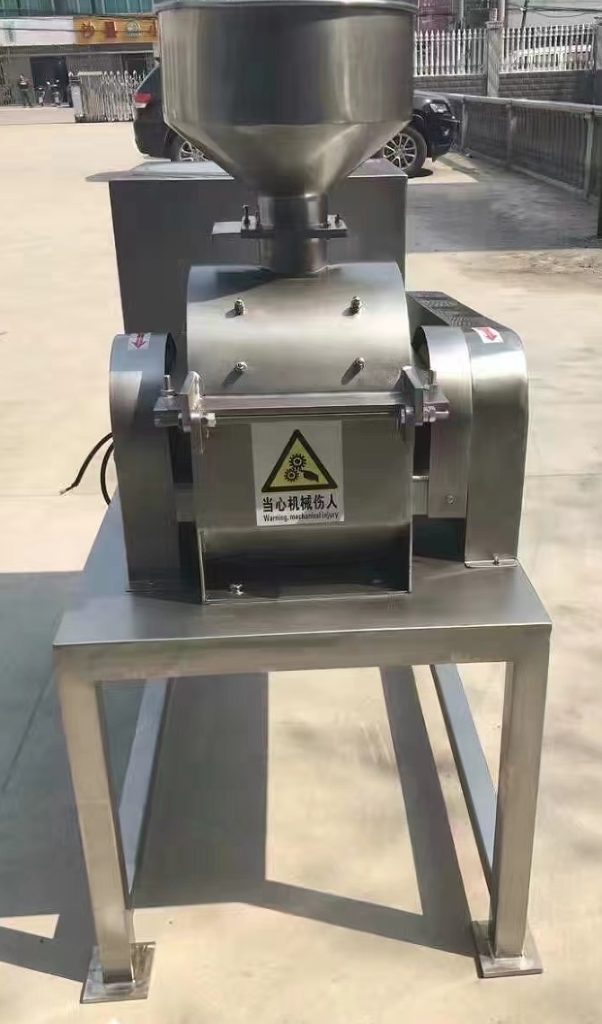
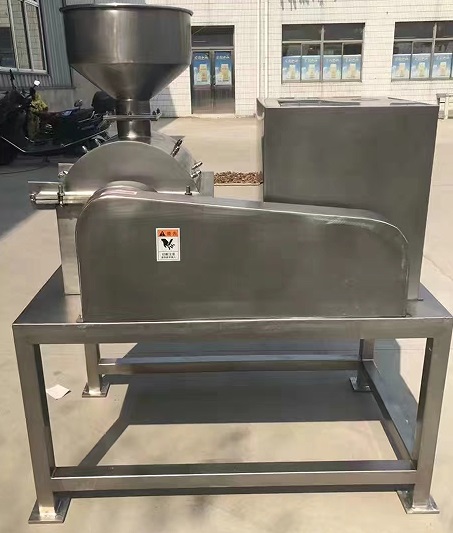
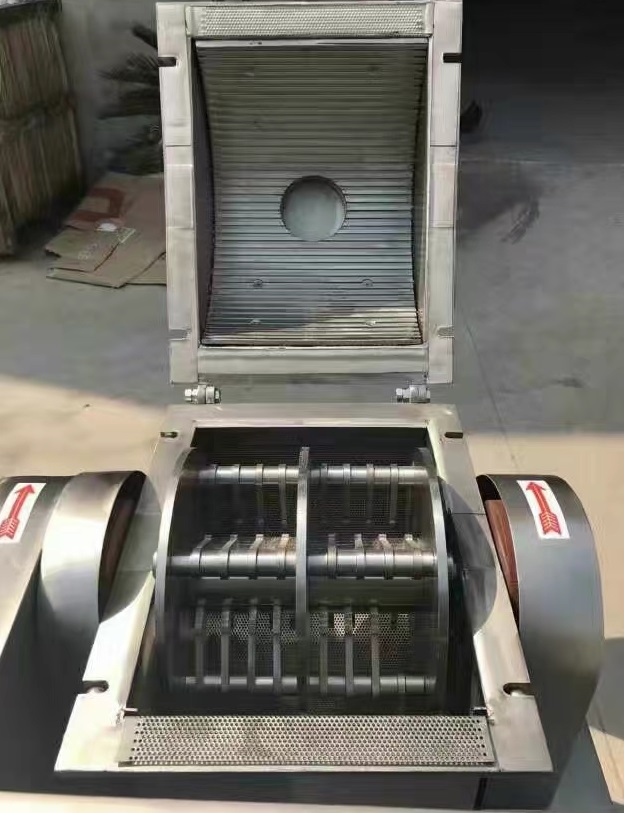
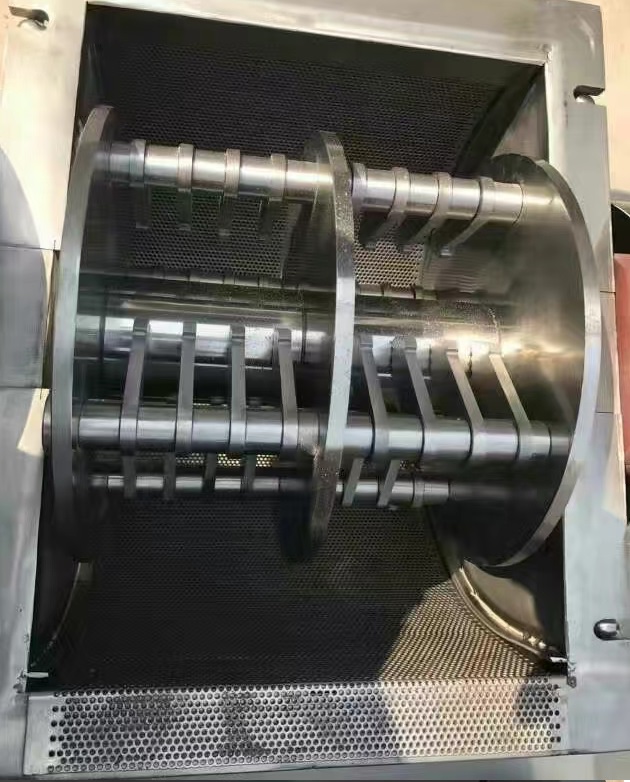
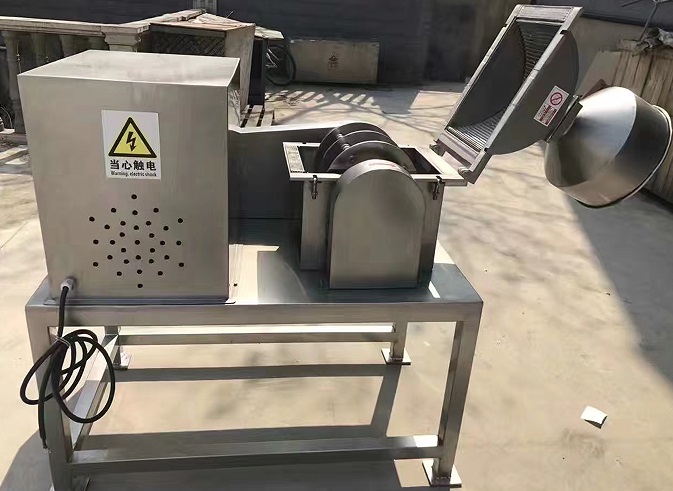
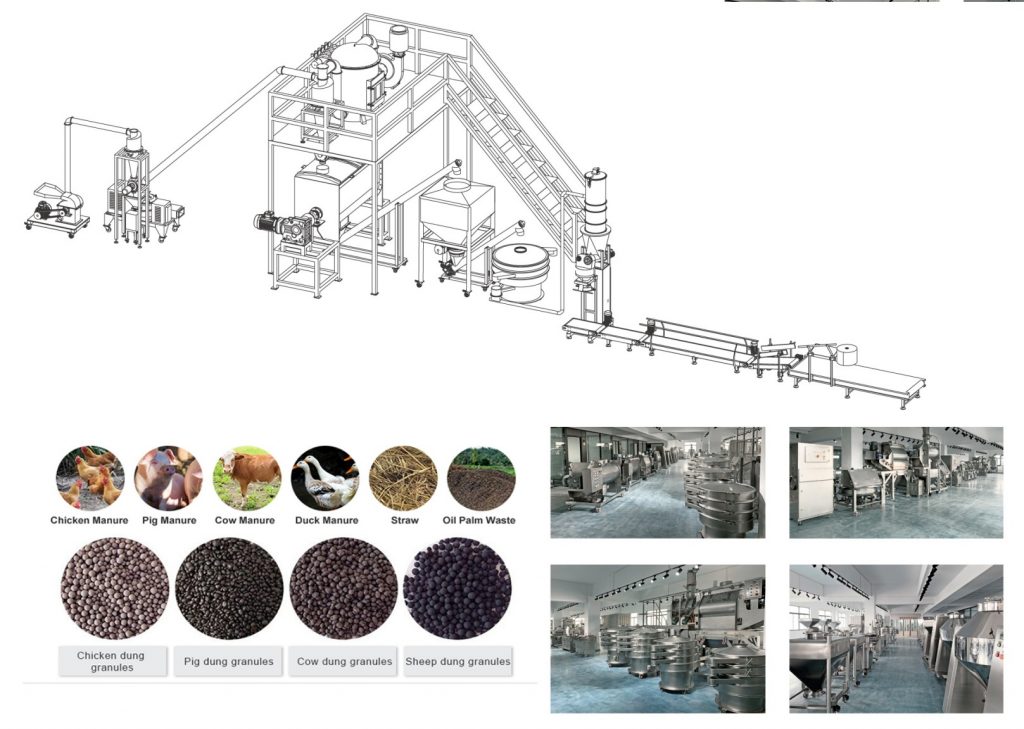
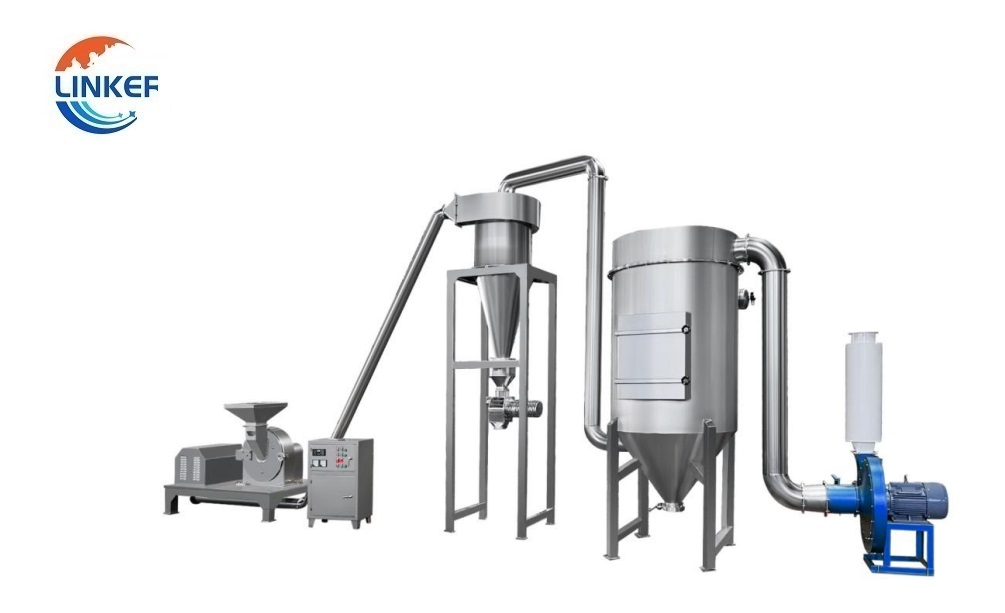
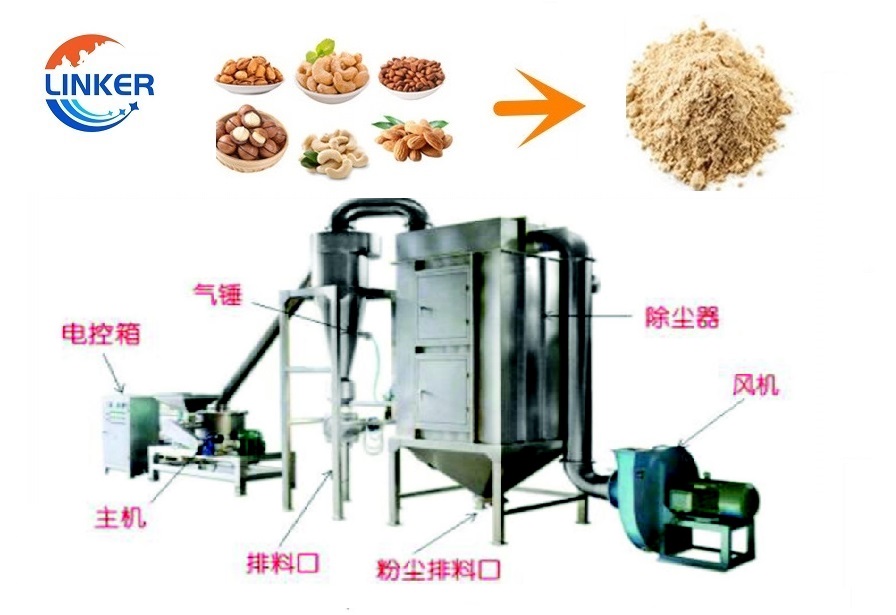
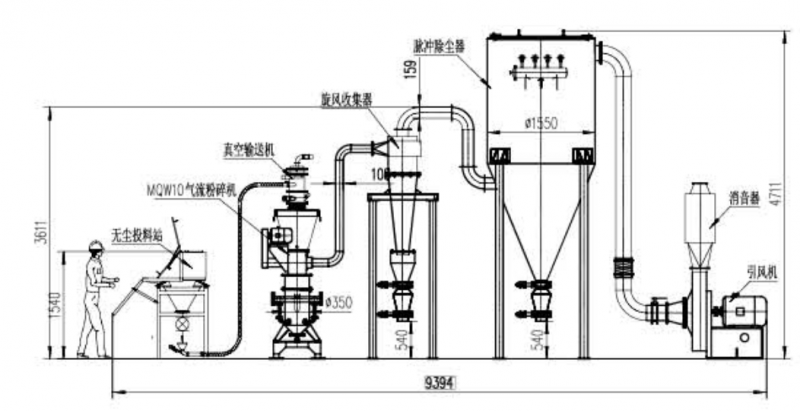
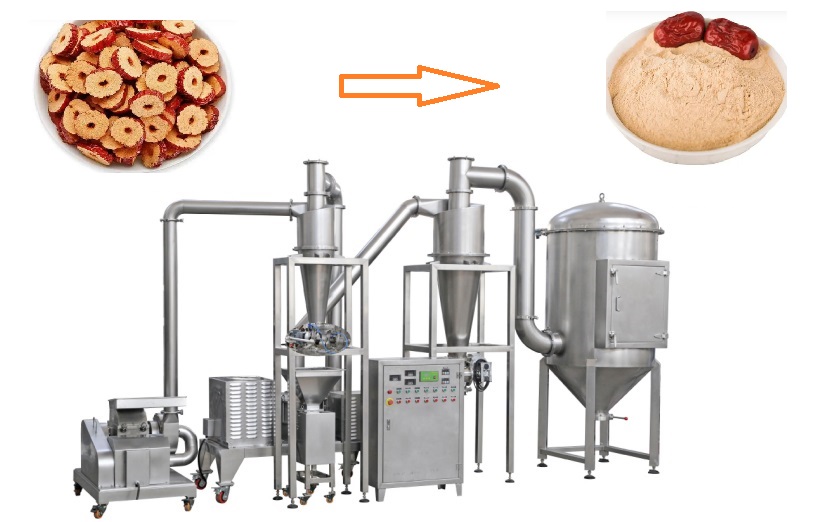
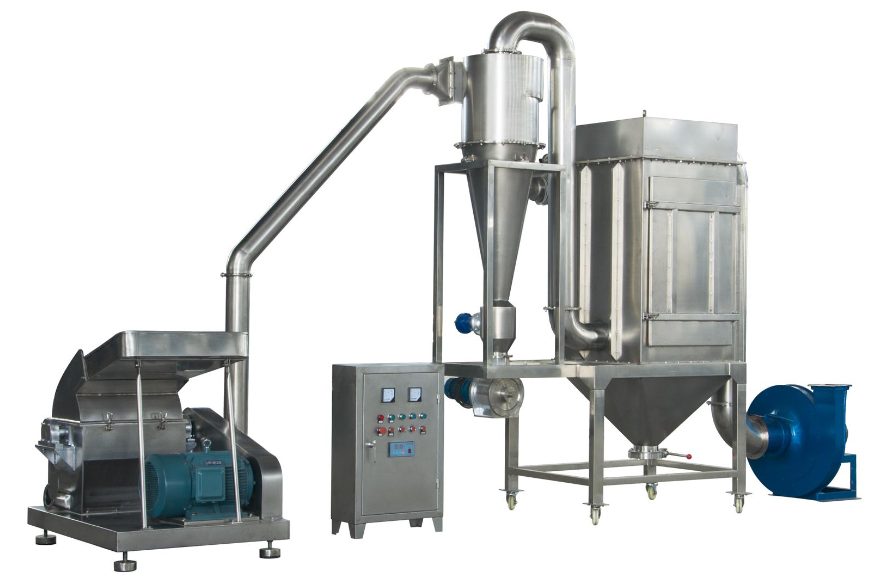
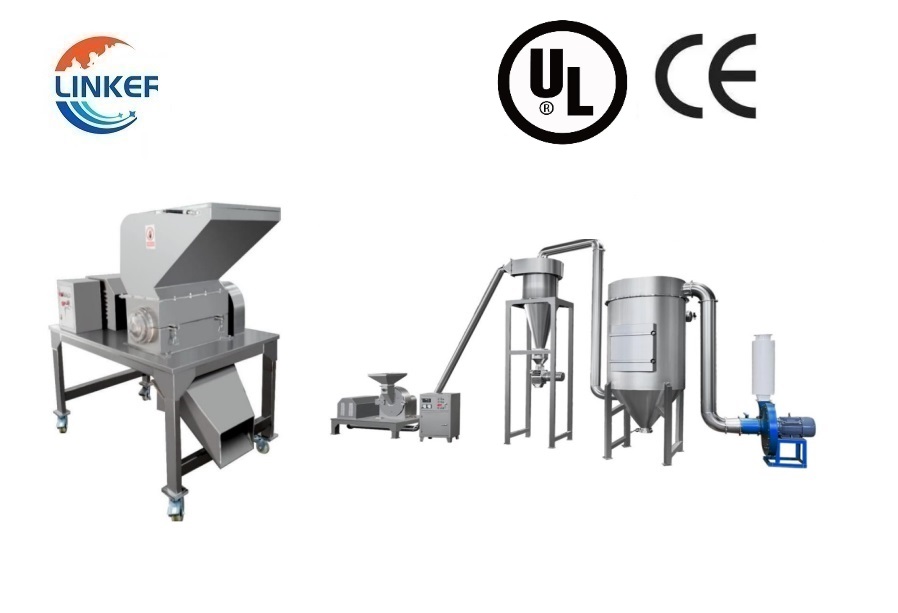
Diagram of low noise grinding mill
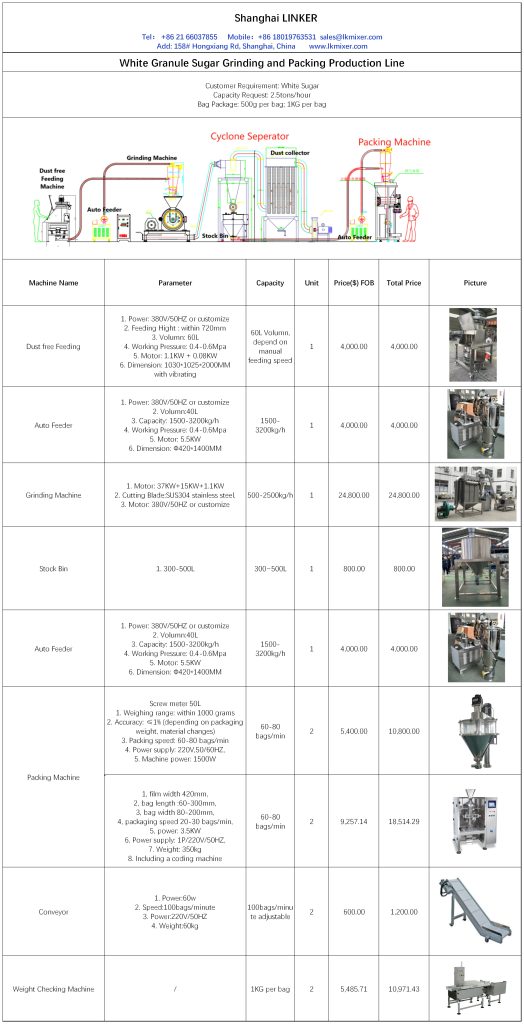
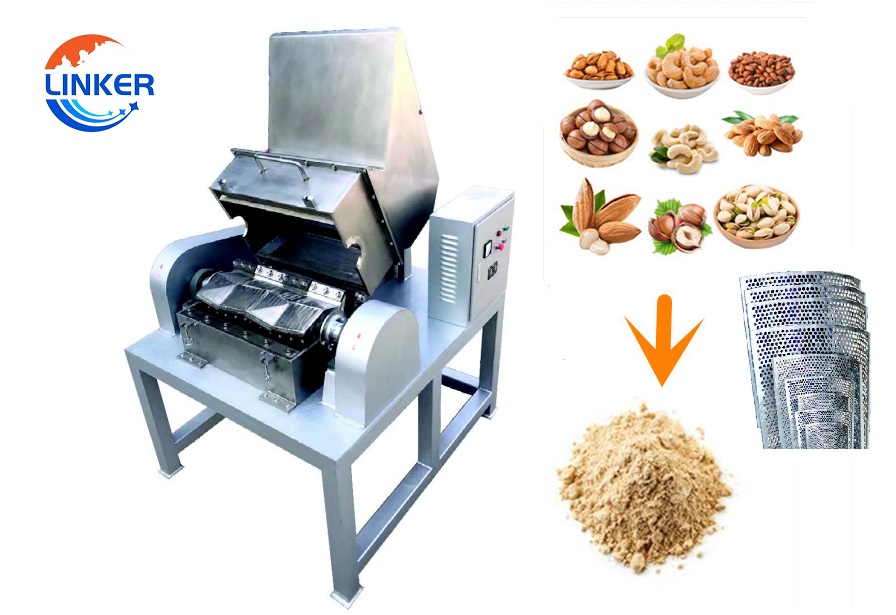
We can Customize the diagram according to customer special requirement, how many size of output granule you want, do you need coarse crusher to do the pre‑treatment before grinding? Do you also need screen to filter the finished products? Or maybe you want packing machine after grinding the whole production line. We can also design for your according to your factory blue foot print.
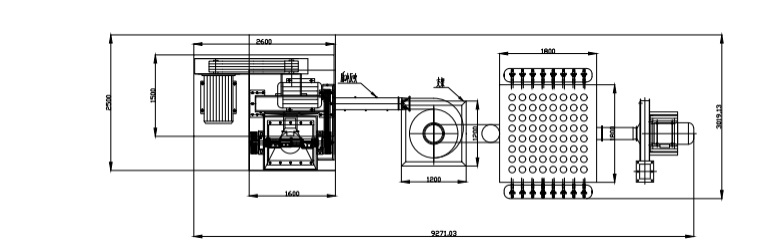
Types of low noise grinding mill:
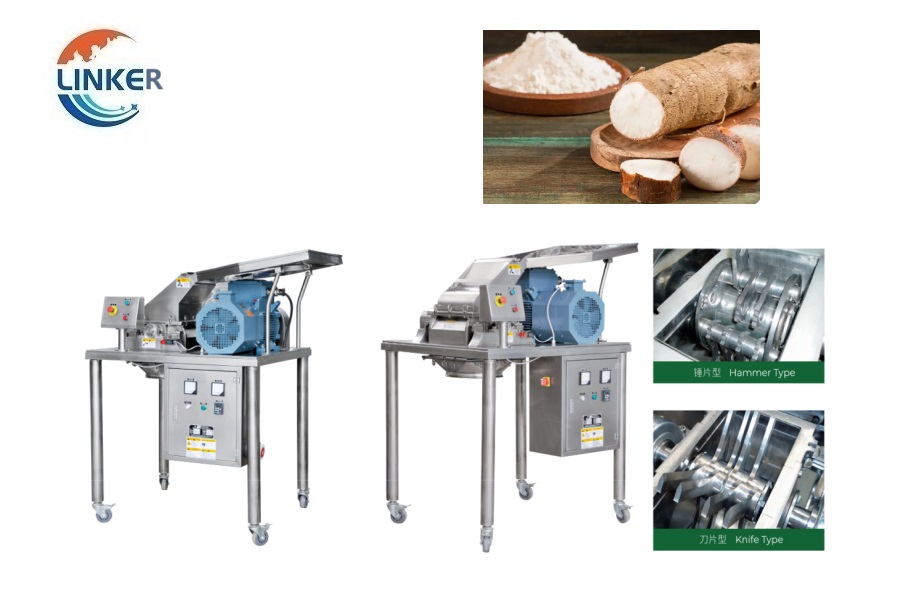
The low noise grinding mill can be classified according to the grinding tooth type, impact type, turbo type, ultra fine type; according to the size of machine, there are large low noise grinding mill and small low noise grinding mill.cassava grinding machine.
| Business Type: | Manufacturer/Factory | Main Products: | Mill, grinder, granulator, mixer, Crushing Equipment |
| Number of Employees: | 100 | Year of Establishment: | 2014.05 |
| Production Capacity | 5000Set/Year | After-sales Service: | Technical Support; on-line teach lessons |
| R&D Capacity: | ODM, OEM | Annual Output Value: | US$5 Million – US$10 Million |
| No. of R&D Staff: | 5 | No. of Production Lines: | 6 |
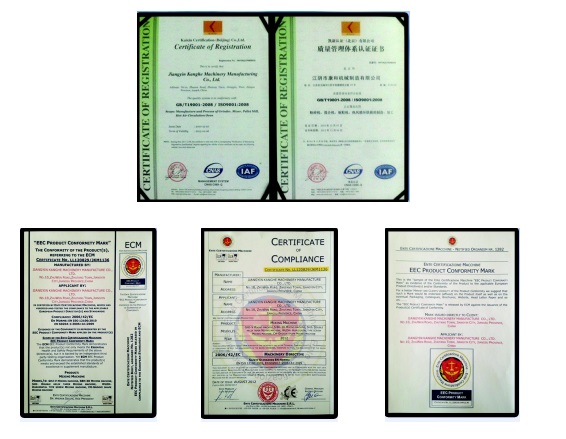
LK Mixer is a professional manufacturer for grinder, mixer and pulverizer. These machines are widely used in pharmaceutical, cosmetic, health care products and chemical industries. Our main product including granulating machine, grinder, mixer, dryer, etc. All mechanical products in accordance with the China GMP design requirements. And also we have other certifications such as CE, UL for motors.
Business Philosophy
“Quality is the main policy of sales” and “integrity is the principle of success” are the business philosophy of our people. We carry out one-year warranty, lifelong maintenance service, with technical consultation, with material test machine and other services, and long-term supply of equipment. Welcome new and old customers to negotiate cooperation!
Certifications:
Feature:
Grinding mills are specialized industrial‑grade processing machines engineered to crush, grind and refine various bulk solid raw materials into fine powder or granular products. Below are core features commonly equipped on modern industrial grinding mill equipment:
- High production throughput: Industrial grinding mills are optimized for continuous large‑volume material processing. These machines can handle substantial feeding quantities per hour, perfectly fitting mass‑production workshops where stable high output is a core requirement. Different model sizes deliver matching processing capacity for mining, building‑material or powder‑making production lines, avoiding frequent material loading interruptions and supporting long‑run non‑stop manufacturing tasks.
- Adjustable variable‑speed operation: Most modern grinding mills are fitted with variable‑speed control systems for grinding rollers, rotors and classifier assemblies. Operators can flexibly modify rotating speed according to raw‑material hardness, feed particle size and target finished fineness. Tunable speed helps users acquire uniform powder granularity, and makes one single grinding mill compatible with dozens of different kinds of raw materials without replacing major machine components.
- Interchangeable customizable grinding components: Grinding mills are designed with replaceable grinding rollers, liners, grinding discs and classifier blades. Operators can swap out these wear‑resistant spare parts to adapt to diverse material characteristics. By changing component configurations, users are capable of producing finished goods ranging from coarse granular output to ultra‑fine micron‑level powder, meeting varied product‑granularity demands for downstream industries.
- Convenient disassembly and easy‑to‑maintain structure: Industrial grinding mills adopt human‑oriented structural layout for routine inspection and cleaning. Key wearing parts, feeding hopper, discharging outlet and inner‑cavity access covers can be quickly opened and detached. Residual material inside the grinding chamber can be fully cleaned to prevent cross‑contamination between different batches of materials. Quick‑access design also greatly shortens downtime for part inspection and component replacement during daily equipment servicing.
- Heavy‑duty robust mechanical construction: Grinding mill main frames and core working assemblies are manufactured with high‑strength steel plates and wear‑proof alloy materials. Critical stress‑bearing positions are reinforced with stiffener ribs. Such heavy‑duty construction enables the whole unit to endure persistent heavy‑load impact, friction and vibration when processing hard ores, rock, mineral blocks and other tough feedstock. Excellent structural durability extends equipment service life and lowers long‑term failure risks under round‑the‑clock industrial working conditions.
- Wide material‑processing versatility: Beyond mineral ores and building‑material raw stones, well‑rounded grinding mills can also process grains, medicinal herbs, chemical raw materials, carbon materials and multiple brittle solid substances. By adjusting operating parameters and internal accessories, the same grinding mill unit can complete coarse crushing, medium grinding and ultra‑fine powder‑making procedures, serving mining, metallurgy, construction, chemical, food‑pharmaceutical and new‑material manufacturing sectors.
- Integrated noise‑reduction and dust‑proof design: Advanced grinding mill versions are built with multi‑layer sound‑absorbing and vibration‑dampening structures to suppress mechanical vibration and running noise. Equipped with sealed grinding cavity and supporting dust‑collection system, these machines effectively contain flying powder dust during grinding operations. This feature improves on‑site working conditions, cuts noise pollution and meets industrial environmental‑protection regulatory standards for production workshops.
- Reliable automatic monitoring capability: Premium grinding mill models come with built‑in sensor modules to track real‑time working status including main‑motor load, internal‑chamber temperature, vibration amplitude and finished‑product fineness. Operators can observe running data from the control cabinet. When abnormal working parameters occur, the system will trigger early‑warning alerts, helping prevent equipment damage caused by overload or improper feeding, and enhancing overall operational safety.
Overall, the comprehensive features of industrial grinding mills are oriented toward stable high‑yield production, adjustable finished‑product quality and convenient daily maintenance. They realize efficient, consistent and safe fine‑processing of diverse solid raw materials for modern industrial production scenarios.
Small Machine Packing:
Small Machine Packing: Small‑size Low Noise Grinding Mill packed with export fumigation‑free wooden cases, goes with bulk shipment or in container.
When packing small‑size grinding mill for sea shipment, it is important to take measures to ensure that the machines are protected from damage during transit. Here are some general steps that a manufacturer may follow when packing small grinding mill for sea shipment:
- Clean and dry the machine: Before packing, the machine should be thoroughly cleaned and dried to prevent any moisture or powder residues from causing damage during transit.
- Disassemble the machine: If possible, the machine should be disassembled into its component parts to reduce its overall size and make it easier to pack.
- Wrap the machine in protective material: The machine should be wrapped in a layer of protective material, such as bubble wrap or foam, to protect it from scratches and impact during transit.
- Place the machine in a sturdy box: The wrapped machine should then be placed in a sturdy box that is appropriate for the size and weight of the machine. The box should be made of durable material, such as corrugated cardboard or plywood, and should be able to withstand the rigors of sea transit.
- Add packing material: The box should be filled with packing material, such as packing peanuts or air pillows, to provide cushioning and prevent the machine from shifting during transit.
- Seal the box: The box should be securely sealed with high‑quality packing tape to prevent it from opening during transit.
- Label the box: The box should be clearly labeled with the machine’s name, weight, and any other relevant information, as well as the destination address and contact information.
Overall, the goal is to pack the small‑size grinding mill in a way that will protect it from damage during transit and ensure that it arrives at its destination in good condition. It is important to follow proper packing procedures and use high‑quality packing materials to minimize the risk of damage during sea shipment.procedures and use high-quality packing materials to minimize the risk of damage during sea shipment.
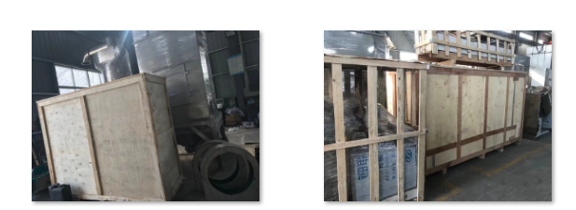
Large Machine Packing:
Large Machine Packing:
Packing a large Low Noise Grinding Mill for sea shipment can be a complex and challenging task. However, with careful planning and attention to detail, it is possible to pack a large grinding mill for sea shipment in a way that will ensure that it arrives at its destination in good condition. Here are some general steps that a manufacturer may follow when packing up a large machine for sea shipment:
- Clean and prepare the machine: Before packing, the machine should be thoroughly cleaned and prepared. All residual powder inside the grinding chamber should be cleared, and any loose or detachable parts should be removed.
- Disassemble the machine: If possible, the machine should be disassembled into its component parts to reduce its overall size and make it easier to pack. Each part should be carefully labeled and numbered to ensure that it can be easily reassembled at the destination.
- Protect delicate parts: Delicate or fragile parts such as screen mesh, sealing gaskets should be wrapped in protective material, such as bubble wrap or foam, to protect them from damage during transit.
- Build a custom crate: A custom crate should be built around the machine to provide a secure and sturdy enclosure. The crate should be made of durable material, such as plywood, and should be designed to fit the machine snugly. The crate should also include braces or supports to prevent the machine from shifting during transit.
- Add cushioning material: The crate should be filled with cushioning material, such as packing peanuts or air pillows, to provide extra protection and prevent the machine from moving or shifting during transit.
- Securely fasten the machine: The machine should be securely fastened to the crate to prevent it from moving or shifting during transit. This may involve using straps, bolts, or other fasteners to hold the machine in place.
- Seal and label the crate: The crate should be securely sealed with high‑quality packing tape, and should be clearly labeled with the machine’s name, weight, and any other relevant information. The destination address and contact information should also be clearly marked on the crate.
Overall, packing a large grinding mill for sea shipment requires careful planning and attention to detail. It is important to use high‑quality materials and follow proper packing procedures to ensure that the machine arrives at its destination in good condition. A professional packing and shipping company may be consulted to ensure that the machine is properly packed and prepared for sea shipment.
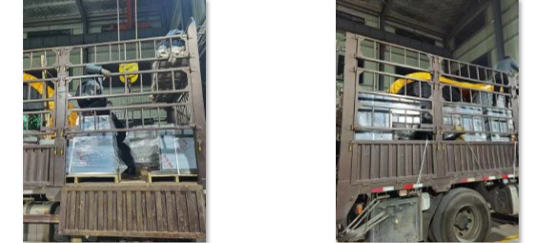
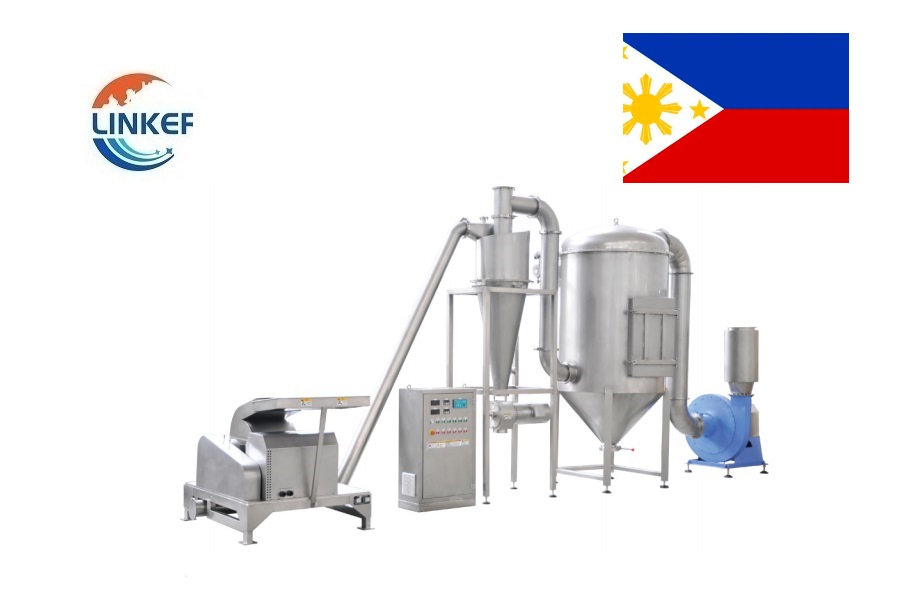
Customer Side Machine Groups Showcase Videos ( Philippines, India, Ibadan, USA and Nigeria):
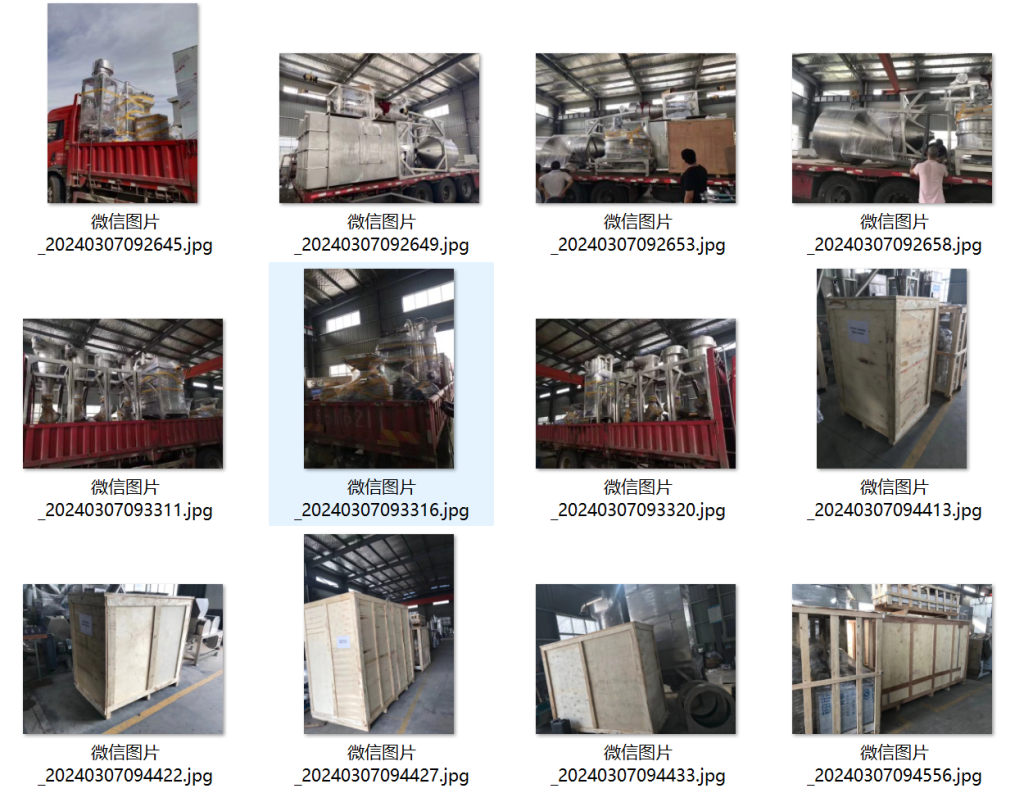
Dust Collector Shipment
Shipment – Packing Method
Two Large Industrial Grinder Ready to Ship
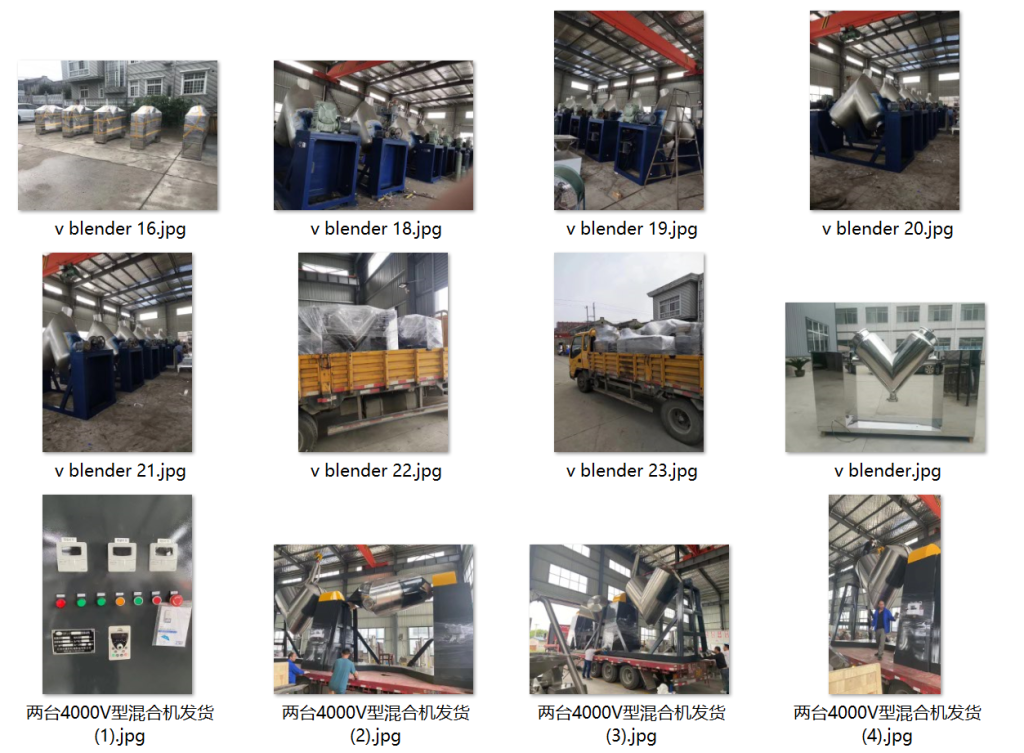
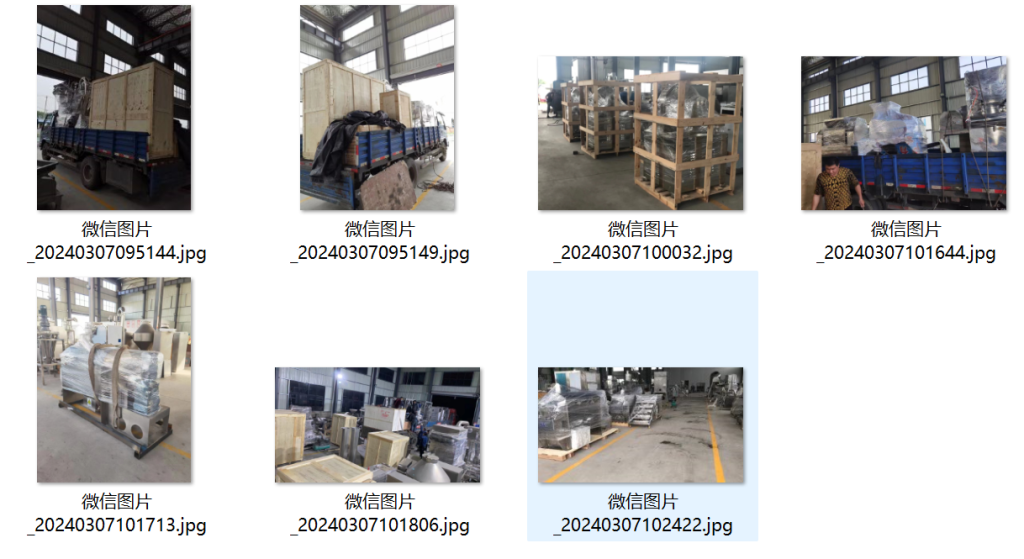
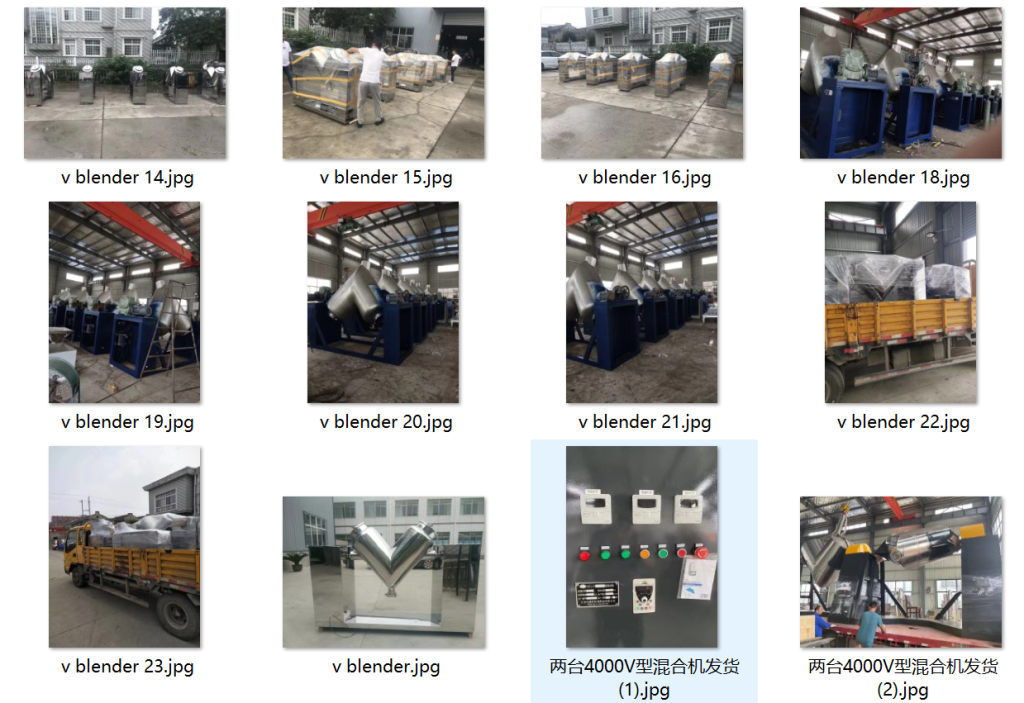
Domestic Shipment Show Case:
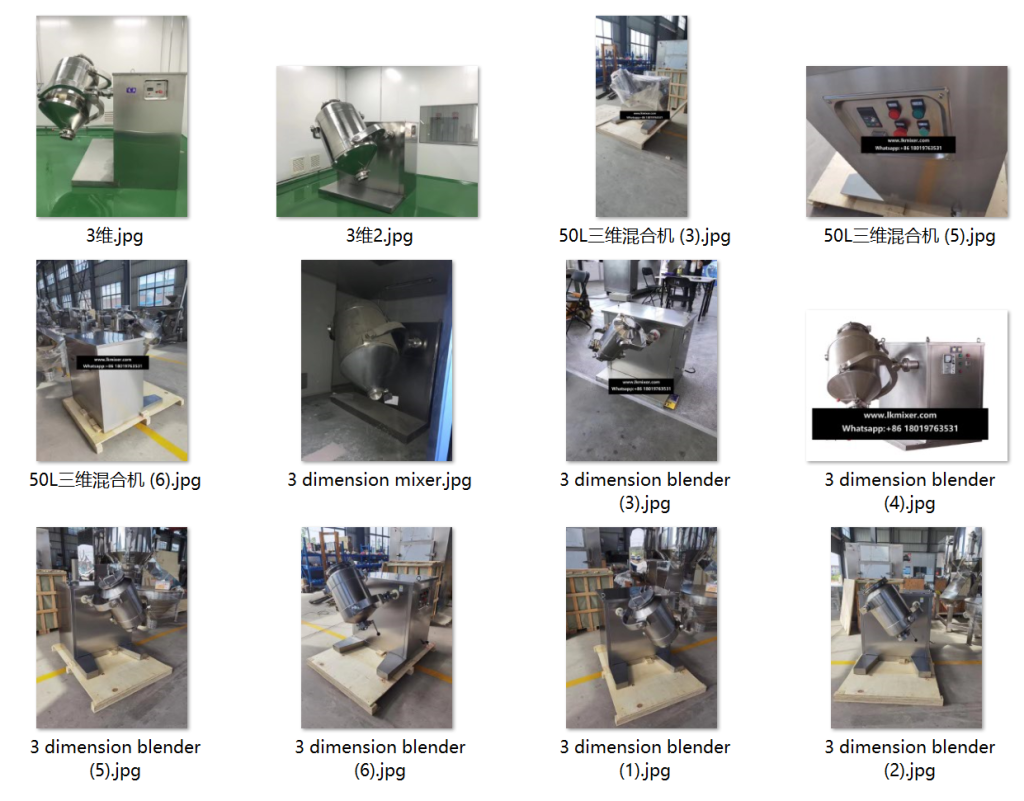
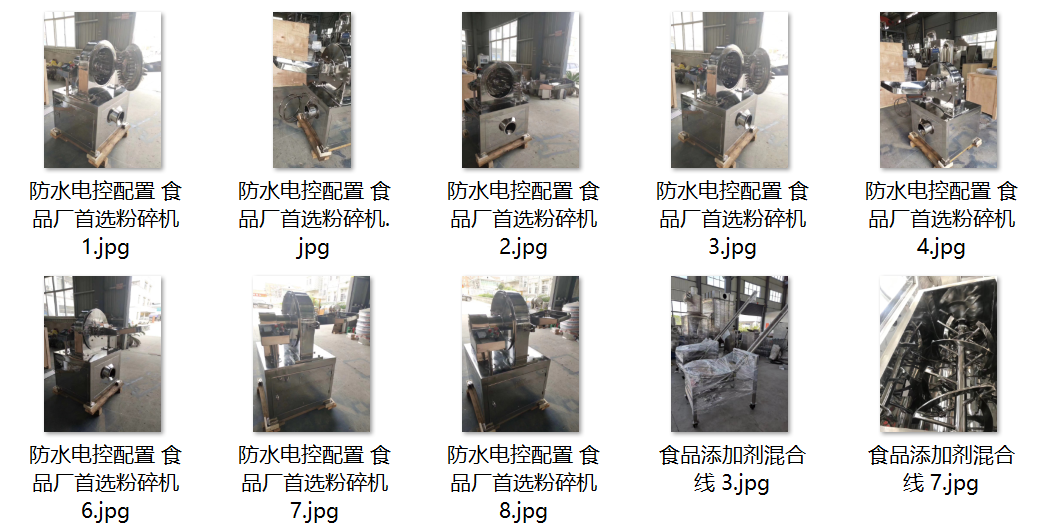
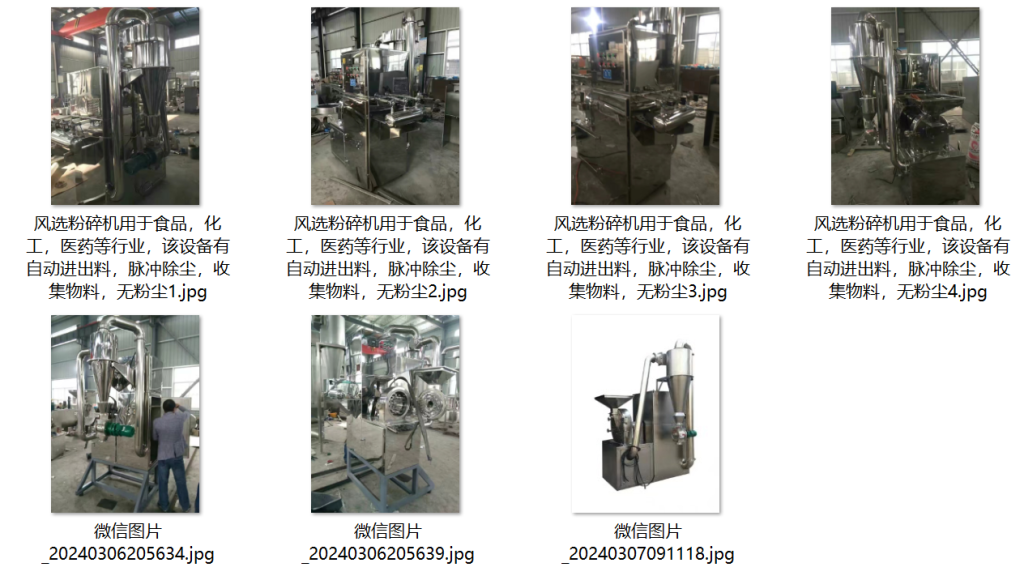
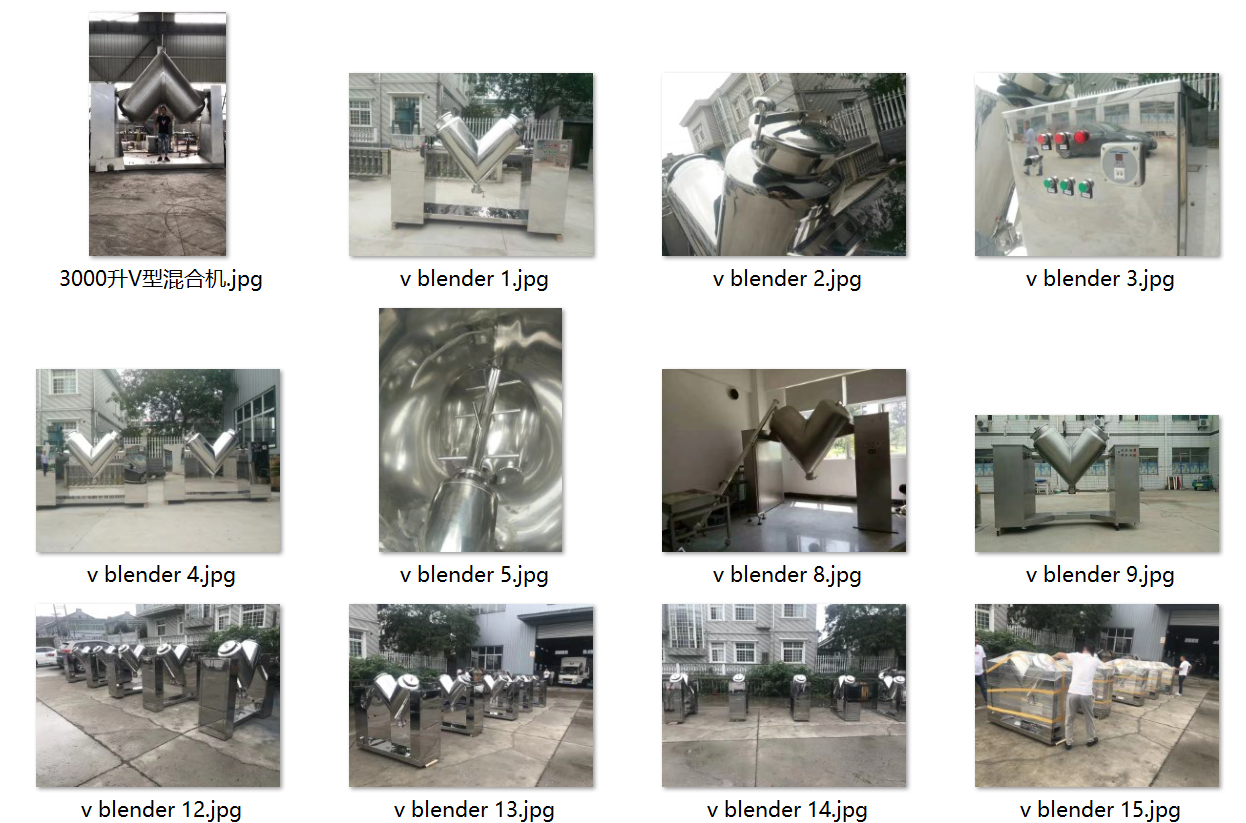
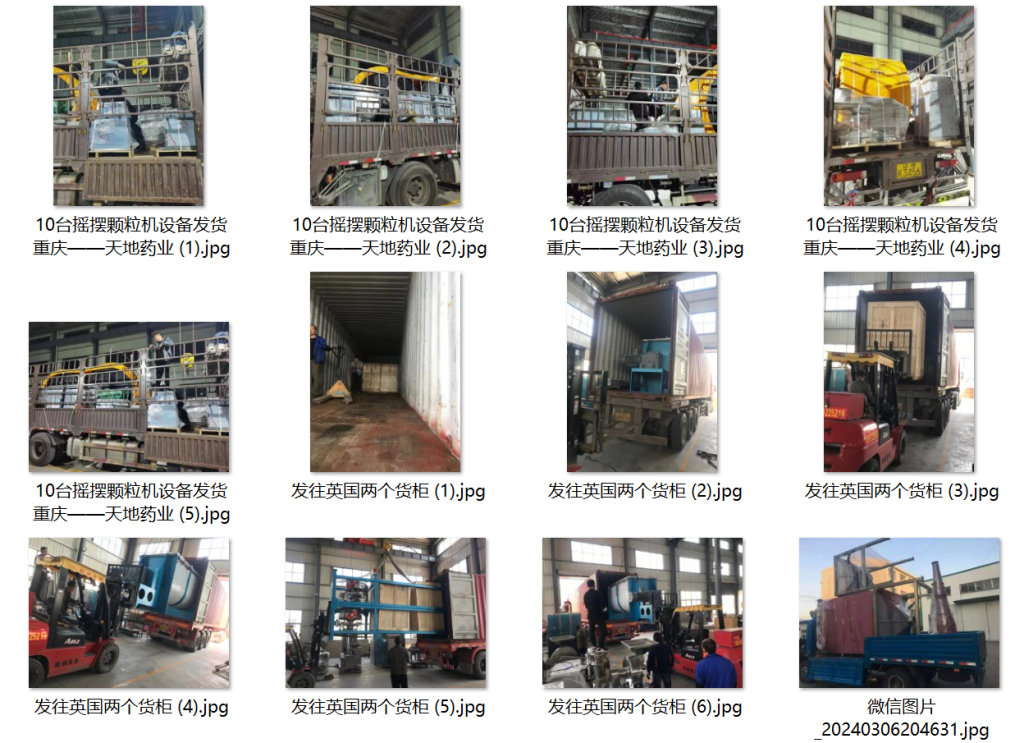
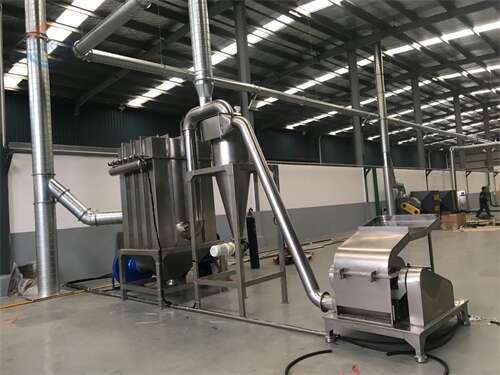
Installation Layout:
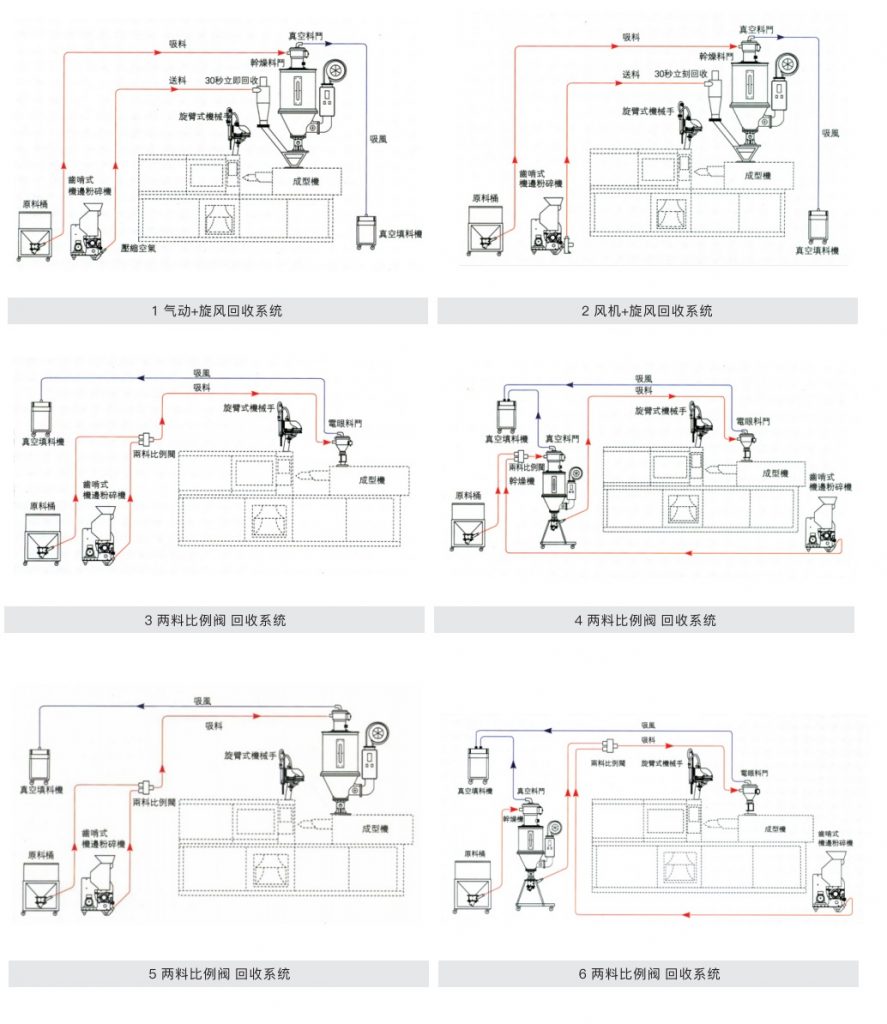
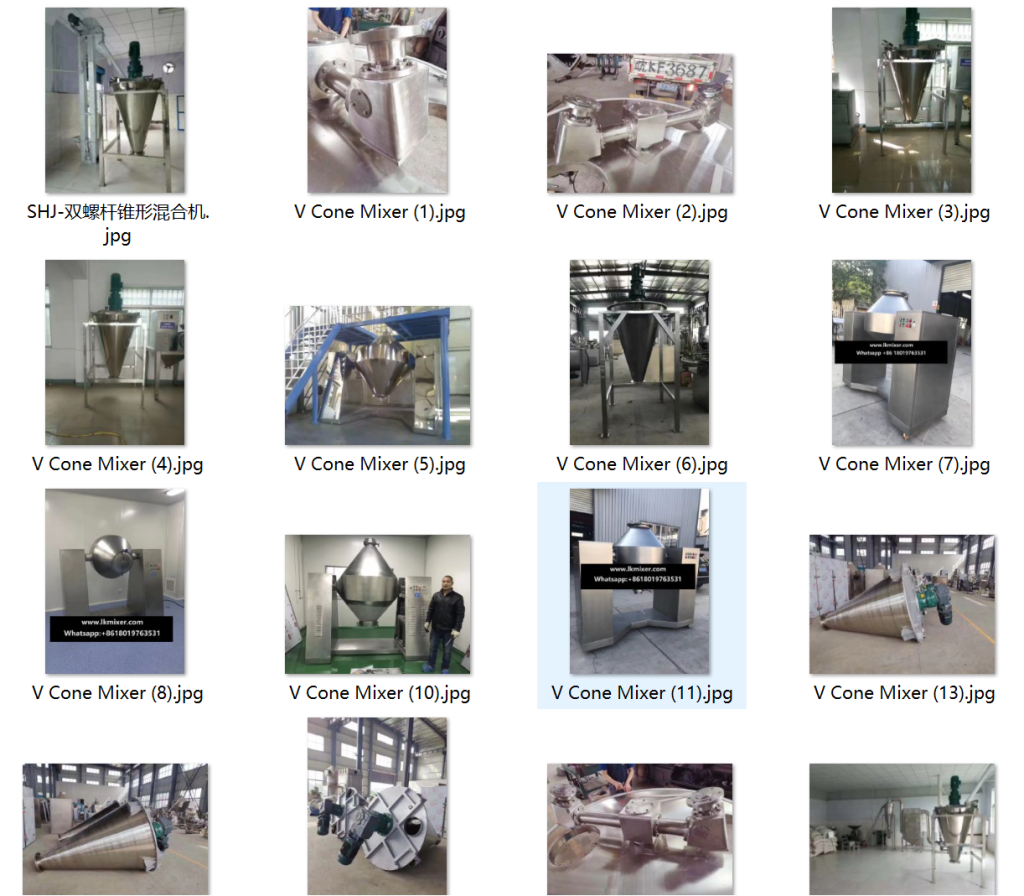
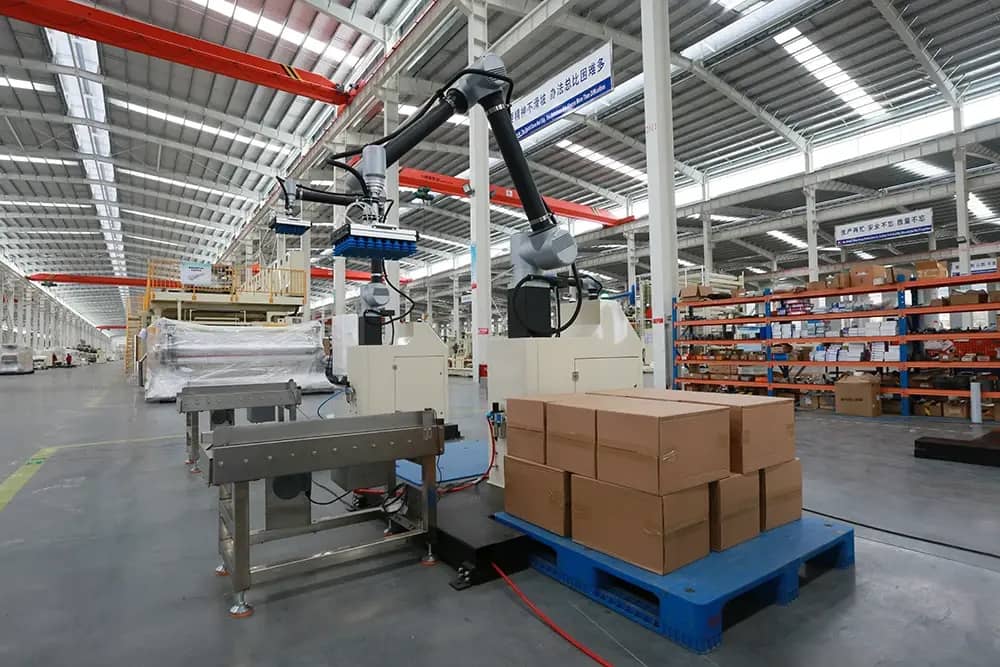
Other Grinding Machine Dry Powder Grinder for Sale:
About LKMixer
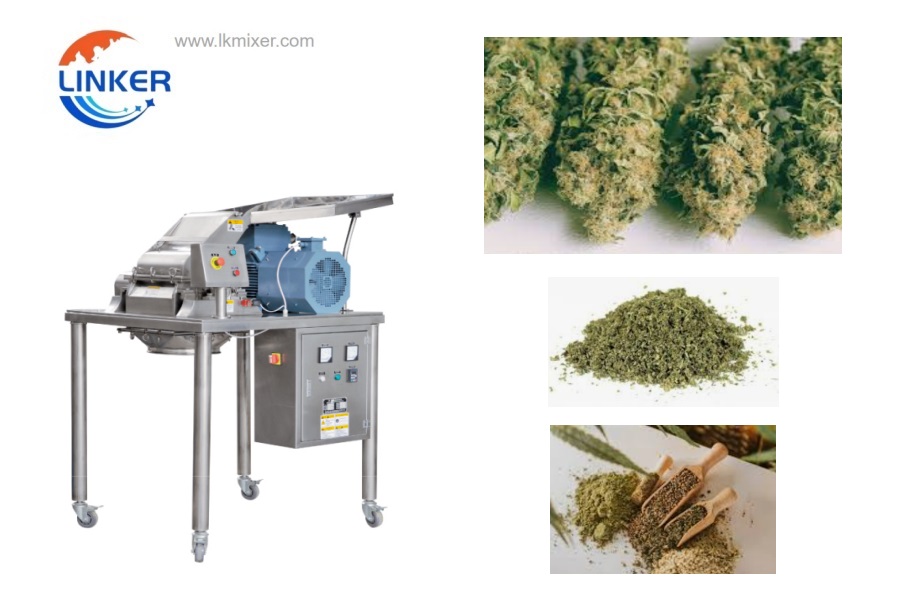
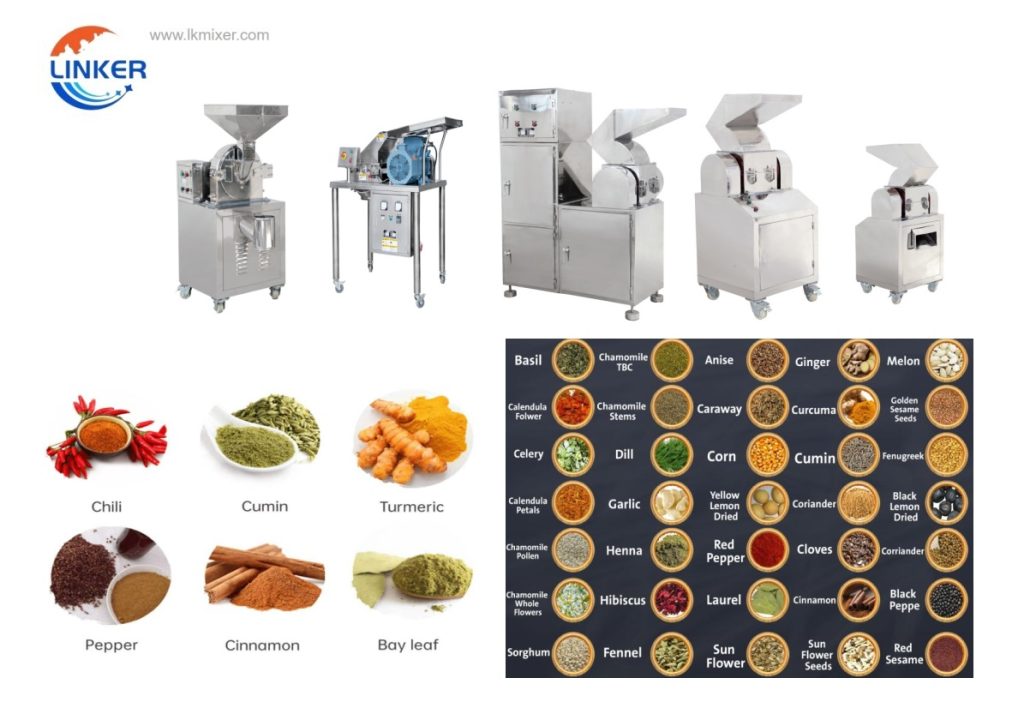
LKMixer is a professional manufacturer for fertilizer production line, grinder, mixer and granulator, shredder. These machines are widely used in food, pharmaceutical, cosmetic, health care products and chemical industries. The Food materials like Peanut, mushroom, seeds, potato, bean, tobacco, salt, cannabis, tea, Sugar, corn, Coffee, rice, pepper, grain as so on. Grinders have many types such as Pulse Dust Grinder which suitable for zero pollution environment, Turbine Mill which is suitable for coffee bean, 12-120mesh all can meet, Ultrafine Grinding Mill covers 80-200mesh, and also Winnowing Dust Grinder or other grinding machines like SF Hammer. Welcome to contact us for details. Contact us for more information. Proposal, catalog, quotation. Mobile/WhatsApp: +86 18019763531 Tel: +86 21 66037855 Email: sales@lkmixer.com
Contact Us
FAQ(Click and See More)
Industrial Grinder for Sale:
Drying Machine for Sale: