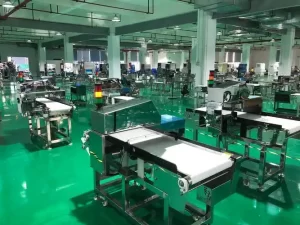
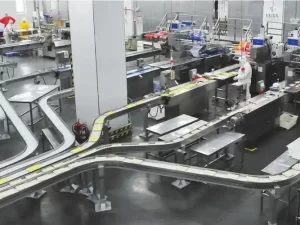
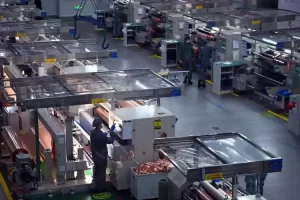
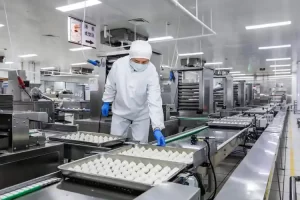
What skills are needed to operate and maintain modern automated food lines?
What skills are needed to operate and maintain modern automated food lines? A cross-disciplinary skill set encompassing mechanical operation, electrical and automation control, food safety compliance, data management, and emergency response is necessary to operate and maintain contemporary automated food production lines. This skill set combines technical proficiency with strict compliance awareness.
Mechanical and Equipment Operation Skills
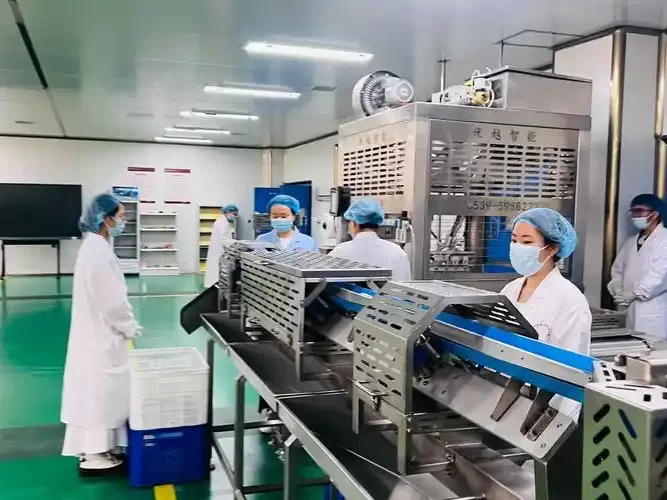
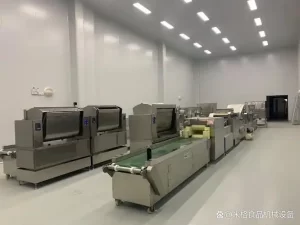
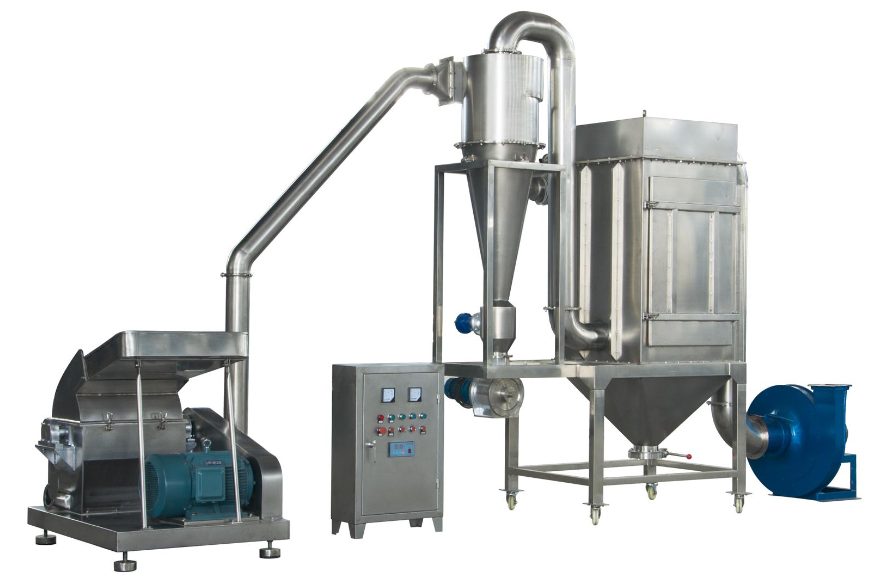
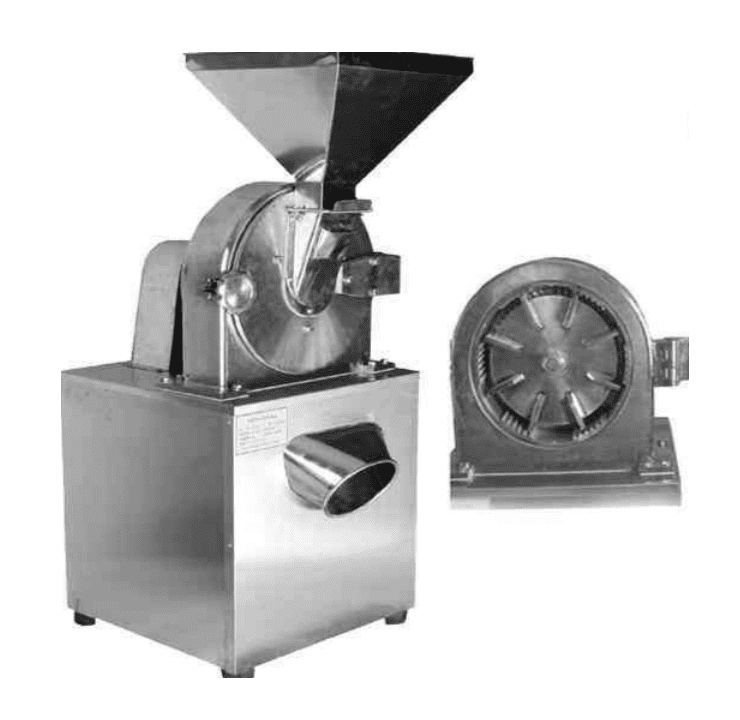
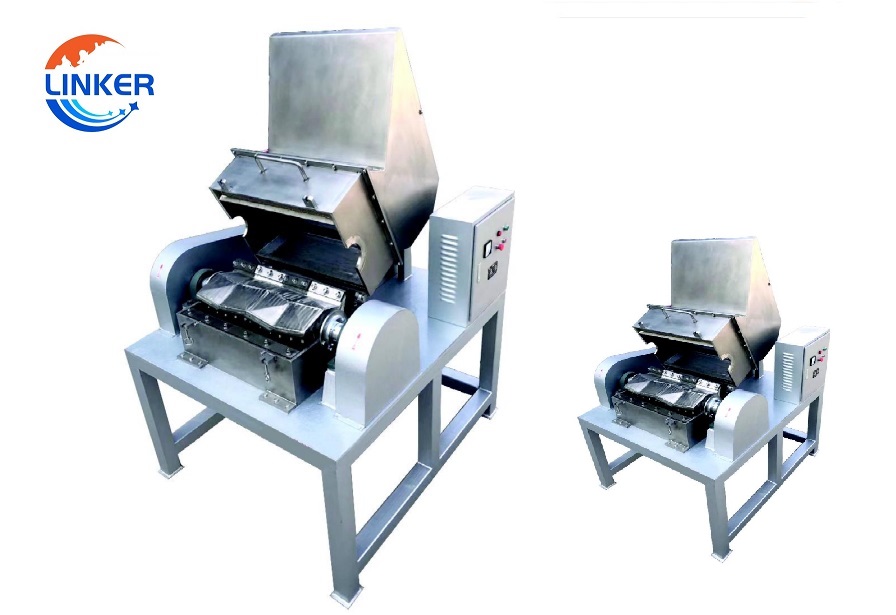
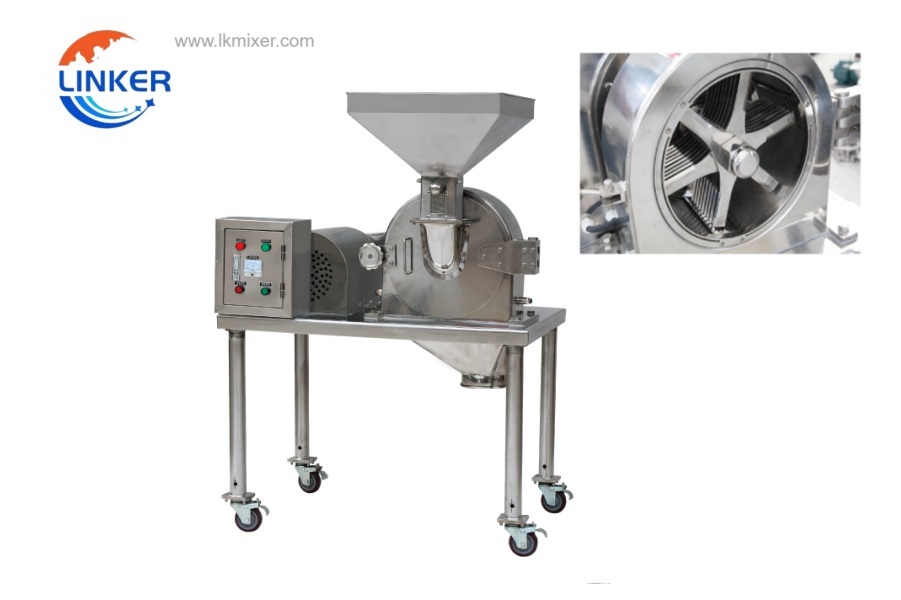
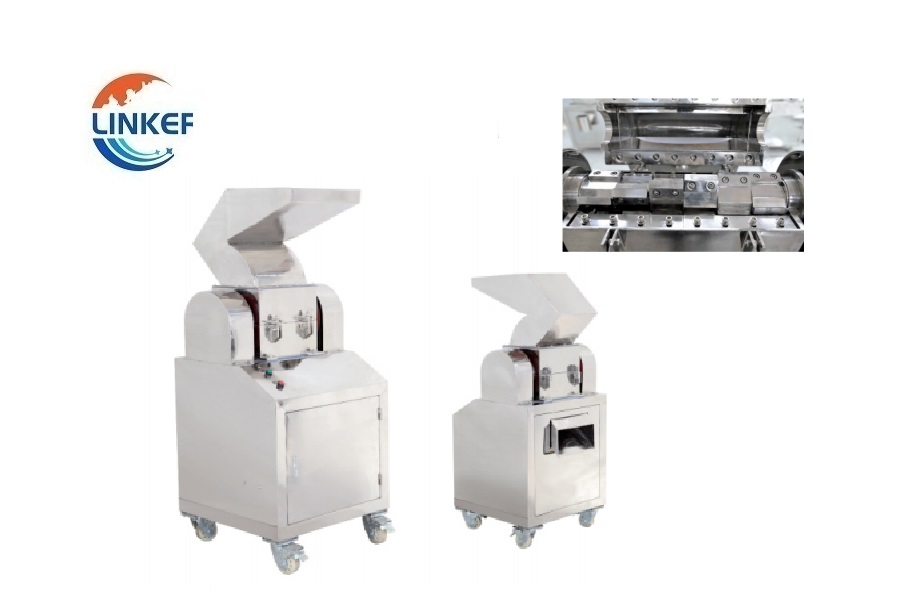
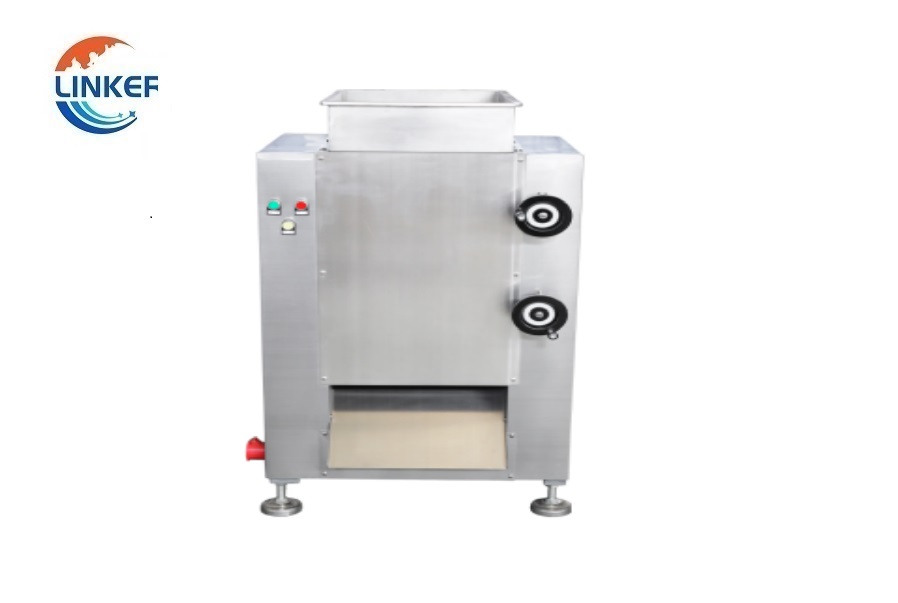
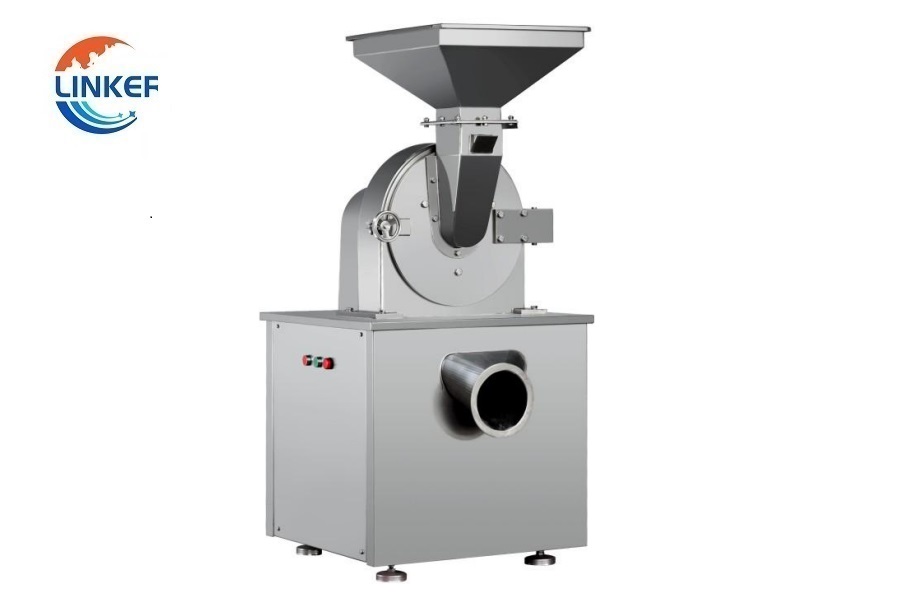
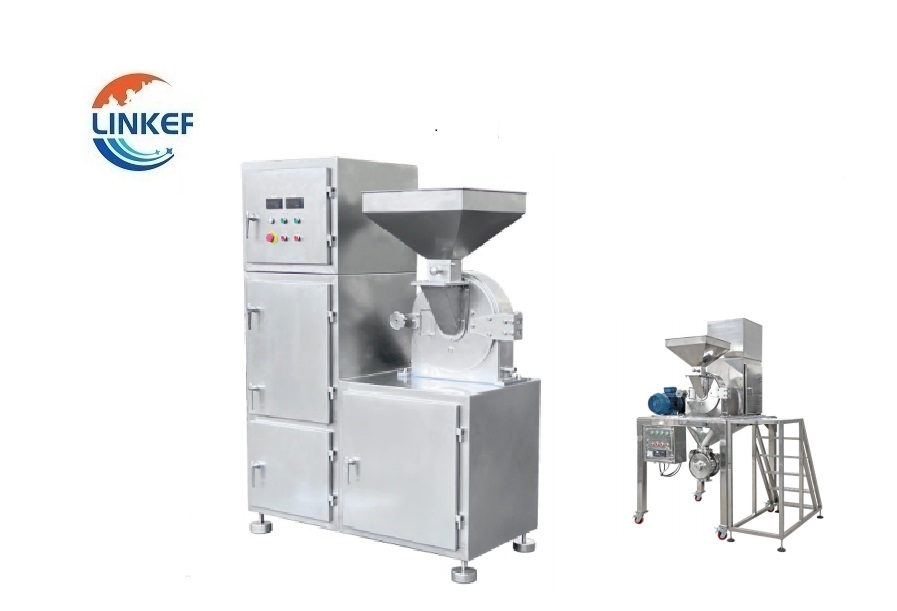
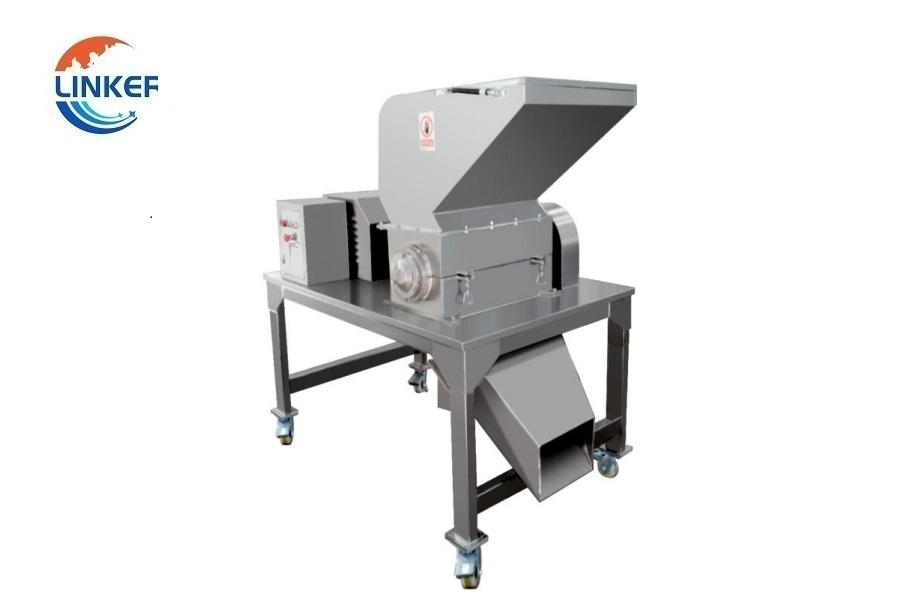
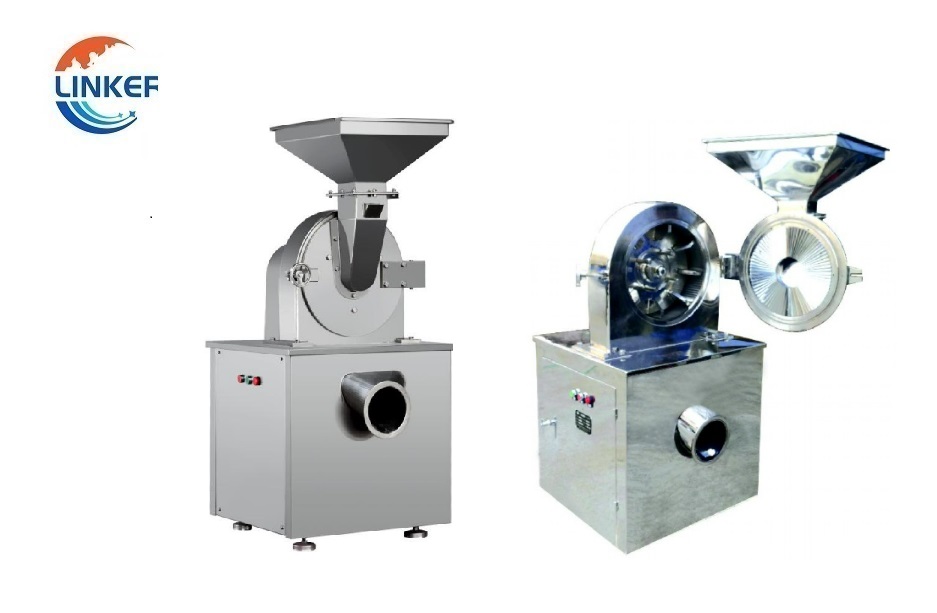
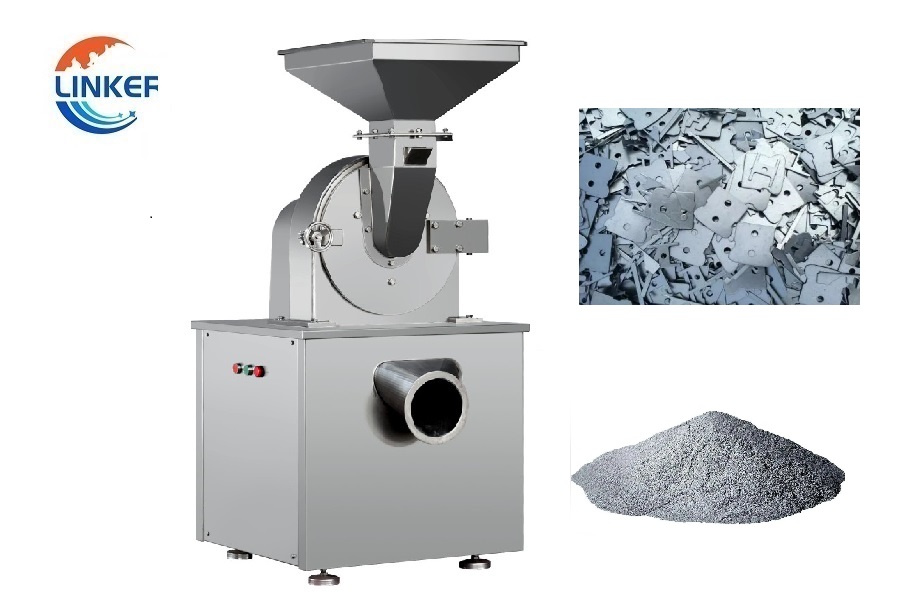
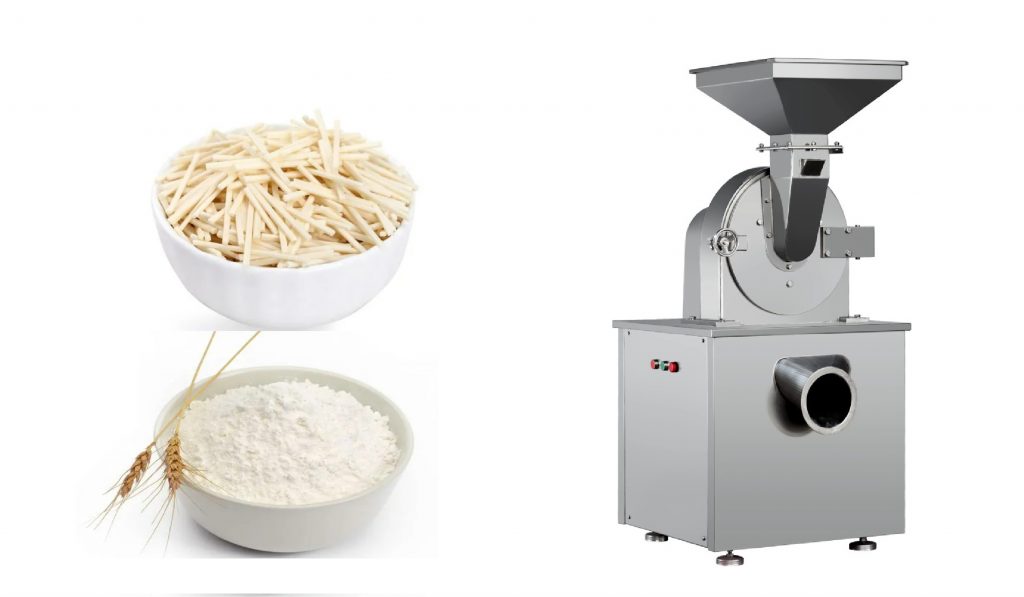
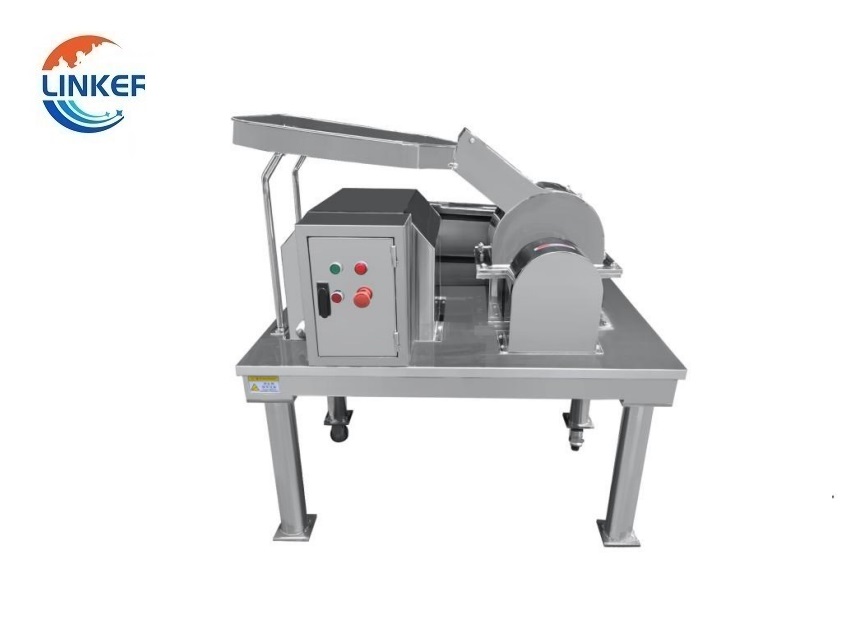
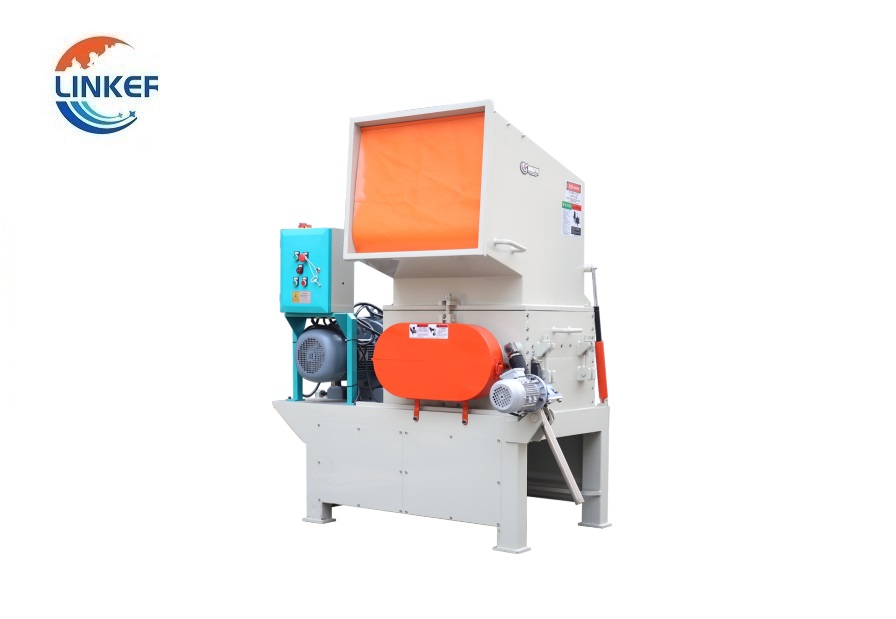
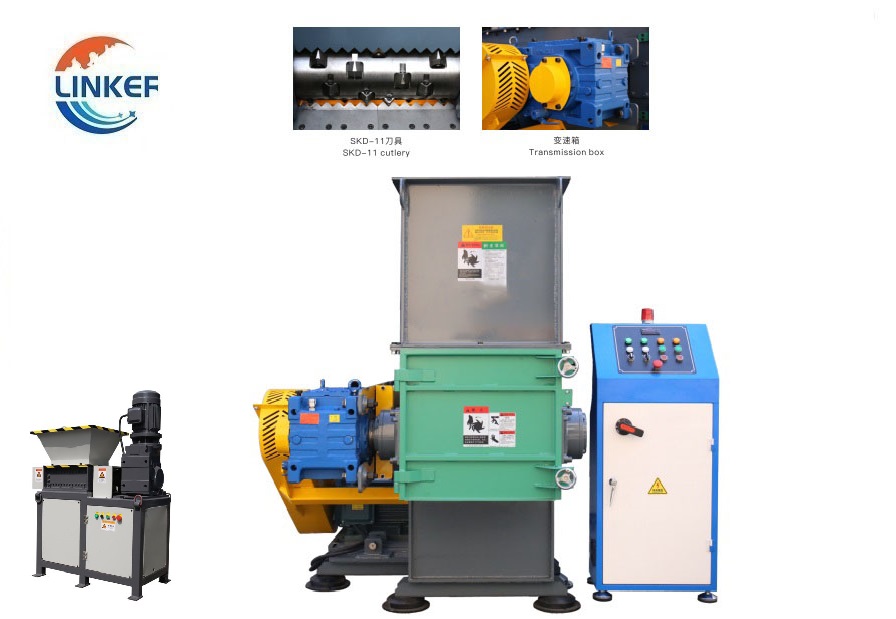
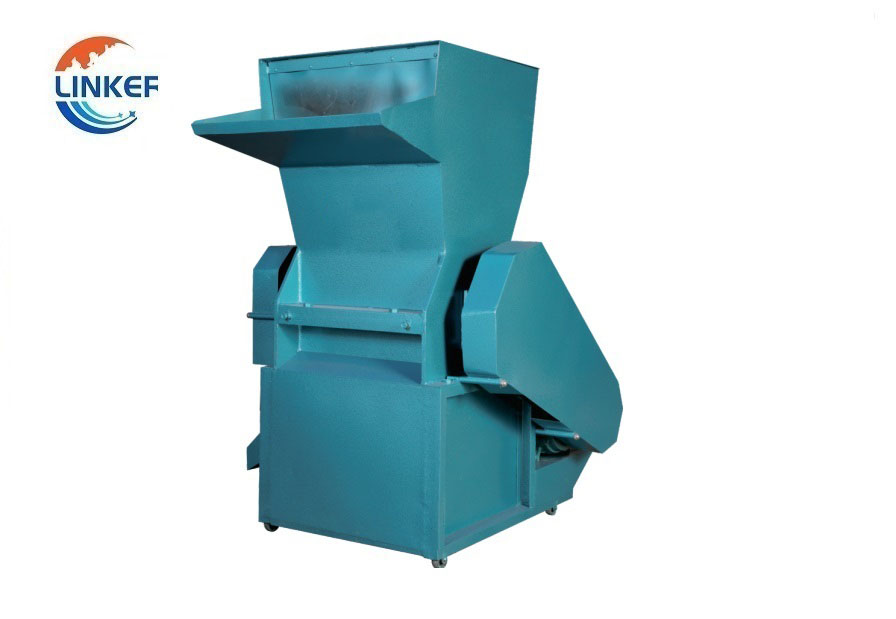
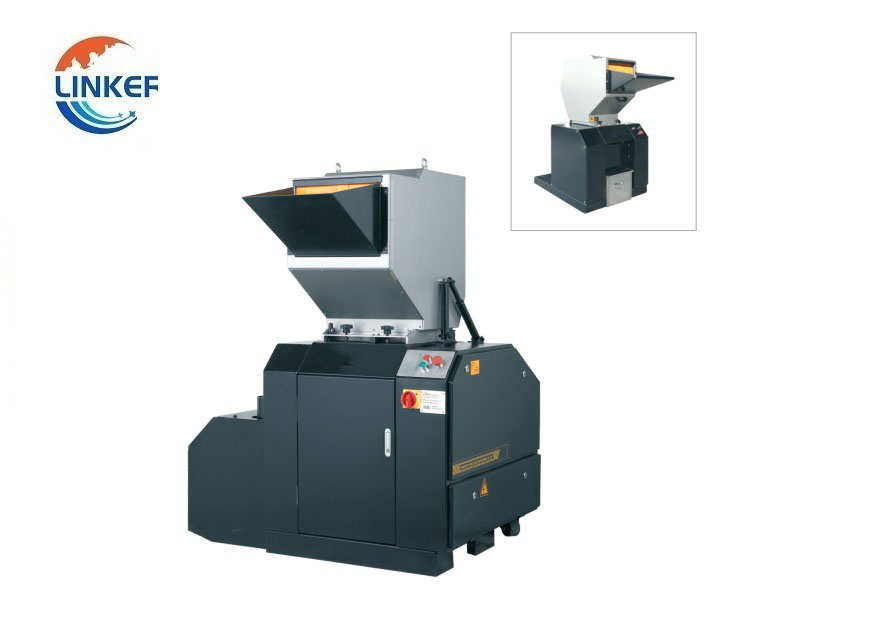
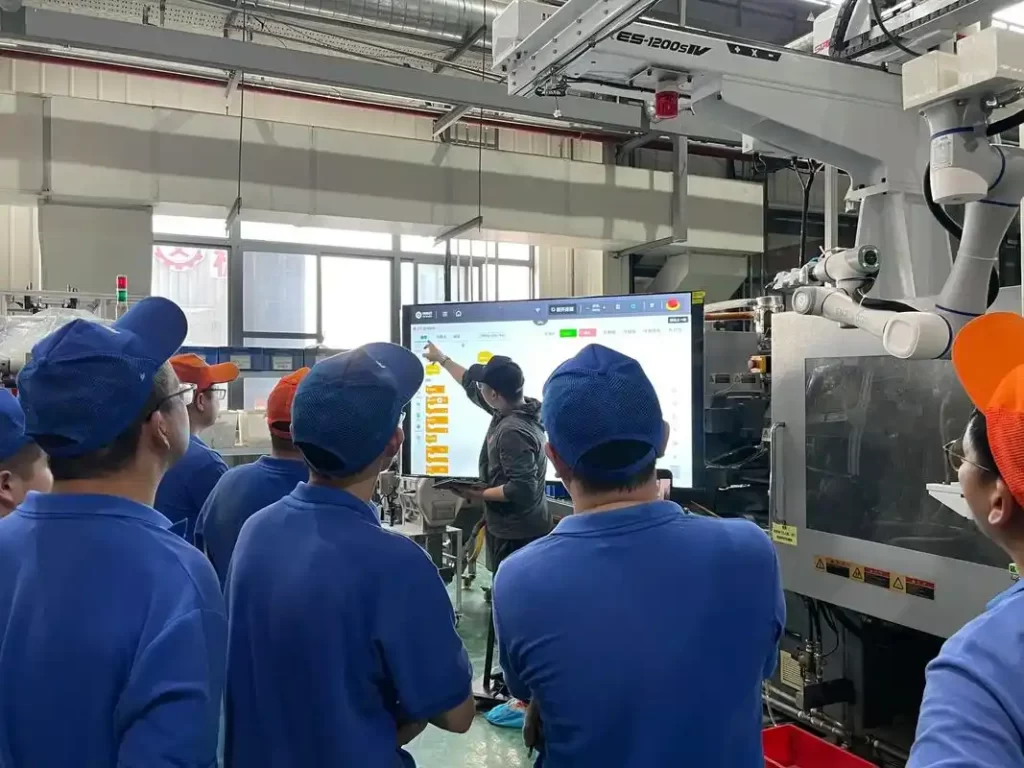
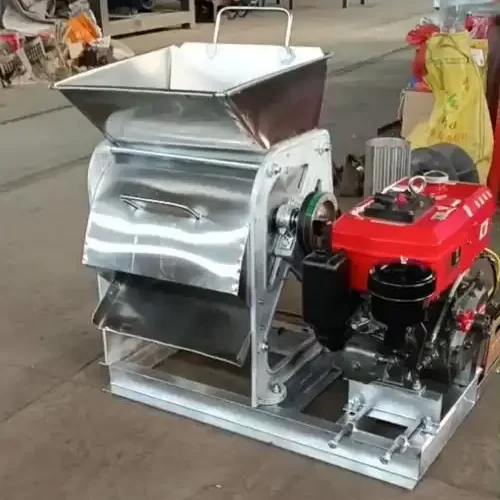
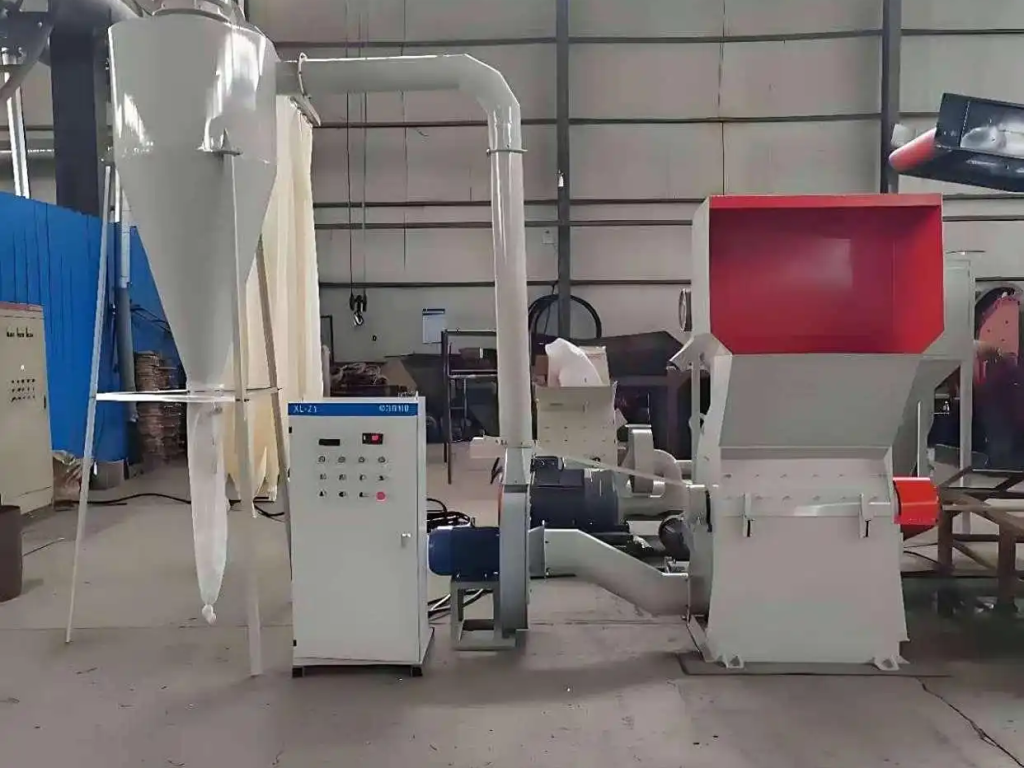
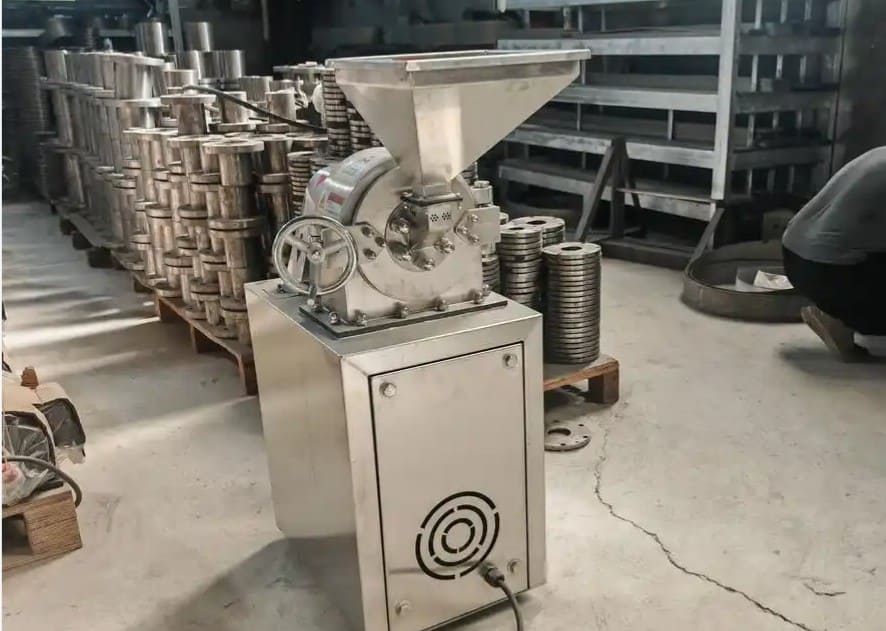
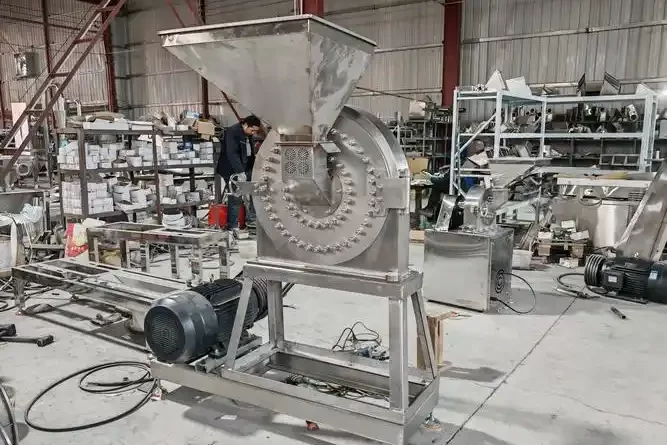
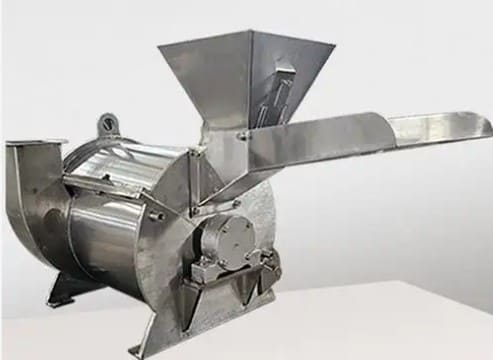
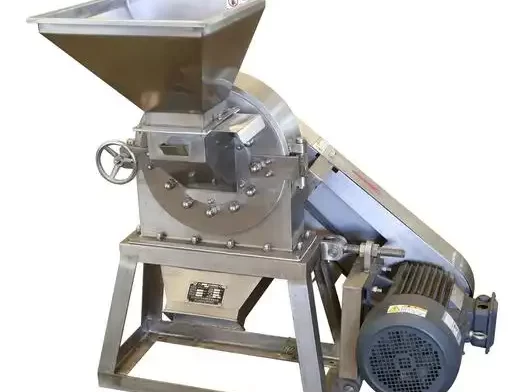
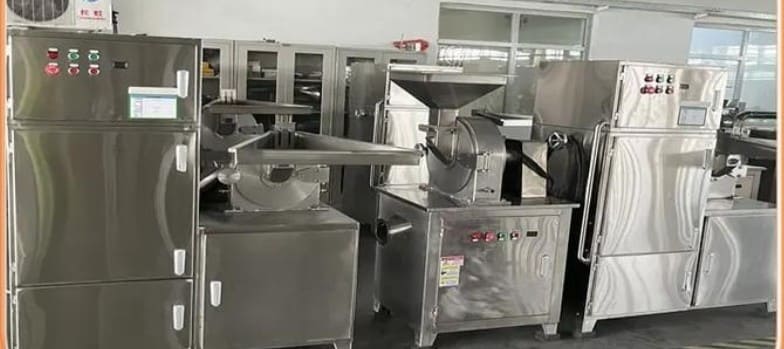
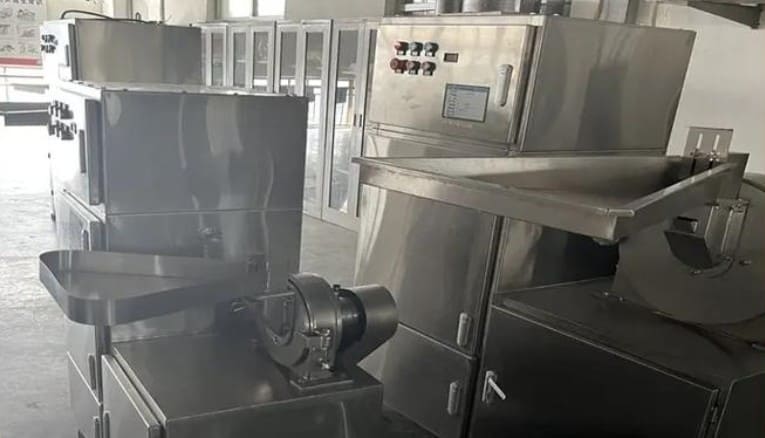
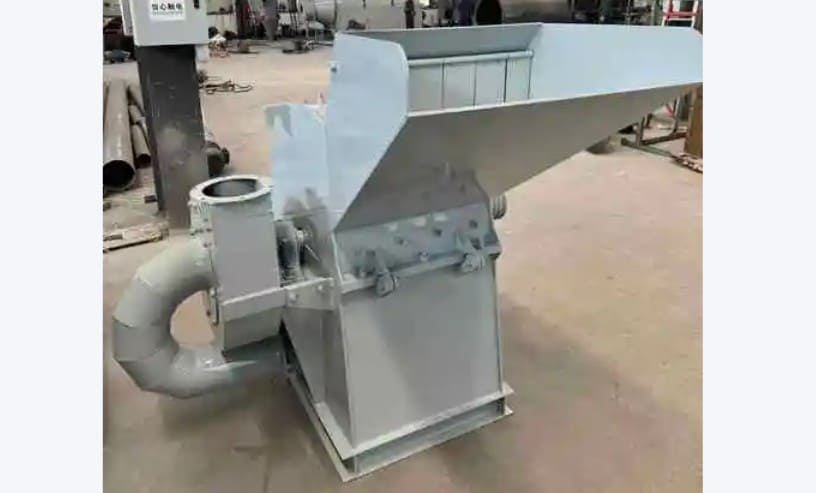
The fundamental ability to operate automated food lines is mechanical operation, which includes the core processing unit start-up, regular operation, and shutdown operations. To prevent damage to equipment such as electric and universal grinders, workers must adhere to the rules of manual mode first, automated, no-load test, and load operation. They must identify early defect indicators for 500KG grinders, 200KG grinders, and coarse crushers, such as unusual noise, excessive vibration, or overheating.
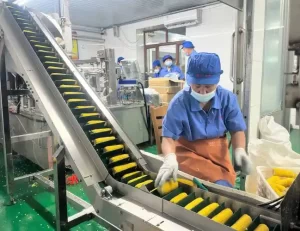
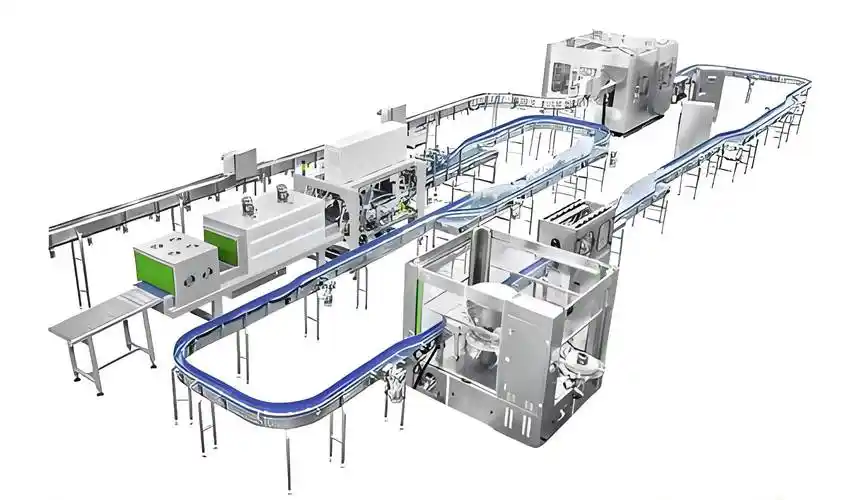
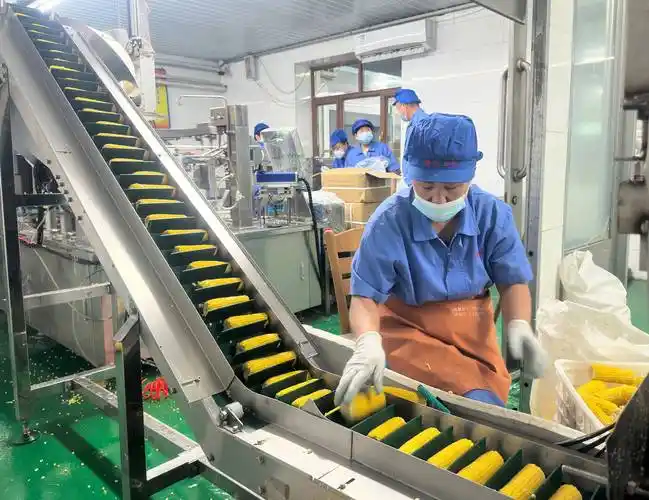
Basic daily maintenance skills include checking fasteners, adding lubricant to designated points, and adjusting conveyor belt tension on the food processing line.
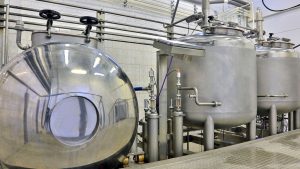
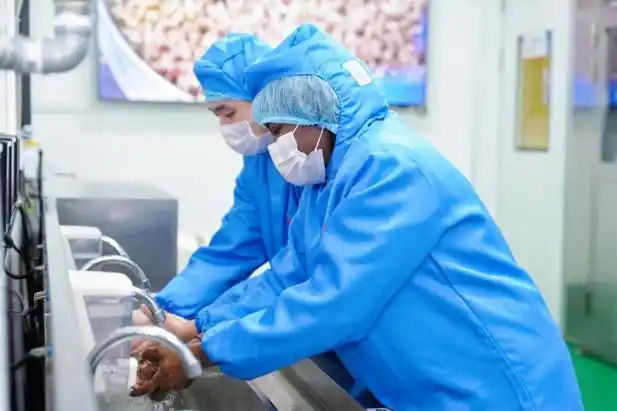
Operators must understand hygienic design rules for stainless steel food contact surfaces, such as smooth edges and rounded corners, to avoid breaking cleanliness during use.
Electrical and Automation Control System Management
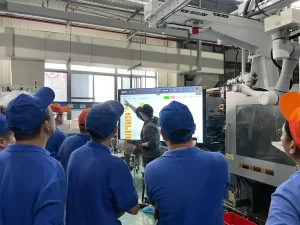
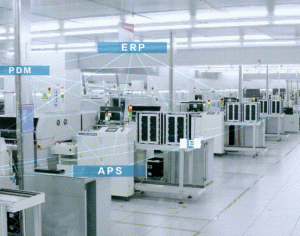
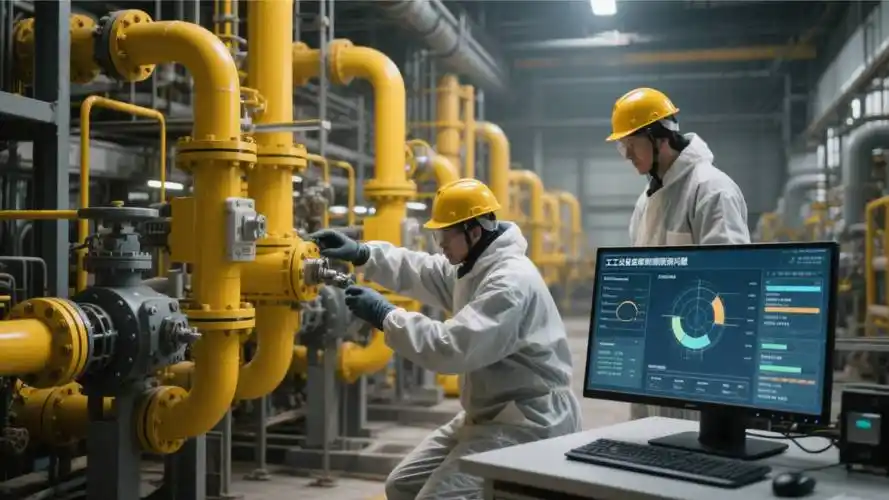
The key competency for contemporary food lines, which depend on PLC and HMI systems for centralized and accurate operation, is electrical and automation control. Employees should learn the fundamentals of PLC ladder logic and comprehend how sensors and actuators interact to regulate airflow pulverizer units and grinding machines. To call manufacturing recipes and modify operating parameters like speed, temperature, and pressure for various food products, they must use HMI panels.
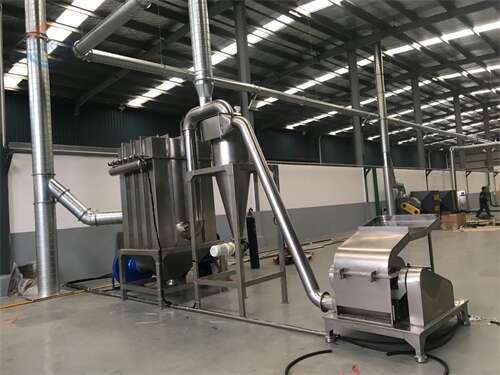
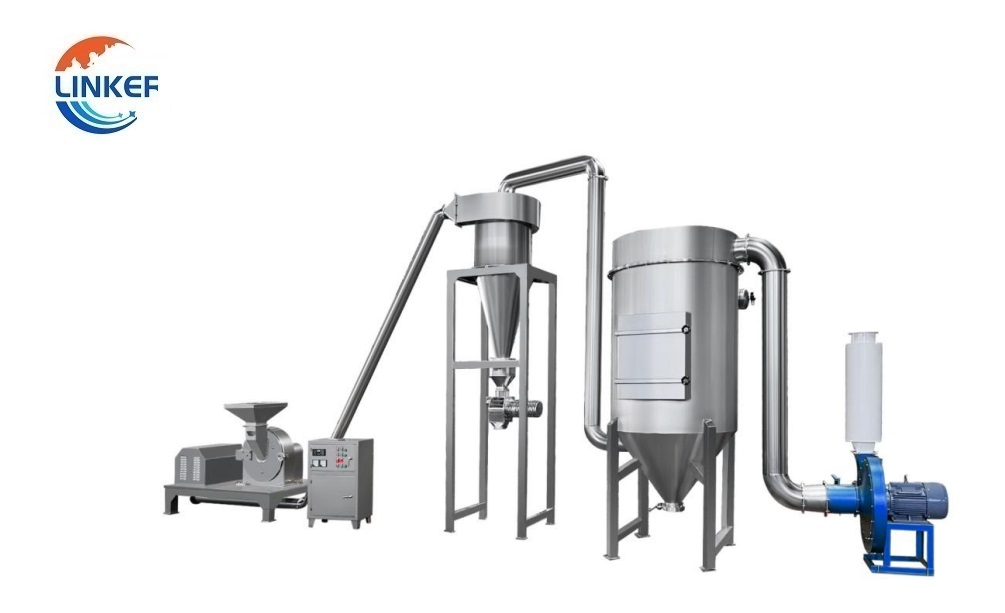
Basic knowledge of industrial communication networks helps identify signal loss or communication errors between Vacuum Mill and dust collector grinder.
Operators also need to check electrical parts like chargers for high speed Dry Grinder and ensure all wiring meets food safety insulation standards.
Specialized Automated Subsystem Operation
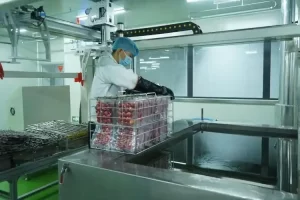
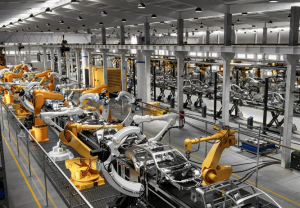
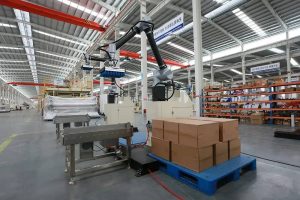
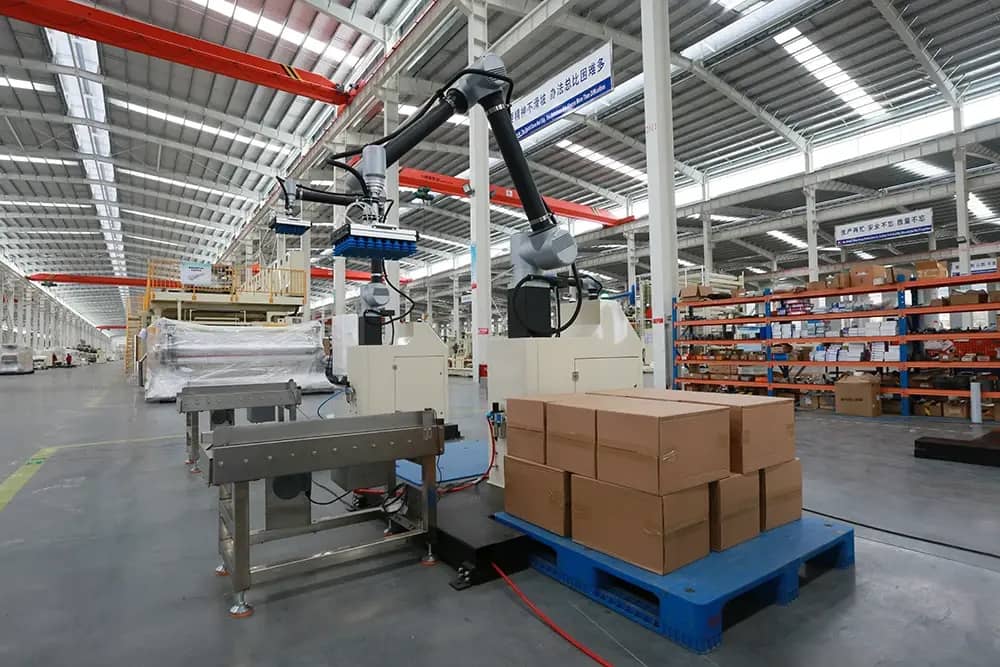
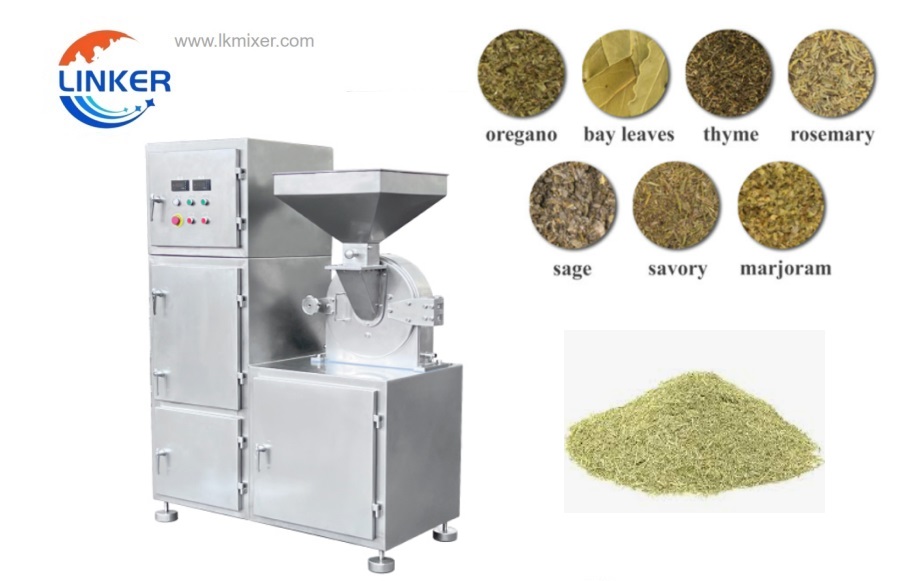
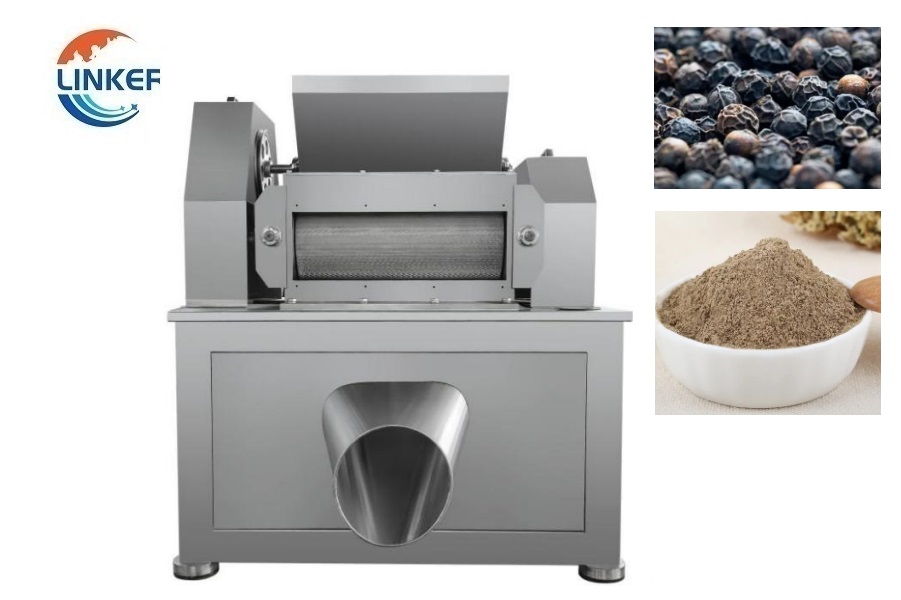
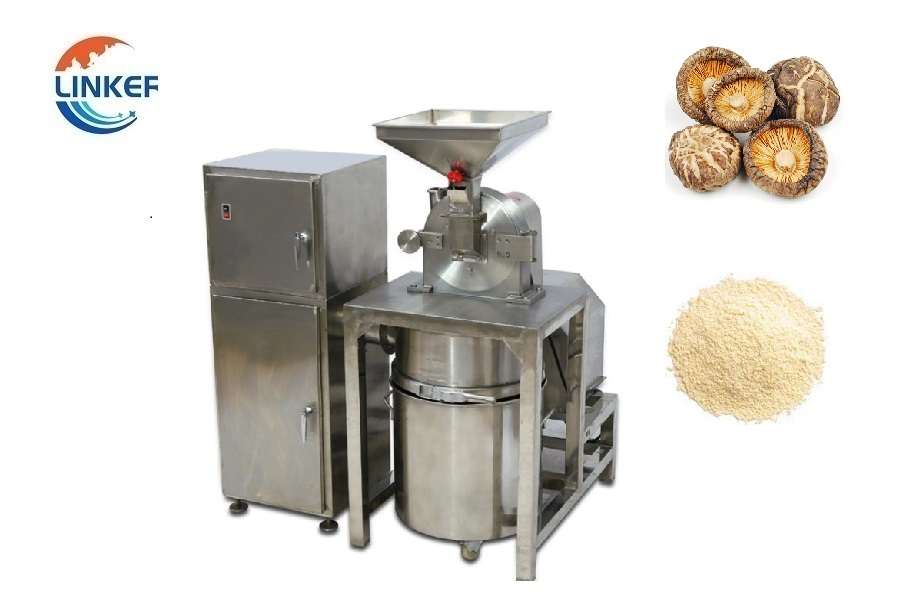
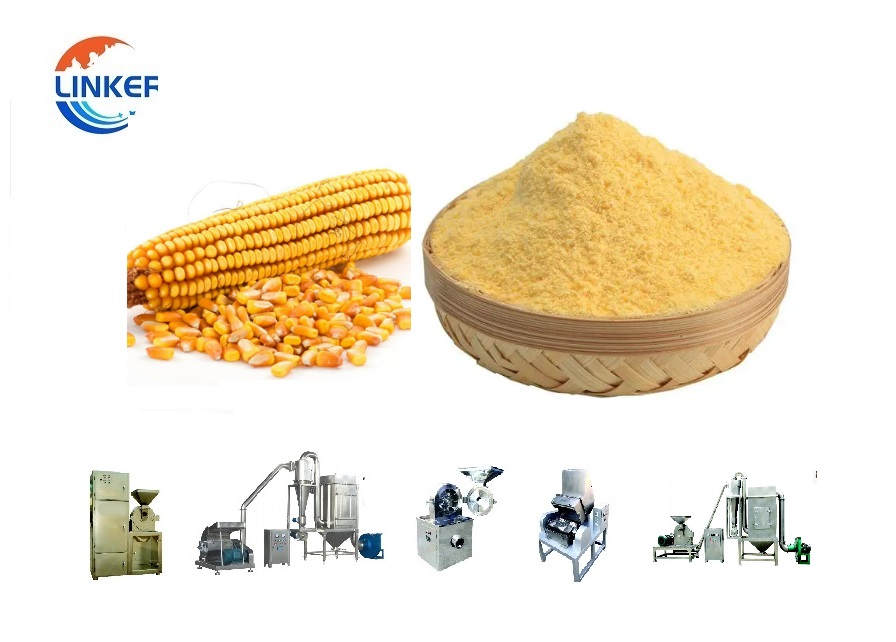
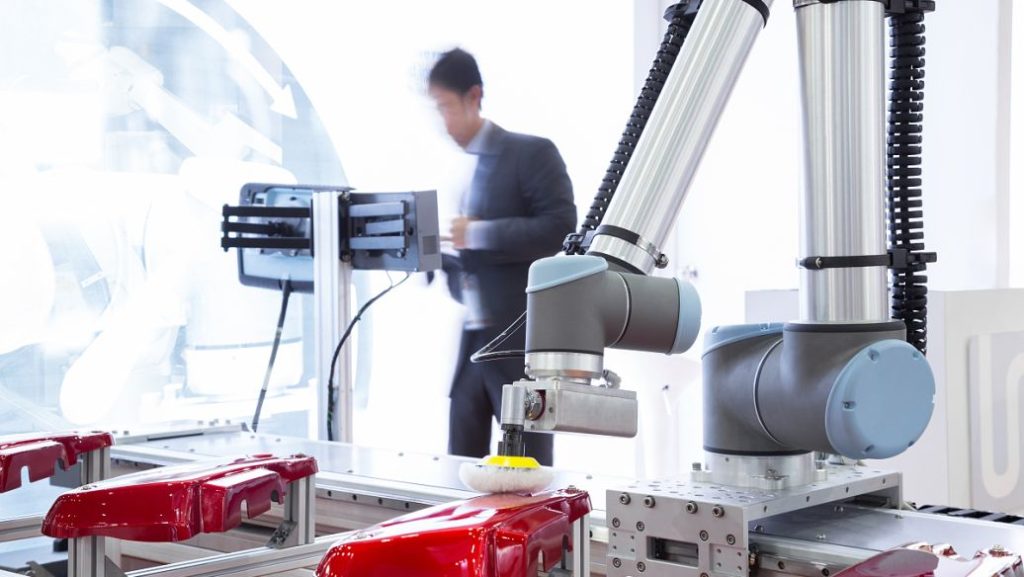
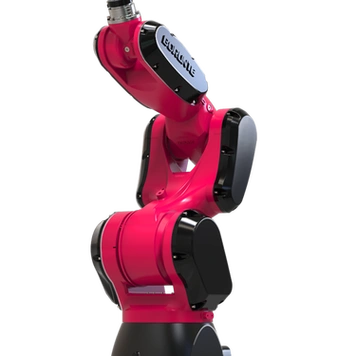
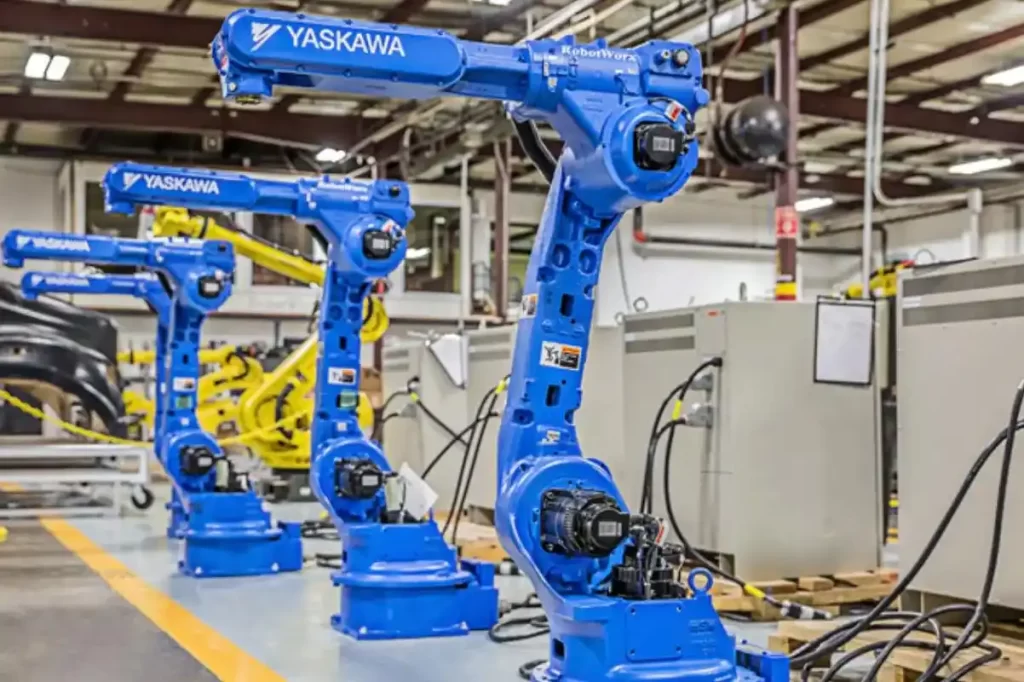
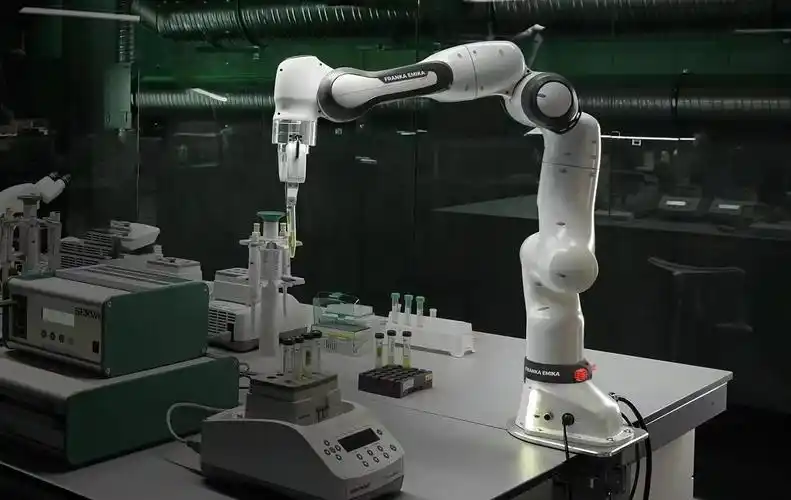
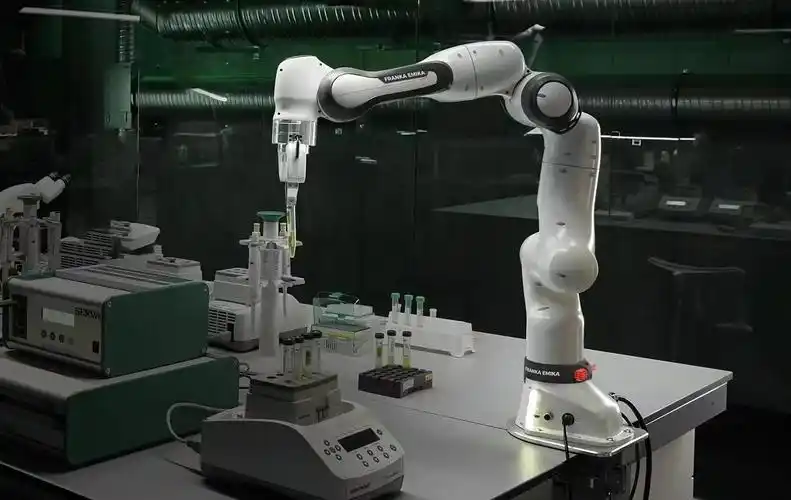
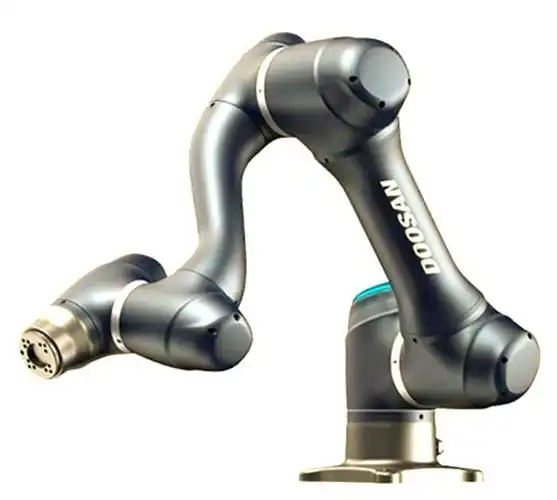
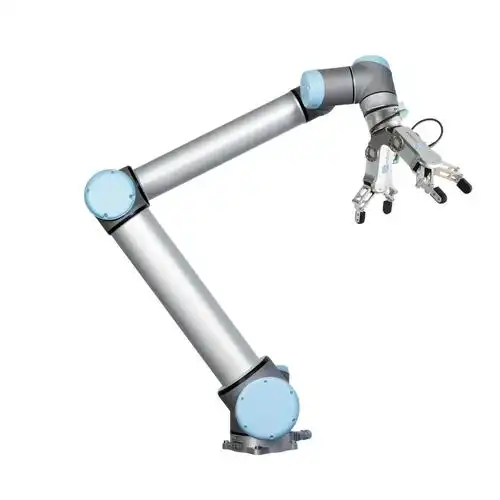
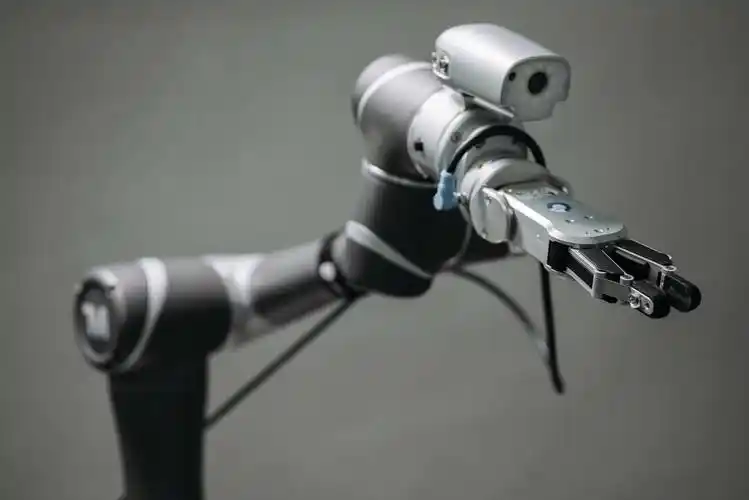
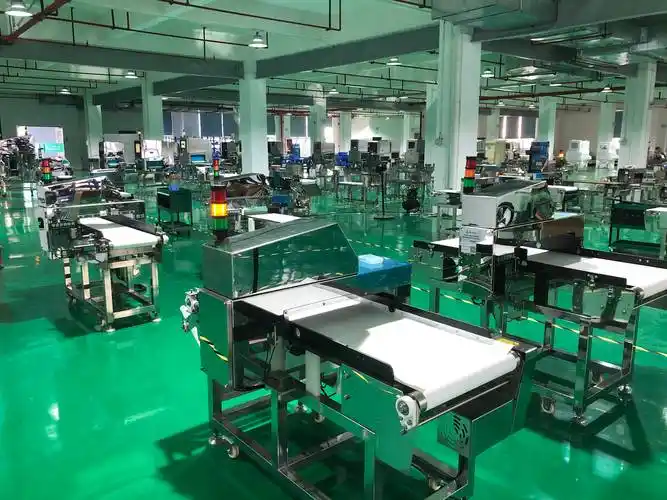
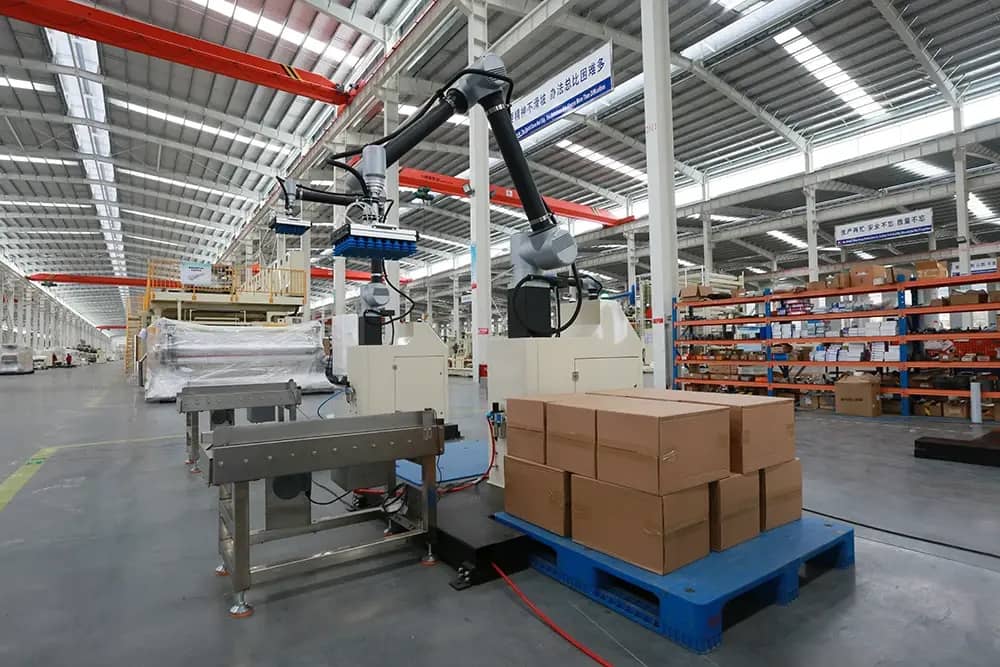
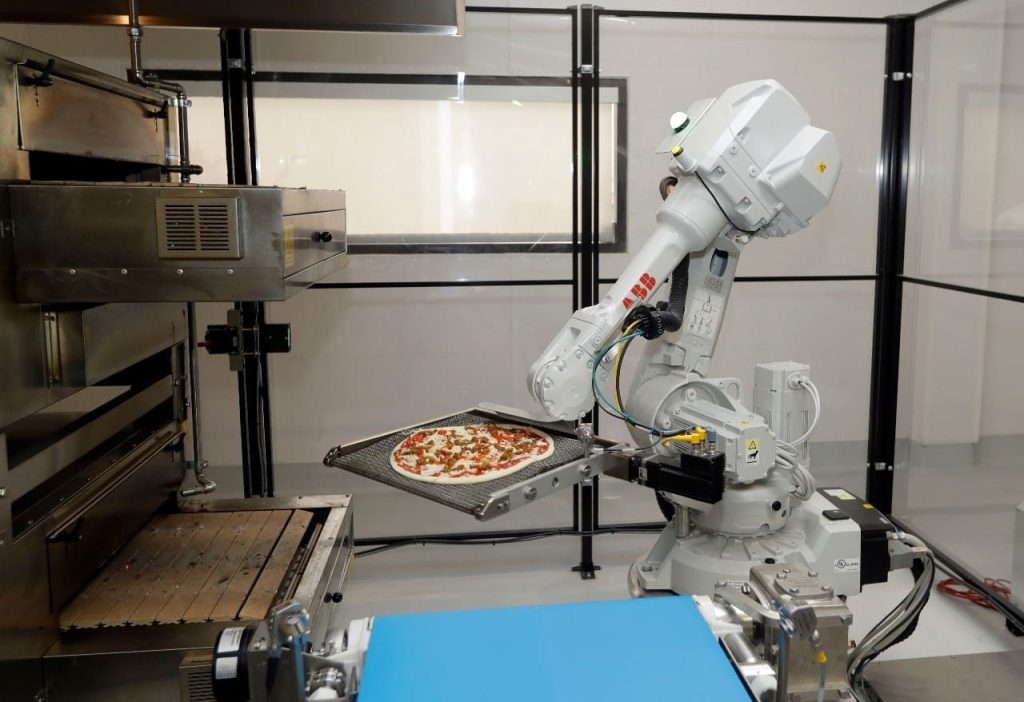
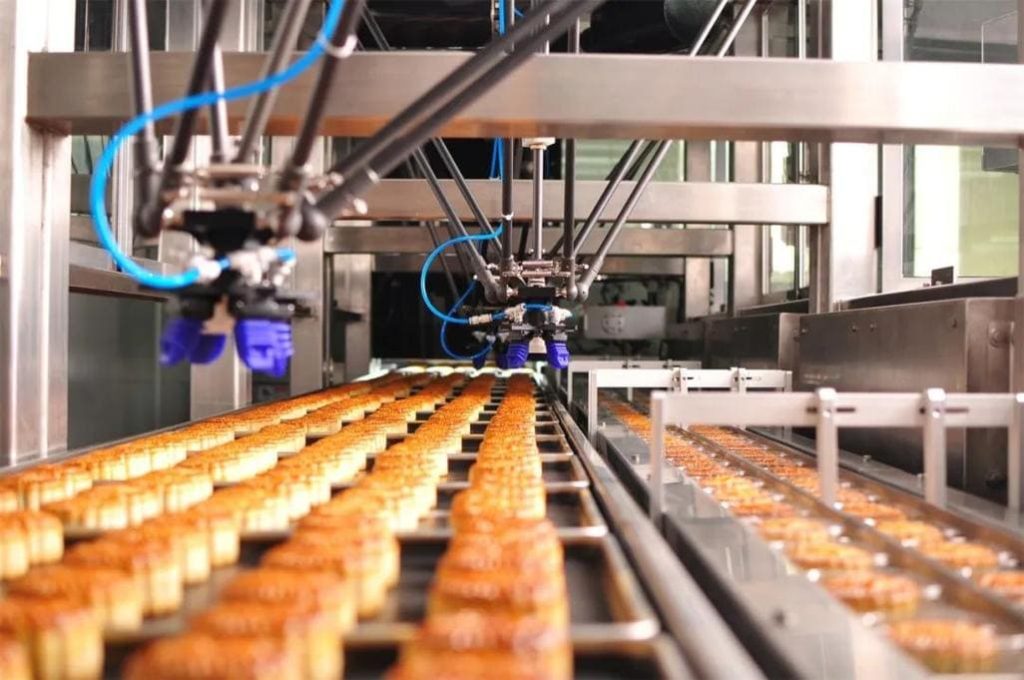
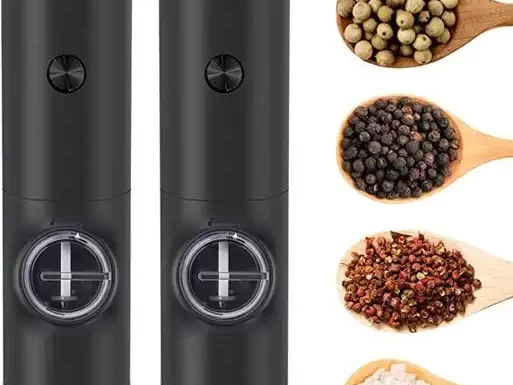
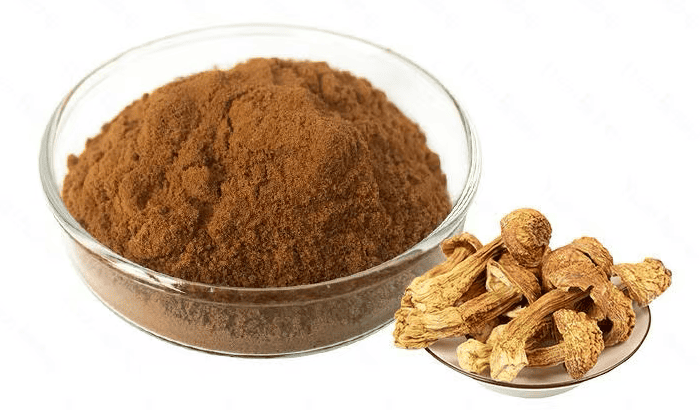
Beginning with visual inspection systems that verify product quality and package integrity, specialized skills for automated subsystems are becoming more and more crucial. On product lines for maize, pork, and mushrooms, employees adjust image parameters like exposure and contrast to minimize false rejects. Verifying the concentration, temperature, and flow duration of the cleaning solution is necessary for CIP system performance in order to remove residue from black pepper and herb grinders. Operators of collaborative robot units adhere to safety interlock regulations, swap out end tools, and reset positions for Ultrafine Grinder and Cutting Type Grinder equipment.
Grinding and Crushing Equipment Specialized Skills
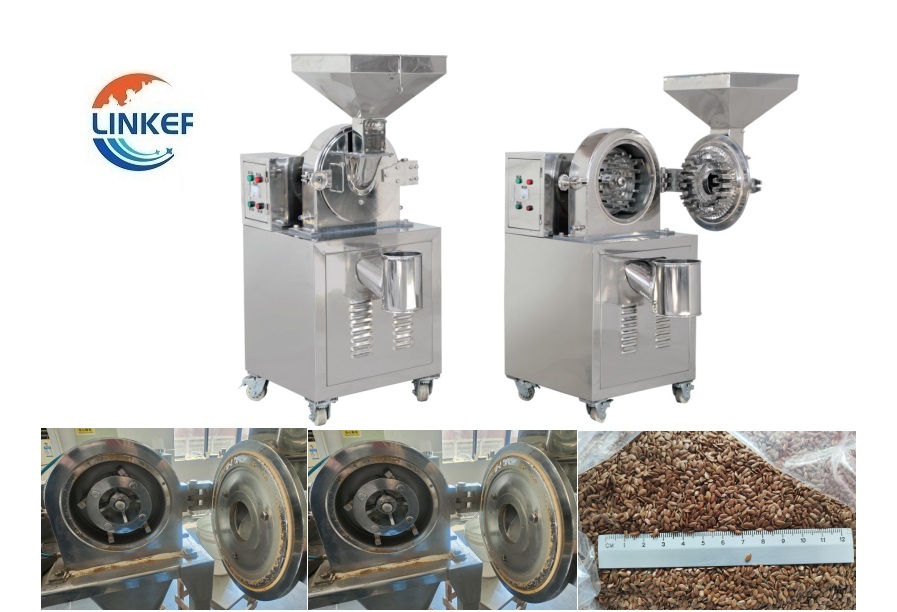
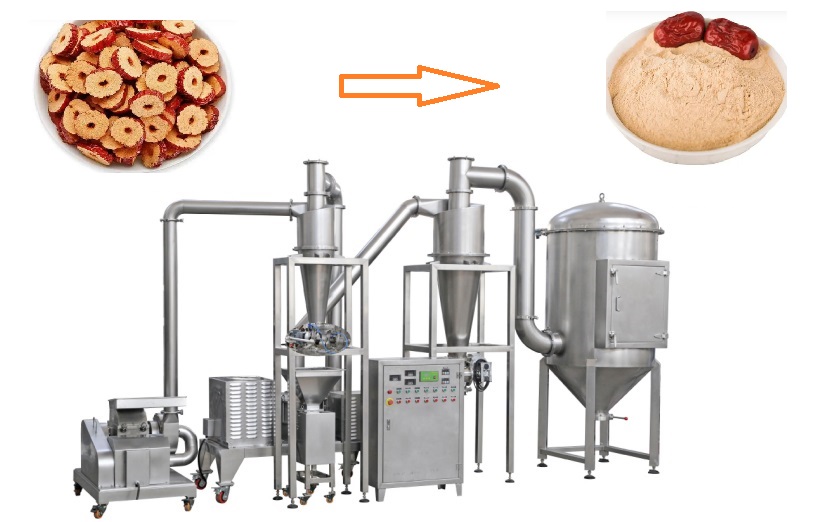
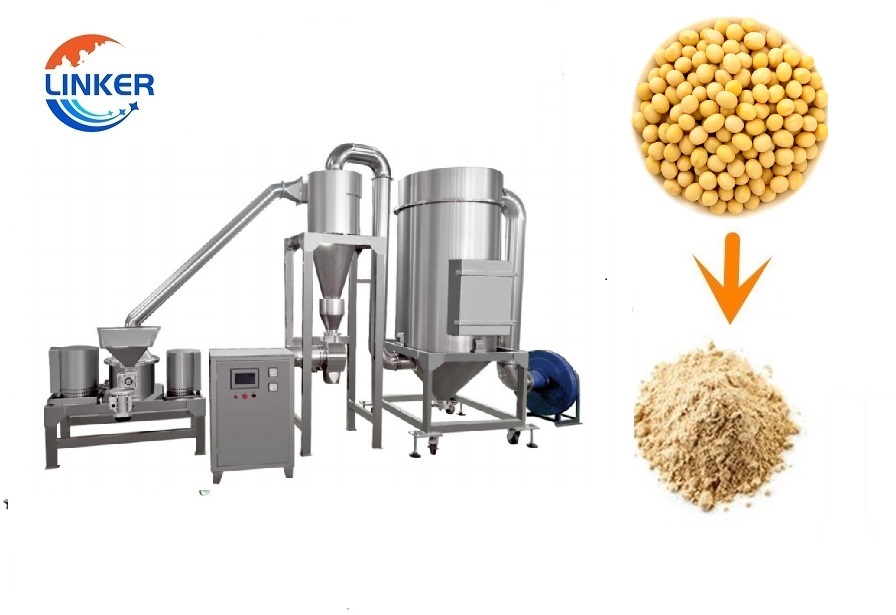
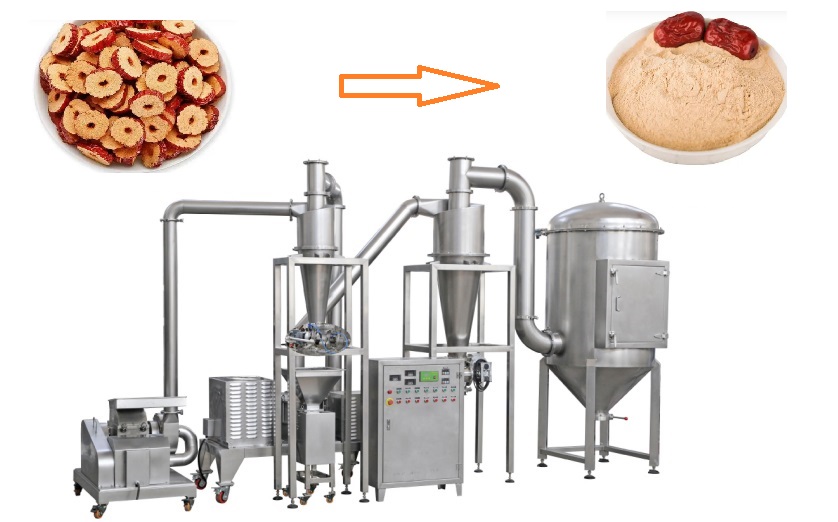
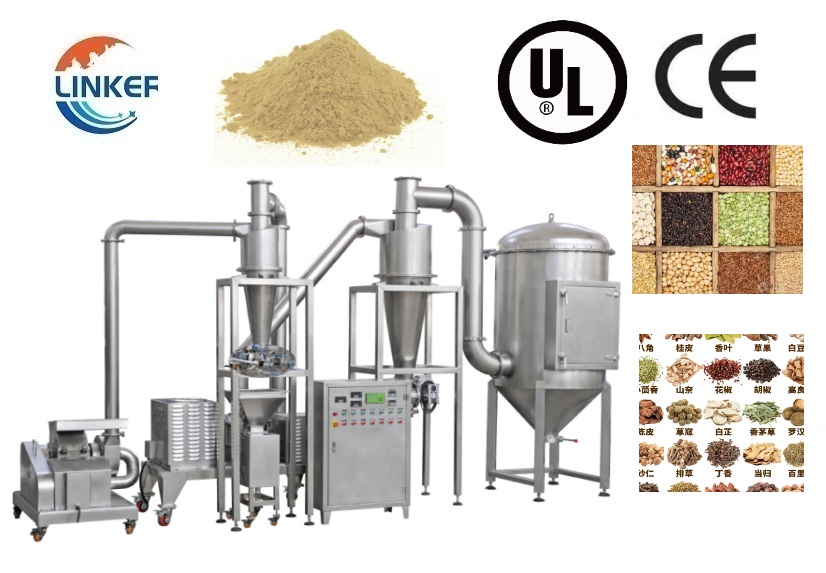
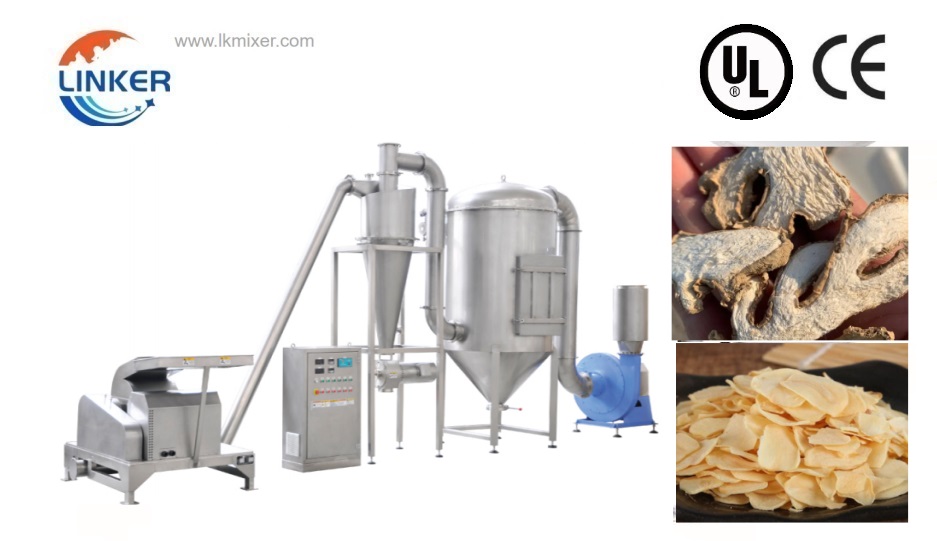
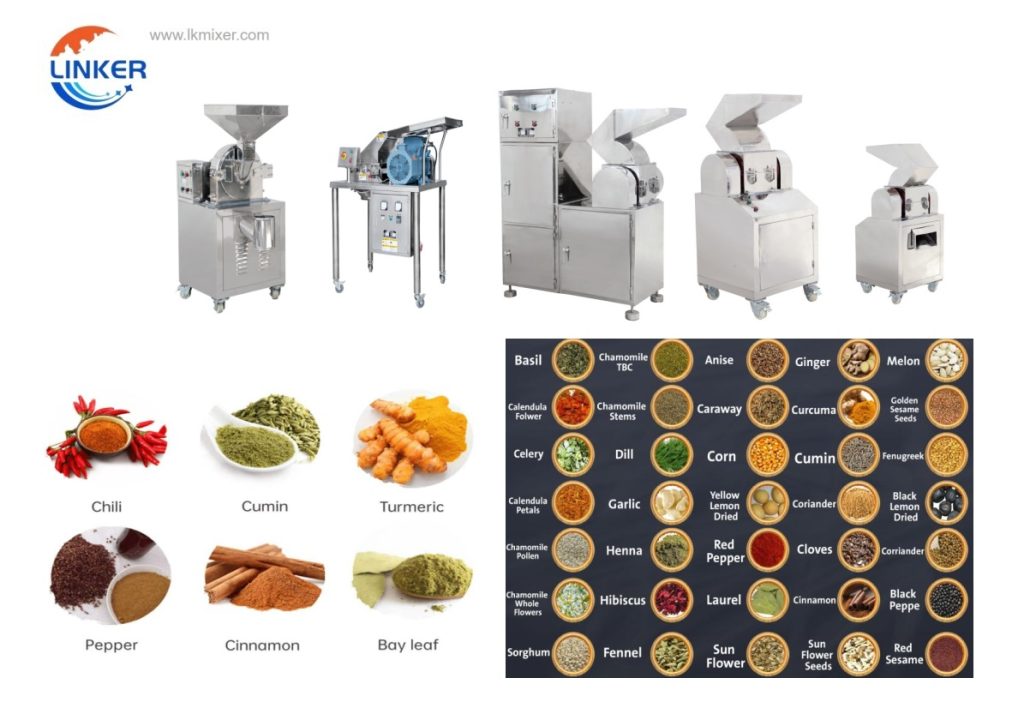
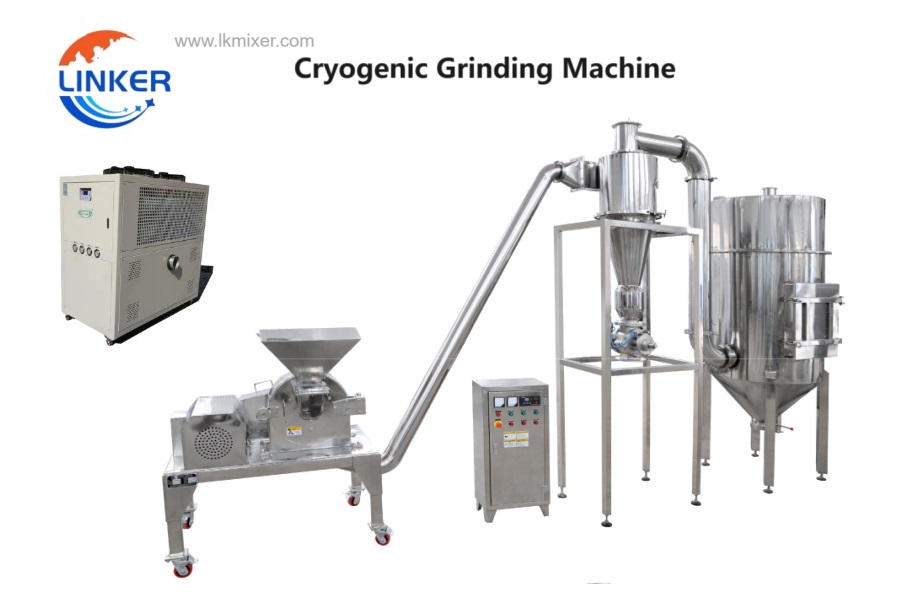
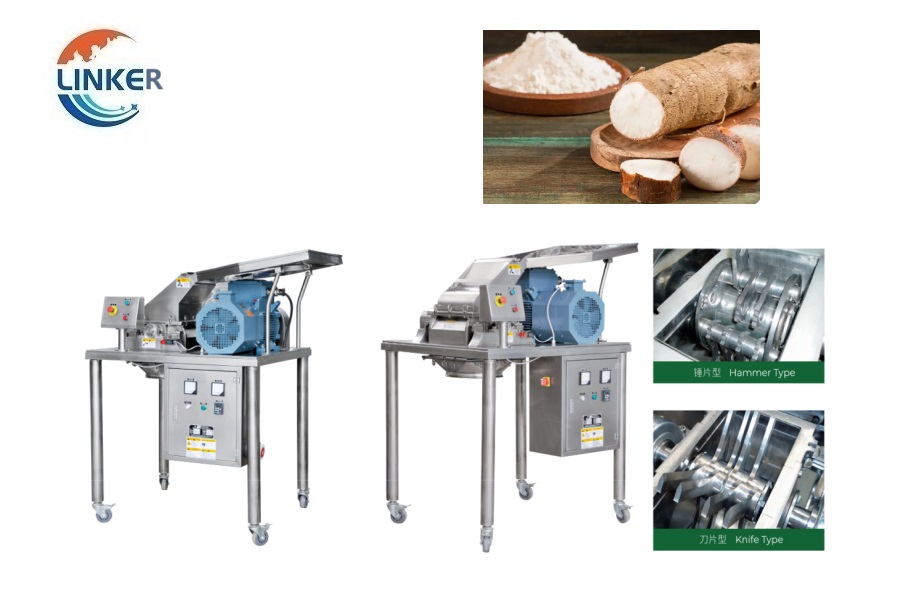
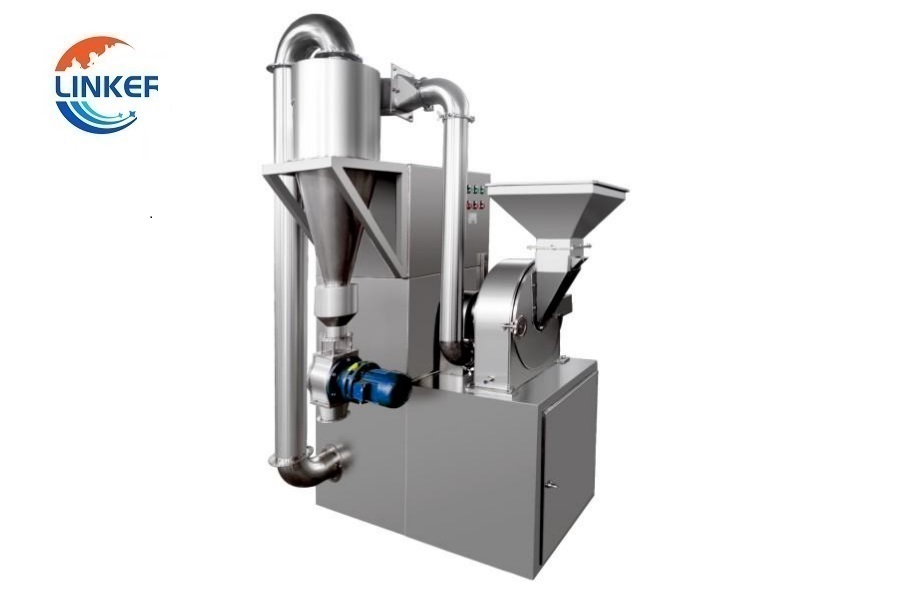
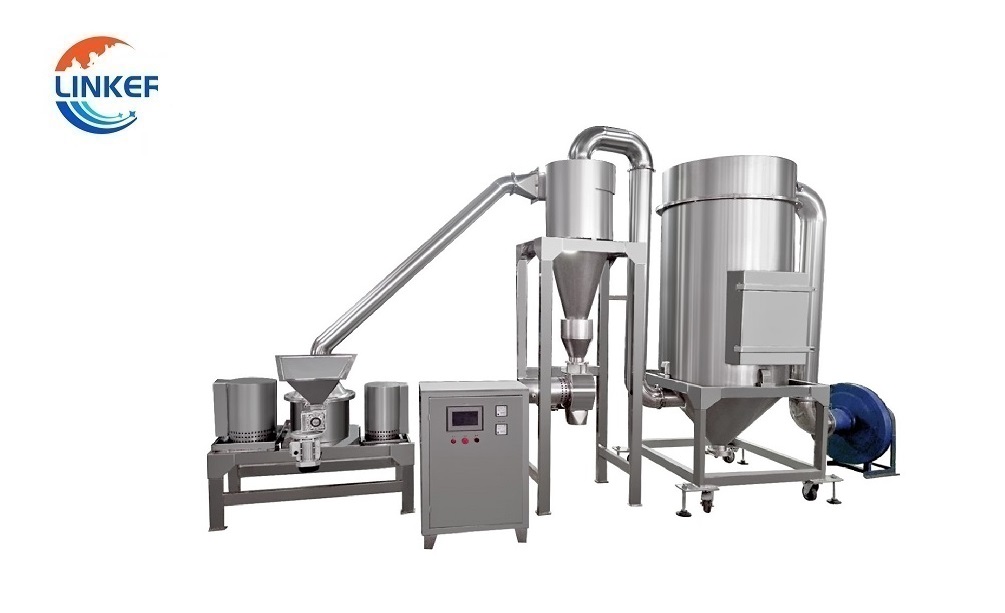
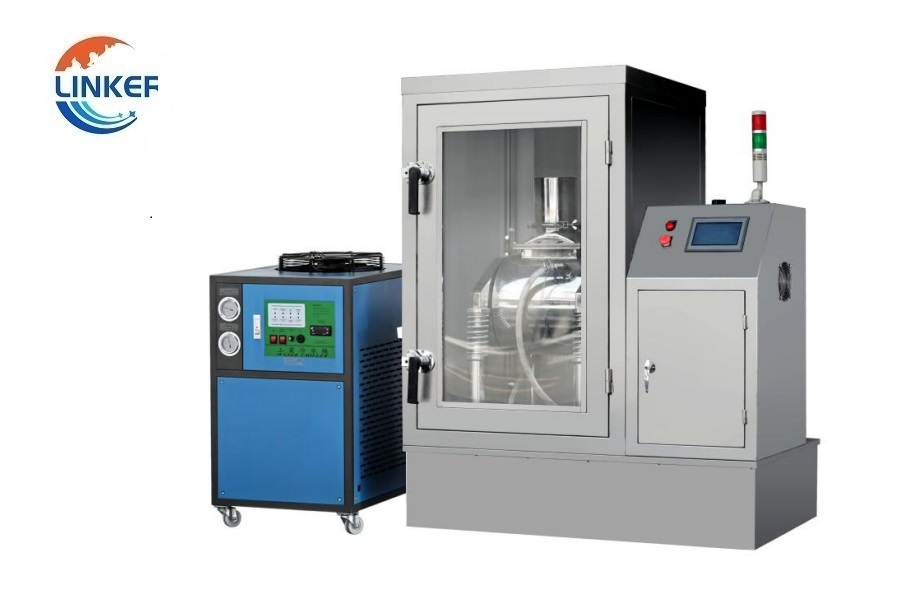
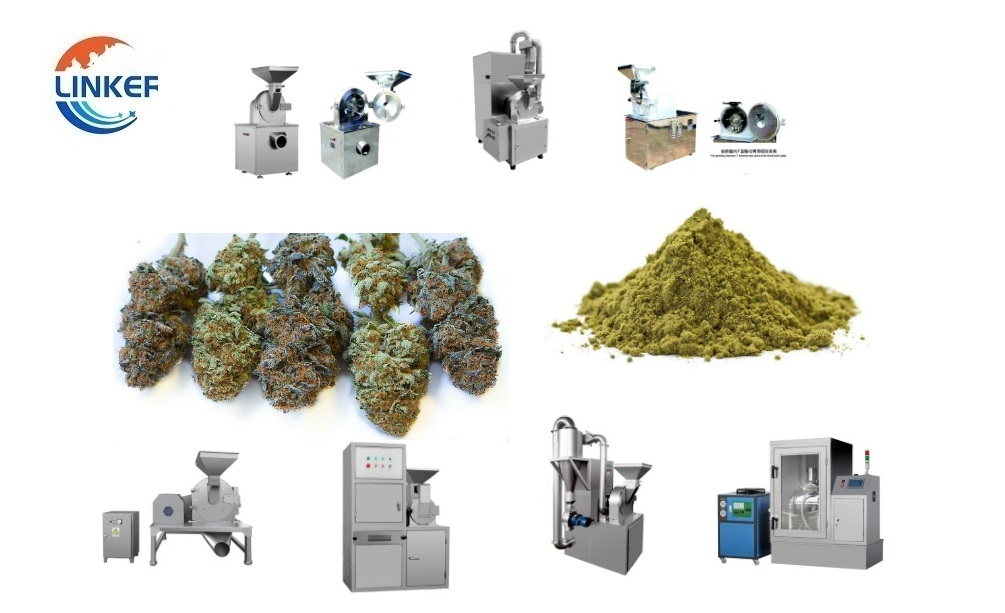
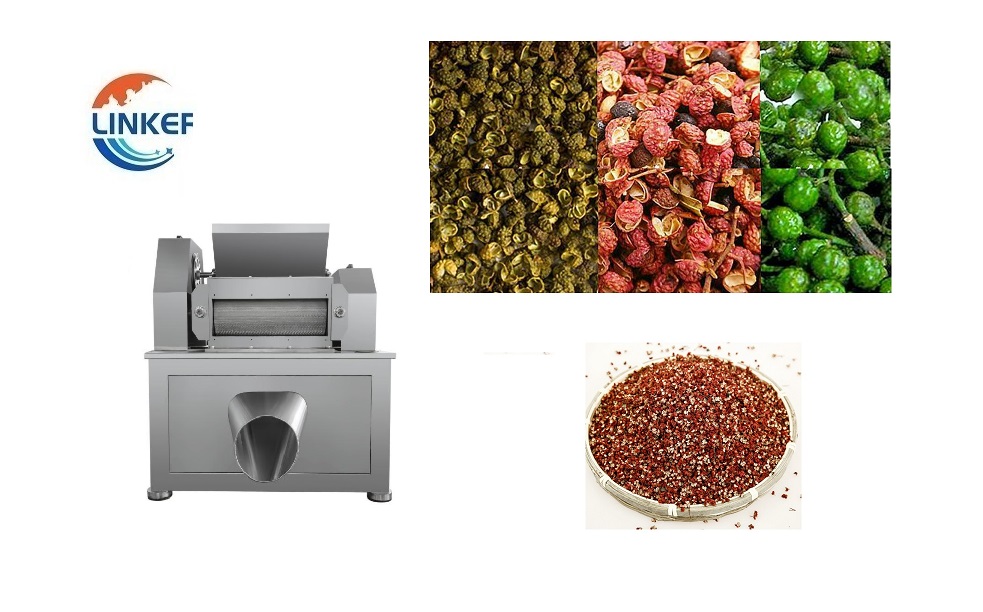
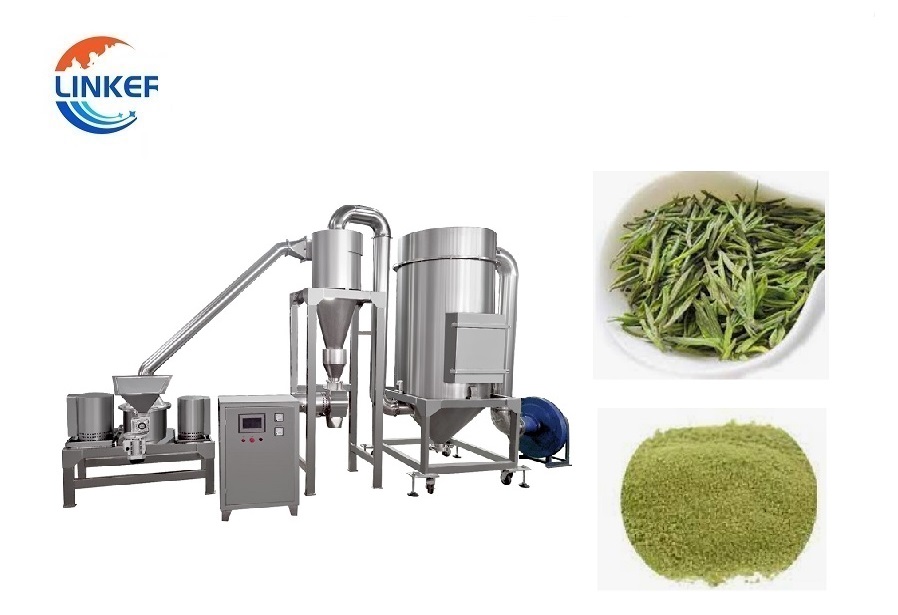
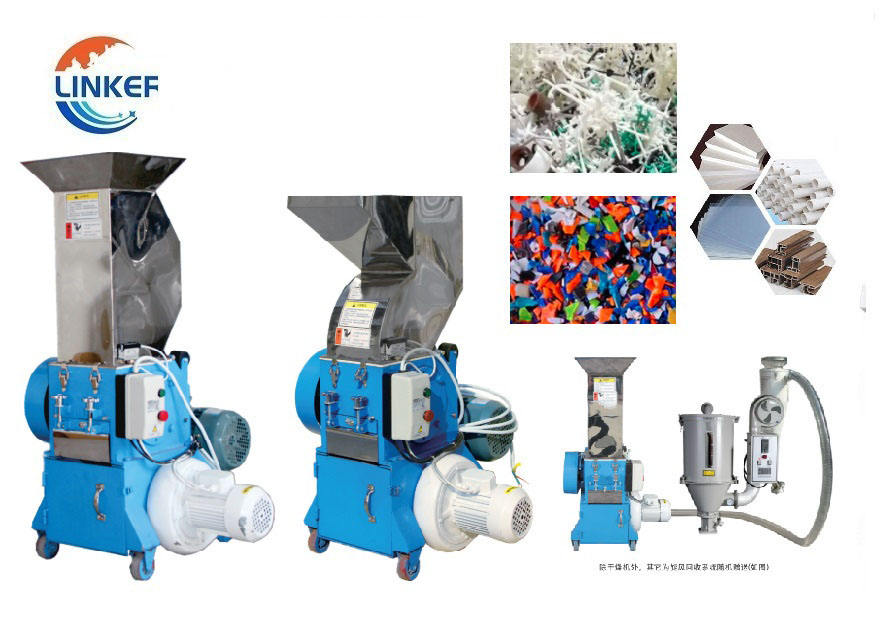
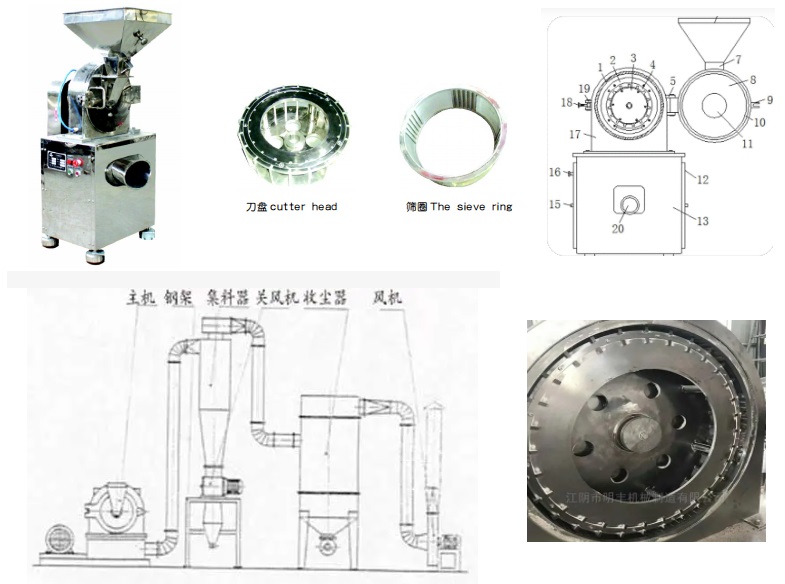
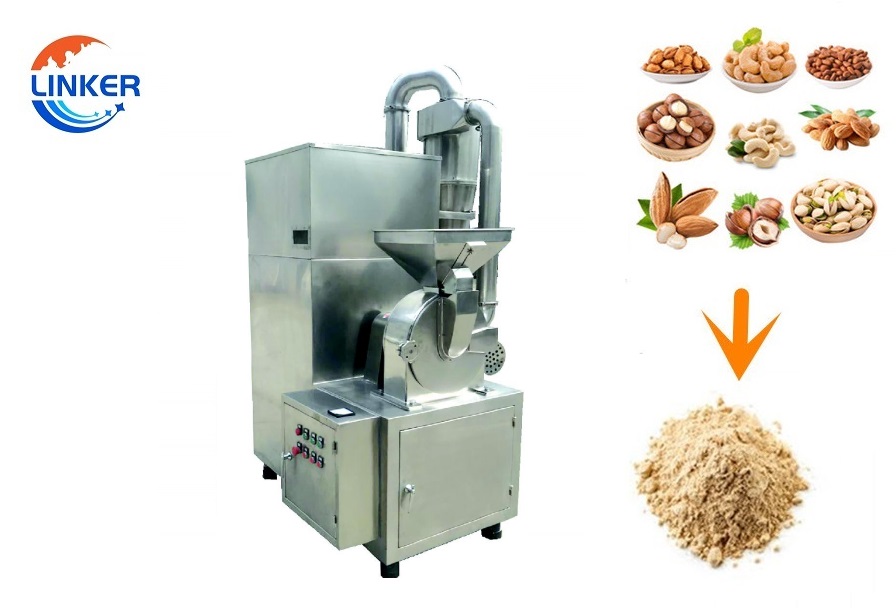
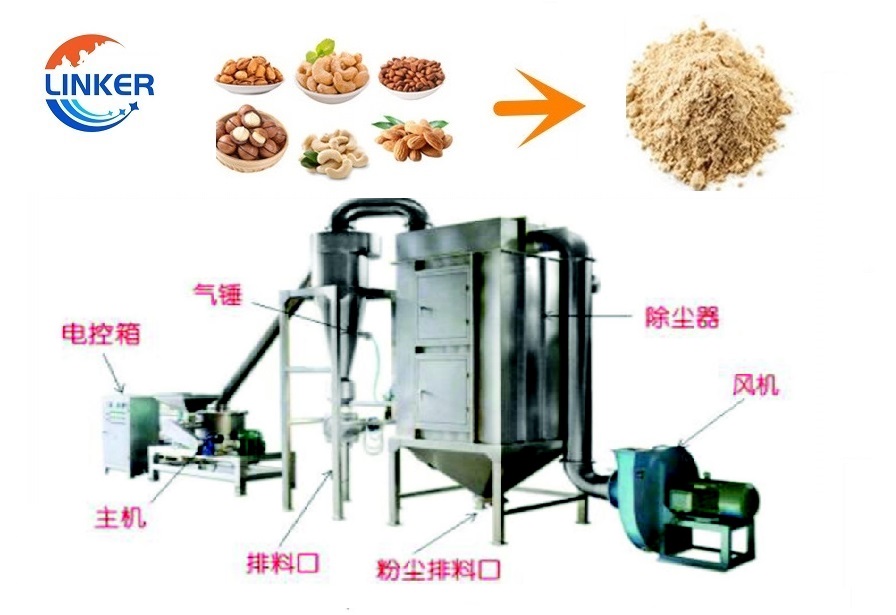
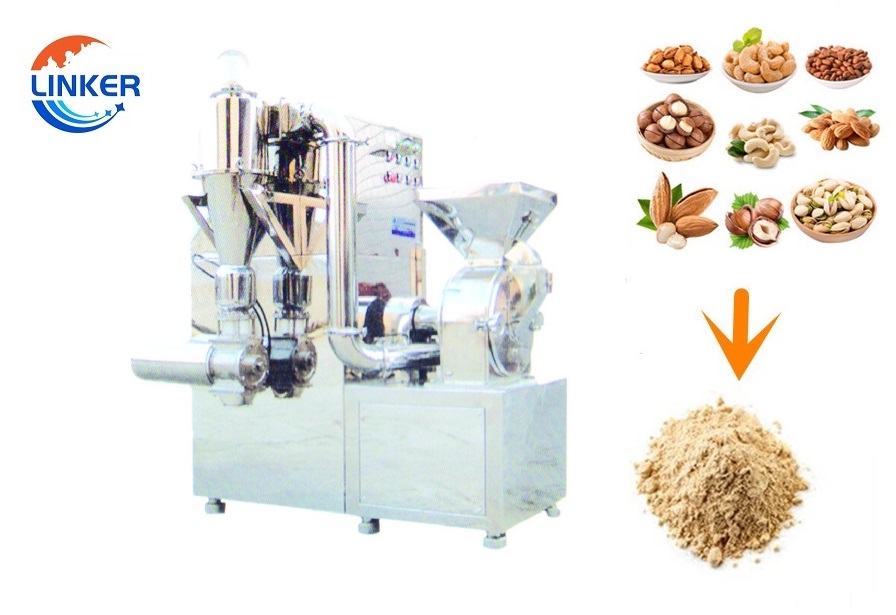
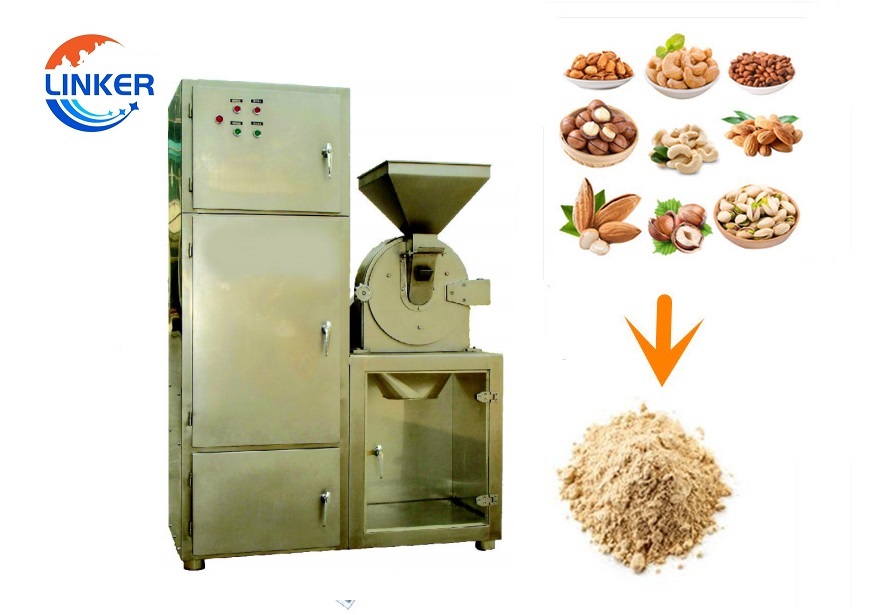
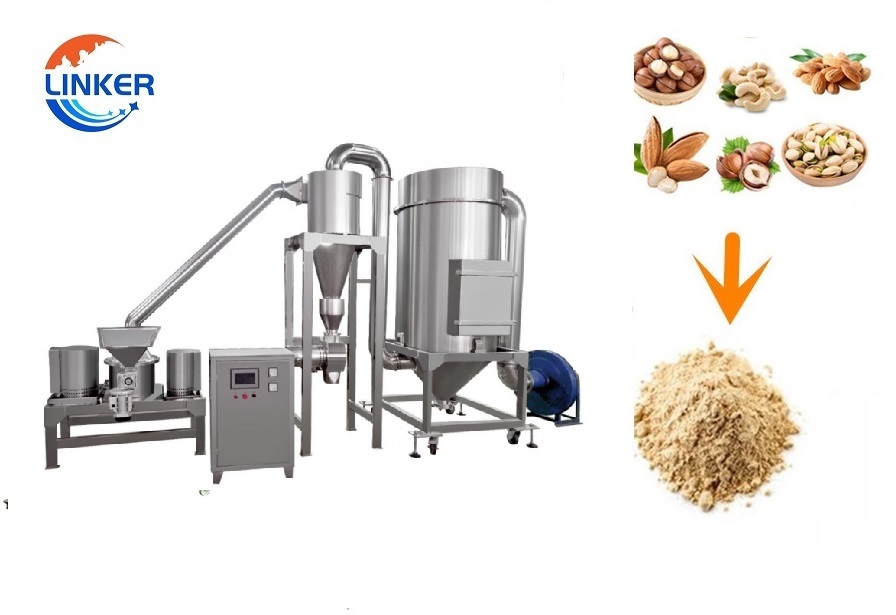
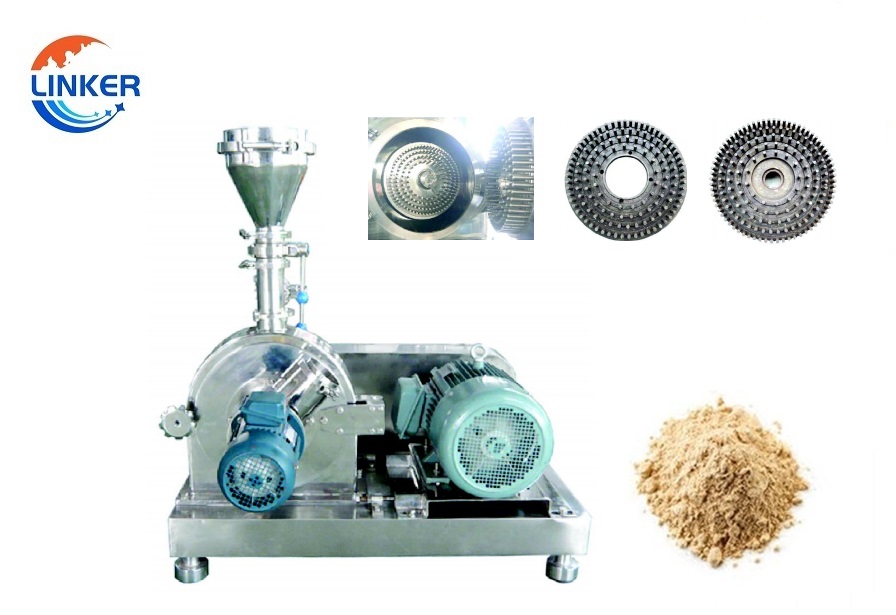
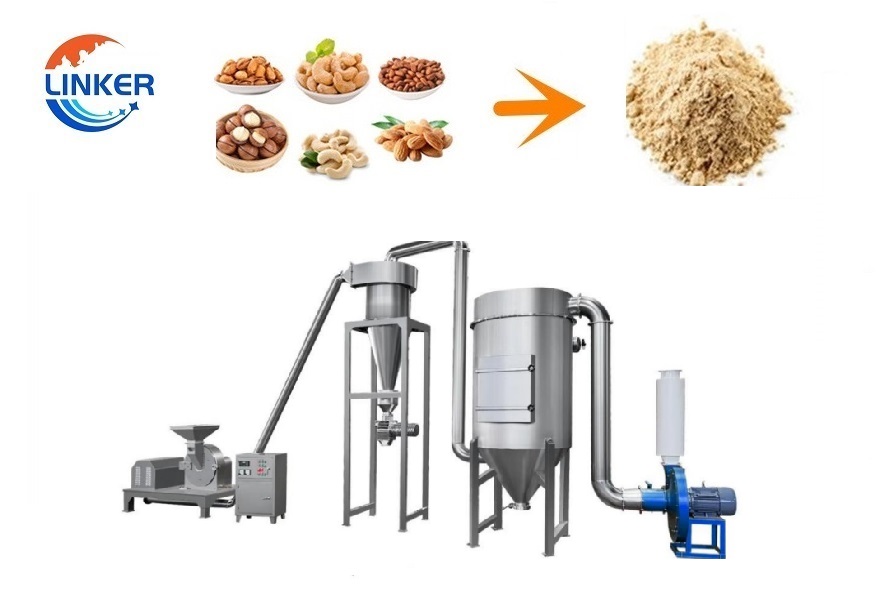
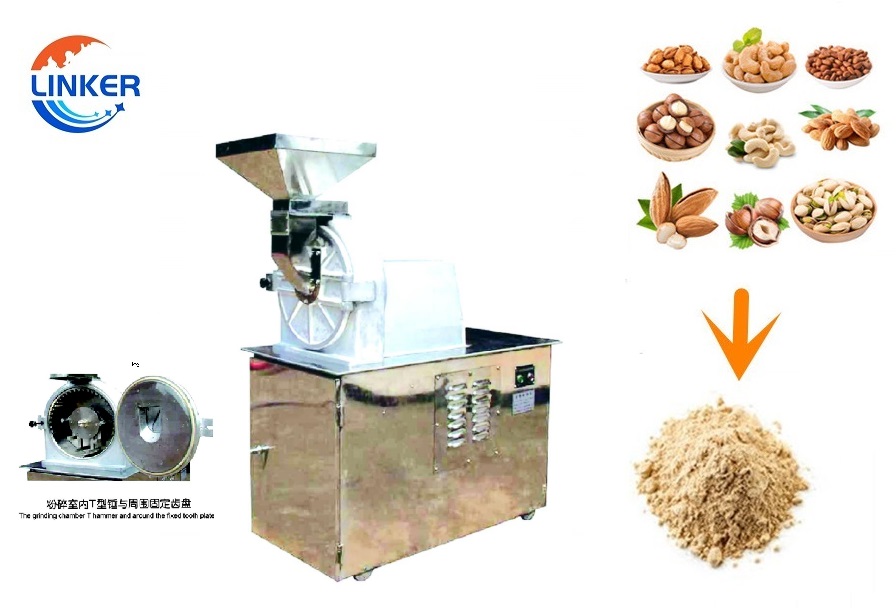
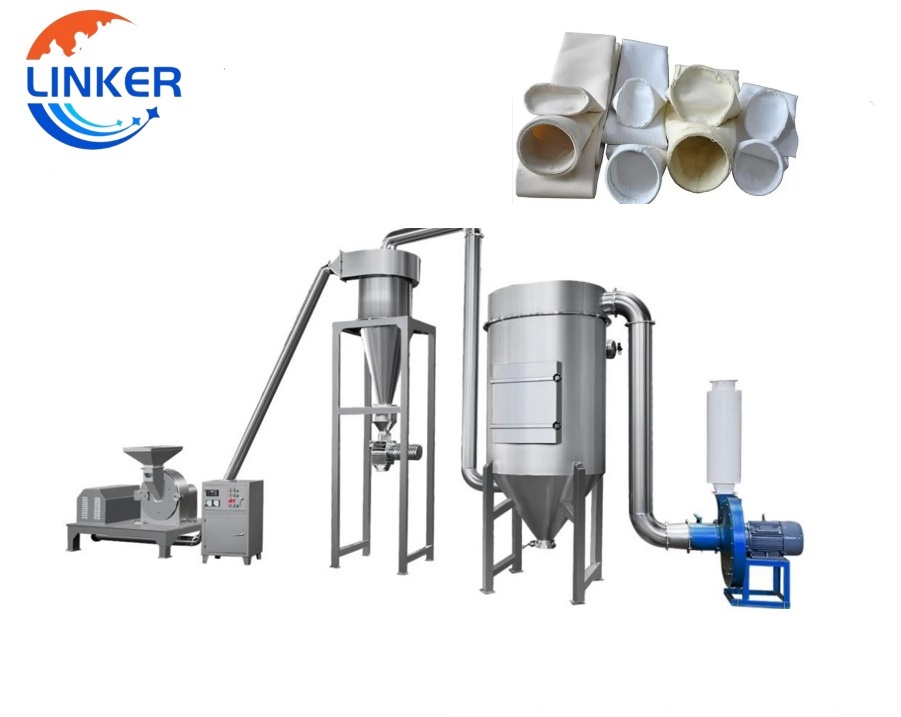
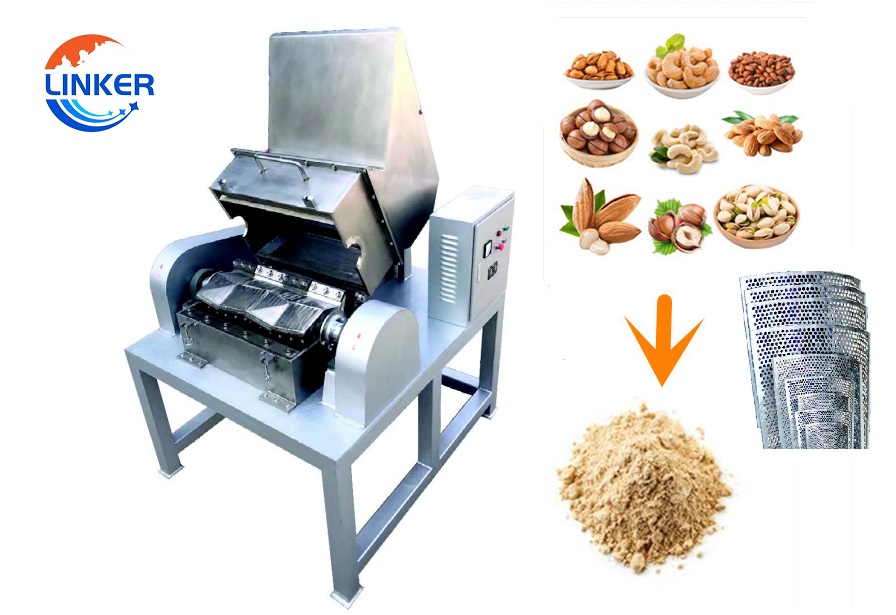
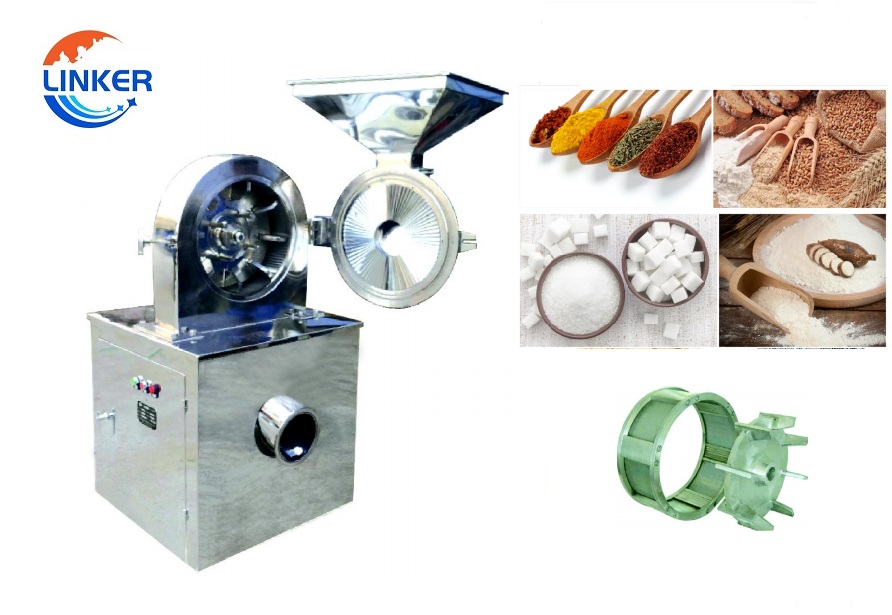
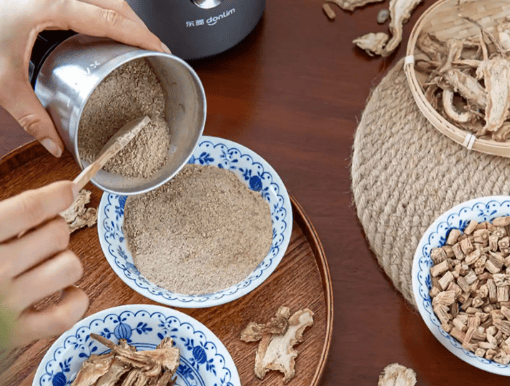
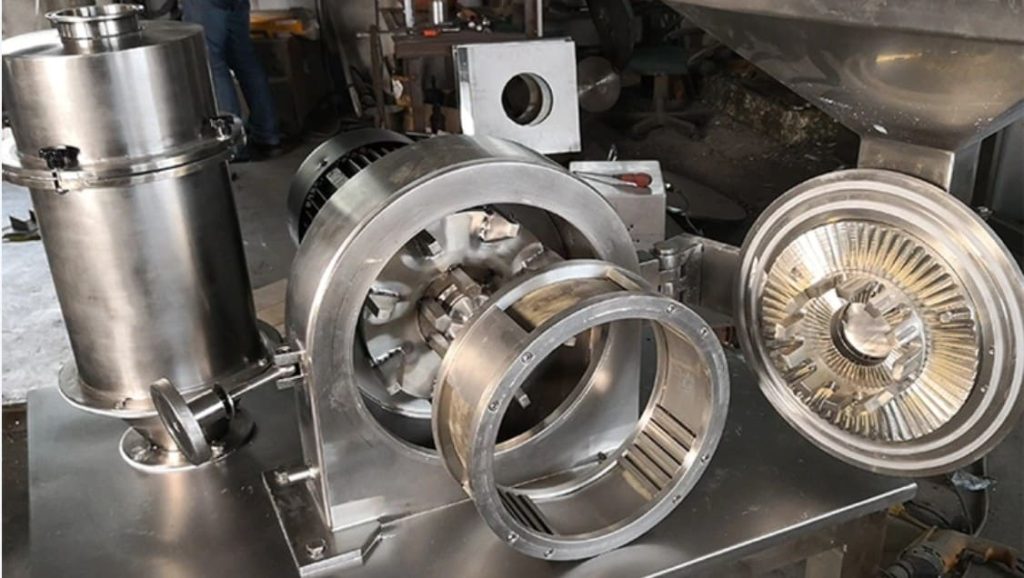
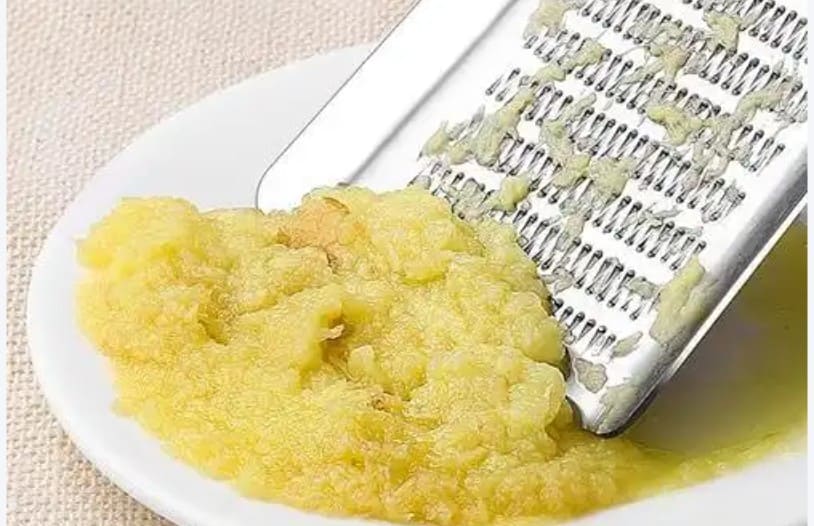
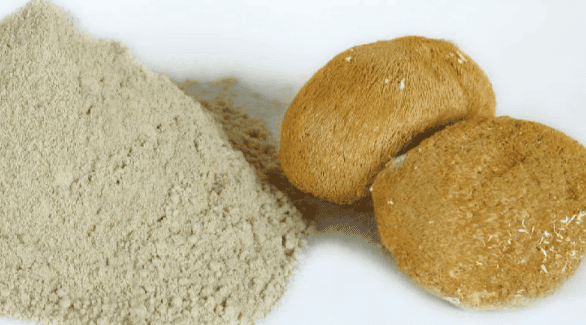
Automated grinding equipment, such as dry ginger grinding machines and cryogenic grinding machines, require specialized knowledge. For the cassava, dry fruit powder, and licorice grinding machines, workers modify the grinding fineness and feeding speed. To avoid cross-contamination between food and spice batches, they keep an eye on the dust collection systems on turbo grinders and vibrating pulverizers.
Food Safety Compliance and Data Management
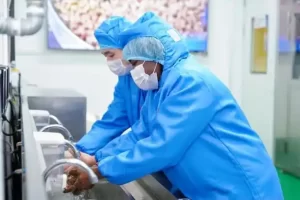
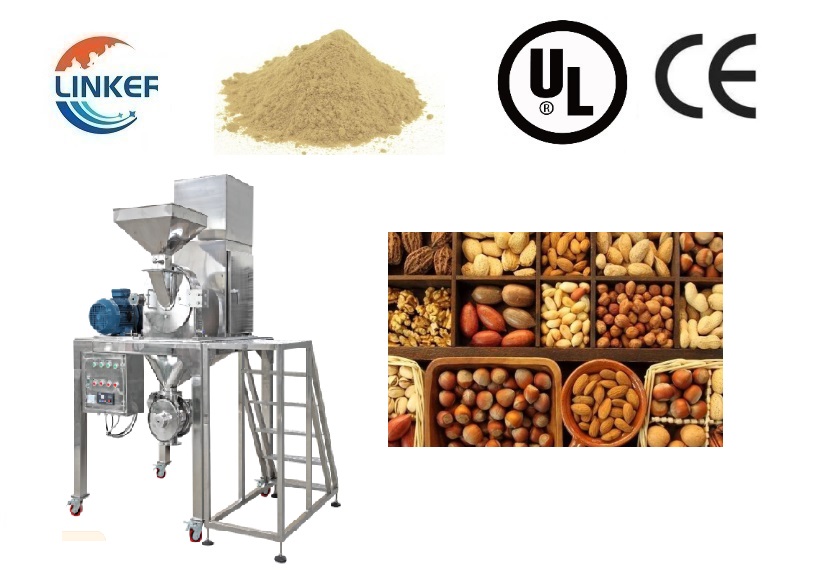
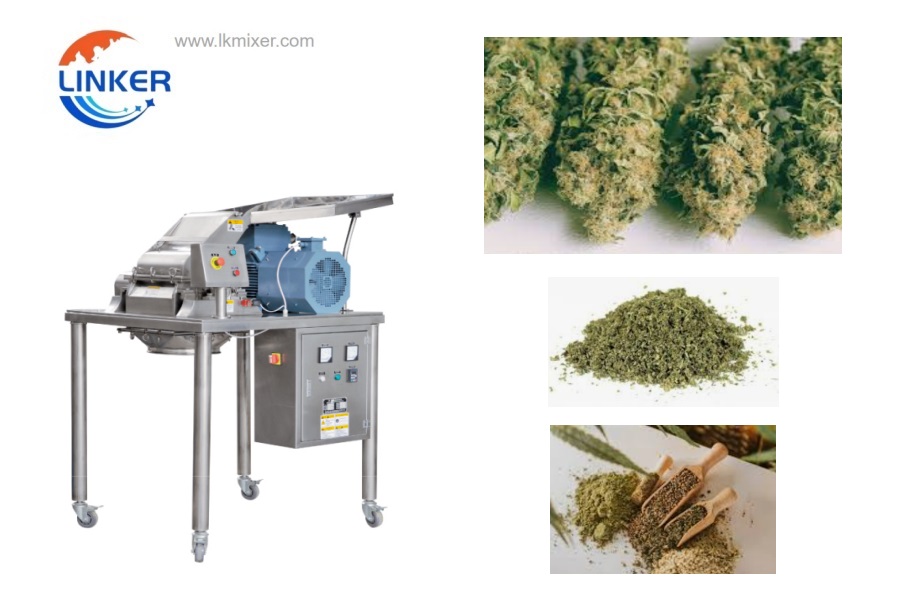
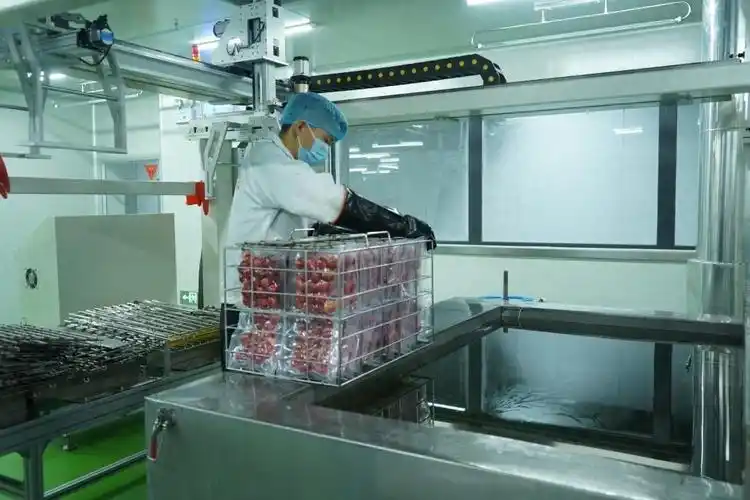
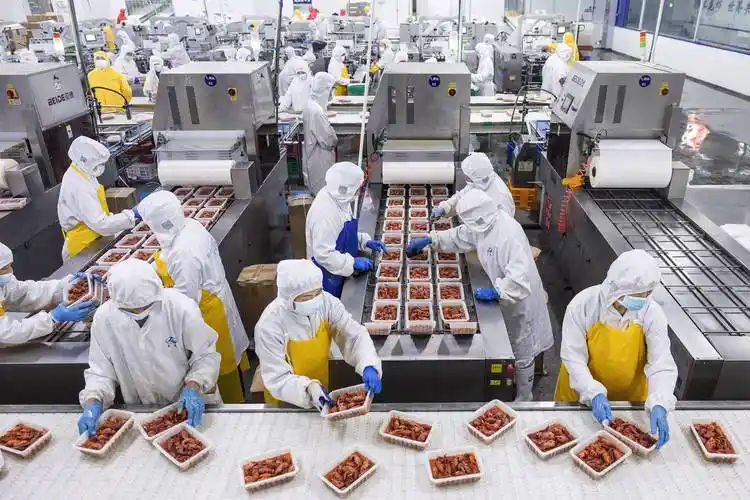
In order to synchronize all operations with HACCP and international food safety standards, data management and food safety compliance are non-negotiable abilities. For each manufacturing run, operators maintain traceable, unchangeable electronic records that include batch parameters, cleaning validation results, and environmental data. To prevent cross-contamination between peanuts, seasam, and other allergies, they closely adhere to allergy changeover rules, segregating CE Certificate grinders and other equipment. No attempt should be made to conceal or disregard safety alarms; any alarm, such as an excessive temperature or insufficient cleaning, must be reported right away. Additionally, workers keep tobacco, chemical, and cannabis processing equipment completely apart, making a distinction between food-grade and non-food equipment.
Preventive Maintenance and Emergency Response
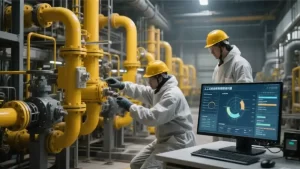
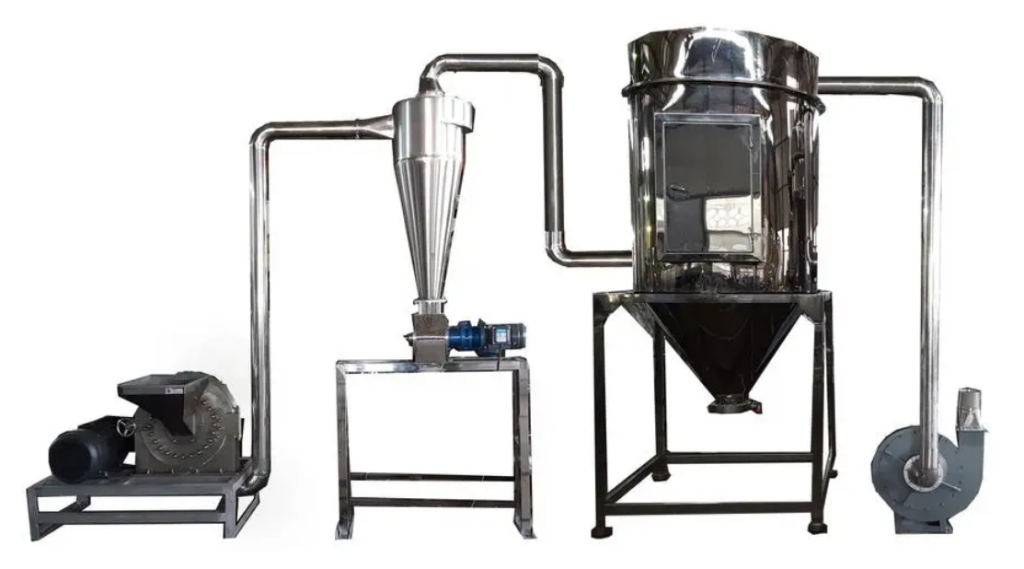
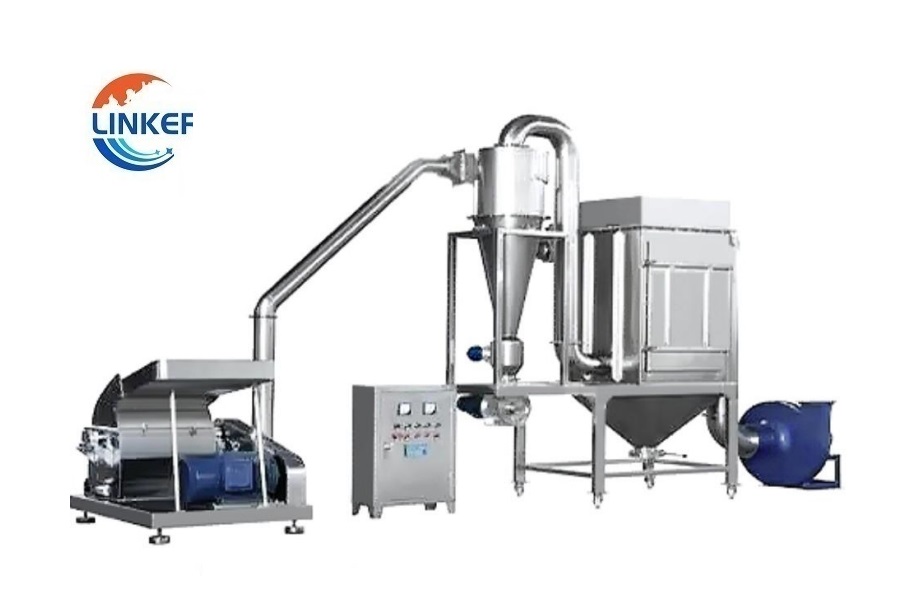
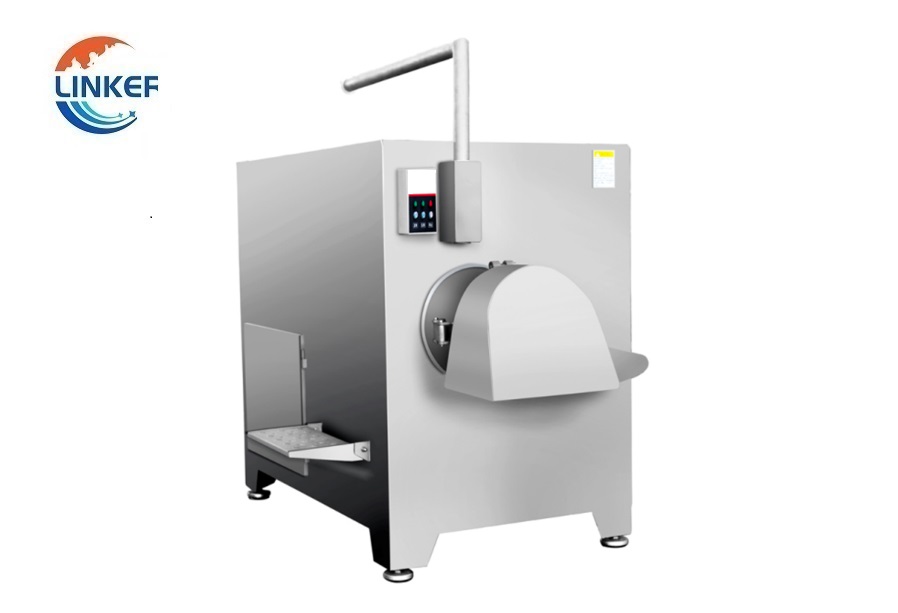
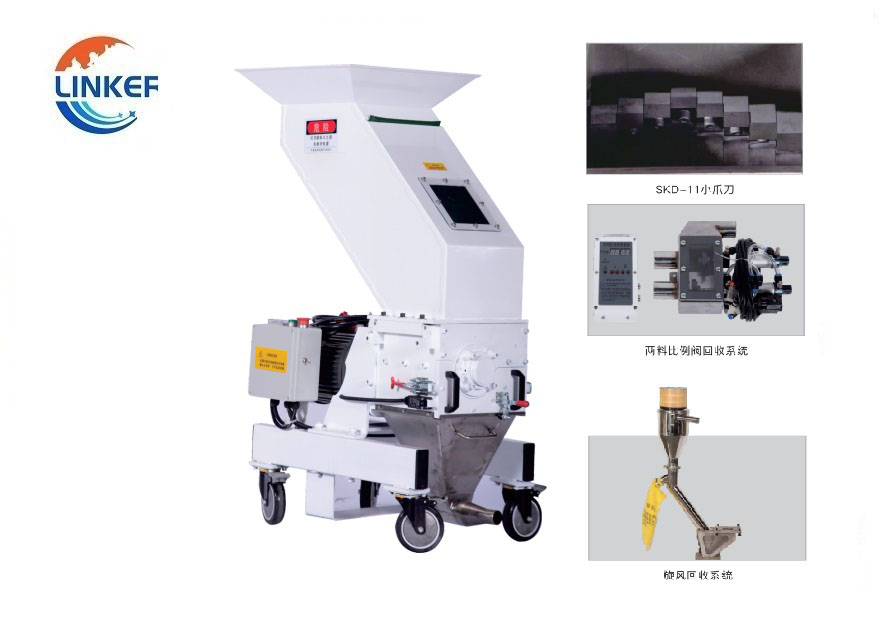
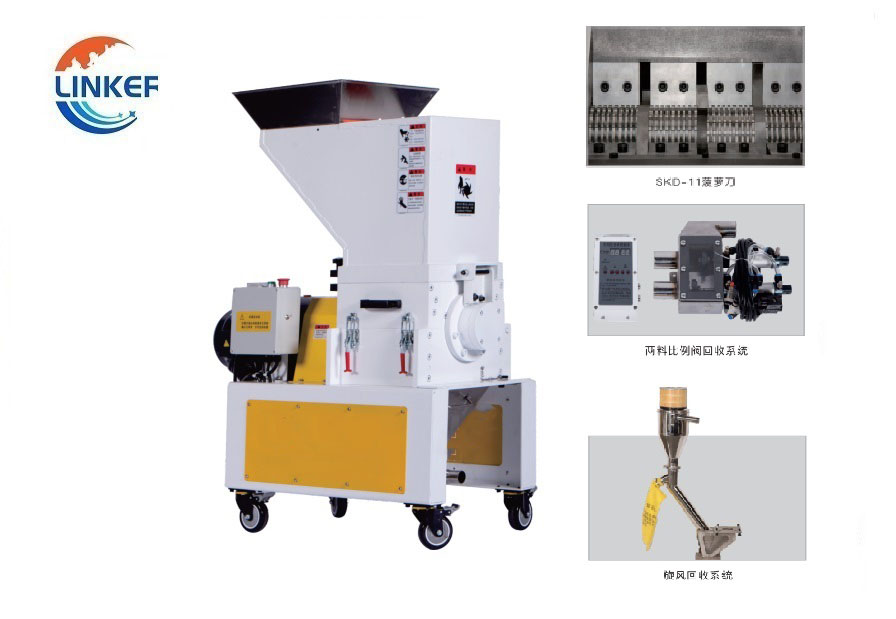
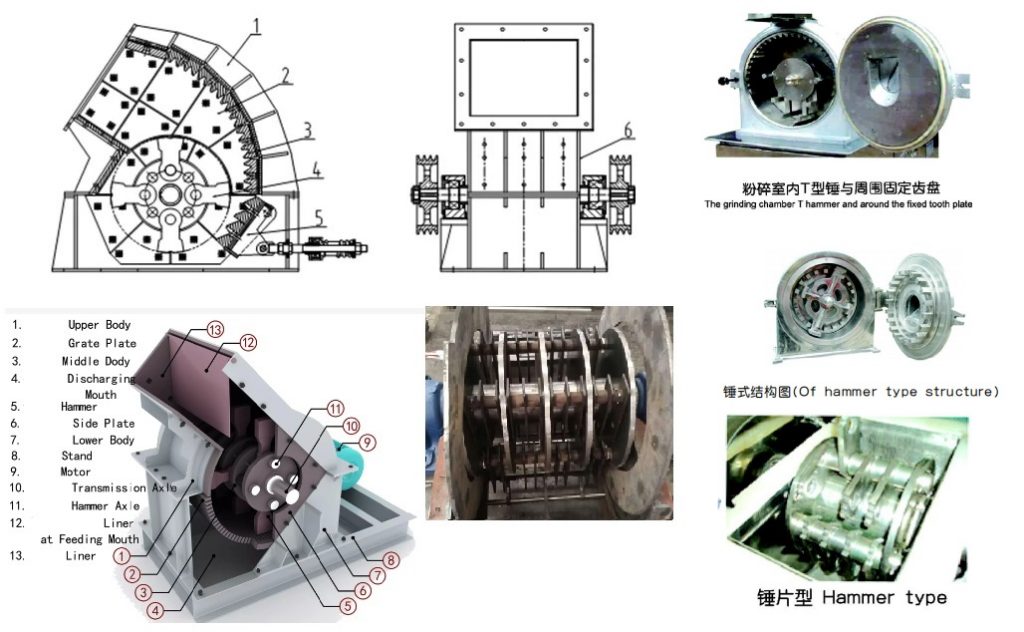
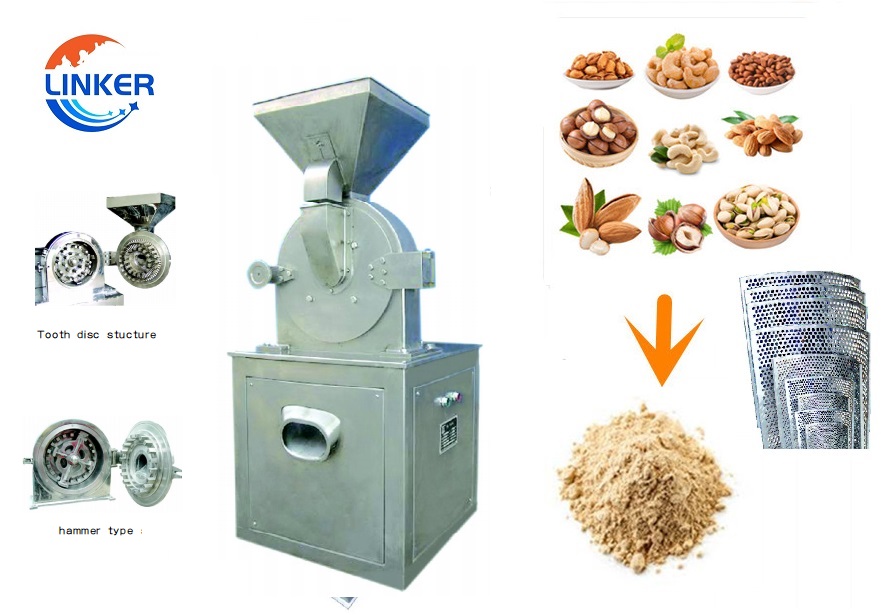
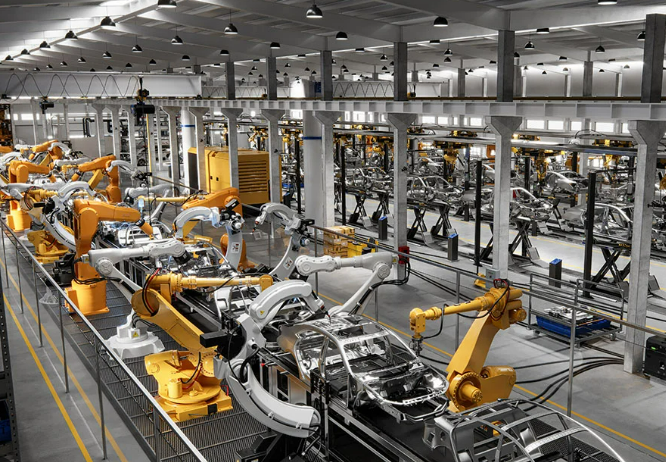
Regular filter changes, sensor calibration, and pneumatic component inspections are examples of preventive maintenance techniques that help maintain the stability of automated lines. To minimize unplanned malfunctions, operators take part in maintenance schedules for the Hammer Mill, Dust Grinder, and small grinder machine. Workers can swiftly identify problems ranging from high product defect rates to sensor drift or motor overload by using basic troubleshooting skills. Workers preserve product batches, separate sources of contamination, and activate emergency stops in situations such as equipment jams or power failures.
They follow clear protocols to notify maintenance teams and document all emergency actions for compliance reviews.
Continuous Learning and Adaptive Skills
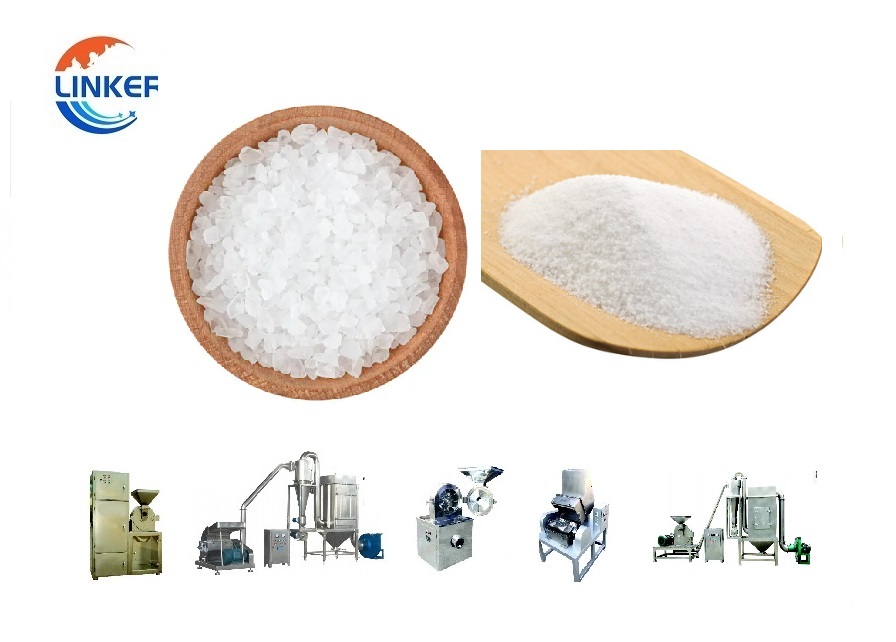
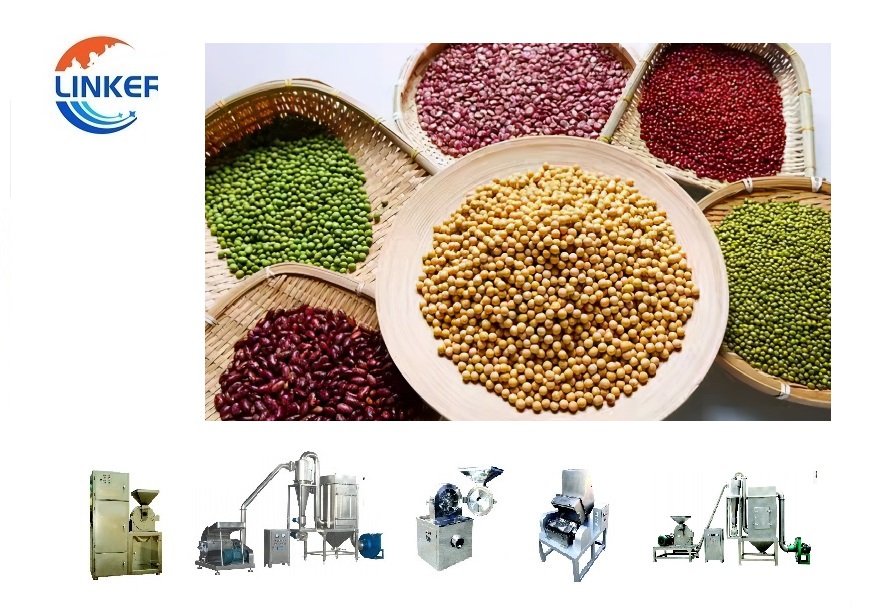
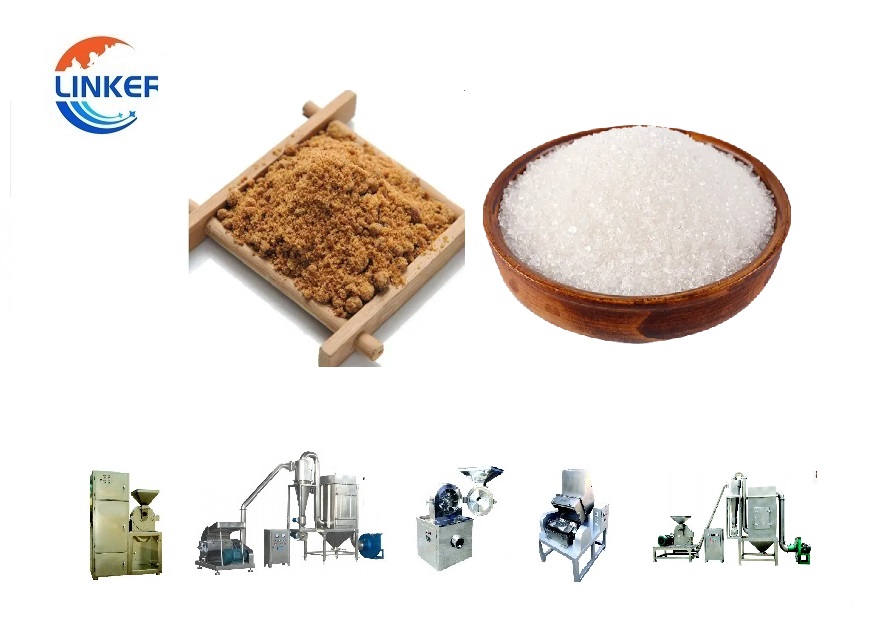
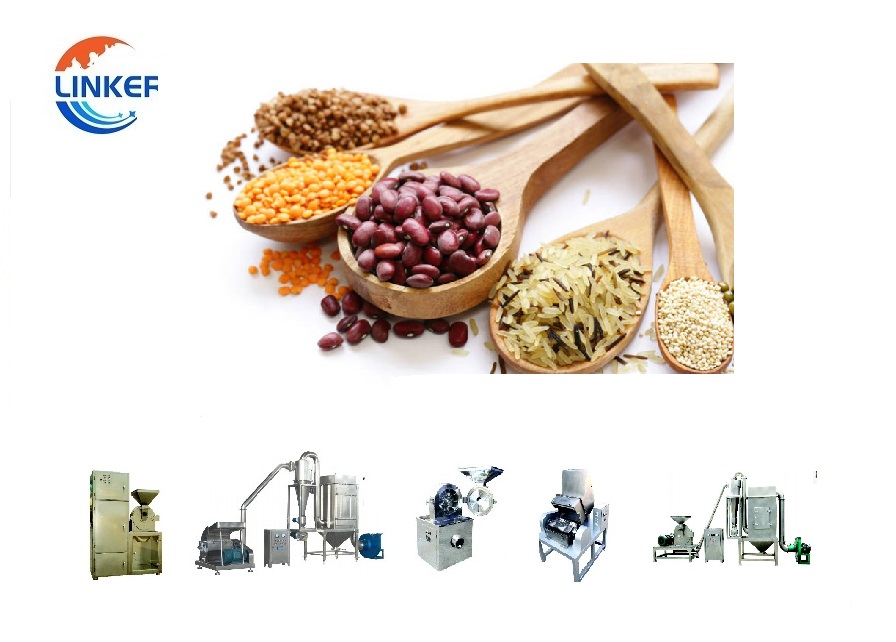
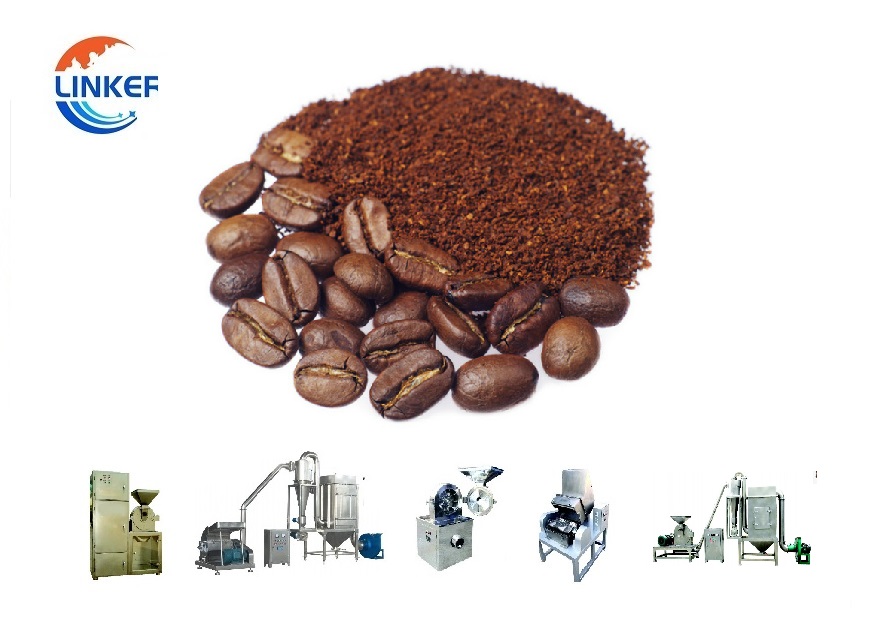
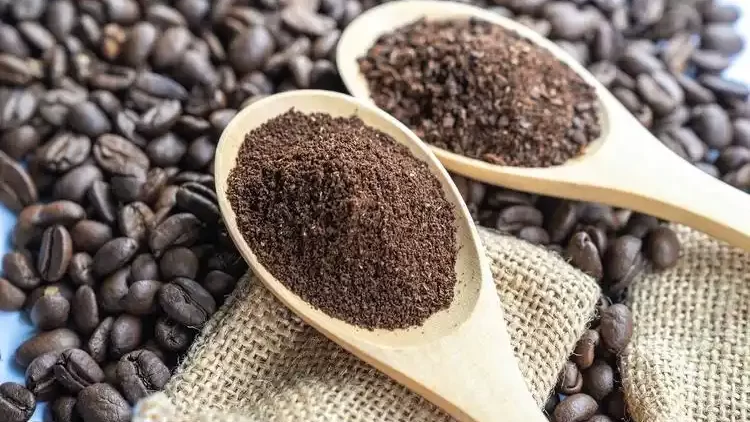
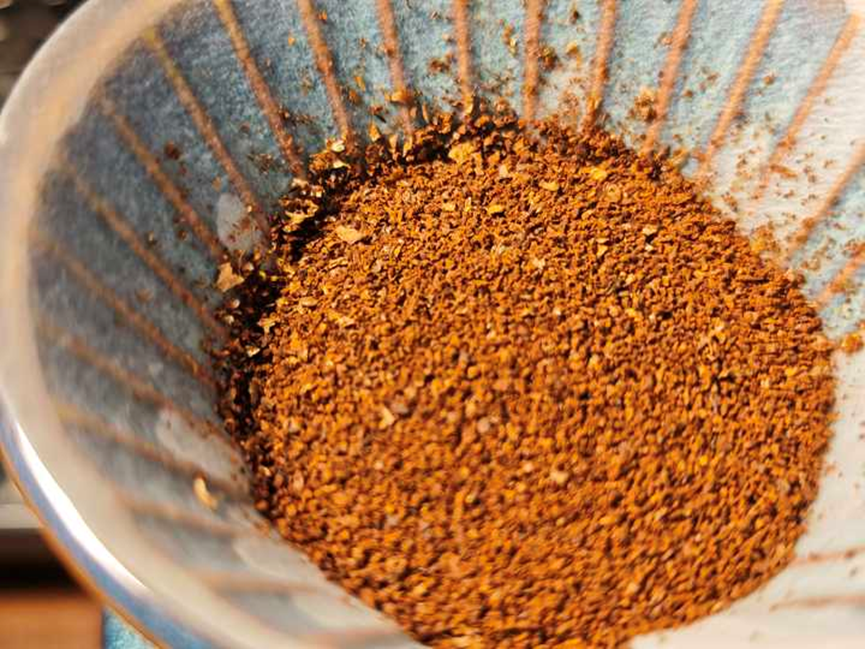
As automated food line technology and safety regulations change frequently to satisfy new business demands, continuous learning is crucial. Workers stay up to date on food safety laws while learning how to operate modern equipment such as cutting type grinders and industrial weed grinders. Skills for processing a variety of resources, such as bone, seeds, beans, tea, salt, sugar, and coffee goods, can be adjusted with adaptability.
Core Responsibility and Quality Awareness
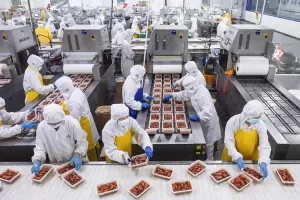
Operators prioritize food safety over production volume or speed, acting as both technical performers and quality guardians. Long-term steady and compliant line performance is ensured by strict adherence to operating regulations, data-driven checks, and transparent responsibility. This comprehensive skill set guarantees that automated lines operate effectively, safely, and fully in accordance with the regulations of the international food business.
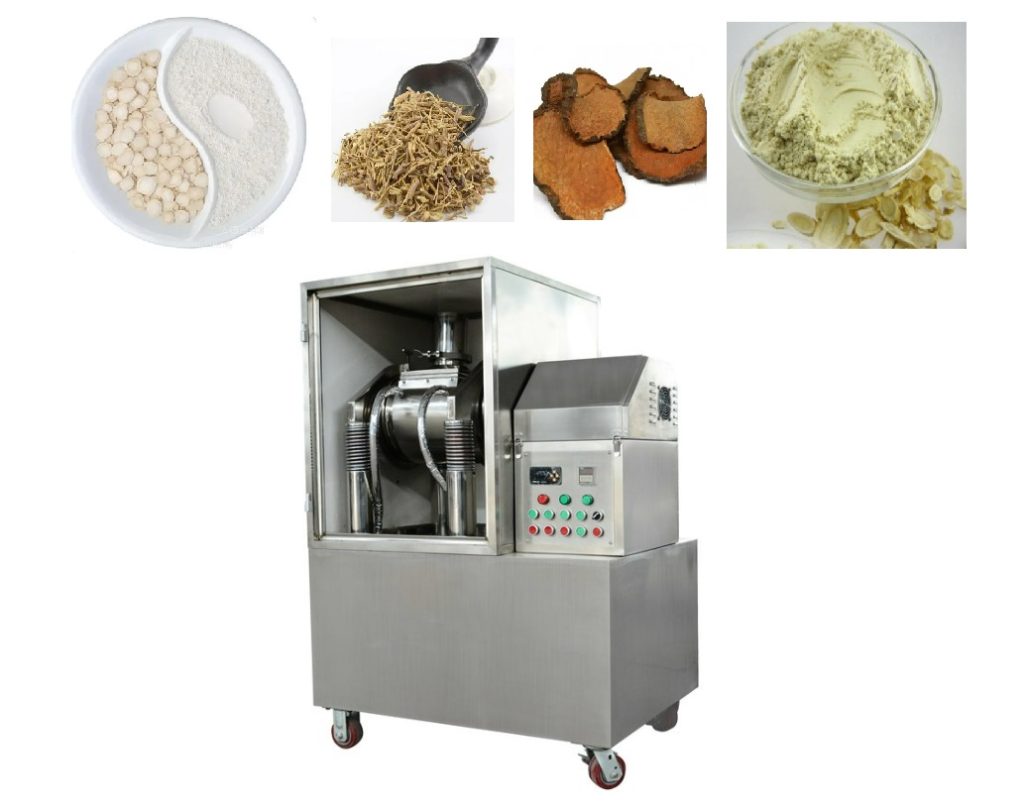
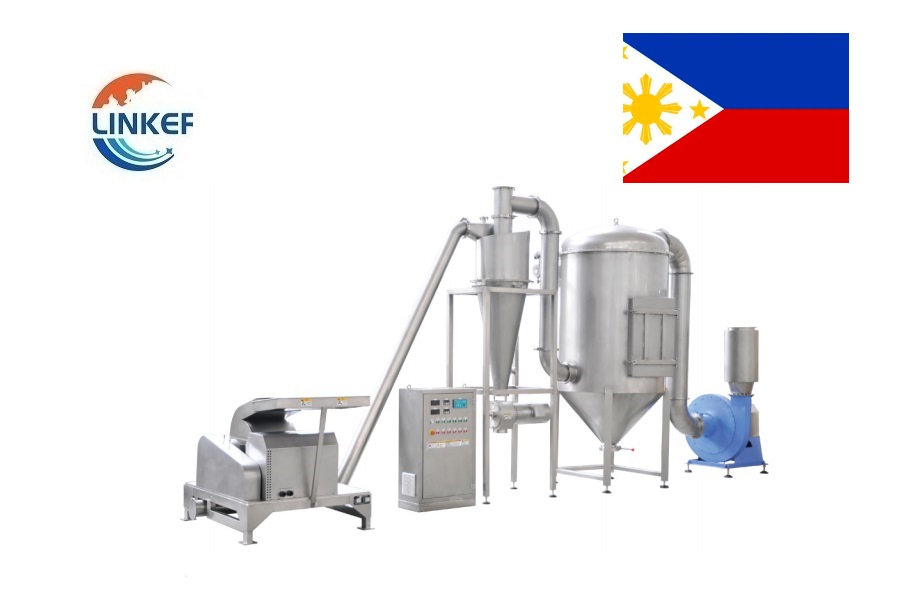
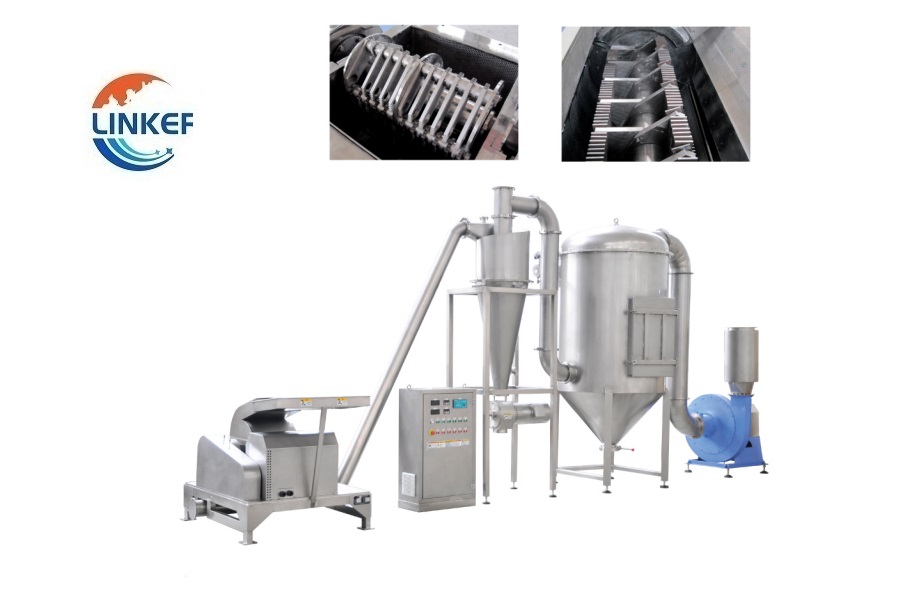
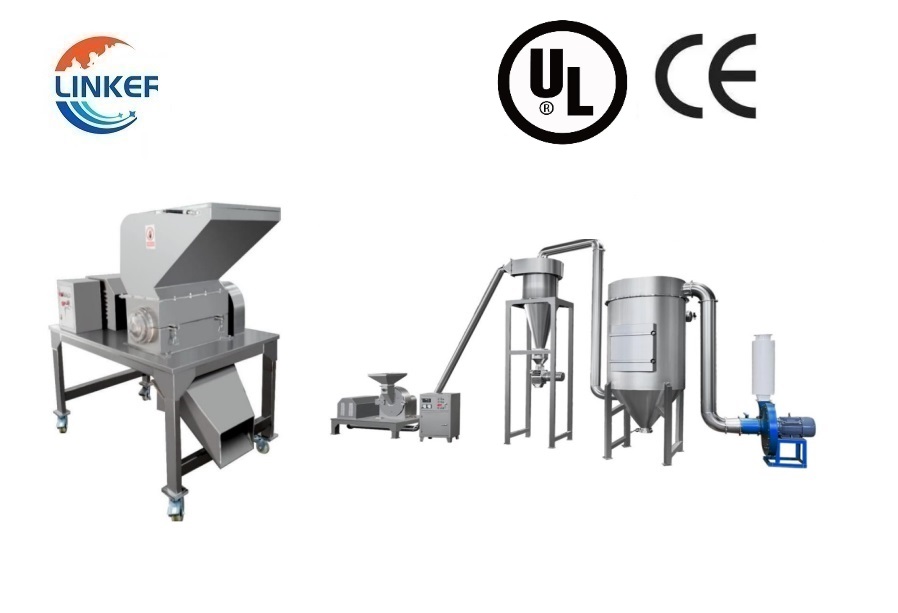
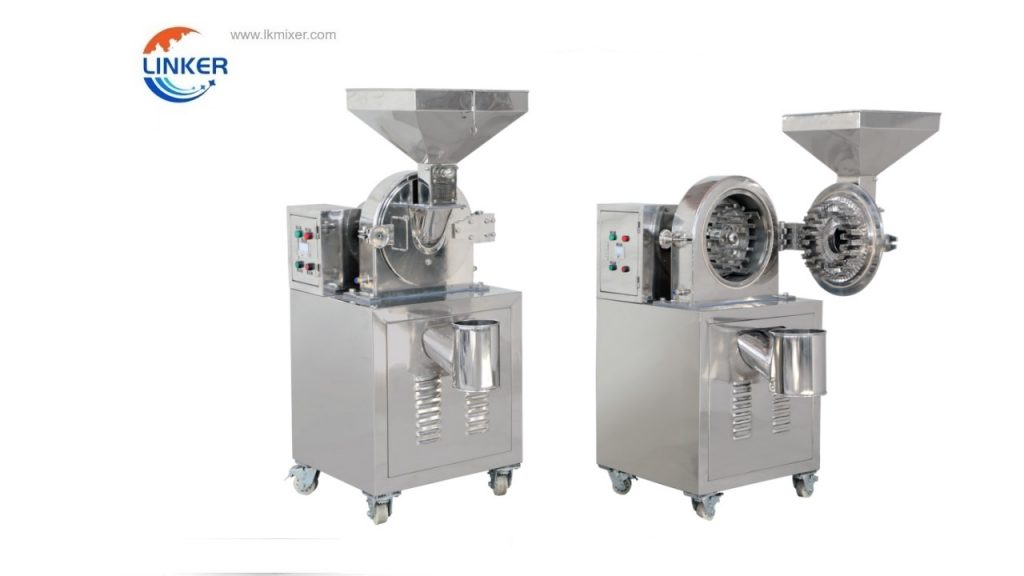
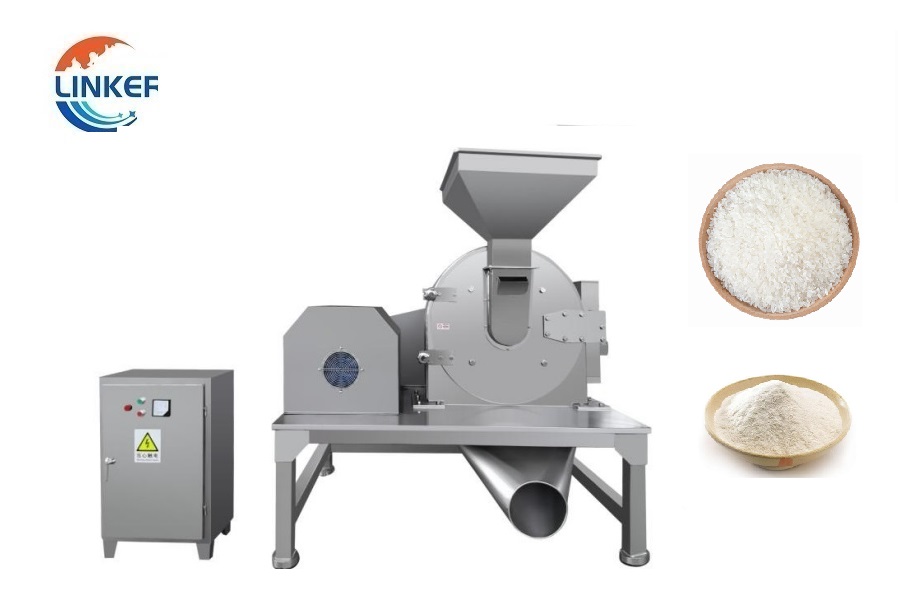
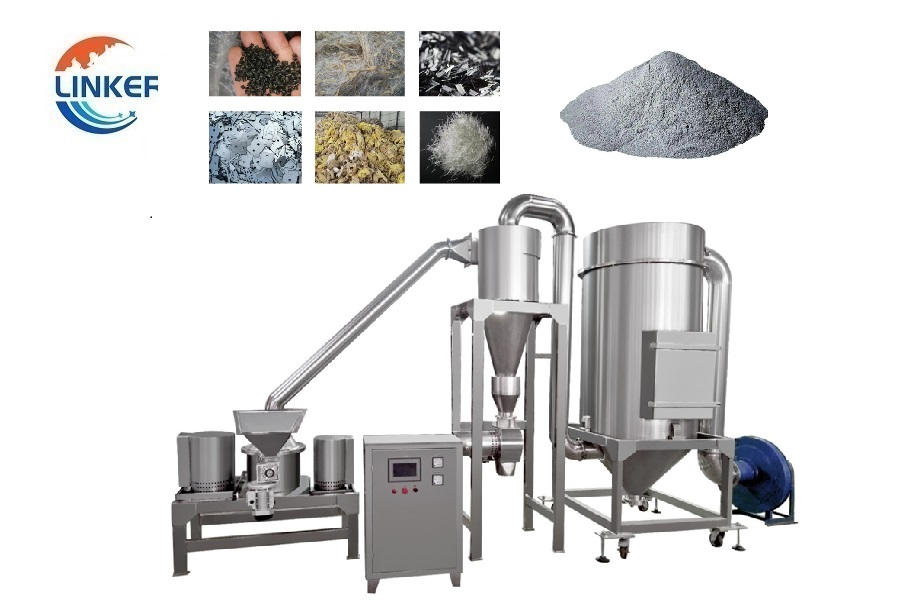
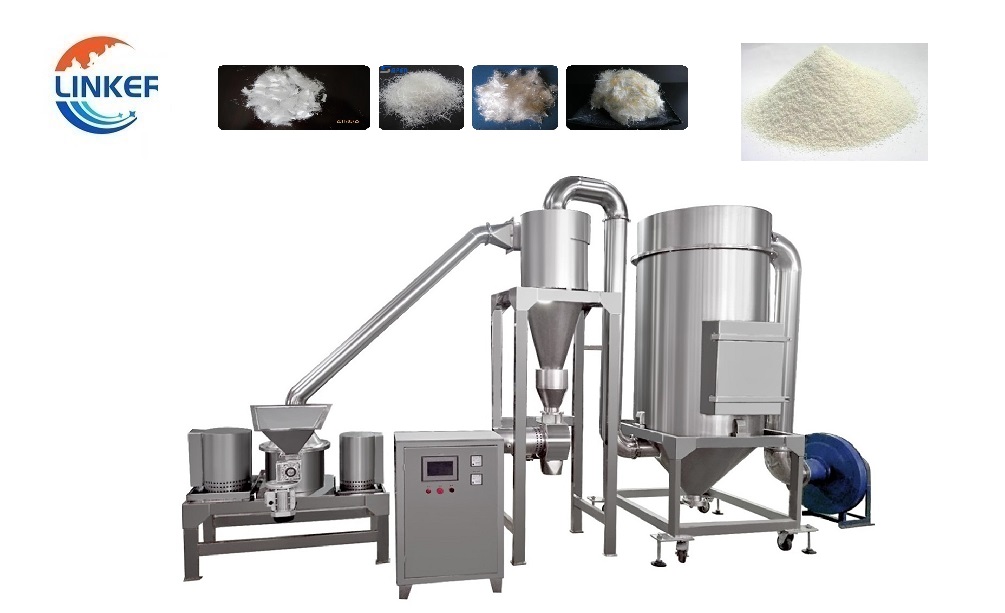
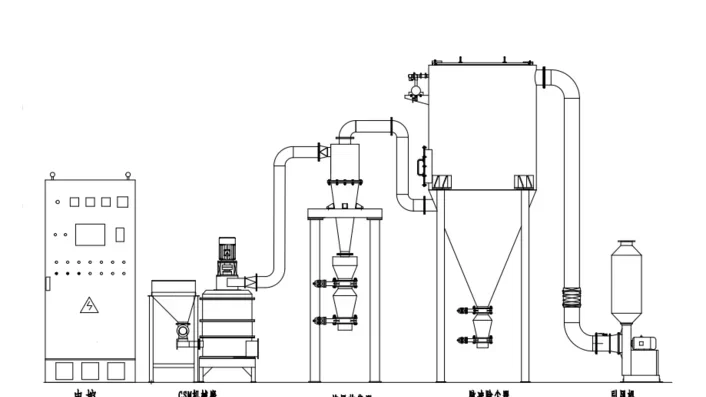
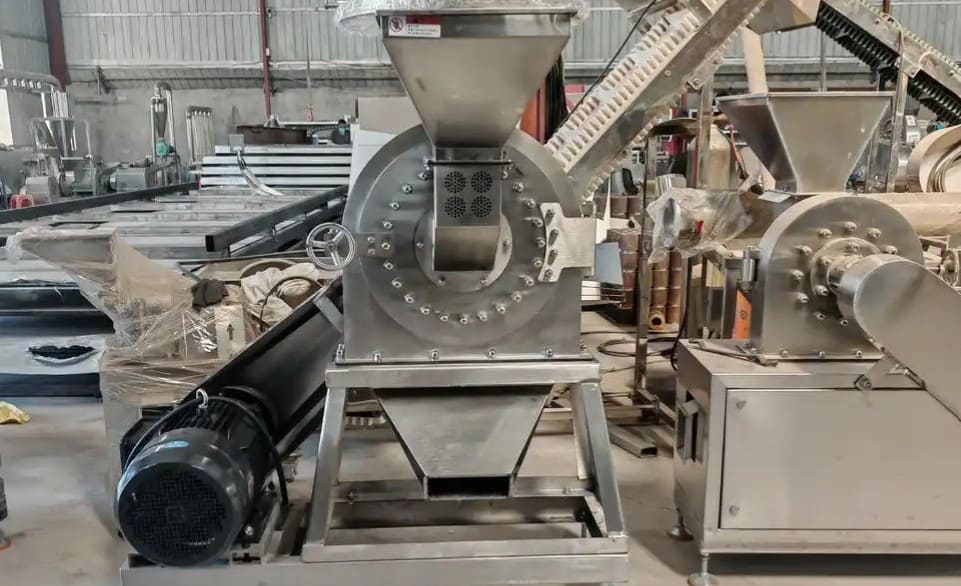
Ultrafine grinding is one of the very key procedure in whole production line. It depends how many mesh that customer need to produce. That’s to say this machine can decide what kind of material will get finally before mxing.
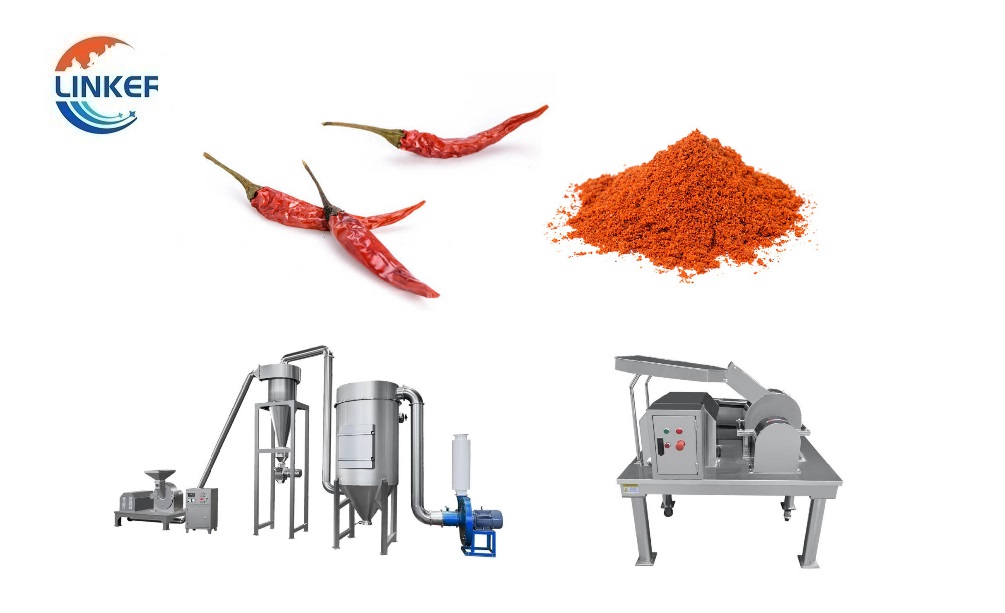
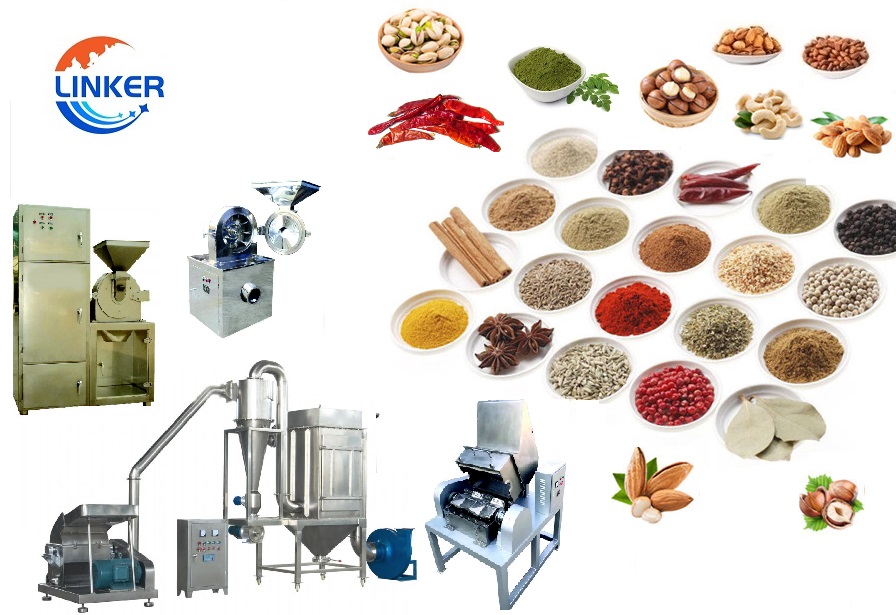
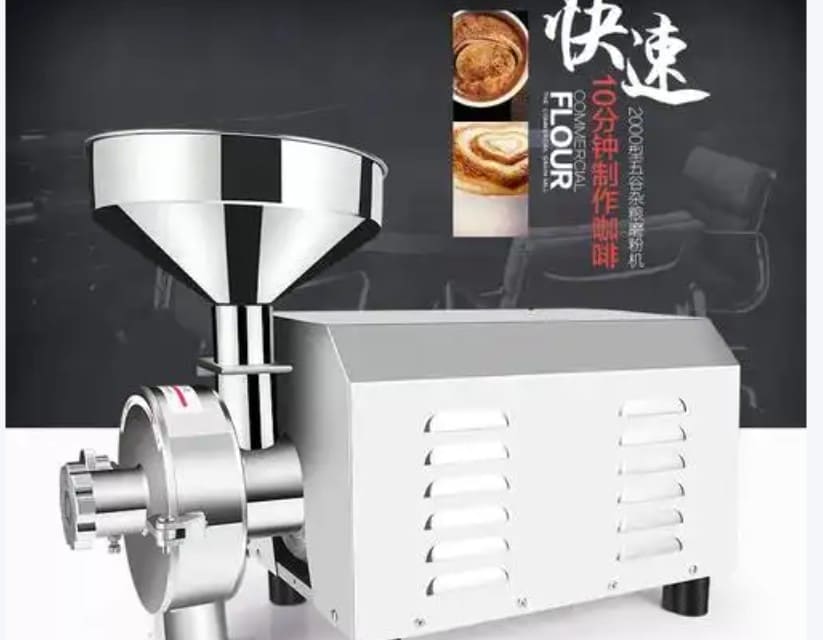
LKMixer is a professional manufacturer for fertilizer production line, grinder, mixer and granulator, shredder. These machines are widely used in food, pharmaceutical, cosmetic, health care products and chemical industries. The Food materials like Peanut, mushroom, seeds, potato, bean, tobacco, salt, cannabis, tea, Sugar, corn, Coffee, rice, pepper, grain as so on. Grinders have many types such as Pulse Dust Grinder which suitable for zero pollution environment, Turbine Mill which is suitable for coffee bean, 12-120mesh all can meet, Ultrafine Grinding Mill covers 80-200mesh, and also Winnowing Dust Grinder or other grinding machines like SF Hammer. Welcome to contact us for details. Contact us for more information. Proposal, catalog, quotation. Mobile/WhatsApp: +86 18019763531 Tel: +86 21 66037855 Email: sales@lkmixer.com
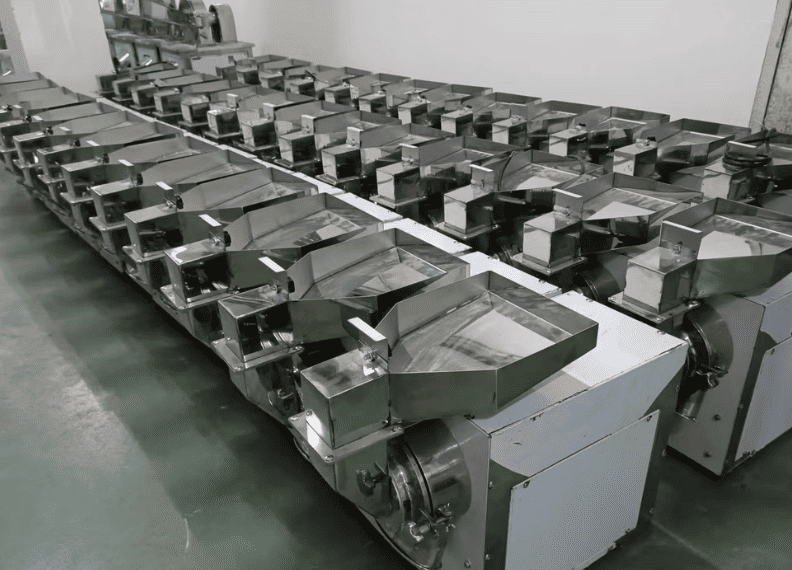
We have 20 years manufacturing experiences; 15600 cubic meters factory area; 5000sets annual capacity; 55 professional engineers;
What’s your main maket?
South America: Brazil, Colombia, Peru, Bolivia, Uruguay, Paraguay ;Romania; USA with UL Certification Middle East: Saudi, Arabia, Oman, Turkey Europe: Russia, Australia, Belarus, Ukraine, Poland
Can you support OEM?
– Yes, OEM or ODM. Machine can be customized according to customer detail requirement, including capacity and voltages, motor certifications. – Drawing and raw materials also can be customized.
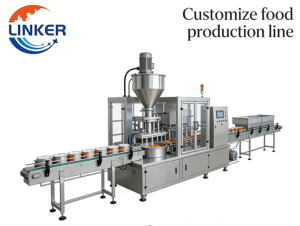
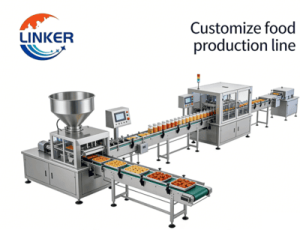
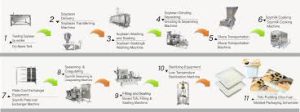
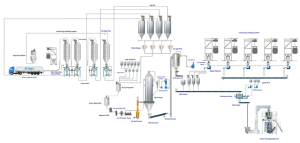
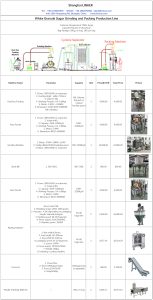
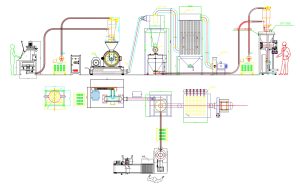
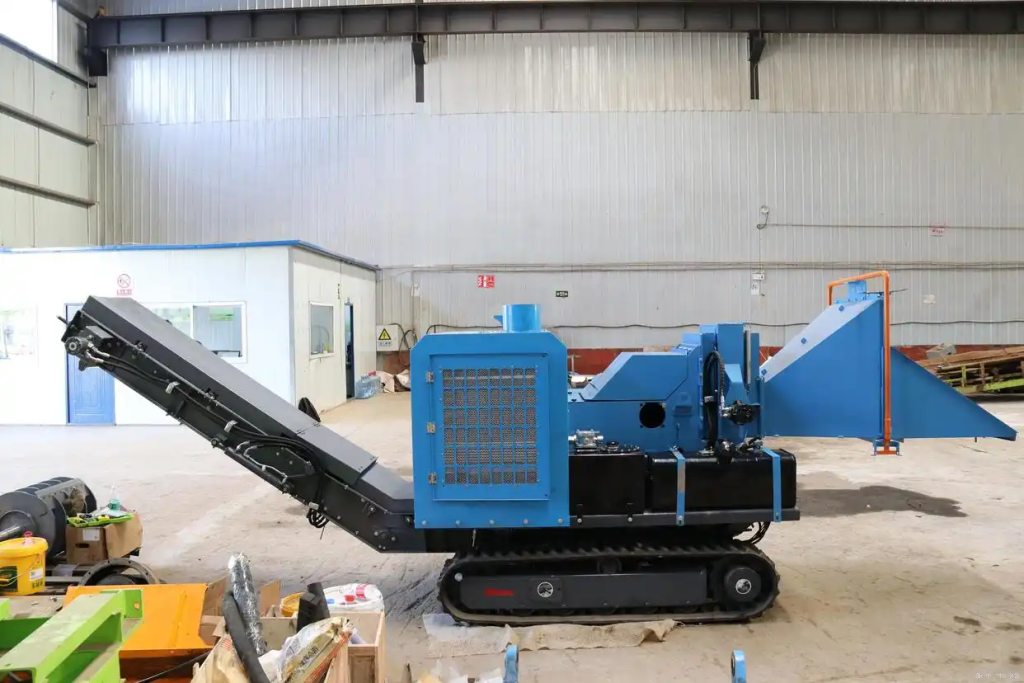
We majorly produce CRUSHER, GRINDER, MIXER, and also have auxiliary machines like DRYER, GRANULATOR, VIBRATING SIFTER, CONVEYOR, etc. We can customize whole production line according to your capacity, material, output sizes of mesh and mm of granule and powder.
CAN YOU GIVE ME GUIDE ON OTHER MACHINE ? TO FULL MY PRODUCTION LINE
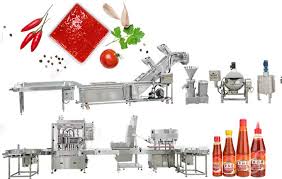
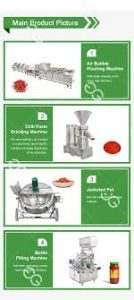
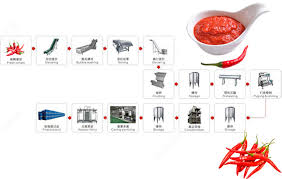
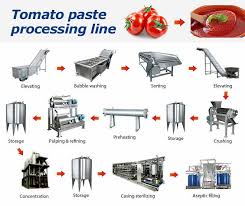
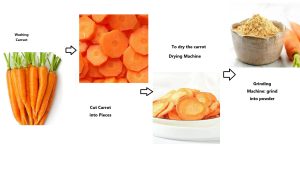
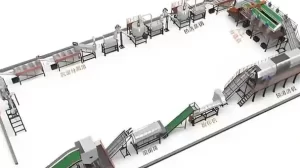
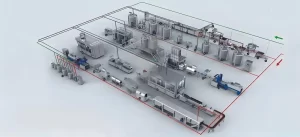
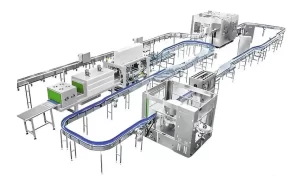
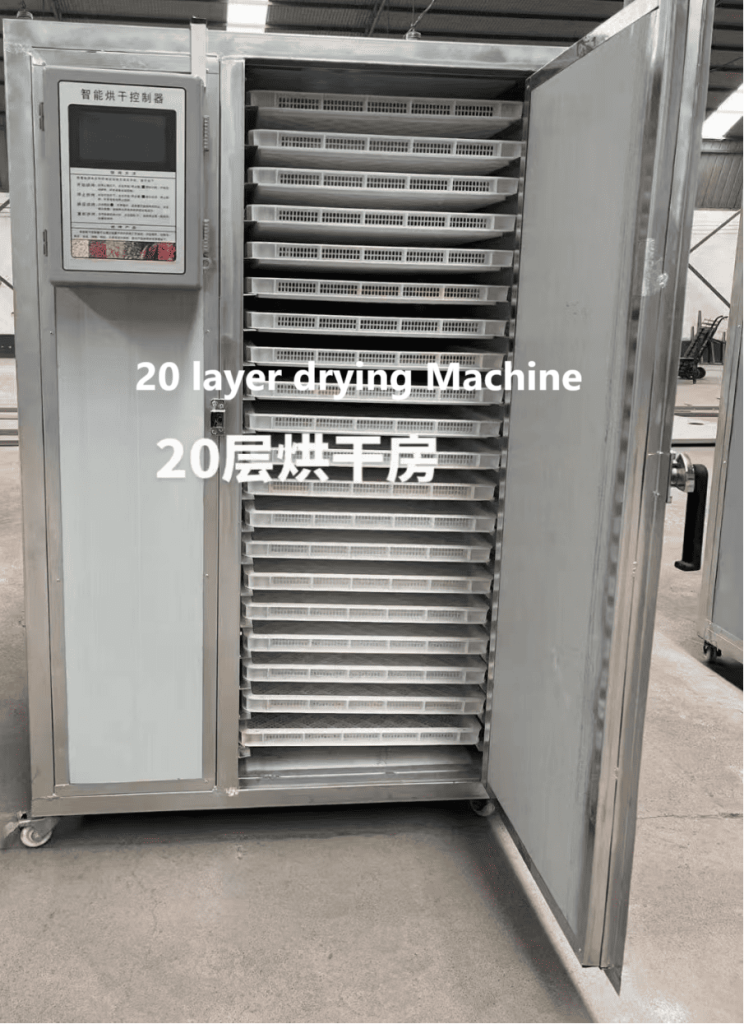
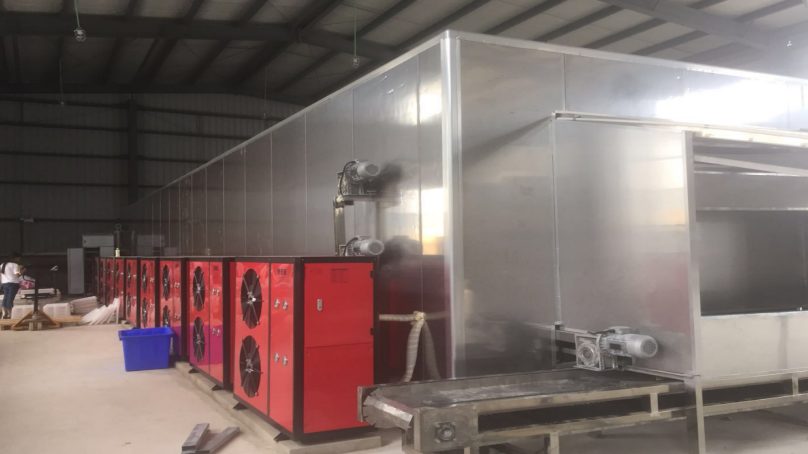
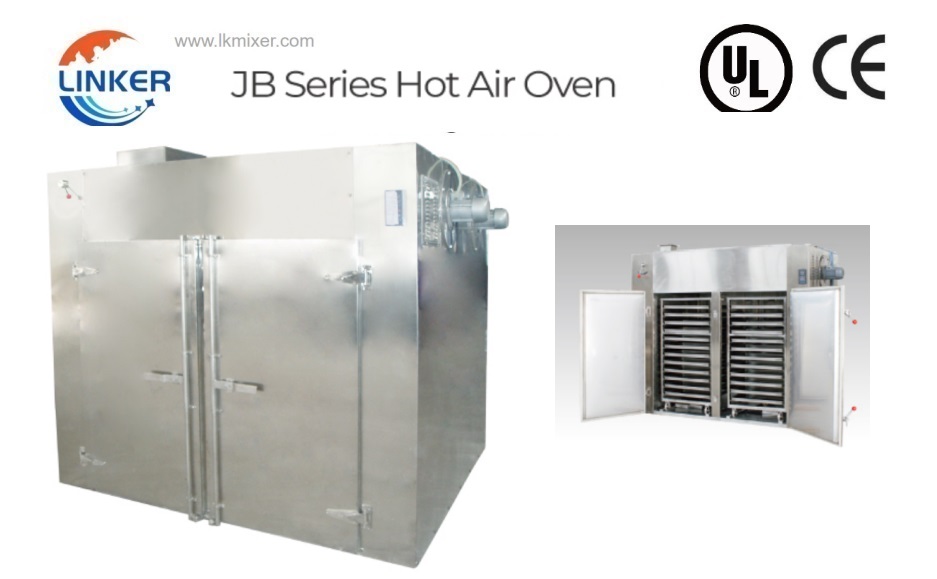
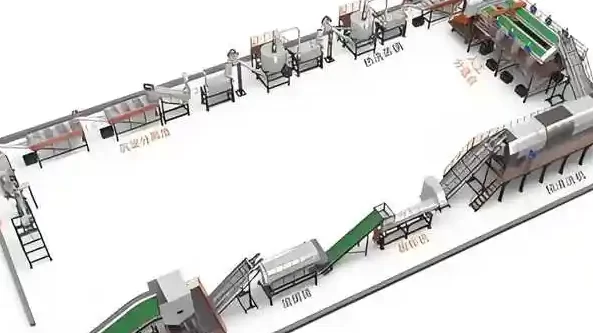
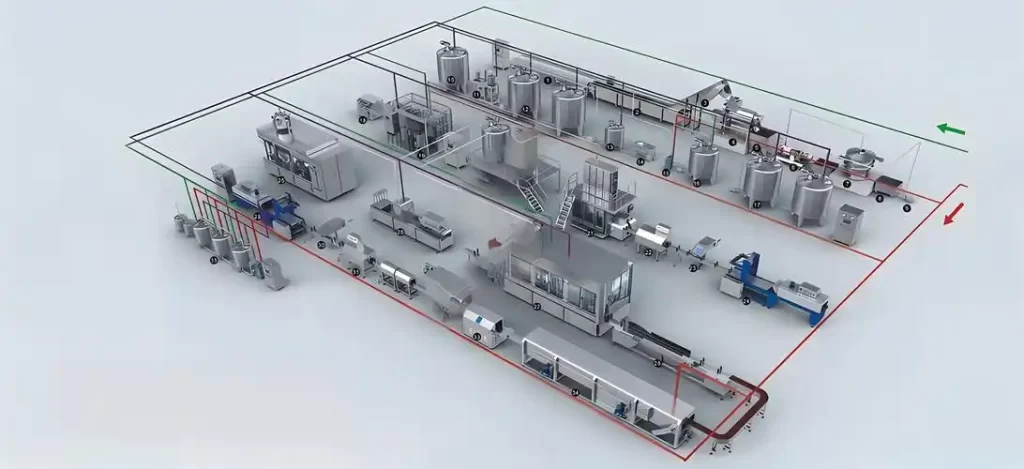
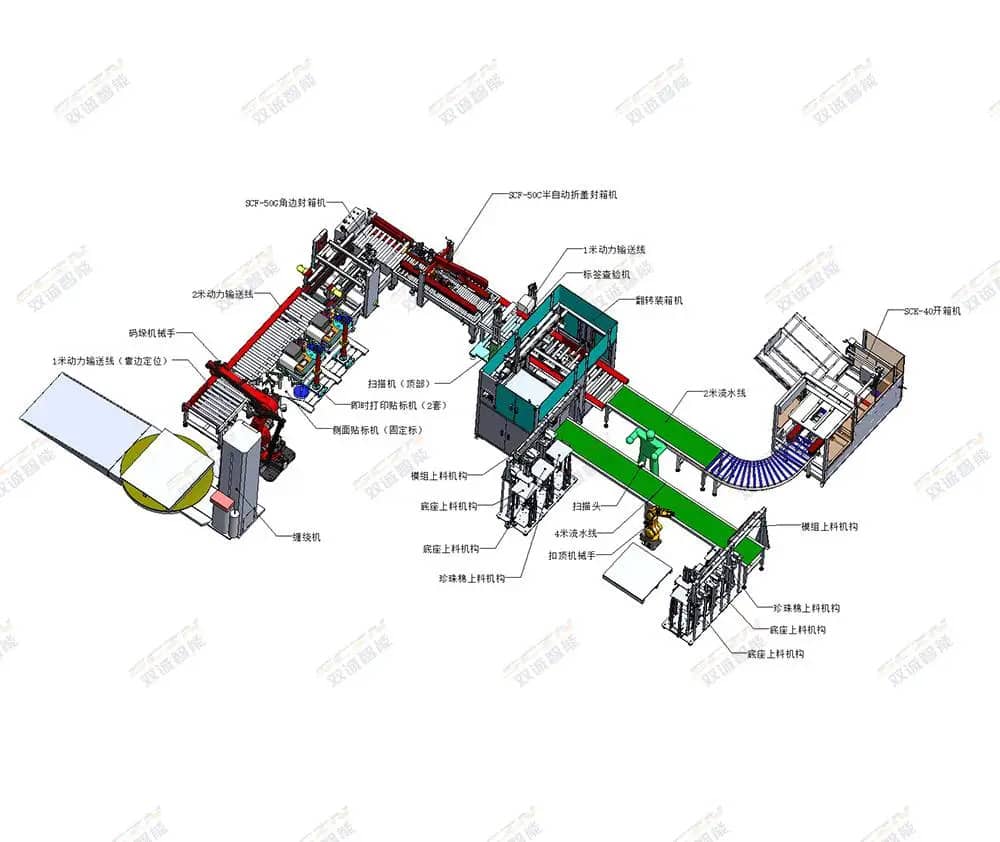
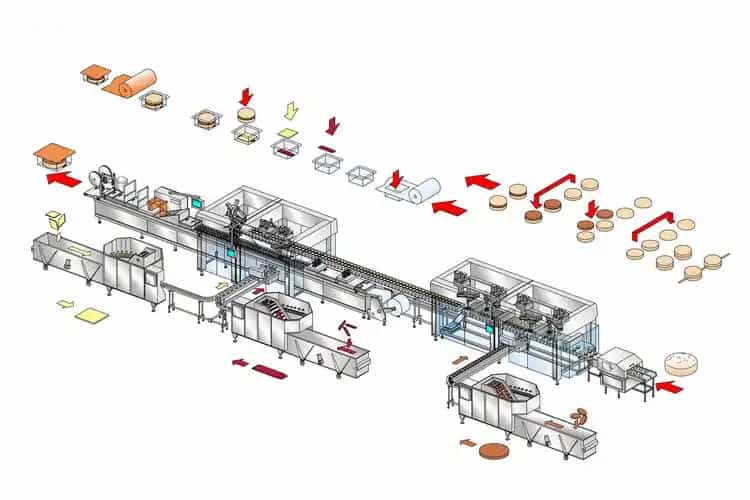
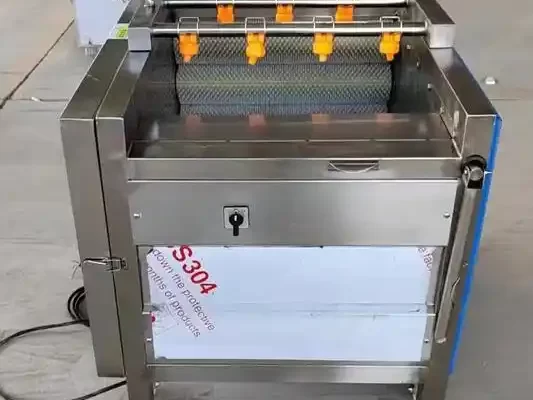
YES ! Our f have factory build more than 20 years now, we can design and customize whole line, besides of the grinding machine, mixing machine, we can also fully support to provide the washing machine, cutting machine, drying machine, packing machine, filling machine. Though we are not producing these machine, but our brother companies co-work together for over 20 years, we have rich experience in providing you a full effective production line, fully automatically or semi-automatically.
HOW TO VISIT YOUR COMPANY?
Our Factory located in Jiangsu Province, very near to Shanghai, you can fly to Shanghai Pudong Airport, we pick you up and take you by car 2 hours ride, can reach our factory, welcome your visit.
WHAT’S YOUR BEFORE & AFTER SERVICE ?
1) Before your purchasing, we need to know your detail request, such as what kind of material you want to grind and mixing, what final product powder or granule you want to reach. Because different material and powder sizes request of different machine to do. We can provide professional advice and rich experience help to choose machine. Most of the products we have already did before for other customer, trail test or run mass production, so we knows which machine is best in performance of grinding and mixing. This is of very importance in helping you choose the right model. We also wish this can help our customer a lot. Even the material we didn’t do before, we will prepare the same material and to do the trail test and send video to you for your reference. 2) One Year guarantee of machine quality. If the machine have problem within one year, we will send you the spare parts to you for replacement, but this not including the damage caused by human causes. We also have 24 hours on line guide for customer, if you have operation difficulty, we will guide by video and on line communication with our engineer for your emergency debug. 3) For small machine, we sell with whole machine, it’s no need to install, and easy to operation, no problems for operation. While for large machine, its’s also not difficult to install with video guideline, but if you need, we can assign our technicians to go abroad, the round ticket, food and residents will be paid by customer.
HOW ABOUT YOUR PAYMENT TERM?
Our payment term is T/T. 50% payment in advance, rest of 50% payment finish before the goods shipped. When we finish the machine production we will do trail test and run the machine take videos for your green light. You pay the rest of 50% payment then.